

At the very tip of Cape Cod, Provincetown, Massachusetts, sat like a world unto itself. In the late 1930s, it drew summer visitors seeking sun and ocean air, but beneath that seasonal charm was a working town with real people living real lives year-round. Between 1937 and 1940, photographer Edwin Rosskam turned his lens on all of it — the beaches, the boats, the storefronts, and the faces that made Provincetown what it was.
Rosskam was born in Munich, Germany, to American parents, and came to the United States in 1919. He trained as a painter at the Pennsylvania Academy of Fine Arts in Philadelphia, but photography eventually pulled him away from the canvas. By the time he reached Provincetown, he had already developed a sharp eye for documenting everyday American life.
His work in Provincetown came during his time with the Farm Security Administration, a federal agency that sent photographers across the country to document American life during the Great Depression. The FSA archive became one of the most important collections of American photography ever assembled, and Rosskam’s contributions were a key part of that record.
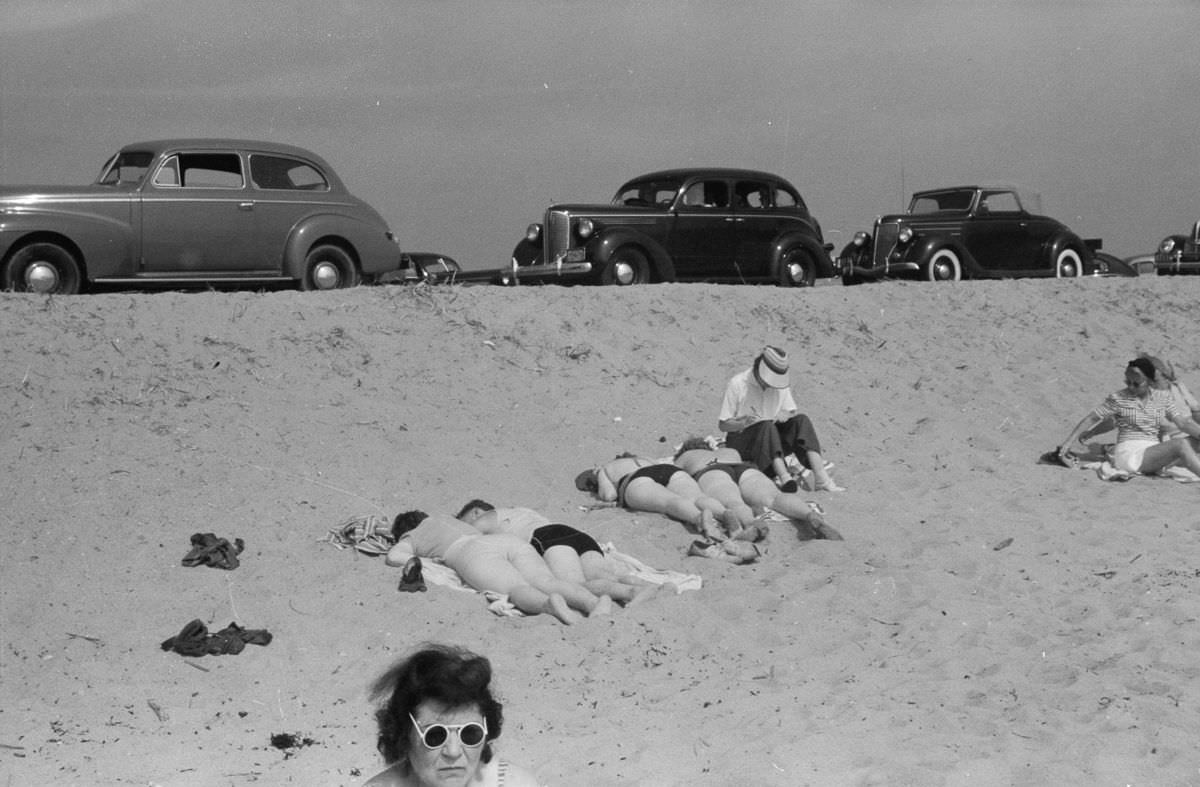
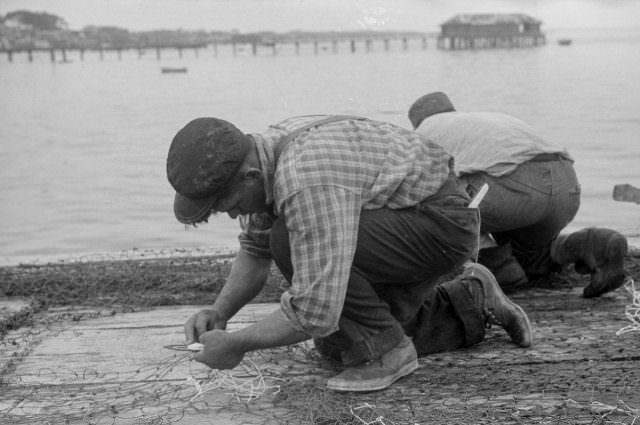
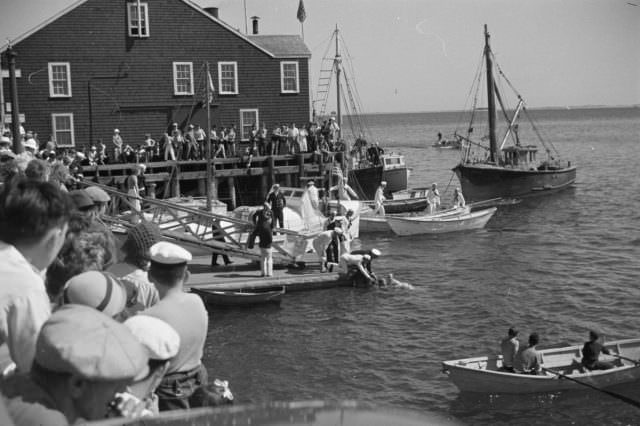
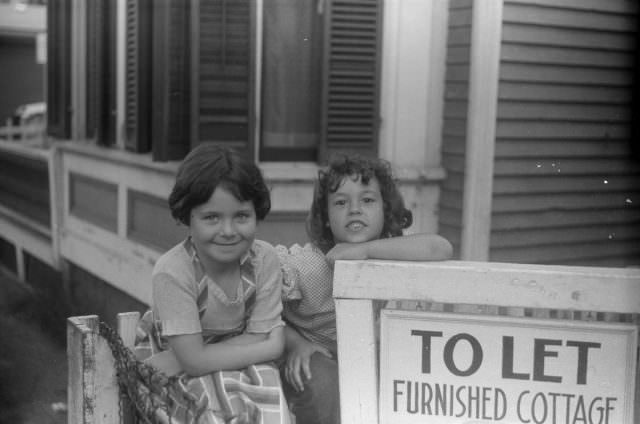
Provincetown in summer was a resort town. Tourists arrived for the beaches, the warm Atlantic water, and the salt air. But the summer season was only one layer of the town’s life. Rosskam photographed both sides — the leisure of visitors and the labor of locals who kept the place running before, during, and after the tourist rush.
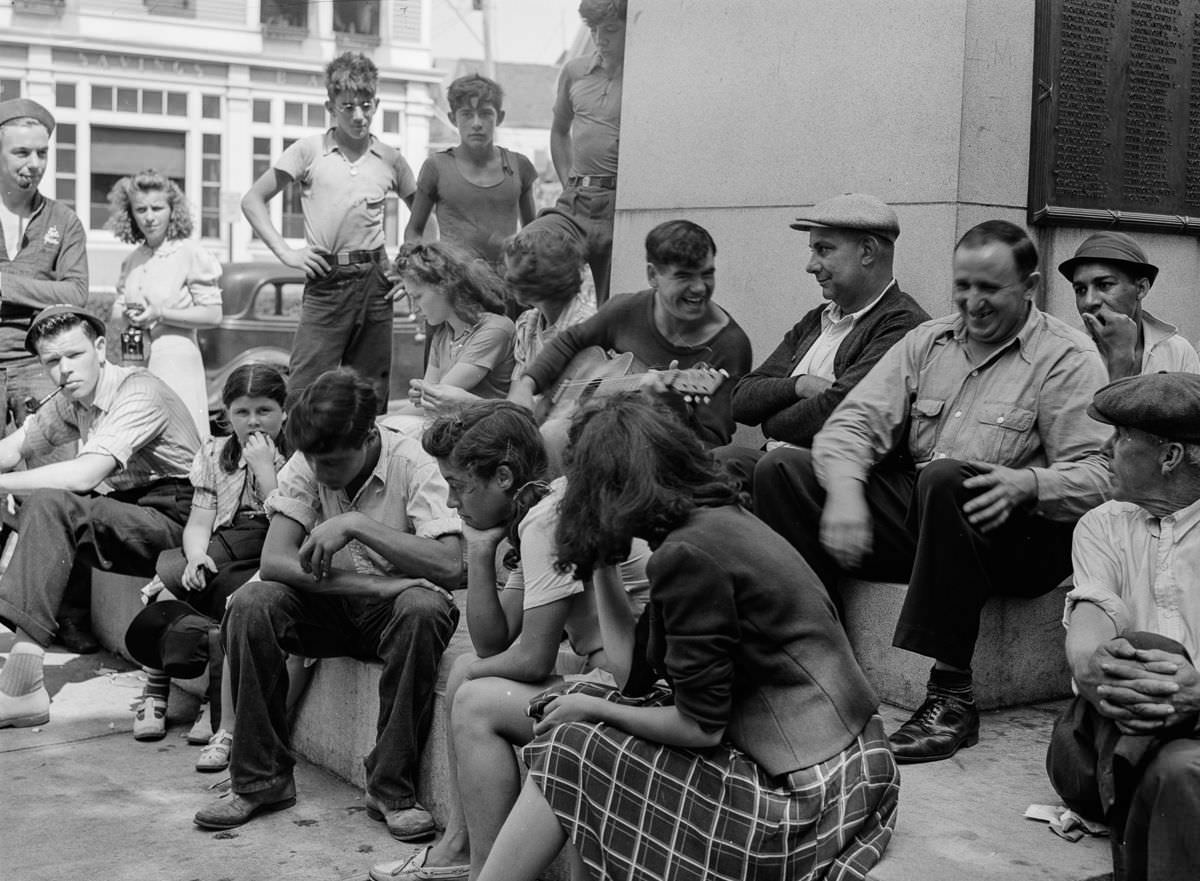
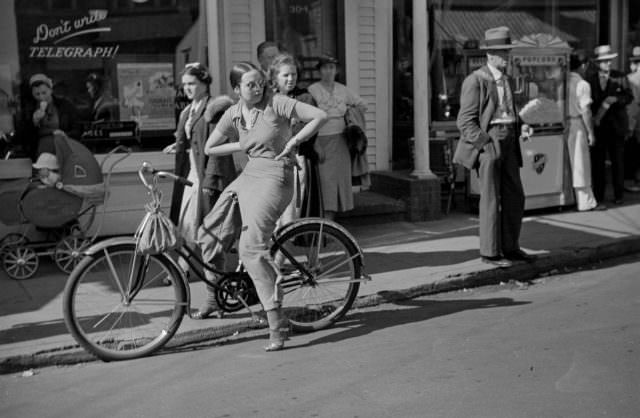
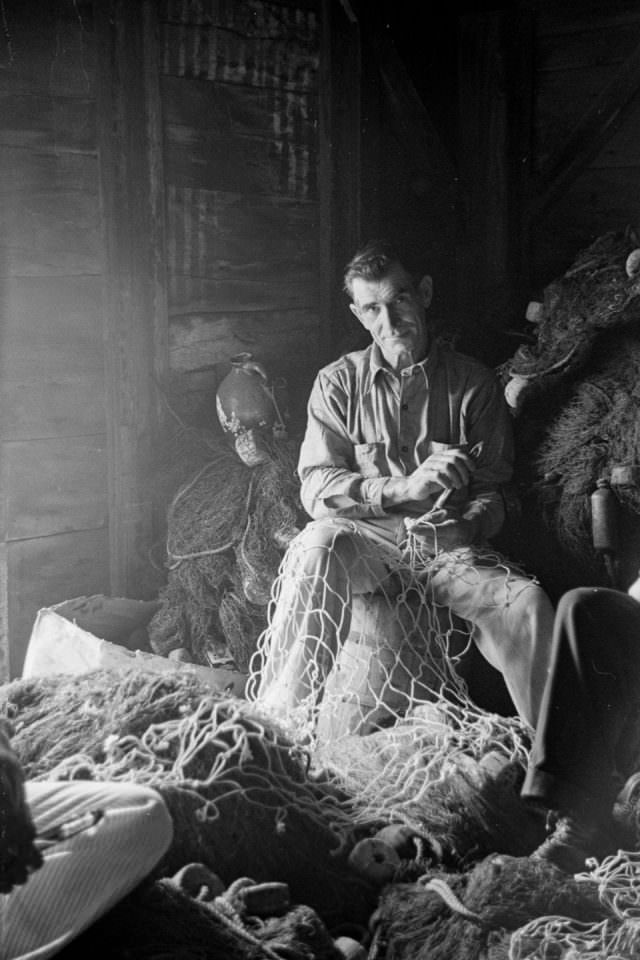
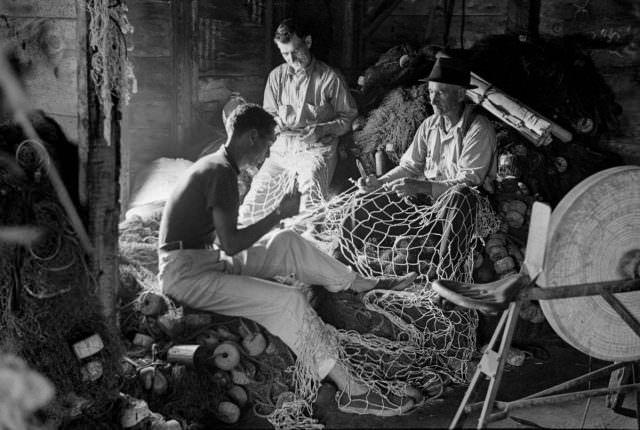
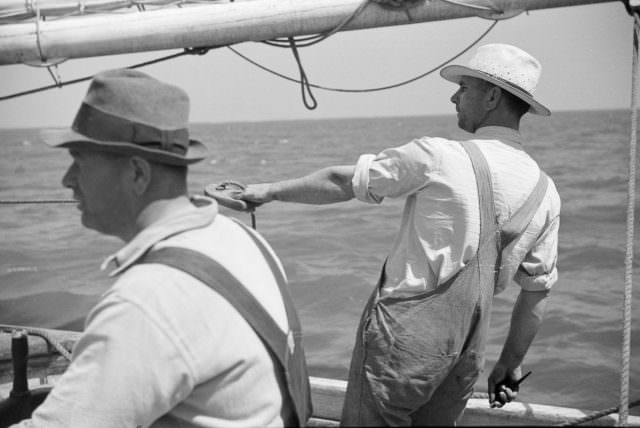
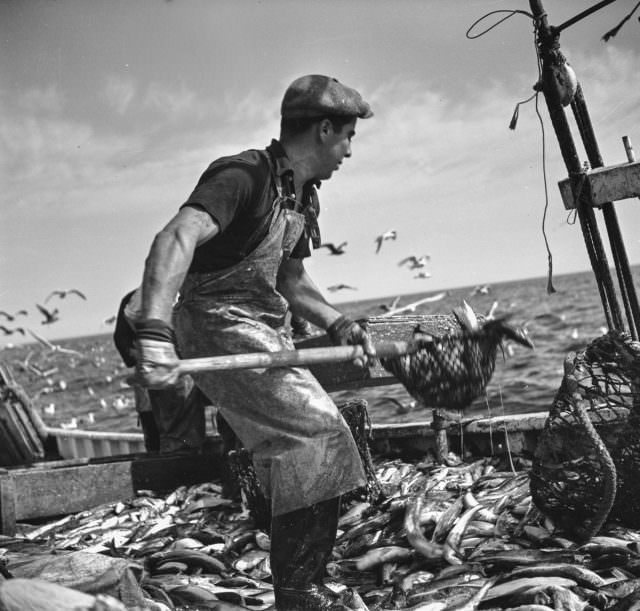
Fishing was central to Provincetown’s identity. The town had a long Portuguese-American community whose families had worked the waters for generations. Their boats, their nets, and their docks appear throughout Rosskam’s photographs as fixtures of ordinary life, not just as picturesque scenery.
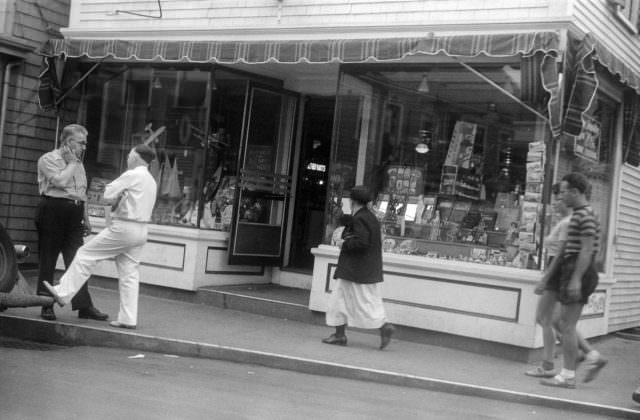
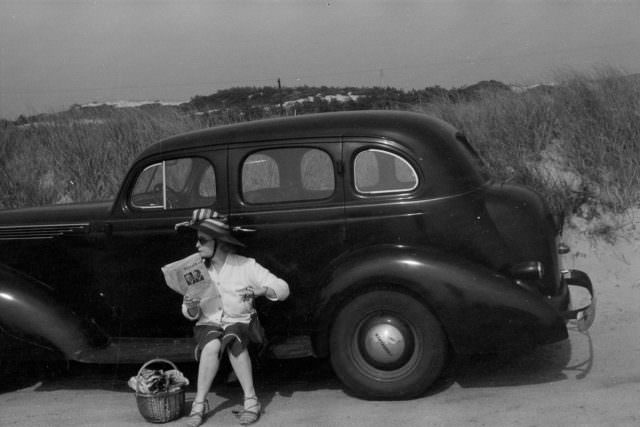
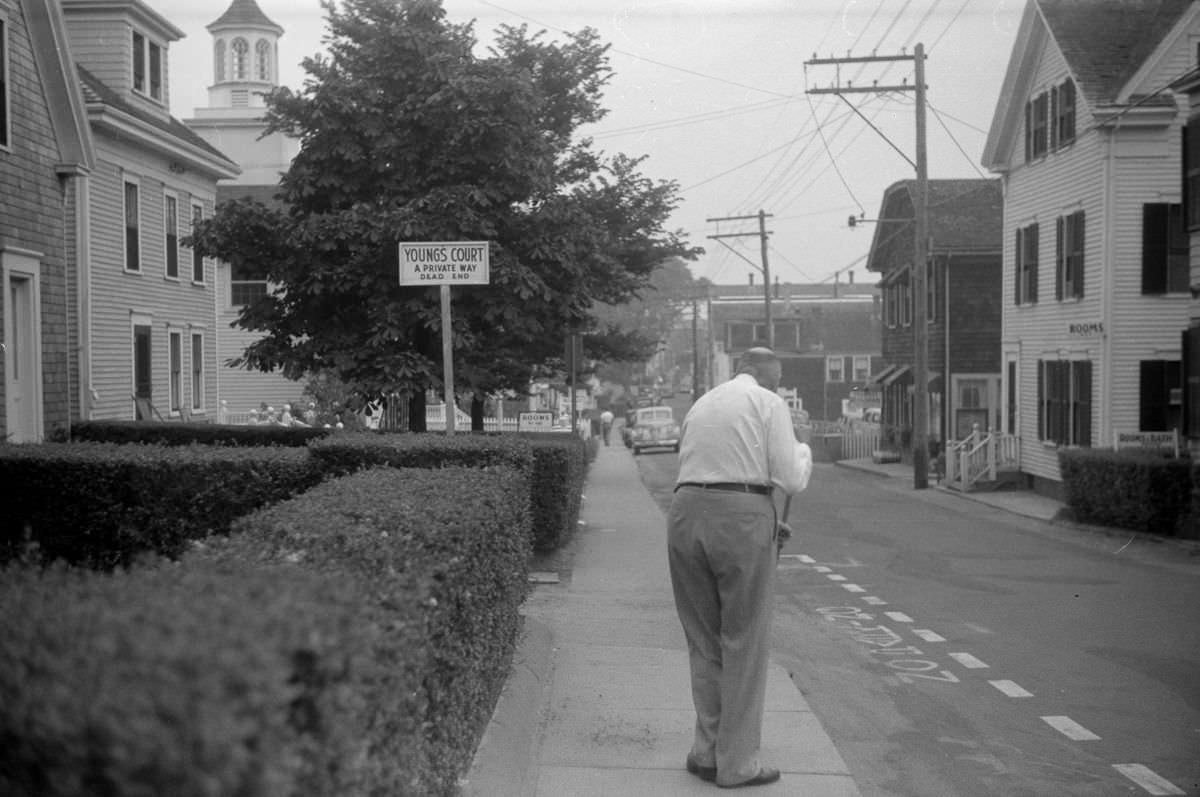
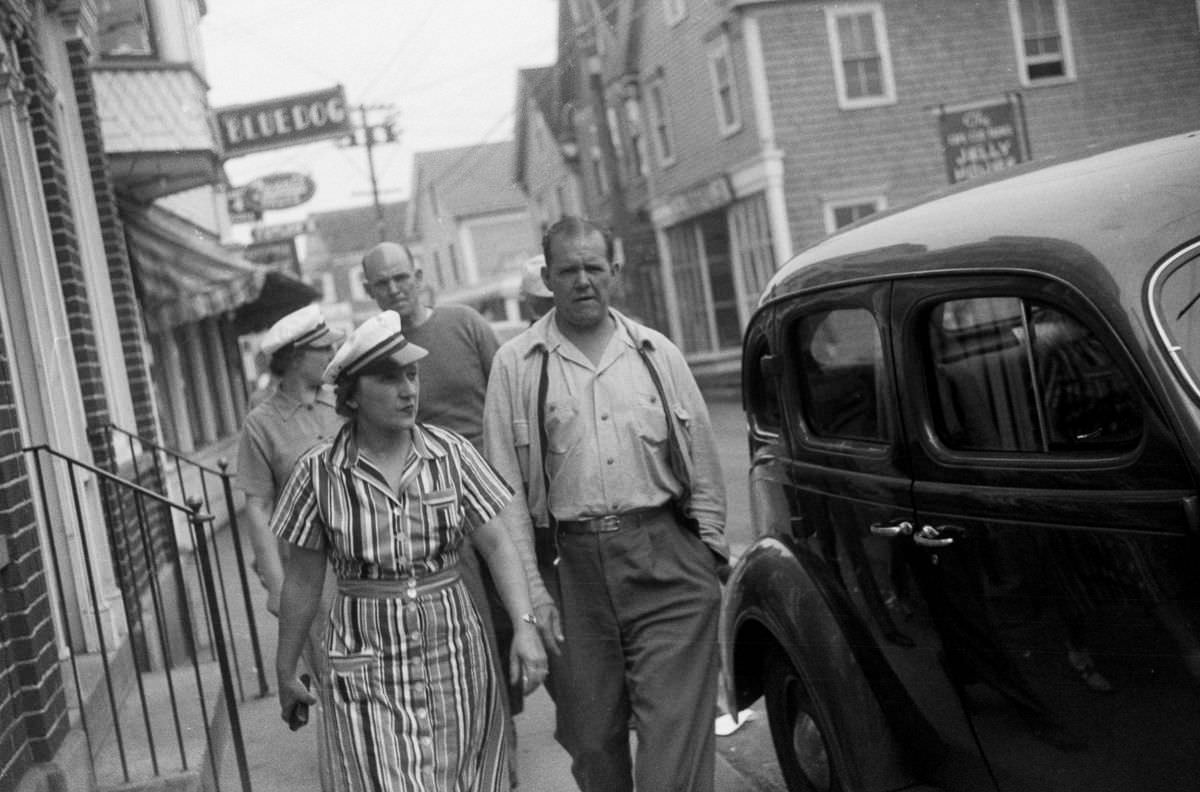
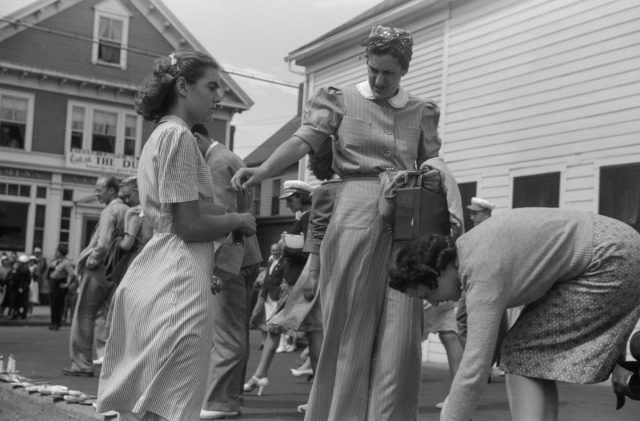
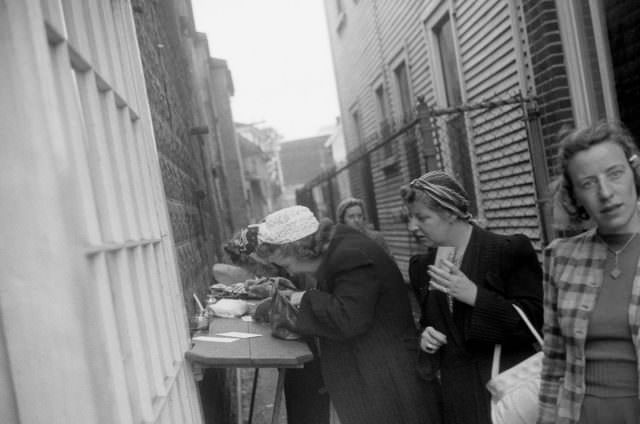
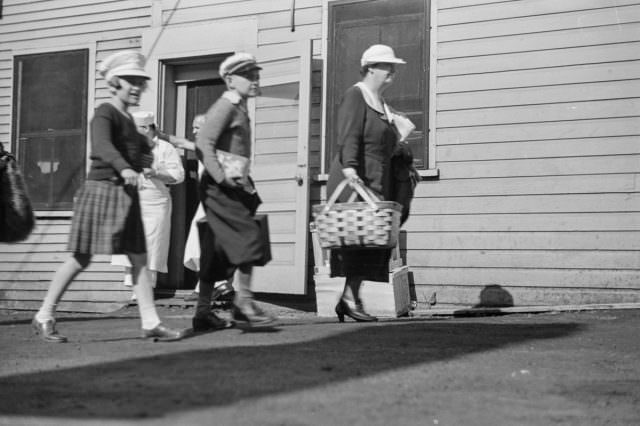
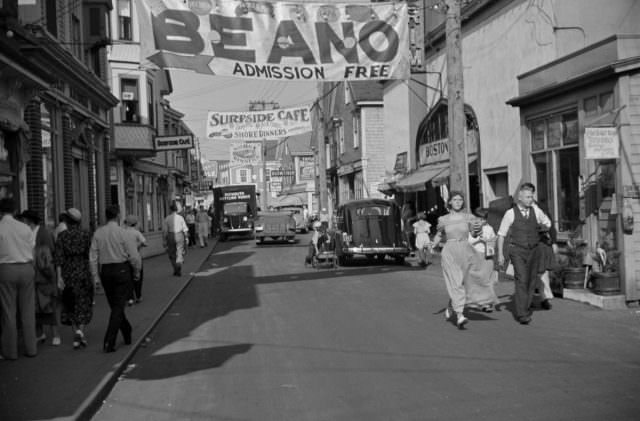
The streets of Provincetown told their own story. Small shops, weathered storefronts, and narrow lanes defined the town’s commercial heart. Rosskam moved through these spaces with a documentary eye, framing scenes that felt unposed and immediate — a quality that set FSA photography apart from more formal studio work of the era.
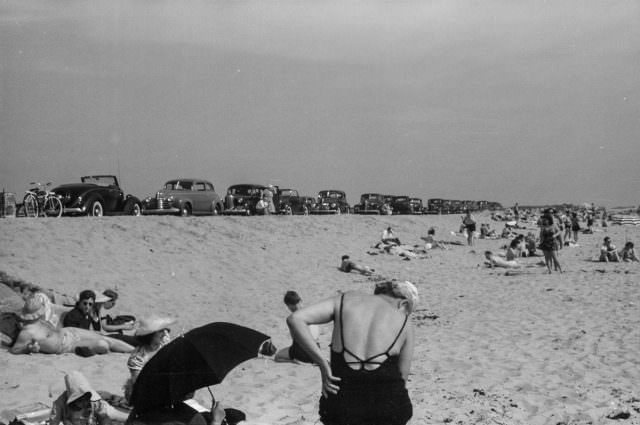
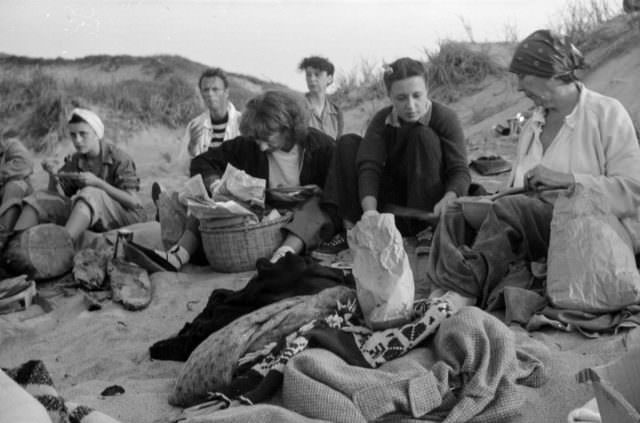
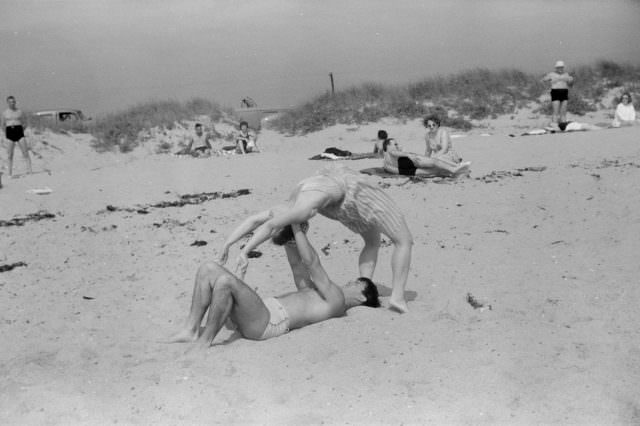
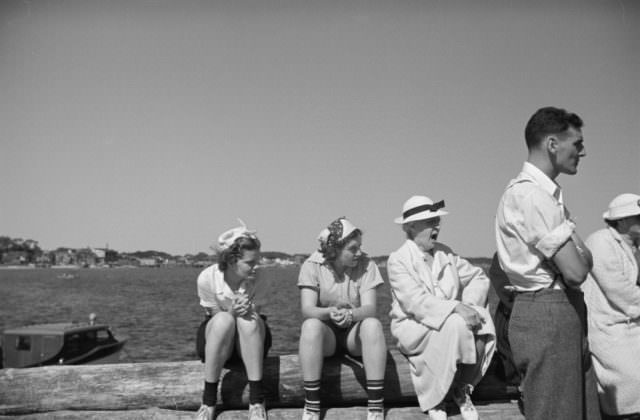
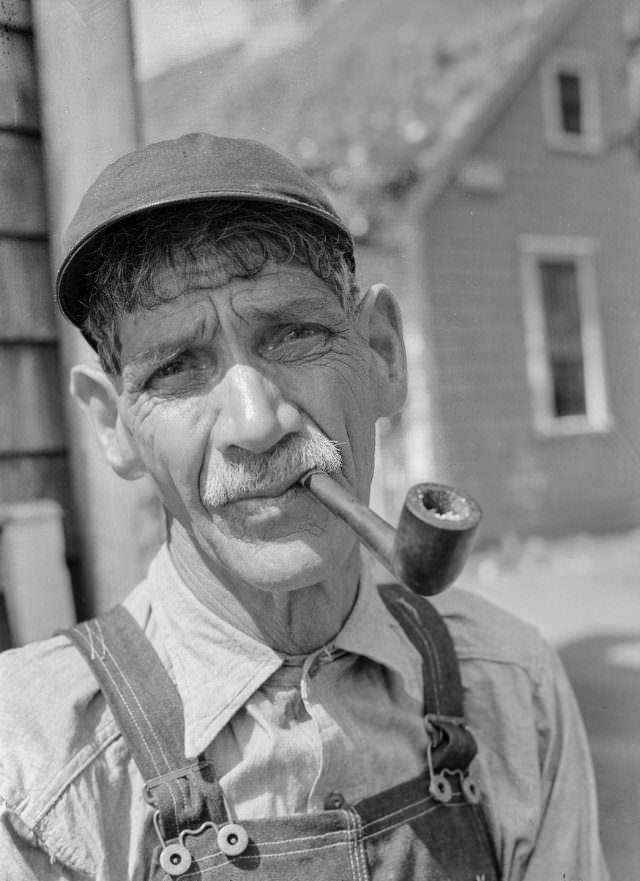
Children, workers, shop owners, and beachgoers all appear in his frames. Rosskam had a talent for photographing people without making them look stiff or self-conscious. His subjects often appear caught in the middle of something — a conversation, a chore, a moment of rest — which gives the photographs a strong sense of authenticity.
Rosskam’s career extended well beyond Provincetown. In the late 1930s, he worked for Life and Look magazines, including assignments in Puerto Rico. In the early 1940s, he photographed refineries and river scenes for the Standard Oil Company, producing gritty industrial images that contrasted sharply with the coastal scenery of Cape Cod.
In 1941, Rosskam collaborated with novelist Richard Wright on 12 Million Black Voices, a folk history of Black Americans told through photographs and text. The book combined Wright’s powerful writing with images drawn largely from the FSA archive, producing one of the most striking documentary works of the decade.
Seven years later, in 1948, Rosskam published Towboat River alongside his wife, Louise. The book combined photographs and written text to document life on the Mississippi and Ohio Rivers — watermen, vessels, river towns, and the rhythms of commerce that moved along those waterways.
In later years, Rosskam returned to Puerto Rico, where he worked for the island’s government in a rural education program. His career followed no single straight line — it bent through documentary photography, magazine journalism, industrial work, book publishing, and public service. But the thread connecting all of it was a genuine interest in how ordinary people lived.
The Provincetown photographs remain among his most accessible work. Cape Cod in the late 1930s was a place caught between its fishing past and its growing identity as a summer destination. Rosskam documented that tension without forcing a conclusion about which version of the town was more real.
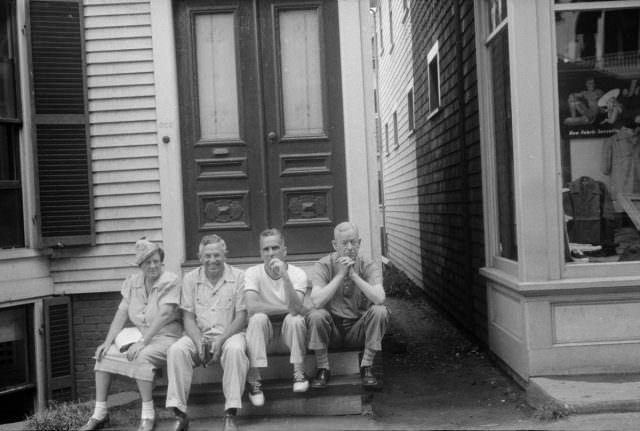
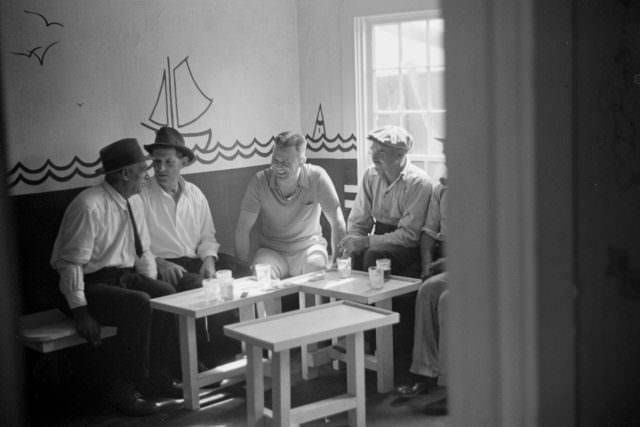
What comes through most clearly in these images is the texture of daily life. The light on the water, the wear on a fisherman’s hands, the bustle of a summer street — Rosskam captured all of it with the same steady, observant attention he brought to every place he worked.
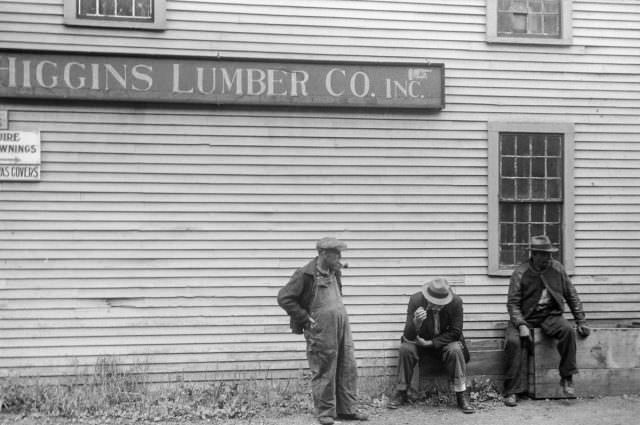
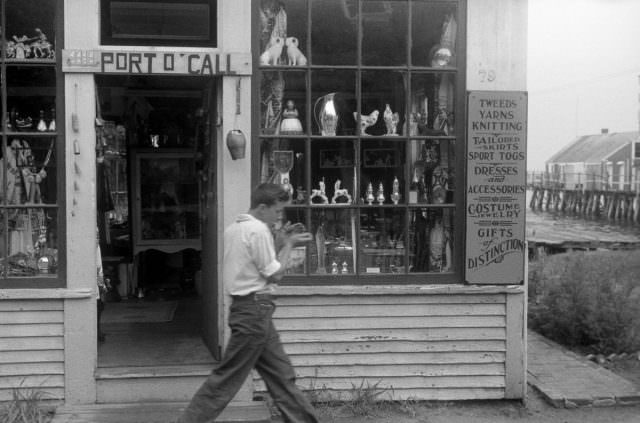

I get nostalgic sitting on a bar stool thinking of the thousands that have been in the same spot over the centuries living their own experience. It can be humbling being in some of these buildings.
I look at these pictures and the people, the buildings, the beaches, and the vibe, and not much has changed. People loving a beautiful town. Still the best place to be in the world!
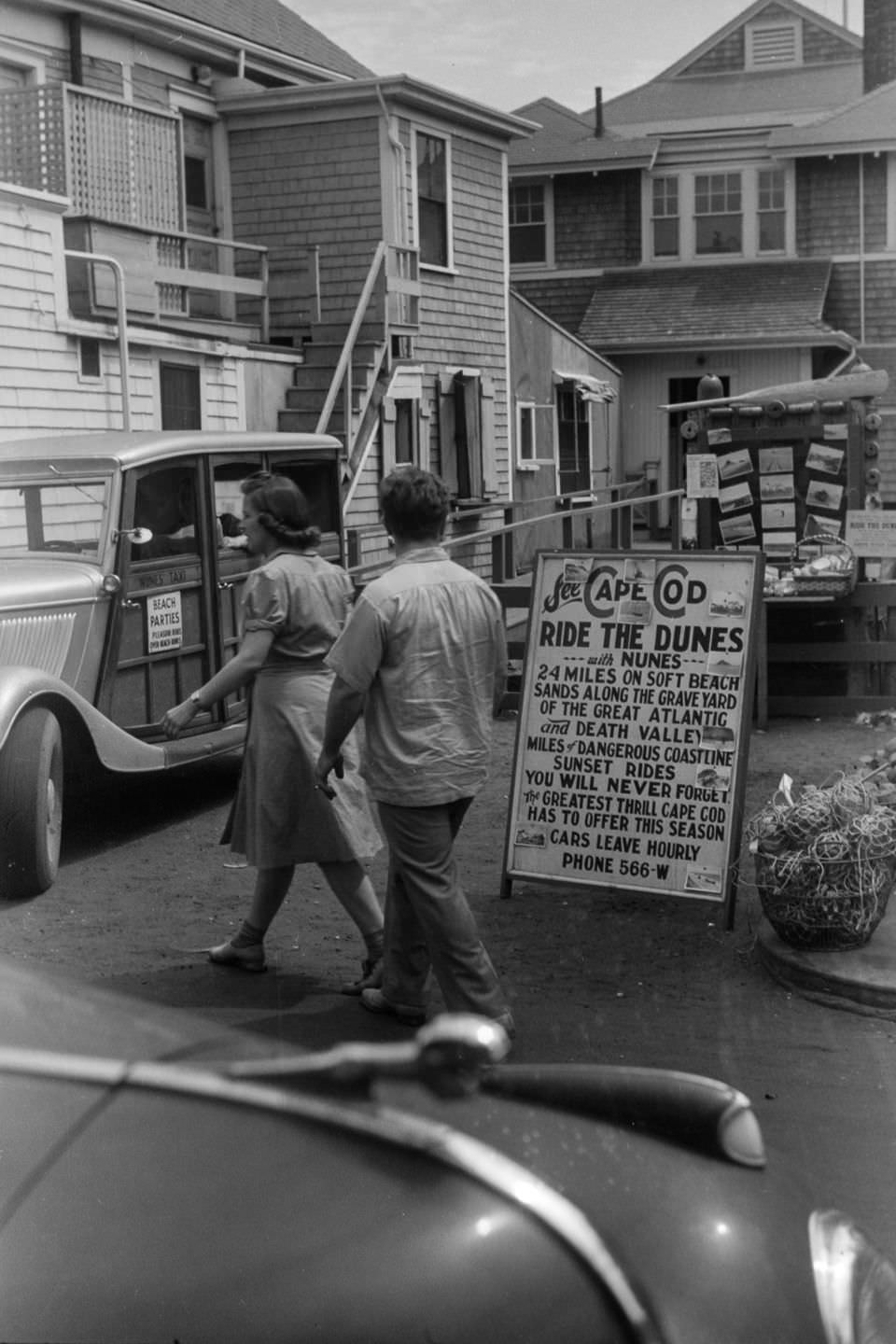
Love it! Thank you. Great to see something’s have not changed that much- biking and walking on Commercial, beaches, and Art’s Dune Rides. We all need to appreciate the folks who work so hard to keep P’town a great place. And, a special shout out to the fishing community!