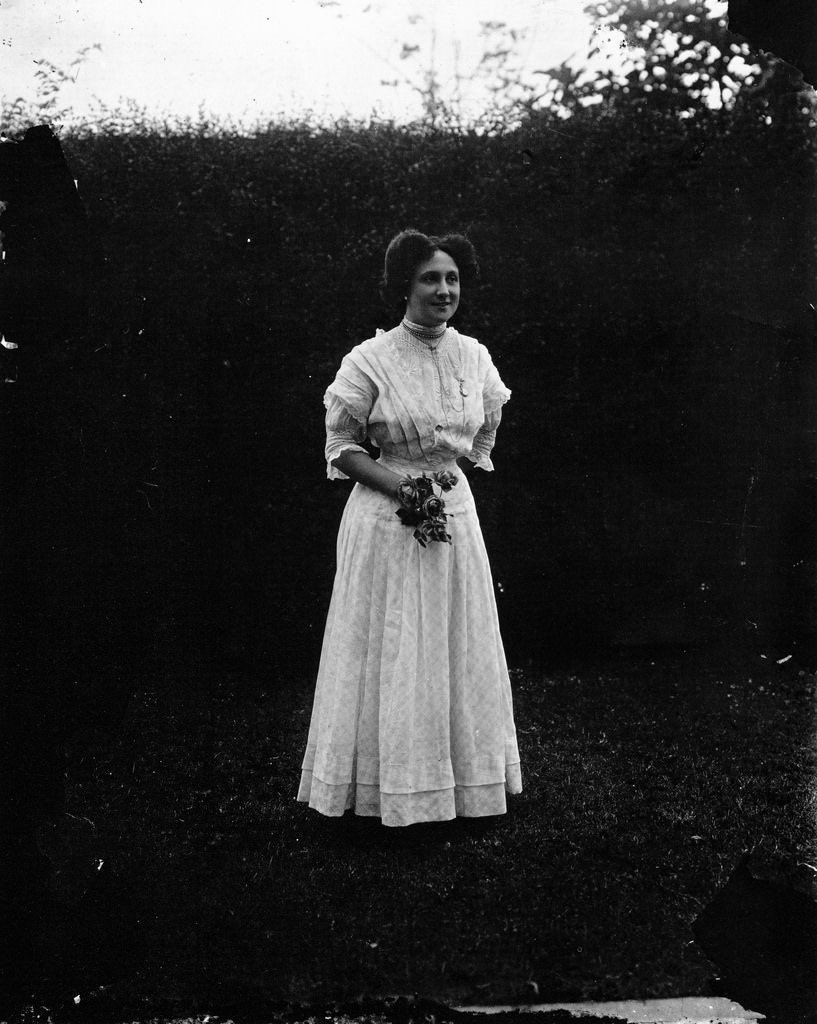
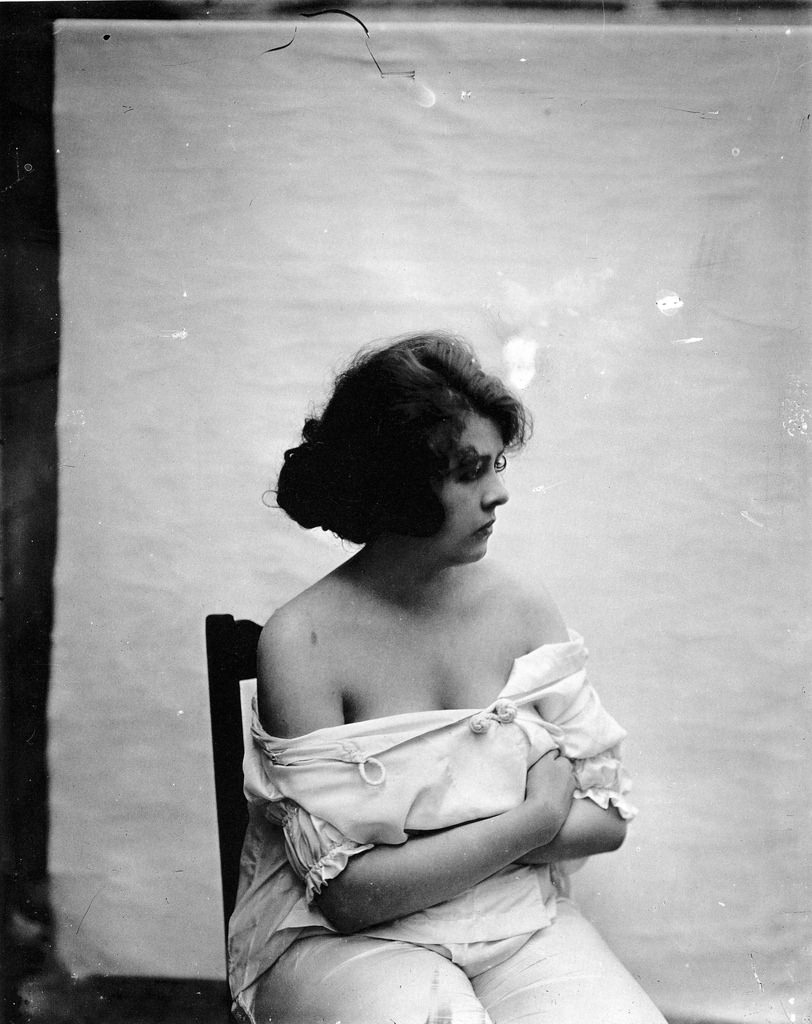
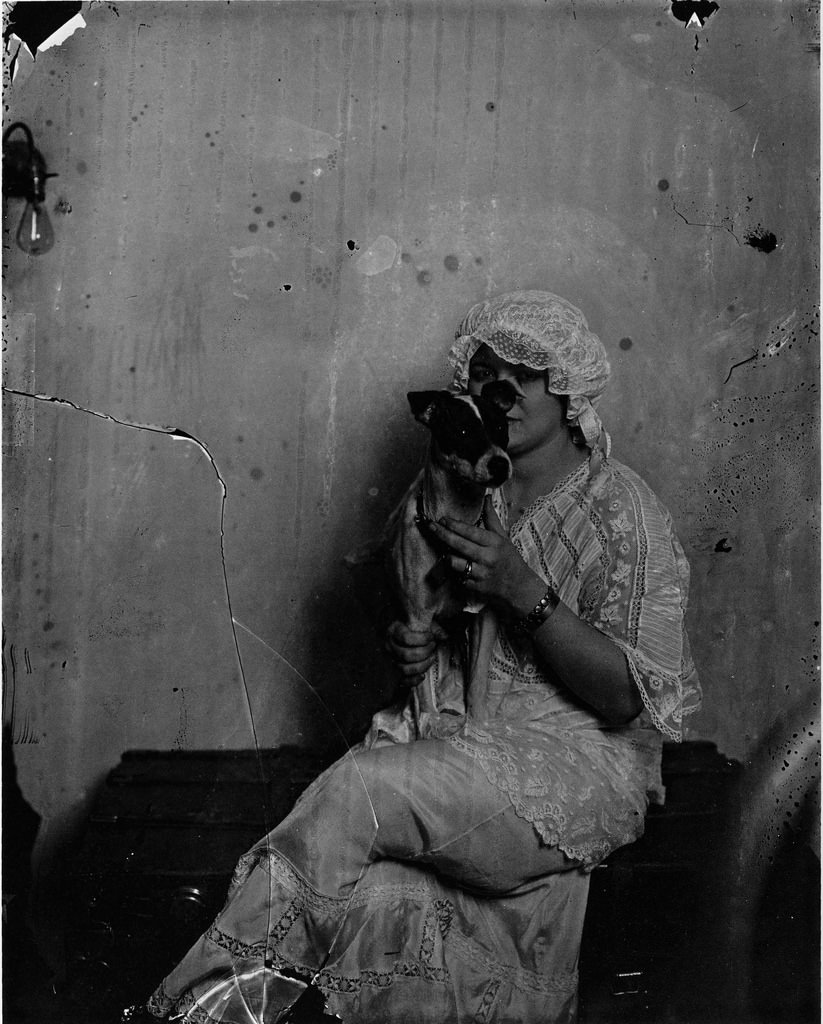
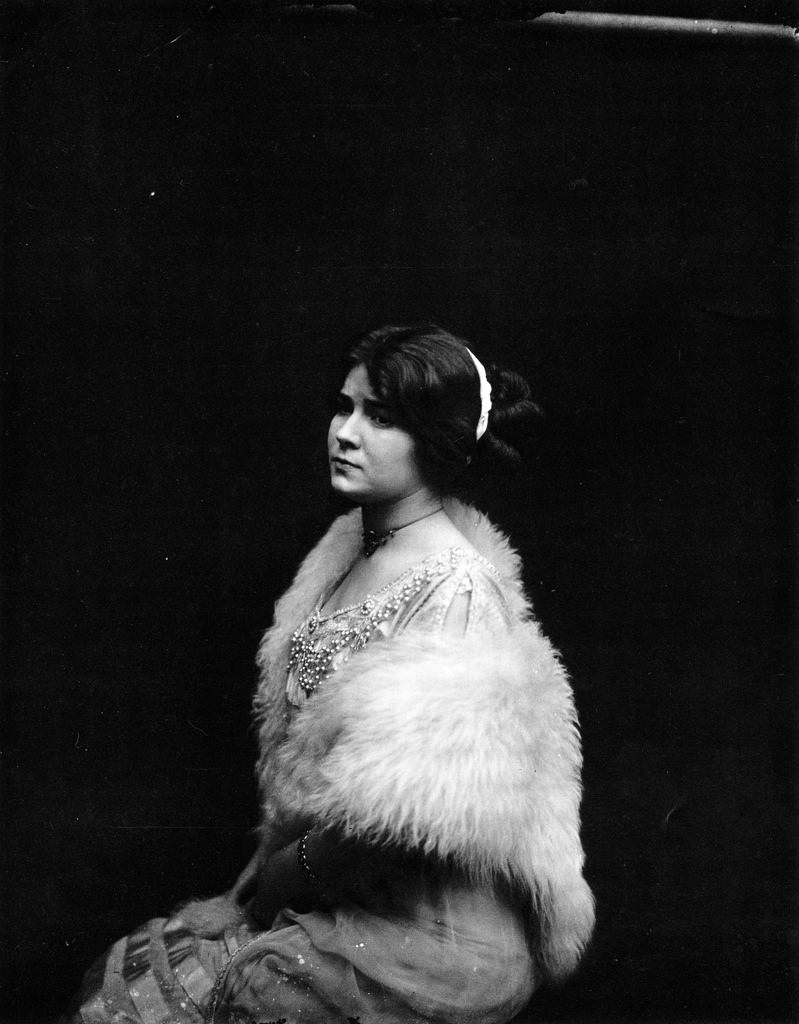
At the turn of the 20th century, New Orleans was home to something that existed nowhere else in the United States: a legally sanctioned red-light district. Storyville, established in 1897, operated openly until the U.S. Navy Department forced its closure in 1917. Within those roughly 38 city blocks, prostitution was not hidden — it was regulated, taxed, and documented. French photographer E.J. Bellocq walked into that world with his camera and produced one of the most unusual and quietly powerful bodies of work in American photographic history.
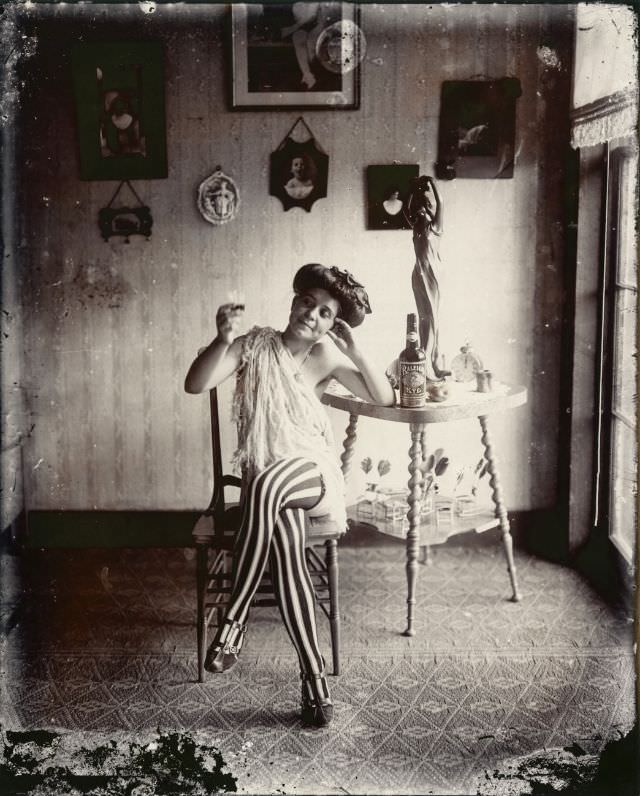
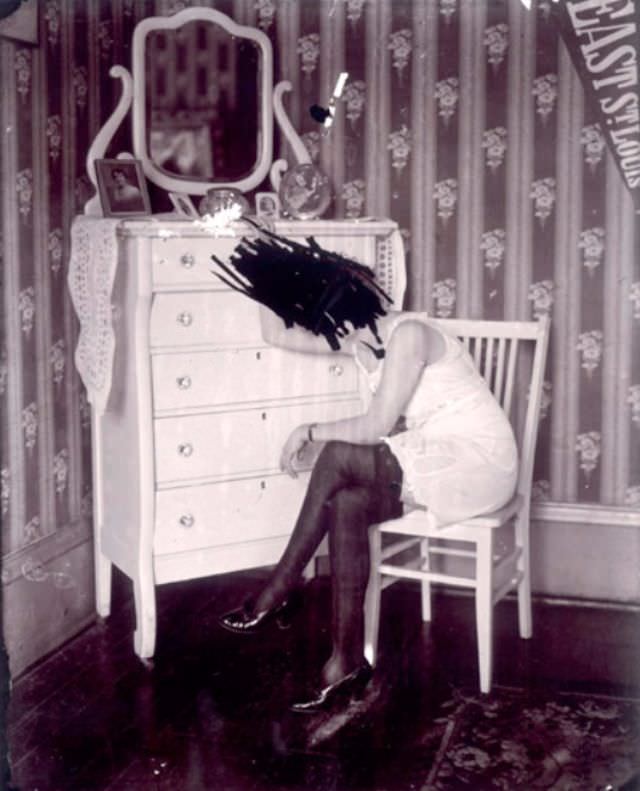
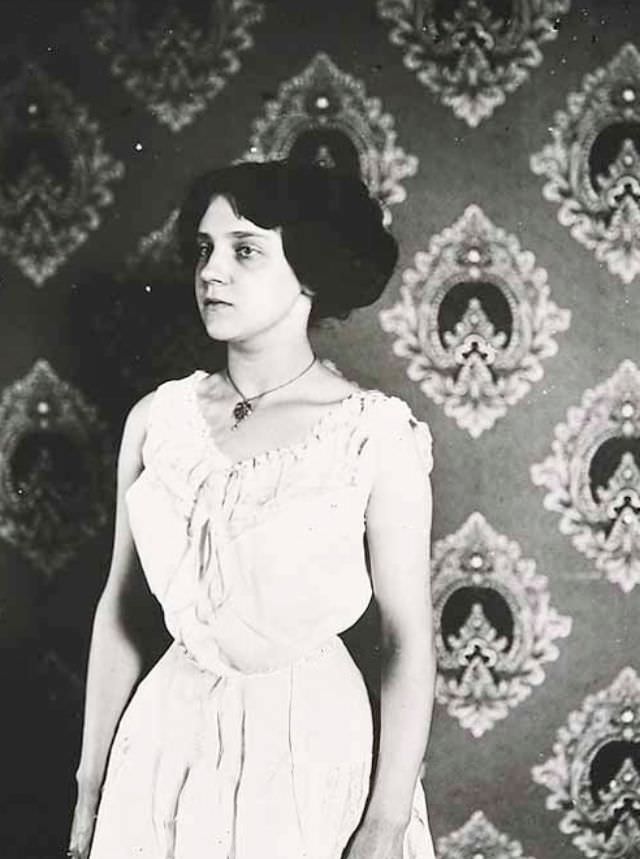
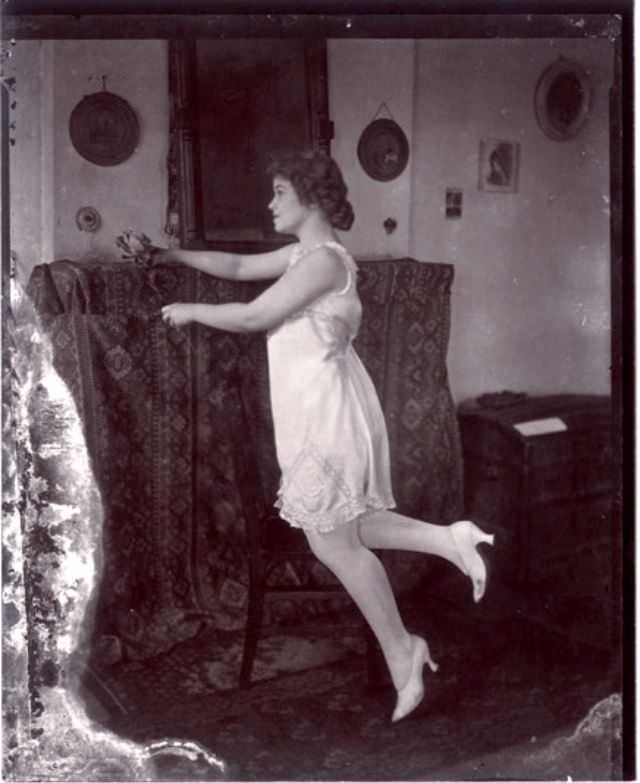
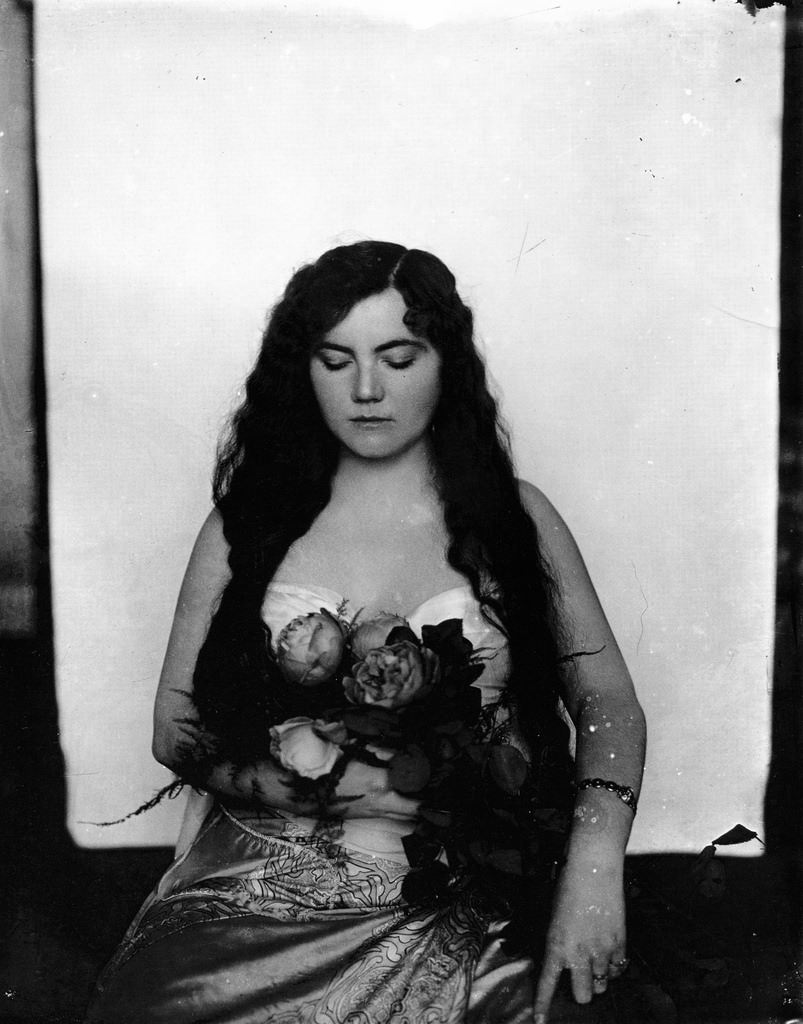
Bellocq’s photographs from Storyville are entirely portraits of women. He documented not just the women themselves but also the interiors of the brothels where they lived and worked — the furniture, the wallpaper, the personal objects that filled their rooms. These details make the images more than just portraits. They are records of a specific place and time, showing the daily environment of women whose lives are otherwise largely absent from the historical record.
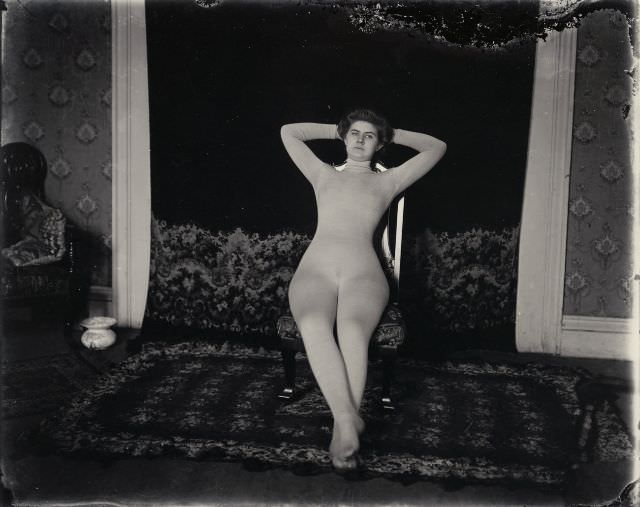
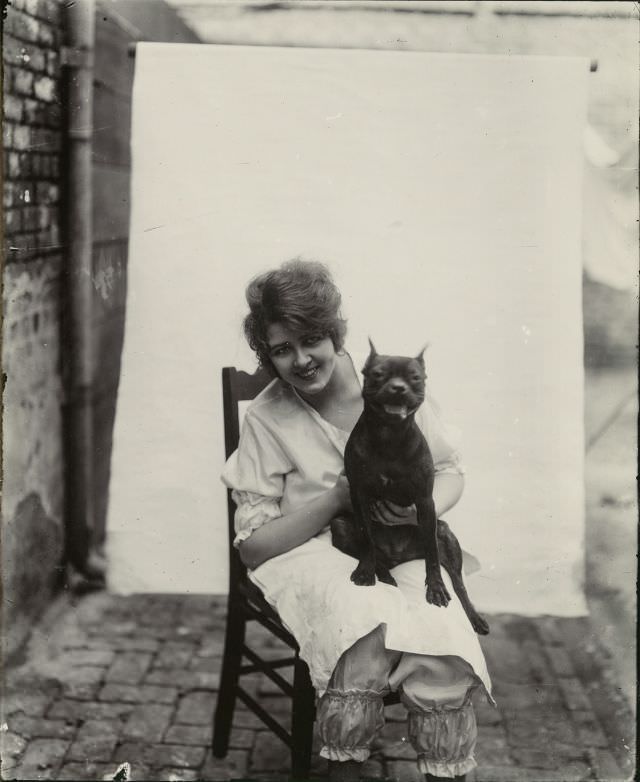
What makes Bellocq’s negatives especially notable is the damage many of them carry. Several negatives were deliberately defaced — the faces of the women scraped away while the photographic emulsion was still wet. Because the damage was done before the emulsion dried, most historians point to Bellocq himself as the most likely person responsible. However, the negatives passed to his brother, a Jesuit priest, after Bellocq’s death, and suspicion has also fallen on him. The true reason for the destruction remains unknown.
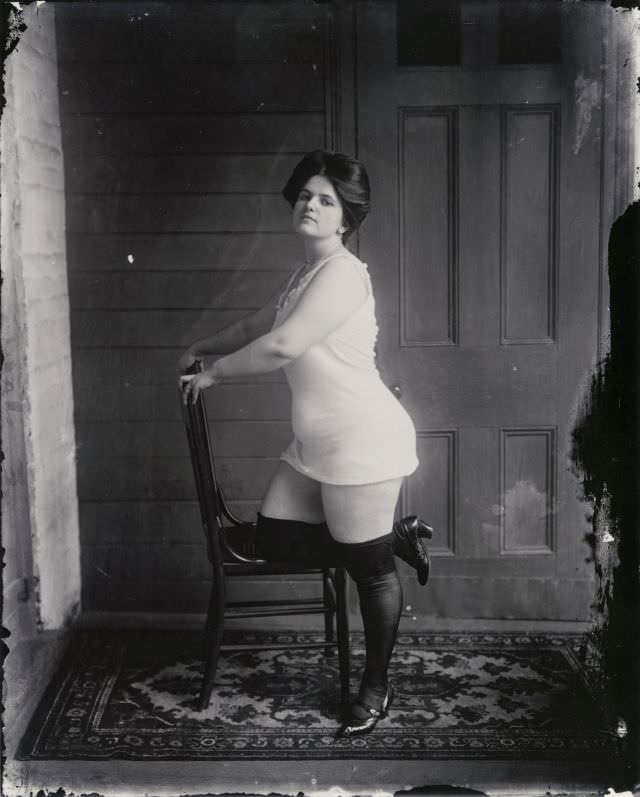
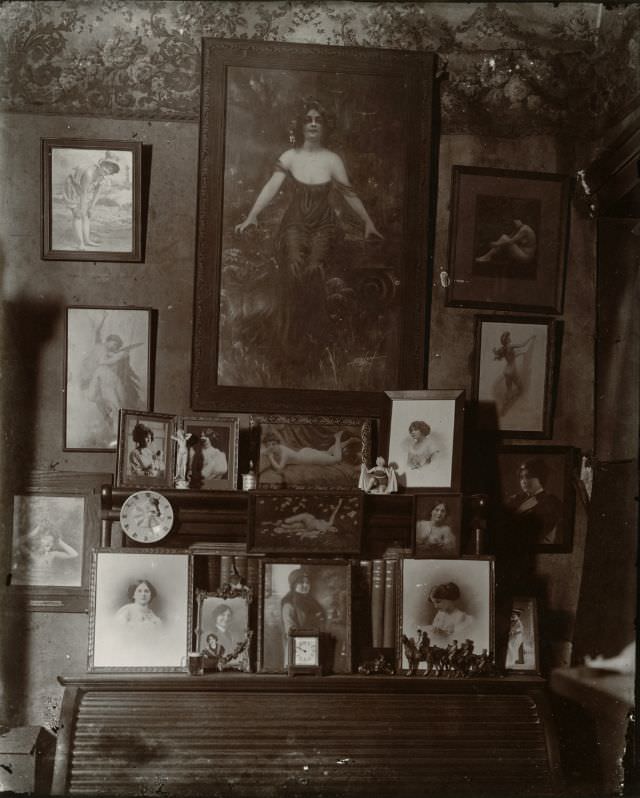
The scraped faces give many of the surviving images a haunting quality. Where a woman’s expression once existed, there is now a ghostly void — an erasure that raises questions about identity, privacy, and who had the power to decide whether these women would be remembered or forgotten.
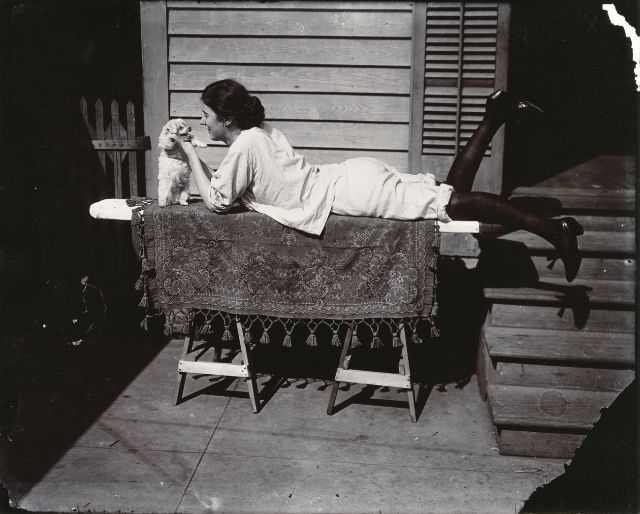
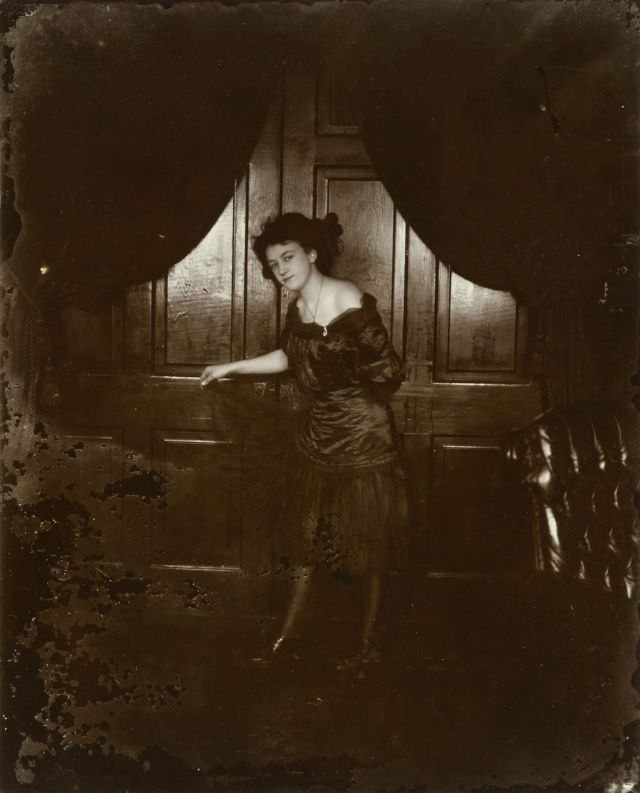
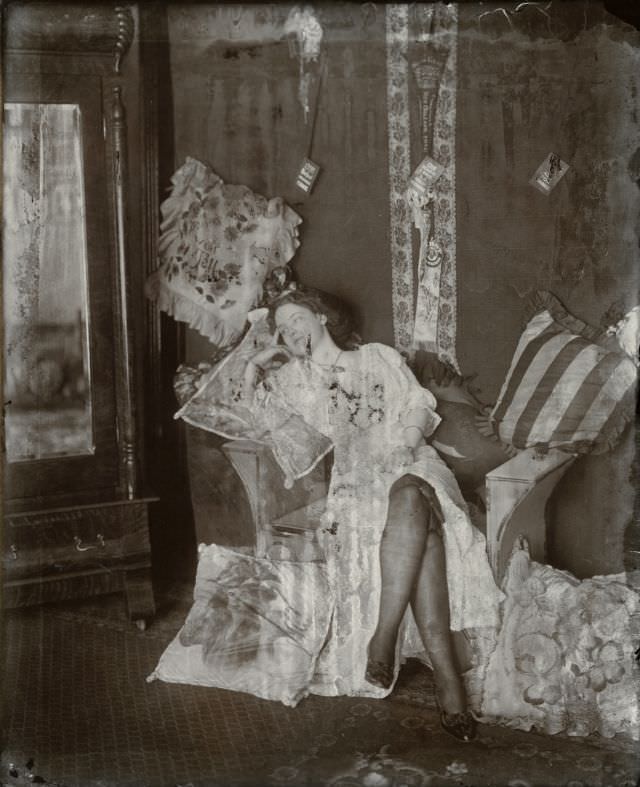
The negatives might have been lost entirely if not for photographer Lee Friedlander. He acquired the surviving 8 x 10 glass plate negatives and took careful steps to print them using the same gold-toned printing-out paper that Bellocq had used in his own rare original prints. This method preserved the tonal qualities Bellocq intended and brought the images back into view for a wider audience.
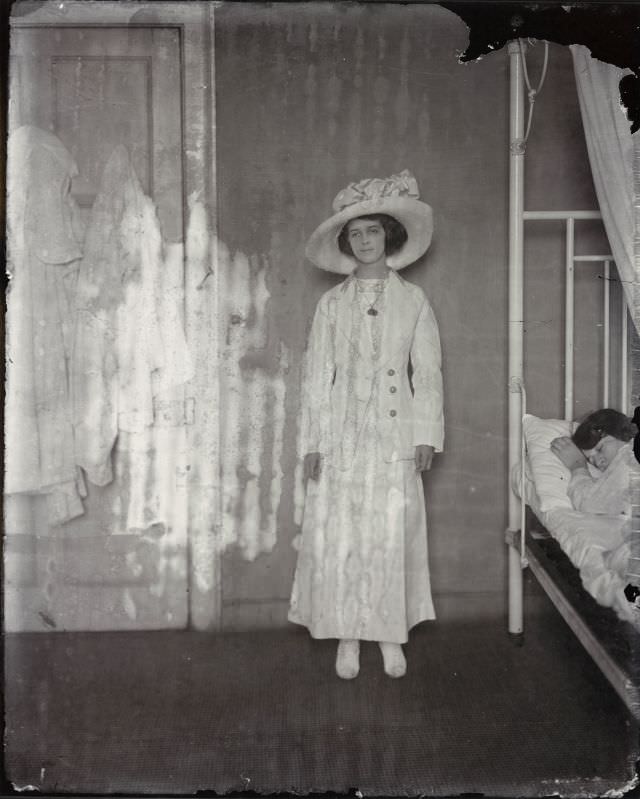
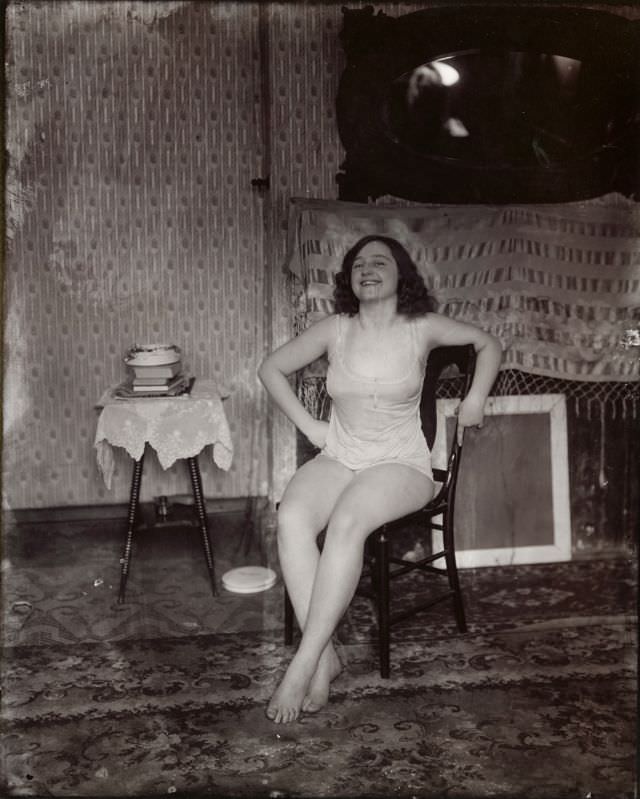
Storyville itself was a product of a specific political decision. City alderman Sidney Story proposed the district as a way to contain prostitution within defined boundaries. The area was named after him — though Story reportedly found the association embarrassing. At its height, Storyville had dozens of brothels ranging from cheap cribs to lavish mansions, and its own published guide, the Blue Book, listed the names and addresses of the women who worked there.
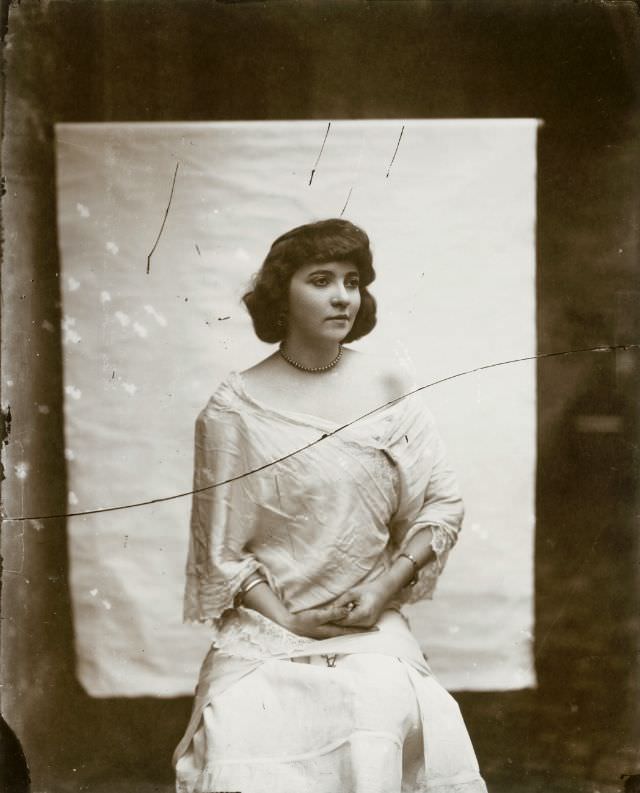
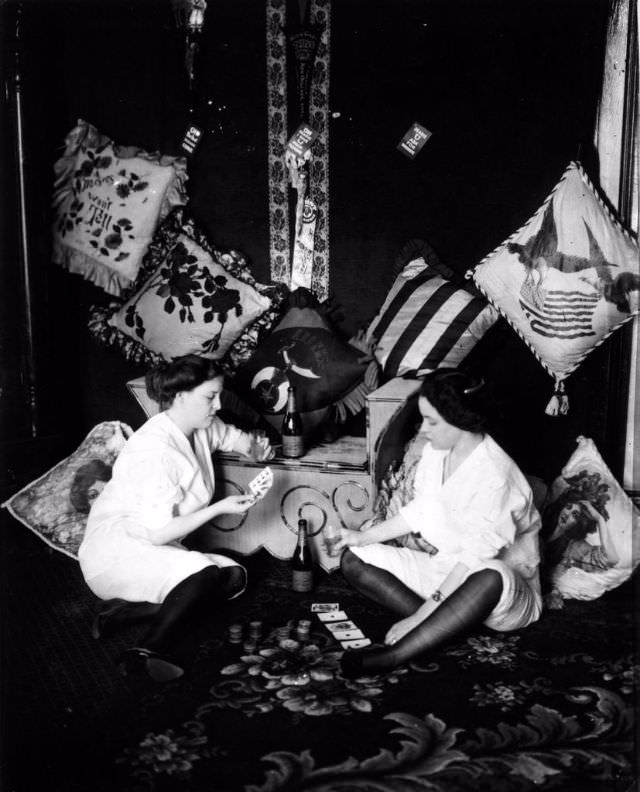
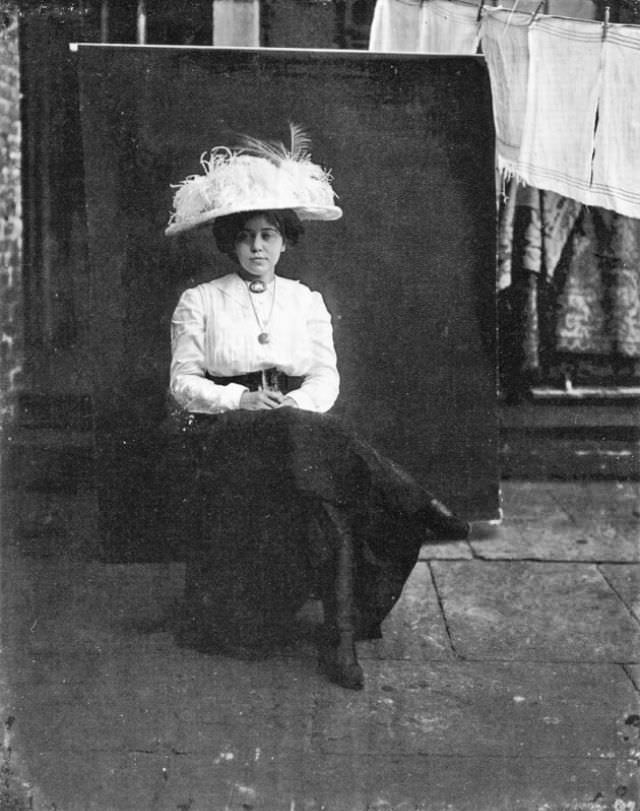
Bellocq’s photographs stand apart from the Blue Book listings. His images are not advertisements. The women in them sit, recline, pose formally, and look directly at the camera. Some appear relaxed. Some are dressed. Some are not. Bellocq treated his subjects as individuals rather than as commercial entries, and the resulting photographs carry a sense of ordinary life rather than spectacle.
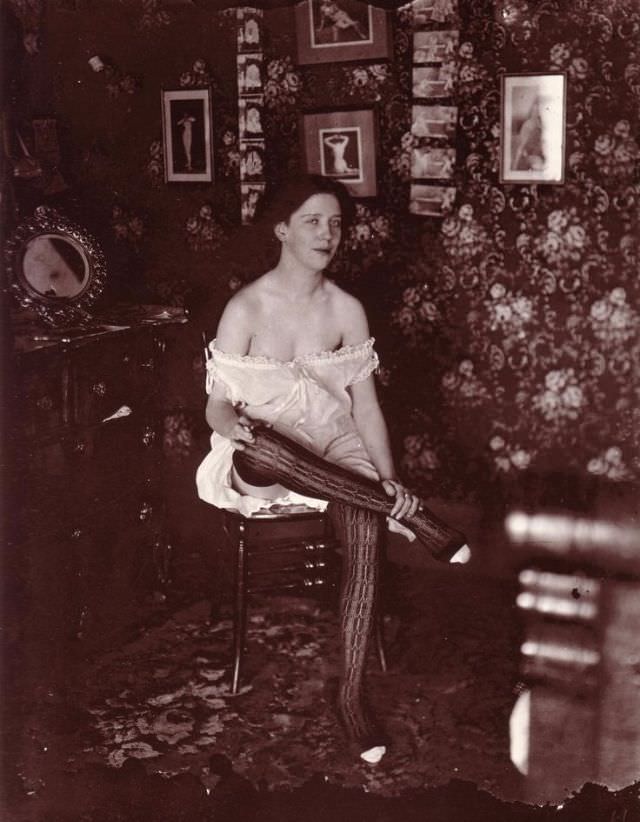
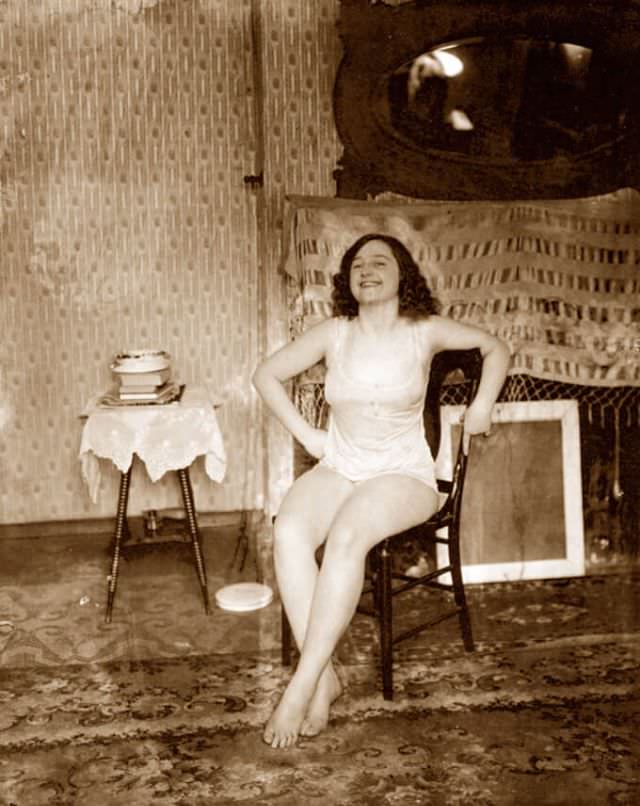
The women photographed by Bellocq came from a range of backgrounds. Storyville’s workforce included white women, Black women, and women of mixed race — known at the time as Creoles. The district operated under the racial codes of Jim Crow Louisiana, with separate establishments for white and Black clientele, though the enforcement of those divisions was inconsistent inside Storyville’s borders.
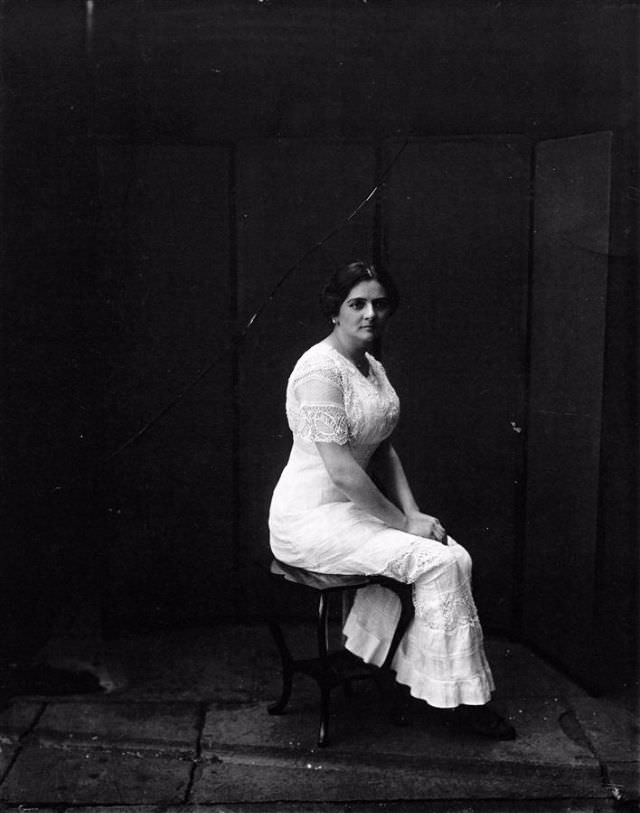
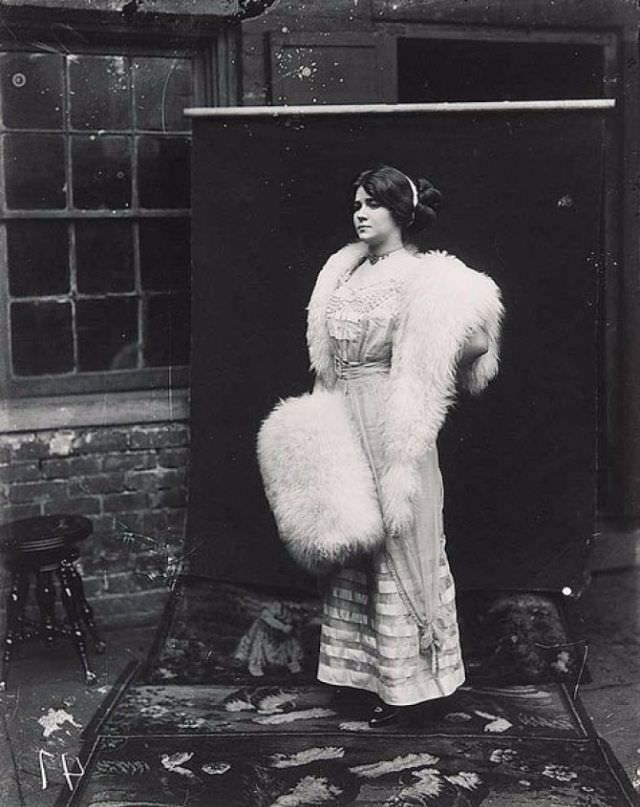
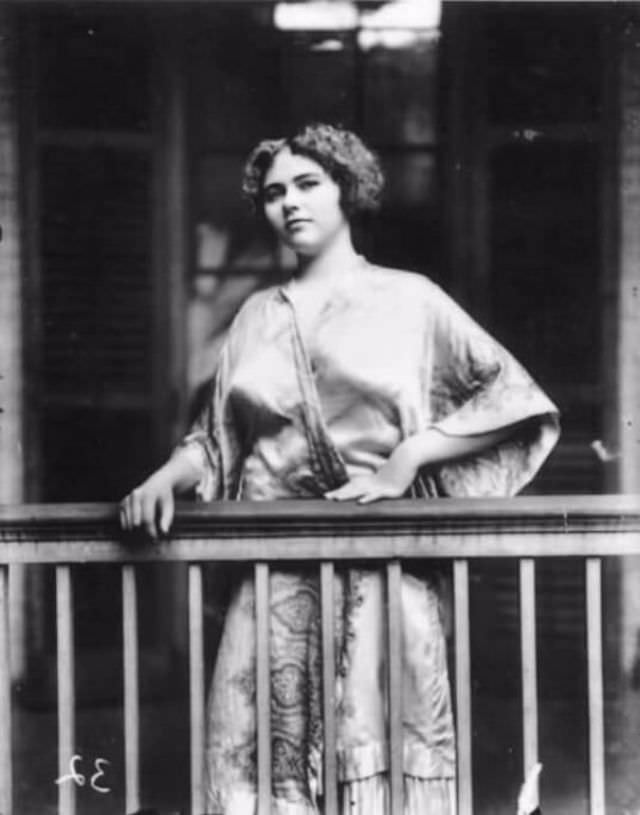
Bellocq worked as a commercial photographer in New Orleans, shooting ships, machinery, and industrial subjects for hire. His Storyville work was personal — not commissioned, not published, and not widely known during his lifetime. He made the photographs for reasons he never publicly explained, and very few people knew the negatives existed until after his death in 1949.
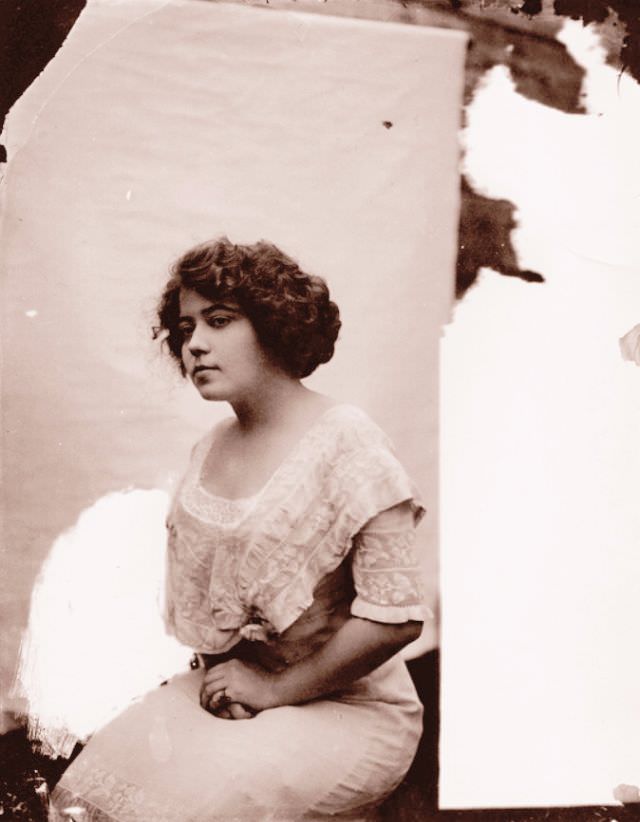
When Friedlander exhibited and published the prints in 1970 through the Museum of Modern Art in New York, Bellocq’s Storyville work reached the public for the first time at scale. The photographs were recognized immediately as a significant historical document — a rare, ground-level view of a place and a group of people who had been largely invisible to mainstream history.
Storyville closed on November 12, 1917, under pressure from the U.S. Department of the Navy, which argued that the district posed a moral hazard to military personnel stationed nearby. The buildings were eventually demolished. Within a generation, the physical Storyville had almost entirely vanished. Bellocq’s photographs remain among the very few direct visual records of what existed there.