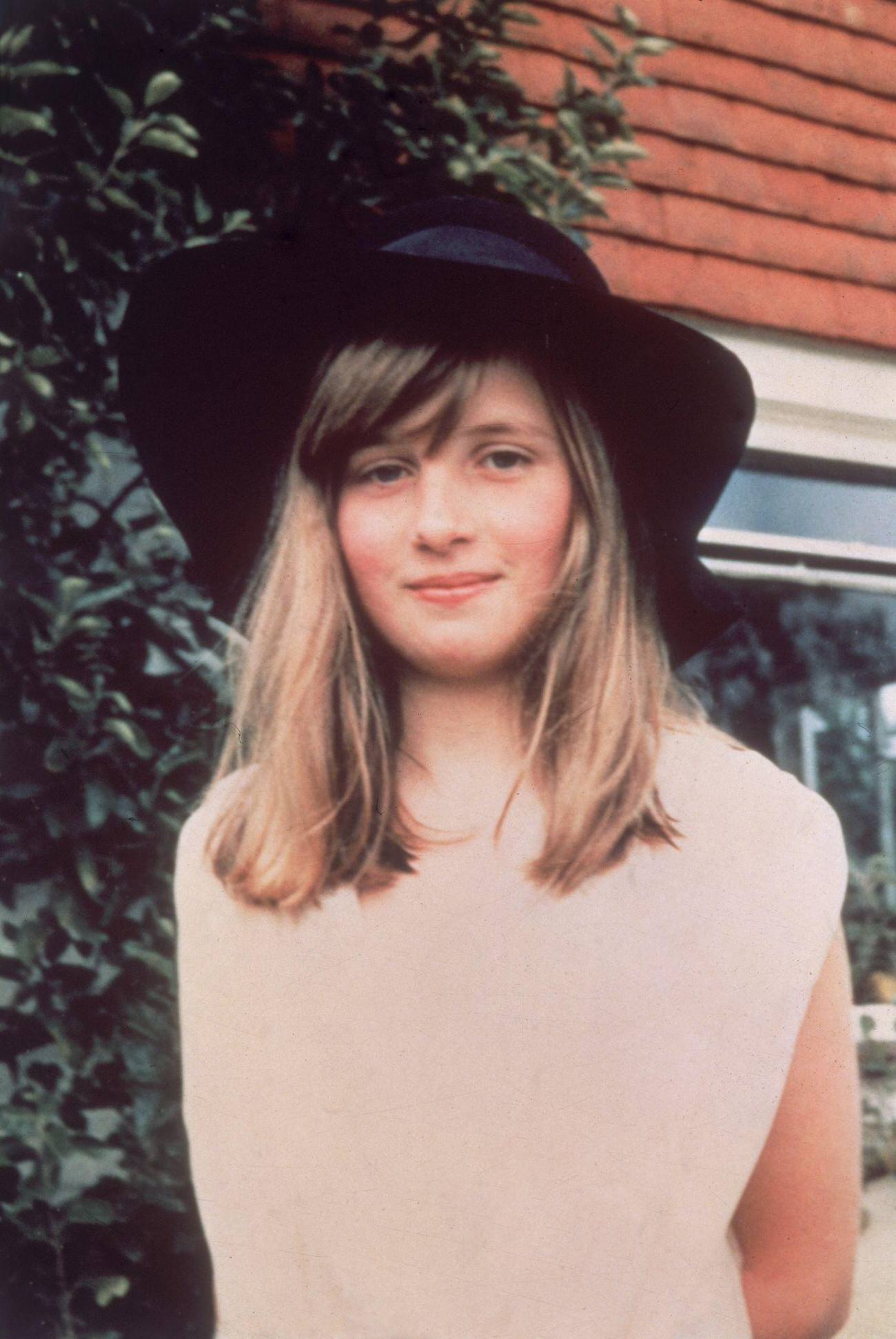
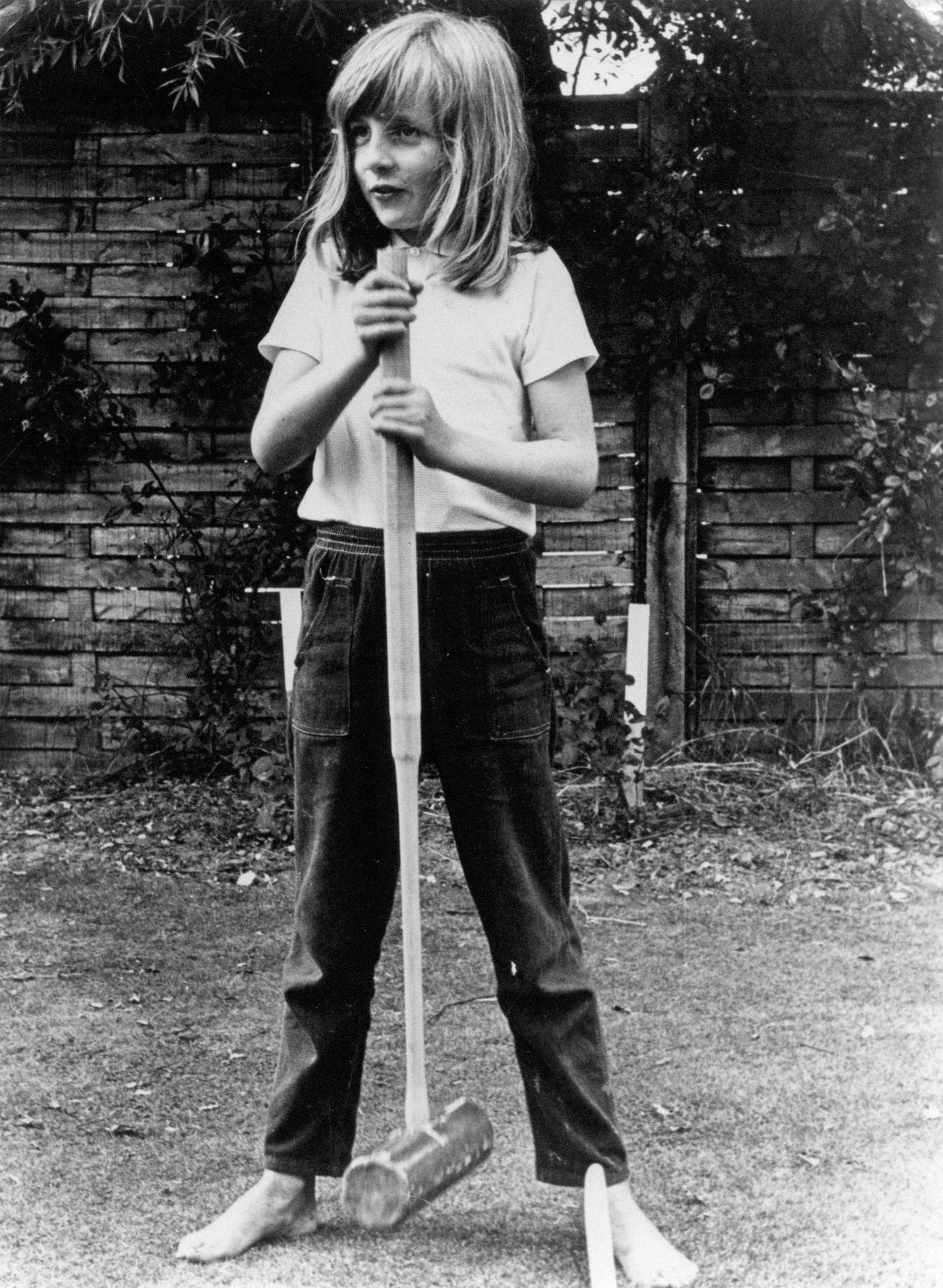
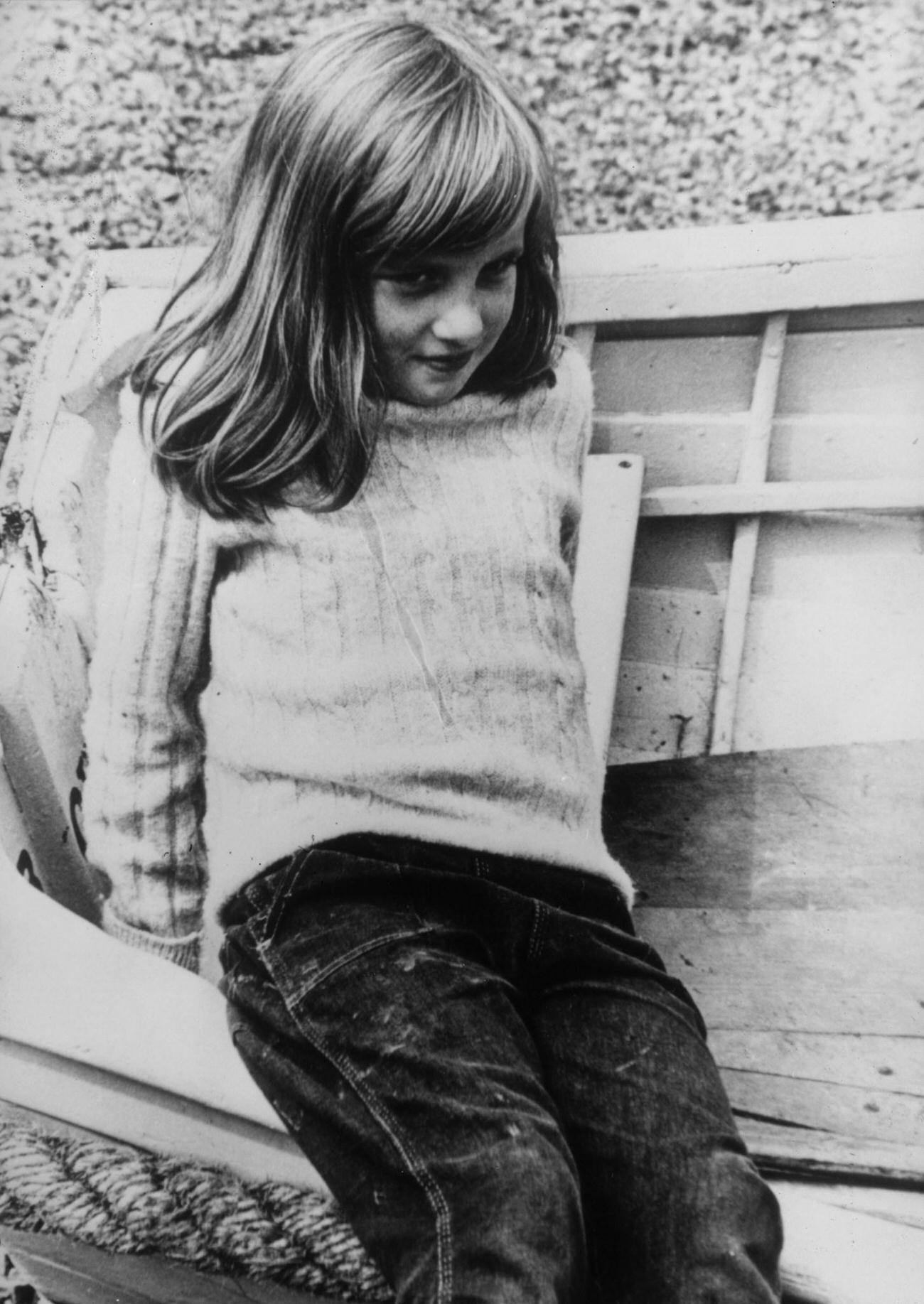
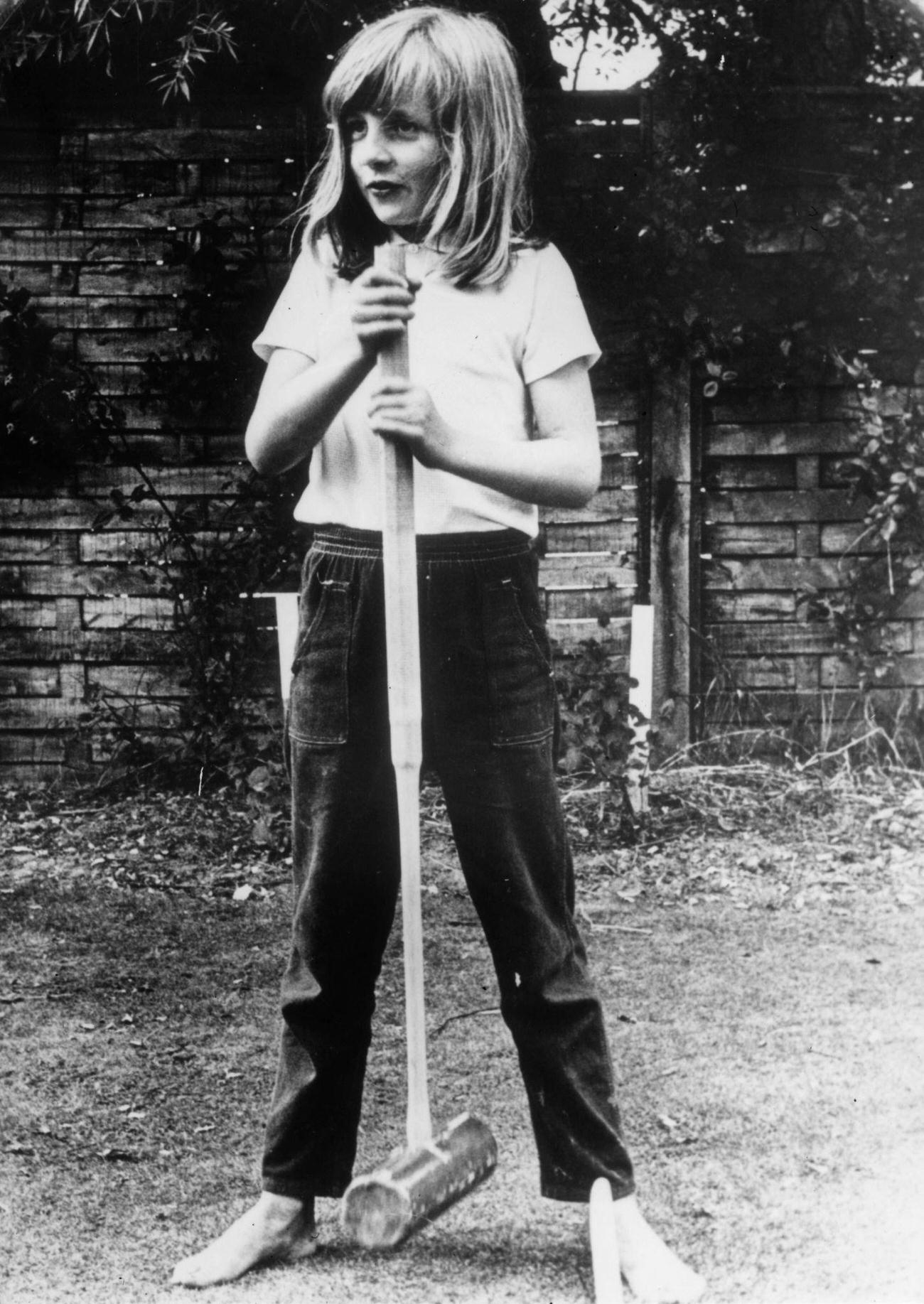
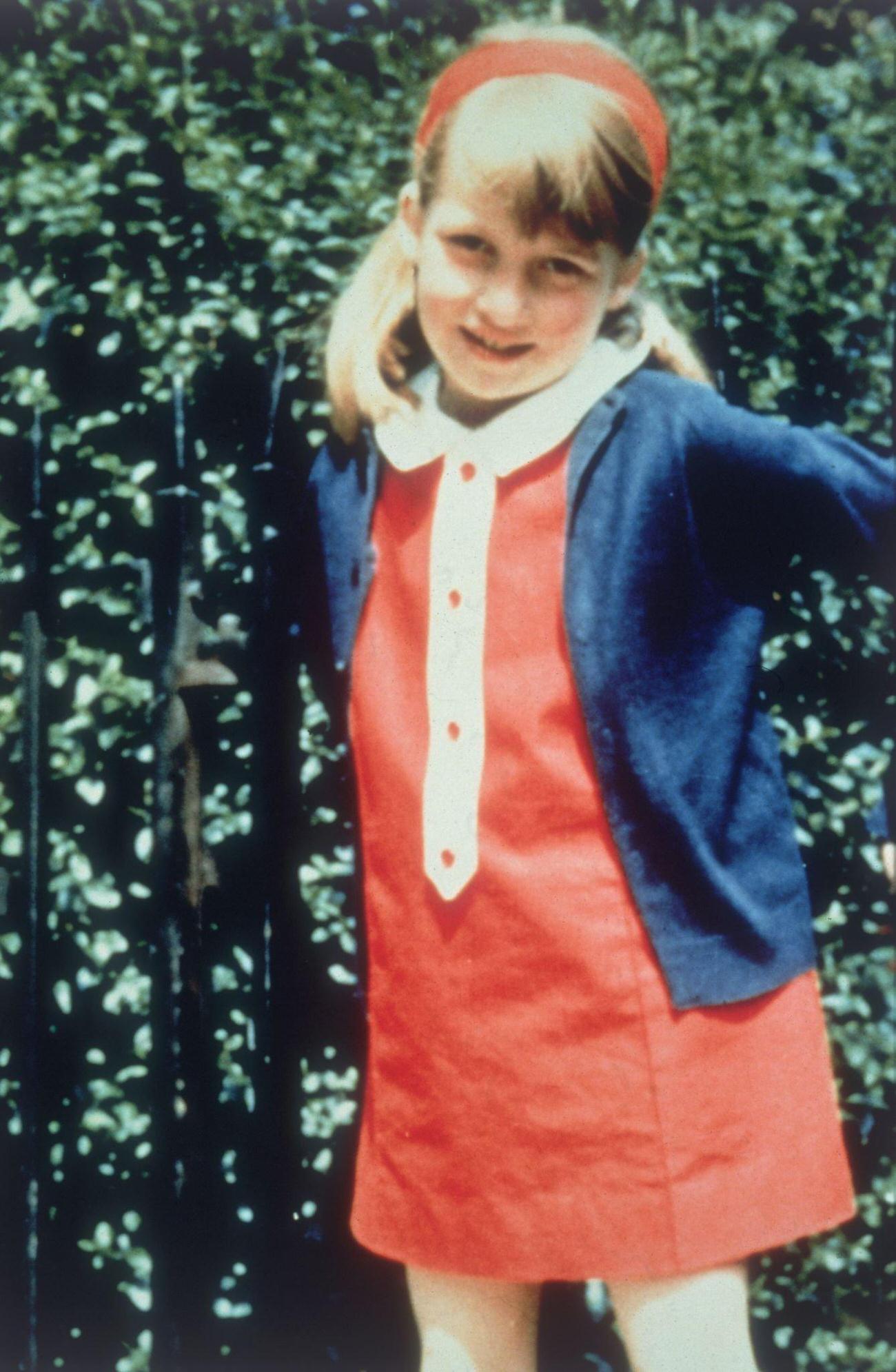
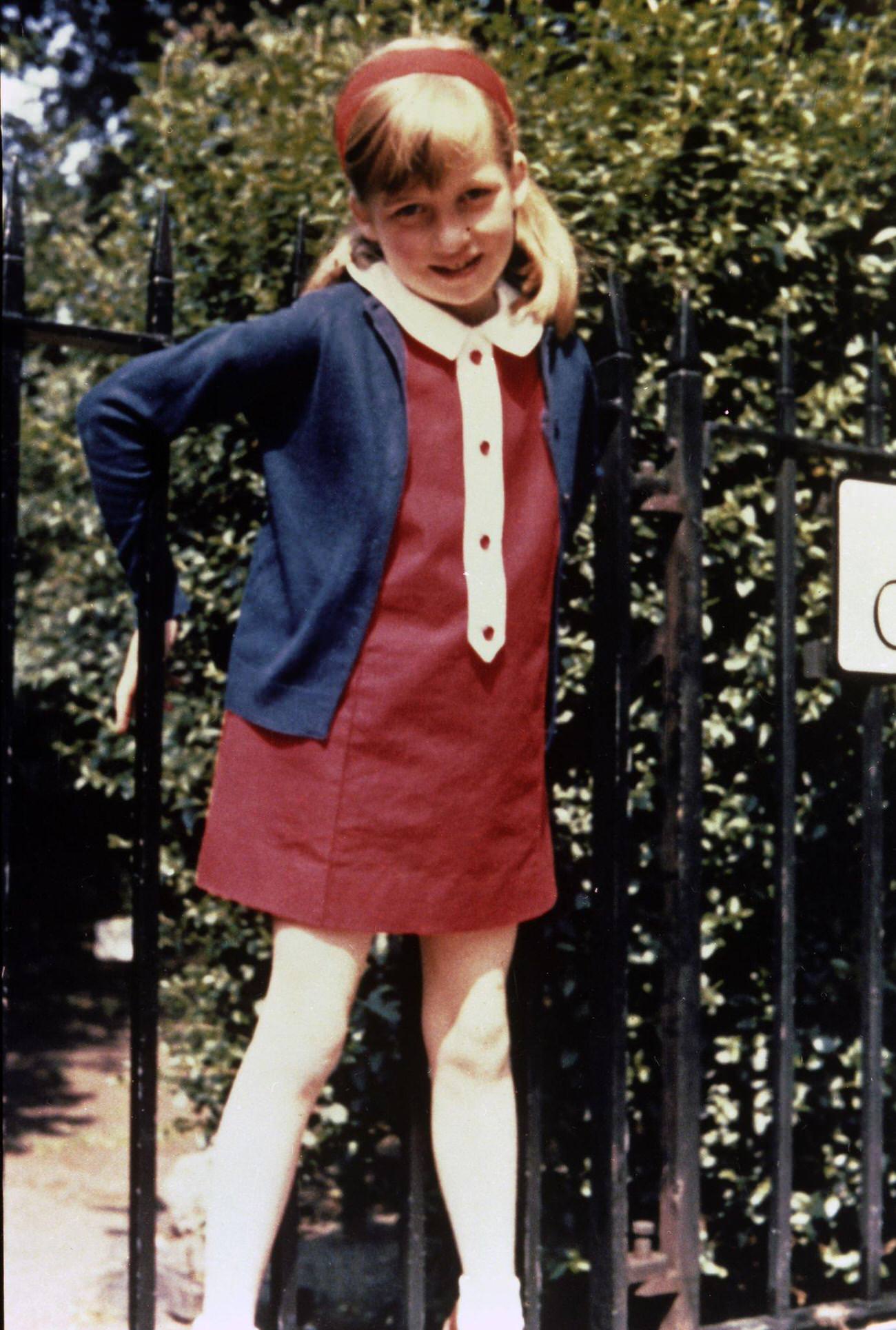
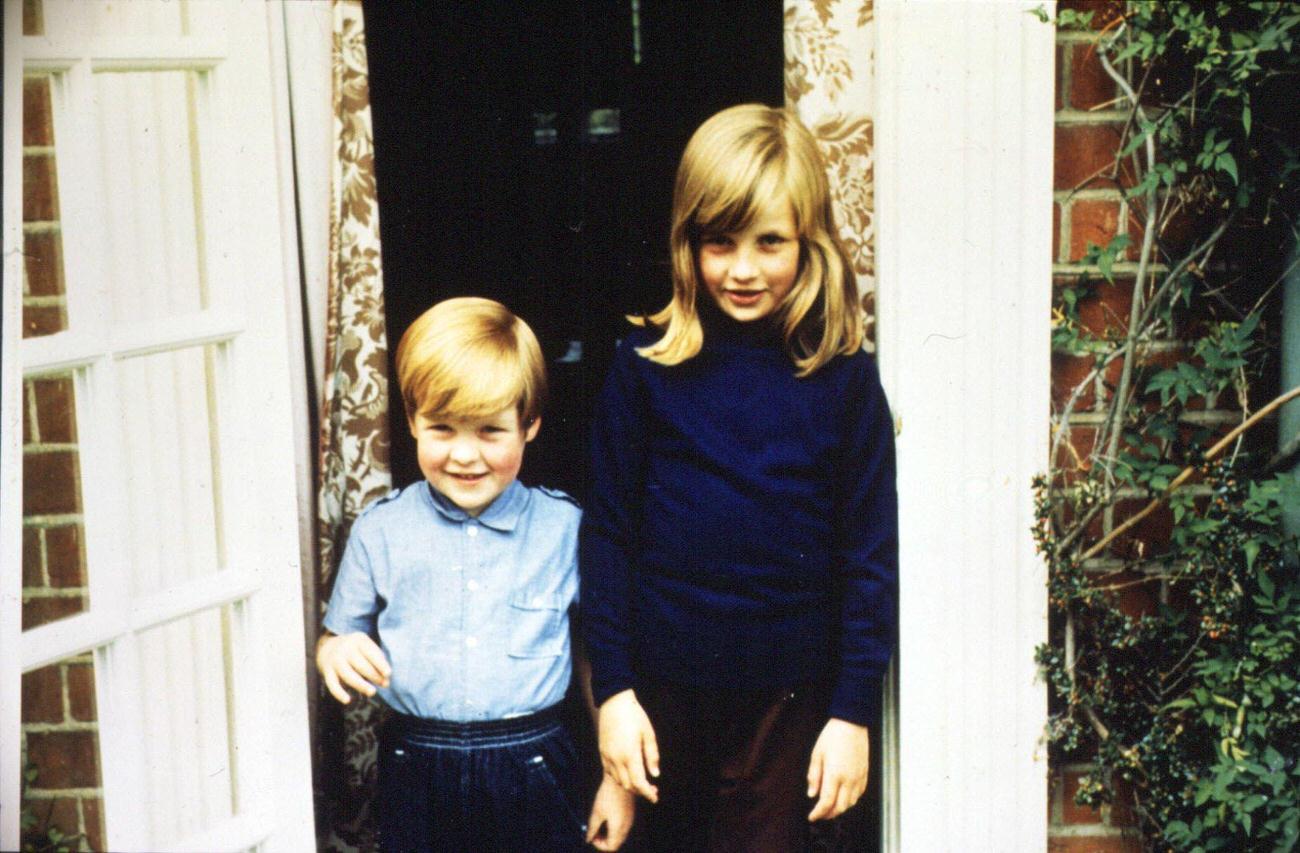
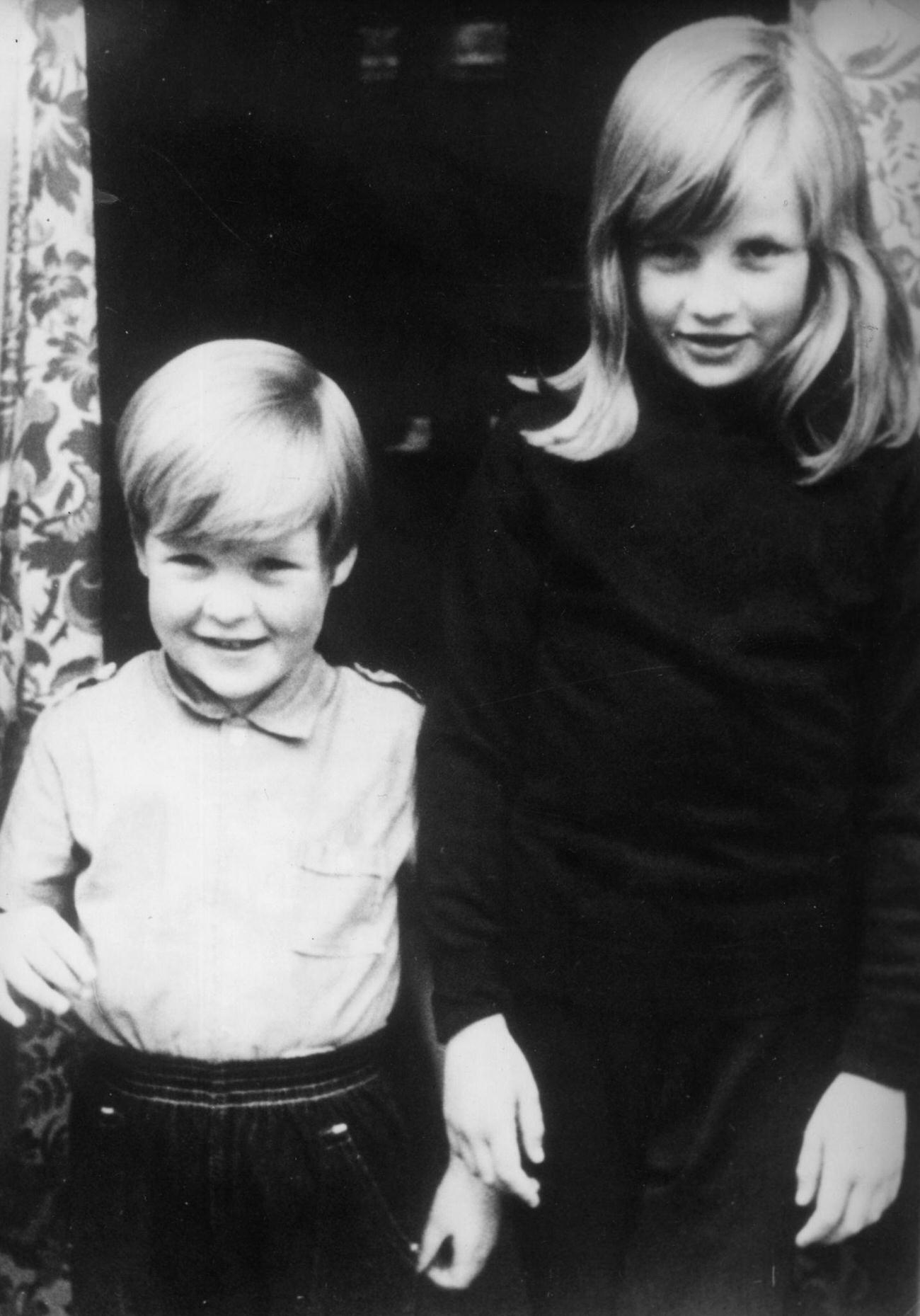
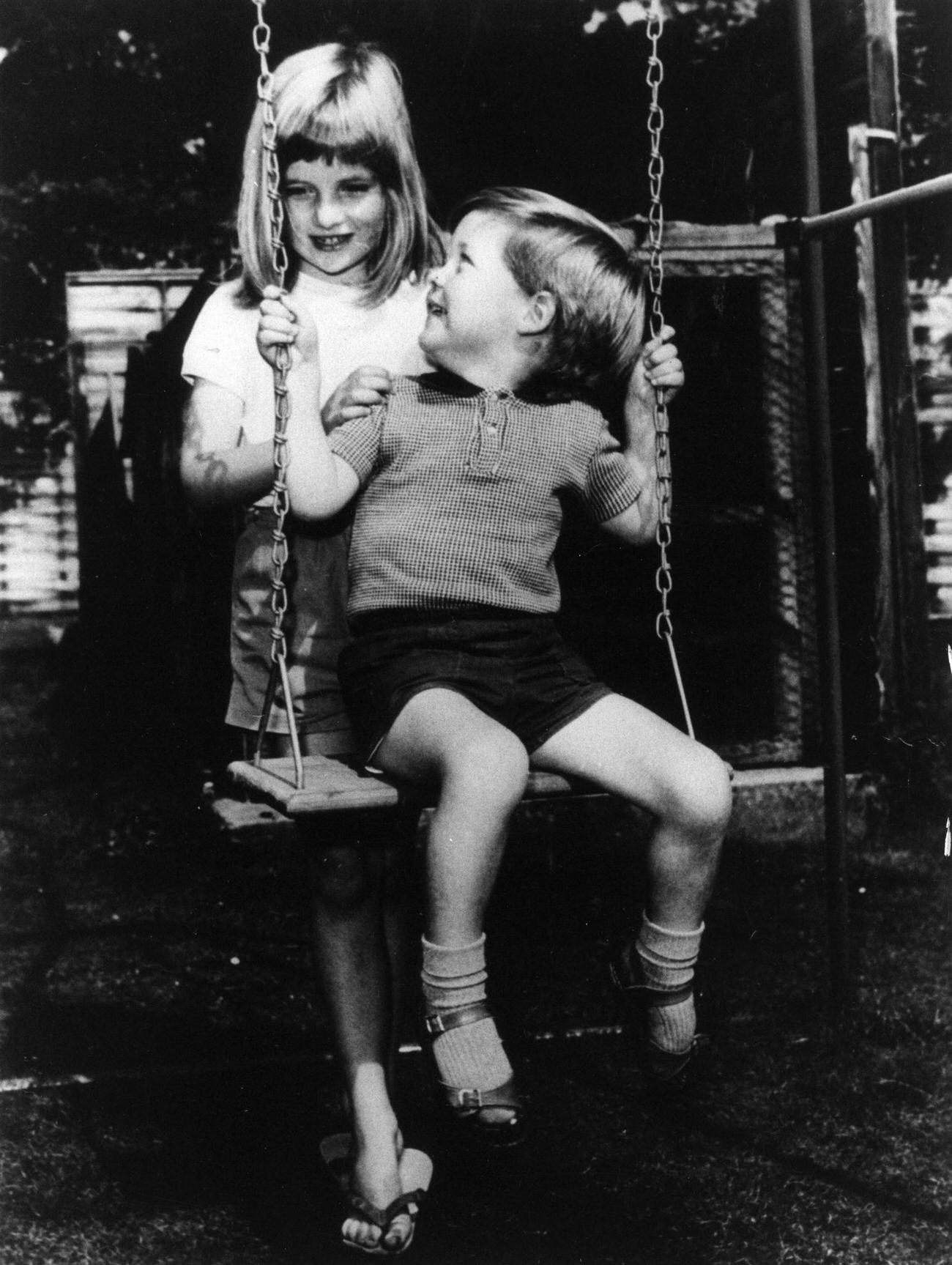
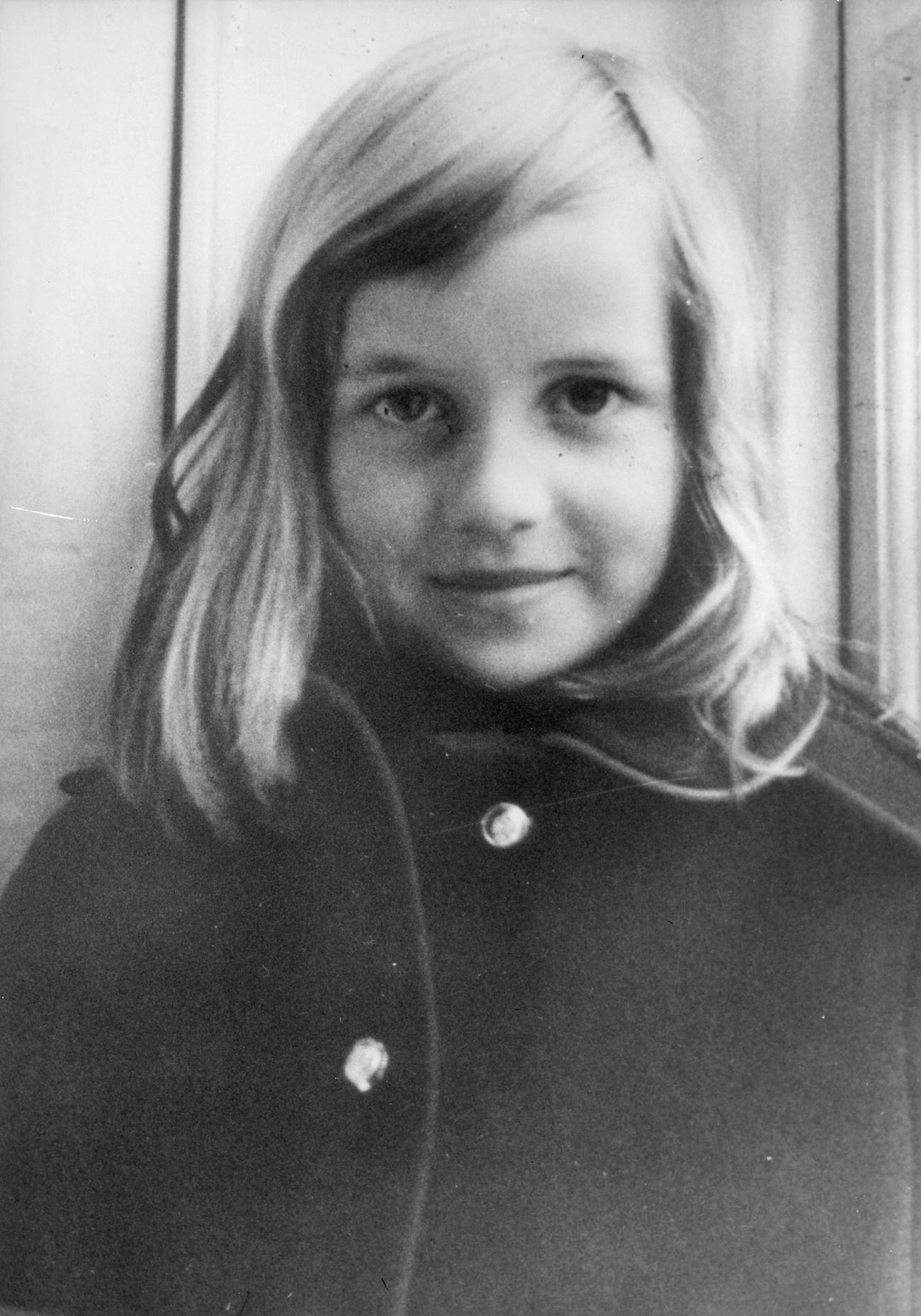
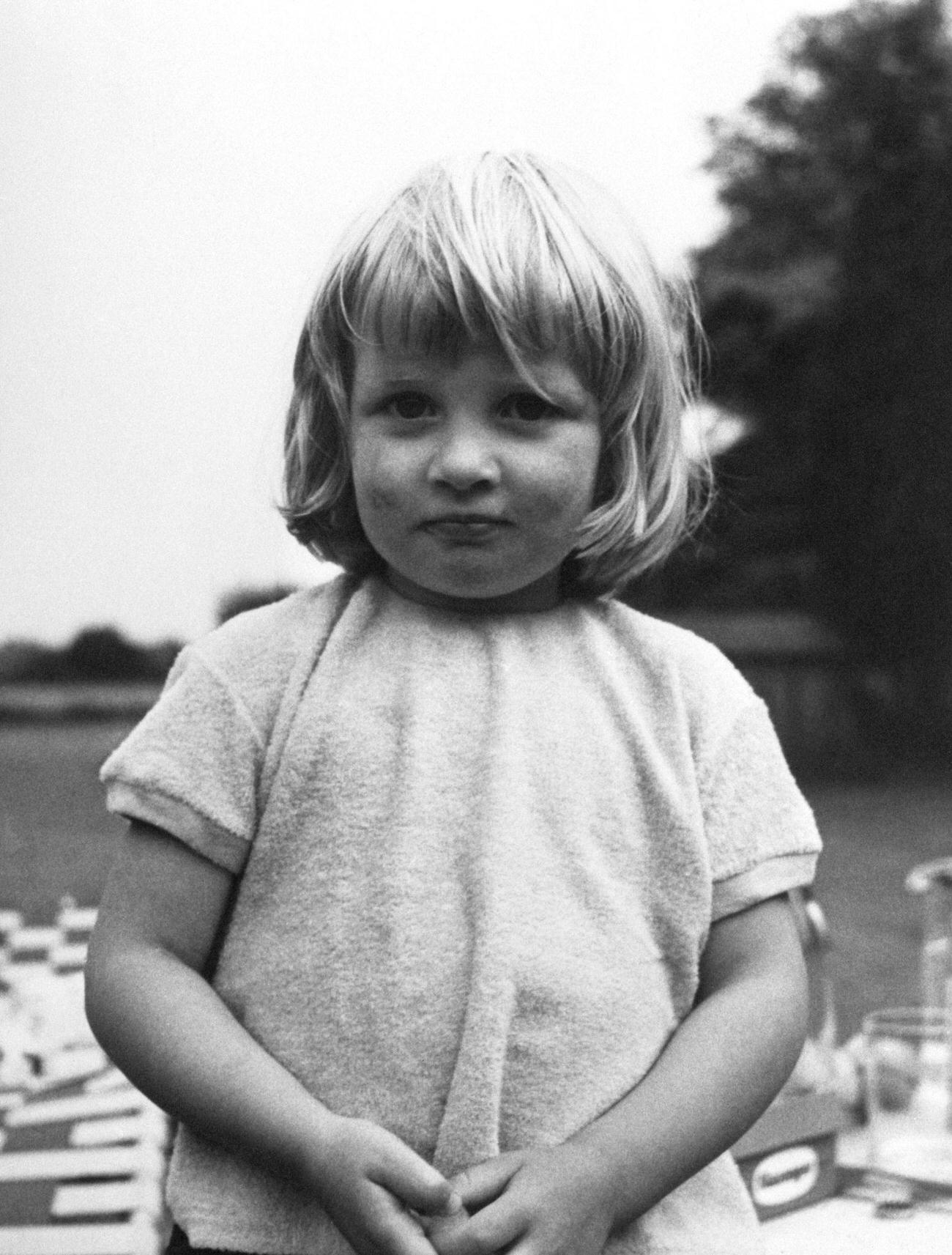
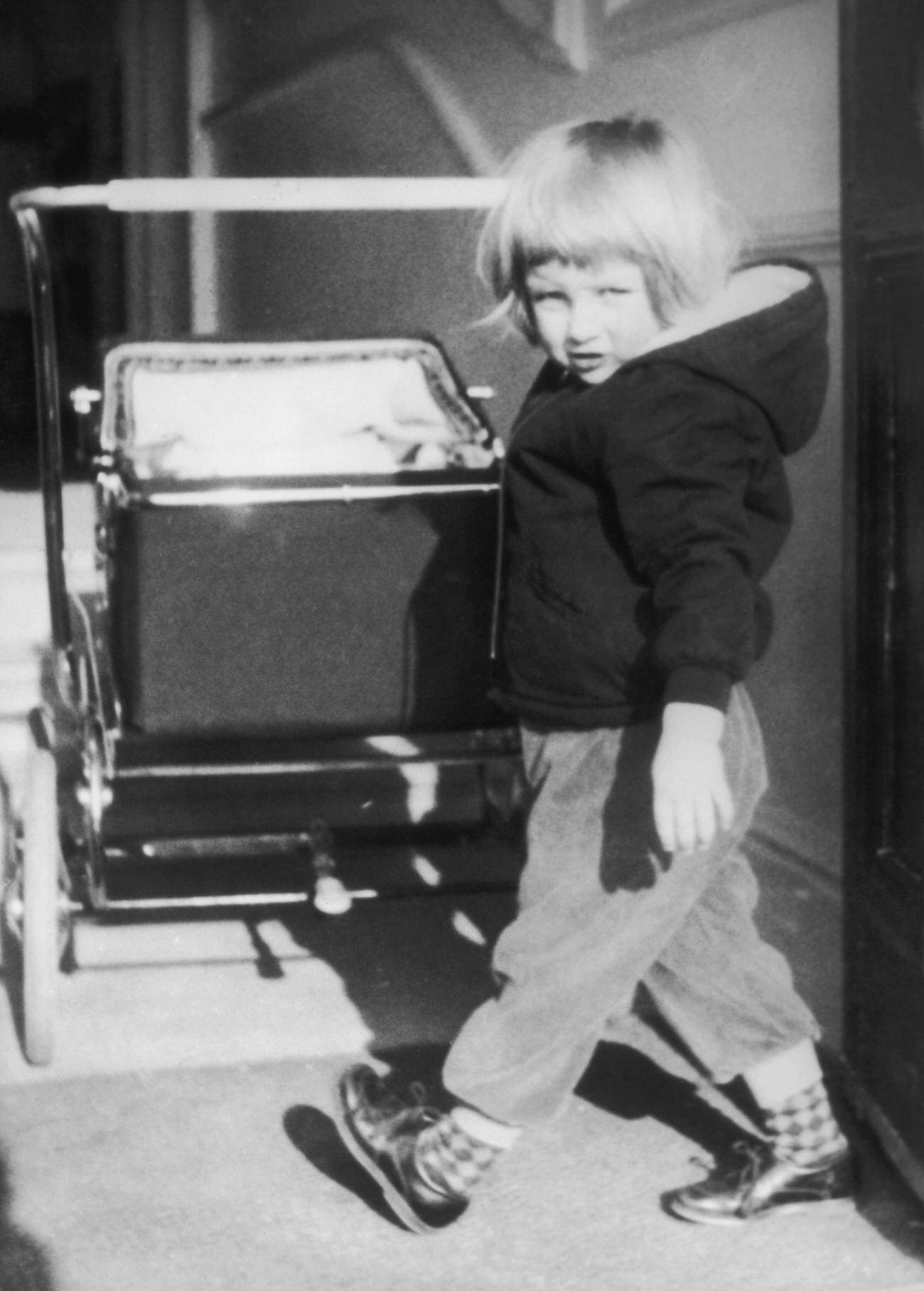
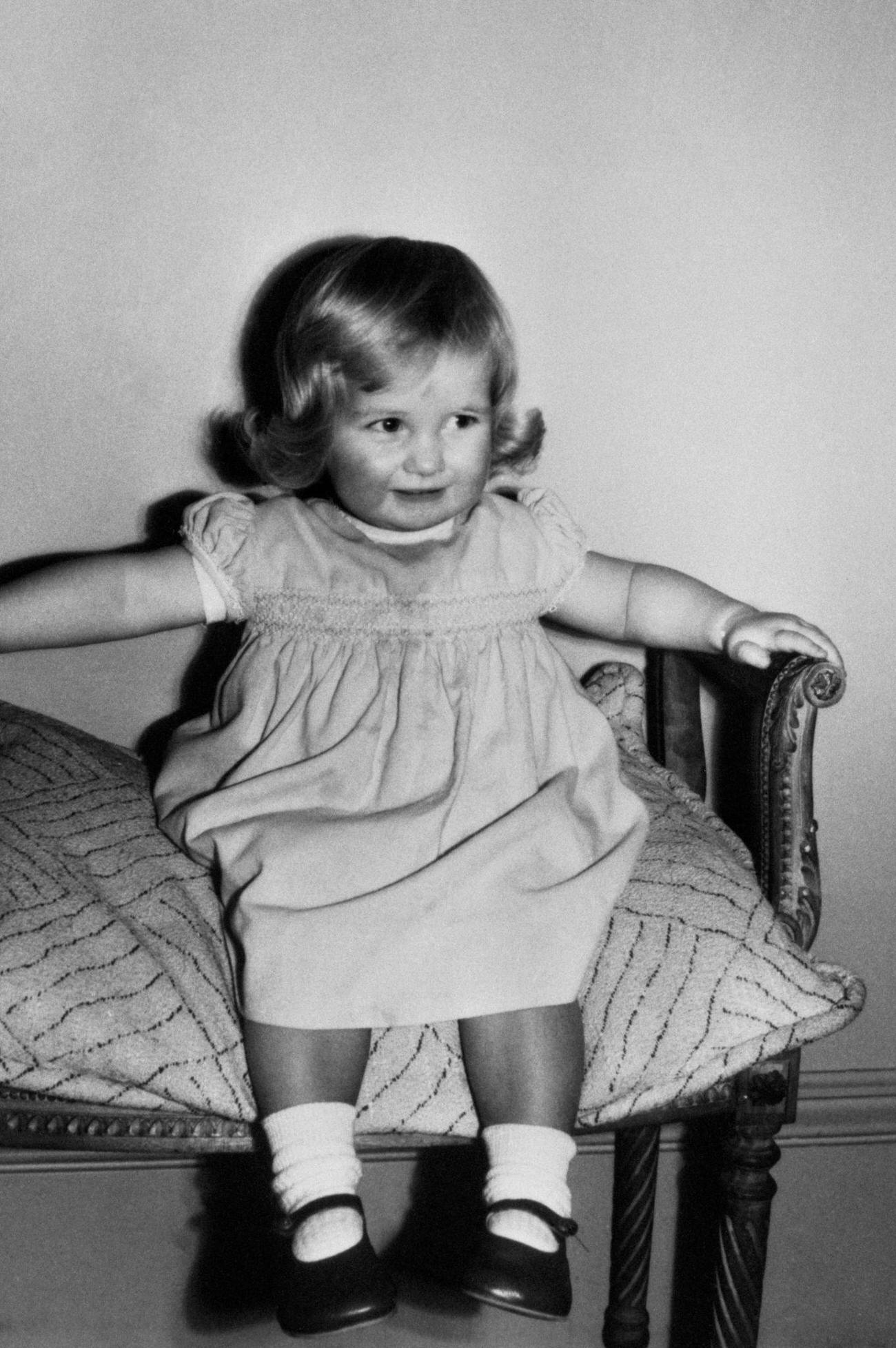
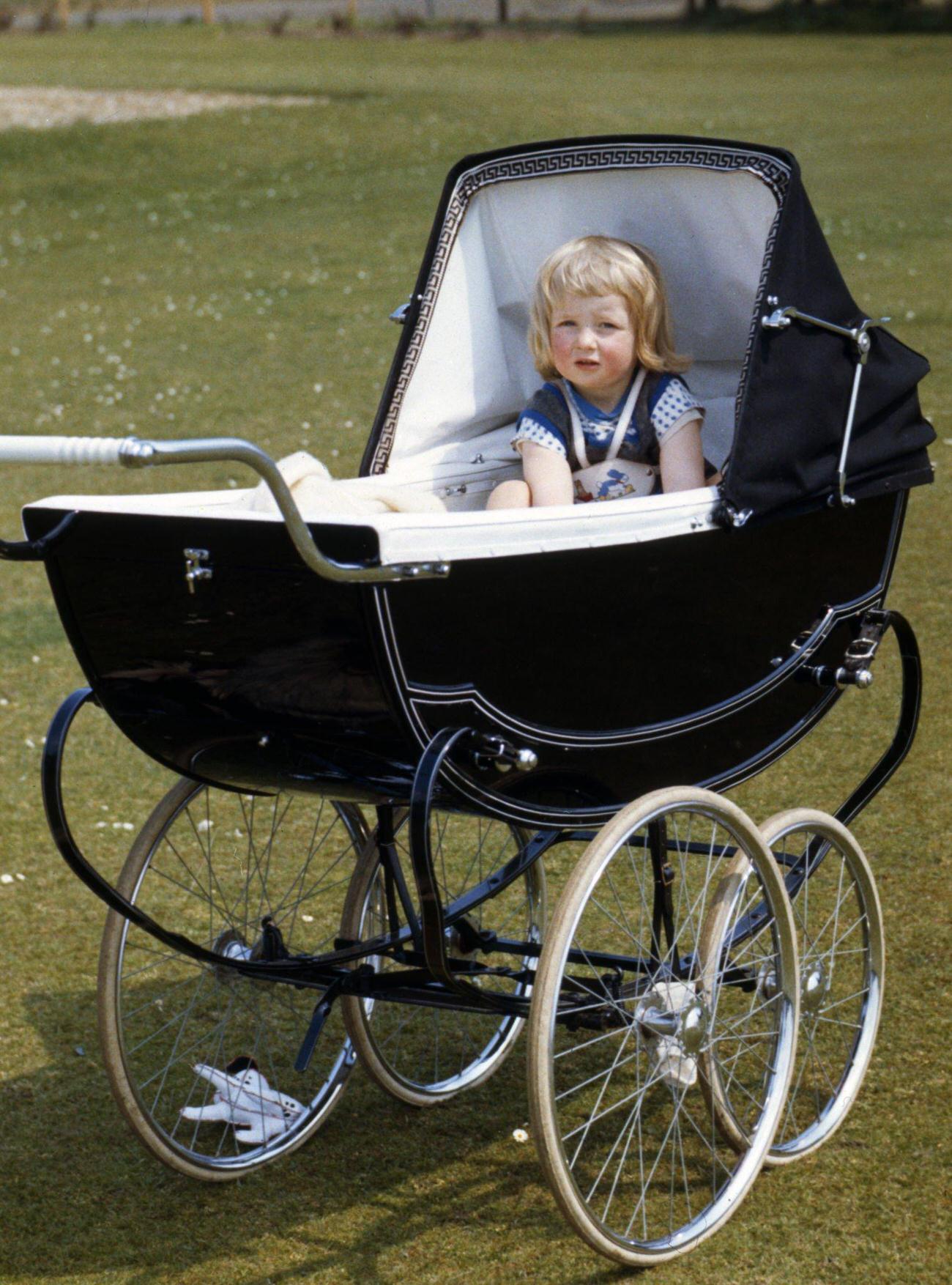
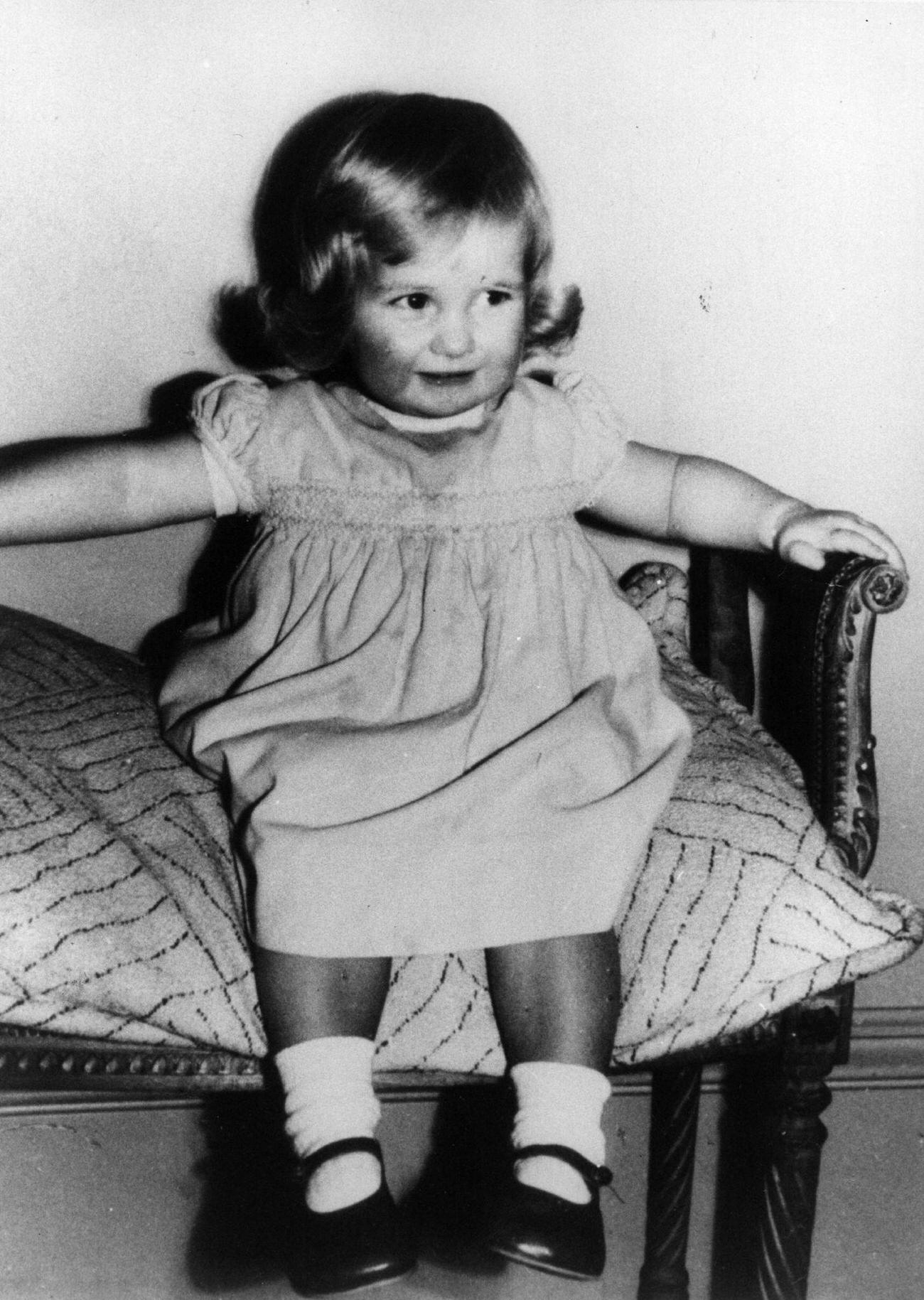
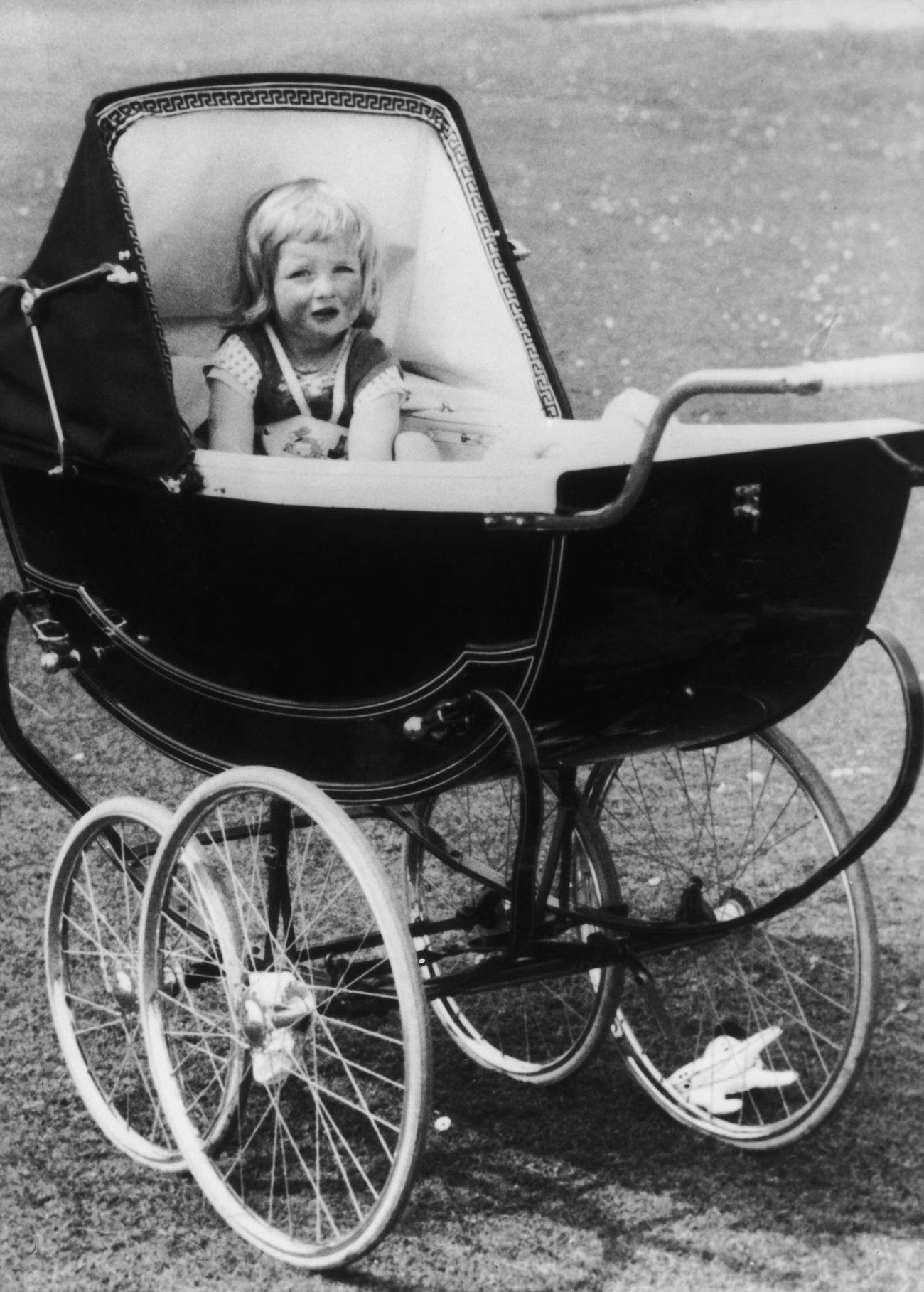
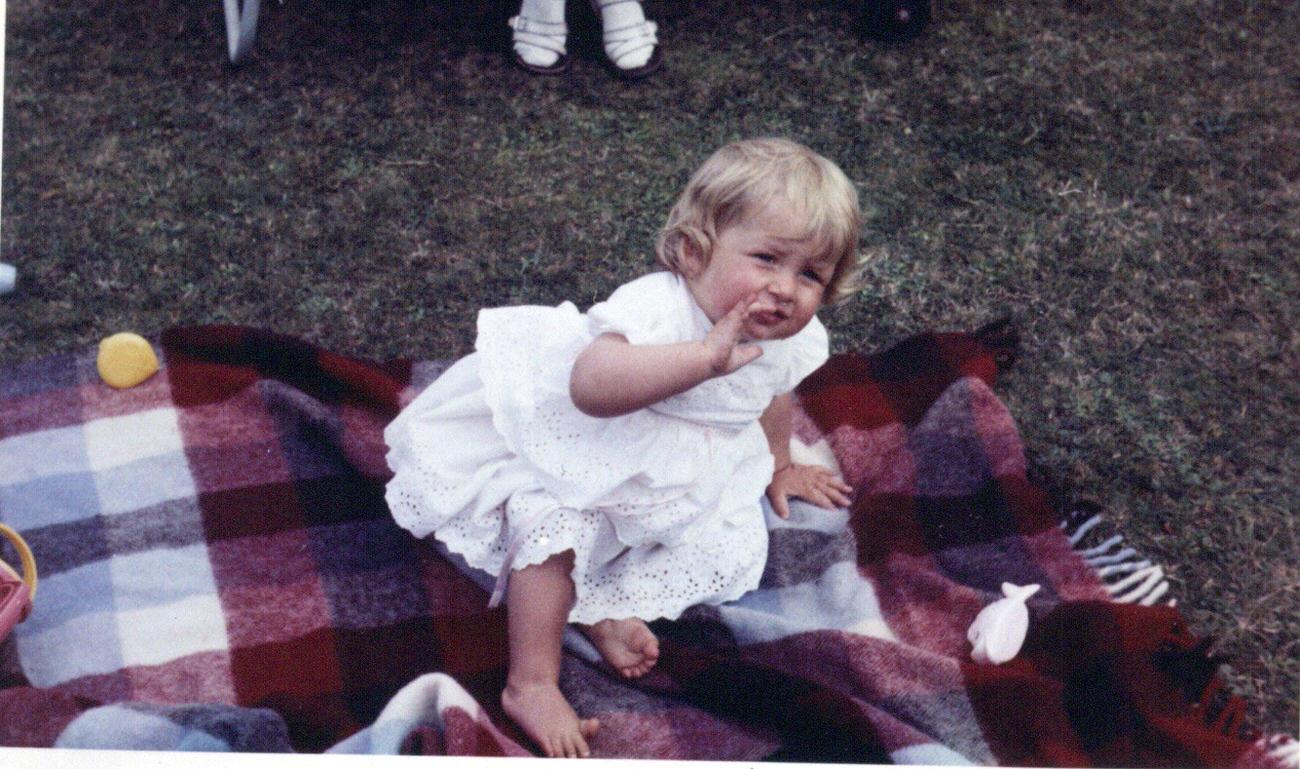
Diana Spencer was born on July 1, 1961, in Norfolk, England. She was the youngest daughter of John Spencer, Viscount Althorp, and his first wife, Frances Shand Kydd. Her parents divorced when she was young, and she lived with her mother. Diana attended a boarding school in Kent and later a school in Switzerland.
During her childhood, Diana was known for her shy and reserved personality. She struggled with low self-esteem and was frequently bullied by classmates for her appearance and her father’s failed marriage. Despite these challenges, Diana was described as having a strong sense of duty and compassion for others.
In 1977, Diana’s father inherited the title of Earl Spencer, making her the Honorable Diana Spencer. She began working as a nanny and then as a teacher’s assistant. Diana was a young woman of privilege, but her childhood was far from idyllic.
Diana spent much of her childhood at Althorp, the Spencer family estate in Northamptonshire. Despite her family’s wealth and social status, she had a difficult childhood. Her parents’ marriage was strained, and they eventually divorced when she was young. This instability left a lasting impact on Diana and shaped her perspective on relationships and family.
Diana was often teased in school for her appearance and was known to be shy and reserved. However, she was also remembered for her kindness and generosity towards others. She was known to have a deep sense of empathy and a desire to help those in need, qualities that would become central to her public persona later in life.
Despite her challenges, Diana had a close relationship with her siblings and enjoyed outdoor activities, particularly horseback riding and hunting. She also loved dance, which she pursued through ballet lessons. These early experiences helped develop her interests and passions, which would later define her public image. In addition to her interests and passions, Diana’s childhood also significantly impacted her sense of identity and her relationship with the British monarchy. Despite being a member of the aristocracy, Diana often felt like an outsider within her own family and among her peers. This sense of disconnection and her experiences with bullying only fueled her desire to help those in need and to use her platform for good.
Throughout her life, Diana continued to draw from her childhood experiences, using her compassion and desire to make a difference and connect with people from all walks of life. Whether she was hugging an AIDS patient or shaking the hand of a landmine victim, she used her interactions with others to demonstrate her commitment to creating a better world.
Diana’s childhood was characterized by its ups and downs. Despite her struggles, she remained a resilient and empathetic young woman with a deep sense of duty and a desire to impact the world positively. These qualities would serve her well throughout life, particularly in her role as a public figure and a humanitarian.