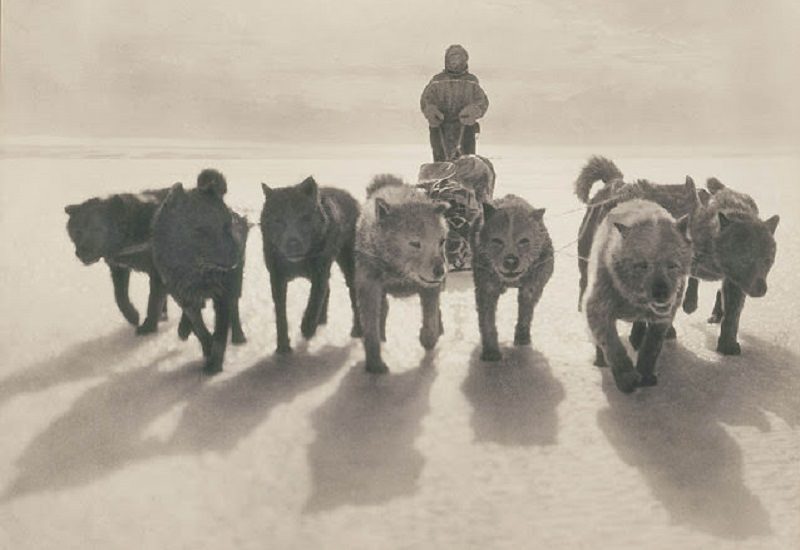
Most photographers spend their careers pointing the lens at everyone else. But some of history’s greatest names turned the camera on themselves, producing self-portraits that are just as striking as their published work. These images reveal technical choices, personal style, and candid glimpses of the people usually hidden behind the viewfinder. From staged studio setups to spontaneous street reflections, each self-portrait tells a direct story about its maker.
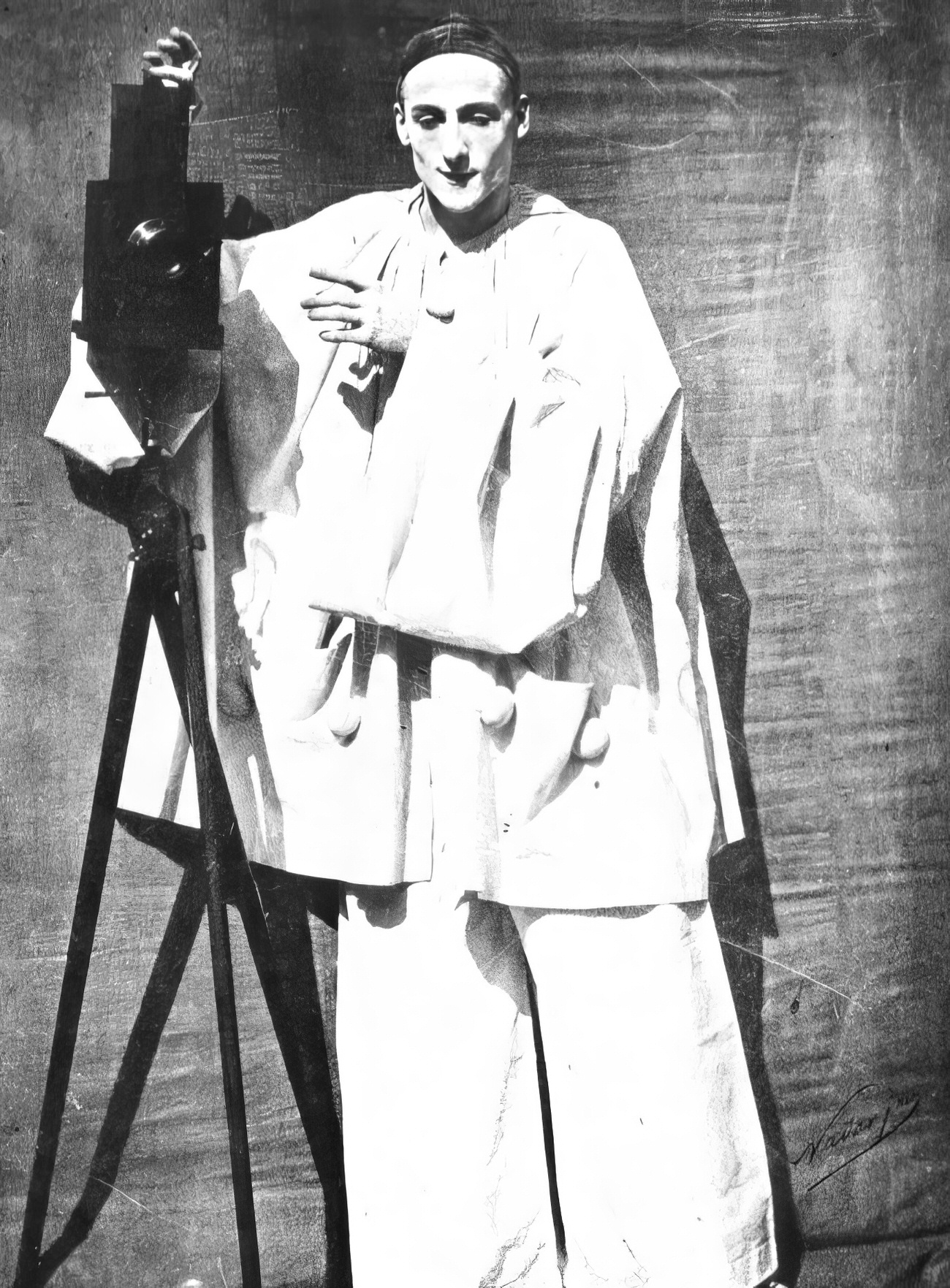
As early as the 1850s, photographers were already experimenting with self-representation. Felix Nadar and Adrien Tournachon placed themselves within theatrical, carefully constructed frames, using costume and character to make a statement about identity and the photographic act itself.
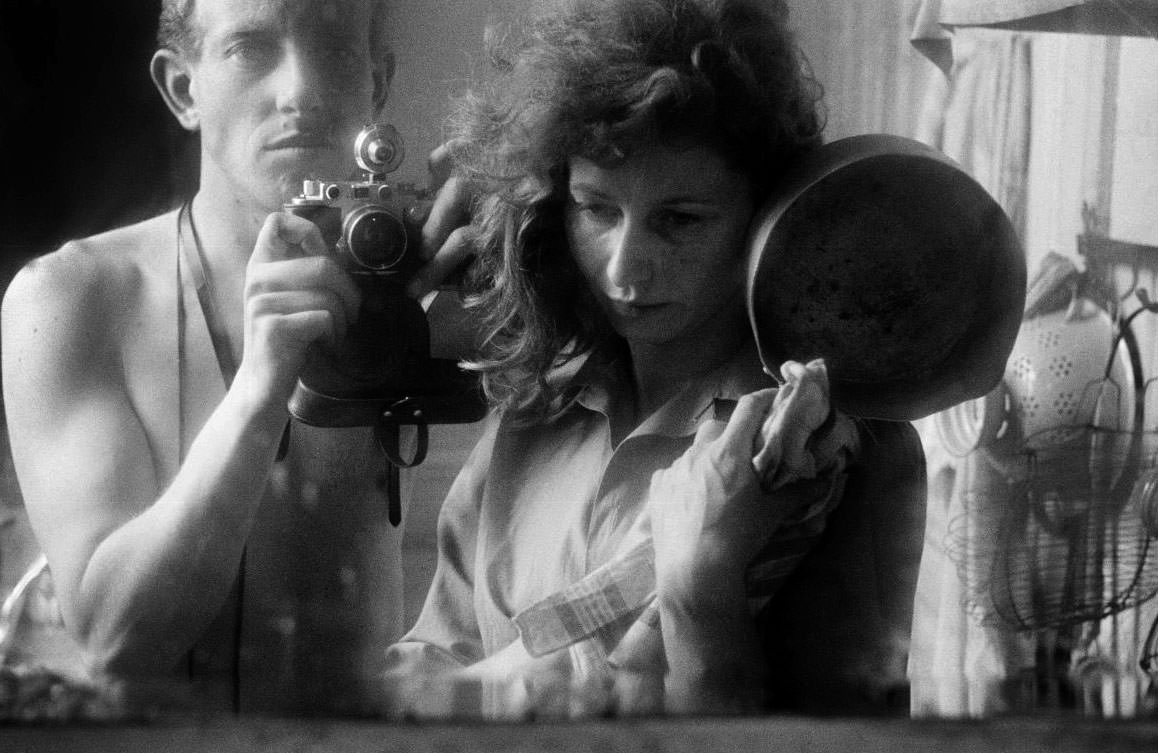
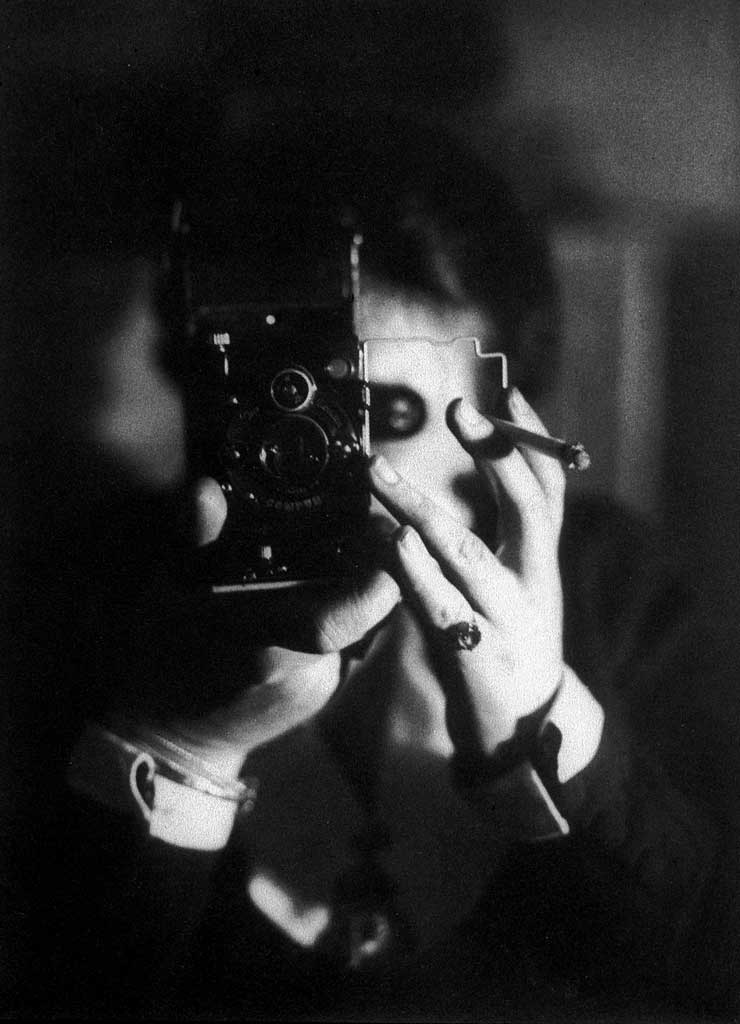
Germaine Krull’s 1925 self-portrait with her Ikarette camera is one of the earliest examples of a photographer using their own equipment as a central subject. The camera becomes part of her identity, not just a tool. Decades later, Ed van der Elsken echoed that intimacy in Paris, placing himself beside fellow photographer Ata Kandó in a portrait that blurs the line between documentation and personal life.
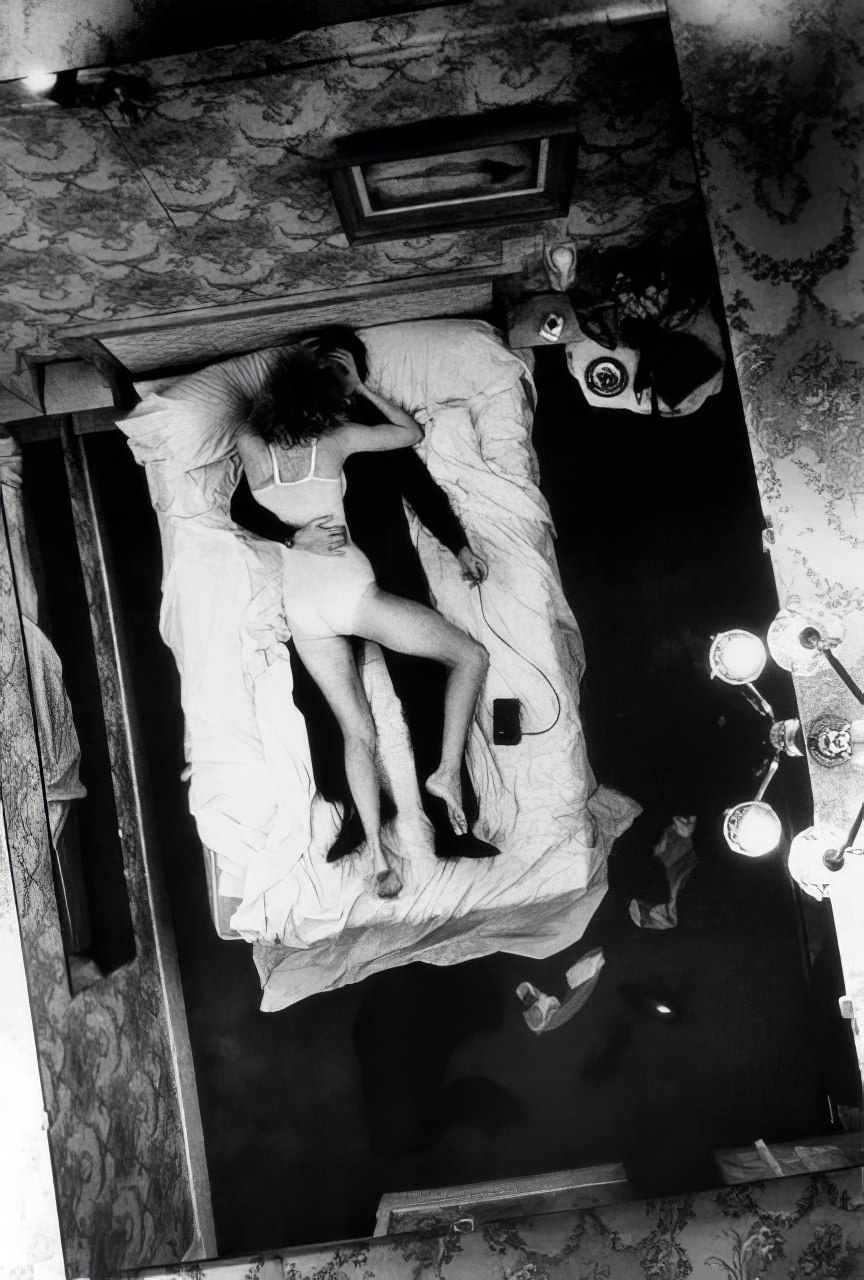
Helmut Newton made no attempt to separate his personal aesthetic from his self-portraits. His 1973 image at the Hotel Bijou in Paris places him directly within the charged, high-contrast visual world he was known for creating.
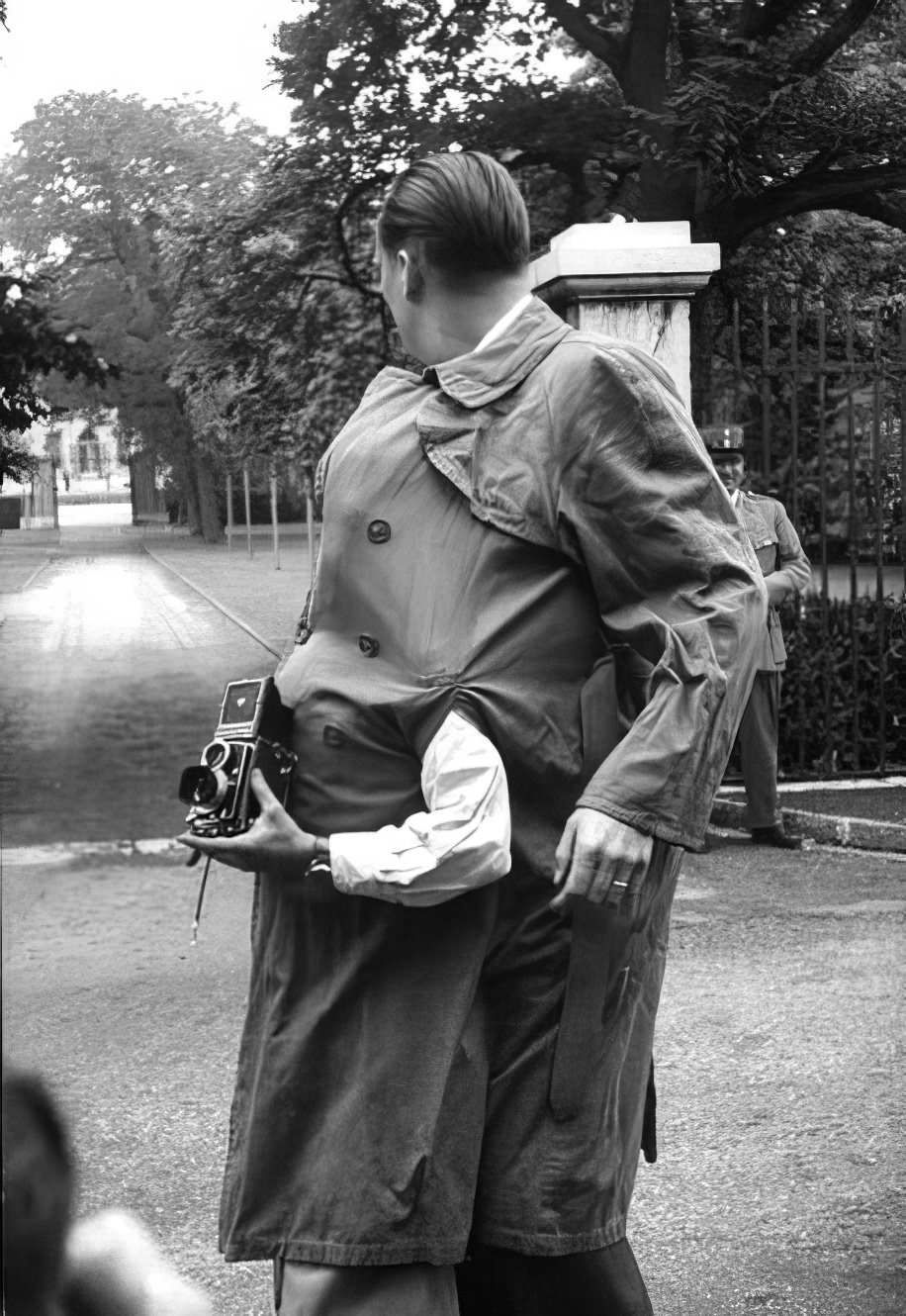
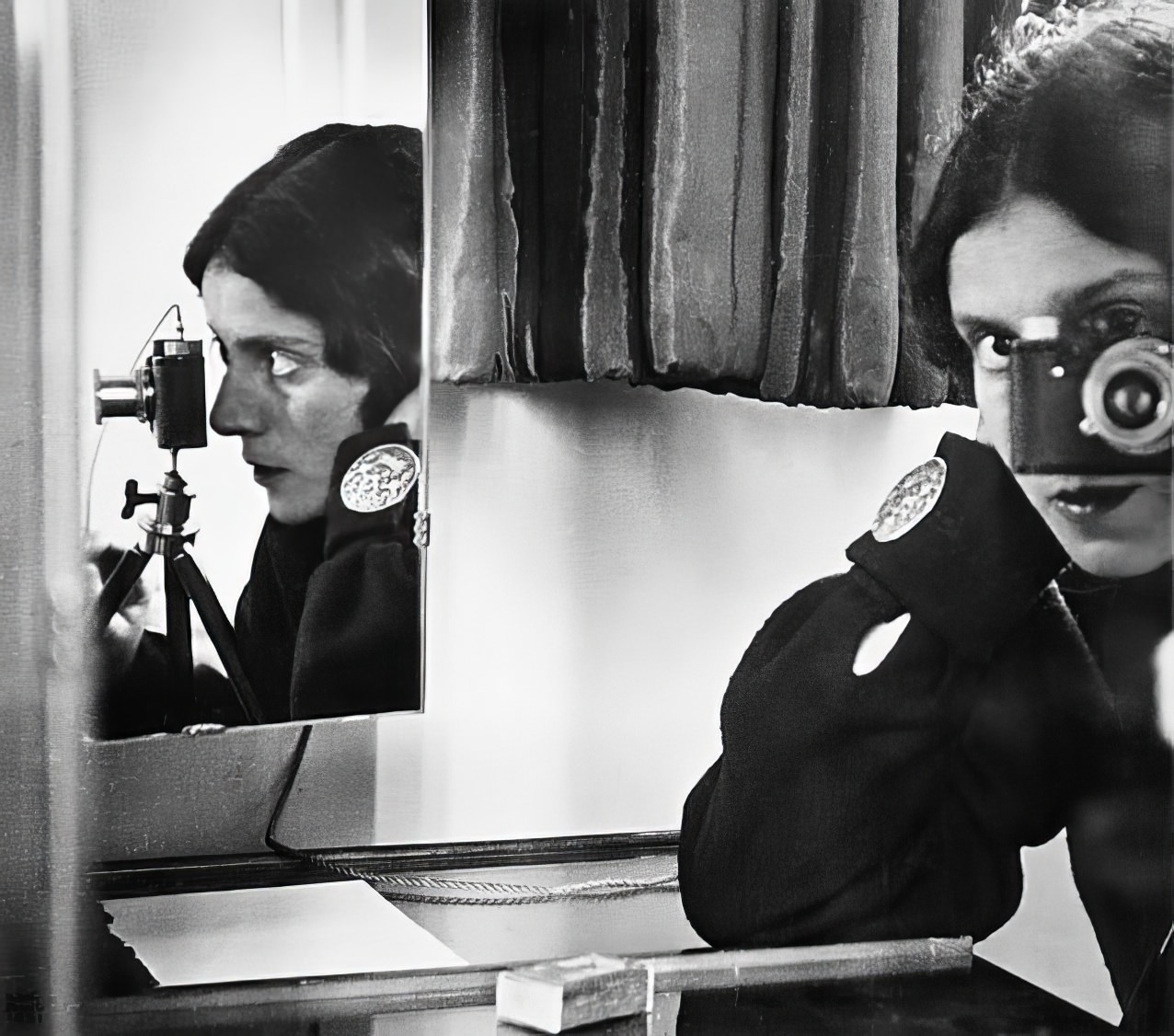
Ilse Bing’s 1931 Self-Portrait in Mirrors is one of the most technically inventive self-portraits of the 20th century. Using reflections to multiply her image, Bing turned a single frame into a complex study of angles, light, and the act of looking. It earned her the nickname ‘Queen of the Leica.’
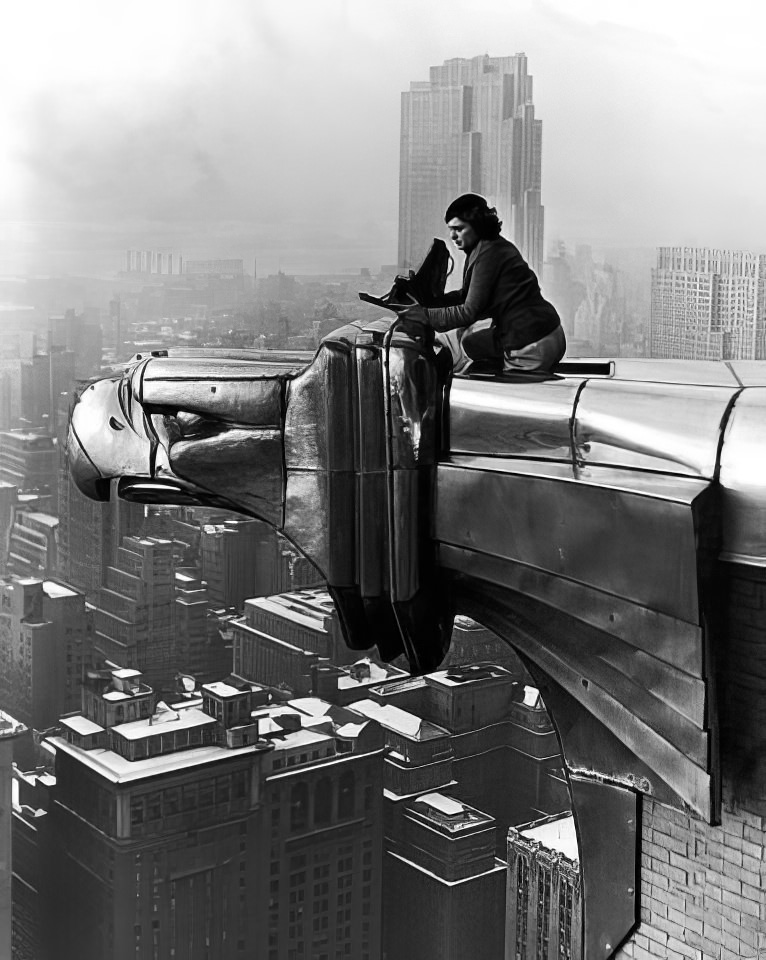
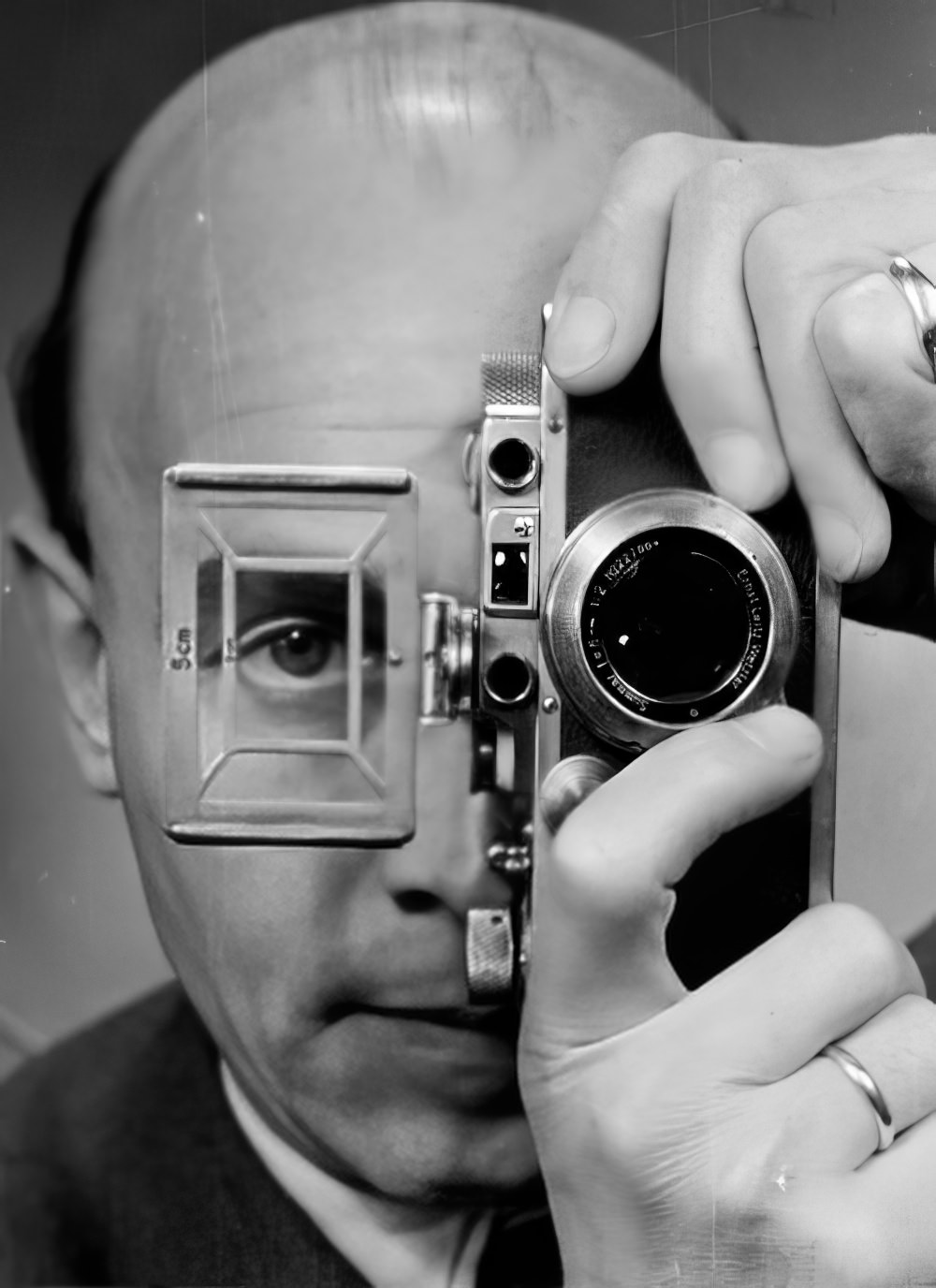
Some photographers chose their camera as their only prop. Umbo’s 1952 self-portrait with a Leica keeps the focus tight on the relationship between shooter and machine. Margaret Bourke-White, photographed atop the Chrysler Building in 1934, showed the world a photographer fearless enough to work at deadly heights for the right shot.
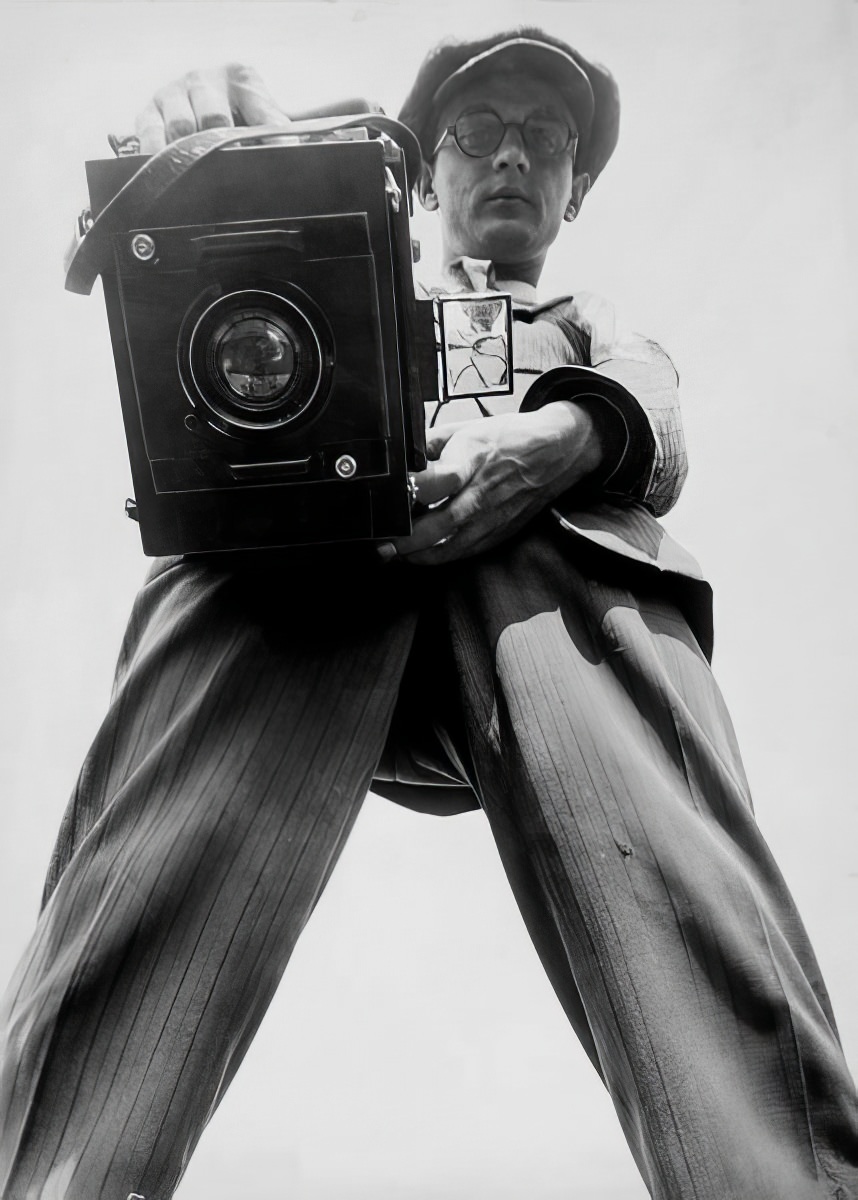
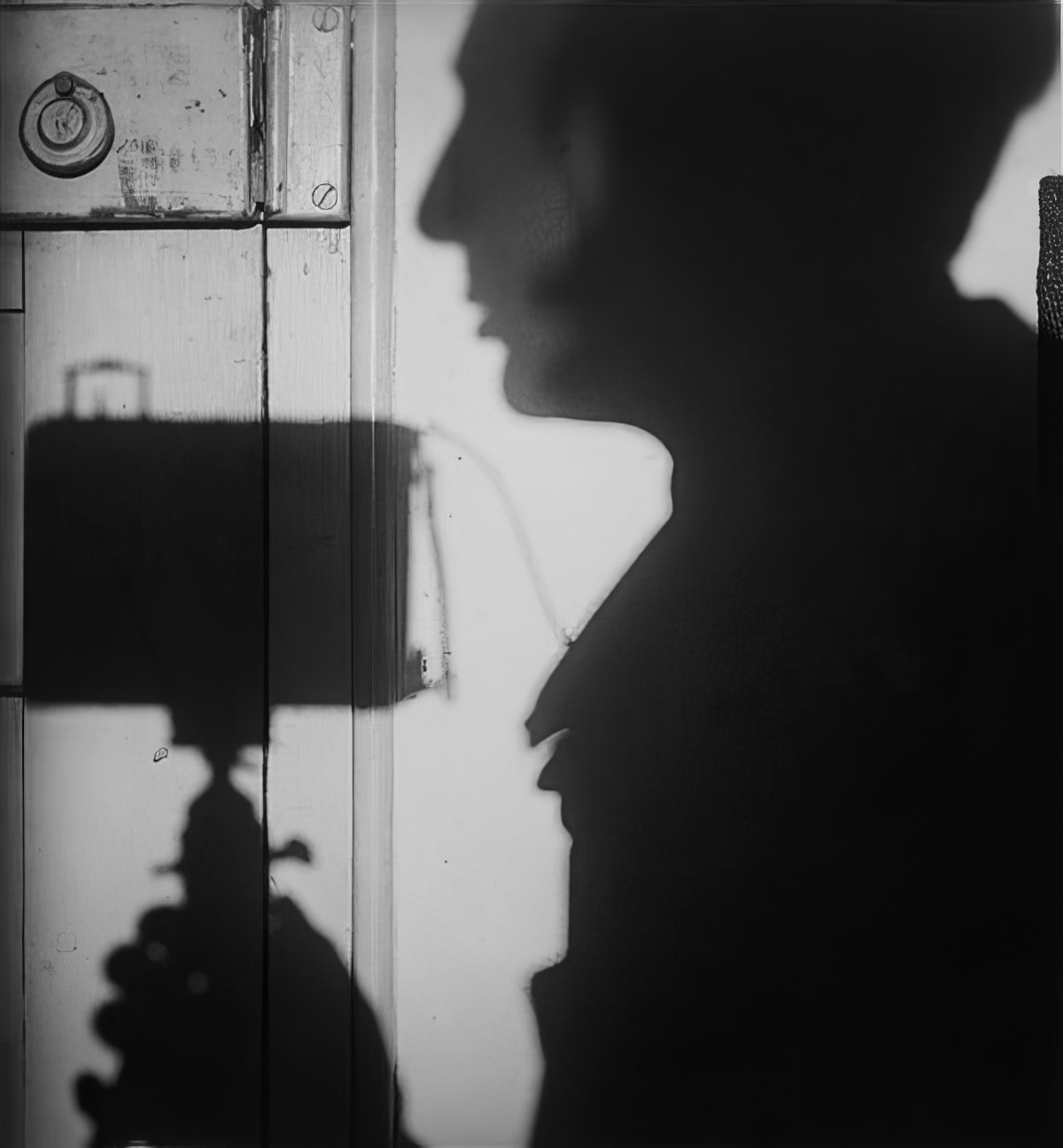
André Kertész captured himself in Paris in 1927 with the same quiet precision he brought to every subject. His self-portrait is understated and deeply composed — exactly what you’d expect from one of the pioneers of modern photojournalism.
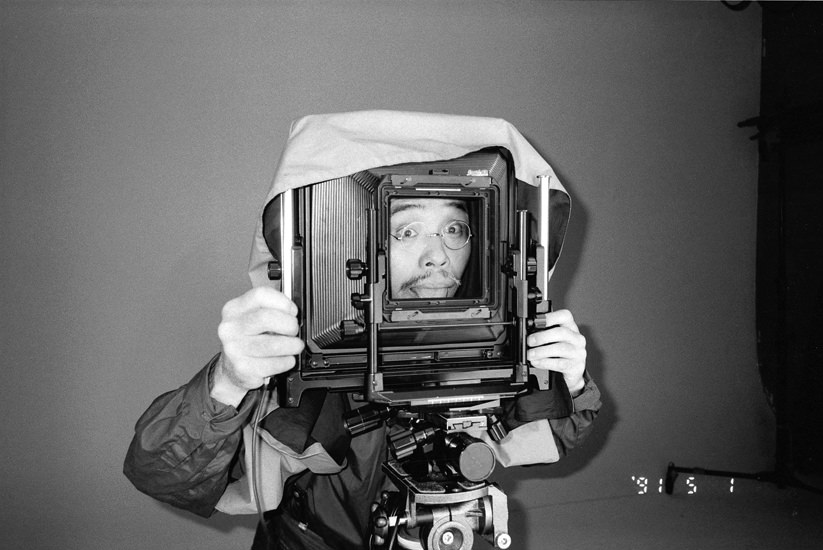
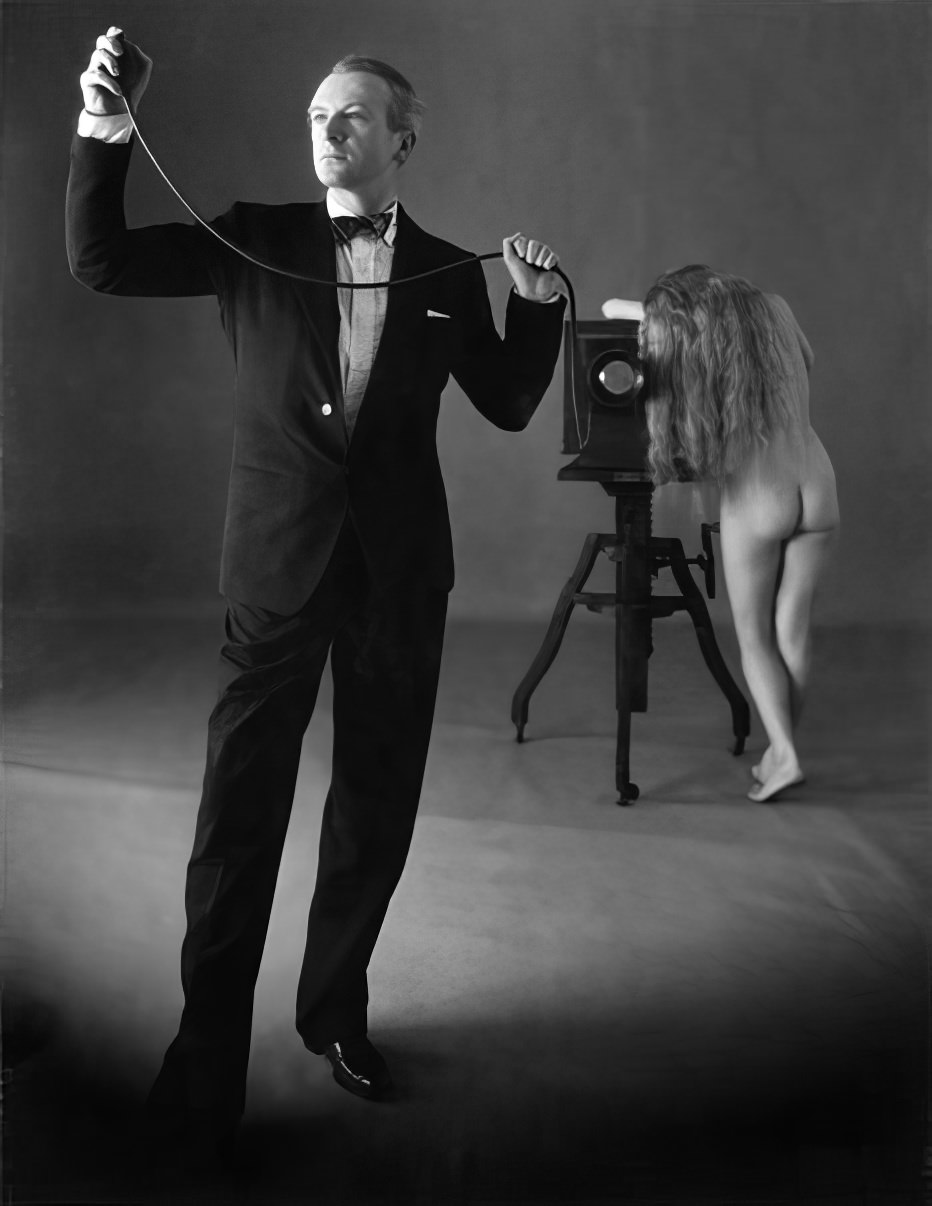
Japanese photographer Nobuyoshi Araki built a career around confessional, autobiographical imagery. His self-portraits sit within that same tradition — raw, direct, and personal. Irving Penn’s 1946 portrait of Cecil Beaton, meanwhile, shows one master photographer framing another, creating a rare document of two giants of the medium in the same room.
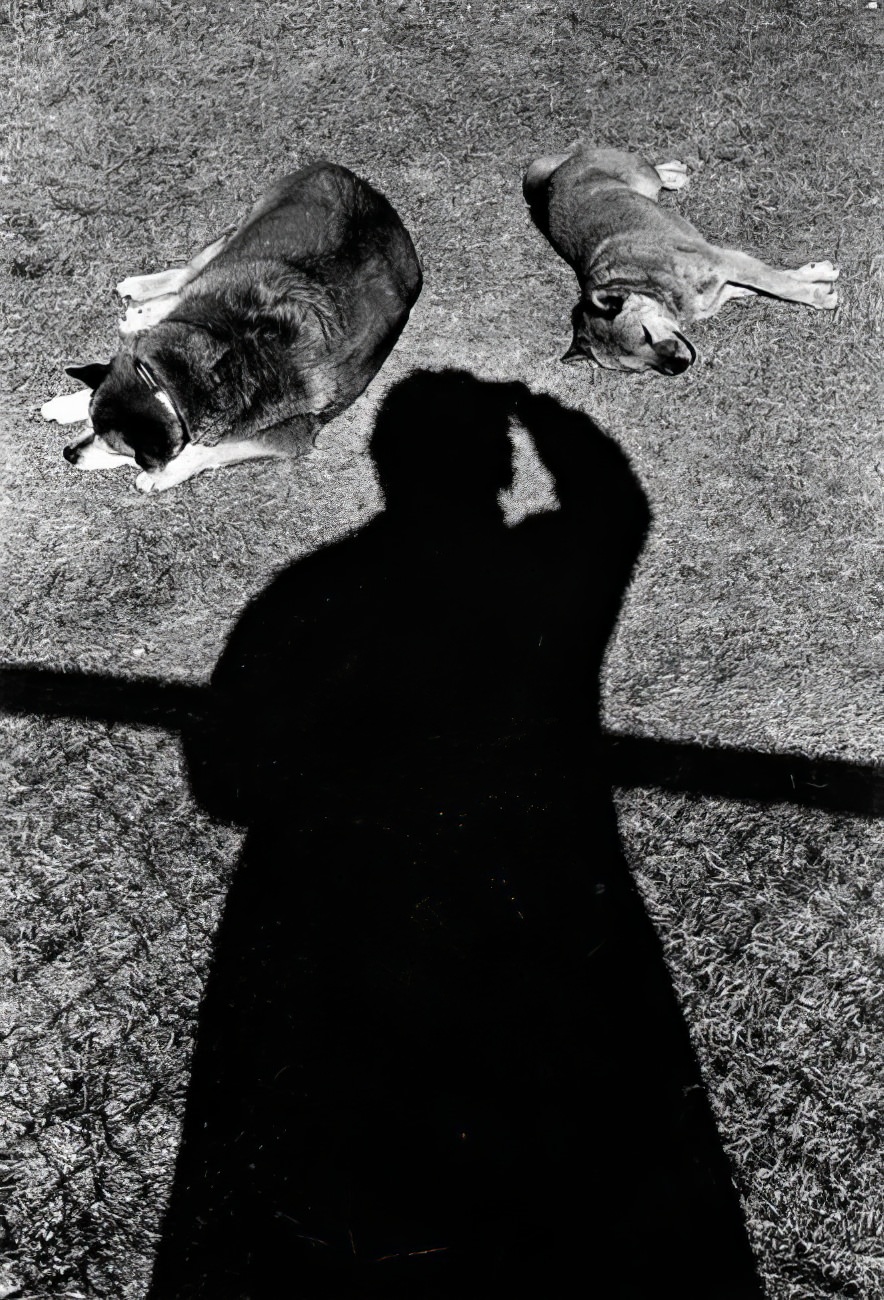
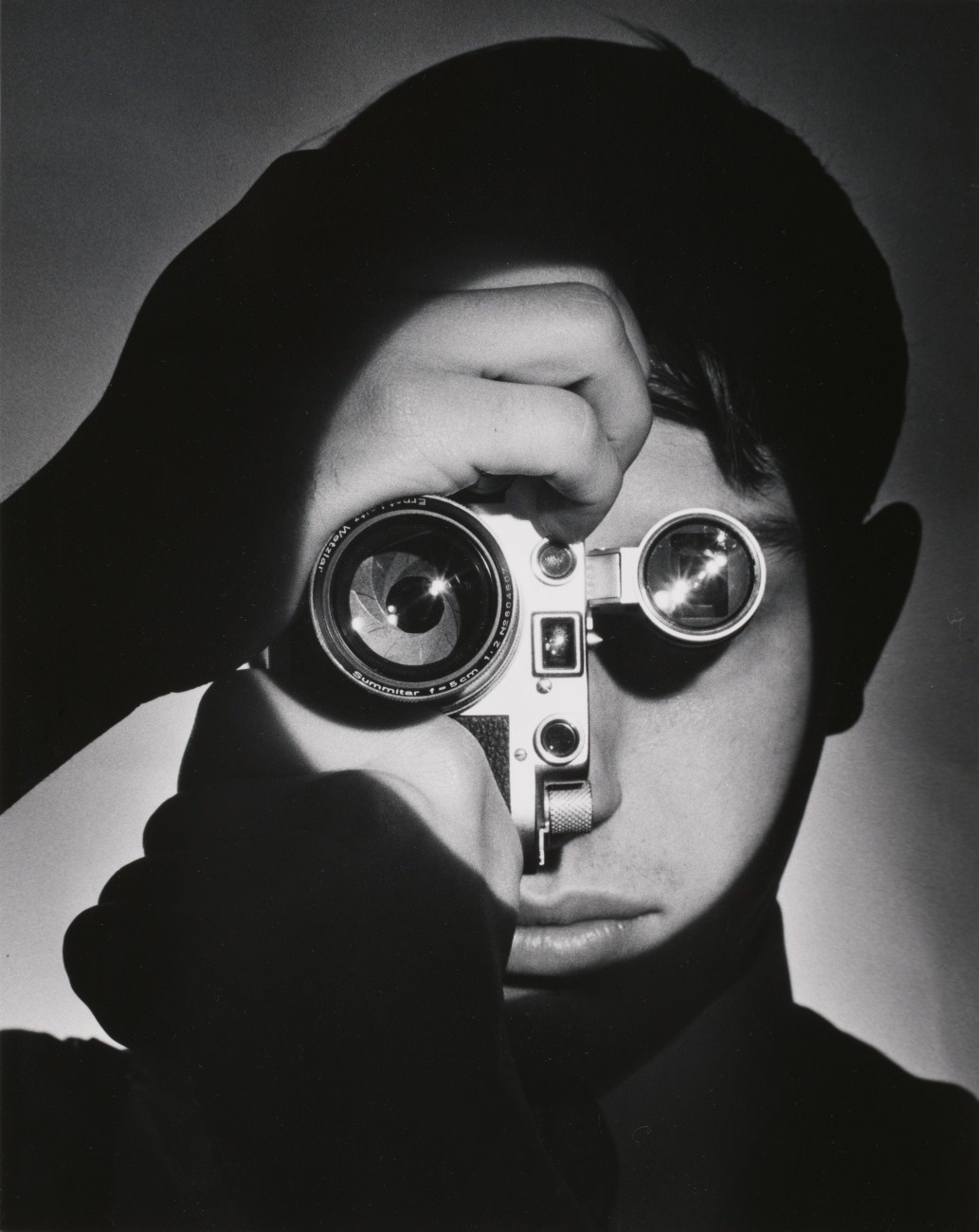
Andreas Feininger’s 1951 image, known as The Photojournalist, has become one of the most reproduced photographs in the history of the medium. The subject’s face is almost entirely obscured by a massive telephoto lens, making the camera itself the dominant presence. Daido Moriyama’s 1997 self-portrait with dogs takes a looser, grainier approach — gritty and street-level, much like his wider body of work.
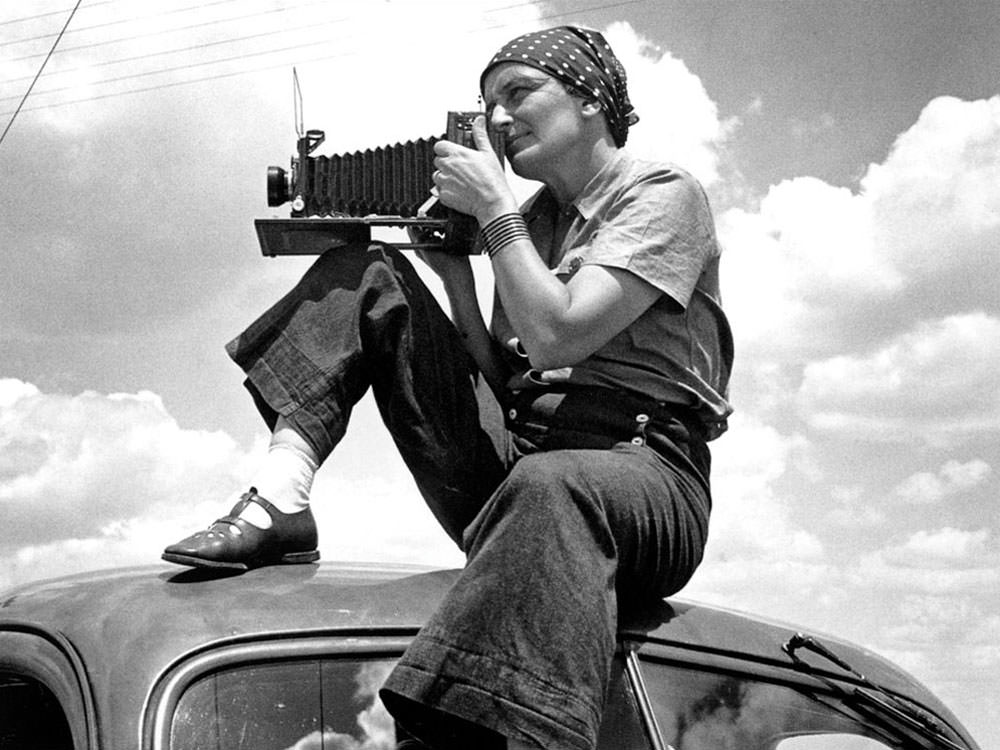
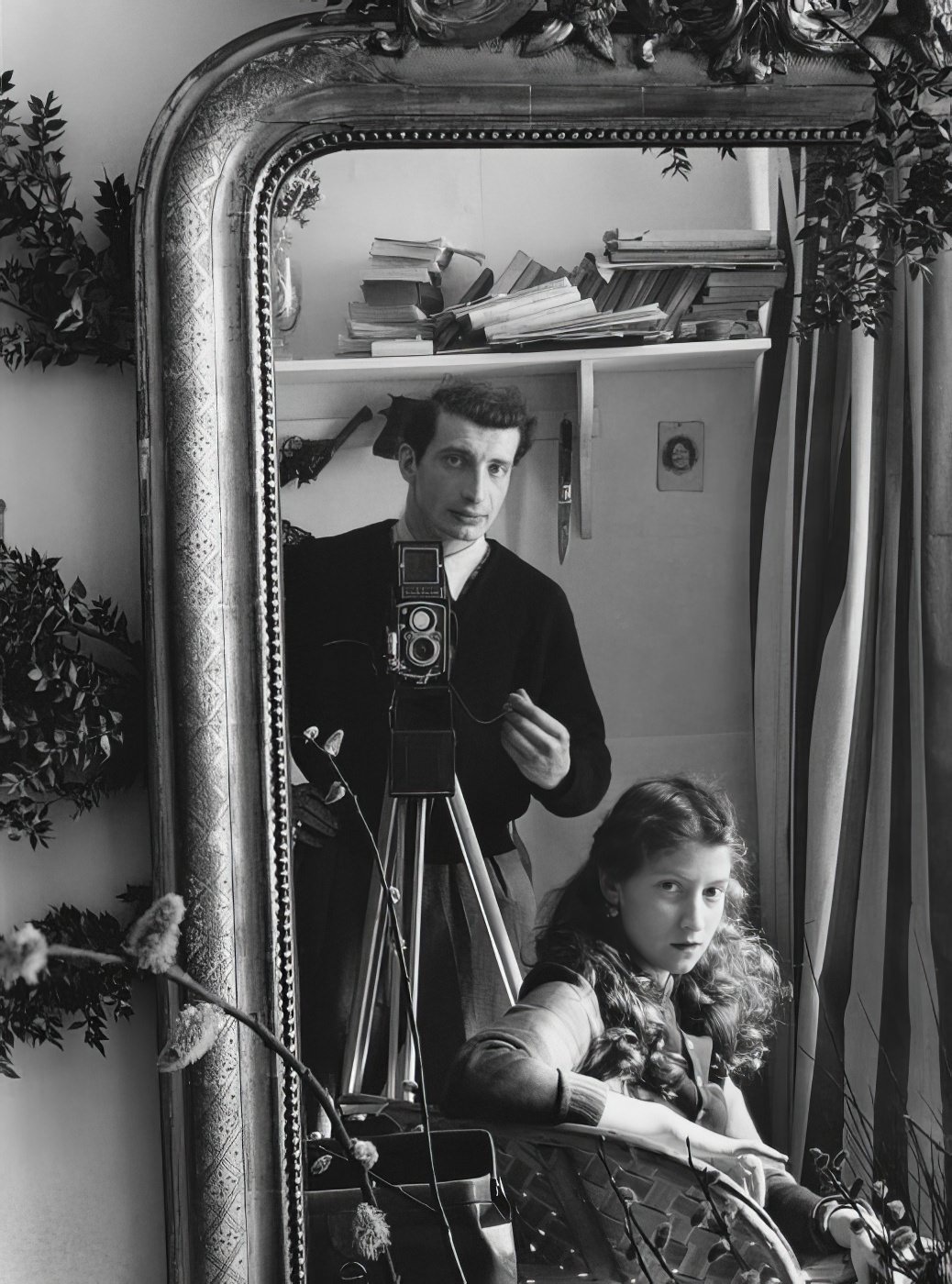
Dorothea Lange, photographed in Texas in 1934 by Paul S. Taylor, appears at work in the field during the Great Depression — the same era that produced her most iconic images. Edouard Boubat’s 1951 self-portrait with Lella captures a quieter, more romantic moment, reflecting the warmth and tenderness that defined his humanist photography.
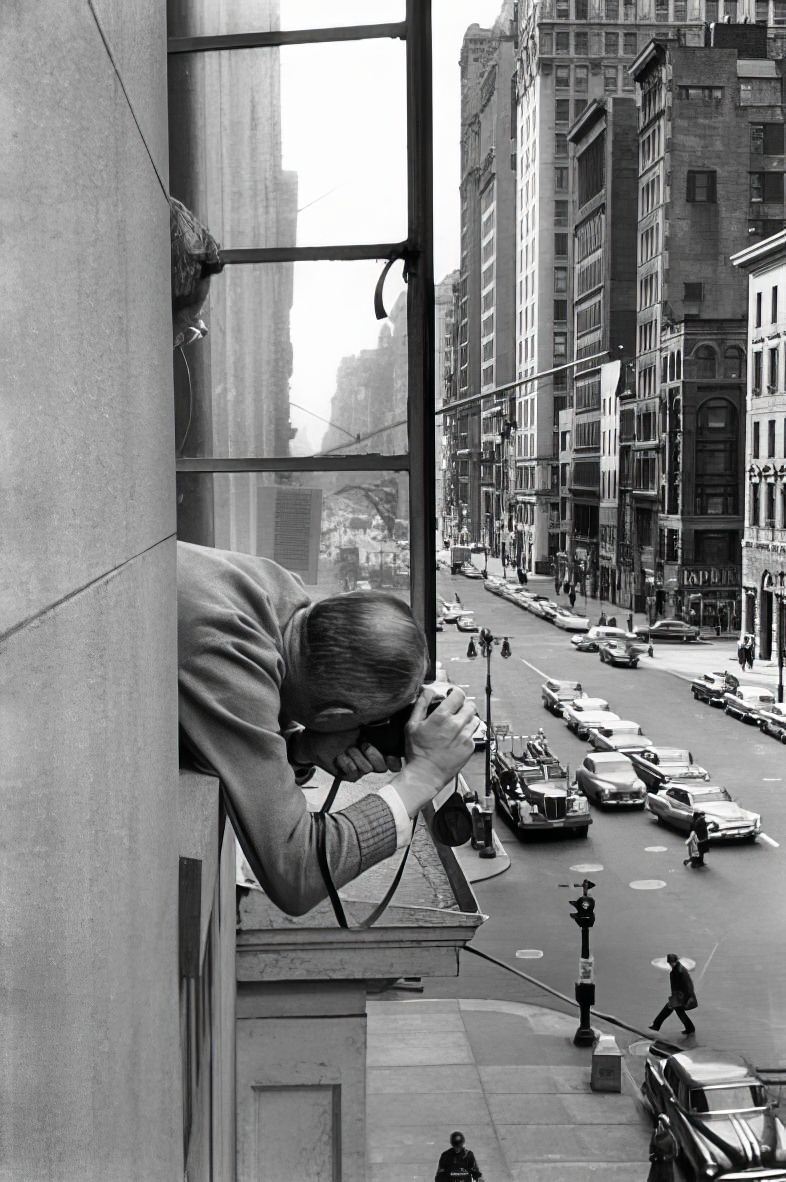
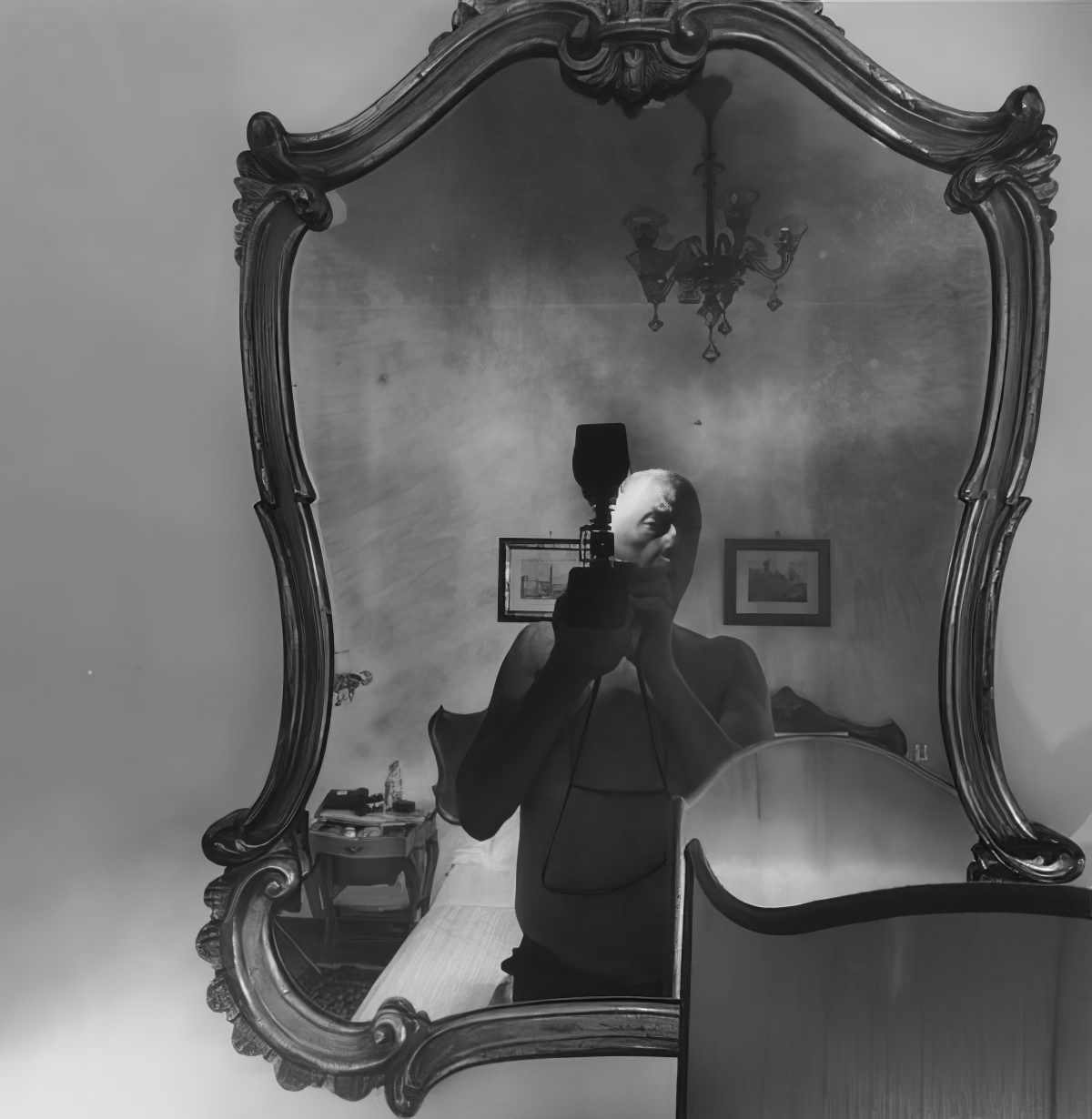
Henri Cartier-Bresson, caught on the streets of New York in 1959 by René Burri, looks every bit the alert, nimble observer his work demanded. Lee Friedlander made self-portraiture a sustained project across decades. His 1997 image continues his signature style — inserting his own shadow or reflection into scenes with dry, ironic precision.
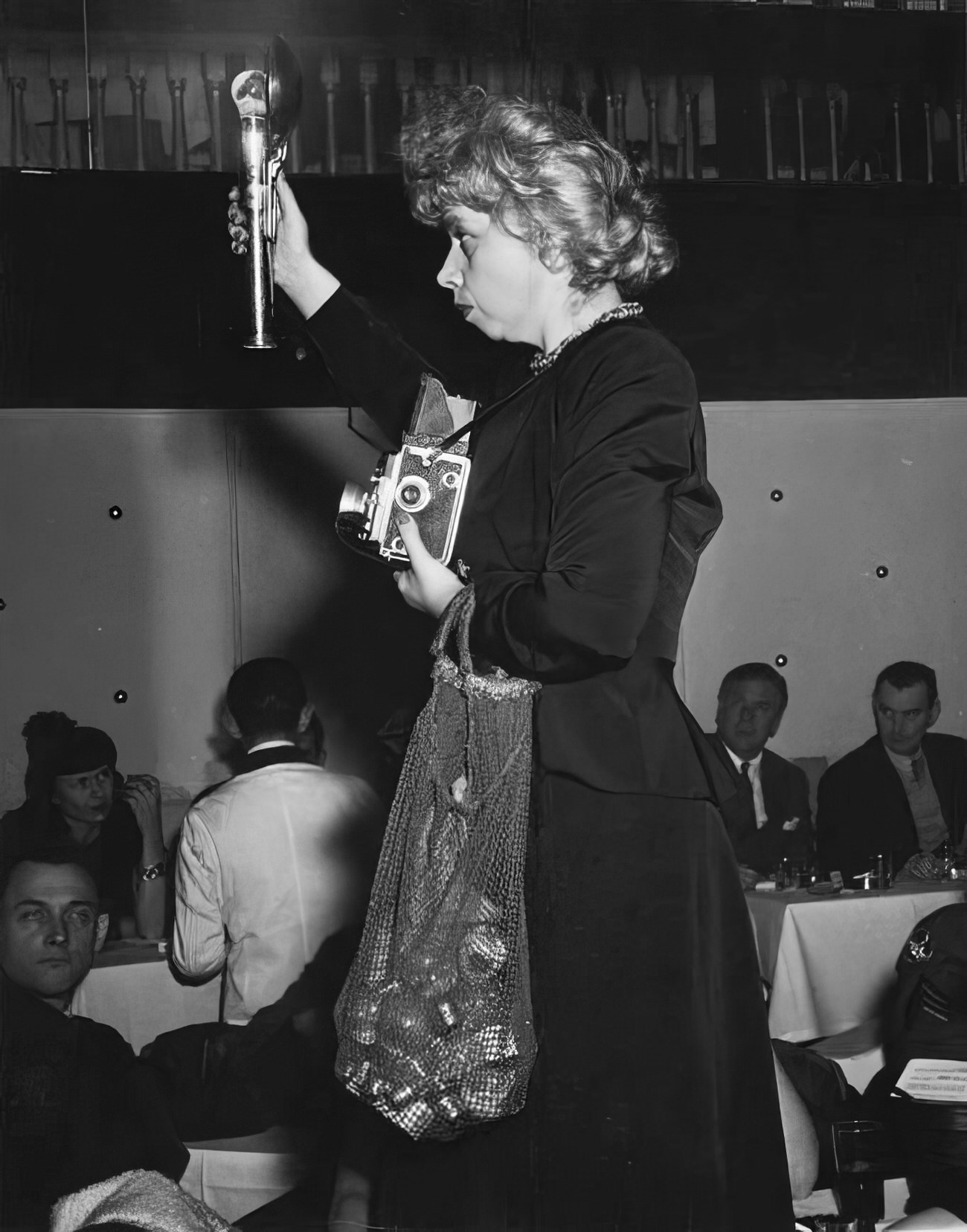
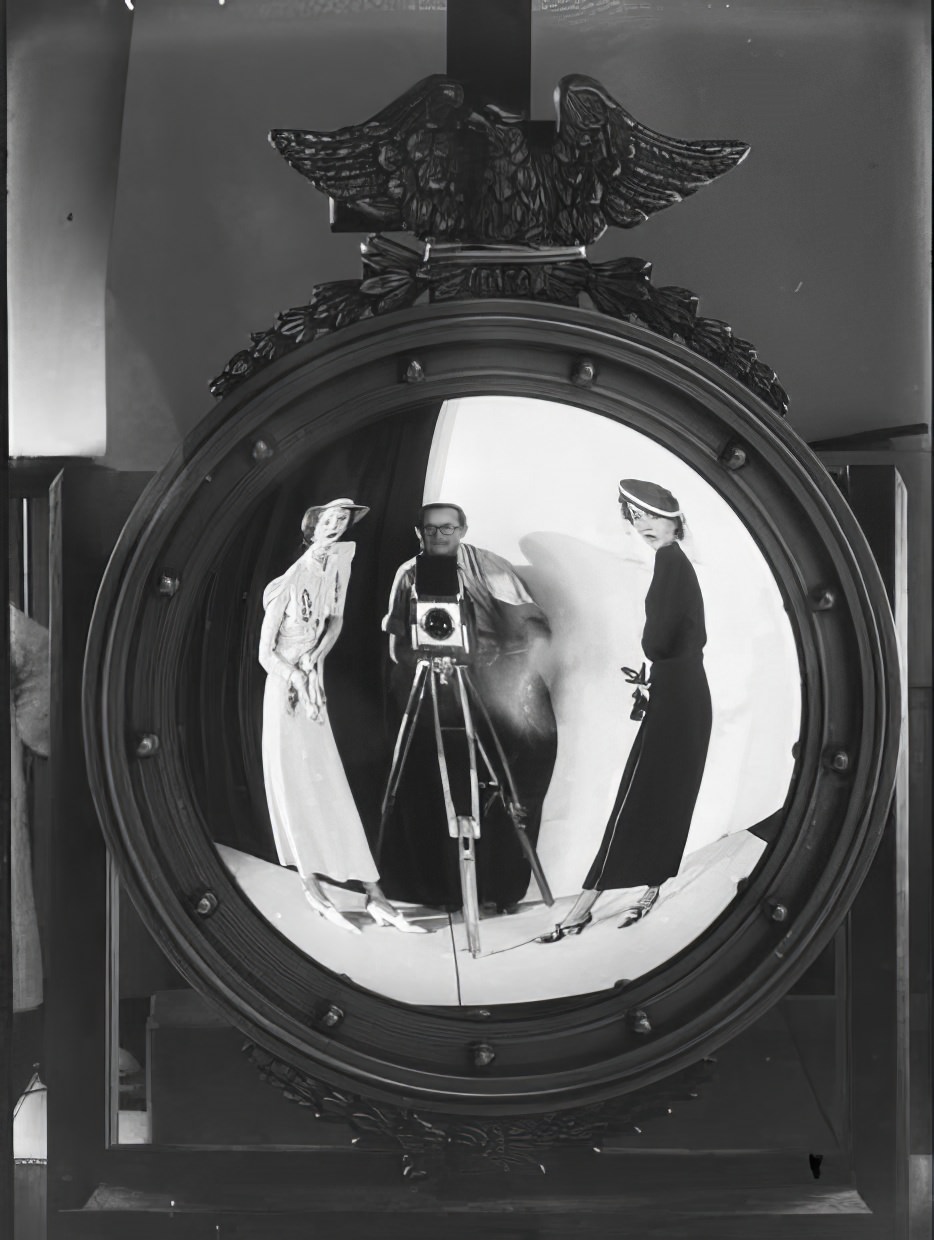
Weegee, the New York crime photographer known for flash-lit nighttime scenes, turned his camera on Lisette Model in 1946. The resulting portrait captures one bold personality documenting another. Martin Munkacsi, a pioneer of action photography, brought that same energy into his own image.
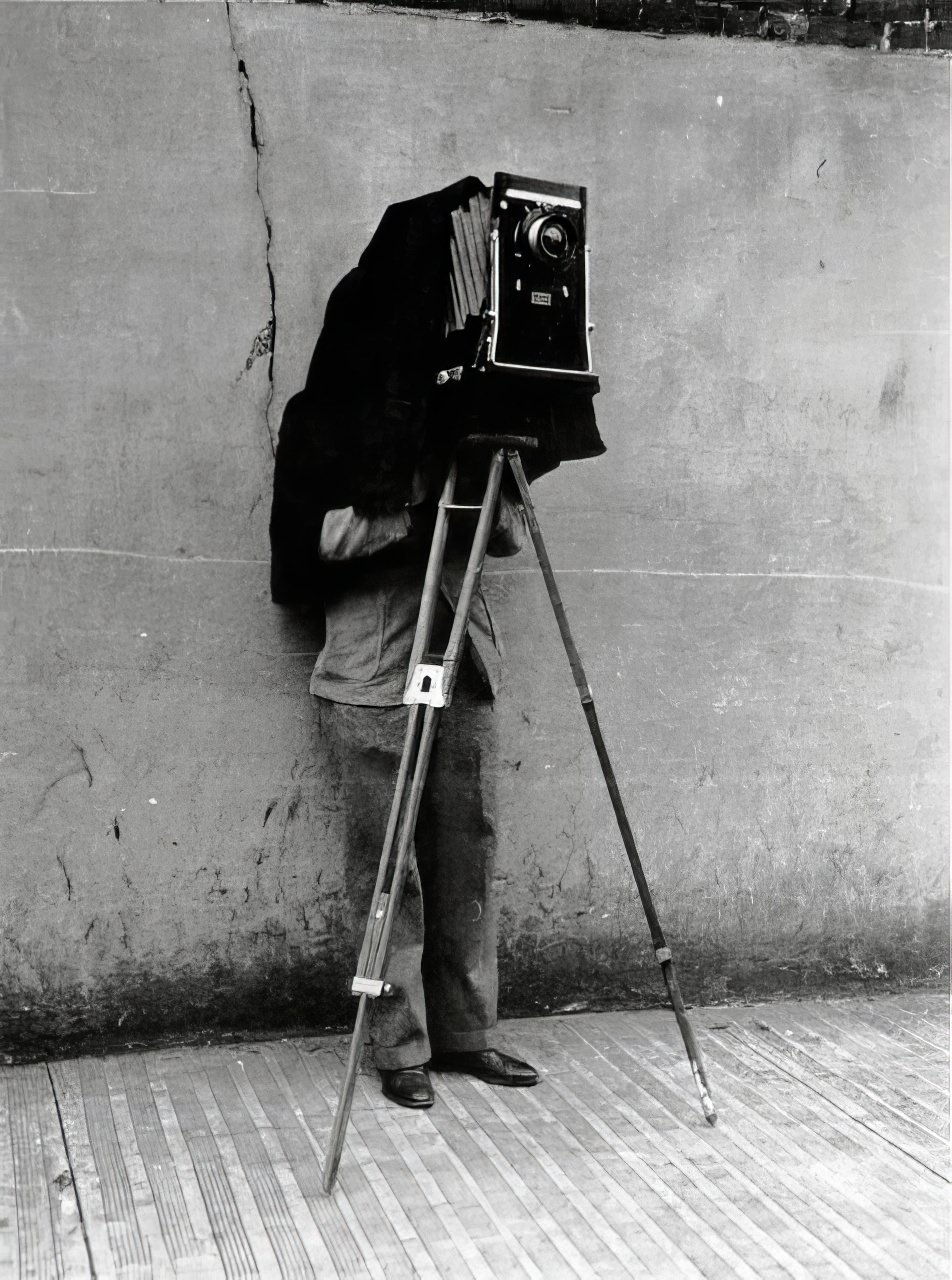
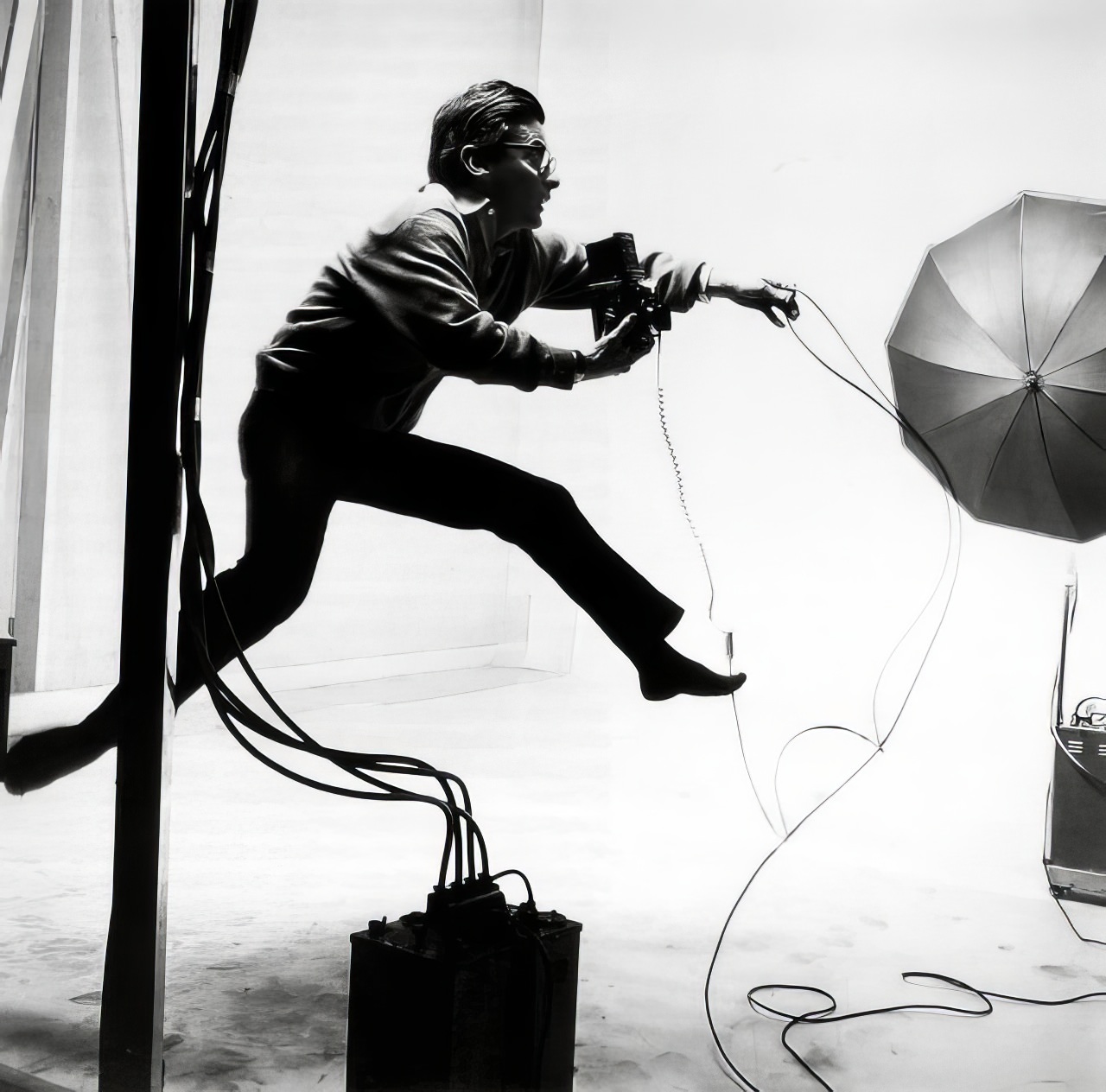
Walker Evans, photographed between 1935 and 1936, was in the middle of the documentary work that would define his reputation. Richard Avedon, captured in New York in 1966 by Jacques-Henri Lartigue, appears sharp and deliberate — a portrait of a photographer whose studio control was absolute.
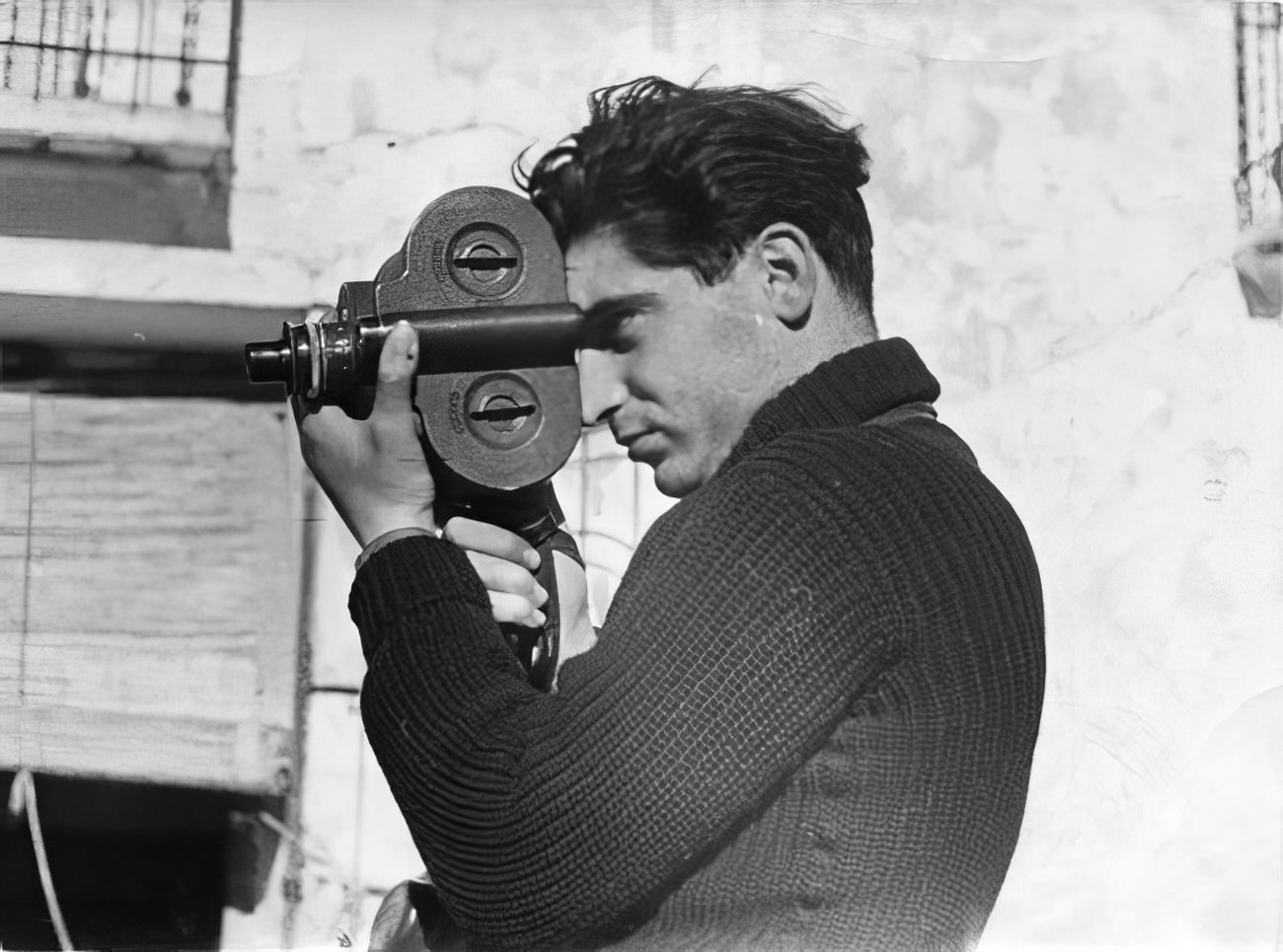
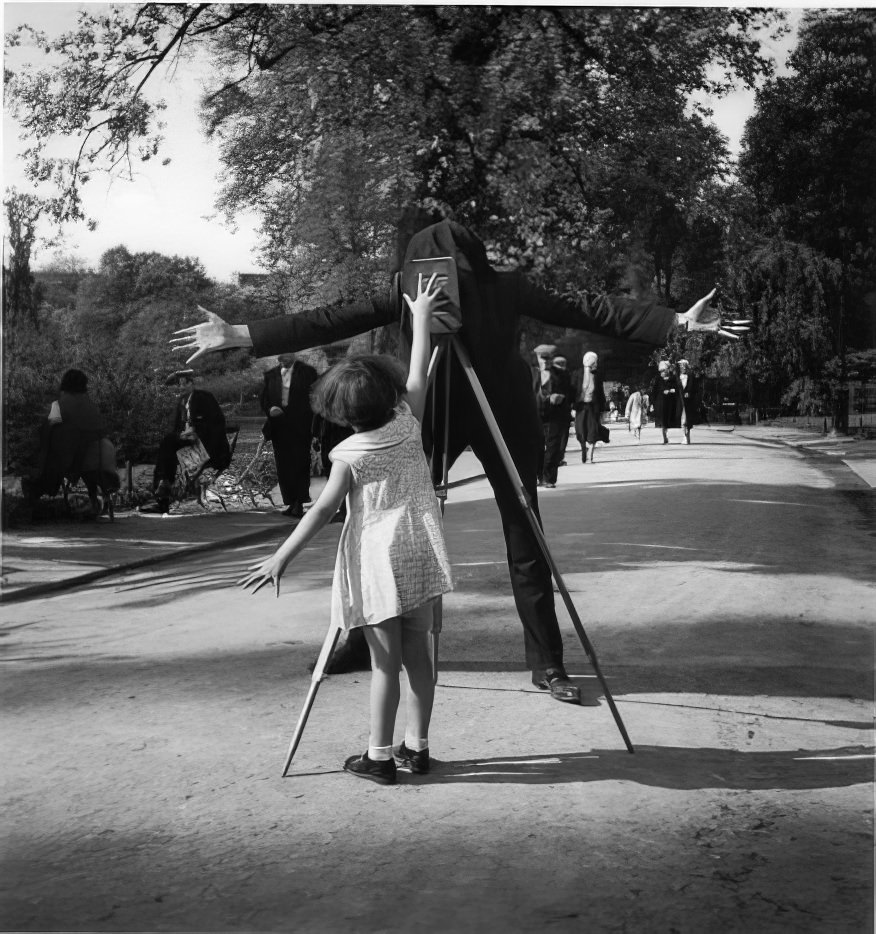
Gerda Taro photographed Robert Capa on the Segovia Front in Spain in 1937, placing both war photographers in the same conflict they were risking their lives to document. Robert Doisneau’s 1934 image shows the French photographer early in his career, years before the Parisian street scenes that made him famous worldwide.
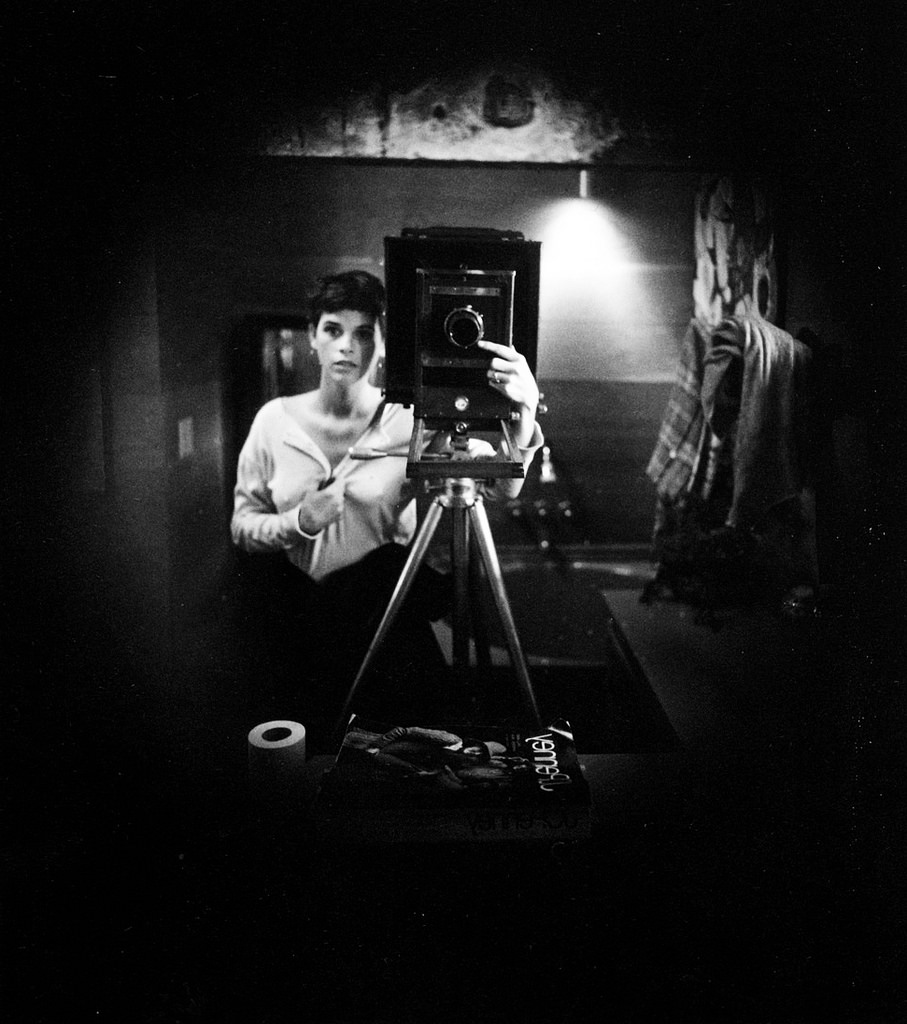
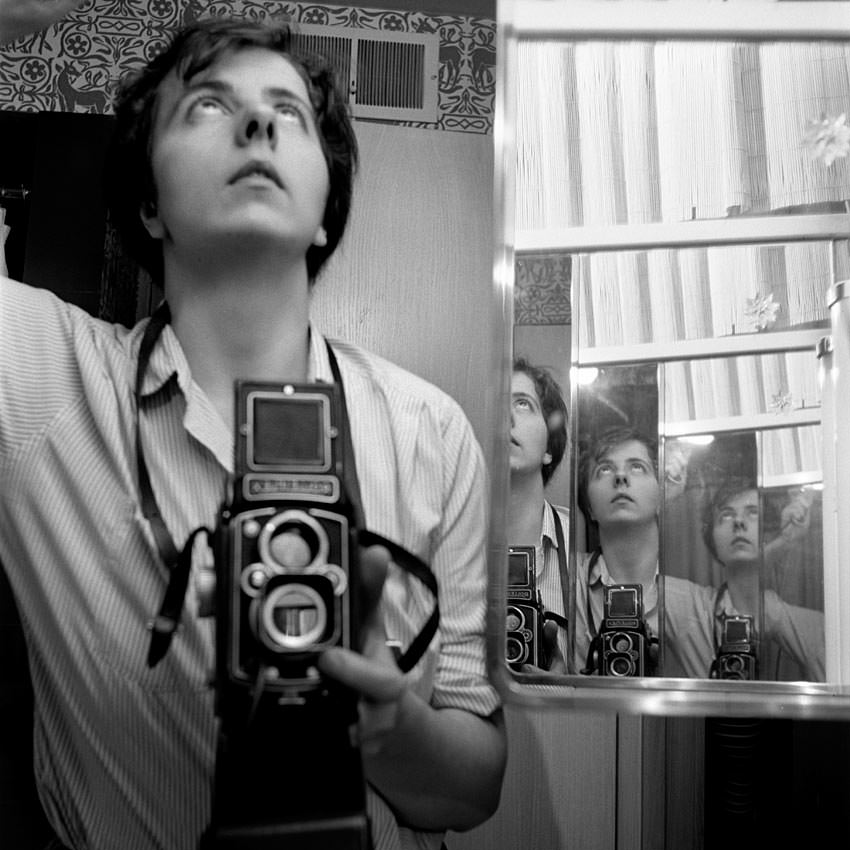
Sally Mann’s 1974 self-portrait predates the controversial family work that brought her widespread attention. Vivian Maier, who spent decades photographing Chicago’s streets while working as a nanny, left behind thousands of self-portraits taken in shop windows and mirrors. Her images were discovered only after her death, revealing a deeply committed and skilled photographer who never sought public recognition.
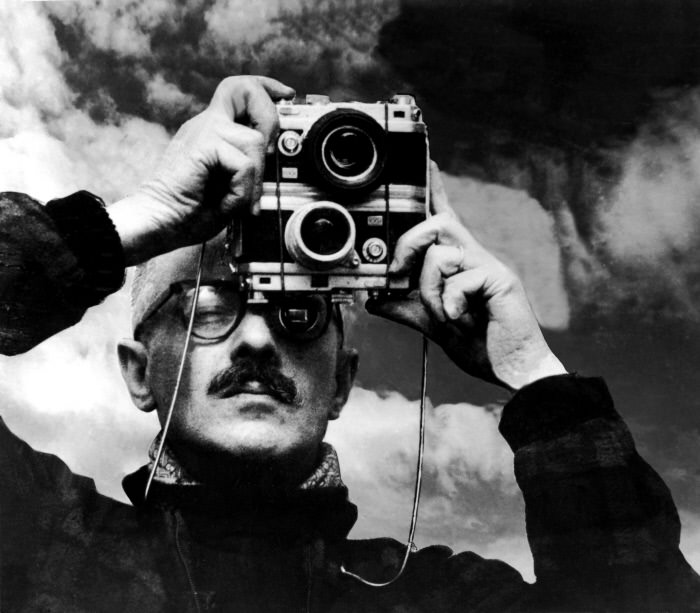
Willy Ronis photographed himself in 1955 with the same humanist eye he brought to working-class life across France. Together, these images form a rare visual record — not of the world these photographers documented, but of the photographers themselves.