
In 1943, Phoenix, Arizona, was a city in the middle of a transformation. With a population of around 107,000, it was no longer a sleepy desert town. The demands of World War II had turned it into a busy hub of military activity, industrial production, and agricultural output. Cotton, citrus, and cattle remained the backbone of the regional economy, but the war added a new layer of urgency to everything happening in the city.
The desert landscape around Phoenix made it an ideal location for military training. Clear skies and wide-open terrain allowed pilots to train year-round. Facilities like Williams Airfield and Falcon Field were active training grounds for pilots and aircrews. Their presence brought thousands of military personnel into the area, straining housing supplies and pushing the city to build temporary barracks and government housing just to keep up.
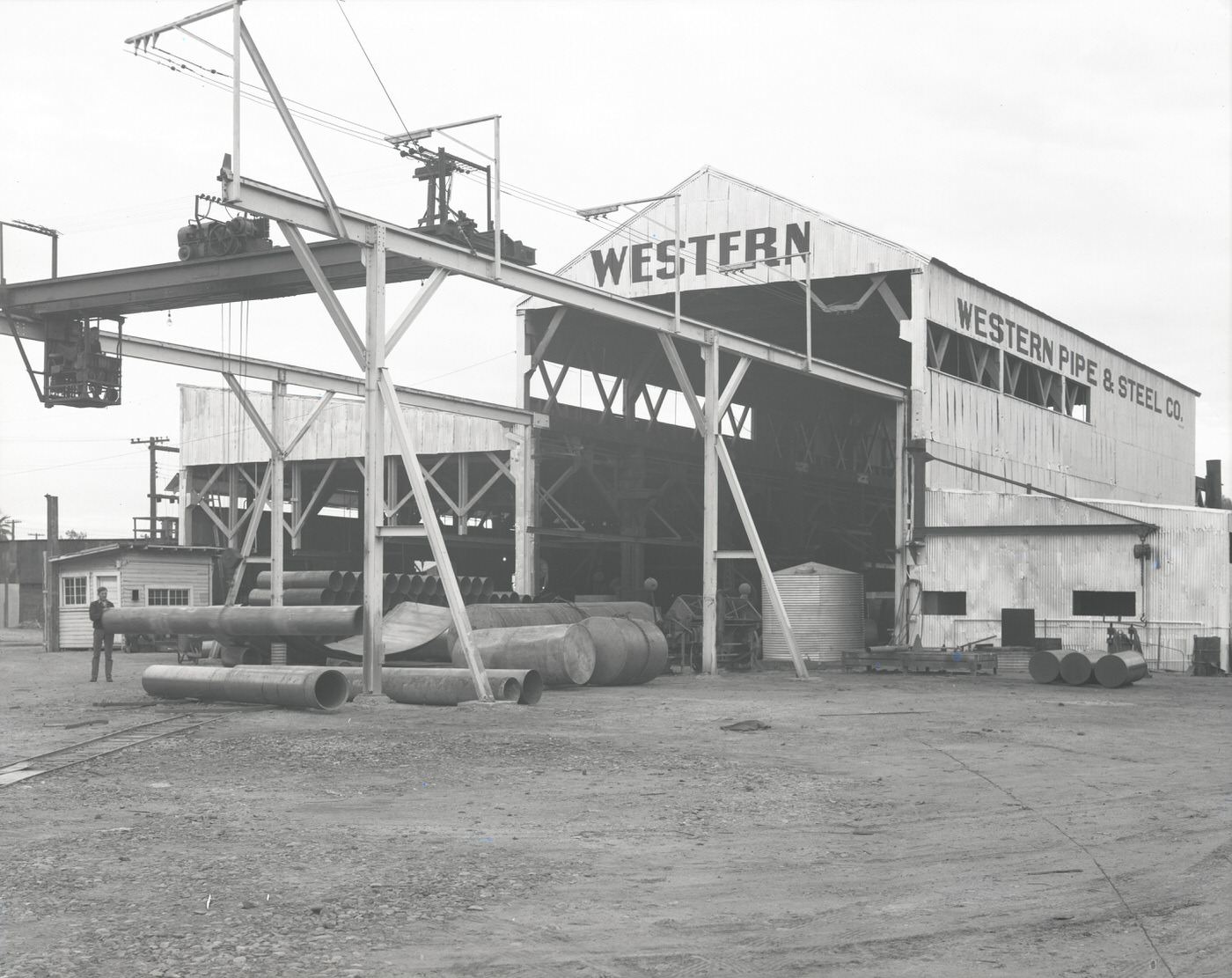
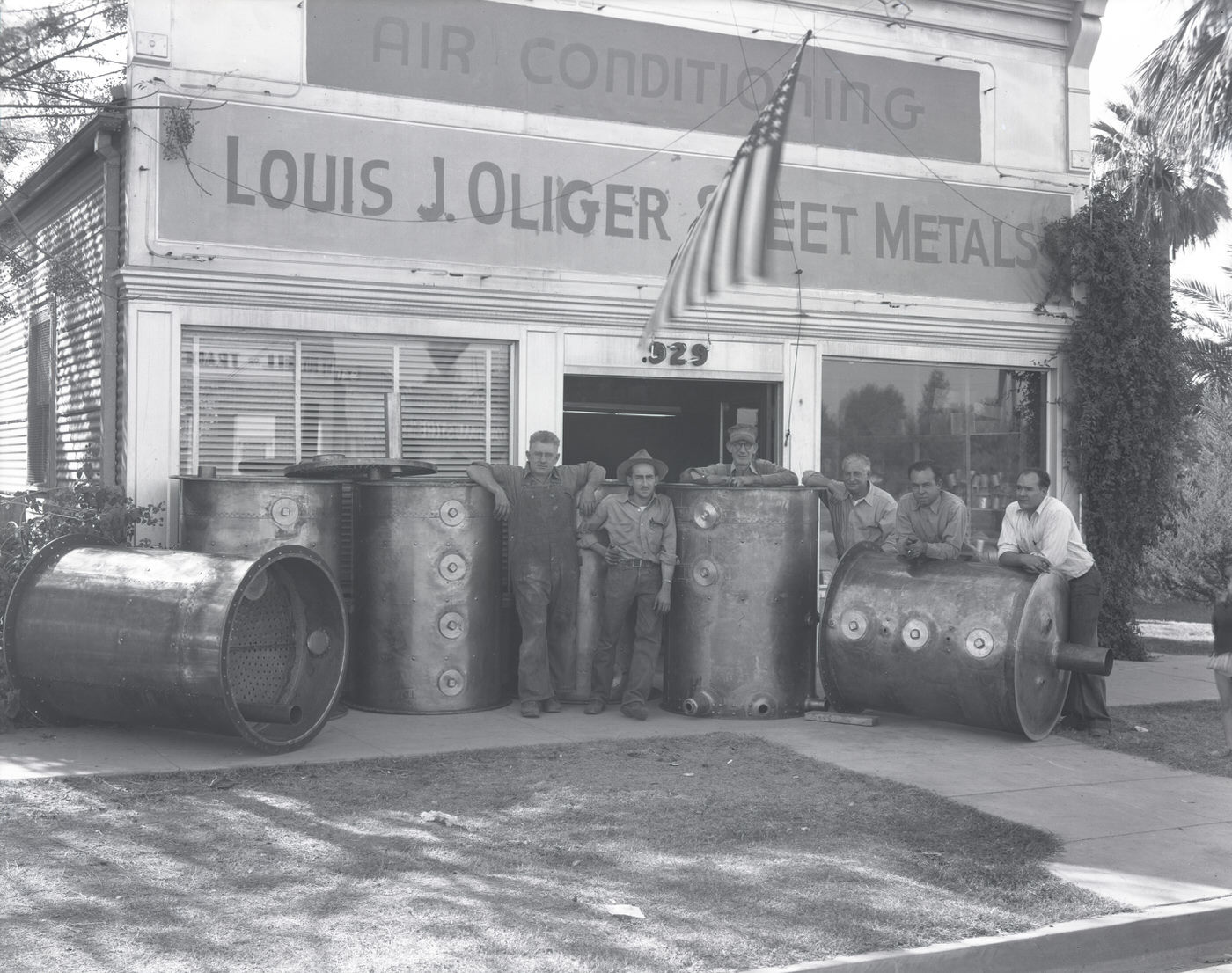
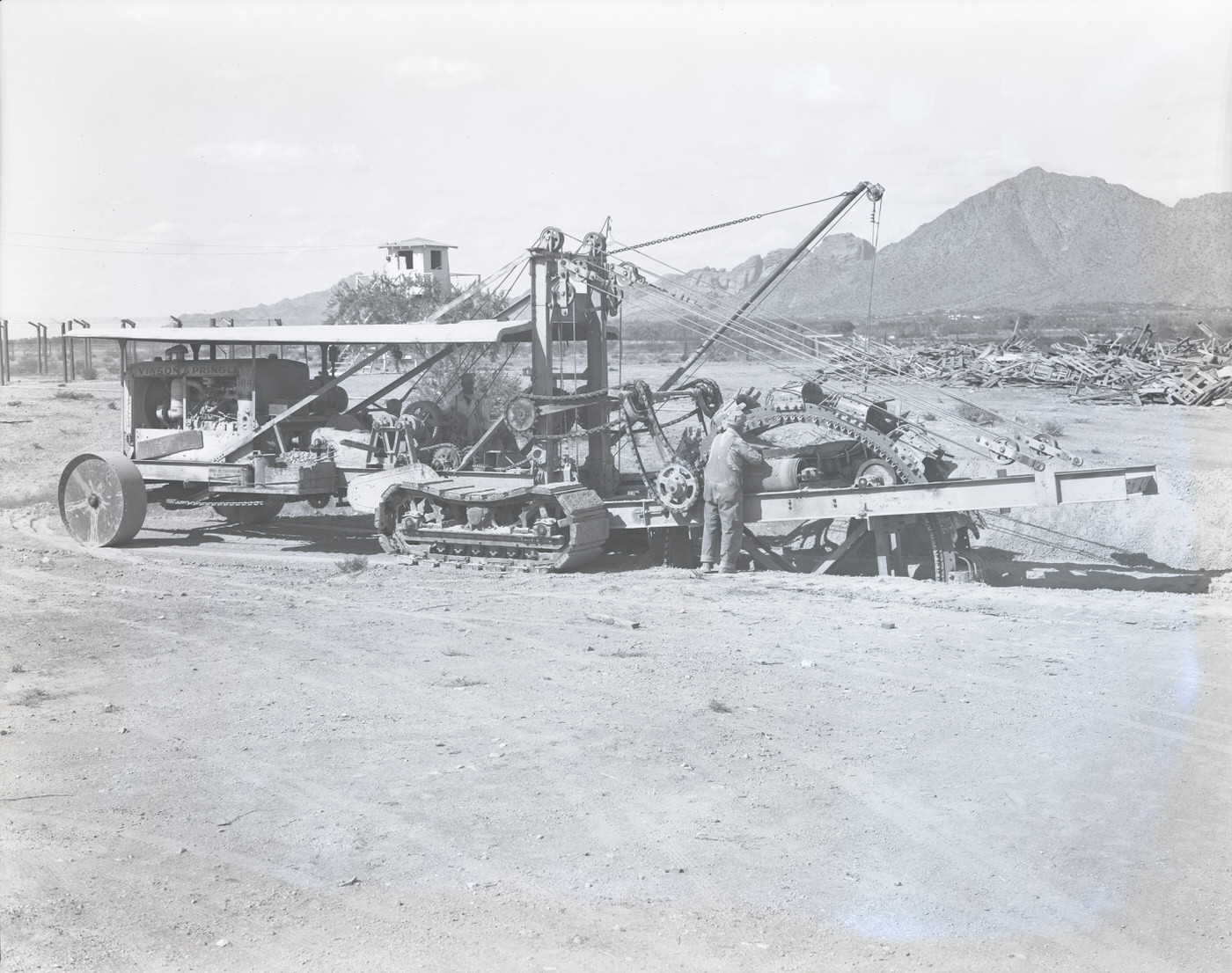
Industrial operations in Phoenix were running at full capacity. Companies like Western Pipe & Steel were part of a broader network of manufacturers supplying the war effort with materials, parts, and equipment. Factories across the city produced aircraft components, ordnance, and other military goods. Sheet metal shops like the one operated by Louis J. Oliger also supported local construction and manufacturing needs.
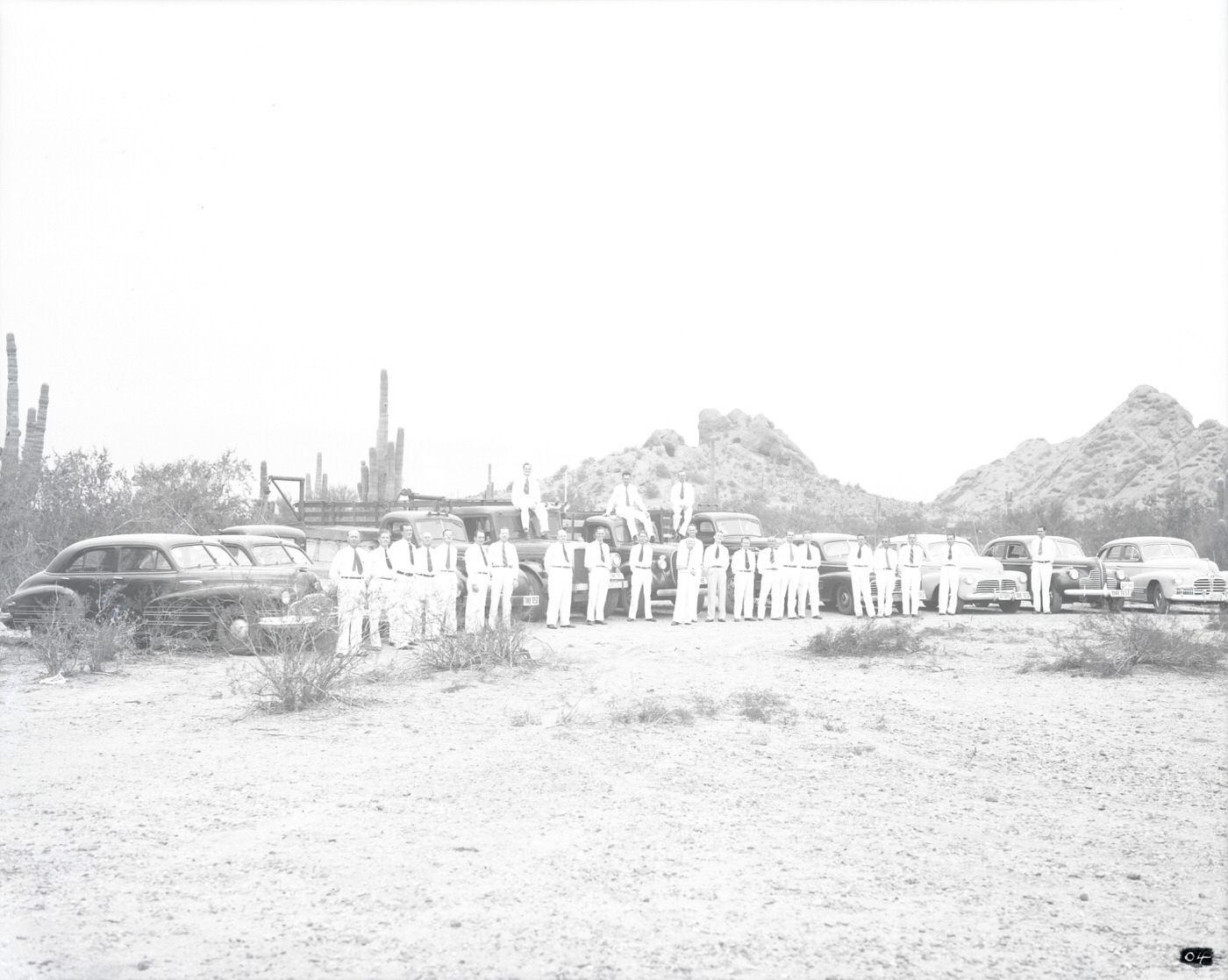
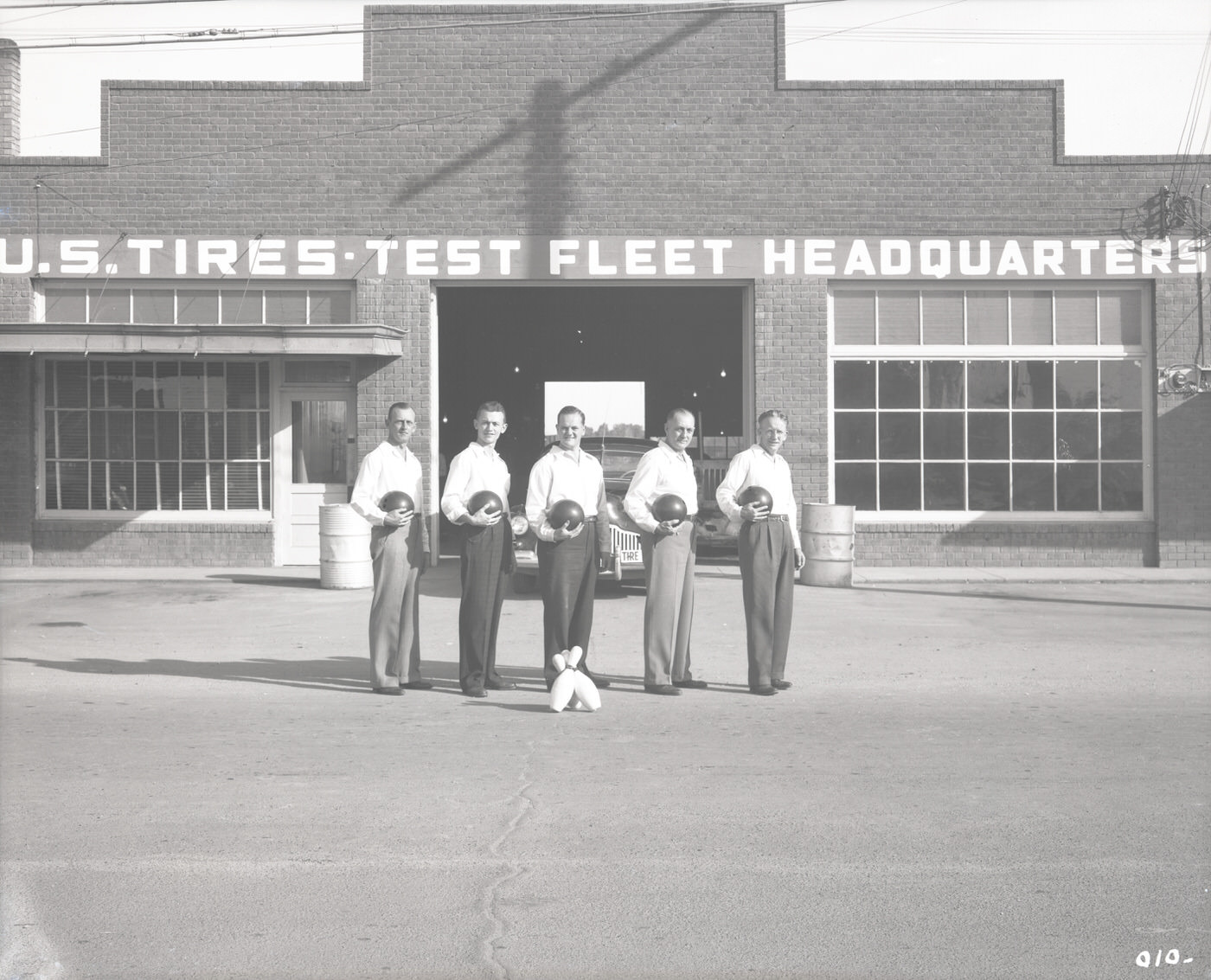
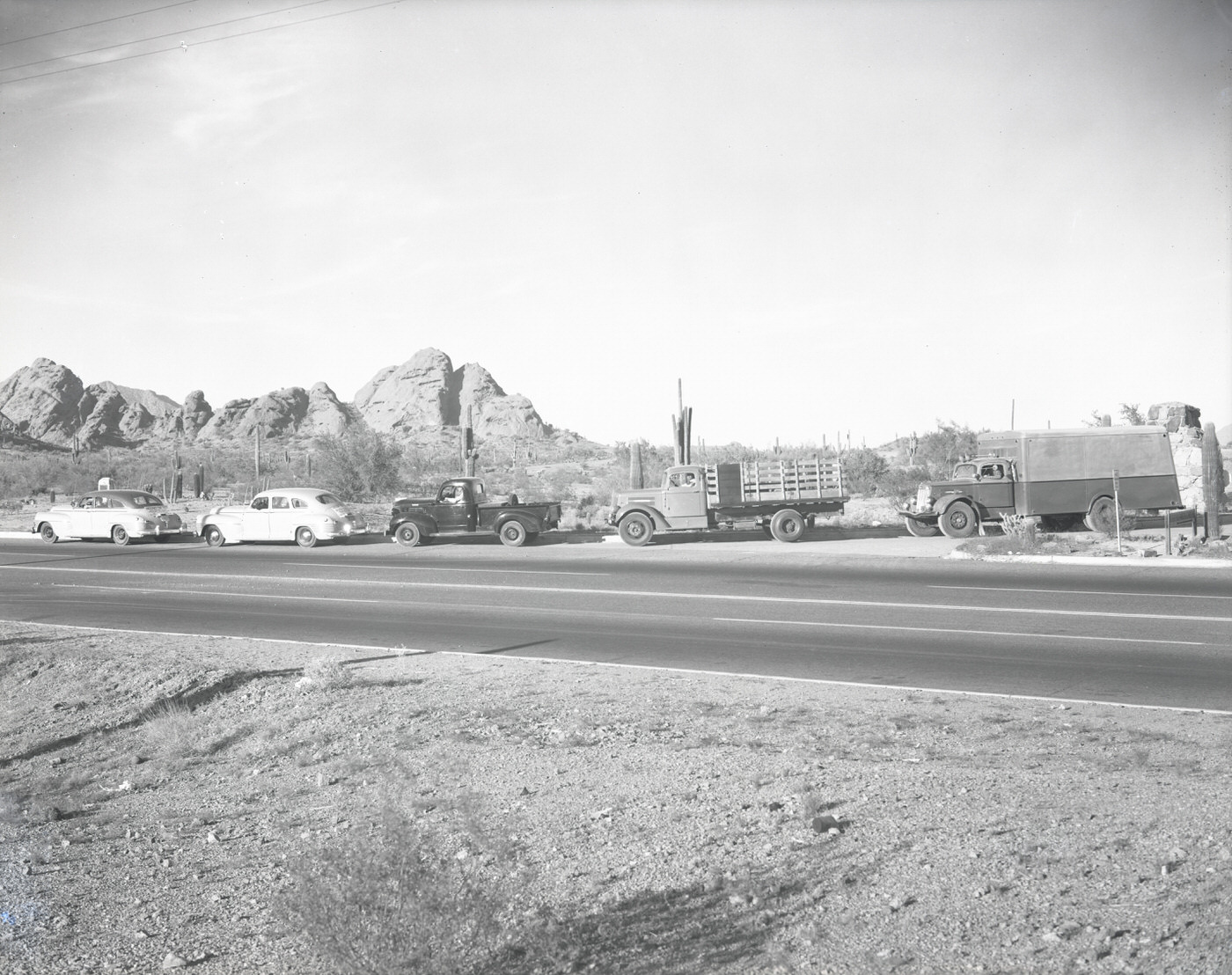
Testing fleets from major companies operated in and around Phoenix, taking advantage of the desert environment to push equipment to its limits. U.S. Tires brought both their test fleet and their headquarters staff to the region, while Gates Rubber Company ran their own fleet through Papago Park. These companies needed the harsh heat and rough terrain to evaluate how their products held up under extreme conditions.
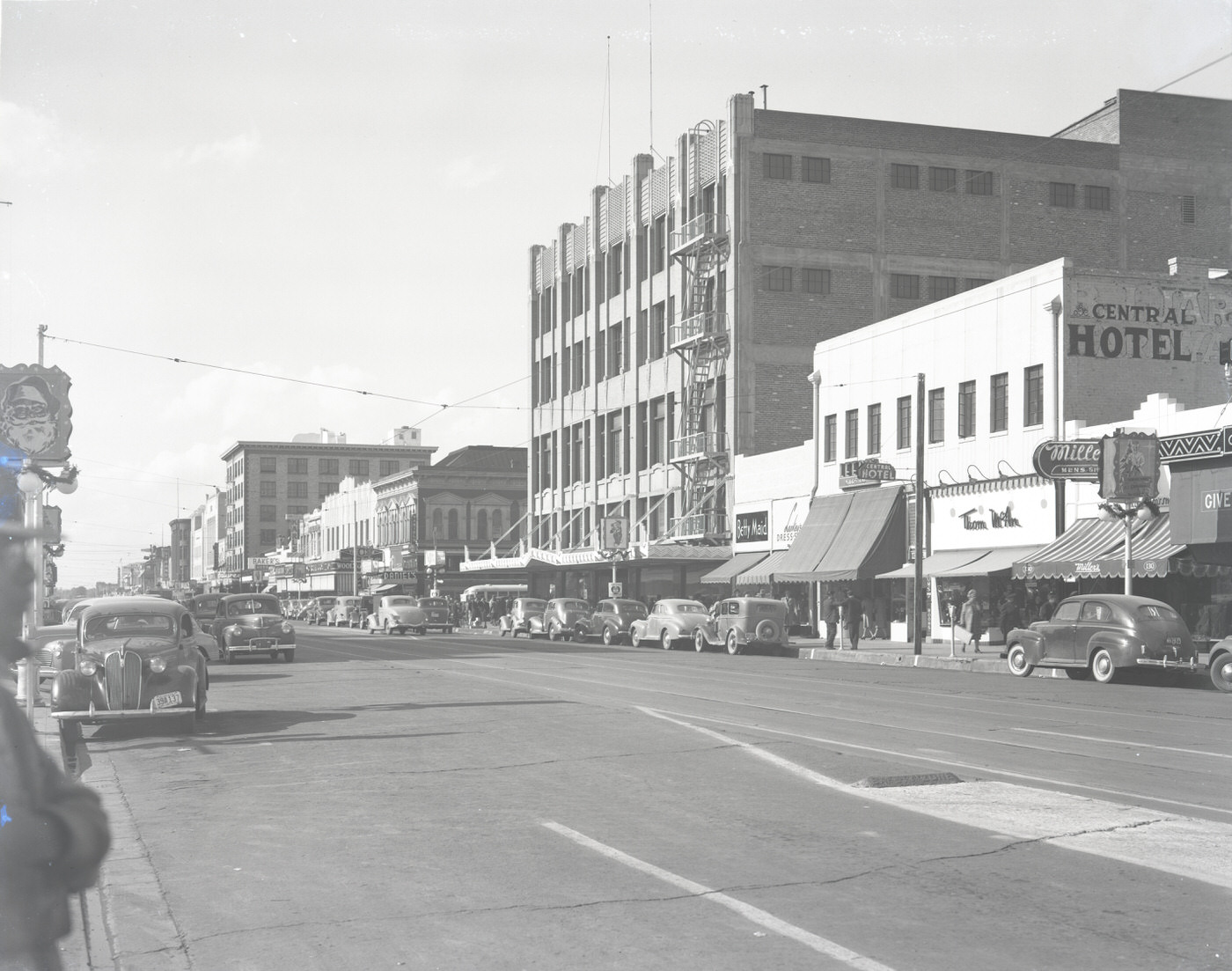
Downtown Phoenix remained the commercial and social center of the city. East Washington Street bustled with activity, lined with hotels, shops, and businesses serving both civilians and military personnel passing through. The Central Hotel and Betty Maid shop were fixtures along this stretch, representing the mix of everyday commerce that kept the city running even as wartime rationing limited the availability of food, gasoline, and other goods.
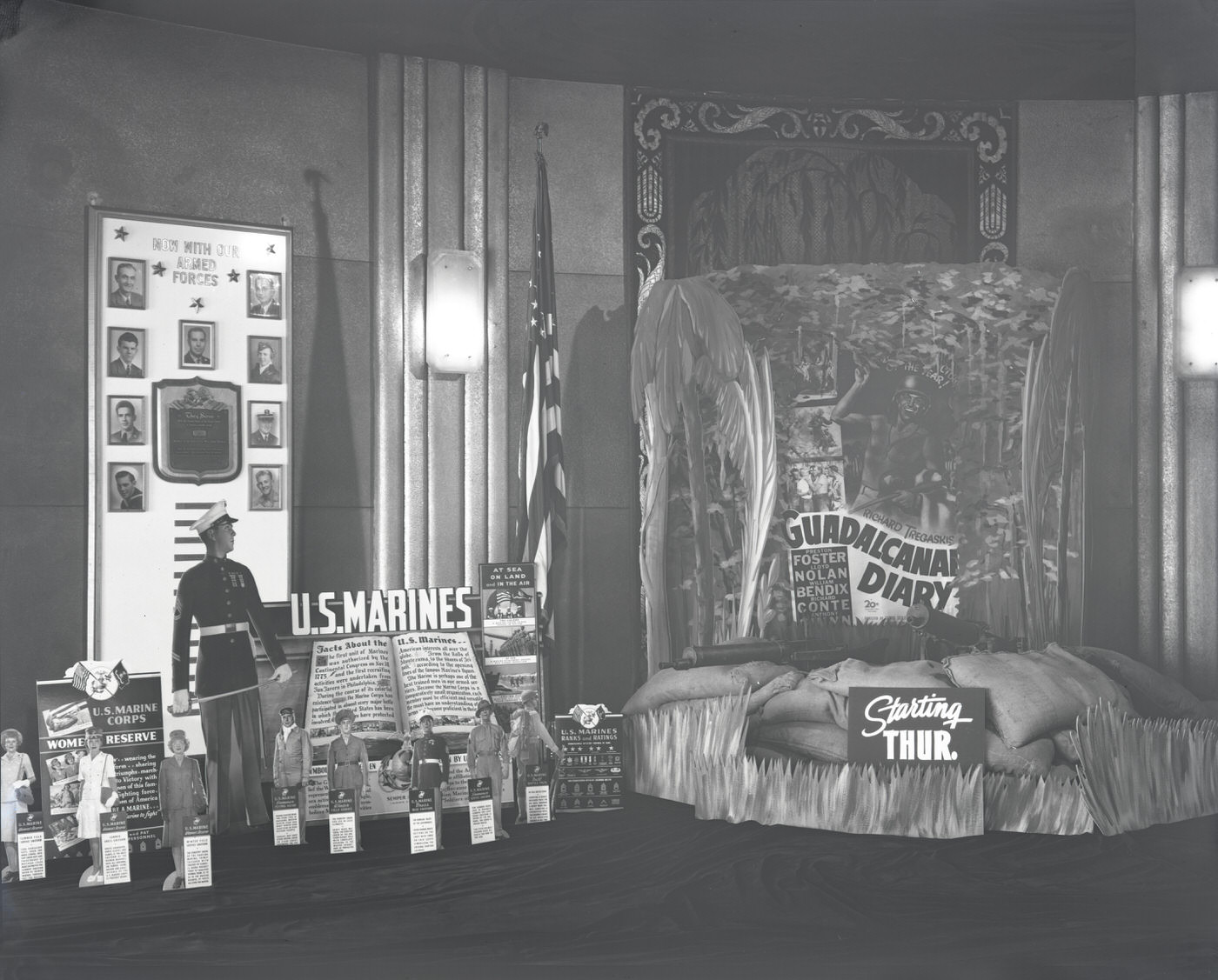
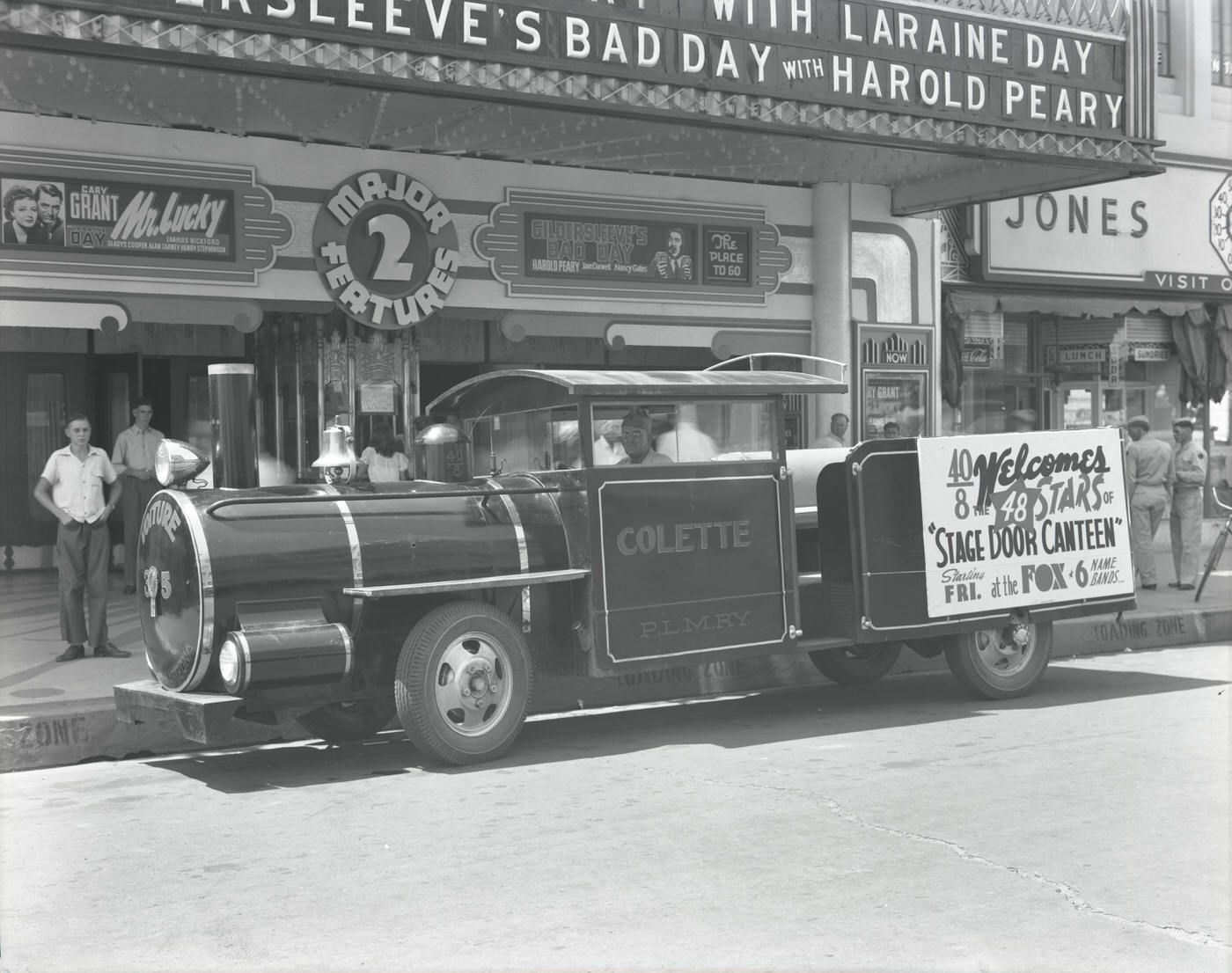
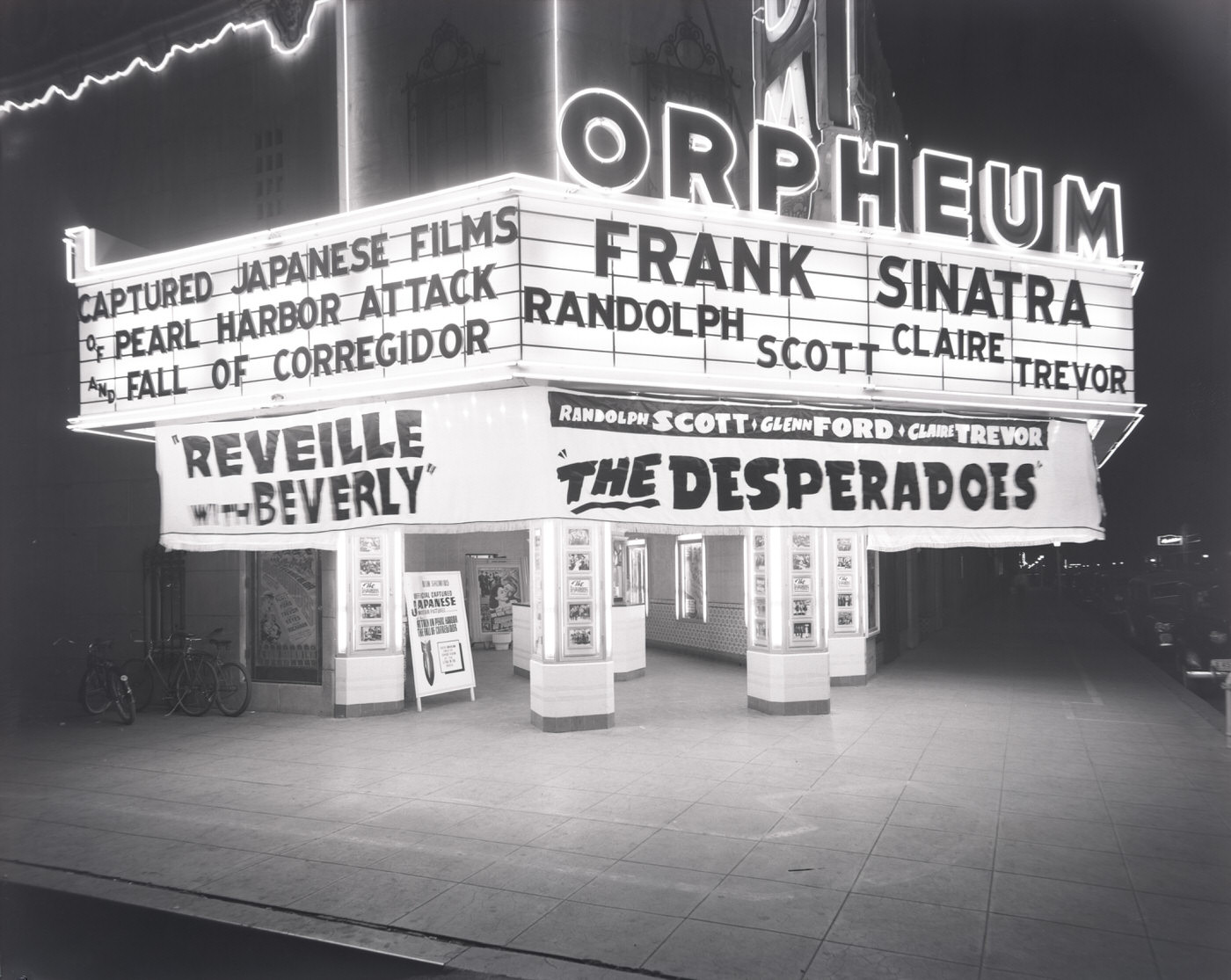
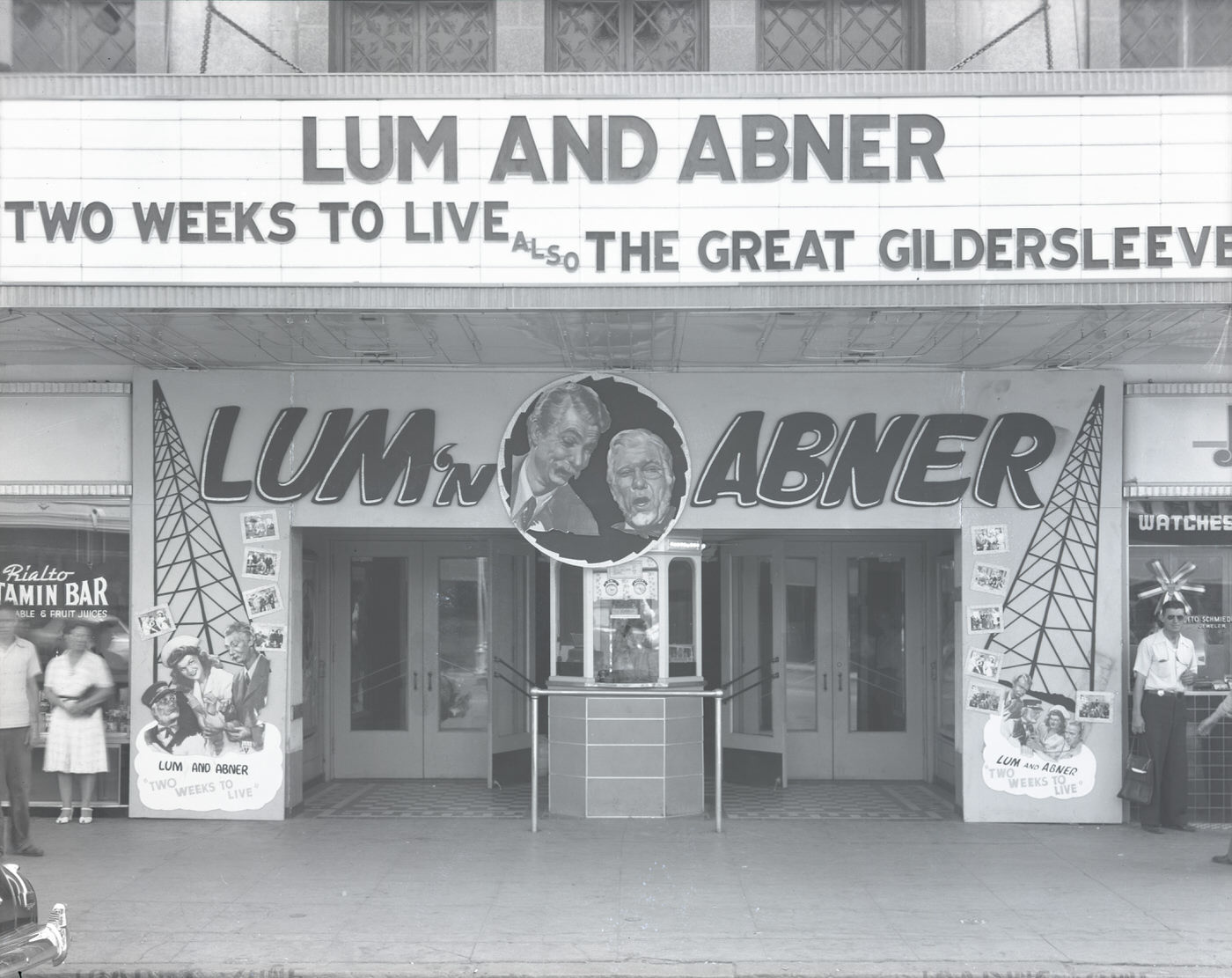
Entertainment venues played a key role in keeping morale up across the city. The Fox Theatre hosted a military display in its lobby, bringing the reality of the war effort directly to moviegoers. Outside the theatre, promotions for films like “Stage Door Canteen” drew crowds and reinforced the connection between Hollywood and the homefront. The Orpheum and Rialto theatres also kept their marquees lit, offering residents an escape from the pressures of wartime life.
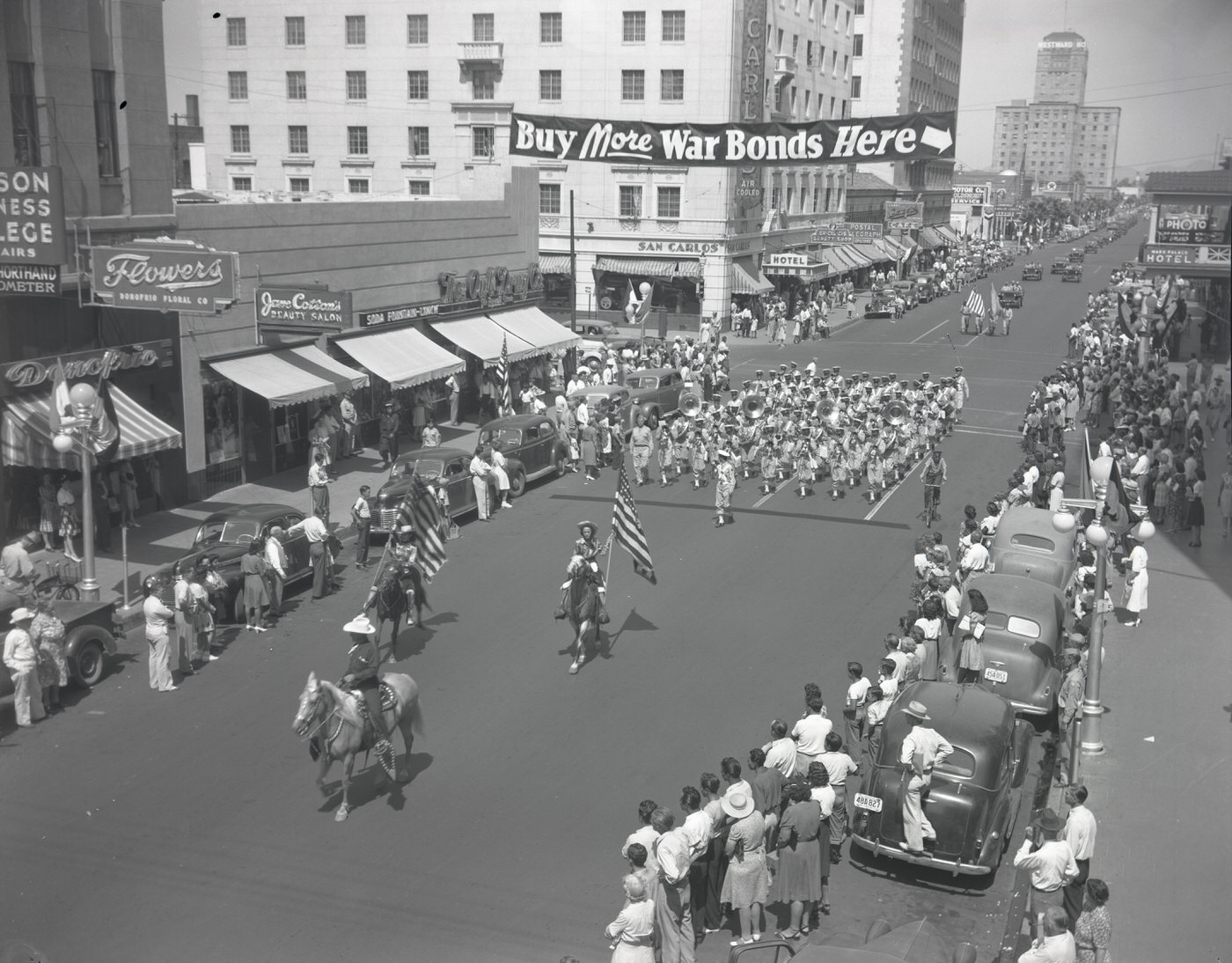
War bond drives were a regular feature of life in Phoenix. A parade moving south on Central Avenue at the intersection of West Monroe Street drew residents out to show their support. Citizens were consistently encouraged by local leaders and businesses to purchase bonds as a way to directly fund the war effort. These public displays of patriotism were common throughout the year.
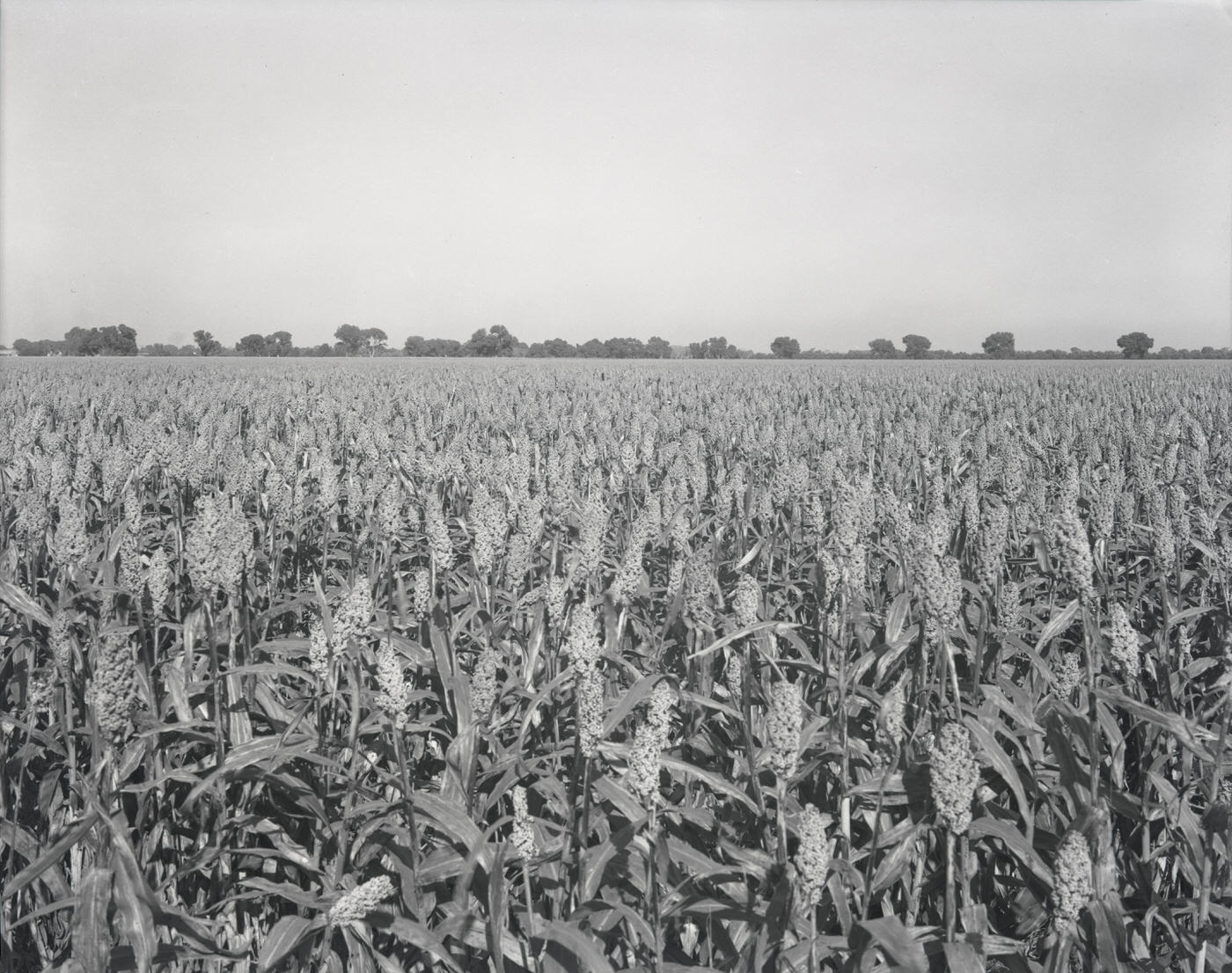
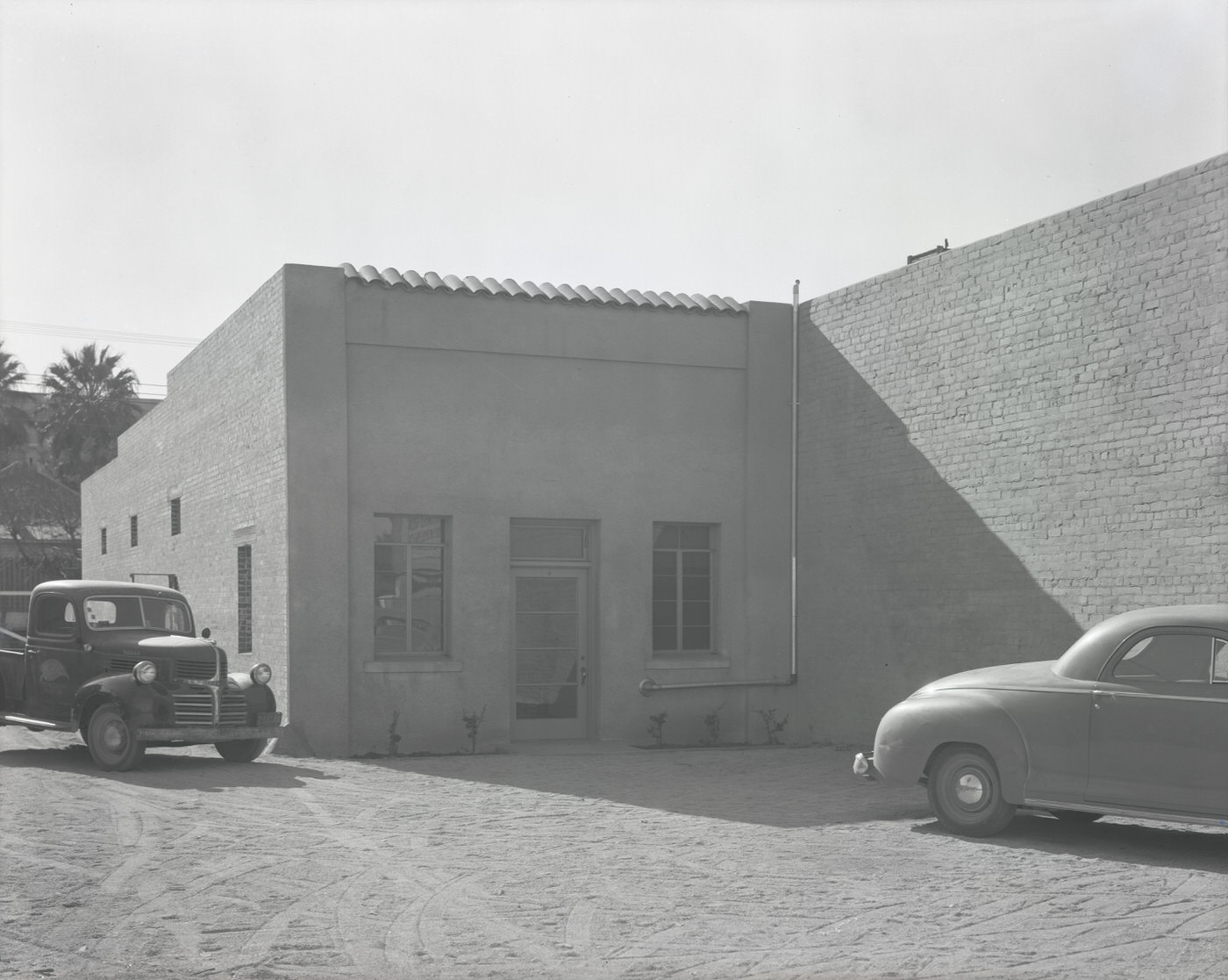
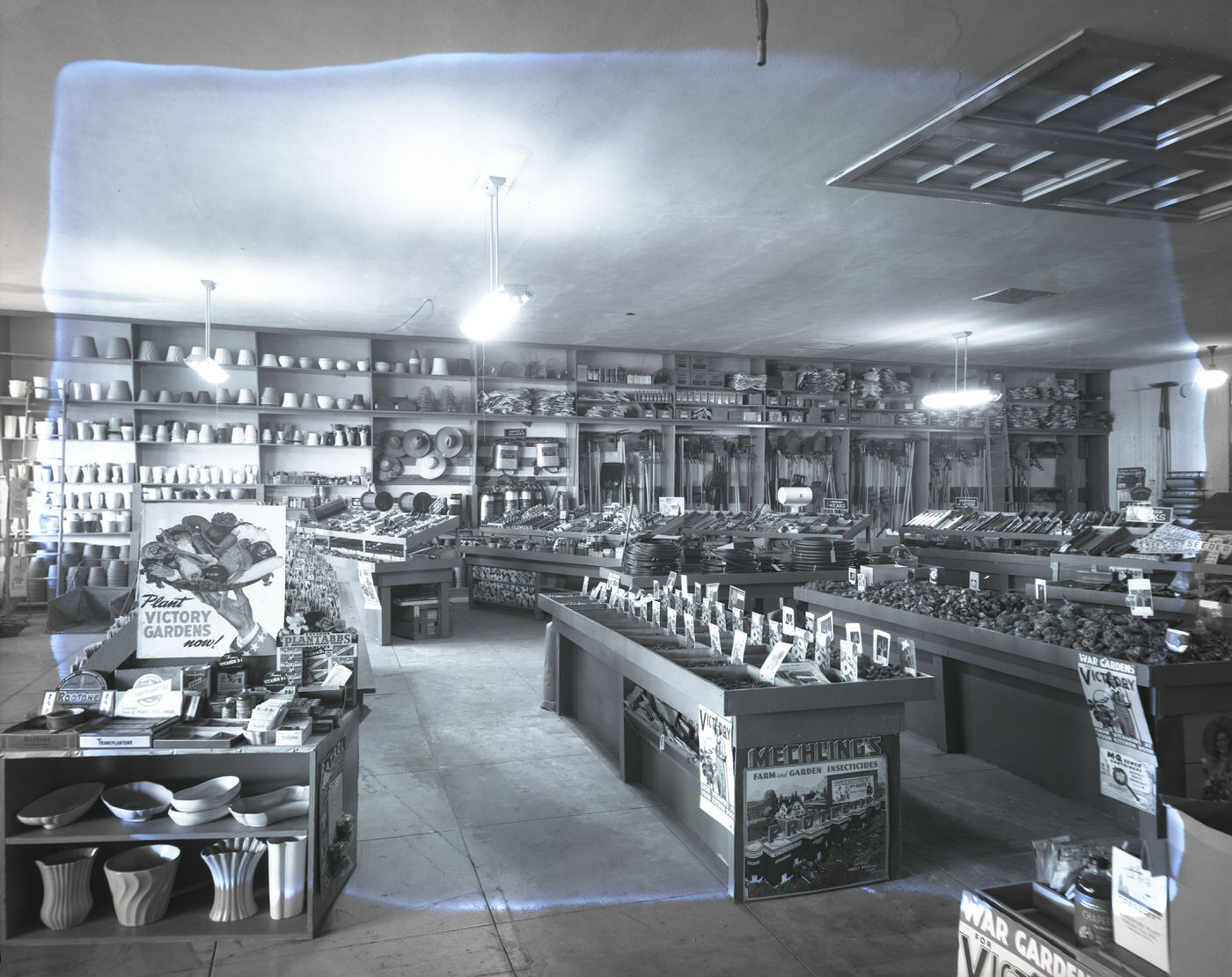
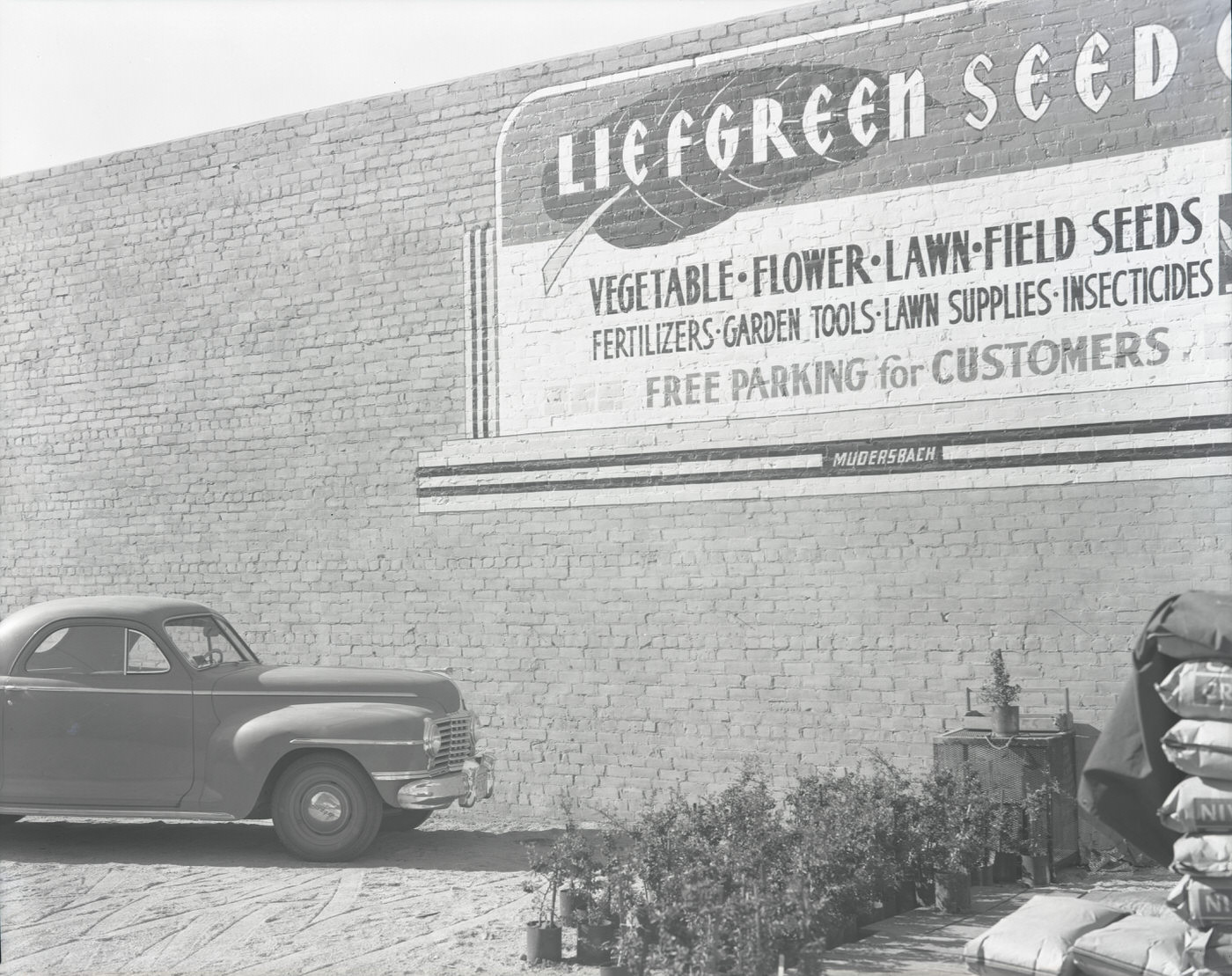
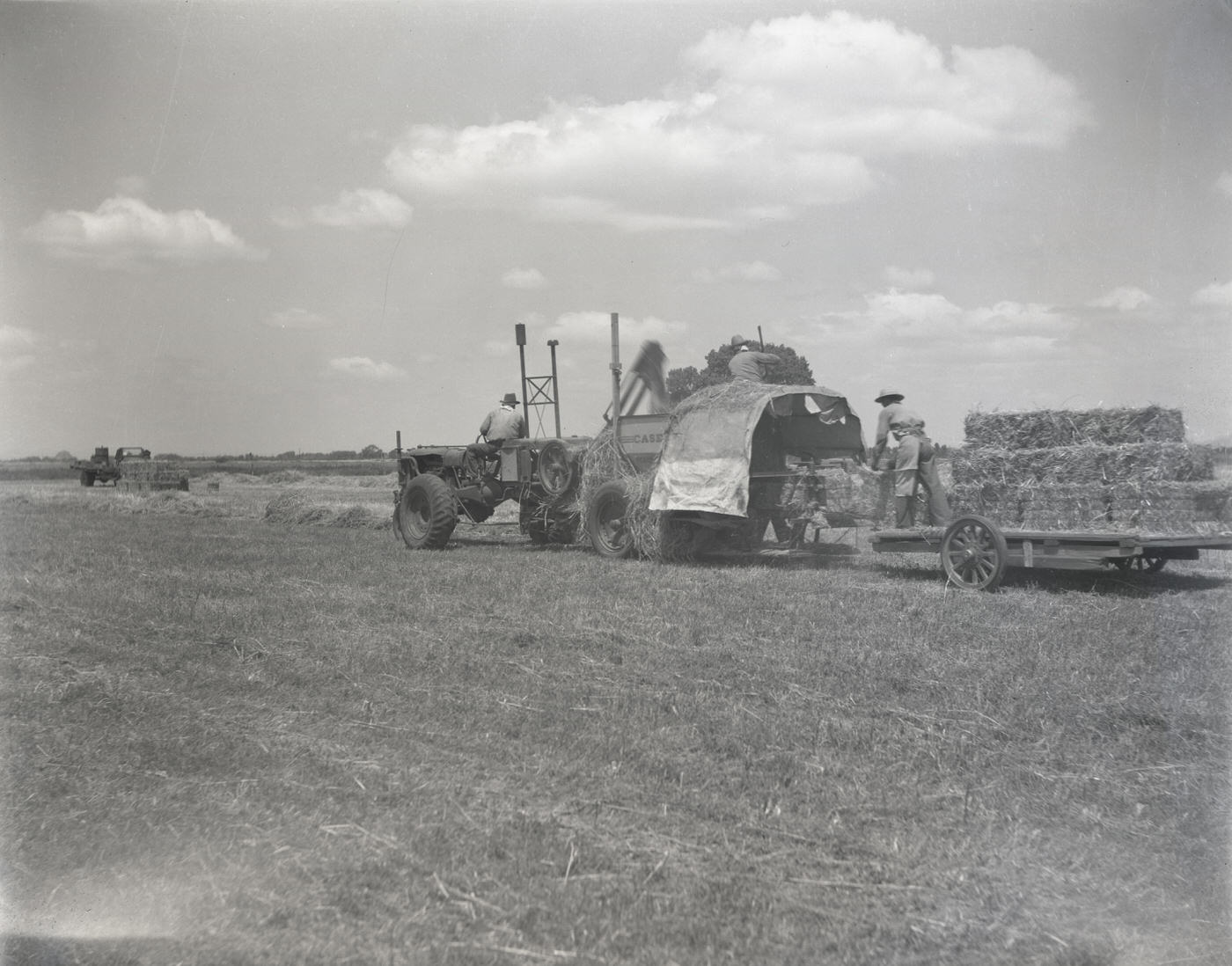
Agriculture remained a major part of Phoenix’s identity in 1943. Fields operated by companies like Advance Seed Co. were still being cultivated, and the Liefgreen Seed Company ran a well-established operation with both a storefront and warehouse facility. Tractors hauling hay and ranch families working the land were familiar sights on the outskirts of the city, where the desert gave way to irrigated farmland.
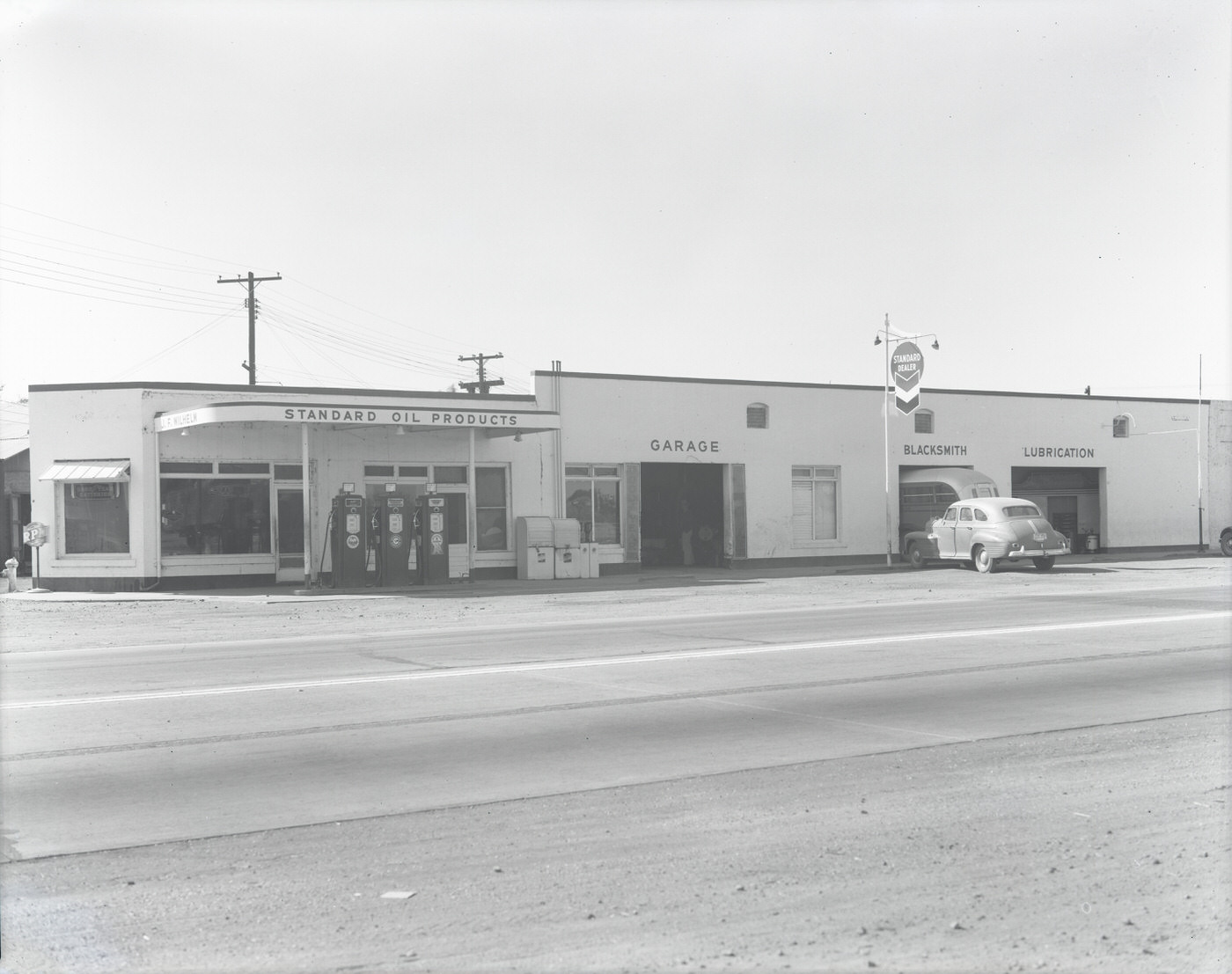
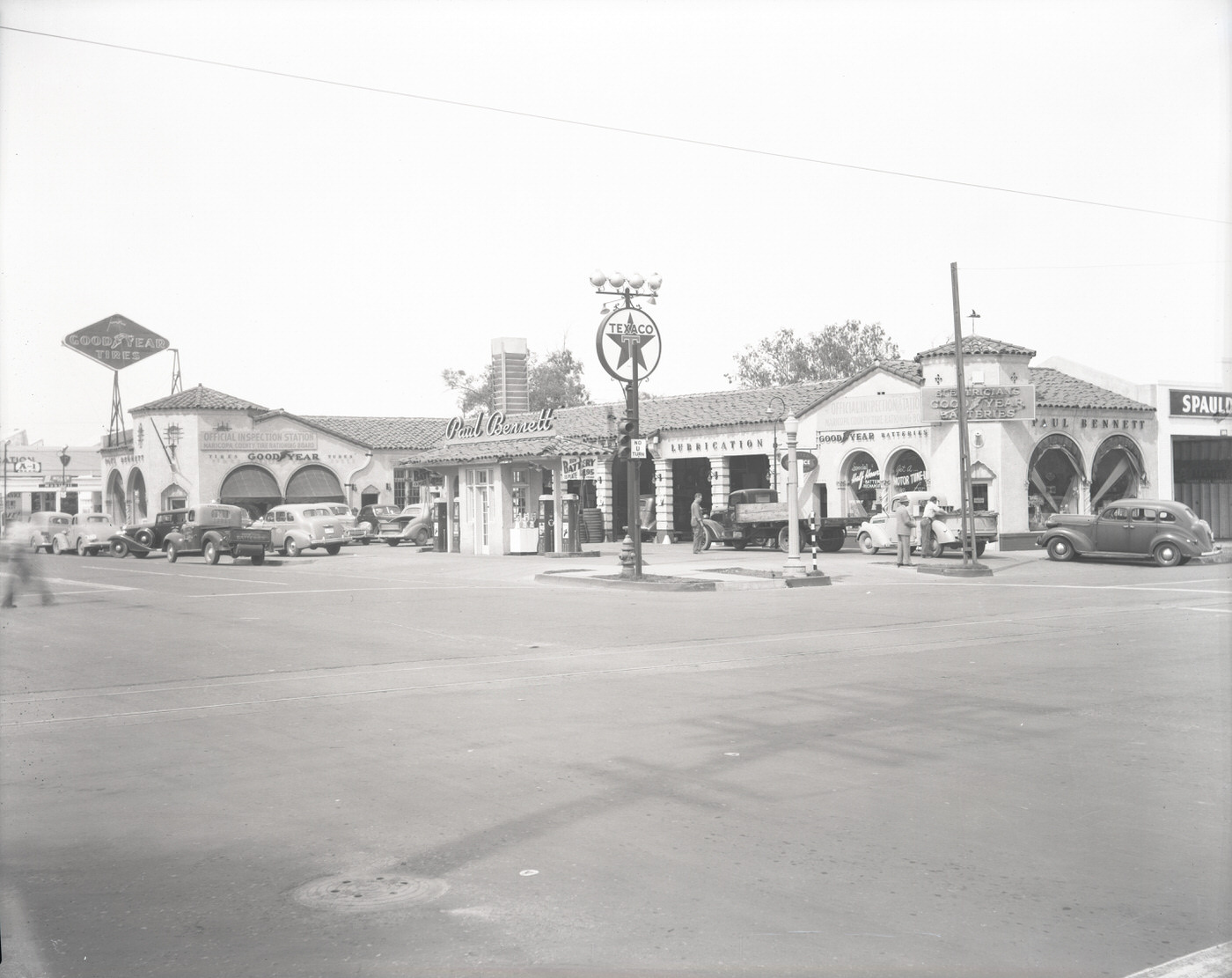
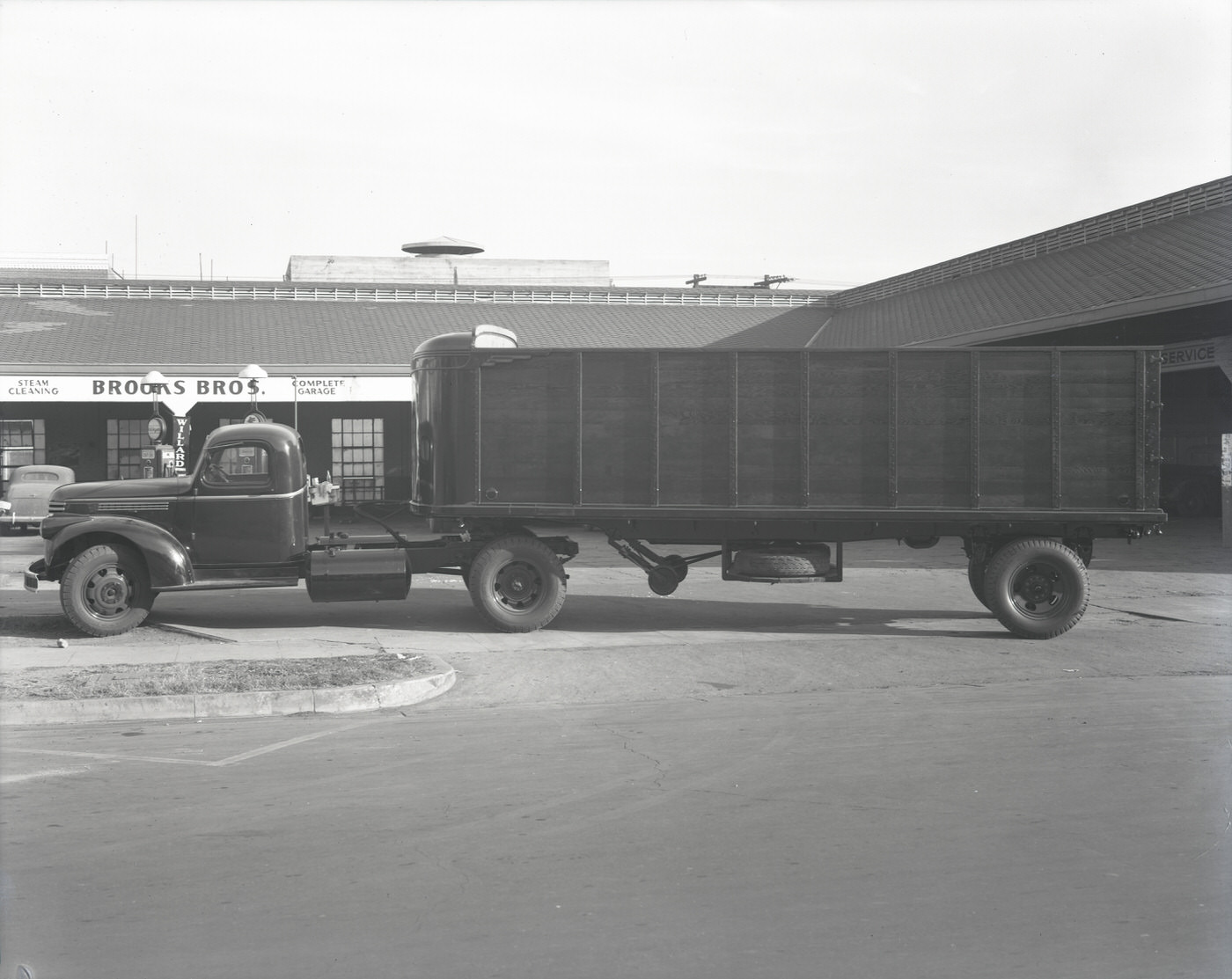
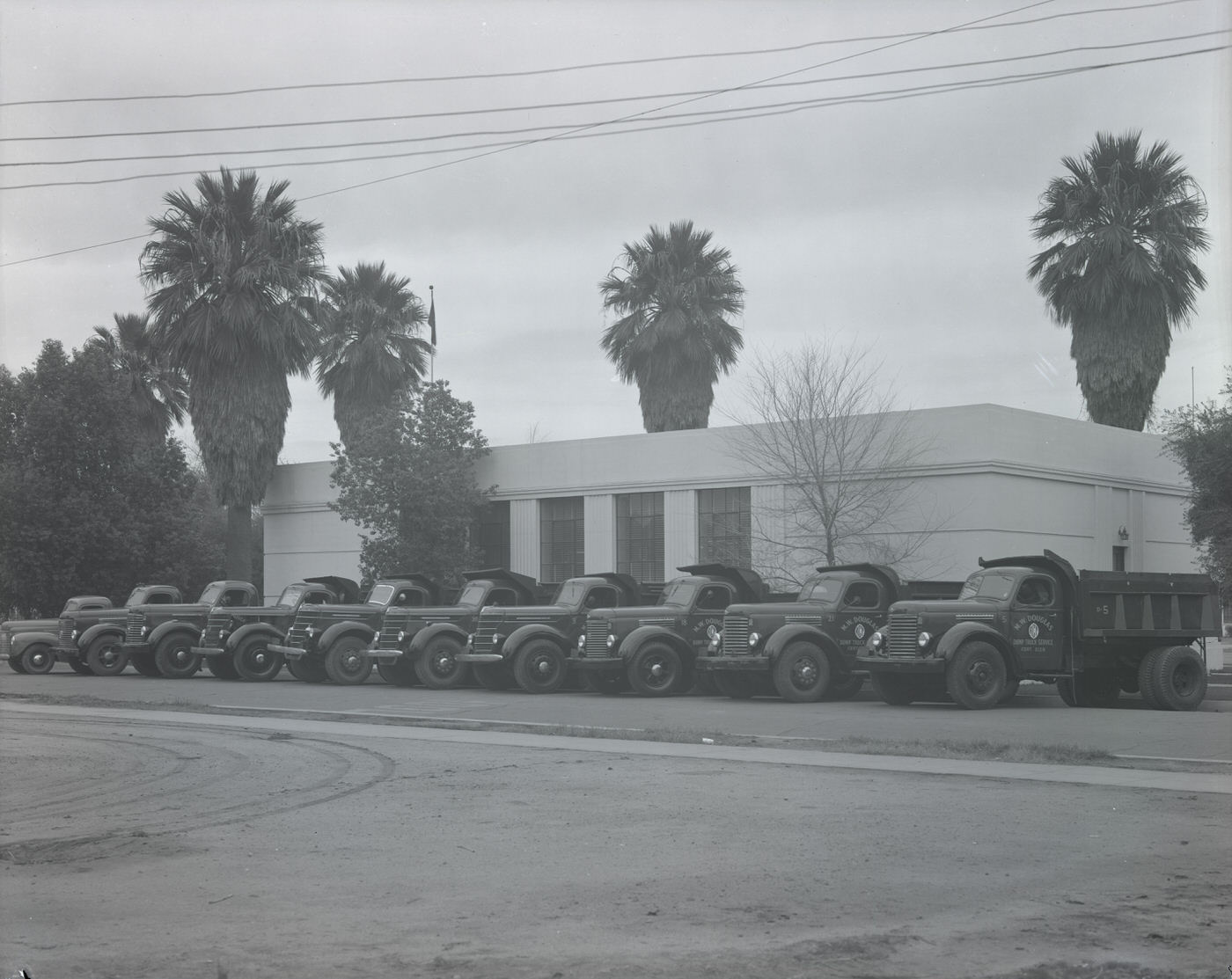
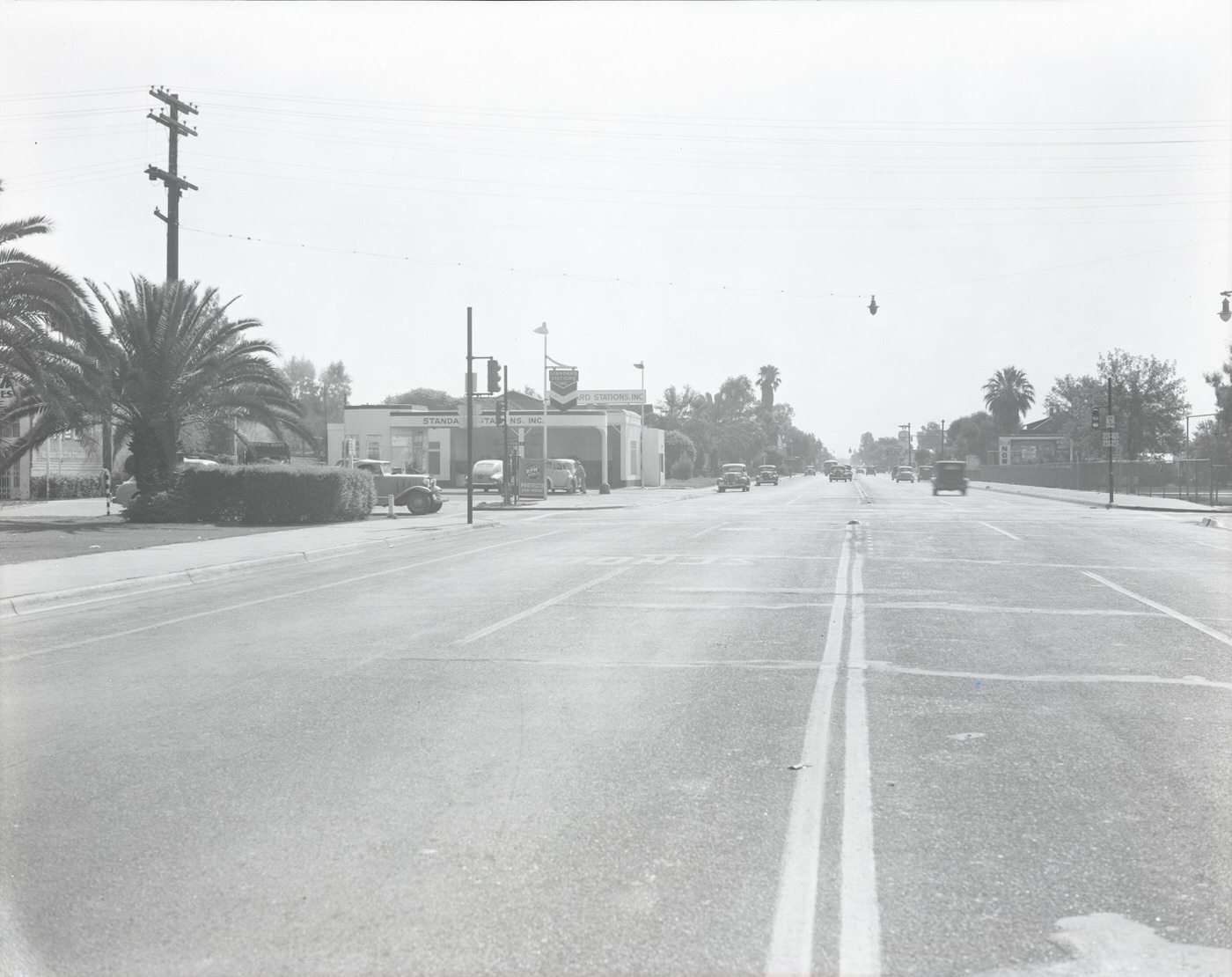
Service stations like the Standard Oil Co. location and Paul Bennett Super Service kept vehicles on the road despite wartime gasoline rationing. The trucking and transportation sector also stayed active, with companies like M. U. Douglas Dump Truck Service and Anchor Body & Steel maintaining their fleets to support construction and material hauling across the region.
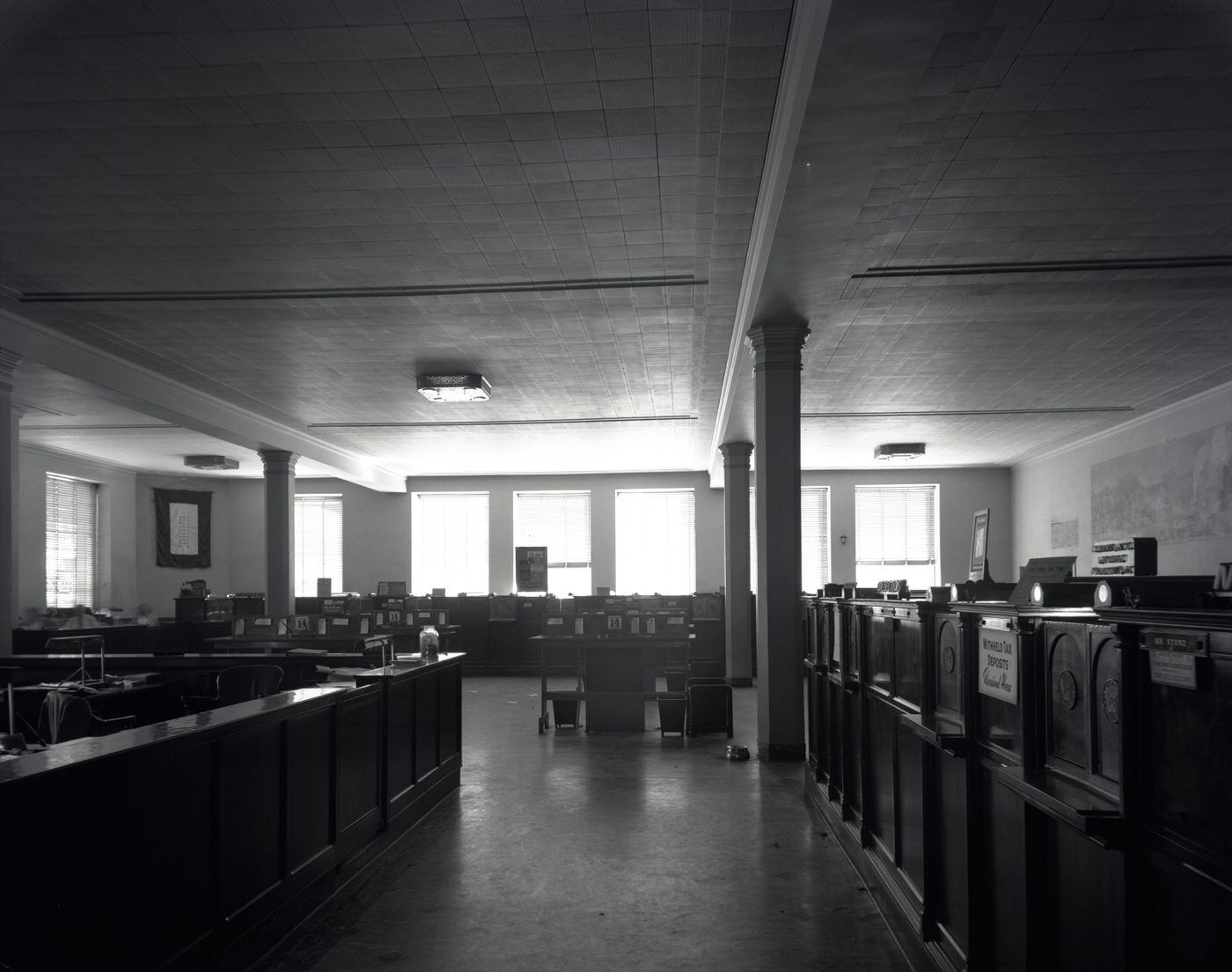
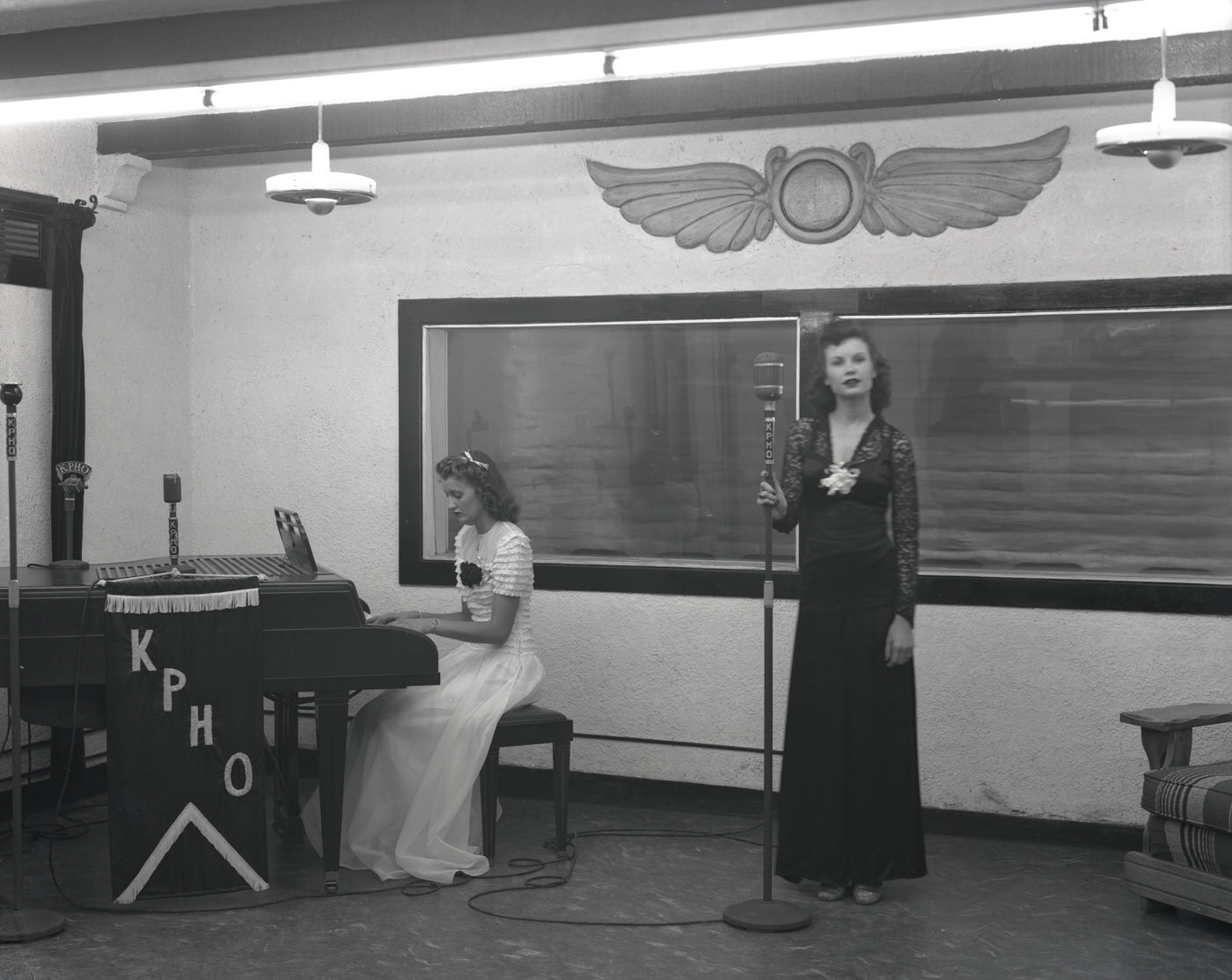
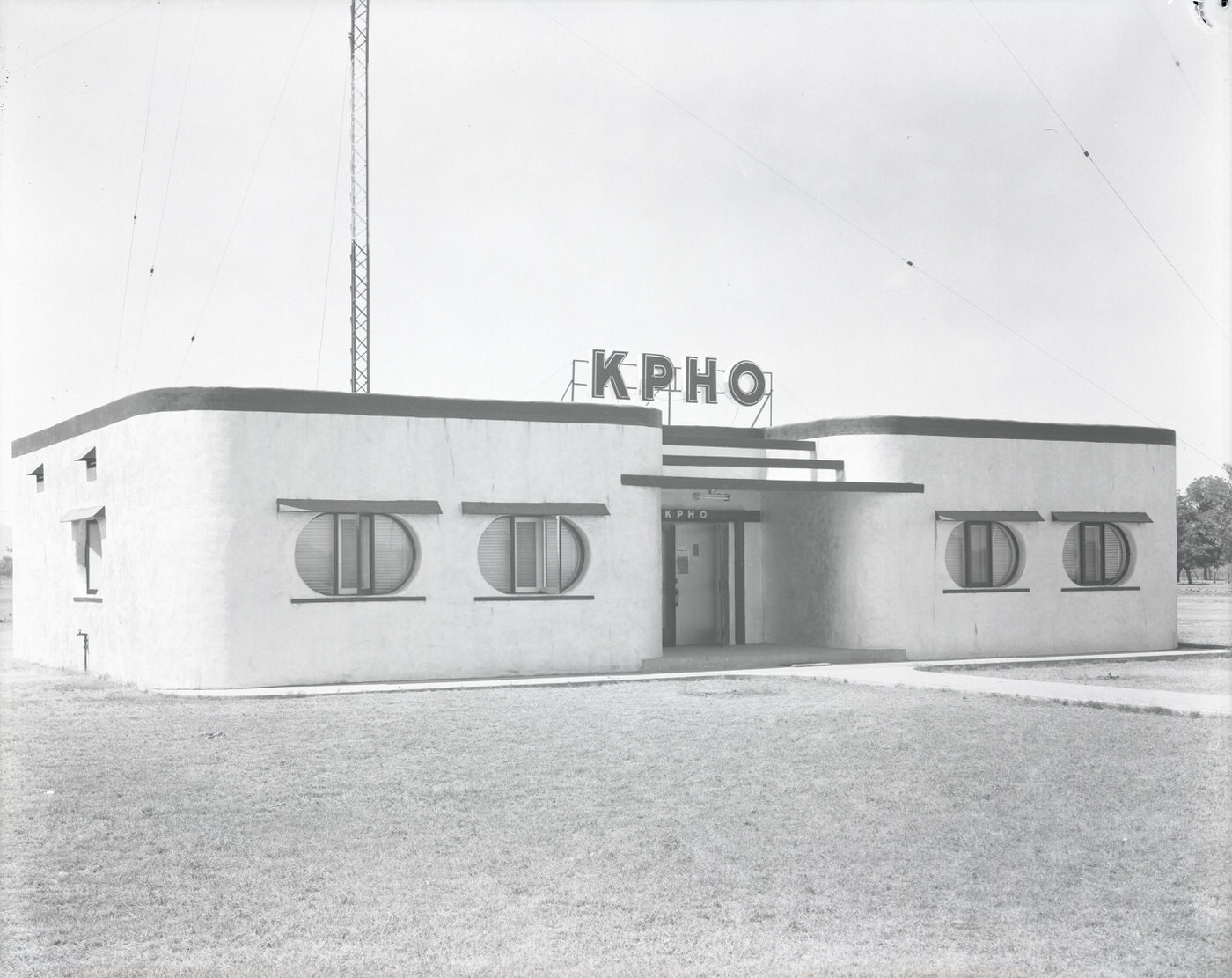
Communication was critical during the war years. The Phoenix Telephone & Telegraph Company kept the city’s phone lines operating, while Mountain States Telephone and Telegraph employed staff to maintain regional connectivity. KPHO Radio Station served as a local broadcast outlet, with staff on site producing programming that kept Phoenix residents informed and connected to the wider world.
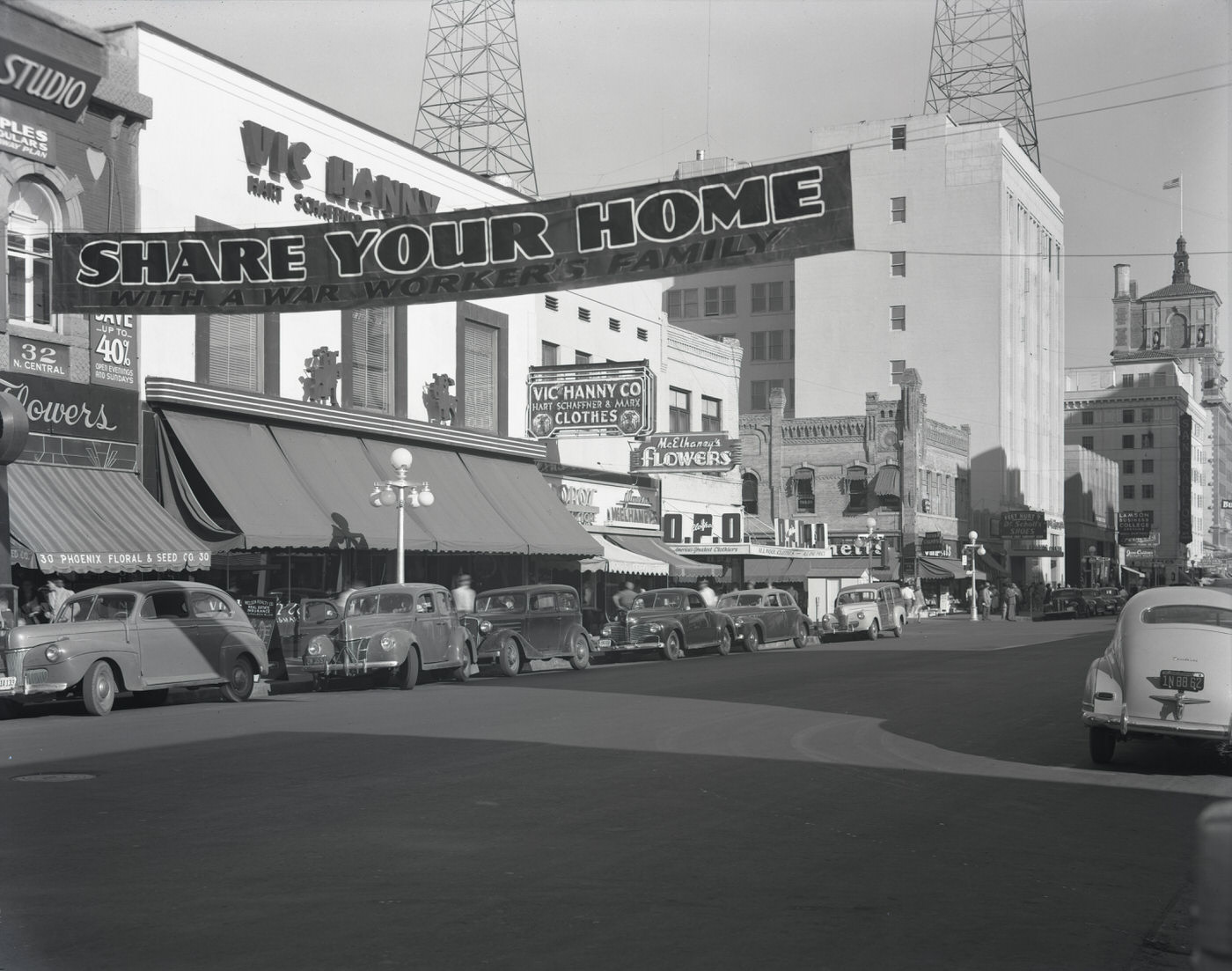
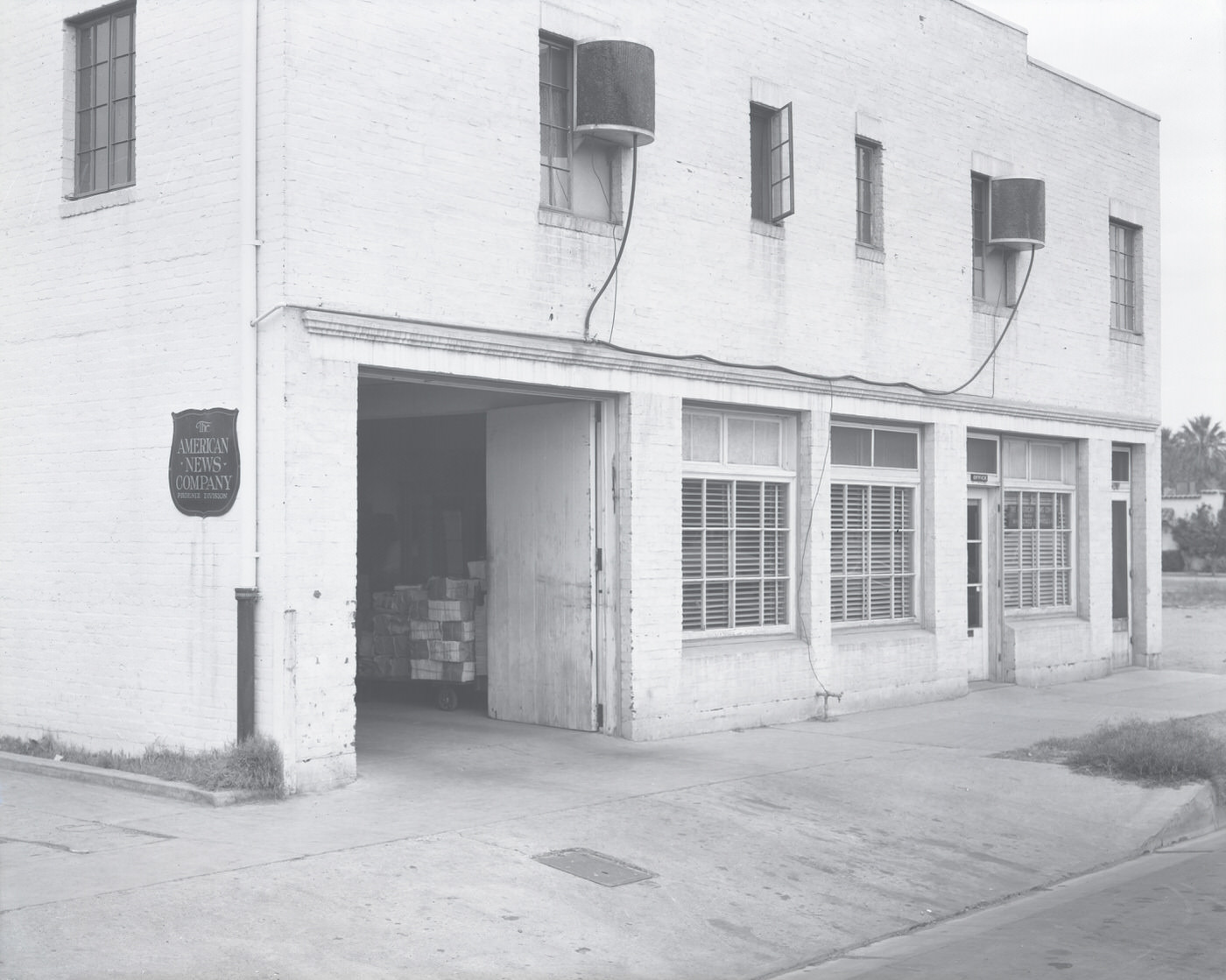
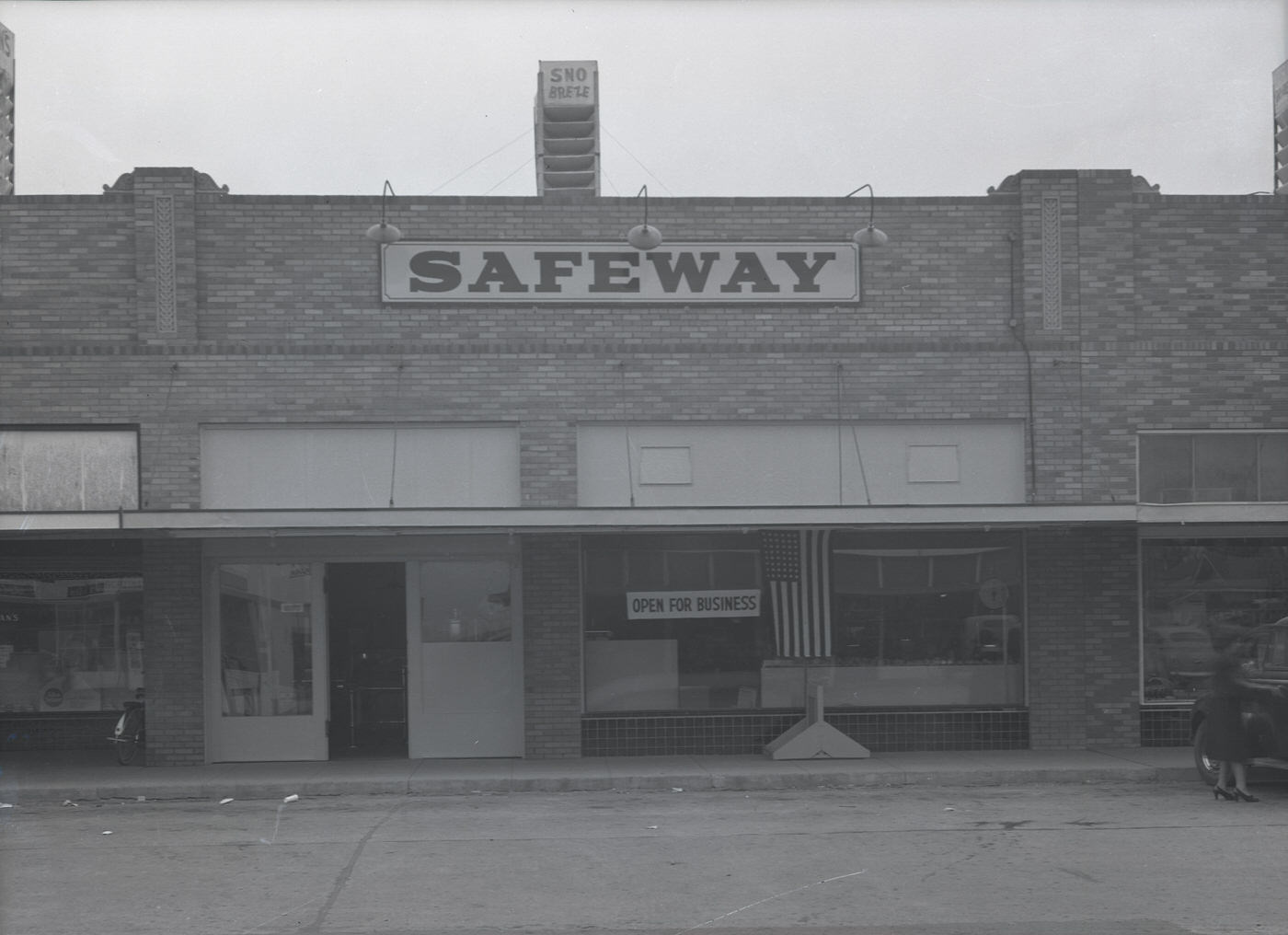
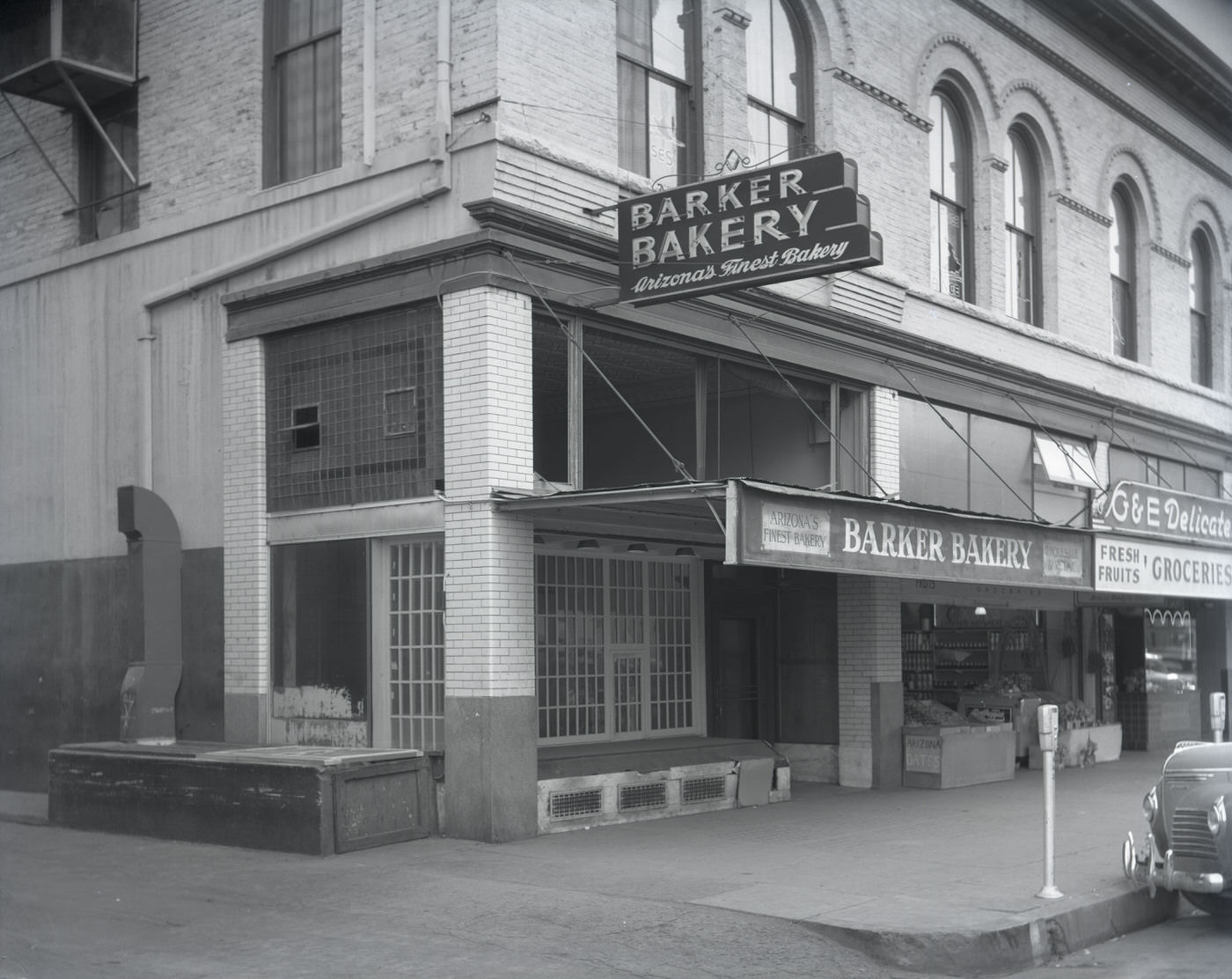
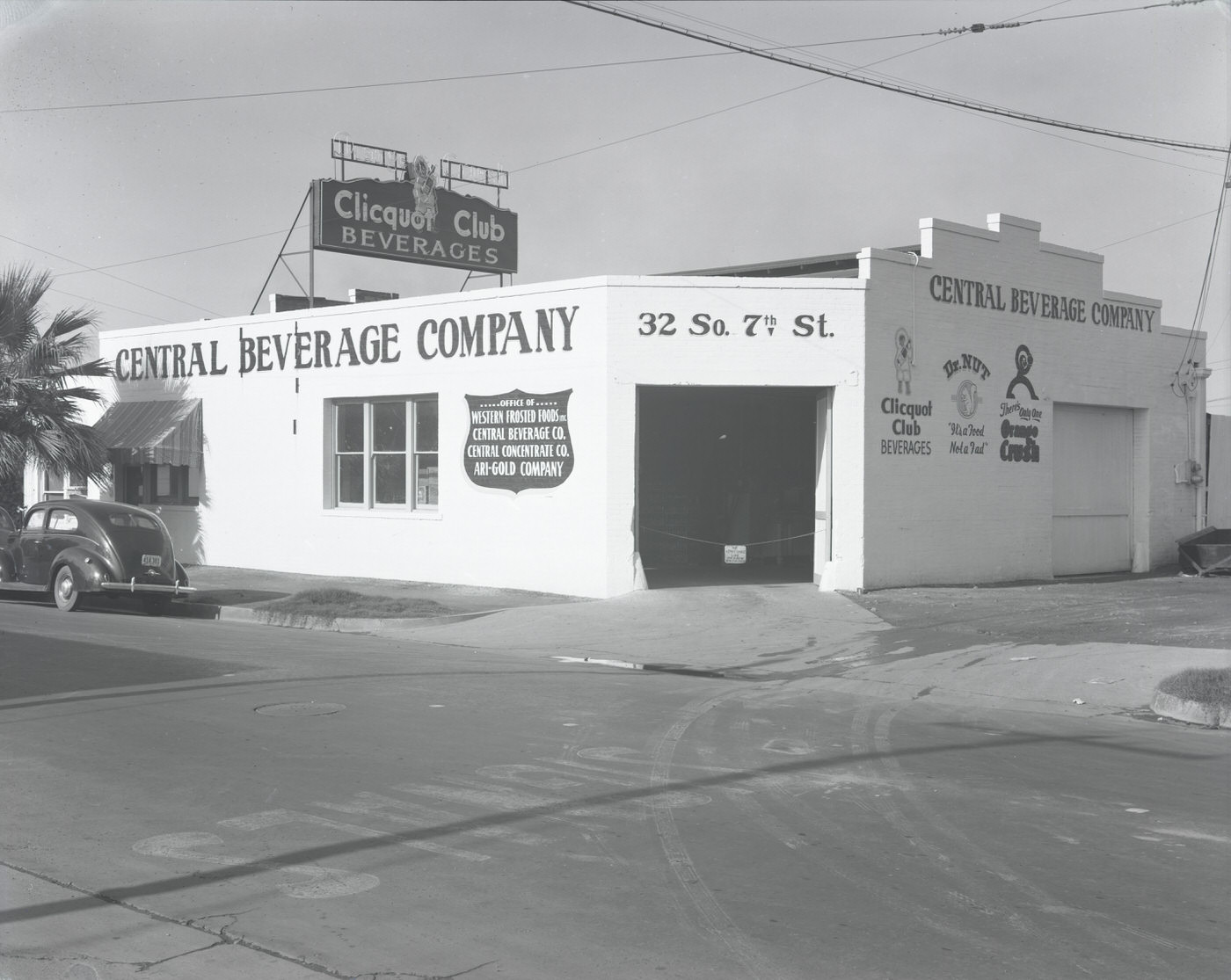
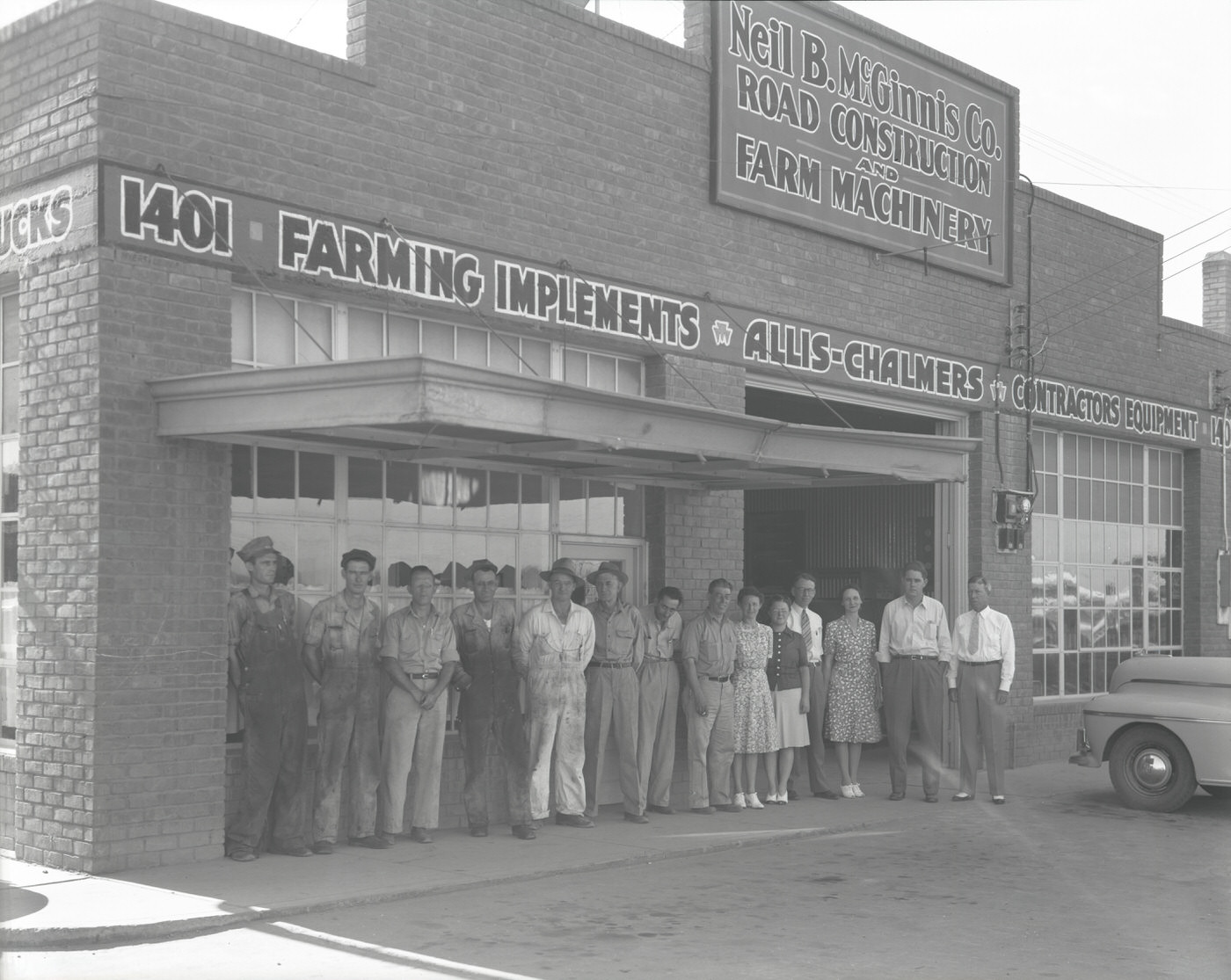
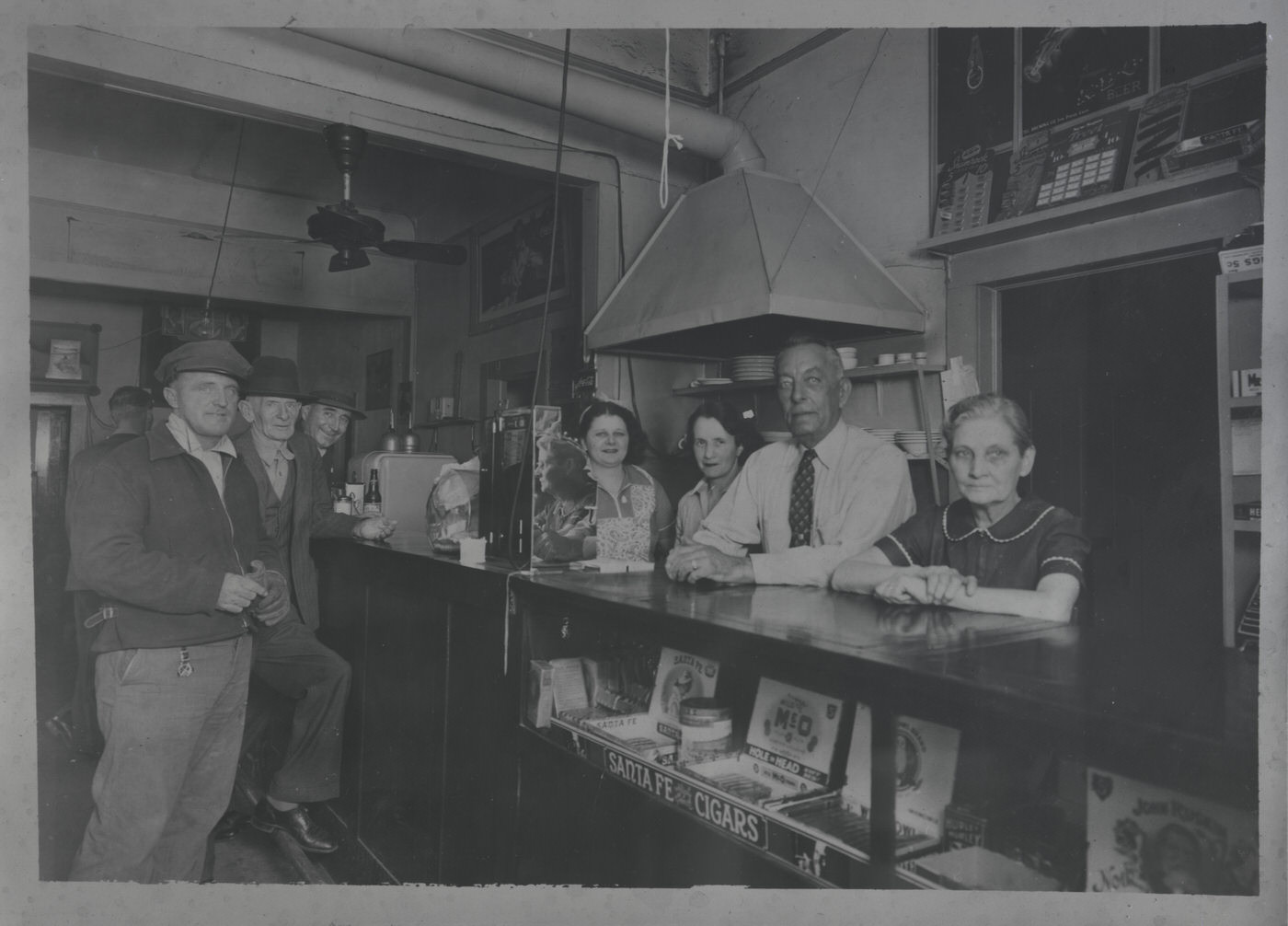
Retail commerce continued to serve the growing population. The Boston Store, Vic Hanny Co., and American News Co. were among the businesses keeping goods moving to customers in the city. The Safeway grocery store provided food to families navigating the rationing system, while the Barker Bakery supplied baked goods to the community. The Central Beverage Co. and Neil B. McGinnis Co. also kept their operations running through the wartime economy.
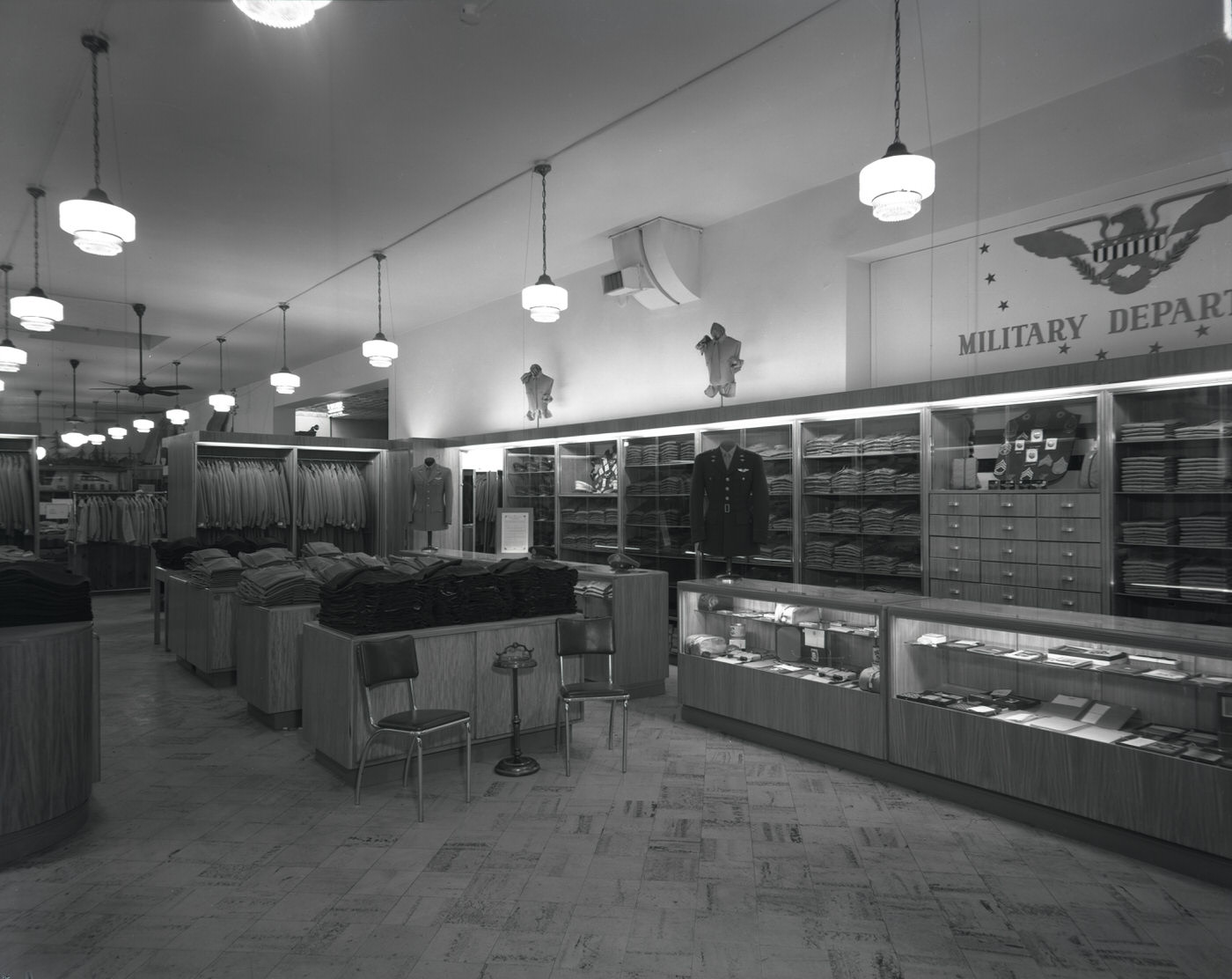
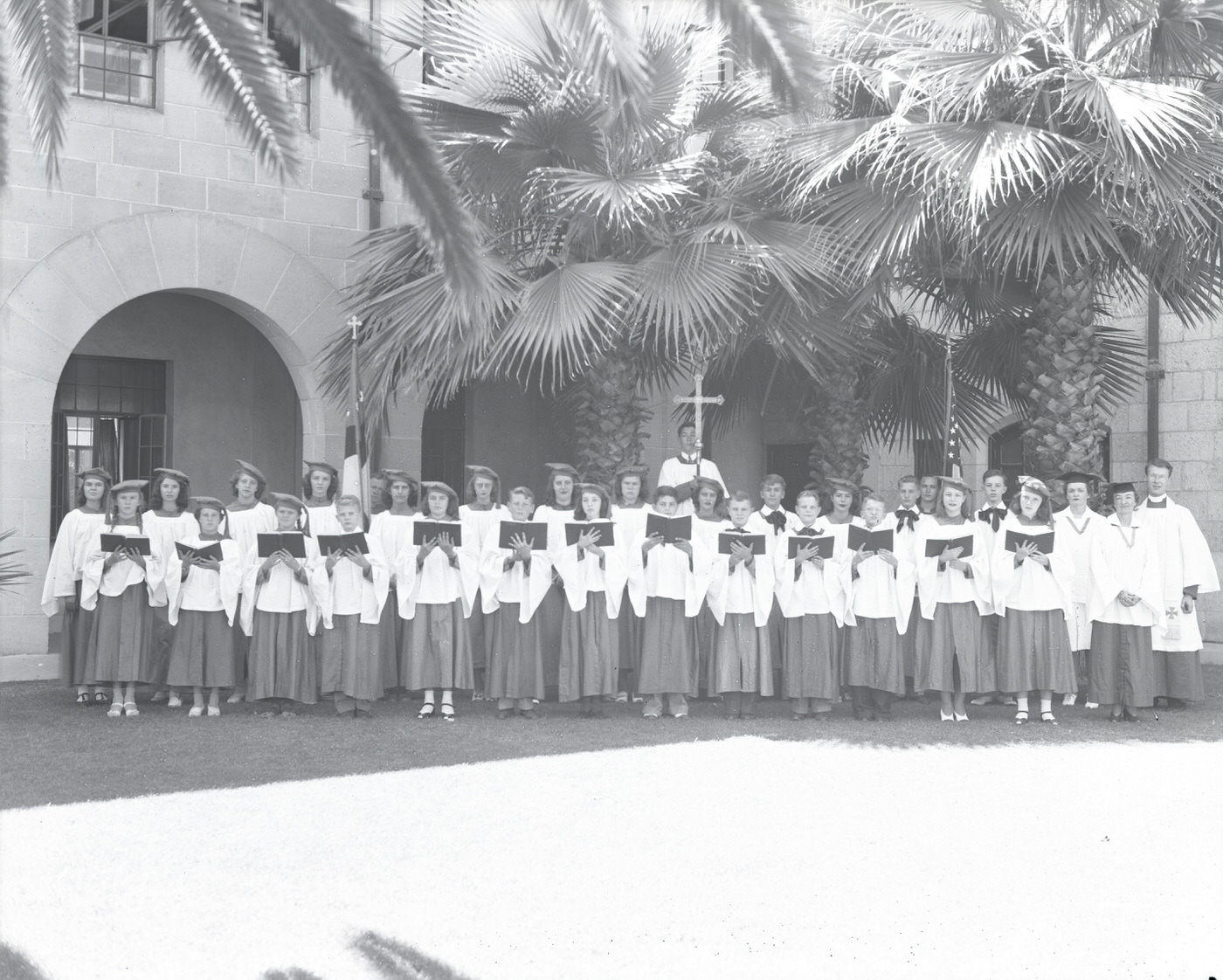
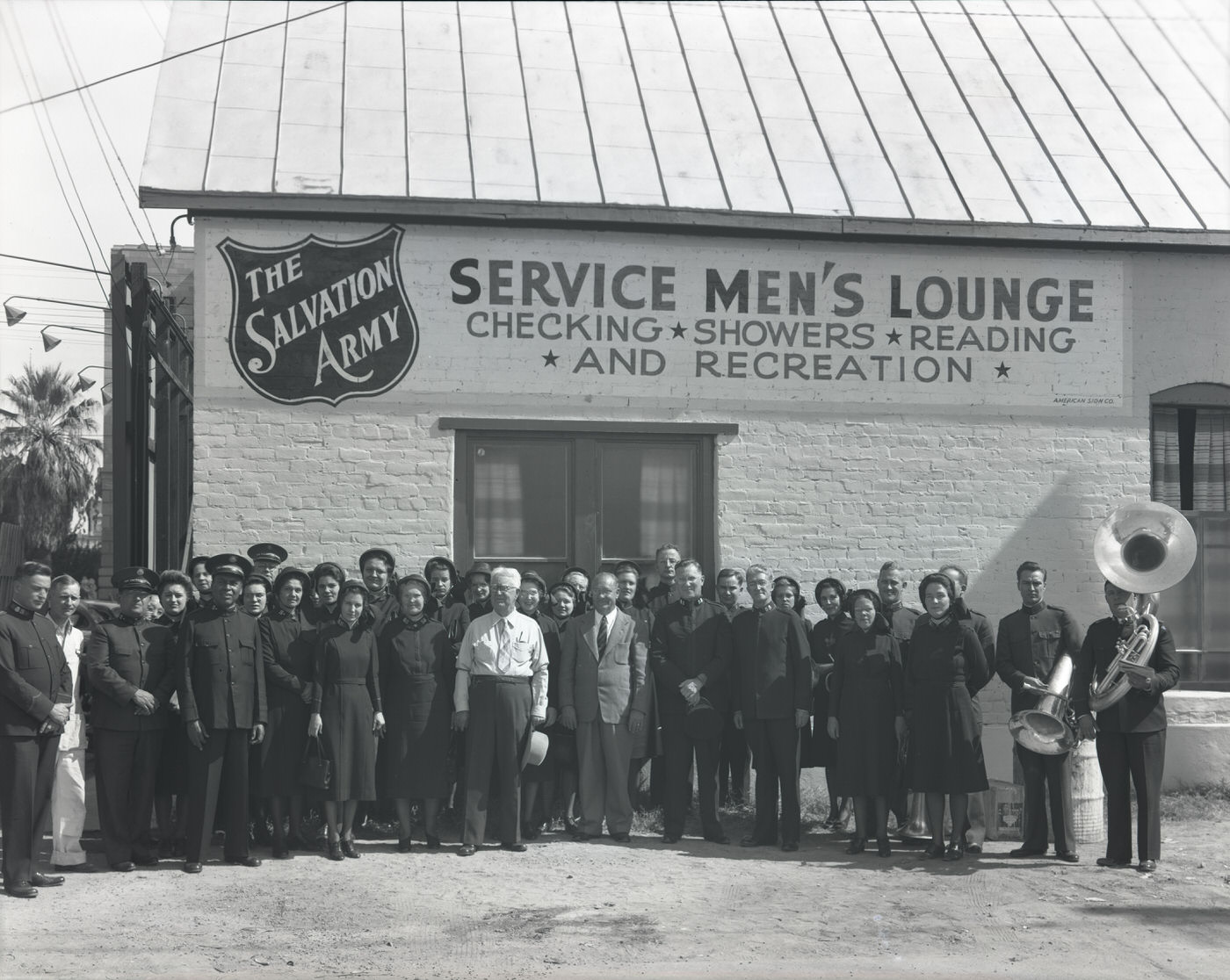
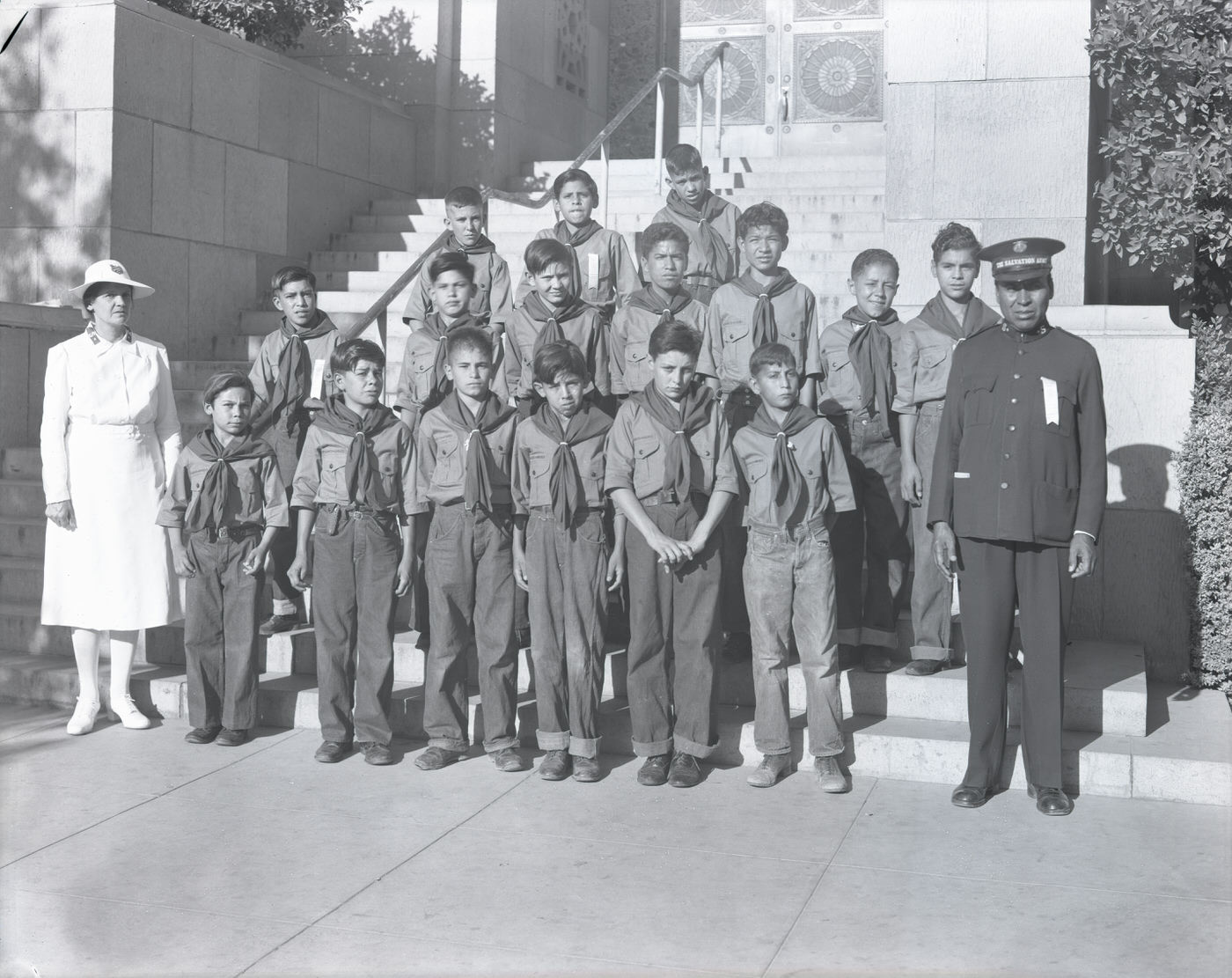
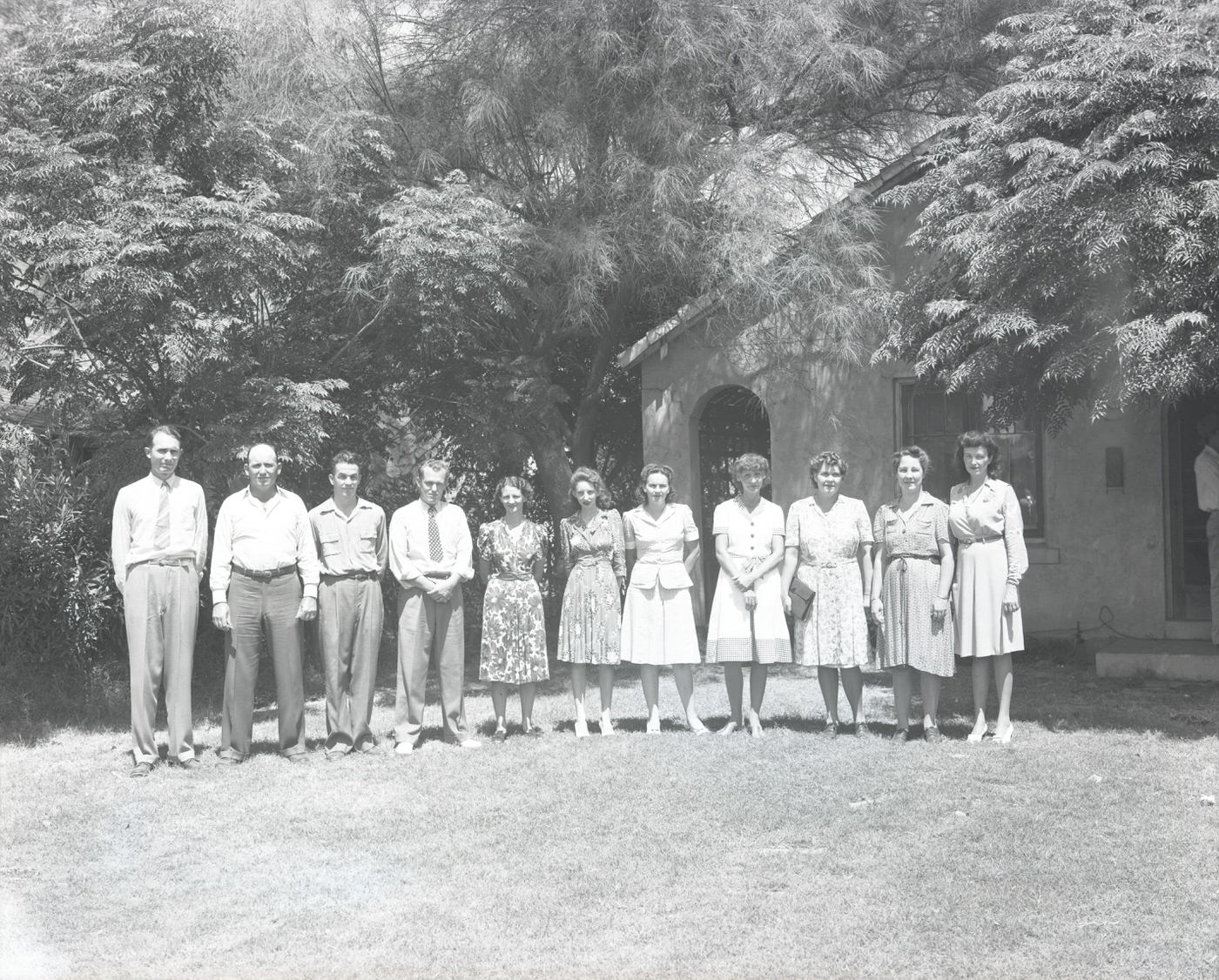
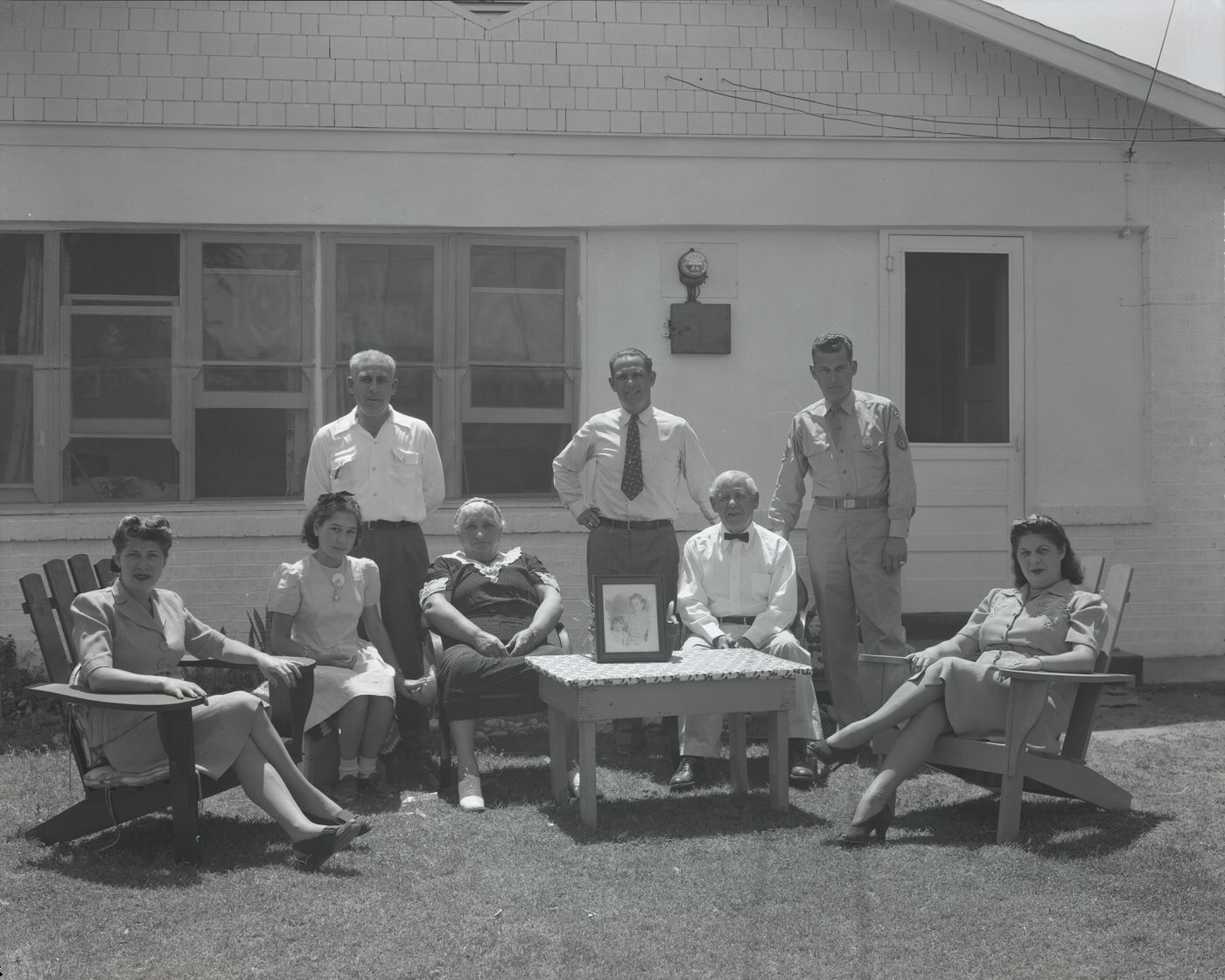
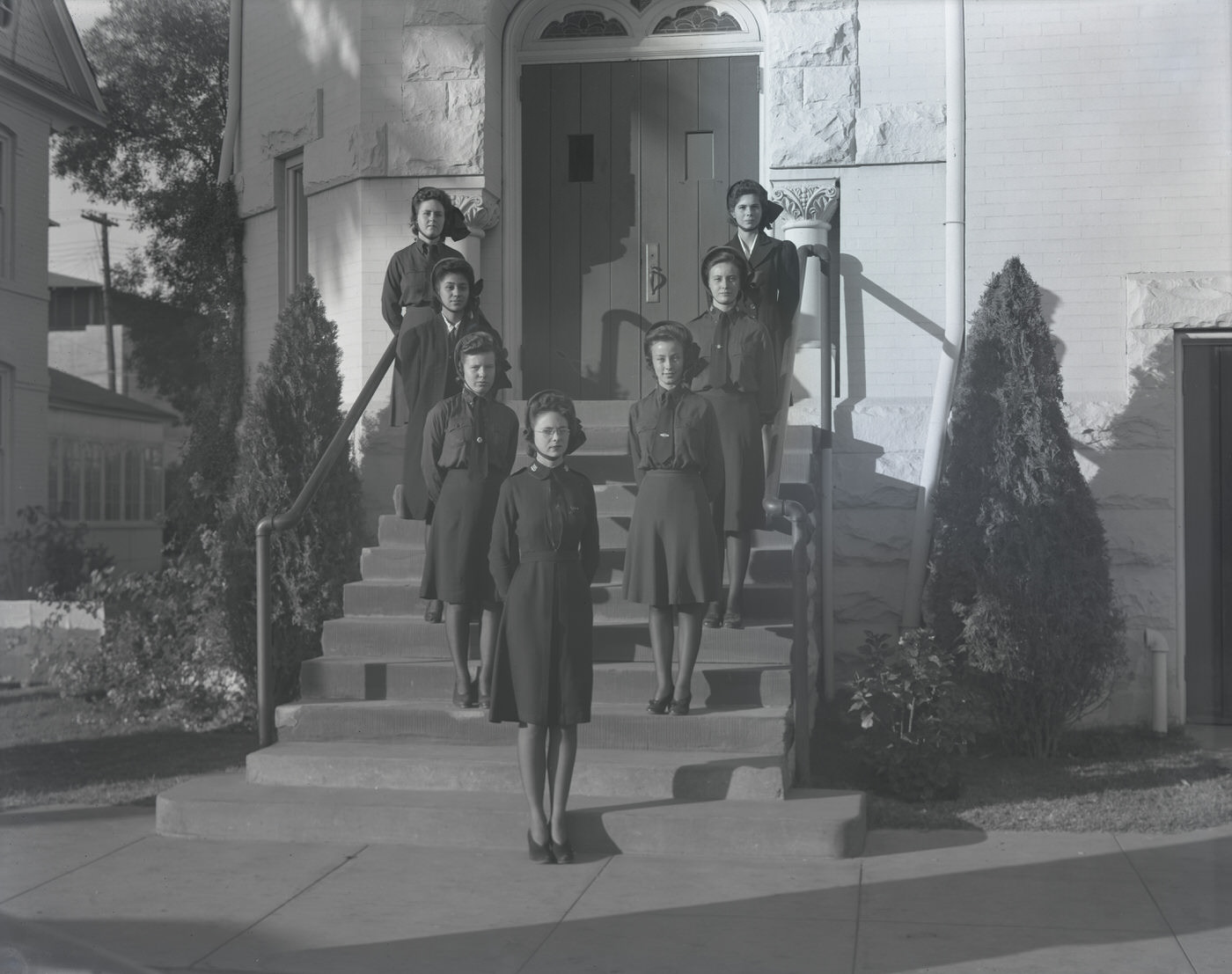
The social fabric of Phoenix in 1943 included churches, lounge facilities for military personnel, and community organizations like the Salvation Army. Trinity Cathedral’s junior choir, groups gathering at the Service Men’s Lounge, and scouts on building steps all reflect a city that kept its community institutions active even under wartime pressure. Families — the Calhouns, the Hirsh family, the Palmers — continued their daily lives, their homes and routines documented in photographs that provide an intimate look at domestic Phoenix during this period.
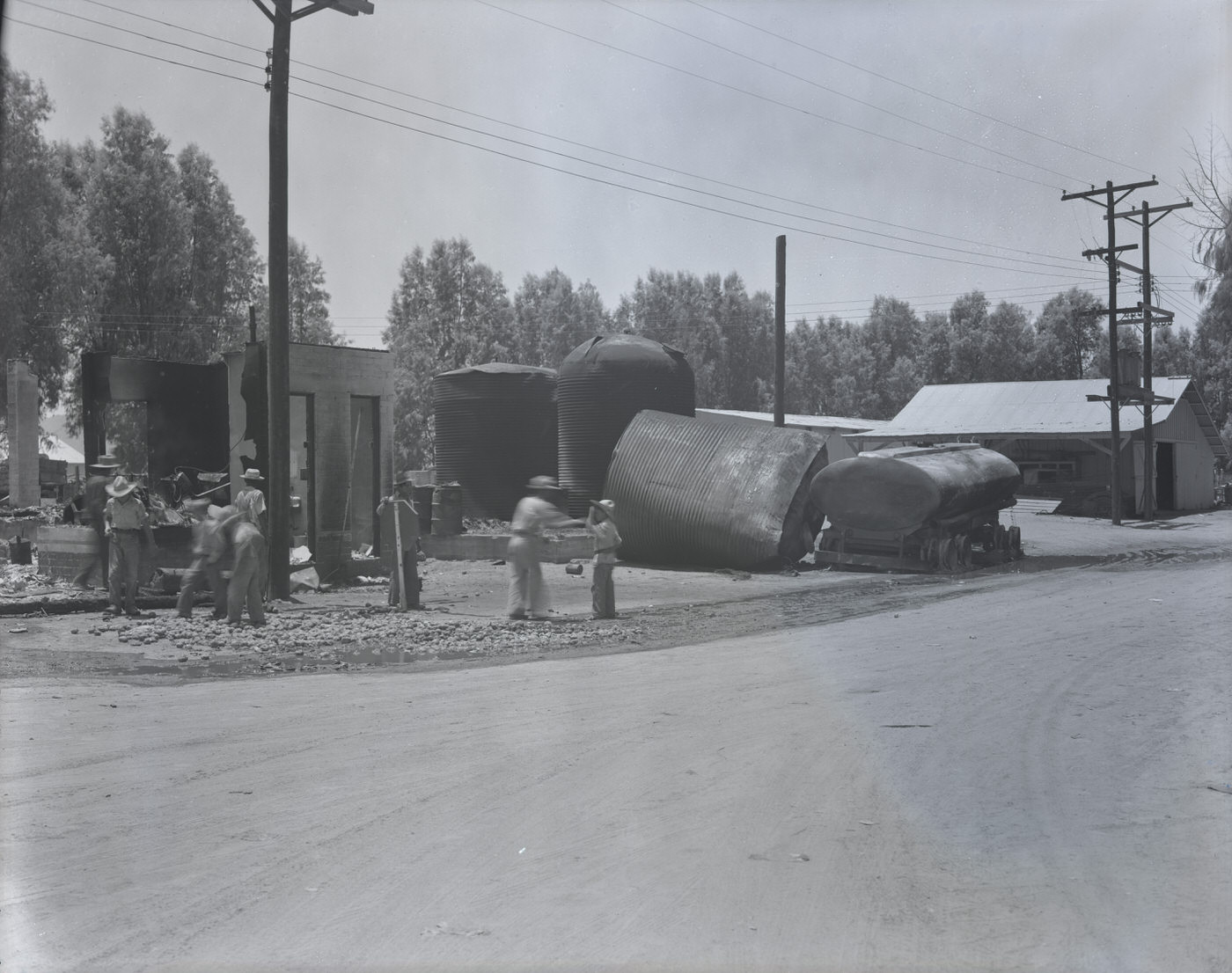
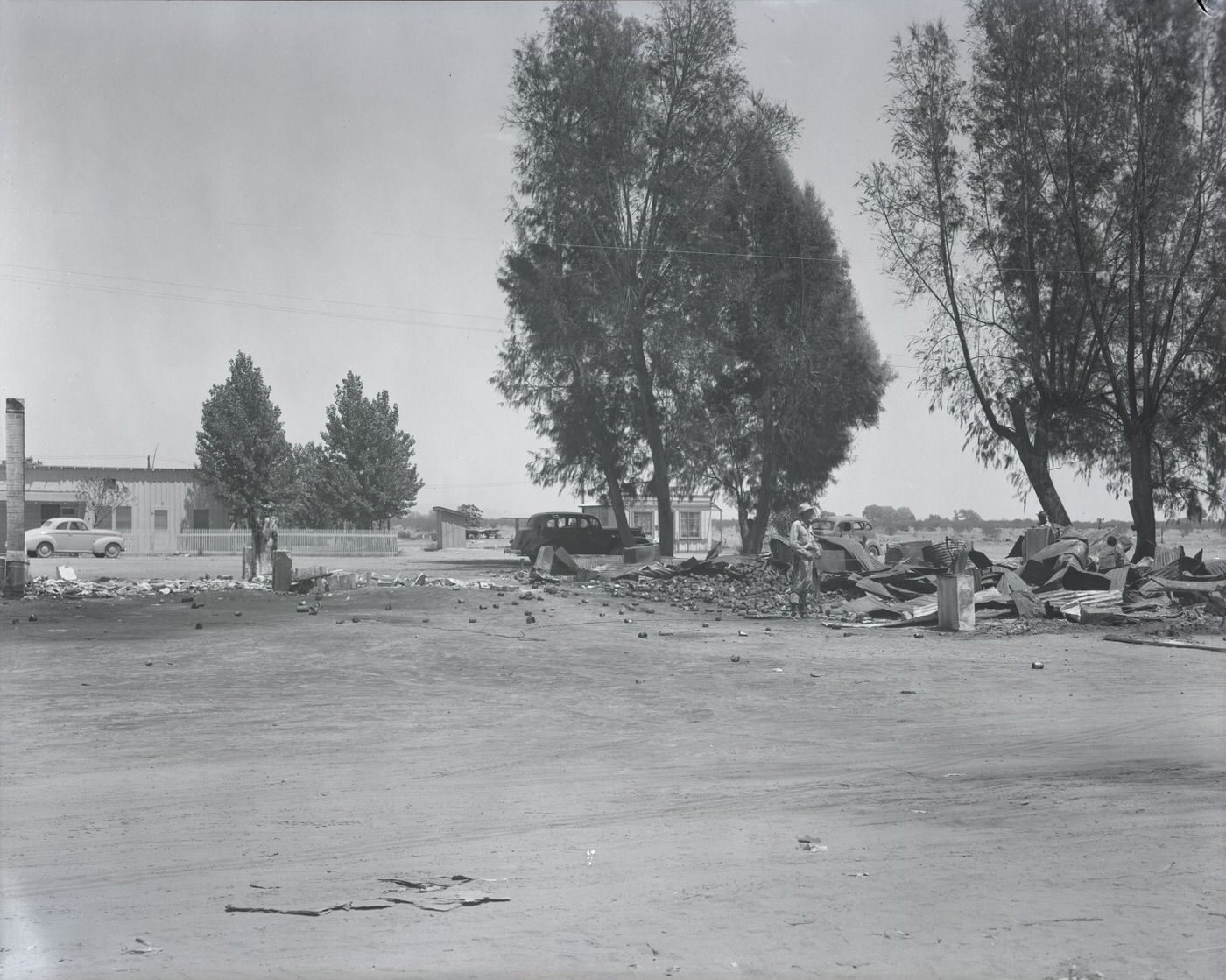
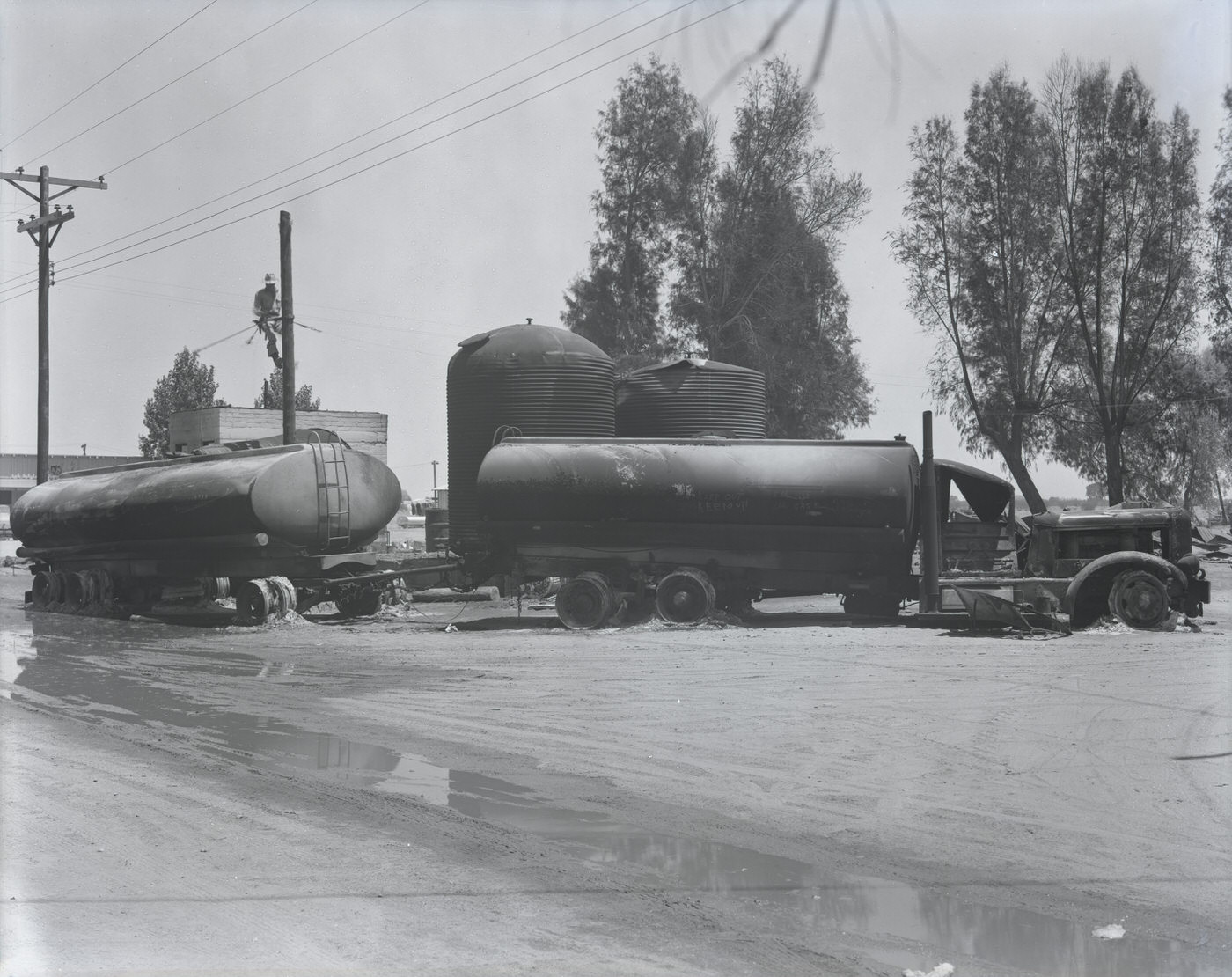
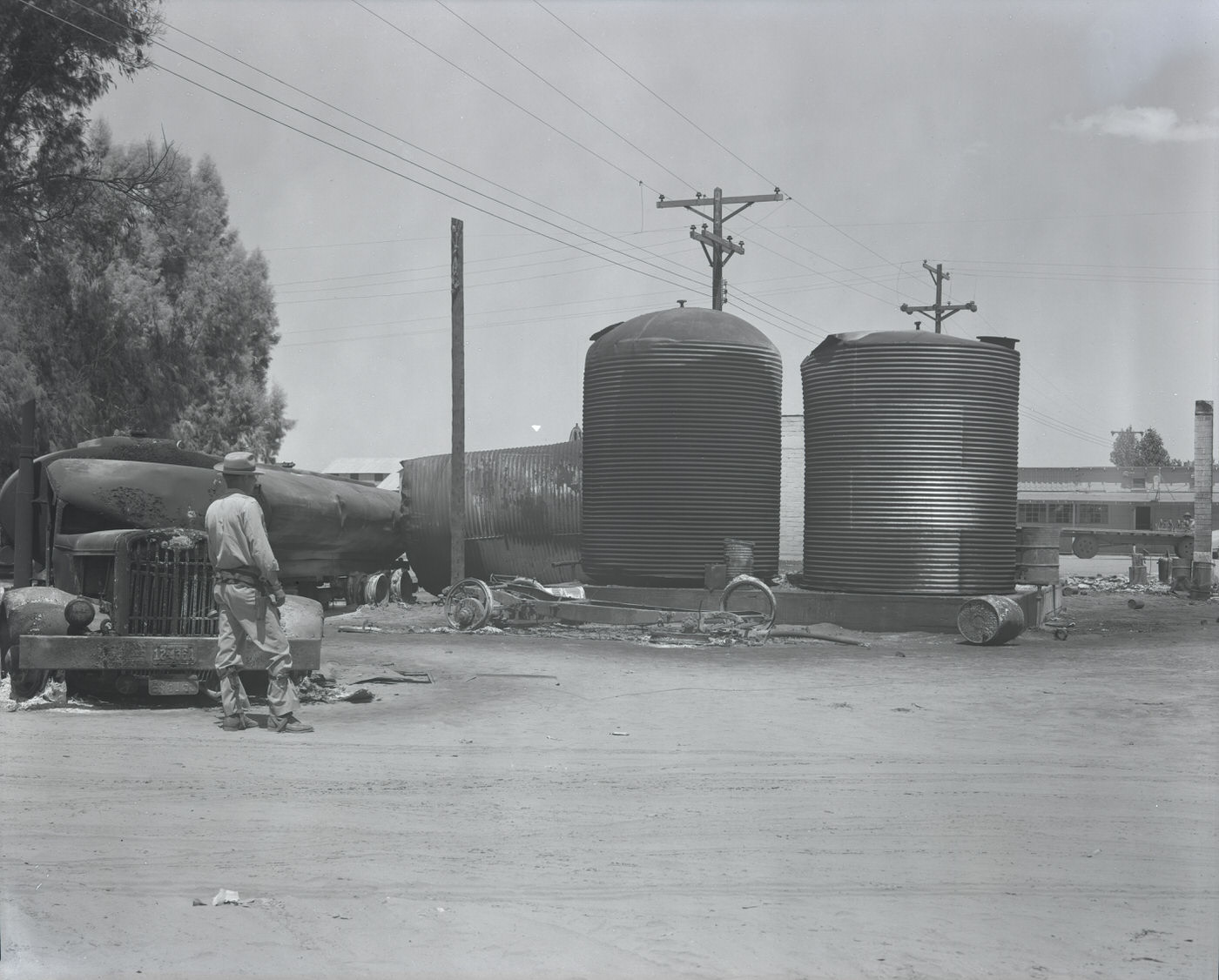
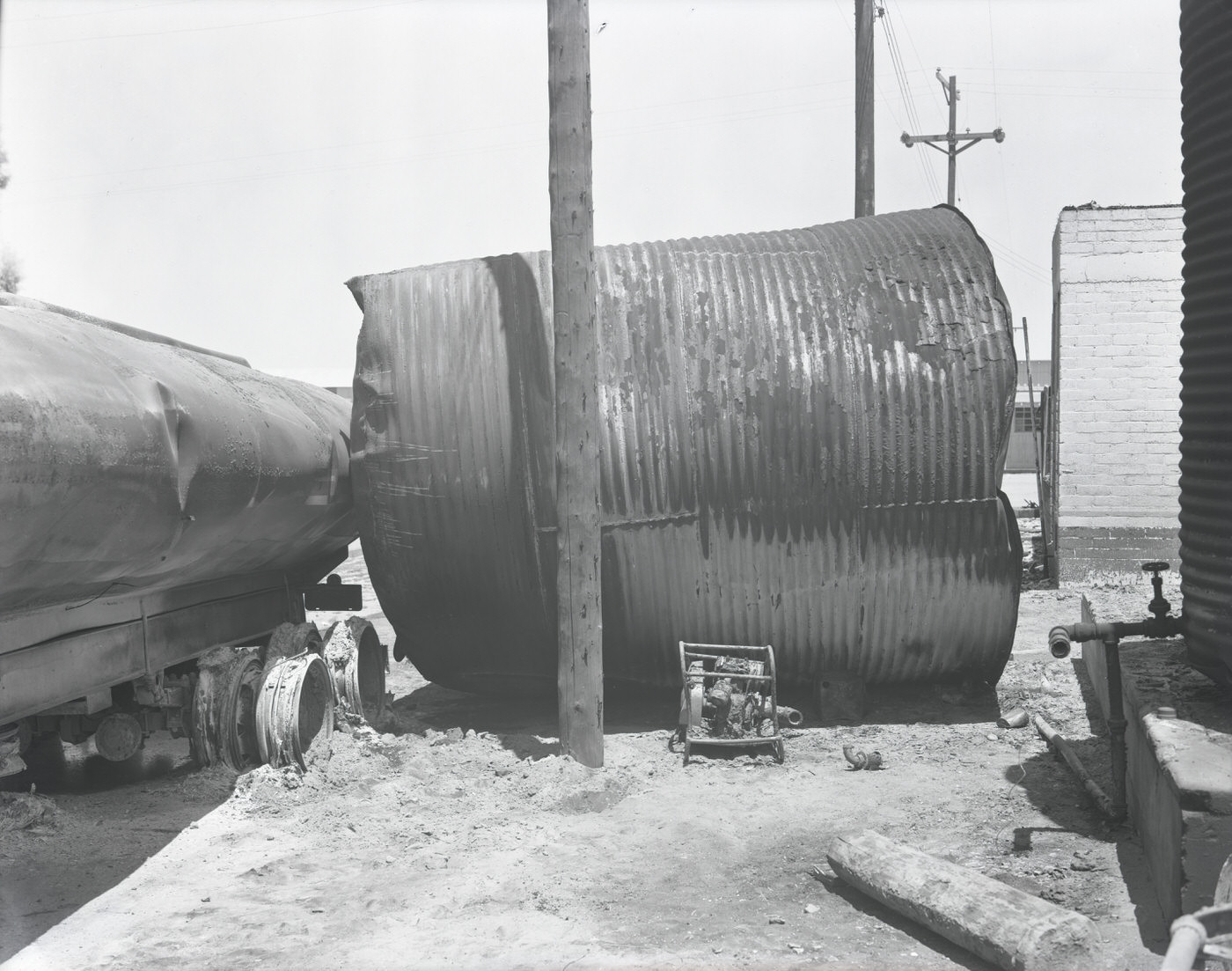
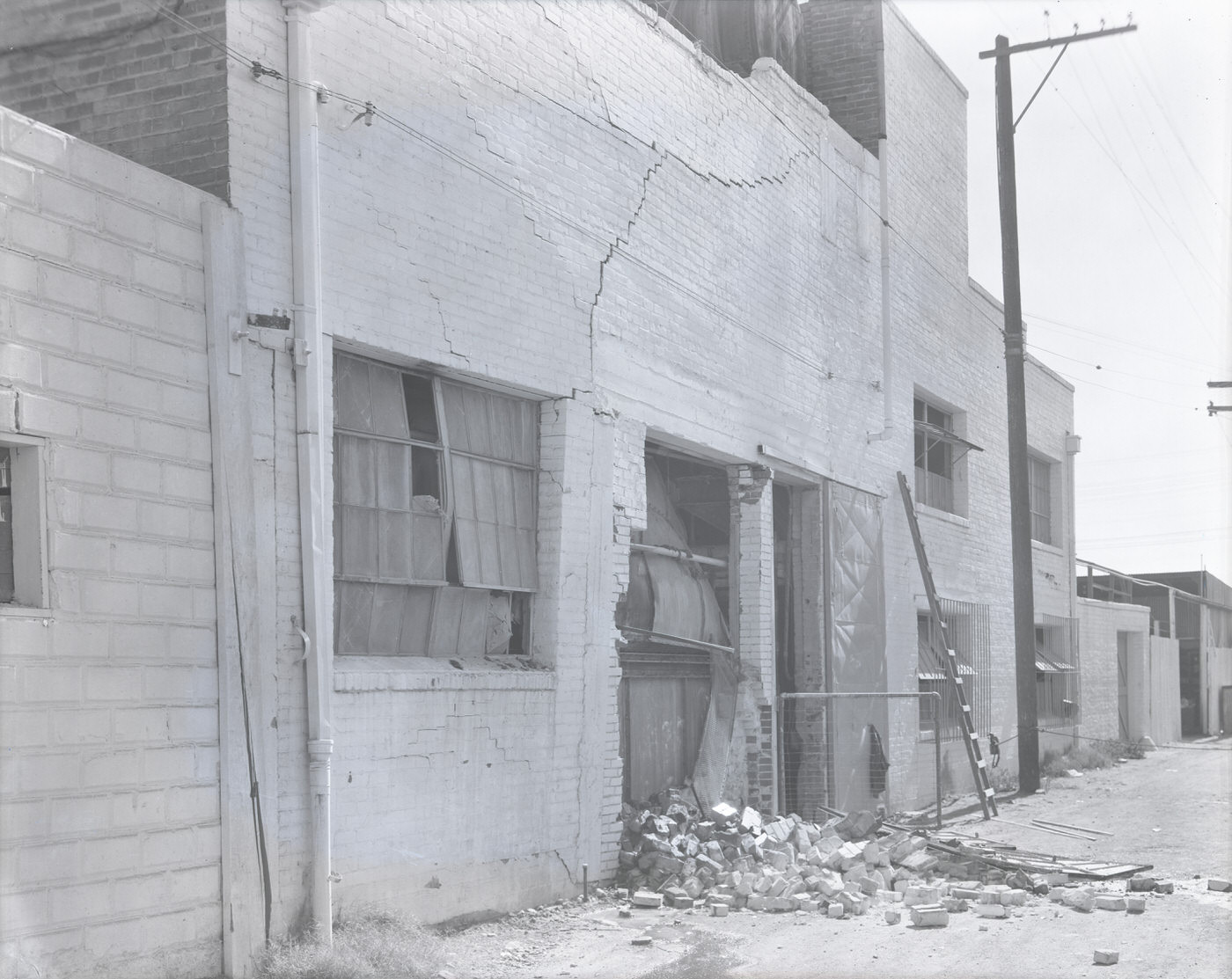
The Rittenhouse Company lots captured in multiple photographs show the heavier side of wartime commerce — damaged equipment, worn trucks, and machinery that had clearly been pushed hard. McKean’s damaged building similarly hints at the wear and strain placed on businesses operating under wartime conditions. Not everything in Phoenix in 1943 was prosperous or polished. Some corners of the city showed the cost of keeping things moving.
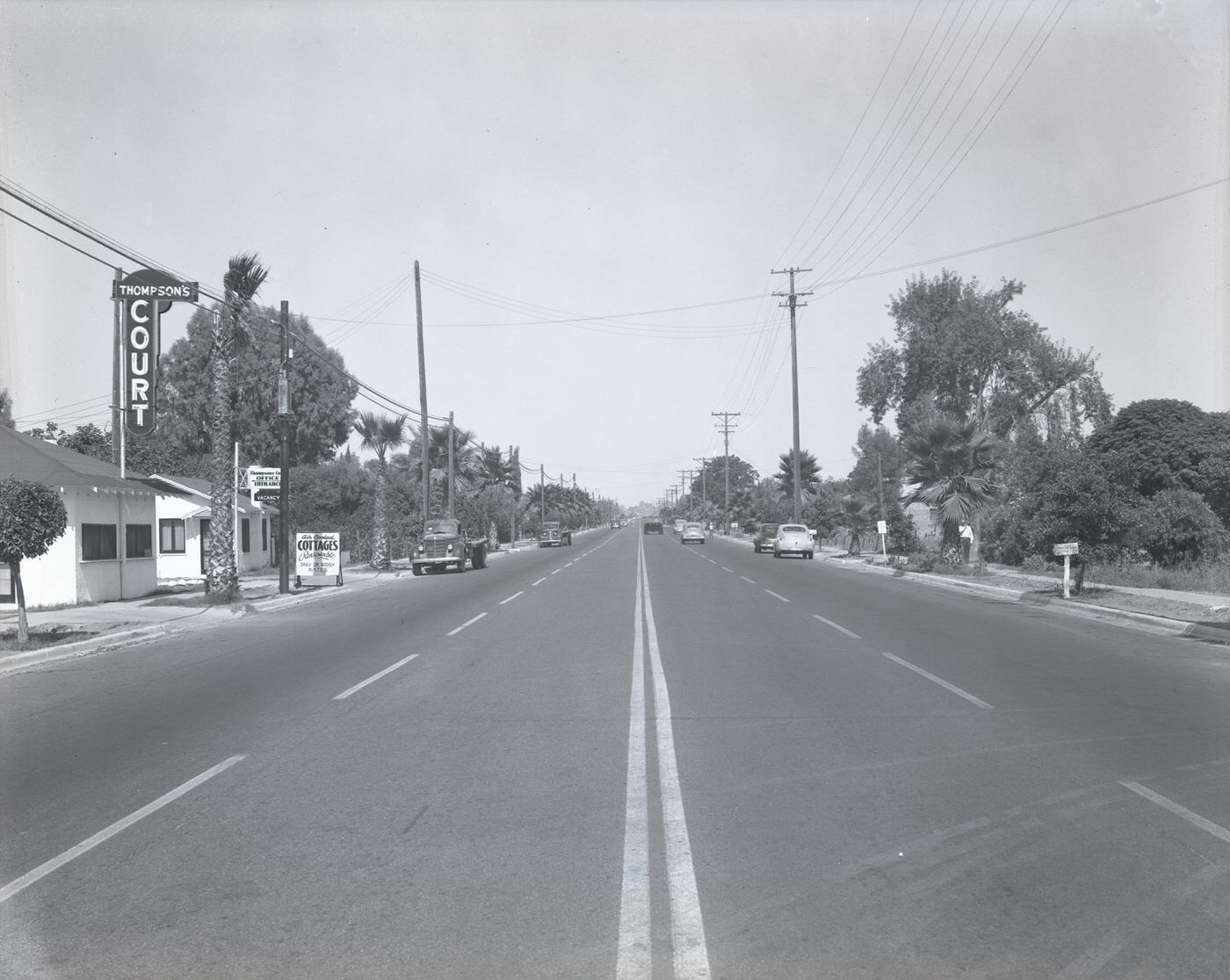
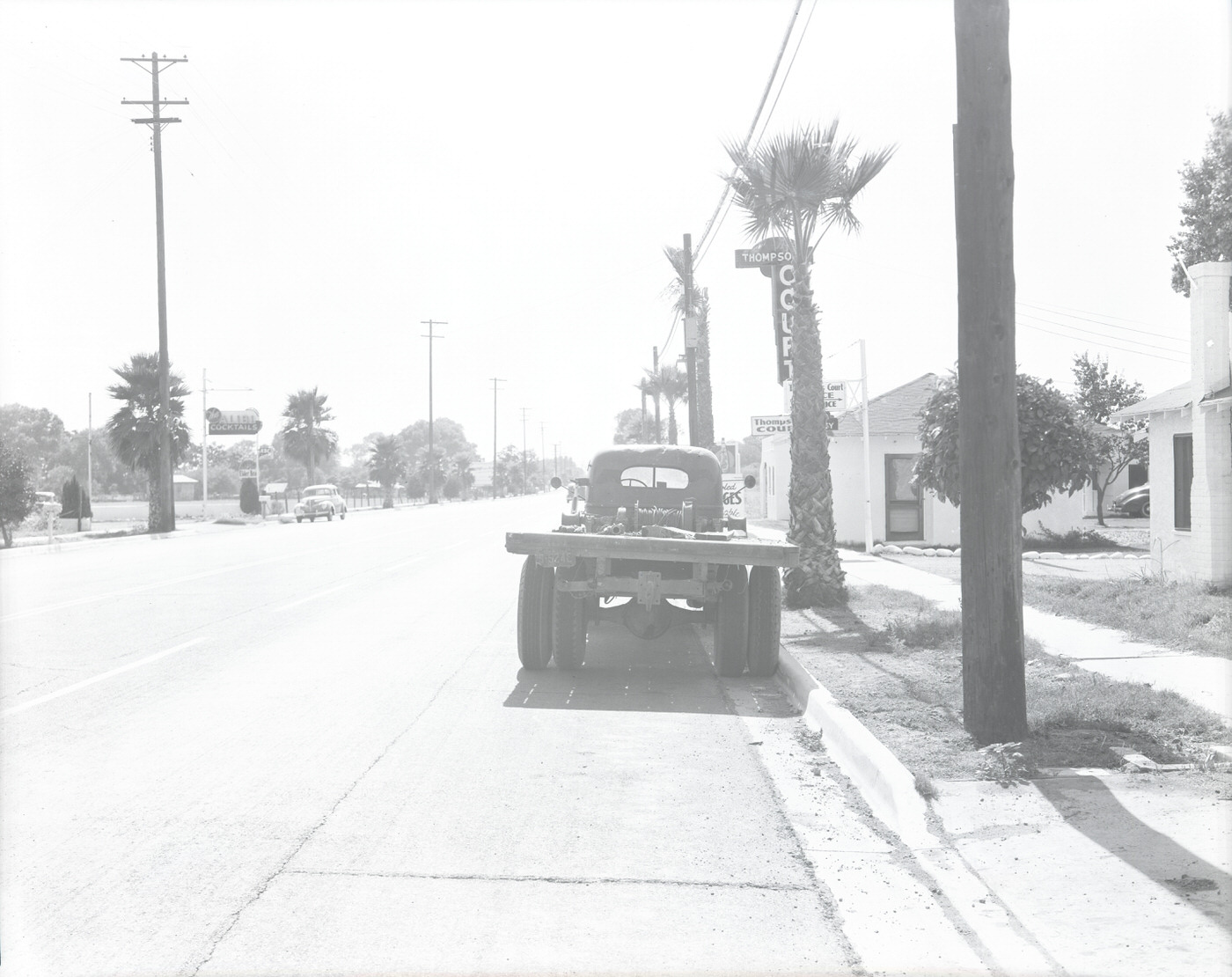
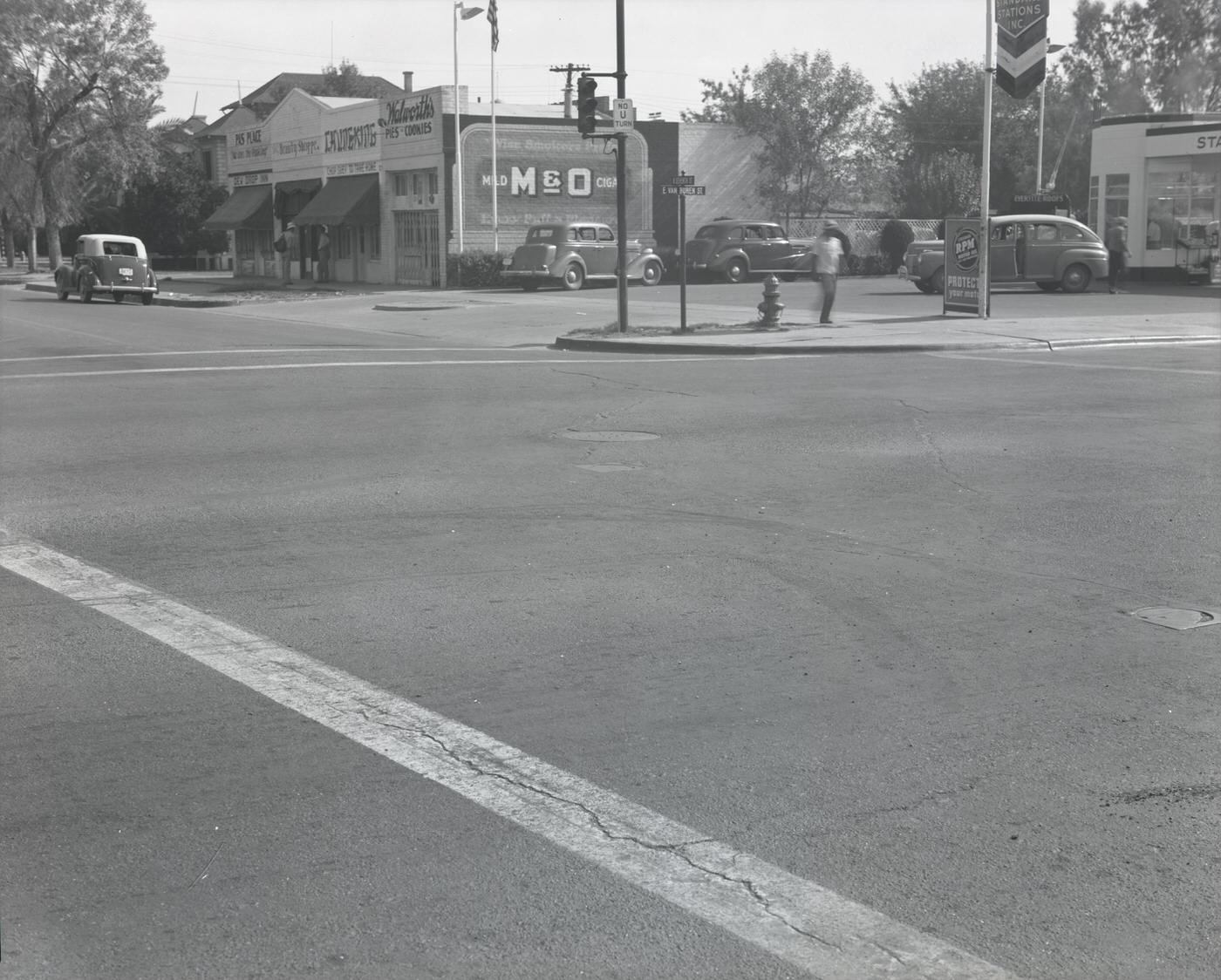
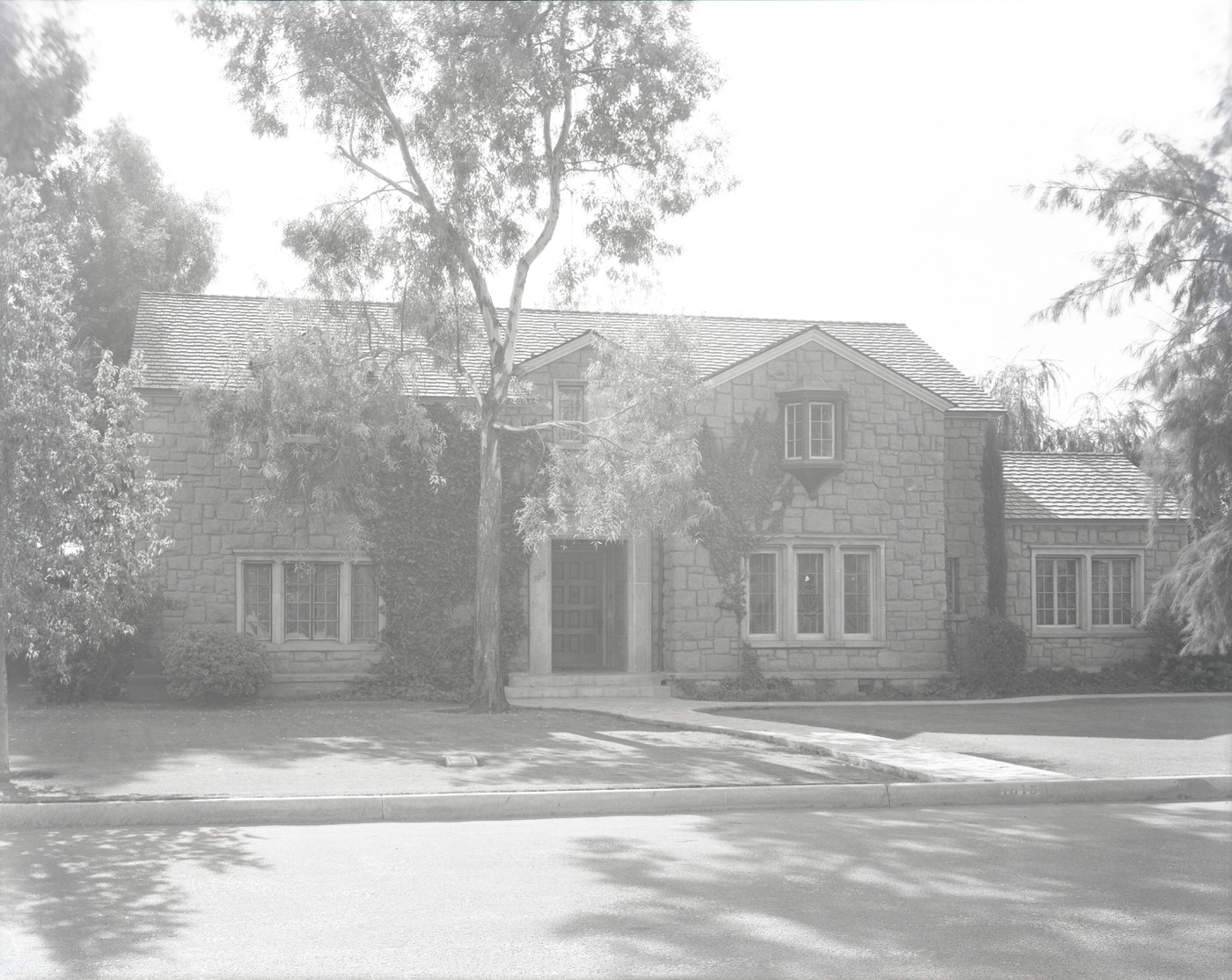
Streets like the 4100 block of East Van Buren and the intersection of East Van Buren and North Seventh Street show the built environment of wartime Phoenix — auto courts, storefronts, and road infrastructure that supported a city constantly absorbing new arrivals. The Dixie Hotel’s interior and the Ben Projan residence offer a contrast between the transient and the established, between those passing through and those who had made Phoenix their permanent home.
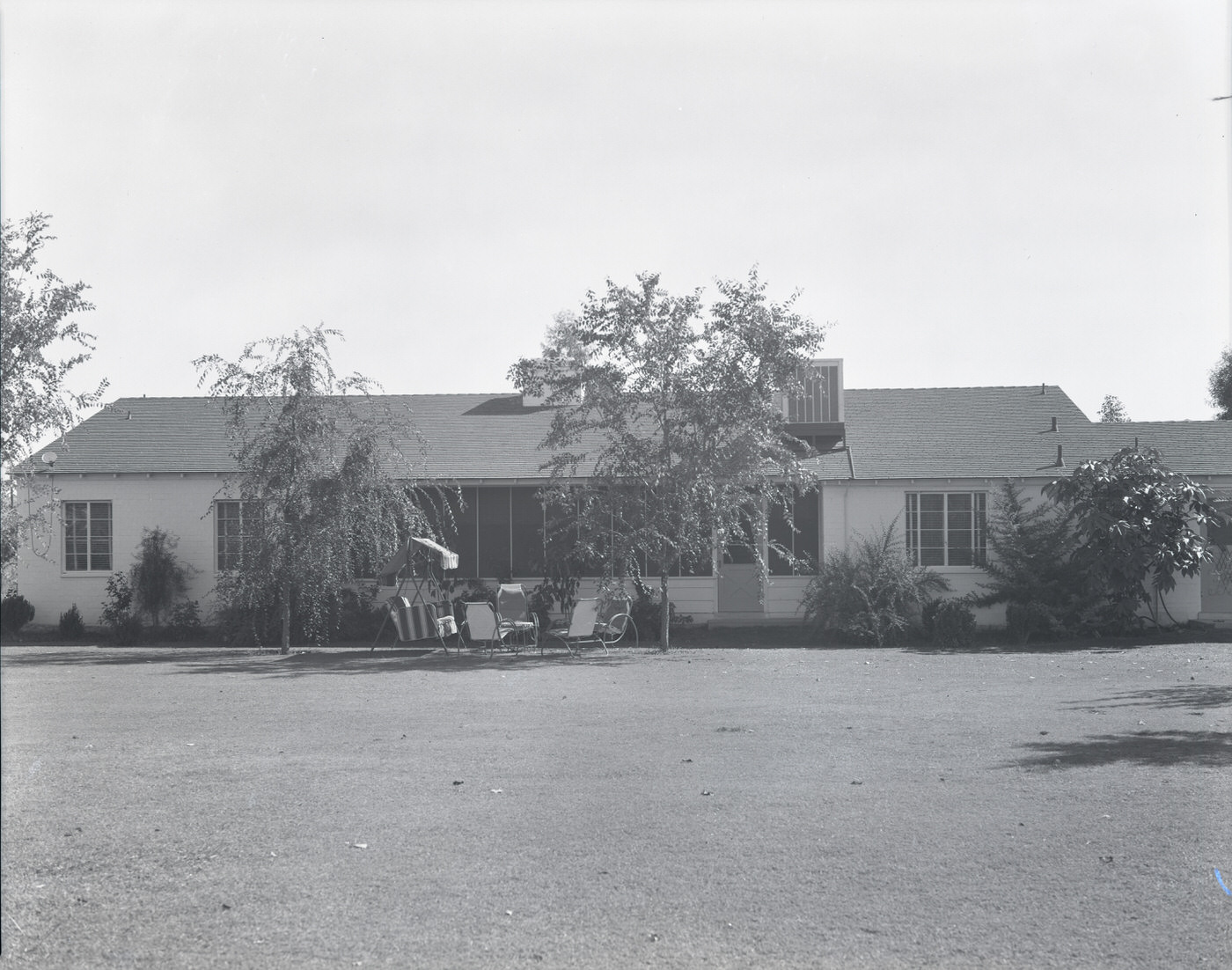
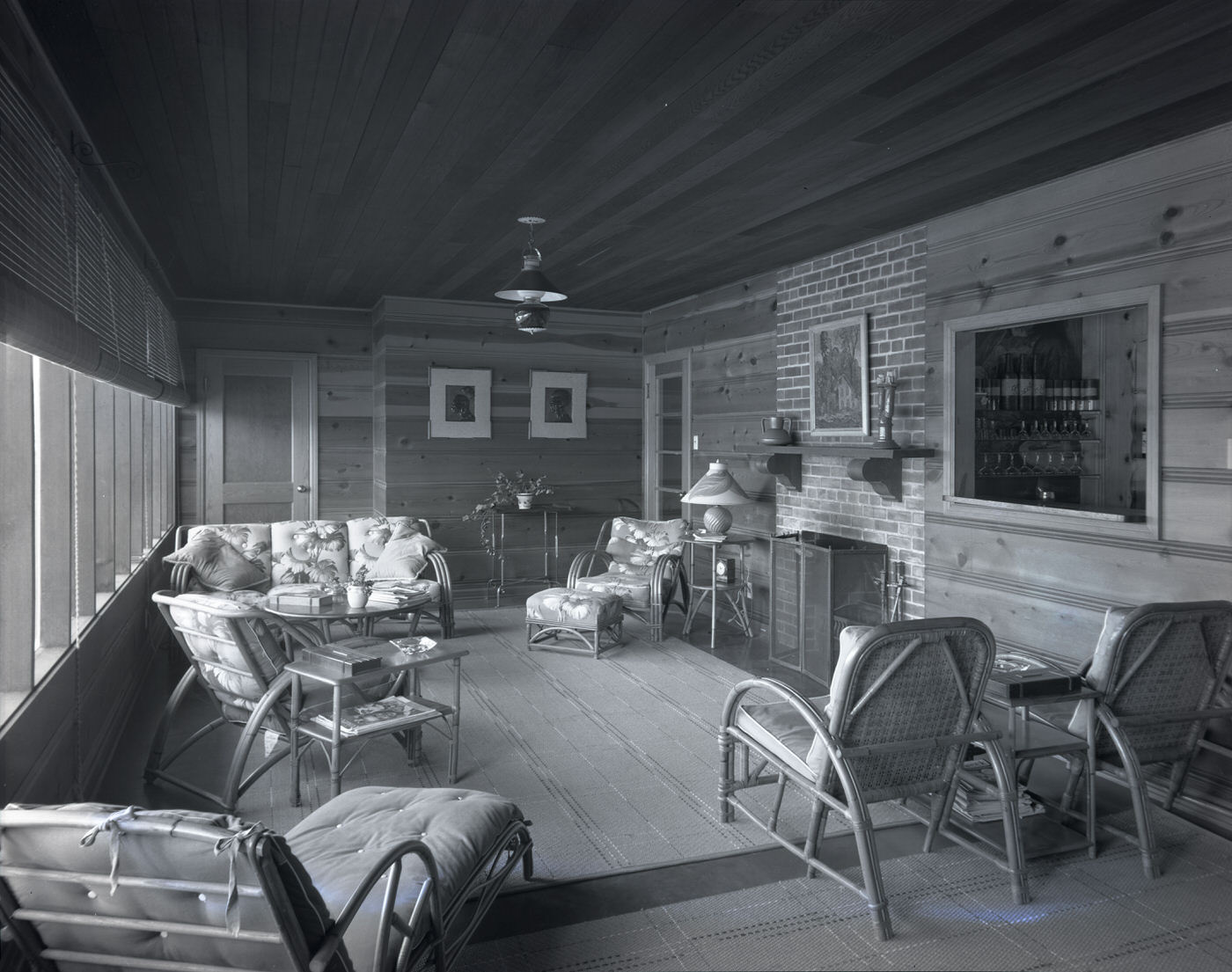
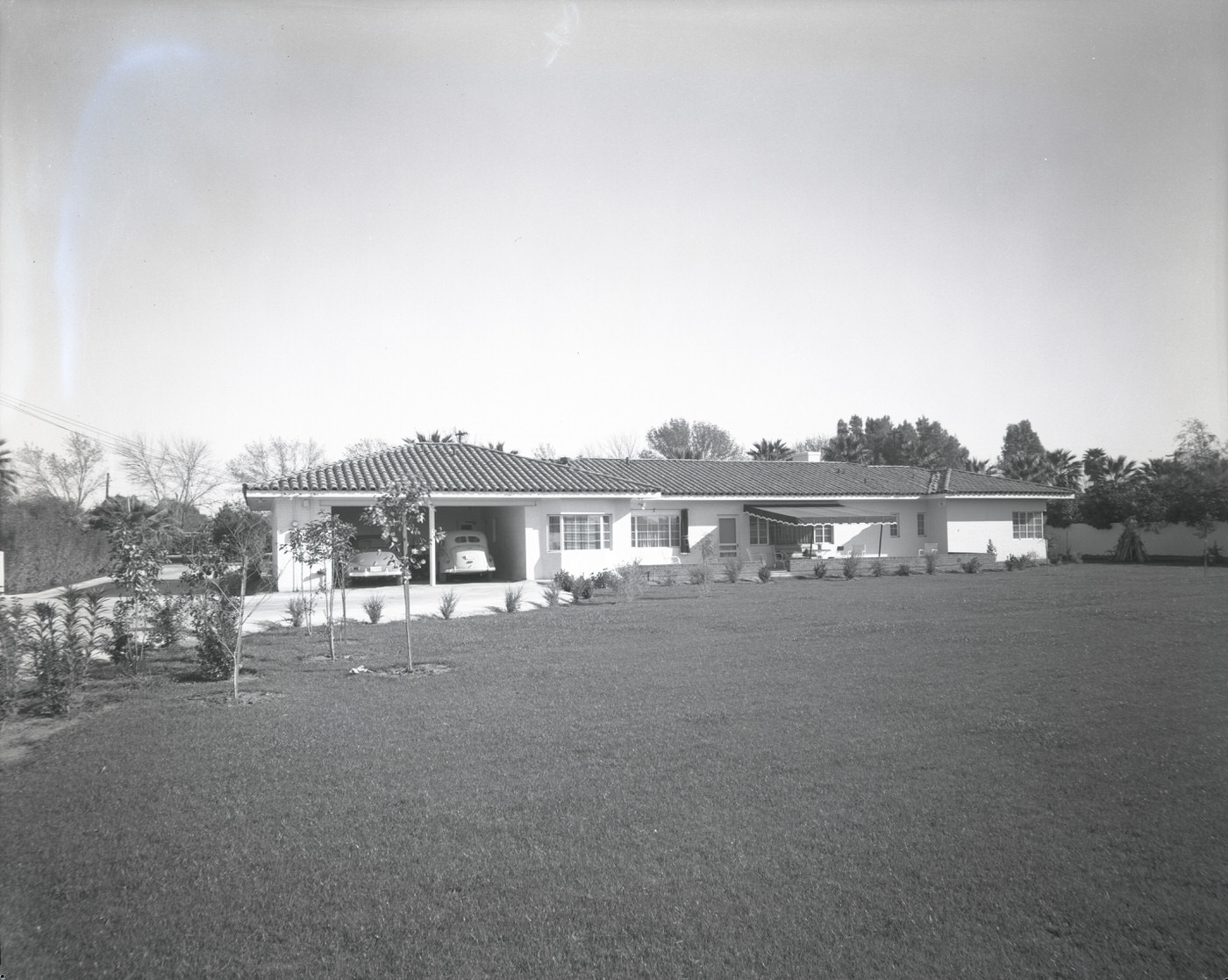
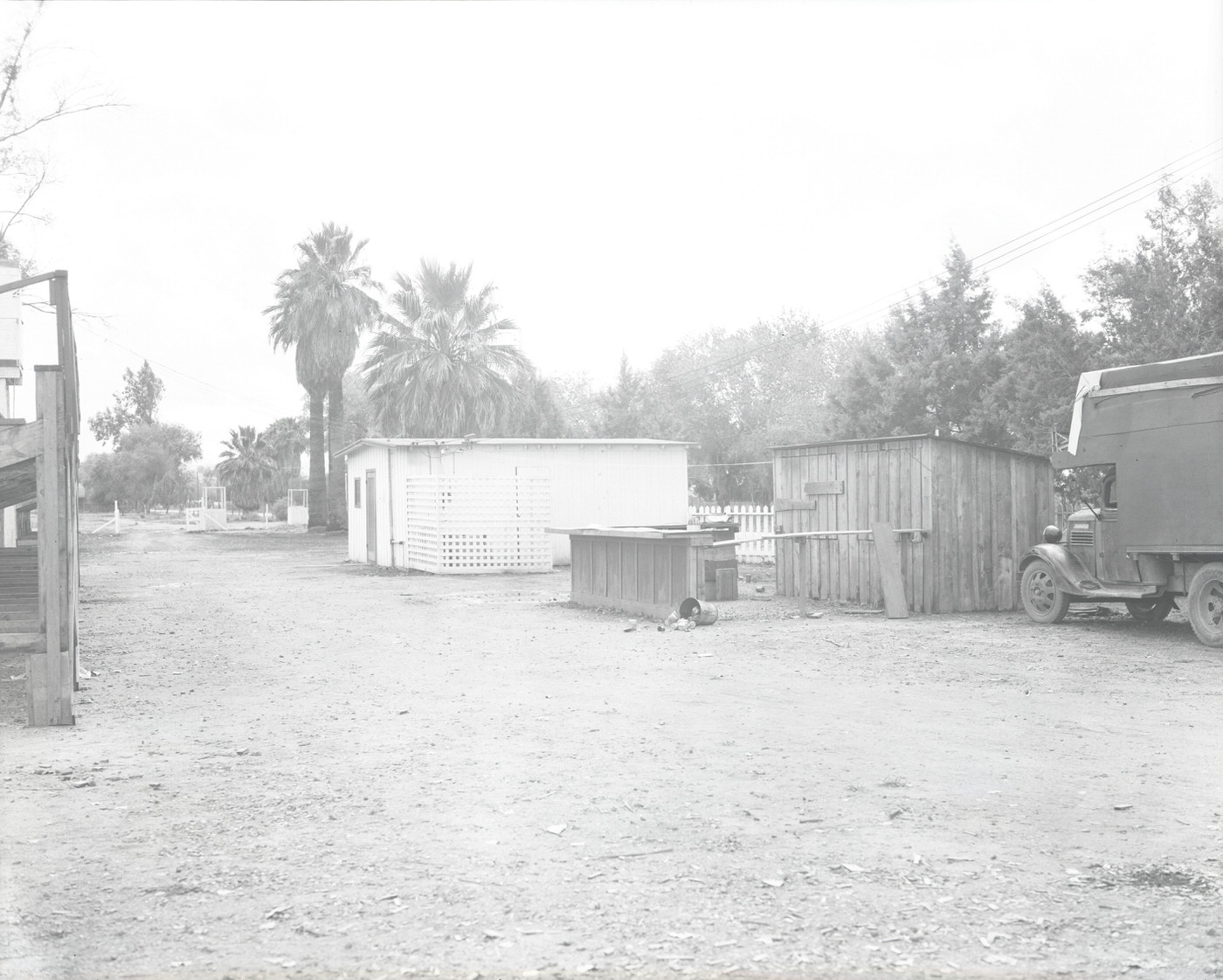
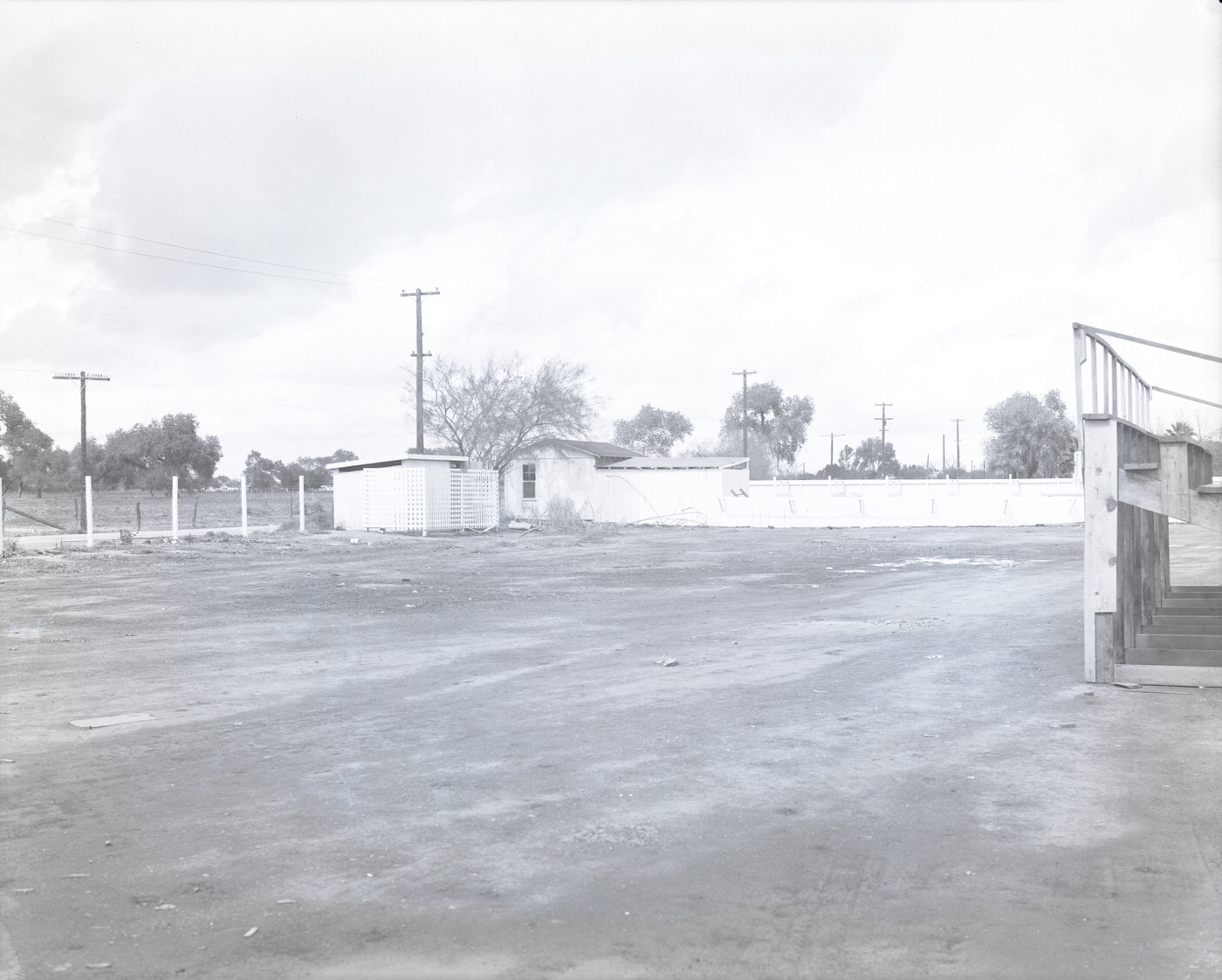
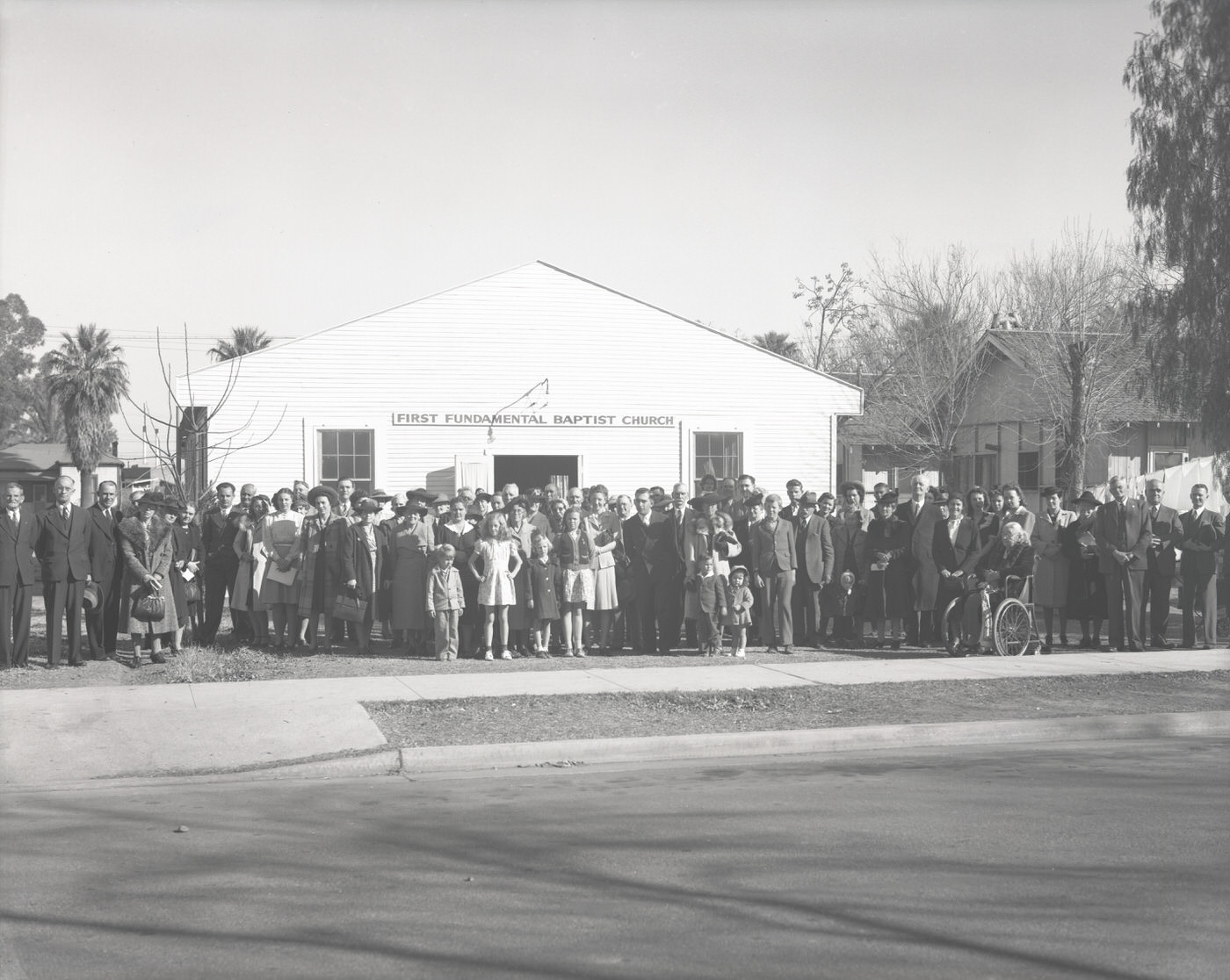
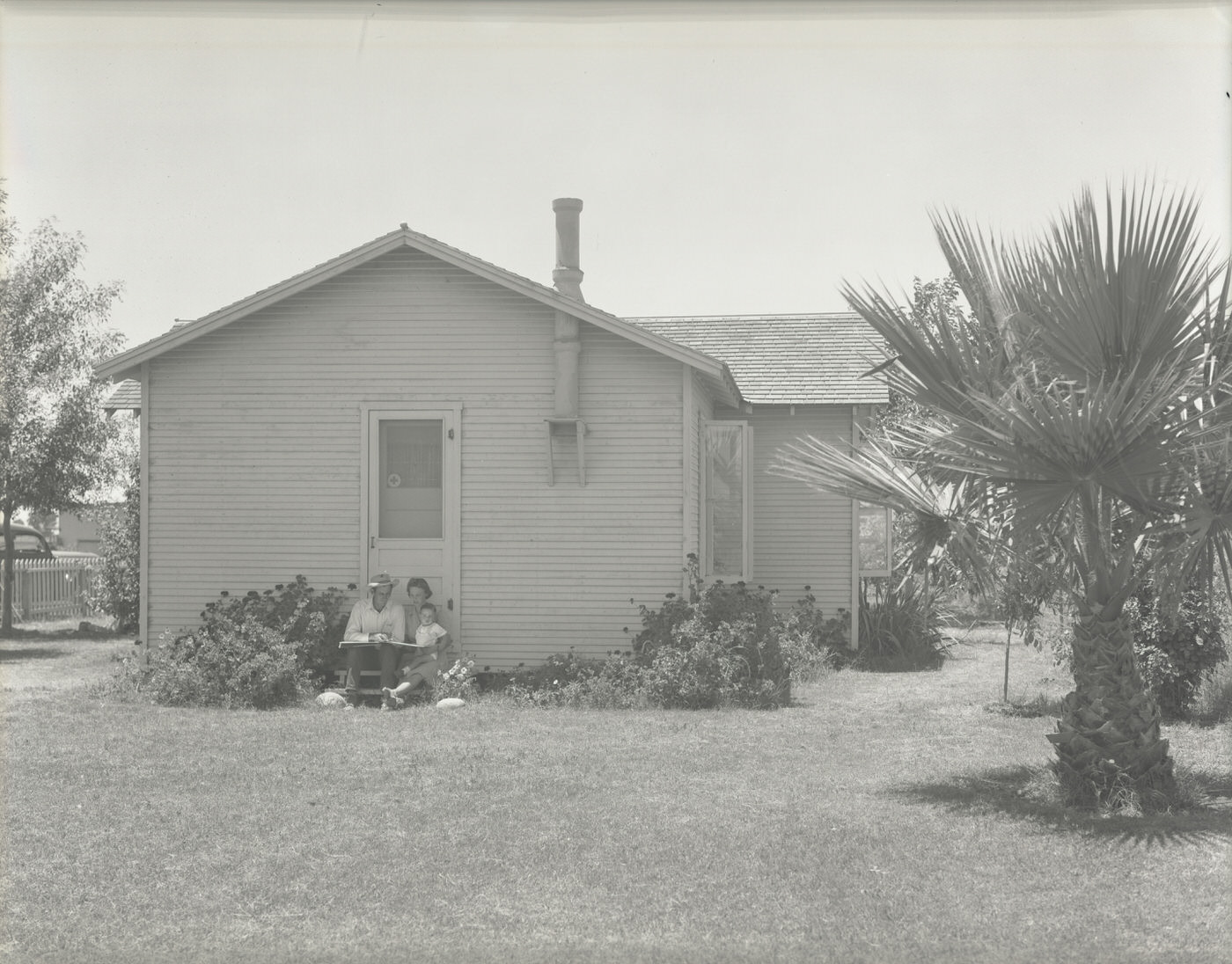
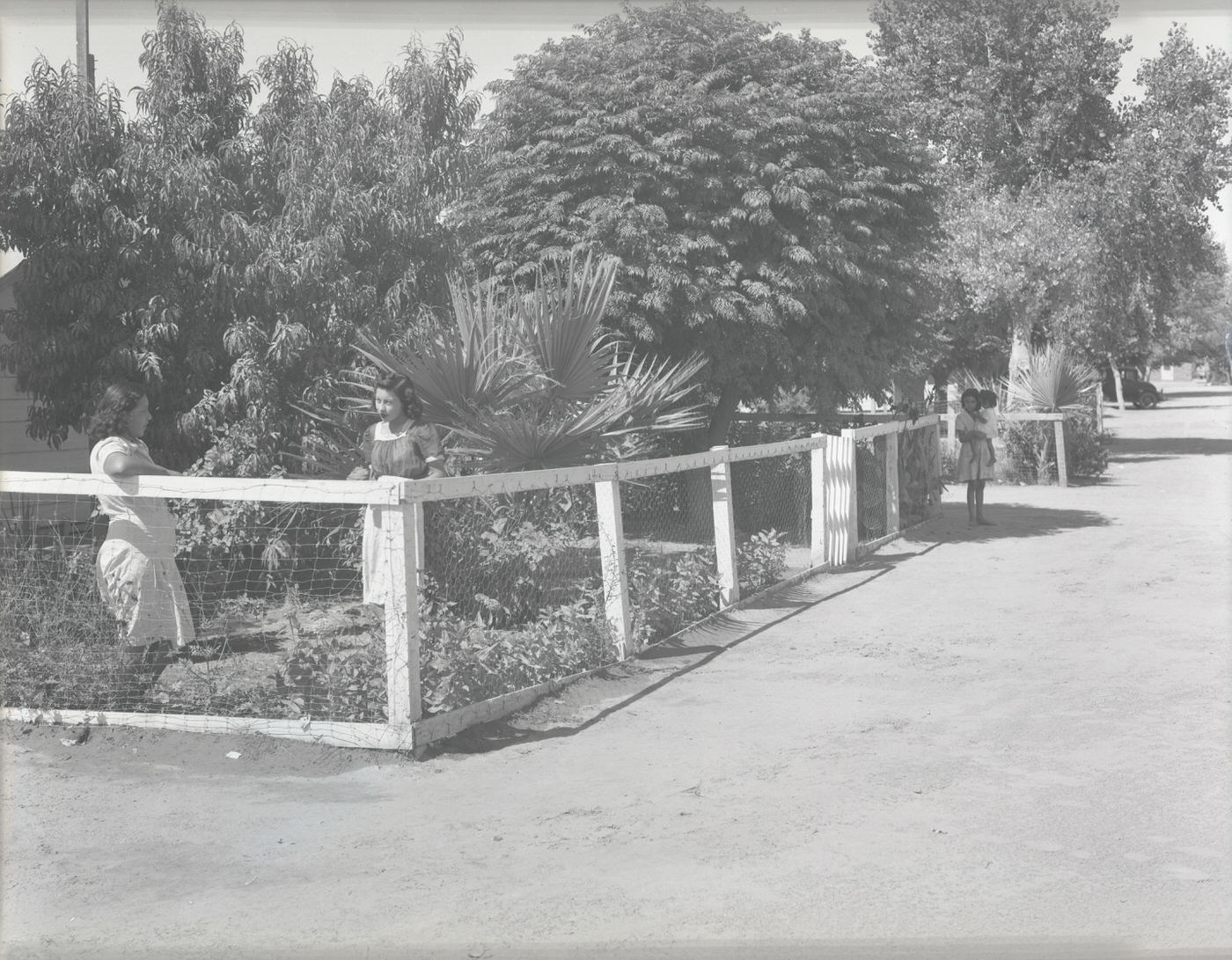
Beyond commerce and industry, Phoenix maintained spaces for leisure and community. The Phoenix Race Track drew crowds looking for a break from the weight of wartime news. The First Fundamental Baptist Church and Trinity Cathedral anchored neighborhoods spiritually. Ranch houses with tended gardens sat at the edges of the city, where families like those photographed in 1943 lived close to the land while still part of a city changing faster than it ever had before.





Was it as scorching hot back then?!
I grew up in Phoenix thru the 70s. It was hot, yeah but very very dry. A lot more open spaces in the valley allowed it to cool off at night. Here’s something that will probably shock you…. we didn’t have AC growing up…. and it was perfectly cool in the house using a swamp cooler.
Fantastic! A lot of Safeways. Ha
Remember Smitty’s and what was that first Costco like store called? The one where they didn’t even price their things and you were expected to use provided wax pens to mark it yourself lol
So cool. Thanks for sharing!
Aww, what happened? I wanted to see too….