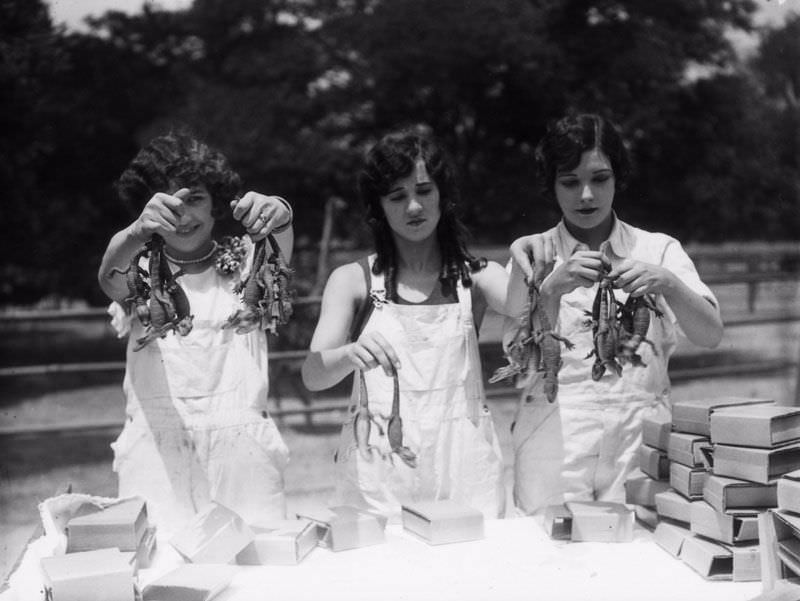
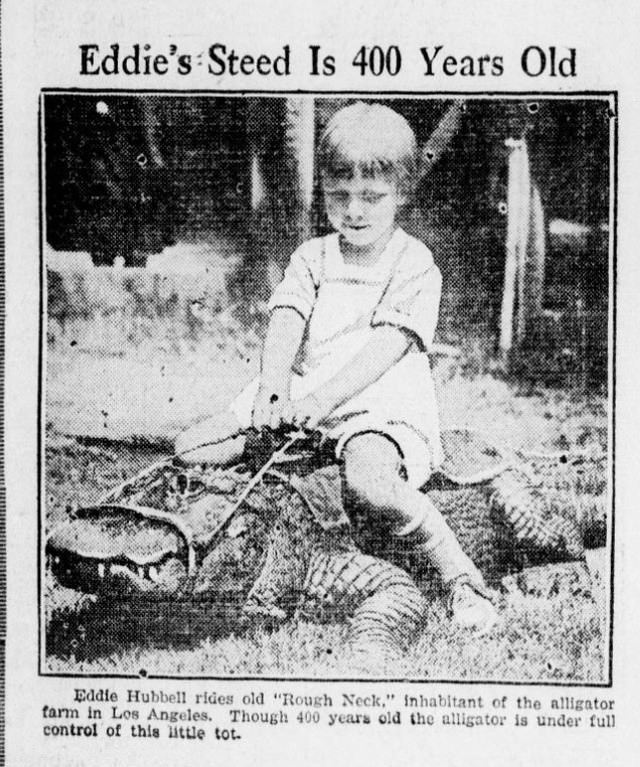
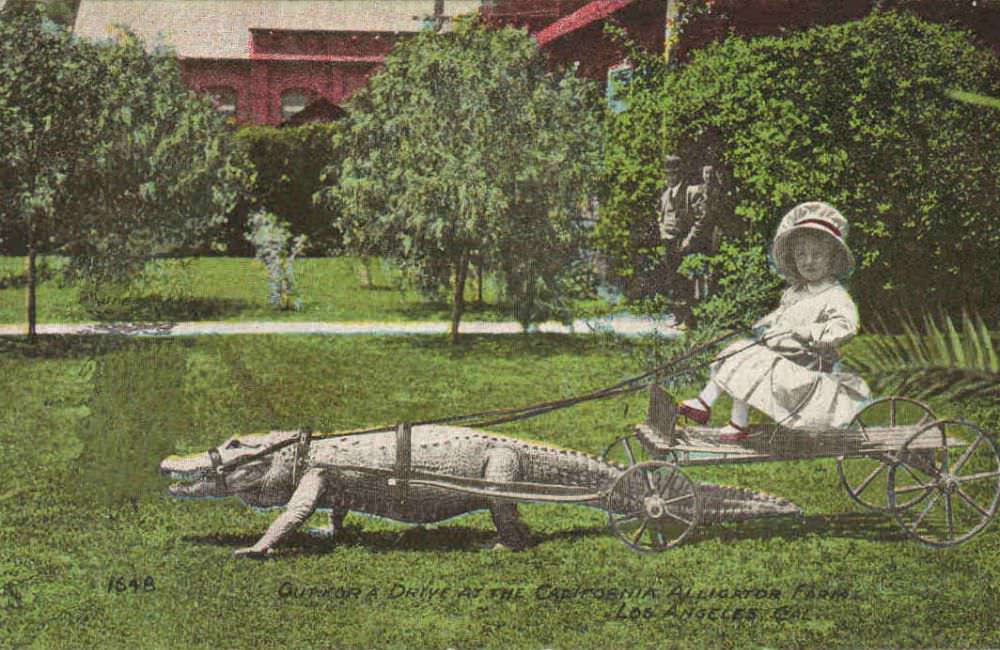
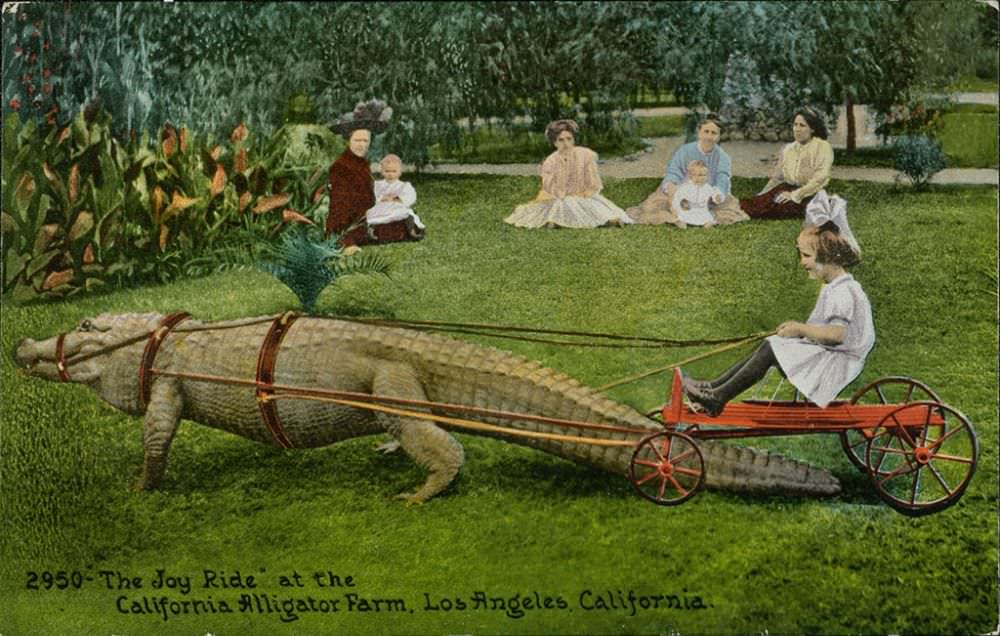
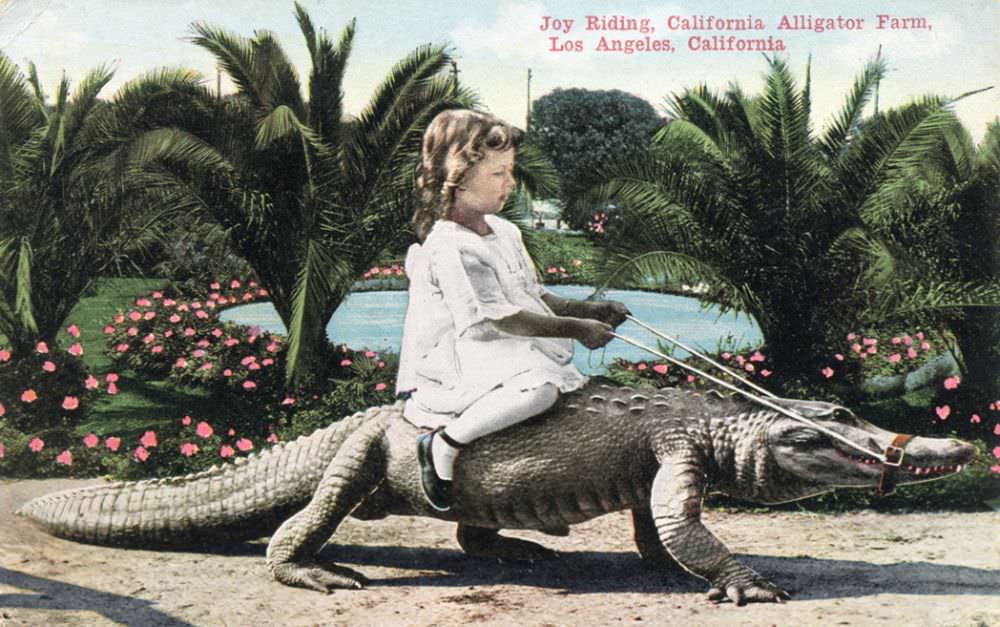
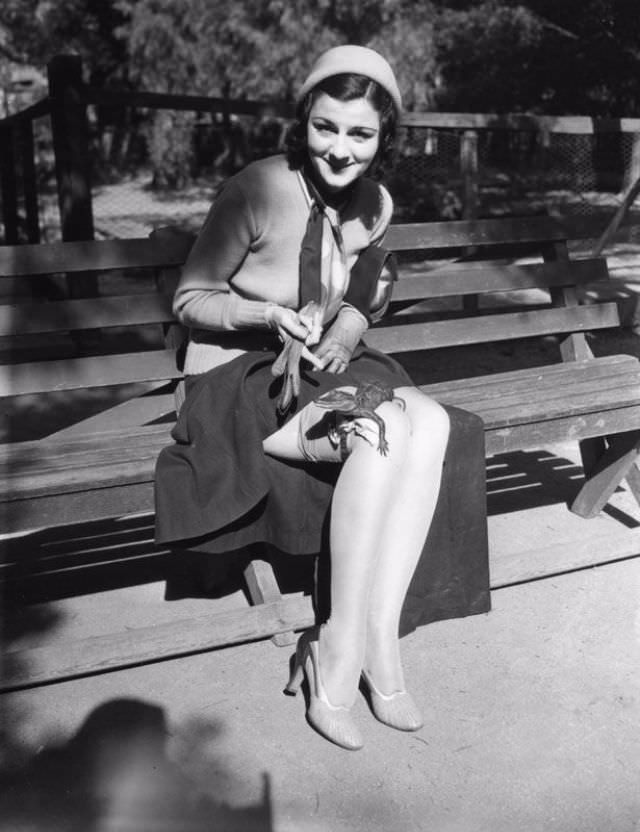
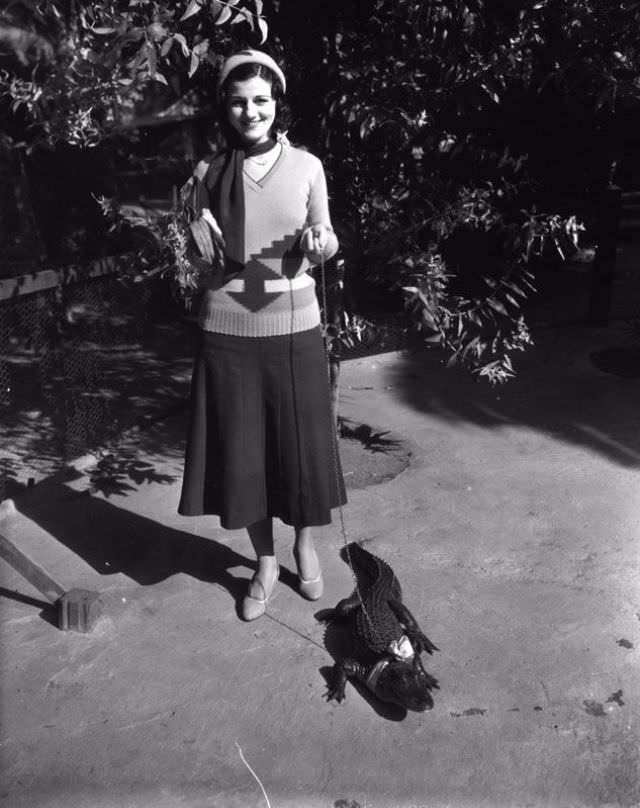
Today, getting within arm’s reach of an alligator is the kind of thing that makes headlines — usually bad ones. But in the early 20th century, a surprising number of people treated these massive, powerful reptiles like novelty pets. Children sat on them. Adults posed with them. Crowds gathered to watch handlers work with them up close. It was a different time, and the proof is in the photos.
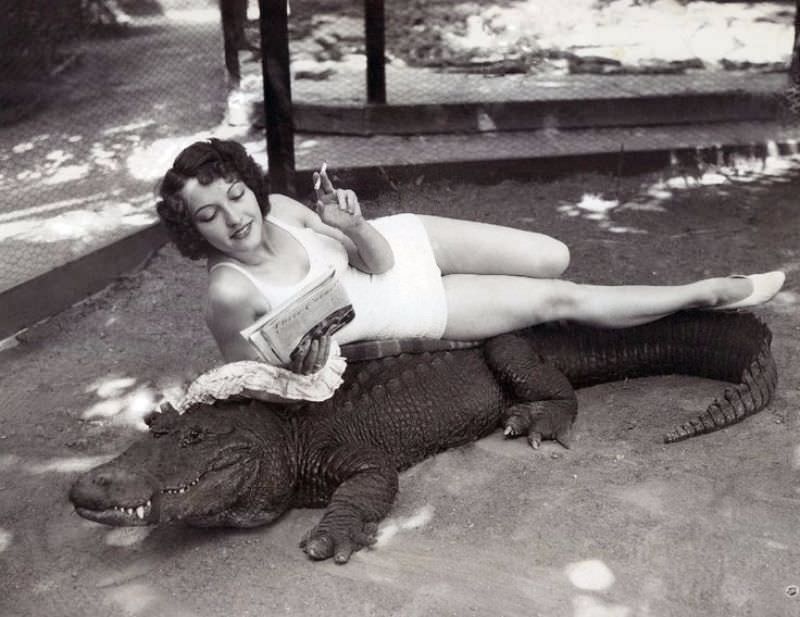
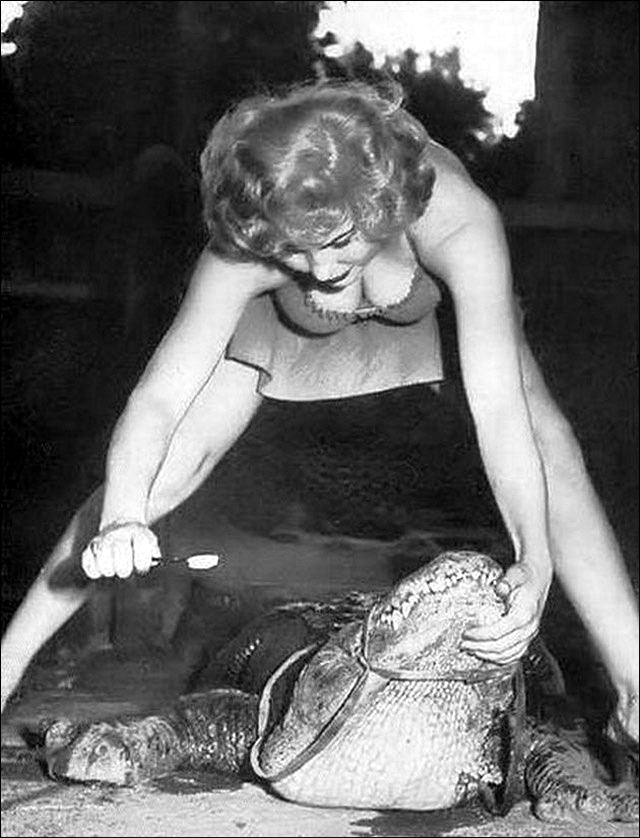
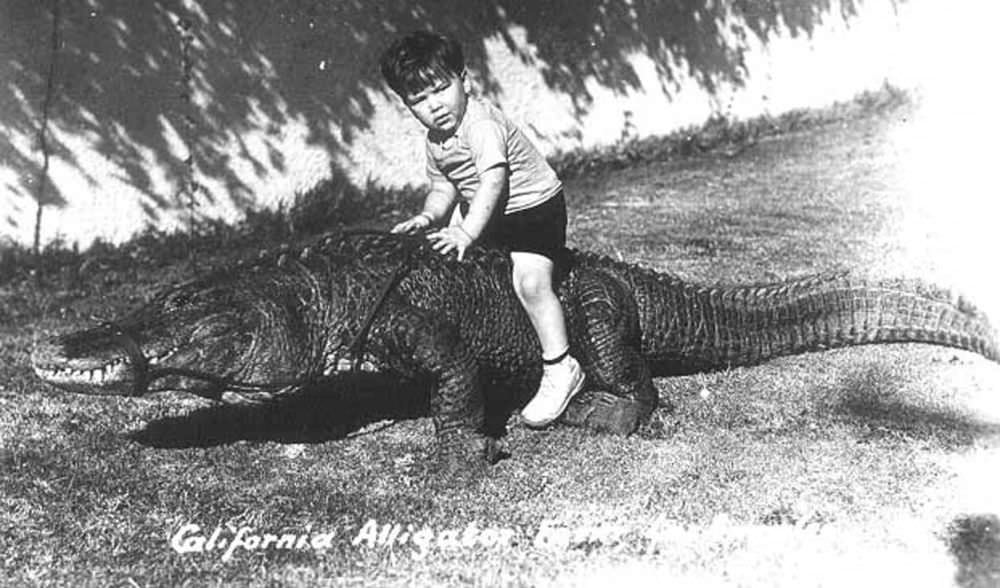
Much of this behavior traces back to one place: the California Alligator Farm in Los Angeles. Opened in 1907 in the Lincoln Heights neighborhood, the farm ran for 46 years before finally closing in 1953. Its owners didn’t just display alligators behind fences — they built shows around them. Visitors were taught how to handle the animals, and guests were allowed to get dangerously close to the reptiles on a regular basis.
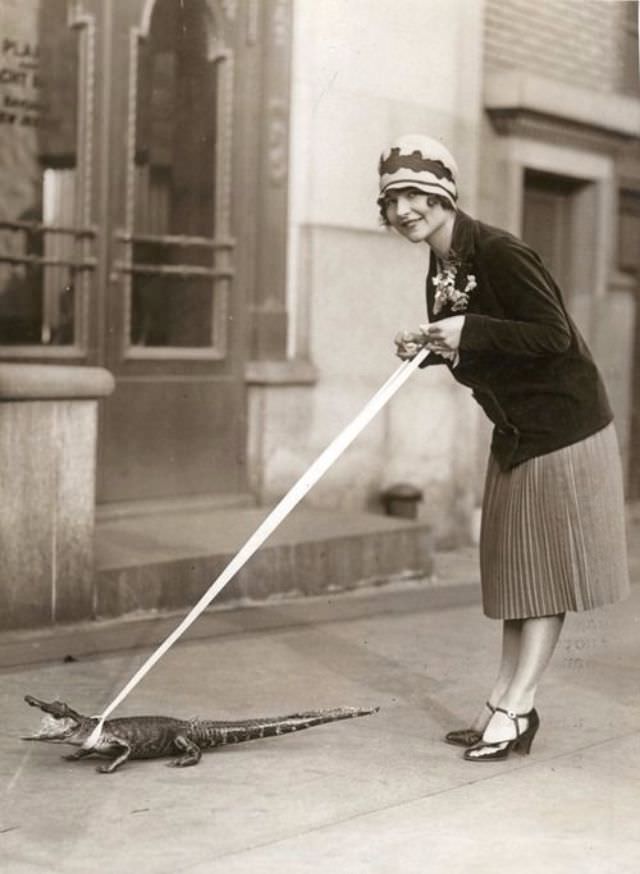
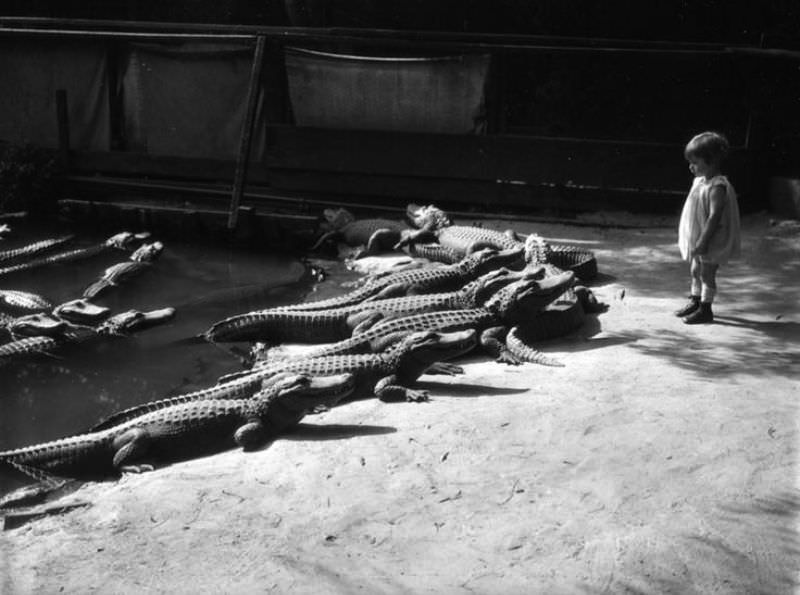
The farm sparked what can only be described as alligator fever across Los Angeles. People who had never been near a swamp in their lives were suddenly posing for photos with full-grown alligators. The animals were treated more like props than predators, which, given what we know now, was a genuinely dangerous attitude.
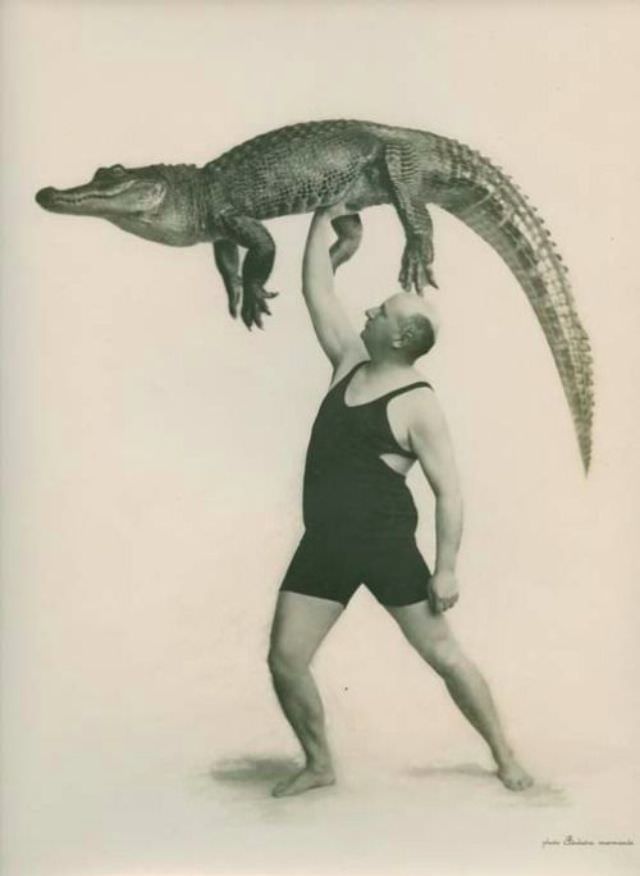
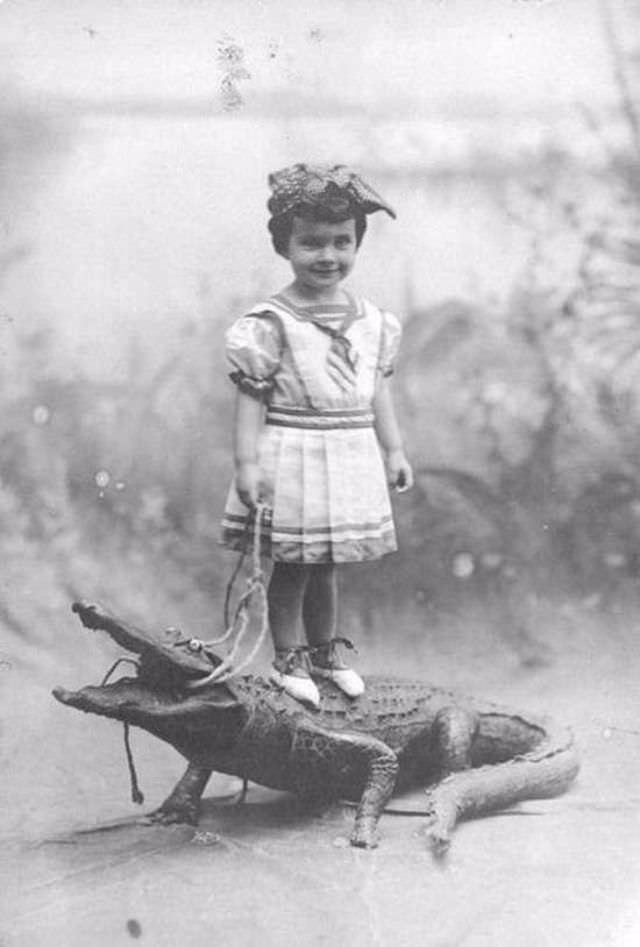
Alligators can grow over 11 feet long and bite with a force of nearly 2,000 pounds per square inch. They are fast, strong, and entirely unpredictable. None of that seemed to register as a serious concern for early 20th-century thrill-seekers. The California Alligator Farm leaned into this, staging shows that made interaction look routine and safe.
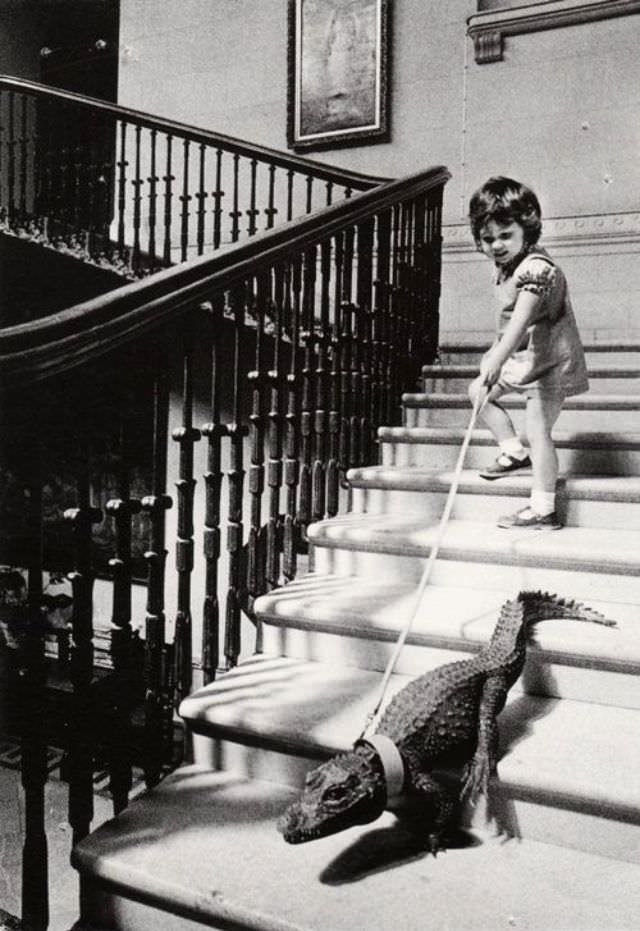
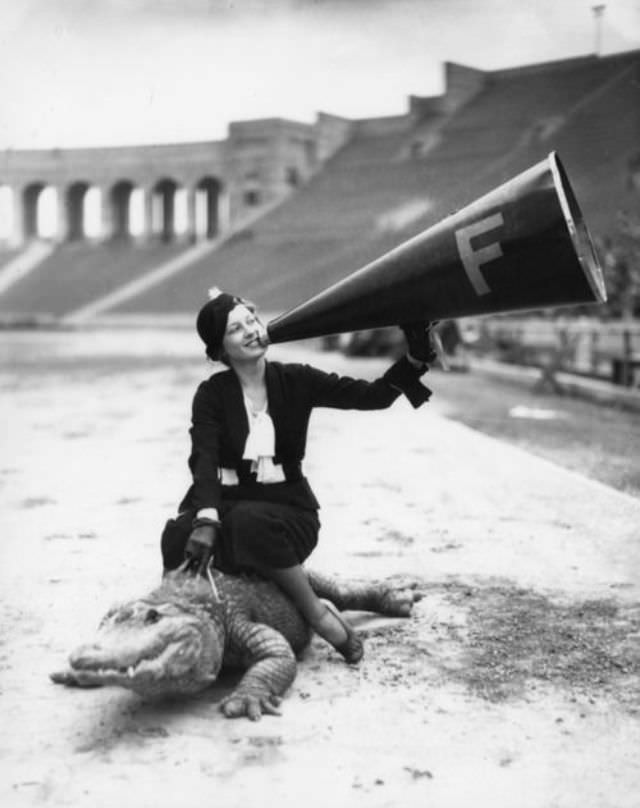
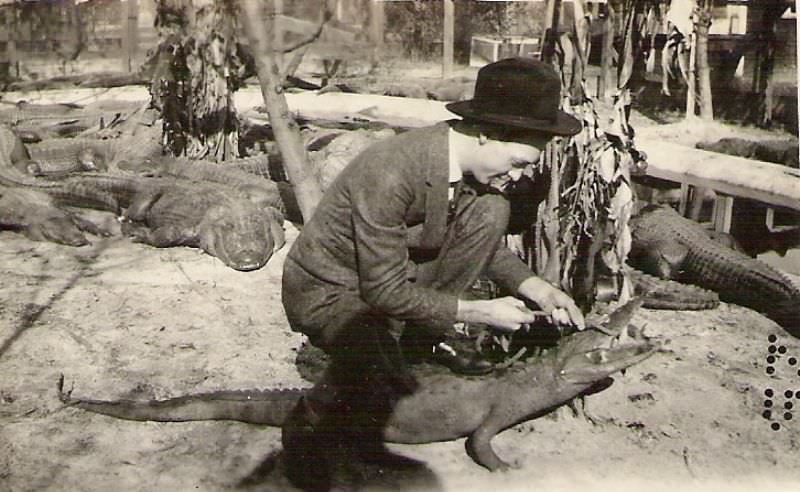
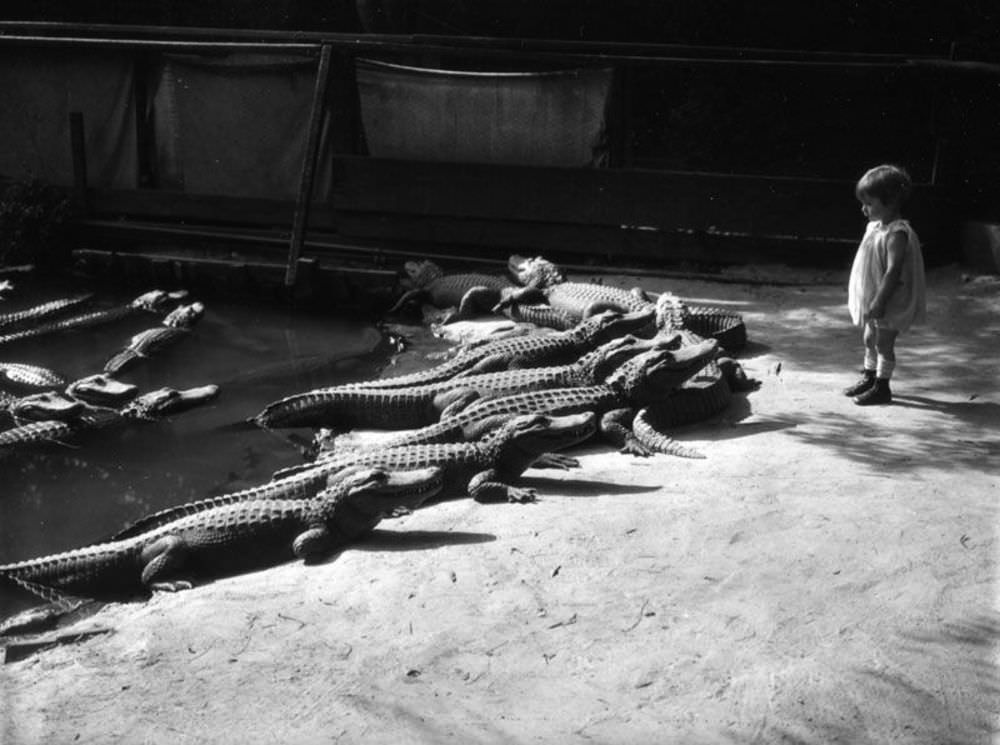
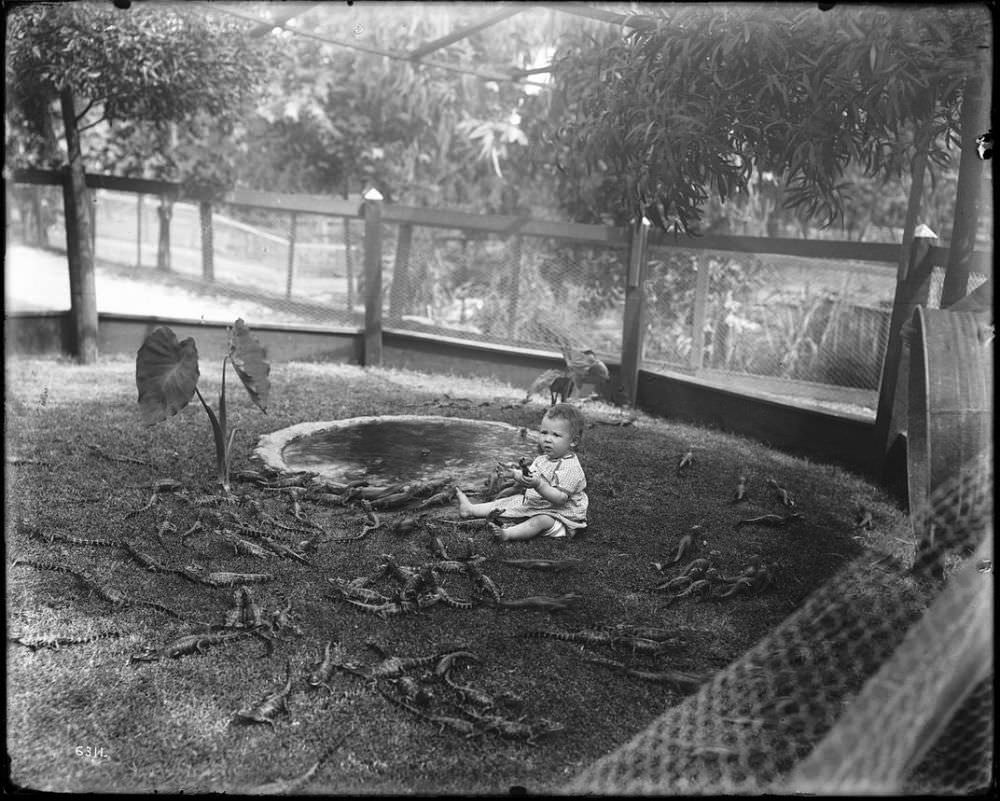
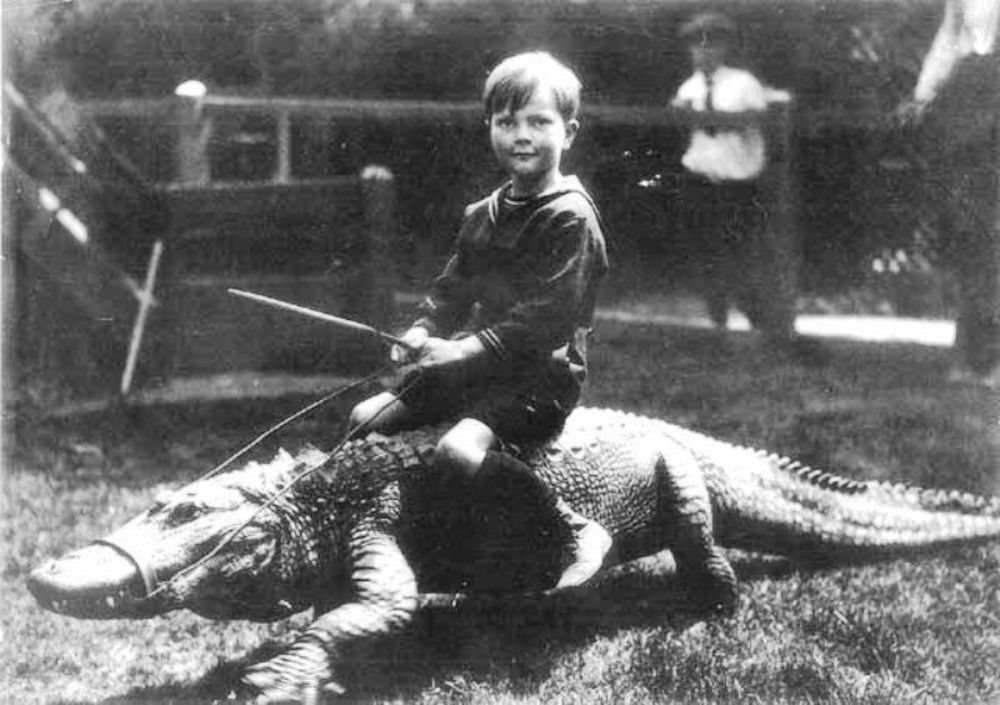
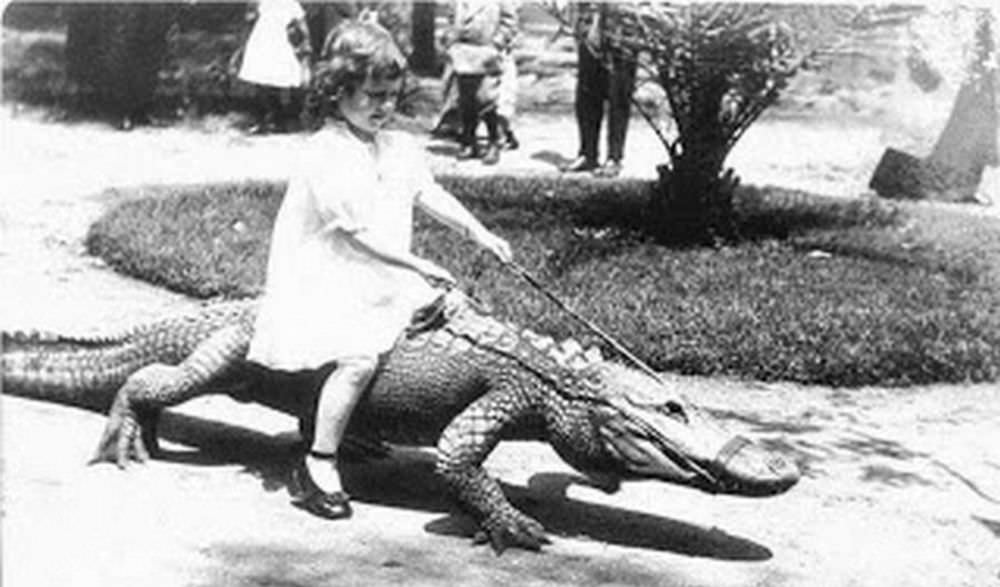
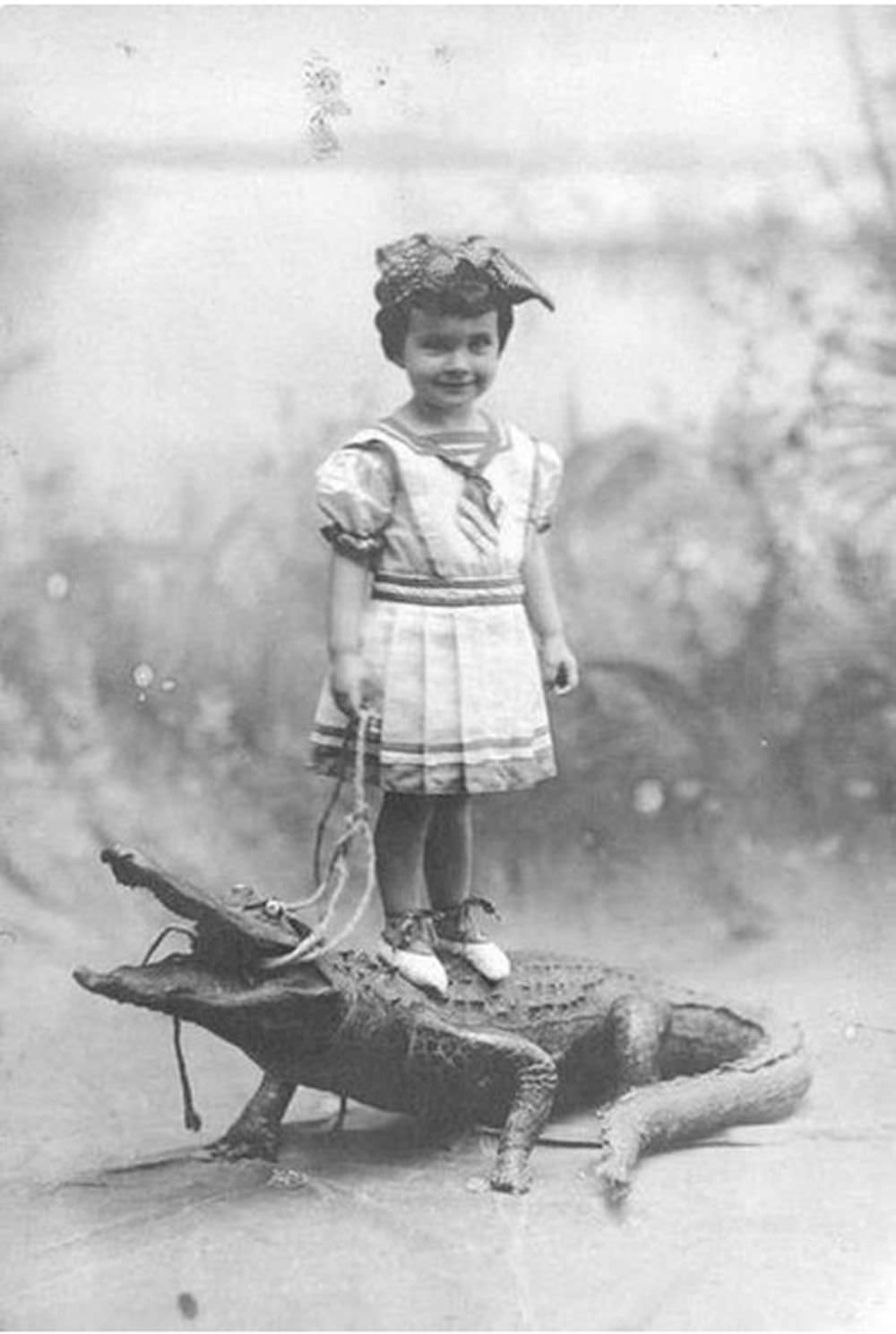
Children were a regular part of the spectacle. Vintage photographs show kids sitting directly on the backs of large alligators, holding smaller ones in their laps, and standing just inches from open jaws. Parents stood nearby, cameras in hand, seemingly unbothered. It reflects a broader attitude of the era — wild animals were often seen as attractions first and dangers second.
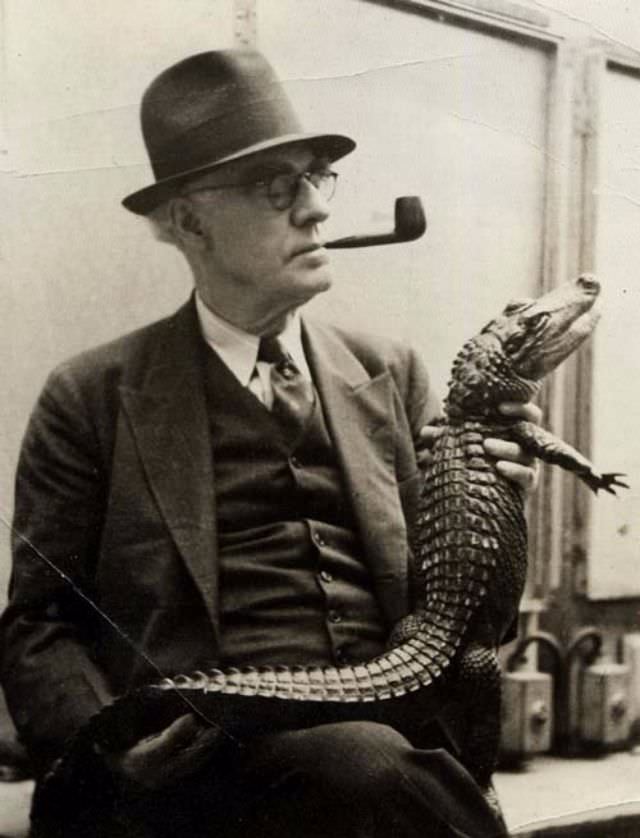
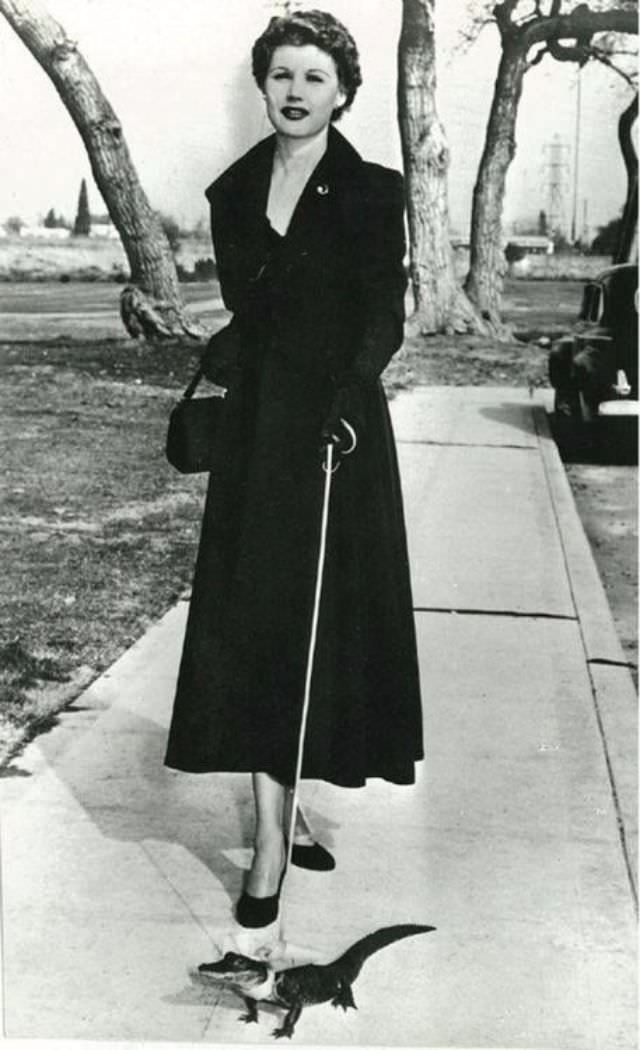
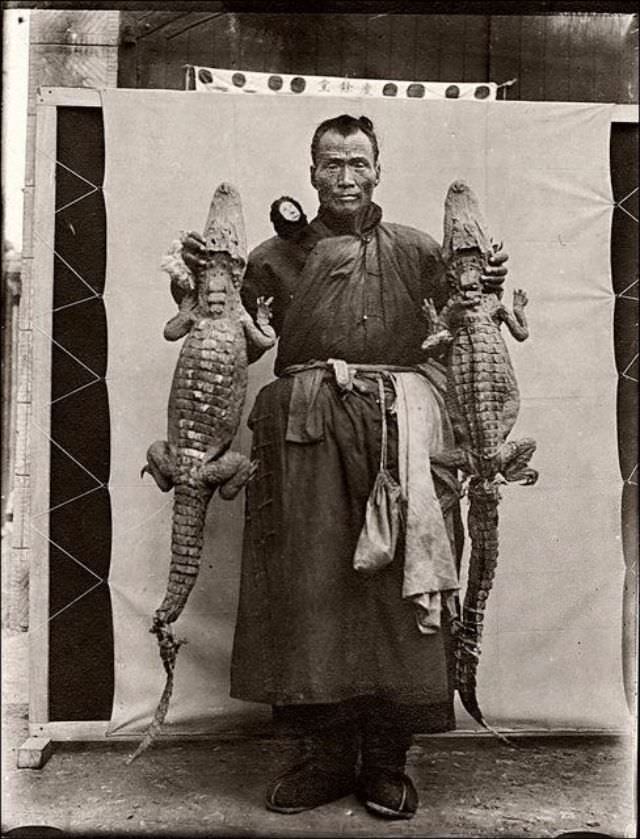
Adults weren’t shy either. Men in suits and women in dresses posed alongside alligators as casually as they would next to a park fountain. Some photos show people draping alligators across their shoulders or holding their mouths open with bare hands. The handlers at the California Alligator Farm trained their staff, but visitors often got closer than any formal training could account for.
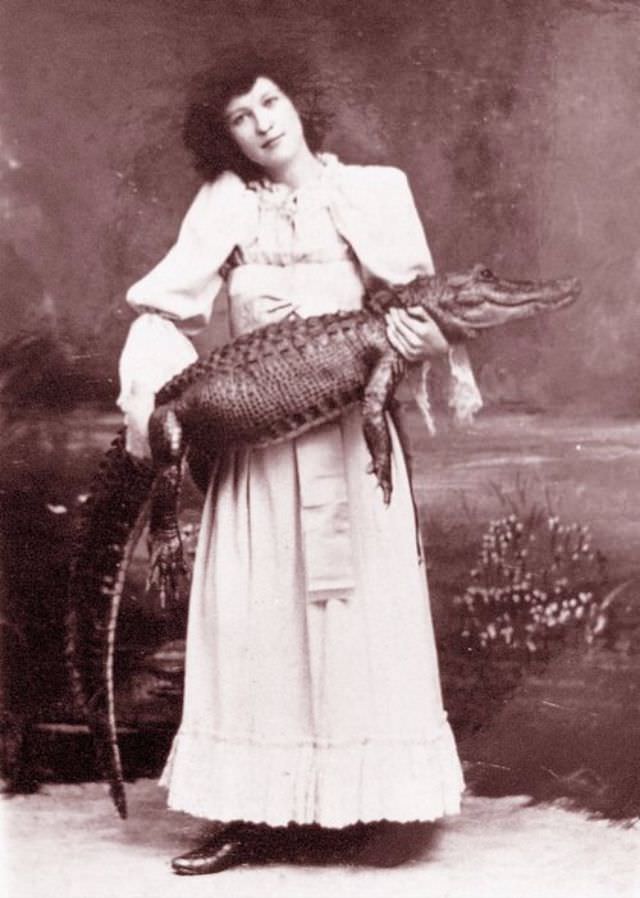
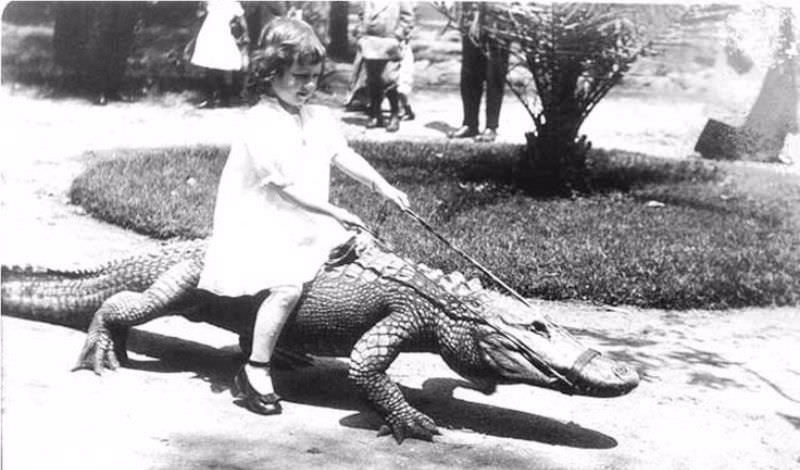
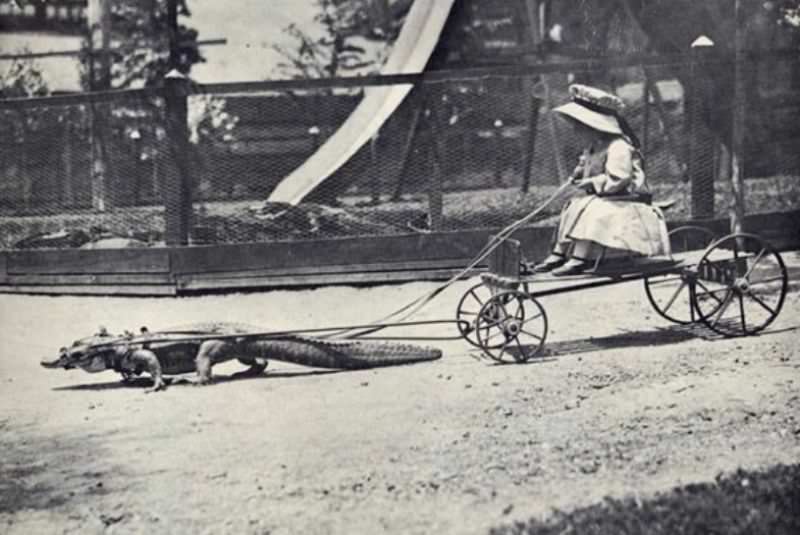
The farm was a genuine tourist attraction and drew large crowds throughout its run. It was one of the most visited spots in Los Angeles during the early decades of the 1900s. Alligators were shipped in to keep up with the demand for shows and encounters. At its peak, the farm housed hundreds of the animals.
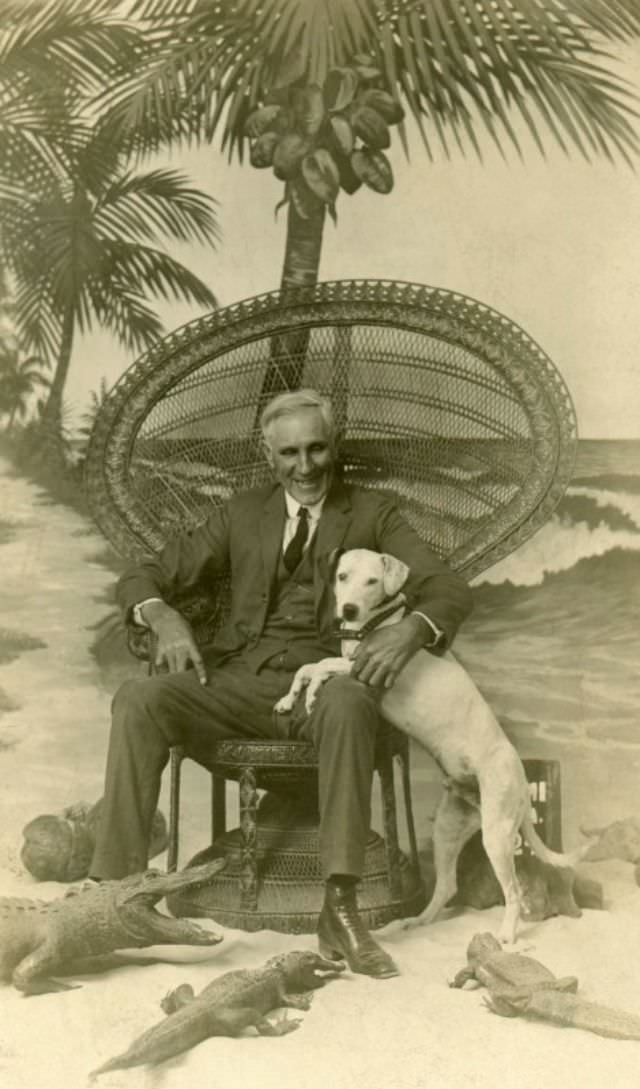
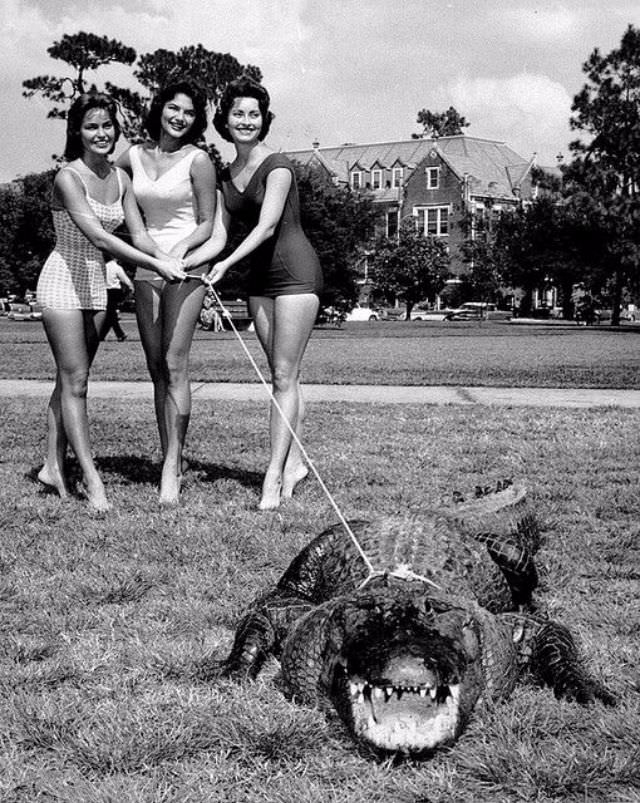
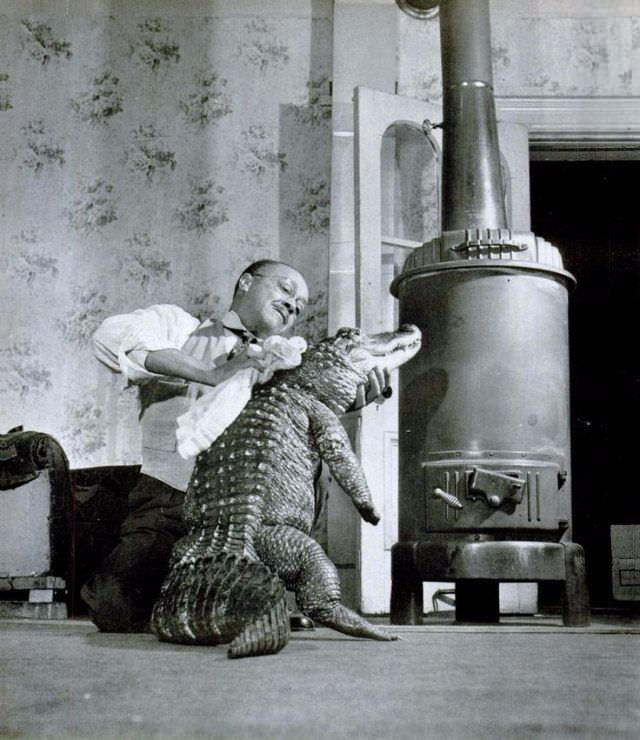
The culture around alligator encounters wasn’t limited to California. Across the American South, where wild alligators were common, locals often had similarly casual attitudes toward the animals. Small alligators were sometimes kept as backyard pets, and encounters were treated as a normal part of life in swampy regions.
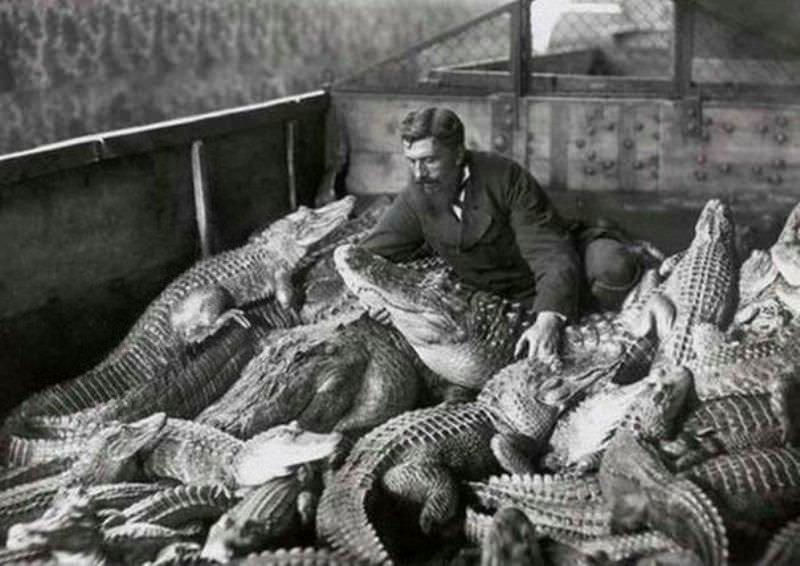
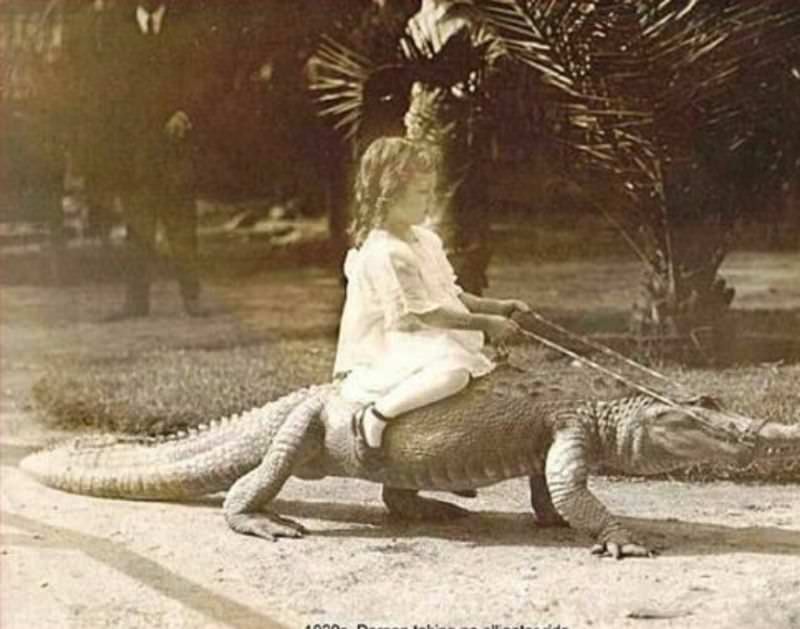
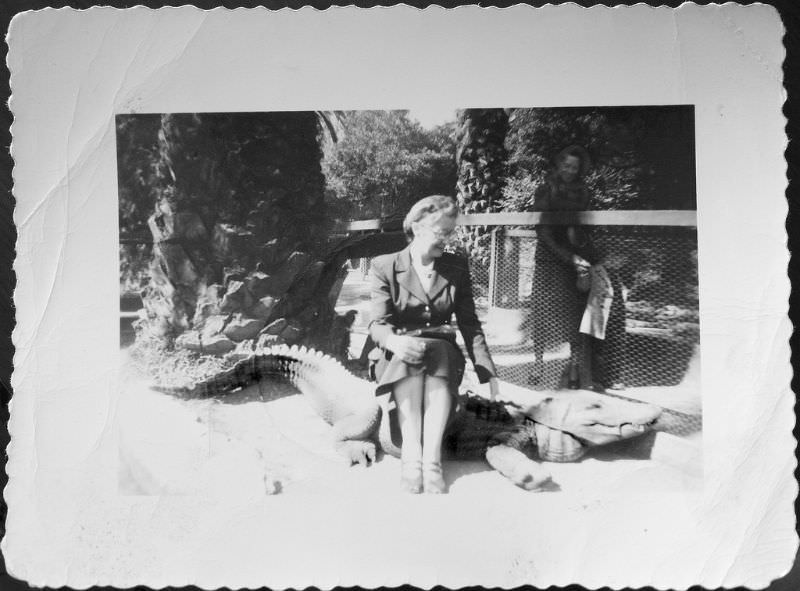
That casual attitude has since been replaced by strict regulation. In the United States today, owning, handling, or interacting with alligators without a permit or special license is illegal in most states. Wildlife agencies classify them as dangerous animals, and for good reason — alligator attacks, while not frequent, do occur and are often severe.
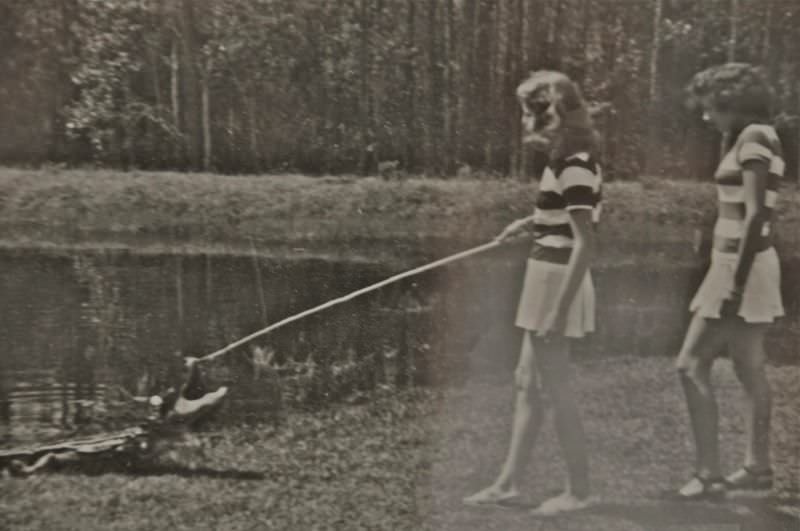
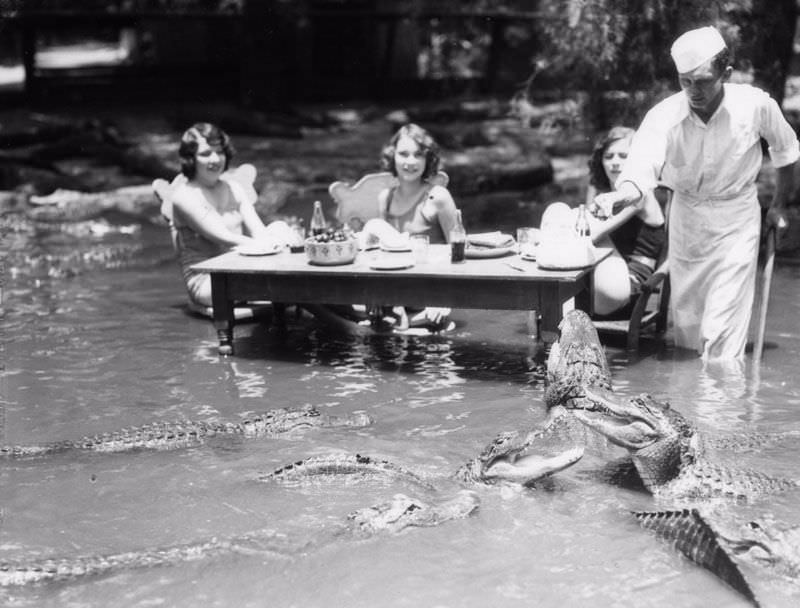
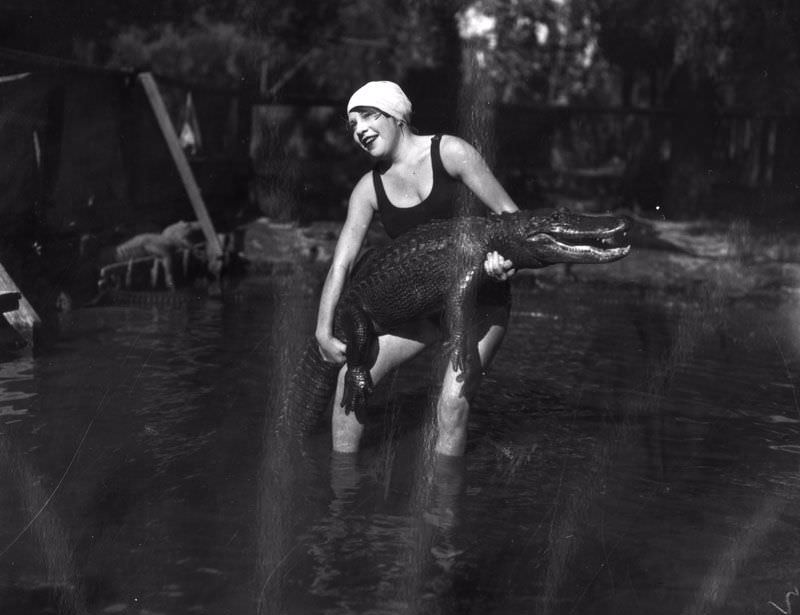
The photos from this era are striking precisely because of how normal everything looks. No one appears frightened. No one looks like they’re taking a risk. The alligators are just there, in the middle of everyday life, as though they belong on a front porch or a city sidewalk.
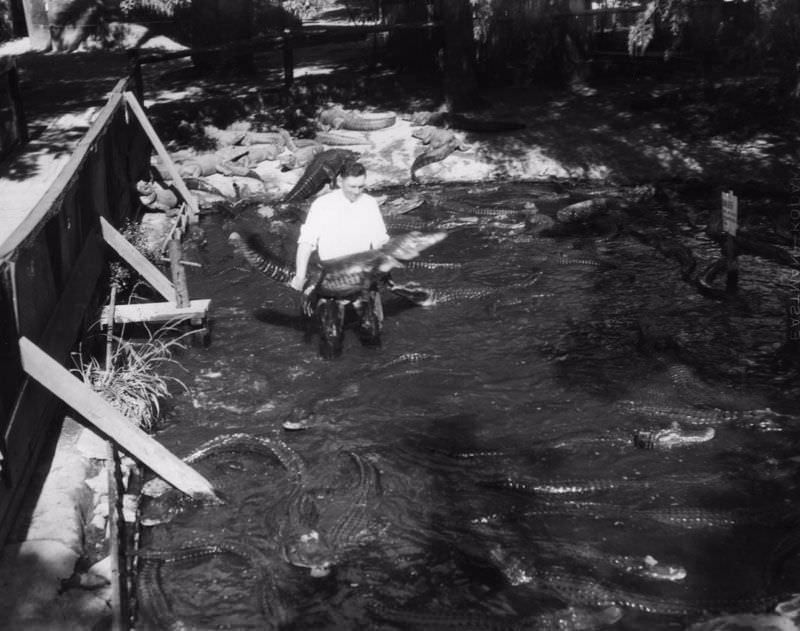
The California Alligator Farm closed its gates in 1953, marking the end of an era when Los Angeles was, improbably, one of the alligator capitals of the world. What followed was a gradual shift in how Americans viewed wild animals — less as entertainment and more as creatures that deserve both respect and distance.