
Long before sun loungers and resort pools, people found their joy at the water’s edge in a very different way. Throughout the first half of the 20th century, a trip to the seaside was a proper occasion — one that called for good clothes, careful posing, and a camera. These vintage photos capture that world in sharp, personal detail.
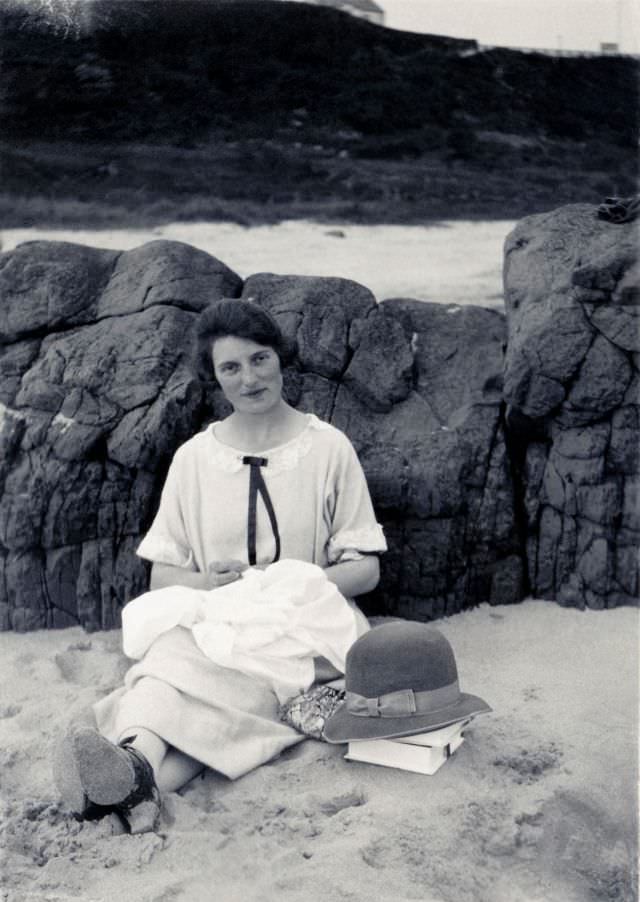
Next to her in the sand, a handbag, a book, and a cloche hat can be seen, 1925
In the 1920s, the beach was still a formal setting for most visitors. Women wore long dresses and stylish hats. Men arrived in suits. Even children were dressed neatly. A day at the shore was an event, not a casual outing. Yet the smiles in these photos are completely genuine — the same kind you’d see on any beach today.
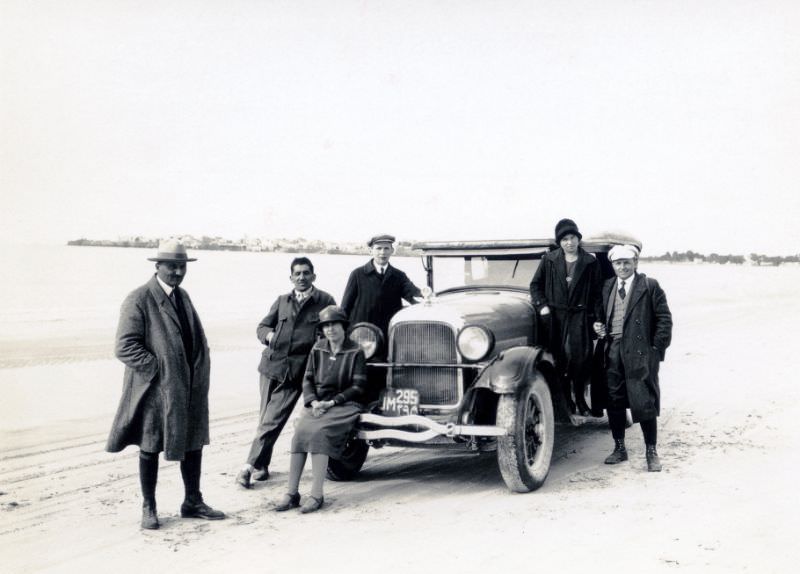
Cars began appearing in beach photos by the late 1920s, a sign that the middle class was gaining new mobility. Driving to the coast became part of the adventure itself. Some groups drove right onto the sand, using the car as a backdrop for their portraits.
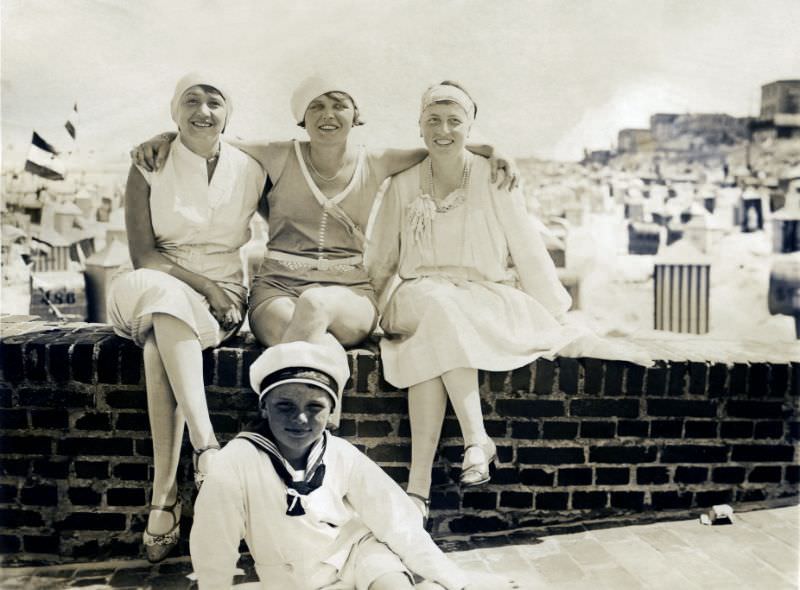
German beaches had their own distinct character. The iconic Strandkorb — a hooded wicker beach chair designed to shield visitors from wind and sun — appeared on North Sea and Baltic coastlines throughout this era. They gave the beach a structured, almost living-room quality.
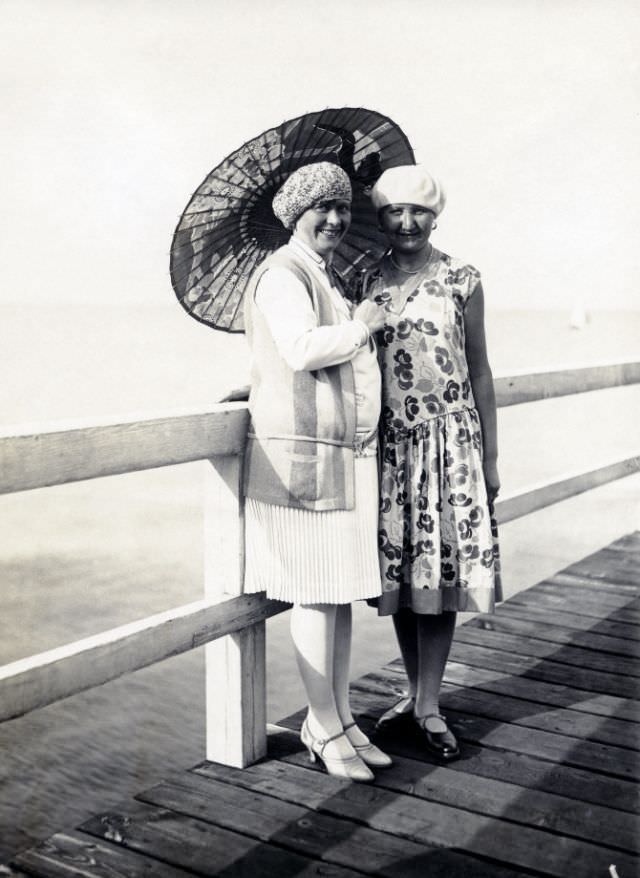
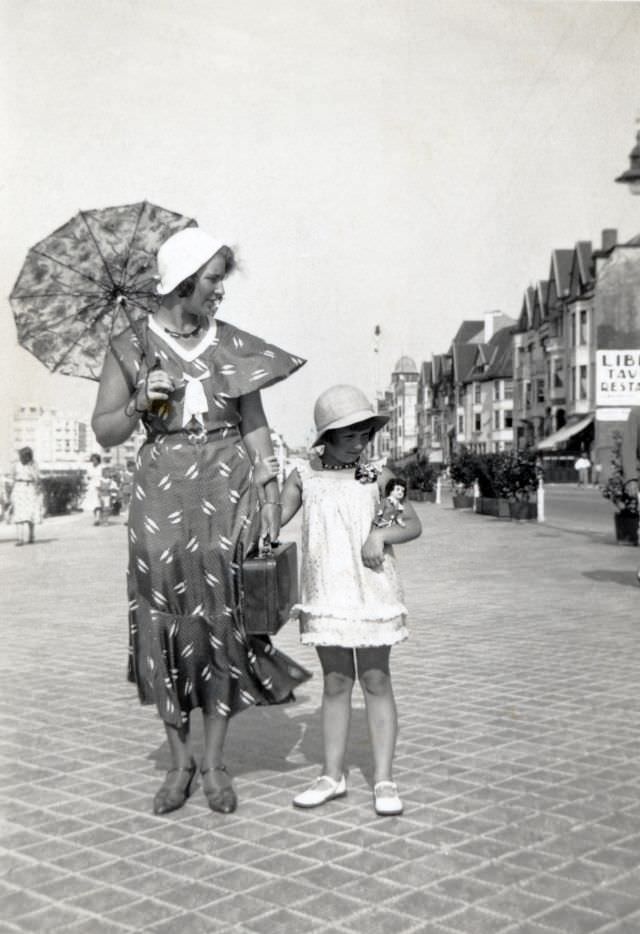
The parasol was both practical and fashionable in this period. A tan was not yet desirable — pale skin signaled wealth and refinement. Women shielded themselves from the sun carefully, and a finely crafted parasol was as much a status symbol as a piece of clothing.
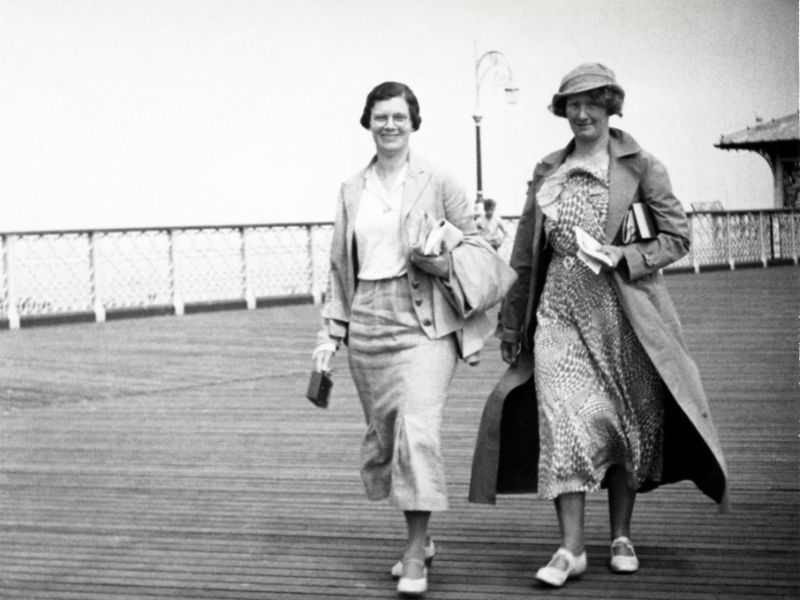
British seaside resorts thrived in the 1930s. Towns like Llandudno on the north Wales coast drew large crowds each summer. The pier was a central attraction — a place to walk, talk, and be seen. Working-class and middle-class families alike made annual trips to the coast, often by train.
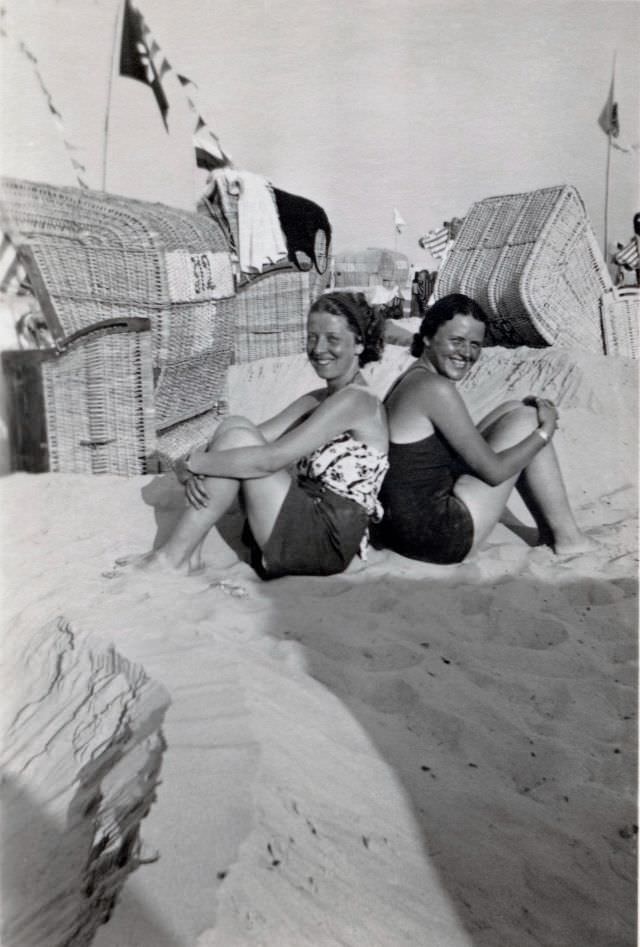
A couple of typical German beach chairs (Strandkörbe) can be seen in the background, 1930s
By the 1930s, attitudes toward tanning began to shift. Coco Chanel’s influence had spread across Europe, and bronzed skin started to be seen as healthy and fashionable. Some beachgoers now actively sought the sun rather than avoiding it — a visible change from just a decade earlier.
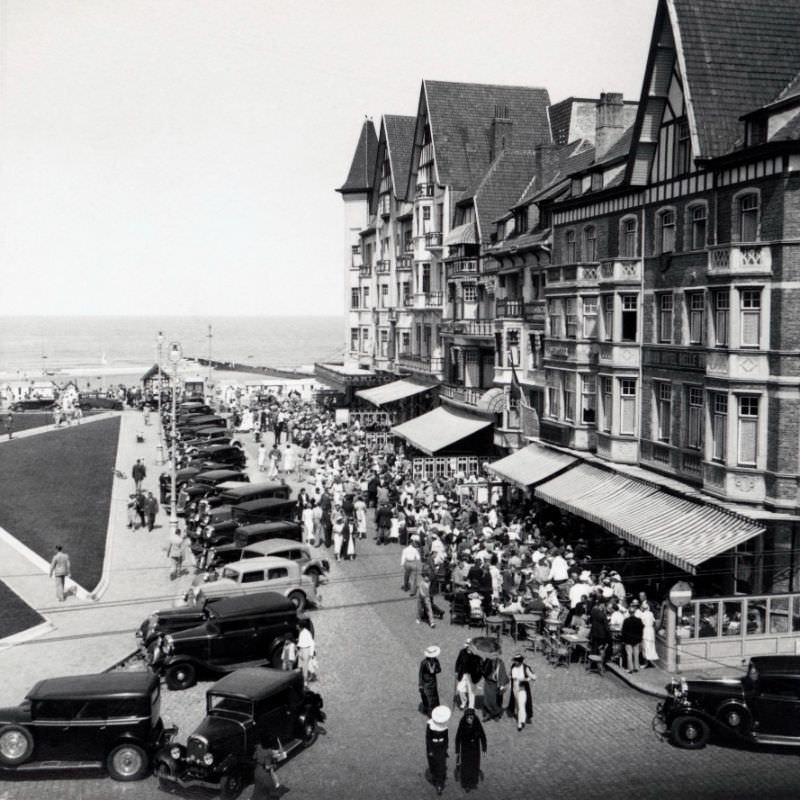
The location is Place Albert in the Belgian seaside resort of Knokke. The hotels in the right of the picture are named “Carlton” and “Grand Hotel Belle Vue”, 1932
Continental Europe’s resort towns carried a particular glamour. Knokke, on Belgium’s North Sea coast, attracted wealthy visitors from across the continent. Its promenades were lined with grand hotels, and the crowd that gathered there in the early 1930s dressed accordingly — suits, heels, and elegant summer coats.
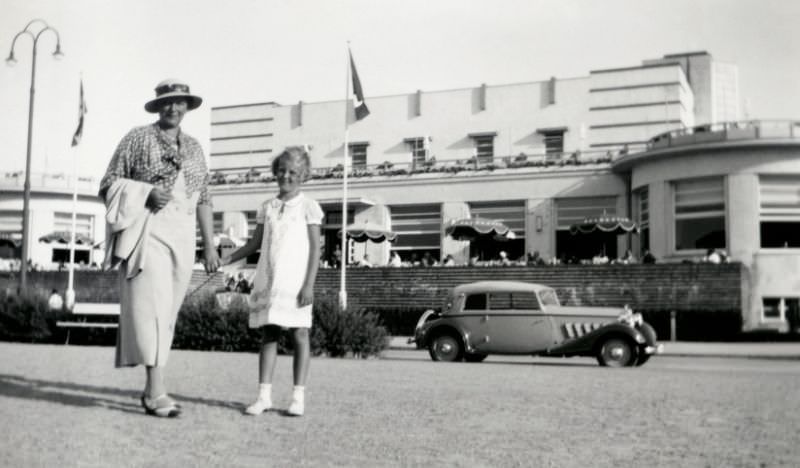
An elegant two-tone convertible can be seen parked in the street behind them, 1935
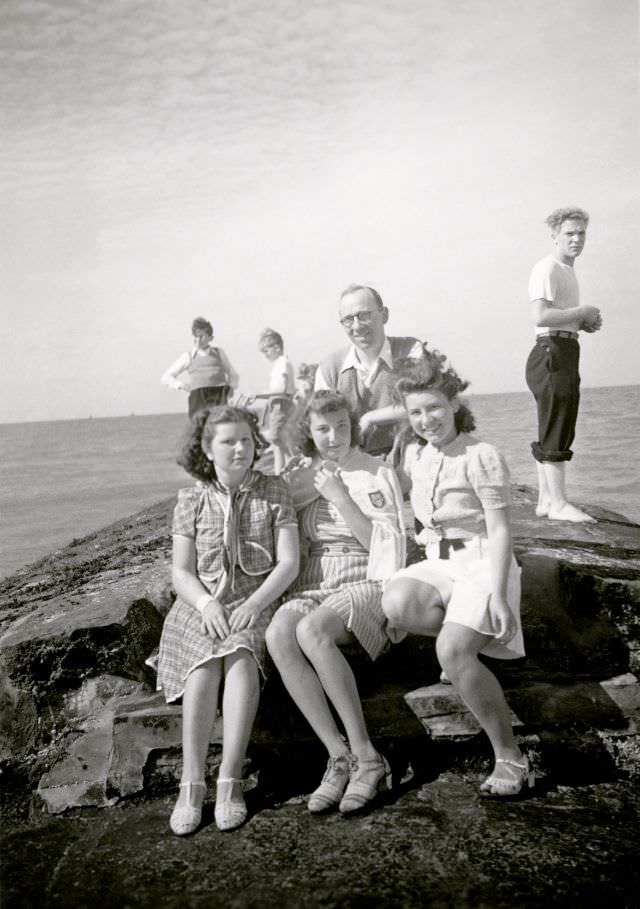
In the centre of the photo, three cheerful teenage girls in summer dresses and their father, wearing a white shirt and a sweater vest, can be seen, 1935
Family photos at the beach followed a familiar pattern: everyone lined up, everyone smiled. These images were carefully composed and often sent as postcards or kept in albums as proof of a good holiday. The seaside trip was worth documenting — it was an achievement as much as a pleasure.
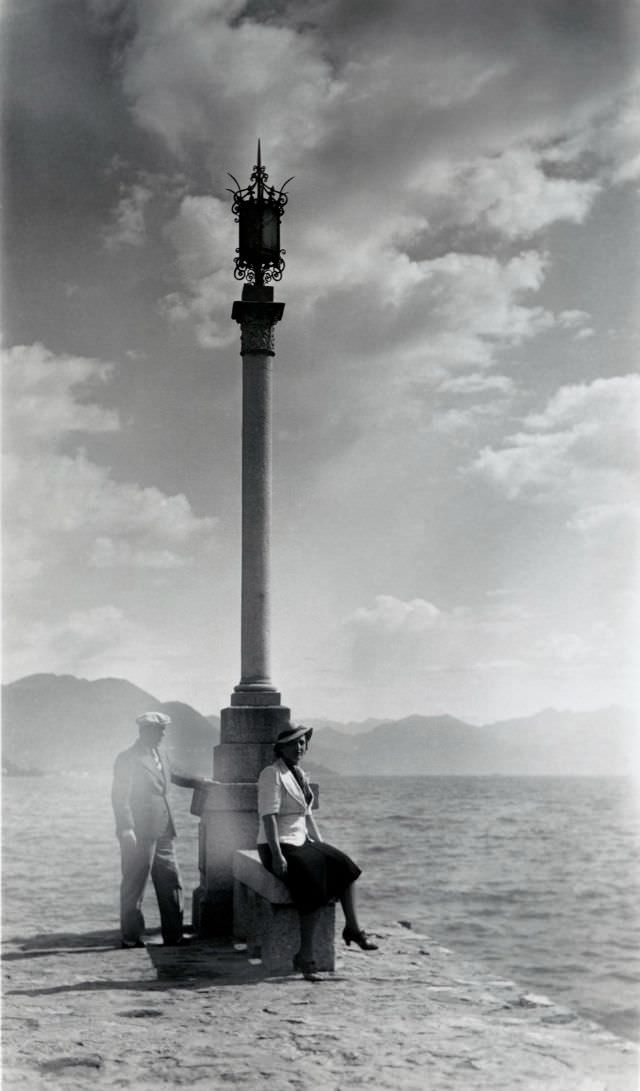
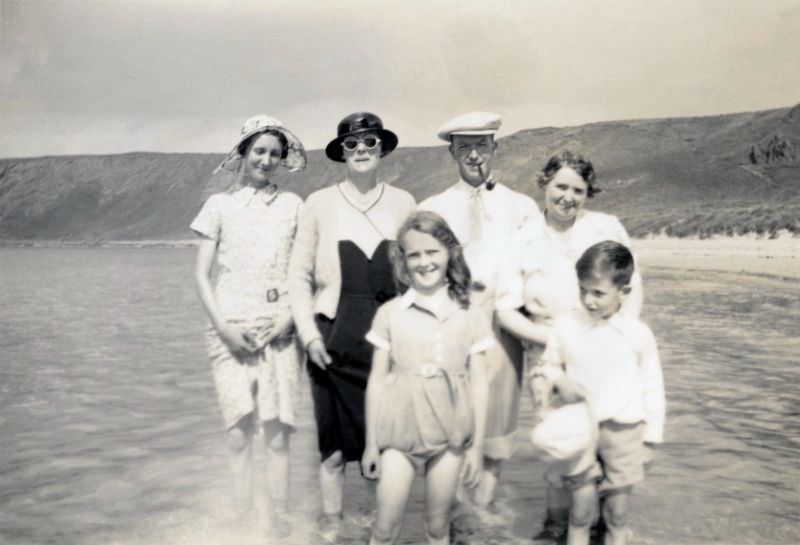
The mid-1930s saw seaside holidays become firmly established as an annual British ritual. Paid holidays were rare, but growing. Families saved all year for a week at the coast. When they arrived, the camera came out almost immediately.
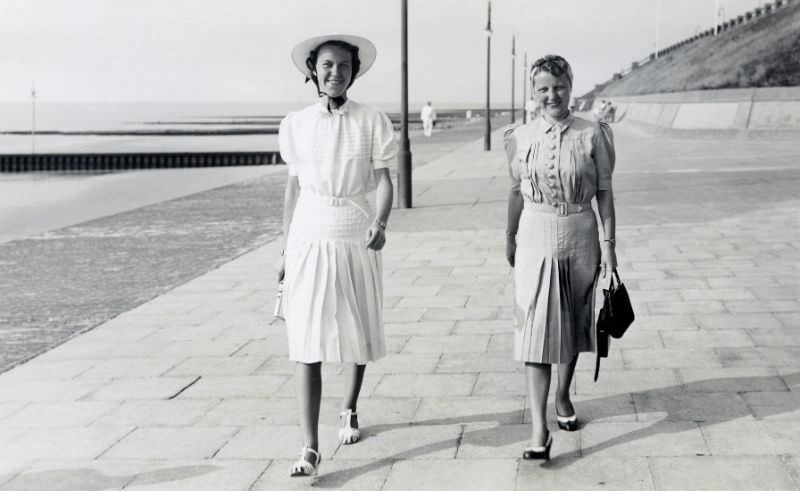
This wonderful holiday shot was taken on the German North Sea island of Borkum, 1935
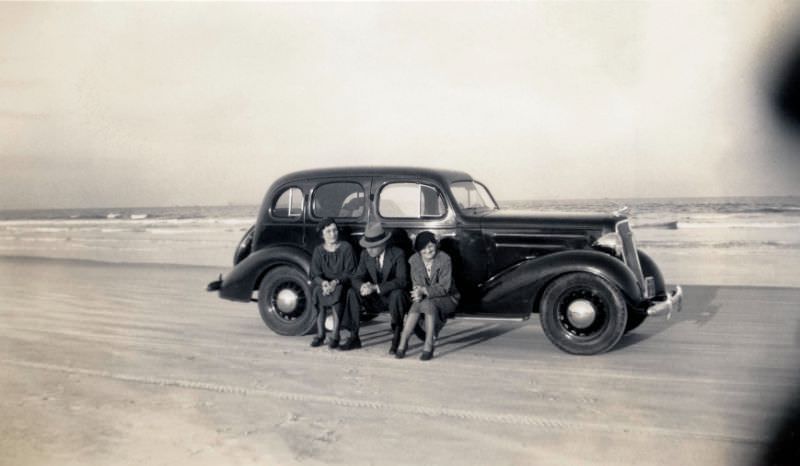
Cars remained a prized prop in beach photography throughout the 1930s. Posing on a running board or leaning against a polished bonnet said something about the owner’s status. A new Chevrolet at the seaside in 1936 was not a common sight — it placed its owners firmly in the prosperous tier of society.
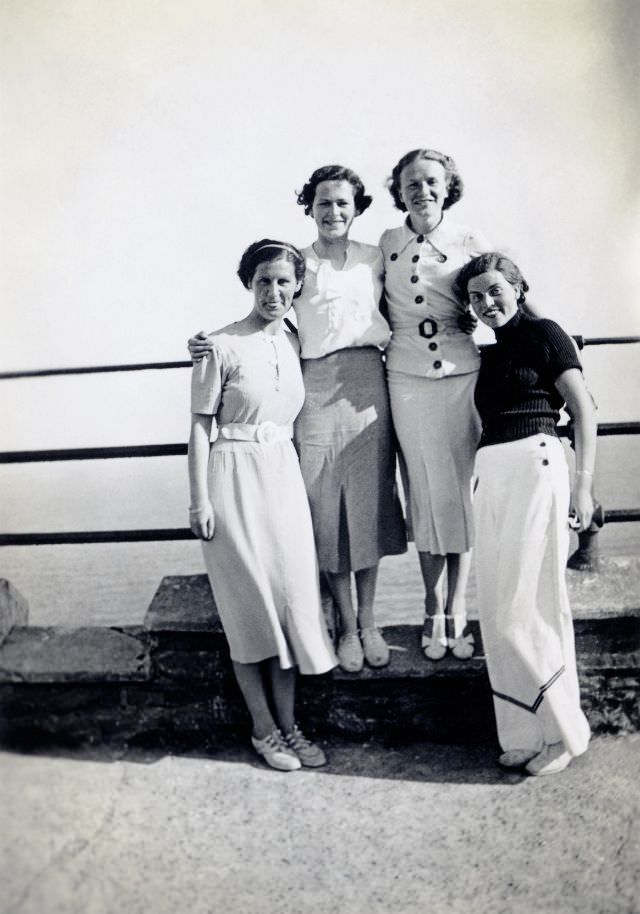
The words “Maisie, May, Jean, Netta – Douglas Head. August 1937” are handwritten on reverse, August 1937
Douglas Head is a headland on the Isle of Man, offering sweeping views over the Irish Sea. The four women named on the back of this photo — Maisie, May, Jean, and Netta — left a small but vivid record of their August 1937 holiday. Names on the back of old photographs turn anonymous images into real people.
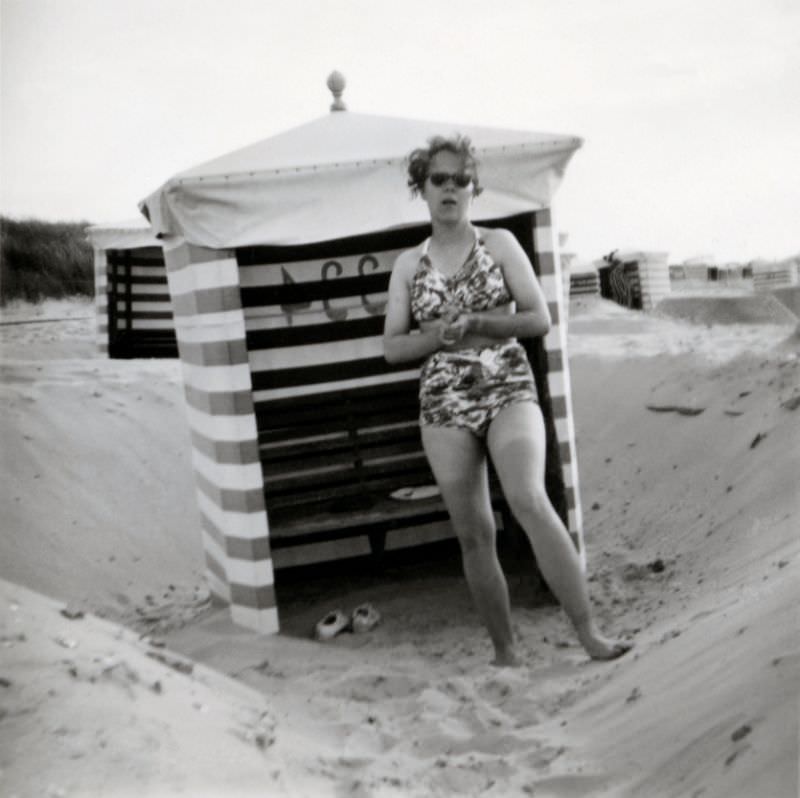
A typical German beach chair (Strandkorb) can be seen behind her, 1938
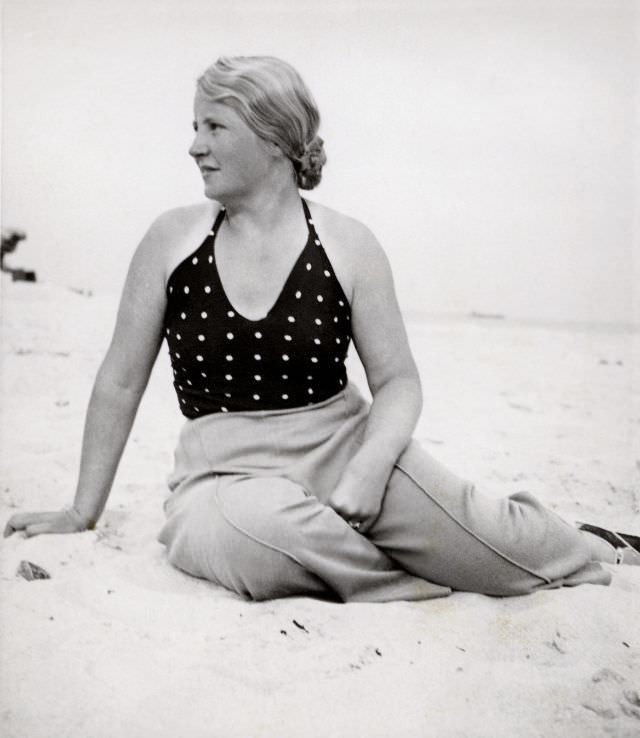
By 1938, women’s beach fashion had relaxed considerably. Slacks, two-piece swimsuits, and casual tops replaced the long skirts of earlier decades. What had once been considered scandalous beachwear was becoming standard. The shift reflected broader social changes, including women’s growing independence in public life.
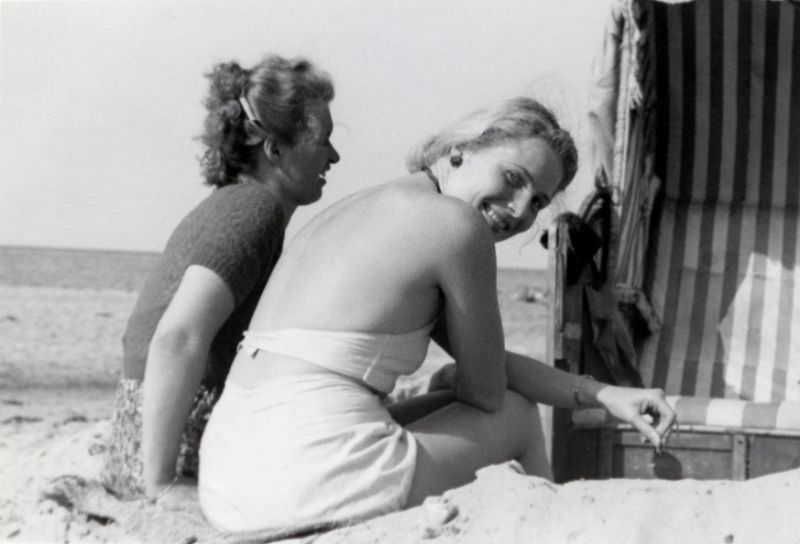
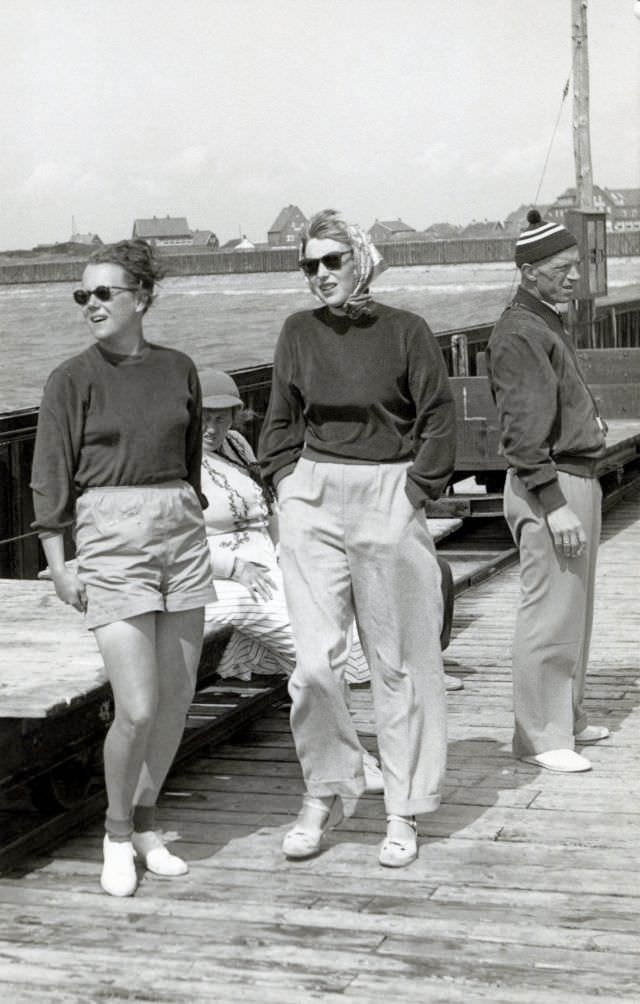
Baltrum is one of the smallest of the East Frisian Islands in the German North Sea. In 1938, it drew summer visitors from across Germany. The family from Breslau who took this photo had no way of knowing that within a year, Europe would be at war — and that Breslau itself would eventually become Wrocław, Poland.
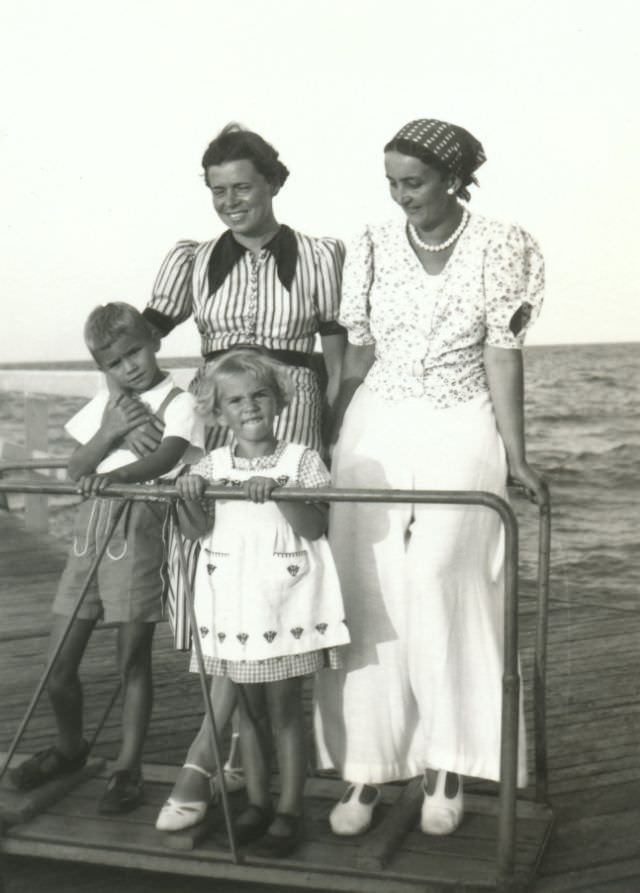
These last peacetime summers hold a particular weight in hindsight. The photos from 1938 and 1939 capture people who were simply enjoying their holidays, unaware of what was approaching. The smiles are real. The ease is real. What came next was not.
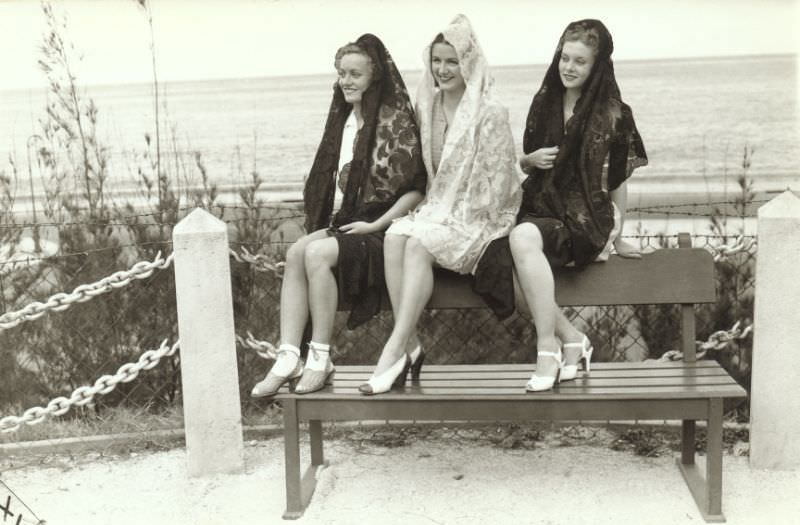
Even during the Second World War, domestic seaside trips continued in countries not occupied by enemy forces. These three American women, photographed in 1941 wearing traditional Spanish lace mantillas, show that leisure didn’t entirely stop — it simply adapted to the times.
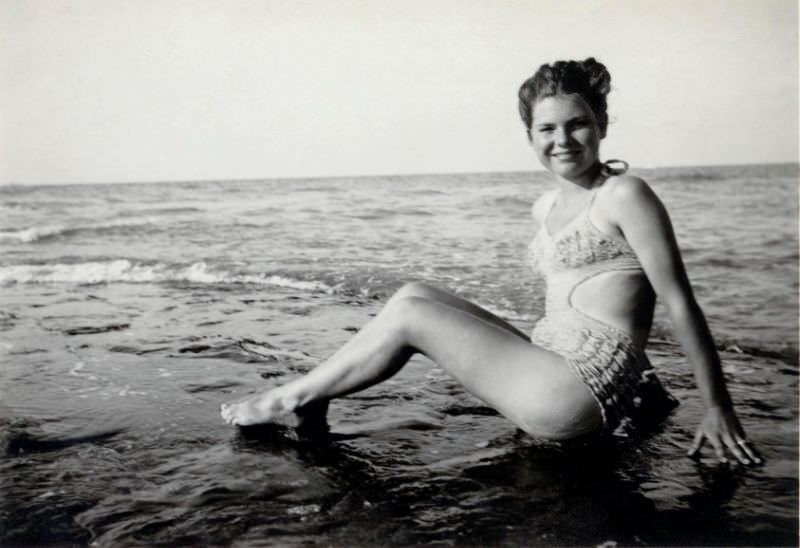
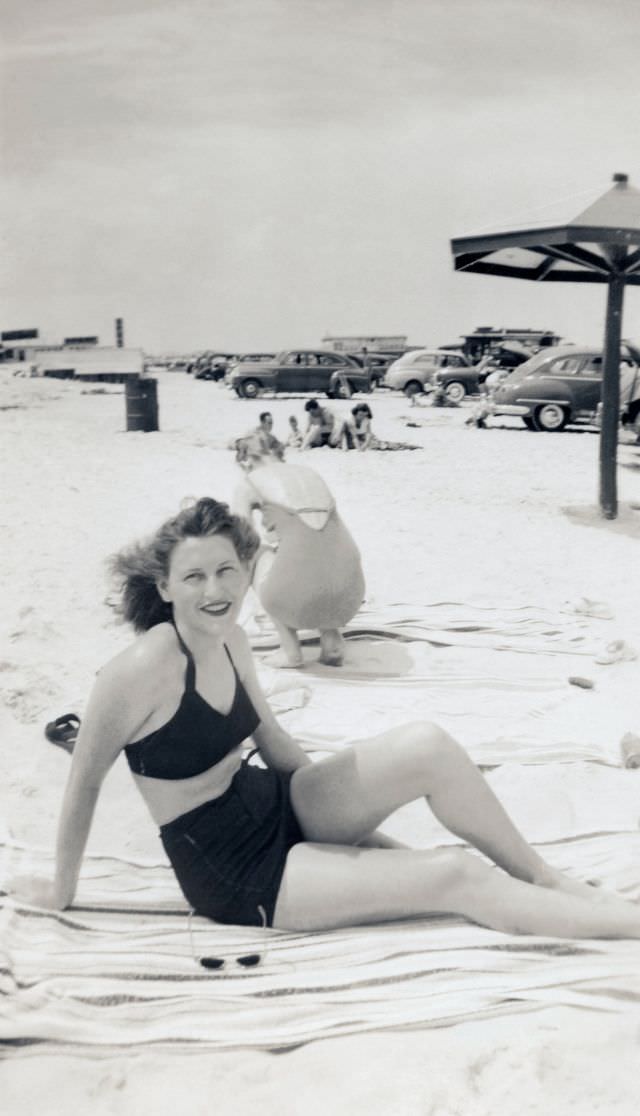
The postwar years brought a new energy to the beach. After years of rationing and conflict, people returned to the coast with genuine enthusiasm. Swimsuit styles became bolder. The bikini was introduced in France in 1946, and by the late 1940s, two-piece suits were appearing on beaches across the Western world.
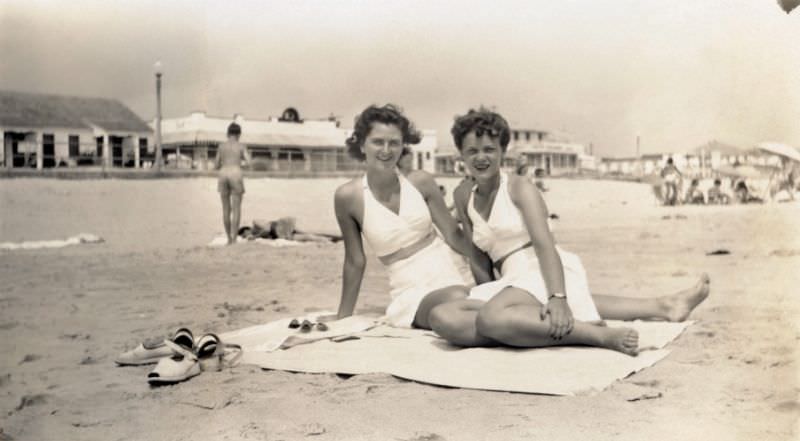
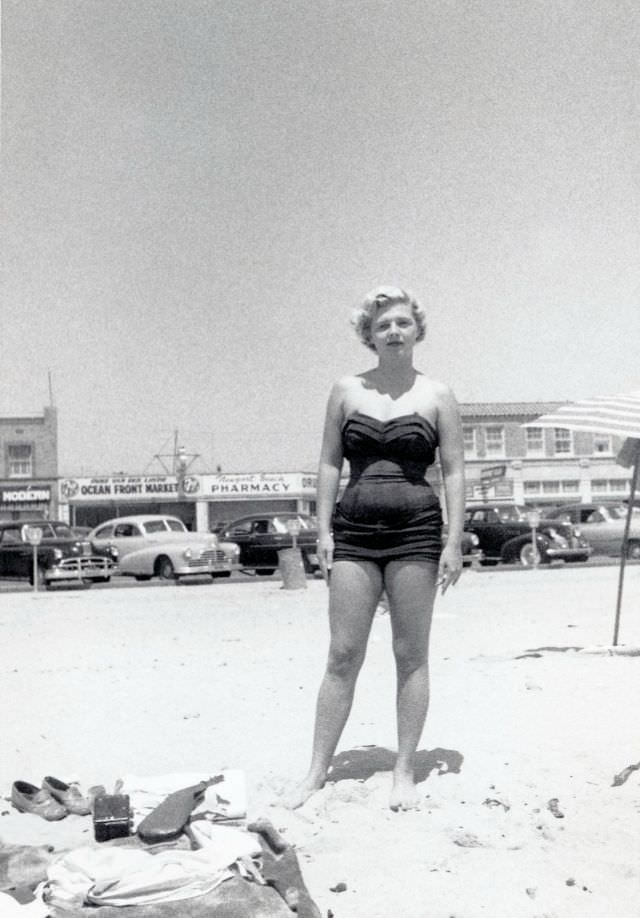
A row of parked cars and storefronts reading “Ocean Front Market” and “Newport Beach Pharmacy” can be seen in the background, 1949
Newport Beach, California, was a well-established resort by 1949. The storefronts visible in the background — the Ocean Front Market and Newport Beach Pharmacy — place this image firmly in postwar American beach culture, where the car, the sun, and the open shore were central to the good life.
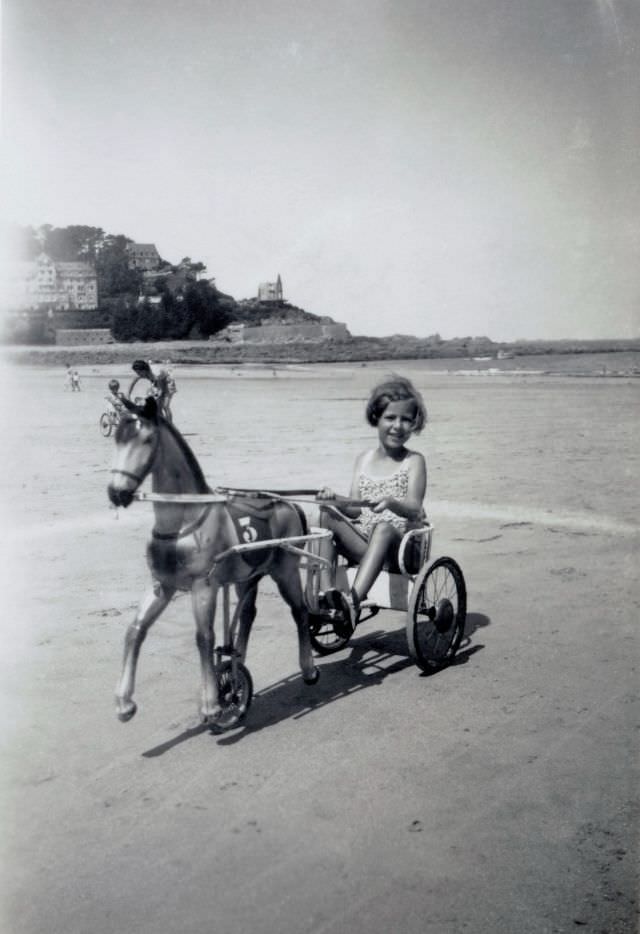
The following words in French are handwritten on reverse “1950 – Plage de Perros-Guirec Bretagne”, 1950
Perros-Guirec is a coastal town in Brittany, northwest France, known for its pink granite coastline. By 1950, French families were reclaiming their beaches after the wartime years, and resorts along the Breton coast were busy once again with children, pedal toys, and summer light.
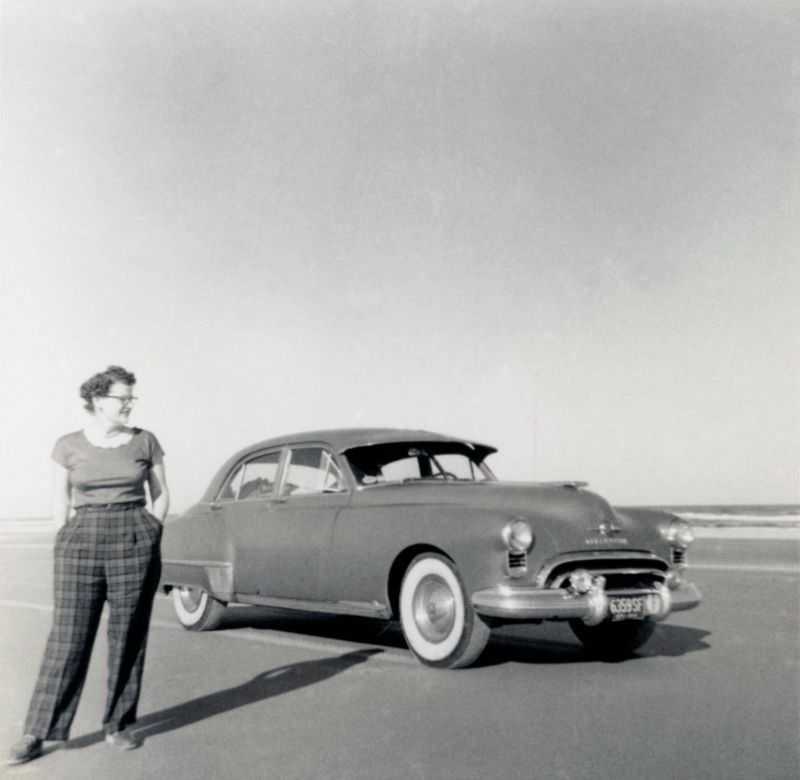
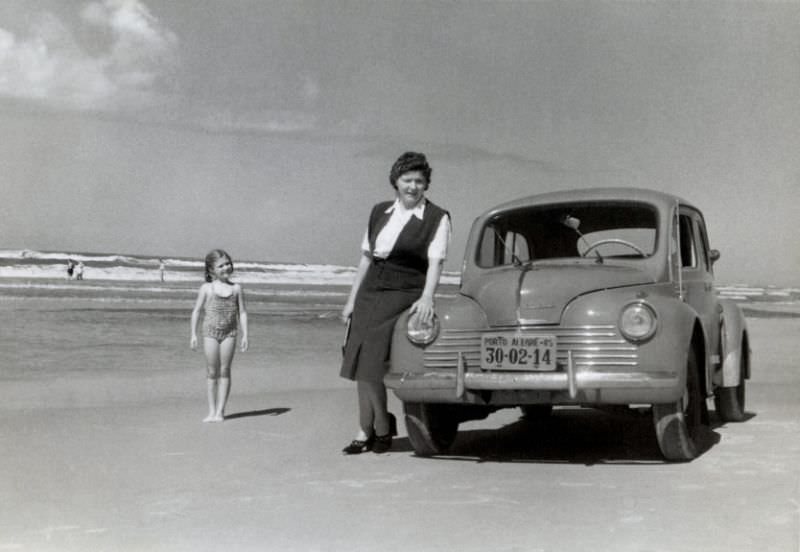
The early 1950s saw car ownership expand rapidly in both Europe and North America. Driving to the beach became the dominant way families traveled to the coast. The car itself — whether an American Oldsmobile or a compact French Renault 4 CV — became a natural part of the beach portrait.
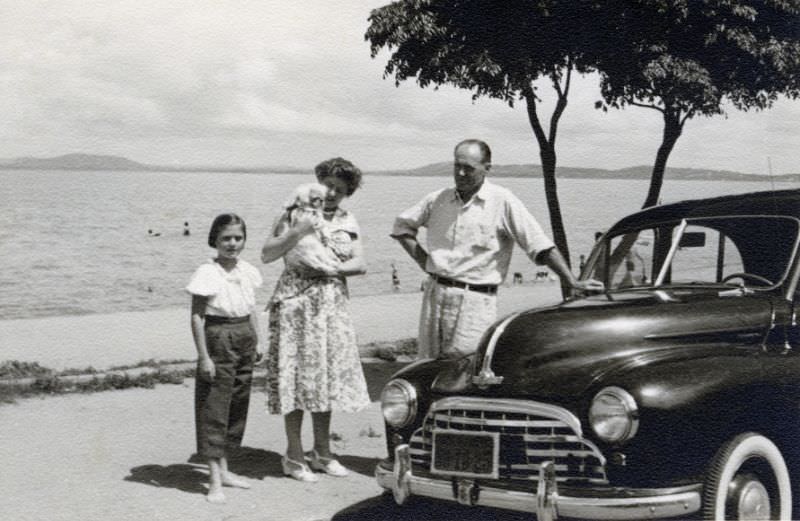
Britain’s postwar economic recovery meant that by the mid-1950s, more families owned cars and could afford annual holidays. The Morris Oxford was a reliable family saloon of the era — practical, respectable, and perfect for the drive to the seaside.
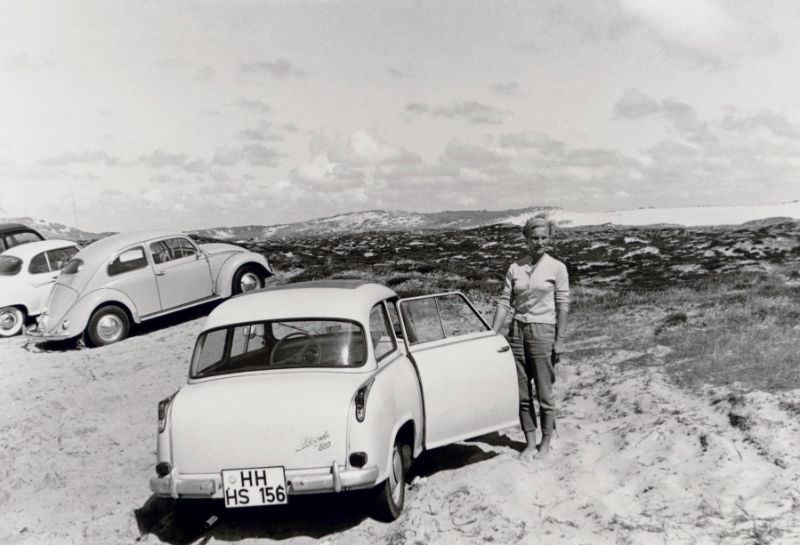
The Lloyd LP 600 was a small, economical West German microcar produced between 1955 and 1961. Its appearance on a sandy beach in 1958 reflects postwar West Germany’s recovering economy and the growing availability of personal transport for ordinary families.
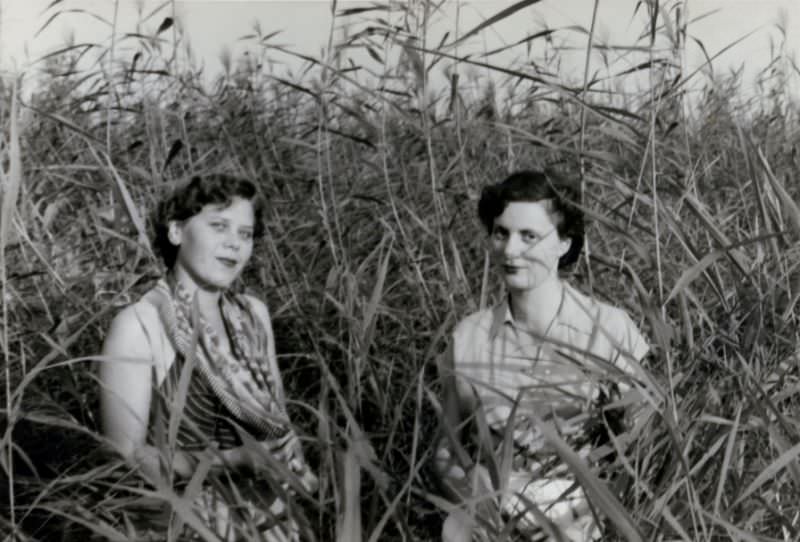
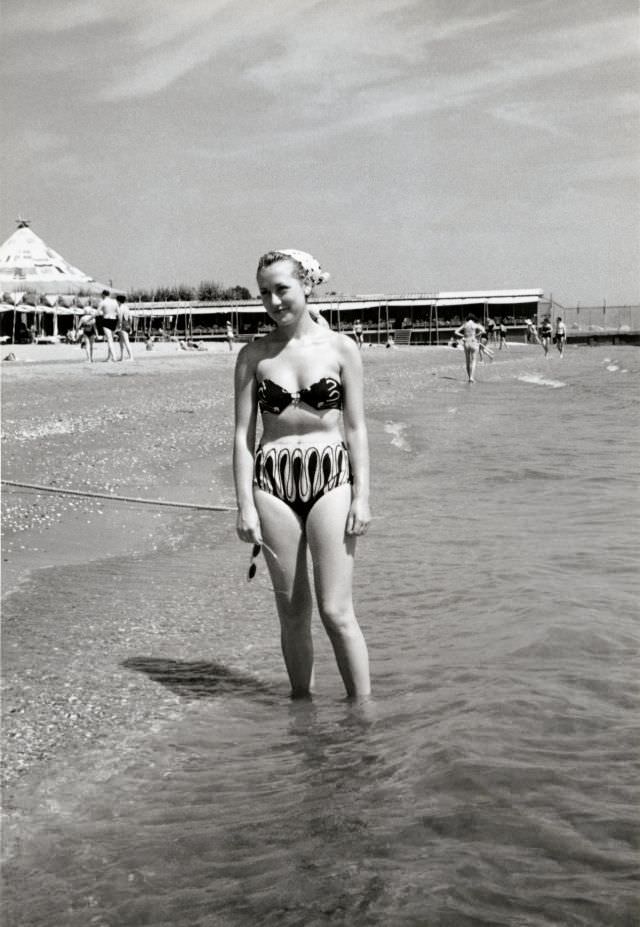
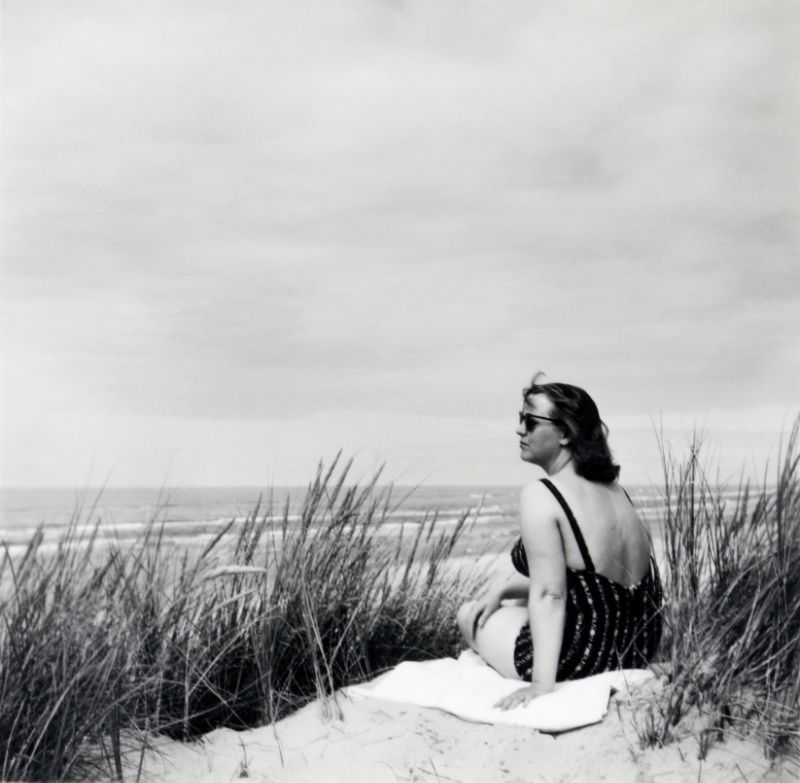
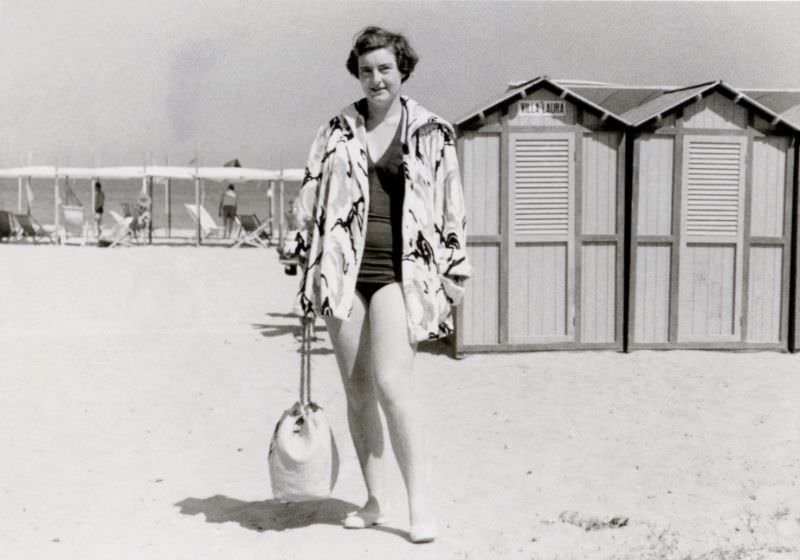
The 1950s beach look was polished even in casual moments. Women posed with intention — chin up, shoulders back, a deliberate smile. These were not snapshots in the modern sense. Each photo was planned, taken with a film camera that had limited exposures, and printed at some cost. Every image mattered.
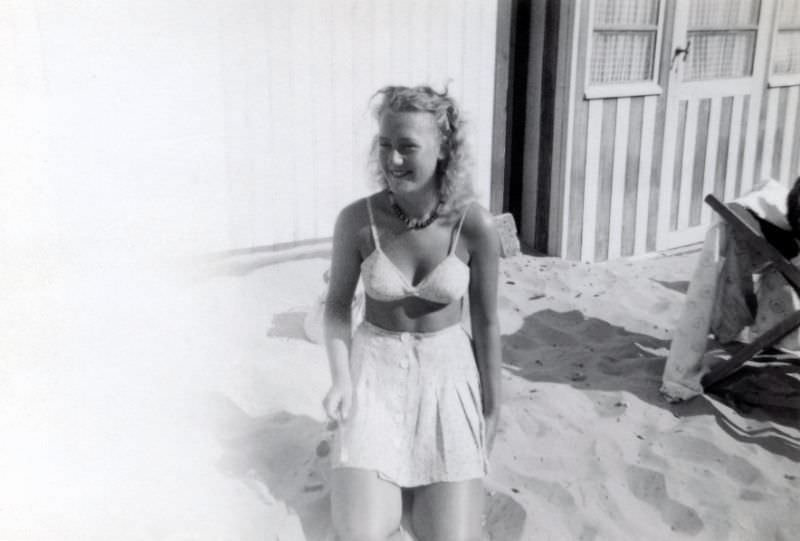
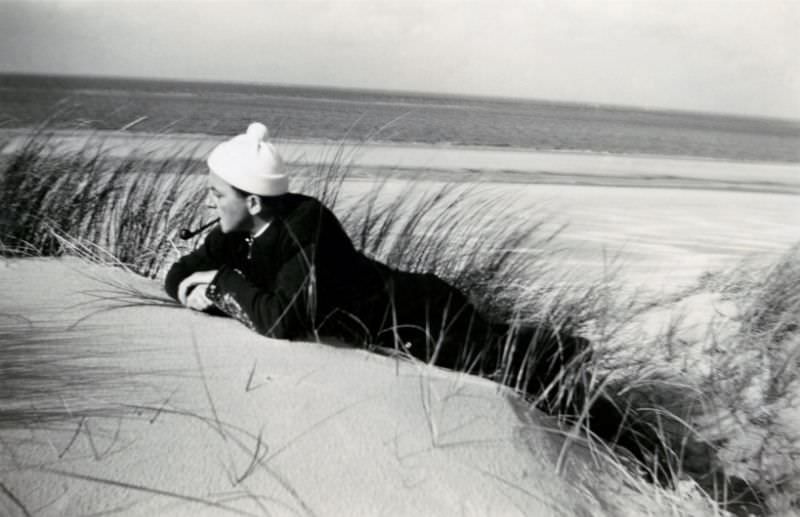
Men’s beach fashion evolved more slowly than women’s. A pipe-smoking man in the dunes in the 1950s dressed with a certain studied casualness — open collar, perhaps a light jacket — still careful about his appearance even in a natural setting. Informality had limits.
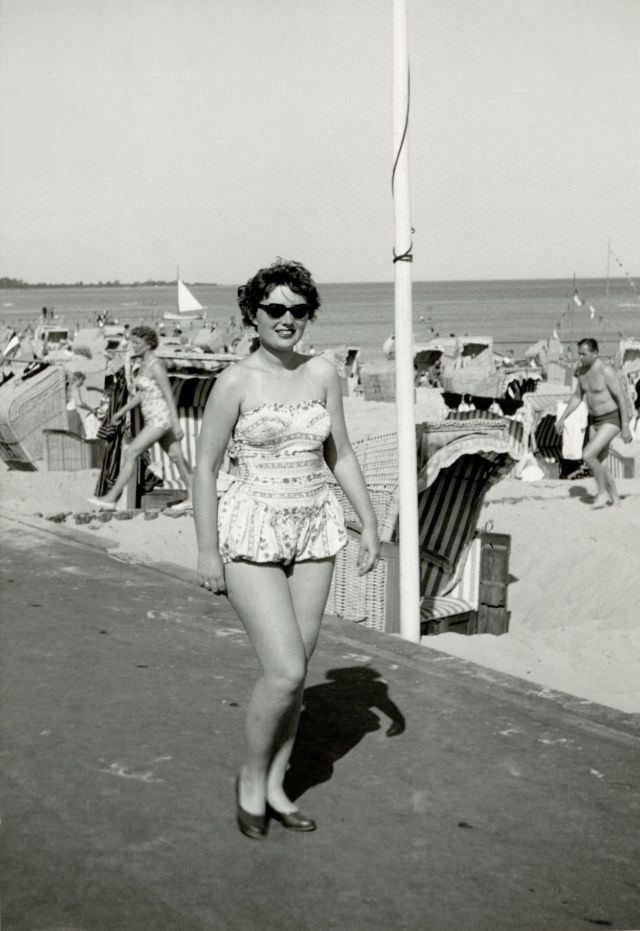
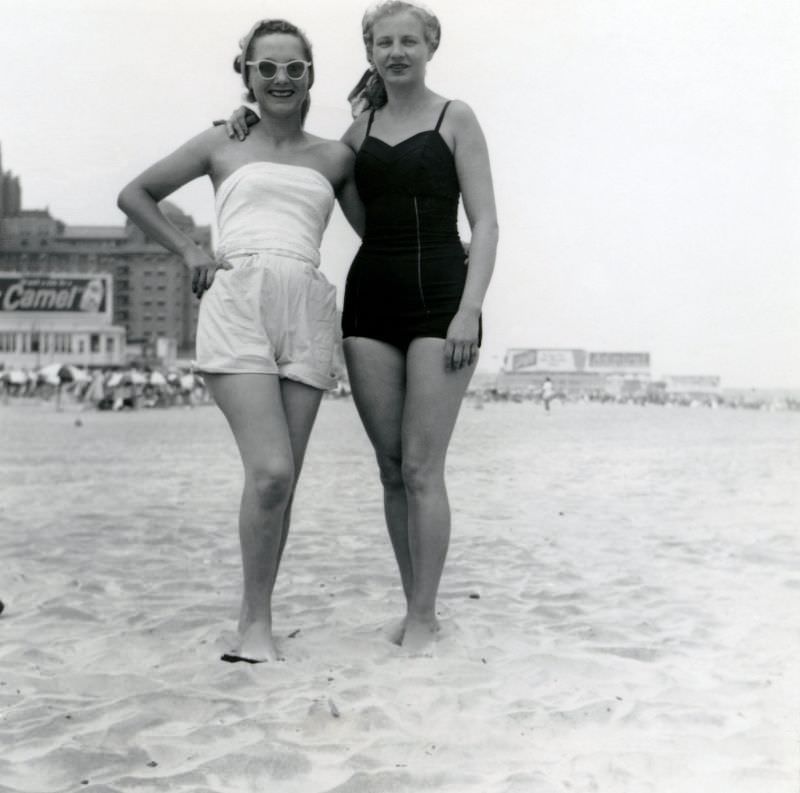
Overcast skies never stopped the photos. A day at the seaside was worth documenting regardless of the weather. The beach itself — the sand, the salt air, the sound of the sea — was the point. Sunshine was welcome but not required.
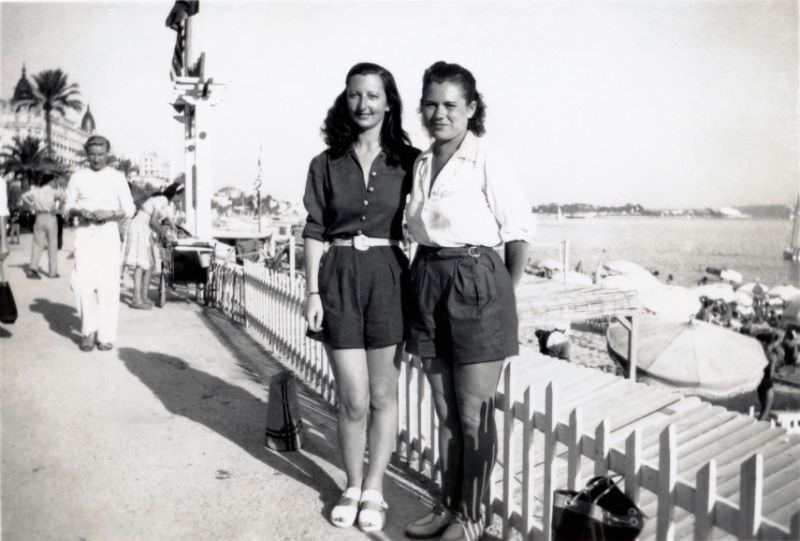
Cannes on the French Riviera represented the glamorous end of the seaside spectrum. By the 1950s, it was firmly established as a destination for the fashionable and the wealthy, boosted further by the Cannes Film Festival, which began in 1946. Two young women on its promenade in the 1950s were walking one of the most famous seafronts in the world.