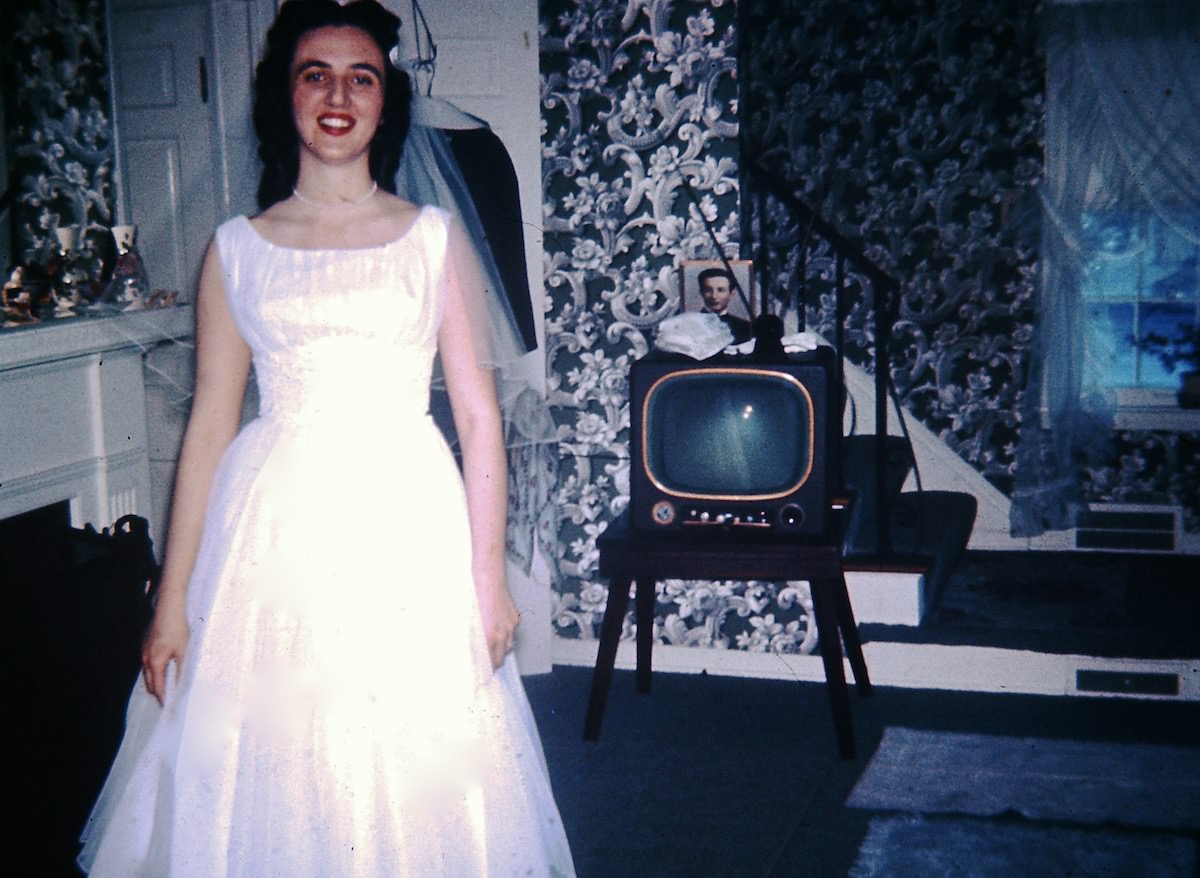
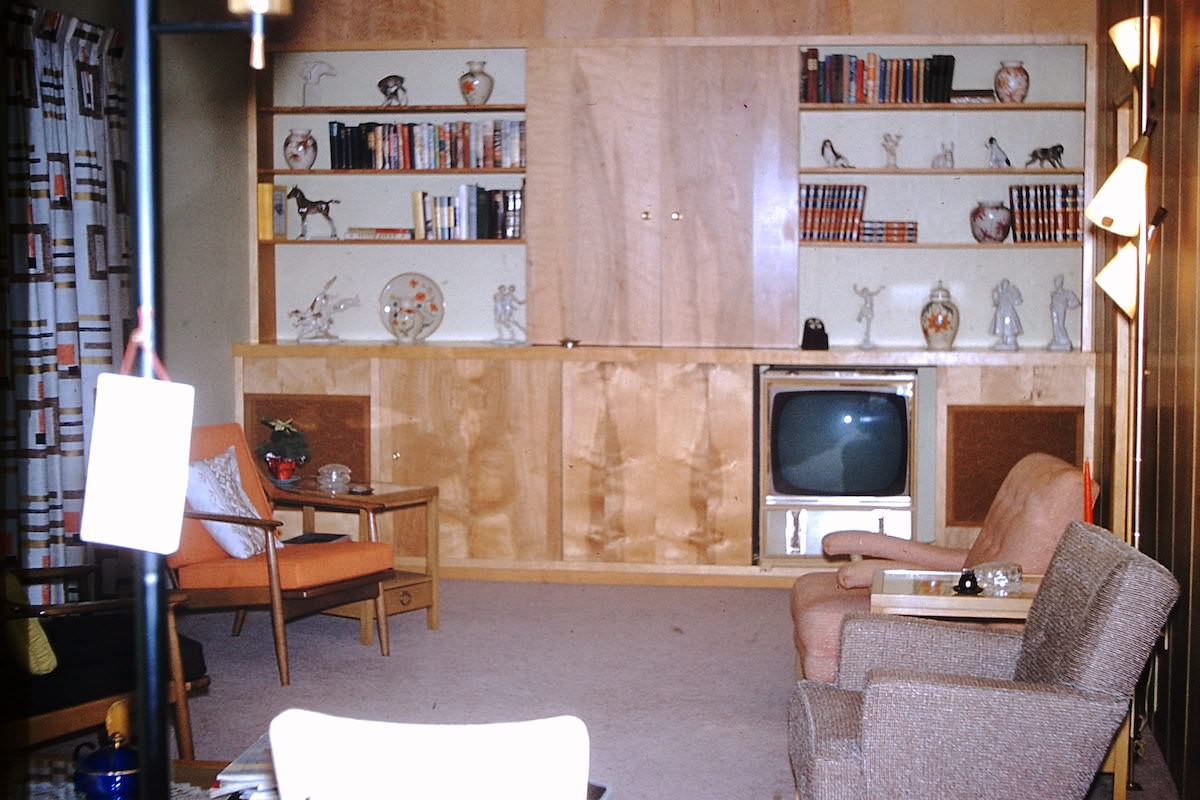
Found photos are windows into lives that history almost forgot. Among the most fascinating are snapshots of people posing with their television sets. These images reveal far more than furniture — they show how families lived, what they wore, and how deeply the TV worked its way into everyday life.
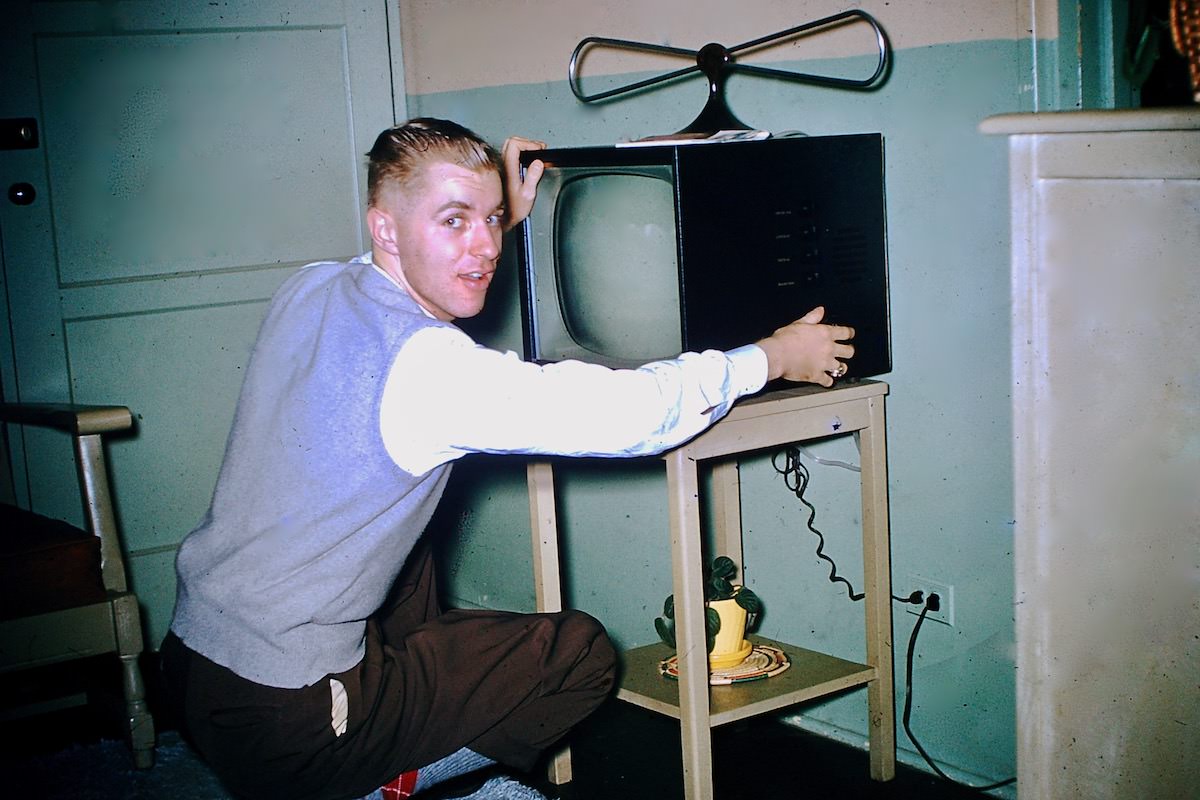
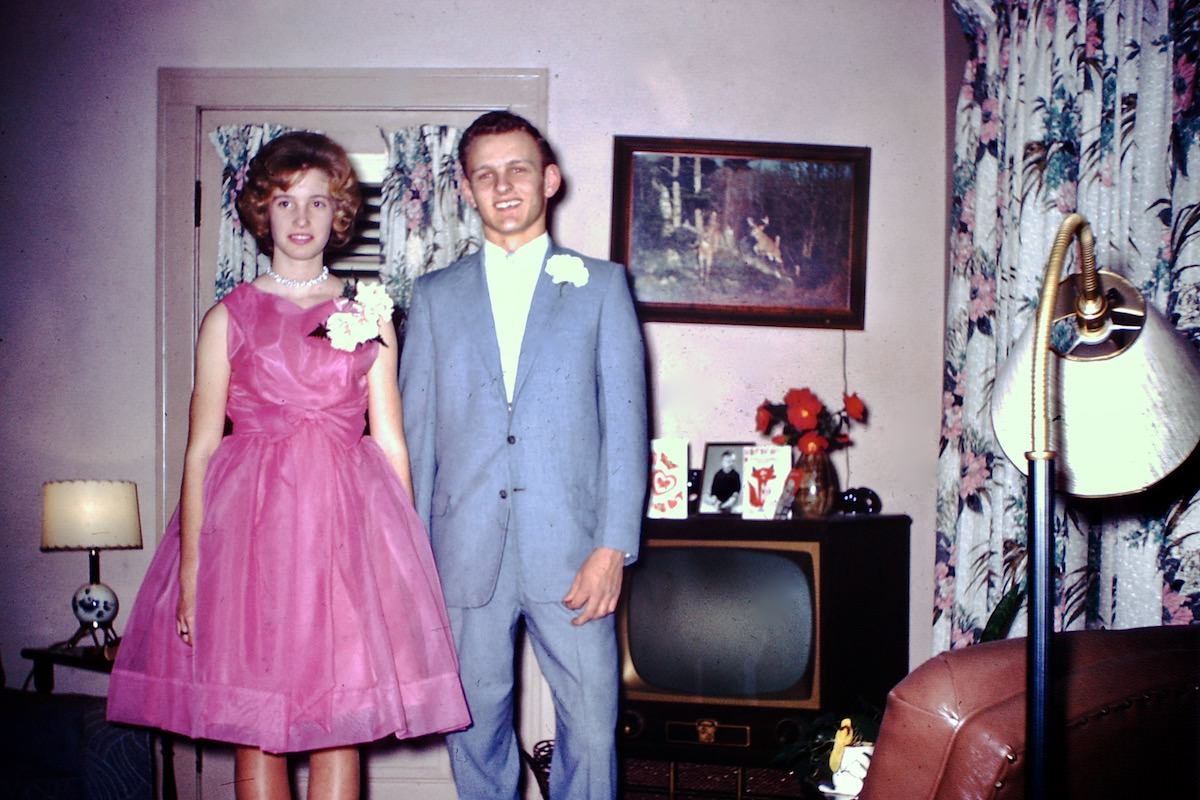
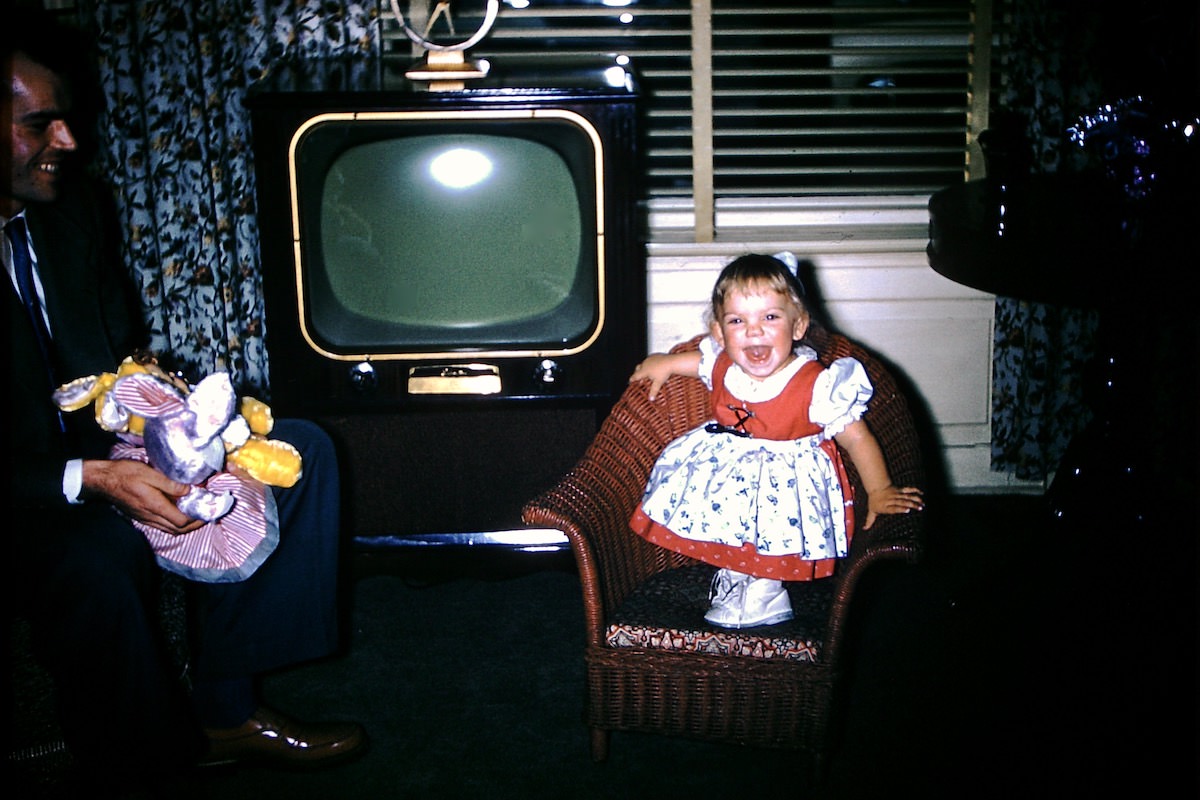
In the 1950s, owning a TV was a status symbol. Families gathered around bulky black-and-white sets to watch early sitcoms like “I Love Lucy” and the first live news broadcasts. Found photos from this decade often show people dressed up, sitting at attention, as if the screen itself demanded respect.
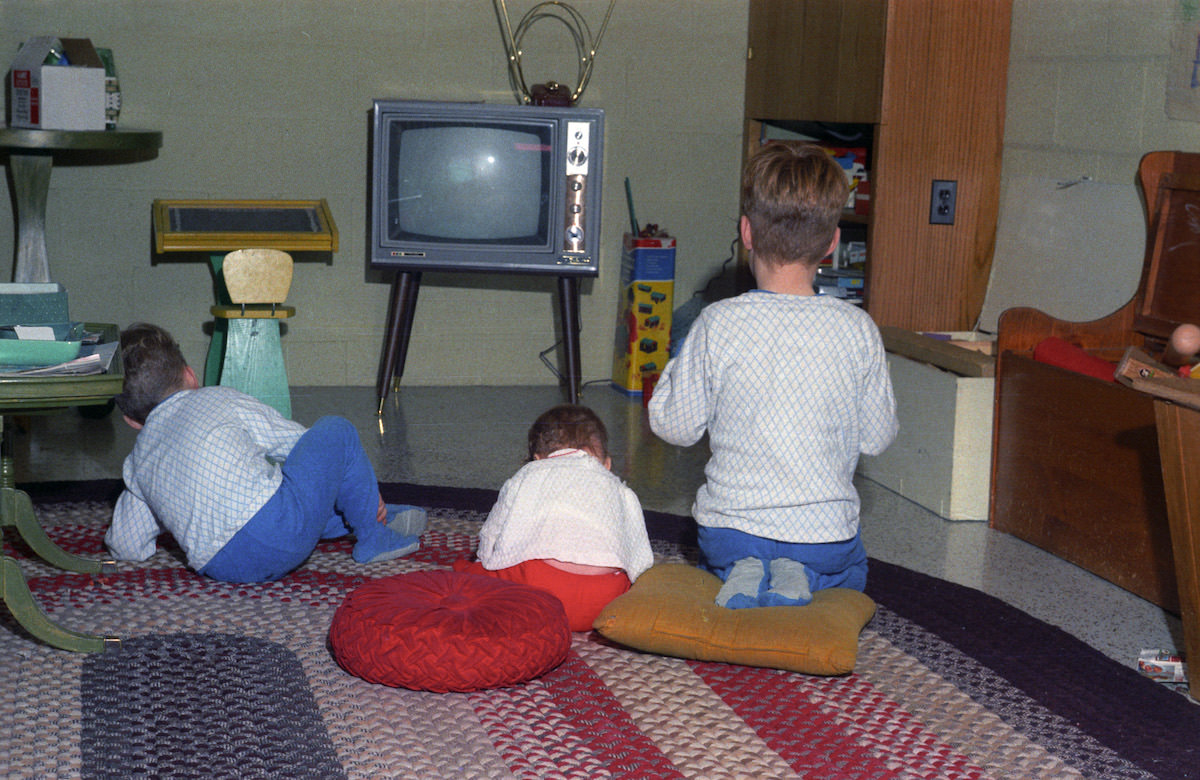
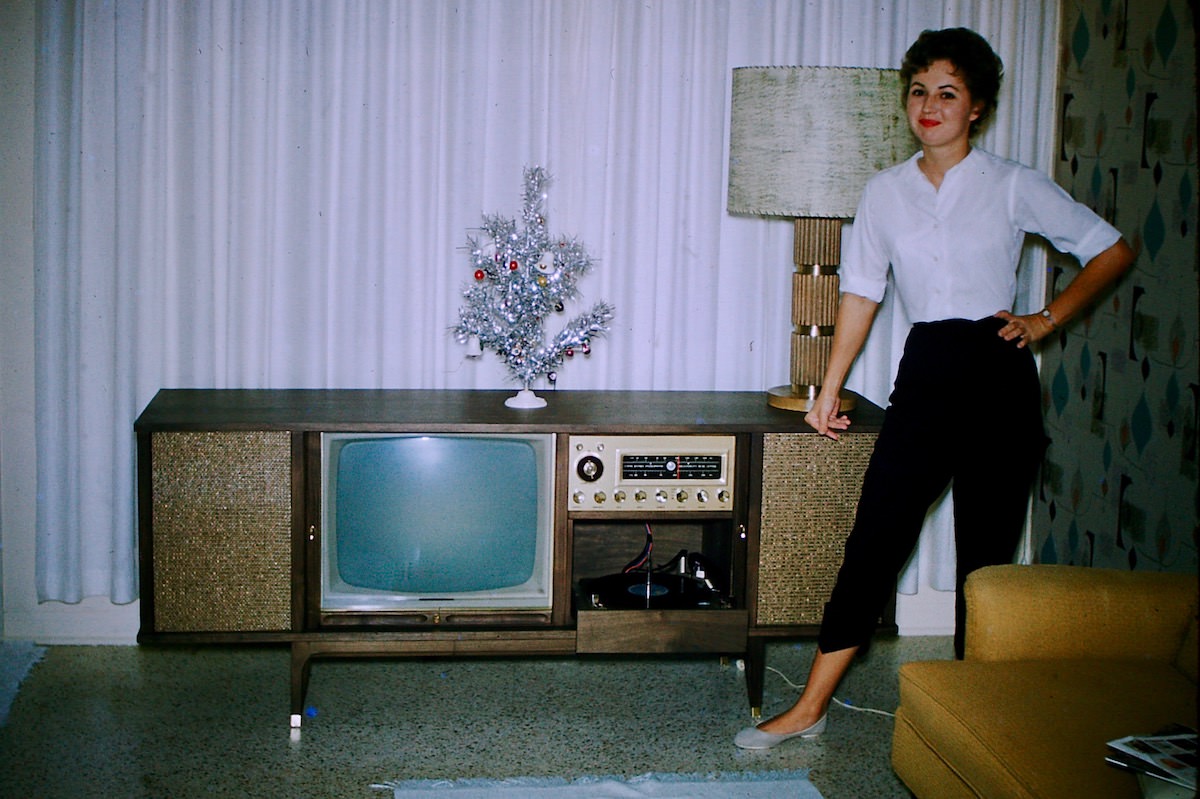
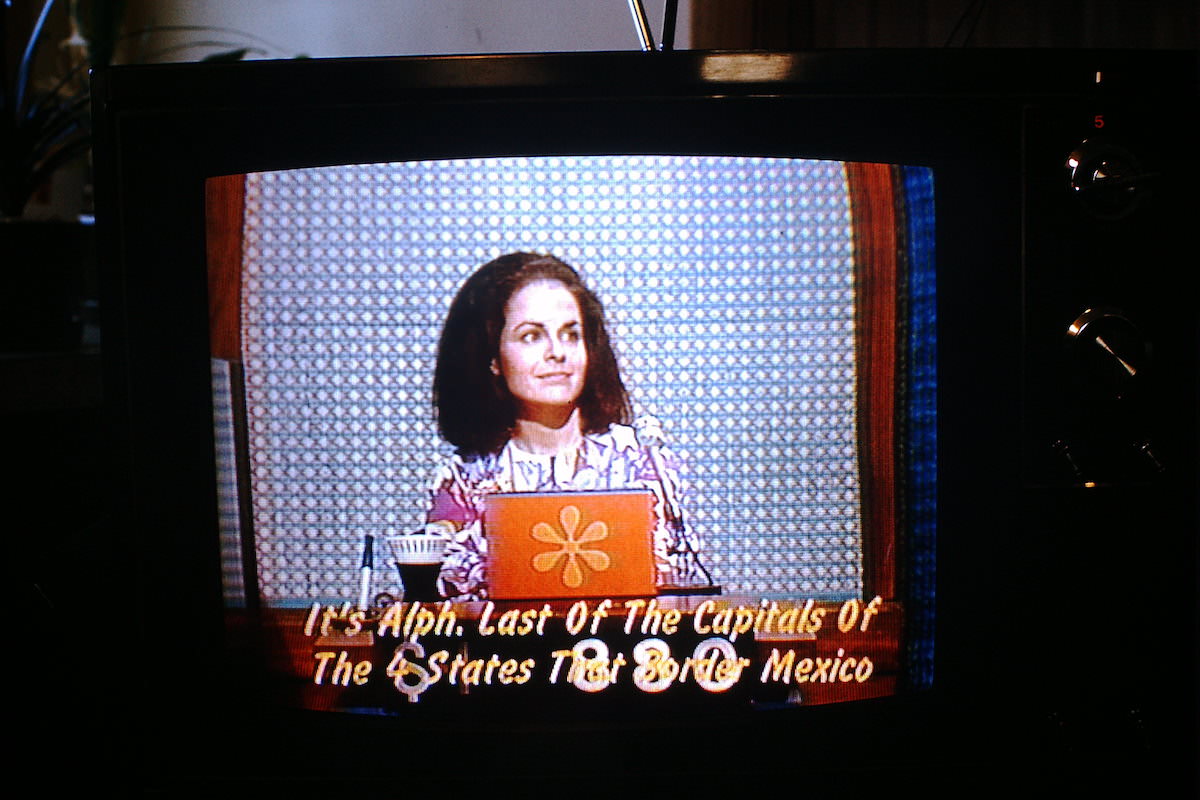
Color television spread through American homes in the 1960s. Programming expanded to cover the Vietnam War, variety shows, and cultural milestones. The TV set moved from novelty to necessity almost overnight.
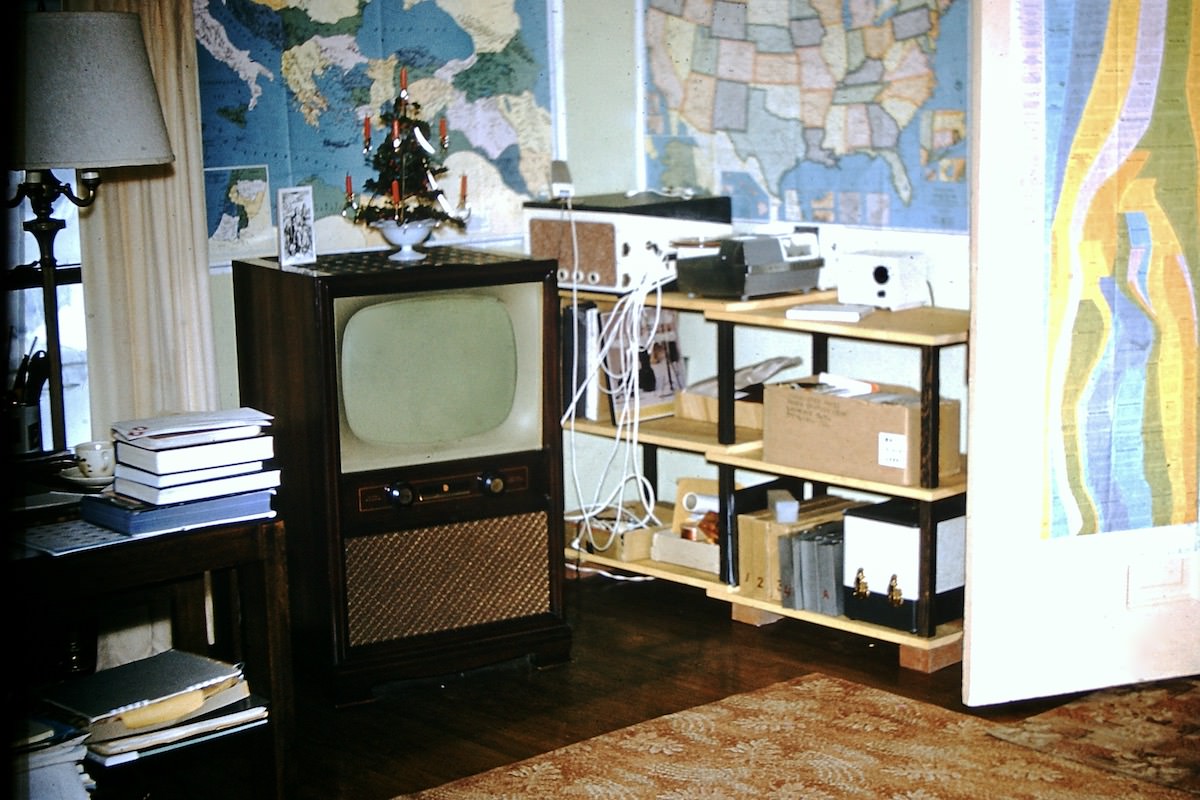
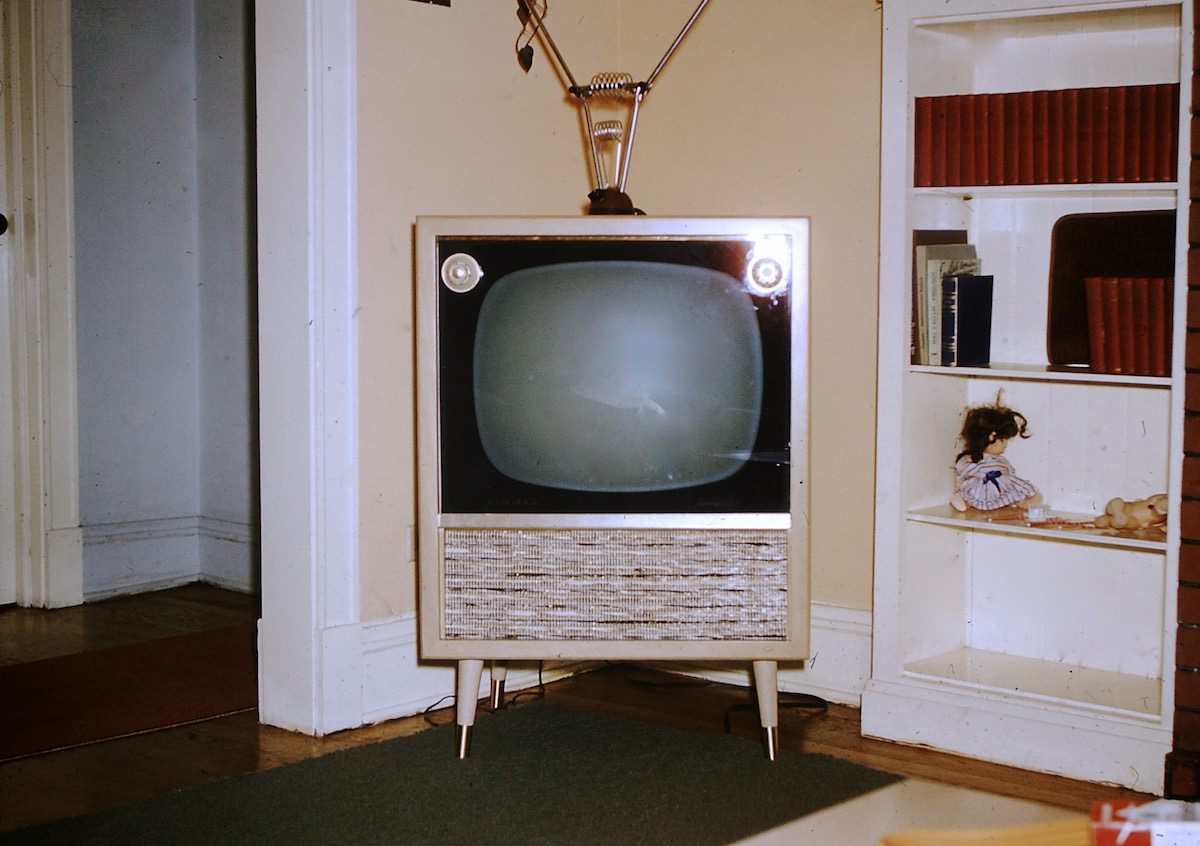
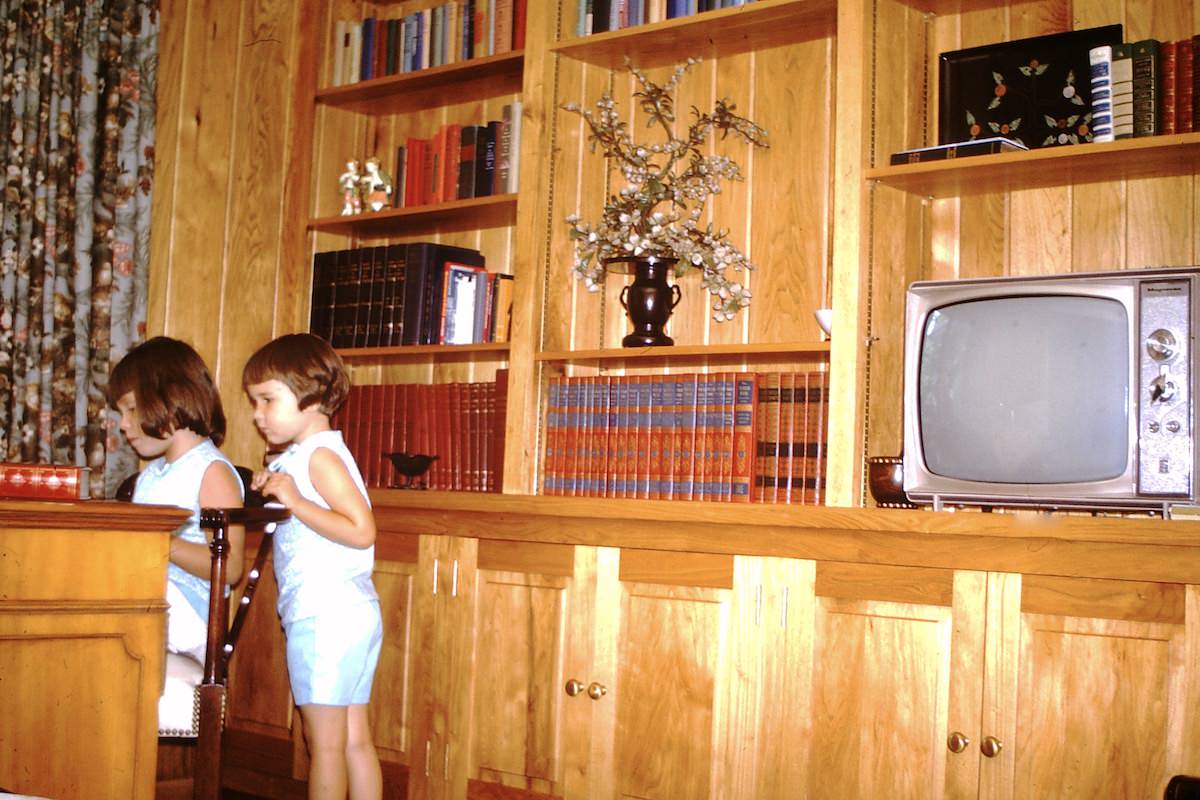
The sets themselves tell their own story. A wooden-cabinet TV with rounded edges signals one era. A boxy plastic model with rabbit ears signals another. Each design reflects the tastes and technology of its time just as clearly as the people standing beside it.
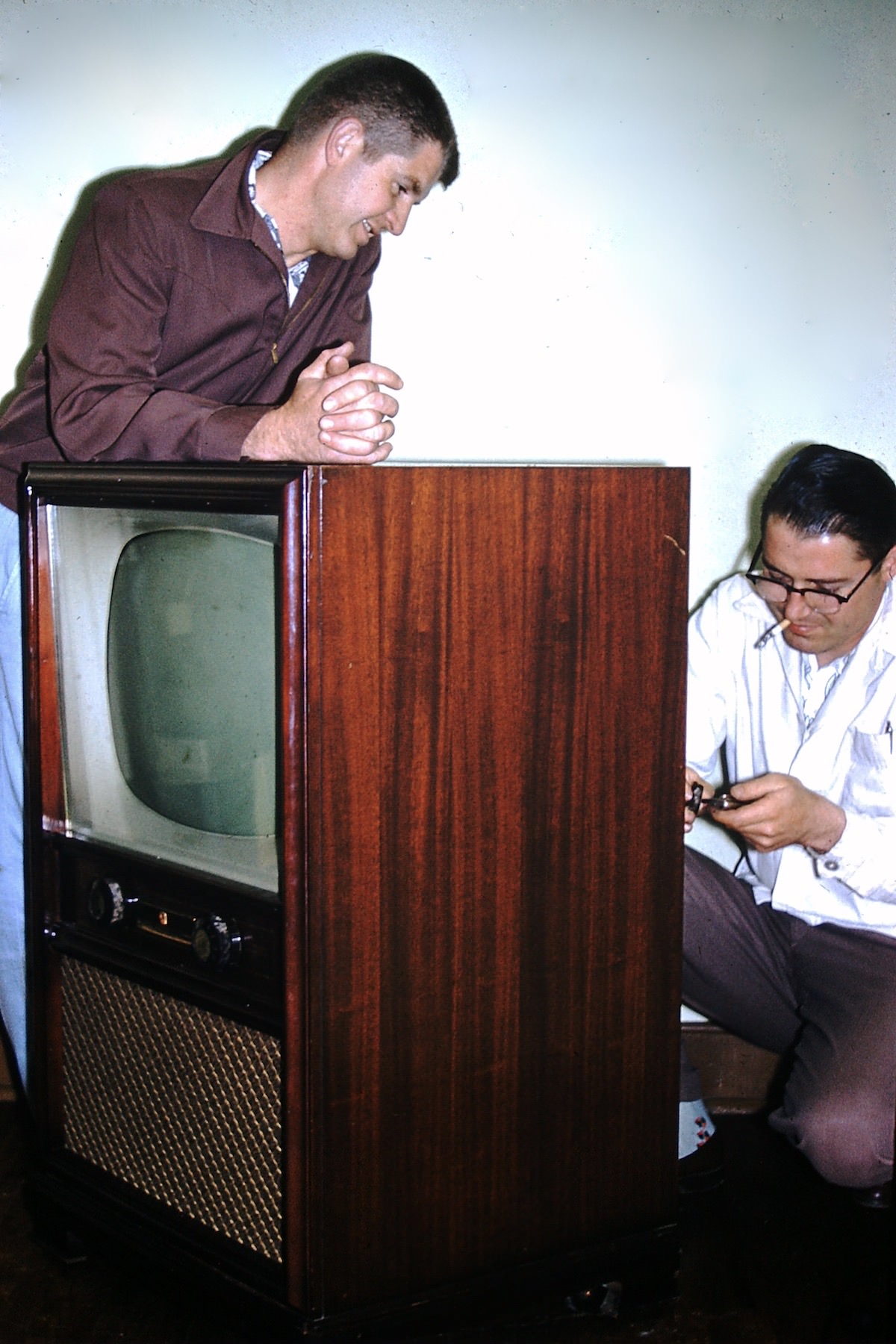
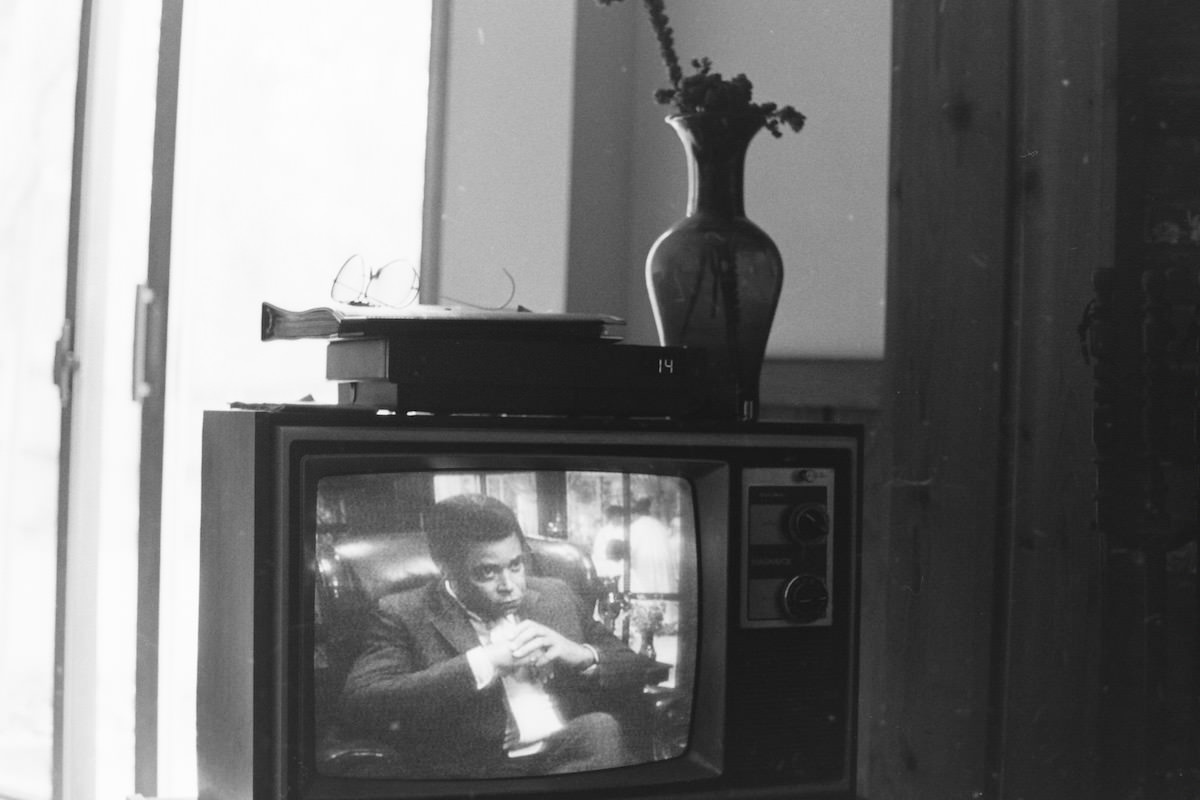
By the 1970s, television had become the centerpiece of the American living room. Shows like “All in the Family” and “M*A*S*H” tackled real social issues. Found photos from this decade place the TV firmly among shag carpets, wood paneling, and whole families sprawled across the couch.
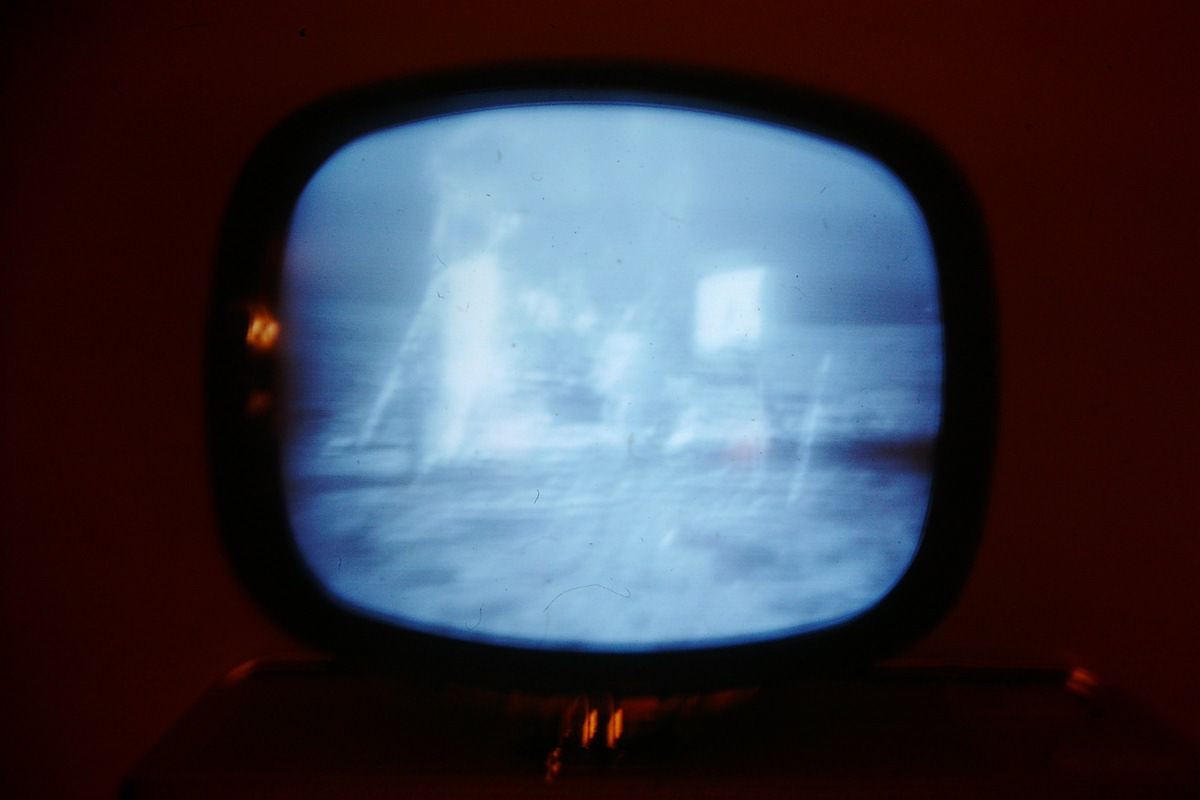

What makes these photos genuinely compelling is the people in them. A child’s face lit up by a Saturday morning cartoon. A couple watching the late news in silence. A group of friends crowded onto one small sofa. Every expression captures a real, unscripted moment.
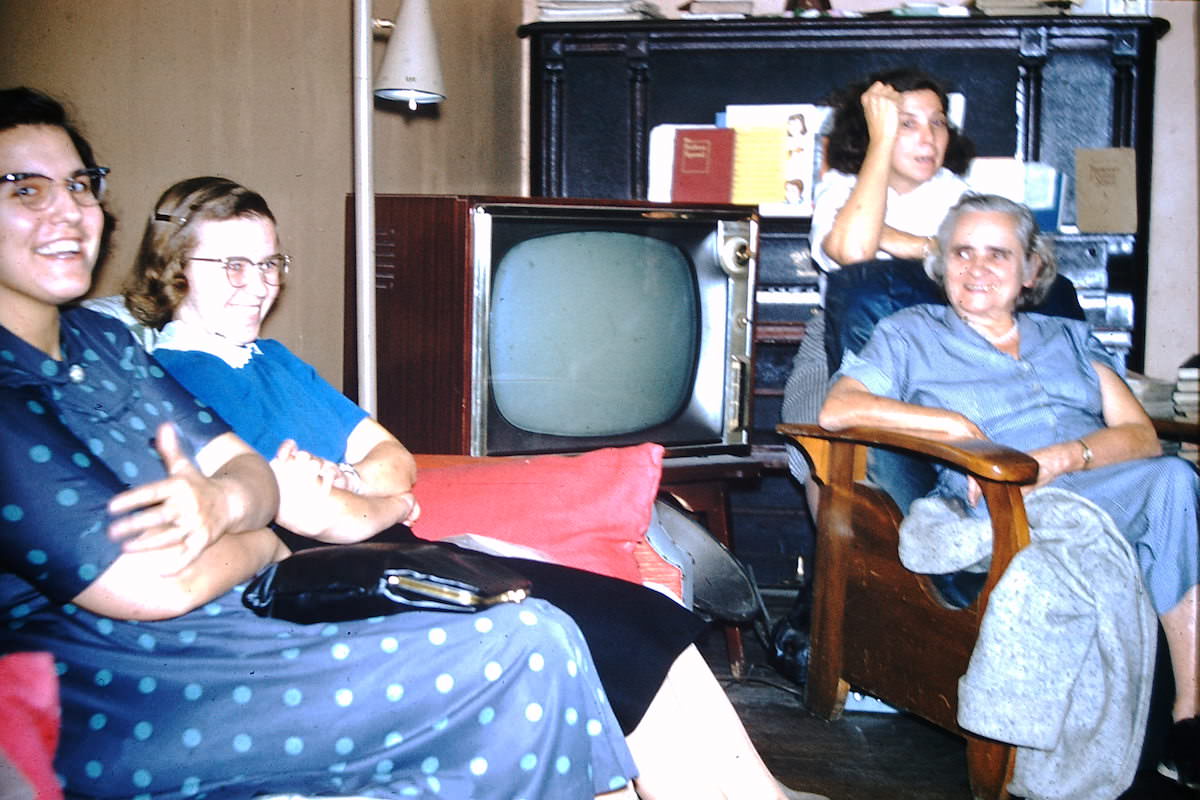
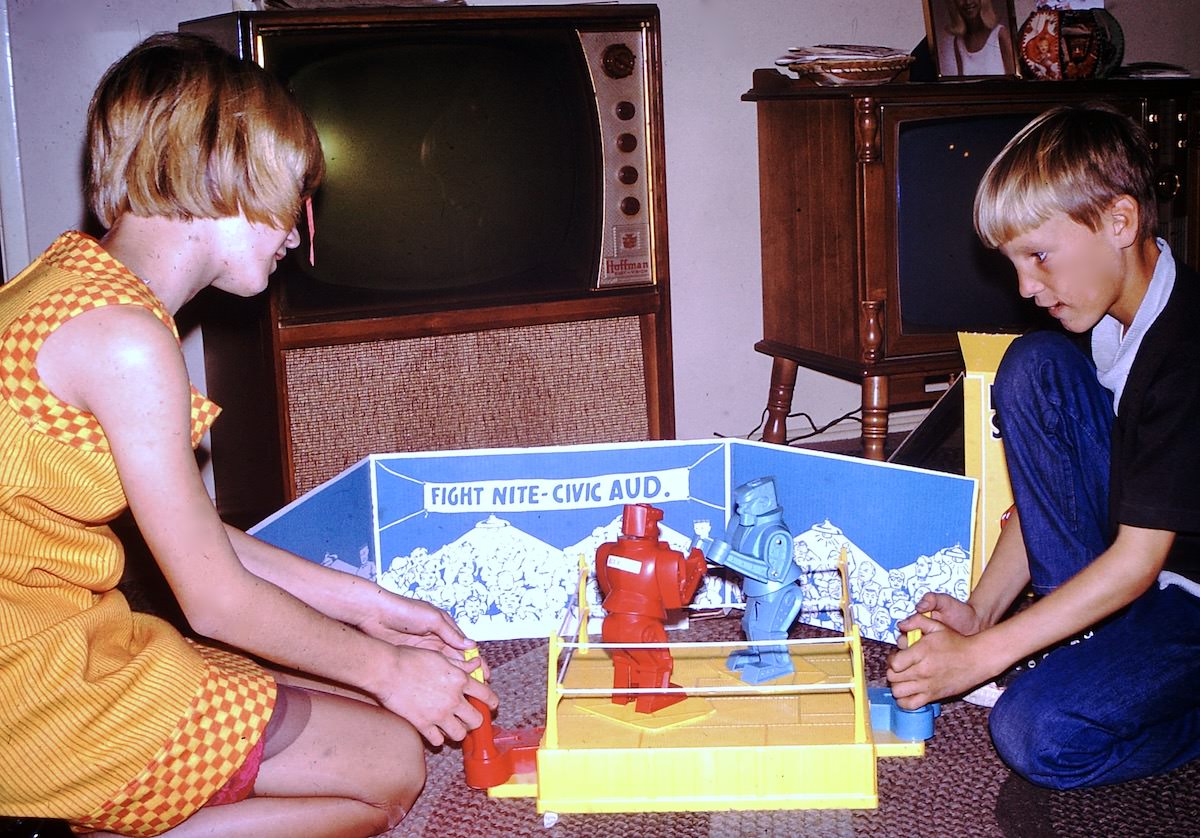
Fashion, hairstyles, and home décor in these photos work together to date each image without a single word of context. A beehive hairdo and a console TV. Bell-bottoms and a 19-inch screen. The TV and its owner are inseparable from the decade they belong to.
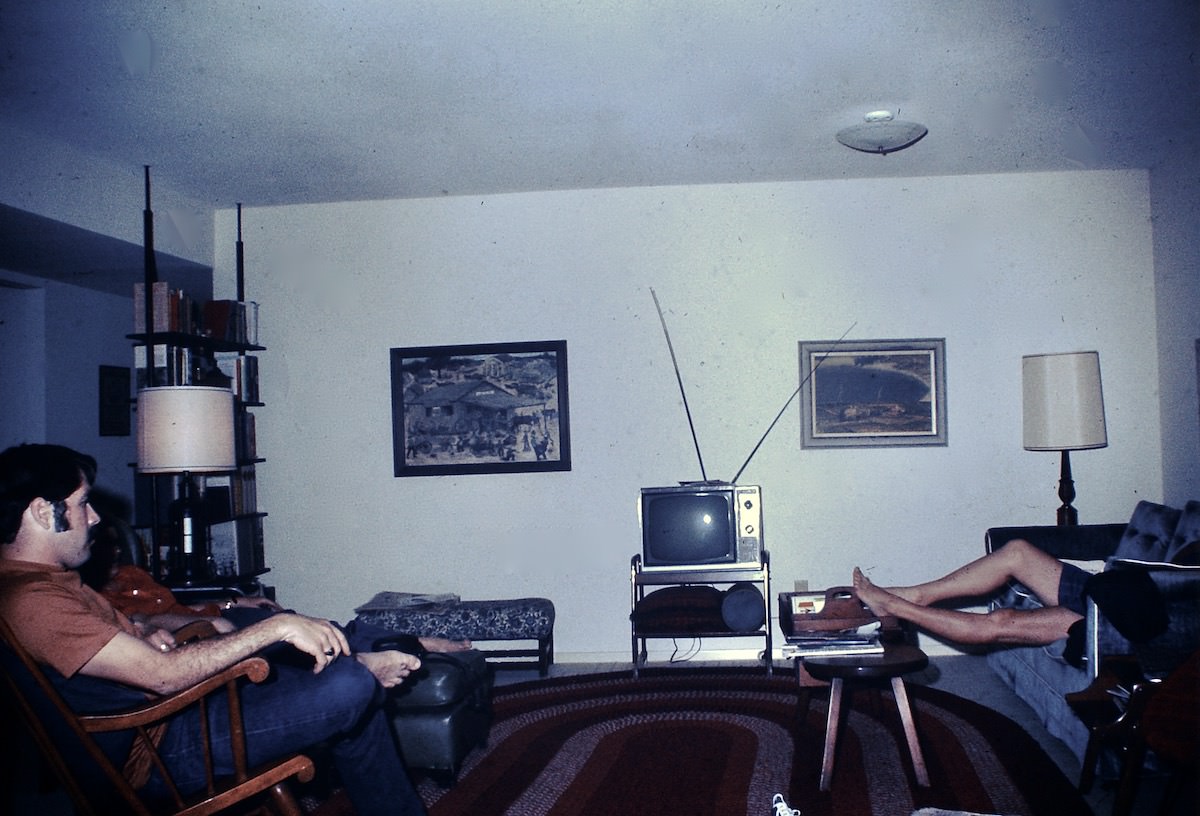
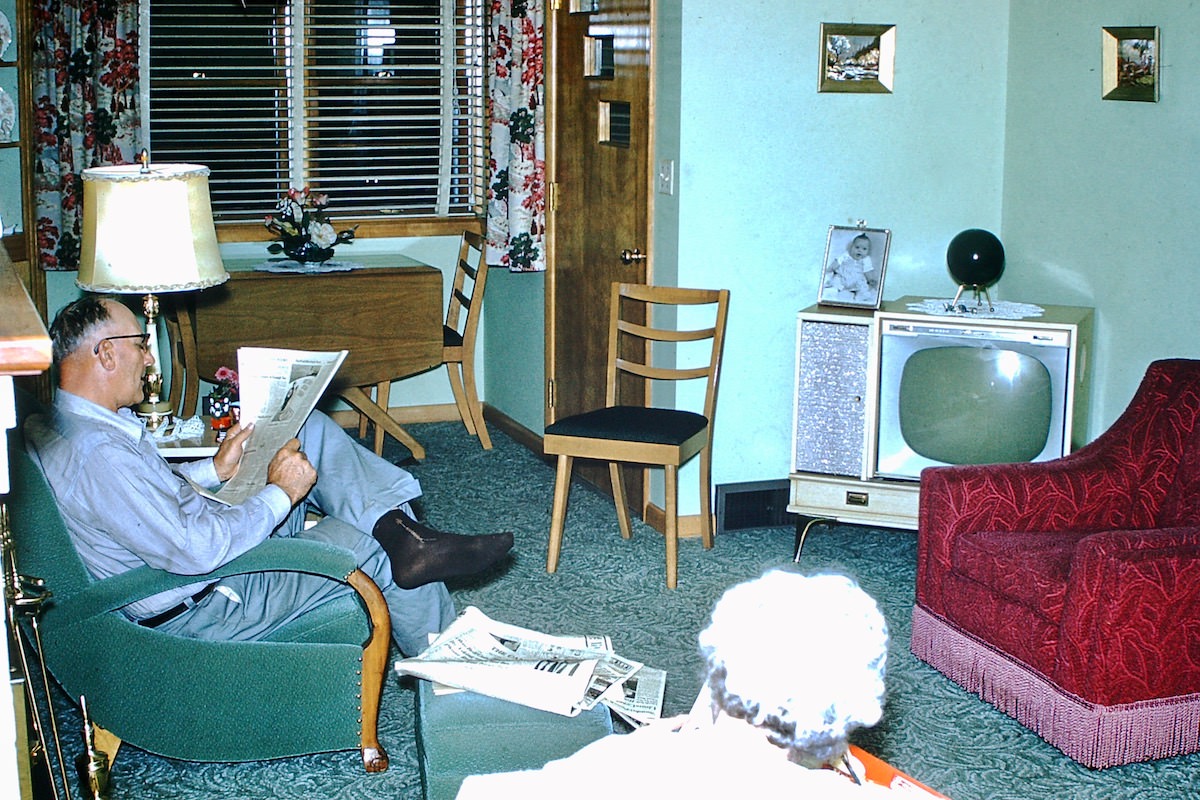
Scroll through enough of these found photos and a clear visual timeline of television’s evolution takes shape. Rabbit ears give way to cable boxes. Remote controls appear. Screens grow wider and thinner. Each photo is a single frame in a much longer story.