
Pensacola sits at the far western edge of the Florida Panhandle, and its history stretches back centuries. The area was first formally documented in 1686 under the name “Panzacola,” a Native American name that was applied to the bay and later to the Spanish settlements that grew around it. By the time of the American Civil War, Confederate forces occupied the city, though Union troops held Fort Pickens on nearby Santa Rosa Island throughout the conflict. After the war, Pensacola’s economy expanded rapidly across lumber, cotton, agriculture, and fishing — industries that would define the city well into the next century.
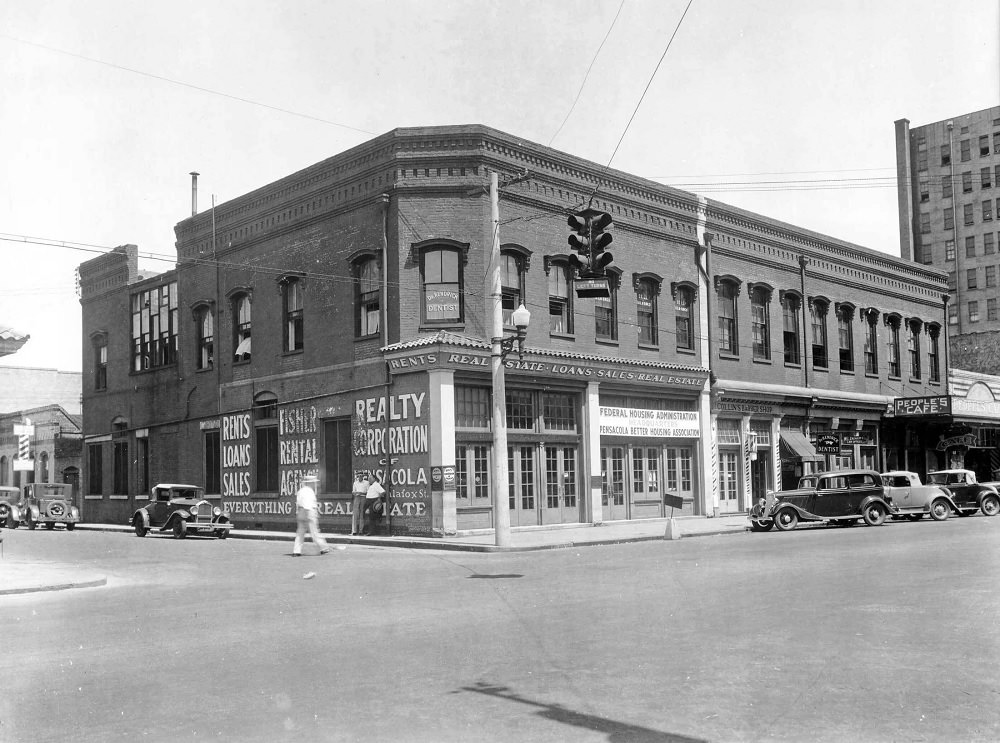
The early 1900s brought new industry to Pensacola. Brickmaking and papermaking operations were established, and while the city’s shipping trade began to shrink in importance, military and manufacturing sectors grew to fill the gap. The navy yard officially became a naval air station in 1914, cementing Pensacola’s role as a military hub. Banking and commerce also flourished downtown, particularly along Palafox Street, which served as the city’s main commercial artery.
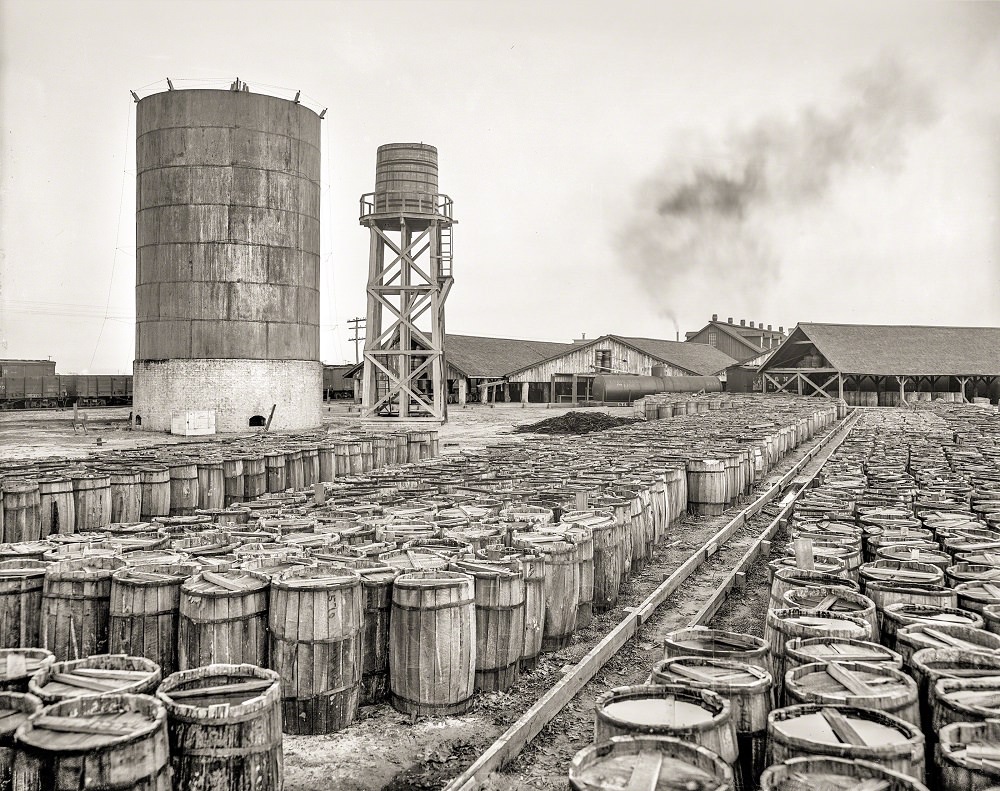
The Consolidated Naval Stores Company was one of the major industrial operations in Pensacola during the early twentieth century. Naval stores — products like turpentine and rosin derived from pine trees — were a significant part of the region’s economy, driven by the vast pine forests of the Florida Panhandle and surrounding states.
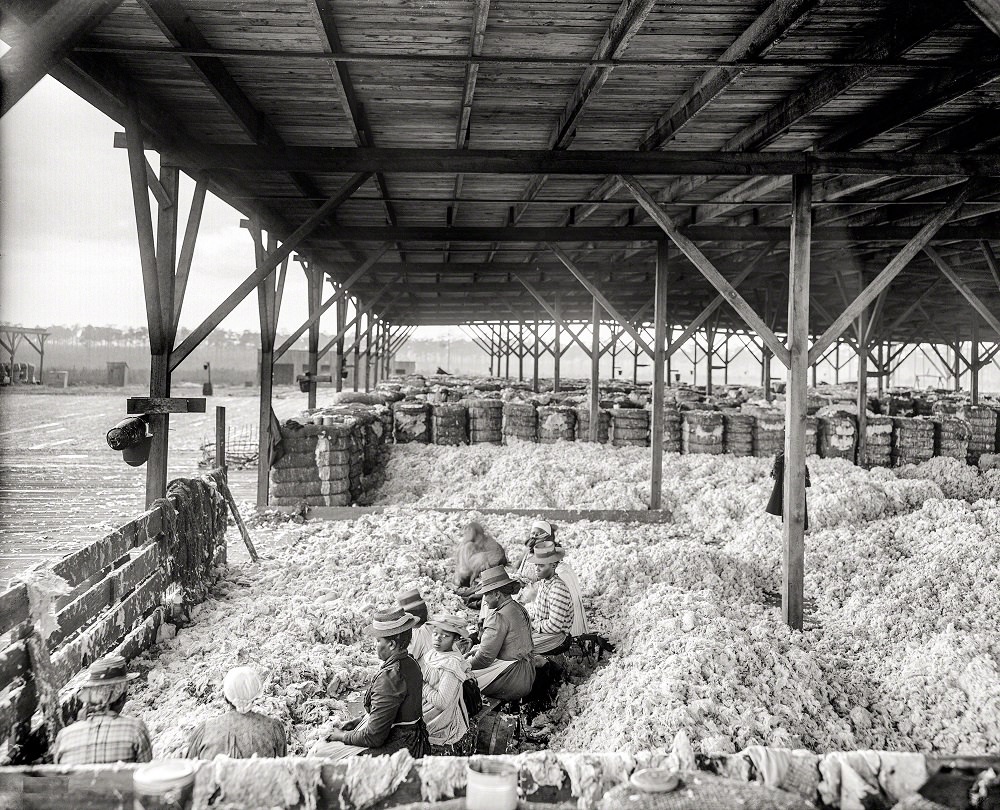
Cotton was another backbone of Pensacola’s economy in the early 1900s. Workers at operations like the Atlantic Cotton Compress Co. manually sorted and processed large volumes of cotton before it was shipped out through the port. The labor was intensive and largely performed by hand, reflecting the industrial methods of the era.
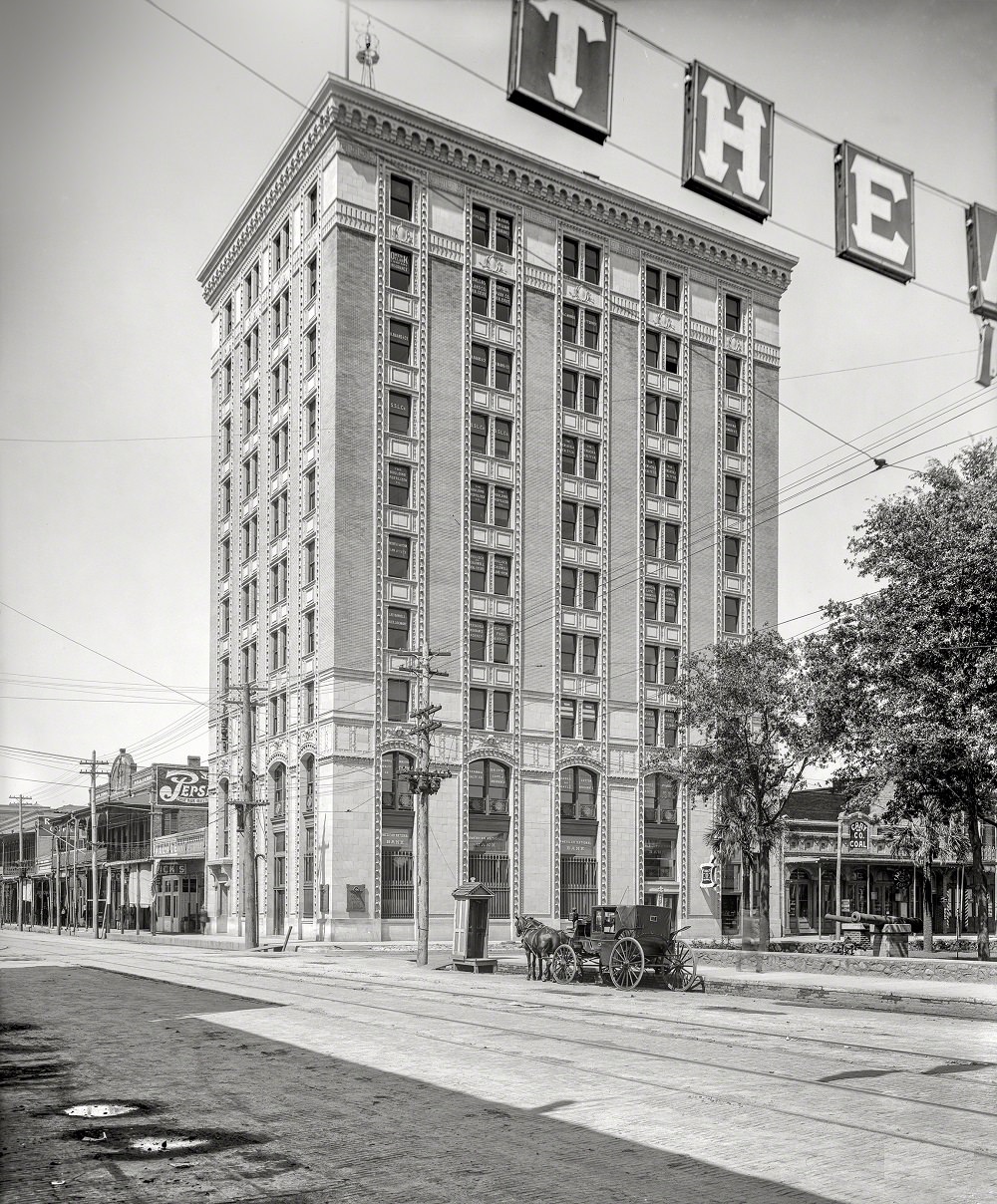
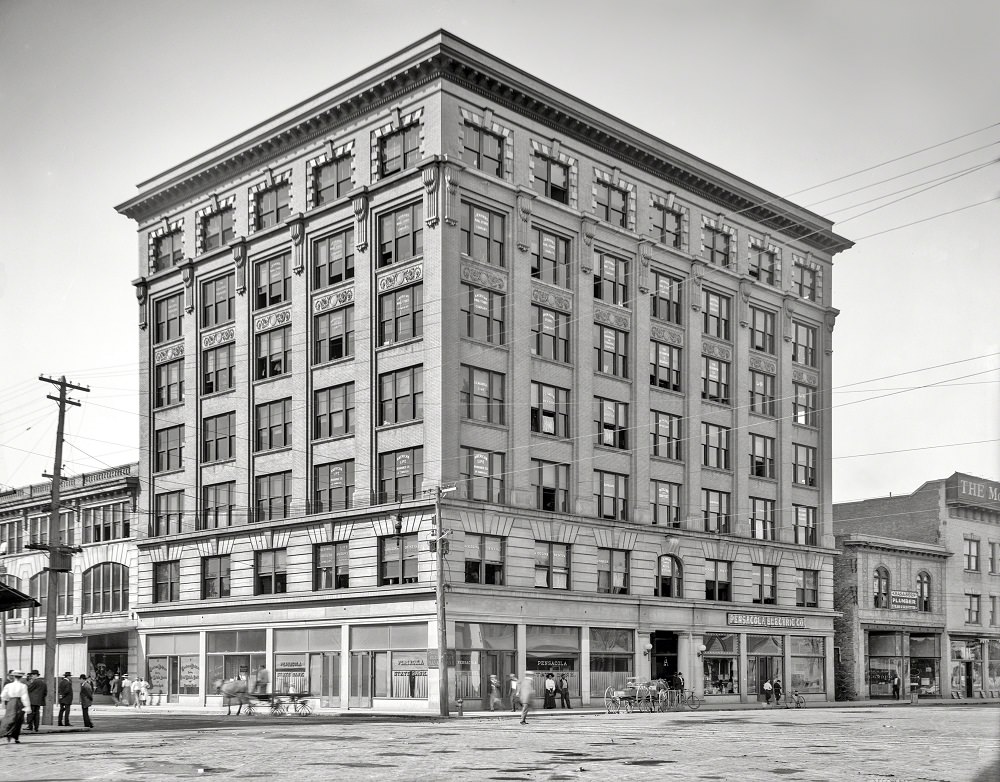
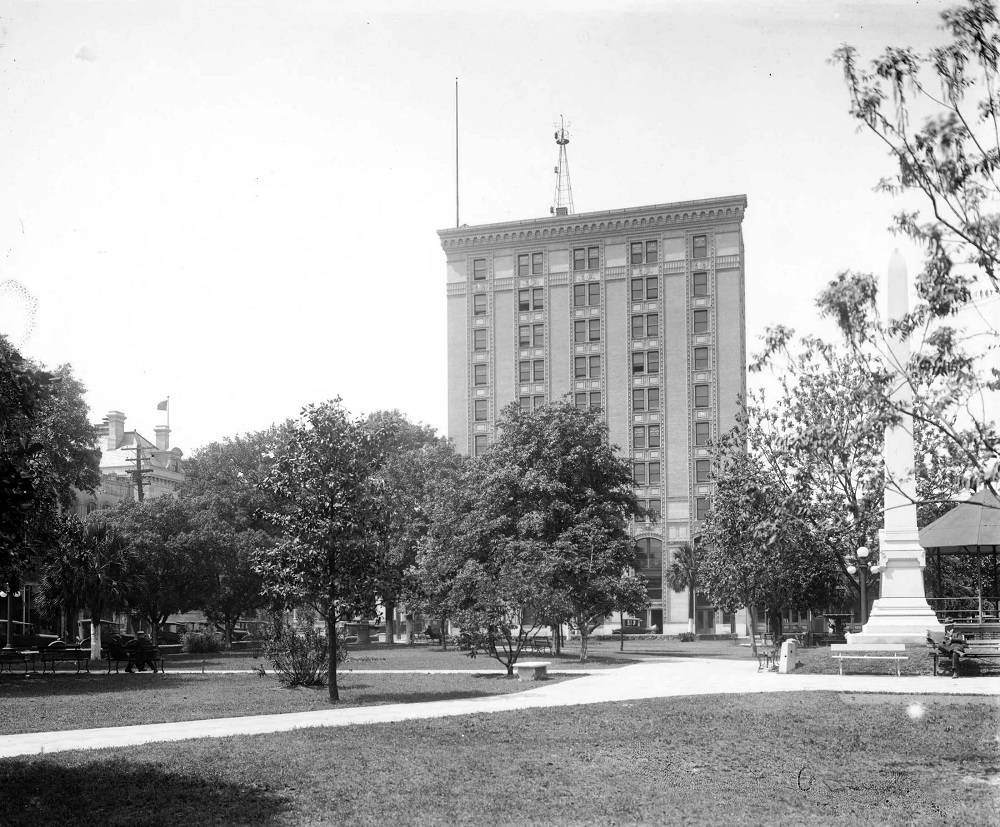
Downtown Pensacola saw notable construction during this period. The Blount Building, completed in 1908, was one of the most prominent structures in the city and stood as a symbol of Pensacola’s commercial ambitions at the start of the twentieth century.
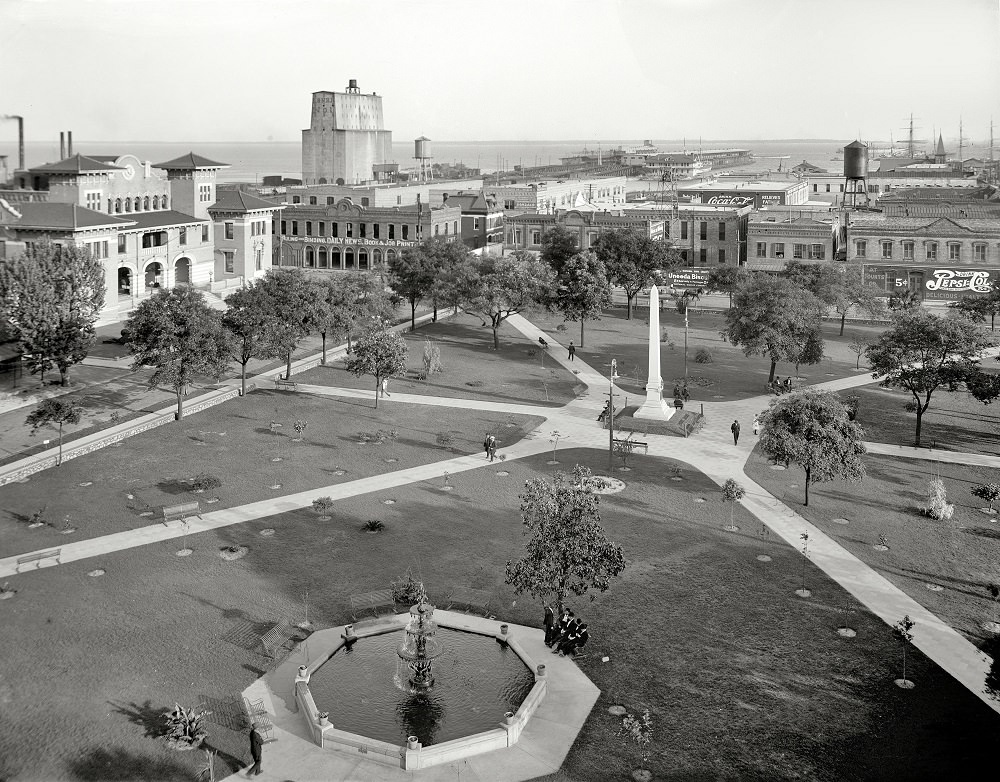
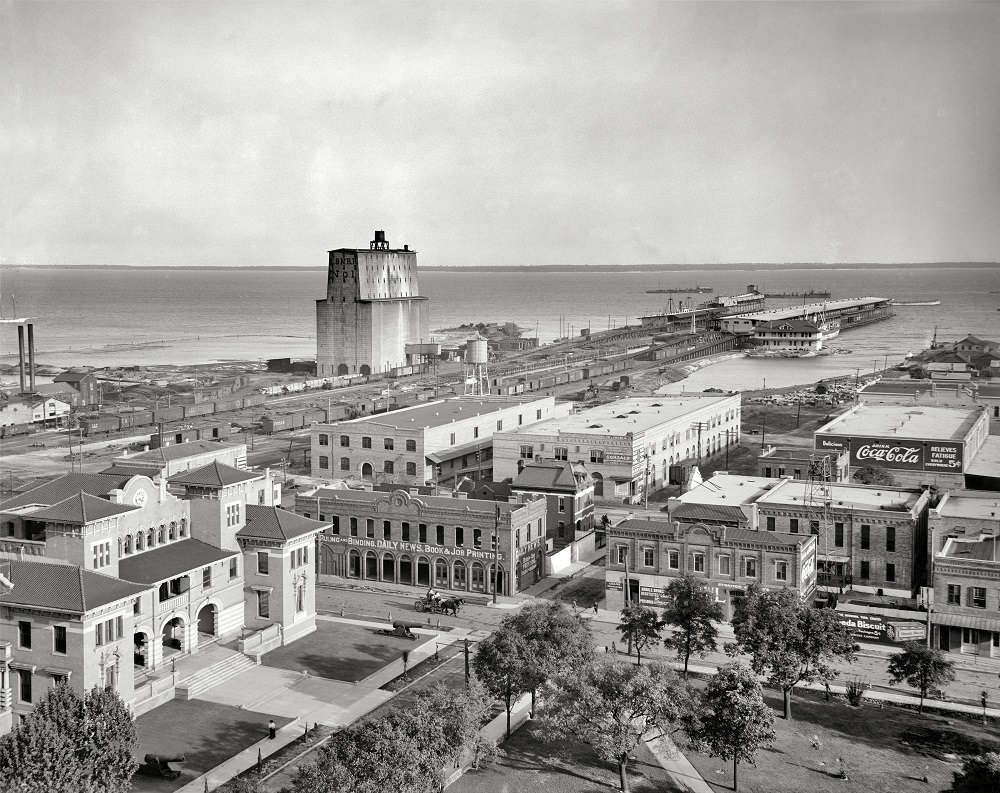
Plaza Ferdinand, located near the waterfront, gave residents and visitors a clear view of Pensacola’s busy harbor. The plaza served as a central public gathering space and reflected the Spanish colonial heritage that the city carried into the modern era.
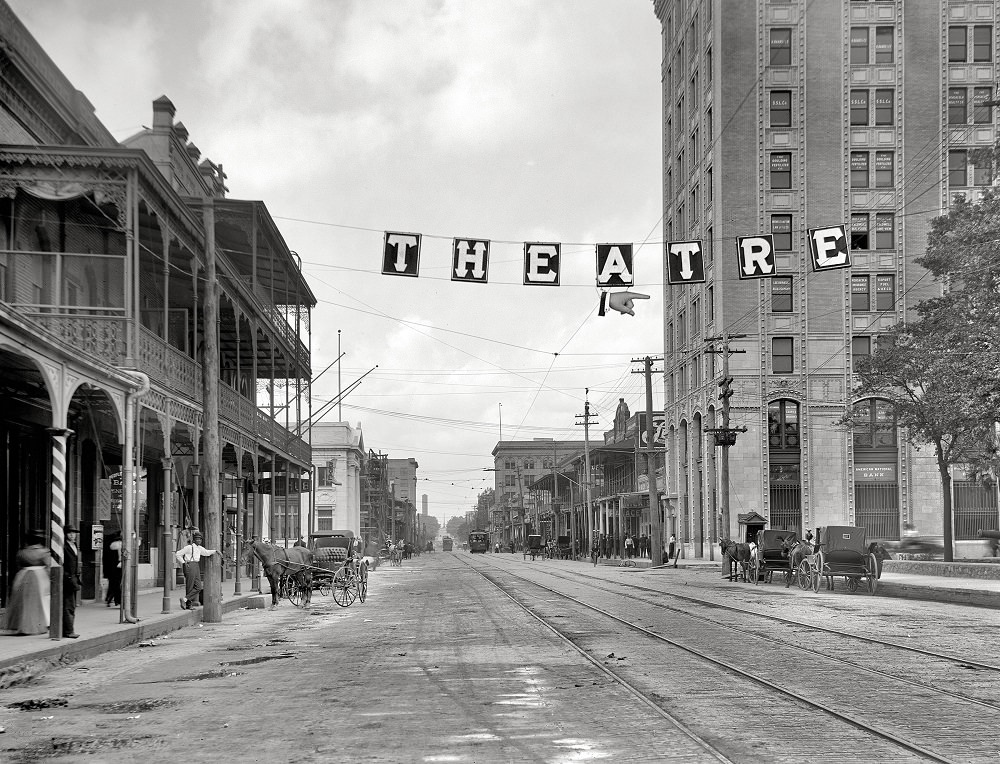
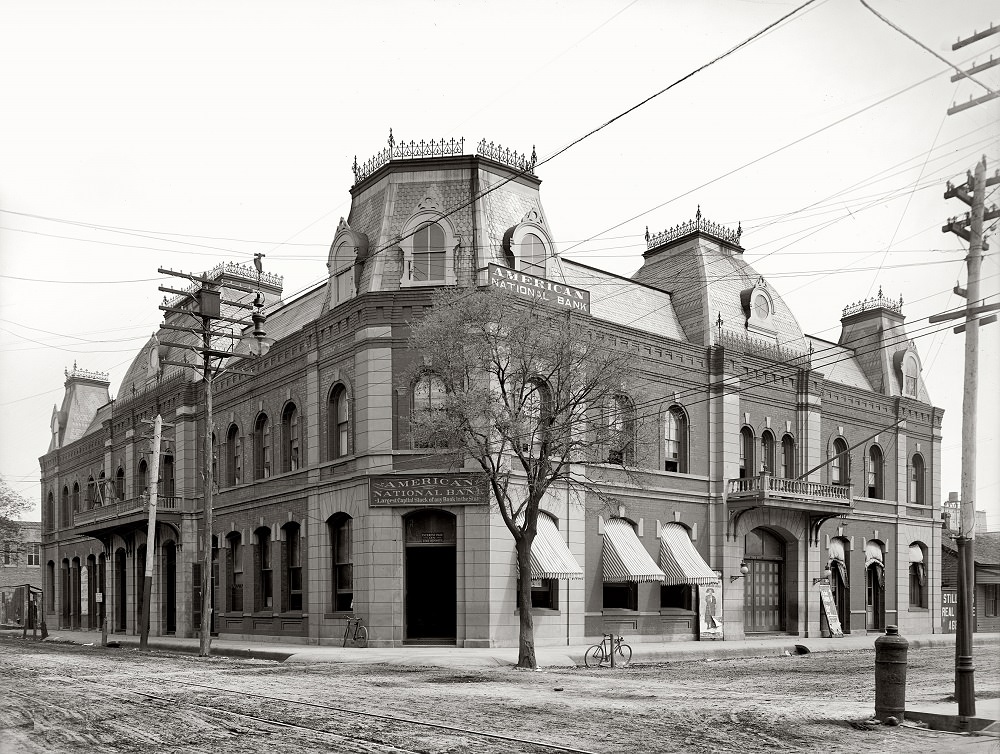
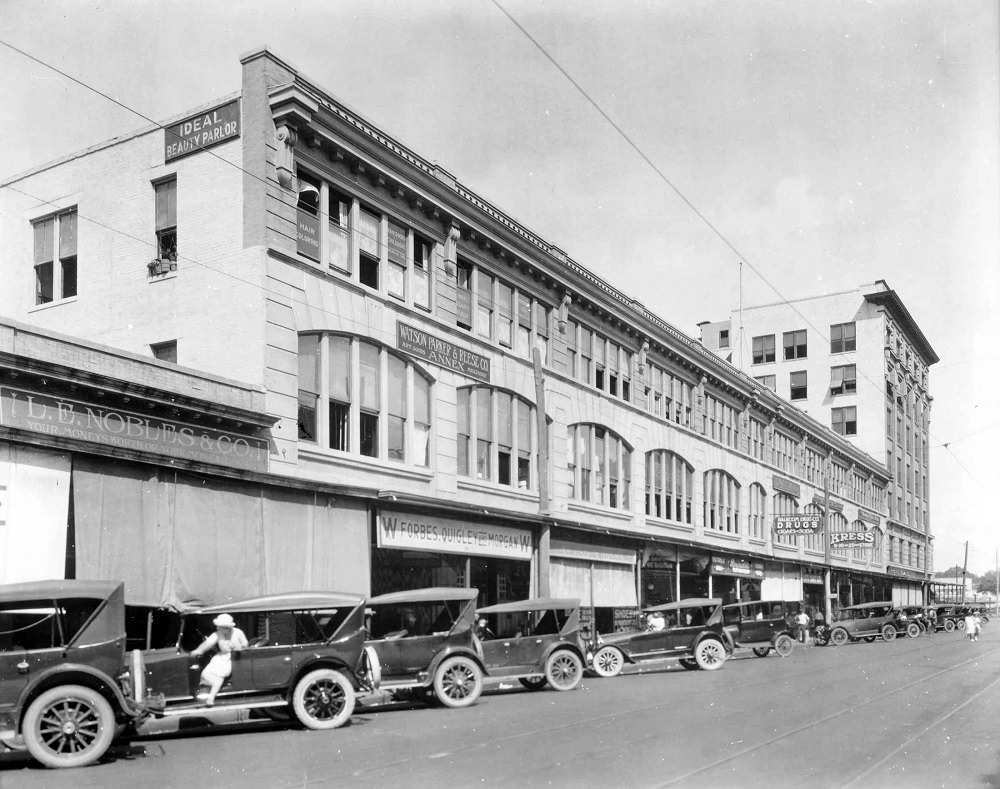
Palafox Street was the heart of Pensacola’s downtown. Banks, hotels, and commercial buildings lined the boulevard, drawing shoppers, workers, and visitors. The American National Bank Building was among the most recognizable structures on the street.
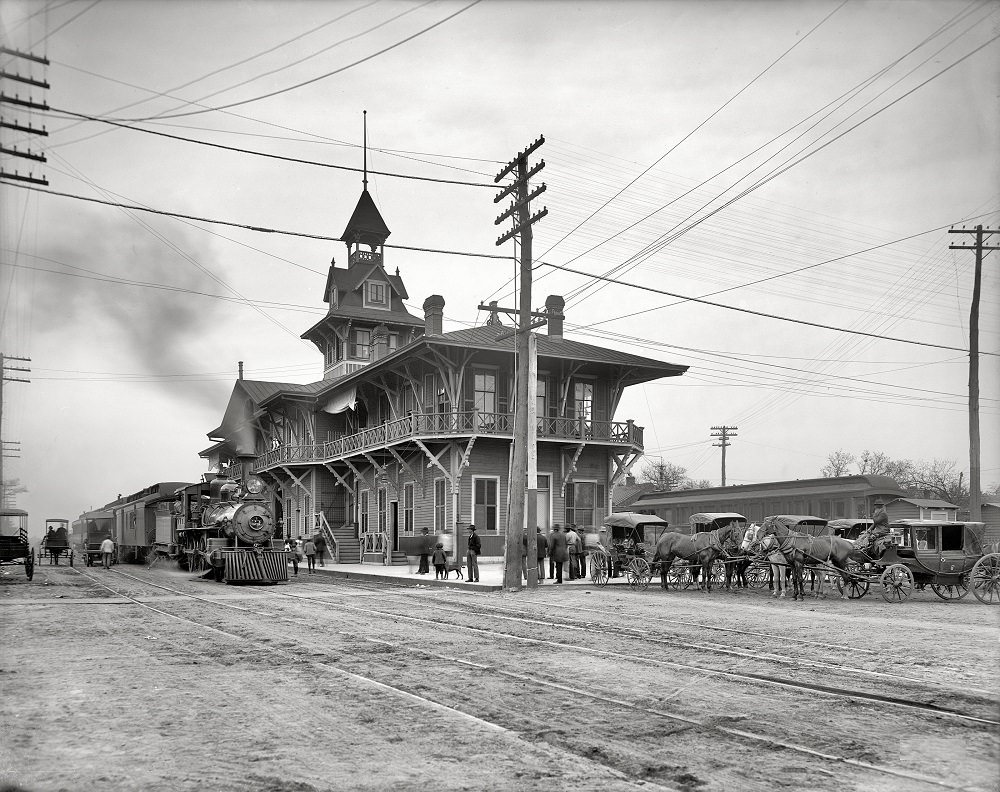
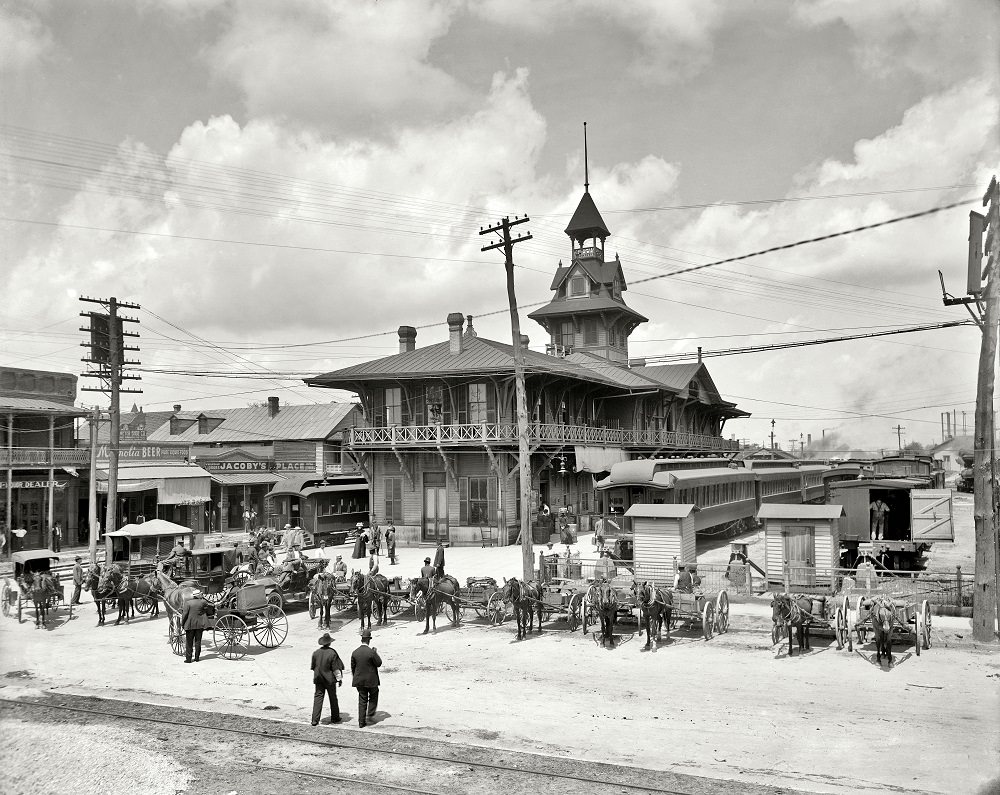
Rail travel connected Pensacola to the wider region, and the Louisville & Nashville Railway station was a key hub for passengers and freight alike. The station served as a gateway into and out of the city during the peak years of American rail travel.
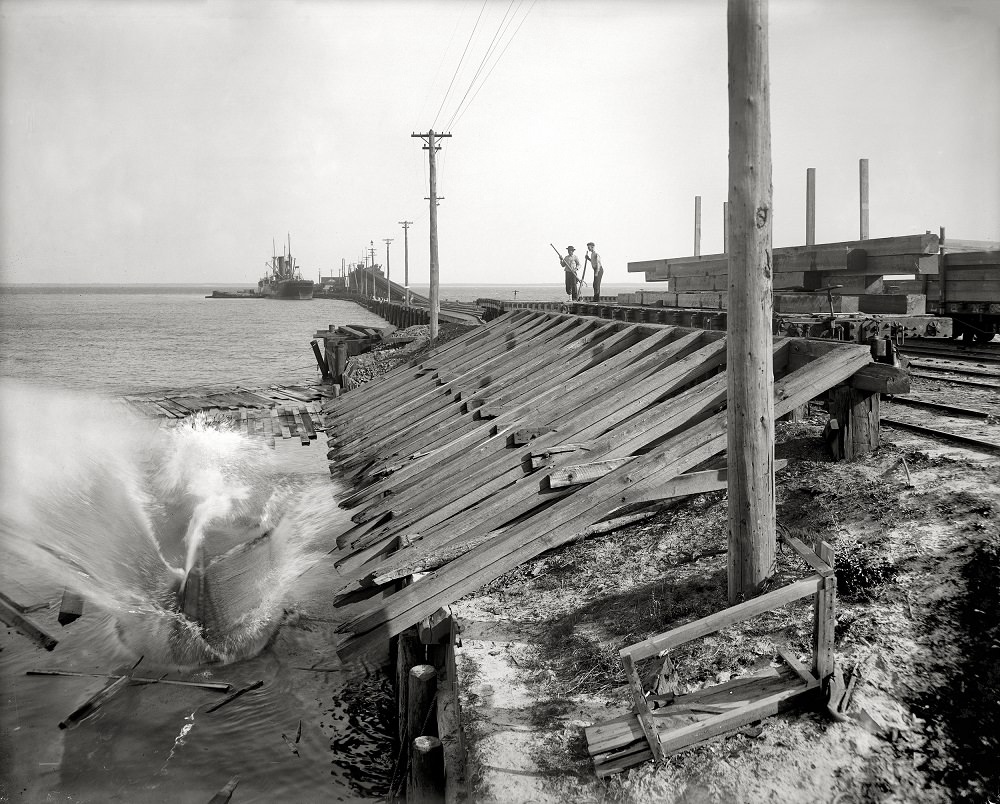
Lumber remained one of Pensacola’s most important exports during the early twentieth century. Workers unloaded timber at the city’s wharves, feeding a trade network that shipped Florida pine across the country and overseas. The port was a constant scene of heavy labor and commercial activity.
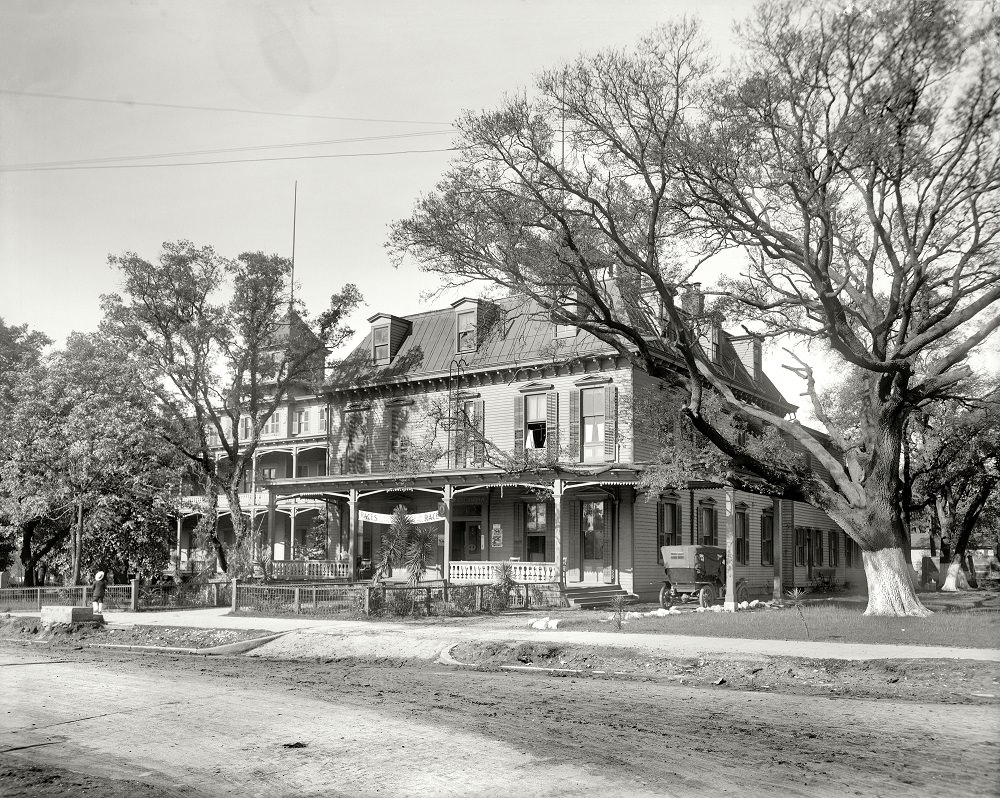
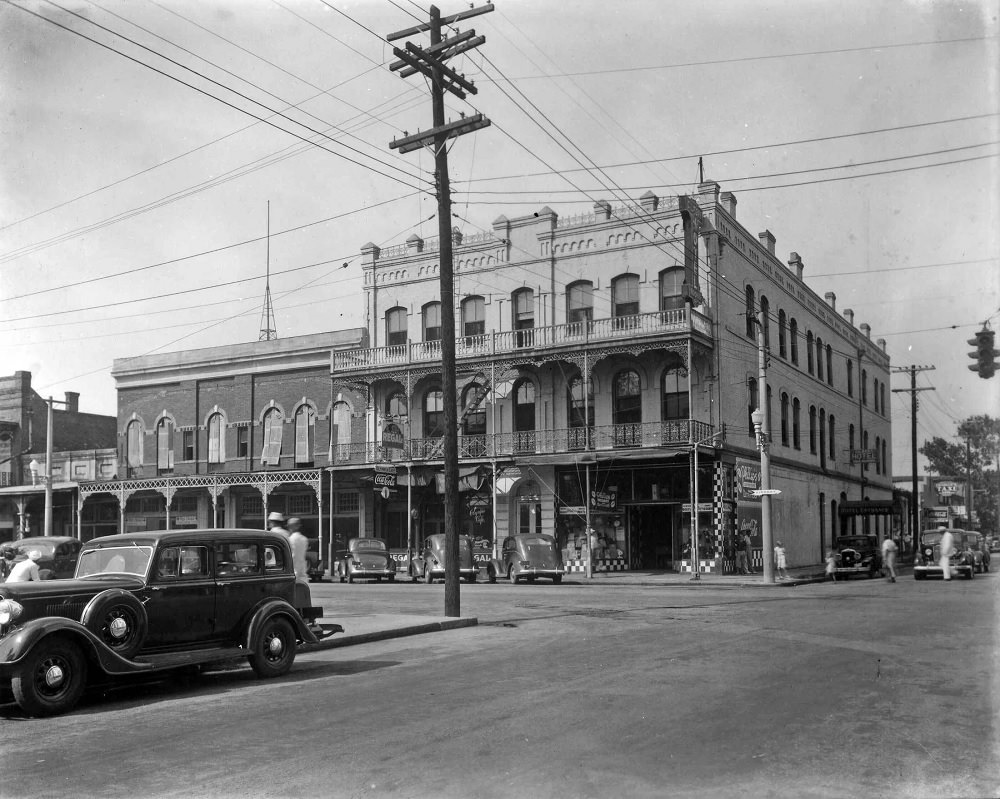
Hotels catered to the steady flow of travelers passing through Pensacola. The Hotel Escambia was one of the city’s notable accommodations around 1910, serving both long-term guests and those passing through on business or military assignment.
The Tarragona Street wharf was one of several busy docking points along Pensacola’s waterfront. Goods arrived and departed through these wharves, connecting the city to regional and international markets. The waterfront remained active even as rail and later road transport began to compete with maritime shipping.
Before the Blount Building rose to dominate the skyline, the Opera House and the American National Bank anchored the cultural and financial life of downtown Pensacola. The Opera House provided a venue for performances and public events in a city that was rapidly growing in population and prosperity.
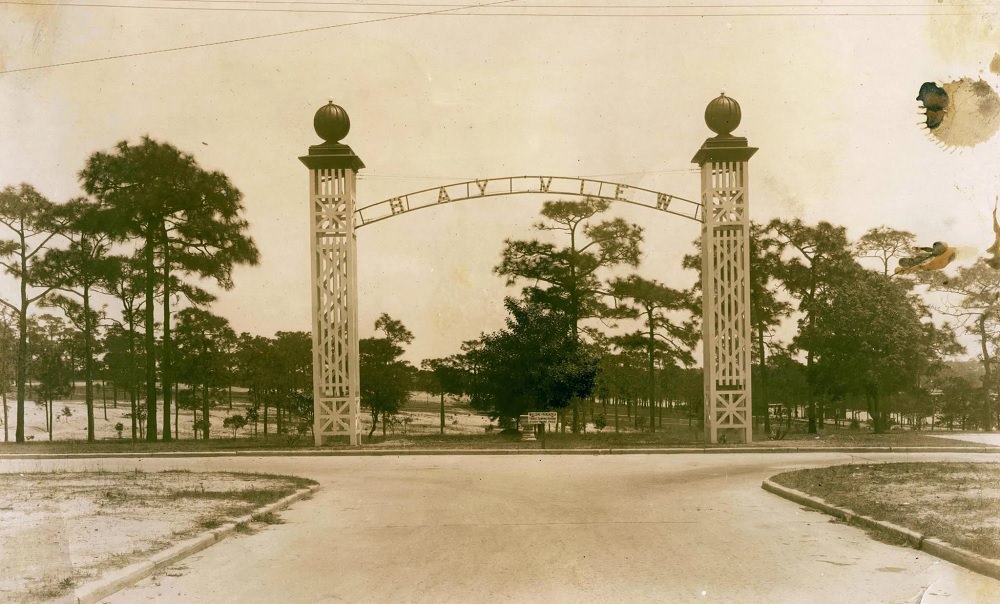
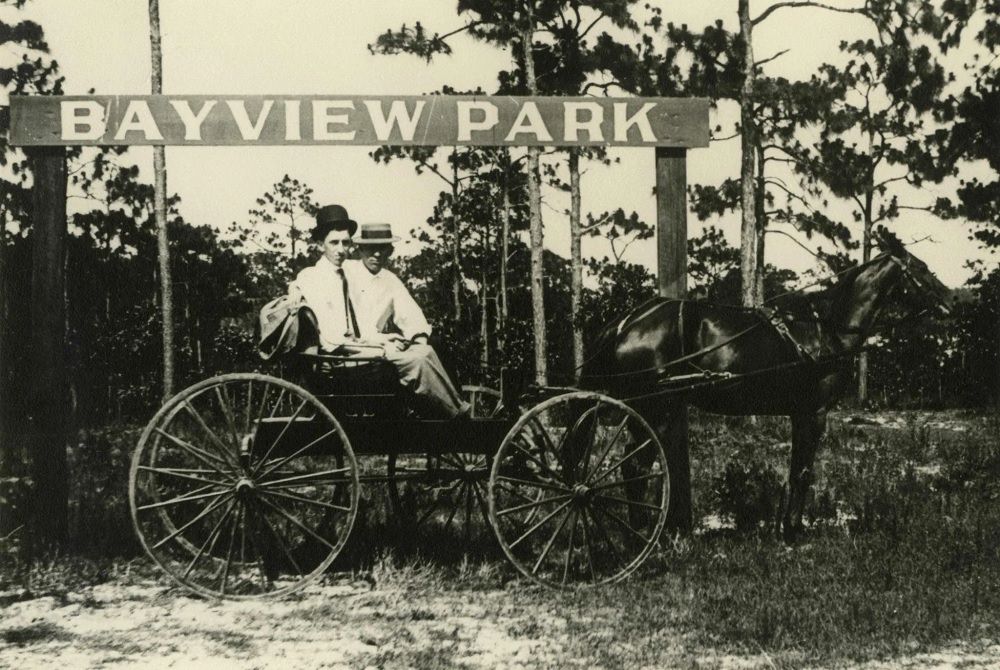
Bayview Park, located along the shores of Bayou Texar, became one of Pensacola’s most beloved public spaces in the early twentieth century. Residents used it for swimming, boating, and community gatherings. The park offered the city a scenic and accessible waterfront retreat.
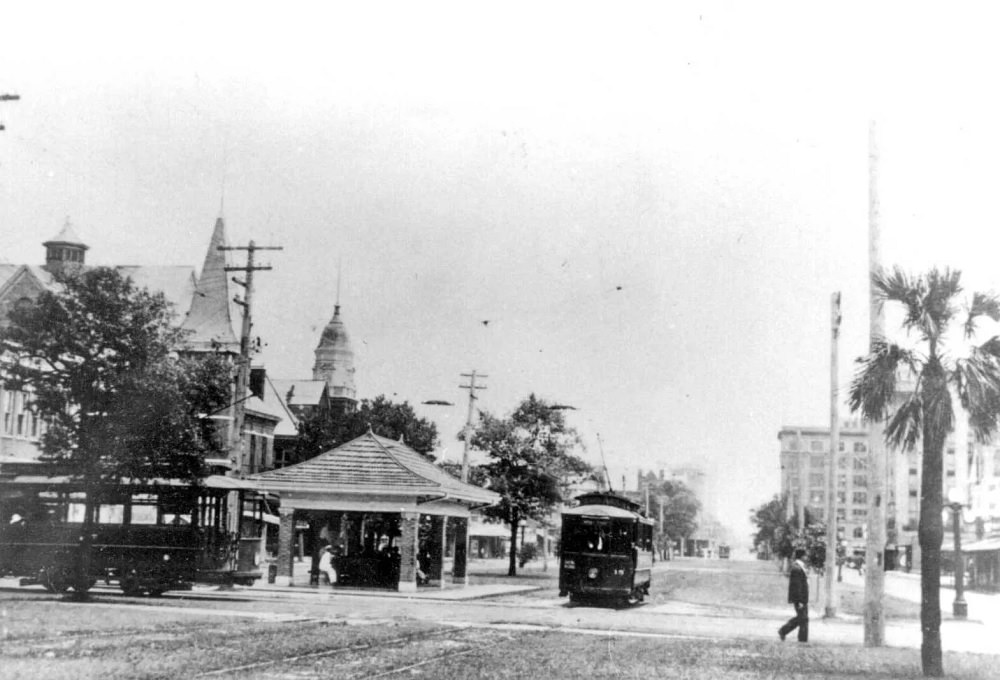
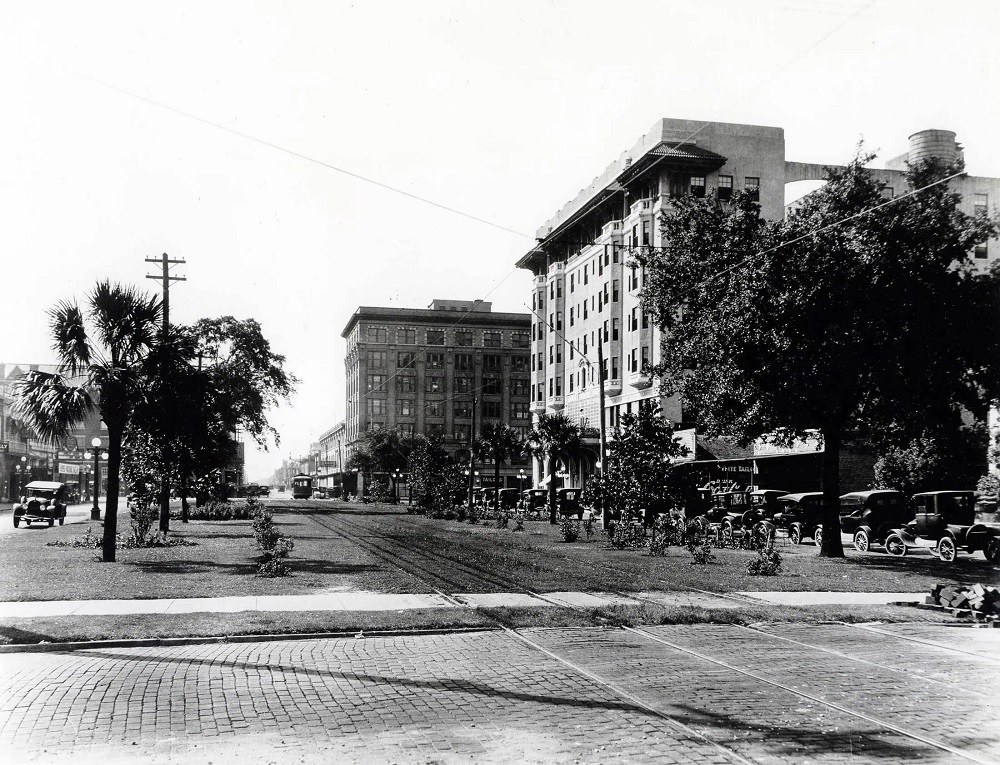
Pensacola’s streetcar system was launched in 1884 by German immigrant Conrad Kupfrian and his business partners, making it one of the first such services in Florida. By 1910, the tracks ran through key parts of the city, including along the North Palafox Street median, carrying workers and residents across town on a daily basis.
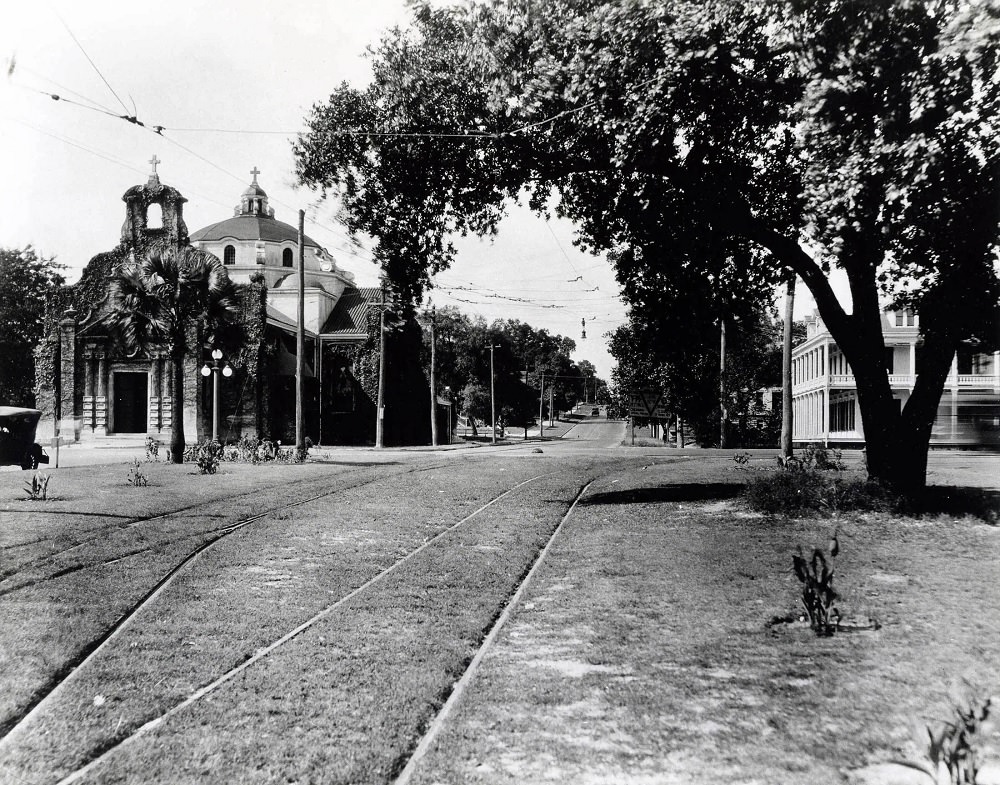
The streetcar network extended beyond the city center, with lines reaching into East Hill and across Bayou Texar to East Pensacola Heights. These routes expanded where residents could live and work, connecting neighborhoods that would otherwise have been too far from the downtown core.
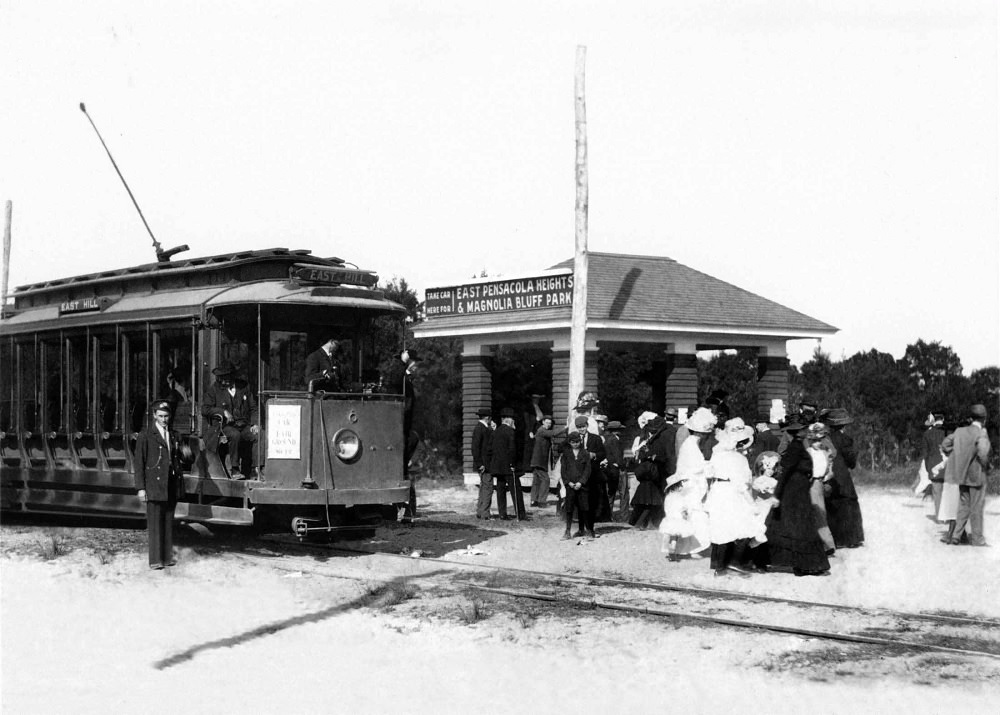
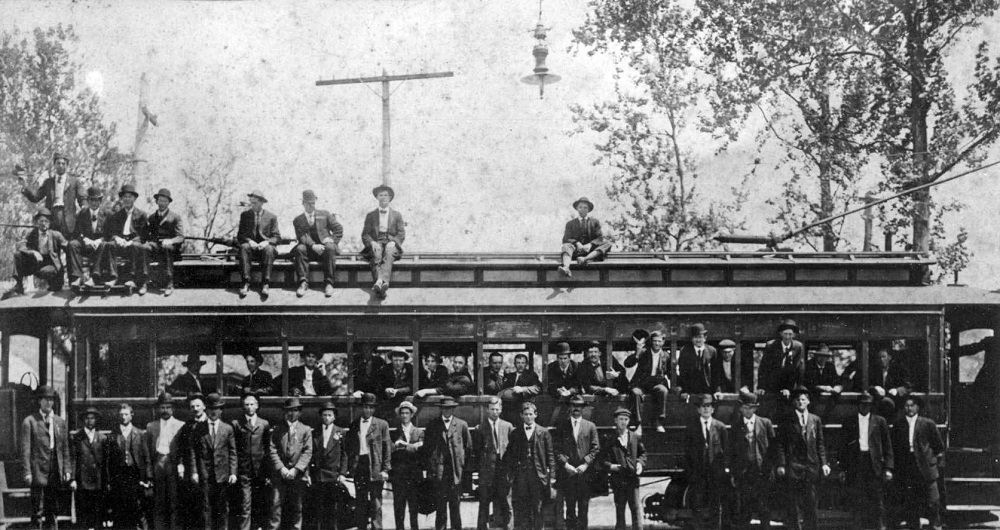
The streetcar system was not without conflict. In 1908, workers went on strike, and during the early days of the labor action, strikers posed with a streetcar they had seized from service. The image captured a tense moment in Pensacola’s labor history, at a time when workers across many American industries were pushing back against poor conditions and low wages.
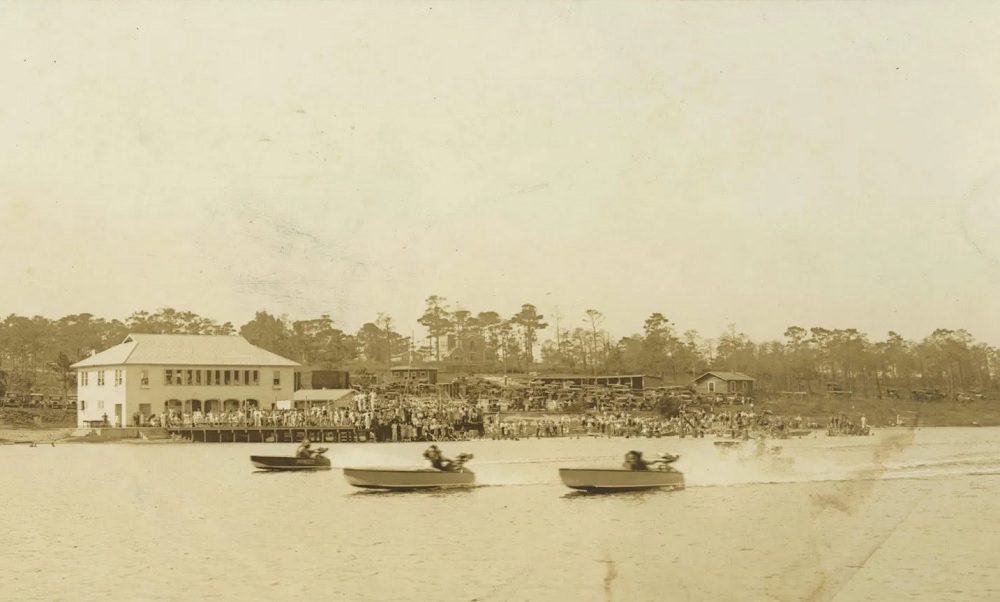
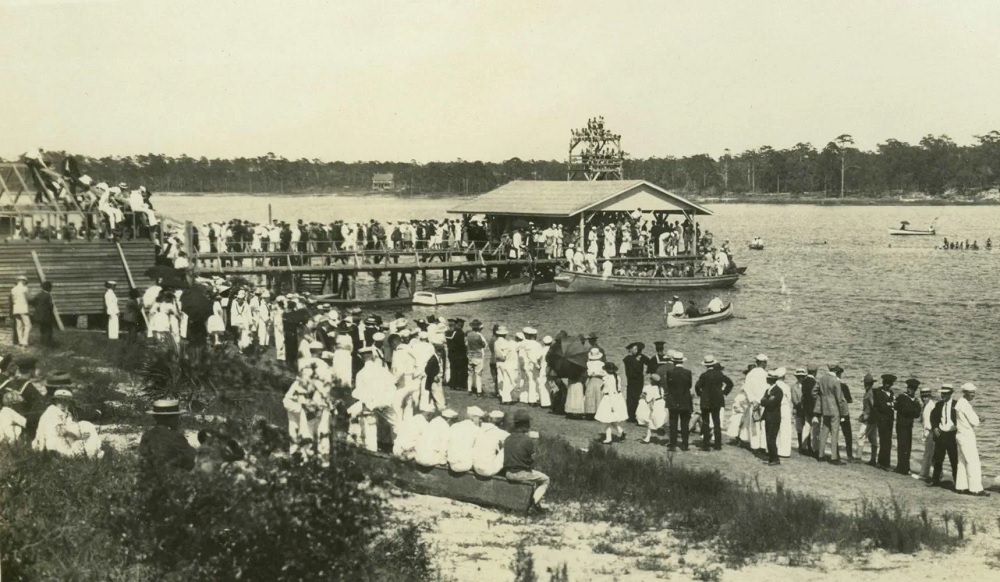
The opening of Bayview Park drew large crowds eager to enjoy the new public waterfront space. It quickly became a fixture of community life, hosting everything from casual afternoon outings to organized holiday celebrations.
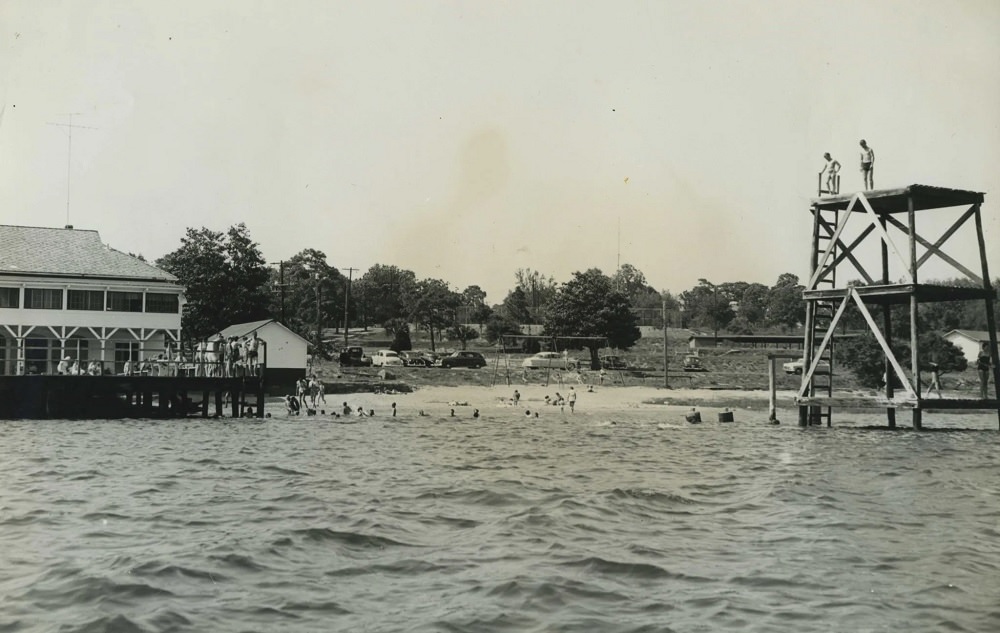
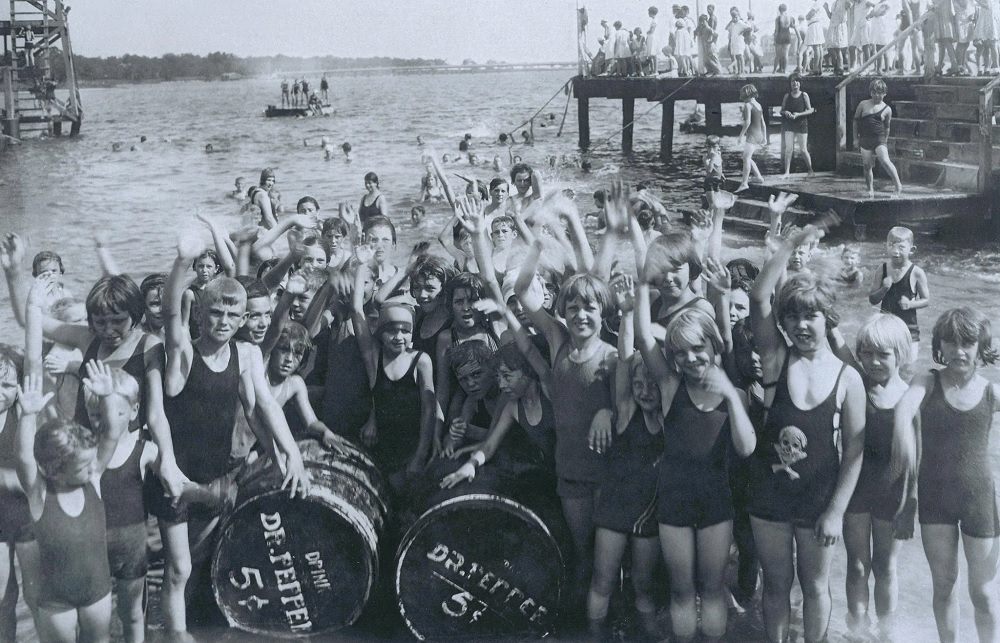
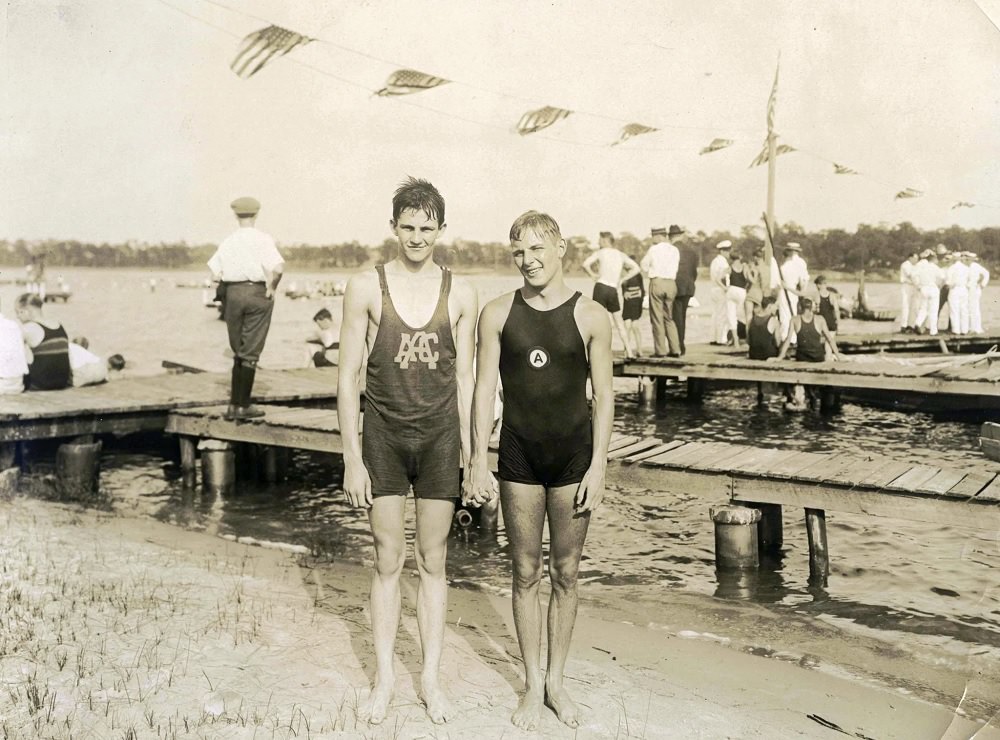
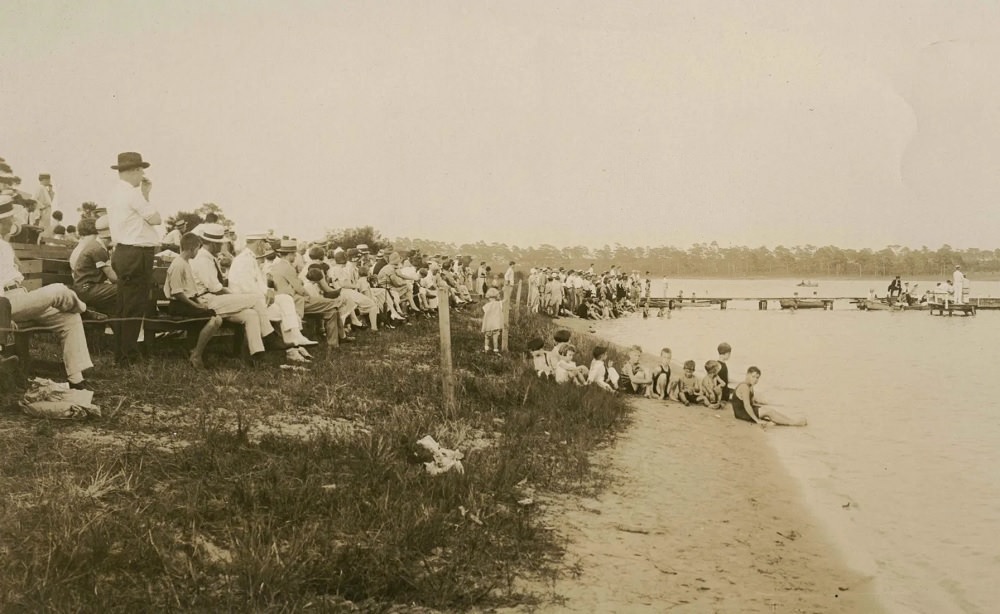
Swimming at Bayview Park was a popular activity throughout the year, drawing families and young people to the calm waters of Bayou Texar. The park provided access to the water that many residents otherwise lacked, making it a democratic and widely used public space.
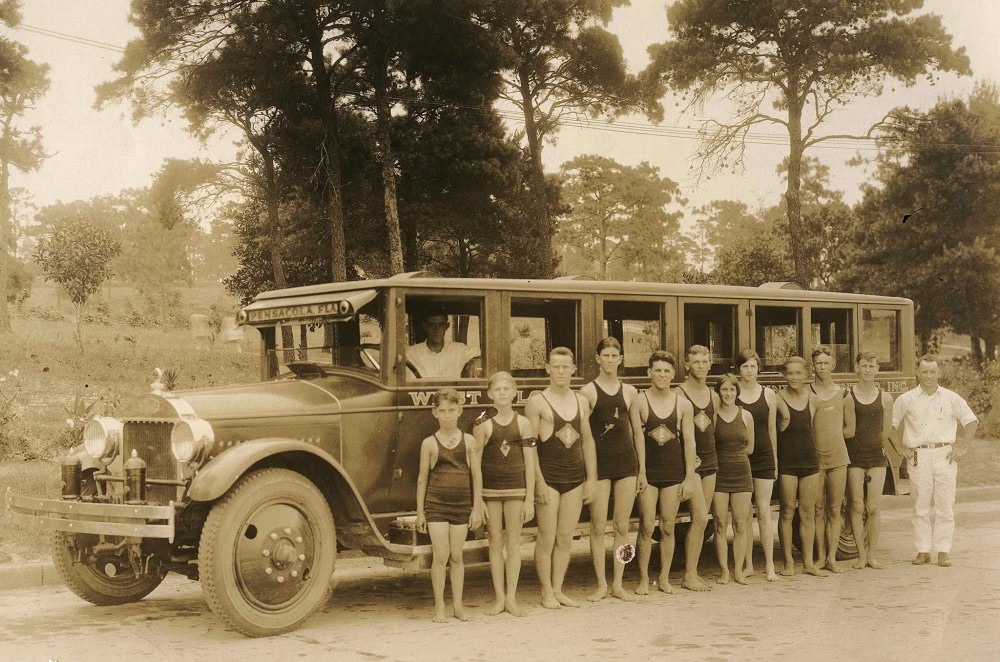
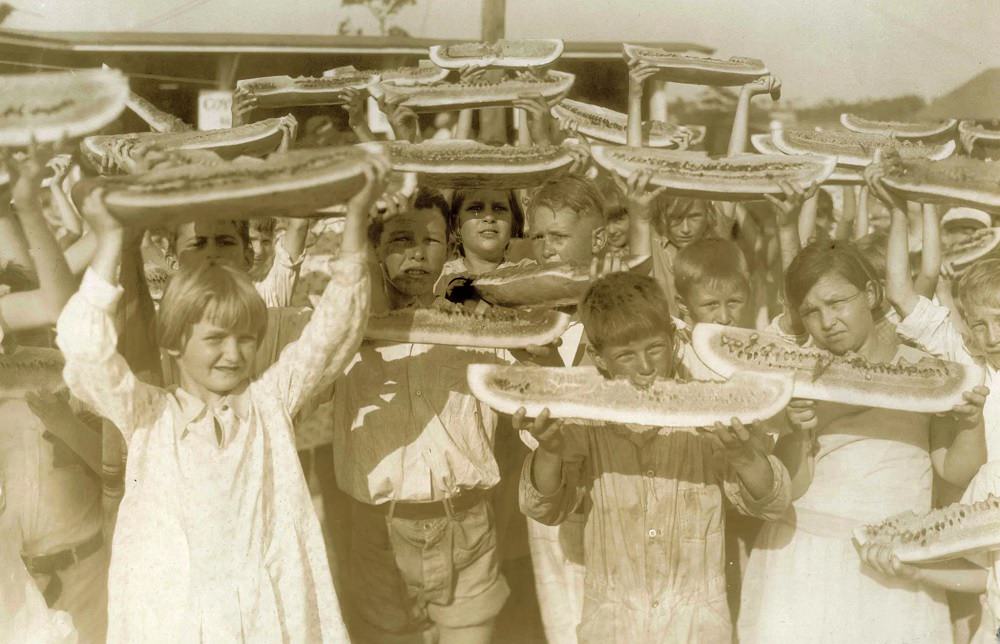
Independence Day celebrations at Bayview Park in 1908 brought the community together in force. Residents gathered on the grounds for festivities, food, and patriotic events, with the park serving as the natural backdrop for the city’s largest public holiday.
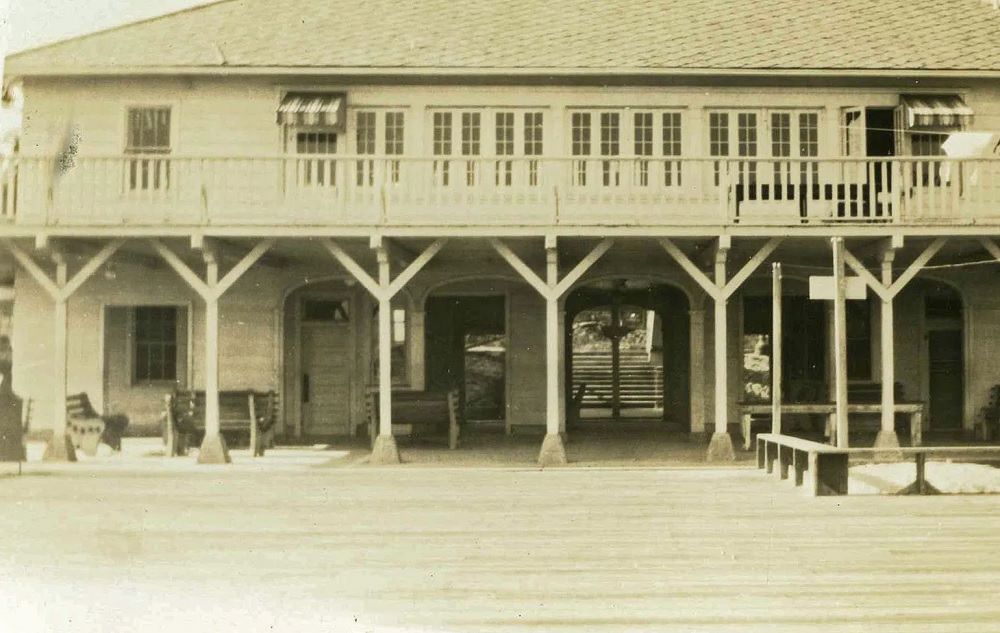
As Bayview Park grew in popularity, basic facilities were added to accommodate visitors. The construction of separate bath houses for men and women in 1910 reflected the social norms of the era, allowing swimmers to change and prepare for the water in designated spaces.
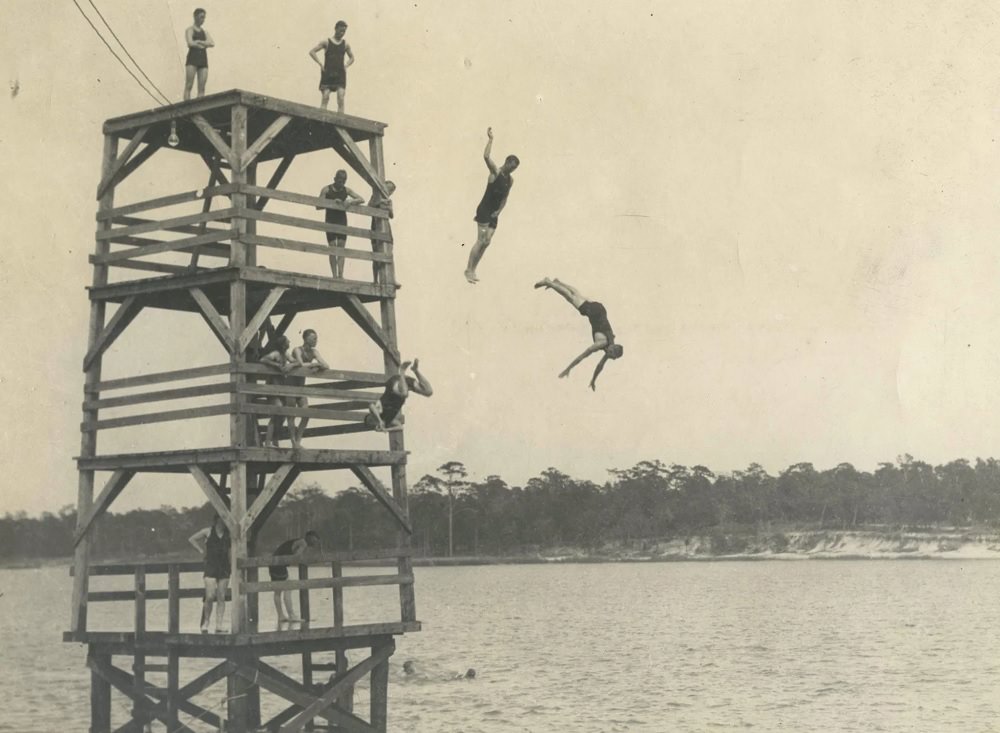
A 30-foot diving platform erected along the Bayou Texar shoreline at Bayview Park gave swimmers a dramatic point of entry into the water. It was a sign of how seriously the city invested in the park as a recreational destination, and it drew daring swimmers from across the area.
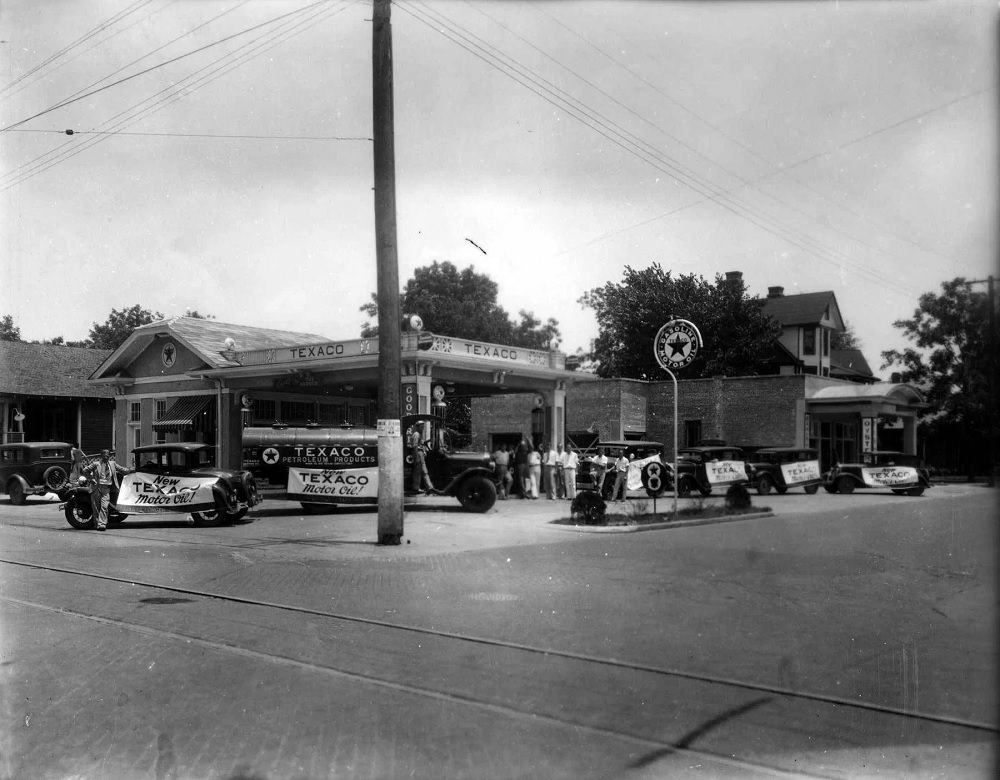
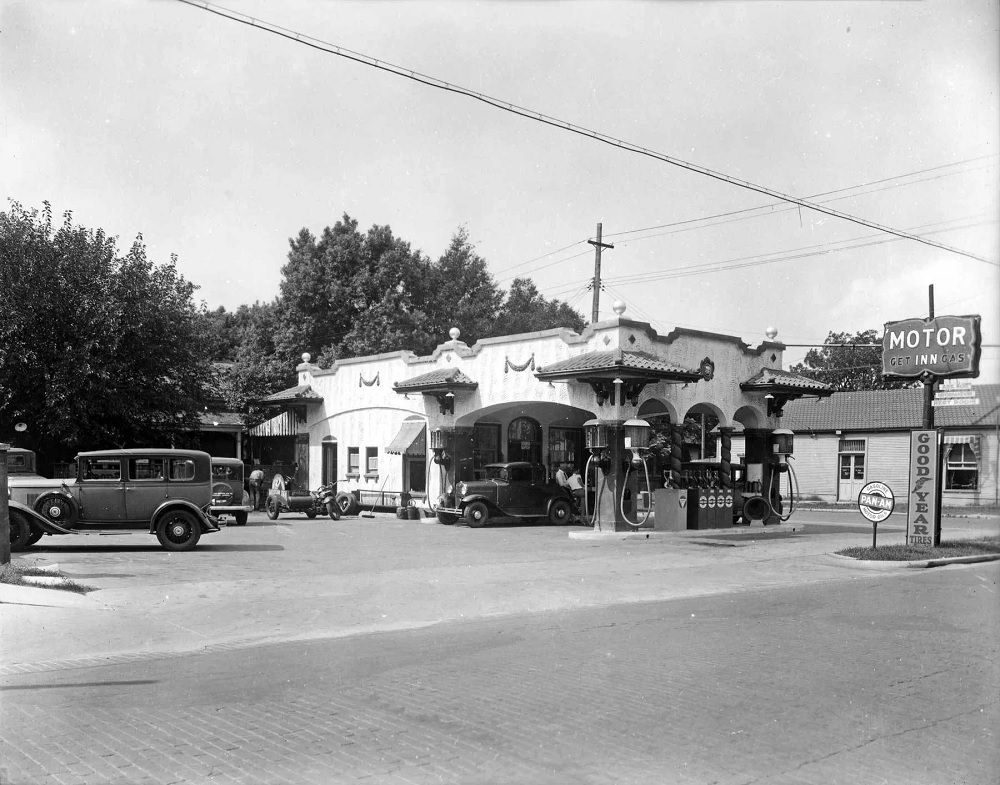
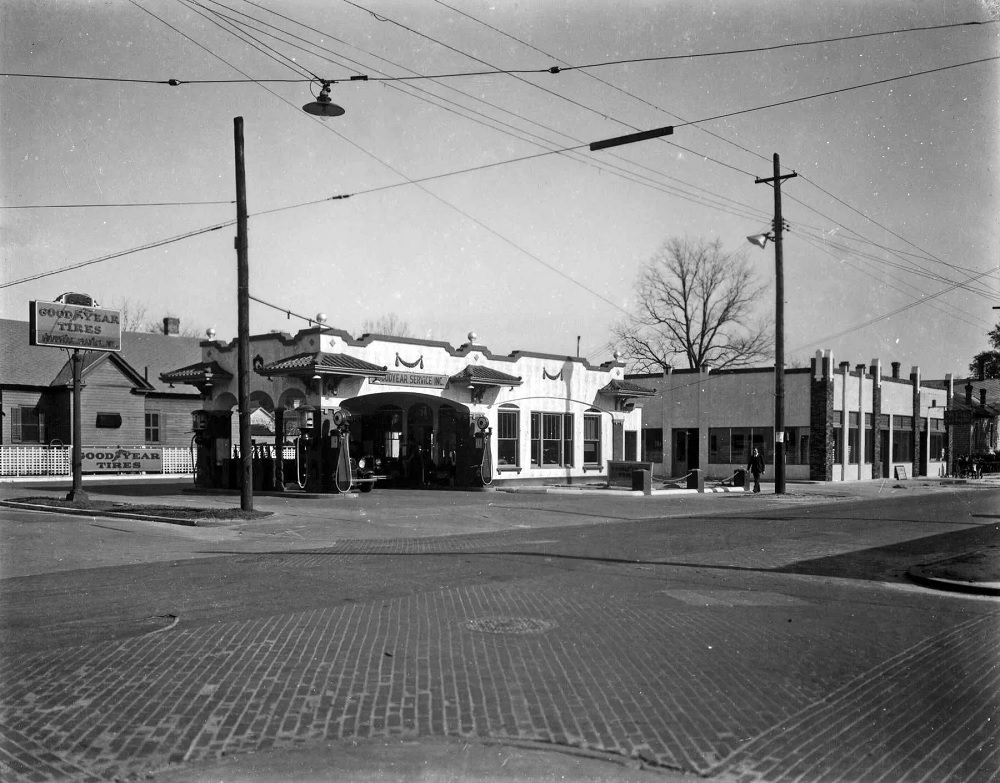
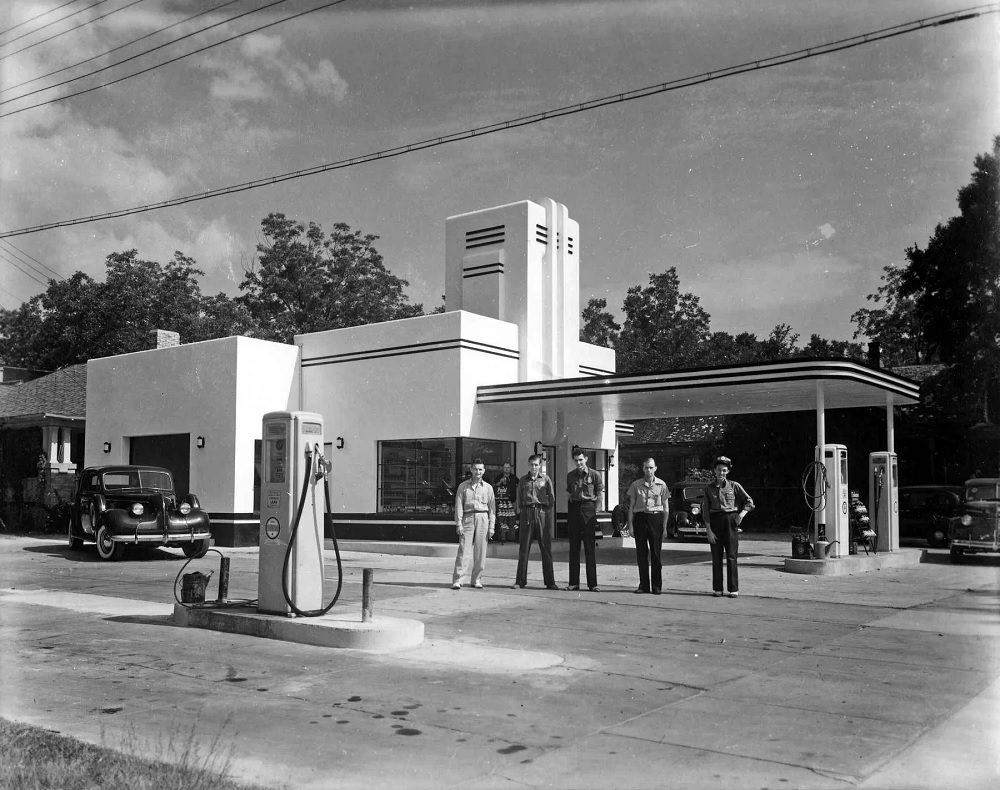
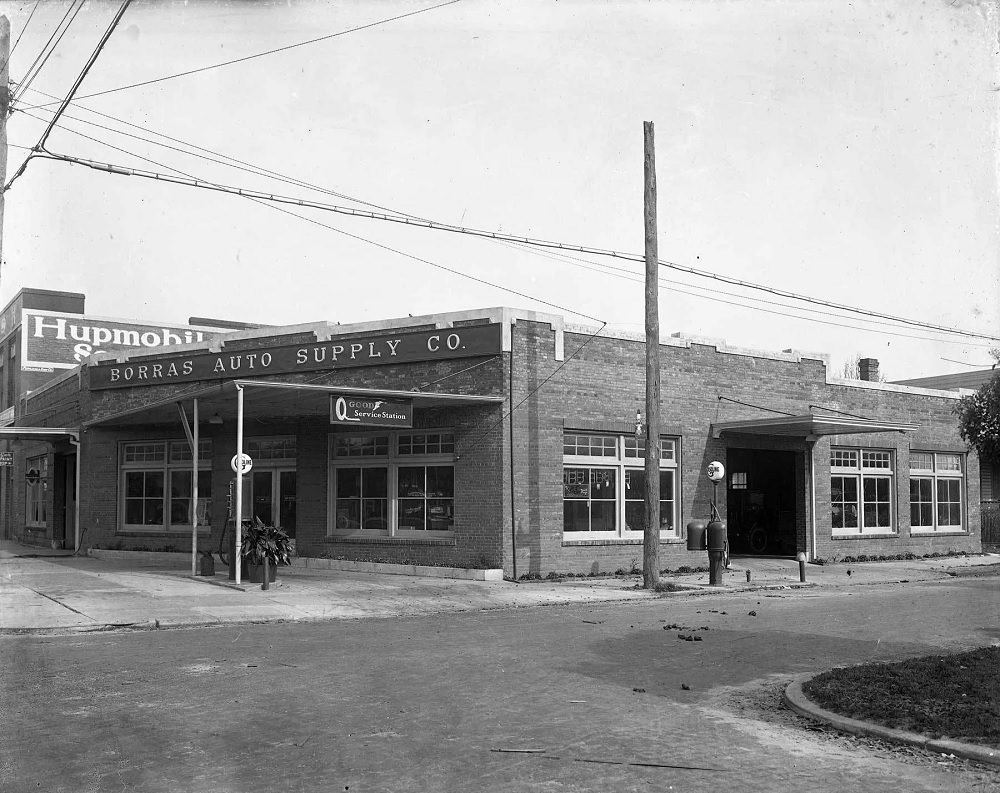
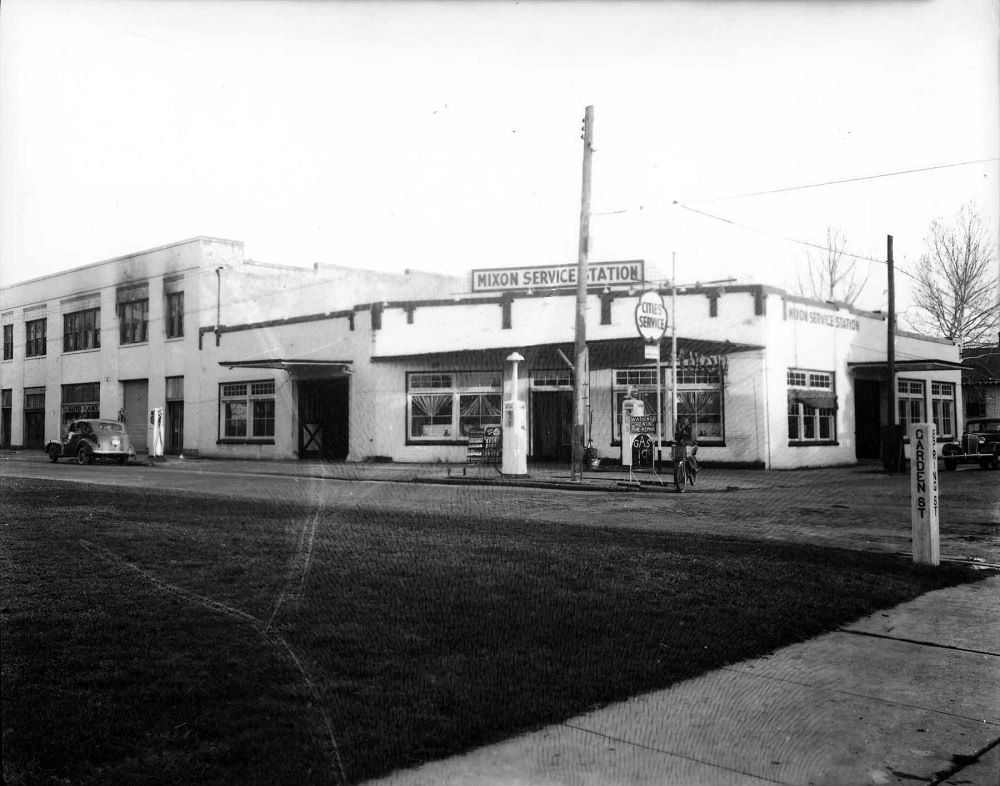
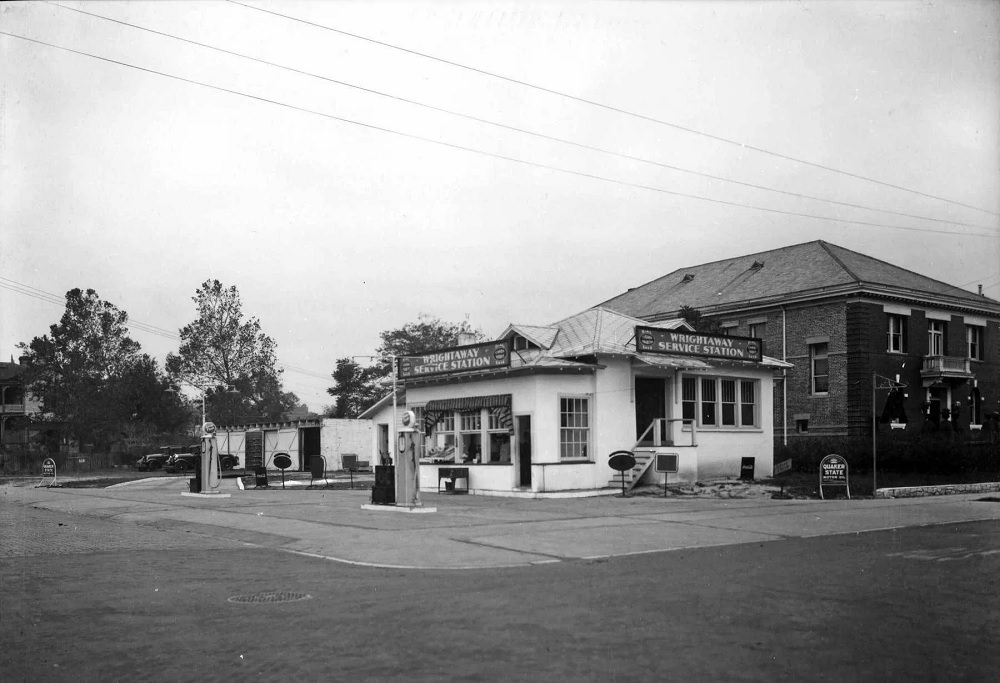
By the 1930s, the automobile had fundamentally reshaped Pensacola’s commercial landscape. Gas stations and auto supply shops opened across the city, serving a growing population of drivers. The streetcar system, which had run since 1884, was replaced entirely by motor buses in 1932 as the car became the dominant form of transportation.
Bayview Park remained a central gathering spot for Pensacola residents well into the 1930s. Swimming, boating, and water skiing drew crowds on warm days, and the park continued to expand its facilities as demand grew.
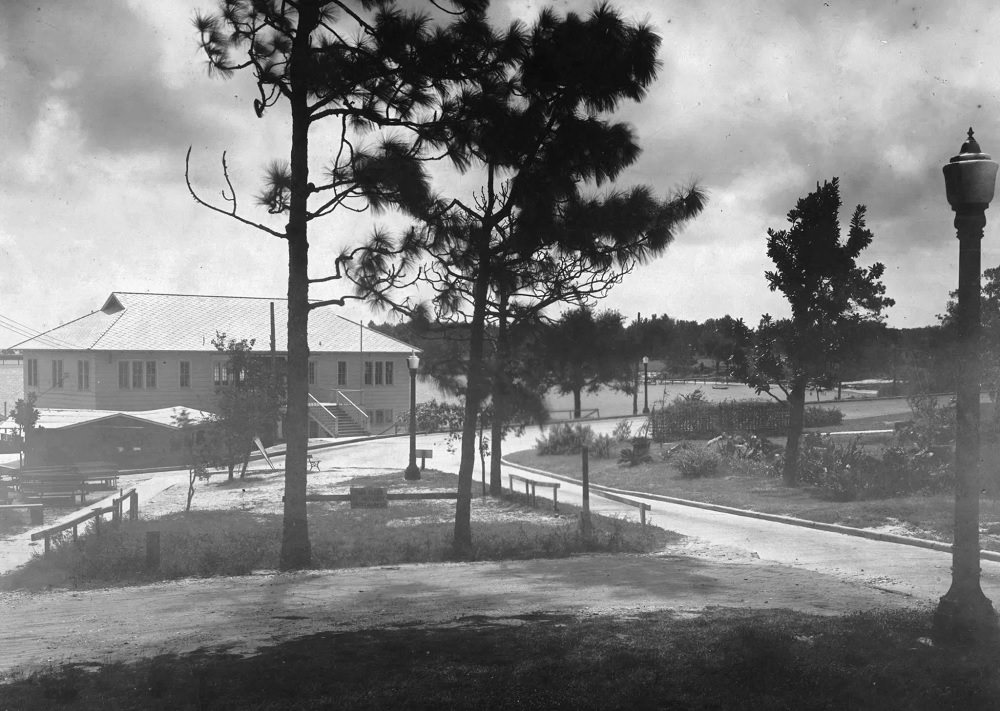
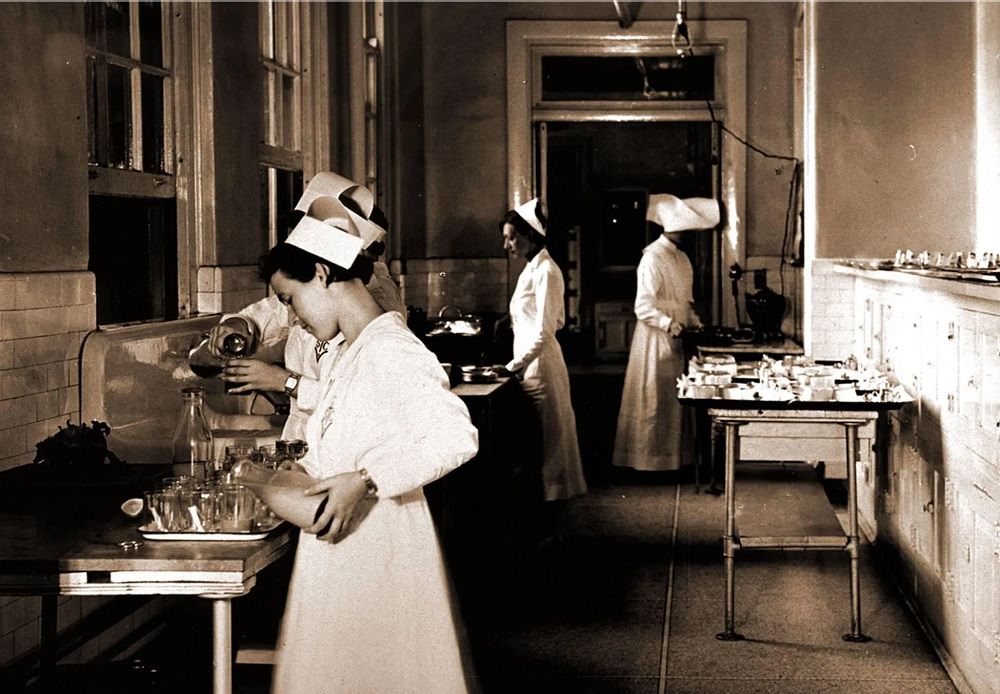
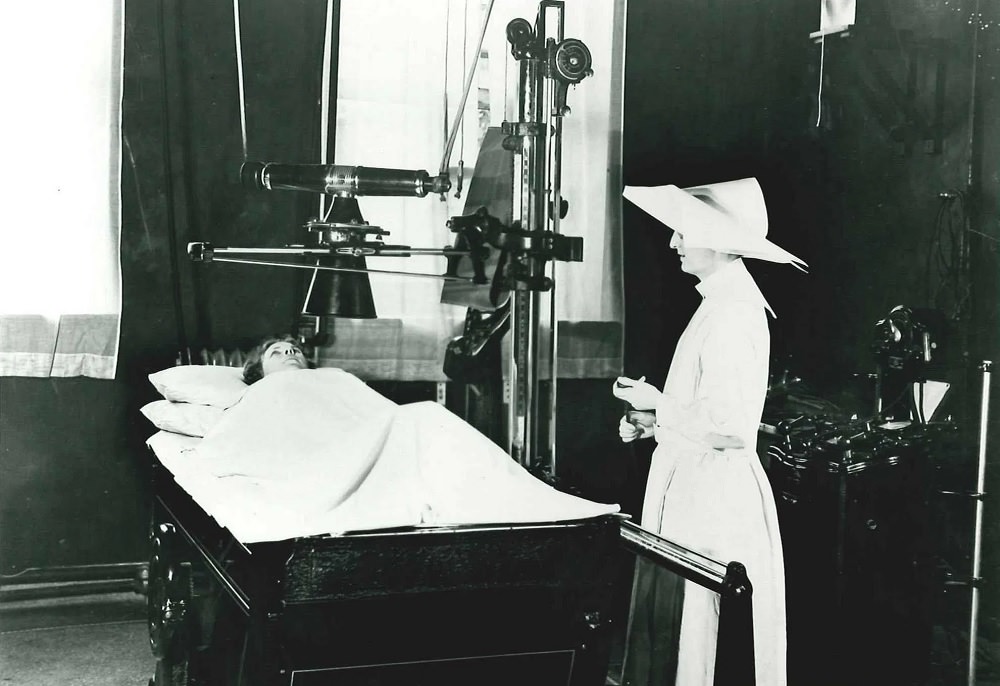
Healthcare in Pensacola during the 1930s was centered around facilities like Pensacola Hospital and Sacred Heart. Nurses and staff worked in conditions that, while modest by later standards, represented the medical capabilities of the time. Sacred Heart’s operating room in 1932 offered a glimpse into the surgical practices of that era.
One of the most damaging events in Pensacola’s early twentieth century history was the Halloween Night Fire of 1905. The blaze tore through the city’s commercial section, destroying numerous buildings and setting back the downtown area significantly. Recovery required years of rebuilding and reshaping the central business district.
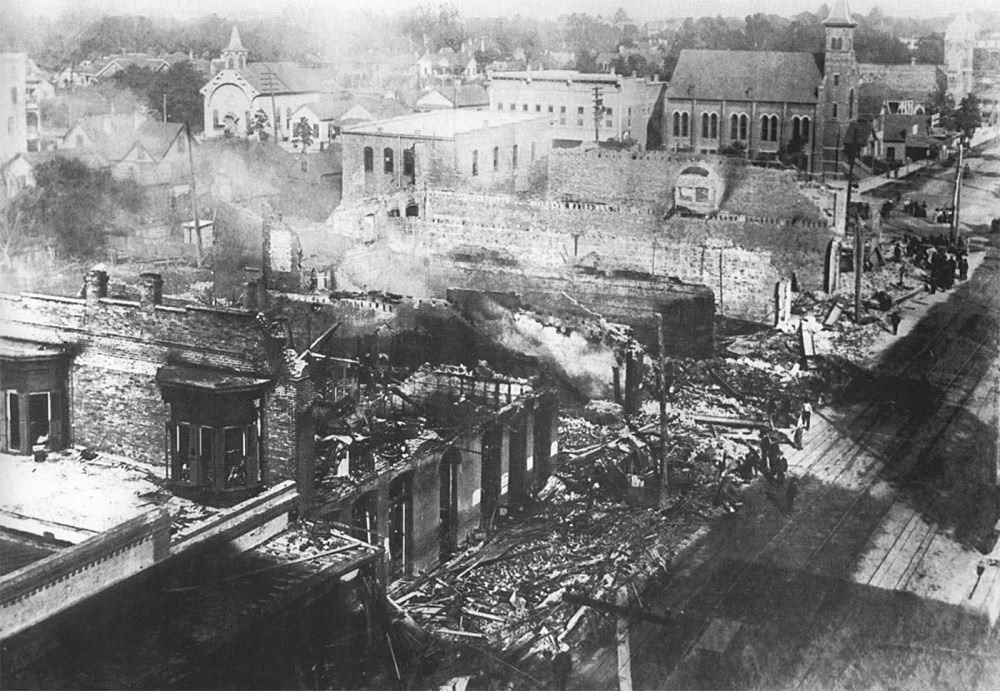
In the years following the fire, Pensacola’s downtown rebuilt and expanded. New buildings rose along Palafox Street and the surrounding blocks, and the city’s commercial identity was reestablished through the 1910s and 1920s. Streets like Palafox and Garden became lined with shops, offices, and institutions.
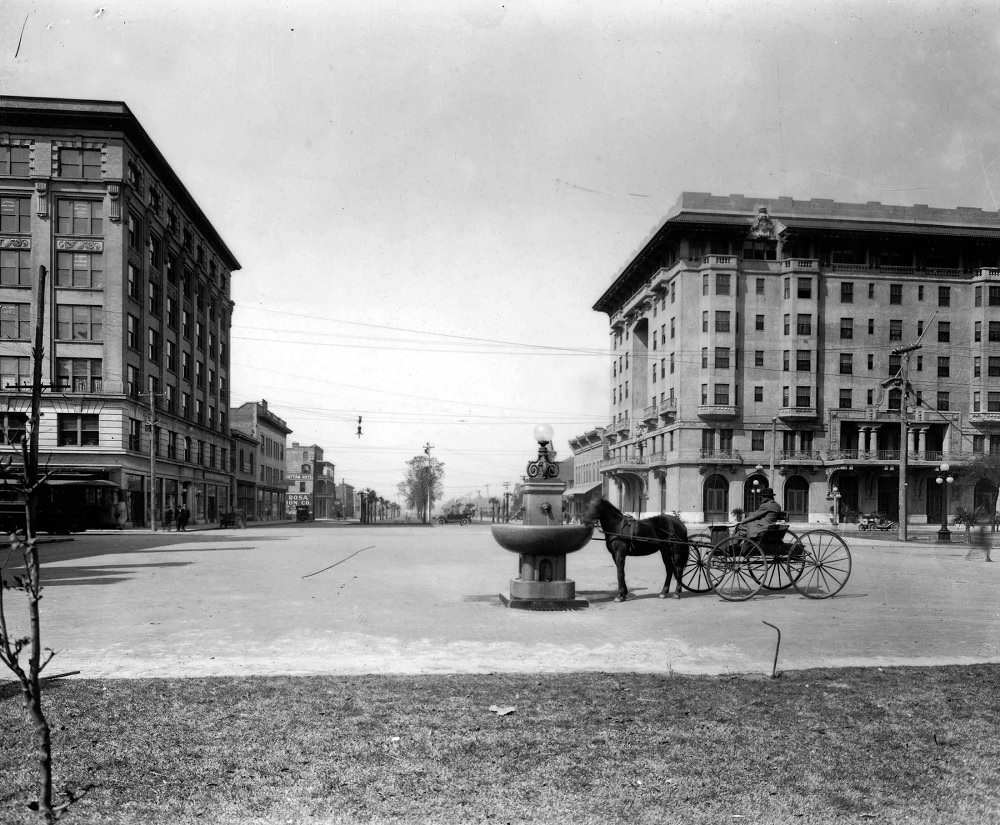
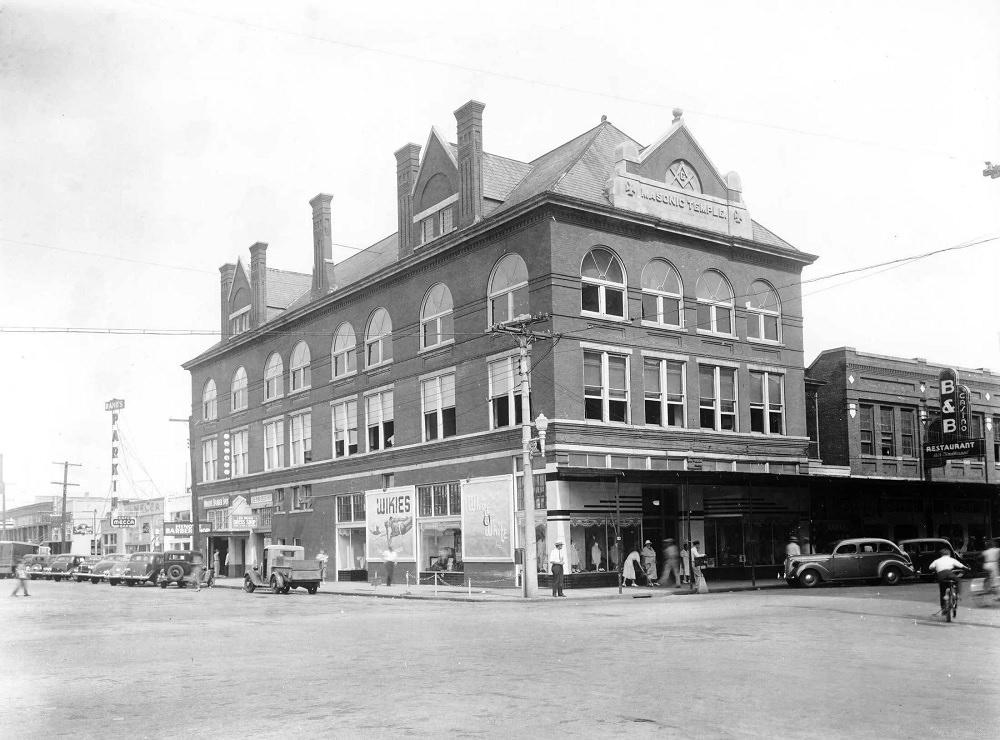
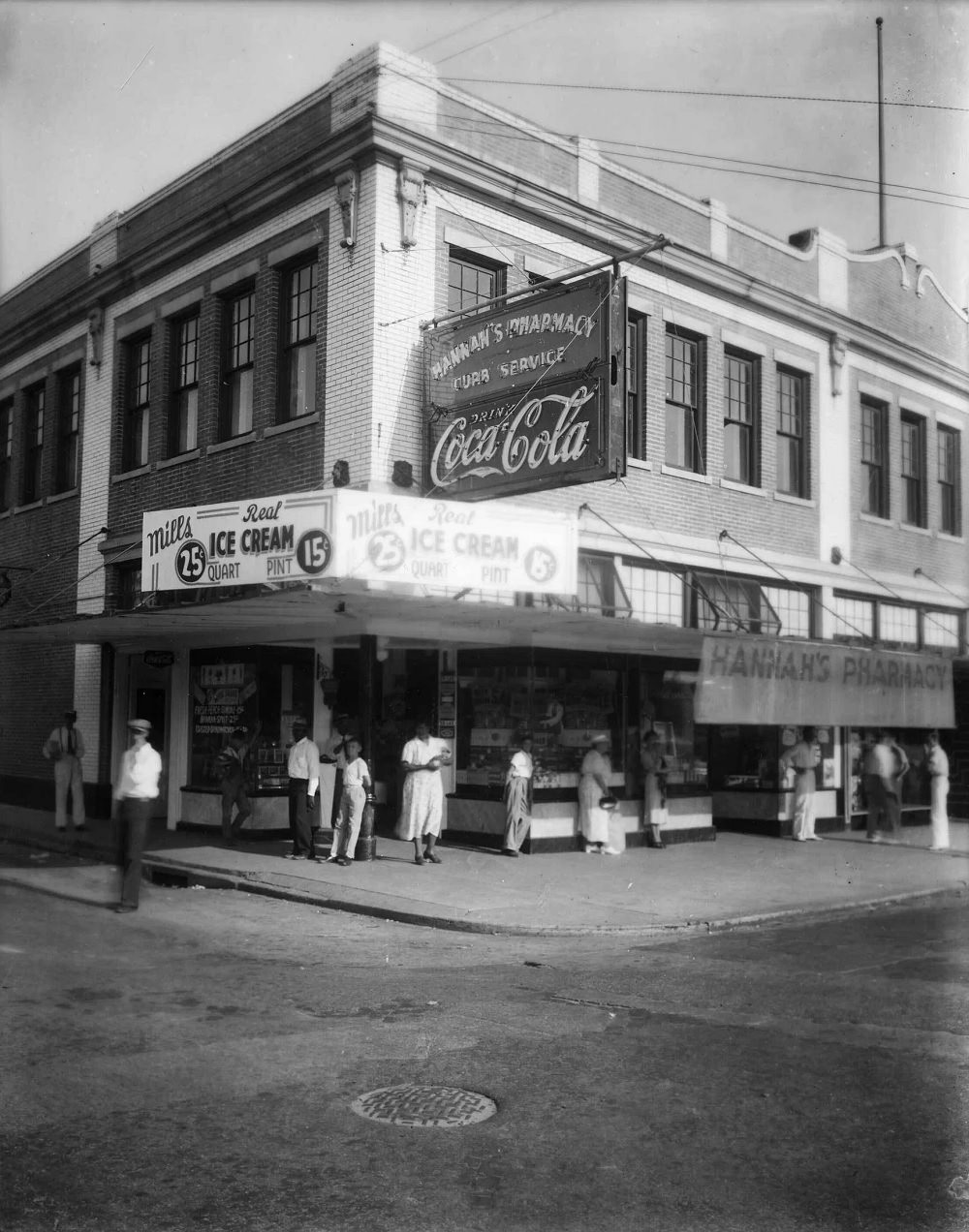
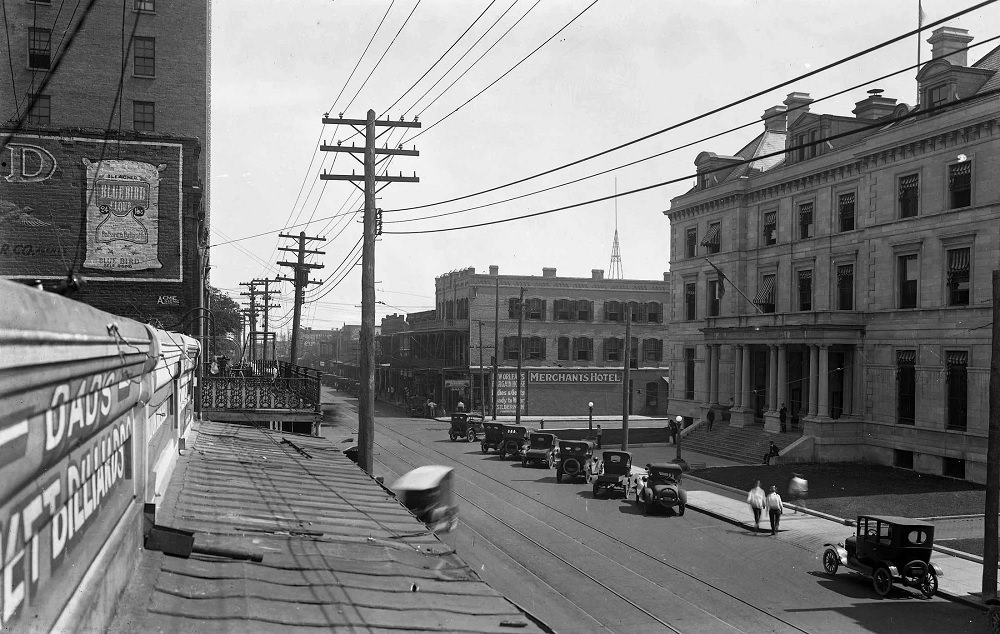
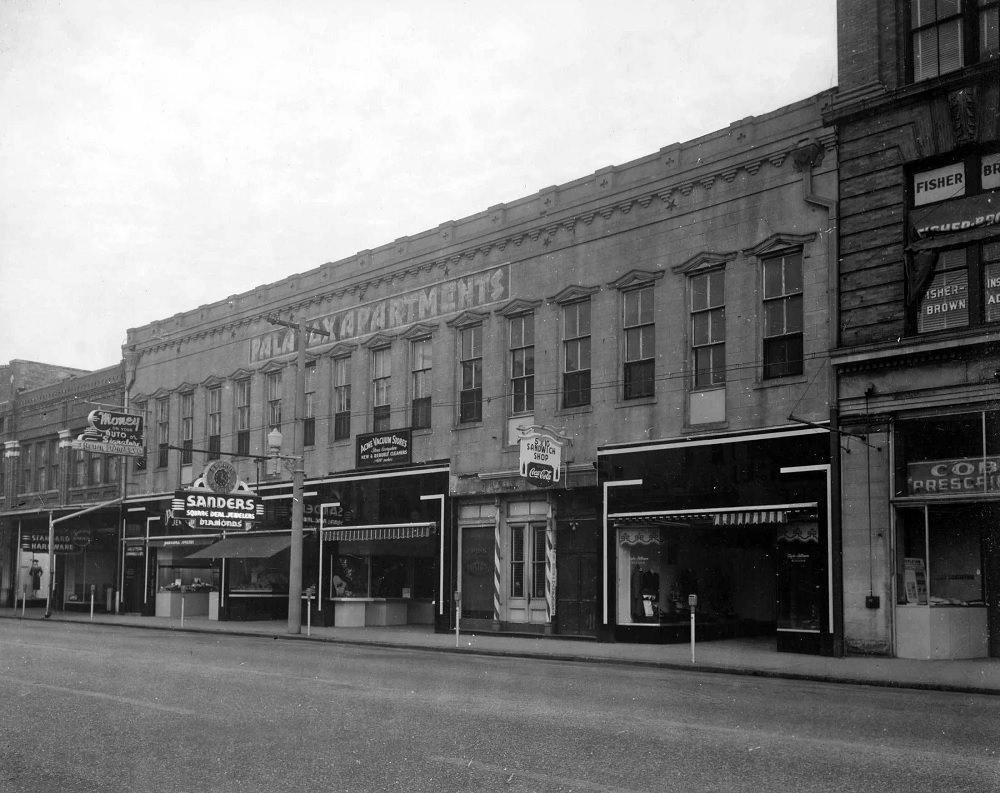
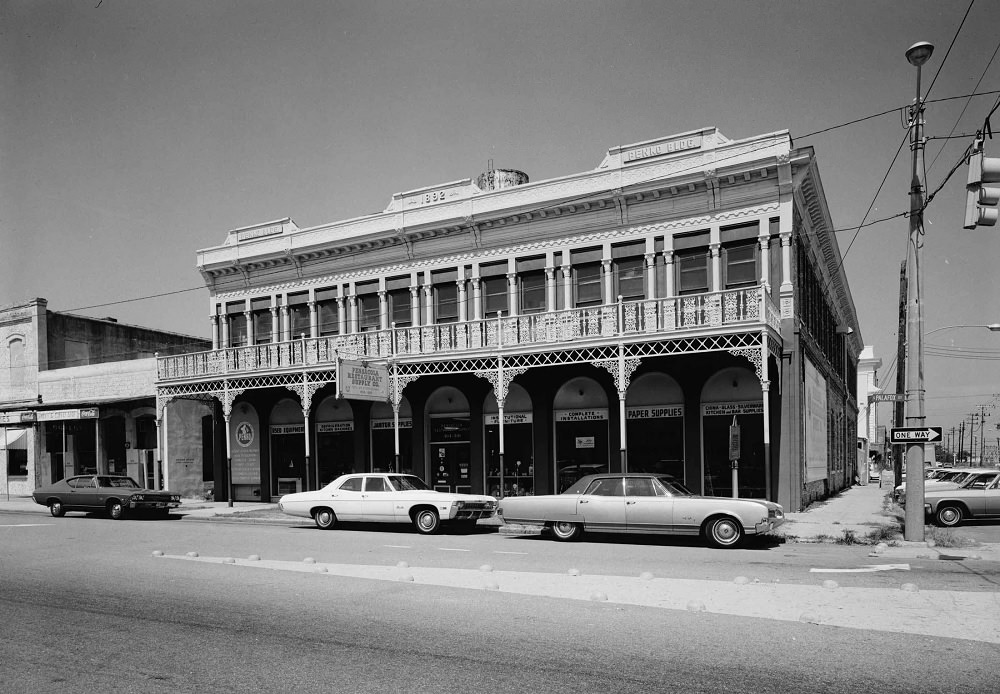
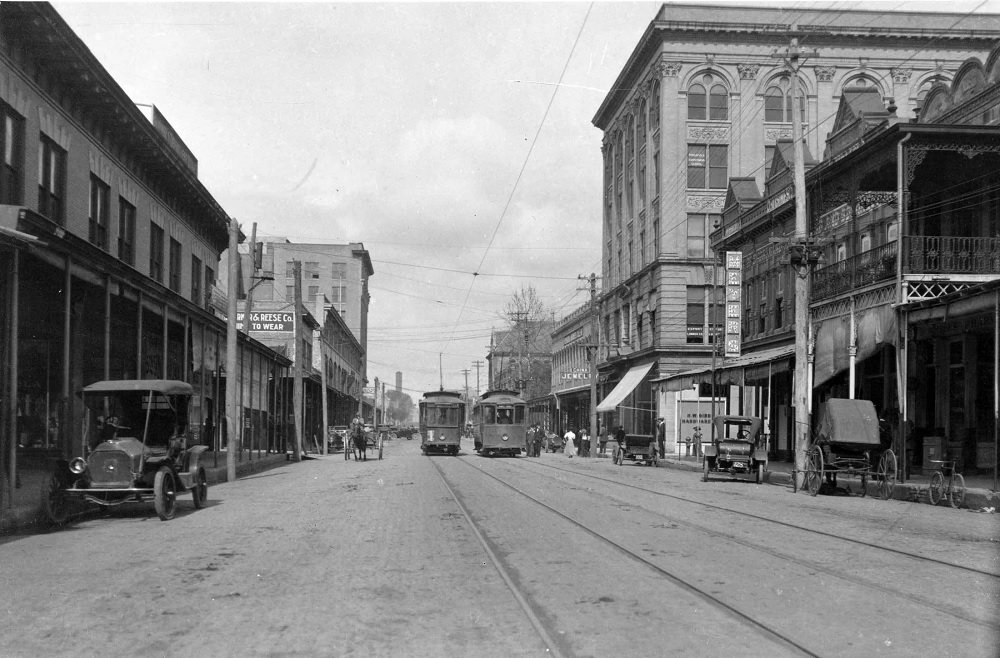
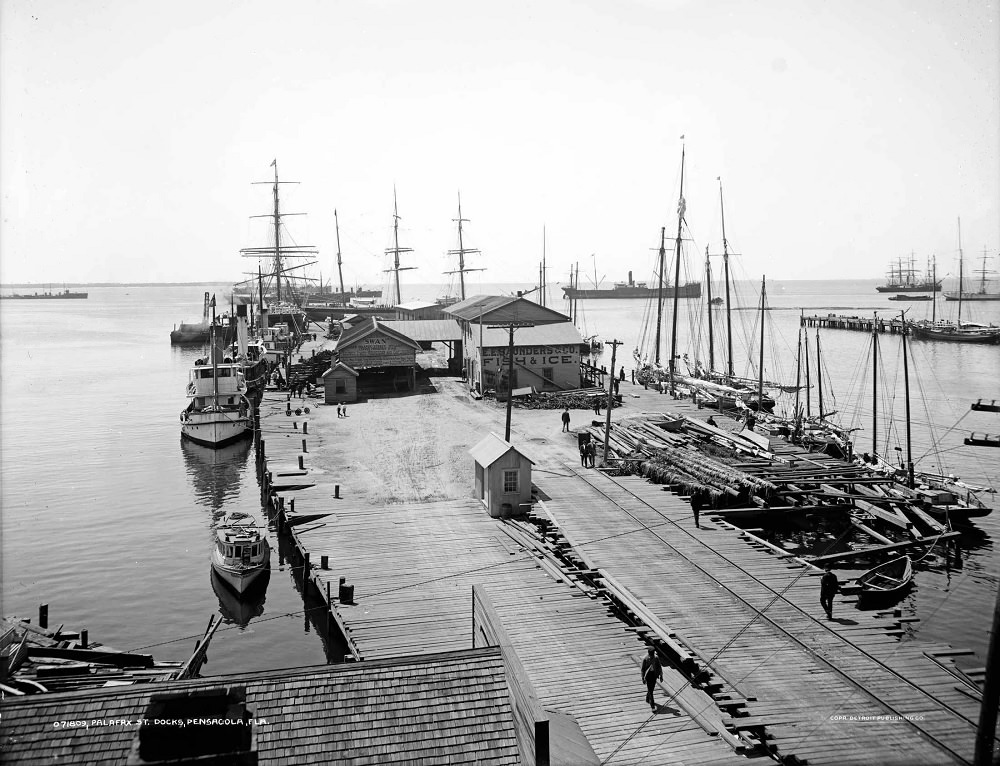
The Palafox Street Wharf connected downtown directly to the waterfront, allowing cargo and passengers to move between the city’s commercial center and its port. The wharf was a functional link between Pensacola’s street life and its maritime economy.
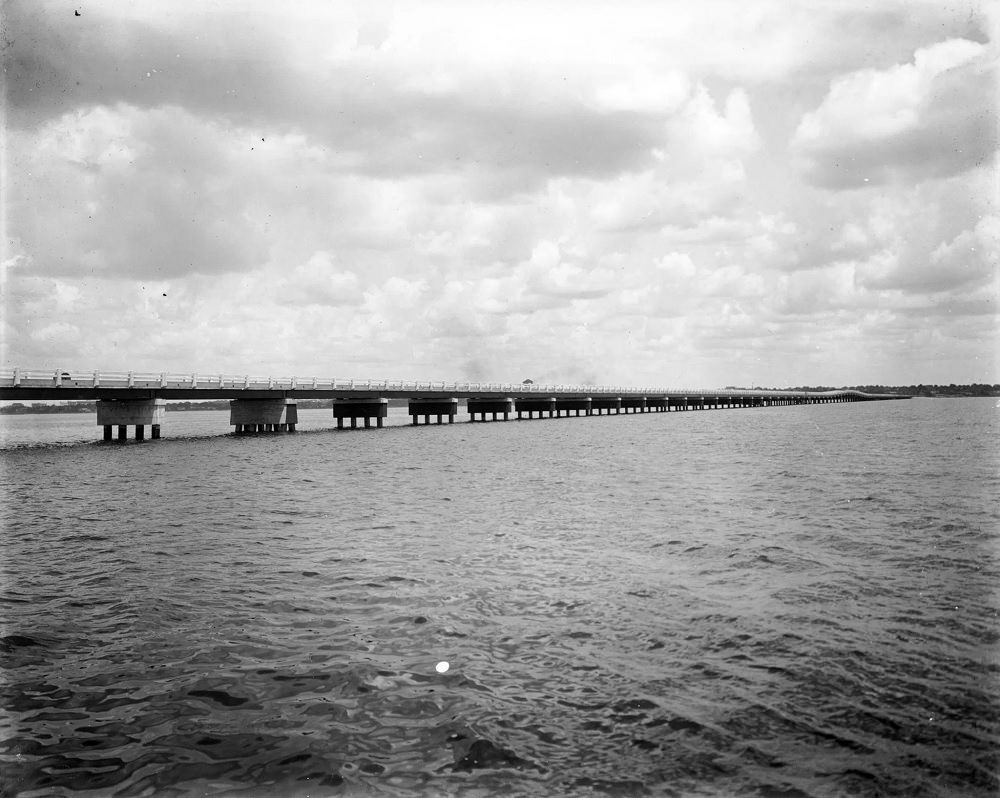
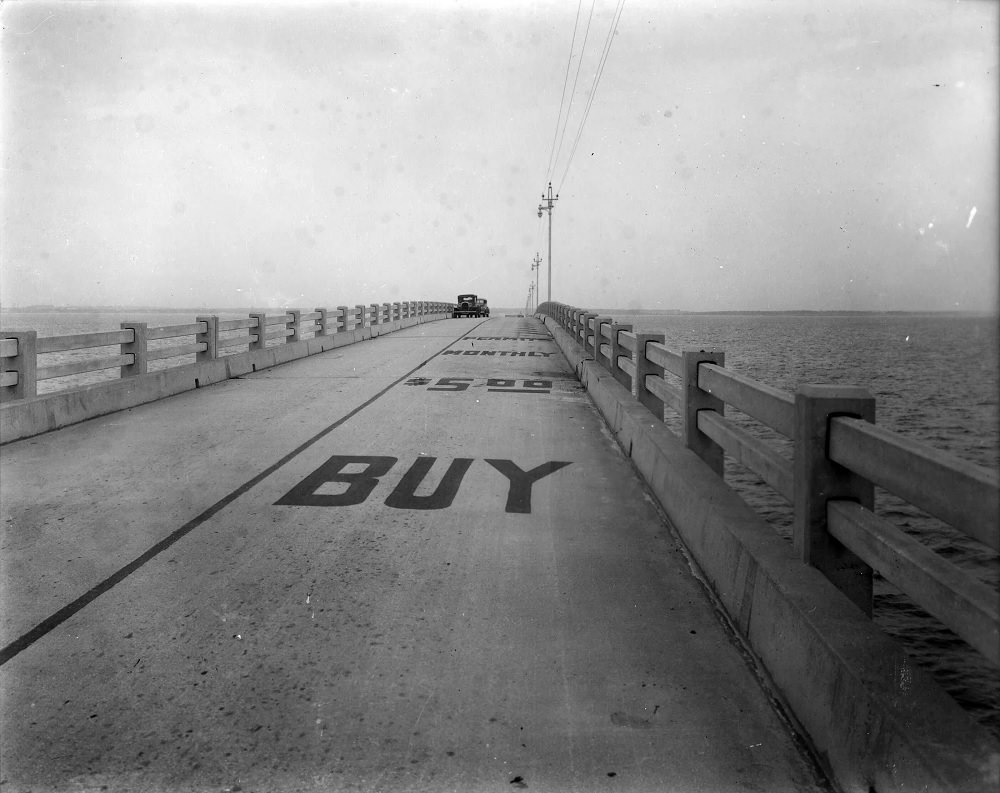
A major infrastructure milestone came in 1931 with the opening of the first Pensacola Bay Bridge. The bridge connected Pensacola to the communities and beaches on the south side of the bay, making travel far easier and opening up Pensacola Beach to greater development and tourism.
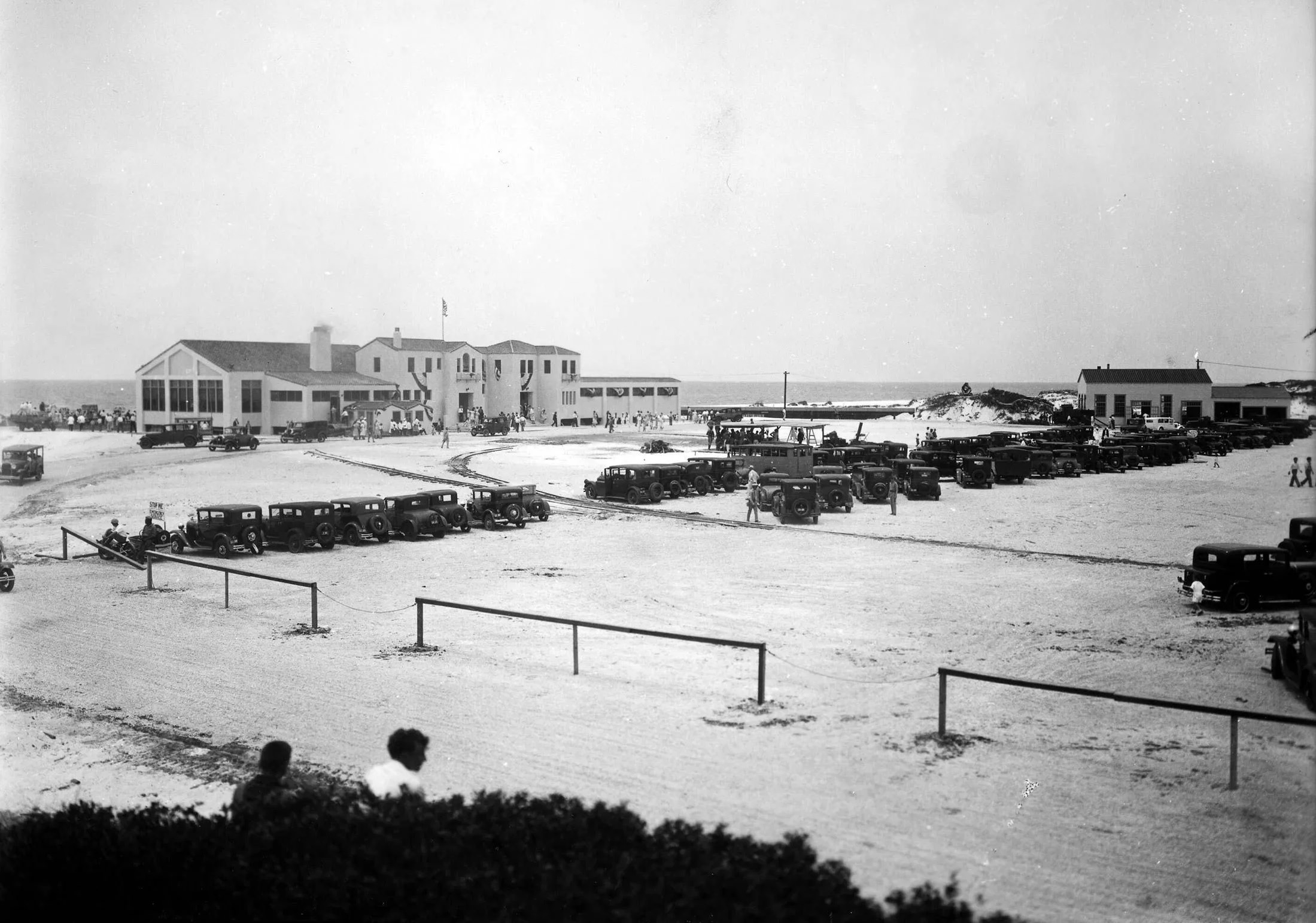
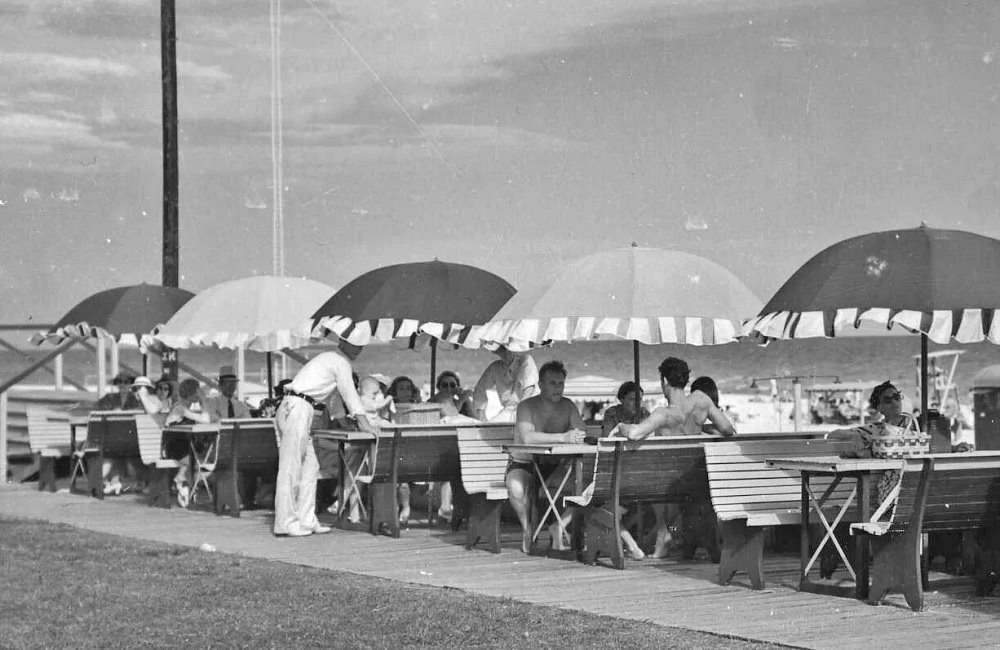
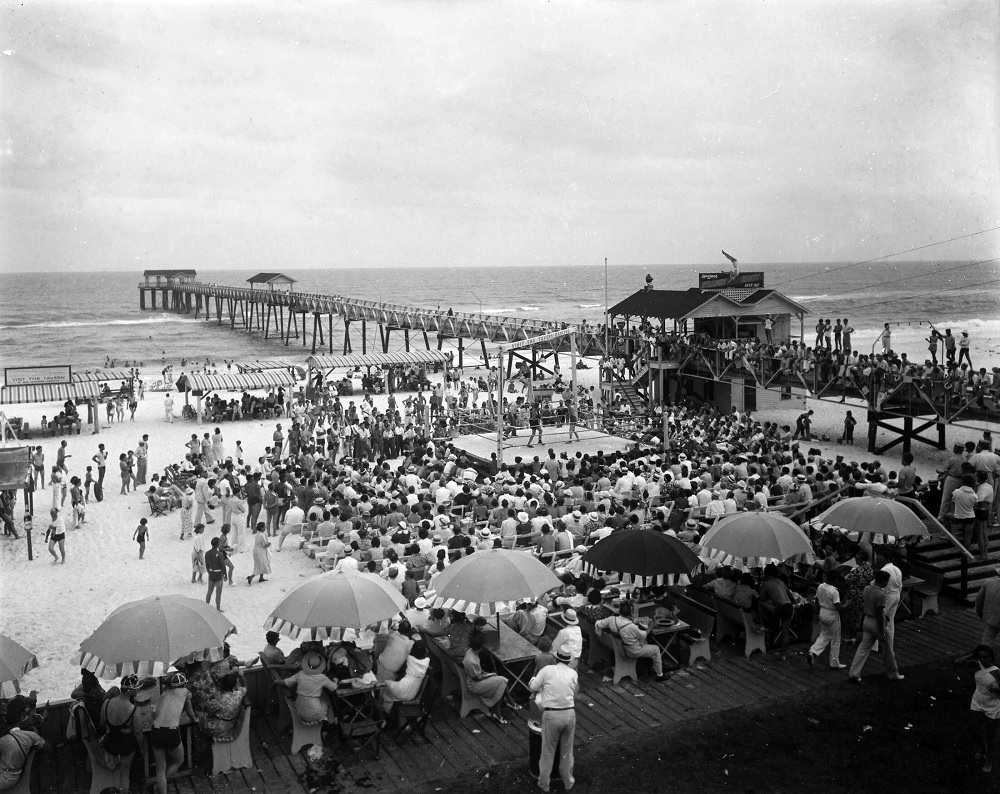
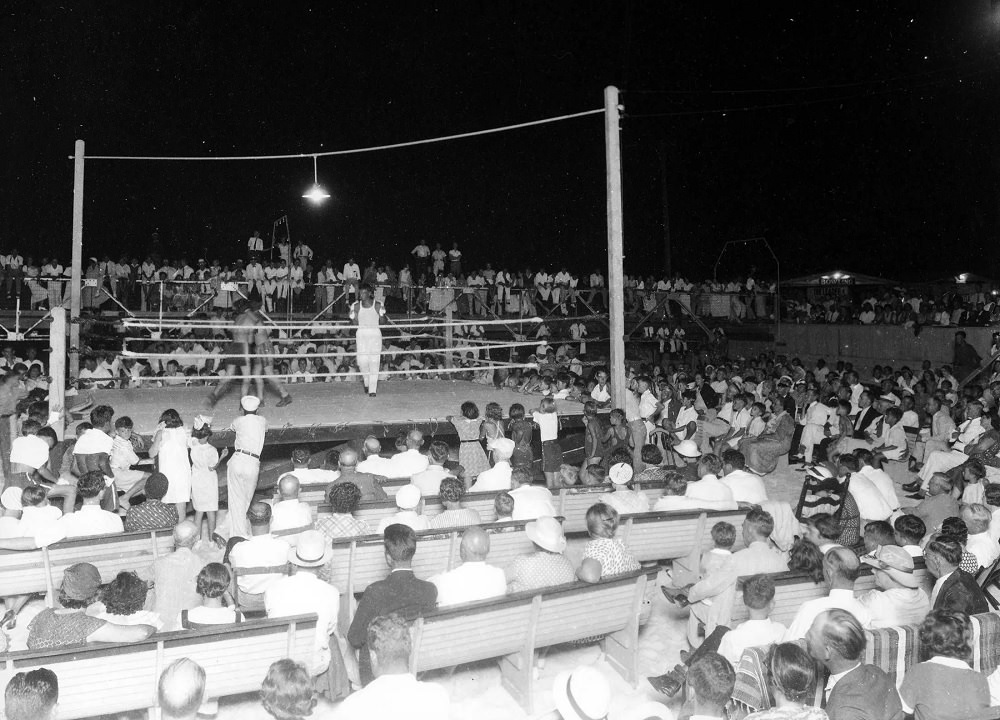
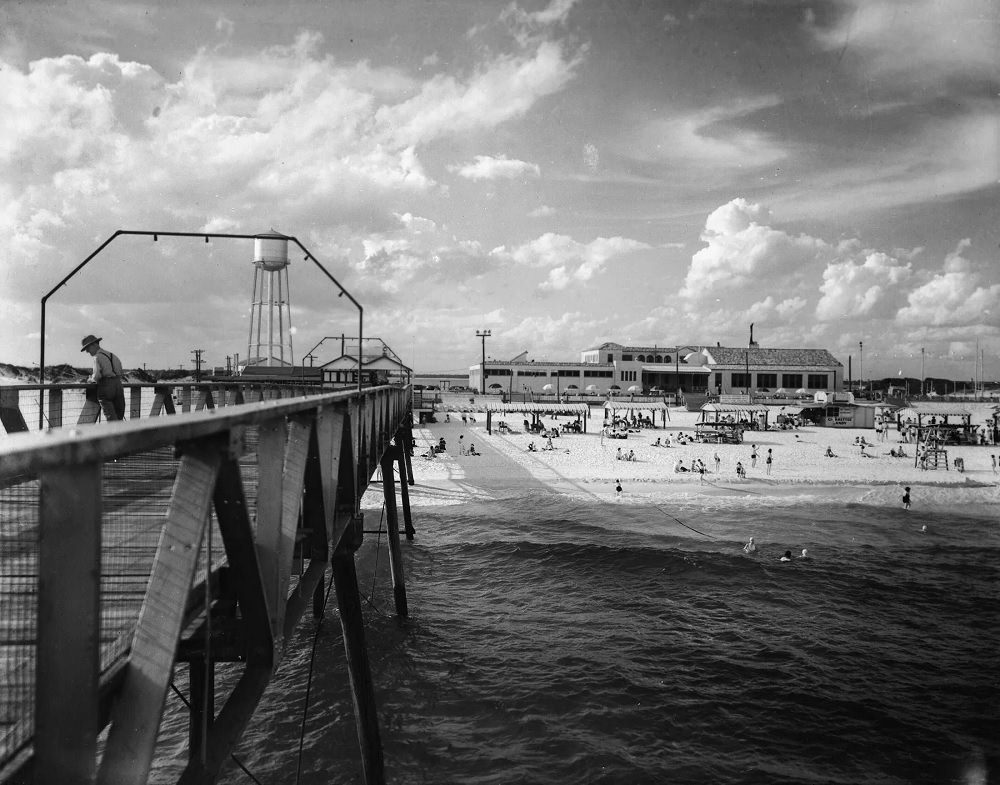
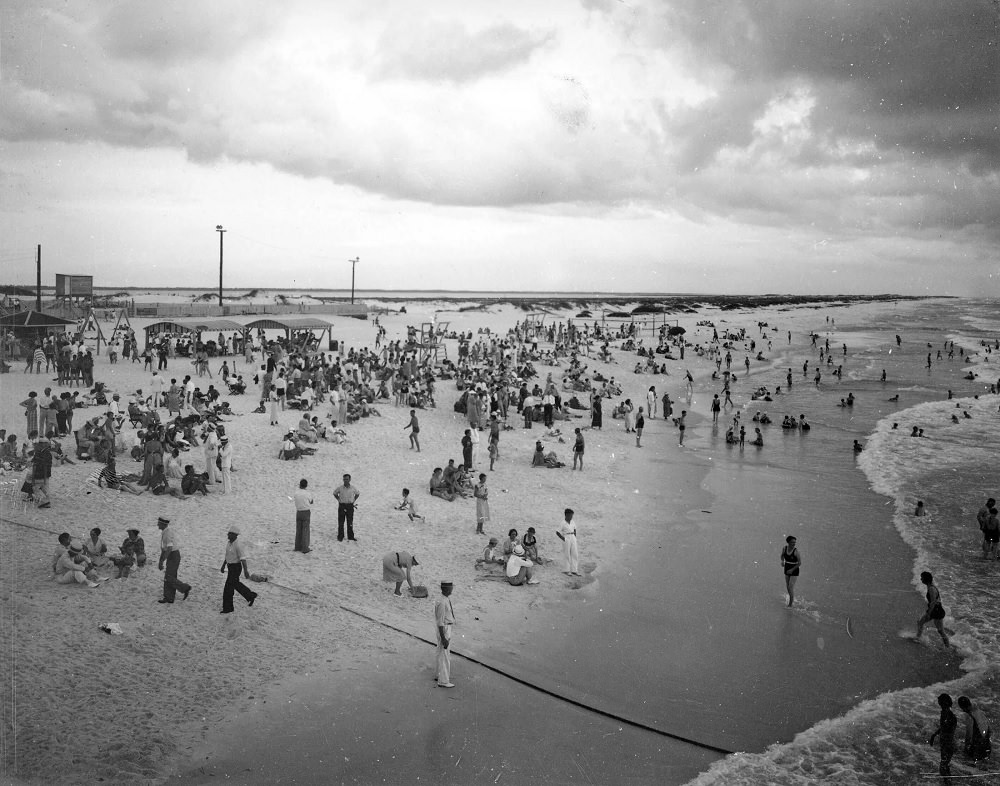
Pensacola Beach Casino opened in 1931 and quickly became the centerpiece of beach life on the Gulf side. Despite the name, the Casino functioned as an entertainment and recreation venue rather than a gambling establishment — it hosted swimming, dancing, social events, and even boxing matches. In the early 1930s, it was essentially the only major structure on the island.
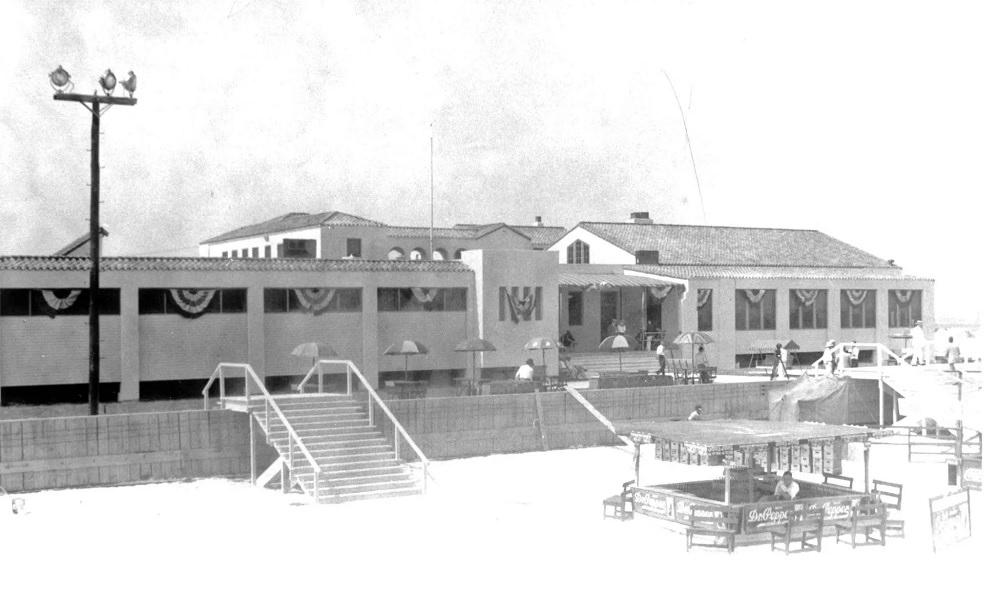
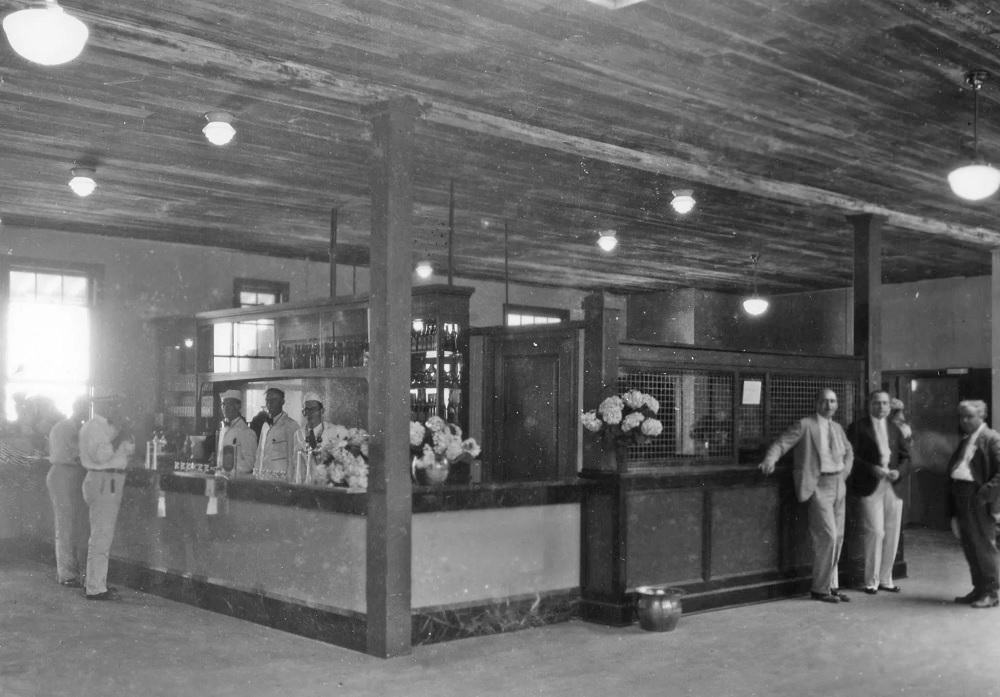
Boxing matches at the Pensacola Beach Casino drew large crowds throughout the 1930s. The venue’s open layout and beachside setting made it a natural arena for outdoor events, and fights held there attracted both local fans and visitors from across the region.





I lived in Aragon Courts in the late 1950’s. It was bedside the Pensacola Dons (later Dolphins) baseball stadium. We were only about three hundred yards from the bay. I have an overhead photo of that somewhere in my files and will share when I find it.
Roy, my grandparents, Troy and Byrdice King lived in Aragon Courts (h197) in the 50’s. My grandfather also owned and operated a auto parts store and service station for what I can only find described in records as “Economy Service Station”. I’m still trying to pinpoint the actual service station and would love it if someone knew more about it or had any photos to share!
Setting aside the issue of water bacteria, the two-story diving platform at Bayview Park should be brought back as it was really cool.
Gotta fix the water quality first
Those are awesome, thanks for sharing
I actually did a ‘re-creation’ of Hotel San Carlos (aka ‘The Gray Lady of Palafox’). I think that might be it in
A time of trains, trolleys, and safe swimming at Bayview, what a time to be a Pensacolanian.
I want those streetcars back.
Perhaps not the best time to be a Pensacolian… depending on the color of your
Those are awesome, thanks for sharing