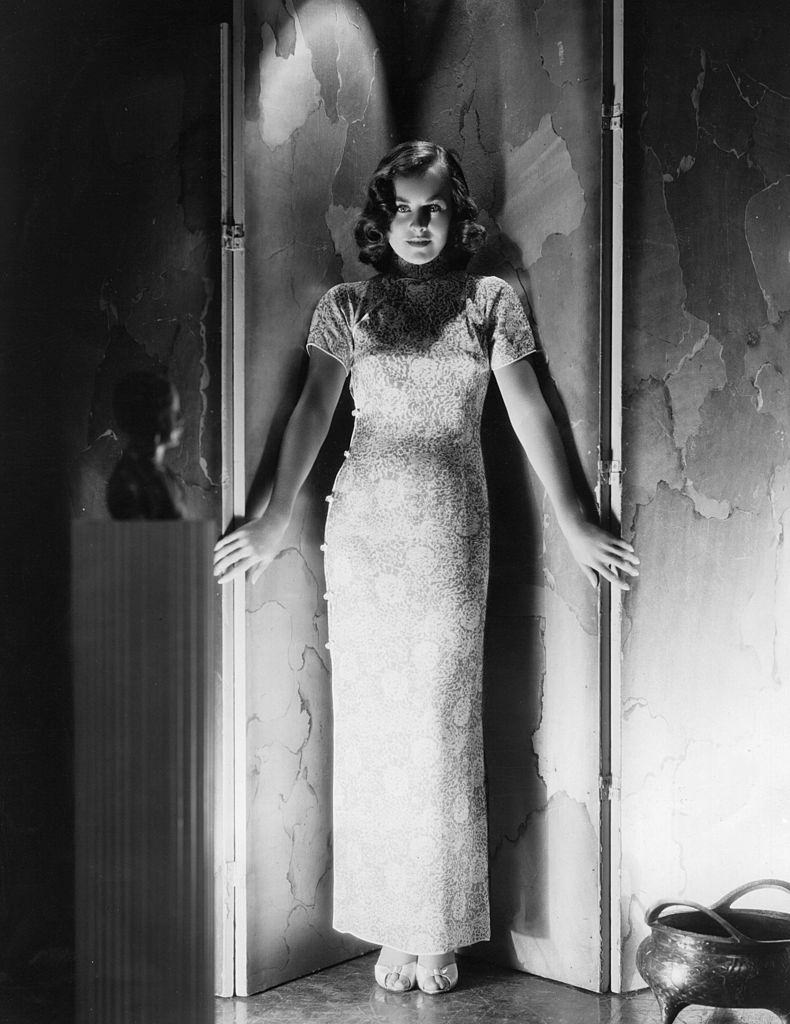
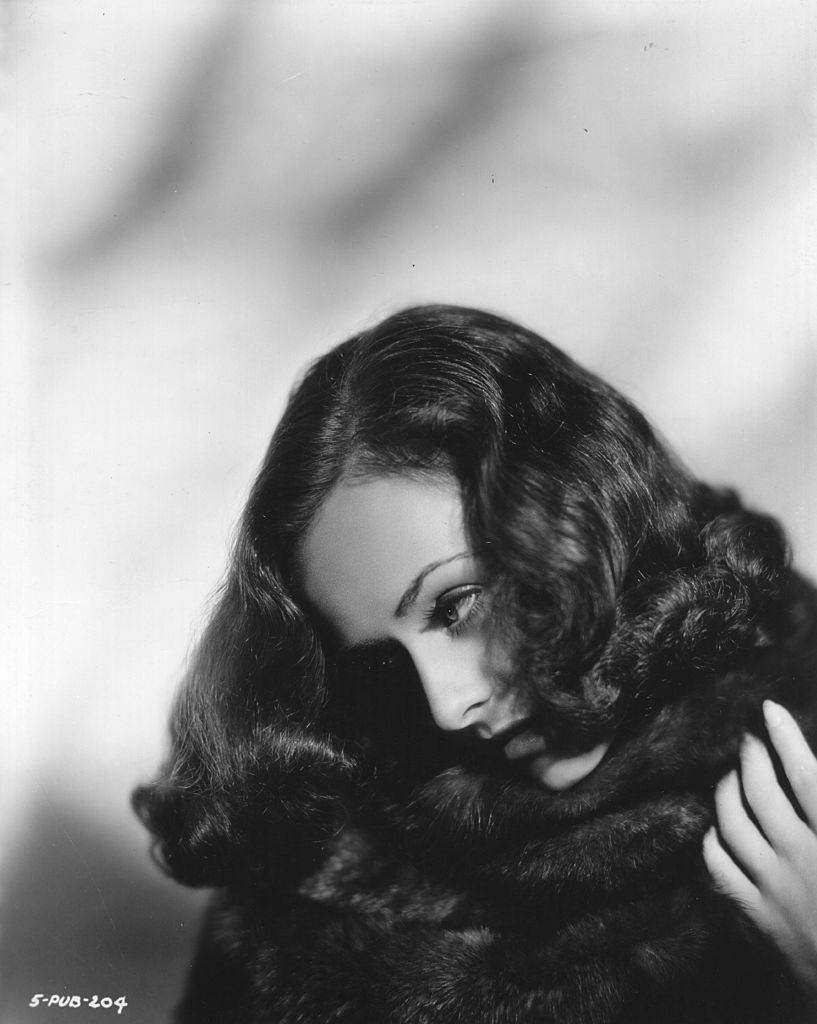
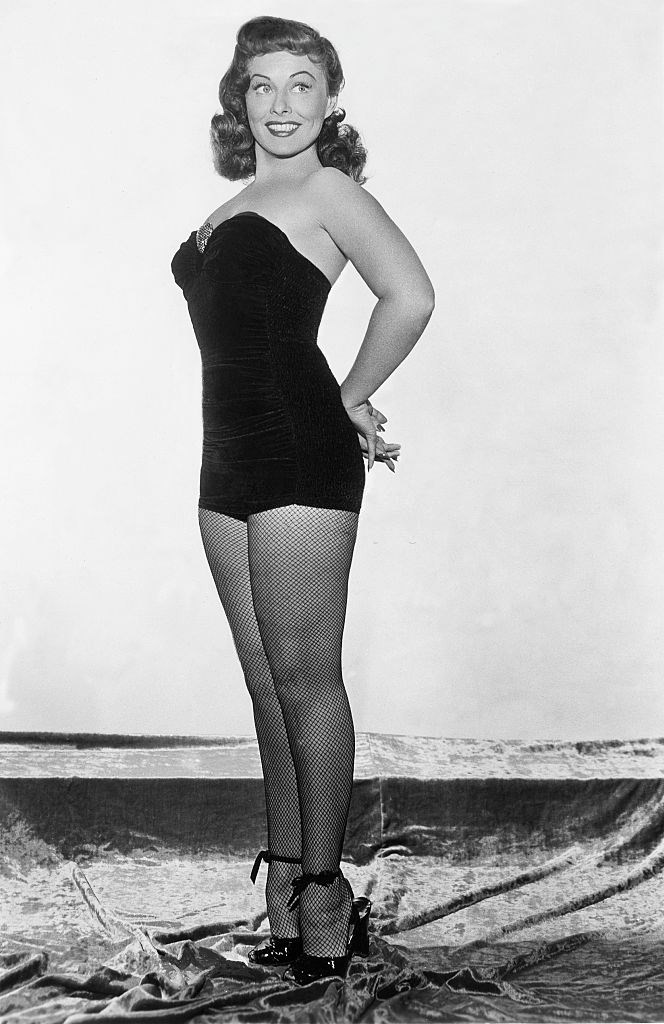
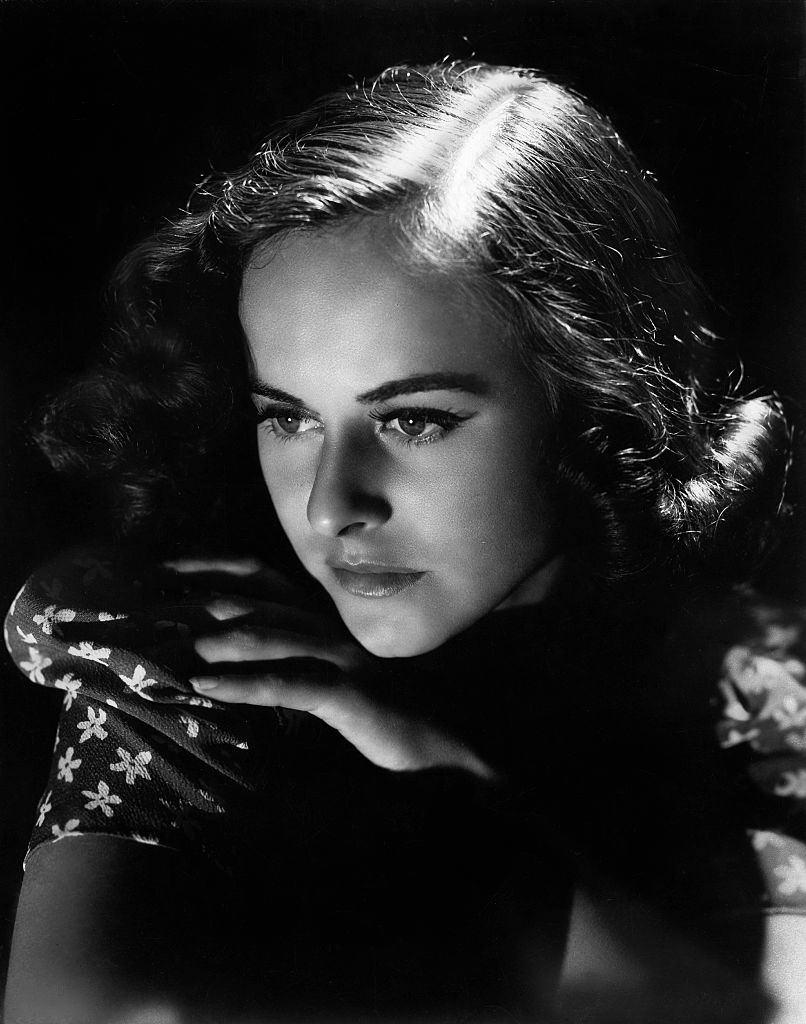
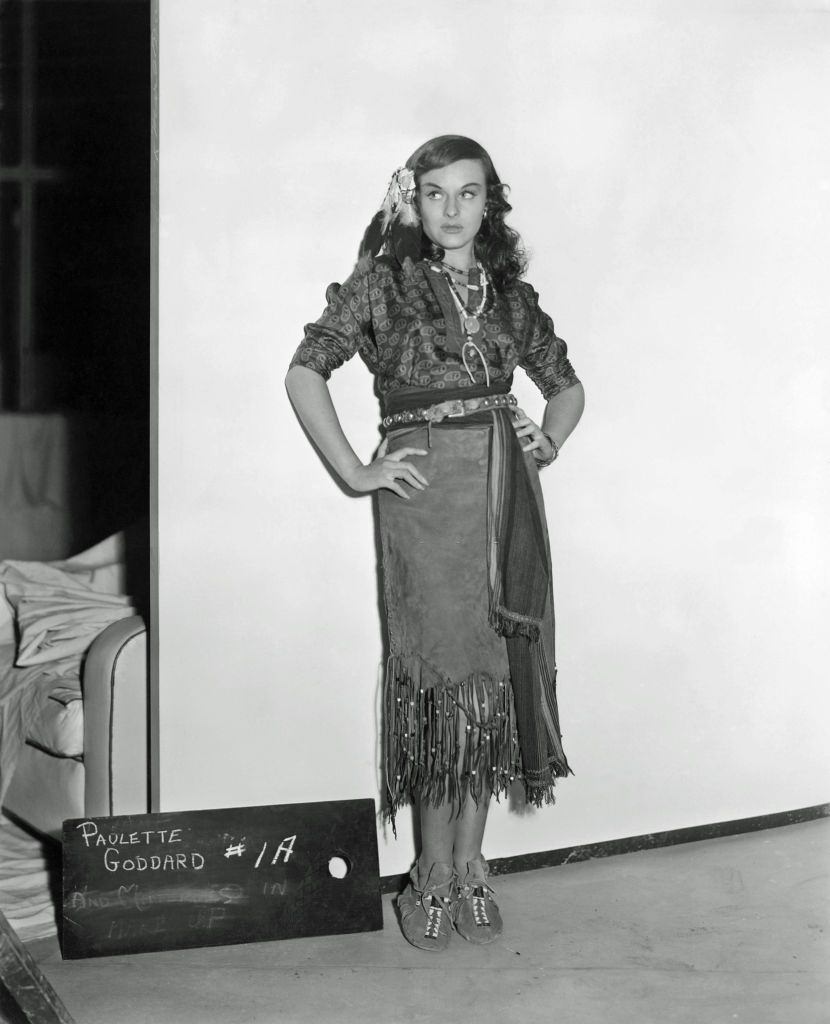
Paulette Goddard was one of Hollywood’s most compelling figures of the 1930s and 1940s. A former child model who climbed from a difficult home life to Broadway stages and major film sets, she built a career through drive, charm, and real talent. She is perhaps best remembered as Charlie Chaplin’s third wife and as the actress who earned an Academy Award nomination for her fierce performance in So Proudly We Hail! But her story stretches far beyond any single role or relationship.
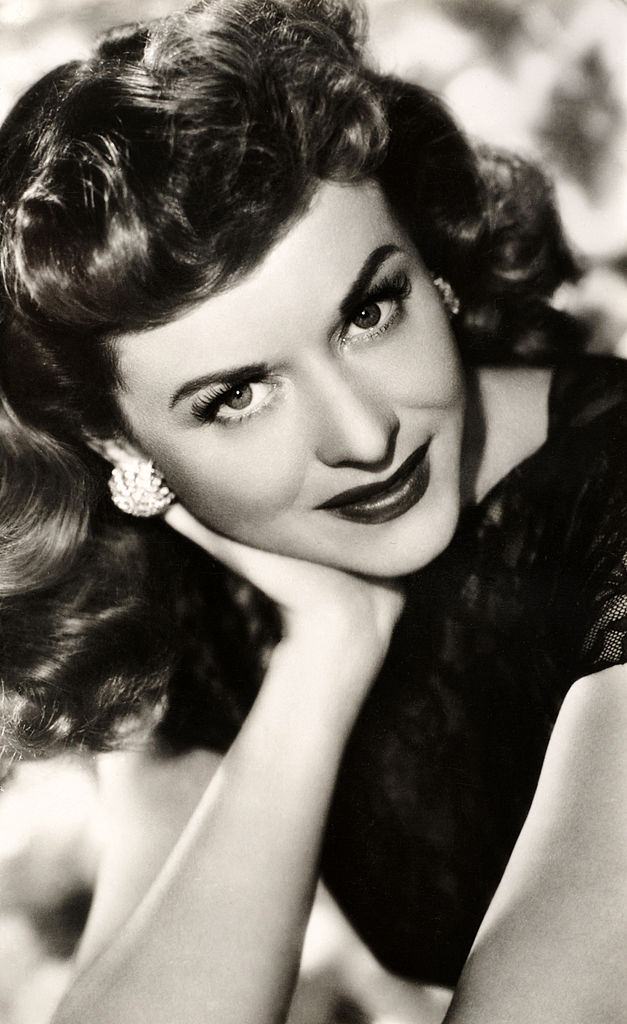
Born Marion Levy on June 3, 1910, in Whitestone, New York, Paulette had a childhood shaped by instability. Her parents divorced when she was young, and she was raised entirely by her mother. Money was tight, and Paulette left school early to help bring in income. By the age of ten, she was already working as a model for Saks Fifth Avenue and Hattie Carnegie, two of New York’s most prominent retail names. For a child, it was serious, professional work.
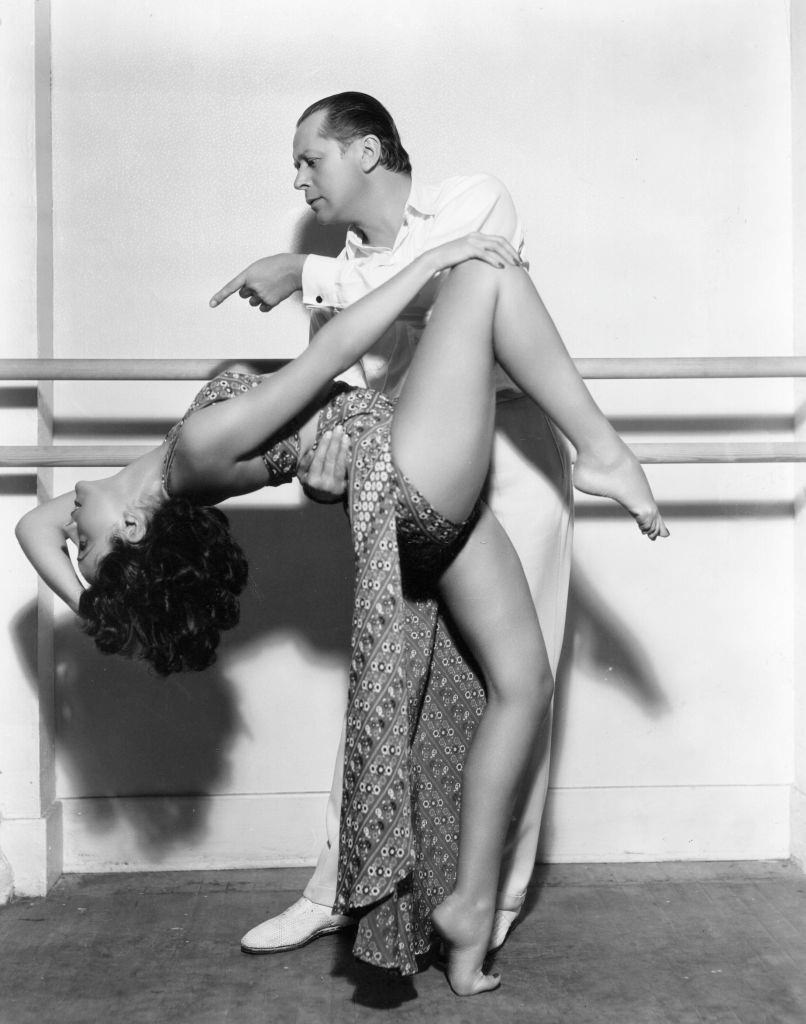
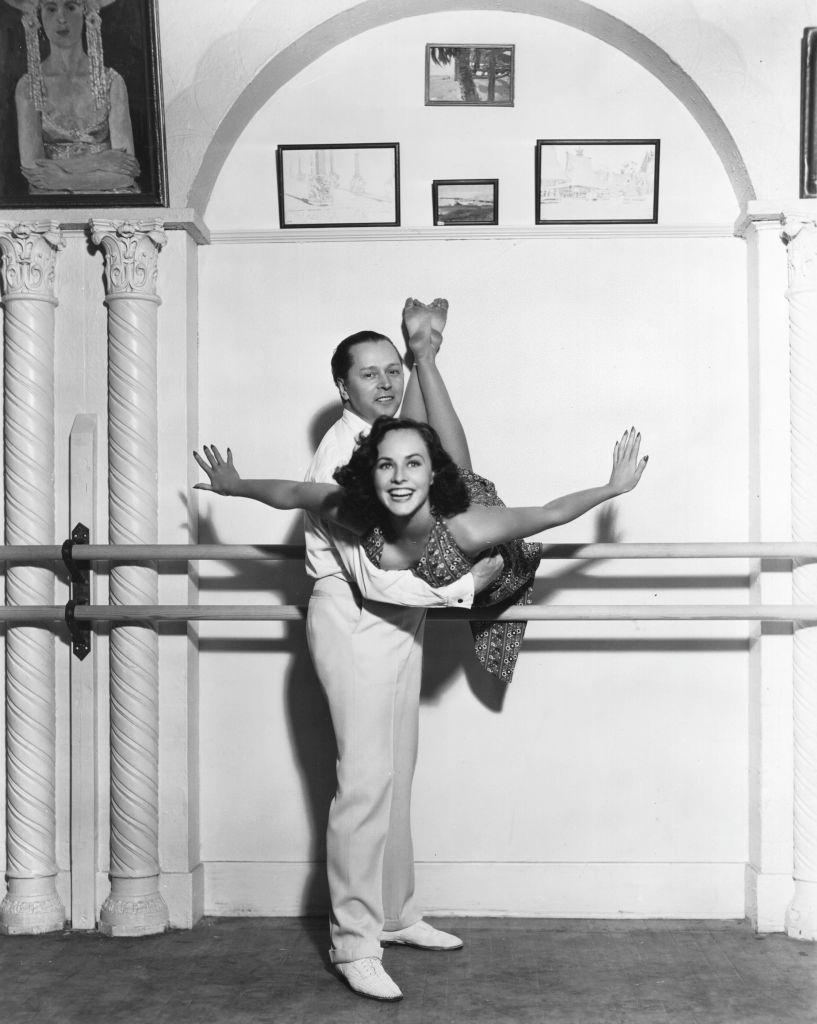
A key figure in her early life was her great uncle, Charles Goddard, owner of the American Druggists Syndicate. He used his connections to open a door that would change her life, introducing her to Broadway impresario Florenz Ziegfeld. That introduction set everything in motion. In 1926, at just fifteen years old, she made her stage debut as a dancer in Ziegfeld’s summer production No Foolin’. It was also the first time she performed under the name Paulette Goddard — a stage name she kept for the rest of her life.
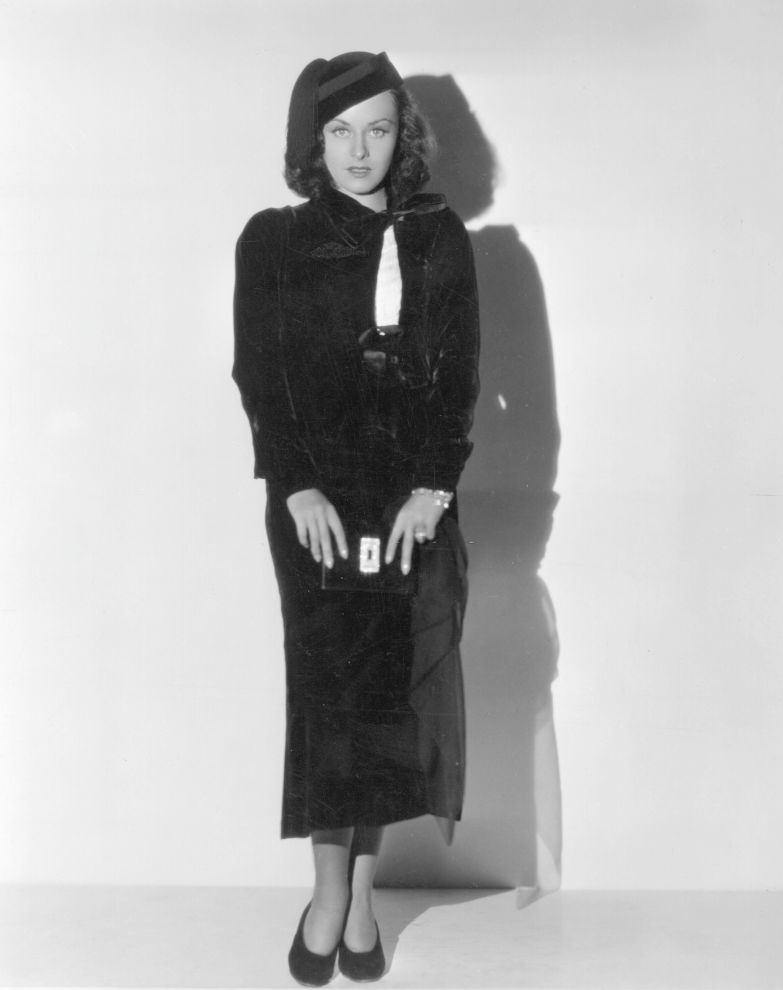
Around this same period, at just seventeen years old, Paulette married Edgar James, a lumber tycoon considerably older than her. The marriage lasted only two years. It ended quickly, but the financial settlement gave Paulette a degree of independence that many young women of her time simply didn’t have. She used that freedom to keep pushing her career forward.
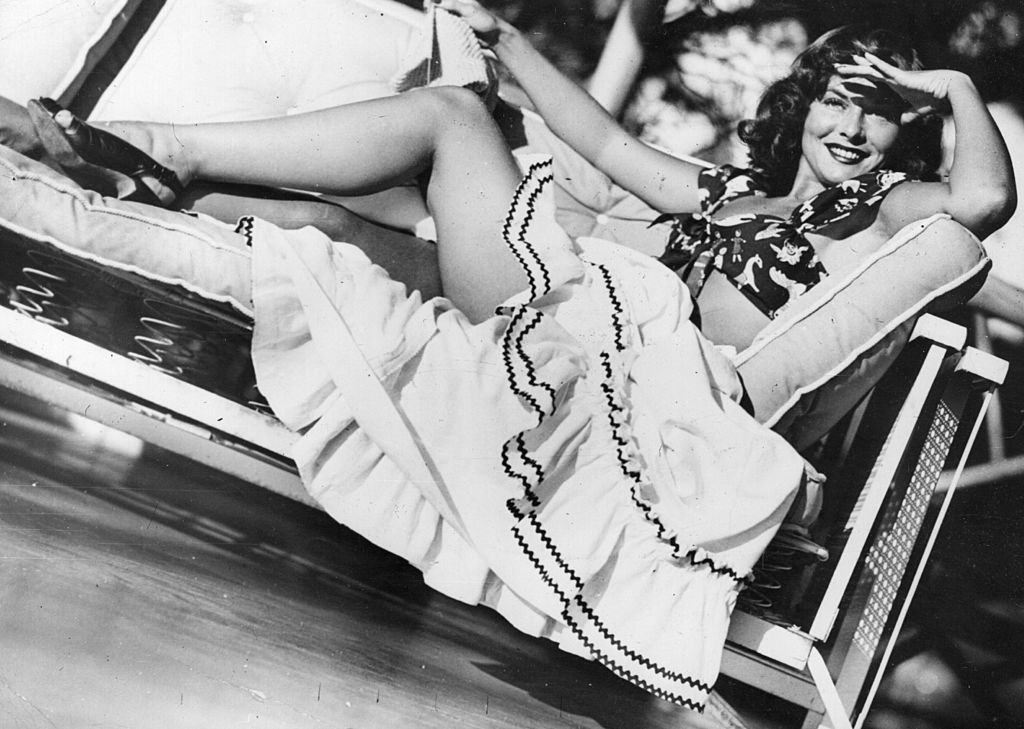
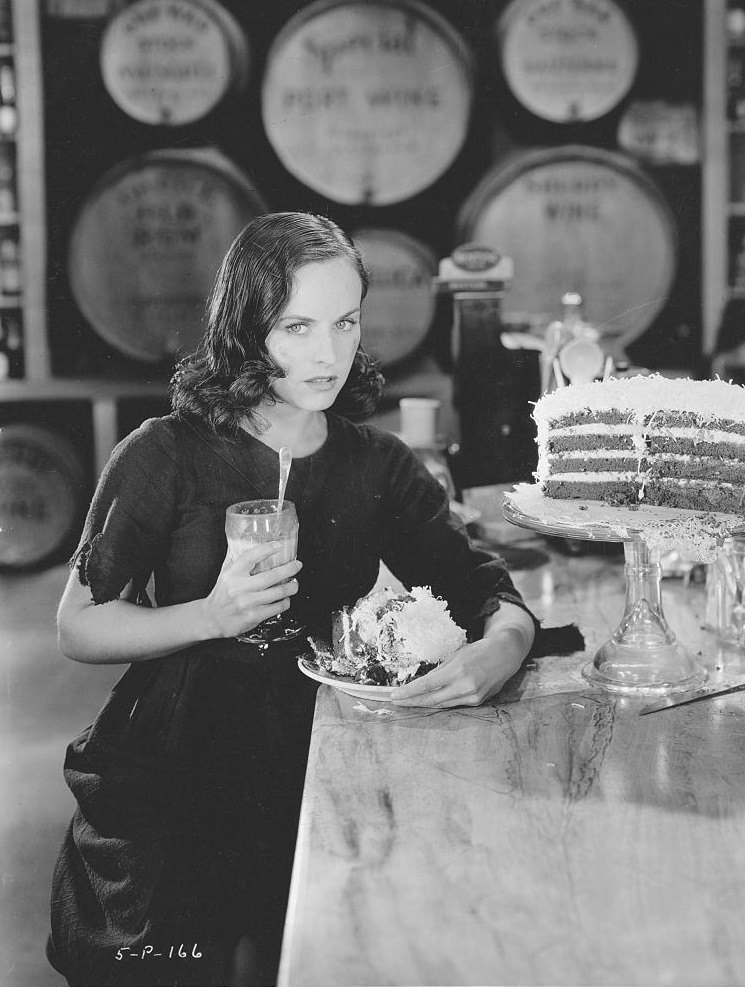
Her first film appearance came in 1929, when she played an uncredited role in the Laurel and Hardy short Berth Marks. Her credited film debut followed in 1932 in Samuel Goldwyn’s The Kid from Spain, where she appeared as one of the Goldwyn Girls. From there, she spent several years in uncredited supporting roles working with producer Hal Roach. She appeared in twenty films throughout the 1930s alone, steadily building her screen presence.
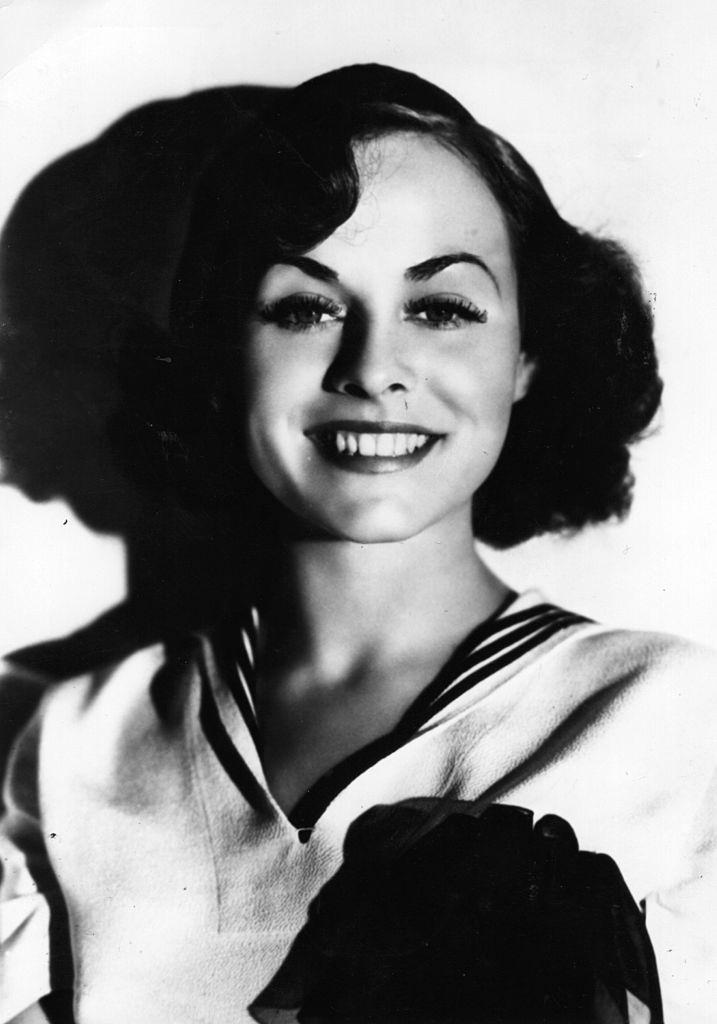
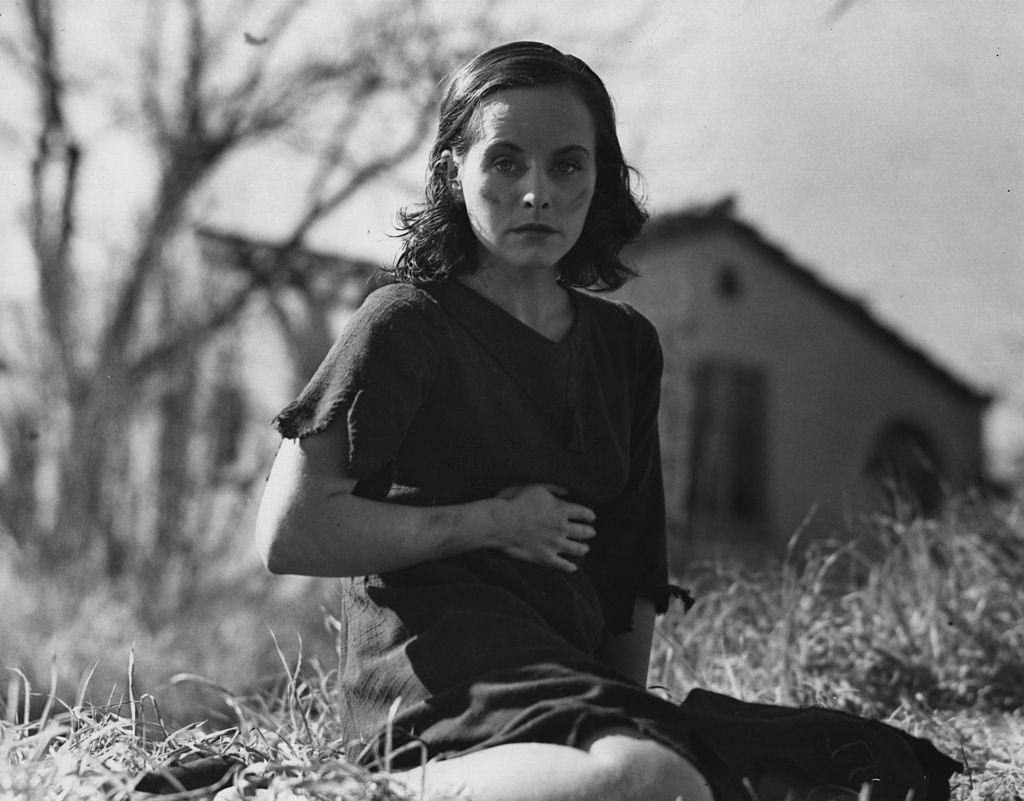
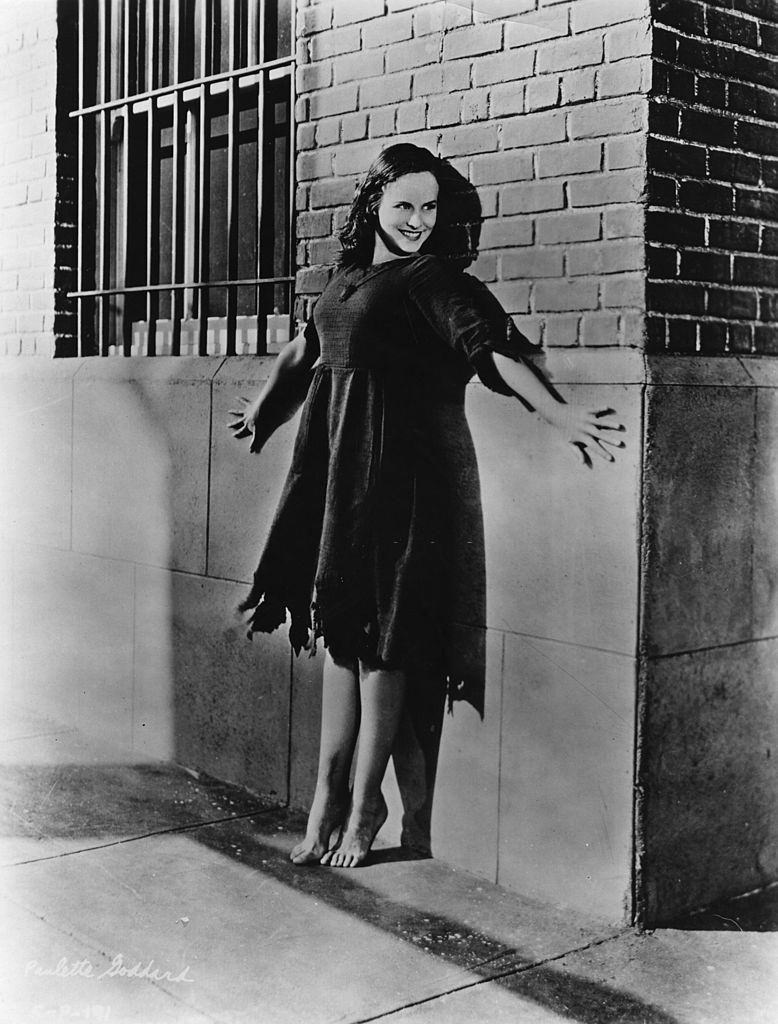
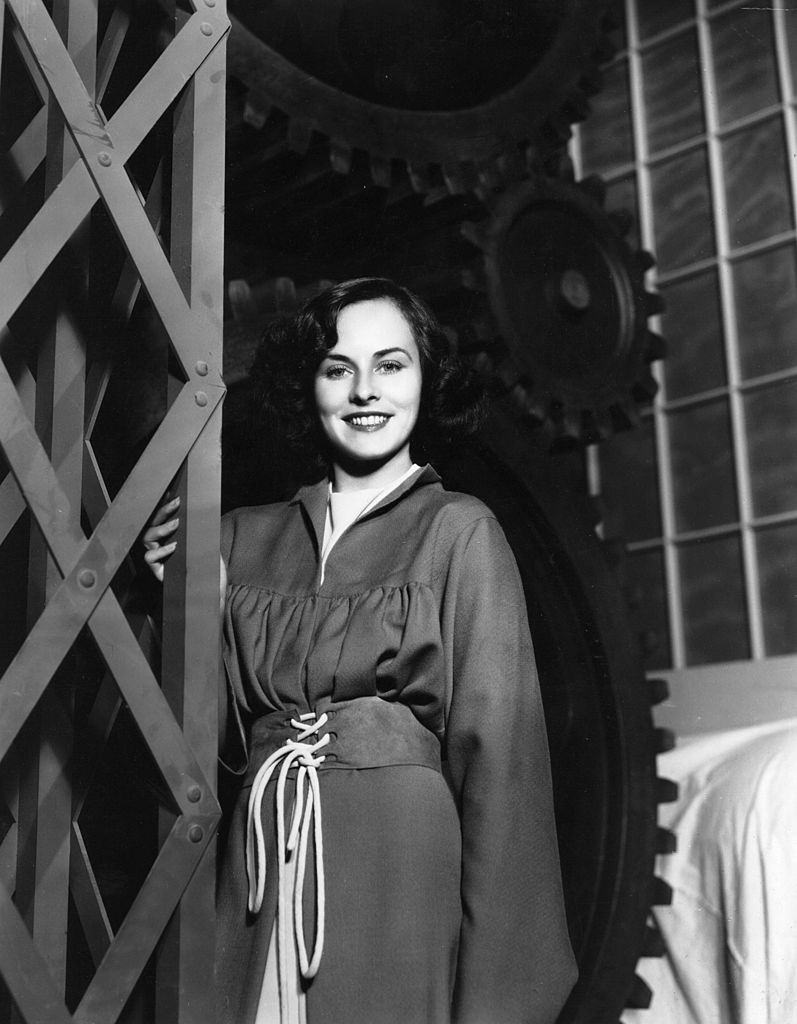
Also in 1932, Paulette met Charlie Chaplin. Their connection was immediate, and the relationship quickly became one of Hollywood’s most talked-about romances. Gossip columns and reporters tracked their every move. They married secretly in China — an arrangement that reflected both the privacy Chaplin preferred and the unconventional nature of their relationship. Paulette’s most celebrated role came directly from this partnership: she starred alongside Chaplin in Modern Times (1936), playing the Gamine, a street orphan trying to survive in an industrialized world.
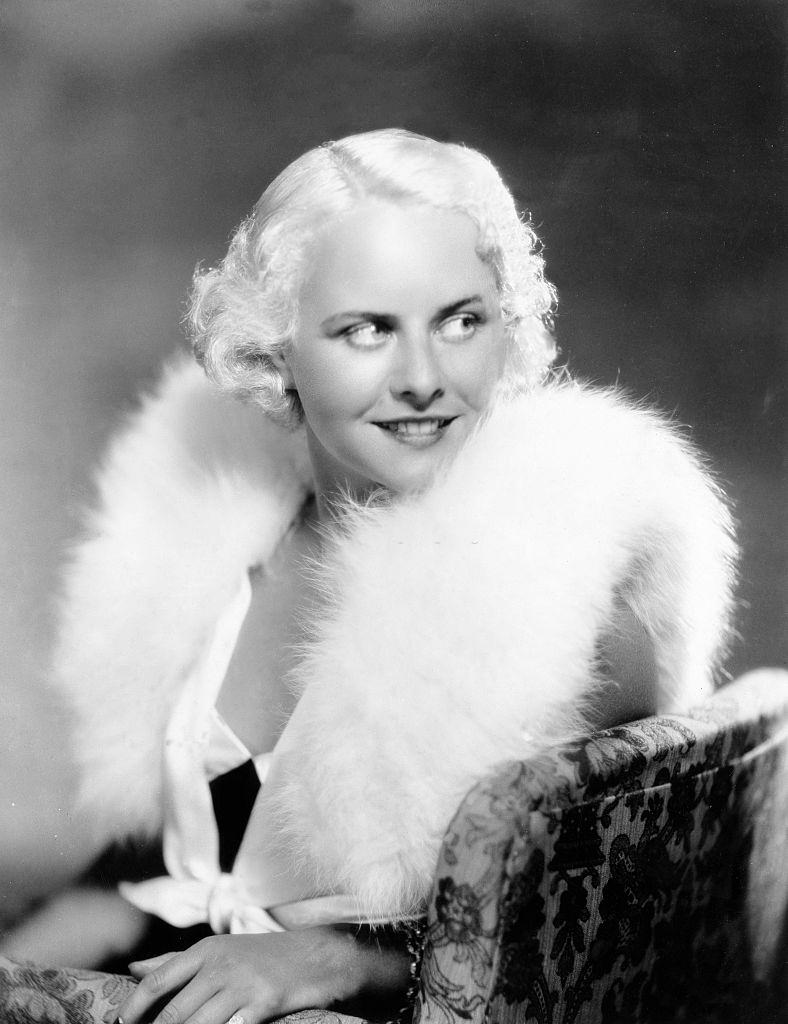
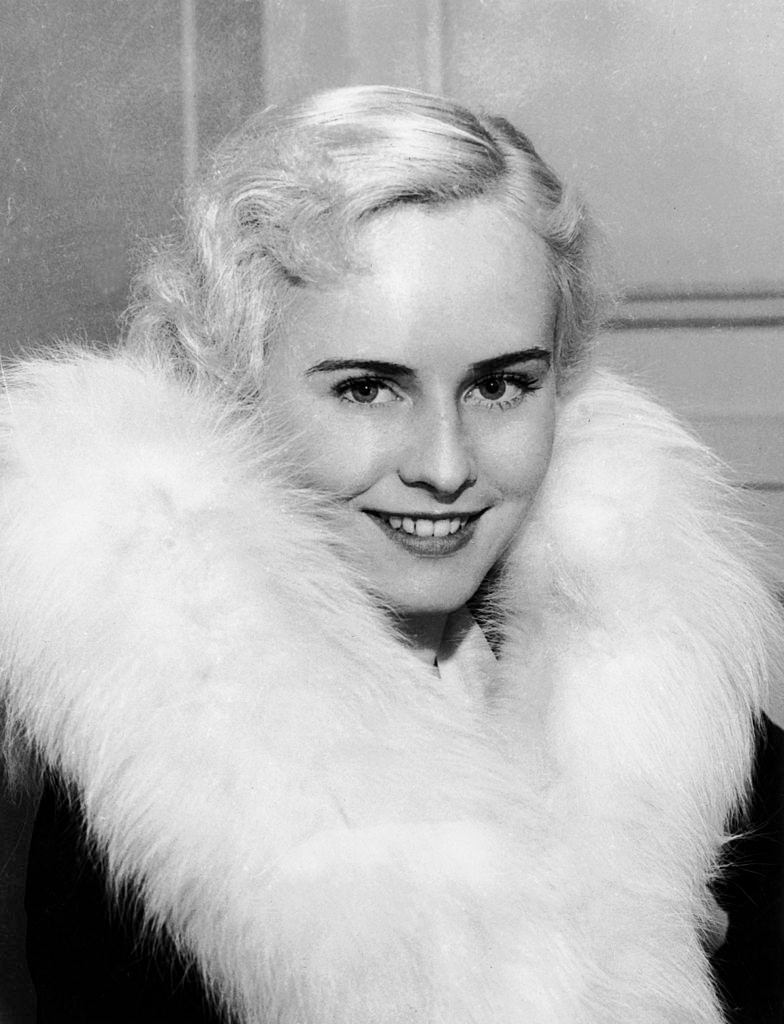
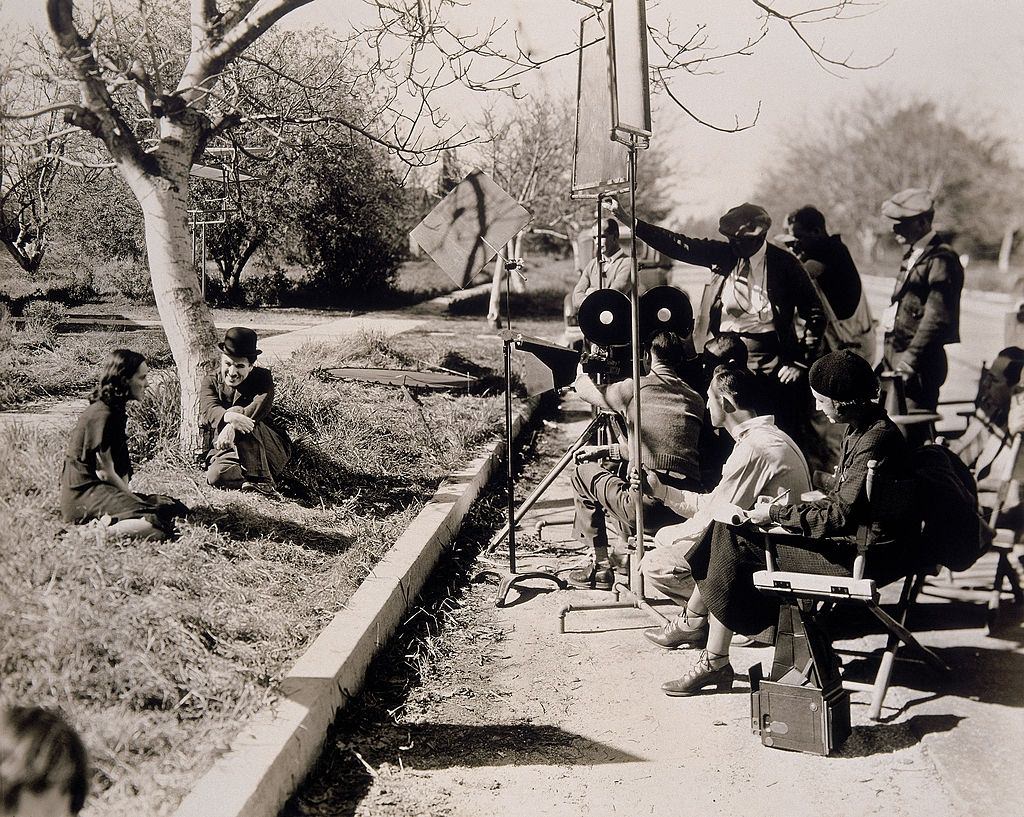
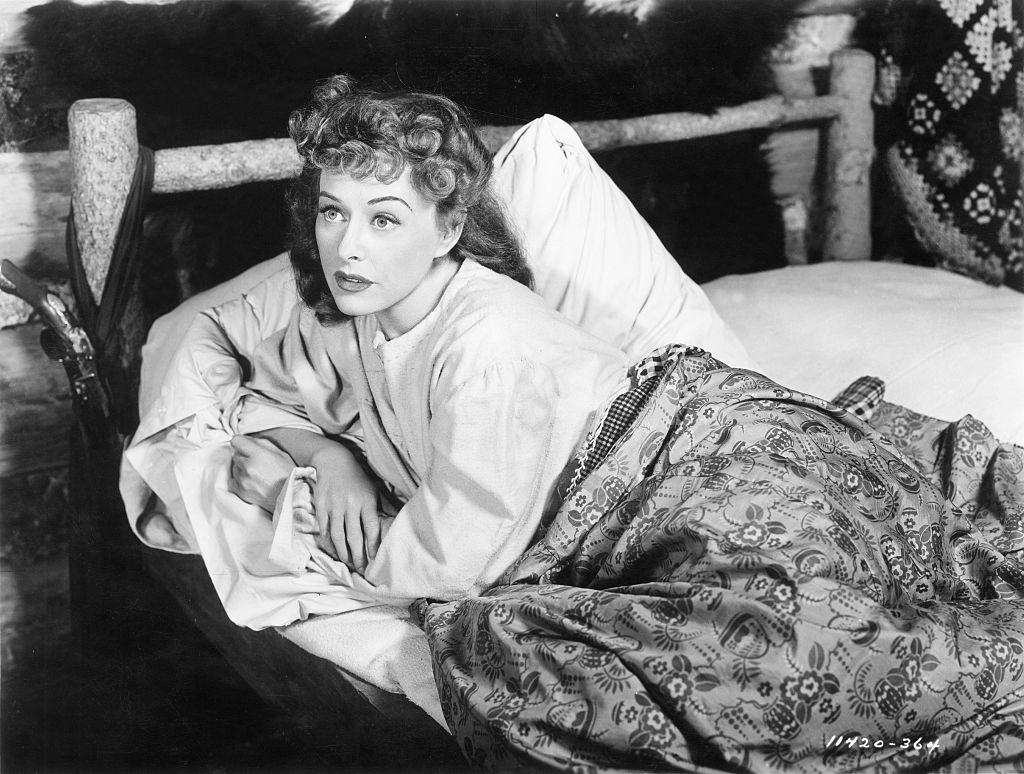
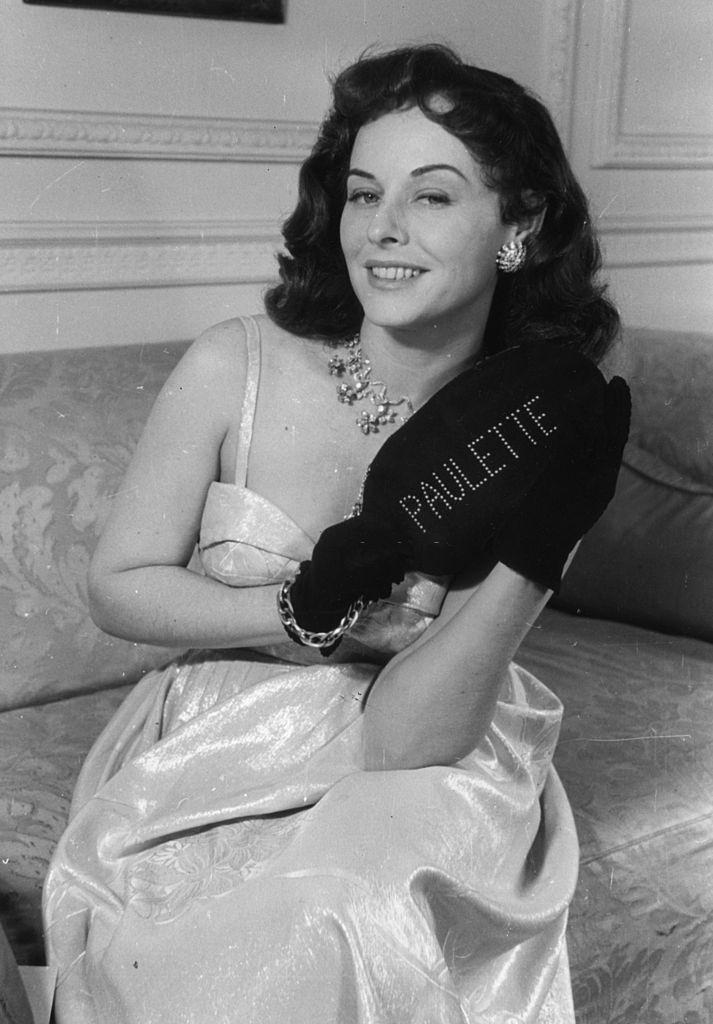
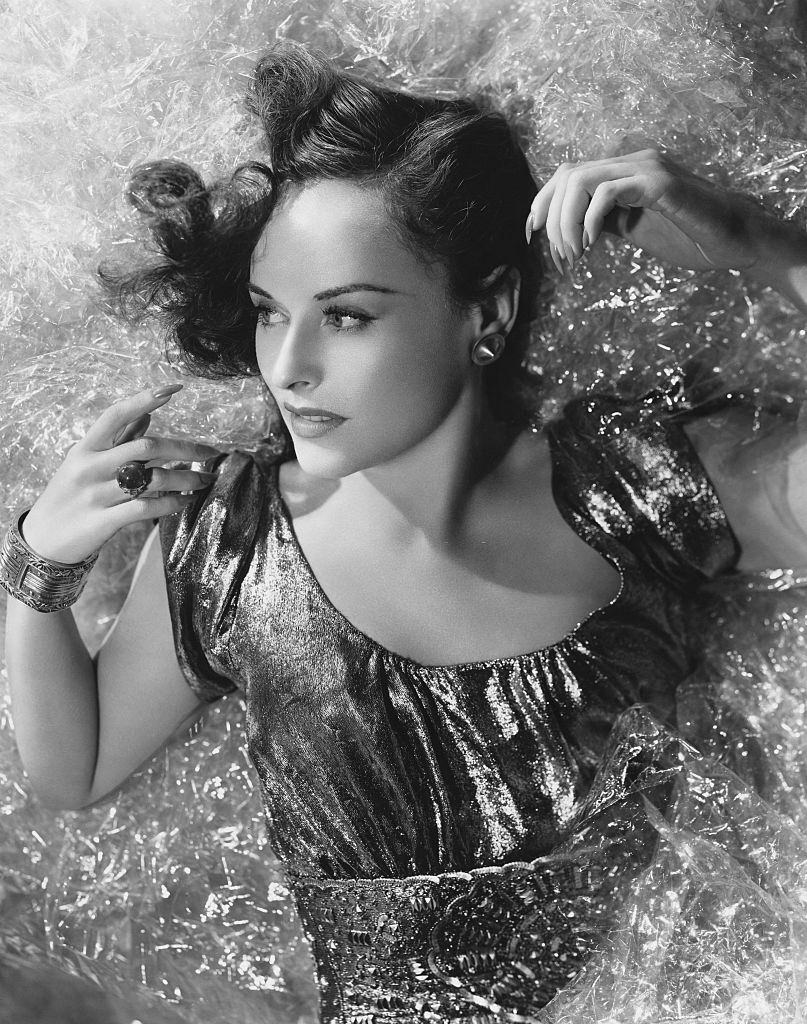
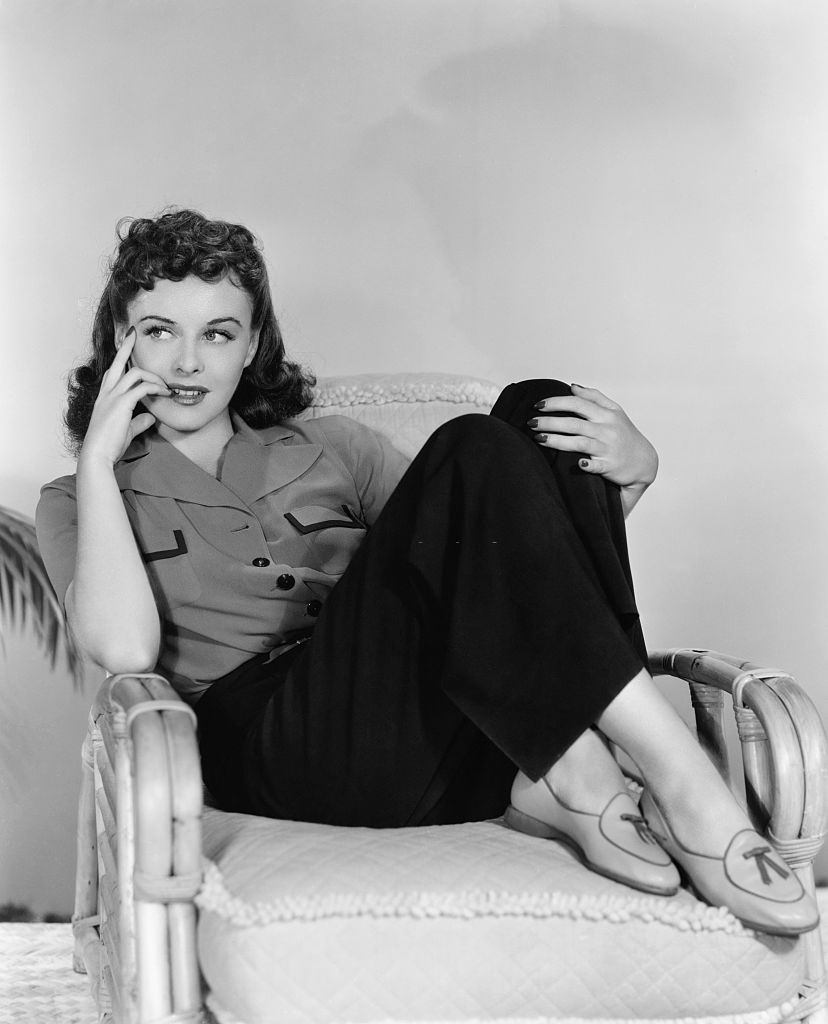
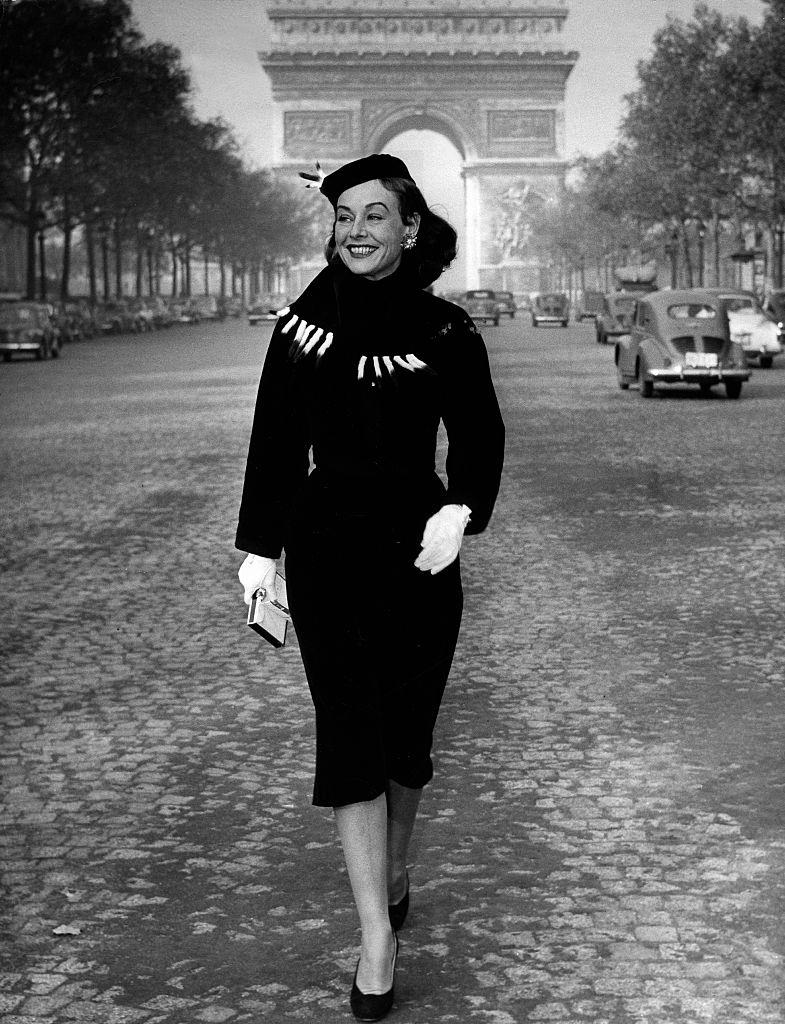
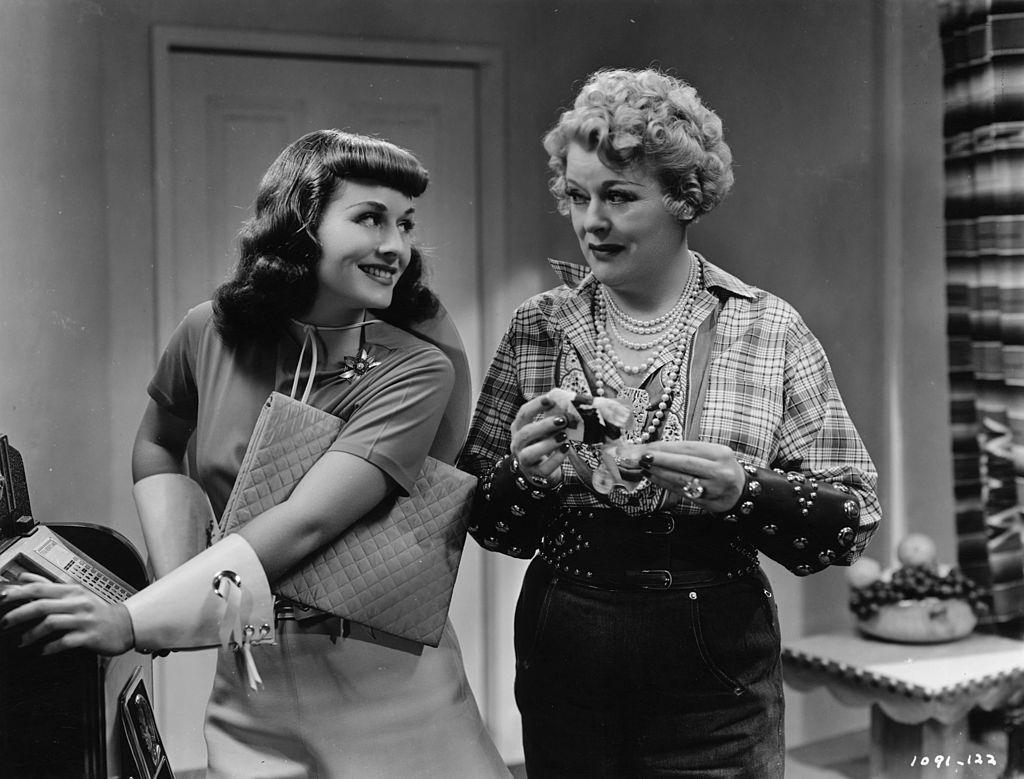
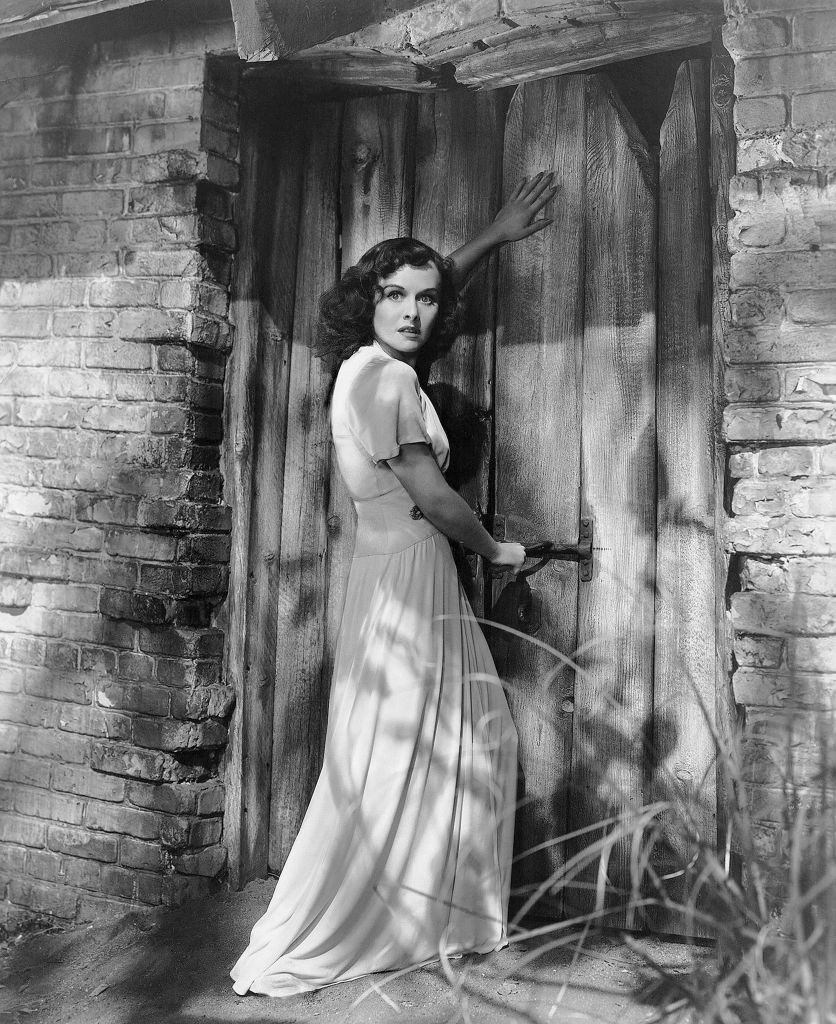
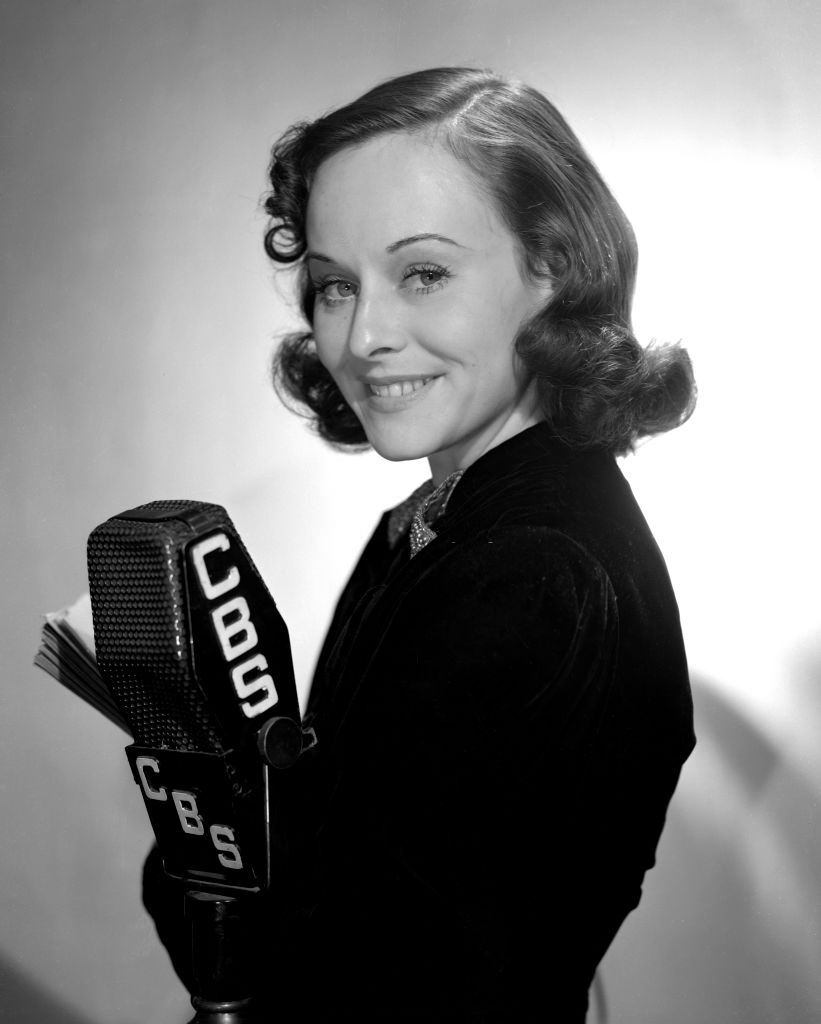
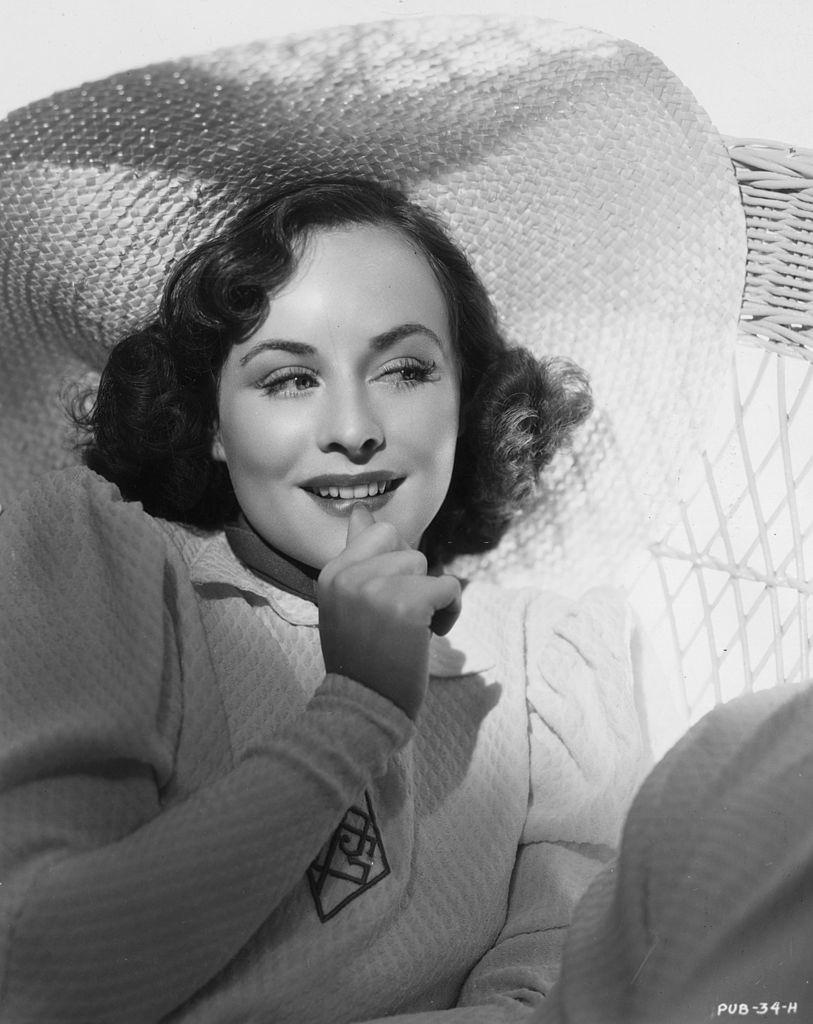
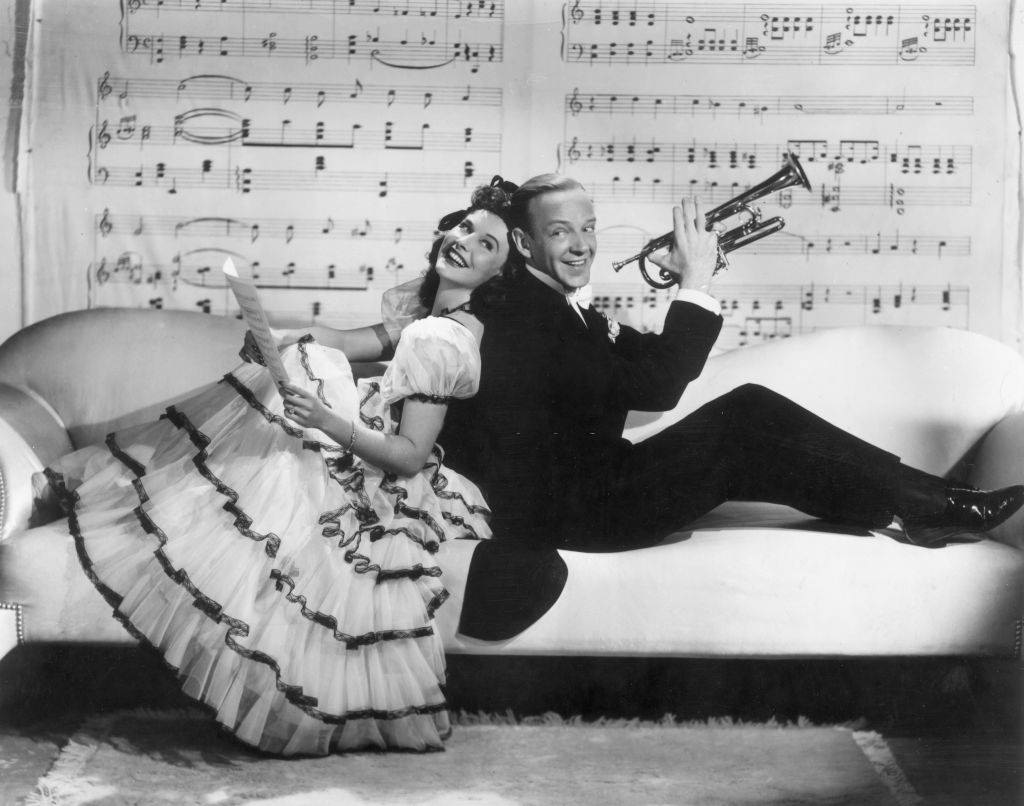
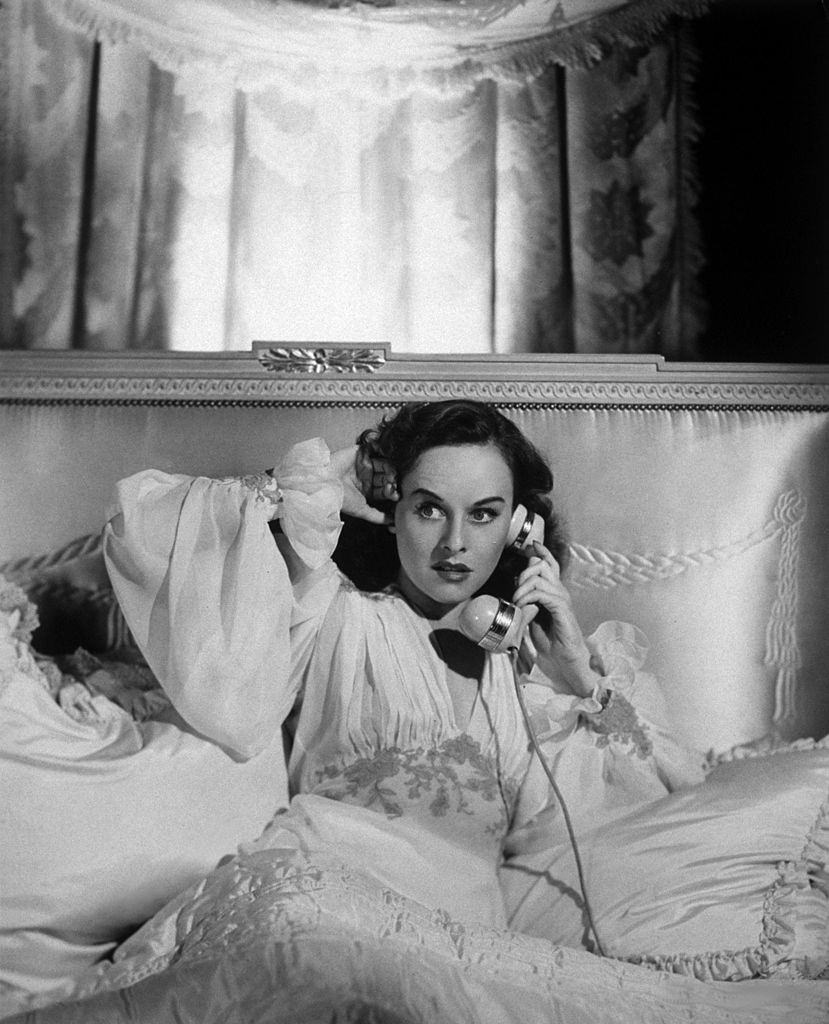
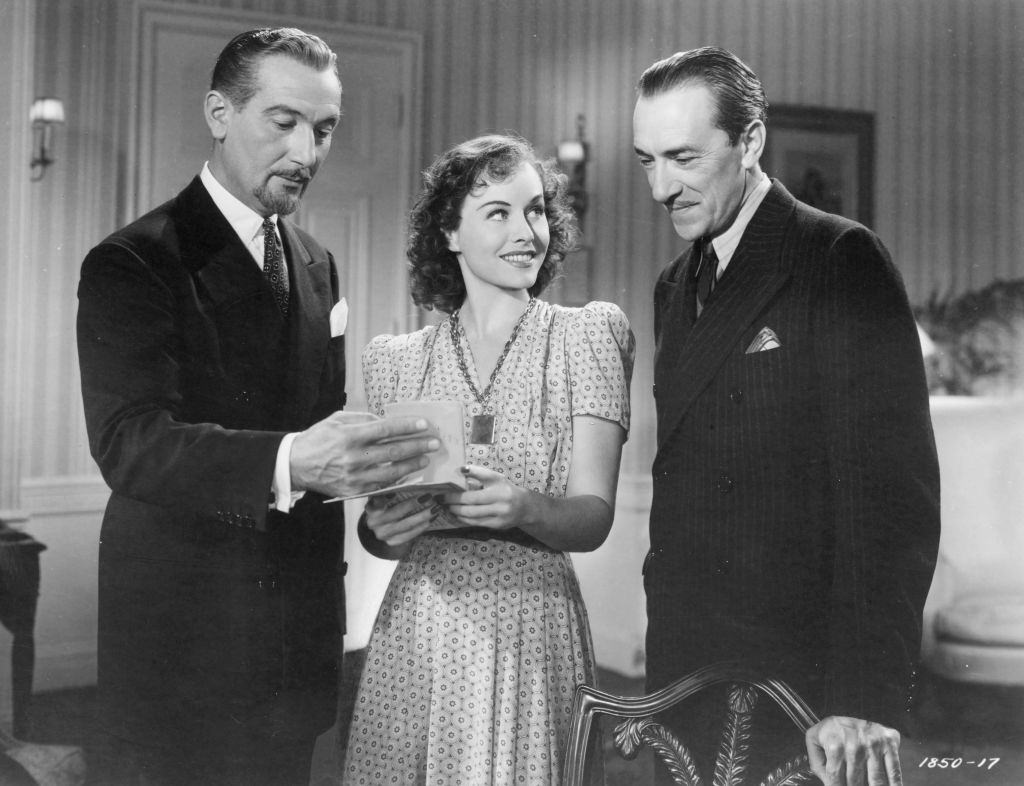
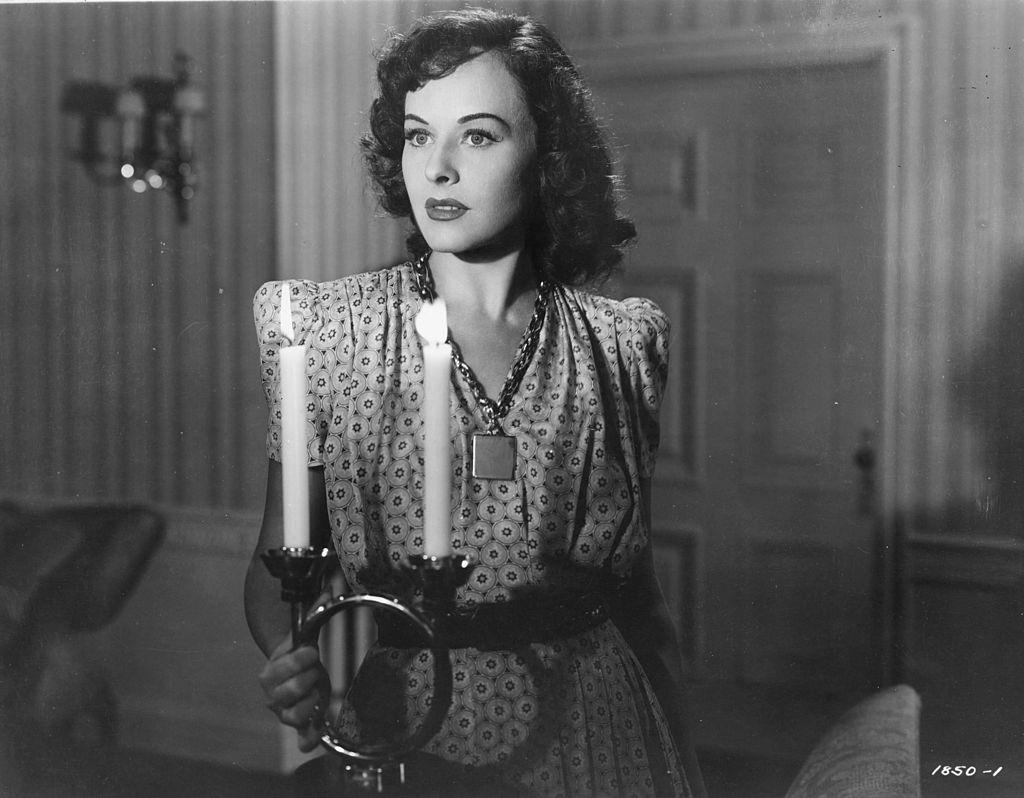
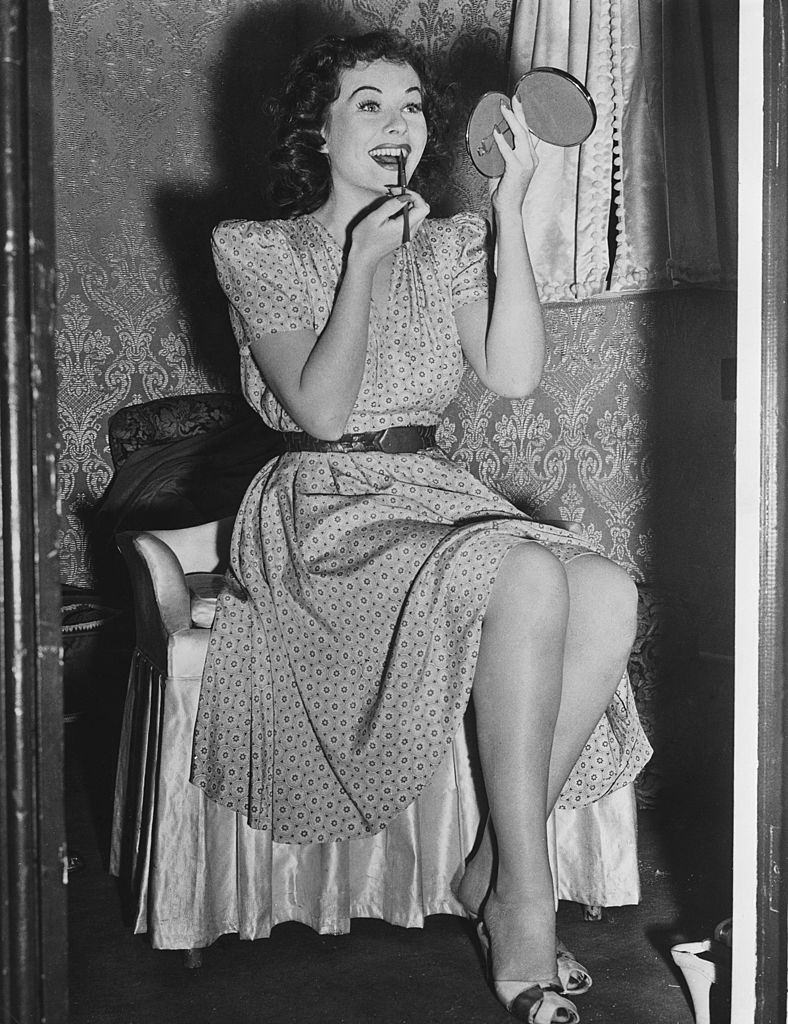
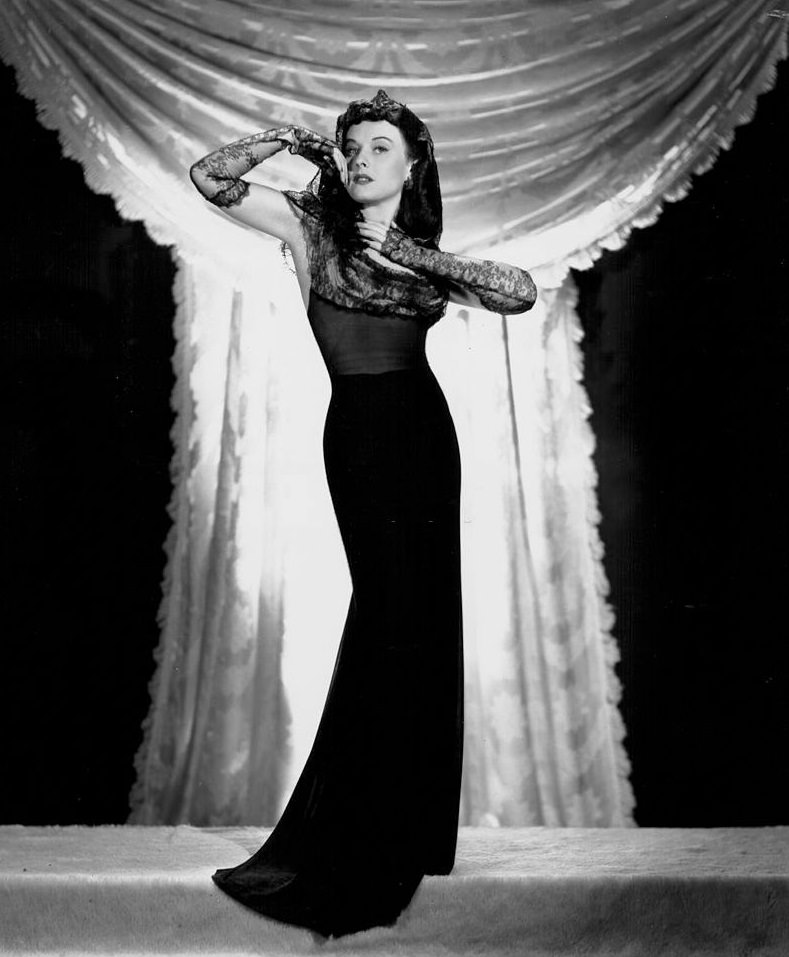
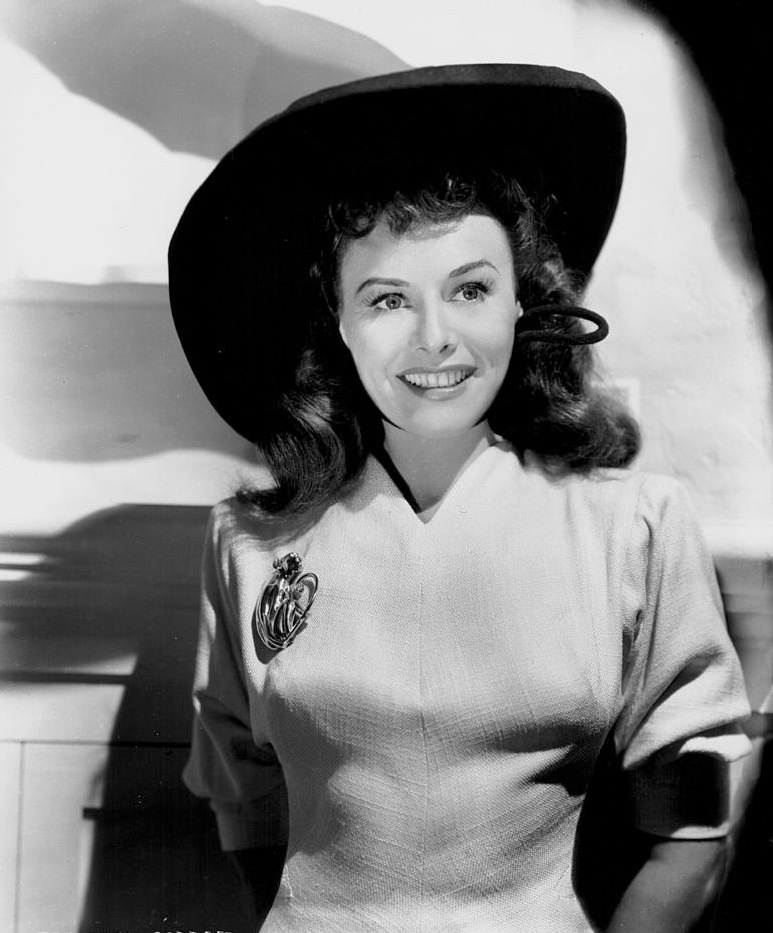
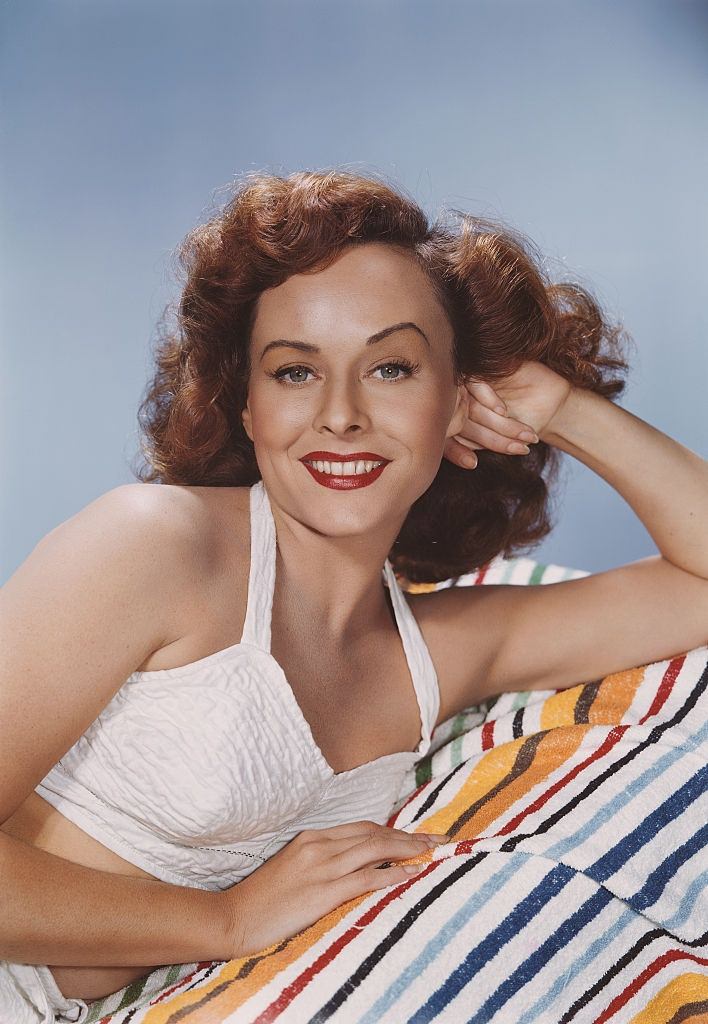
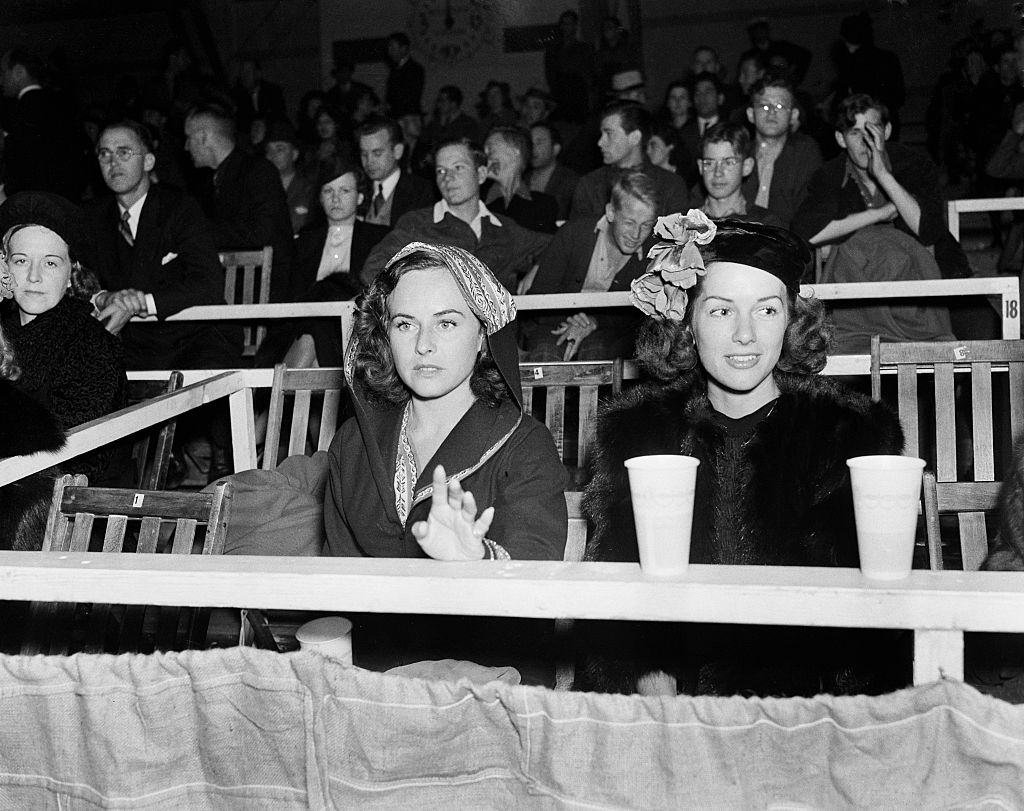
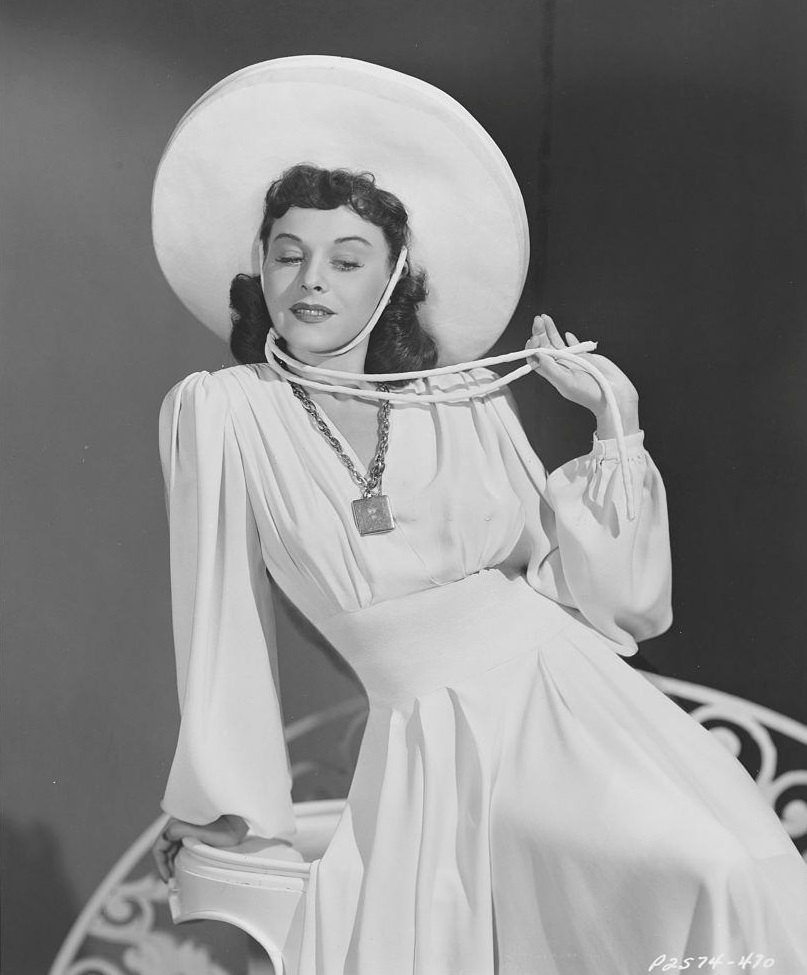
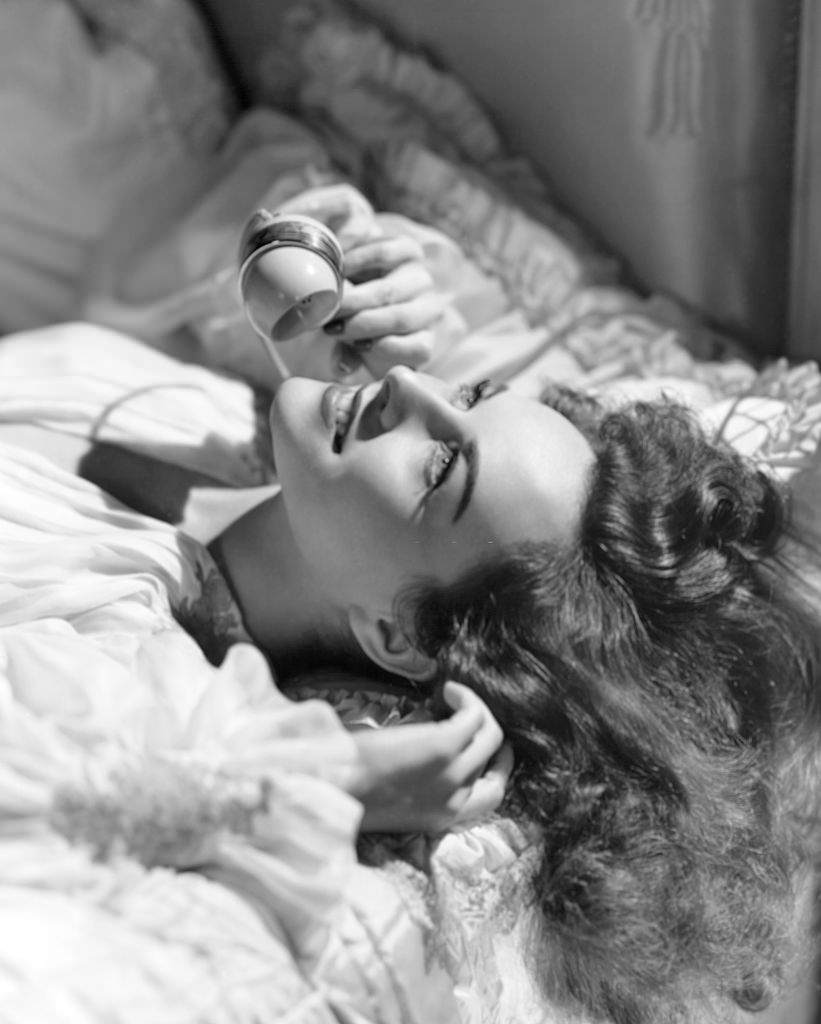
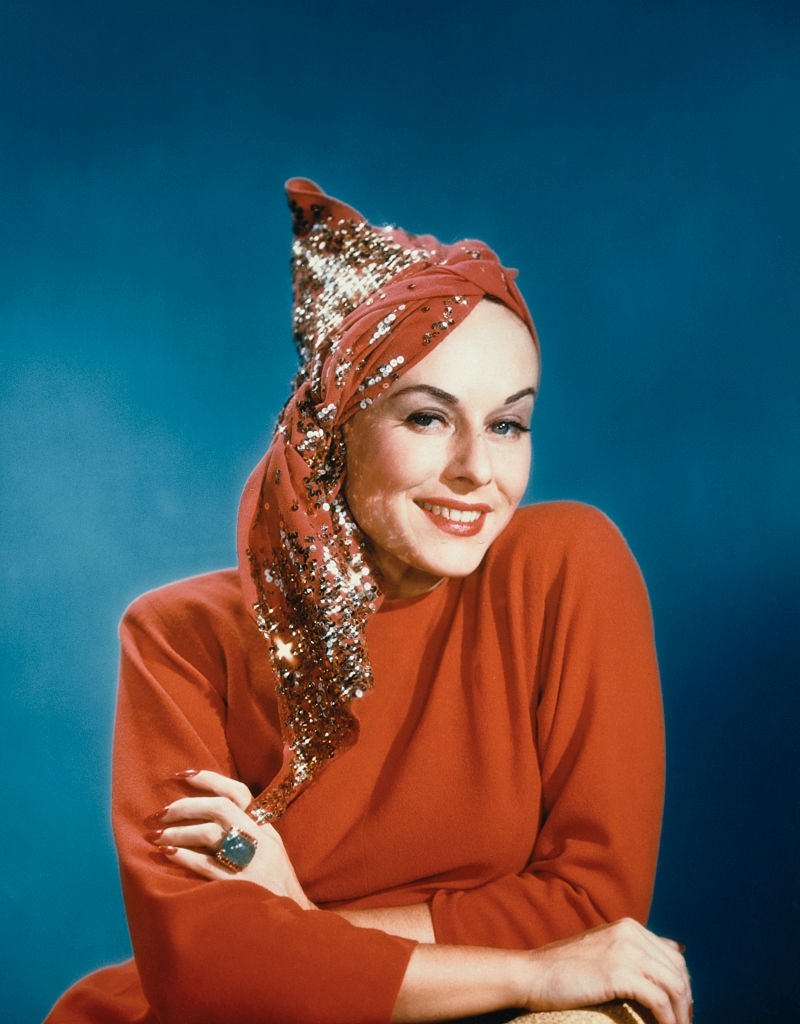
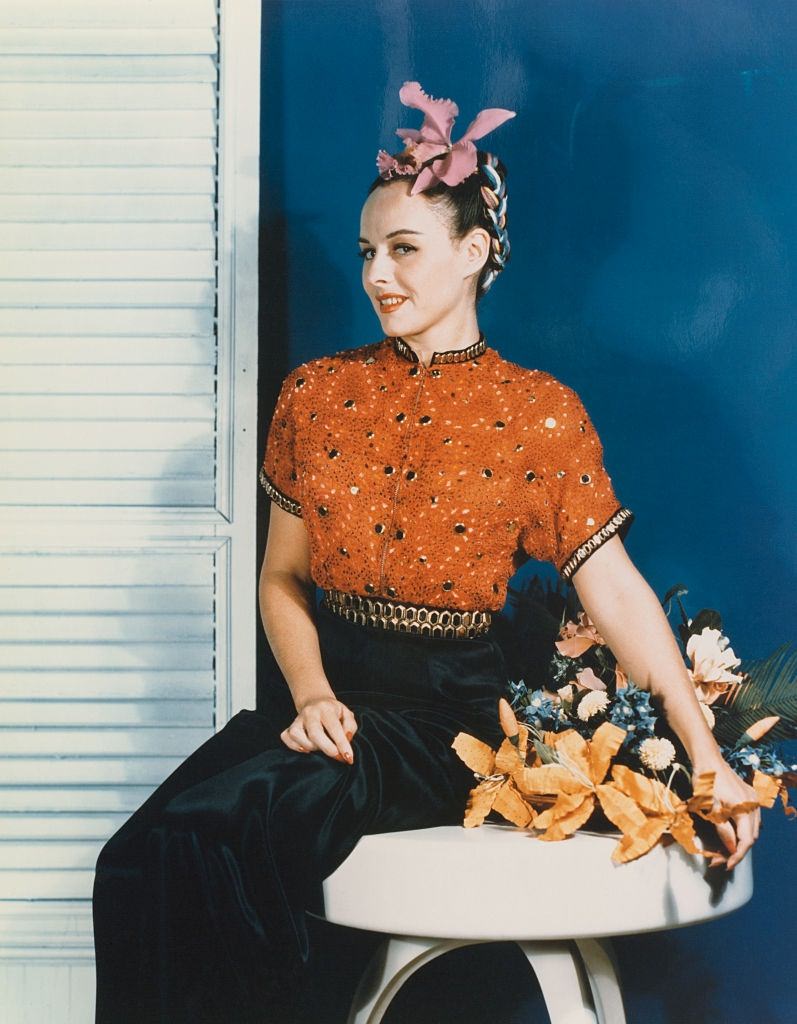
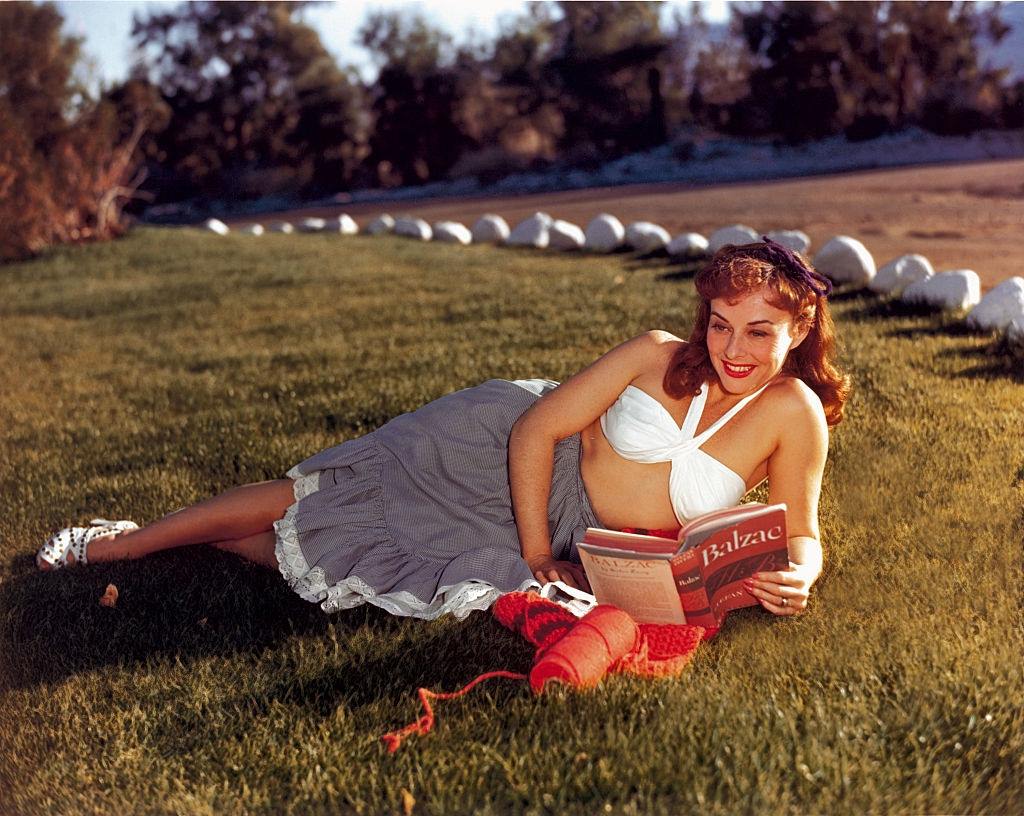
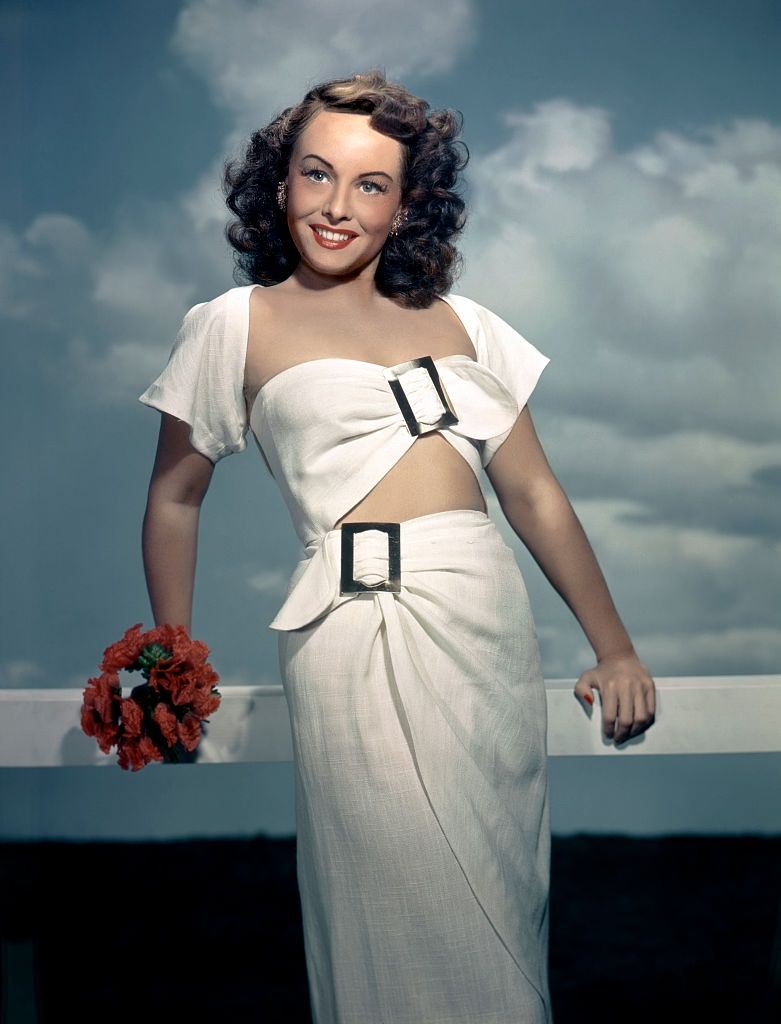
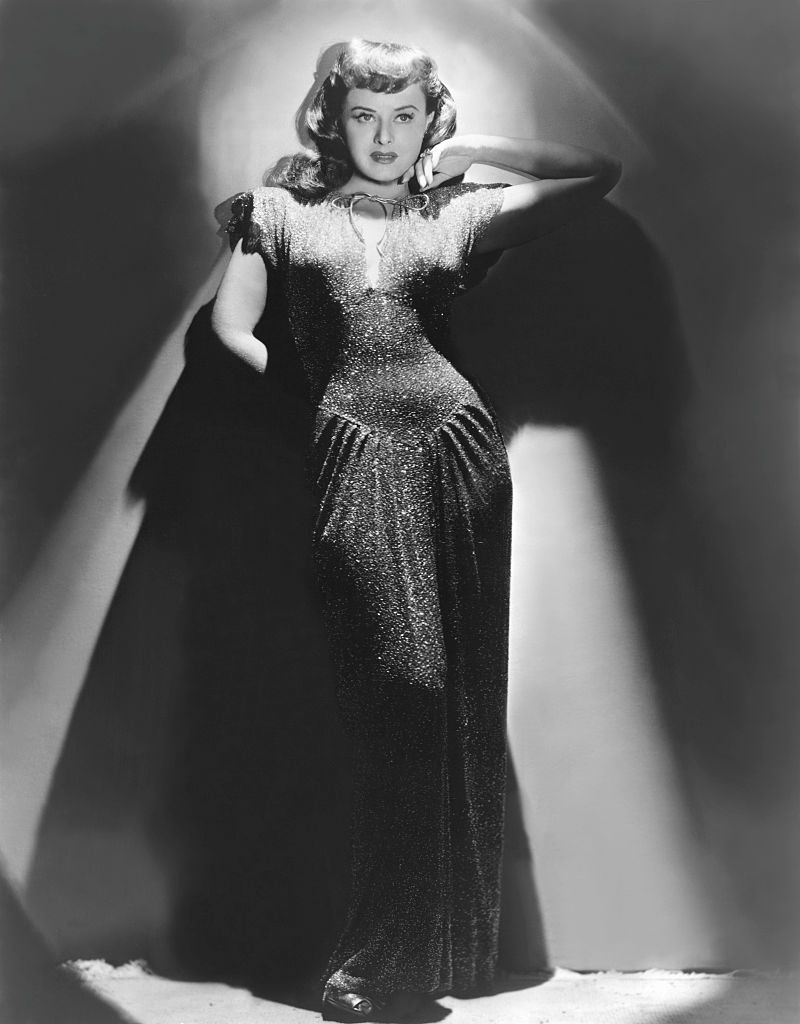
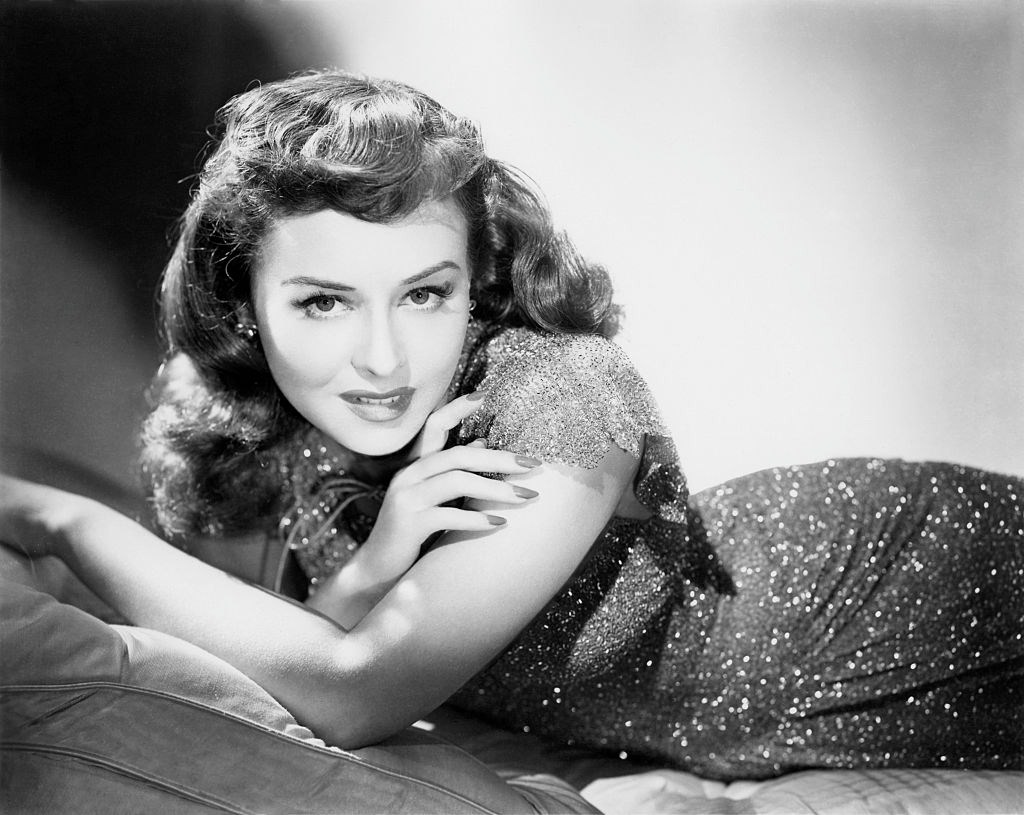
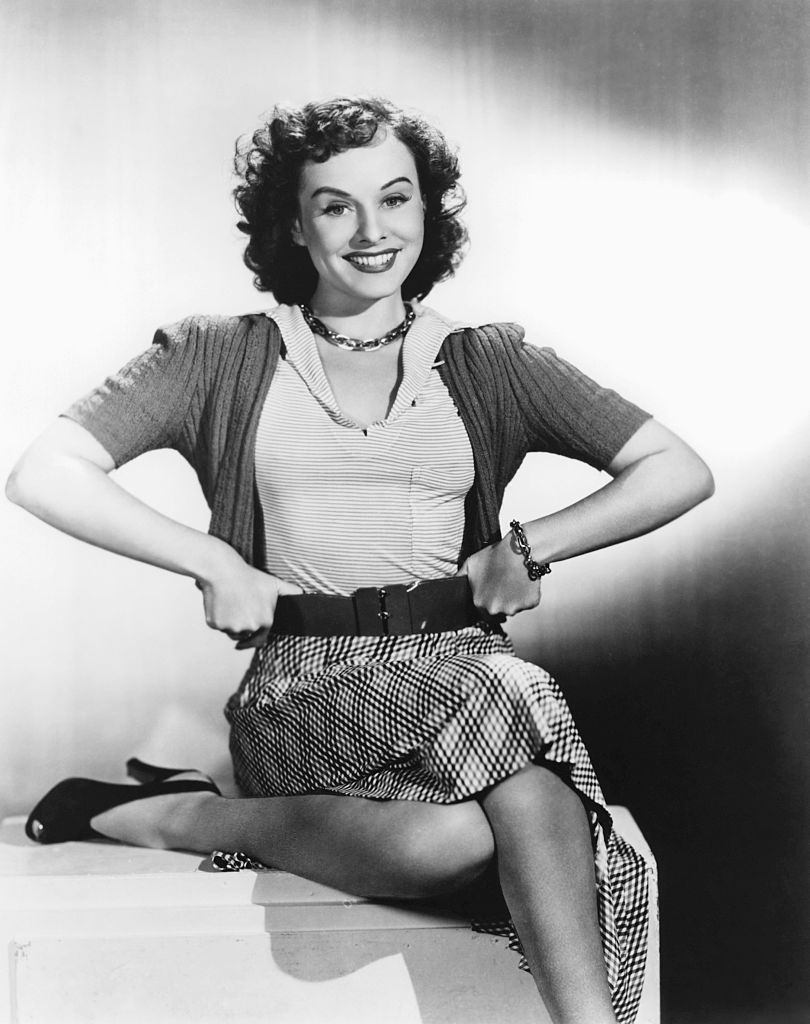
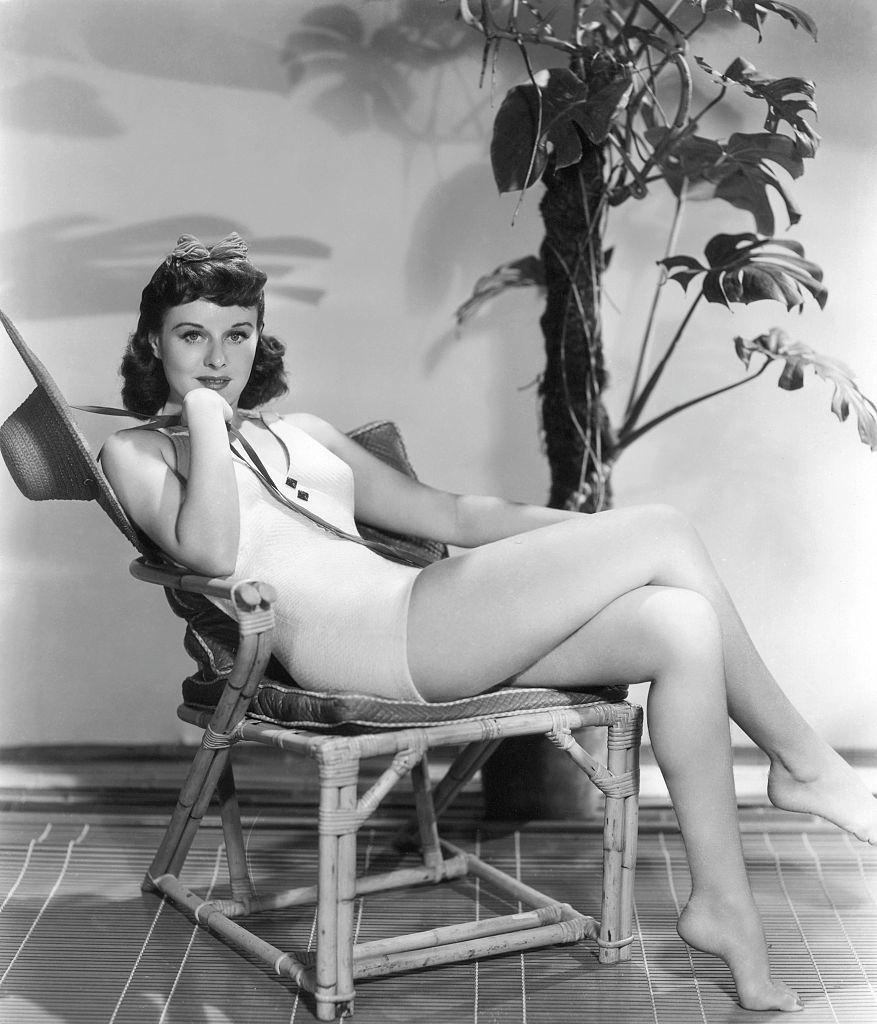
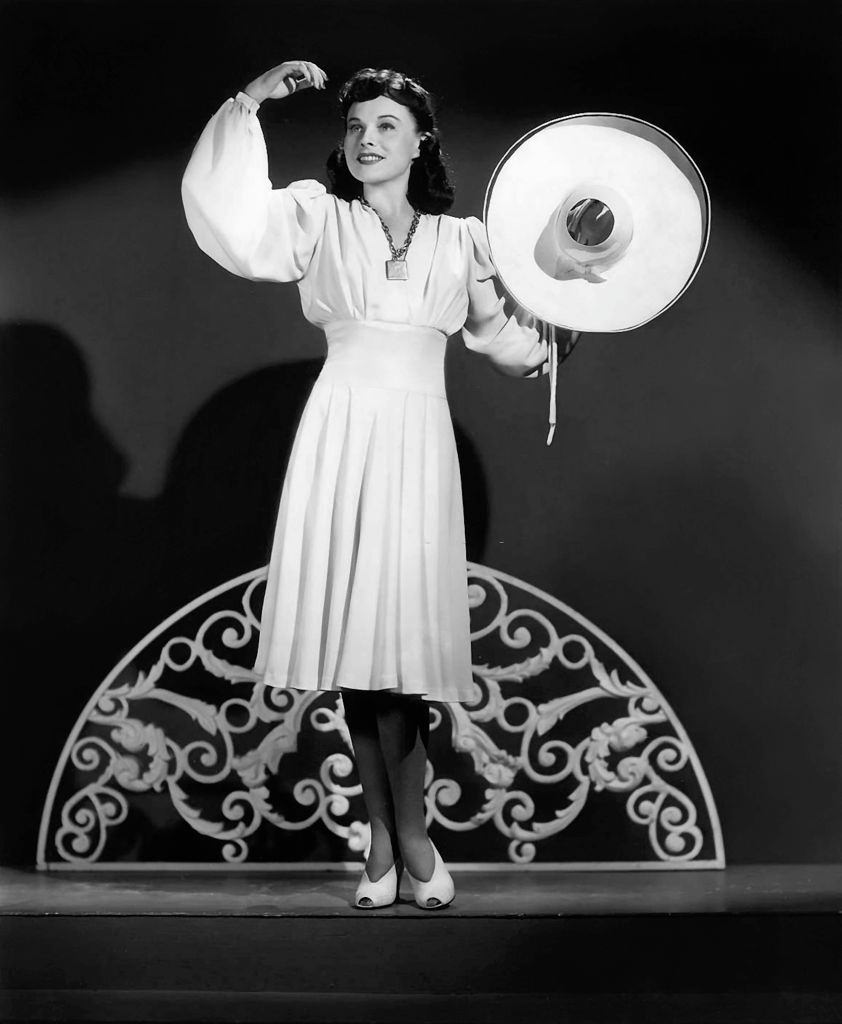
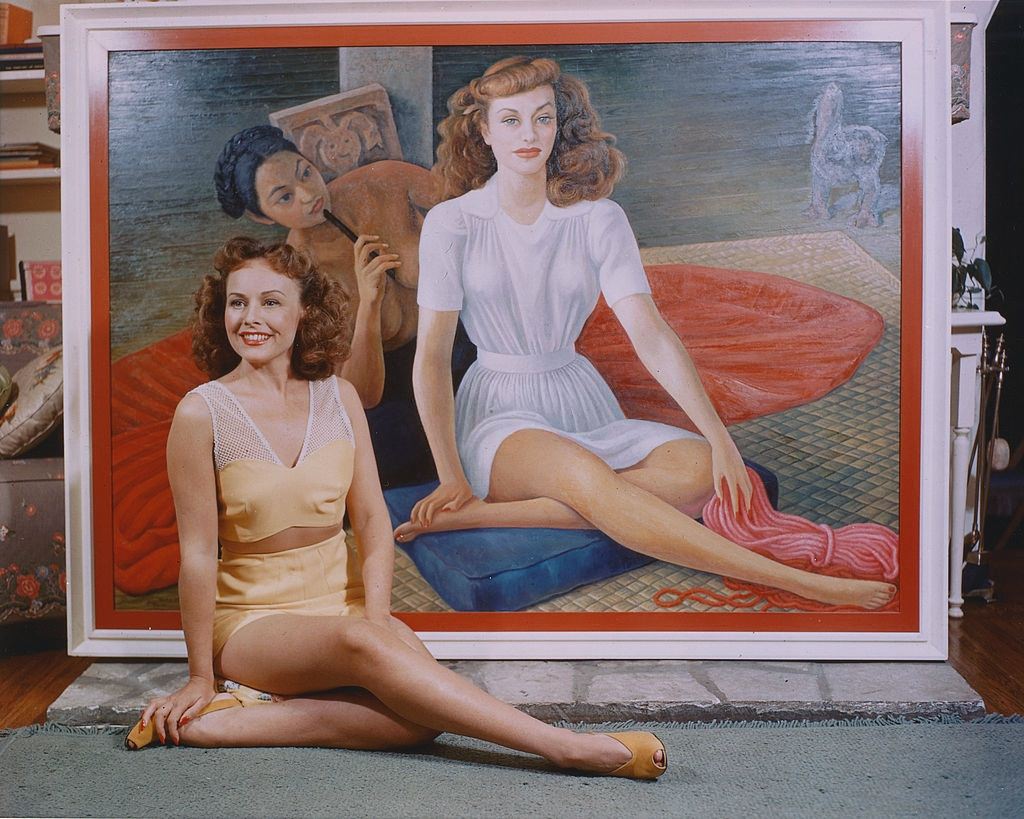
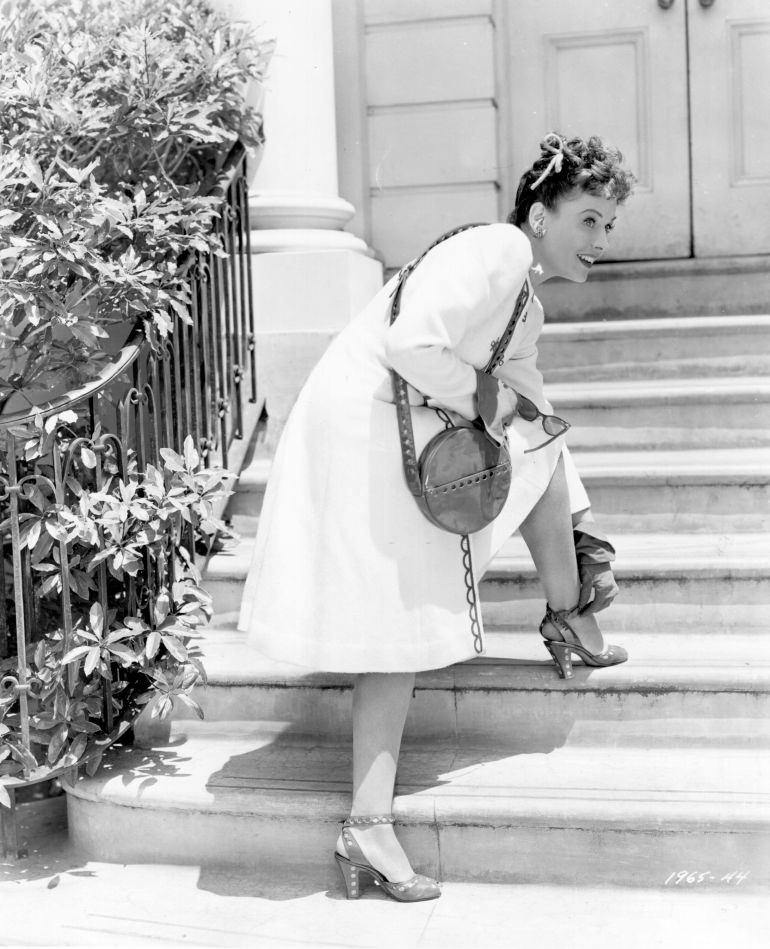
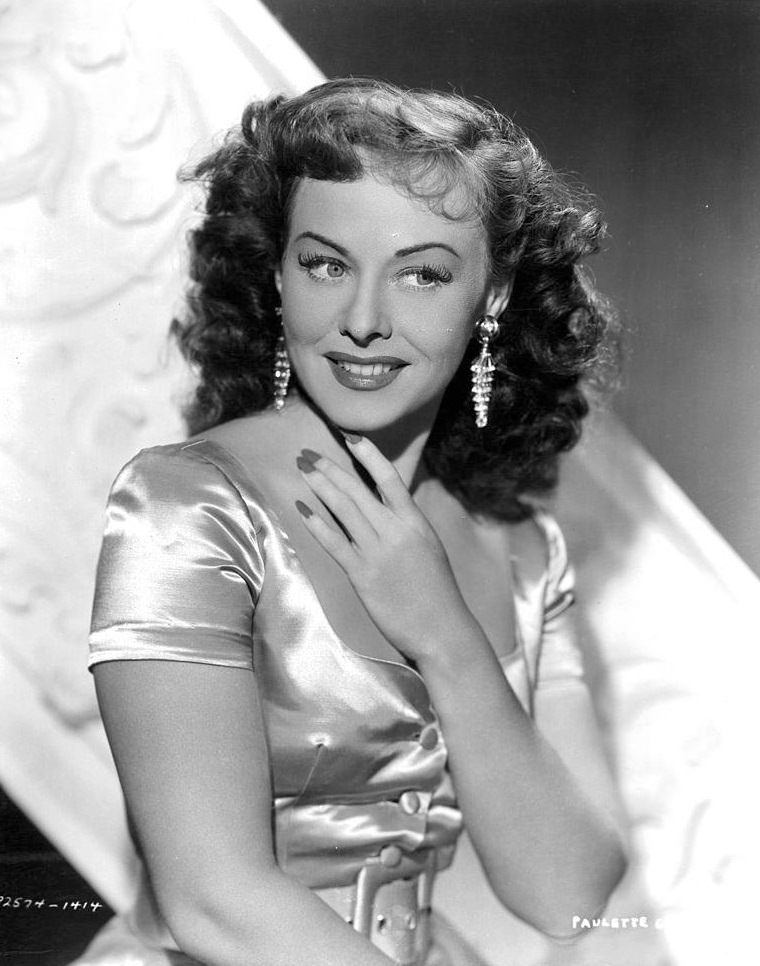
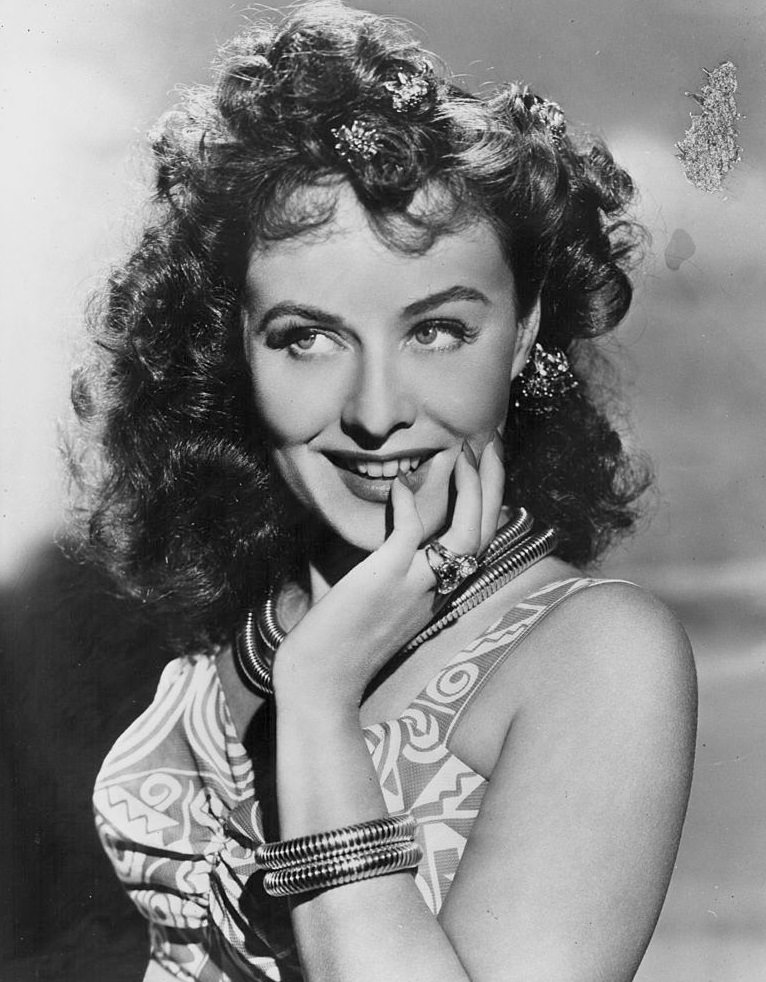
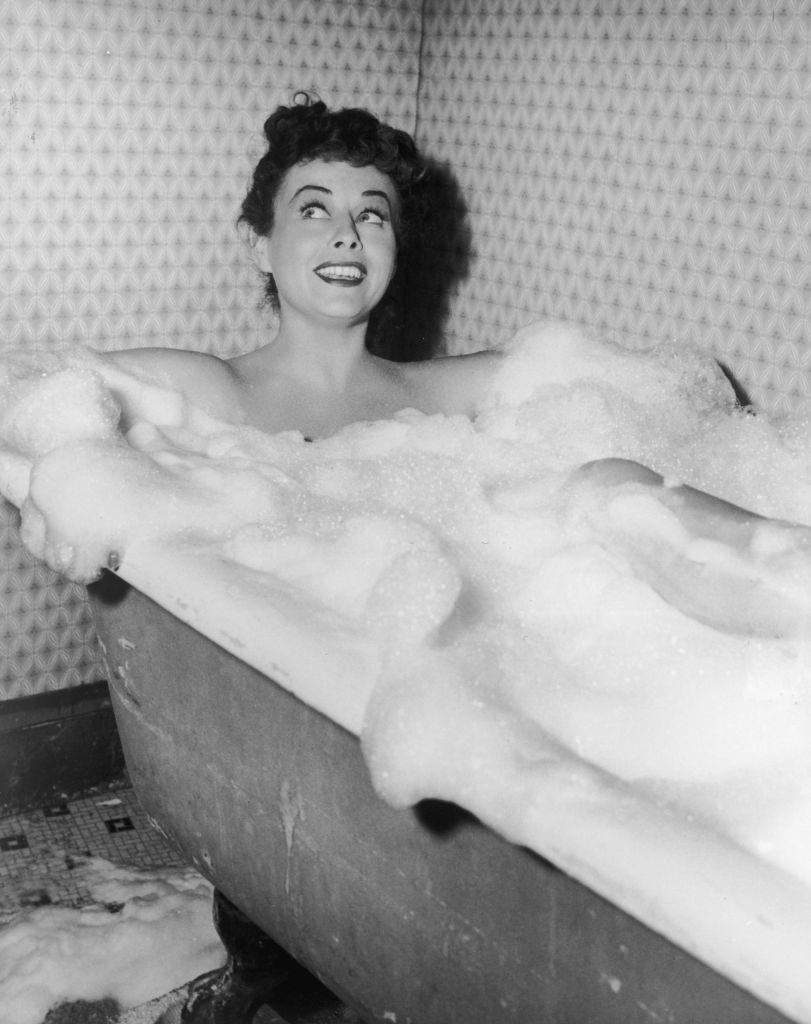
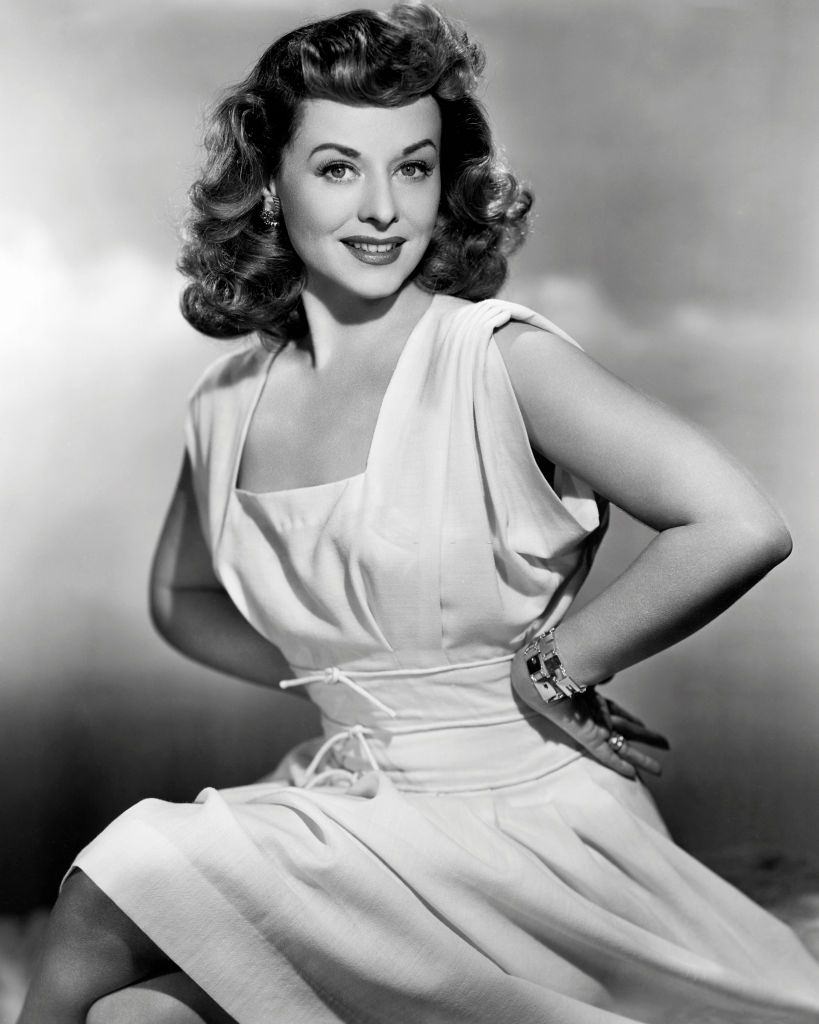
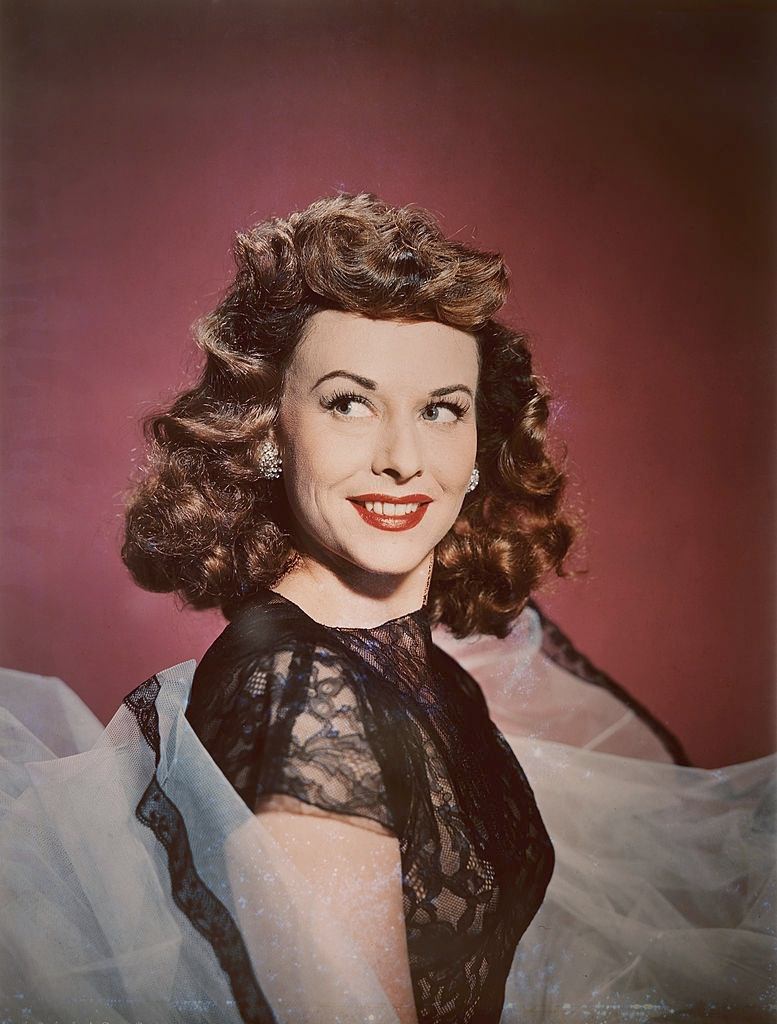
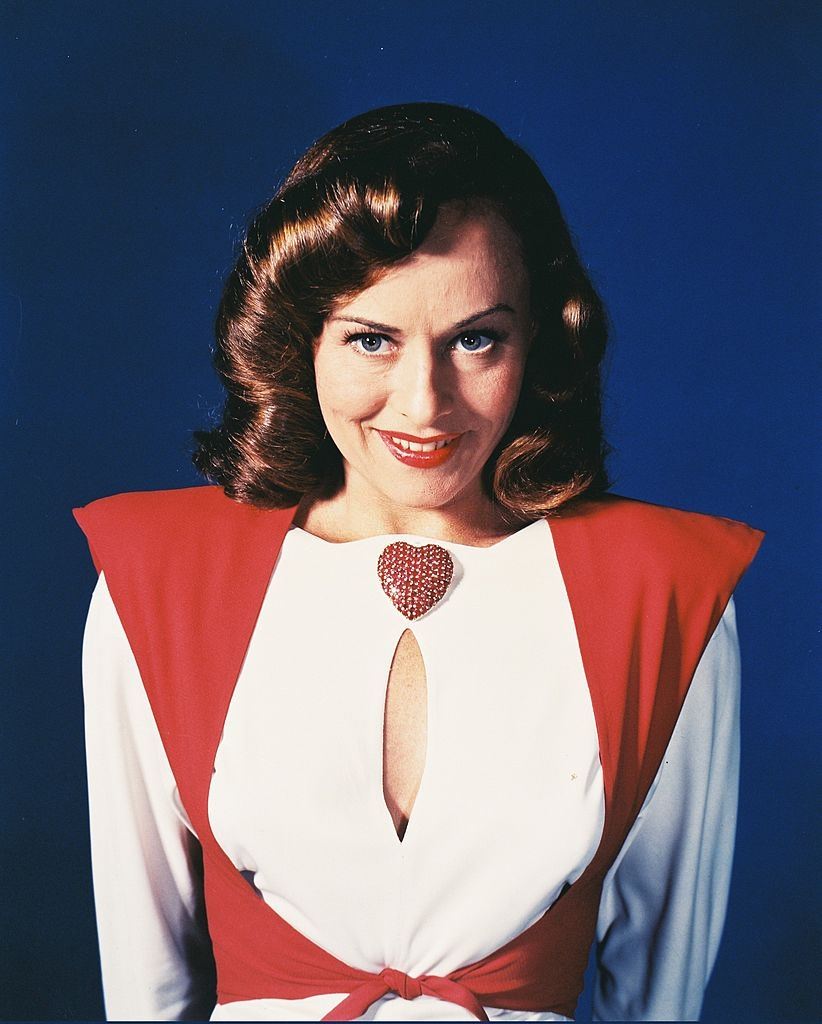
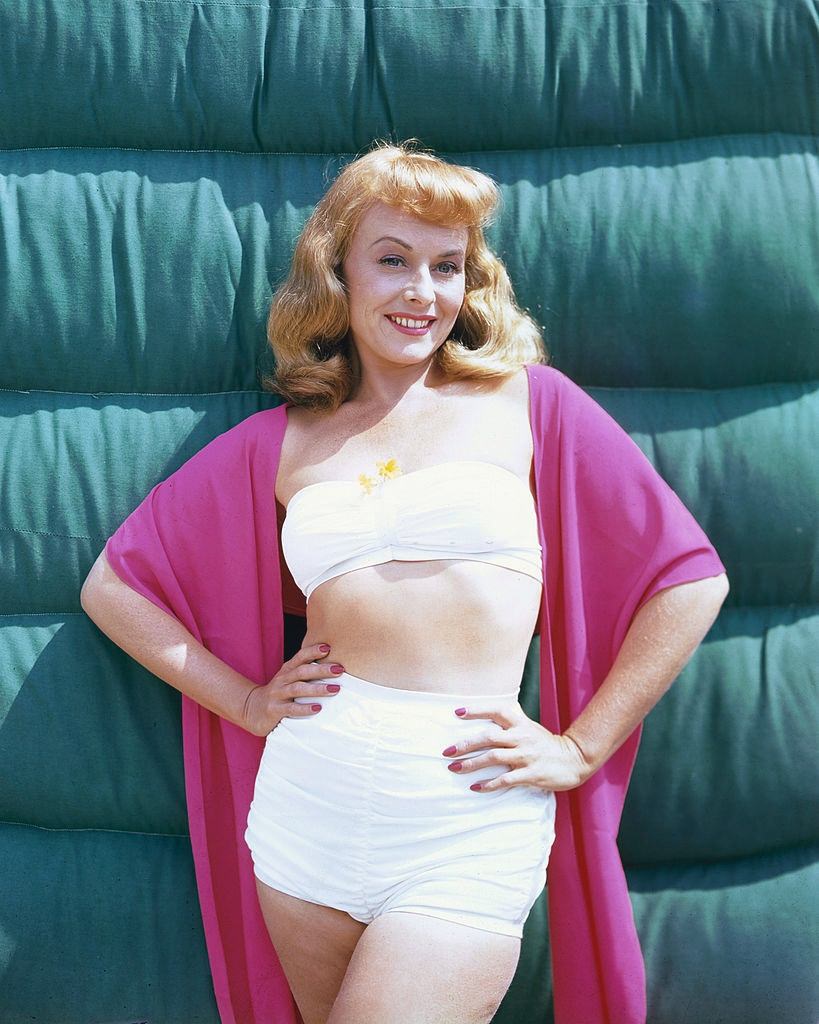
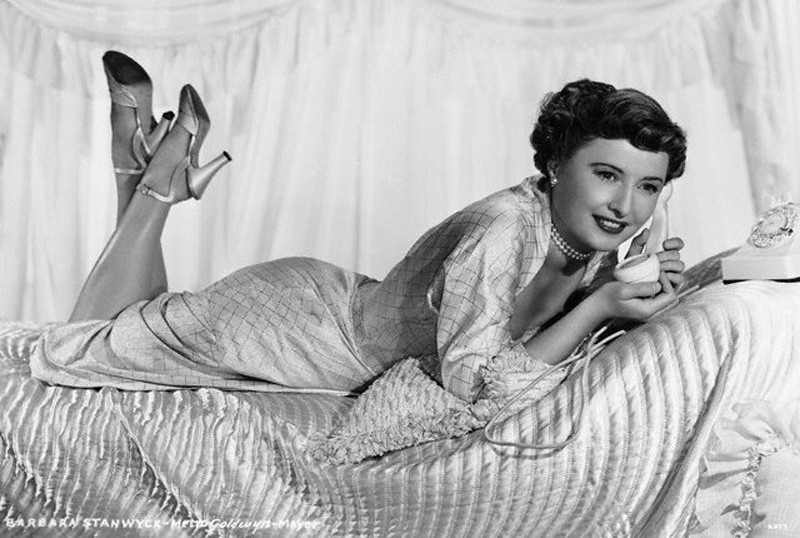
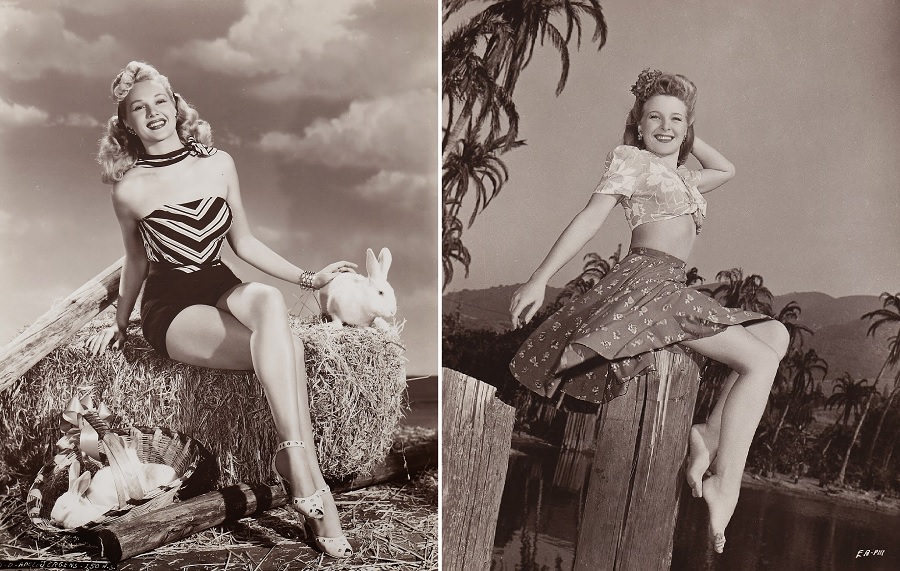
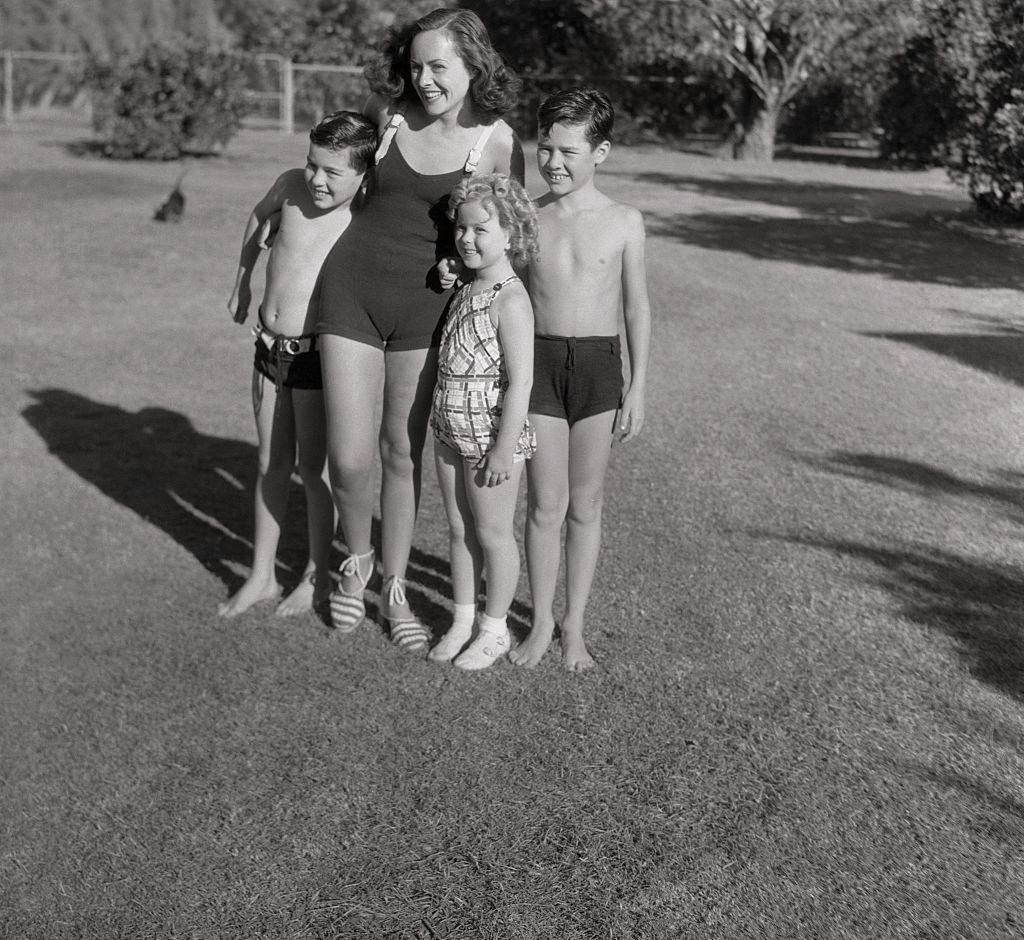
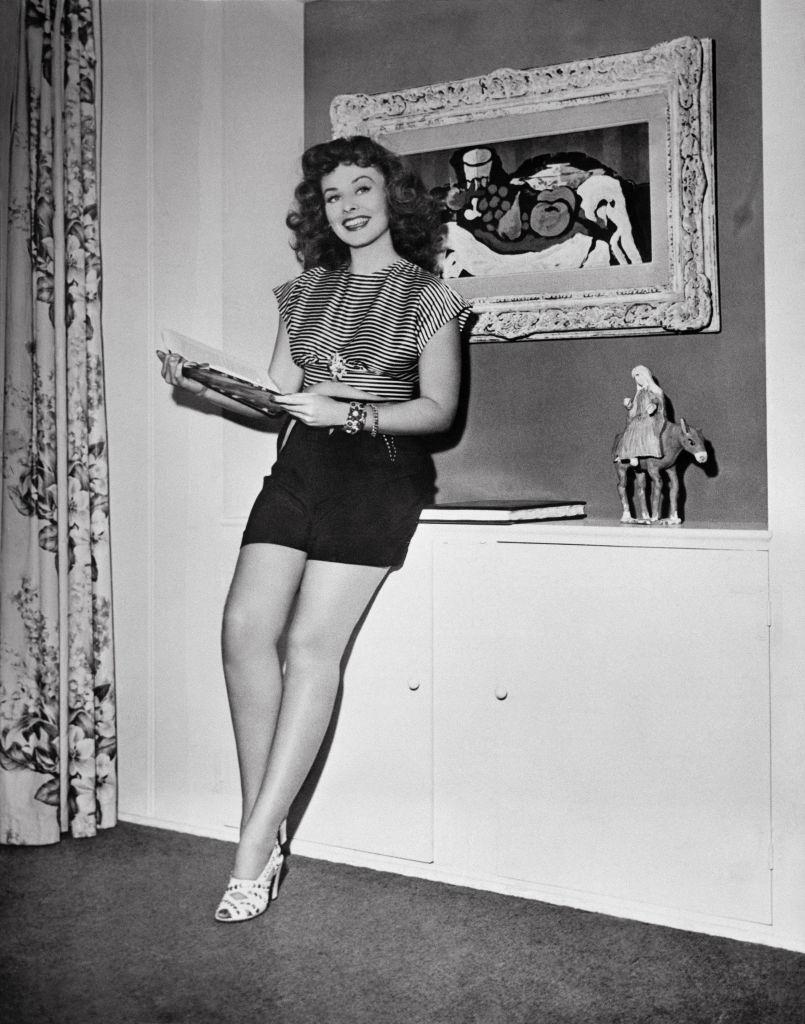
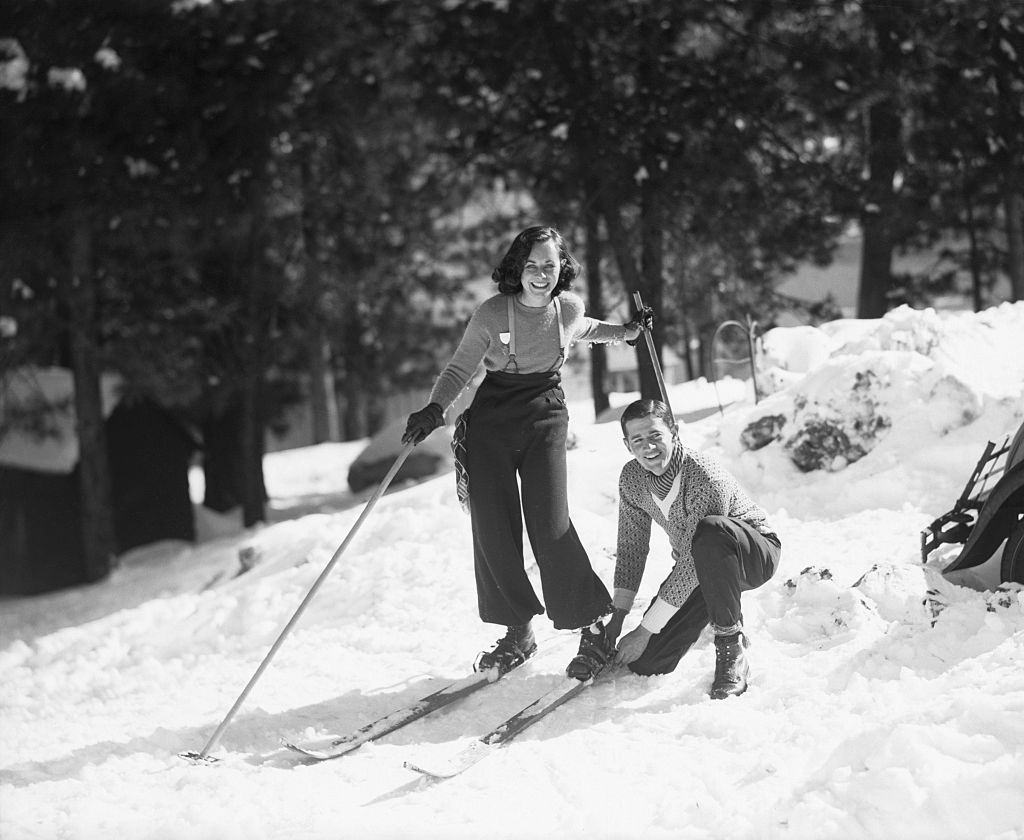
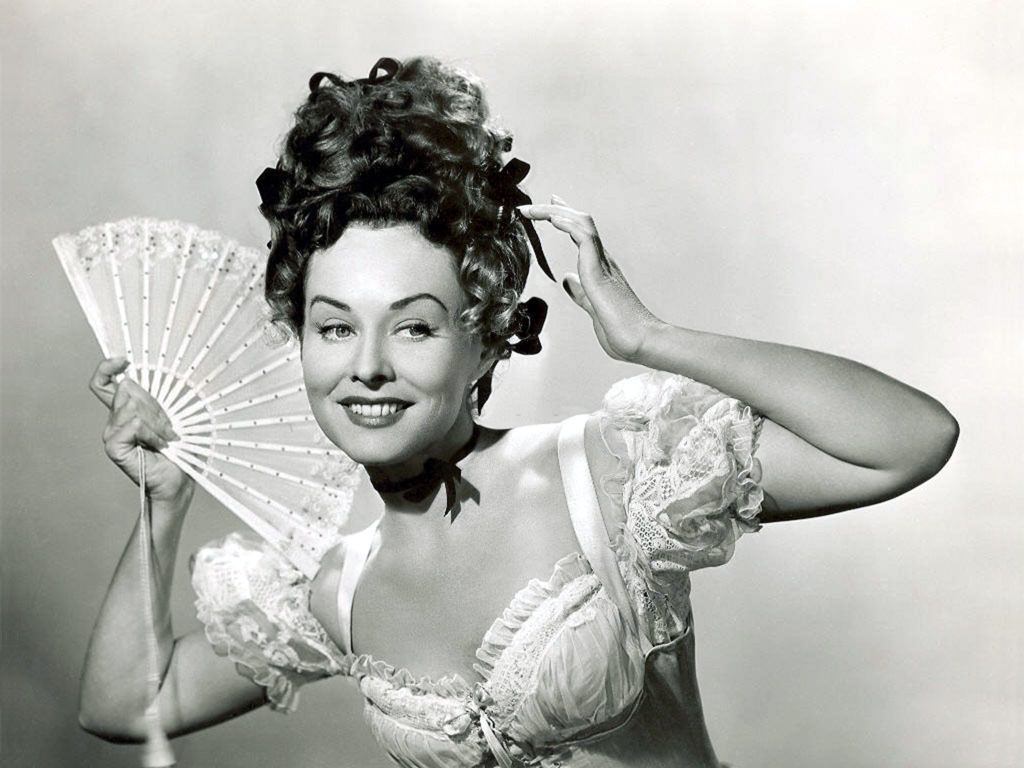
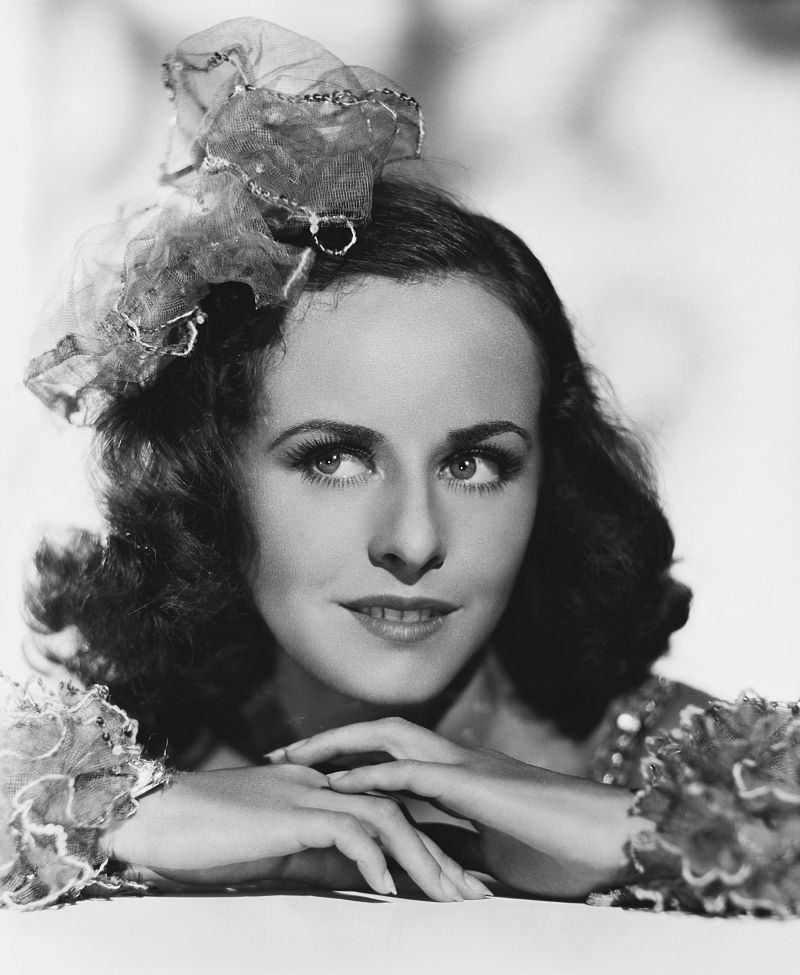
The Chaplin years placed Paulette firmly at the center of Hollywood’s social world. She was photographed constantly — on set, at parties, at home — and her image appeared in magazines and newspapers across the country. The photos from this era capture a woman fully at ease in front of the camera, radiating the confidence that had carried her from a New York modeling studio to one of cinema’s most iconic films.
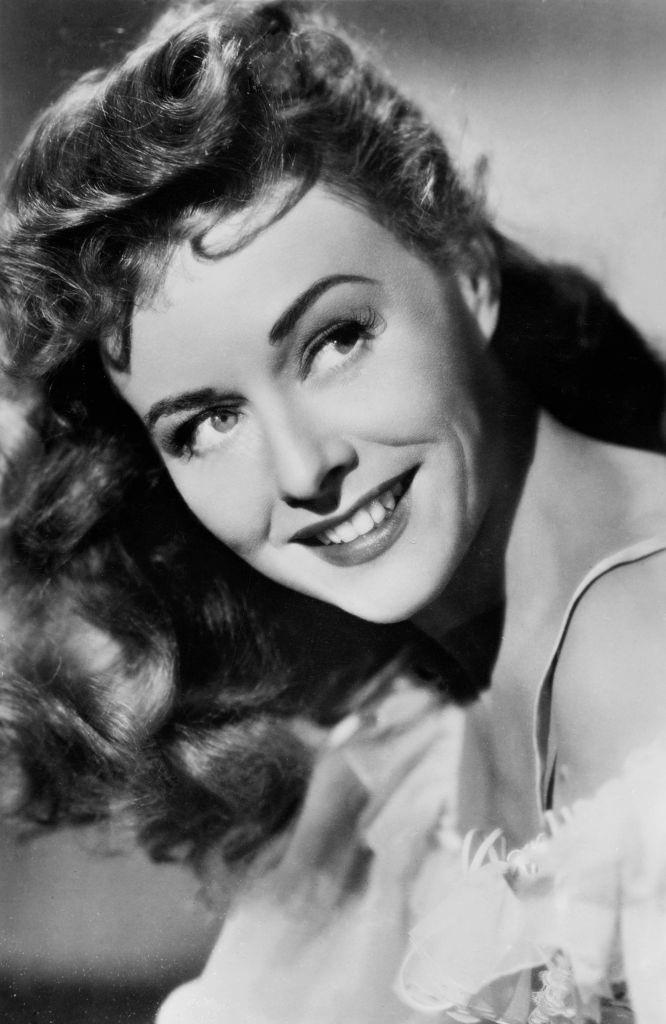
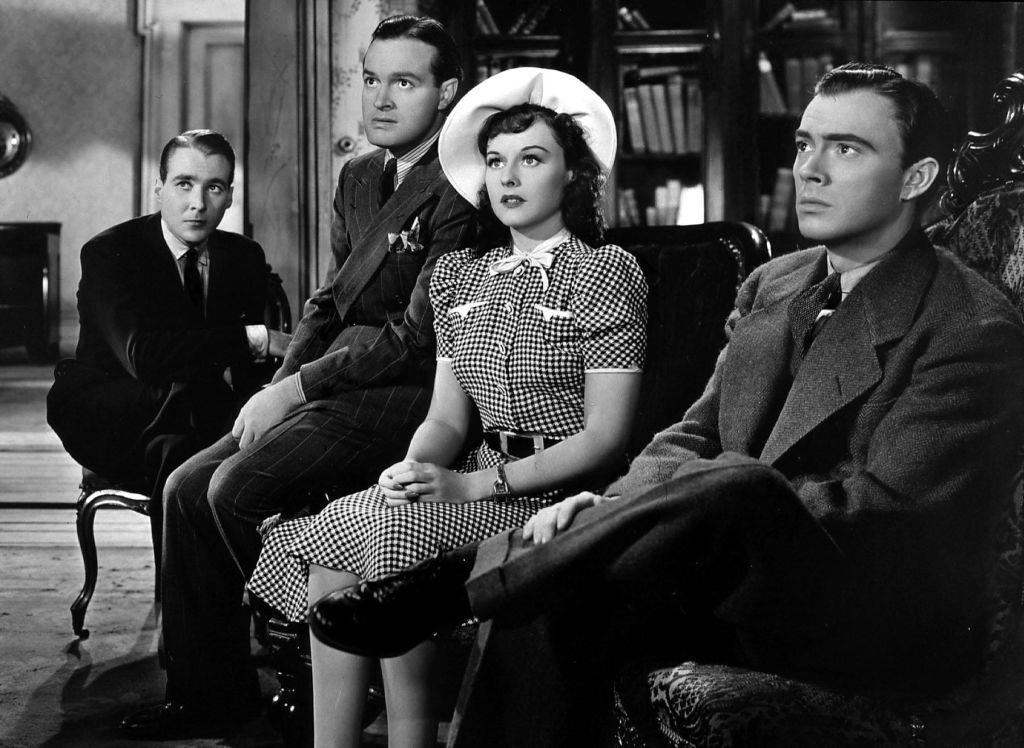
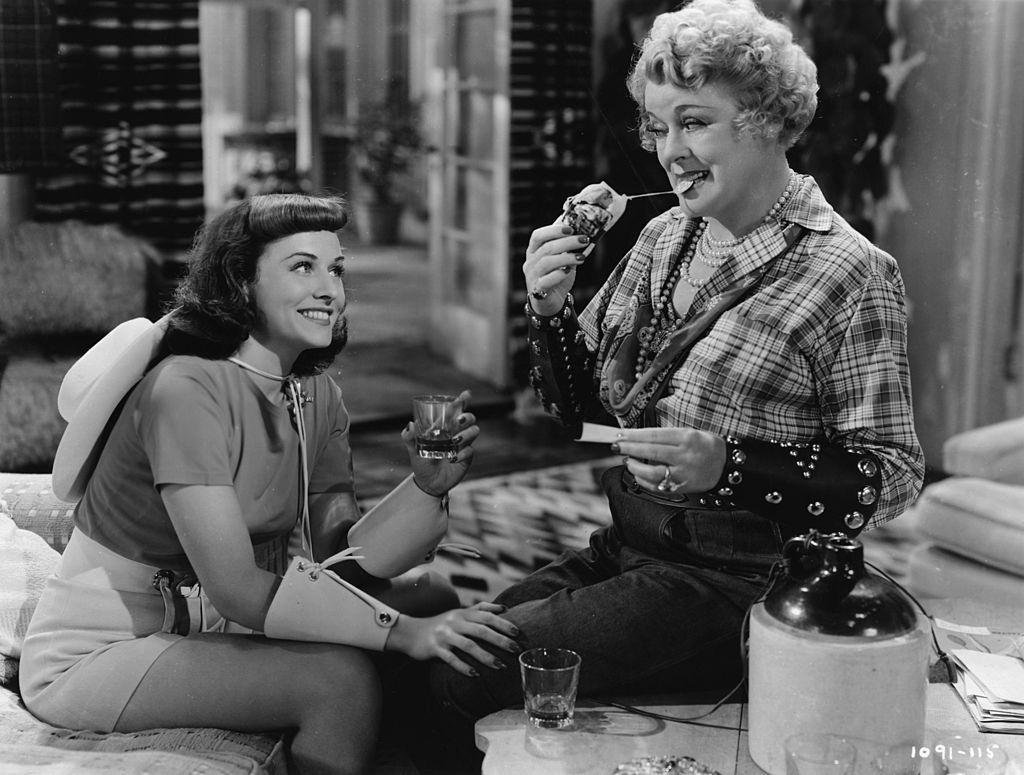
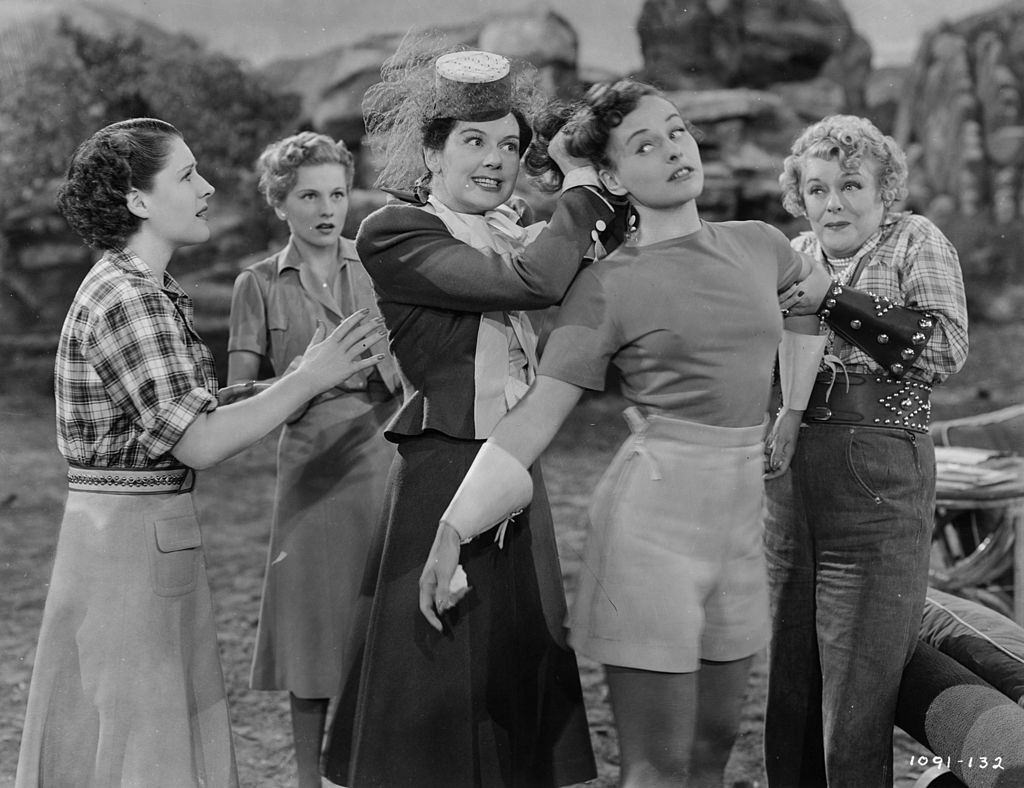
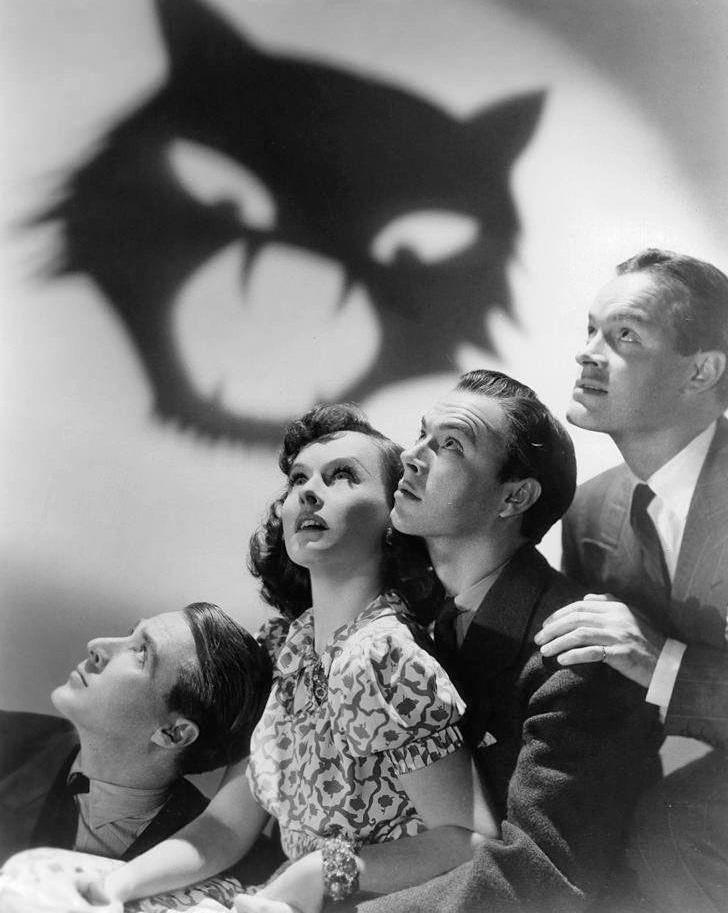
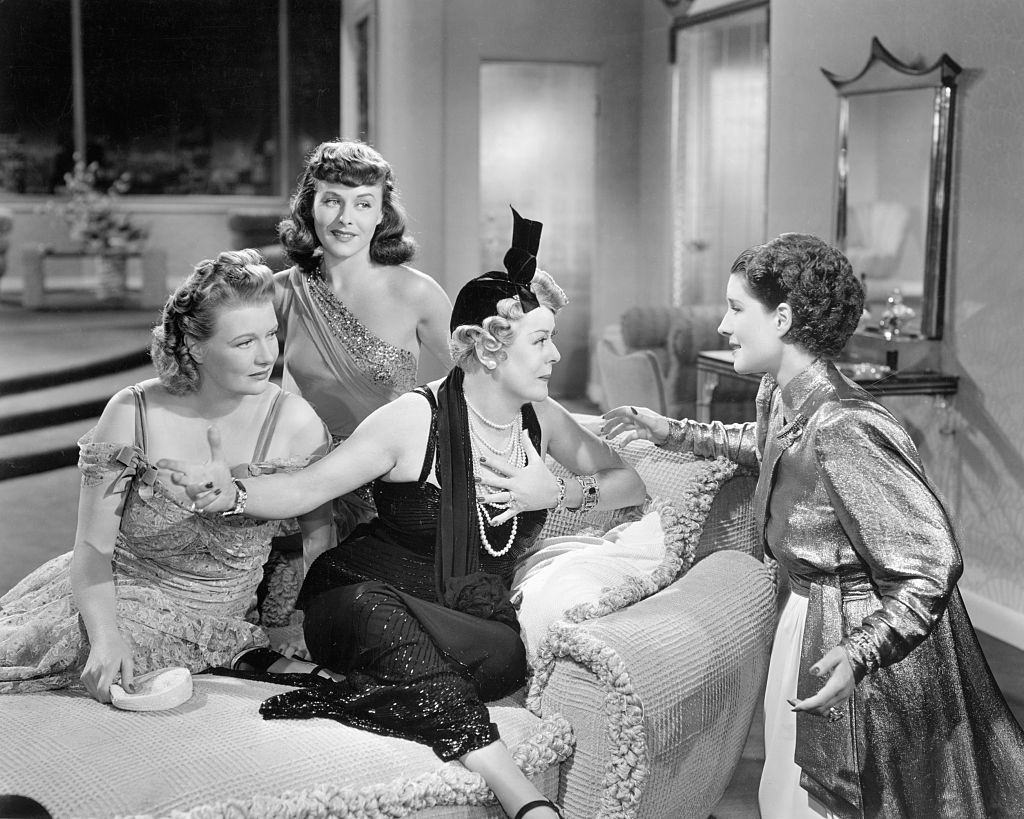
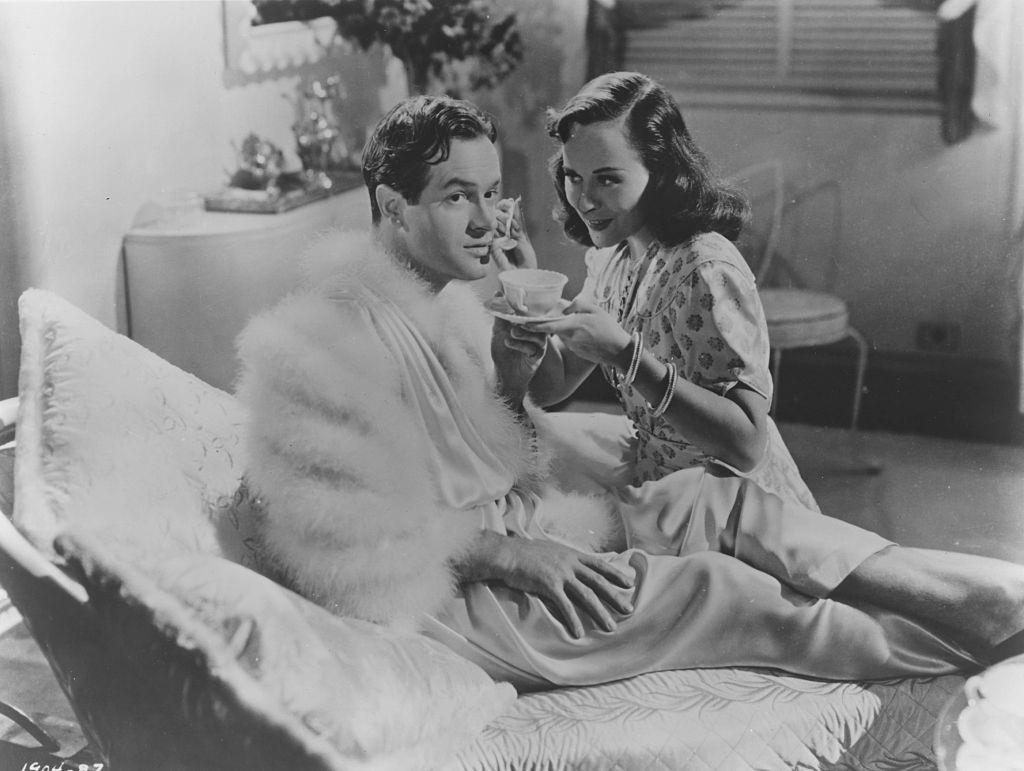
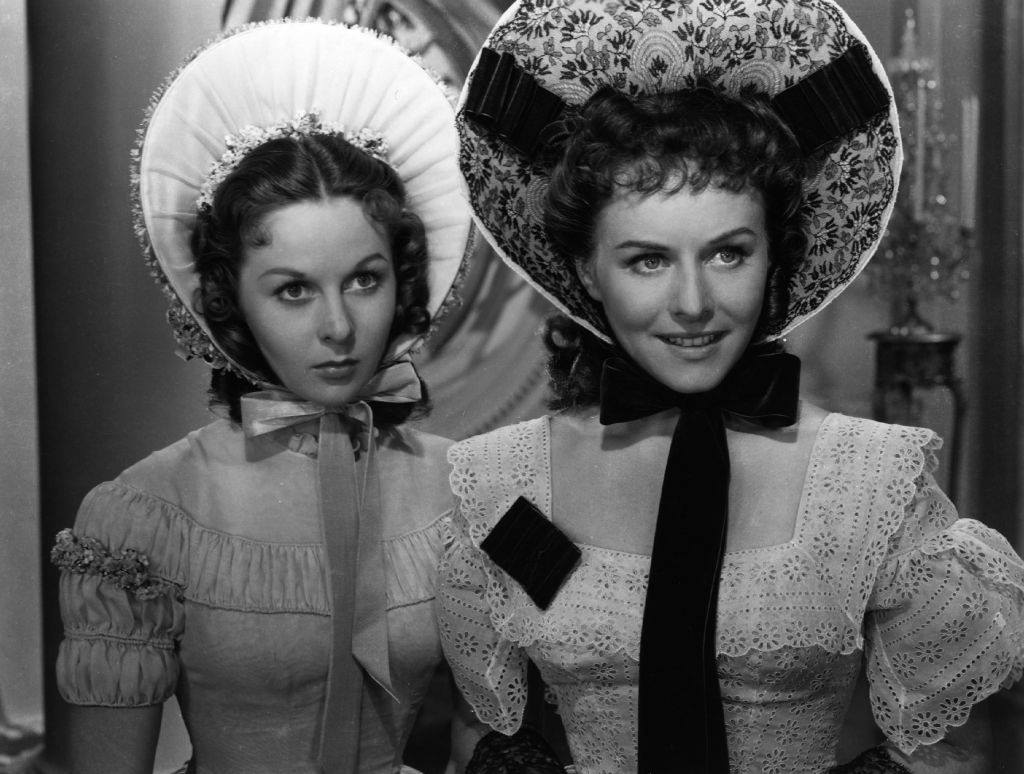
By the late 1930s, Paulette had established herself as a bankable star in her own right. She appeared in the all-female ensemble film The Women (1939), sharing the screen with Norma Shearer, Rosalind Russell, and Joan Fontaine. That same year she starred in The Cat and the Canary opposite Bob Hope, a comedy-horror film that drew strong audience numbers and showed her range as a performer.
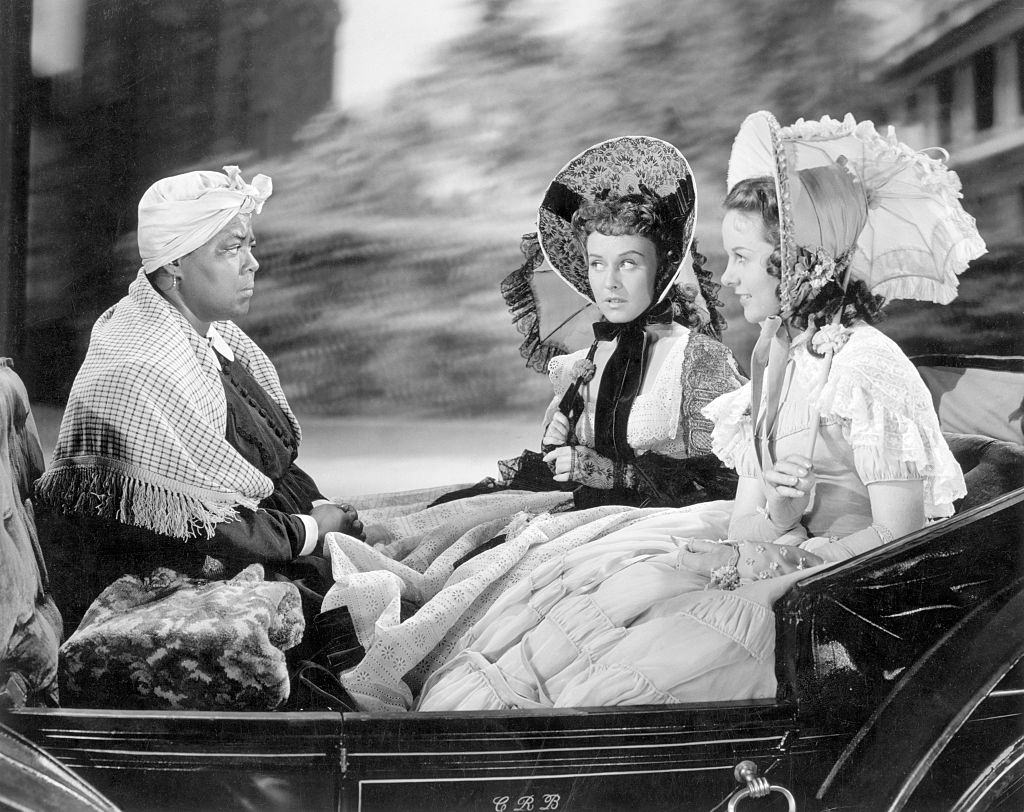
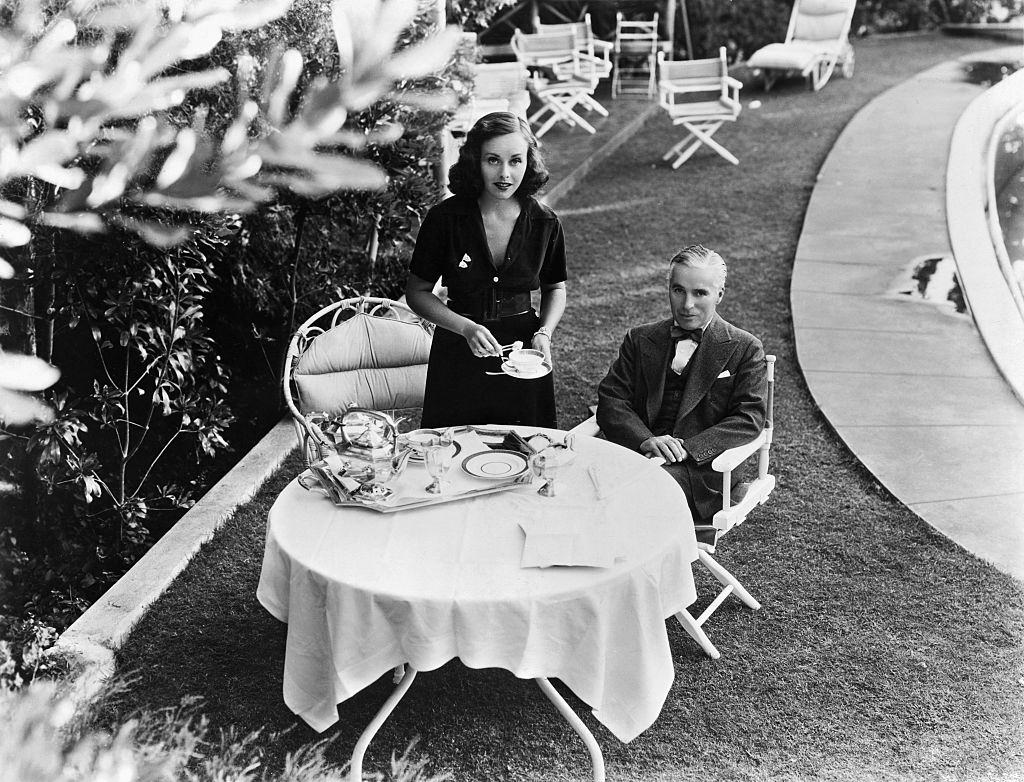
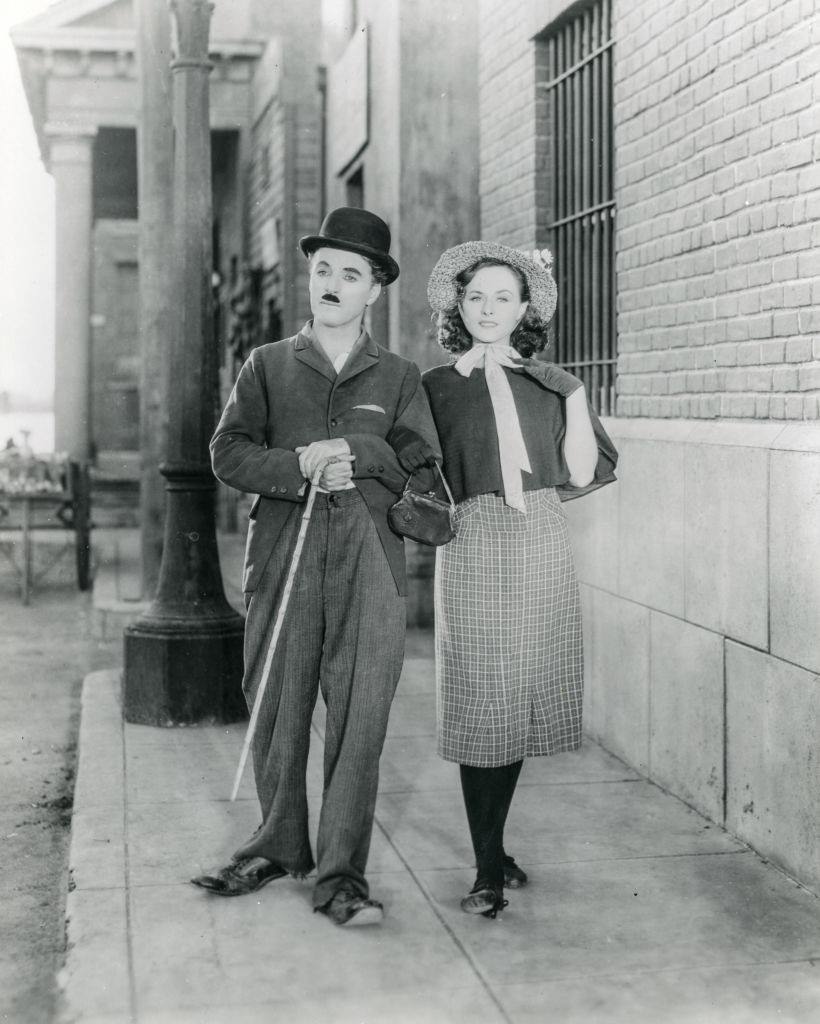
In 1942, Paulette and Chaplin divorced. She obtained a Mexican divorce and walked away with a $1 million settlement — a significant sum at the time. The split did not slow her career. She continued to take on ambitious projects, and in 1943 her performance as a military nurse in So Proudly We Hail! earned her an Academy Award nomination for Best Supporting Actress. She didn’t win, but the nomination confirmed her standing as one of Paramount’s top stars.

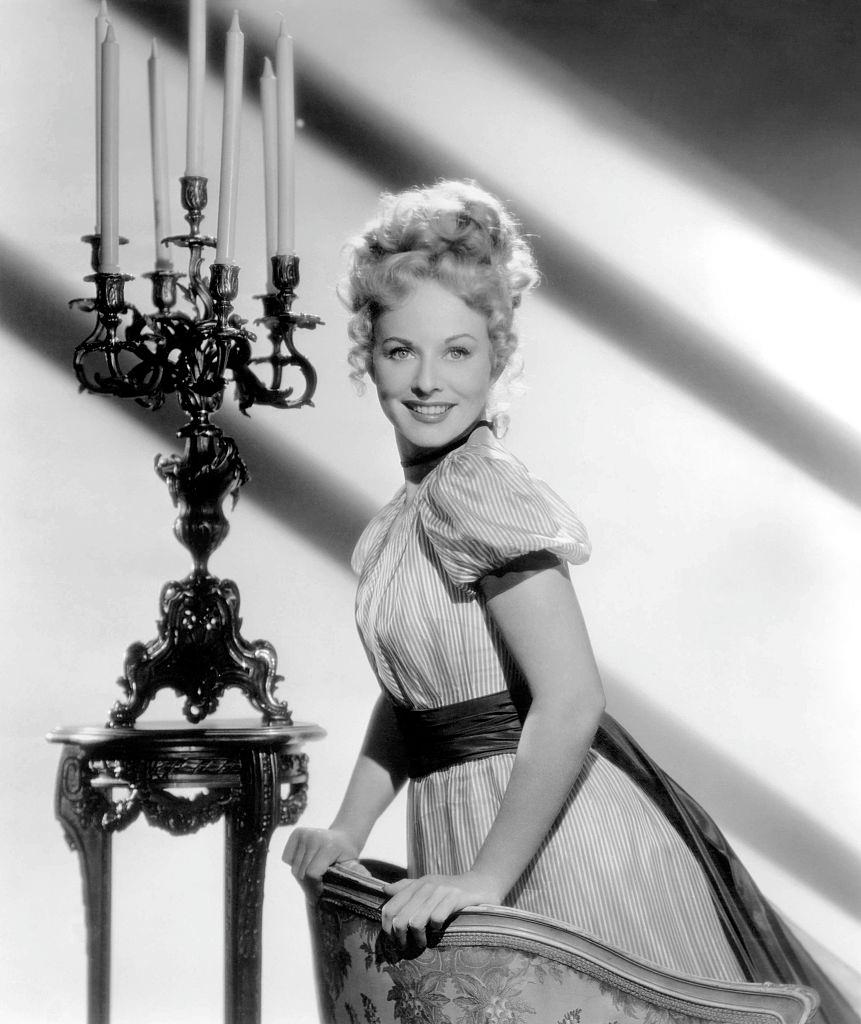
The 1940s were the peak years of Paulette’s film output. She starred in Pot o’ Gold (1941), The Lady Has Plans (1942), The Diary of a Chambermaid (1946), and Unconquered (1947), directed by Cecil B. DeMille. She also took on smaller roles in B-grade films during this decade and into the 1950s, keeping herself active on screen even as the major studio system began to shift.
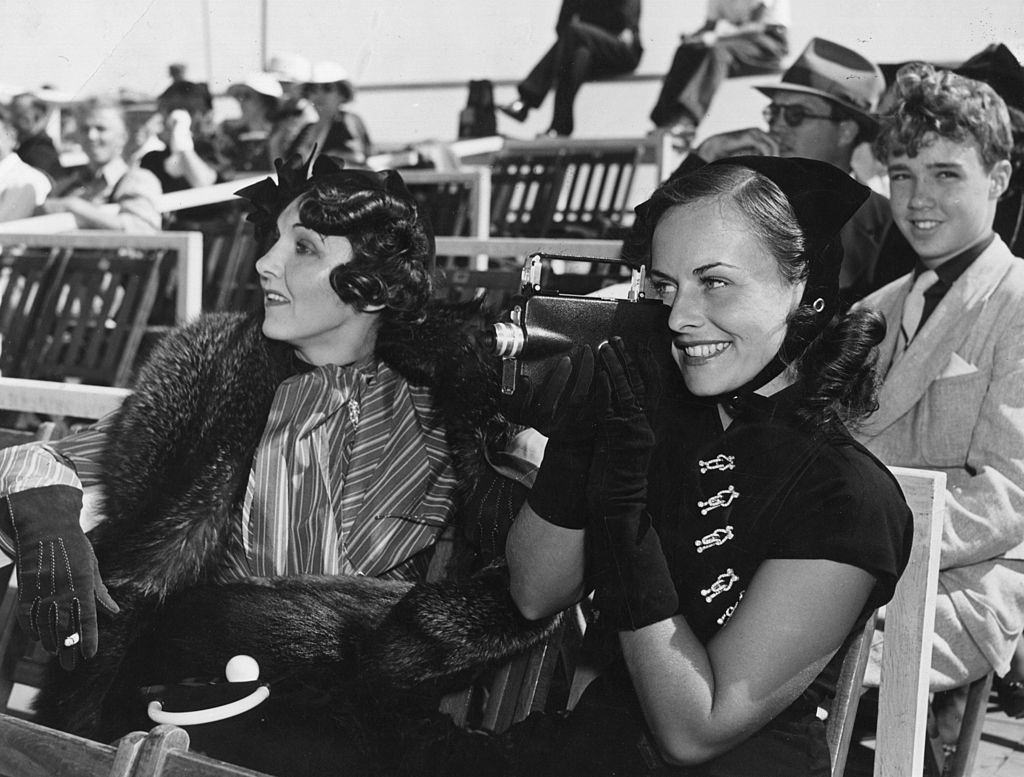
By the mid-1950s, Paulette had transitioned to television. She appeared on The Ford Television Theatre, Climax!, and Producers’ Showcase, and starred in a television remake of The Women. She also performed in summer stock productions of Waltz of the Toreadors and Laura, demonstrating that live performance was never far from her roots.
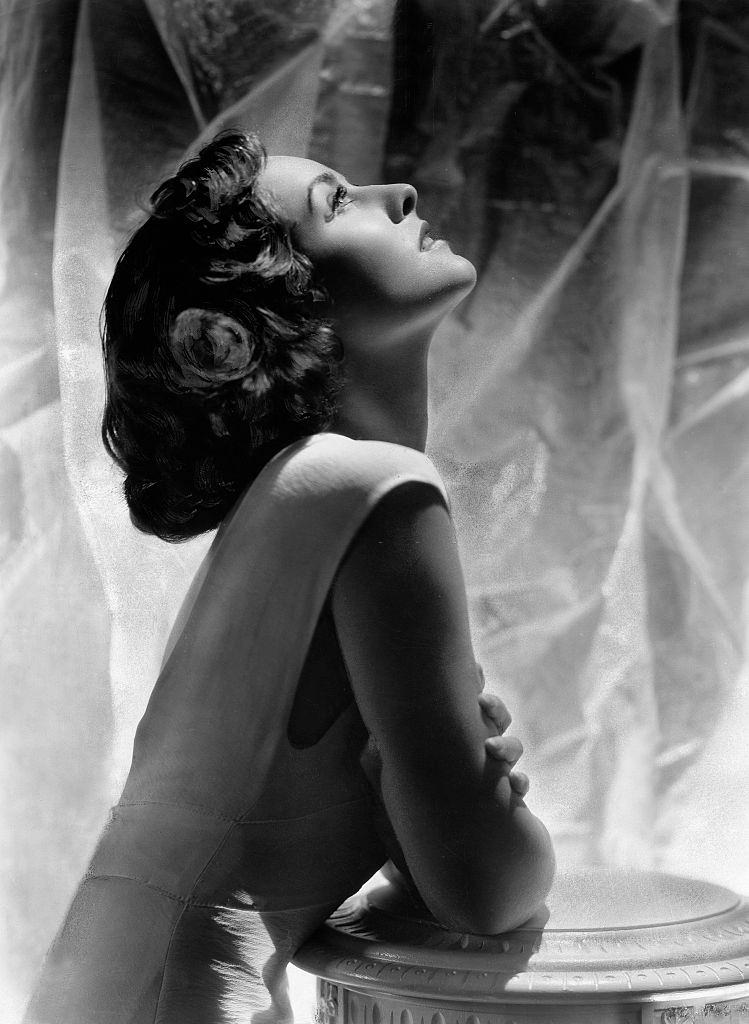
In 1958, Paulette married Erich Maria Remarque, the German novelist best known for writing All Quiet on the Western Front. The two had been acquainted for years before the marriage, and the union proved to be lasting and stable. They remained together until Remarque’s death in 1970. When he died, Paulette inherited his considerable estate, including property in Europe and a significant collection of contemporary art. She spent her remaining years living in her Swiss residence.
Her final screen work was the Italian film Time of Indifference (1964), though she made a brief appearance in the made-for-television movie The Snoop Sisters in 1972. By the mid-1970s, she had been diagnosed with breast cancer and underwent surgery. Years of heavy smoking had also led to emphysema. Paulette Goddard died of heart failure on April 23, 1990, at the age of 79. She was buried alongside Remarque and her mother in the Ronco Village Cemetery in Switzerland.