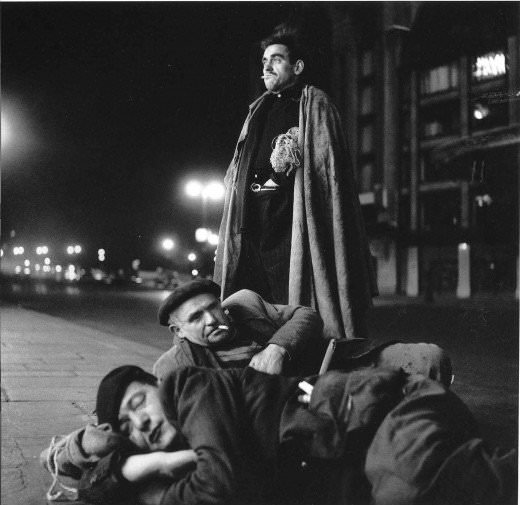
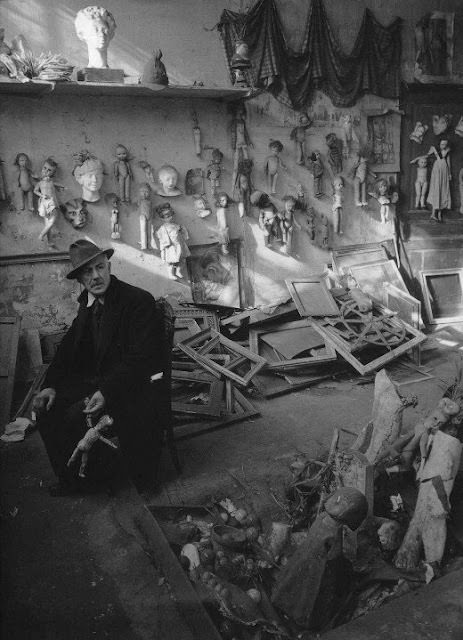
Robert Doisneau roamed the streets of Paris throughout the 1940s and 1950s with a camera and a sharp eye for the unguarded moment. He had no interest in posed portraits or studio setups. His subject was the city itself — its workers, children, lovers, and vendors going about their daily lives.
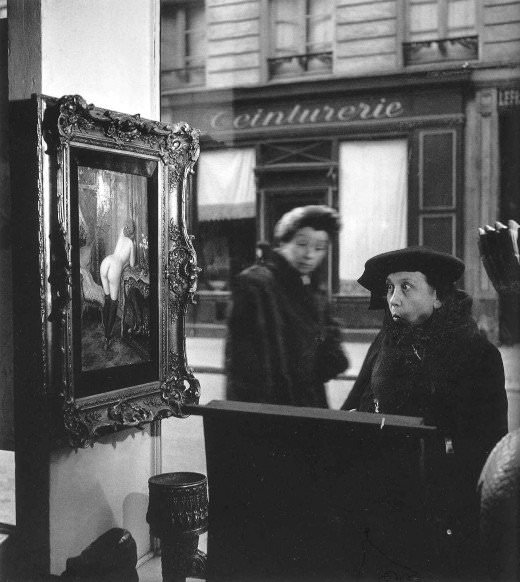
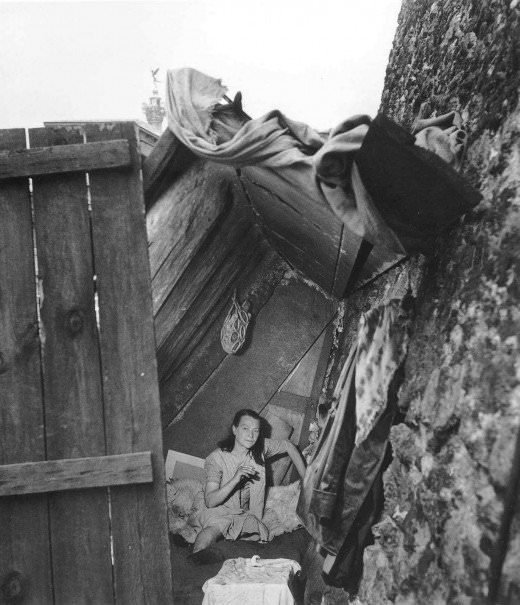
Paris in this era was a city crawling back from years of German occupation and wartime hardship. By the late 1940s, Parisians were reclaiming their streets with a visible determination. Markets filled with noise and vendors. Children chased each other down cobblestone lanes. Couples walked along the Seine without hurry.
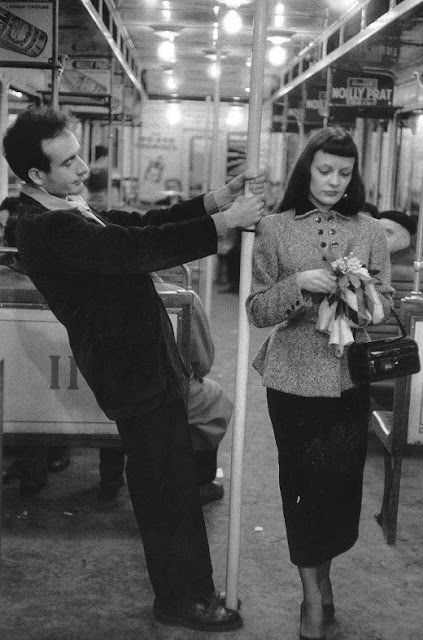
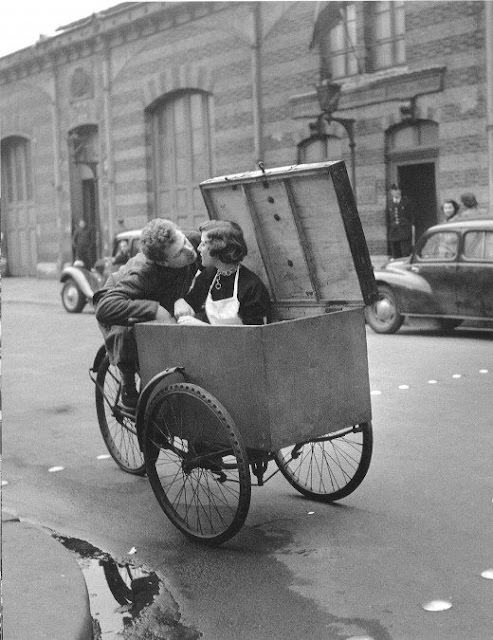
Doisneau’s most recognized photograph, “The Kiss by the Hôtel de Ville,” taken in 1950, shows a young couple kissing on a crowded Paris sidewalk. The people around them keep moving, uninterested. The photo became a symbol of Parisian romance, though Doisneau later revealed the couple were actors he had hired to pose for the shot.
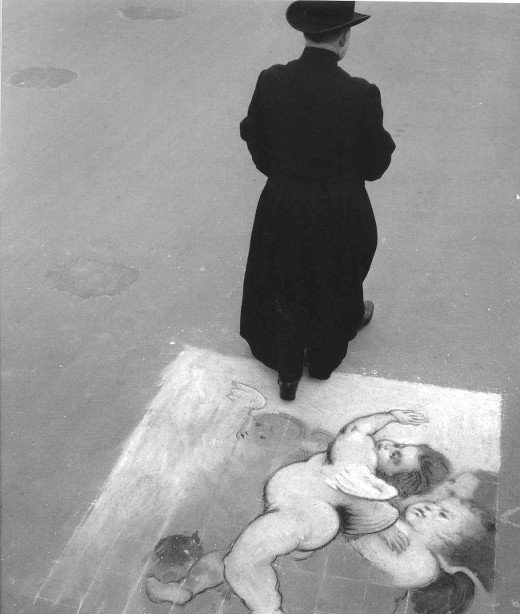
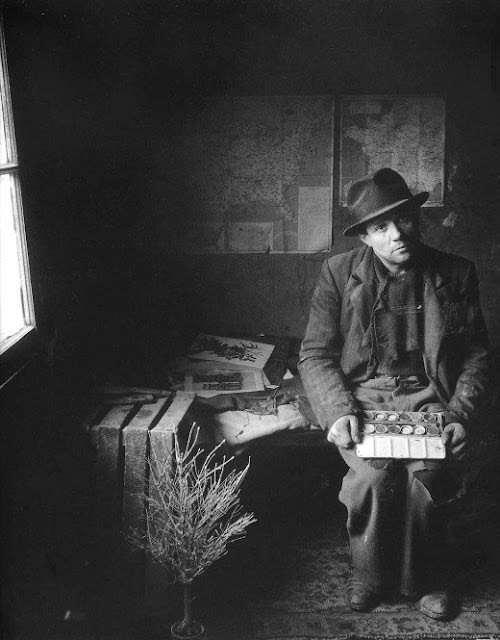
That detail aside, the vast majority of his work was genuinely candid. He photographed working-class neighborhoods like Gentilly and Montrouge, where he grew up, as well as the busier central arrondissements. He knew these streets intimately, which gave him access that an outsider never would have had.
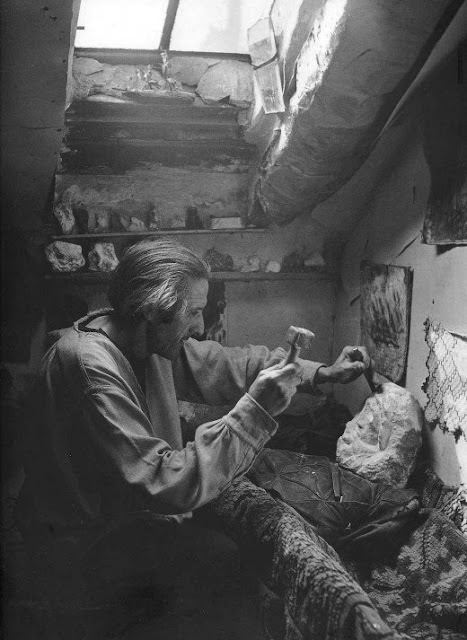
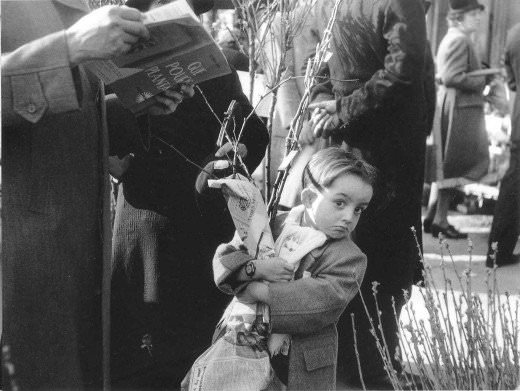
Children appear throughout his work — playing in fountains, climbing iron fences, kicking balls against walls. He photographed them at their own level, crouching down so his lens met their world directly.
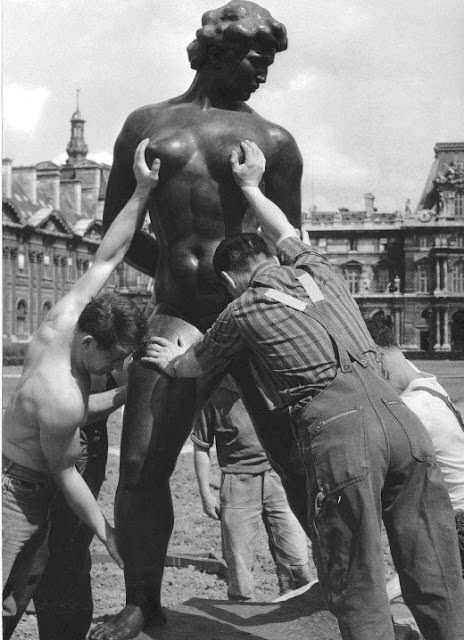
Street vendors, café patrons, accordion players, and factory workers all found their way into his frame. He worked frequently on assignment for the magazine Vogue and for the Alliance Photo agency, but his personal street work was driven purely by curiosity.
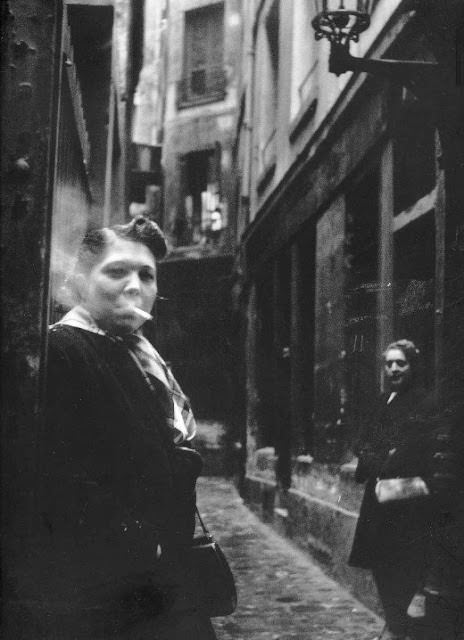
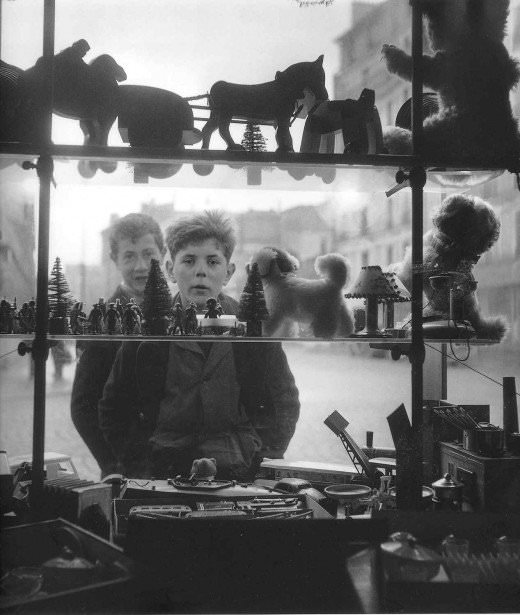
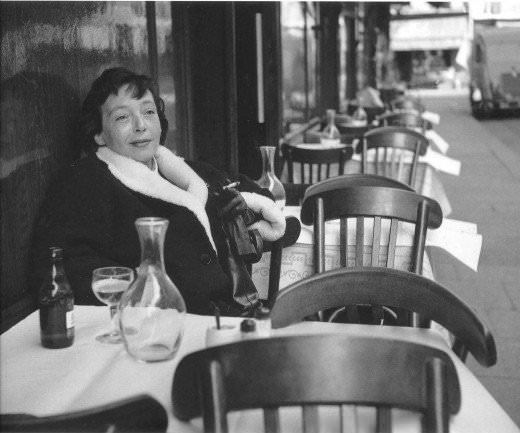
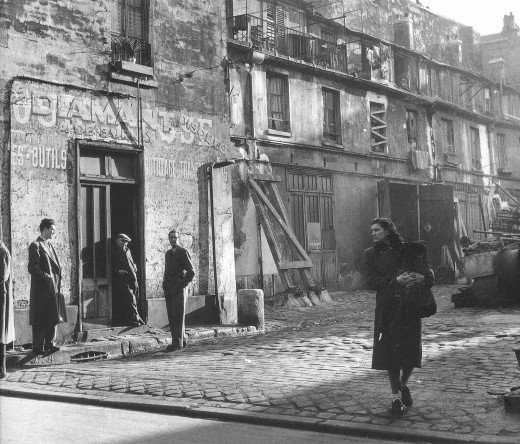
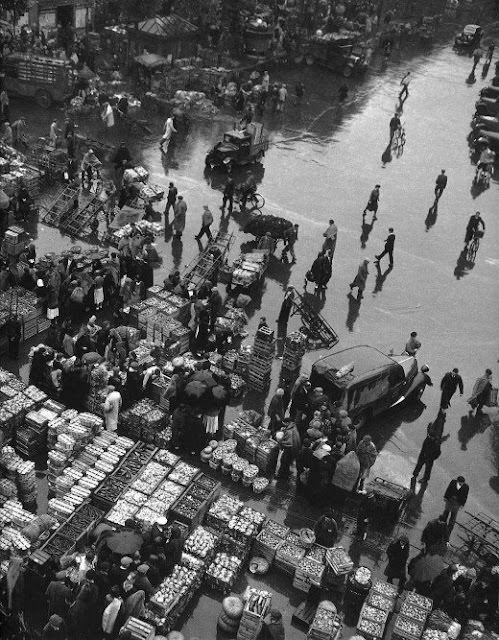
His photographs document a Paris that was still largely pre-modern in its street culture. Horse-drawn carts still appeared alongside early automobiles. Corner bistros served as neighborhood meeting points. The pace of life on the street was slower, more visible, and more communal than what came after.
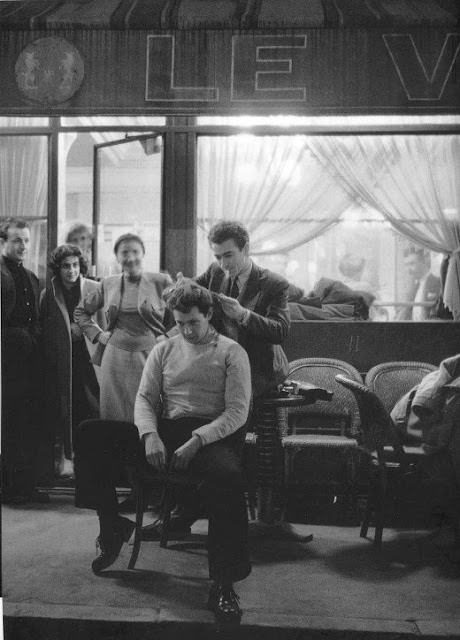
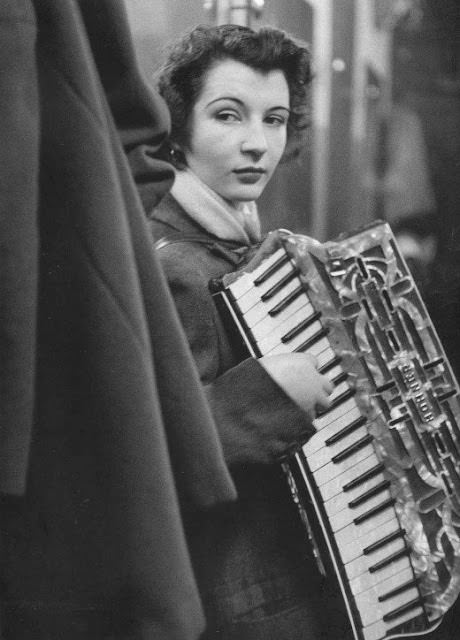
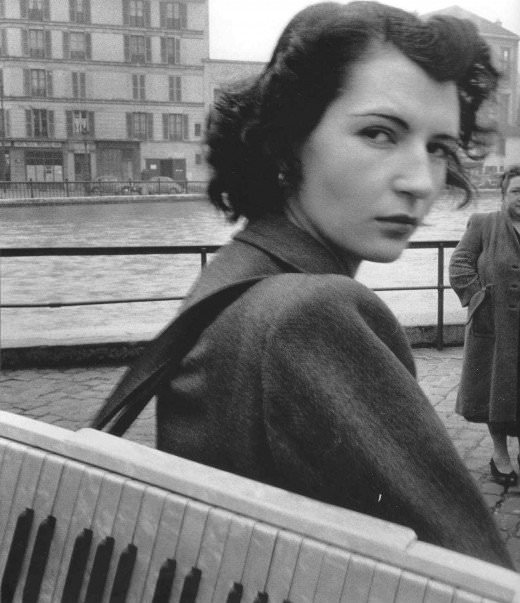
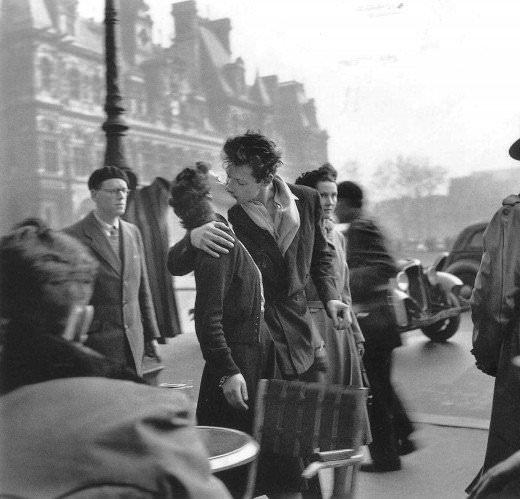
Doisneau used a Rolleiflex camera for much of this work — a twin-lens camera he held at waist height. Because he wasn’t raising the camera to his eye, subjects rarely noticed they were being photographed. This gave his images their natural, unself-conscious quality.
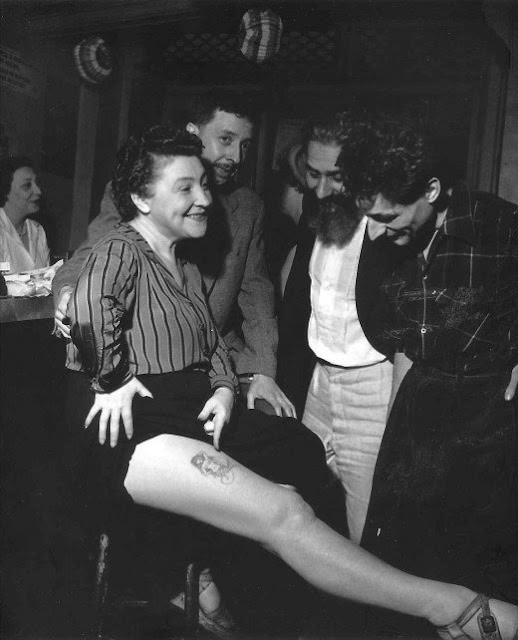
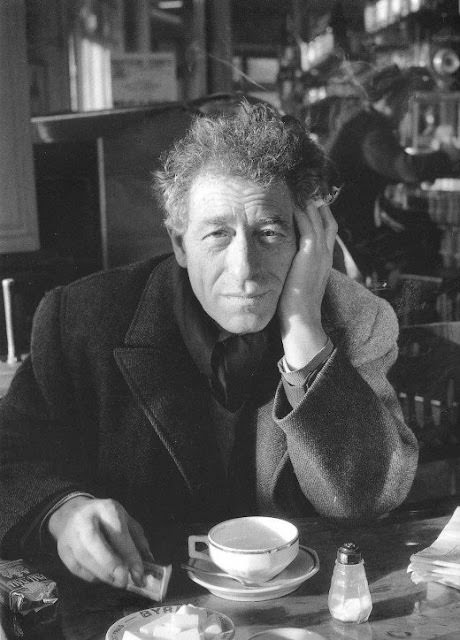
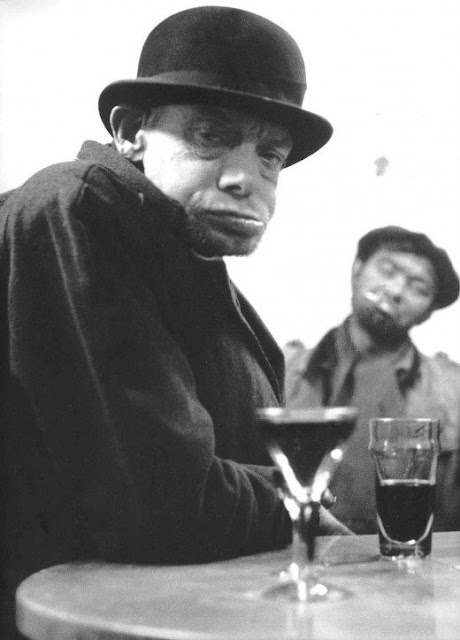
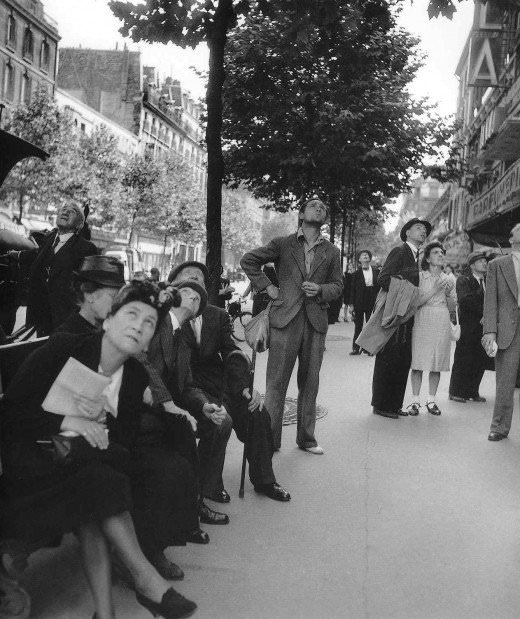
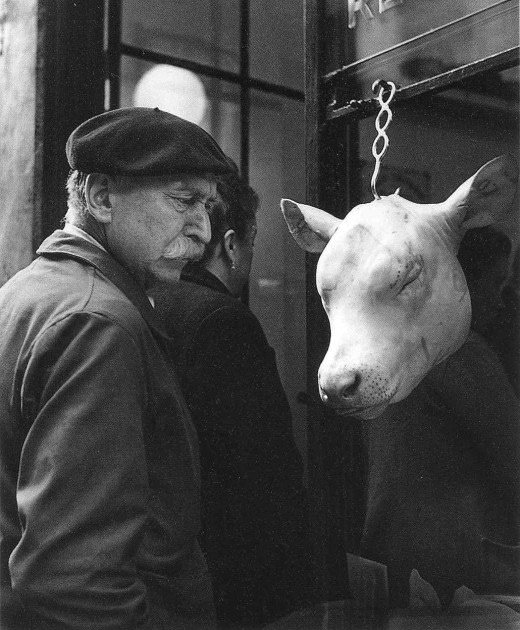
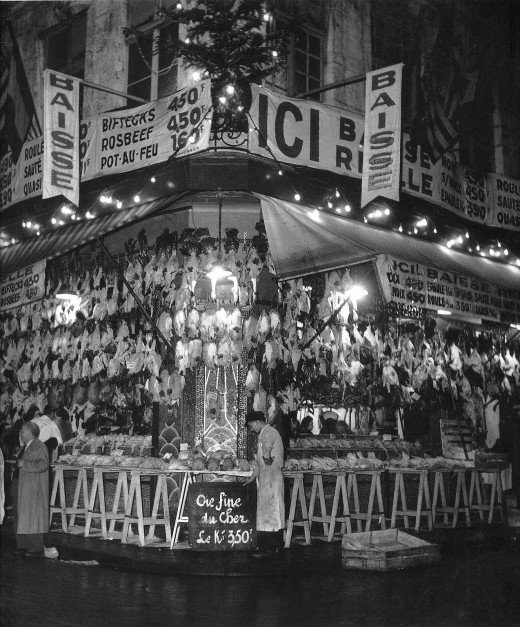
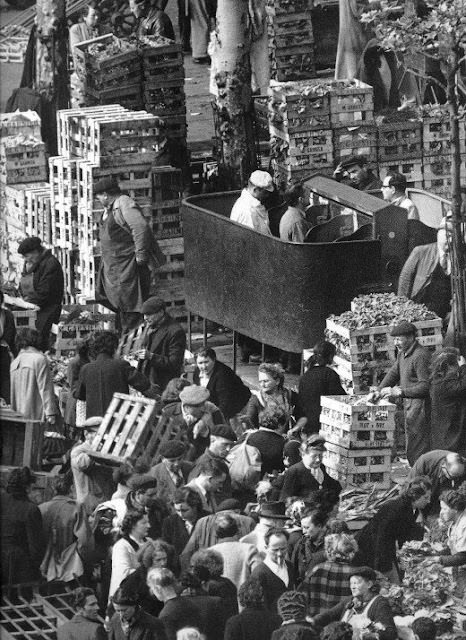
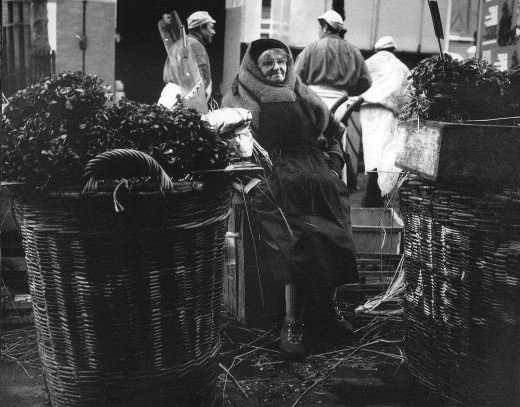
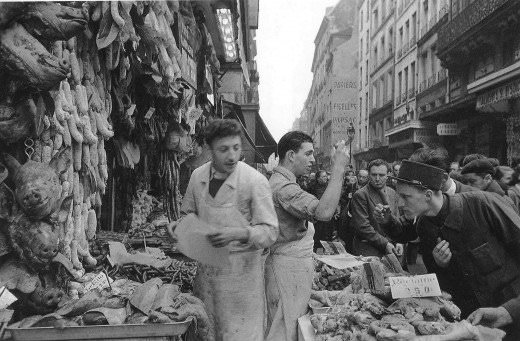
Markets were a recurring setting. The open-air marchés of postwar Paris were crowded, loud, and rich with interaction. Doisneau photographed buyers and sellers in close negotiation, women balancing baskets, and butchers in bloodied aprons standing at ease outside their stalls.
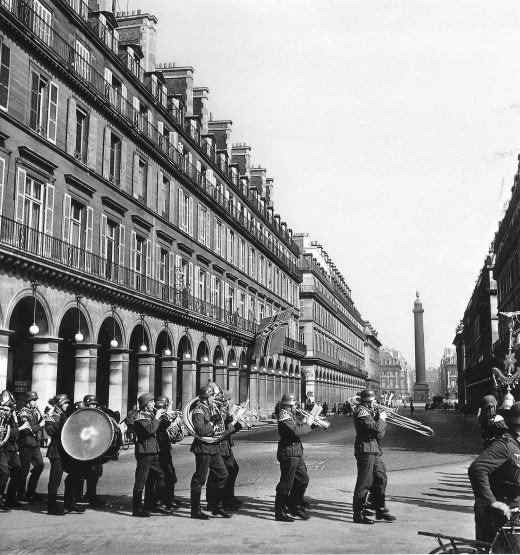
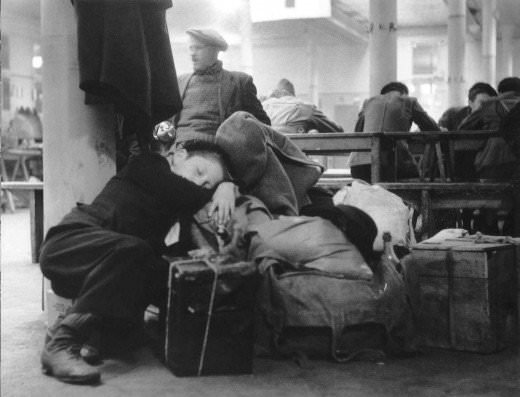
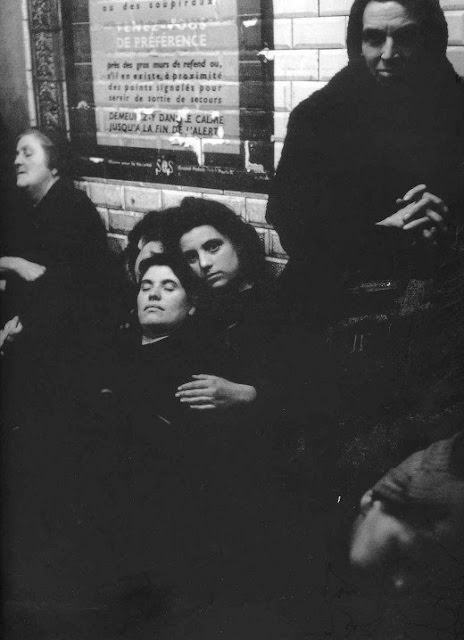
He also captured the quieter edges of city life — an old man reading a newspaper alone on a bench, a dog sleeping in a doorway, two women gossiping across a window ledge. These small, still moments sit alongside his busier street scenes and show equal care.
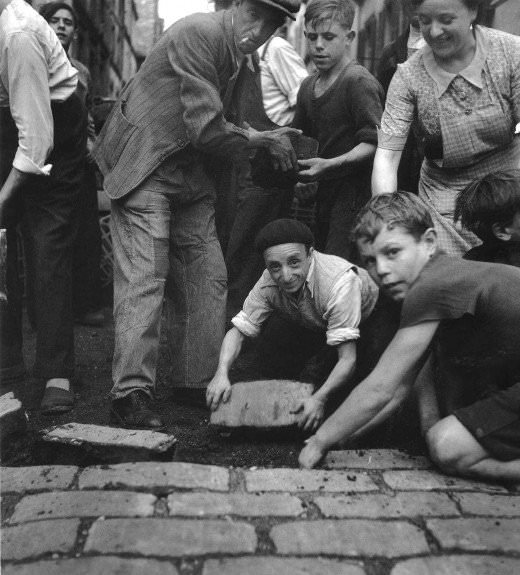
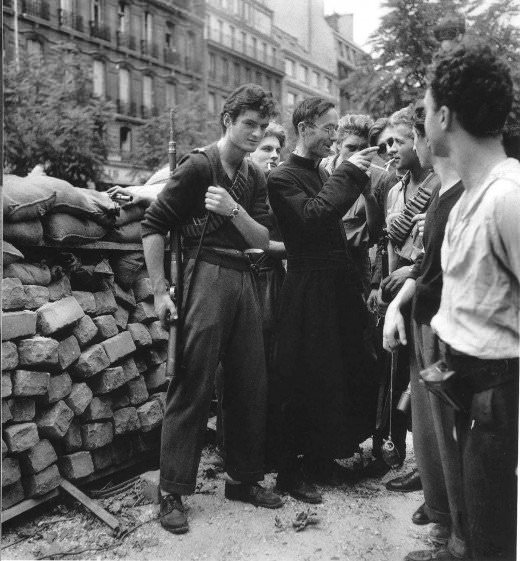
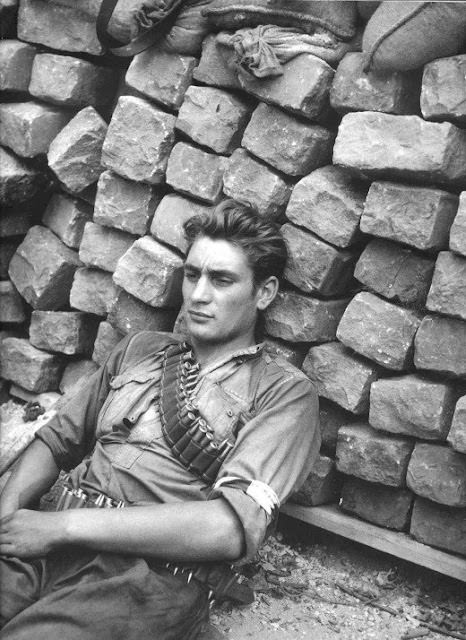
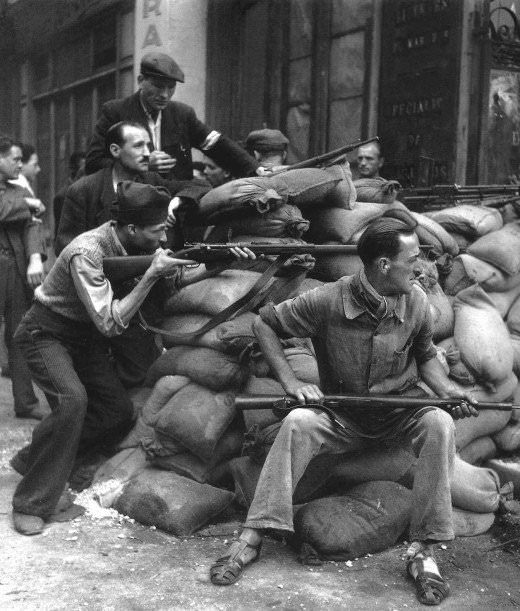
By the early 1950s, Doisneau was one of the most active documentary photographers in France. He collaborated regularly with writer Blaise Cendrars and contributed to major French and international publications. His archive from this period runs to thousands of negatives.
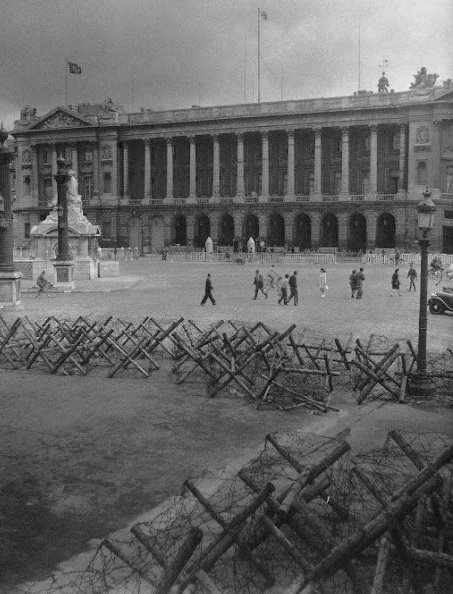
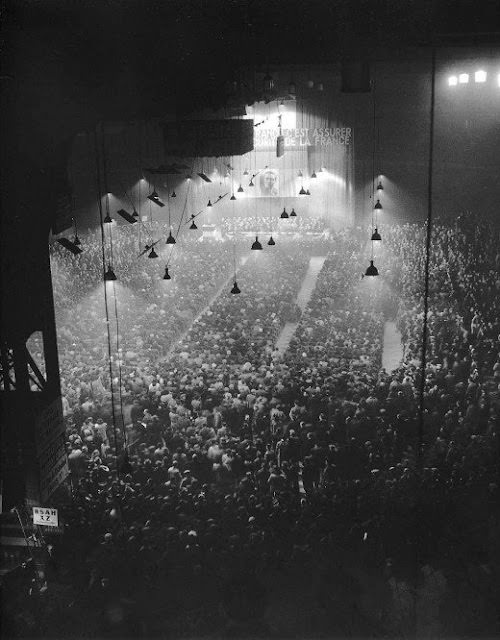
What makes this body of work historically valuable is its specificity. These are not generic scenes of a romantic city. They are precise records of how working-class Parisians actually lived — what they wore, how they moved, and where they gathered in a city still bearing the scars of war.