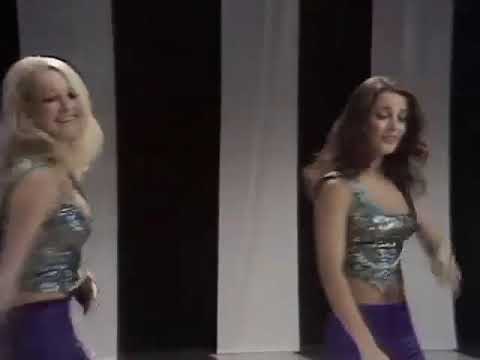

If you were watching British television in the early 1970s on a Thursday night, there was one show you did not want to miss. BBC’s Top of the Pops was the place to see the biggest chart hits of the week — and right at the center of it all was a group of six dancers who became a national sensation. They were called Pan’s People, and for nearly a decade, they were one of the most recognizable acts on British television.
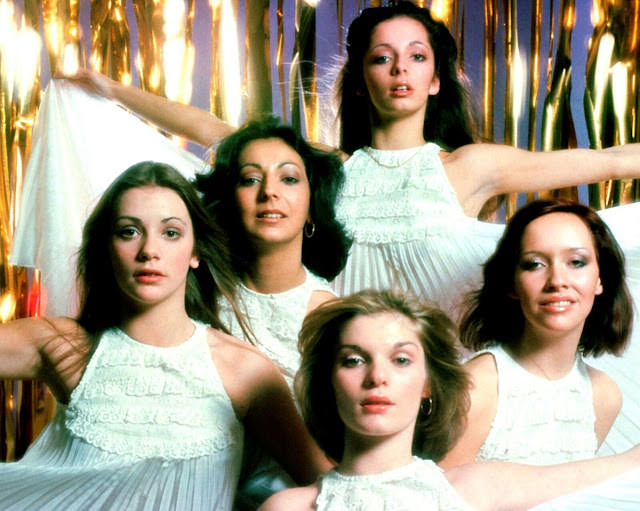
Pan’s People formed in 1966 under choreographer Flick Colby, an American who had studied dance in New York and Paris. Colby shaped the group’s style from the ground up, blending precision choreography with theatrical flair. The original lineup included Dee Dee Wilde, Ruth Pearson, Barbara “Babs” Lord, Louise Clarke, and Andreya “Andy” Rutherford. The roster changed over the years, but Colby’s creative direction remained constant throughout.
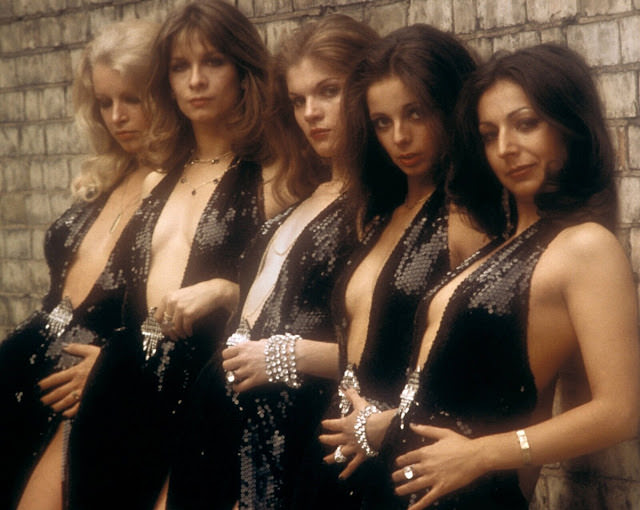
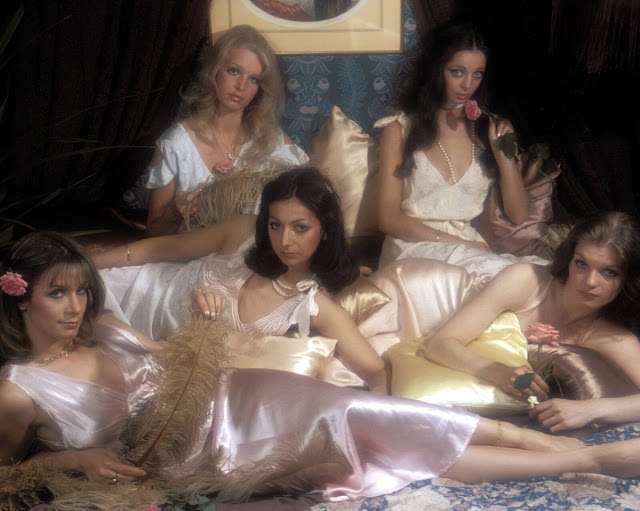
Their role on Top of the Pops was born out of a practical problem. When a chart-topping artist was unavailable to perform — whether due to touring, contract issues, or being based overseas — Pan’s People stepped in and performed the song themselves. They would create a full routine, complete with costumes and staging, to bring the track to life for viewers at home.
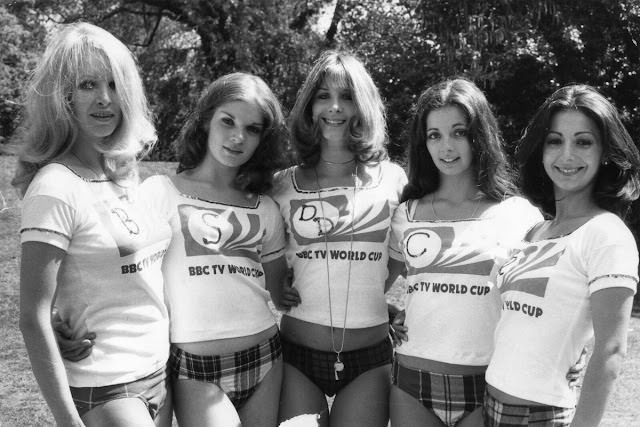
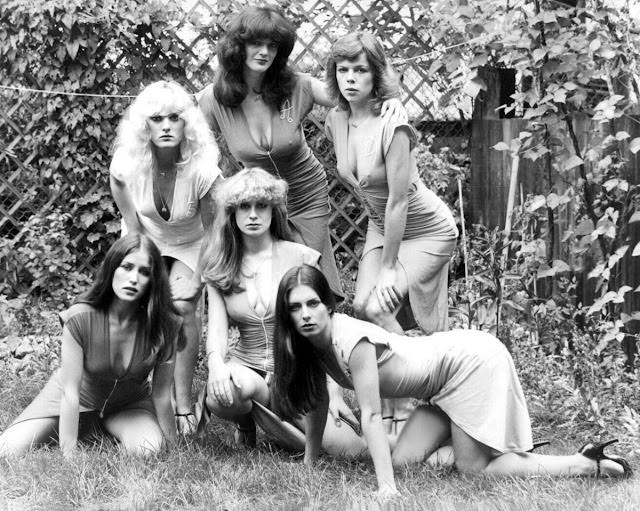
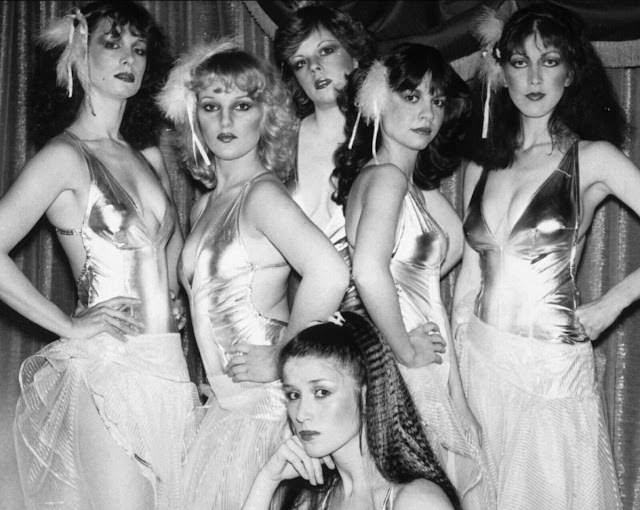
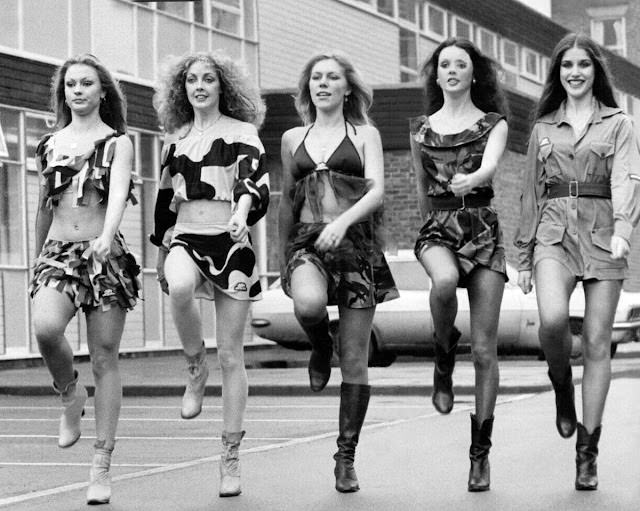
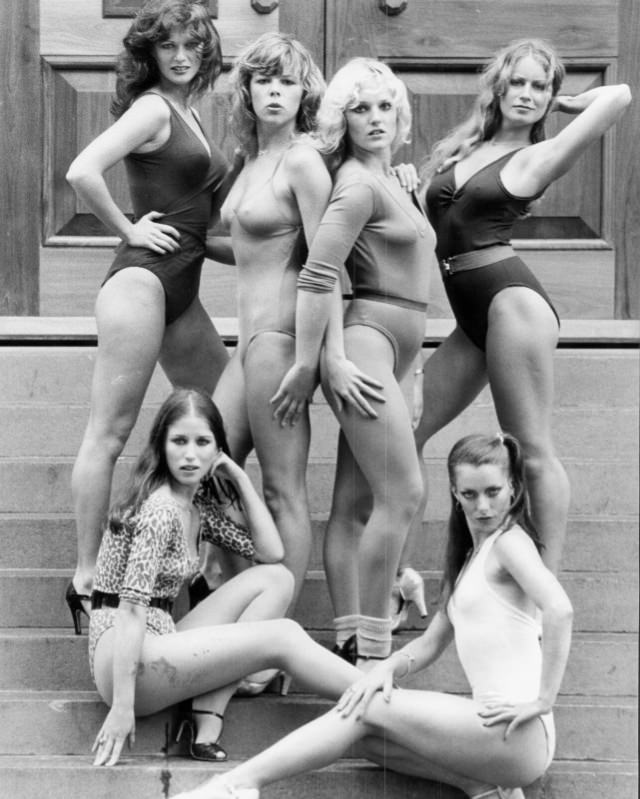
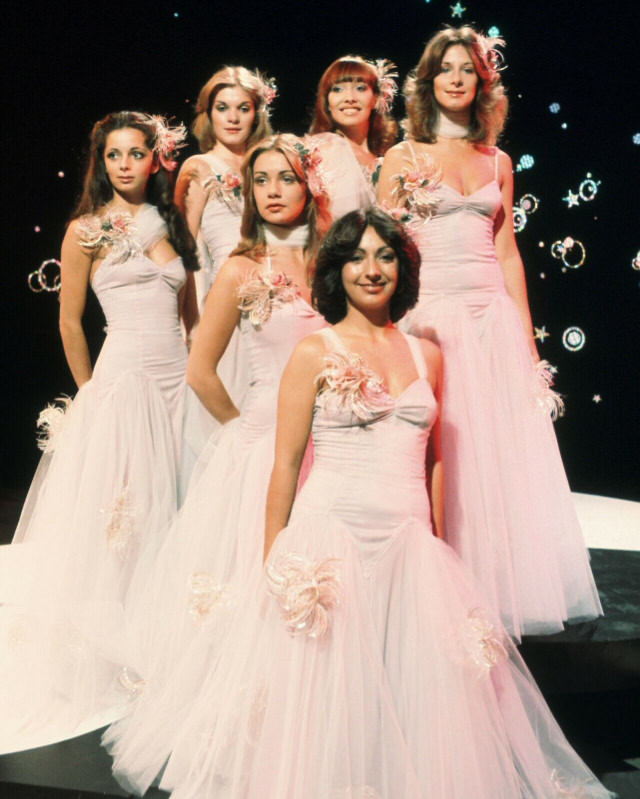
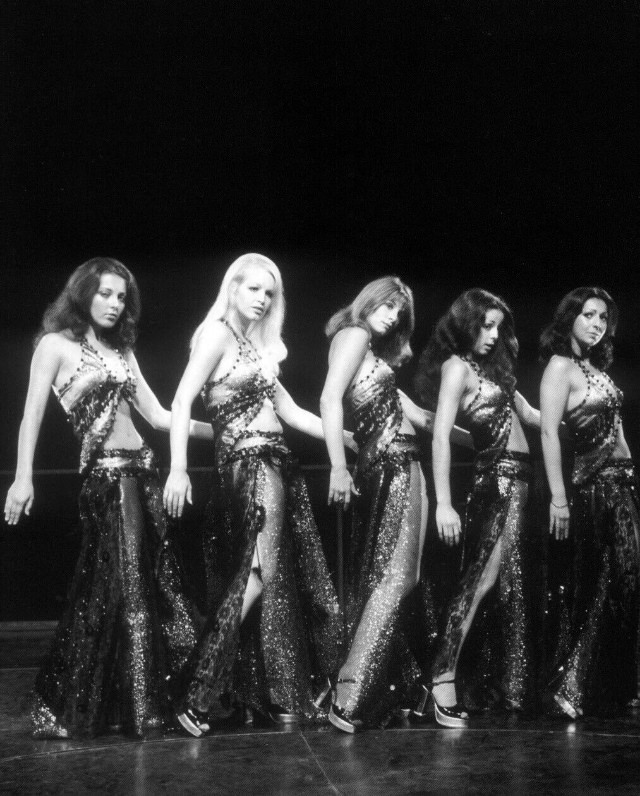
The costumes were a huge part of the appeal. Each routine came with outfits designed specifically for the song’s mood and theme. One week the group might appear in sequined bodysuits, the next in flowing gowns or bold printed miniskirts. The BBC’s wardrobe and design teams worked closely with Colby to make sure every visual detail matched the performance.
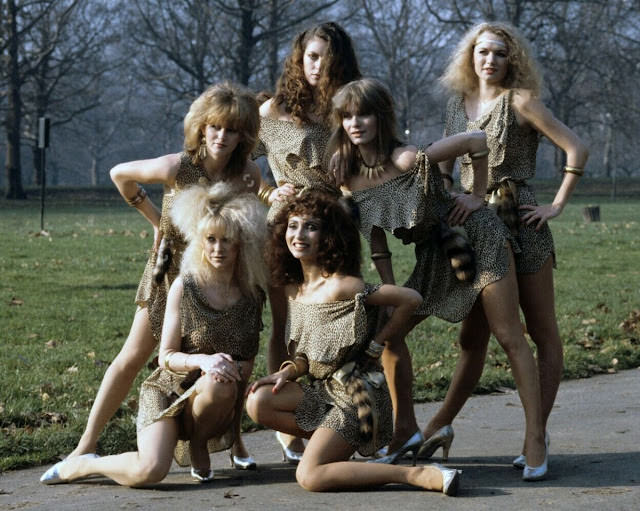
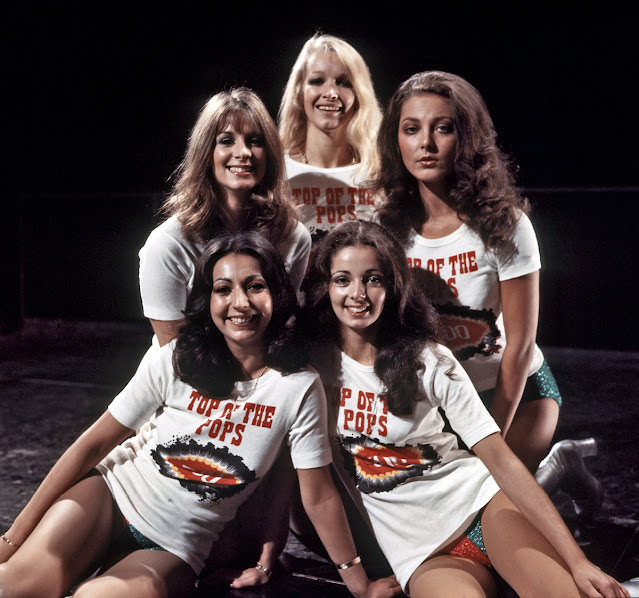
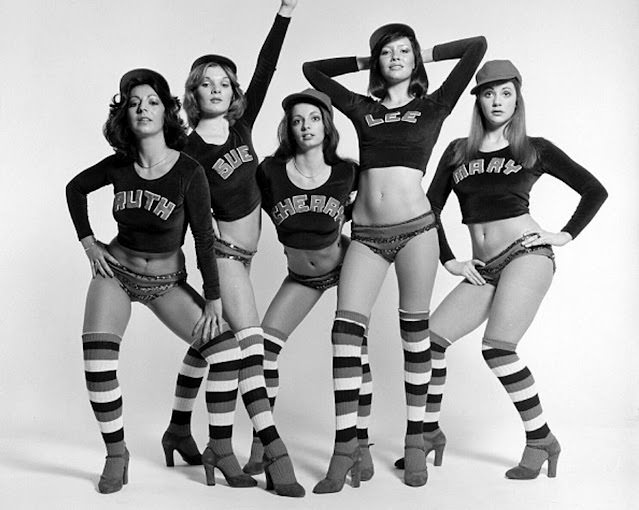
Flick Colby tailored every routine to the character of the song. A slow ballad would bring out graceful, flowing movements. An upbeat pop track would call for sharp, energetic steps with synchronized formations. The group rehearsed intensively throughout the week before each Thursday broadcast, often with only a few days to learn an entirely new routine.
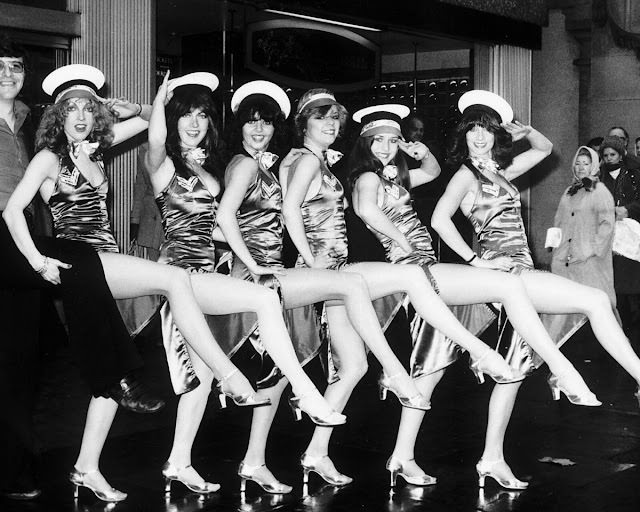
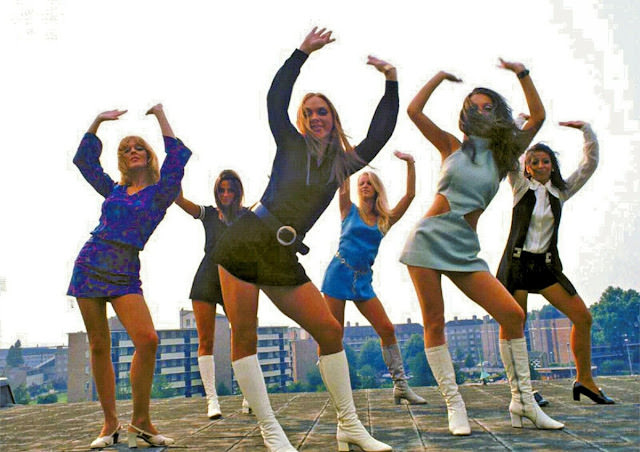
By the early 1970s, Pan’s People had become a fixture on British screens. Viewing figures for Top of the Pops regularly reached into the millions, and the dancers were recognized everywhere they went. Teen magazines featured them regularly, and they appeared on various other television programs beyond Top of the Pops.
One of their most talked-about performances came in 1971 when they danced to Hot Love by T. Rex while Marc Bolan was available but still chose Pan’s People to perform. Their interpretation added a layer of visual storytelling that audiences had come to expect from the group. Routines like this cemented their reputation as performers in their own right, not just fill-ins.
The group also made guest appearances on variety shows and specials throughout the decade. Programs like The Two Ronnies featured Pan’s People in sketches and musical numbers, expanding their reach beyond the pop music audience. These appearances showed their range — they could adapt their performances to fit comedy formats just as well as pure pop choreography.
Behind the glittery costumes, the work was demanding. Each member of the group was a trained professional dancer. Several had backgrounds in ballet or contemporary dance before joining. The physical demands of performing weekly routines — often in high heels and elaborate costumes under hot studio lights — required a high level of fitness and discipline.
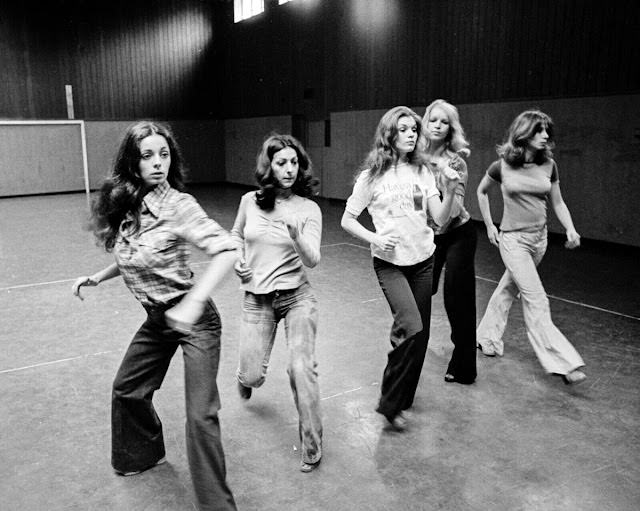
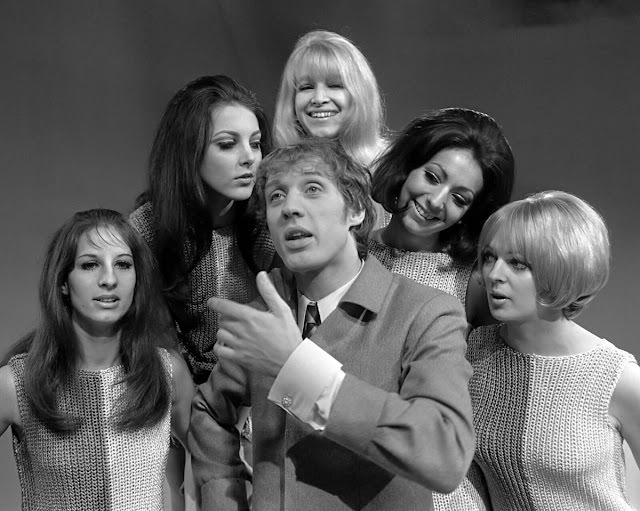
By the mid-1970s, the lineup had shifted several times. Members including Cherry Gillespie, Sue Menhenick, and Mary Corpe joined at different points as others left. Each new member was selected through a rigorous audition process run by Colby, who maintained strict standards for technique and performance quality.
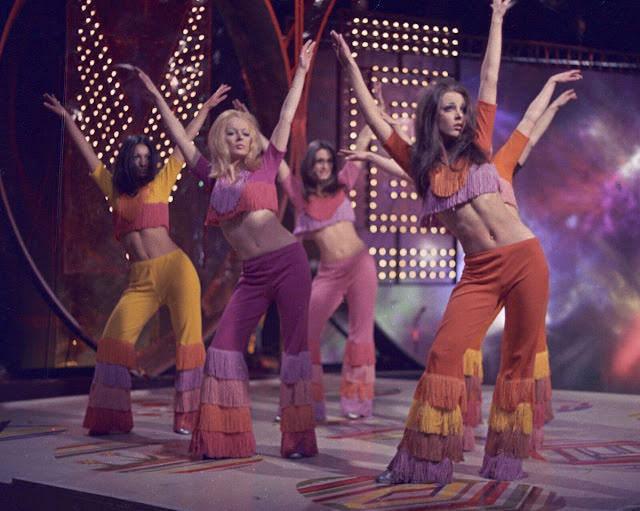
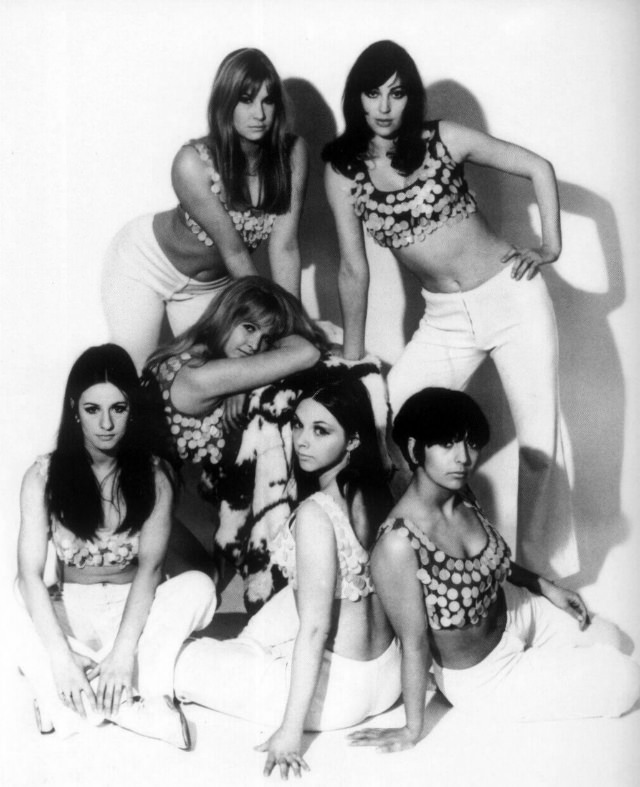
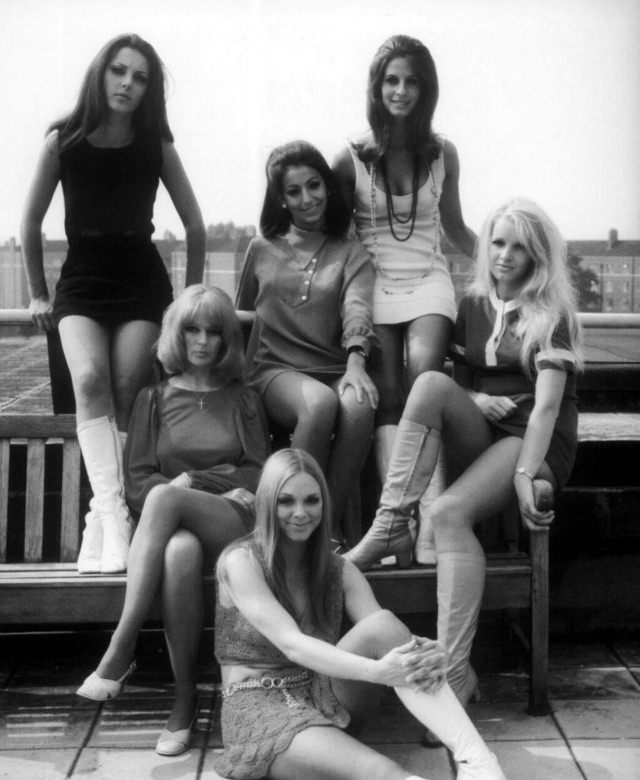
Pan’s People performed on Top of the Pops for the last time in April 1976. The BBC chose to replace them with a new group called Ruby Flipper, which was a mixed-gender dance troupe — a significant change from the all-female format that Pan’s People had established. Ruby Flipper lasted only a short time before another group, Legs & Co, took over.
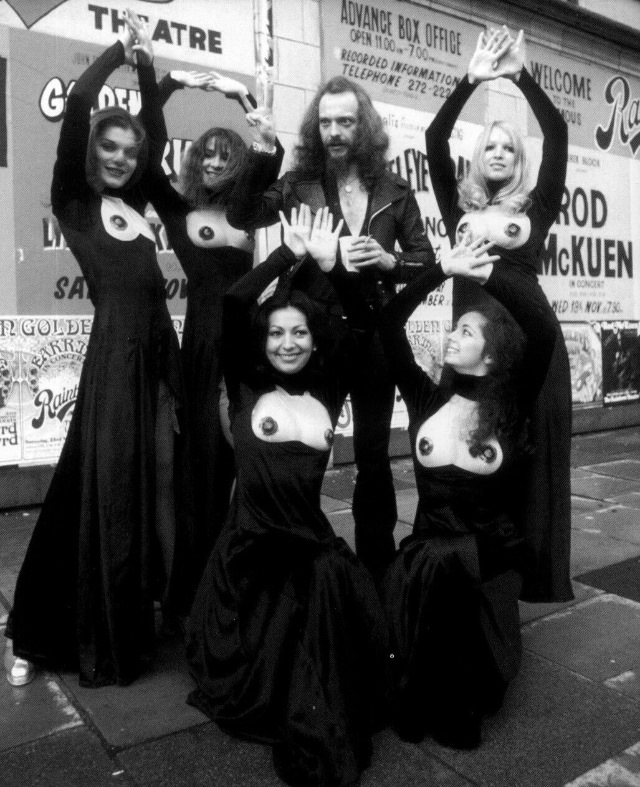
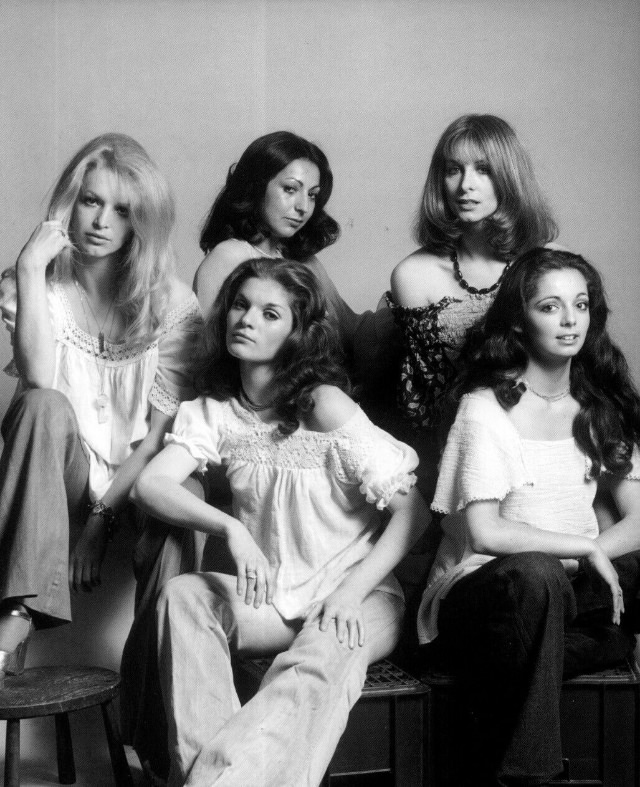
After the group disbanded, individual members moved into various areas of dance and entertainment. Babs Lord became a well-known figure in dance education. Dee Dee Wilde continued working in television. Flick Colby herself went on to choreograph for other television productions and remained active in the industry.
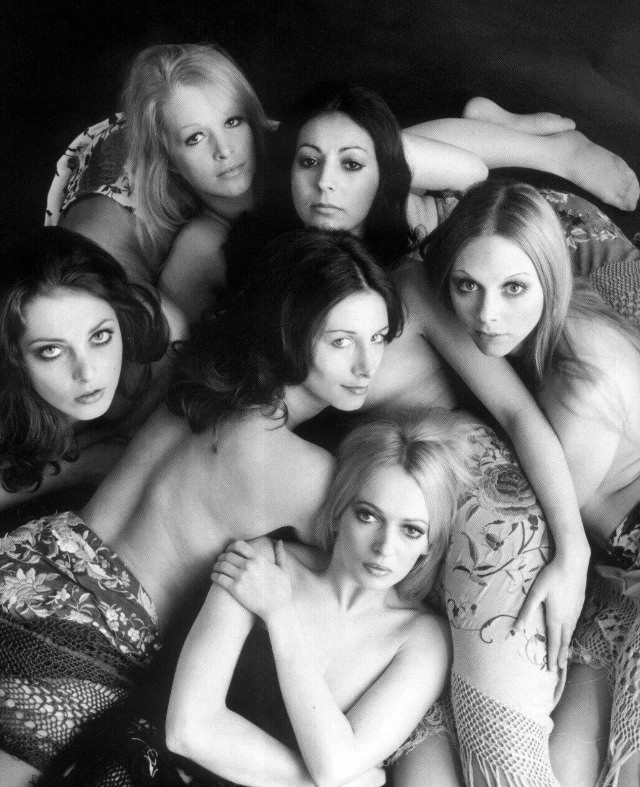
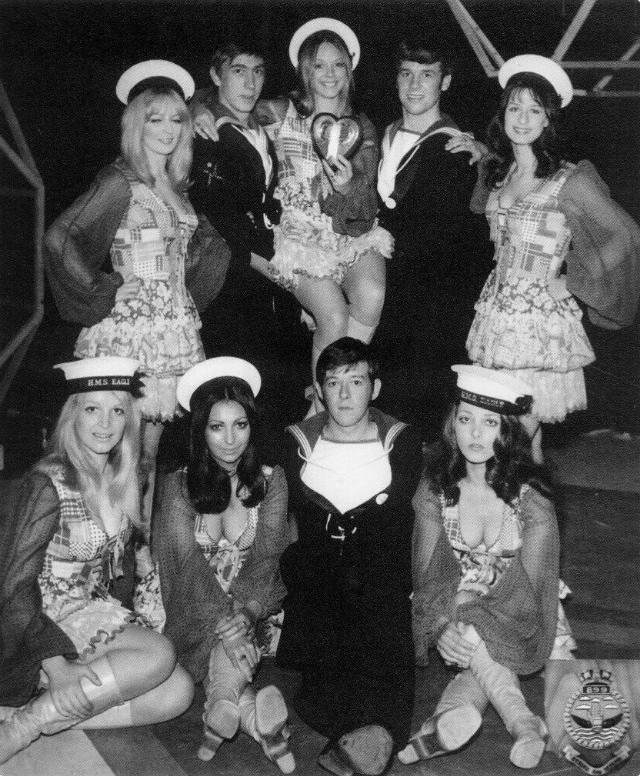
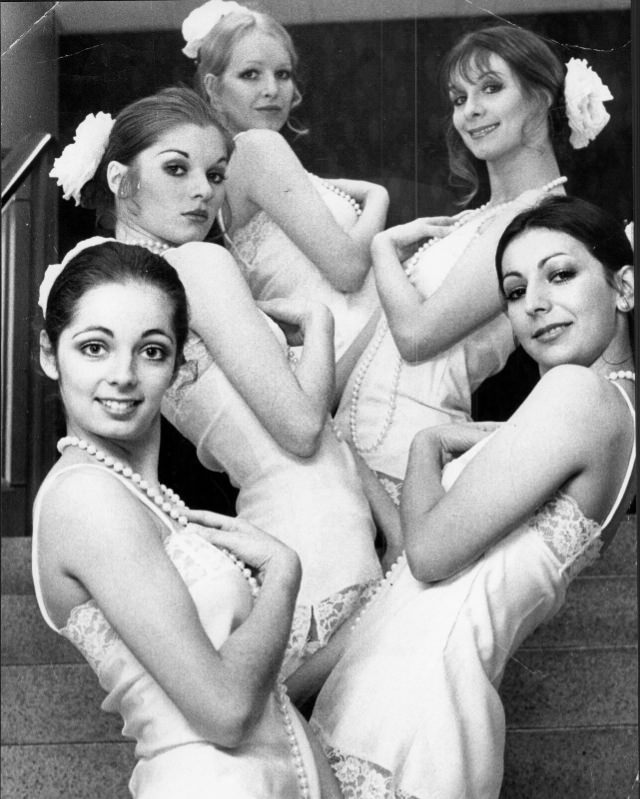
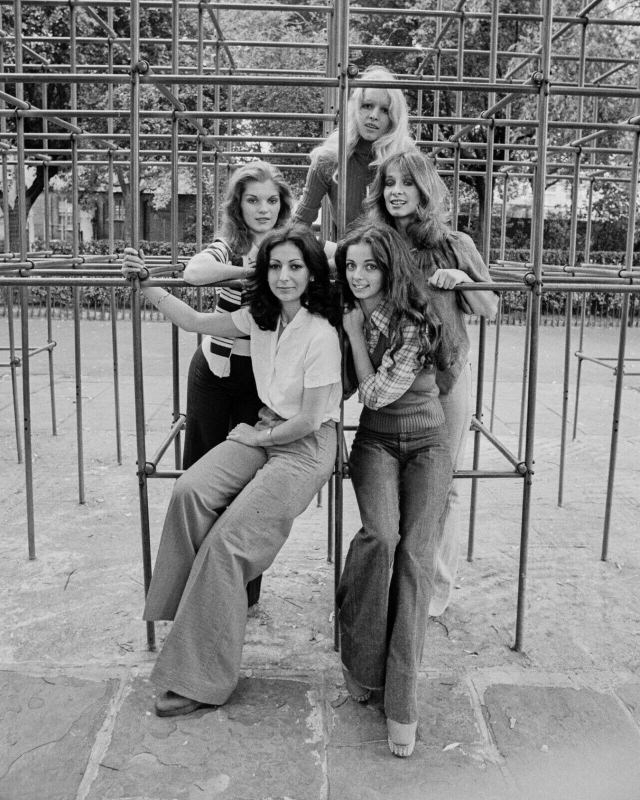
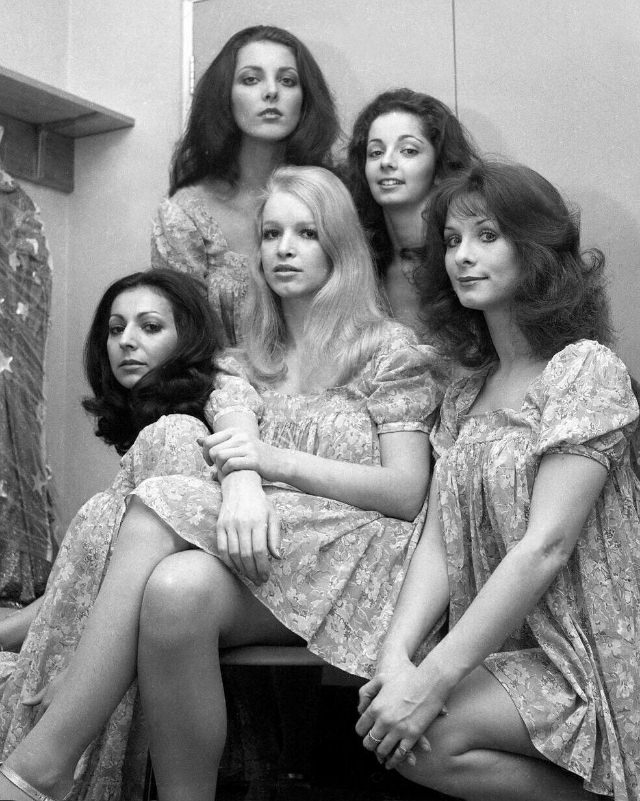
The archive footage of Pan’s People performances offers a vivid window into 1970s British pop culture. The color, the fashion, the music, and the energy of those Top of the Pops broadcasts are all captured in those recordings. Vintage photographs from this era document not just the performances but the behind-the-scenes world of BBC television production during its most-watched years.
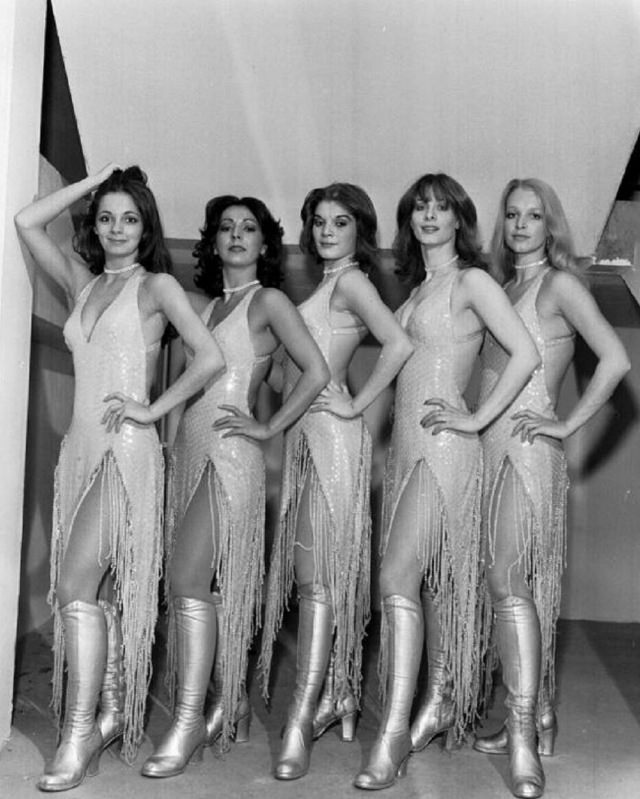

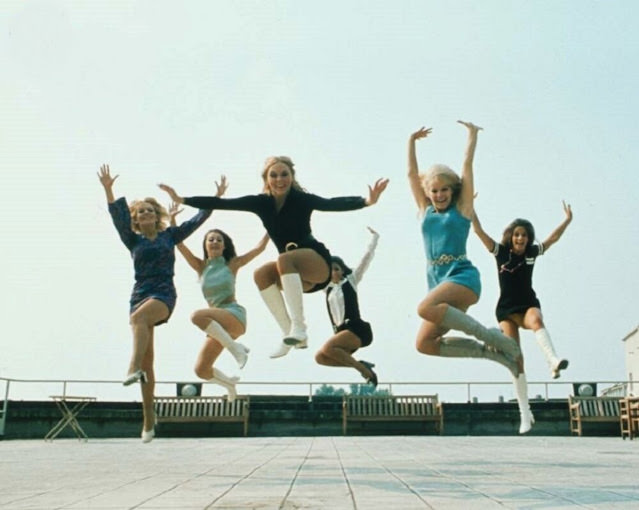
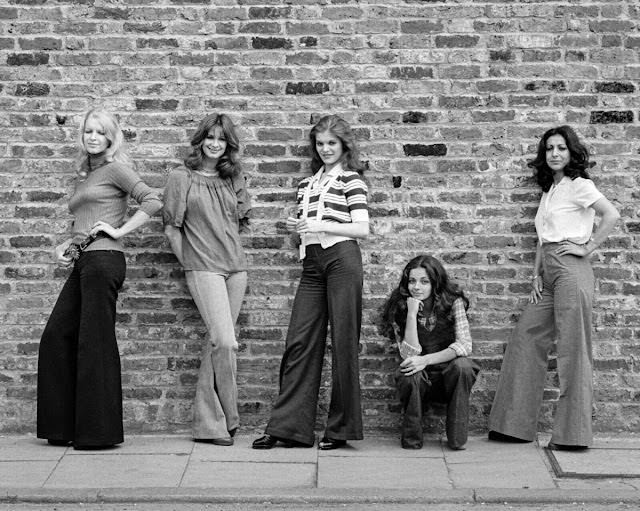
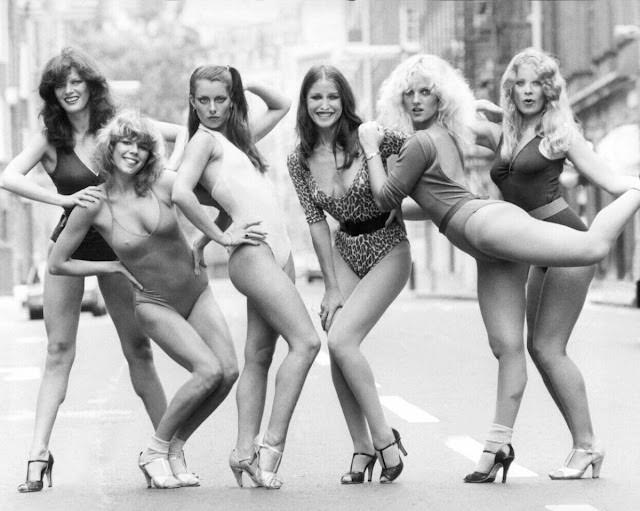
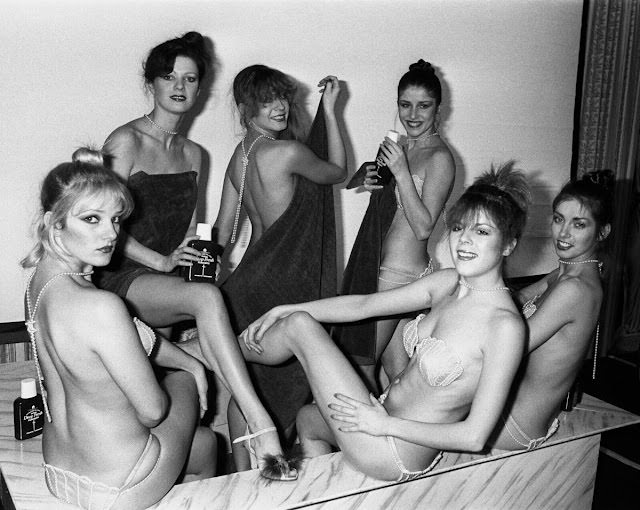
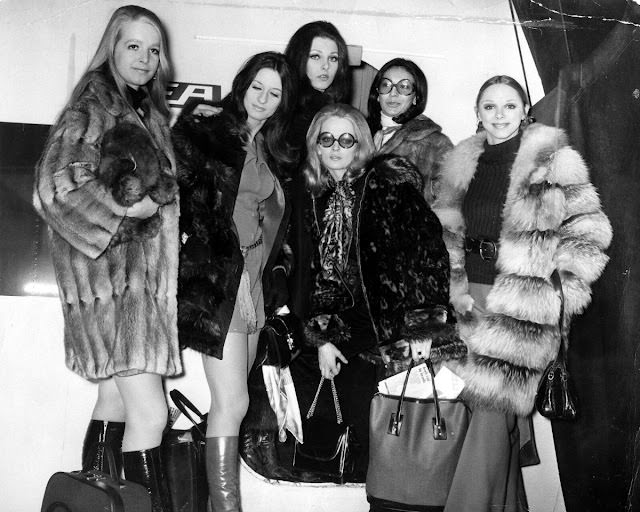
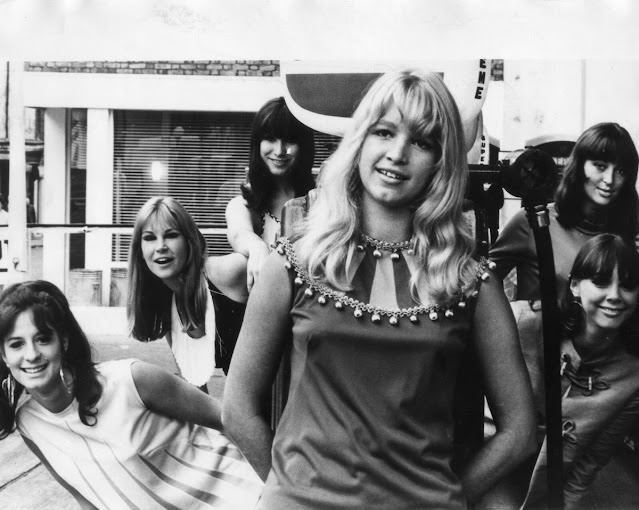
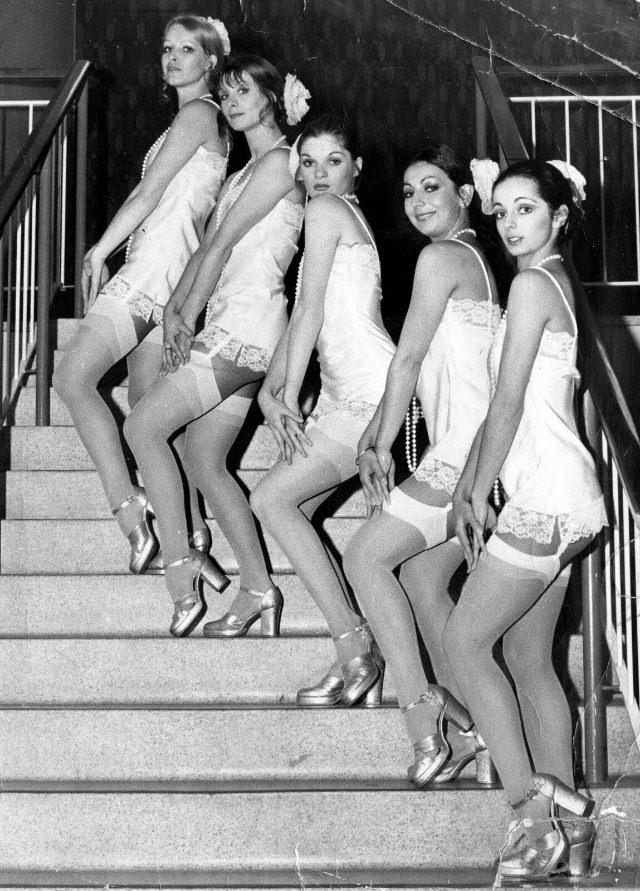
The photos in this collection showcase Pan’s People across various stages of their time on screen. From early group shots to individual performance stills, these images capture the range and personality that made the troupe so distinctive. The costumes, the hairstyles, the studio settings — each detail reflects exactly where British television was at that moment in time.
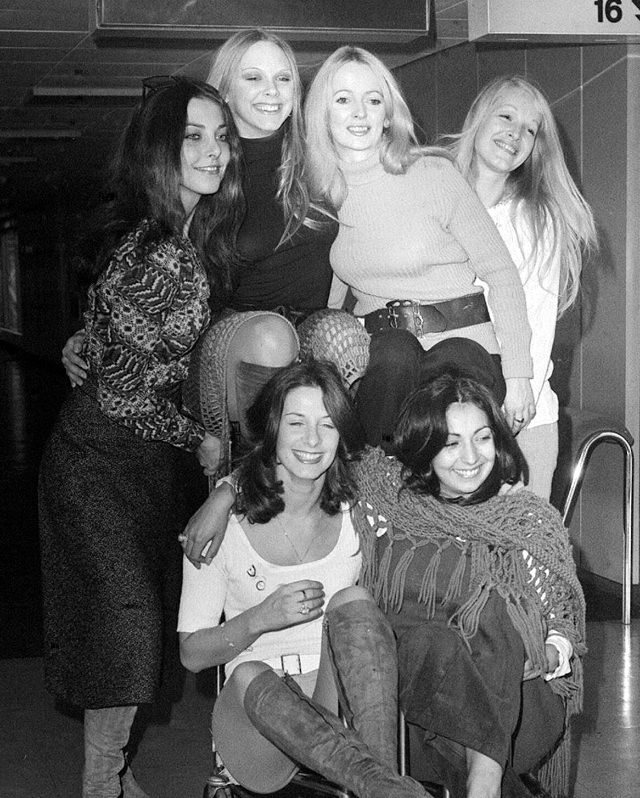
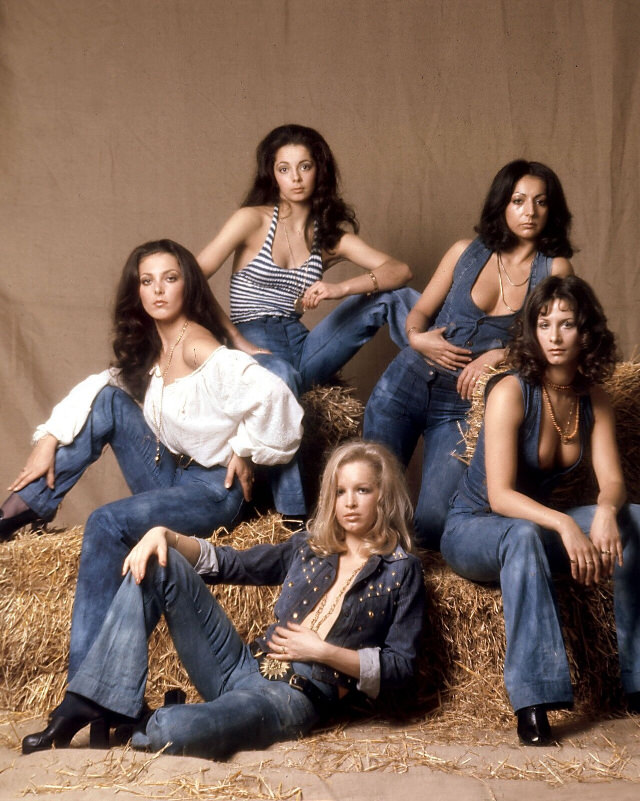
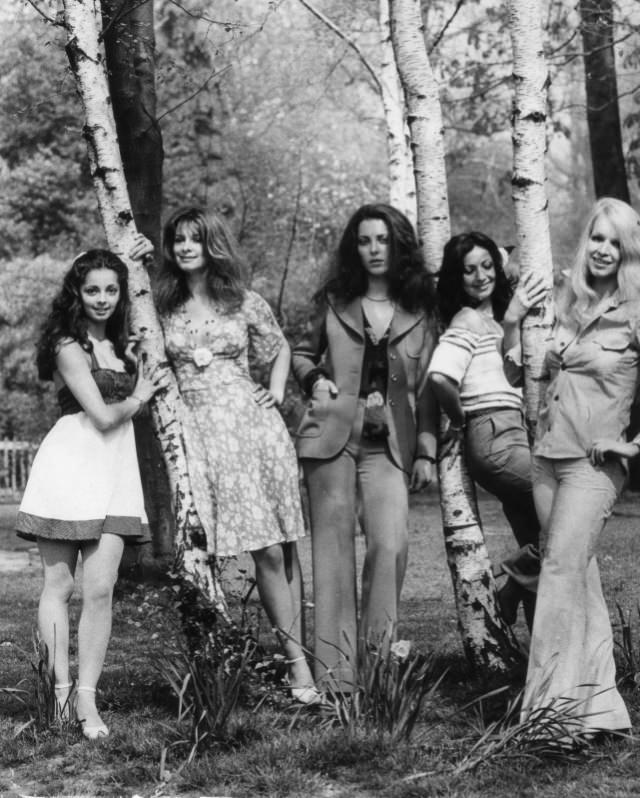
Pan’s People appeared on Top of the Pops during an era when the show was at its most culturally powerful. There were only three television channels in the UK at the time, and a Thursday night broadcast reached an audience that modern streaming services rarely match in raw concentration. Being on that stage meant being seen by nearly the entire nation.
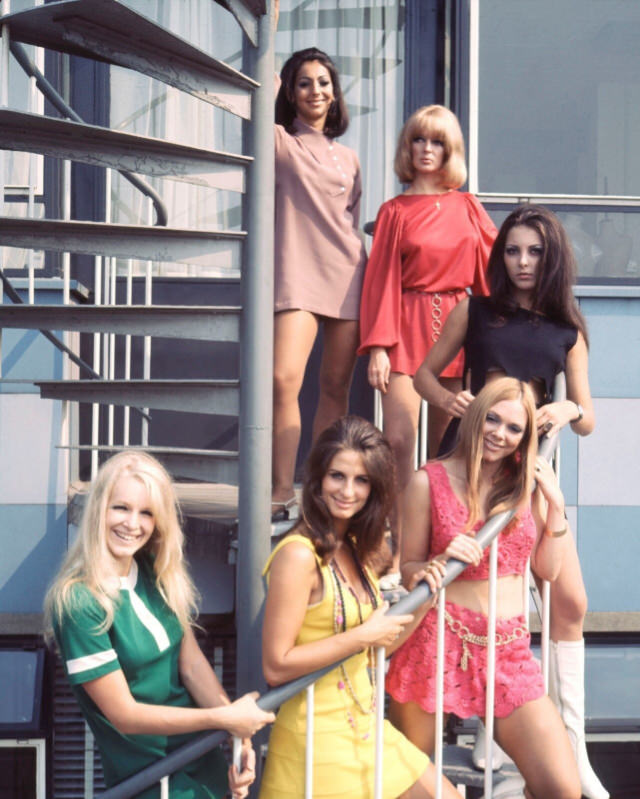
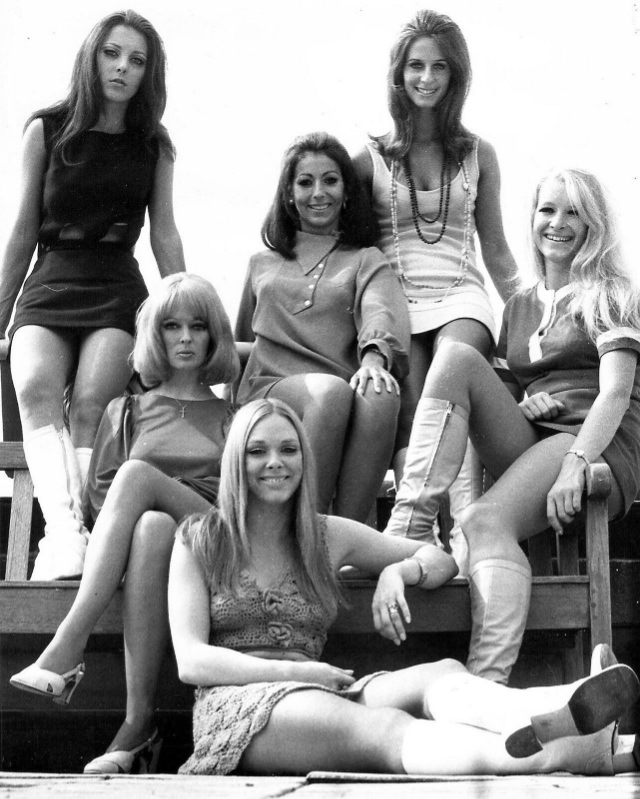
The group’s name came from the Greek god Pan — a figure associated with music, dance, and the wild energy of nature. Flick Colby chose the name deliberately to evoke those qualities. In Greek mythology, Pan’s music was said to be irresistible, drawing listeners in without warning. For millions of British viewers in the 1970s, Pan’s People had very much the same effect.
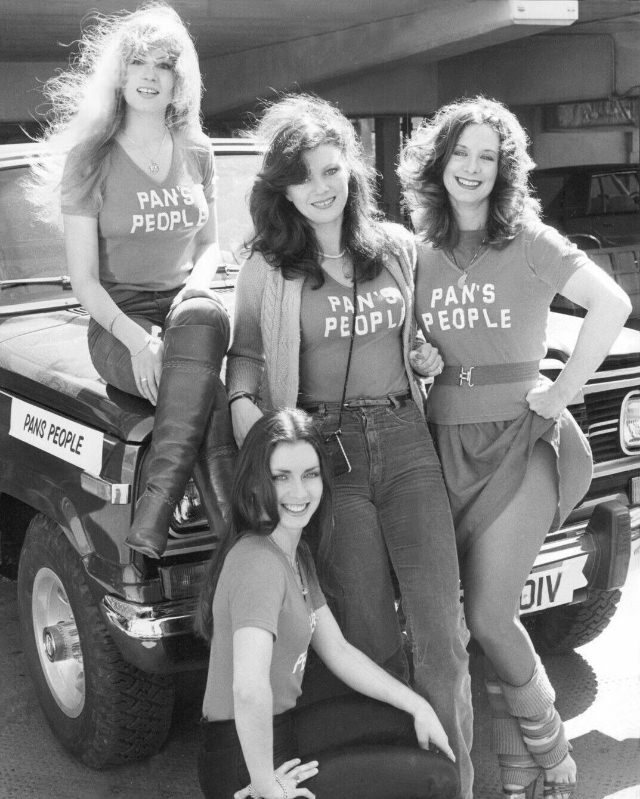
Reunion events and television retrospectives have brought former members back together on several occasions since the group ended. Documentaries covering the history of Top of the Pops consistently feature Pan’s People as a central chapter of the show’s story. Former members have spoken openly about the training, the pressure, and the genuine joy of performing live on one of the biggest shows in British television history.
What set Pan’s People apart from other television acts of the era was Flick Colby’s insistence on treating every performance as a serious creative piece. There was no filler or lazy repetition. Each week brought a fully realized concept, staged and rehearsed to the same standard regardless of whether the song was a number one hit or a mid-chart entry.
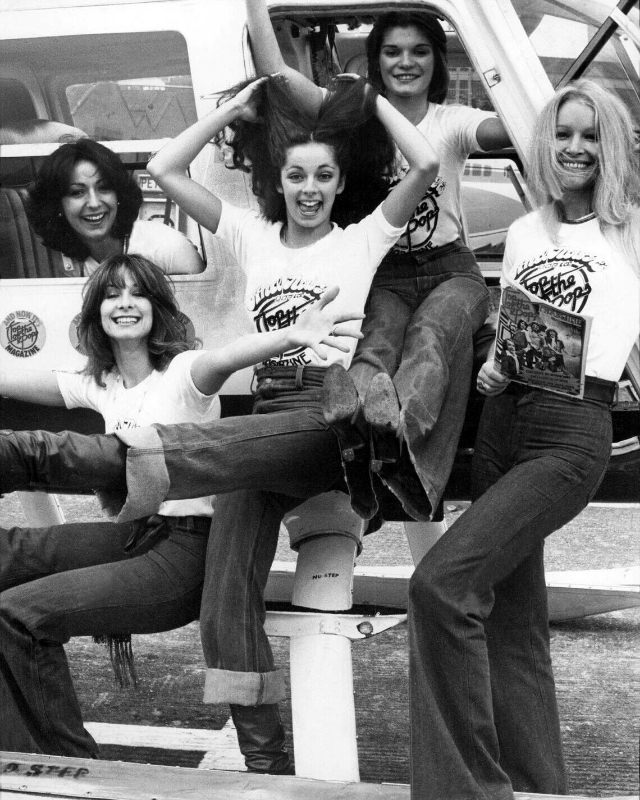
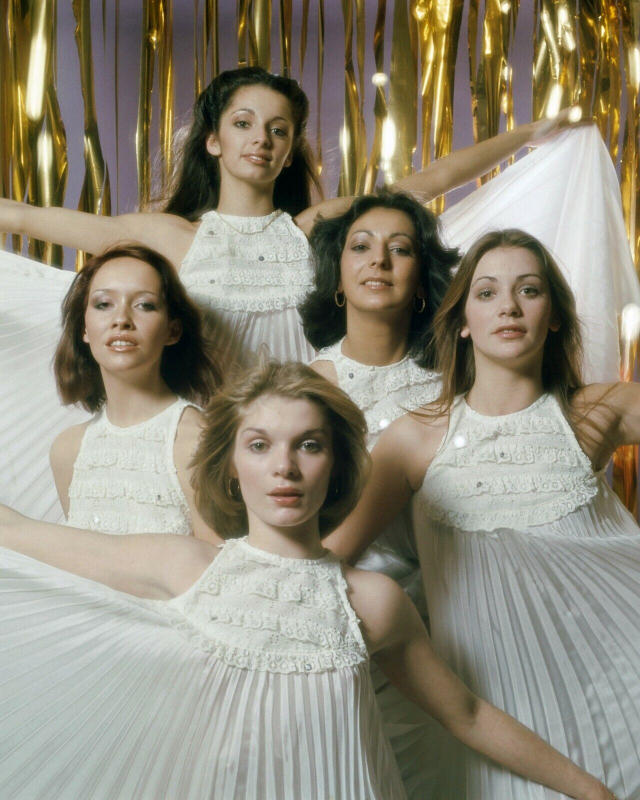
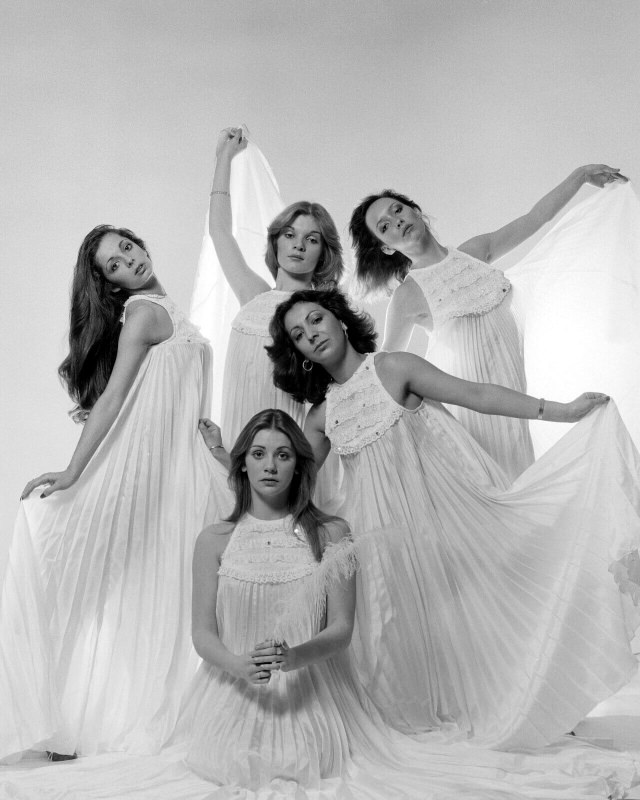
The group’s ten-year run on Top of the Pops produced hundreds of performances. Not all of them were preserved — the BBC wiped many early recordings as was standard practice at the time — but a significant number survive in the archives. These recordings, along with the photographs collected here, are among the most detailed records of live dance on British television from the 1970s.
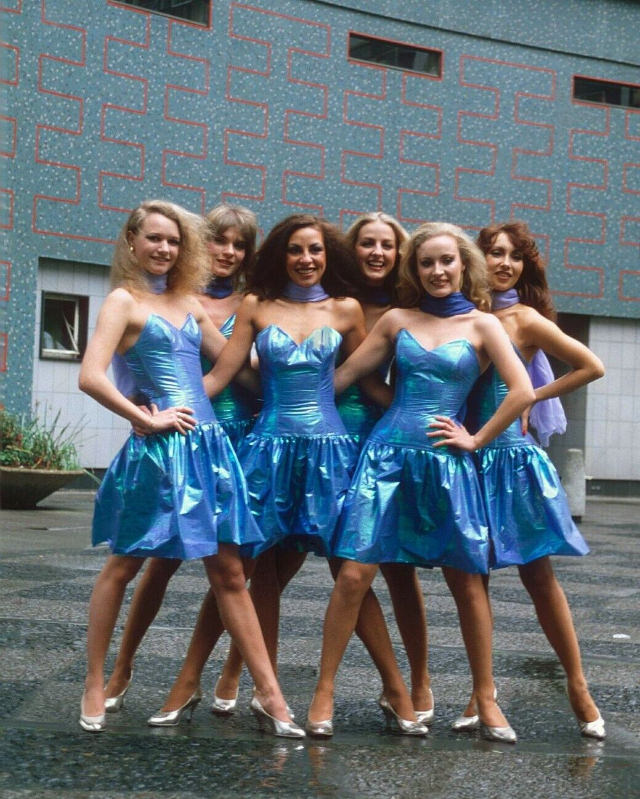
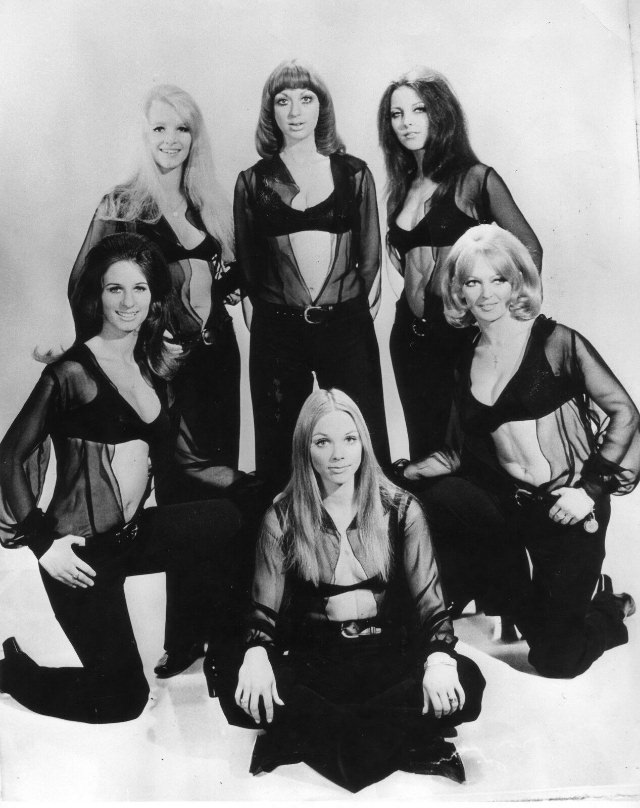
Pan’s People performed across a wide range of musical genres during their time on the show. Soul, glam rock, pop, country, and soft rock all appeared in their setlist at different points. This versatility was key to their staying power. A group that could only dance convincingly to one style of music would not have lasted ten years on a show that reflected every corner of the charts.
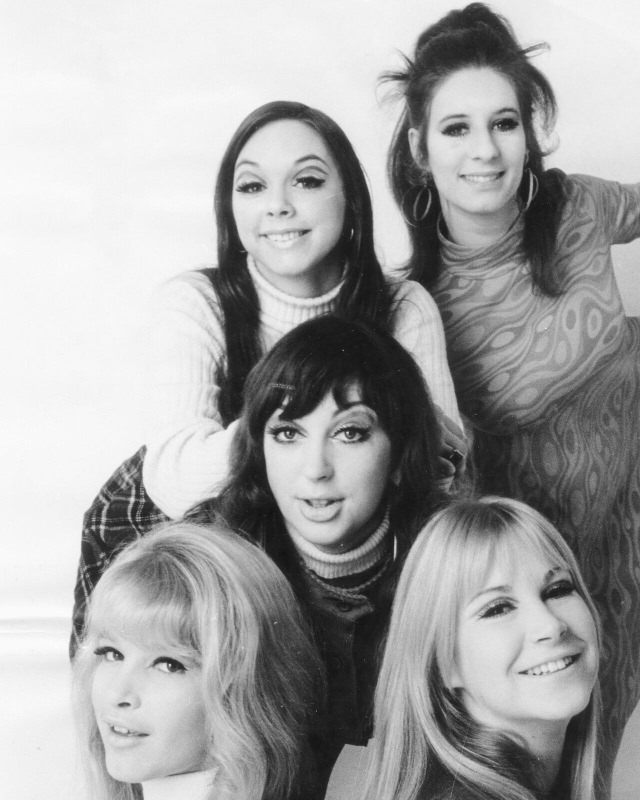
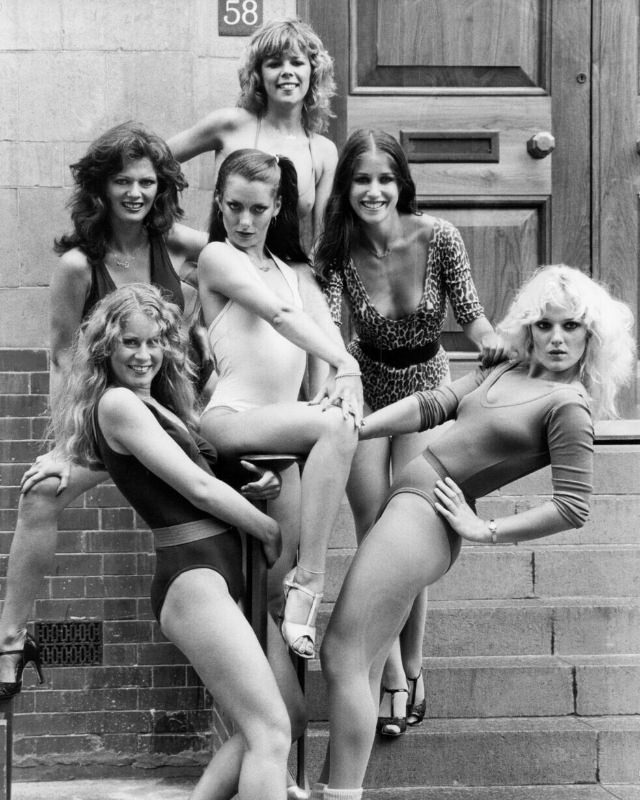
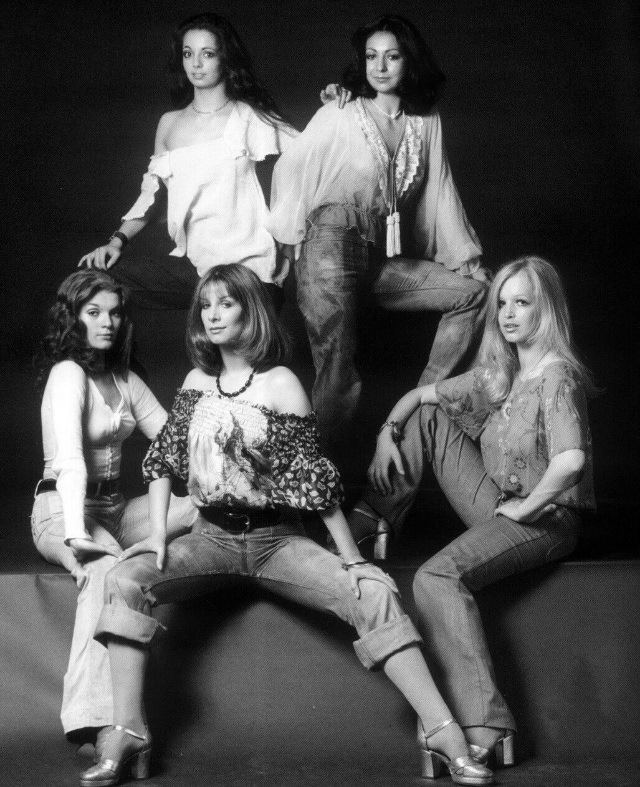
The fan response to Pan’s People was enormous and sustained throughout the decade. They received hundreds of letters each week from viewers across the UK. BBC producers regularly cited them as one of the most popular elements of Top of the Pops, and their absence from a given week’s show was enough to generate complaints from the audience.
One of the most memorable surviving clips from the group’s time on television is their appearance on The Two Ronnies in December 1973, where they performed a routine to ‘Buried Alive in The Blues.’ The clip below is a direct record of that broadcast — one of the clearest examples of Pan’s People performing outside the Top of the Pops studio and showing the full range of what Flick Colby’s choreography could deliver.