
Ontario is Canada’s most populous province and its second largest by area. It became an official province under the Constitution Act of 1867, which also formally recognized Toronto as the provincial capital. From that point forward, Ontario grew at a remarkable pace. Transportation networks expanded, industries took root, and the population climbed steadily through the final decades of the 19th century.
Toronto was the beating heart of this growth. By the 1890s, its skyline reflected the ambitions of a city determined to announce itself on the world stage. Imposing commercial buildings rose along its main streets, and the city’s financial institutions projected confidence and permanence.
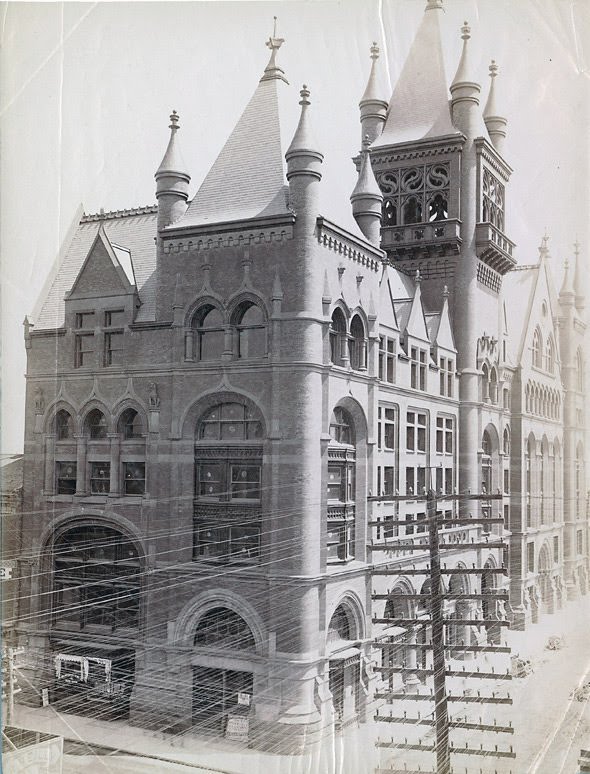
Commerce and retail in Toronto weren’t limited to grand stone towers. Covered shopping arcades brought a European sensibility to the city’s retail scene, giving shoppers shelter from Ontario’s harsh winters while browsing a wide variety of goods under one roof.
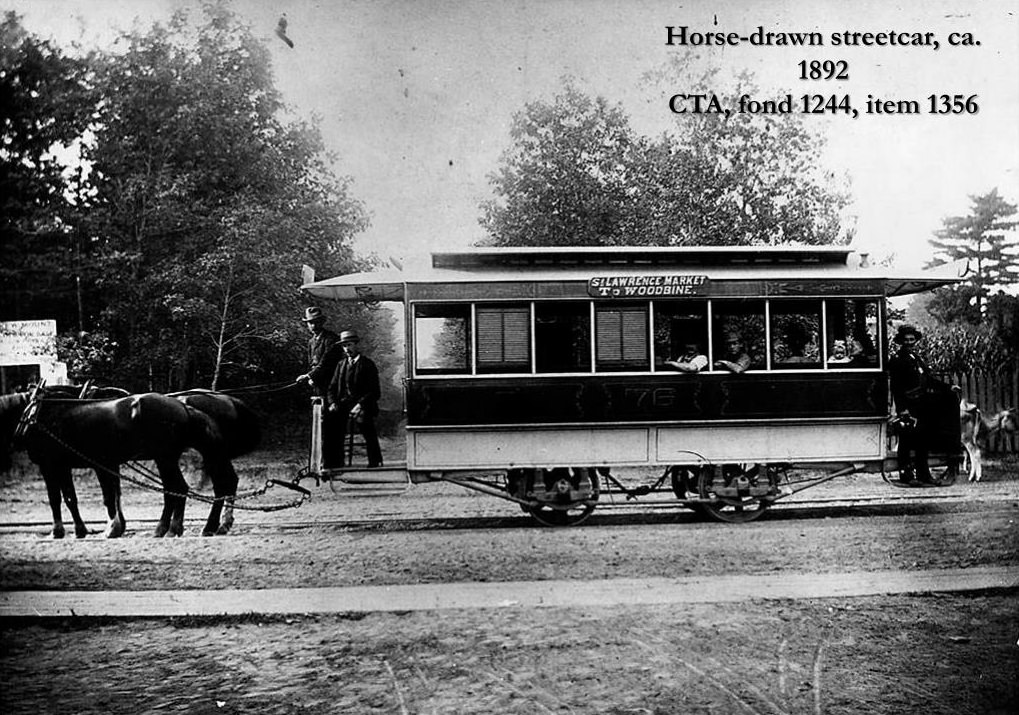
Getting around Toronto in the late 19th century meant relying on horse-drawn streetcars. These vehicles ran along fixed tracks and carried passengers through the city’s growing neighborhoods. Electric streetcars would eventually replace them, but for much of the 1880s and early 1890s, horses did the work.
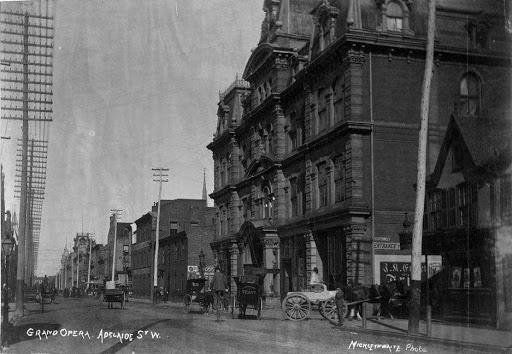
Culture kept pace with commerce. Toronto’s Grand Opera House was one of the most prominent entertainment venues in Canada during this period, hosting theatrical productions and performances that drew audiences from across the province.
Toronto’s financial sector was firmly established well before the turn of the century. The Toronto Stock Exchange operated as a key hub of economic activity, facilitating trade and investment that fueled Ontario’s broader industrial expansion.
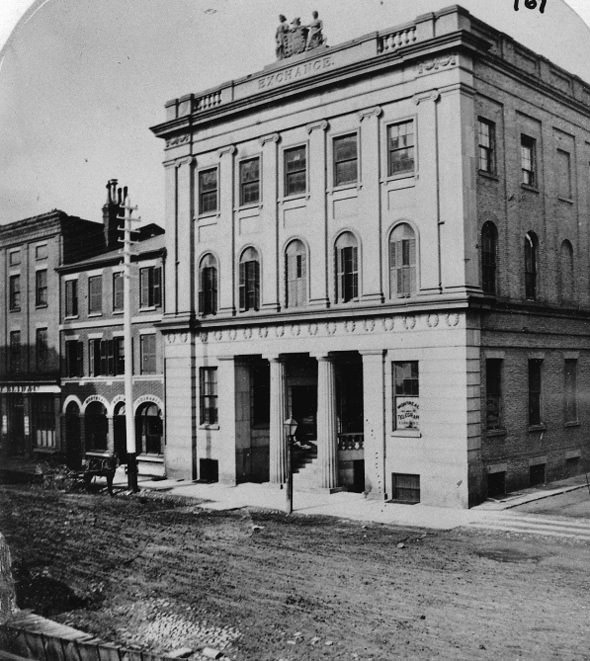
The intersection of King and Yonge streets was one of the busiest crossroads in the entire country. By the 1870s, it was already lined with commercial establishments, and pedestrians, horses, and carts competed for space on its unpaved surface.
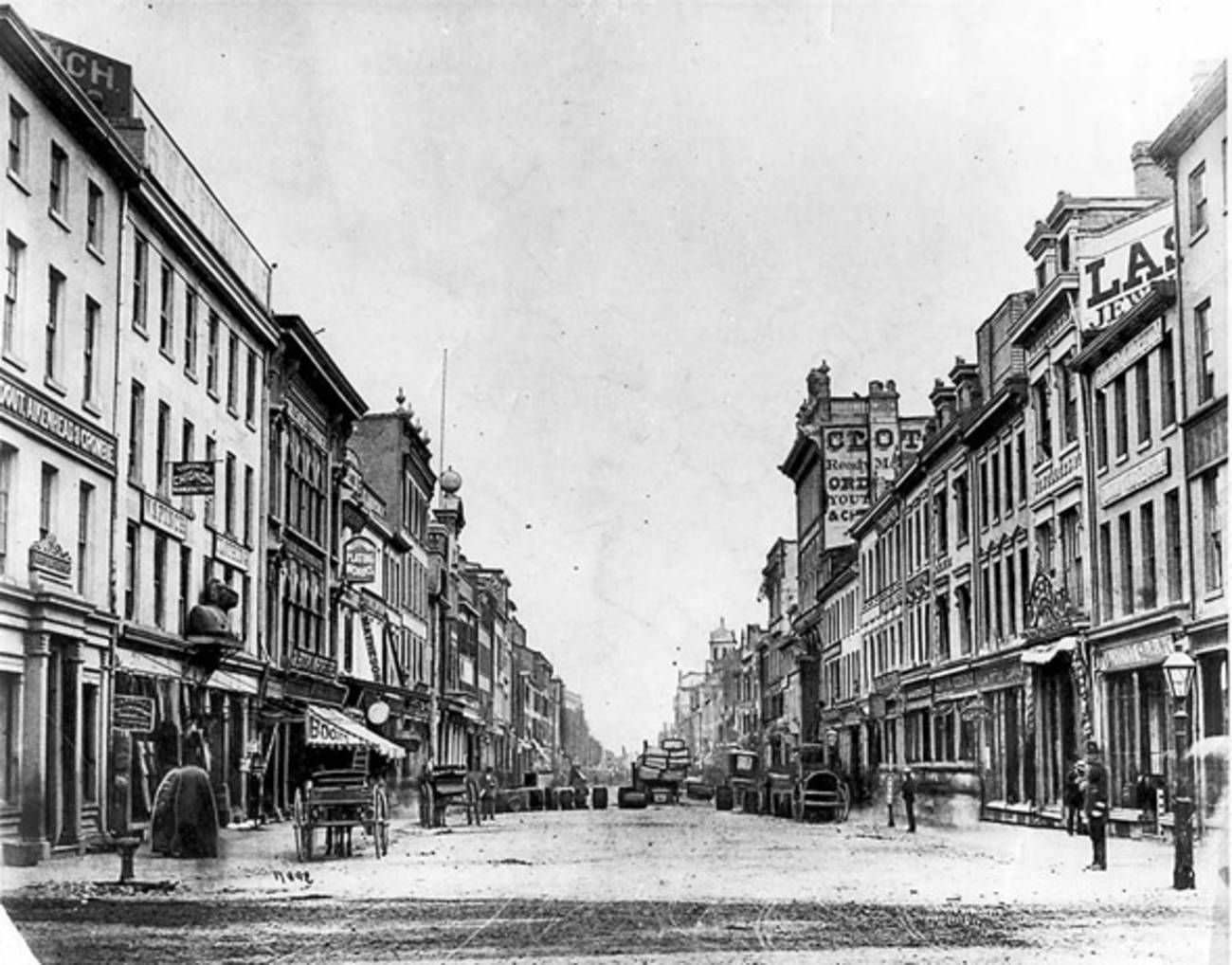
St. Lawrence Market, established in the early 19th century, remained a vital center of daily life for Toronto residents decades later. It served as a gathering point where farmers, merchants, and buyers exchanged goods on a regular basis.
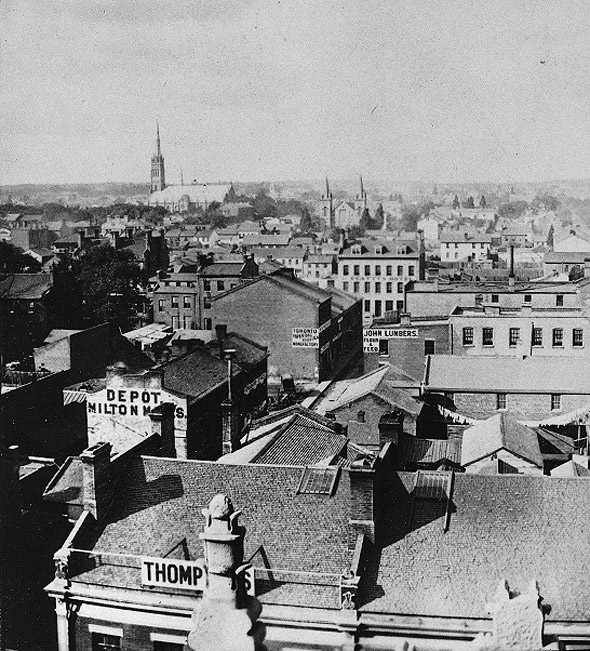
Not all institutions in 19th-century Ontario reflected prosperity. The Provincial Lunatic Asylum at 999 Queen Street West housed individuals deemed mentally ill by the standards of the day. Conditions inside such facilities were often harsh, and patients had little recourse or legal protection.
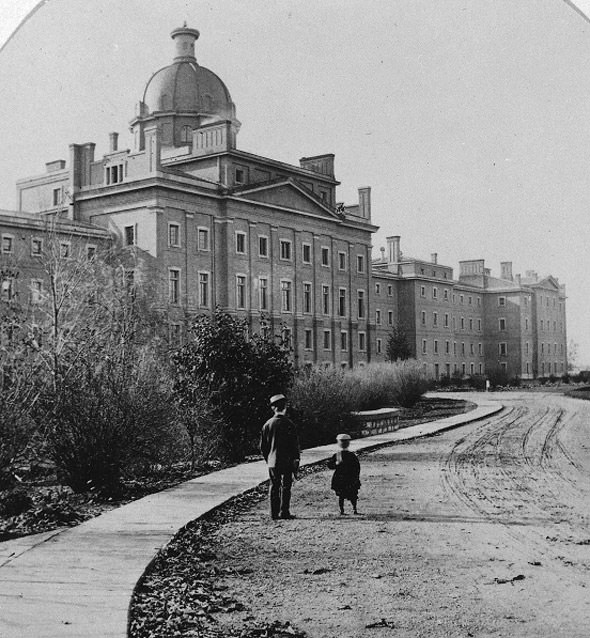
Beyond Toronto’s city limits, life in Ontario’s smaller towns moved at a different pace. Rural communities like Bancroft were defined by modest wooden structures, tight-knit populations, and an economy tied closely to the land and its resources.
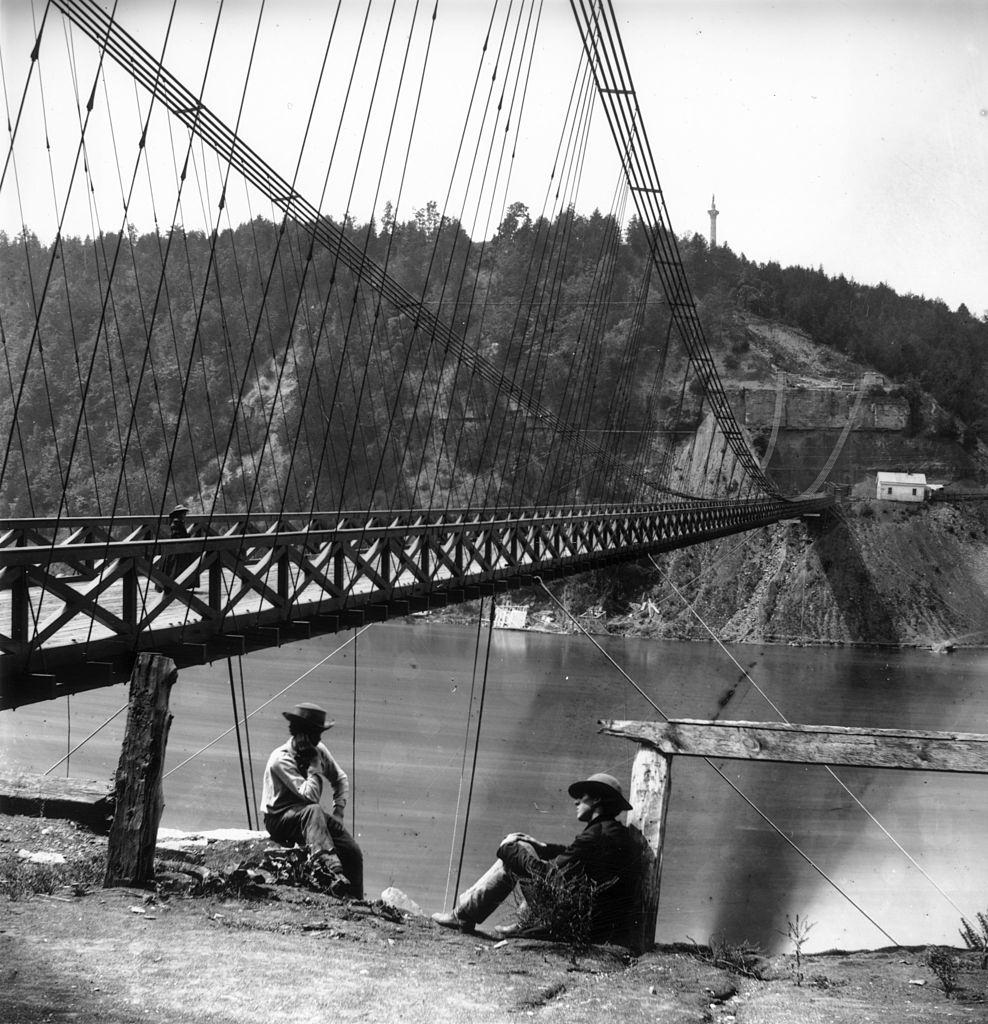
Ontario’s geography placed it at the crossroads of major trade and transit routes. The Niagara River, forming the border between Ontario and New York State, was bridged at several points to allow the movement of goods and people between Canada and the United States.
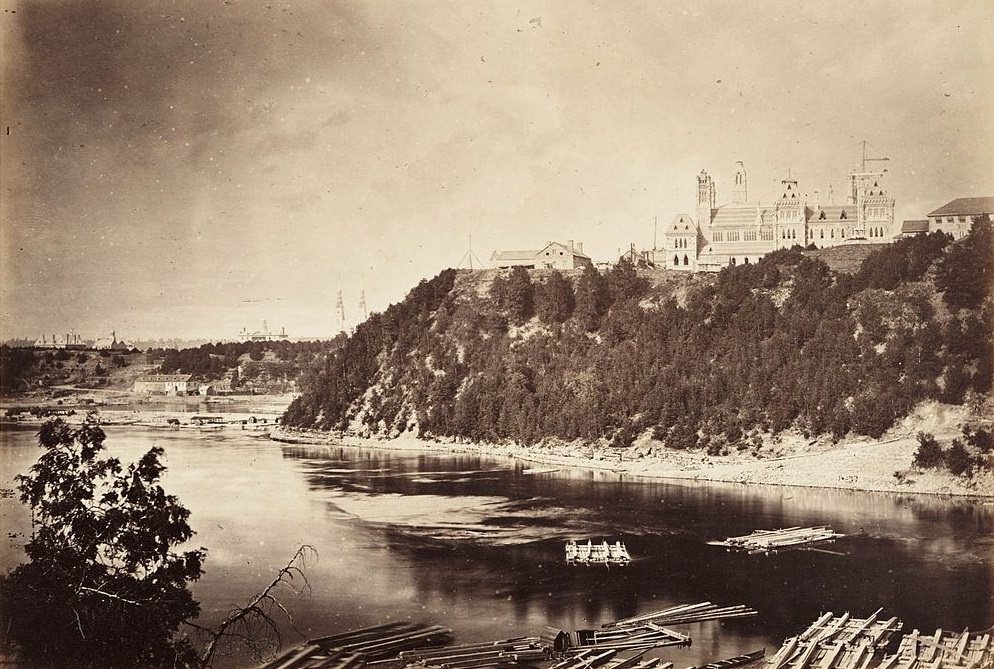
Ottawa, designated as Canada’s capital by Queen Victoria in 1857, was in the midst of major construction during this period. Barrack Hill, which would become the site of the Parliament Buildings, stood as a symbol of the young nation’s ambitions.
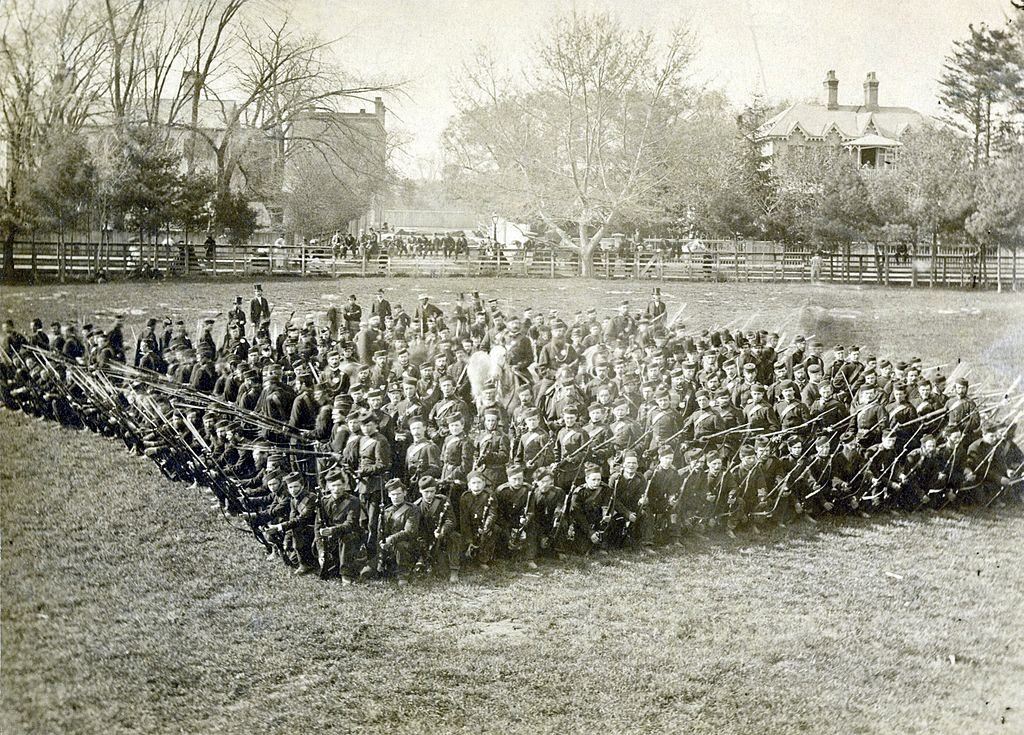
Military presence was visible throughout Ontario during the 1860s. The Queen’s Own Rifles, one of Canada’s oldest militia regiments, trained and drilled regularly in Toronto. Their formations reflected the disciplined military culture that the British colonial tradition had embedded in Canadian society.
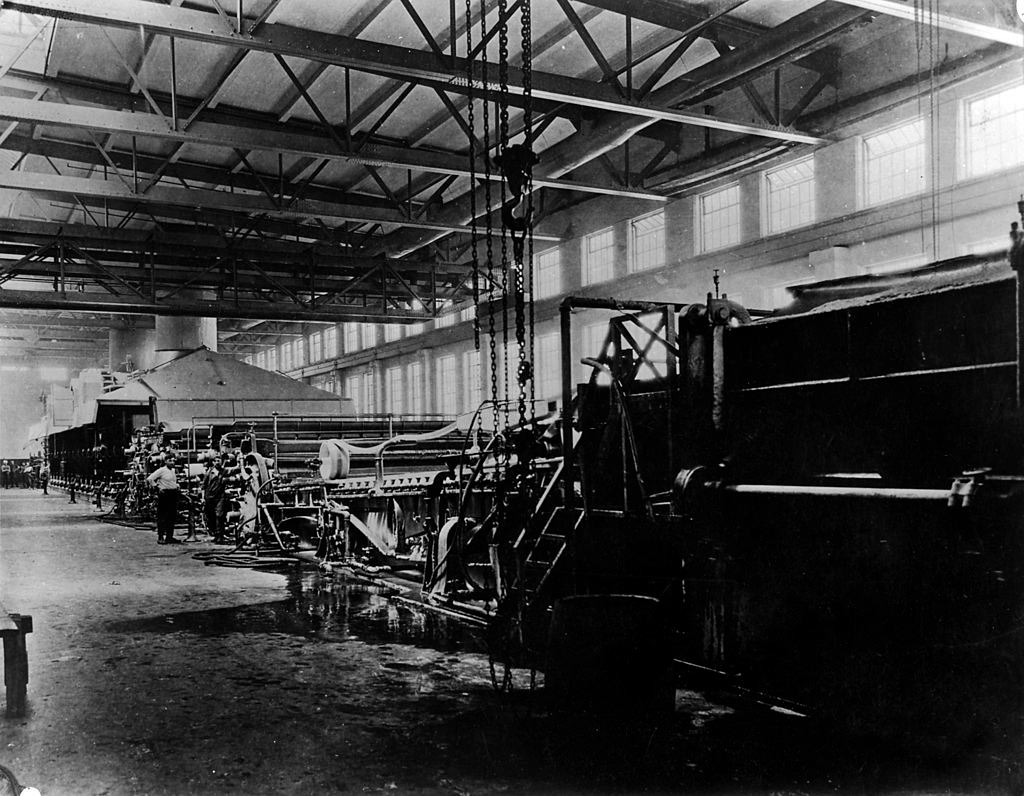
Ontario’s industrial growth was supported by advances in printing technology. Large mechanical presses allowed newspapers and publications to be produced at scale, which accelerated the spread of information across the province’s growing towns and cities.
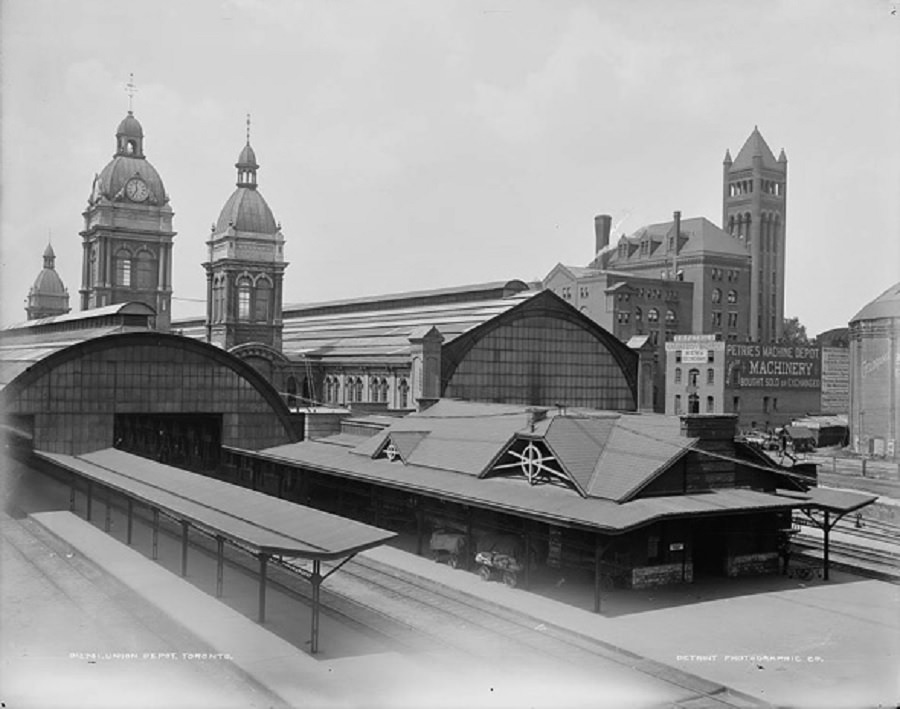
Rail travel transformed how Ontarians moved and traded. Toronto’s Union Station served as a major transit hub, connecting the city to communities across the province and to the broader North American rail network. Its platforms were busy with passengers, cargo, and commerce.
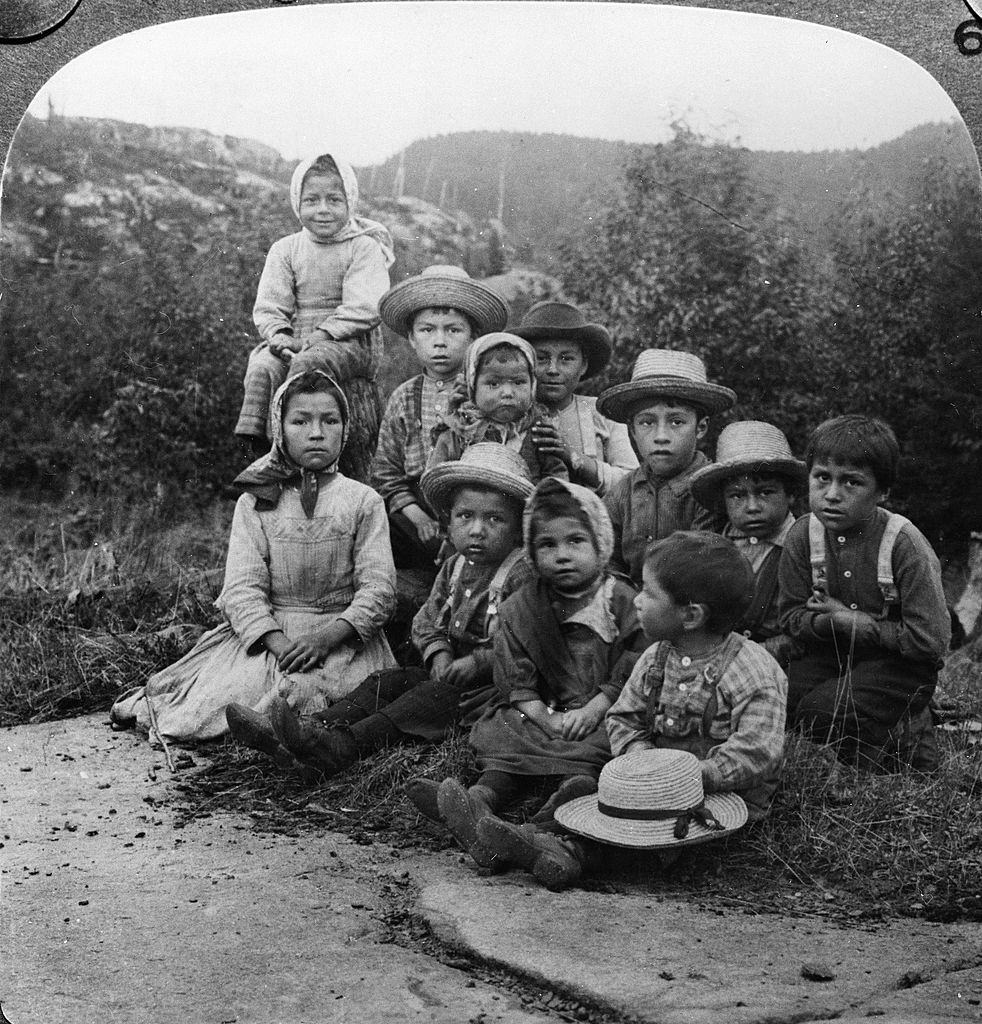
Ontario was home to Indigenous communities long before European settlement, and their presence continued throughout the 19th century. Chippewa and Ojibway peoples maintained communities in various parts of the province, including along the shores of Lake Erie near Port Caldwell.
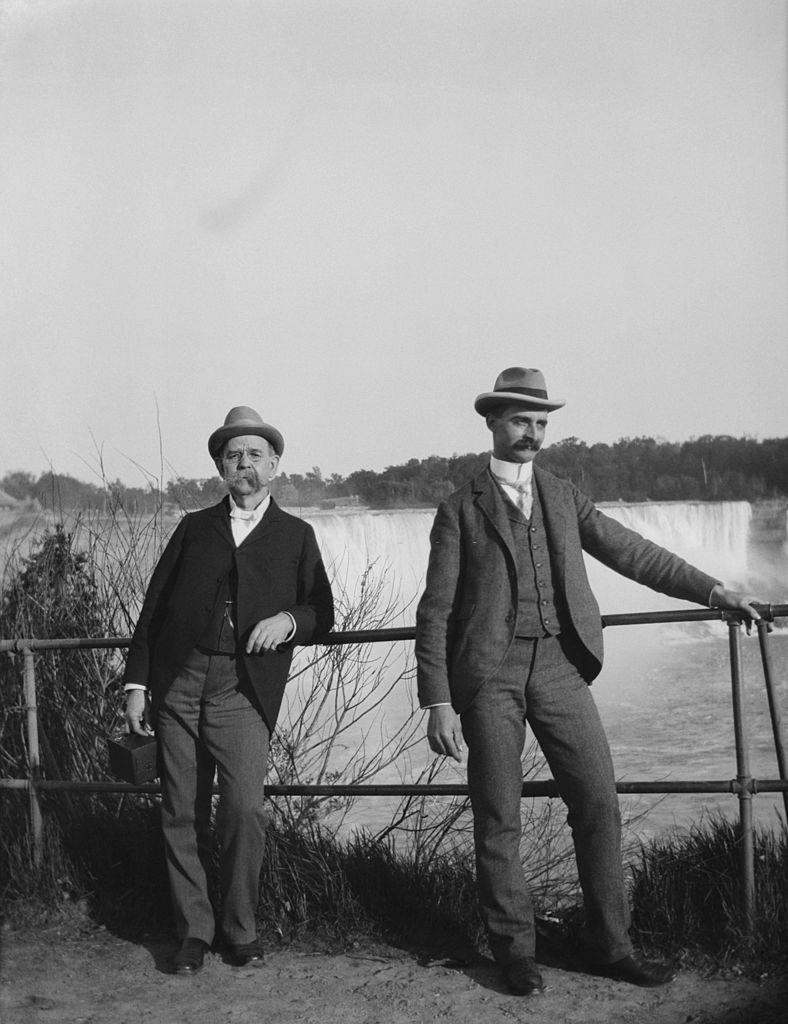
Niagara Falls drew visitors from around the world throughout the 19th century. The falls straddled the Ontario-New York border and represented one of the most dramatic natural spectacles on the continent. Tourists came by rail and carriage to stand at the edge and take in the sheer volume of water pouring over the escarpment.
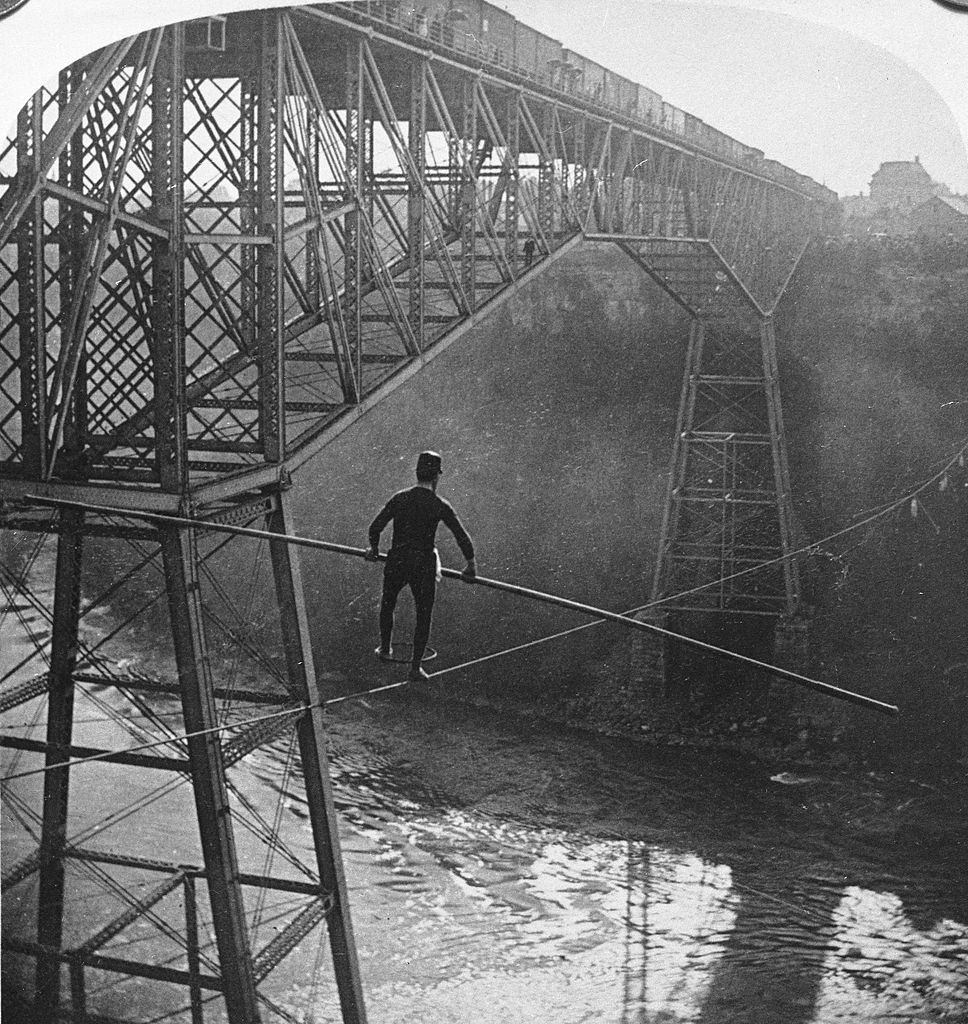
The Niagara Gorge also attracted a different kind of daring visitor. Funambulists — tightrope walkers — regularly performed crossings above the gorge, drawing massive crowds. Samuel Dixon was one such performer, using a cable previously set by Stephen Peer to walk across the gorge in the 1890s.
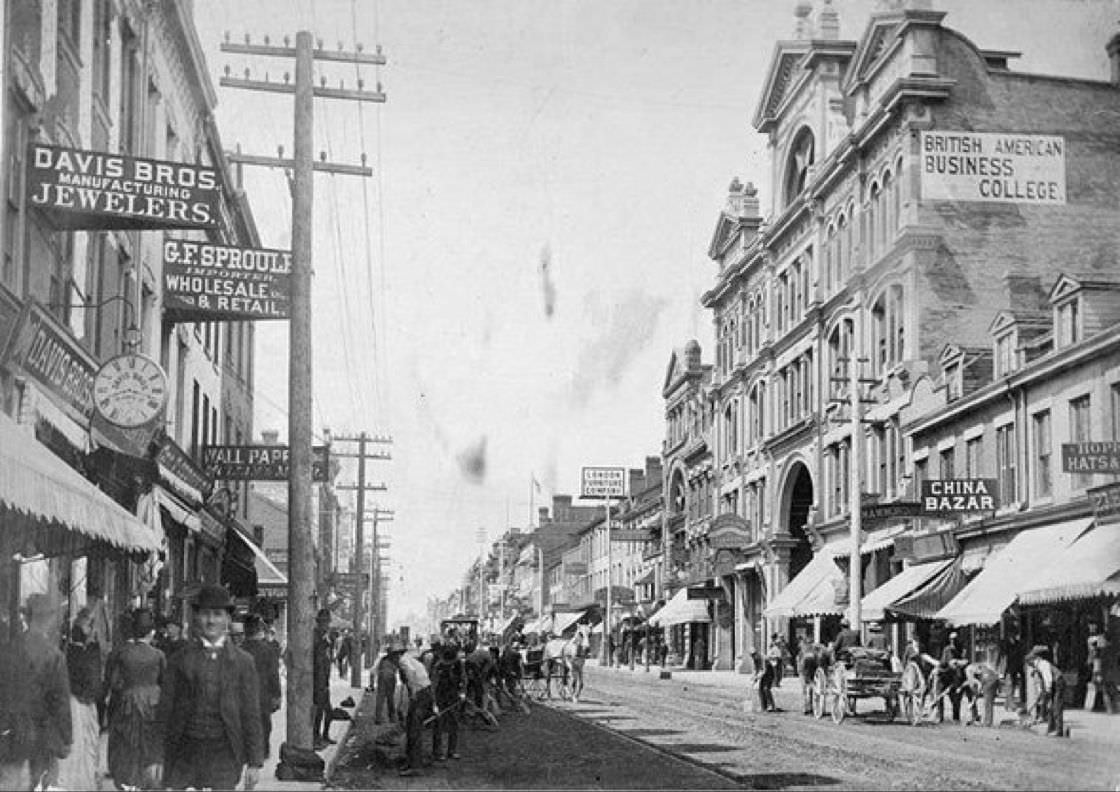
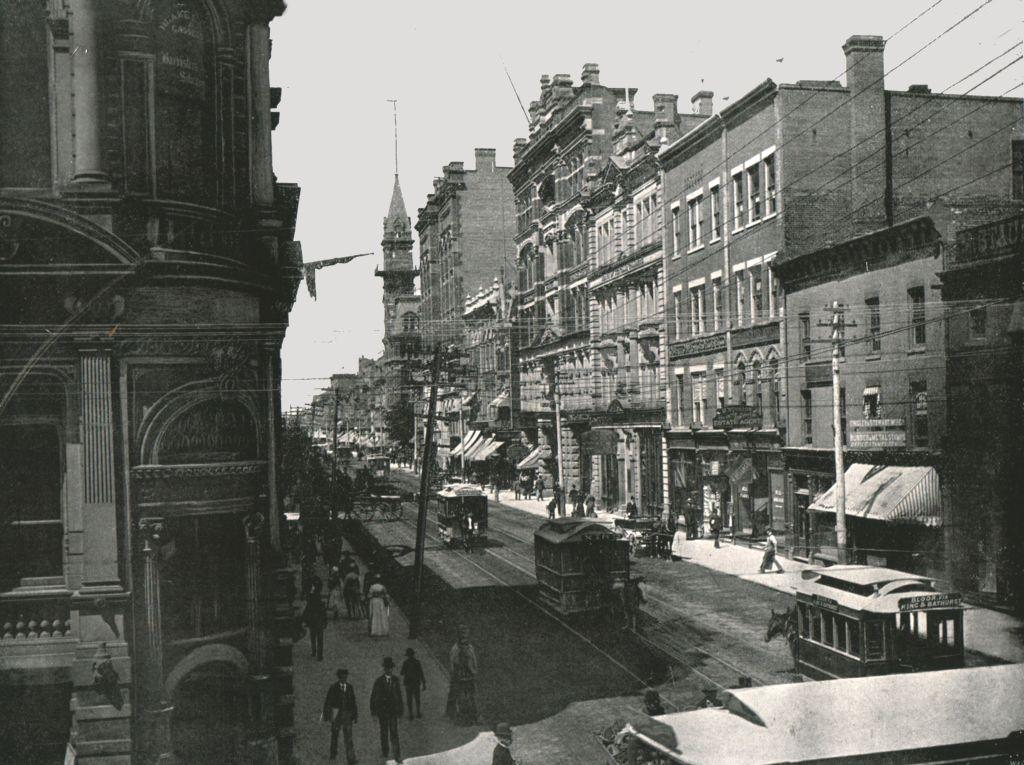
By 1895, King Street in Toronto had evolved into a mature commercial corridor. Electric streetcar lines, storefronts, and the steady flow of pedestrians and horse-drawn vehicles made it a scene that reflected how far the city had come in just a few decades.
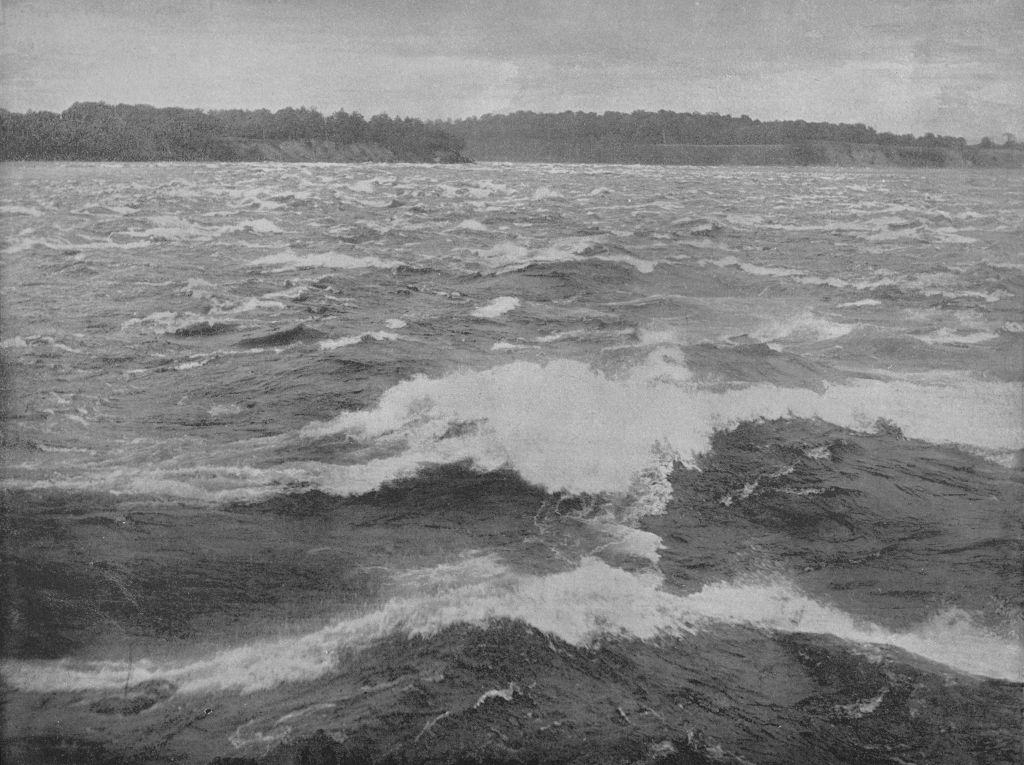
Ontario’s waterways were as economically important as its rail lines. The St. Lawrence River, running along the province’s southeastern boundary, carried enormous volumes of goods and was a critical corridor for shipping. Its rapids, including the Long Sault west of Cornwall, were both an obstacle and a spectacle.
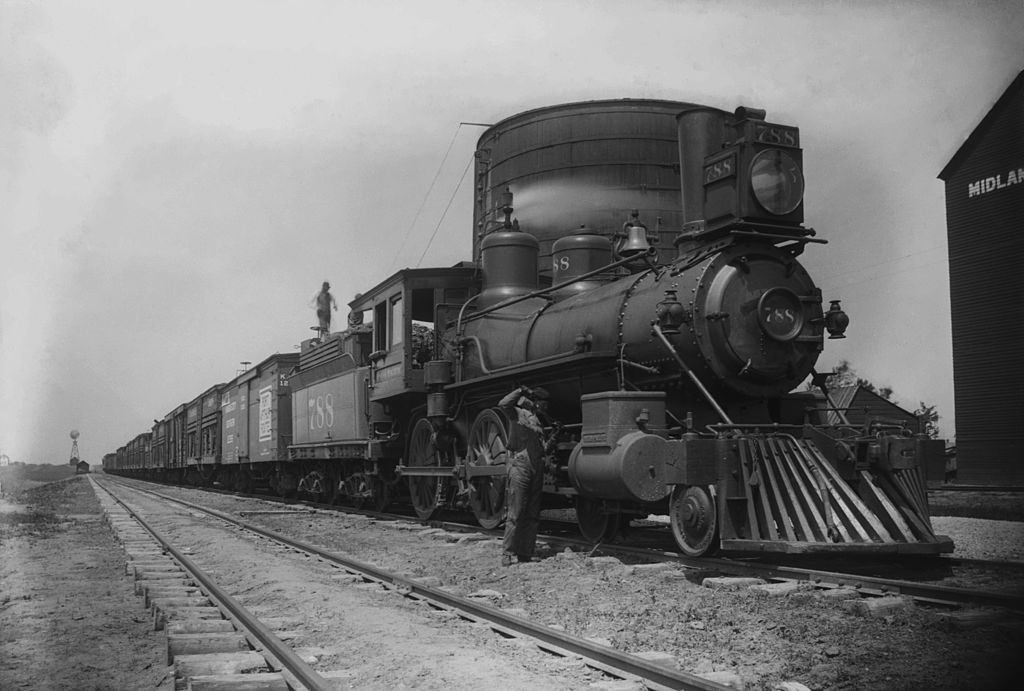
The locomotive was the engine of Ontario’s expansion. The 4-4-0 American-type steam locomotive was the workhorse of North American railways in the second half of the 19th century, pulling passenger coaches and freight cars across Ontario’s expanding rail network.
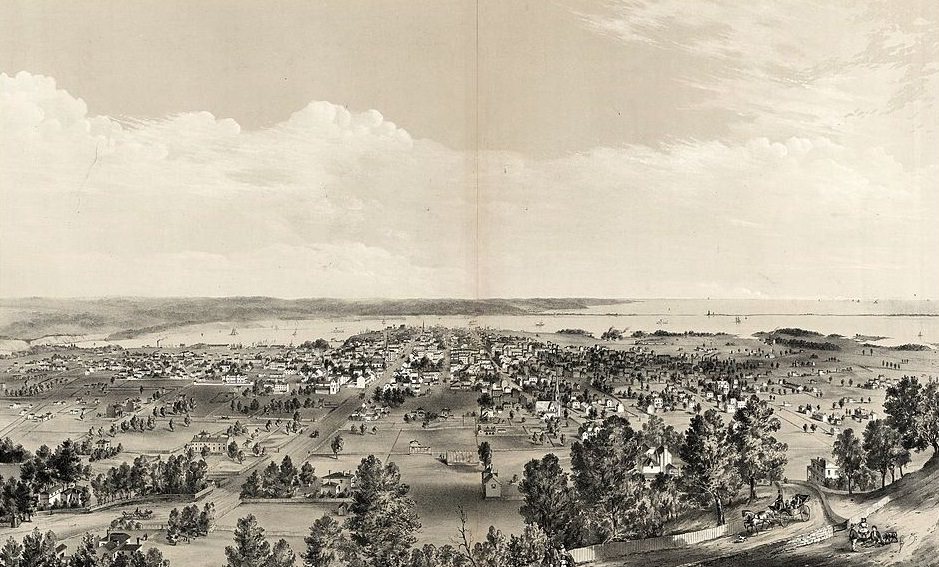
Hamilton, situated at the western end of Lake Ontario, grew rapidly in the second half of the 19th century. Its position between Toronto and Niagara made it an important industrial and commercial center. A bird’s-eye view from 1859 shows a town already dense with buildings and bordered by the waters of the lake.
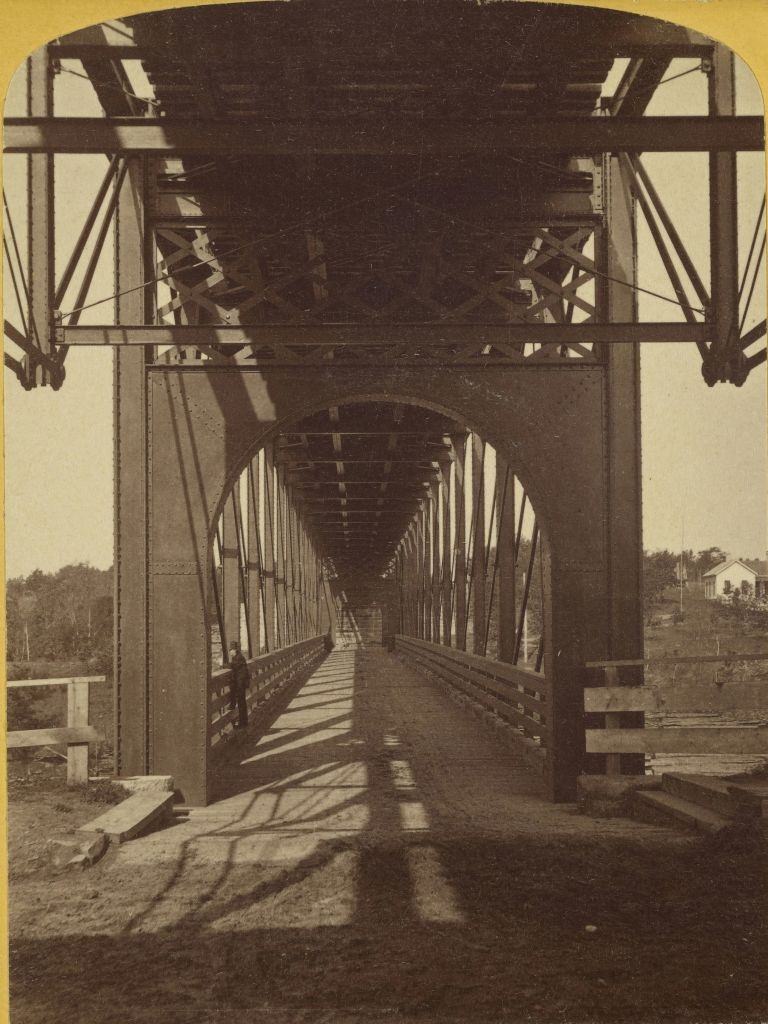
Hamilton’s infrastructure matched its ambitions. The city’s railroad bridge was an engineering achievement that allowed goods and passengers to move efficiently through the region, supporting both local industry and long-distance trade connections.
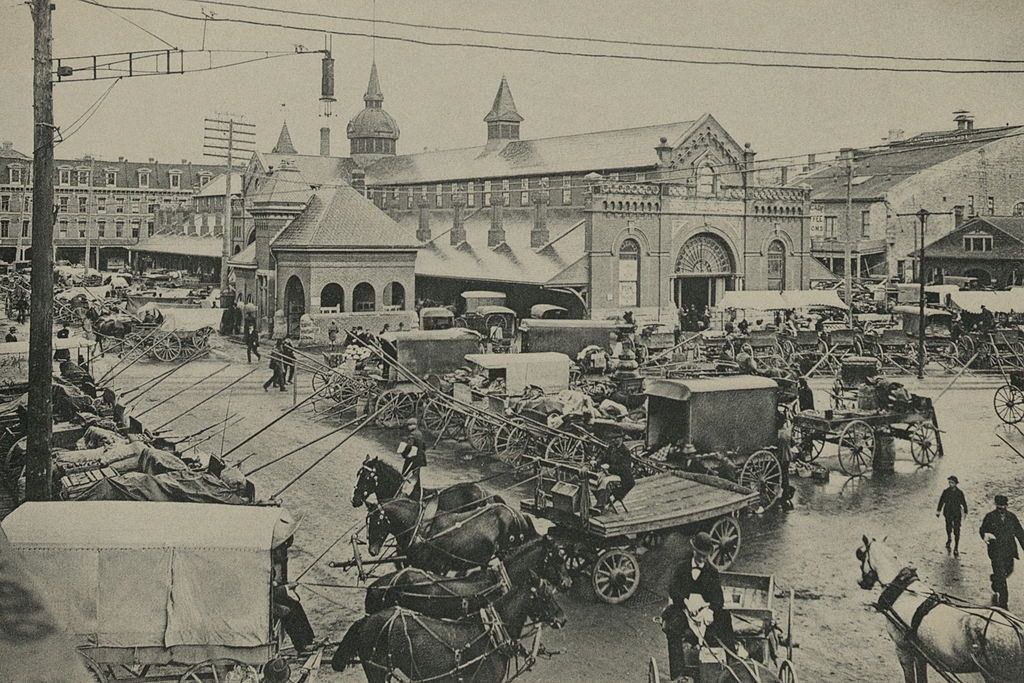
Markets in Hamilton, as in all Ontario towns, were the social and economic centers of community life. Farmers brought produce from the surrounding countryside, and townspeople gathered weekly to buy, sell, and exchange news.
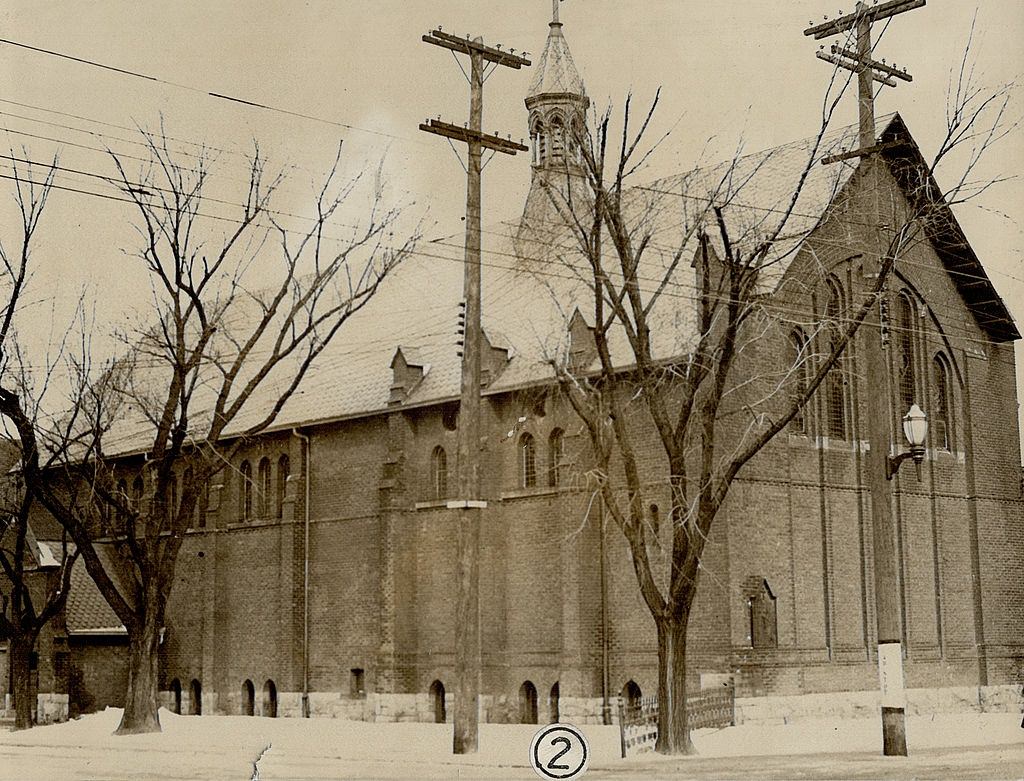
Religious institutions were central to the fabric of 19th-century Ontario society. Churches served not only as places of worship but as meeting halls, community organizers, and in many cases the primary providers of charitable services to the poor and sick.
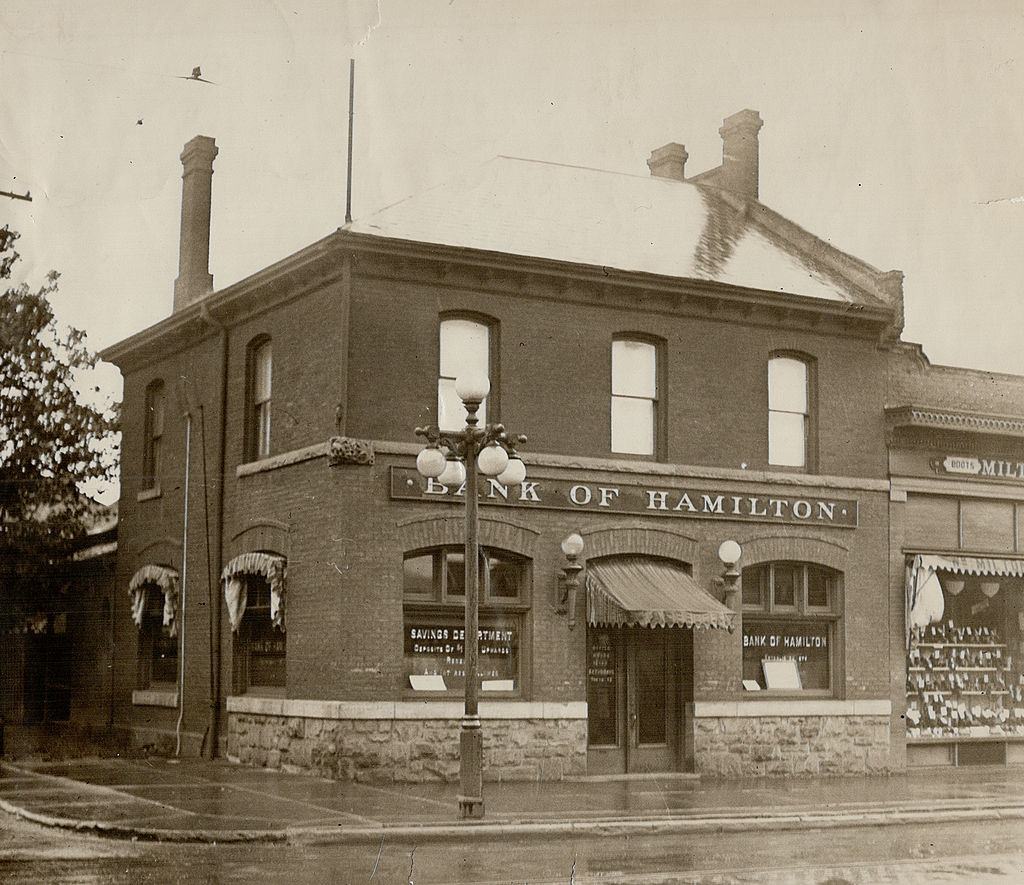
Banking was expanding across the province as Ontario’s economy matured. The Branch Bank of Hamilton on Barton Street represented the spread of financial services beyond the large city centers, bringing credit and savings capabilities to working-class neighborhoods and smaller communities.
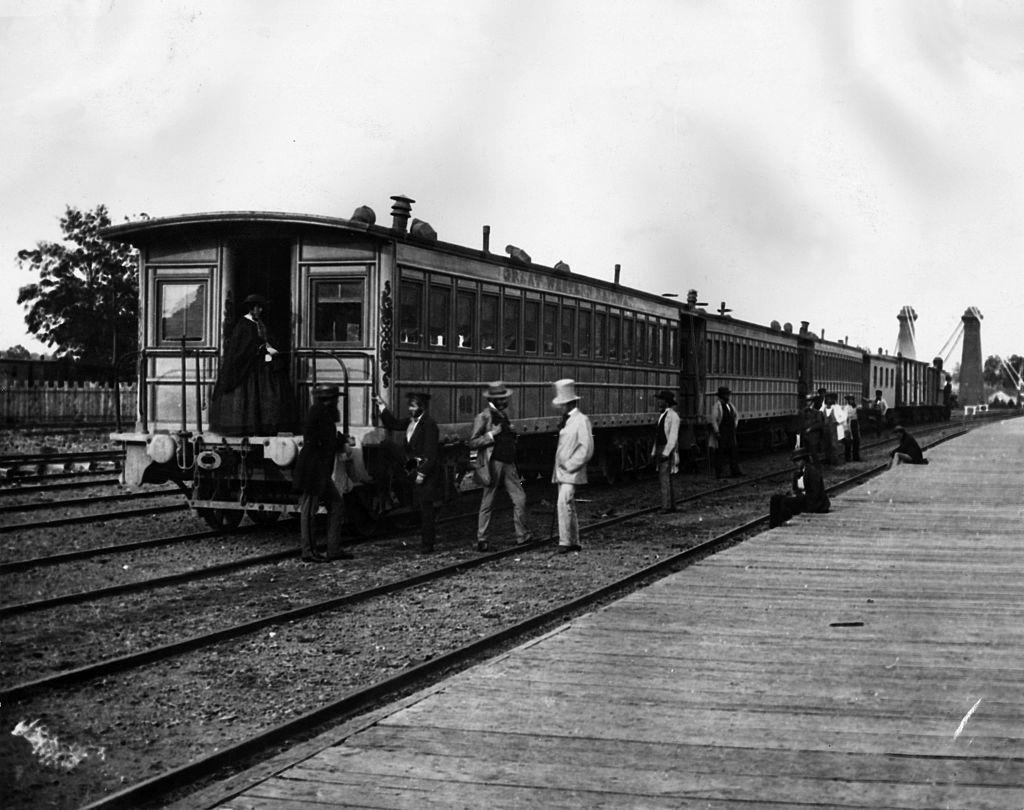
The Great Western Railway was one of the earliest and most important rail lines in Ontario. The Clifton Depot near Niagara served as a key stop along this line, connecting travelers crossing the border with the broader Canadian rail network. In 1859, the depot was already a busy staging point for passengers heading deeper into the province.
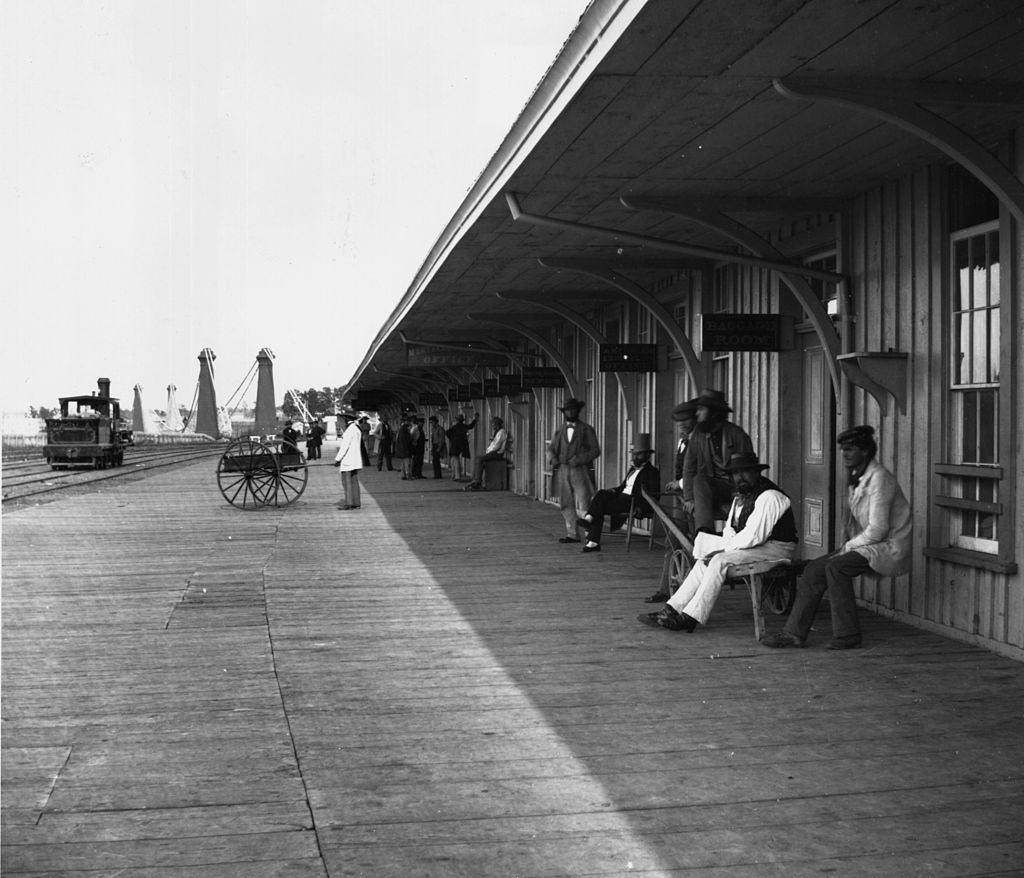
Waiting for trains was a familiar experience for Ontarians of all backgrounds. The platforms at Clifton Depot gathered a cross-section of 19th-century society — merchants, tourists, families, and workers — all connected by the rails that now crisscrossed the province.
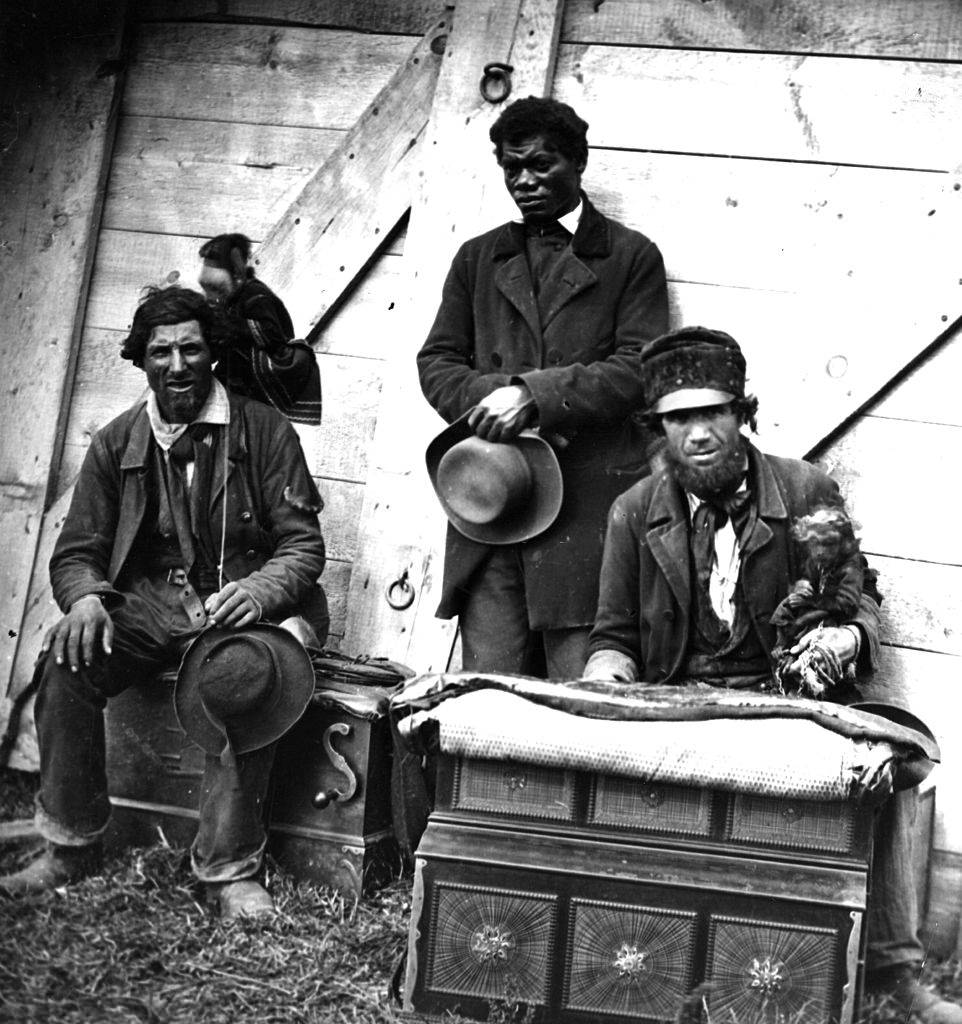
Street life in 19th-century Ontario wasn’t all commerce and industry. Itinerant musicians traveled from town to town, performing on street corners with hand-cranked barrel organs and trained monkeys. They were a regular feature of urban life across North America and Europe during this period.
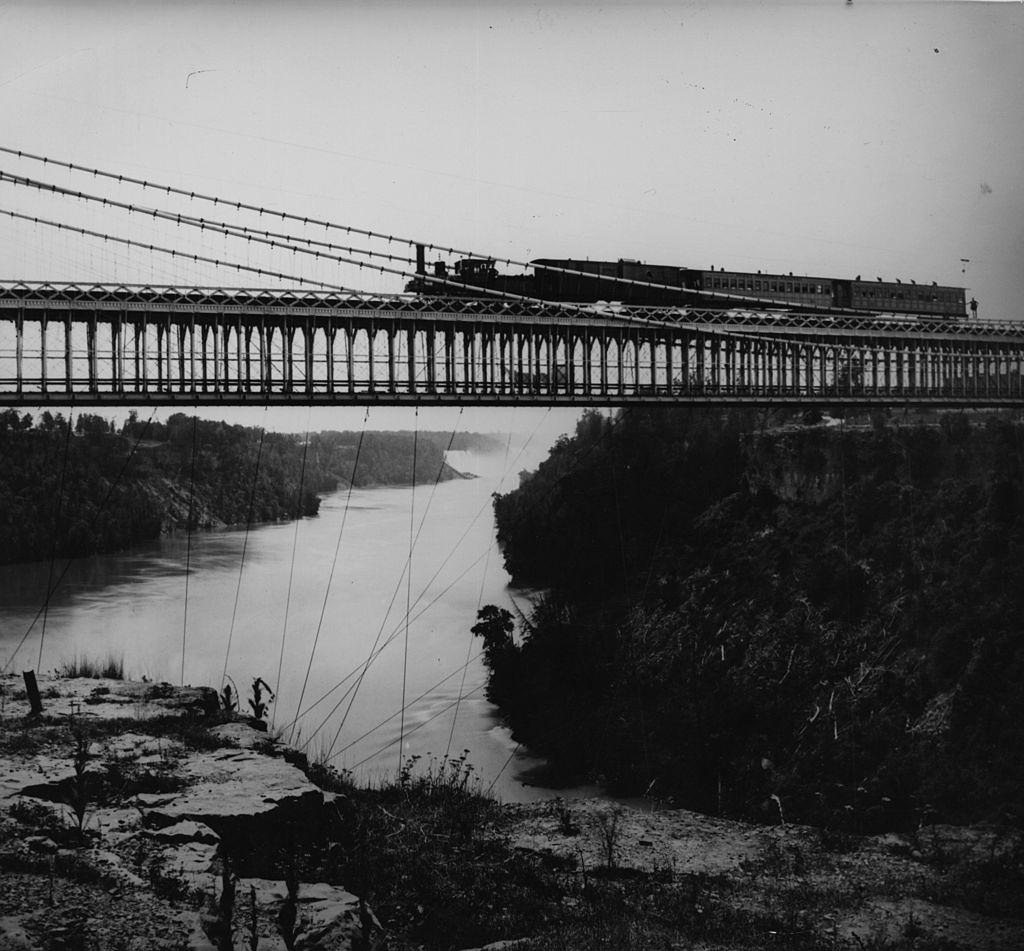
The Railway Suspension Bridge over the Niagara River was one of the engineering marvels of the 19th century. Designed by John Roebling — who later designed the Brooklyn Bridge — it allowed steam trains to cross the gorge directly, a feat that had seemed impossible to earlier engineers.
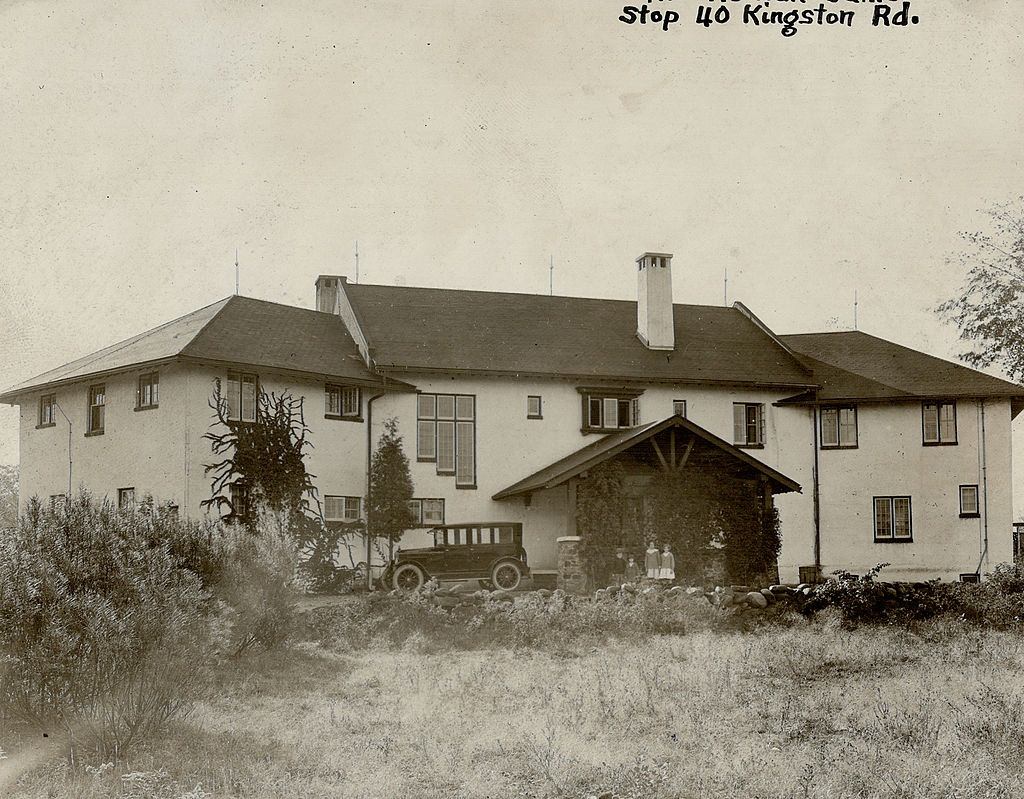
Small stops and depots dotted the rail lines running out of Toronto and into the surrounding countryside. The Bichford stop on Kingston Road was one such point, a modest but necessary part of the infrastructure that kept Ontario’s transportation network functioning at the end of the century.
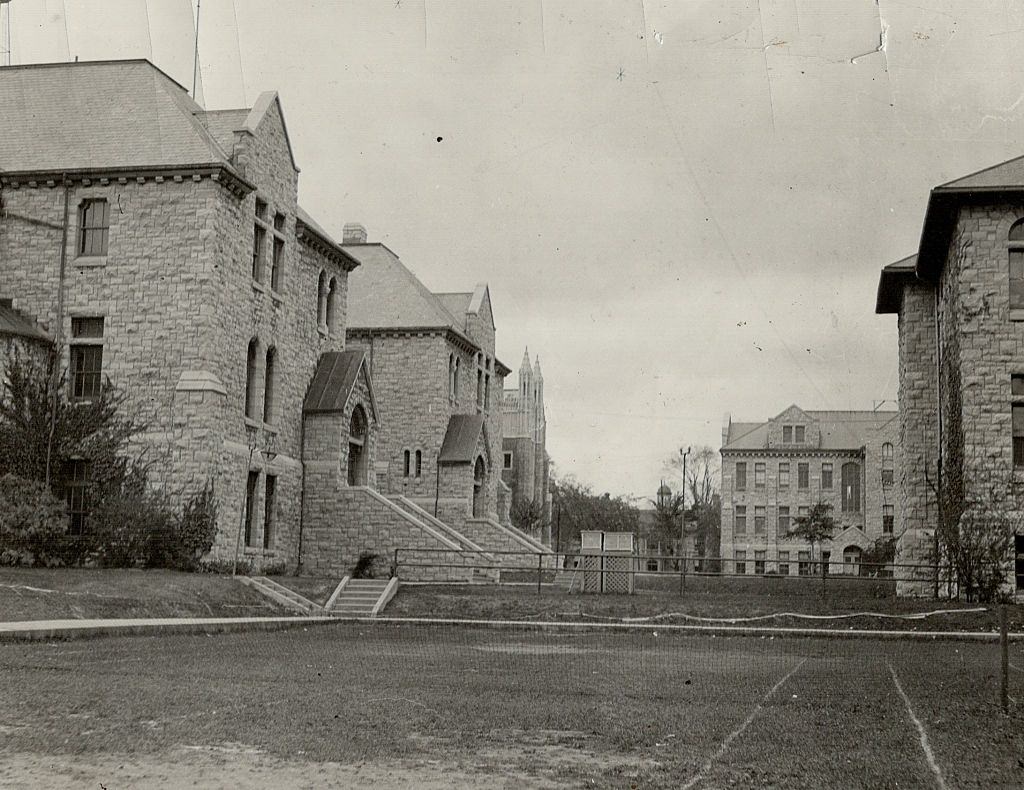
Higher education was taking shape in Ontario during this period. Queen’s University in Kingston, founded in 1841, had grown into a respected institution by the end of the 19th century. It trained lawyers, doctors, theologians, and engineers who went on to shape the province’s professional class.
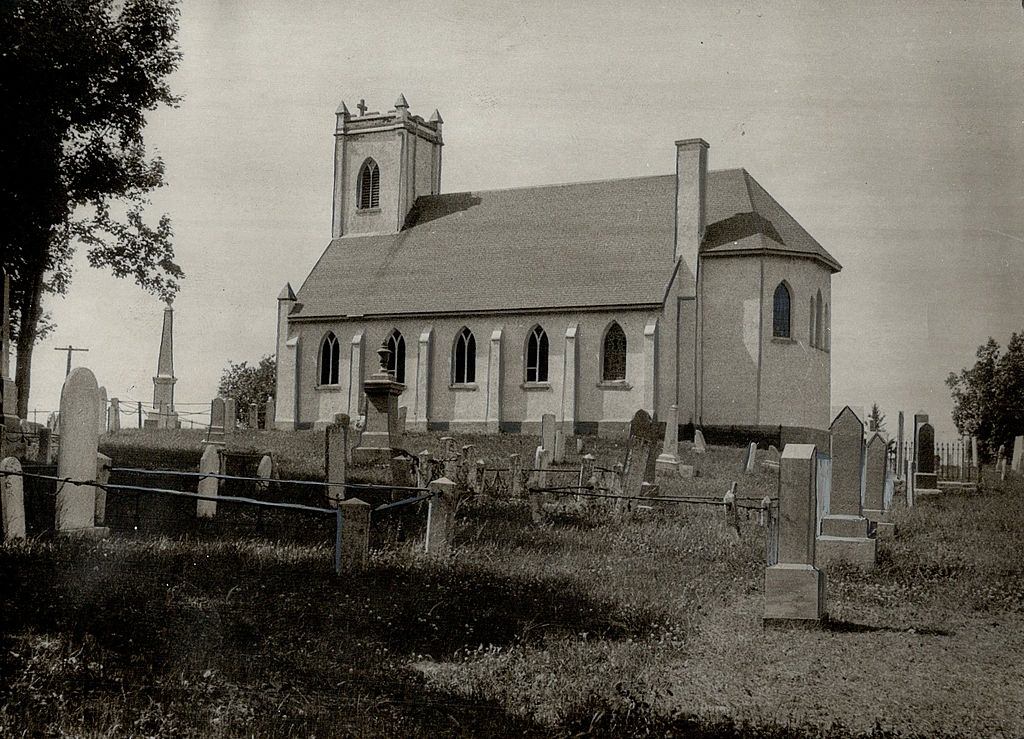
The Anglican church played a prominent role in the life of settlers across Ontario. St. John’s Anglican Church in the Kingston area was one of many such congregations that served rural and semi-rural populations who had established roots in the province over preceding generations.
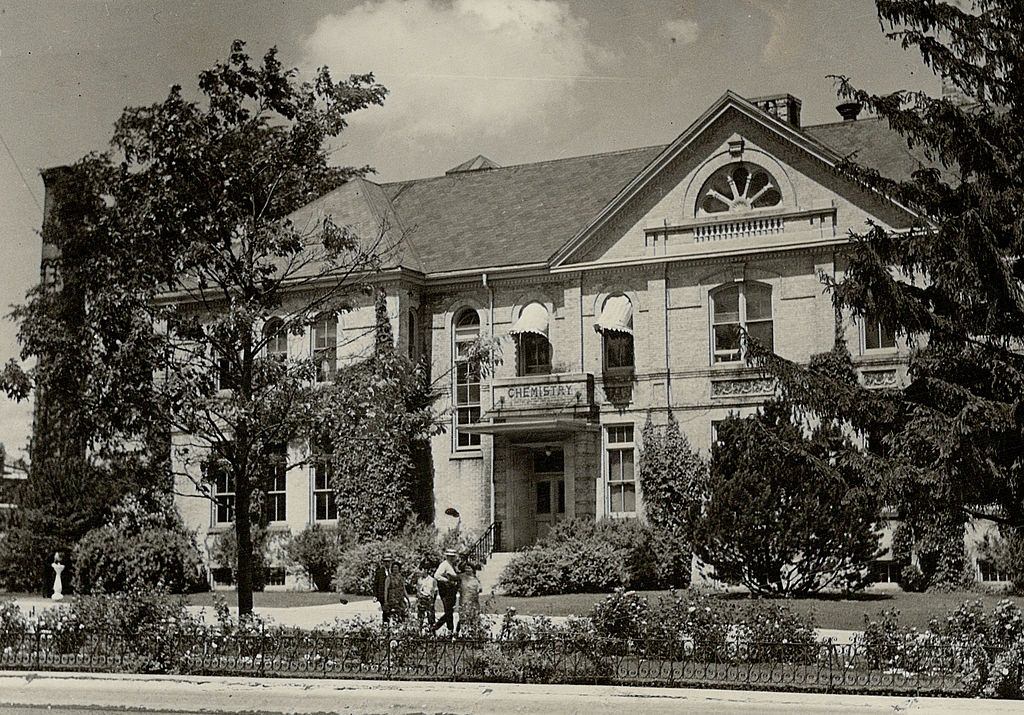
Agricultural modernization was a defining feature of late-19th-century Ontario. The Ontario Agricultural College at Guelph was at the forefront of this transformation, providing scientific training in farming methods, chemistry, and land management. Its campus buildings, including the Chemistry building, signaled a new era of evidence-based farming.
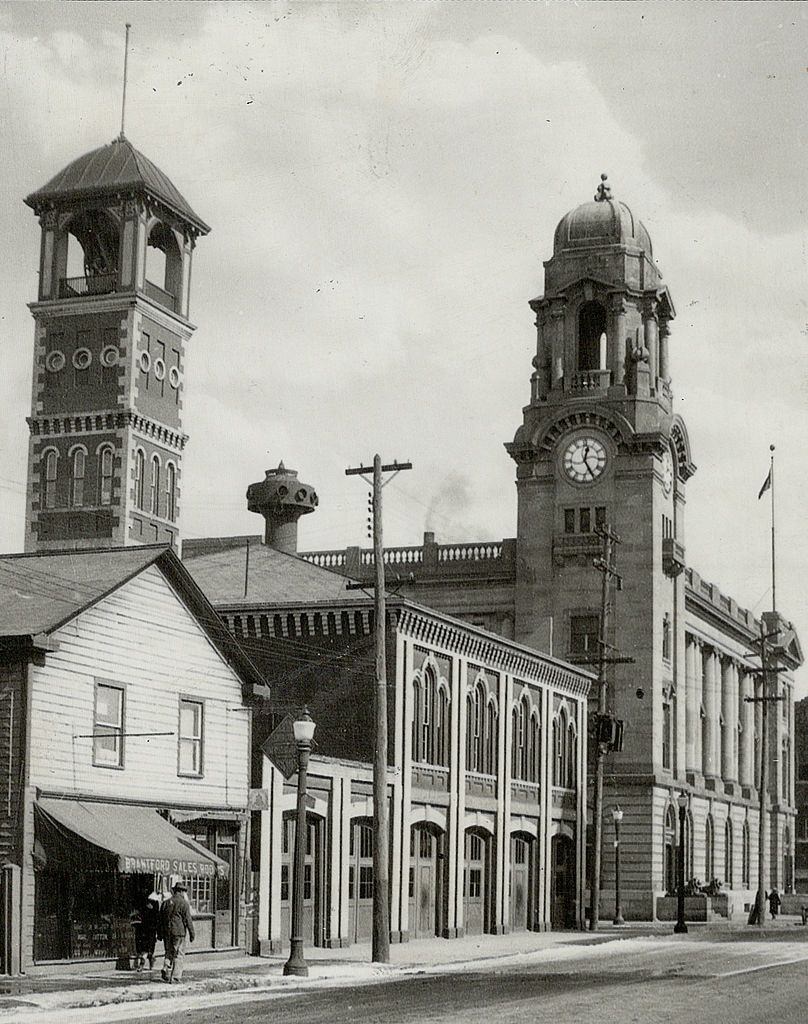
Civic infrastructure expanded across Ontario’s mid-sized towns throughout the late 19th century. Brantford, a city with strong industrial and commercial foundations, had developed a combined post office and fire department headquarters that reflected the growing administrative complexity of Ontario’s urban centers.
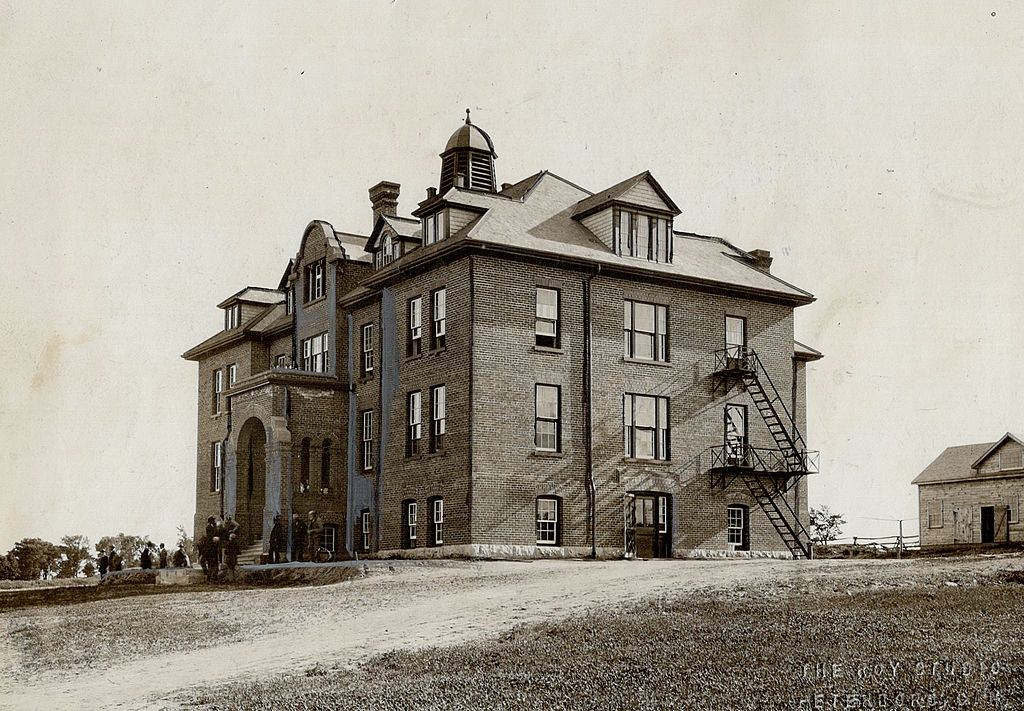
Ontario’s charitable institutions were supported in part by government grants. Homes for the poor, the elderly, and orphaned or abandoned children operated in towns across the province. In Peterborough, the House of Refuge provided shelter and basic care to those with nowhere else to turn. Many of the infants admitted to such homes across Ontario arrived in poor physical condition, and their survival depended entirely on the care they received inside.
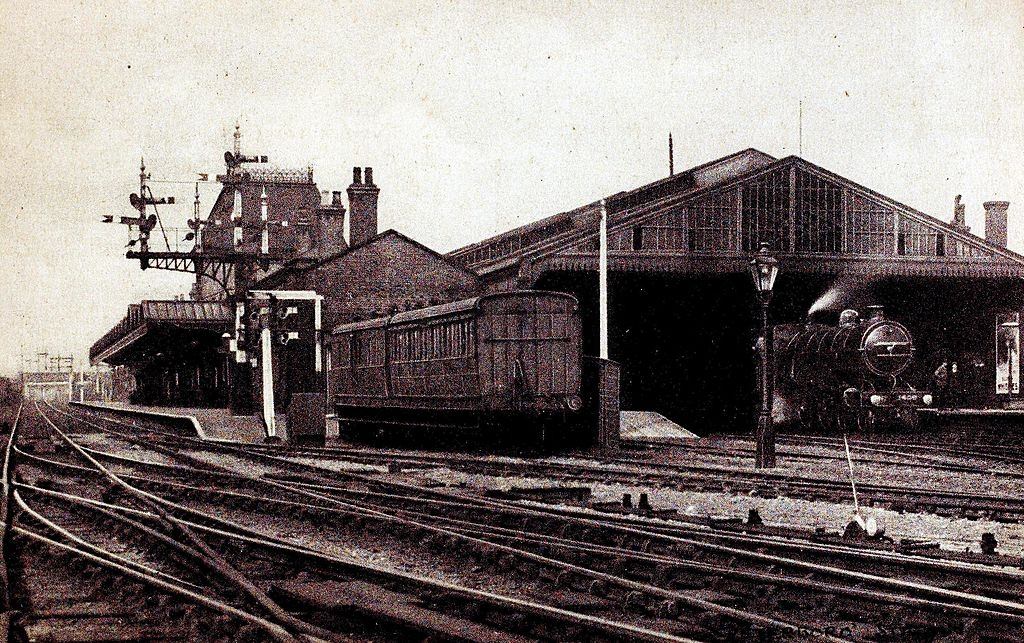
Peterborough was well connected to Ontario’s rail network by the 1890s. The town’s train station served as a point of arrival and departure for residents, travelers, and the goods that kept its local economy running.
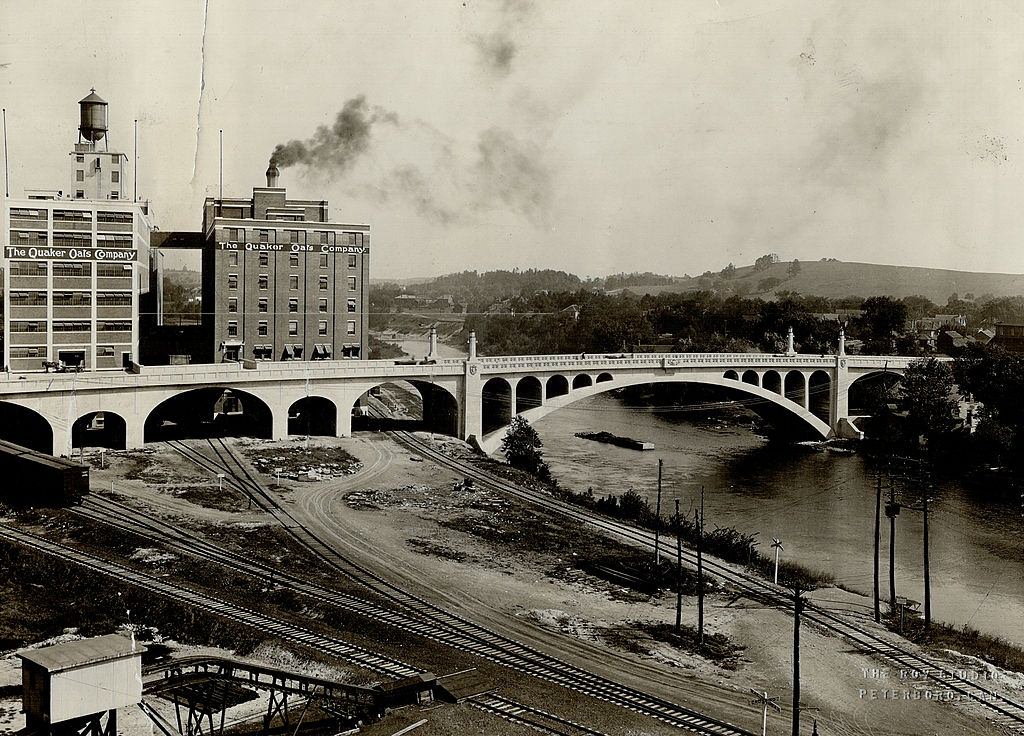
The Otonabee River runs through the heart of Peterborough, and crossing it was essential to daily life in the town. Bridges over the river connected neighborhoods and allowed commerce to flow between both banks.
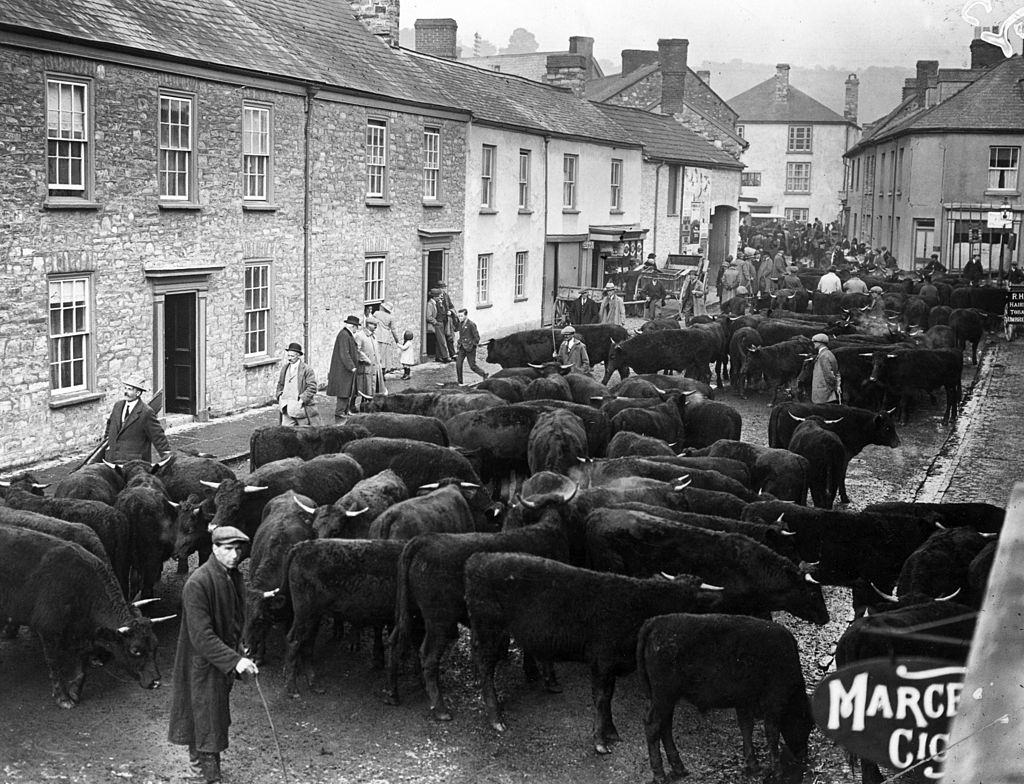
Brampton, like many Ontario towns of its size, hosted regular agricultural fairs and markets. The Pony Fair drew farmers and traders from the surrounding area, filling the town’s streets with cattle, horses, and commerce. Events like this were as much social occasions as economic ones.
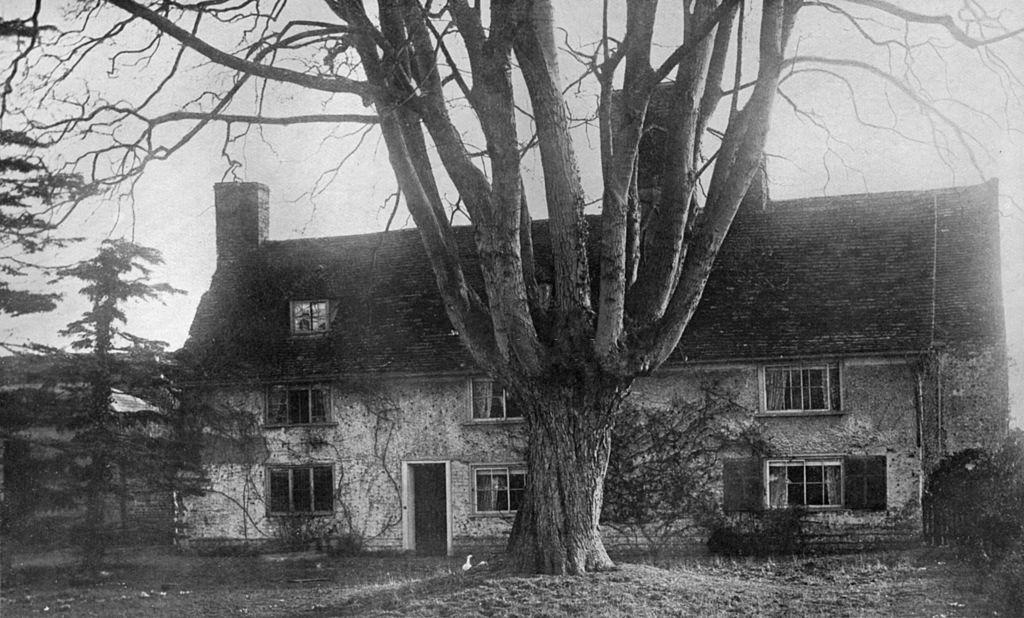
The residential architecture of 19th-century Ontario ranged from modest wooden farmhouses to more substantial homes for the merchant and professional classes. Buckden Cottage in Brampton represented the kind of comfortable, established residence that reflected the town’s growing middle class.
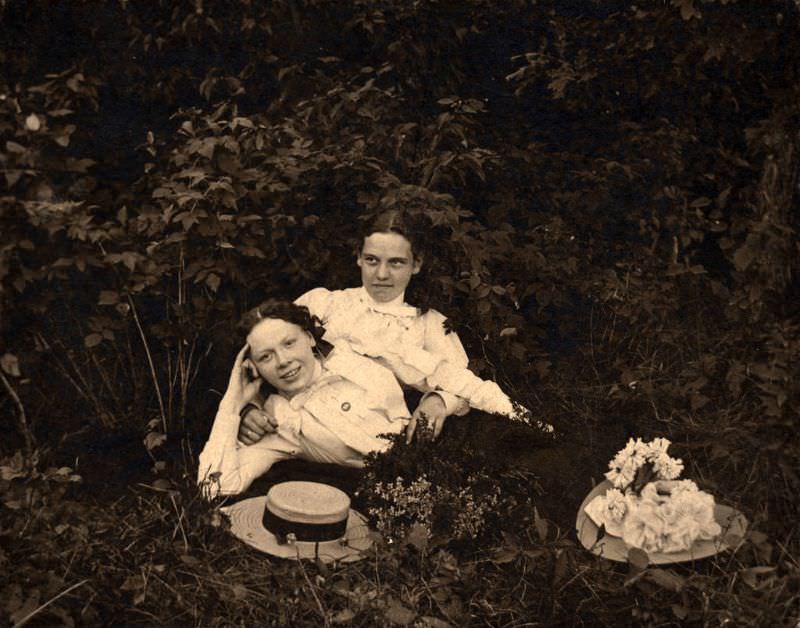
Everyday life for Ontarians also included leisure. The province’s forests, fields, and riverbanks offered natural spaces for recreation, and photographs from the period capture residents pausing to enjoy the landscape around them.
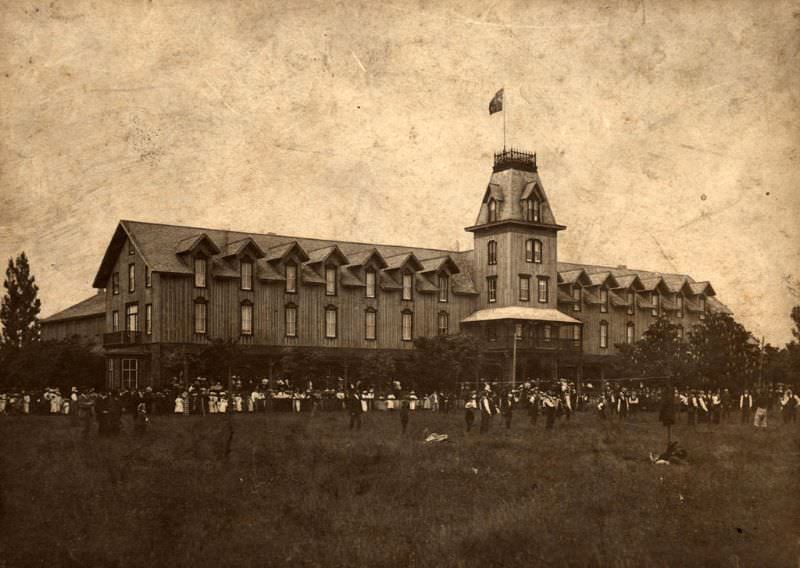
Lake Huron’s shoreline in Huron County was a popular destination for summer visitors by the 1890s. Point Farms, near Goderich, operated as a resort where urban Ontarians came to rest and enjoy the lake. The tourist economy was a growing part of life in the province’s lakeside communities.
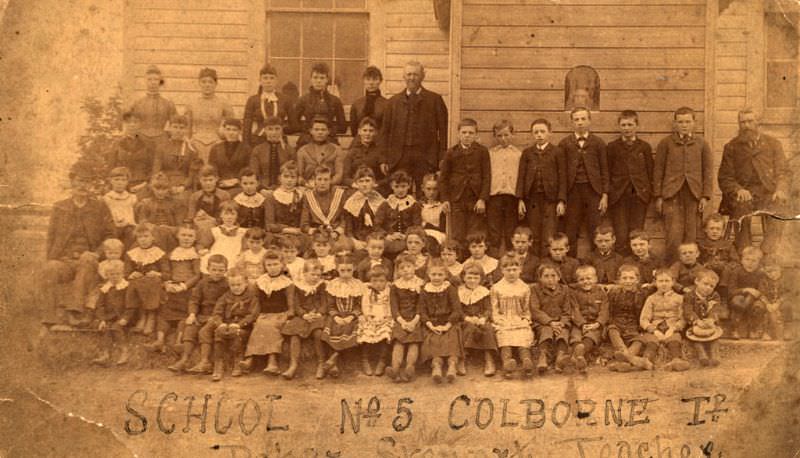
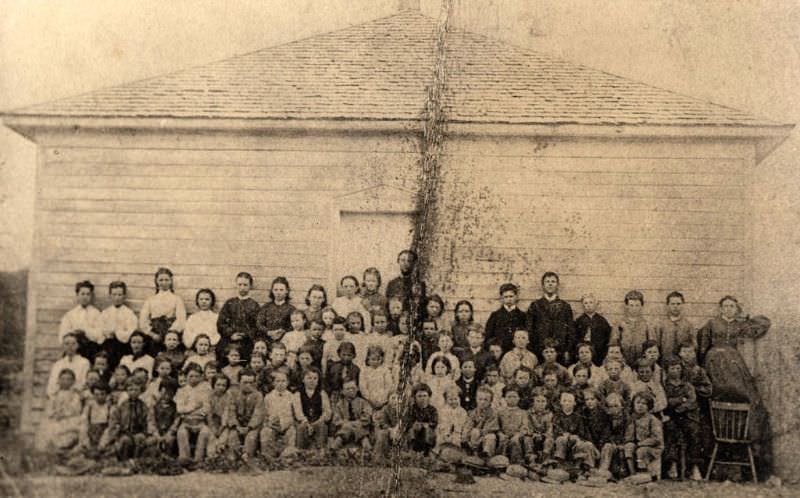
Education expanded steadily across Ontario during the late 19th century. Rural schoolhouses served children from farming families across the province, and photographs of students and teachers gathered outside their schools document this widespread commitment to public education.
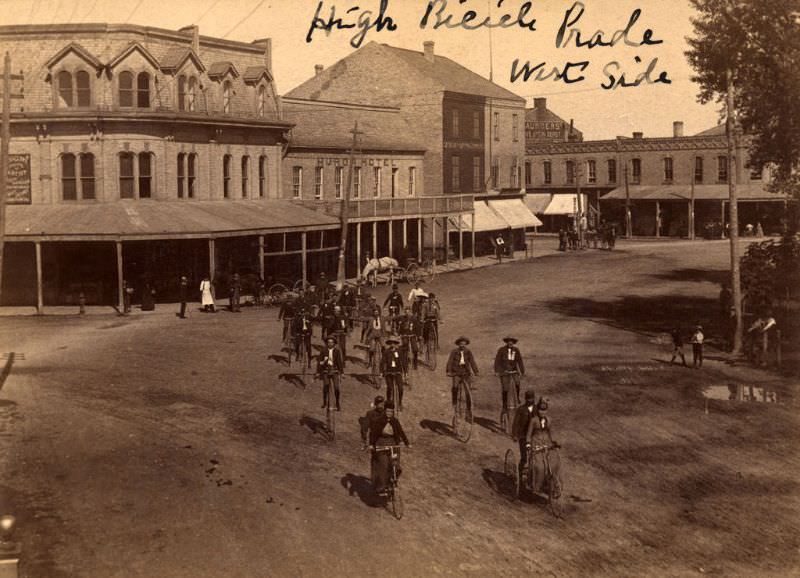
Goderich, situated on the eastern shore of Lake Huron, was one of Ontario’s most distinctive towns. Its octagonal town plan, centered on the Courthouse Square, set it apart from the grid-based layouts common to most Ontario communities. The square served as the civic and commercial center of the town.
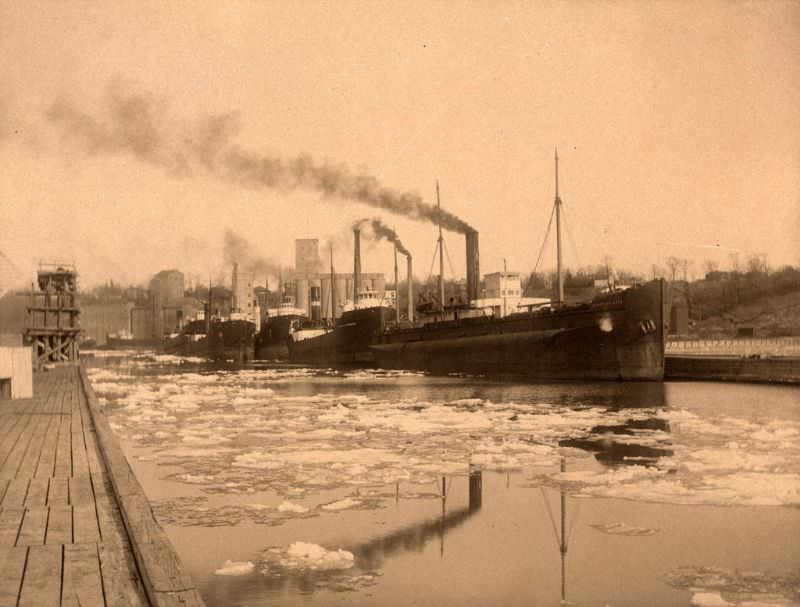
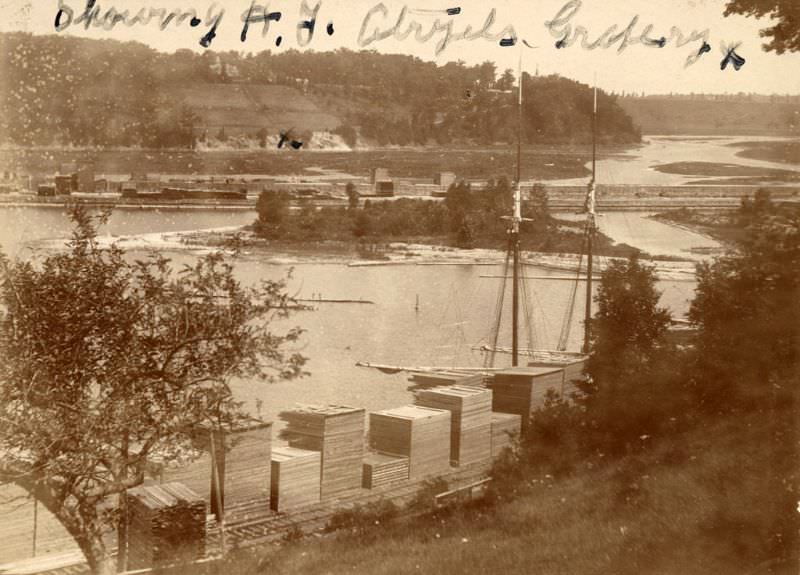
Goderich’s harbour on Lake Huron was a working port throughout the 19th century. Ships moved salt, grain, and other cargo between Goderich and ports across the Great Lakes, making the harbour a critical part of the regional economy.
Milling was a foundational industry in rural Ontario. Rivers and streams powered mills that ground grain into flour, cut lumber, and processed other raw materials. Platts Mill, operating on the river flats, was typical of the water-powered operations that served Ontario’s agricultural communities.
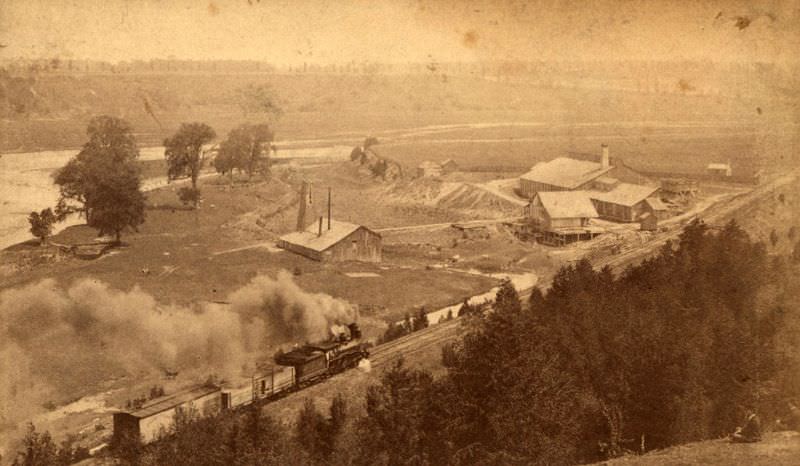
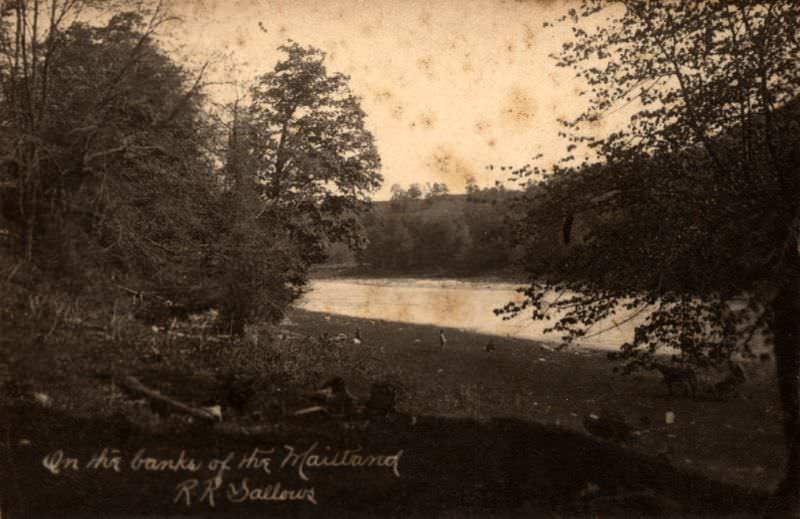
The Maitland River, flowing through Huron County into Lake Huron, was a central feature of life in the Goderich area. Its banks provided recreation, and the river itself supported mills, fisheries, and transportation routes throughout the surrounding countryside.
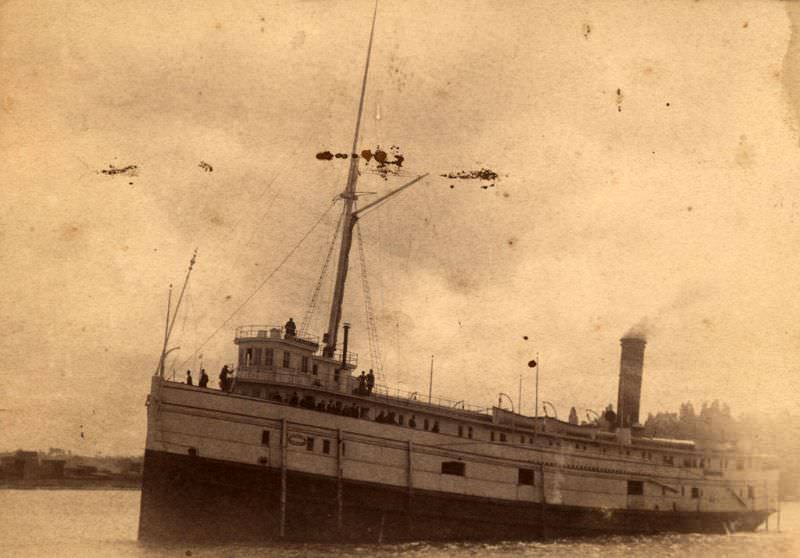
The vessels that worked Ontario’s Great Lakes ports were vital to the provincial economy. Ships like the Monarch, photographed in Goderich Harbour in the 1880s, carried cargo across Lake Huron and connected inland Ontario to the broader Great Lakes trading network.
Goderich’s Menesetung Park, named after the Indigenous name for the Maitland River, offered residents a public green space along the lake. Public parks became increasingly common in Ontario towns during the late 19th century as civic leaders invested in quality of life for their growing populations.
Looking east from the park, Goderich Harbour presented a scene of industrial and commercial activity. Docks, vessels, and storage facilities lined the waterfront, while the town spread out behind them toward the courthouse and the surrounding streets.
Not every institution from this period survived. The Dungannon School, serving a small rural community in Huron County, was destroyed by fire in 1872. Images taken before the fire are among the only records of its existence, a reminder of how quickly the physical evidence of 19th-century Ontario life could disappear.
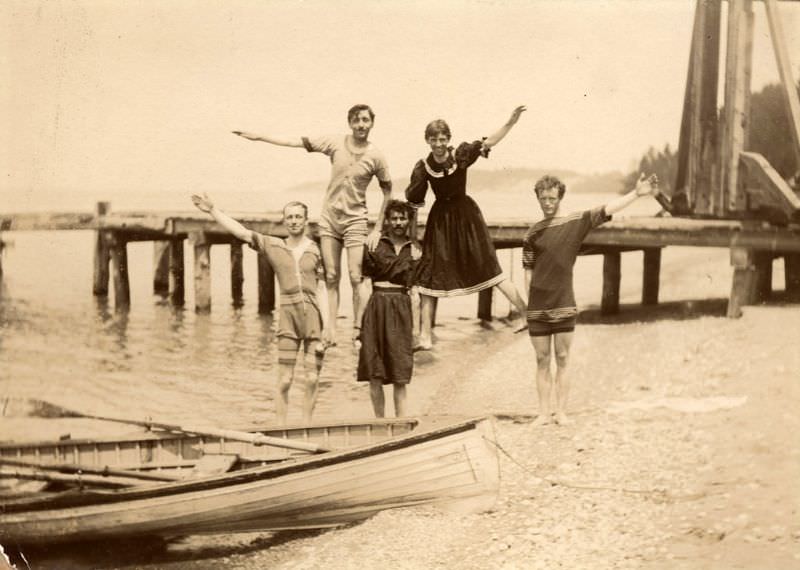
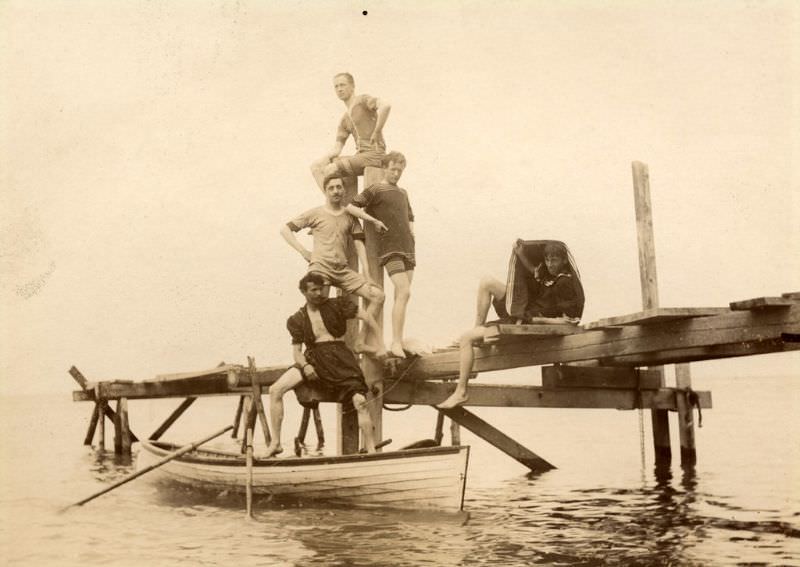
Lake Huron’s broad, open waters gave Ontario residents access to one of the world’s largest freshwater lakes. Swimming and bathing in the lake was a popular summer activity along the Huron shoreline by the 1890s, drawing families and visitors from the surrounding region to its sandy beaches.





Fascinating! Thank you! Some lovely buildings, of which I’m guessing many likely do not exist anymore.