
Jacksonville, Florida, is today the most populous city in the state and one of the largest by land area in the continental United States. But the Jacksonville captured in the photographs below was a city still finding its footing — rebuilding from disaster, growing its streets, and carving out its identity in the early decades of the 20th century. These images offer a rare, direct look at what daily life, commerce, and community looked like in a rapidly changing Southern city.
Long before these photos were taken, Jacksonville had already lived through dramatic chapters of American history. During the Civil War, Union forces occupied the city four times. After the war, during the Reconstruction era, Jacksonville reinvented itself as a winter resort destination, drawing Northern visitors south for the mild climate. That tourist economy helped fuel the city’s early growth — but it also made what happened in 1901 all the more devastating.
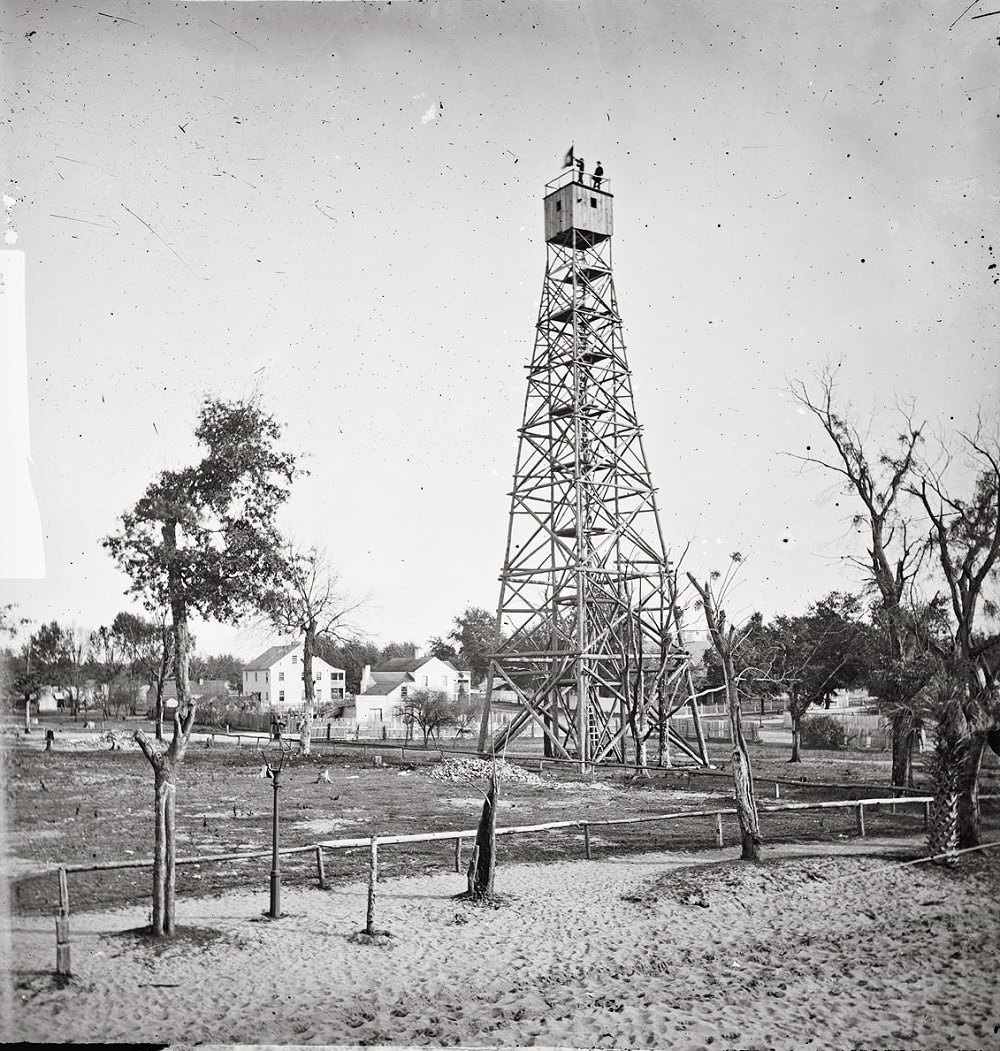
On May 3, 1901, a fire broke out in a fiber factory near the downtown core. Driven by dry winds, the blaze tore through the business district and surrounding neighborhoods in a matter of hours. By the time it was extinguished, the Great Fire of 1901 had destroyed approximately 148 city blocks, left 10,000 residents homeless, and caused millions of dollars in damage — all in just eight hours. Remarkably, only seven deaths were recorded. Rebuilding began almost immediately, and the new Jacksonville that rose from the ashes was more orderly, more ambitious, and built in brick rather than wood.
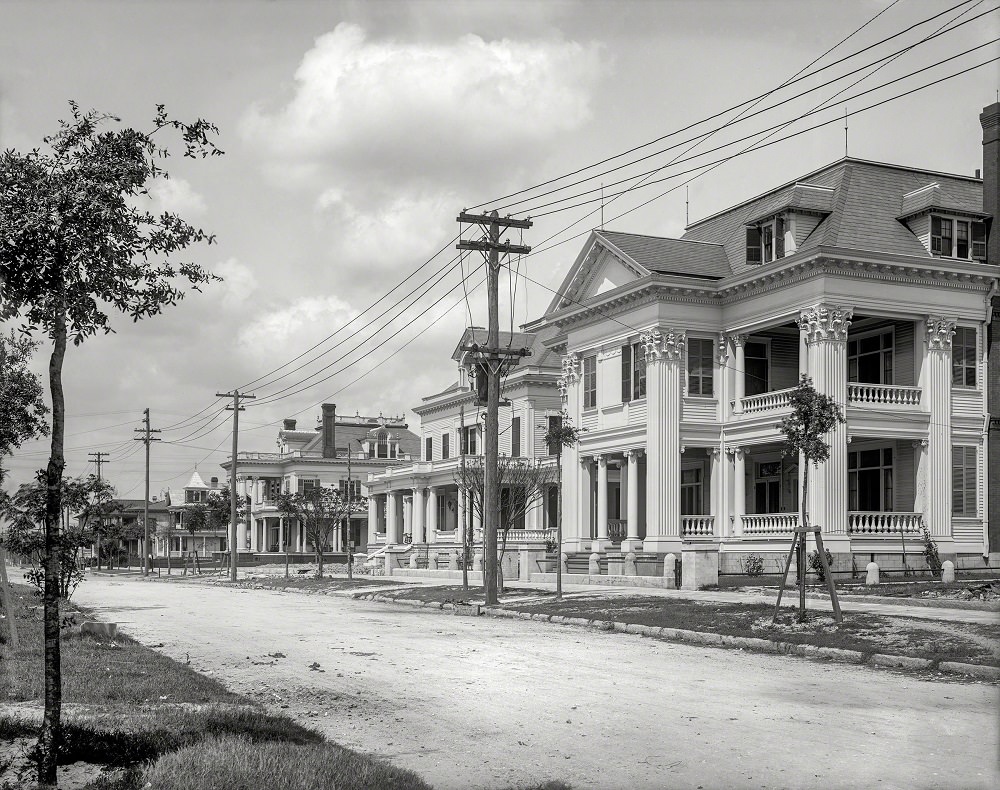
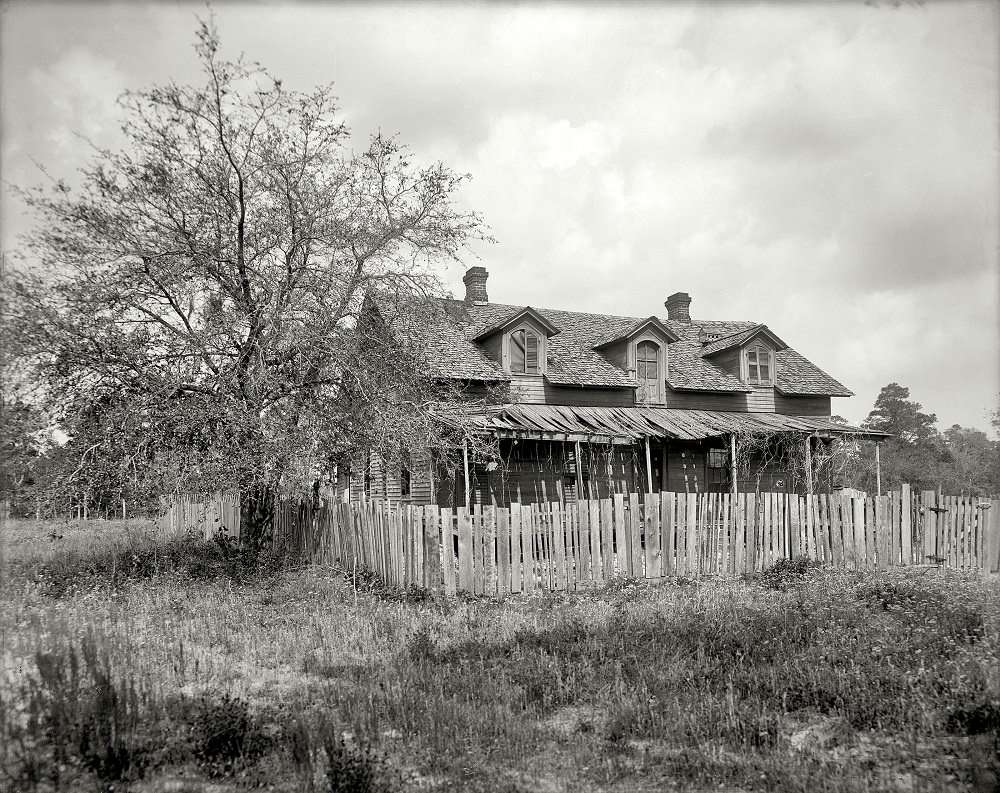
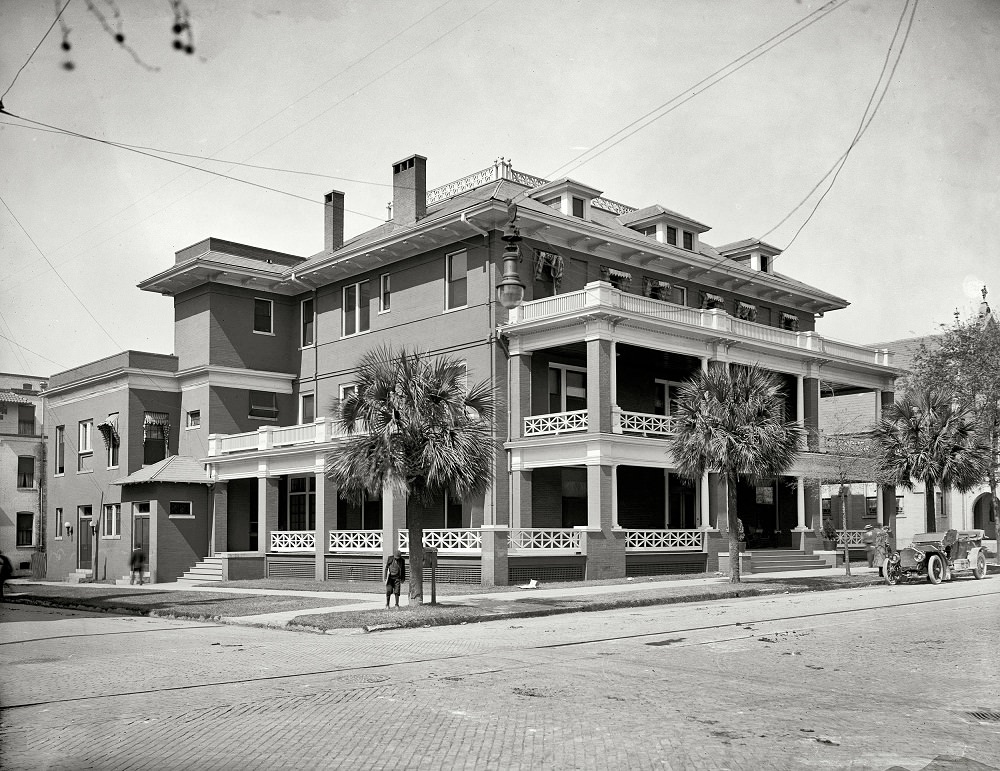
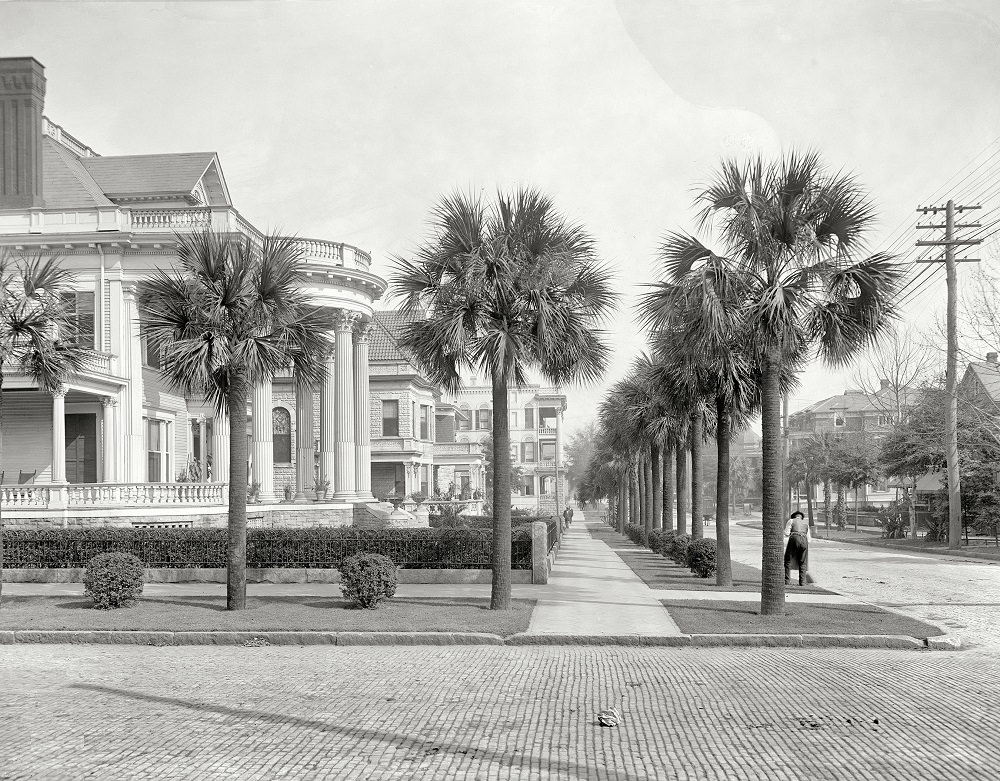
By 1904, just three years after the fire, residential streets like Church Street were already showing signs of recovery and renewed investment. The homes that lined these blocks reflected both the speed of reconstruction and the optimism of a city determined to rebuild bigger than before.
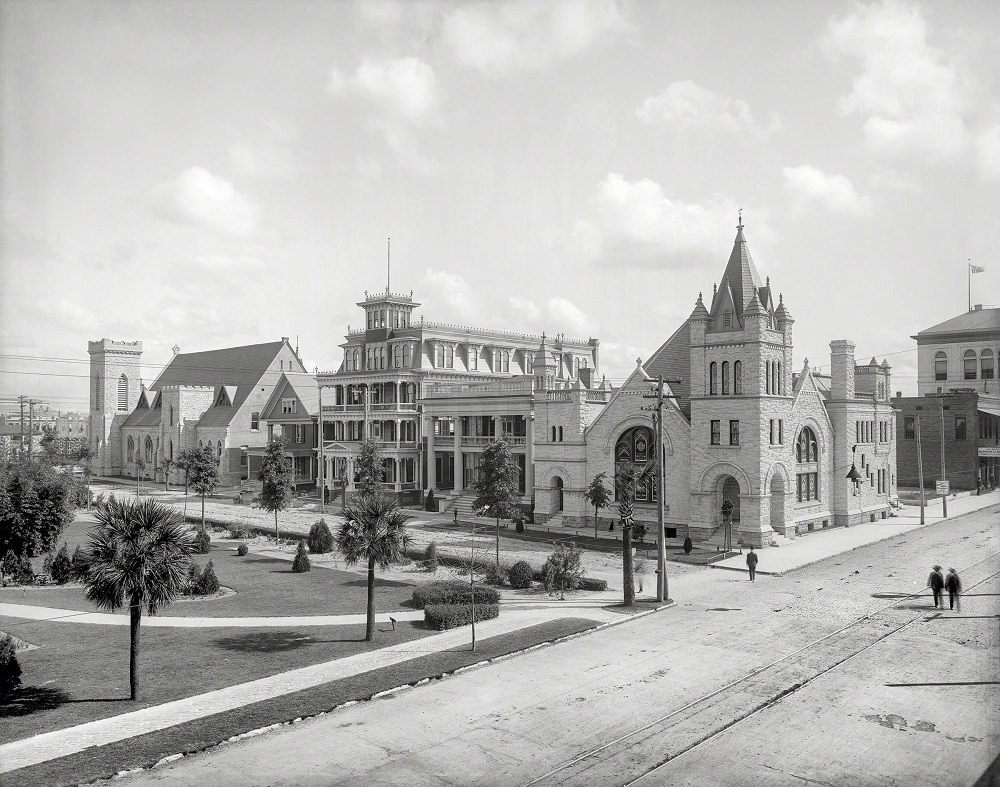
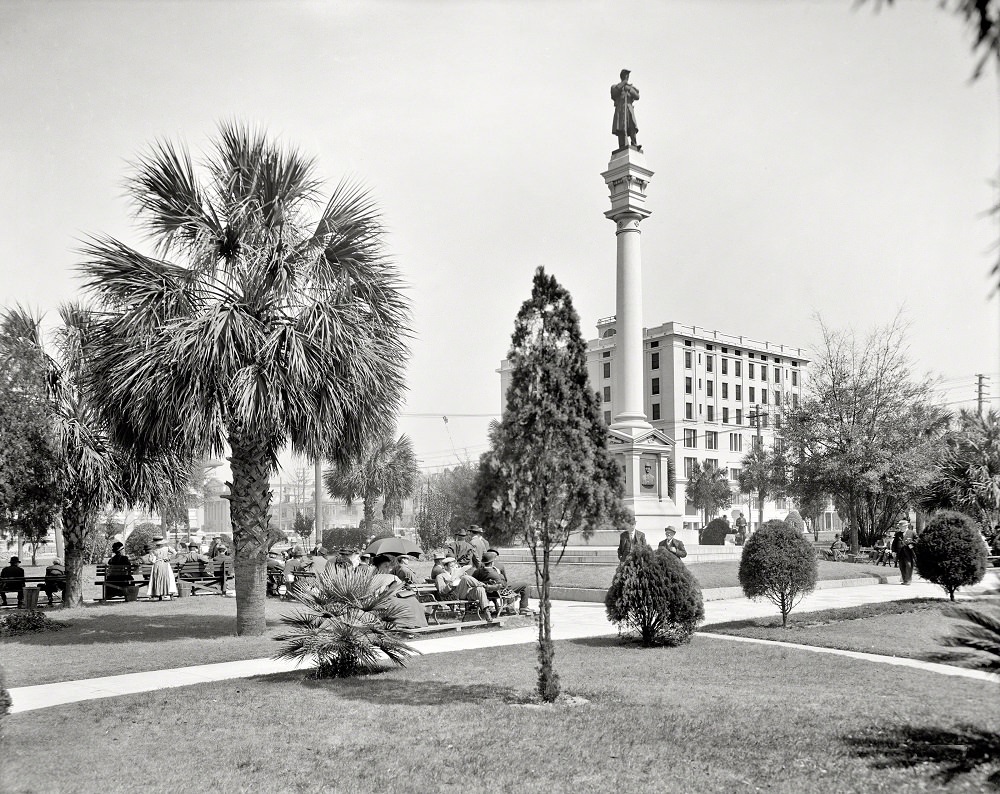
Hemming Park served as the civic heart of Jacksonville in the early 1900s. Located downtown, it was a gathering place for residents and a focal point for the city’s public life. The park featured a prominent Confederate monument, a reminder of how deeply the Civil War still shaped Southern civic identity decades after the conflict ended.
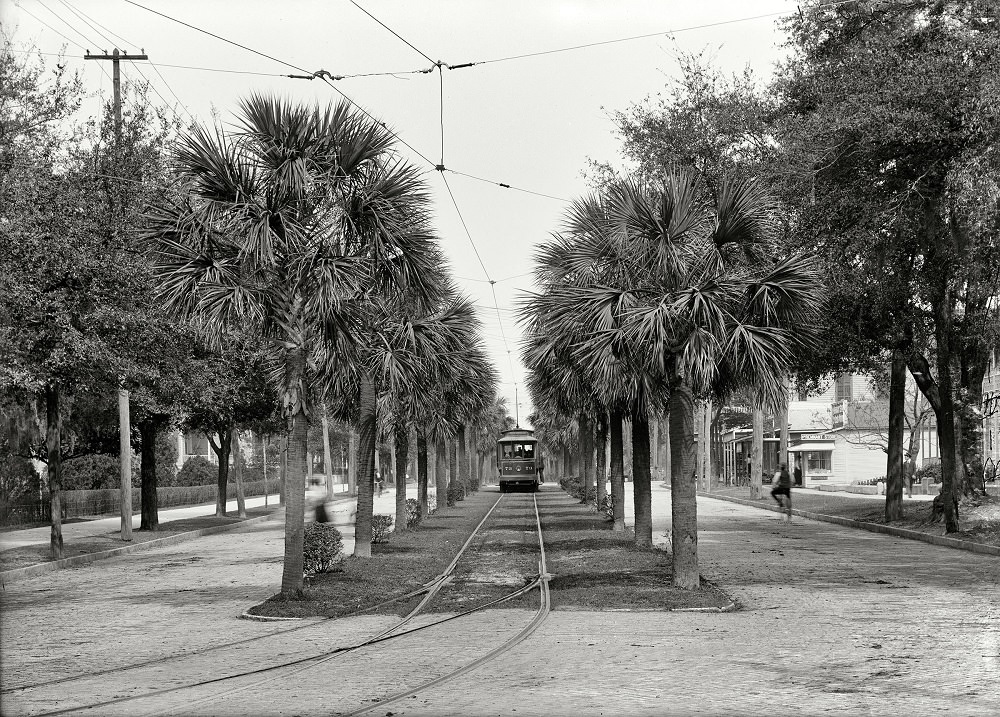
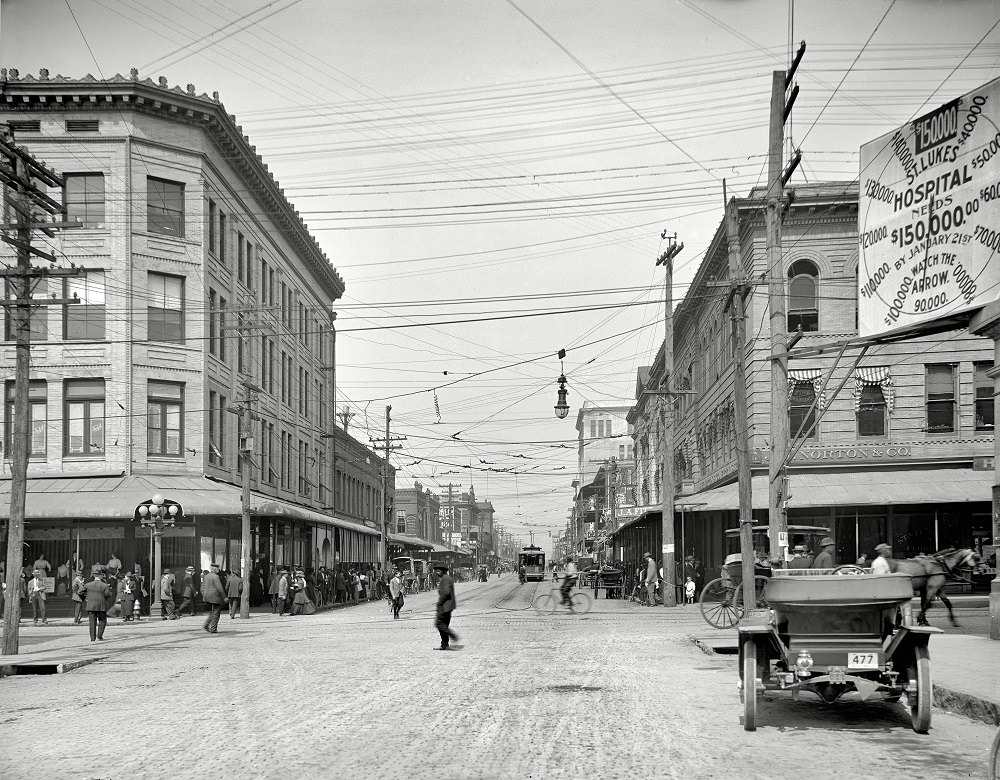
Jacksonville’s streetcar system was the backbone of daily transportation in the early 1900s. Lines ran along Main Street and connected residents across the growing city. The streetcars carried workers to the docks, shoppers to downtown stores, and visitors to hotels and parks. They were as central to Jacksonville’s rhythm as the river itself.
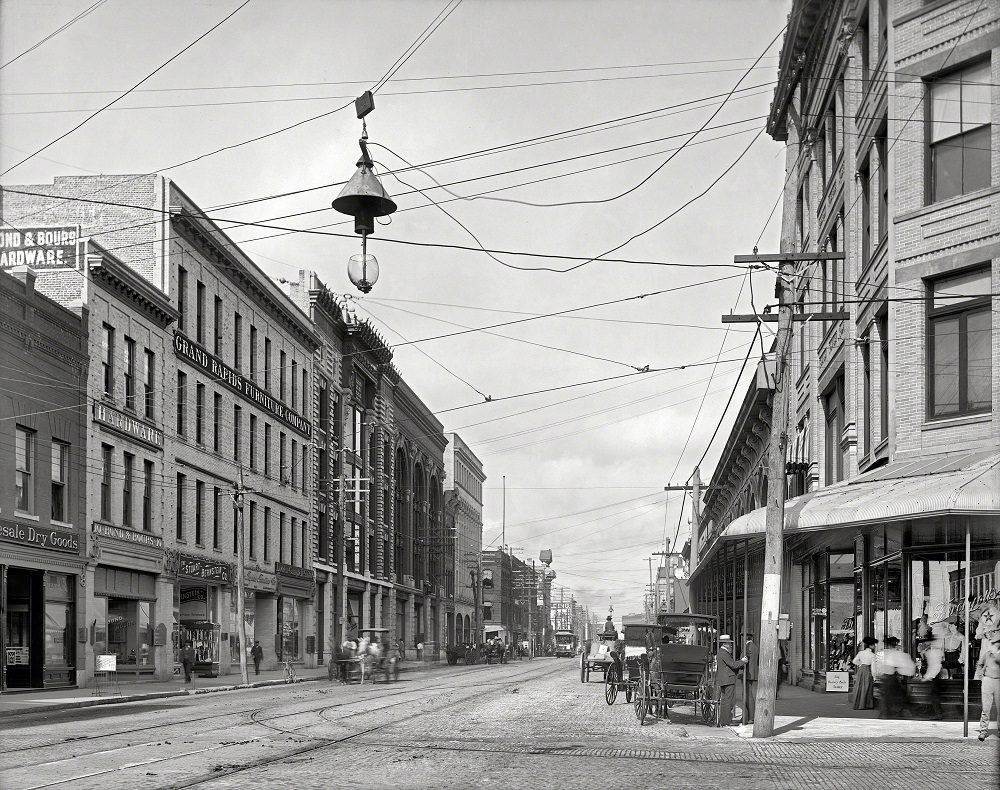
Bay Street was one of Jacksonville’s main commercial arteries, running parallel to the St. Johns River. Shops, offices, and transit lines made it a busy corridor. The street bustled with merchants, workers, and travelers, reflecting the commercial energy of a port city that was quickly reclaiming its status as a regional hub.
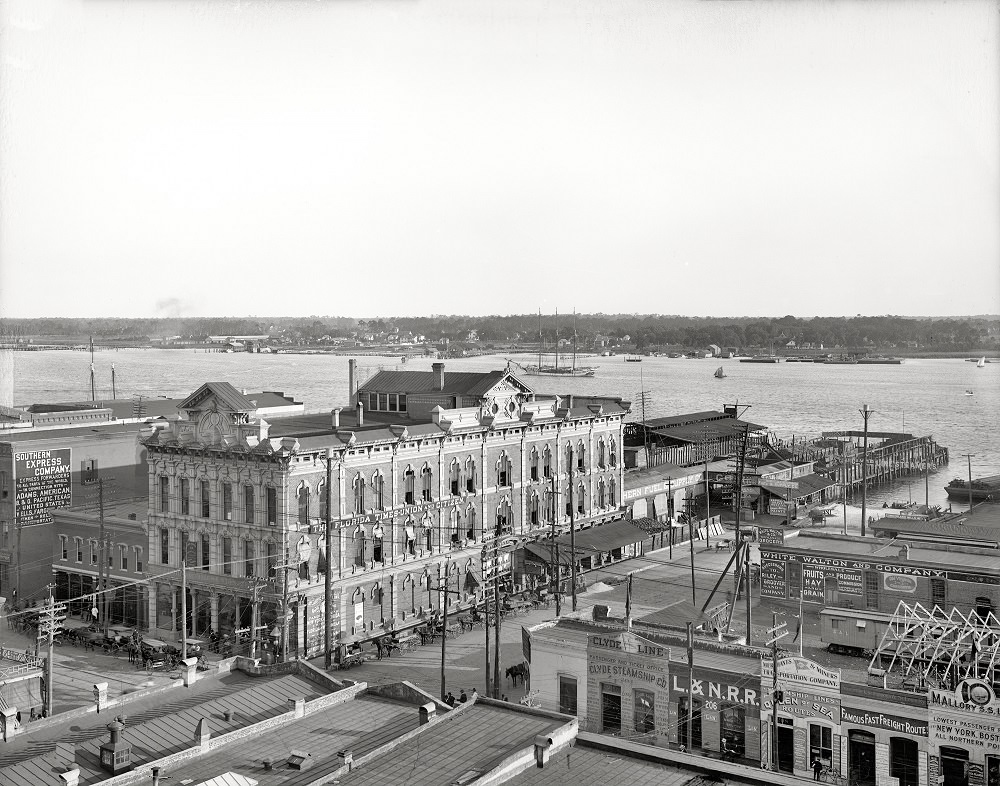
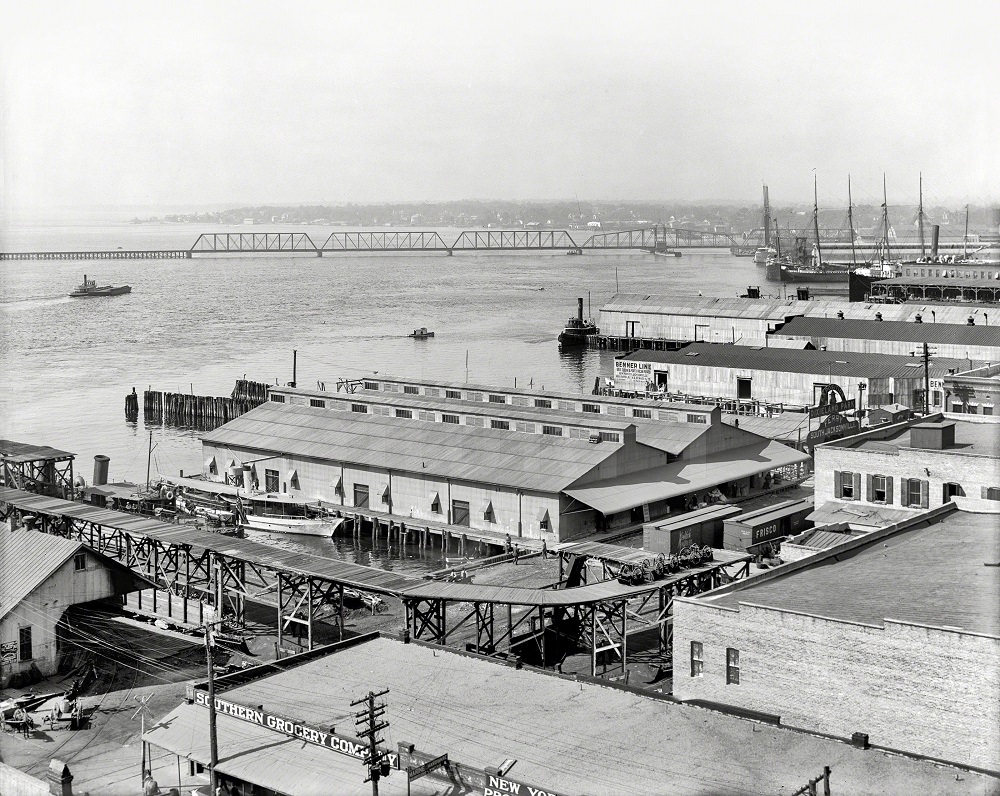
The St. Johns River was not just a scenic backdrop — it was the economic engine of Jacksonville. The river connected the city to Atlantic shipping routes, enabling trade in timber, cotton, phosphate, and other goods. The docks along the waterfront were among the most active in the South, and the river gave Jacksonville its status as Florida’s most important port.
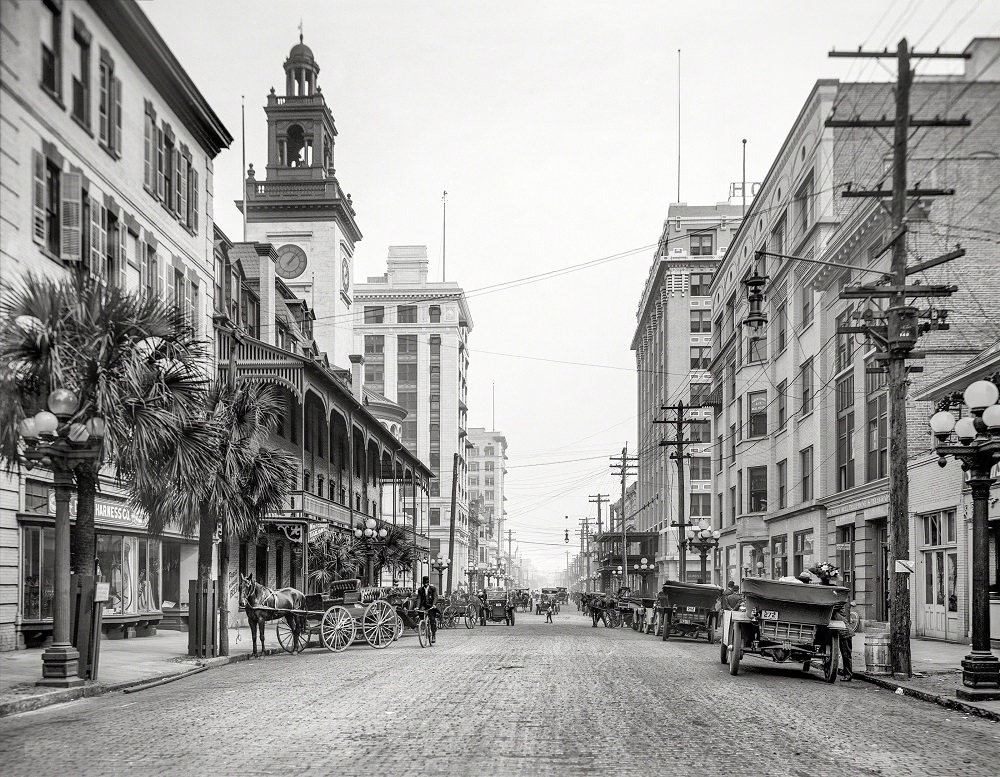
By 1910, Jacksonville’s downtown streetscape had matured significantly. Forsyth Street emerged as one of the most photographed corridors in the city, lined with commercial buildings, financial institutions, and prominent landmarks. Walking its length gave a clear picture of how far the city had come since the fire less than a decade earlier.
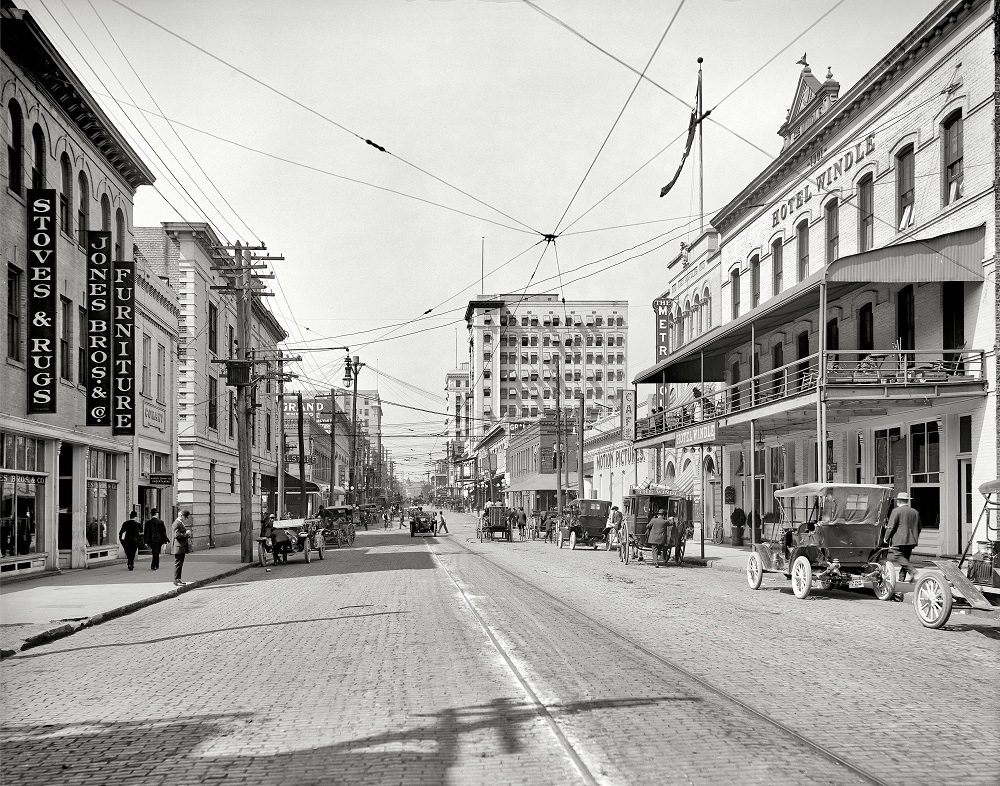
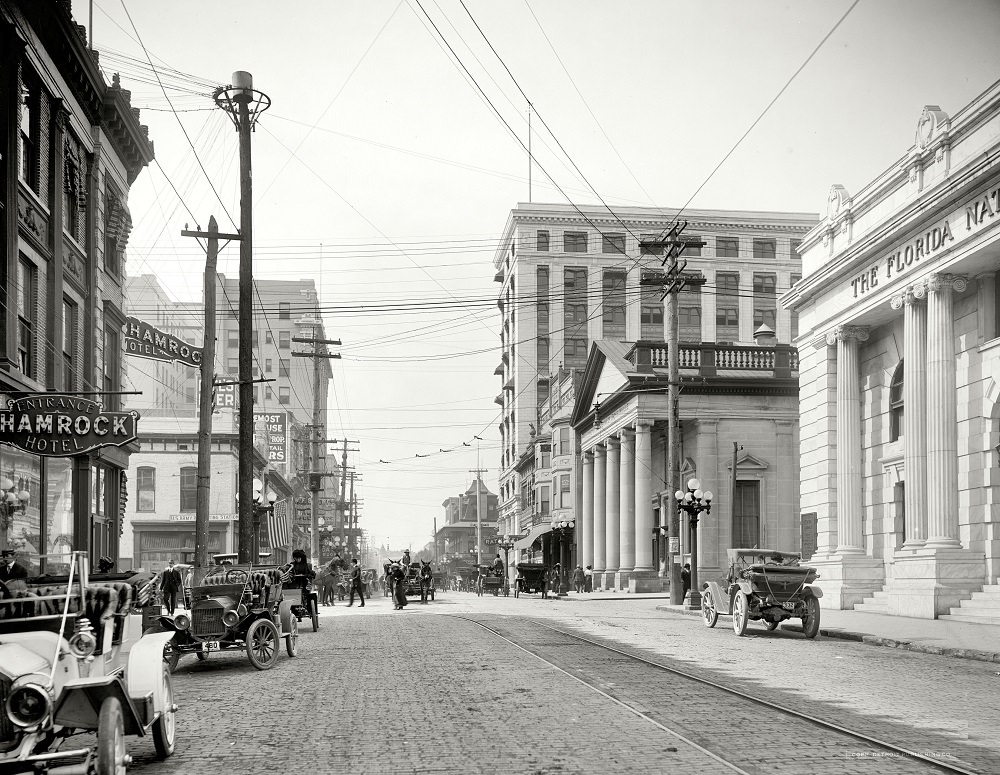
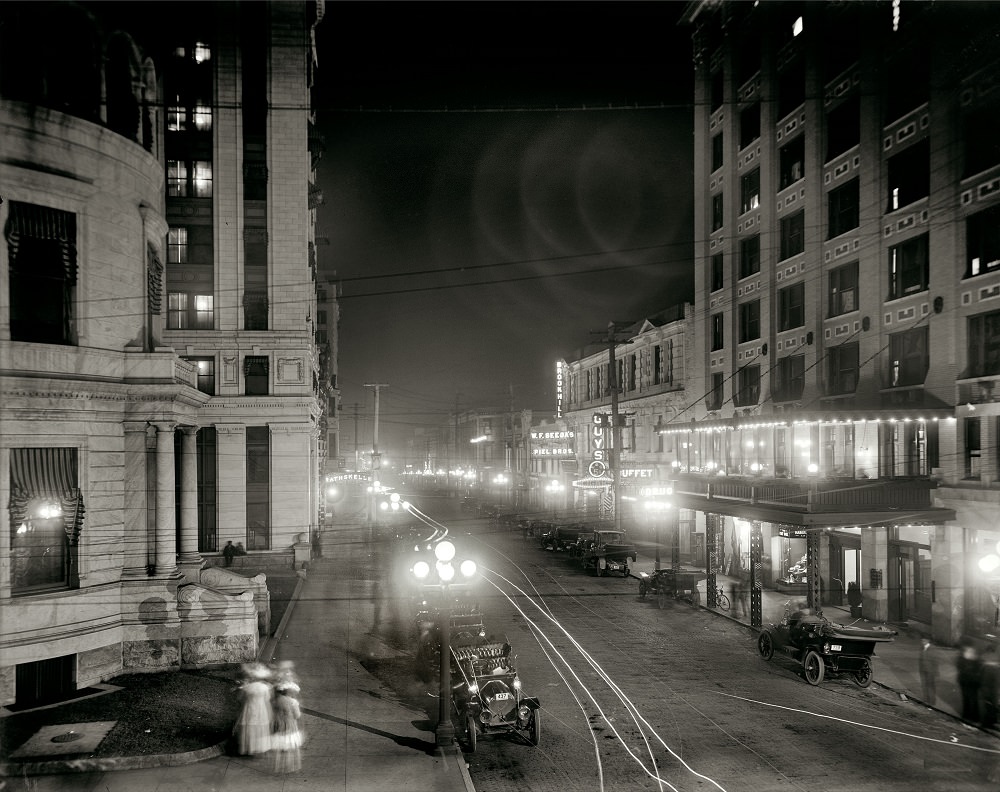
At night, Forsyth Street took on a different character. Electric lights illuminated storefronts and sidewalks, a sign that Jacksonville had fully embraced modern infrastructure. The city had installed electric lighting systems that made its downtown one of the more well-lit urban centers in the South during this period.
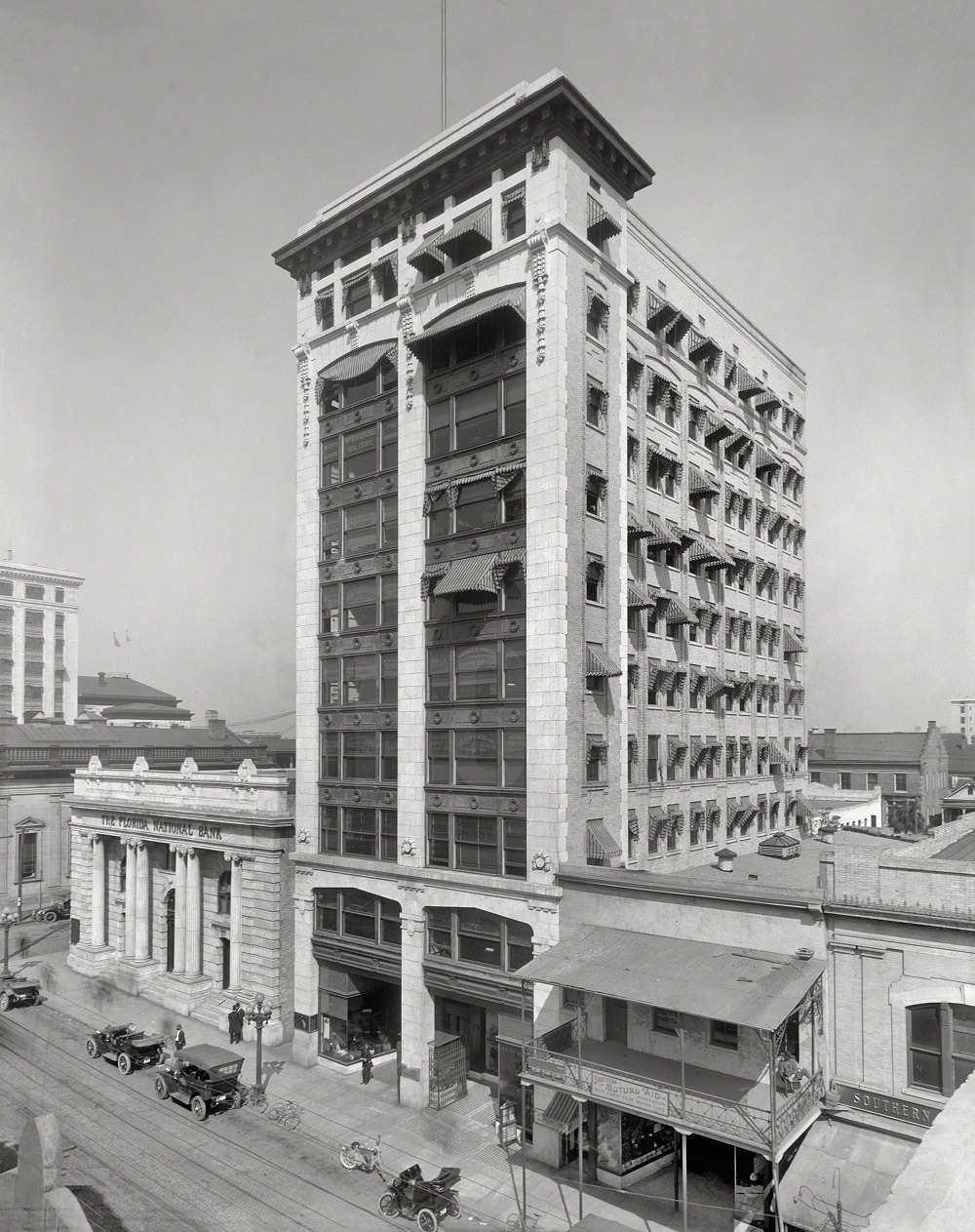
Among the most architecturally significant structures on Forsyth Street was the Bisbee Building. Built along what was known as Bankers’ Row, it was Jacksonville’s first skyscraper. The building stood as a symbol of the city’s financial ambitions and its determination to build a modern urban core worthy of its growing population and commerce.
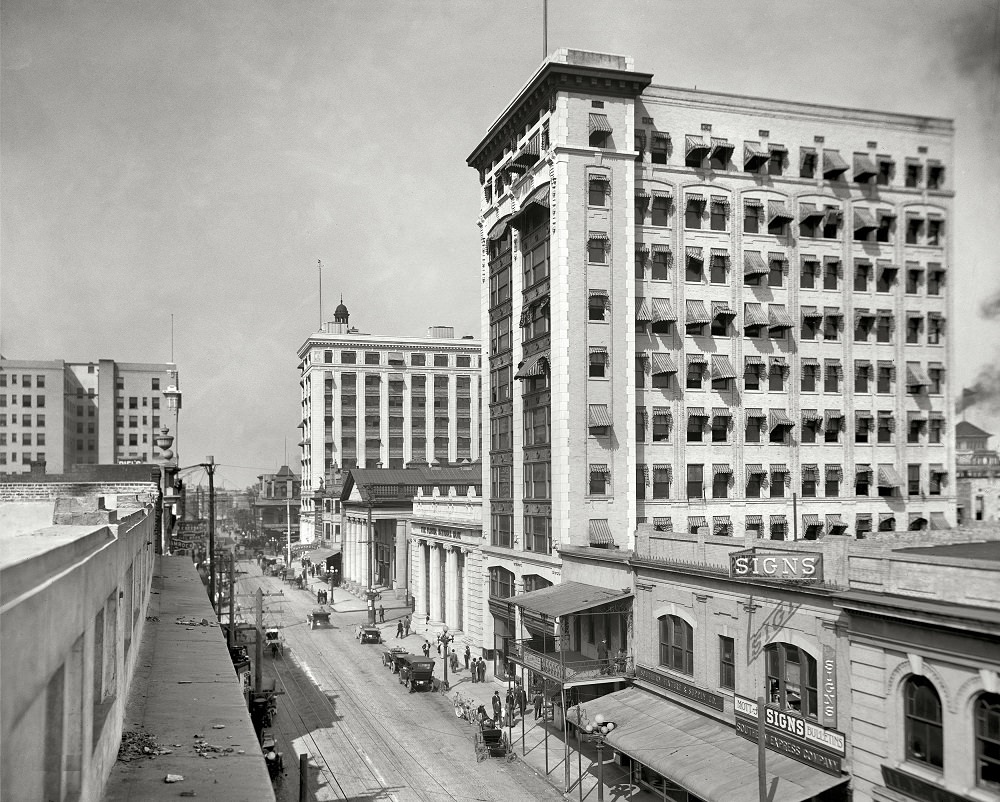
The docks were where much of Jacksonville’s working population earned their wages. Longshoremen, laborers, and dock workers loaded and unloaded cargo throughout the day. Midday breaks brought brief pauses in the work, and these moments of rest among the crates and rigging offered a glimpse into the hard daily grind of waterfront life.
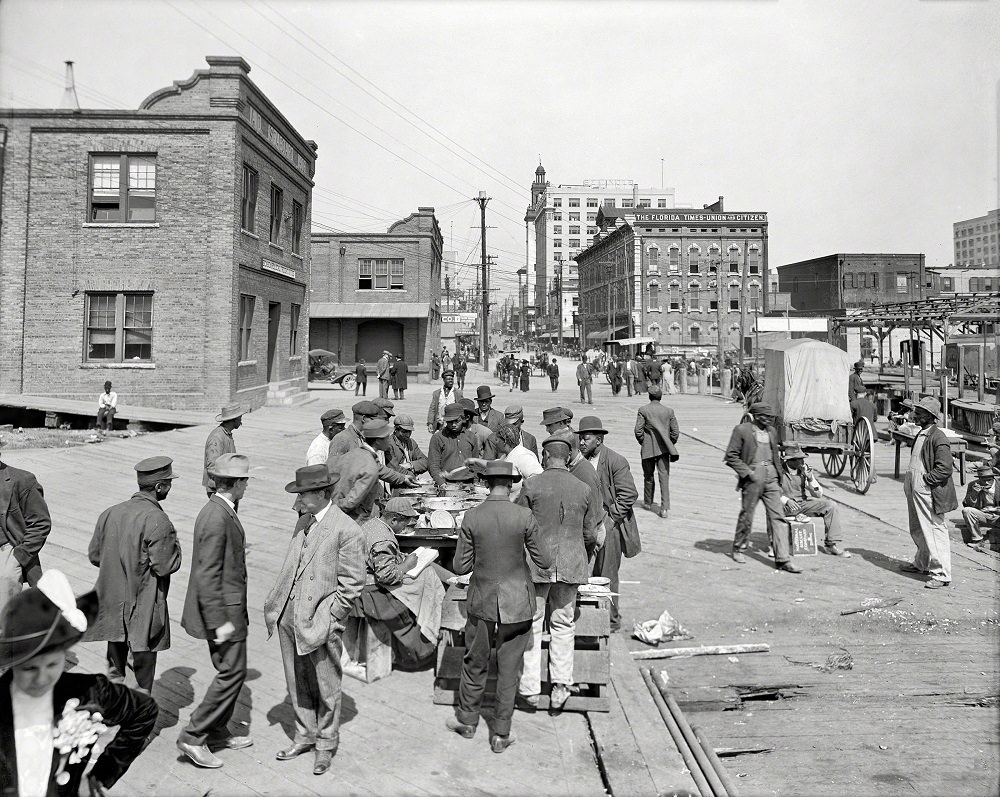
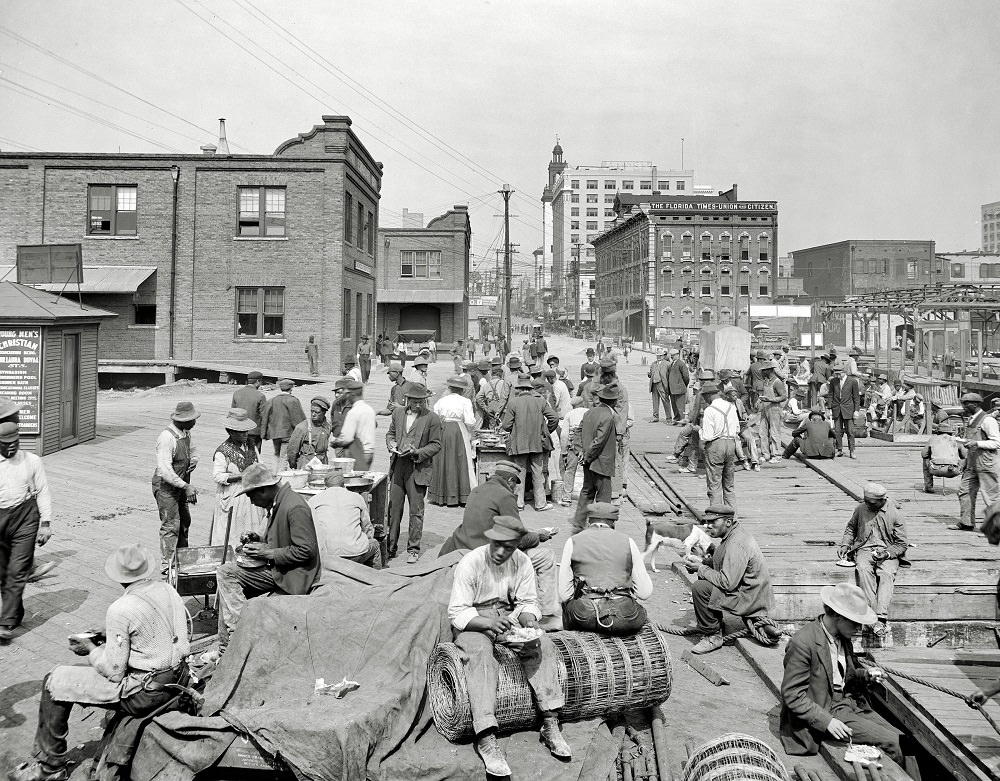
Jacksonville’s neighborhoods told the story of a city divided along racial lines, as was common across the South during this era. Black residents lived largely in separate sections of the city, with their own businesses, churches, and community institutions. These neighborhoods maintained vibrant internal economies even while operating under the rigid constraints of Jim Crow segregation.
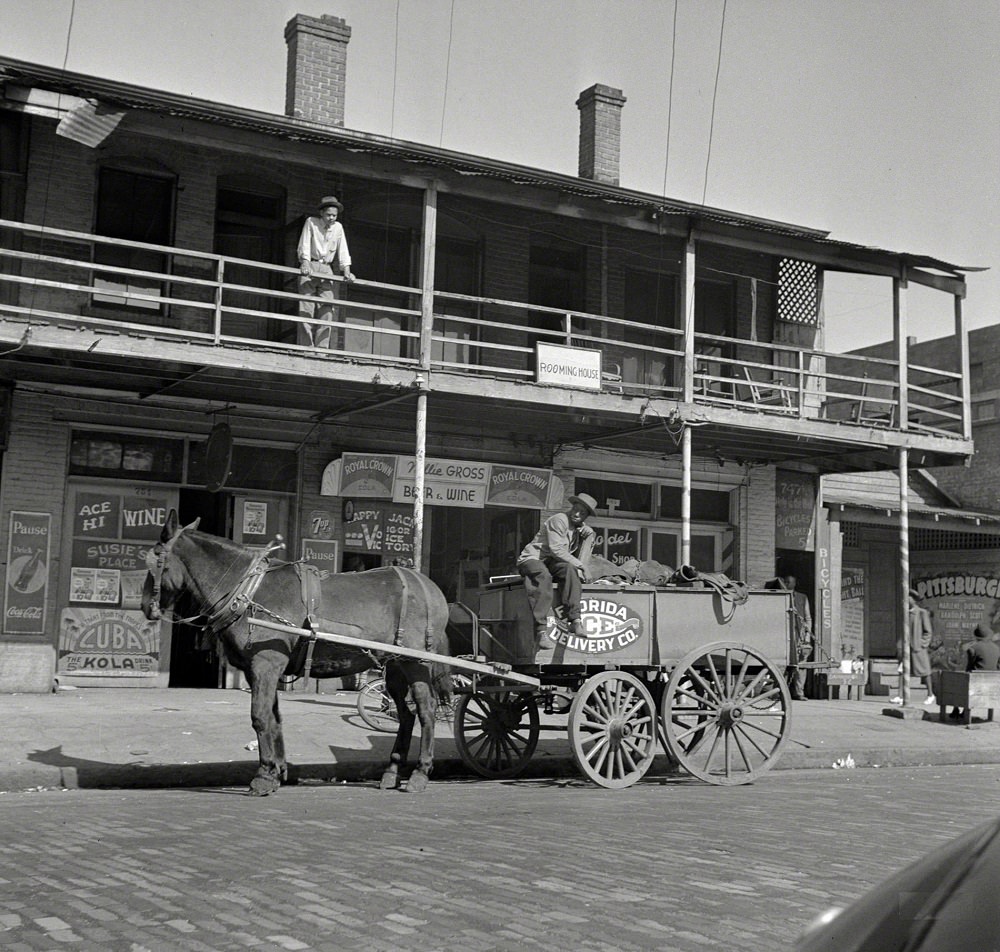
Main Street north from Bay offered one of the clearest views of Jacksonville’s commercial core. Multi-story buildings lined the route, and foot traffic filled the sidewalks. The area connected the waterfront economy to the inland retail and financial districts, making it one of the most active stretches in the city.
Hogan Street was home to a variety of businesses and professional offices in the early 1910s. The street reflected the mix of commercial and community life that characterized Jacksonville’s inner neighborhoods during this period of rapid growth.
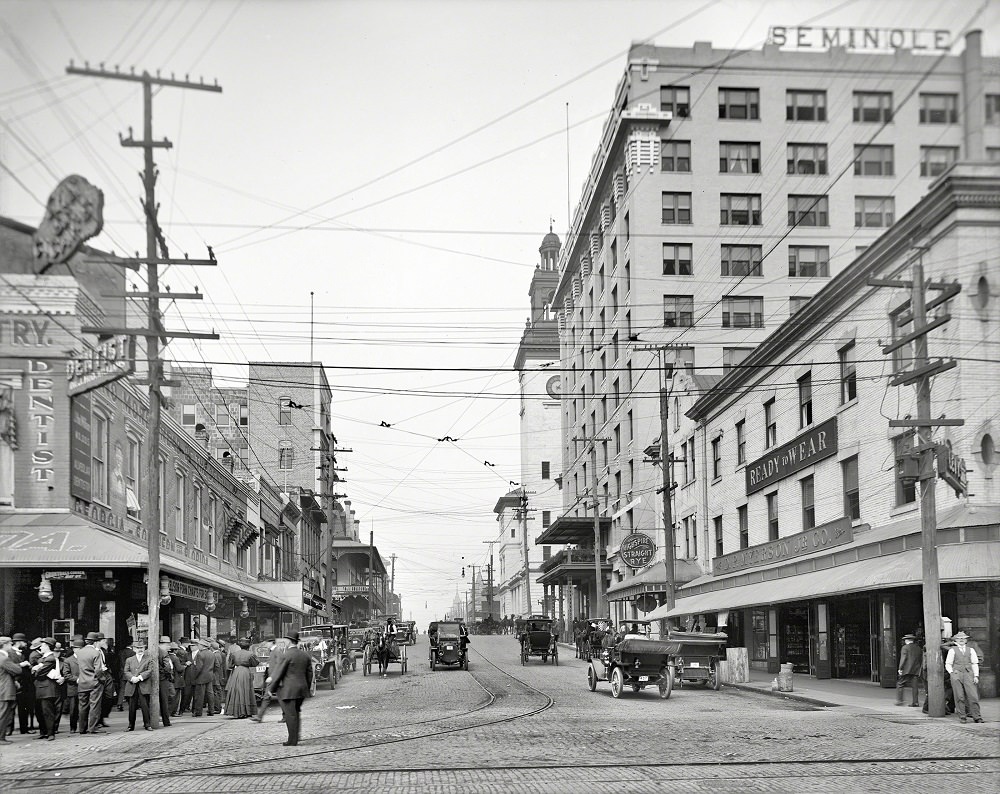
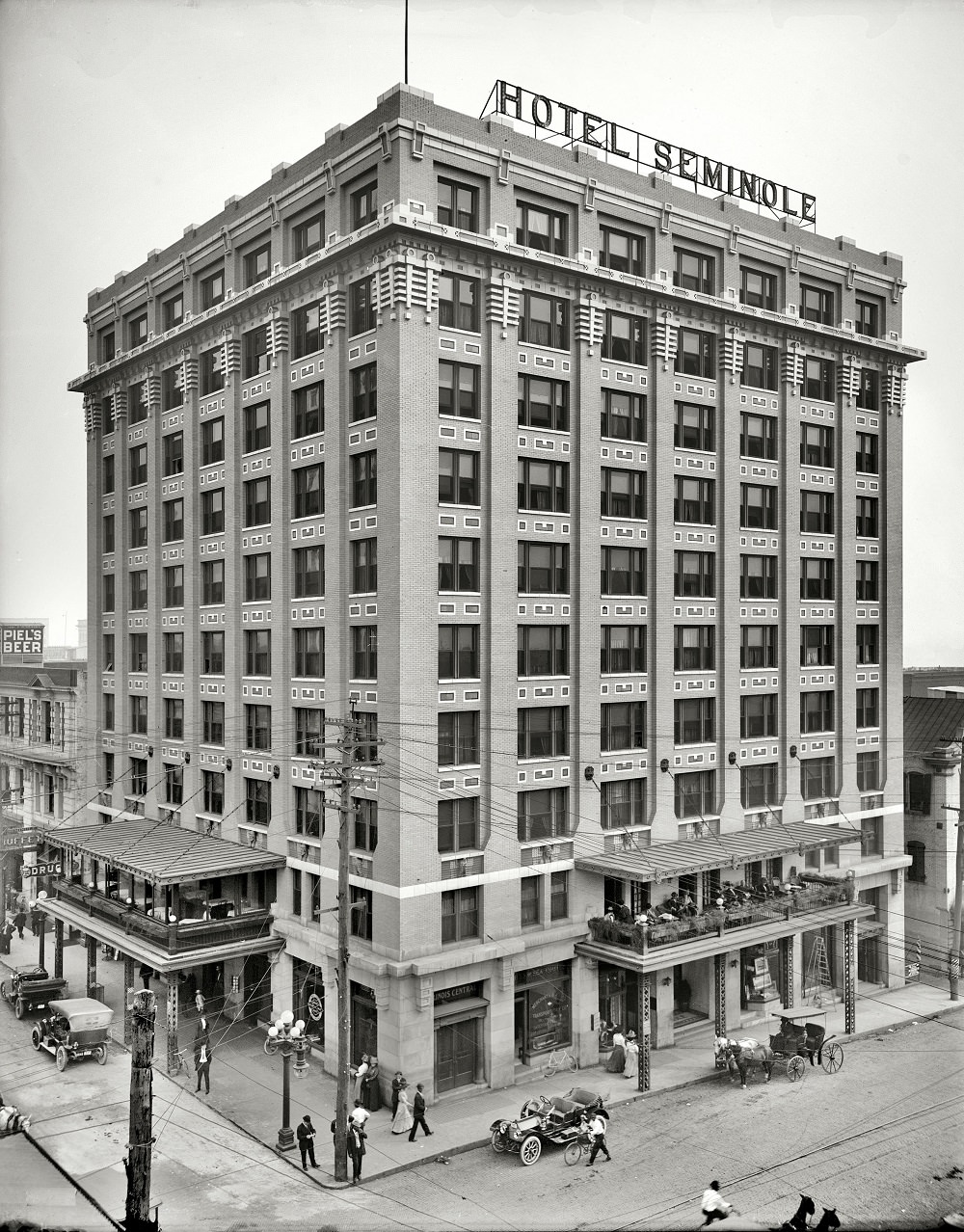
Jacksonville’s hotel scene in 1910 was a point of civic pride. The Hotel Seminole and Hotel Duval were among the city’s finest establishments, catering to business travelers, tourists, and Florida’s growing winter visitor population. These hotels were more than places to sleep — they were social venues, hosting dinners, meetings, and events that shaped the city’s public life.
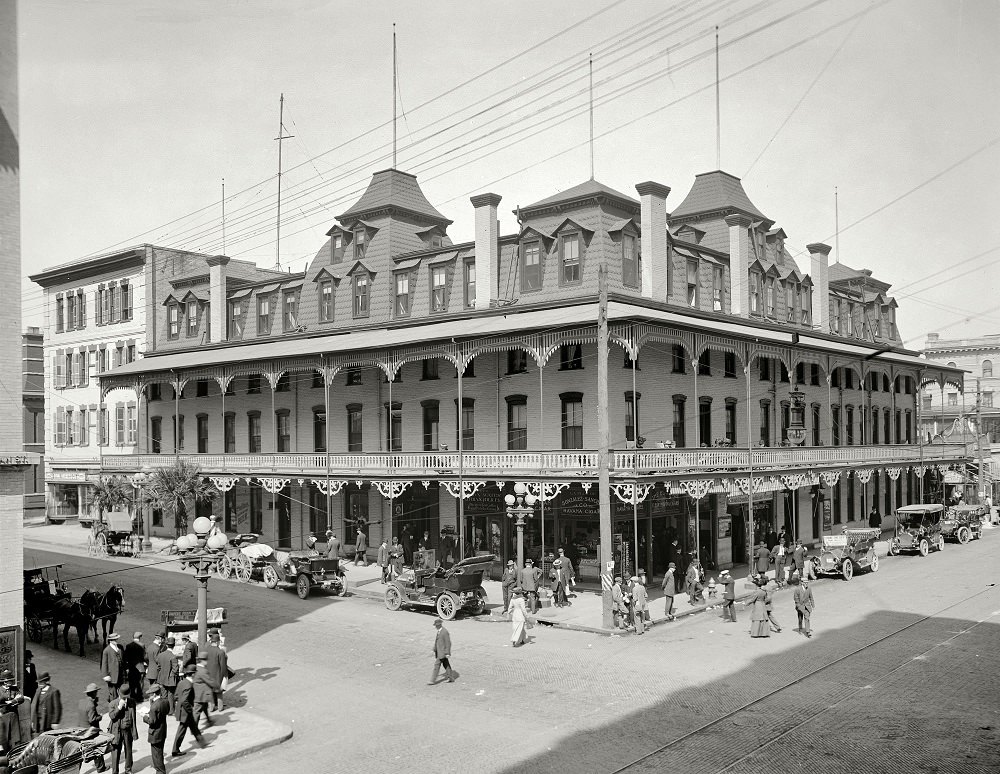
The Seminole Club was another landmark of Jacksonville’s social scene. Exclusive clubs like this one served as gathering spots for the city’s business and political elite, and their elegant architecture projected wealth and permanence in a city that had rebuilt itself from near-total destruction just years earlier.
Hemming Park’s Confederate monument, visible in multiple photographs from this era, stood as the most prominent public memorial in downtown Jacksonville. It was dedicated in 1898 and remained a central feature of the park well into the 20th century. Nearby, the YMCA provided recreational and social services to residents, representing a different kind of civic institution alongside the monument.
Riverside Park offered residents a green escape from the city’s busiest streets. Its entrance was a welcoming landmark, and the park itself was part of Jacksonville’s effort to develop public spaces that matched the ambitions of a growing urban center. Residential neighborhoods nearby, such as the corner of Laura and Ashley Streets, showed the quieter, domestic side of city life.
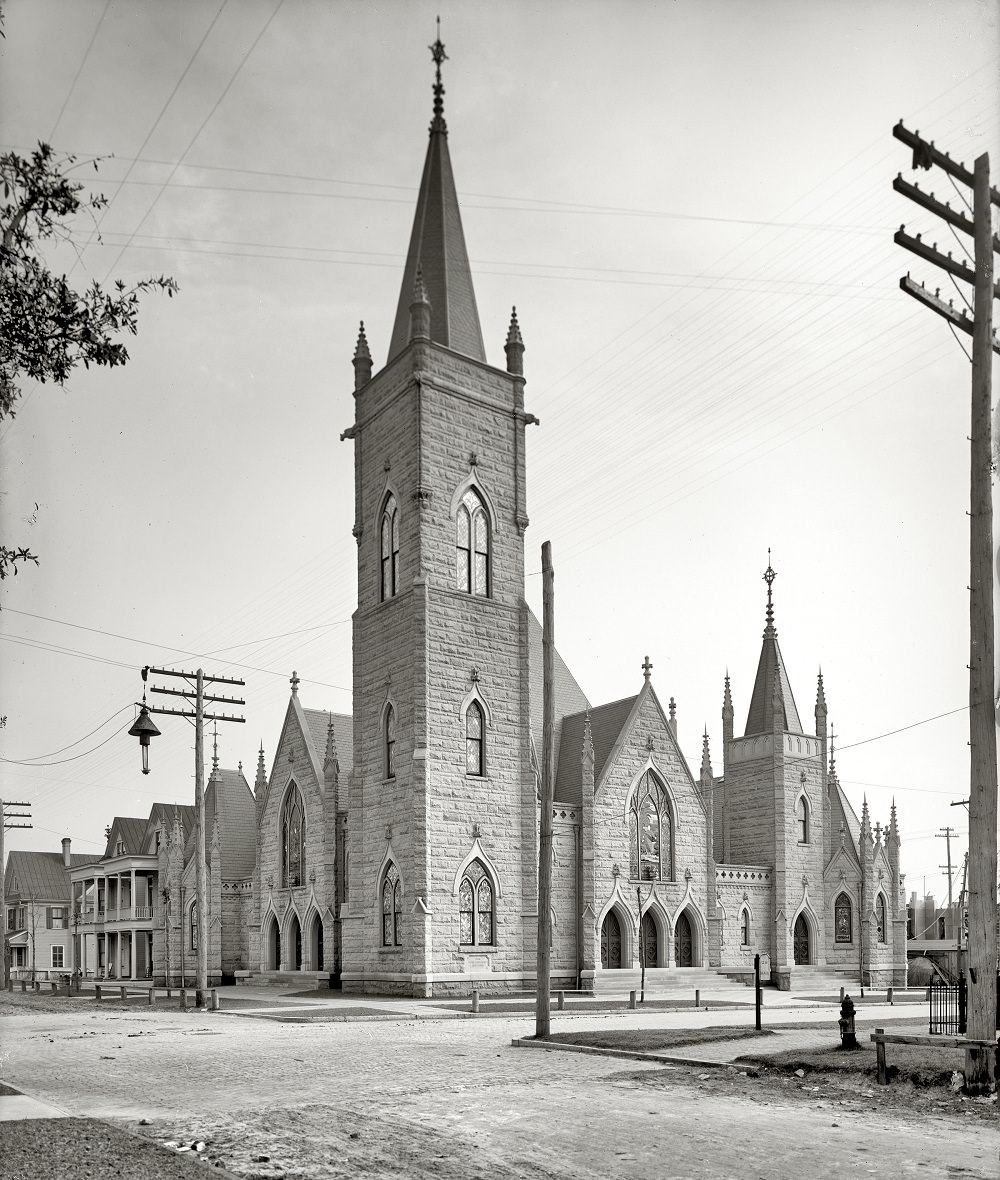
Religious life was woven into Jacksonville’s civic fabric from its earliest days. The First Presbyterian Church, photographed in 1904, was one of the city’s oldest and most established congregations. Churches like this one served not just as places of worship but as anchors of community identity, especially in the years of rebuilding following the Great Fire.





There was a Morgan and Morgan billboard somewhere in there
The houses looked so beautiful and elegant. Every building looked beautiful and elegant.
Why did the name change from Cowford?
It is believed that the town was never called Cowford. A Cowford was marked on the map at the location of Jacksonville.
Back then, there were no short sleeves? They had to be sweating 24/7
Back then, there was no sunscreen, so they had to be protected at all times. A little sweat isn’t worth the long-term protection you’ll receive if you’re working on the docks.
Beautiful homes! They look like paintings.
These are some great pictures. I’ve never seen the “dinner time on the docks” pictures.
Does the waterfront differ from the rest of the city? Climate change, for example, ought to be underwater, shouldn’t it?
Anyone know they paved over hemming park? This looks way better.
The streetcar system in Jacksonville was vibrant until the mid-1930s. Due to the National Lines scandal, we were the first town to lose its streetcars. In the 1920s, this postcard shows Main Street around 1st Street. Many places still have vestiges of the old streetcar system, such as Aberdeen St in Avondale and Park St in certain places where the overhead wires have been repressed for streetlights. In Brooklyn, the skyway garage was used for streetcar storage and maintenance, while the now-demolished times union building housed the streetcar power plant.
Wish our cities were still built like this…
Imagine how nice it would be if the auto industry didn’t kill street cars in our cities?
Wow we fucked this up pretty well didnt we?
“We were once a proper county. A proper county.”
The new 2-story homes in Springfield in 1903, just two years after my granny was born and the Great Fire of 1901 destroyed most of downtown Jacksonville, were beautiful, stately and elegant.
Where do you source your photos? I don’t see any credits.