
Havana was founded in the early 16th century by Spanish colonists and grew into one of the most important cities in the Caribbean. By the early 19th century, booming trade between the Caribbean and North American states turned Havana into a major commercial hub. The city’s first railroad, built in 1837, connected Havana to the town of Bejucal — a sign of how quickly the city was modernizing. In 1902, Cuba gained independence for the first time in its history, and Havana became the proud capital of a newly sovereign nation.
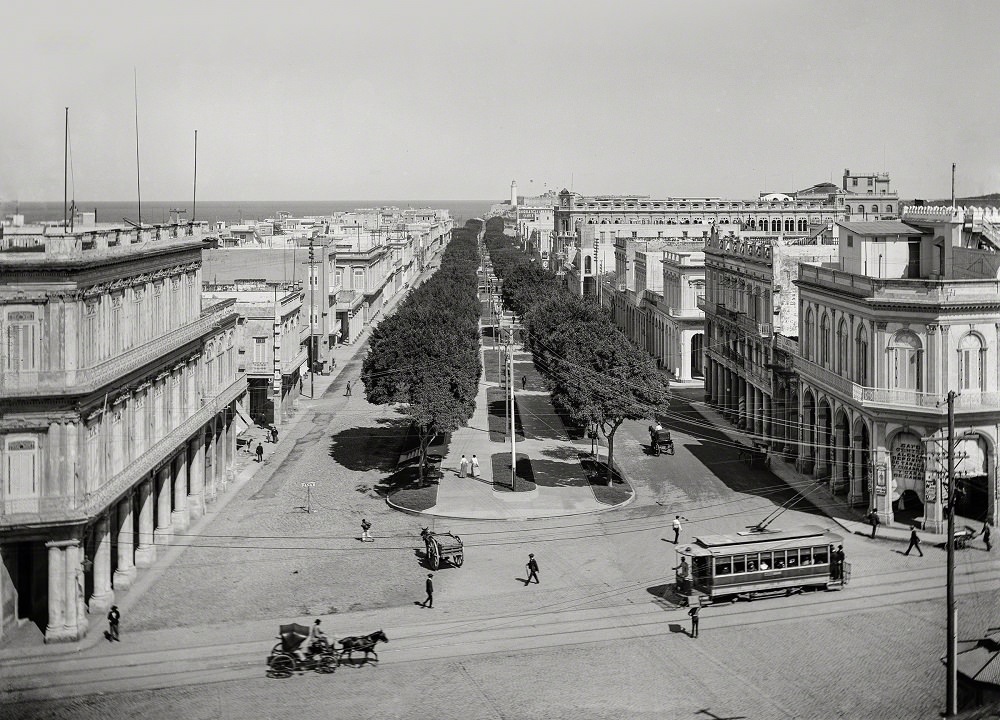
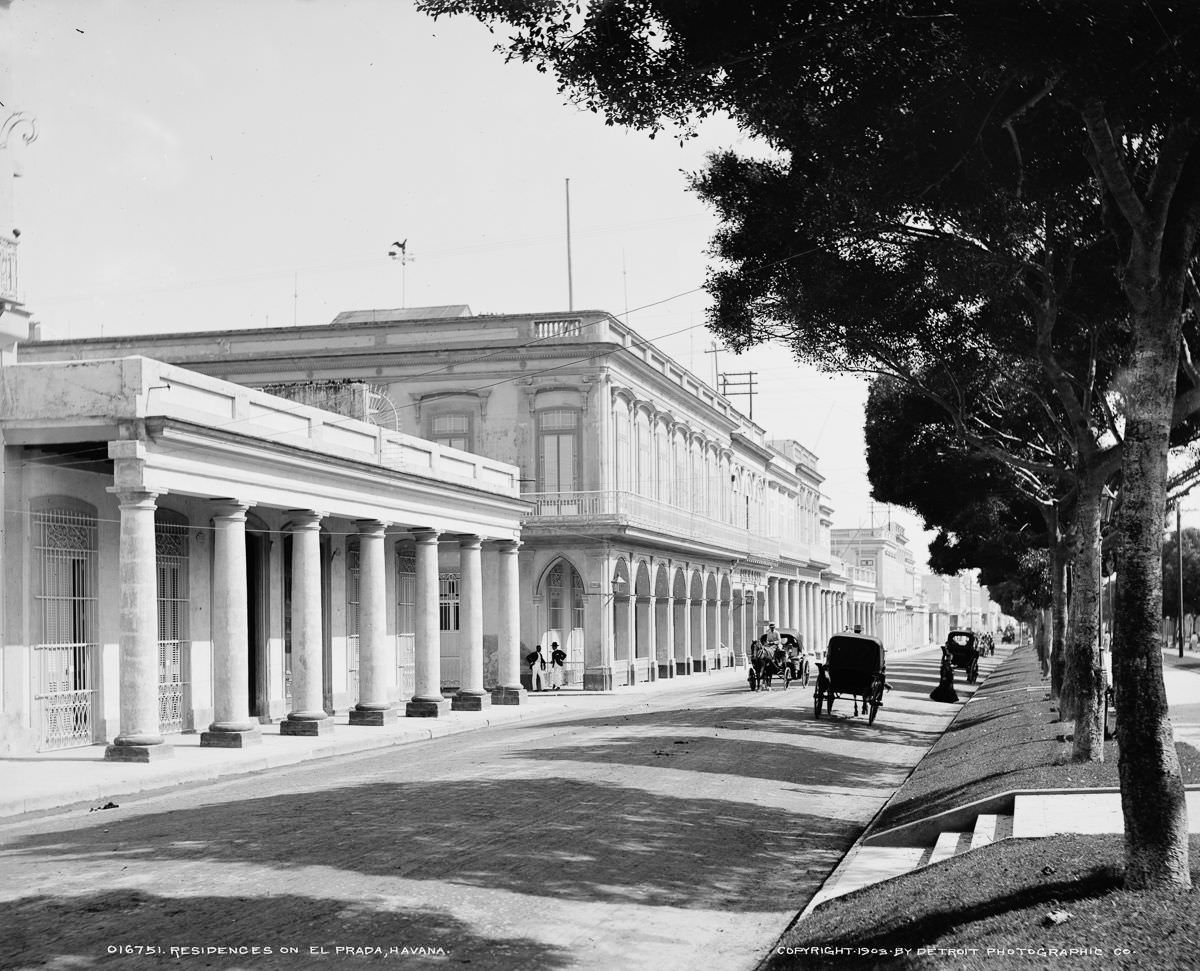
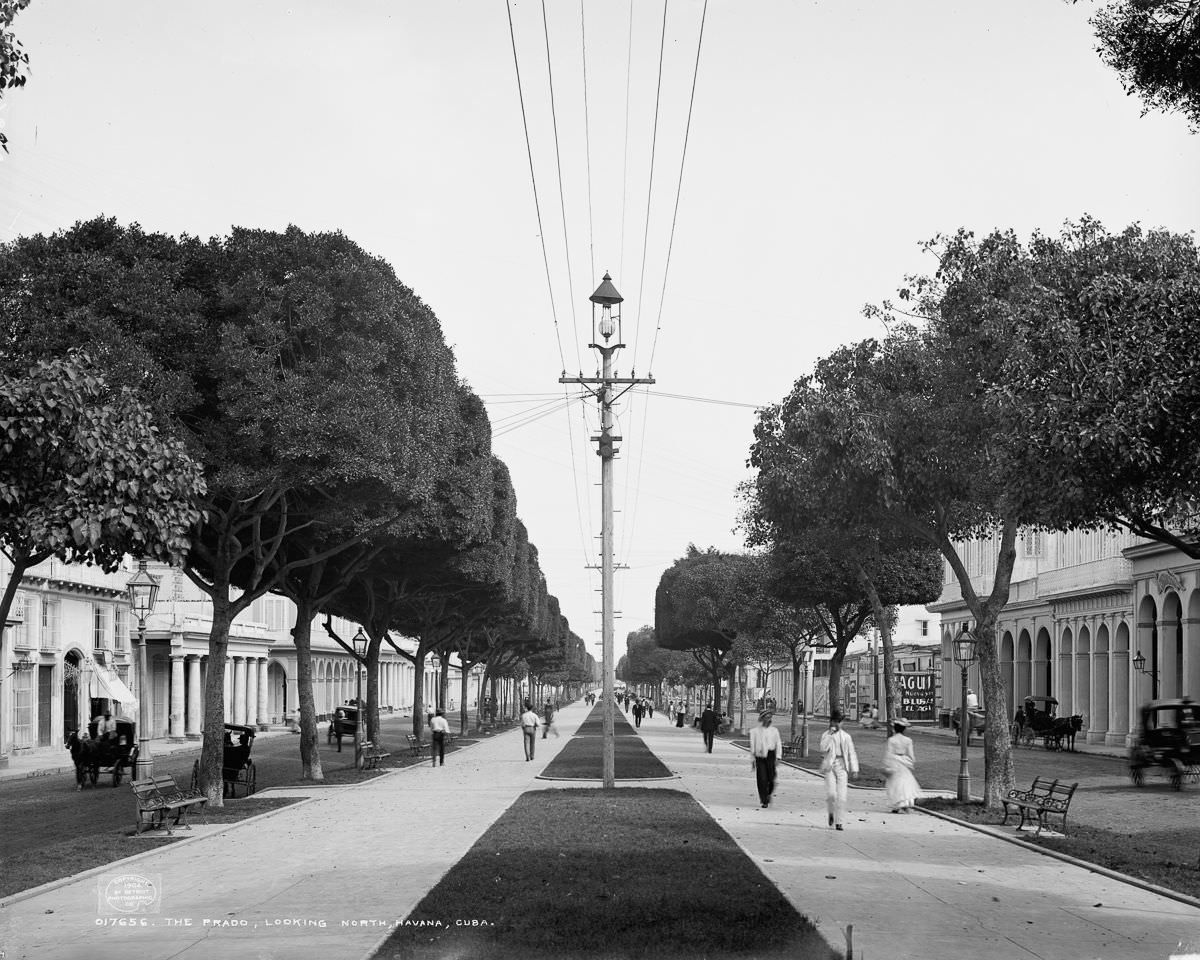
The Paseo del Prado was one of Havana’s most recognizable thoroughfares. Lined with trees and grand architecture, it served as the city’s social spine — a place where residents strolled, gathered, and conducted business. Photos from the turn of the century show it alive with pedestrians and horse-drawn vehicles.
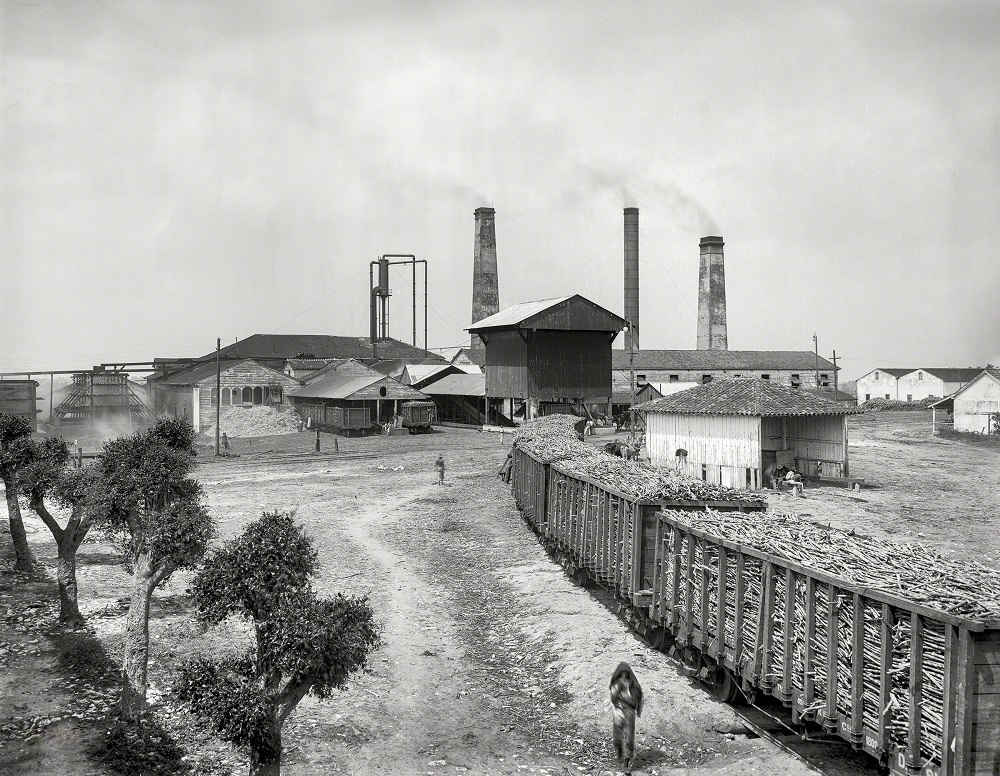
Sugar was the economic backbone of Cuba for centuries. Sugar mills on the outskirts of Havana, like the one at Finca, processed the island’s most valuable export crop. The industry shaped everything — from the layout of the land to the demographics of the city itself.
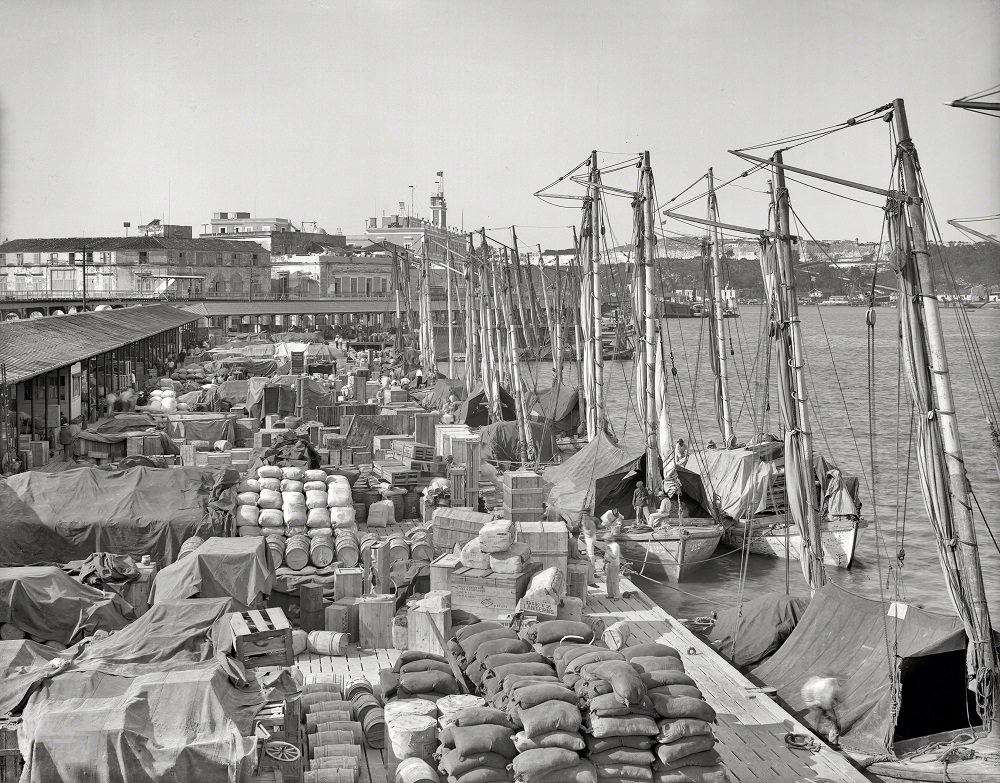
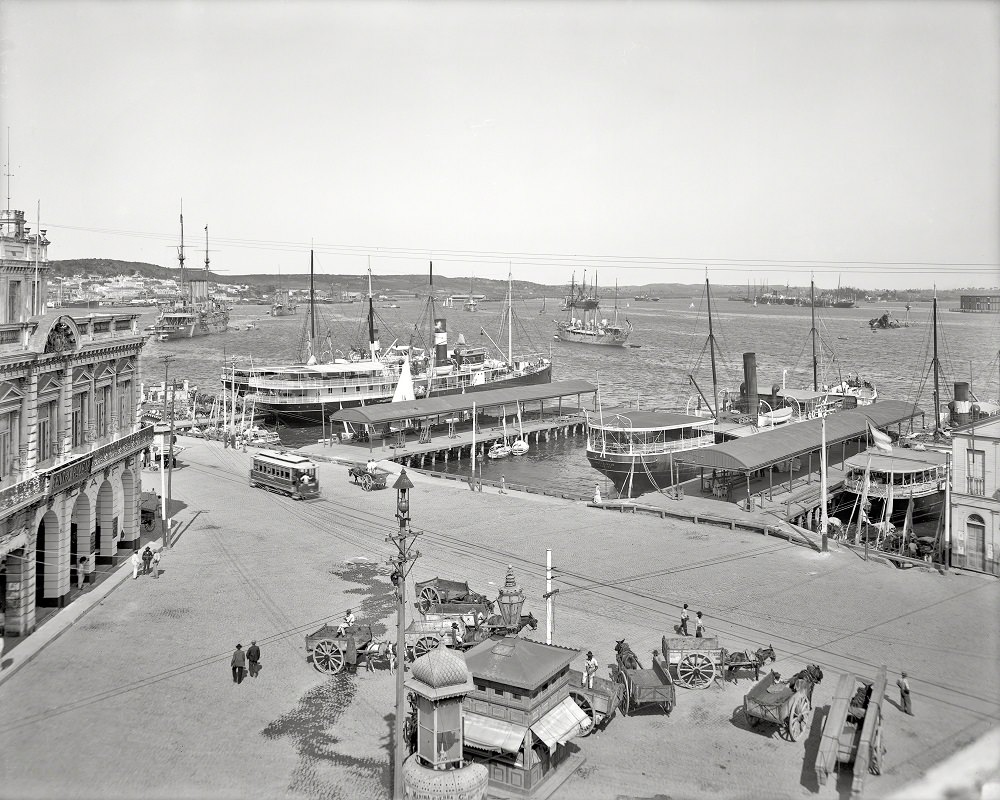
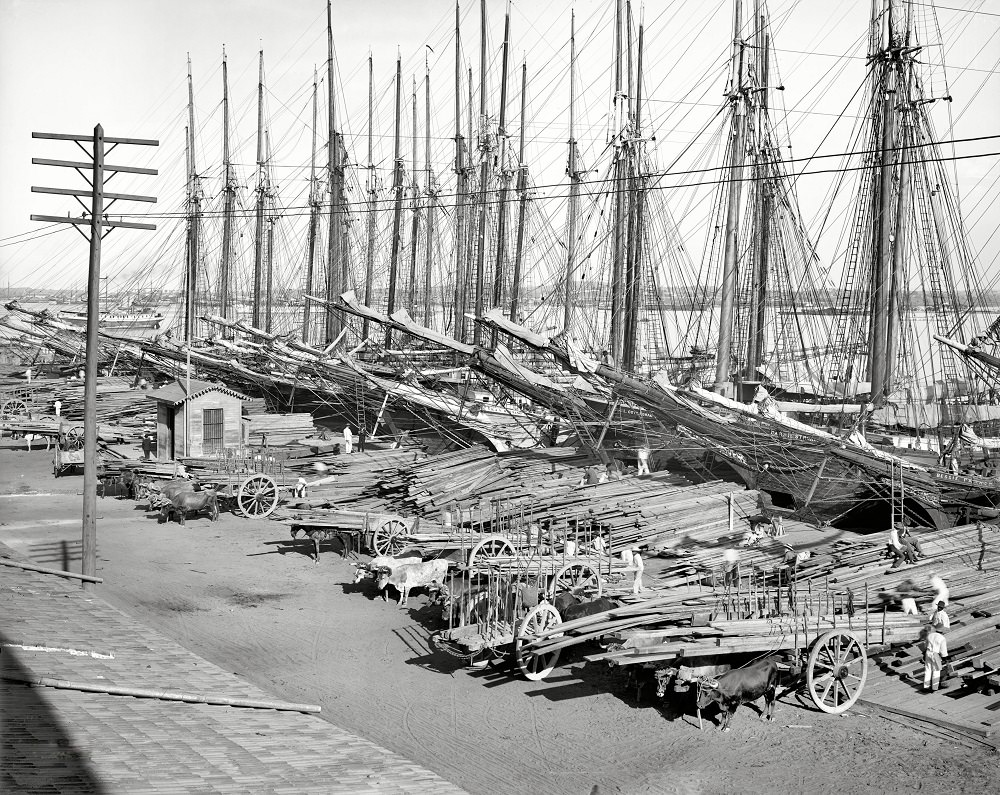
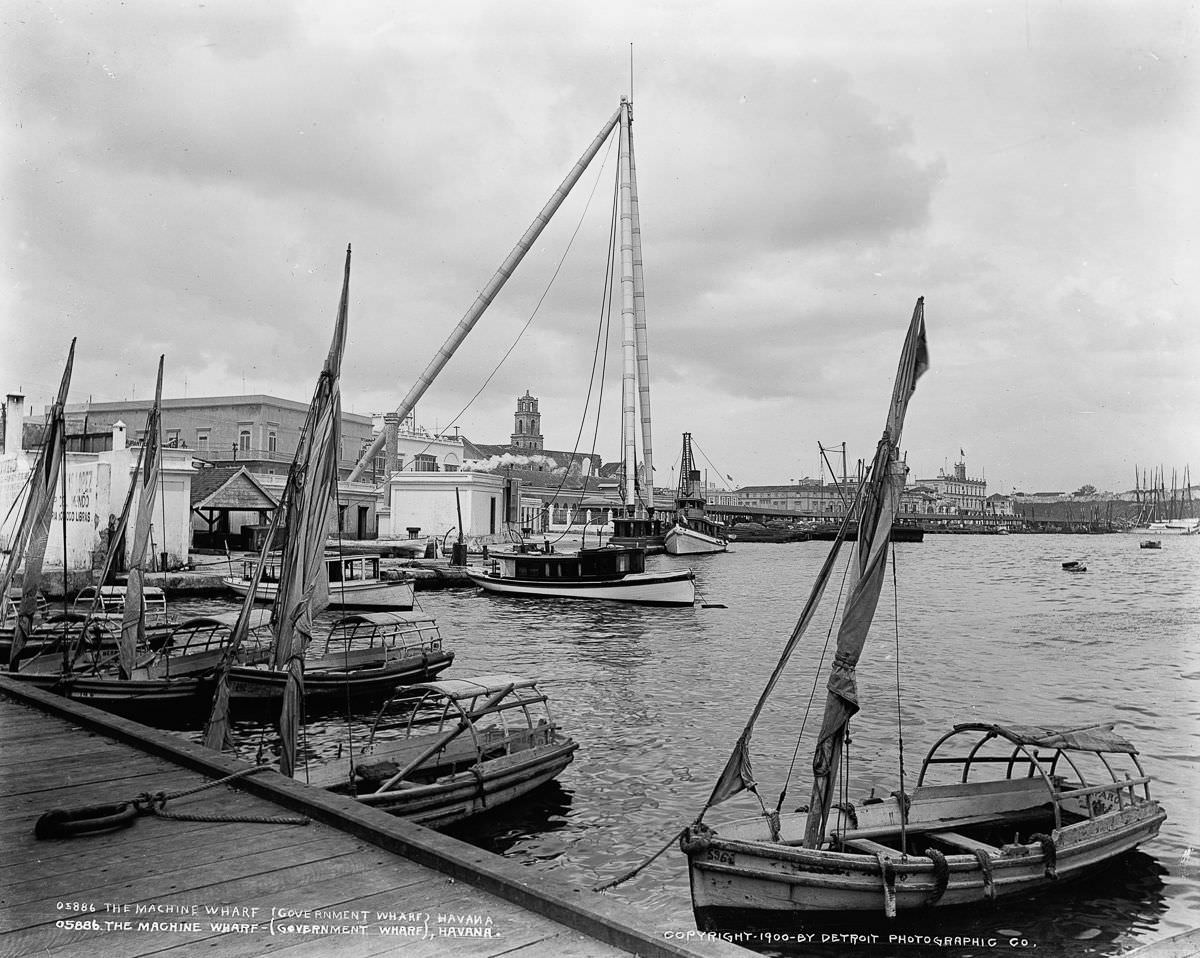
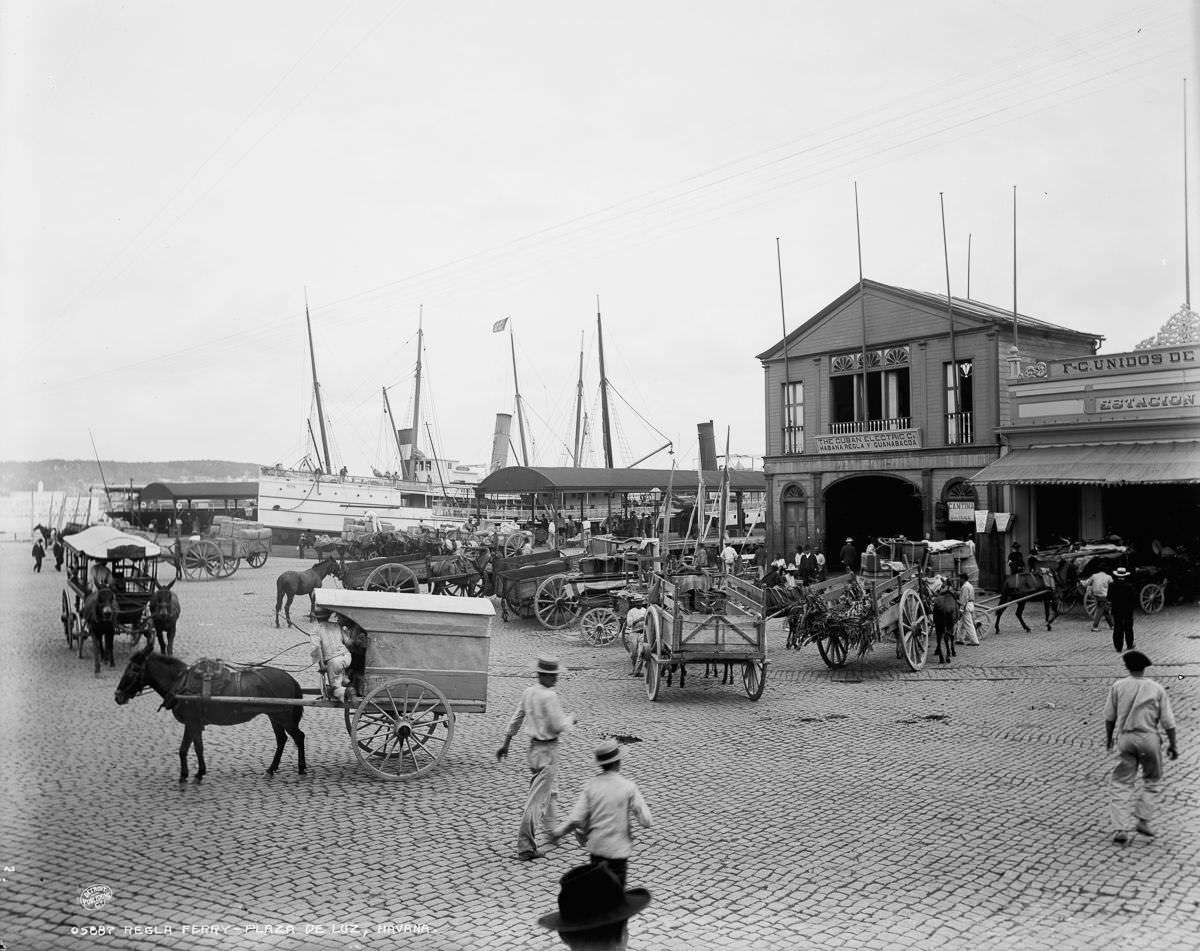
Havana’s waterfront was central to the city’s economy. Multiple wharves and piers handled the constant flow of goods and passengers moving in and out of the harbor. The port connected Havana to the rest of the world and kept the city commercially vibrant throughout the early 1900s.
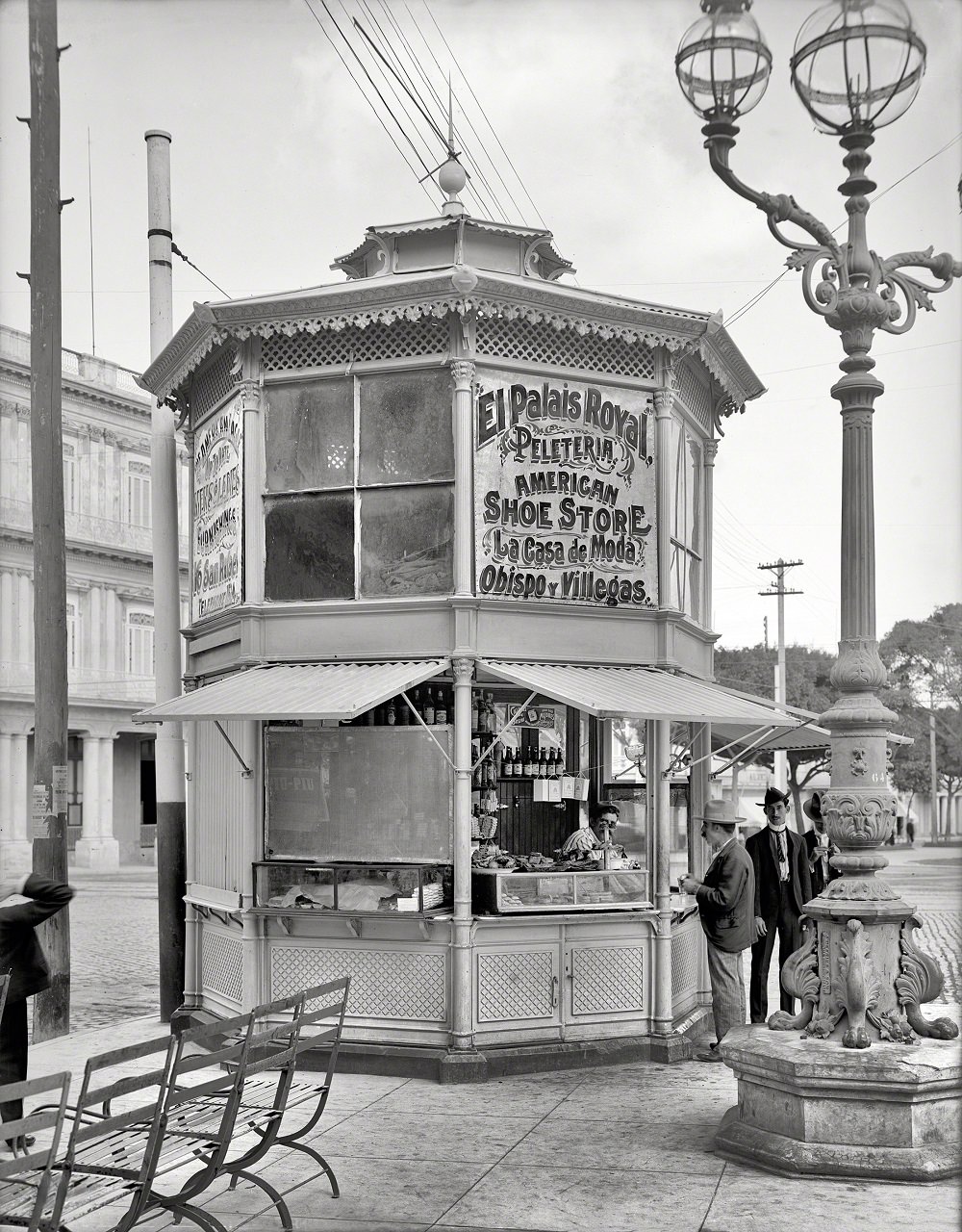
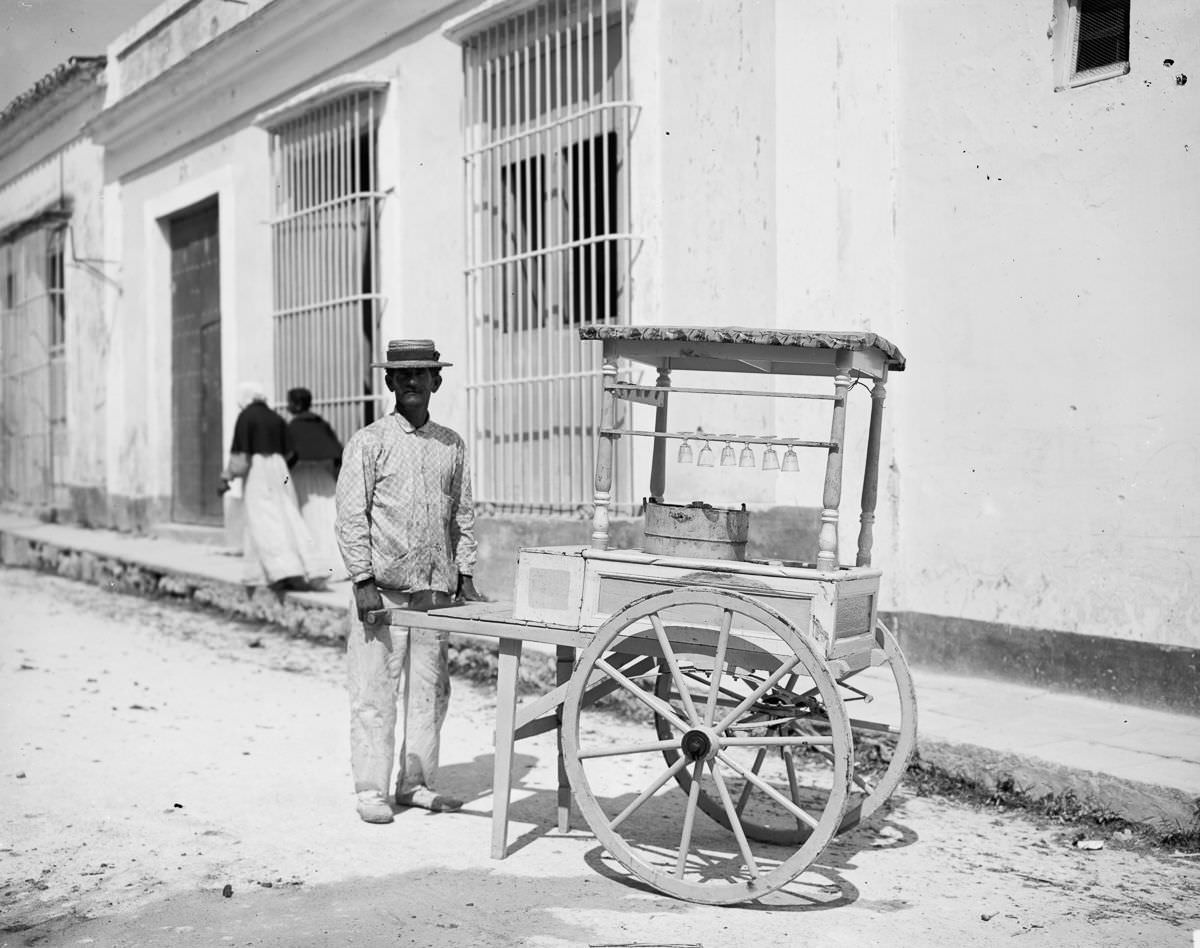
Street life in early 1900s Havana was loud, colorful, and commerce-driven. Merchants set up on corners and plazas, selling everything from food to daily goods directly to passersby. These vendors were a constant feature of Havana’s urban landscape.
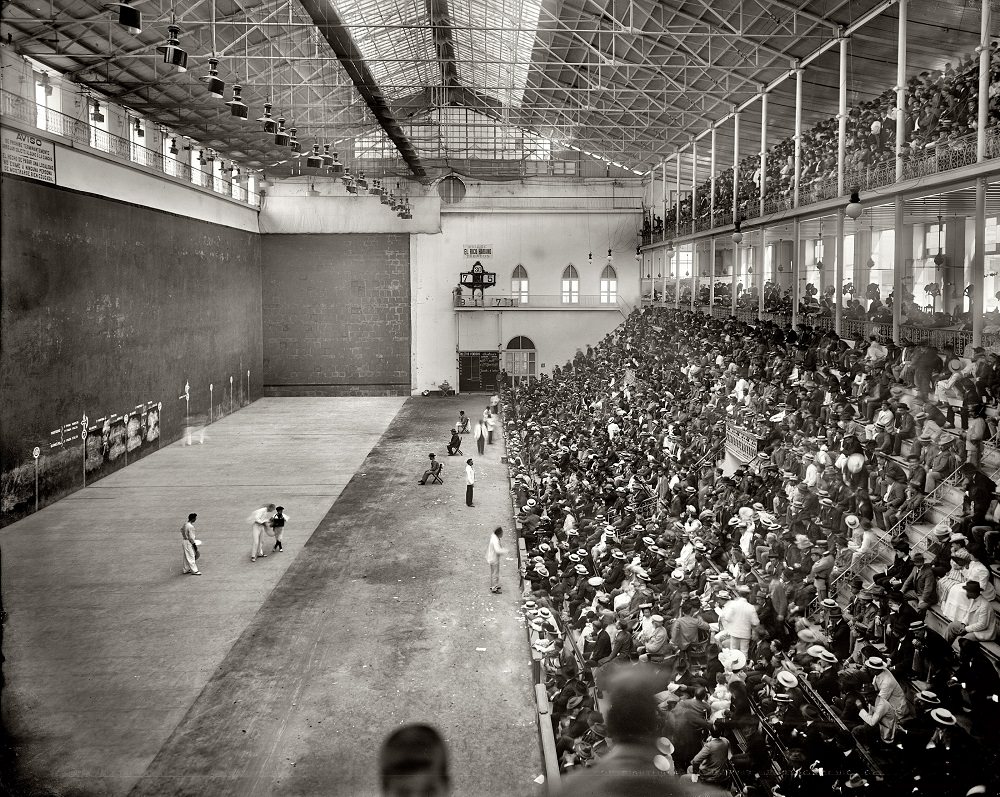
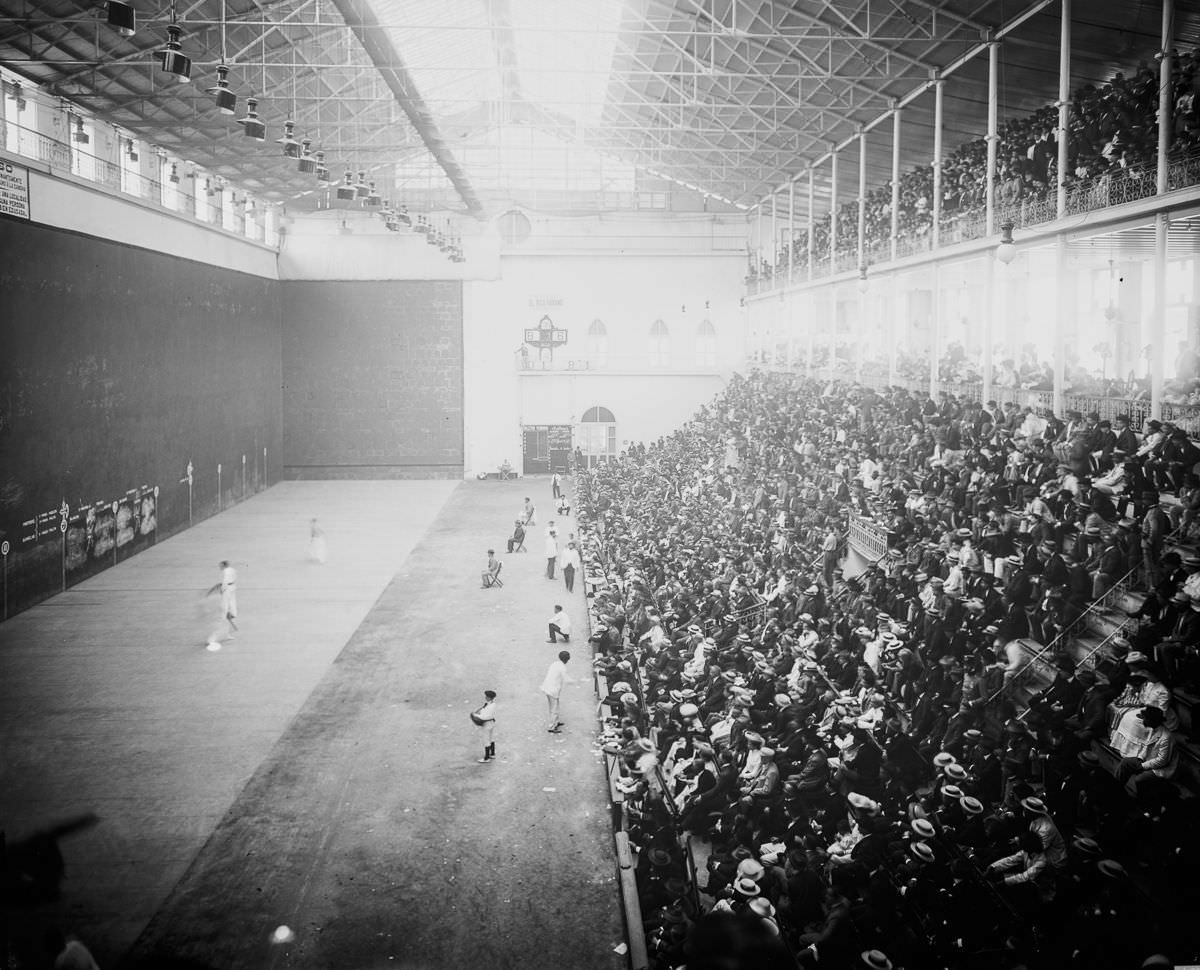
Jai alai was one of Havana’s most popular spectator sports in the early 20th century. The fast-paced game, brought over from the Basque region of Spain, drew large crowds to dedicated halls around the city. Havana’s jai alai courts were well-built venues that reflected the sport’s serious following in Cuba.
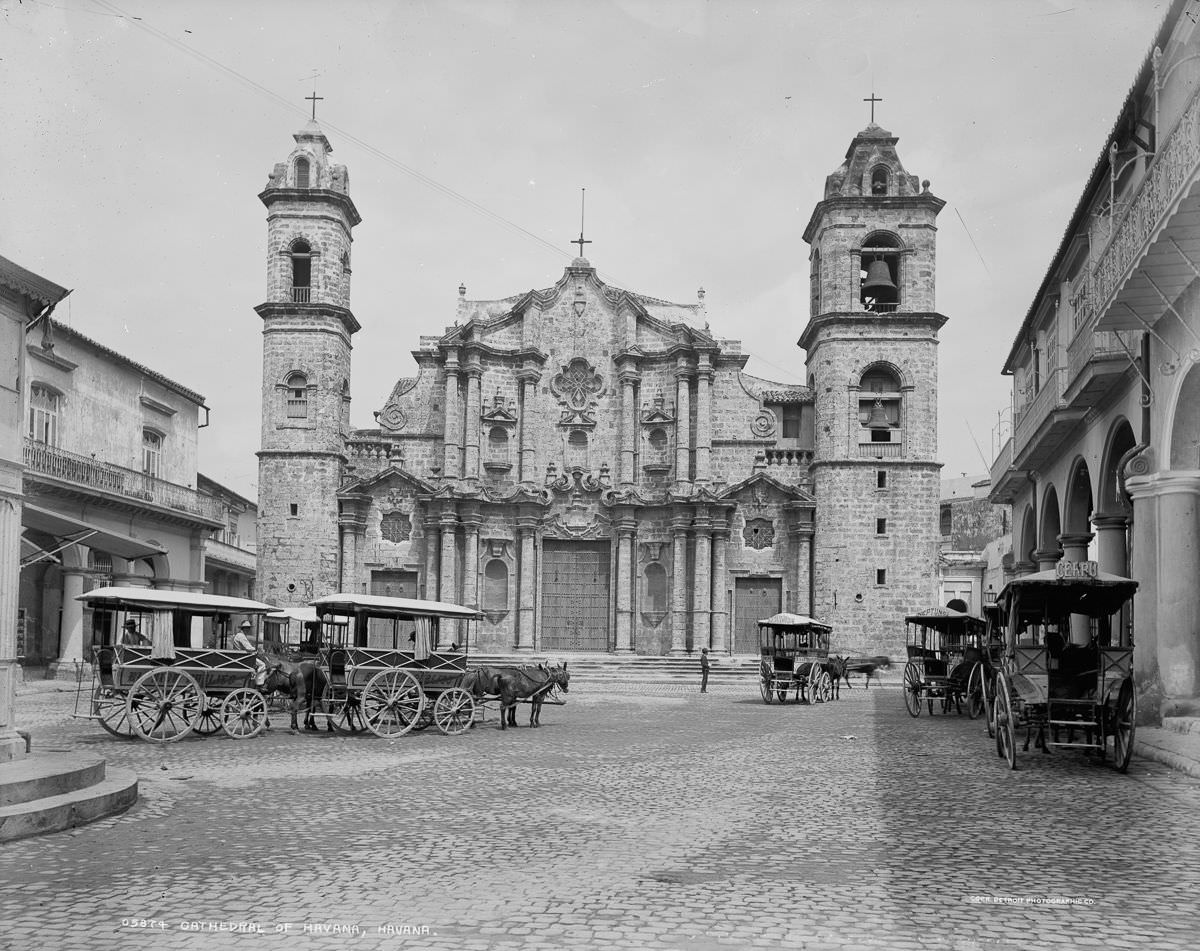
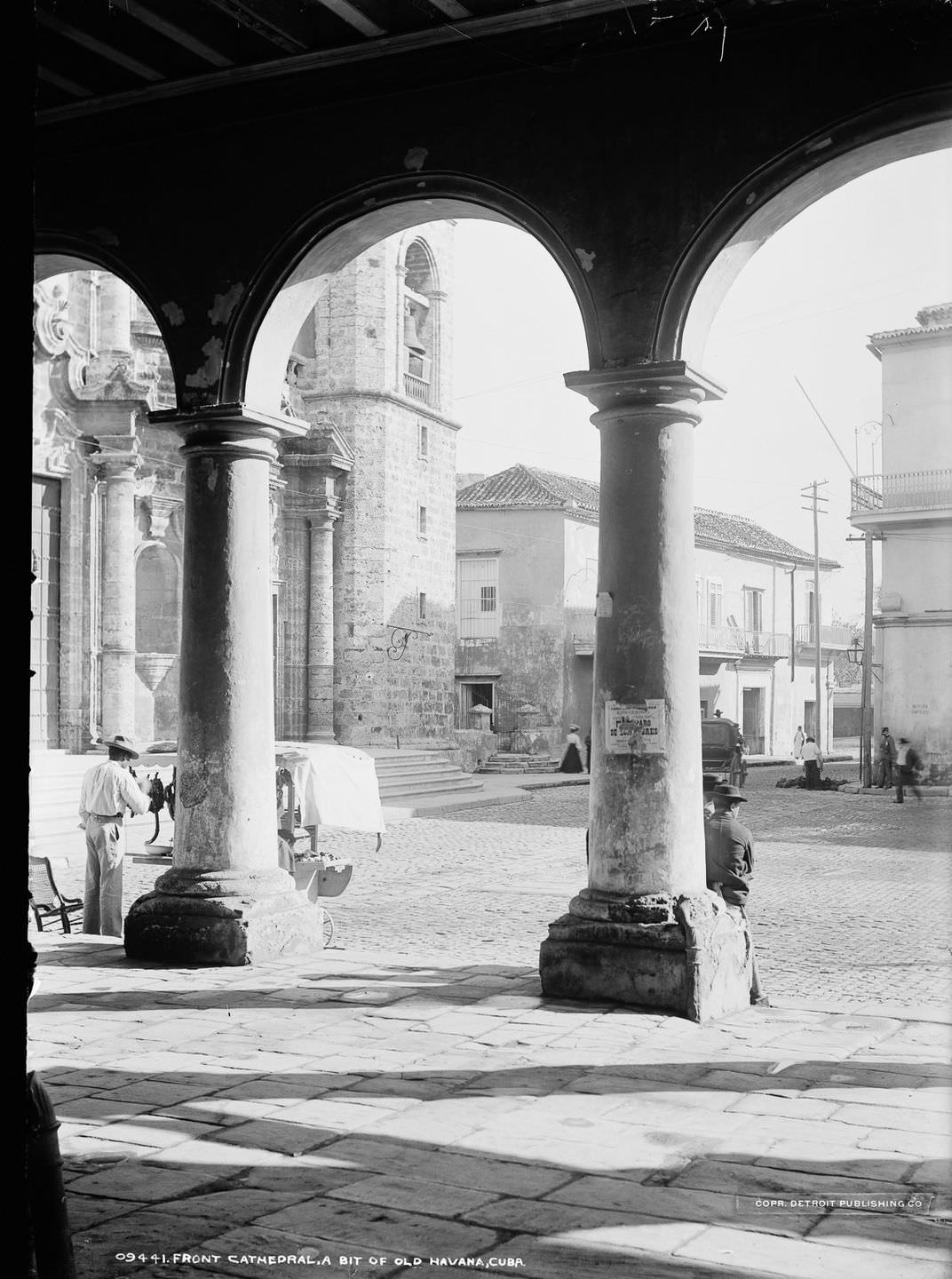
The Cathedral of the Virgin Mary of the Immaculate Conception dominated the Plaza de la Catedral and stood as one of Havana’s most important religious and architectural landmarks. Built during the colonial period, it anchored the old city’s historic core and drew visitors from across the island.
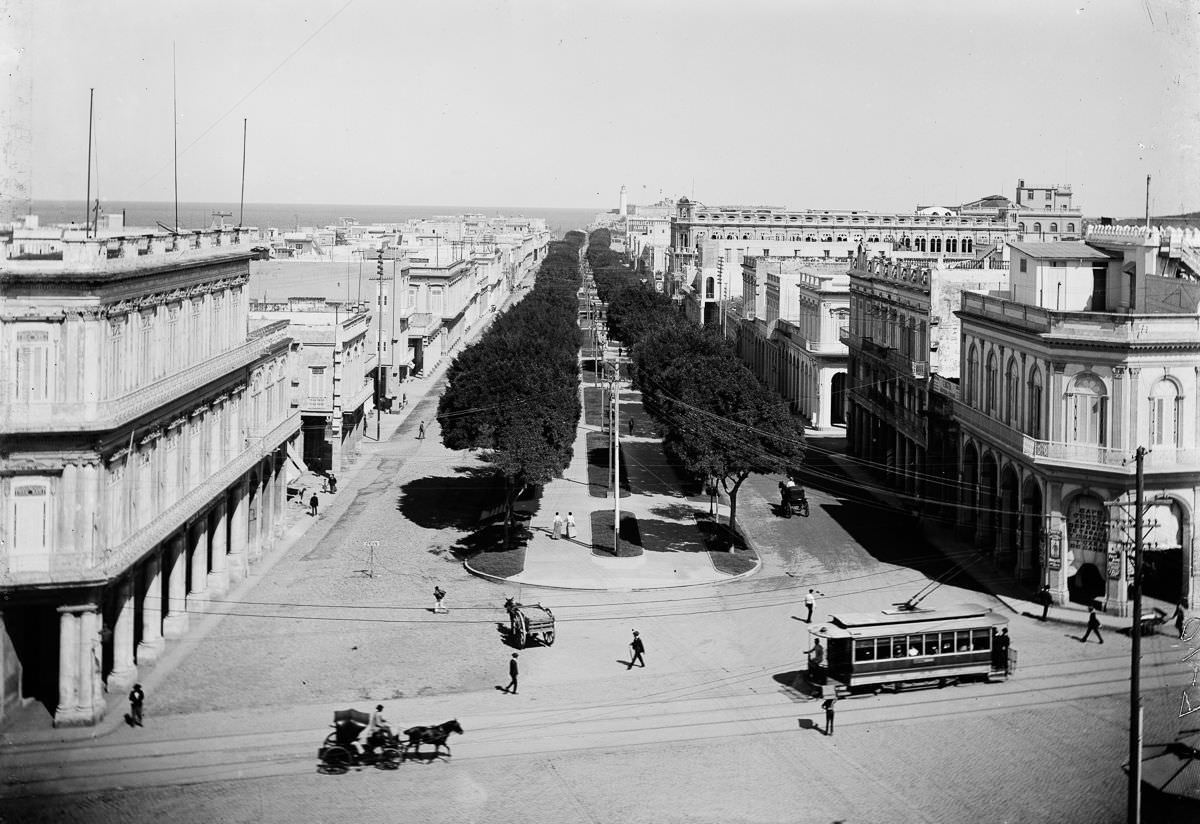
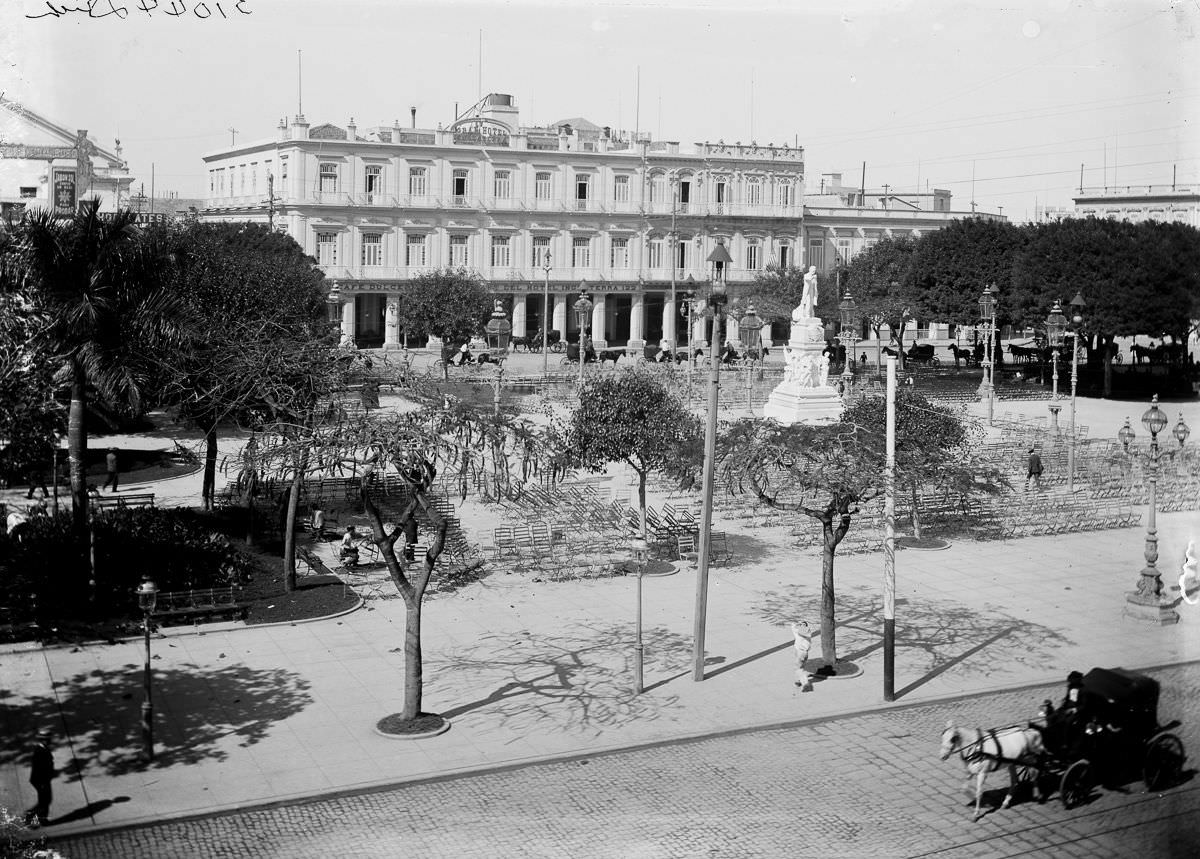
Central Park sat at the heart of Havana’s public life. The Gran Hotel Inglaterra, facing the park, was one of the city’s premier establishments — a gathering spot for locals and foreign visitors alike. By 1905, the area around the park was dense with activity, commerce, and social life.
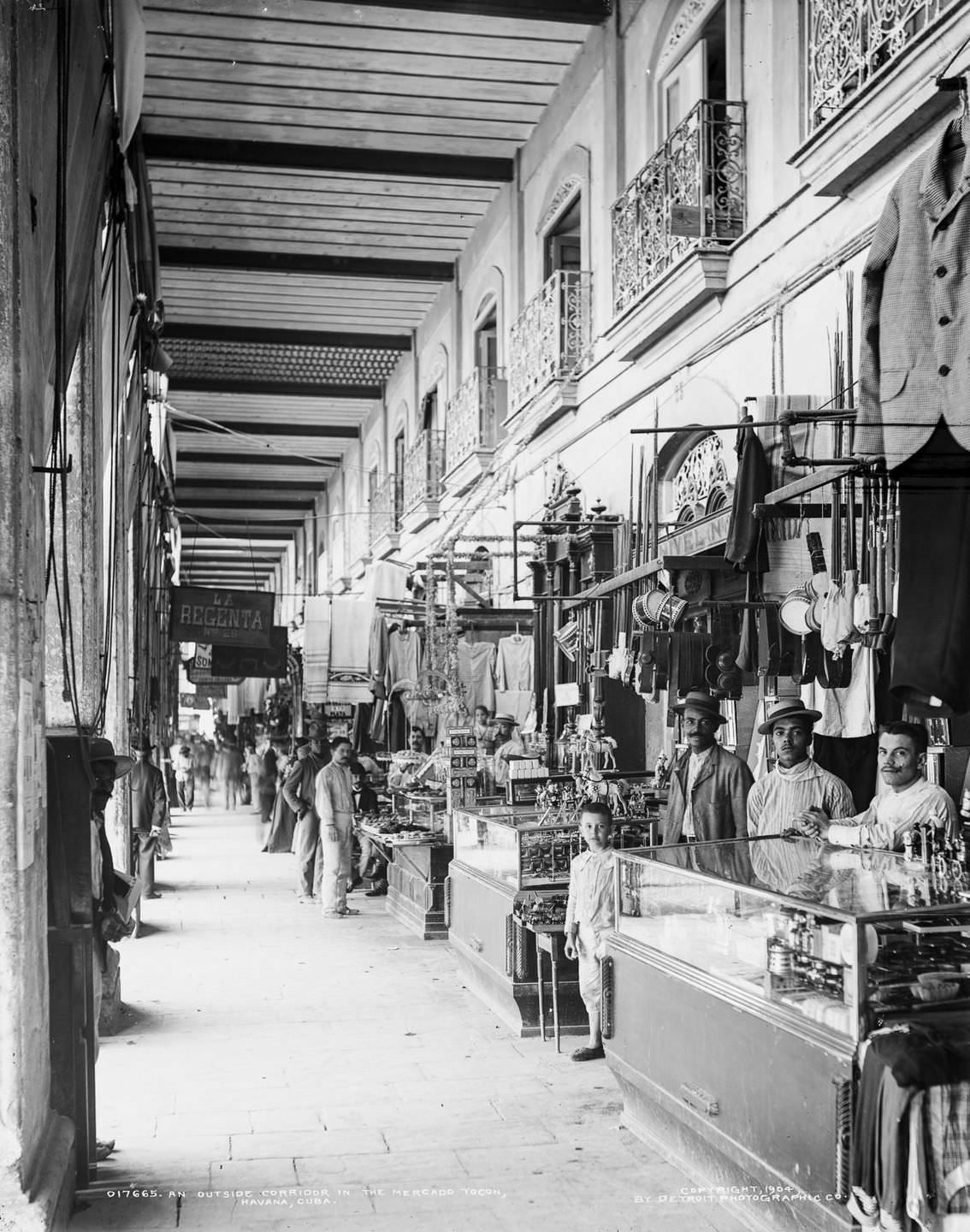
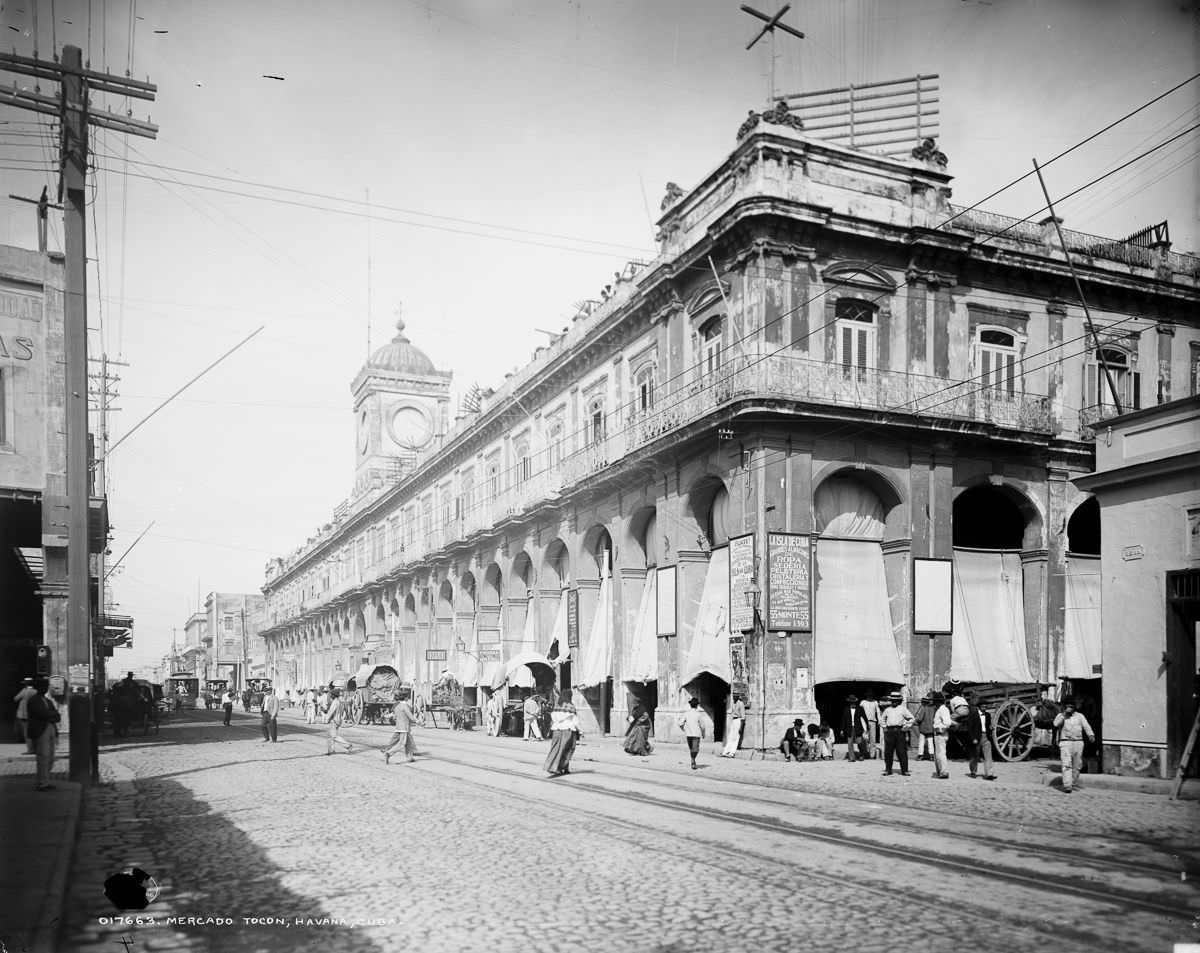
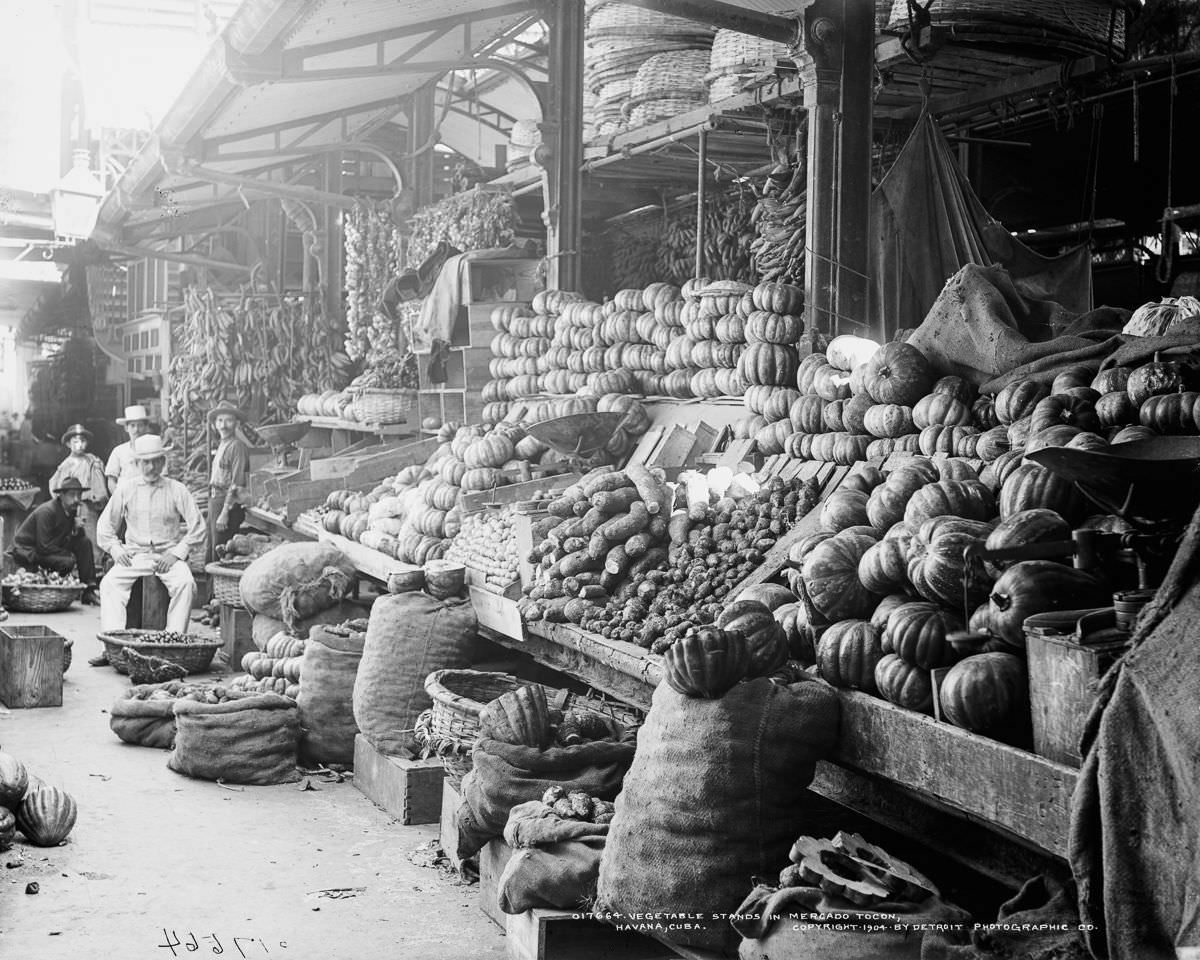
Markets were the beating heart of daily commerce in Havana. The Mercado Tocón was one of the city’s main market spaces, where vendors sold vegetables, meat, fruit, and other goods to the city’s residents. The stalls were packed tightly together, and the noise and smells of fresh produce filled the air.
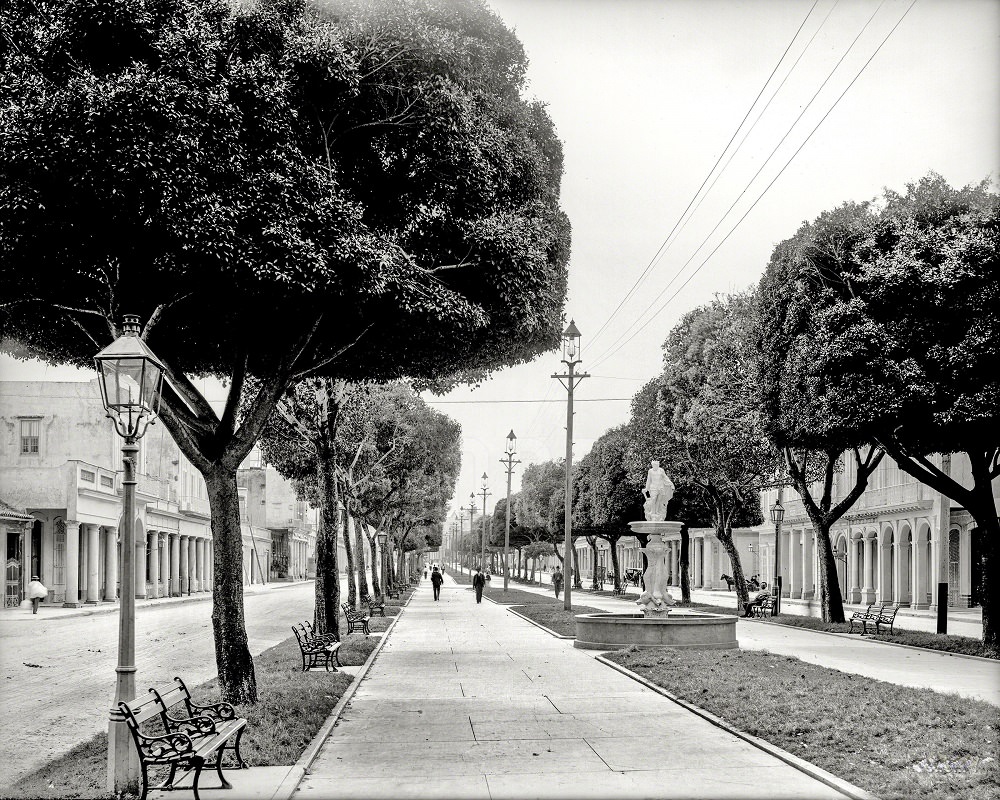
The residences along the Paseo del Prado reflected the wealth of Havana’s upper class. These grand buildings, with their ornate facades and wide doors, housed some of the city’s most prominent families. The boulevard was as much a display of status as it was a public walkway.
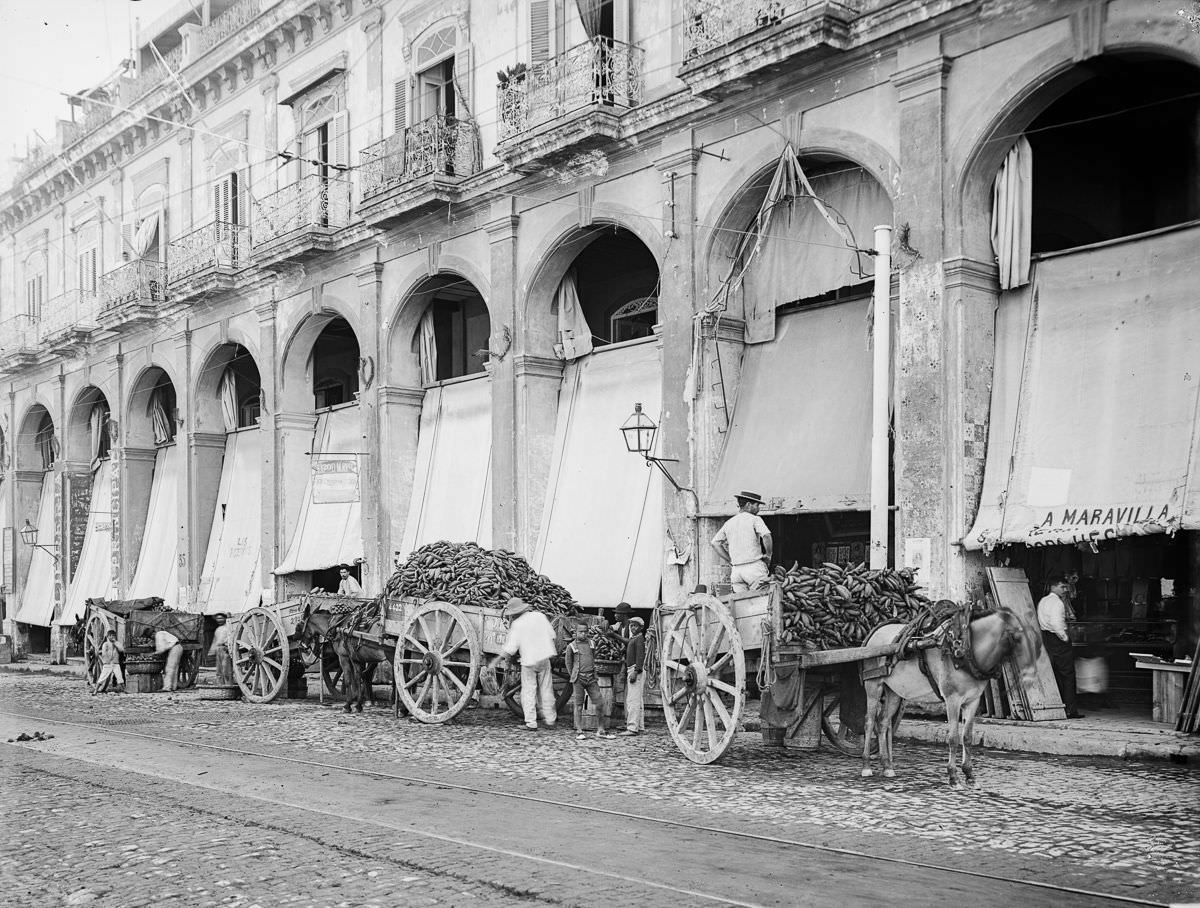
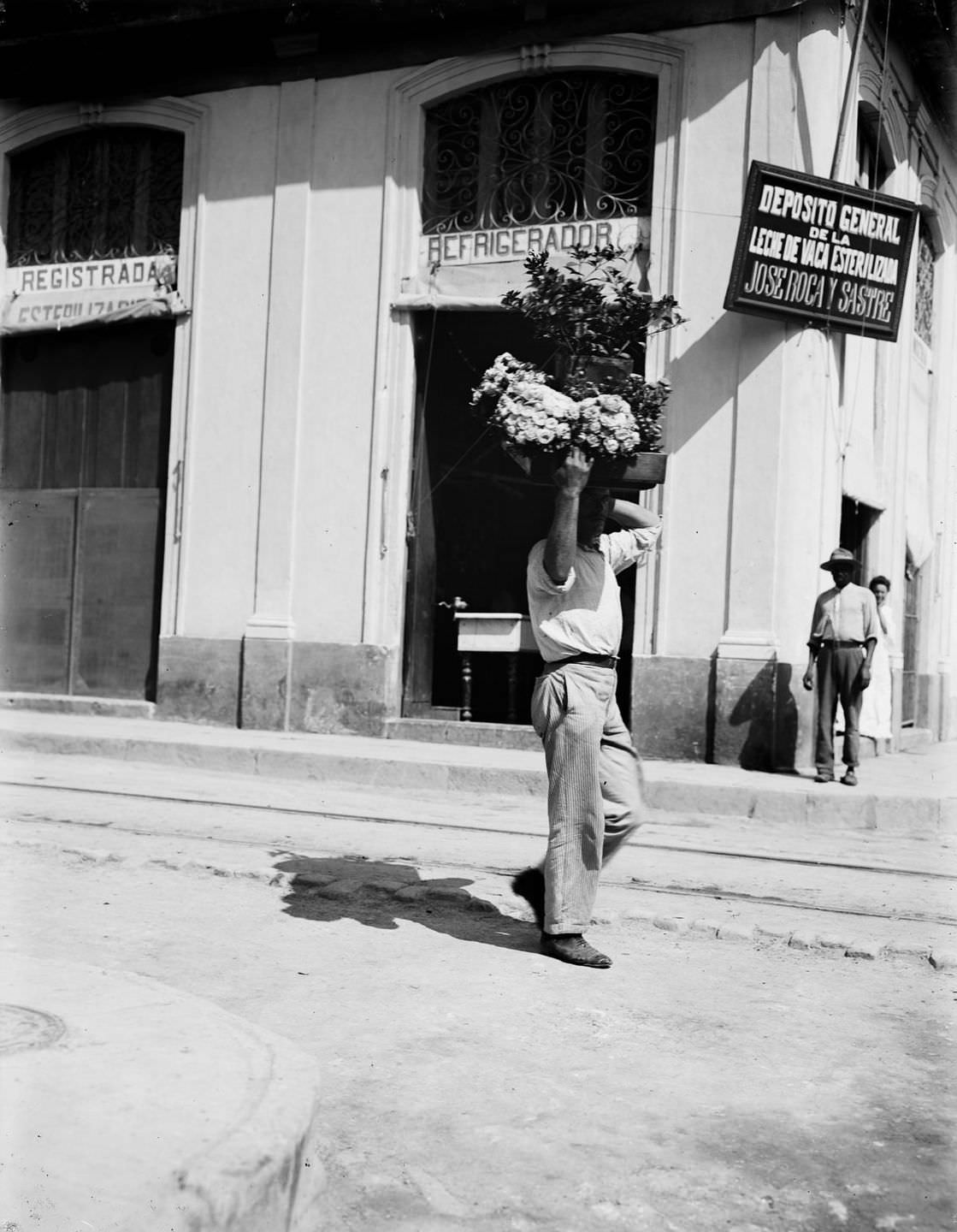
Food vendors of all kinds worked the streets of Havana in the early 1900s. Ice cream sellers, fruit wagon drivers, flower vendors, and coconut merchants all operated out of horse-drawn carts or simple stands. These were everyday sights in a city where street food and open-air selling were deeply woven into daily life.
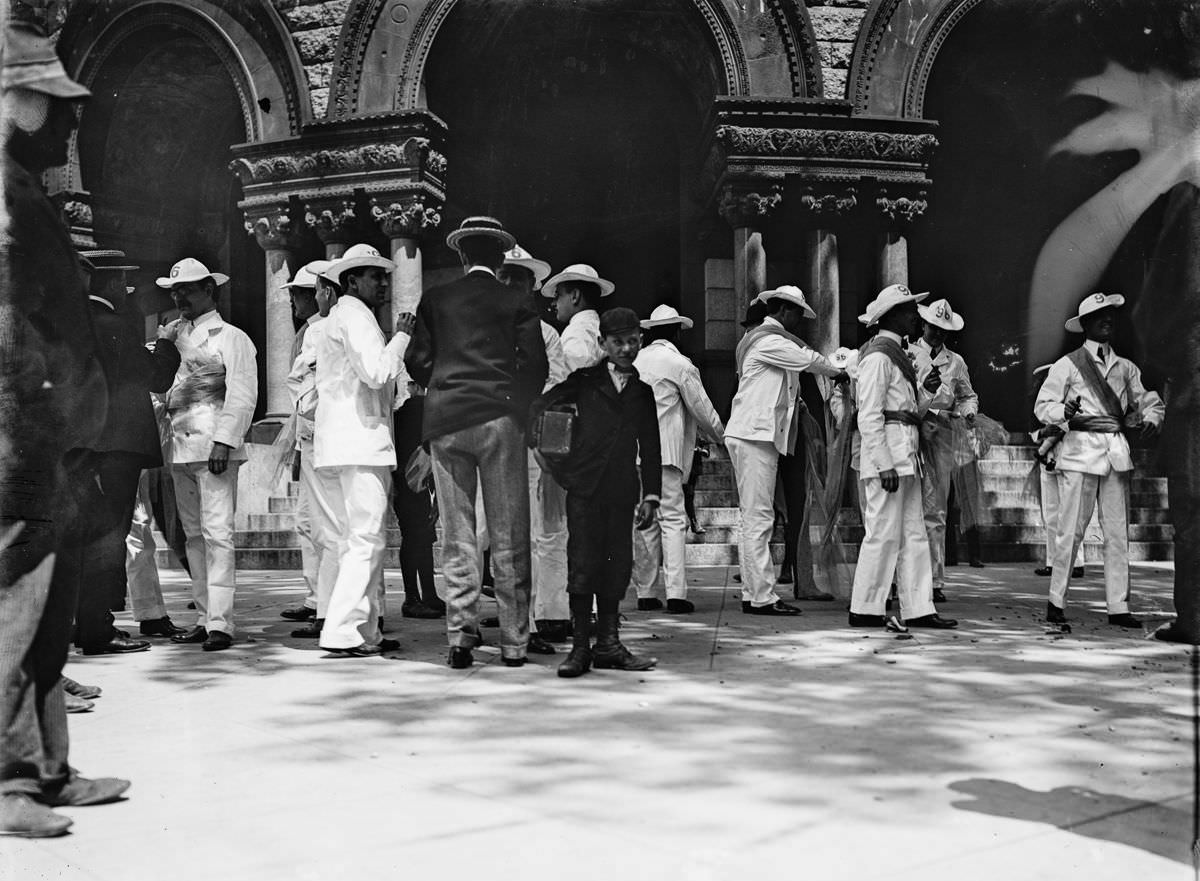
The presence of soldiers in Havana’s plazas was a visible reminder of the city’s recent political upheaval. Cuba had only just emerged from years of conflict and Spanish colonial rule before achieving independence in 1902. Military figures remained a common sight on city streets in the years that followed.
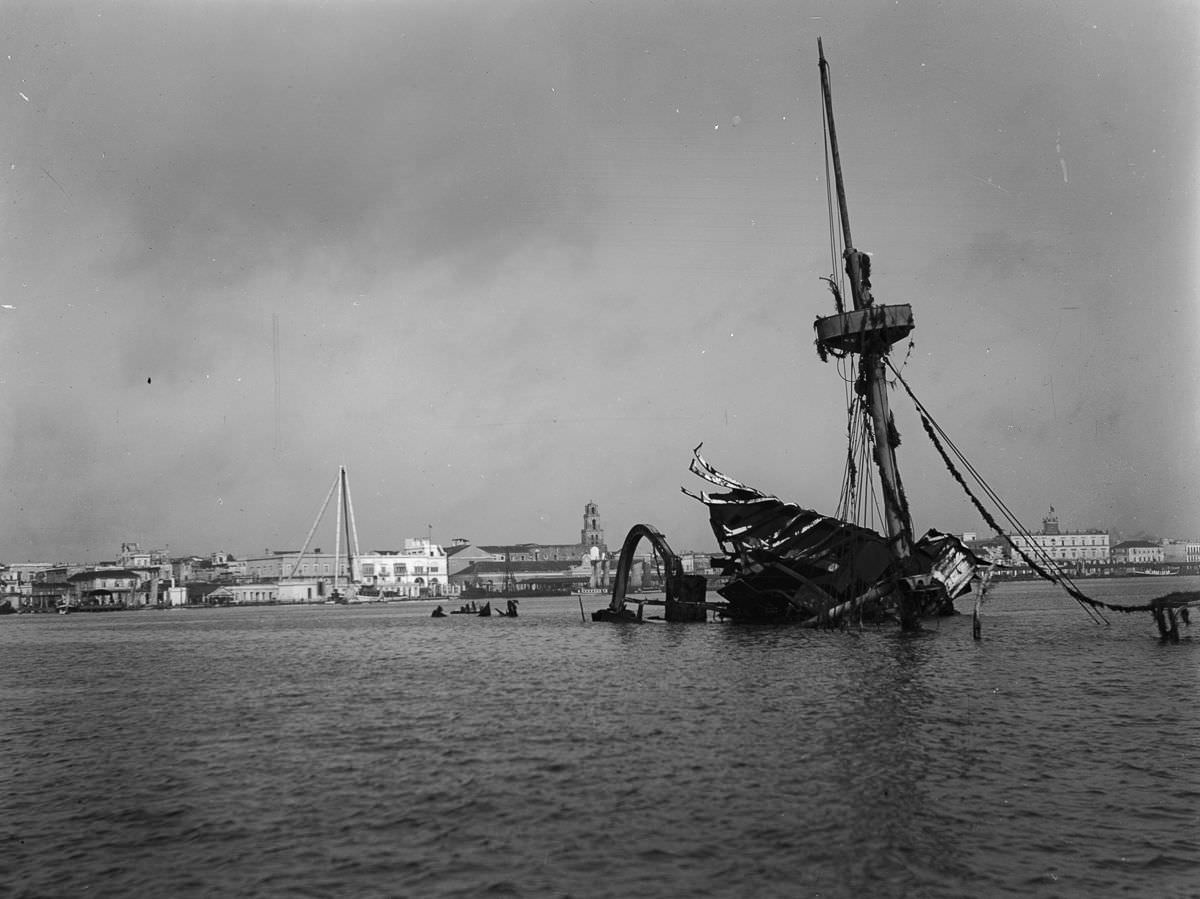
The wreck of the U.S.S. Maine remained one of the most striking and controversial images associated with Havana in this era. The American battleship exploded and sank in Havana Harbor in 1898, killing 266 sailors. The incident triggered the Spanish-American War, and the sunken hulk of the ship was still visible in the harbor years after the explosion.
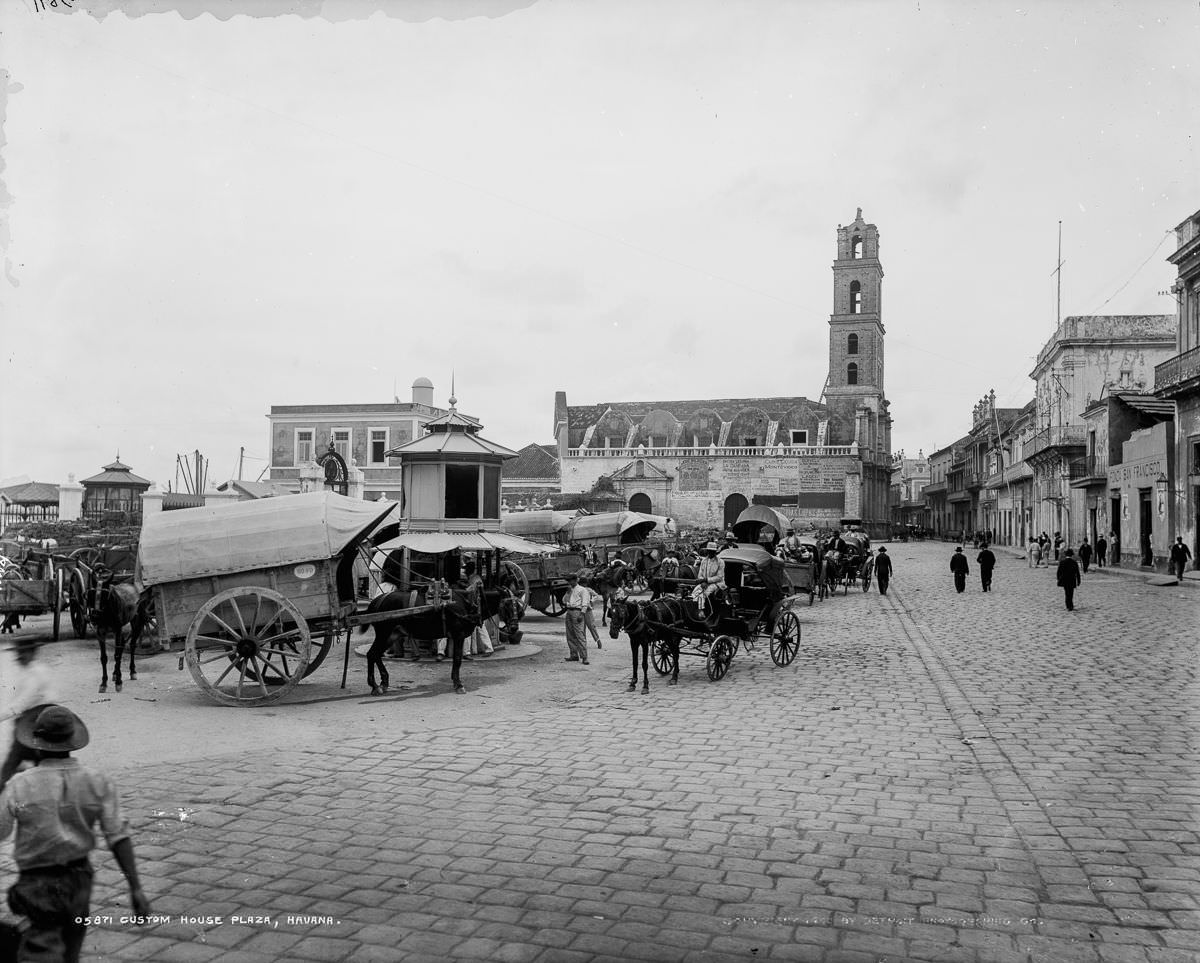
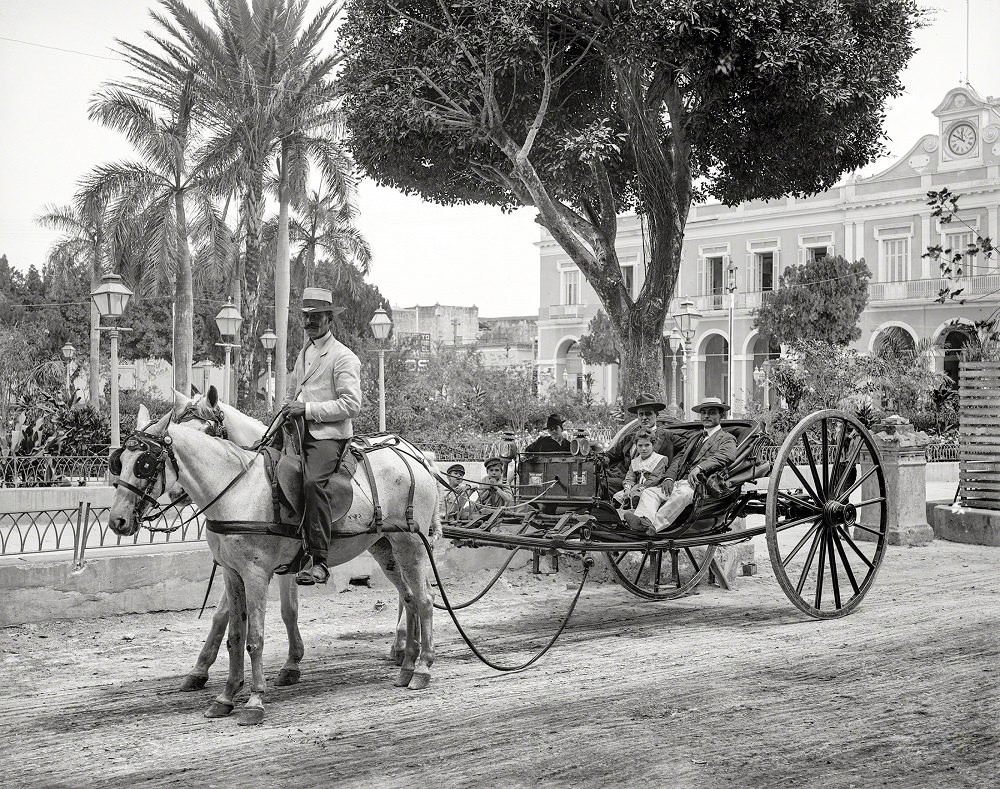
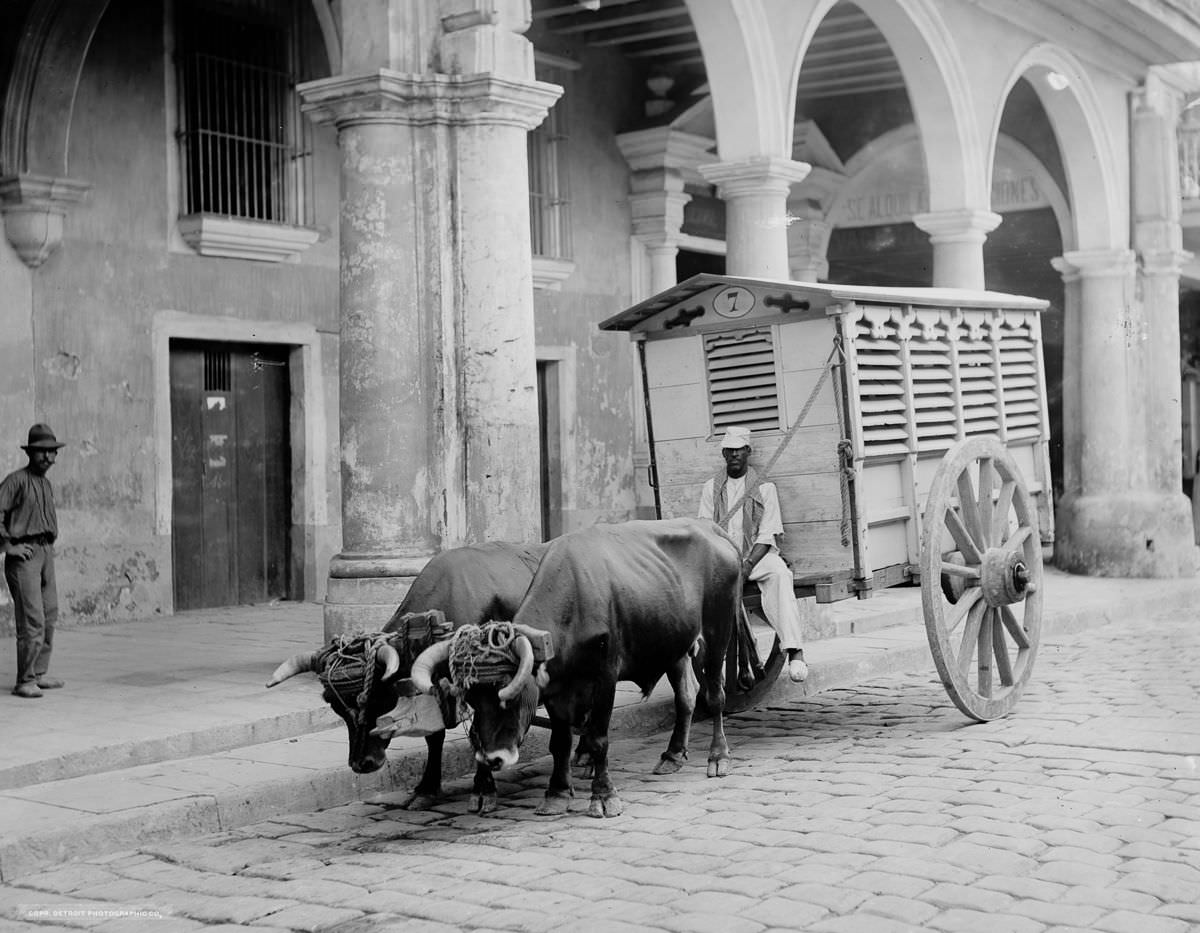
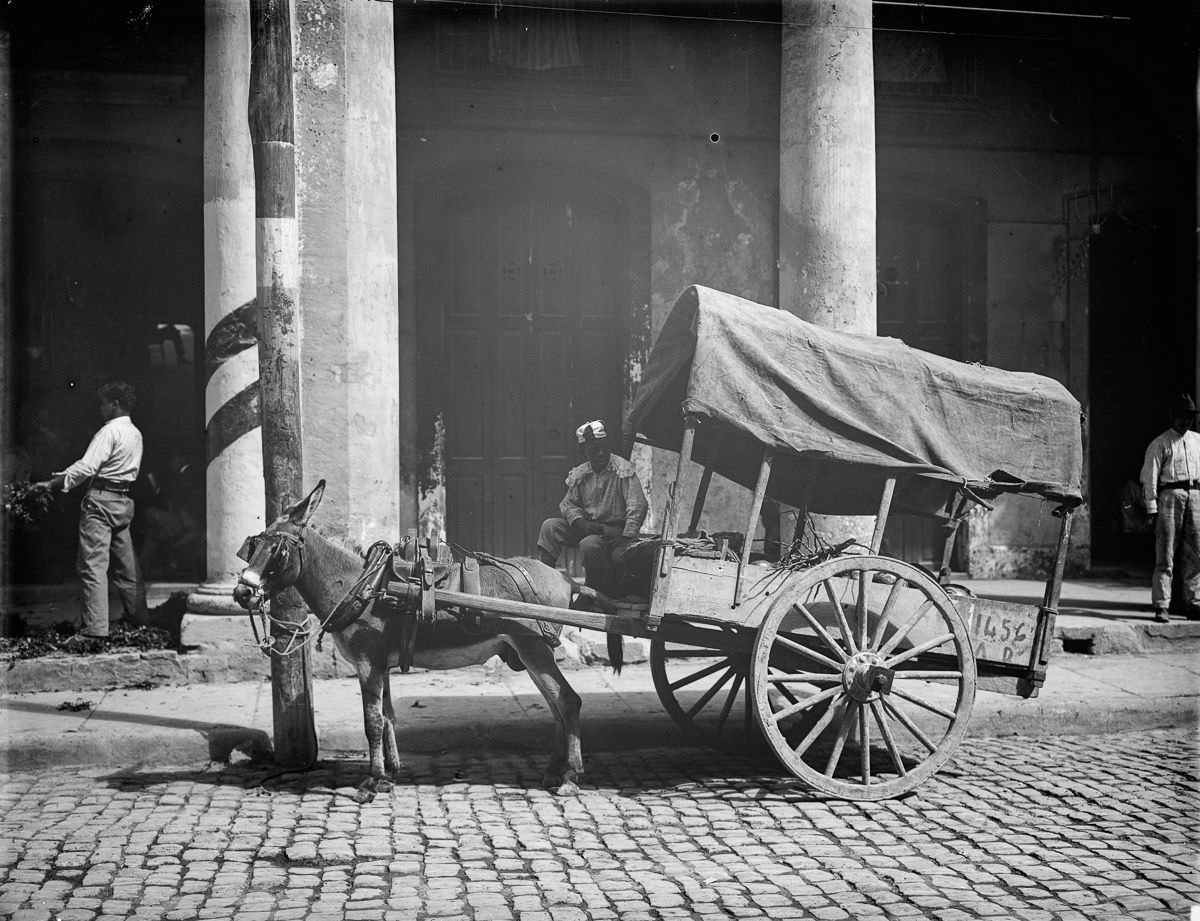
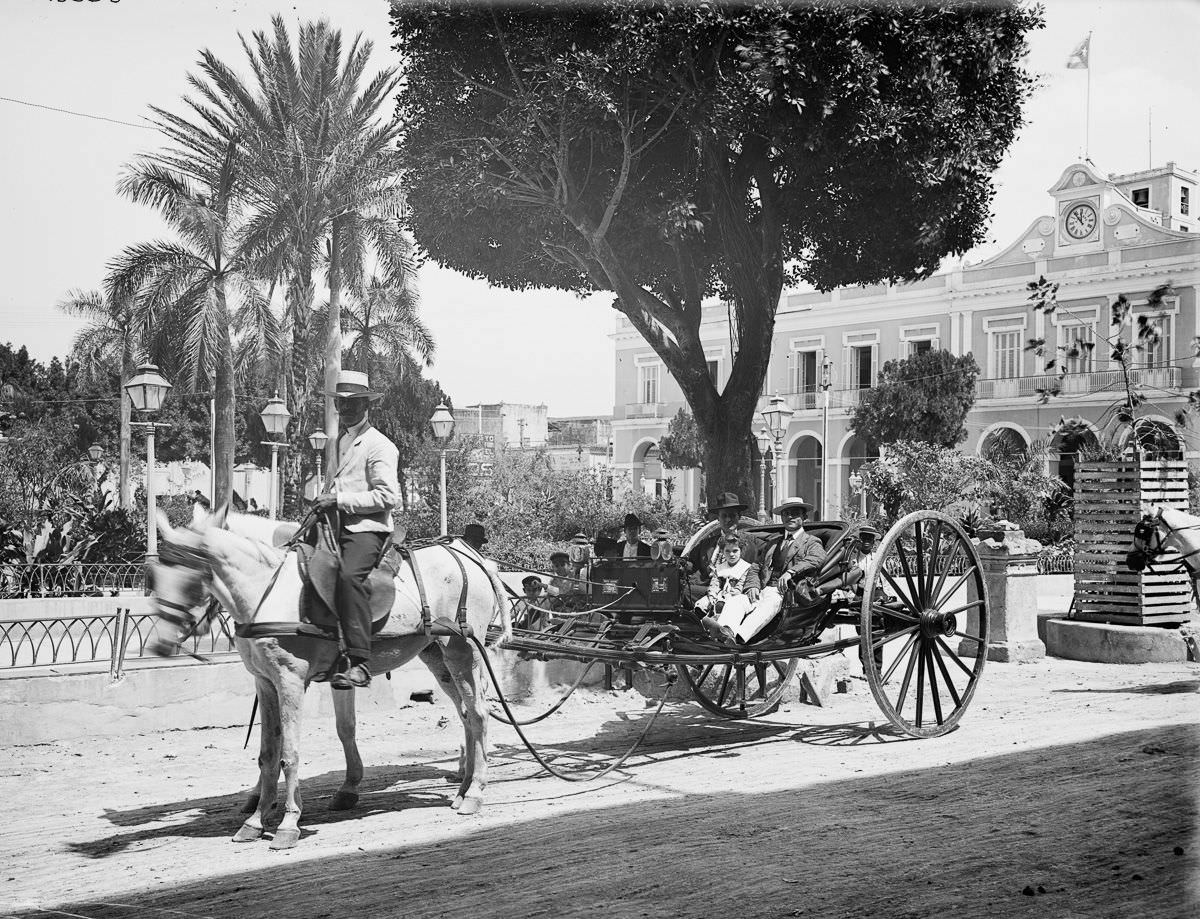
Horse-drawn cabs were the standard form of private transportation in Havana at the turn of the century. They navigated the city’s narrow colonial streets daily, ferrying passengers between neighborhoods, markets, and the waterfront. Automobiles had not yet replaced them, and the streets still moved at the pace of hooves on cobblestone.
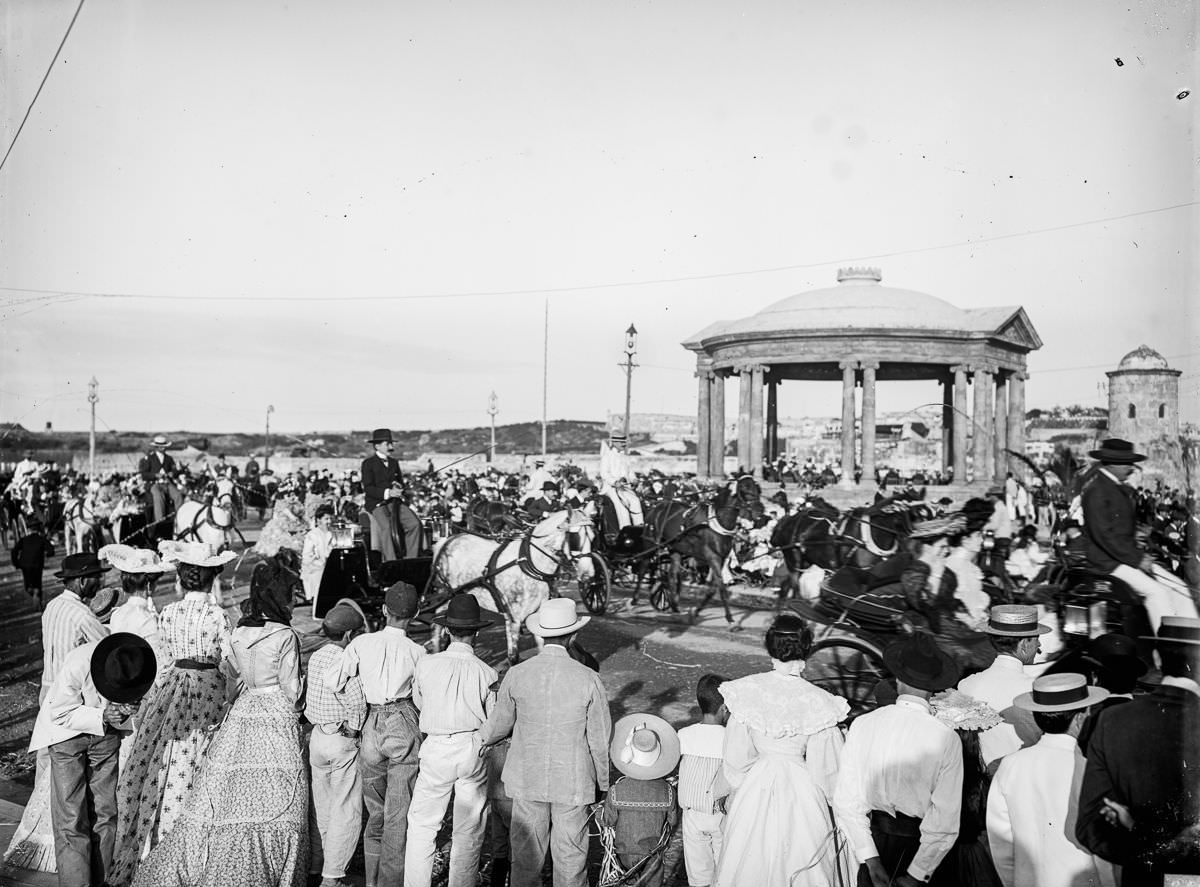
The Malecón, Havana’s famous coastal boulevard, was already a gathering place for crowds at the turn of the century. Stretching along the city’s northern shore, it offered a view of the sea and became a popular spot for residents to meet, relax, and watch the activity in the harbor.
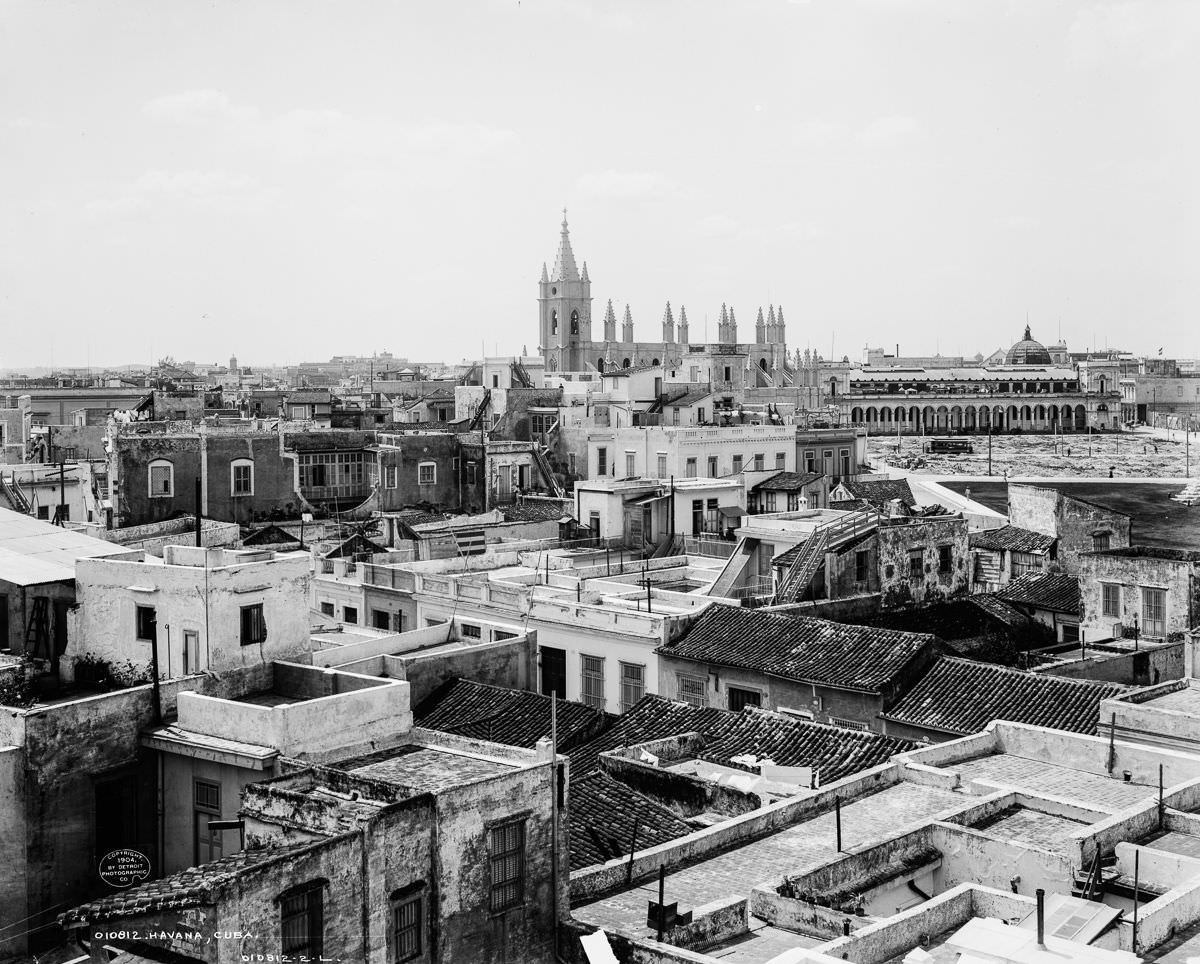
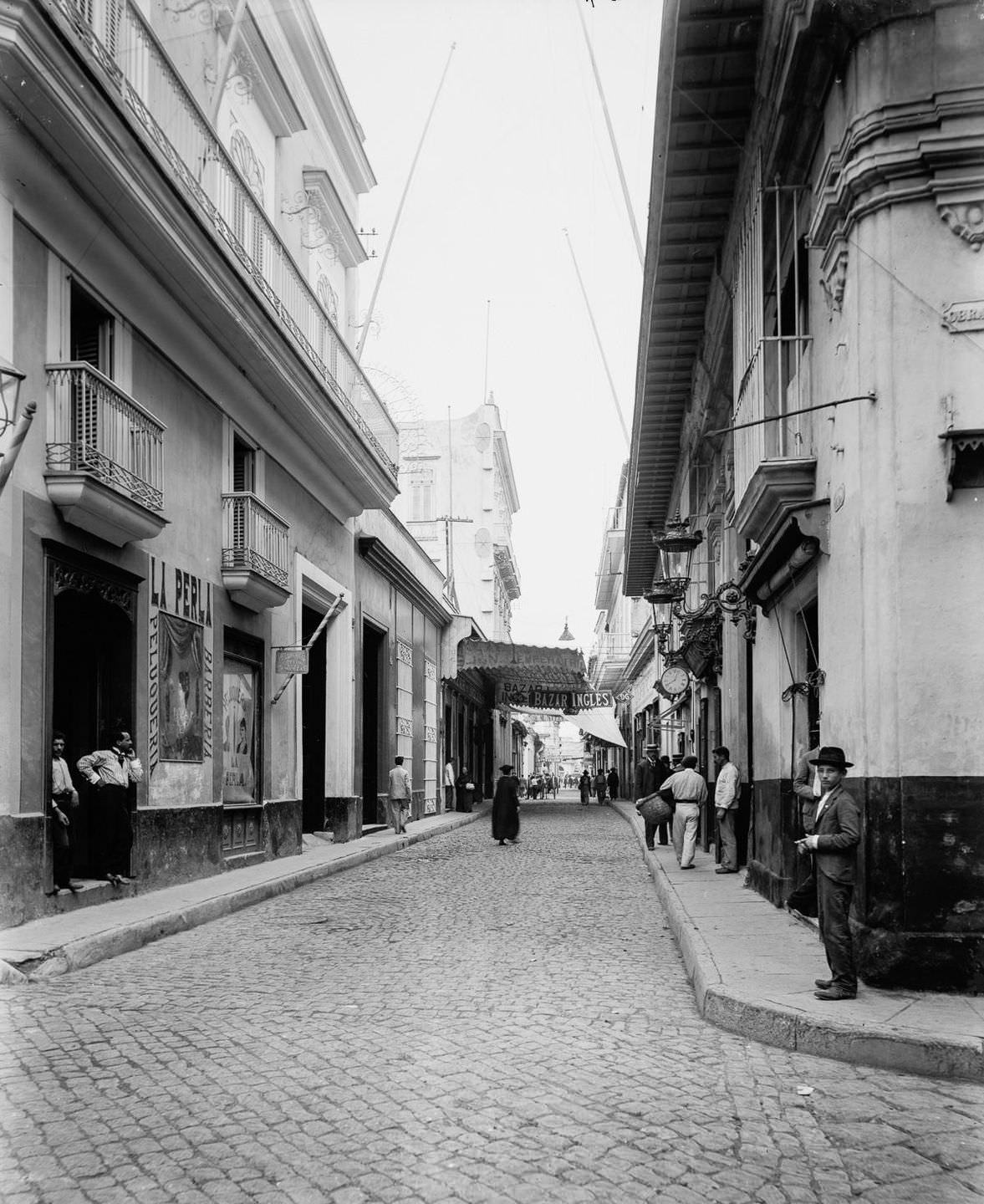
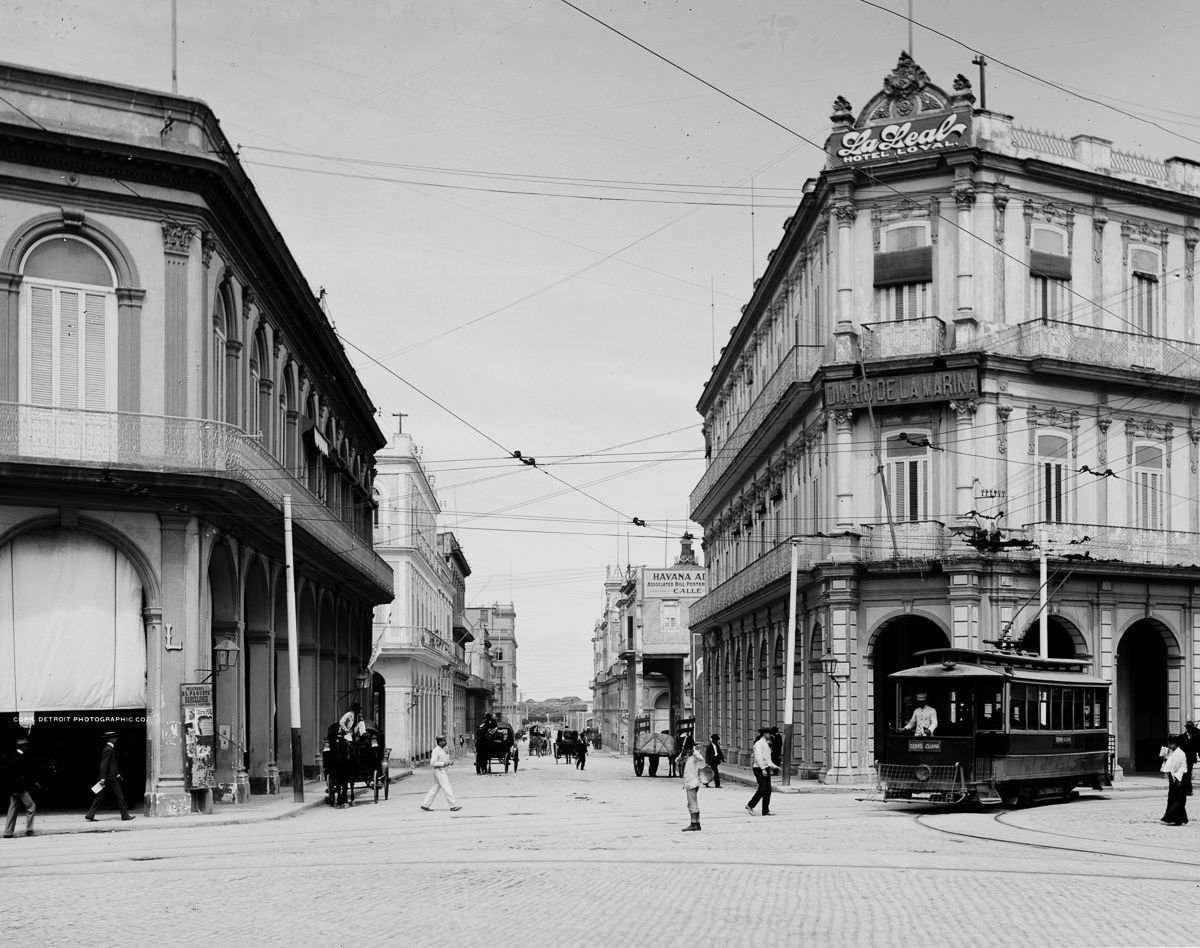
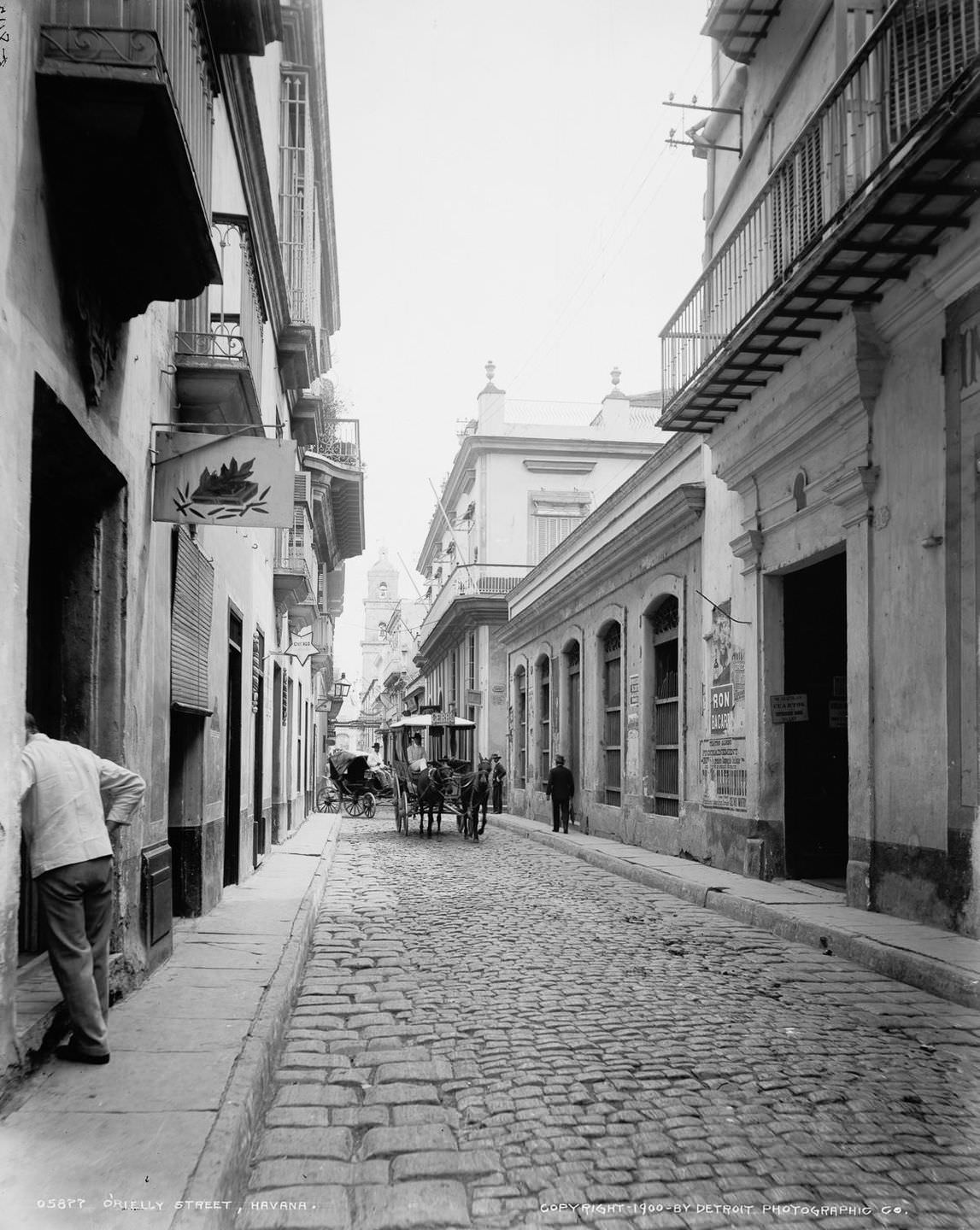
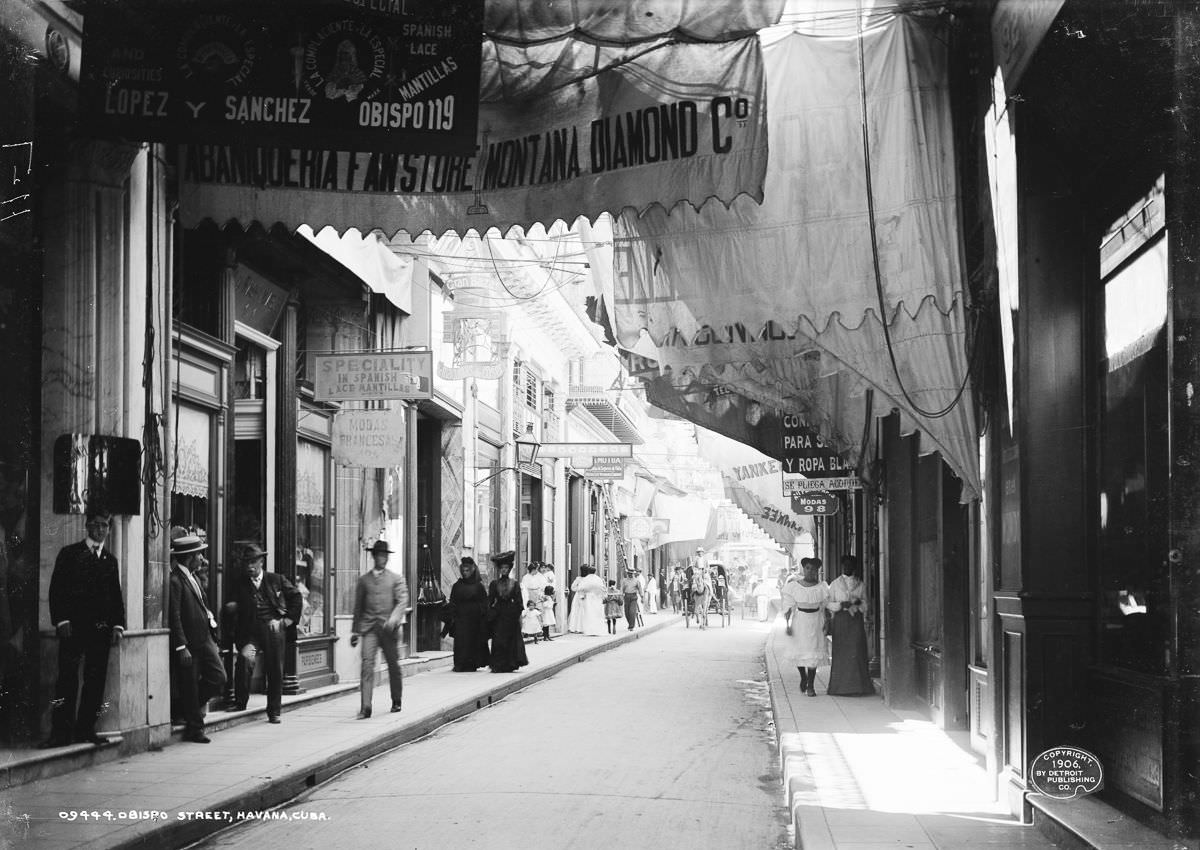
Obispo Street and Obrapia Street were two of Old Havana’s busiest commercial corridors. Shops, offices, and businesses lined both streets, and foot traffic was constant throughout the day. These narrow colonial-era streets gave Havana its distinctive character — dense, busy, and full of architectural detail.
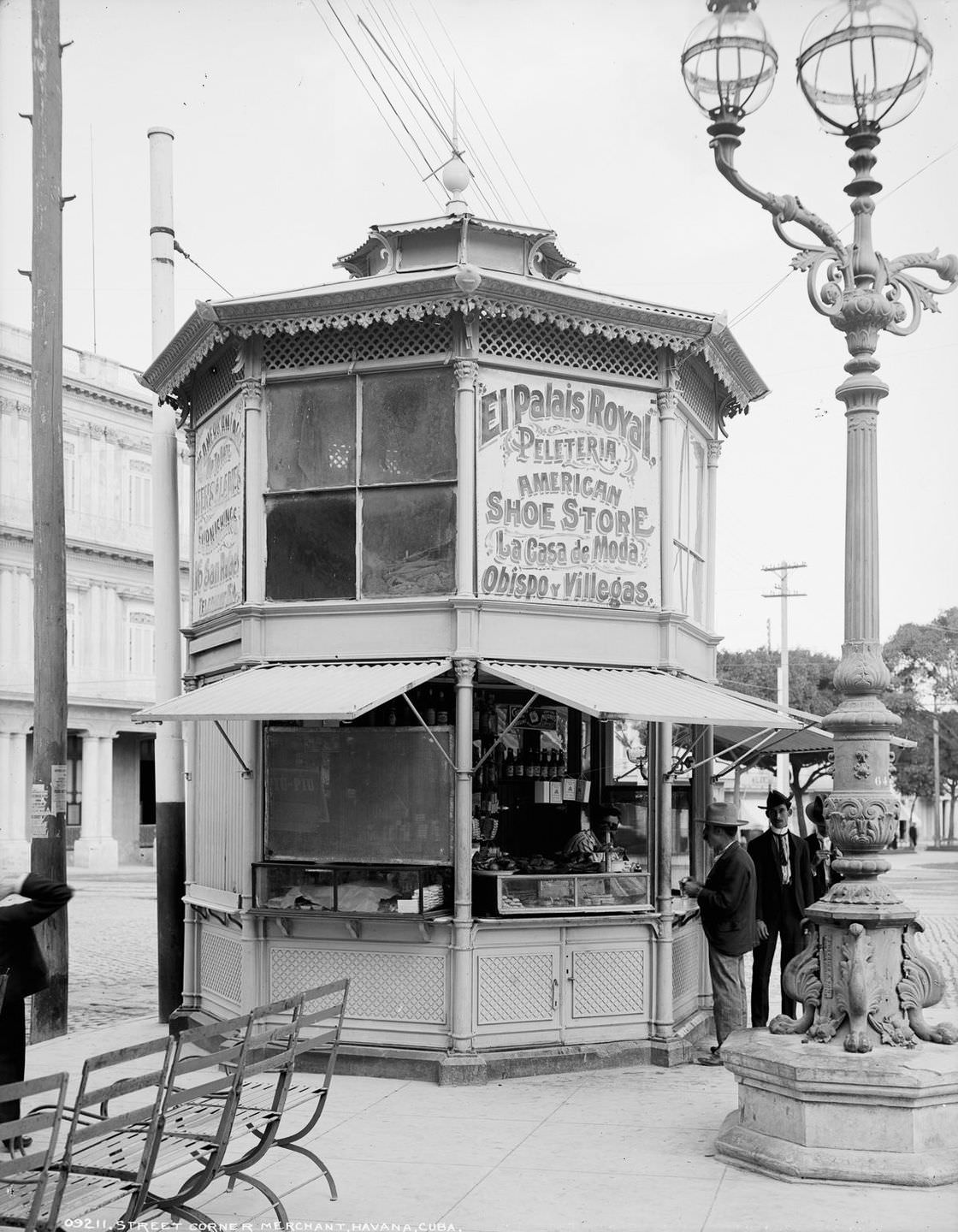
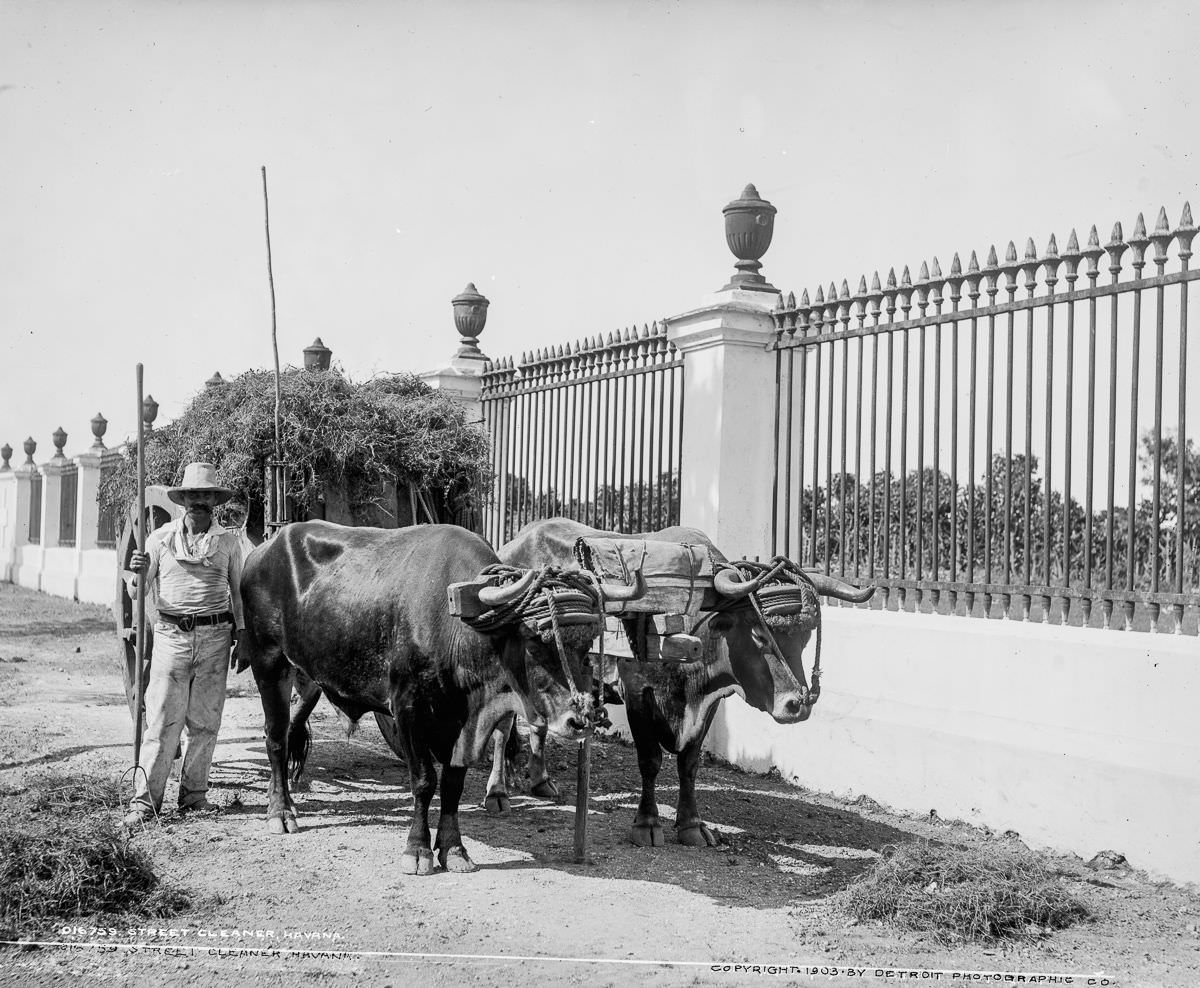
Keeping Havana’s busy streets and markets clean required a dedicated workforce. Street cleaners were a regular presence in the city, managing the waste produced by thousands of daily market transactions, horse-drawn vehicles, and foot traffic. Their work kept the commercial areas functional and sanitary.
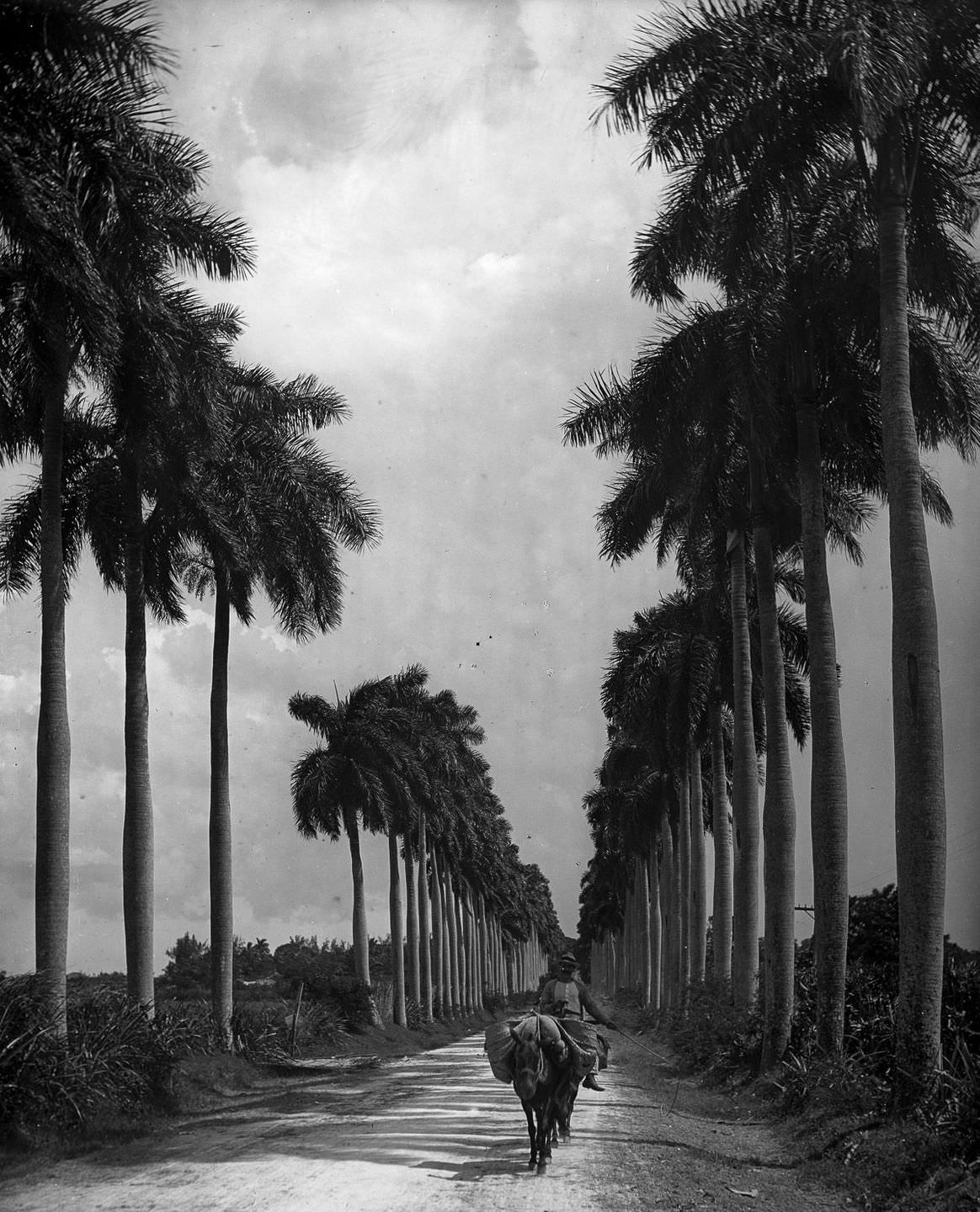
Beyond its busy streets and crowded markets, Havana also had quieter sides. Flower vendors worked the city’s plazas, and avenues of tall palms marked the roads leading out of the urban center. These photographs from the early 1900s capture Havana at a pivotal moment — a city that had just stepped into independence and was still defining what it would become.





Would love to see side by side shots with today.
Wow that’s one way of putting it
Can anyone tell me if there were any major photography studios in Cuba at that time? As a child, I remember seeing a portrait of my grandmother’s family taken in Cuba when she was a baby. In the black and white photo of my grandmother’s sister, I remember her blue eyes. Seeing it again would be amazing.