Arthur Fellig — known to the world as “Weegee” — was not the kind of photographer who waited for people to pose. He was known for gritty New York City street work: crime scenes, back alleys, and the rougher edges of urban nightlife. But in the 1940s, he turned his lens somewhere unexpected — the inside of darkened movie theaters.
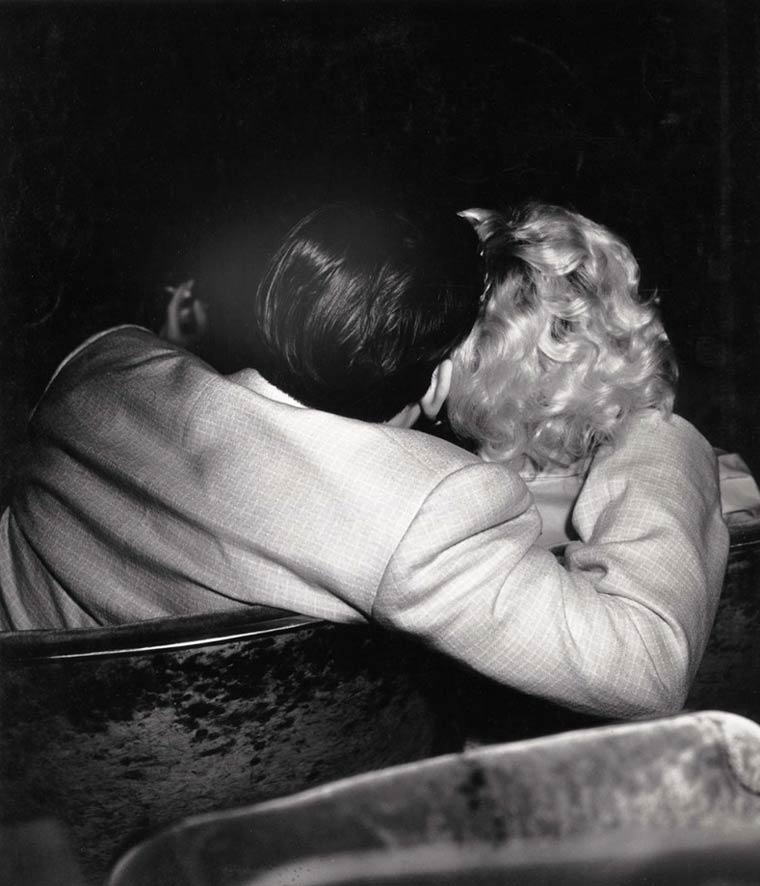
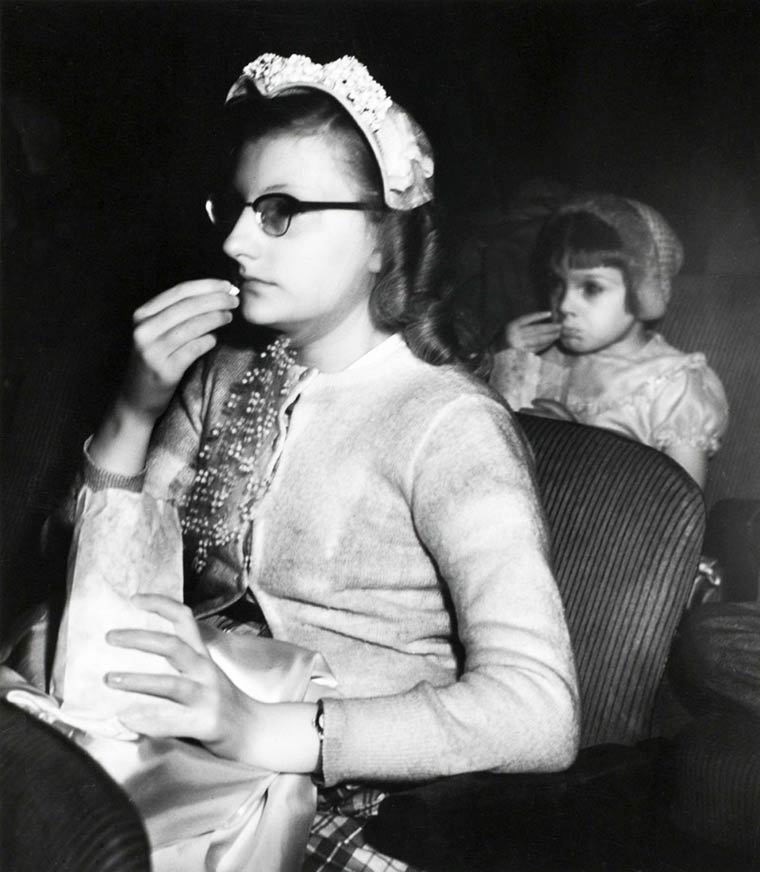
Armed with a specially modified camera and an infrared flash, Weegee slipped into theaters across New York City without disturbing a single viewer. The infrared flash was invisible to the naked eye, meaning audiences never knew they were being photographed. What he captured was completely unguarded — real people in real moments.
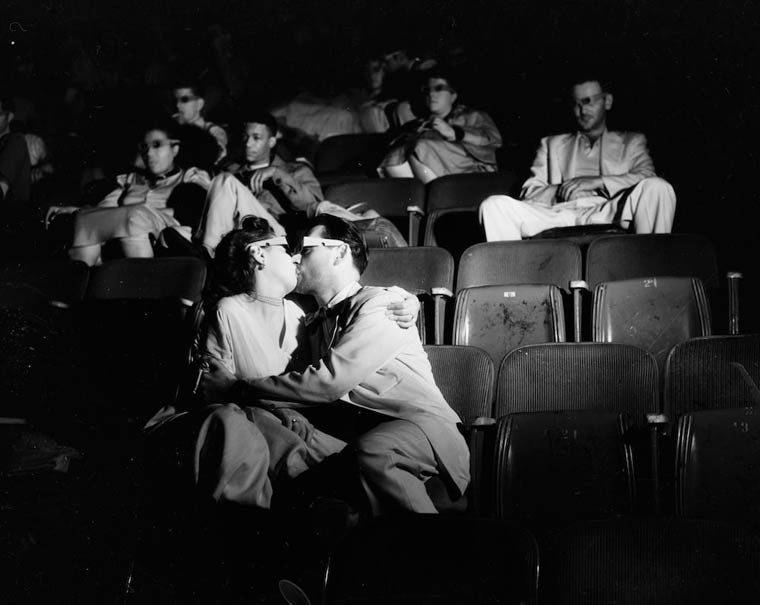
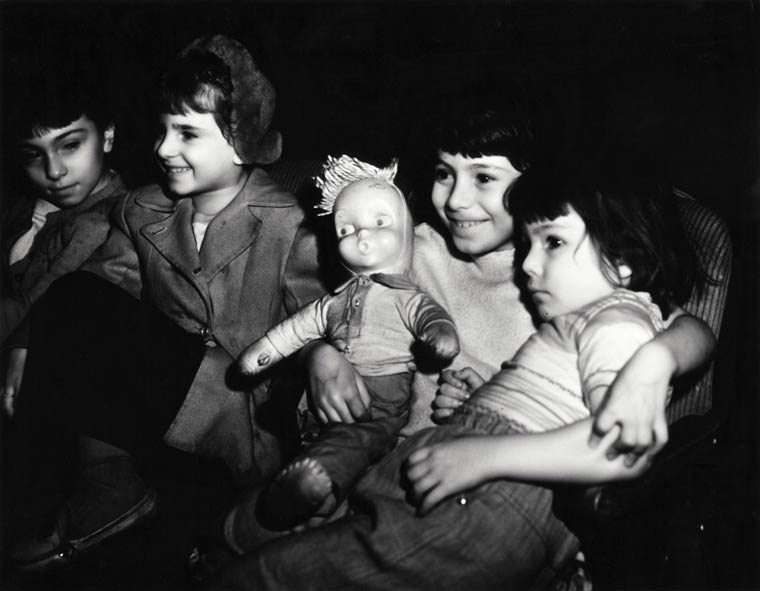
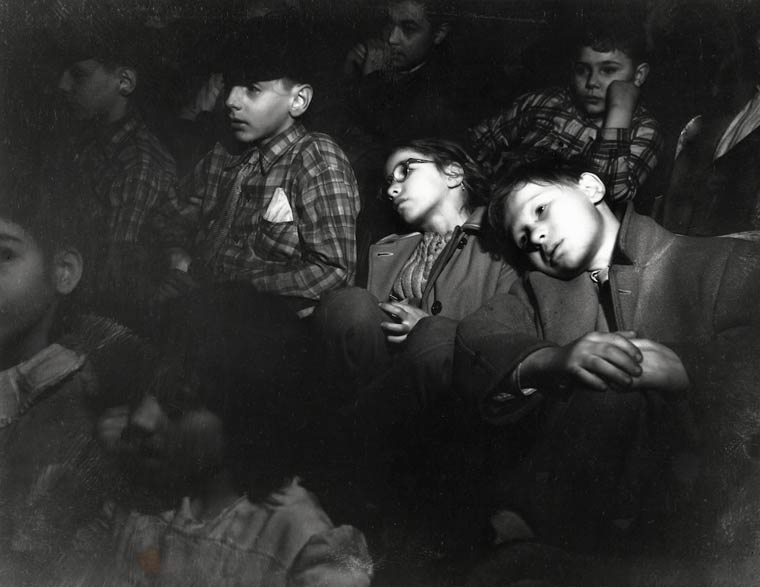
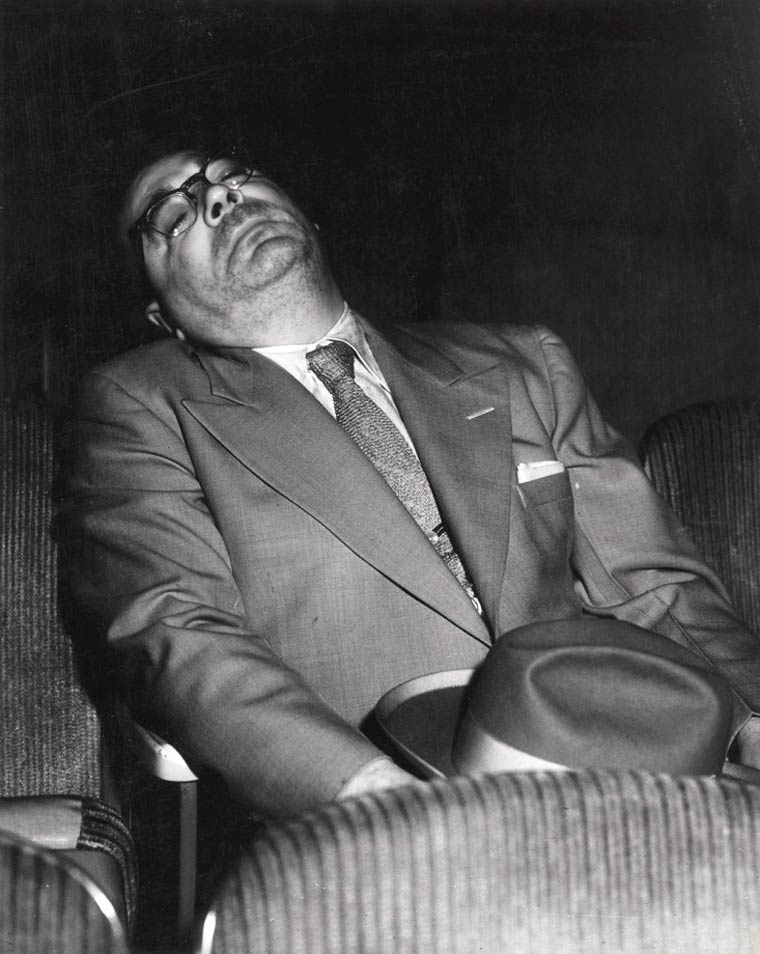
Faces frozen in shock, mouths open mid-laugh, eyes wide with tension — Weegee documented the full emotional range of a captive audience. Some stared at the screen in total silence. Others leaned into friends, whispering. A few had simply dozed off in the warmth of the theater.
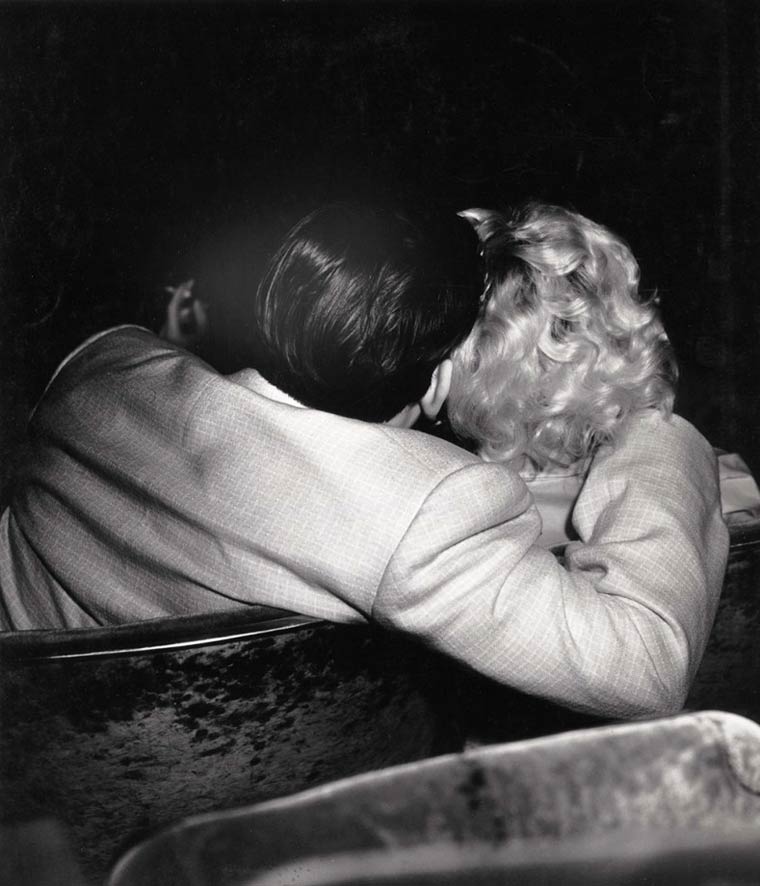
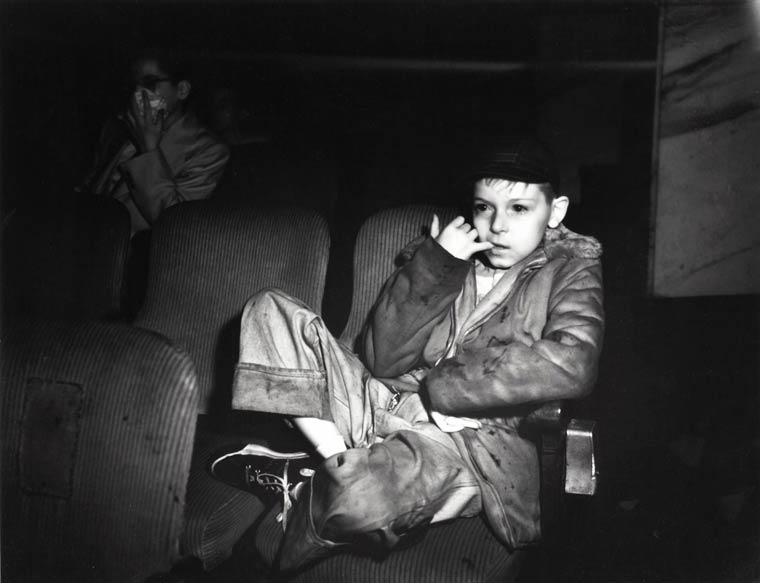
The 1940s movie theater was a major social institution in New York City. It wasn’t just a screen and some seats — it was a grand escape from daily life, particularly during the hardships of World War II. Elegantly dressed women in hats and furs sat beside teenagers sharing popcorn. Soldiers on leave filled seats in uniform, grabbing a rare moment of normalcy.
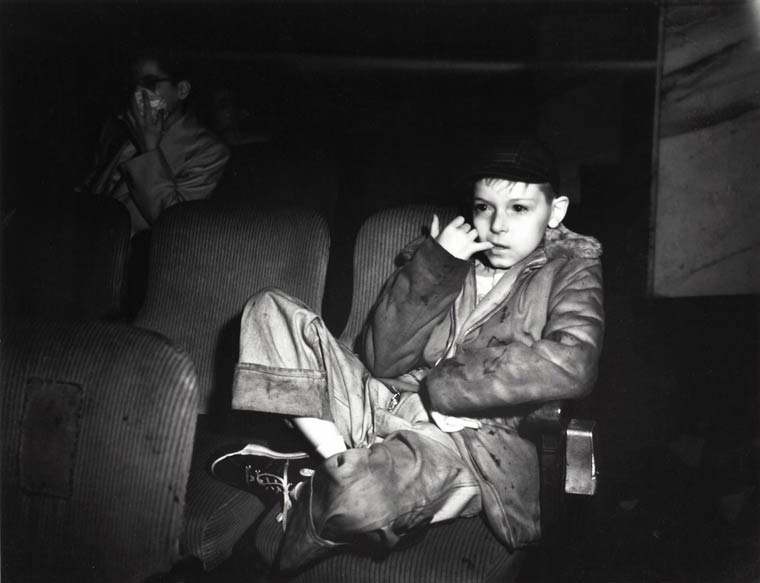
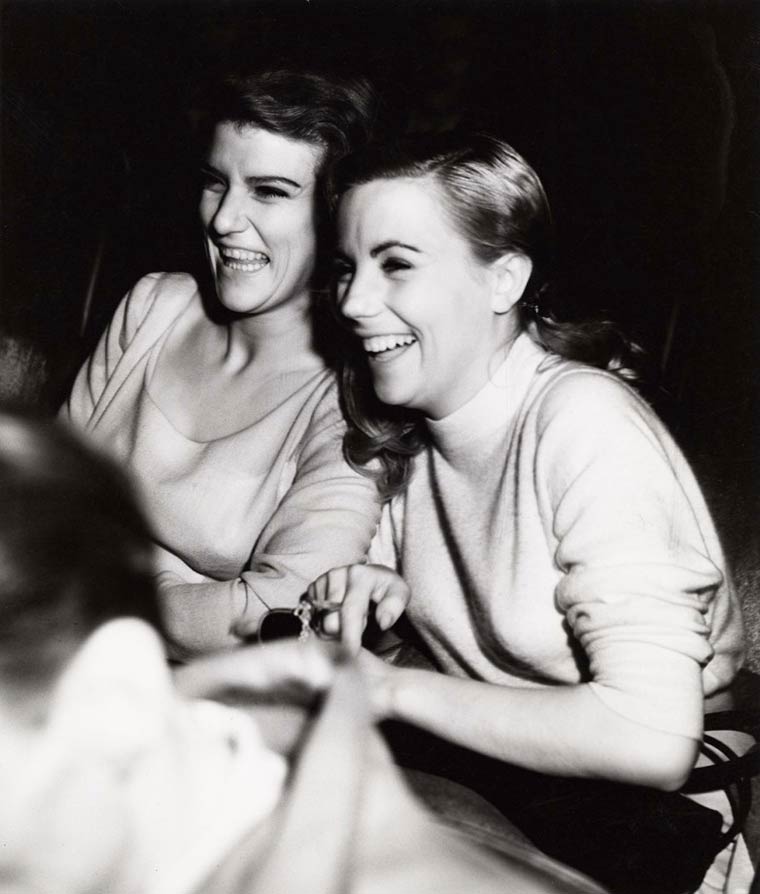
Weegee shot both wide and close. Wide frames showed entire rows of people locked onto the screen in unison. Tight close-ups exposed individual expressions — raw, private, and completely honest. Nobody was performing for the camera, because nobody knew it was there.
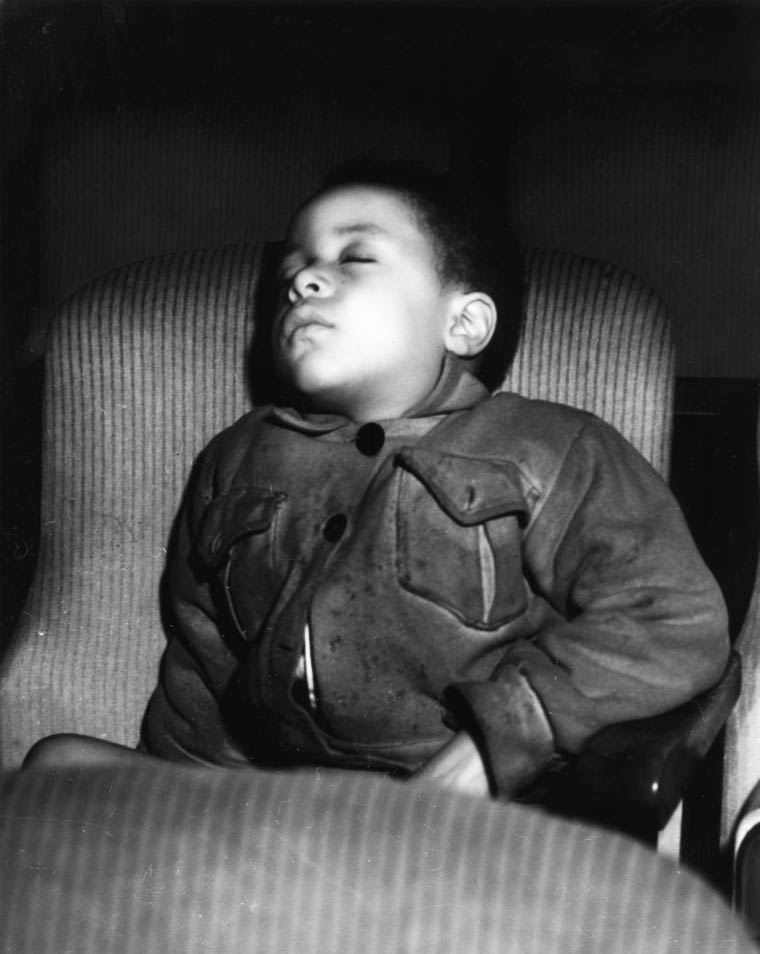
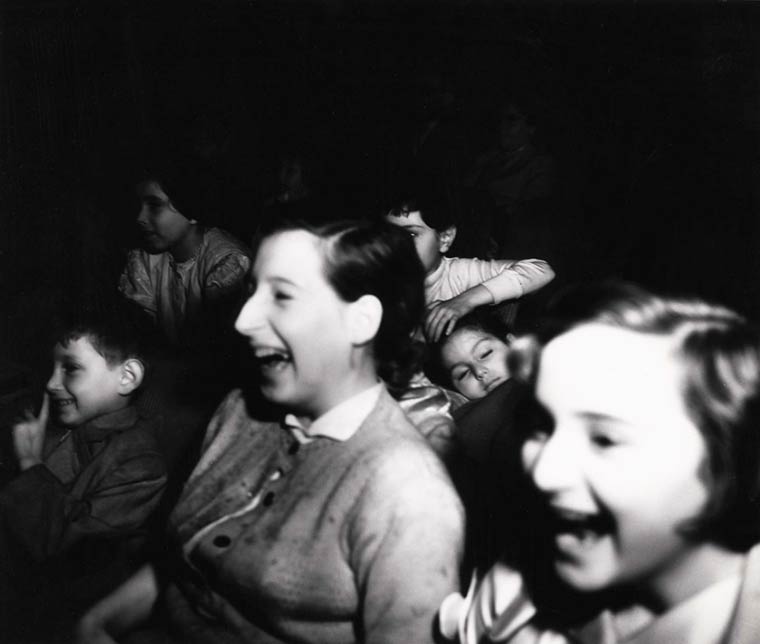
Couples held hands in the dark. Friends huddled together. Children sat with eyes glued to the screen, fully absorbed. These were not staged scenes — they were stolen glimpses of genuine human connection happening inside a shared space.
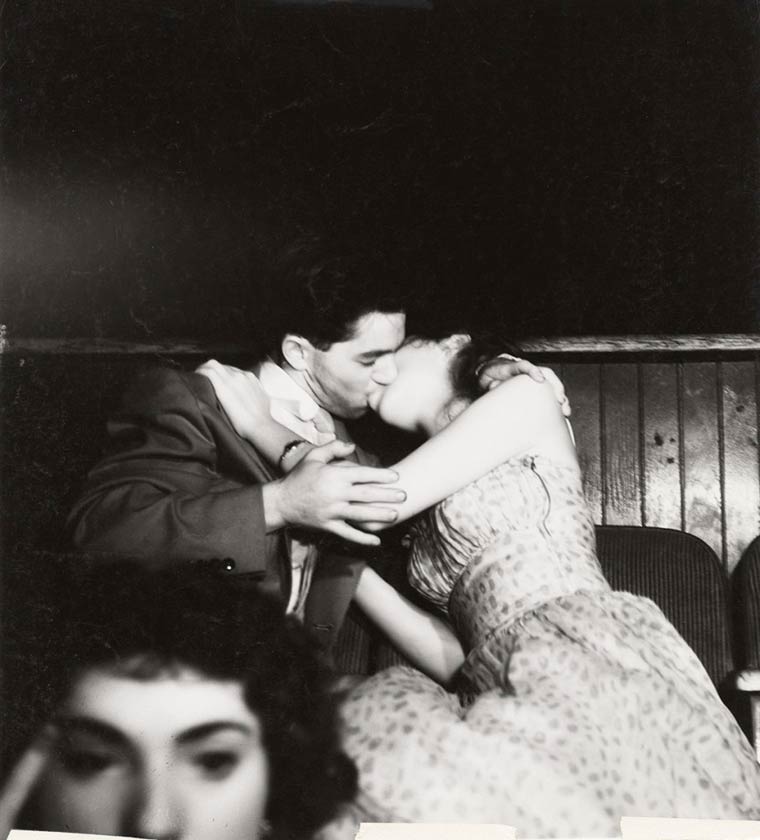
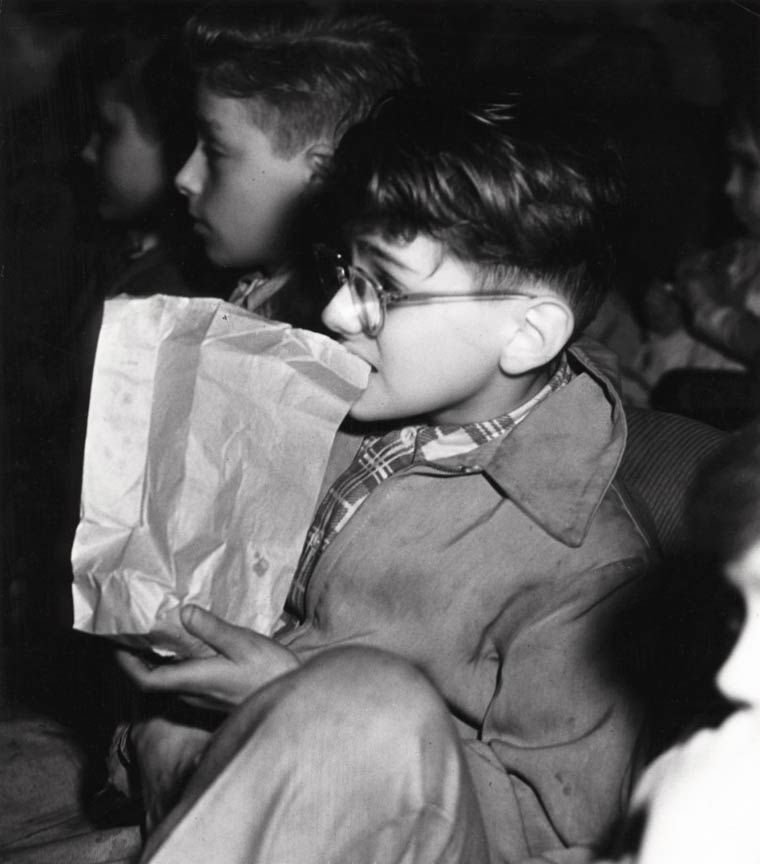
This series stands apart from the rest of Weegee’s portfolio. His usual subjects were violent and jarring — murder victims, police arrests, tenement fires. Here, the subject was joy, laughter, and collective wonder. It revealed a softer, more playful side of a photographer better known for shock.
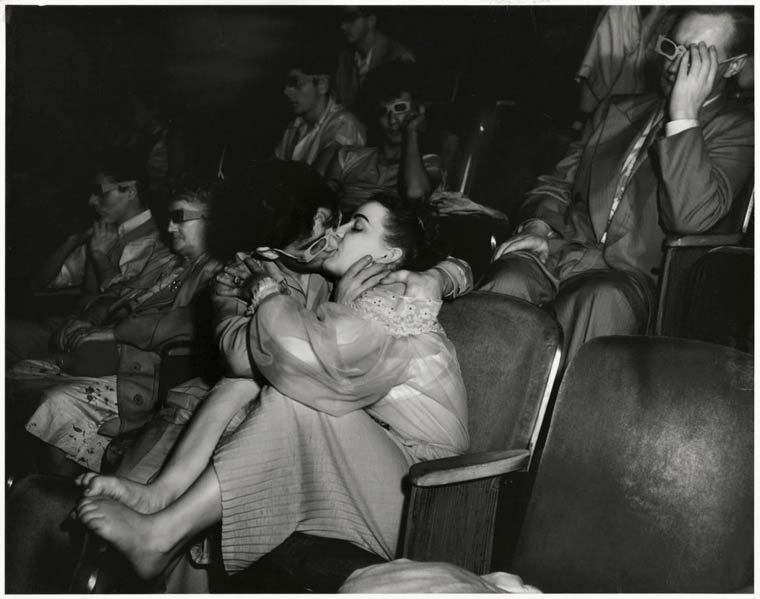
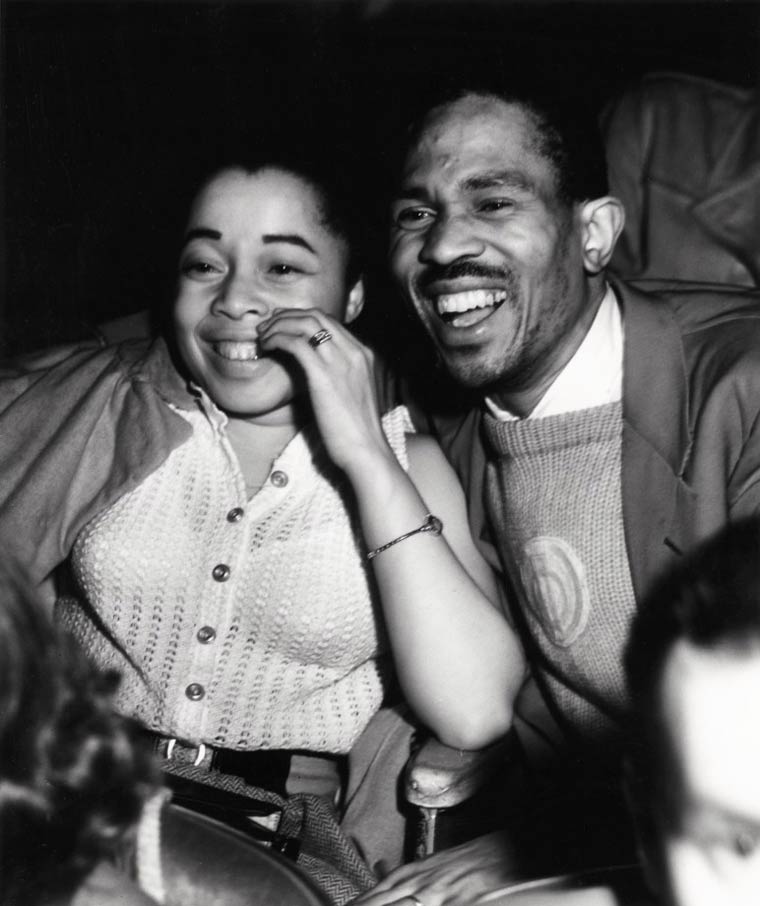
The audiences in these photographs had no smartphones, no notifications, no distractions pulling them away. Their attention was given entirely to the screen. Weegee’s infrared flash froze that total absorption in black and white — row after row of faces surrendered completely to the story unfolding before them.