

In 1968, Chilean photographer Camilo José Vergara arrived in New York City. He came after finishing his education, and he brought a camera and a sharp eye for the places that most people preferred not to look at. Over the years that followed, he walked through neighborhoods that had been hollowed out by poverty, neglect, and decades of city and state indifference. What he found, and what he photographed, was a New York that looked nothing like the postcards.
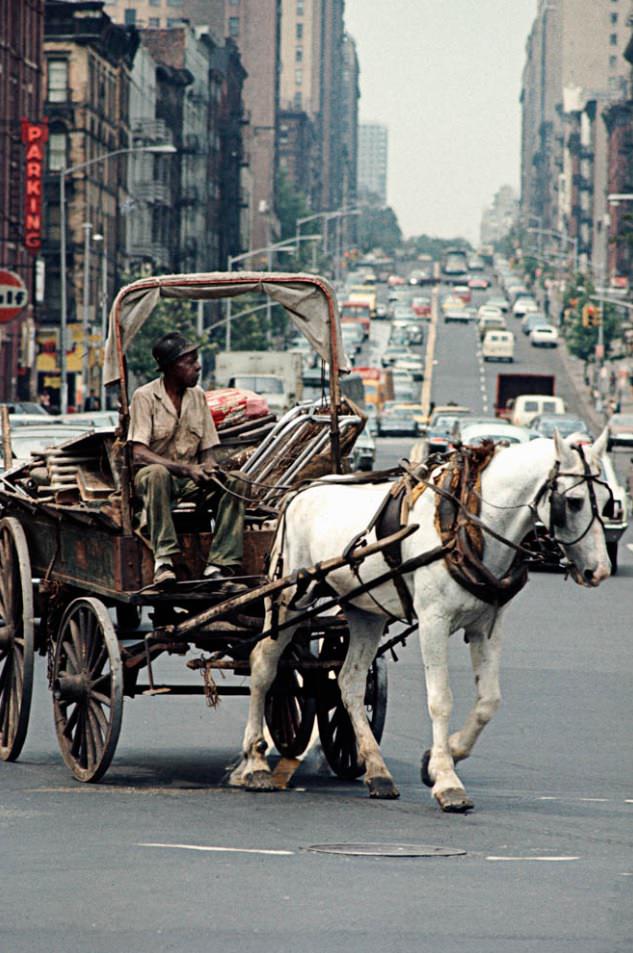
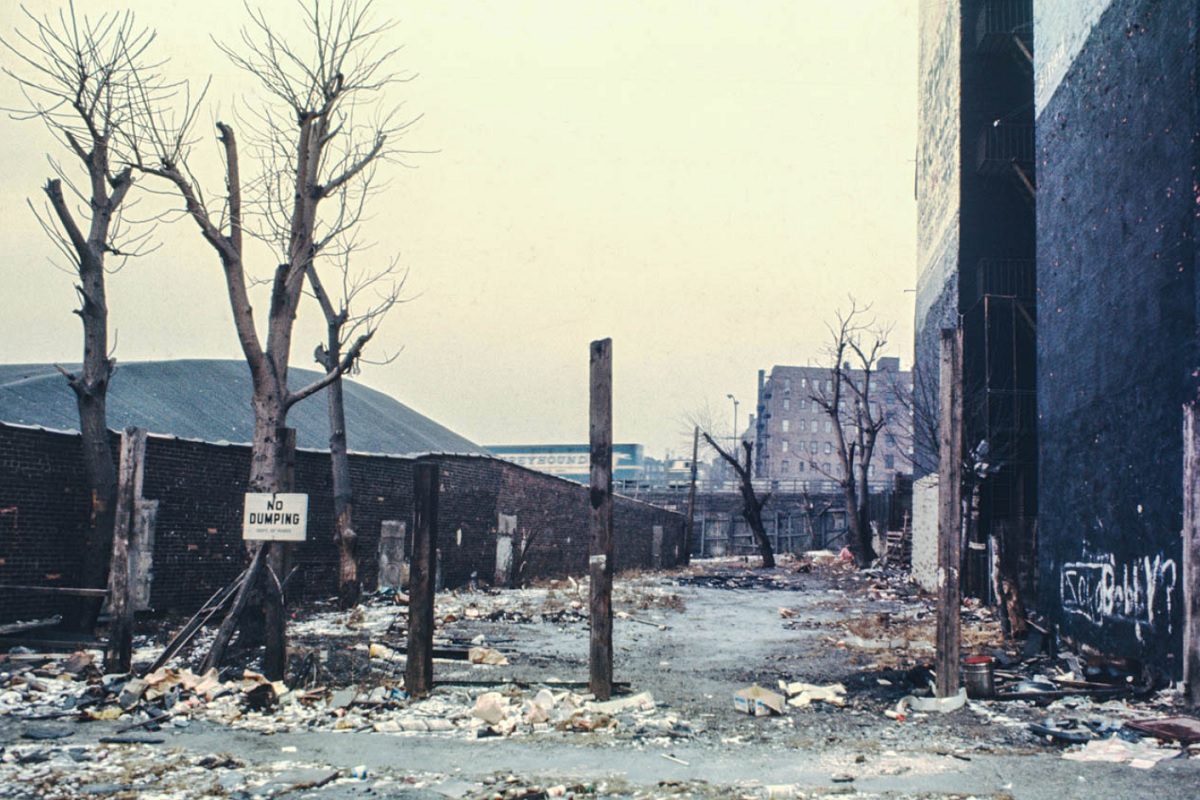
Vergara’s work was not limited to New York. He spent years documenting the streets of Detroit, Los Angeles, Chicago, and Newark as well. But New York in the early 1970s held a particular kind of raw energy. Parts of the city — especially the South Bronx, Harlem, and the Lower East Side — were in serious decline. Buildings sat abandoned. Streets were crumbling. Entire blocks in the Bronx looked less like an American city and more like a bombed-out war zone.
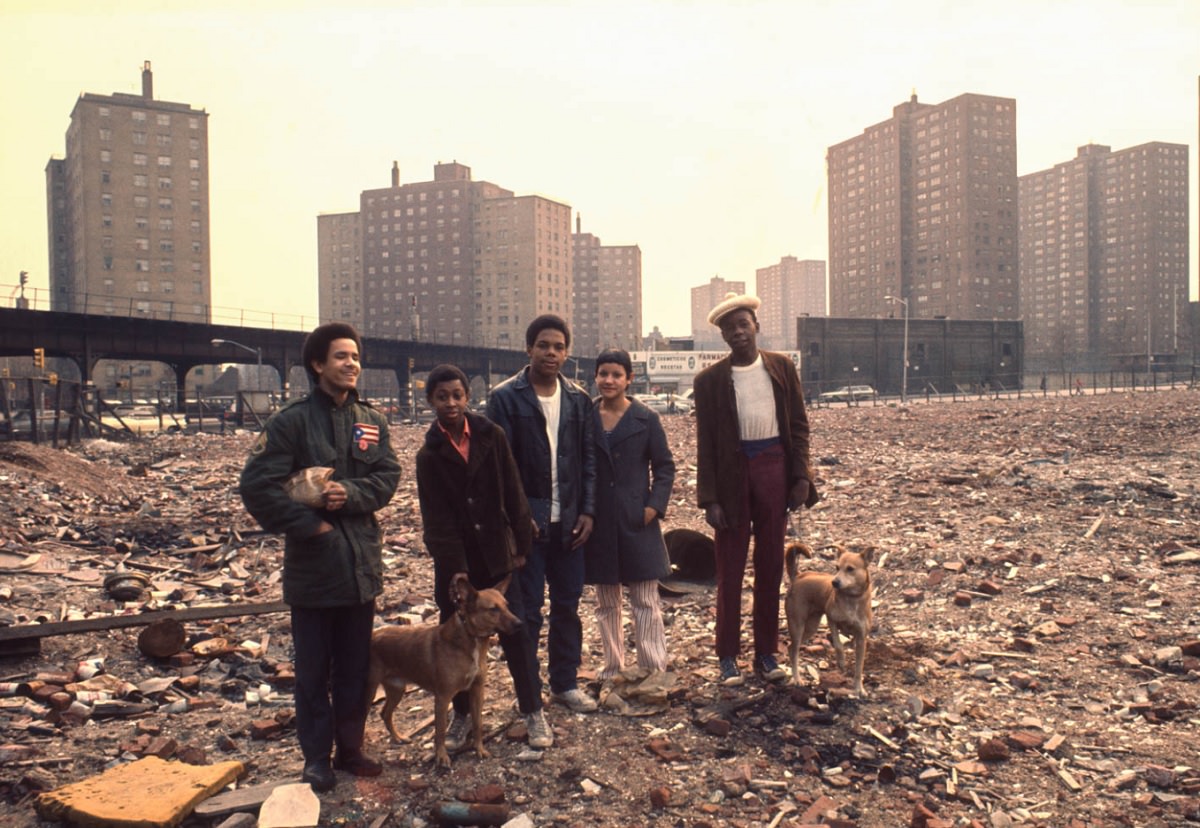
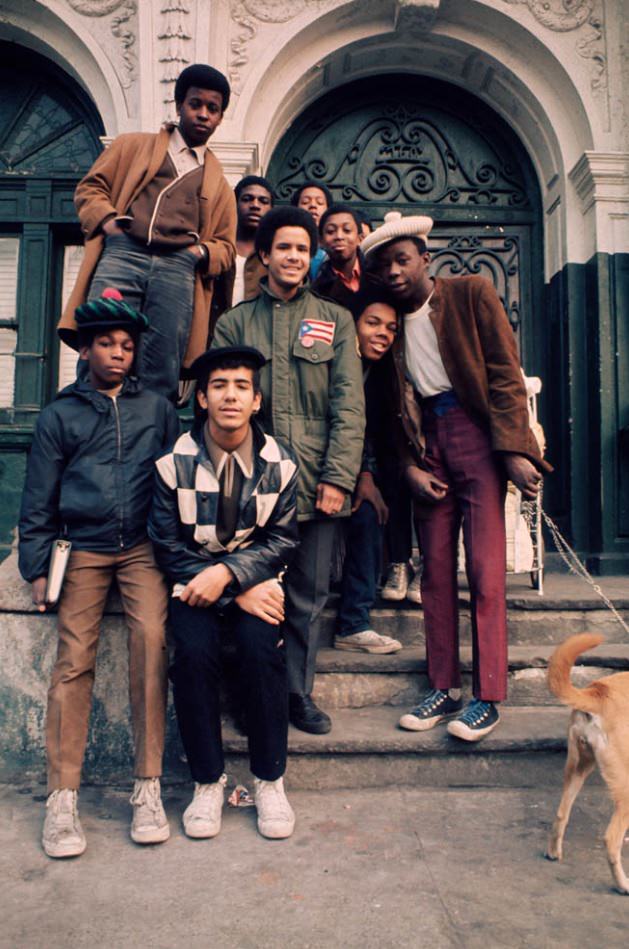
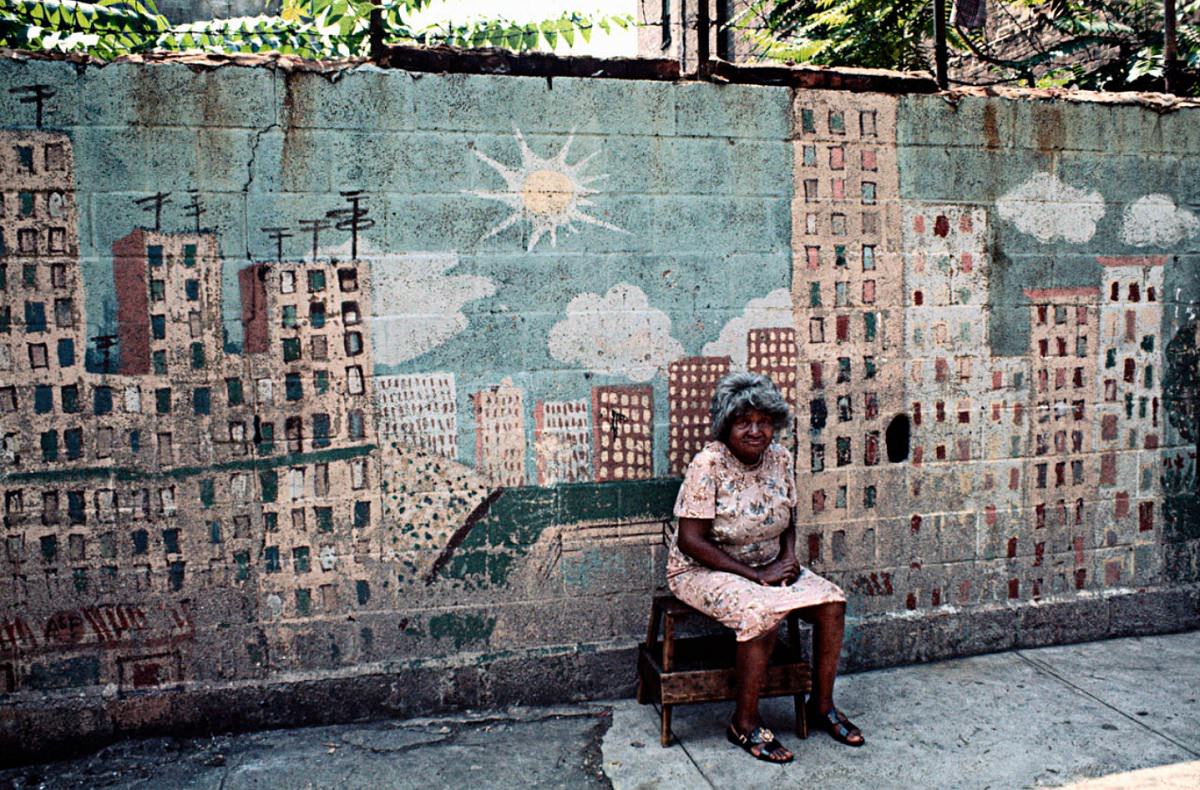
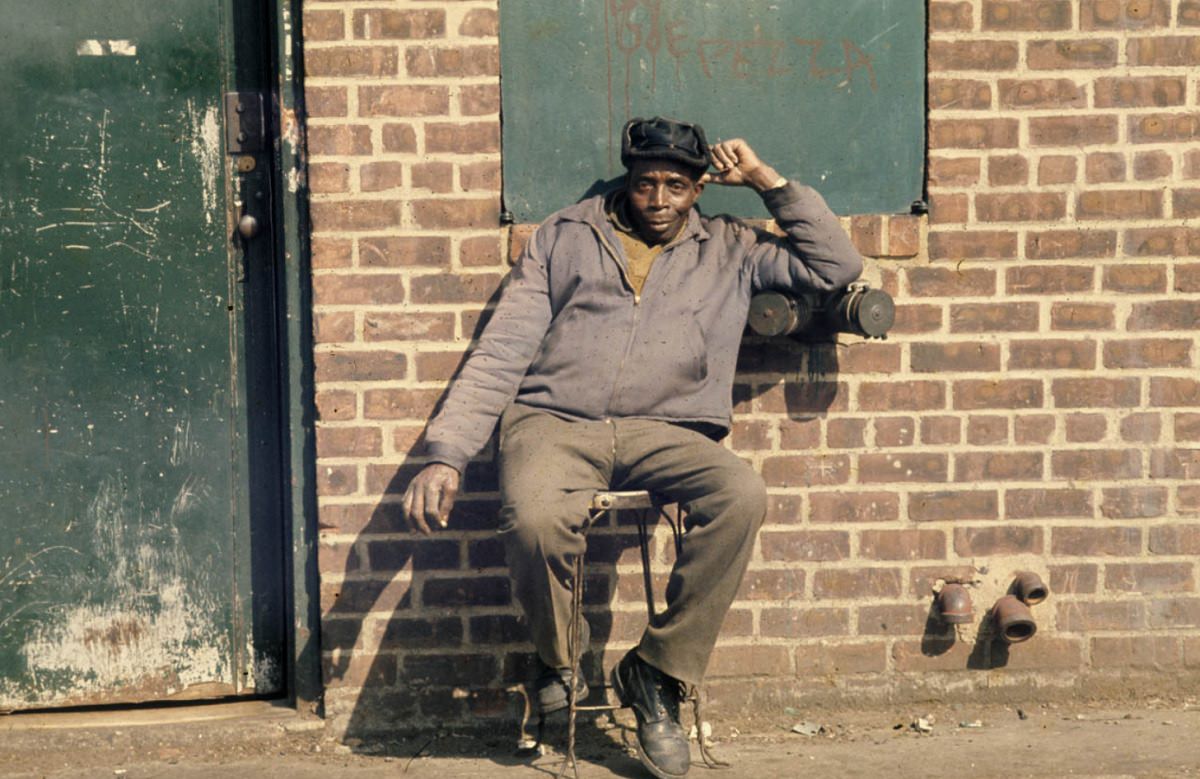
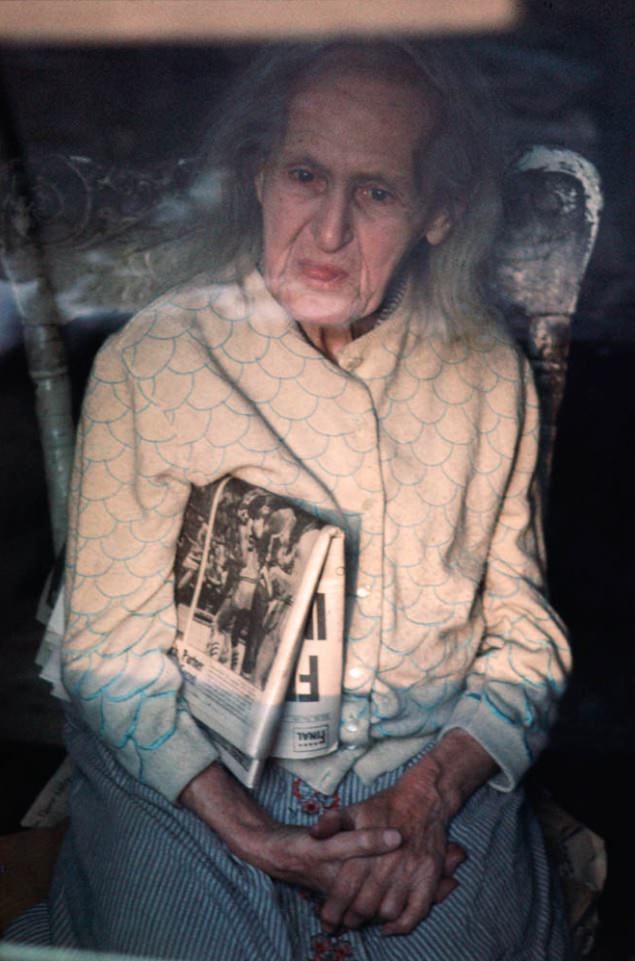
Harlem in 1970 was a neighborhood of deep contrasts. Long-established communities held on despite rising unemployment and shrinking city services. Vergara moved through these streets and photographed the people he encountered — residents going about their daily lives, their expressions and surroundings telling a story that city officials rarely acknowledged.
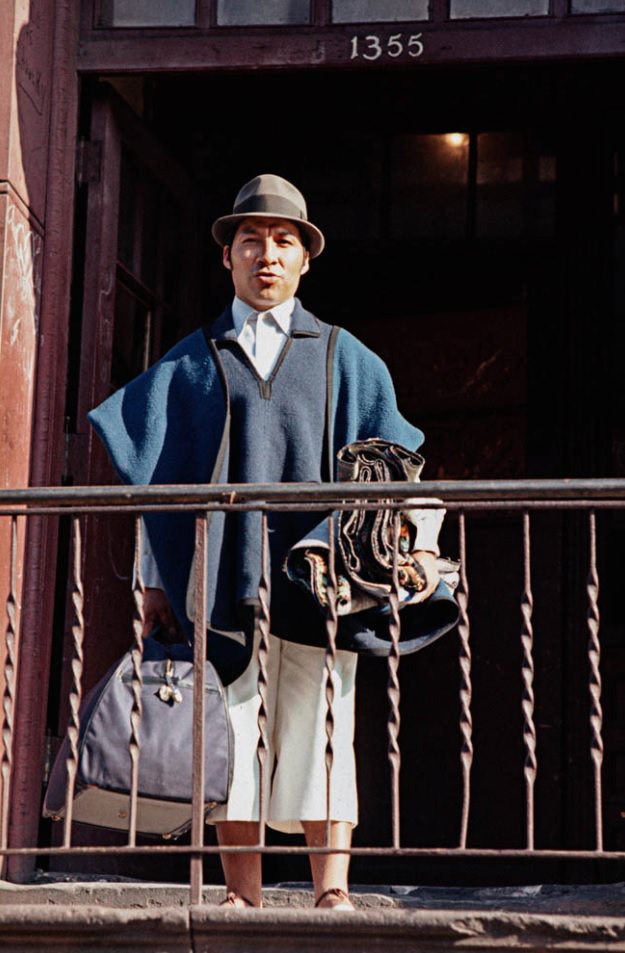
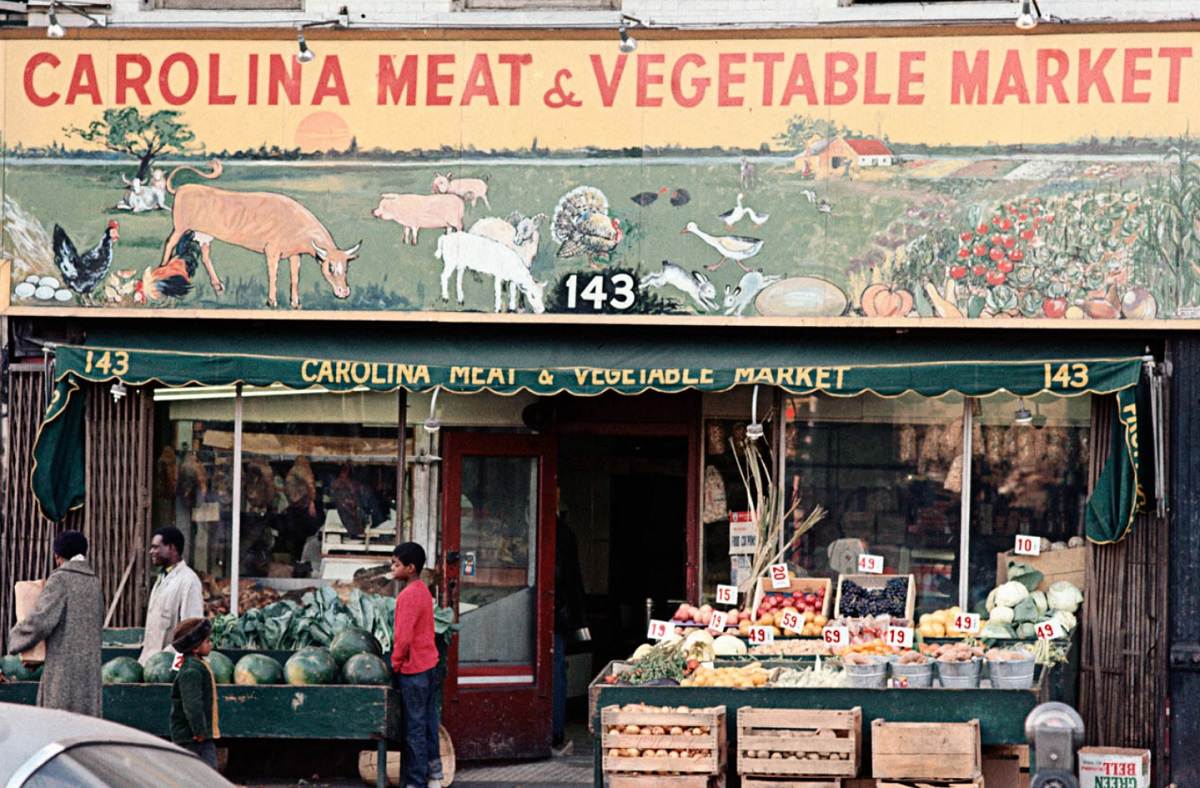
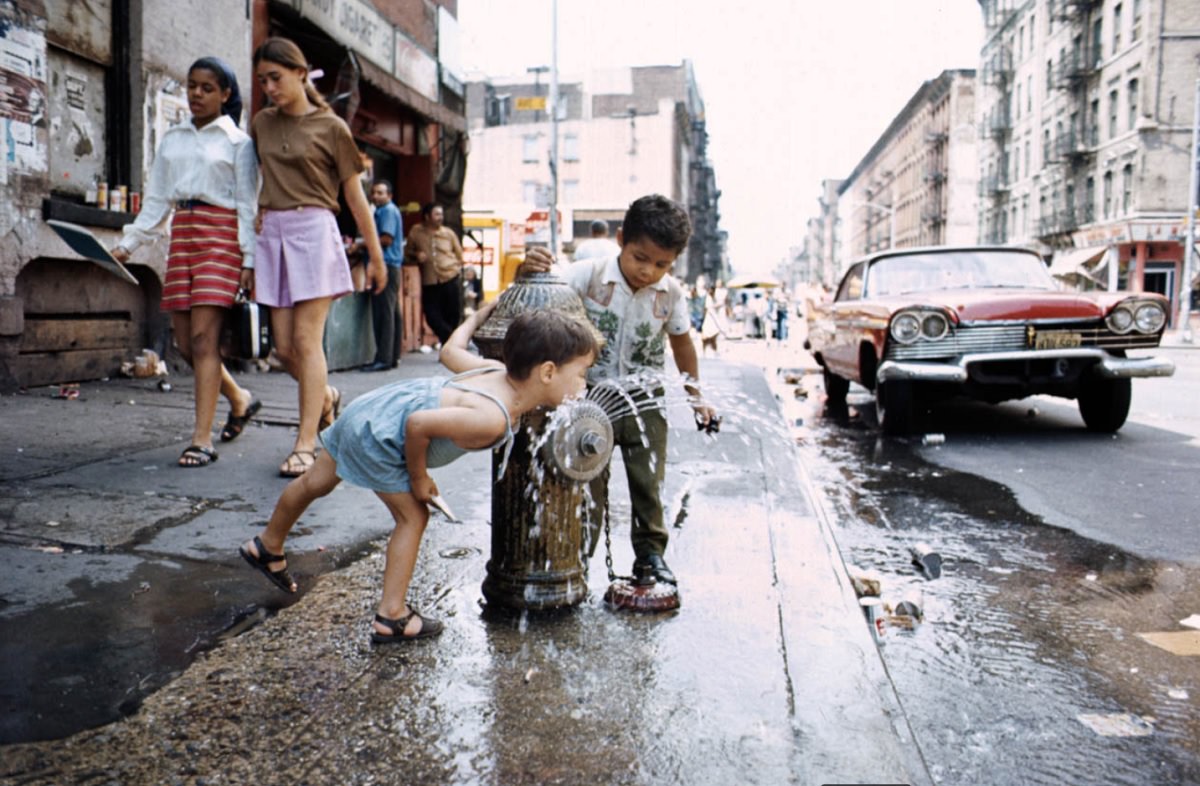
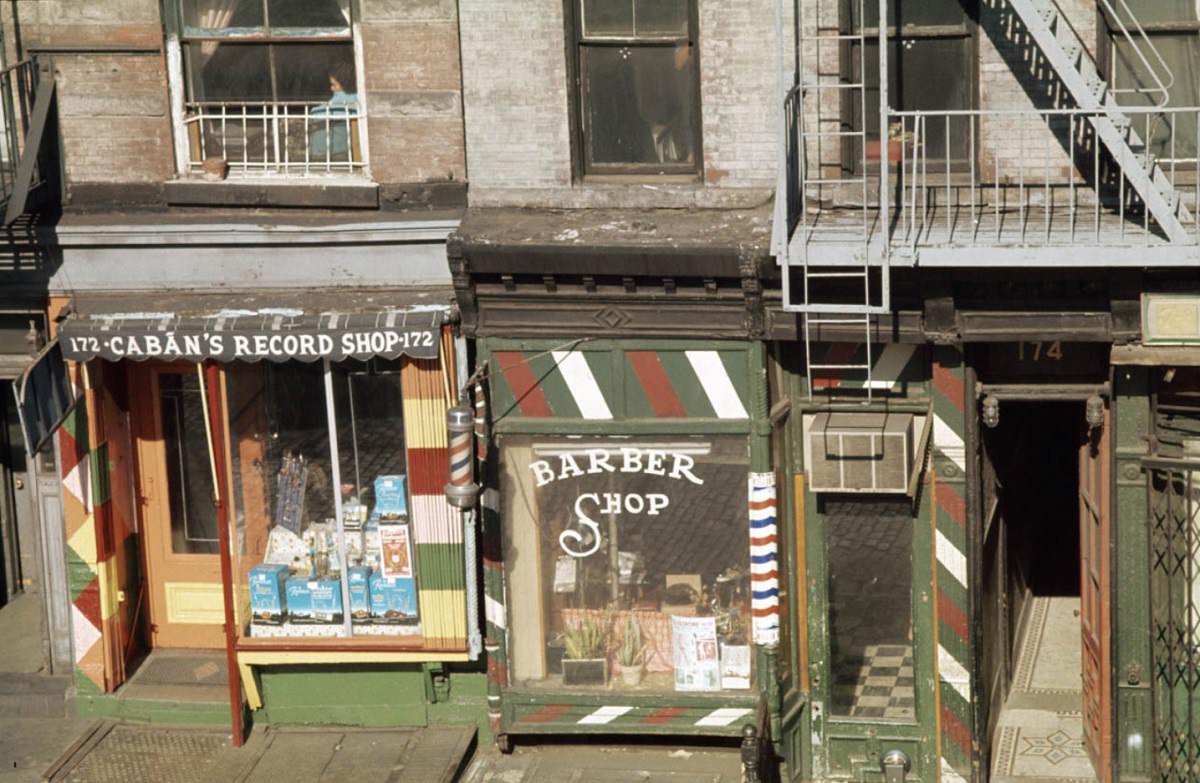
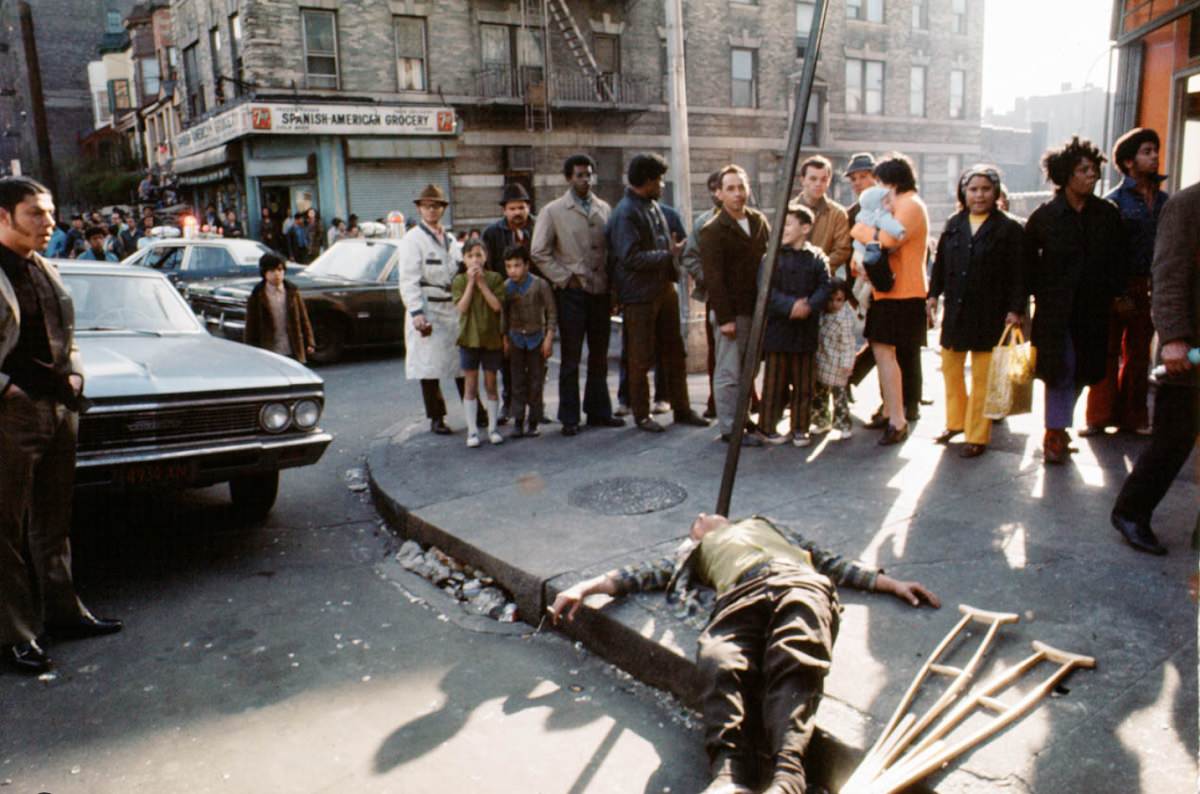
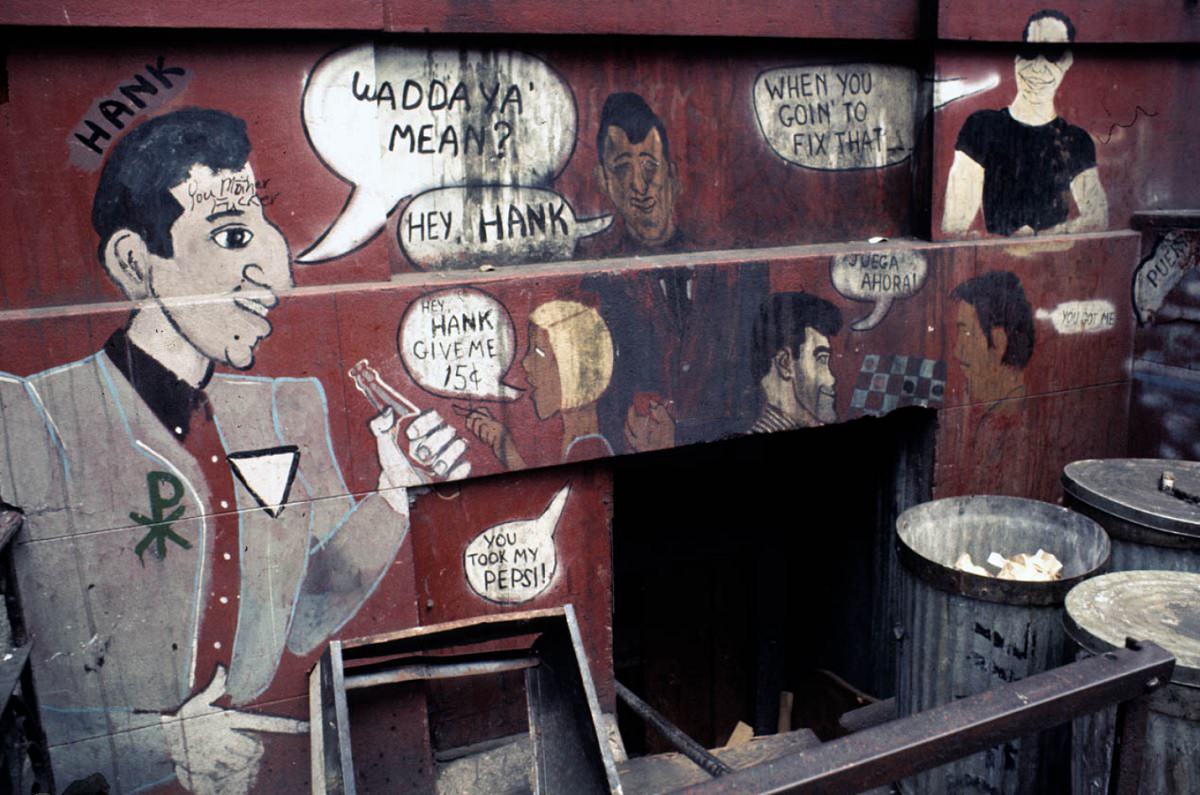
The Lower East Side was one of New York’s most densely packed neighborhoods. Immigrant families — many of them Puerto Rican — had settled there across several generations. The streets were busy, loud, and filled with the kind of everyday life that Vergara was drawn to. His photographs from this area capture storefronts, children playing, and residents simply existing in a neighborhood that the rest of the city often overlooked.
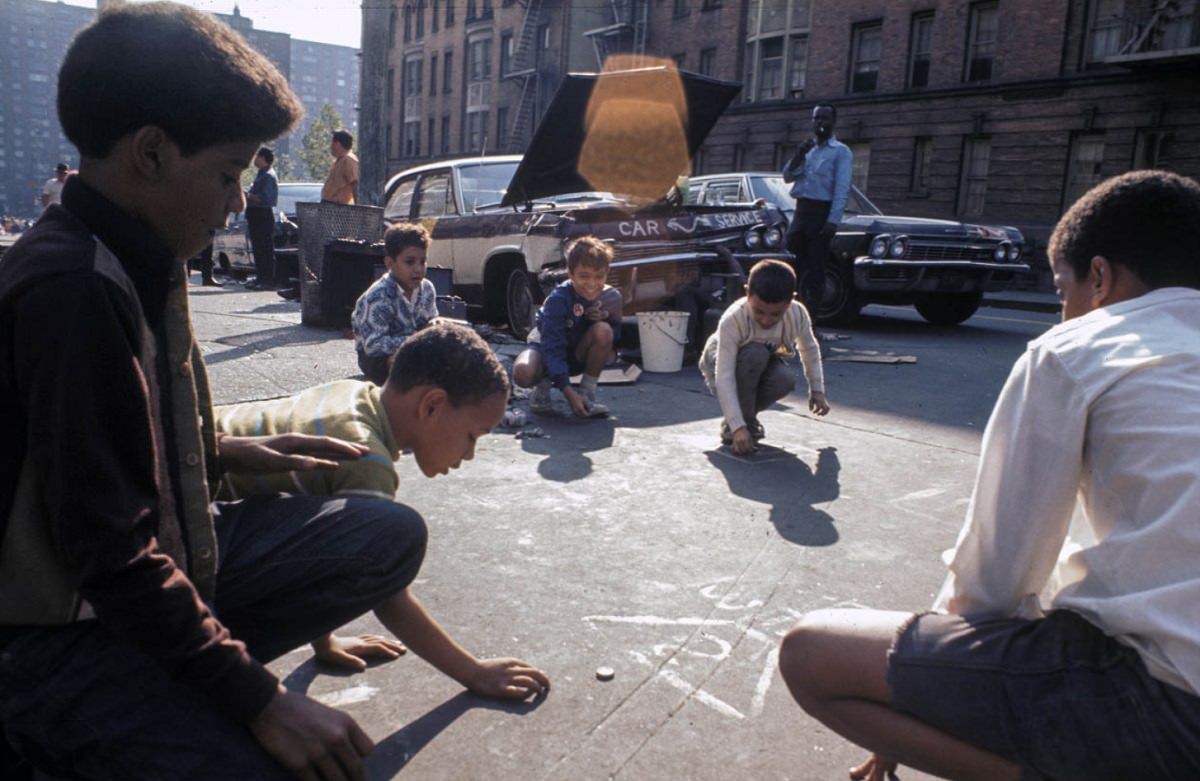
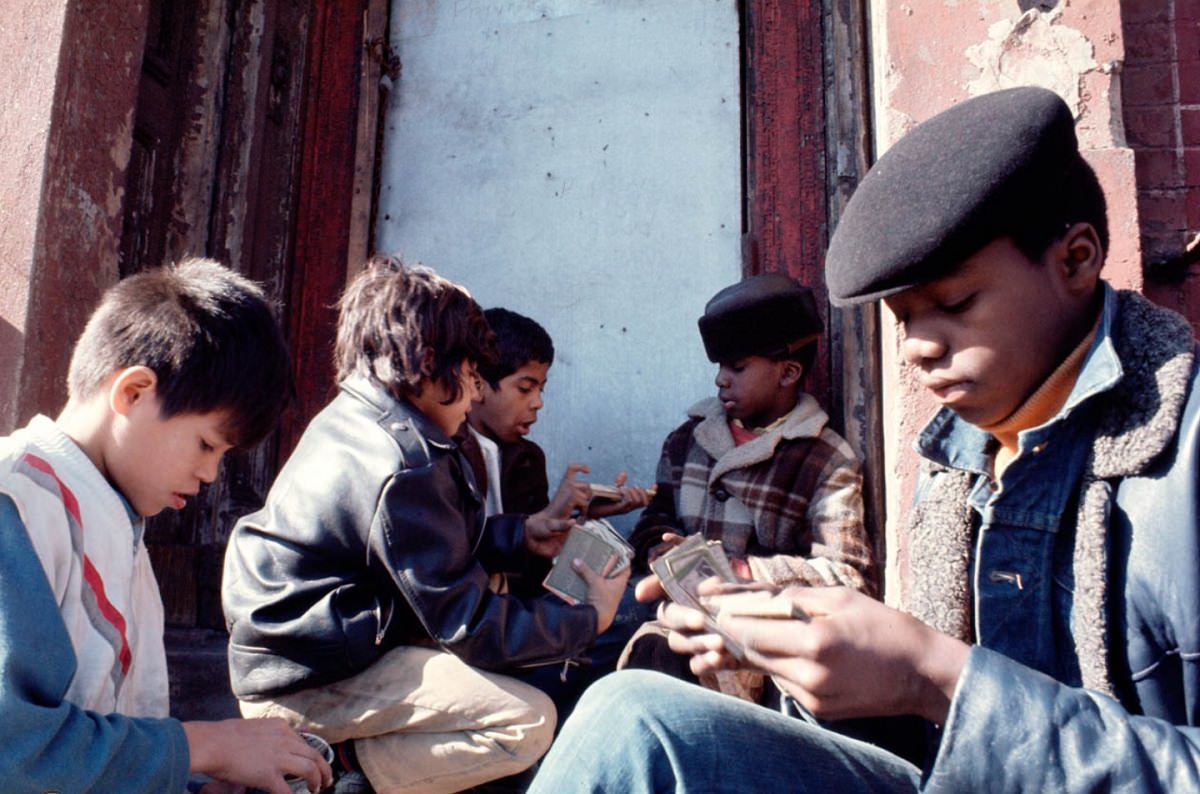
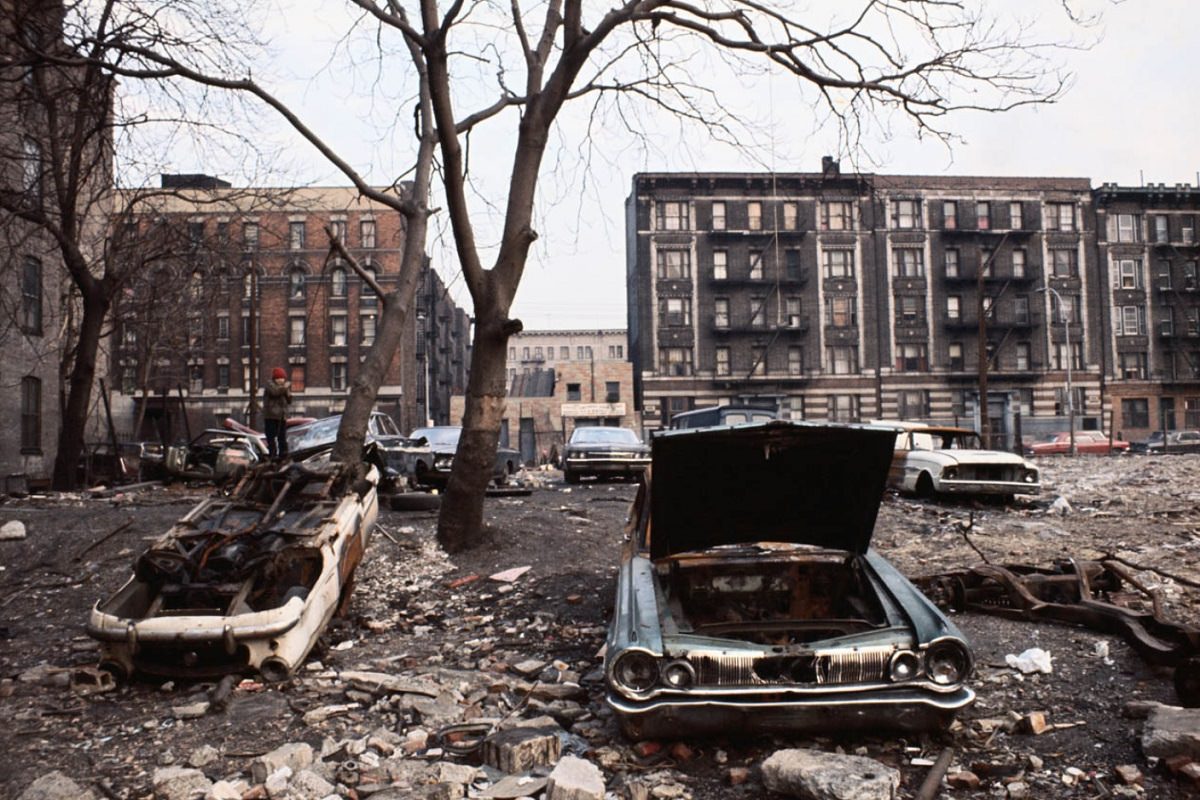
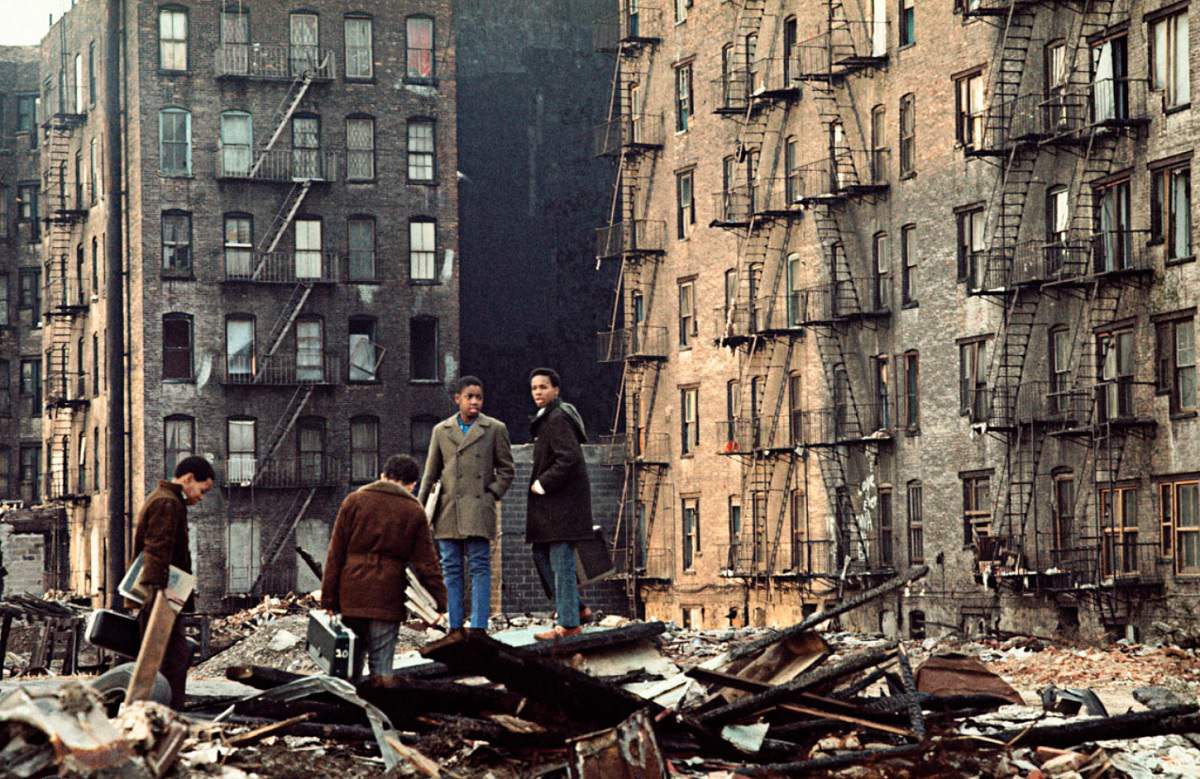
The Bronx bore some of the worst conditions in the city during this period. The Cross Bronx Expressway, completed in the 1960s, had torn through established neighborhoods and displaced tens of thousands of residents. What remained in many areas was decay. Longwood Avenue, Westchester Avenue, and the streets around Hunts Point showed block after block of deteriorating housing and empty lots.
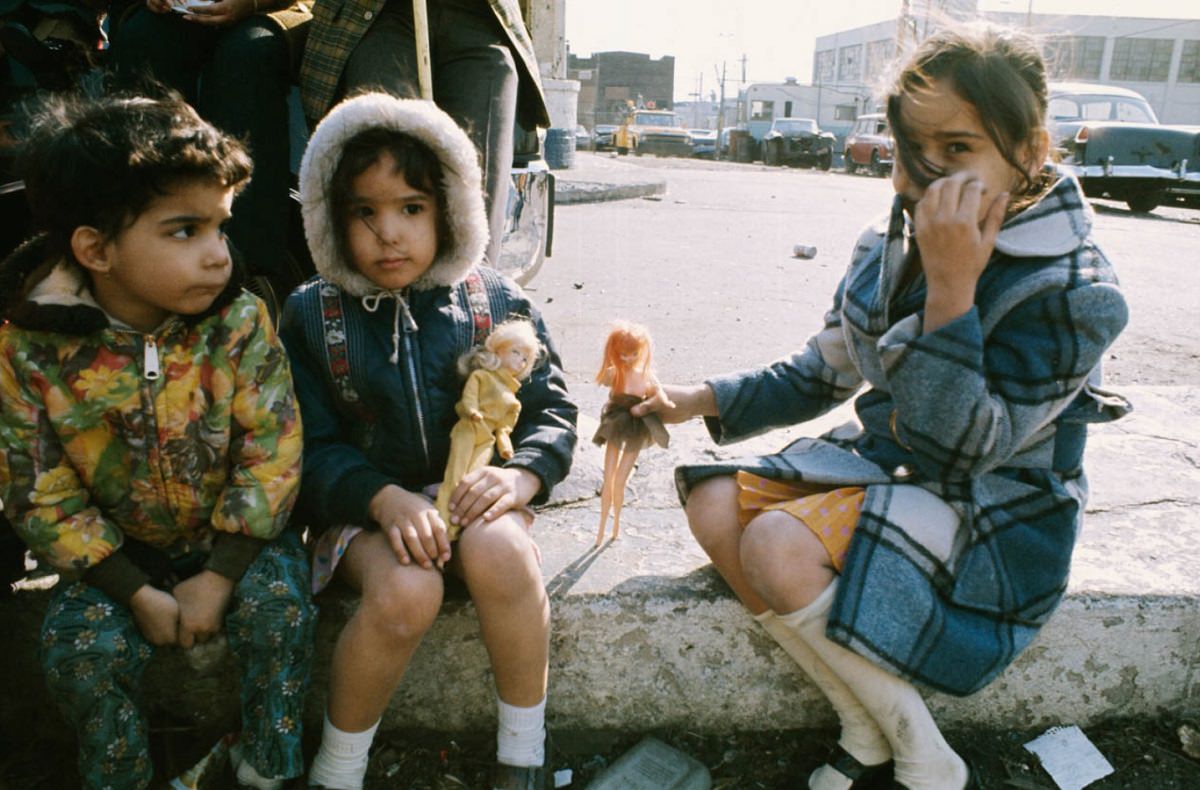
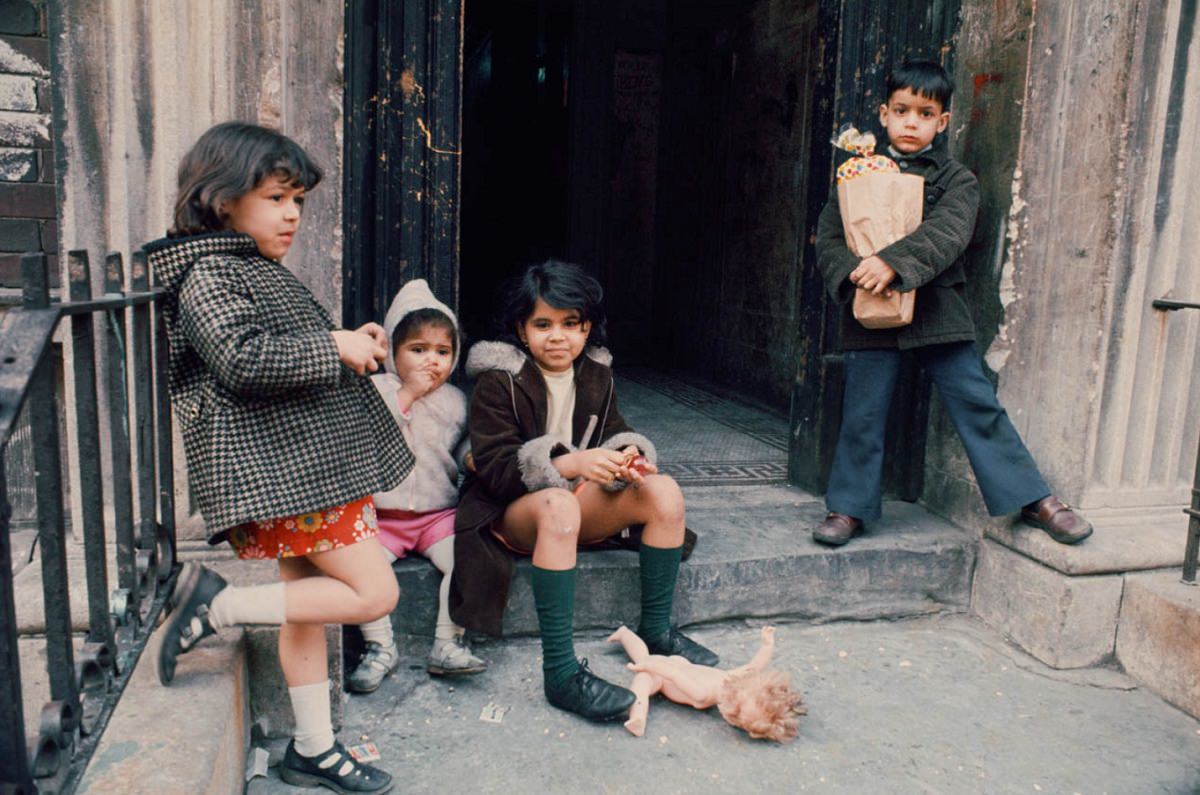
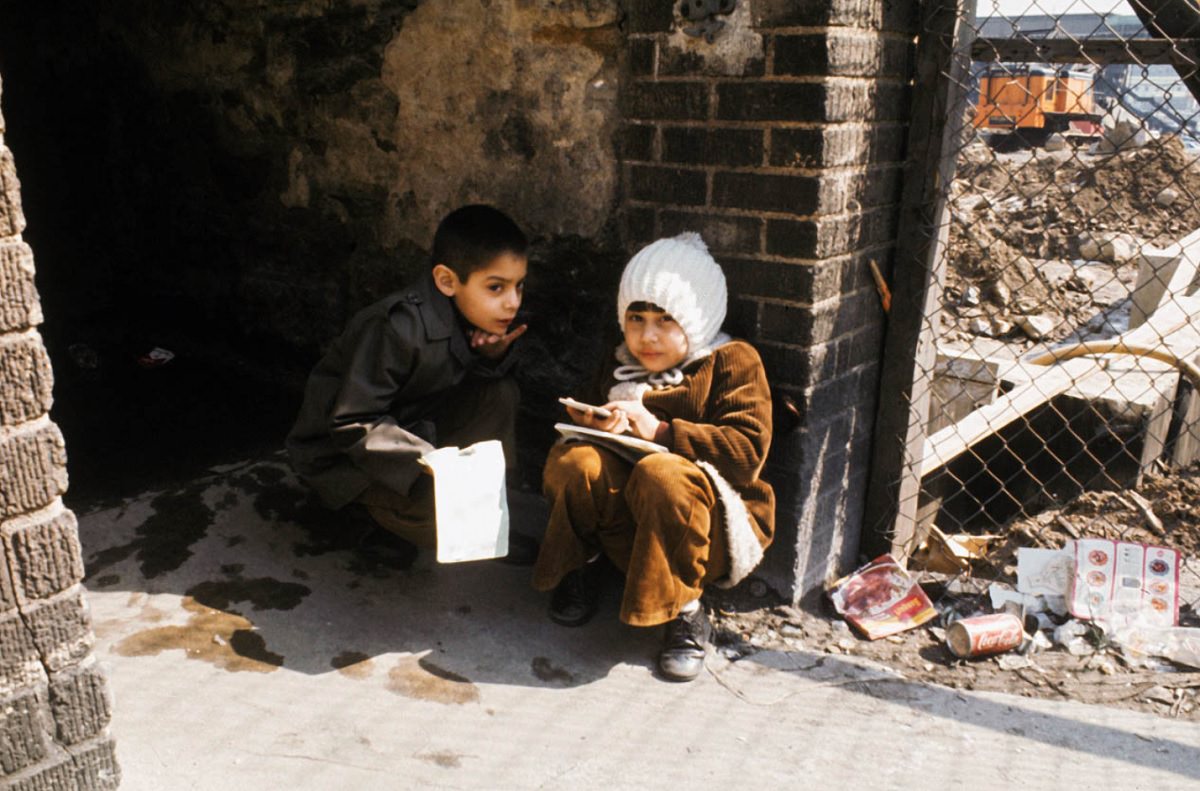
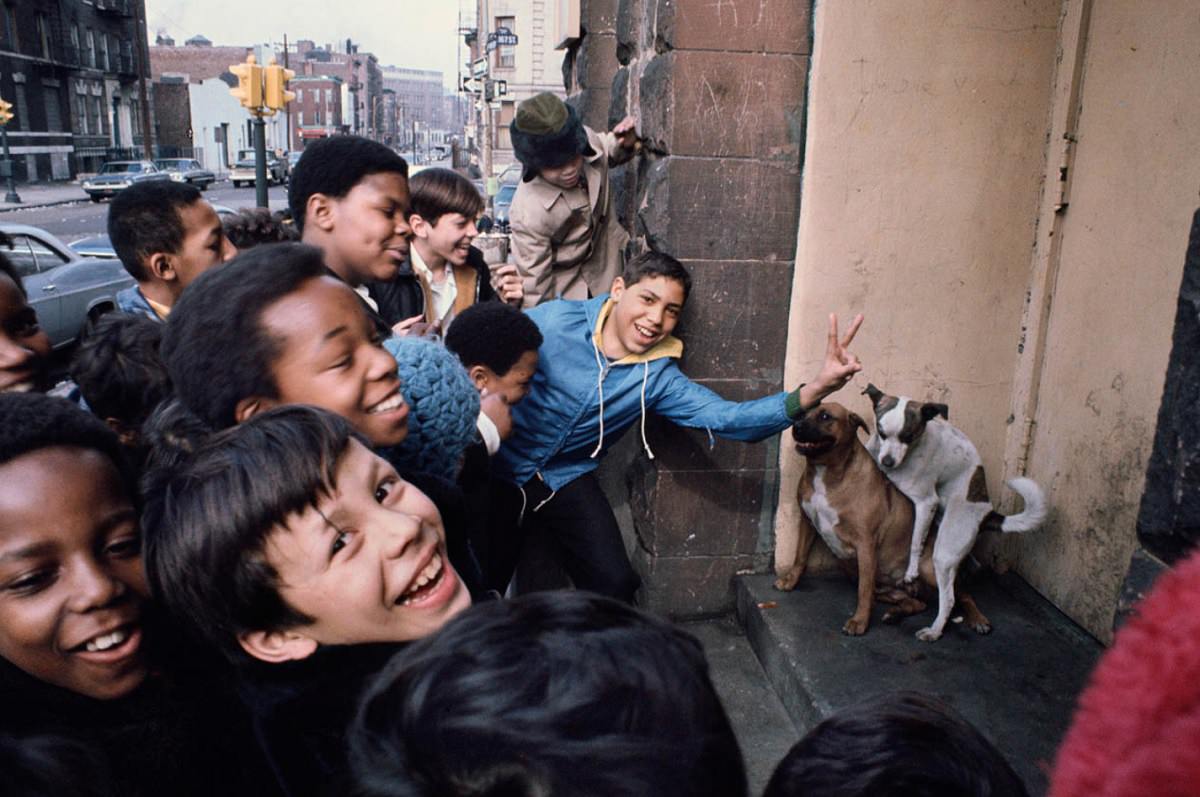
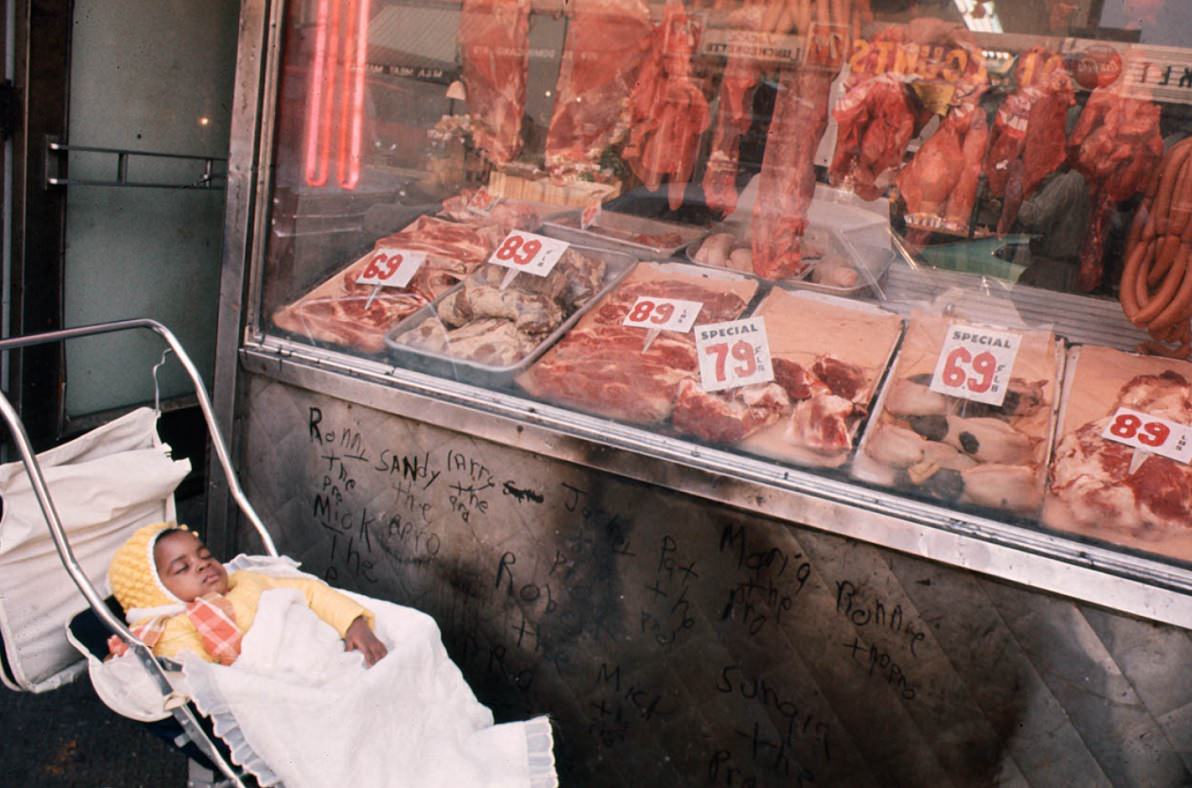
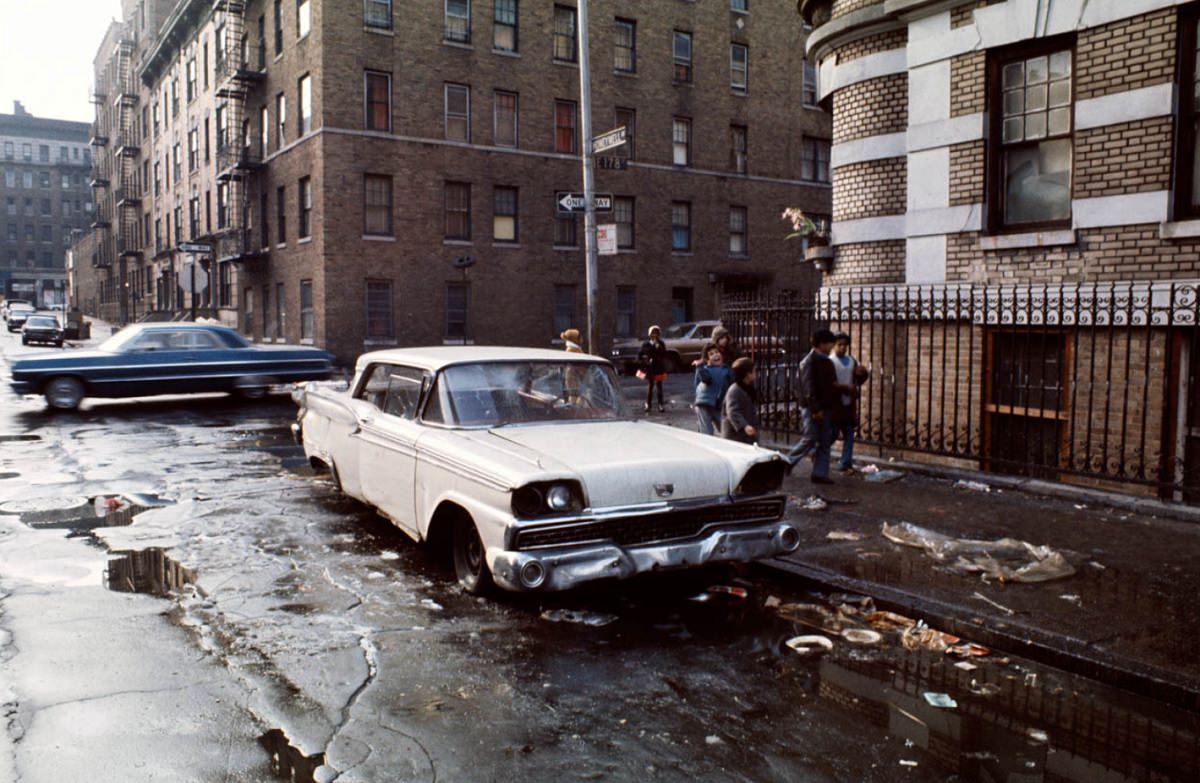
Despite the physical decay surrounding them, the people Vergara photographed showed ordinary life continuing. Children played, families gathered, and communities stayed rooted even as their neighborhoods fell apart. These images from East Harlem show that daily life pressed on regardless of the circumstances.
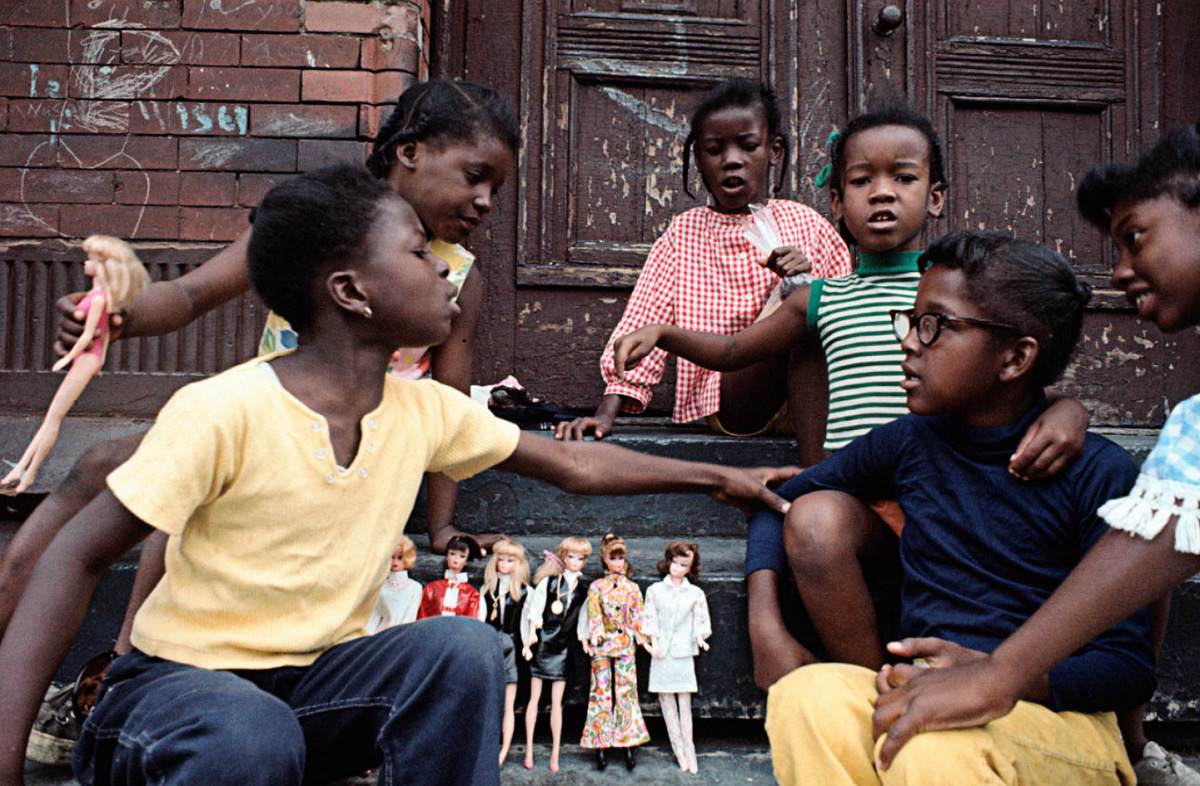
Brooklyn also appeared throughout Vergara’s work. The foot of the Manhattan Bridge offered a view of industrial waterfront life, and the surrounding streets showed a borough undergoing its own strain. These photographs taken in 1970 and 1971 document that stretch of Brooklyn before decades of later development reshaped it entirely.
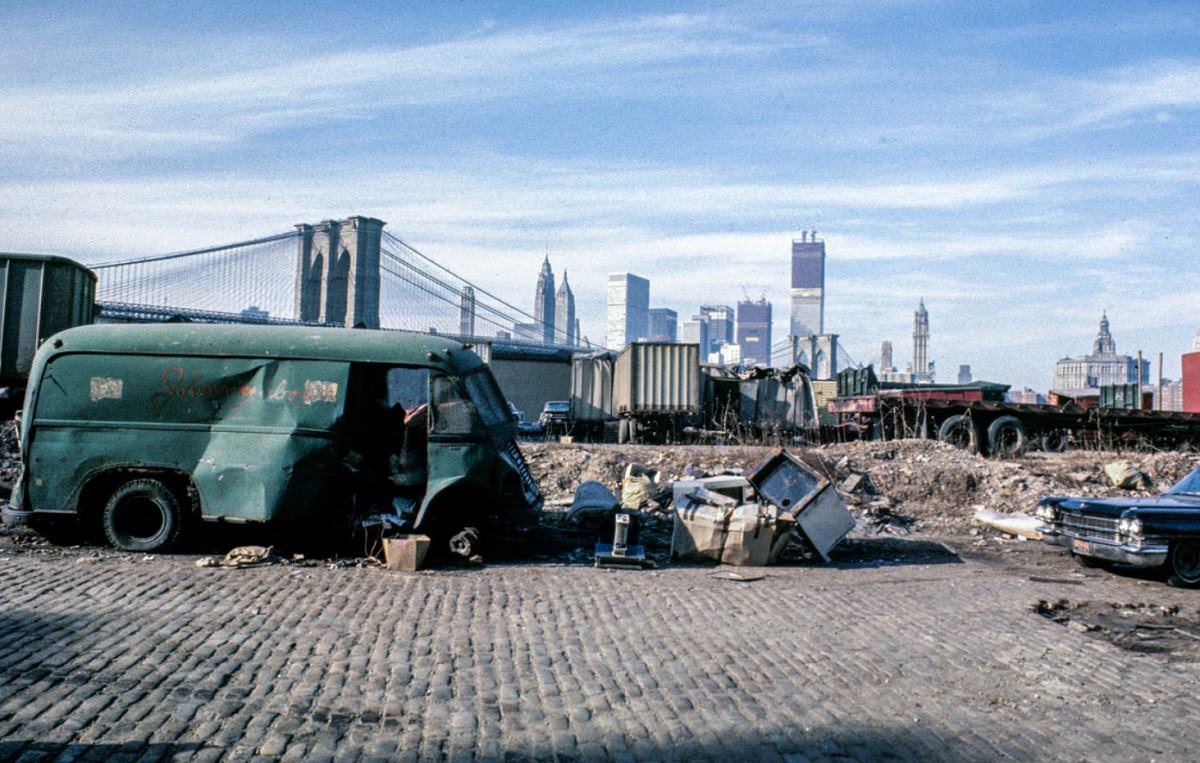
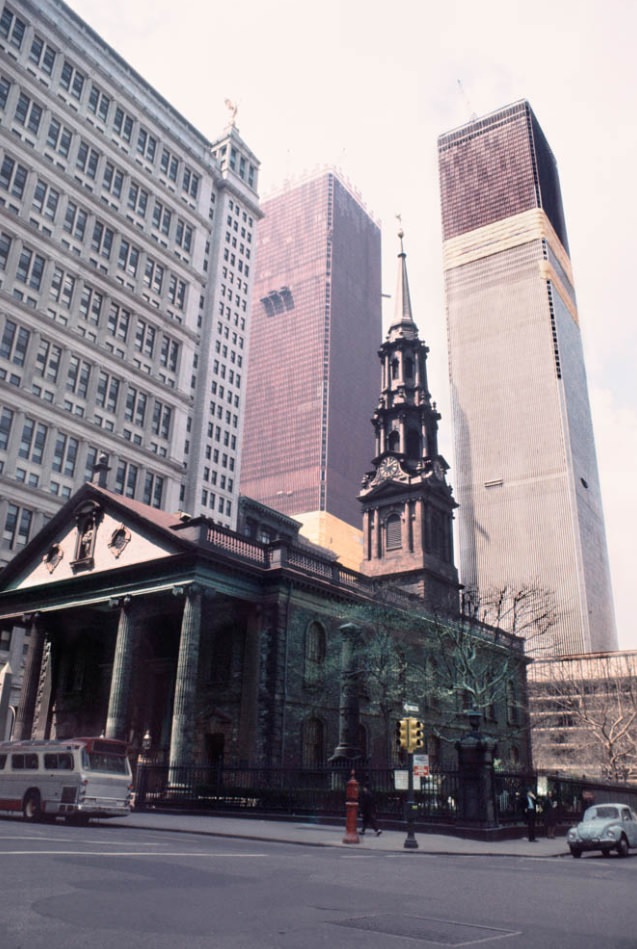
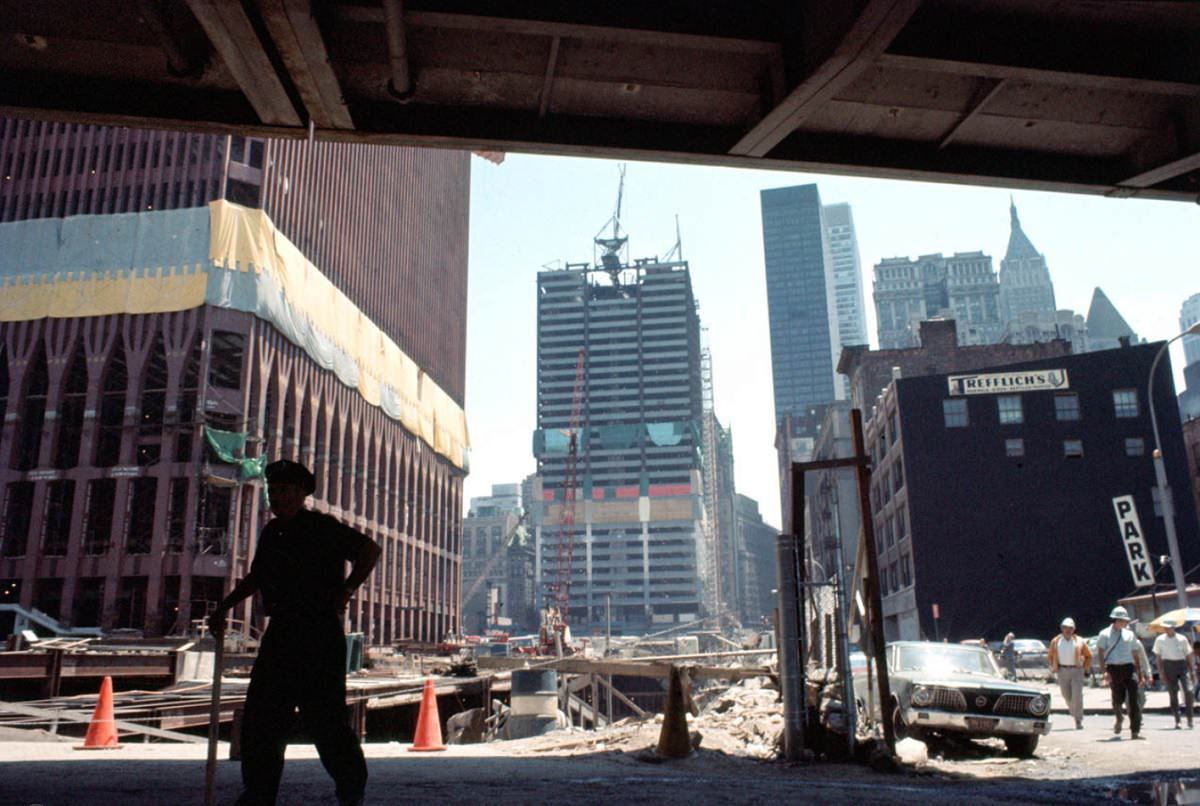
Lower Manhattan in 1970 was a construction zone. The World Trade Center’s twin towers were rising above the skyline, visible from multiple vantage points across the city. Vergara photographed this transformation alongside the older, quieter landmarks that surrounded it — including St. Paul’s Chapel on Broadway, one of the oldest buildings in Manhattan, standing directly in the shadow of the towers going up behind it.
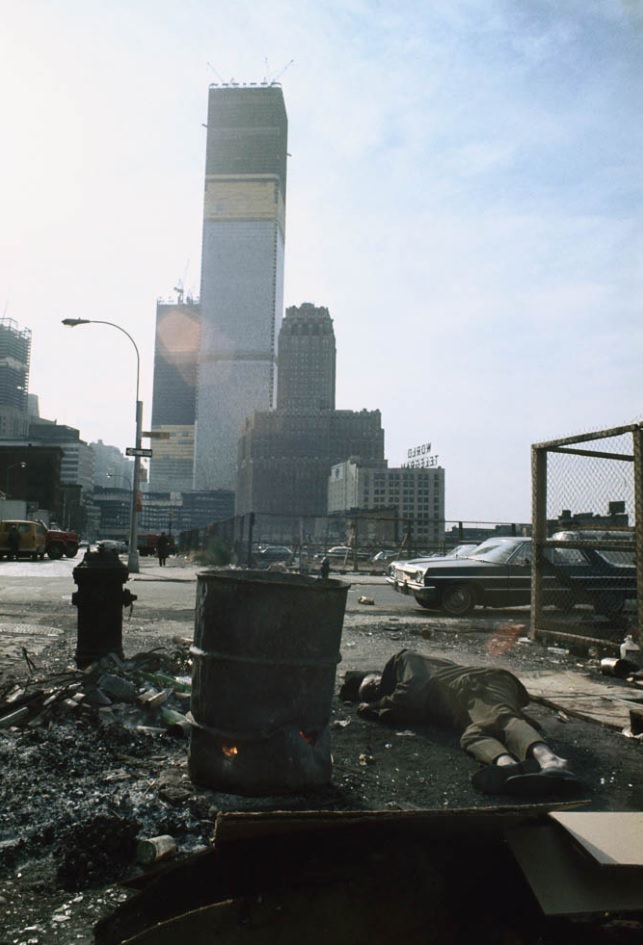
Vergara’s photographs were not always planned encounters. One image in this collection came about when a homeless man woke up while being photographed and asked Vergara to buy him a ham sandwich. The moment is a reminder that these were real exchanges between the photographer and the people he documented — not distant observations.
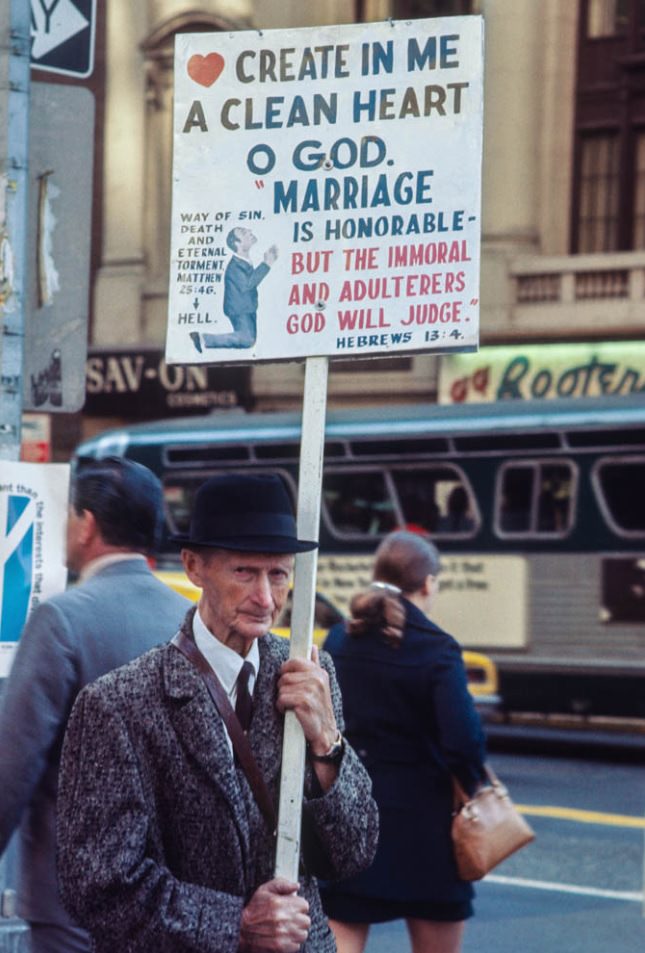
Midtown Manhattan presented a different face of the city. Forty-Second Street in 1970 was one of the most commercially active strips in the country — but it was also sliding into a period of seediness and crime that would define it throughout the decade. Vergara photographed the street at its intersection with Fifth Avenue, capturing the mix of commerce, crowds, and grit that made 1970s New York so distinct.
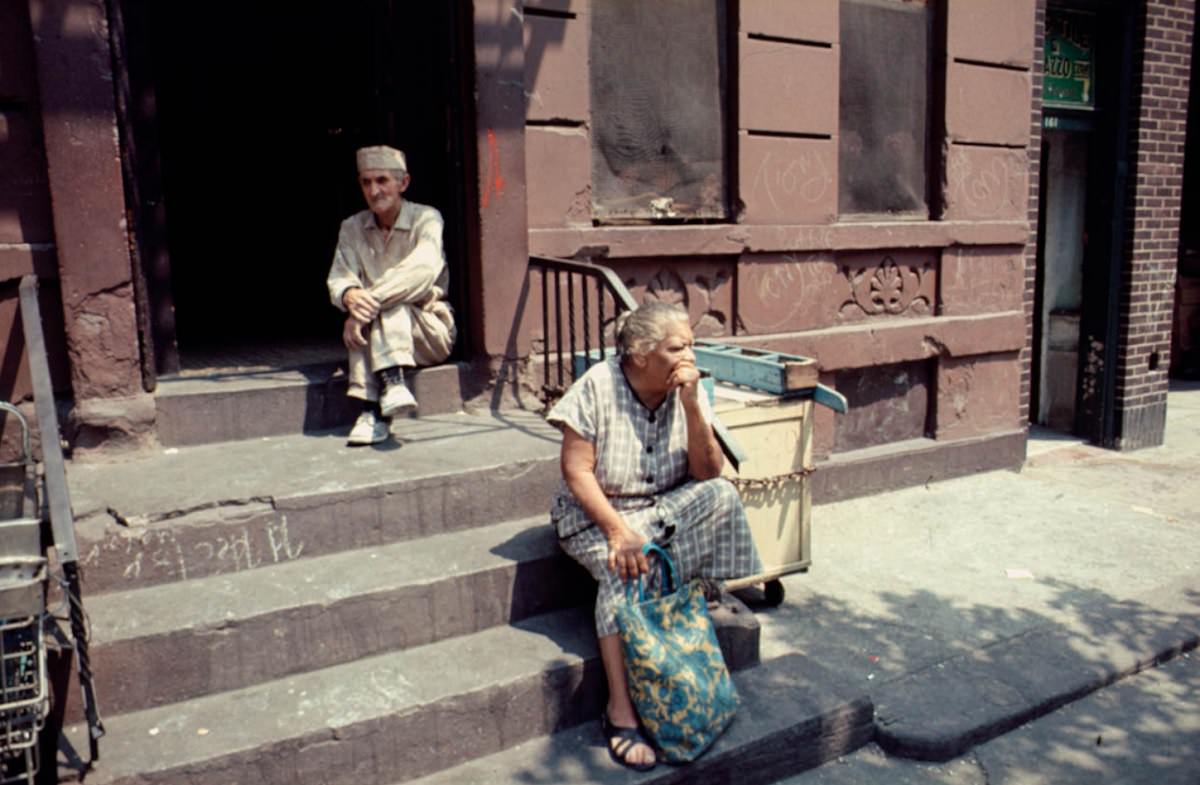
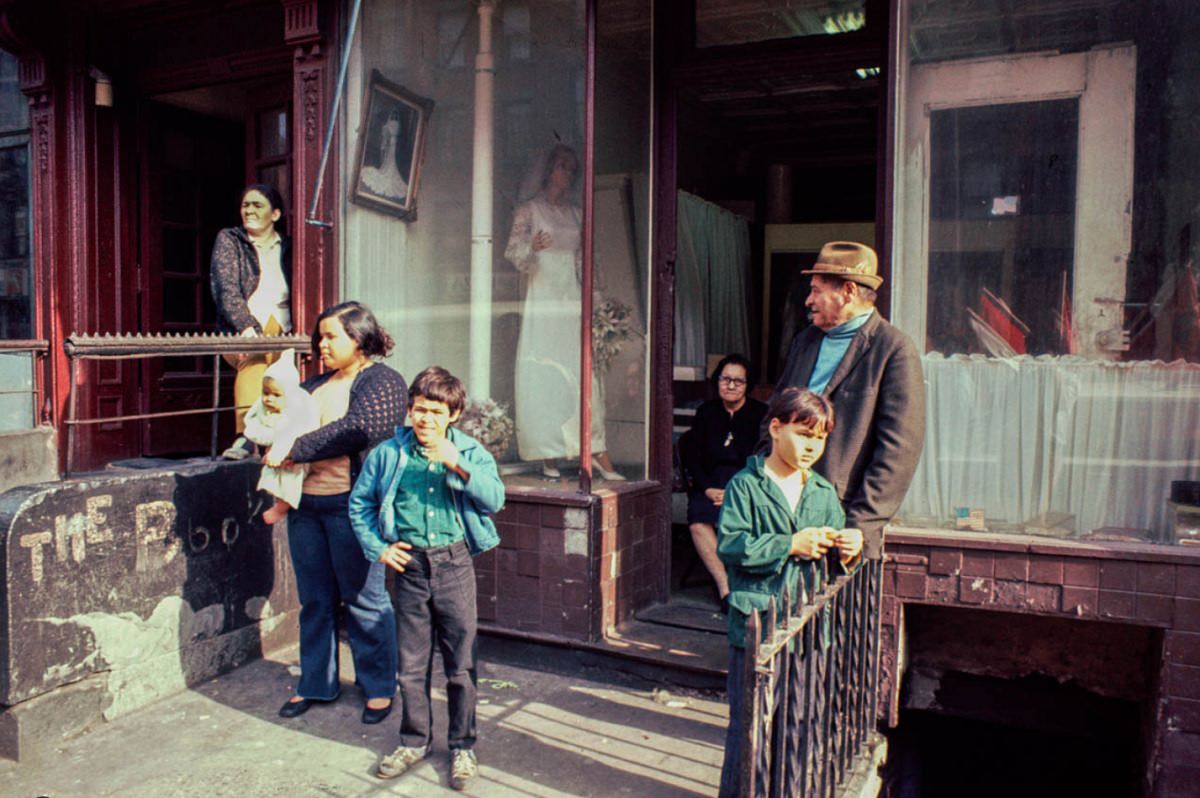
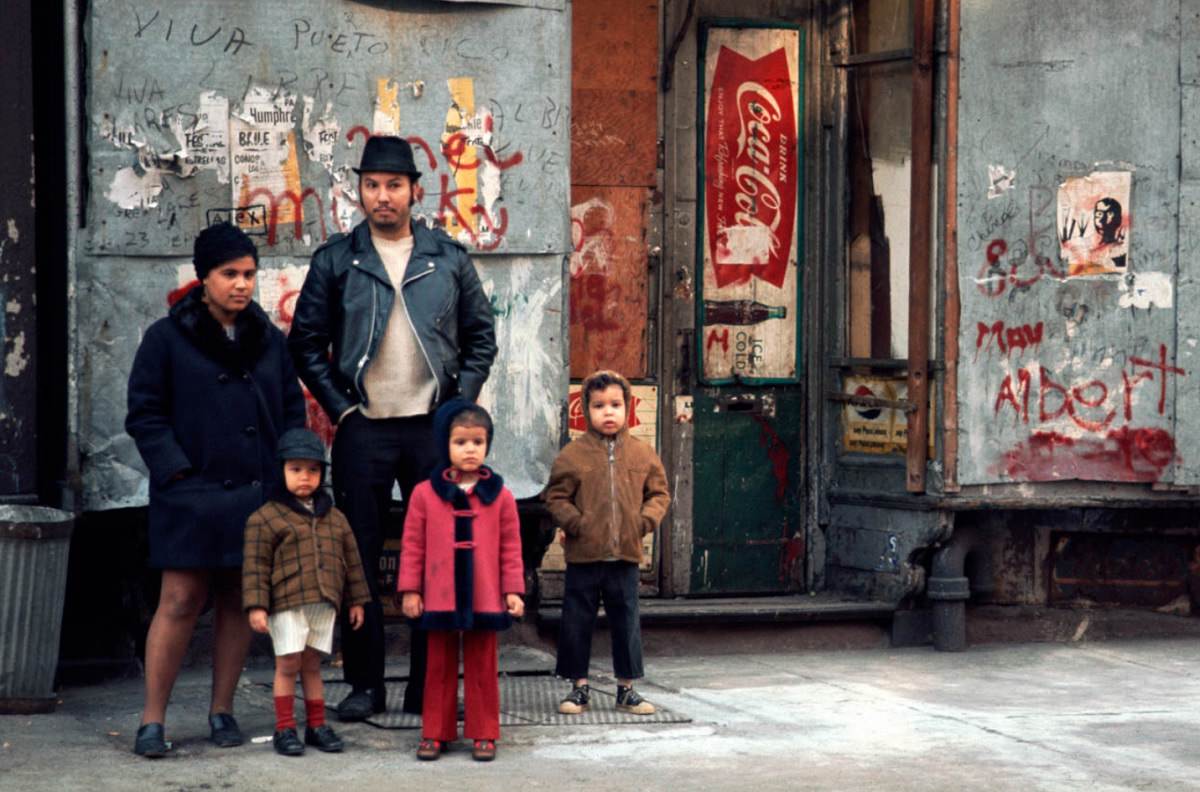
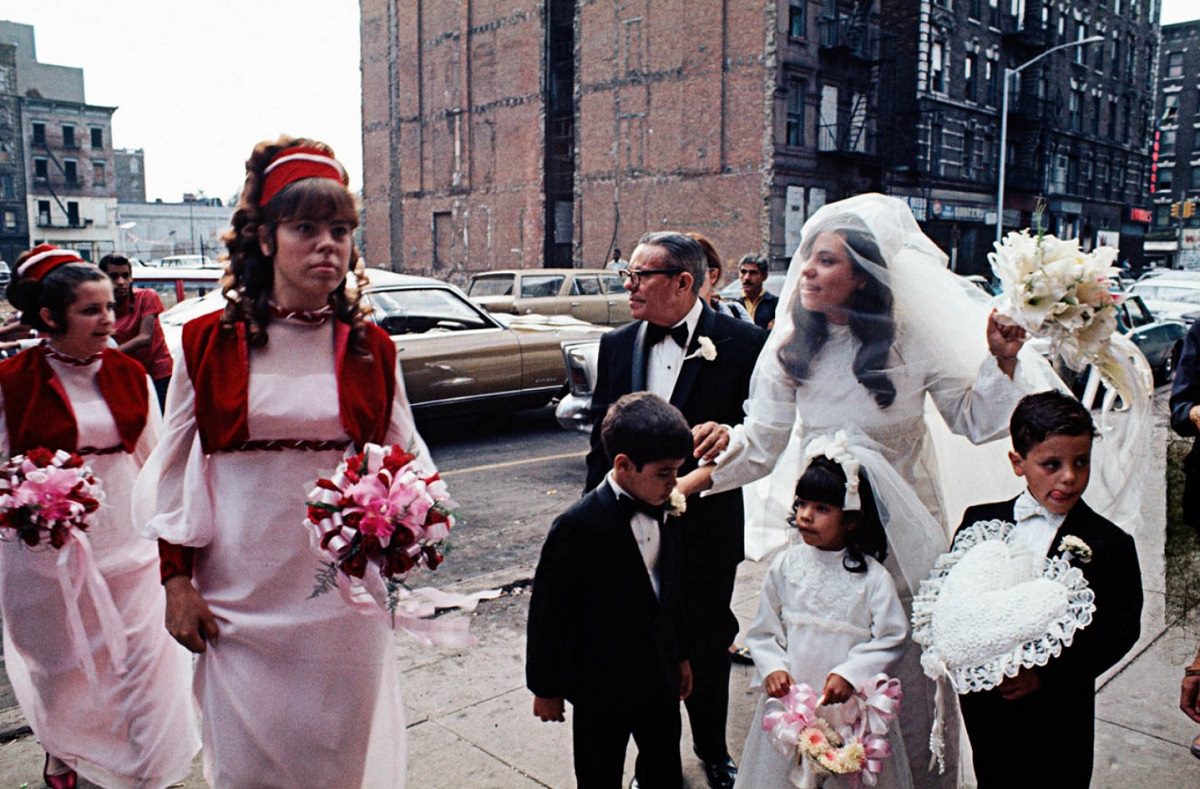
The Puerto Rican community had a strong presence across several of Vergara’s subject neighborhoods. On the Lower East Side, families were a consistent part of the street landscape. These photographs document their presence in the city at a time when their communities were often left out of mainstream narratives about New York.

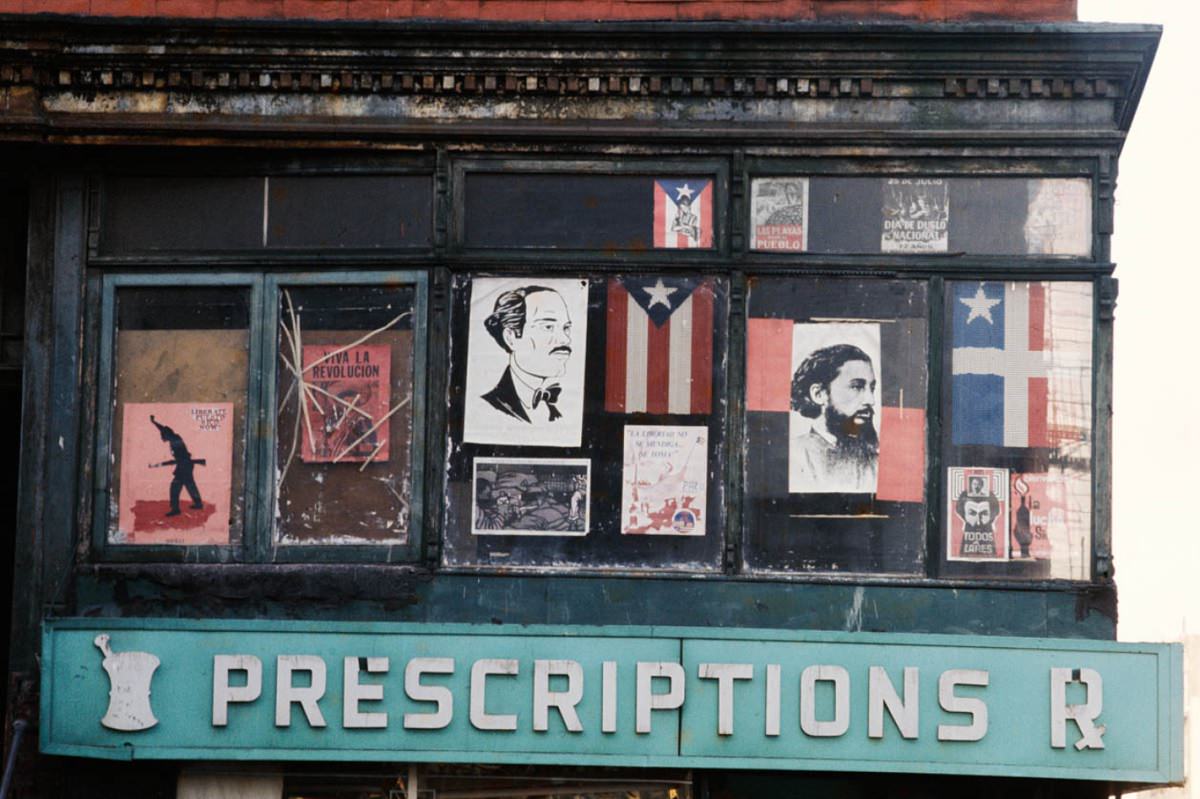
Political tension ran through the city during this period. The late 1960s had seen widespread unrest across the United States, and by 1970 that energy had not dissolved. A photograph from Bushwick, Brooklyn shows a militant display in a storefront window — a visible sign of the political climate that existed in working-class and minority neighborhoods across the five boroughs.
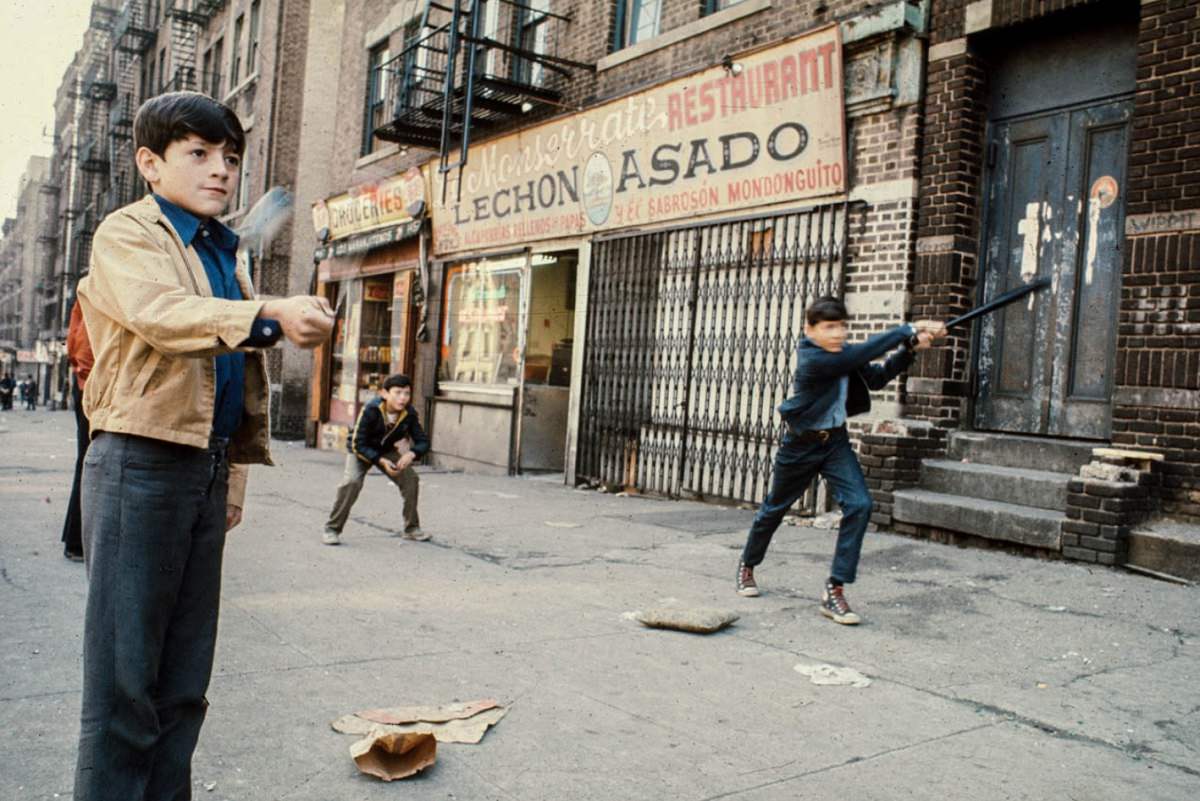
Brooklyn’s neighborhoods each had their own character. Williamsburg’s playgrounds, the waterfront piers of South Brooklyn, and the Commodore Theater on Broadway at Rodney all appear in Vergara’s lens. These were working-class spaces, used hard and maintained minimally, and the photographs reflect that reality without softening it.
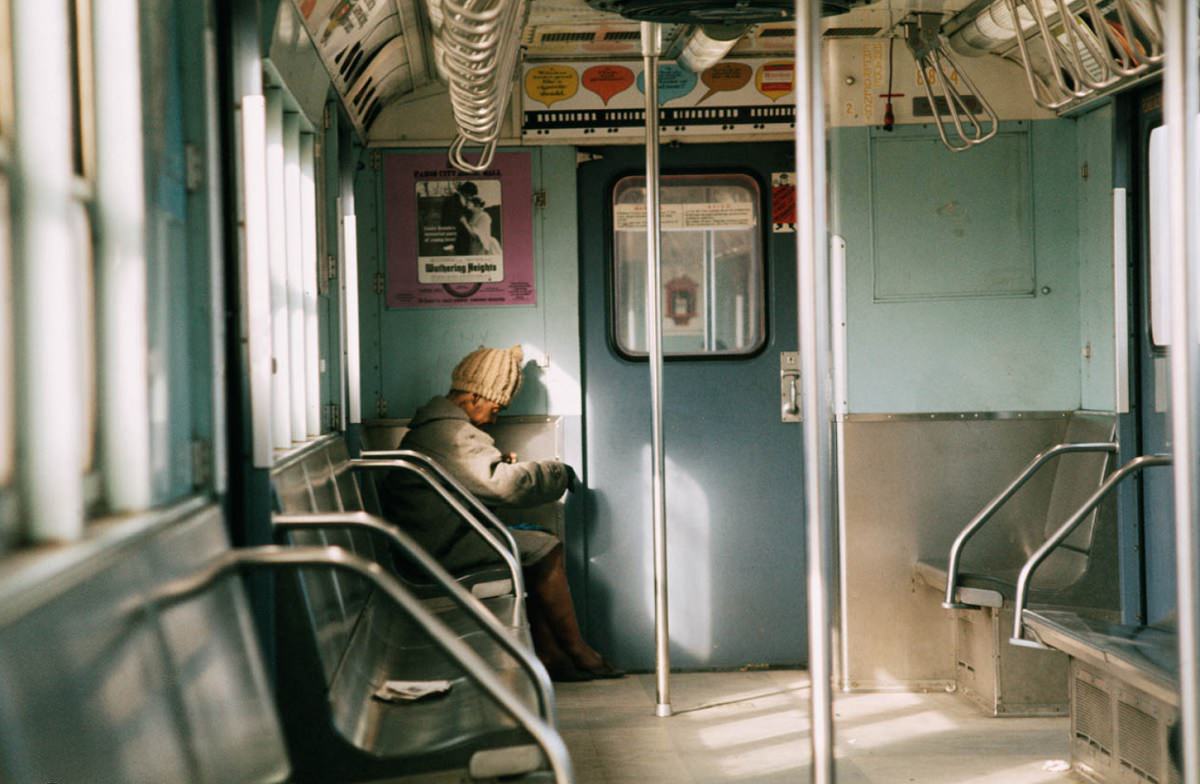
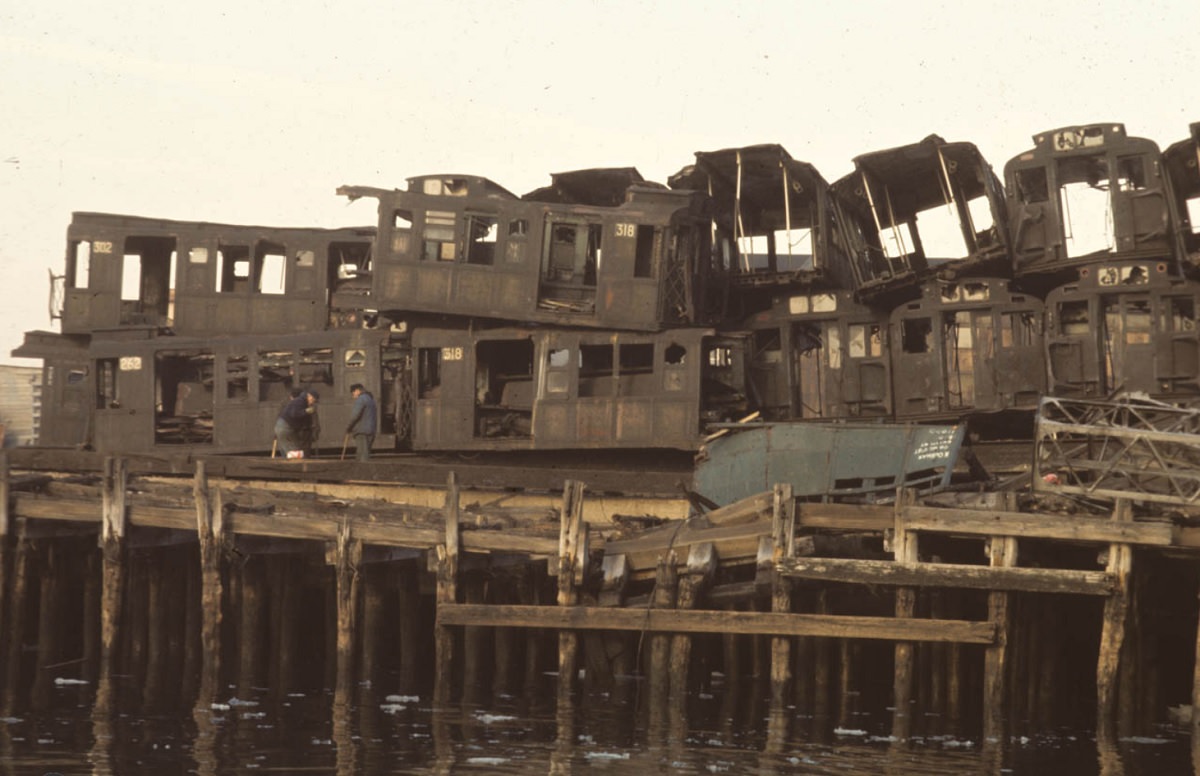
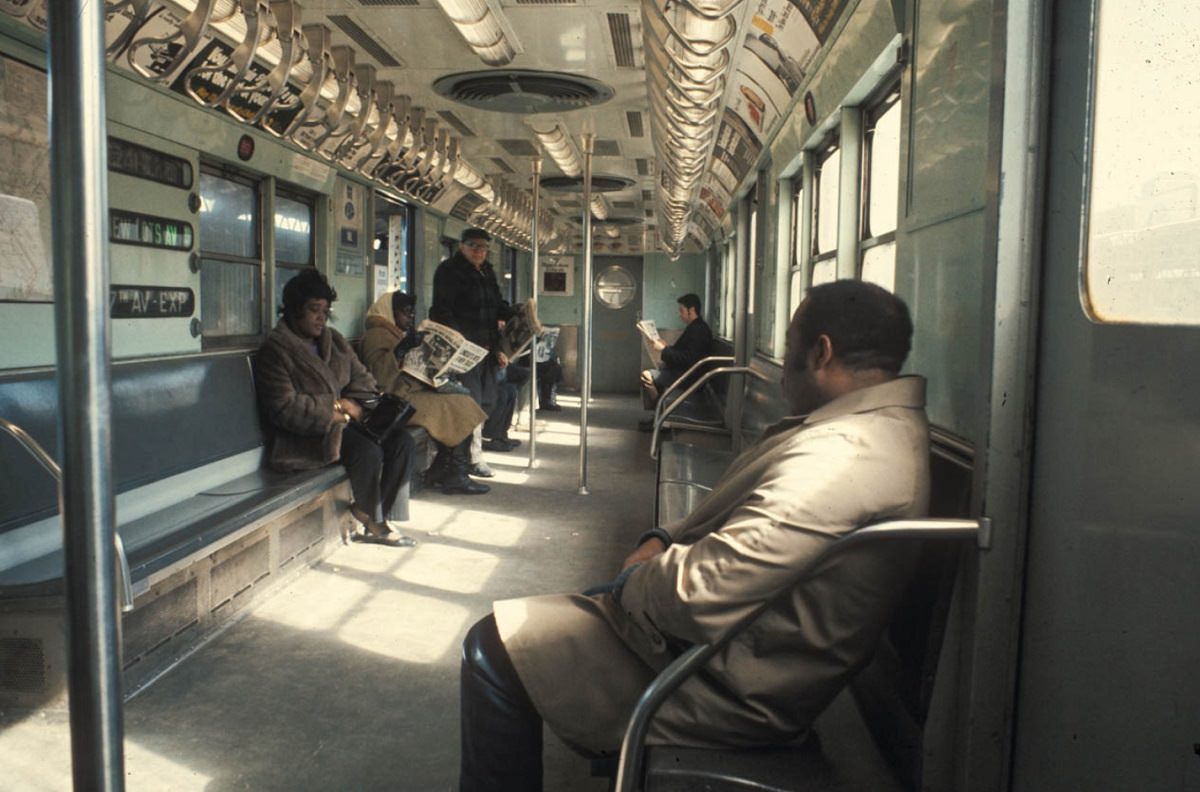
New York’s subway system in 1970 was aging, underfunded, and heavily used. The elevated IRT lines running through the Bronx were a fixture of the borough’s skyline. Riders packed into cars that were often dirty and poorly lit. Vergara captured these transit spaces as part of the larger portrait of city life — the infrastructure that held the city together, even as it strained under years of neglect.
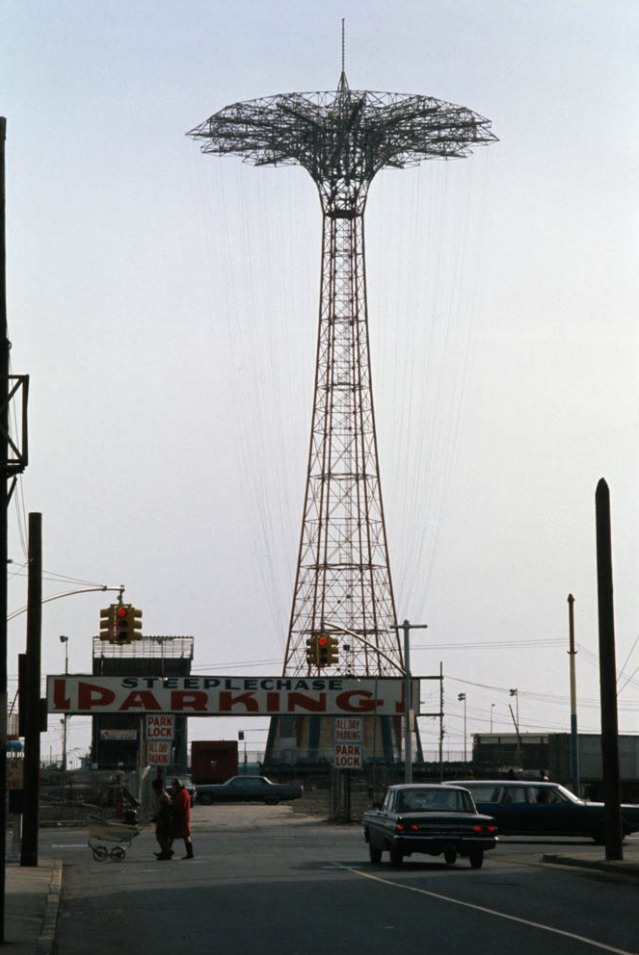
Coney Island remained a destination for city residents looking for an escape, even as Brooklyn’s waterfront areas declined in other ways. The famous parachute jump tower, which had been a landmark since the 1941 World’s Fair, still stood on the Coney Island boardwalk in 1970 — no longer operating, but an unmistakable part of the skyline.
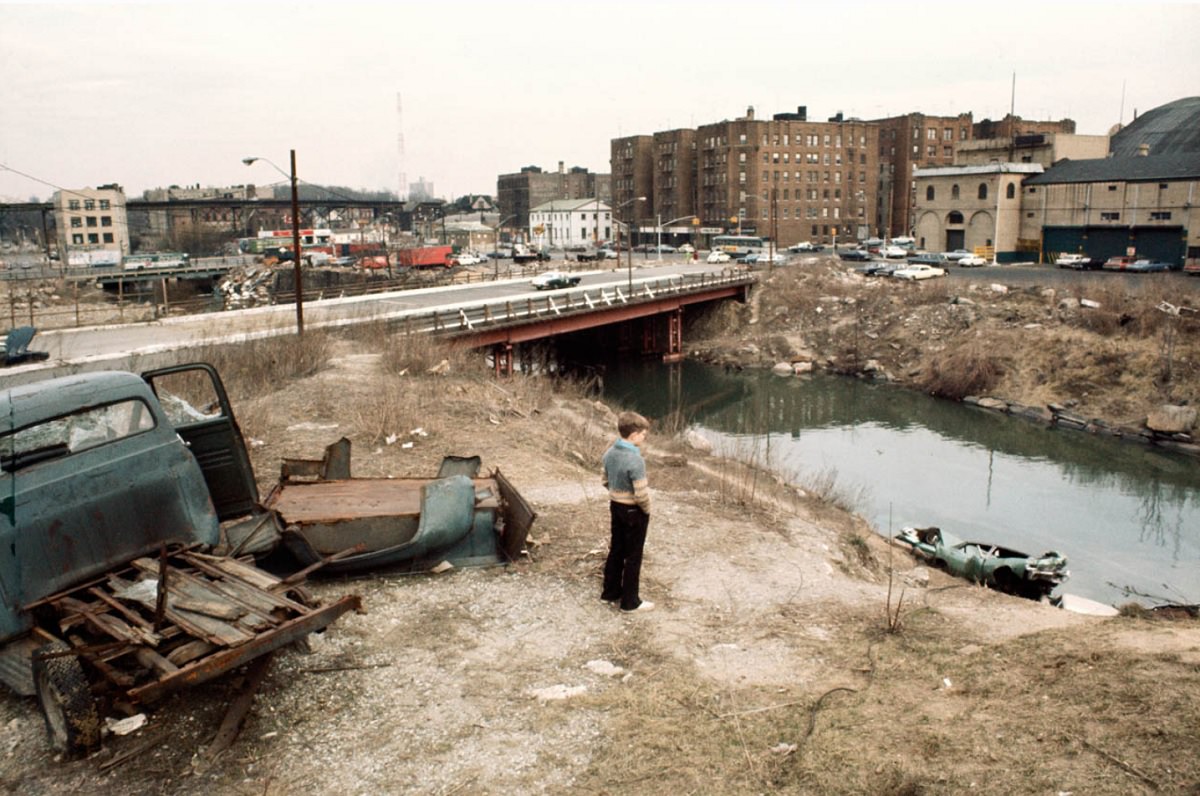
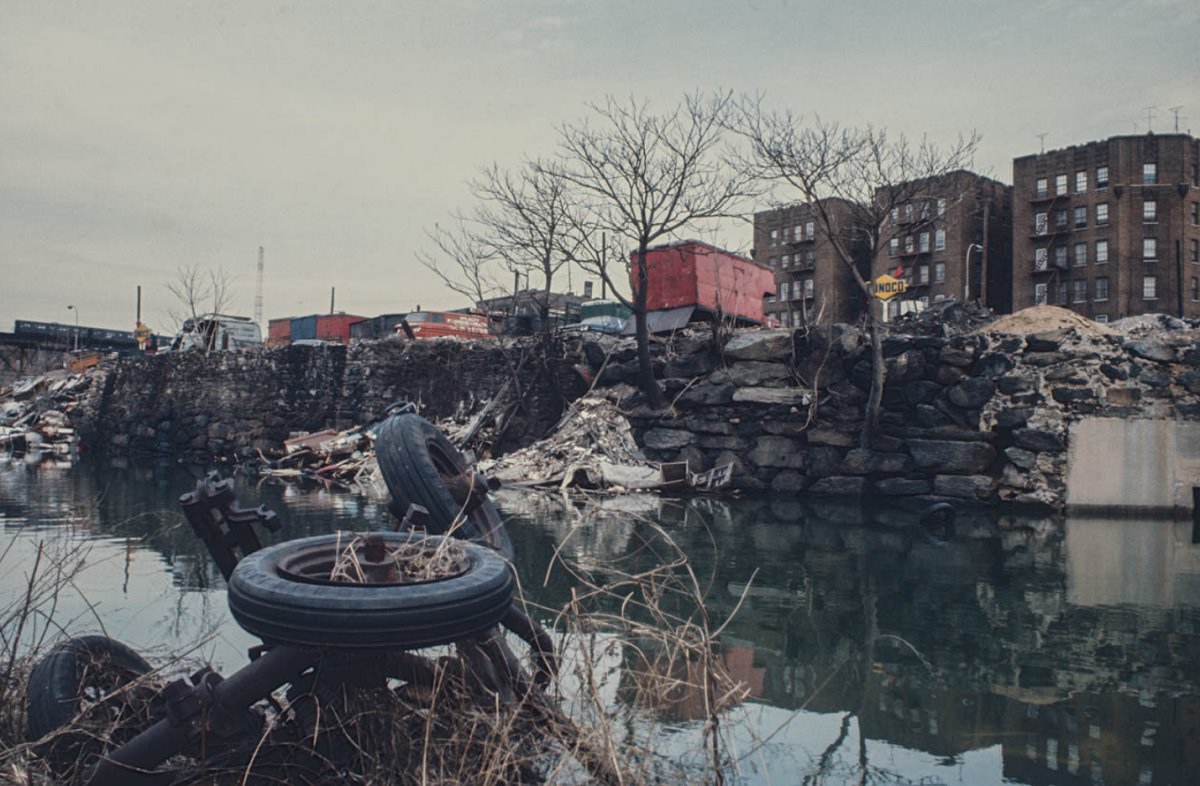
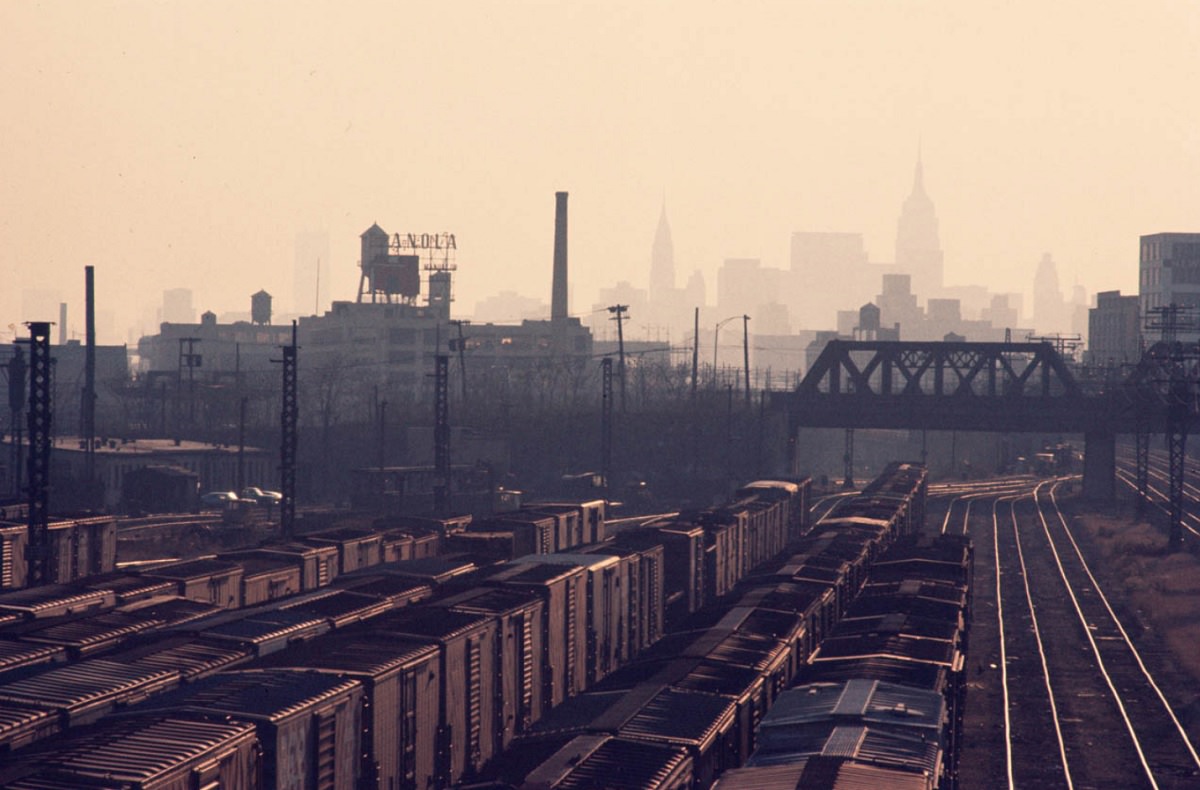
The Bronx River and the elevated subway lines that ran alongside it were recurring subjects in Vergara’s Bronx photographs. The river, largely industrial at that point, ran through some of the borough’s most deprived sections. The Number 5 line passed directly overhead on elevated tracks, a reminder of how transit infrastructure and poverty-stricken neighborhoods often occupied the same space.
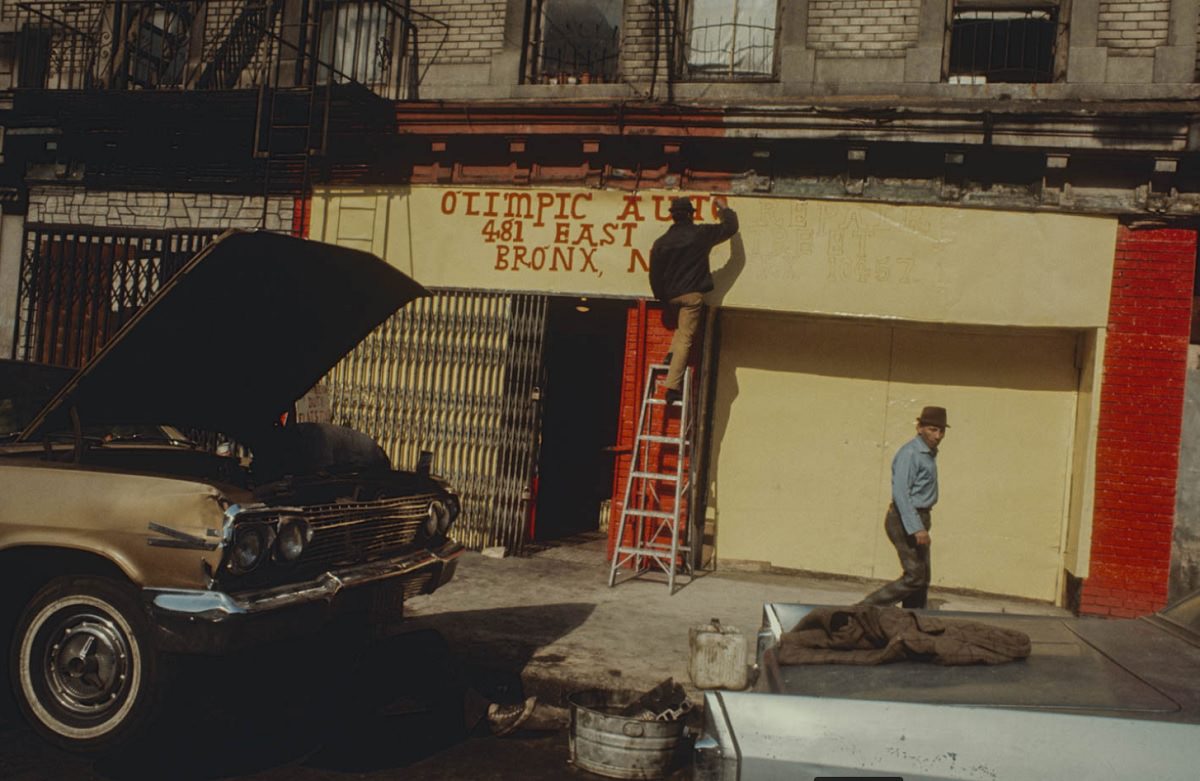
Small businesses operating out of the Bronx during this era worked in tough conditions. Auto repair shops, restaurants, and local services kept going in neighborhoods where larger businesses had already left. Vergara photographed these places as working parts of a community that refused to simply disappear despite being abandoned by city investment.
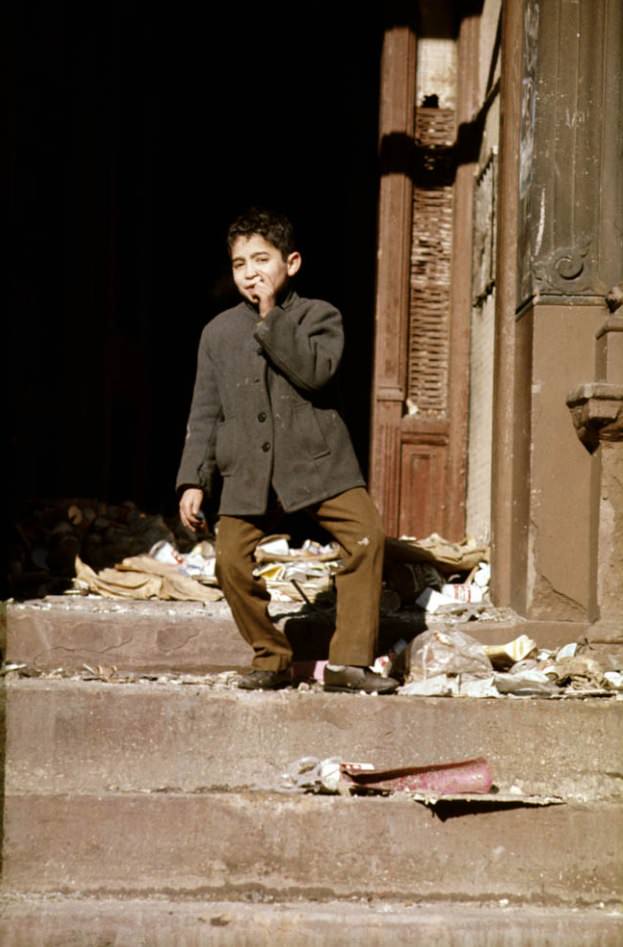
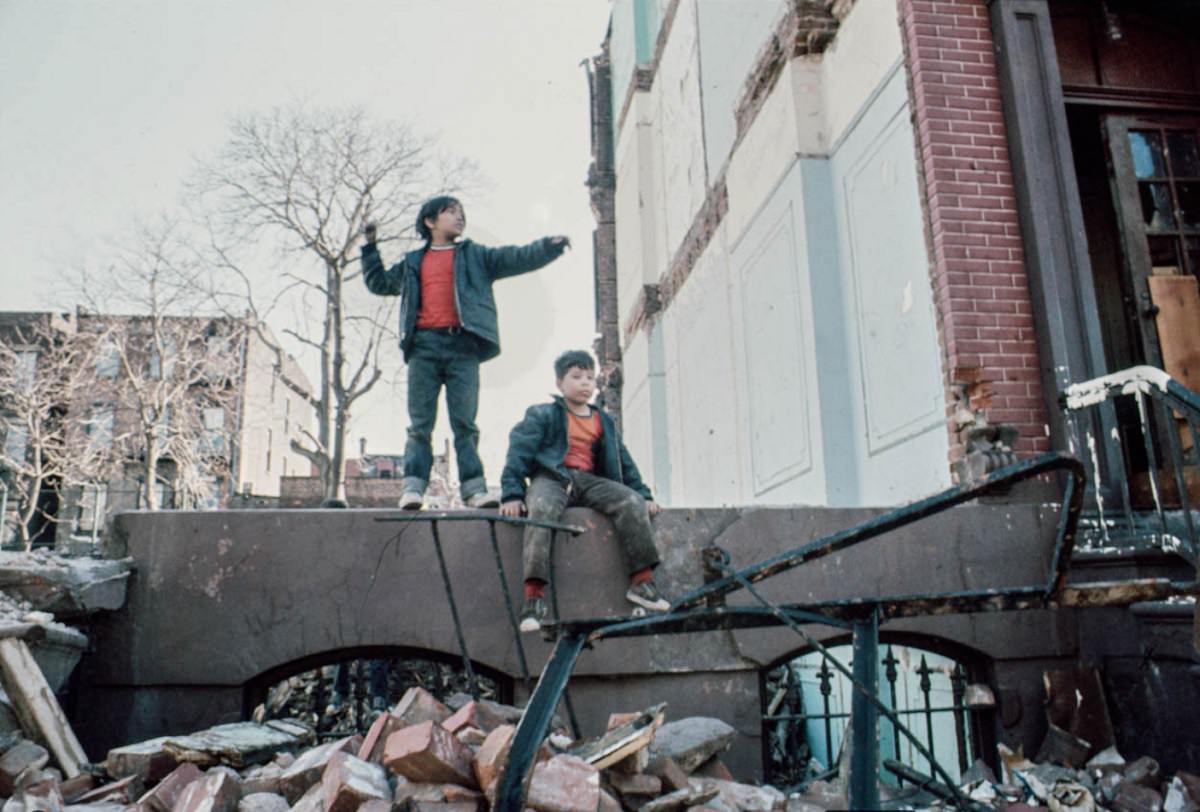
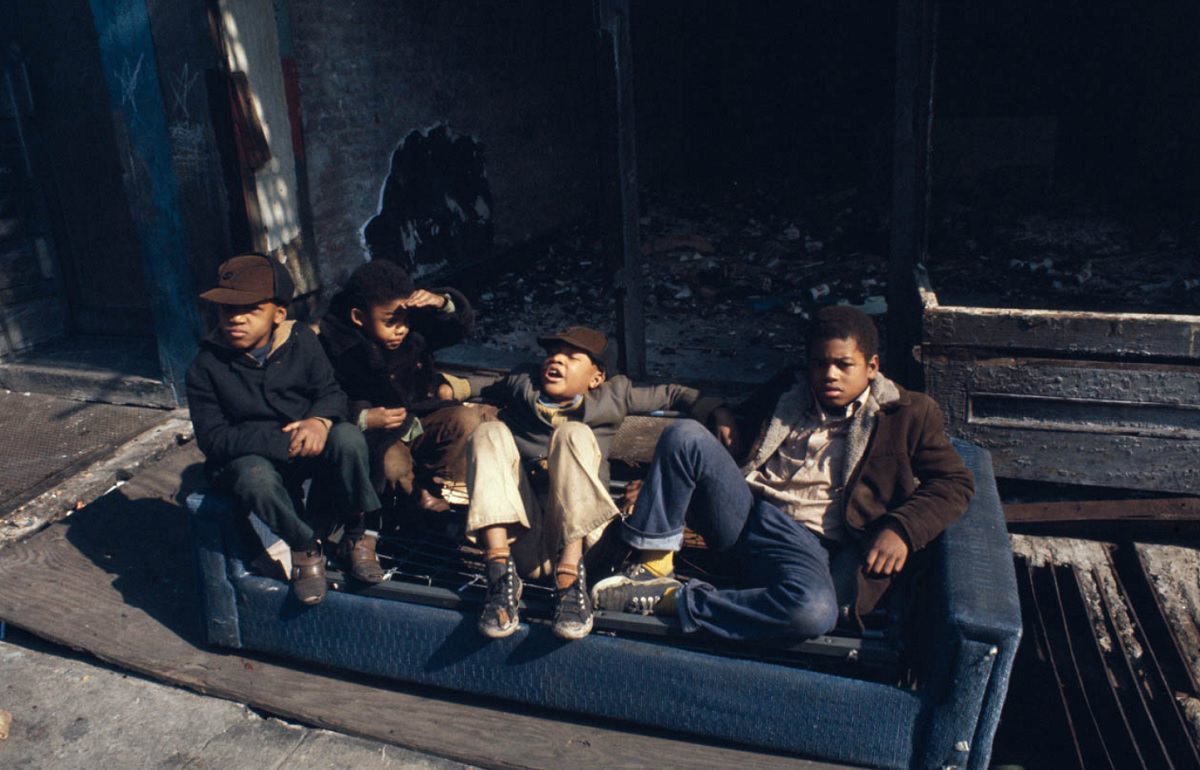
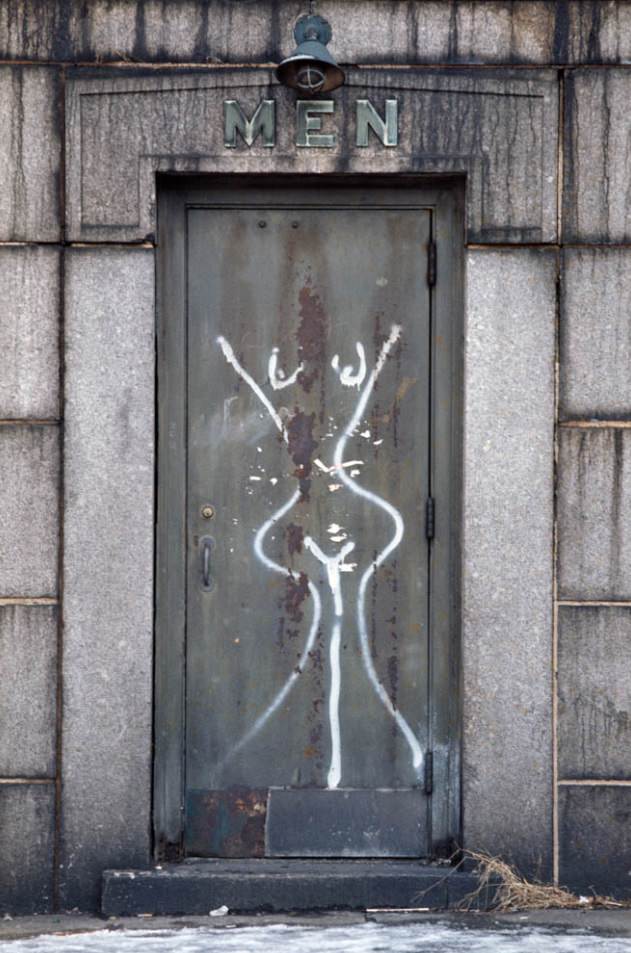
Abandoned buildings were a defining feature of the South Bronx in 1970. Landlords had walked away from properties rather than maintain them, and entire structures sat empty — stripped, vandalized, and left to decay. Vergara photographed the entrances to these buildings, documenting the physical evidence of a housing crisis that city leaders were slow to address.
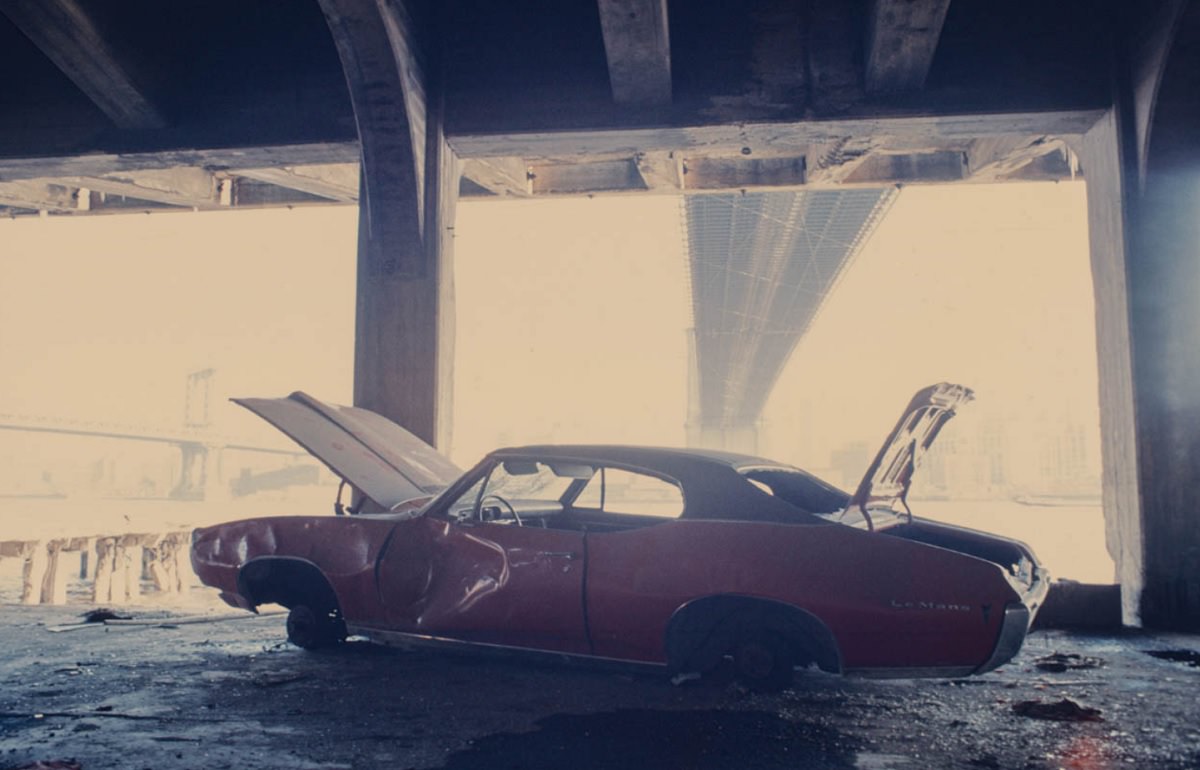
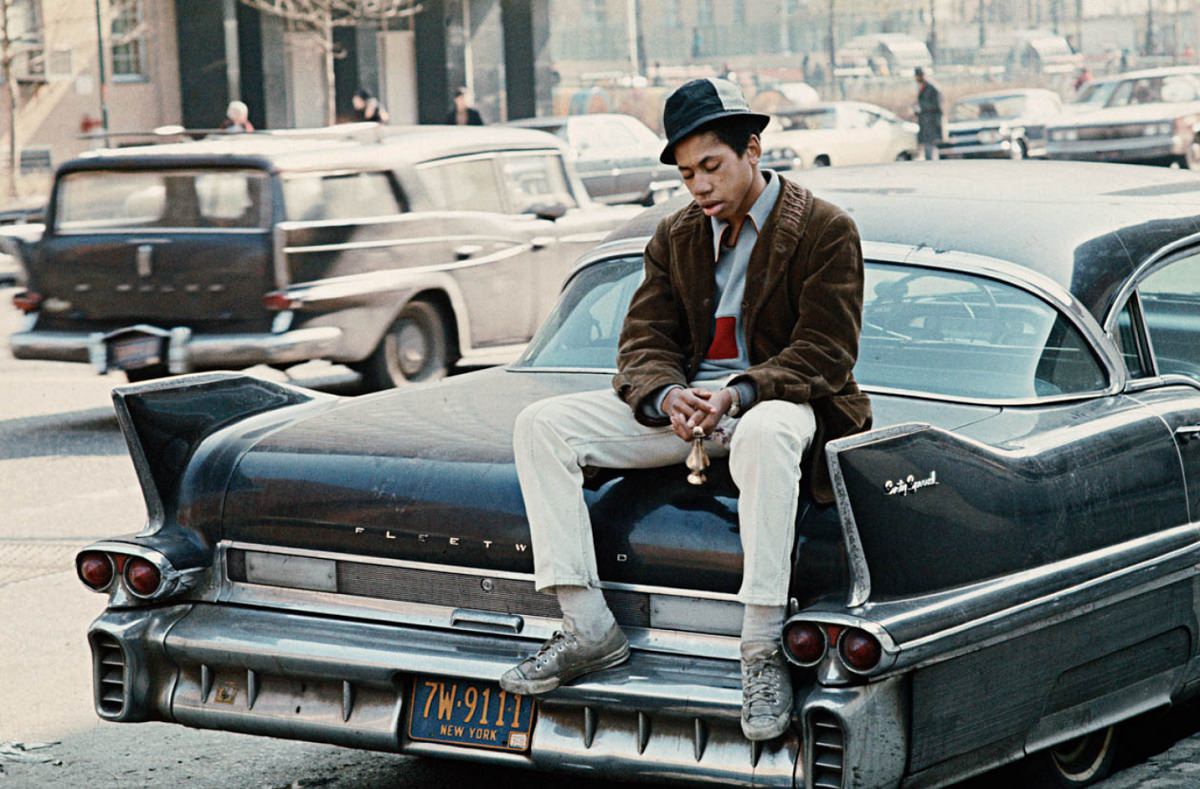
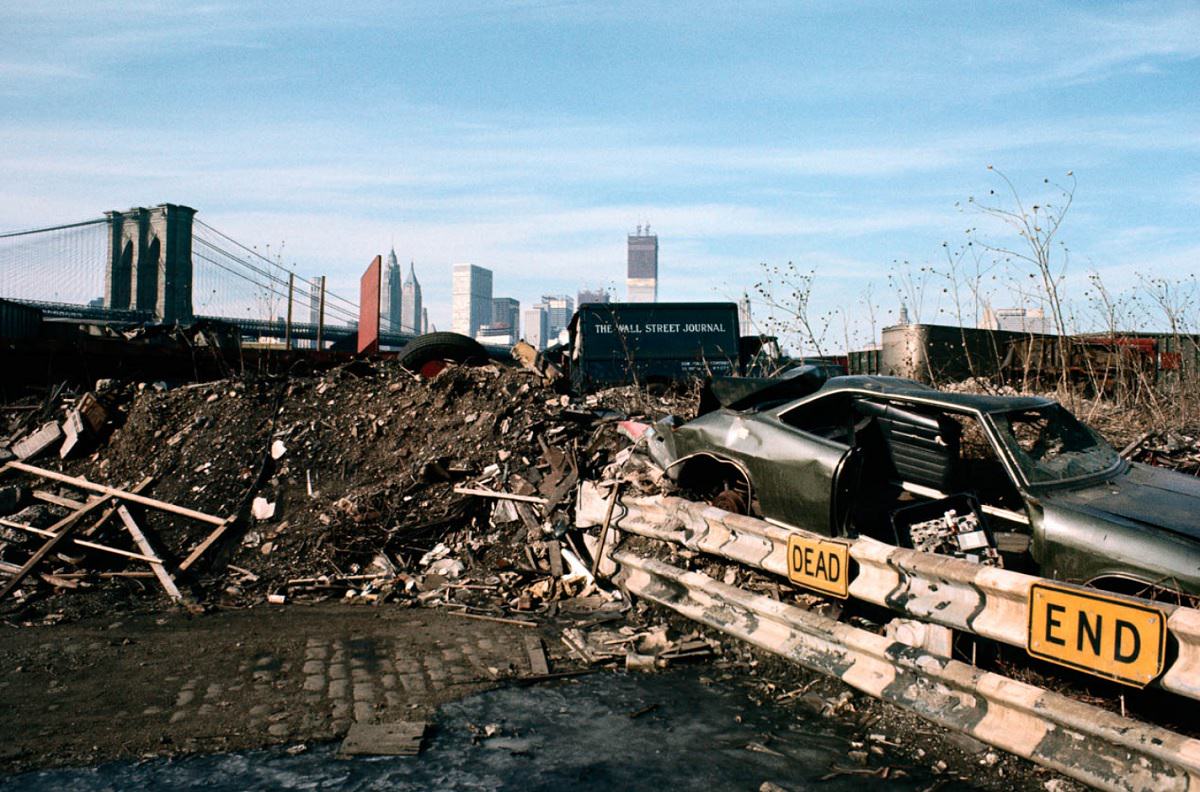
Cars stripped of their parts and left on the street were common in New York during this period. A Pontiac LeMans photographed under the Brooklyn Bridge had been picked clean — a sign of how quickly property could be abandoned and dismantled on city streets. Meanwhile, a Cadillac Fleetwood photographed in Harlem in the same year stood in sharp contrast, representing the wealth that did exist within the neighborhood alongside the poverty.
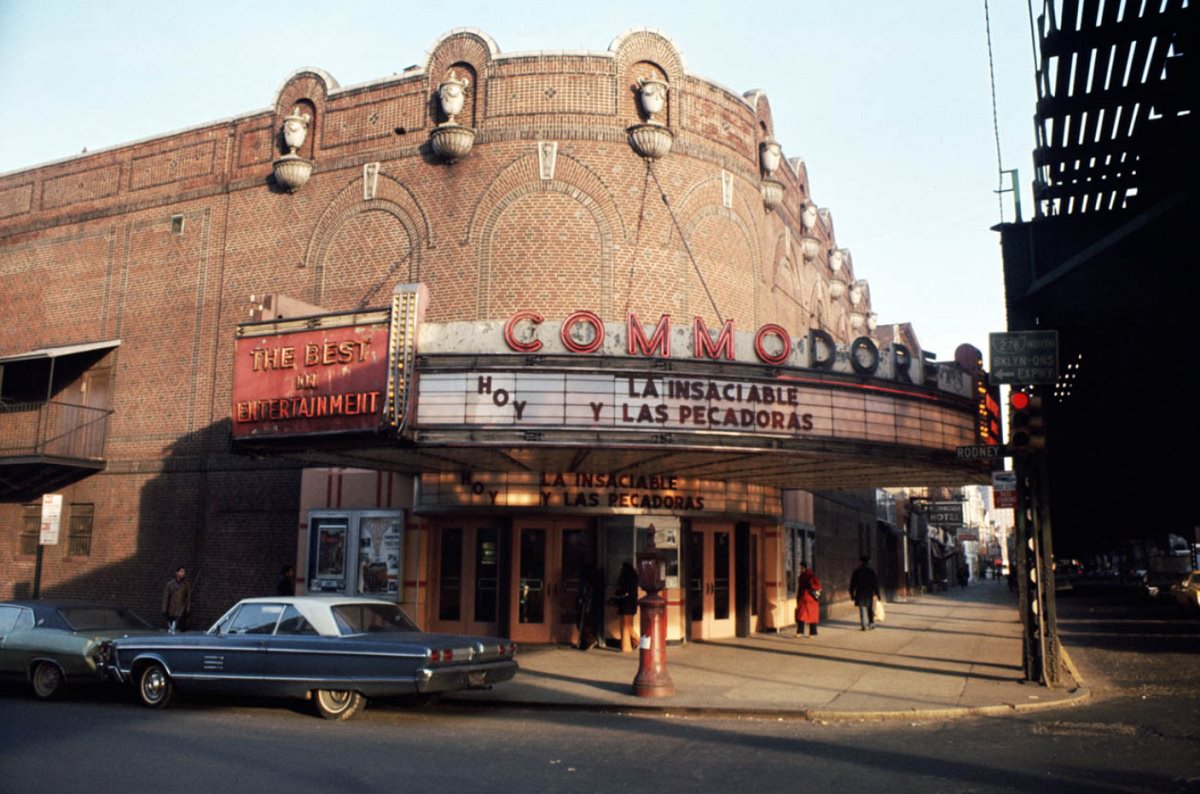
Entertainment venues across the outer boroughs were a fixture of neighborhood life. The Commodore Theater in Bushwick, Brooklyn had served the surrounding community for decades by 1970. Vergara’s photograph of it captures a moment in the life of a local institution — the kind of place that anchored a neighborhood and gave residents a shared gathering point.
The Cross Bronx Expressway had reshaped the South Bronx in ways that were still being felt in 1970. The expressway cut through the borough from east to west, displacing residents and fragmenting communities. Vergara photographed the area alongside it — the noise, the infrastructure, and the neighborhoods that remained in its shadow.
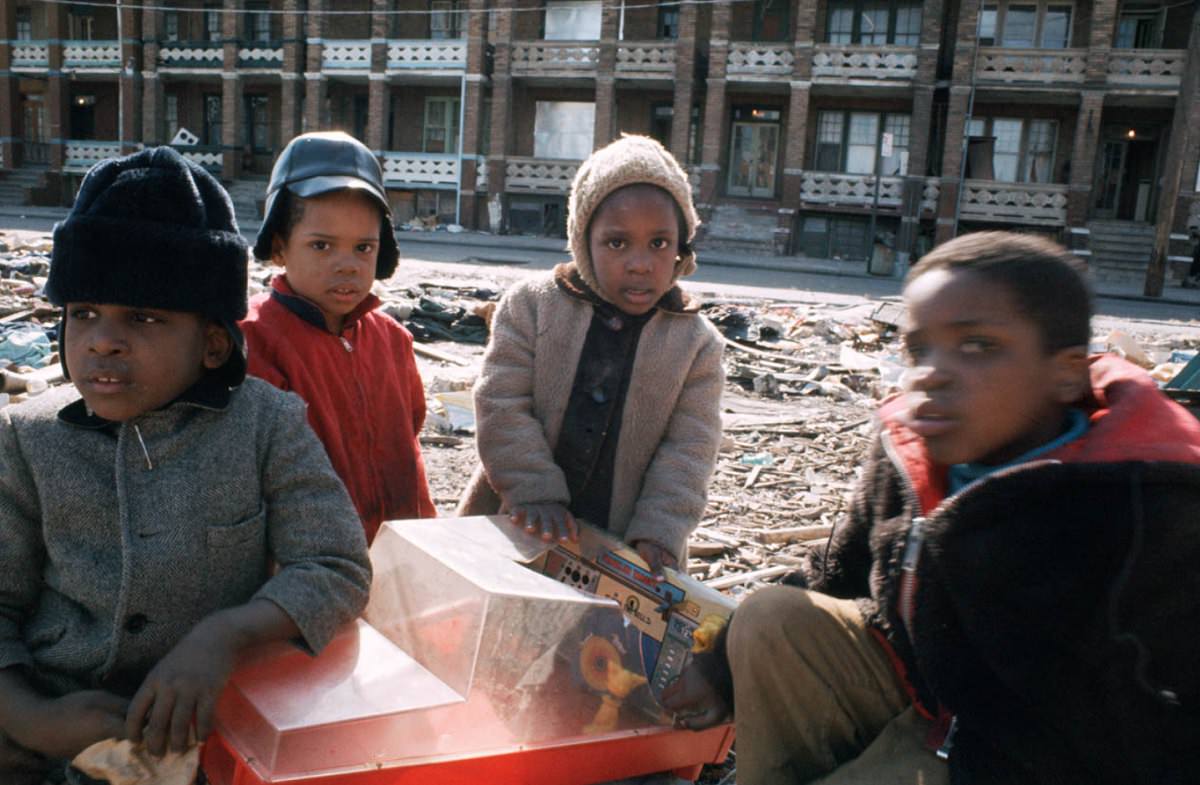
By the early 1970s, Coney Island had shifted from its earlier peak as a major amusement destination. Many of the rides and attractions had closed or scaled back. What remained was a neighborhood of year-round residents living alongside the remnants of a tourist economy. Vergara’s 1971 photograph captures that transitional state — still recognizable as Coney Island, but clearly changed.
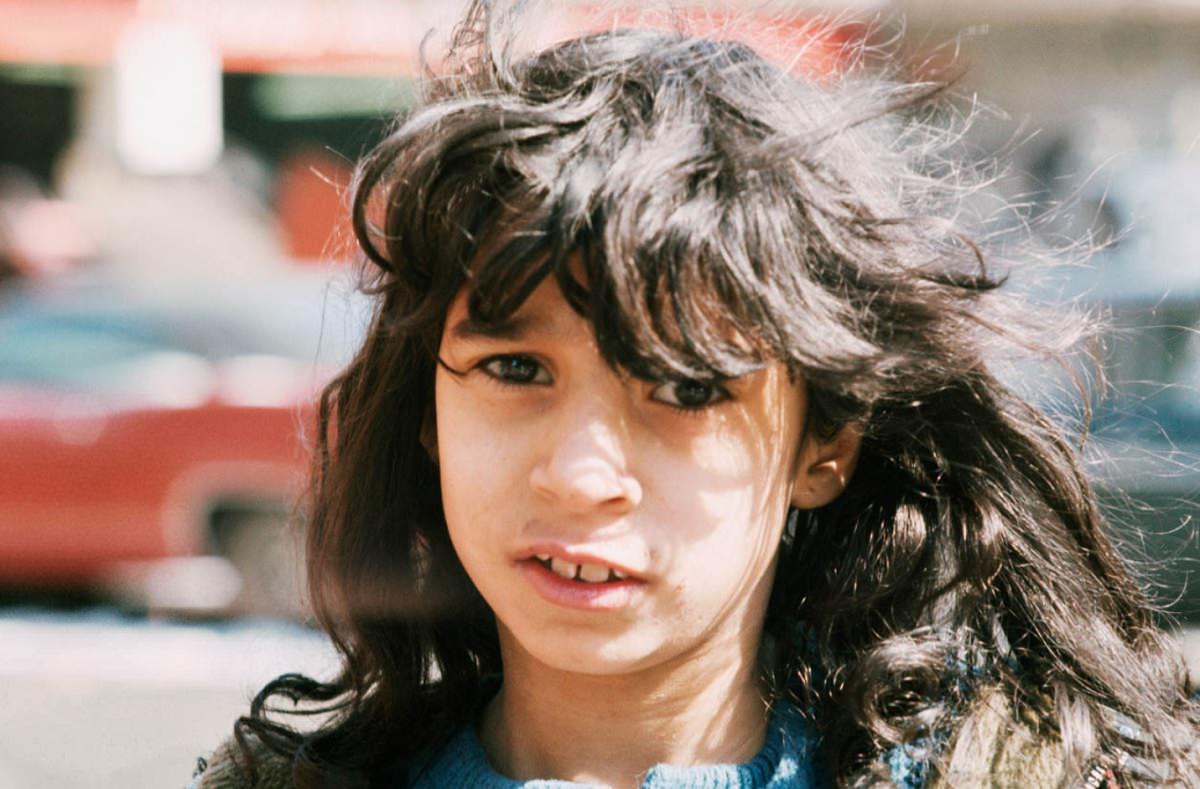

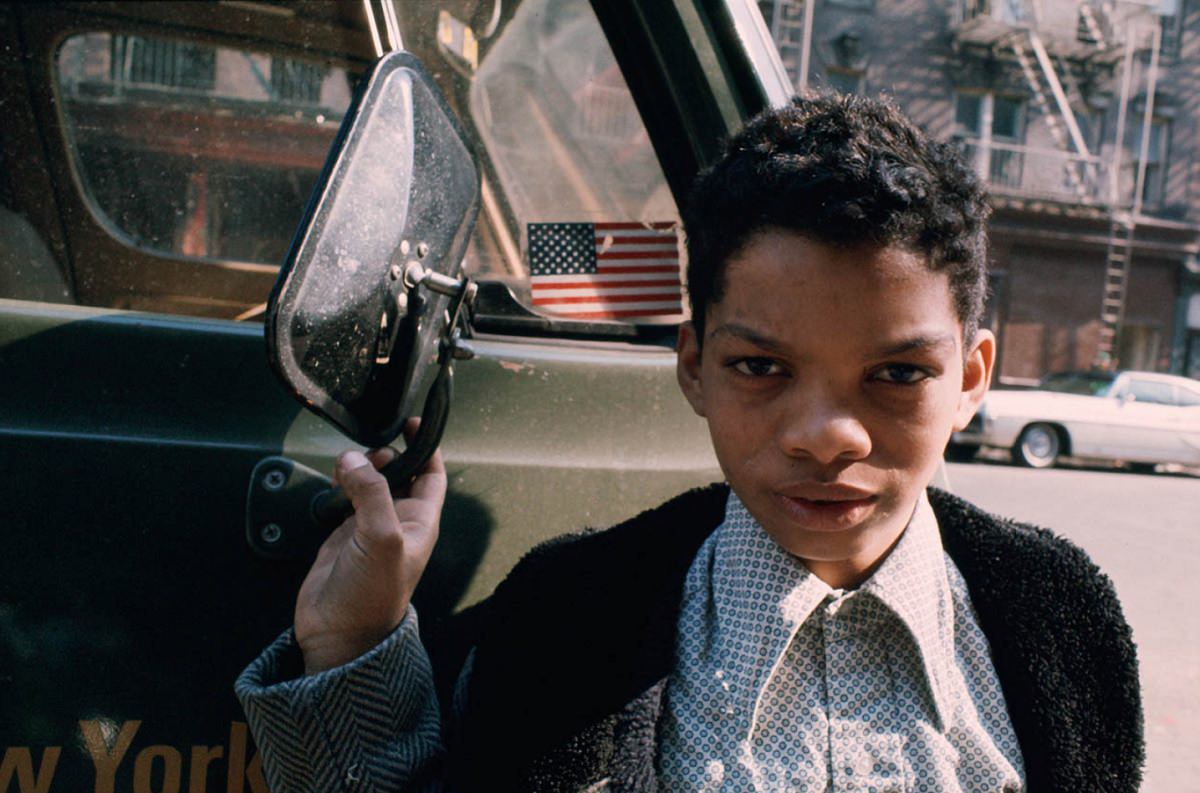
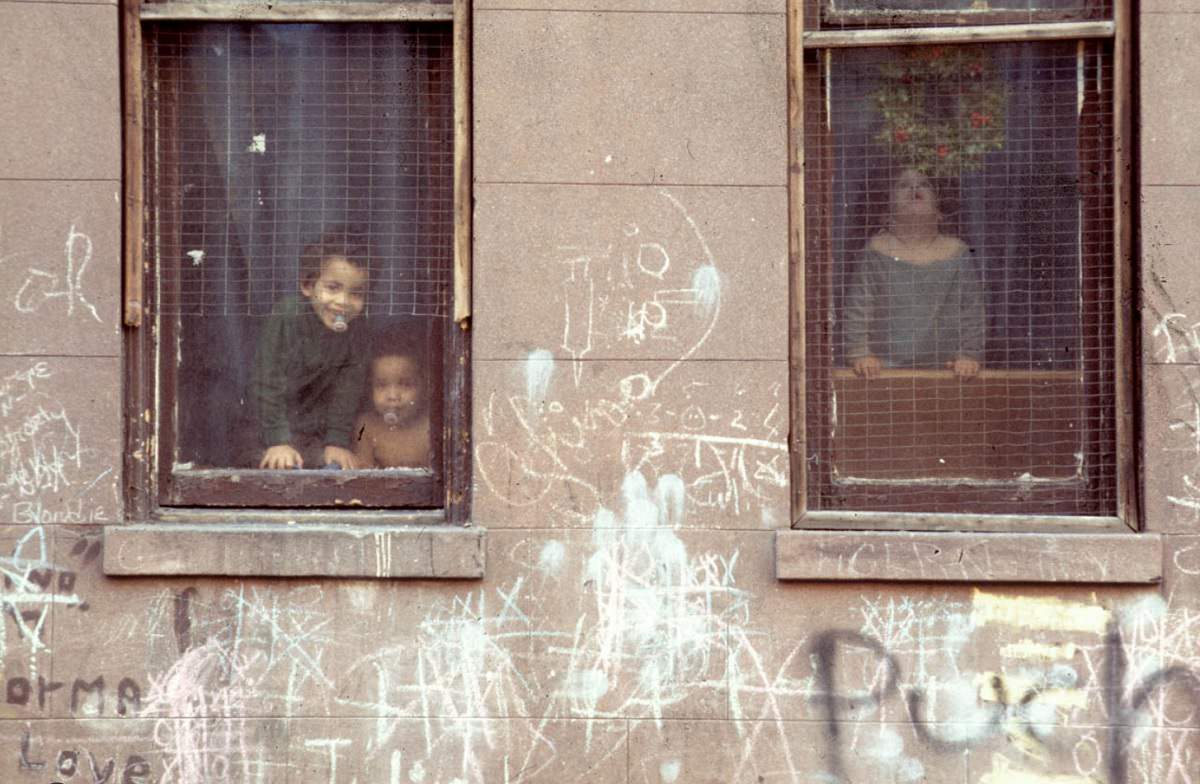
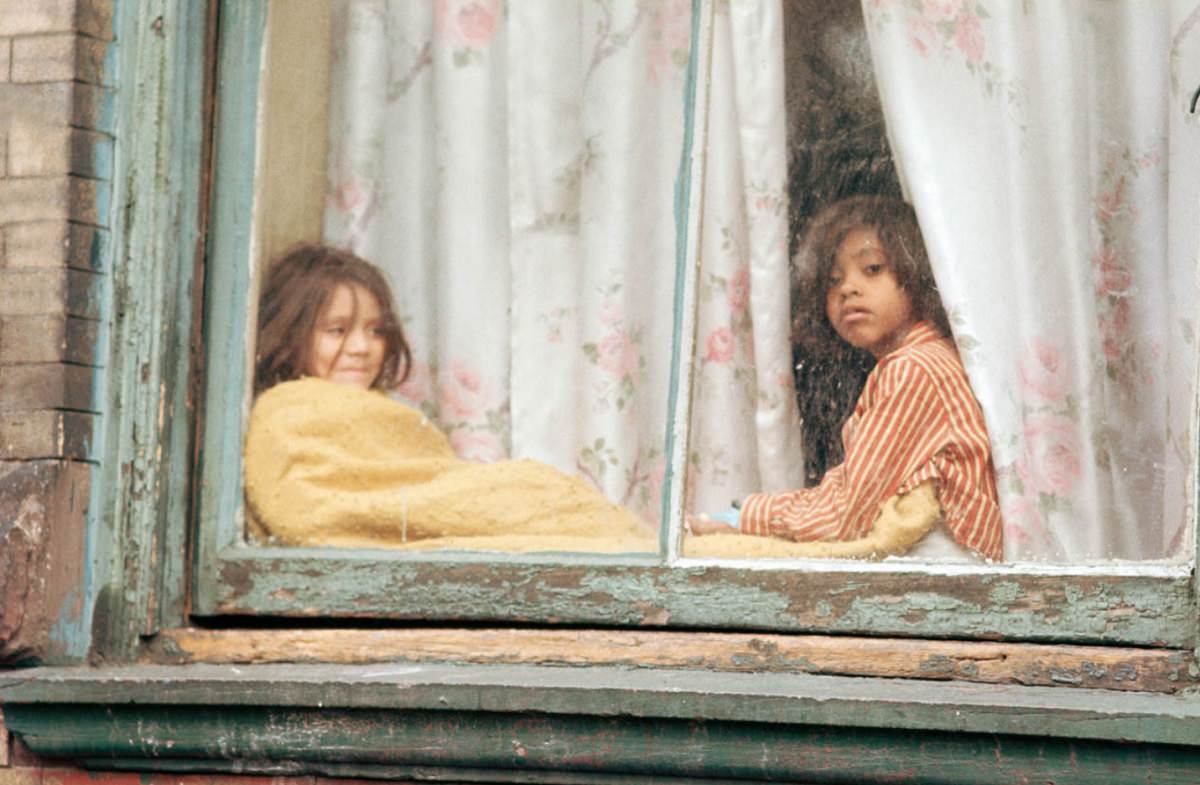
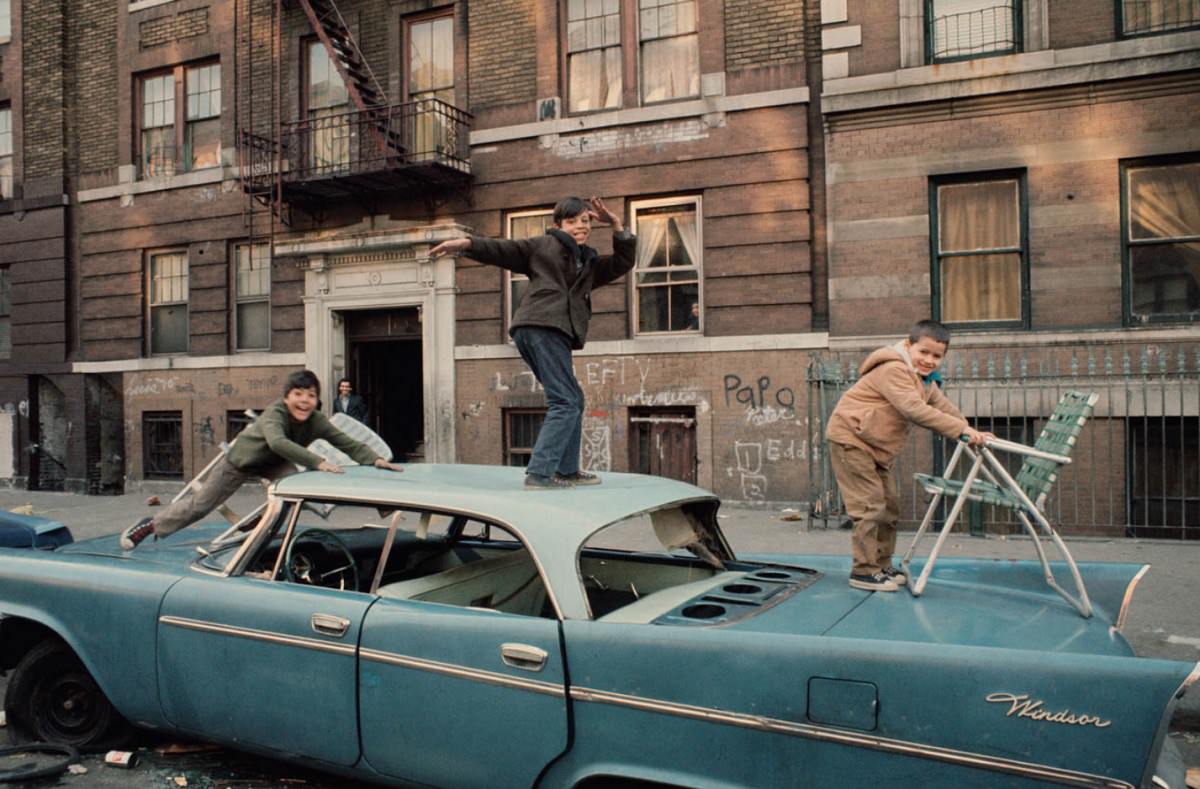
Children appeared throughout Vergara’s photographs of the South Bronx and Morrisania. These neighborhoods had large numbers of young residents growing up in conditions of severe poverty. Their presence in the photographs puts a human face on what could otherwise read as a story purely about buildings and infrastructure. They were the residents most directly shaped by the failures of urban policy during this decade.
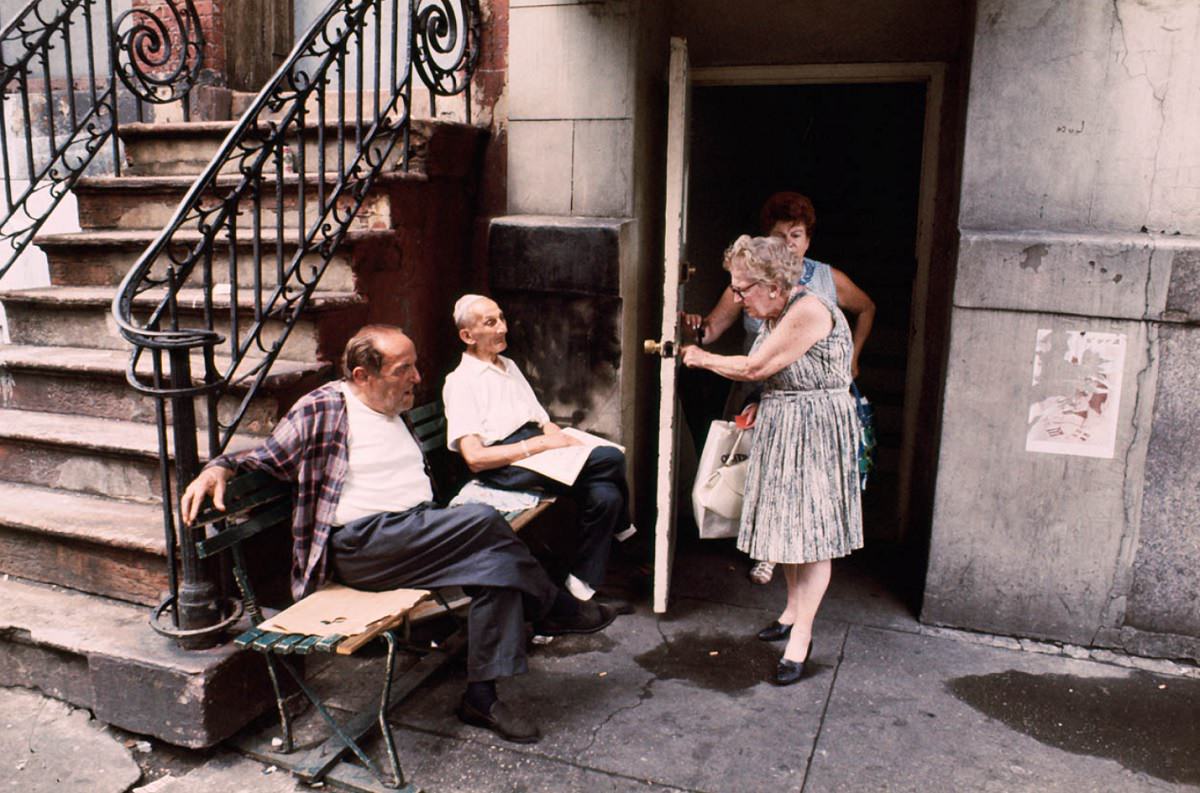
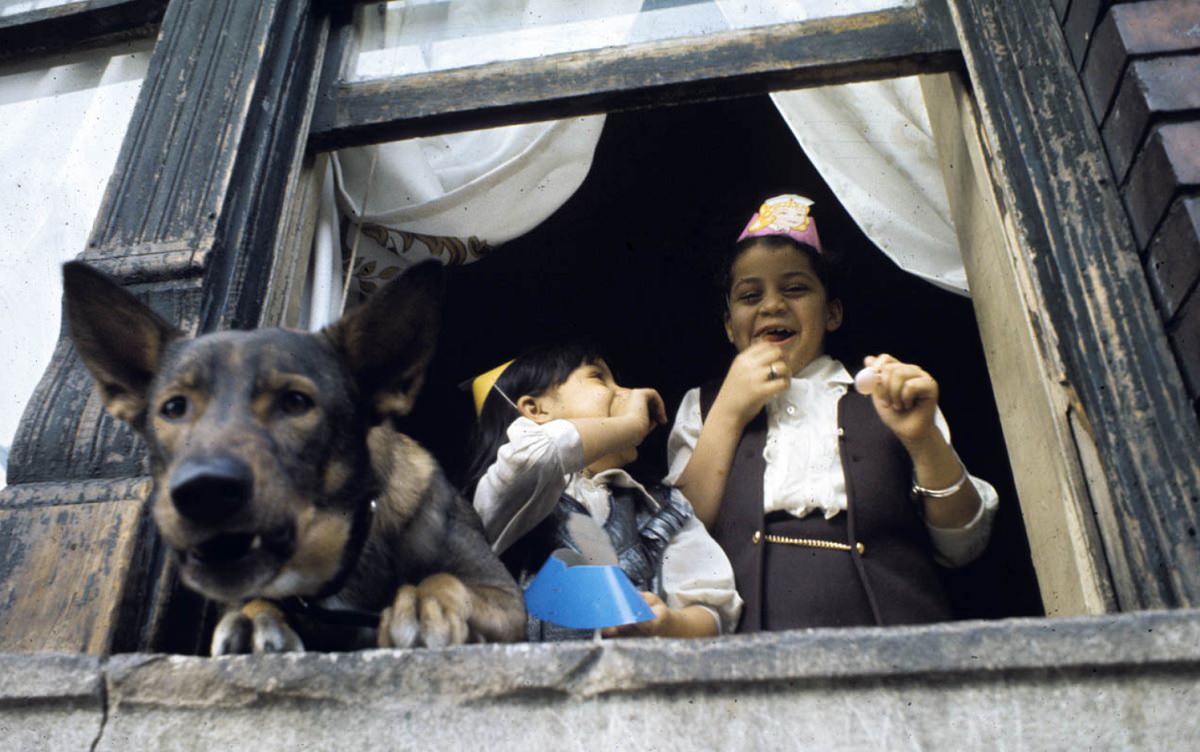
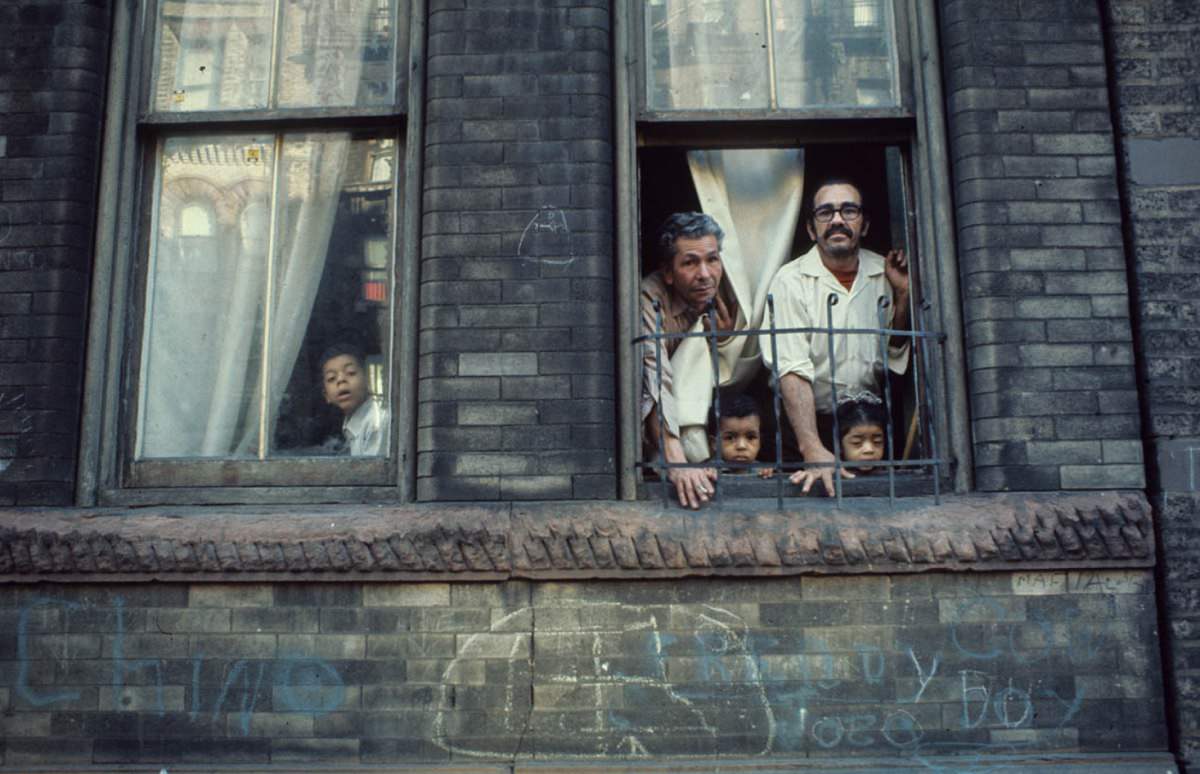
Political demonstrations were part of the street life Vergara documented. On the Lower East Side in 1970, onlookers gathered to watch a Socialist Workers Party march pass through the neighborhood. The scene reflects the broader political atmosphere of the era — a city full of residents who were engaged with the major debates of the time, from workers’ rights to the Vietnam War.
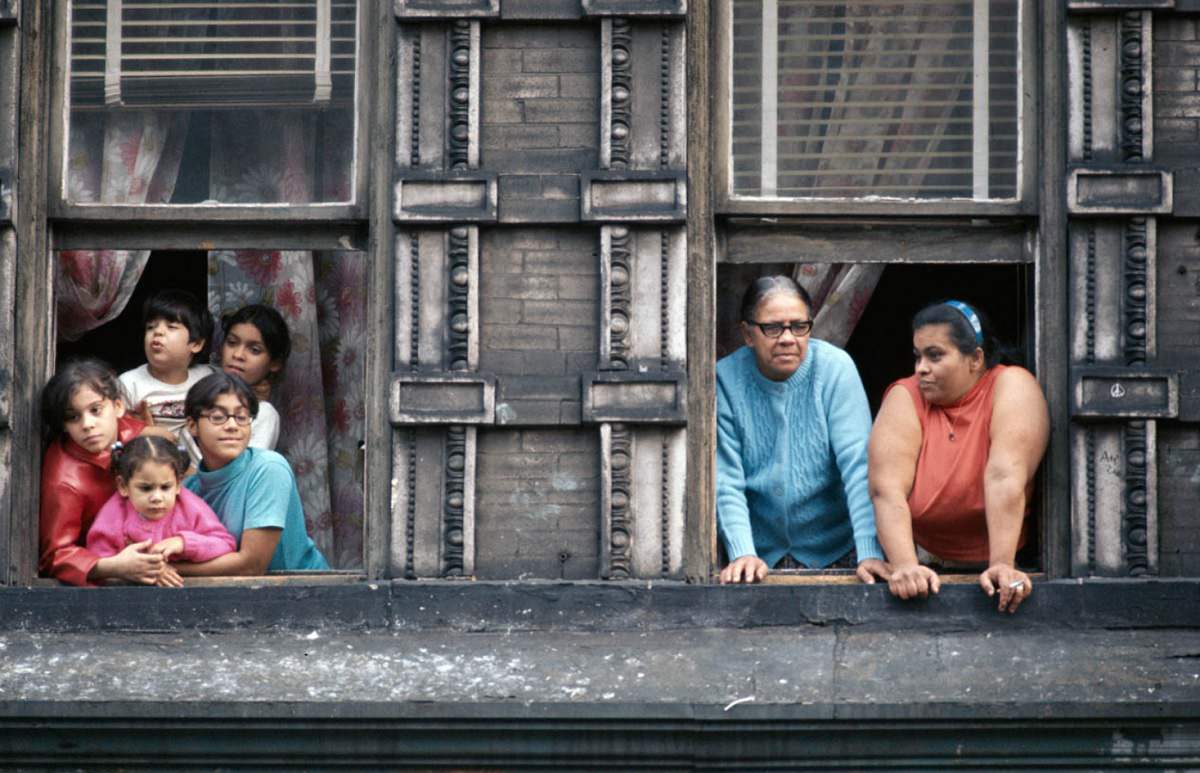
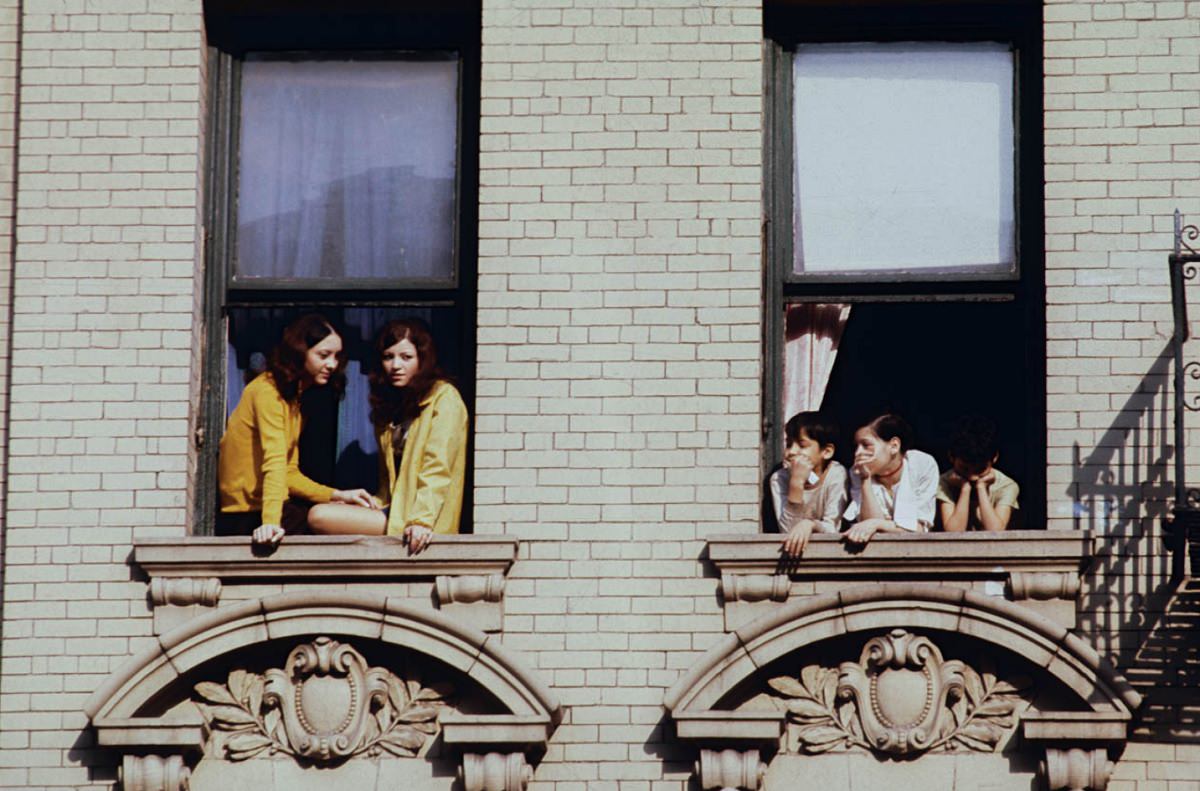
Vergara received the National Humanities Medal in 2012, a recognition of decades spent documenting the American urban experience. His work from New York in the early 1970s stands as one of the most thorough photographic records of what the city looked like at one of its most difficult points. These are not glamorous images. They are honest ones — taken in the streets, in the light of day, by a photographer who showed up and kept his eyes open.

Beautiful photos from before the obesity epidemic!
looked like a fun place for kids
these seriously scare me for some reason
I was there, those are some great pics that really capture the grittiness of the city at that time.
Some of the captions don’t make sense (subway car pics).