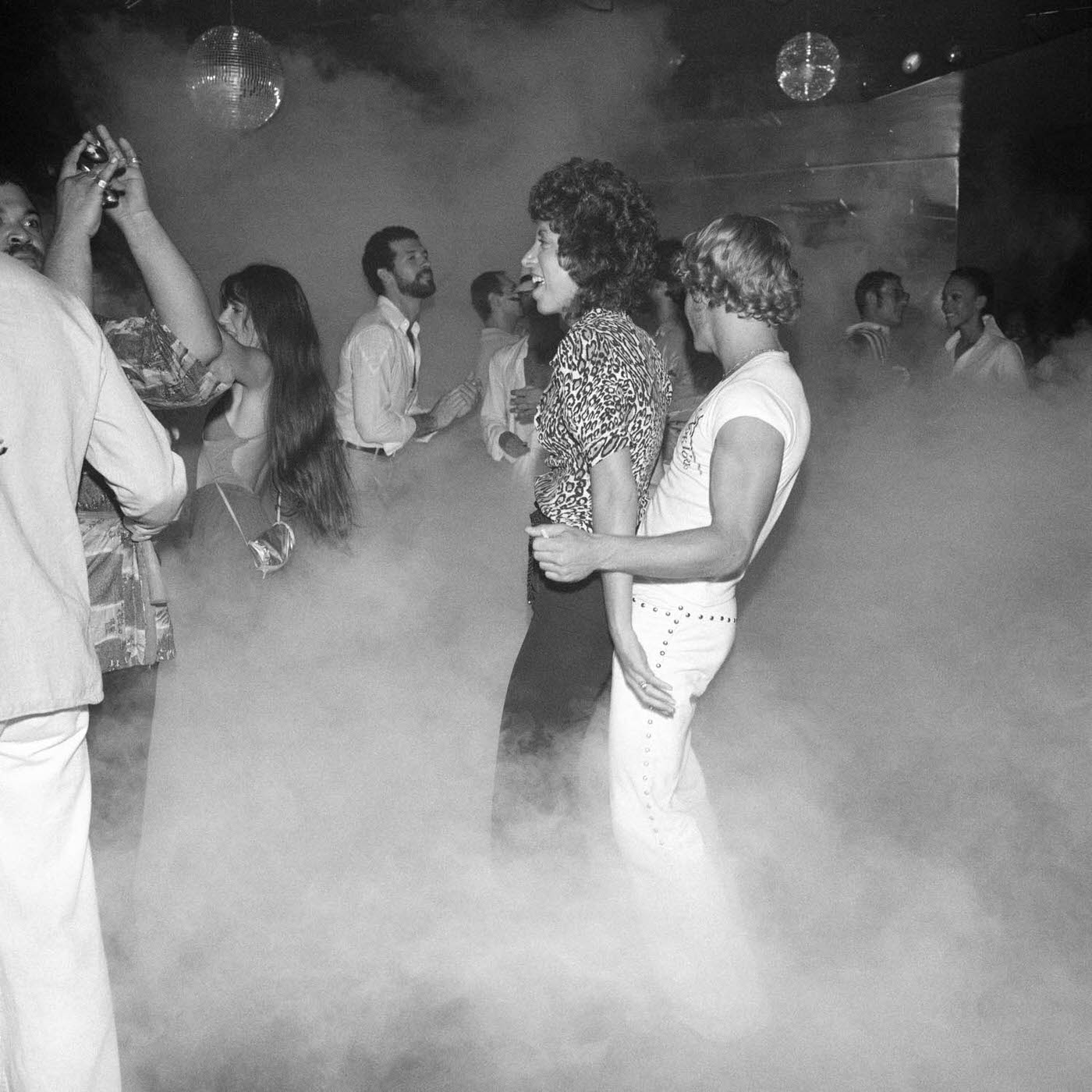
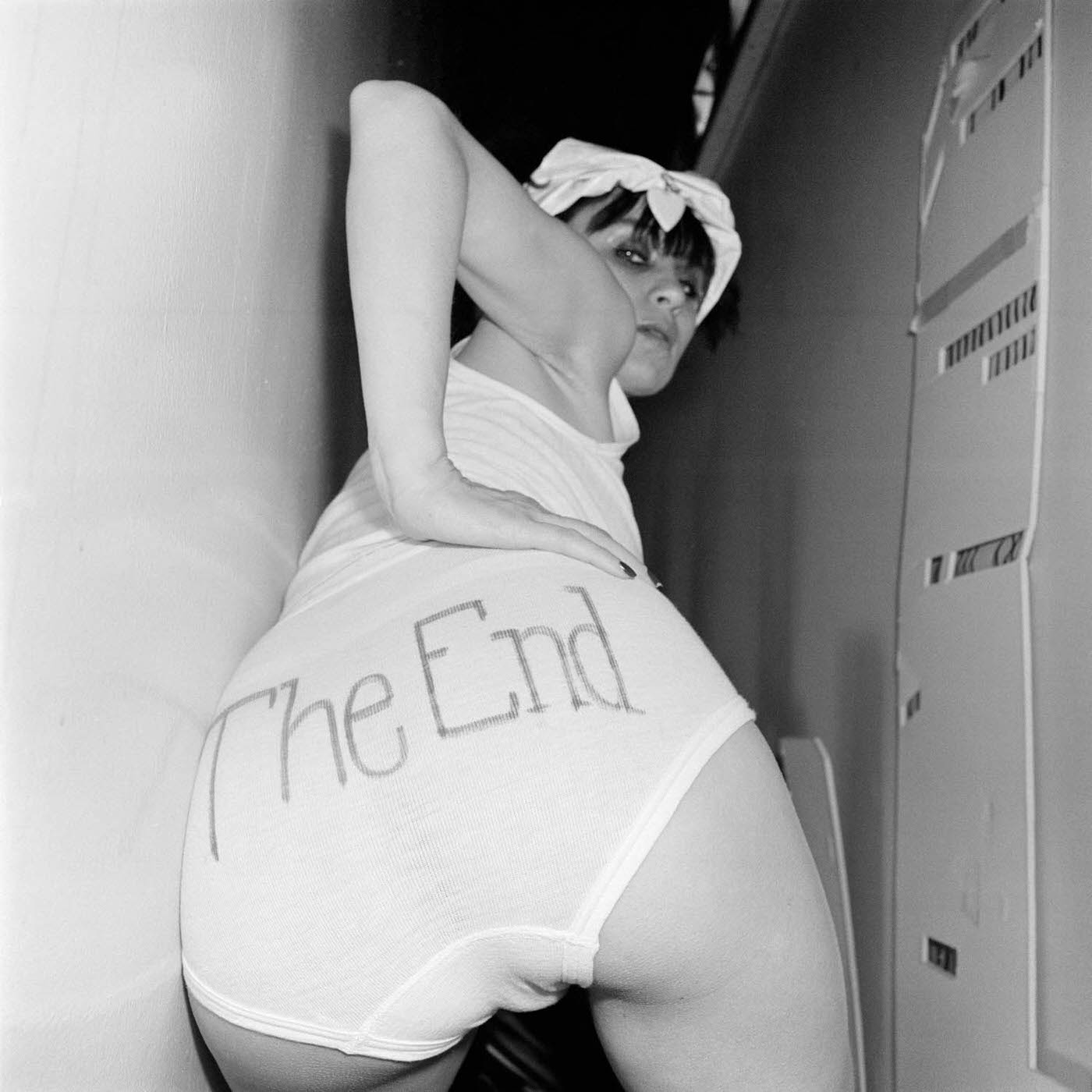
New York City in the 1970s was a city on the edge. Crime was rampant, the municipal government teetered on bankruptcy, and entire neighborhoods had fallen into decay. Yet in the middle of all that chaos, something electric was happening after dark. Downtown Manhattan’s nightclubs became pressure valves for a city under stress — places where people from every background showed up, dressed up, and danced until morning.
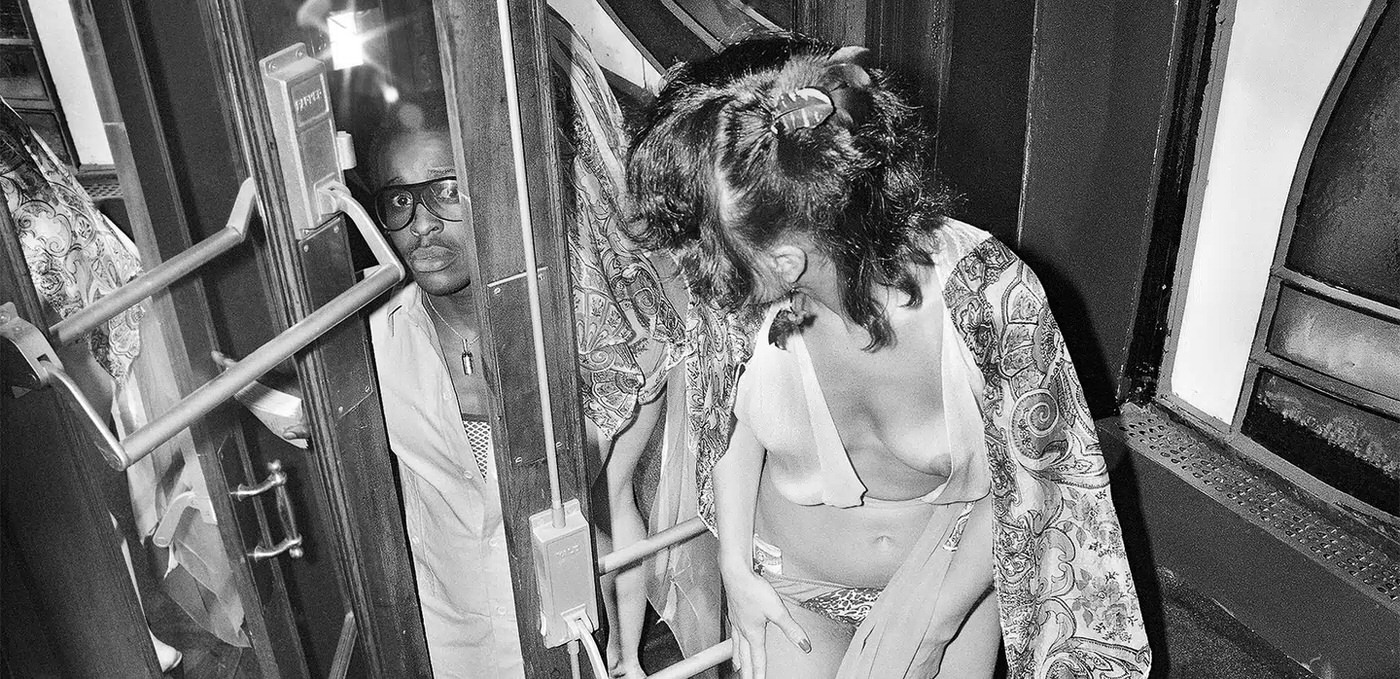
Photographer Meryl Meisler was there with a camera. Her collection, “Dancing the Night Away in 1970s New York City,” documents this scene with striking honesty. She wasn’t shooting from a distance — she was on the floor, in the crowd, among friends. Her images carry the sweat and energy of the real thing.
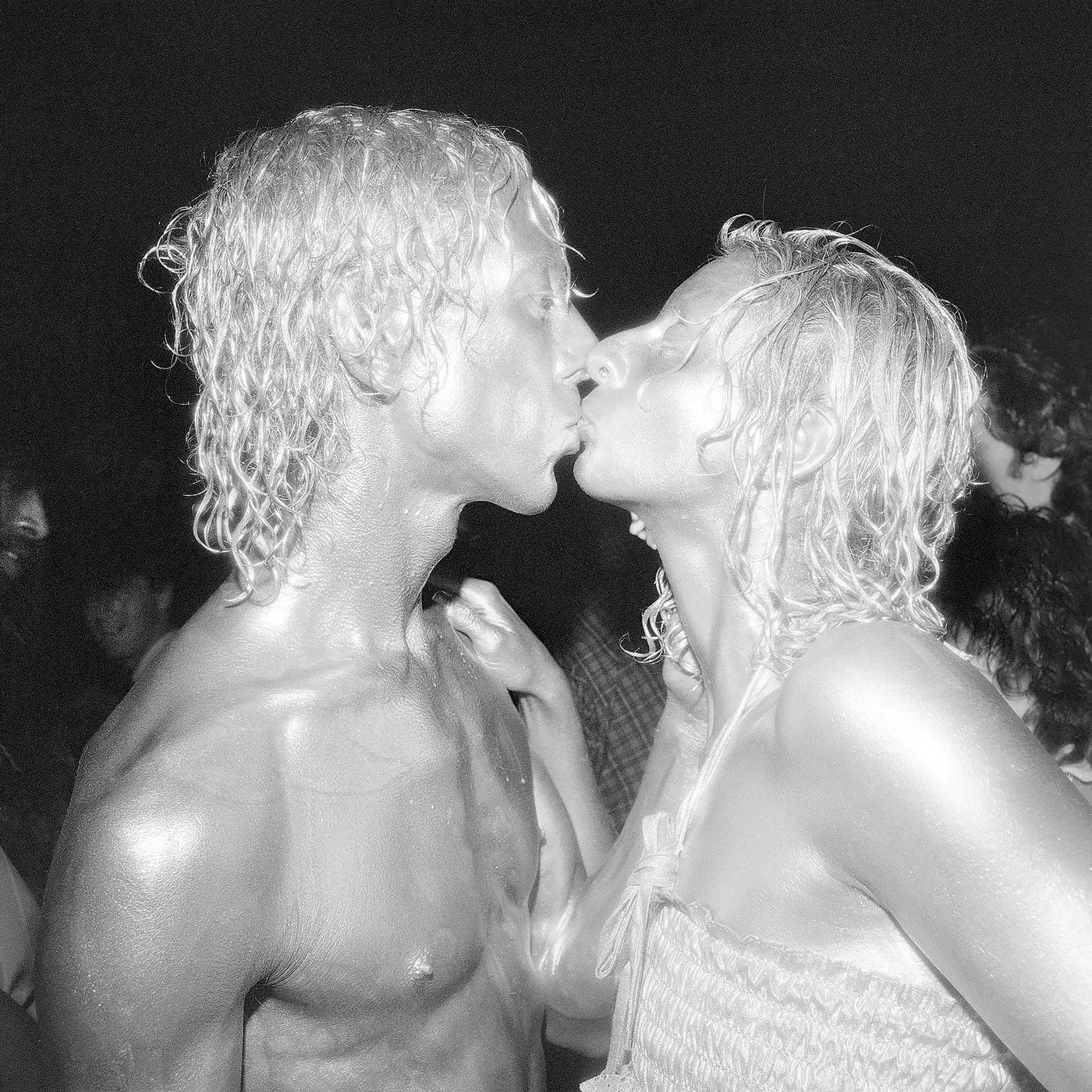
The clubs themselves were unlike anything that came before or after. Venues like Studio 54, Danceteria, Xenon, and Paradise Garage weren’t defined by velvet ropes and polished surfaces. Many had a loose, lived-in feel — sofas pushed against walls, funky decorations, dim lighting. What they lacked in luxury, they made up for in atmosphere. The dance floor was the great equalizer.
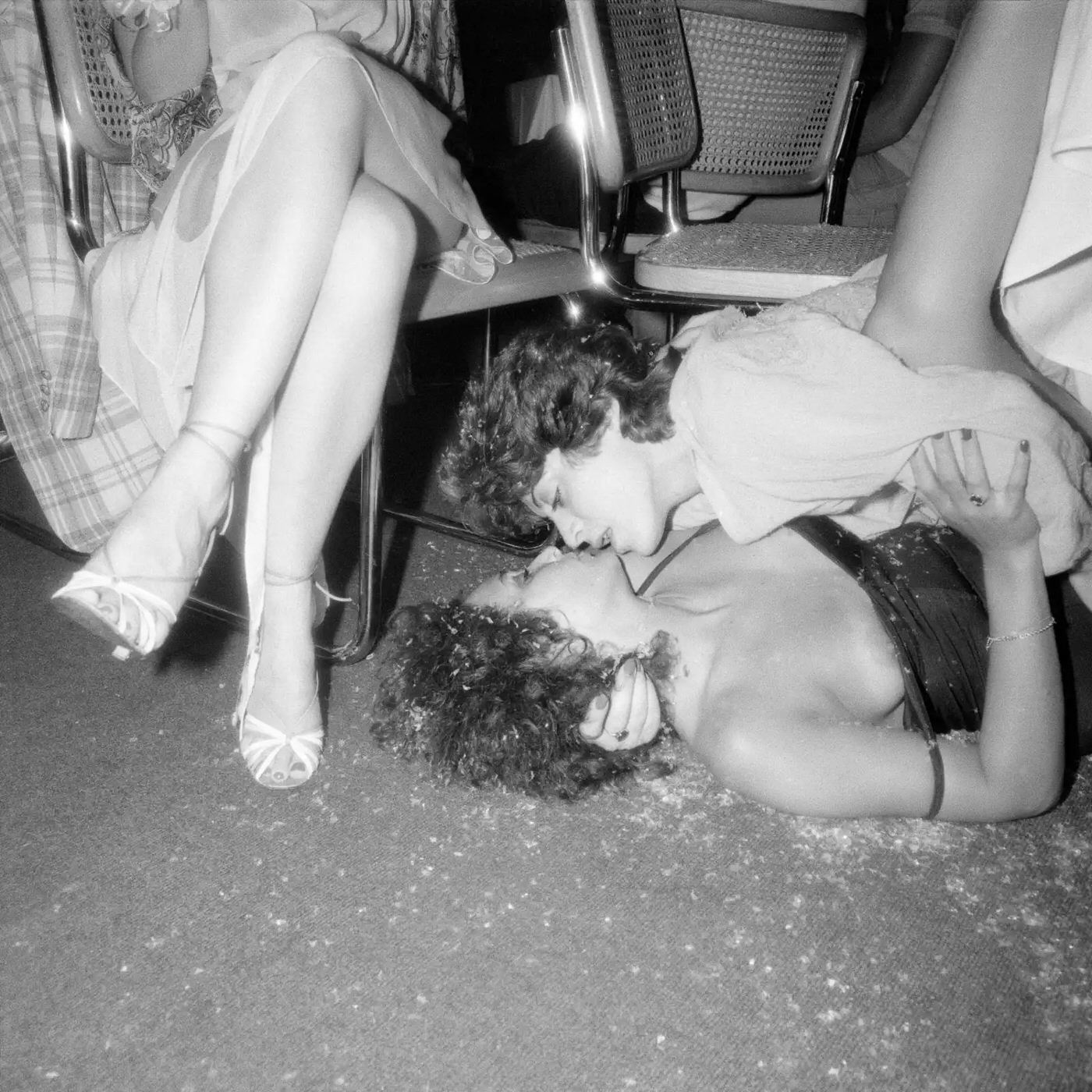
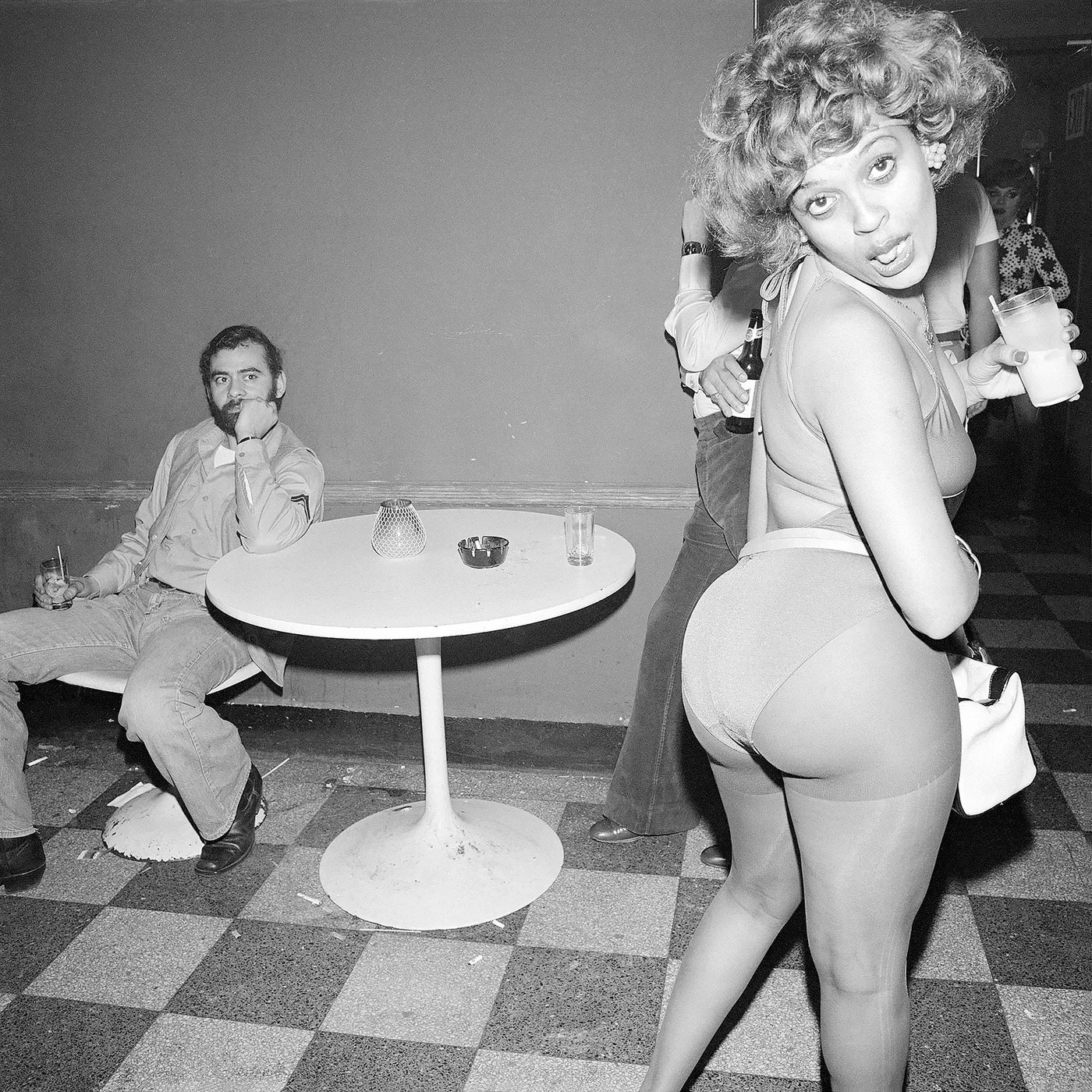
Fashion at these clubs ran the full spectrum. Glittery, flamboyant outfits shared space with ripped jeans and leather jackets. There were no real rules. Self-expression was the only dress code that mattered, and Meisler’s photographs capture that variety in sharp detail — sequins next to denim, platform shoes next to bare feet.
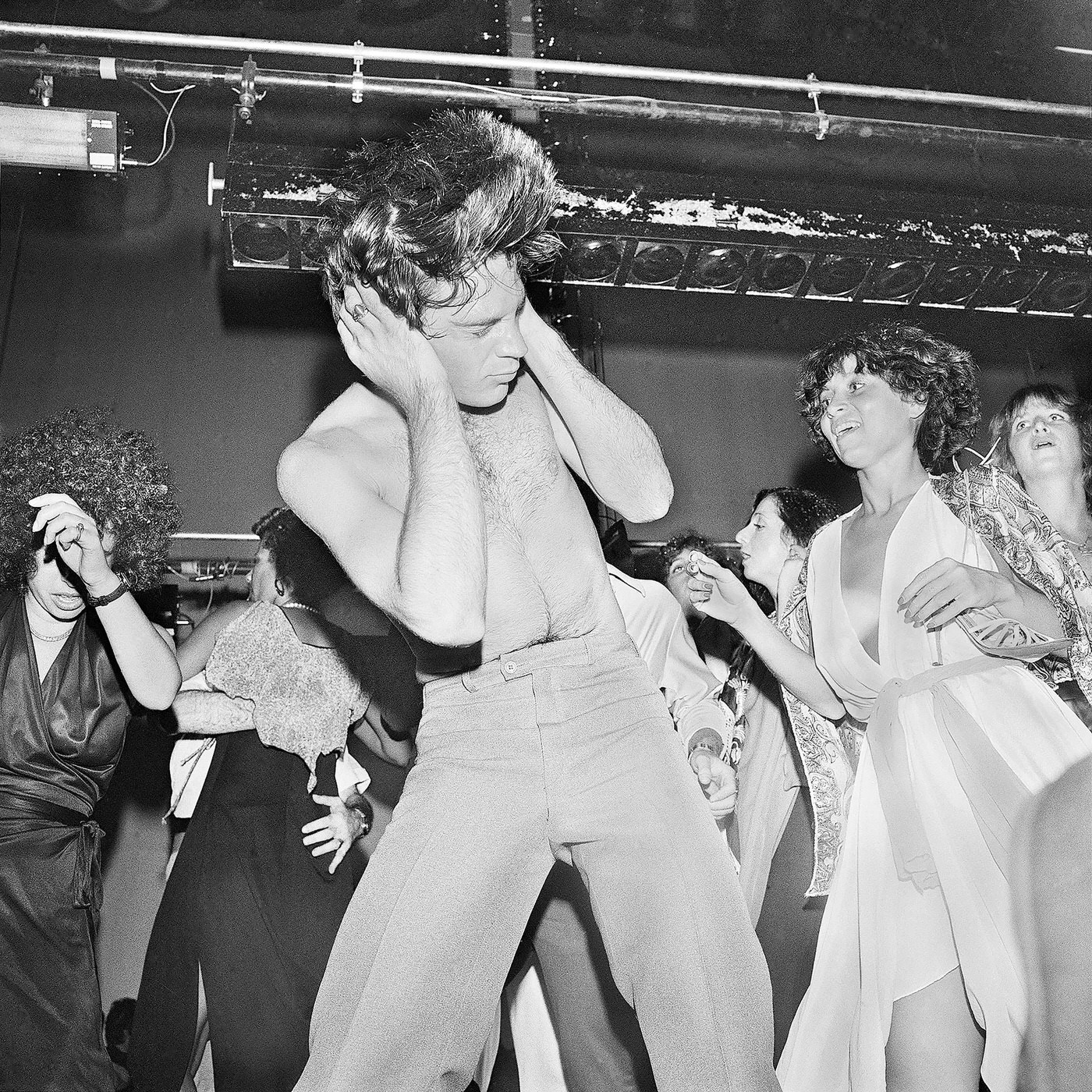
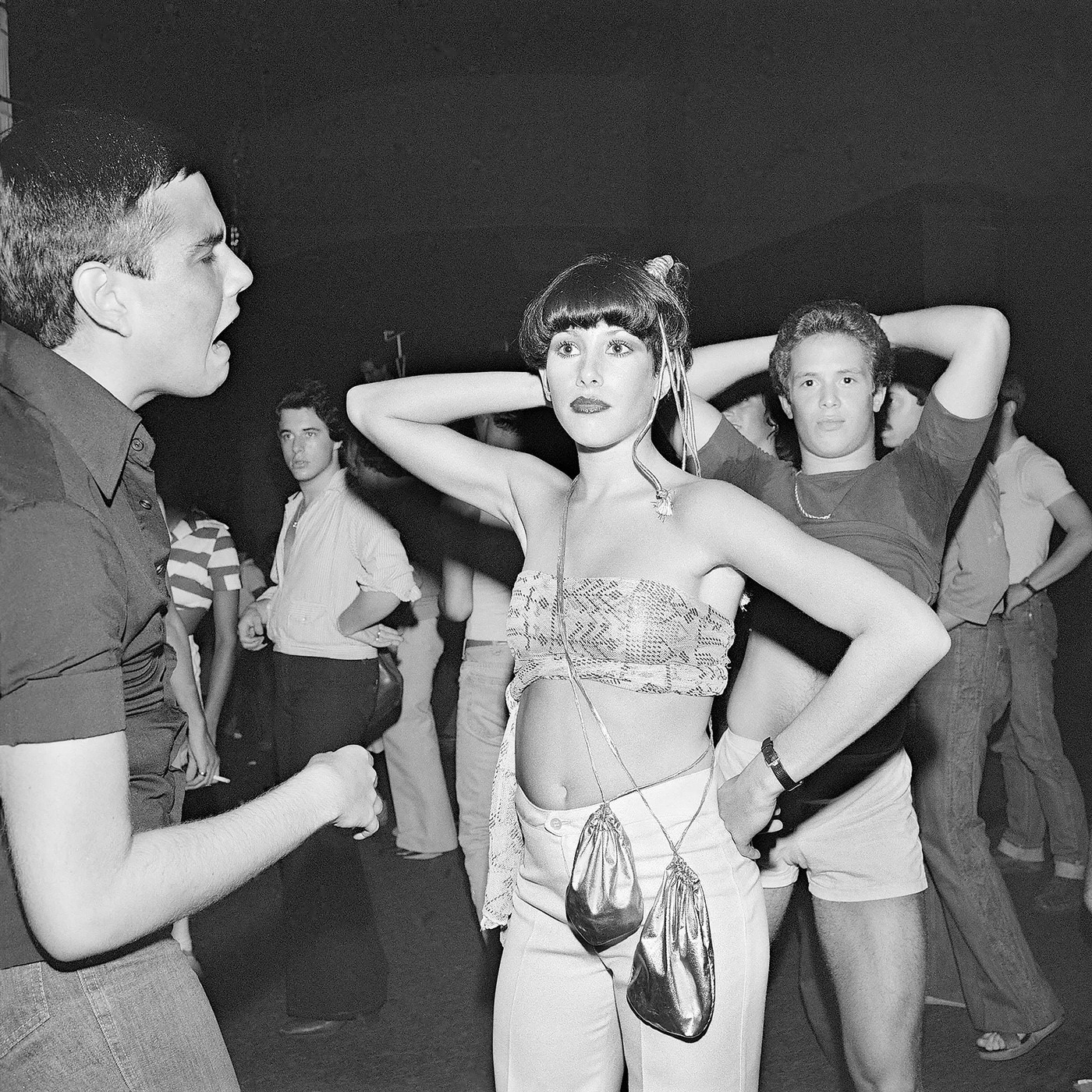
Meisler’s lens caught moments that feel both candid and timeless. A couple kissing under a disco ball. A dancer mid-spin with hair flying. A crowd packed so tightly together that individual faces blur into a single, joyful mass. These weren’t staged shots — they were stolen seconds from real nights.
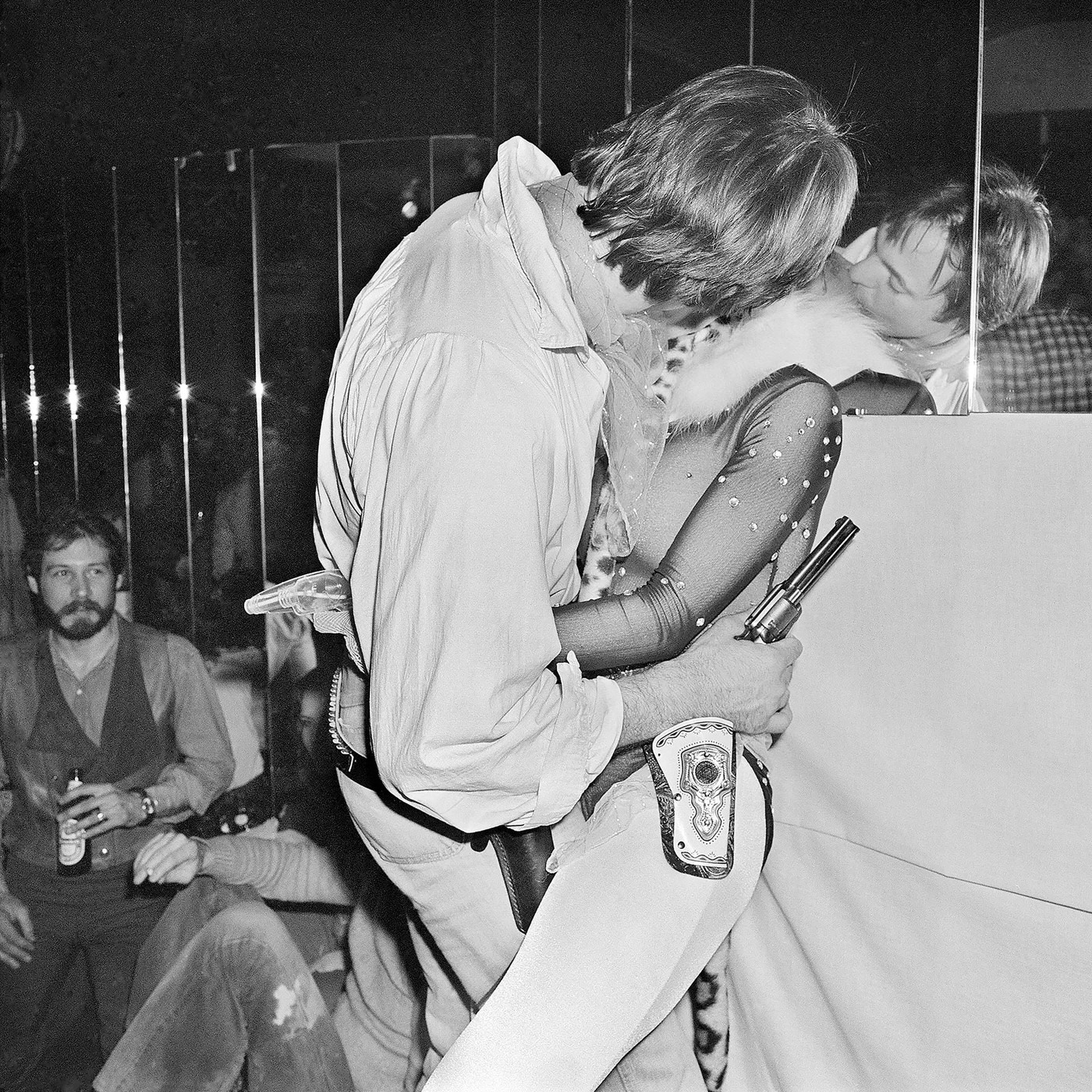
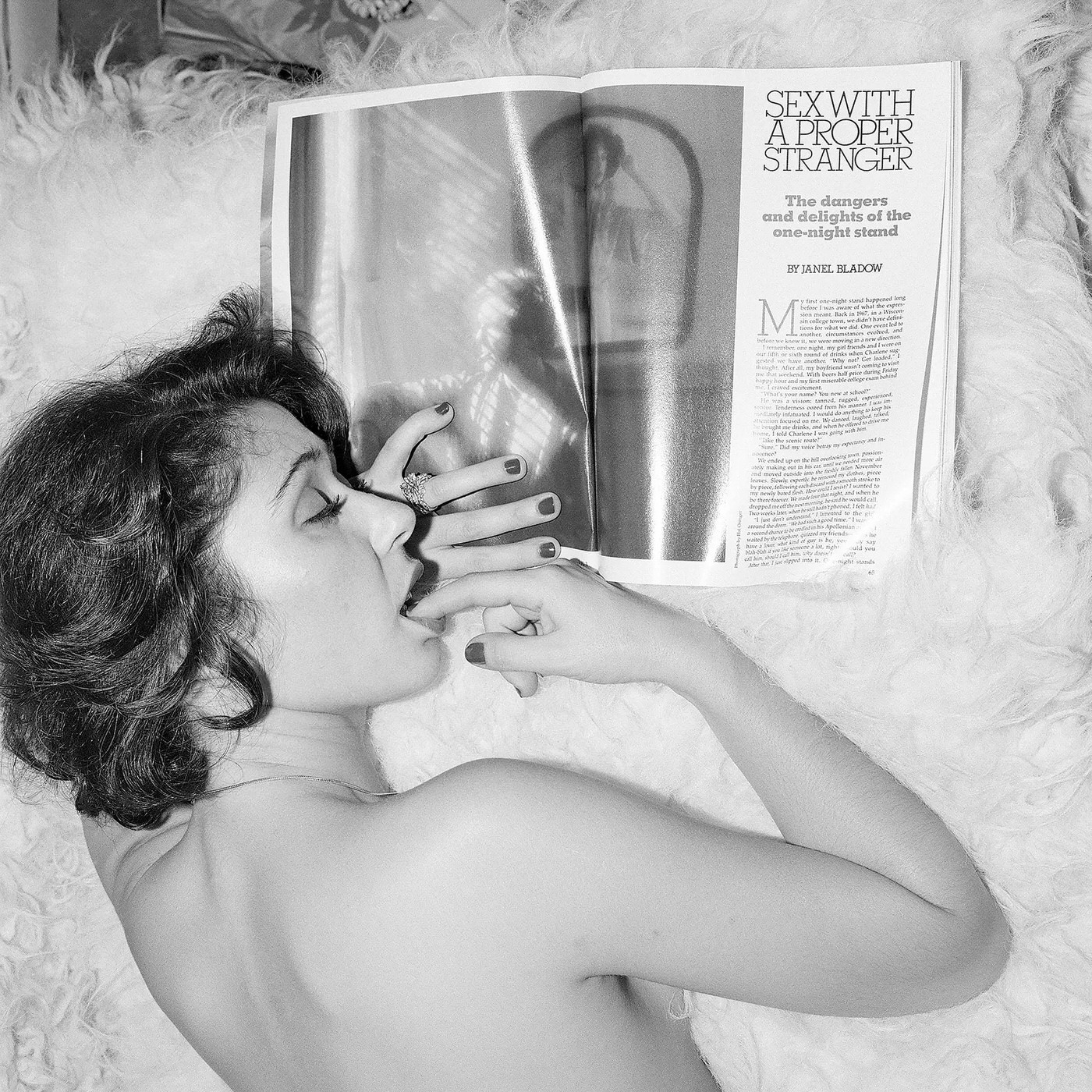
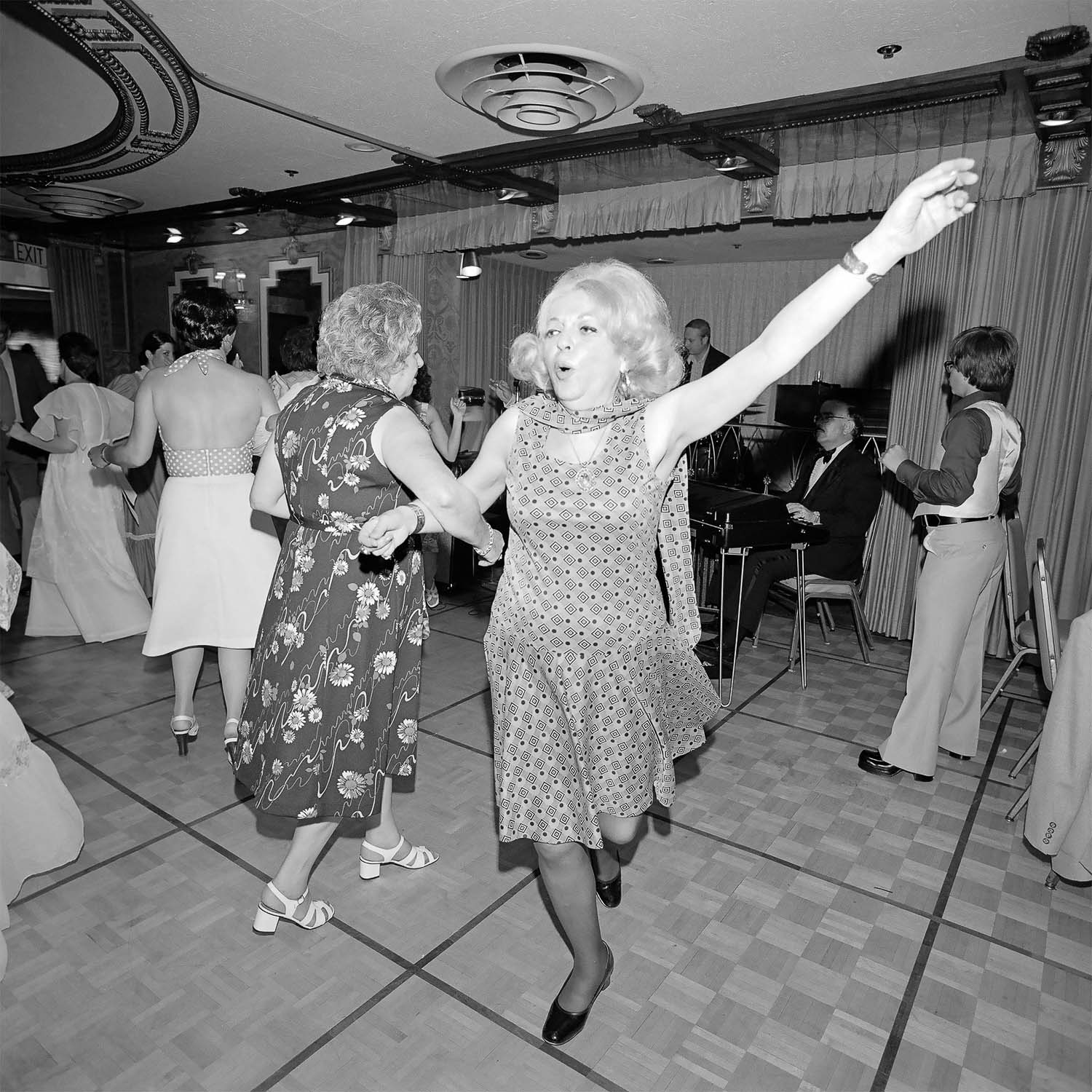
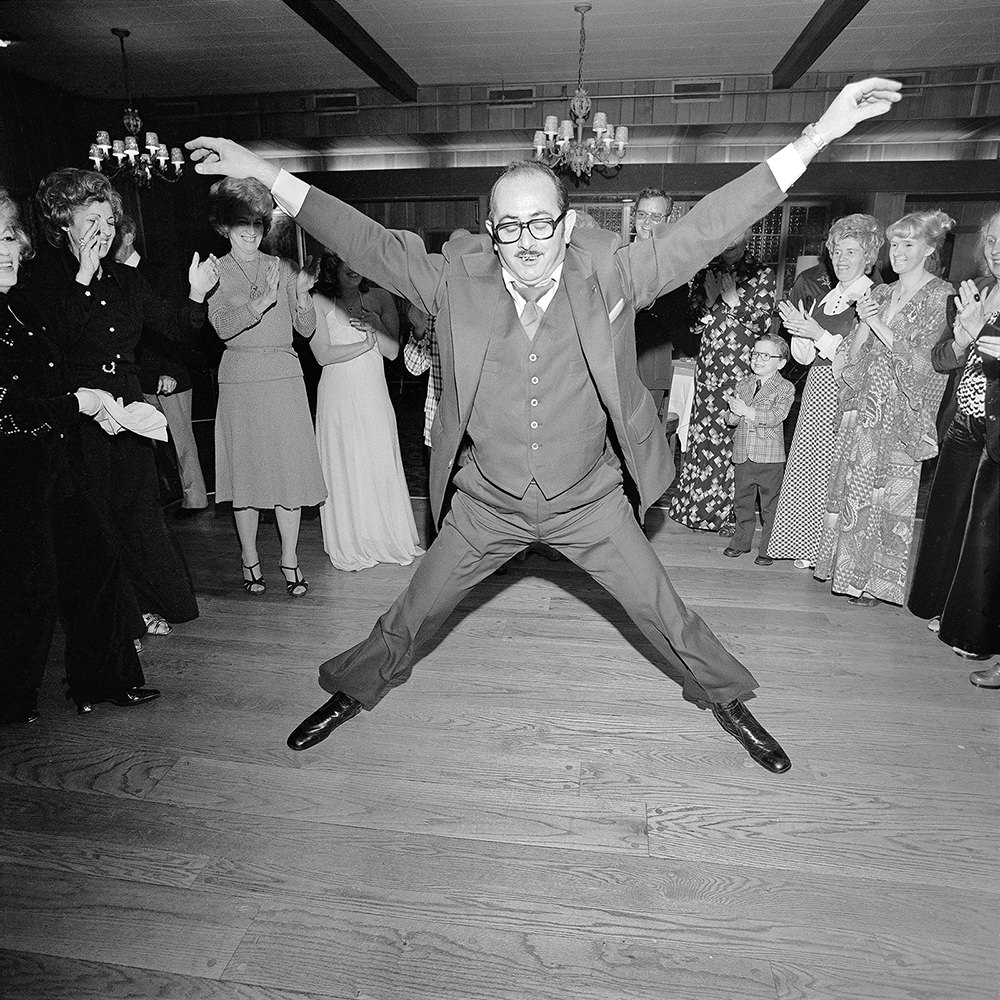
The nightclub scene wasn’t limited to the famous downtown venues. Meisler also pointed her camera at bar mitzvahs, masquerade balls, and neighborhood gatherings. The same uninhibited energy that filled Studio 54 showed up at a Long Island wedding, where a man in a three-piece suit danced in the center of a circle with total commitment.
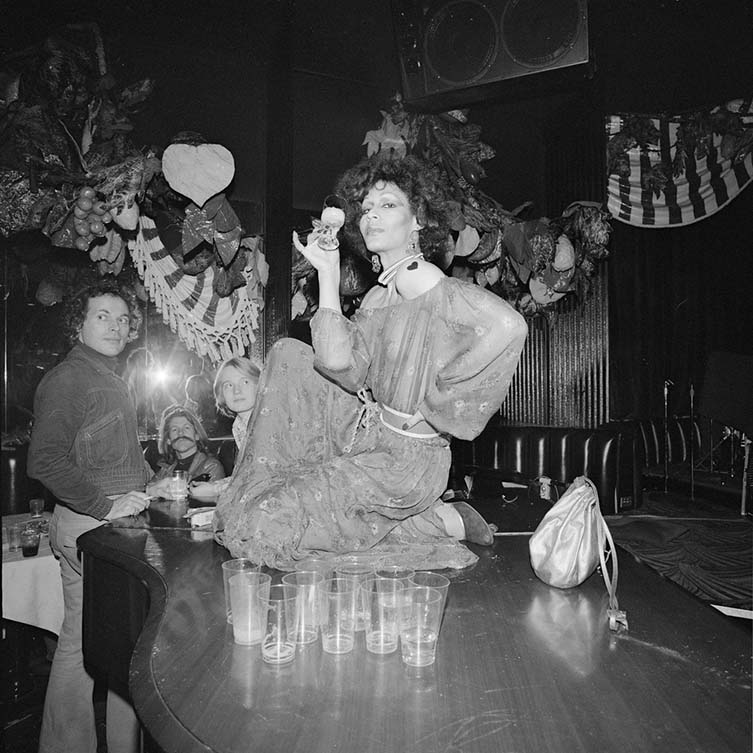
Events like the COYOTE Hookers Masquerade Ball at the Copacabana brought together a crowd that mainstream venues often turned away. COYOTE — Call Off Your Old Tired Ethics — was a sex workers’ rights organization, and their annual ball was a full-blown celebration. Meisler photographed it straight on, without judgment.
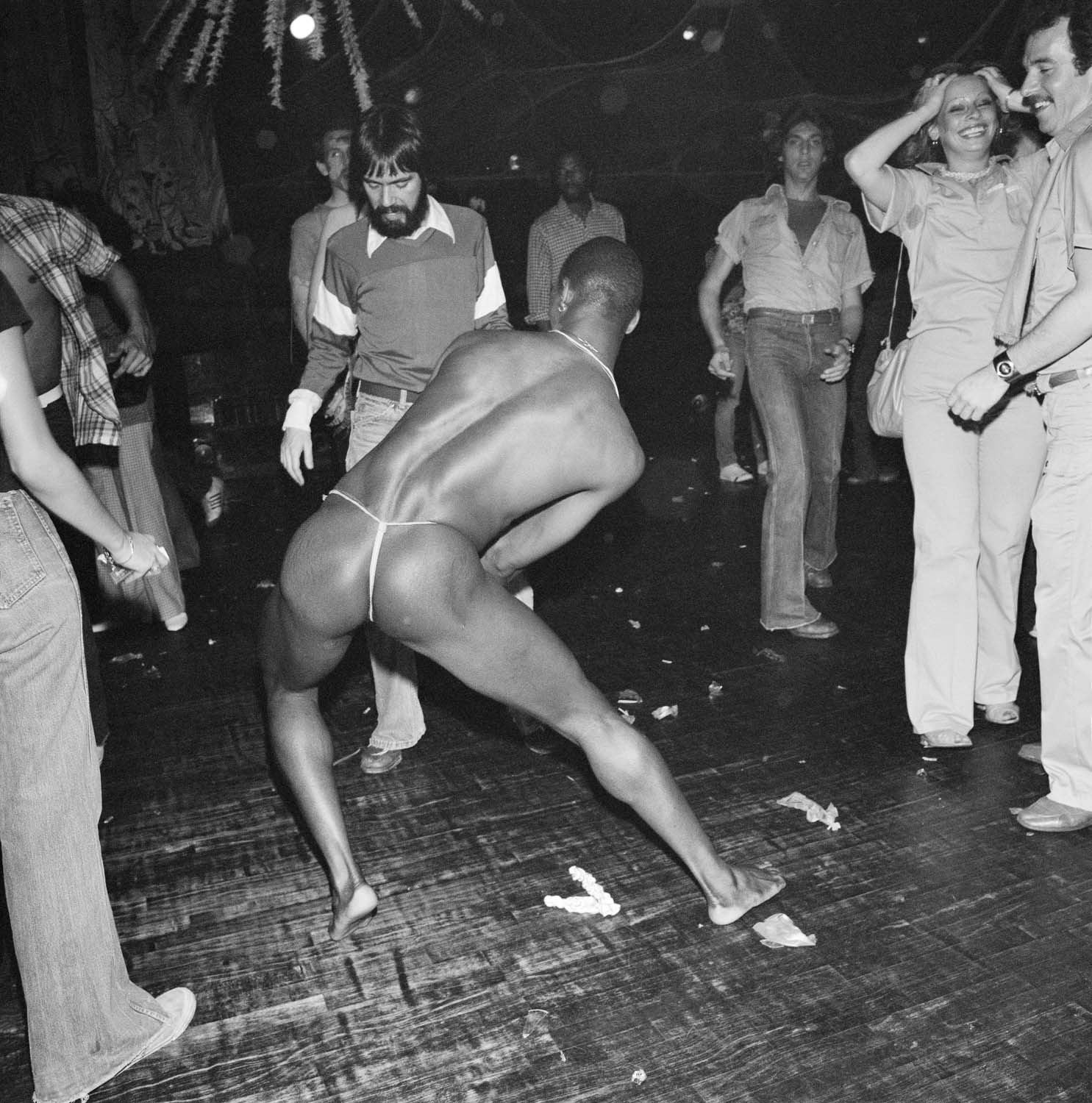
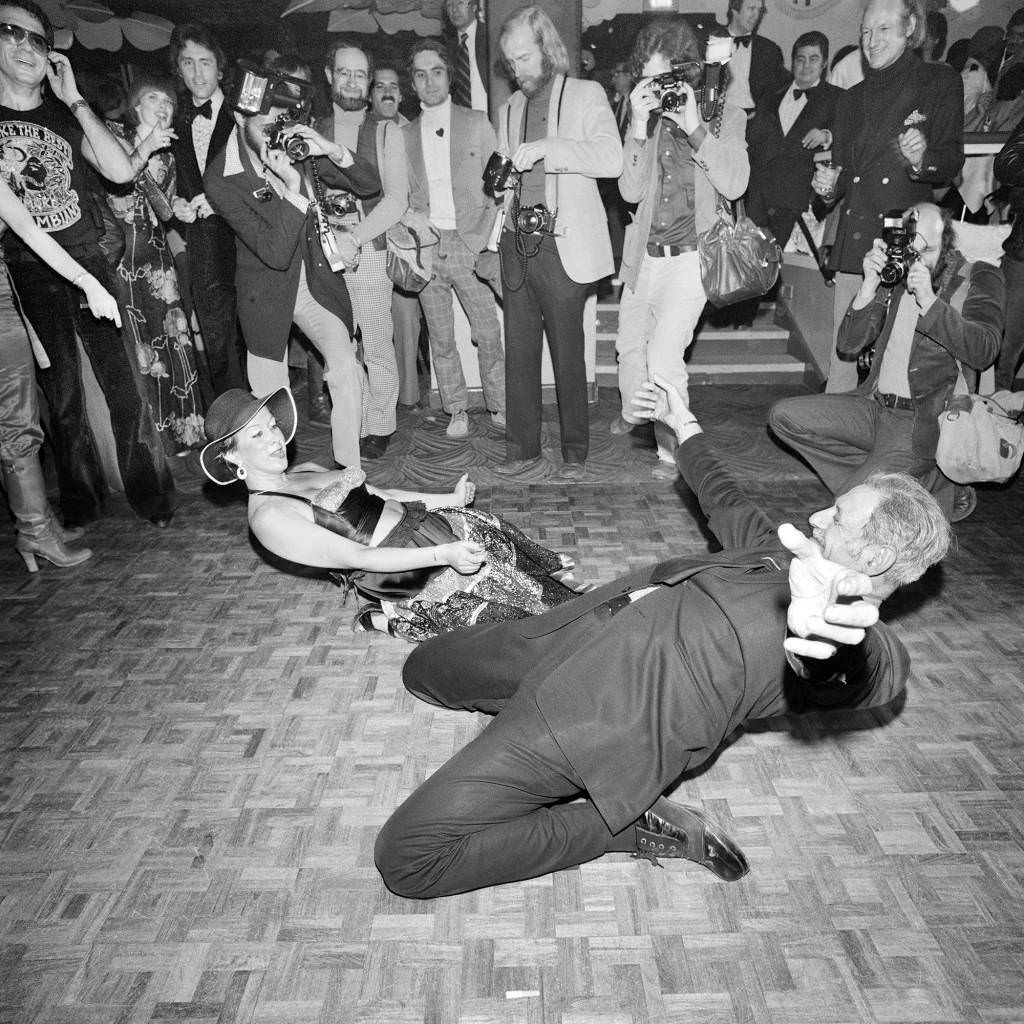
Clubs like Les Mouches and GG’s Barnum Room appear repeatedly throughout the collection. These were regular stops on Meisler’s circuit, and the familiarity shows. She knew the regulars, knew the rooms, and knew exactly when to press the shutter.
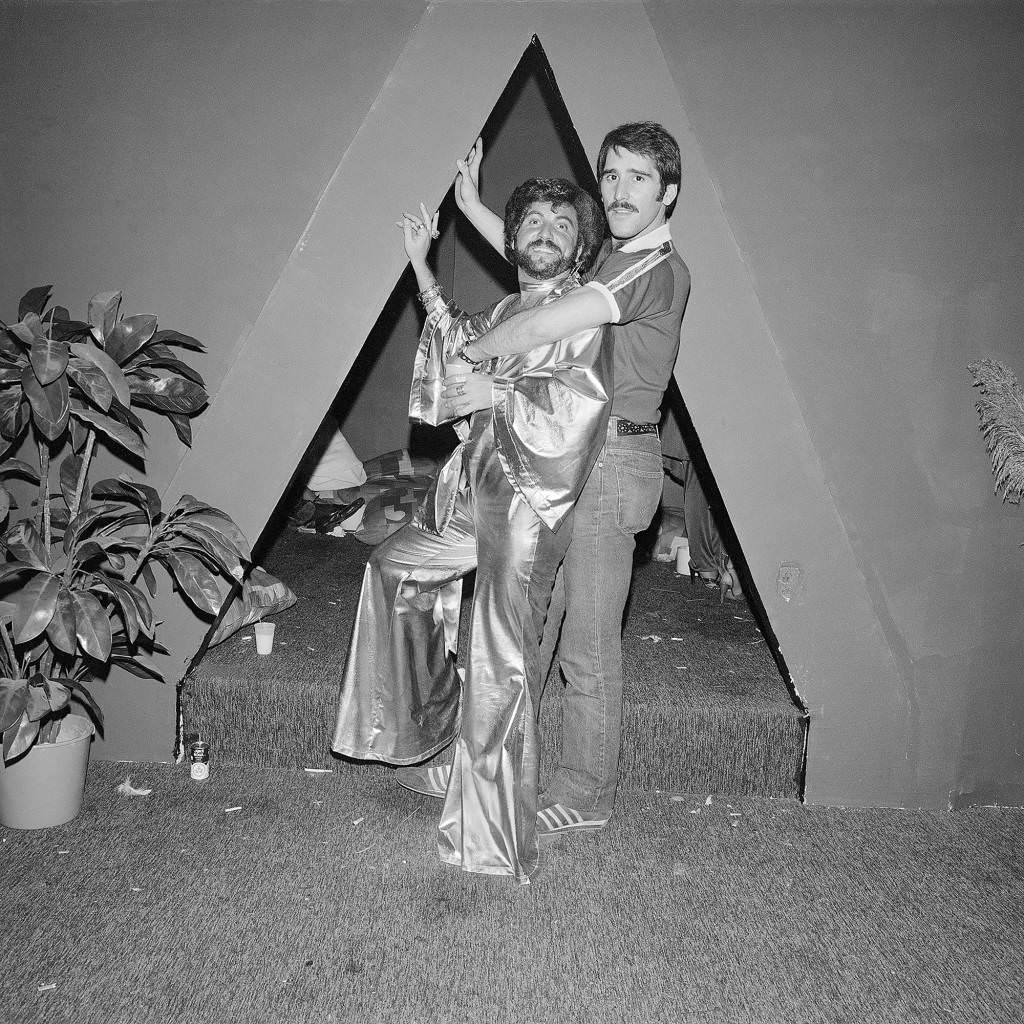
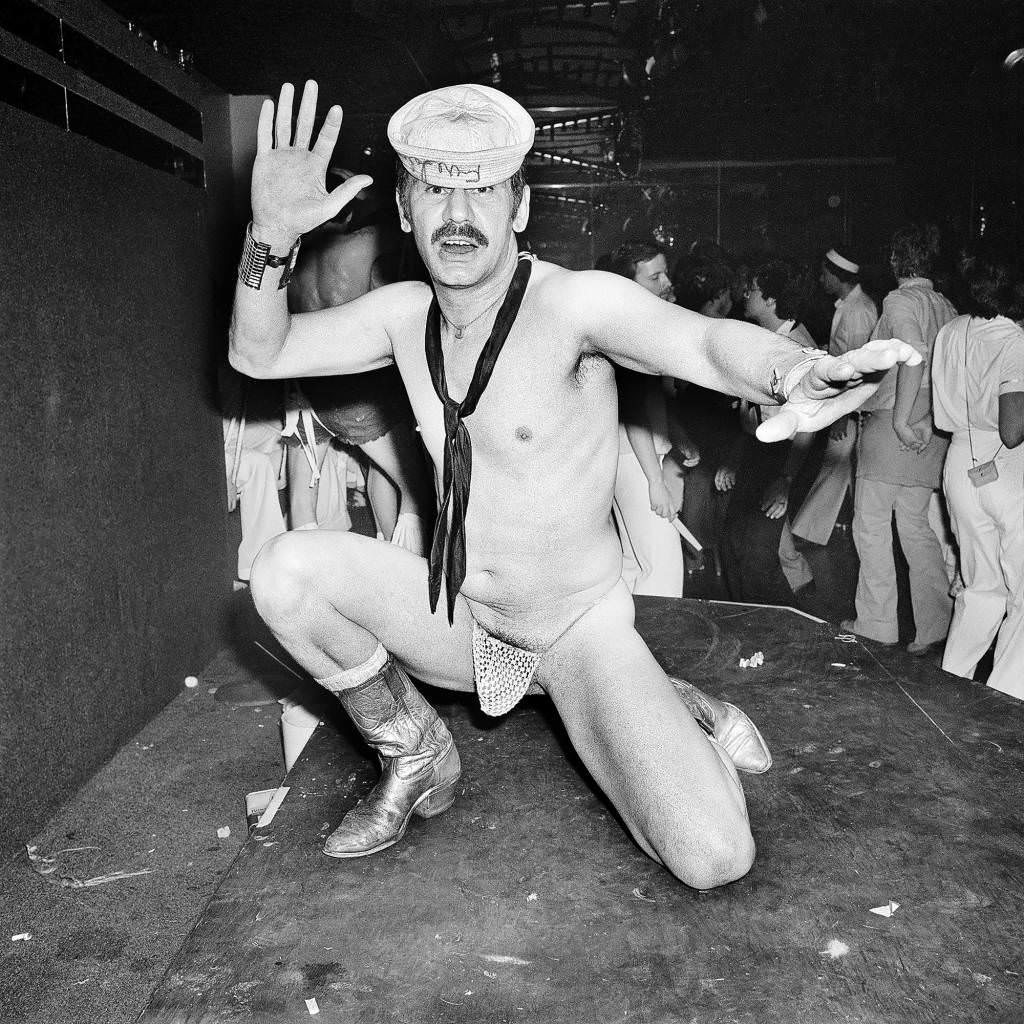
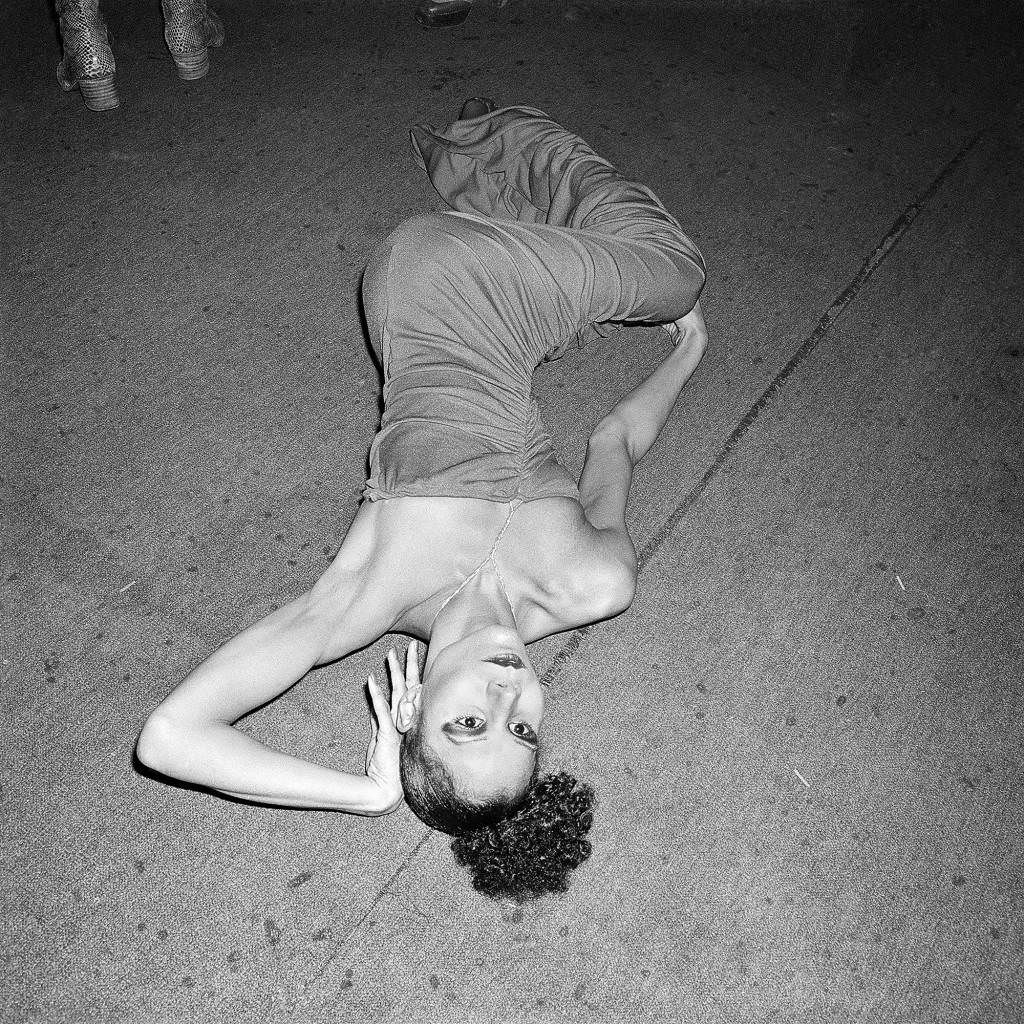
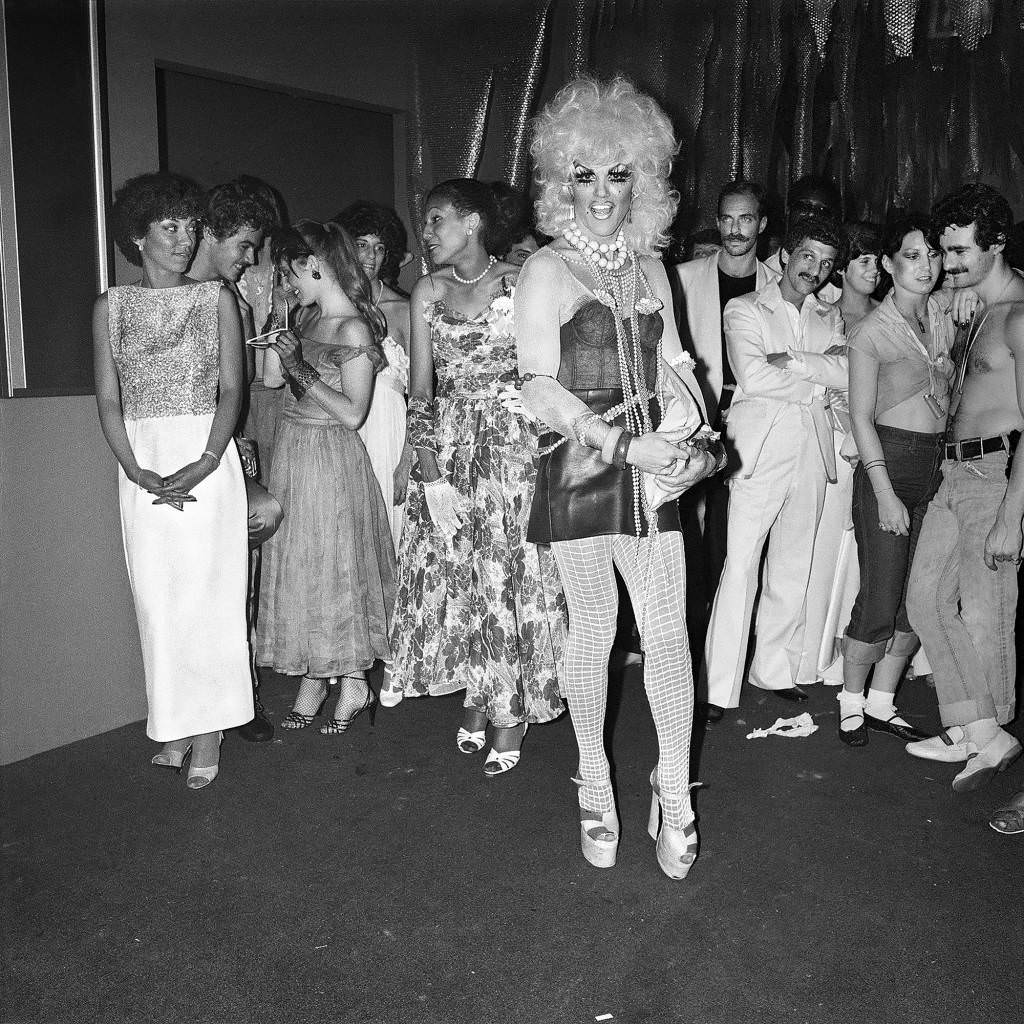
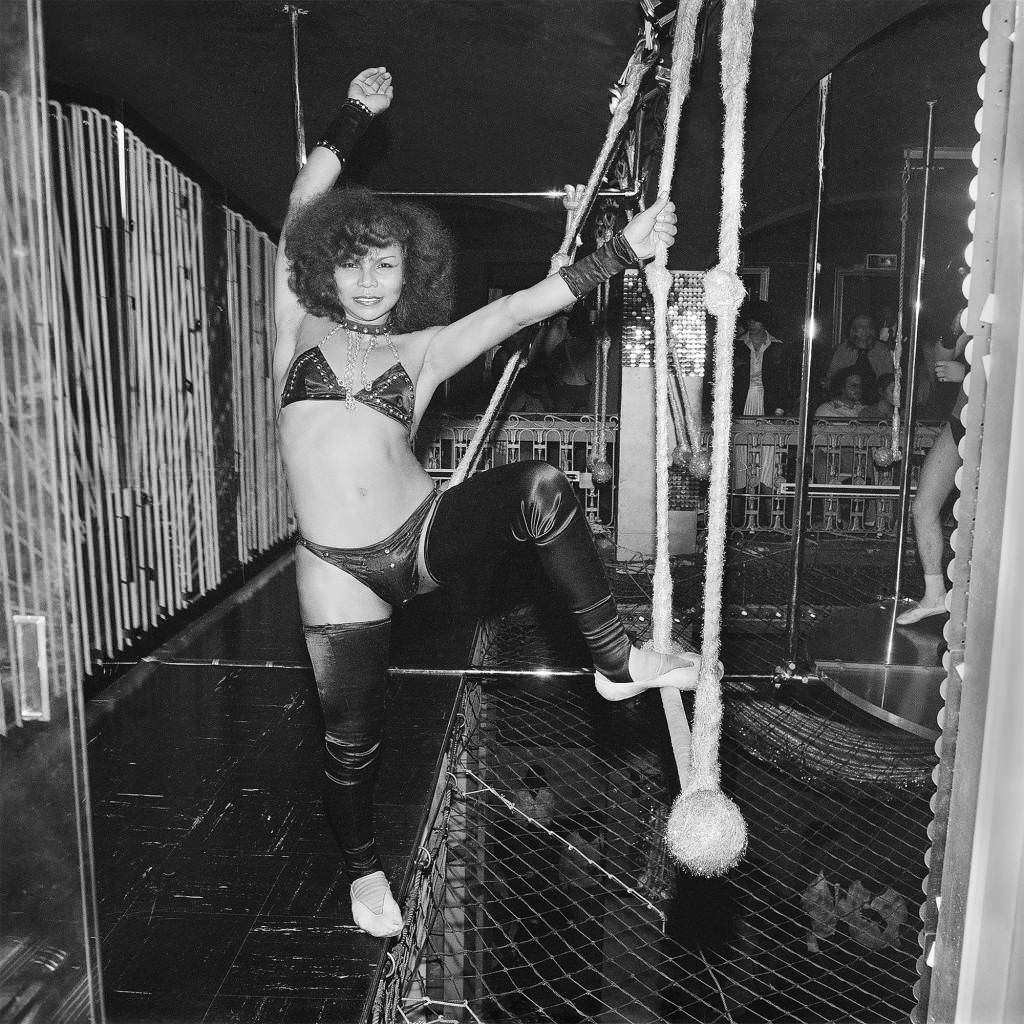
Her friend JudiJupiter appears in multiple frames — dancing, making out, laughing. These weren’t photos of strangers. They were documents of a social world Meisler belonged to. That insider access is exactly what makes the collection so rare.
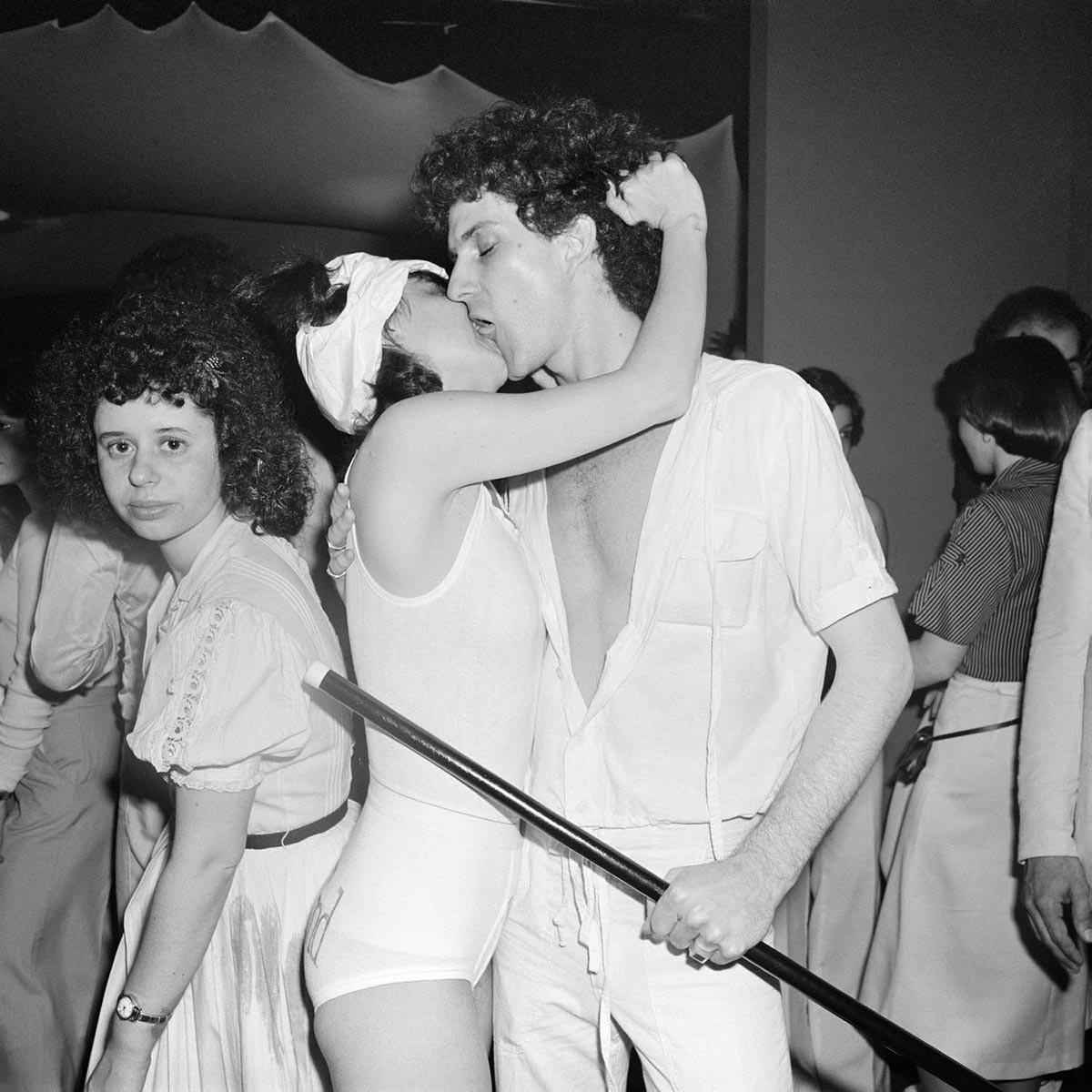
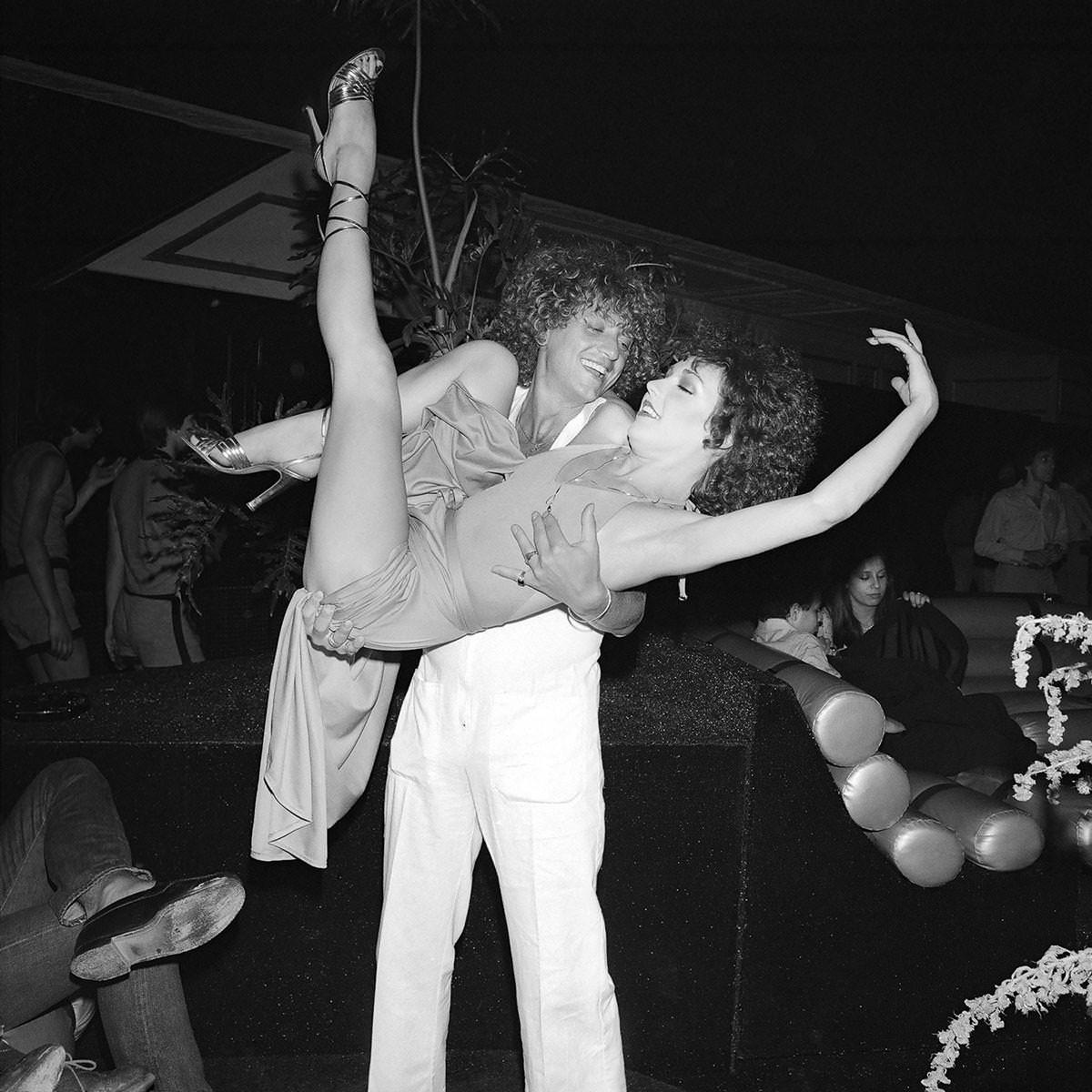
Studio 54 was the crown jewel of the era. Located on West 54th Street, it drew celebrities, artists, socialites, and anyone bold enough to get past the door. Meisler’s shots from inside show the reality behind the mythology — bodies packed together, faces flushed, the disco ball throwing fractured light across everything.
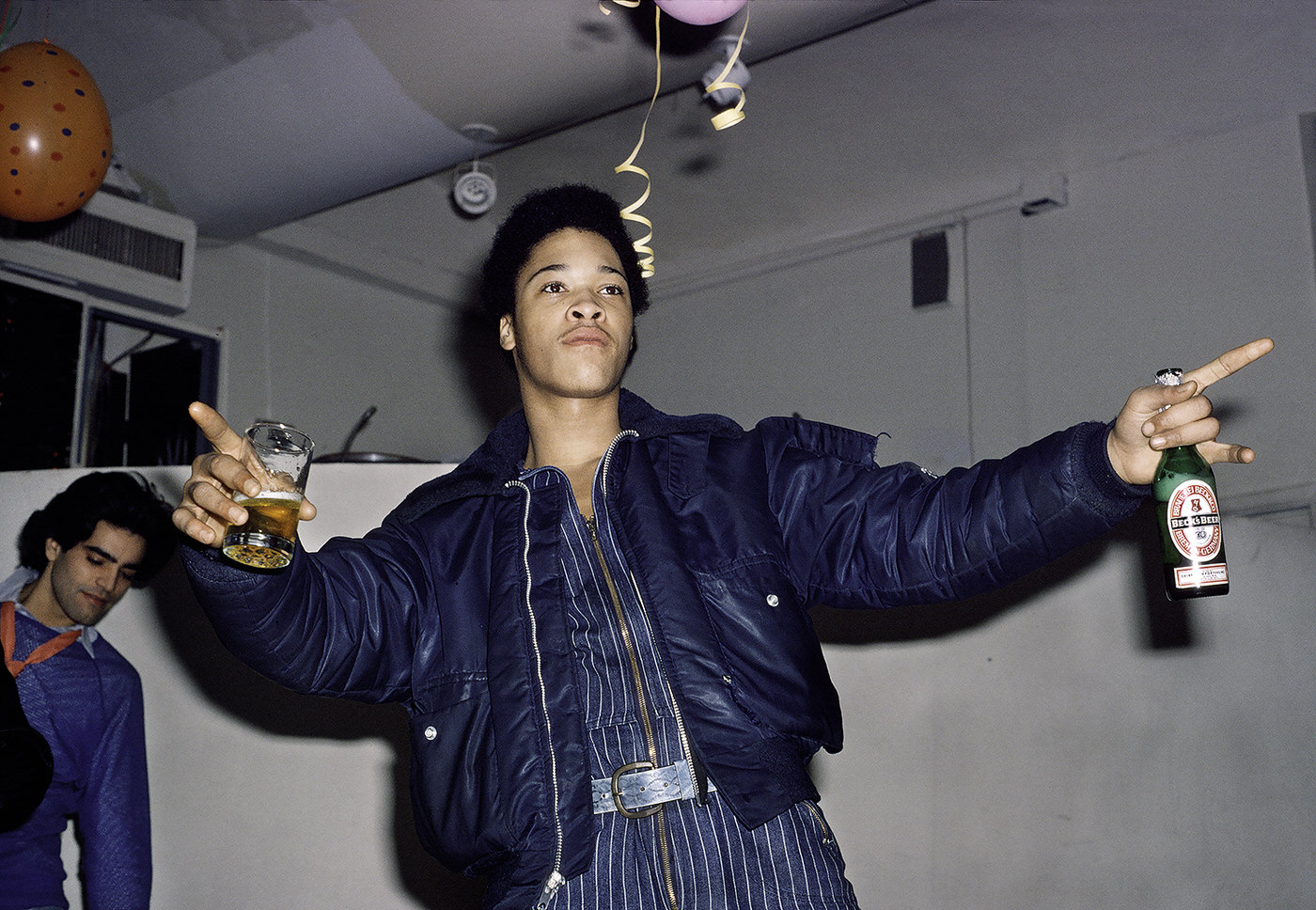
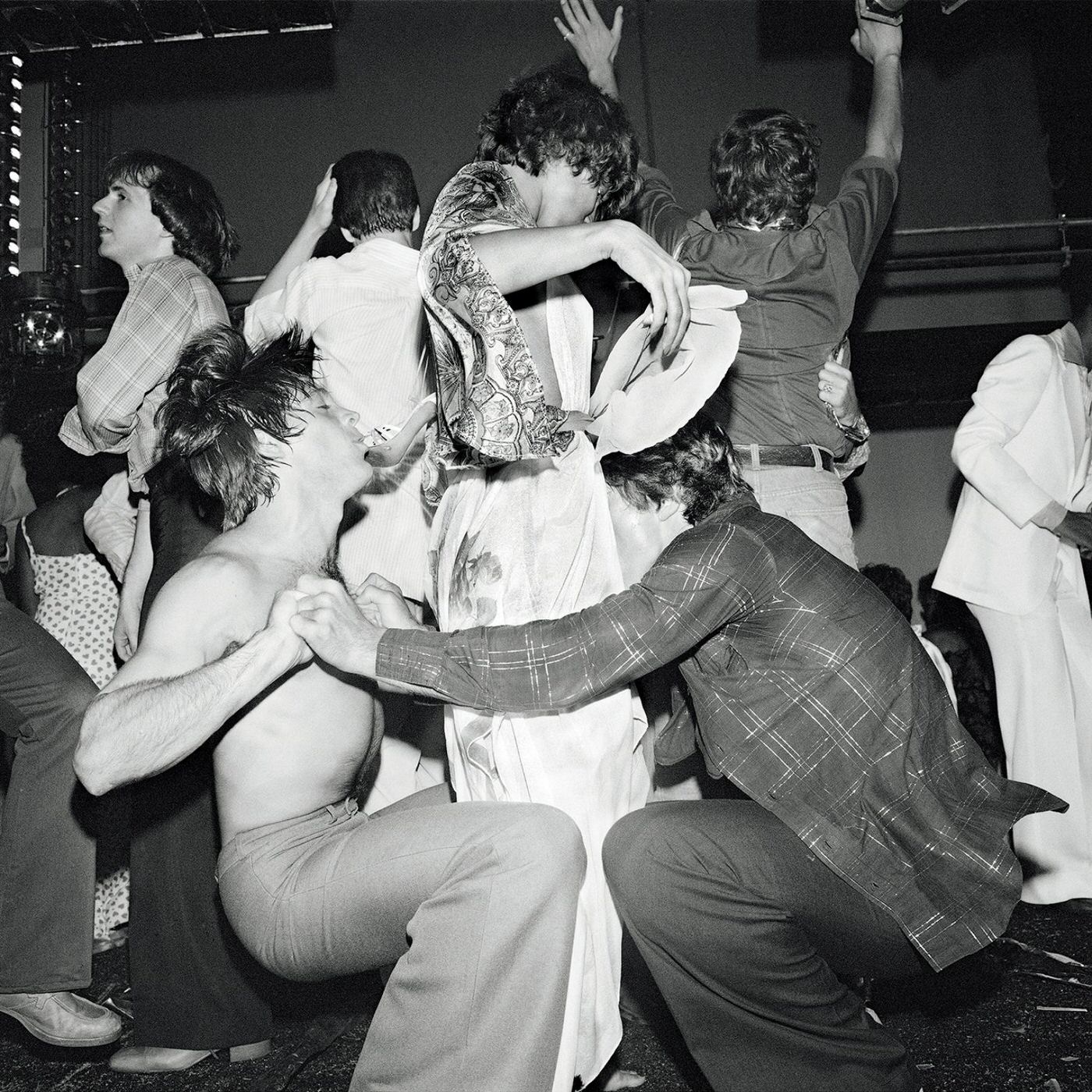
What Meisler assembled over those years is a document of a city finding release in rhythm. The clubs were temporary escapes from broken streets and financial collapse — but inside those four walls, none of that existed. Only the music, the movement, and each other.