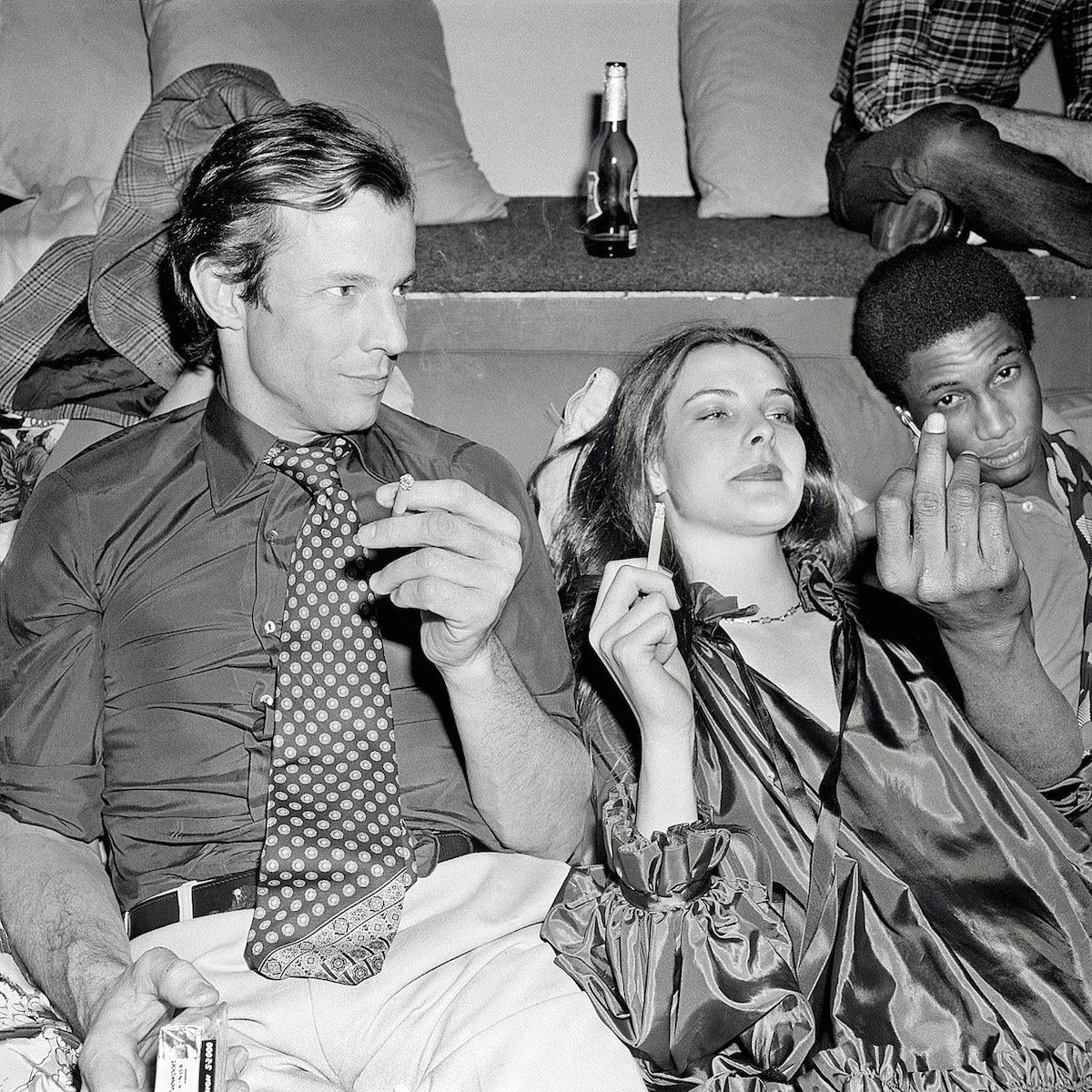
Meryl Meisler’s photographs pull you straight into 1970s New York City — not the polished version the city sells today, but the real one. Money was short, crime was high, and distrust ran through the streets alongside the taxi fumes. Buildings were grimy, subway cars were blanketed in graffiti, and entire neighborhoods teetered on the edge of collapse. Yet the city was electric. A churning mix of Wall Street workers, drag queens, punk musicians, and street kids all shared the same cracked sidewalks, and Meisler was there with her camera.
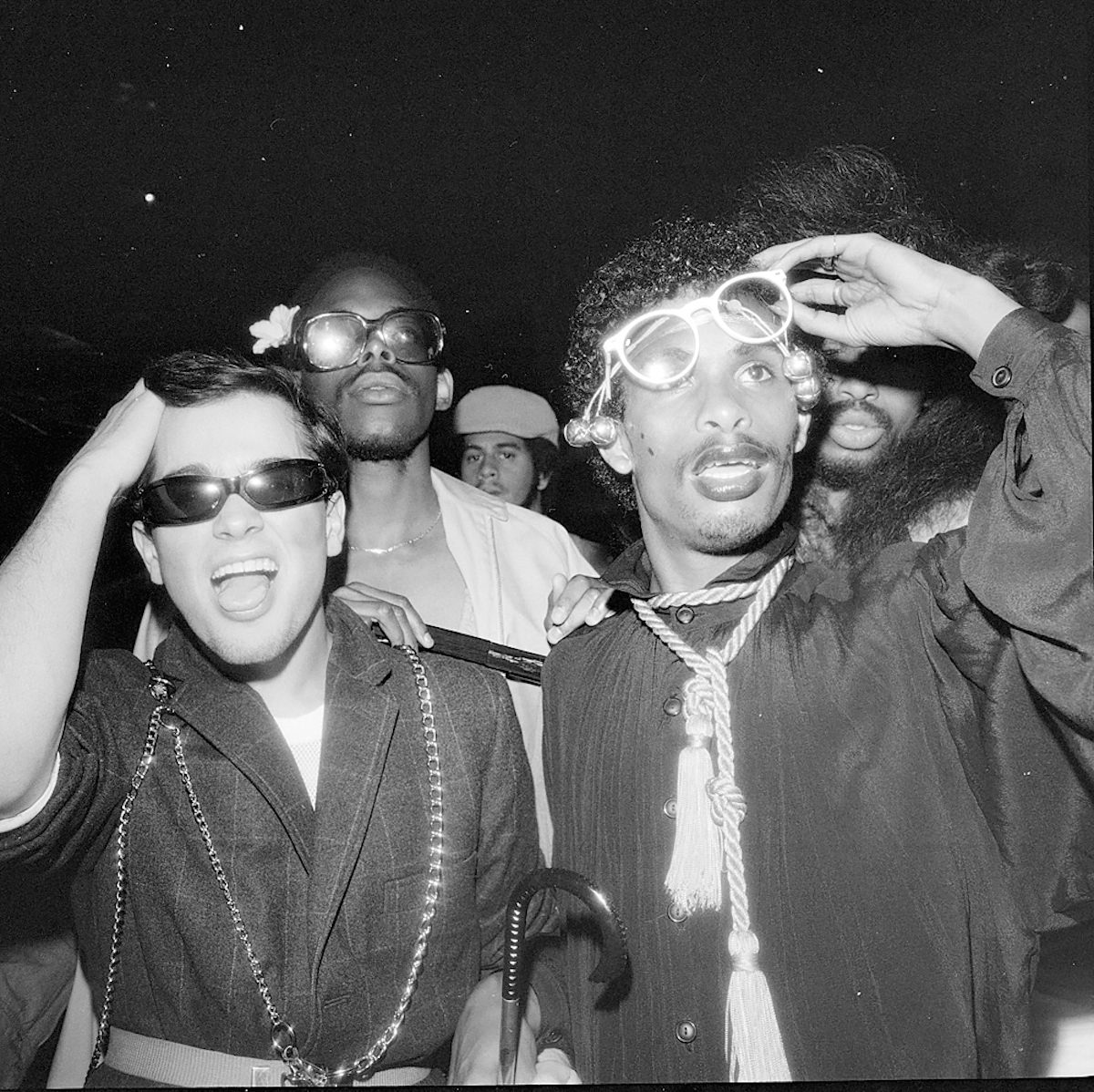
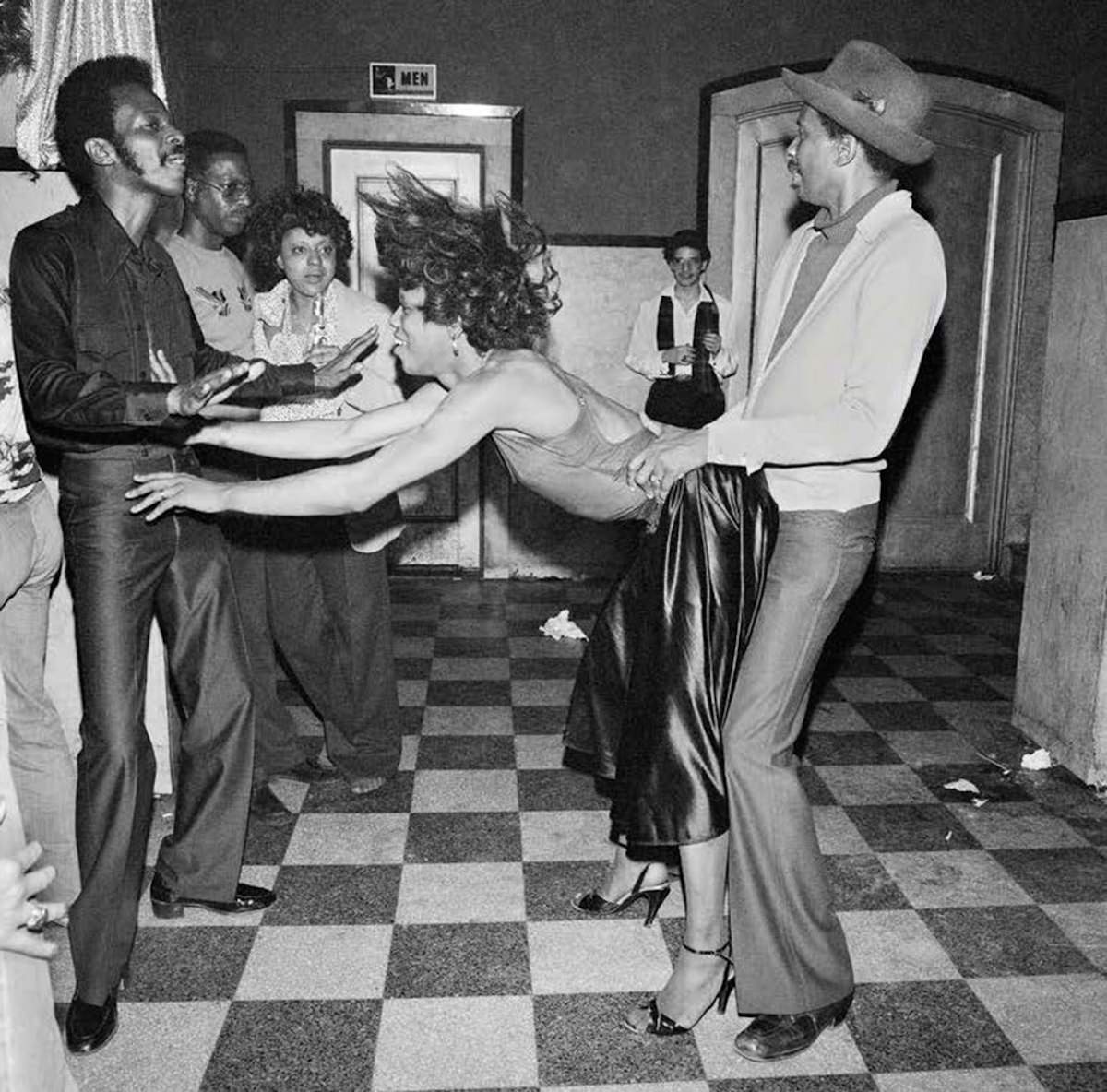
The nightclub scene was one of the era’s defining forces. Venues like Xenon and Studio 54 drew a dazzling crowd — celebrities, socialites, and strangers — all pressed together under spinning disco balls and fractured light. Meisler captured these spaces with an insider’s eye, documenting the fashion, excess, and raw human energy that defined New York after dark.
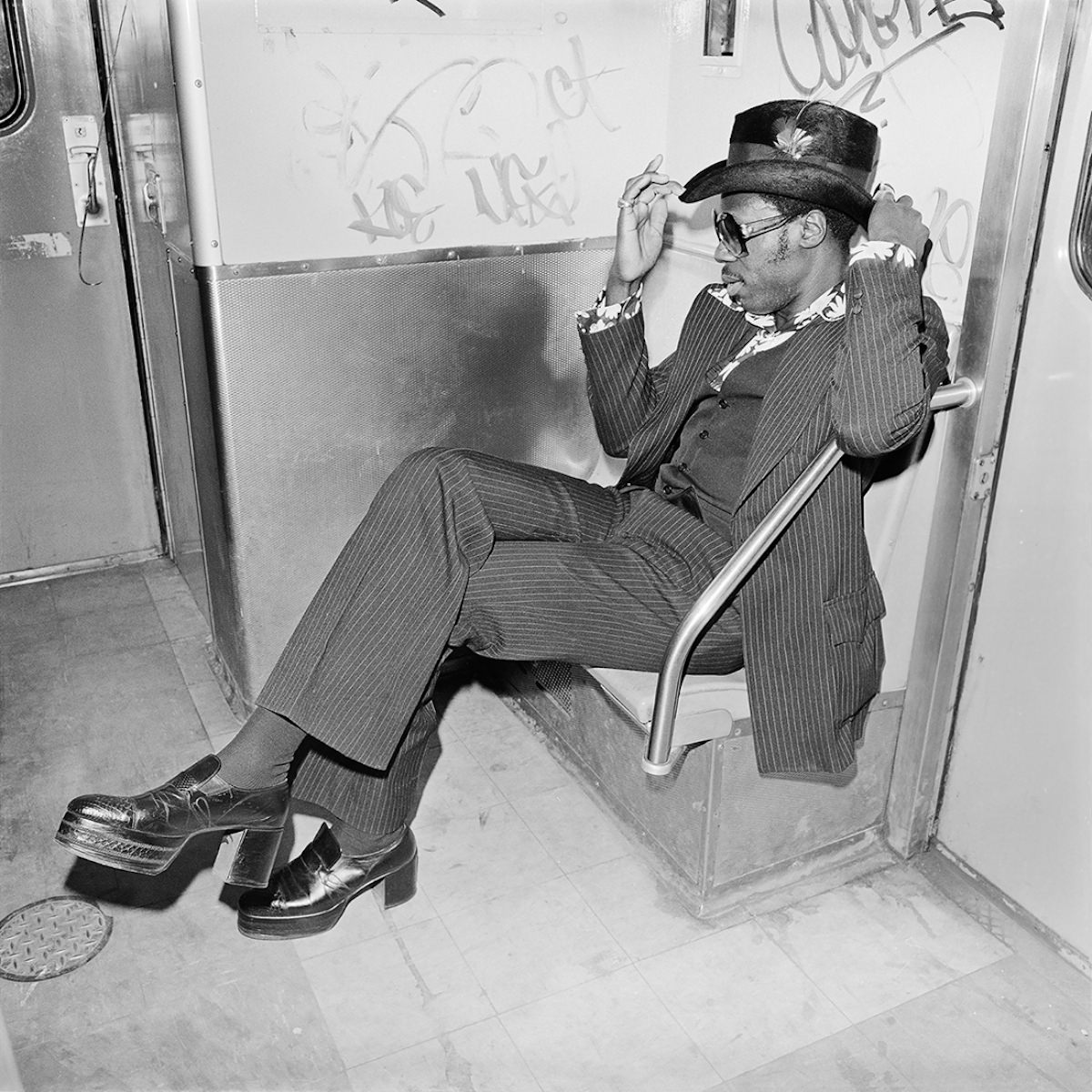
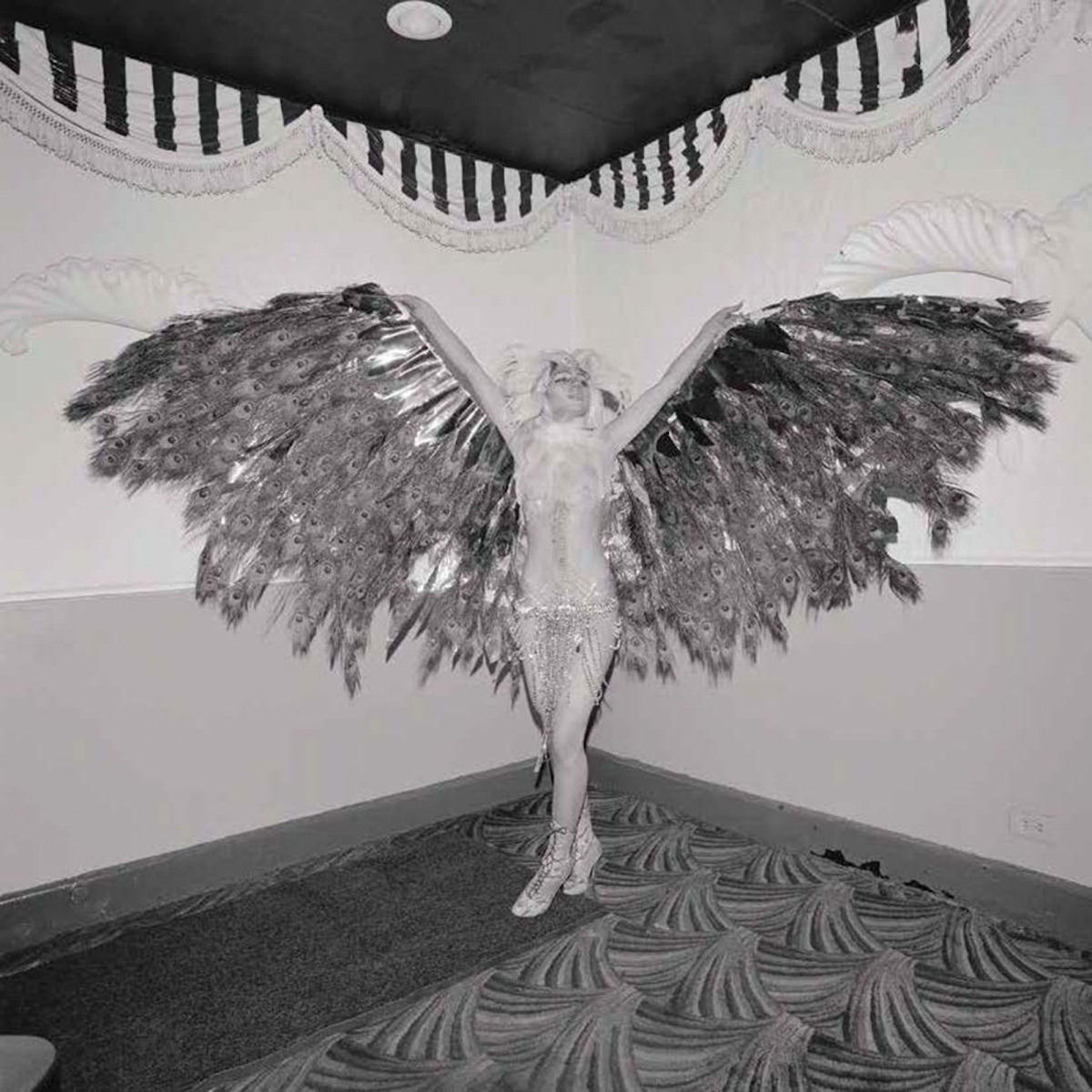
Away from the clubs, the streets told their own stories. The subway was a world unto itself — packed with characters moving through a city in financial freefall. Events like the COYOTE Hookers Masquerade Ball reflected the era’s unapologetic political edge, where marginalized communities claimed public space and demanded to be seen.
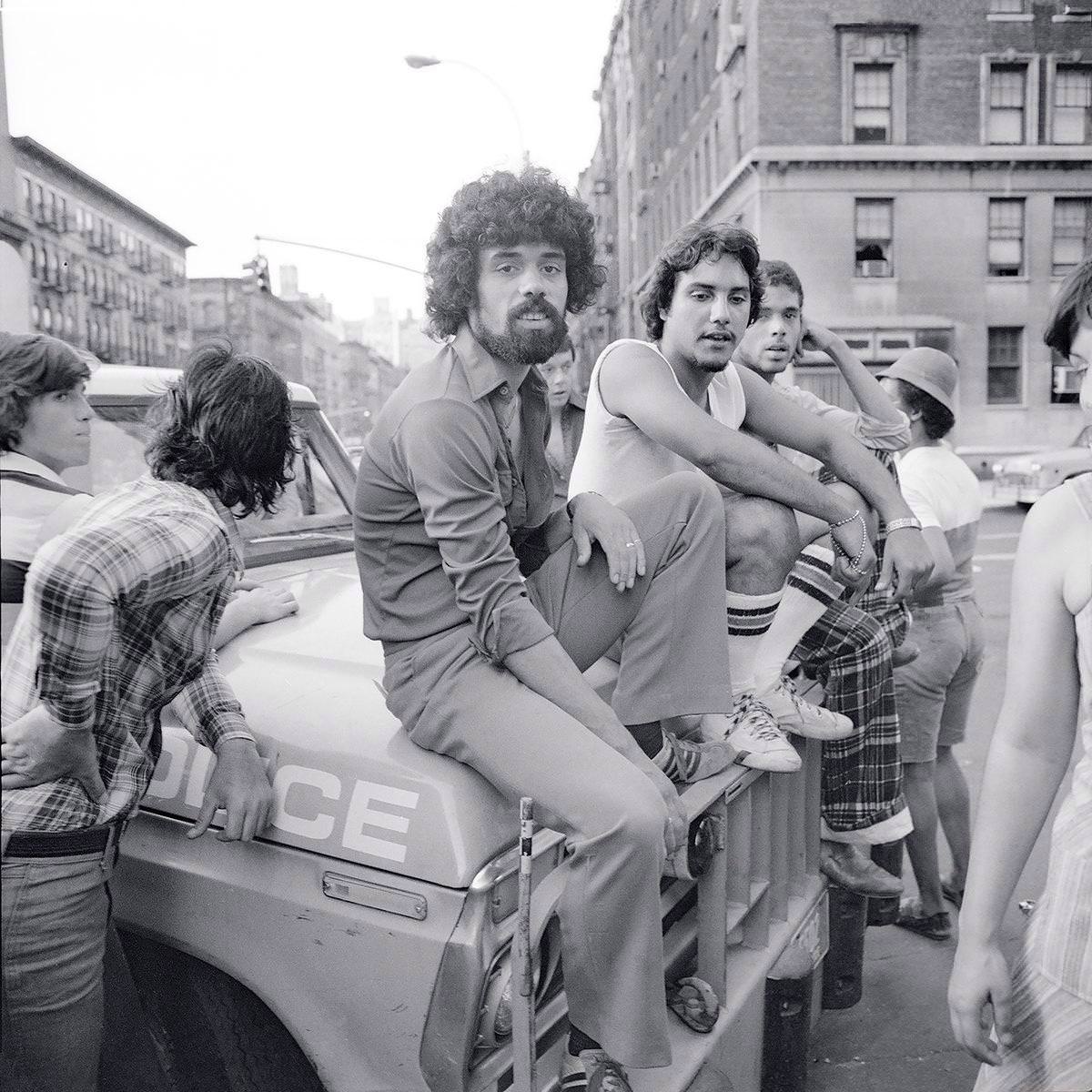
On July 13, 1977, a citywide blackout plunged New York into darkness. Widespread looting broke out across dozens of neighborhoods. Meisler was on the street that night, photographing the chaos firsthand.
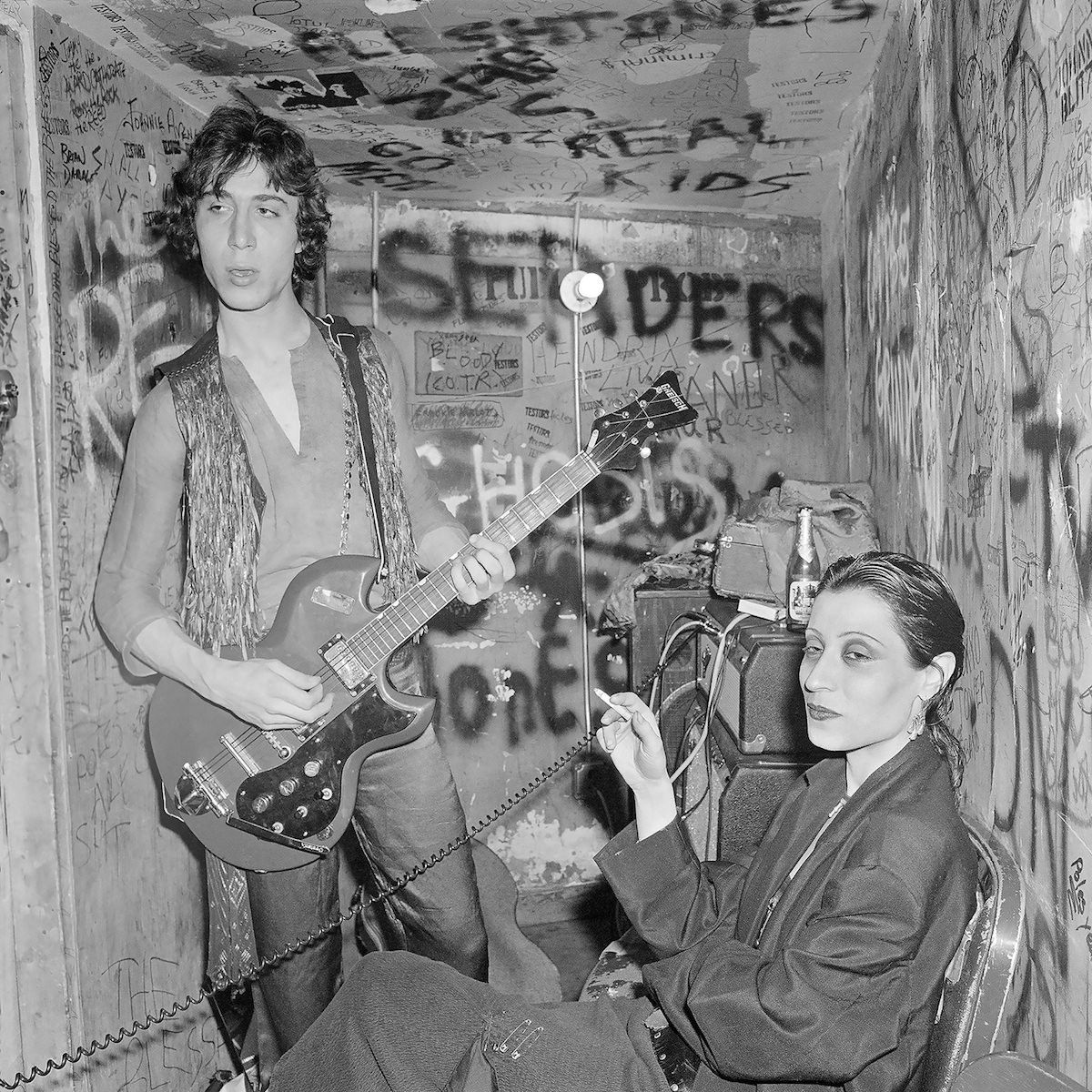
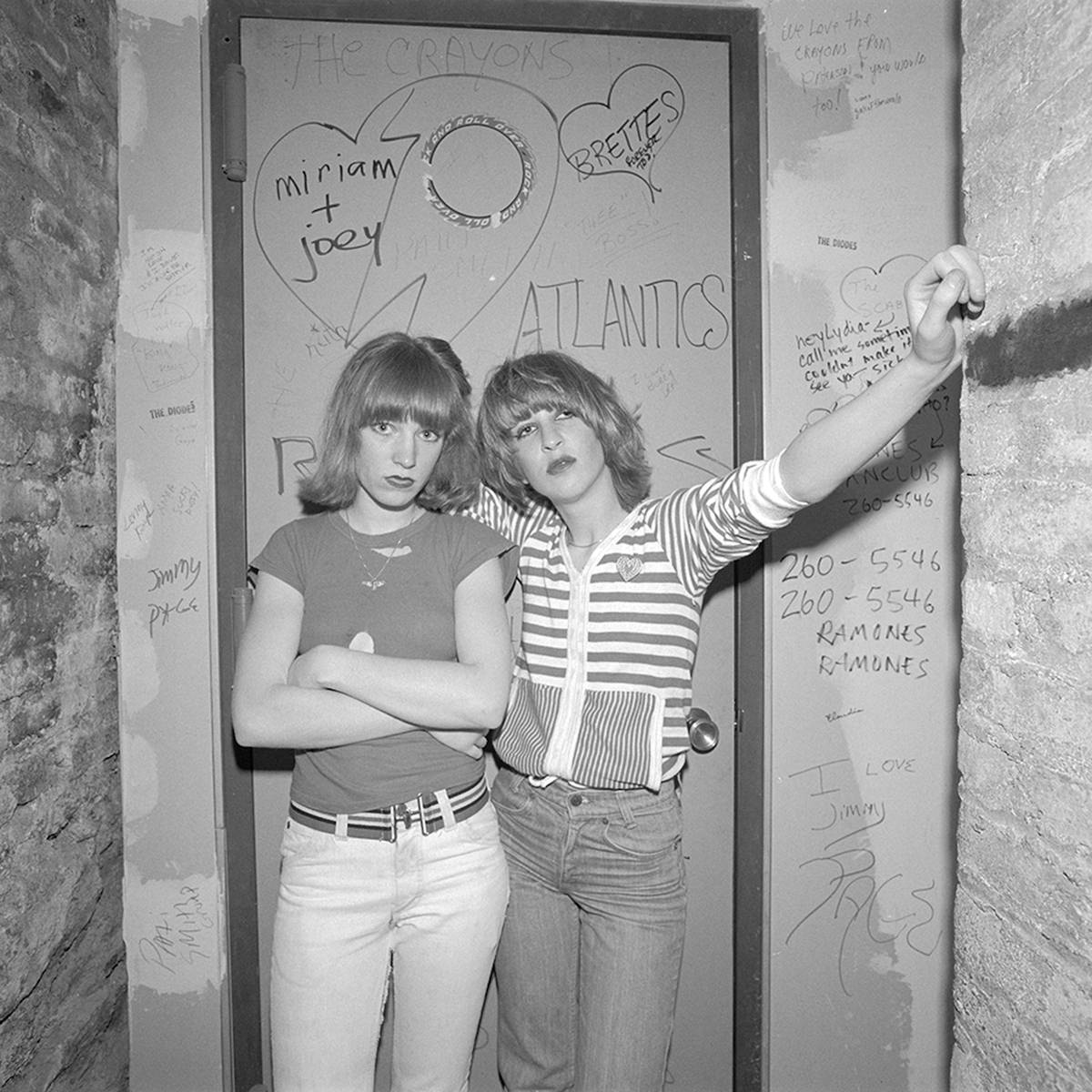
The punk scene centered on CBGB on the Bowery, where bands tore through sets in front of small, passionate crowds. Figures like Elda Gentile — who would go on to front the punk group The Stilettos — were regulars. Meisler photographed these performers up close, preserving faces that would otherwise have faded from the record entirely.
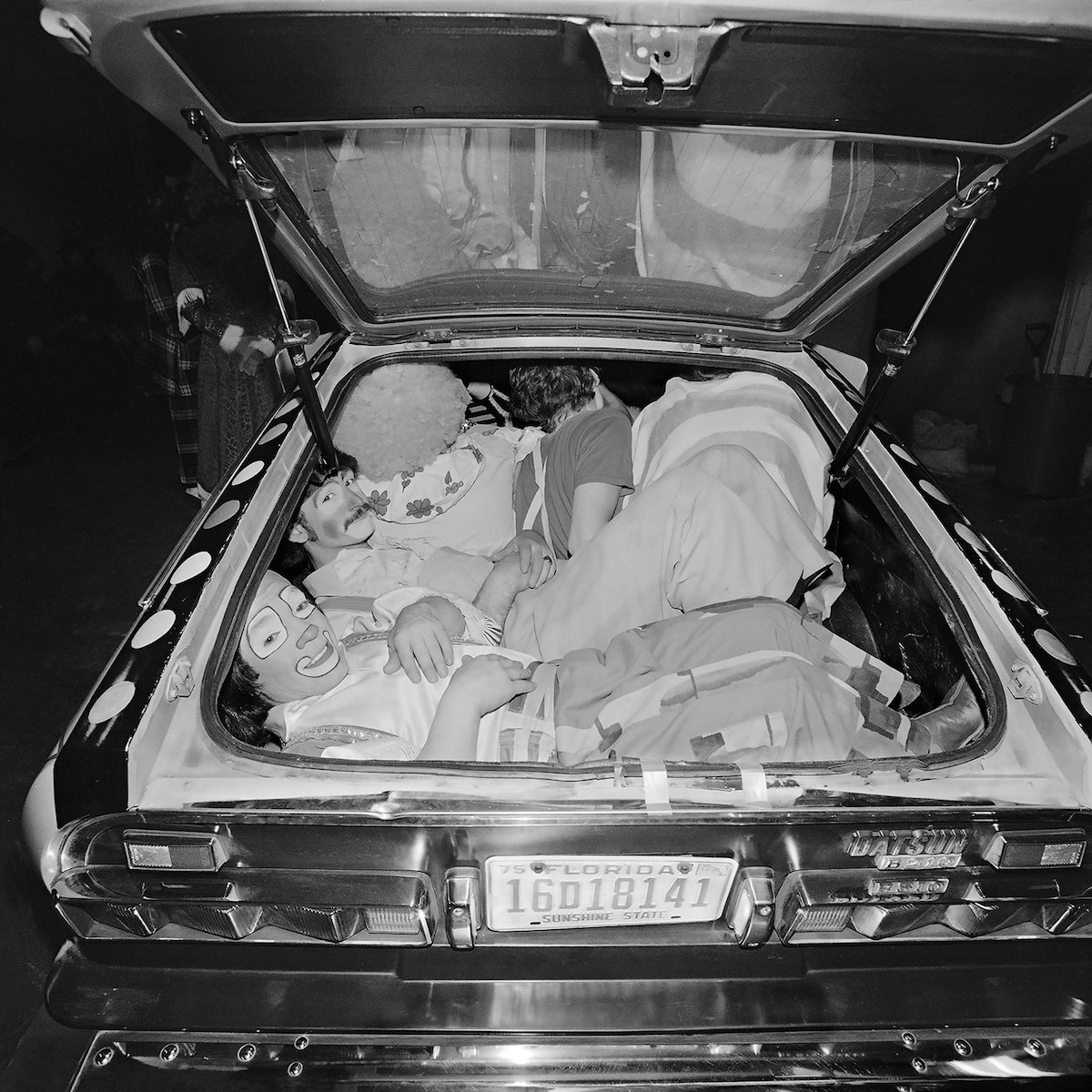
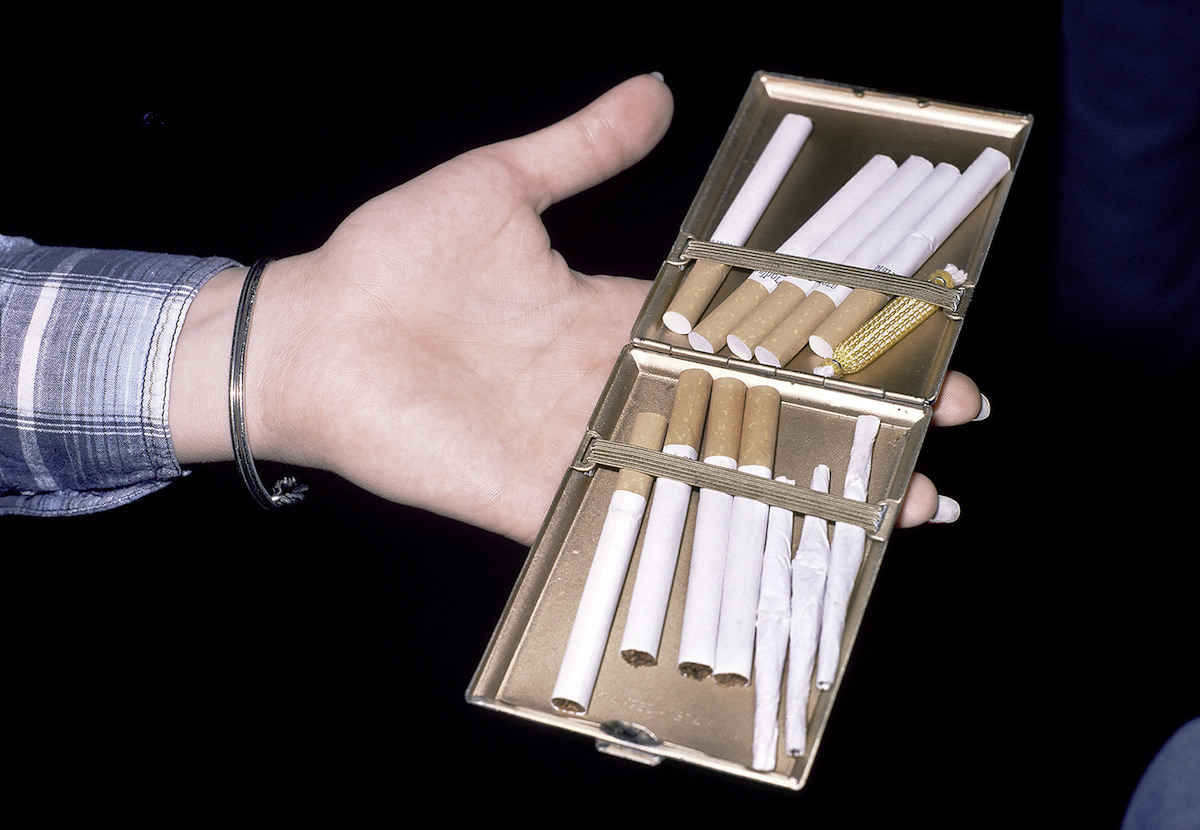
Meisler’s lens didn’t stay fixed on one scene. She moved between the spectacle of the Ringling Brothers circus, the velvet ropes of Studio 54, and the unguarded moments in between. At Studio 54, even a cigarette case became a symbol of the era’s particular brand of glamour.
Across all of it — the clubs, the blackout, the punk venues, the subway — Meisler documented a city that refused to quit. Writer and wildlife photographer Peter Beard, photographed by Meisler at an Easter Monday gathering, was just one of the many cultural figures woven into her archive of a decade unlike any other.