
At the turn of the 20th century, the Netherlands was a country in motion. Cities were growing, industries were expanding, and daily life was shifting in ways that would define the decades ahead. The Dutch had long relied on trade, water management, and agriculture to sustain their economy — and all three remained central in 1900. Yet new forces were reshaping the country: factories, social reform movements, and a growing urban population were all leaving their mark.
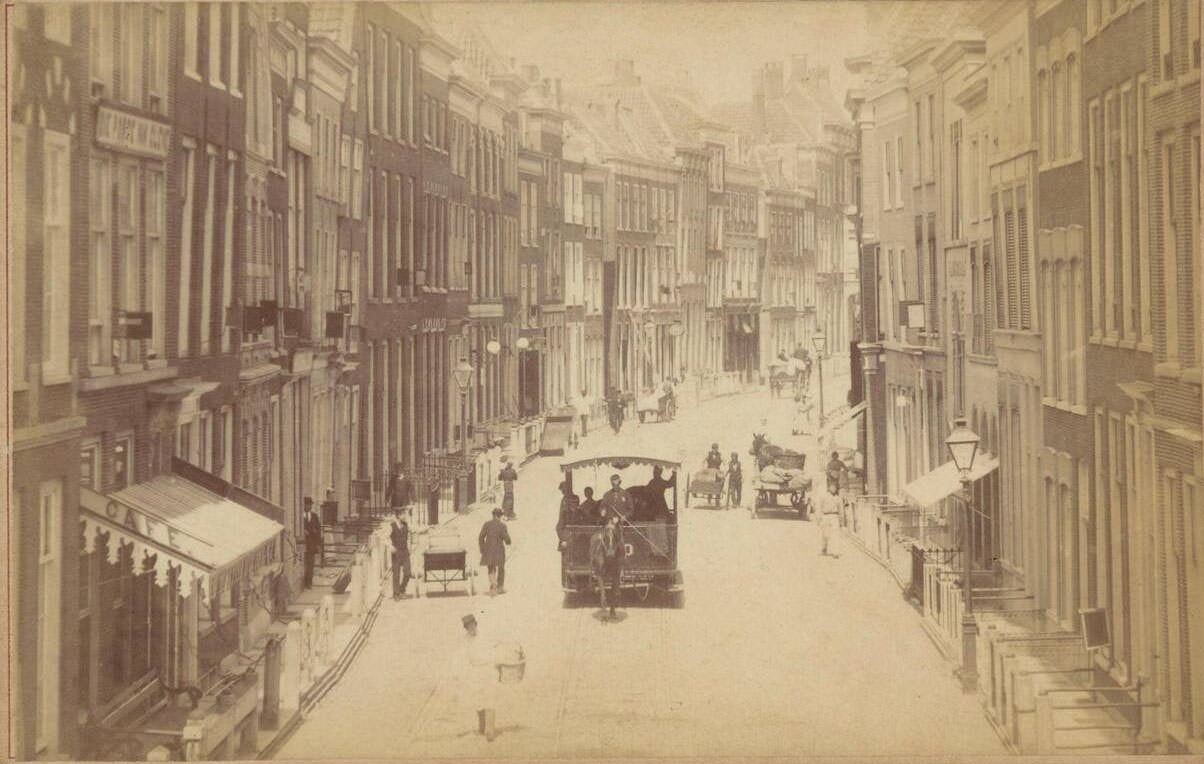
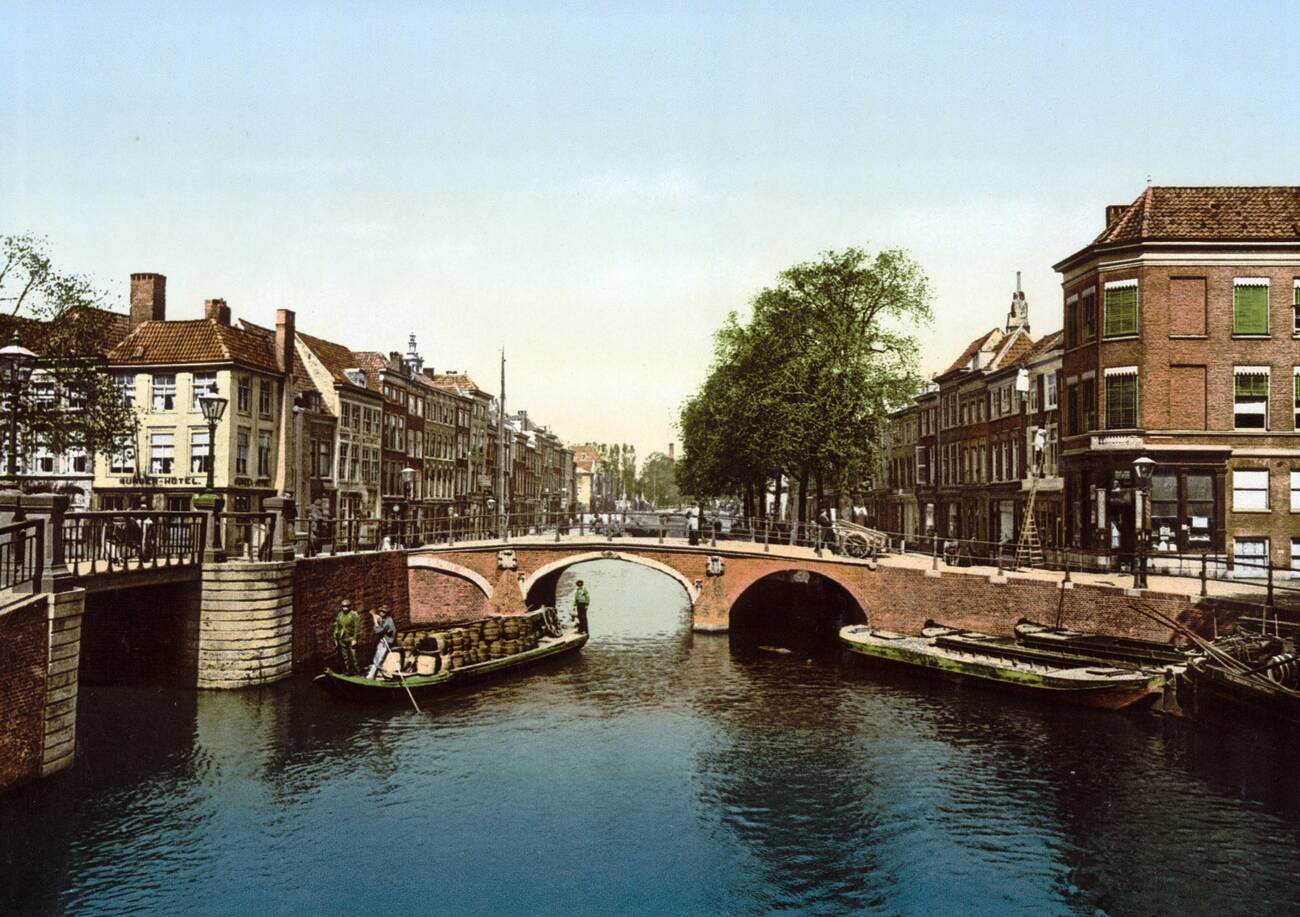
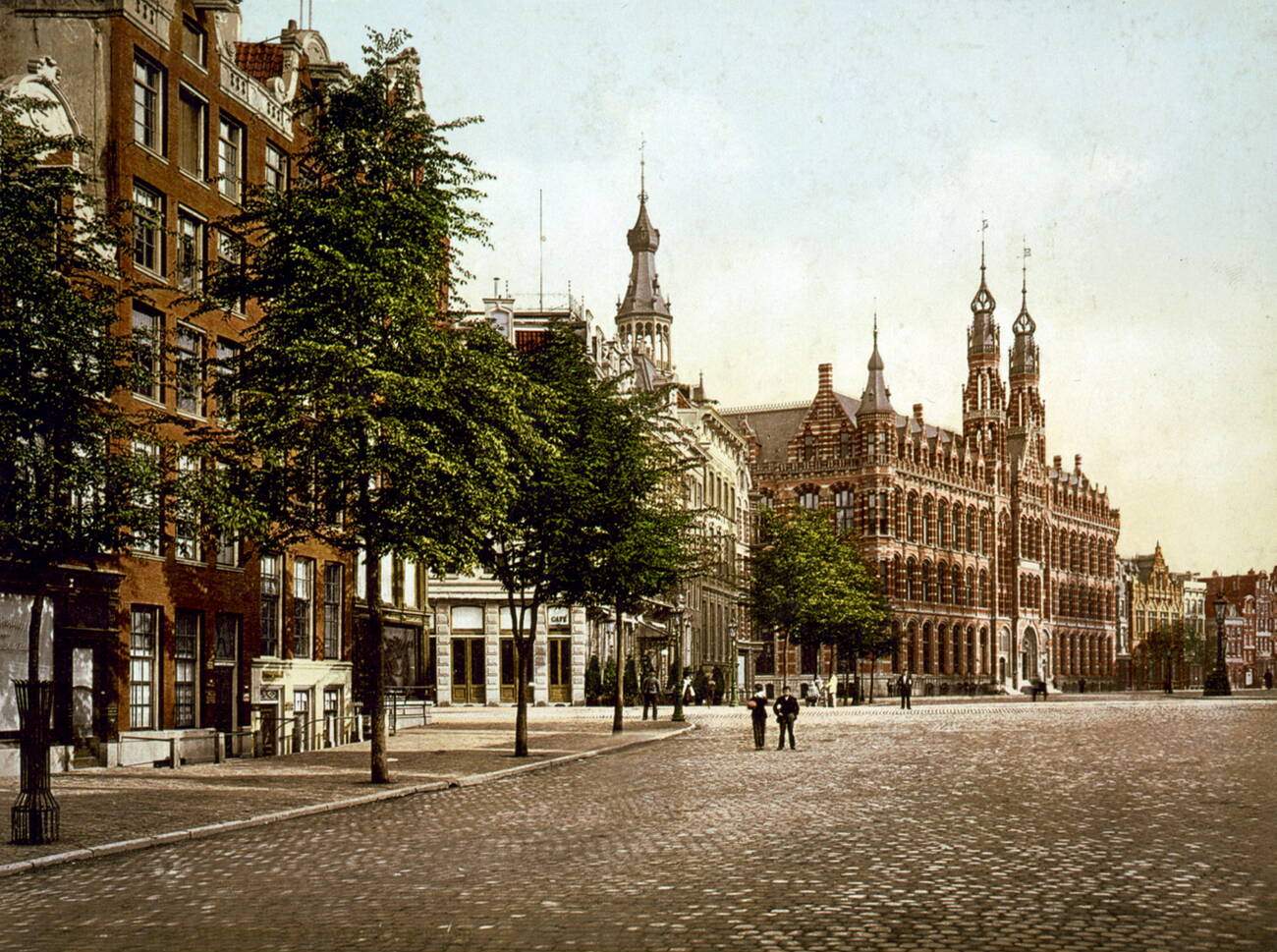
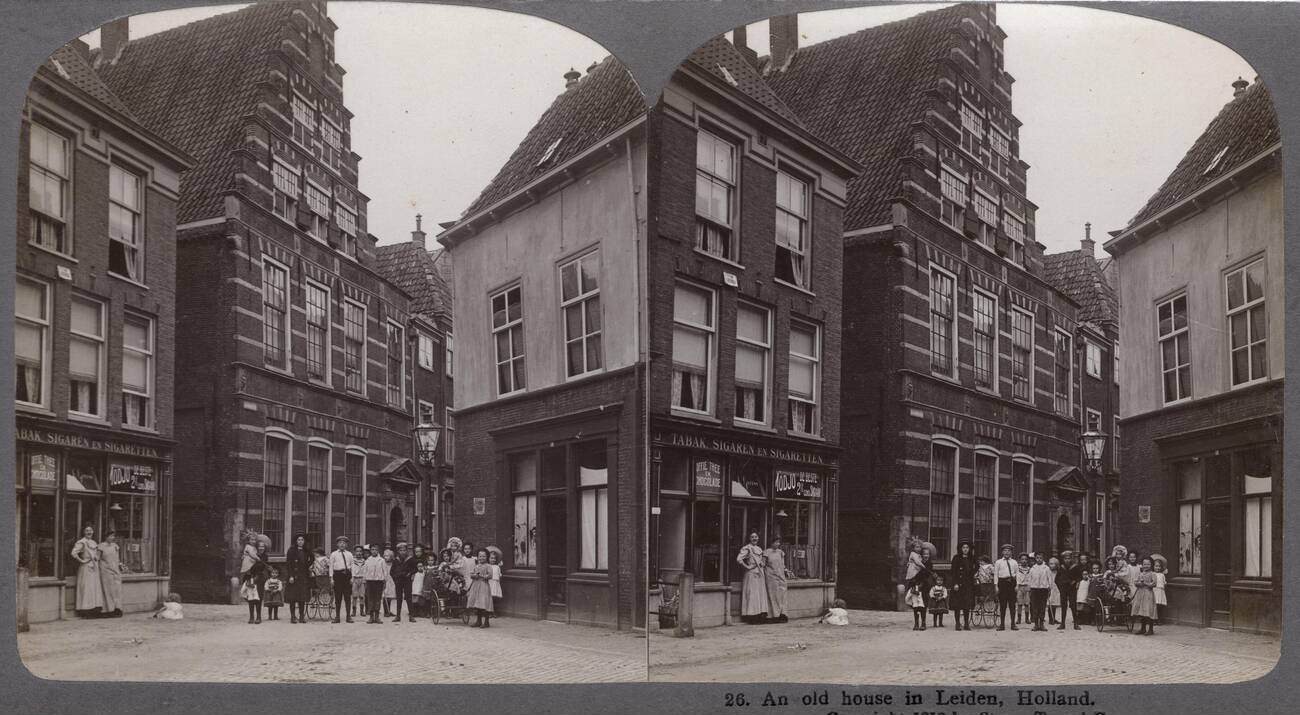
The streets of Dutch cities like Leiden, Amsterdam, and Haarlem were lively places. Cobblestone roads lined with narrow townhouses ran alongside canals, and foot traffic mixed with horse-drawn carts and the occasional early automobile. Leiden, home to one of Europe’s oldest universities, had an especially educated and cosmopolitan character.
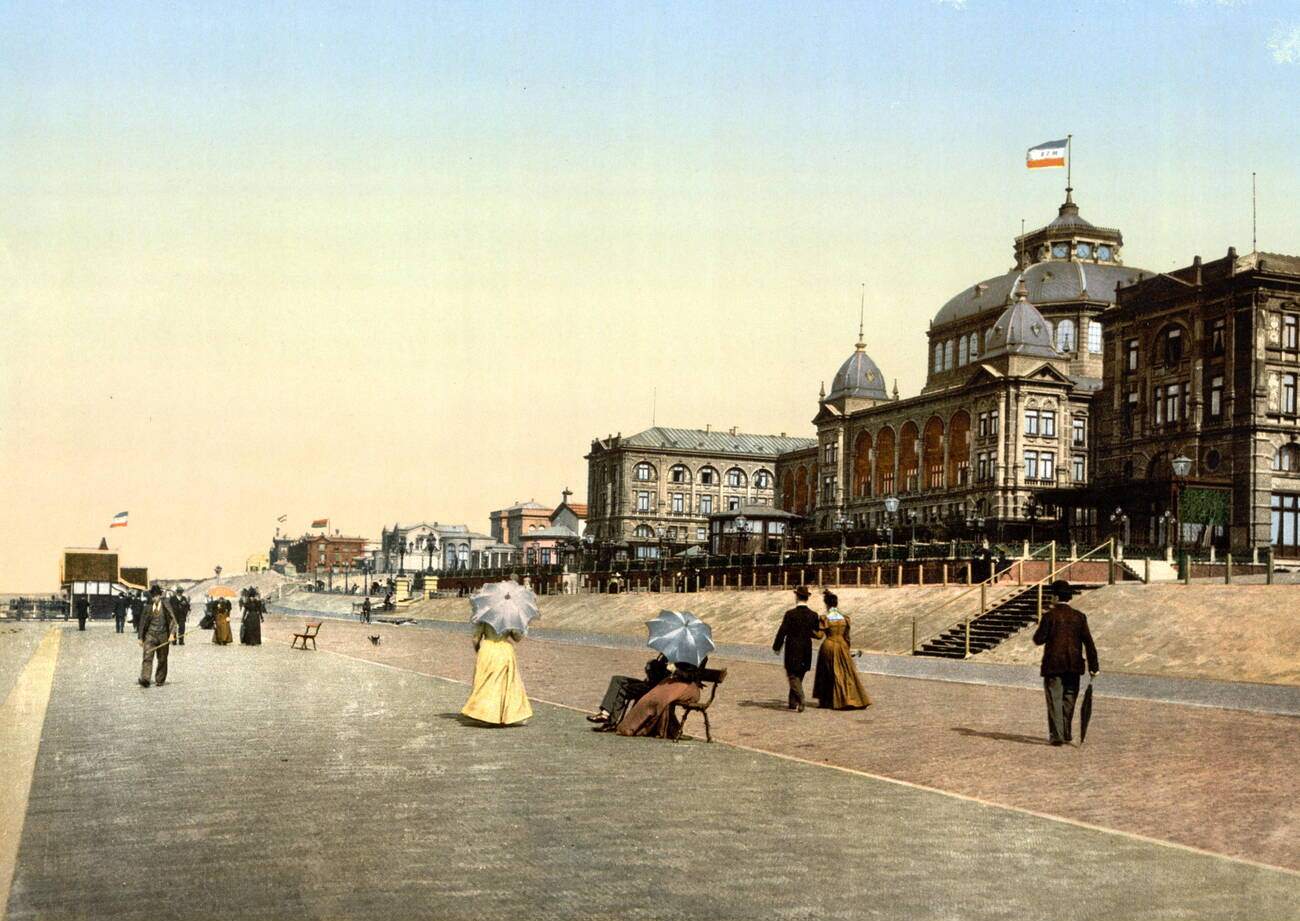
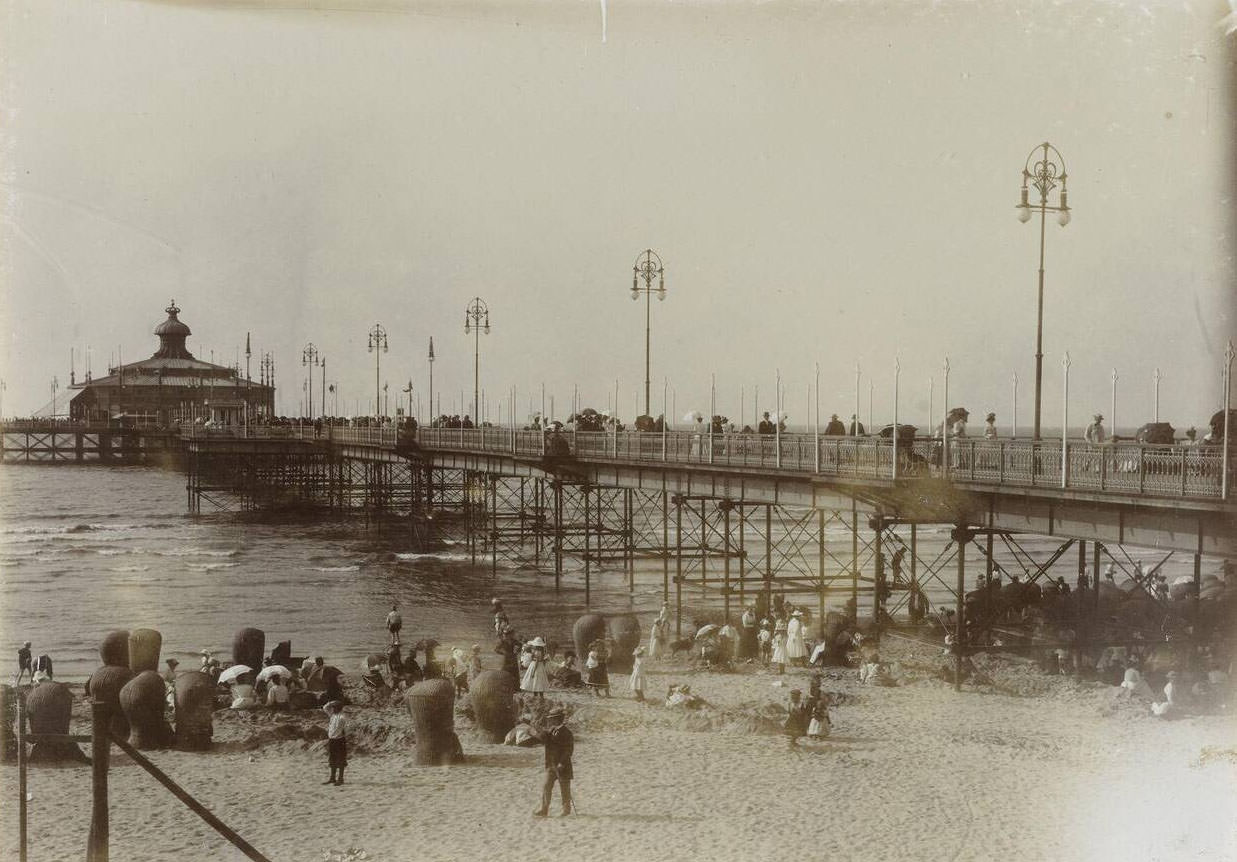
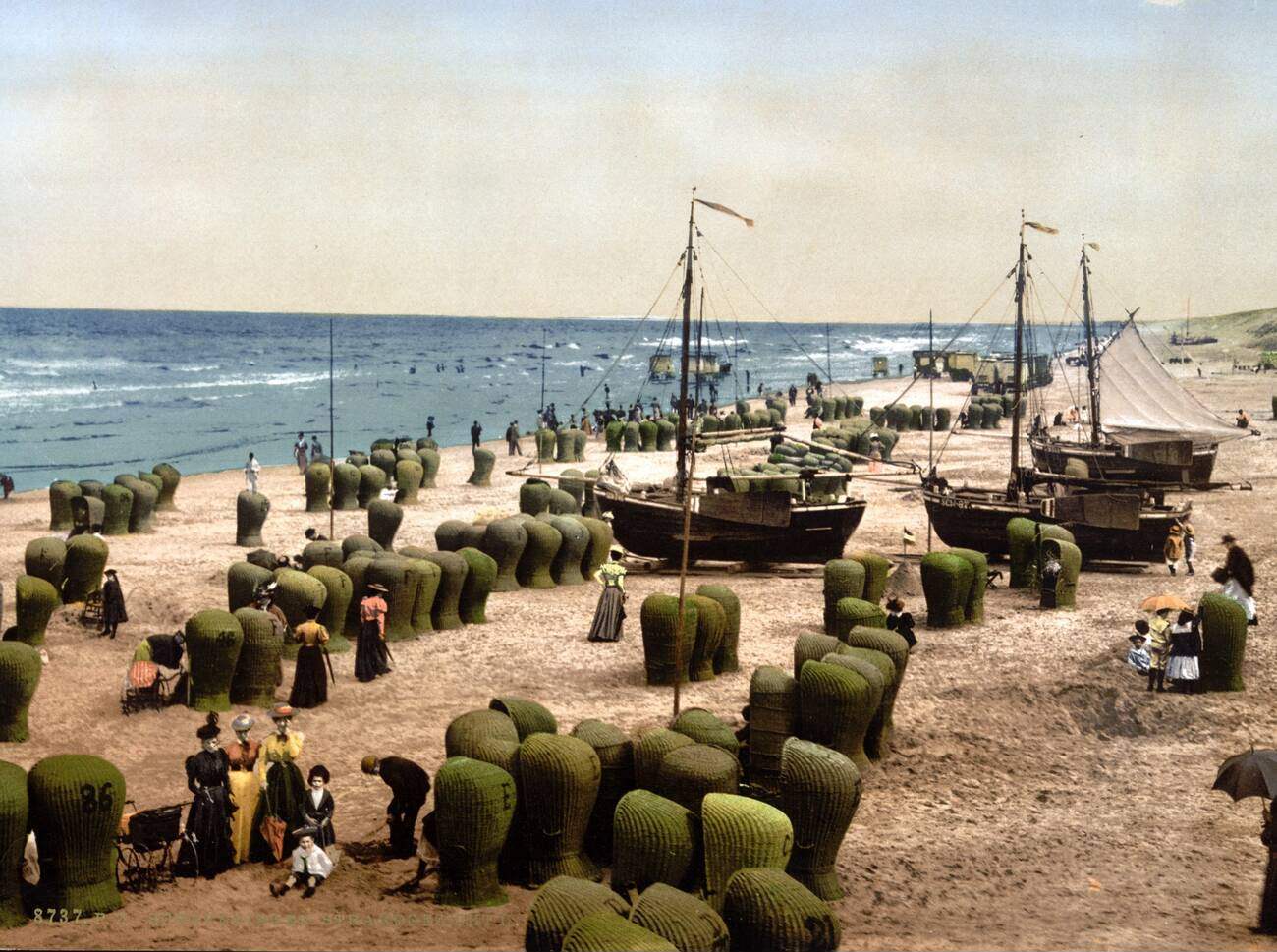
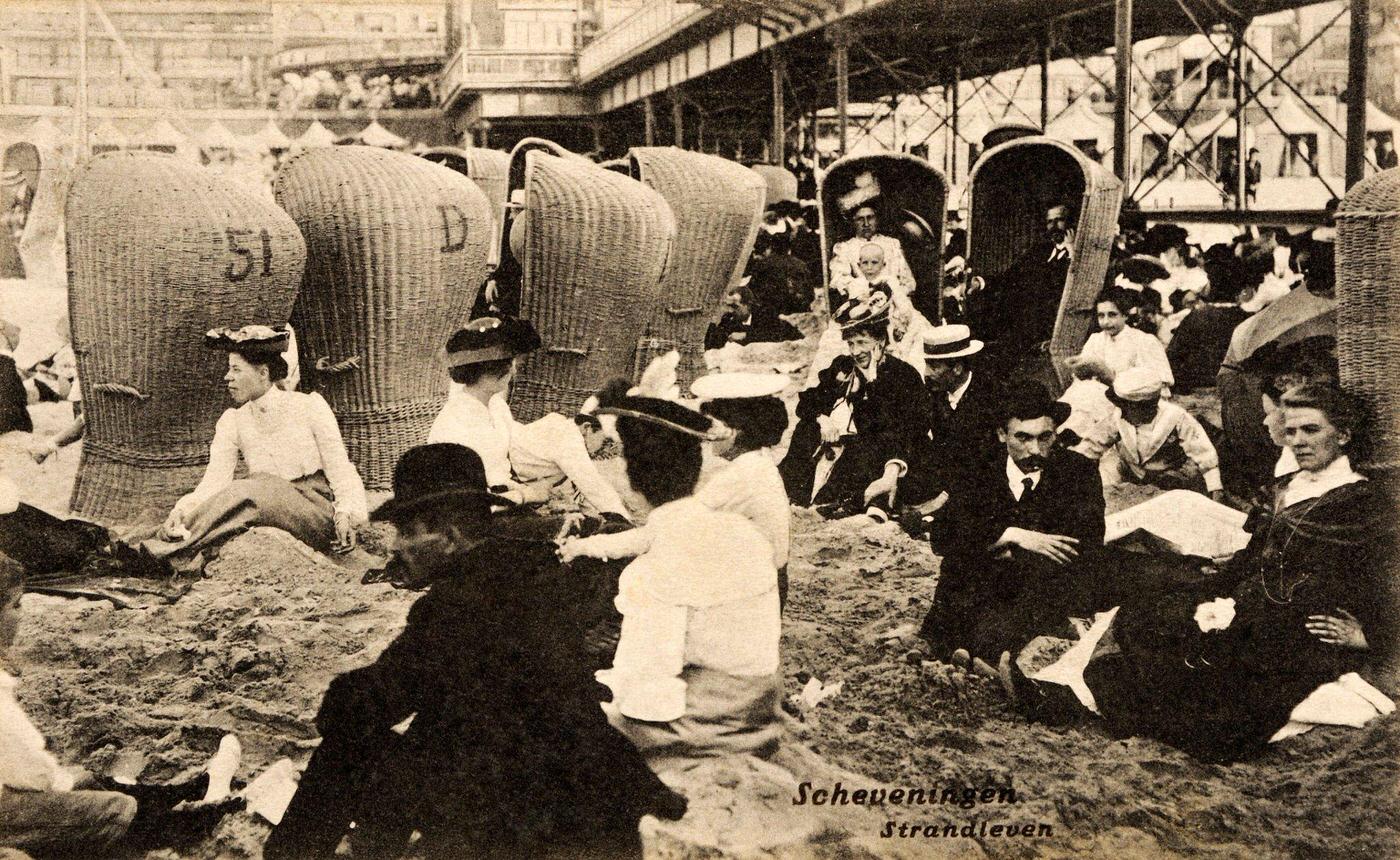
The coastal resort of Scheveningen, just outside The Hague, was a popular destination for Dutch holiday-goers. Grand hotels, a casino, and a long pier drew visitors from across the country and abroad. The beach was a social space where the well-dressed middle class came to be seen as much as to relax.
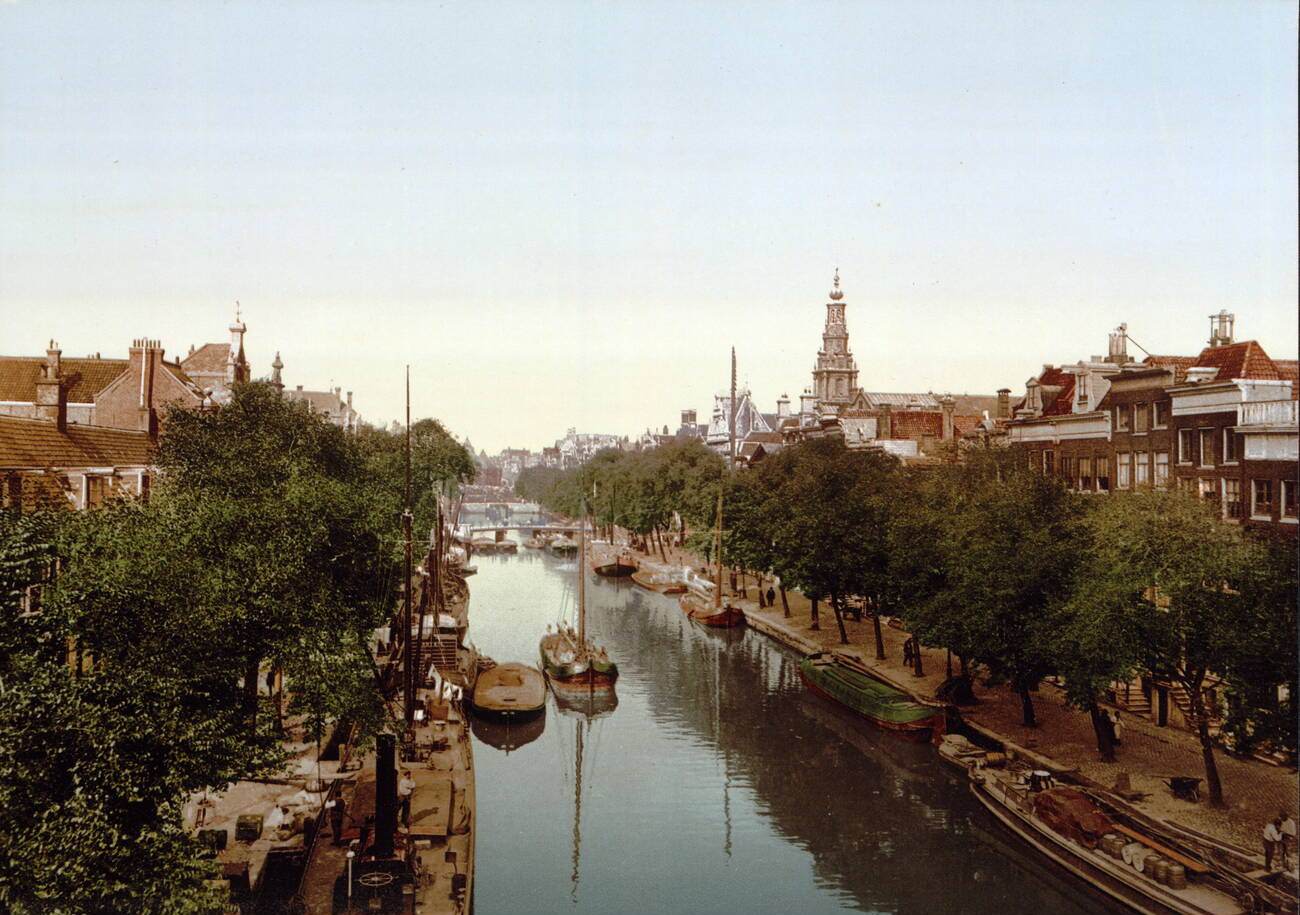
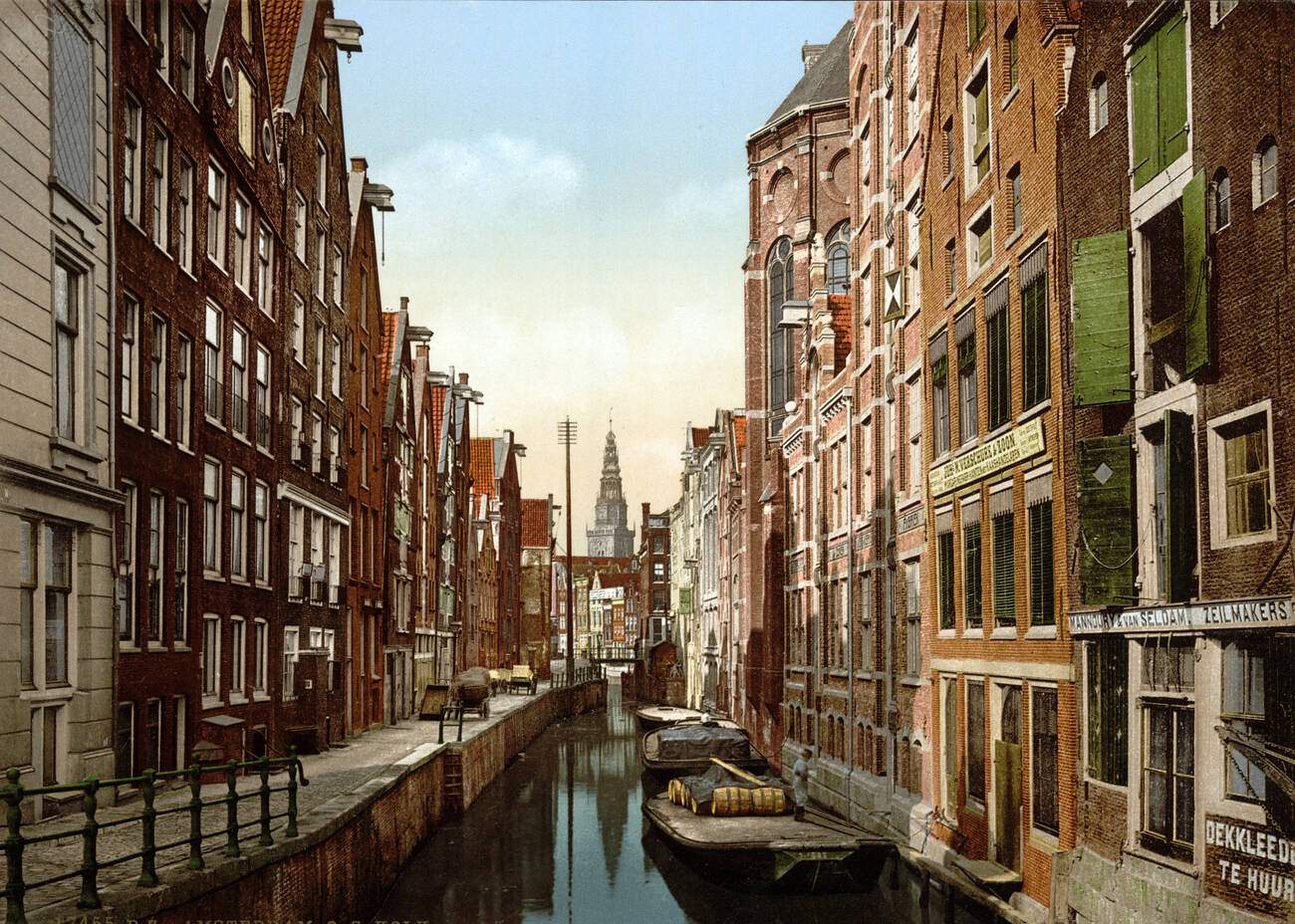
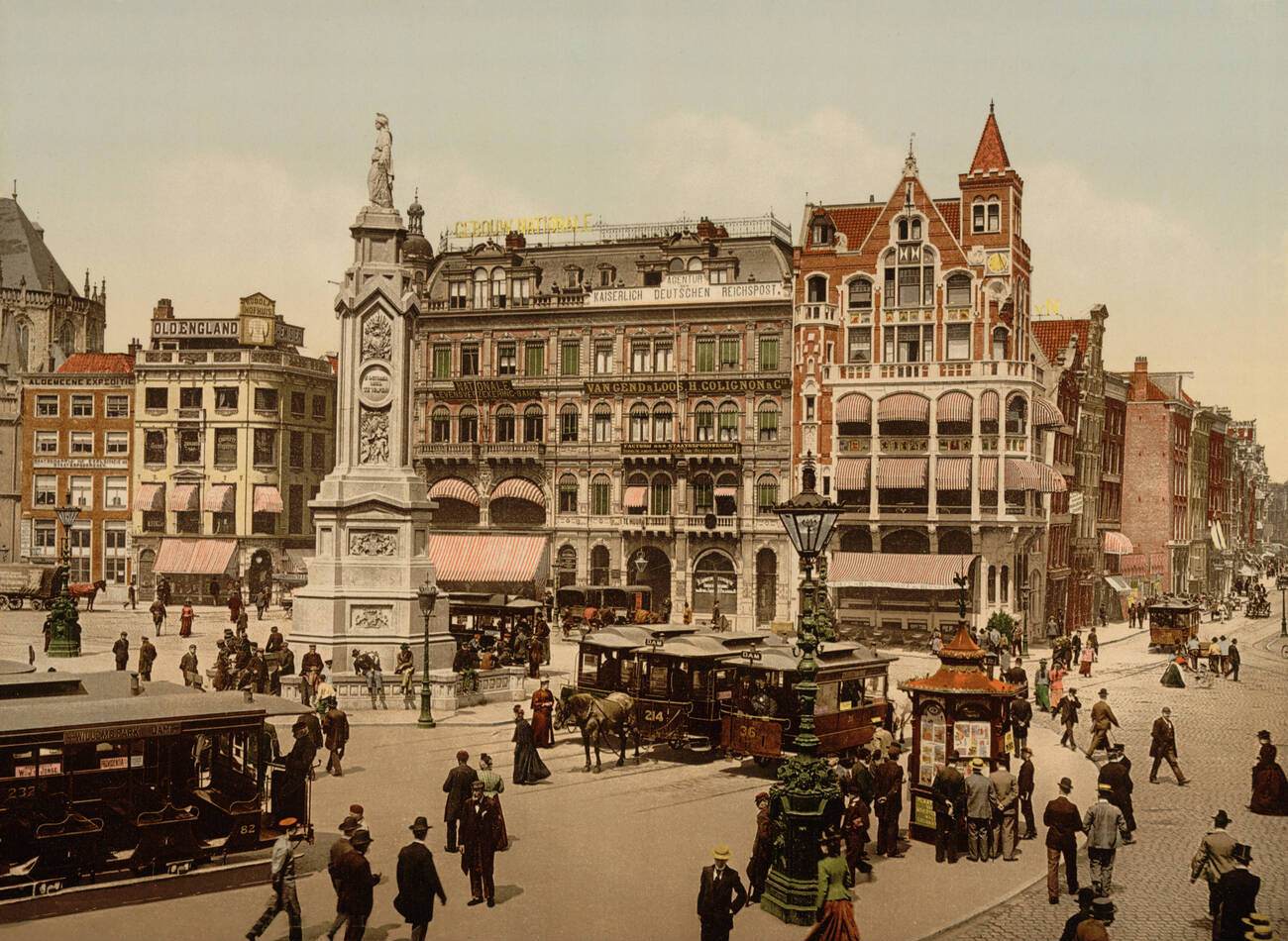
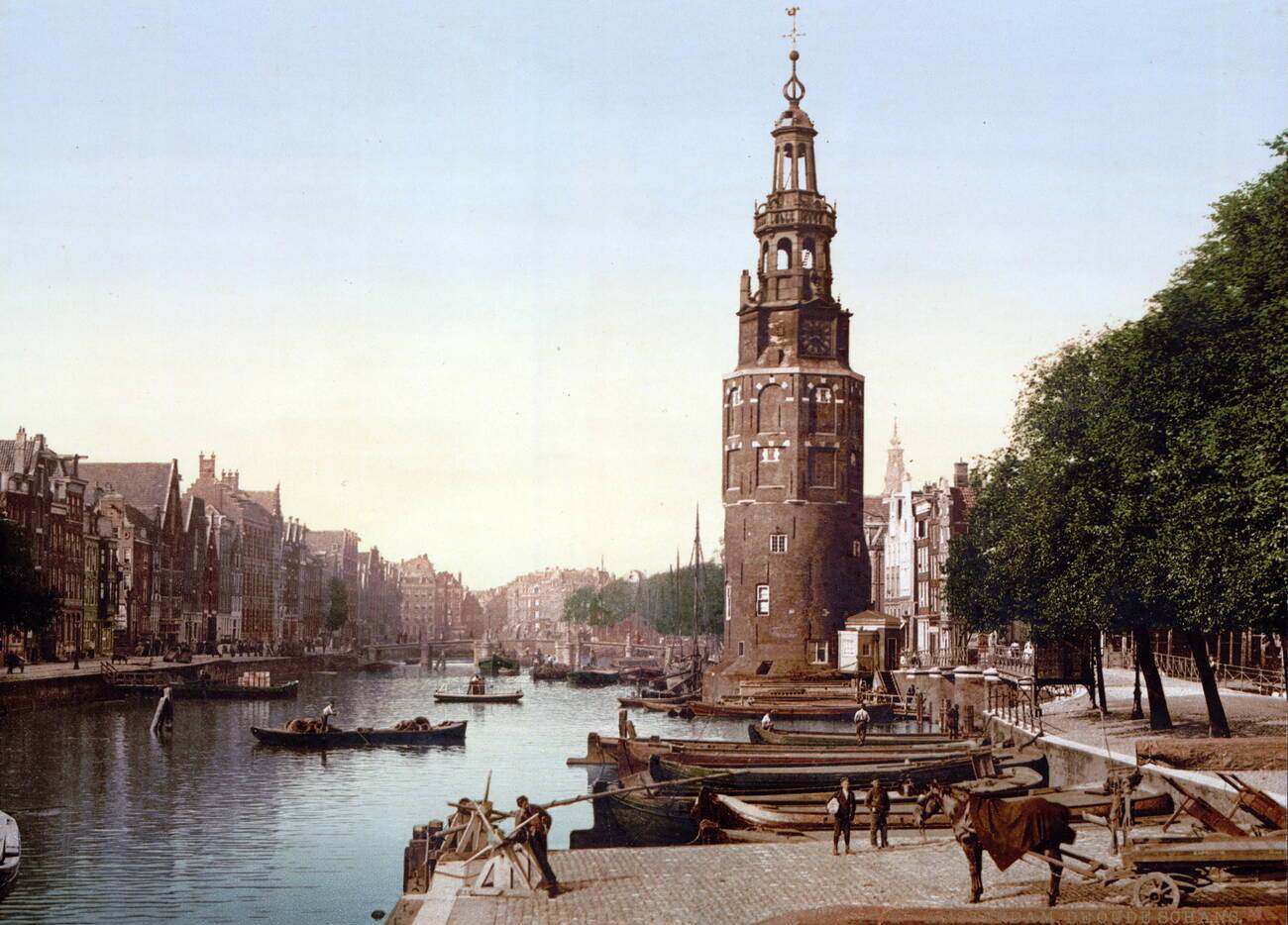
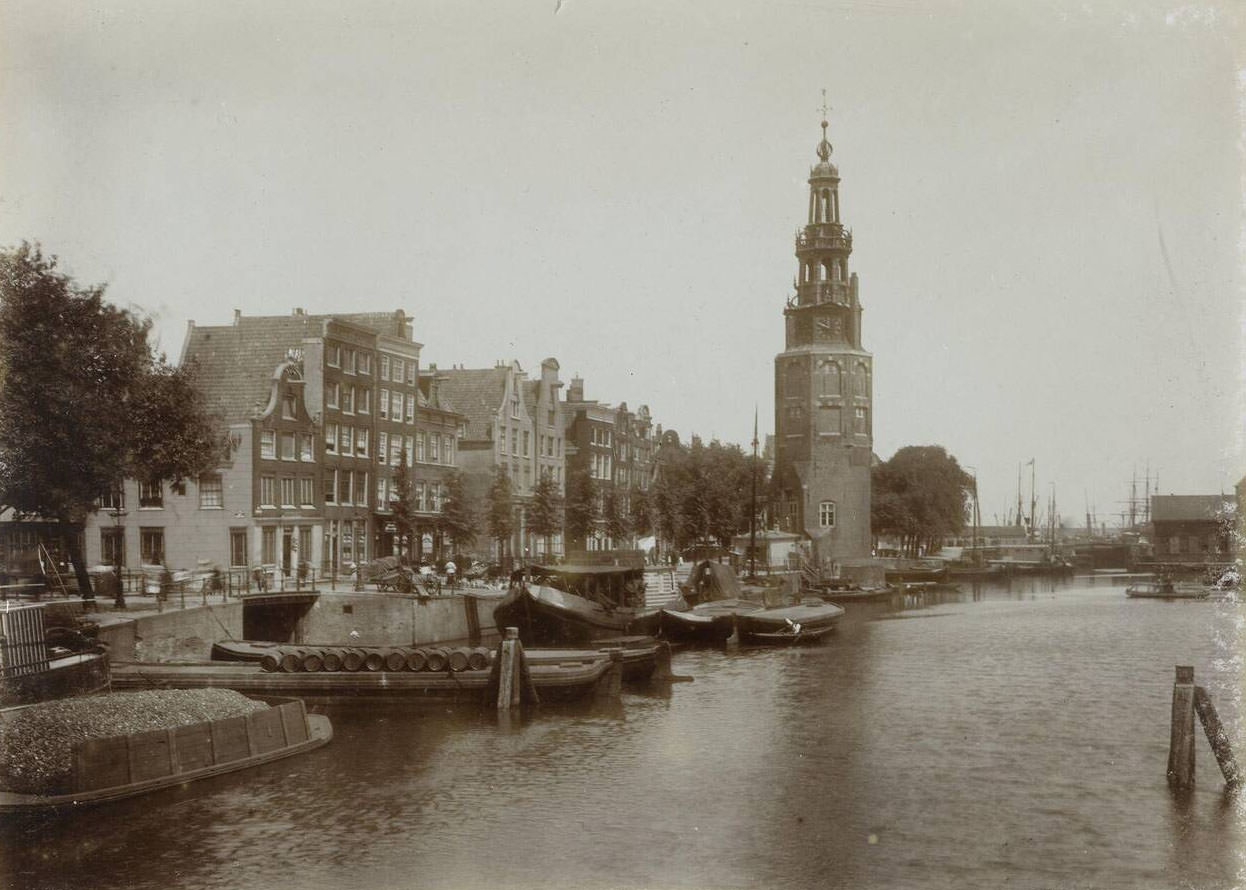
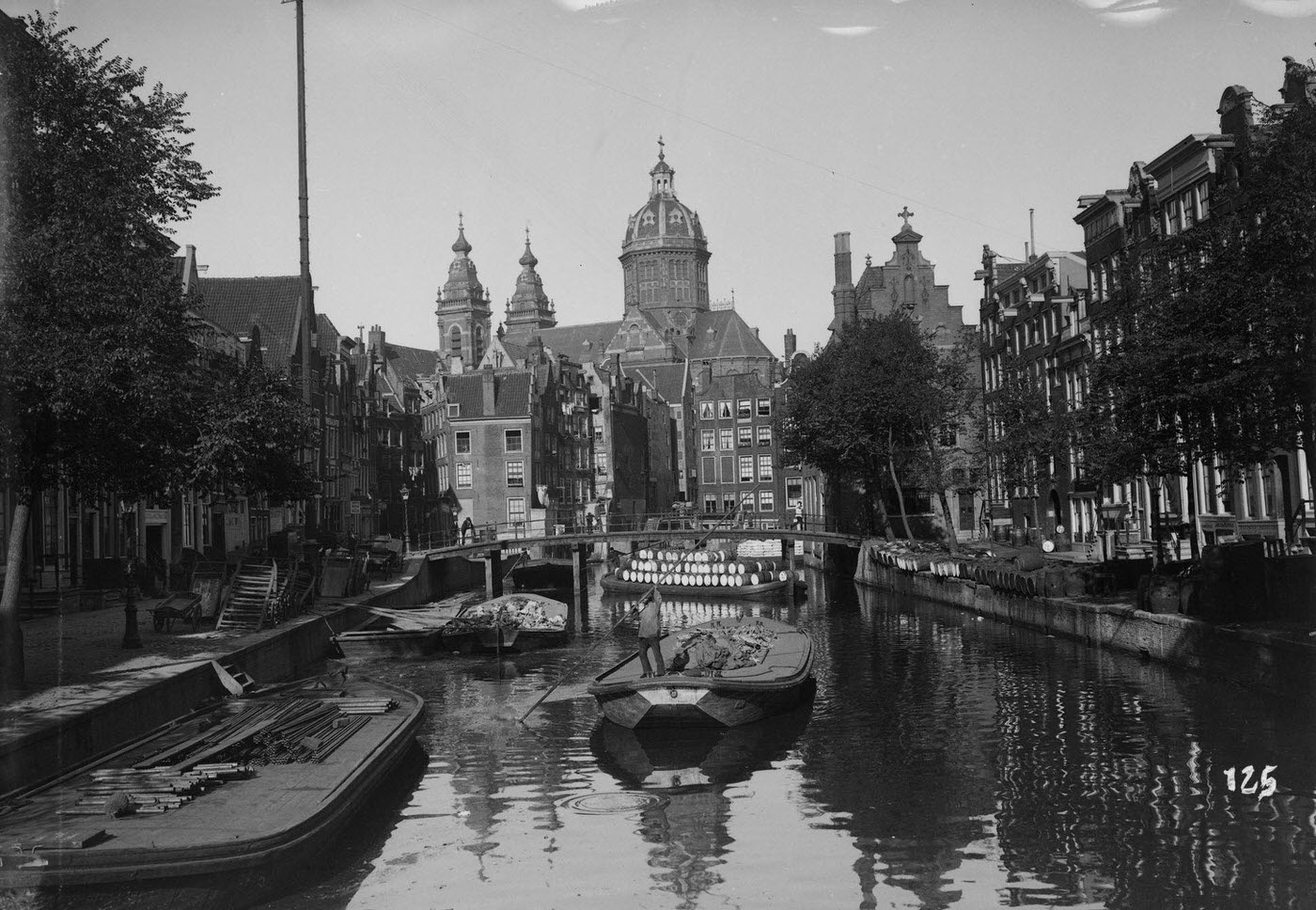
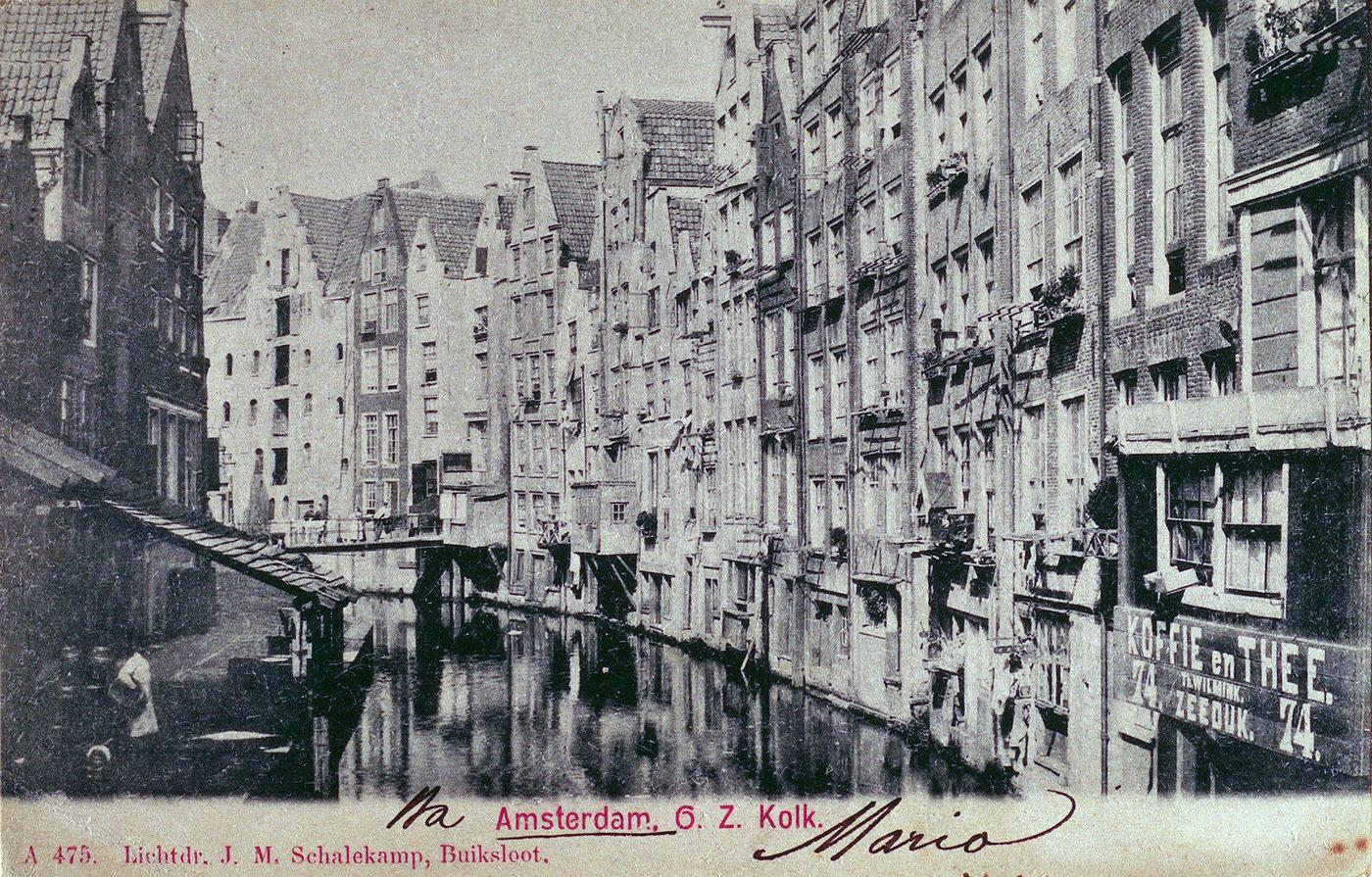
Amsterdam was the country’s cultural and commercial heart. Its network of canals — dug centuries earlier to facilitate trade — still served as working waterways in 1900. Barges carried goods through the city, while the canal-side streets hummed with merchants, laborers, and residents going about their day.
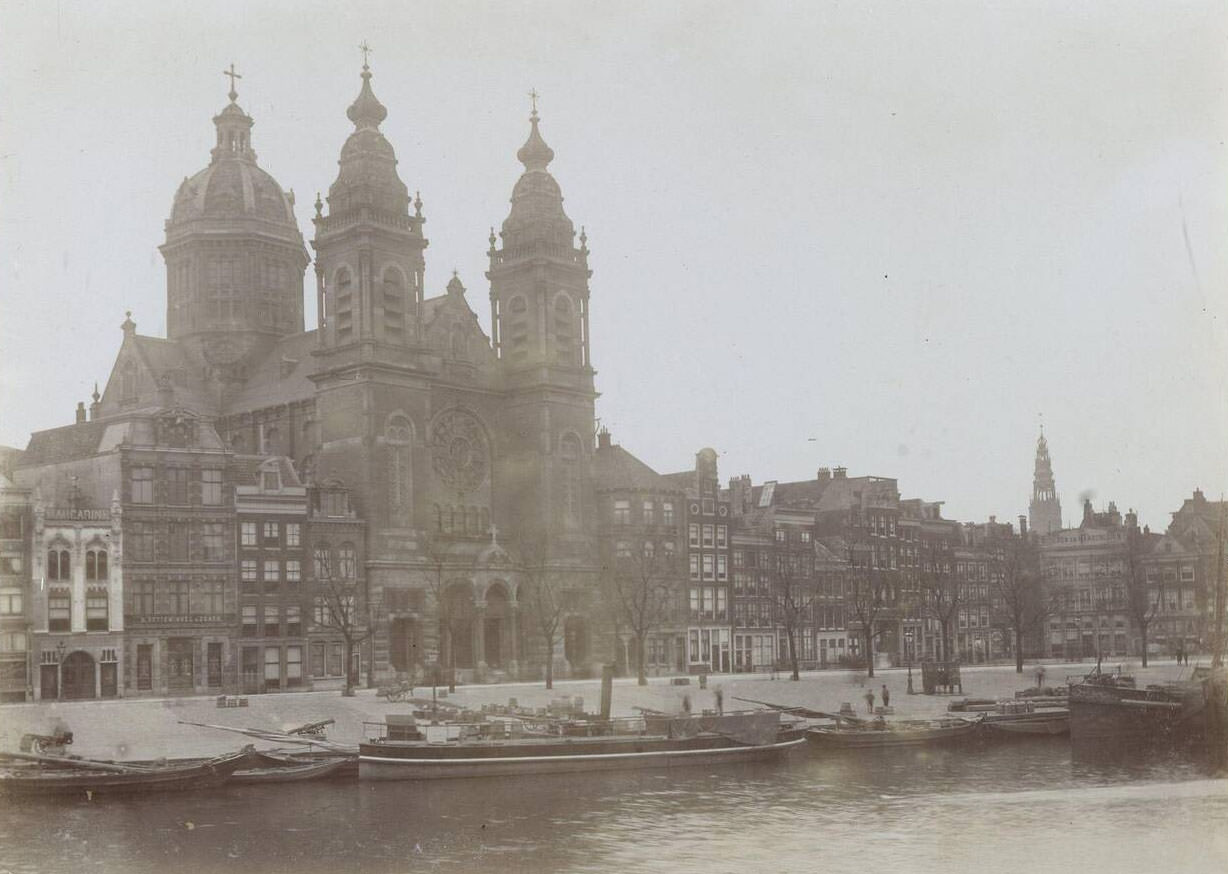
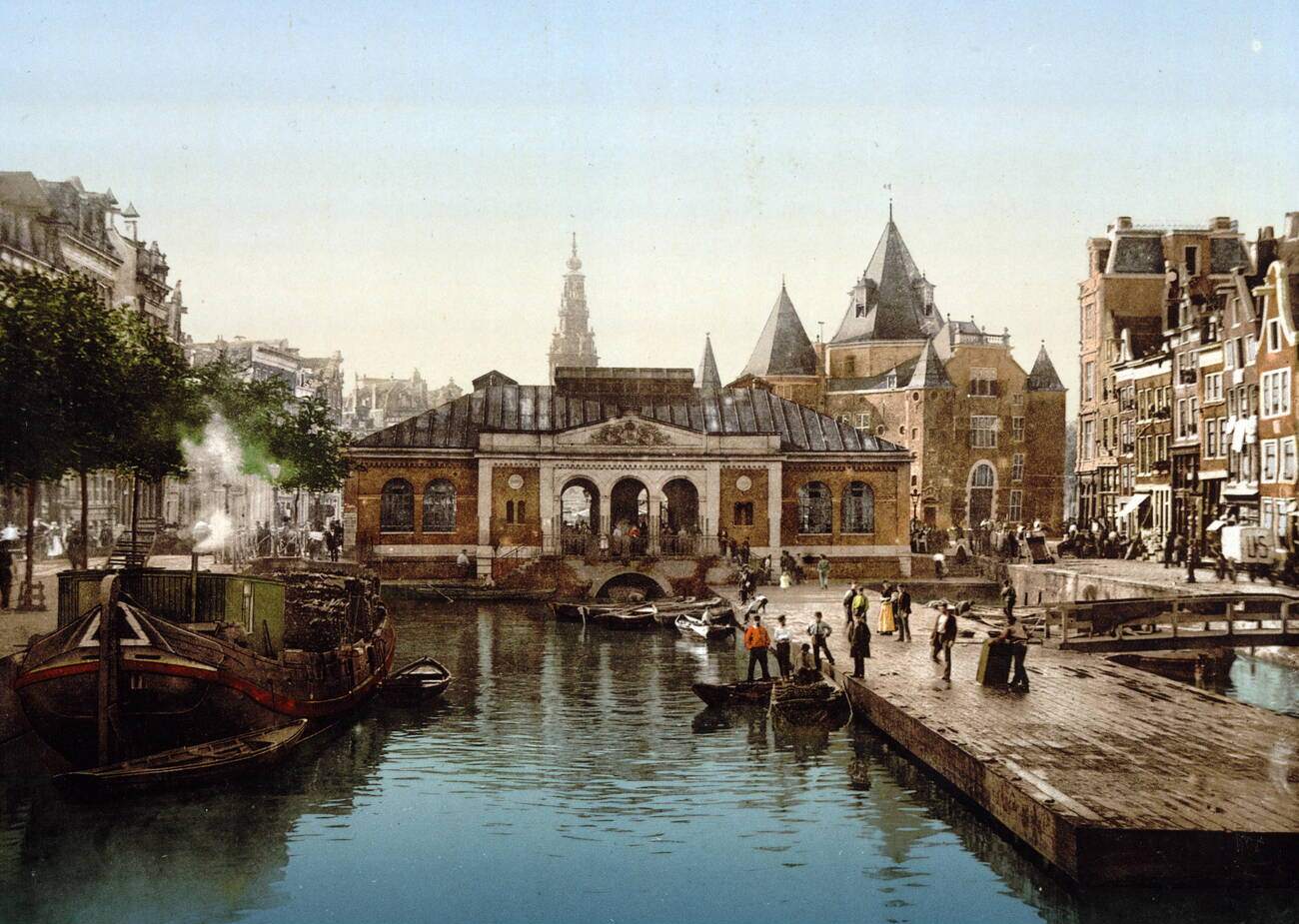
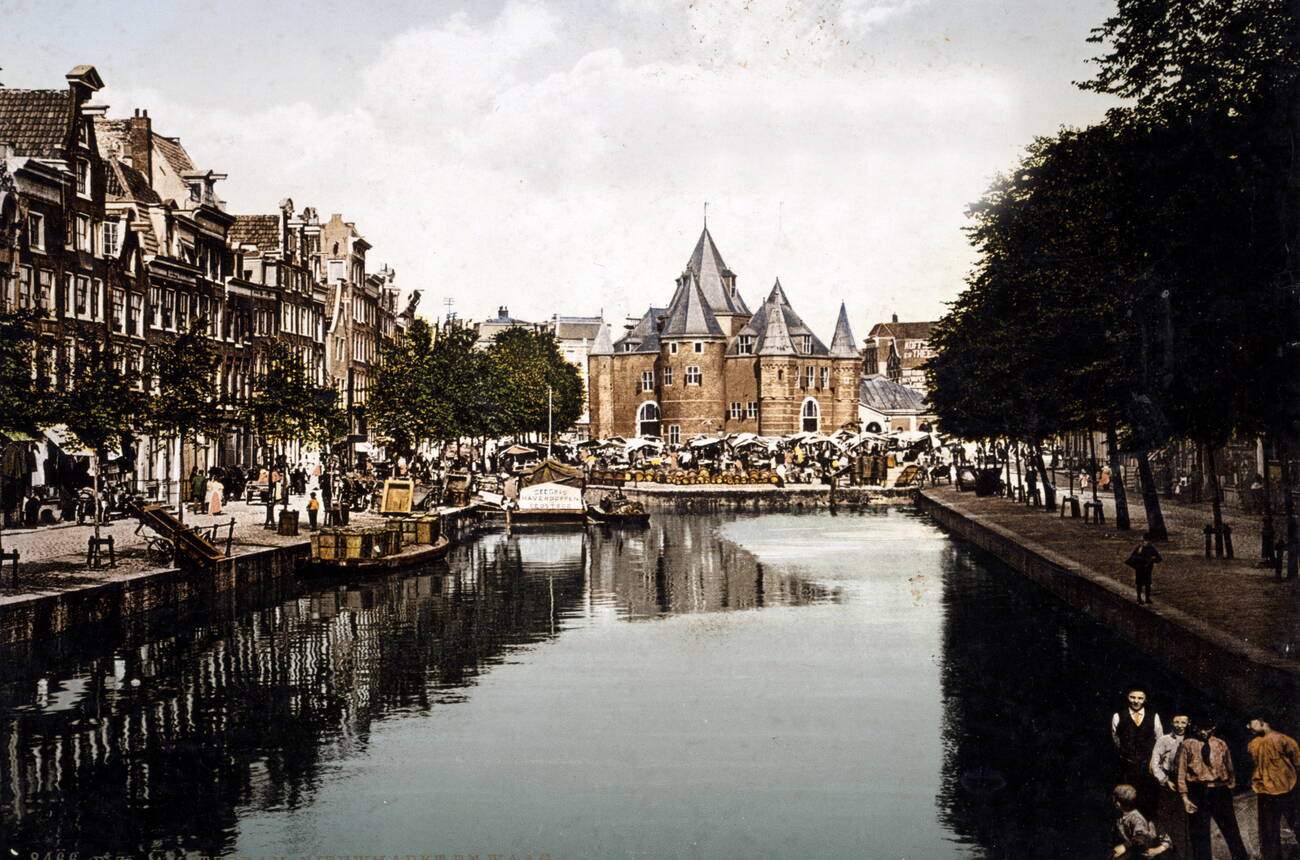
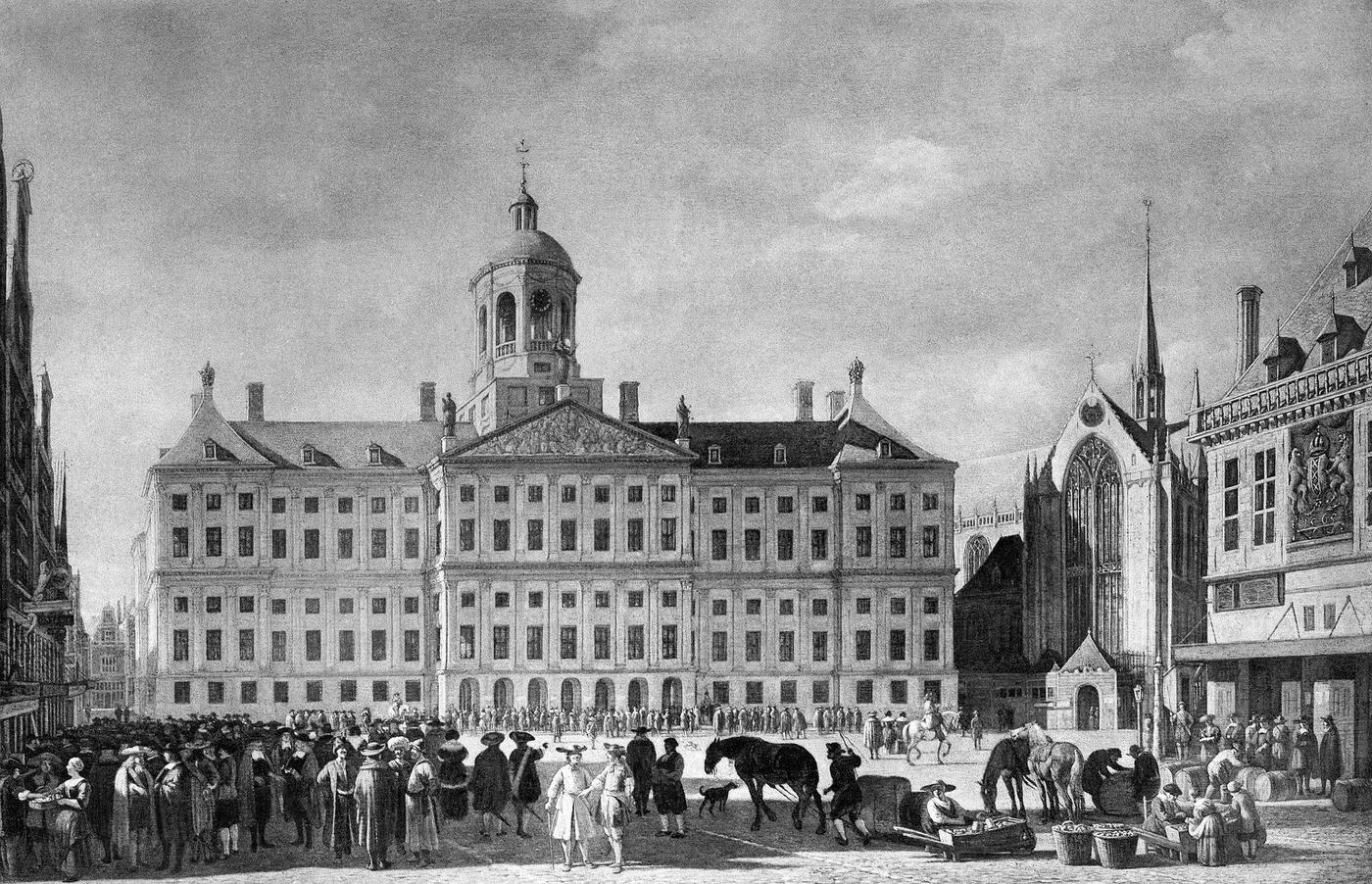
Amsterdam’s fish market and weighing house were central to daily commerce. Fish caught in the North Sea and the Zuiderzee passed through markets like this one before reaching homes and restaurants across the city. The weighing house, known as the Waag, was a centuries-old institution that regulated trade by ensuring honest measurement of goods.
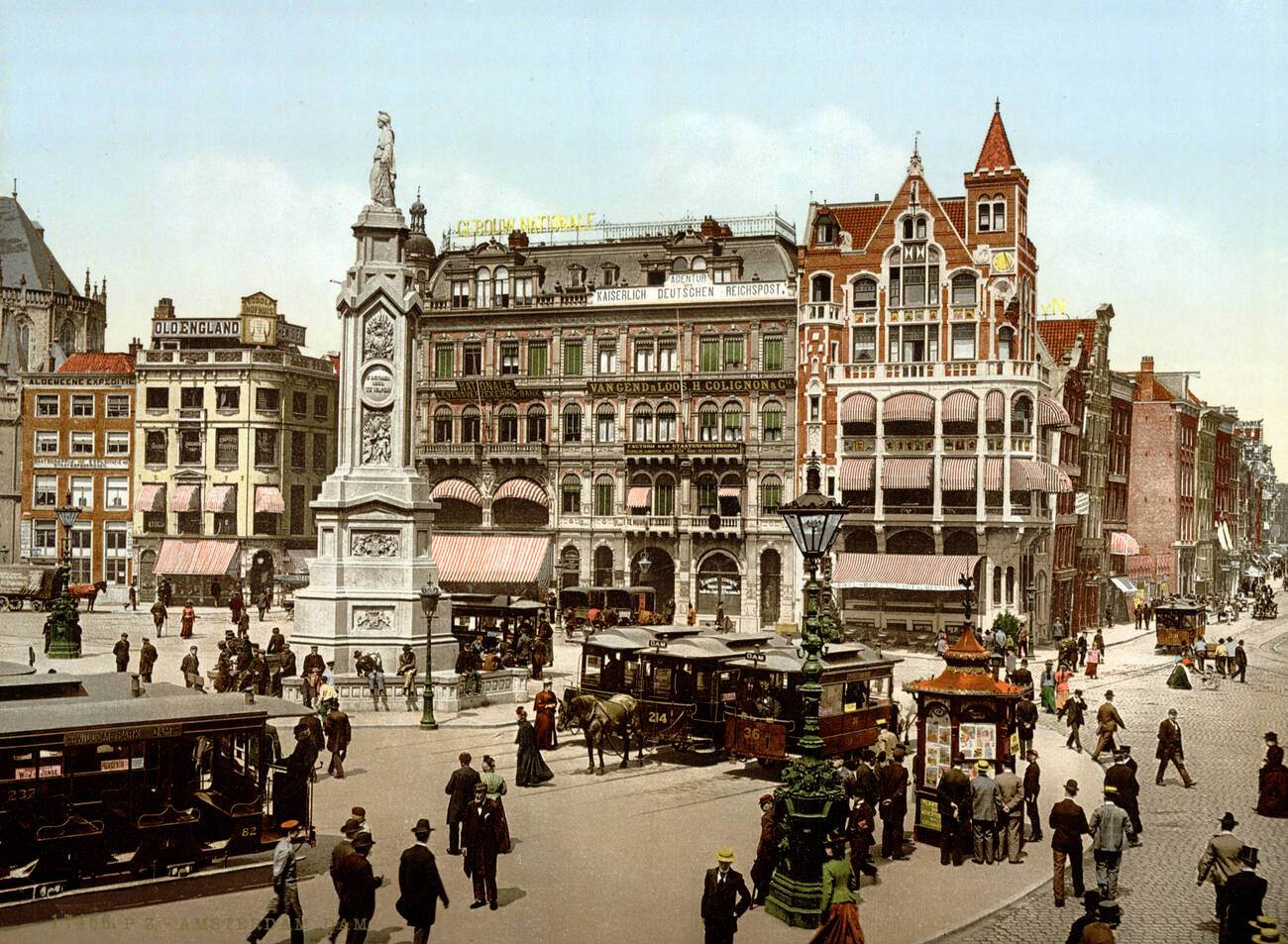
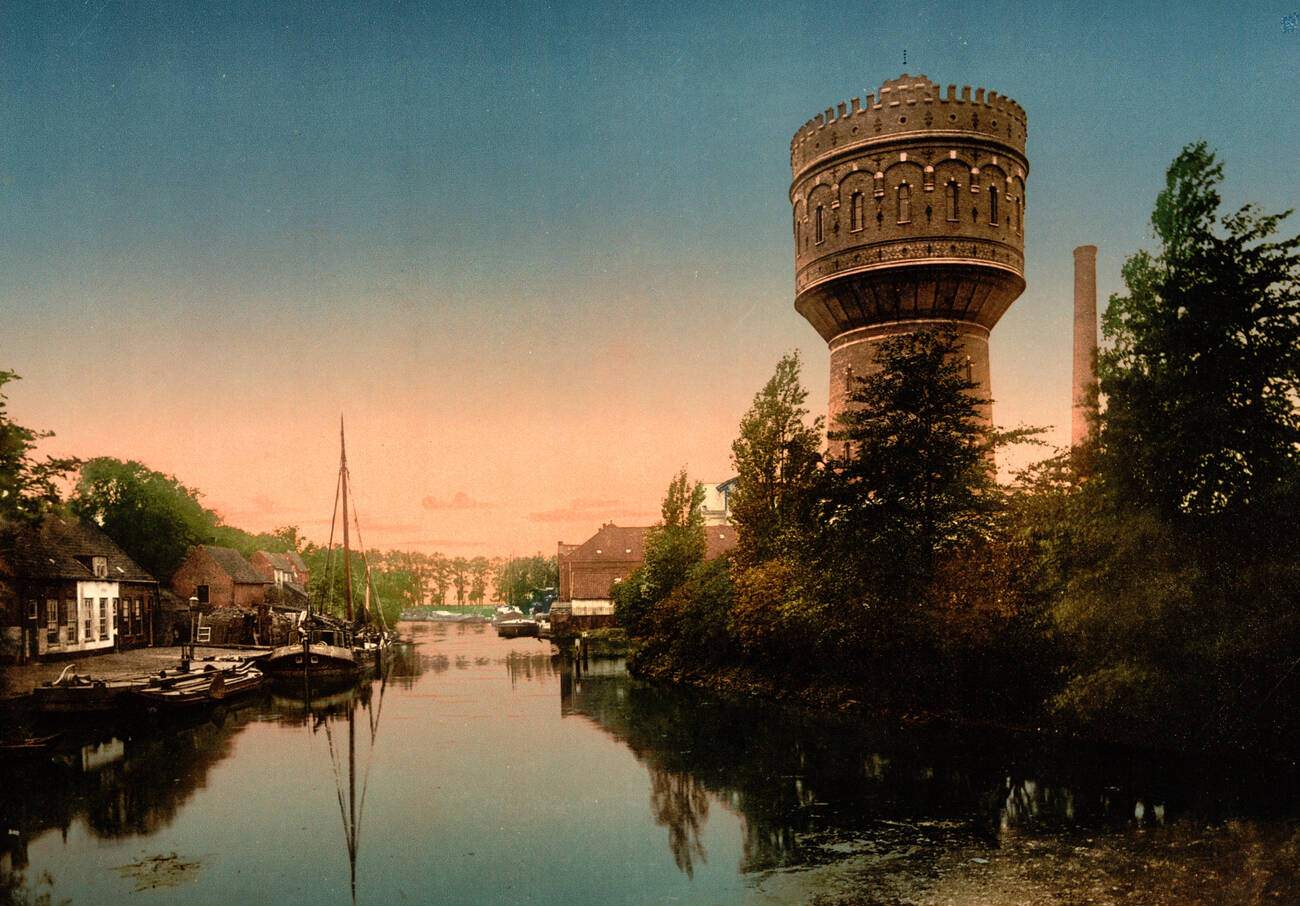
Infrastructure improvements were visible across Dutch cities. Delft’s water tower, like those built in other towns, reflected a growing investment in clean water systems — part of a broader push to improve public health. Municipal governments across the Netherlands were building hospitals, schools, and sanitation systems during this period.
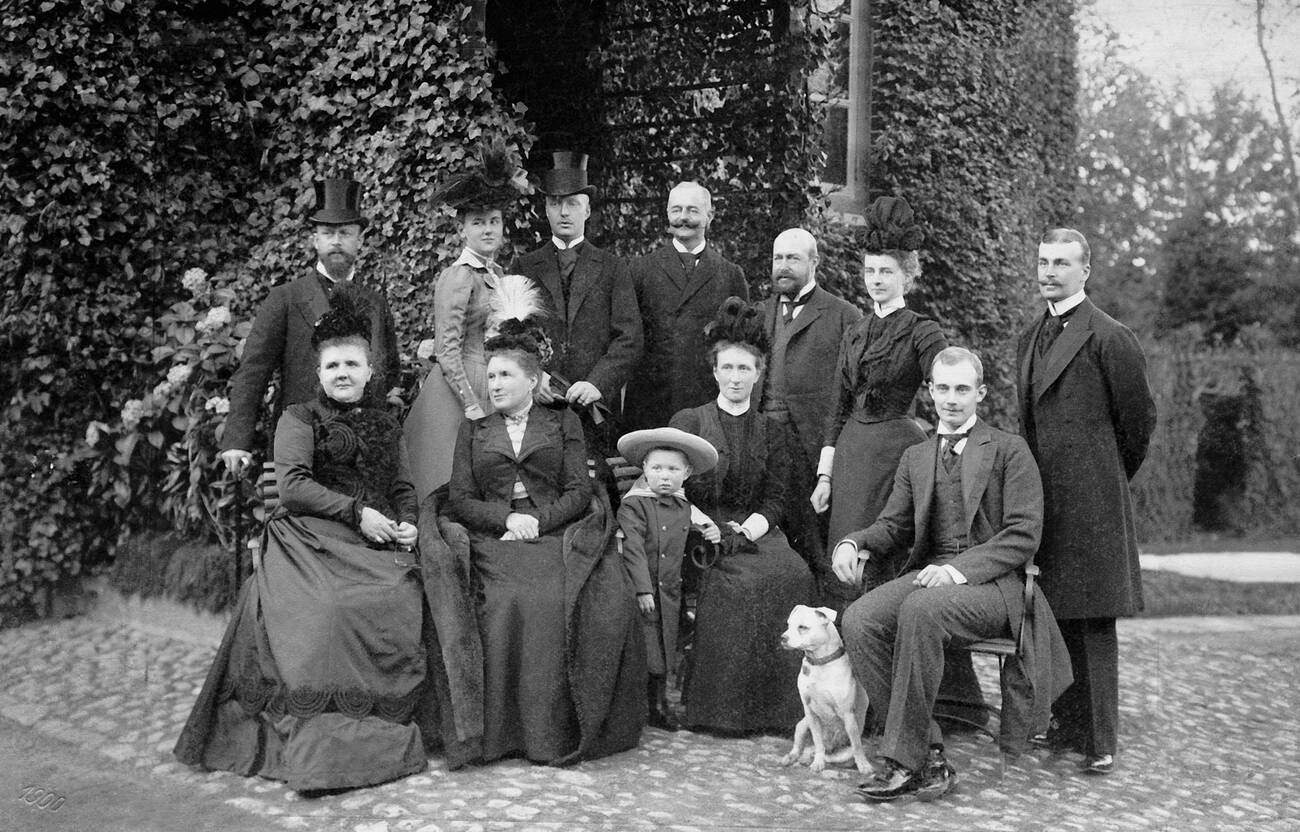
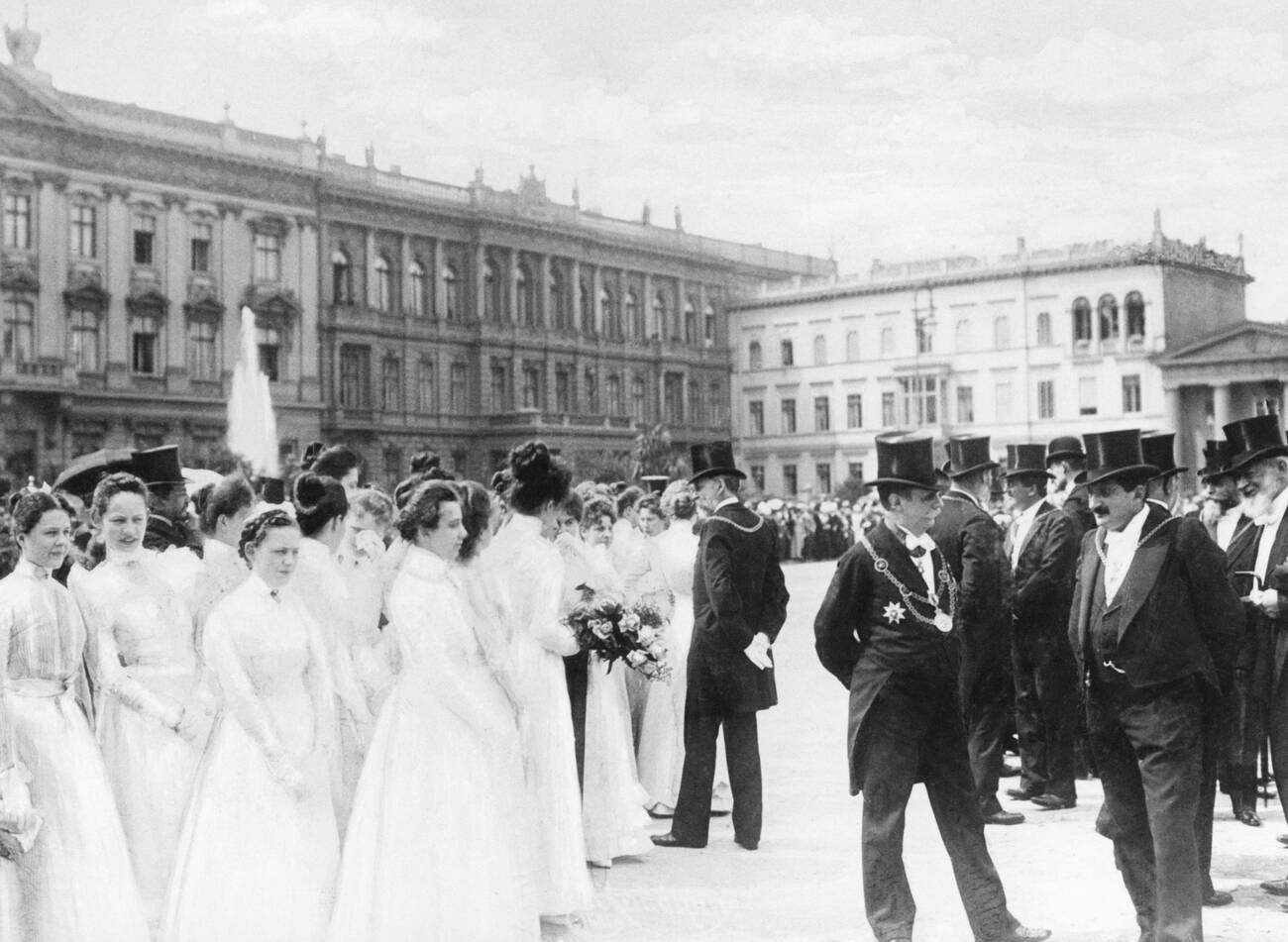
Queen Wilhelmina had taken the throne in 1898 at just 18 years old. She was a serious and determined monarch who quickly established herself as a central figure in Dutch public life. Her presence was felt across the country — from formal state occasions to public celebrations in small towns. In 1901, she married Duke Heinrich zu Mecklenburg-Schwerin.
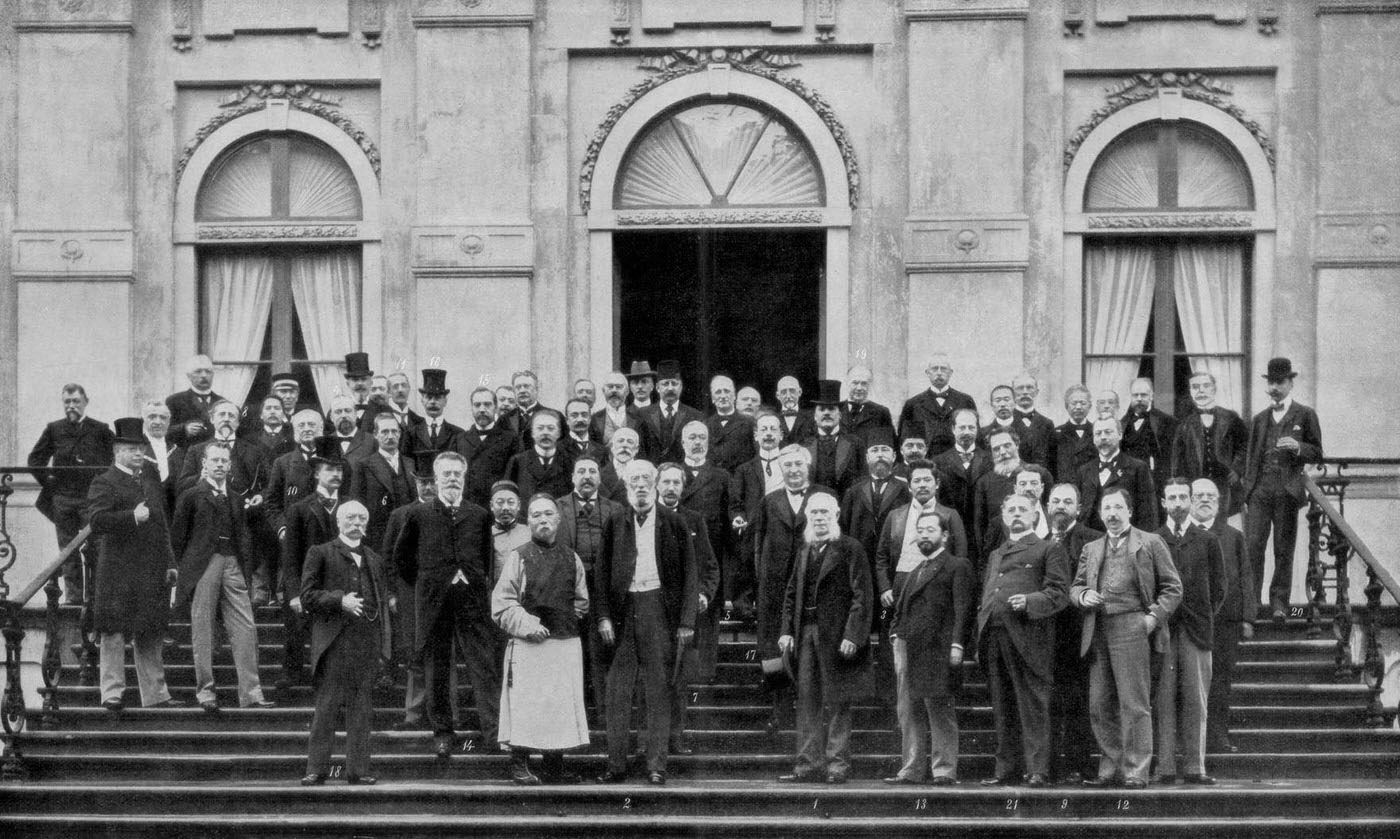
The Hague served as the seat of government, and its canals and squares had a more formal, institutional character than Amsterdam’s bustling commercial streets. It was also the site of an important international moment: in 1899, The Hague had hosted the first Peace Conference, which laid early groundwork for international law and dispute resolution. By 1900, the city was firmly established on the world diplomatic stage.
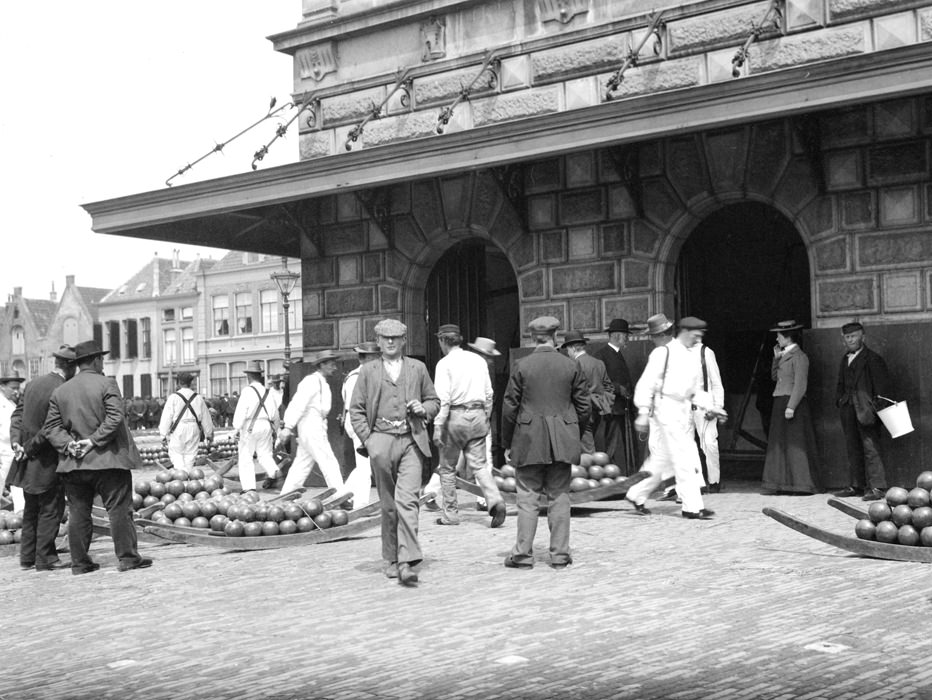
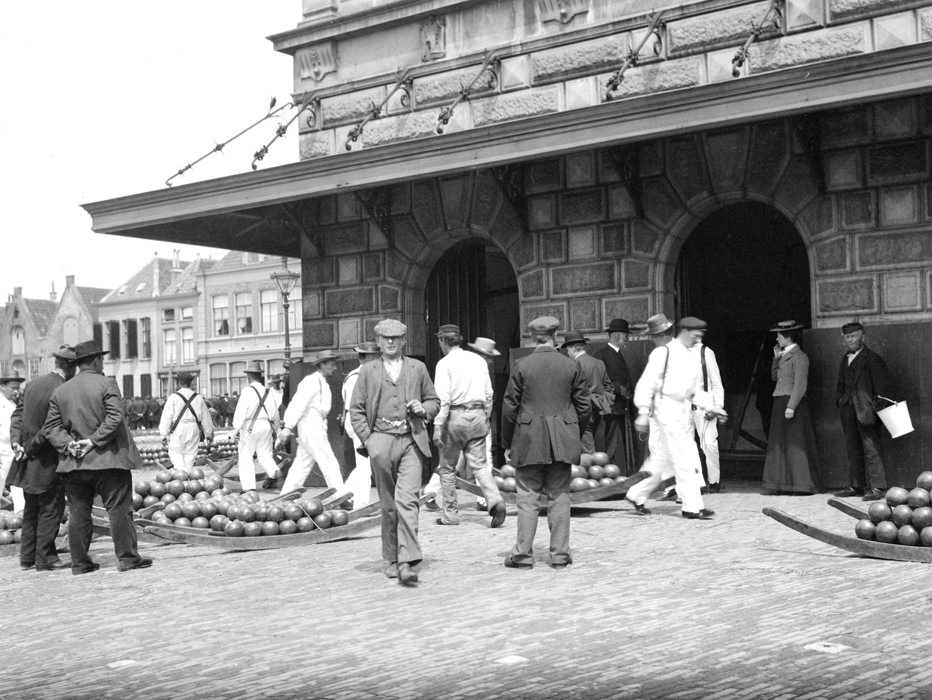
Outside the major cities, towns like Alkmaar maintained their own distinct identities. Alkmaar was famous for its open-air cheese market, where large wheels of Gouda and Edam were carried on wooden stretchers and sold by weight. Dutch agriculture, particularly dairy farming, was among the most productive in Europe. Farmers used advanced techniques and exported cheese, butter, and other dairy products across the continent.
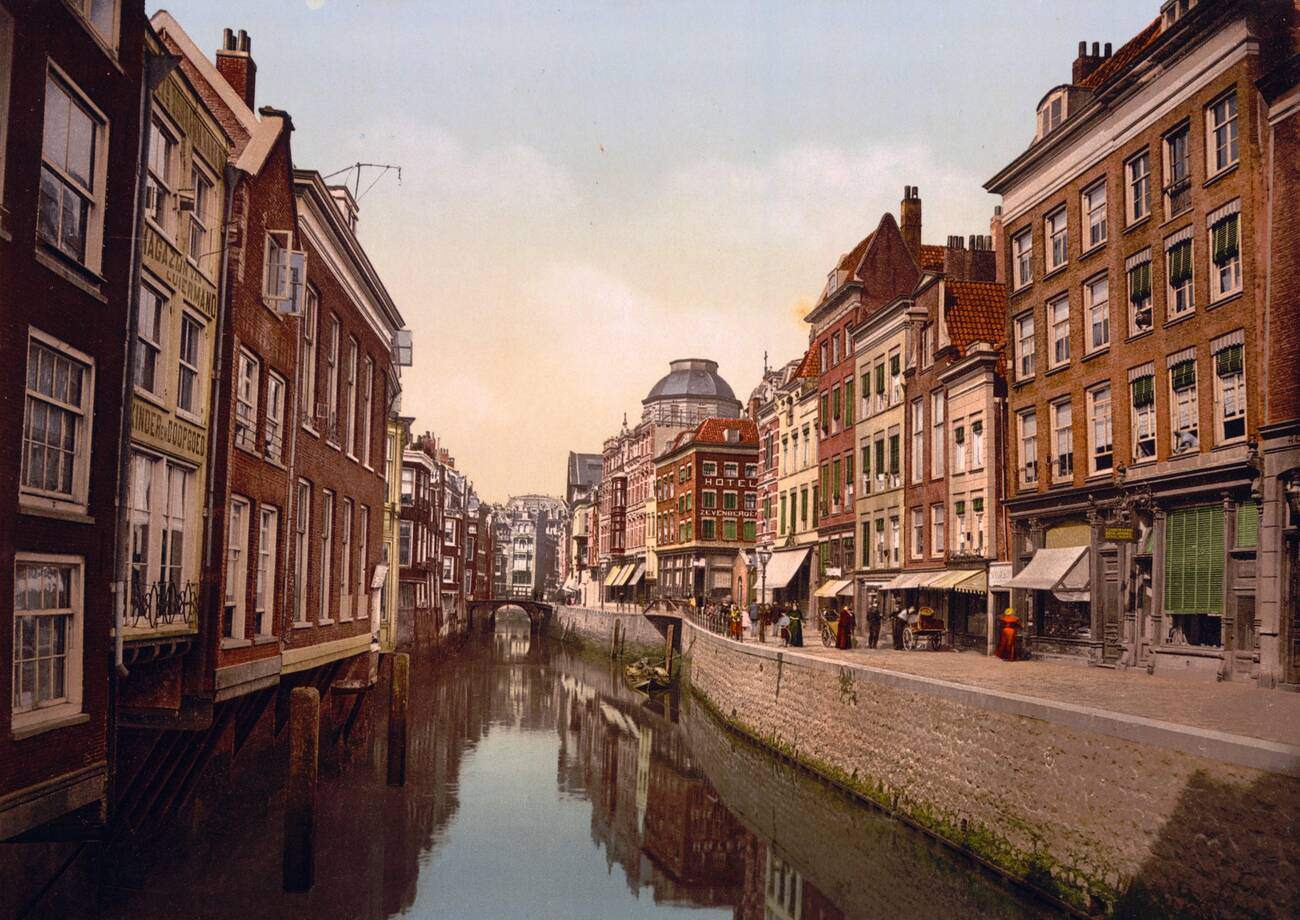
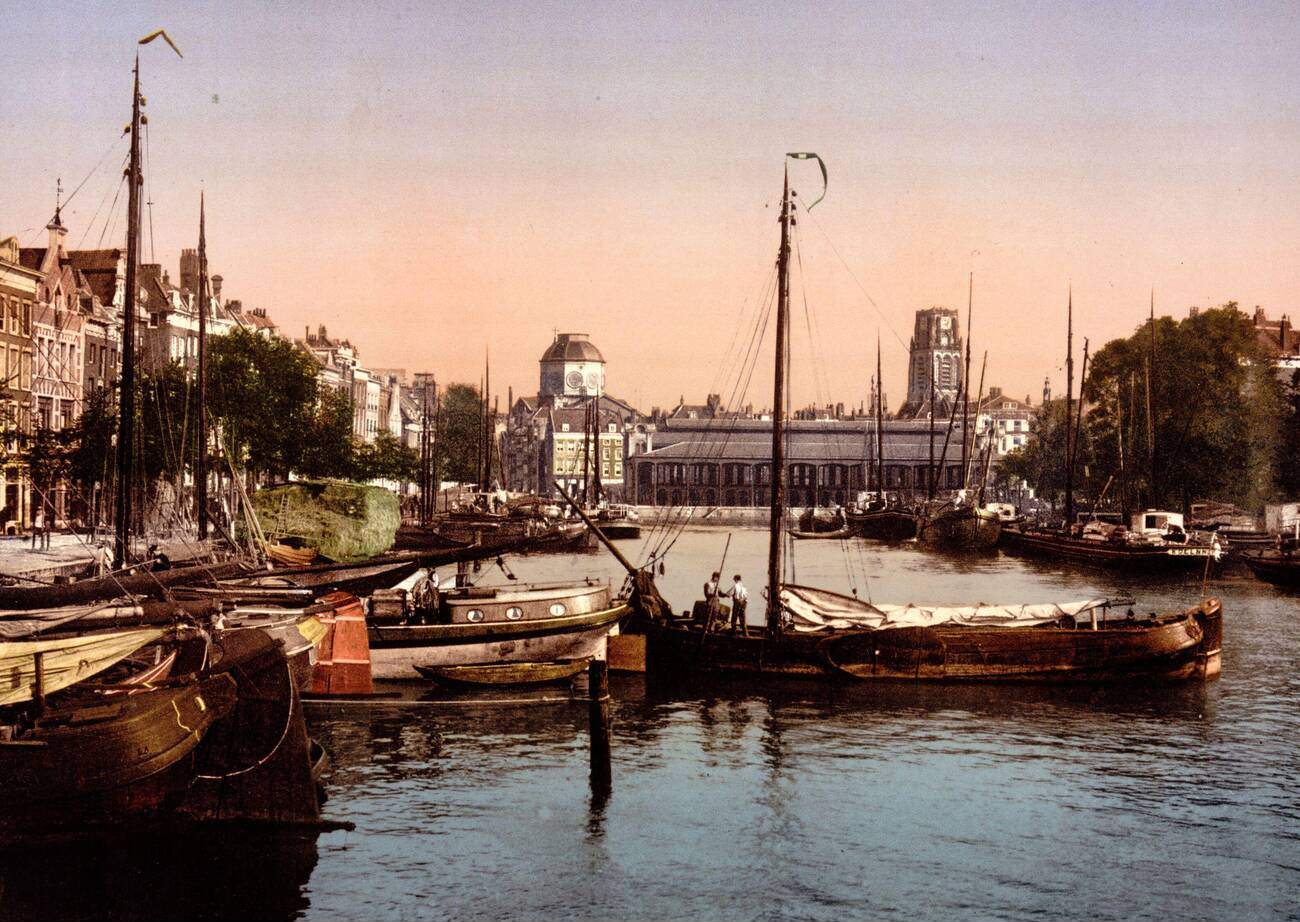
Rotterdam was the Netherlands’ primary port city and one of the busiest harbors in Europe. Ships loaded with agricultural goods, textiles, and manufactured products left Rotterdam for ports across the world. The city’s canals, docks, and bridges handled enormous volumes of cargo daily, and its growth during this period was directly tied to the expansion of Dutch industry and trade.
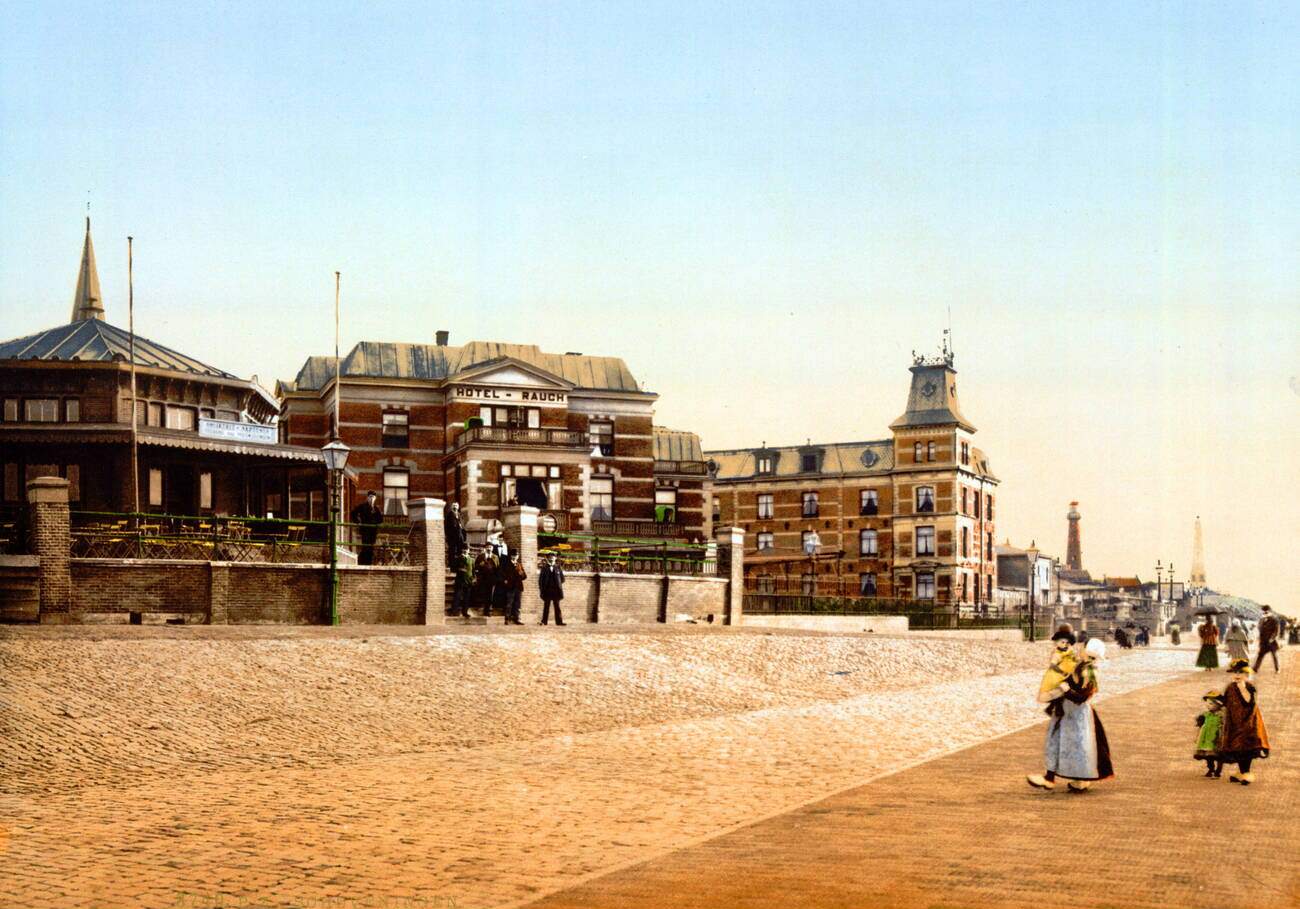
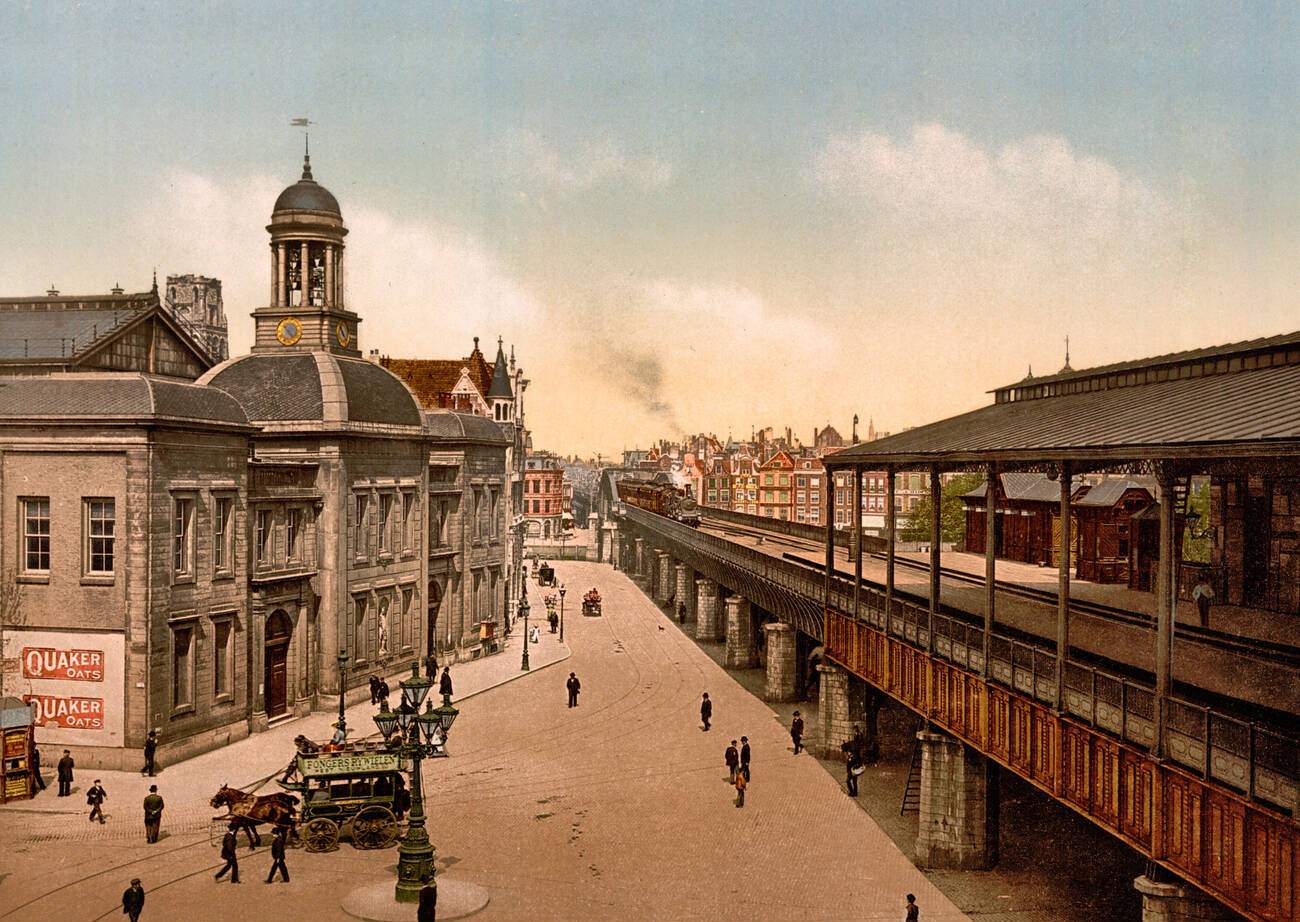
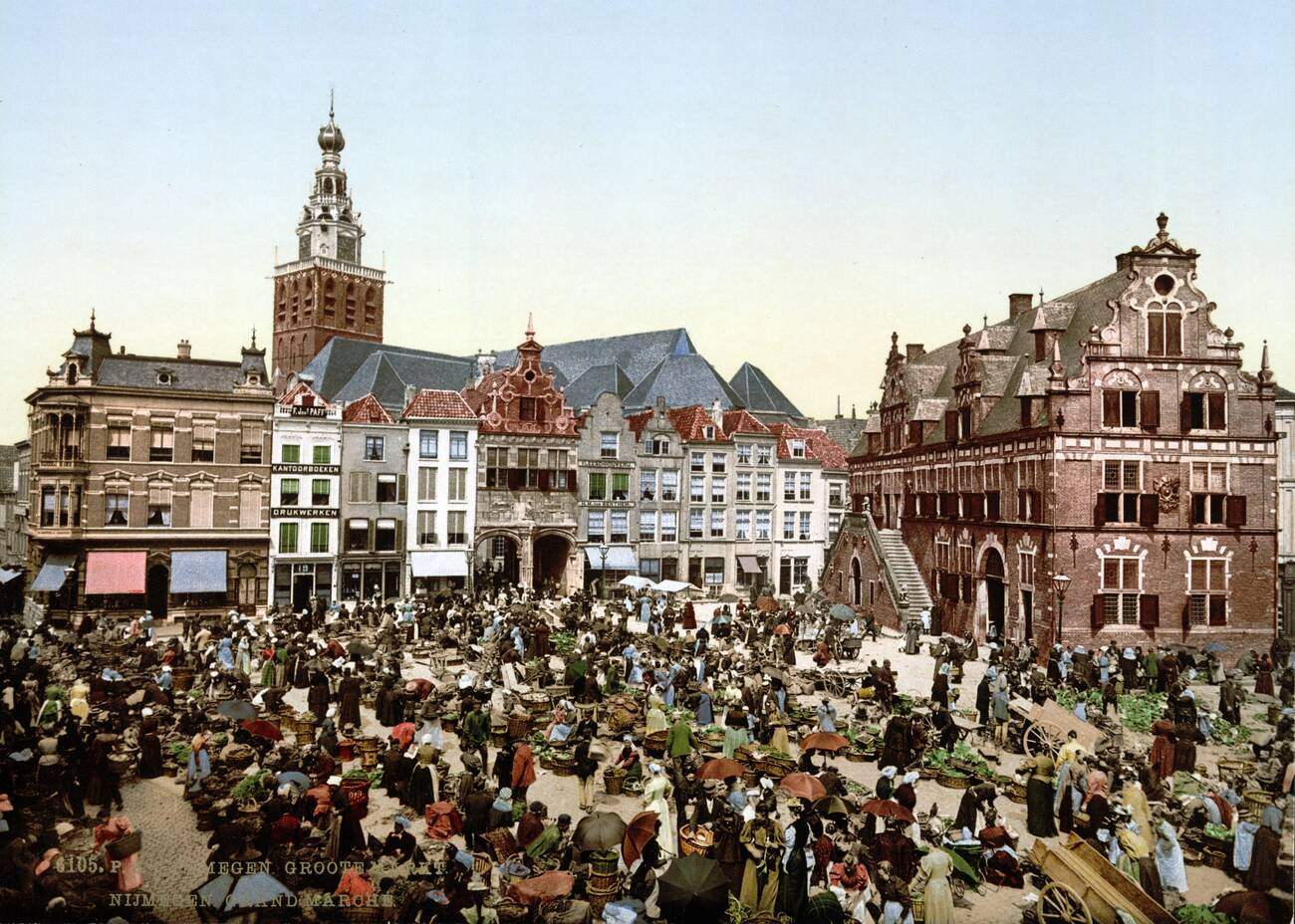
Market squares were the social and commercial centers of Dutch towns. In Nijmegen, one of the oldest cities in the Netherlands, the great market was a gathering point for residents who came to buy, sell, and exchange news. These open-air markets were a fixture of everyday Dutch life, selling everything from produce and fish to household goods.
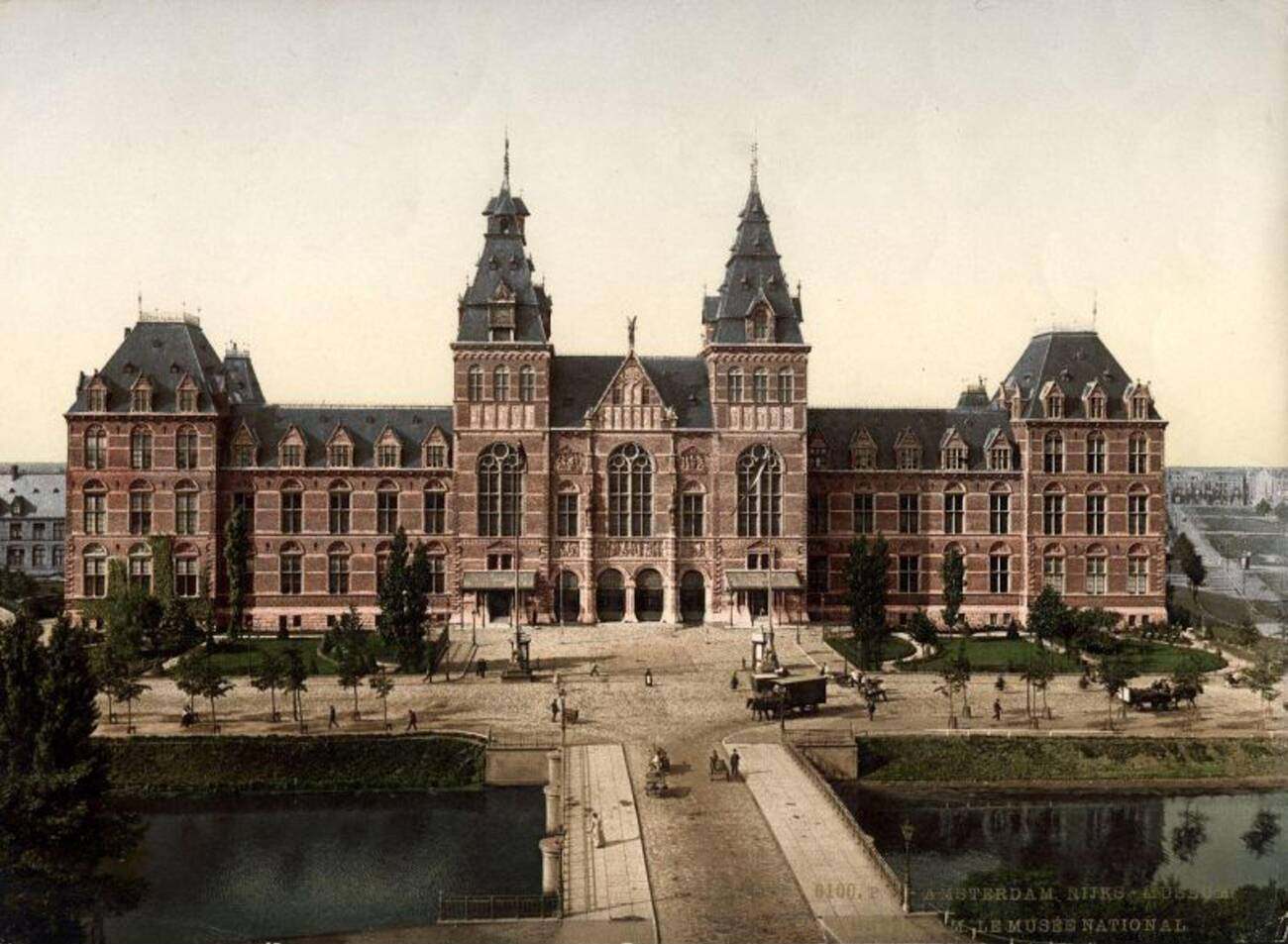
The Rijksmuseum in Amsterdam stood as a symbol of Dutch cultural pride. Completed in 1885, it housed masterworks by Rembrandt, Vermeer, and other painters from the Dutch Golden Age. By 1900, the Netherlands was also producing a new generation of artists gaining international fame. Vincent van Gogh, though he had died in 1890, was receiving growing recognition, and Piet Mondrian was beginning the abstract work that would define his career.
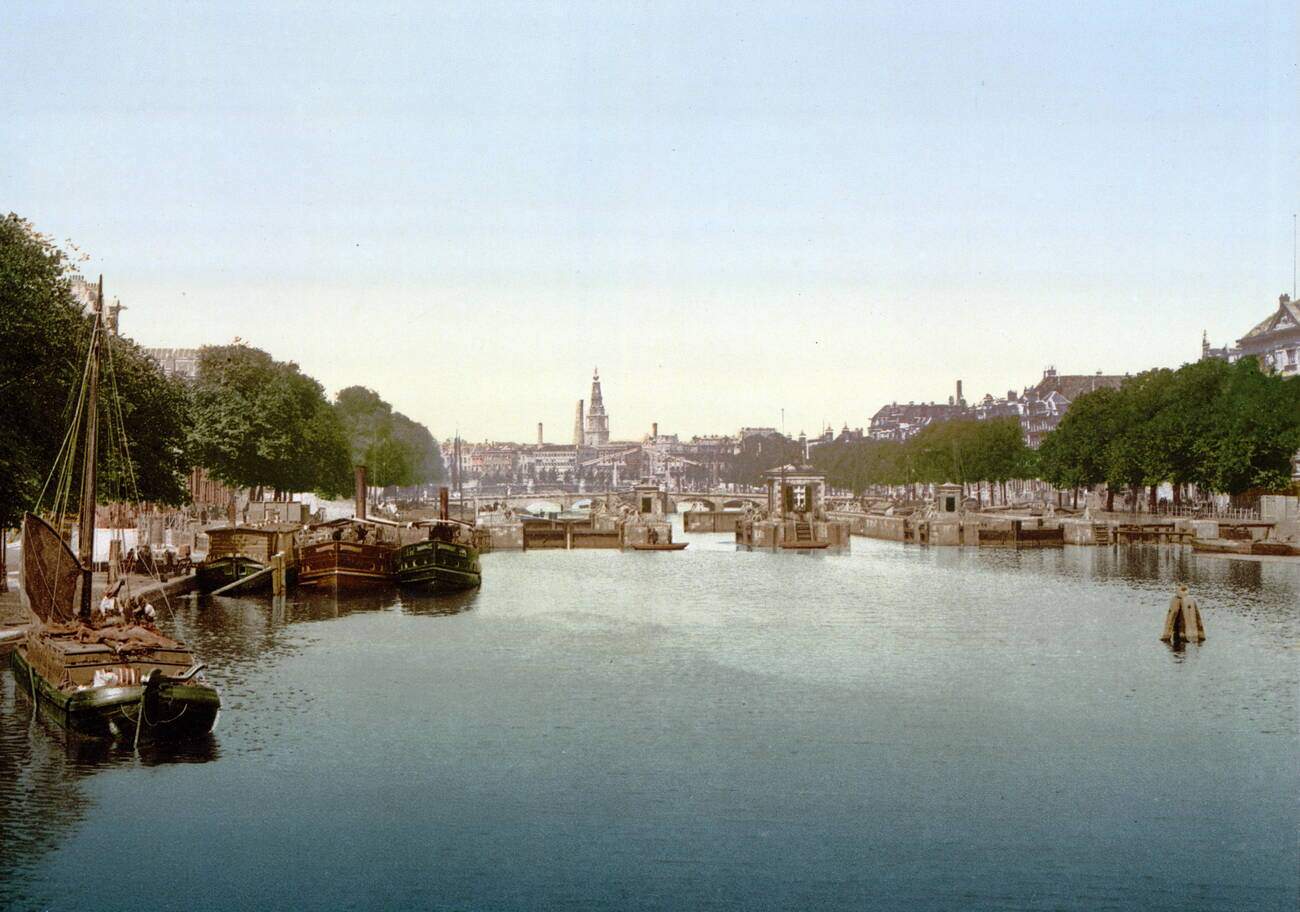
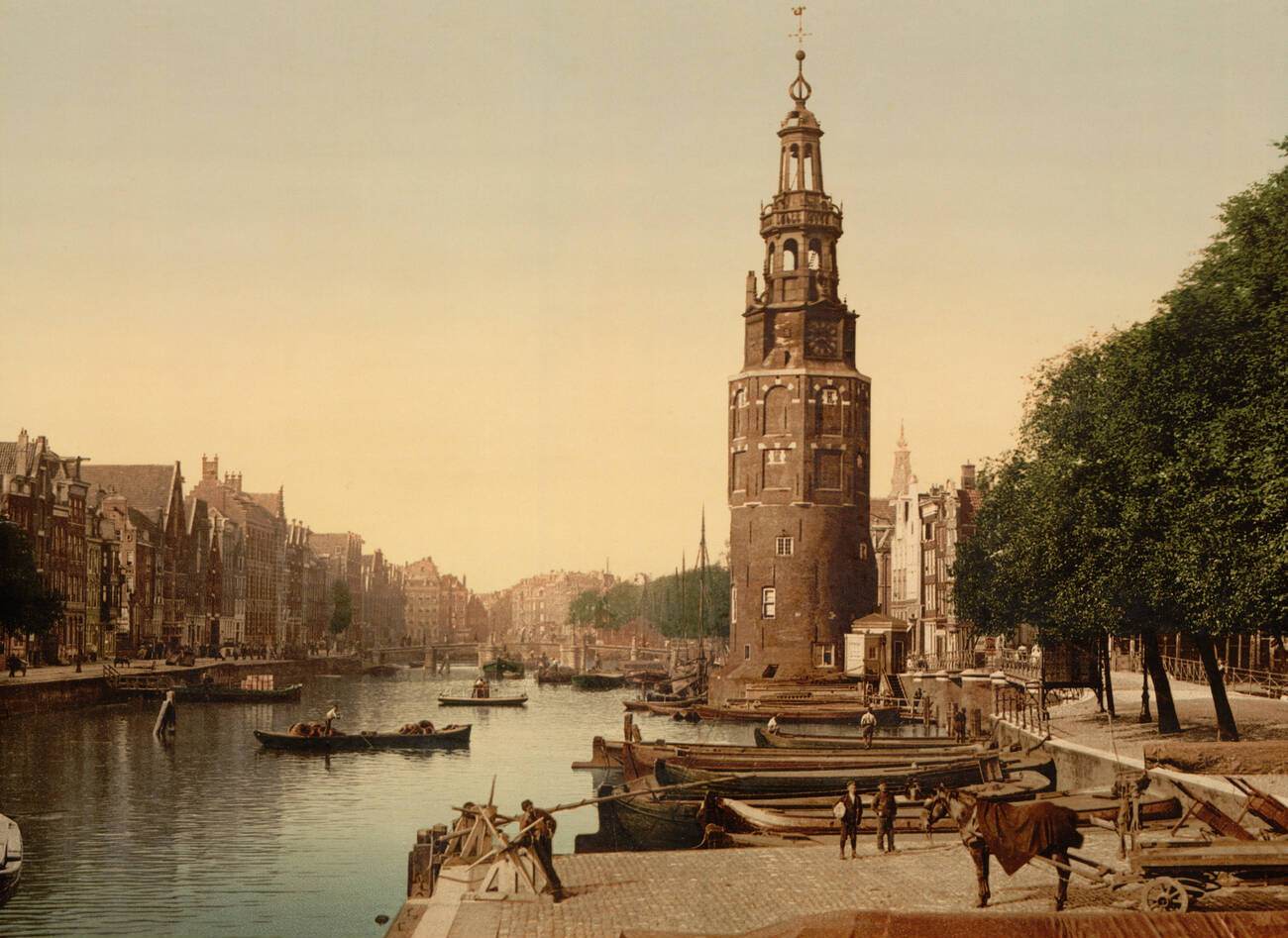
Water management was not just practical — it was existential for the Netherlands. Much of the country sat below sea level, and an elaborate system of sluices, dikes, and canals kept land dry and towns functional. The great sluice in Amsterdam controlled water flow through the city’s canal system, preventing flooding while allowing boat traffic to pass through.
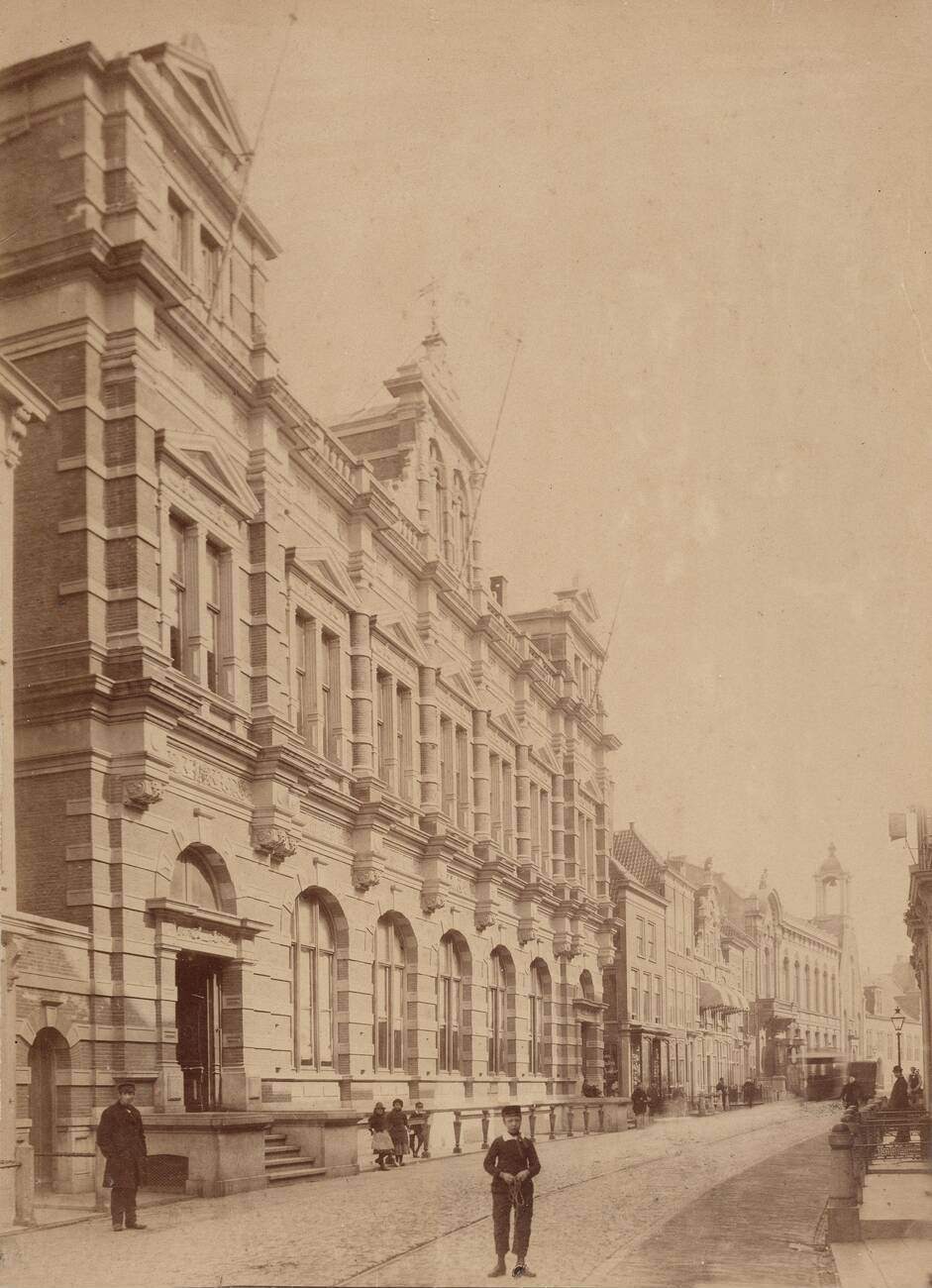
Education was a growing priority across the Netherlands. Leiden University, founded in 1575, remained one of the country’s most prestigious institutions. Student associations like Minerva organized the social and academic lives of university students, many of whom came from prominent Dutch families. The early 1900s also saw renewed efforts to expand elementary education and improve literacy among working-class children.
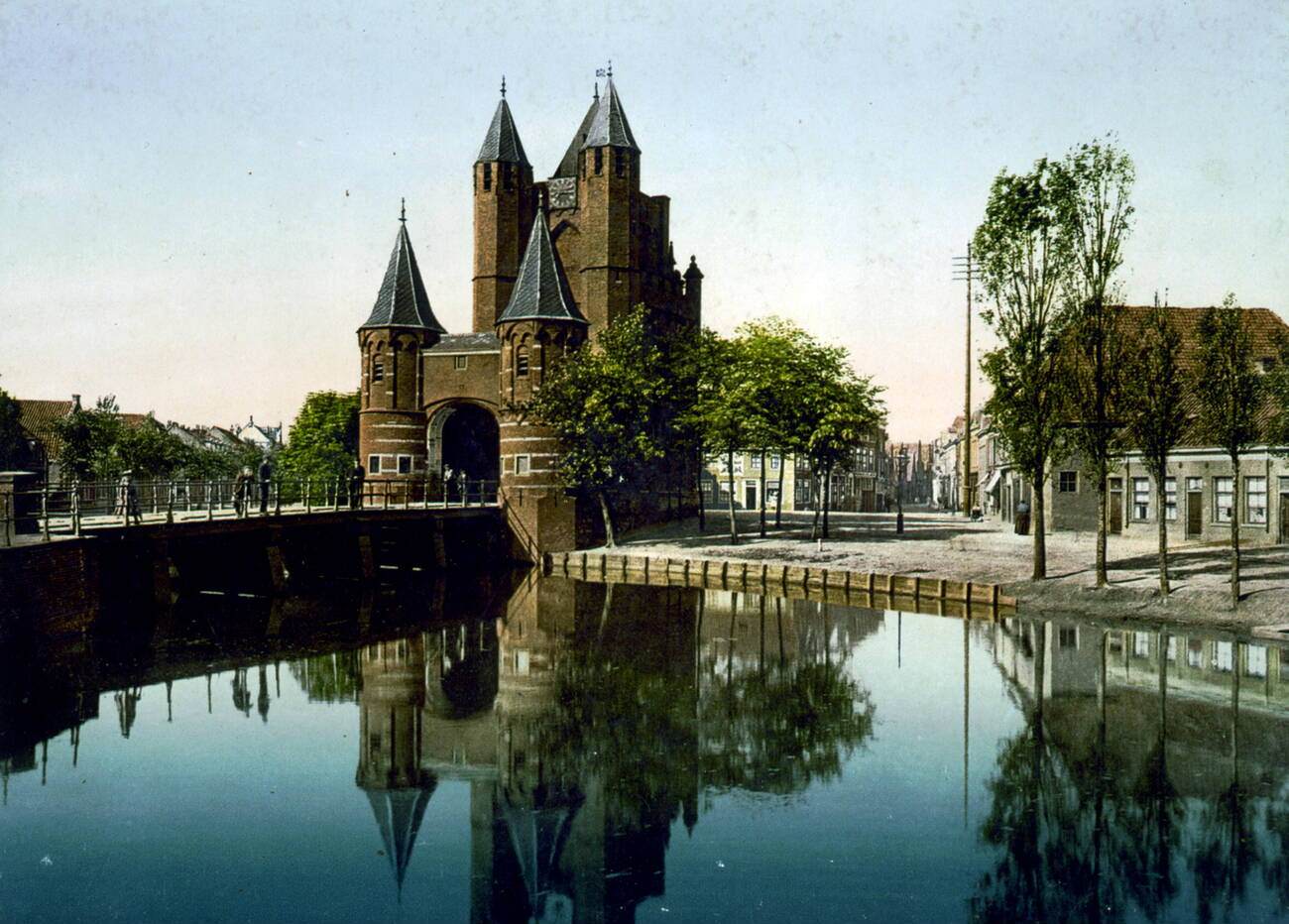
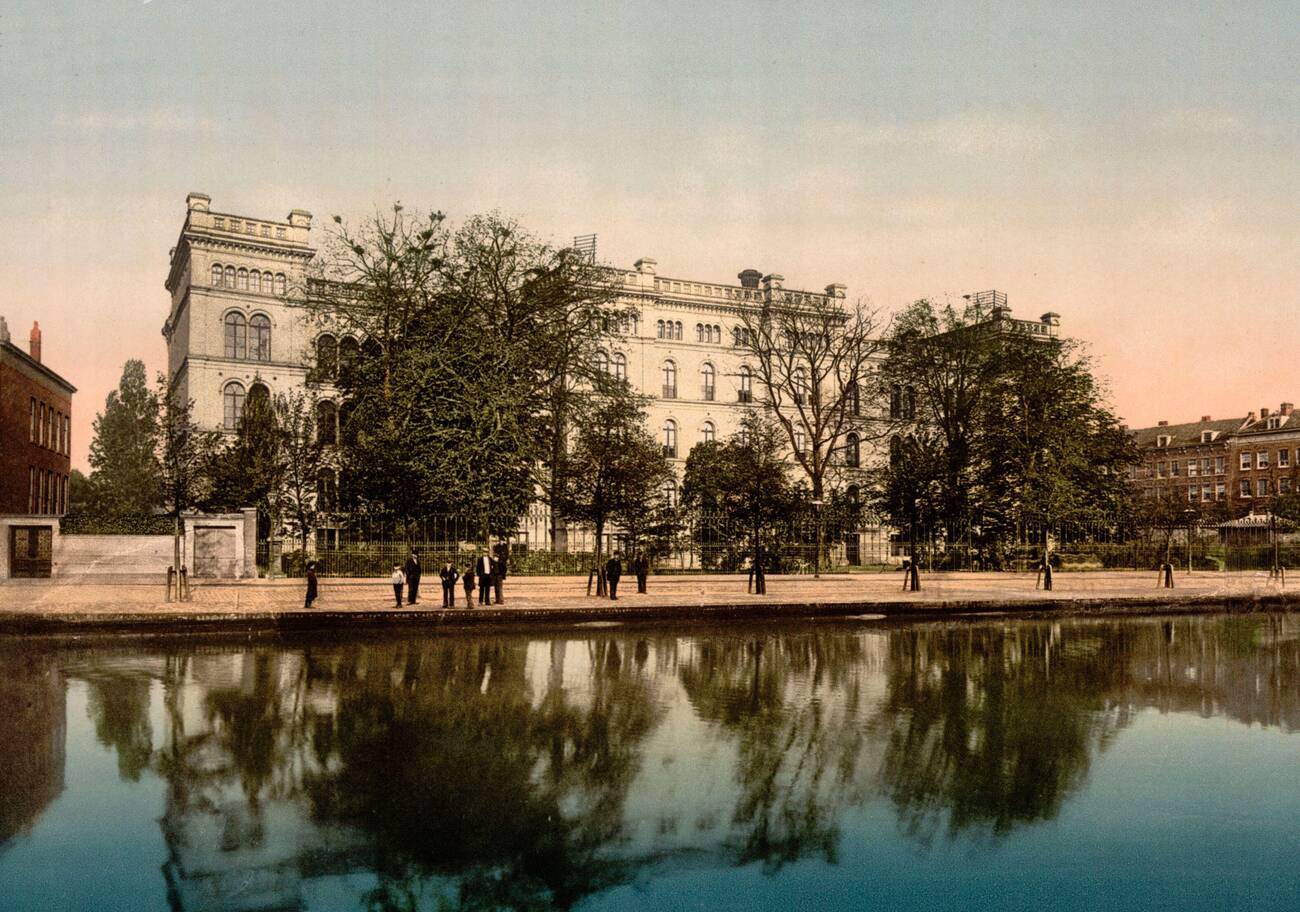
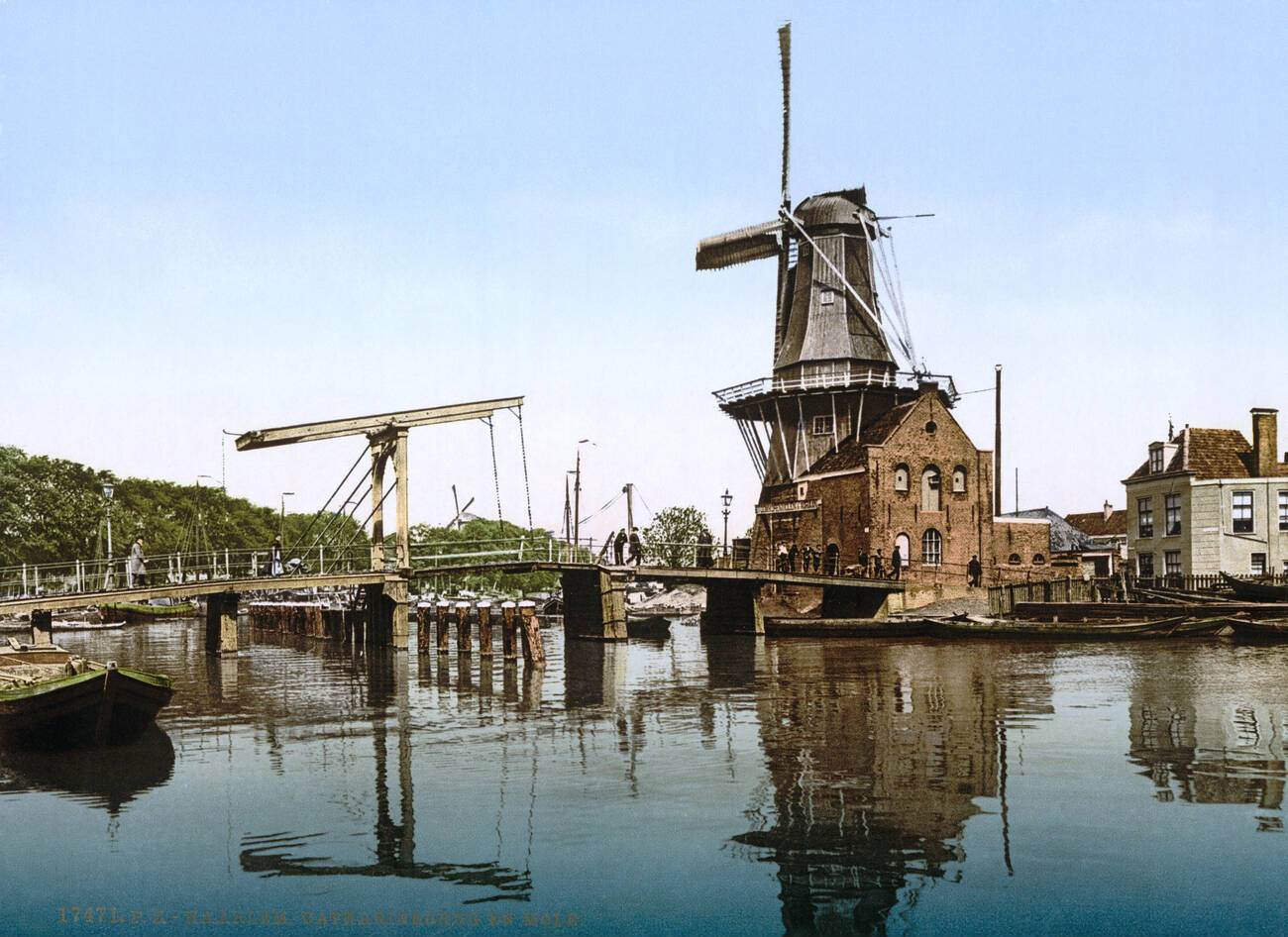
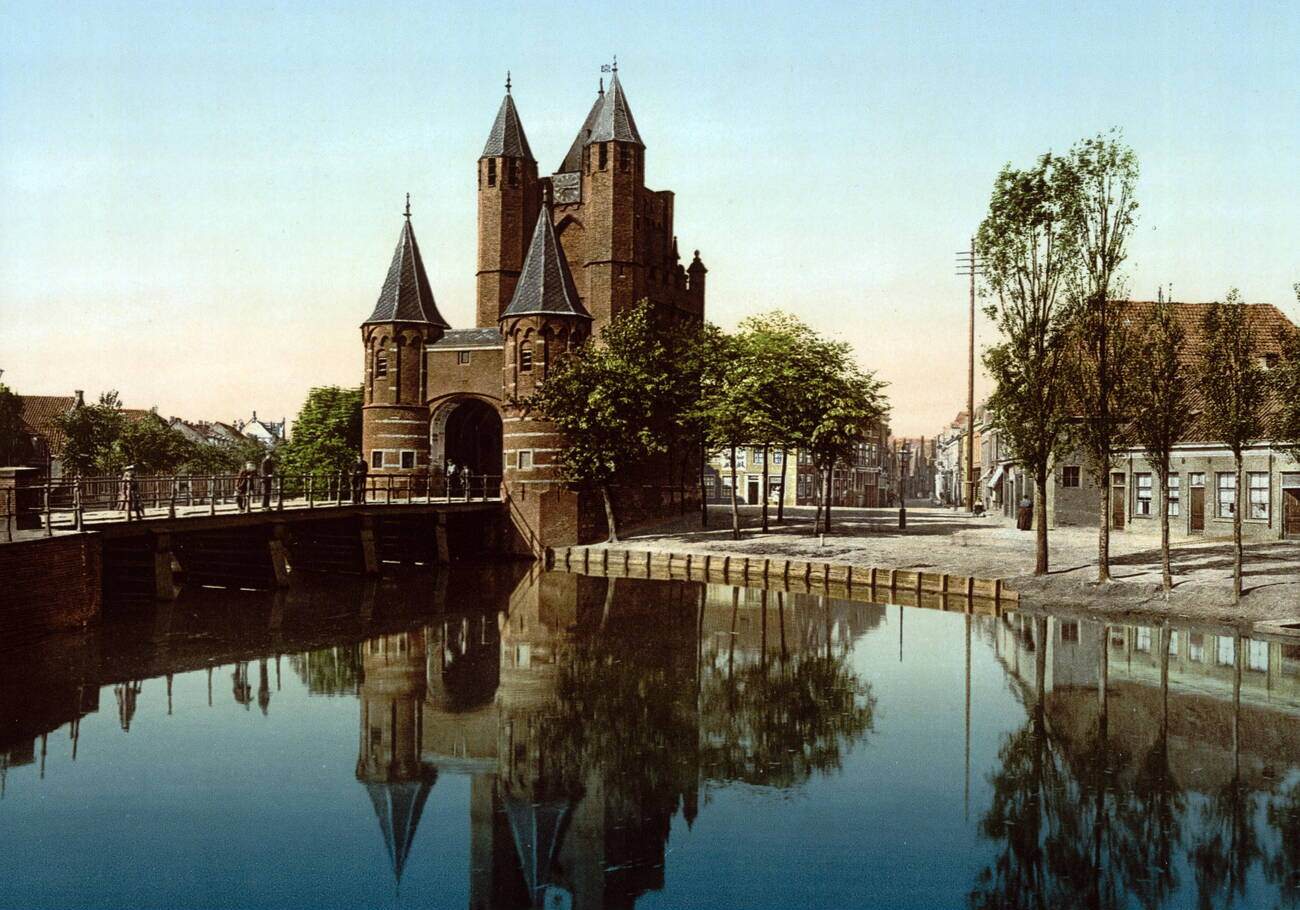
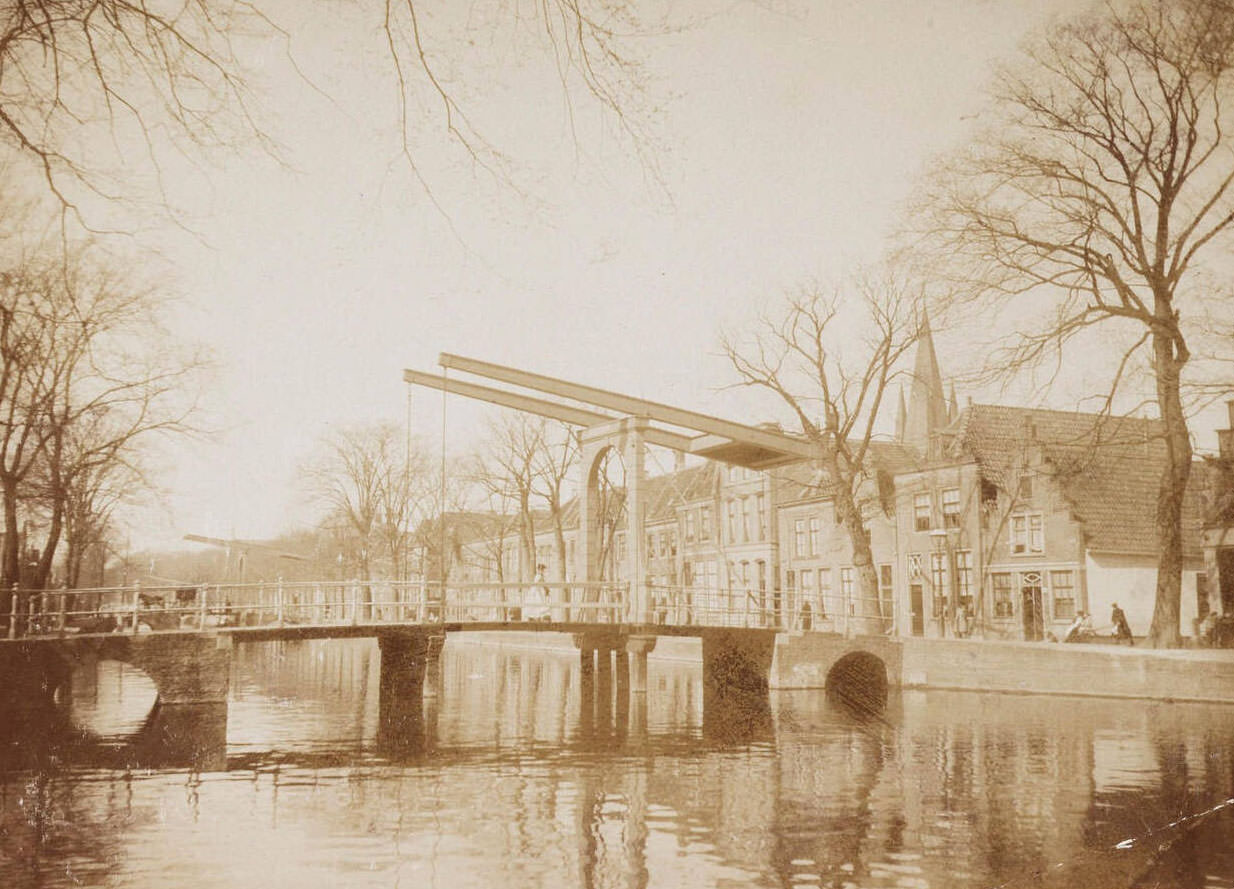
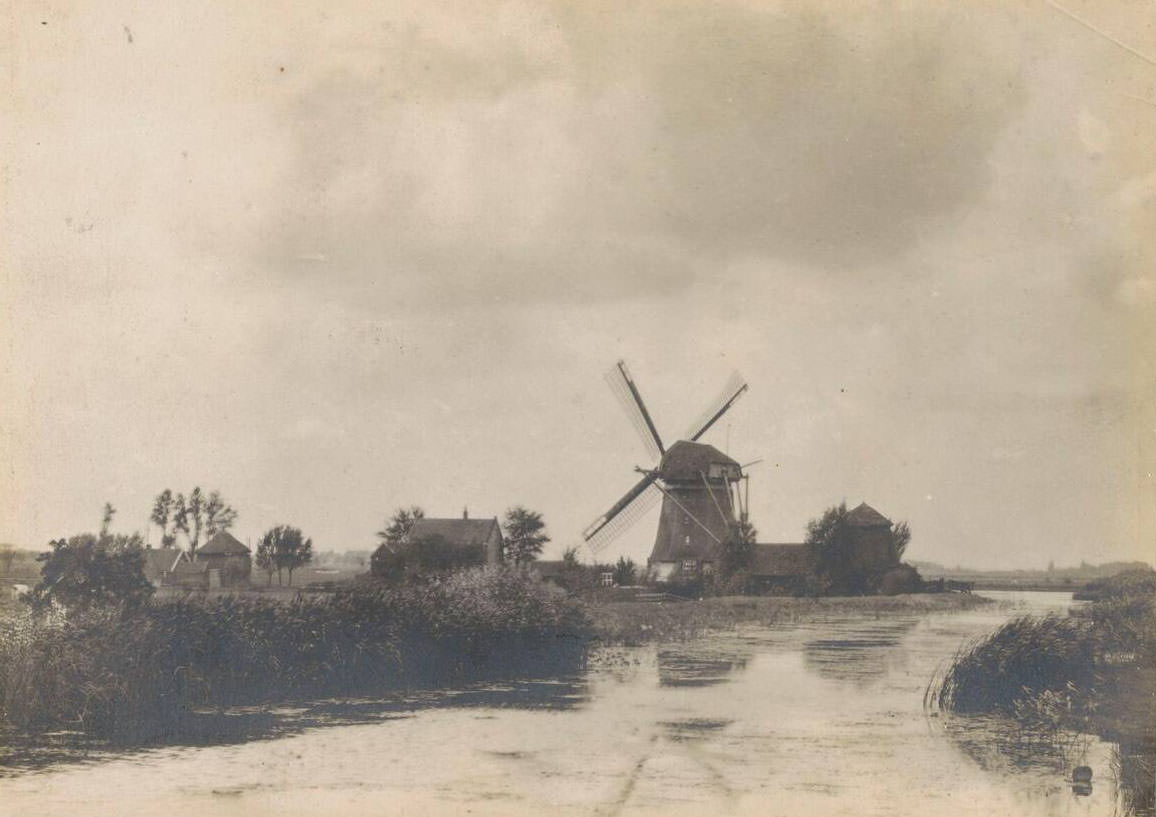
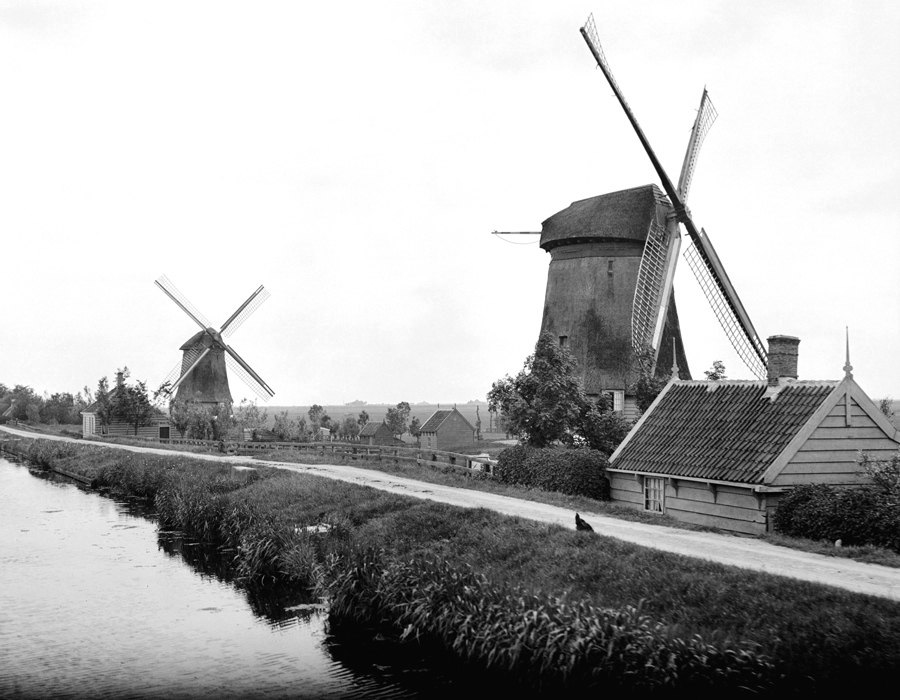
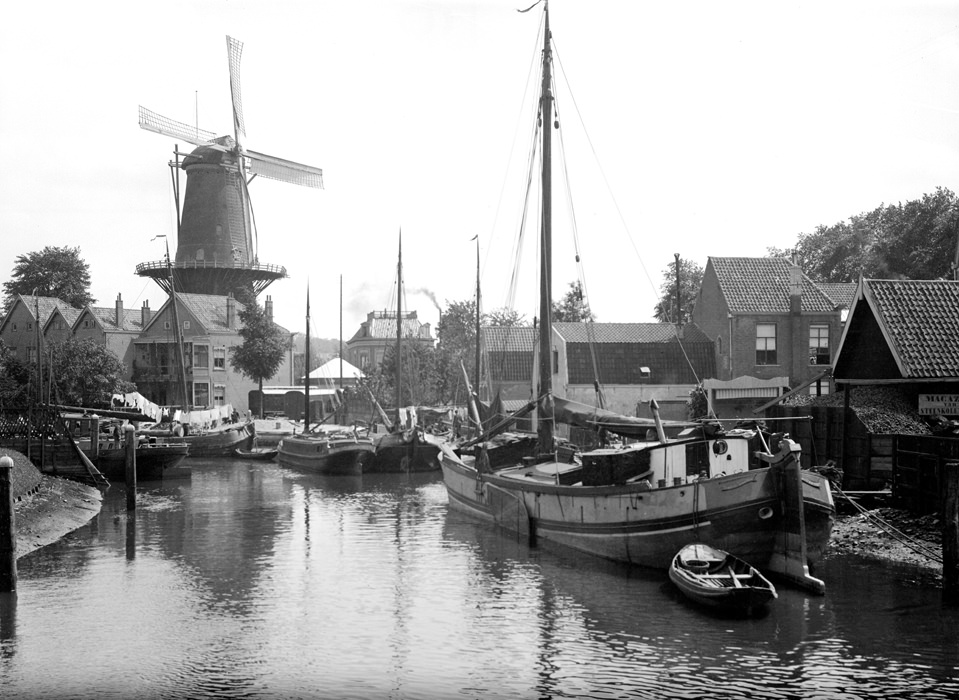
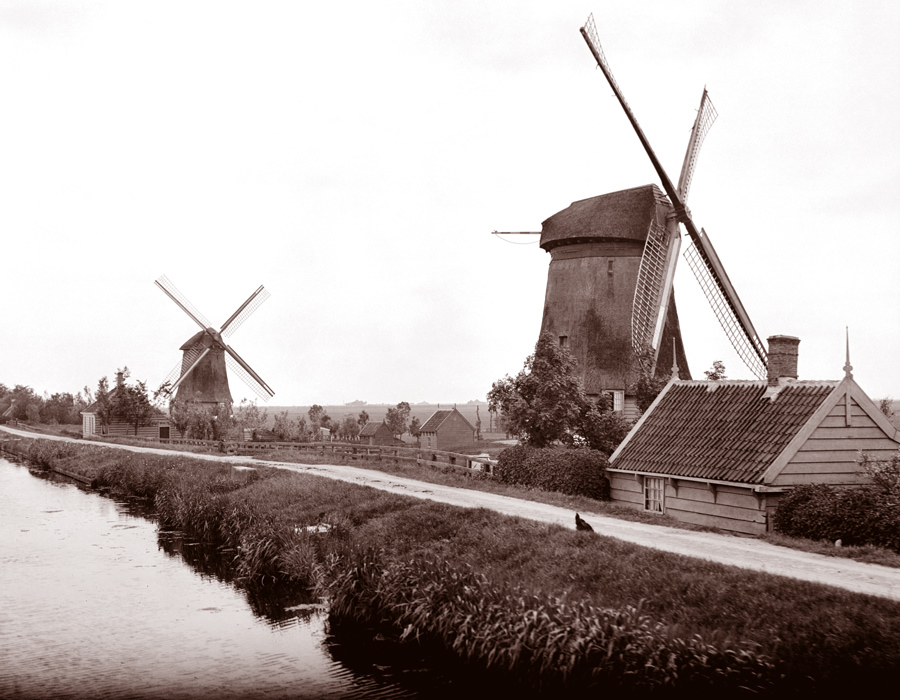
Windmills remained a defining feature of the Dutch landscape in 1900, even as steam-powered machinery was taking over many of their functions. In Haarlem and other towns, windmills still stood alongside bridges and canals, used for milling grain and pumping water. They were a living part of the infrastructure, not yet the tourist symbols they would later become.
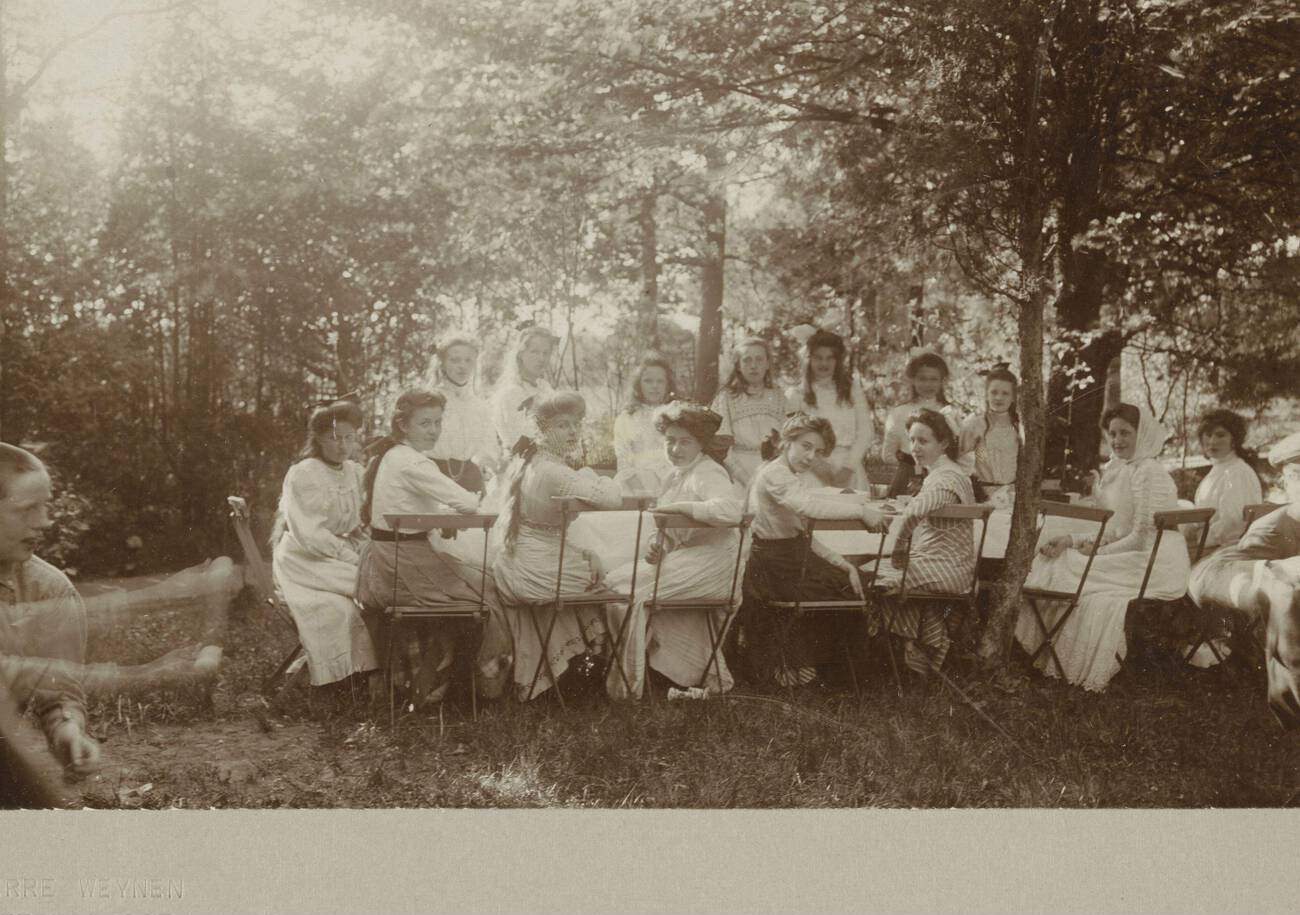
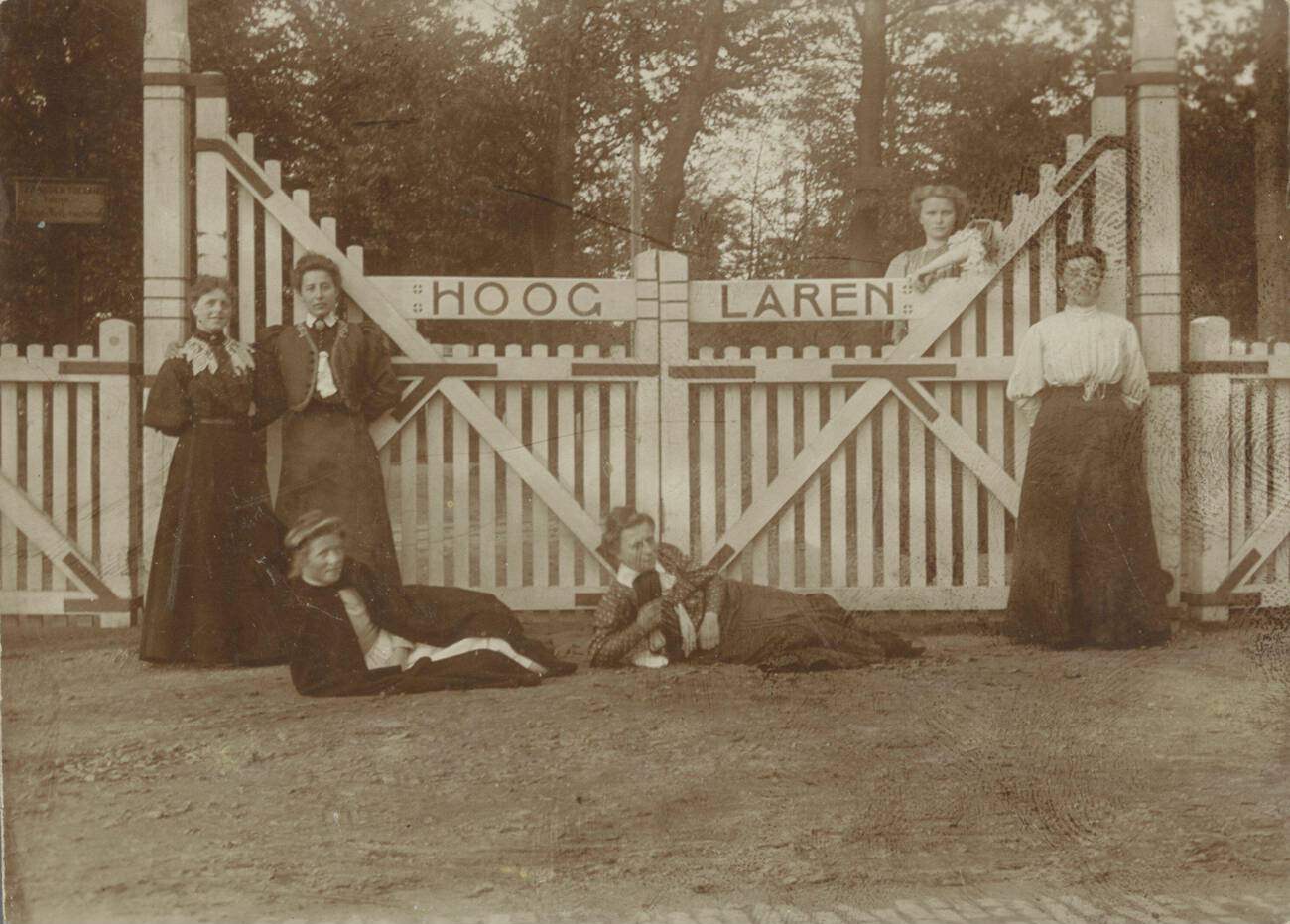
For middle-class Dutch women, leisure time in parks and outdoor spaces was a feature of life in this era. Photography was becoming more accessible, and images like this one — taken by artist Pierre Weijnen — capture informal moments that were rarely documented before. Public parks and green spaces in Dutch cities had expanded during the late 19th century as part of urban improvement programs.
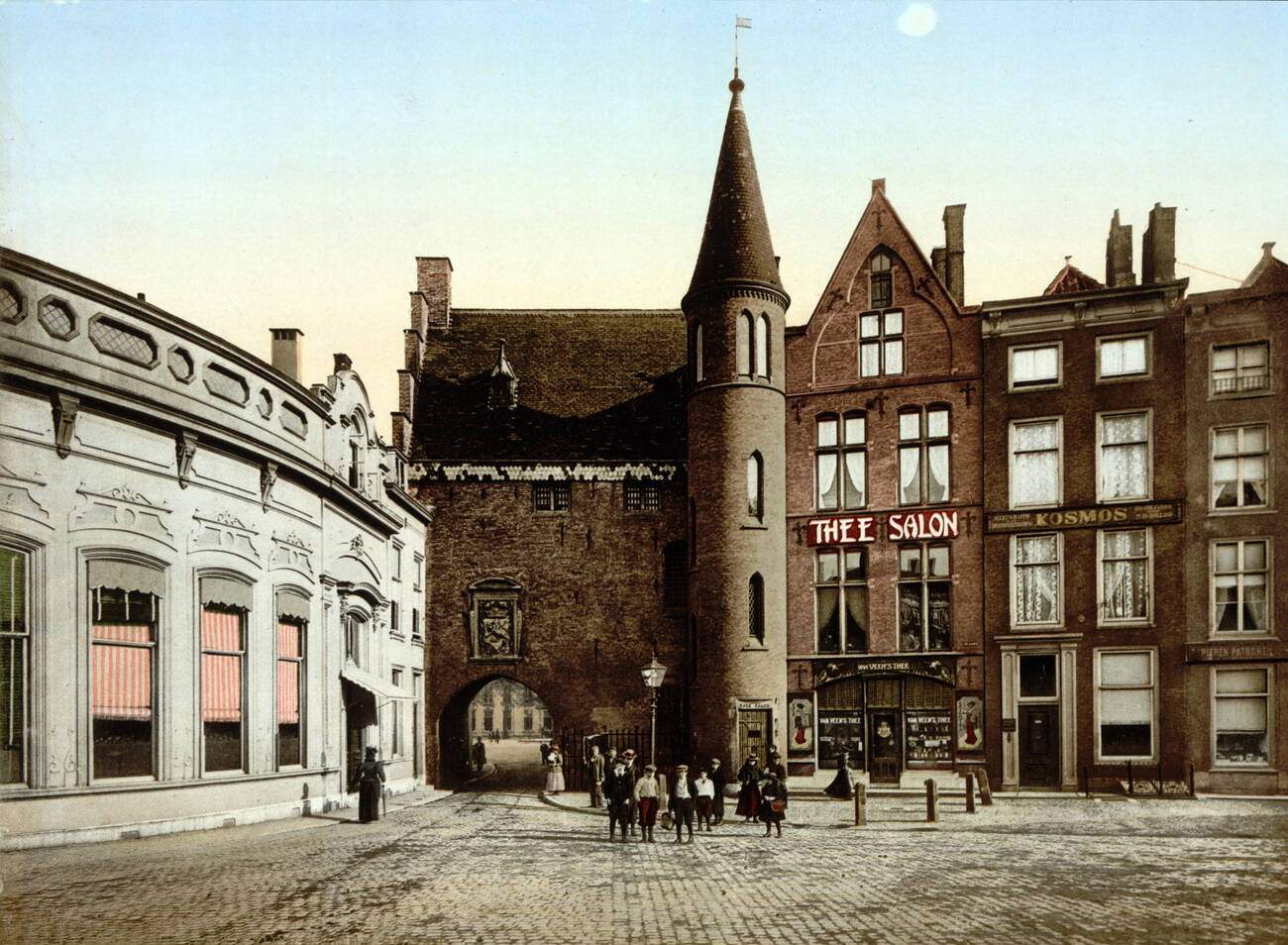
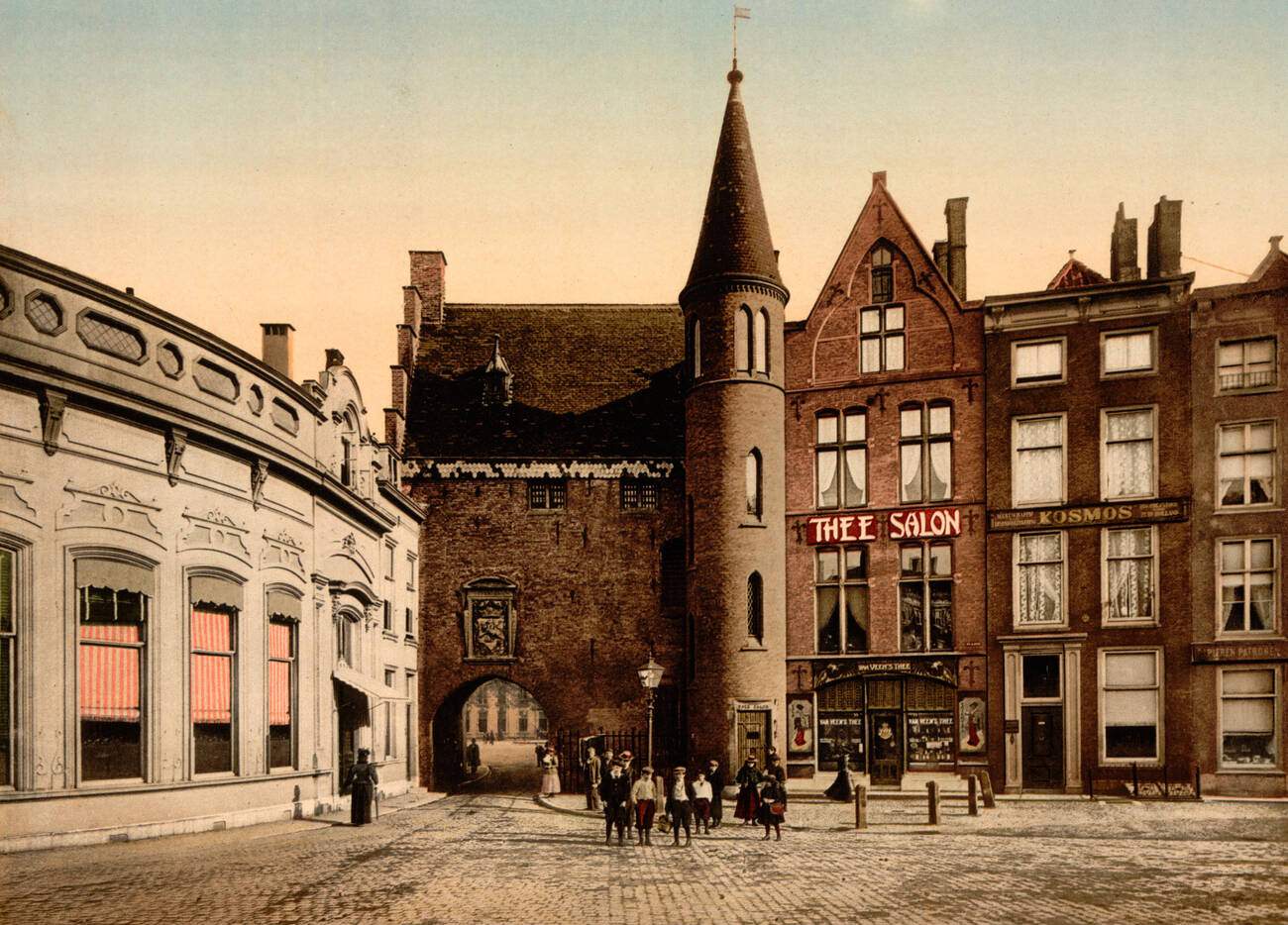
The Gevangenpoort, or Prisoner’s Gate, in The Hague was a medieval structure that had served as a prison and place of torture for centuries. By 1900, it had been converted into a museum, making it one of the earliest examples of a Dutch historical site being preserved for public education. The building’s dark past was on full display for visitors.
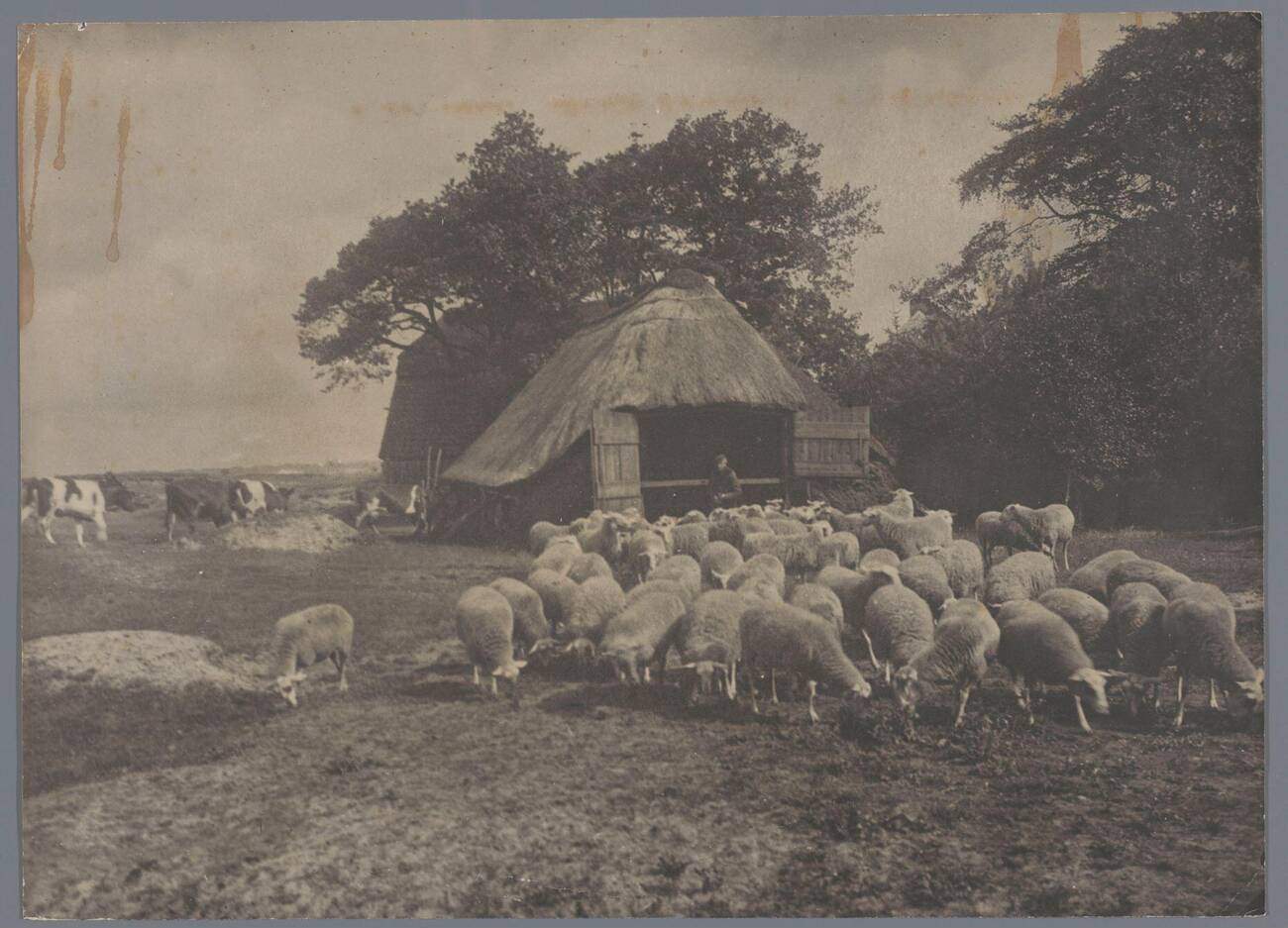
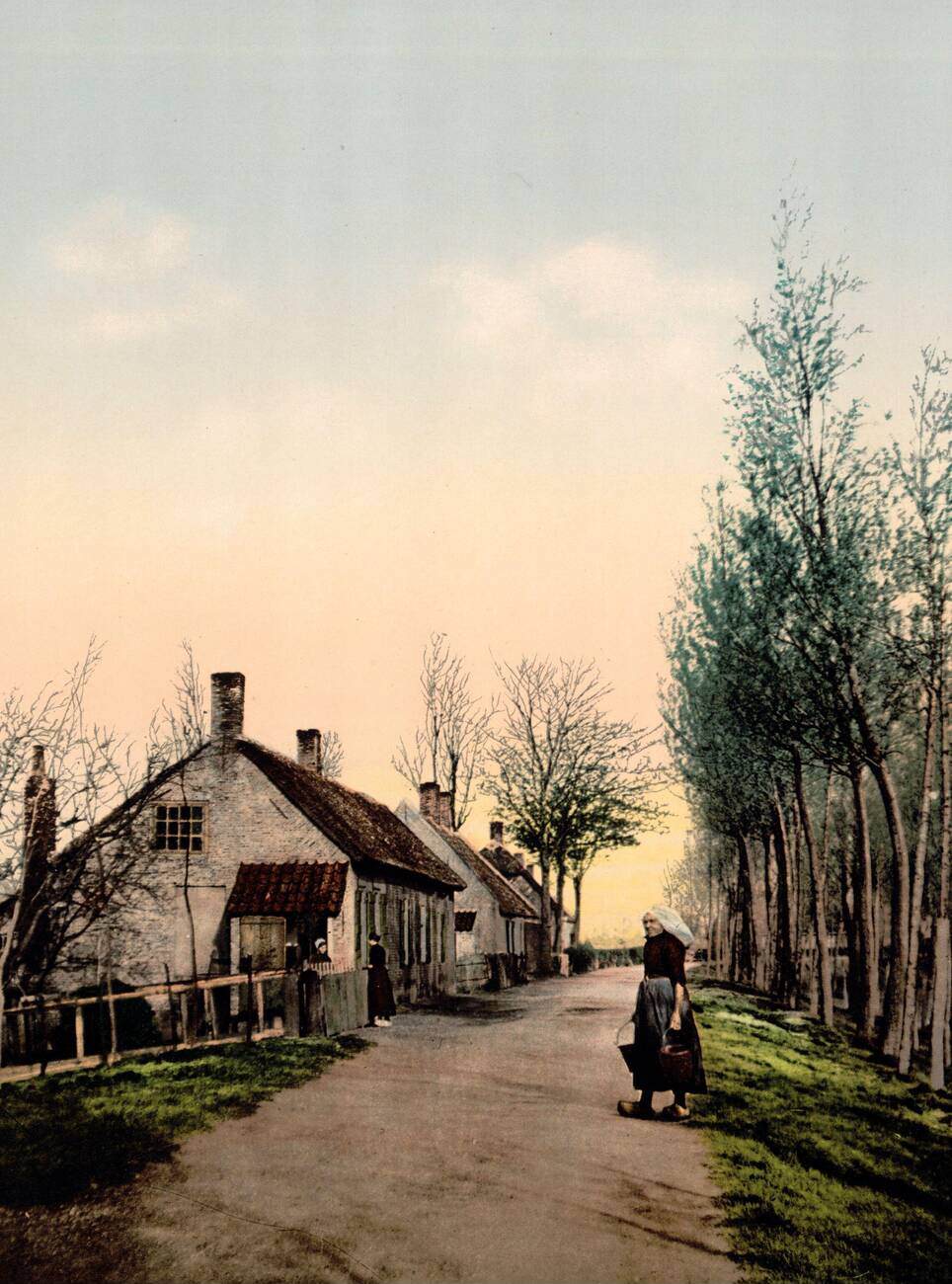
The Dutch countryside in 1900 was a patchwork of farms, meadows, and waterways. Livestock farming — sheep, cattle, and dairy cows — was central to rural life. Farmers worked large flat fields that had often been reclaimed from marshland or the sea over previous centuries. The Netherlands exported butter, cheese, and livestock to Britain and Germany in significant quantities.
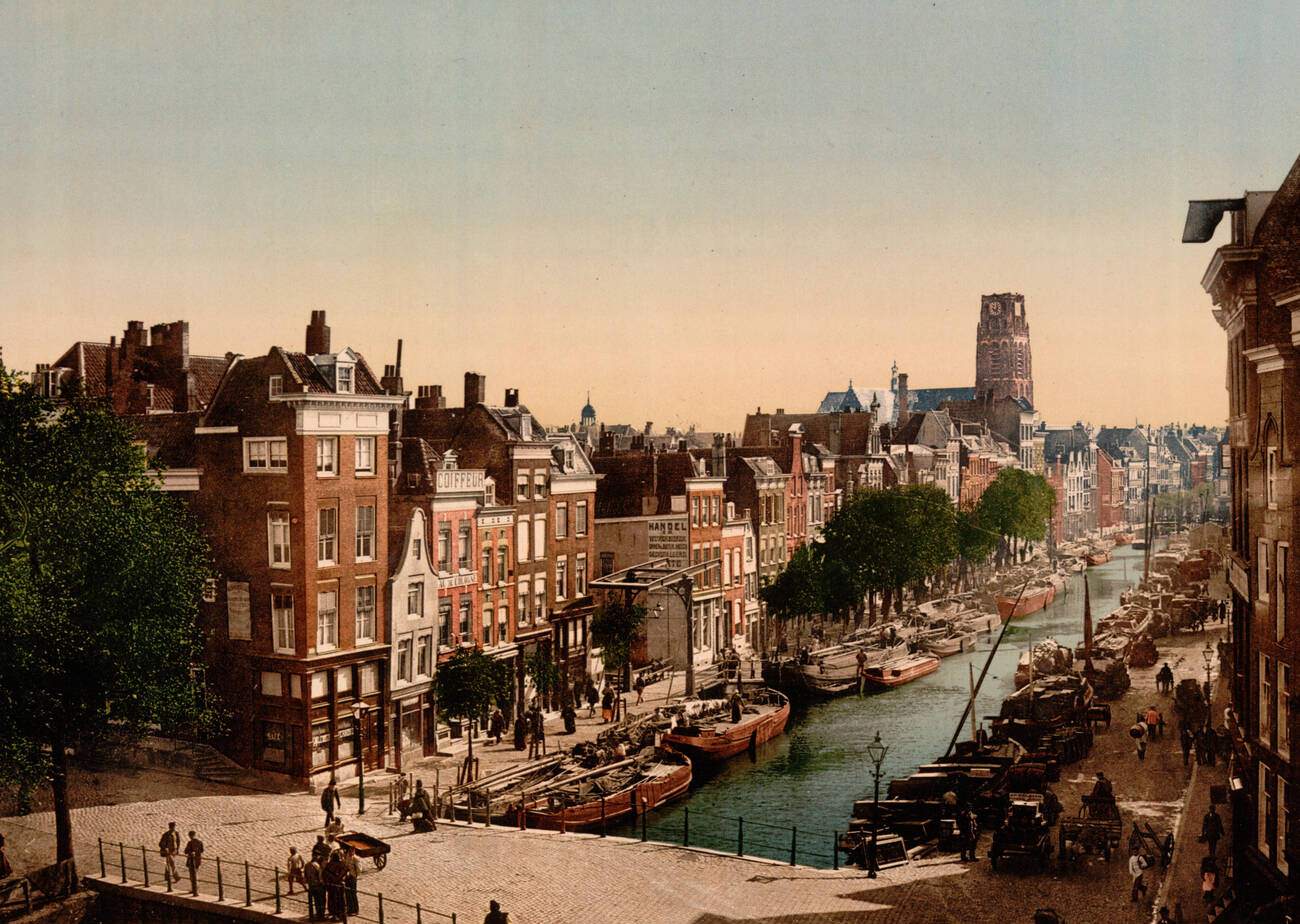
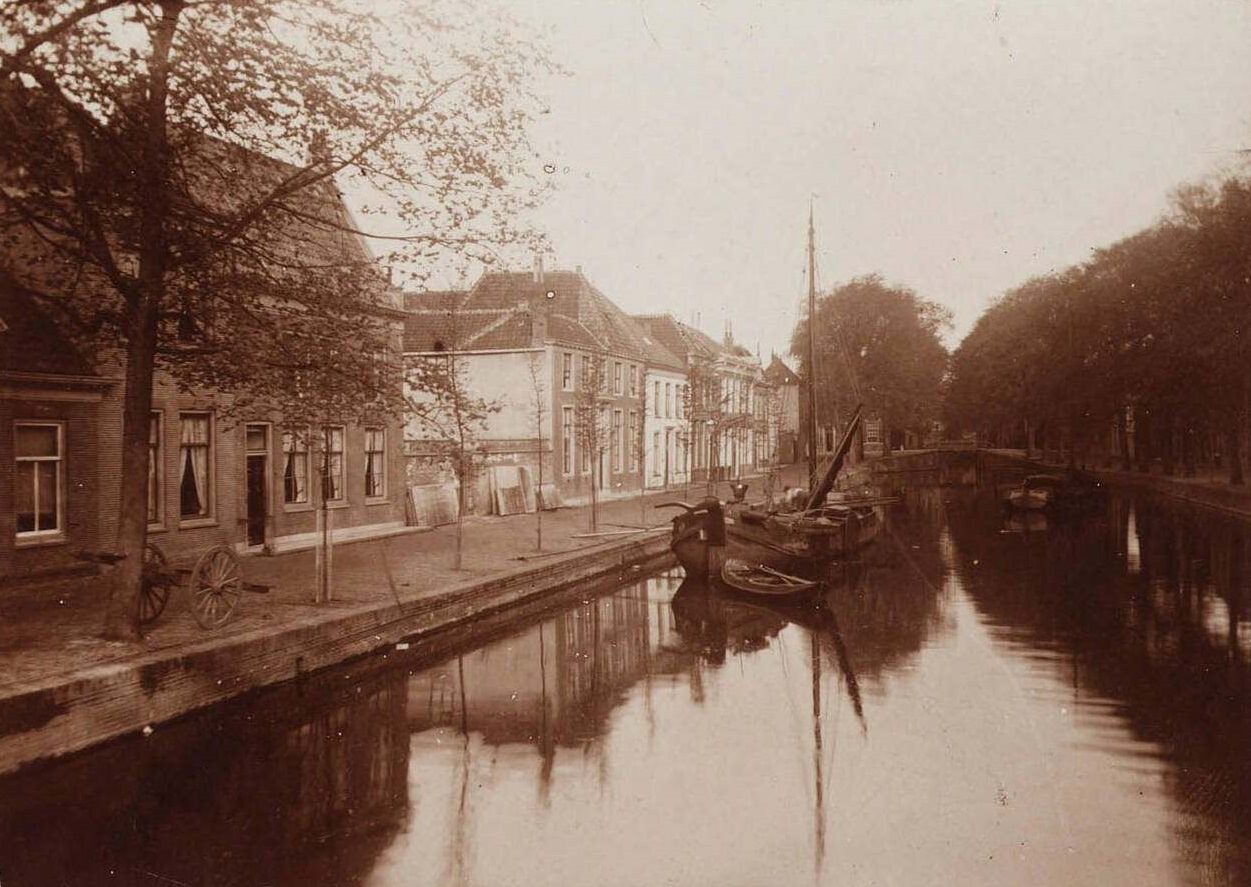
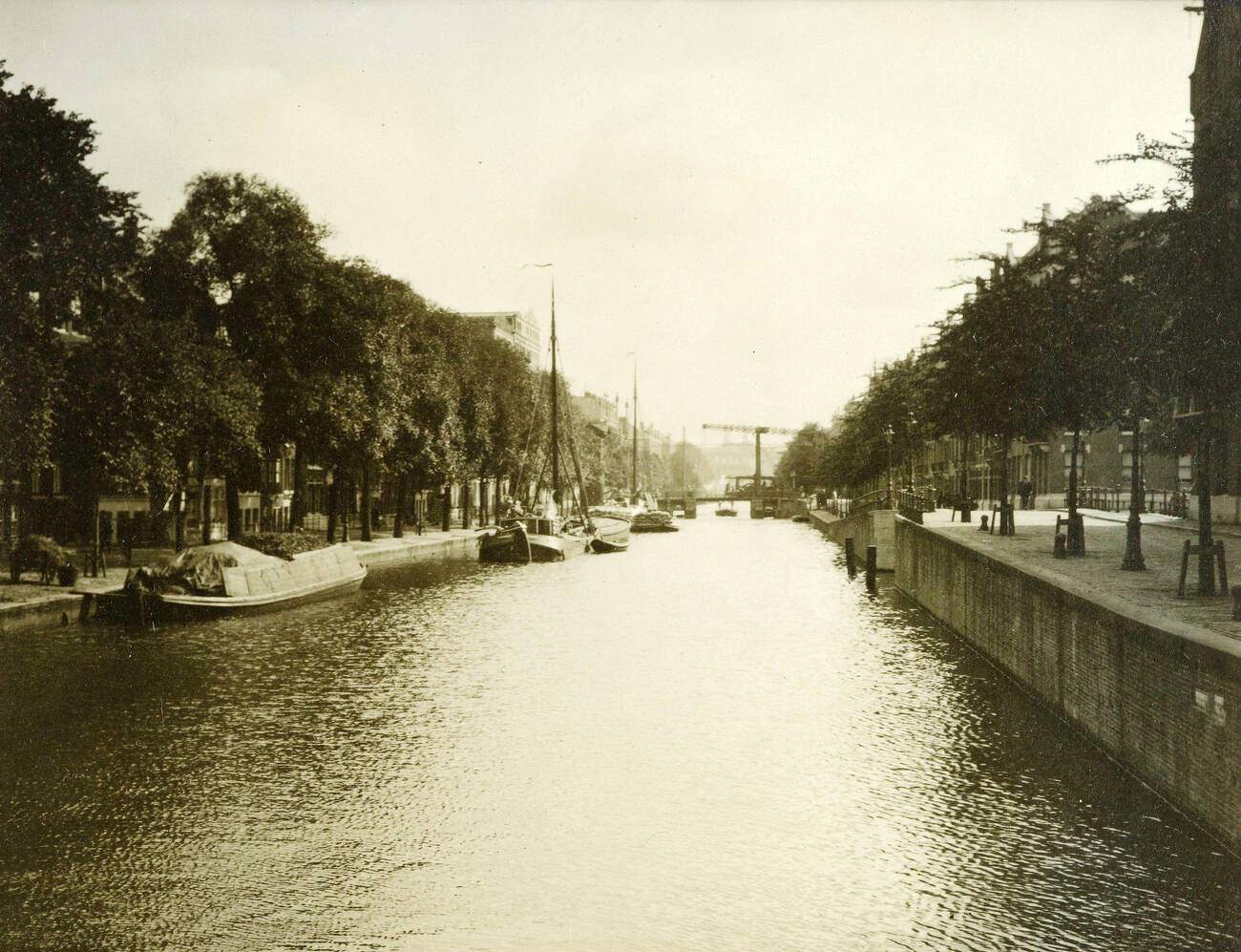
Utrecht’s Oudegracht — the Old Canal — was one of the most distinctive waterways in the Netherlands. Unlike Amsterdam’s canals, the Oudegracht sat below street level, with cellars and wharves built directly into the canal walls. These lower-level spaces were used for storage and trade, giving Utrecht’s waterfront a layered, almost subterranean character.
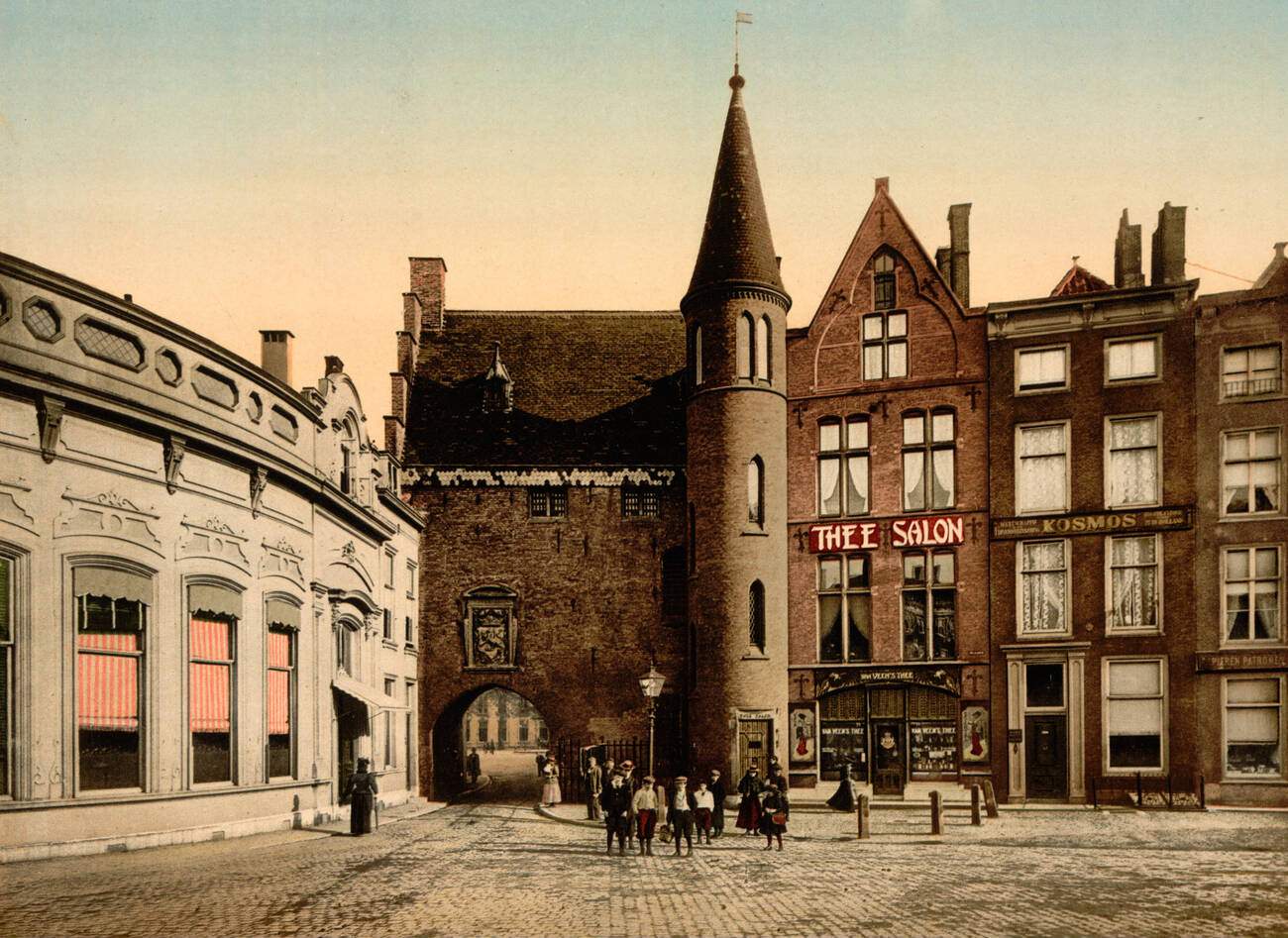
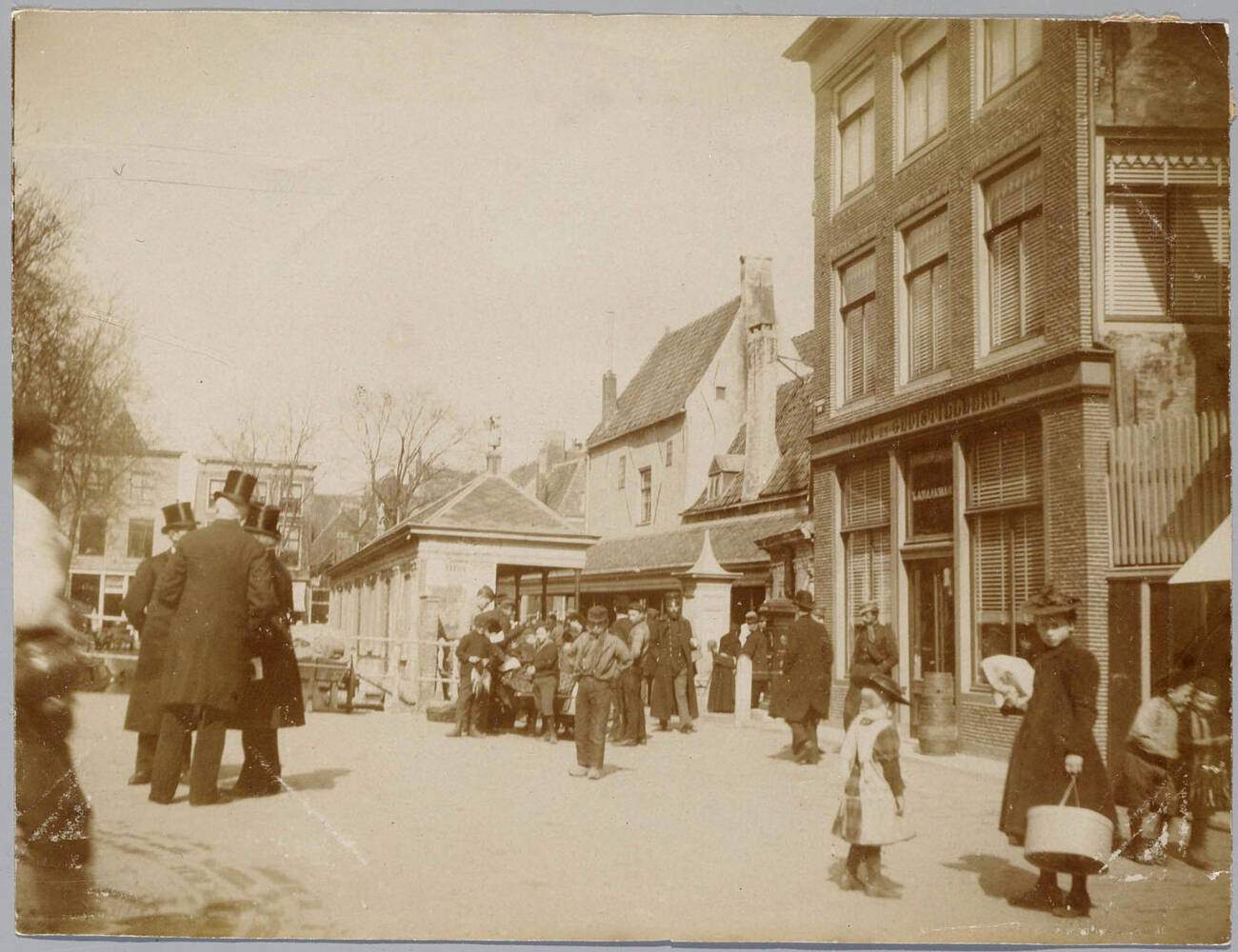
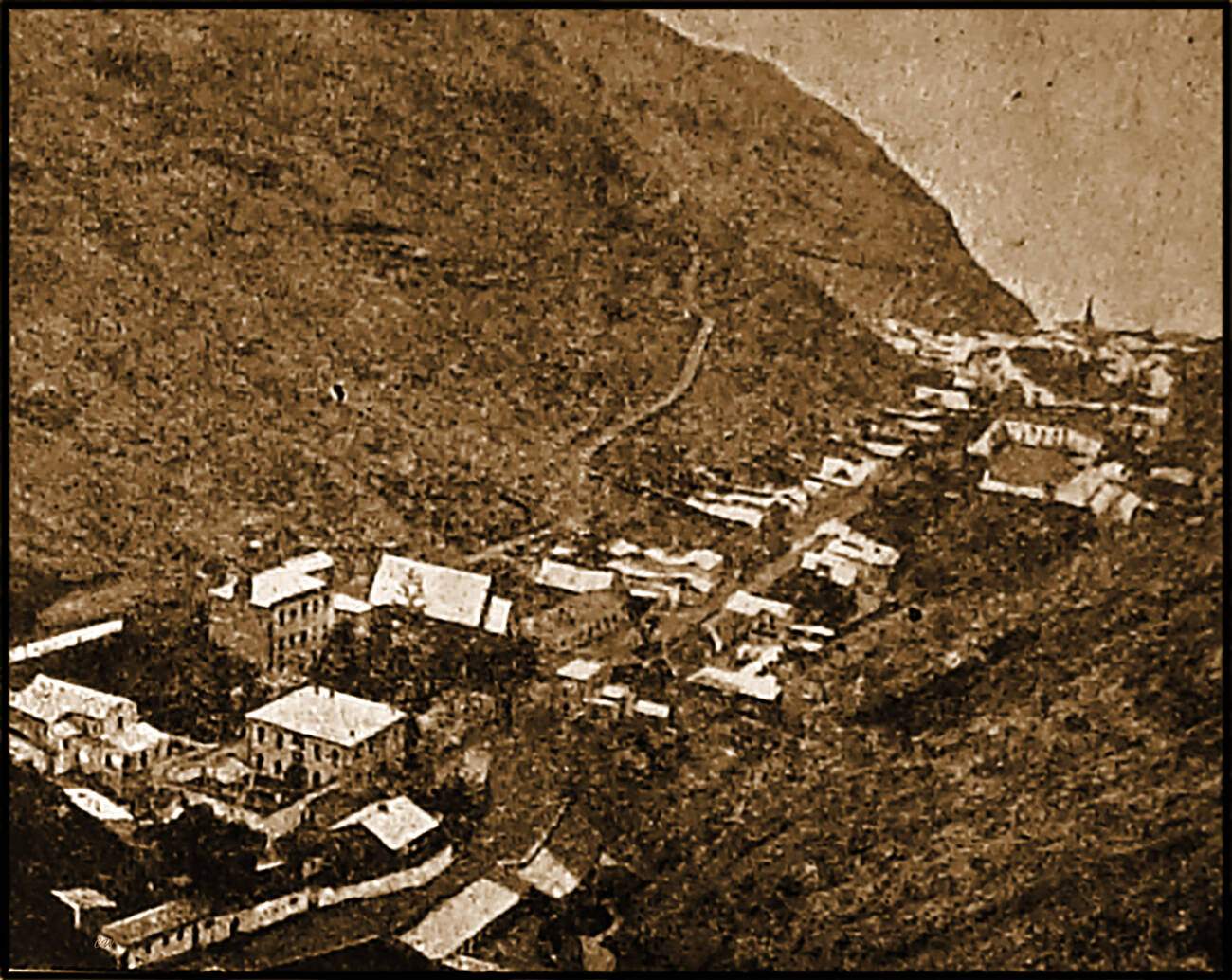
The Dutch colonial empire in 1900 stretched well beyond the country’s borders in Europe. The Dutch East Indies — modern-day Indonesia — was the most valuable colony, supplying rubber, coffee, sugar, and spices. Suriname in South America and islands in the Caribbean, including Curaçao, also fell under Dutch control. Colonial revenues flowed back to the Netherlands and helped fund domestic development, though the system depended on forced labor and the exploitation of colonized peoples.
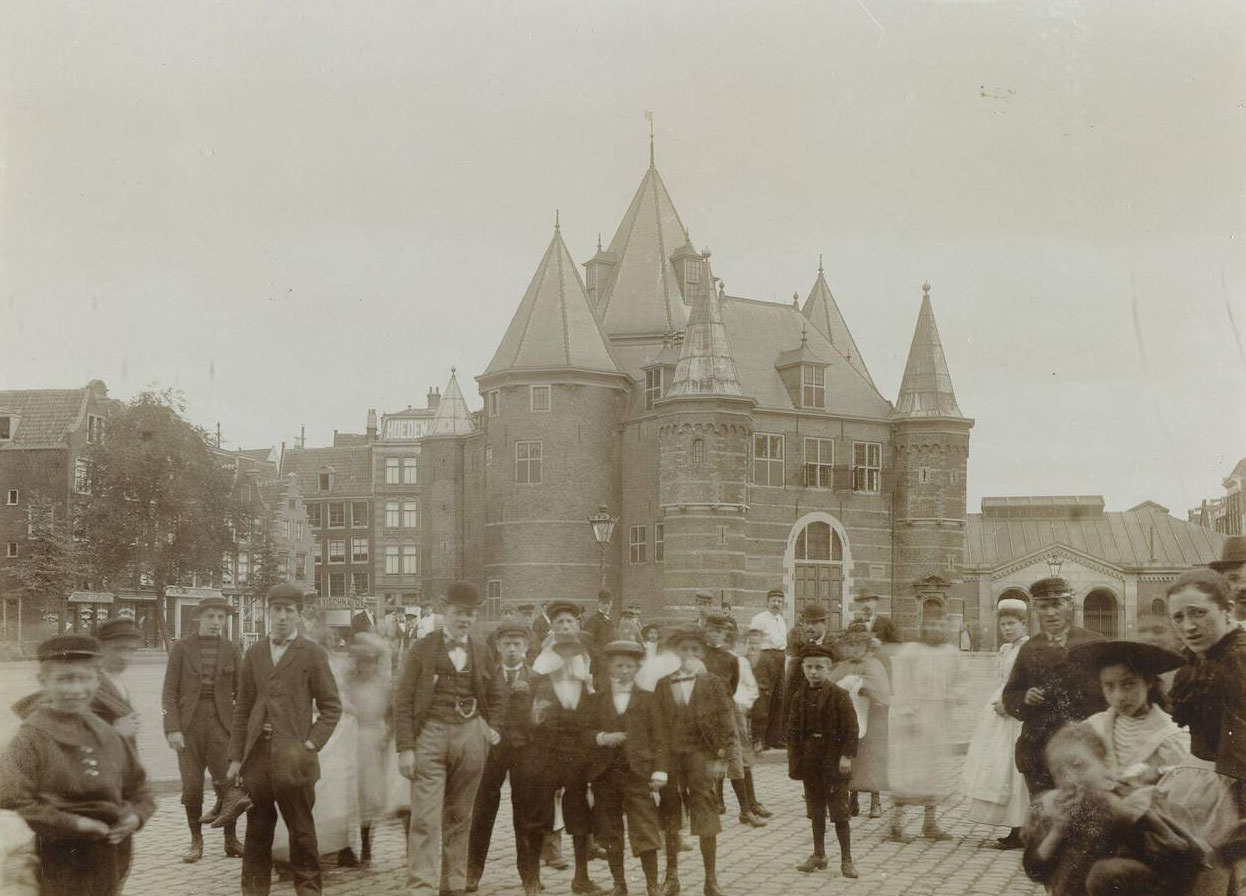
The St. Anthony Waag, built in 1488, was one of Amsterdam’s oldest surviving structures. Originally a city gate, it had been repurposed as a weighing house for goods brought into the city. By 1900, it anchored the Nieuwmarkt — a busy public square where traders and residents gathered regularly. Buildings like this one showed how medieval infrastructure had been adapted to serve a modern commercial city.
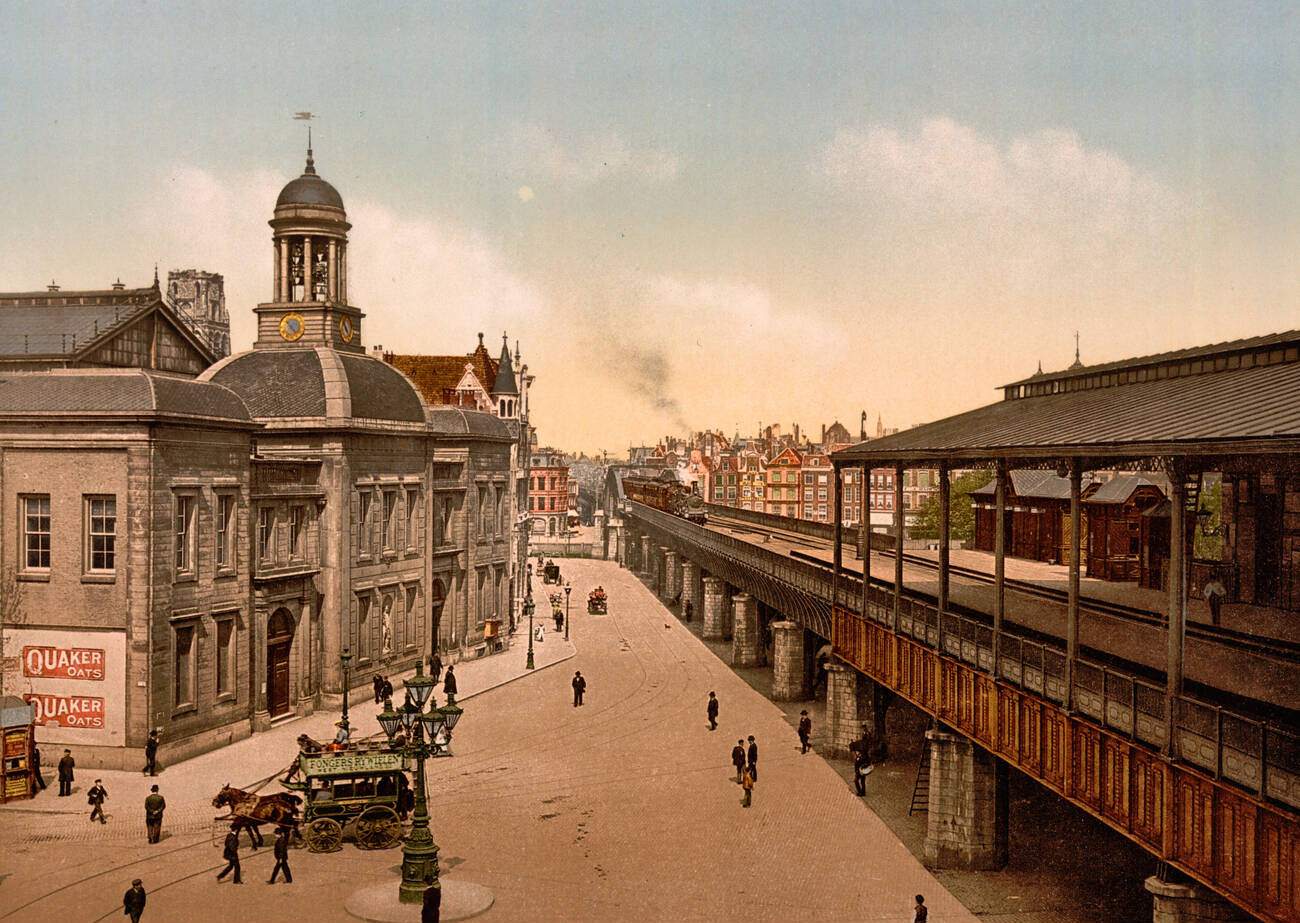
Rotterdam’s Bourse, or stock exchange, was the financial center of the city. Amsterdam also maintained a major exchange, and Dutch banks played an active role in international trade and investment. The country’s financial system was well-developed relative to other European nations, and foreign investors viewed the Netherlands as a stable and reliable environment for capital.
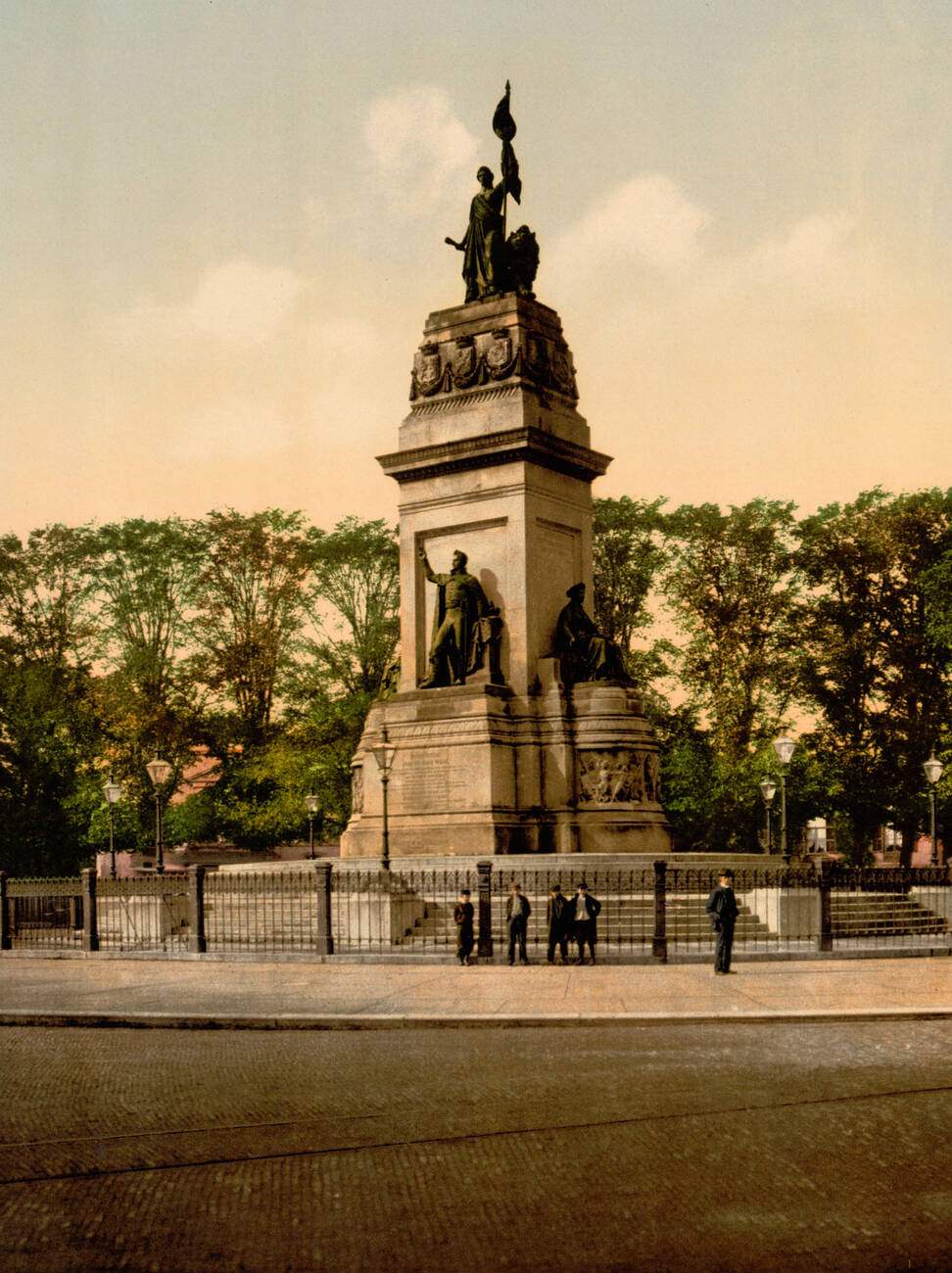
The National Monument of 1813 in The Hague commemorated the end of French rule over the Netherlands and the restoration of Dutch sovereignty. It stood as a reminder of the country’s independence — a value that informed Dutch foreign policy in 1900. The Netherlands maintained neutrality in European conflicts during this period, a position that would hold through World War I.
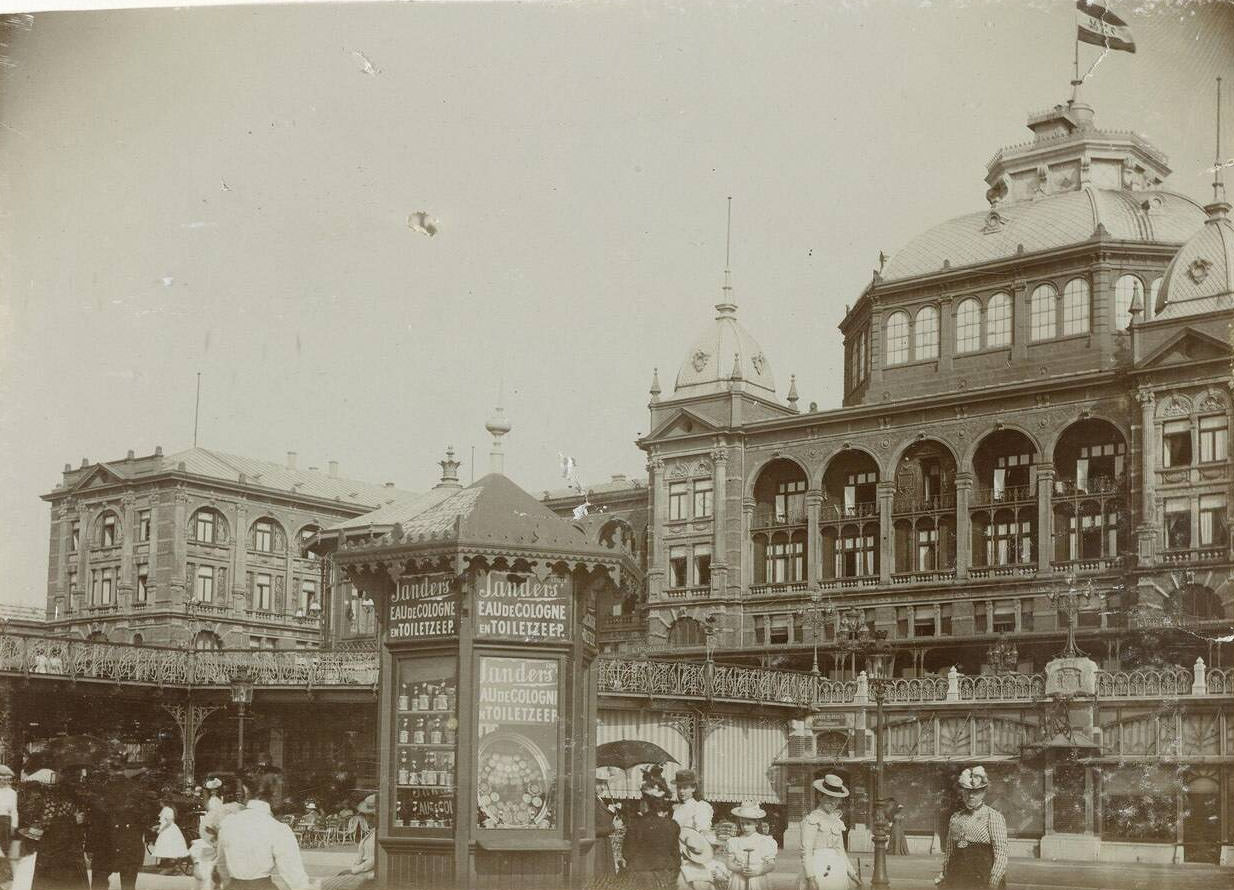
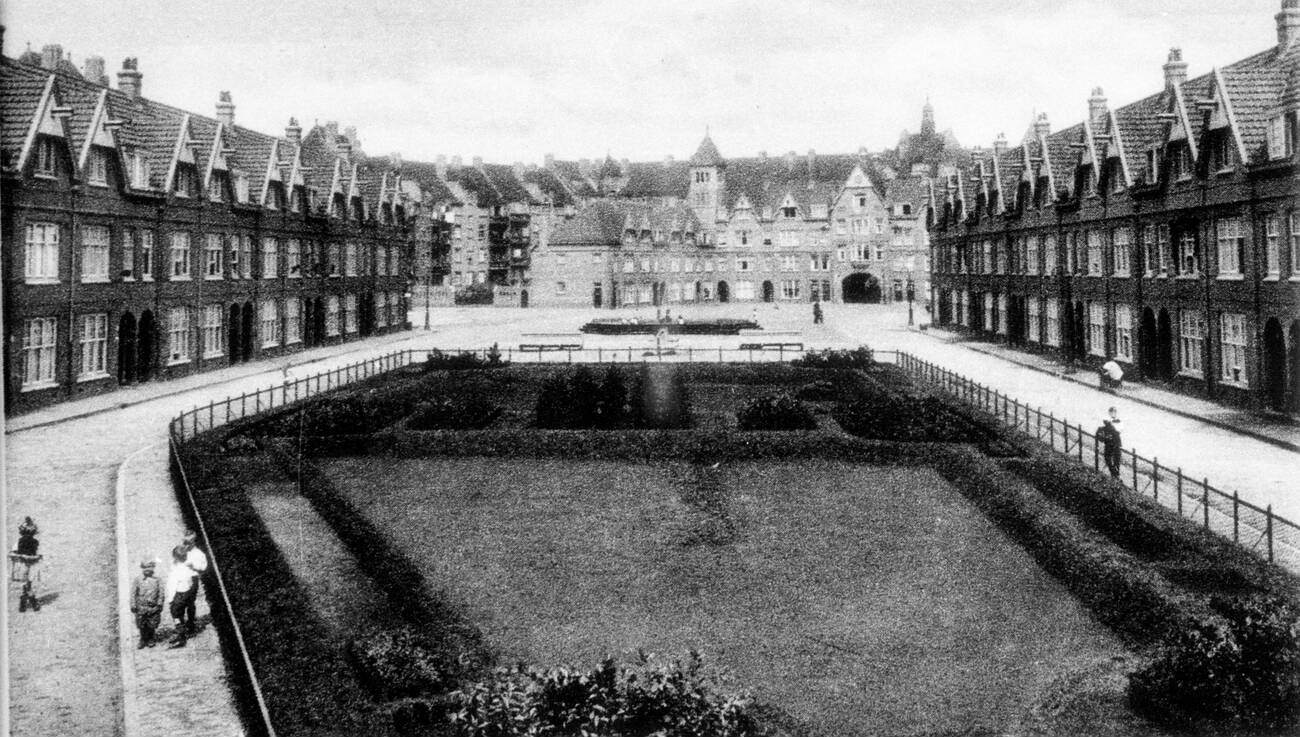
Scheveningen’s Kurhaus hotel was one of the grandest buildings on the Dutch coast. Built in 1885, it catered to wealthy guests who came to enjoy sea bathing, concerts, and the casino. The resort drew visitors from across Europe, and its beach became one of the most photographed locations in the Netherlands during this era.
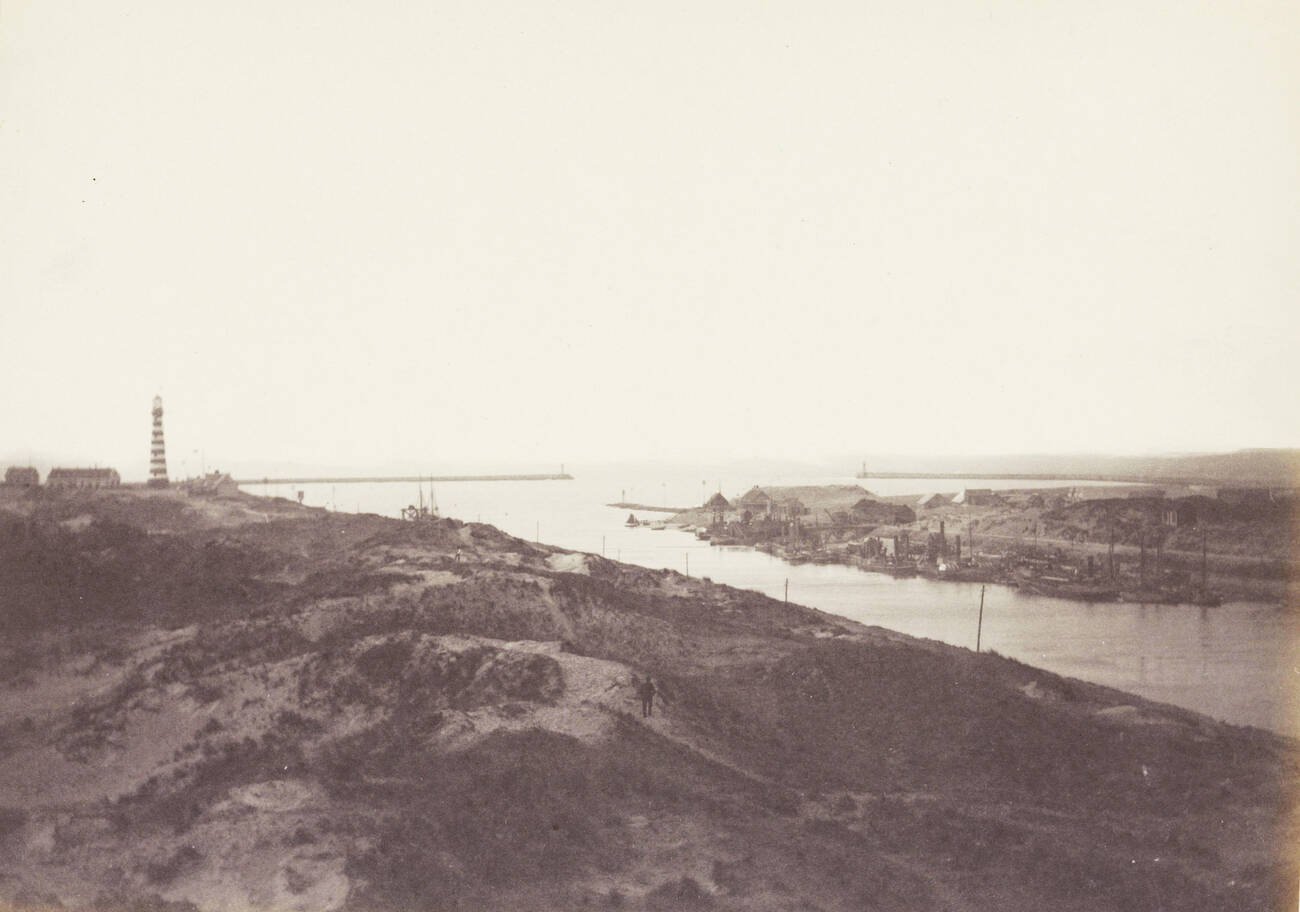
The port of IJmuiden, at the mouth of the North Sea Canal, was a crucial gateway for Dutch shipping. Built in the 1870s to give oceangoing vessels direct access to Amsterdam, the canal bypassed the shallow waters of the Zuiderzee. By 1900, large steamships regularly passed through IJmuiden’s locks, connecting the Netherlands to trade routes around the world.
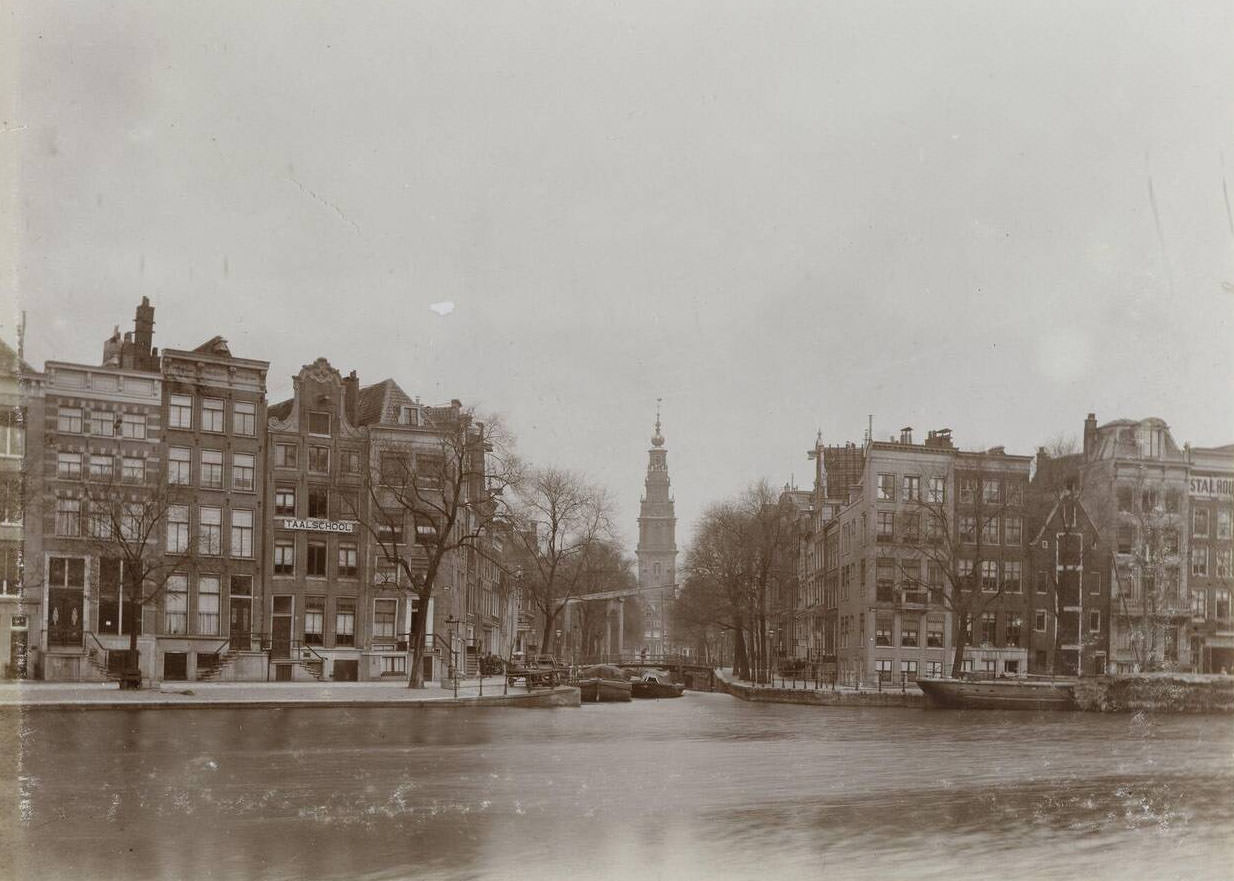
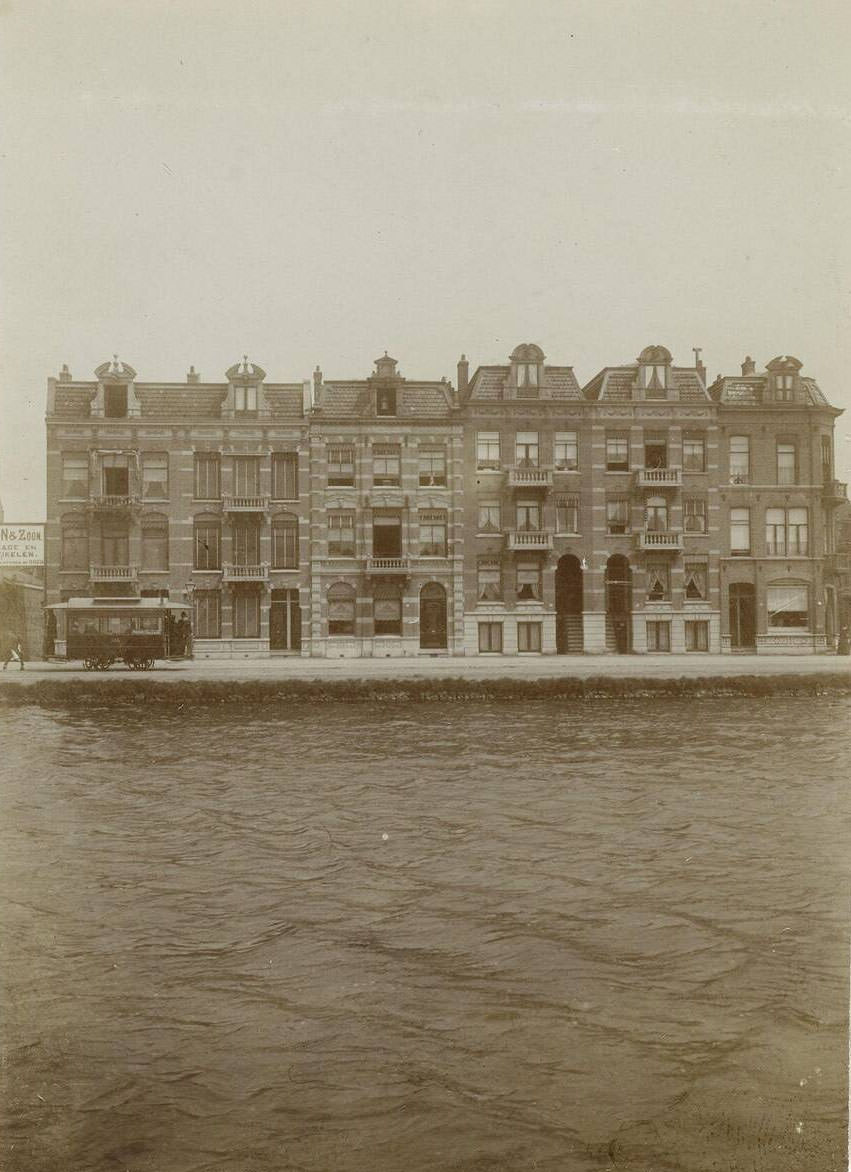
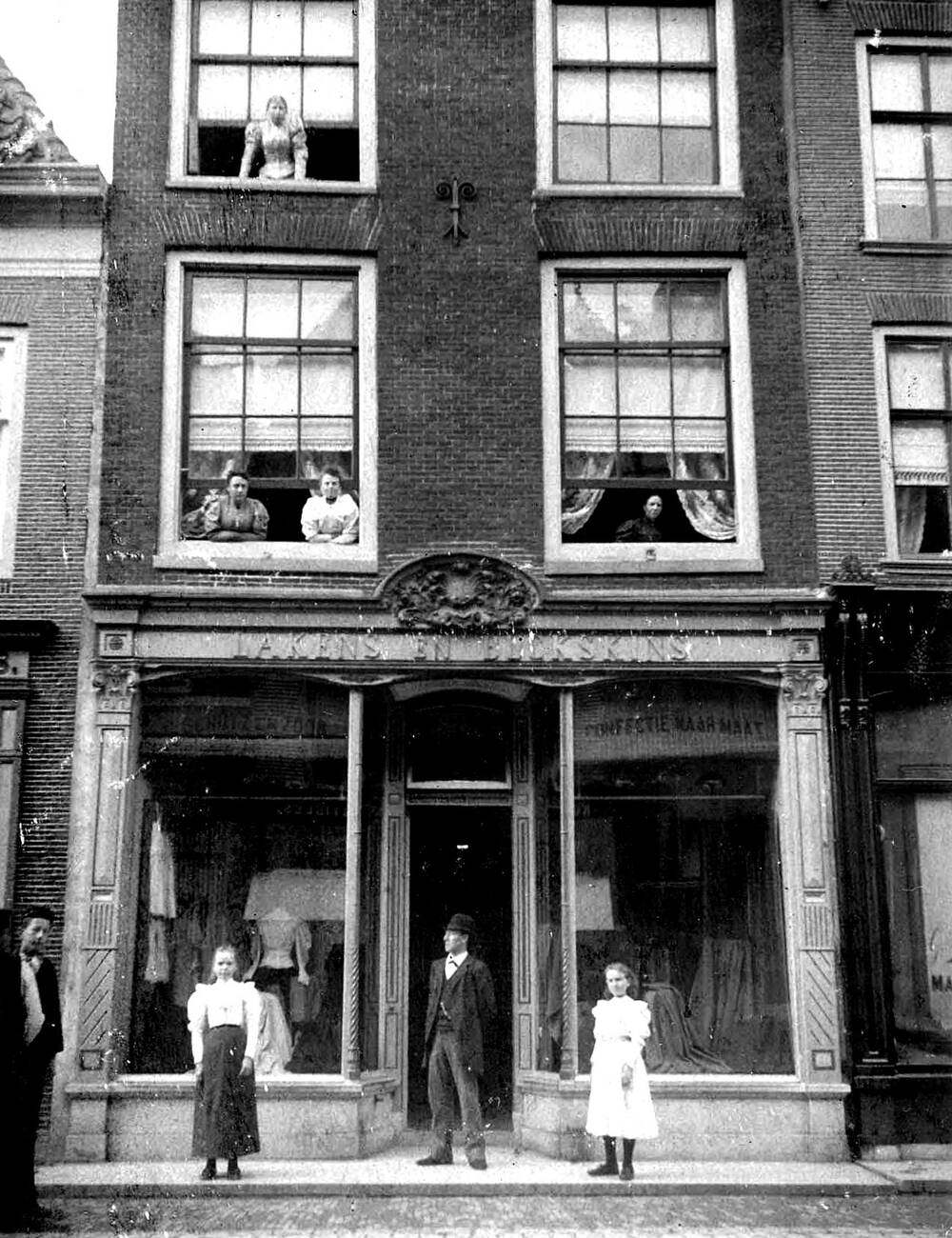
Amsterdam’s waterfront terraced houses were built closely together, with narrow façades that reflected the property taxes of earlier centuries — which were calculated by the width of a building’s street-facing front. Many of these houses leaned slightly forward, a deliberate feature that made it easier to hoist goods up to the upper floors using the hooks and pulleys that still protruded from the gables.
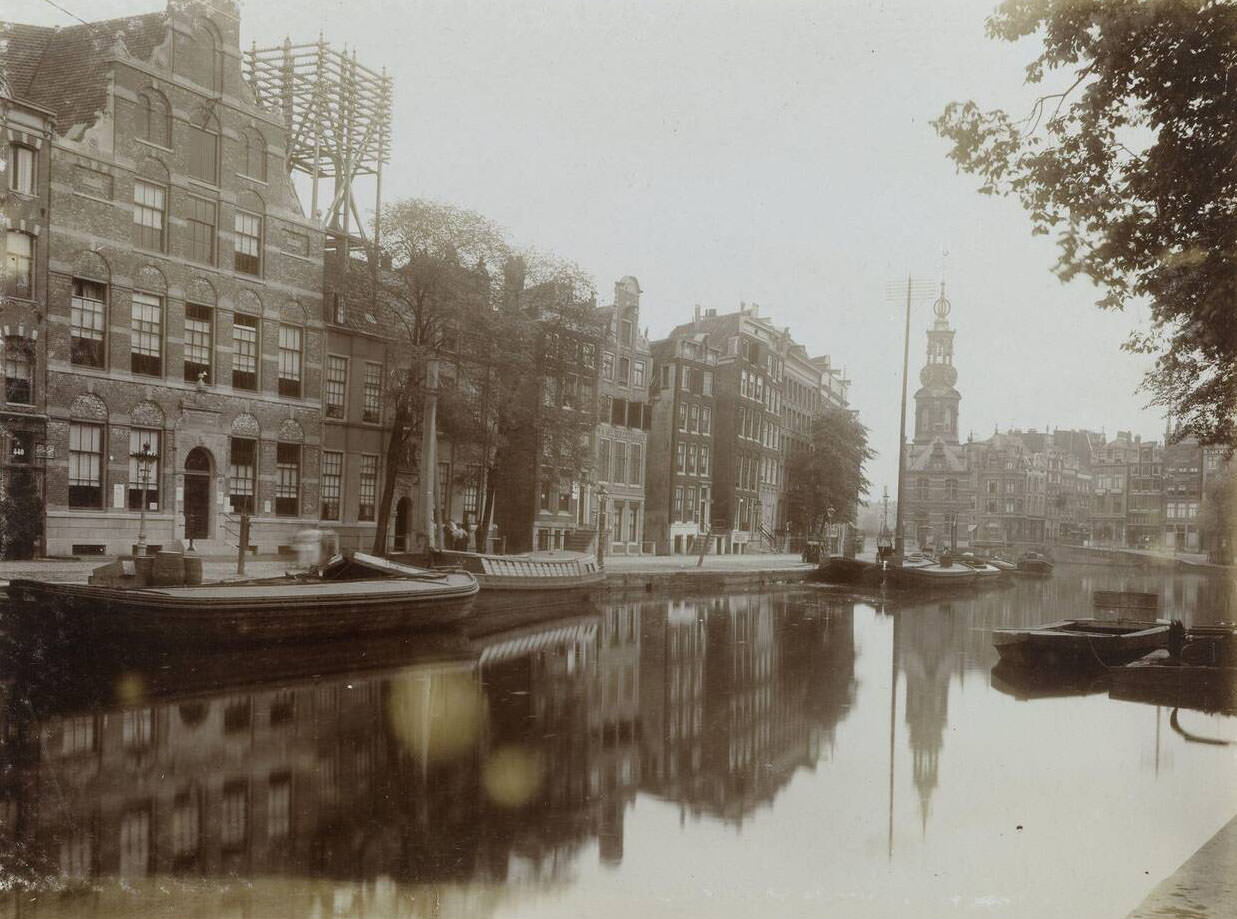
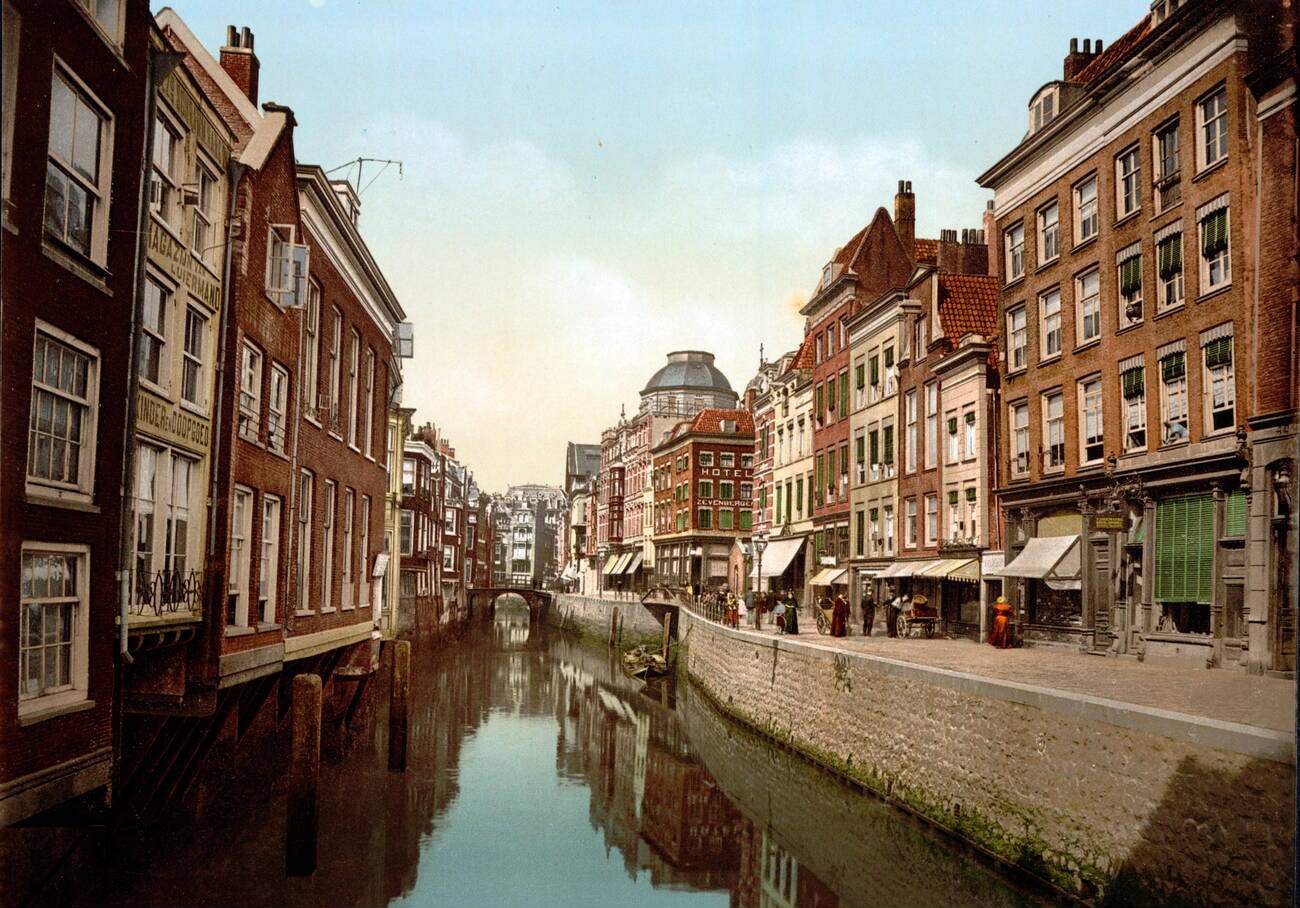
Haarlem’s peat market served a practical function: peat was a primary fuel source for heating and cooking in Dutch homes at the turn of the century. The Great Church of Haarlem — St. Bavo’s — loomed over the market square, as it had for centuries. Haarlem was also a center of the Dutch flower industry, particularly tulips and bulbs exported across Europe.
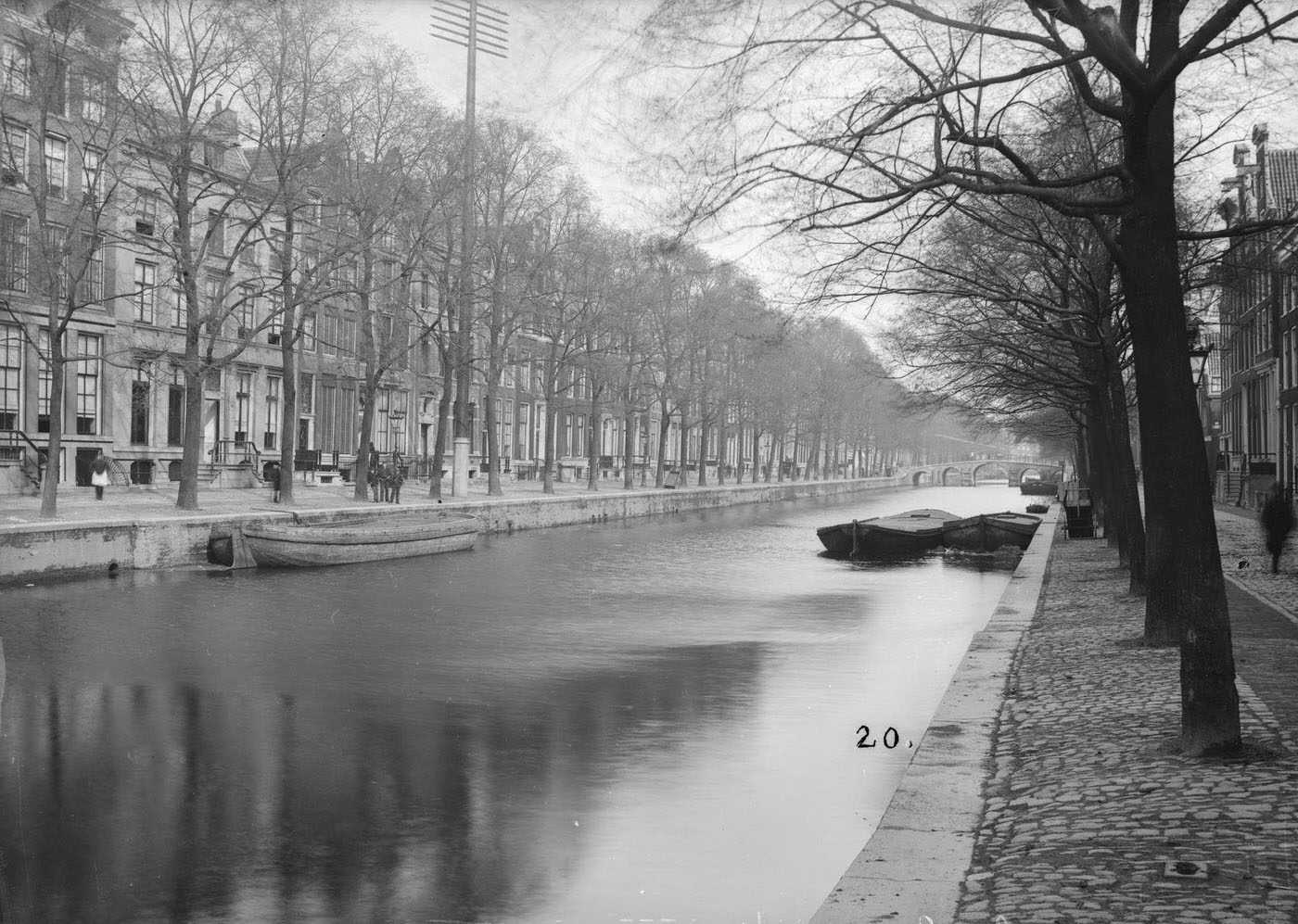
The Keizersgracht, or Emperor’s Canal, was one of the three main concentric canals that made up Amsterdam’s famous canal ring. Lined with 17th-century merchant houses, it remained one of the most prestigious addresses in the city in 1900. Wealthy bankers, merchants, and professionals lived in these tall, ornate buildings, many of which also housed their owners’ businesses on the ground floor.
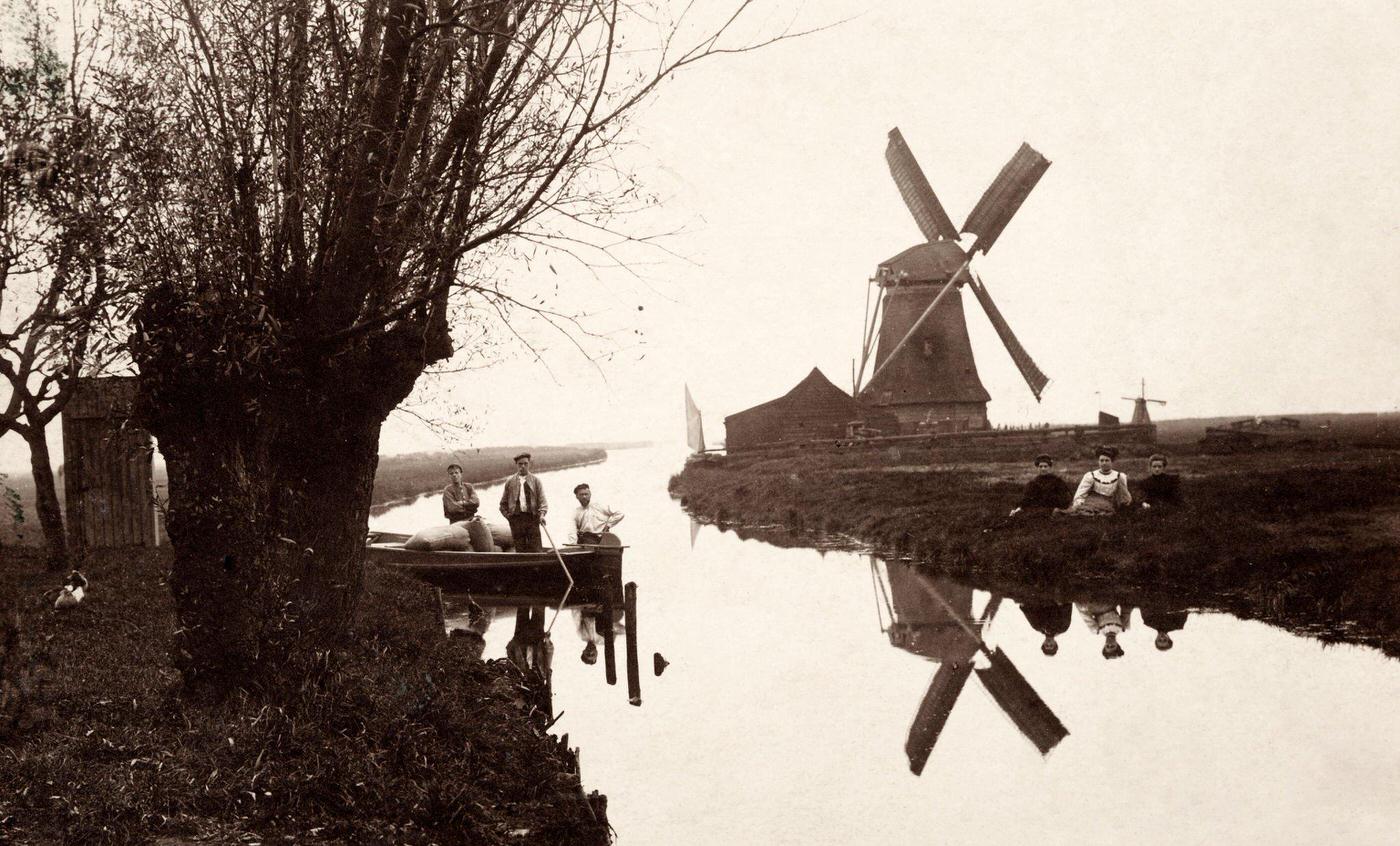
North of Amsterdam, small towns like Wormer retained a rural character well into the early 20th century. Windmills still operated alongside canals, and the landscape of flat fields, water, and sky was largely unchanged from previous generations. These areas supplied Amsterdam and other cities with grain, dairy, and other agricultural goods.
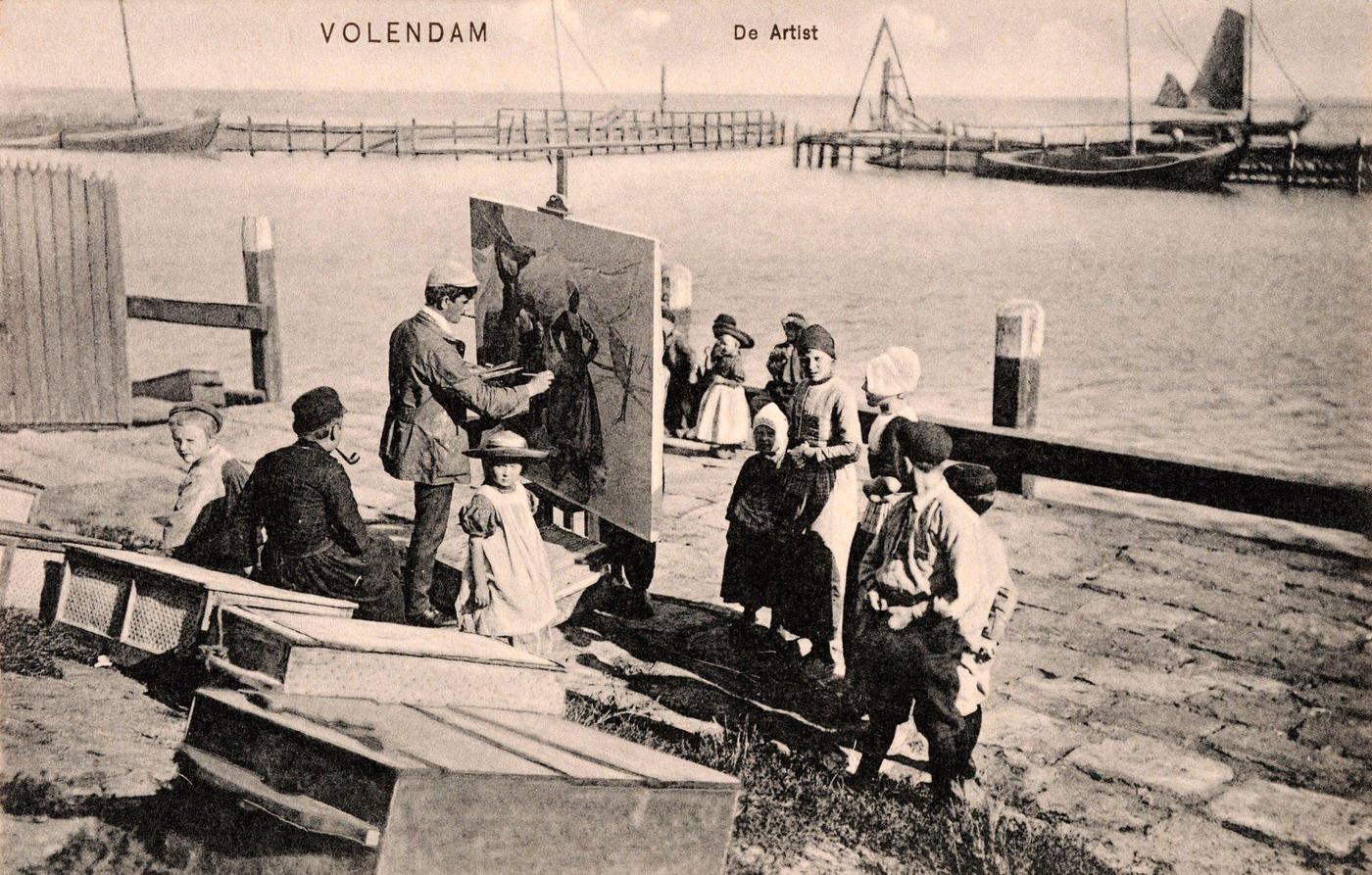
The fishing village of Volendam attracted artists from across Europe in the early 1900s. Its distinctive costumes, wooden boats, and canal-side streets made it a favorite subject for painters working outdoors. Swedish painter Ivar Kamke was one of many foreign artists who traveled to Volendam to capture scenes of traditional Dutch life that were increasingly rare in modernizing cities.
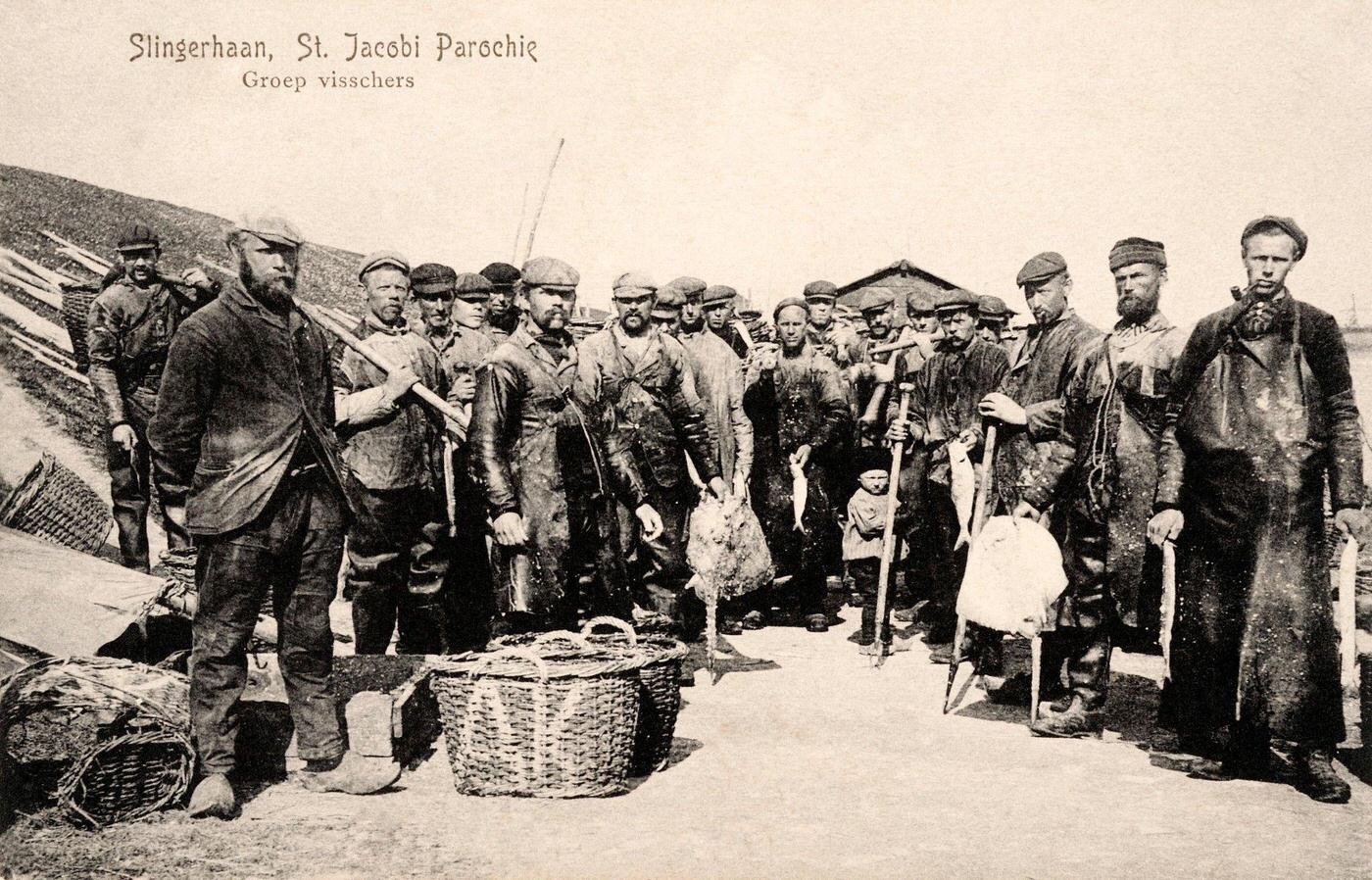
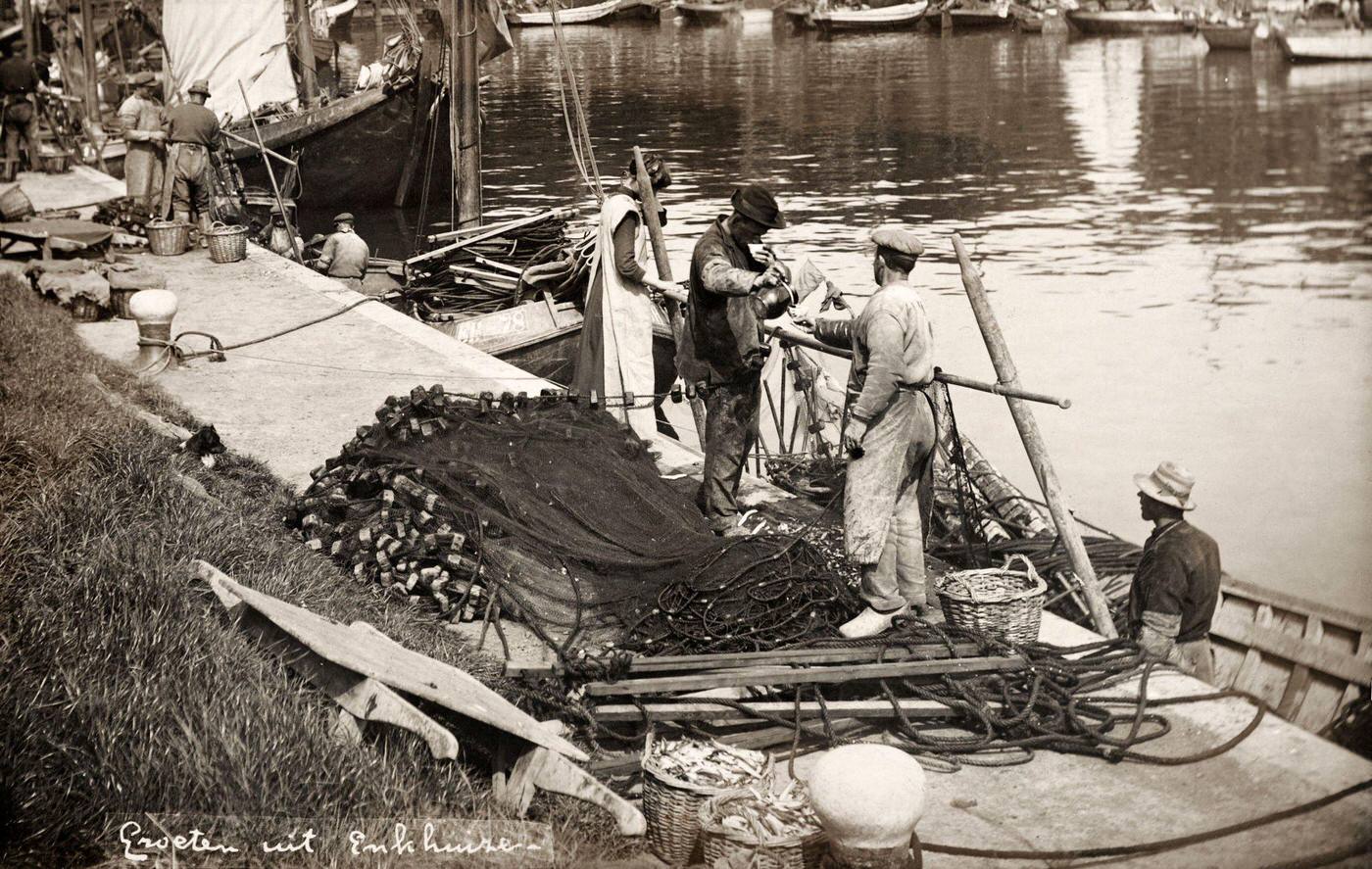
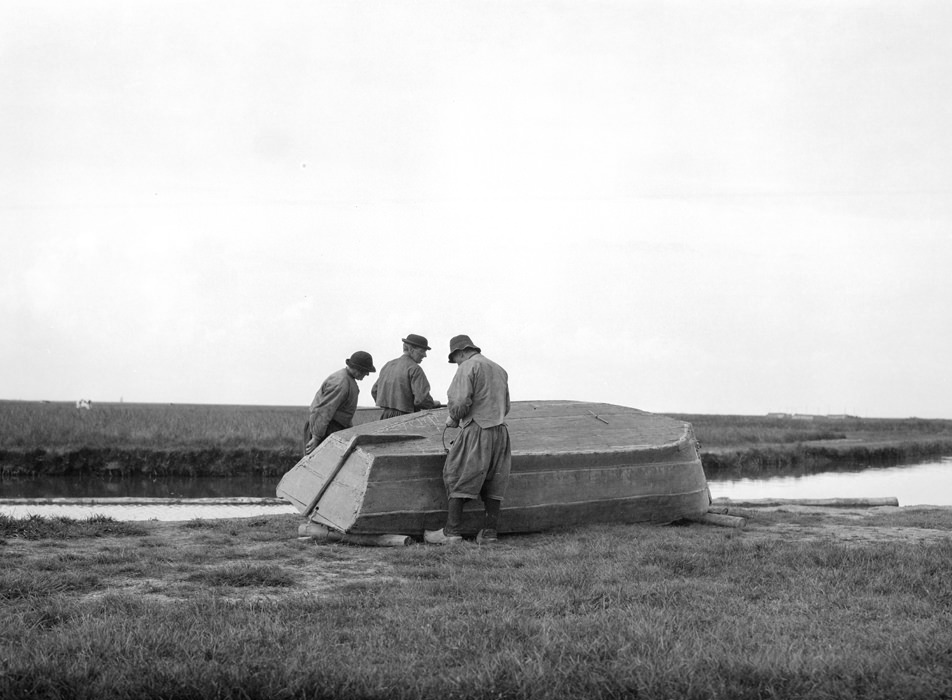
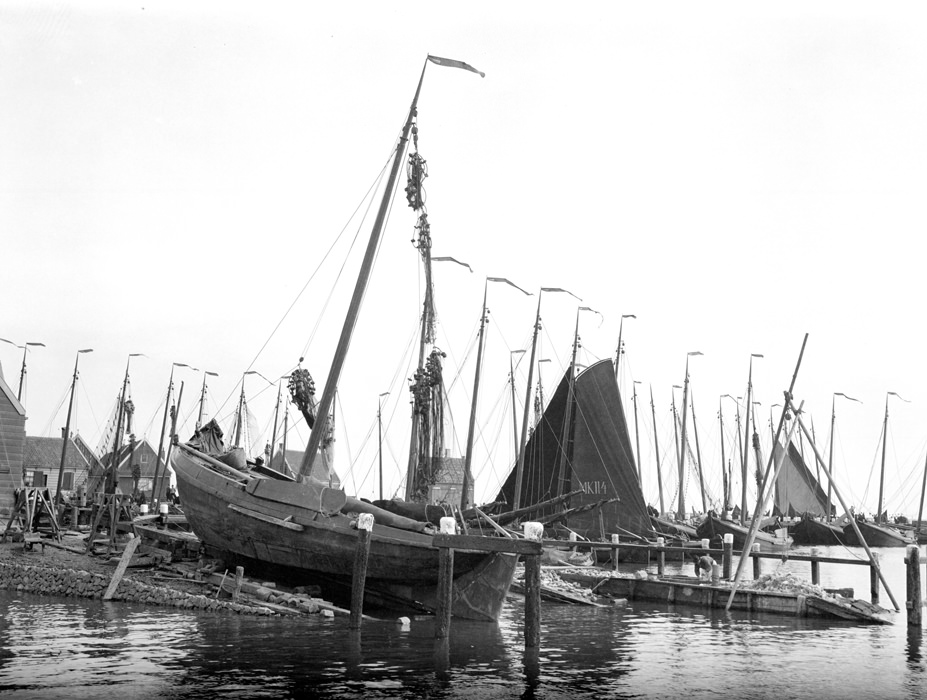
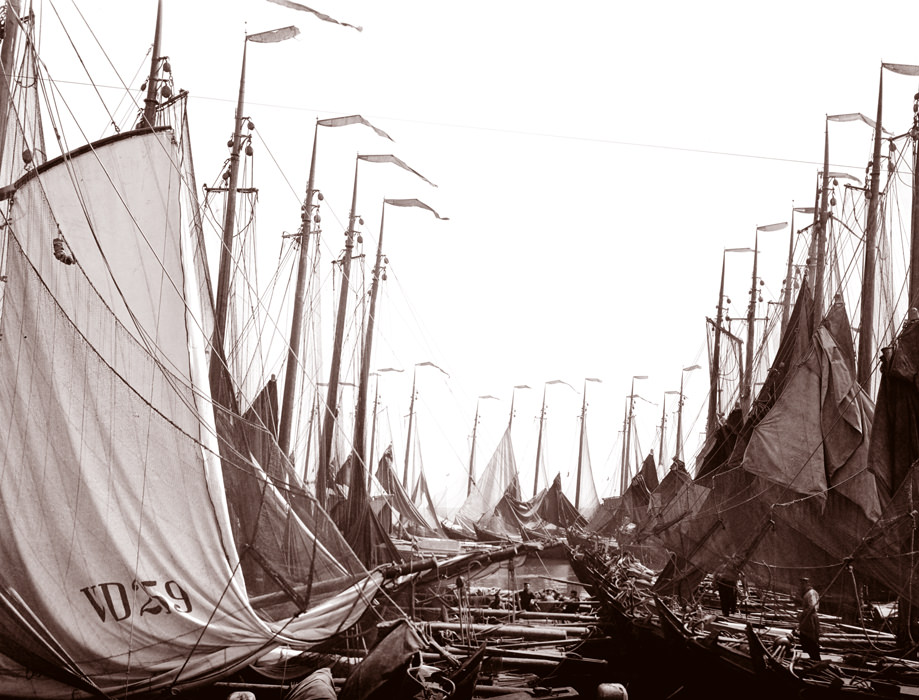
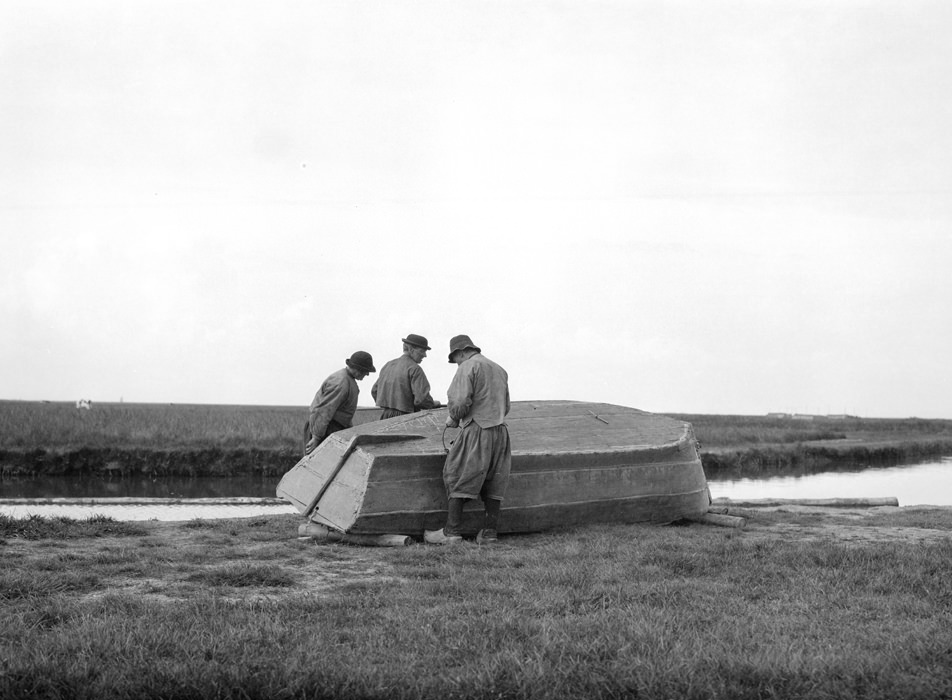
Fishing was a central occupation for many Dutch communities, particularly those along the Zuiderzee and the North Sea coast. Fishermen worked with nets, baskets, and small wooden boats, targeting herring, anchovy, and eel. The catch was sold fresh at local markets or preserved for export. For many coastal families, fishing was the primary source of income.
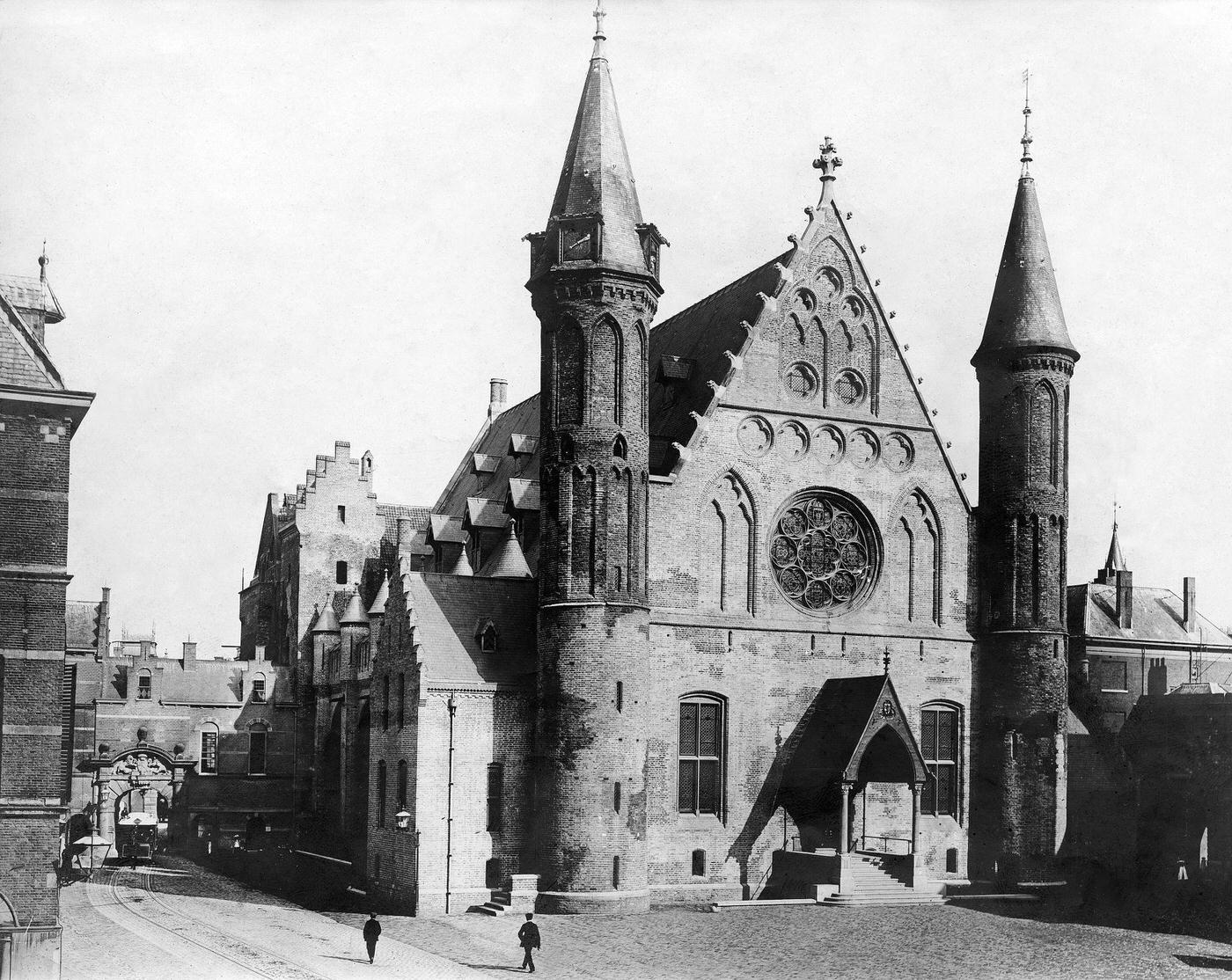
The Knights’ Hall in The Hague — known in Dutch as the Ridderzaal — was built in the 13th century and served as the ceremonial center of Dutch political life. Each year, the monarch opened the parliamentary session there in a formal ceremony. In 1900, Queen Wilhelmina used the hall for official state functions, continuing a tradition that reached back to the medieval Dutch counts.
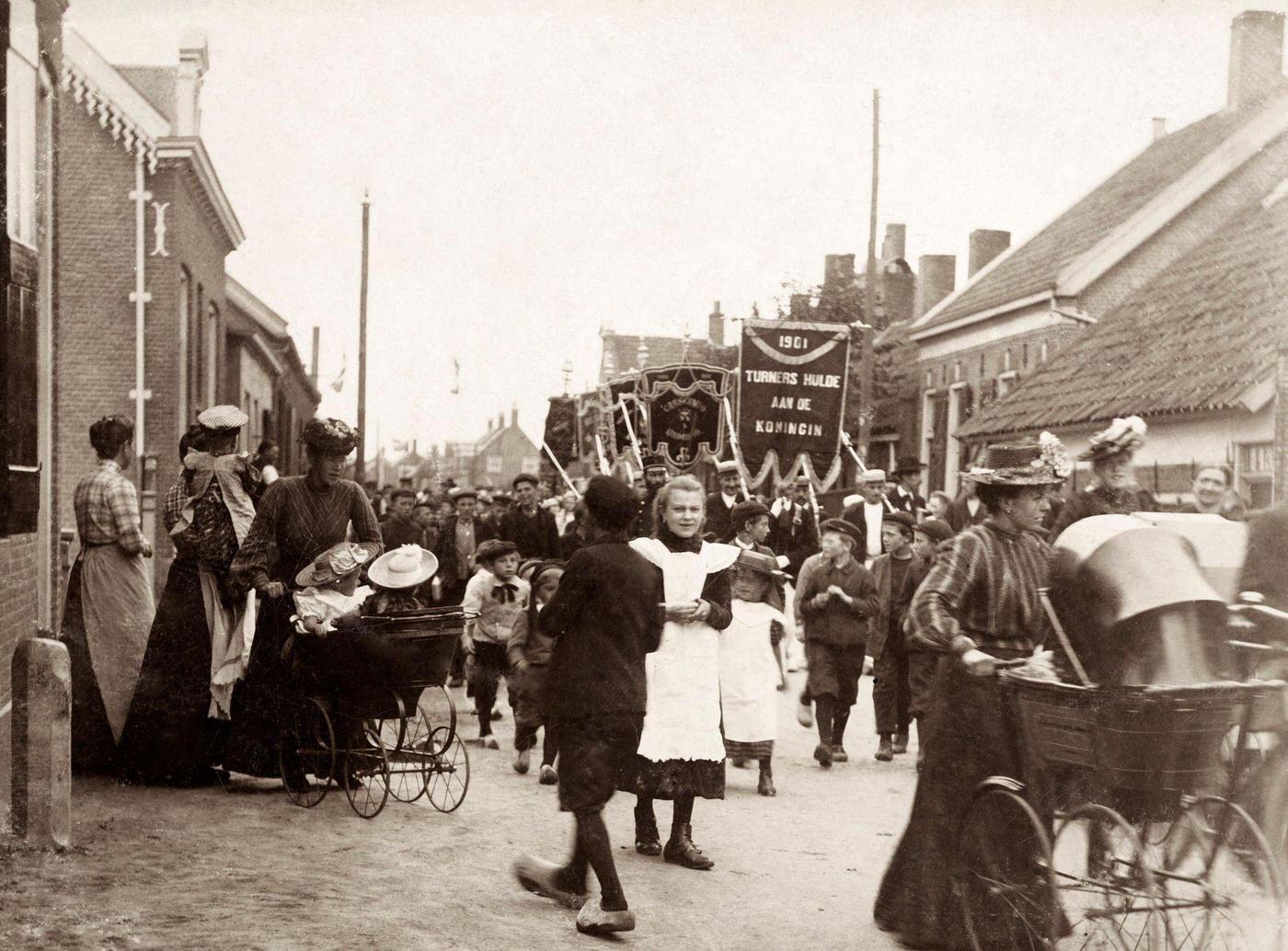
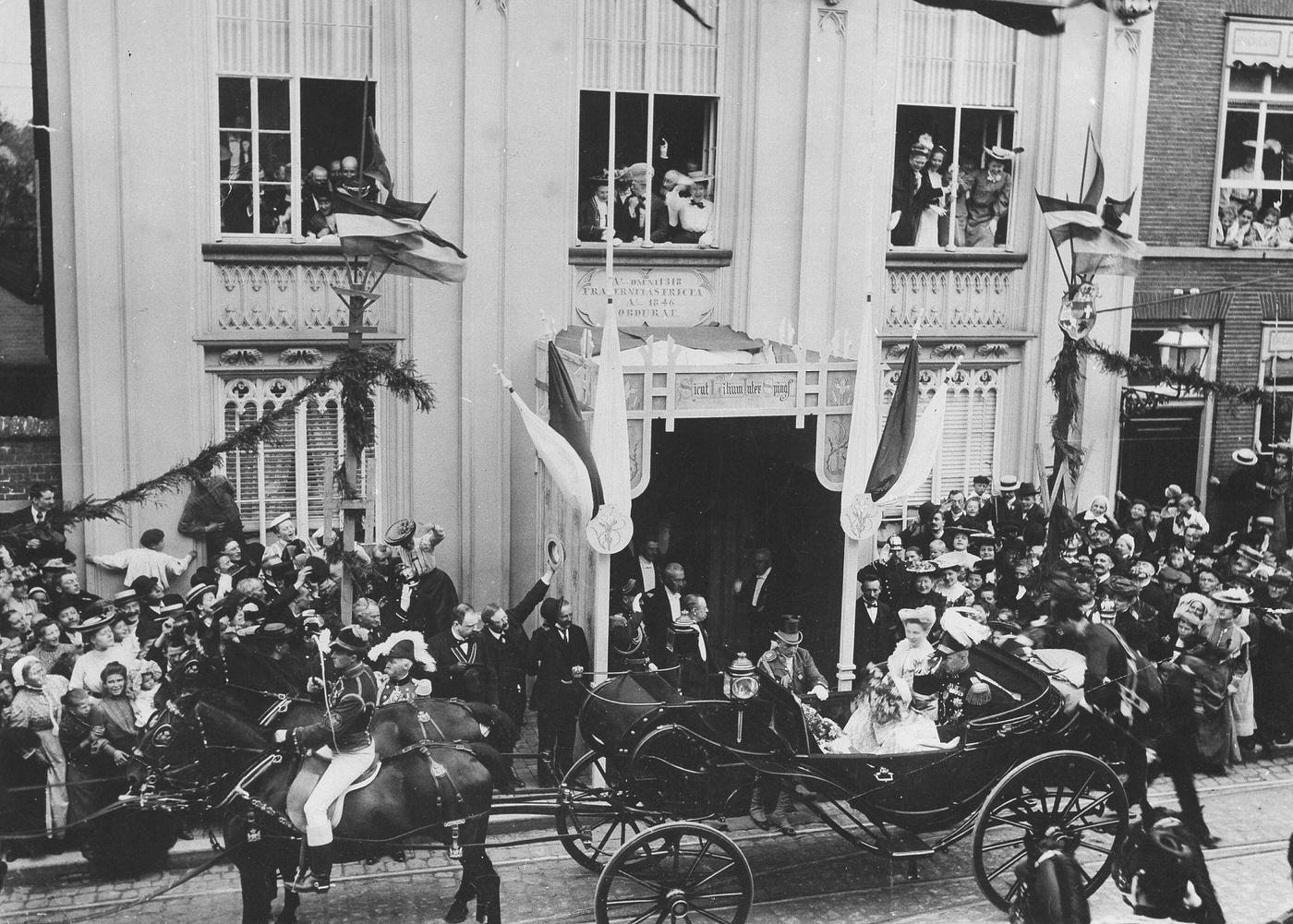
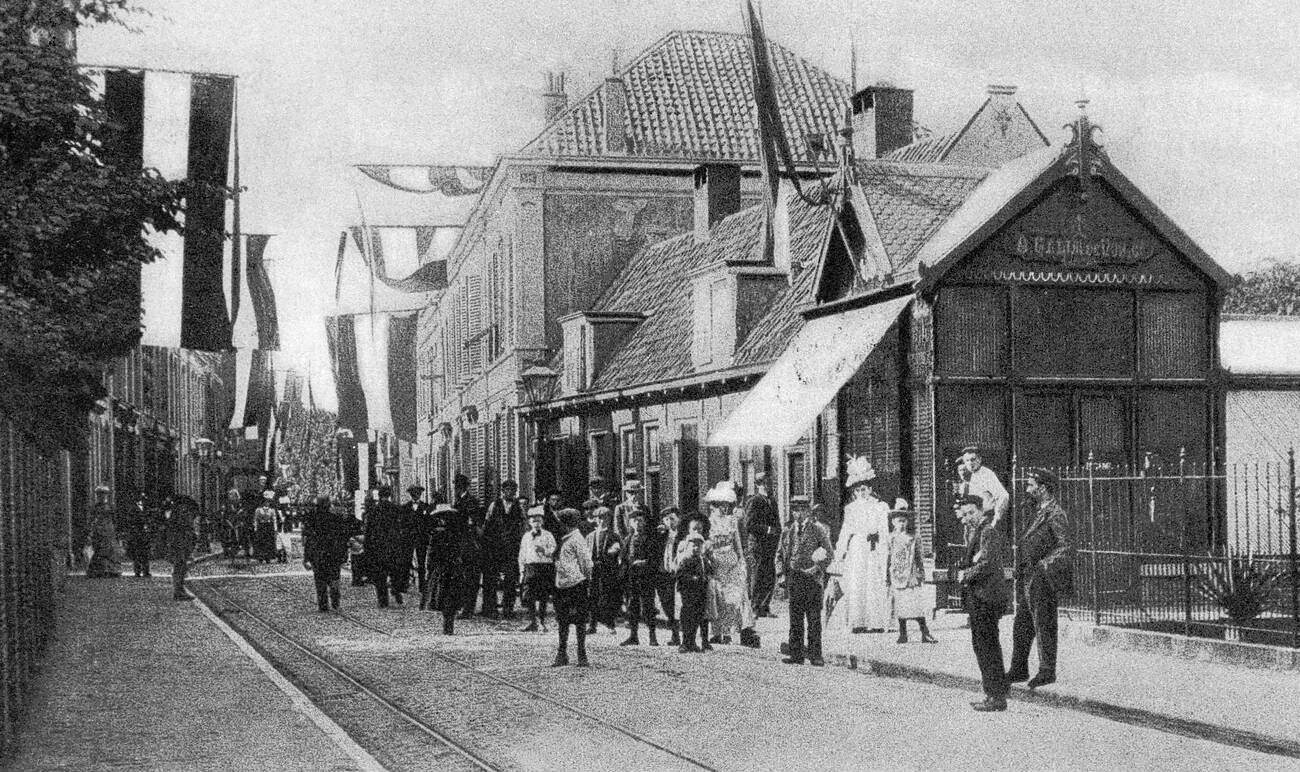
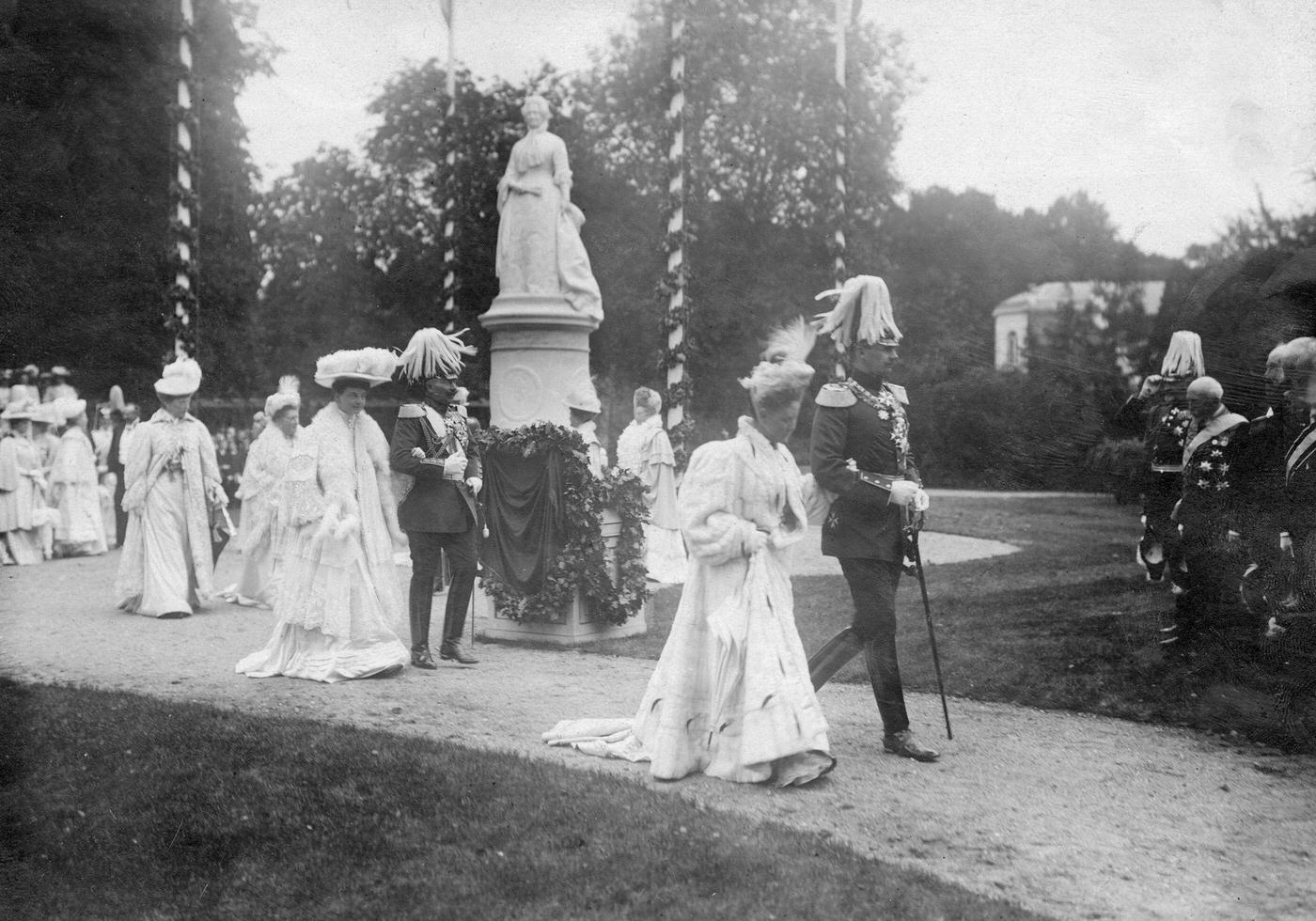
Queen Wilhelmina and her husband Prince Heinrich traveled regularly across the Netherlands, and their visits to provincial towns like those in North Brabant were marked by public celebrations. The royal couple were fixtures of Dutch public life throughout the early 1900s, and Wilhelmina’s image appeared on coins, stamps, and official documents across the Dutch empire.
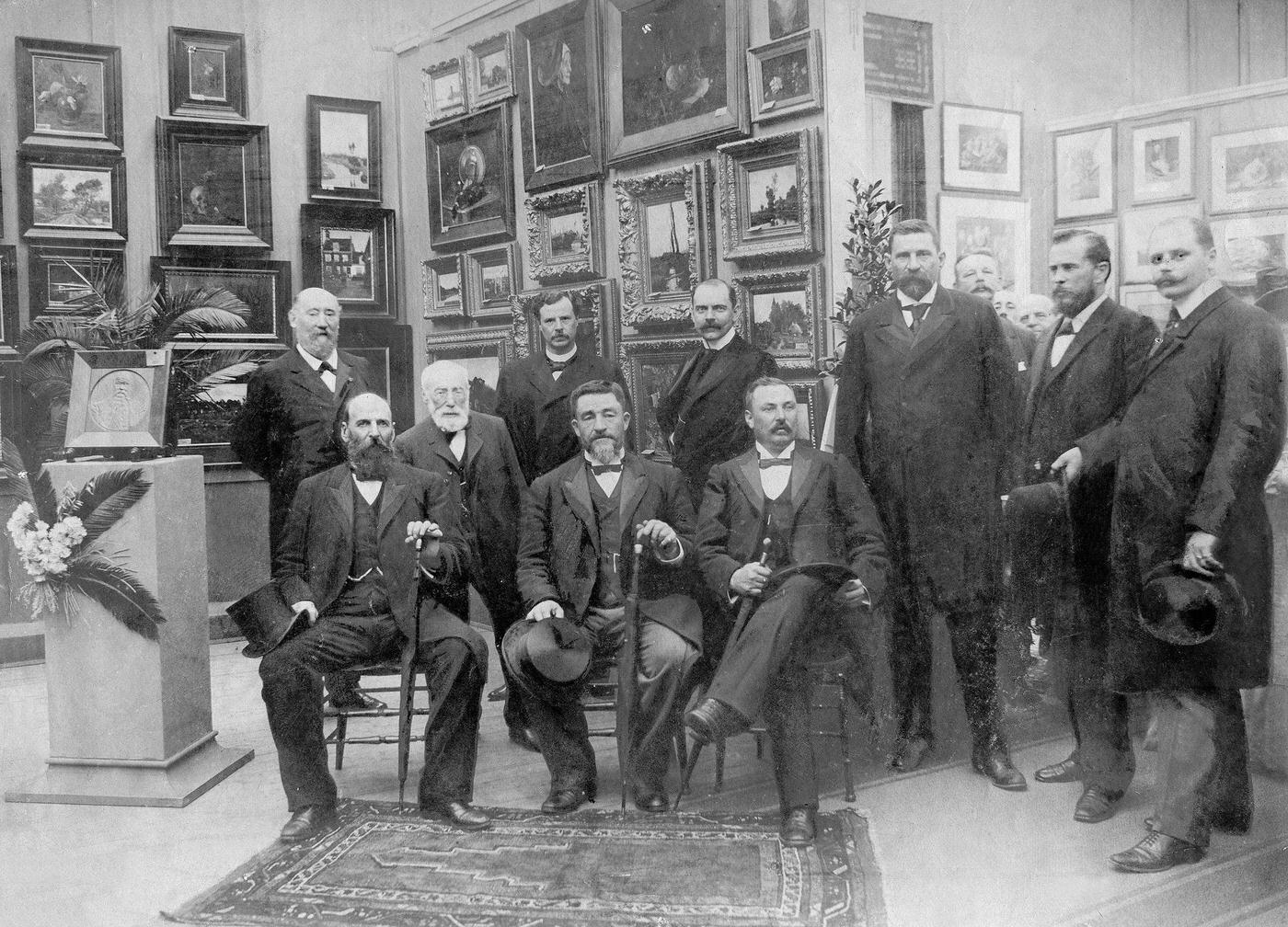
The Second Boer War in South Africa (1899–1902) generated significant sympathy in the Netherlands. The Boers of South Africa were largely of Dutch descent, and many Dutch citizens openly supported their cause against British forces. In 1902, Boer generals visited Scheveningen for an international pro-Boer art exhibition, drawing large crowds and media attention.
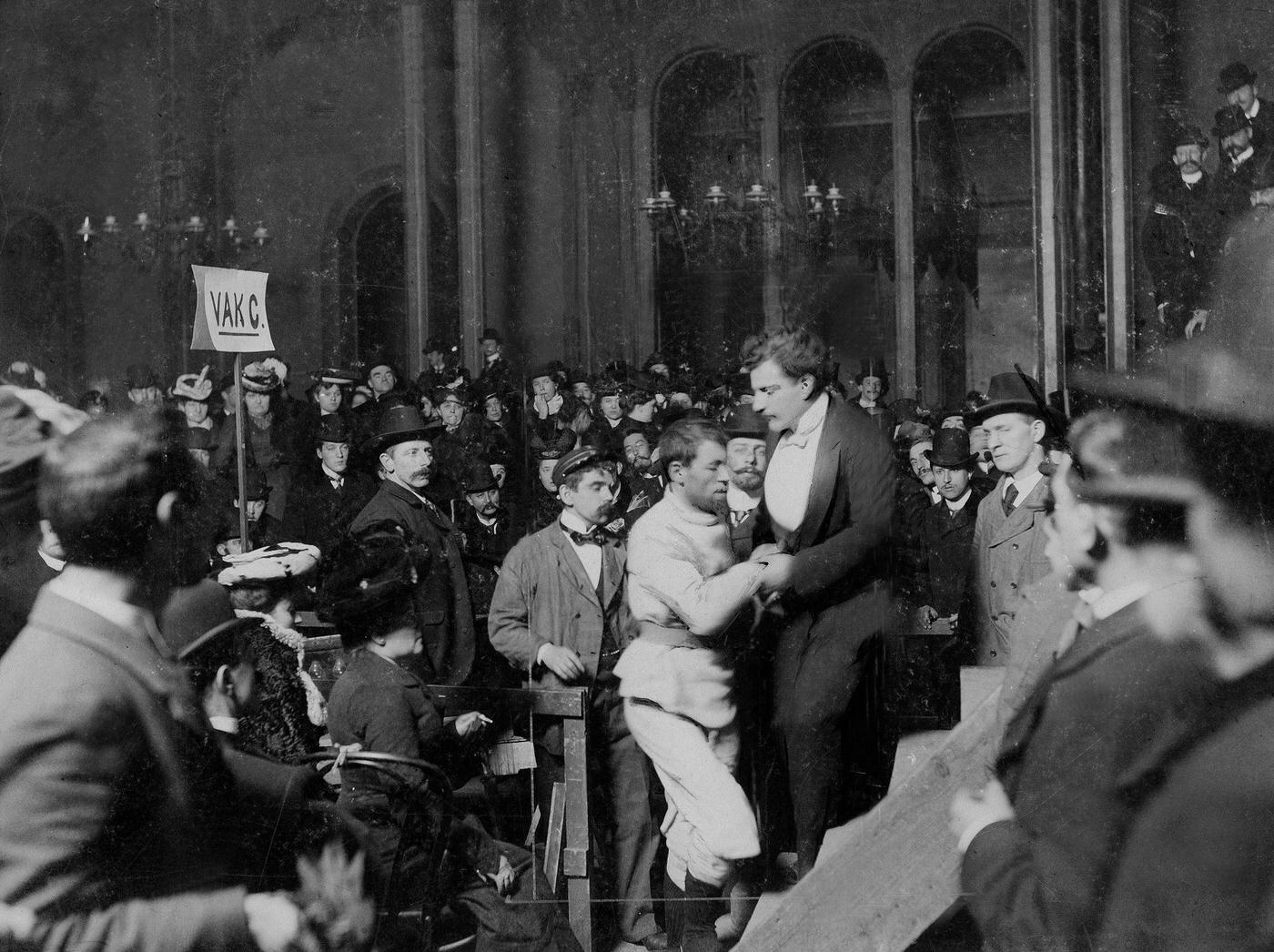
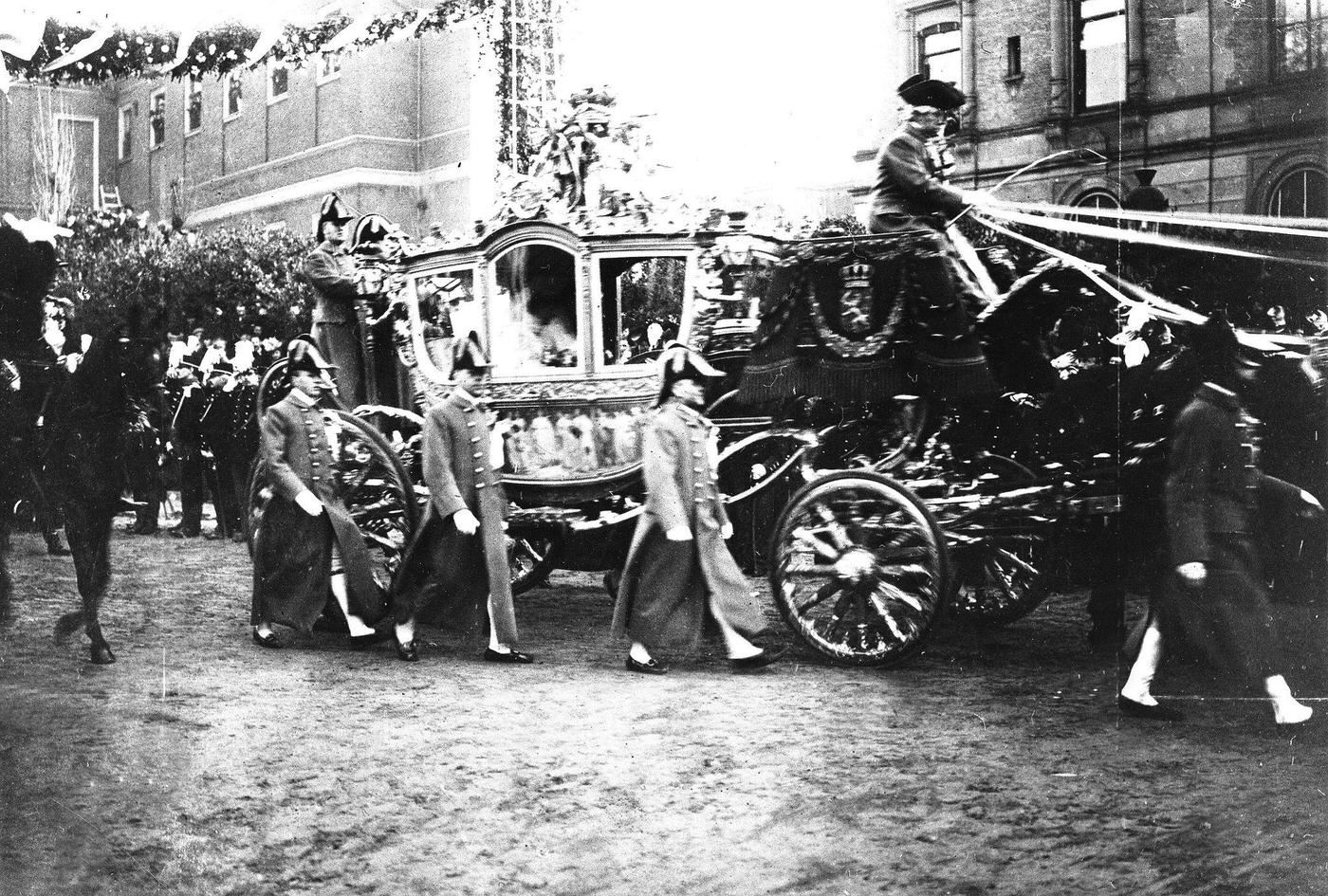
Queen Wilhelmina married Duke Heinrich zu Mecklenburg-Schwerin in The Hague on February 7, 1901. The wedding was a major national event, celebrated with parades, church services, and public gatherings across the country. The marriage secured the royal line and was closely watched by European royal families.
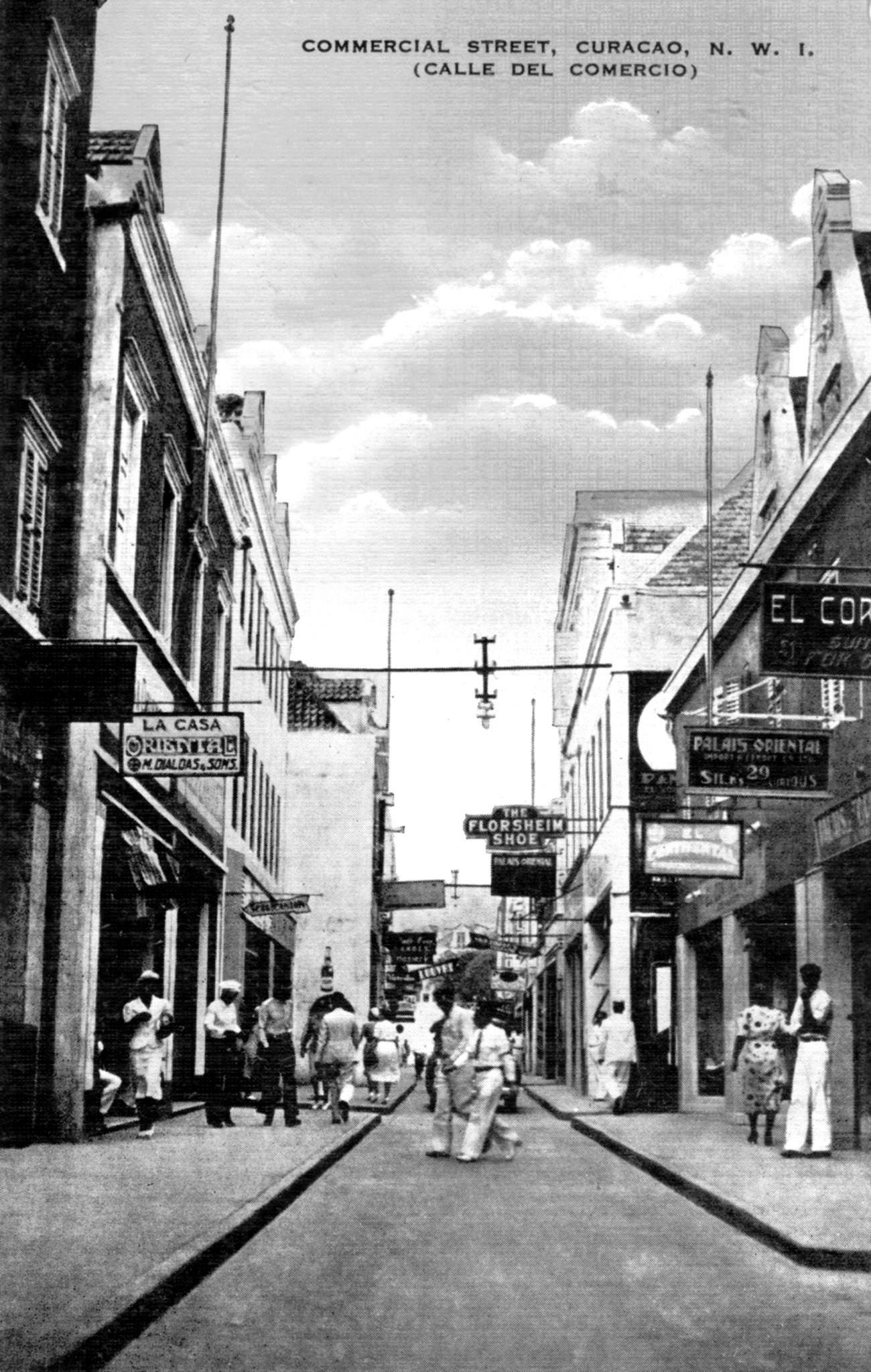
Curaçao, part of the Netherlands Antilles in the Caribbean, was one of the older colonial possessions of the Dutch. By 1900, its commercial streets showed the mix of Dutch colonial architecture and local Caribbean culture that had developed over centuries. The island served as a trade hub in the region, and its port handled goods moving between South America, North America, and Europe.
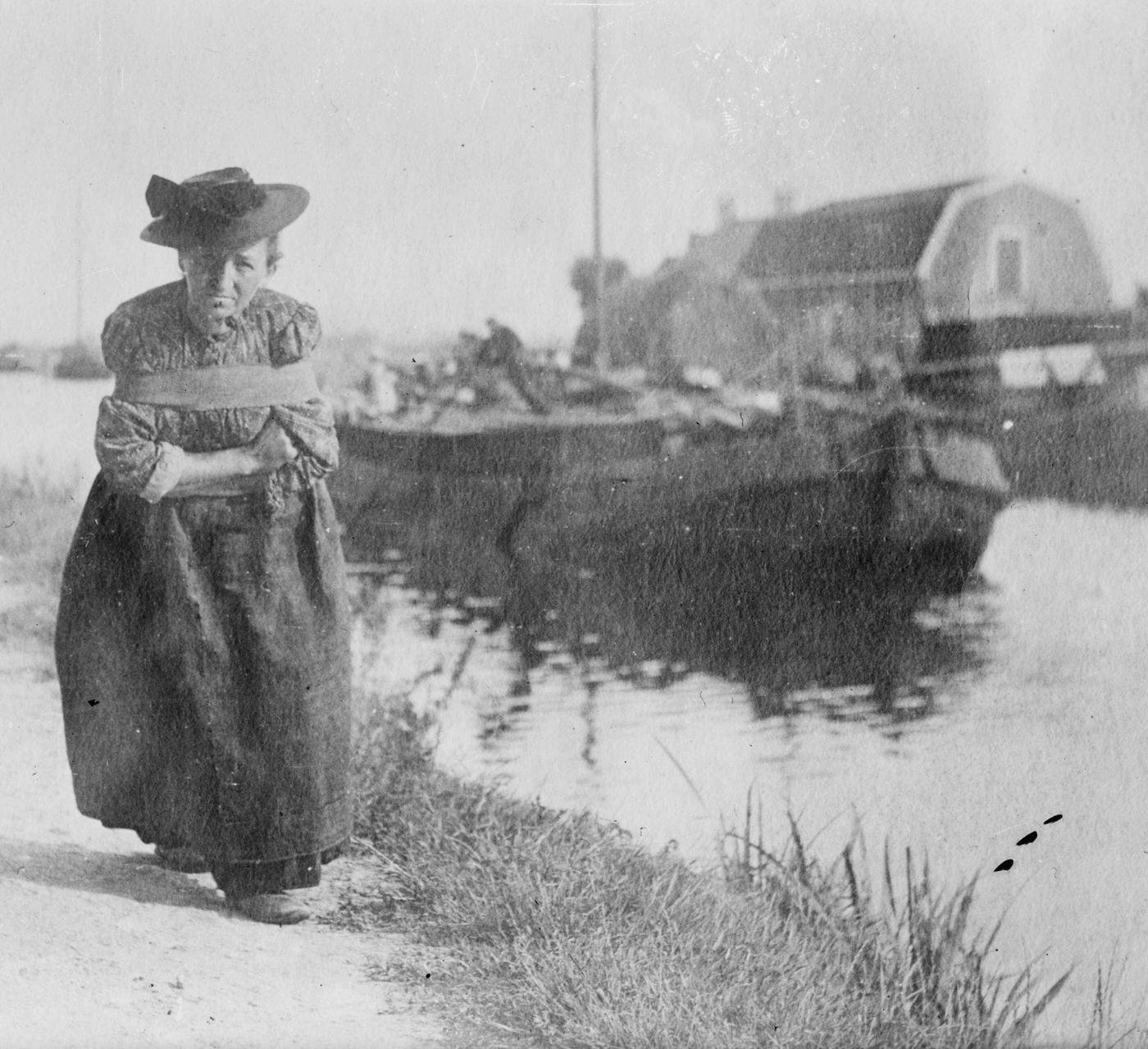
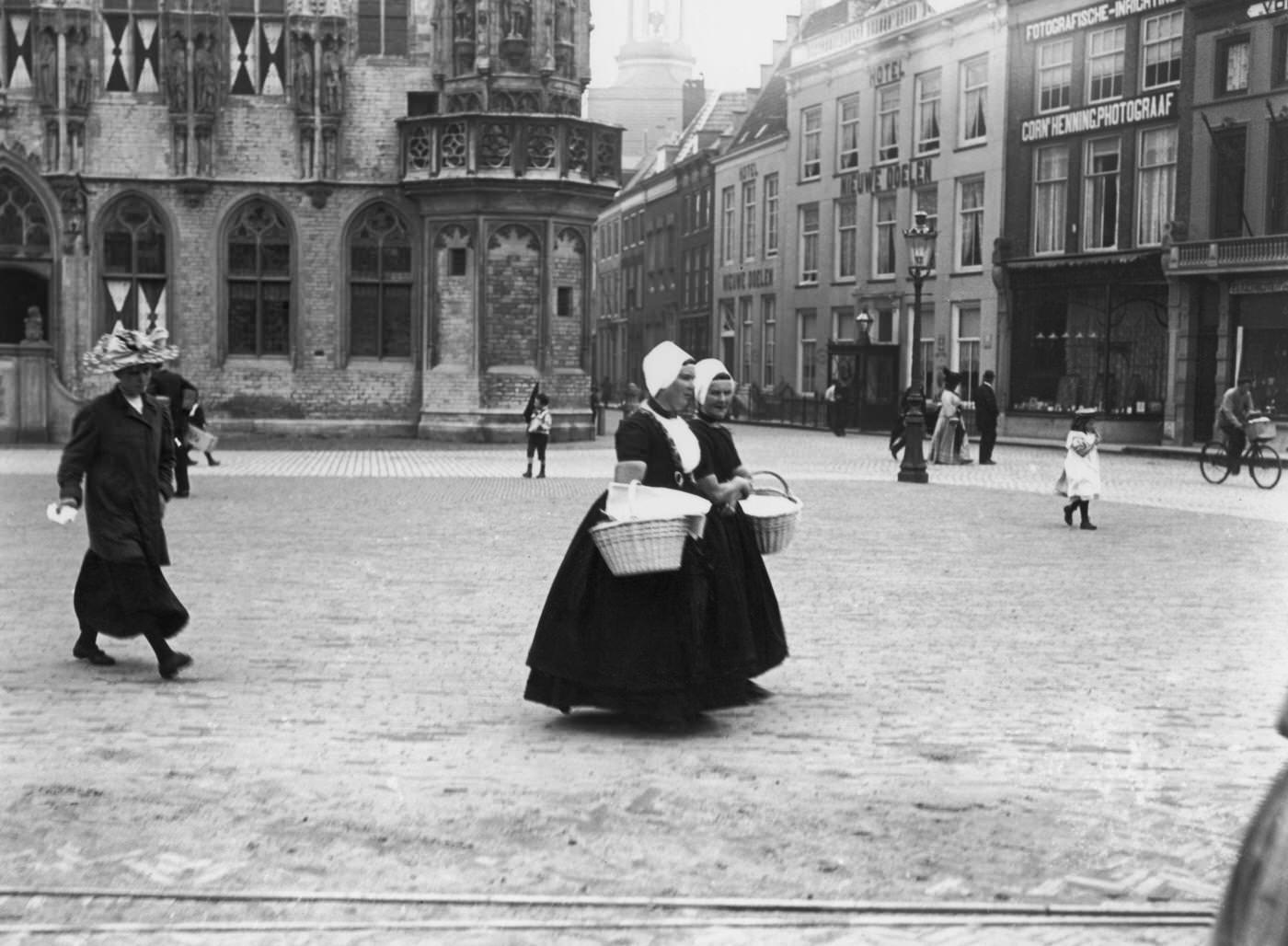
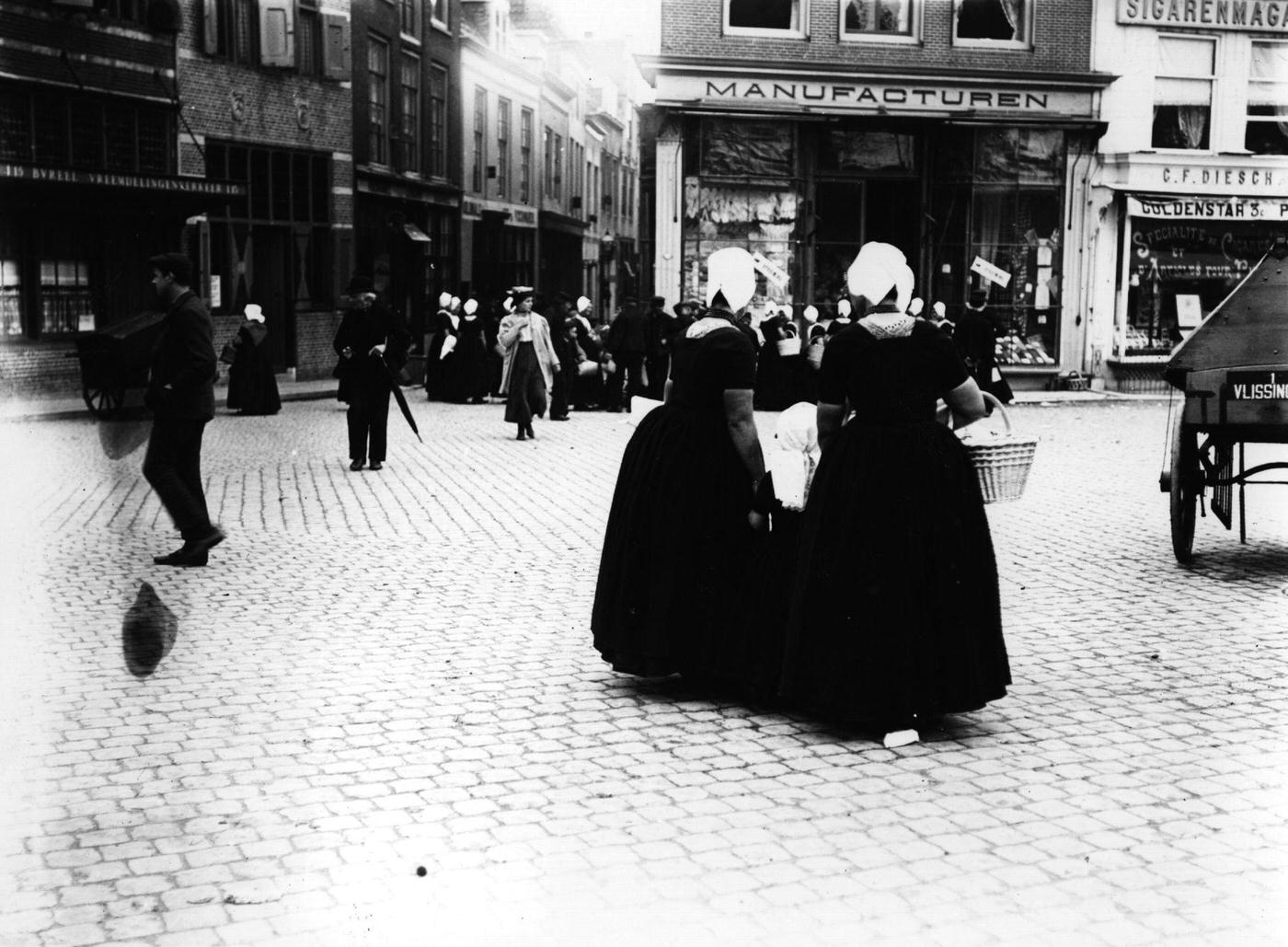
For working-class Dutch women, daily life in 1900 involved significant physical labor. Women hauled barges, carried heavy market baskets, managed households, and worked in textile and food processing factories. Social reform movements of this era were pushing for better conditions for women workers, though most of the gains in labor law during this period focused on men and children.
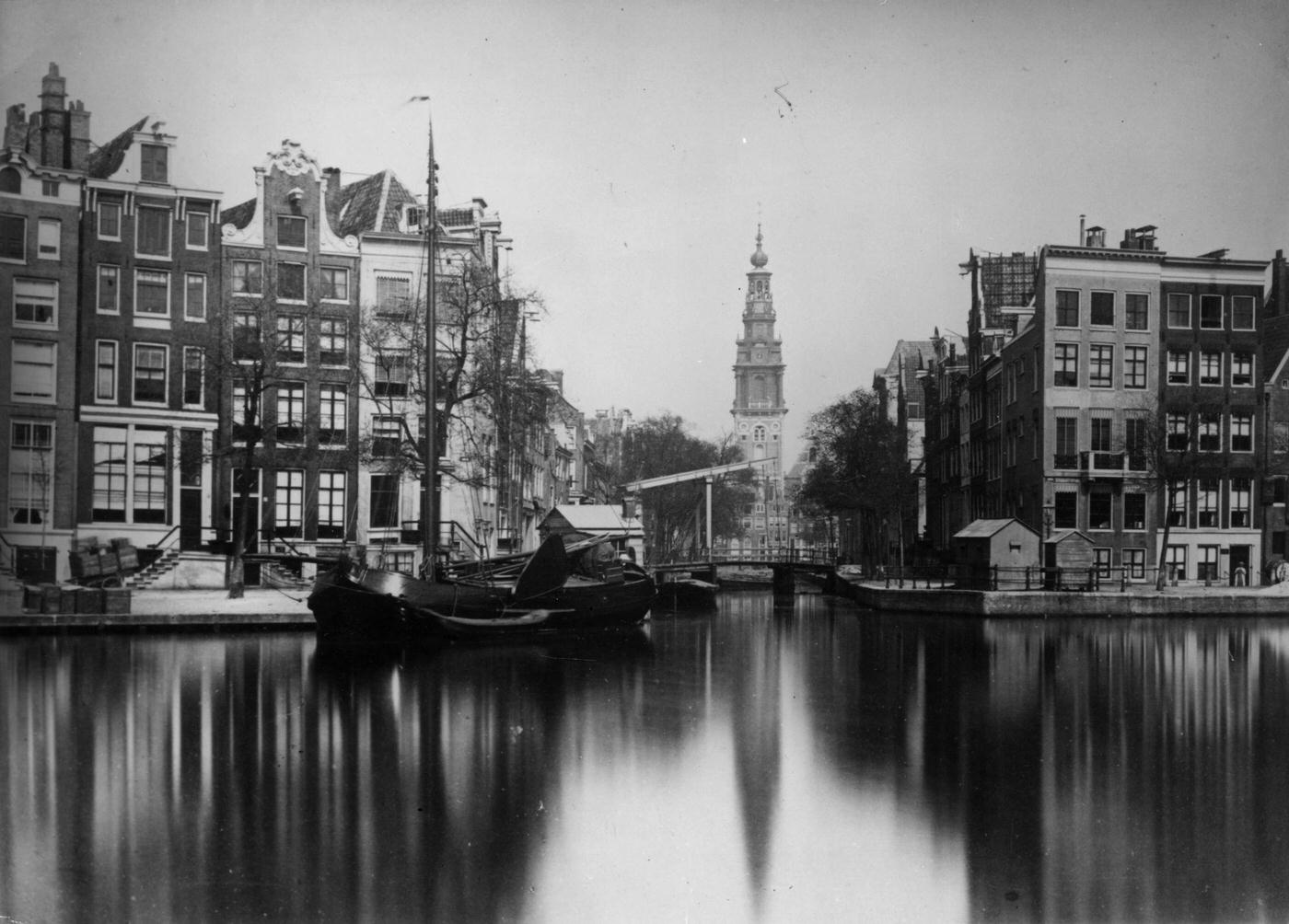
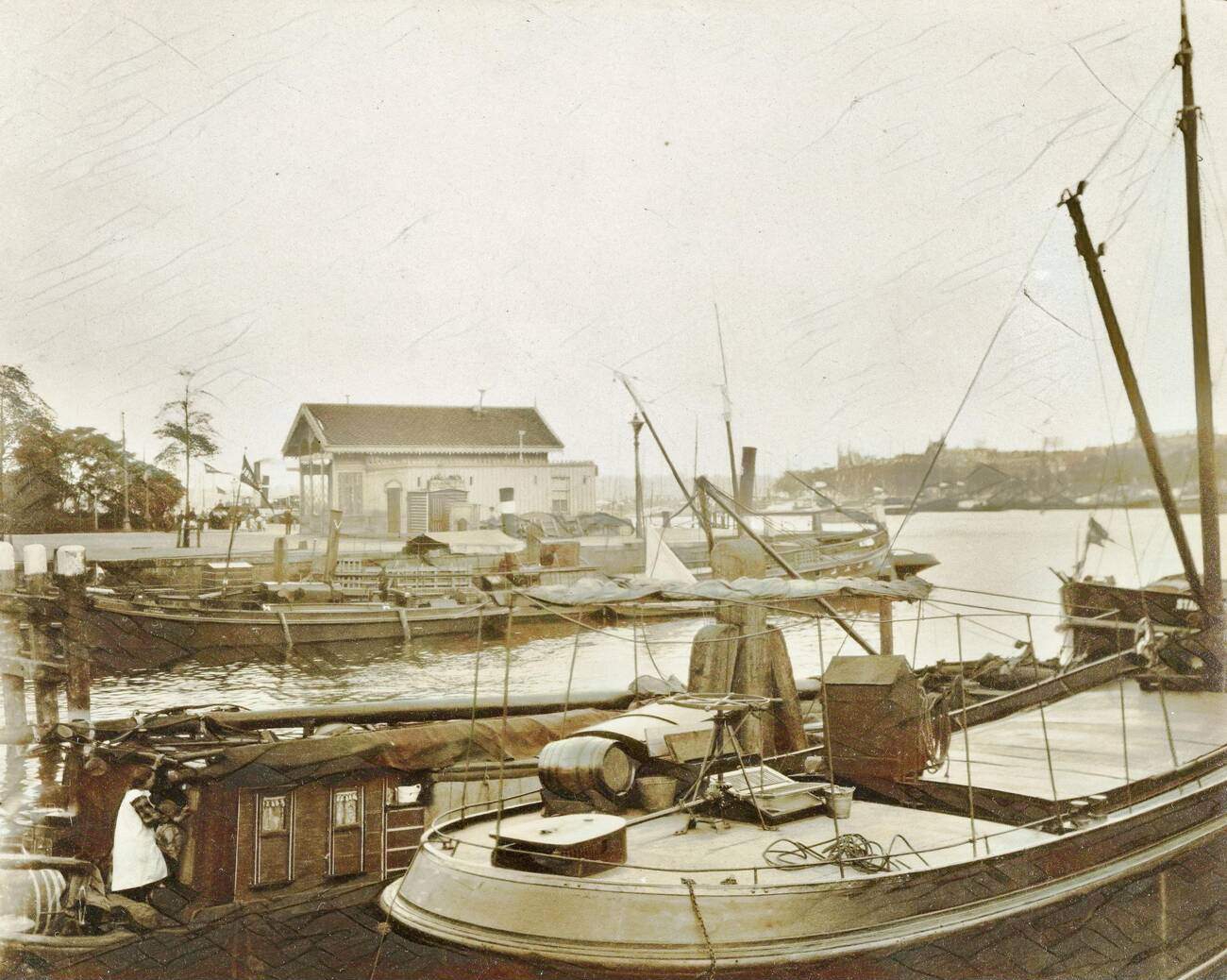
The shift from sail to steam in Dutch shipping was well underway by 1900. Steamships crowded the harbors of Rotterdam and Amsterdam, capable of carrying far more cargo faster than the wooden sailing vessels they replaced. Dutch shipbuilders had expanded their yards during the late 19th century to meet the growing demand, and the industry employed thousands of workers.
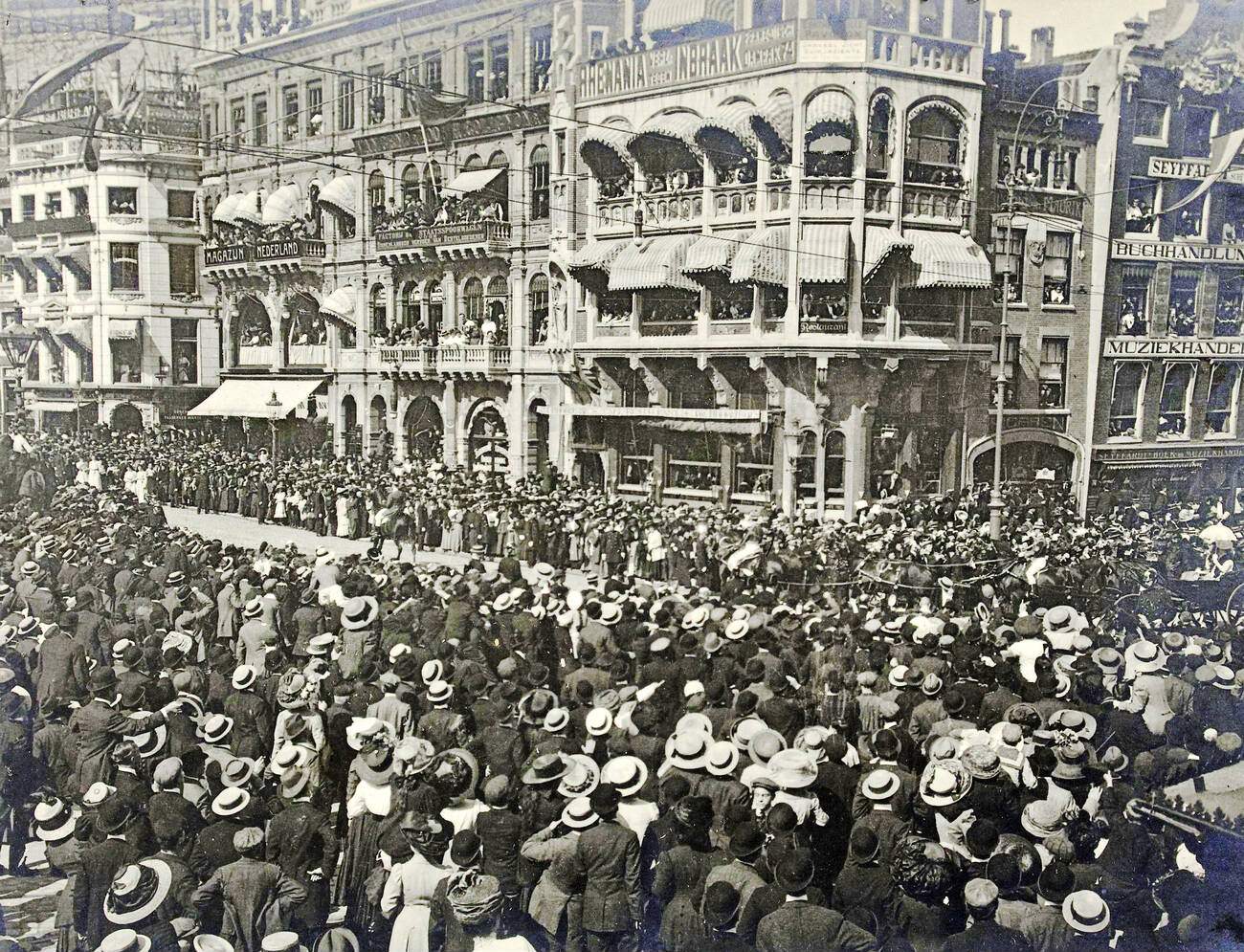
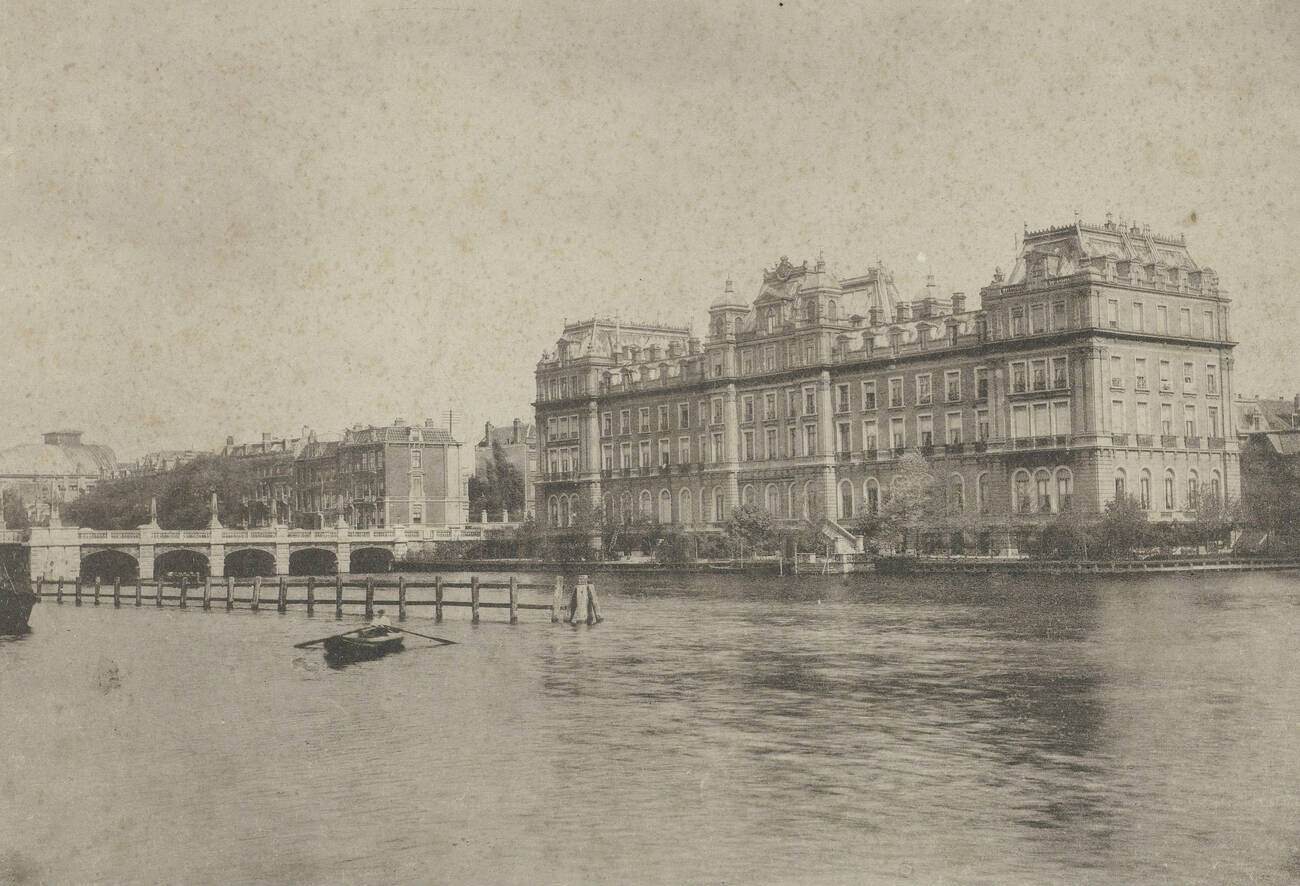
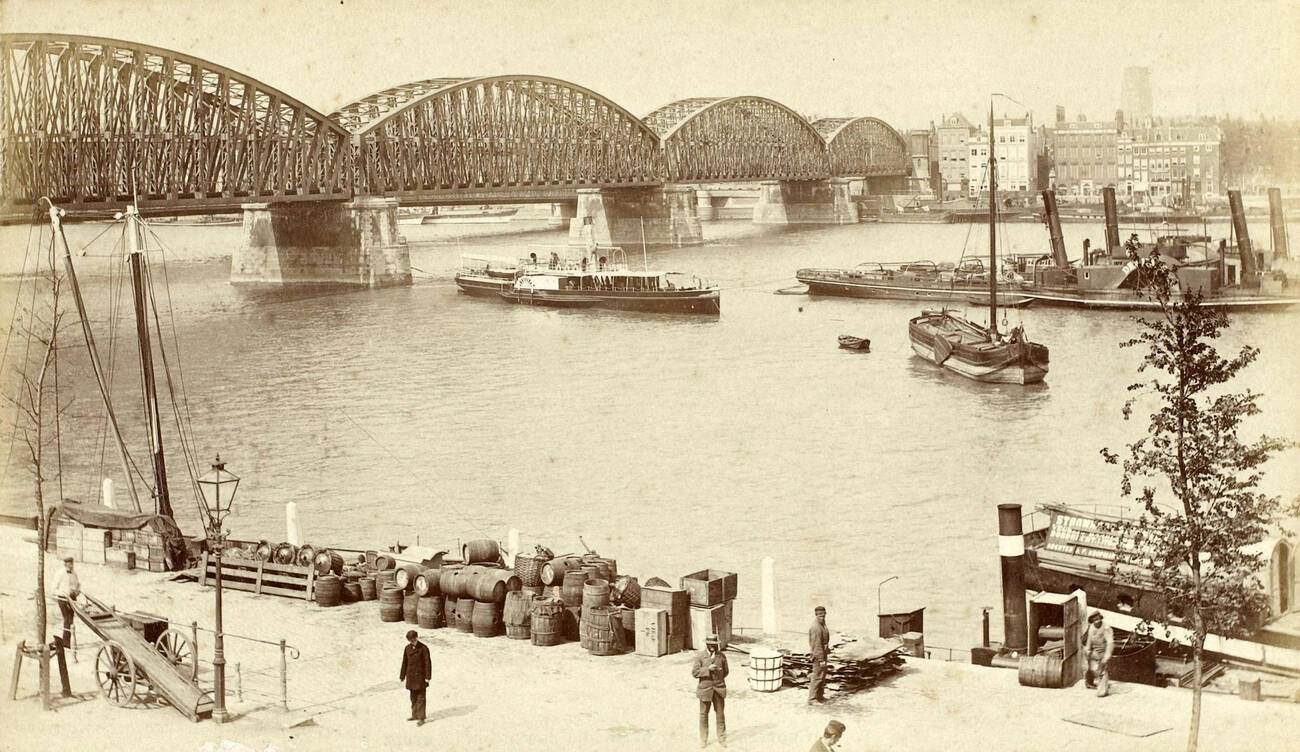
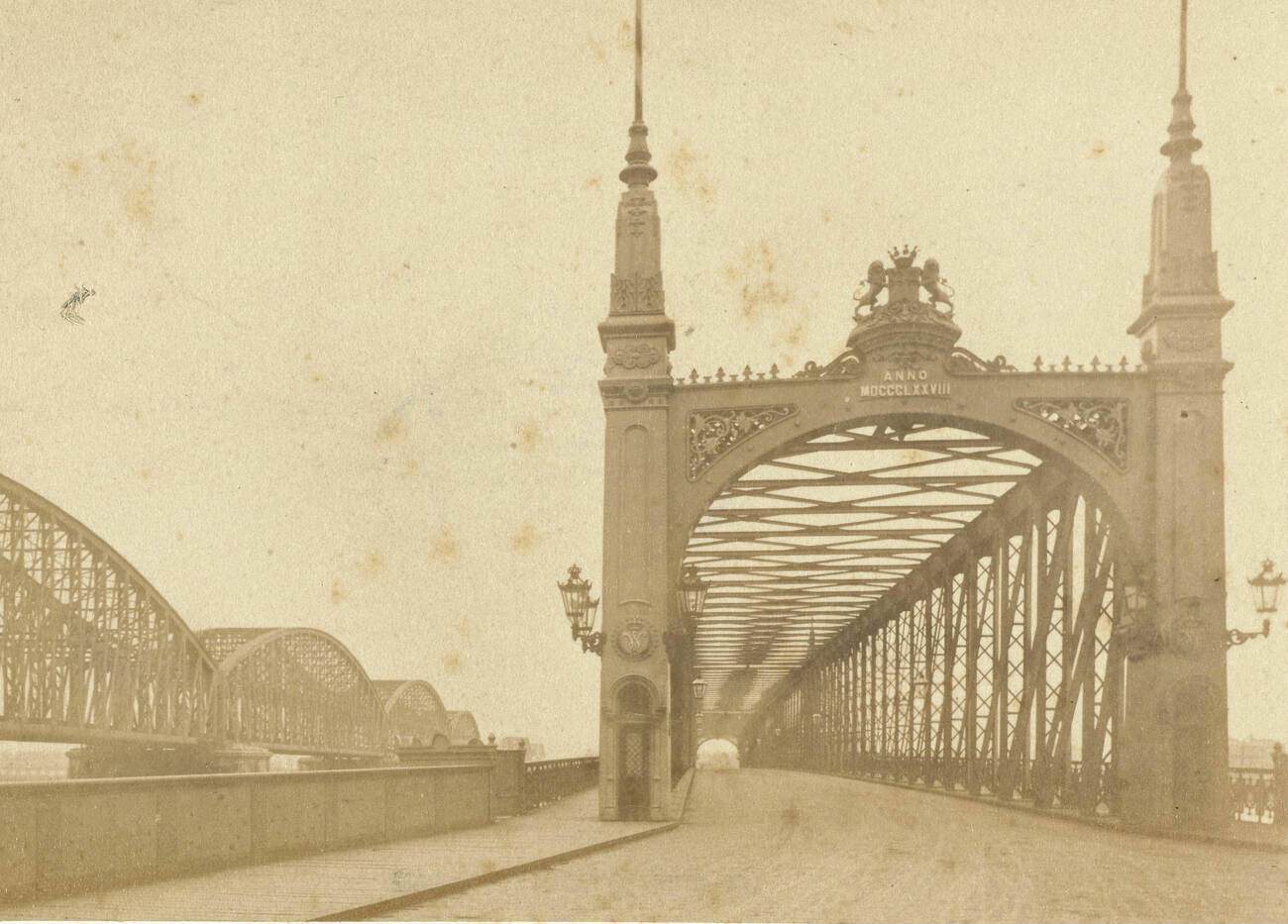
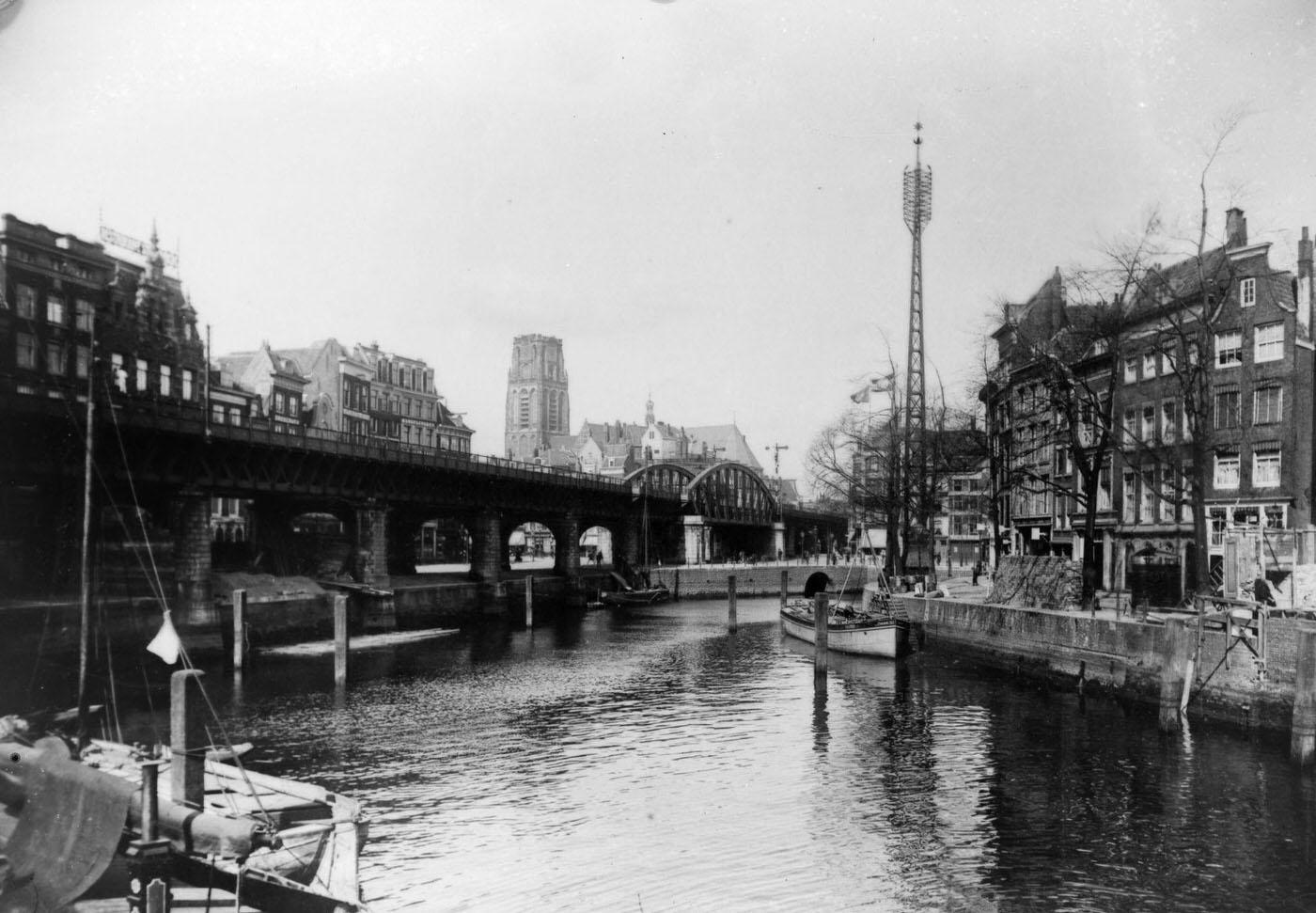
The railway network was expanding rapidly across the Netherlands in the early 1900s. Rail bridges like those in Rotterdam connected the country’s major cities and made it easier to move industrial goods, agricultural products, and passengers. Train travel had already replaced horse-drawn coaches for long-distance journeys, and the railway station had become one of the defining public buildings of Dutch towns.
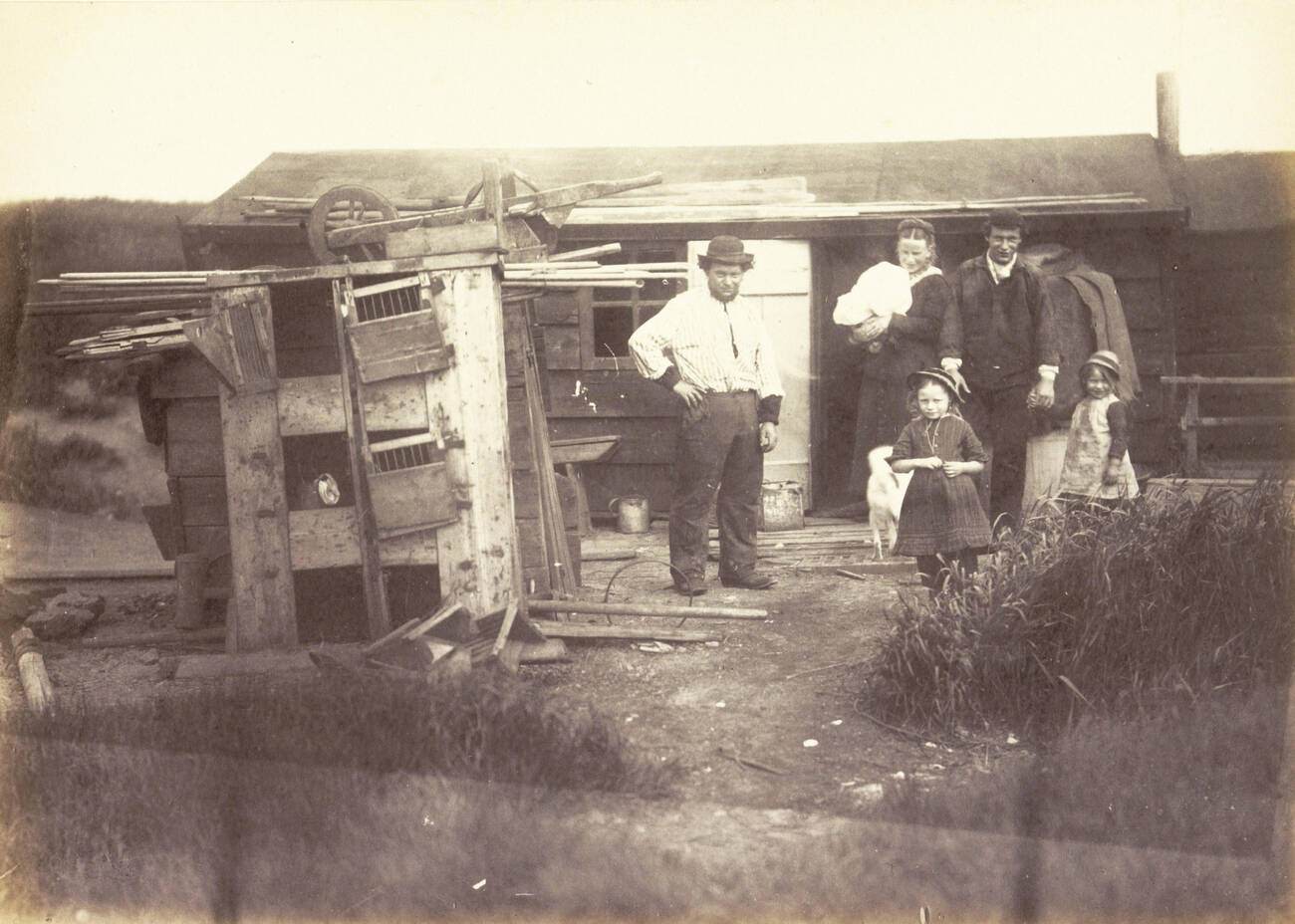
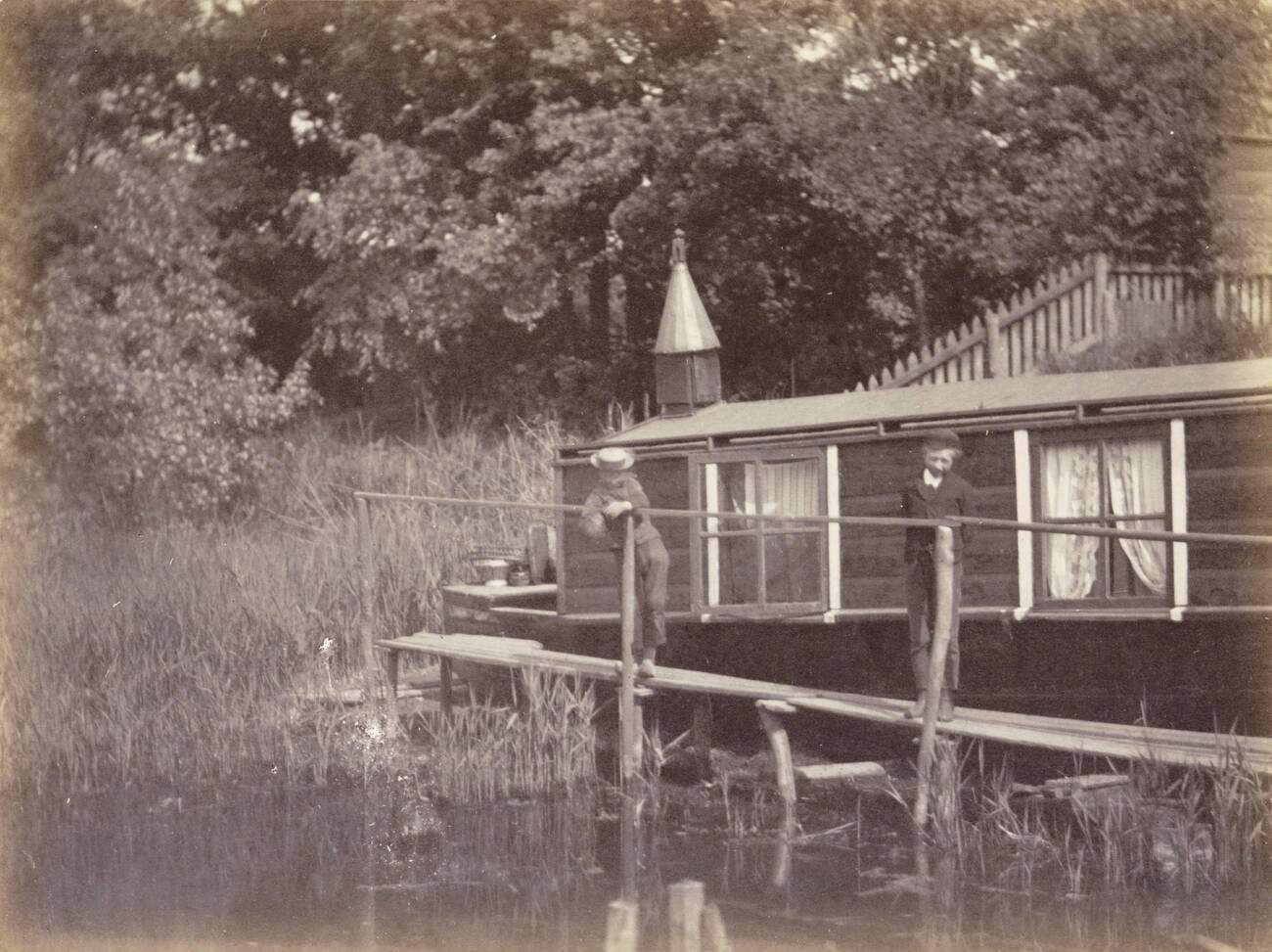
Not everyone in Amsterdam lived in the grand canal houses. Many working-class residents lived in wooden houses and houseboats along the city’s lesser waterways. Housing conditions for the poor were often cramped and lacking in basic sanitation. Reformers of the era pushed for housing standards, and the Housing Act of 1901 established minimum requirements for rental properties — one of the earliest such laws in Europe.
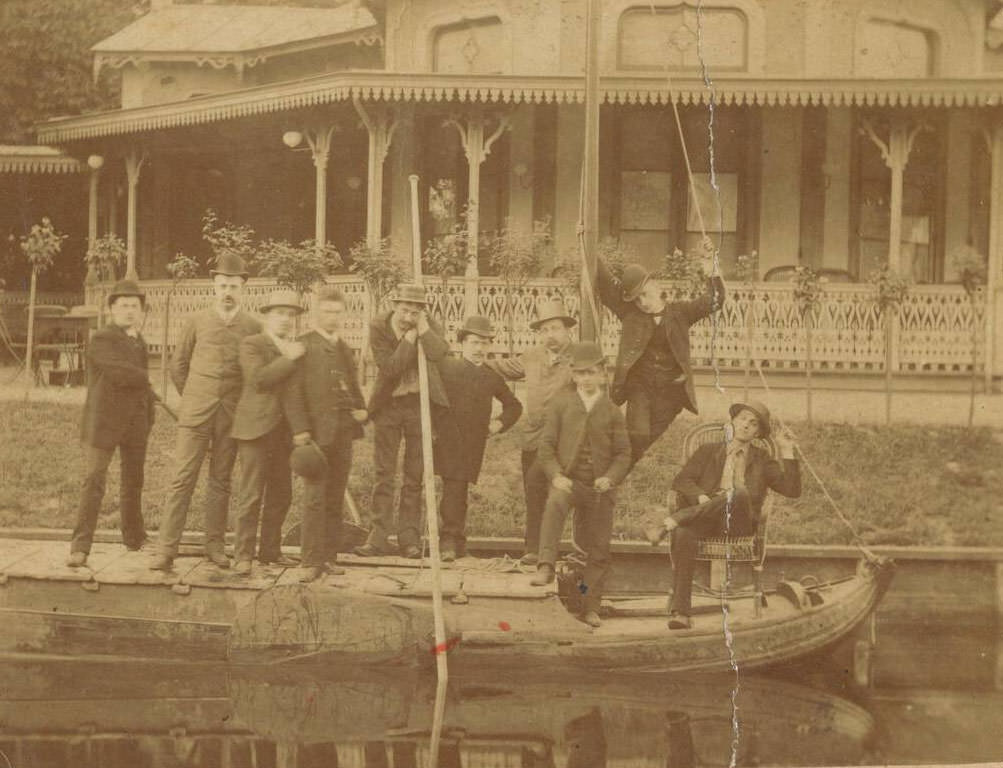
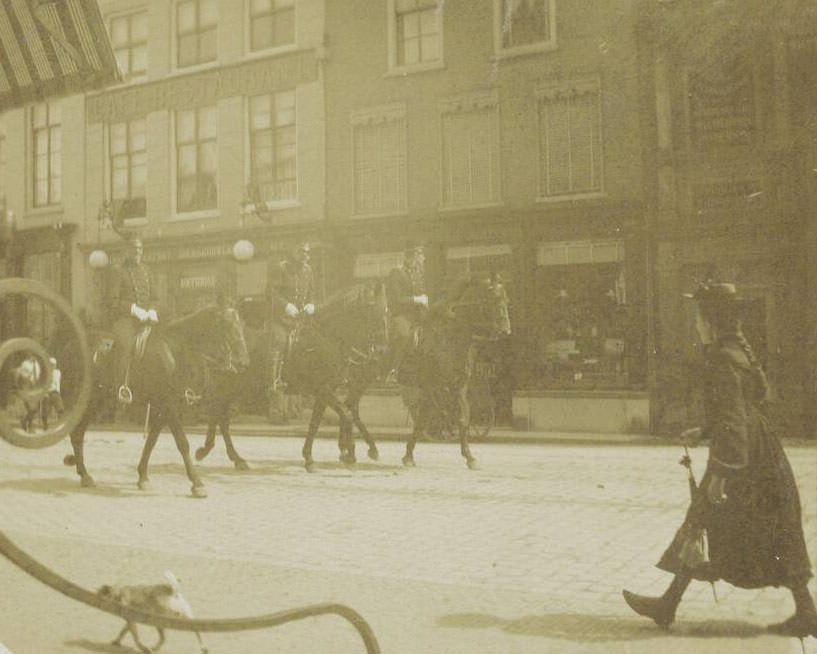
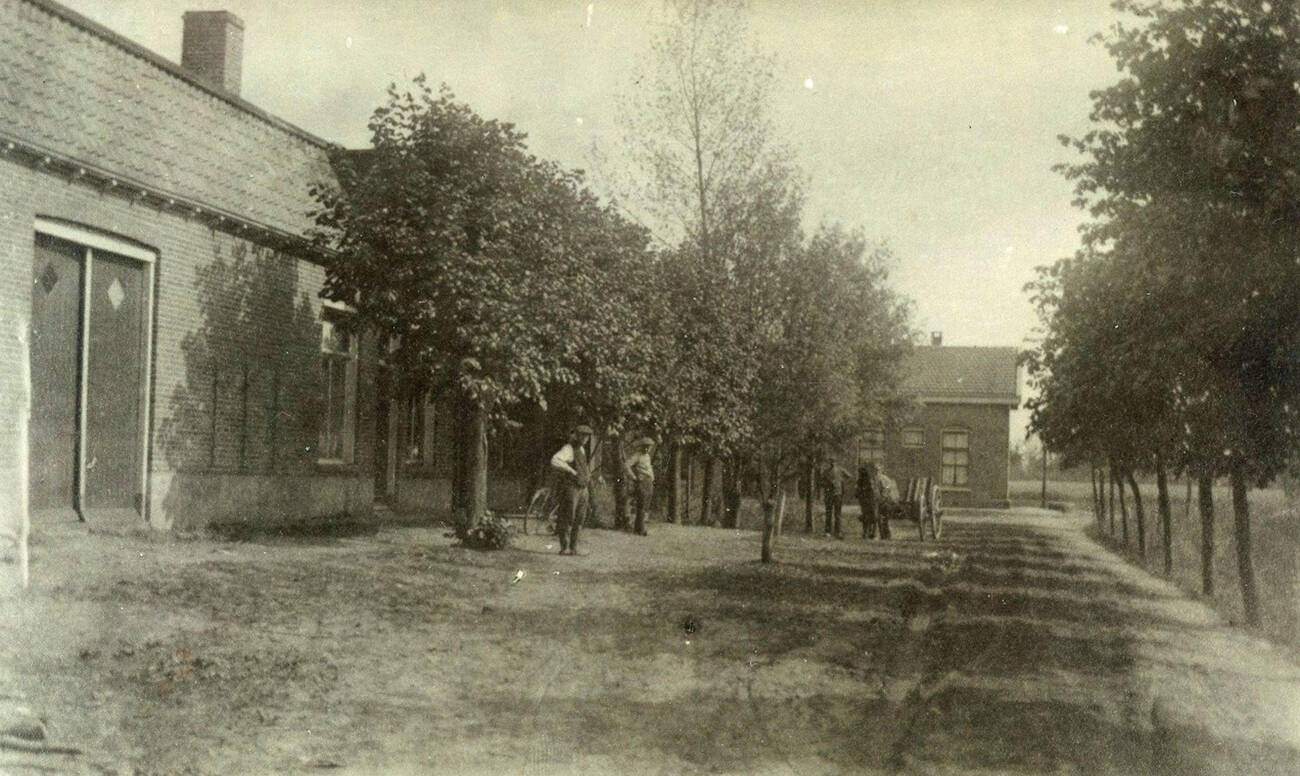
Even smaller Dutch towns like Bredevoort and Aalten were connected to the national rail network by the early 20th century. Rural train stations were modest buildings, but they represented a genuine link to the wider world for communities that had previously been relatively isolated. The expansion of rail service accelerated the movement of people and goods between the Dutch countryside and industrial centers.
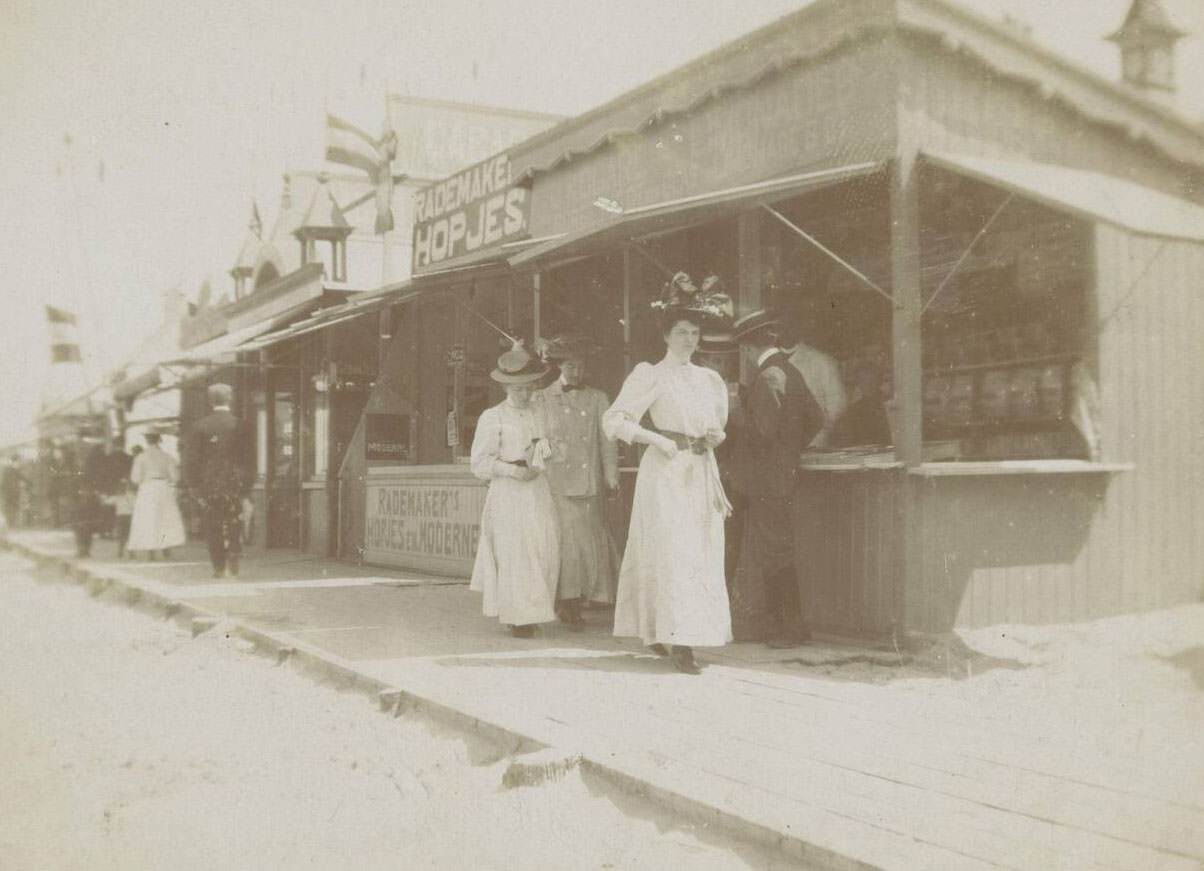
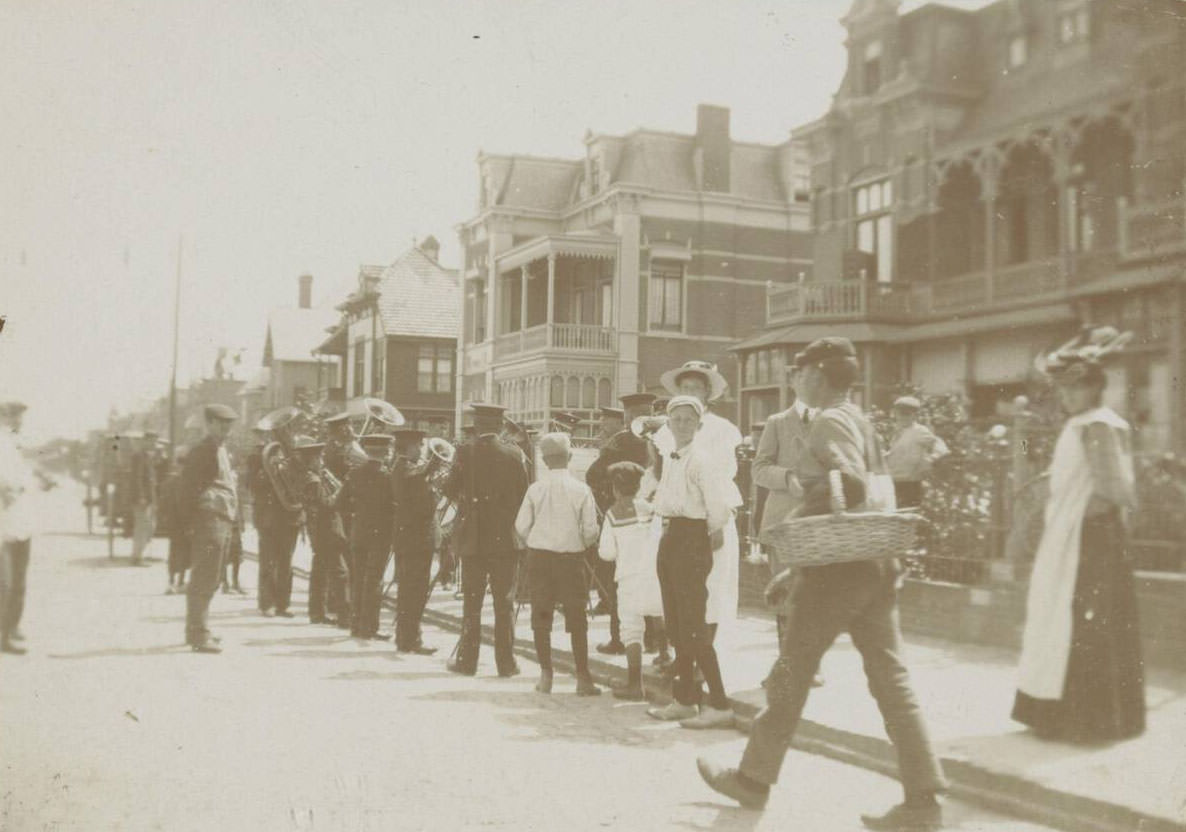
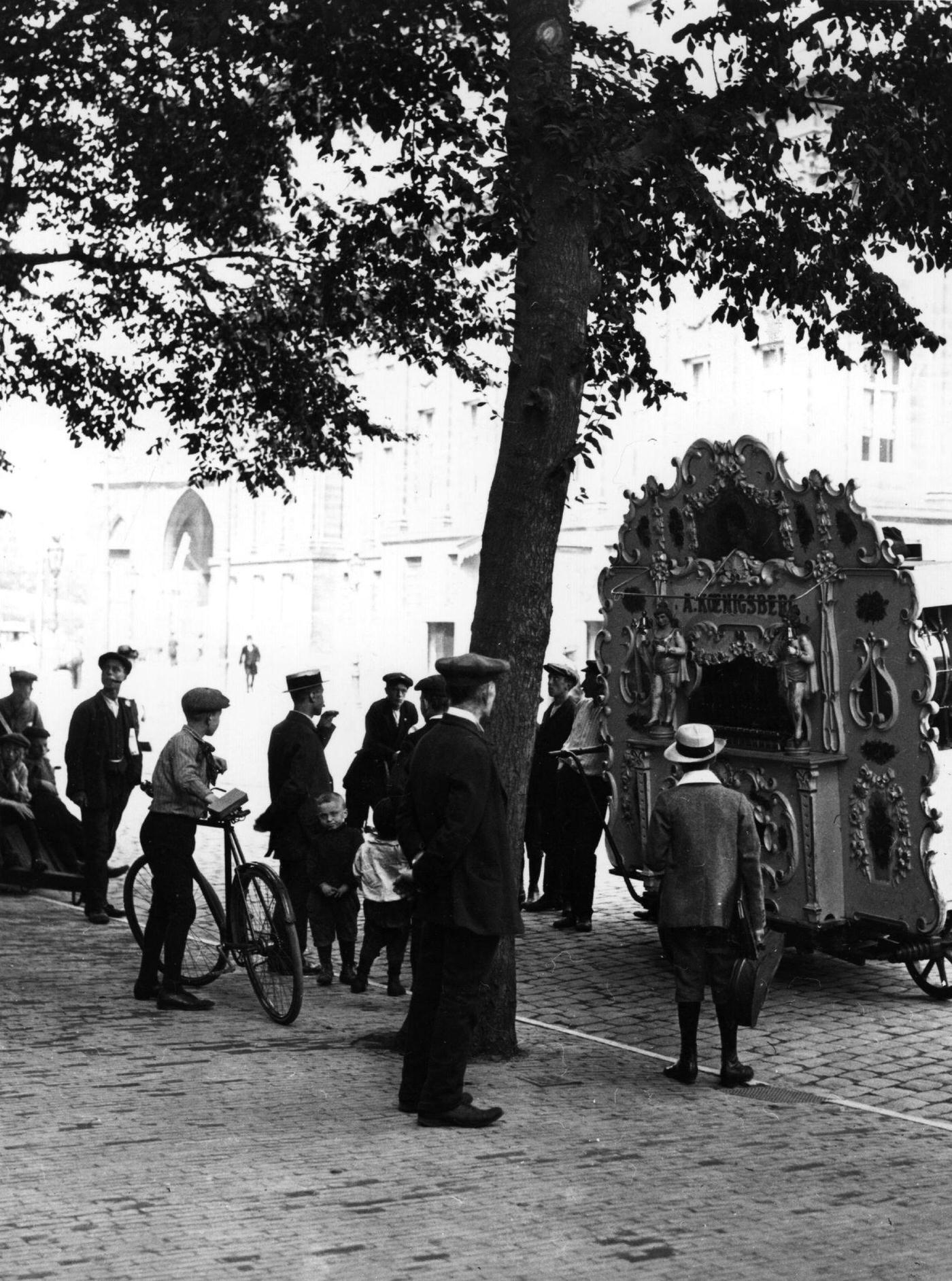
Public entertainment in Dutch coastal towns included brass bands, market stalls, and promenades along the beach. These were not exclusive events for the wealthy — working families also gathered for street performances and seasonal fairs. The barrel organ was a particularly Dutch fixture of street life, its distinctive sound drawing crowds on busy market days.
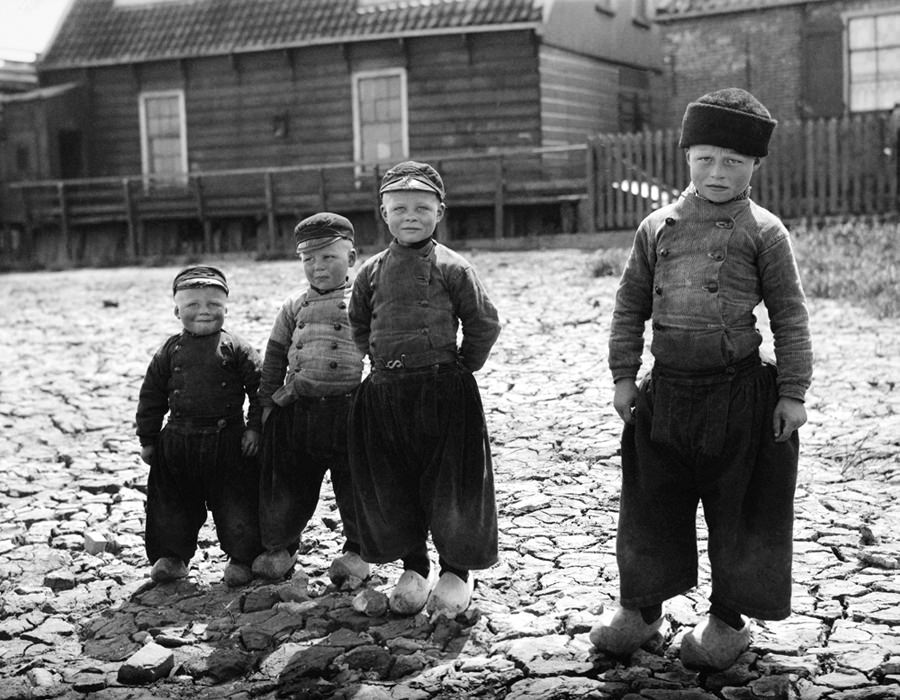
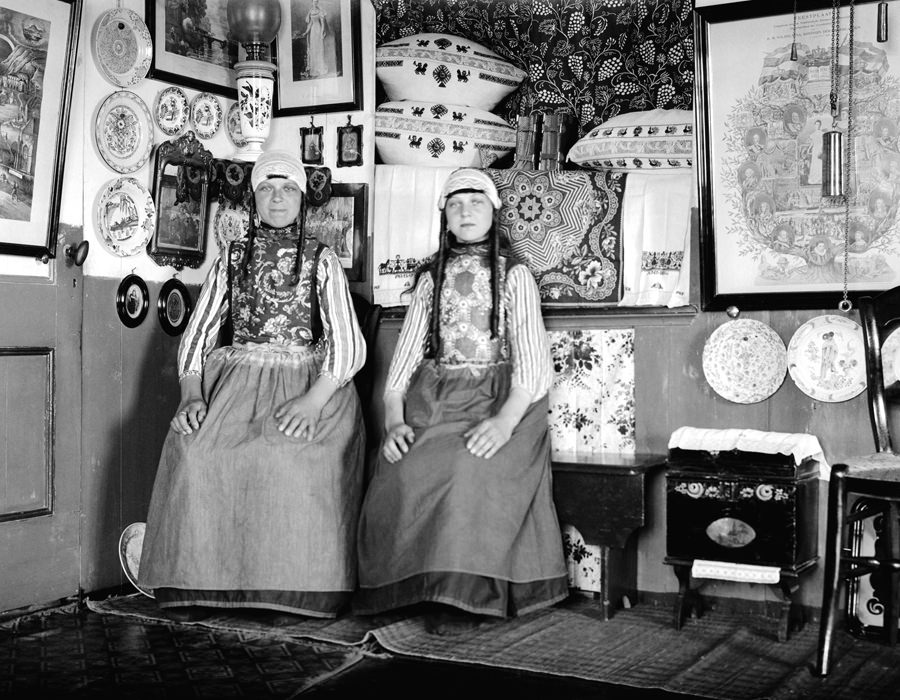
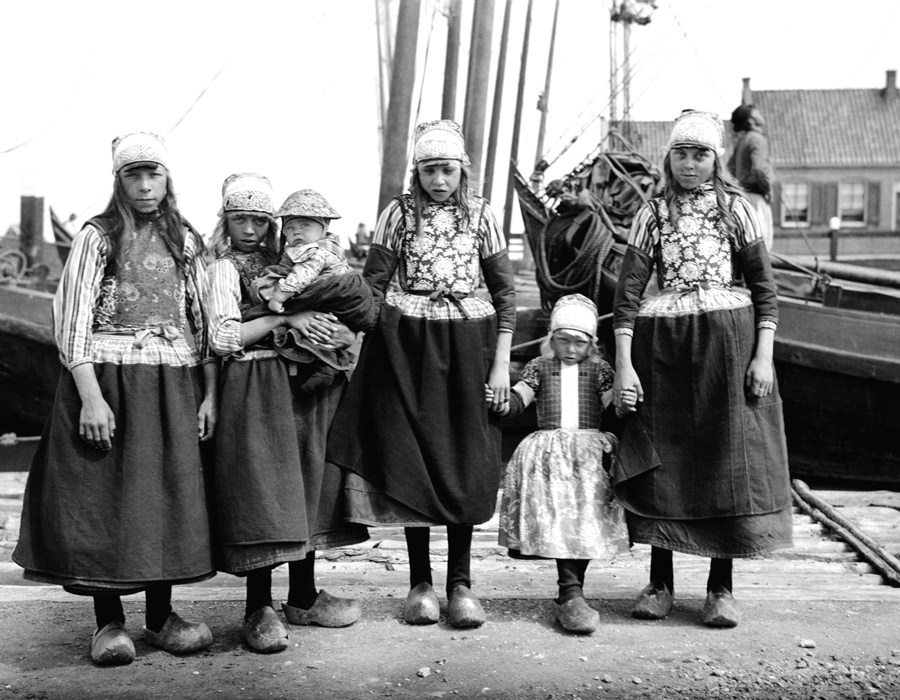
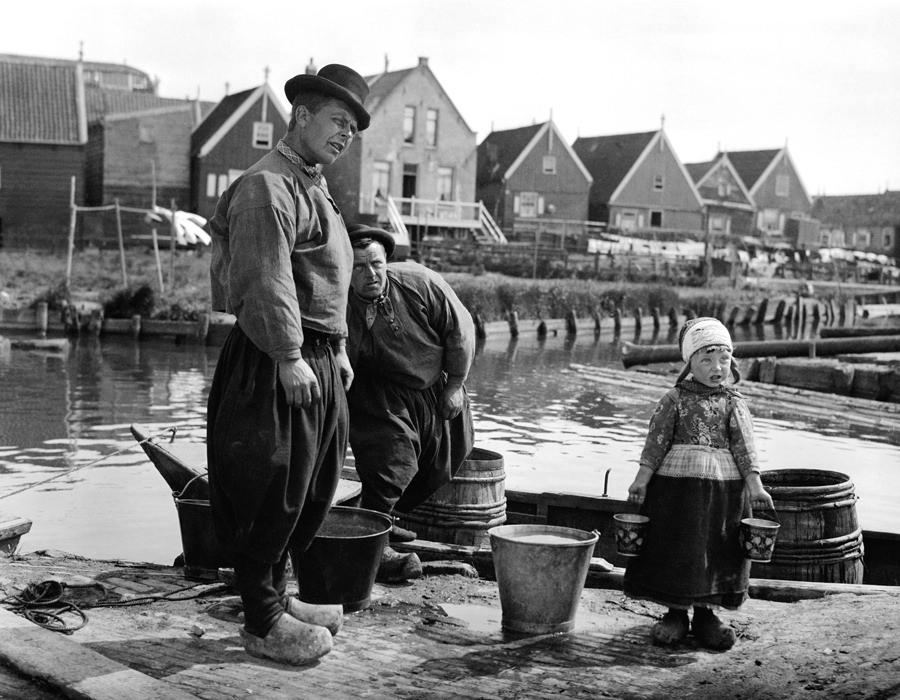
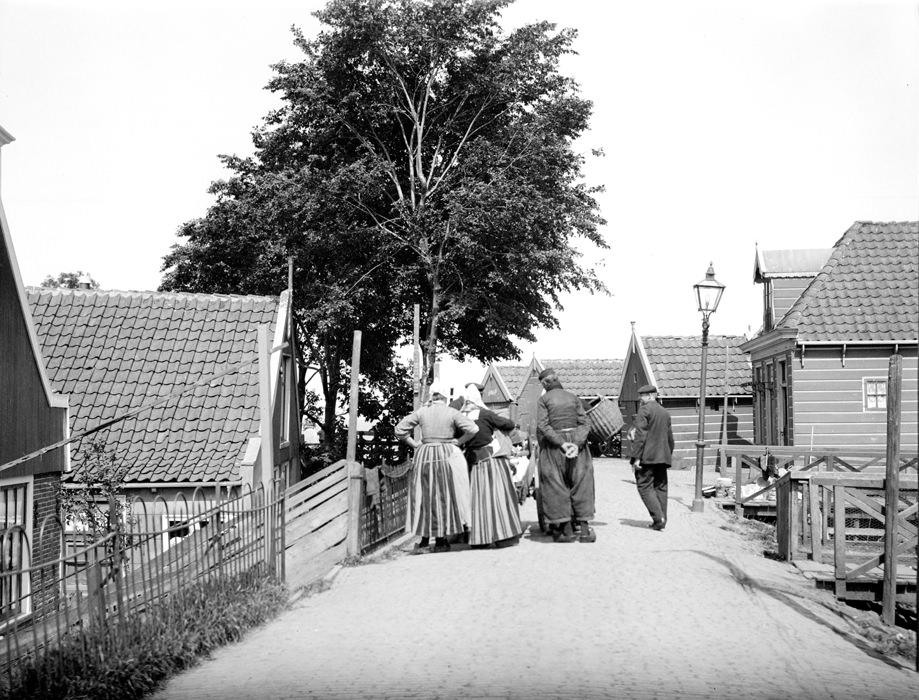
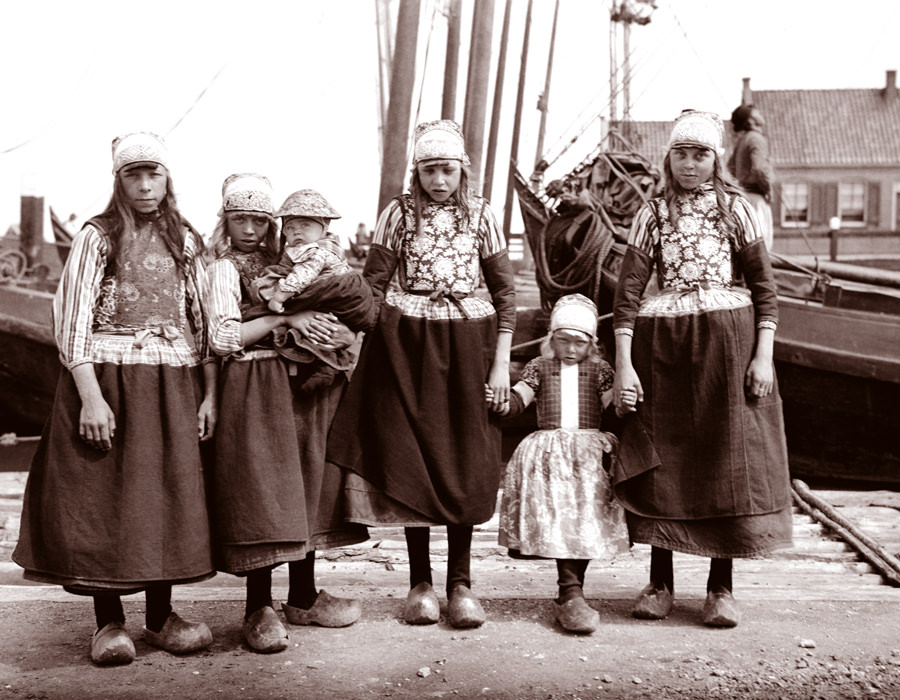
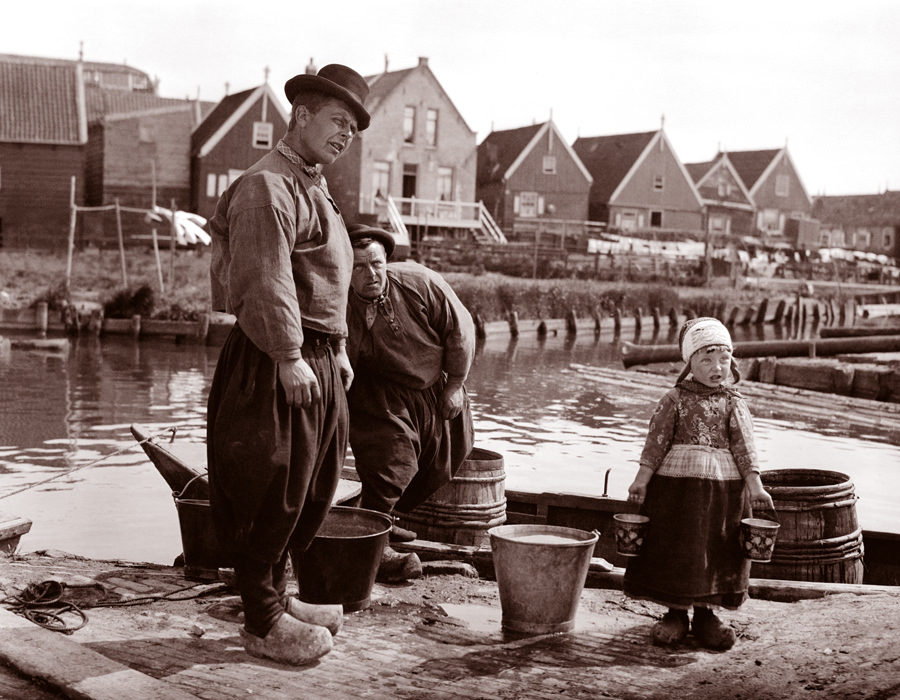
The island community of Volendam maintained its own distinct dress and way of life well into the 20th century. Boys and men wore baggy trousers and wooden clogs; women and girls wore embroidered bodices, white caps, and long striped skirts. These were not costumes for tourists — they were everyday clothing worn by people who lived and worked as they had for generations.
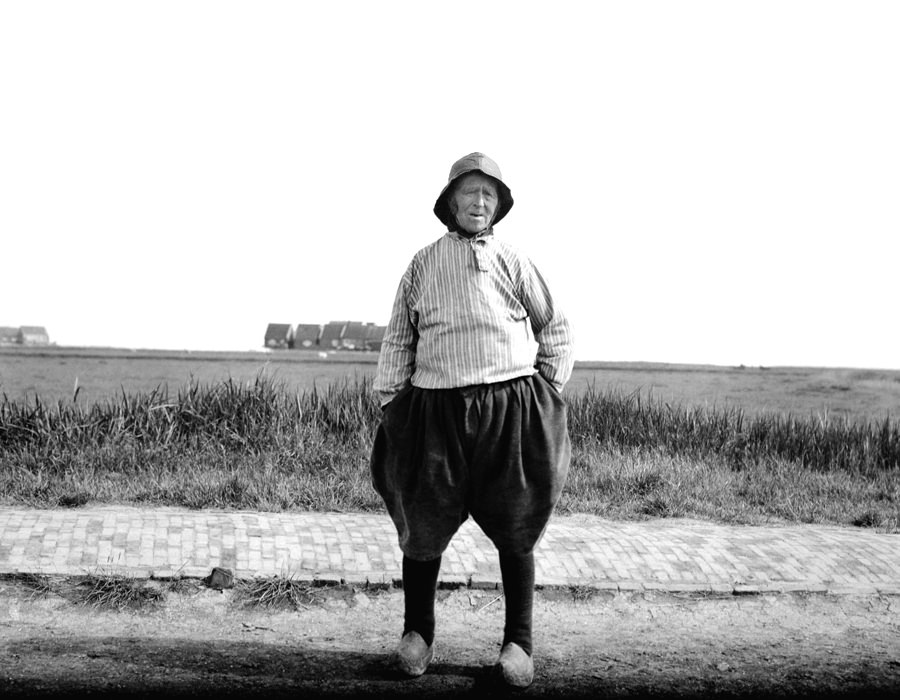
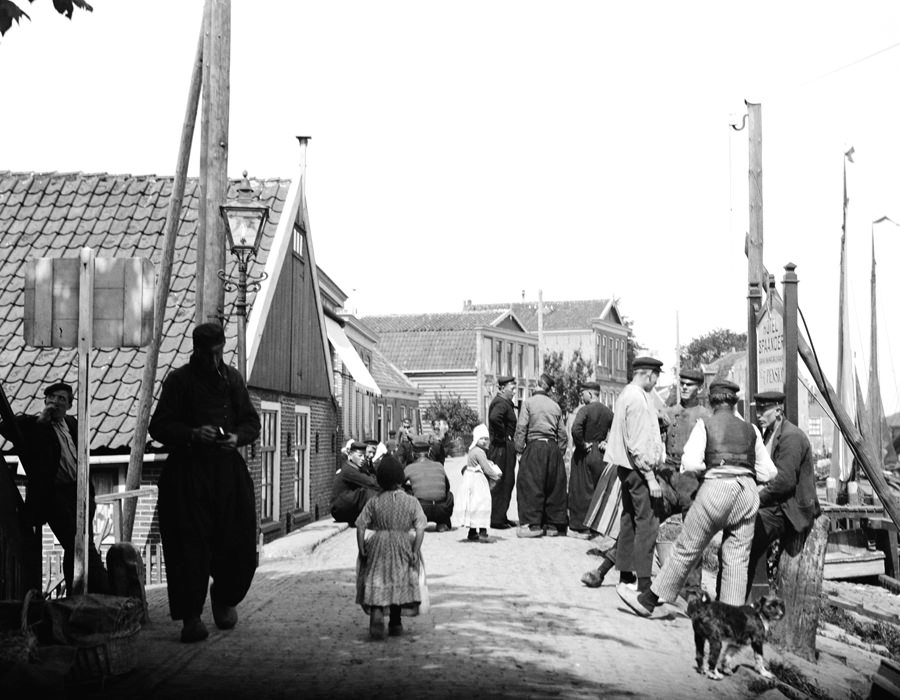
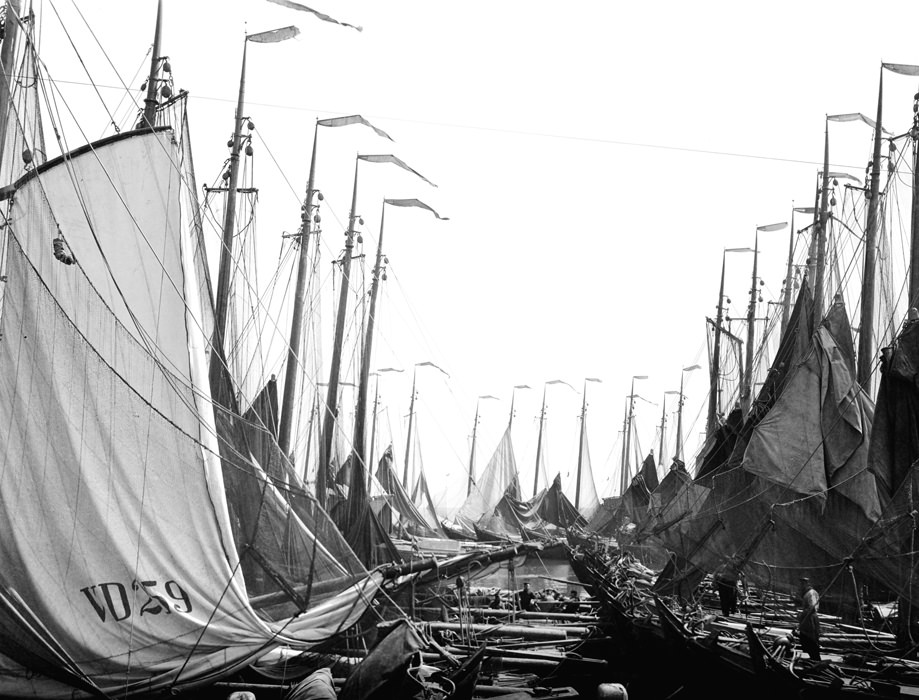
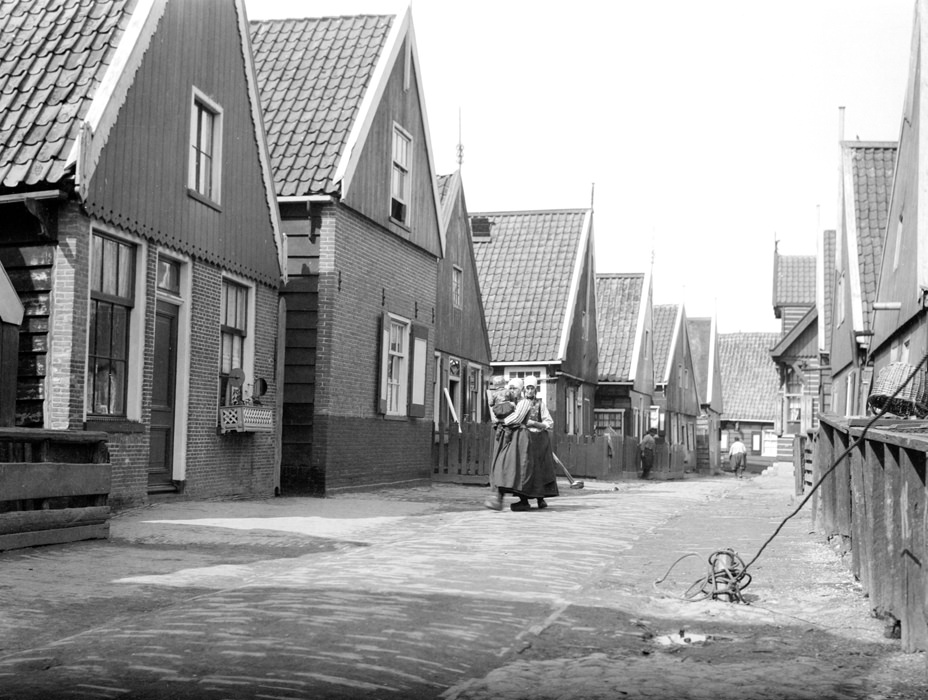
Nearby Marken was even more isolated than Volendam. A small island in the Zuiderzee, Marken was accessible only by boat in 1900, which had allowed its community to develop its own architecture and clothing traditions. The men of Marken wore a different style of dress from mainland Dutch fishermen, and the houses — raised on stilts or mounds to avoid flooding — were unlike anything found elsewhere in the Netherlands.
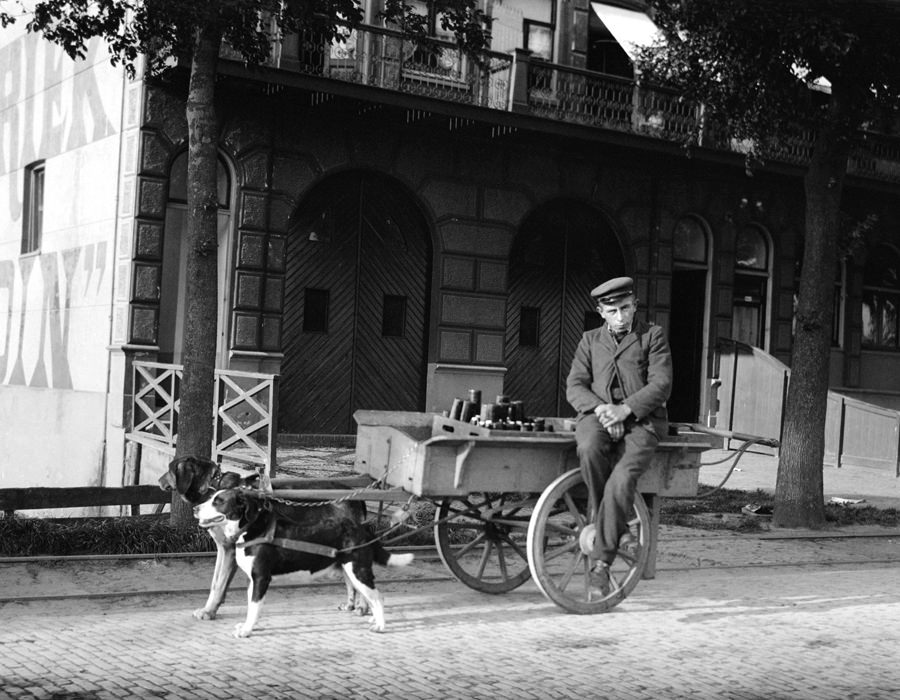
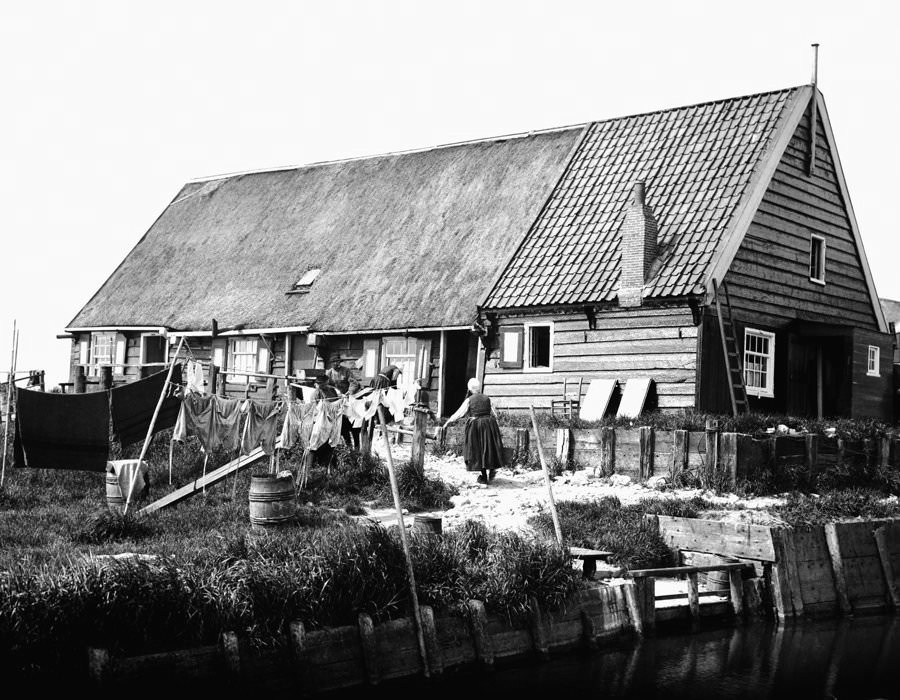
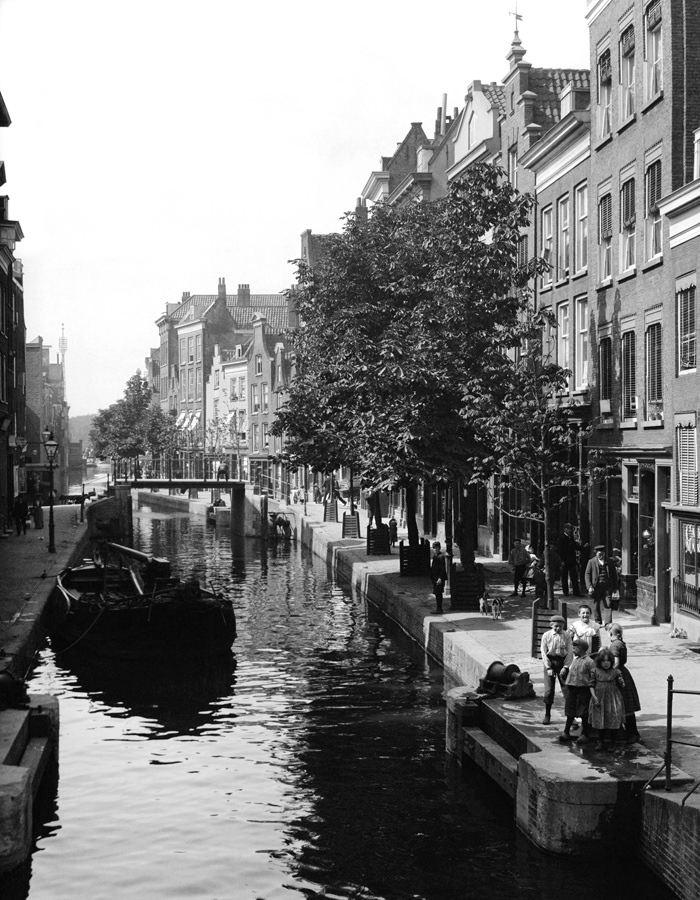
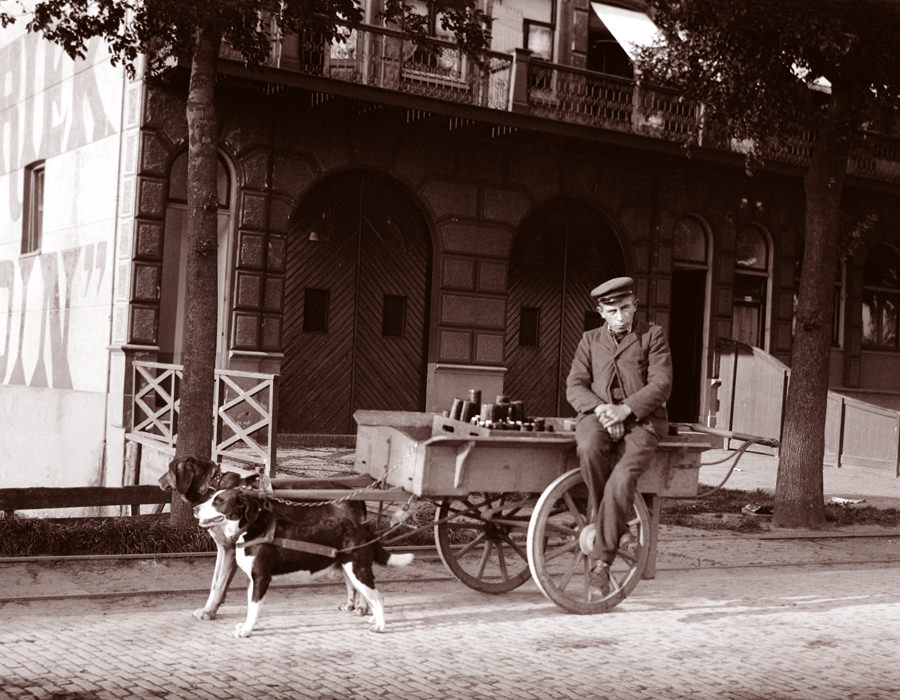
Dog carts — small carts pulled by large dogs — were a practical form of transport used in parts of the Netherlands in 1900, particularly for delivering milk, bread, and other goods in towns and villages. The practice was eventually banned in the Netherlands in 1916 on animal welfare grounds. It was one of many small details of daily Dutch life that photography preserved before it disappeared entirely.
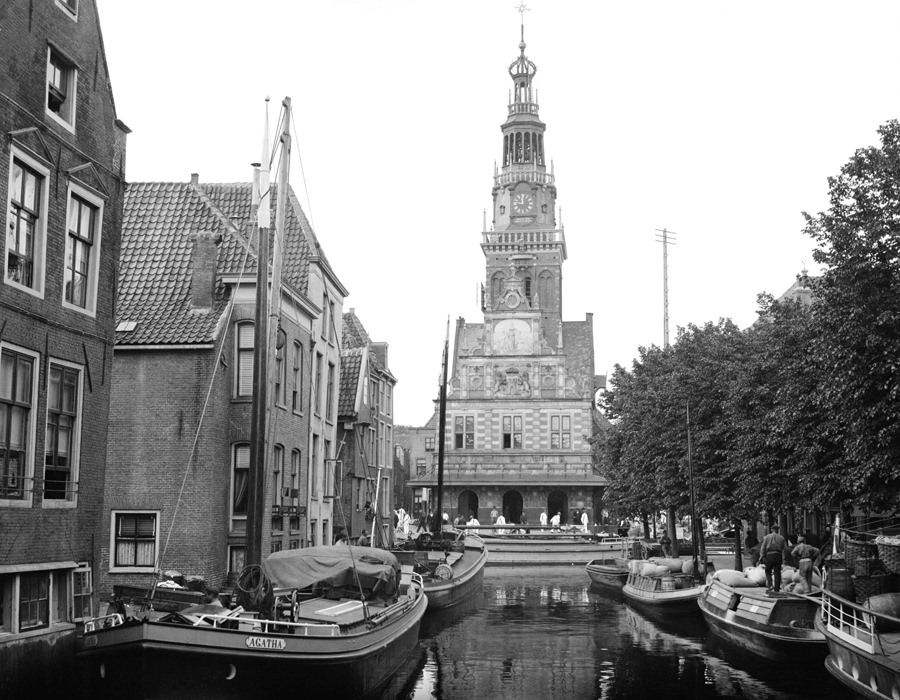
Alkmaar’s cheese market was one of the most organized and distinctive commercial traditions in the Netherlands. Cheese carriers, organized into guilds and wearing color-coded hats, transported large rounds of Gouda and Edam on flat wooden stretchers. The market had operated since the 14th century and was a well-established part of the regional economy by 1900.
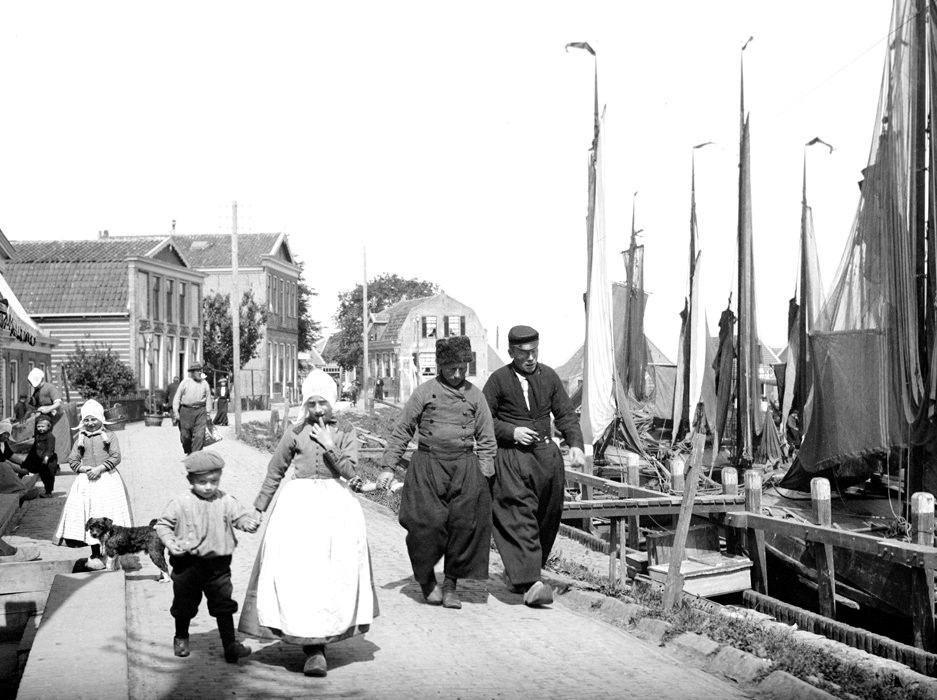
The streets of Volendam in the early 1900s were narrow and close to the water. Houses were built tight against each other, with small boats moored directly in front. The village was largely self-contained, its economy built around the Zuiderzee fishery. Eels, smoked and fresh, were a Volendam specialty sold at markets across the region.
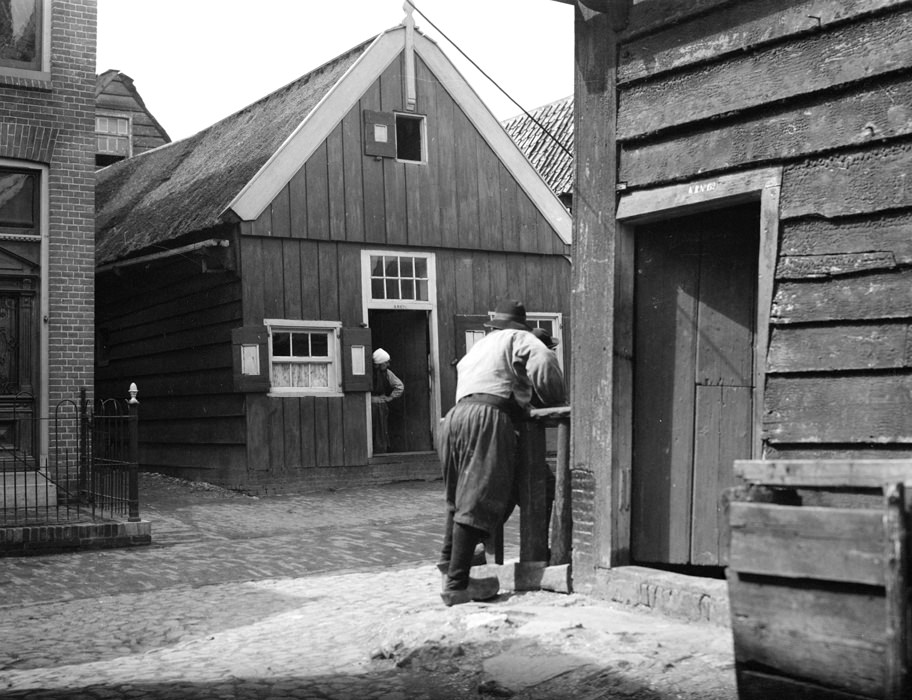
Photography played a growing role in documenting Dutch life during this period. Postcards featuring scenes from Volendam, Marken, and Alkmaar were sold across Europe, presenting an image of the Netherlands as a place of picturesque traditions and timeless landscapes. These images were popular abroad, even as the country itself was modernizing at a rapid pace.
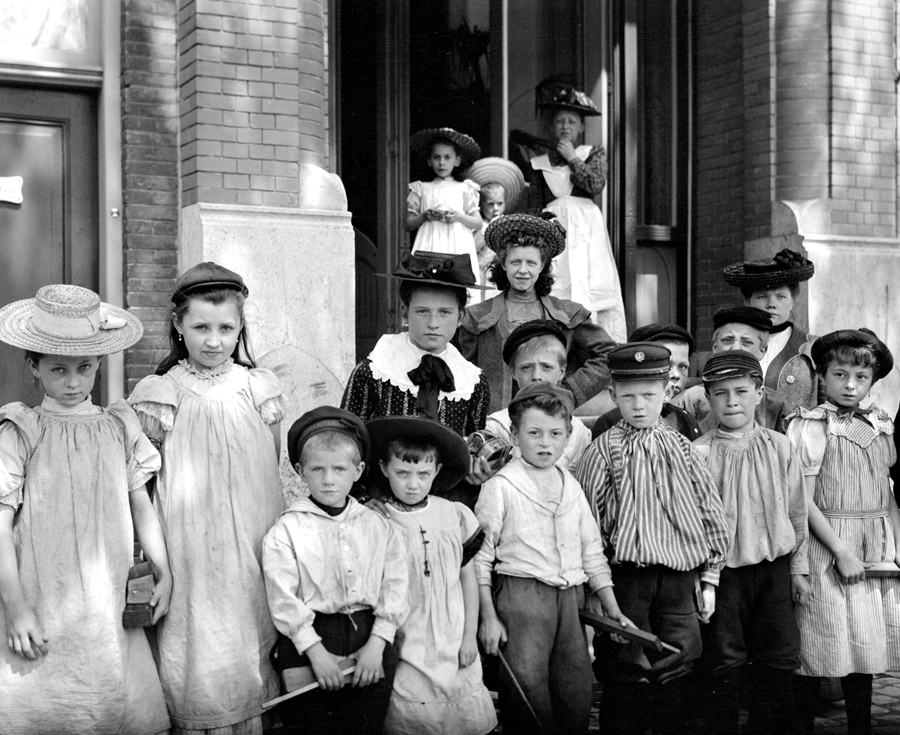
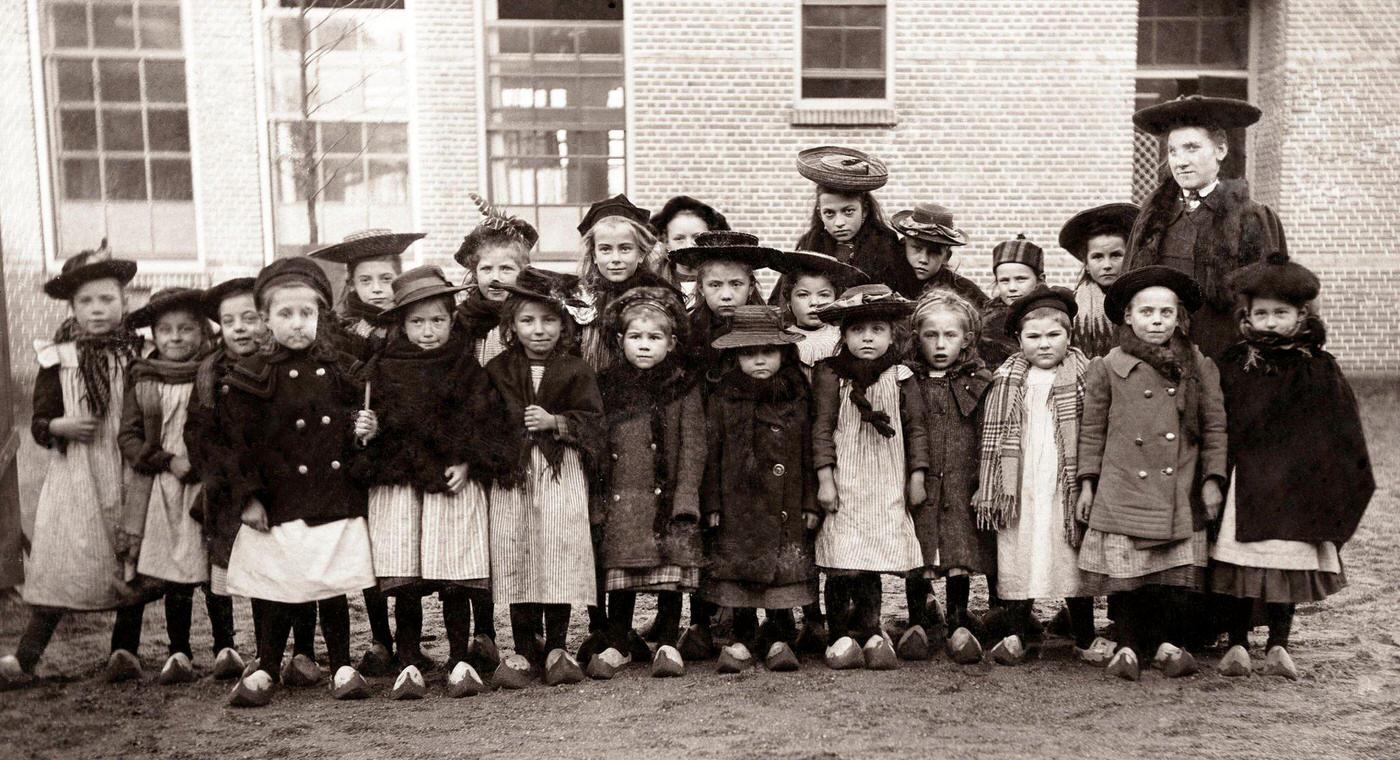
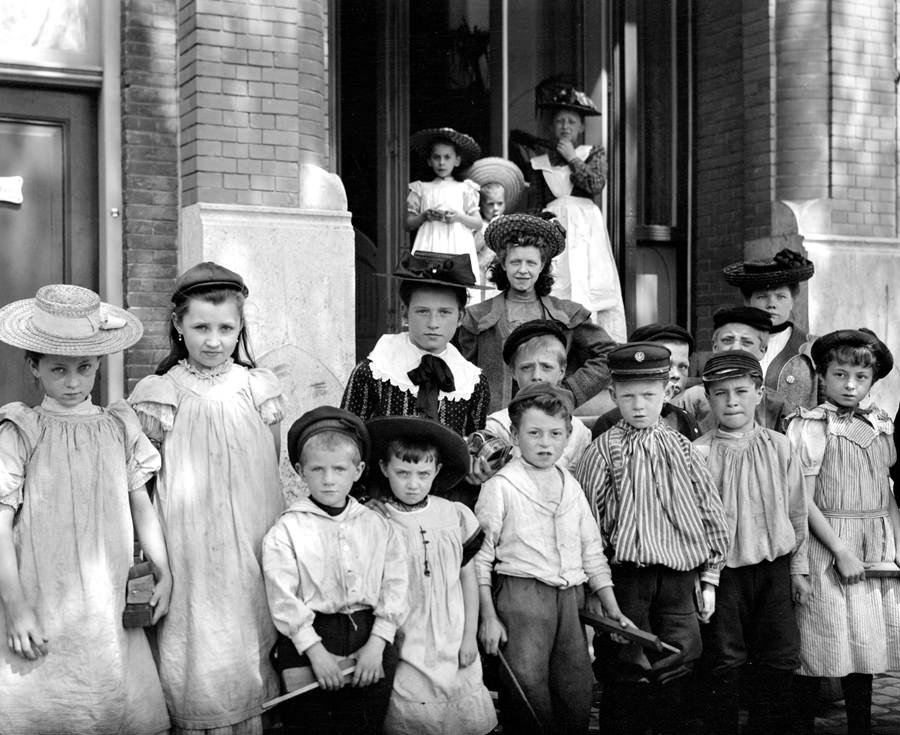
Dutch school enrollment grew steadily in the early 1900s as the government invested in education. The Compulsory Education Act of 1901 required children to attend school, bringing many working-class and rural children into classrooms for the first time. Class photographs from this era often show children in their everyday clothes — a mix of regional dress and more standardized urban fashions.
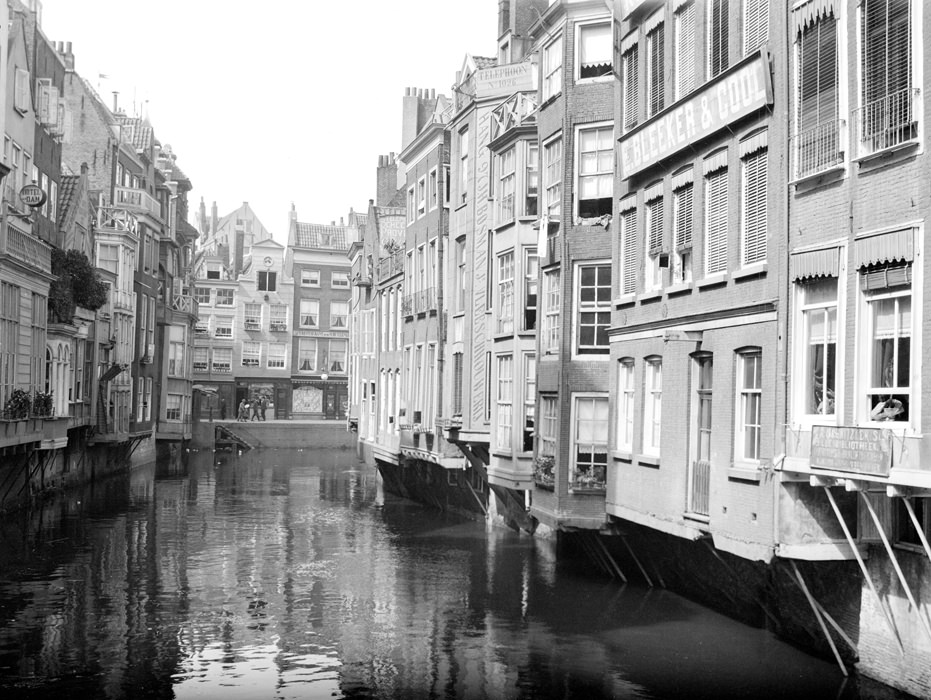
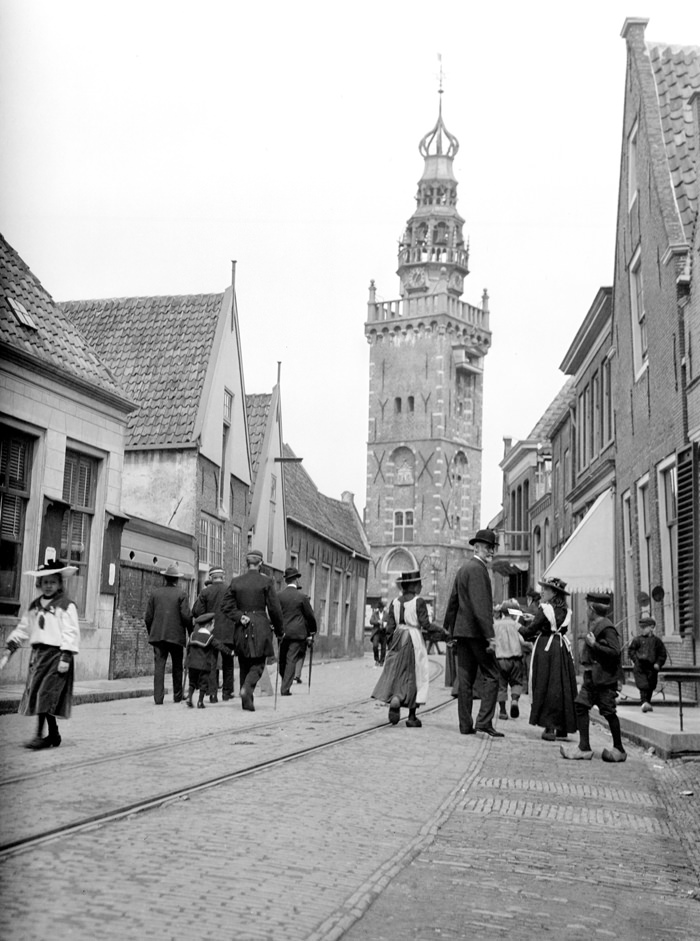
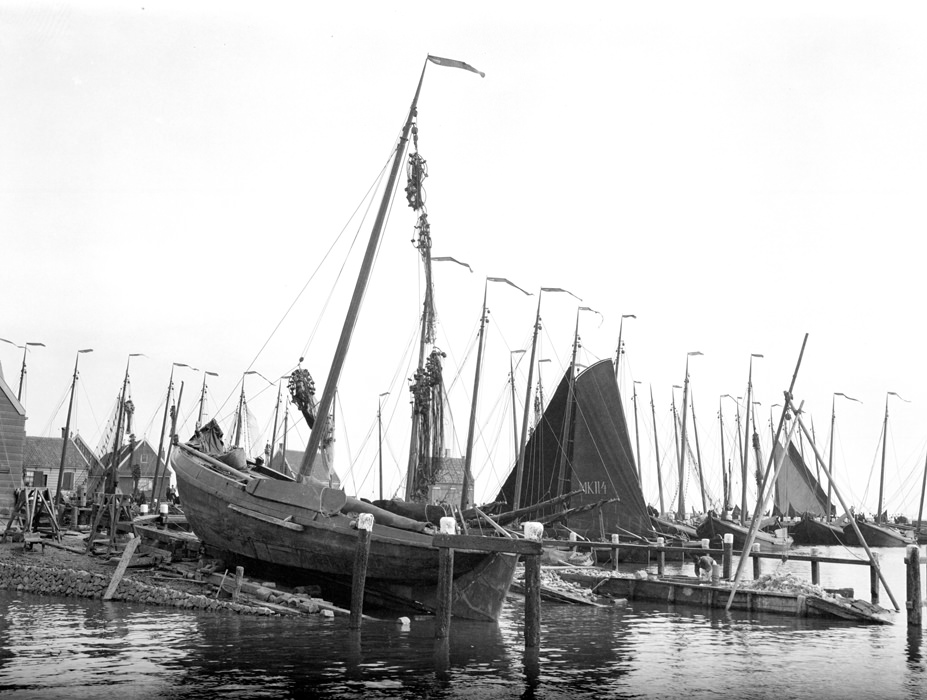
Monnickendam was a small harbor town northeast of Amsterdam on the Zuiderzee. Like Volendam and Marken, it was a fishing community whose character had changed little over the centuries. Its harbor was filled with flat-bottomed boats suited to the shallow waters of the inland sea, and its residents maintained strong local traditions in dress and trade.
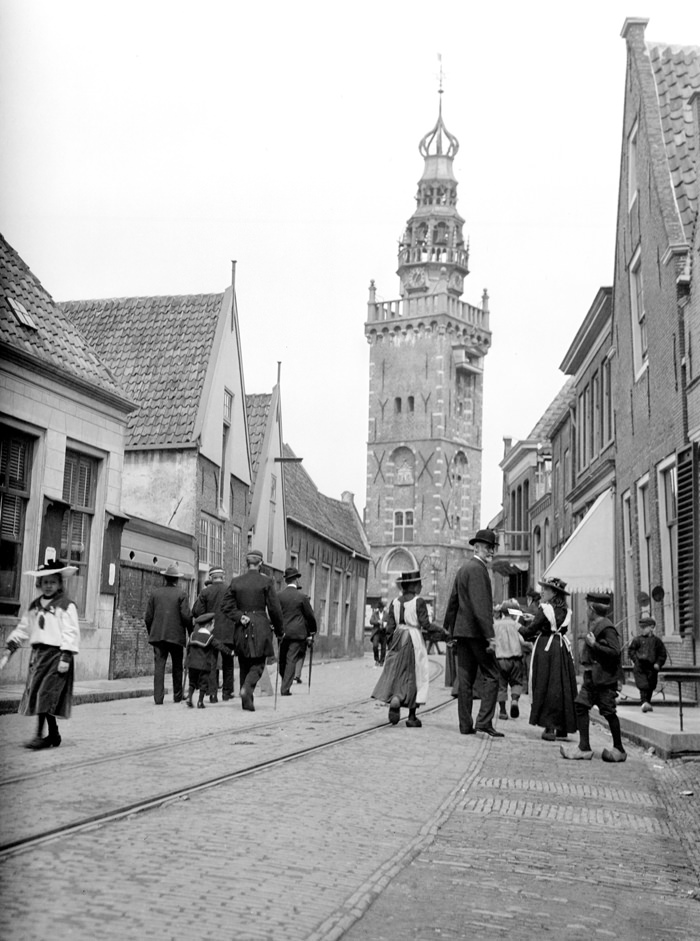
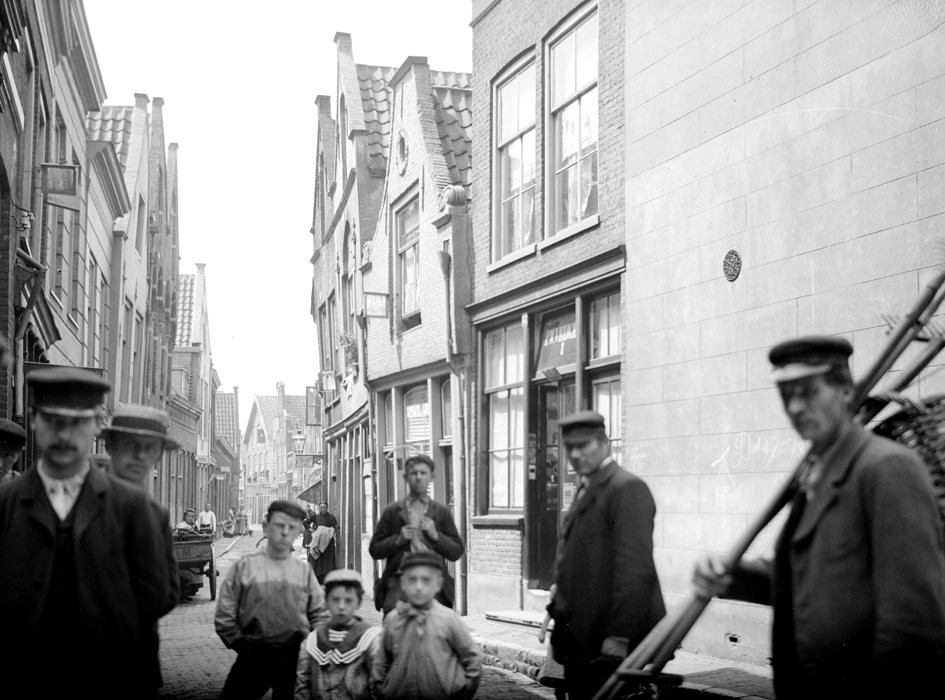
Street scenes from 1904 across the Netherlands show a country where old and new coexisted. Horse-drawn wagons shared roads with early bicycles, which had become enormously popular in the Netherlands during the 1890s. By 1900, the Dutch had among the highest rates of bicycle ownership in the world — a distinction that would only grow in the following decades.
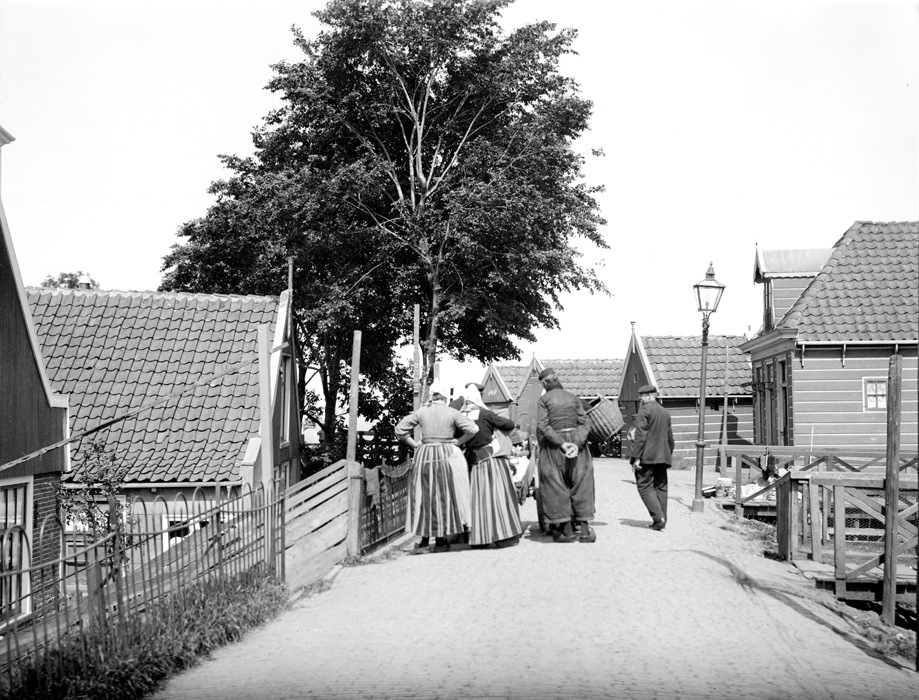
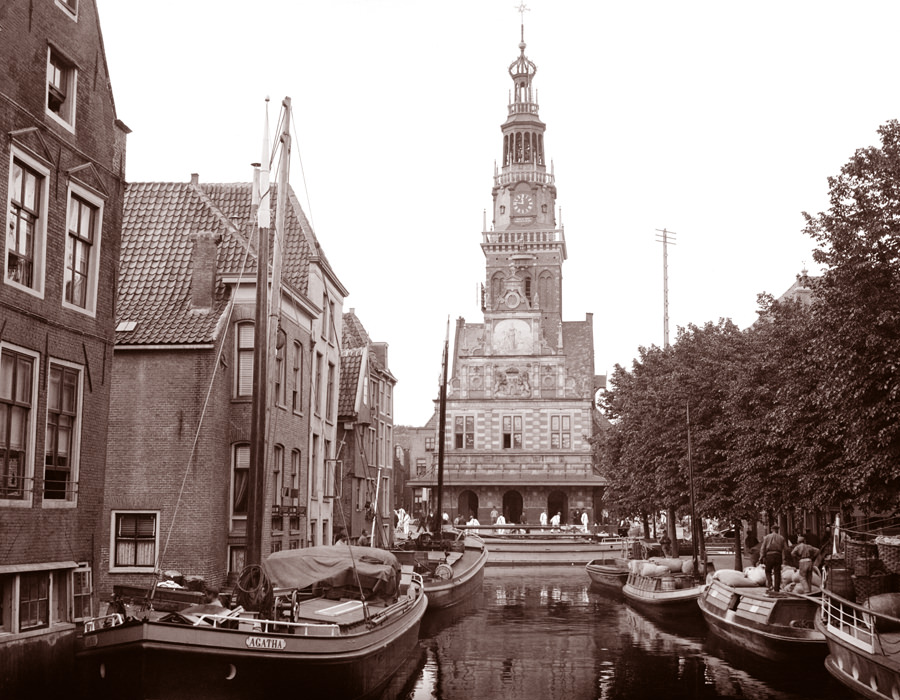
The canal running through Alkmaar’s market district allowed cheese to be transported directly from farms to the weighing house by boat. The integration of water transport and market commerce was a hallmark of Dutch trade across the country. Few European nations had developed such an efficient system for moving agricultural goods from producer to market.
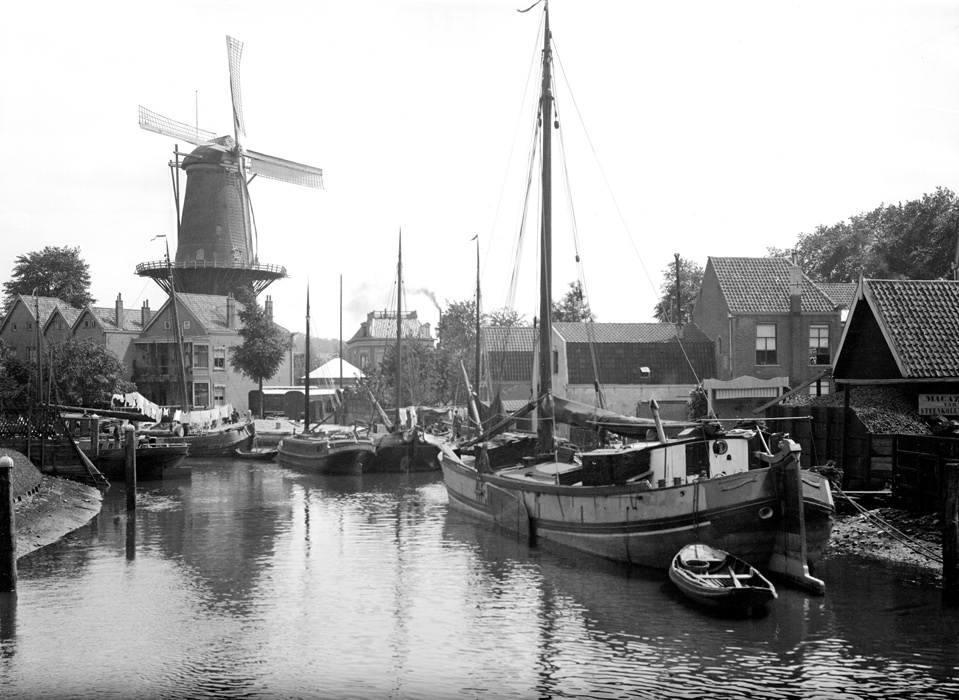
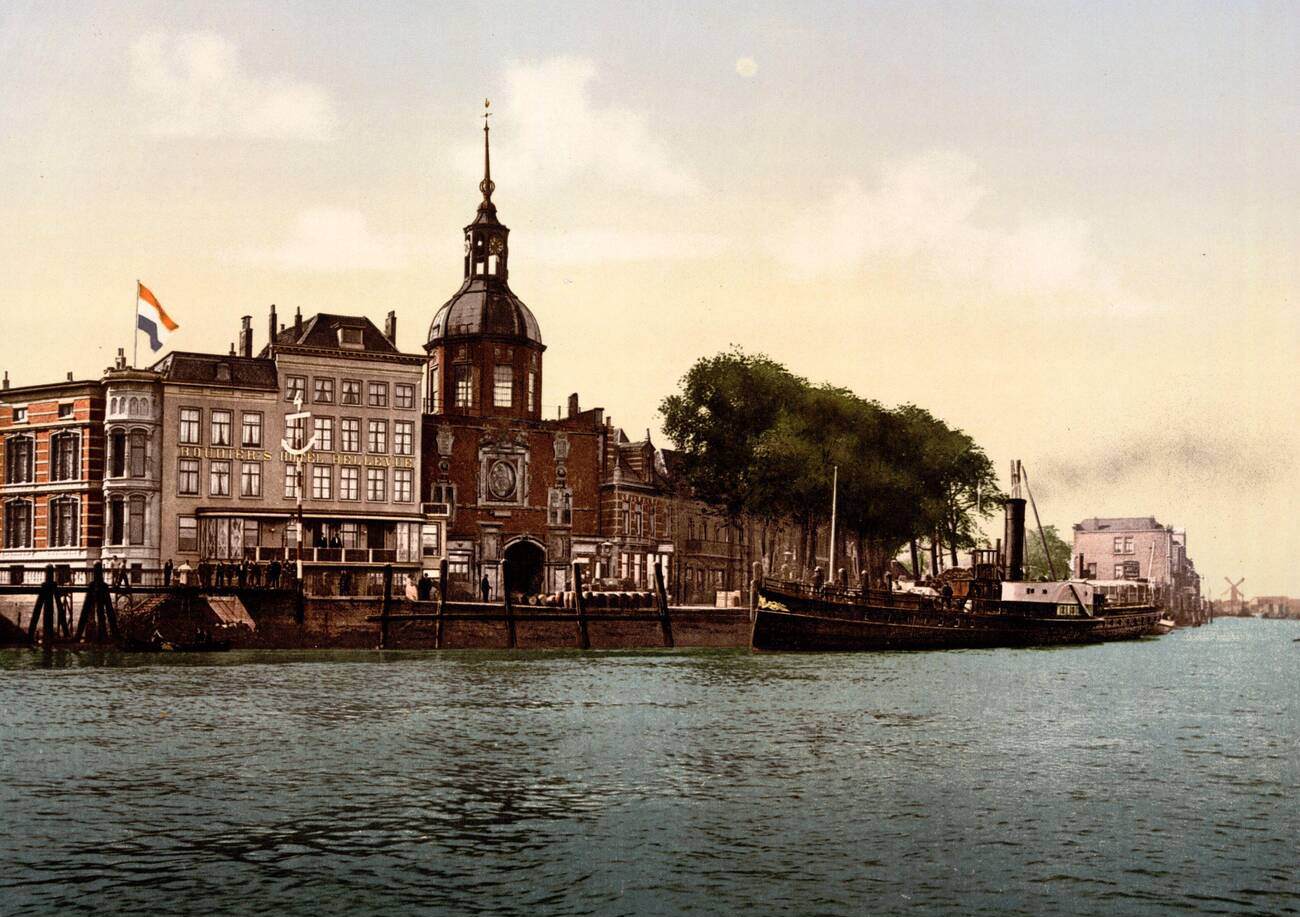
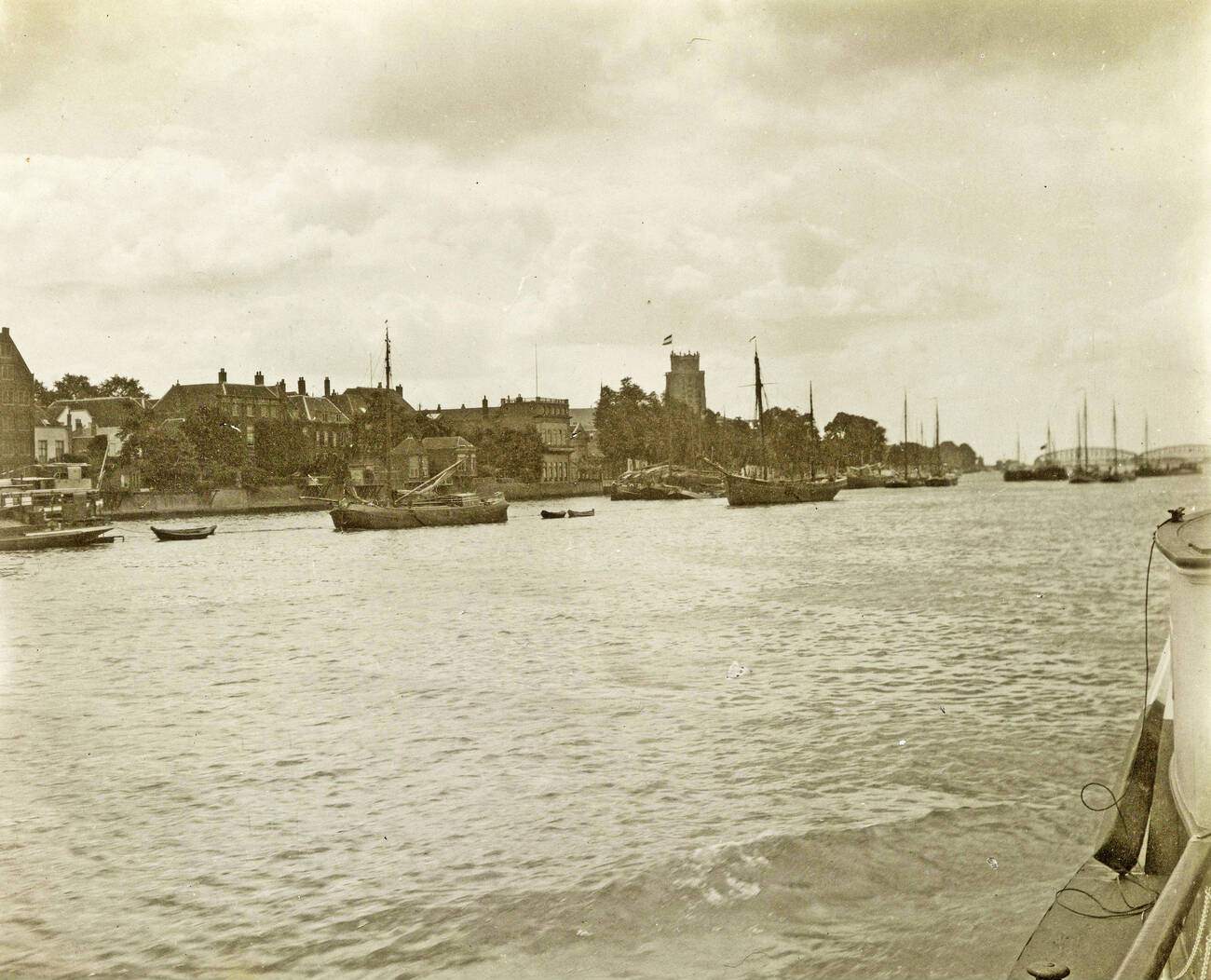
Dordrecht, one of the oldest cities in the Netherlands, sat at the confluence of several major rivers south of Rotterdam. Its position made it a natural trading post, and its waterfront was lined with merchant warehouses, bridges, and boat traffic. The city had a slower pace than Rotterdam but remained an important node in the Dutch inland waterway network.
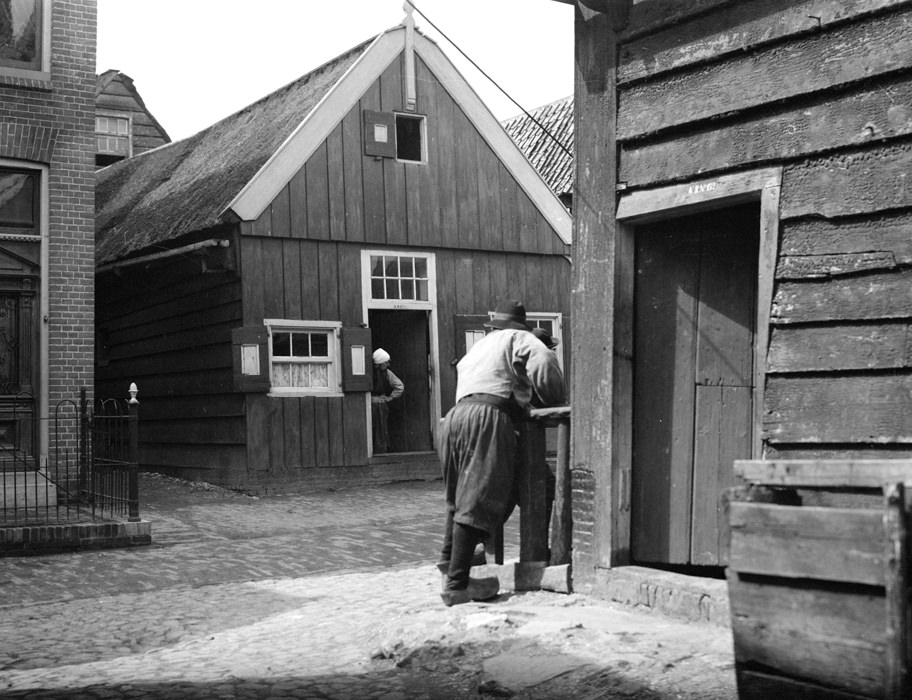
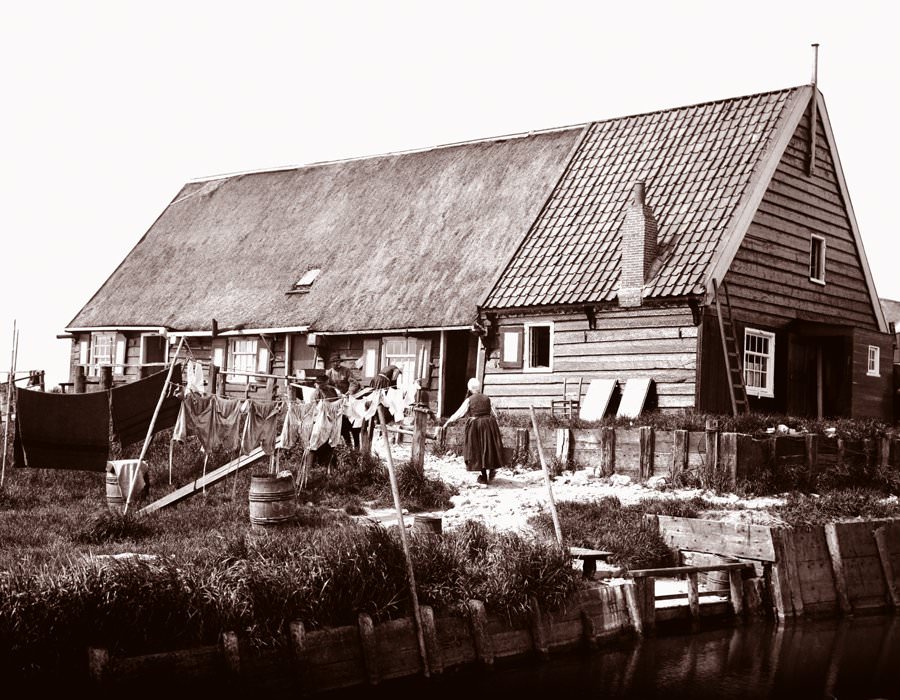
Domestic life on Marken was shaped by the island’s isolation. Laundry was washed and dried outdoors, and the community relied on its own resources for most daily needs. Women on Marken wore their distinctive striped costumes even for ordinary household tasks, making everyday life visually striking for the artists and photographers who visited the island in growing numbers after 1900.
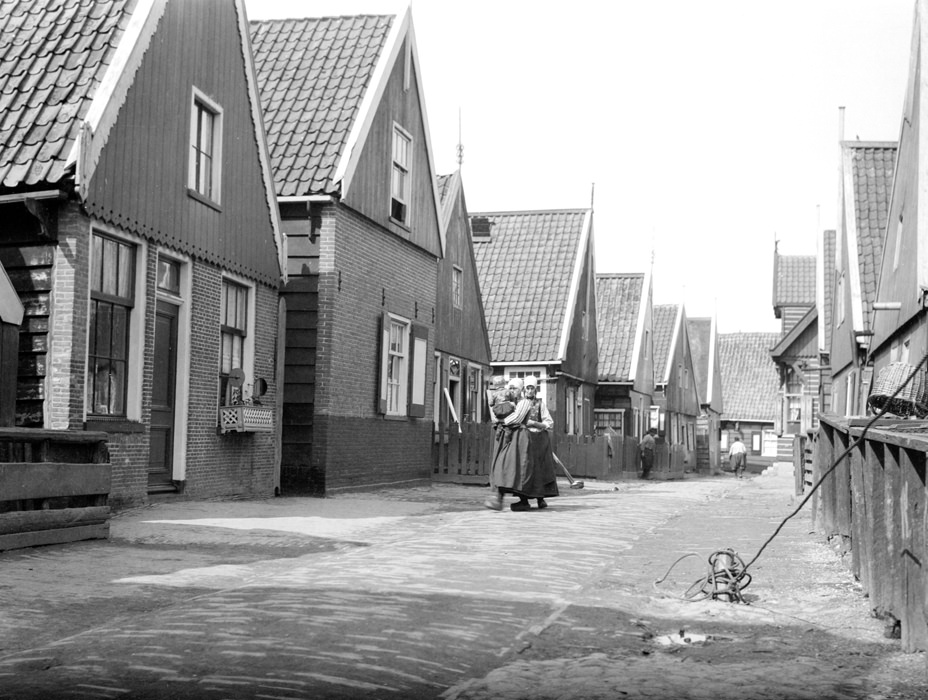
The streets of Marken were unlike those of any mainland Dutch town. The houses were clustered together on raised ground, painted in dark greens and browns, with small windows and low rooflines designed to withstand the winds off the Zuiderzee. The community was tight-knit, deeply religious, and resistant to outside influence — traits that only began to change when a causeway finally connected Marken to the mainland in 1957.
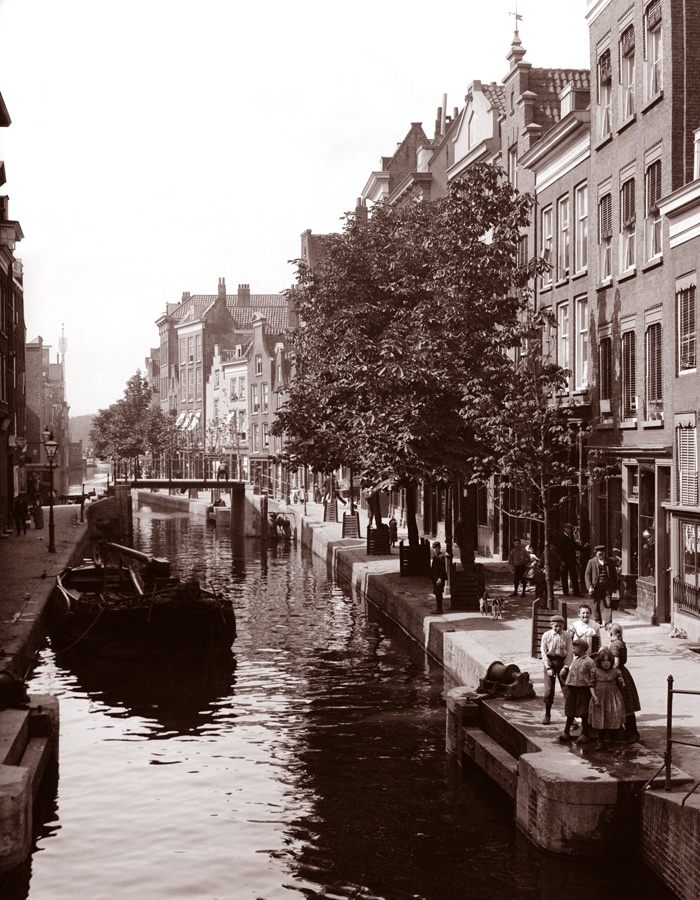
Rotterdam’s canal network was an industrial artery in 1900. The Spuiwater and other urban canals carried freight into the heart of the city, where warehouses, factories, and markets received goods arriving from the port. The city’s working waterways were very different in character from Amsterdam’s more residential canals — Rotterdam was a place built for commerce and industry above all else.
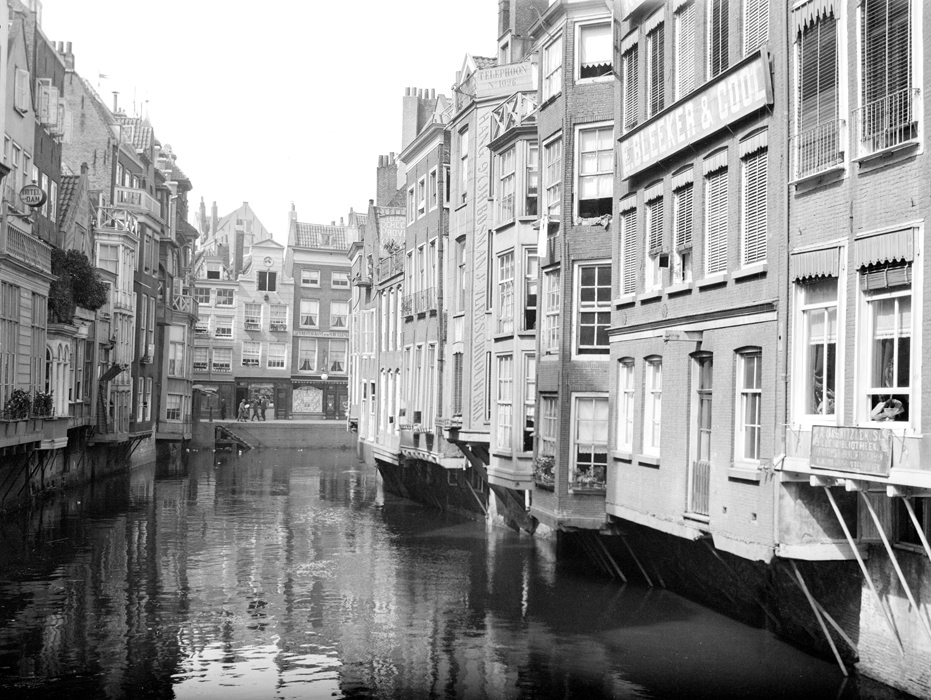
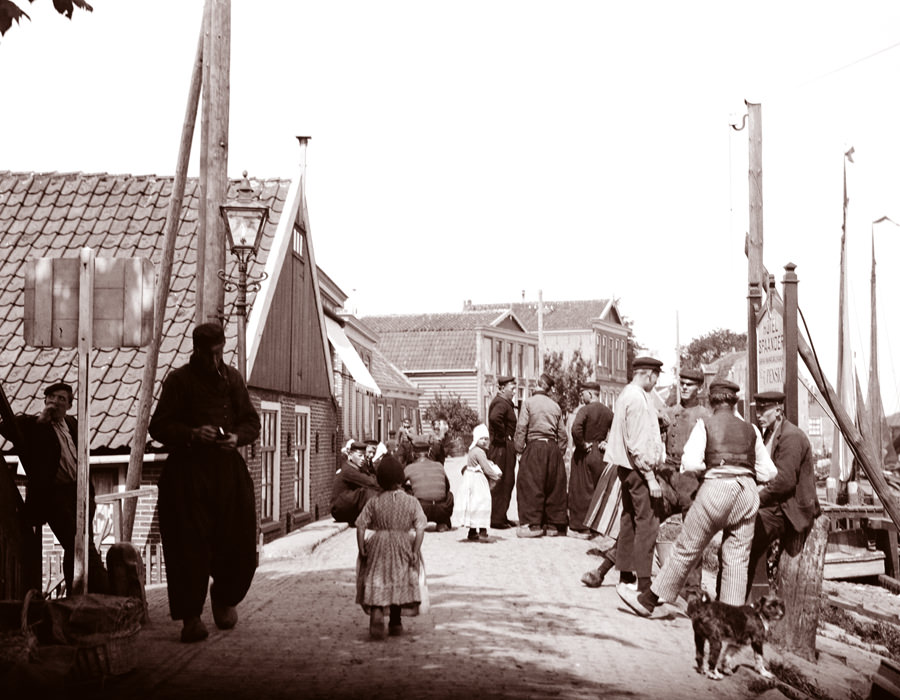
These photographs taken across the Netherlands at the turn of the 20th century capture a country at a pivotal moment. Cities were industrializing, social reforms were taking hold, and a young queen was steering the nation through a period of change — while in fishing villages and island communities, traditions centuries old carried on largely unchanged. The contrast between these two worlds defined what the Netherlands looked like in 1900.




