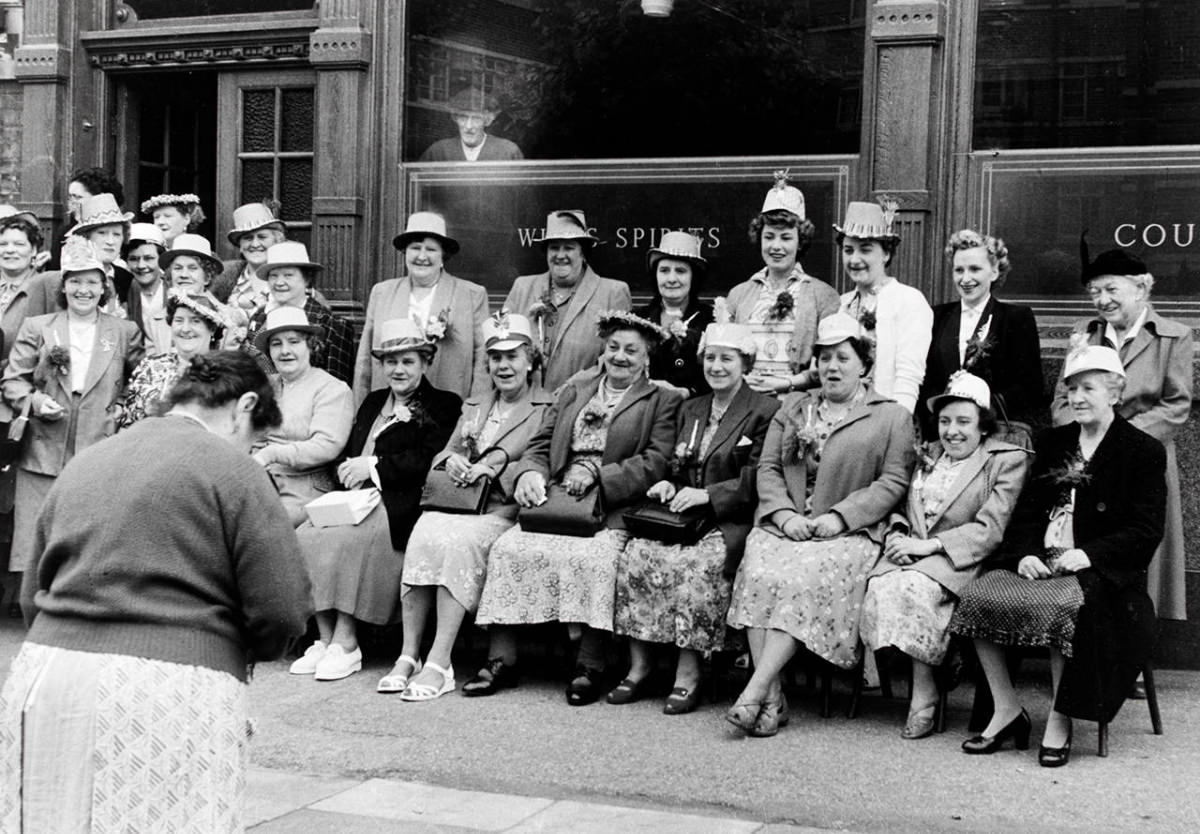
In postwar Britain, a working-class woman’s free time was scarce. Domestic duties, factory shifts, and family demands left little room for genuine leisure. That made what happened one day in the early 1950s all the more remarkable — a group of women from Bermondsey, South London, packed onto a coach and headed for the seaside.
British photographer Grace Robertson documented the entire outing in a photo story she called “Mother’s Day Off.” The women were heading to Margate, a popular seaside resort on the Kent coast. But before Robertson ever picked up her camera, she had to earn their trust. She spent three days drinking with the women at their local pub in Bermondsey, becoming a familiar face rather than an outsider with a lens.
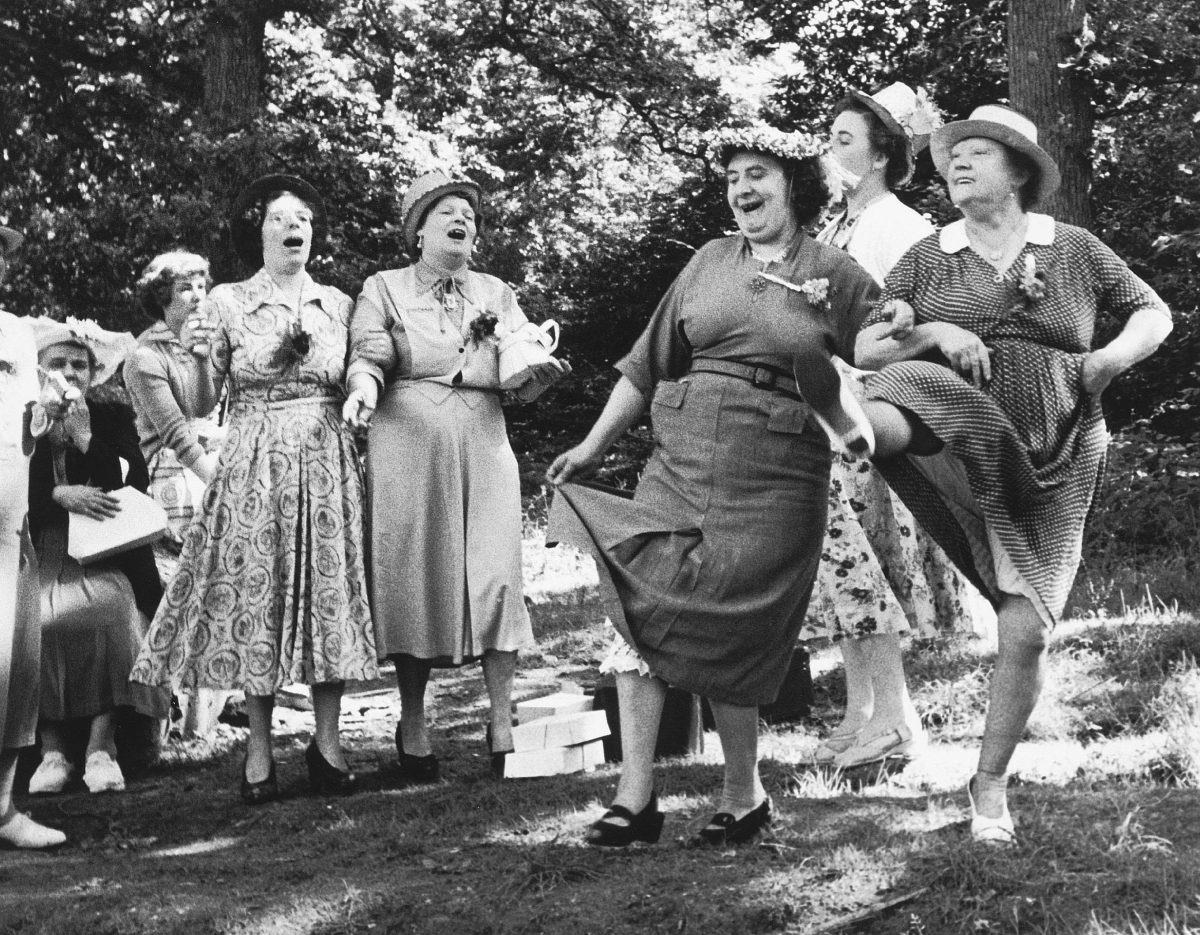
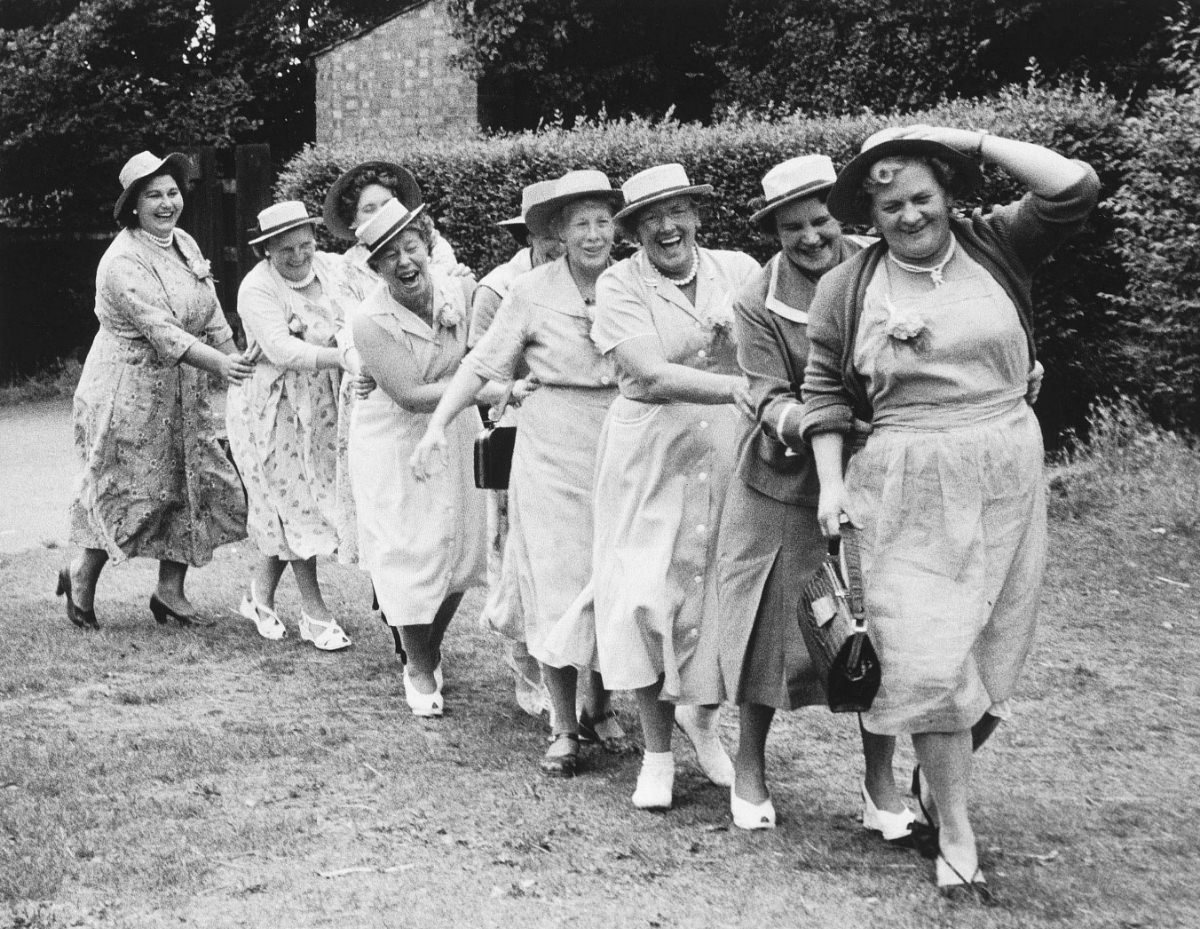
That groundwork paid off. When the day of the trip arrived, the women were completely at ease around her. Robertson’s photographs caught them singing, laughing, drinking, and cutting loose without a trace of self-consciousness. These were tight-knit neighbors who had known each other for years, and the day trip was a genuine release.
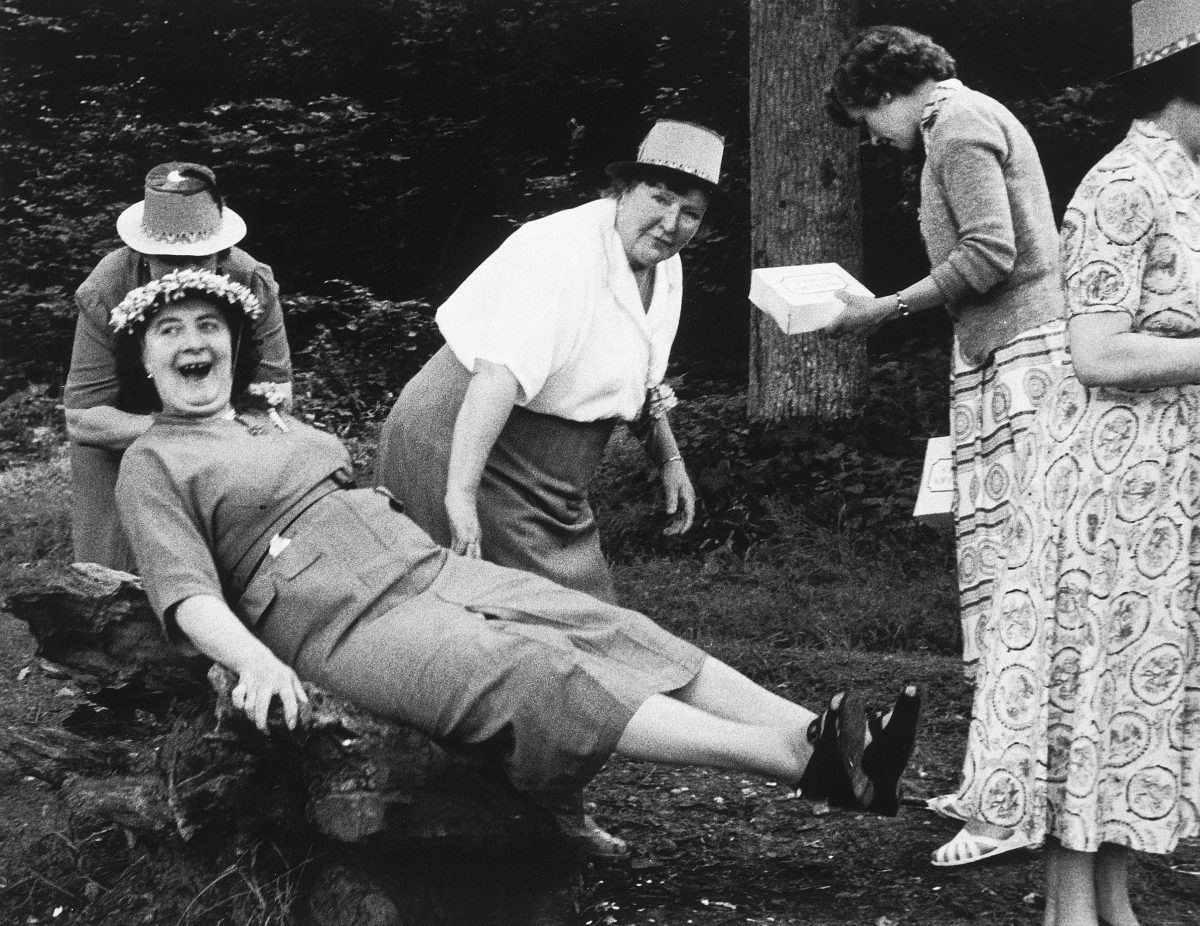
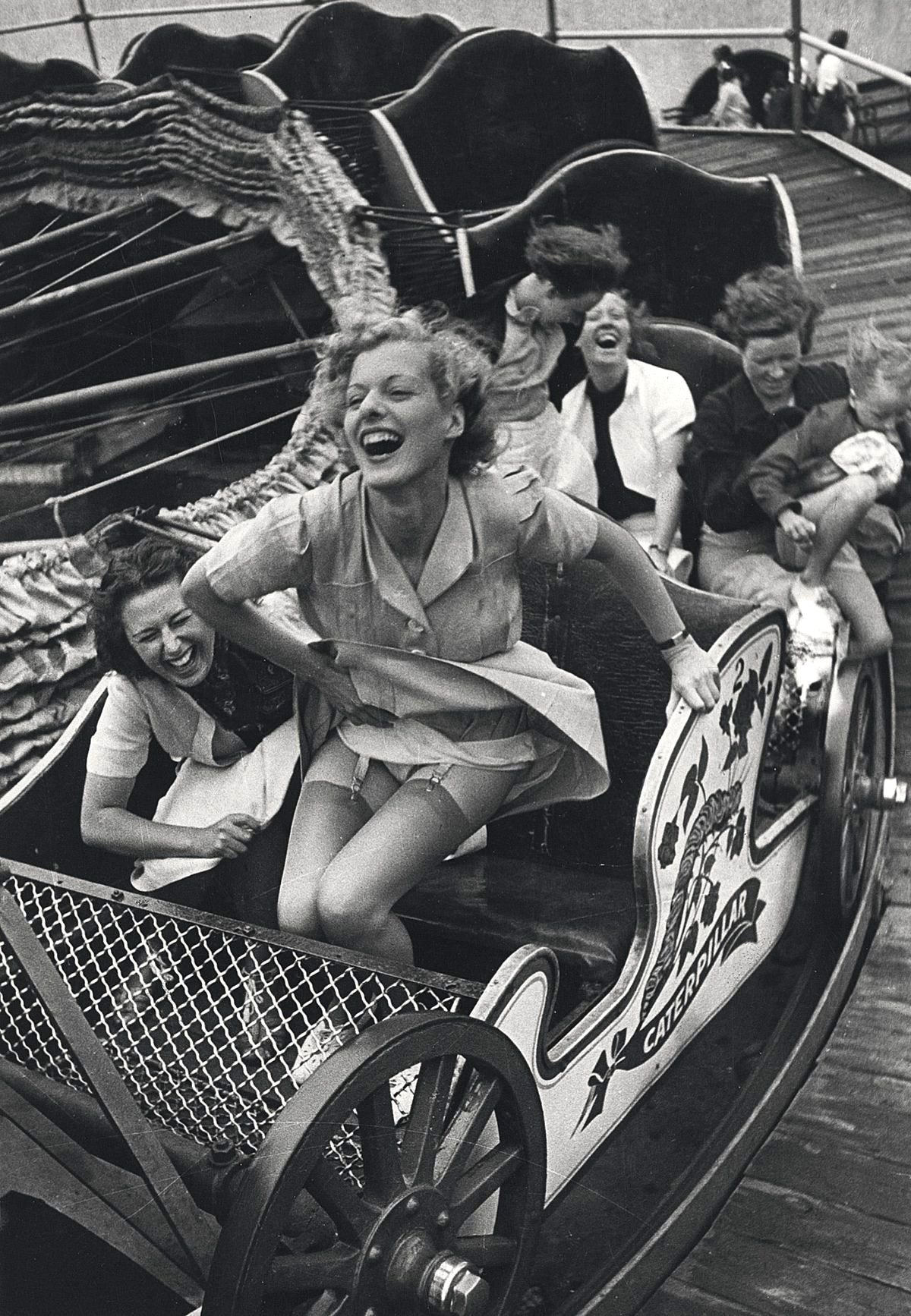
The energy in the images is immediate. There are no staged poses or polished moments — just women fully enjoying a rare day that belonged entirely to them. Robertson had a gift for disappearing into a scene, and the Bermondsey women let her.
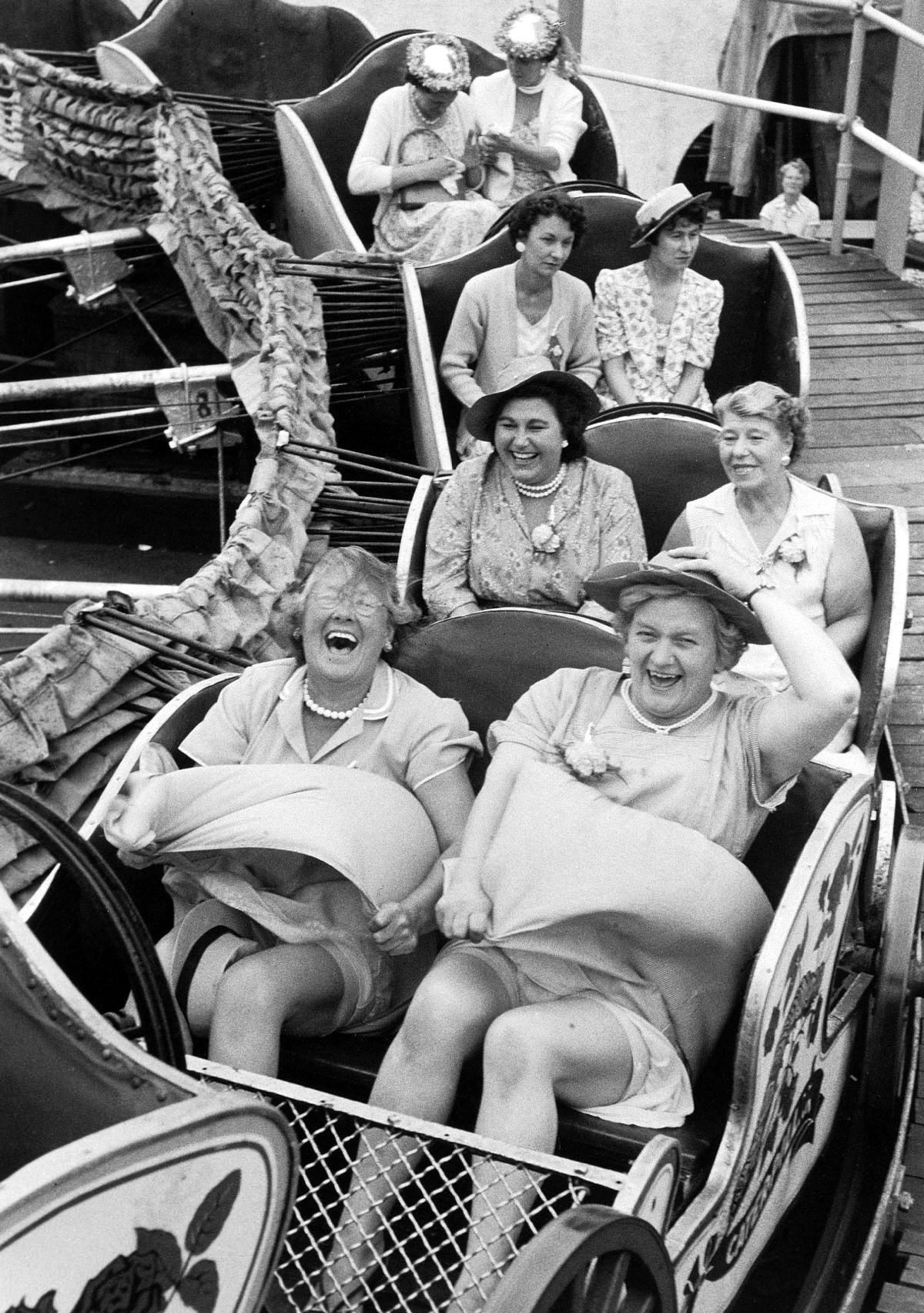
Robertson submitted the series to Picture Post, one of Britain’s most widely read illustrated magazines of the era. The editors rejected it at first. She pushed back, and eventually the story ran as the lead feature. It was a significant placement for any photographer, let alone a young woman working in a field dominated by men.
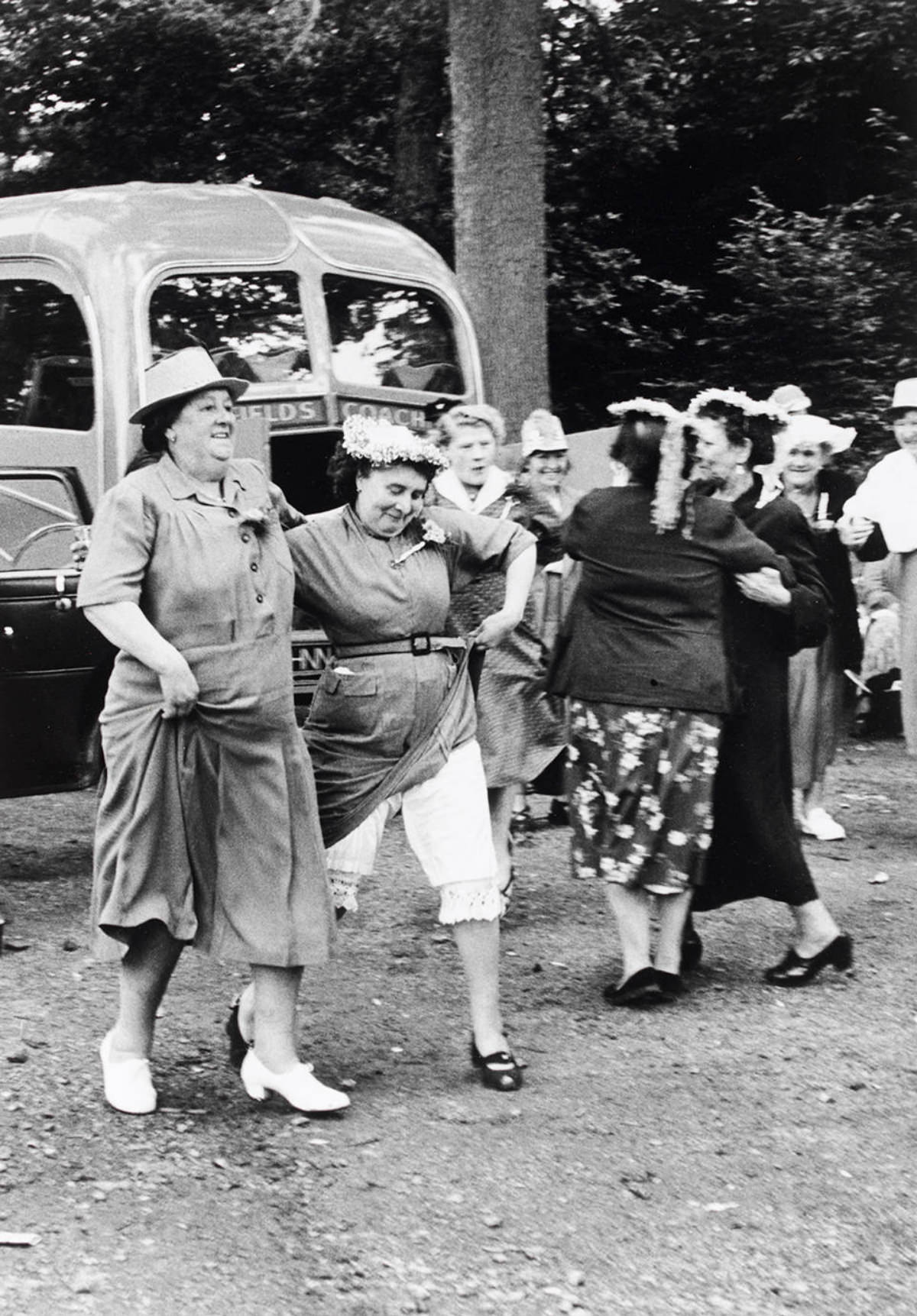
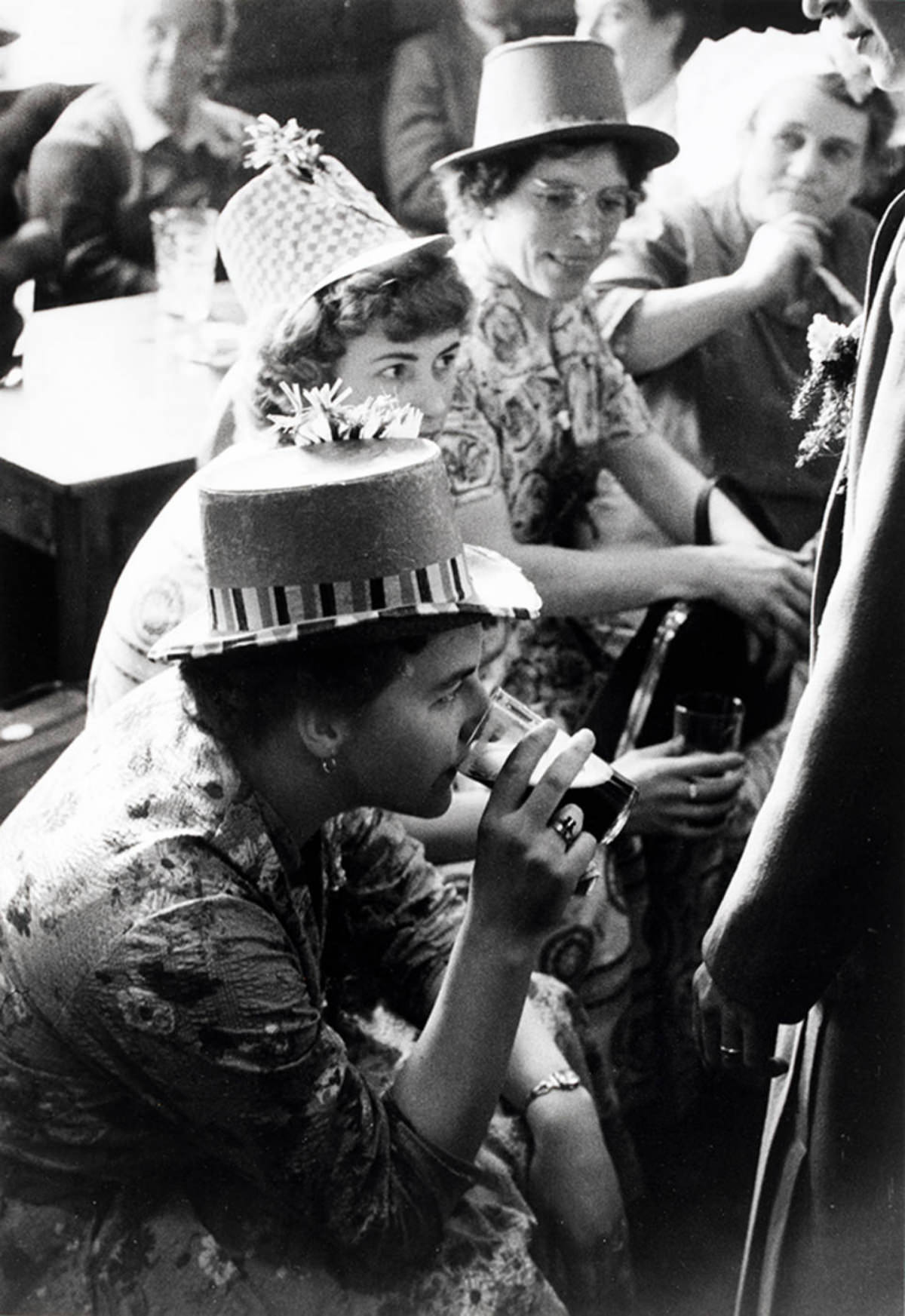
The recognition didn’t stop there. In 1956, Life magazine ran a similar feature, bringing Robertson’s work to an international audience. American readers saw the same unguarded joy that had resonated with British ones — women dancing on a coach, arms around each other, faces open and unworried.
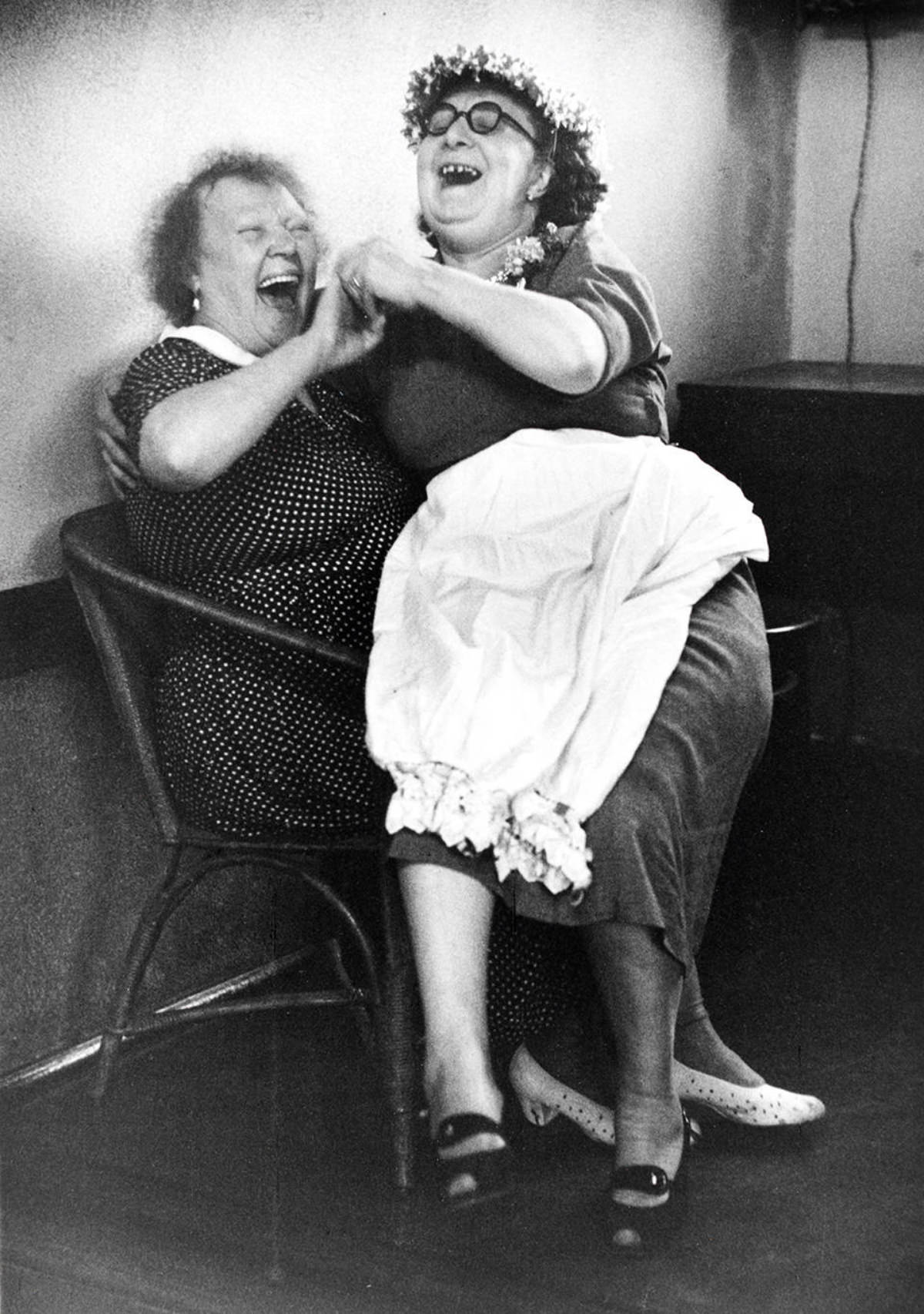
What Robertson captured was specific: a particular group of women, from a particular corner of London, on one particular day. The Bermondsey trip to Margate wasn’t symbolic of anything larger in her mind — it was simply real life, documented honestly. That directness is exactly what made the photographs stand out in an era when working-class women rarely appeared in print unless they were serving as background.