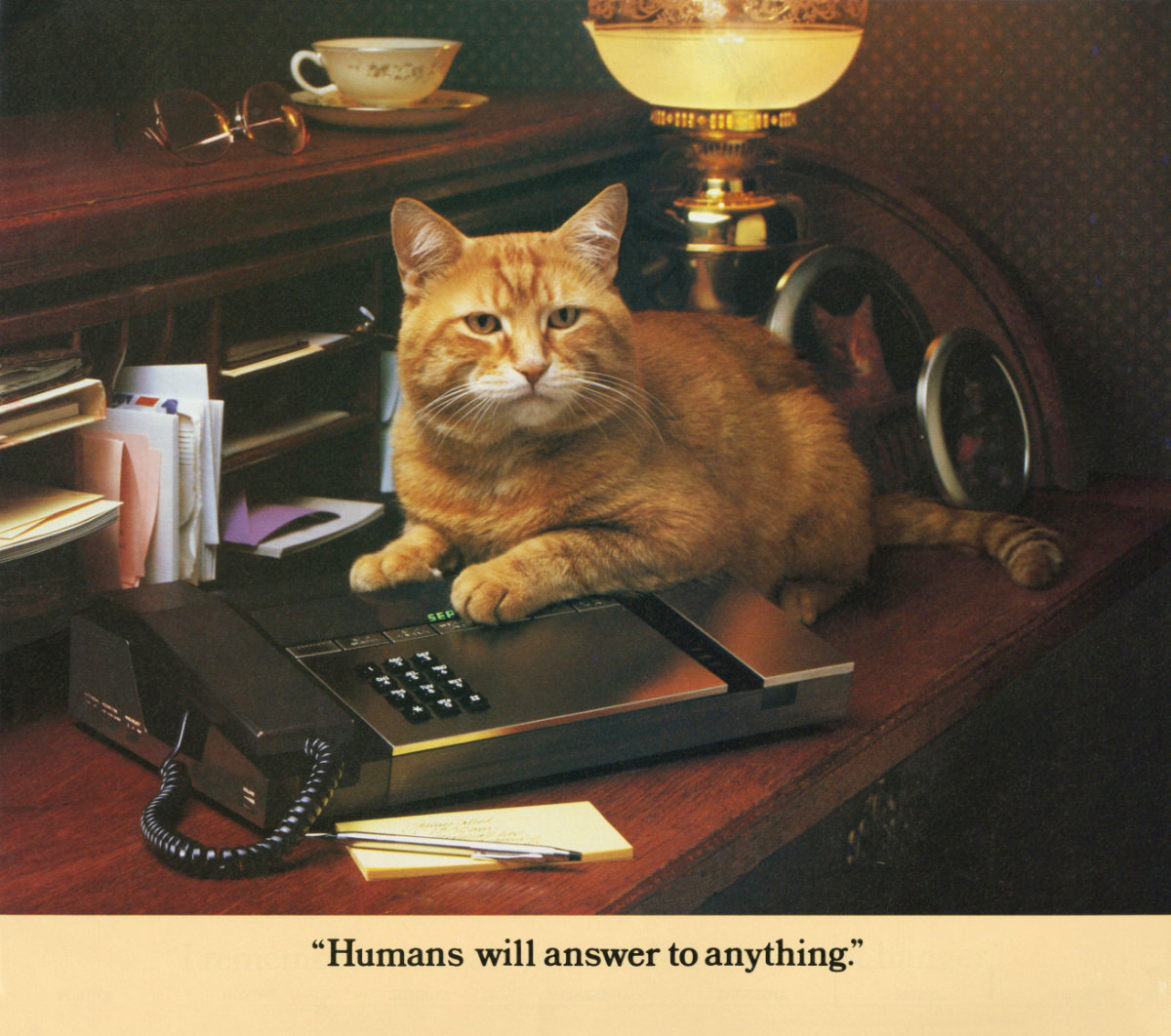
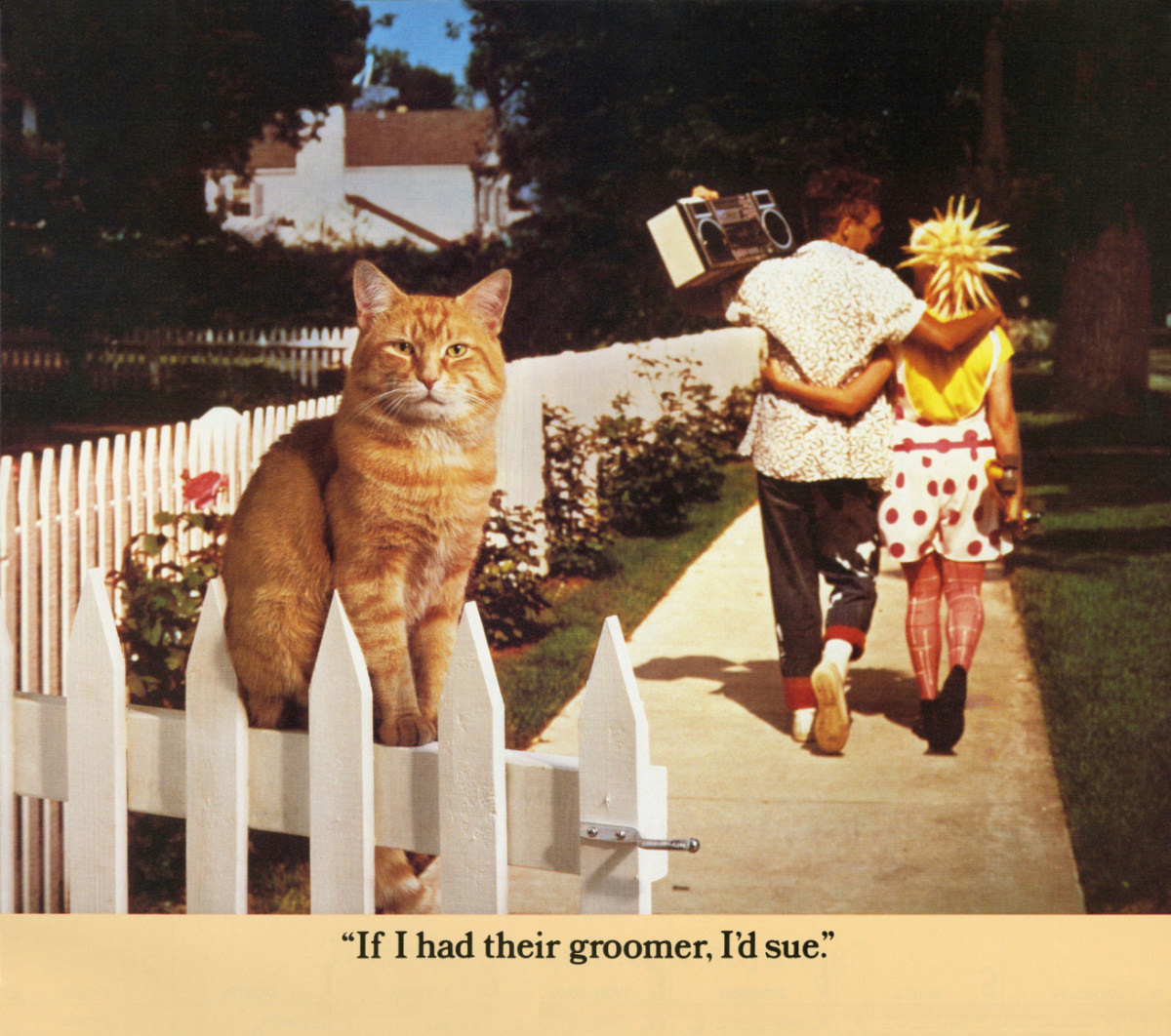
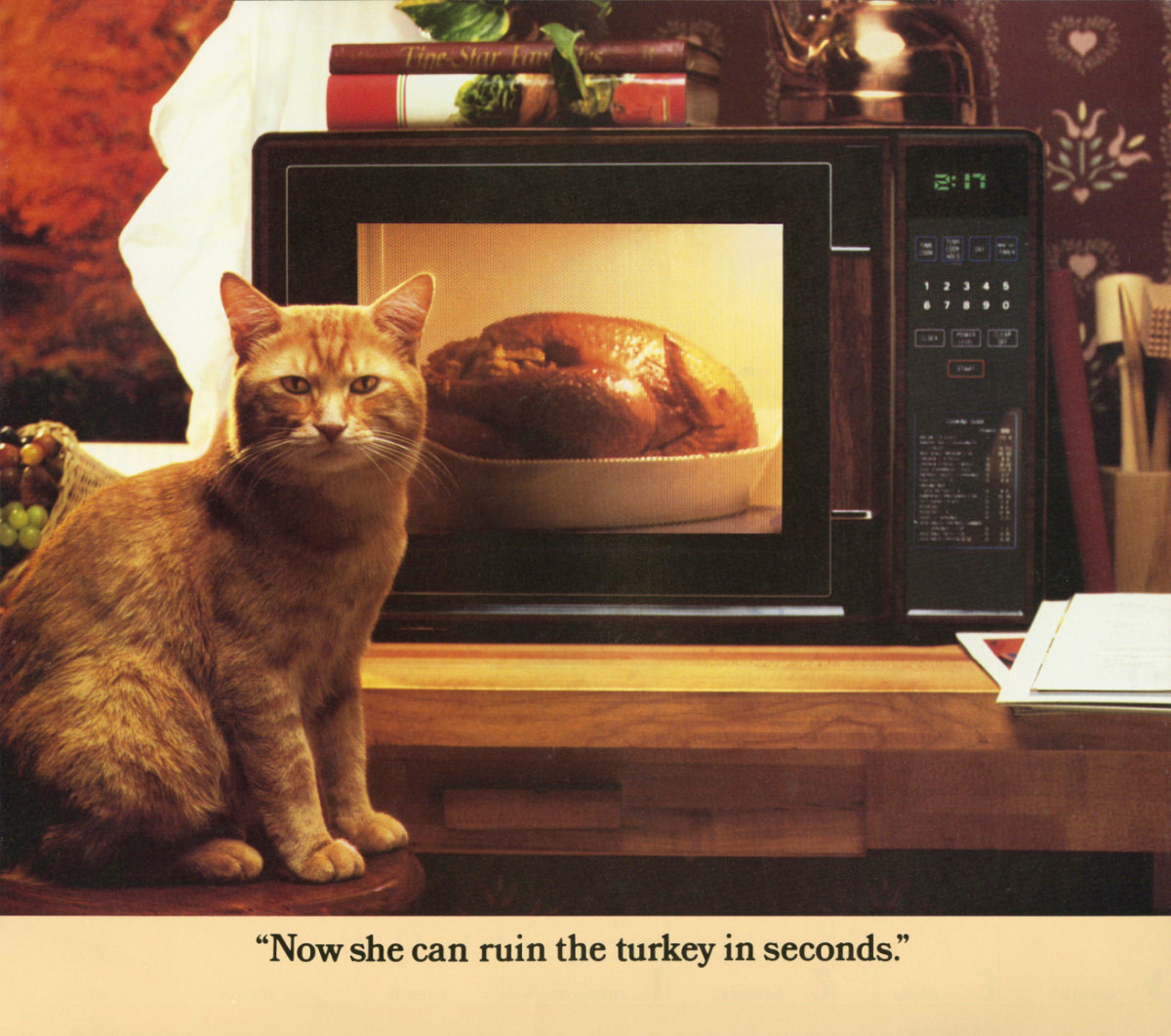
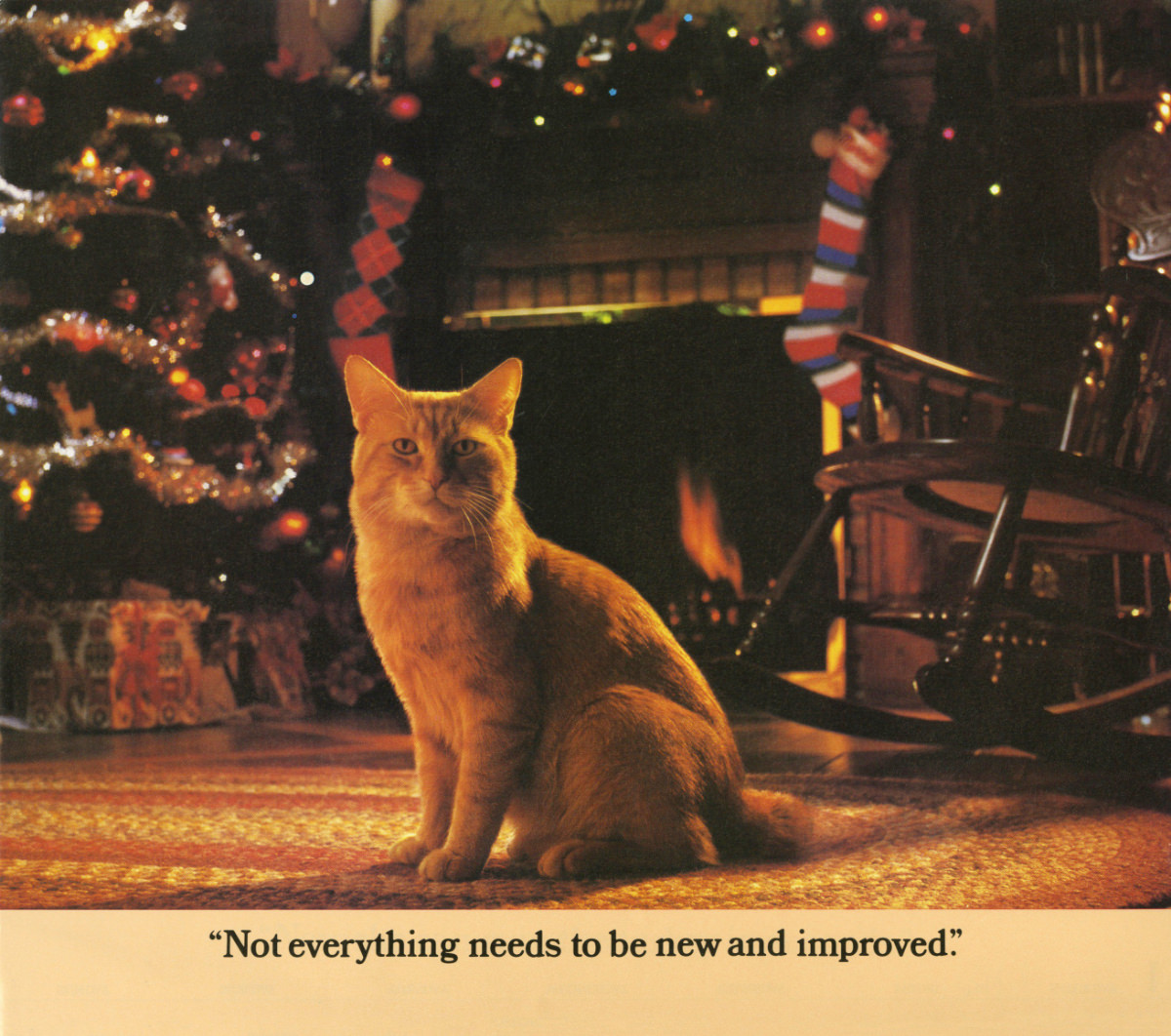
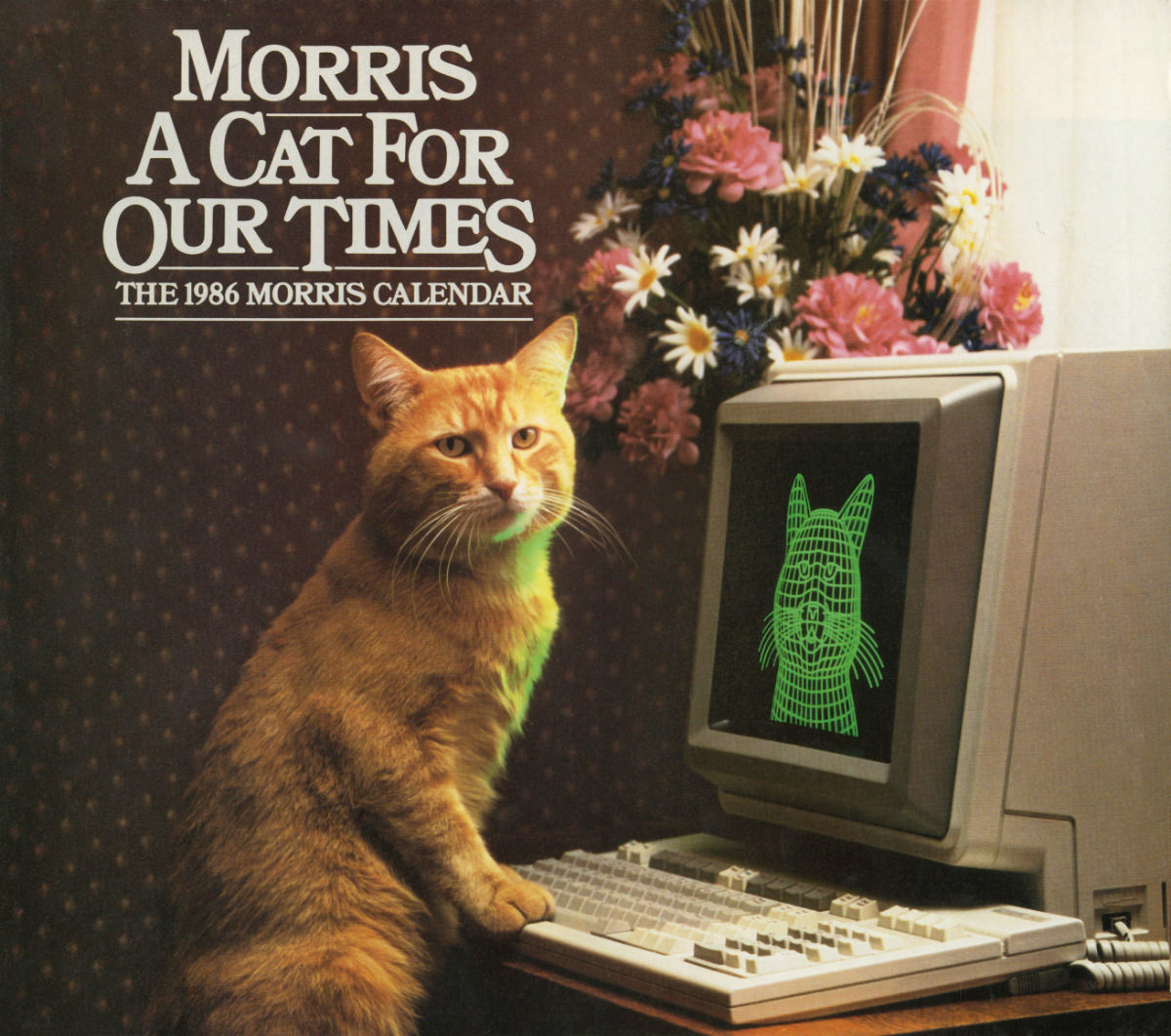
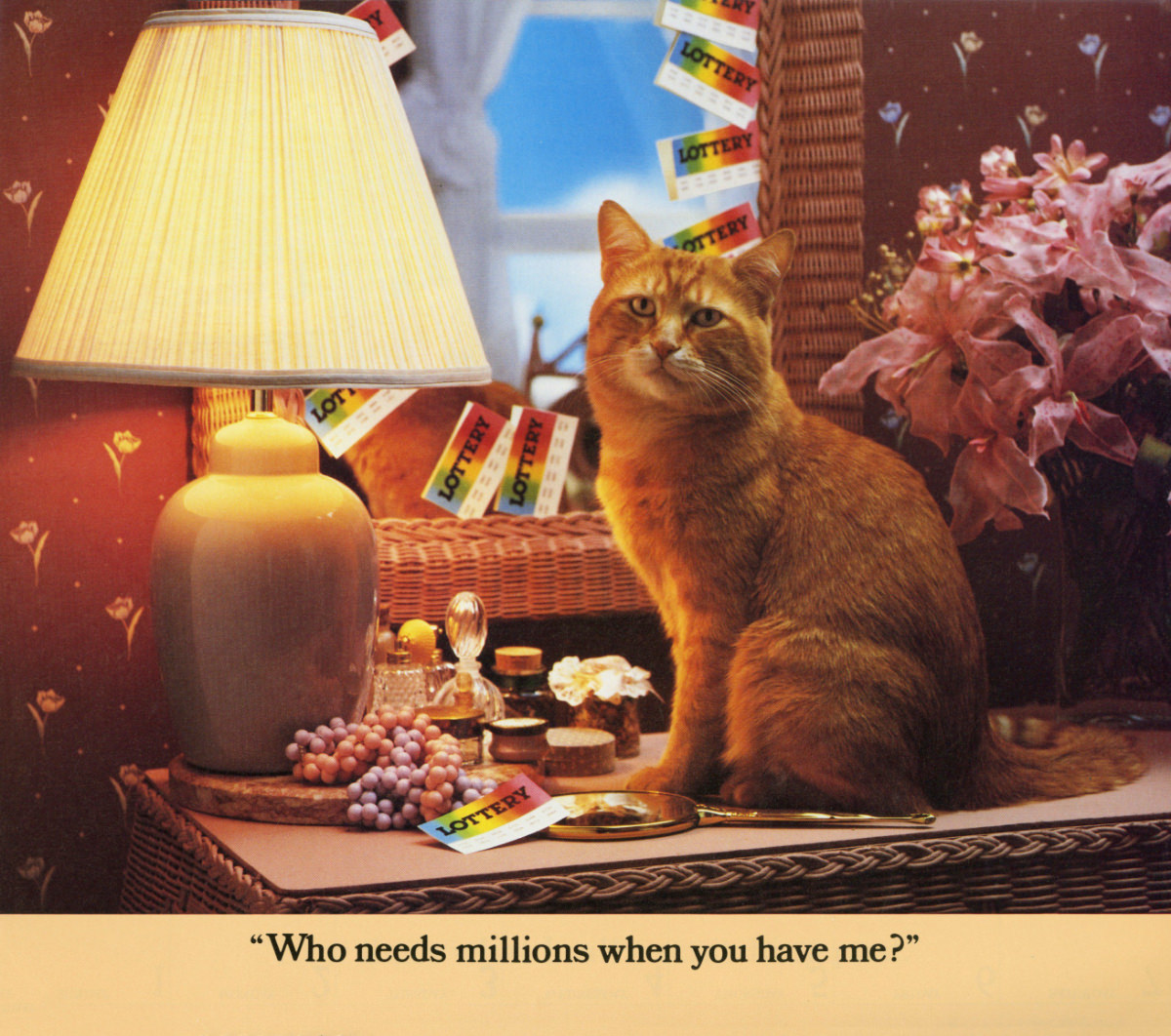
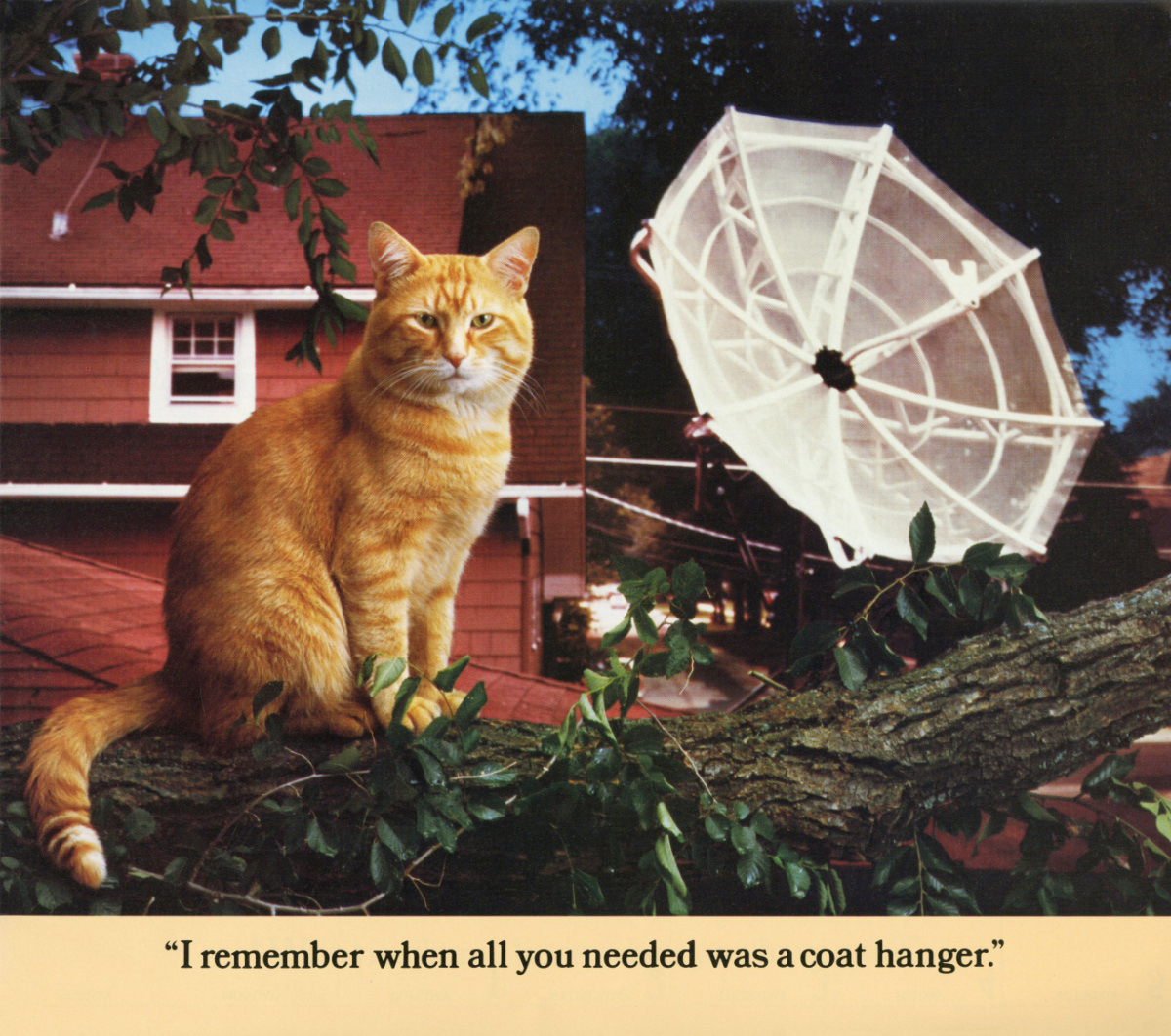
Long before internet cat memes took over screens, one orange tabby ruled American living rooms. Morris the Cat, the self-proclaimed “world’s most finicky cat,” had been a fixture on 9Lives cat food packaging and television commercials since the early 1970s. By 1986, his fame had grown large enough to land him his own calendar — titled “Morris, A Cat For Our Times” — pairing his sardonic personality with the era’s most recognizable technology.
The premise of Morris was simple but effective. He ate only 9Lives cat food and made his disdain for other brands loudly known through dry, witty voice-over commentary. Actor John Erwin provided that signature voice, giving Morris a personality that felt more like a pompous food critic than a household pet. Every can of 9Lives carried Morris’ printed “signature,” reinforcing his status as the brand’s permanent spokesman.
The original Morris was discovered in 1968 by Bob Martwick, a professional animal handler who worked with Leo Burnett, the Chicago advertising agency behind the 9Lives campaign. Martwick found the large orange tabby at the Hinsdale Humane Society, a shelter in the Chicago area. From 1969 through 1978, that first Morris appeared in 58 television commercials for the brand.
The cat’s performances were recognized formally by the industry. Morris received PATSY Awards — the animal equivalent of acting awards given to animal performers in film and television — in both 1972 and 1973. The original Morris passed away in 1978, closing the first chapter of the character’s long run.
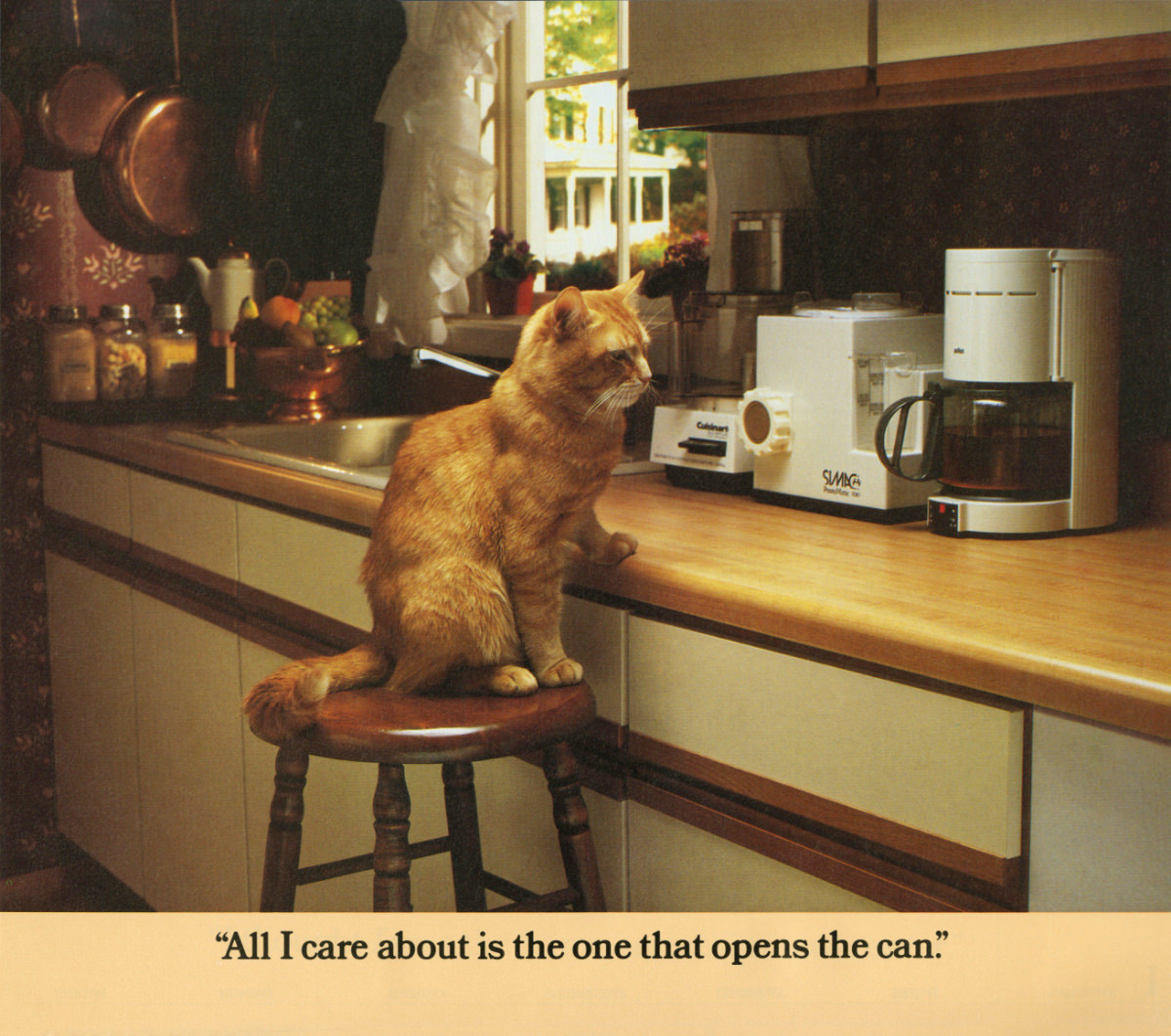
In 1979, Martwick selected a second cat to step into the role. When several people came forward claiming to be the original Morris’ owner, Martwick deliberately kept the source of his second cat private. Like the first, the second Morris was a rescue. In fact, nearly every cat that has played Morris has come from a shelter or rescue organization.
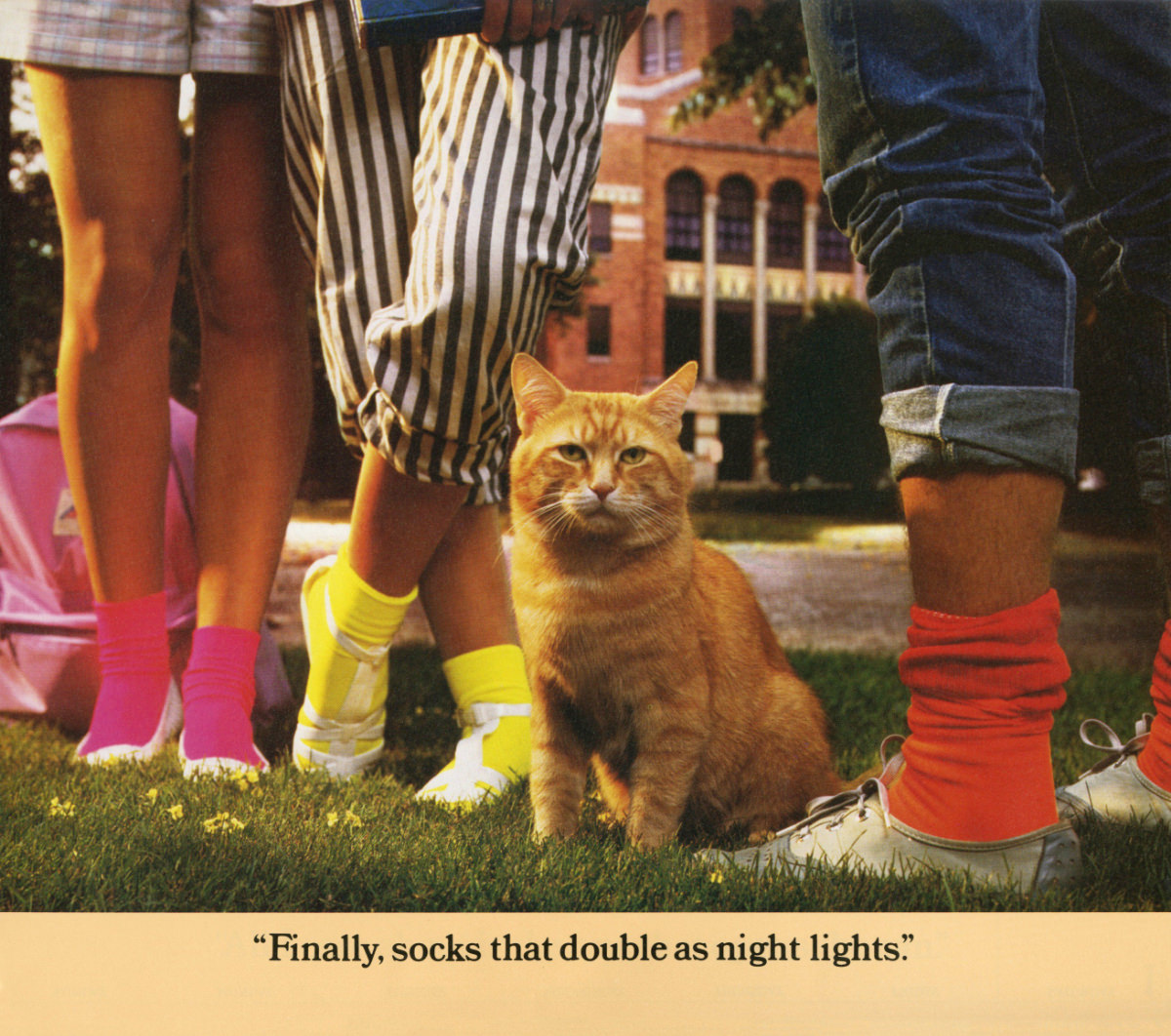
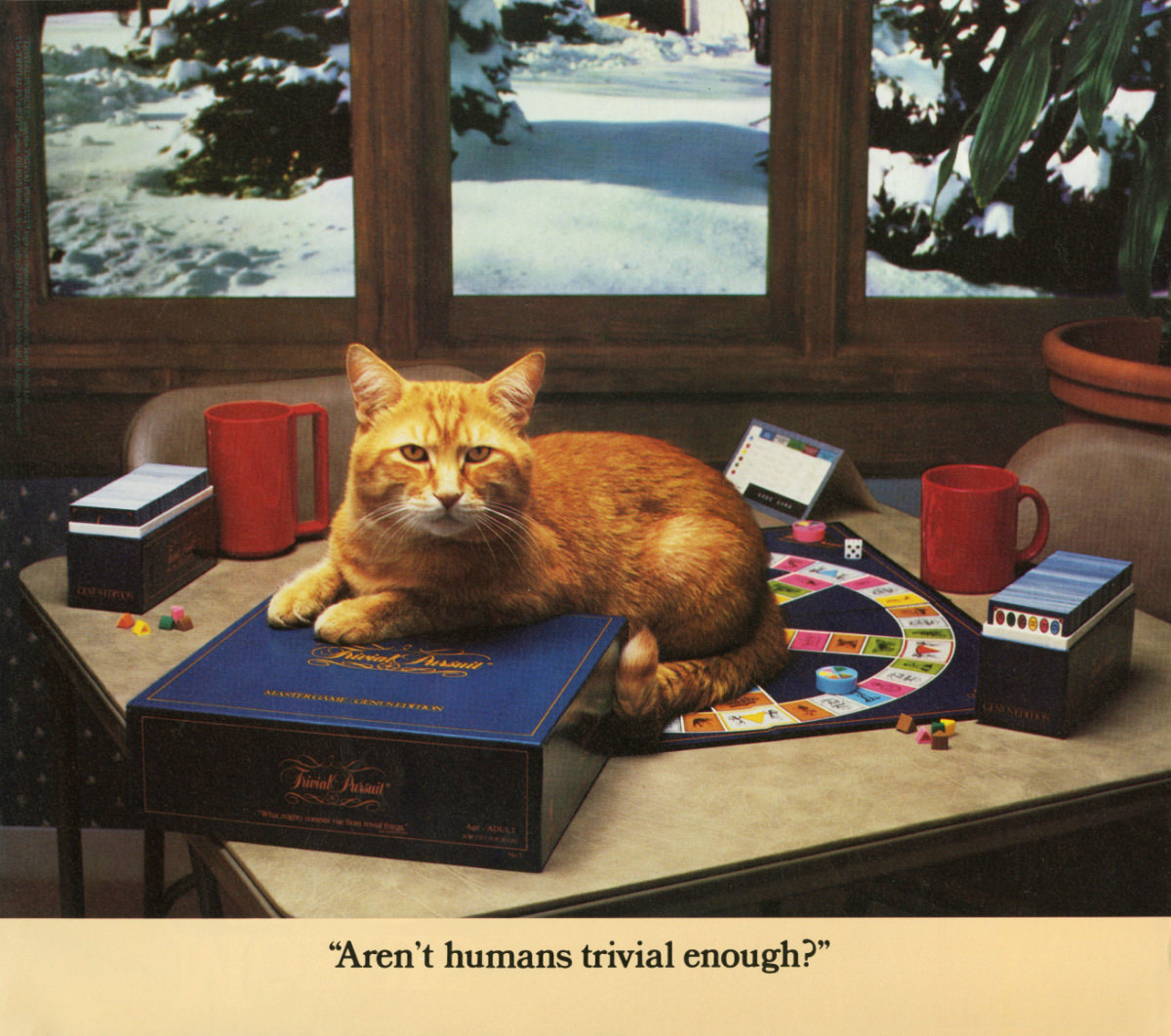
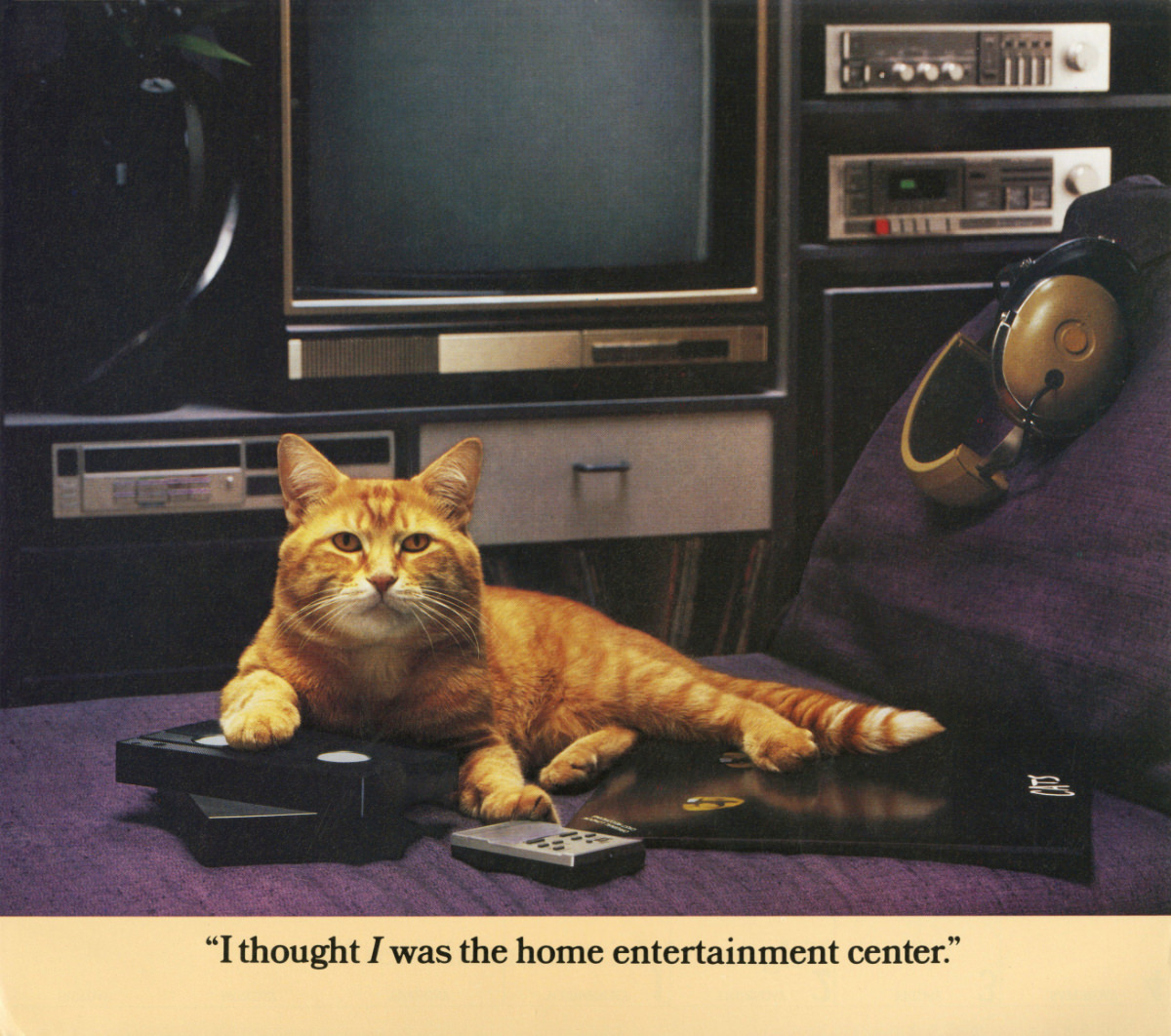
Three different cats have held the title of Morris the Cat over the decades. Martwick’s first two cats played the character as classic pampered pets. The 1986 calendar, “Morris, A Cat For Our Times,” captured the second Morris at the height of his cultural moment, posing alongside the gadgets and technology that defined mid-1980s life.
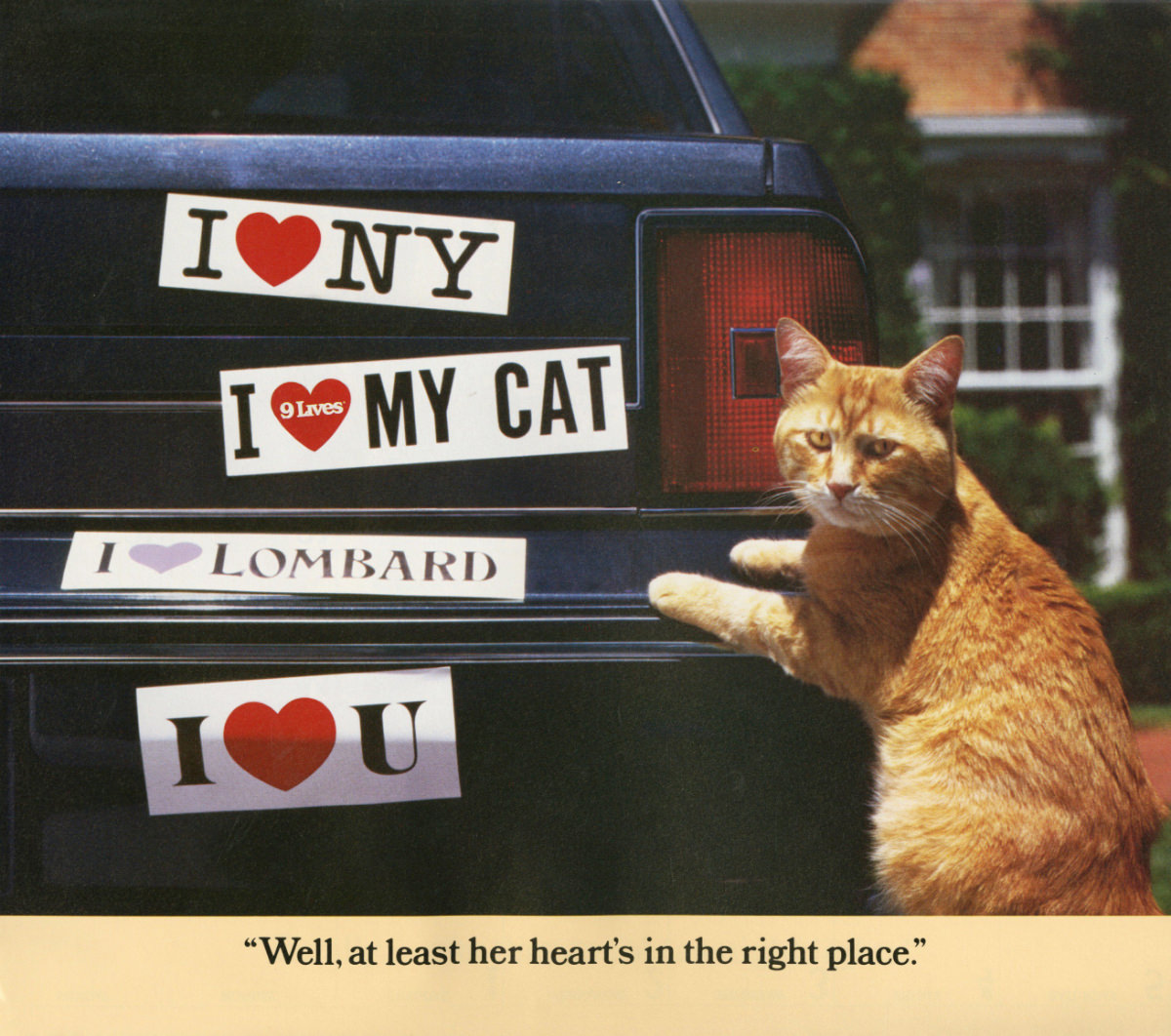
The calendar’s theme was a natural fit. The 1980s were a decade obsessed with new technology — personal computers, video recorders, and electronic devices were rapidly entering ordinary homes. Placing a finicky, opinionated cat alongside those gadgets played directly into Morris’ character: a creature too discerning for anything less than the best, surrounded by a world trying hard to impress him.
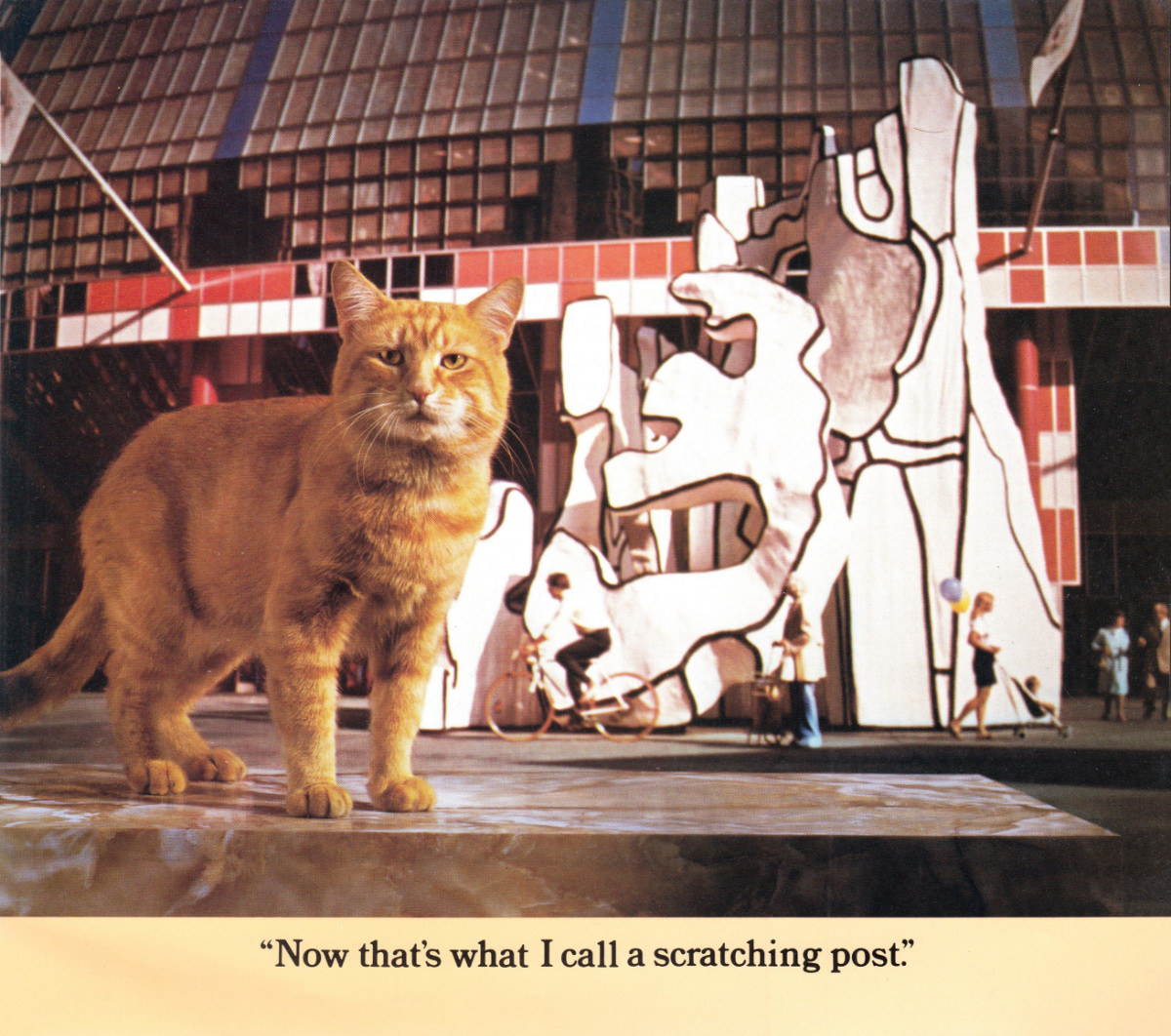
Morris’ popularity only climbed as the decade wore on. By 1988, Leo Burnett took the character’s persona to an extreme, staging a mock presidential campaign on his behalf. It was a publicity stunt that worked — Morris was already famous enough that the joke landed with a wide audience.
The relationship between 9Lives and Leo Burnett lasted until 1994, when Heinz — the corporate parent of 9Lives at the time — ended its partnership with the agency. By then, Morris had appeared in commercials, on packaging, in print campaigns, and in a calendar that placed him squarely in the middle of 1980s pop culture.
The current Morris lives in Los Angeles with his handler, Rose Ordile, continuing a lineage that stretches back to a Chicago-area animal shelter in 1968. Each cat that has played the role came from rescue, a detail that adds a layer of history to every sardonic glance and every printed signature on a can of 9Lives.