
Morocco in the 1980s was a country caught between ancient traditions and modern pressures. Its economy was struggling, and an ongoing war in Western Sahara was stretching the country thin. King Hassan II rejected any negotiated settlement with the Polisario Front, the armed movement fighting for independence in Western Sahara. Tensions spilled into the streets in June 1981, when violent riots broke out in Casablanca. It wasn’t until 1988 that Morocco and the Polisario Front agreed to a United Nations peace plan. A formal cease-fire finally went into effect in 1991.
Despite the political strain, everyday life across Morocco’s cities, mountains, and desert towns carried on with remarkable color and energy. From the walled medinas of Fez and Marrakech to the Atlantic coast towns of Essaouira and El-Jadida, these photographs capture a society that was deeply rooted in its own rhythms. Markets buzzed, craftsmen worked, and ancient customs were practiced with pride. The images below document that world in vivid detail.
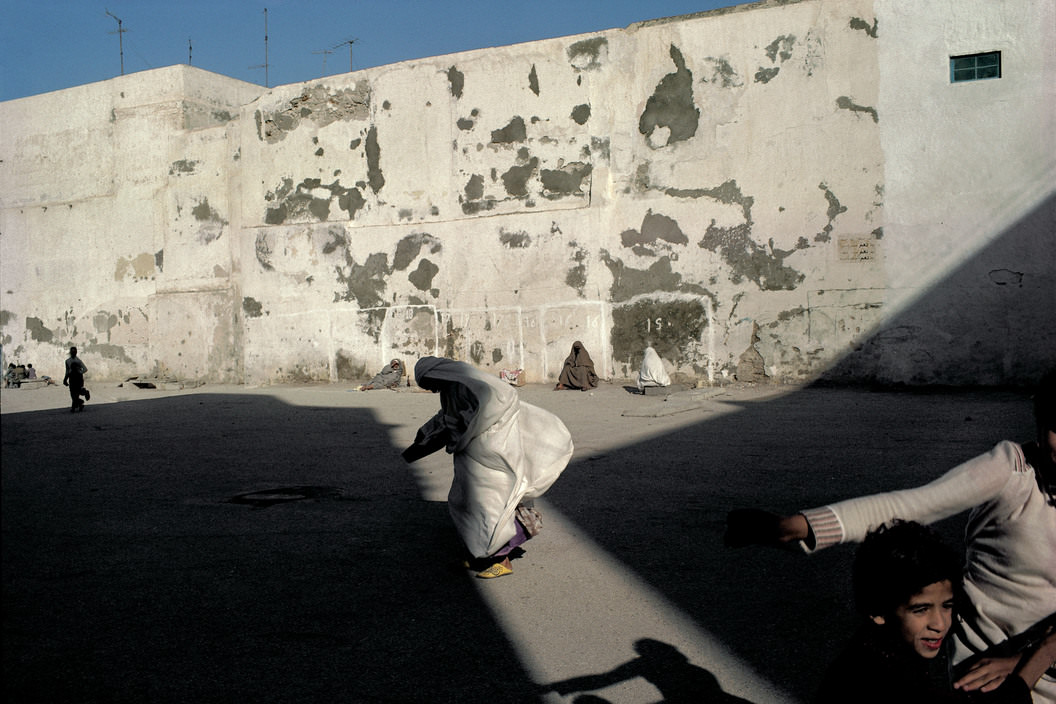
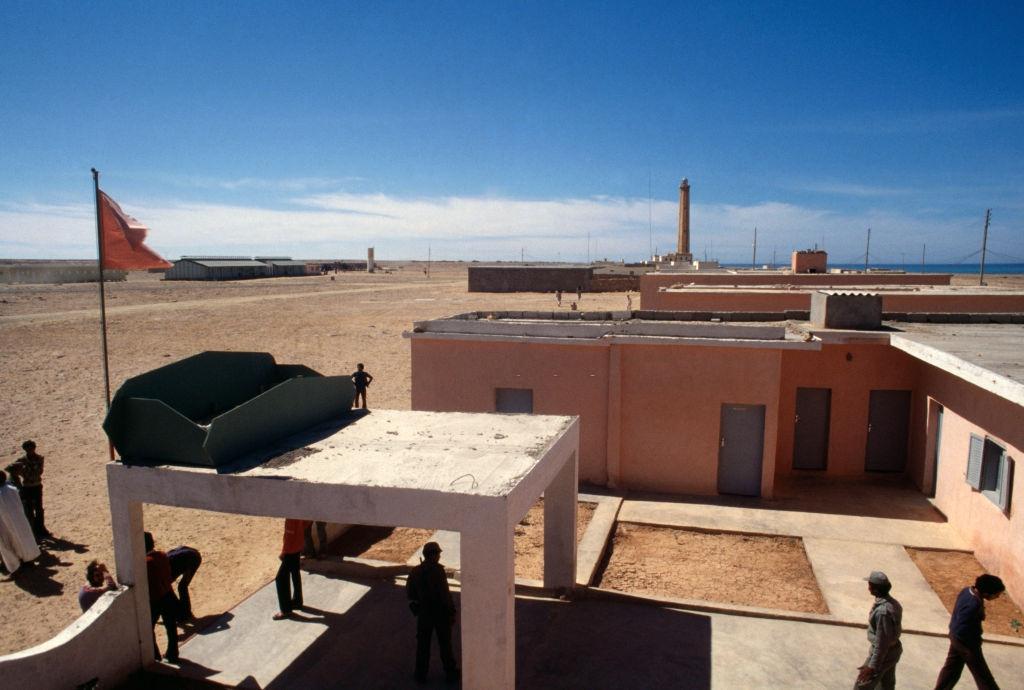
The Western Sahara conflict cast a long shadow over the early part of the decade. Morocco had occupied the territory following Spain’s withdrawal in 1975, and by 1980 the war with the Polisario Front was still active. Military bases dotted the southern regions, and the conflict drained national resources.
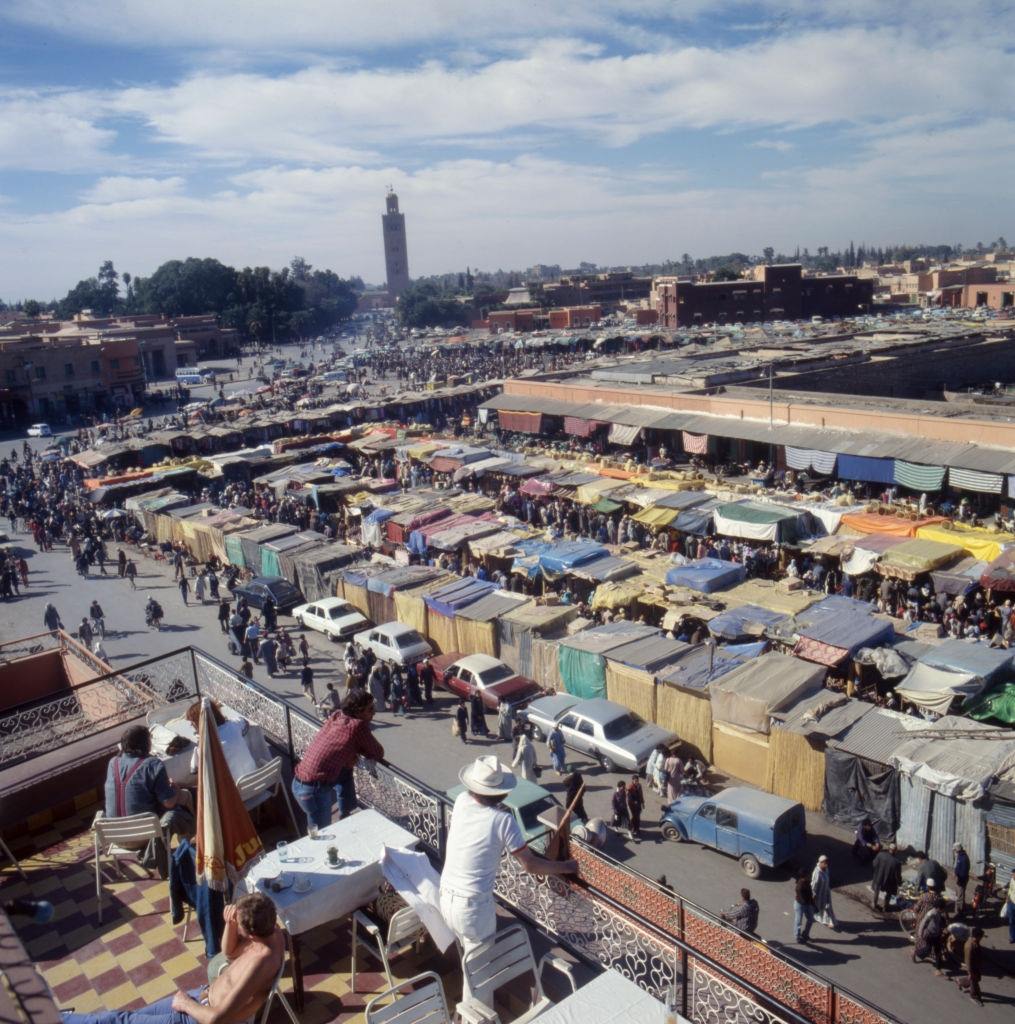
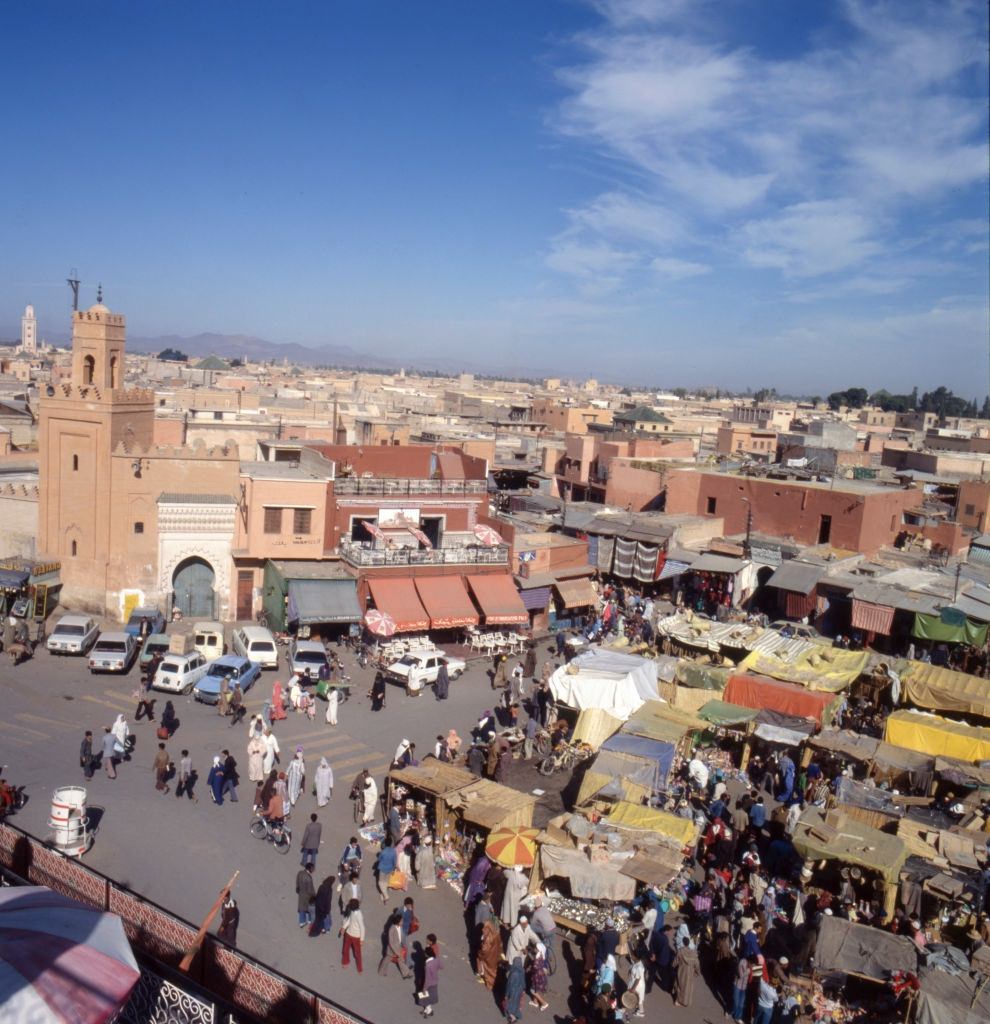
Far from the front lines, Marrakech’s Jemaa el-Fna square remained one of the most vivid public spaces in the world. Storytellers, snake charmers, food vendors, and musicians all competed for space and attention on the same open plaza. It was a place where rural Moroccans, city residents, and foreign visitors mingled daily.
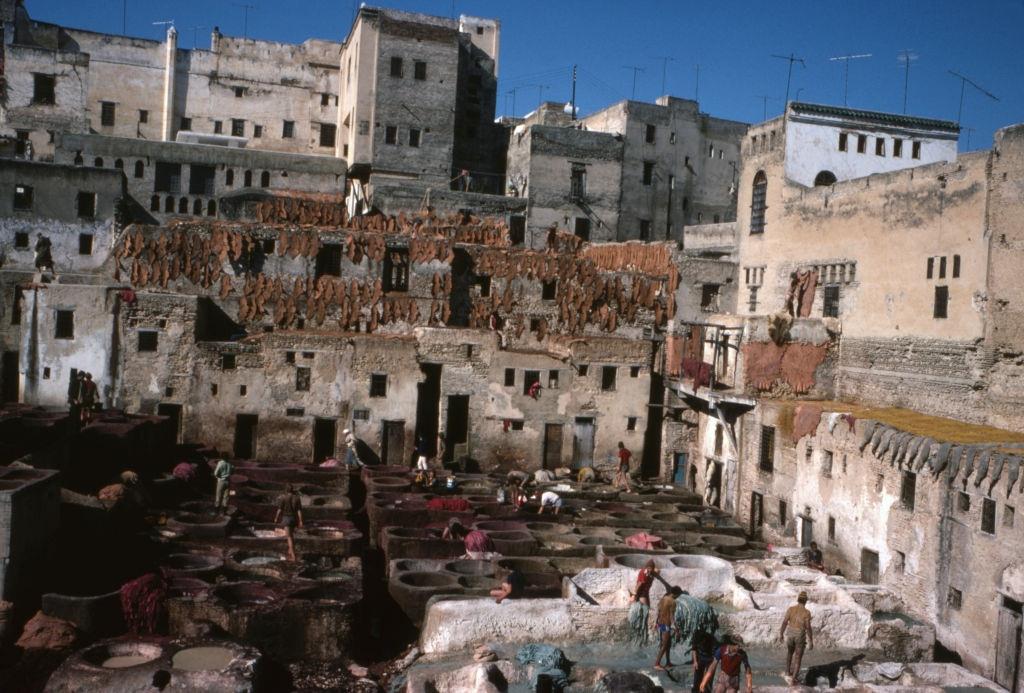
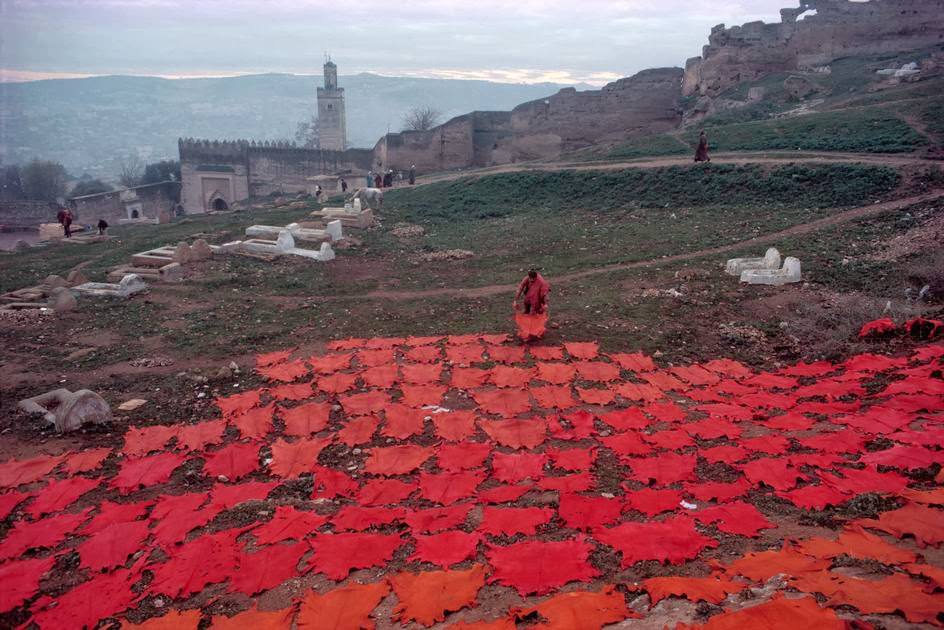
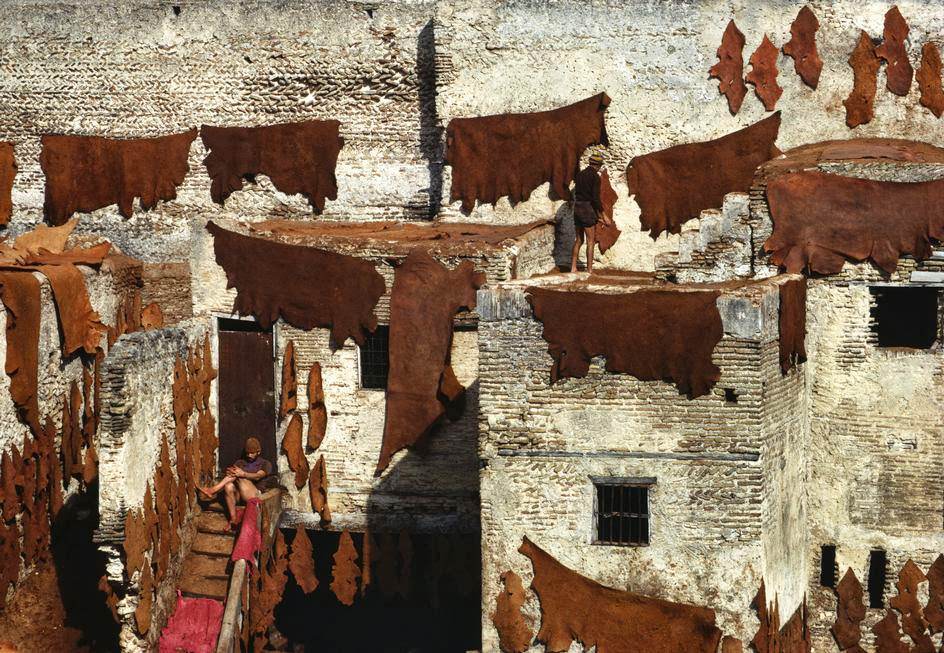
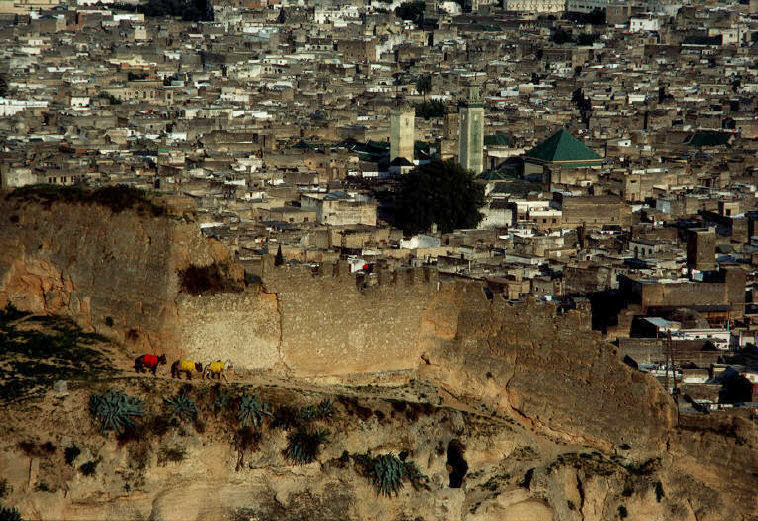
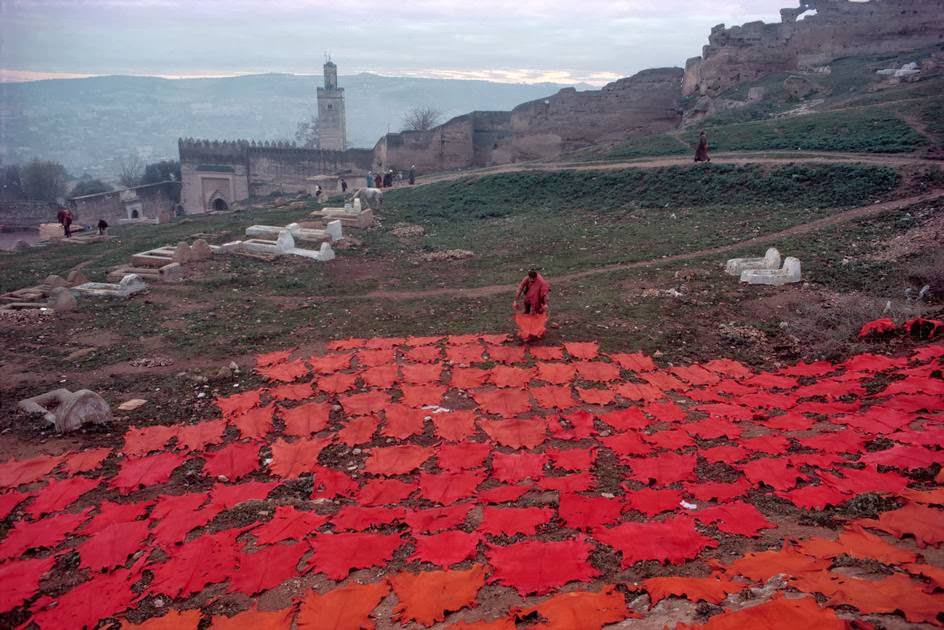
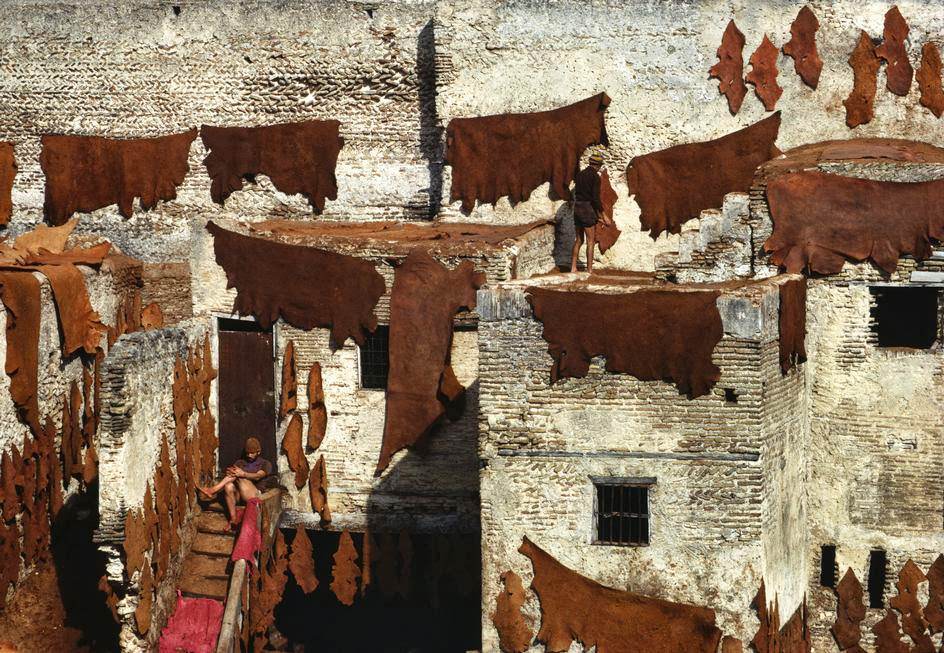
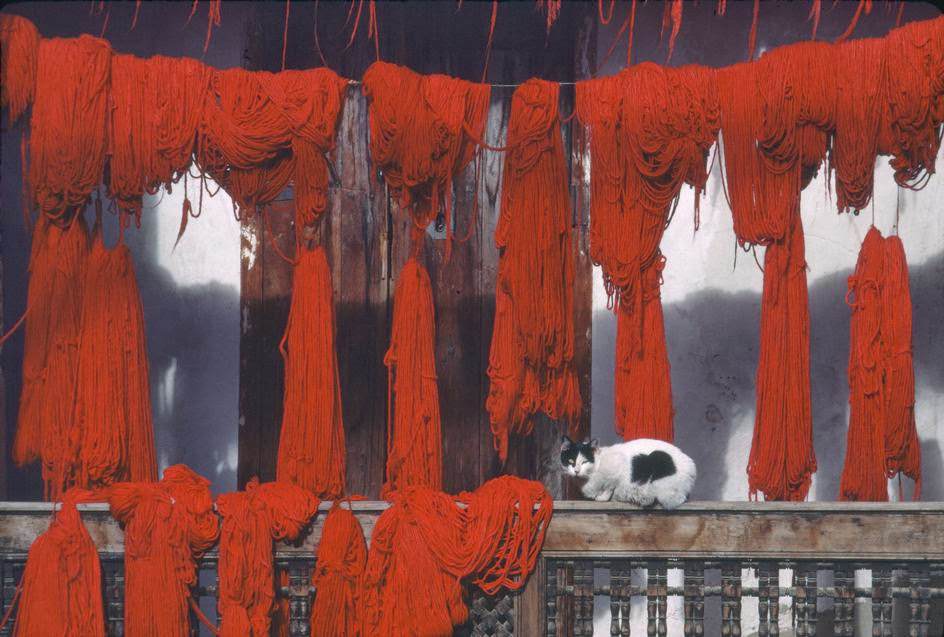
In Fez, one of Morocco’s oldest cities, traditional crafts had been practiced in the same neighborhoods for centuries. The tanning quarter was among the most striking of these. Workers stood knee-deep in stone vats filled with dye and chemicals, treating animal hides by hand using methods passed down through generations.
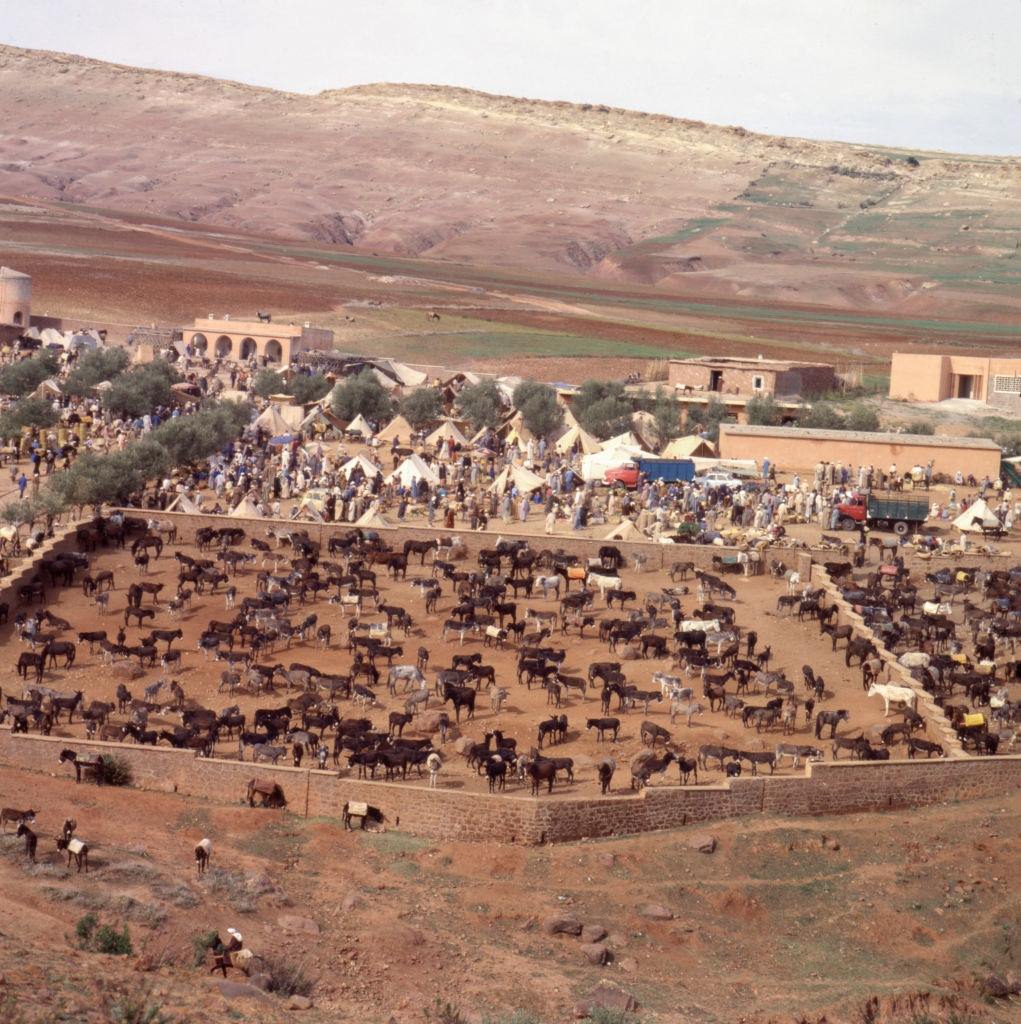
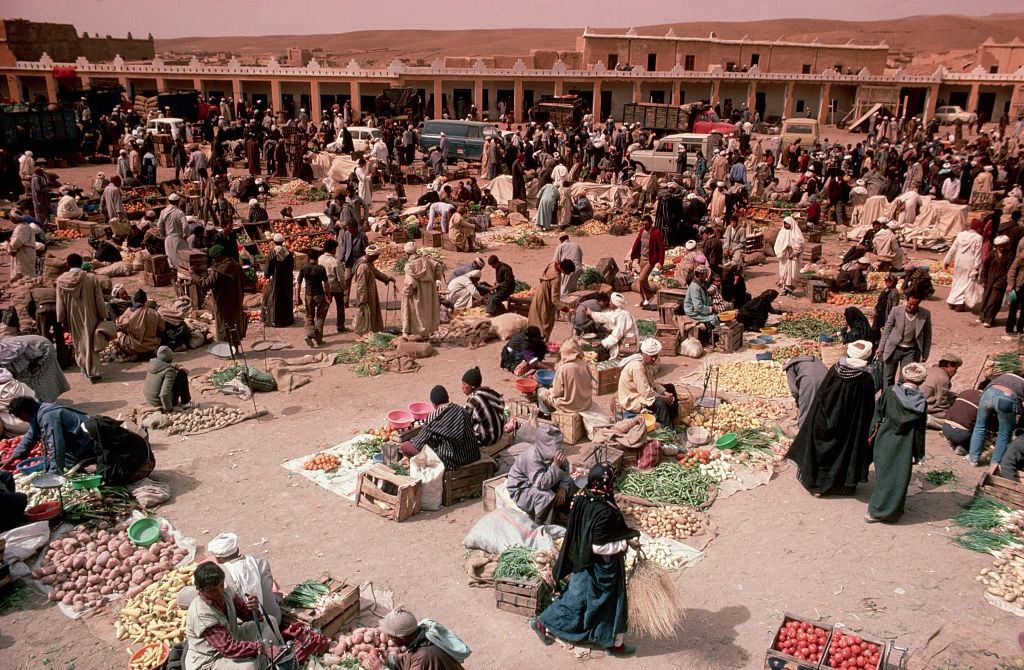
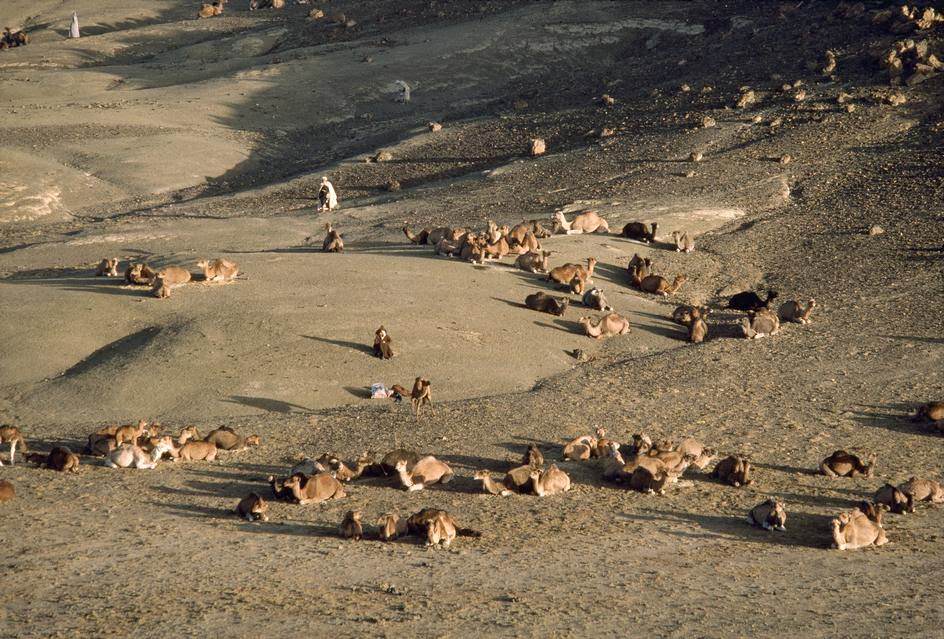
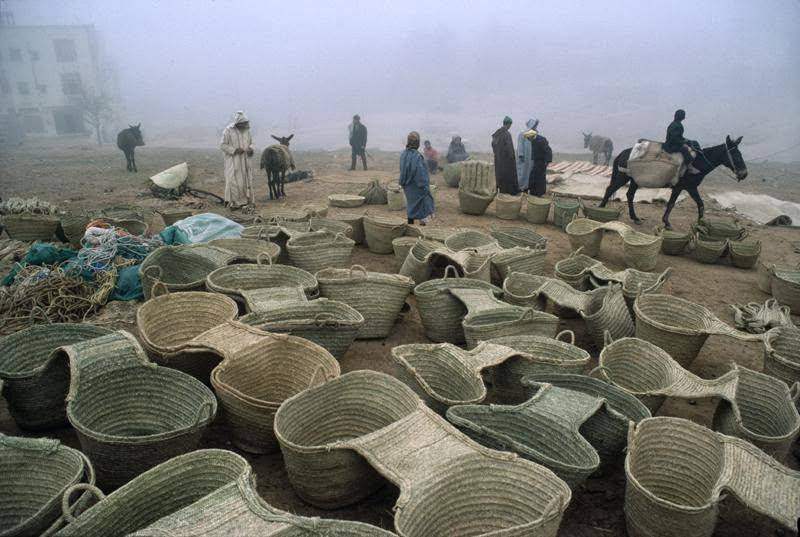
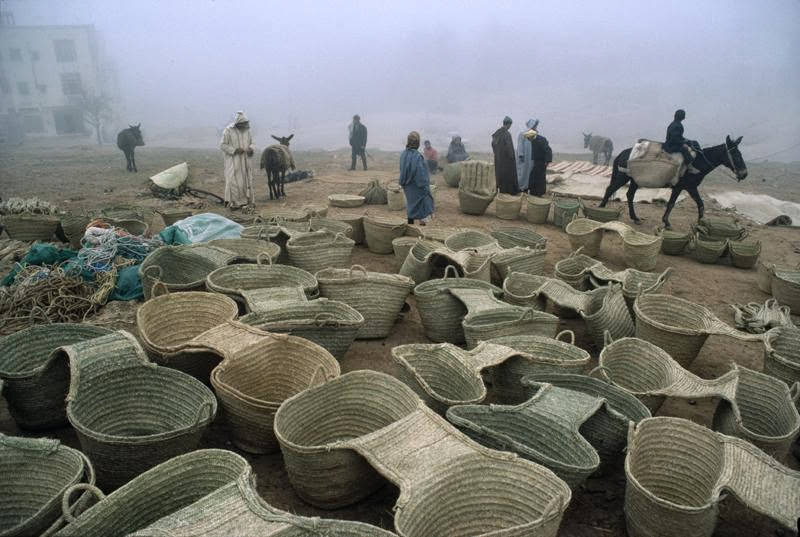
Rural markets were economic lifelines for communities across the country. In towns like Aït Barka, cattle markets brought together farmers, traders, and buyers from surrounding villages. Livestock was currency, and these gatherings determined livelihoods.
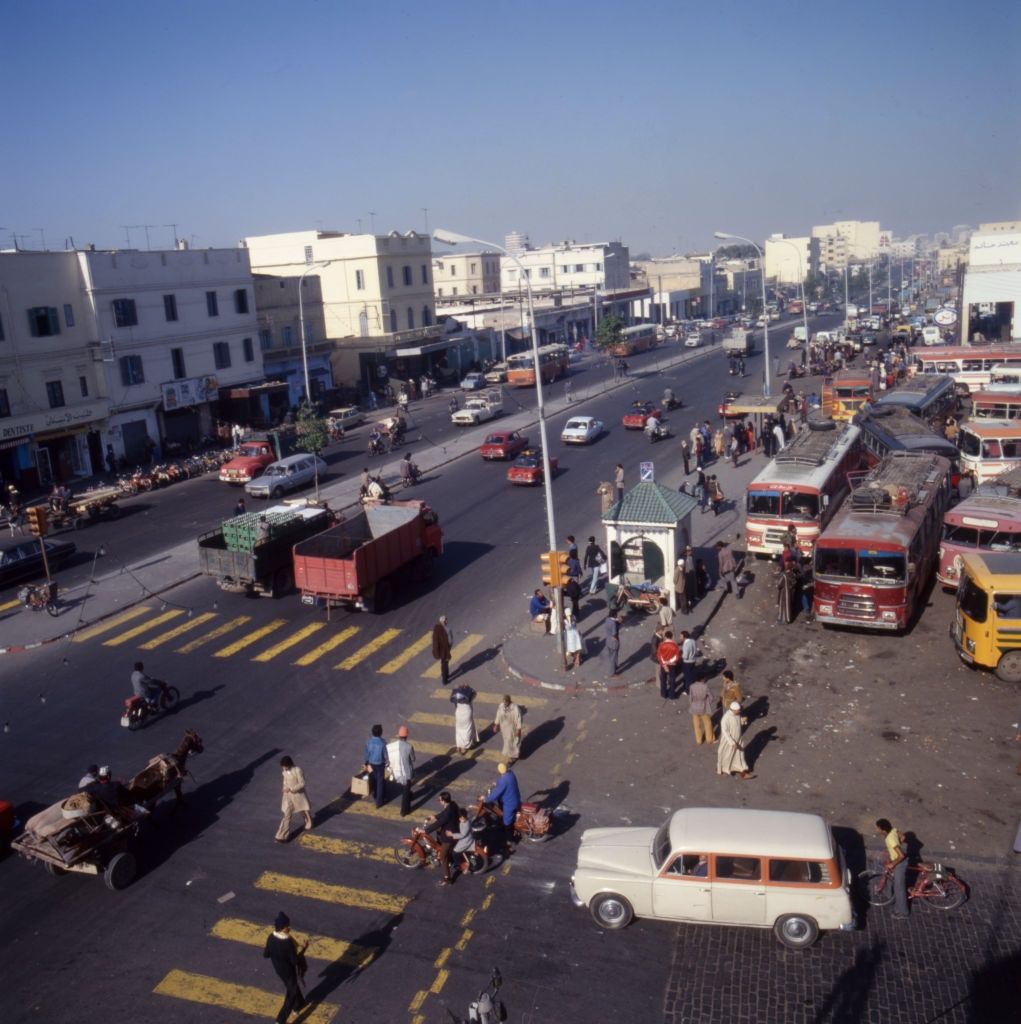
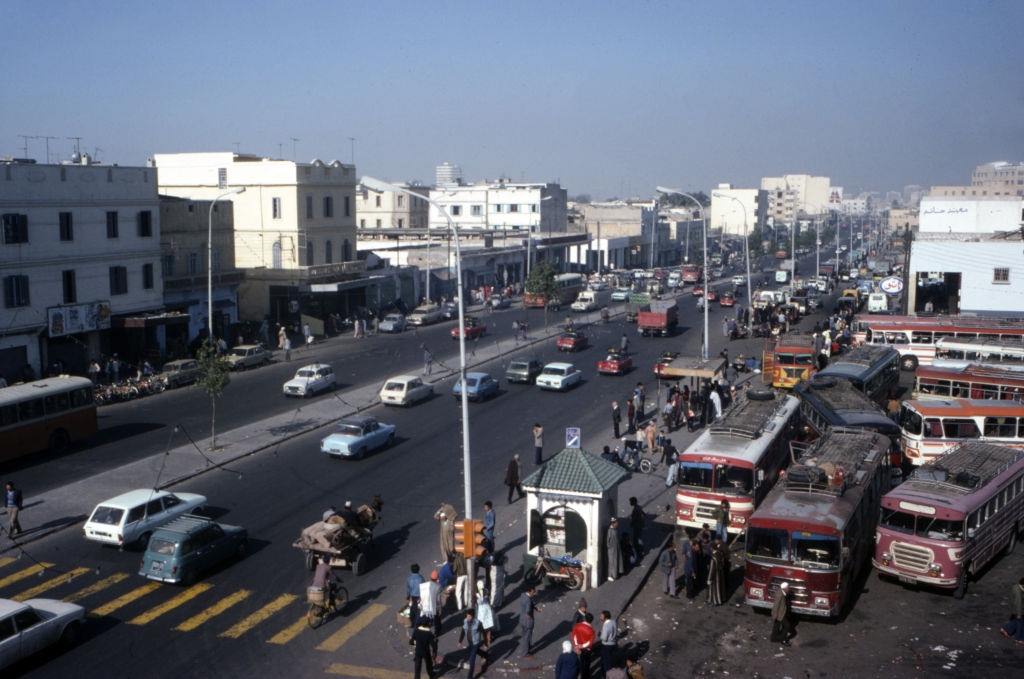
Casablanca, Morocco’s largest city and commercial center, presented a sharp contrast to the rural interior. Wide avenues carried heavy traffic, and modern buildings rose alongside colonial-era architecture. The city was the country’s economic engine, even as the national economy faced serious strain.
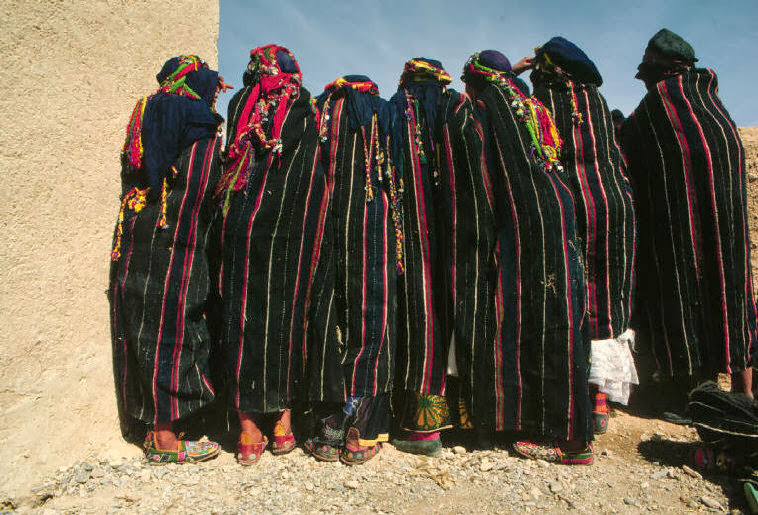
Berber culture remained strong throughout the decade, particularly in the Atlas Mountains and the rural south. Traditional gatherings brought communities together for music, dance, and ceremony. The bendir — a large frame drum — set the rhythm for dancers at events that had roots going back centuries.
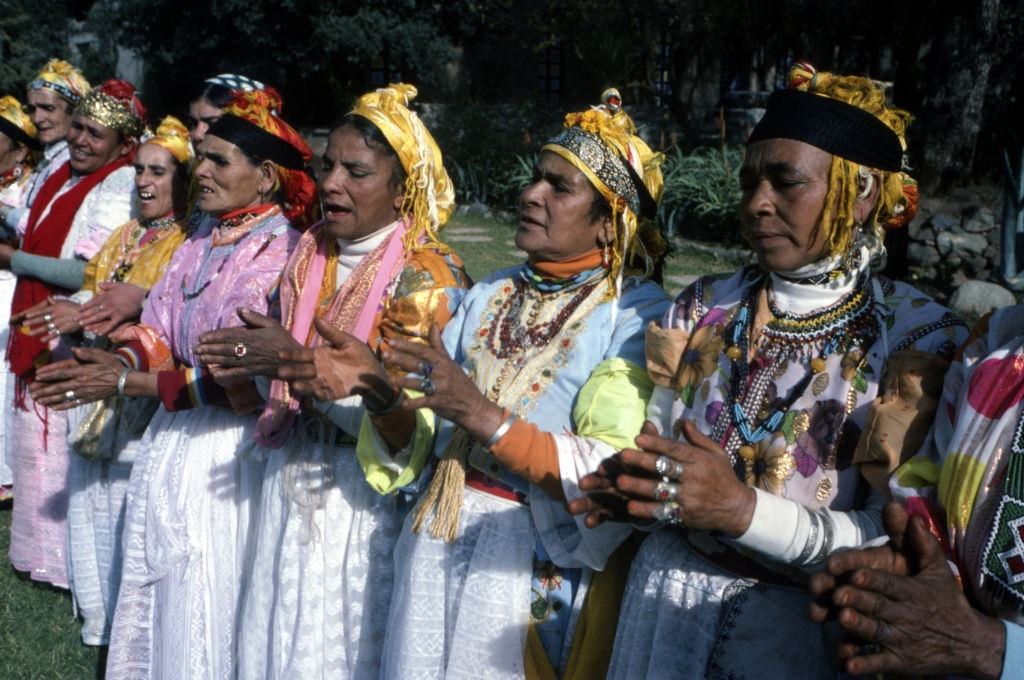
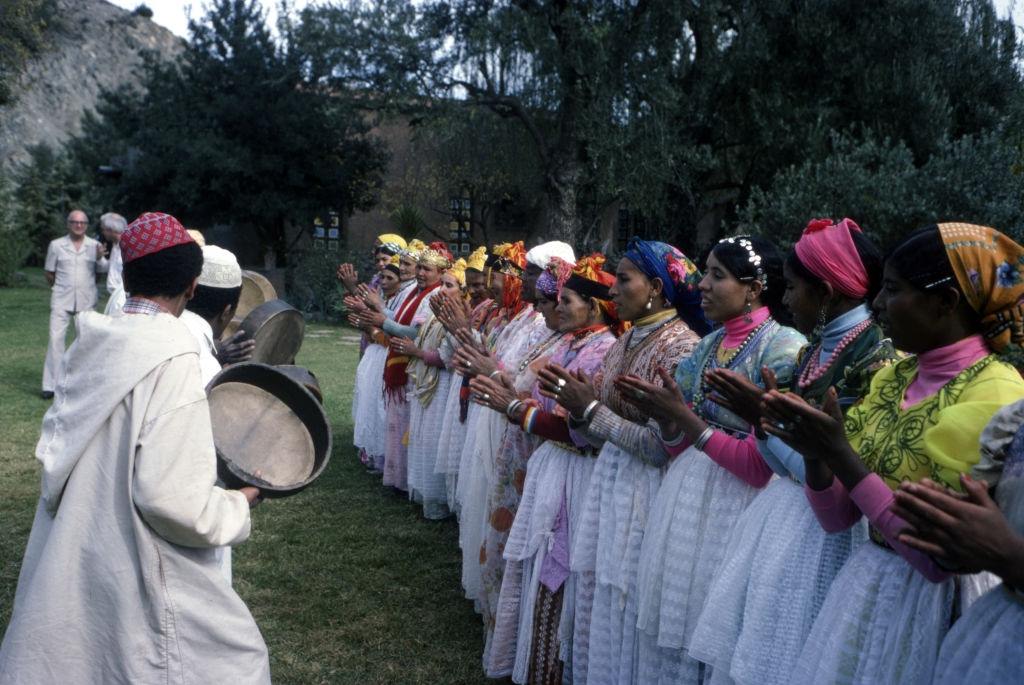
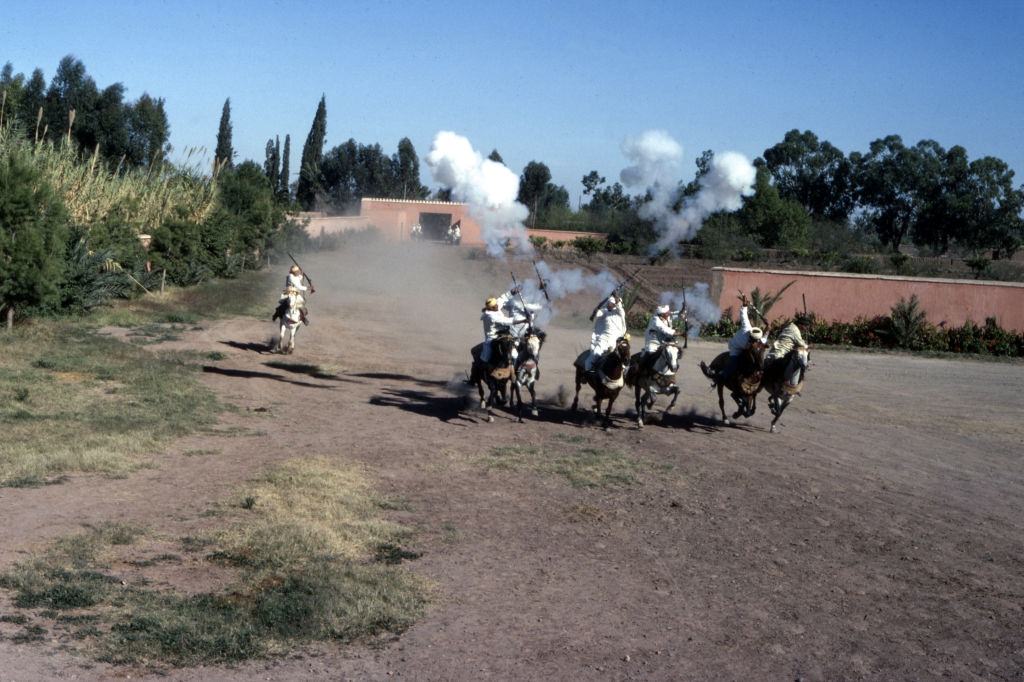
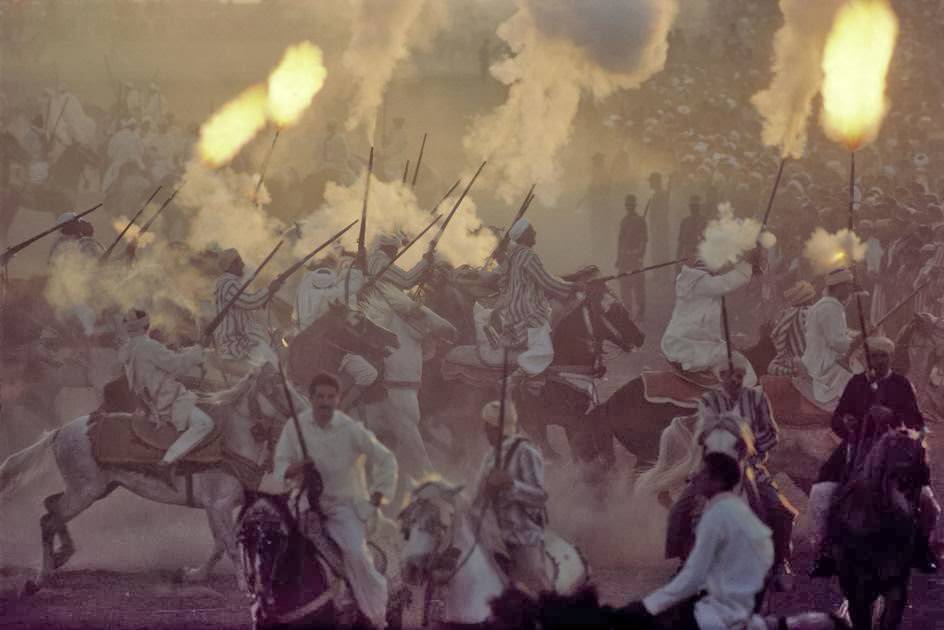
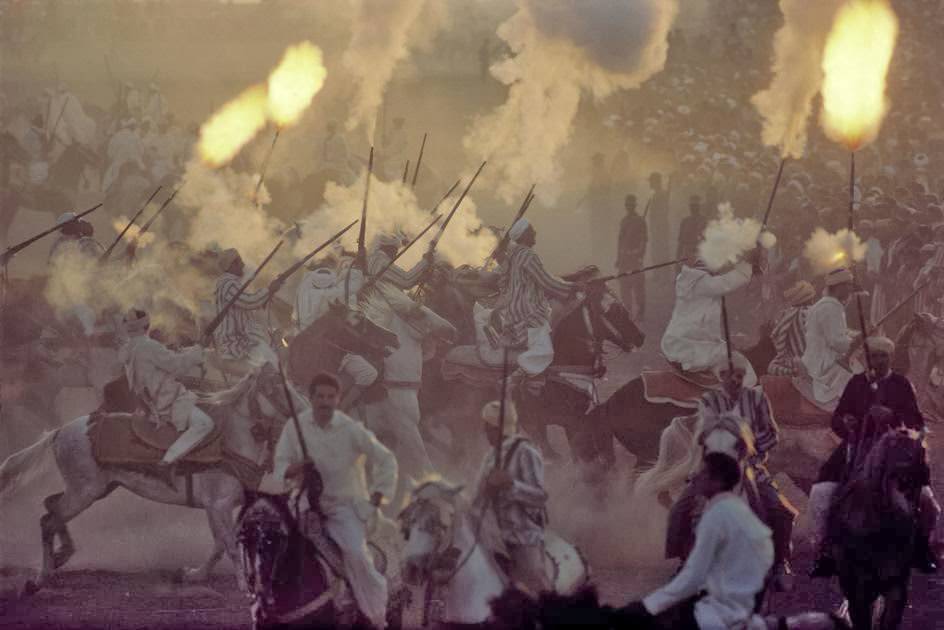
The Berber fantasia was one of the most dramatic expressions of horsemanship in North Africa. Riders in traditional dress charged at full gallop before firing muskets simultaneously into the air. In Marrakech in 1980, the spectacle drew large crowds and remained a staple of festivals and celebrations.
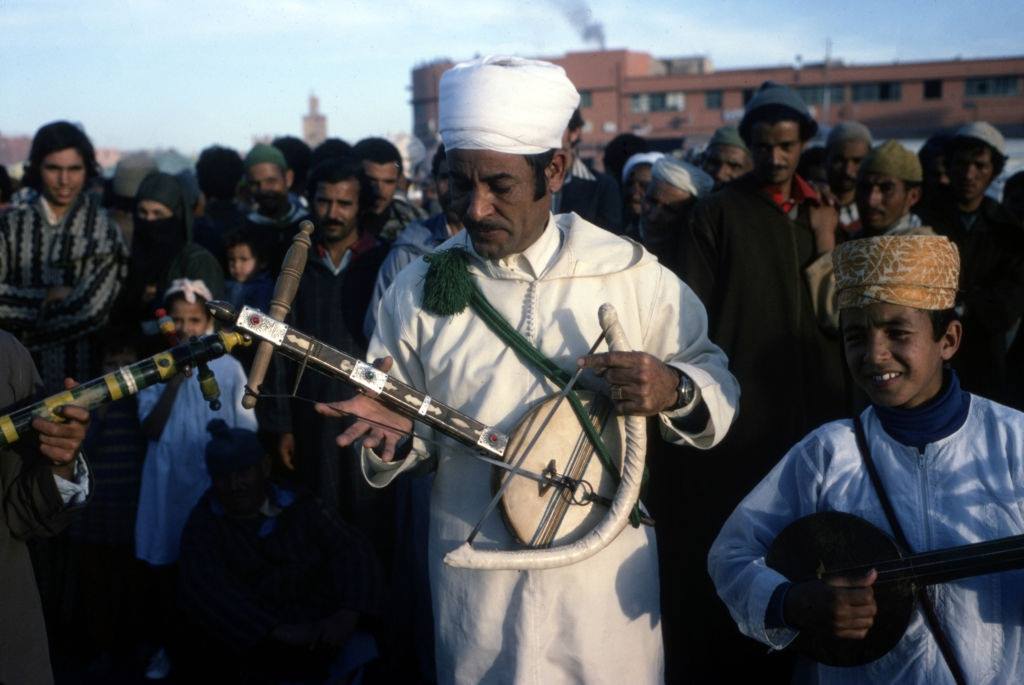
On Jemaa el-Fna square, traditional musicians playing the kamânche — a bowed string instrument — performed for passersby. The square functioned as an open-air stage where oral traditions, music, and commerce all overlapped in one continuous, shifting performance.
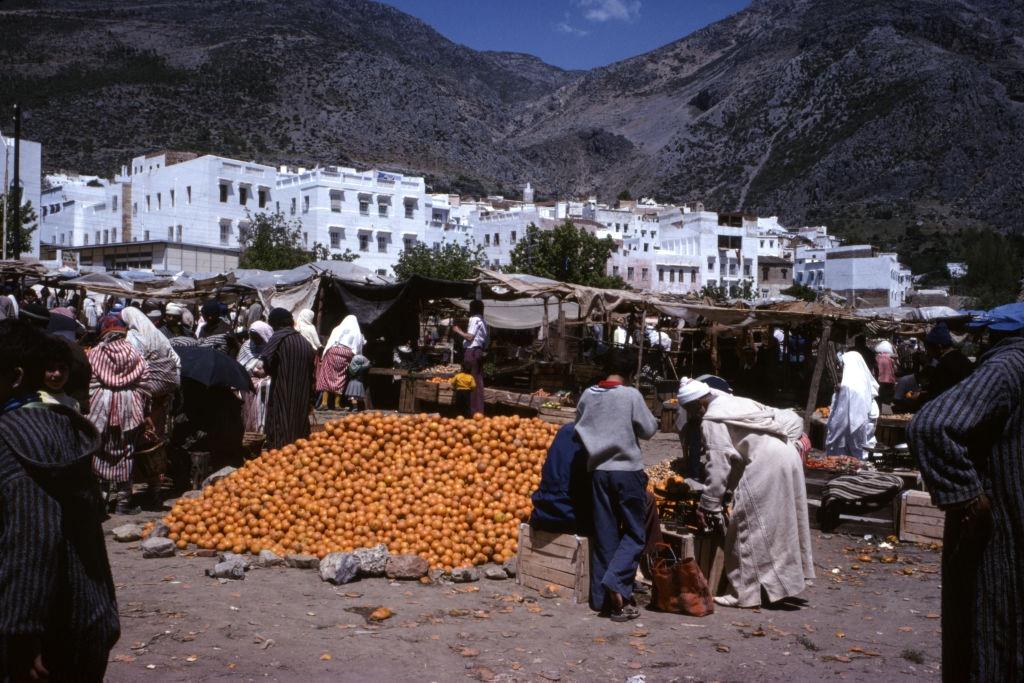
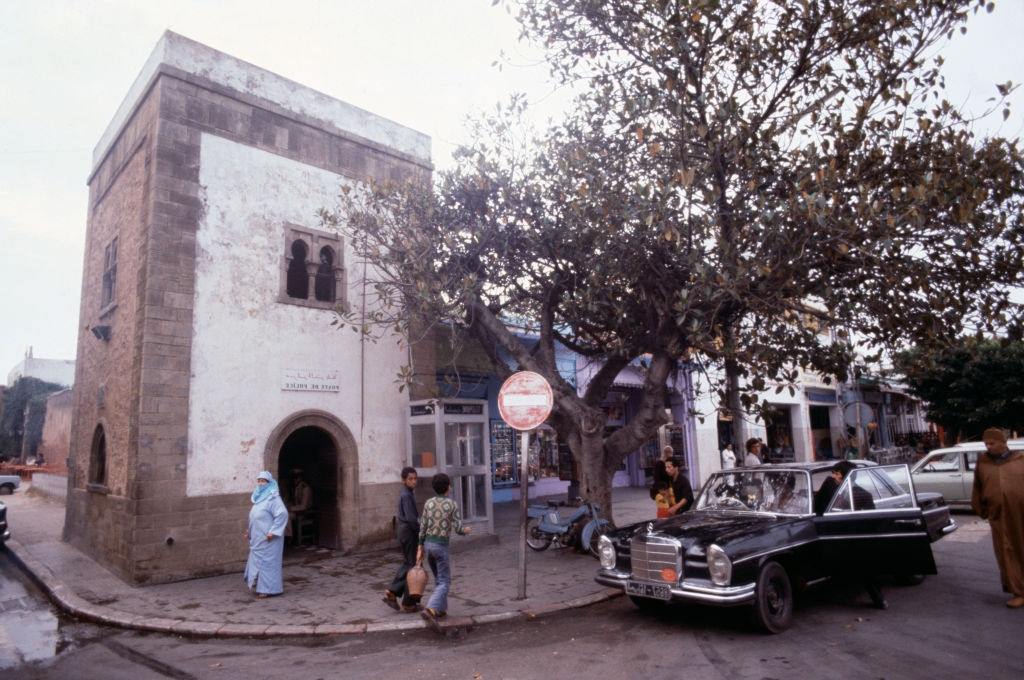
Rabat, Morocco’s capital, offered its own version of daily life. Street vendors moved through its neighborhoods selling everything from produce to freshly delivered milk by motorcycle. Women gathered in groups along the streets, and the pace of life moved at a quieter rhythm than Casablanca’s.
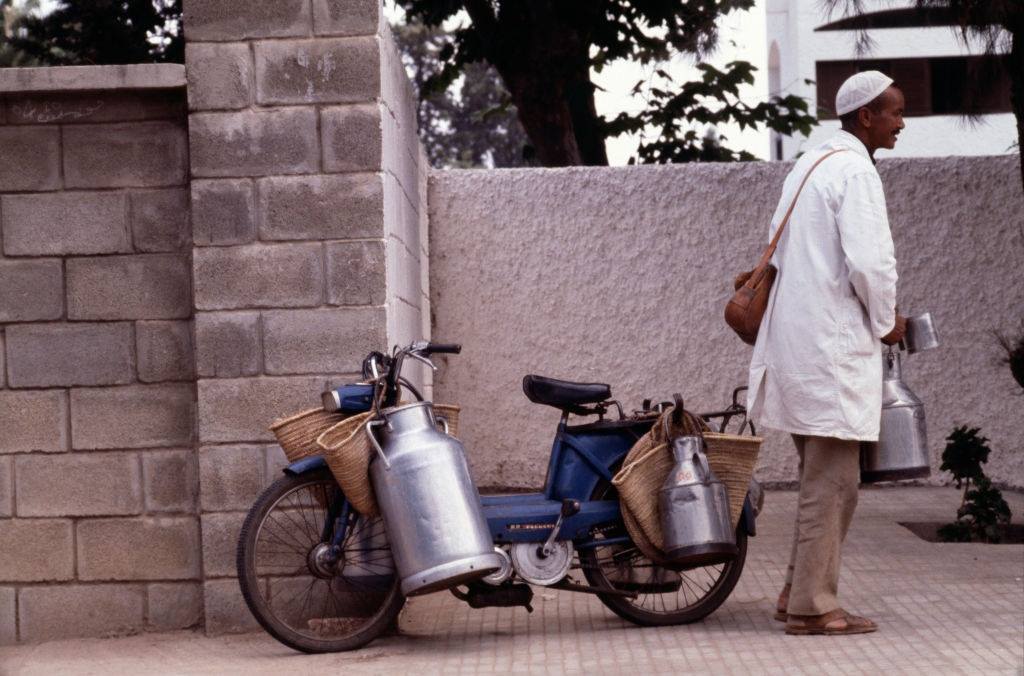
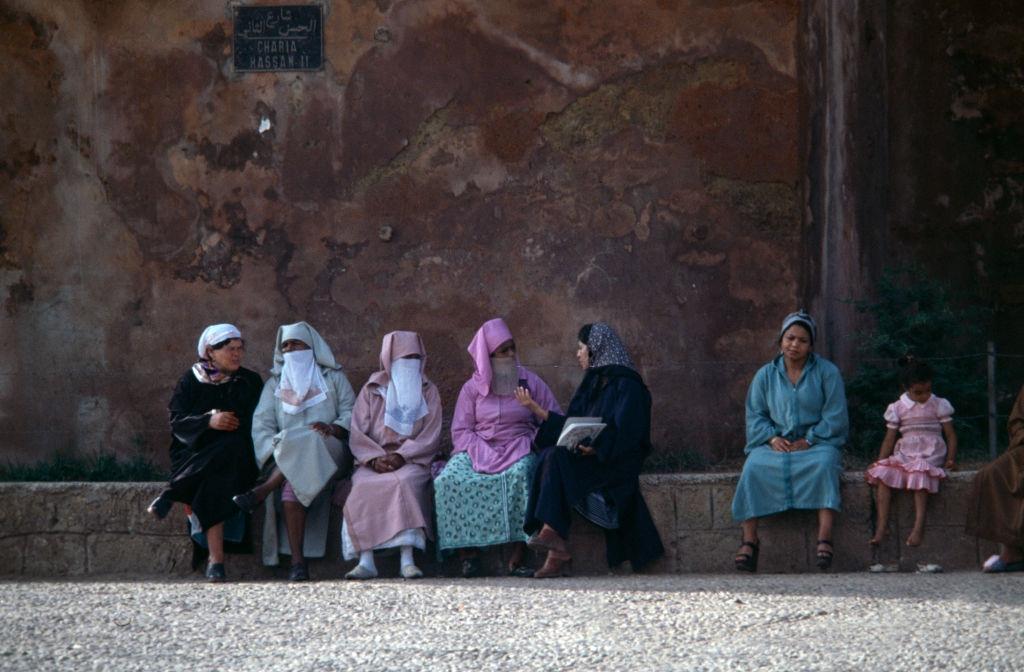
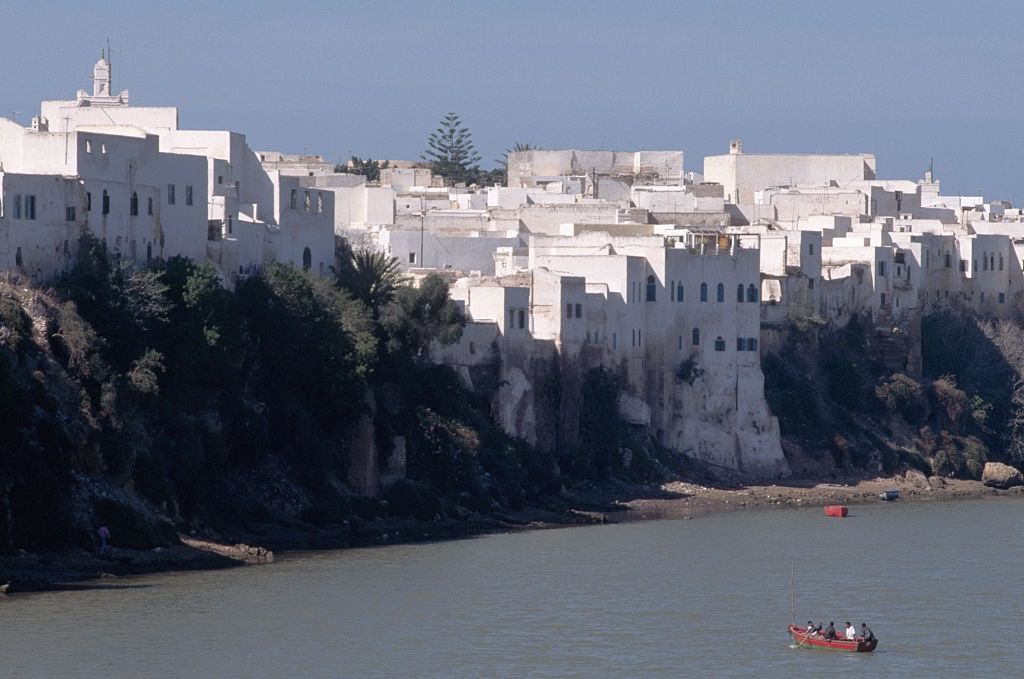
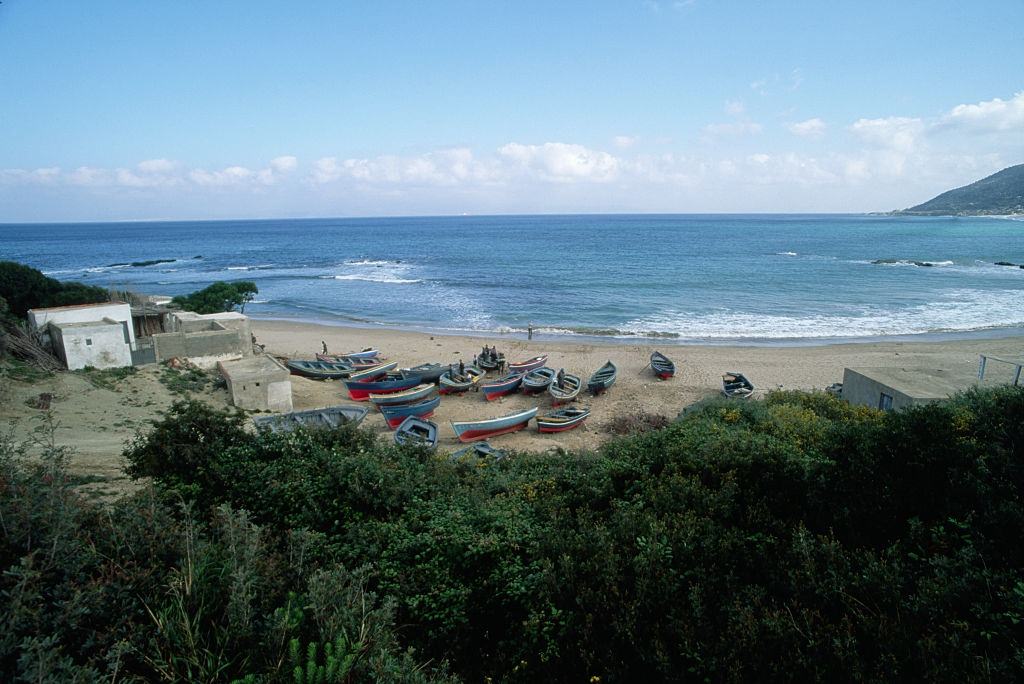
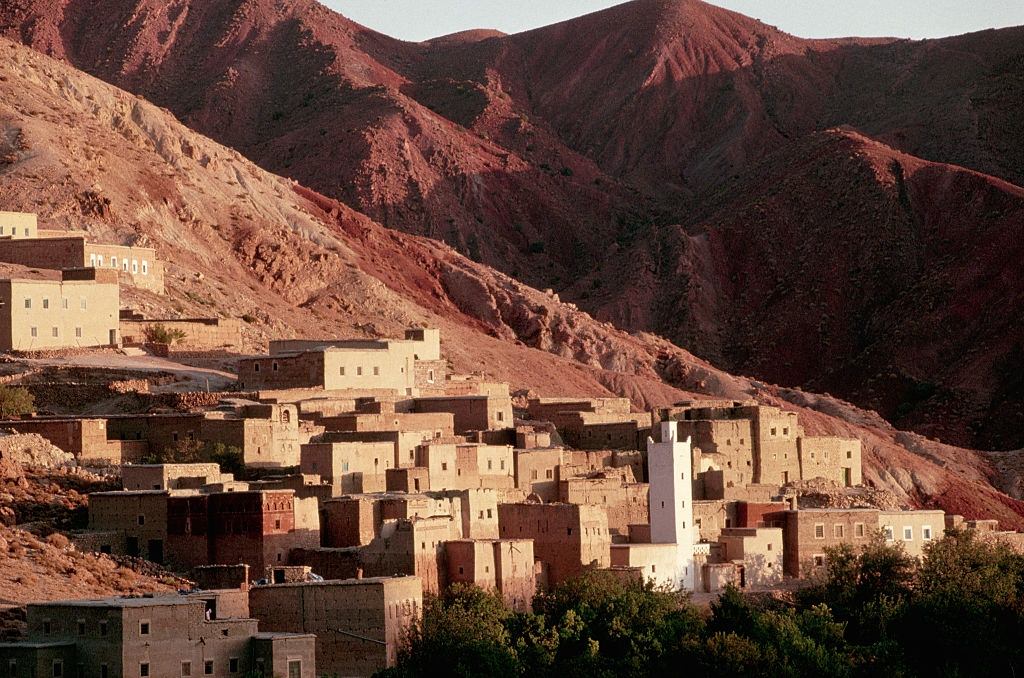
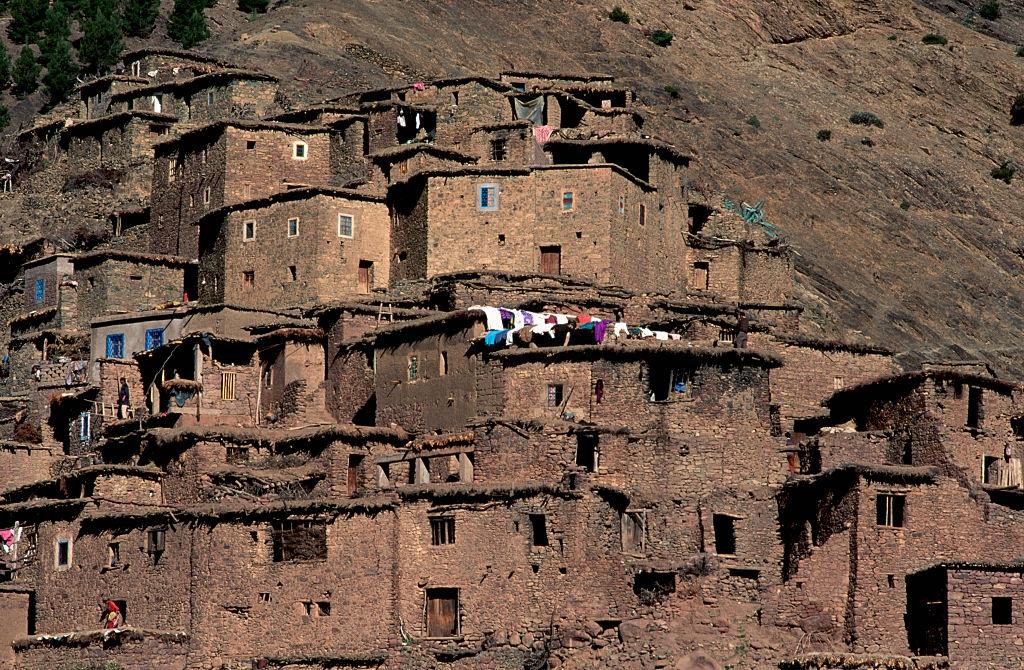
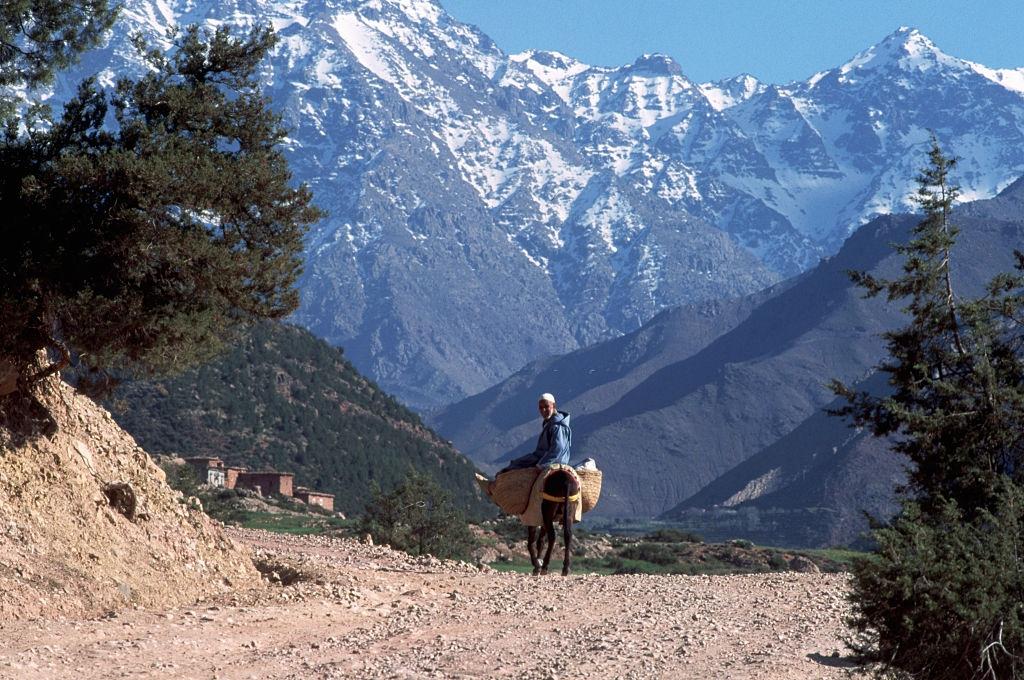
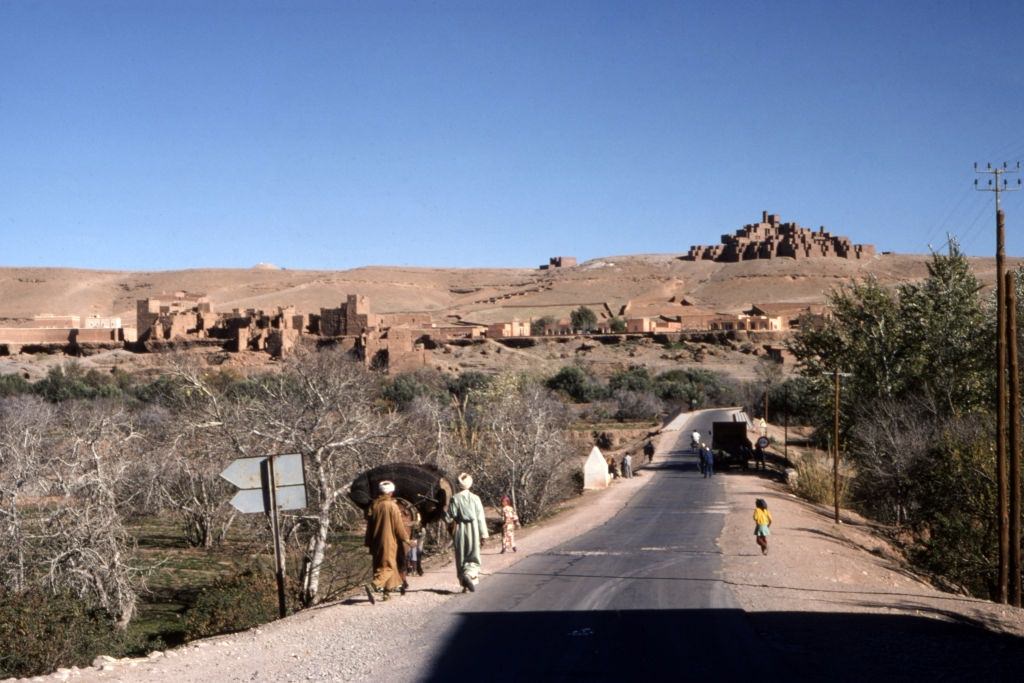
Berber villages in the High Atlas and Ourika Valley were built into the landscape itself. Stone and mud-brick homes climbed hillsides and sat beside river valleys, designed to withstand the extremes of mountain weather. Life in these communities depended on agriculture, herding, and strong communal ties.
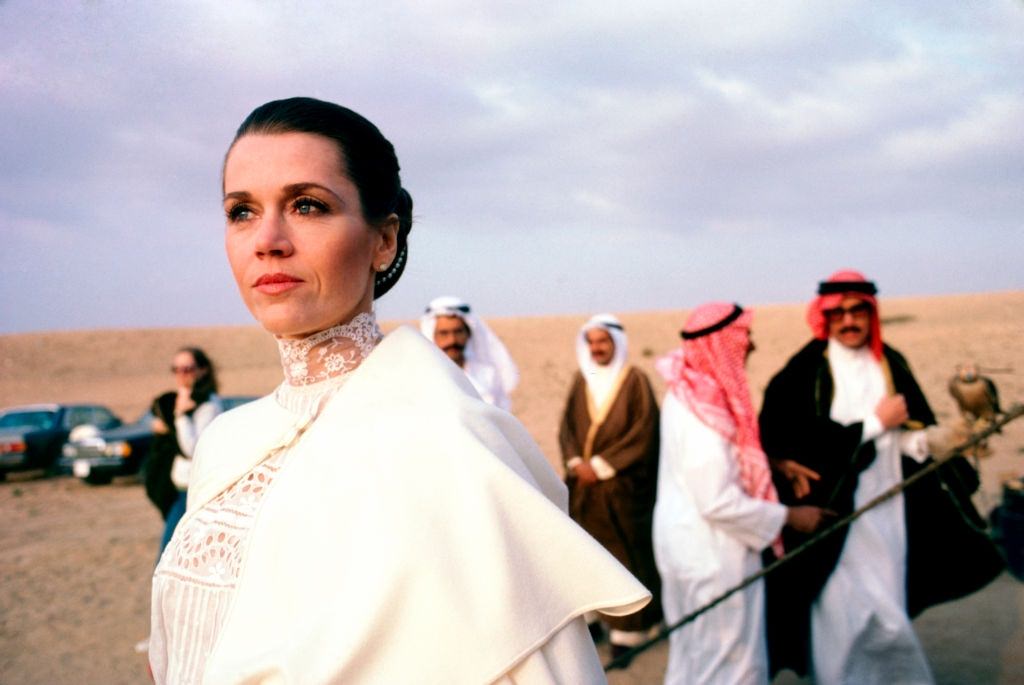
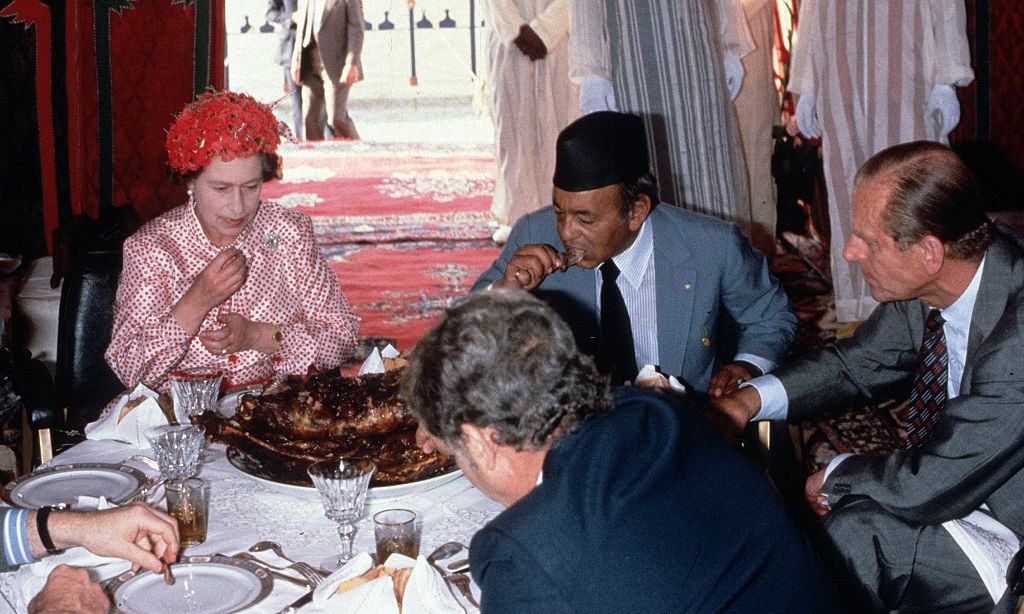
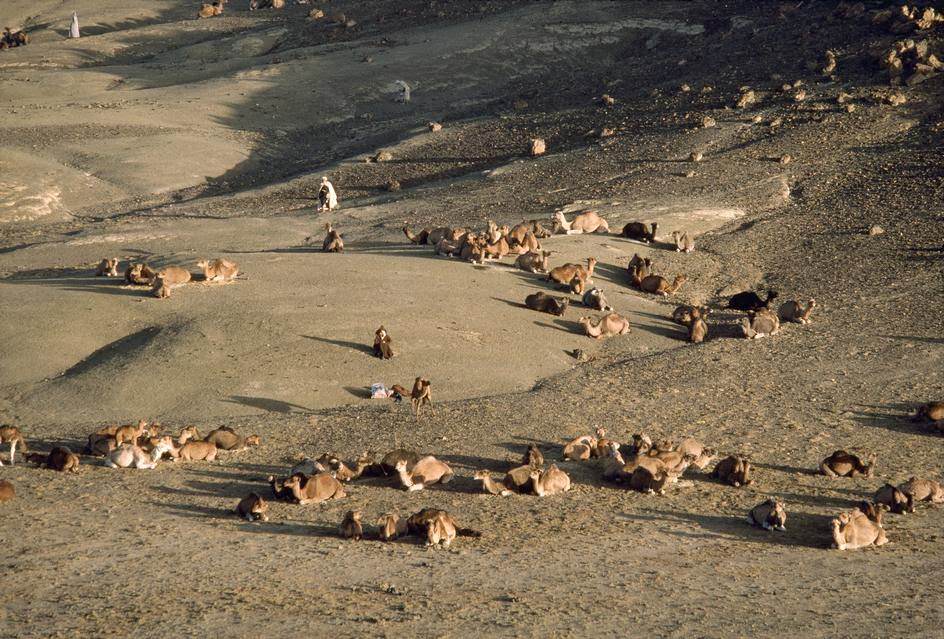
Morocco attracted international attention in other ways too. In 1981, actress Jane Fonda traveled to Marrakech to film scenes for the thriller Rollover, directed by Alan J. Pakula. The same year, Queen Elizabeth II and Prince Philip visited Morocco as guests of King Hassan II. At a desert feast on October 27, 1980, the British royals ate alongside the king in the traditional Moroccan manner — with their hands.
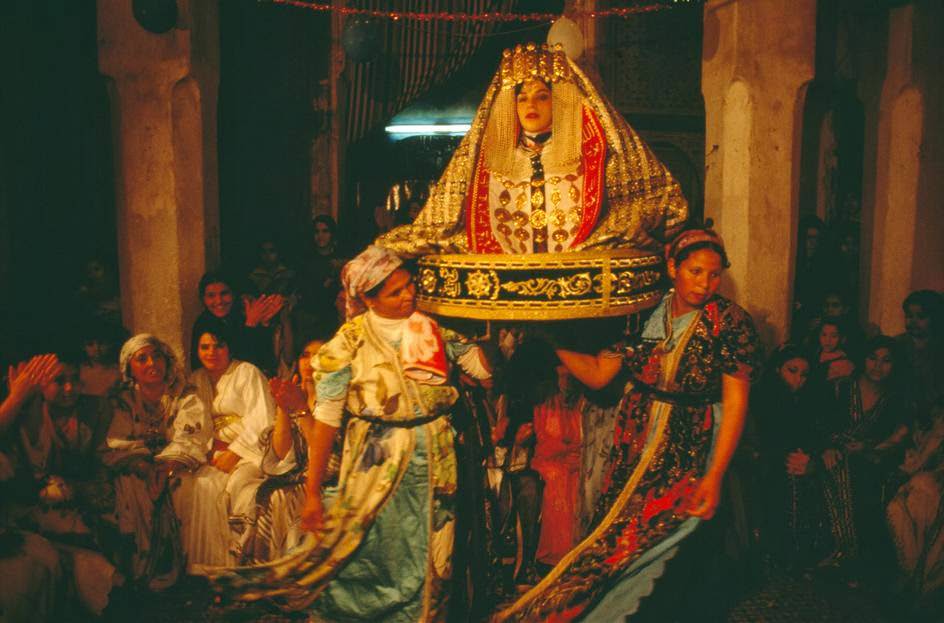
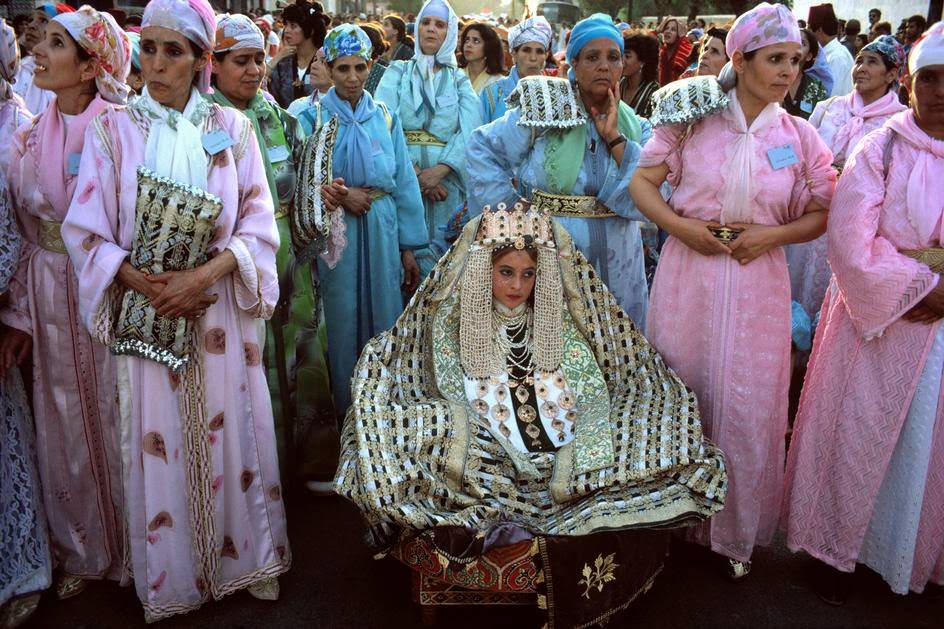
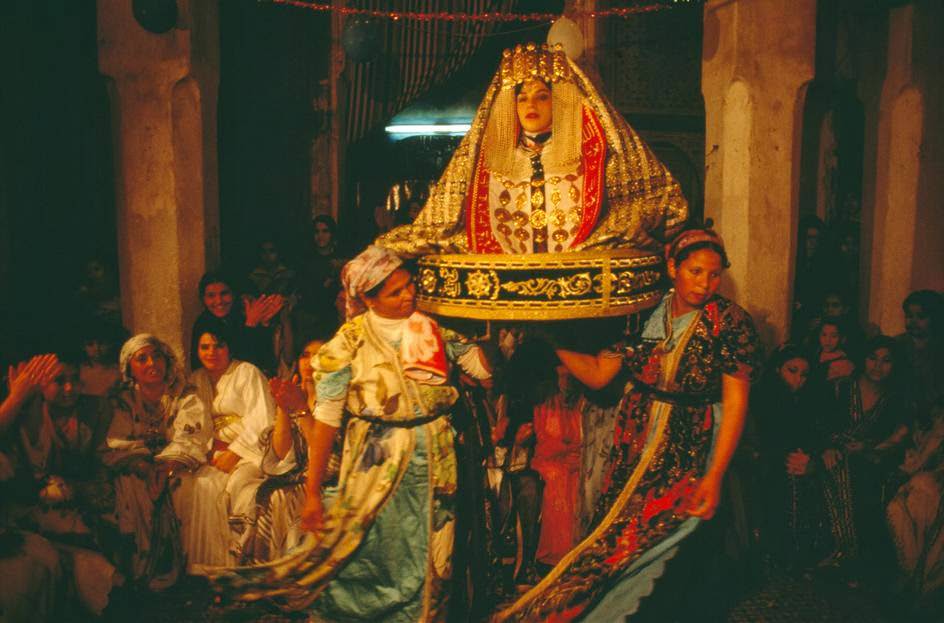
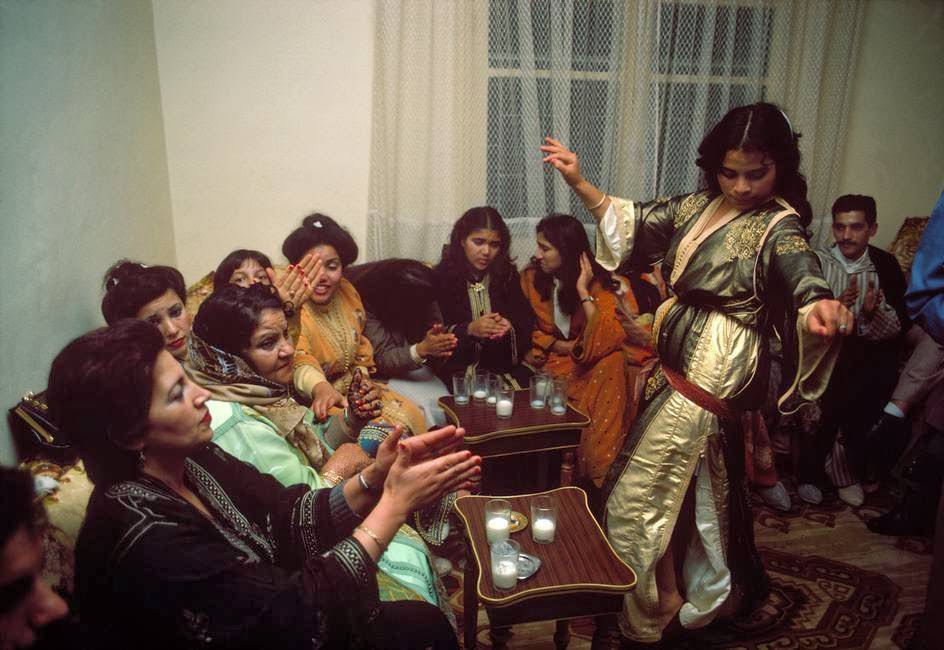
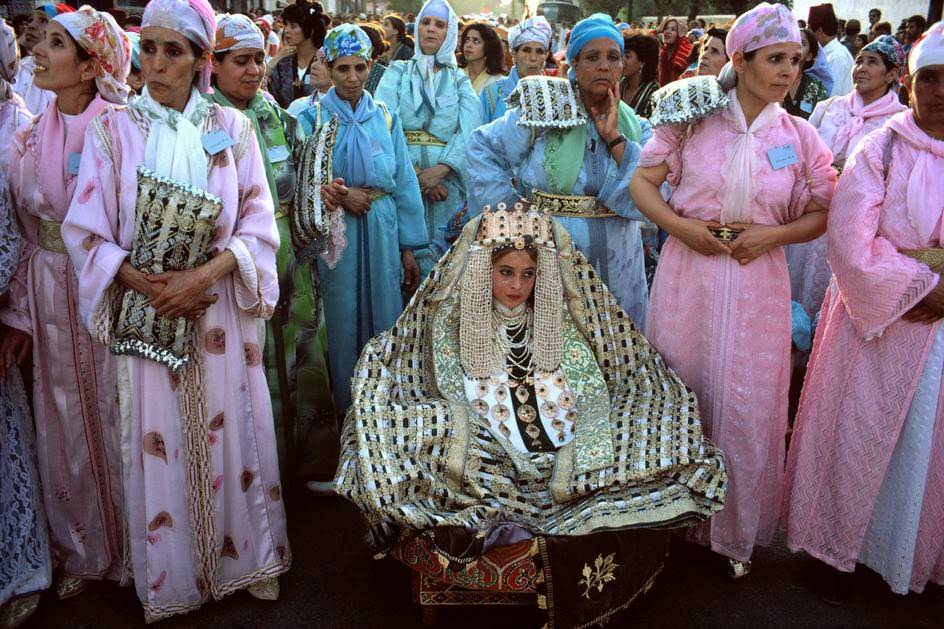
Weddings in 1980s Morocco were elaborate, multi-day affairs. One of the most distinctive customs involved the naggafat — women whose role was to carry the bride on a covered platter at shoulder height, dressed in layers of gold and silk. Horsemen performed the fantasia at outdoor celebrations, firing rifles in unison as part of the wedding festivities.
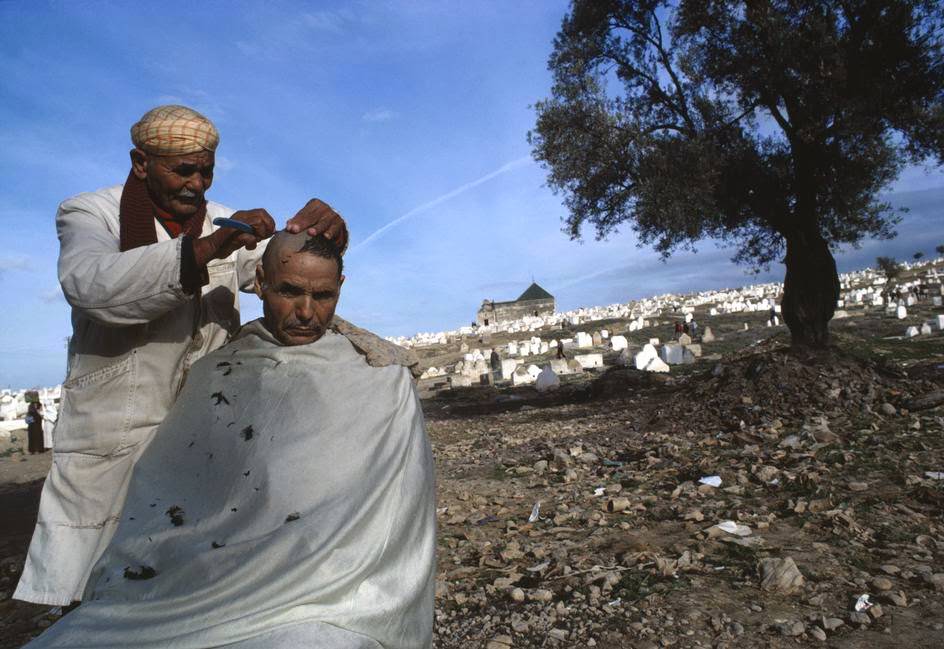
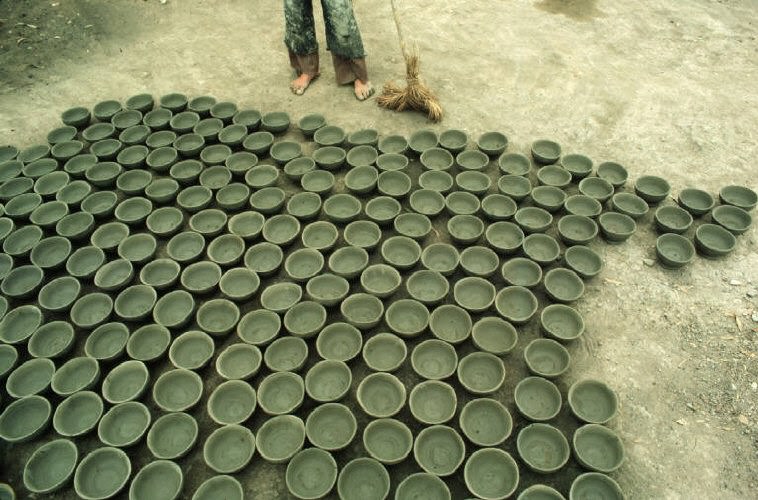
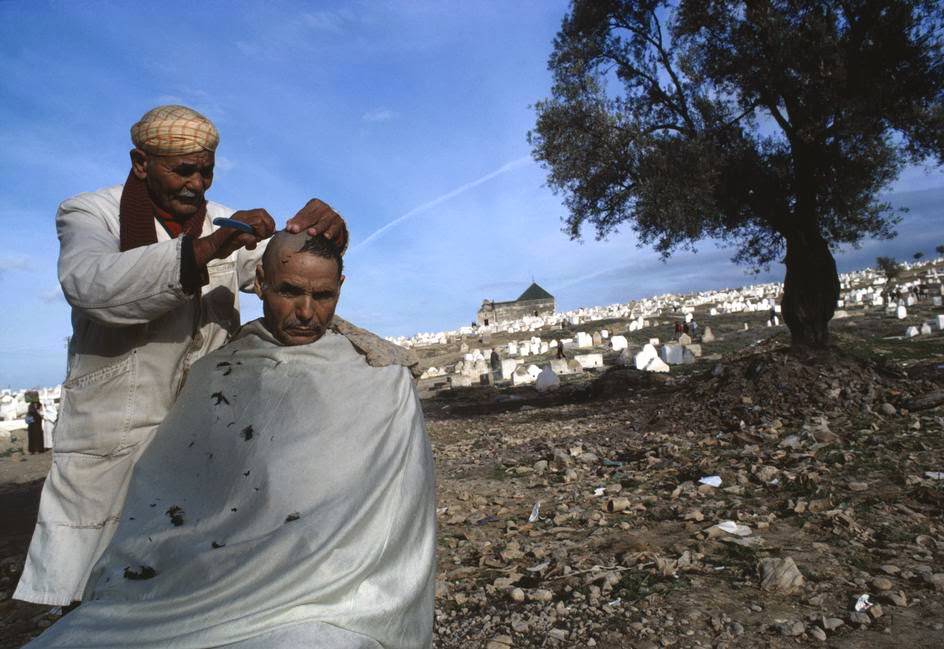
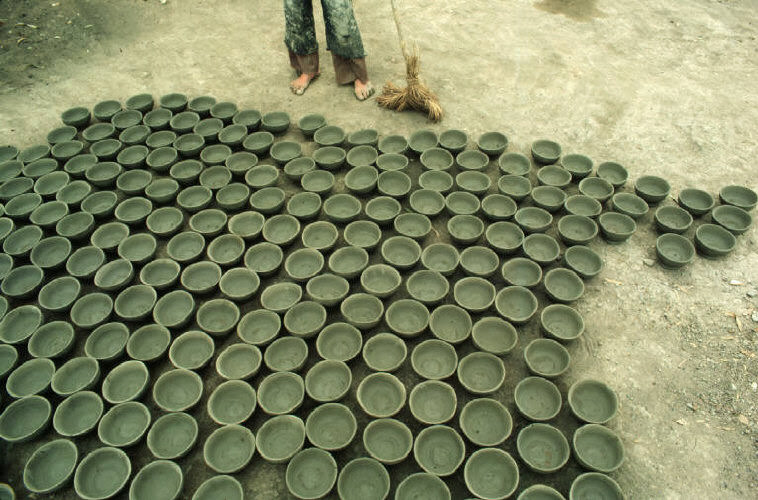
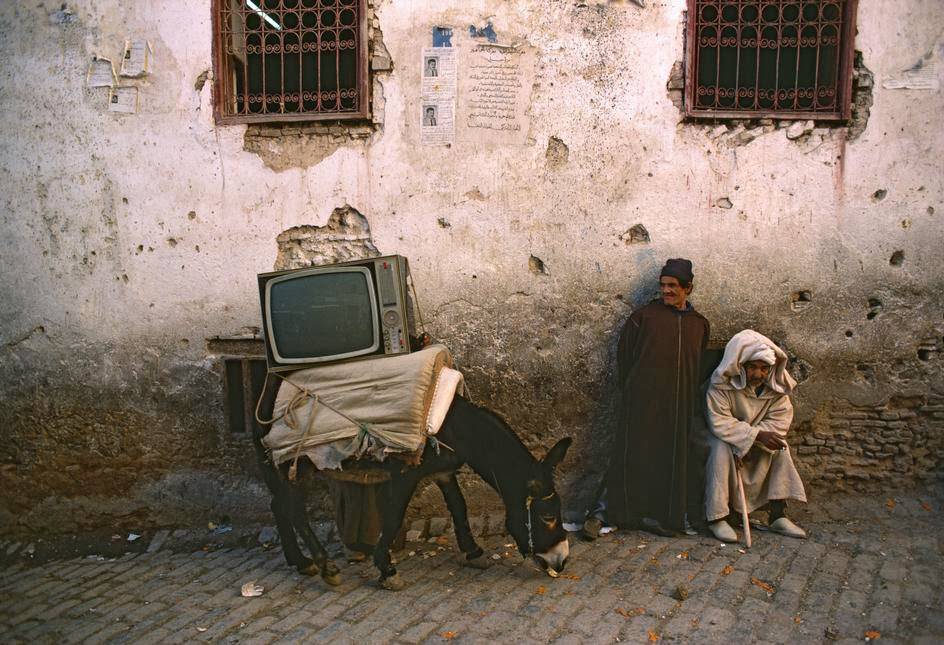
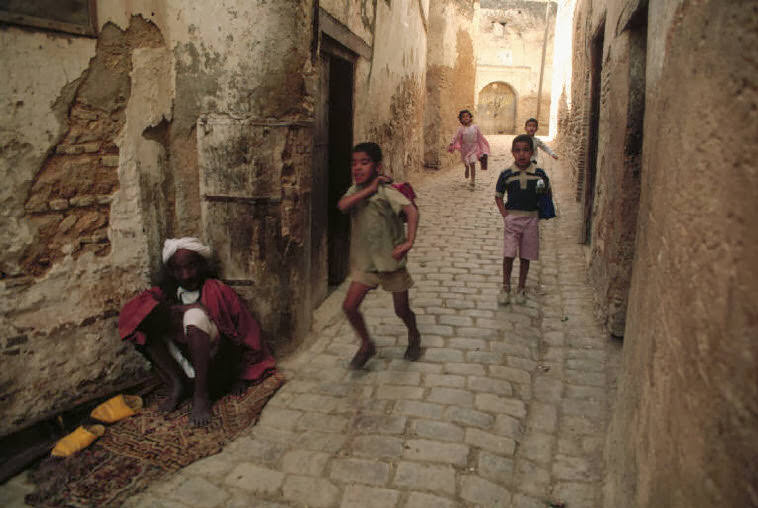
Street barbers traveled door to door through the medinas, offering shaves and haircuts to customers in their homes or on their doorsteps. It was a trade that required no fixed shop — just skill, tools, and a steady route through the neighborhood. Nearby, potters shaped earthenware by hand and set pieces out to dry in the sun, a process unchanged for generations.
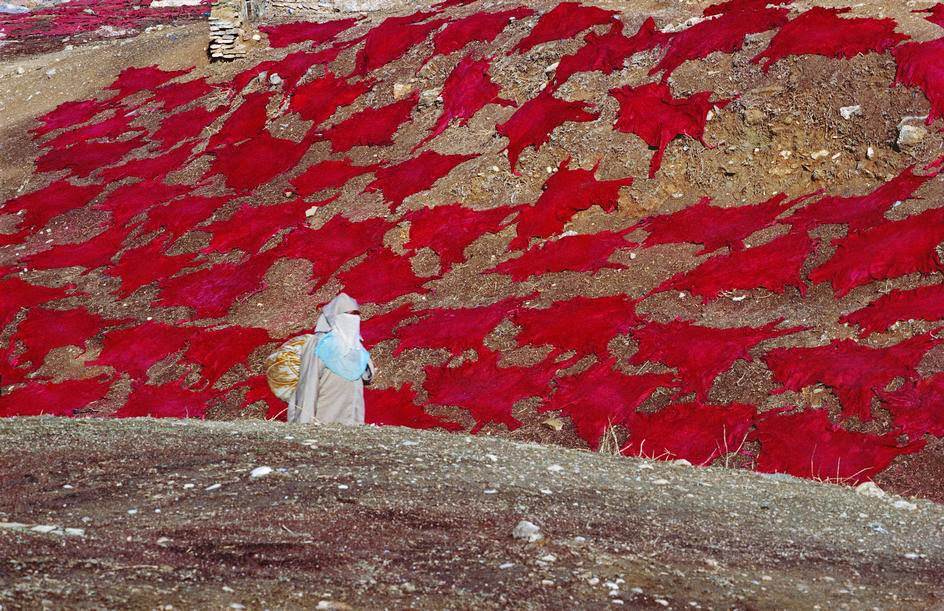
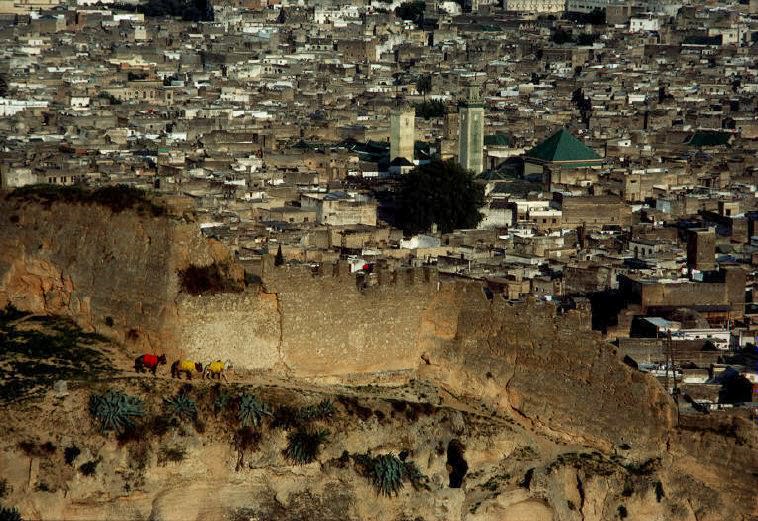
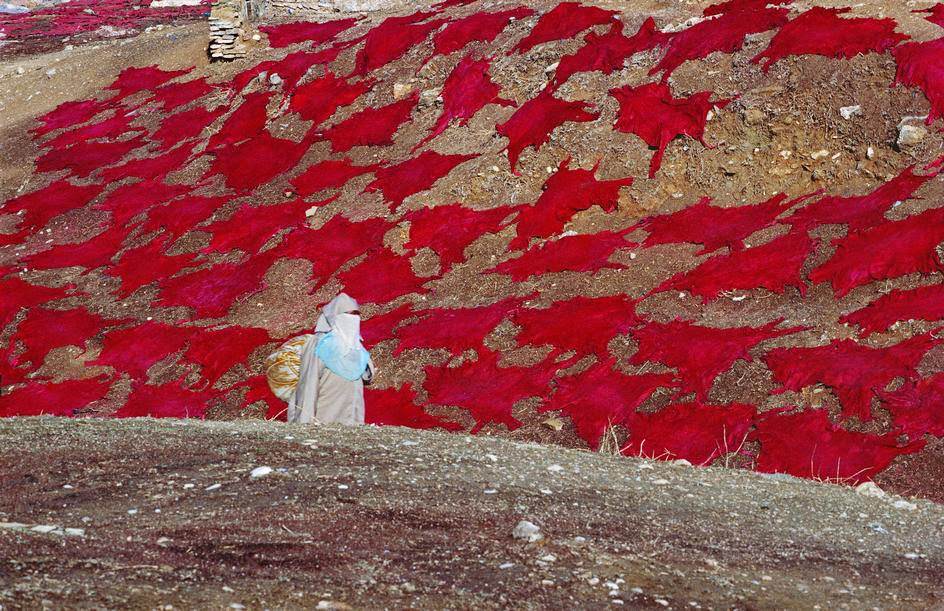
The tanning trade in Fez was both one of the oldest and most physically demanding crafts in the city. Workers at the Sidi Moussa tanneries soaked, scraped, and dyed animal hides in open stone pits. The finished skins were then hung on hillsides near the cemetery to dry in the open air, giving the surrounding landscape a patchwork of color.
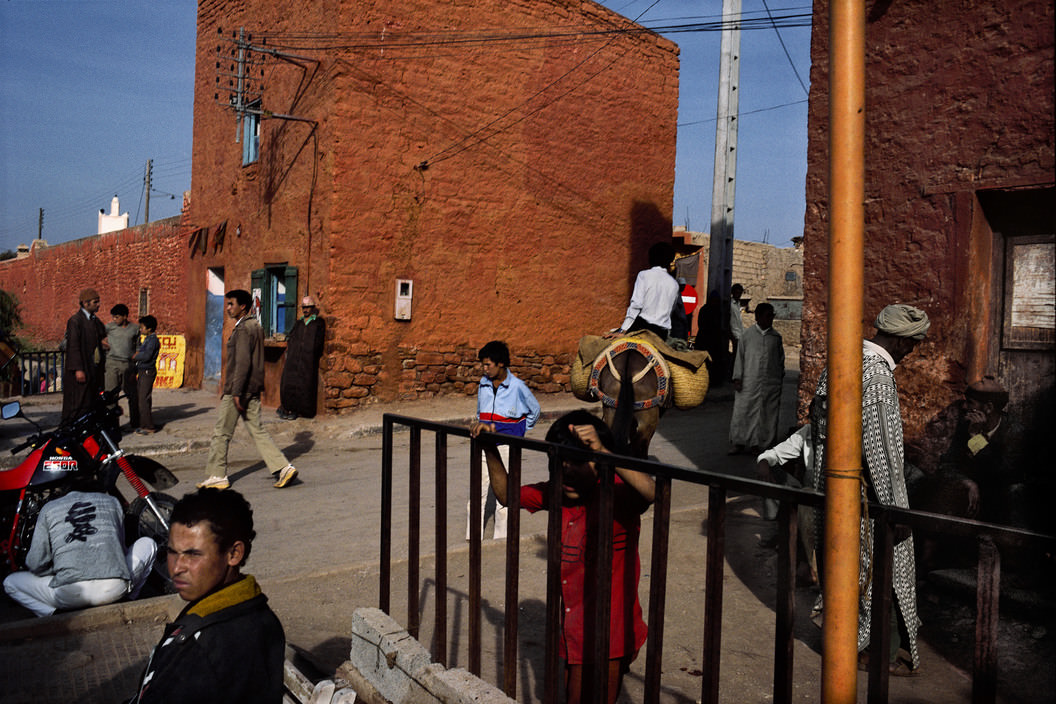
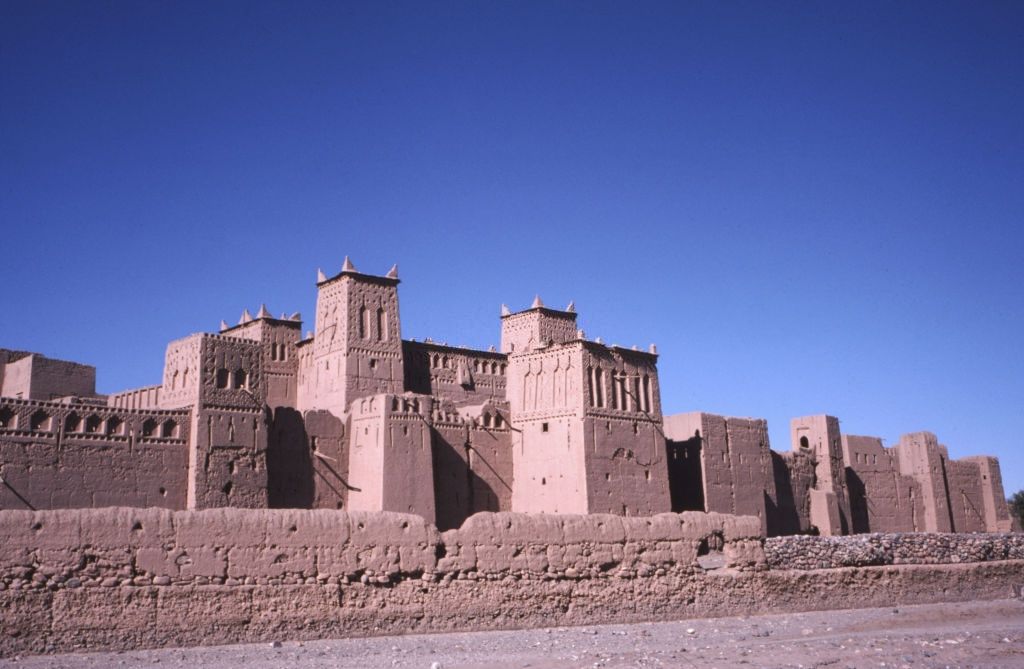
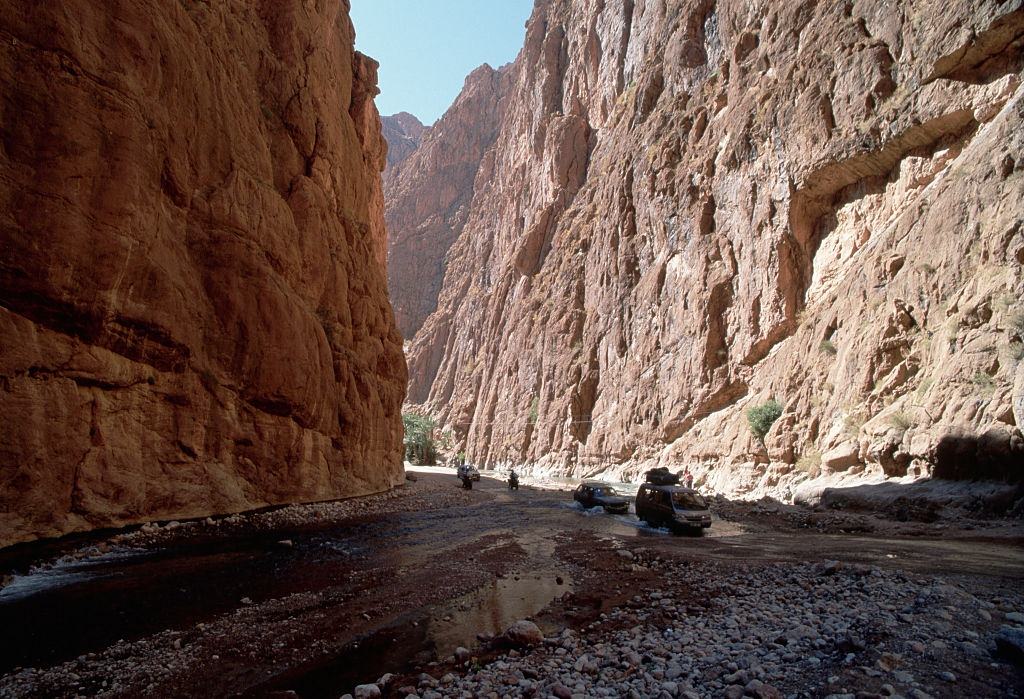
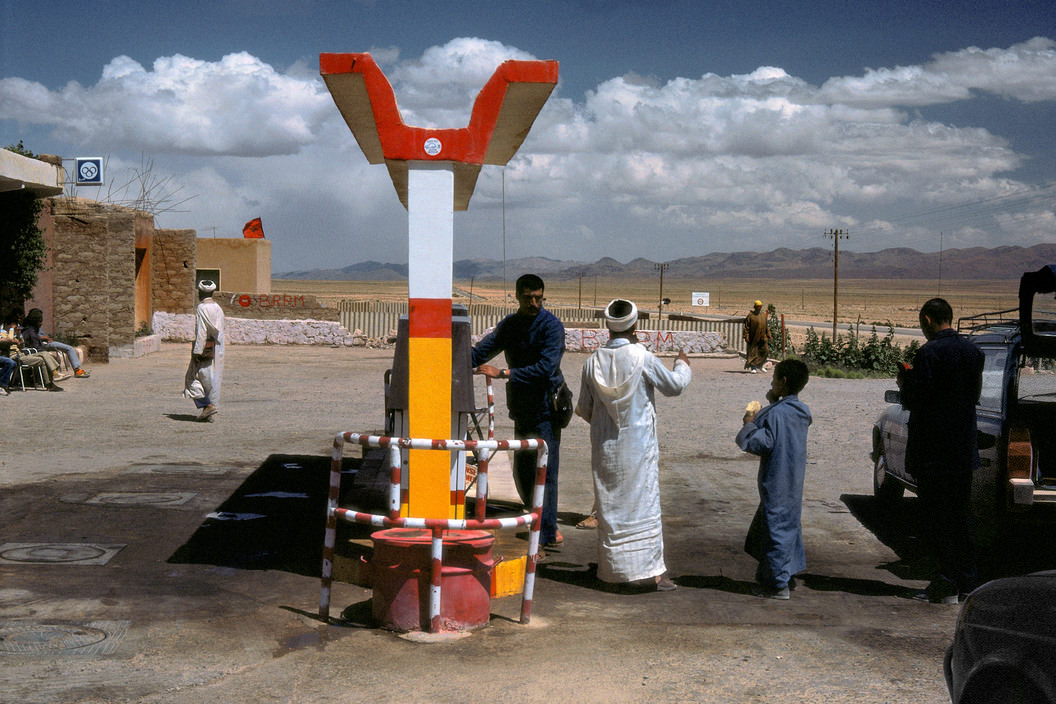
By the mid-1980s, towns in the south like Ouarzazate and Tinerhir served as gateways to the Sahara. The road connecting them cut through dramatic desert scenery, and small gas stations appeared in unlikely places — including at the entrance to Todra Gorge. These outposts reflected Morocco’s gradual push to connect its remote regions to the national economy.
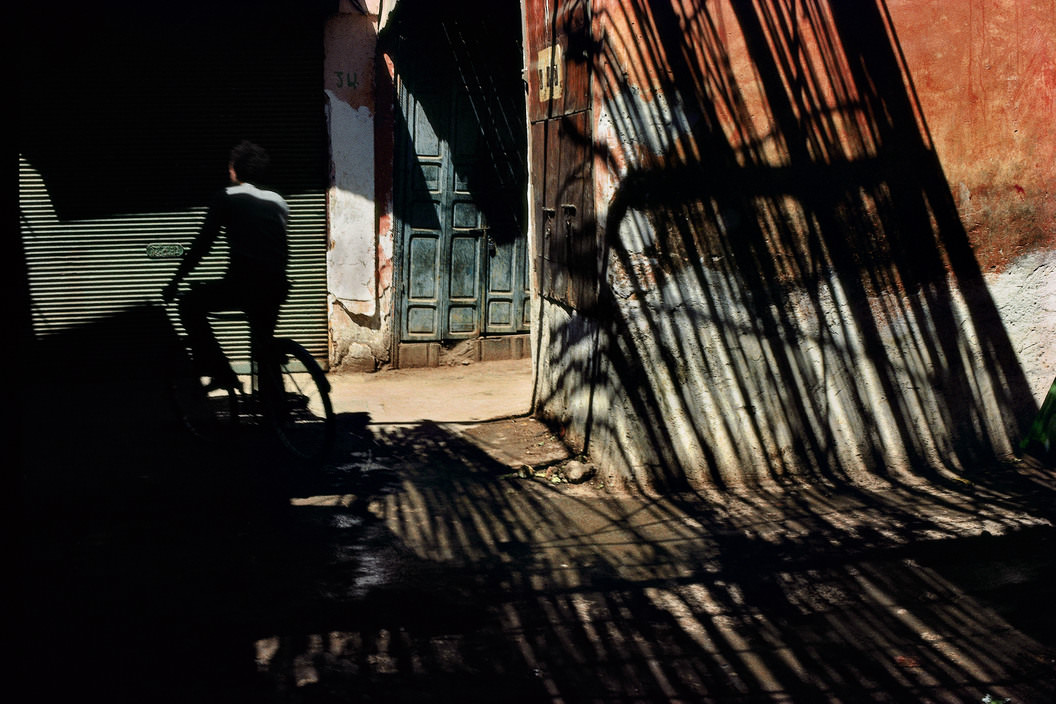
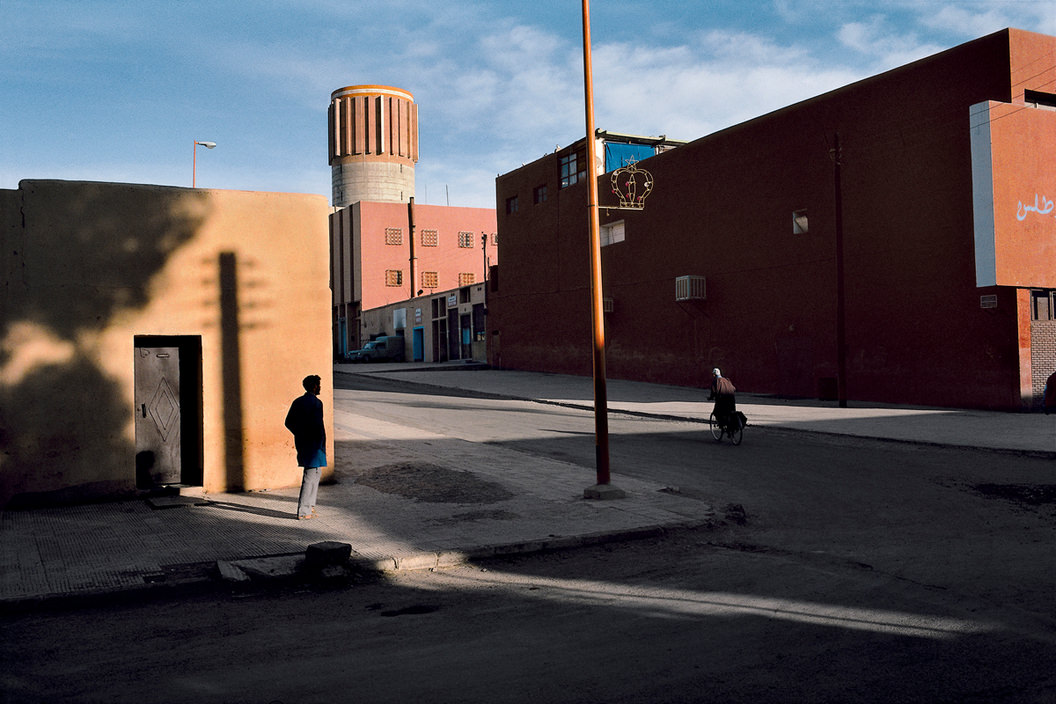
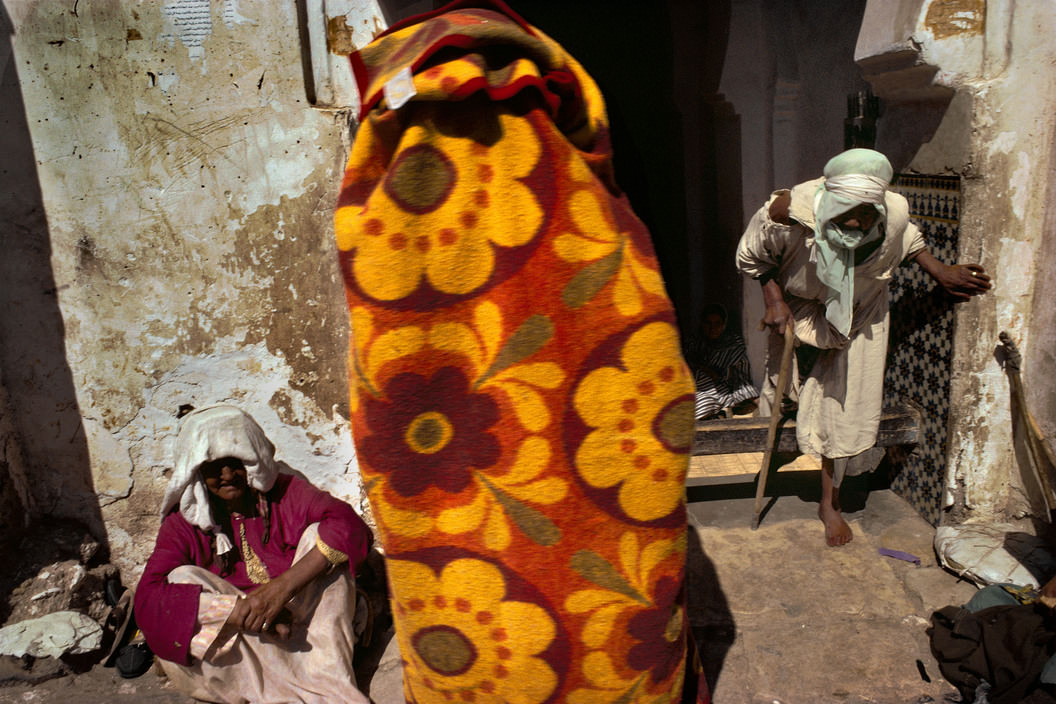
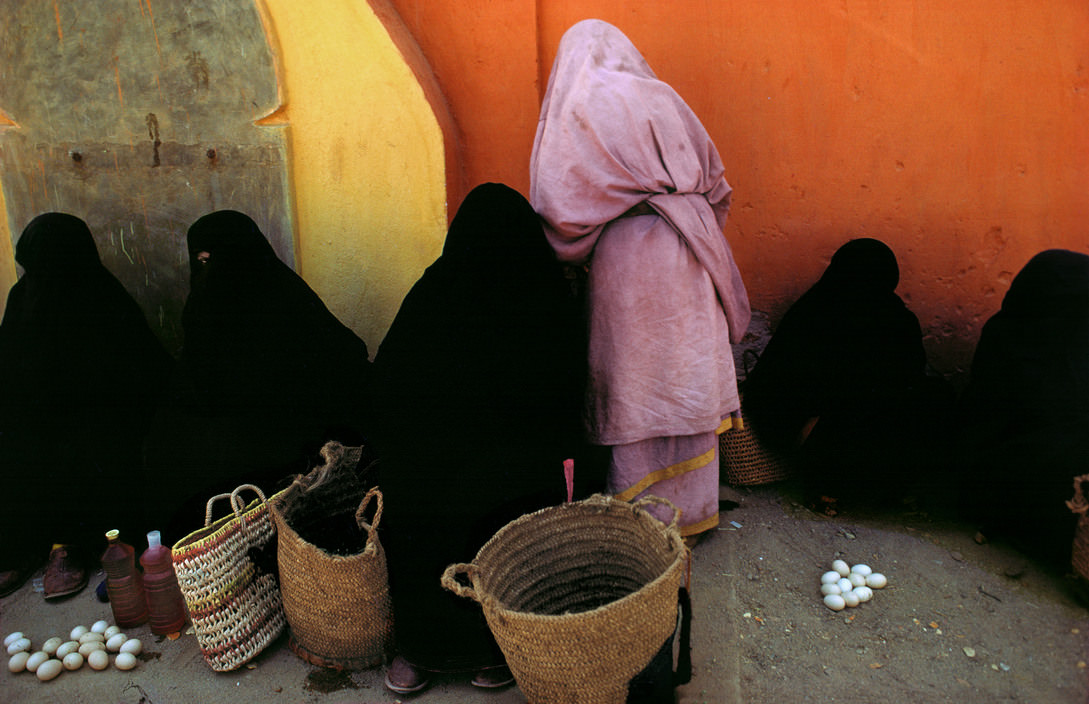
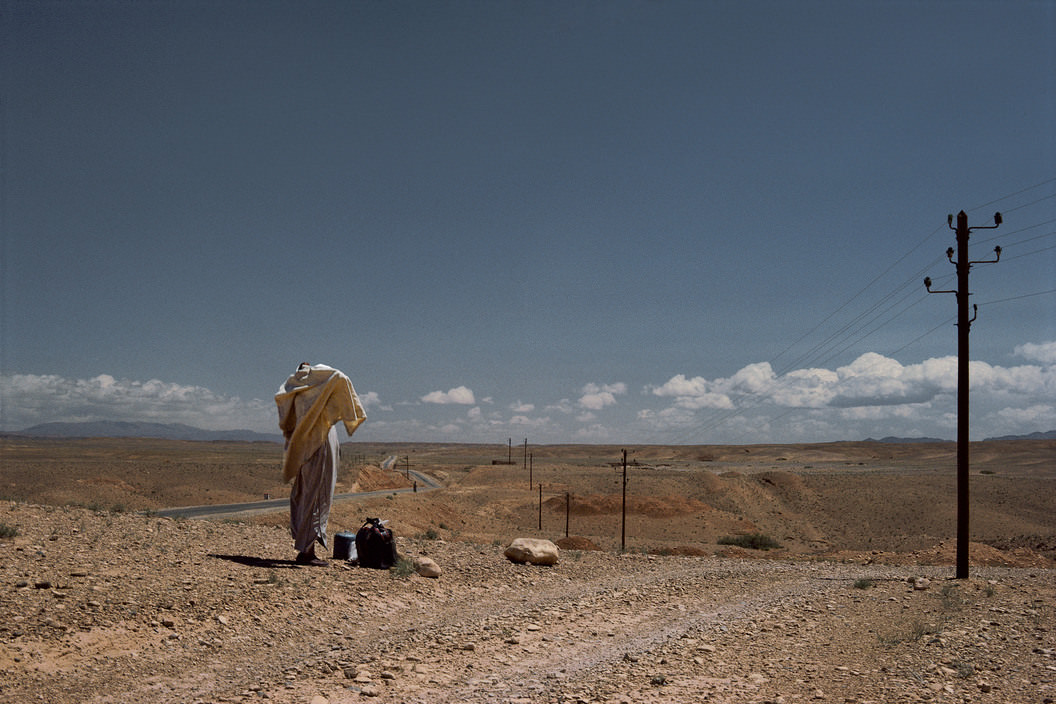
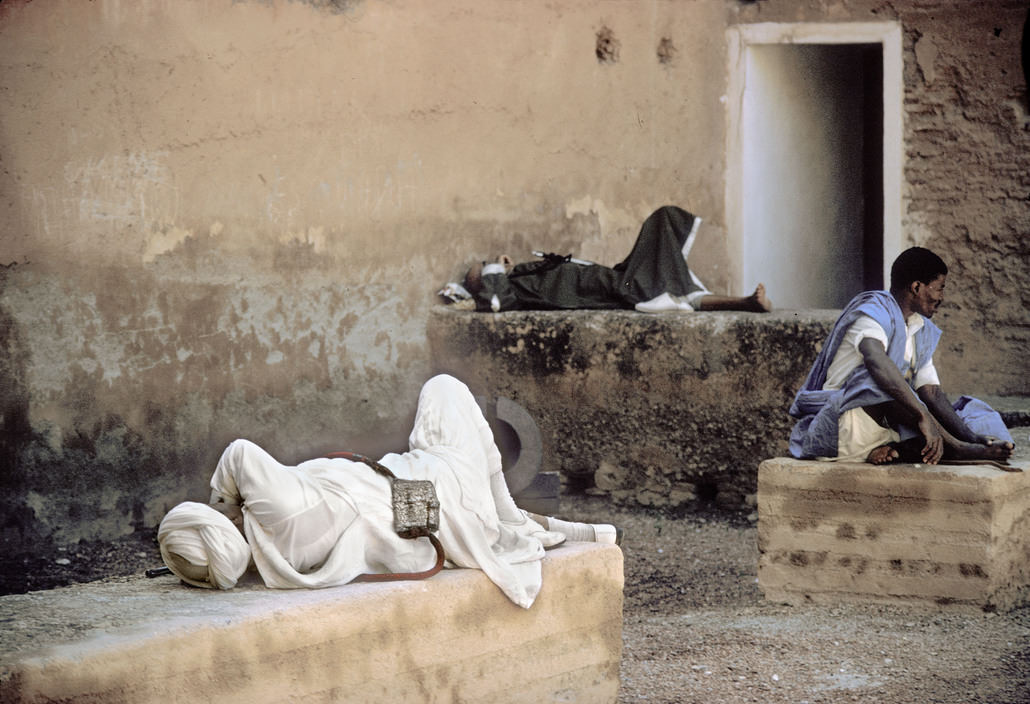
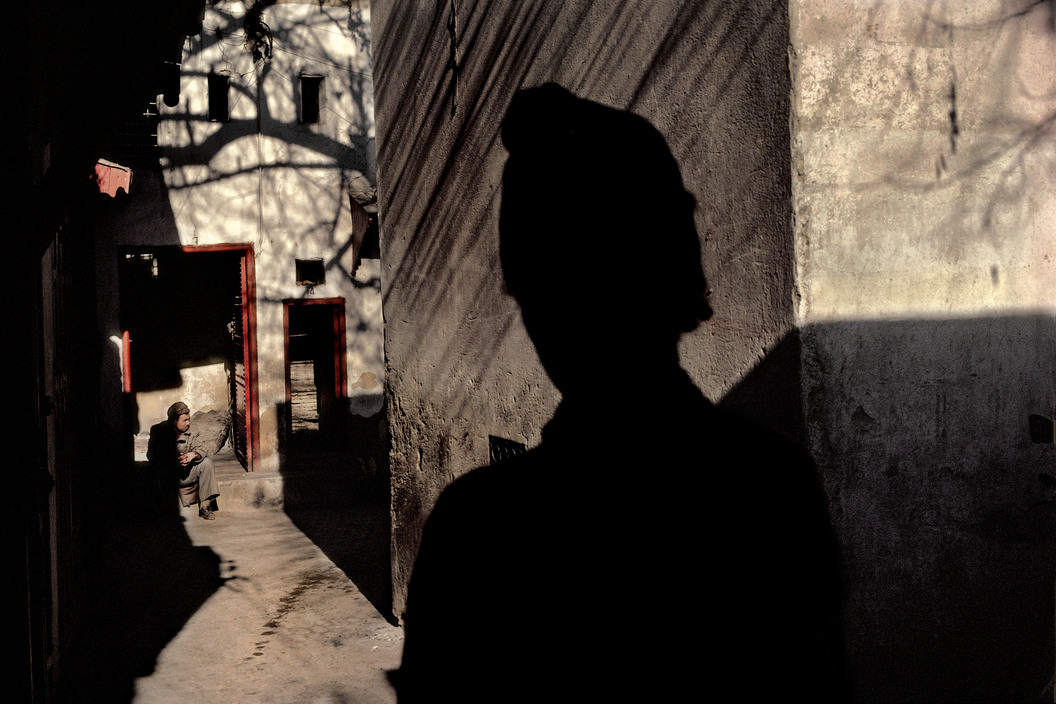
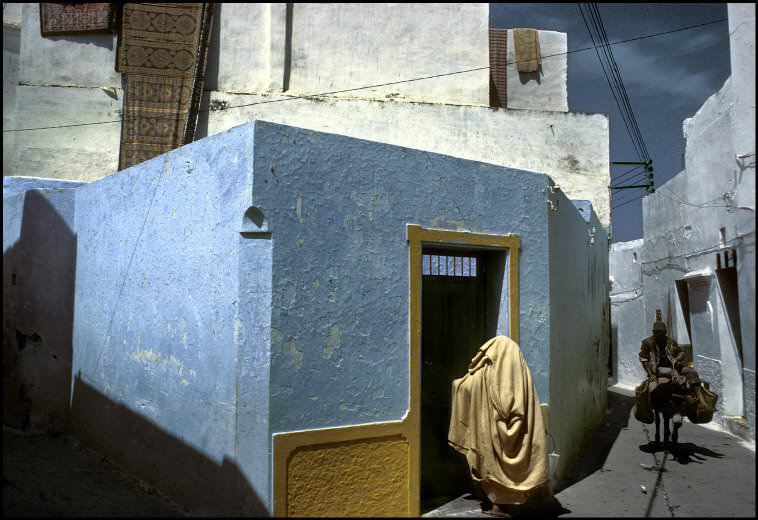
Not all of Morocco’s 1980s story was one of tradition and ceremony. Shantytowns had grown on the edges of major cities, housing families who had moved from rural areas in search of work. In the Rif Mountains, the blue-walled city of Chefchaouen held a different pace of life — narrow streets, hillside gardens, and a community largely insulated from the coastal cities’ pressures.
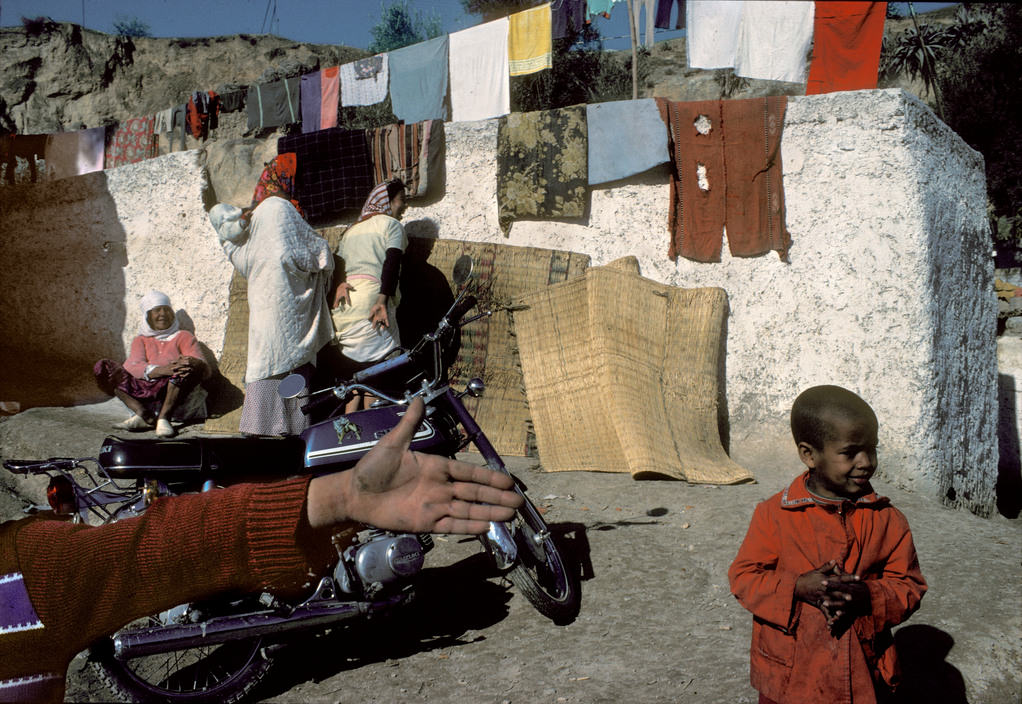
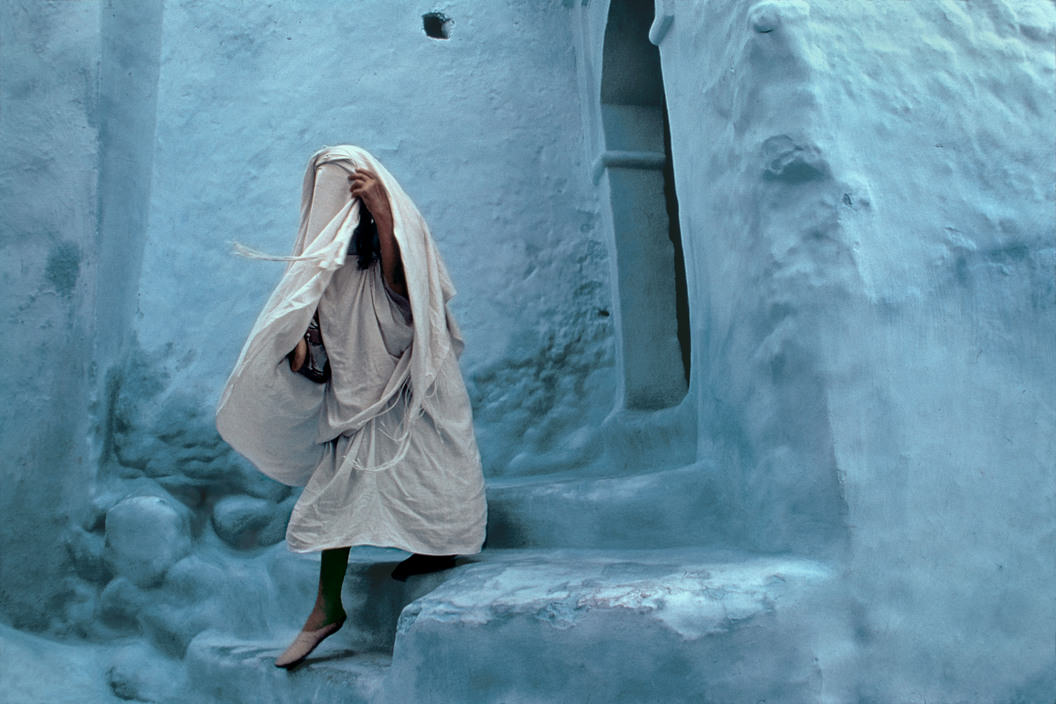
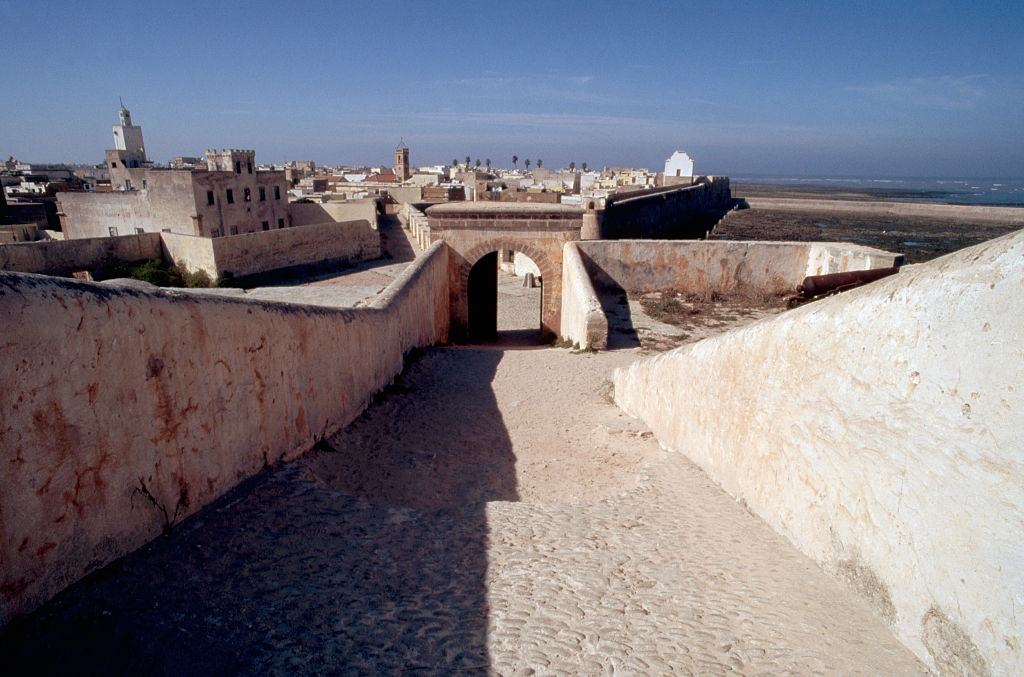
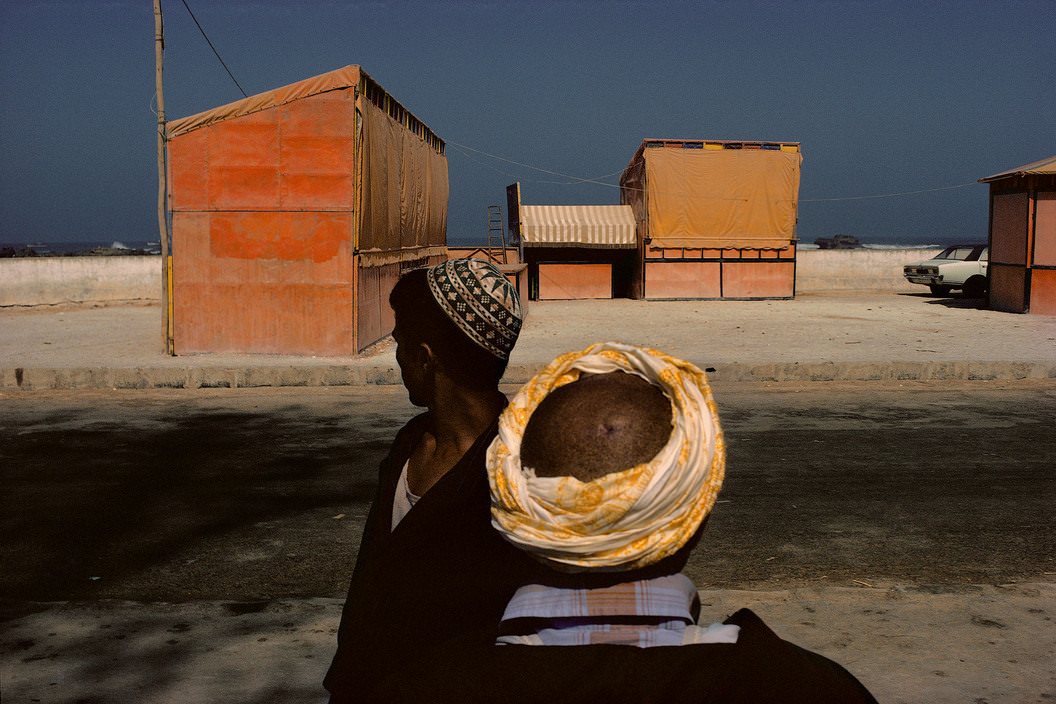
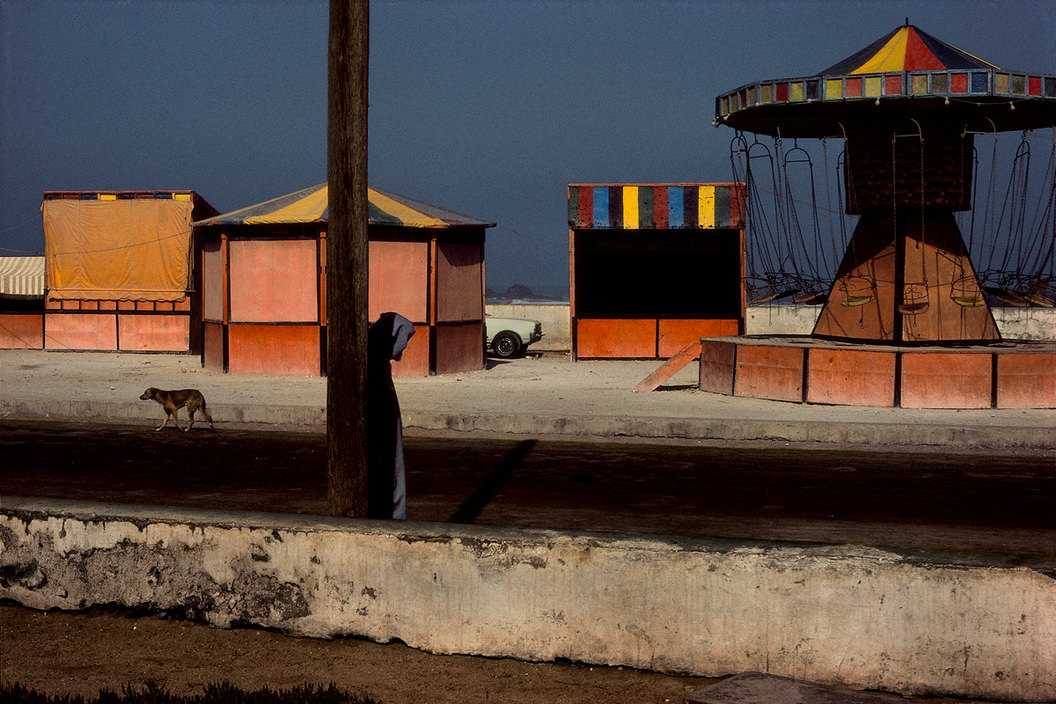
Essaouira, the walled port city on Morocco’s Atlantic coast, had an active industrial district alongside its beachfront. Amusement stands lined the waterfront, and its ancient ramparts — continuously inhabited since the 18th century — remained in use as both a boundary and a landmark. By 1988, the city offered a mix of working-class life and seaside leisure.
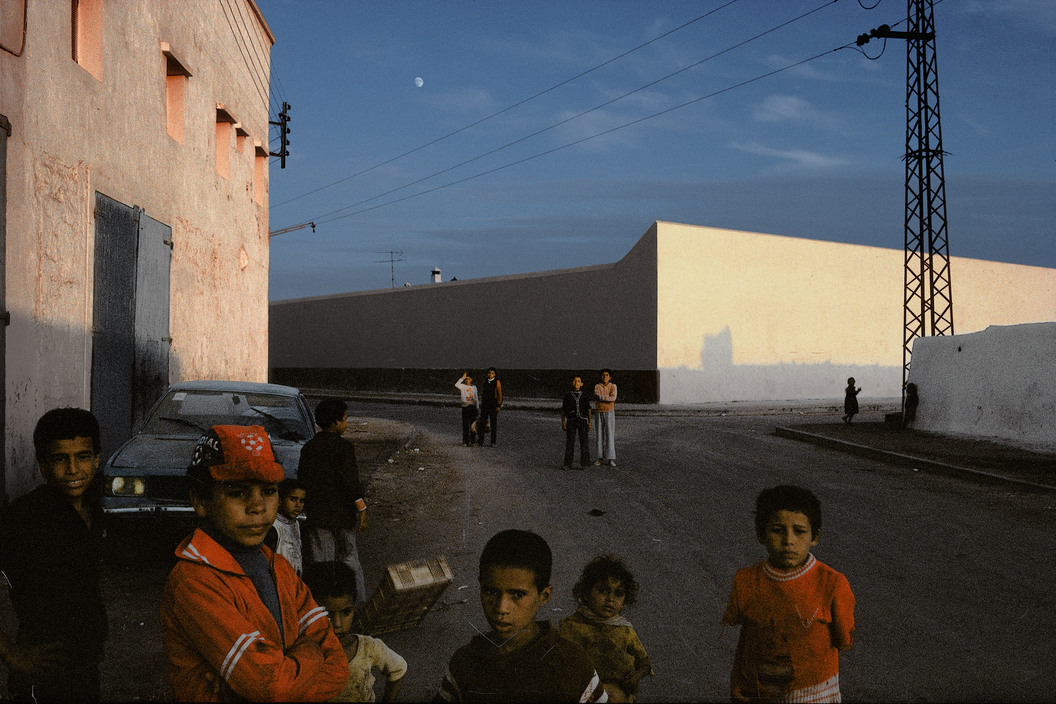
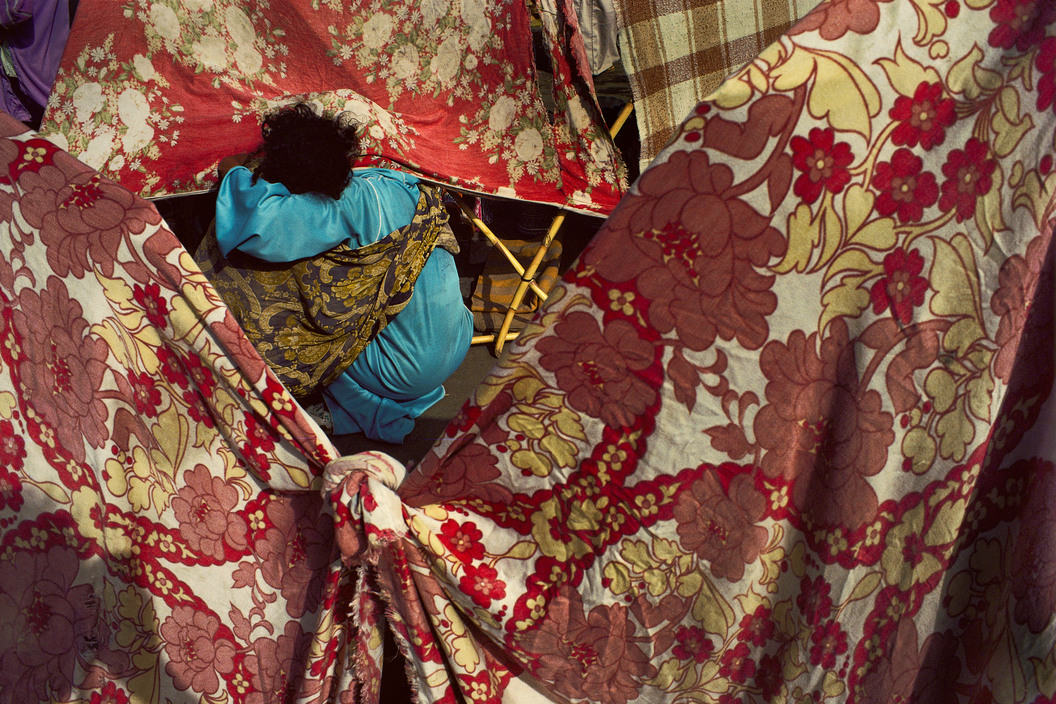
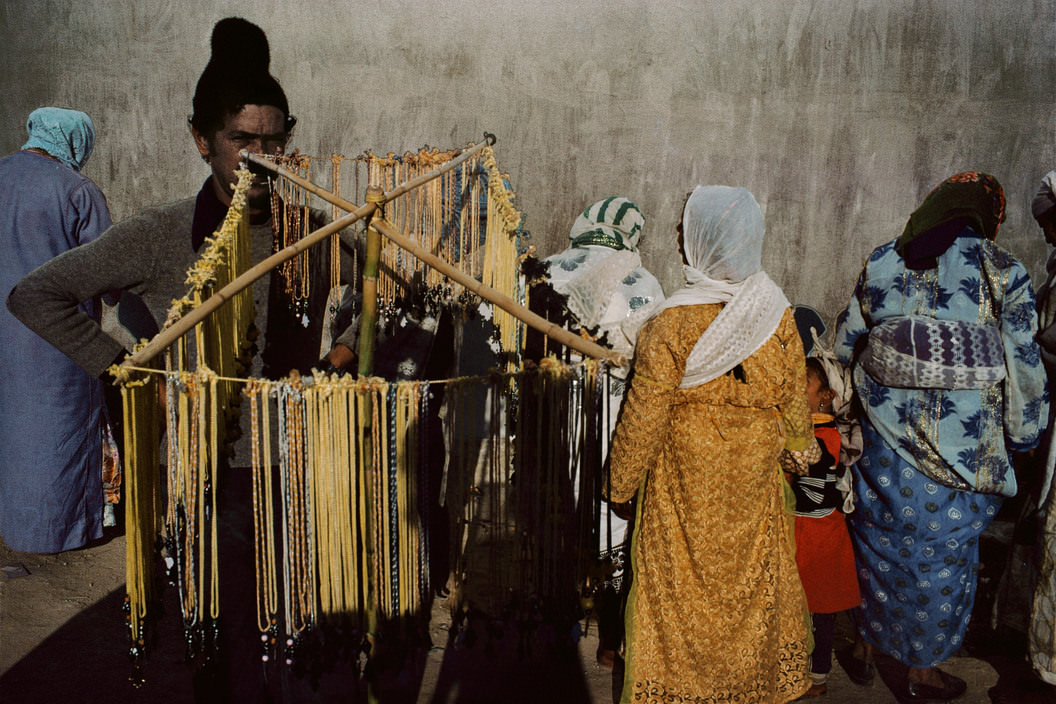
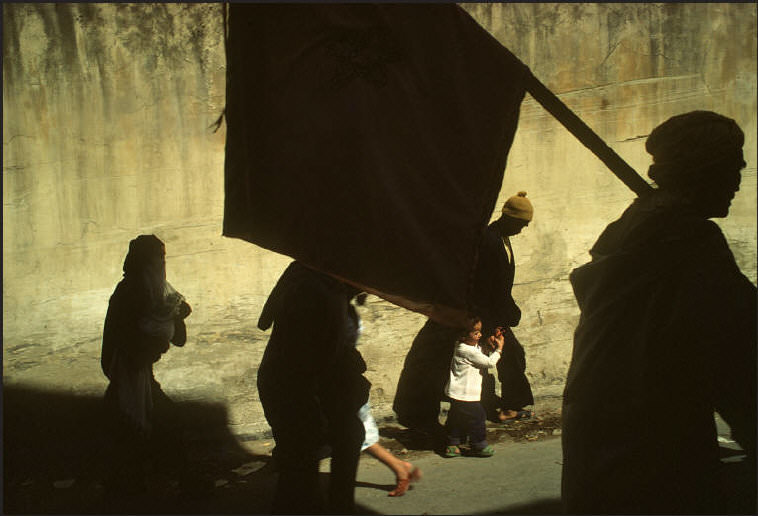
The Moussem — a traditional religious and cultural festival — drew large crowds in Meknes each year. In December, merchants set up stalls selling necklaces and other goods. In September, pilgrims marched through the streets with banners, making their way to the mosque. These festivals reinforced communal identity at a time when broader national pressures were testing social cohesion.





Before colonialism is my jam , but still good ones.