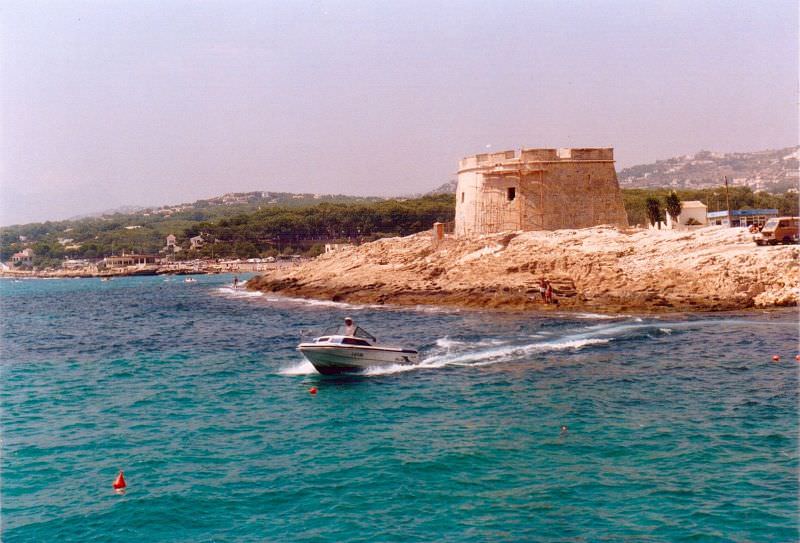
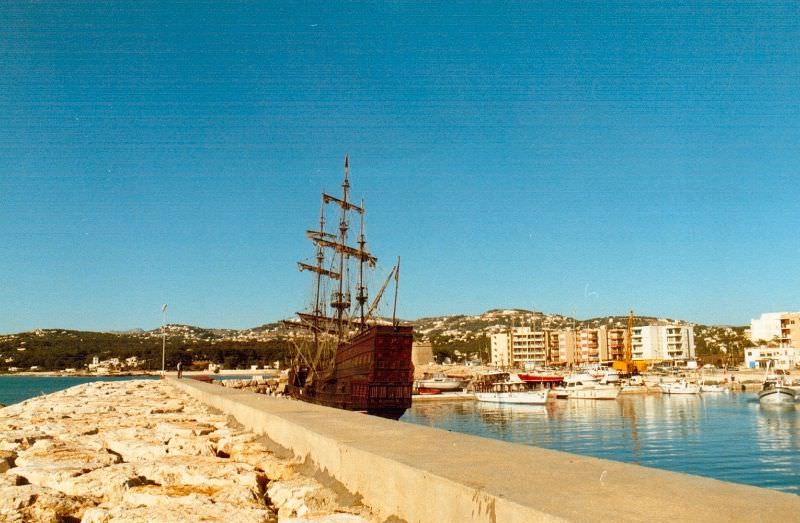
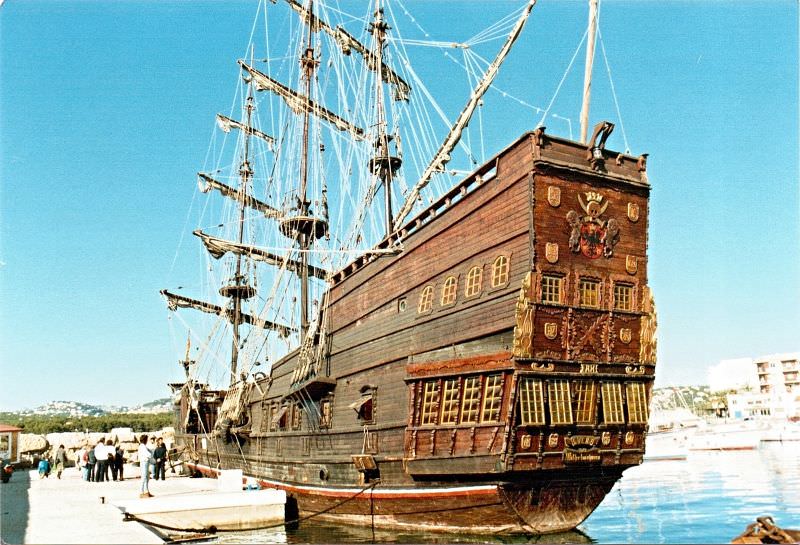
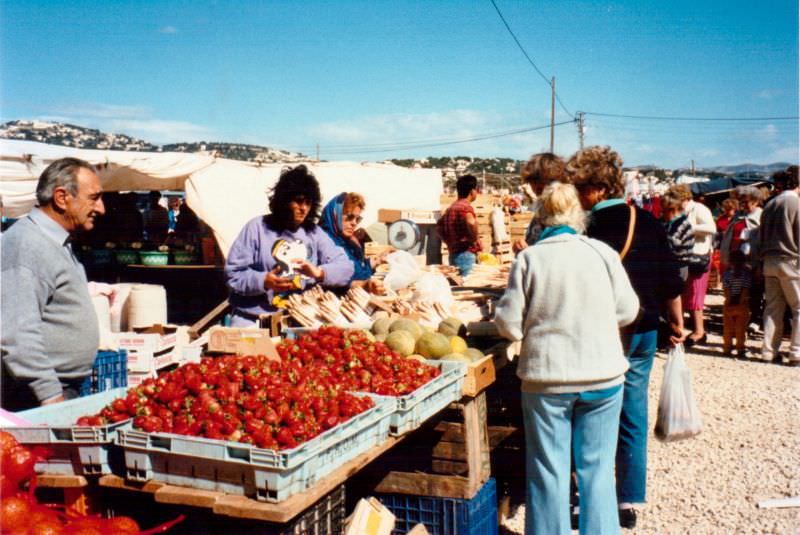
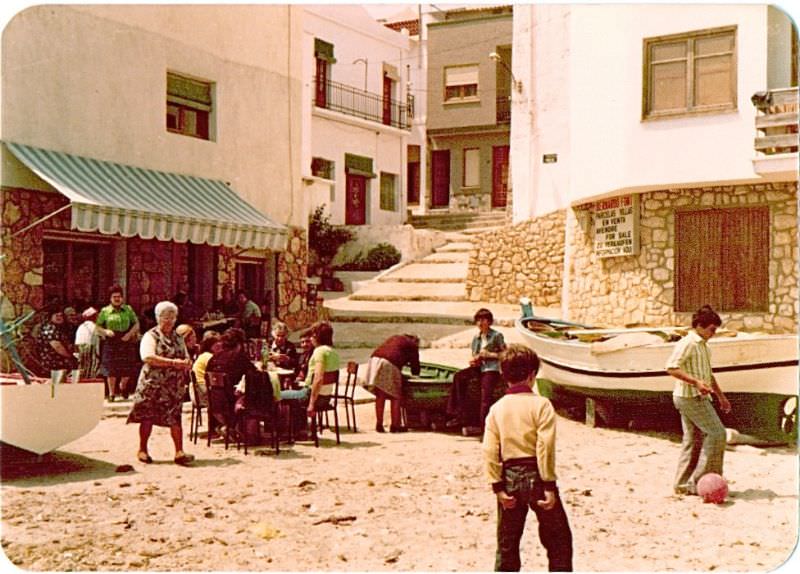
Moraira sits along the Costa Blanca coastline in the Alicante province of southeastern Spain. In the 1980s, it was still very much a working fishing village — modest, unhurried, and deeply tied to the sea. Its port welcomed fishing boats each morning, and the local fish market was among the busiest and most well-regarded on the entire Costa Blanca stretch. Five fishing boats regularly docked there, and the rhythms of the catch shaped daily life for many residents.
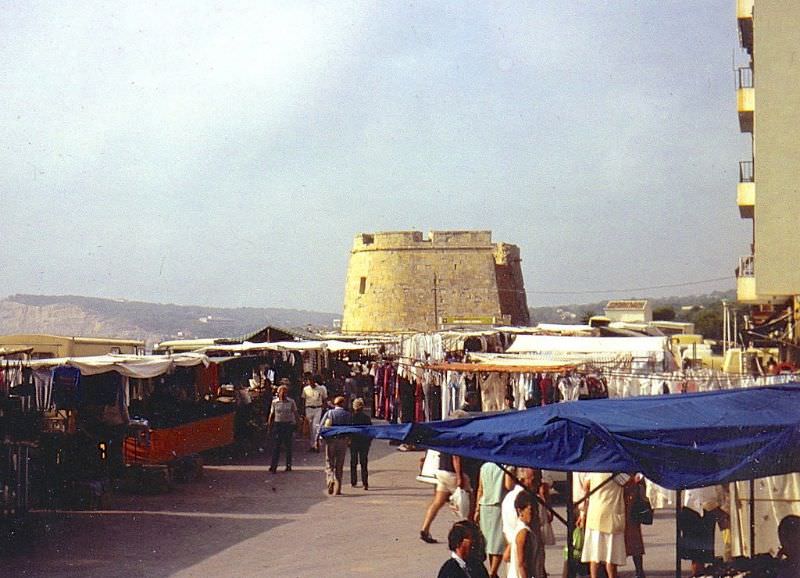
The town’s climate made it naturally attractive. Moraira receives close to 3,000 hours of sunshine each year. Summer temperatures regularly climb past 20 degrees Celsius, softened by cool breezes rolling in off the Mediterranean. In winter, surrounding hills shield the town from cold northern winds, keeping conditions mild and comfortable year-round.
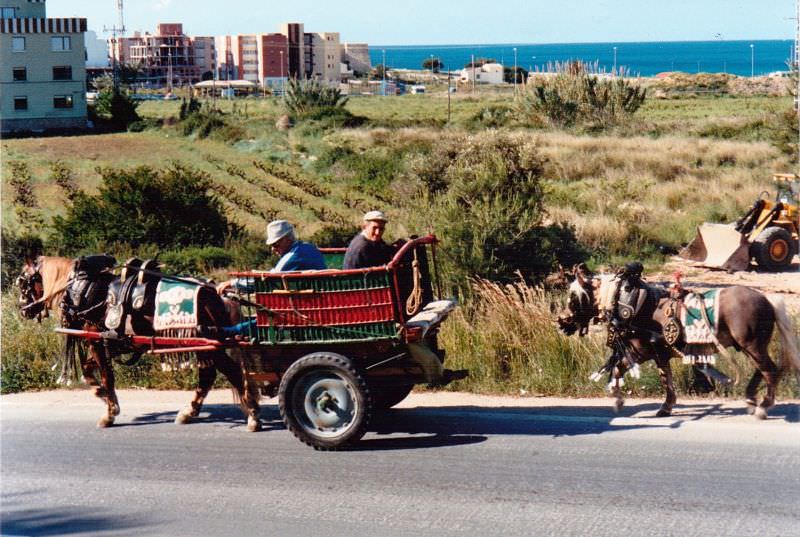
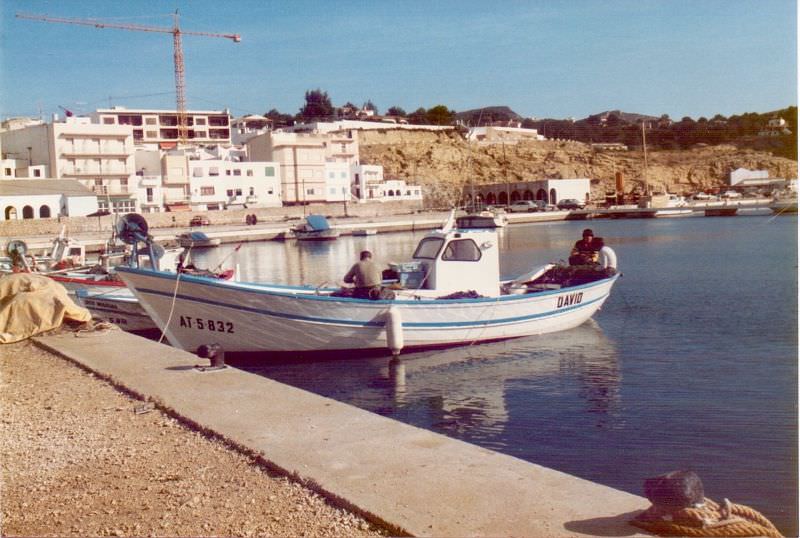
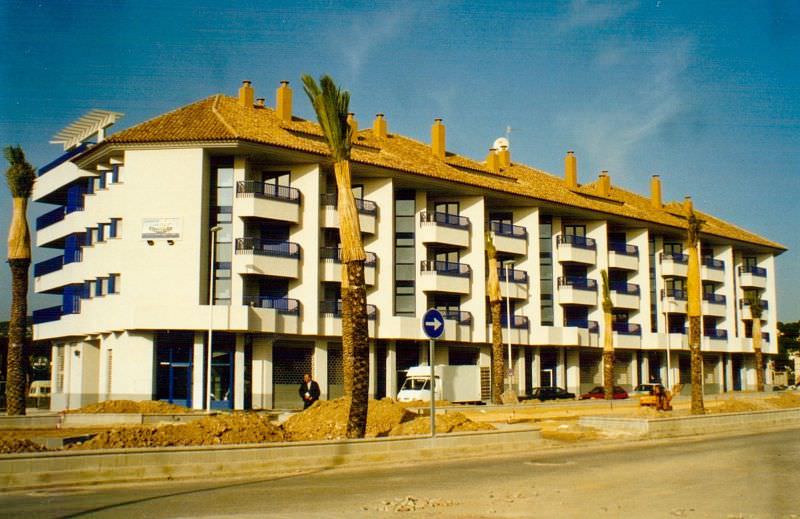
By the 1980s, Moraira was drawing growing numbers of visitors. Holidaymakers from Madrid and Valencia had already claimed it as one of their favorite summer escapes. European tourists were arriving too, drawn by the clean beaches, the relaxed pace, and the genuinely Mediterranean feel of the place. Retirees from across Europe began putting down roots, attracted by the same qualities.
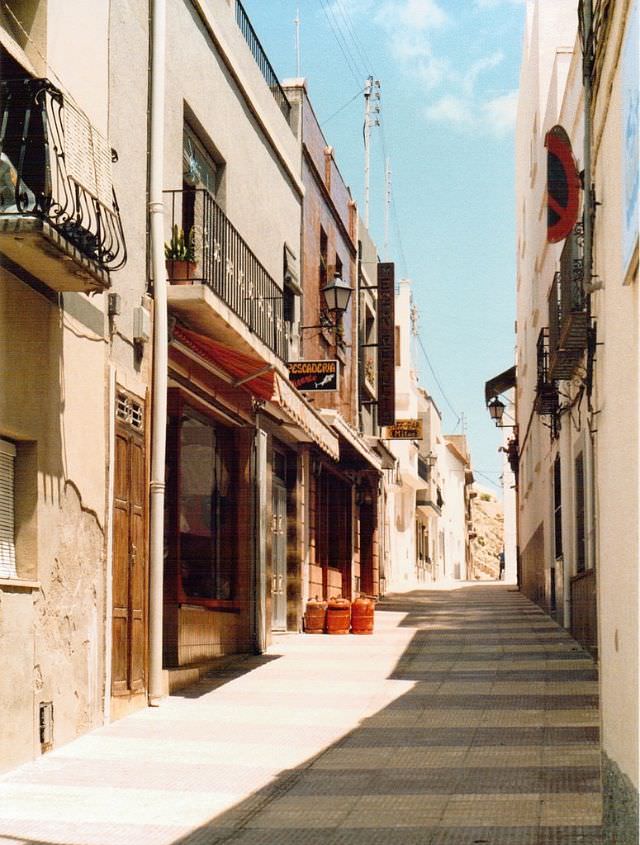
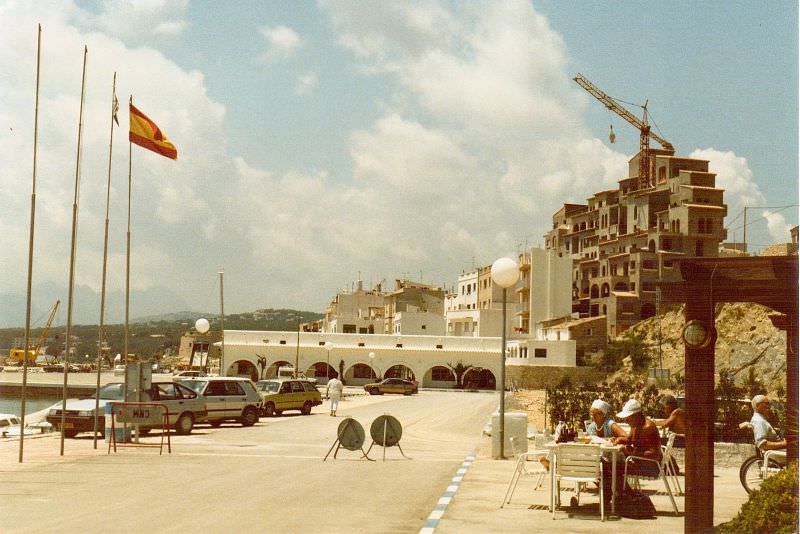
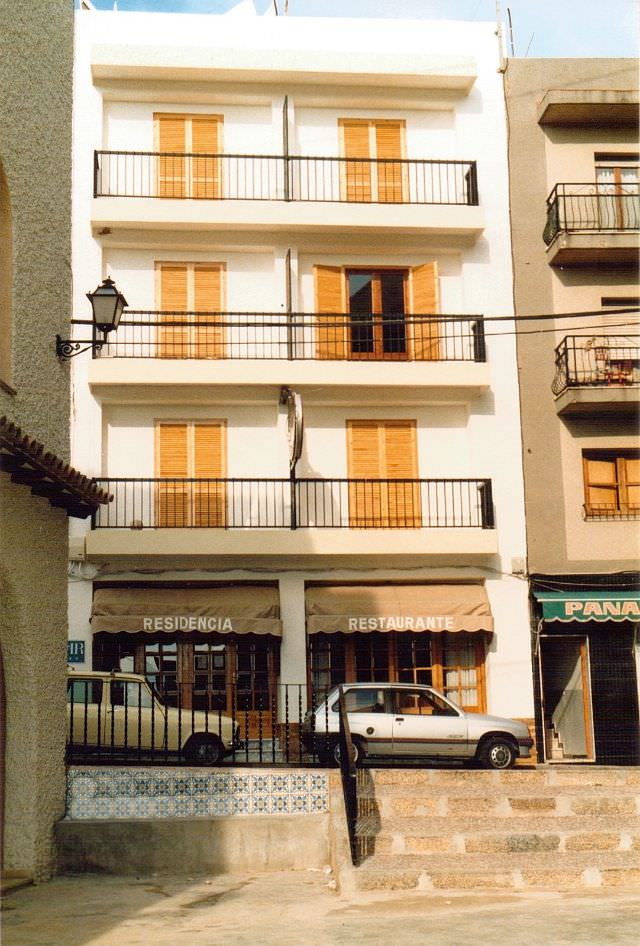
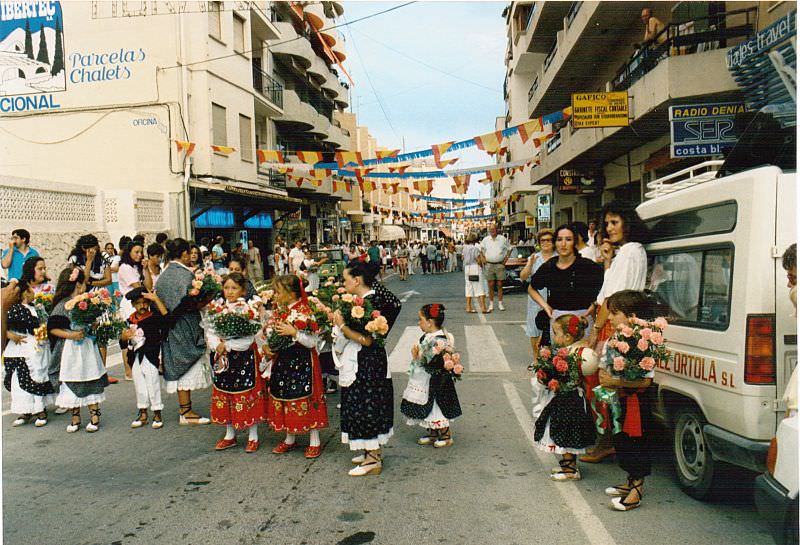
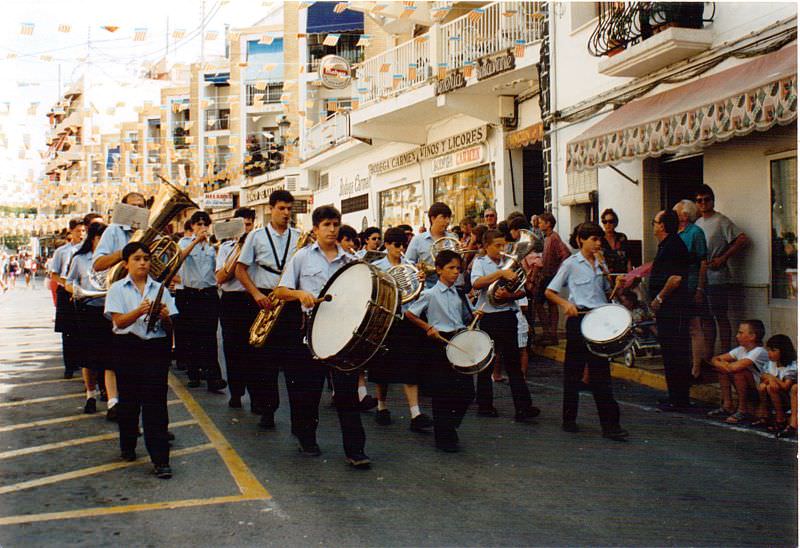
Even as tourism grew, Moraira held onto its identity. The fish market kept operating. The port stayed active. Local life carried on alongside the steady flow of summer visitors, and the town managed to absorb both without losing its character.
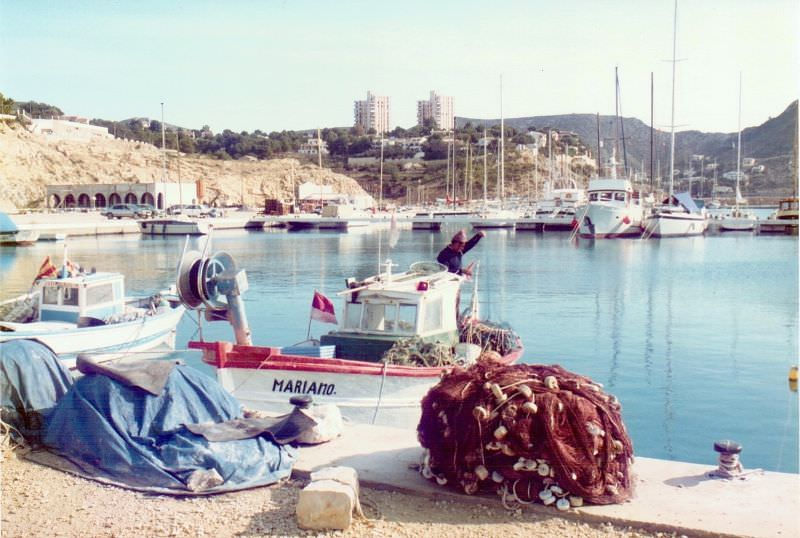
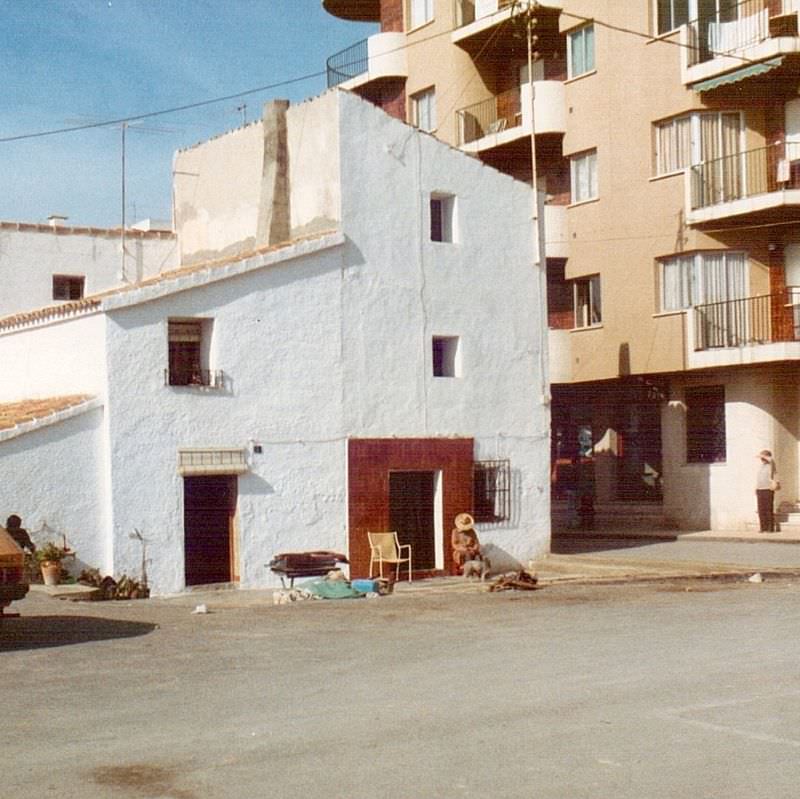
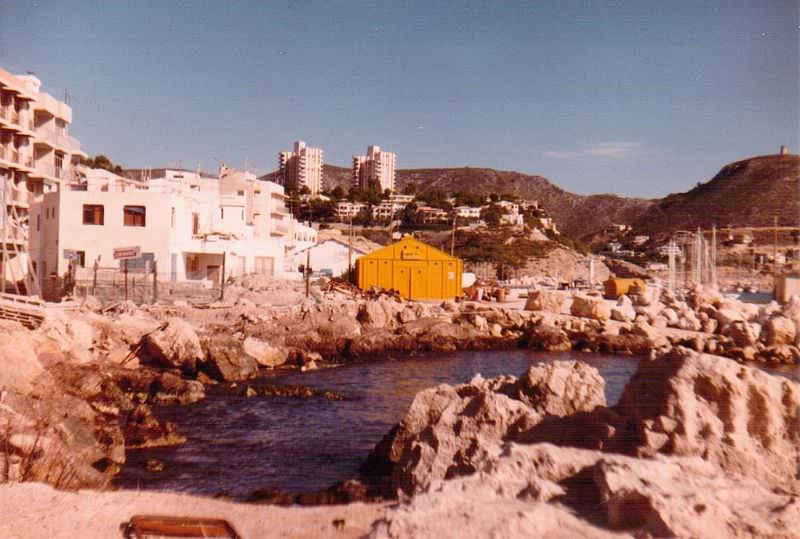
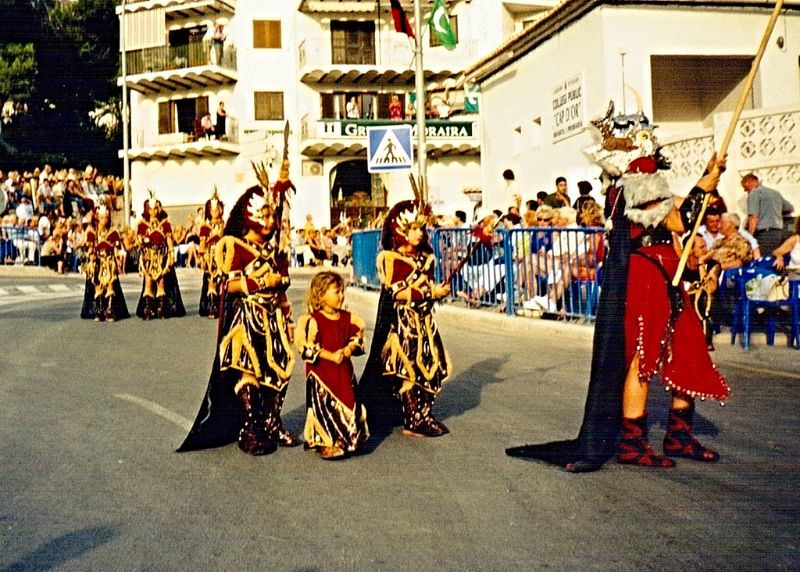
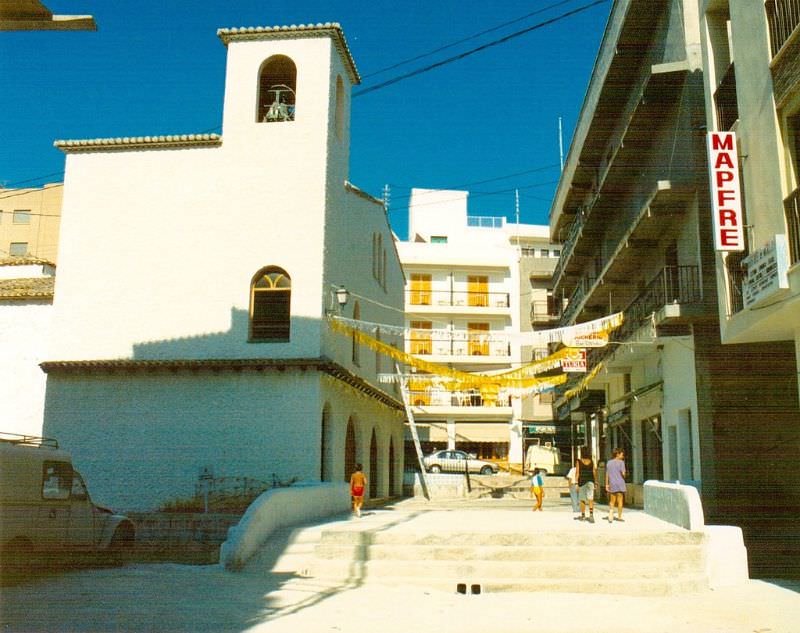
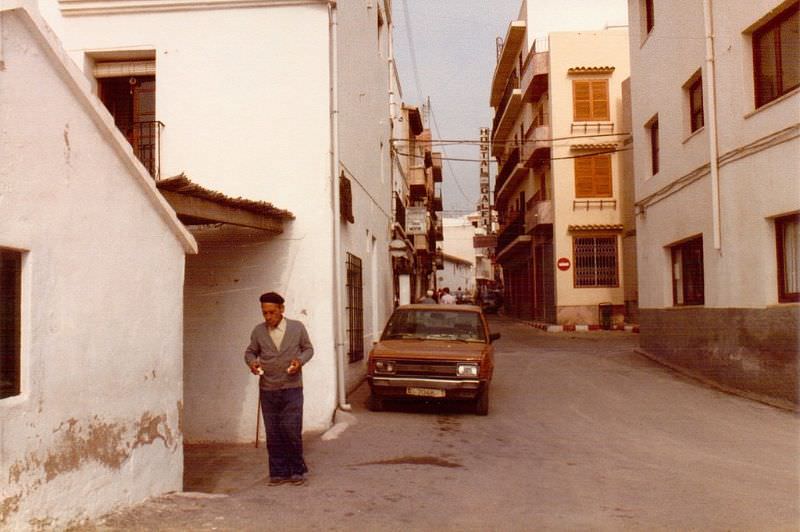
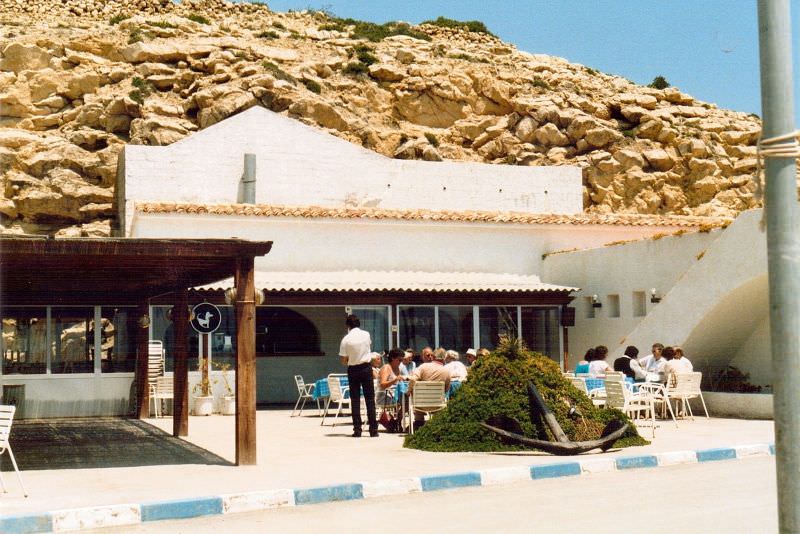
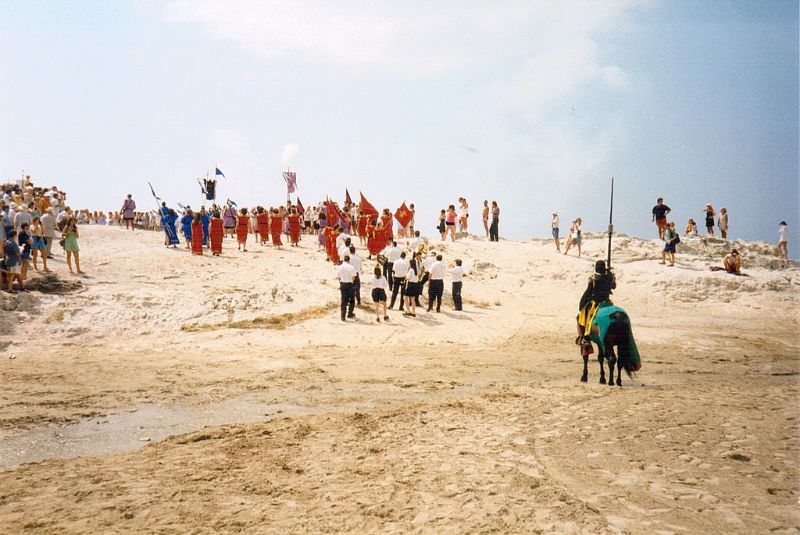
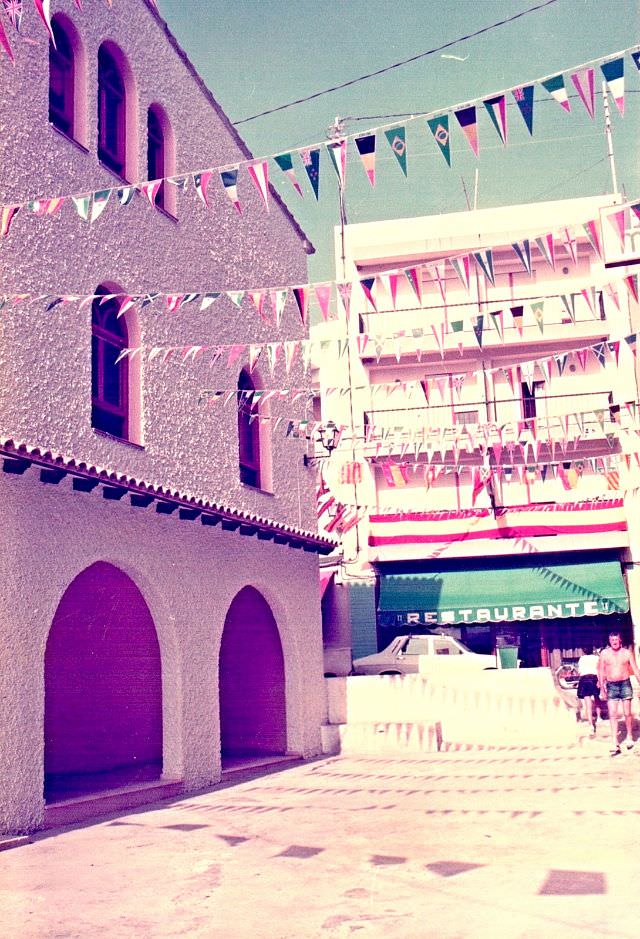
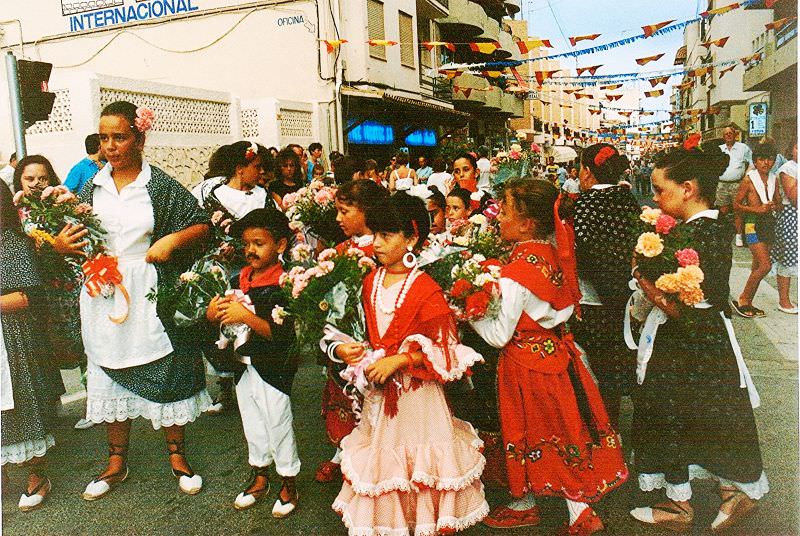
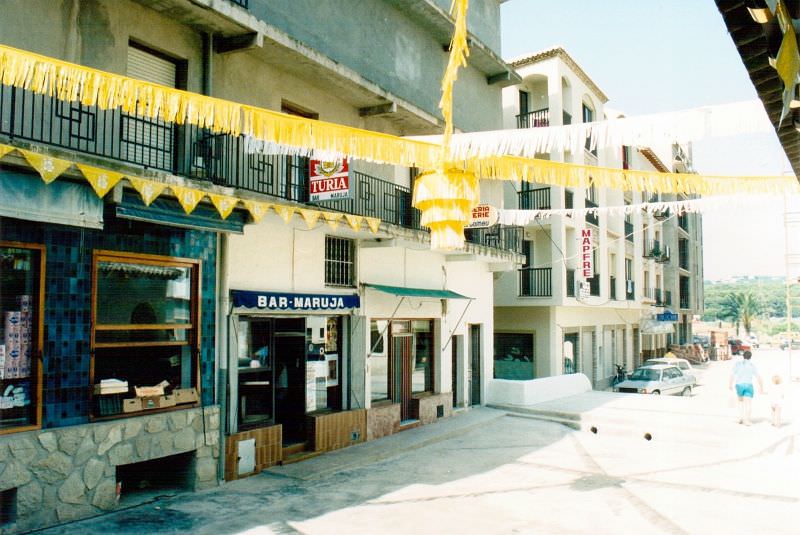
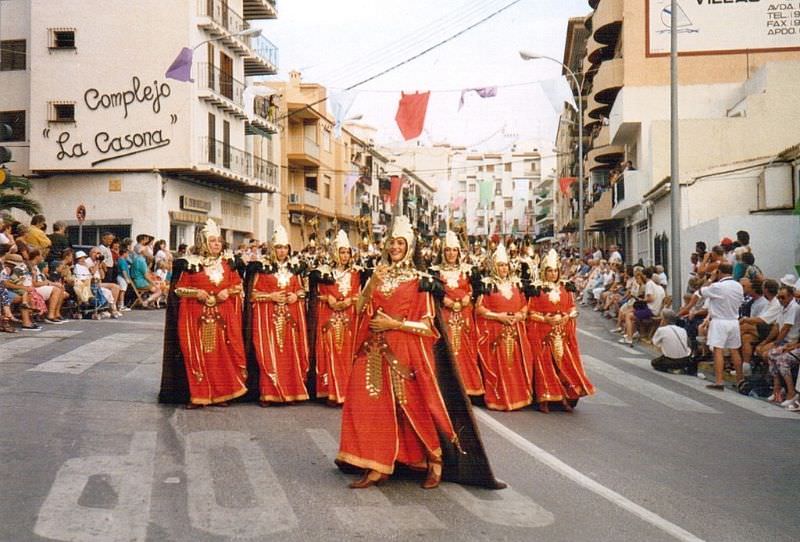
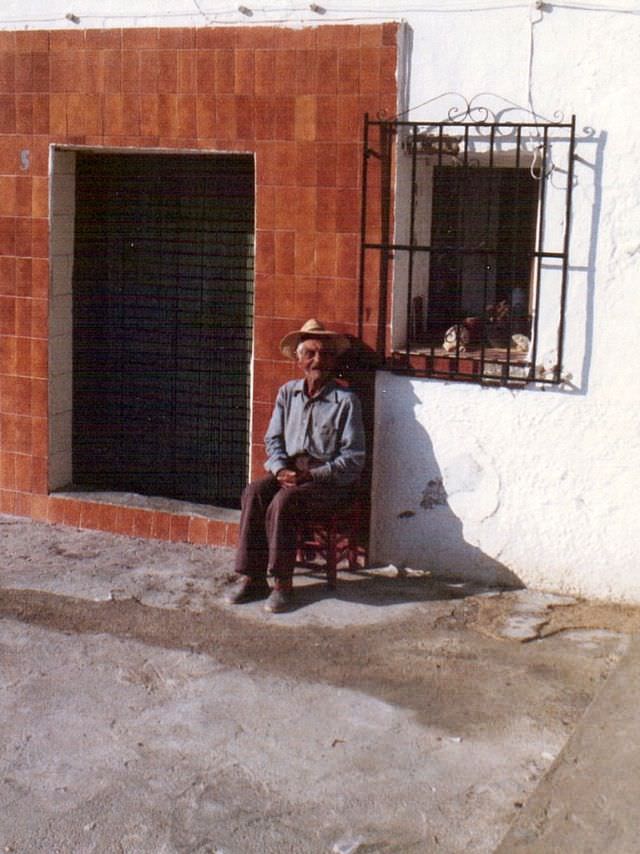
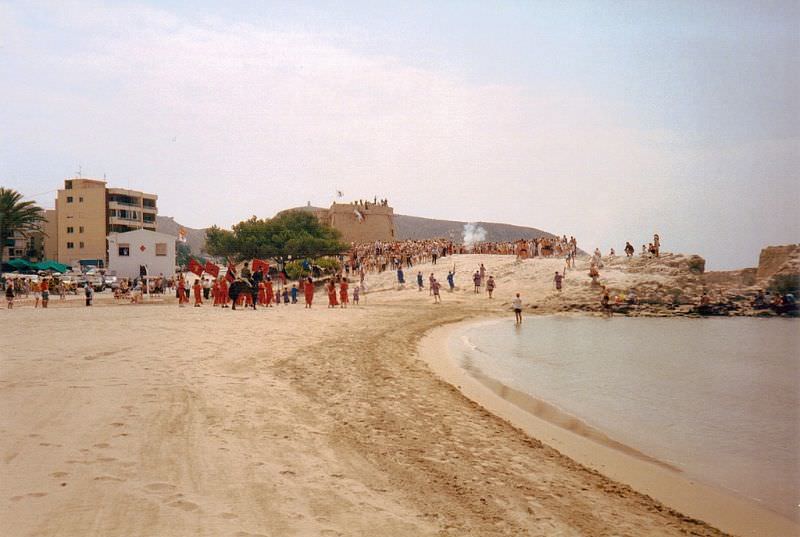
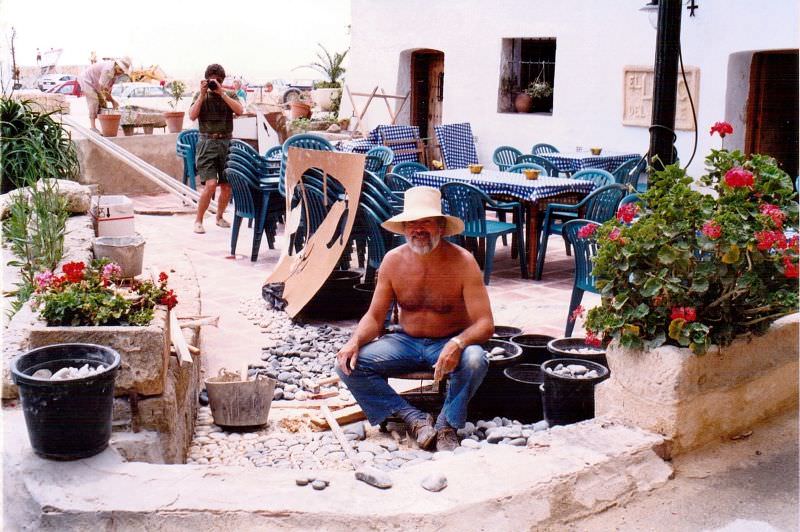
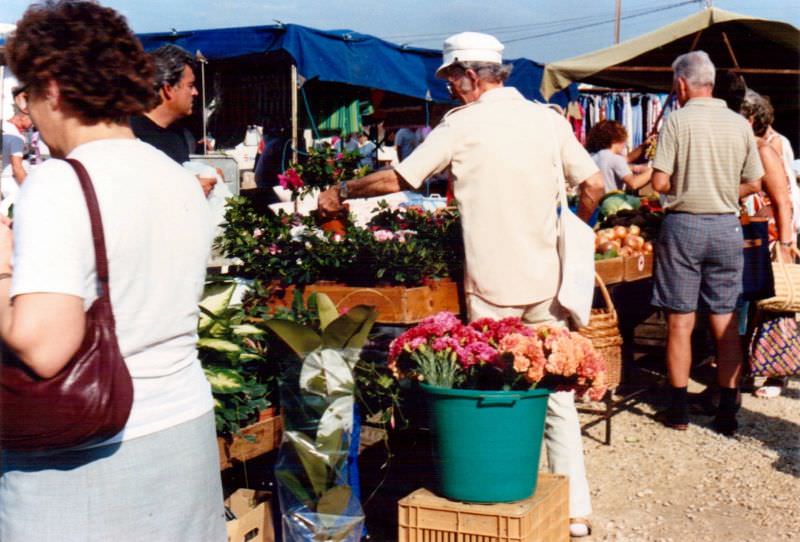
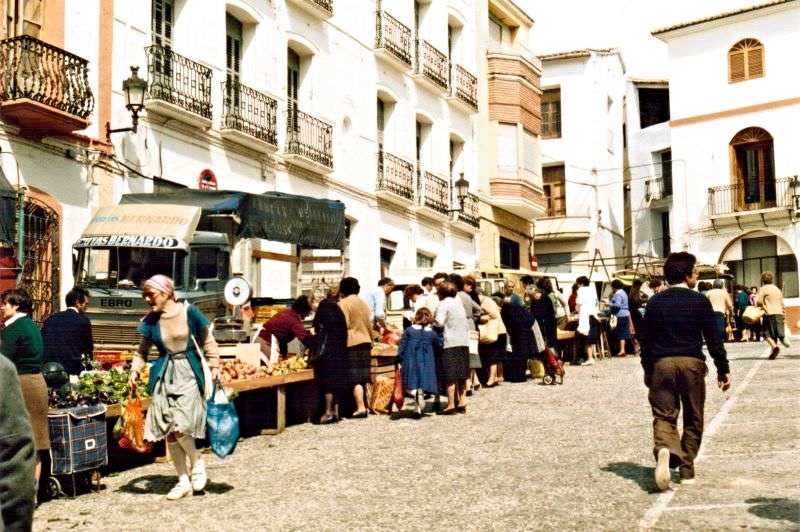
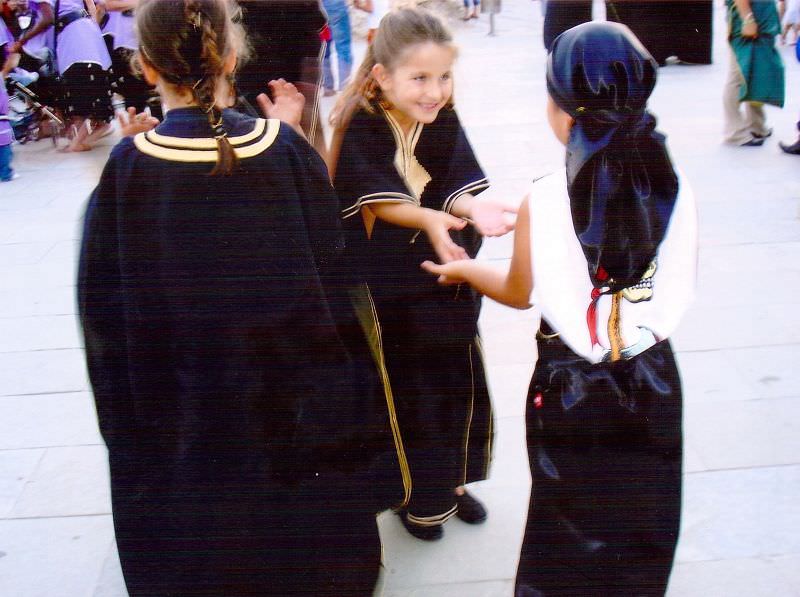
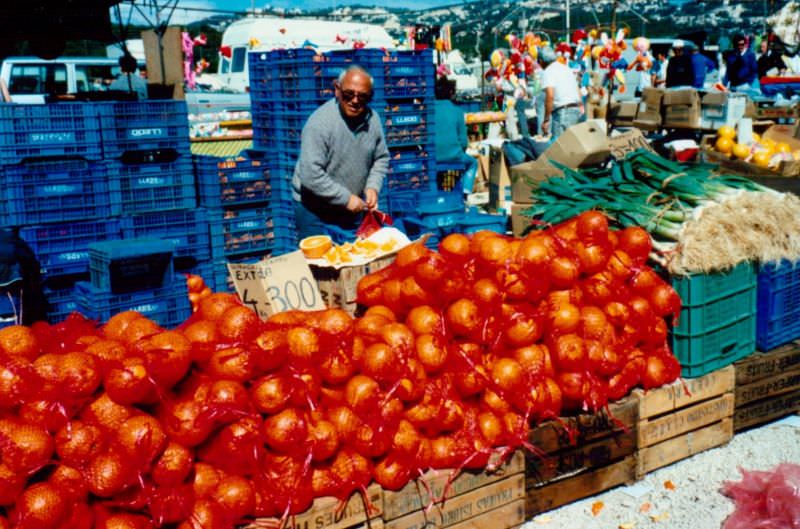
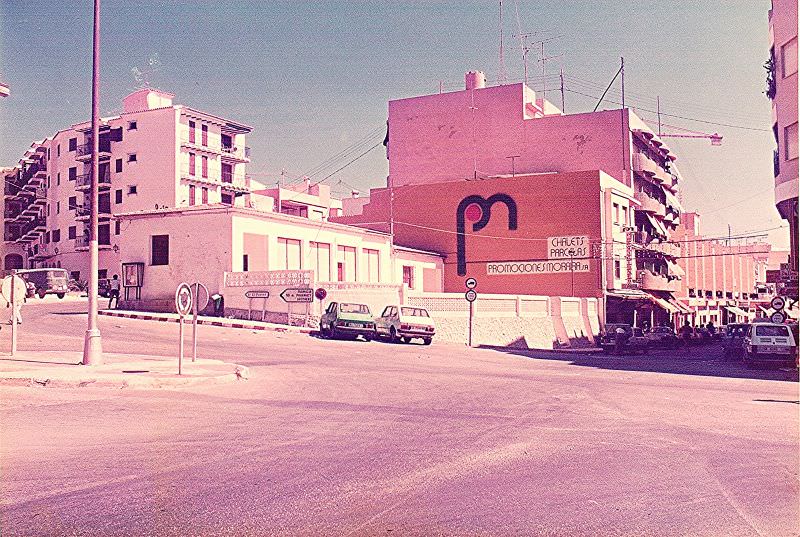
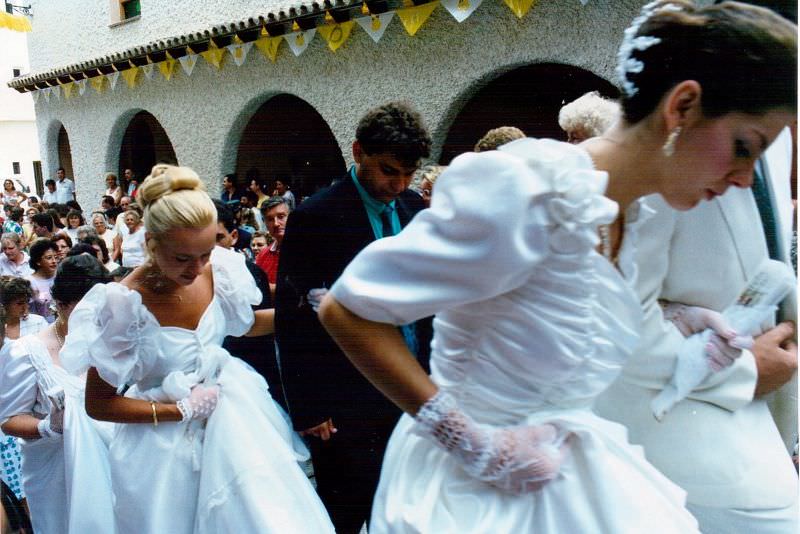
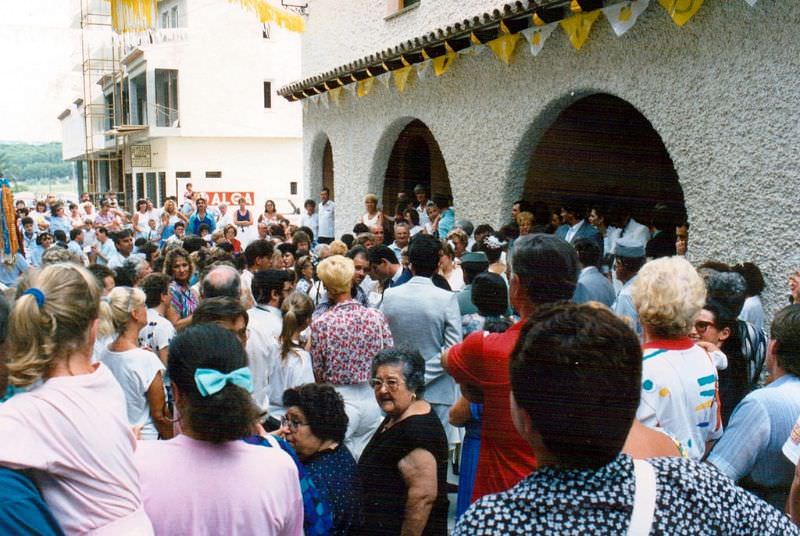
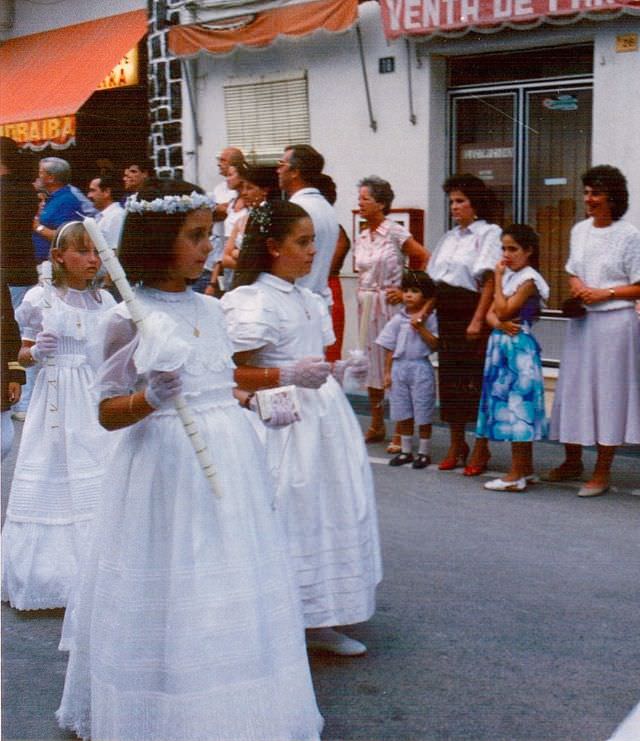
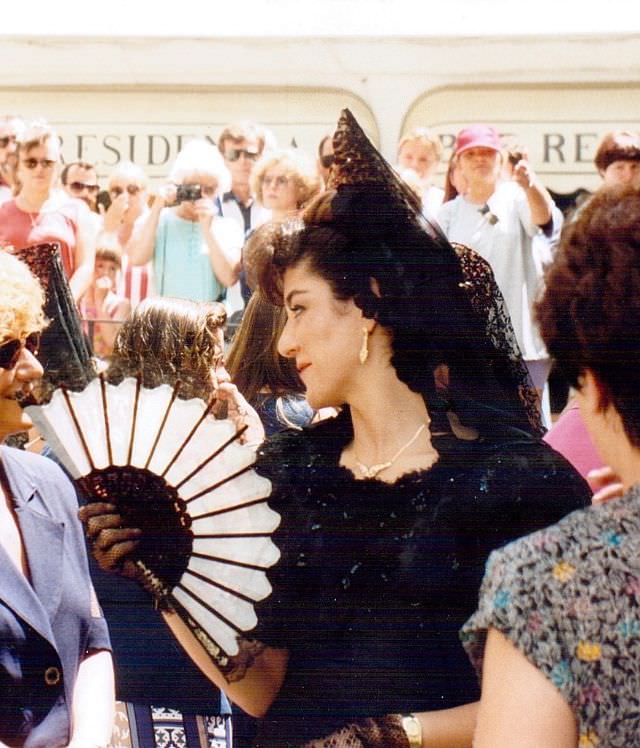
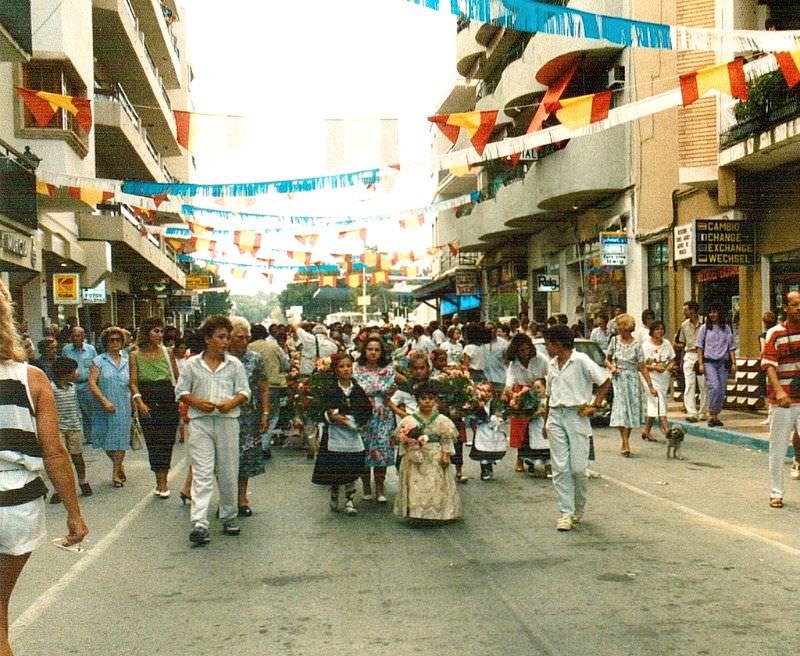
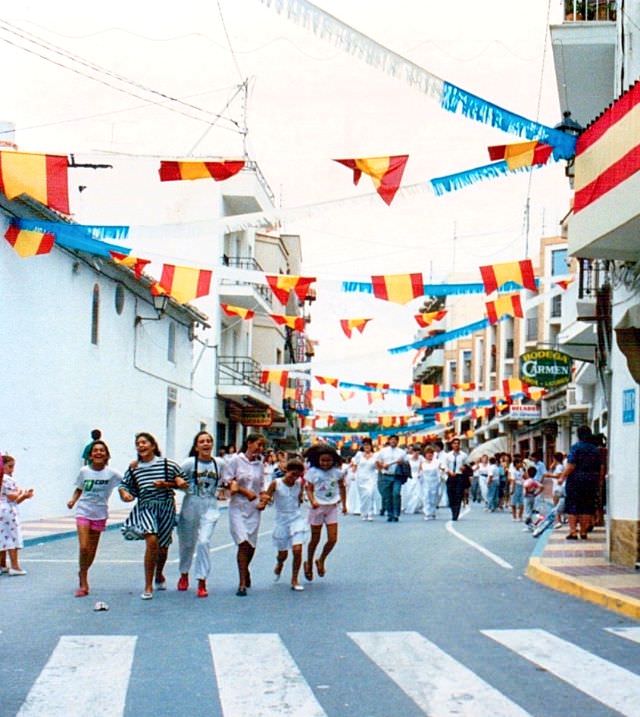
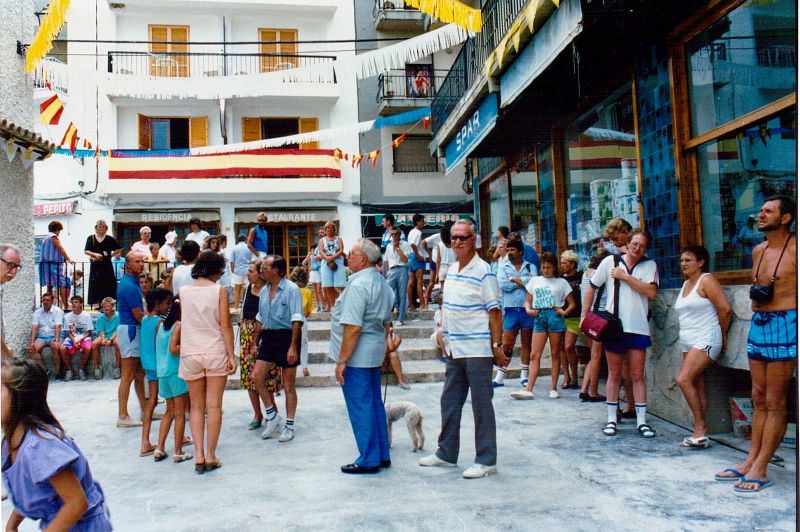
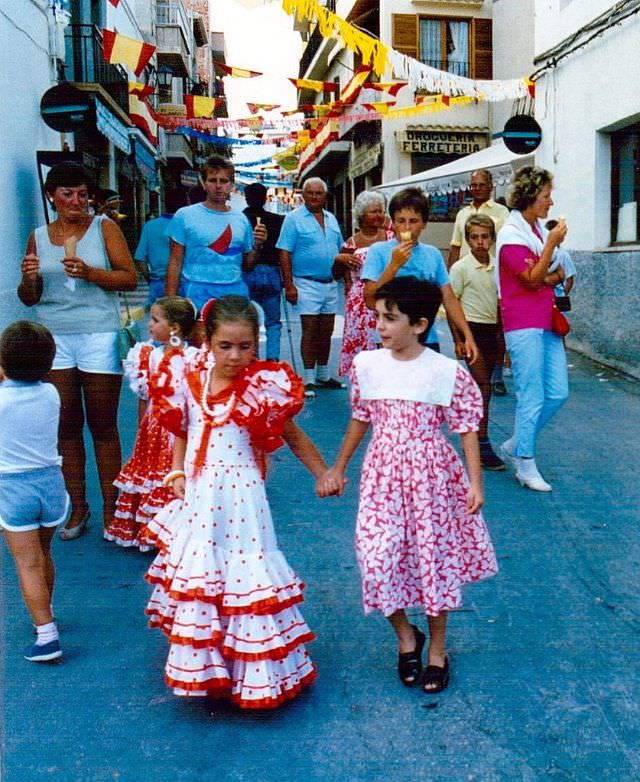
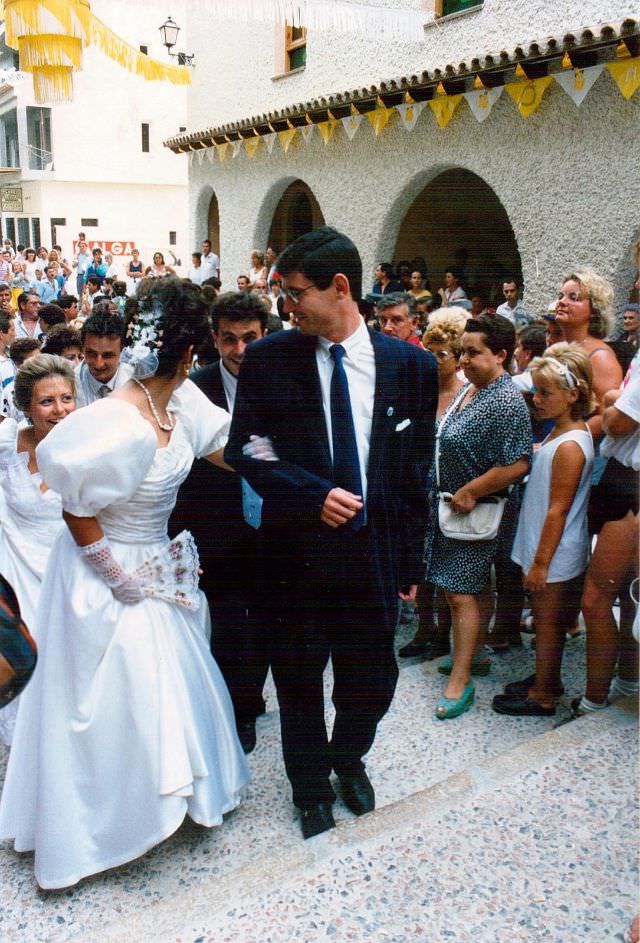
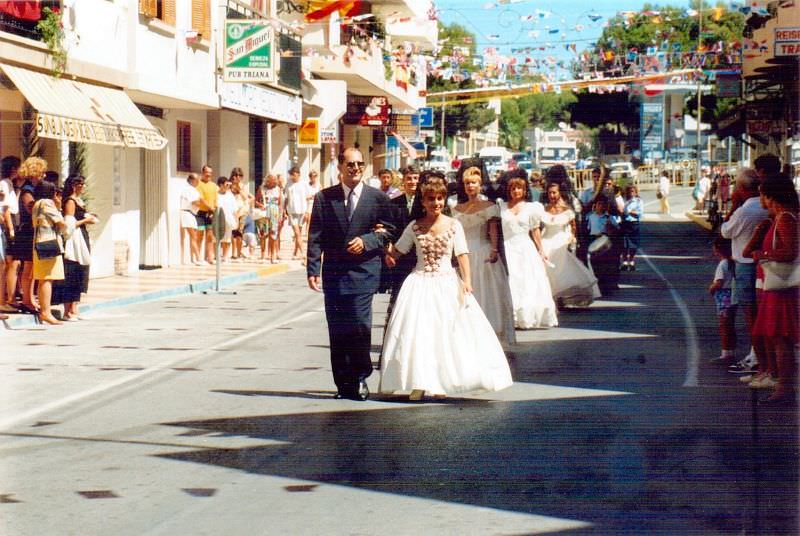
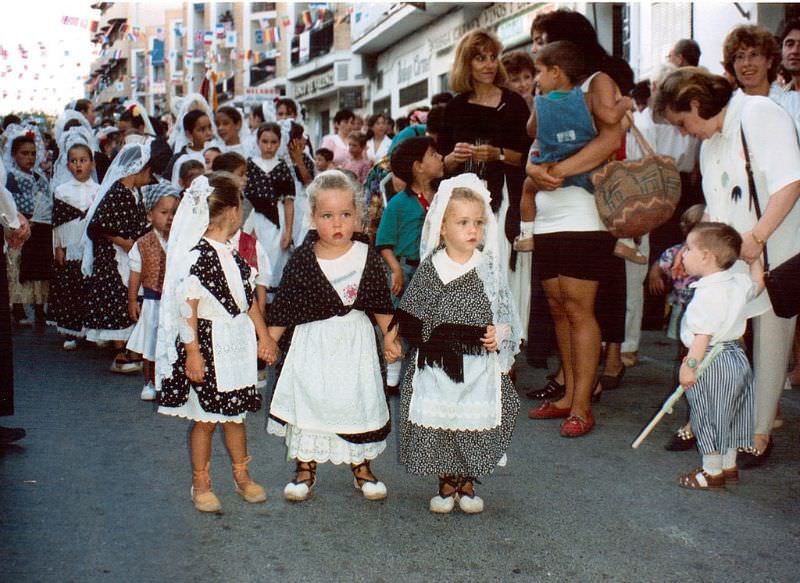
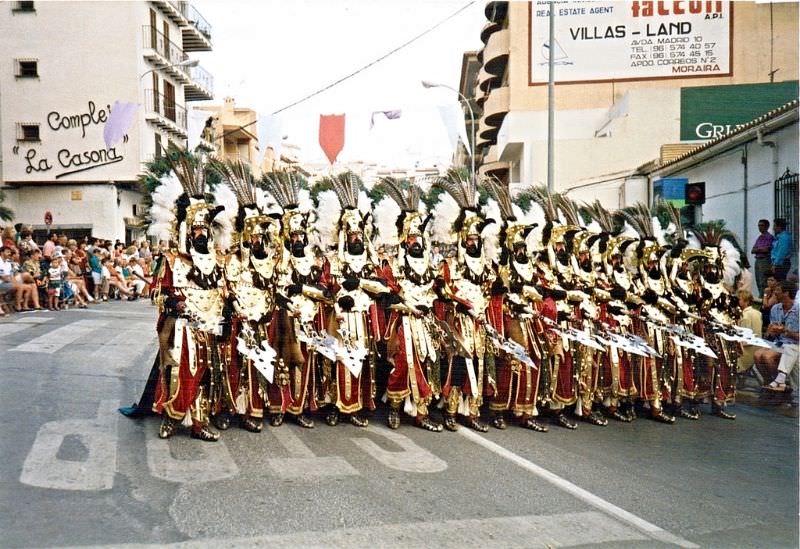
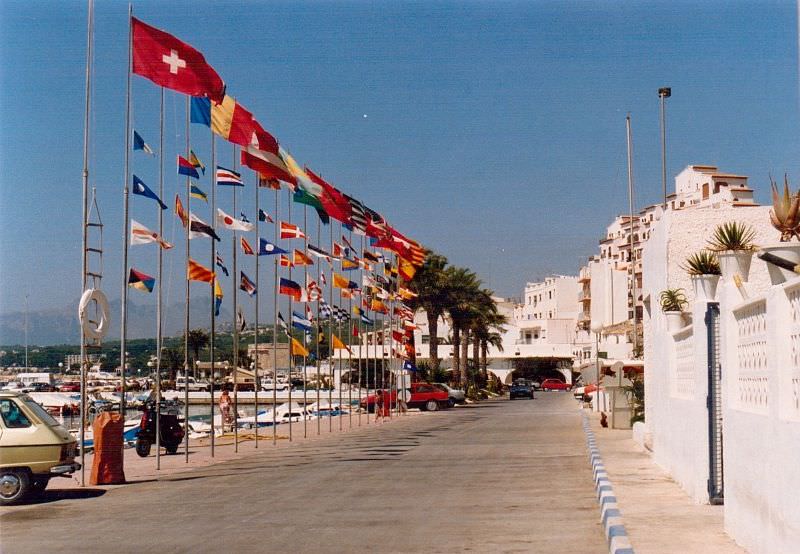
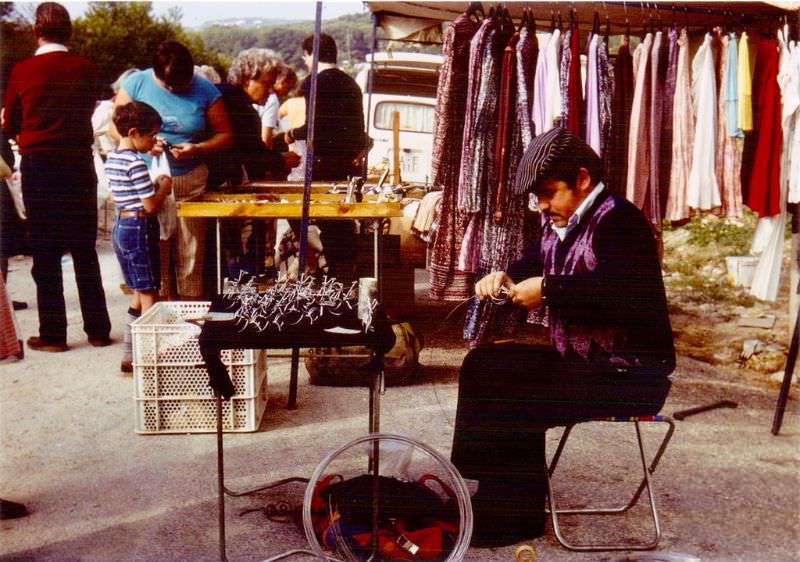
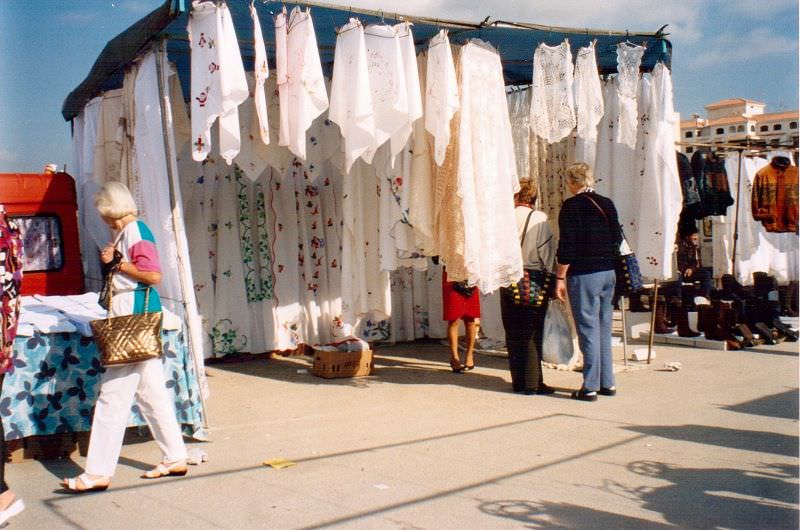
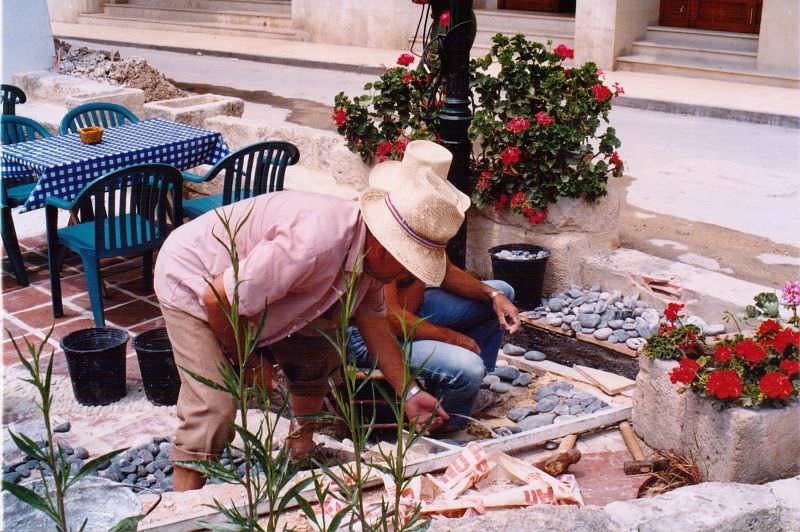
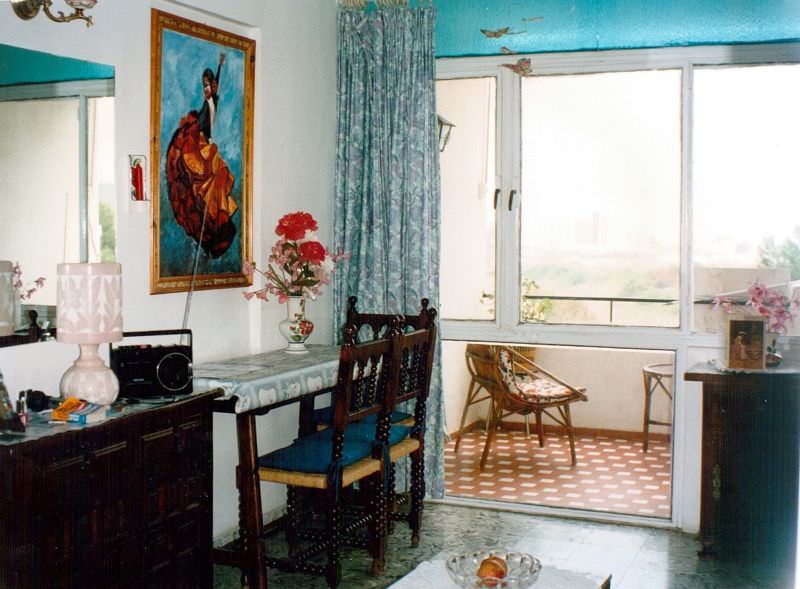
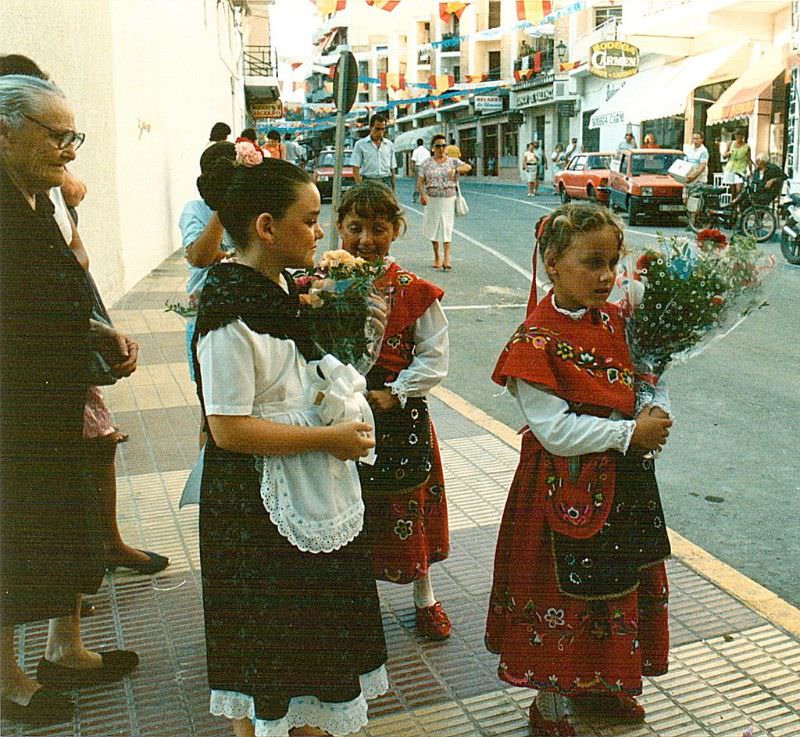
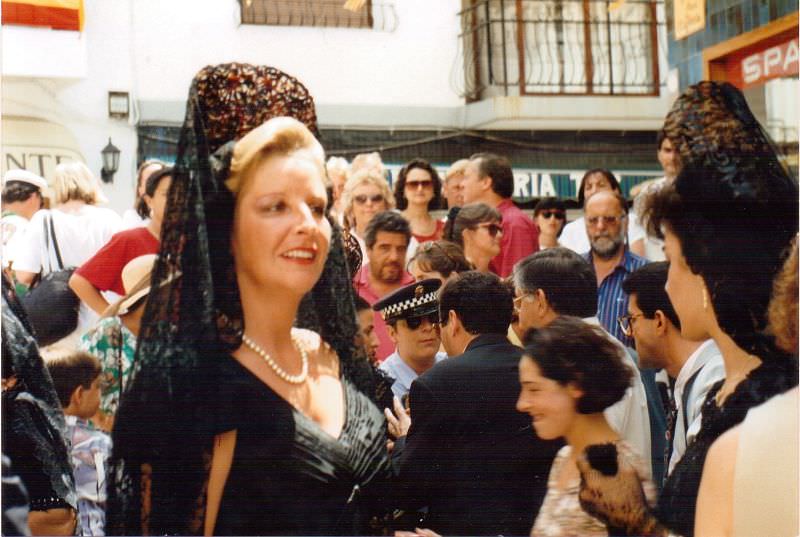
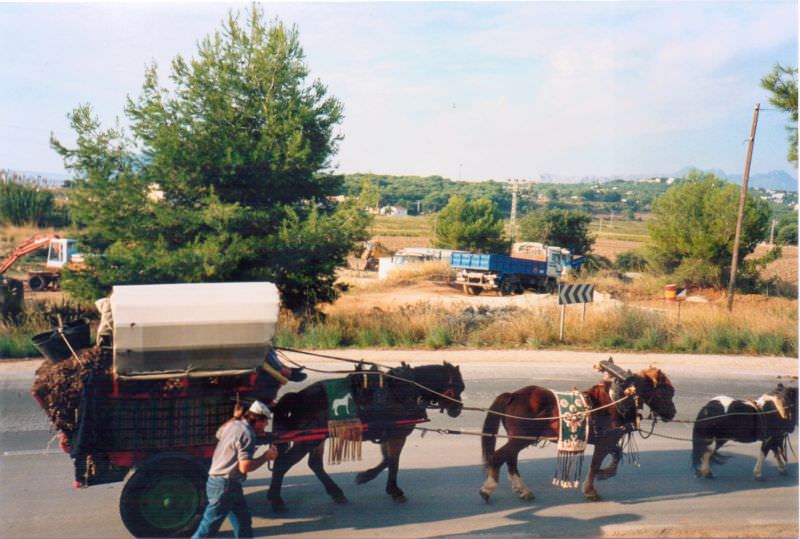
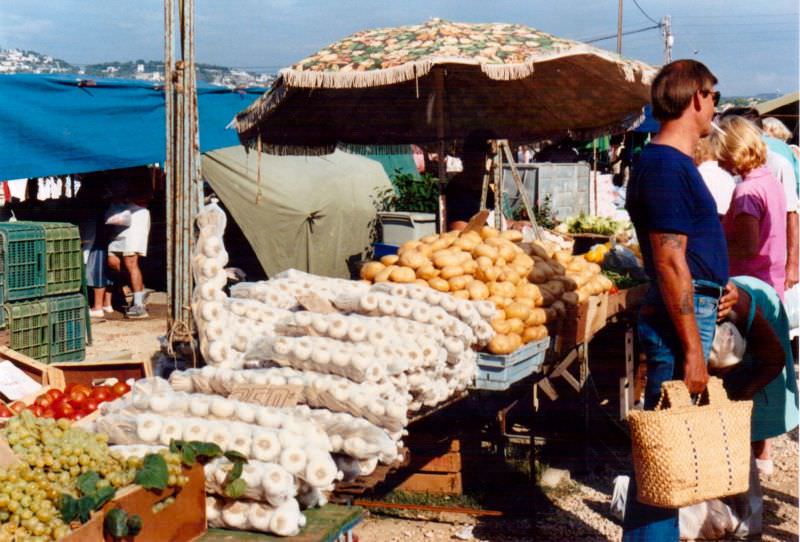
The photographs below capture Moraira across the full span of that decade. Streets, shorelines, the port, the market, and the faces of the people who called this corner of Spain home — all frozen at a moment when the town was changing, but had not yet changed completely.