
Every summer in the 1960s, the streets of Milwaukee, Wisconsin, transformed into something straight out of a dream. The Milwaukee Circus Parade rolled through the city each year, drawing thousands of spectators who lined the route to catch a glimpse of one of the most colorful public events in the Midwest. It was loud, bright, and unlike anything else happening in the city.
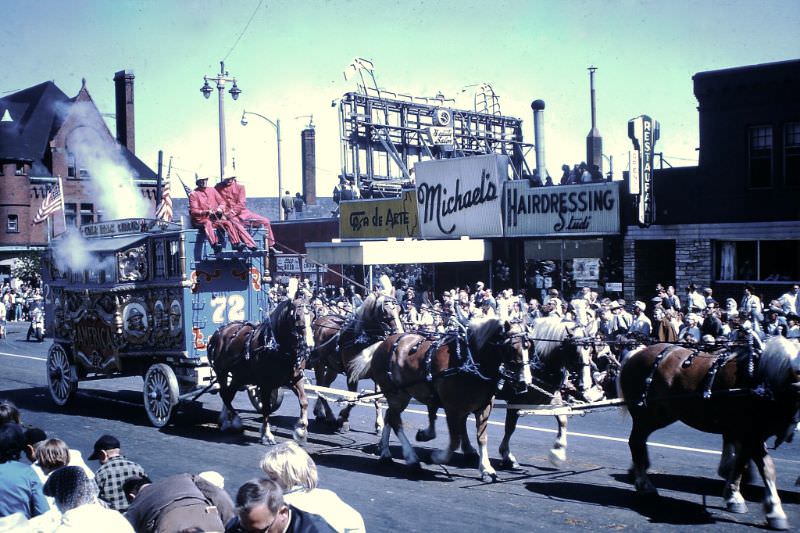
The parade was held in partnership with the Circus World Museum, which helped supply many of the historic wagons and equipment that made the procession so visually striking. Milwaukee had deep roots in American circus history, and this parade was the city’s way of putting that heritage on full display for everyone to see.
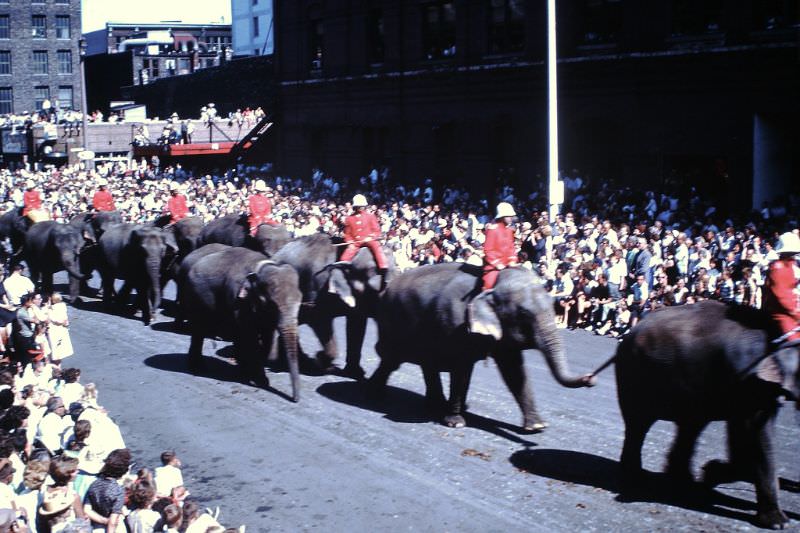
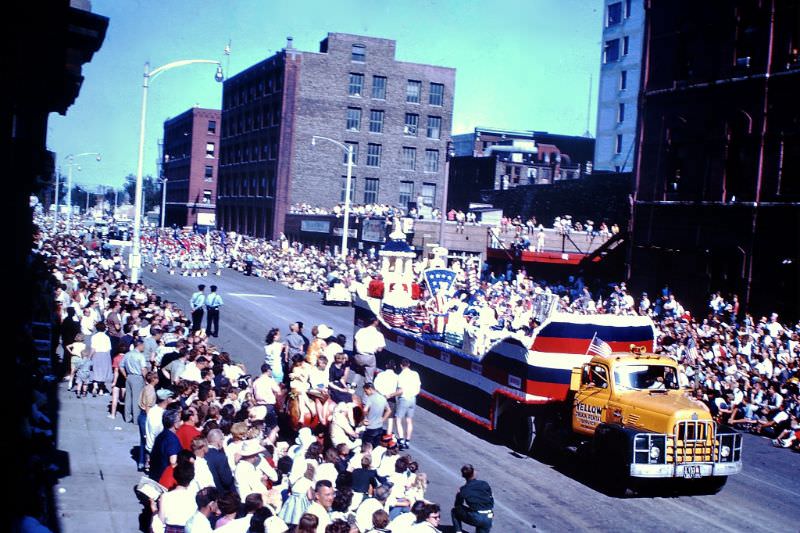
The floats were the heart of the parade. Each one was decorated with vivid colors and elaborate circus-themed designs. Some stretched to impressive lengths and featured detailed artwork that took crews considerable time to build. They weren’t simple platforms on wheels — they were rolling works of art.
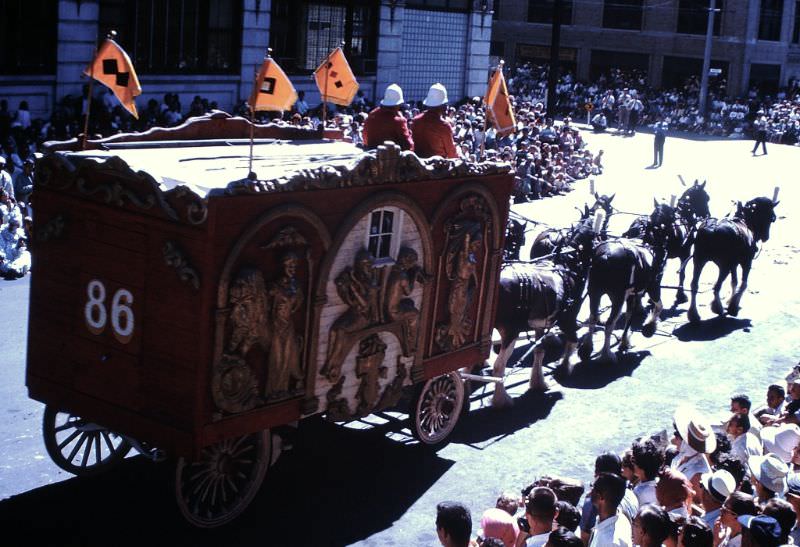
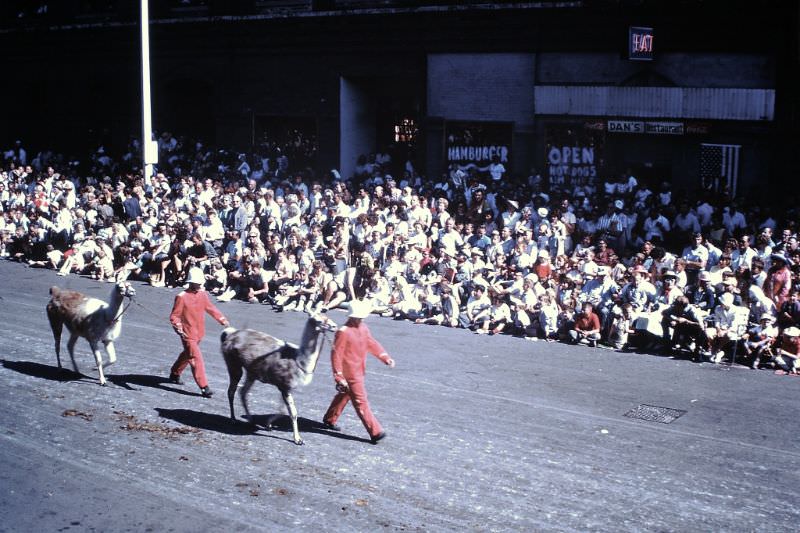
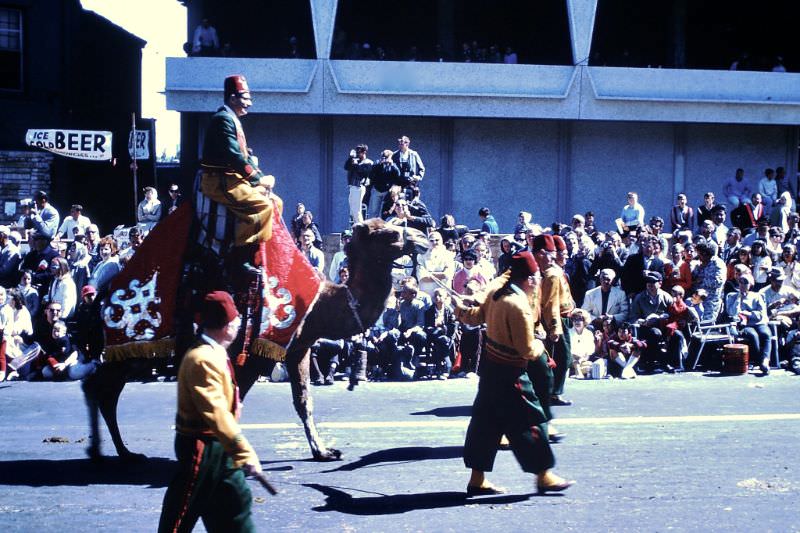
Live animals marched alongside the floats, and that was a major draw for the crowds. Elephants were among the most crowd-pleasing participants, lumbering steadily down the parade route while spectators pressed forward for a closer look. Horses and camels also made regular appearances, adding an exotic feel to an already extraordinary event.
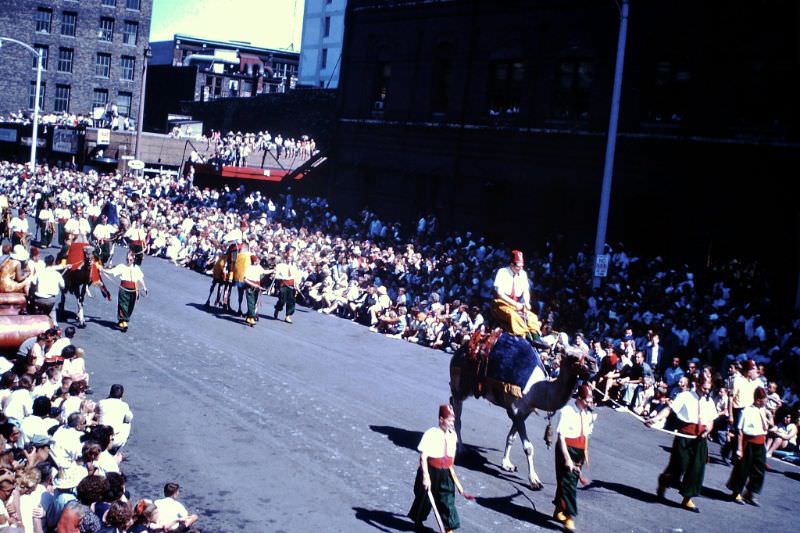
Clowns were another defining feature. Dressed in oversized shoes, wild wigs, and painted faces, they worked the crowd with practiced energy. Children were especially taken with them, often following along the parade route as the clowns performed gags and handed out small treats. For many kids, the clowns were the highlight of the entire day.
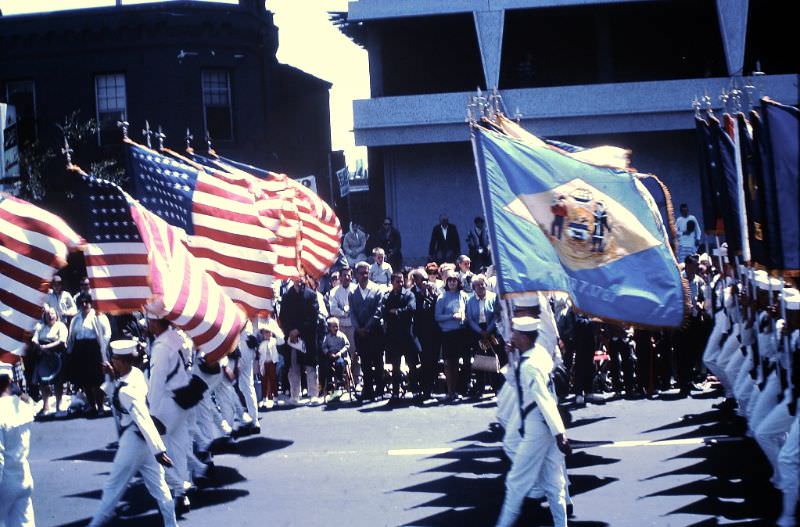
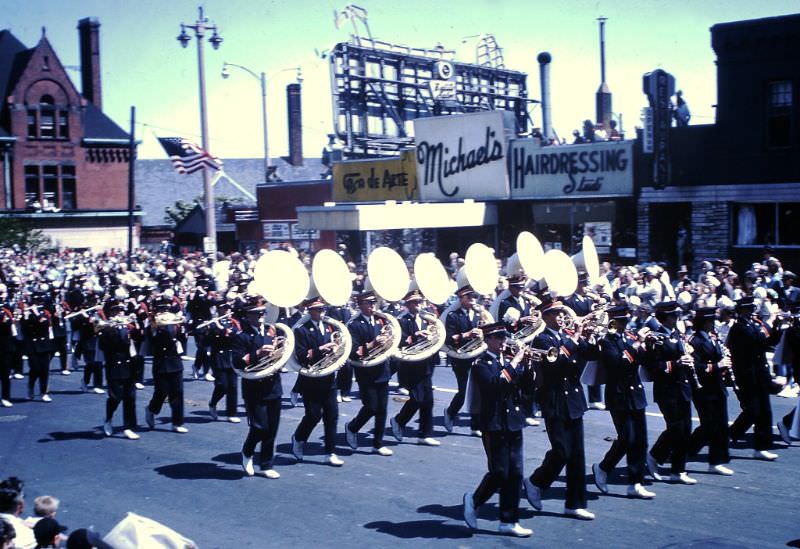
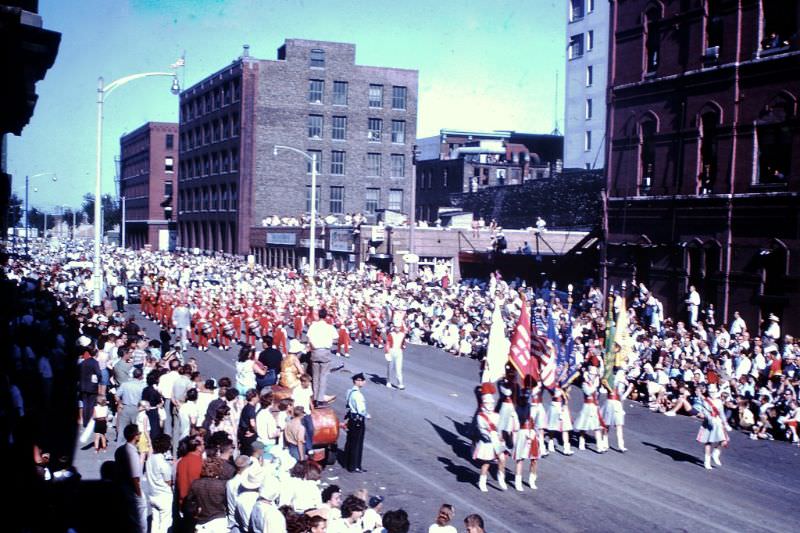
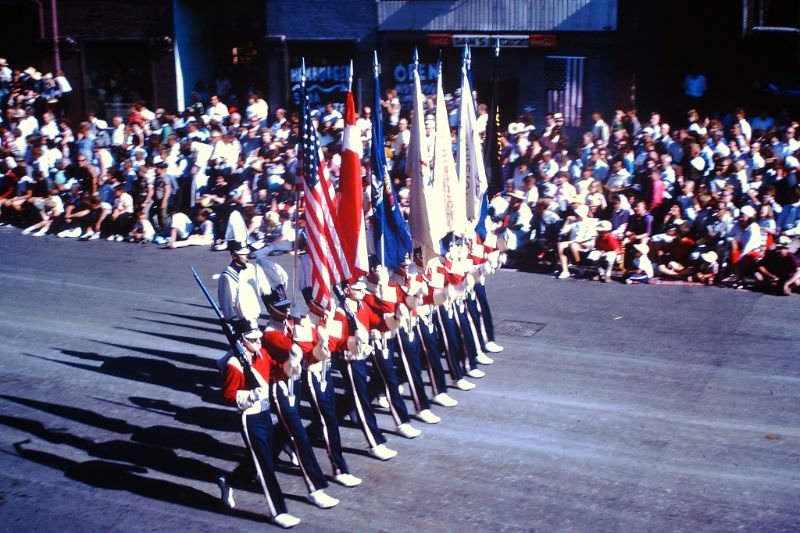
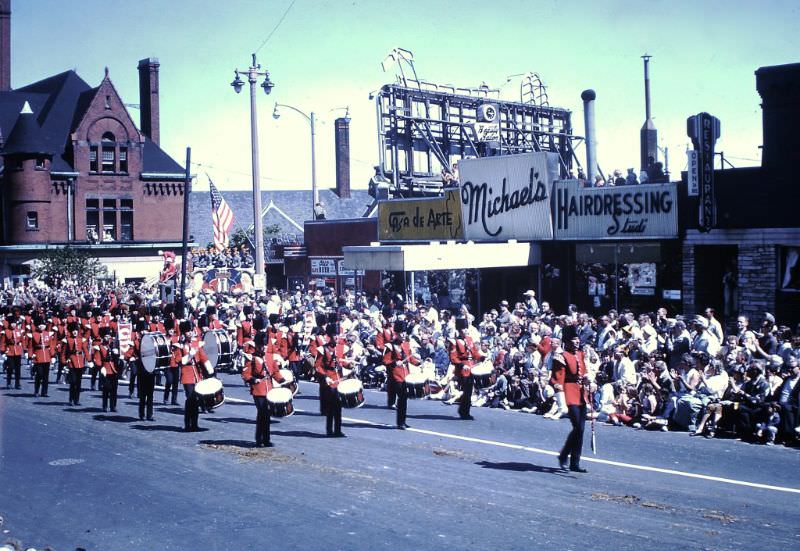
Marching bands added a constant soundtrack to the spectacle. Their music carried down the blocks ahead of the floats, signaling to onlookers that the parade was getting closer. Acrobats and other circus performers wove through the procession as well, stopping at intervals to dazzle the crowd with feats of skill and balance.
The parade attracted families from across the region. For many, attending was an annual tradition — something they planned around and looked forward to for months. Hotels filled up, restaurants stayed busy, and the streets buzzed with energy for days surrounding the event. It was a genuine civic occasion.
The scale of the production was significant. Coordinating dozens of wagons, hundreds of performers, and multiple live animals through city streets required months of planning and a large volunteer and professional workforce. The Circus World Museum’s involvement was essential to making it all happen year after year.
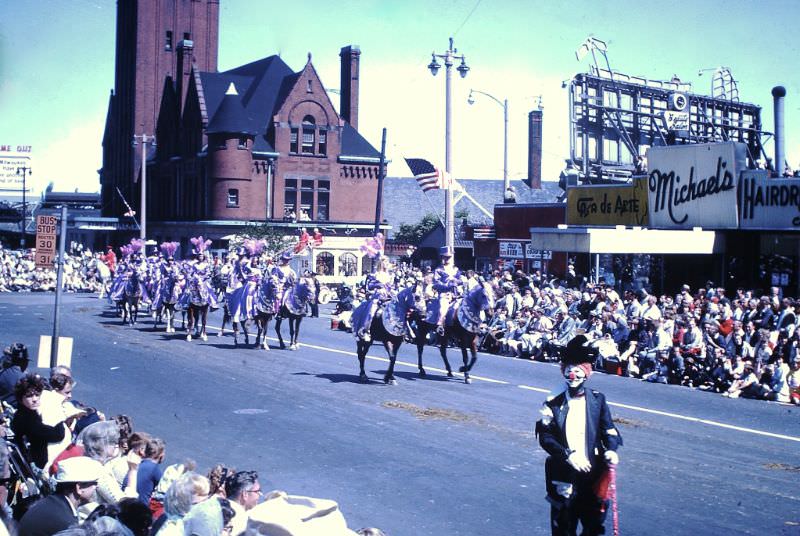
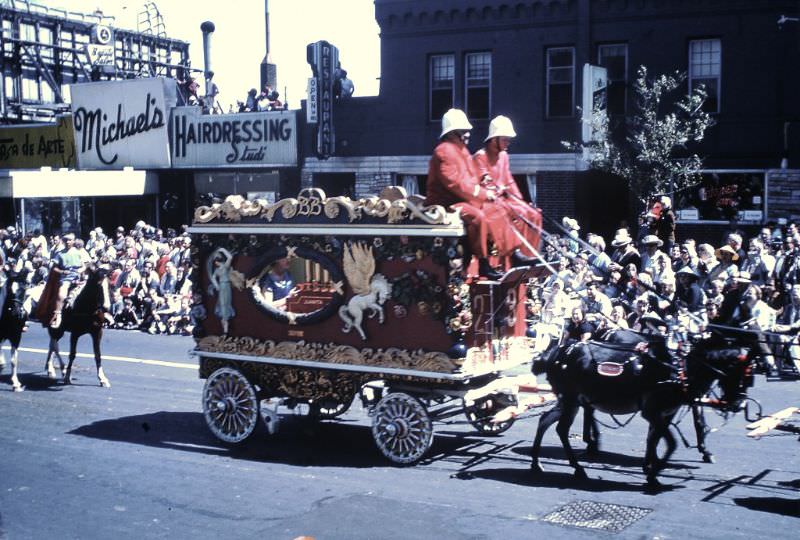
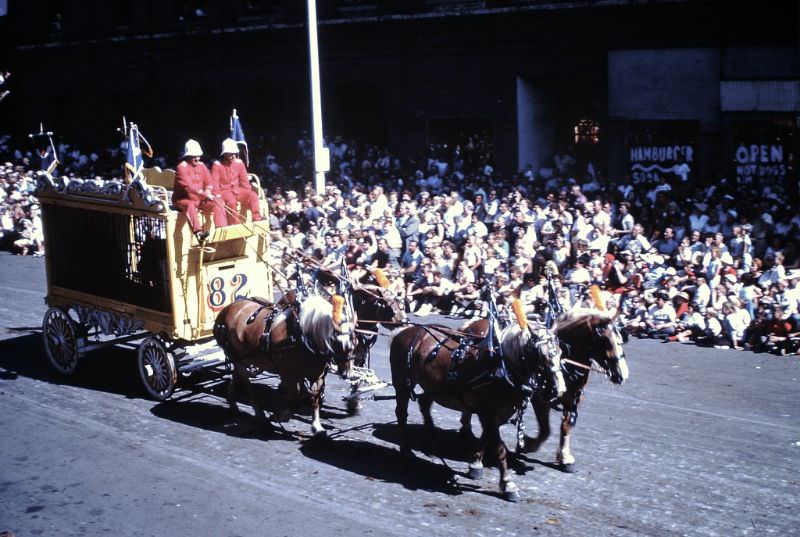
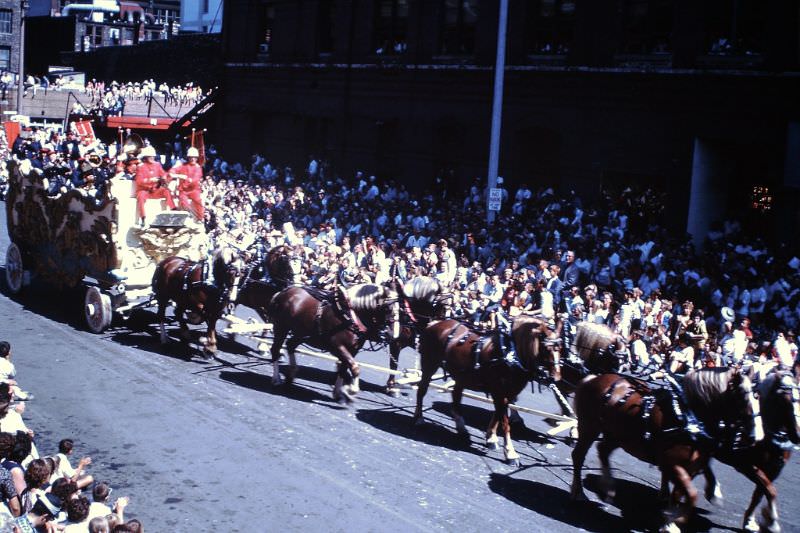
The wagons used in the parade were not replicas. Many were authentic antique circus wagons — the same kind that had traveled across the country with touring circuses in the late 1800s and early 1900s. Seeing them in motion, painted and polished, gave spectators a rare window into an earlier era of American entertainment.
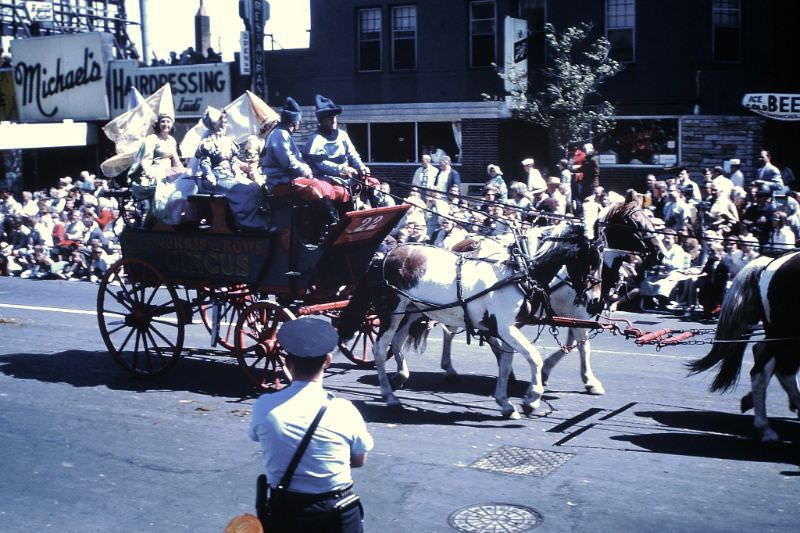
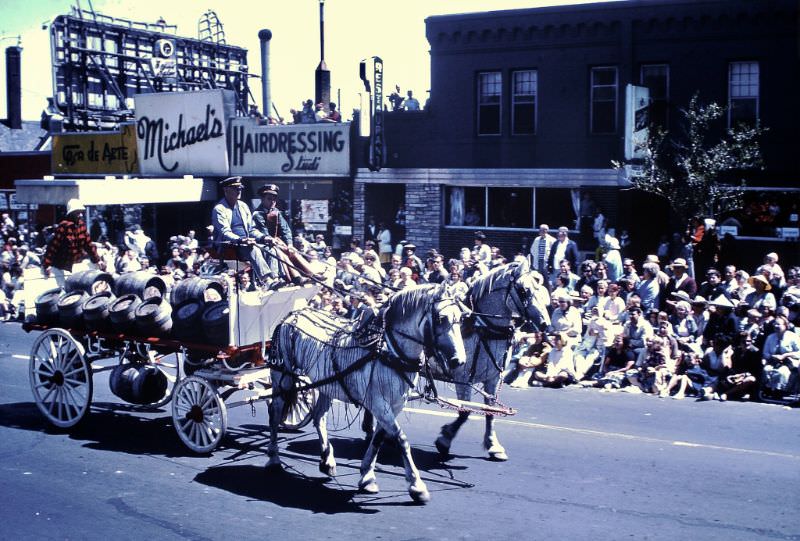
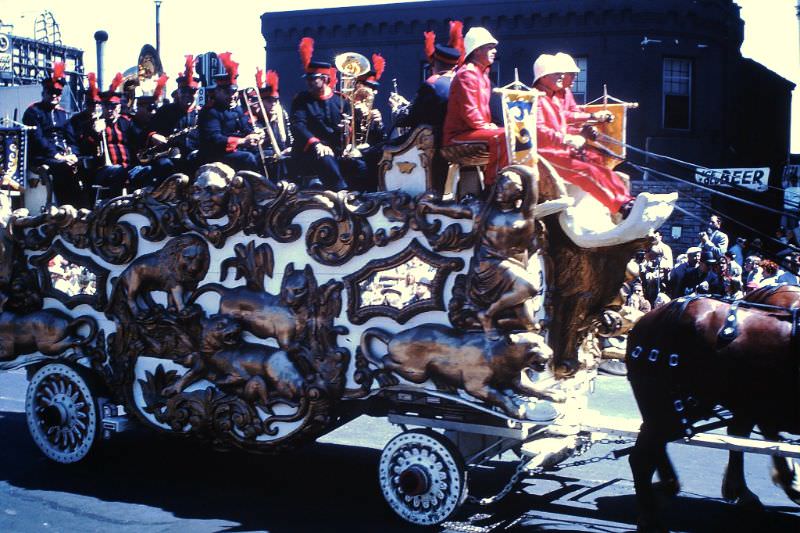
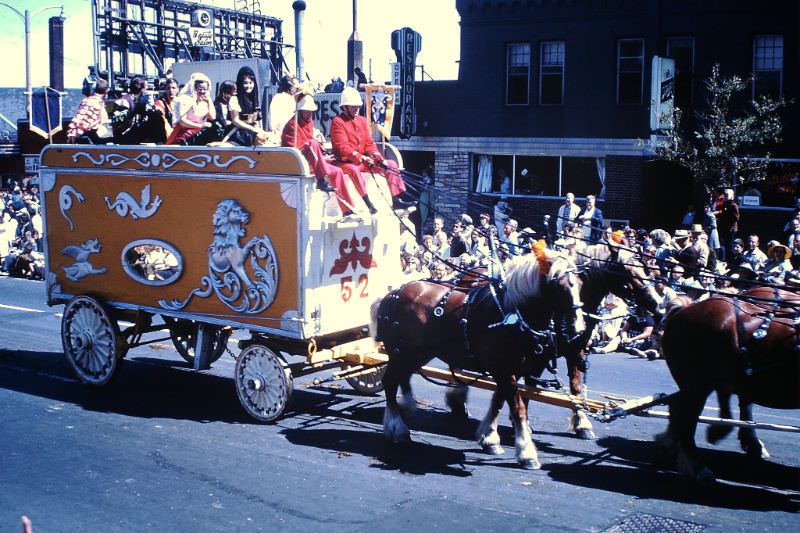
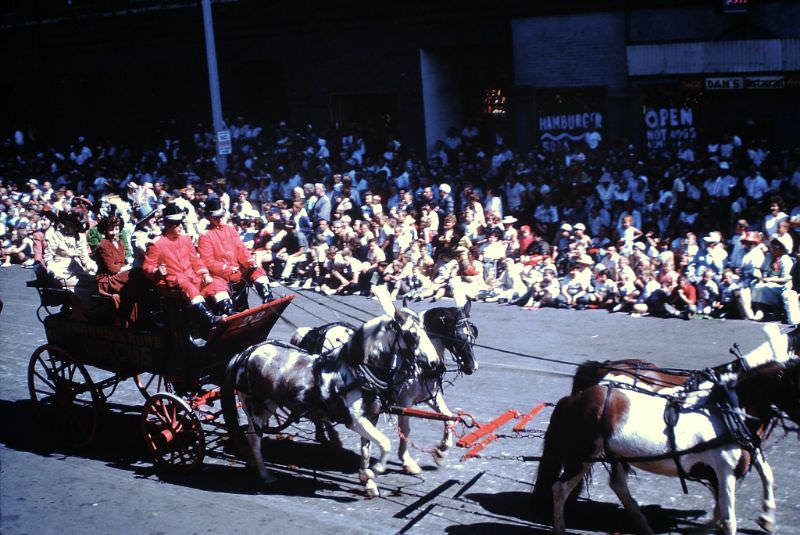
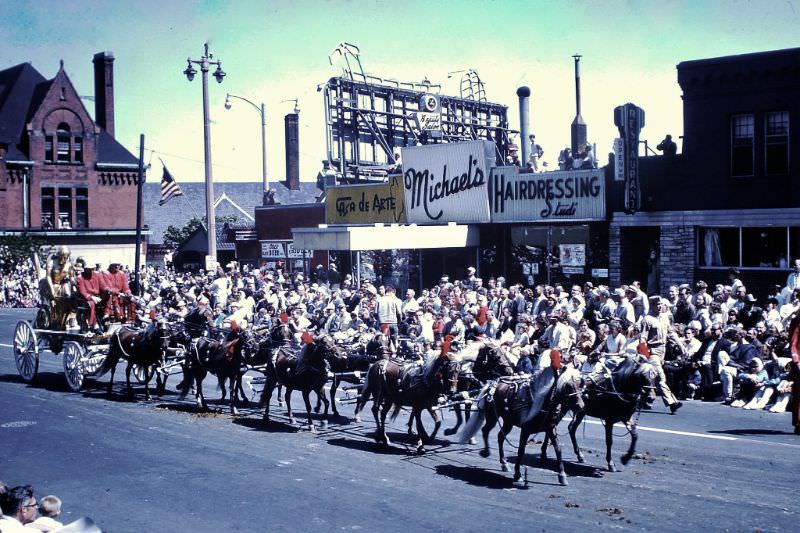
Horse-drawn wagons were a central part of the procession. Teams of well-groomed horses pulled the heavy carved wagons through the streets, their hooves clopping against the pavement in a rhythm that felt almost theatrical. It was one of the few places in 1960s America where horse-drawn vehicles still commanded a city street.
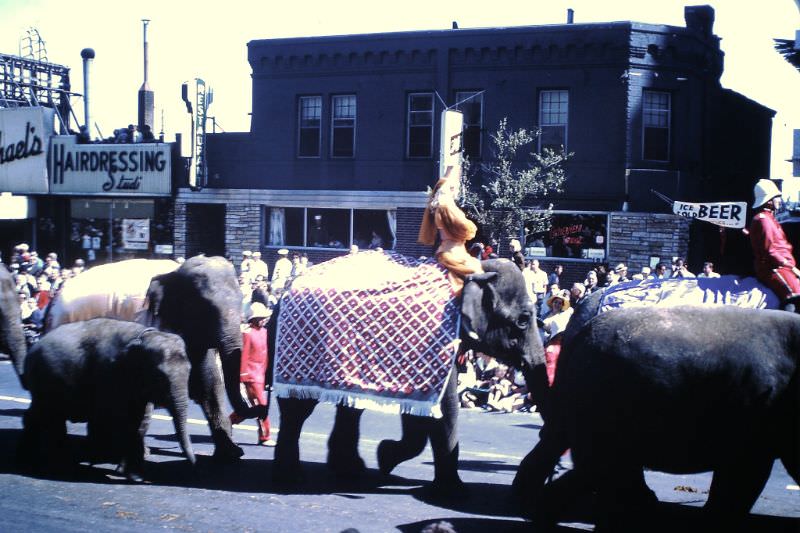
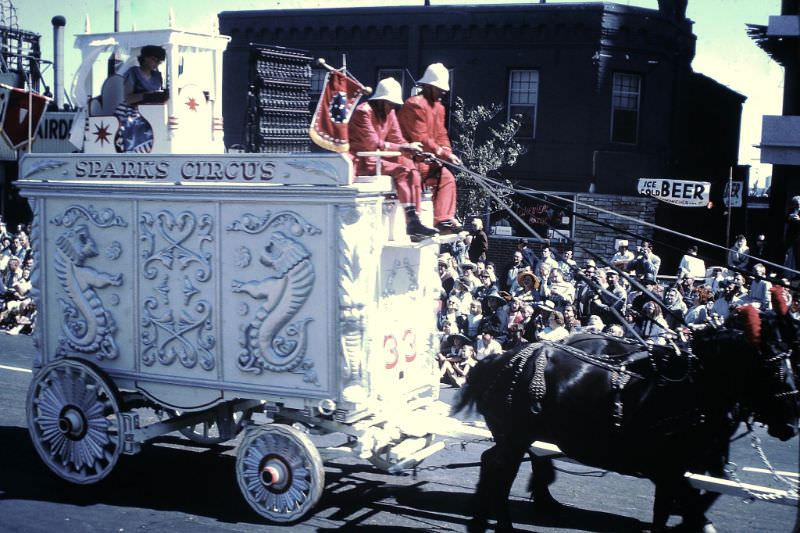
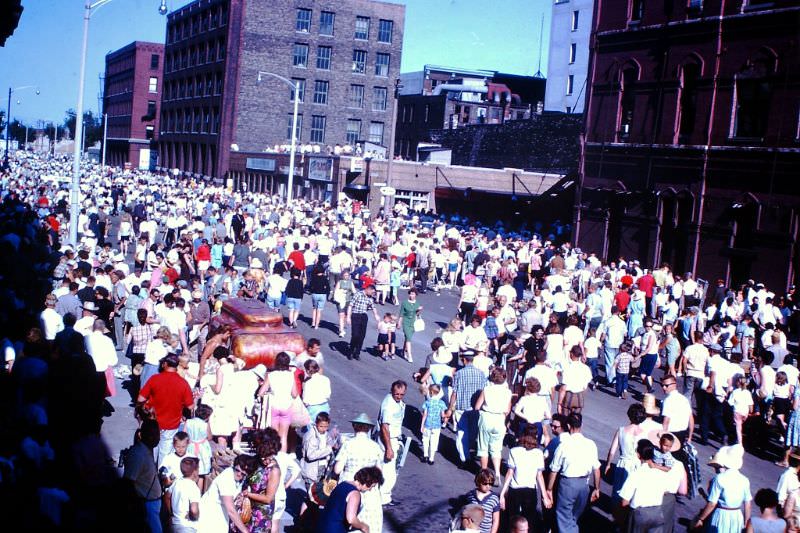
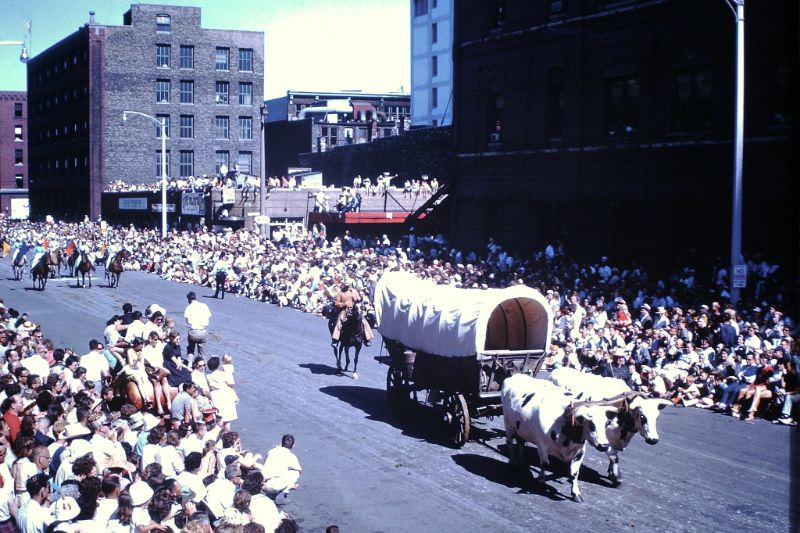
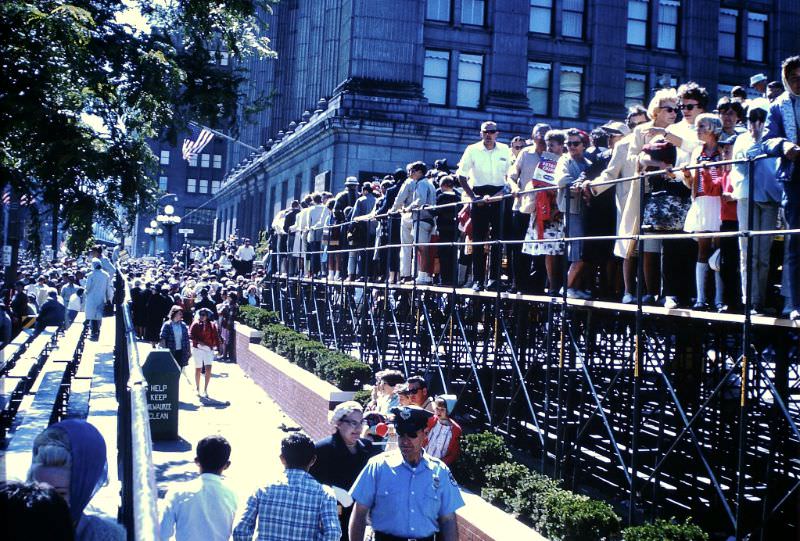
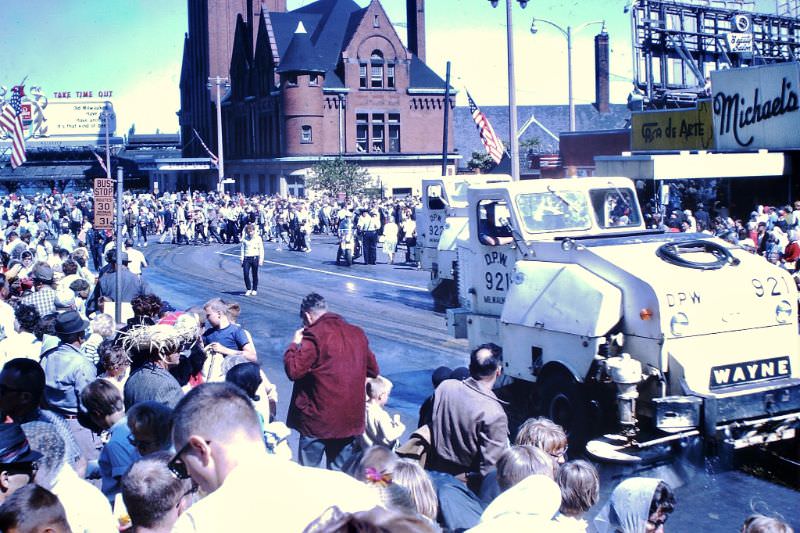
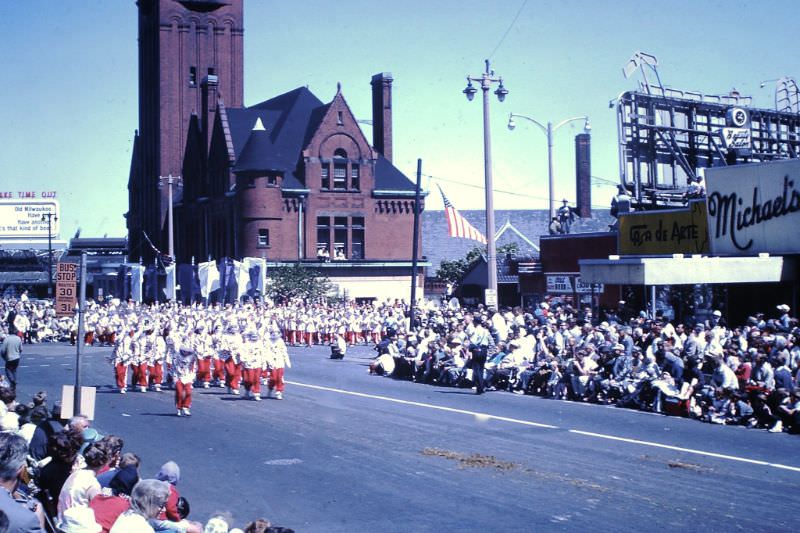
The crowds that gathered were enormous. Thousands of people packed the sidewalks, many arriving hours early to claim a good spot. Families spread out blankets and set up folding chairs along the curb. The atmosphere before the parade even started had an electric quality that made the wait feel like part of the experience.
Calliopes — the steam-powered pipe organs associated with circus tradition — were among the most memorable sounds of the parade. Their shrill, cheerful music echoed off the buildings and could be heard blocks away. To anyone within earshot, that sound meant the circus had arrived.
Milwaukee’s identity as a circus city had historical backing. The Ringling Brothers, who built one of the most famous circus operations in American history, got their start in Wisconsin. The Milwaukee Circus Parade honored that connection directly, presenting it to new generations who had grown up far removed from the golden age of the traveling circus.
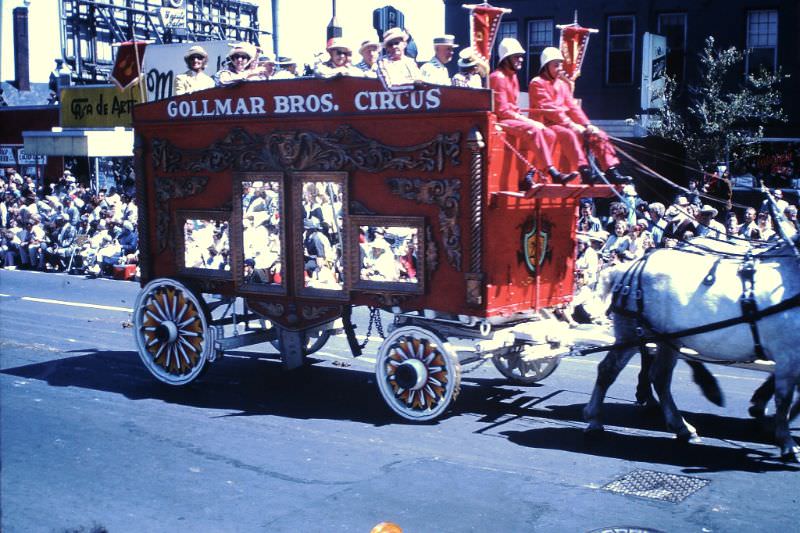
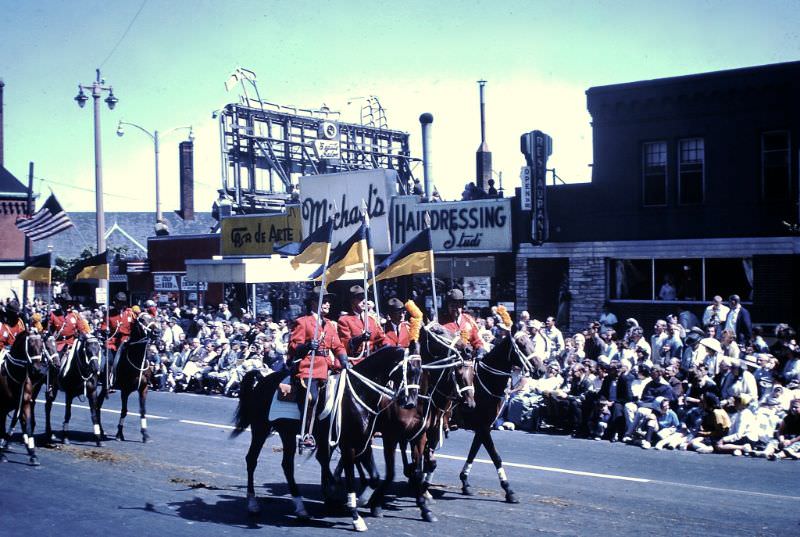
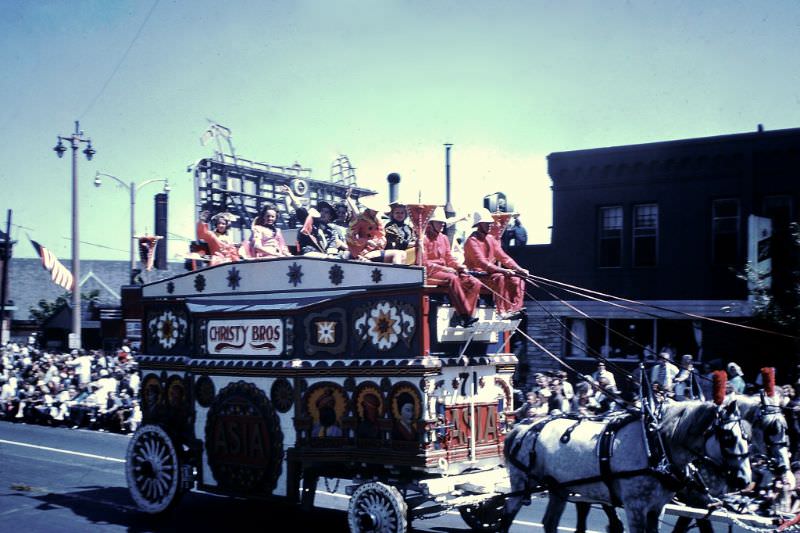
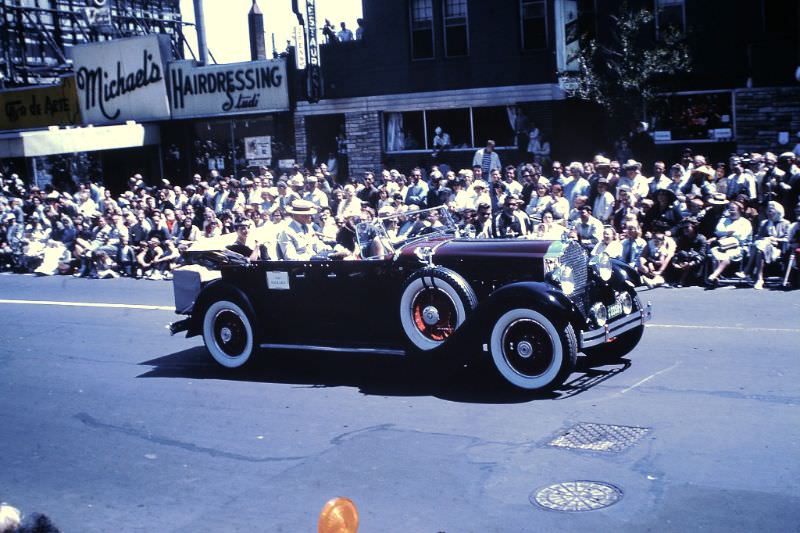
Performers in period costumes added another layer of authenticity. Ringmasters in tall top hats and red coats rode in open carriages or stood atop wagons, waving to the crowd with practiced showmanship. Their presence tied the parade visually to the circus world of a century earlier.
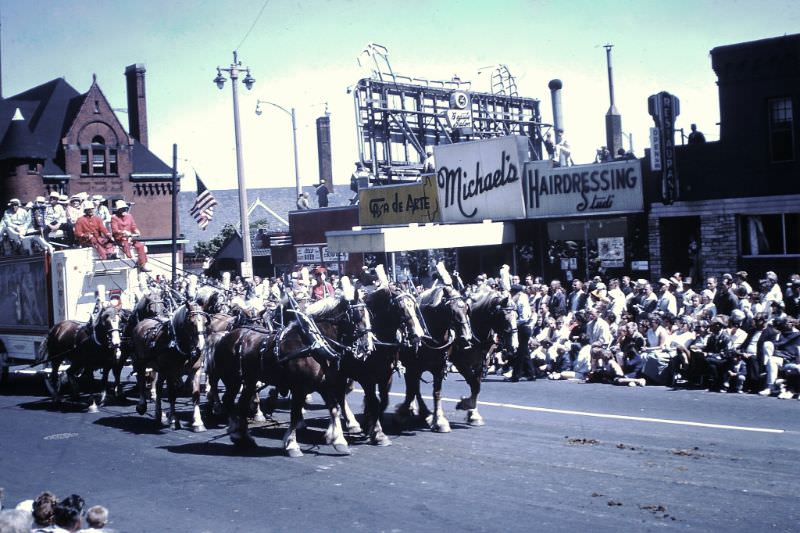
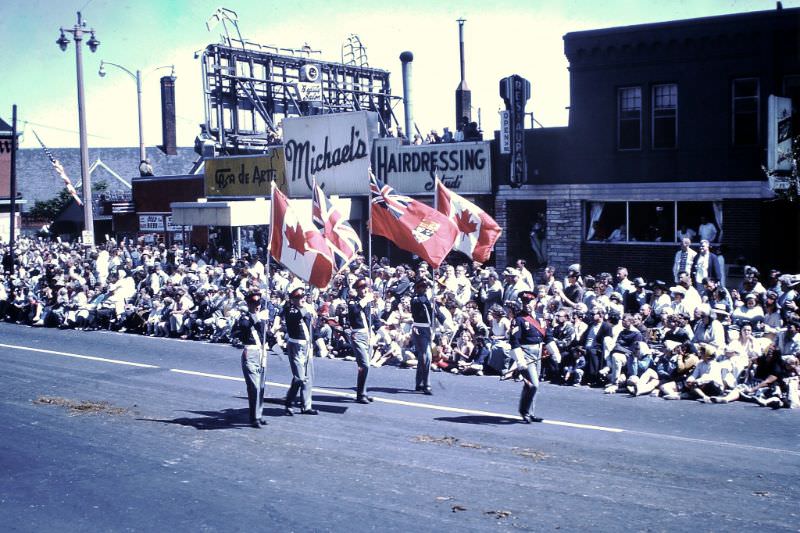
The parade route wound through the heart of the city, passing storefronts and office buildings whose windows were often crowded with onlookers. People hung out of upper-floor windows to get a better view. The whole downtown area effectively shut down for the afternoon, with the parade taking full ownership of the streets.
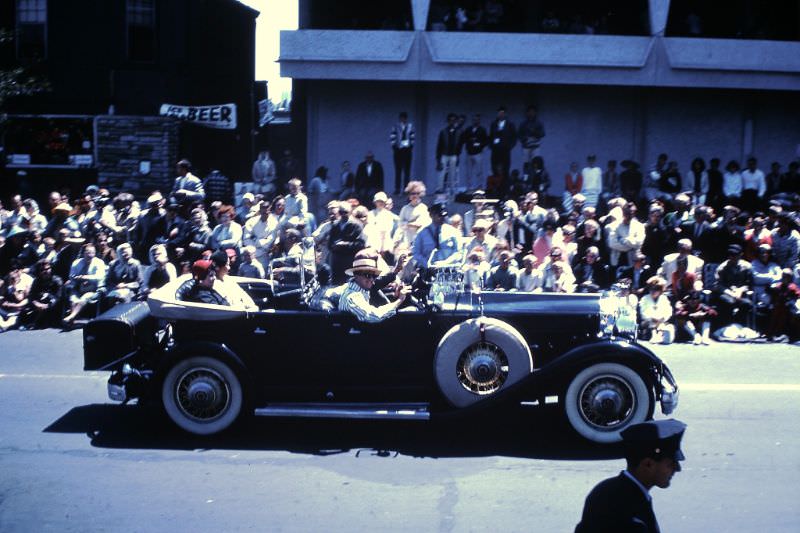
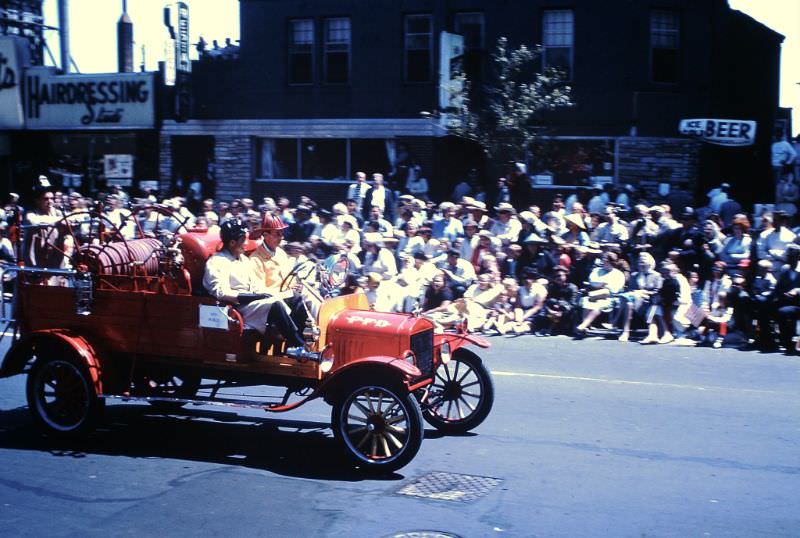
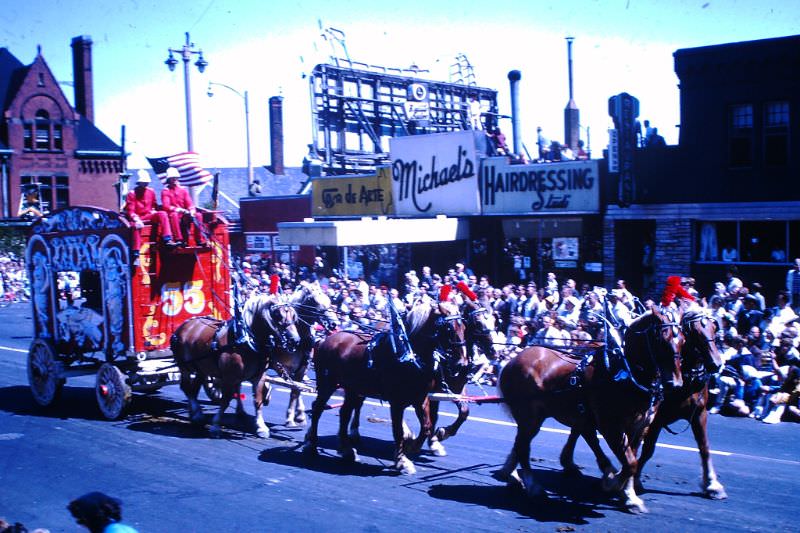
Exotic animals in the parade were handled by experienced trainers who walked alongside them throughout the route. The presence of large animals in an urban setting required careful management, but it was precisely that element of organized spectacle — the controlled wildness of it — that made the parade so thrilling to watch.
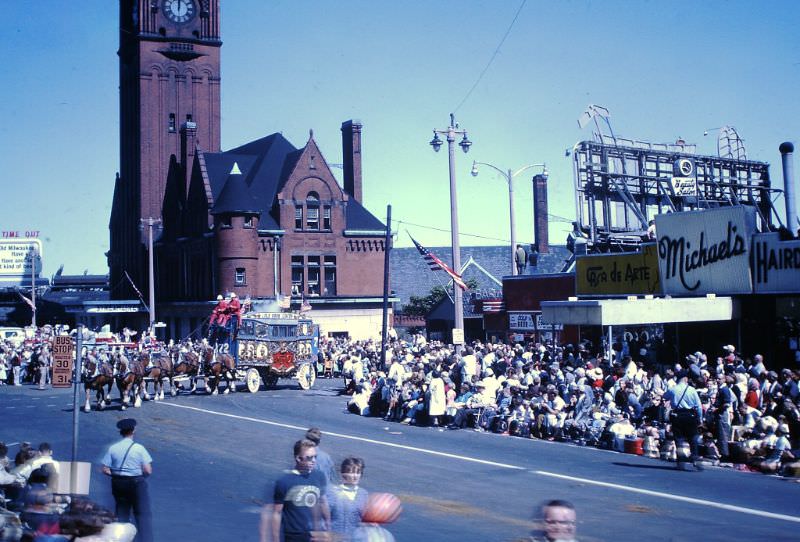
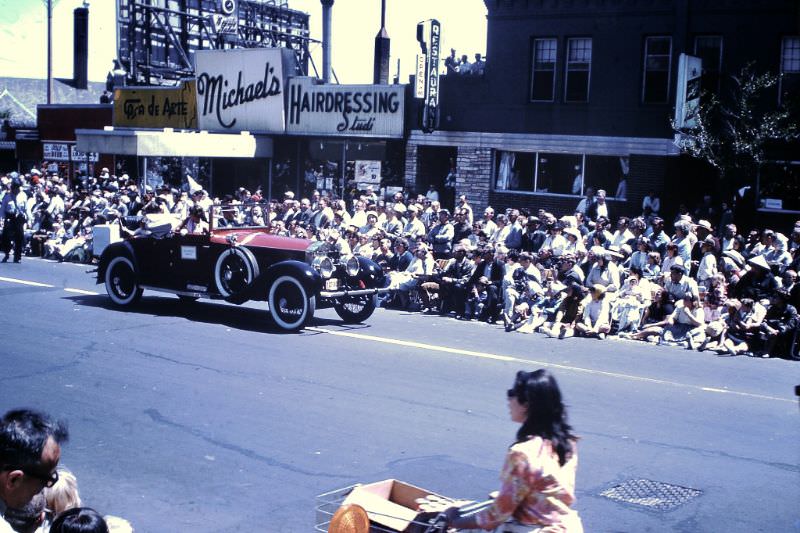
By the late 1960s, the parade faced mounting pressures. Attendance began to drop, and the costs of staging such a large event continued to climb. Managing live animals, transporting antique wagons, and paying performers and support staff made each year’s production increasingly expensive to sustain.
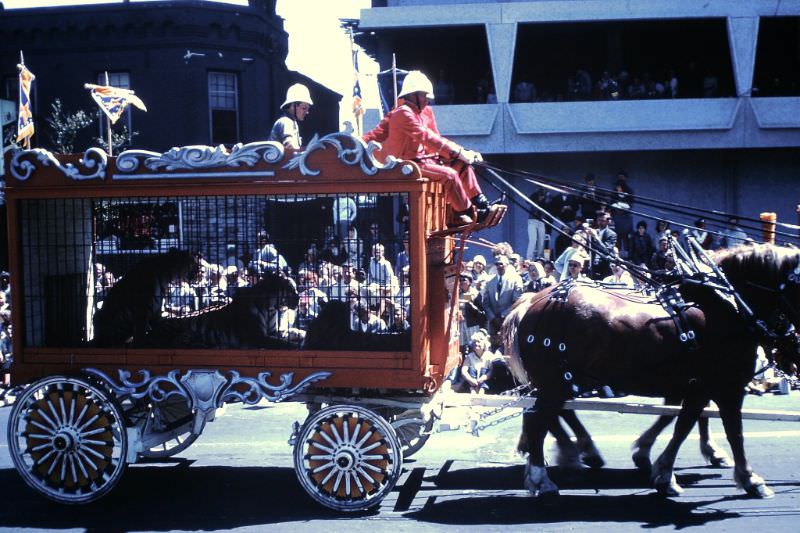
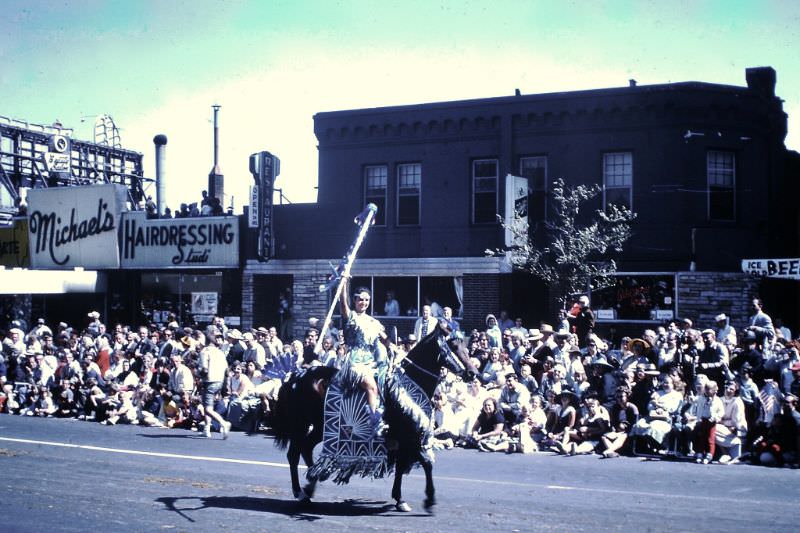
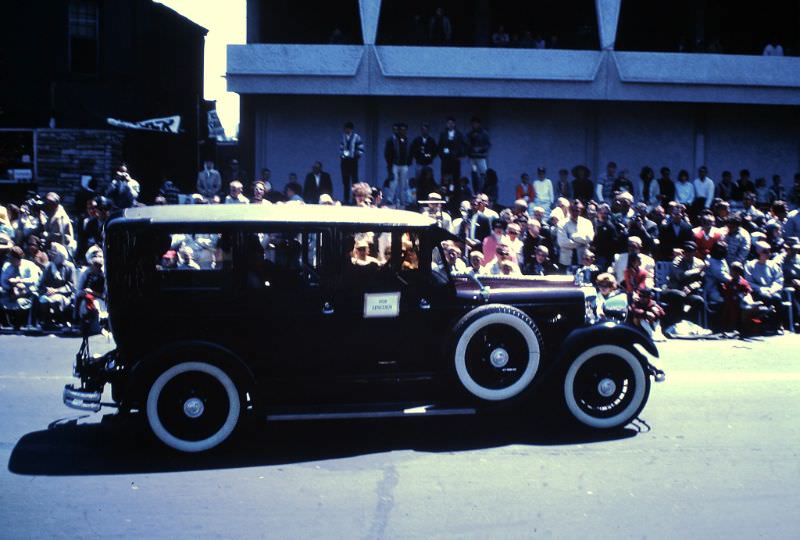
The parade was eventually discontinued. After years of delighting Milwaukee residents and visitors from across the country, the procession came to an end as the decade closed. The photographs and home movies left behind from those years remain the most direct record of what it actually looked and felt like to be there.
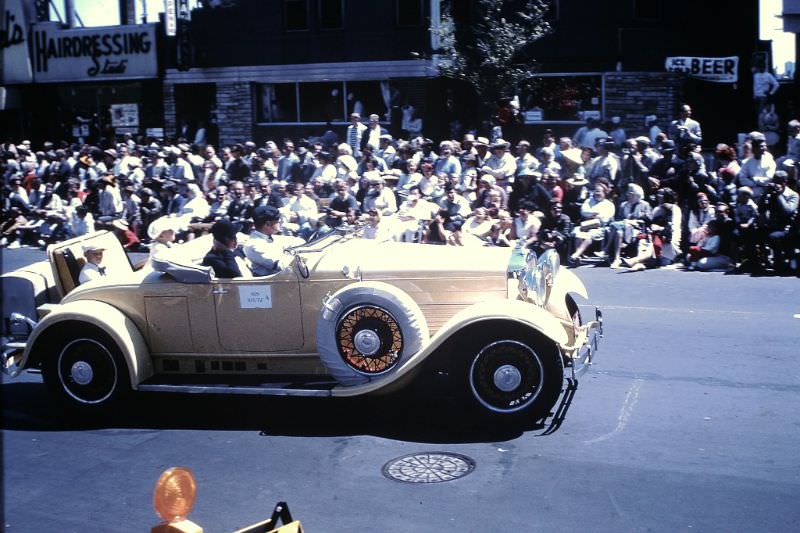
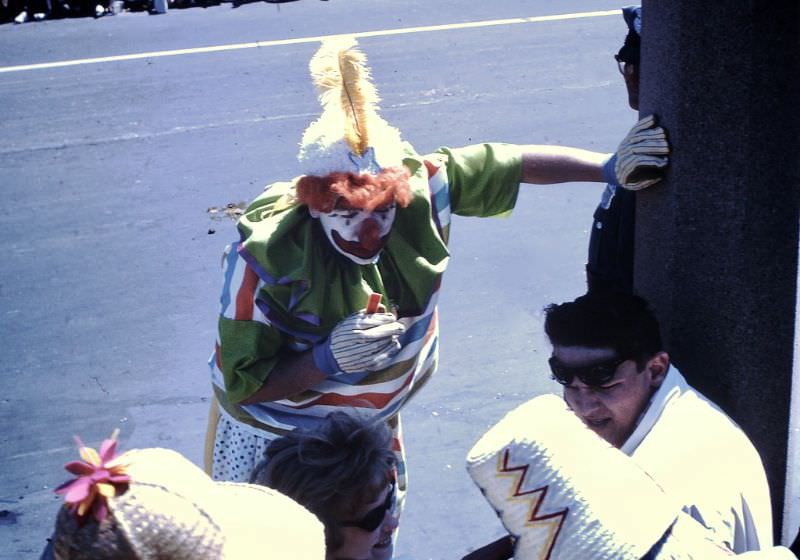
The Circus World Museum in Baraboo, Wisconsin, continues to preserve the wagons, equipment, and history that made the parade possible. Its collection includes some of the finest antique circus wagons in the world — many of the same ones that once rolled through Milwaukee’s downtown streets on those summer afternoons.