By the 1960s, midget wrestling had built a serious fan base across North America and parts of Europe. Arenas filled with thousands of people who came specifically to watch wrestlers under five feet tall throw, flip, and outwit opponents twice their size. The term “midget” is now widely considered offensive, and “little person” or “dwarf” are the preferred terms today. But in that era, midget wrestling was a recognized sport with championships, rivalries, and a roster of athletes who were every bit as dedicated as their full-sized counterparts.
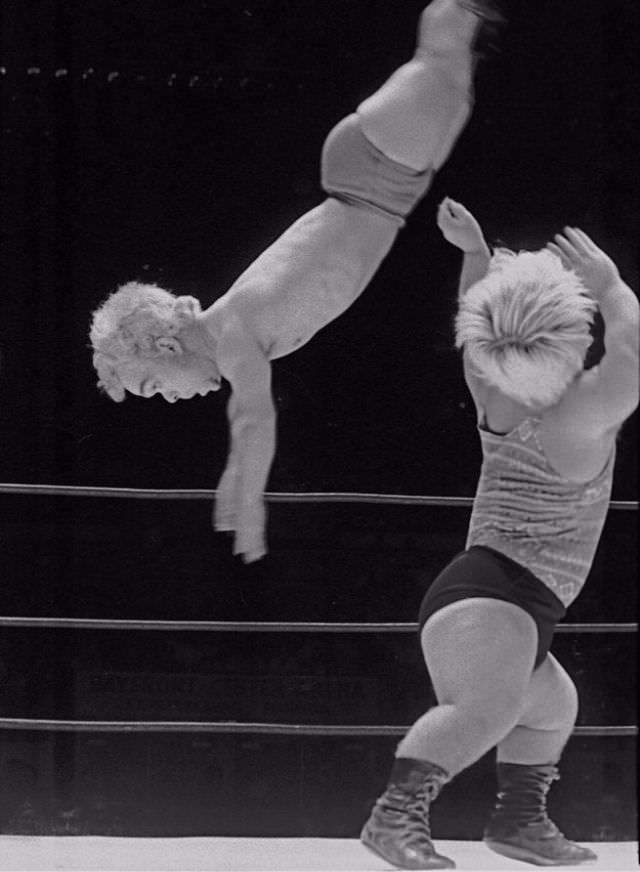
Many of these wrestlers came from carnival and circus backgrounds. They already knew how to read a crowd, how to time a reaction, and how to fill a room with energy. When they stepped into the wrestling ring, those skills translated immediately. Their performances blended genuine athleticism with sharp comic timing. A wrestler might slip between a larger opponent’s legs, duck under a grapple, or use the ropes in ways that left the crowd roaring. None of it was accidental — these men trained seriously and worked their craft for years.
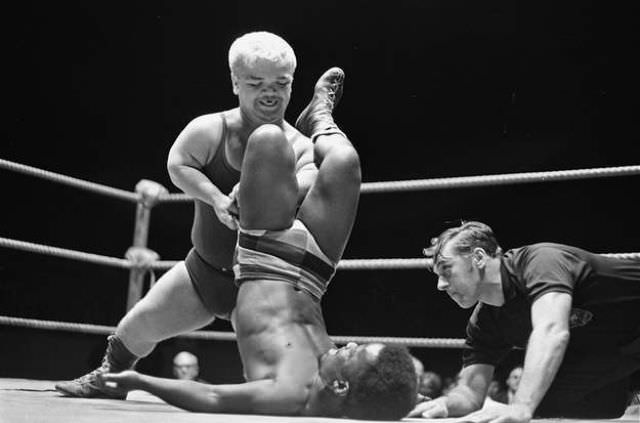
Like mainstream professional wrestling, the sport was built around the “babyface” and “heel” dynamic. Babyfaces were the crowd favorites — the ones fans cheered and rallied behind. Heels were the villains who bent rules, taunted audiences, and gave the heroes someone to overcome. This structure created ongoing storylines that kept fans invested week after week. The rivalries were personal, theatrical, and fiercely competitive, which is exactly why people kept buying tickets.
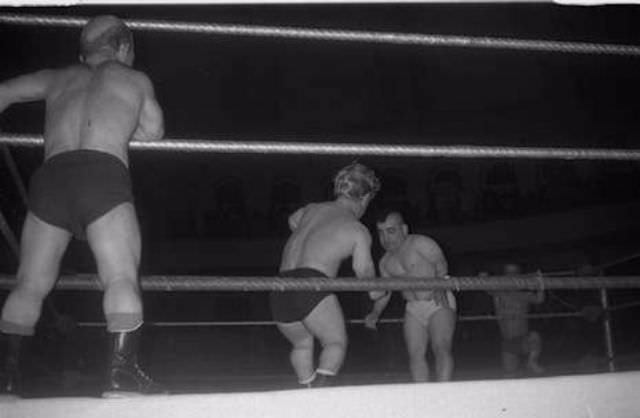
Sky Low Low, born Marcel Gauthier in Canada, stood just 3 feet 7 inches tall and became one of the most recognizable names in the sport. He started as a circus performer before crossing over to wrestling, where his acrobatic style and sharp personality made him a fan favorite. He frequently teamed with Little Beaver, born Lionel Giroux in Saint-Jérôme, Quebec in 1935. Giroux began wrestling at fifteen and went on to win the NWA Midget Wrestling Championship twice. Together, the two Canadians became one of the most celebrated tag teams the sport produced.
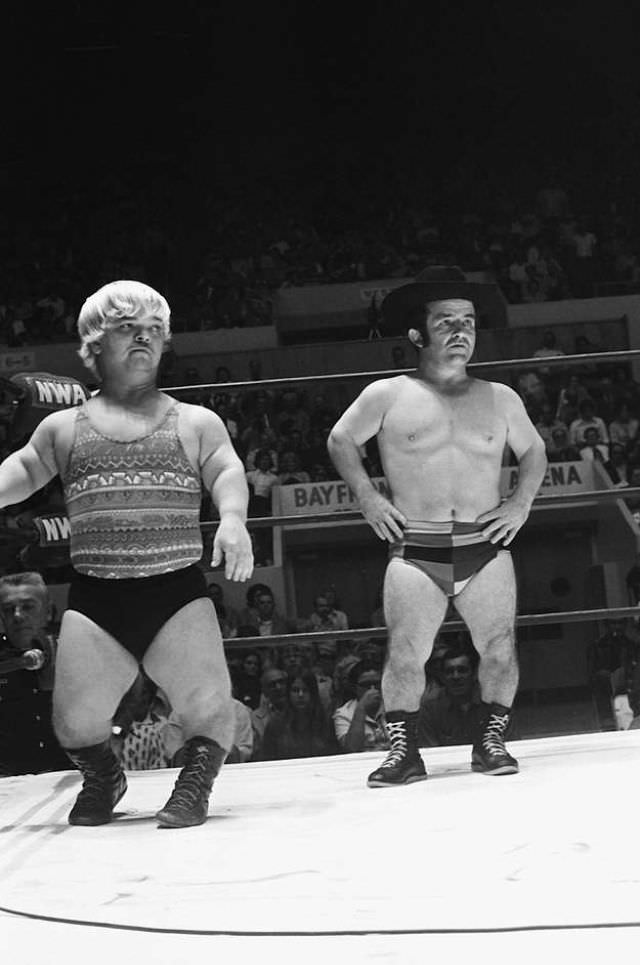
Billy the Kid, born John William Guillot in Waco, Texas in 1936, built his reputation as one of the sport’s premier “bad guys.” He started in the 1950s and became known for his cunning in the ring and his natural showmanship. He never captured a title, but he was consistently one of the most entertaining performers on any card he appeared on.
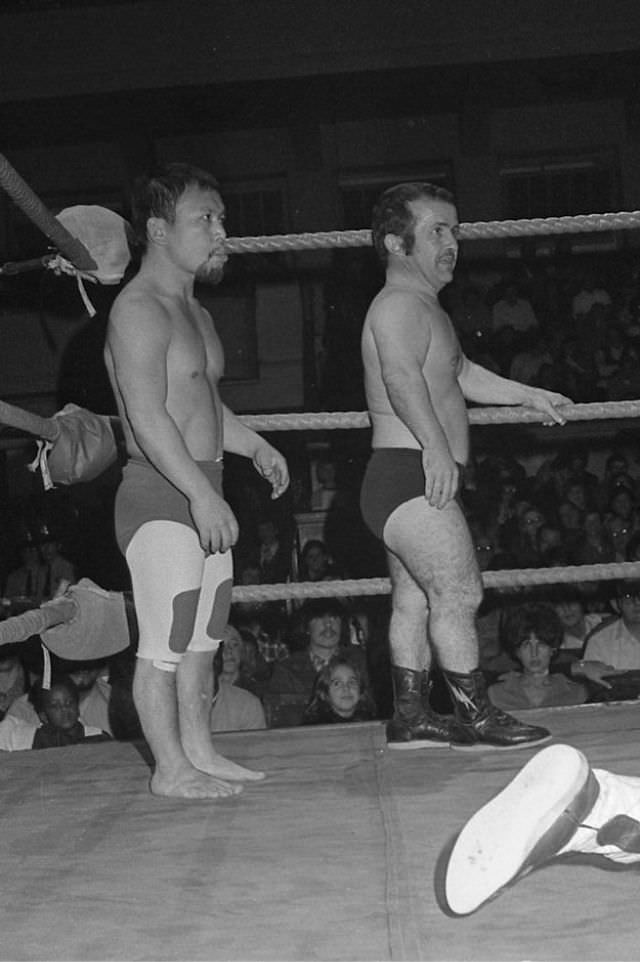
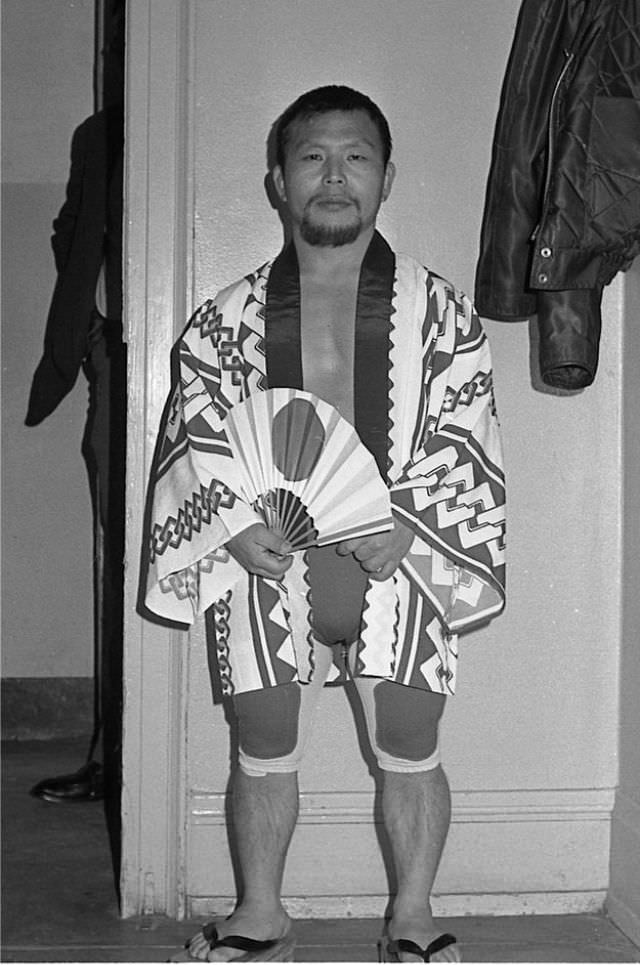
Little Tokyo, whose real name was Shigeri Akabane, came to the sport after Lord Littlebrook’s troupe visited Japan in the 1960s. Inspired by what he saw, Akabane left Japan to join the circuit. He went on to win the NWA World Midget Championship three times, tying the record set by Lord Littlebrook himself.
Lord Littlebrook, born Eric Tovey in England in 1929, was the sport’s defining figure. He started as a circus acrobat and took up wrestling in the 1950s before moving to the United States in the early 1960s. He won the NWA World Midget Championship three times and continued competing into the late 1980s, eventually earning a place in the Professional Wrestling Hall of Fame.
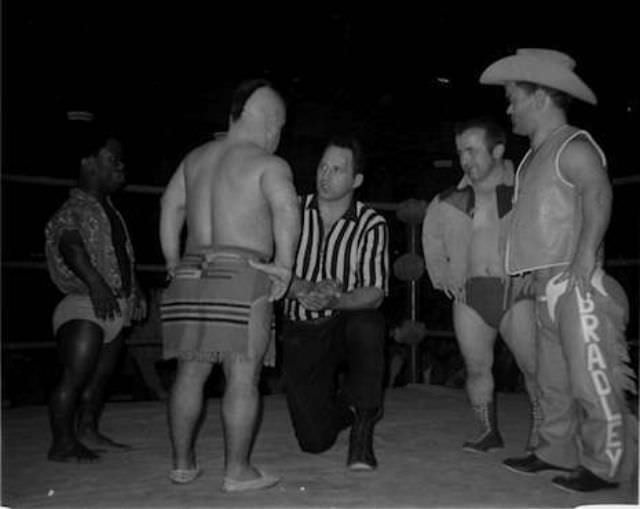
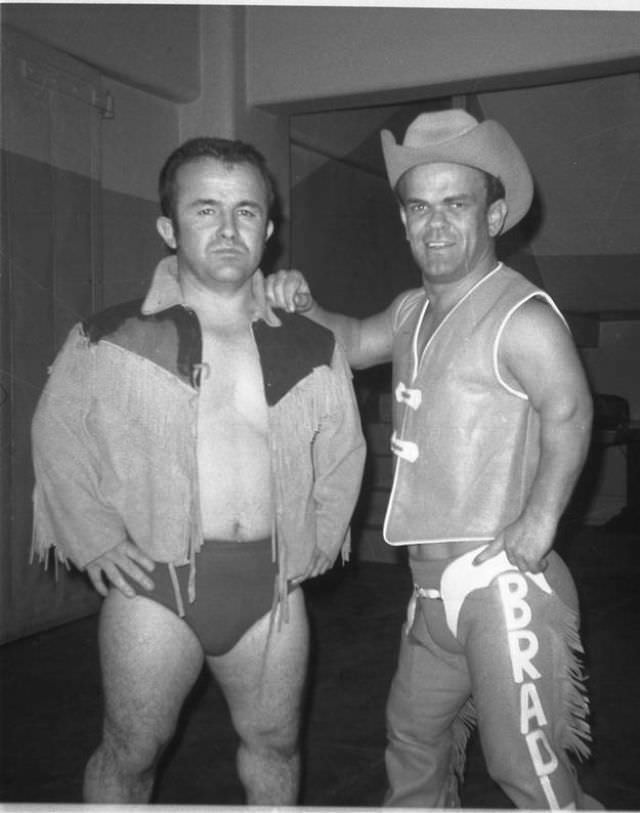
Cowboy Bob Bradley was born Robert Claton Bradley in Dickens County, Texas in February 1935. He dropped out of West Texas State College in 1953 to pursue wrestling full time. He toured extensively across America, held several championship titles, and became one of the more accomplished performers of his generation.
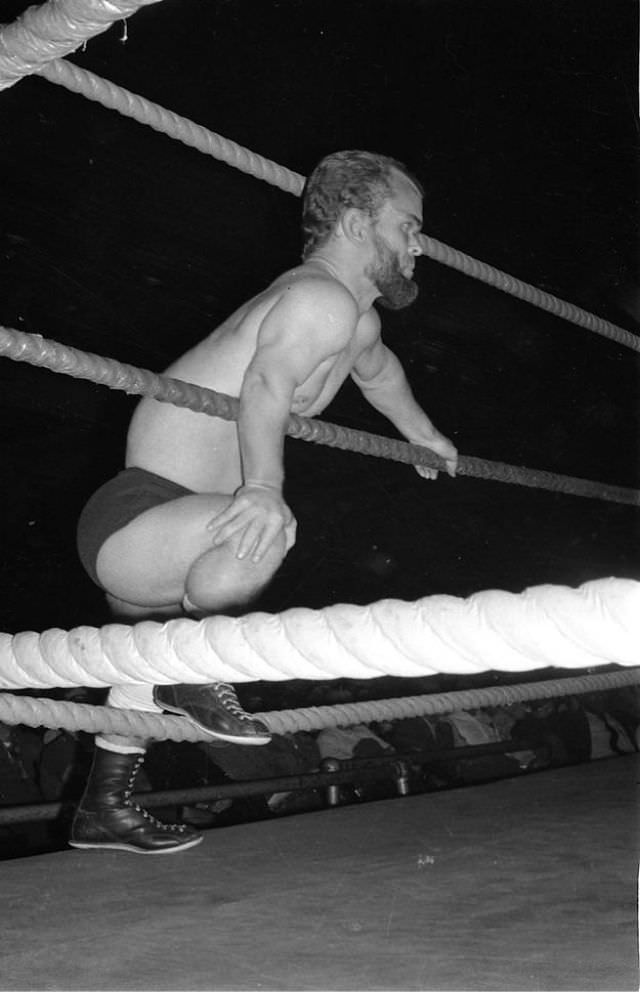
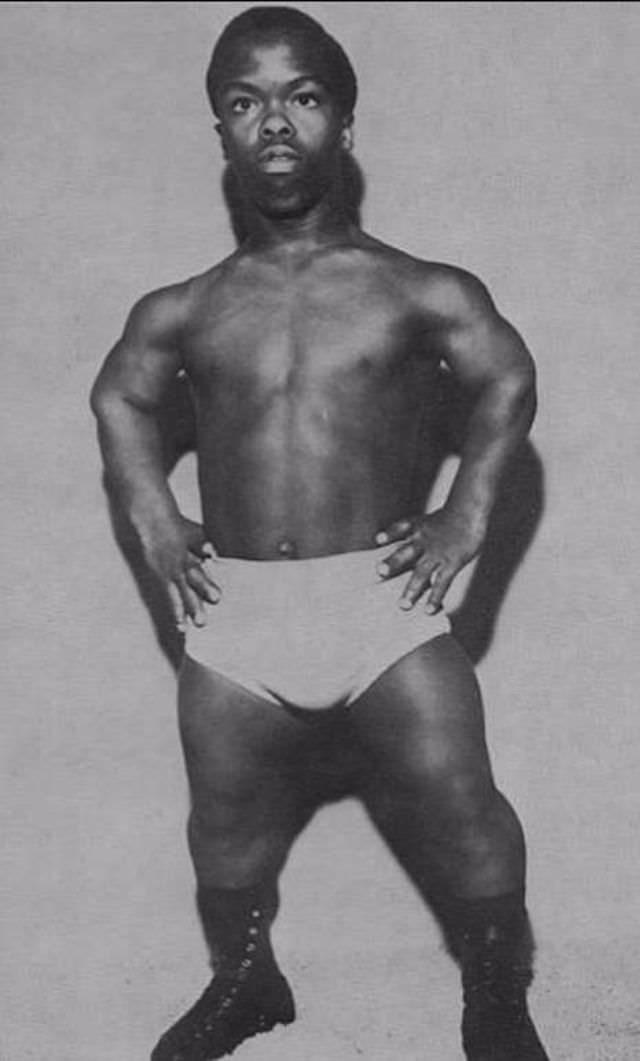
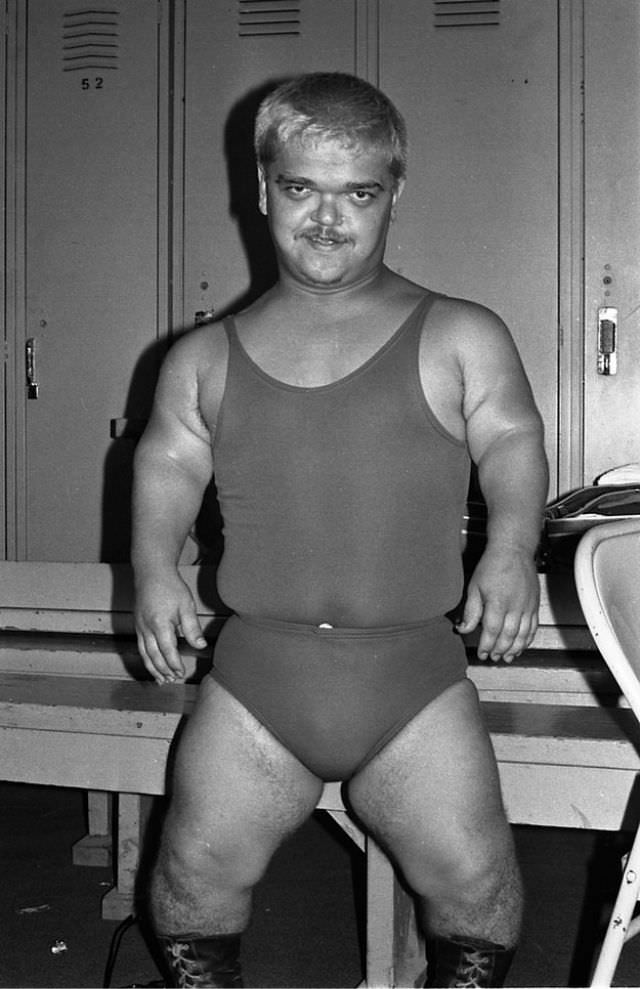
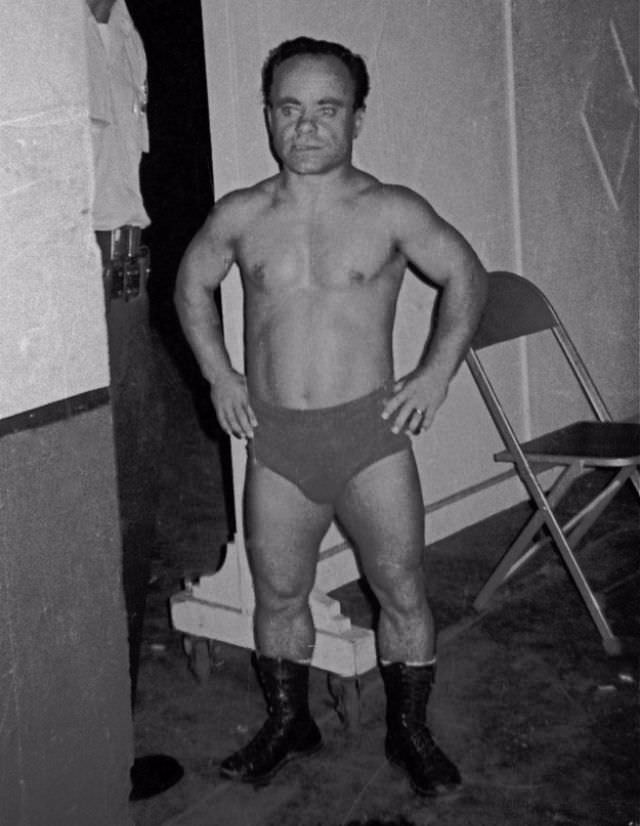
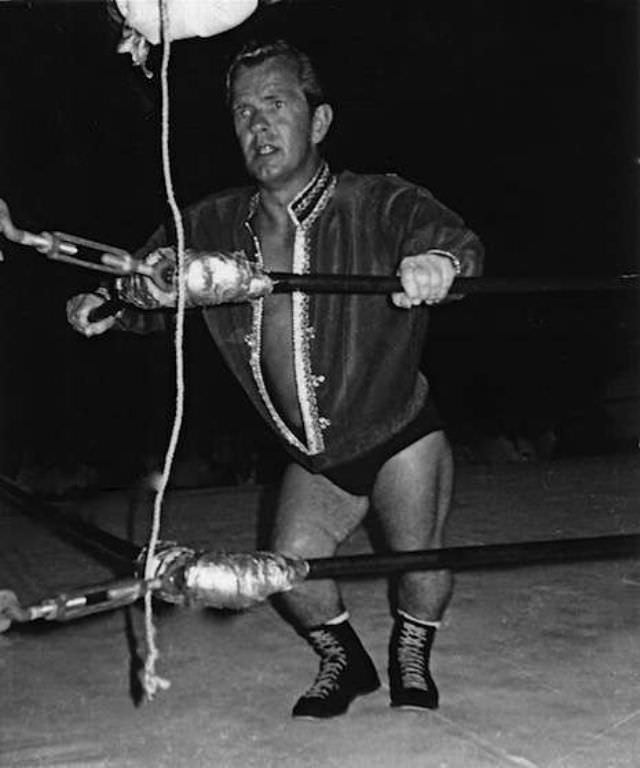
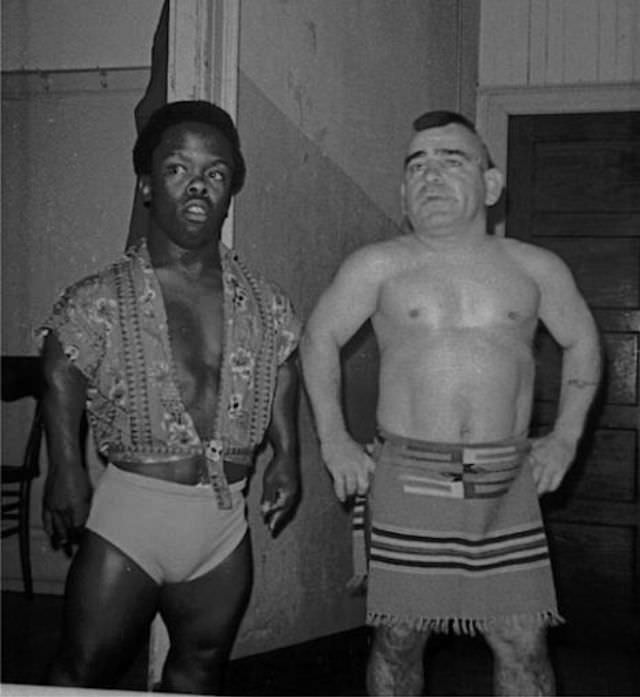
Photographer David Maciejewski documented this world between 1966 and 1974. His black-and-white photographs captured the wrestlers both inside the ring and backstage, producing a rare visual record of the sport during its peak years. Without his work, much of what happened in those arenas would exist only in fading memories.
Not all of the sport’s history has been preserved equally. Bobo Johnson, who also wrestled under the name the “Brown Panther,” was one of the earliest Black midget wrestlers alongside Haiti Kid. He was best known for his tag work with Louie Louie and later Rocky Johnson. Despite a notable career, Johnson’s achievements have largely been overlooked in the historical record — a gap that reflects a broader pattern of how Black wrestlers from that era have been remembered.
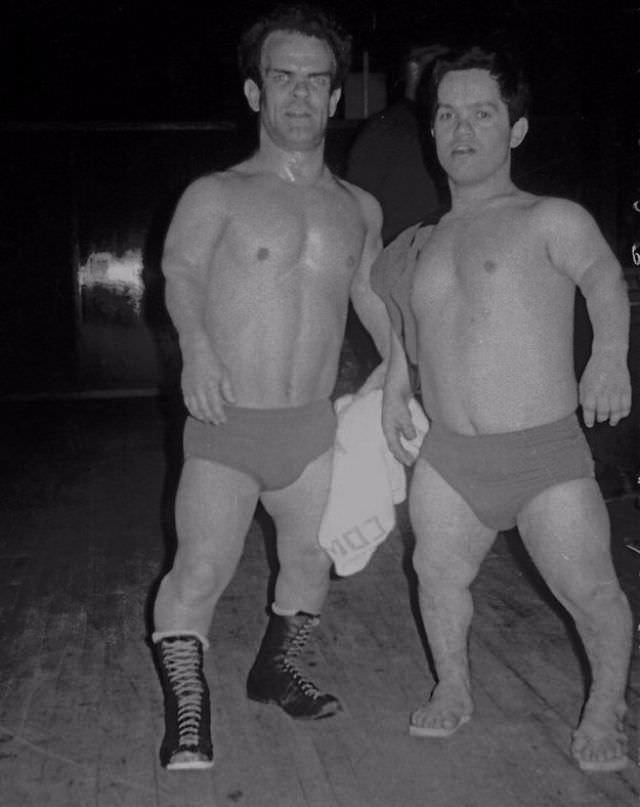
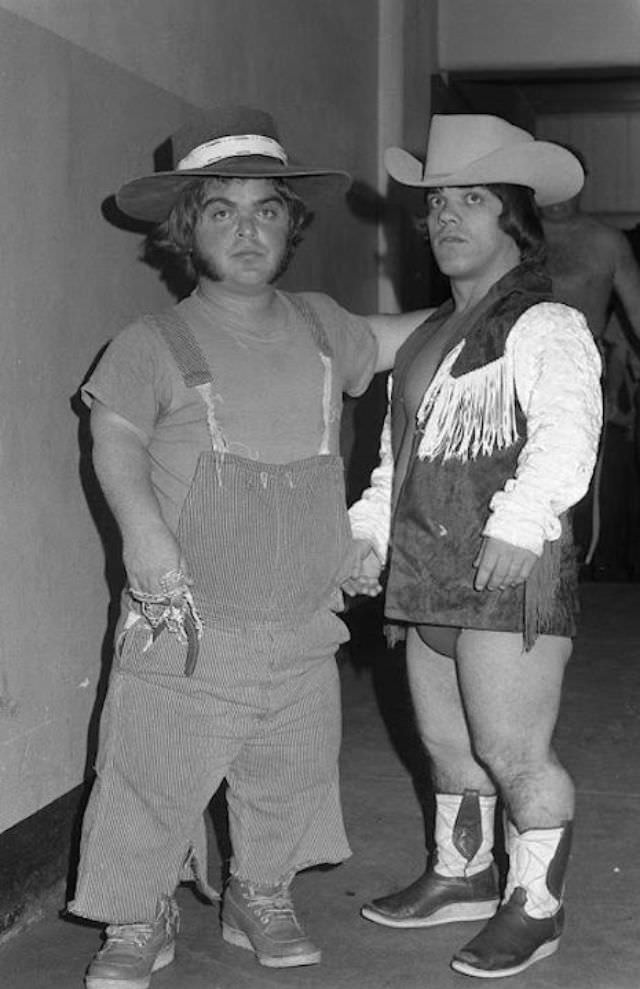
Cowboy Lang, born Harry Lang in Saskatchewan, Canada on August 28, 1950, began wrestling at fifteen and competed for thirty years. During that span, he won the NWA World Midget Championship twice. Farmer Pete’s records are less complete, but available documentation suggests he held the World Championship for seven days in 1957 after defeating Sonny Boy Cassidy — only for Cassidy to win it back in a rematch that October.
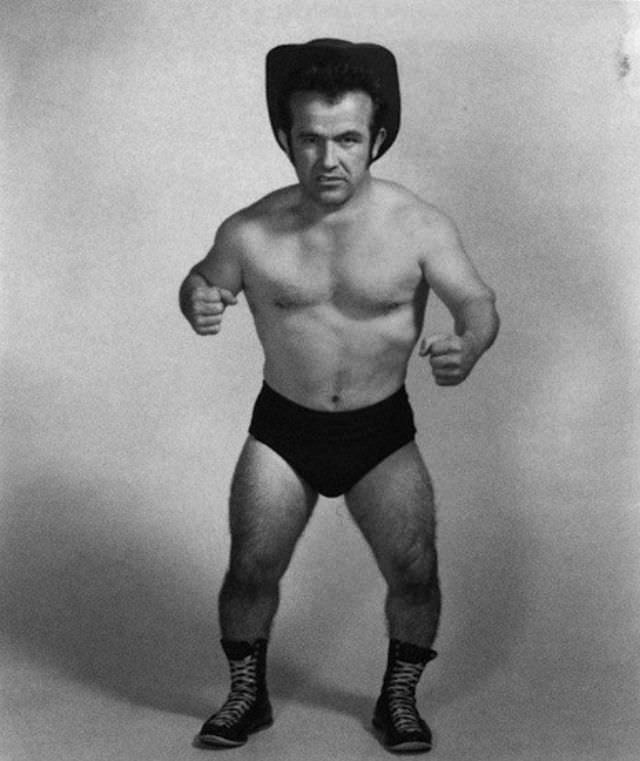
Frenchy Lamonte — also known as Rolly the Rocket, the Little Hawk, and Little Evil — was born Roland Barriault in Sudbury, Ontario on July 22, 1946. He decided at age eight that he wanted to be a wrestler, famously telling his mother he was going to be “a dirty one.” Trained by Lord Littlebrook, he made his debut in 1963 and eventually won a world title. He was credited by the Guinness Book of Records as the “World’s Strongest Midget” and went on to build a career as a movie actor. He also became close friends with André the Giant.
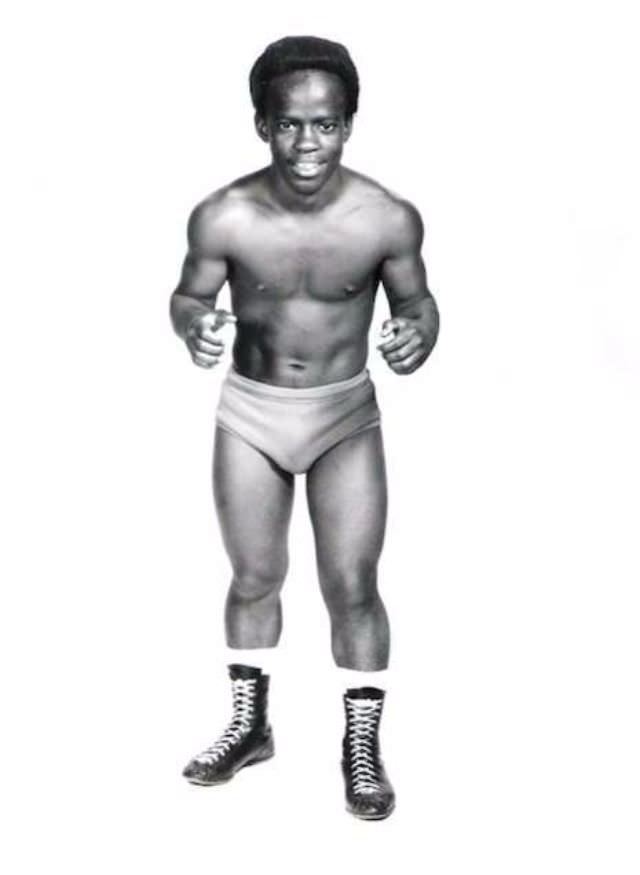
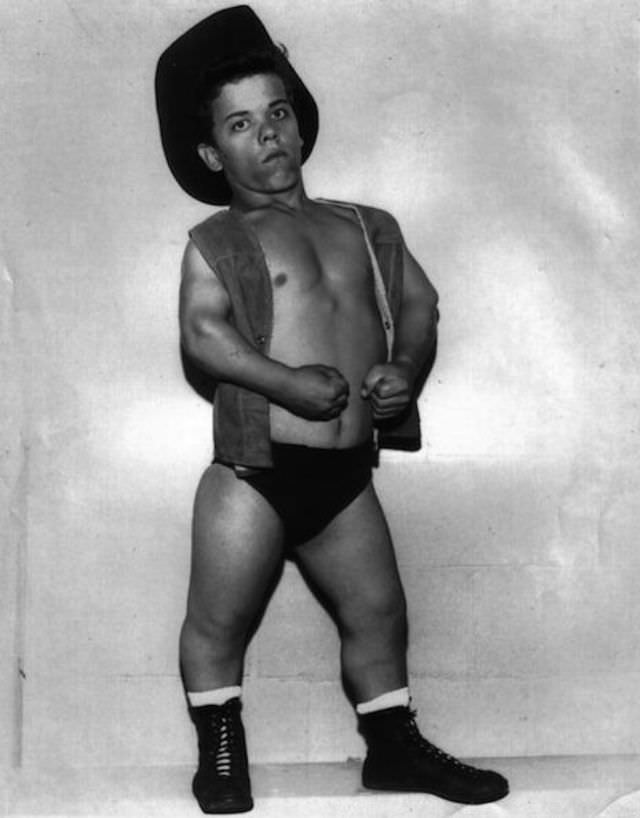
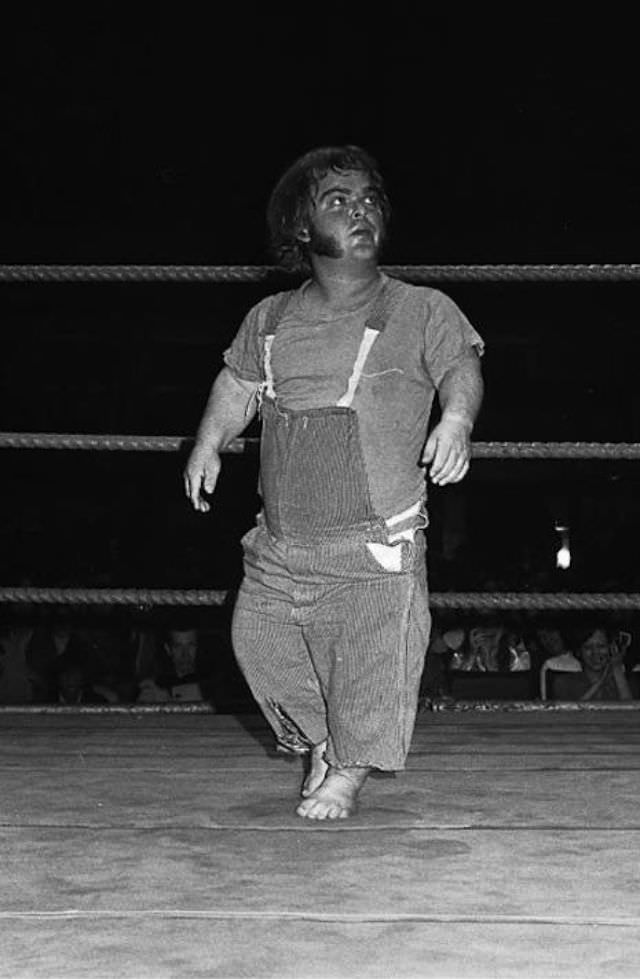
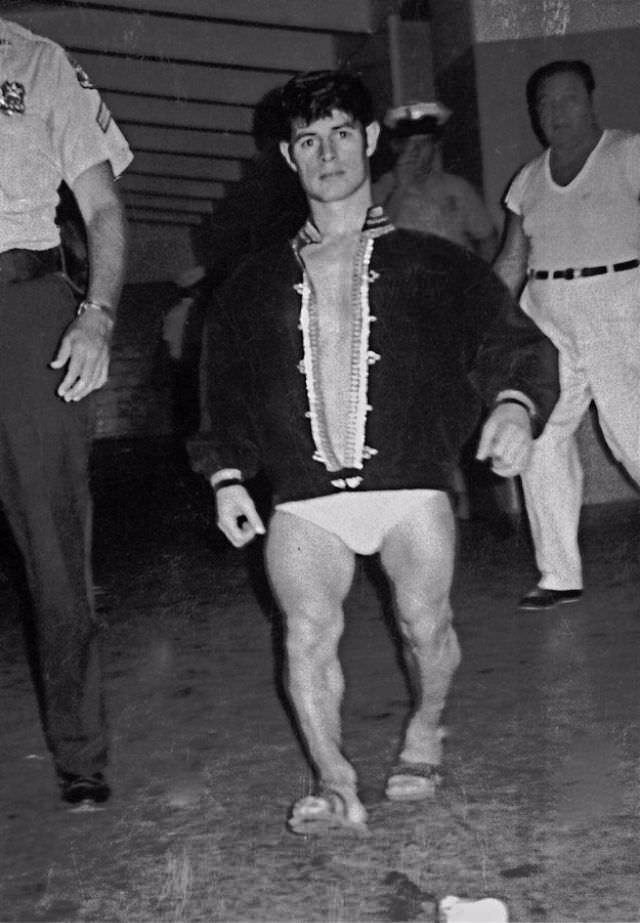
Jamaica Kid was another fixture on the circuit during this era, frequently appearing alongside Little Beaver in tag matches. The pairing worked well — Beaver’s speed and fan appeal combined with Jamaica Kid’s presence made them a reliable draw. Maciejewski’s backstage photos of the two together offer a glimpse at the quieter side of a world that most fans only ever saw under the arena lights.