Hey There! Before You Go. 😧
Get the best vintage content straight into your inbox!

Don't worry, we don't spam

Peaceful Afghanistan In The mid-20th Century: Photos Capturing Life Before Soviet And American Intervention

Afghanistan has been called the graveyard of empires. The Greeks, Persians, and Mongols all tried to conquer it at different points in history, and all of them failed. For centuries, the country has faced invasions and political unrest. But in the middle of the 20th century, something different was happening. Afghanistan was pushing toward modernization. Cities were growing. Schools were opening. Streets were busy with commerce. For a window of time in the 1950s and 1960s, the country held a fragile but real peace.
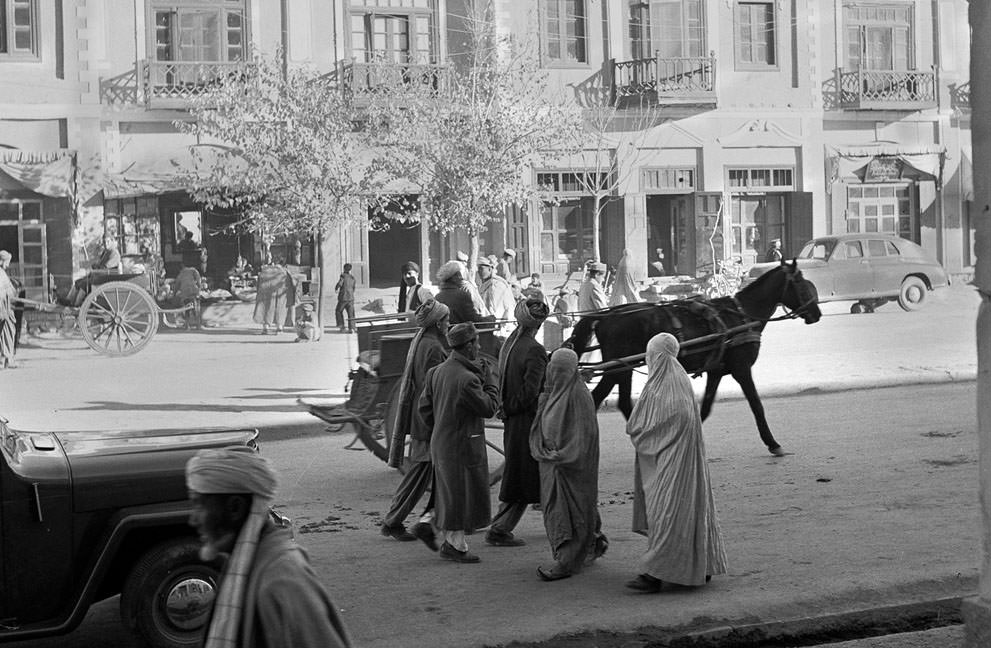
Women, wearing traditional burqas and Persian slippers, walk alongside men, cars and horse carts, in a street in Kabul, in 1951. At the time, this street was one of only three paved streets in the capital city.

Kabul in the early 1950s was a city still finding its footing. As late as 1951, only three streets in the capital were paved. Yet even then, the city hummed with life. Men, women, horse carts, and the occasional automobile all shared the same narrow corridors. Traditional dress mixed with the slow creep of modern infrastructure.
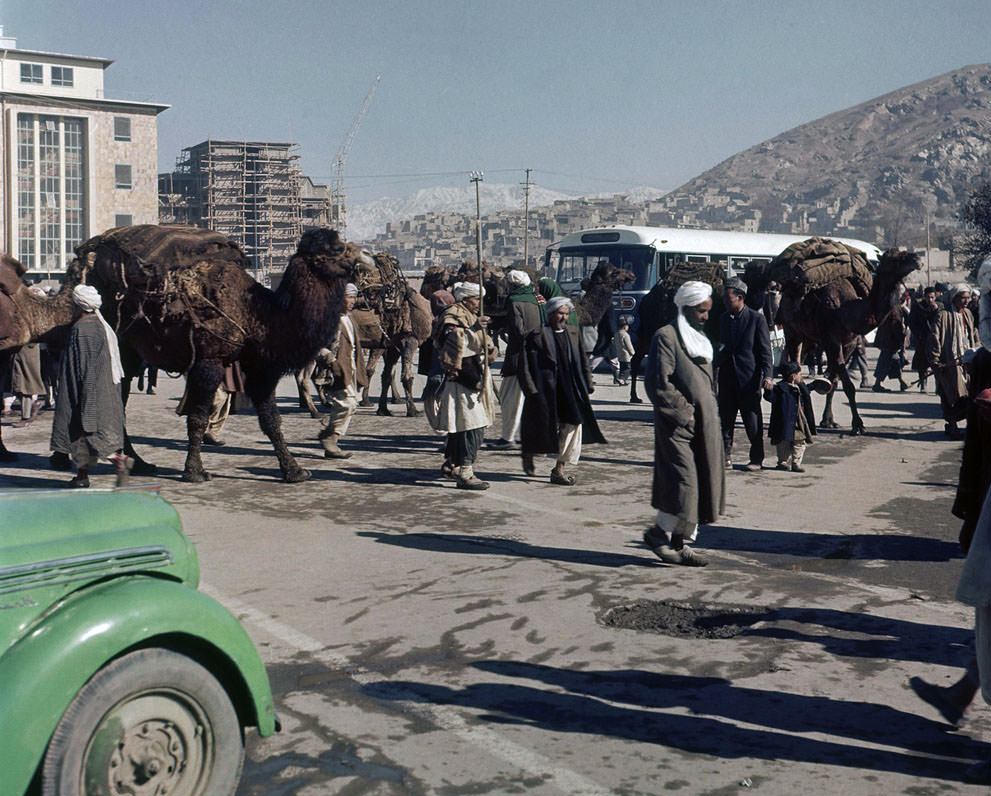
Street scene in Kabul, Afghanistan in November, 1961.

By the early 1960s, Kabul had changed noticeably. The streets were busier, more organized, and more connected to the wider world. Roadside vendors lined the walkways, painted trucks carried goods through intersections, and the everyday rhythm of city life played out in full view.
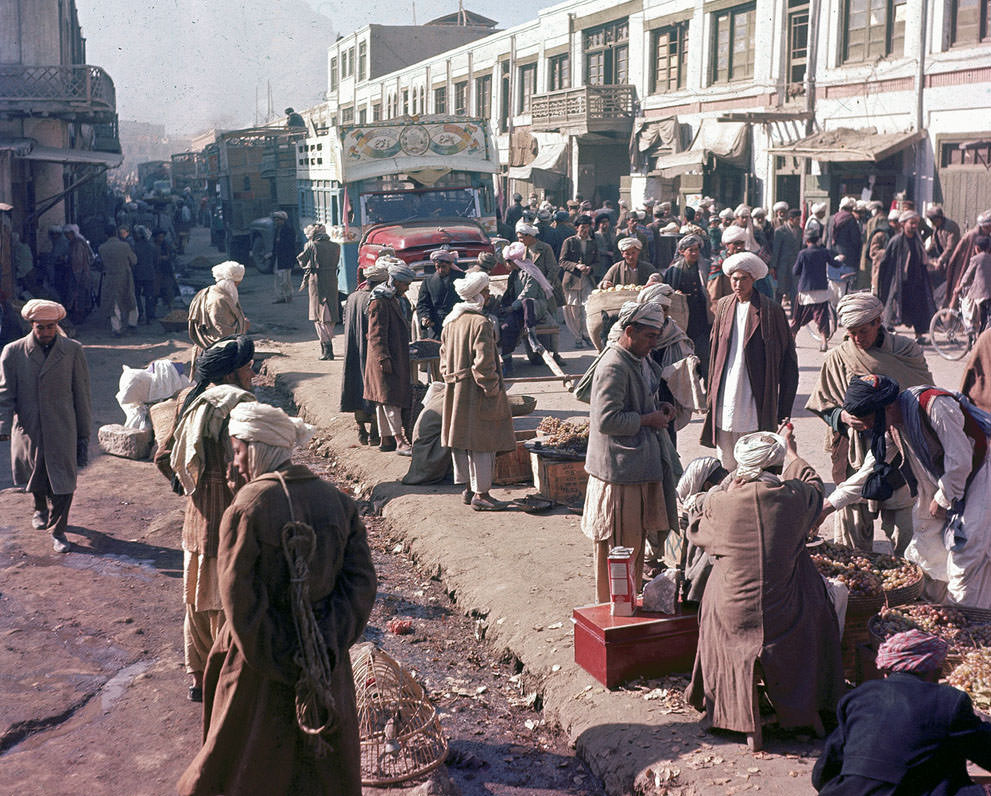
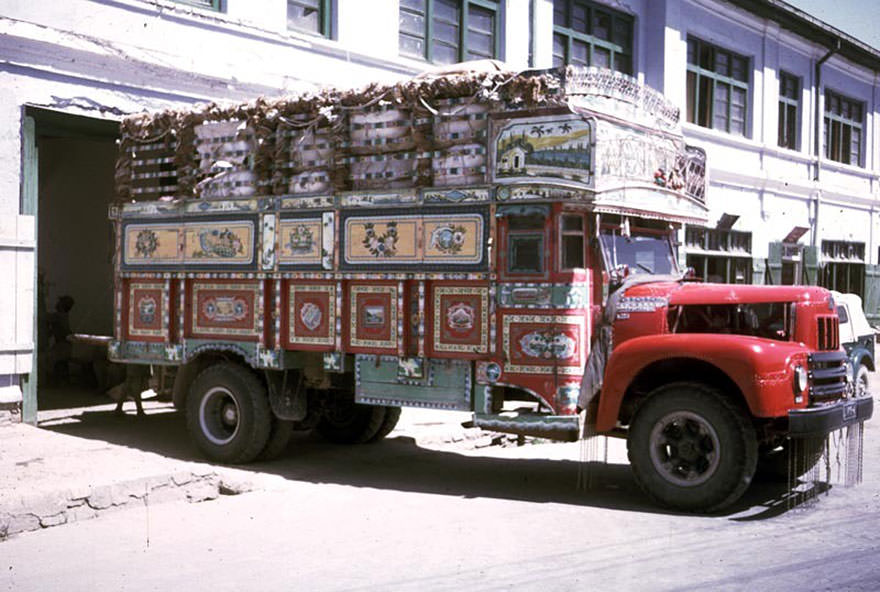
Men stroll past roadside vendors as a painted truck makes its way through the busy street in Kabul, Afghanistan, November, 1961.

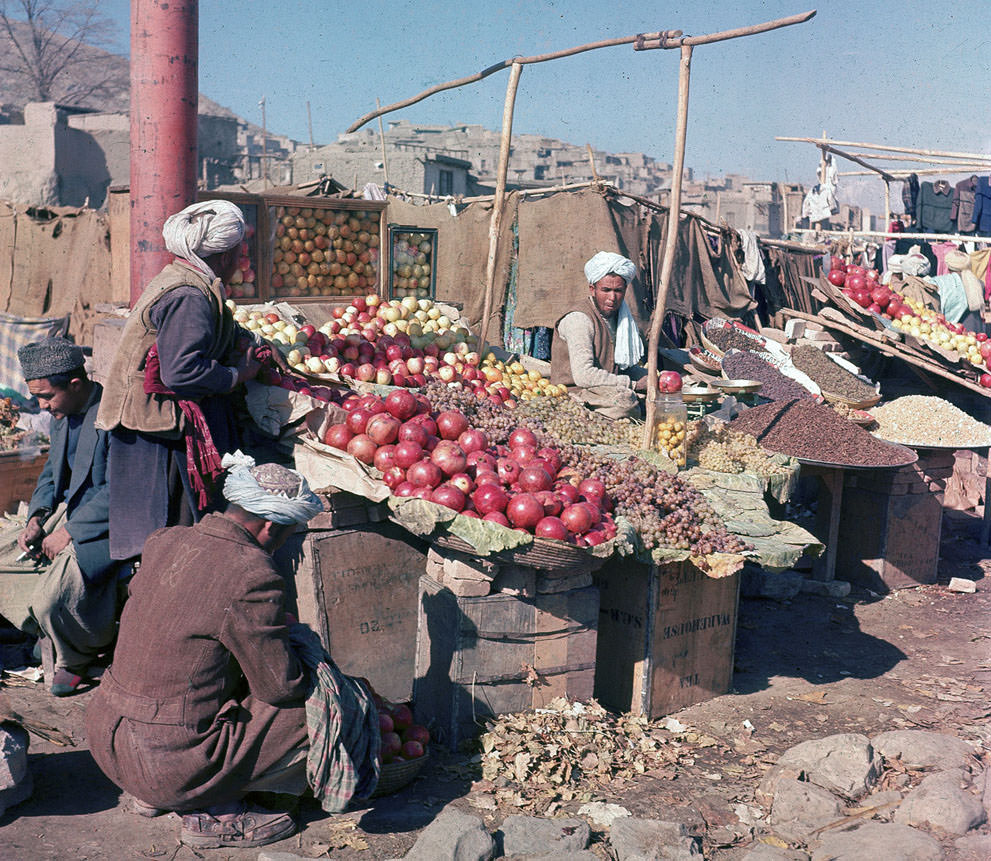
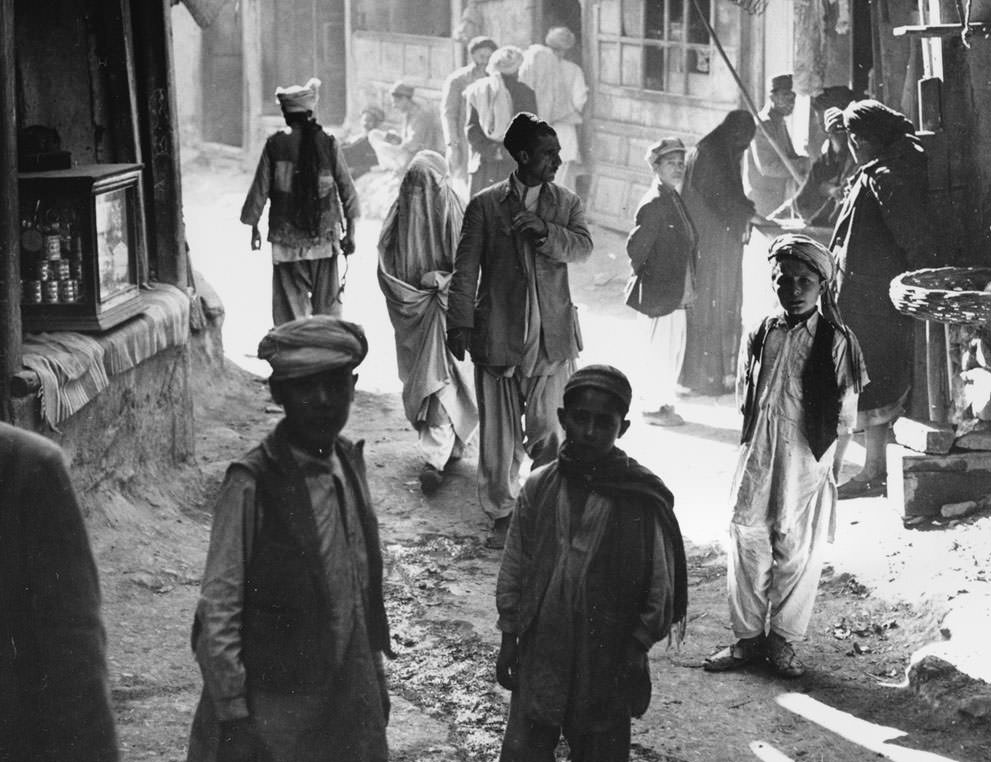
Markets were a central part of daily life. Vendors sold fruits, nuts, canned goods, and scarves from open-air stalls and shopfronts. Families — men, women, and children, some barefoot — moved through these spaces freely. The marketplace was one of the few places where almost every part of Afghan society crossed paths.
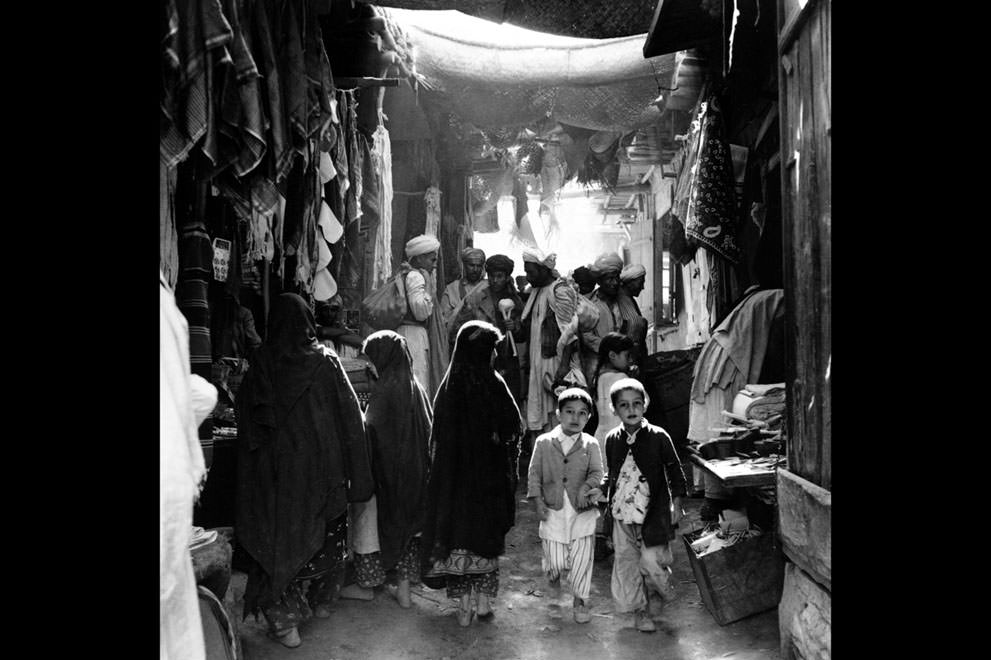
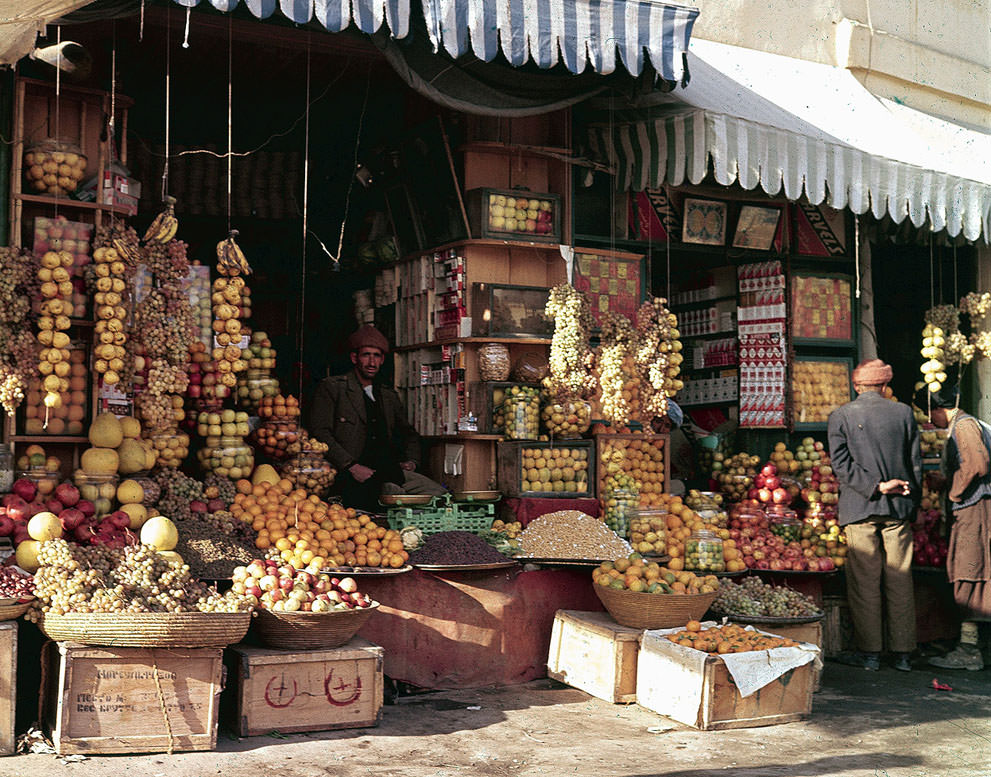
Afghan boys, men, and women, some in bare feet, shop at a marketplace in Kabul, Afghanistan, in May of 1964.
A shopfront display of fruits and nuts in Kabul, in November of 1961.

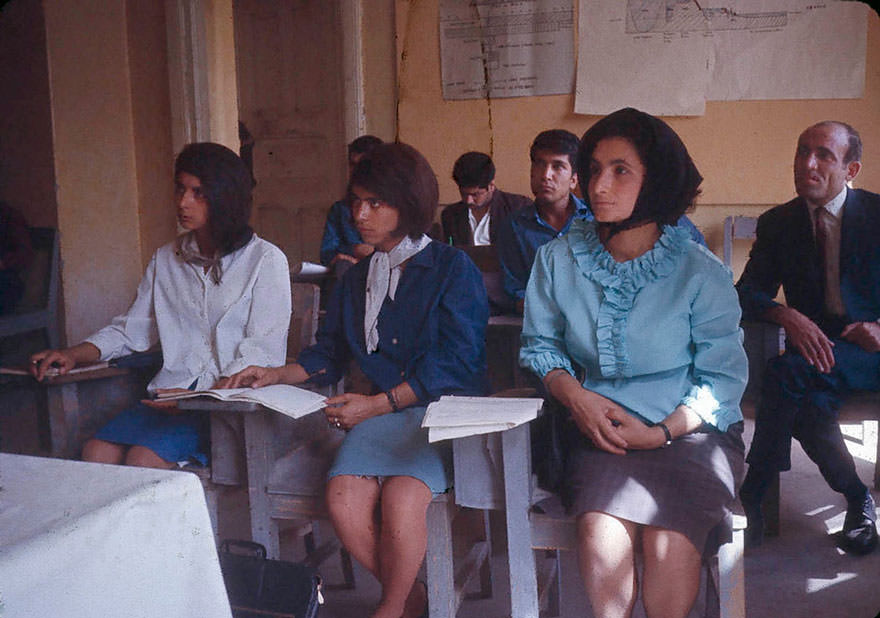
Education was expanding rapidly during this period. Schools were being built across the country, and Kabul was becoming a center for higher learning. The Faculty of Medicine at Kabul University was training the country’s next generation of doctors, while the Higher Teachers College was producing educators for a growing student population.
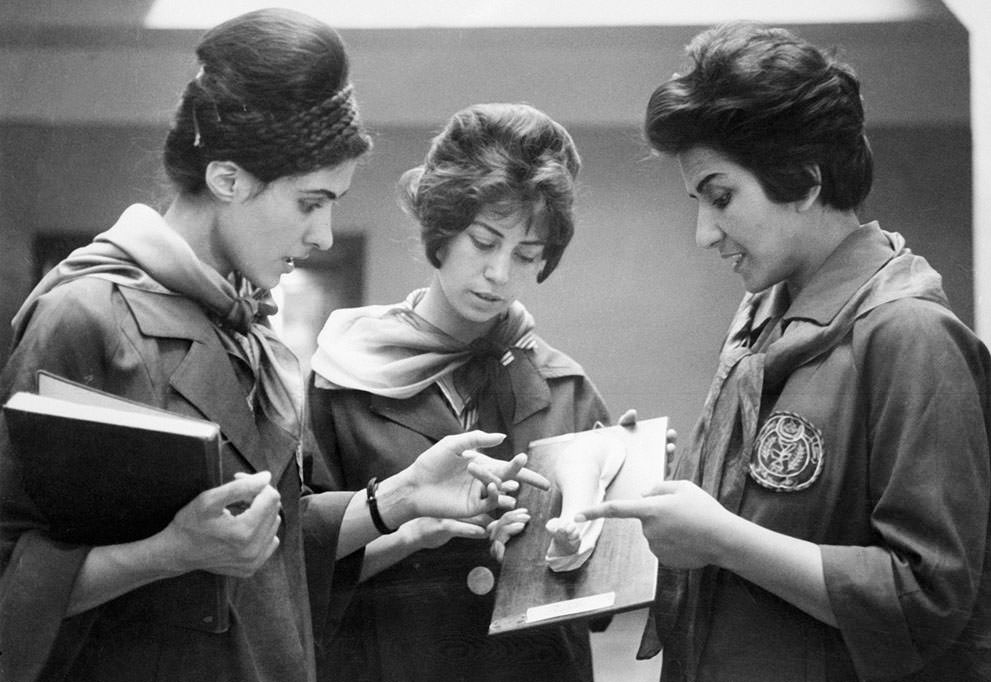
Faculty of Medicine in Kabul of two Afghan medicine students listening to their professor (at right) as they examine a plaster cast showing a part of a human body, 1962.
Students at the Higher Teachers College of Kabul

Perhaps one of the most striking features of this era was co-education. Boys and girls studied side by side in some schools, a reality that stands in sharp contrast to what came later under Taliban rule. Afghan high school girls attended classes, participated in art shows, and took part in student exhibitions. Education was not a privilege limited by gender — it was expanding across lines.
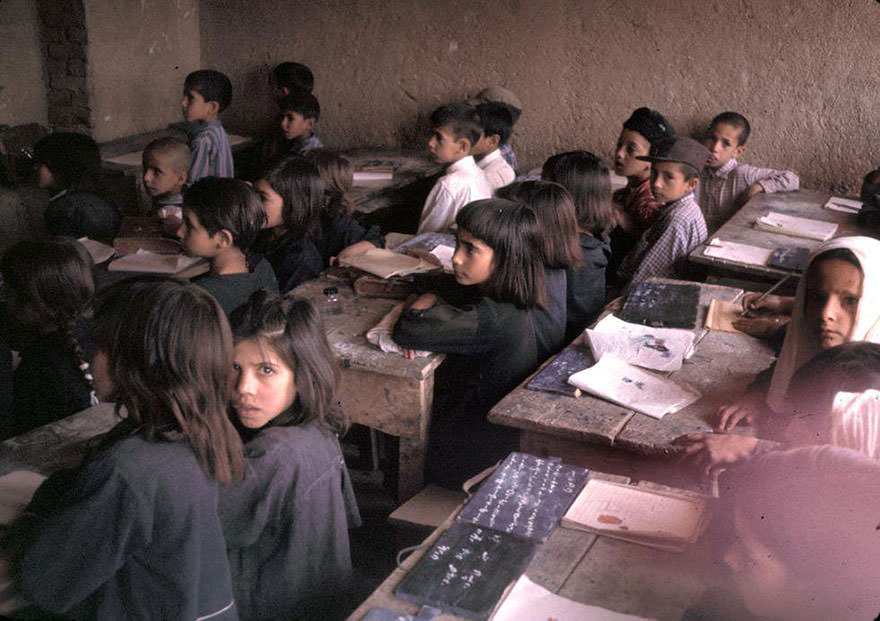
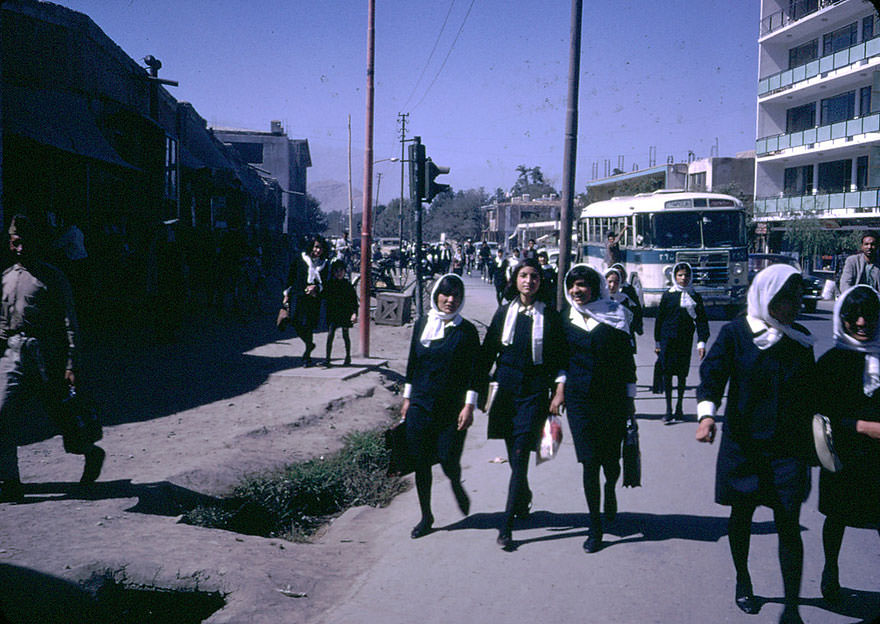
Co-education
Co-education
Afghan High School Girls
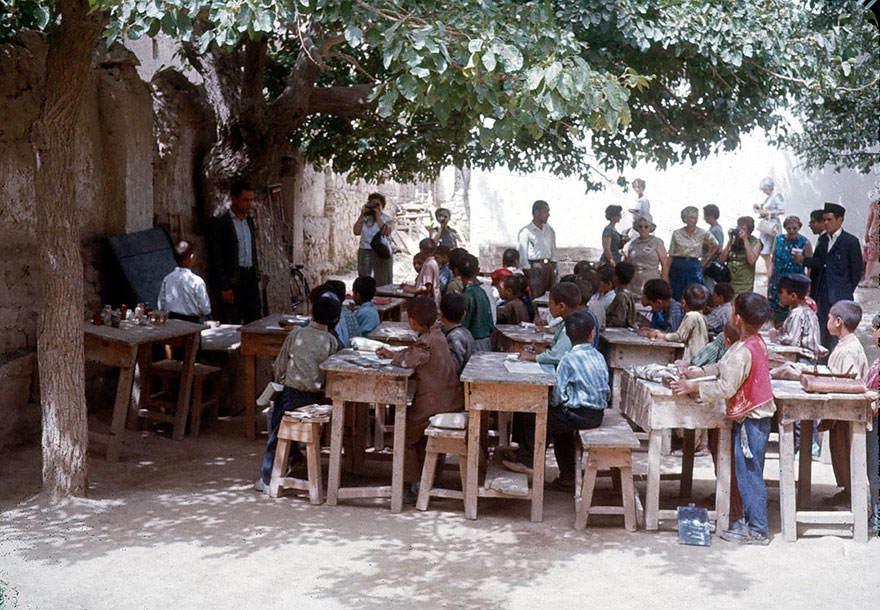
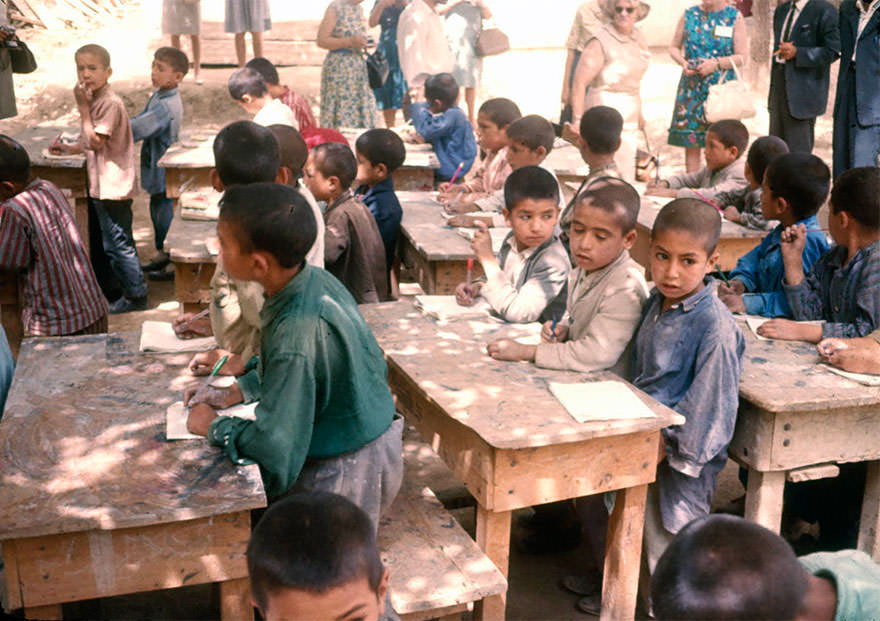
Education Under the Trees

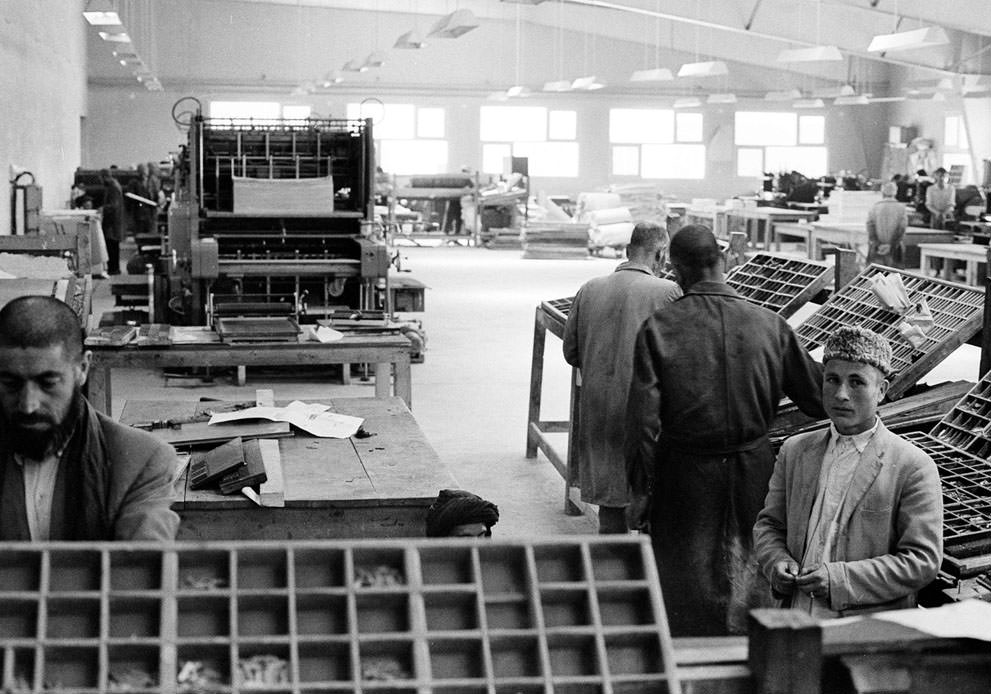
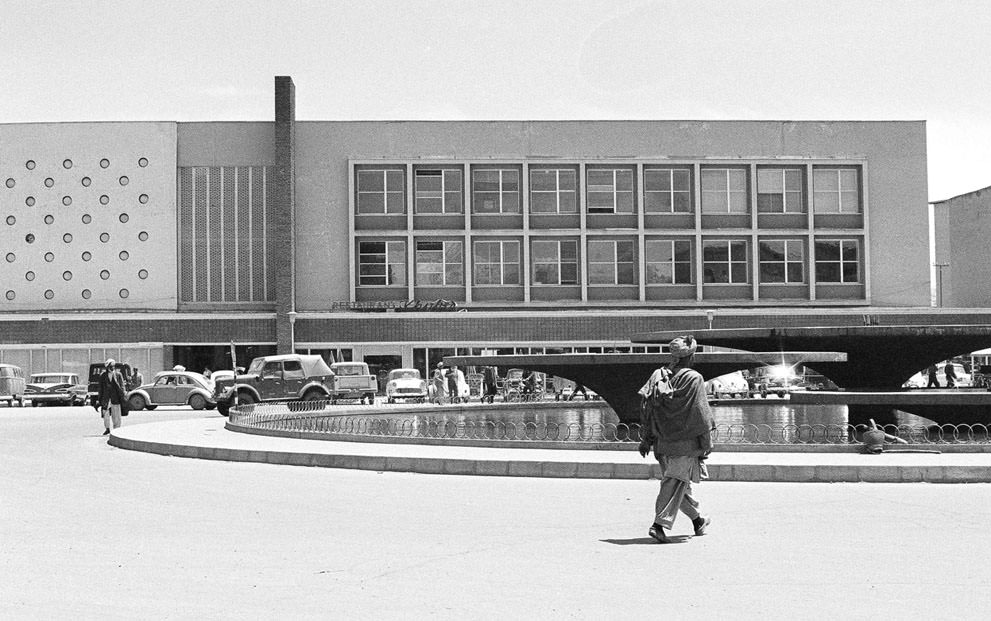
The country’s modernization wasn’t limited to schools. The government was investing in infrastructure. In 1966, a new government printing plant opened in Kabul, housing the Kabul Times newspaper. Most of its machinery was supplied by West Germany. A new Finance Ministry building followed, featuring a public western-style cafeteria, a sidewalk restaurant, and a water fountain lit in color at night.
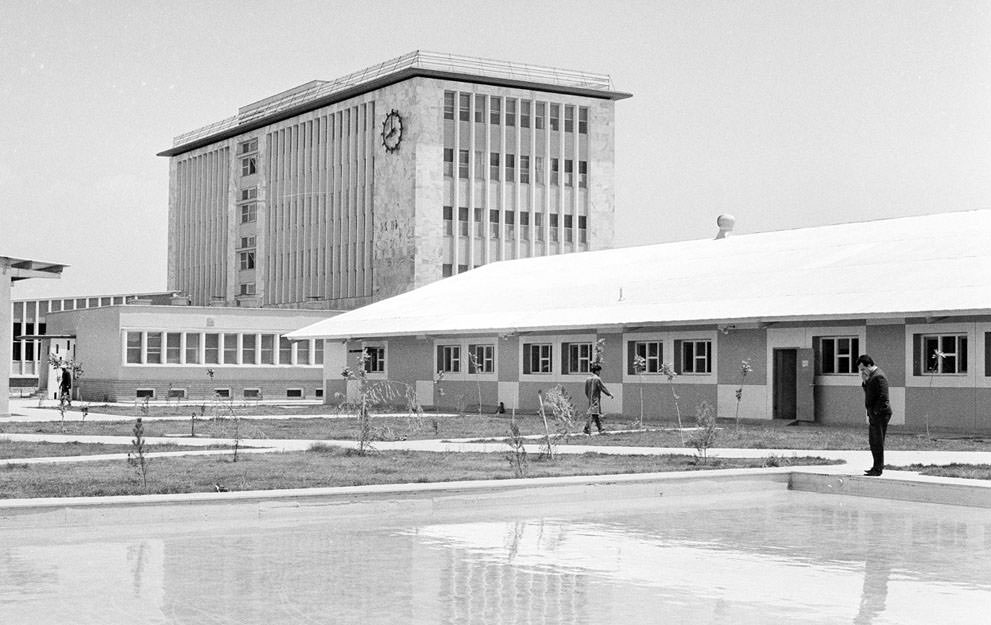
The modern new (completed 1966) government printing plant in Kabul, on June 9, 1966, which houses Kabul Times. Most of its machinery was furnished by West Germany.
Modern new Finance Ministry building in Kabul, on June 9, 1966, with a public, western-style cafeteria and sidewalk restaurant, facing a water fountain which is illuminated in color at night. (AP Photo)

Afghanistan during the 1950s was also caught between two Cold War superpowers. Both the United States and the Soviet Union were courting the country, each wanting influence in the region. In December 1955, Soviet leader Nikita Khrushchev and Marshal Nikolai Bulganin arrived in Kabul and reviewed an Afghan honor guard. The soldiers wore old German uniforms — a detail that quietly spoke to the patchwork nature of Afghanistan’s military history.
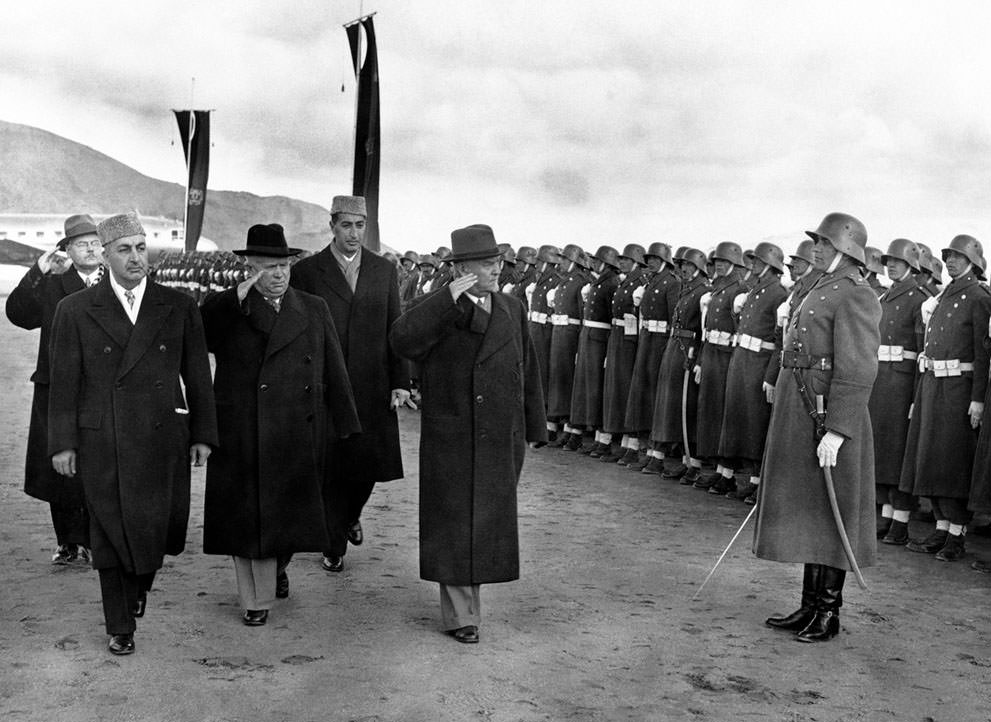
Soviet leader Nikita Khrushchev (black hat), and Marshal Nikolai Bulganin review an Afghan honor guard wearing old German uniforms, on their arrival in Kabul, Afghanistan, on December 15, 1955.

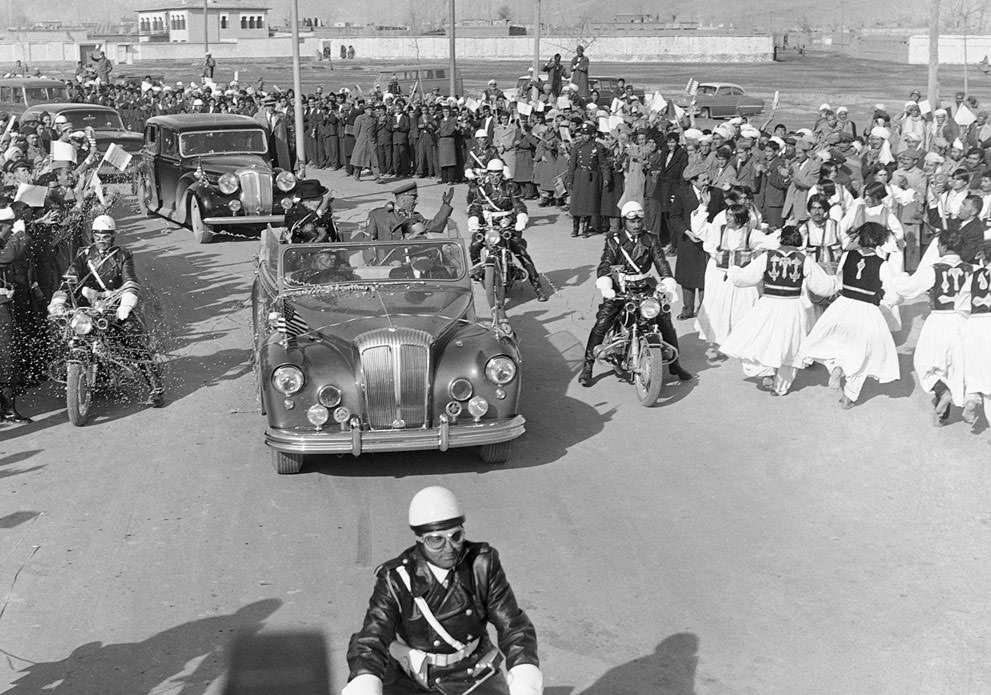
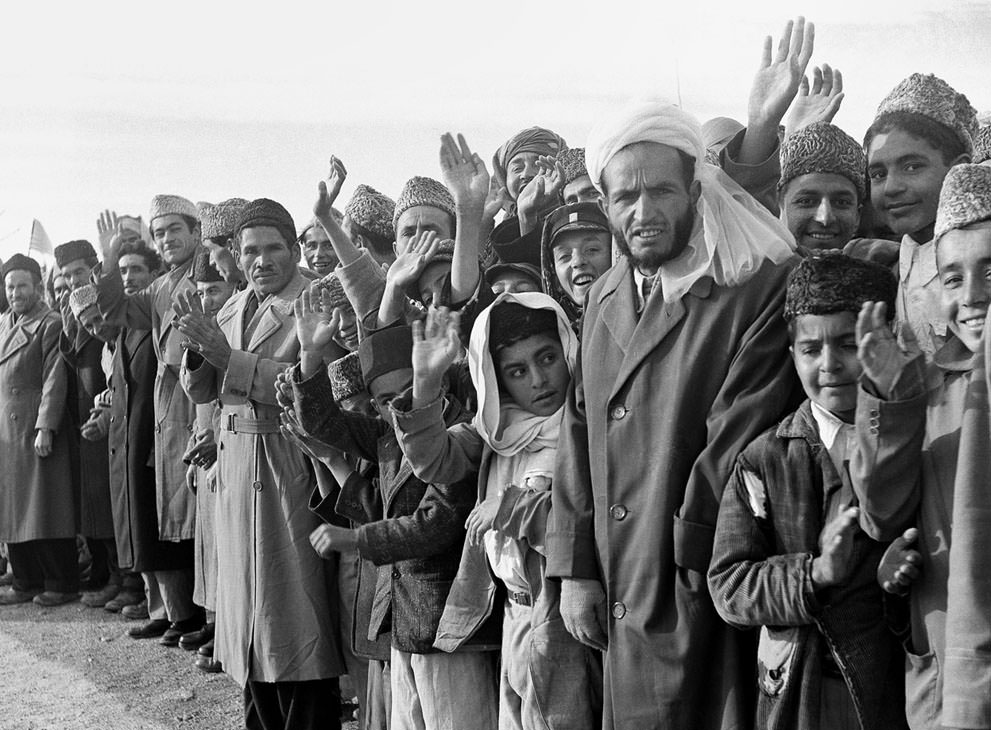
Four years later, U.S. President Dwight D. Eisenhower made his own visit to Kabul on December 9, 1959. He met with King Mohammad Zahir Shah, the 45-year-old Afghan monarch, to discuss Soviet influence in the region and increased American aid. Crowds lined the streets to watch the presidential motorcade pass through the city. Dancers performed to mark the occasion. The visit was a clear sign of how strategically important Afghanistan had become to Washington.
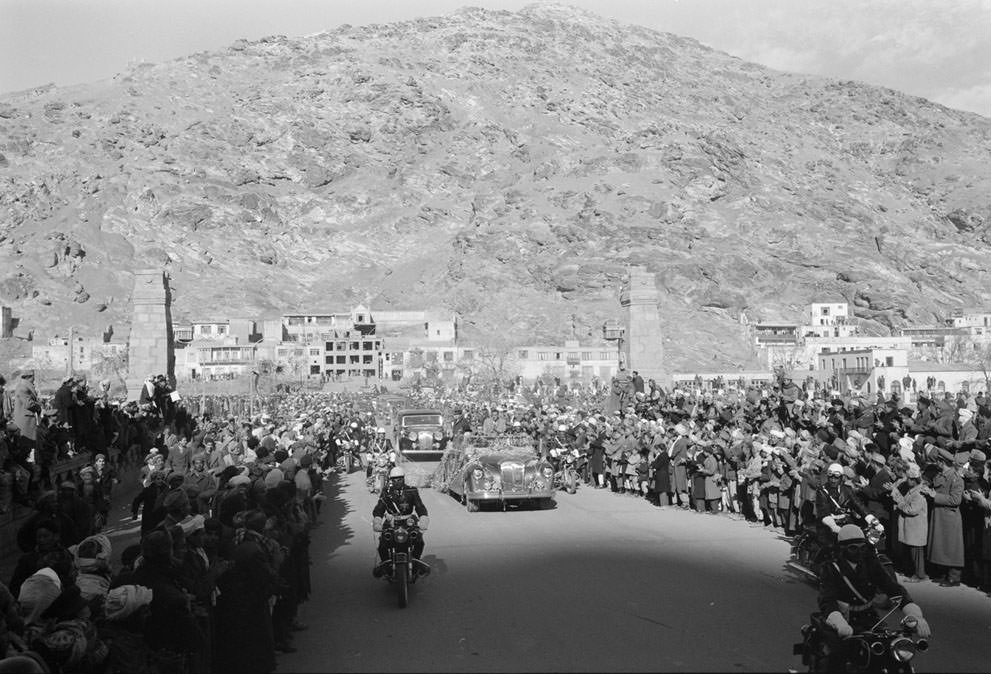
Motorcade for President Eisenhower's visit to Kabul, Afghanistan, on December 9, 1959. Eisenhower met briefly with the 45-year-old Afghan king, Mohammad Zahir Shah, to discuss Soviet influence in the region and increased U.S. aid to Afghanistan.
Motorcade for President Eisenhower’s visit to Kabul, Afghanistan, on December 9, 1959. Eisenhower met briefly with the 45-year-old Afghan king, Mohammad Zahir Shah, to discuss Soviet influence in the region and increased U.S. aid to Afghanistan.
Residents of Afghanistan line the route of U.S. President Dwight Eisenhower's tour in Kabul, Afghanistan, on December 9, 1959.
Residents of Afghanistan line the route of U.S. President Dwight Eisenhower’s tour in Kabul, Afghanistan, on December 9, 1959.
Dancers perform in street of Kabul, Afghanistan, December 9, 1959 following President Eisenhower's arrival from Karachi. After a five hour stay in Kabul, Ike flew on to New Delhi.
Dancers perform in street of Kabul, Afghanistan, December 9, 1959 following President Eisenhower’s arrival from Karachi. After a five hour stay in Kabul, Ike flew on to New Delhi.

The Afghan Air Force during Eisenhower’s visit operated Soviet-made MiG-15 fighters and Ilyushin Il-28 bombers — a visible reminder that Afghanistan was accepting military equipment from Moscow even as it received American diplomatic visits. The country was playing both sides carefully, maintaining its neutral status while accepting aid from East and West alike.

Afghan Air Force Mikoyan-Gurevich MiG-15 fighters and Ilyushin Il-28 bombers in Kabul, Afghanistan, during the visit of the U.S. president Dwight D. Eisenhower, in December of 1959.

King Mohammad Zahir Shah was a steady presence through much of this period. He ruled Afghanistan from 1933 until 1973 and is widely associated with the country’s most stable and progressive decades. In September 1963, he traveled to Washington, D.C., and met with President John F. Kennedy. The two leaders rode together to the White House, a meeting that reflected the ongoing diplomatic relationship between the two countries.
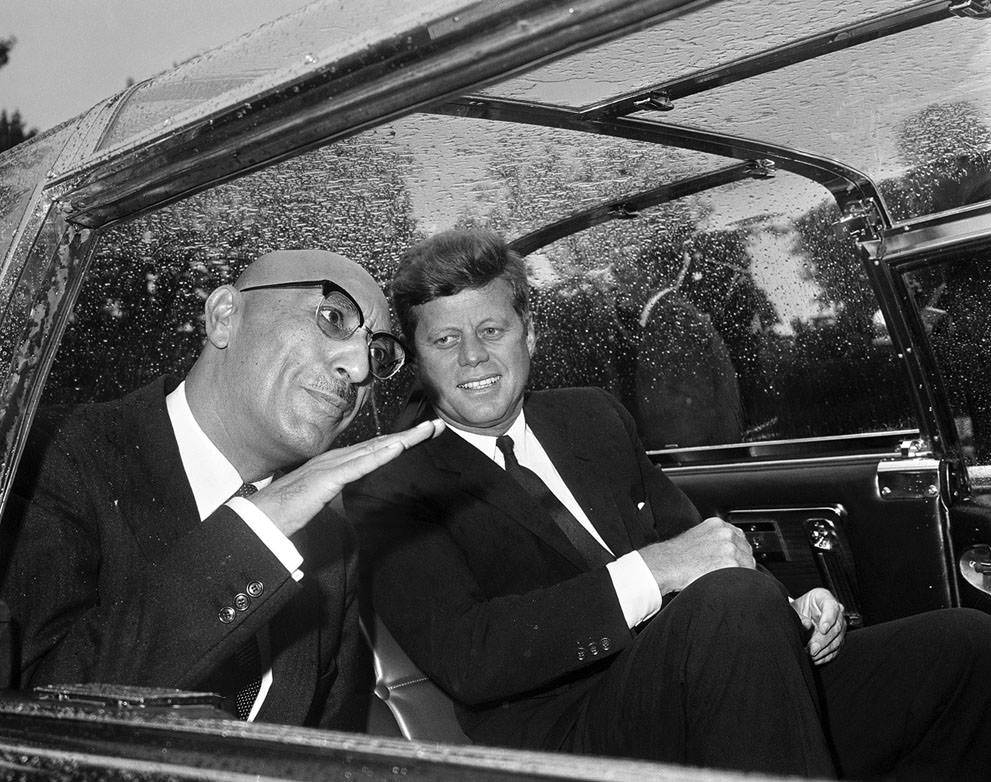
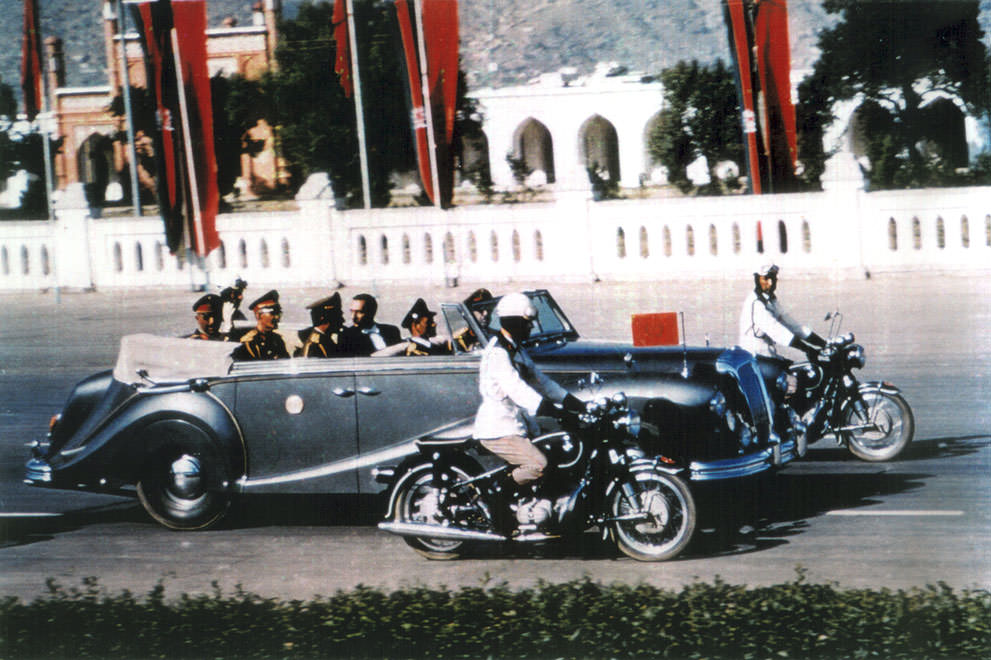
In Washington, D.C., Afghan King Mohammad Zahir Shah talks with US President John F. Kennedy in the car that took them to the White House on September 8, 1963.
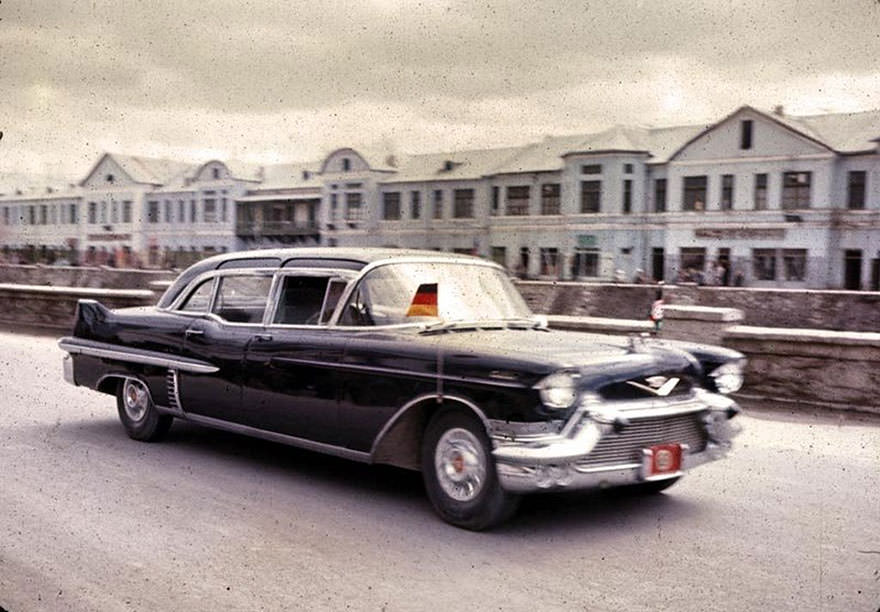
The King of Afghanistan, Mohammad Zahir Shah rides in his limousine on Kabul's central road Idga Wat in this 1968 photo.
The King of Afghanistan, Mohammad Zahir Shah rides in his limousine on Kabul’s central road Idga Wat in this 1968 photo.

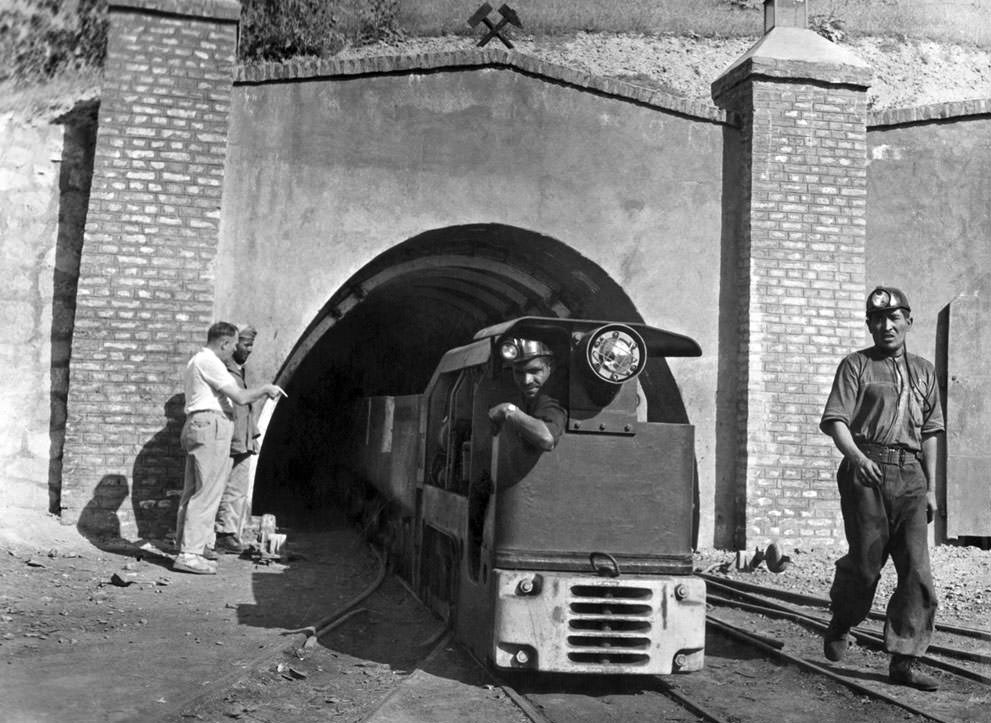
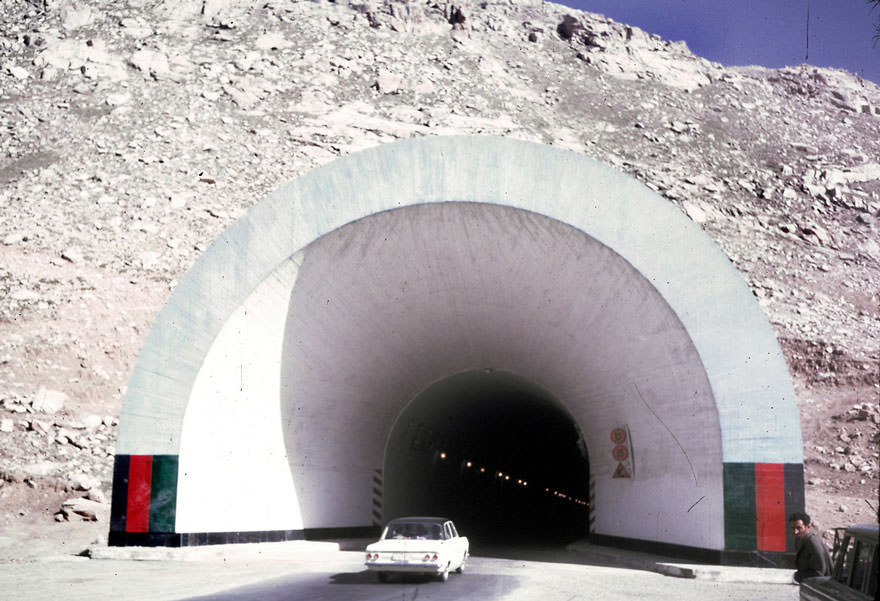
Across the country, the landscape told its own story. The Kabul-Herat highway linked the Afghan capital to the Iranian border, running across hundreds of kilometers of rugged terrain. The Salang Pass tunnel connected northern and southern Afghanistan through the Hindu Kush mountains. The Karkar coal mine in Baghlan province supplied fuel to Kabul. These were the arteries of a functioning country.
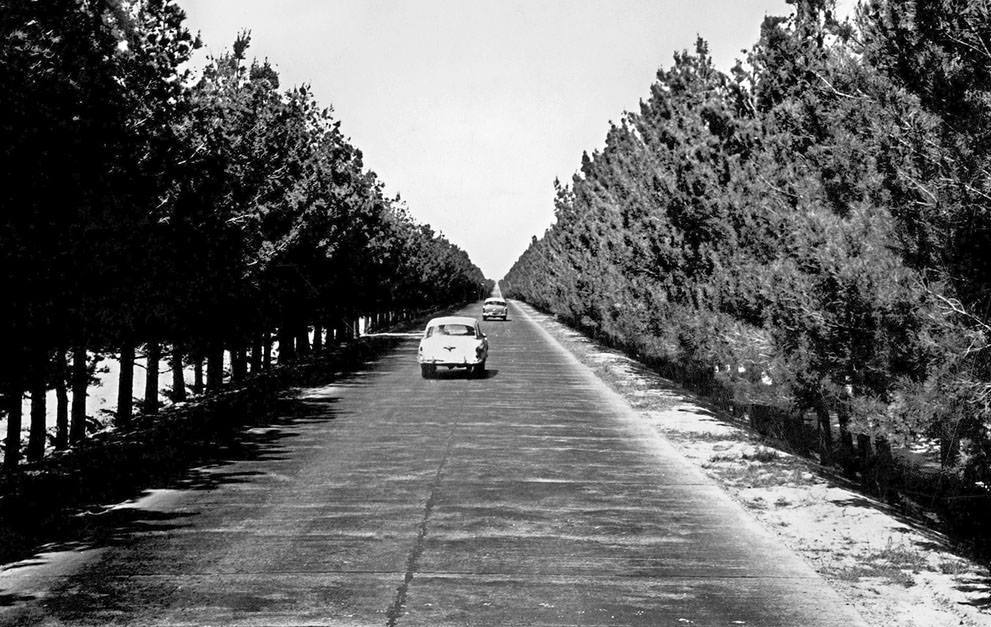
This photo shows the now-destroyed Kabul-Herat highway, that linked the Afghan capital to the Iranian border city of Mashad. Built in the early second half of the 20th century, the highway has been virtually destroyed through decades of warfare.
Salang pass tunnel
Salang pass tunnel
The entrance to the Karkar coal mine around 12 kilometers northeast of Pulikhumri, the provincial town of the Northern province of Baghlan. The Karkar coal deposit at one time met the needs of Kabul city.

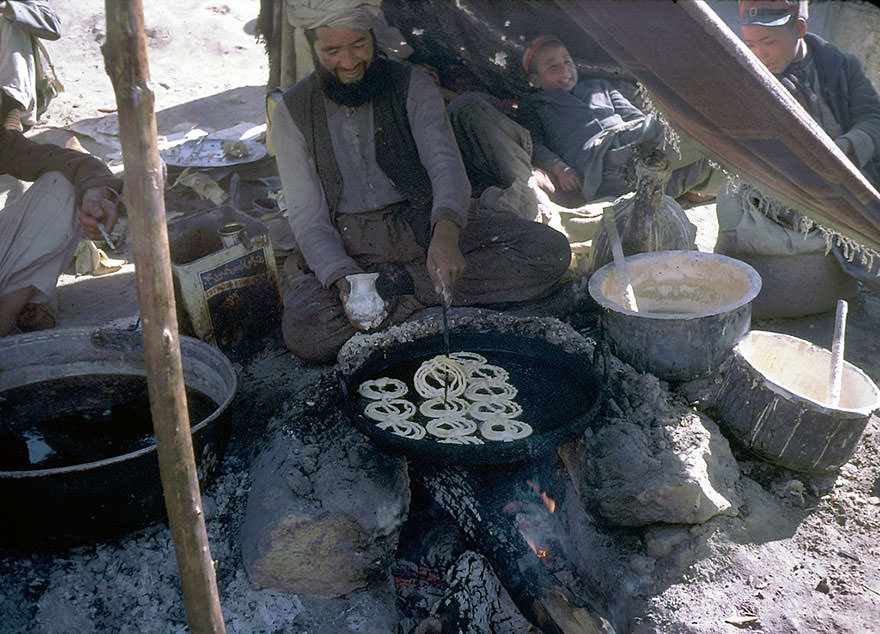
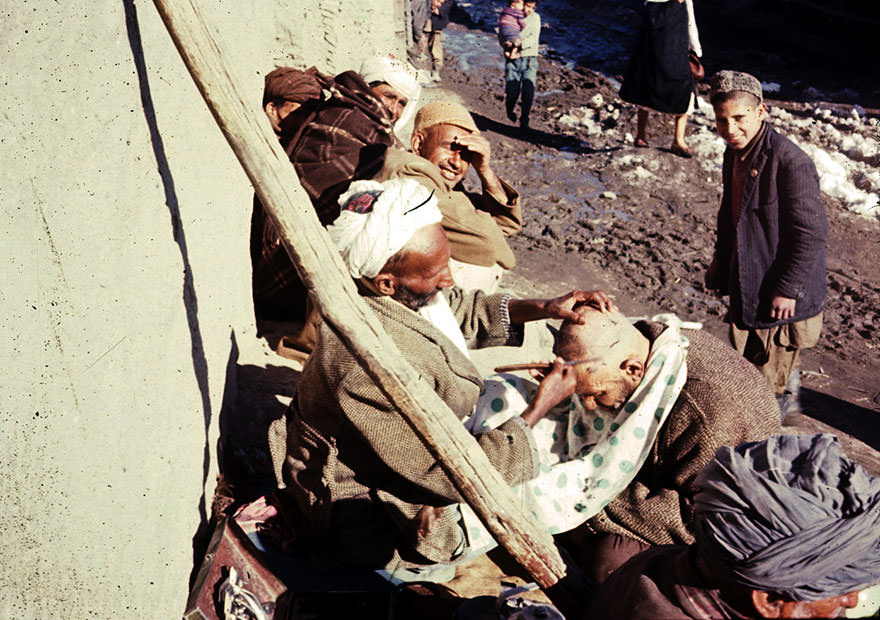
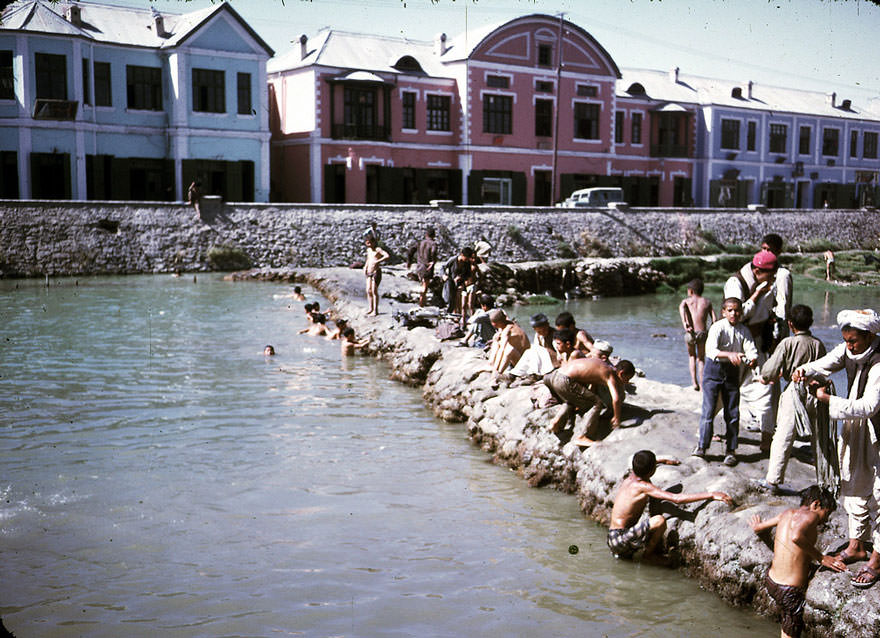
Everyday life in Kabul had a texture that these photographs preserve in detail. Children flew kites in open spaces. Boys swam in the Kabul River. Vendors fried up desserts over open flames at the bazaar. Barbers set up shop on the street. People gathered in city parks, shared tea and music, and attended afternoon prayers at neighborhood mosques.
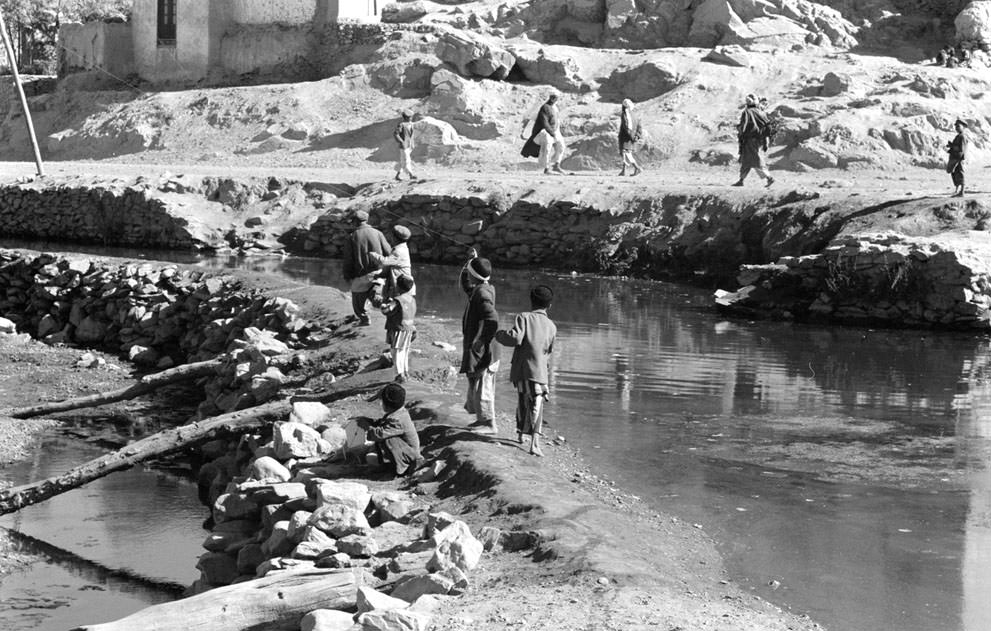
Afghan boys play with kites as men walk past, in November of 1959.
Swimming in the Kabul River
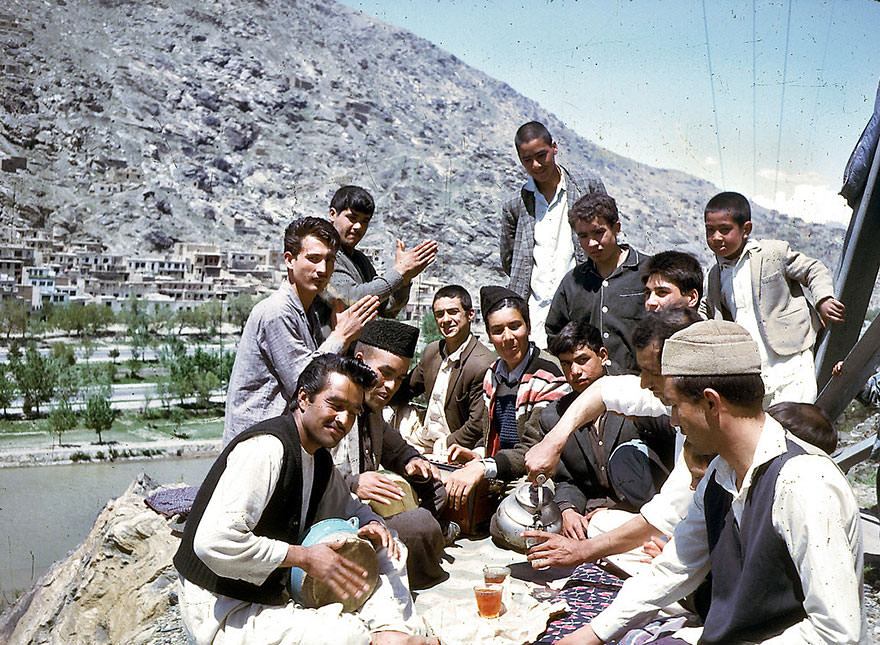
Sharing tea & music
Sharing tea & music
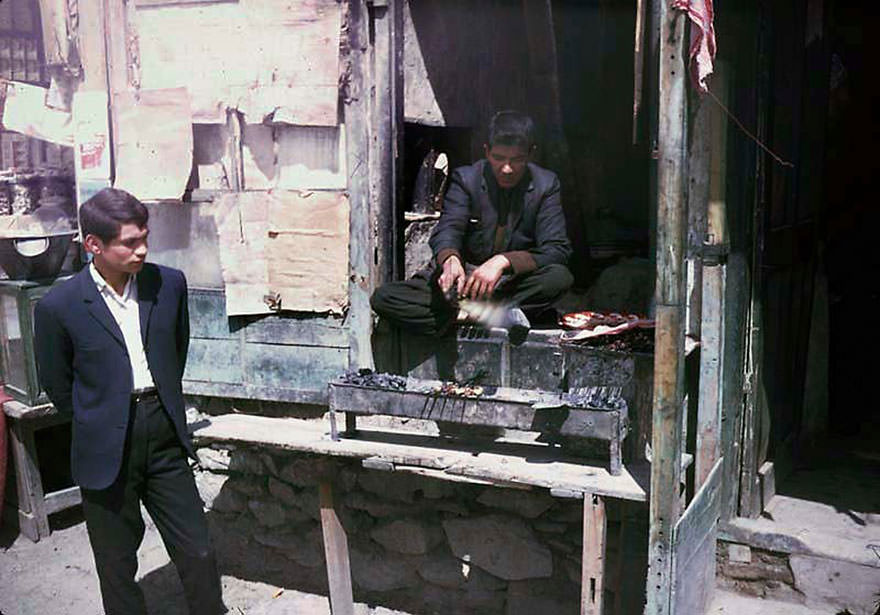
Cookin' Kababs
Cookin’ Kababs

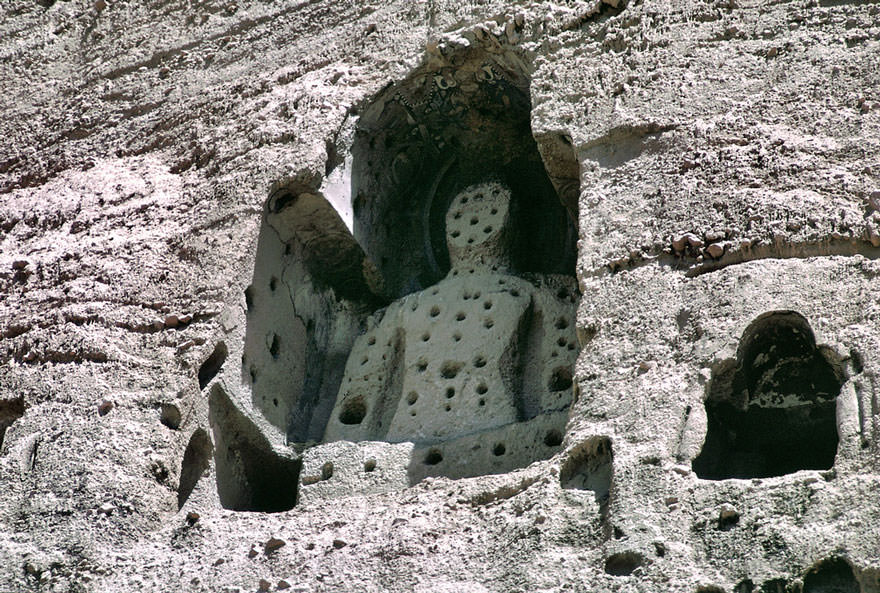
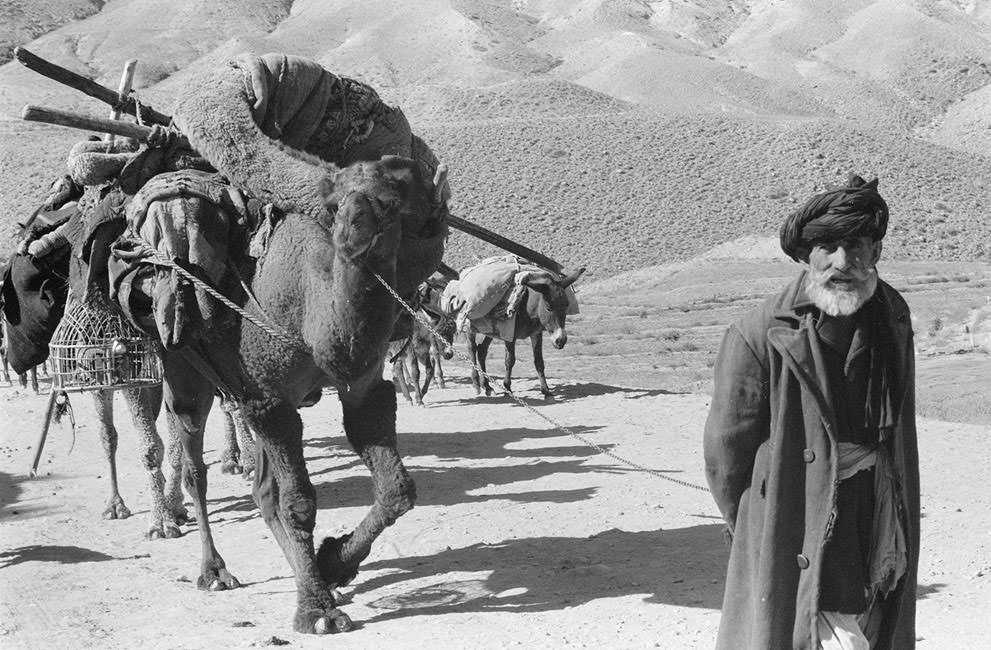
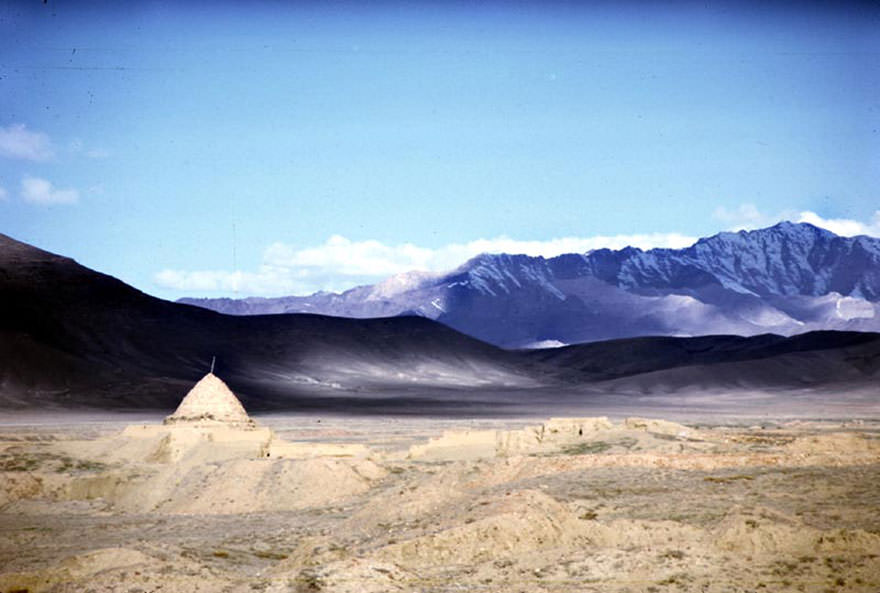
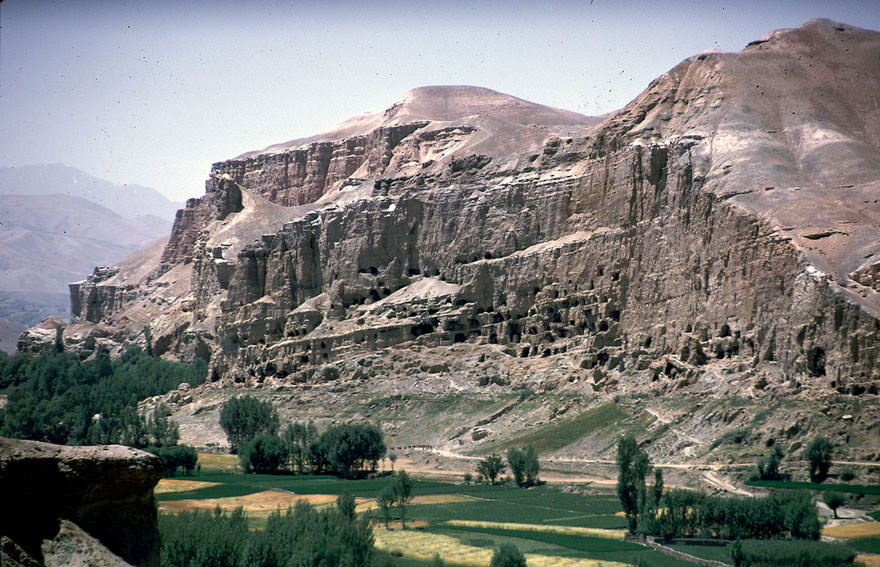
Outside the capital, Afghanistan was a land of dramatic geography. Camel caravans crossed the high, winding trails of the Lataband Pass loaded with goods. Families rode in carts through arid, rocky landscapes. The Bamiyan Valley, home to the giant Buddha statues carved into its cliffs, drew visitors from across the region. Life moved at different speeds in different places, but it moved.
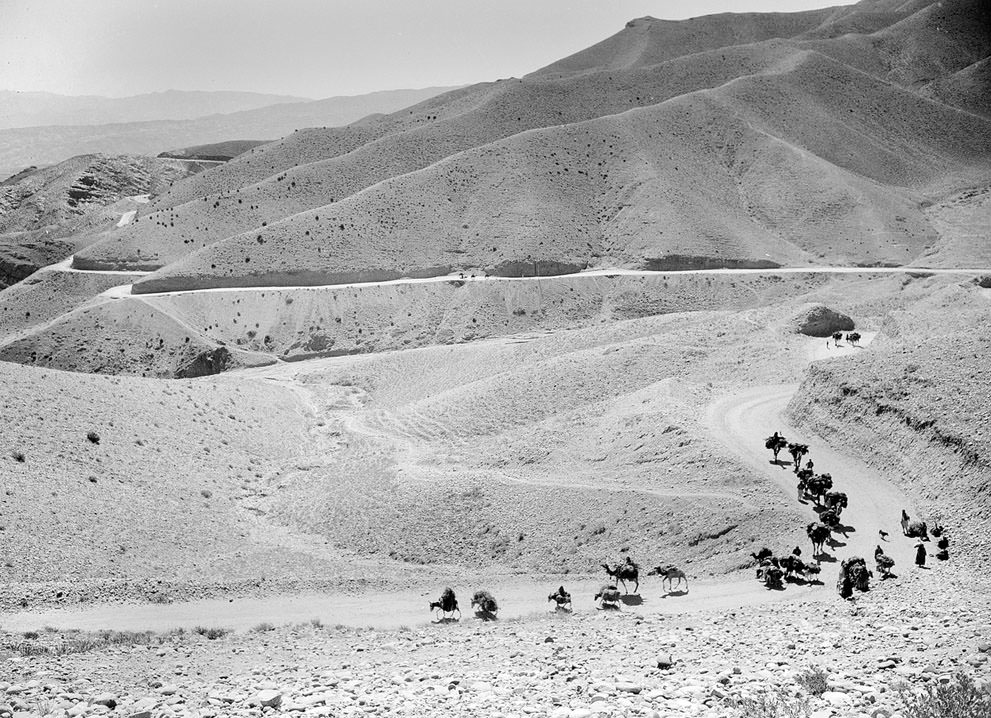
A caravan of mules and camels cross the high, winding trails of the Lataband Pass in Afghanistan on the way to Kabul, on October 8, 1949.
Bamiyan valley
Bamiyan valley
Bamiyan Buddah statue

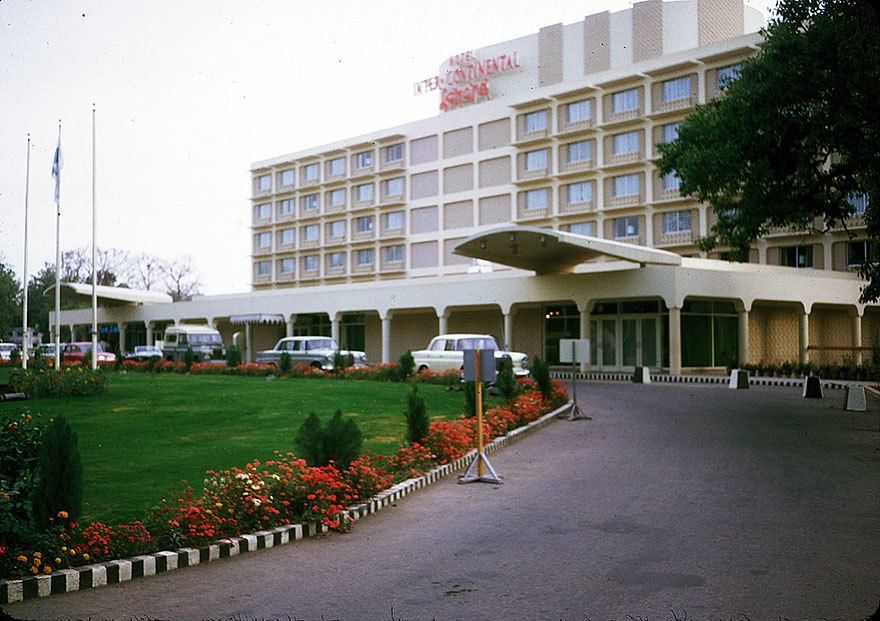
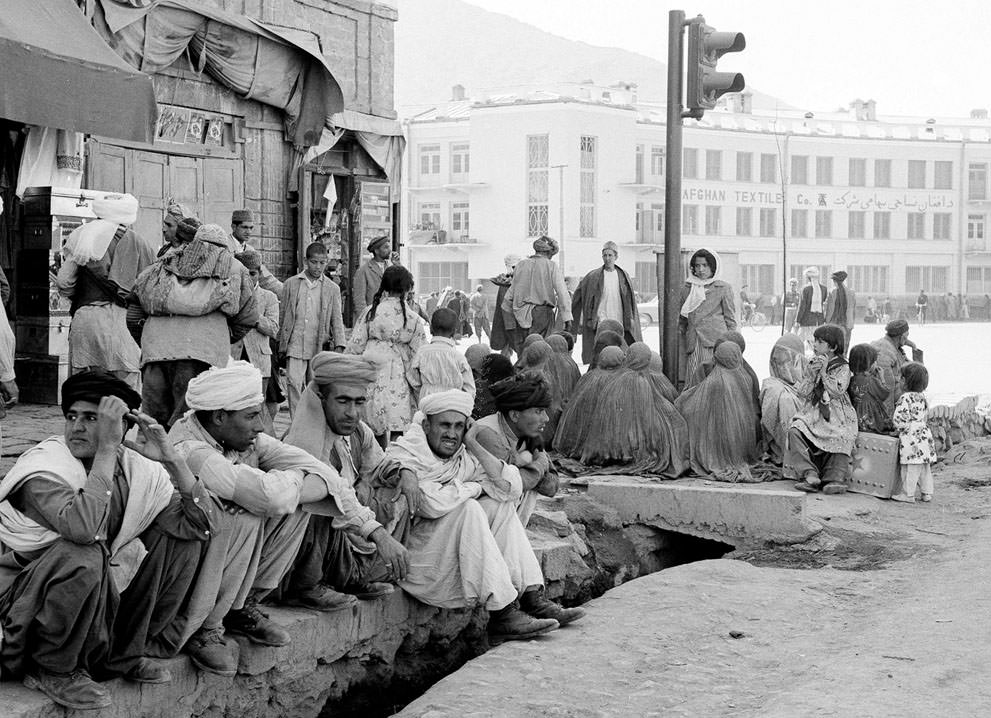
Kabul itself was a city of contrasts that somehow worked. Traditional architecture sat near newly built government buildings. A modern traffic light stood at a street corner where burqa-clad women sat with their backs to the men nearby. The Paghman Gardens offered a green retreat just outside the city. Hotels like the Inter-Continental and Kabul International marked the city’s ambitions as a destination open to the world.
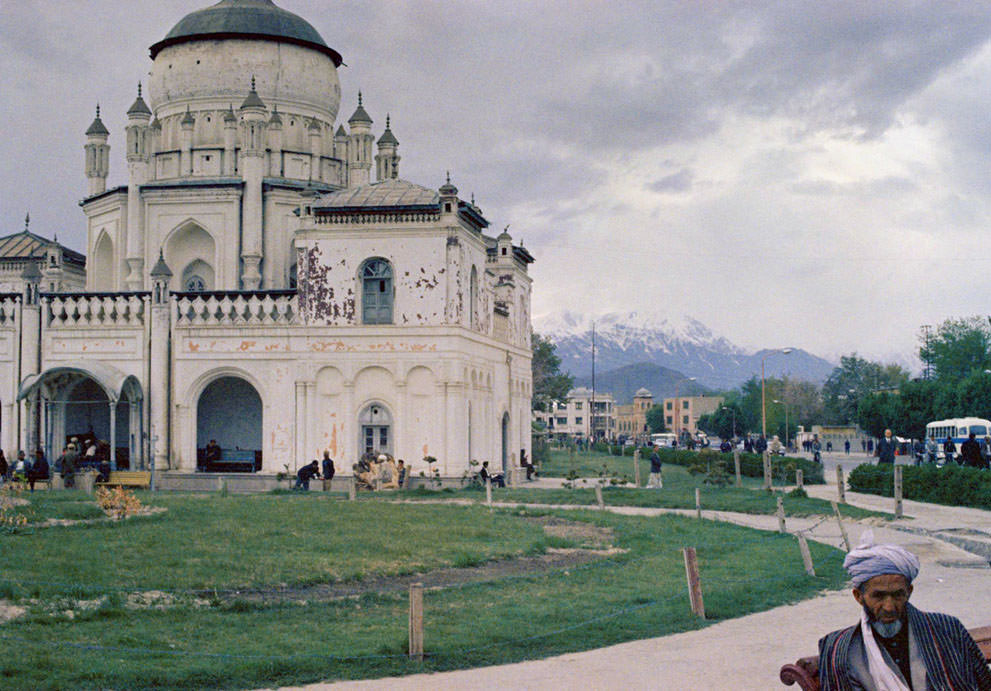
Architecture in Kabul, Afghanistan, seen on May 28, 1968.
A modern traffic light stands incongruously amid burqa-clad women sitting on a Kabul street corner with their backs to their men on May 25, 1964.
Hotel Inter-continental

The Kabul Janagalak factory, the city’s only facility for making vehicle chassis, operated with Russian-made trucks and represented the country’s industrial ambitions. Workers there learned technical skills that were modern for the region. The factory was later looted and destroyed during the Mujahideen’s rule — one of many examples of how thoroughly the coming decades would undo the progress of this era.
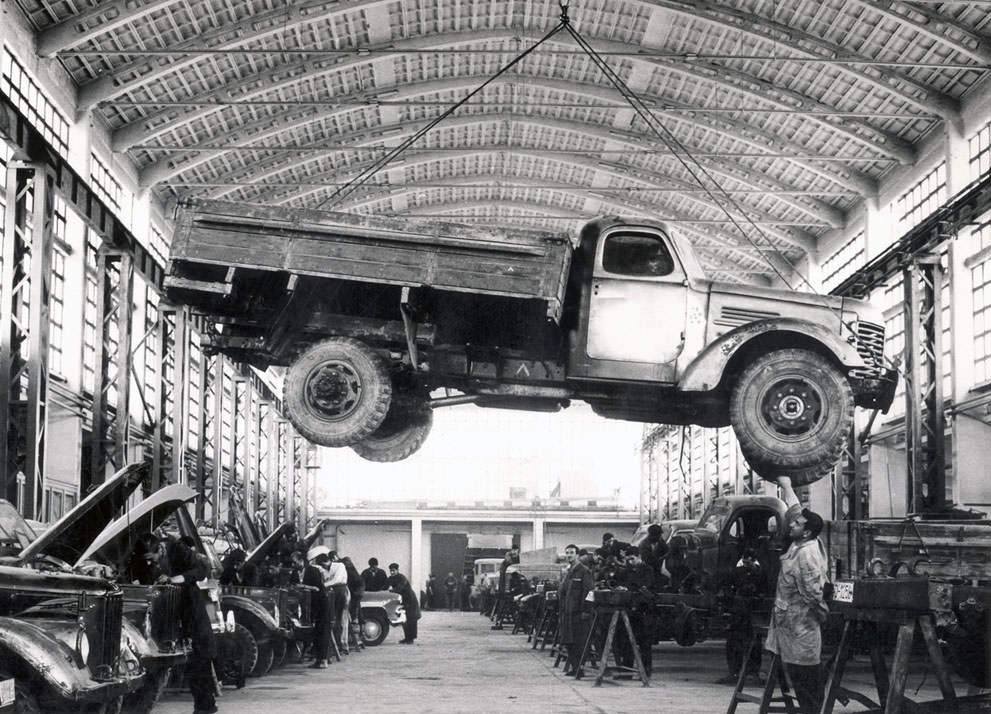
An Afghan worker checks a Russian-made truck in the Kabul Janagalak factory in an unspecified date. The factory situated in the center of the city as the only firm for making vehicle's chassis was plundered, like other public properties in the Afghan capital, during the Afghan mujahedin rule from 19
An Afghan worker checks a Russian-made truck in the Kabul Janagalak factory in an unspecified date. The factory situated in the center of the city as the only firm for making vehicle’s chassis was plundered, like other public properties in the Afghan capital, during the Afghan mujahedin rule from 19

The destruction of this era’s progress was not accidental. When the Soviet Union invaded Afghanistan to support the Afghan communist government, the United States responded with a proxy war. The CIA, under the direction of National Security Advisor Zbigniew Brzezinski and President Jimmy Carter, funded and armed anti-Soviet groups — including the factions that would later become the Taliban. The U.S. provided training camps, weapons, ammunition, and financial support to these groups under the banner of fighting communism. All of it was framed as Jihad against the USSR. When the Soviet Union withdrew from Afghanistan in 1989, those same armed groups refused to stand down, and the country collapsed into civil war. The United States then returned in 2001 — this time targeting the very forces it had helped create.
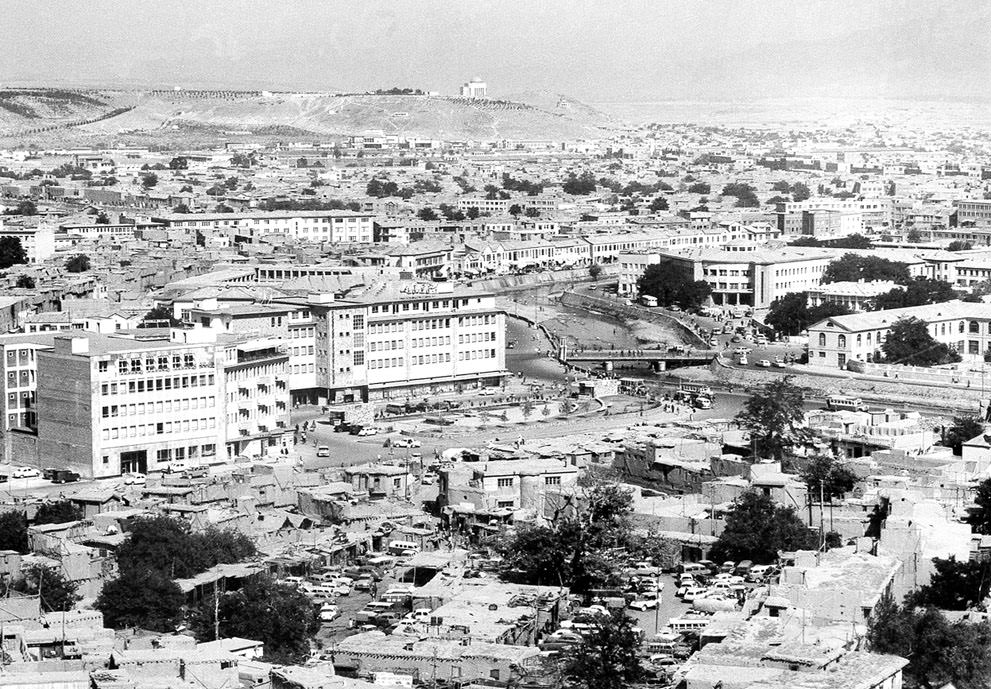
A panoramic view showing the old and new buildings in Kabul, in August of 1969. The Kabul River flows through the city, center right. In the background on the hilltop is the mausoleum of late King Mohammad Nadir Shah. (AP Photo)

These photographs document a country that was, for a time, building something. Kabul in the 1950s and 1960s had schools, hospitals, government institutions, open markets, and a population that moved freely through daily life. The images below continue that record — showing the full texture of Afghanistan before the wars came.
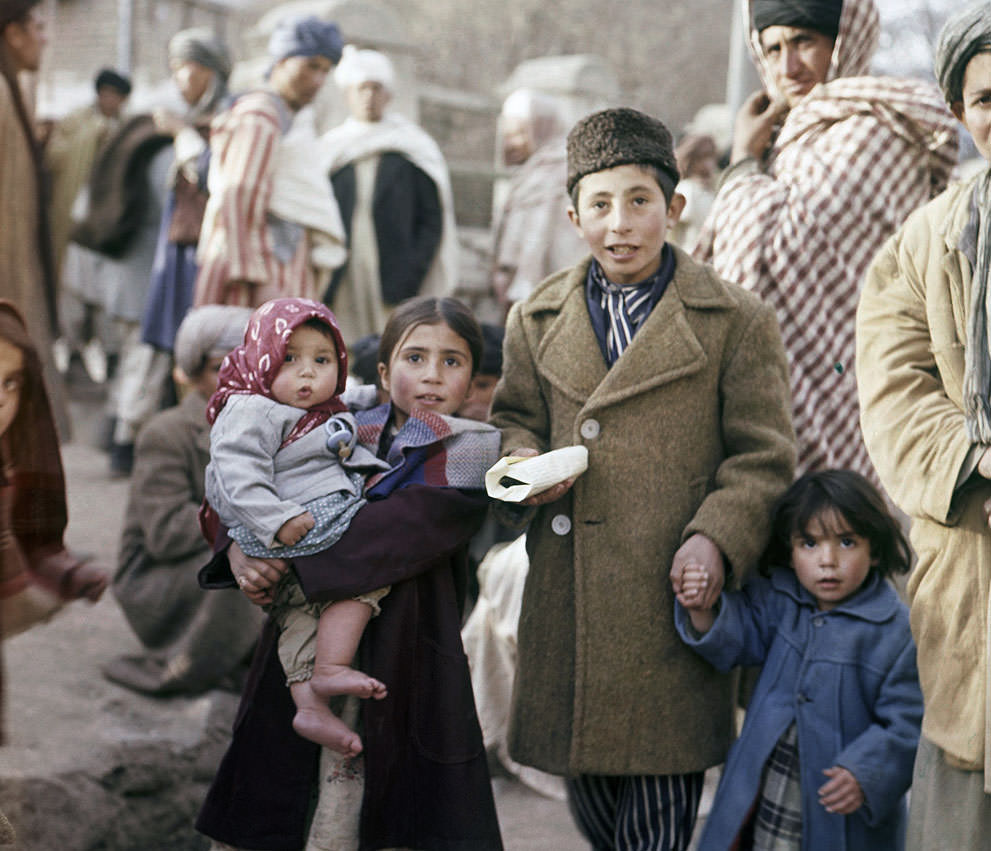
Children in a Kabul street, November, 1961
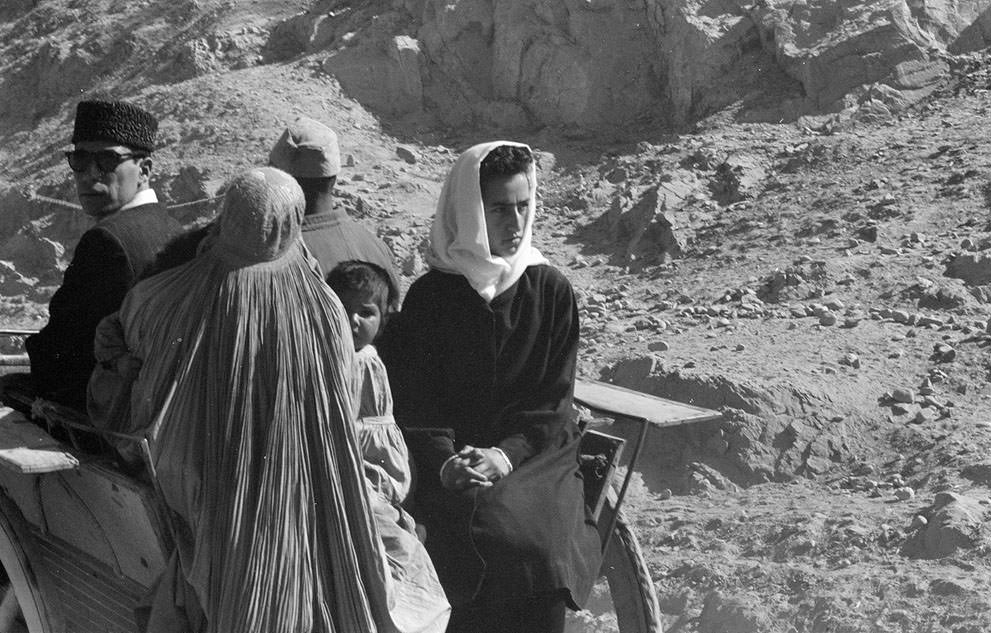
Afghan women, men, and child in traditional dress ride in a cart through an arid, rocky landscape, November, 1959.
Street scene in Kabul, in November of 1966.
Activity in a city park in Kabul, on May 28, 1968.
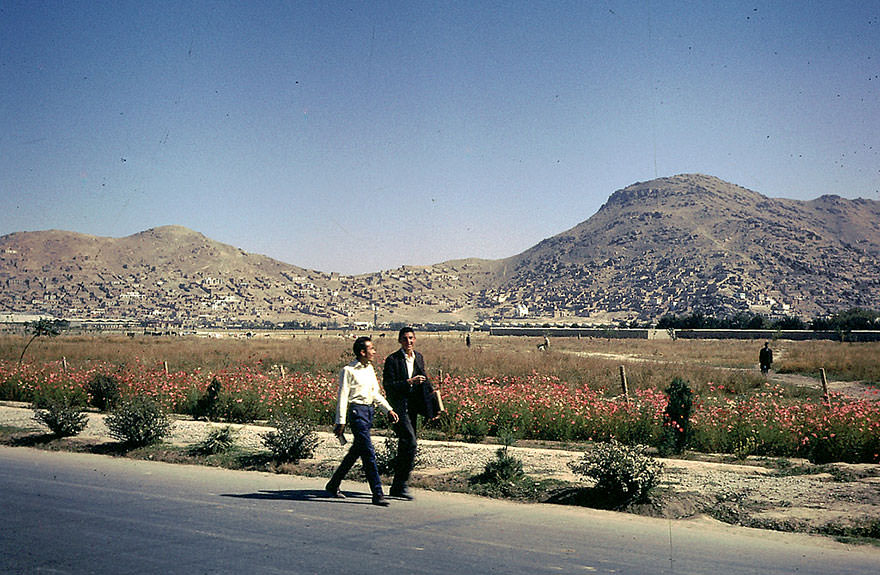
Kabul, Afghanistan, November 1961.
Scene inside the modern new government printing plant in Kabul on June 9, 1966, which houses Kabul Times.
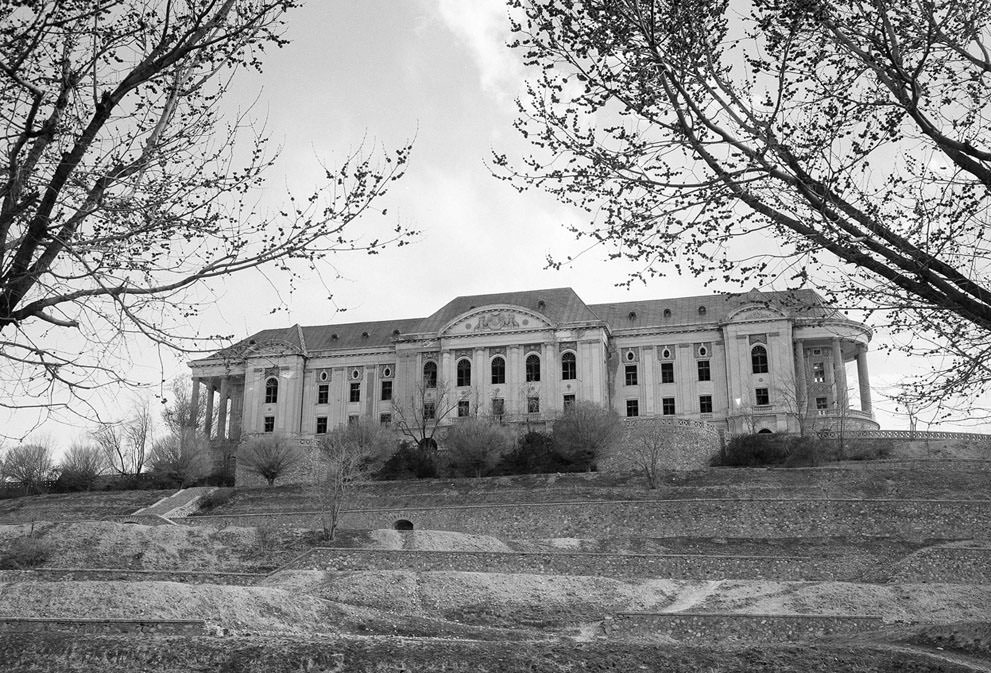
Tajbeg (Queen's) Palace, the Palace of Amanullah Khan in Kabul, photographed on October 8, 1949.
Tajbeg (Queen’s) Palace, the Palace of Amanullah Khan in Kabul, photographed on October 8, 1949.
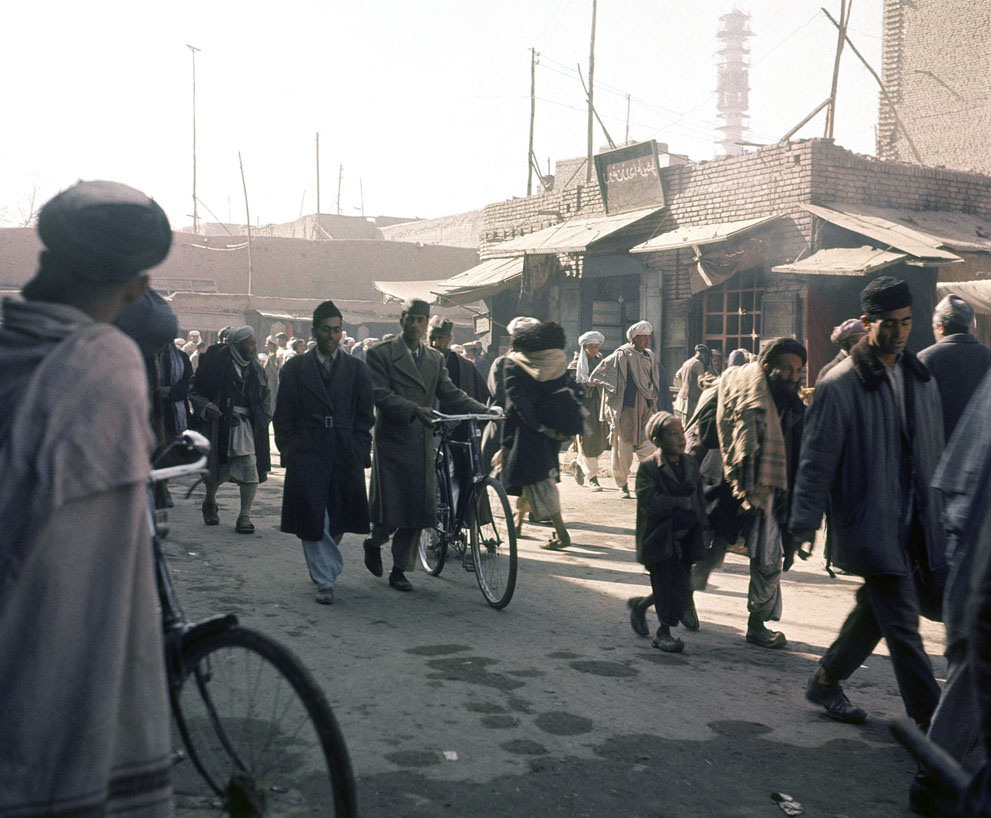
A quiet scene in a street through the bazaar of Kabul, on December 31, 1969.
Afghan man leading laden camels and donkeys through an arid, rocky landscape, in November, 1959. (Robert P. Martin, LOC)
Vendors sell various fuits and nuts at an outdoor market in Kabul, in November of 1961.
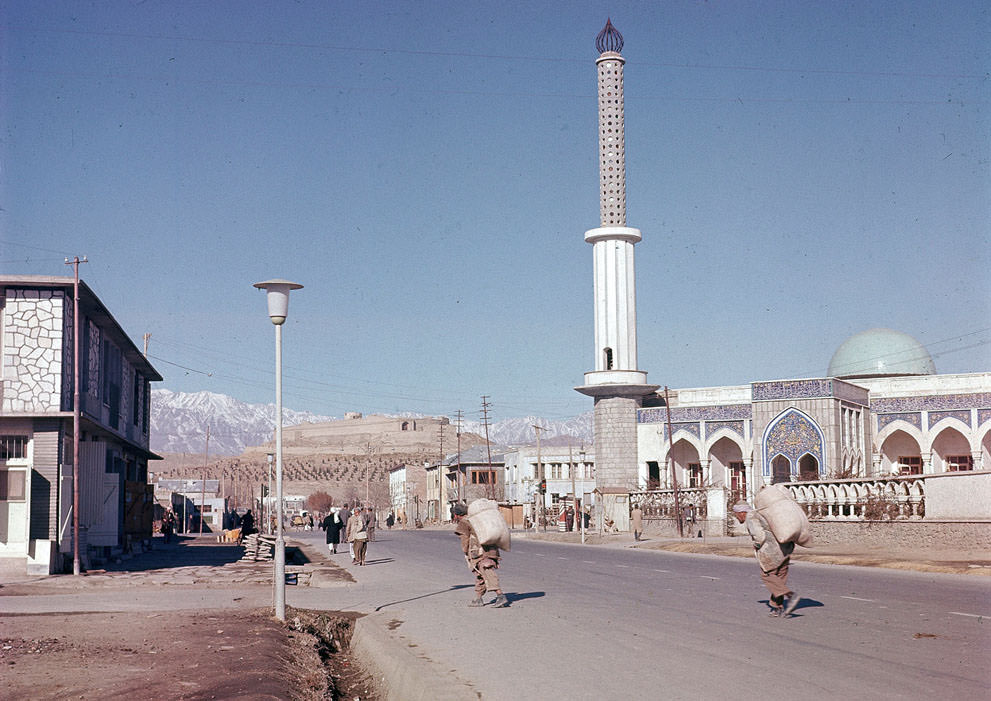
A view of one of the new mosques erected in the suburb of Kabul, in November of 1961
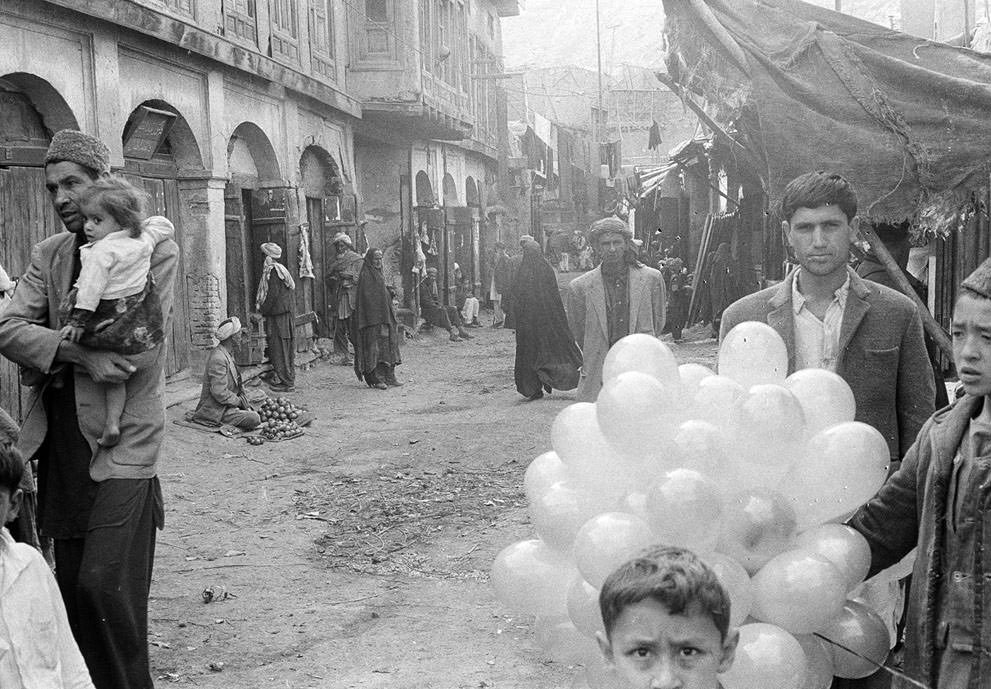
Afghan boys, men, and a woman walk through a street in Kabul, Afghanistan, on March 26, 1954.
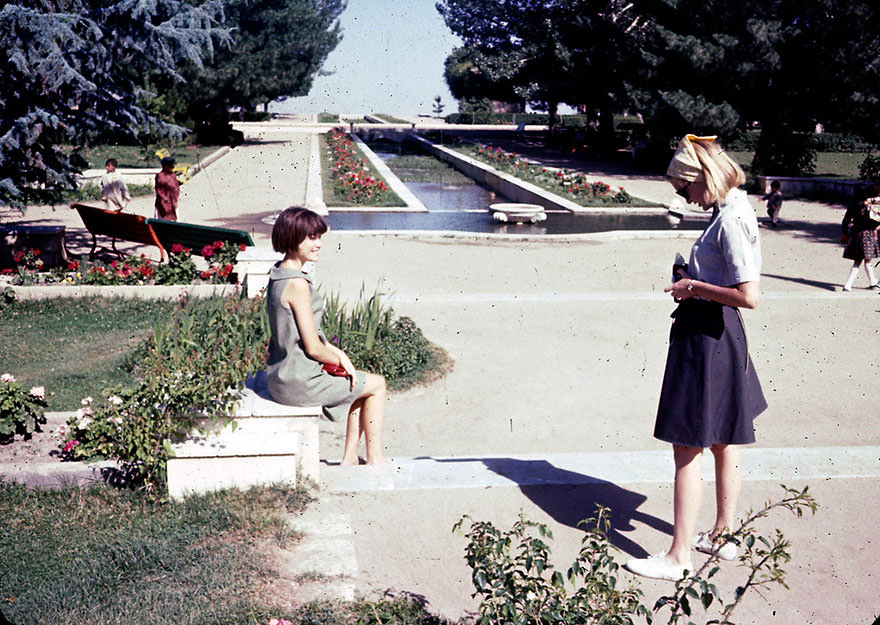
Young photographer at Paghman Gardens
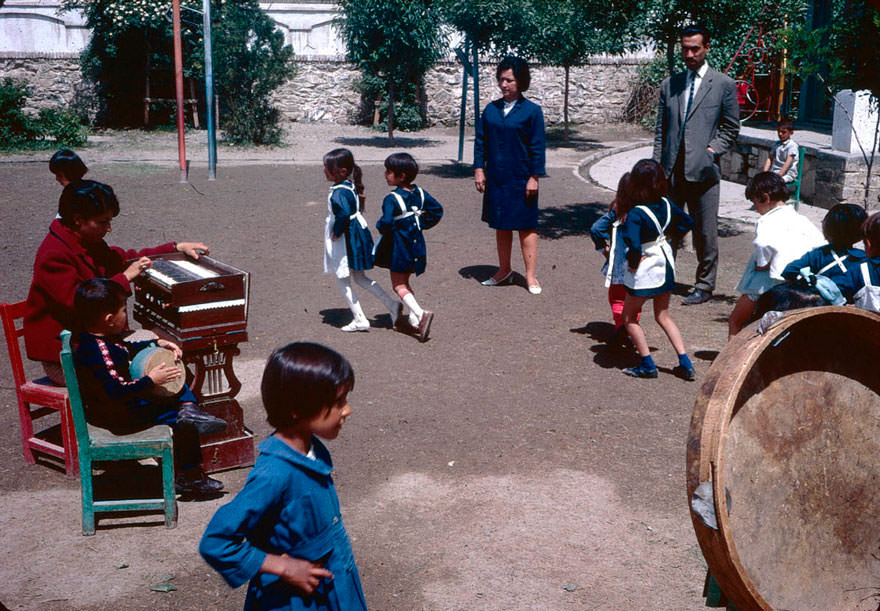
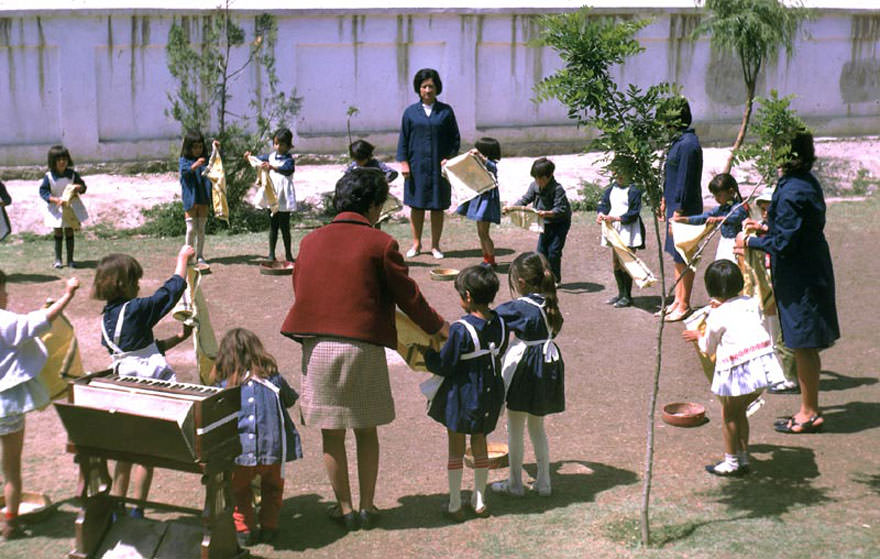
Kindergarten Dance
Kindergarten Dance
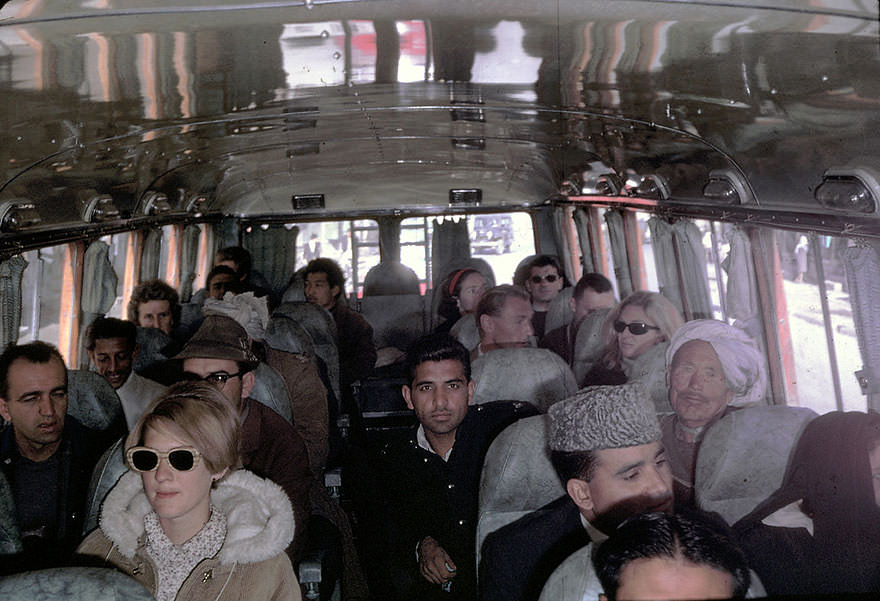
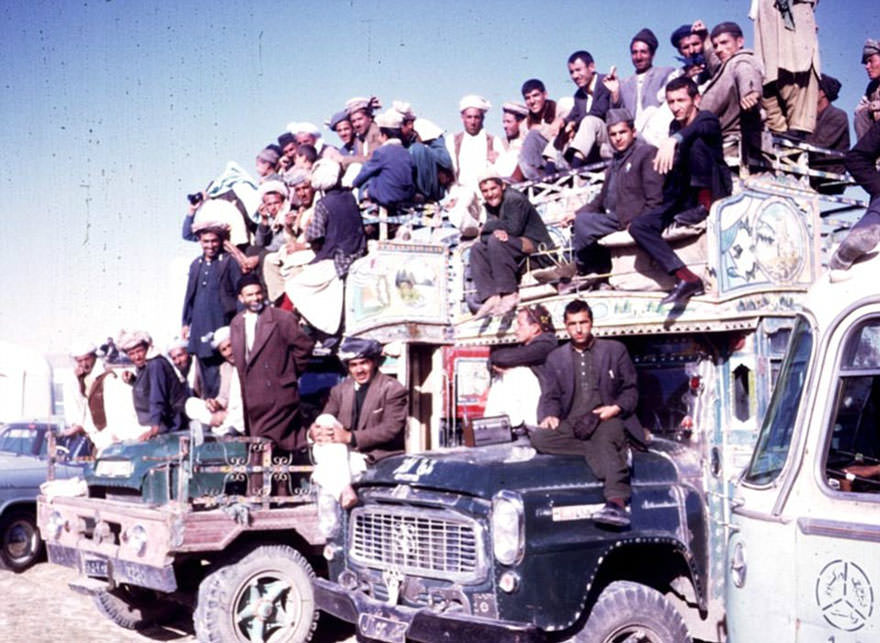
Bus trip
Bus trip
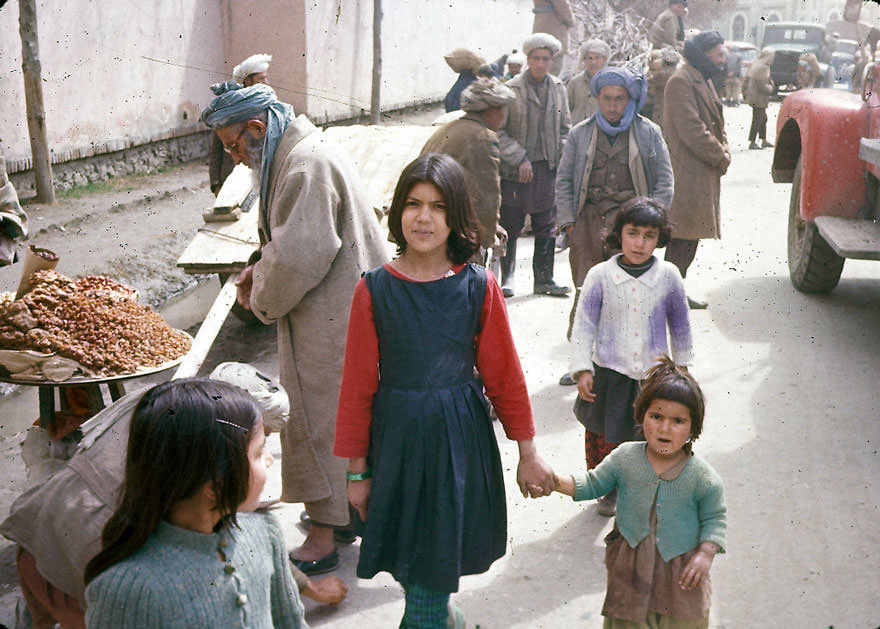
Big sister
Big sister
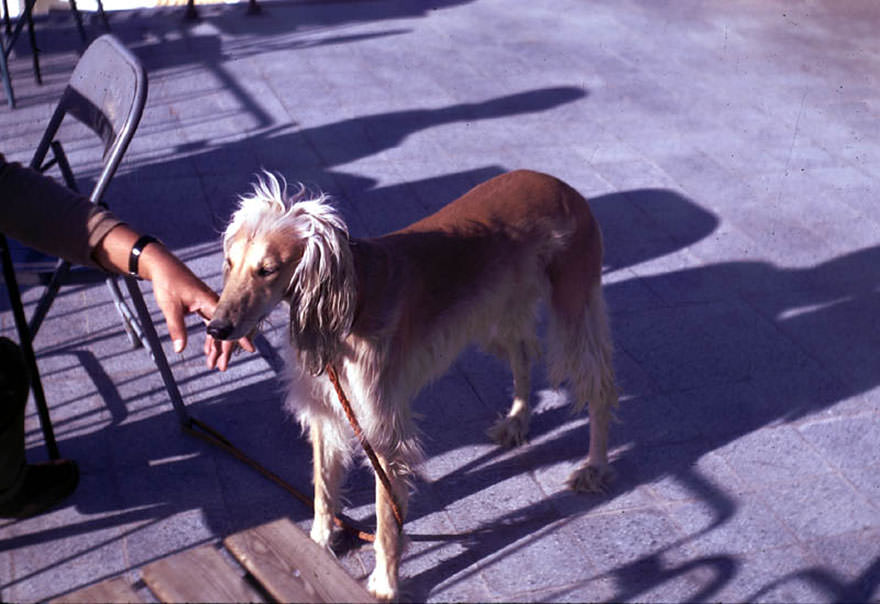
Afghan hound
Afghan hound
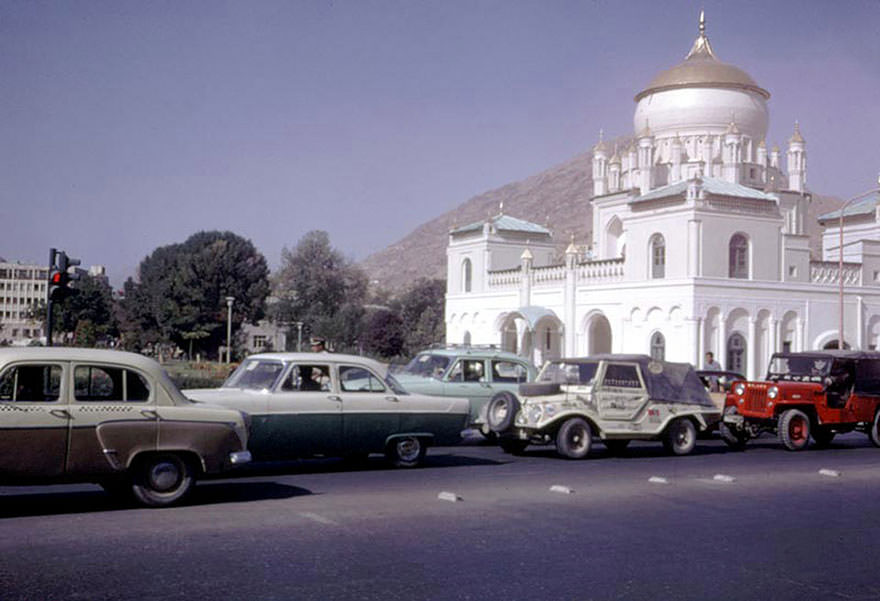
Rush hour
Rush hour
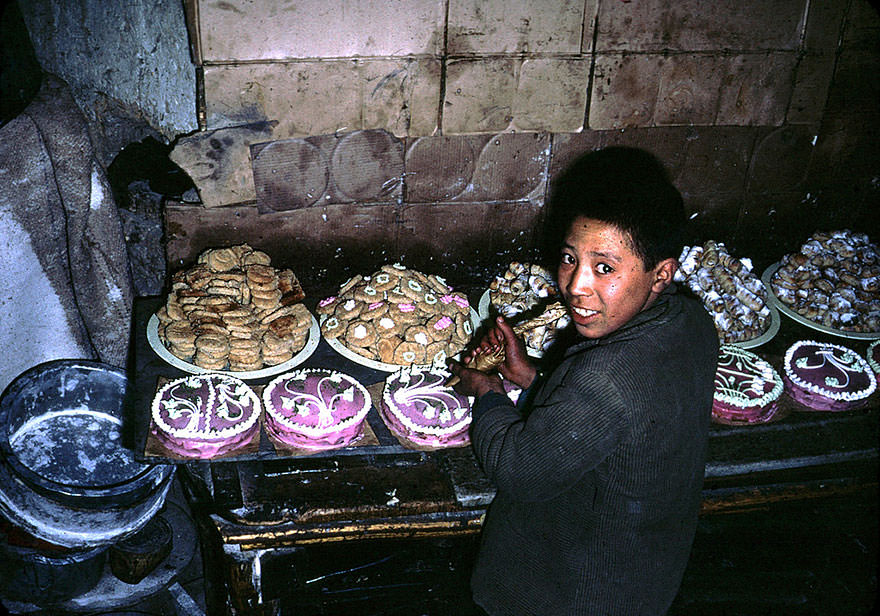
Decorating cakes
Decorating cakes
Hanging out at the American International School of Kabul
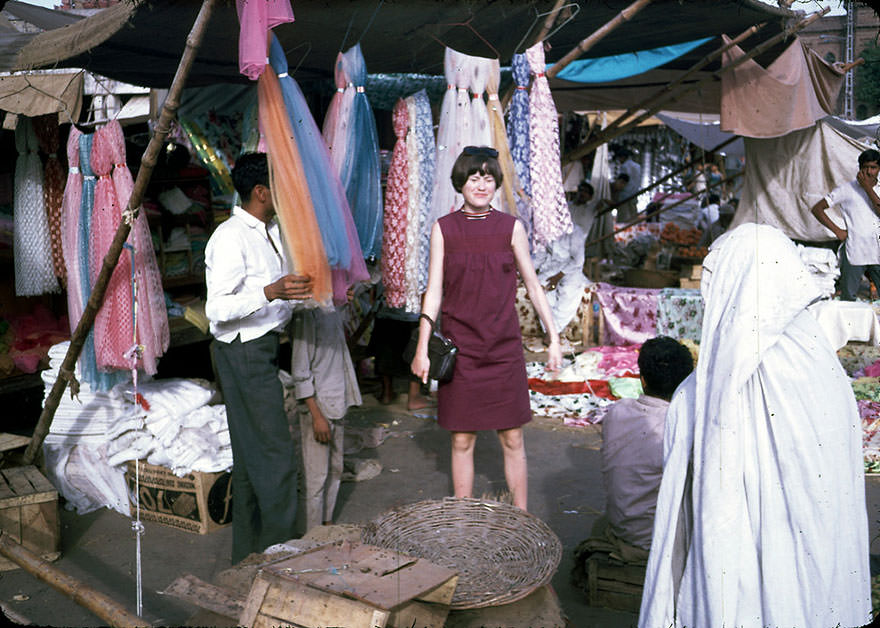
Shopping for Scarves
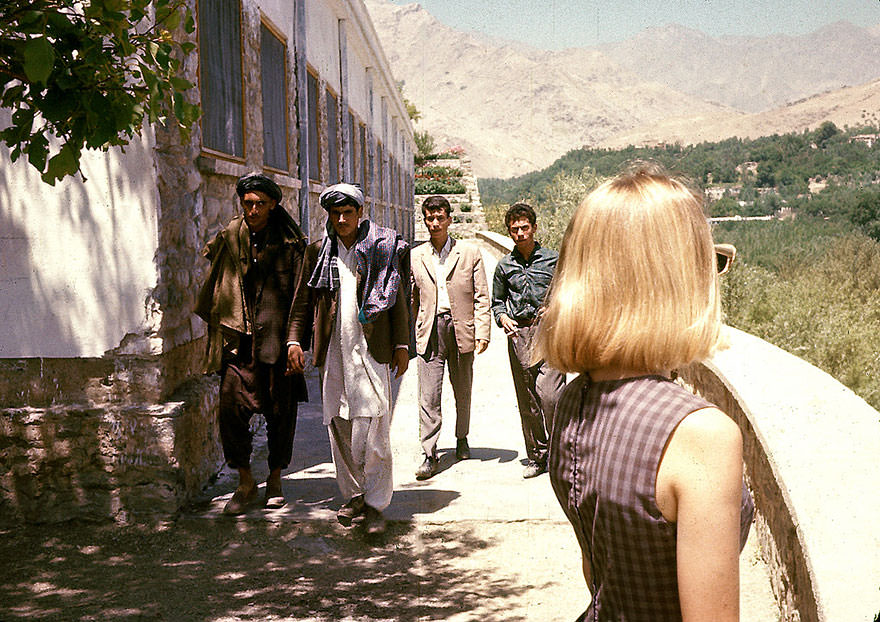
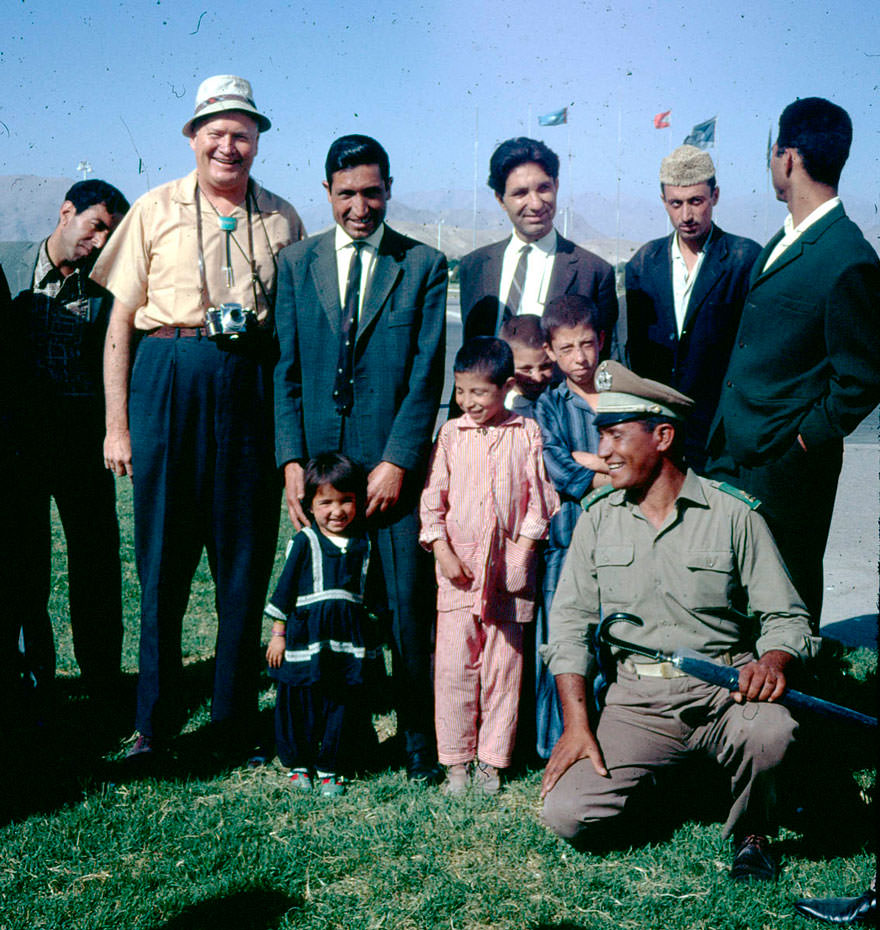
Blonde & Afghans
Blonde & Afghans
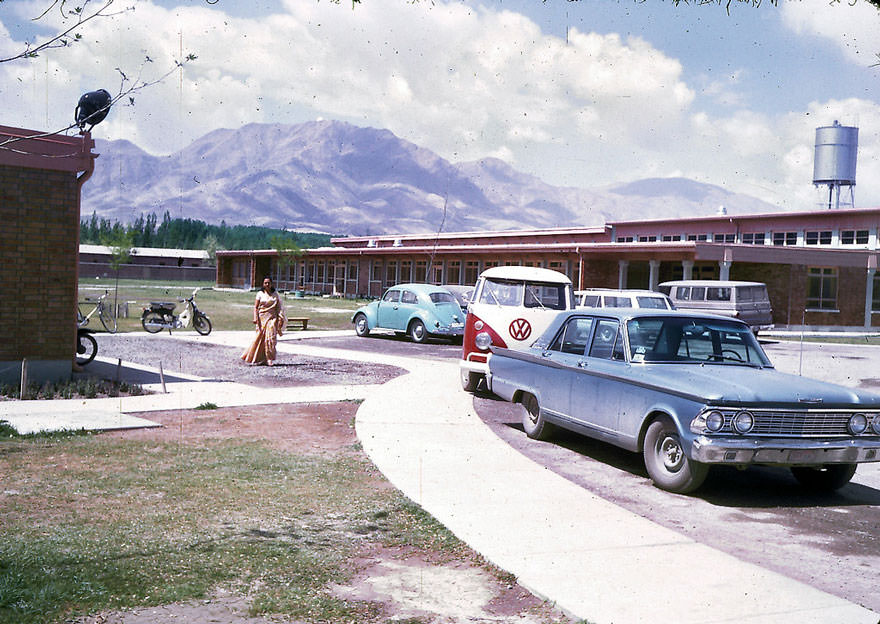
Aisk Parking Lot
Aisk Parking Lot
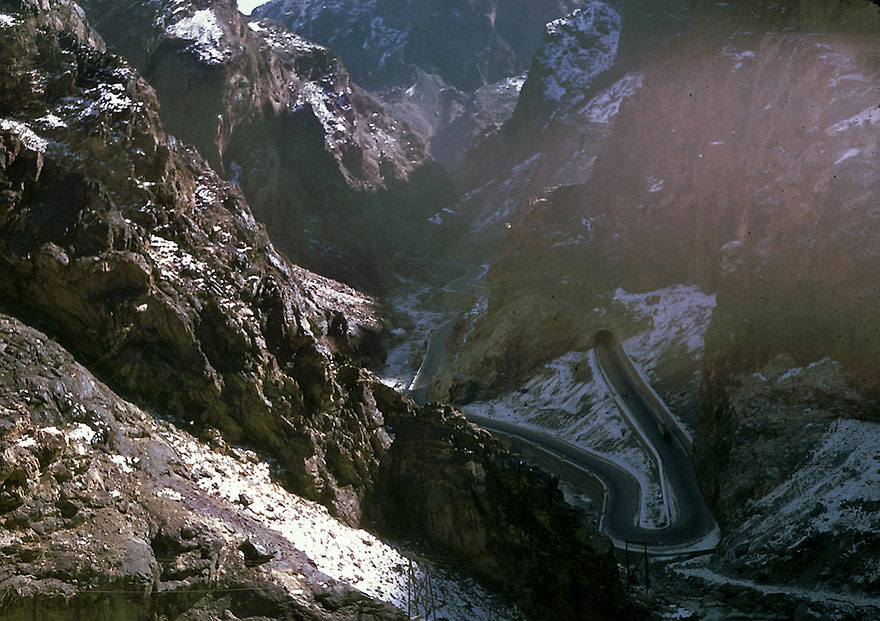
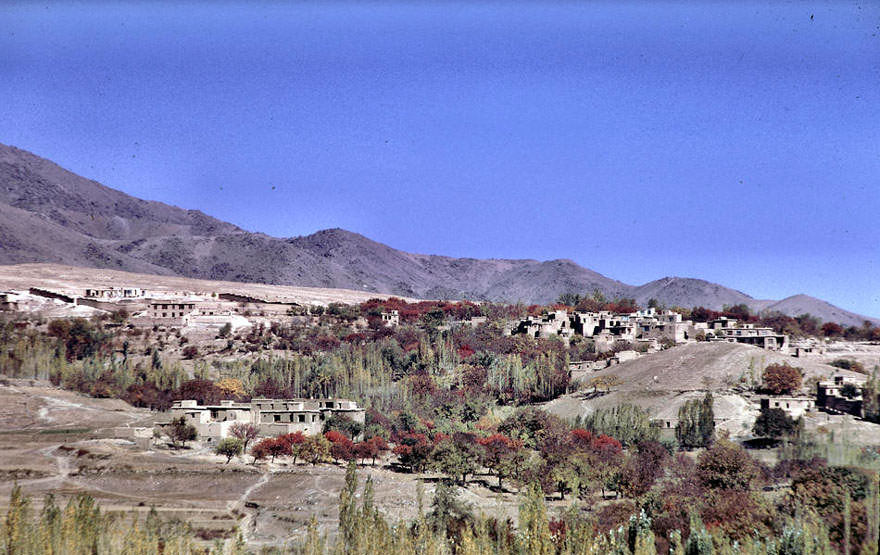
Kabul Gorge
Kabul Gorge
Frying up dessert
Frying up dessert
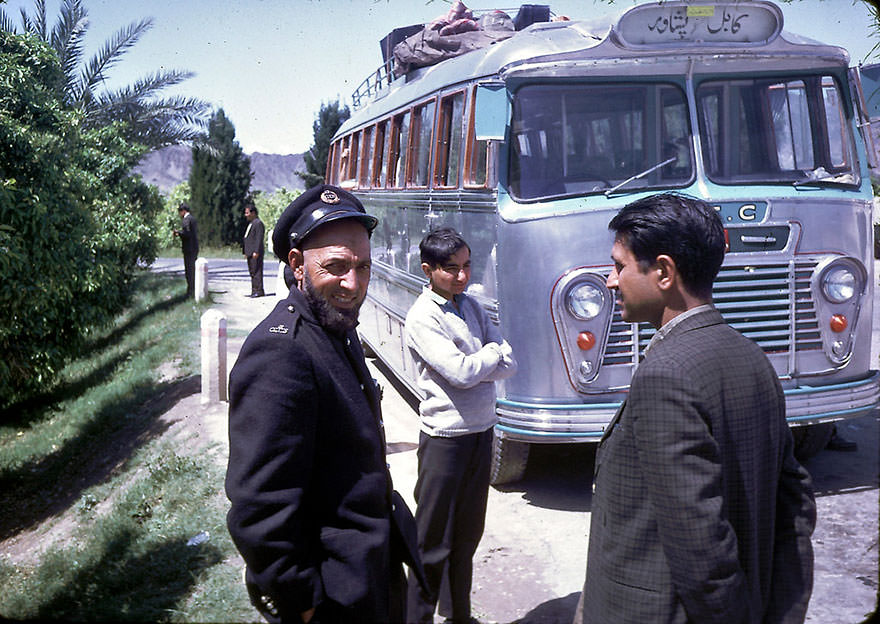
Bus driver
Bus driver
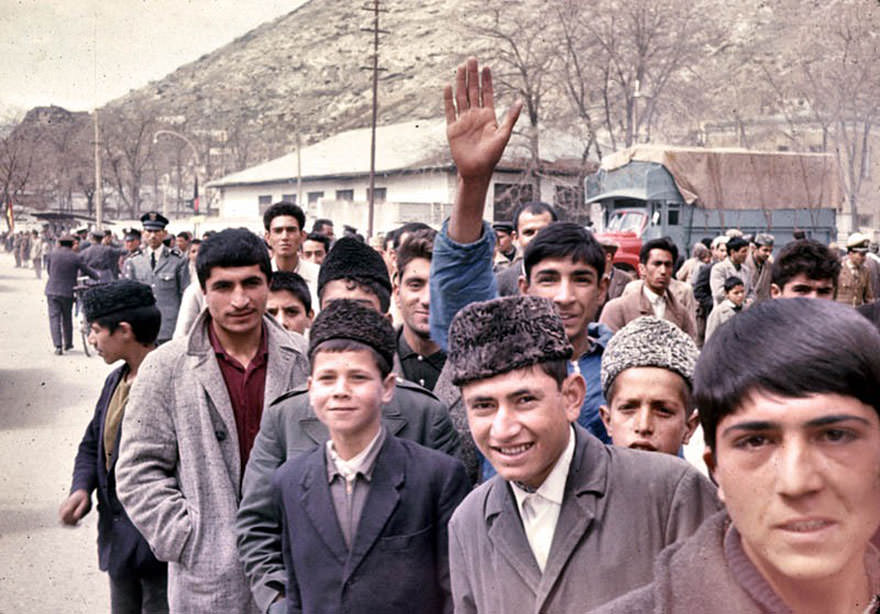
Friendly crowd
Friendly crowd
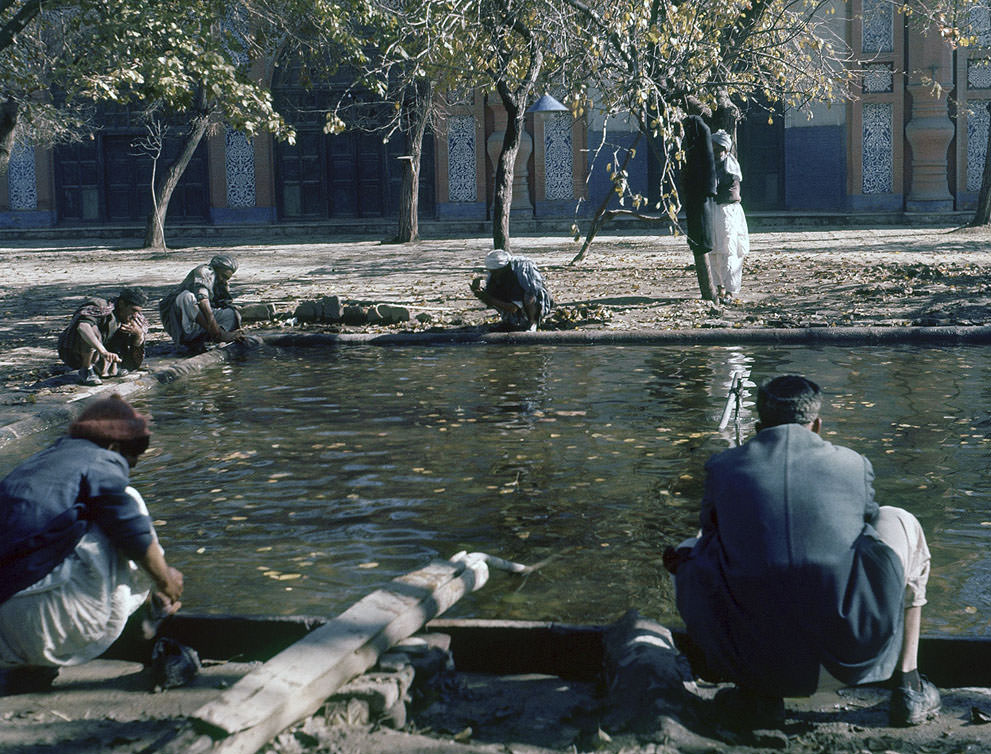
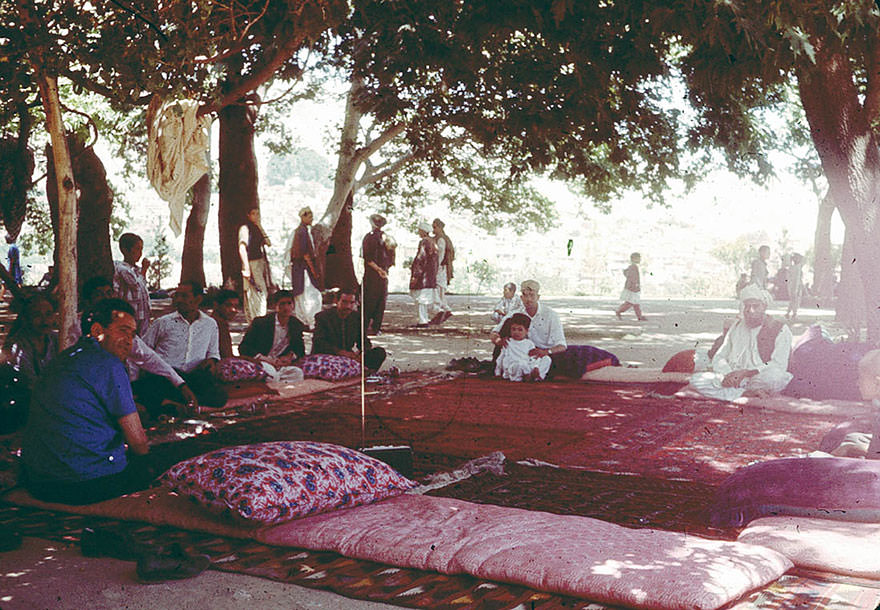
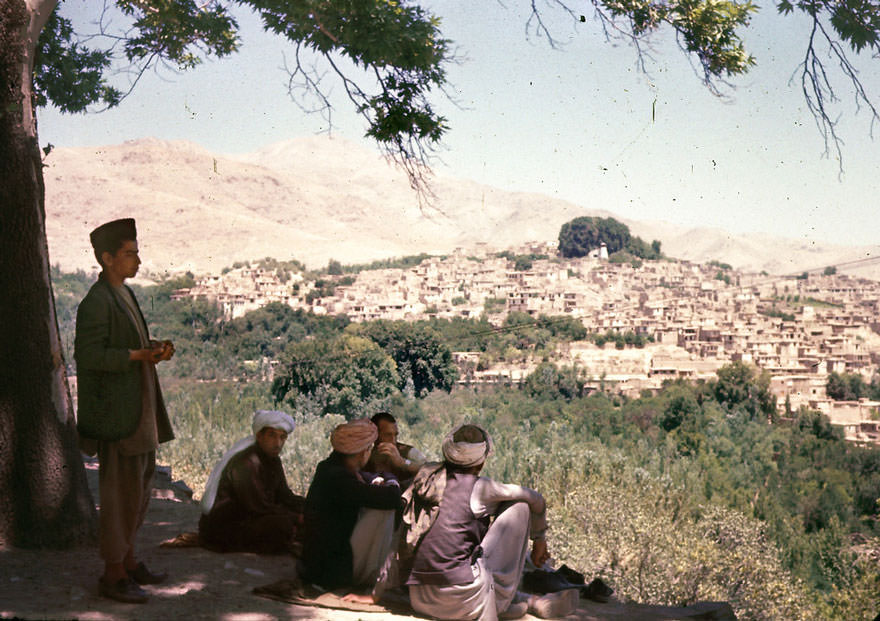
Under the trees
Under the trees
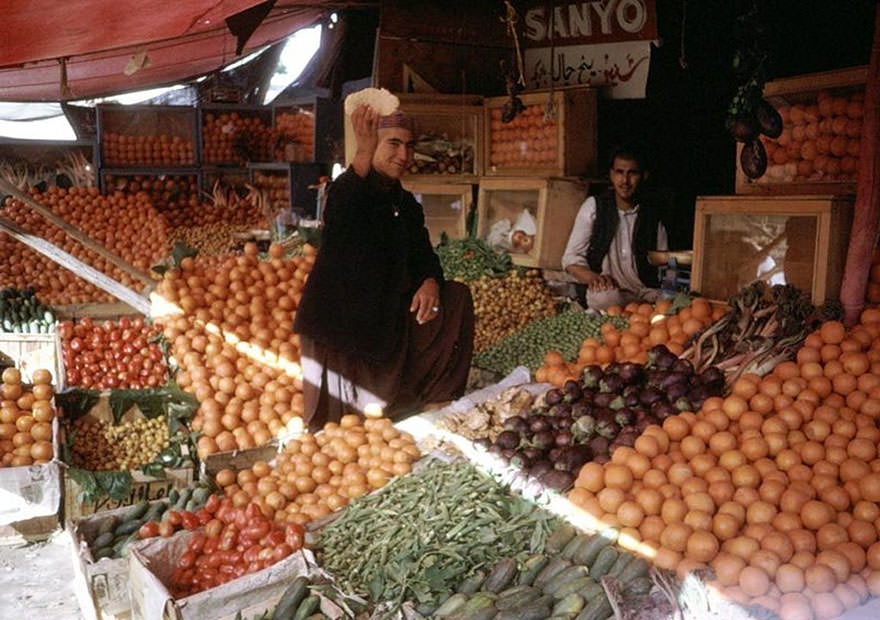
Fruit & veggies
Fruit & veggies
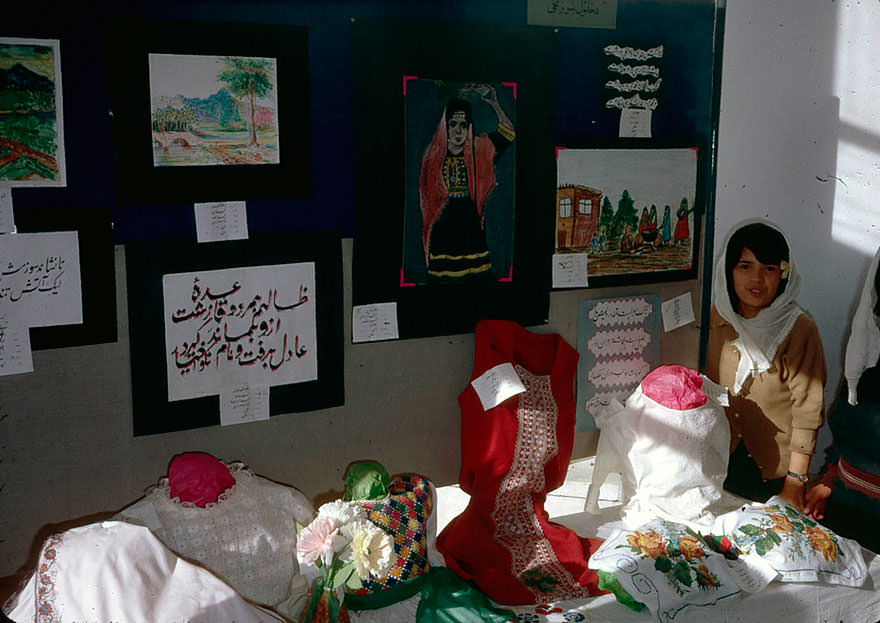
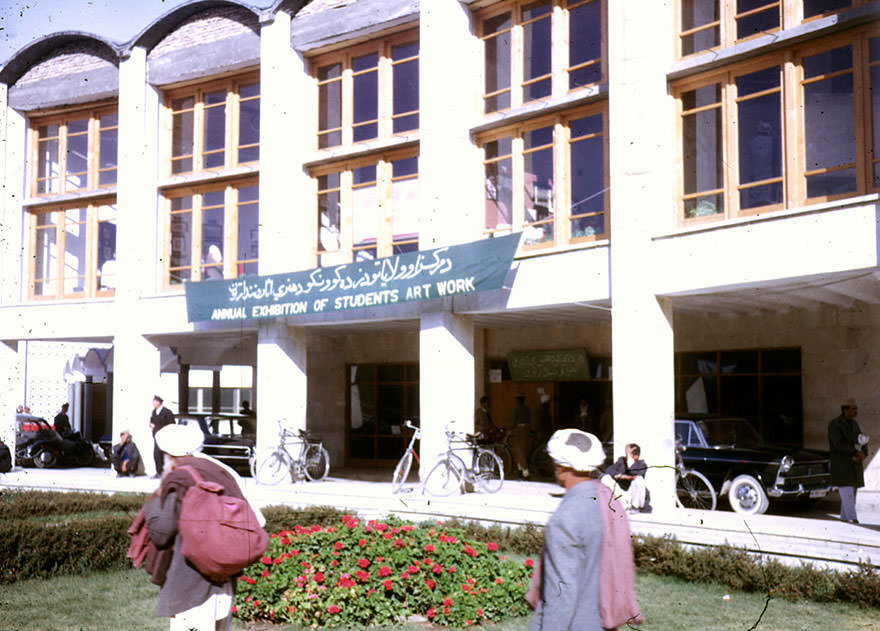
Art show
Art show
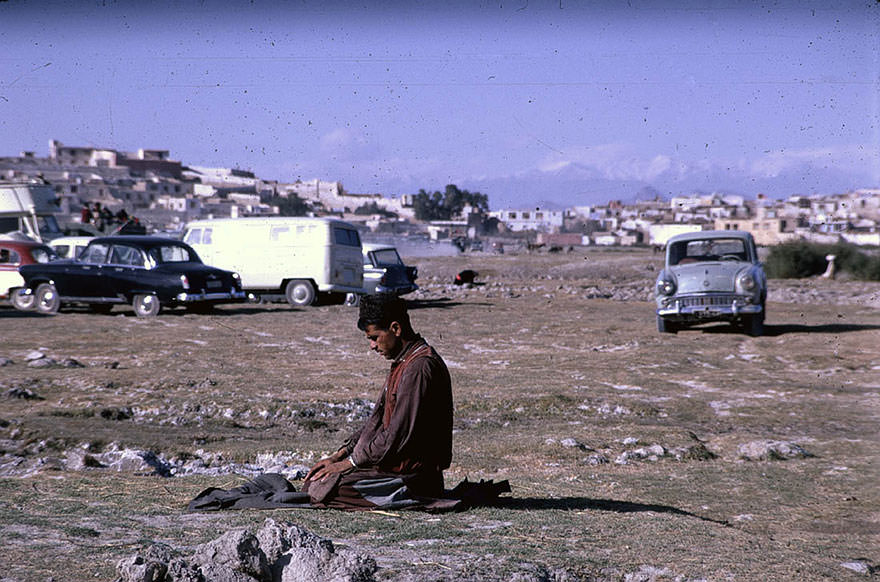
Afternoon prayers
Afternoon prayers
Outdoor class
Outdoor class
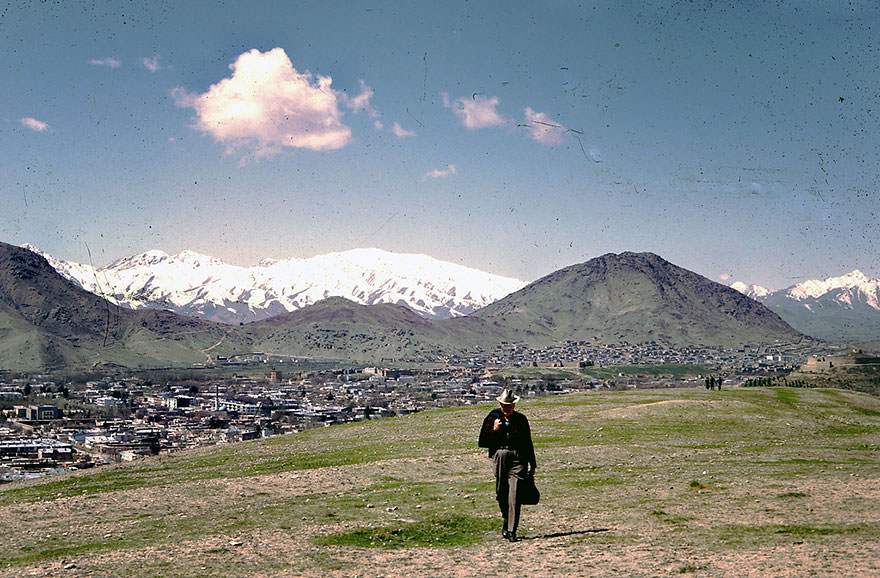
Kabul
Kabul
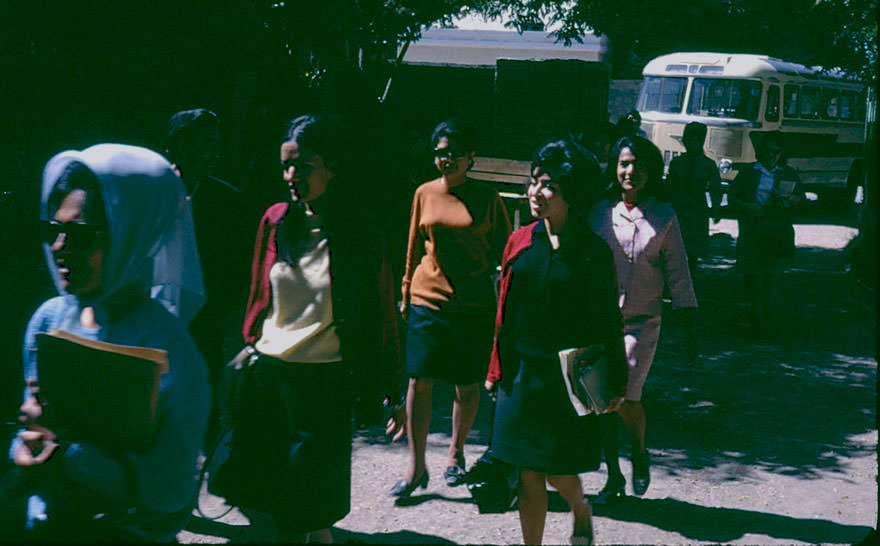
Co-education
Co-education
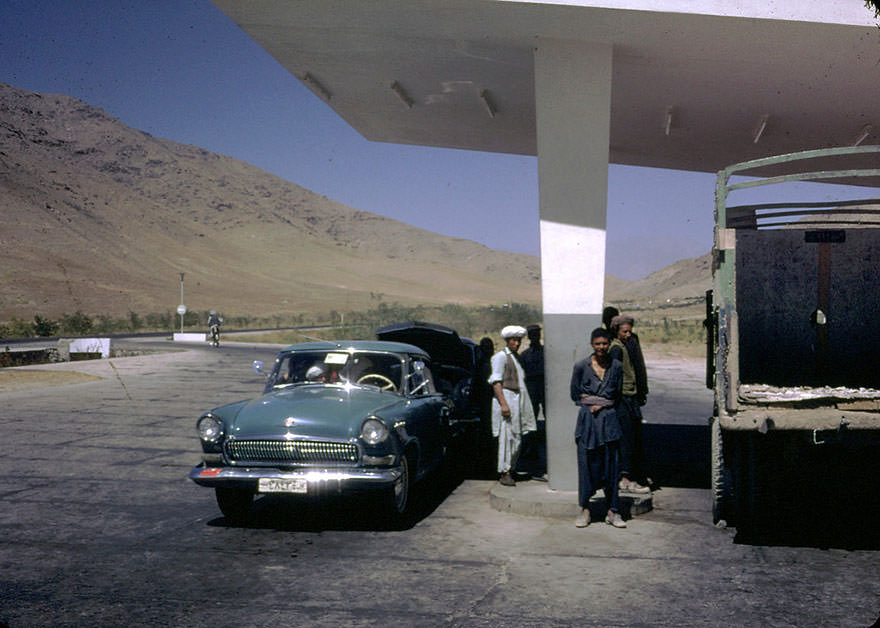
Gas Station
Gas Station
Afternoon shade
Afternoon shade
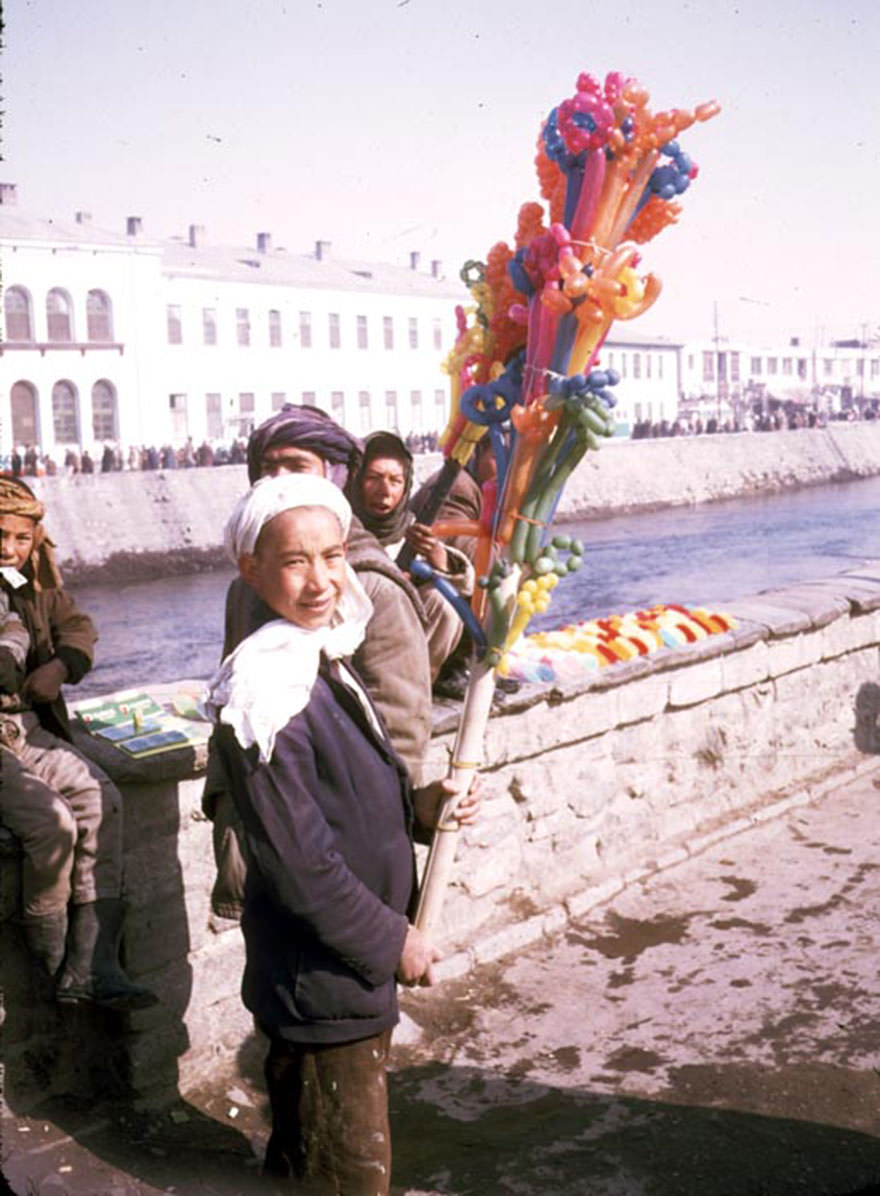
Balloon boy
Balloon boy
Annual Exhibition of Student Art Work
Vip
Vip
Afghanistan
Afghanistan
All dressed up
All dressed up
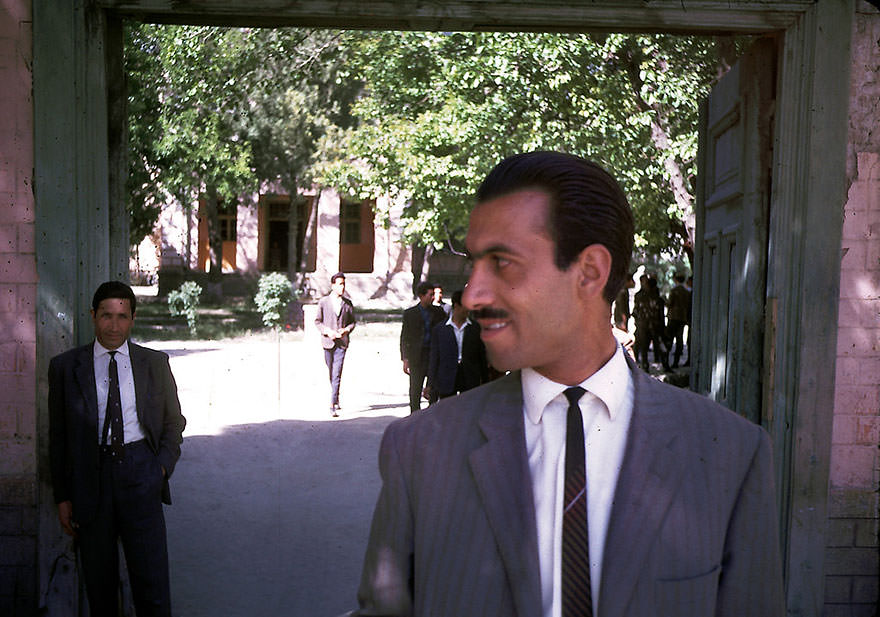
Skinny tie
Skinny tie
Sight seeing
Sight seeing
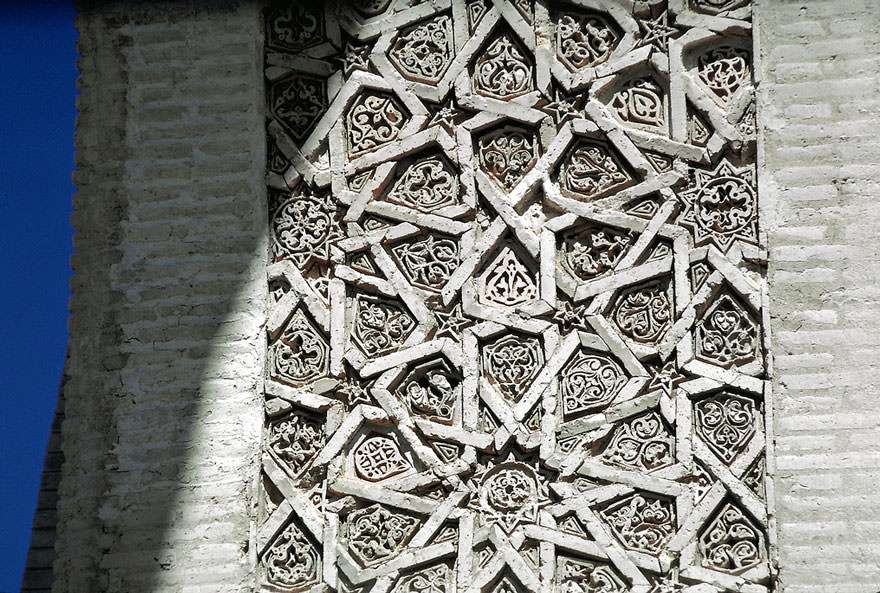
Detail on Arch
Detail on Arch
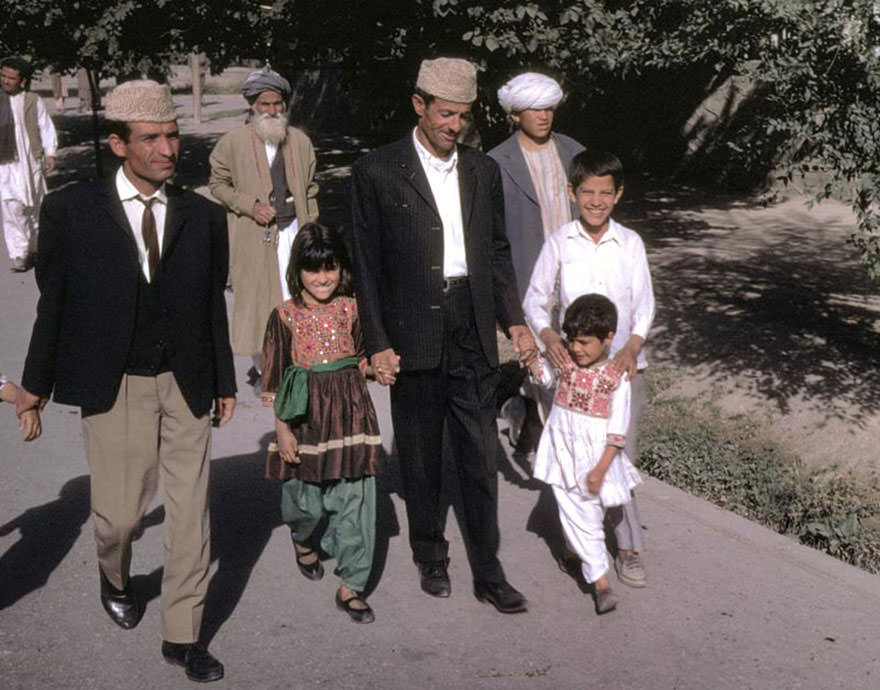
Dr. Podlich & the Afghans
Fully loaded
Fully loaded
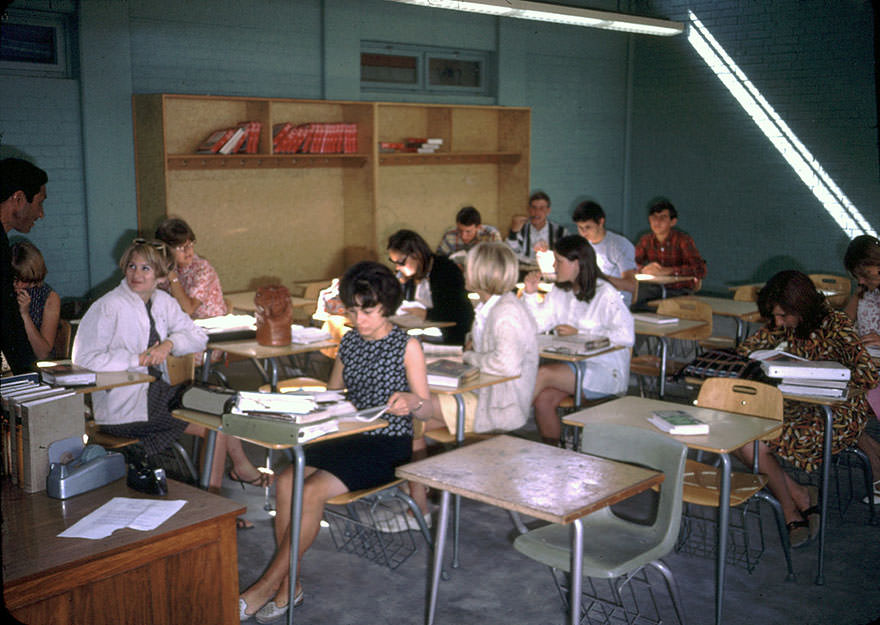
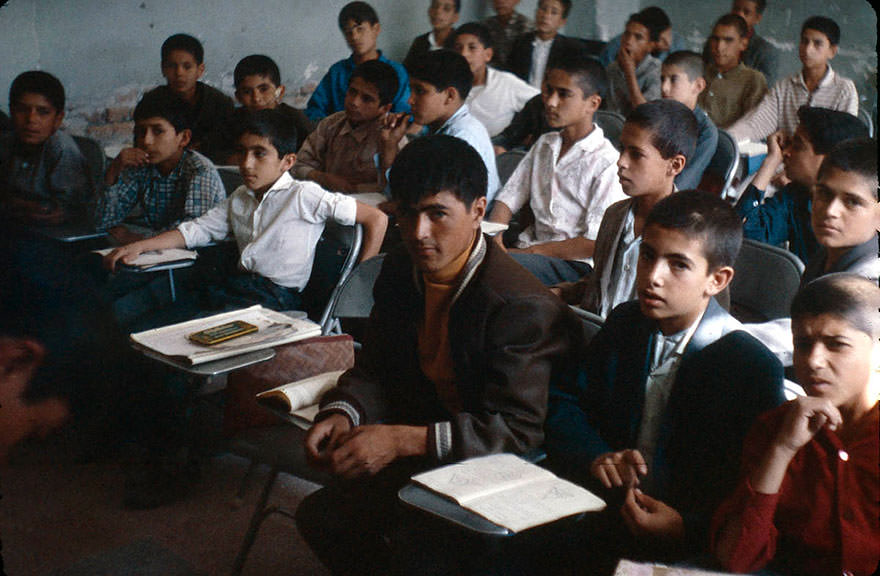
Indoor class
Indoor class
Shave and a Haircut
Shave and a Haircut
Kabul International
Kabul International
Walking home
Walking home
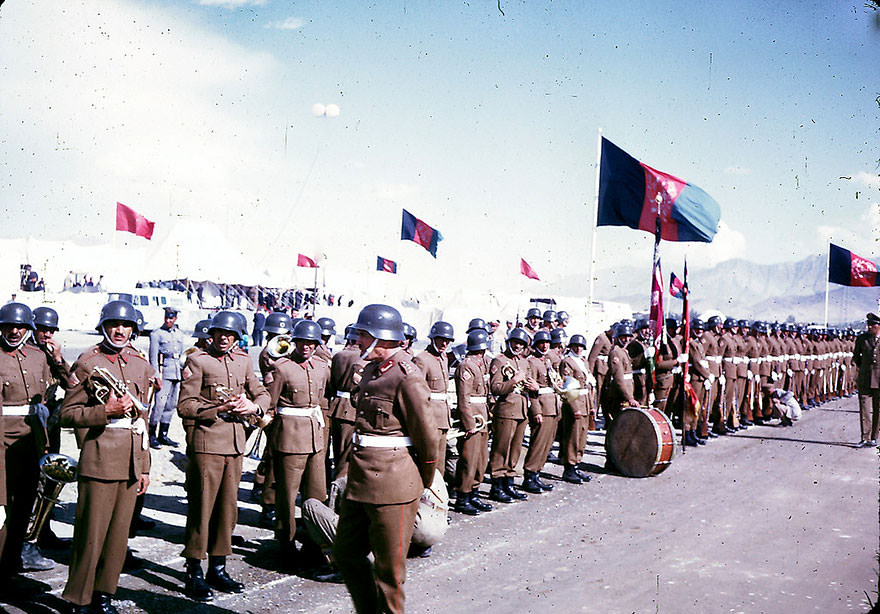
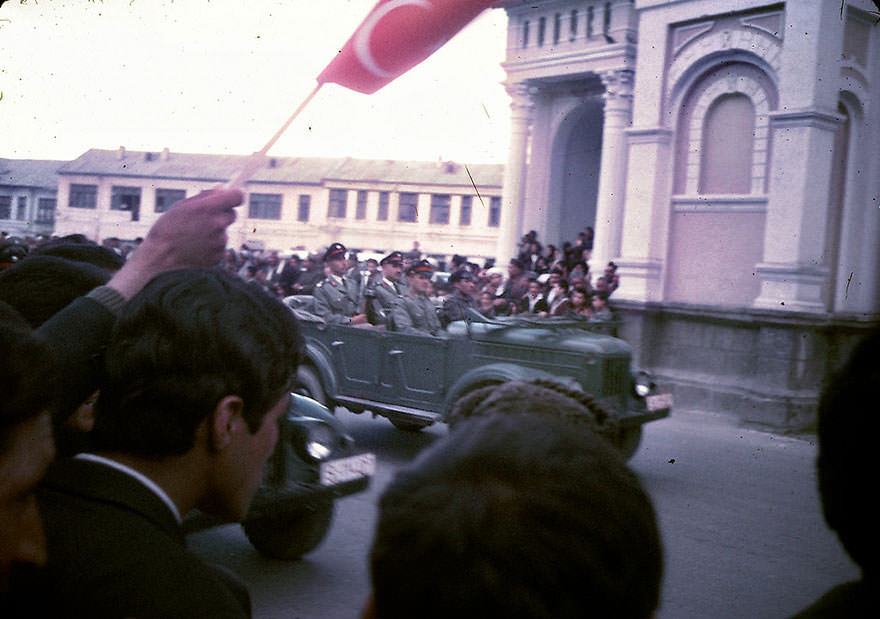
Military band
Military band
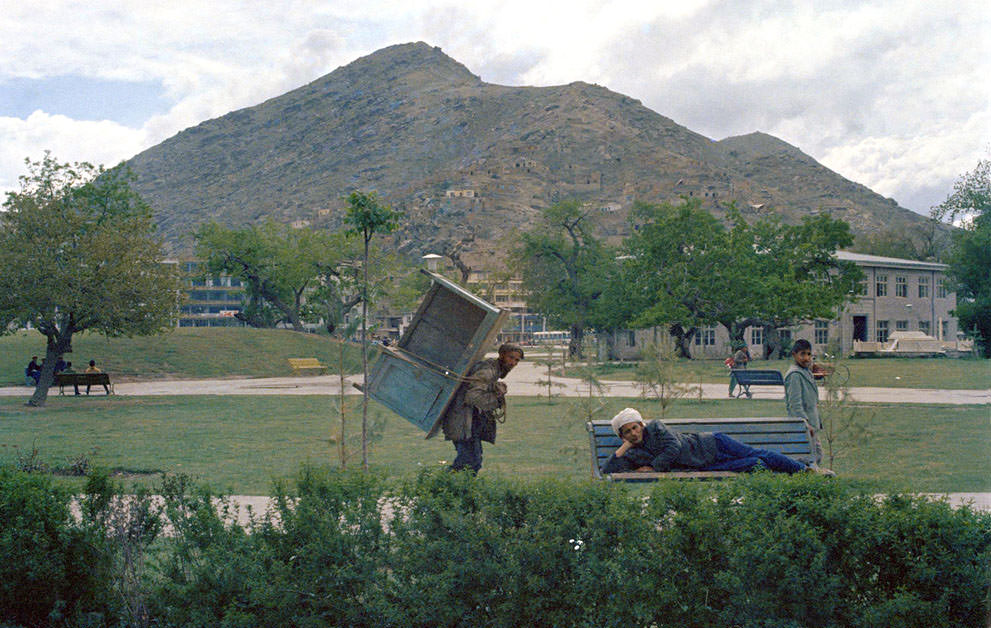
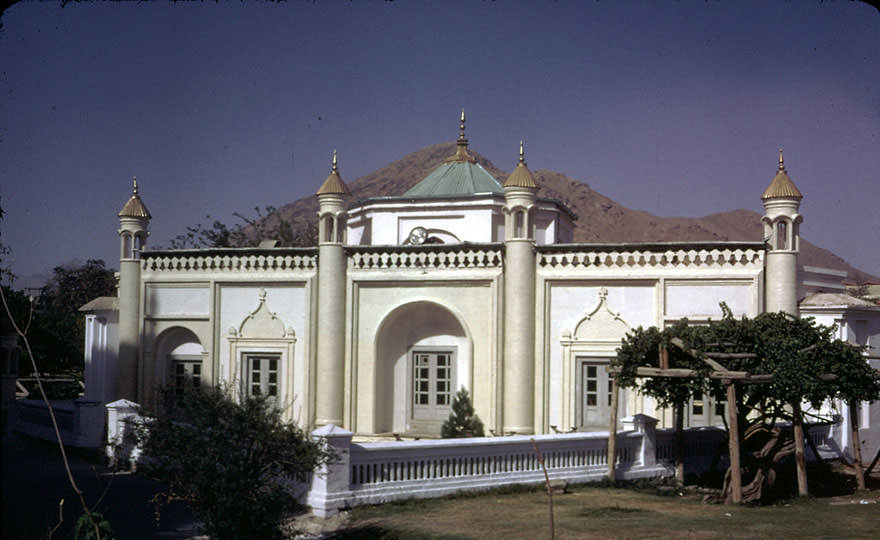
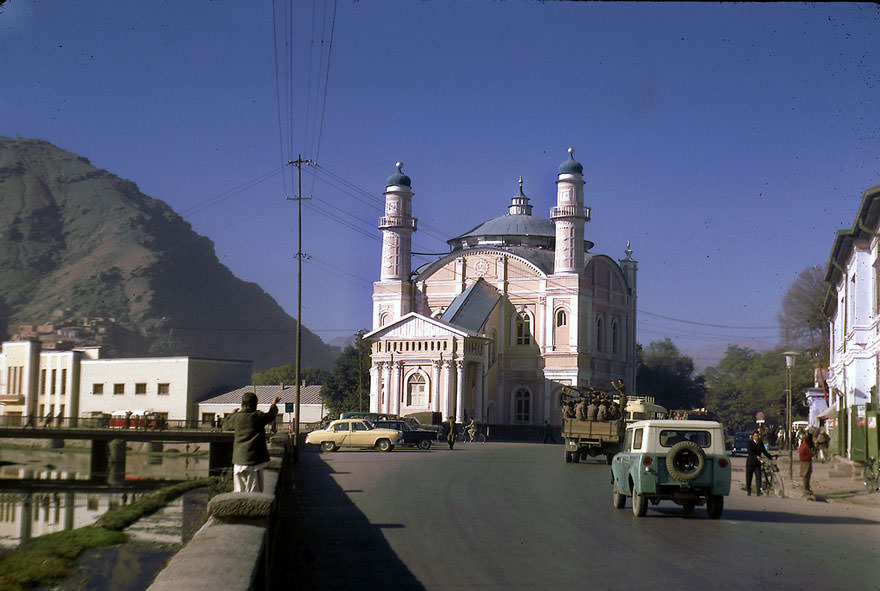
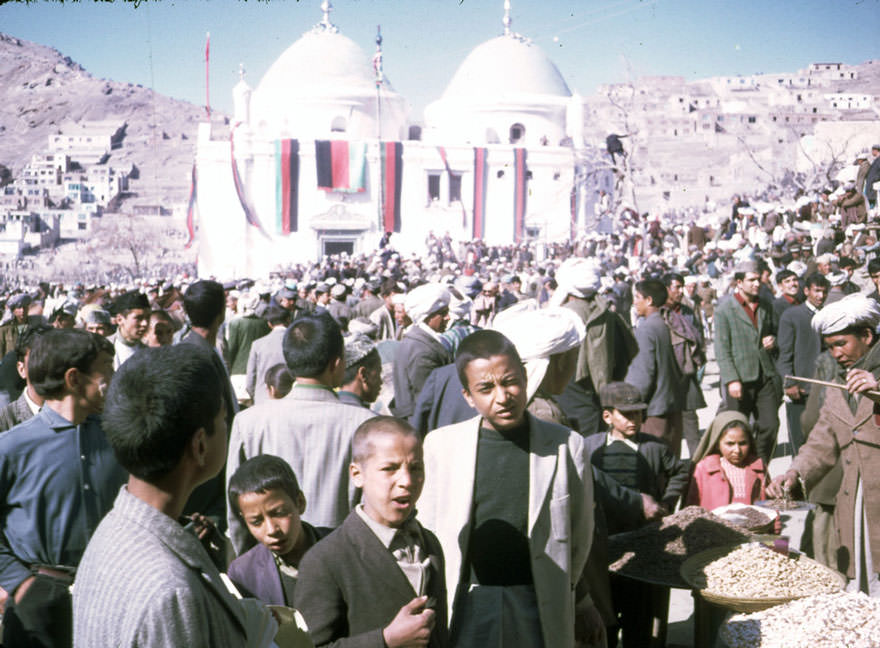
Mosque in the center of Kabul
Portable grand stand
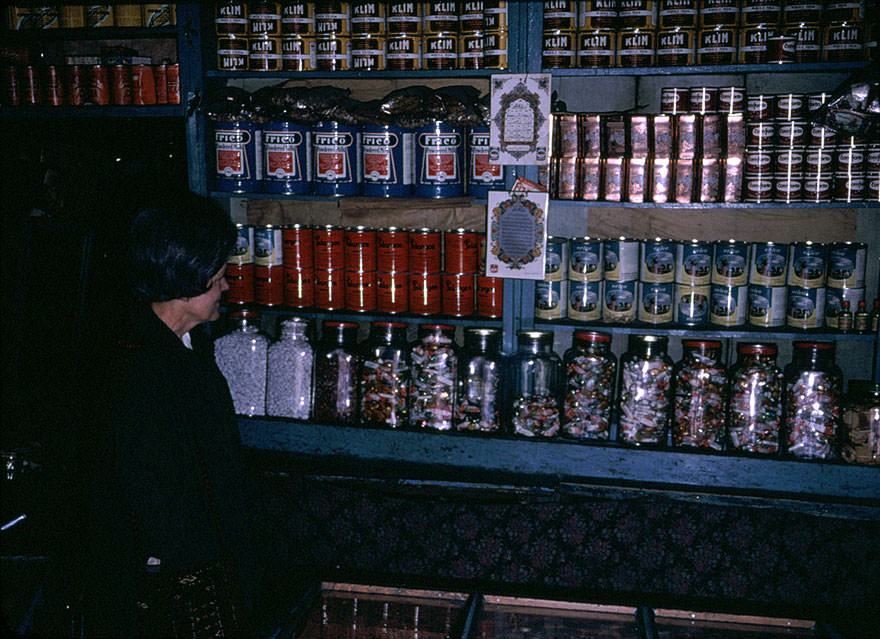
Shopping for Canned Goods
The Dance
The Dance
Main street
Main street
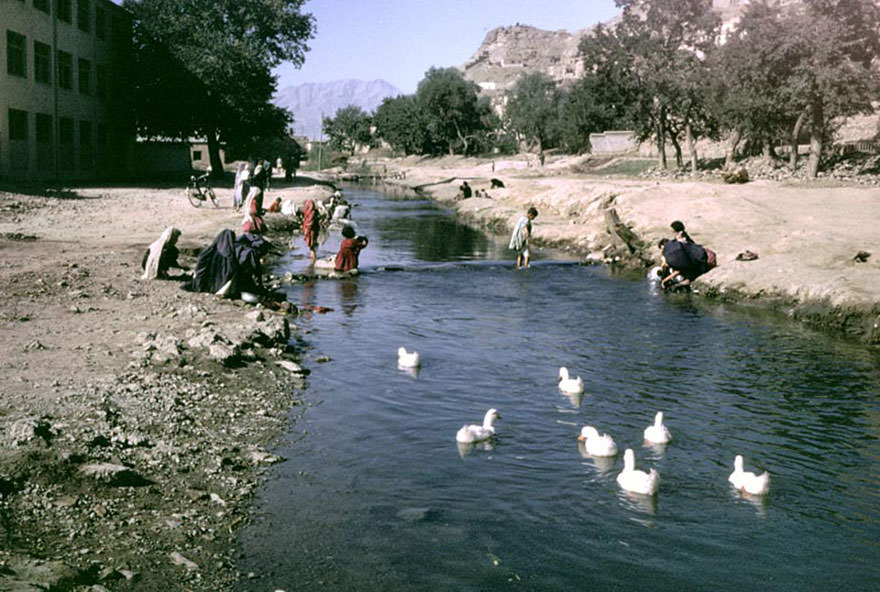
People & Ducks
People & Ducks
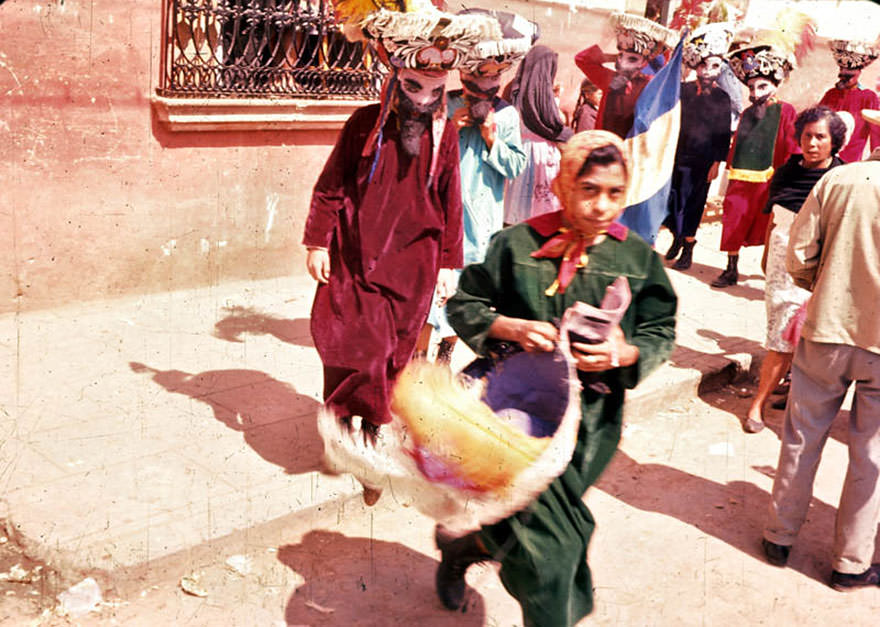
Masked Parade
Masked Parade
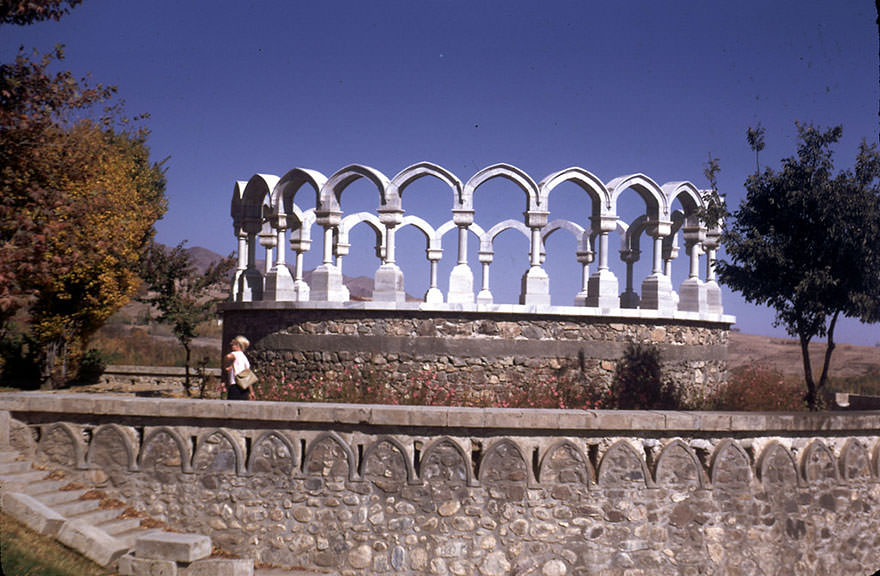
Monument
Monument
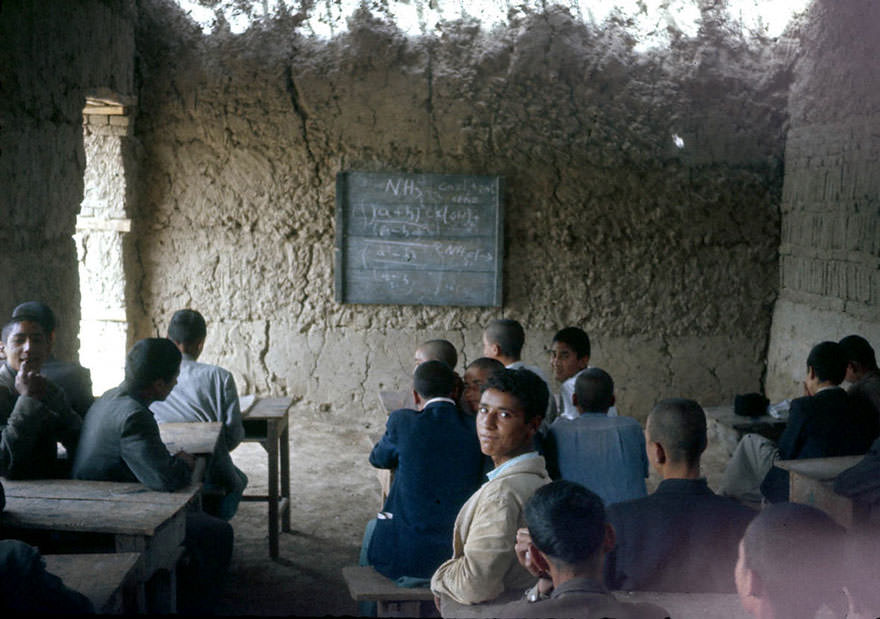
Algebra & Mud
Algebra & Mud
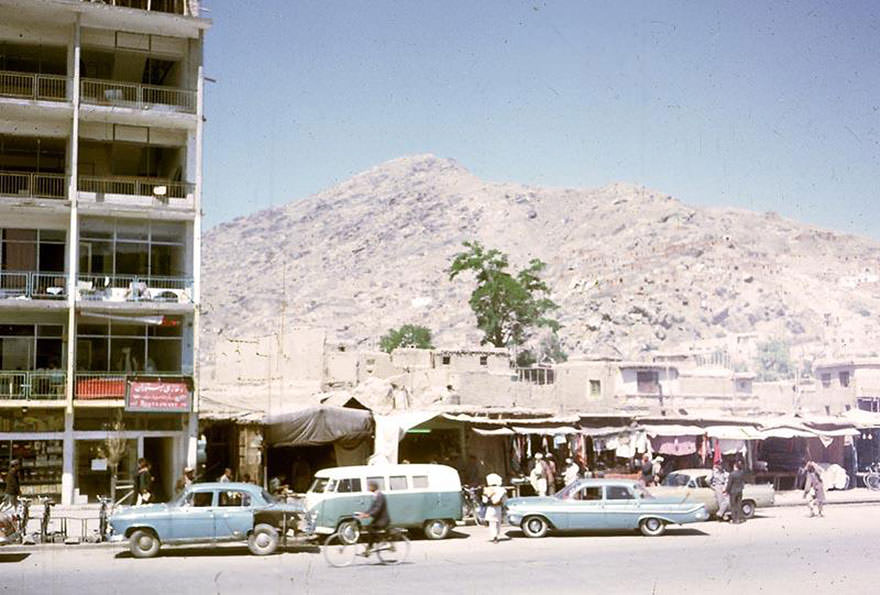
Apartments & stores
Apartments & stores
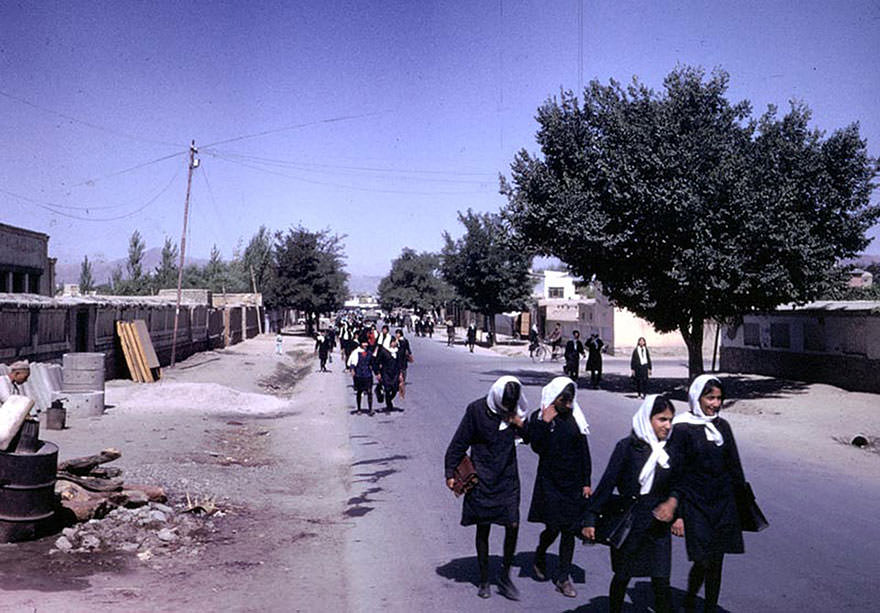
School's out
School’s out
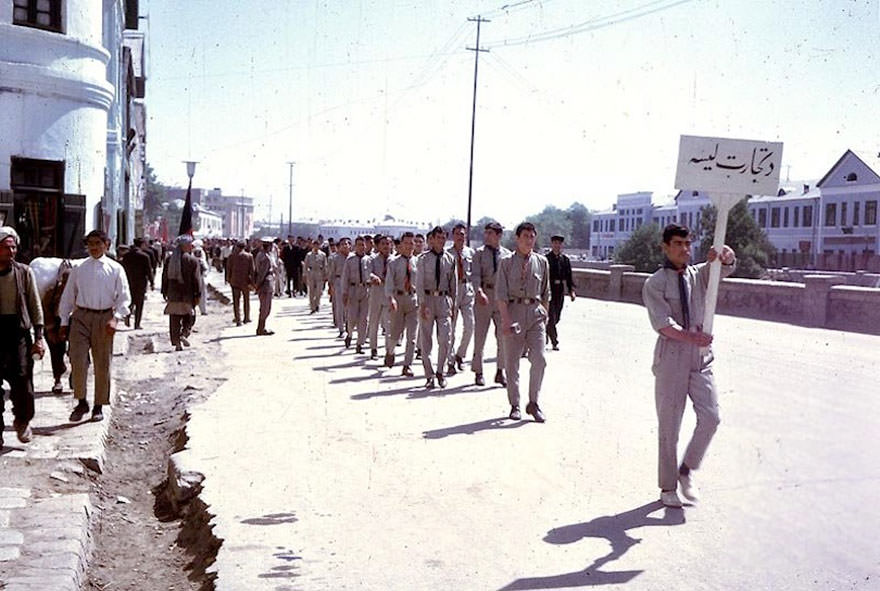
Marching
Marching
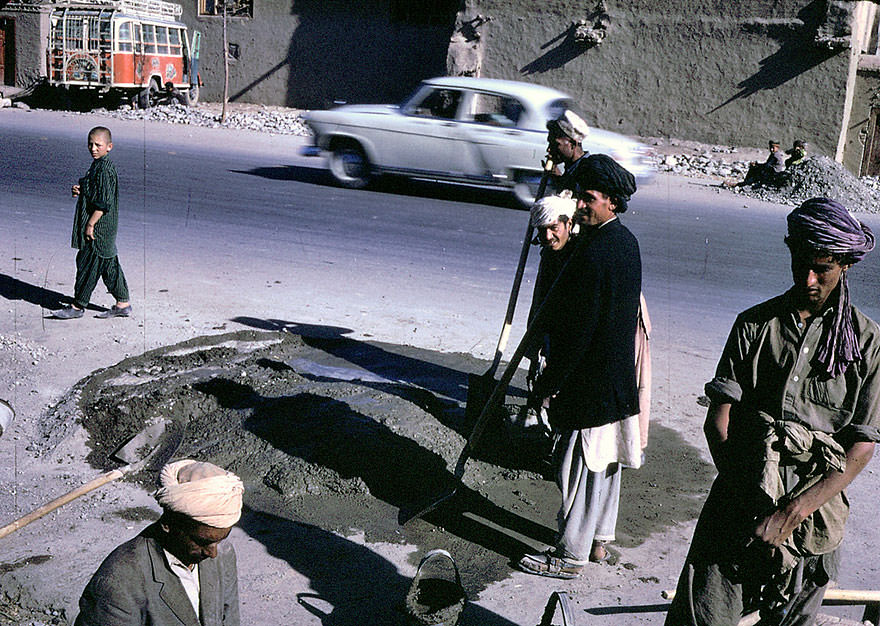
Road work
Road work
New years celebration
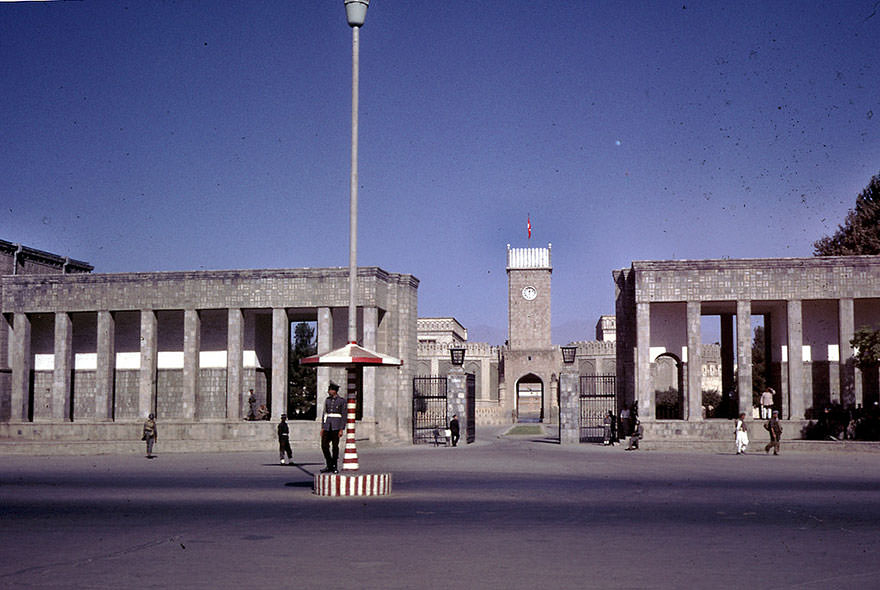
Guard Duty
Guard Duty
Afghan army
Afghan army
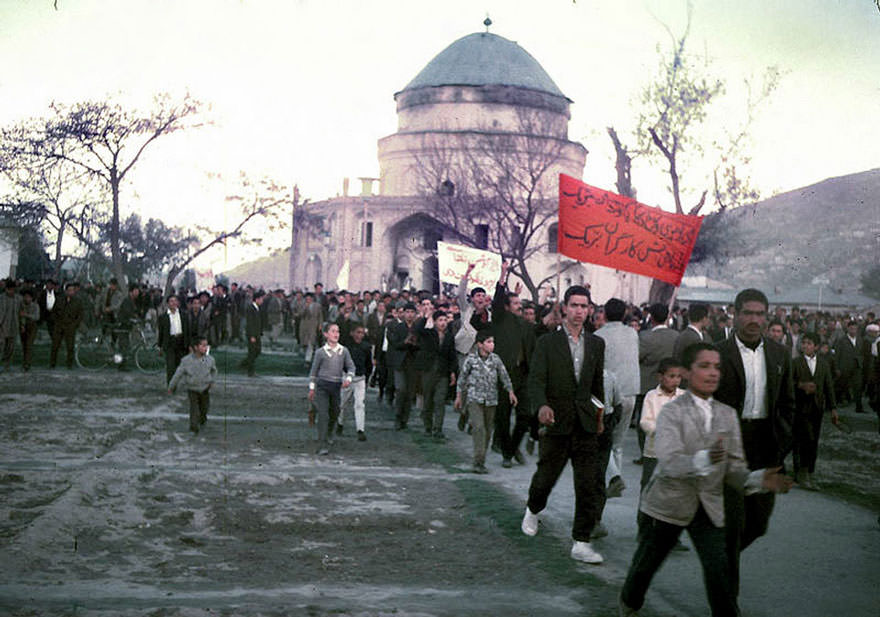
The Demonstration
The Demonstration
Enjoyed this post? Get new ones in your inbox.

Leave a Comment

Your email address will not be published. Required fields are marked *

Share this Post 🥺

Please take a moment to share this content. Your support is greatly appreciated! 🙌🙏

Share this Post 🥺

Please take a moment to share this content. Your support is greatly appreciated! 🙌🙏
Scroll to Top
 
Hey Friend, Before You Go.. Please like & follow for more interesting content