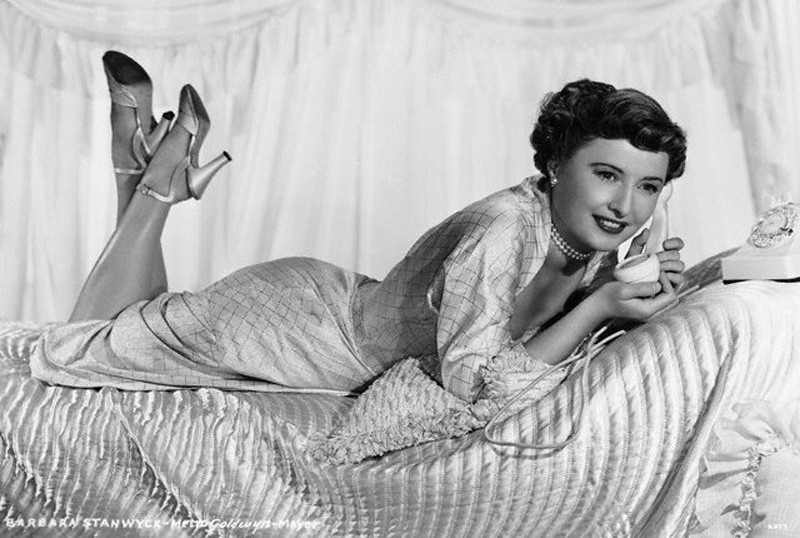
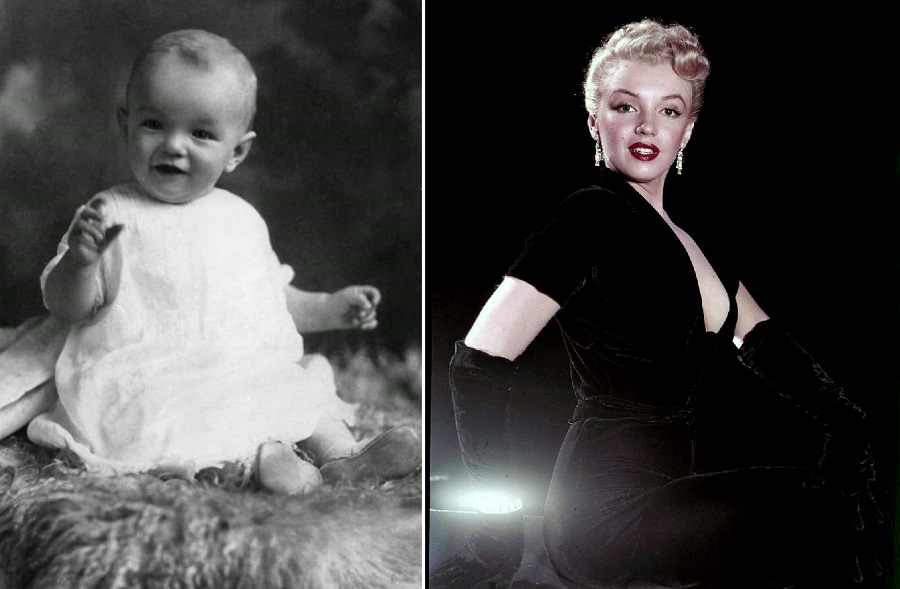
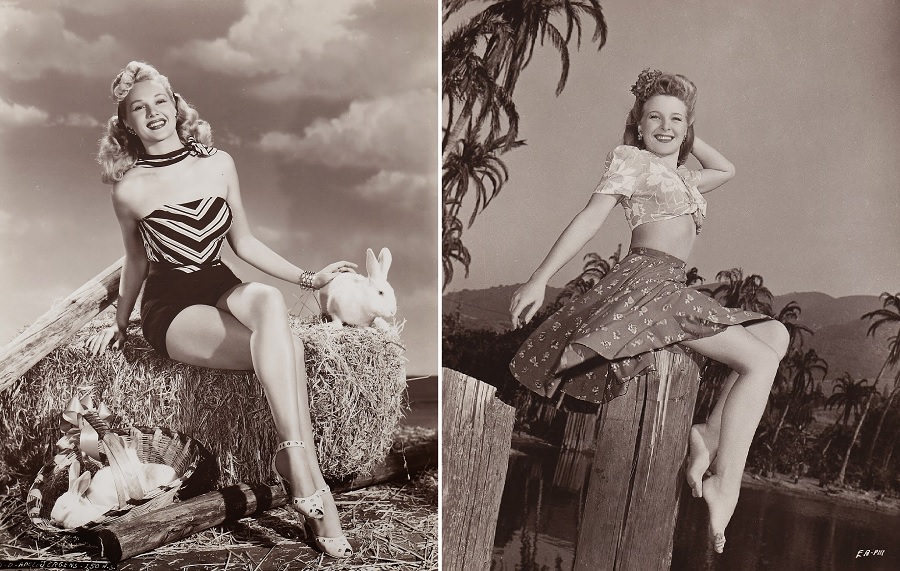
Mickey Rooney’s career lasted over nine decades — longer than almost any other performer in Hollywood history. He appeared in more than 300 films, earned some of the highest paychecks of his era, and was among the last surviving stars of the silent film age. His range was remarkable. He could play comedy, drama, and musical roles with equal ease, and he did it all starting from the time he could barely walk.
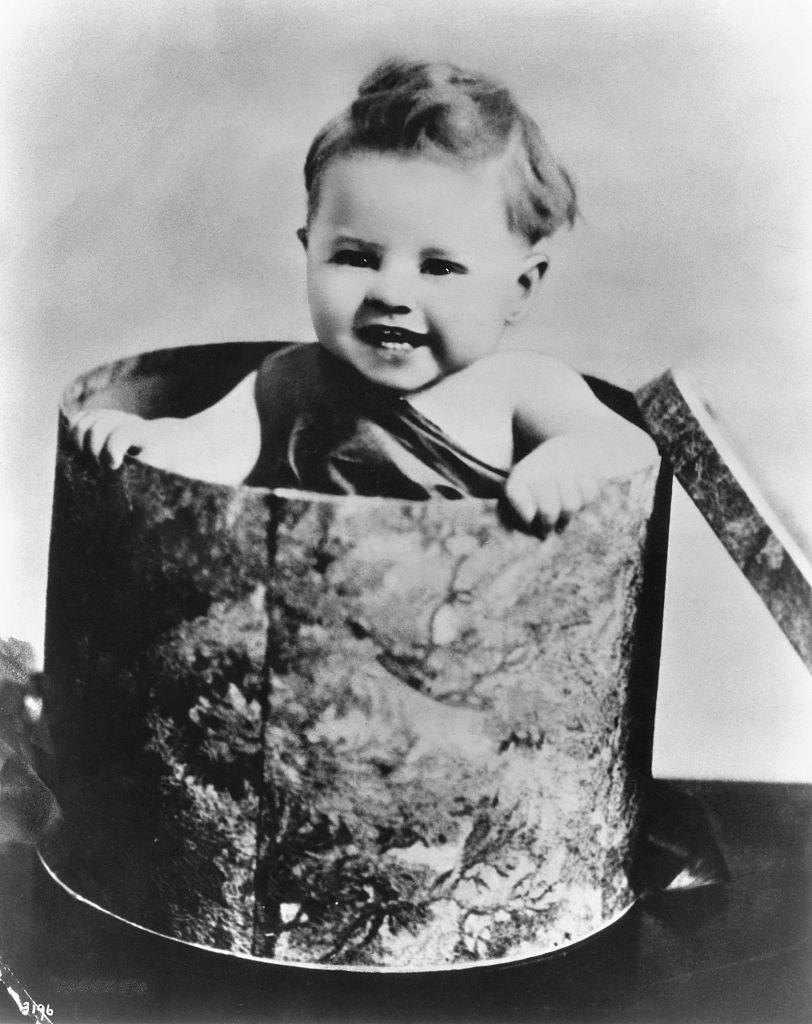
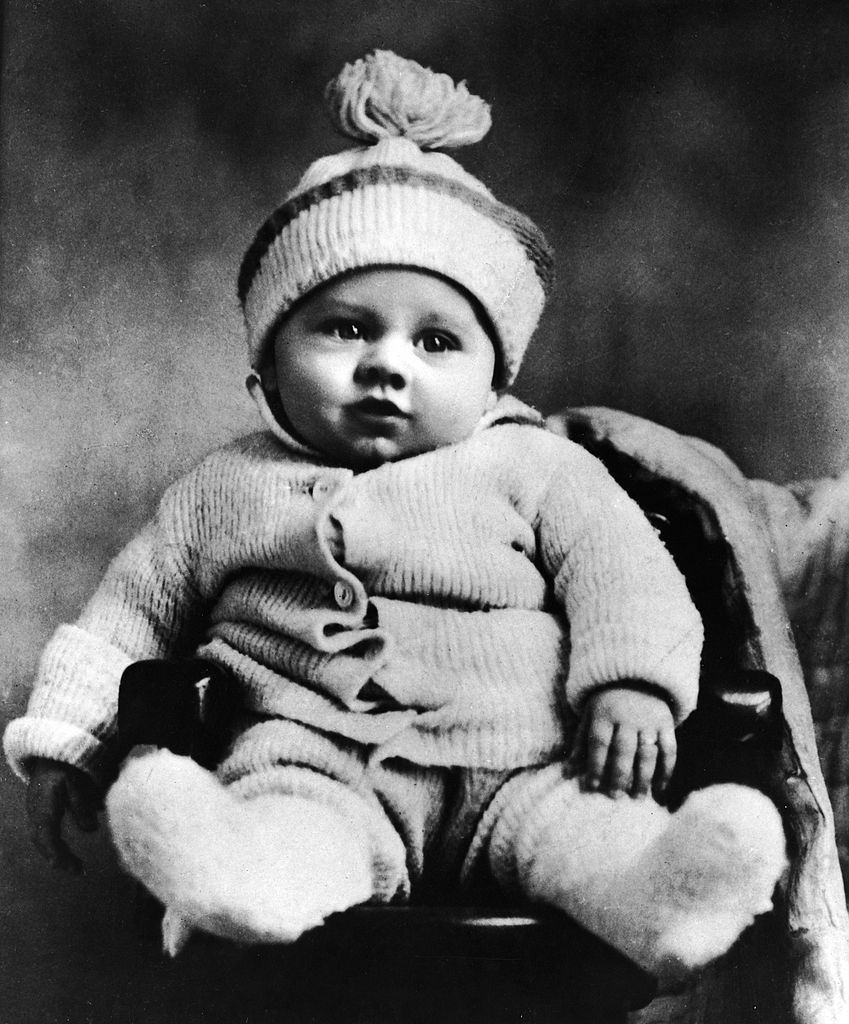
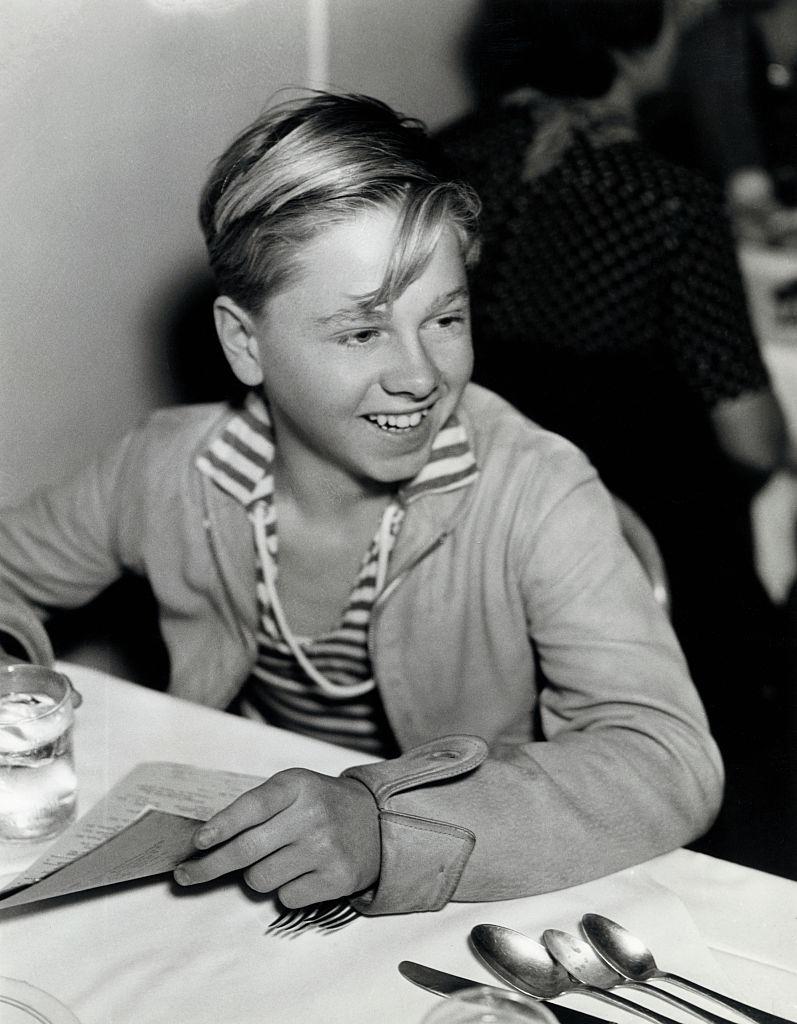
His first stage appearance was made when he was only even months old. The tousled blonde hair and the mischievous Rooney grin were already in evidence.
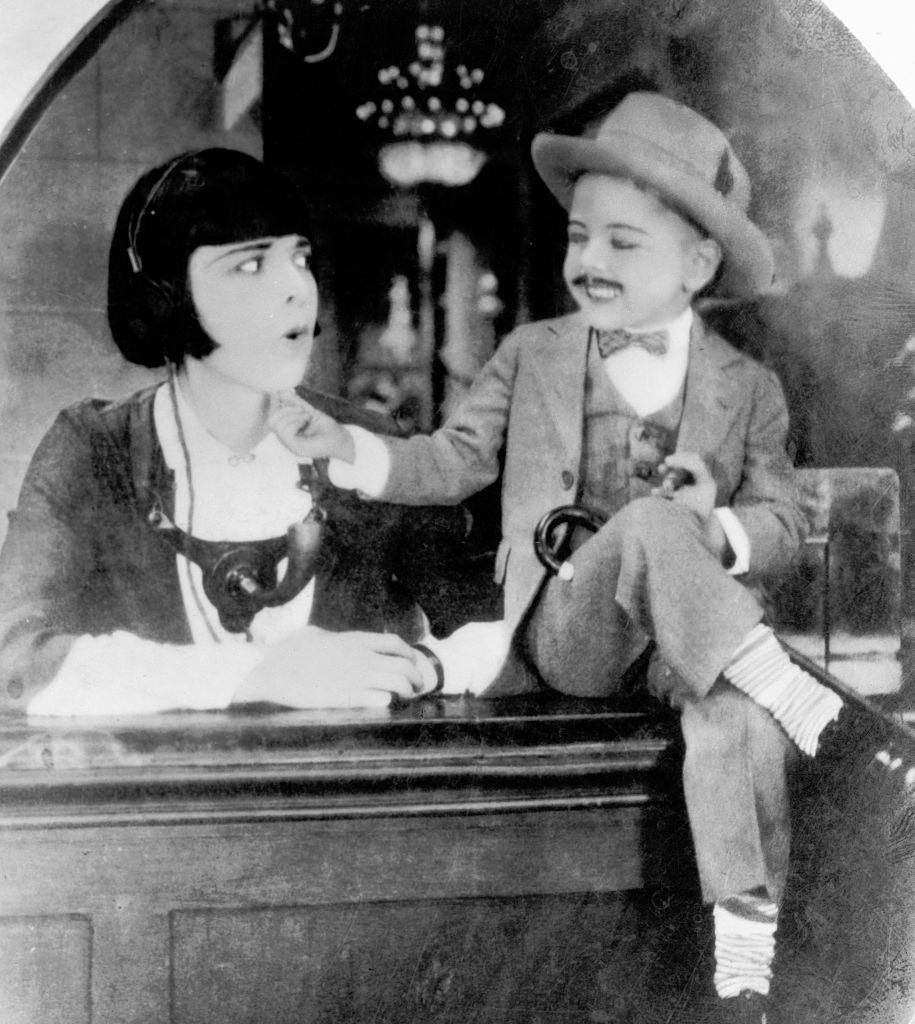
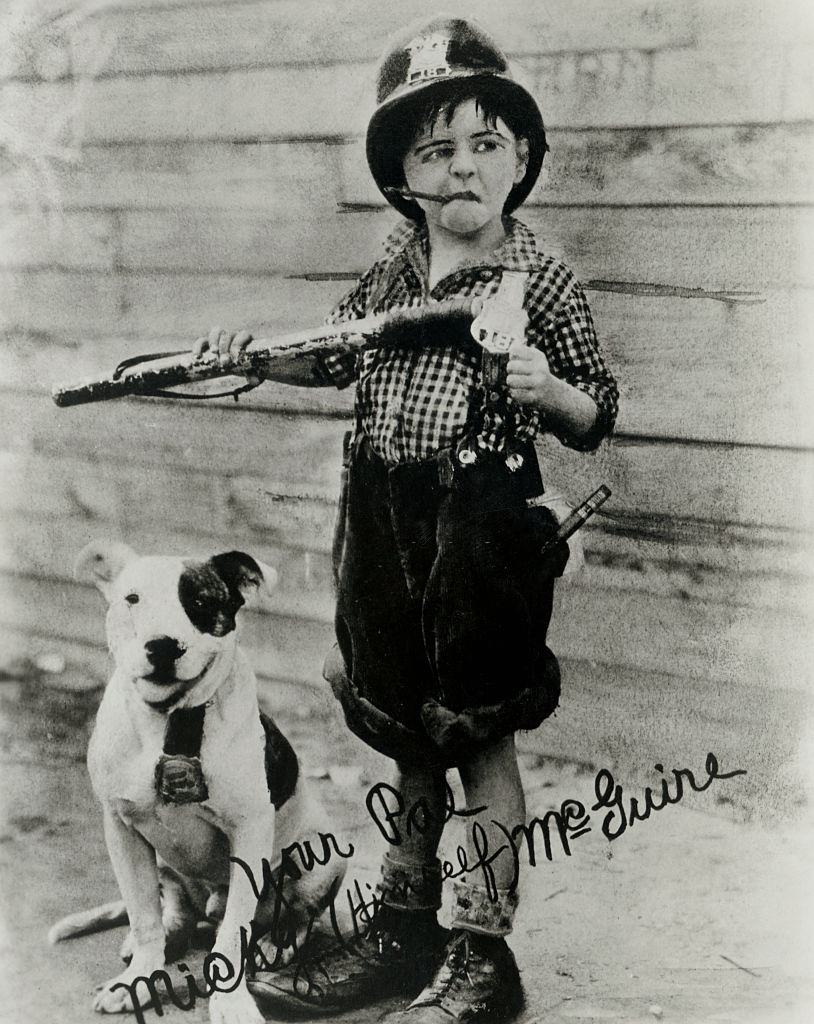
Rooney was born Joe Yule Jr. on September 23, 1920, into a family already deep in show business. His parents performed in vaudeville, and he made his first stage appearance at just 17 months old, toddling out as part of their act. By age six, he had already made his film debut — playing a cigar-smoking midget con man in the 1926 silent short Not to Be Trusted. It was an odd role for a child, but it showed the world what Rooney could do.
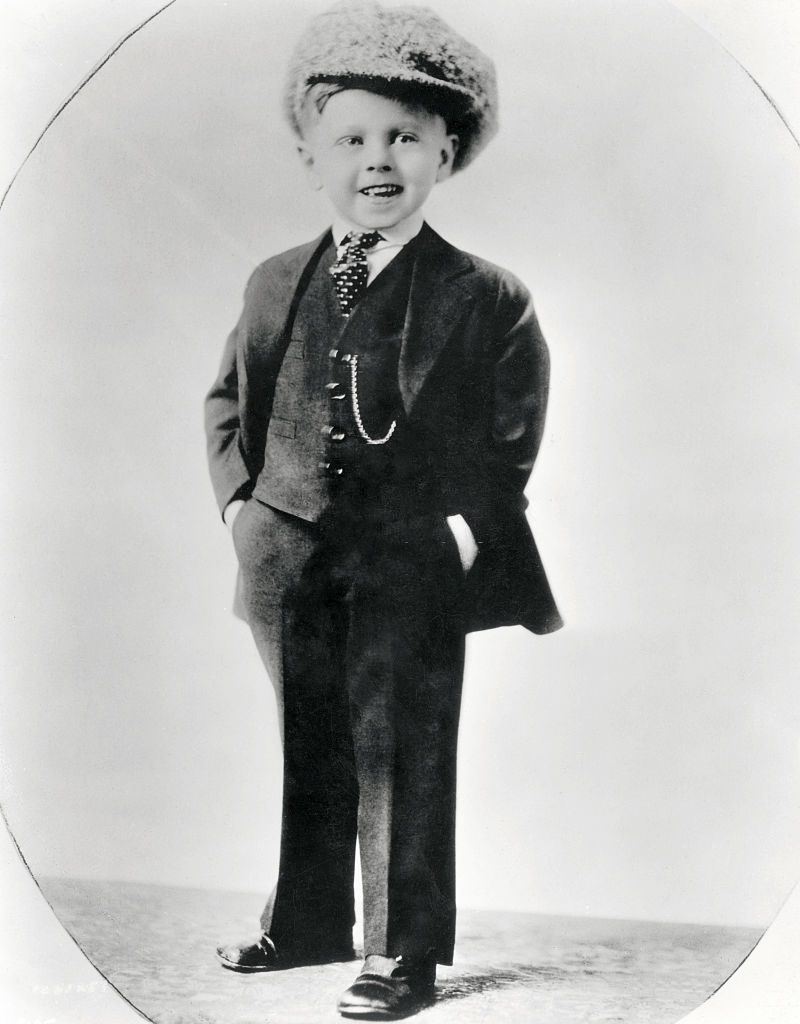
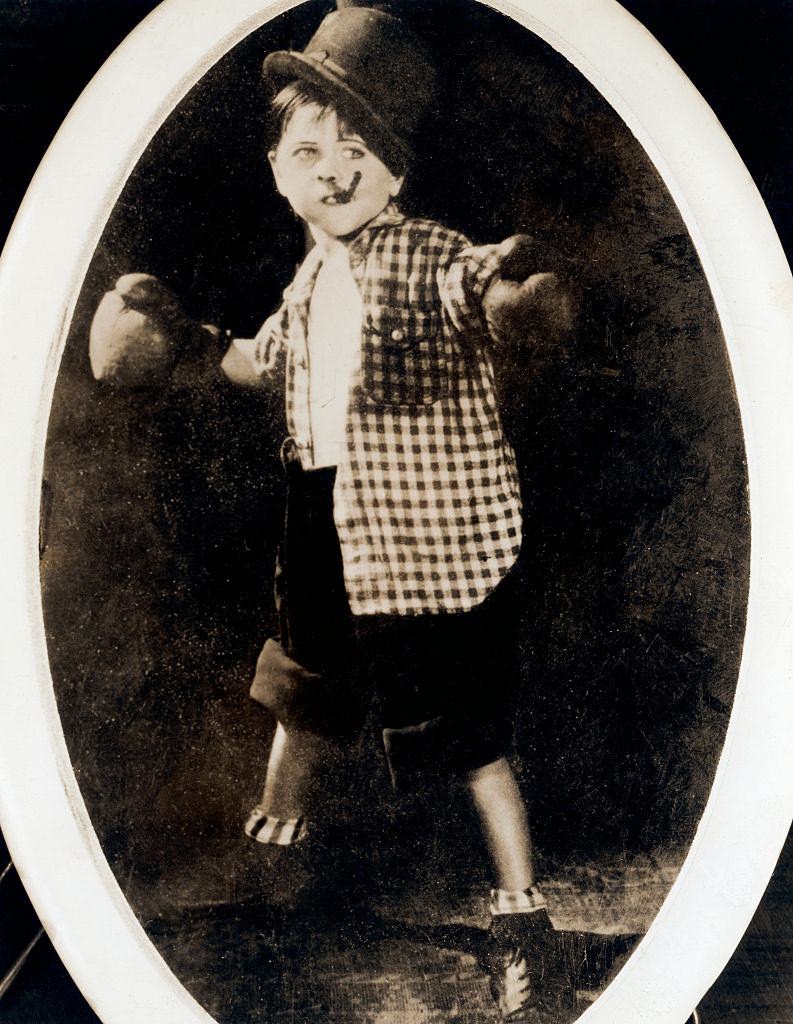
In the late 1920s, Rooney took on the stage name Mickey McGuire, starring as a tough, wisecracking kid in a long series of comedy shorts based on a popular comic strip of the same name. He eventually settled on the name Mickey Rooney, the name the world would come to know. The Mickey McGuire shorts ran for years and built him a loyal audience before he even entered his teens.
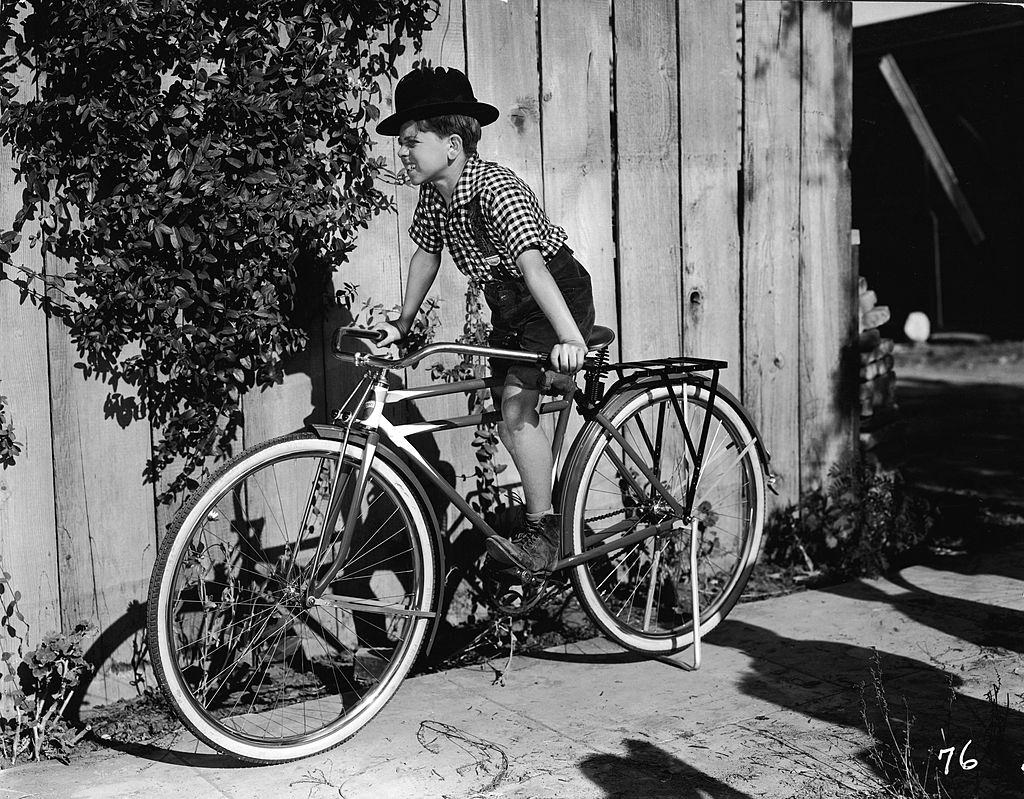
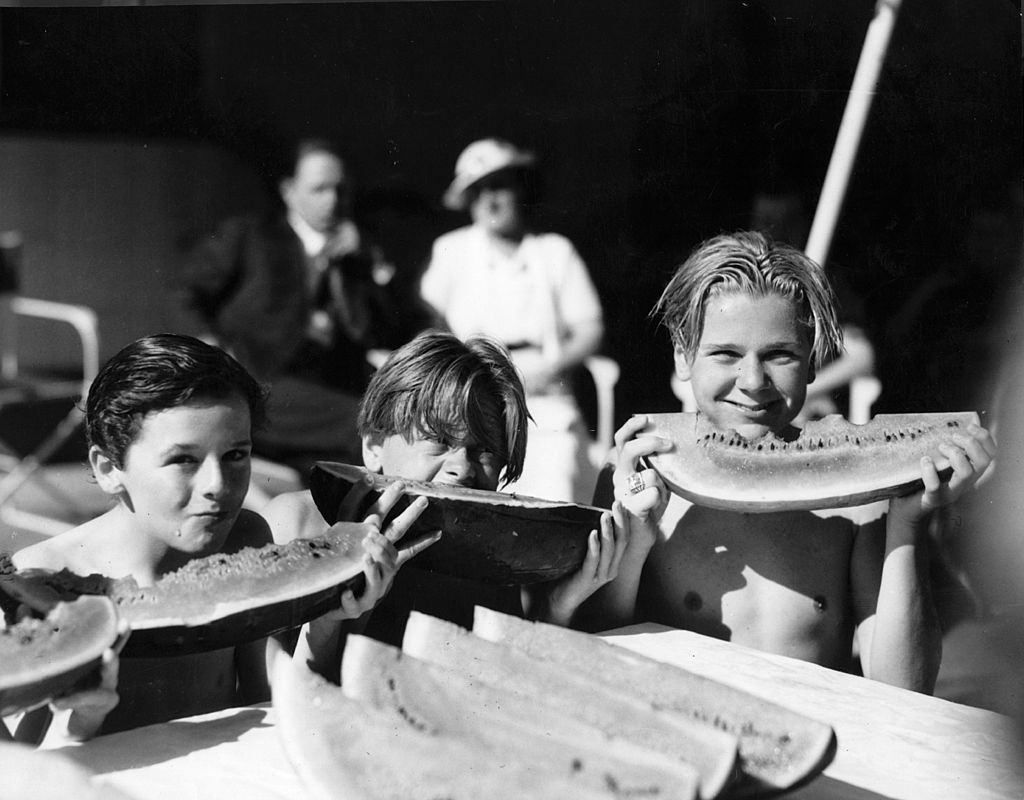
By 1930, Rooney was a fixture in Hollywood’s child star circuit. He rubbed shoulders with other young performers who would go on to define the era. His energy and natural charisma set him apart even among talented peers.
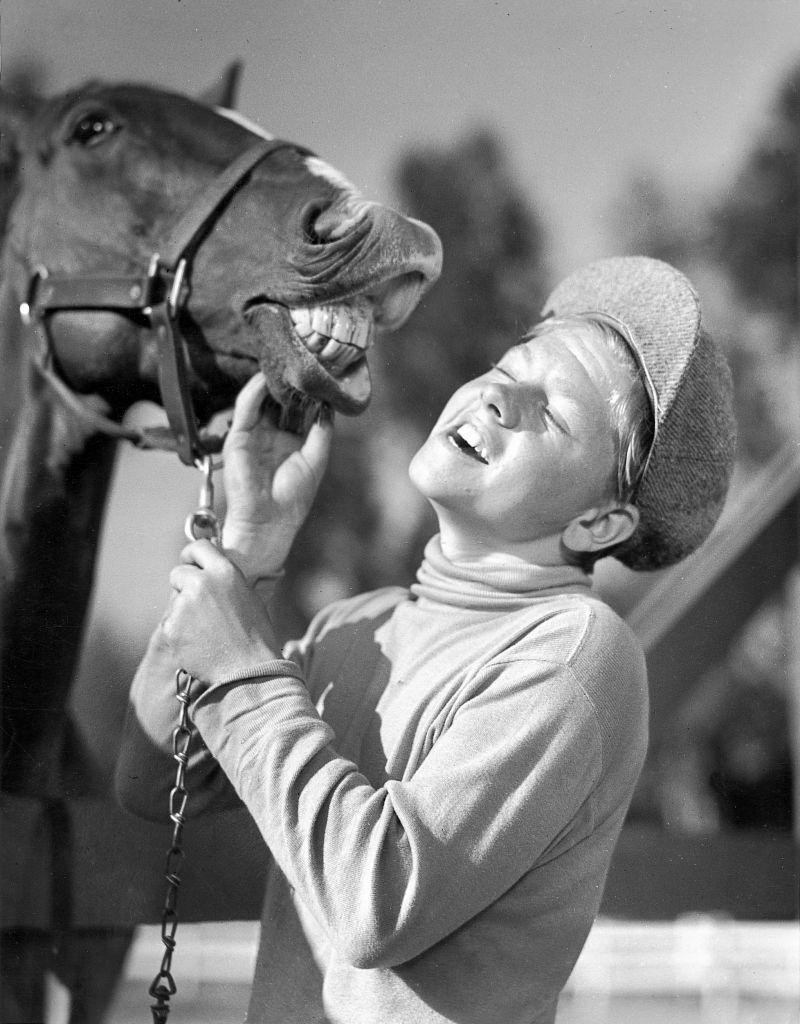
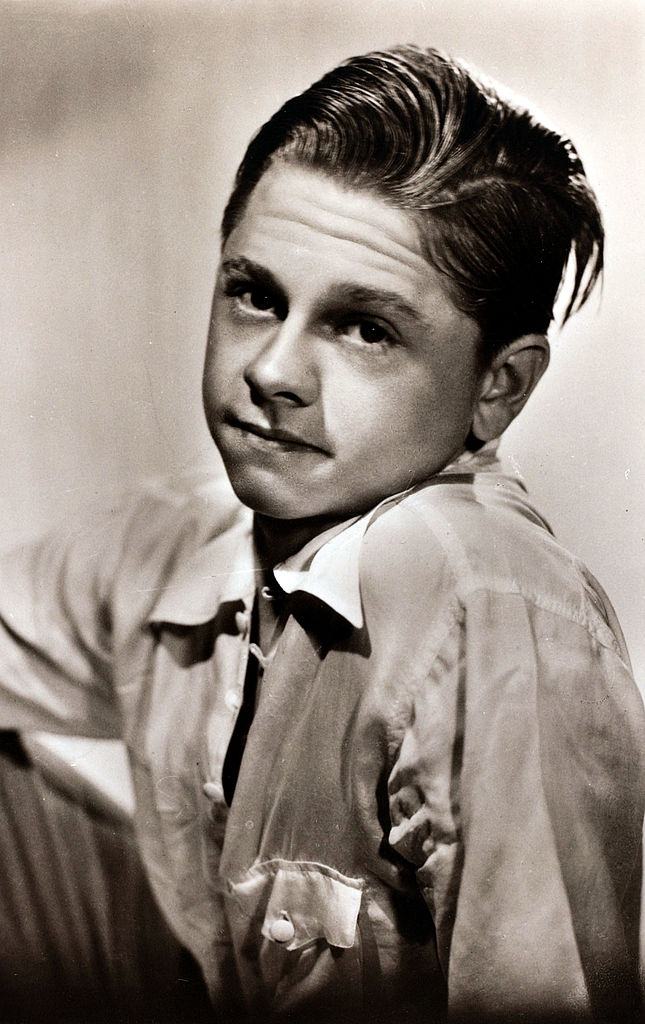
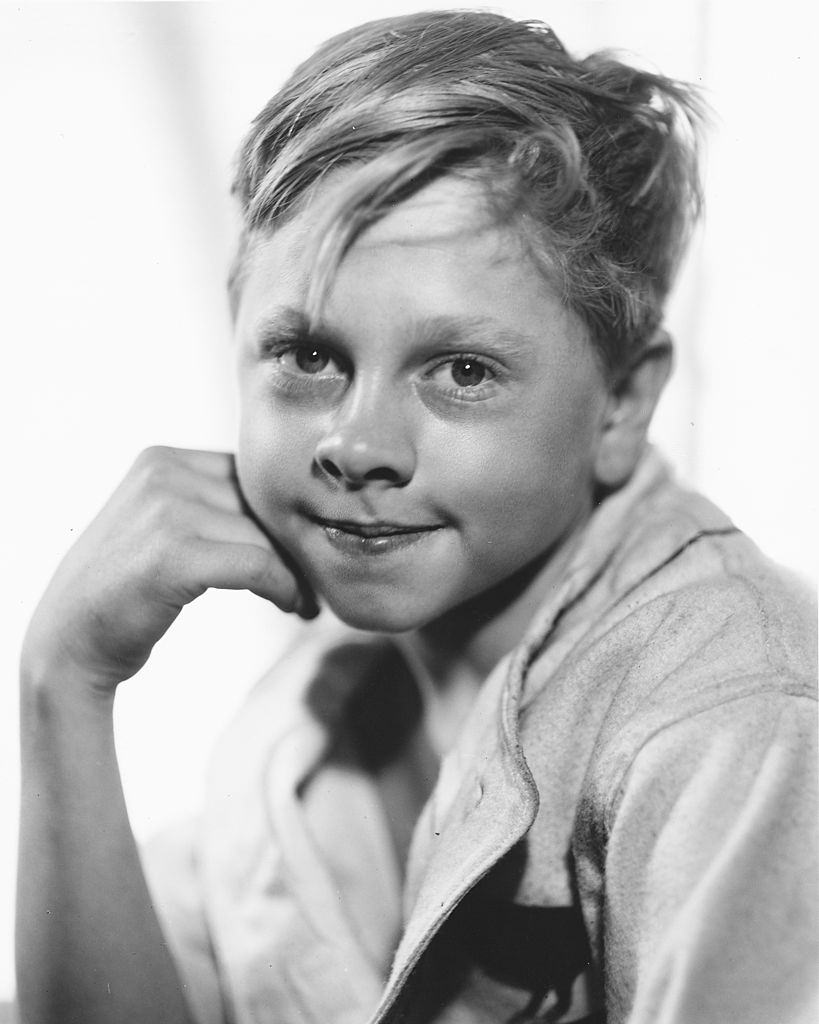
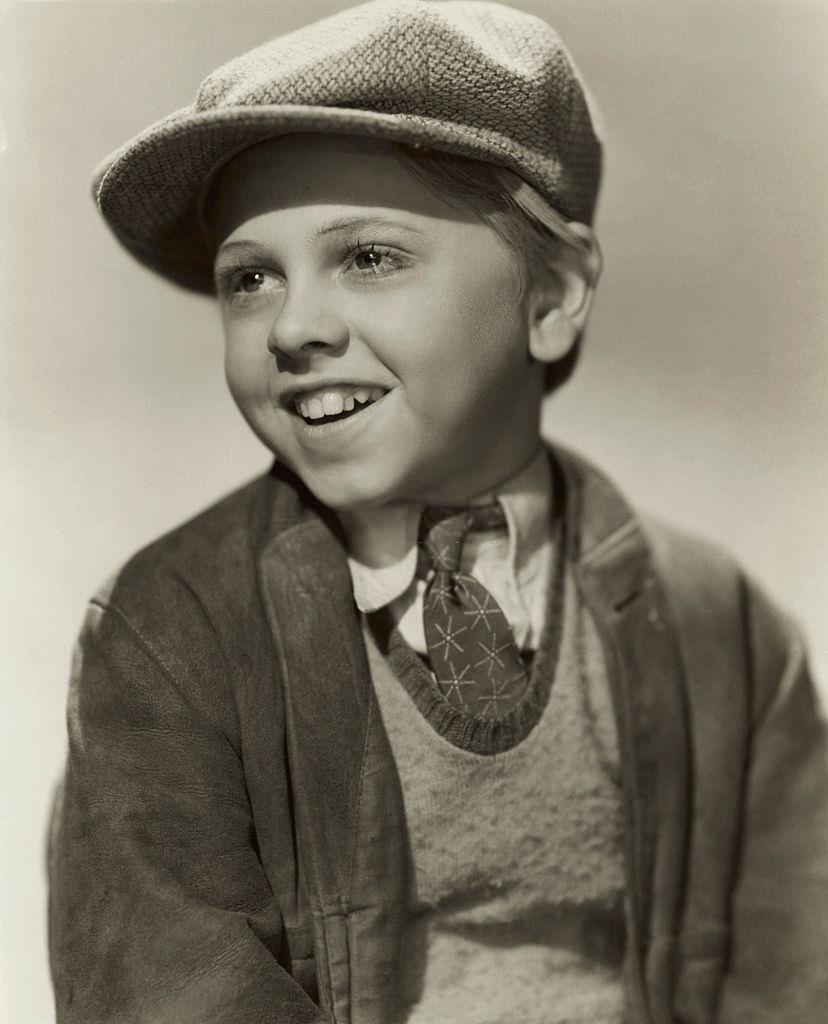
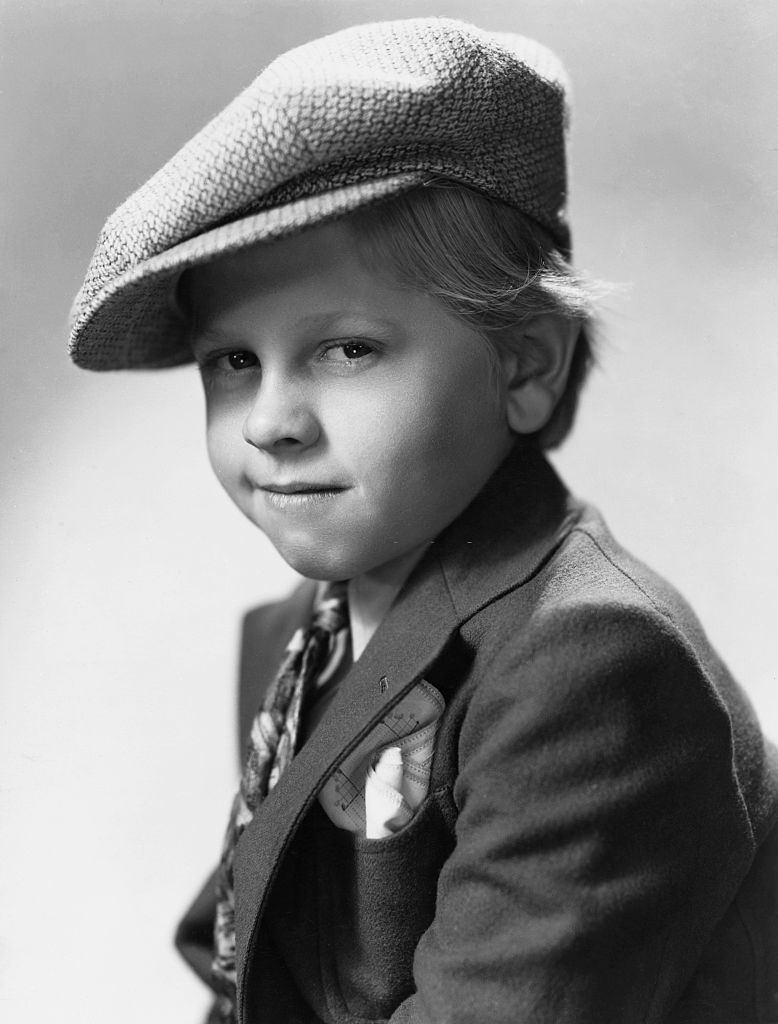
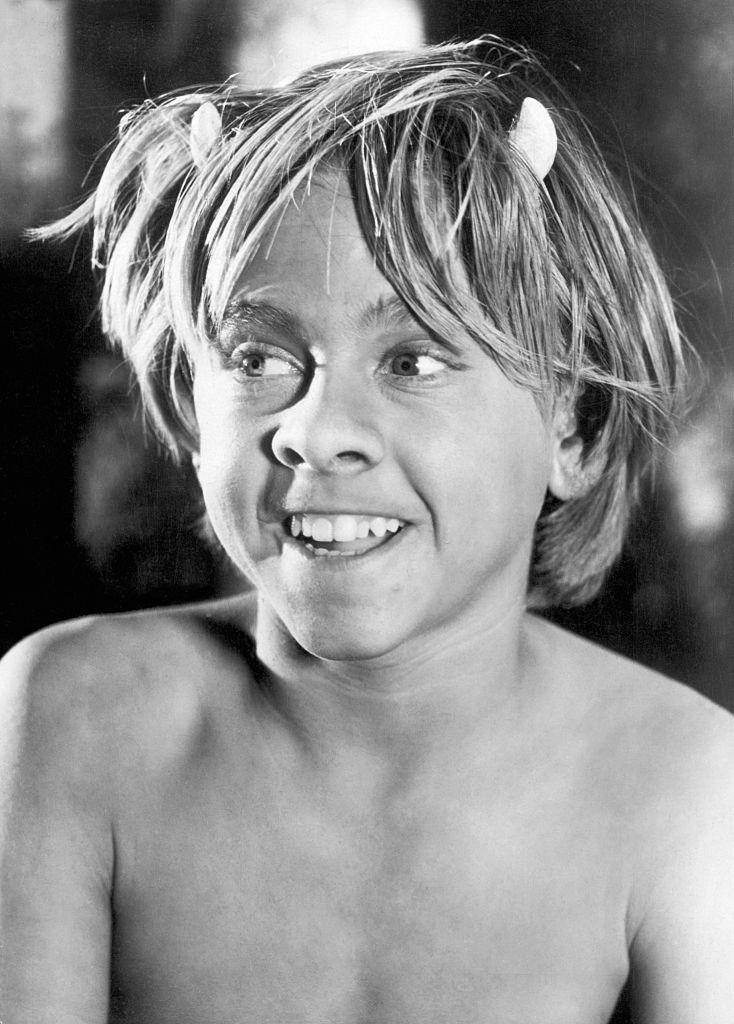
A major turning point came at age 14, when Rooney landed the role of Puck in a stage production of Shakespeare’s A Midsummer Night’s Dream. The production was adapted into a 1935 film, and Rooney’s performance drew serious critical attention. He brought a physical, almost acrobatic energy to the fairy character that few actors of any age could have managed.
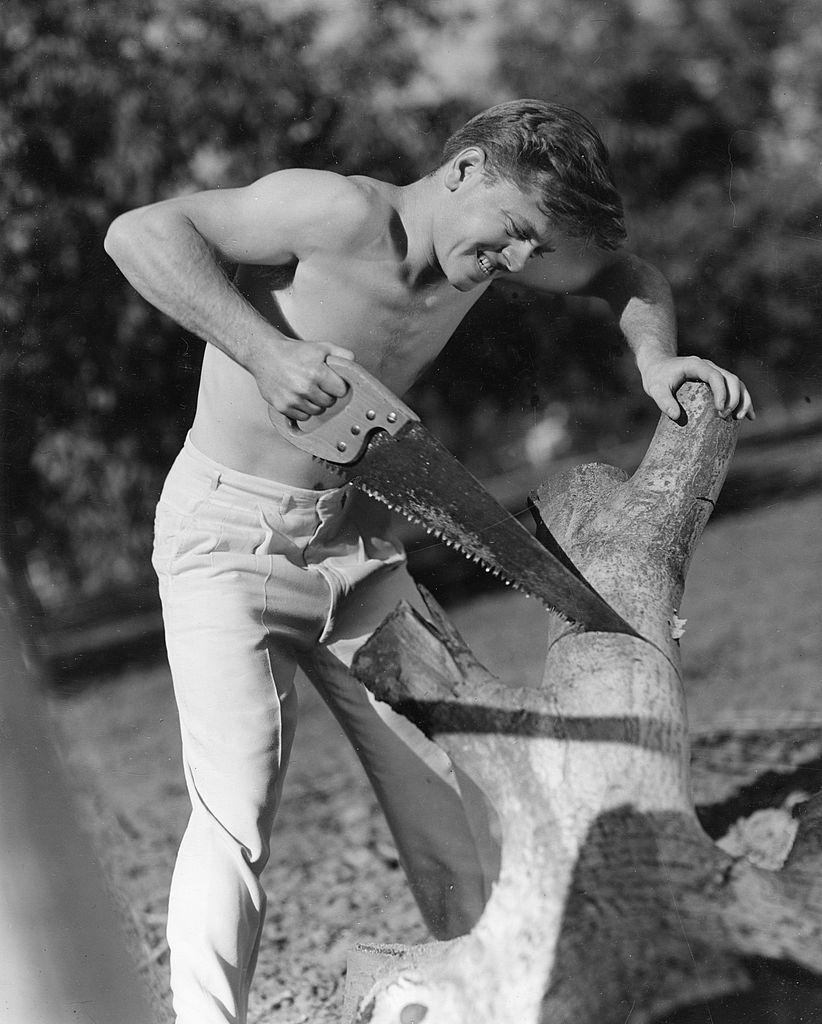
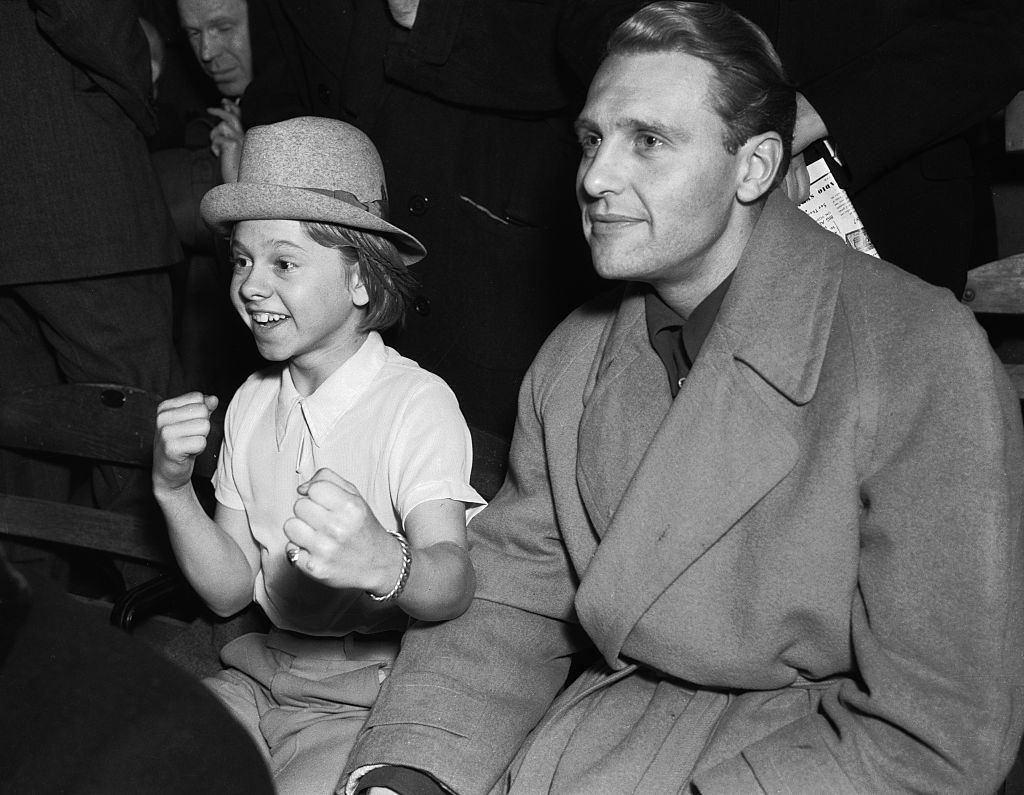
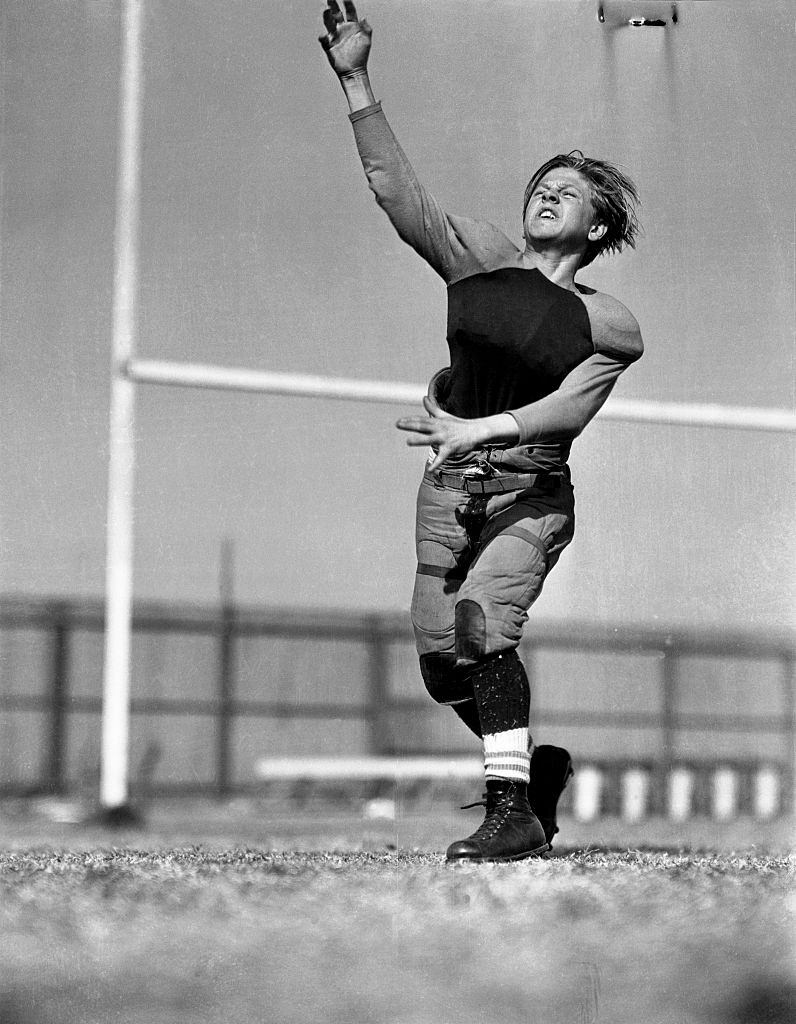
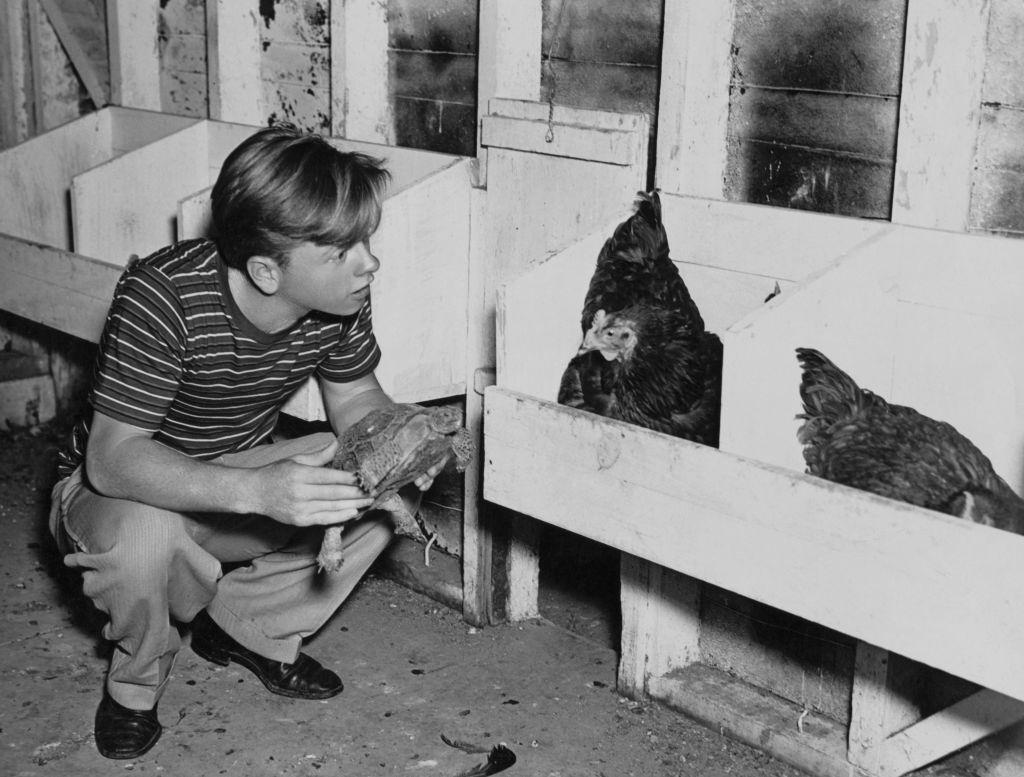
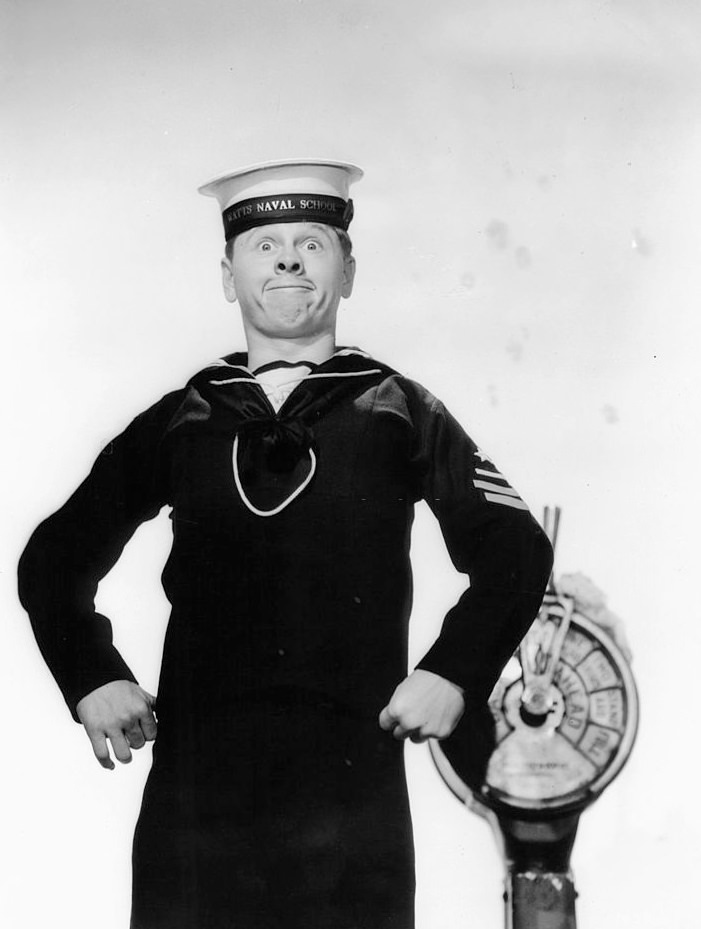
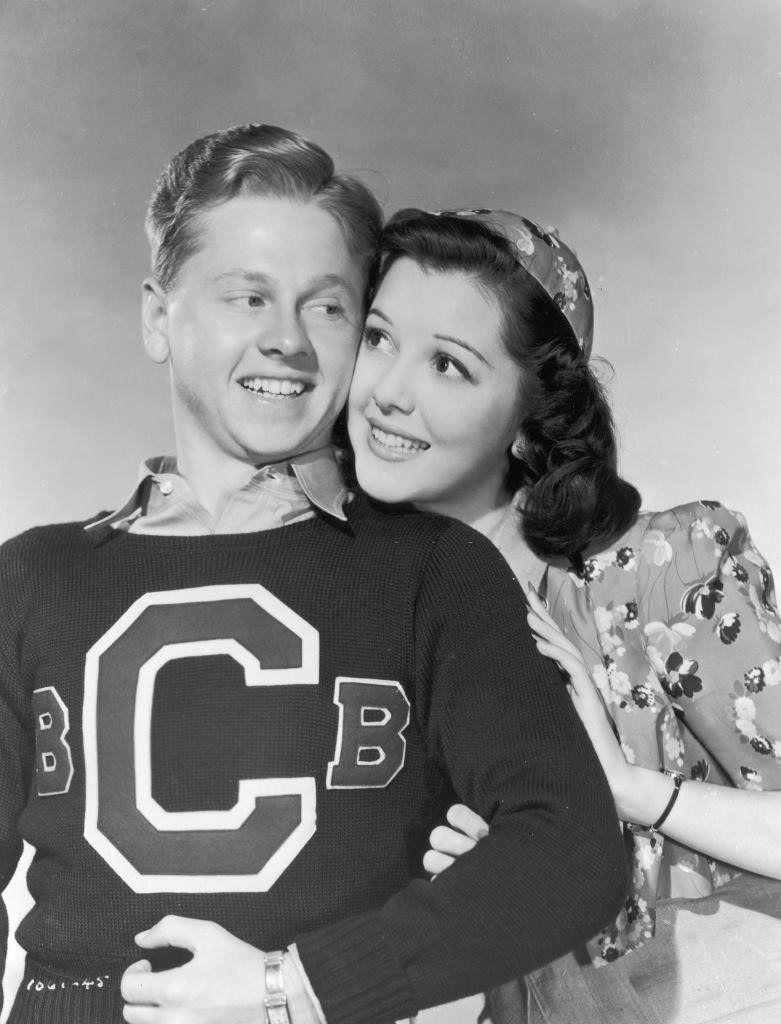
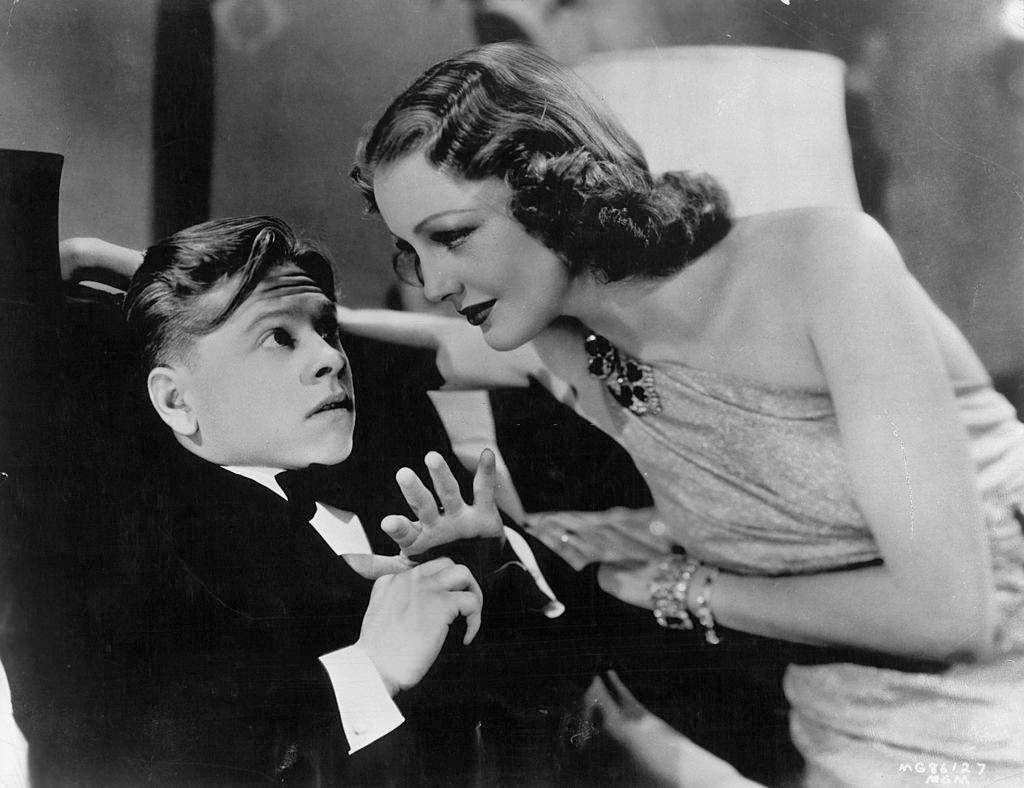
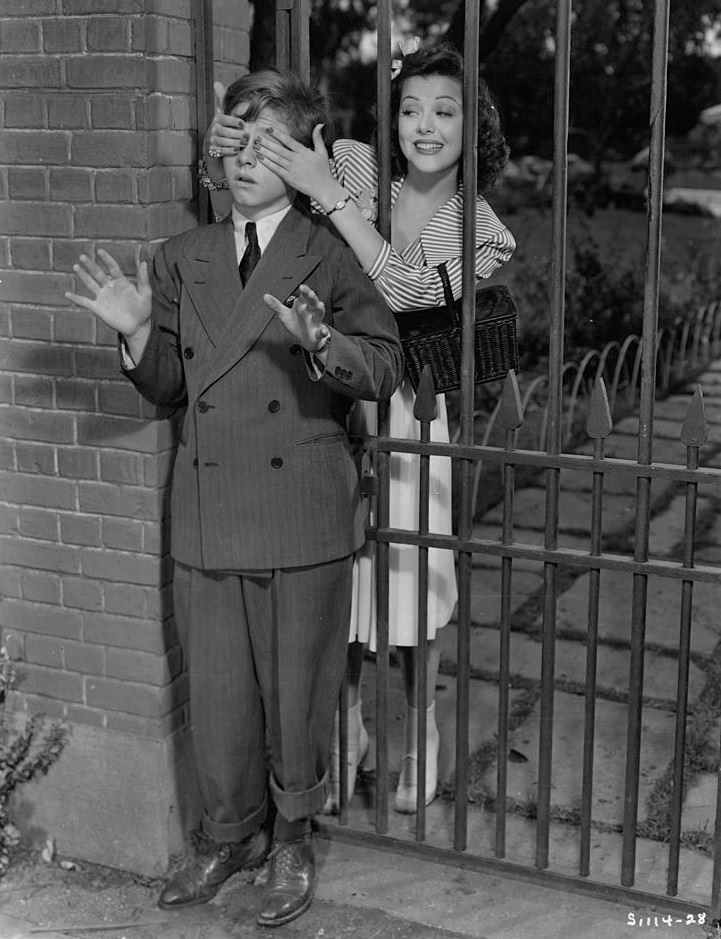
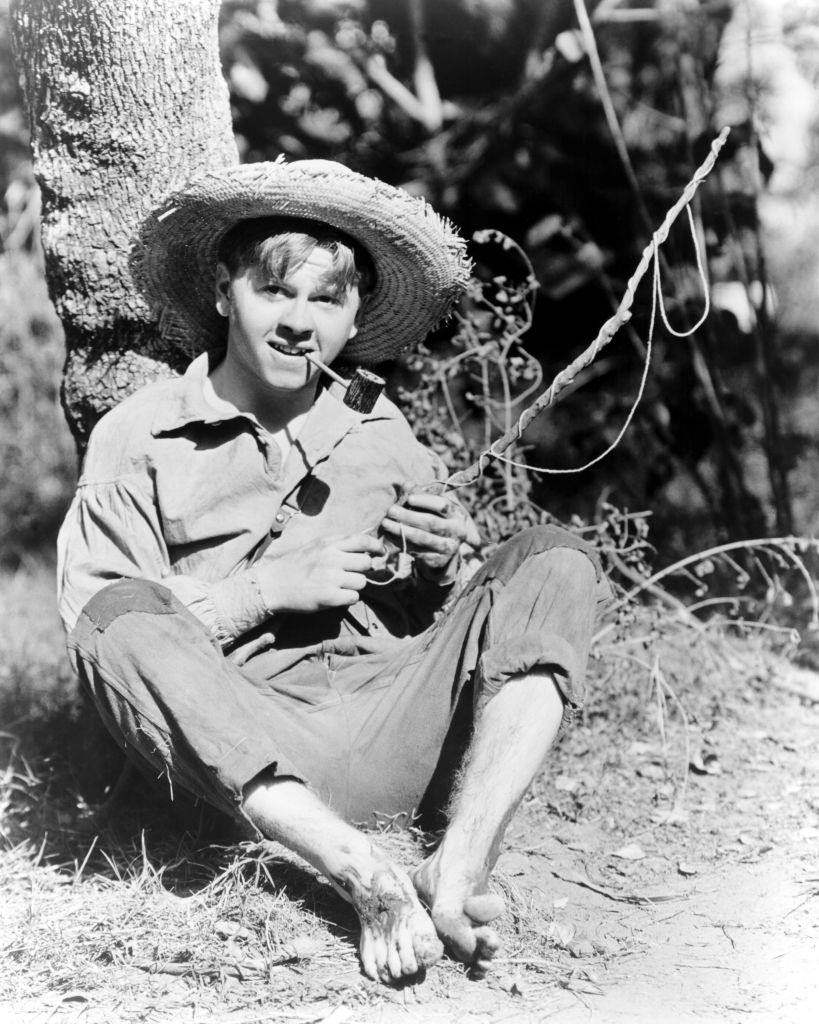
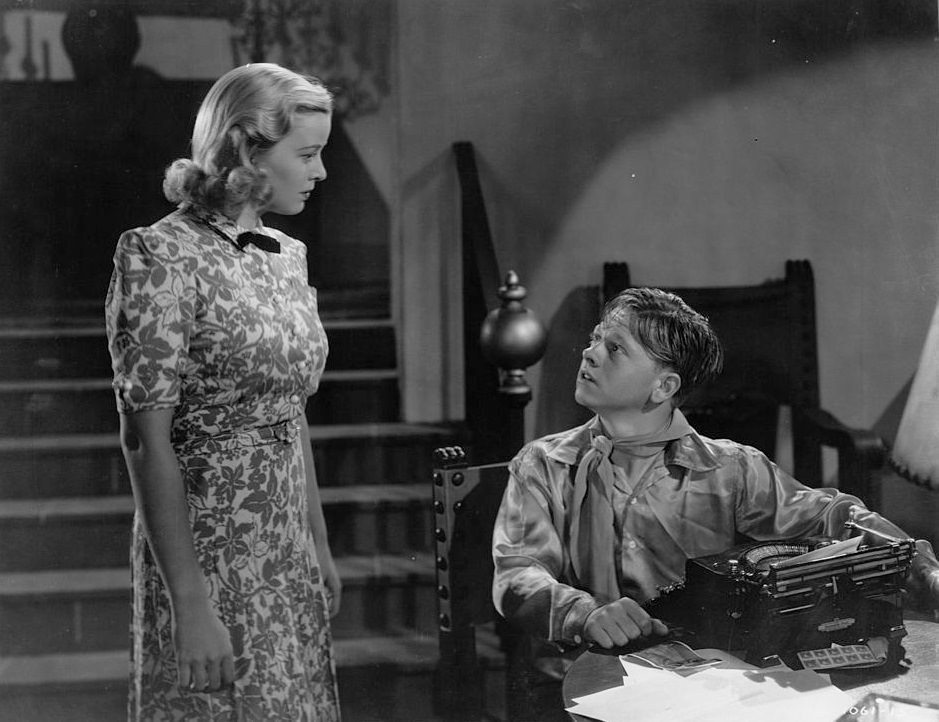
In 1937, Rooney took on the role that would define his peak years: Andy Hardy, the cheerful, all-American teenager at the center of a beloved film series. He repeated the character across 20 films, and audiences could not get enough. Between the ages of 15 and 25, Rooney appeared in 43 films total. By 1939, he sat at the very top of the box office — the number one star in Hollywood.
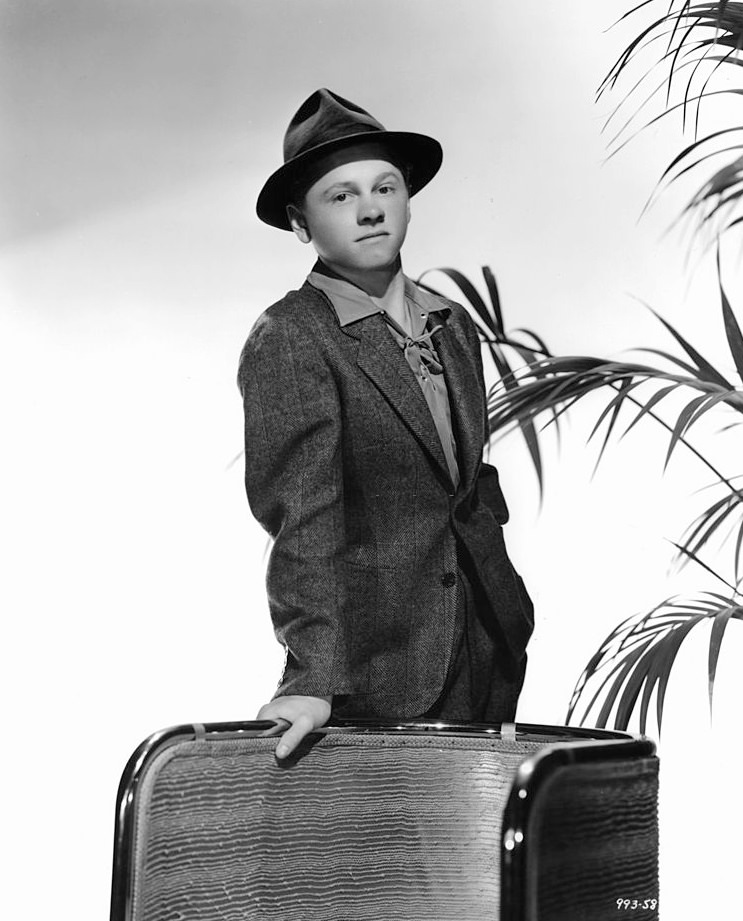
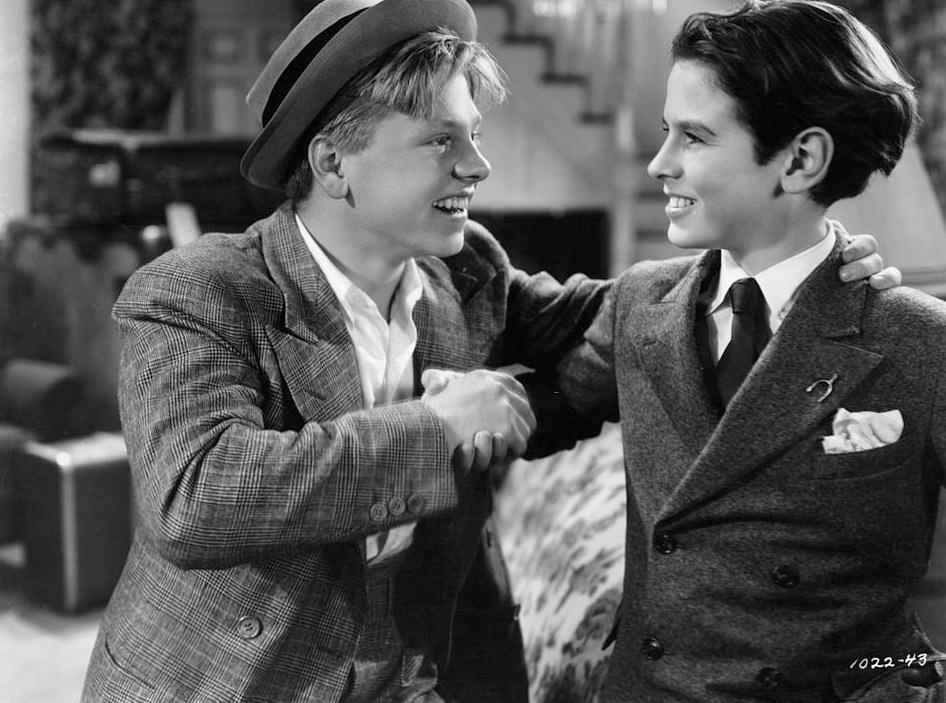
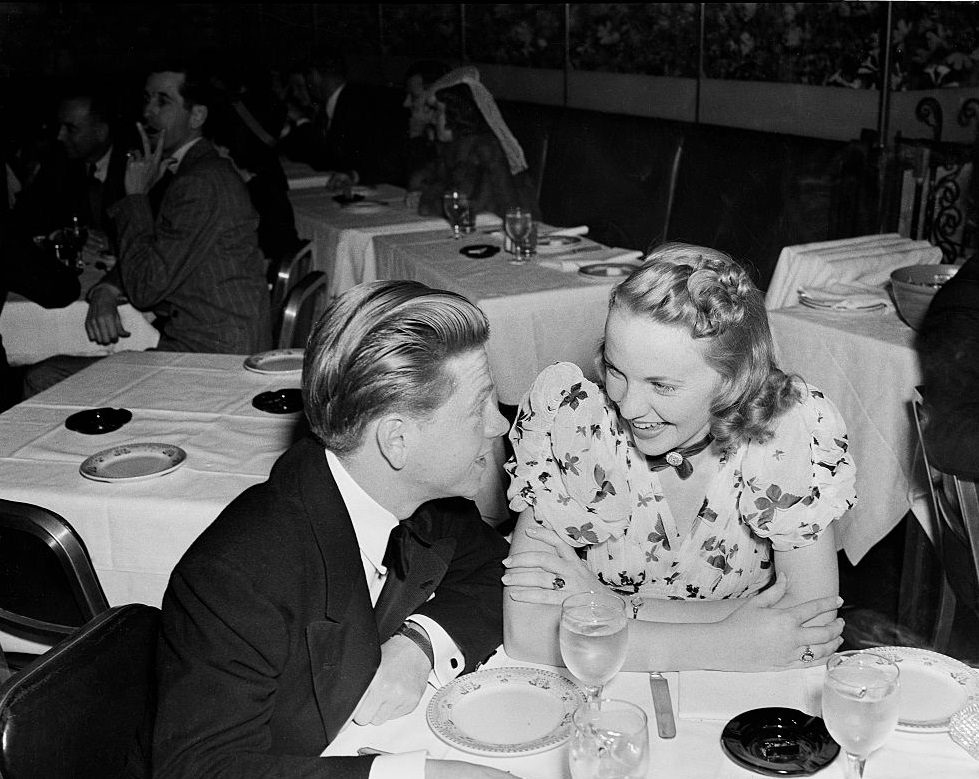
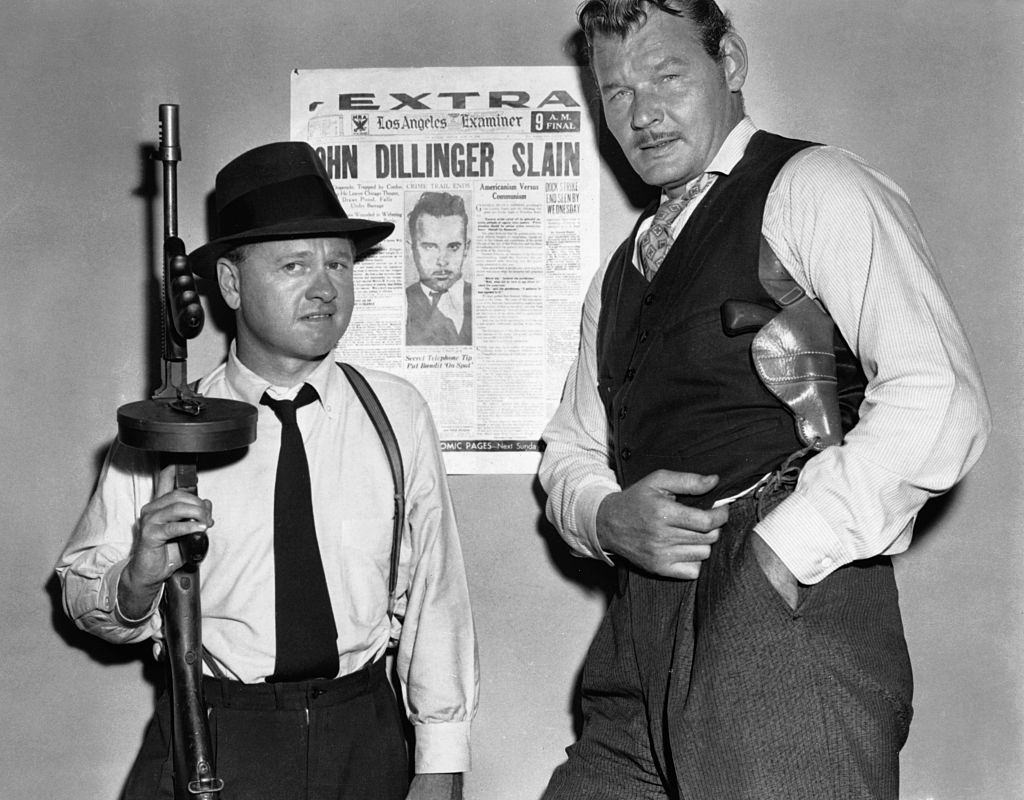
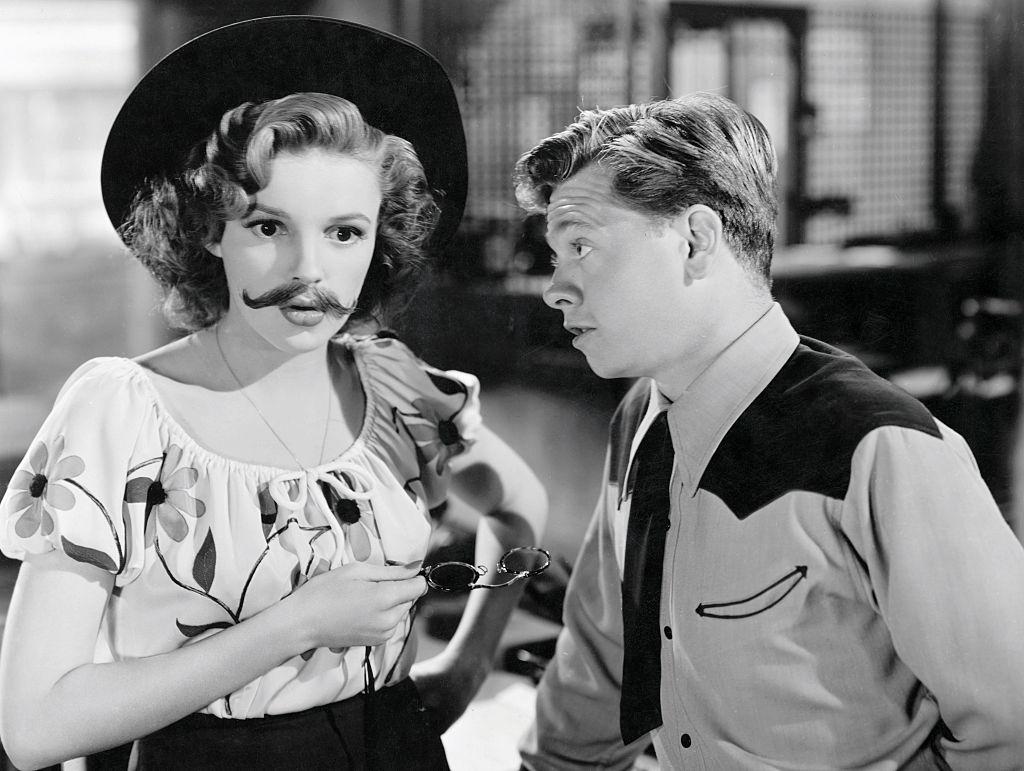
During this same period, Rooney built one of Hollywood’s most enduring on-screen partnerships. He and Judy Garland appeared together in a string of films that became hugely popular with audiences. Their chemistry was genuine — they were close friends off-screen and that warmth translated directly to the camera.
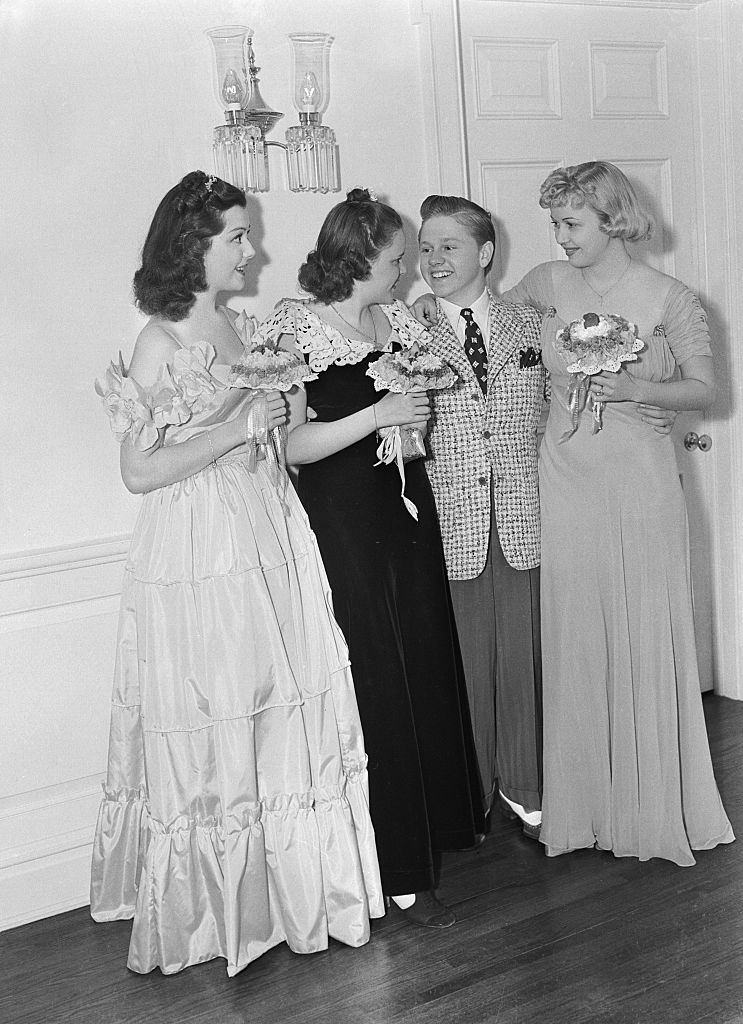
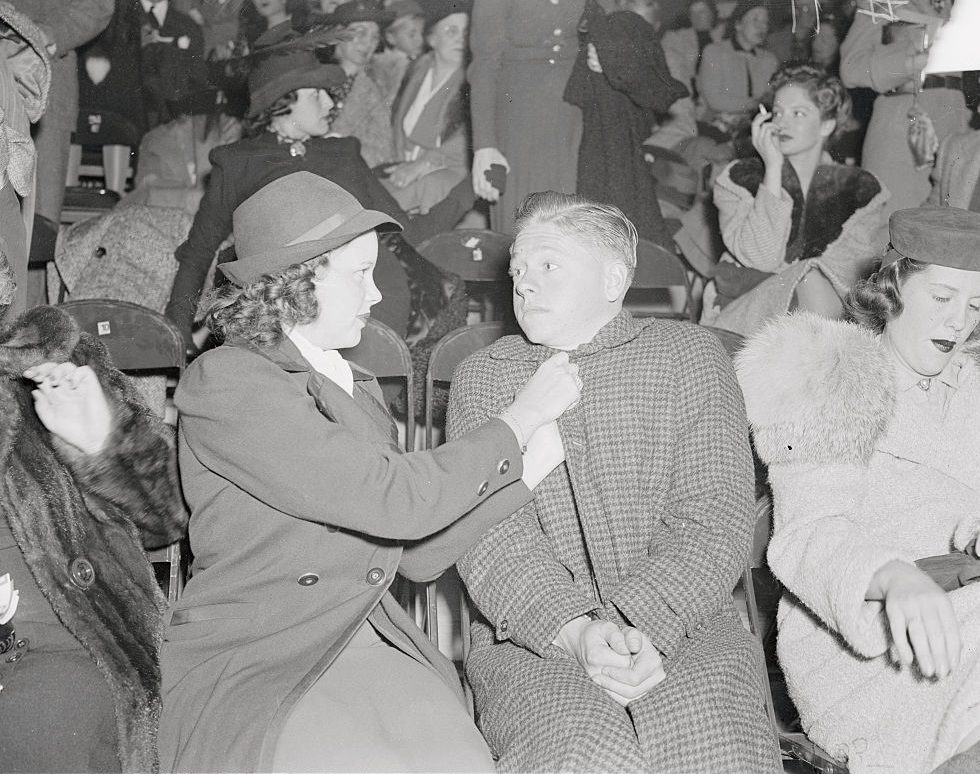
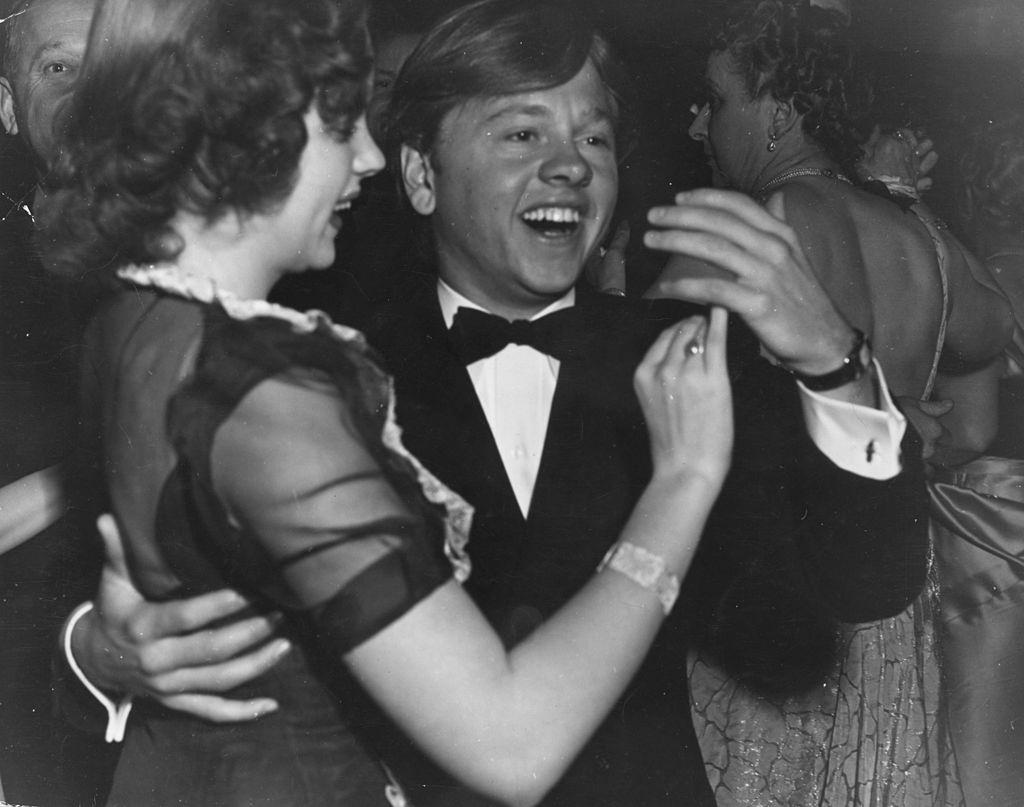
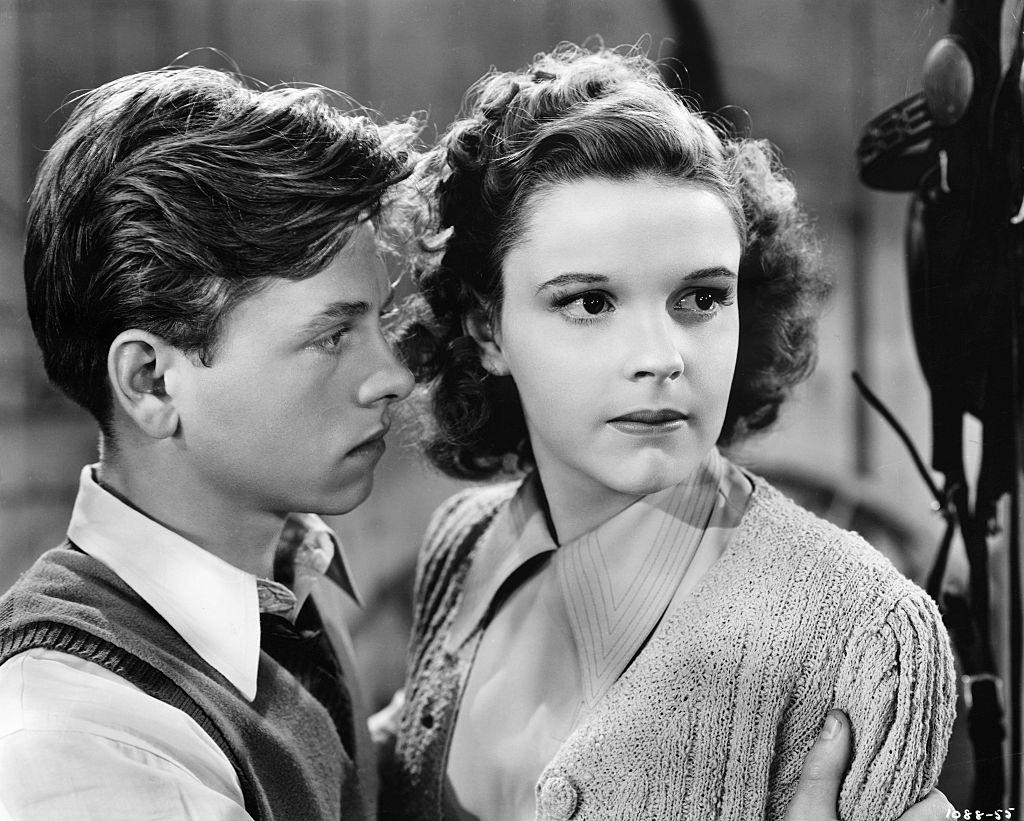
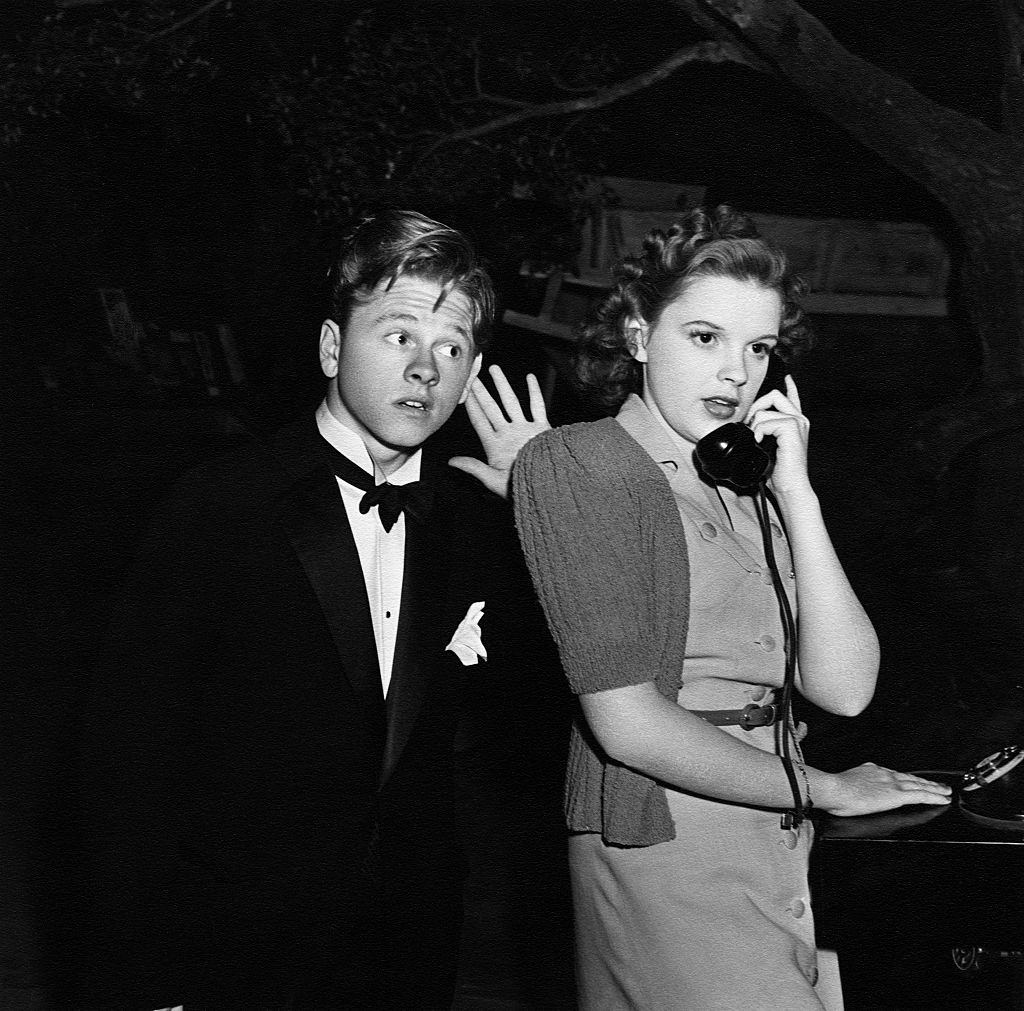
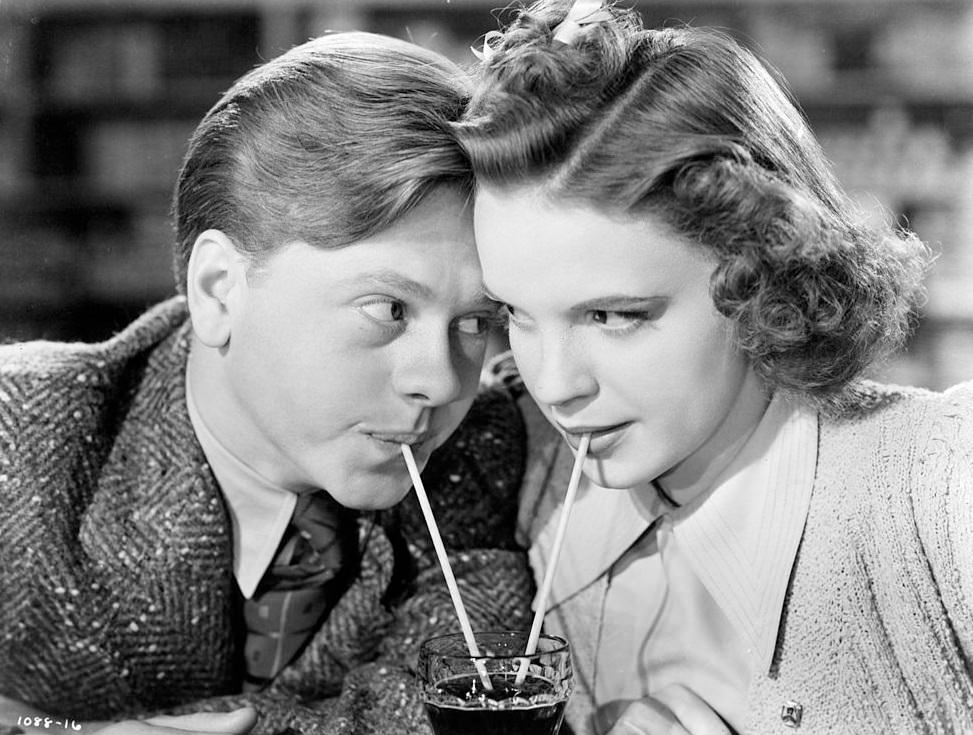
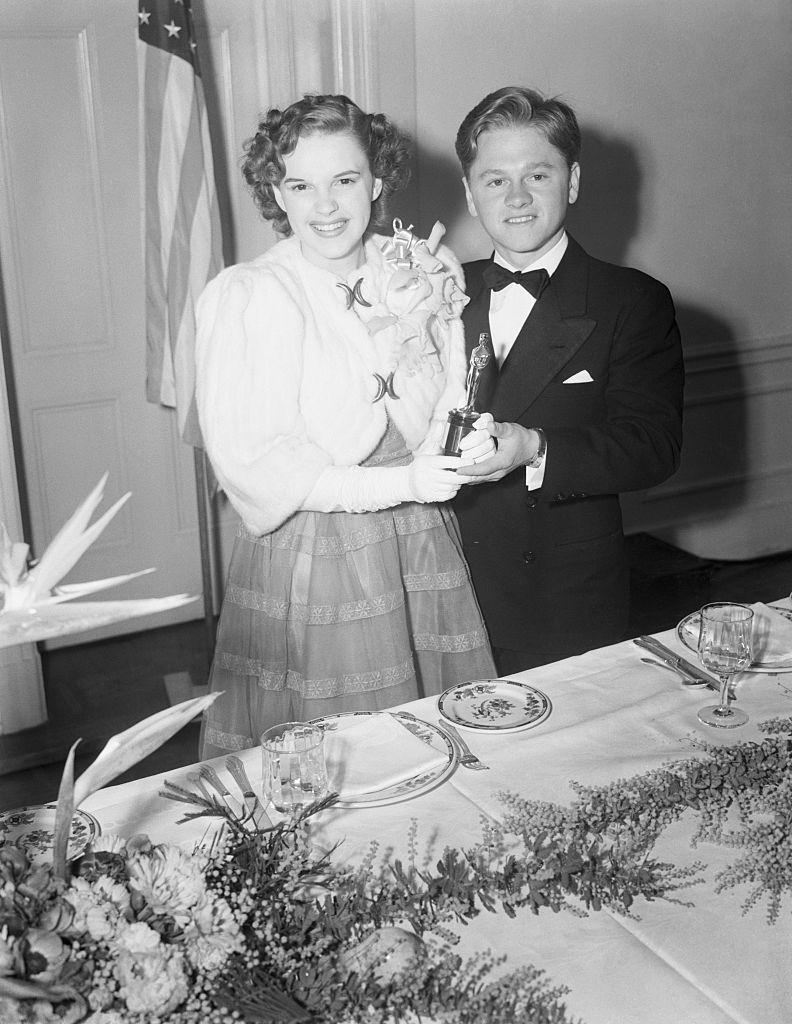
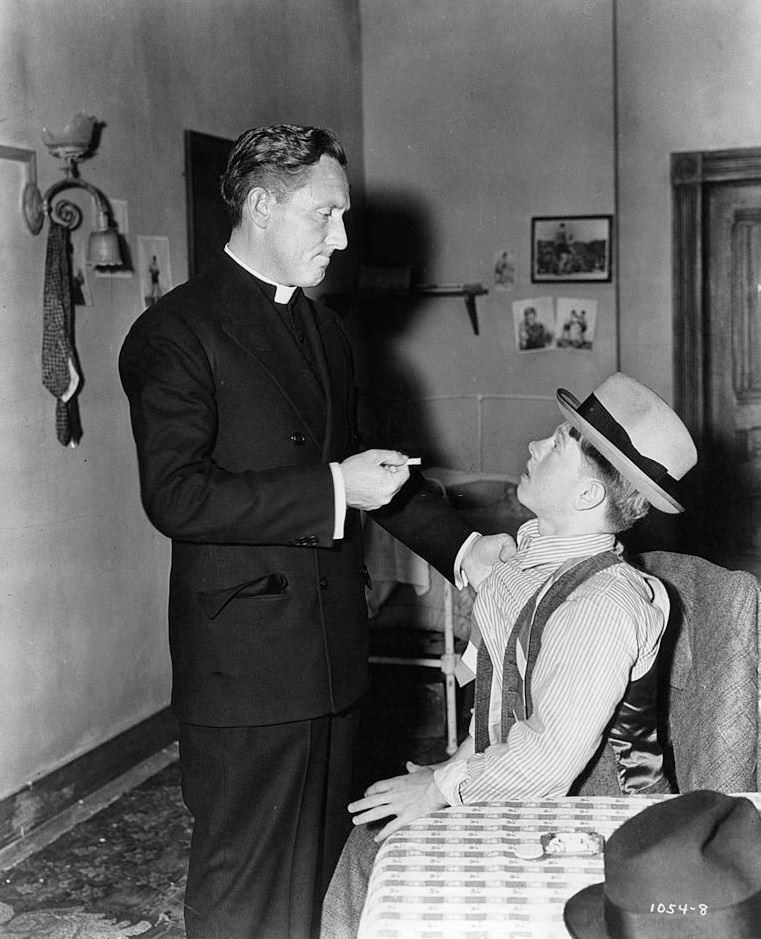
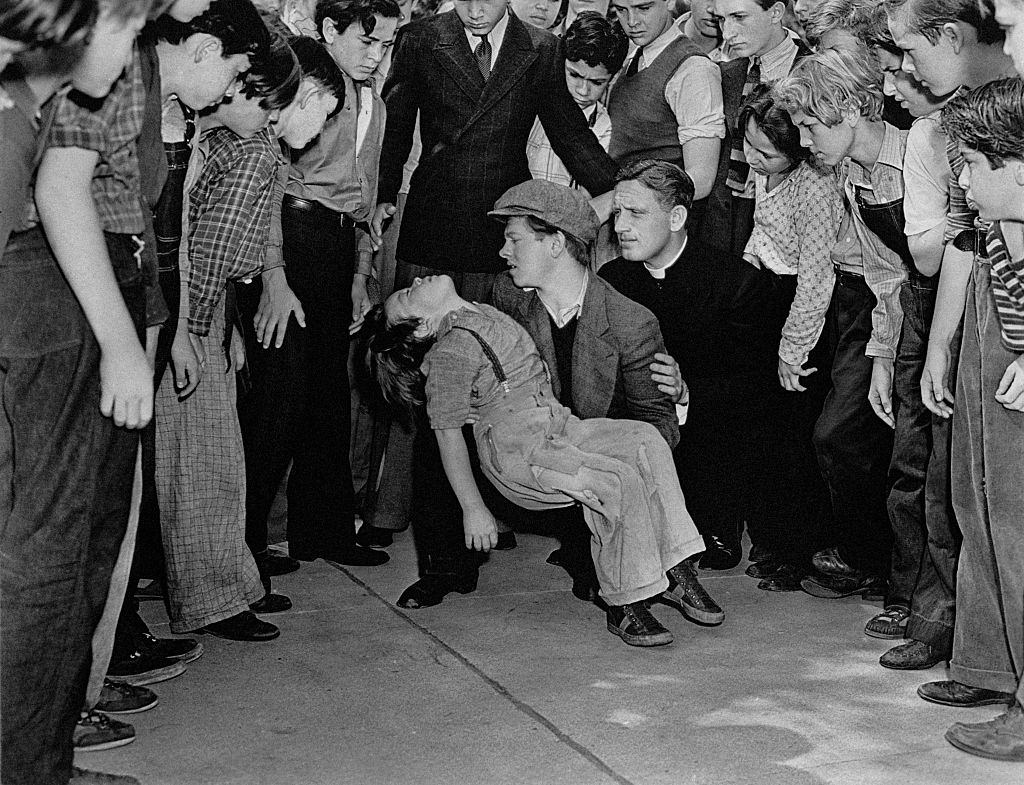
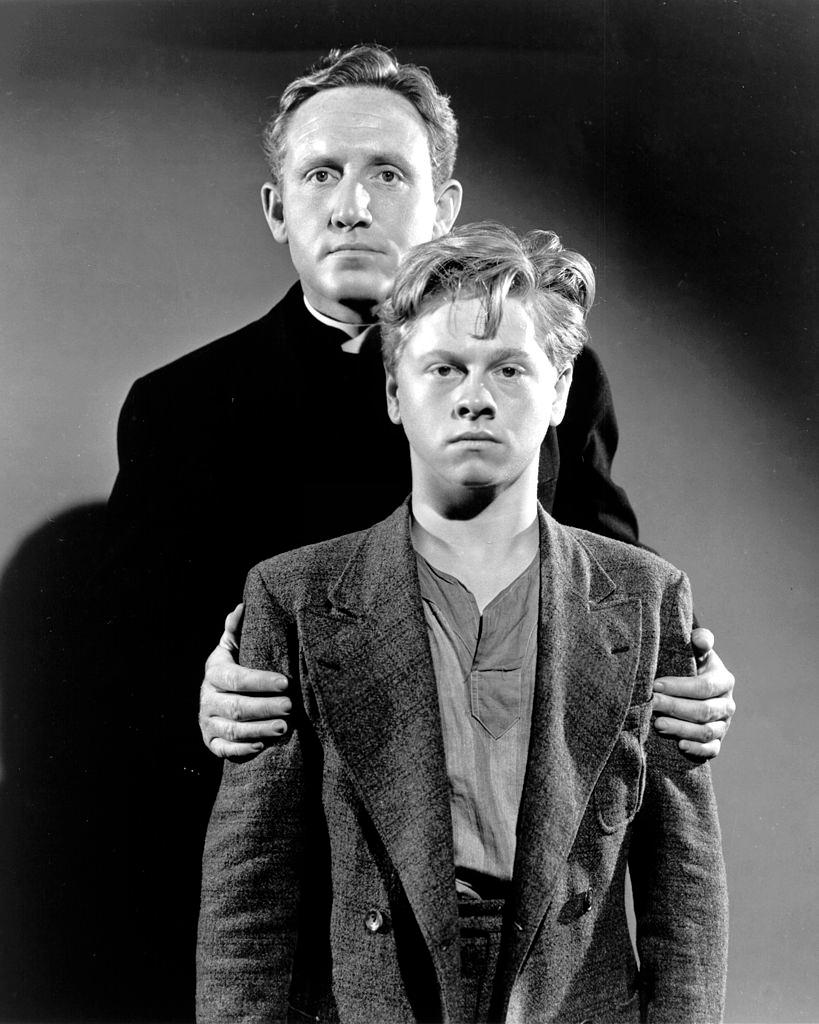
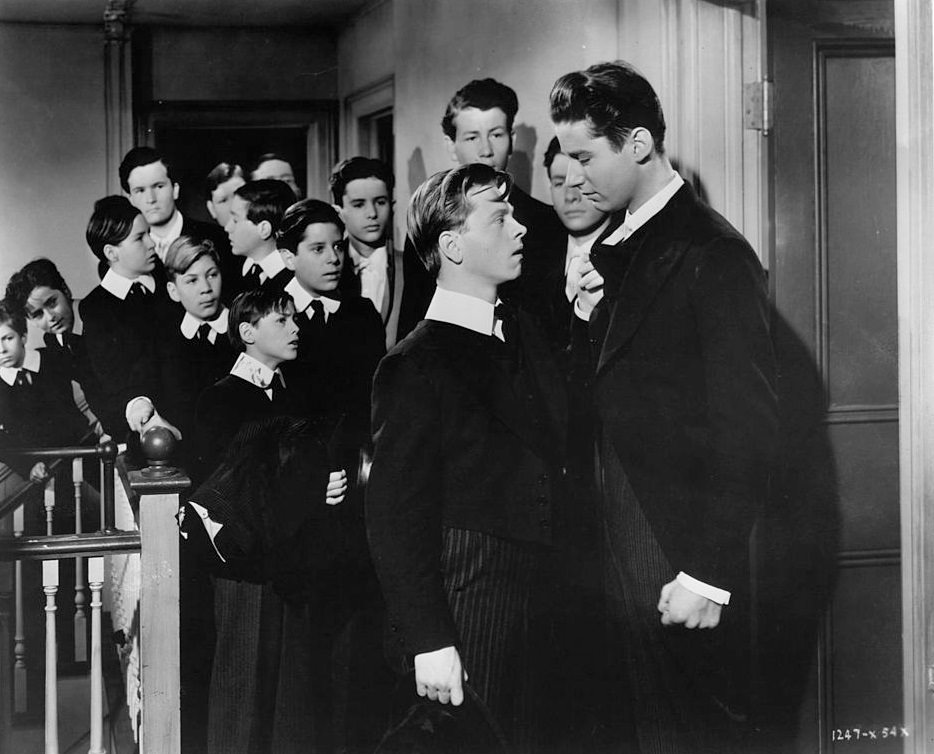
At age 19, Rooney became the first teenager ever nominated for an Academy Award. His work in Boys Town alongside Spencer Tracy earned him enormous praise. The film featured some of the most emotionally charged scenes of his early career, and his ability to hold his own opposite a veteran like Tracy said everything about his talent.
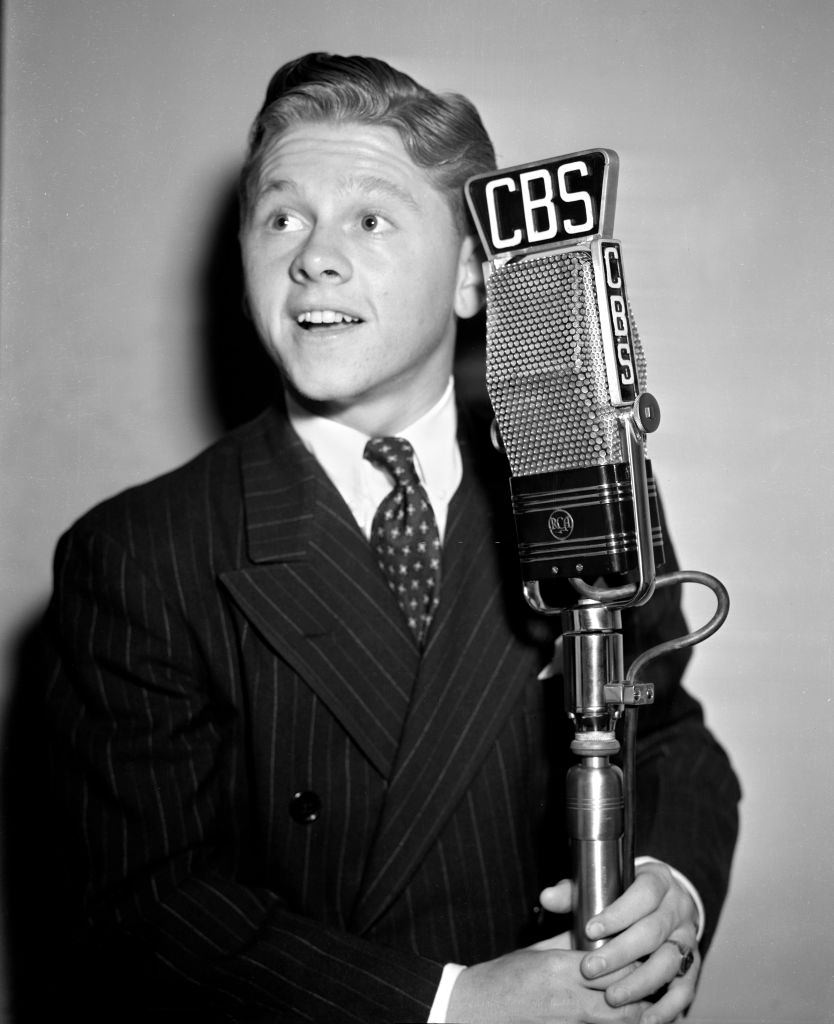
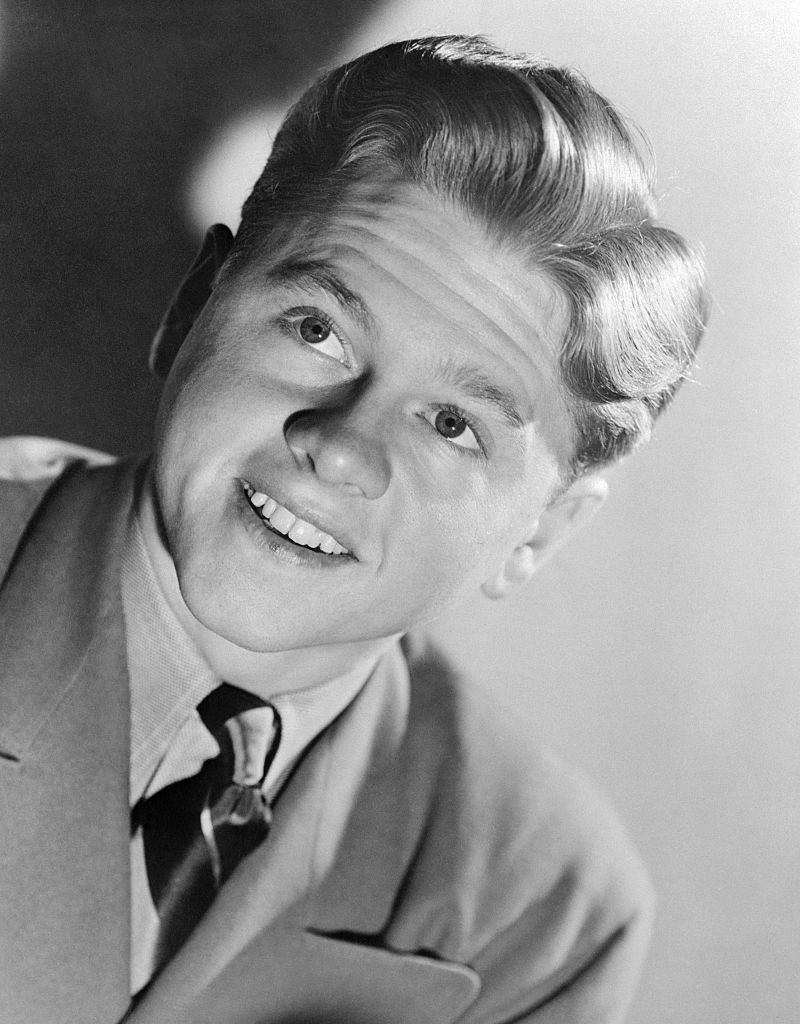
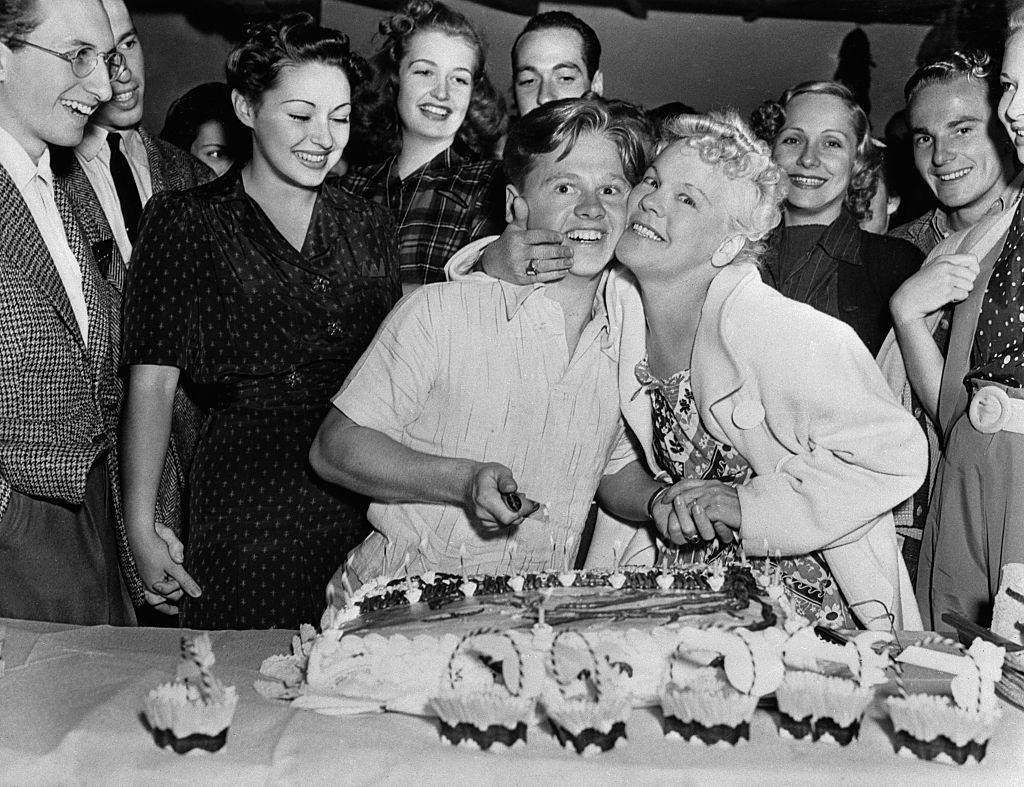
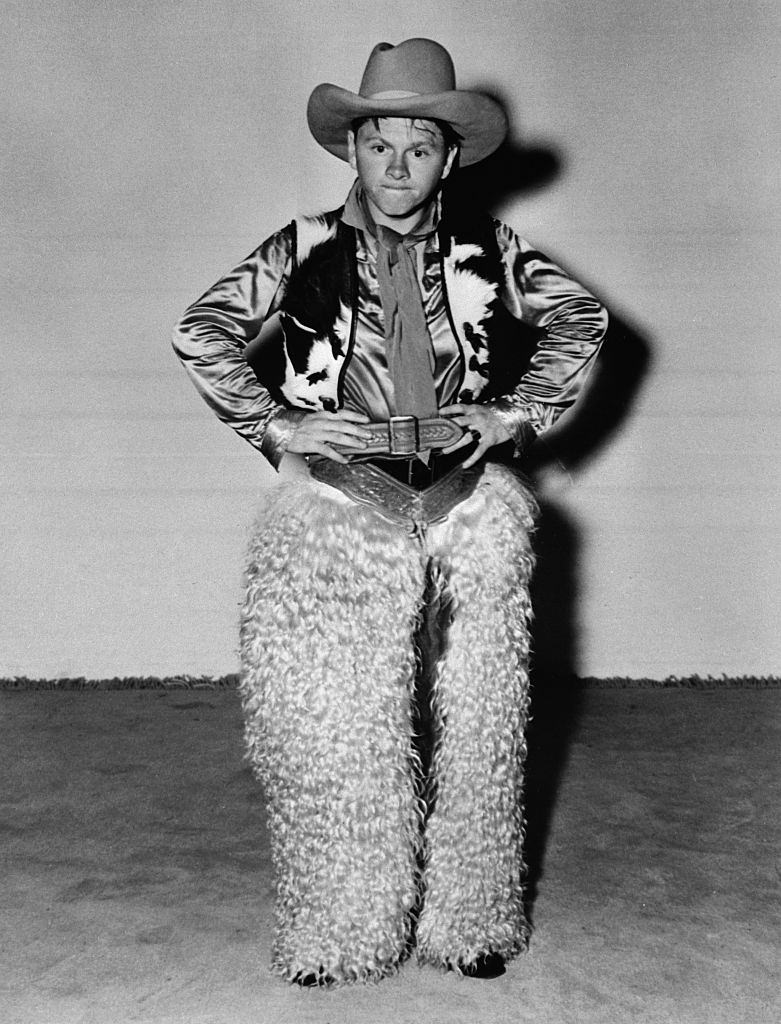
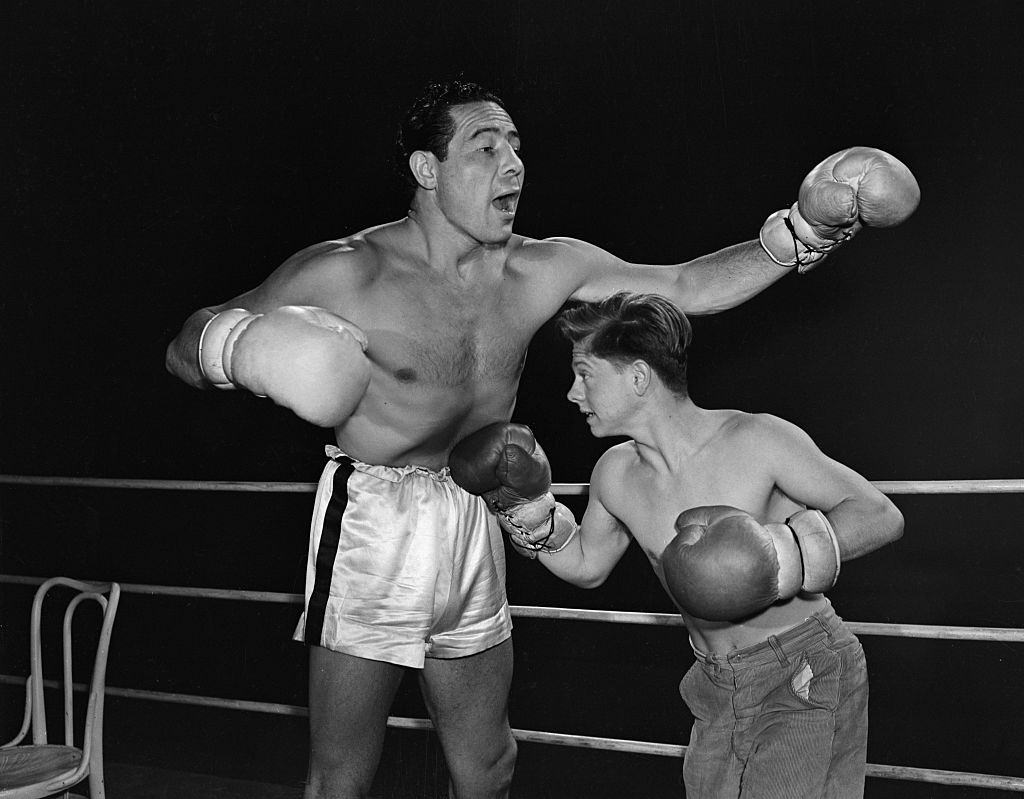
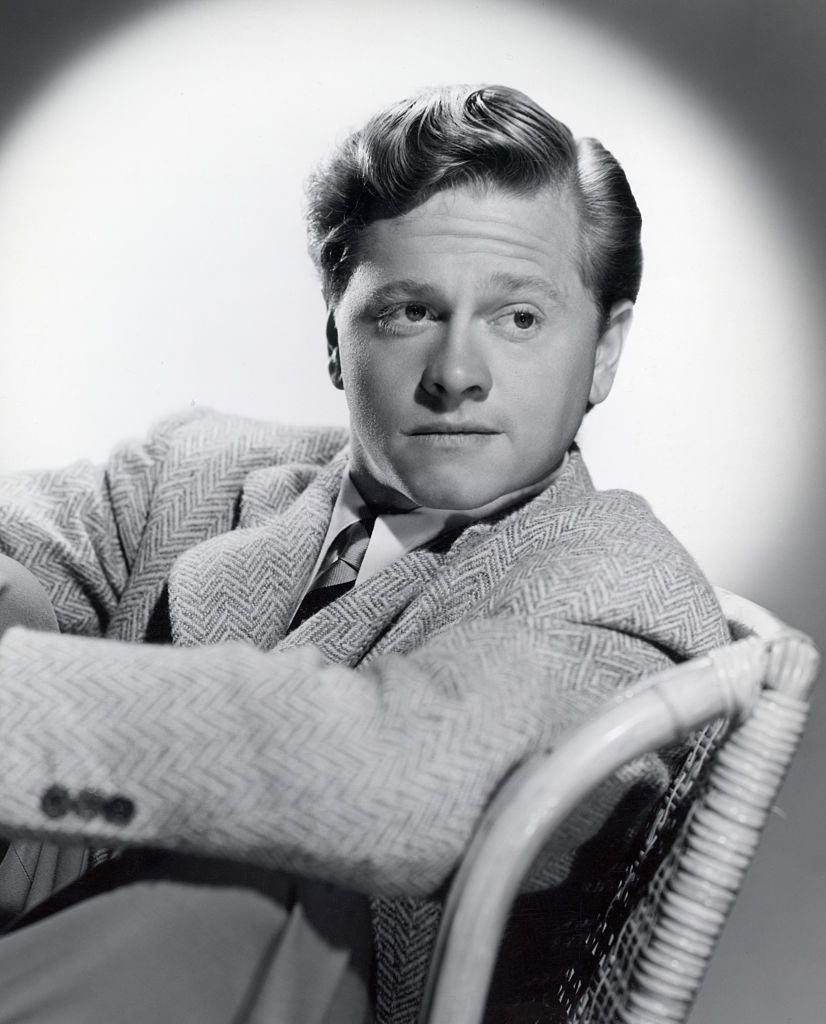
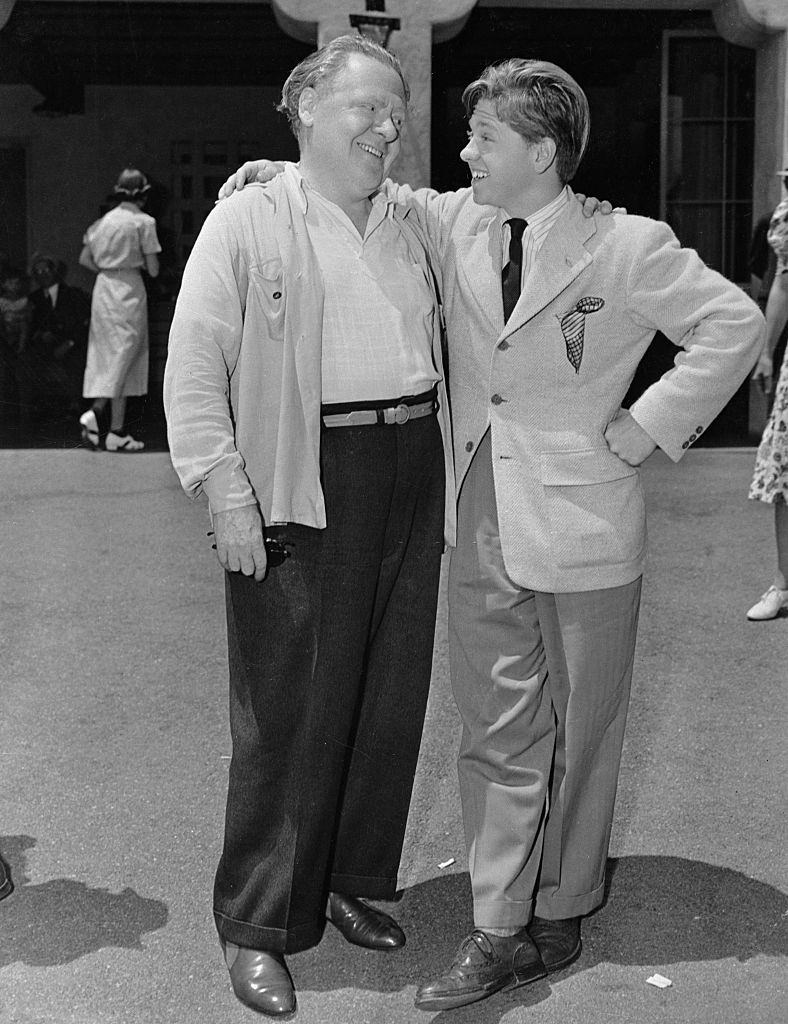
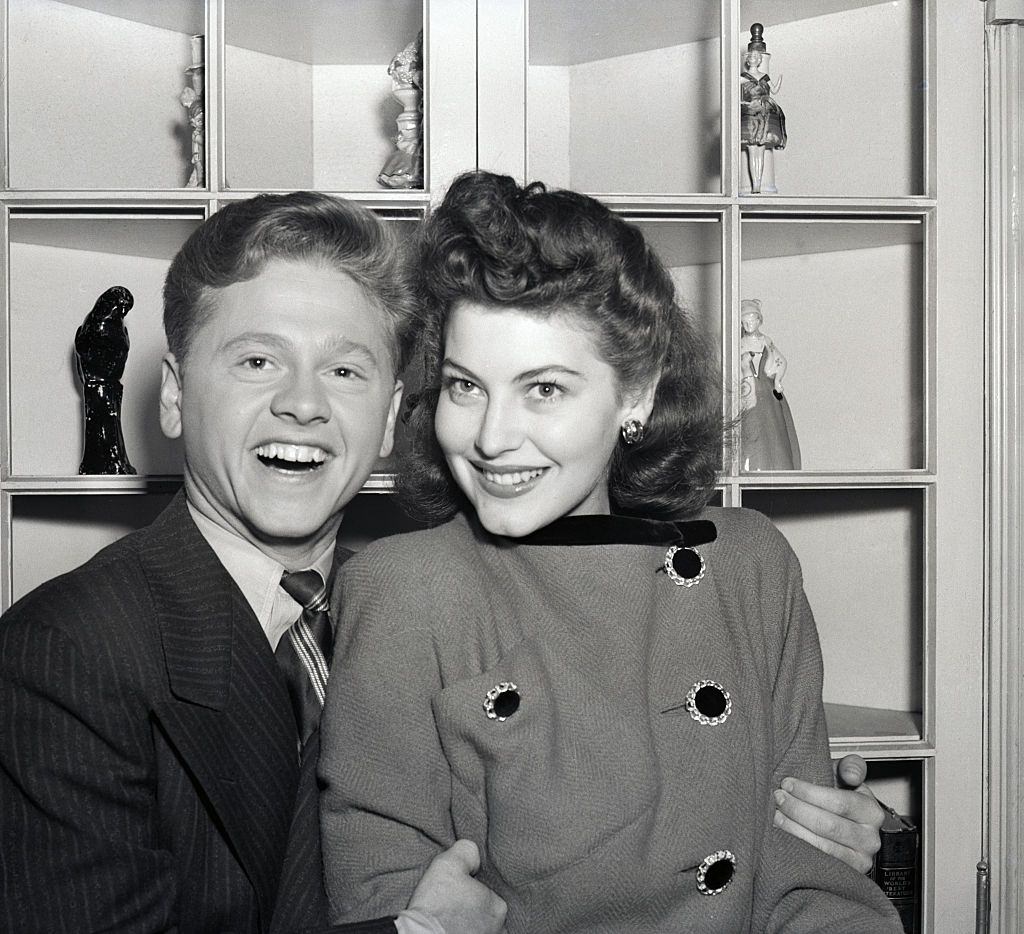
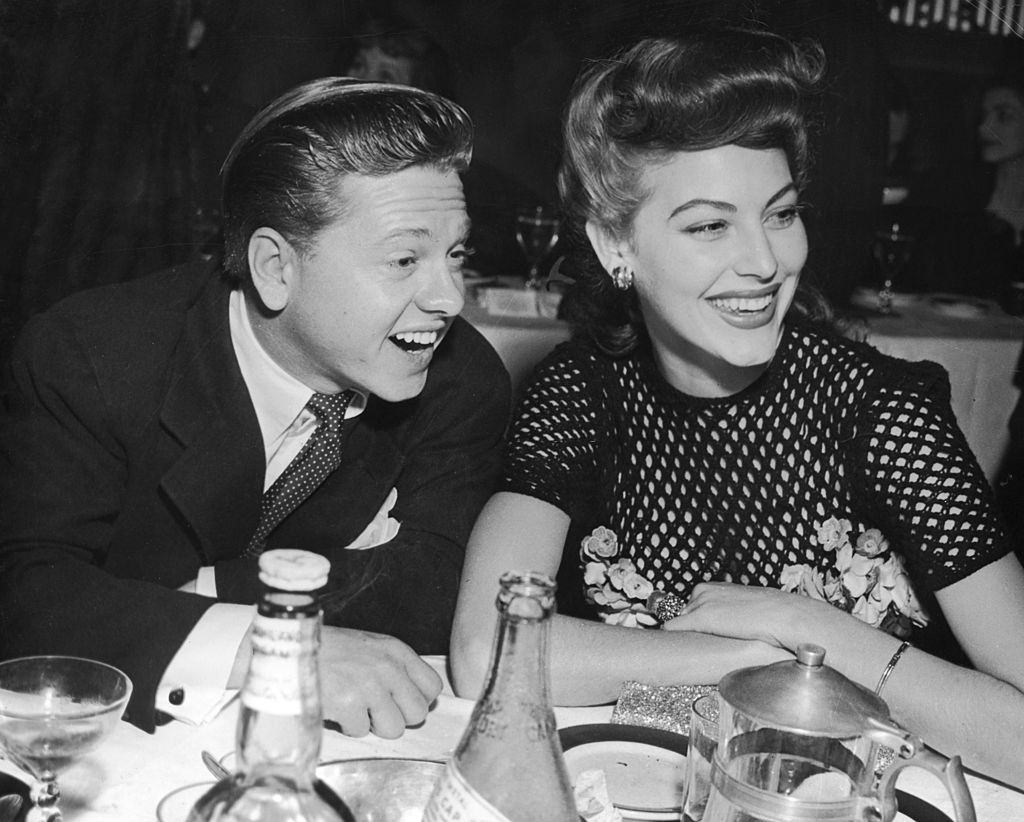
Off screen, Rooney’s personal life was as eventful as his career. He was married eight times in total, with six of those marriages ending in divorce. His first and most famous marriage was to actress Ava Gardner in 1942. Gardner was 18 and still an up-and-coming starlet at the time. The marriage lasted only one year before ending in divorce. He went on to marry Betty Jane Phillips, Martha Vickers, Elaine Mahnken, Barbara Ann Thomason, Marge Lane, and Carolyn Hockett before marrying Jan Chamberlin in 1978 — his eighth and final wife. That marriage lasted until his death. Rooney had nine biological children and two stepchildren, along with 19 grandchildren and several great-grandchildren.
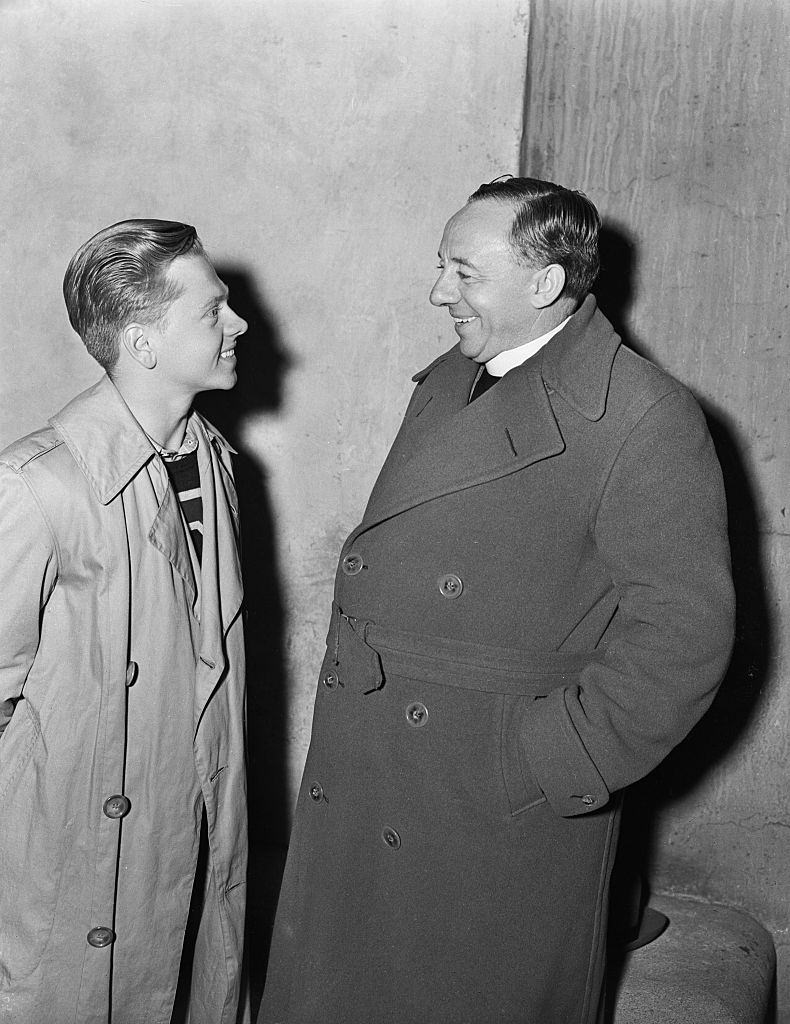
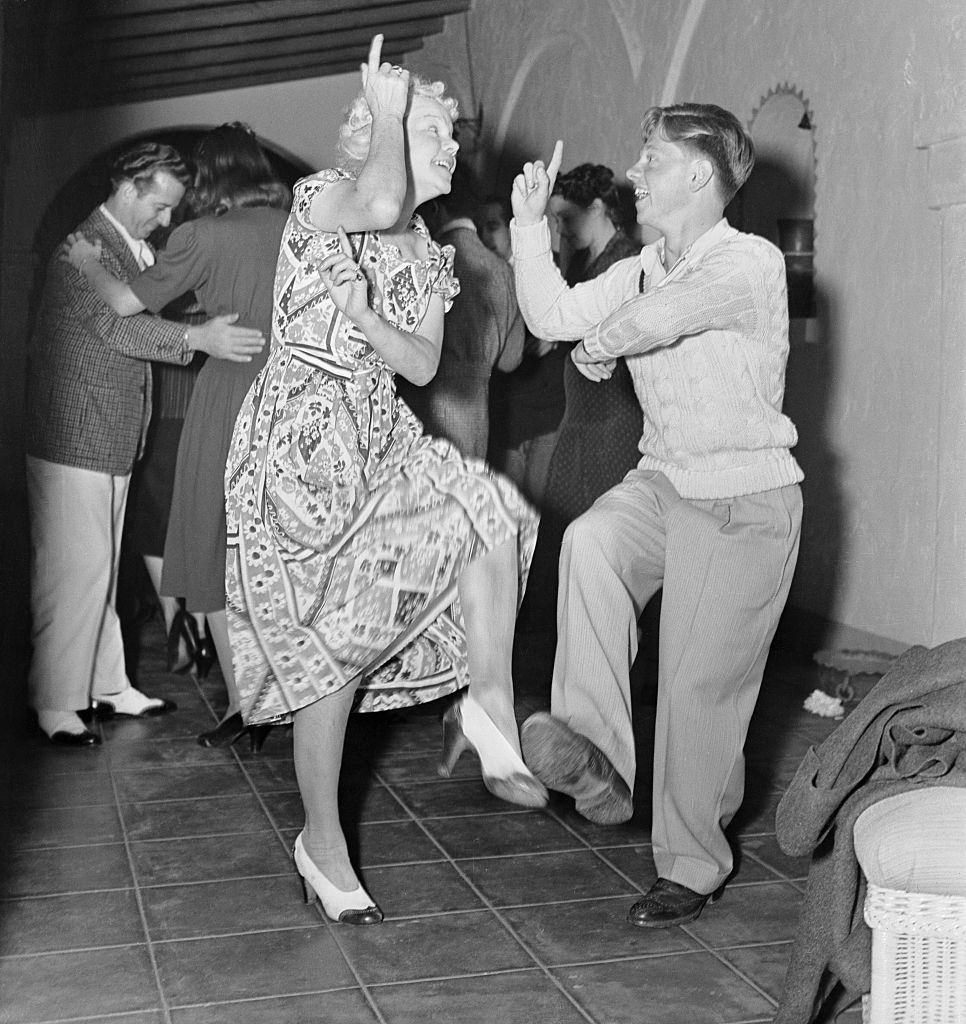
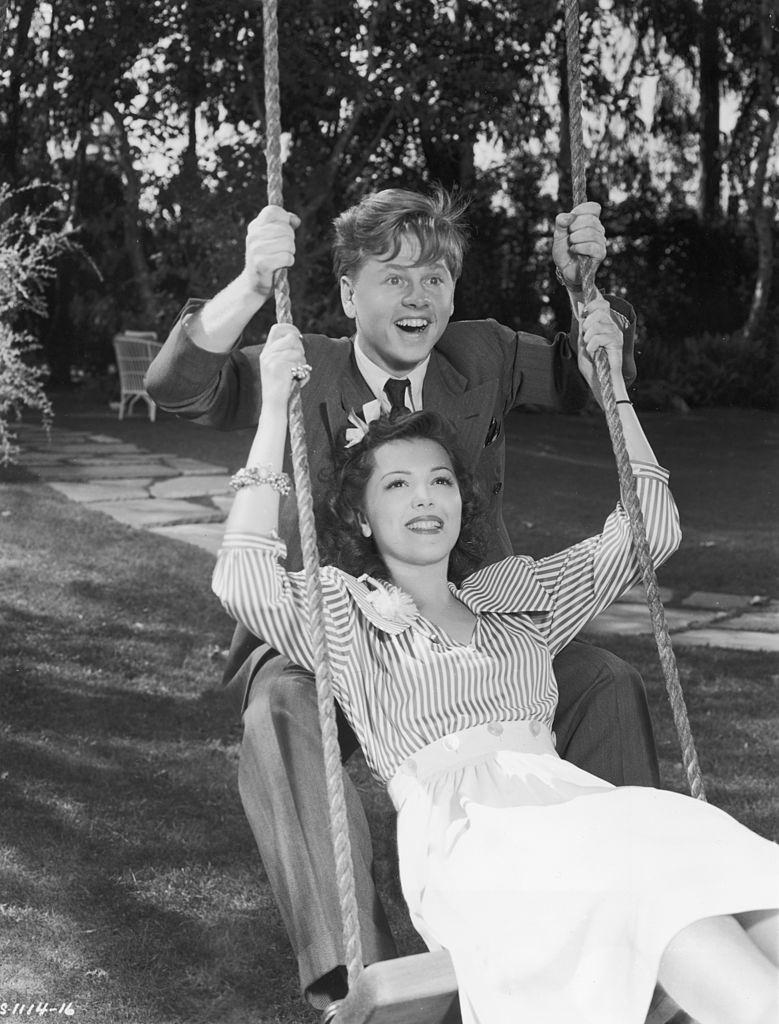
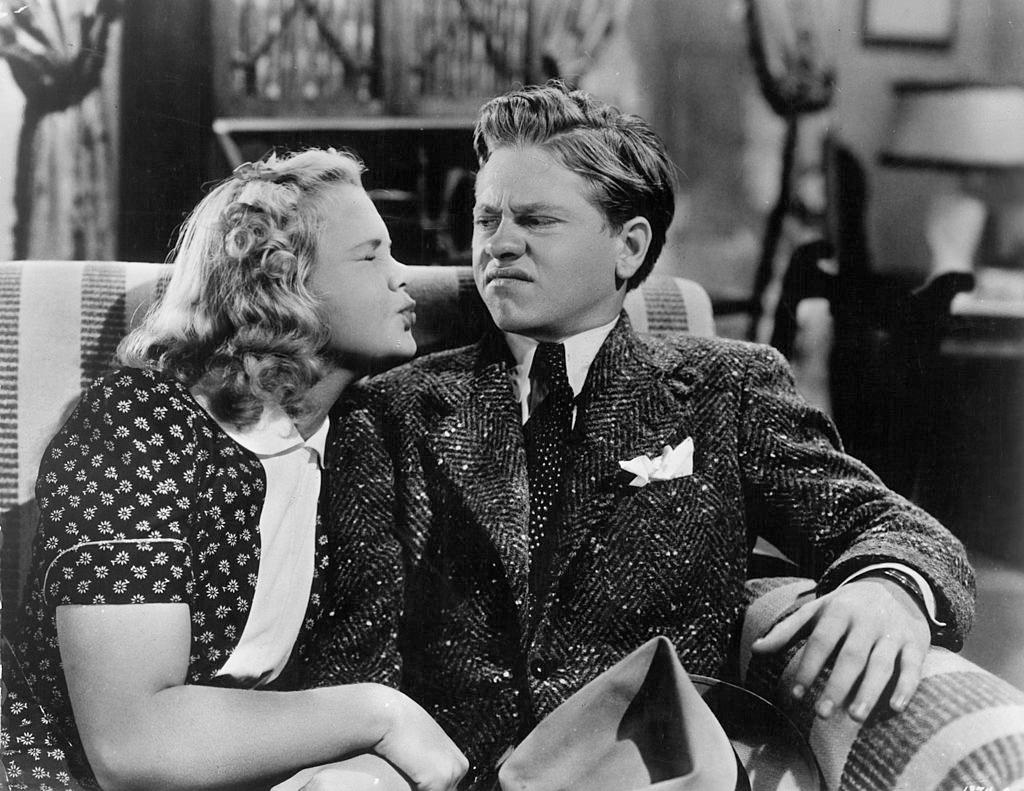
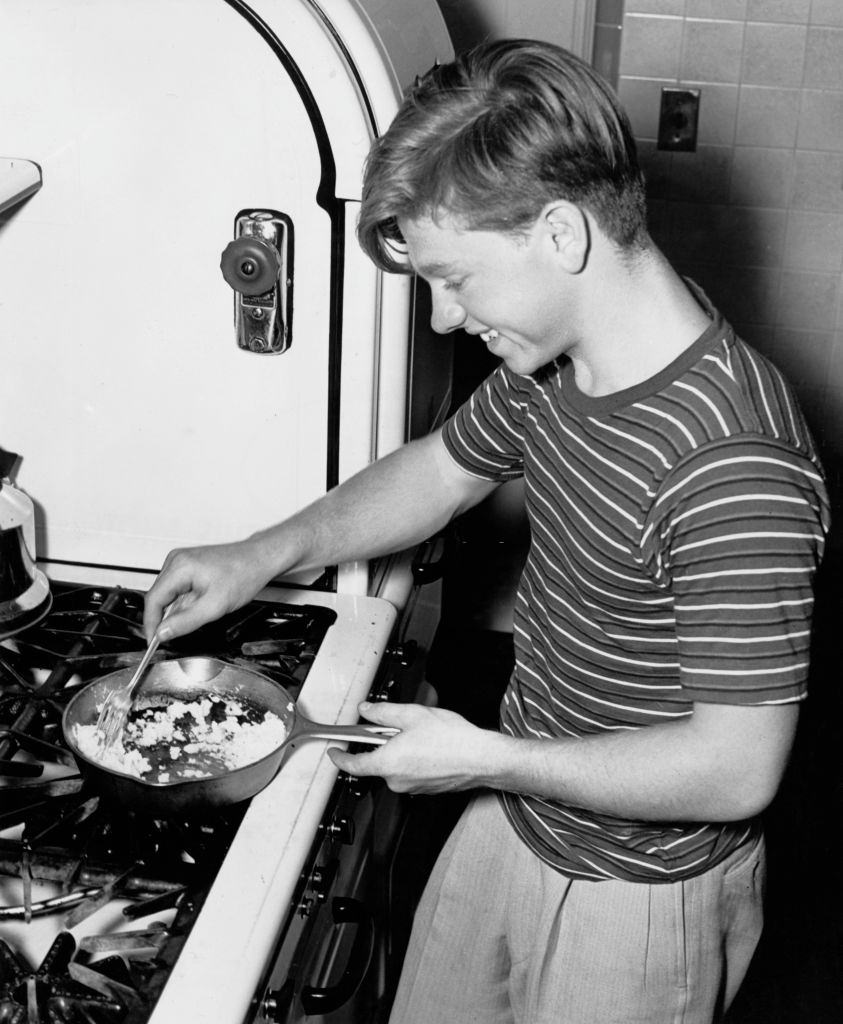
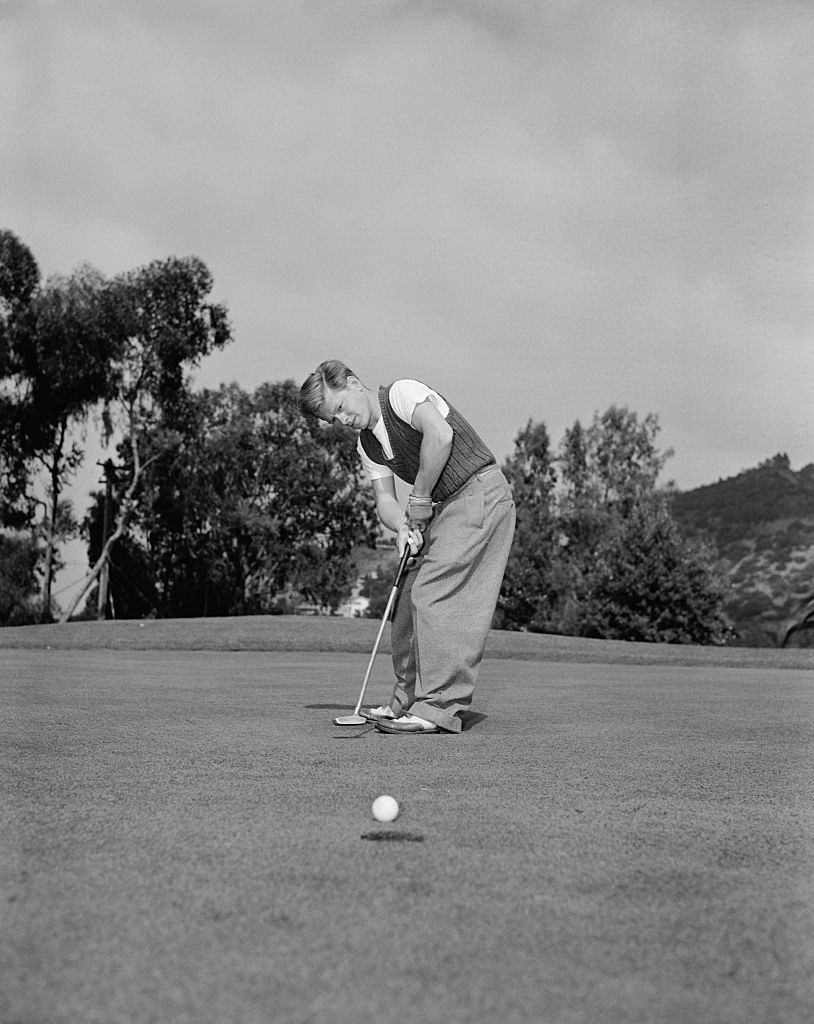
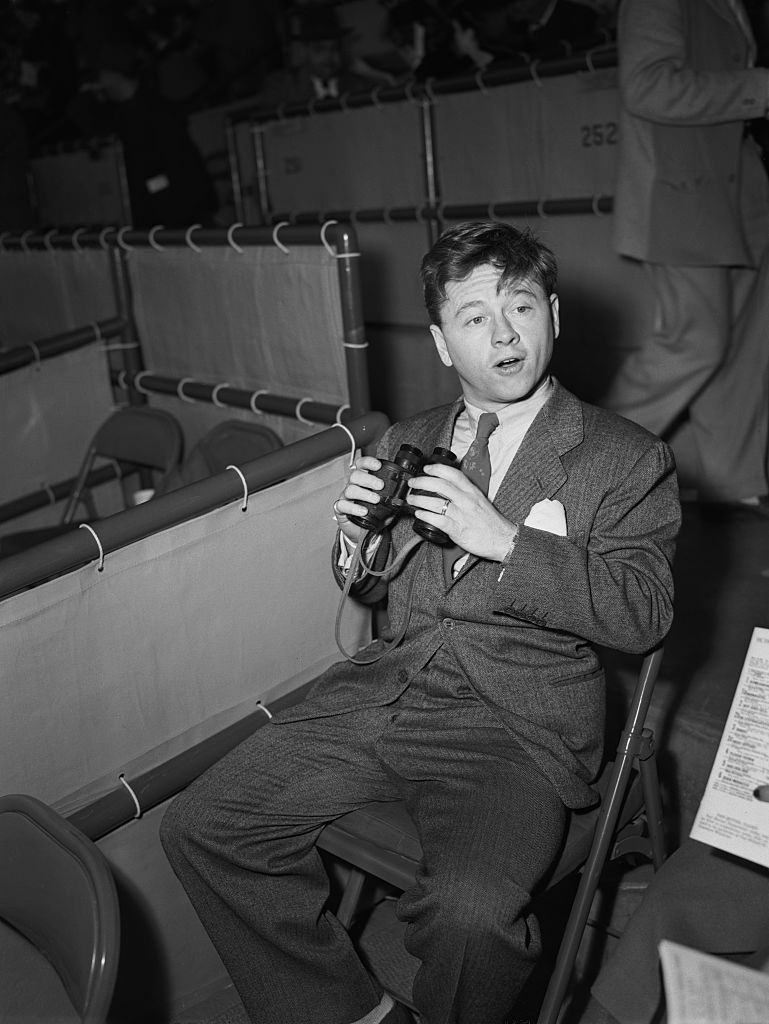
At the absolute peak of his fame, World War II interrupted Rooney’s momentum. He was drafted into the U.S. Army and served for nearly two years. Rather than sit out the war in a stateside post, he traveled to combat zones to entertain troops. He performed for more than two million soldiers on stage and over the radio, and was awarded the Bronze Star for his service in active combat areas. When he returned in 1945, the Hollywood landscape had shifted. Audiences who had adored the young, energetic Rooney found it harder to connect with the adult version, and his box office standing dropped sharply.
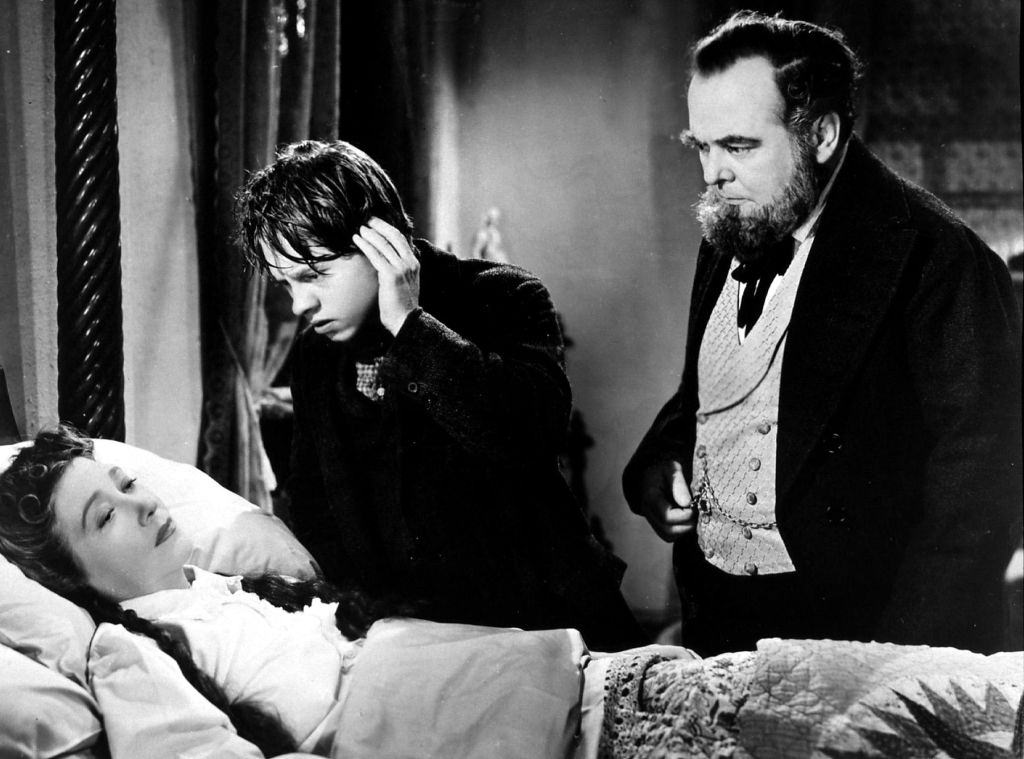
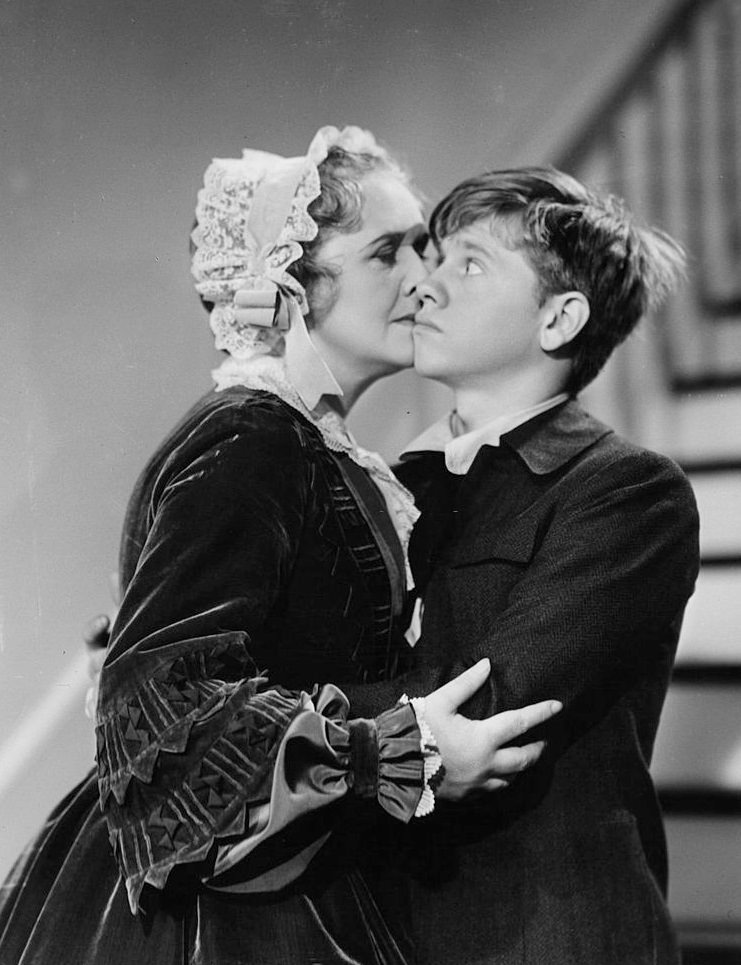
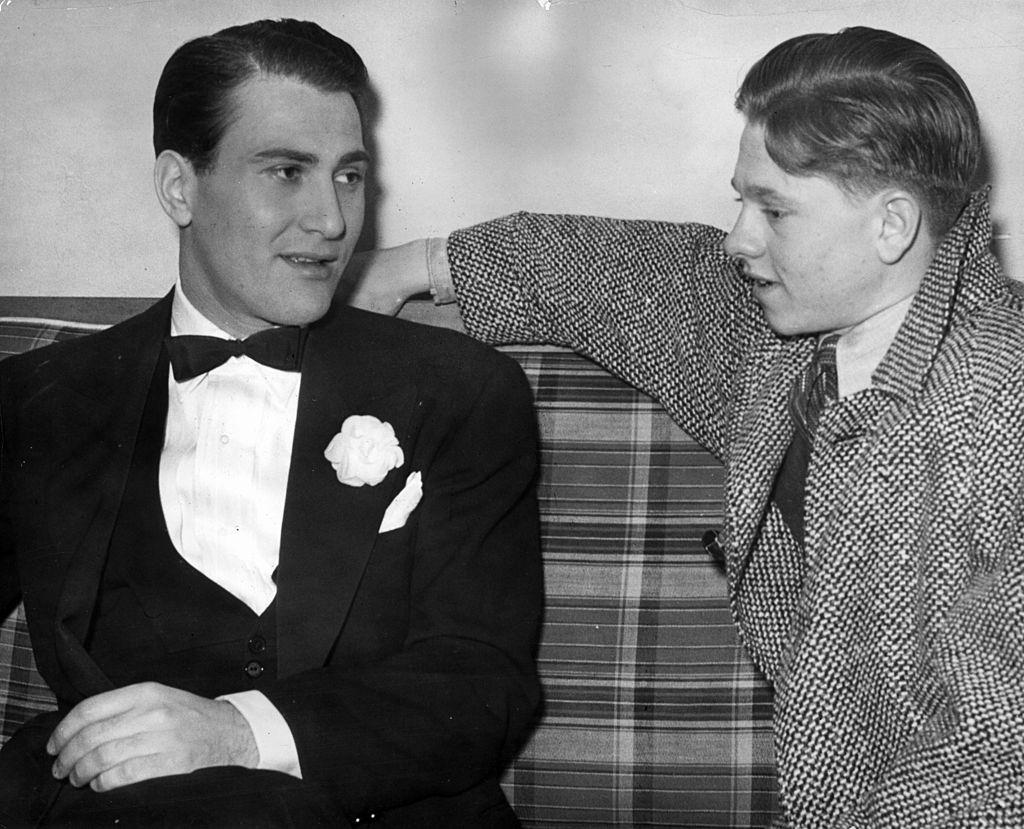
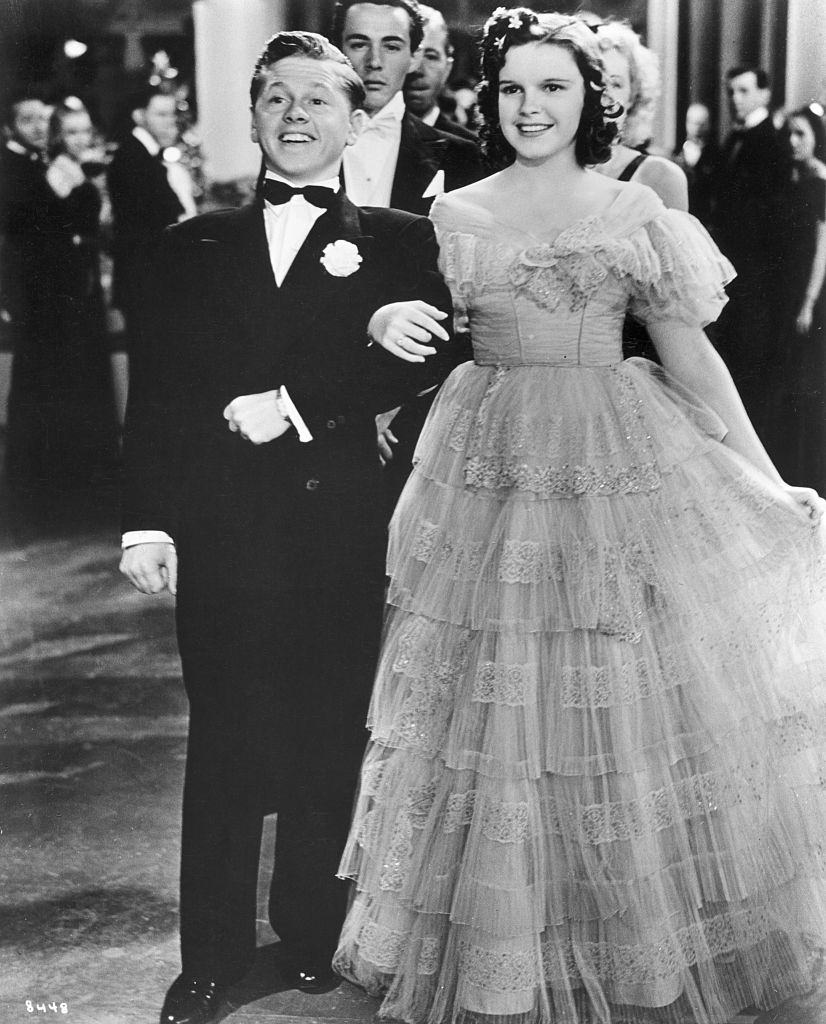
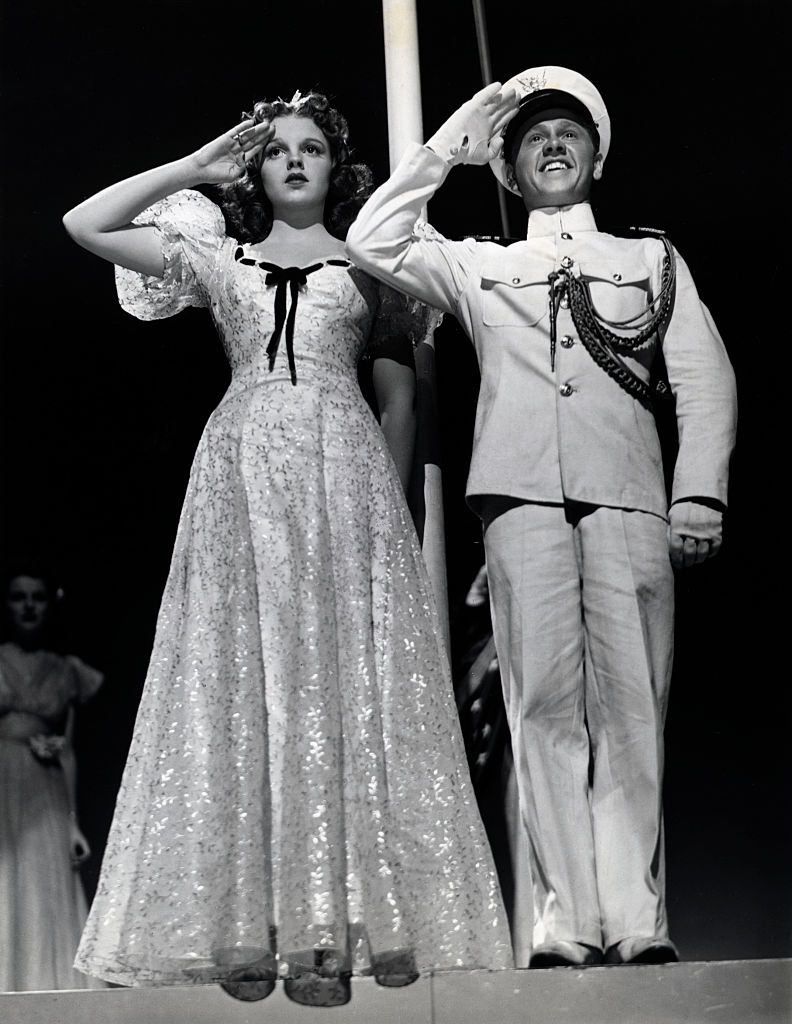
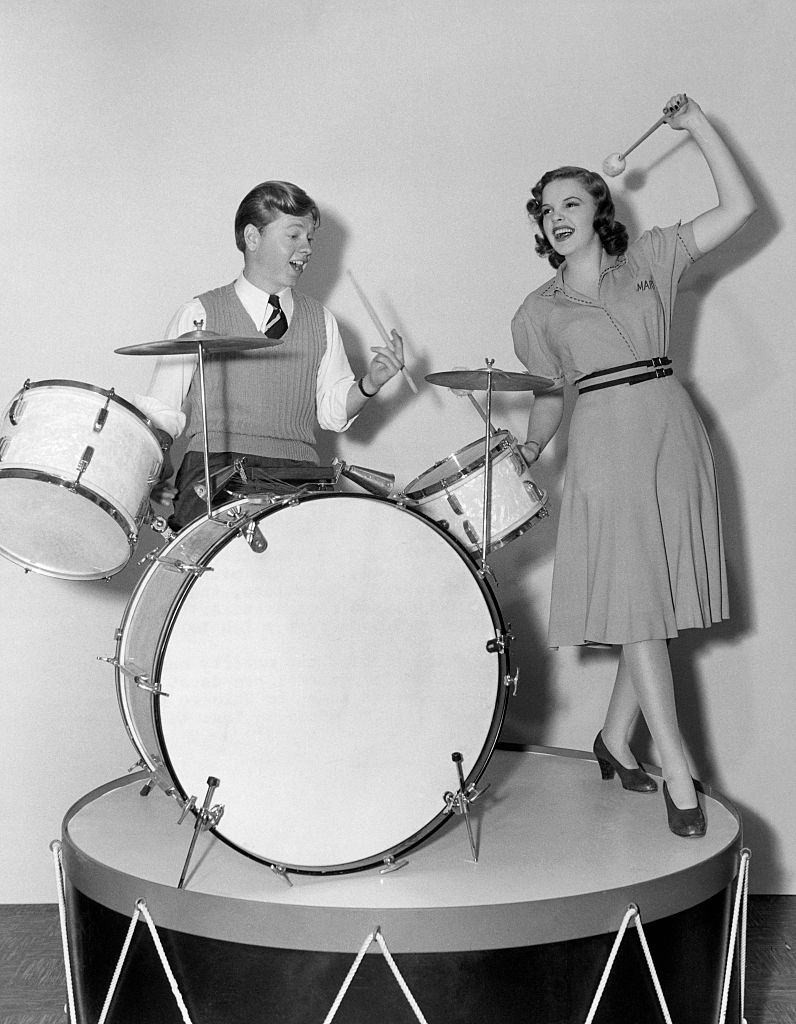
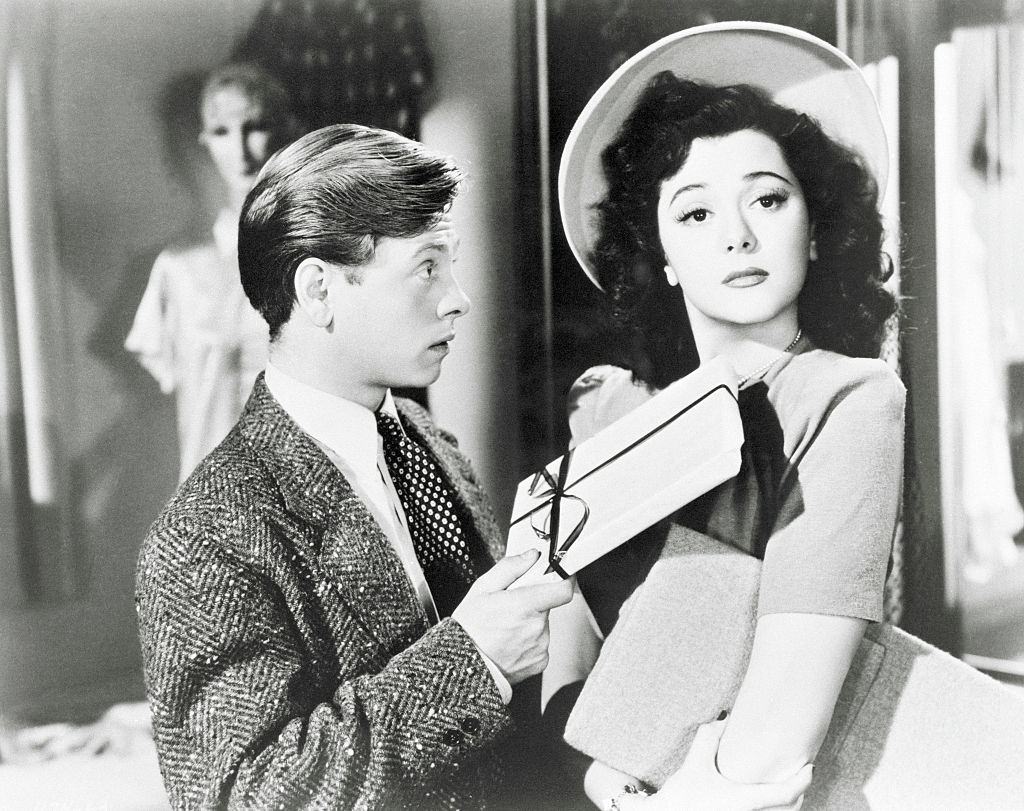
Through the 1940s, Rooney continued working steadily. He appeared alongside some of Hollywood’s biggest names and took on a wide variety of roles, demonstrating that his talent was never in question even as his star power fluctuated.
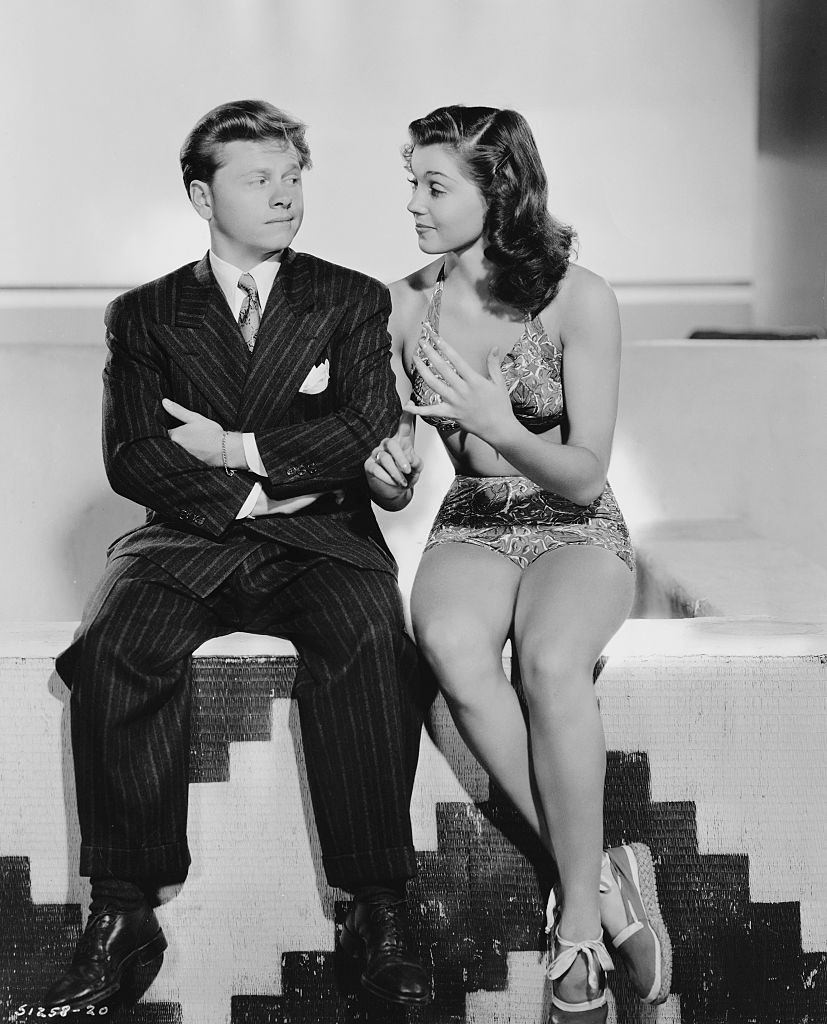
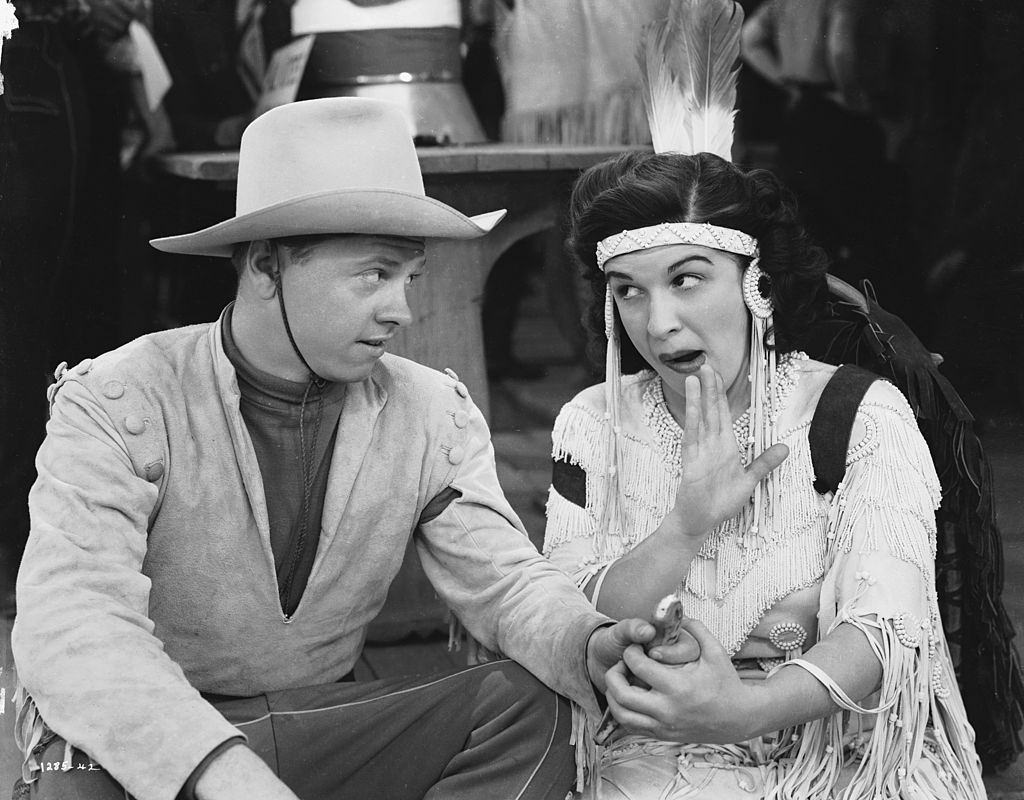
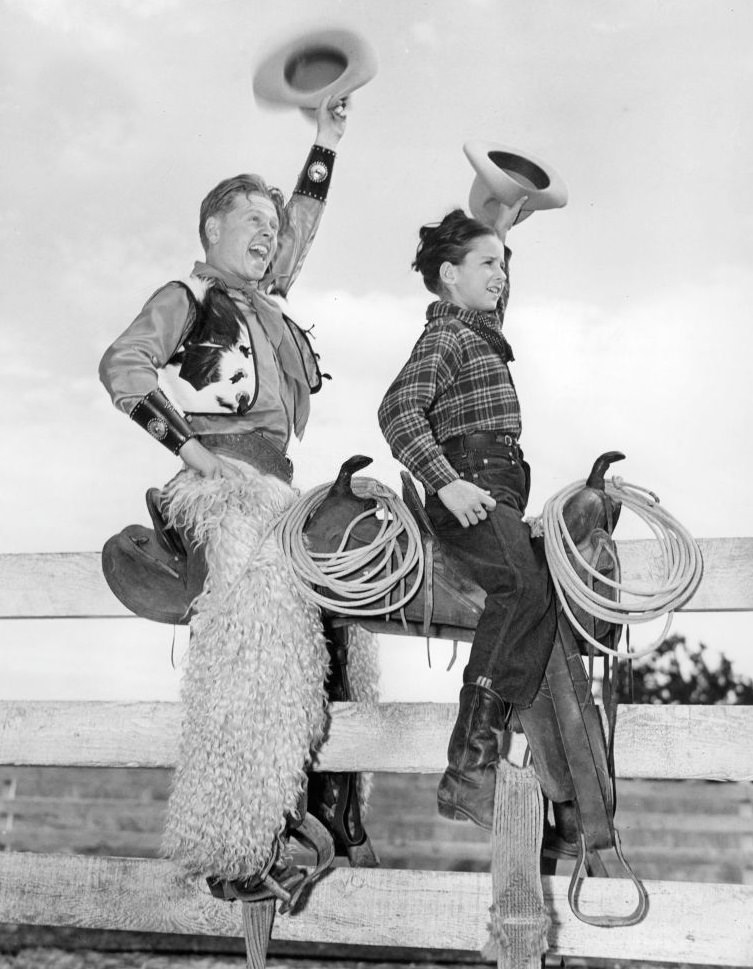
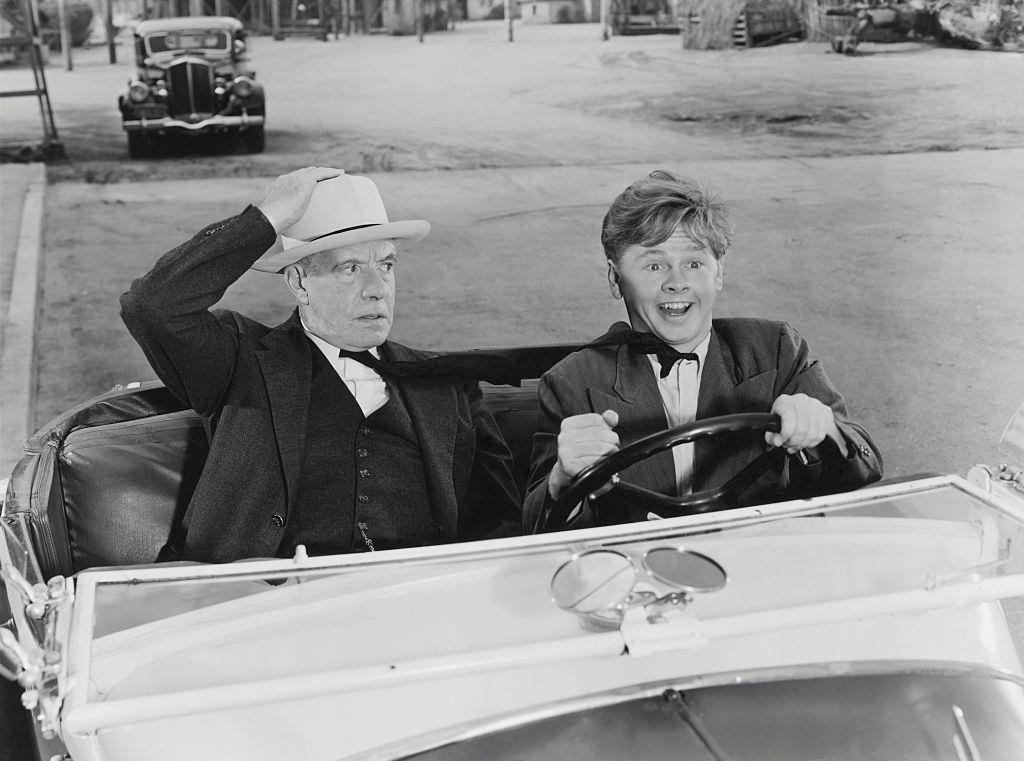
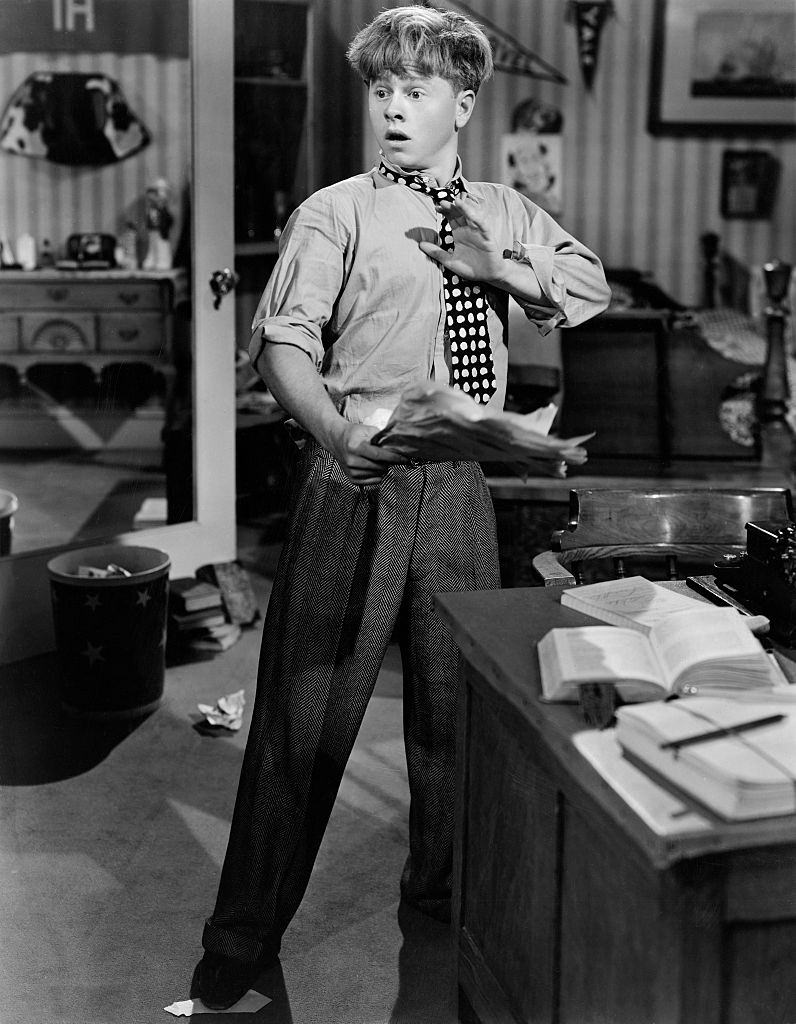
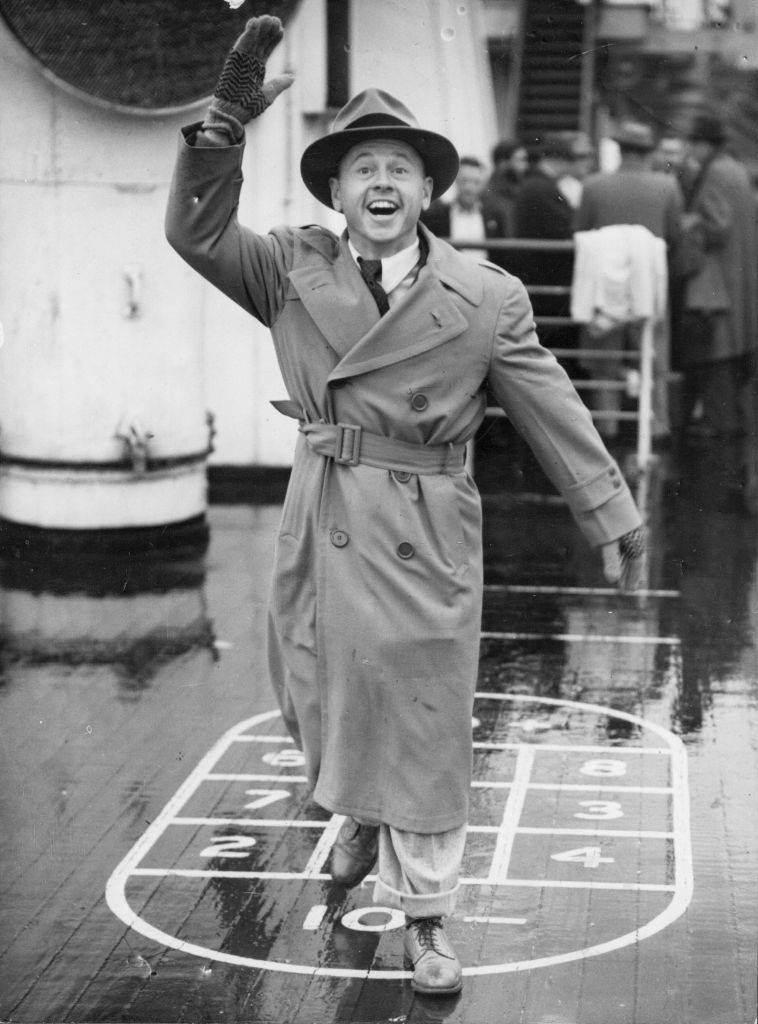
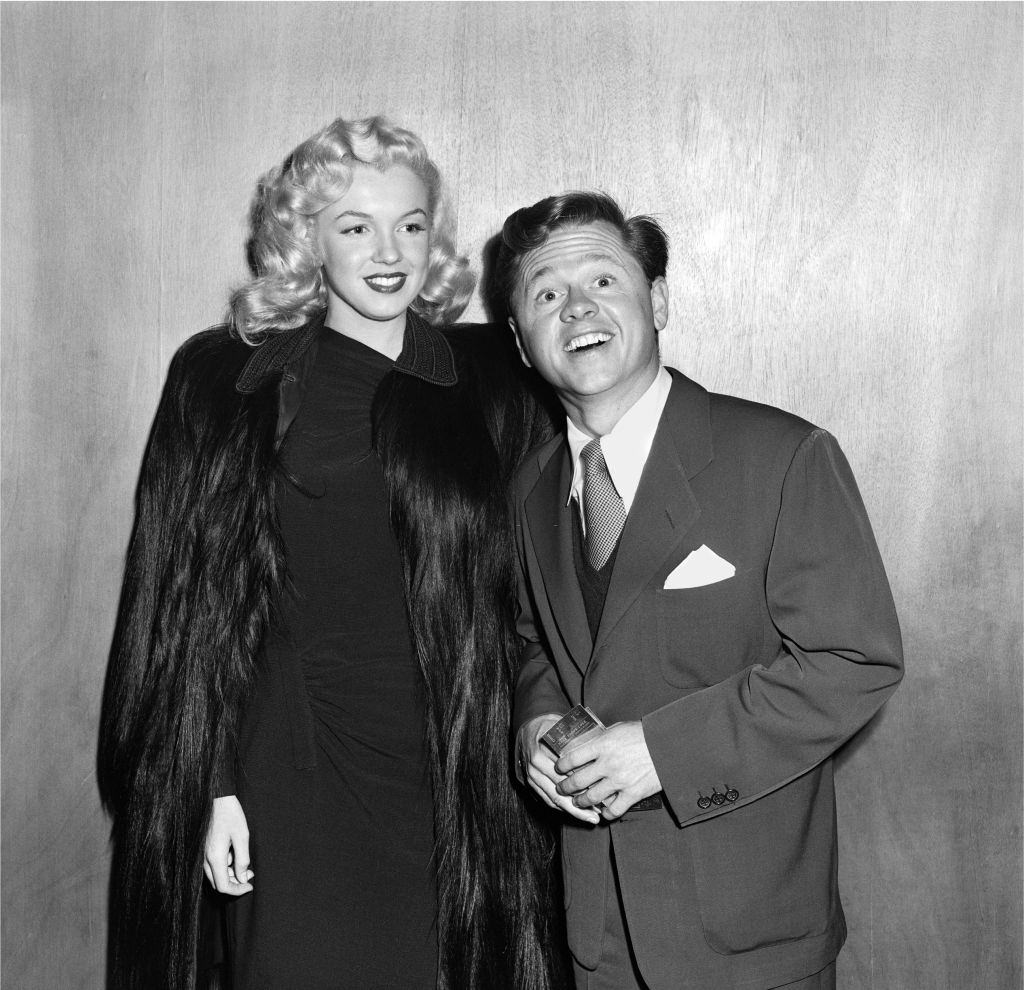
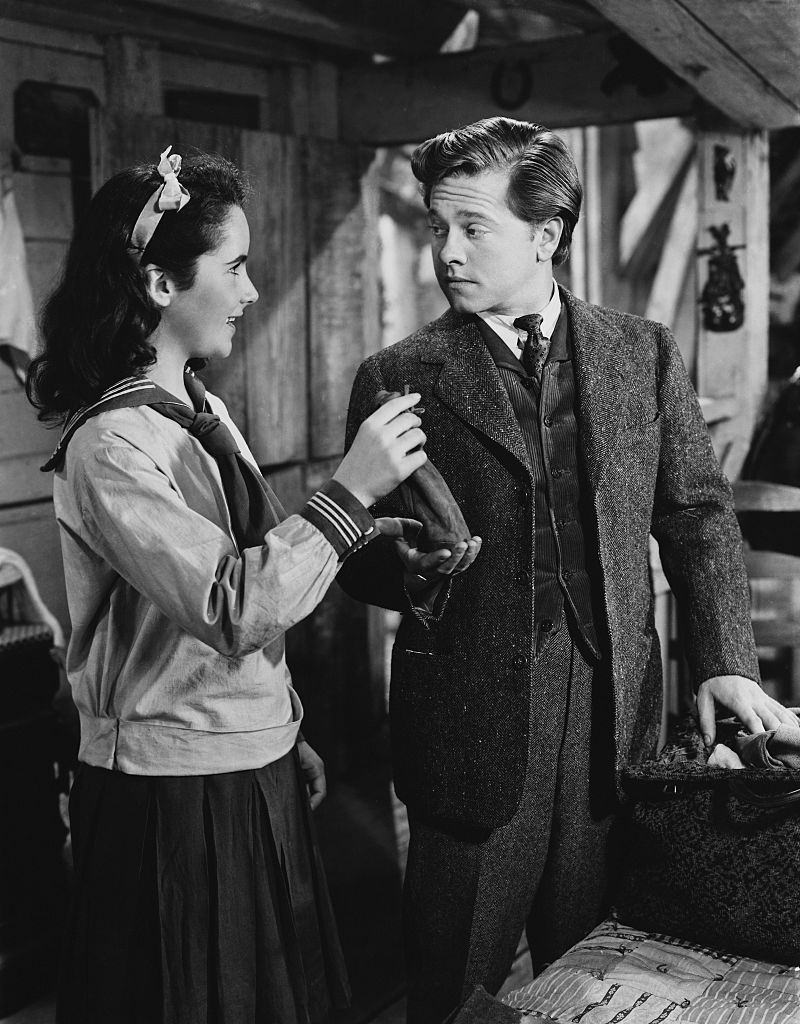
Through the 1950s, Rooney pivoted to lower-budget films and carved out a reputation as a skilled character actor. He proved that his range extended well beyond the crowd-pleasing roles of his youth. In 1961, he received a Best Supporting Actor nomination for his role in Breakfast at Tiffany’s. From the 1960s through the 1980s, he made hundreds of television appearances — dramas, variety shows, and talk shows — keeping himself visible and active across every era of entertainment. Rooney underwent double heart bypass surgery during his later years. He died on April 6, 2014, at age 93, passing away in his sleep during an afternoon nap. His death was attributed to natural causes. He died leaving behind unpaid medical bills and back taxes, and the public was called upon to contribute toward his final expenses.