
The Spanish Flu of 1918 was one of the deadliest pandemics in recorded history. It infected an estimated 500 million people worldwide — roughly one-third of the global population at the time. The death toll ranged from 20 to 50 million people, making it far more lethal than the First World War that had just ended.
The pandemic struck in two waves. The first arrived in the spring of 1918 and was relatively mild. Most patients recovered within days, and the mortality rate stayed low. The second wave, in the fall of 1918, was a different story entirely. Patients died within hours or days of showing symptoms. Their skin turned blue, and their lungs filled with fluid, causing them to suffocate. This wave spread with terrifying speed across continents.
Governments scrambled to respond. Schools, universities, theaters, and businesses were shut down. Public health officials ordered citizens to wear face masks. In cities across the United States and beyond, the mask became a symbol of the era — worn by nurses, soldiers, workers, and ordinary people going about their daily lives. The photos below document that moment in striking detail.
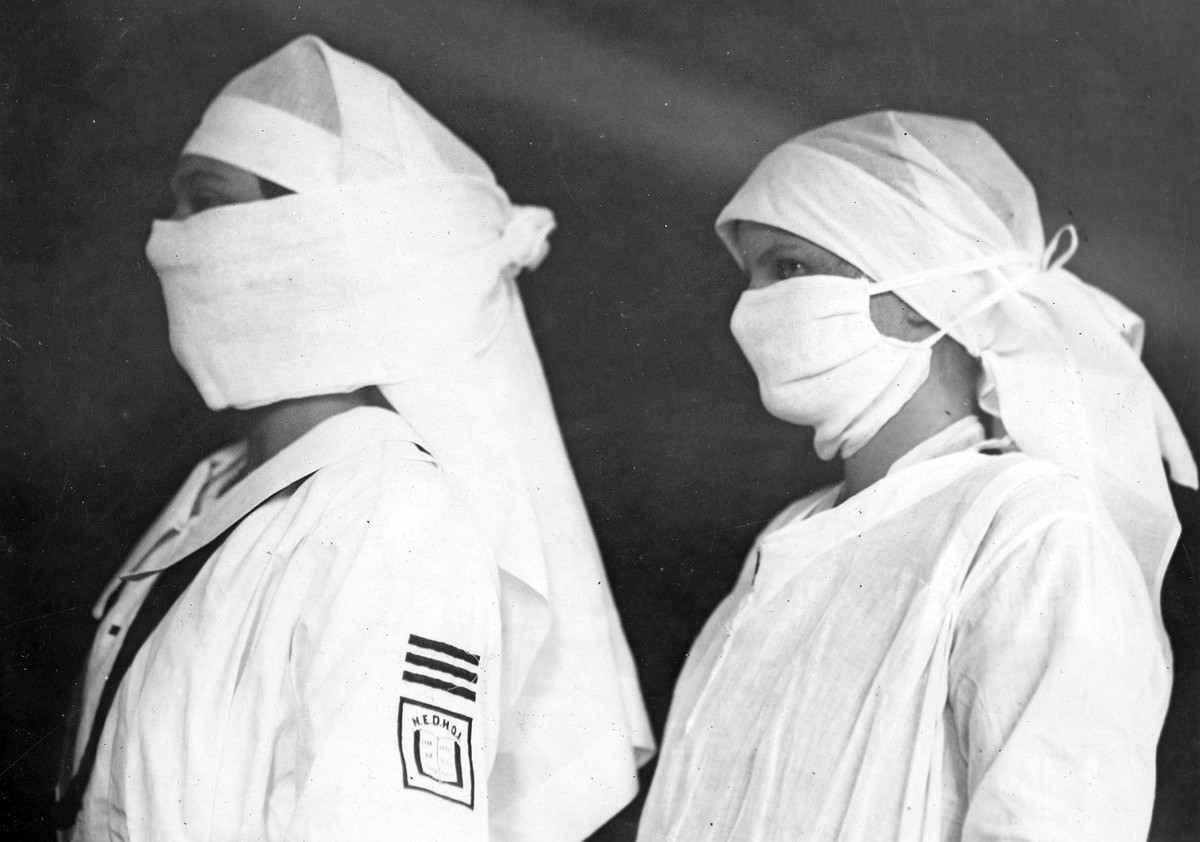
The masks of 1918 were a far cry from the protective equipment we use today. They were made of gauze — a thin, loosely woven fabric — and health officials instructed people to sew them with four to six layers of fine mesh. Even so, the gauze masks offered limited protection against airborne viral particles. Public health experts of the time did not yet fully understand how influenza spread, but they pushed mask-wearing as one of the few tools available.
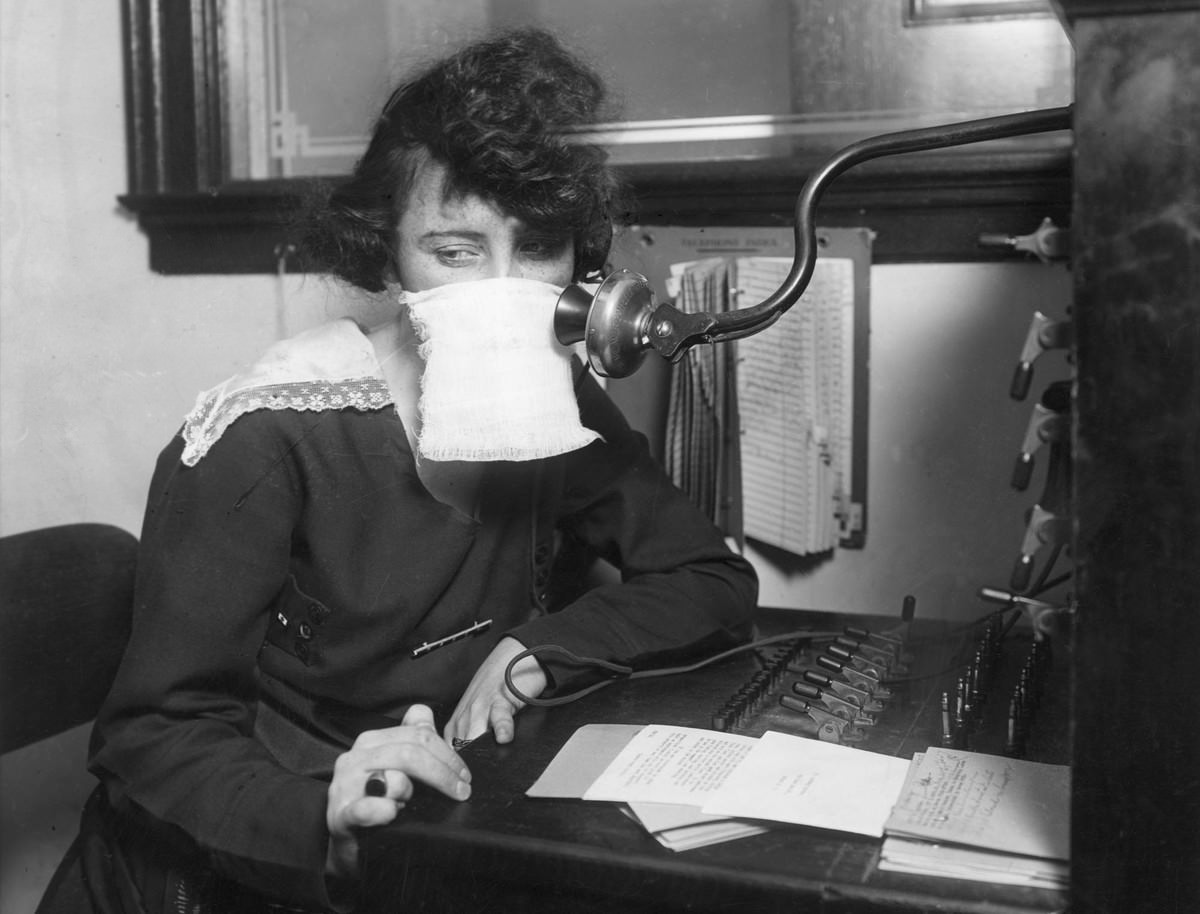
Essential workers were among the first required to wear masks on the job. Telephone operators, transit workers, and medical staff had no choice but to remain at their posts throughout the epidemic. For many, the gauze mask became as standard a part of their uniform as any other piece of equipment. The woman pictured above continued connecting calls while the pandemic raged around her.
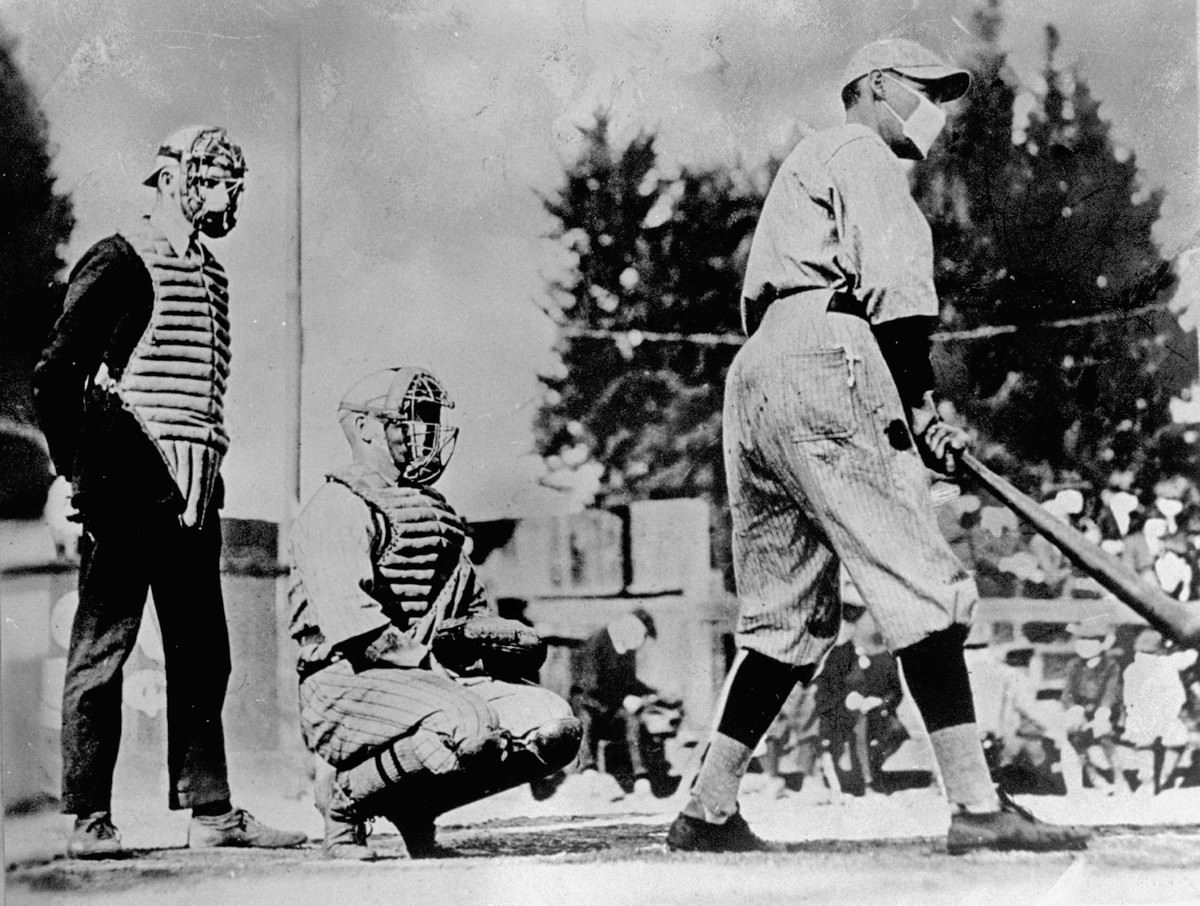
Even sporting events were not immune to the mask mandate. Baseball players and umpires took to the field in gauze masks, determined to keep games going despite the epidemic. The image above captures just how deeply mask-wearing had penetrated everyday American life — even in the middle of a ballgame.
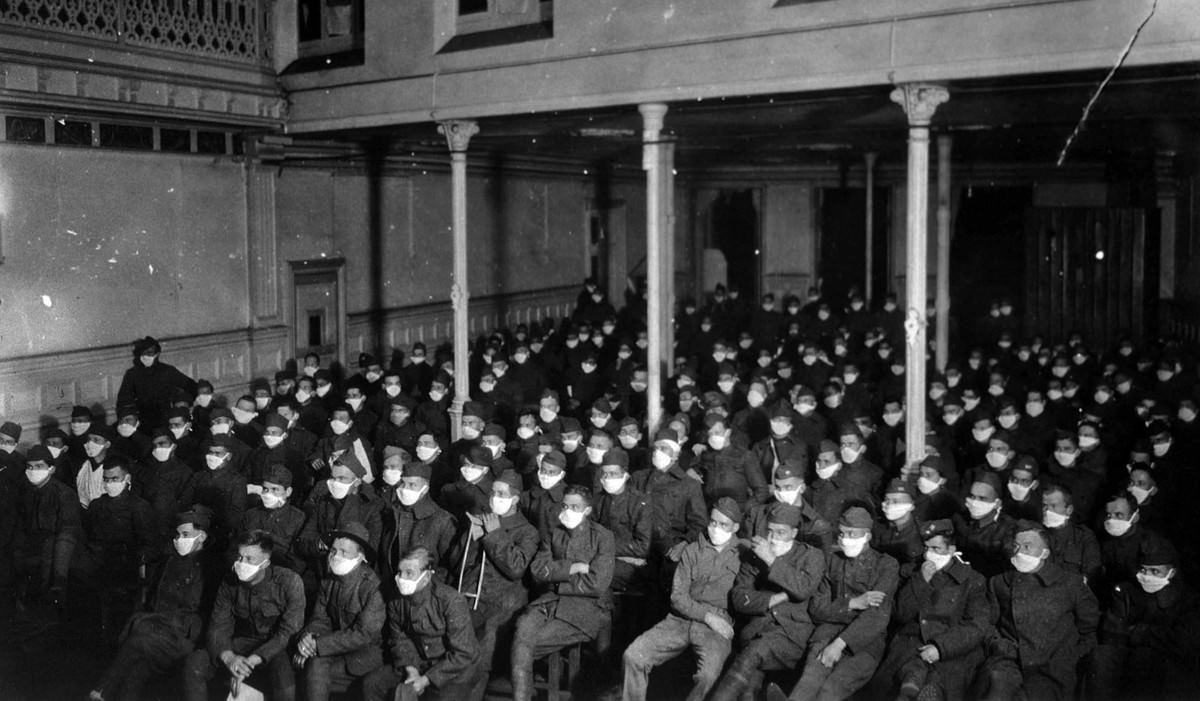
The flu did not stop at national borders. American troops stationed in France were among the hardest hit, and military hospitals across Europe dealt with massive patient loads. Even at a movie screening inside U.S. Army Hospital Number 30 in Royat, France, patients wore their masks — a rare moment of leisure in the middle of a medical crisis.
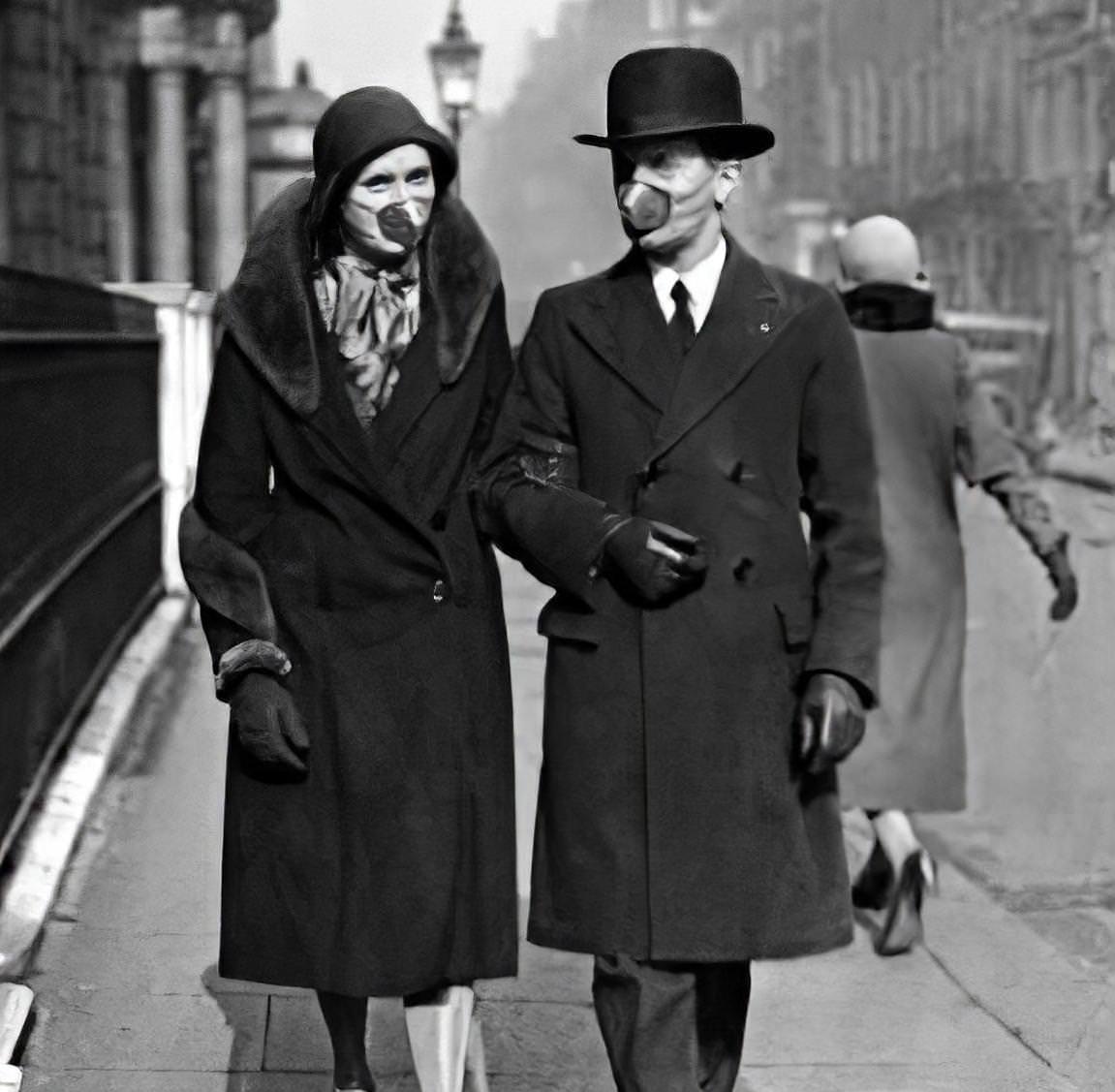
Mask-wearing spread across Europe as well. In London, civilians adopted the gauze masks just as their American counterparts had. The couple photographed above represents the millions of ordinary people across Britain who navigated the pandemic while trying to maintain some semblance of normal life.
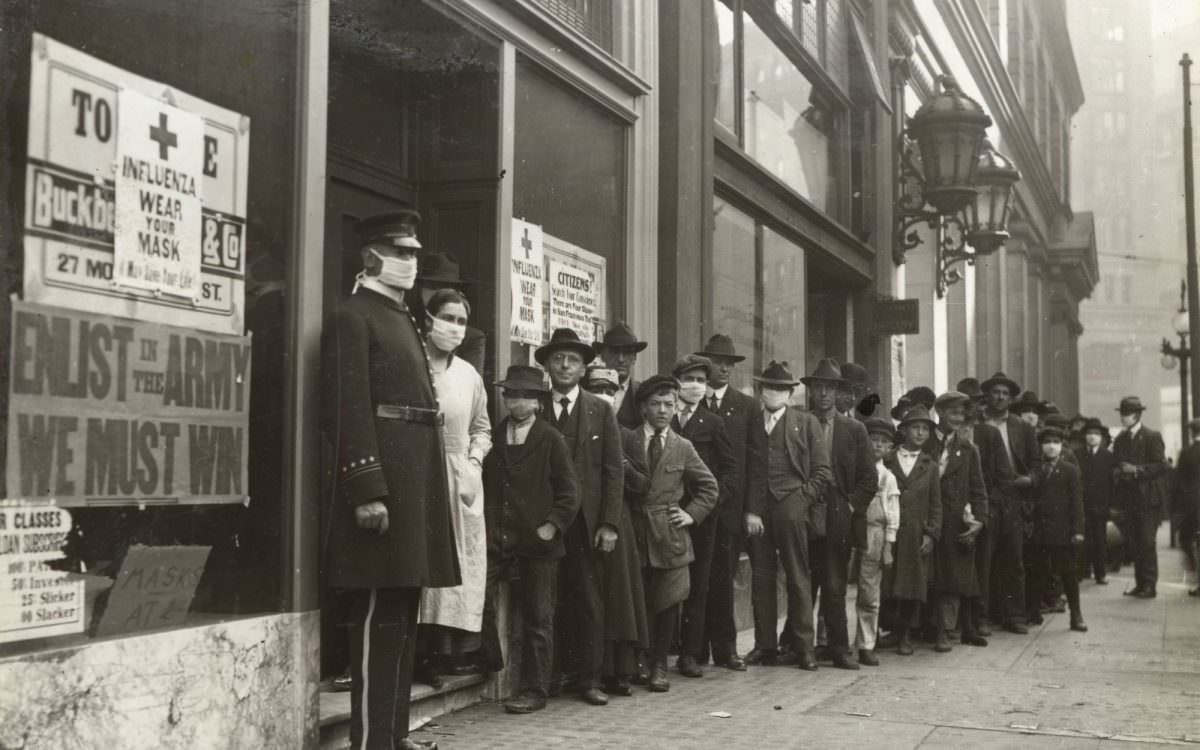
San Francisco became one of the most aggressive American cities in enforcing mask mandates. Wearing a mask in public was not optional — it was the law. Violators faced a fine of $5, and in some cases, up to ten days in jail. Residents lined up on Montgomery Street to obtain their masks, as seen above, treating the process with the same urgency as any other wartime measure.
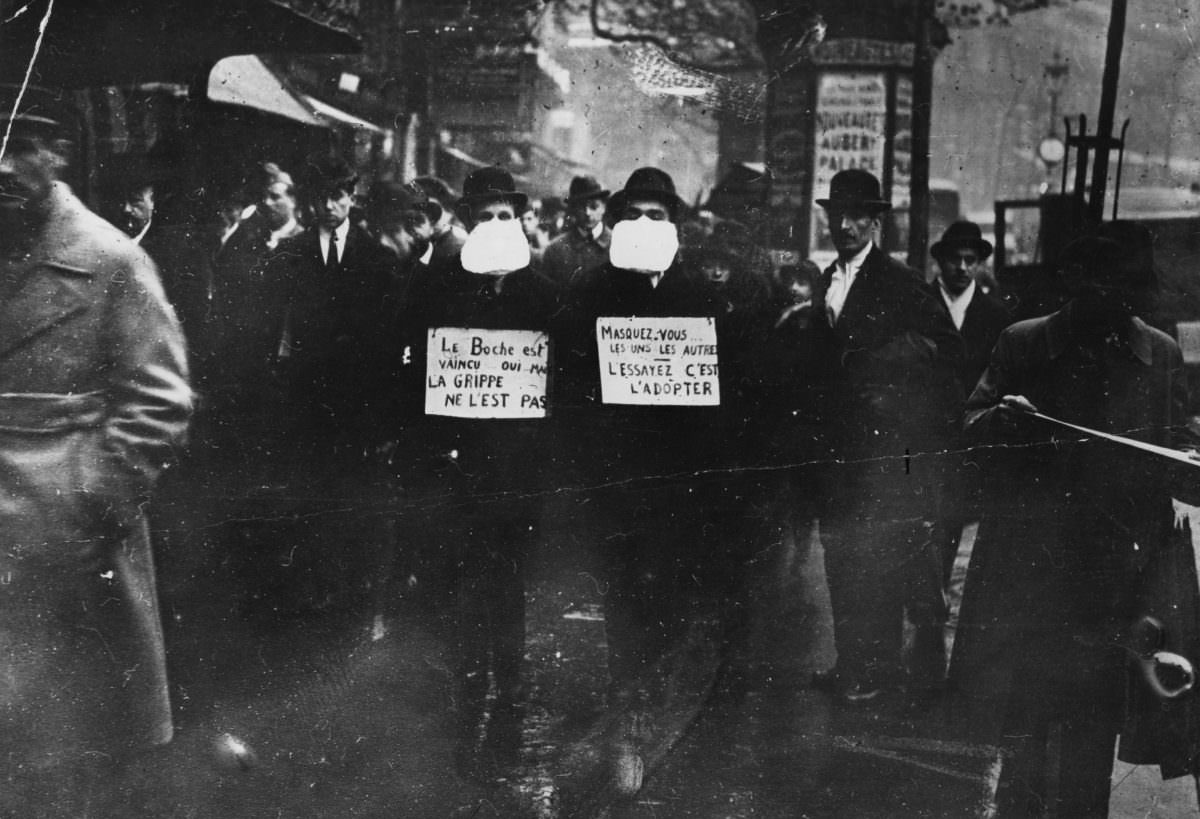
In Paris, public health advocates took to the streets to promote mask use among civilians. France had just endured four years of brutal warfare, and now its population faced yet another devastating blow. These two men, photographed actively advocating for masks, represent the grassroots public health efforts that emerged across cities worldwide.
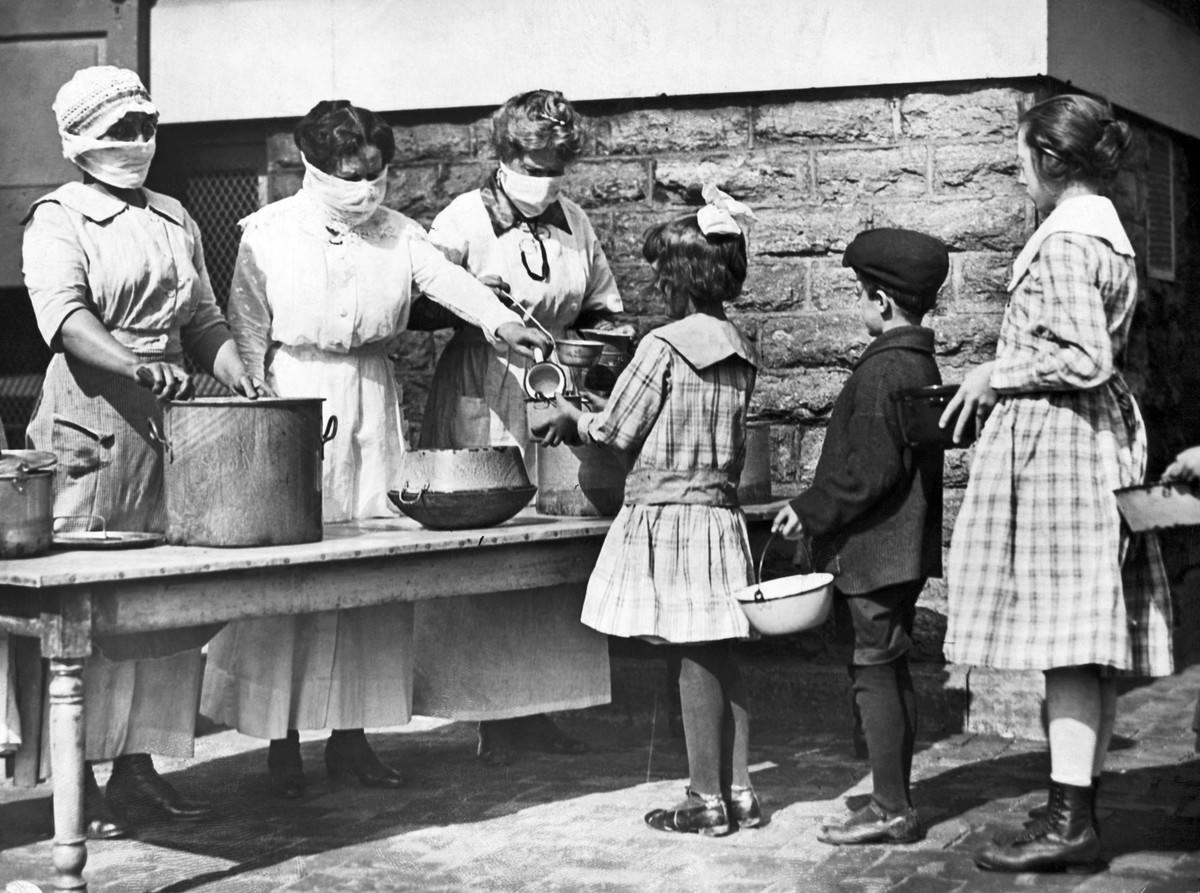
The flu devastated entire households. When parents fell ill, children were left without care. Volunteers stepped in to fill that gap — delivering food, providing basic care, and ensuring that the youngest and most vulnerable did not go without. Every volunteer wore a mask, both to protect themselves and to avoid carrying the virus further into homes already torn apart by illness.
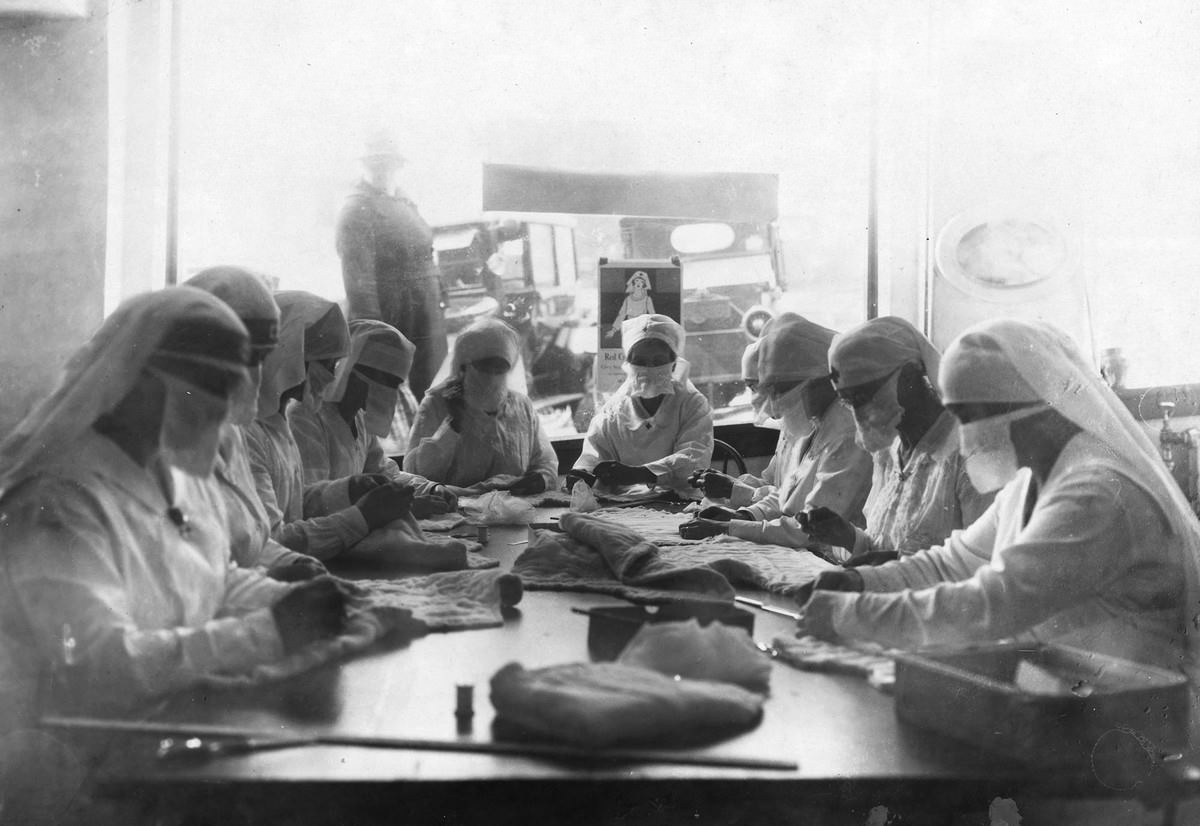
The American Red Cross played a central role in the pandemic response. In Seattle, Washington, Red Cross workers produced masks in bulk, coordinated care for the sick, and organized volunteer efforts across the region. The workers shown above are seen at their stations inside the Red Cross rooms, masks firmly in place as they went about the urgent business of fighting the epidemic.
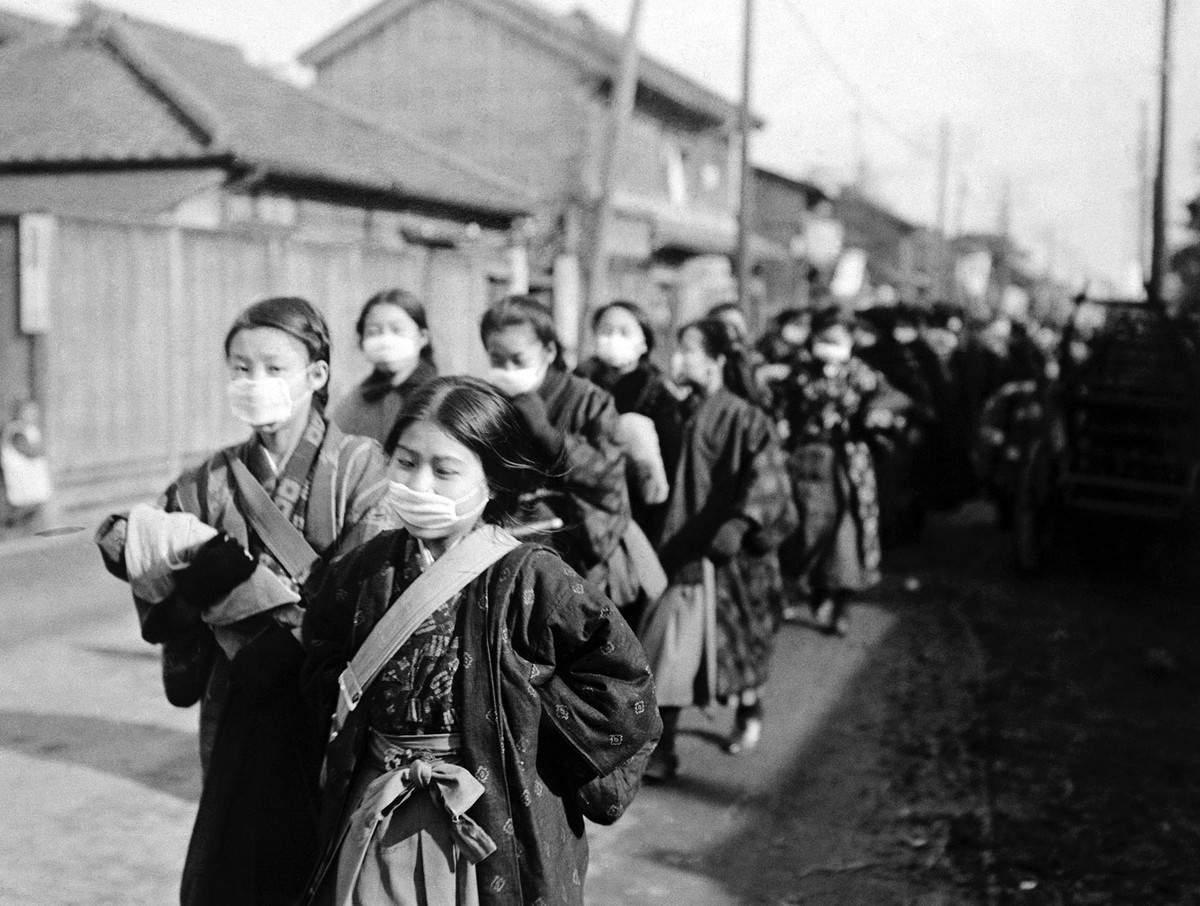
The pandemic reached Asia with the same force it had brought to Europe and the Americas. In Japan, schoolgirls were photographed wearing protective masks — an early example of a practice that would become deeply embedded in Japanese public health culture. The image reflects how universally communities around the world turned to masks as a first line of defense.
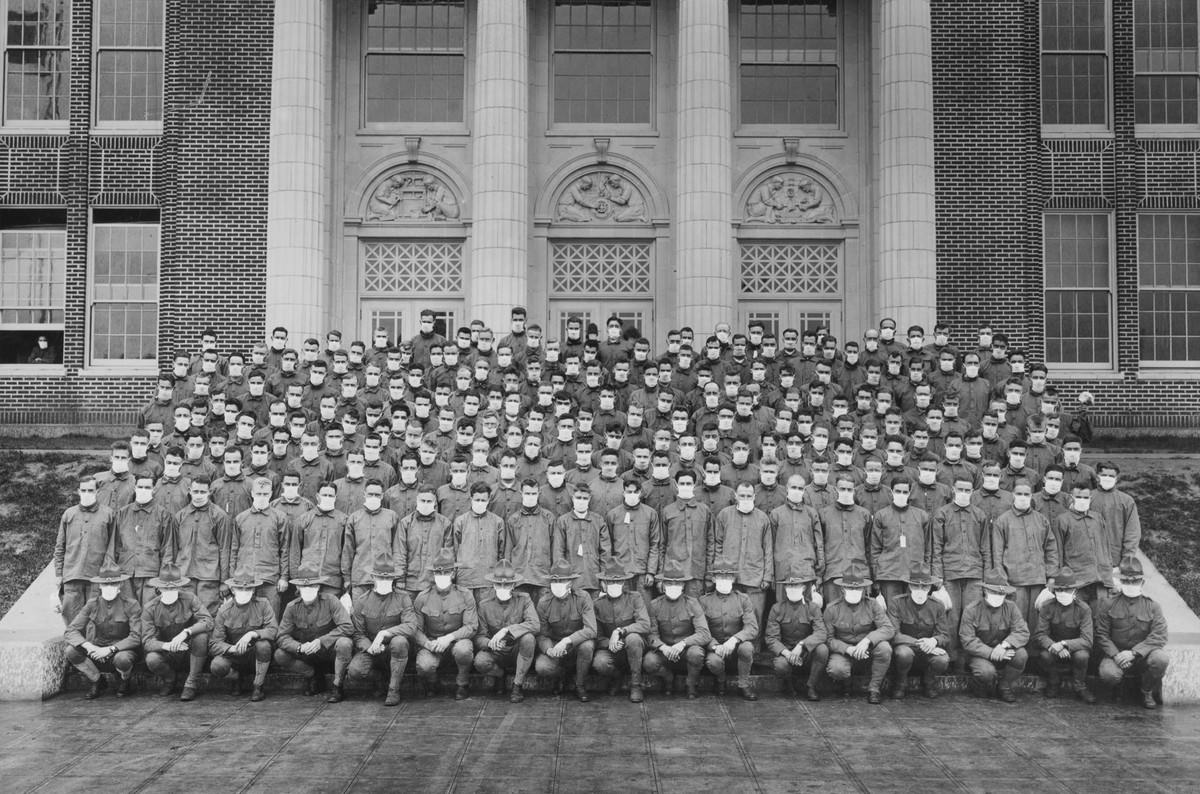
Military training programs in the United States were also swept up in the pandemic. The Student Army Training Corps, formed to prepare young men for the war effort, lost members to the flu at alarming rates on college campuses across the country. In Portland, Oregon, corps members assembled in their masks on October 27, 1918 — just weeks after the second wave had reached its deadly peak.
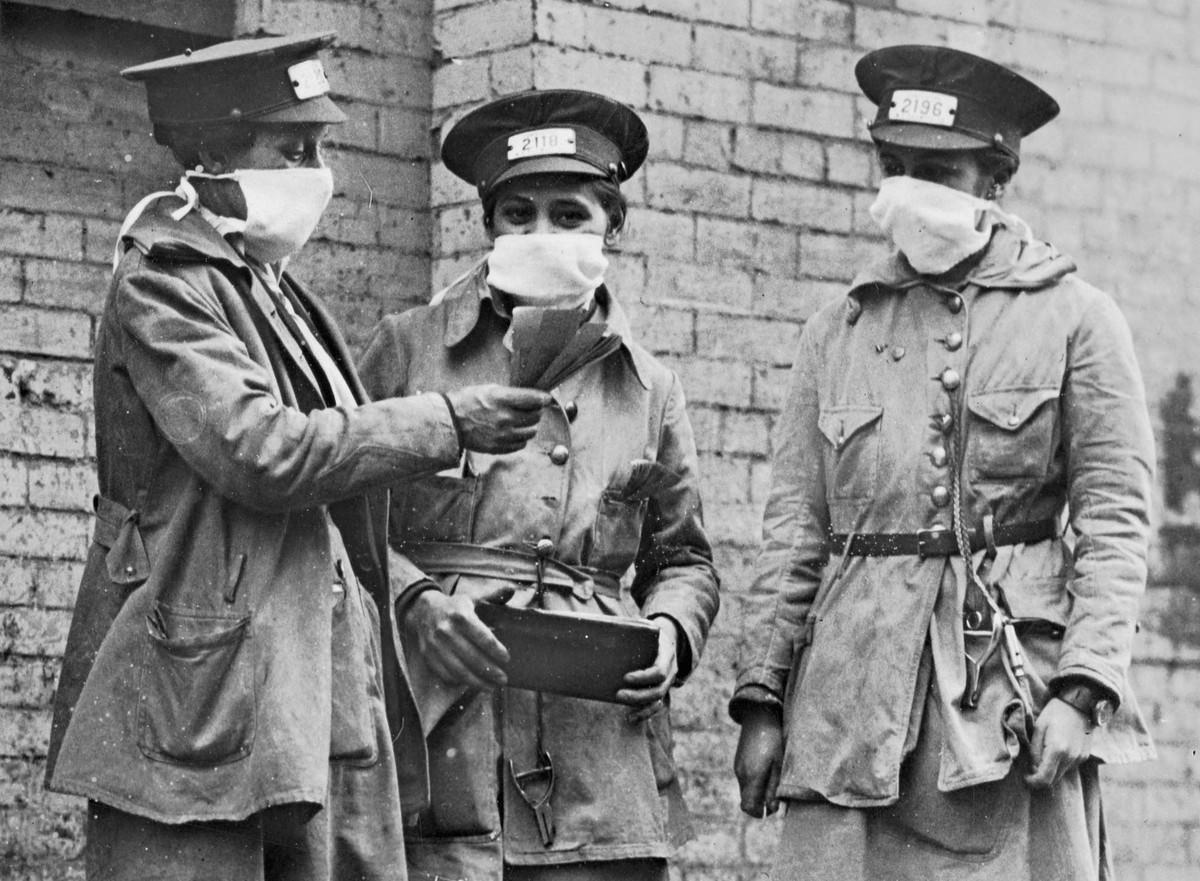
During World War I, women had stepped into roles previously held by men, including operating New York City’s transit system. These ‘conductorettes’ kept the city moving while wearing their gauze masks on the job. Photographed on October 16, 1918 — during the height of the second wave — they represent both the wartime transformation of the workforce and the daily reality of pandemic life in a major city.
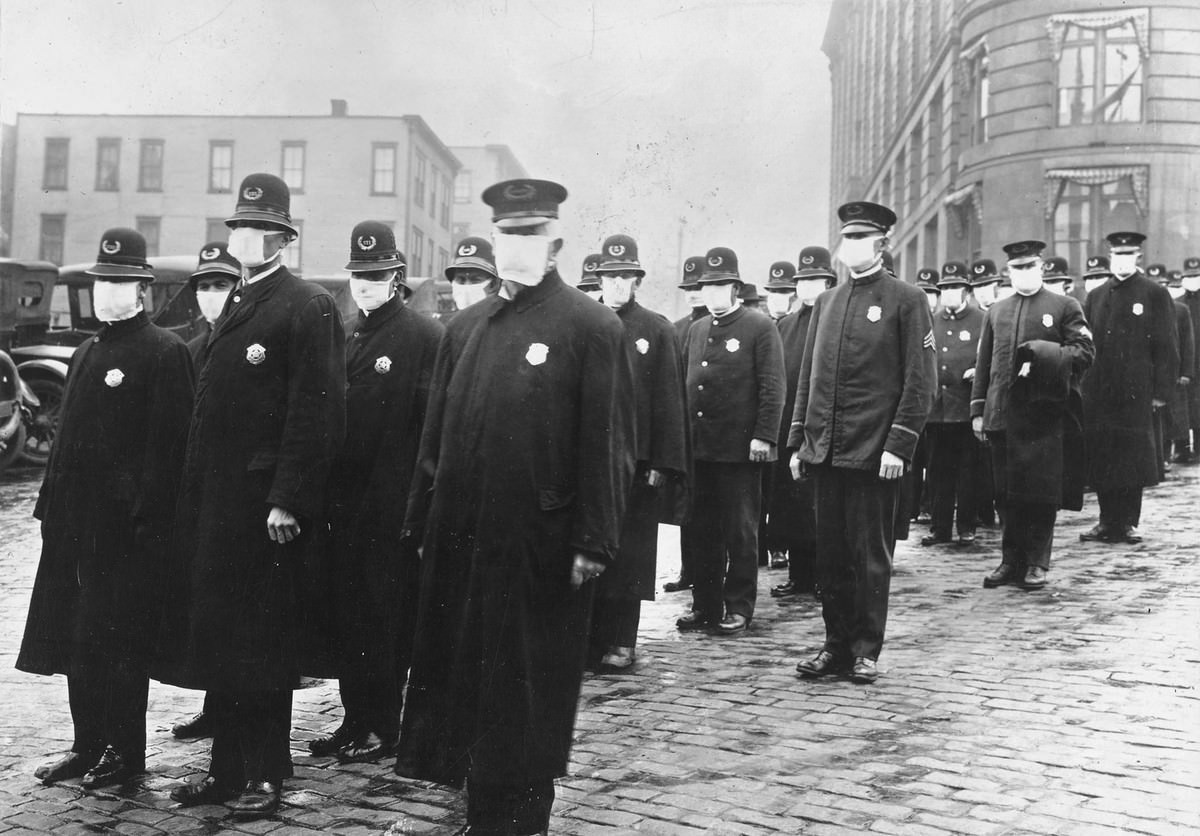
Law enforcement officers in Seattle wore masks supplied directly by the local Red Cross chapter. Police were among the city’s most visible public servants, and their masked appearance on the streets sent a clear message to residents: the threat was real, and even those tasked with keeping order were not immune. Seattle’s Red Cross chapter produced thousands of masks to meet the city’s demand.
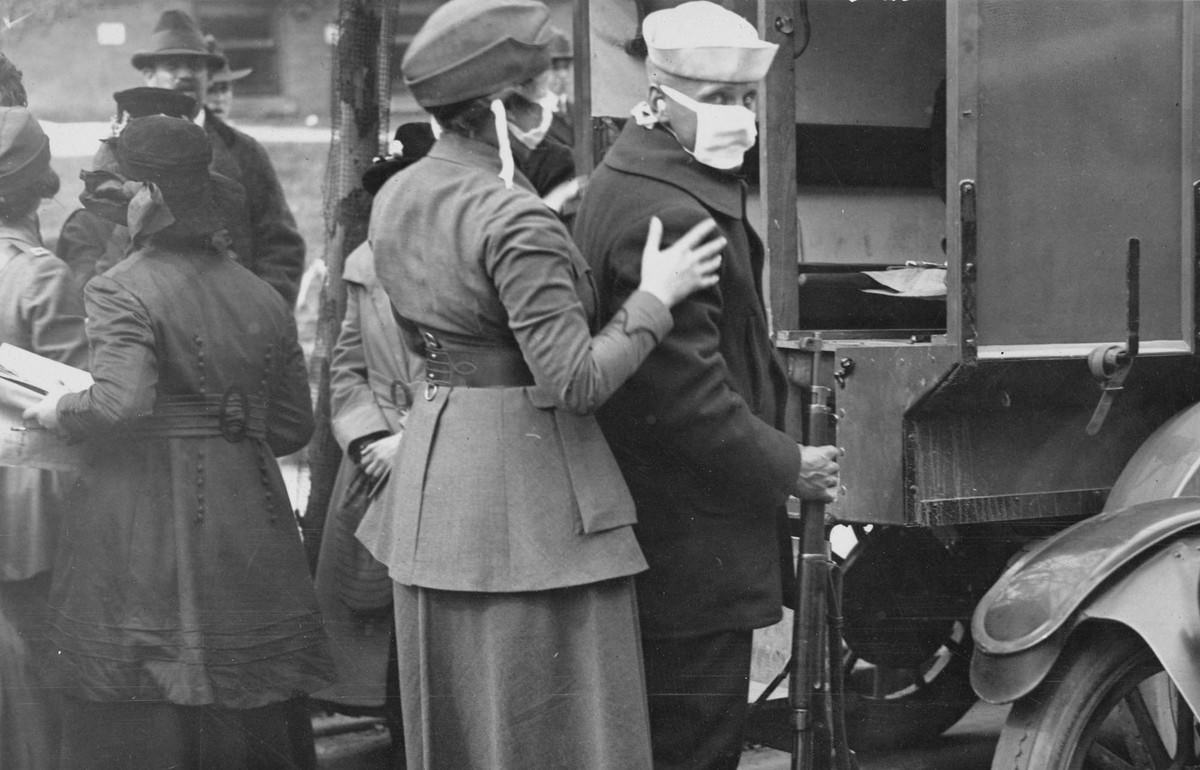
On October 5, 1918, an explosion at a coal loading plant in Morgan, New Jersey, injured dozens of workers. Emergency responders arriving on the scene — including a U.S. Navy sailor and a member of the Women’s Motor Corps — wore their influenza masks while treating the wounded. The image is a stark reminder that the pandemic did not pause for other disasters.
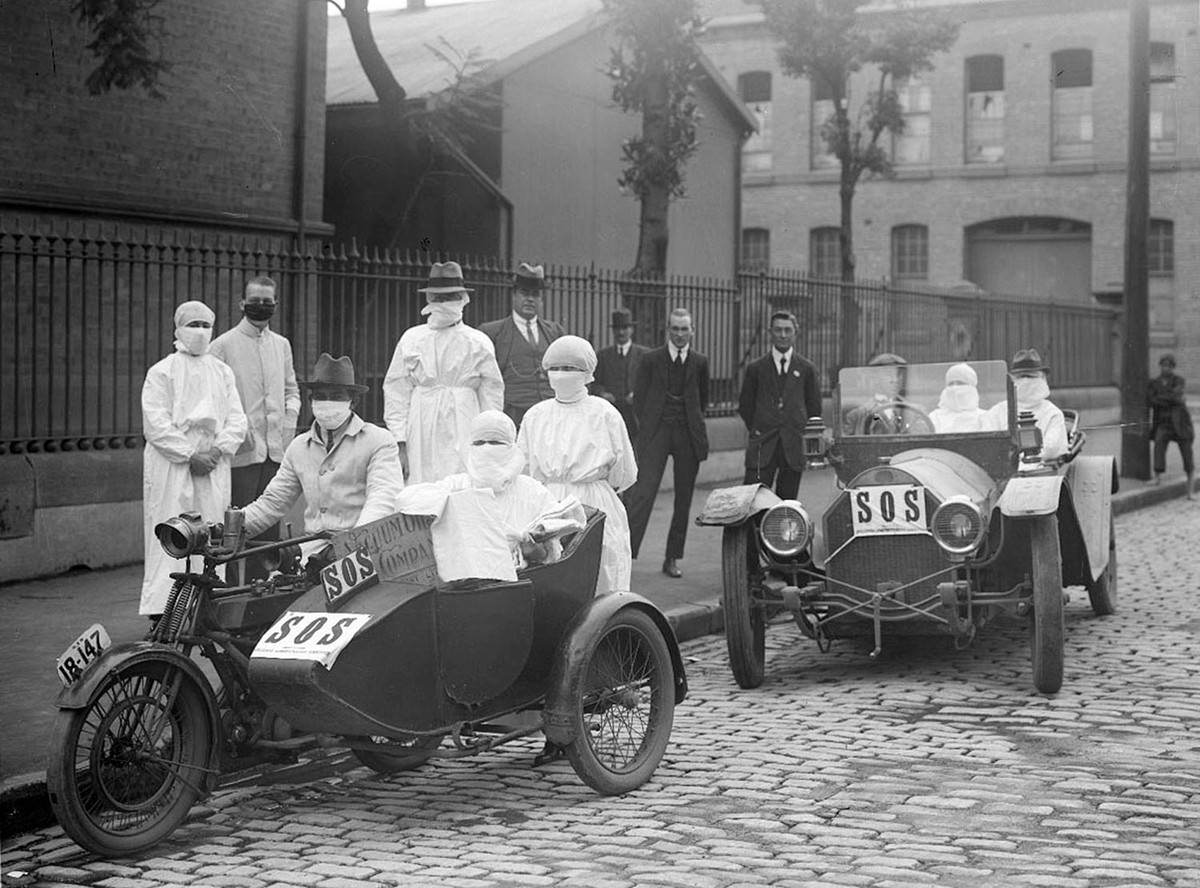
Australia was not spared from the Spanish Flu. In April 1919, nurses departed from Blackfriars Depot in Chippendale, New South Wales, heading out to care for patients during the epidemic. The pandemic had arrived in Australia later than in the Northern Hemisphere, but it struck with the same severity, killing an estimated 15,000 Australians.
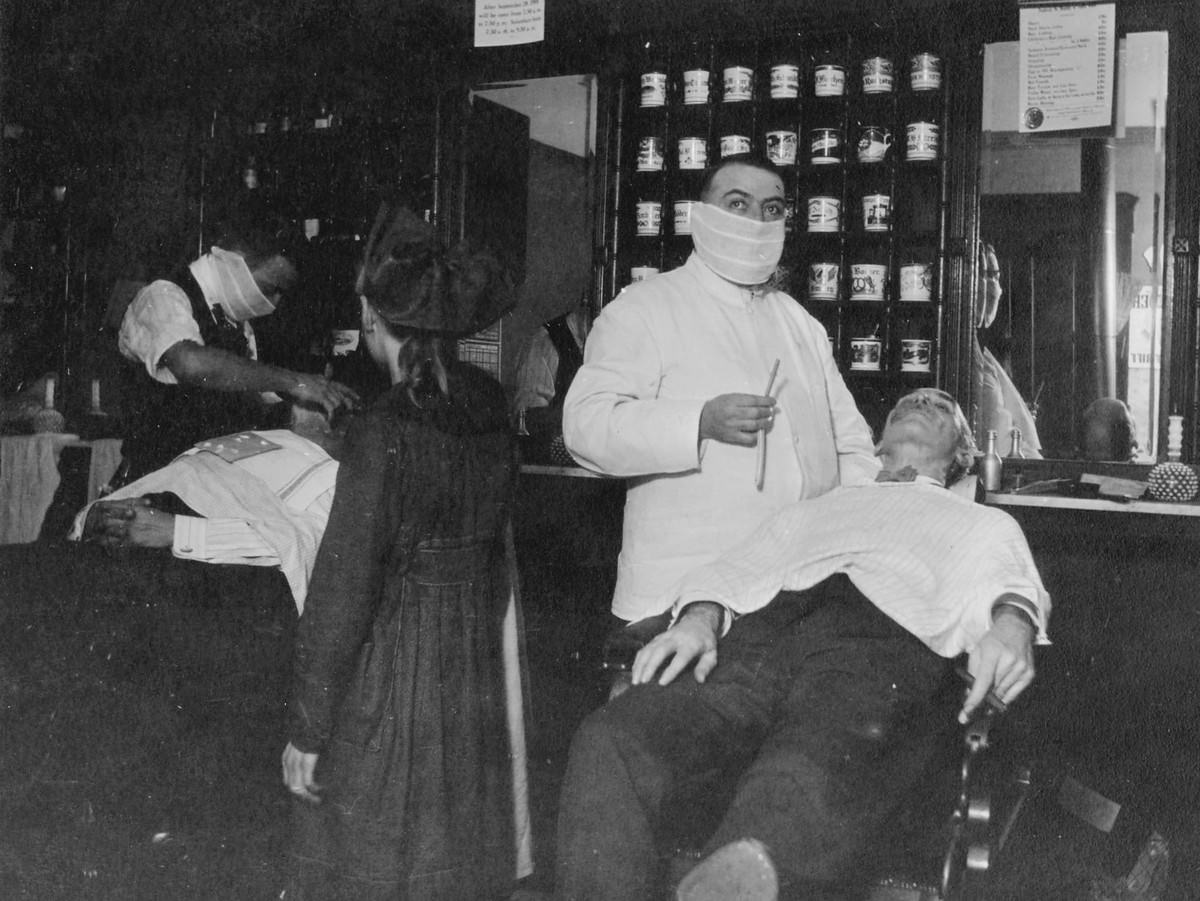
Barbershops presented an obvious risk of transmission — a space where strangers sat in close contact with one another for extended periods. In Cincinnati, barbers and their customers wore gauze masks throughout the epidemic. Some cities required barbers to wear masks by law, while in others the practice was adopted voluntarily. Either way, the barbershop mask became a common sight across American cities.
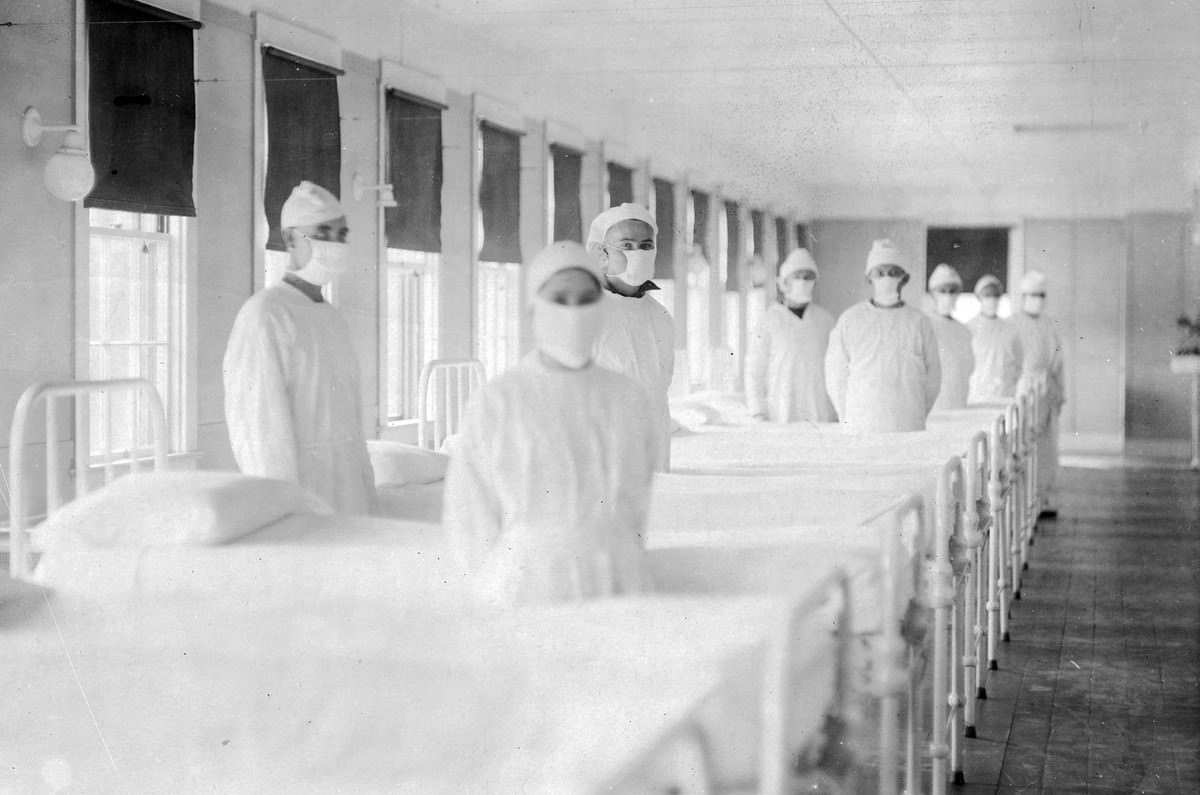
Naval facilities on the West Coast of the United States were hit particularly hard by the flu. At the U.S. Naval Hospital on Mare Island, California, corpsmen dressed in full cap, gown, and mask before entering the influenza ward. The precautions were a direct response to the alarming rate at which medical staff themselves were falling ill while treating patients.
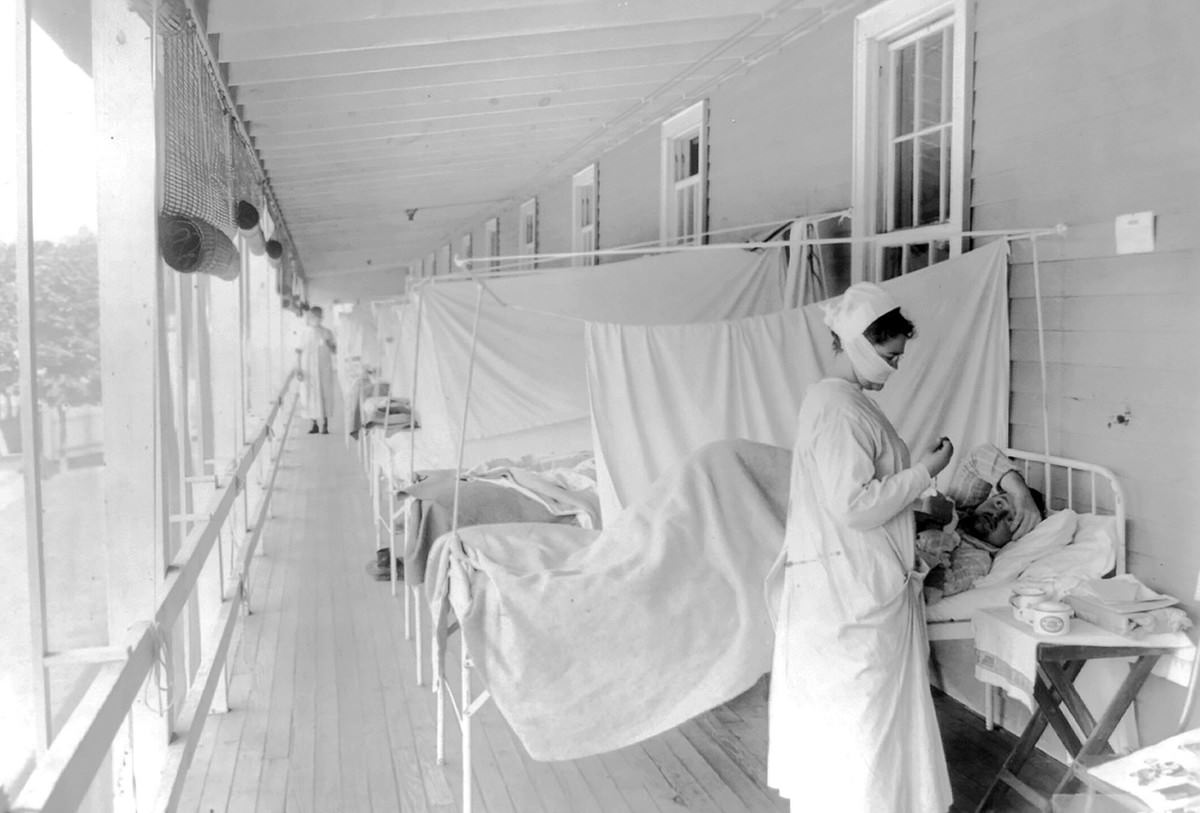
Walter Reed Hospital in Washington, D.C., treated some of the most severe influenza cases on the East Coast. Nurses worked long shifts in crowded wards, monitoring patients whose conditions could deteriorate within hours. The nurse shown above checks the pulse of a patient while wearing her gauze mask — a routine act of care carried out in extraordinary circumstances.
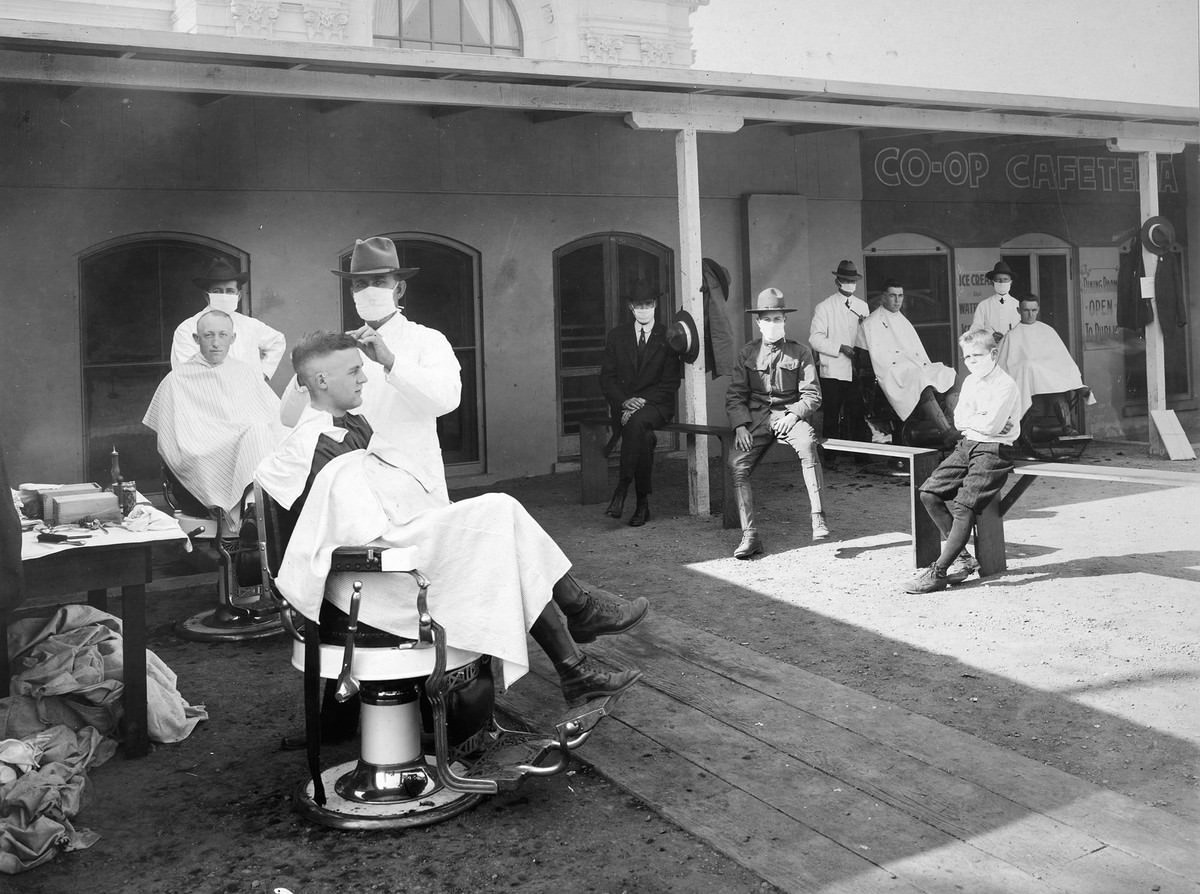
One creative response to the risk of indoor transmission was simply moving activities outside. At the University of California, Berkeley, an open-air barbershop operated on campus during the epidemic in 1919. Fresh air was believed to reduce the risk of contagion, and the outdoor setup allowed the service to continue while keeping customers and barbers as safe as possible under the circumstances.
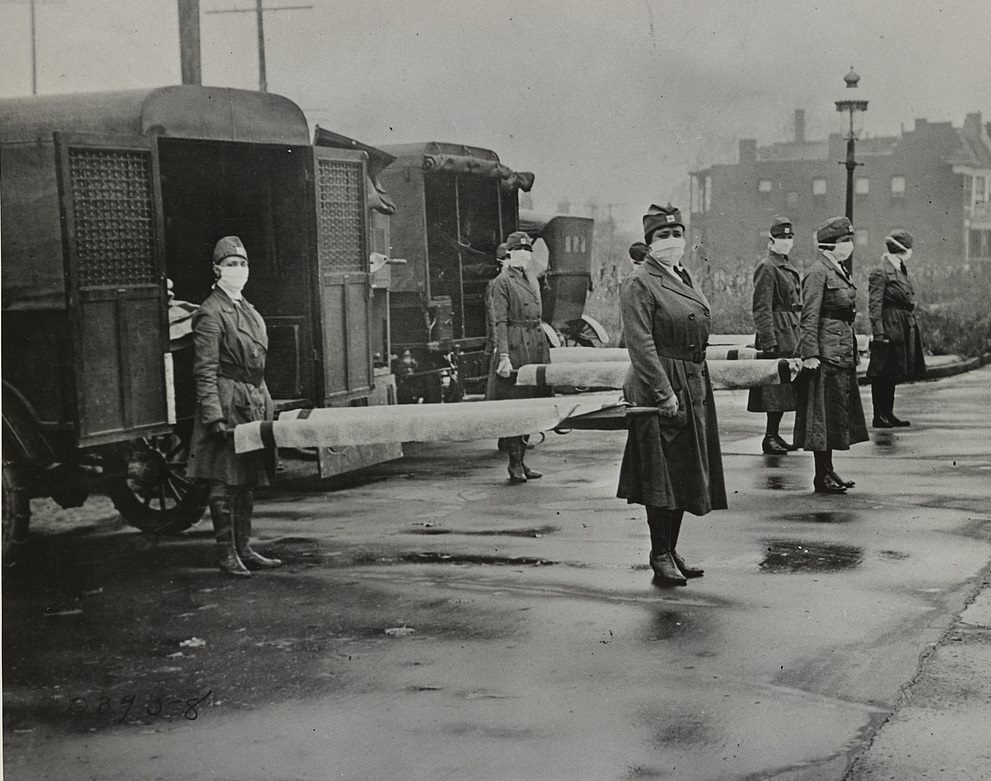
The Red Cross Motor Corps was one of the most active organizations responding to the 1918 pandemic across the United States. In St. Louis, members of the Motor Corps photographed in October 1918 wore their masks while on active duty. They transported the sick, delivered supplies, and supported overwhelmed hospitals at a time when the second wave was claiming lives at its fastest pace. Their masked faces became one of the defining images of the entire epidemic.





I didn’t see the picture of the cat. The whole family is grouped, and suddenly you see the cat has a mask, too. This is my favorite 1918 flu picture.
I wonder if there were many Karens back then (?).
Amazing. These images are sobering. Especially one of the soldiers wearing masks marching to war. As if they were on a doomsday march.
I’ve never seen anything like this before. It reminds me of COVID! Excellent post!