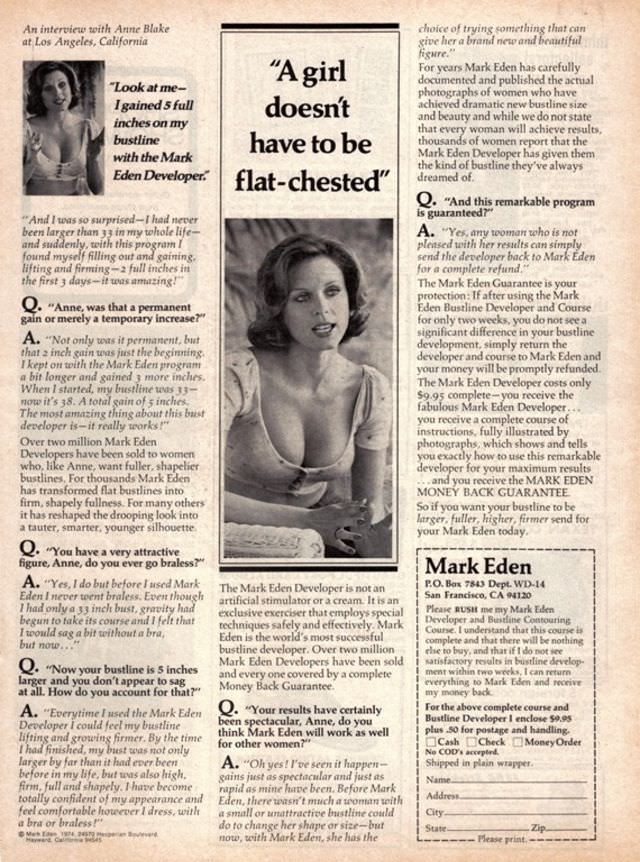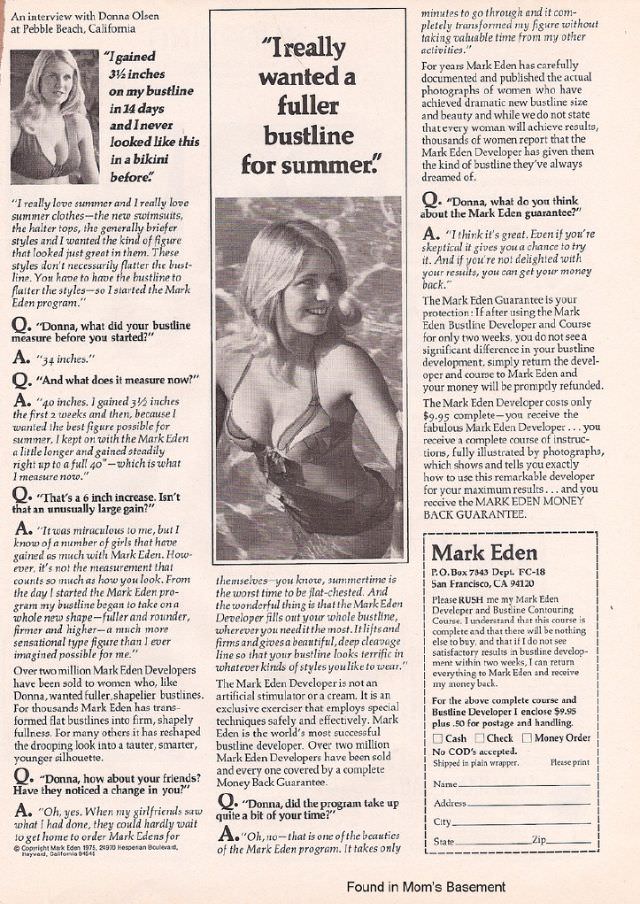
In the 1960s, women flipping through popular magazines were met with bold, eye-catching ads promising something that sounded almost too good to be true. “For thousands, Mark Eden has transformed flat bustlines into the firm, shapely fullness.” That was the pitch — direct, confident, and backed by nothing more than clever marketing. The Mark Eden Bust Developer became one of the most recognized mail-order body products of its era, riding a wave of postwar consumer culture that was hungry for quick fixes and self-improvement shortcuts.
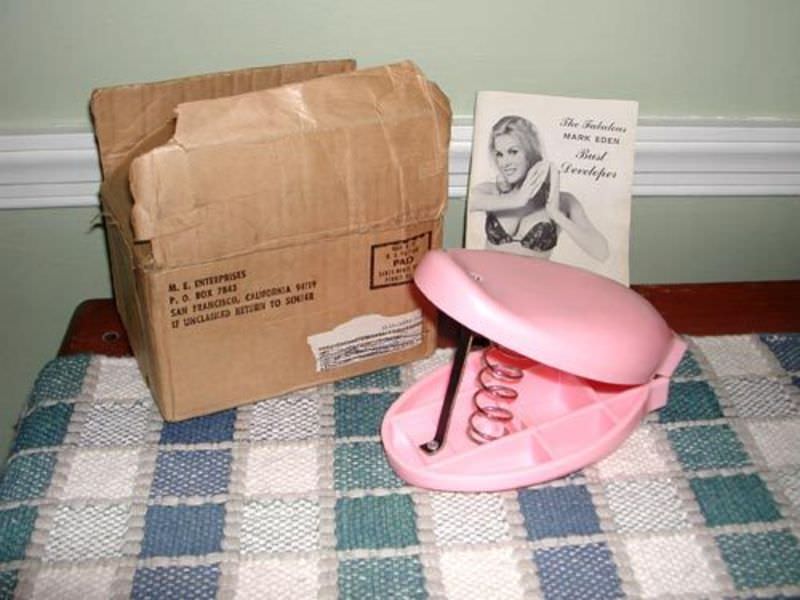
The device itself was simple. It looked like a clamshell — two curved plastic halves connected by a spring that provided resistance when squeezed. Buyers also received a booklet laying out a regimen of exercises to follow alongside the device. The idea was that repeatedly pressing the two halves together would somehow stimulate breast tissue growth. In reality, the exercises worked the pectoral muscles in the chest wall, not the breast tissue itself, which is composed primarily of fat and glands — neither of which respond to resistance training by growing larger.

The Mark Eden Bust Developer was sold in two versions. The physical device was identical in both — the only difference was the wording inside the accompanying booklet. The earlier version made sweeping, grandiose claims about the results women could expect. Those claims were later dialed back after the United States Postal Service began investigating the company for mail fraud. Under pressure, the company toned down its language, but the core promise — that the device could add measurable inches to a woman’s bust — remained central to every advertisement.
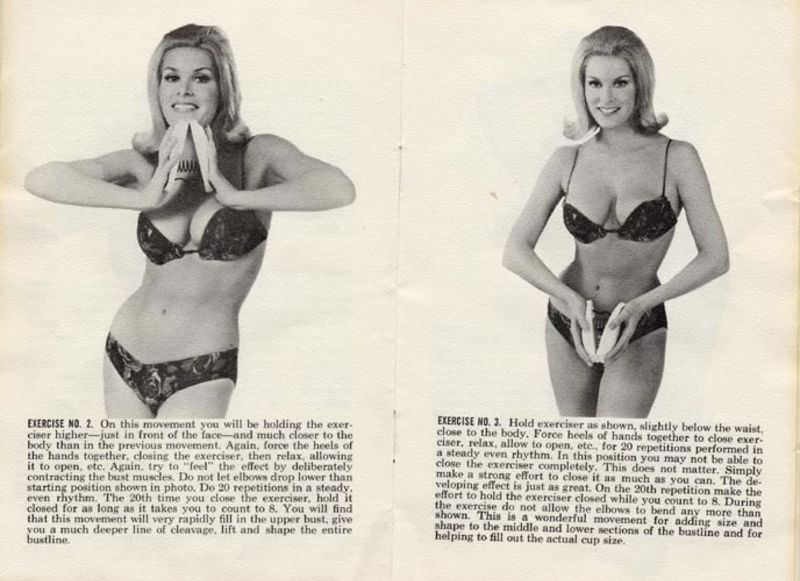
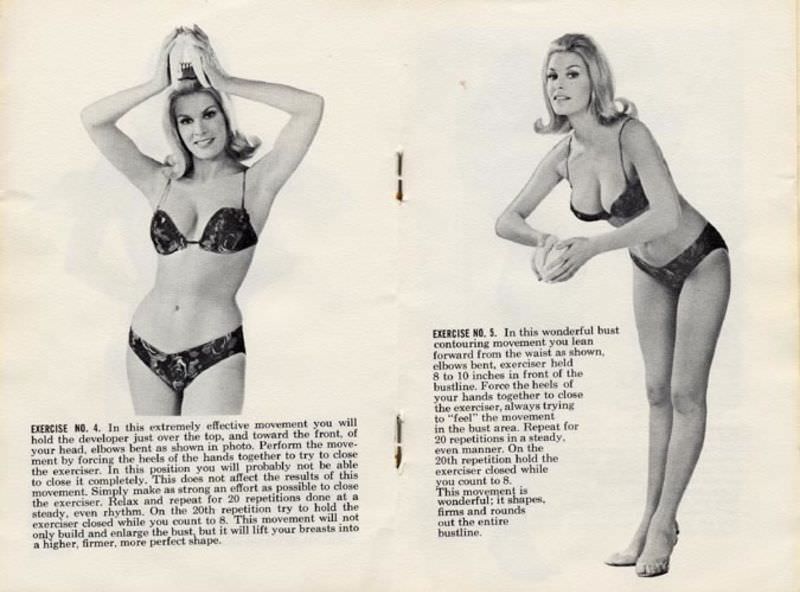
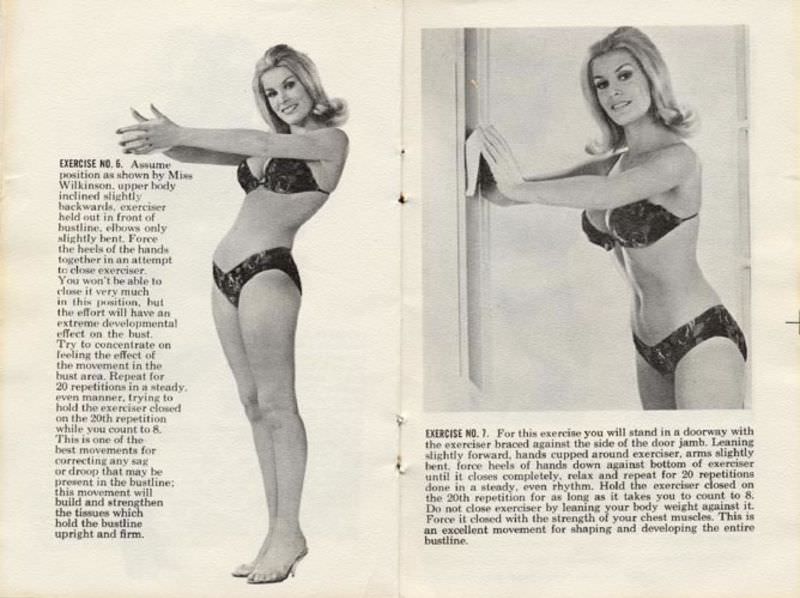
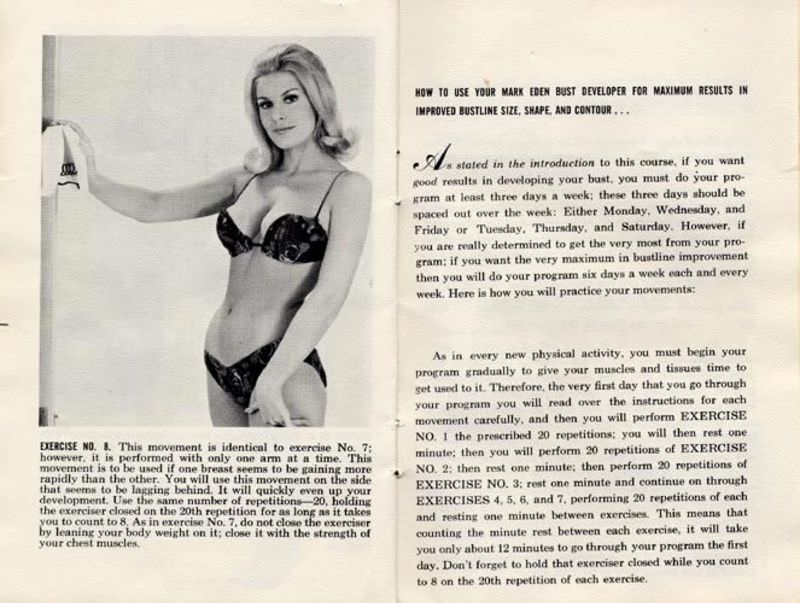
The exercise booklets were a key part of the product’s appeal. They gave the Mark Eden system an air of legitimacy — a structured program with diagrams and instructions that made it feel less like a gimmick and more like a fitness regimen. Testimonials filled the advertising pages, with women claiming to have added multiple inches to their bustlines in just a matter of weeks. These testimonials were printed with specific numbers and timeframes, making them feel credible to readers who had no way to verify them.
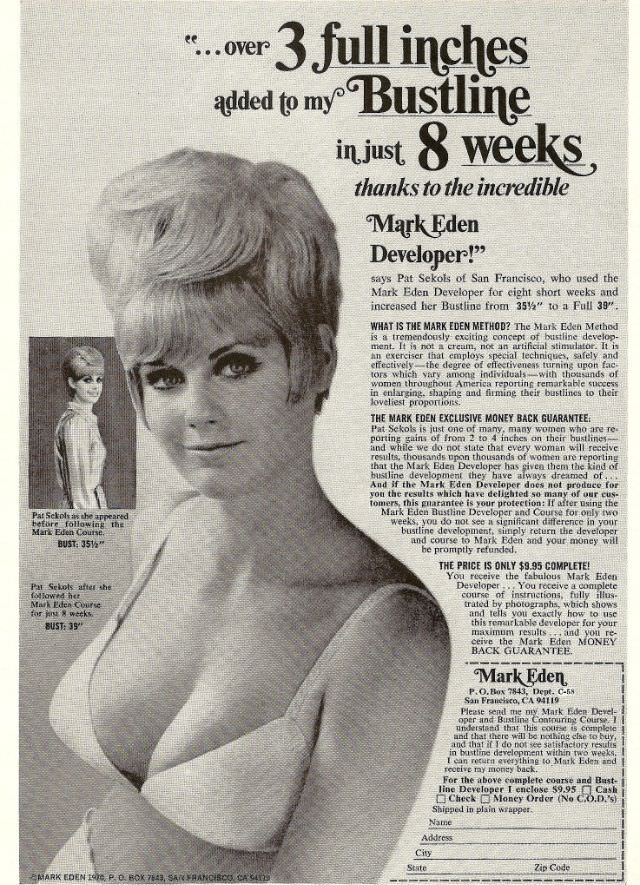
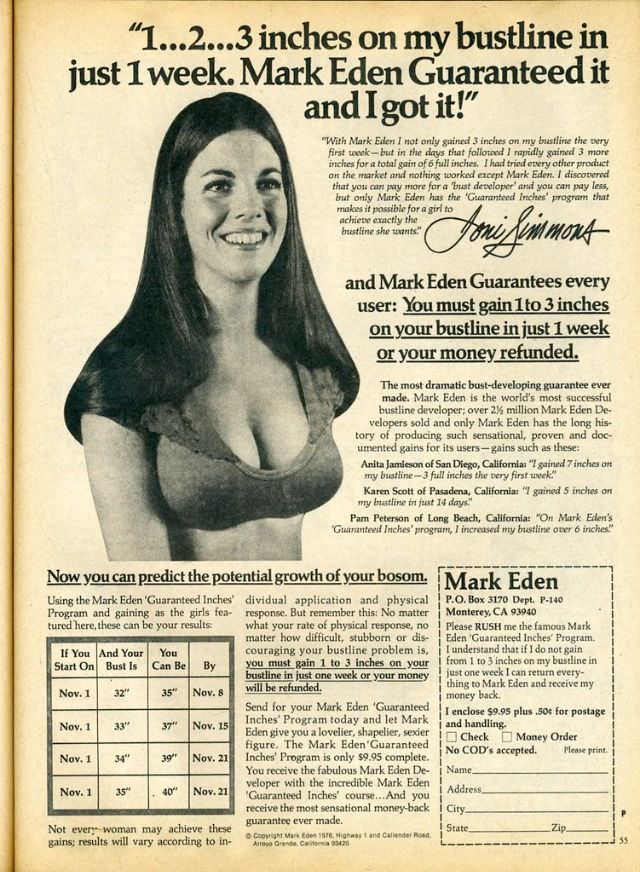
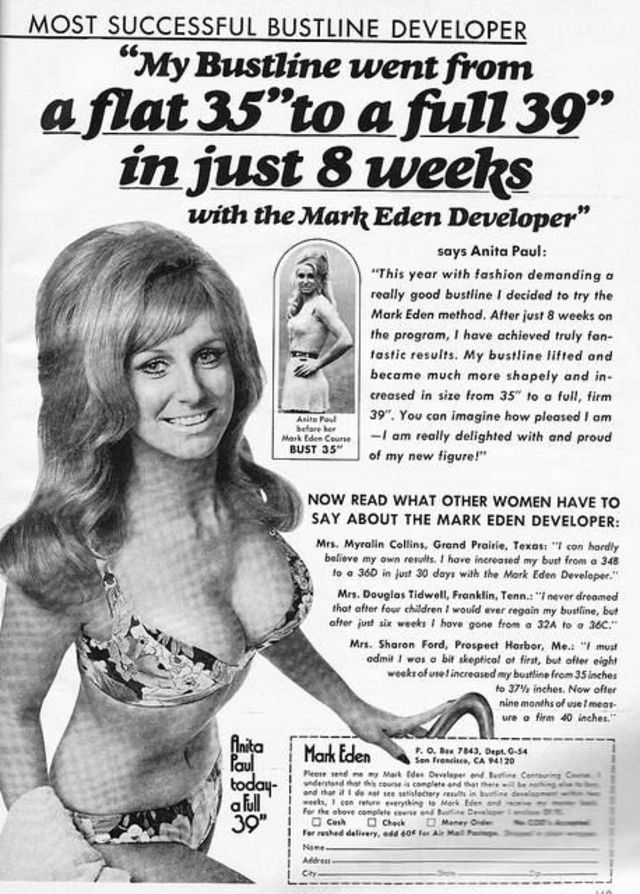
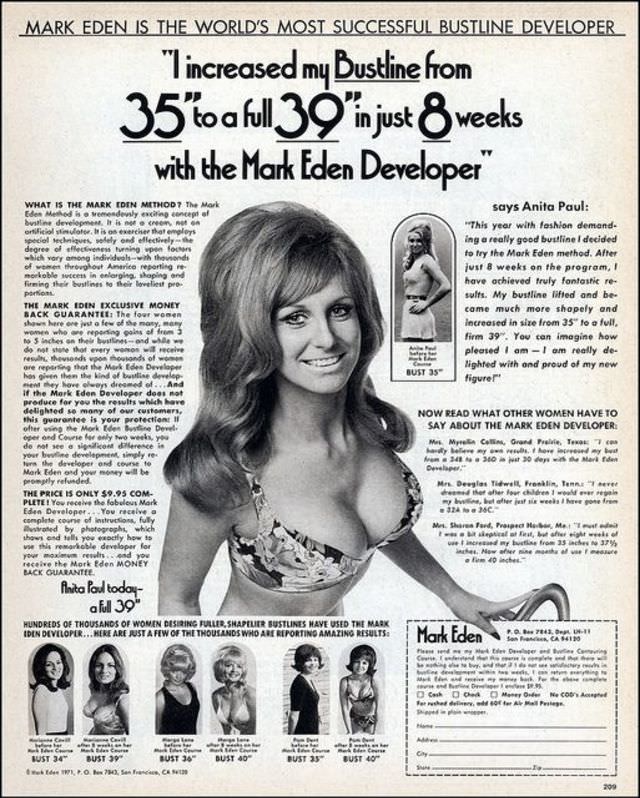
The ads ran throughout the 1960s and into the 1970s, appearing regularly in women’s magazines. The messaging tapped into the beauty standards of the time, framing a larger bust as something achievable, desirable, and just a few weeks away. The USPS did not sit still. The agency made repeated attempts to shut down the Mark Eden business on the grounds that its advertising contained false and misleading claims. Rather than comply, the company fought back — modifying its advertisements just enough to sidestep accusations, and at one point bringing a lawsuit directly against the postal service.
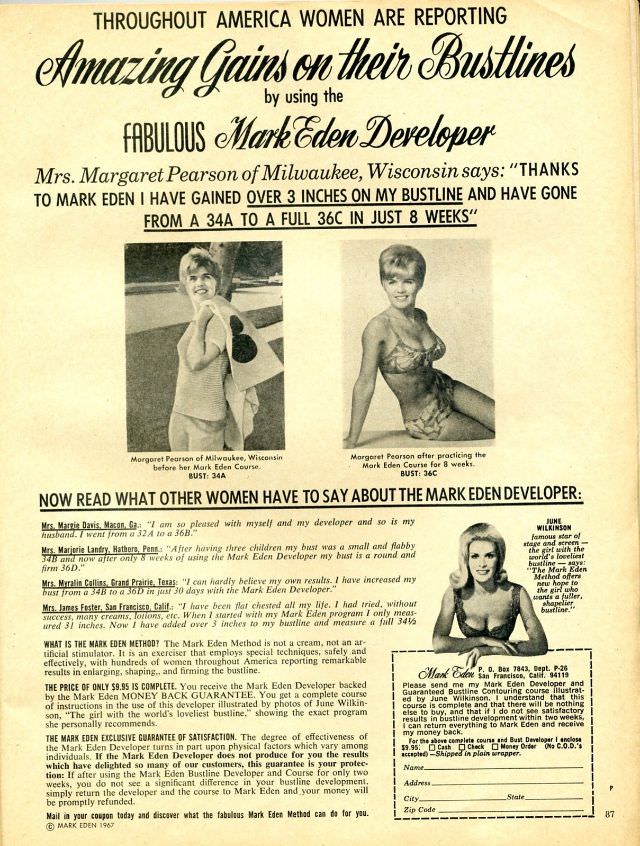
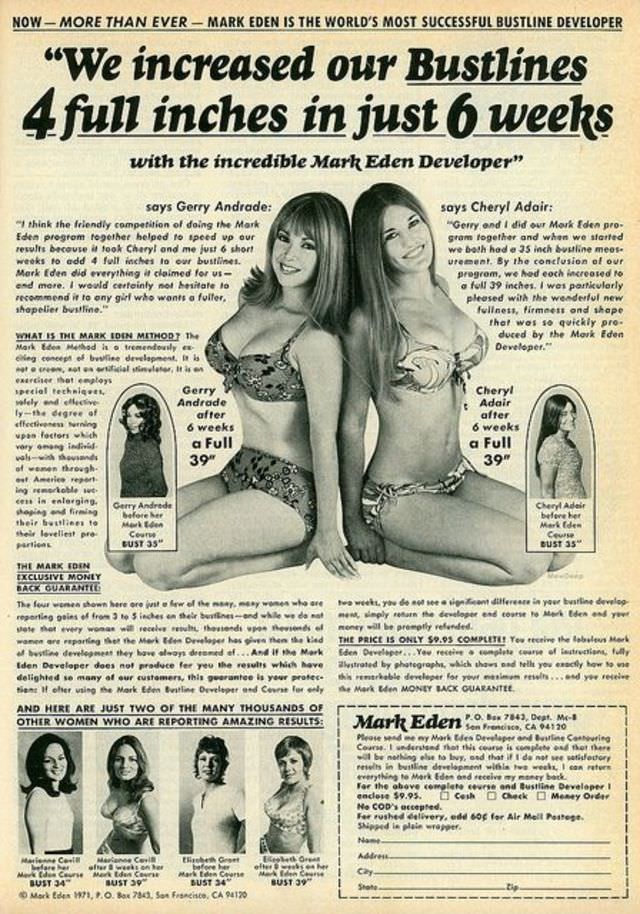
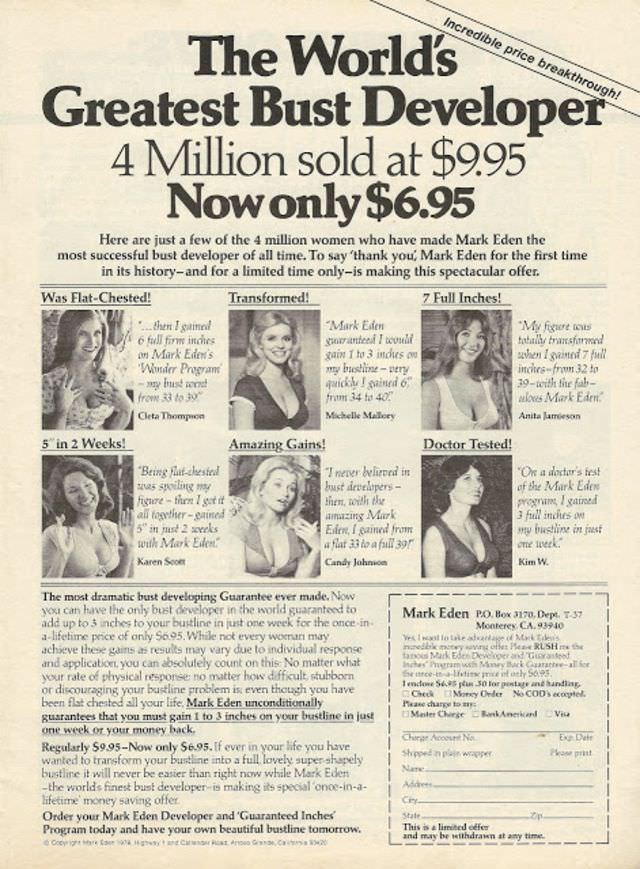
The Mark Eden Bust Developer was one of several products sold by a company called Feather. Alongside the bust developer, Feather marketed a range of other body modification and slimming products, all targeting women’s anxieties about their appearance. The bust developer was the most well-known item in the lineup, but the broader business model was the same across all of them: promise dramatic physical transformation through a simple, affordable device or regimen.
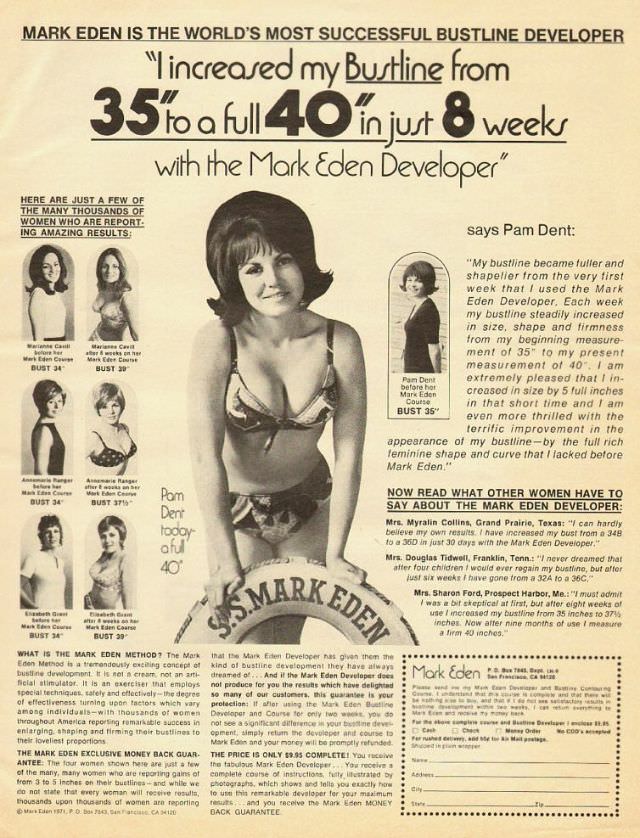
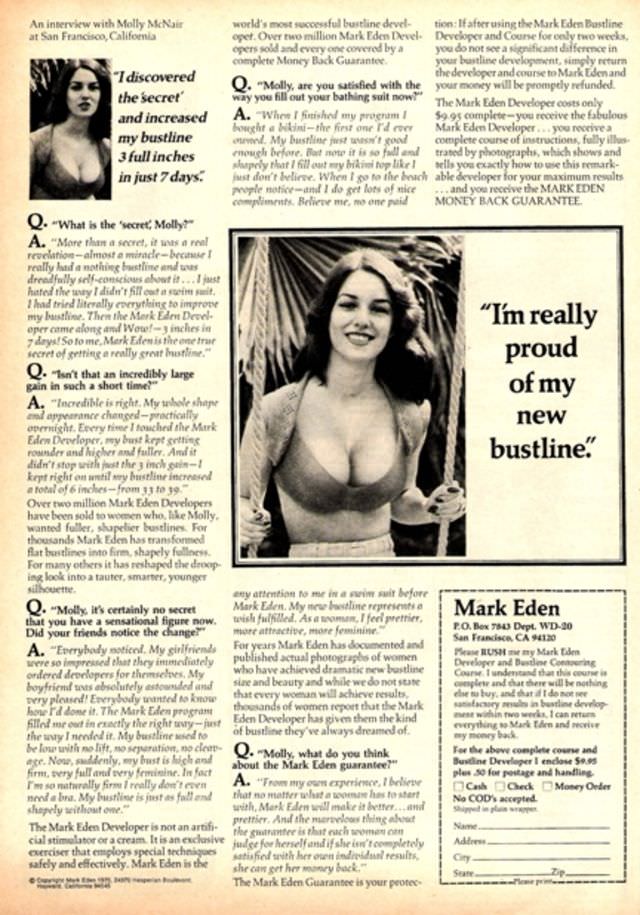
In 1981, the legal walls finally closed in. Feather was indicted on 11 counts of mail fraud. The case moved through the courts and reached a settlement in 1983. As part of that settlement, the Mark Eden Bust Developer was pulled from the market entirely, along with all of Feather’s other body image products. The company was ordered to pay a $1.1 million fine. After more than two decades of operation, the clamshell device and its bold promises disappeared from magazine pages for good.