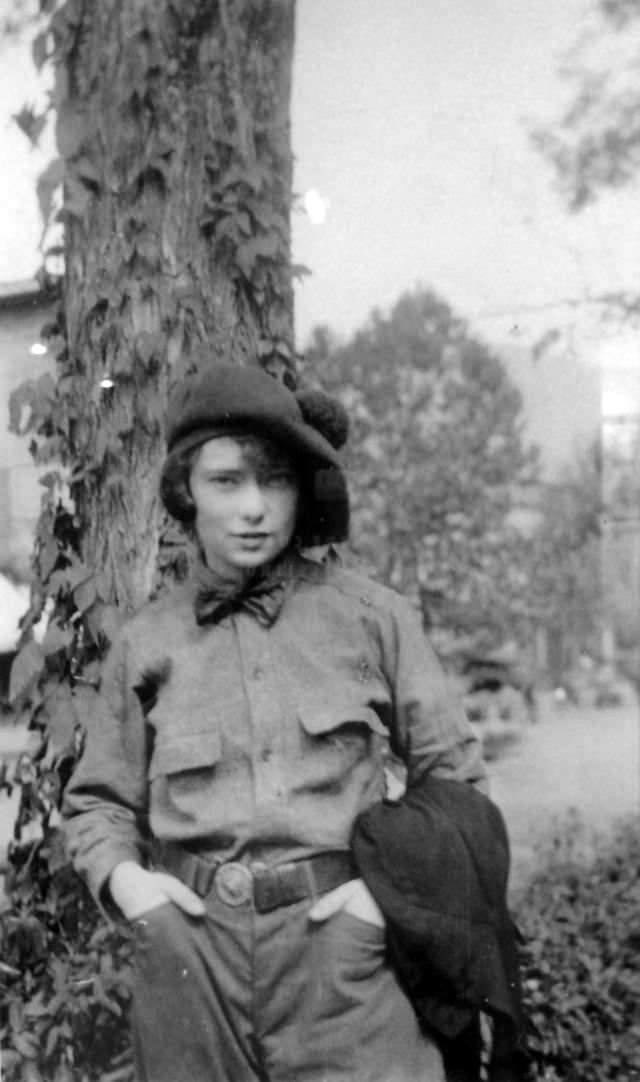
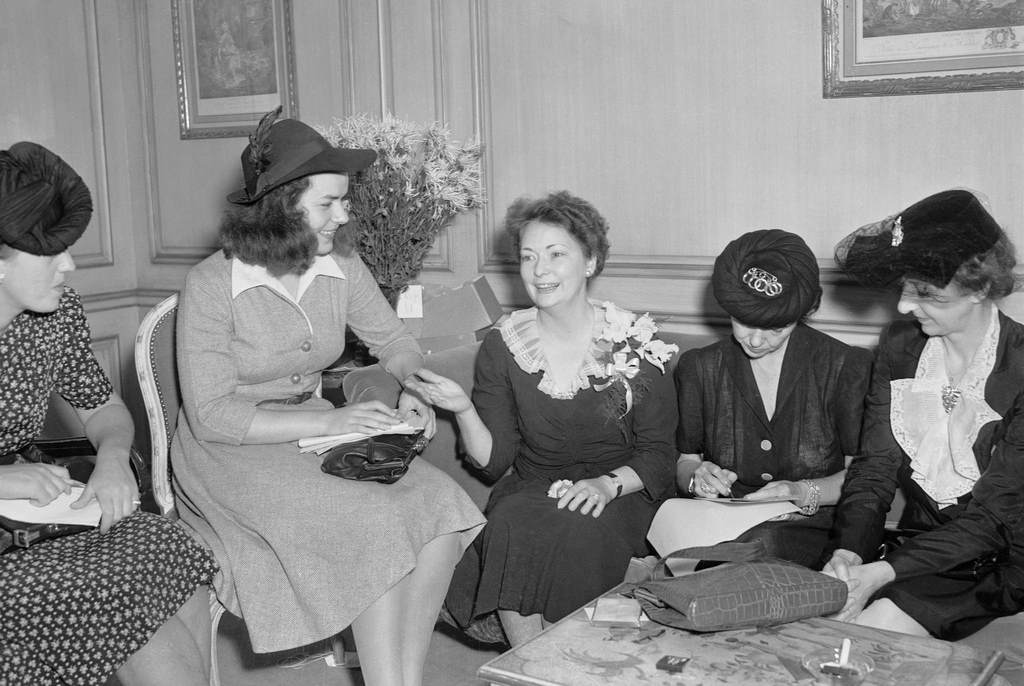
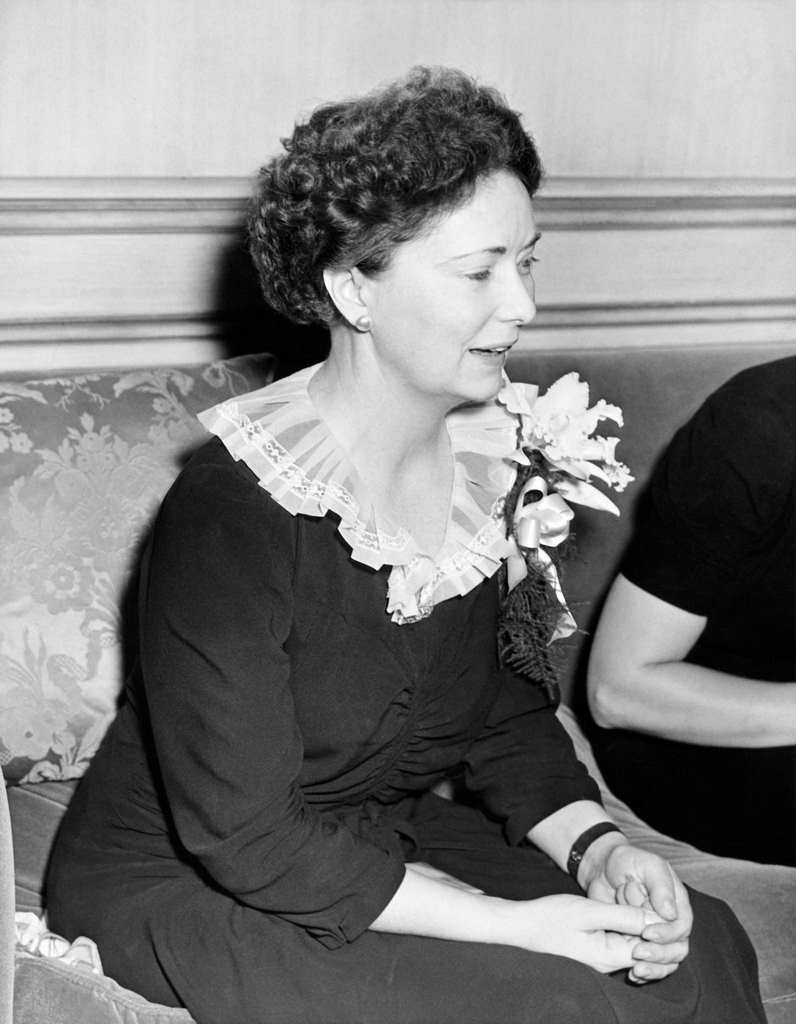
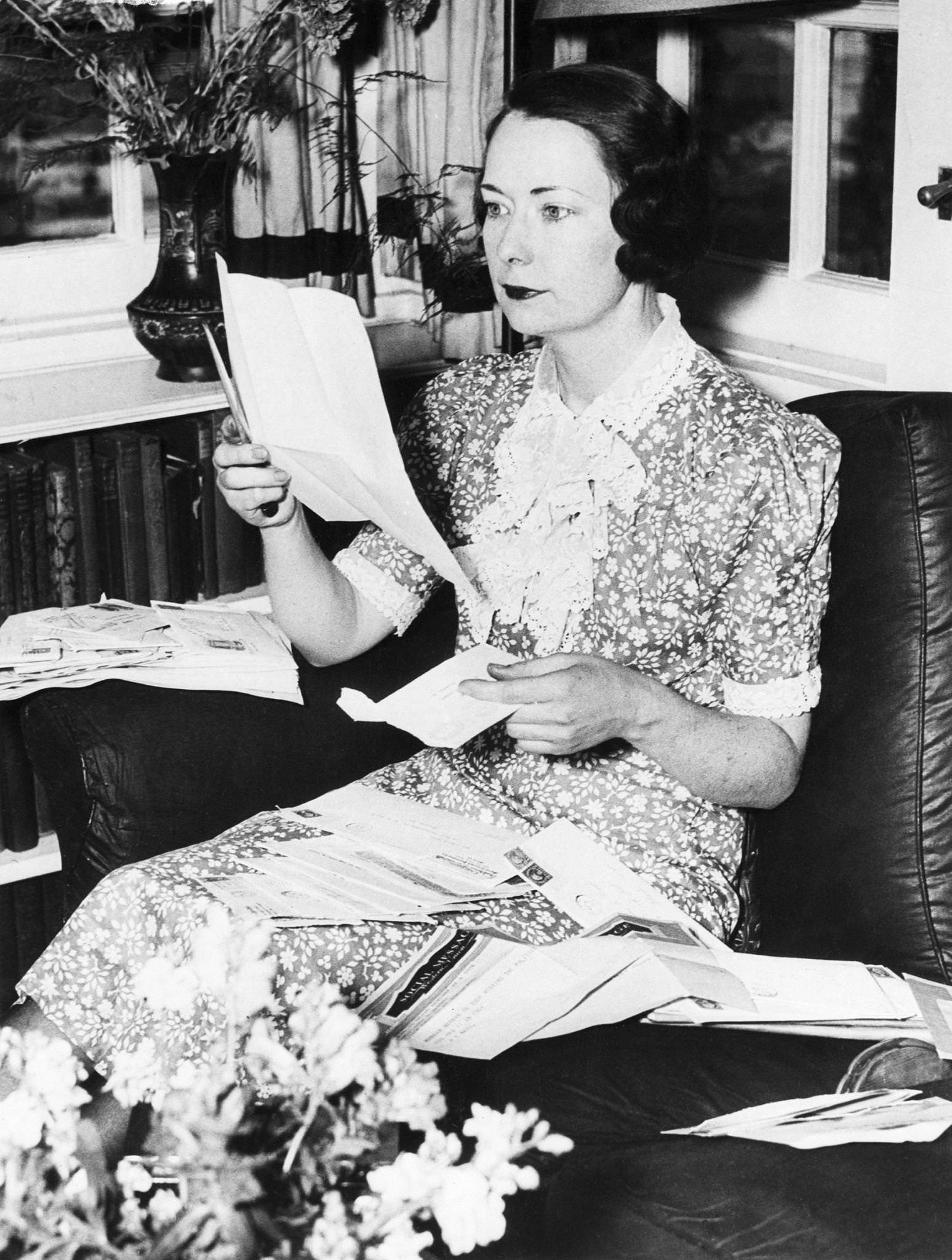
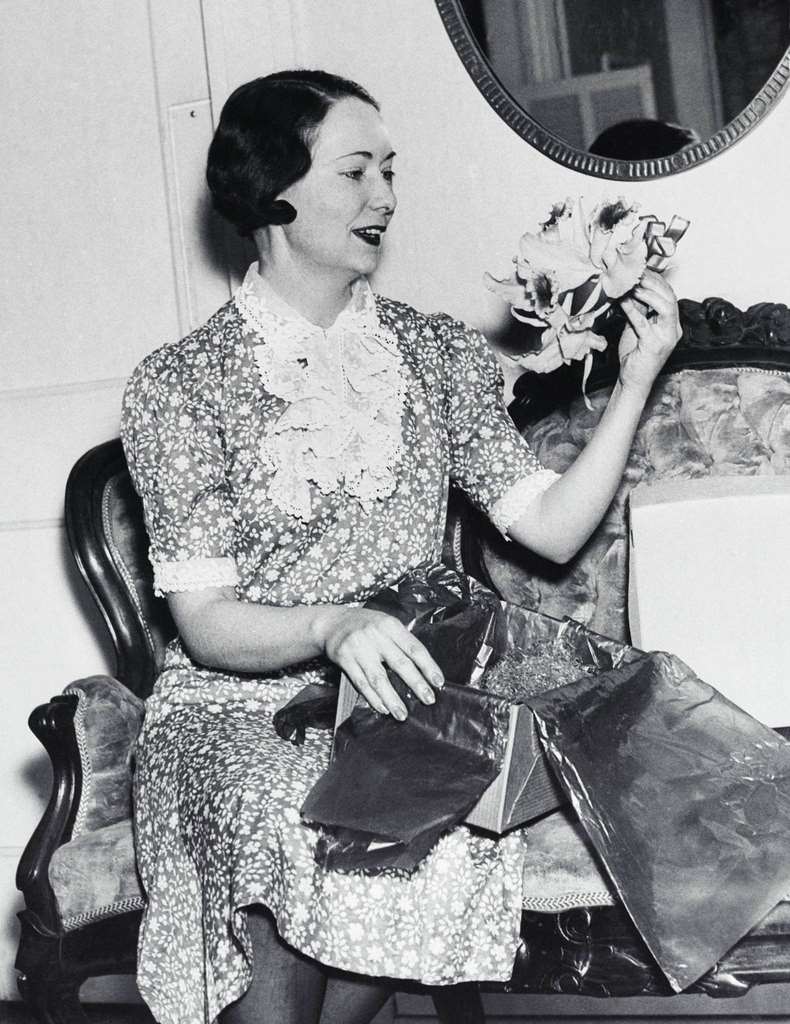
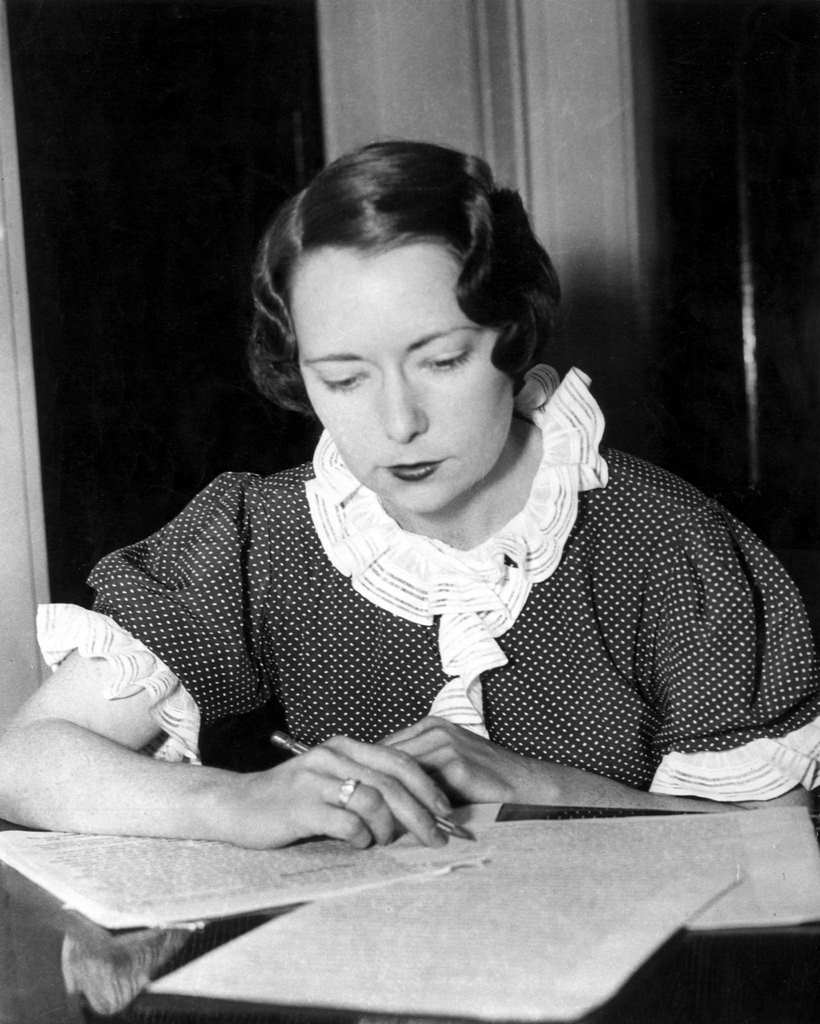
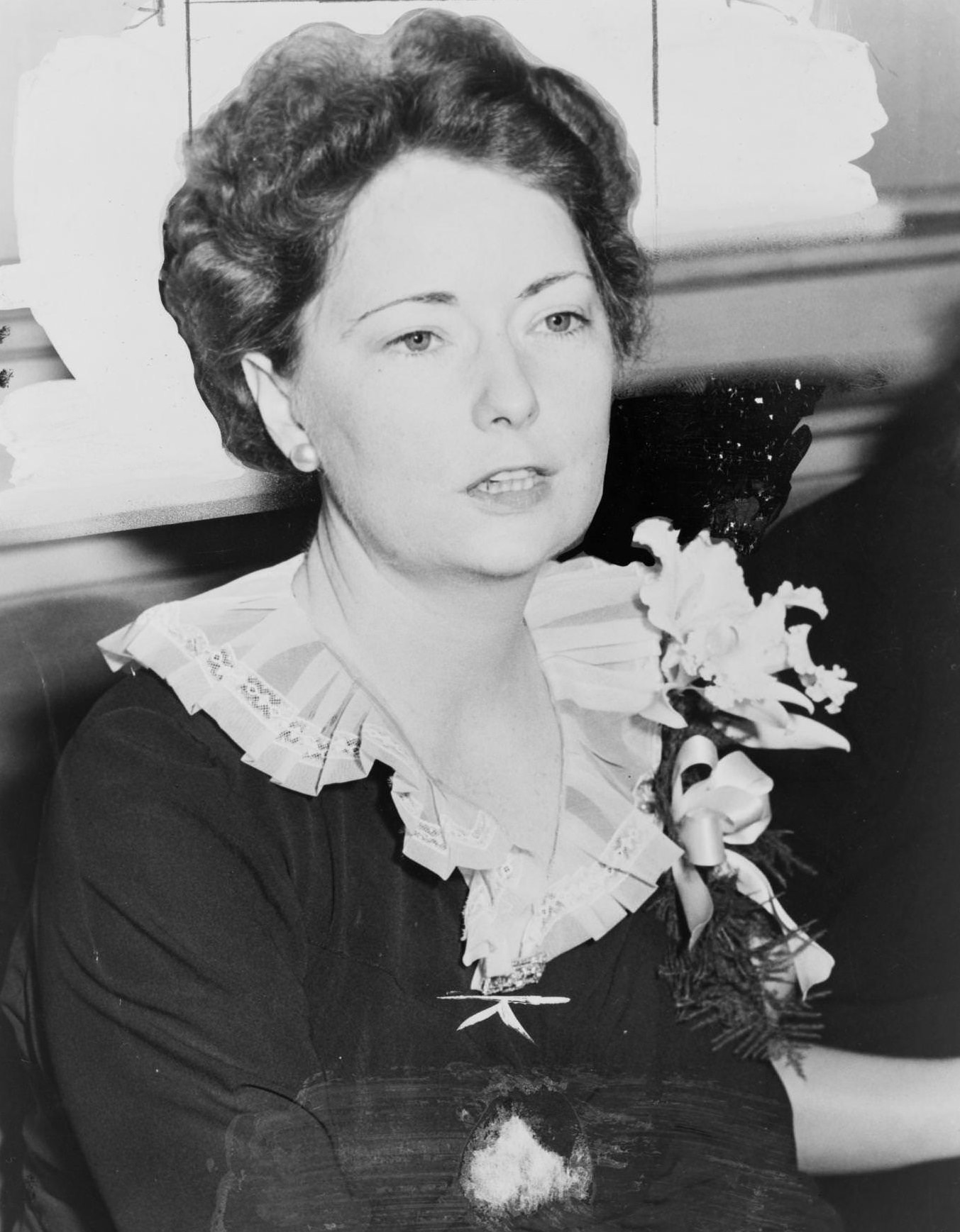
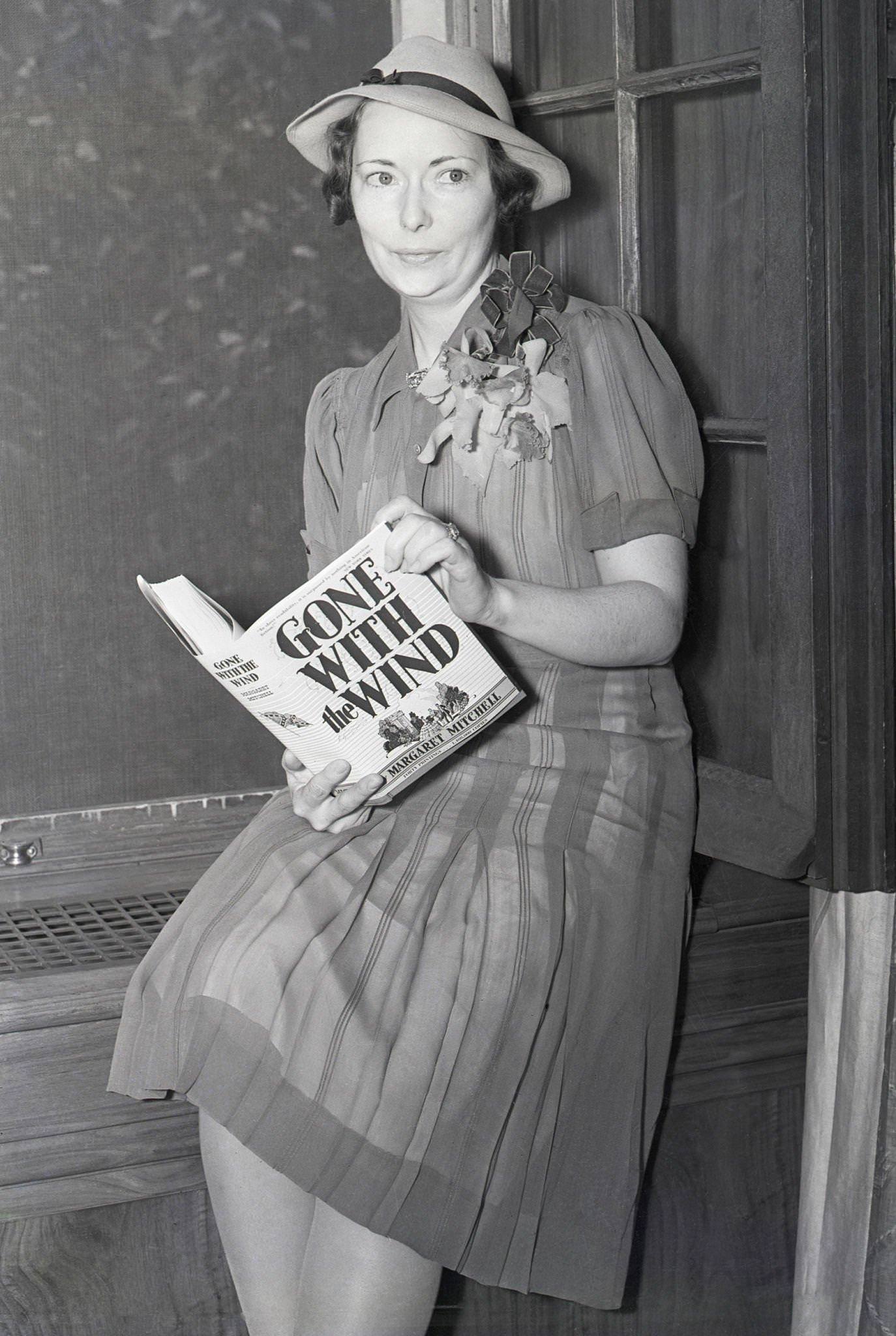
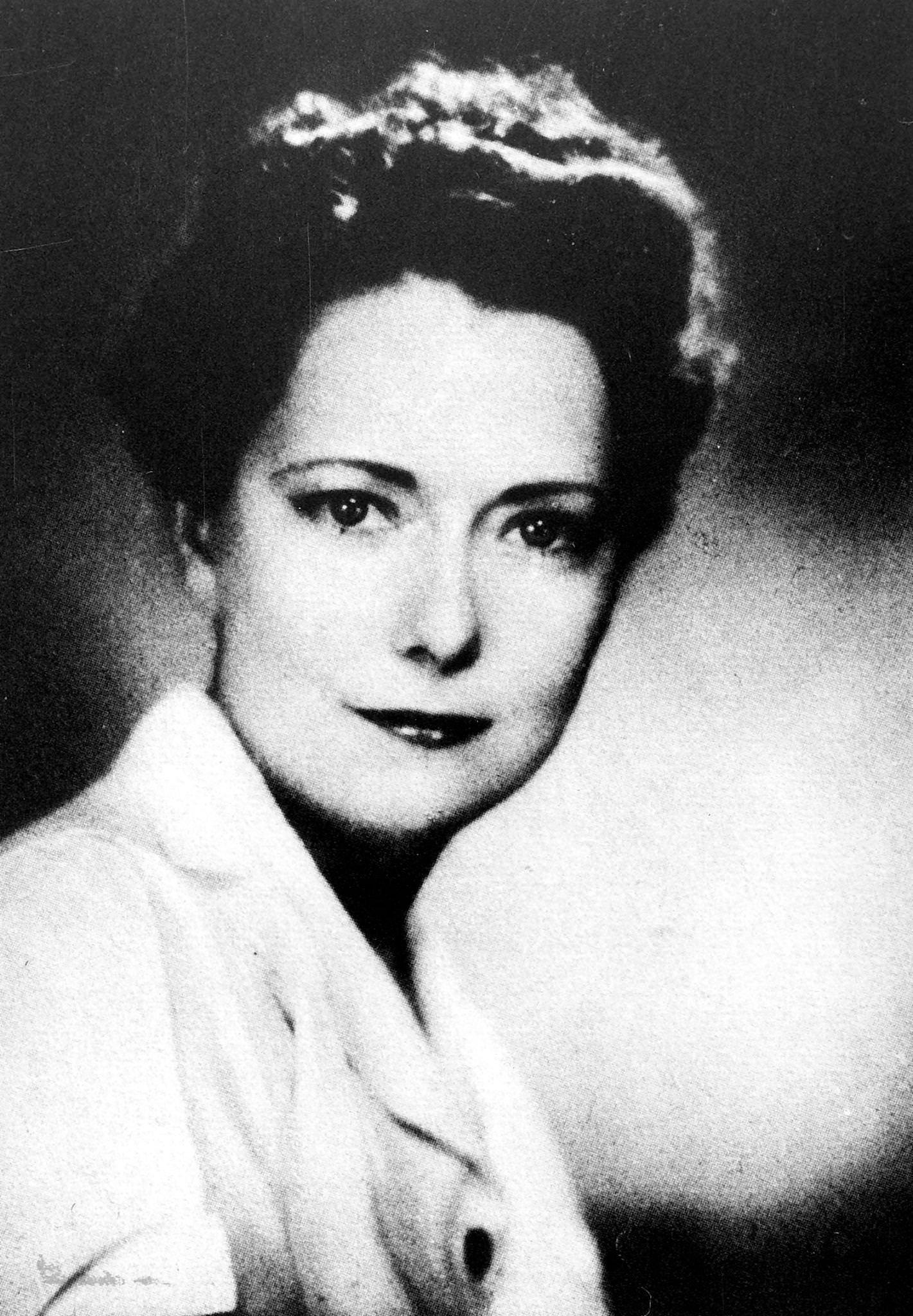
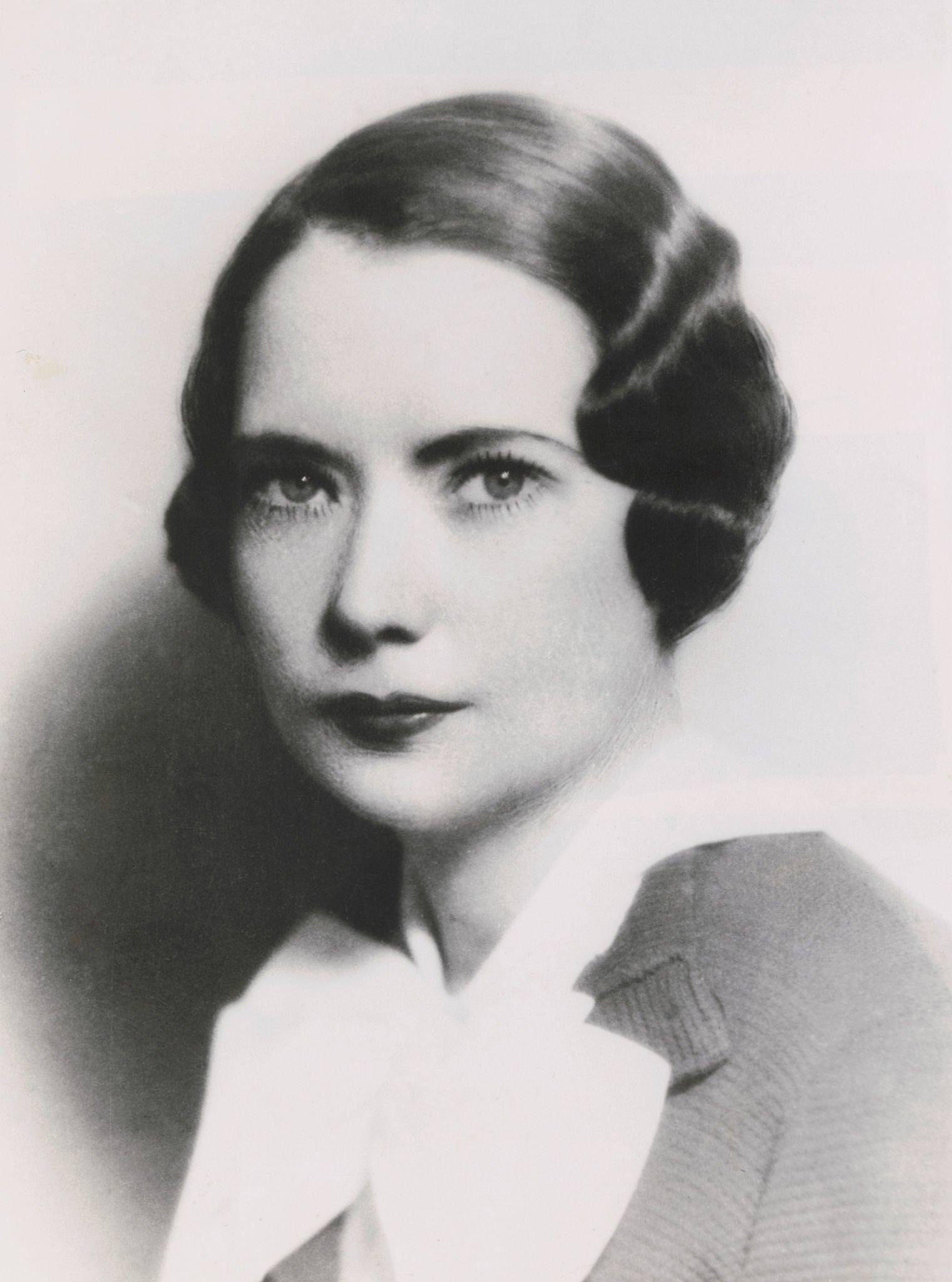
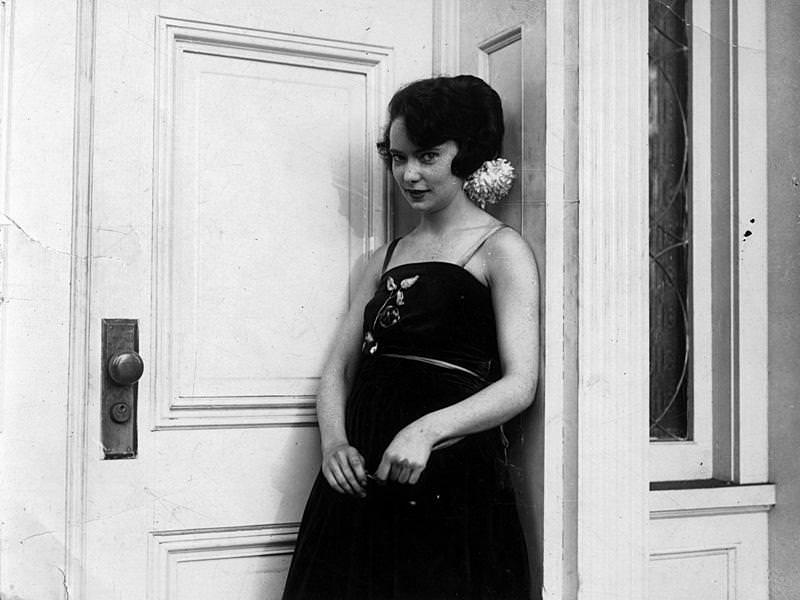
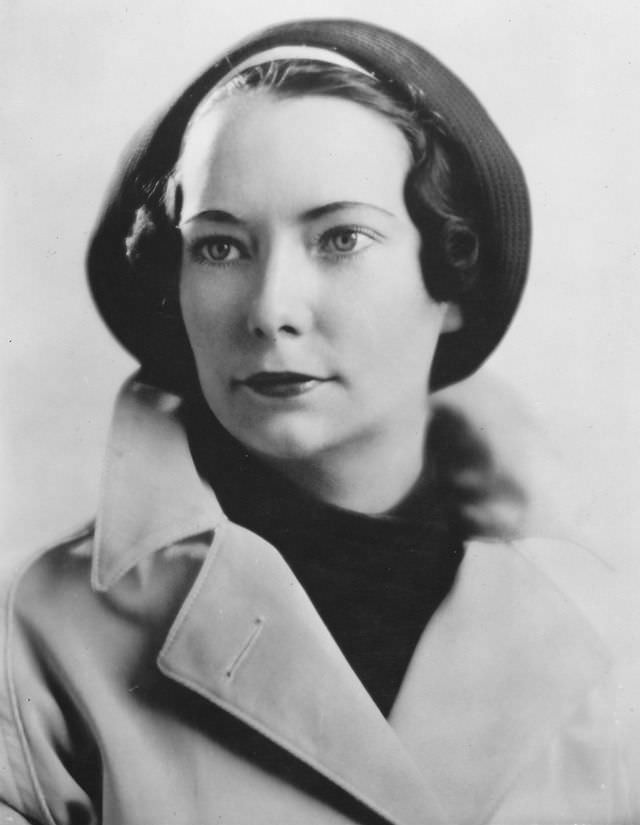
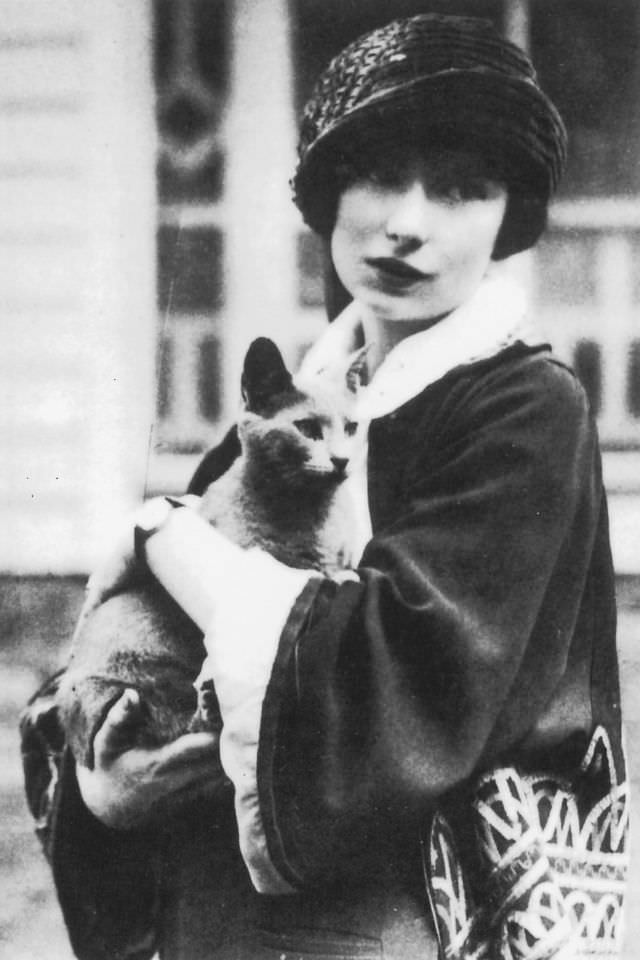
Margaret Mitchell was a famous American novelist. In 1926, Mitchell was immobilized by a broken ankle and began writing a novel that would become ‘Gone With the Wind.’ The novel made Mitchell an instant celebrity and earned her the Pulitzer Prize in 1936. Just three years later, the film version was released to wide acclaim. Mitchell’s Civil War-era masterpiece has been translated into 27 languages and sold more than 30 million copies worldwide.
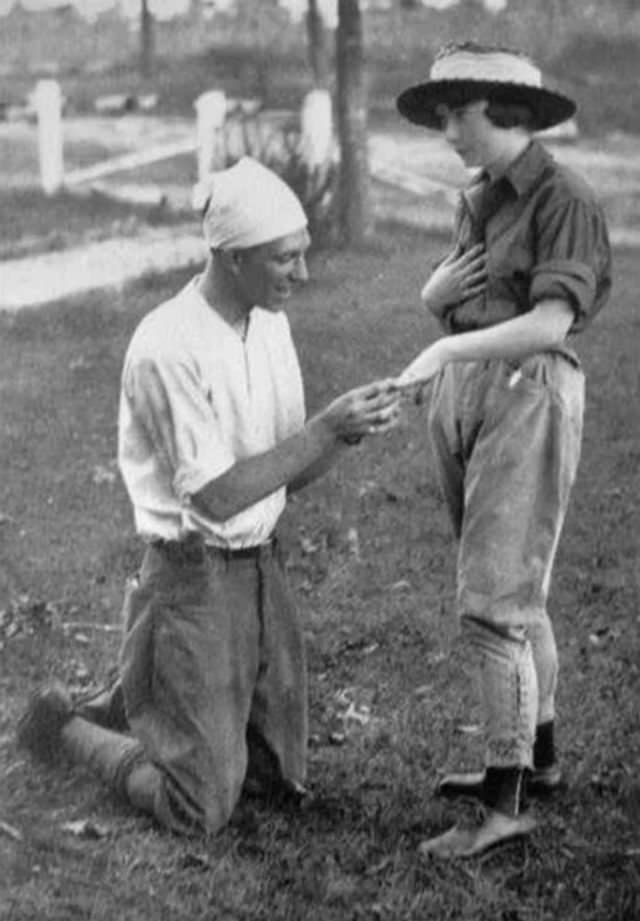
Mitchell was born on November 8, 1900, in Atlanta, Georgia, to Irish-Catholic parents. Before she could write, Mitchell loved to make up stories and later wrote her adventure books, which she crafted from cardboard. While she wrote hundreds of books as a child, her literary endeavors went beyond novels and stories. She directed and acted in plays she wrote while attending the private Woodberry School. Mitchell enrolled at Smith College in Northampton, Massachusetts, in 1918. The death of Mitchell’s mother four months later would blow Mitchell’s family. After finishing her first year at Smith, Mitchell returned to Atlanta to prepare for debutante season, where she met Berrien Kinnard Upshaw. Their marriage ended abruptly four months later when Upshaw left for the Midwest and never returned.
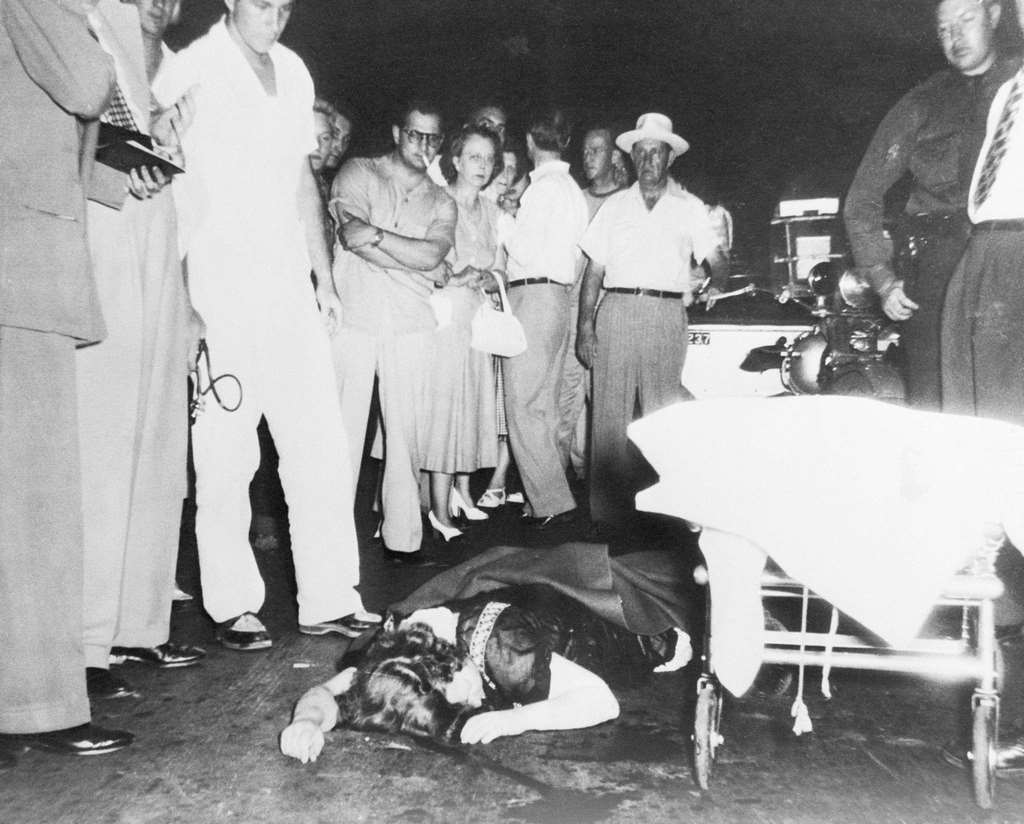
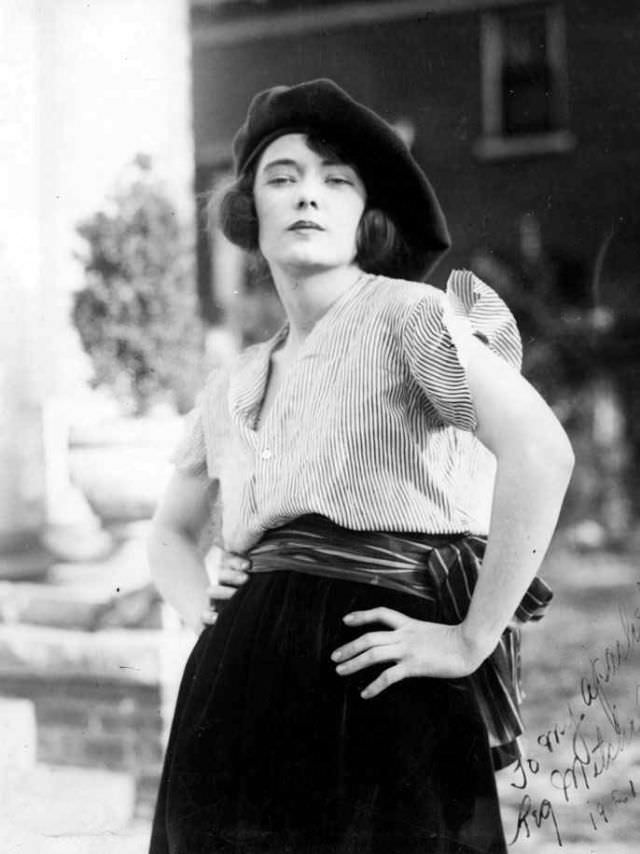
Margaret Mitchell was a debutante who challenged society with a spirited dance until a tragic accident led to her untimely death in 1949. Throughout her life, Mitchell rebelled against the oppression of women: she was a tomboy, a defiant debutante, a brazen flapper, and one of Georgia’s first female newspaper reporters. She became a philanthropist who funded African-American education, risking her life.