
Greater Manchester Police (GMP) was formed on 1 April 1974 through the merger of Manchester and Salford Police with parts of Lancashire Constabulary, Cheshire Constabulary, and West Yorkshire Constabulary. William James Richards became its first Chief Constable. As of March 2020, the force had 13,300 police officers, 350 Volunteer Special Constables, 606 Police Community Support Officers, and 2,961 members of police staff. But long before GMP existed under that name, the individual borough and city forces that fed into it were already building a proud tradition of policing — and the vehicles they used tell that story vividly.
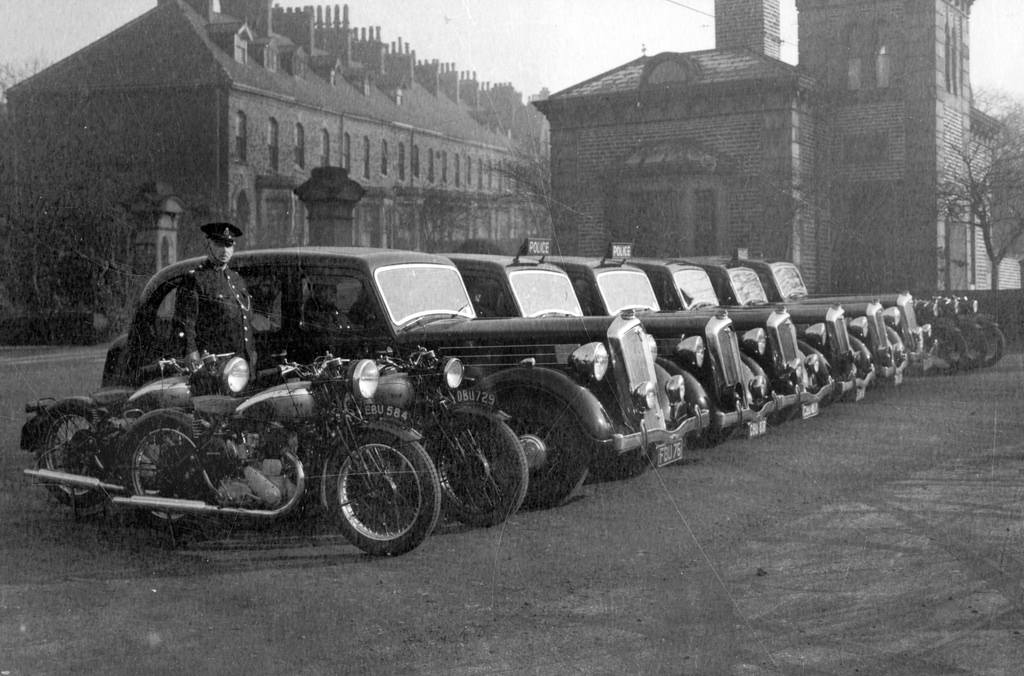
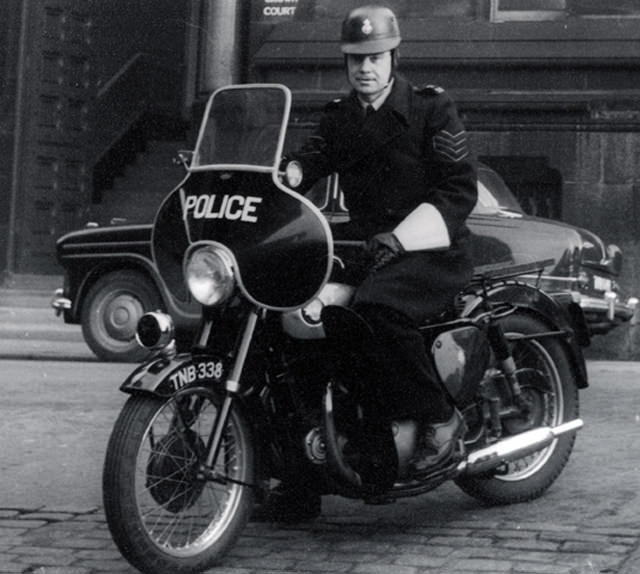
In the earliest days, motorcycles were the workhorses of police transport across the region. Forces like Bolton Borough Police and Salford City Police relied on them heavily, often fitting sidecars to carry a second officer or equipment. These machines were practical, relatively affordable, and fast enough to keep pace with early road traffic.
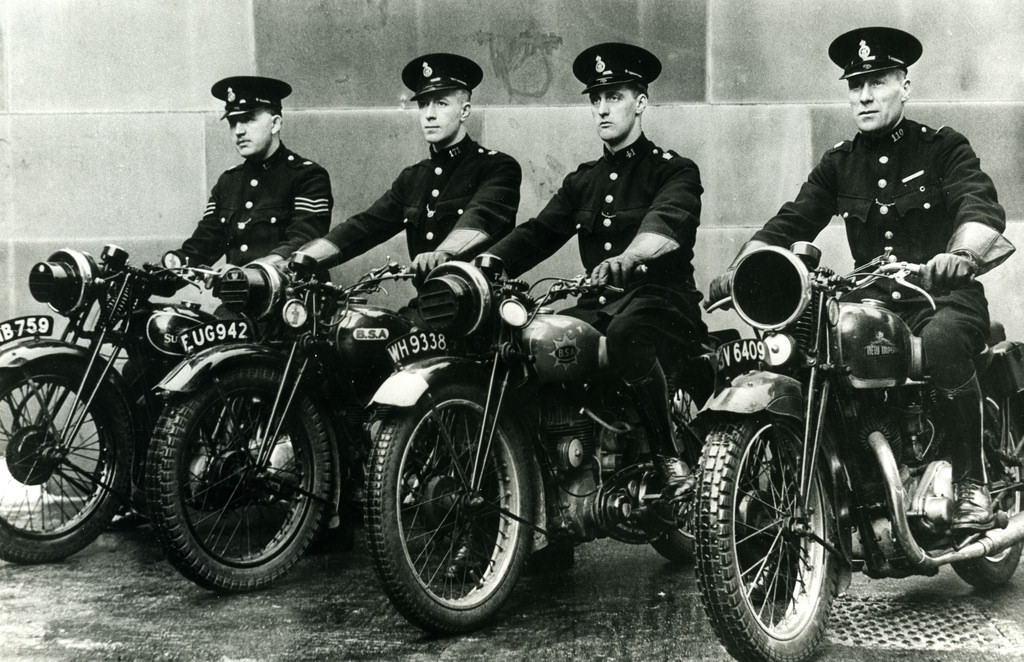
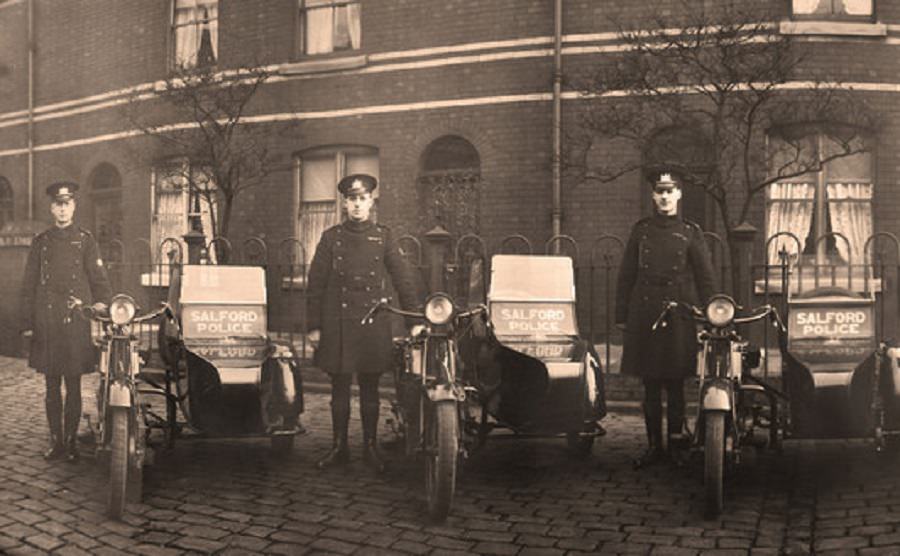
The arrival of the motor car marked a turning point. Bolton became a regional pioneer when it put the first car into police use on local roads in 1925. It was a significant step — one that signalled the beginning of a gradual shift away from motorcycles as the primary patrol vehicle.
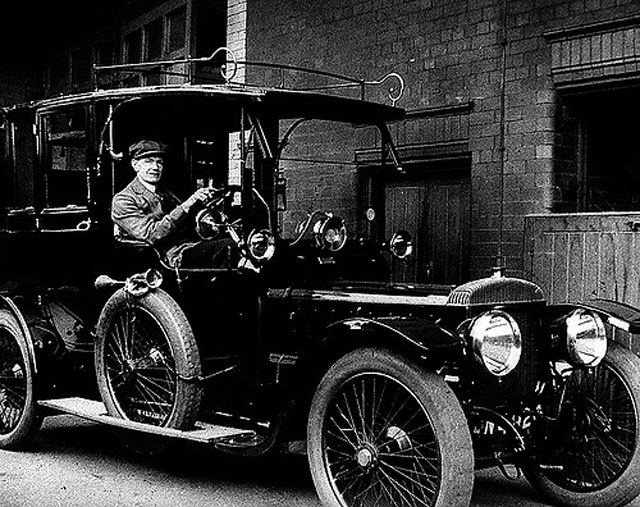
Through the 1930s, forces across the region expanded and upgraded their fleets. Manchester City Police operated a mix of vehicles, including an Alvis patrol car alongside motorcycle and sidecar combinations. Officers could also be found posted at police boxes — small roadside structures used for communication and short-term detentions — with a patrol vehicle parked nearby.
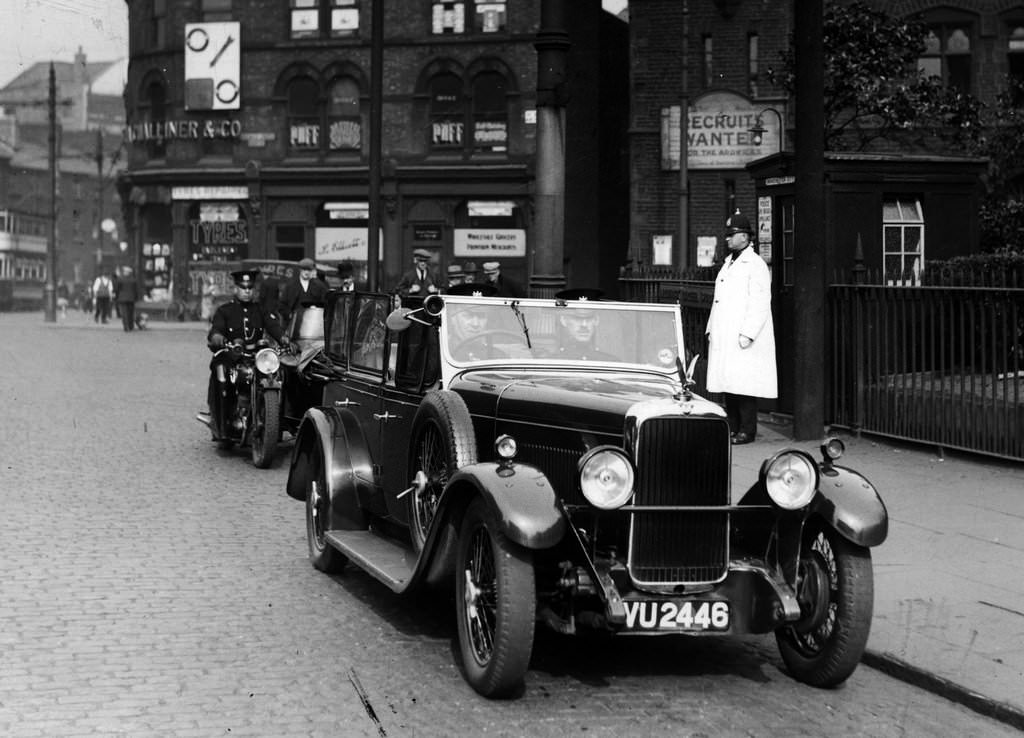
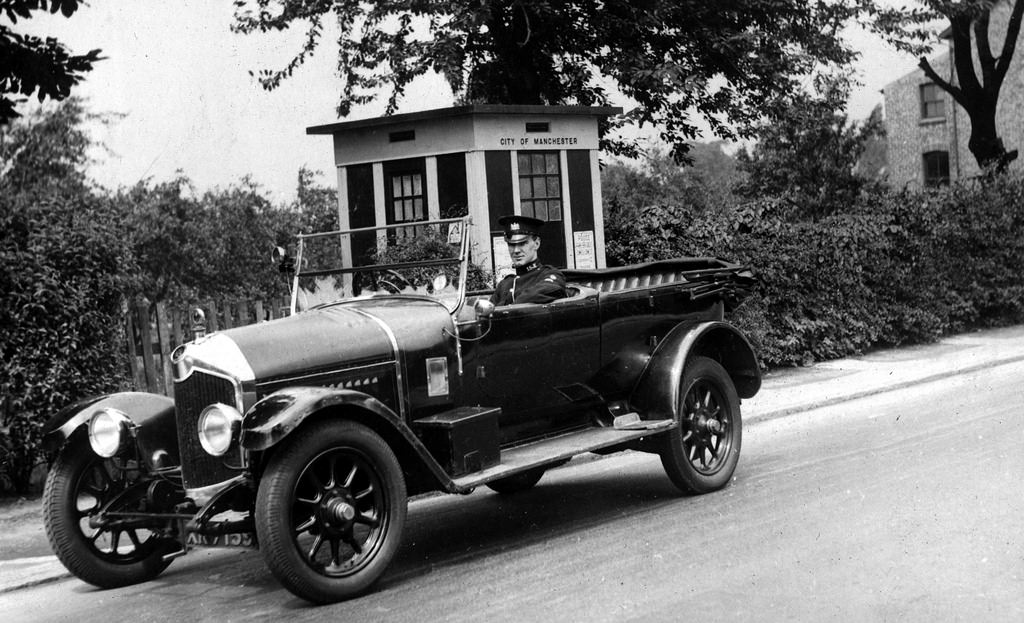
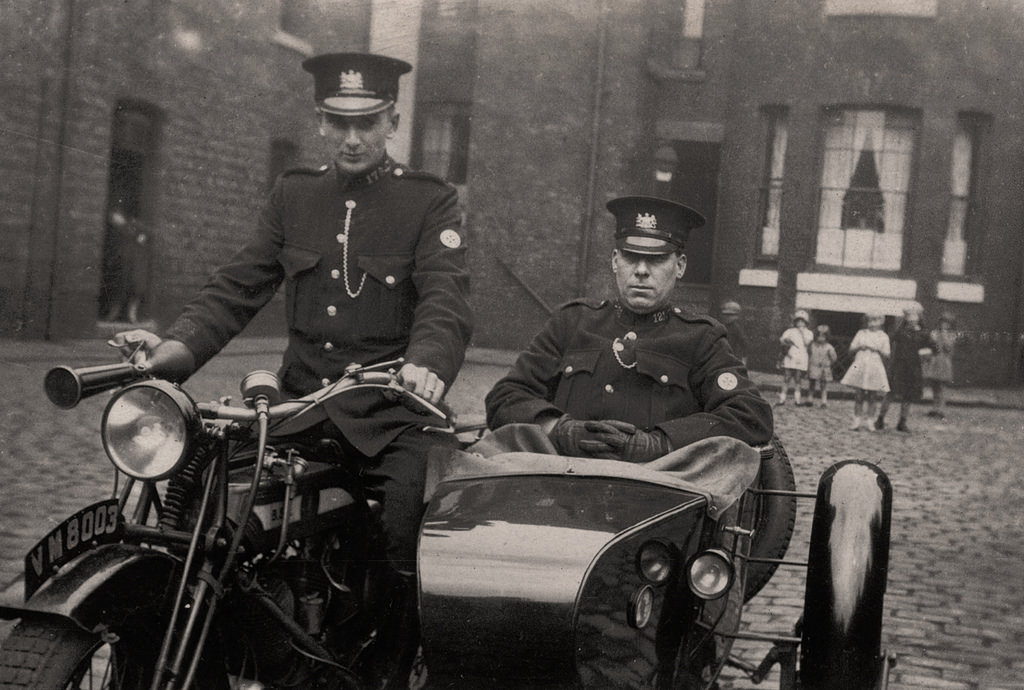
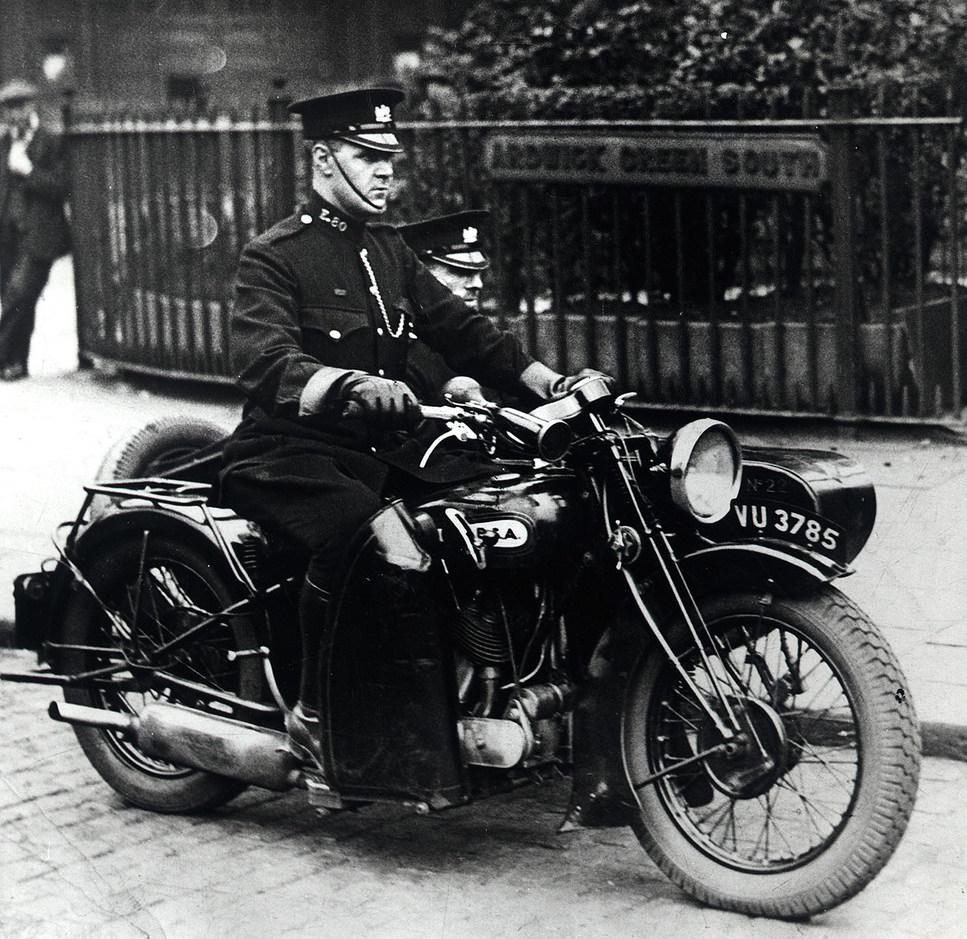
BSA motorcycles with sidecars were a common sight on Manchester’s streets during this decade. Officers used them in locations across the city, including Ardwick Green on the edge of the city centre. Meanwhile, Bolton Borough Police had also upgraded to more prestigious transport, adding a Daimler to their fleet by 1935.
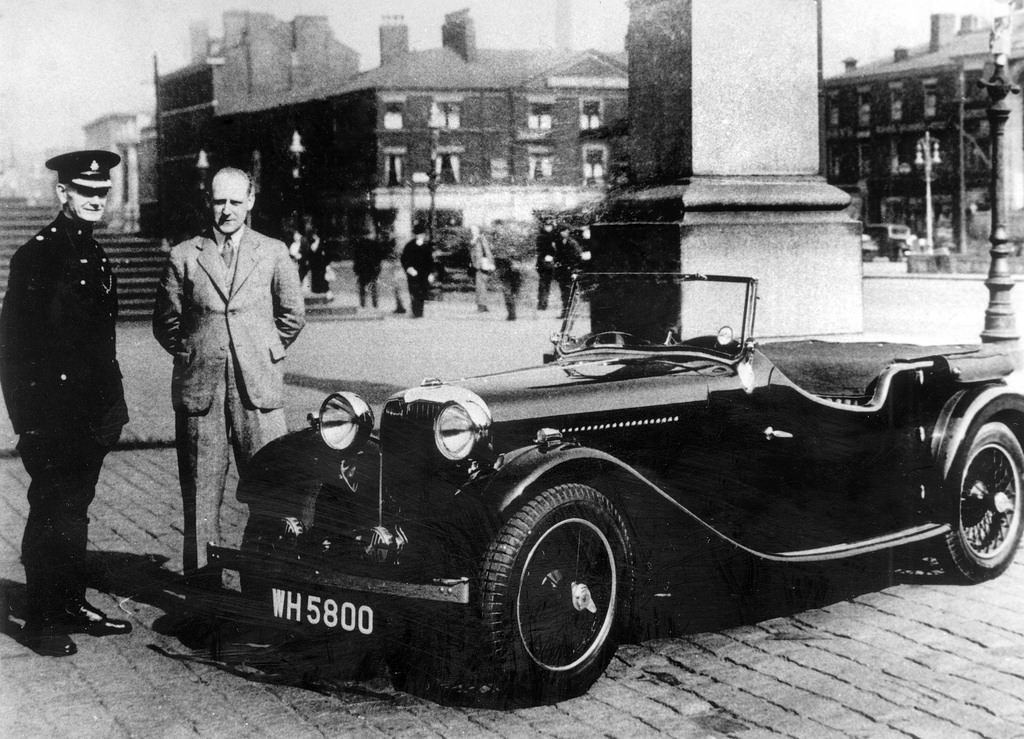
Motorcycle units were taken seriously enough that by 1935, the Chief Constable of Oldham Borough Police was personally overseeing inspections of his force’s motorcycle riders. It reflected how central two-wheeled transport had become to regional policing operations.
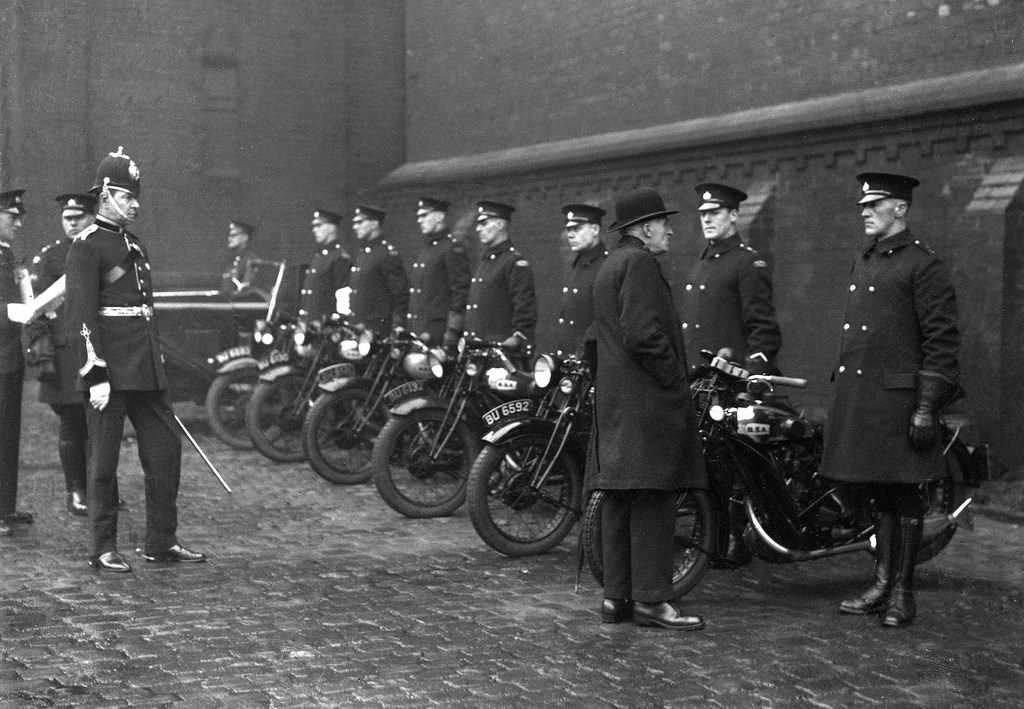
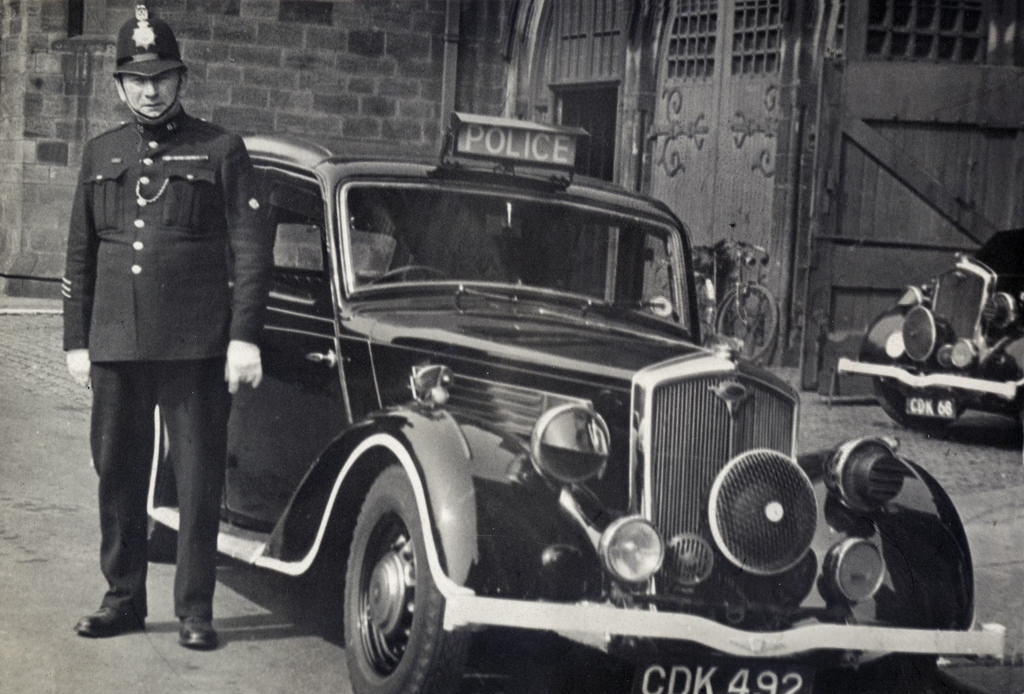
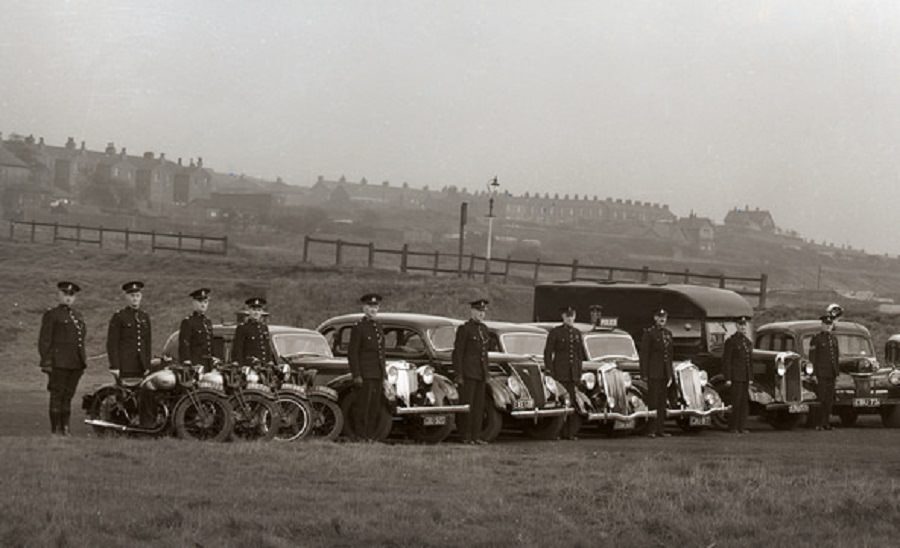
The 1940s brought wartime constraints, but policing continued. Oldham Borough Police maintained a fleet during this period, keeping officers mobile across the borough despite wider national pressures on fuel and resources.
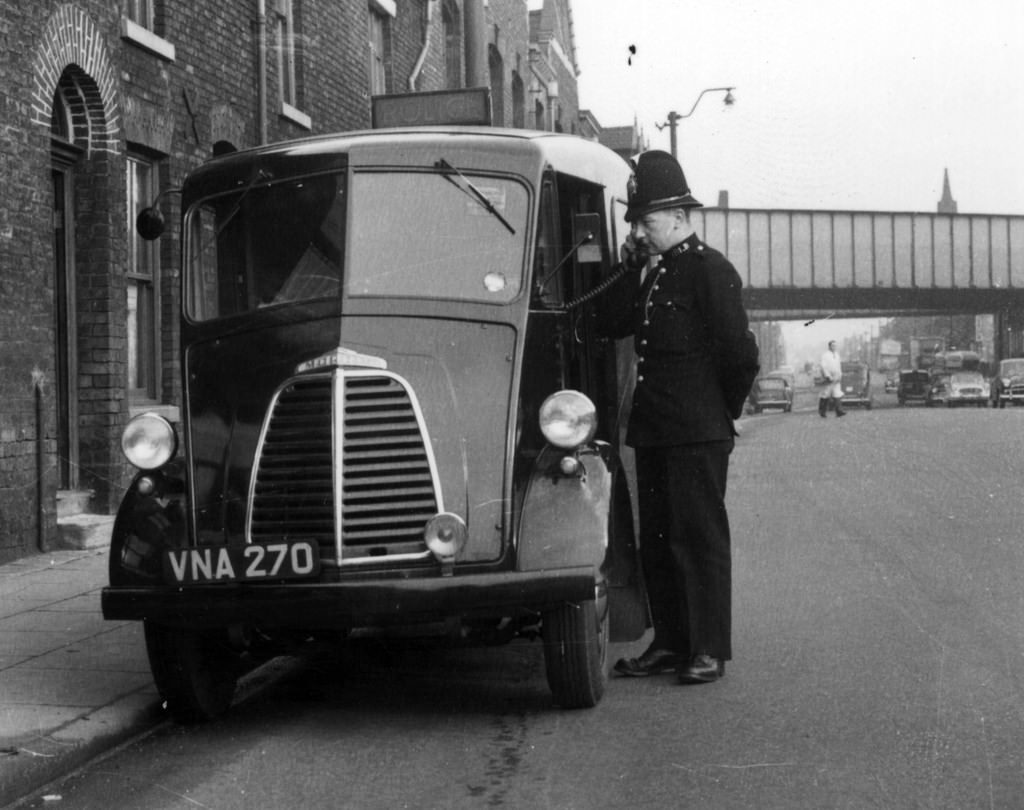
The 1950s saw radio technology become a standard part of police vehicles. Manchester City Police fitted radios to vans like the Morris J-Type, allowing officers to stay in contact with headquarters while out on patrol — a major step forward in operational capability.
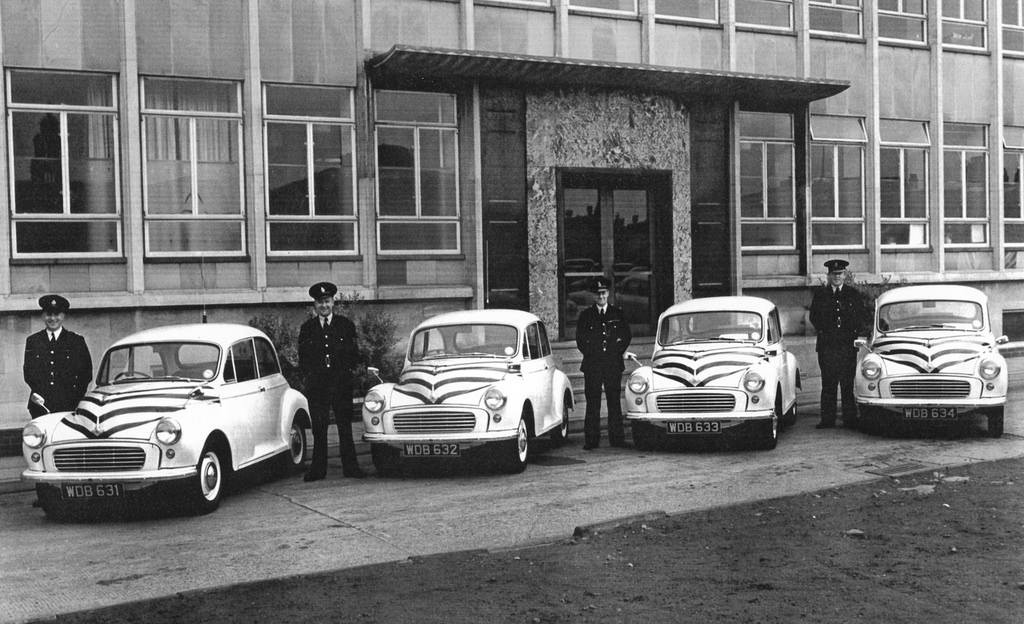
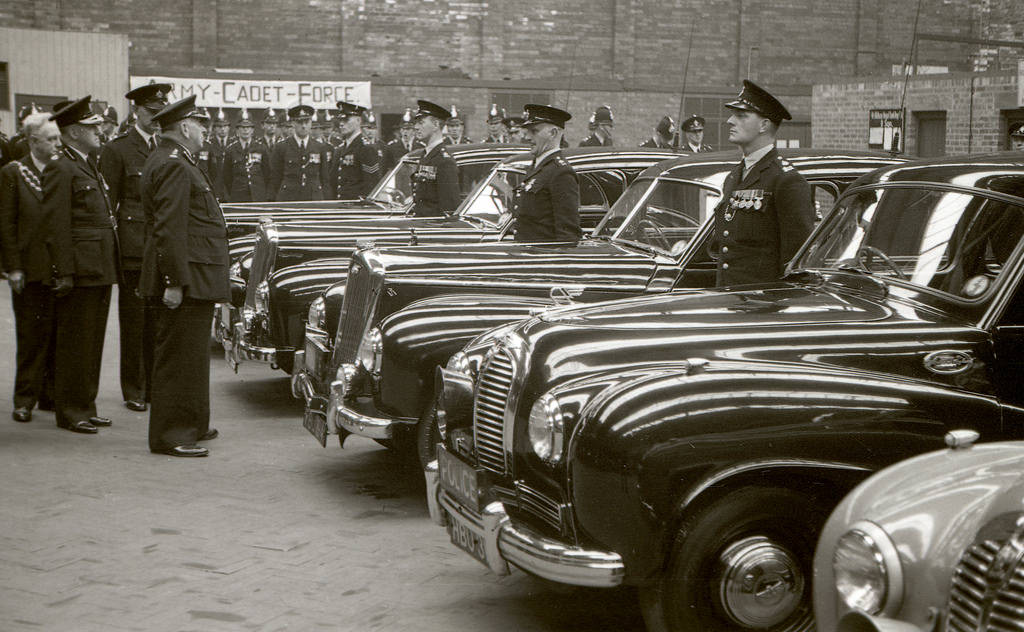
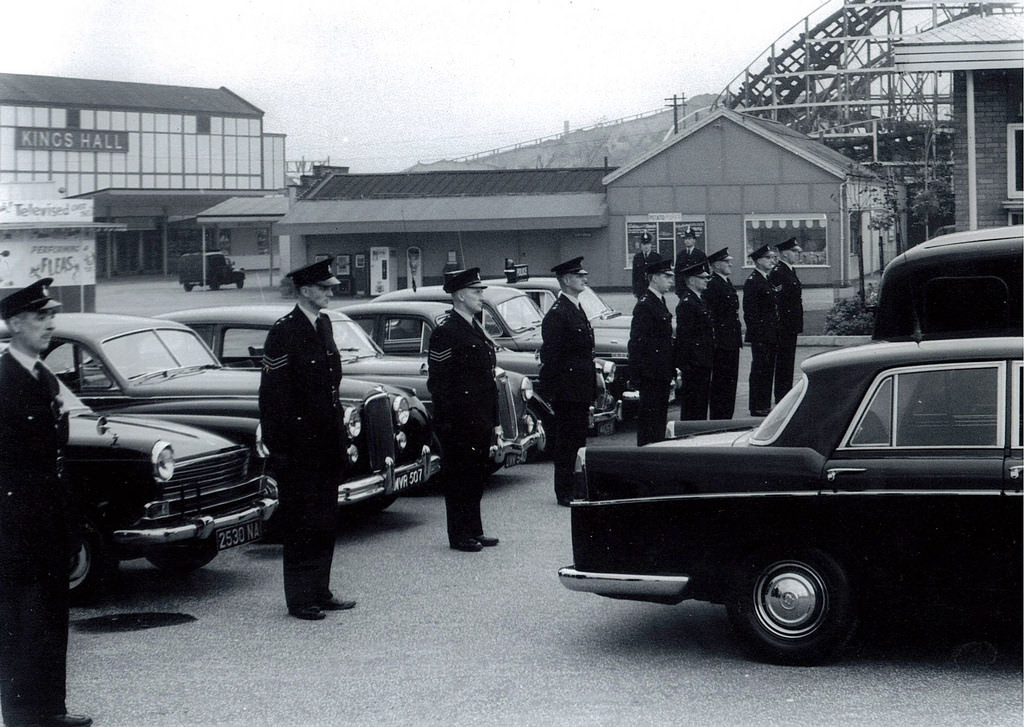
Stockport Borough Police officers lined up outside their Lee Street headquarters with their Morris Minor 1000s in the late 1950s — modest but dependable cars that suited everyday patrol duties. On 24 July 1953, Oldham Borough Police staged a formal vehicle inspection for Her Majesty’s Inspectorate of Constabulary (HMIC), putting both officers and machines on display.
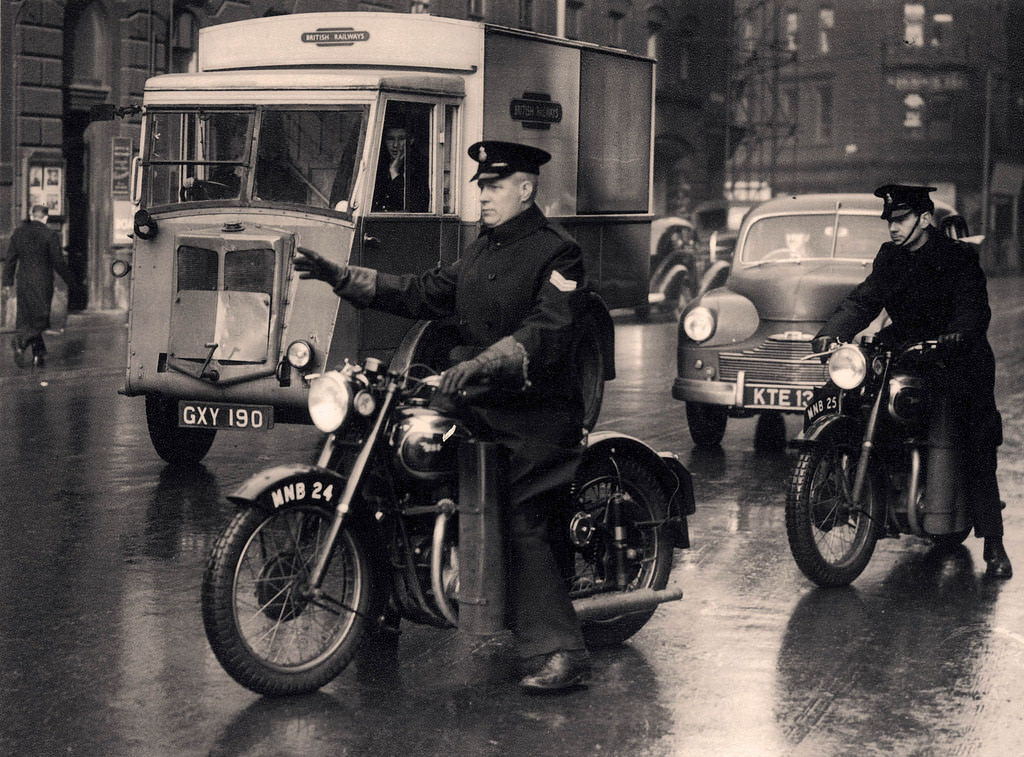
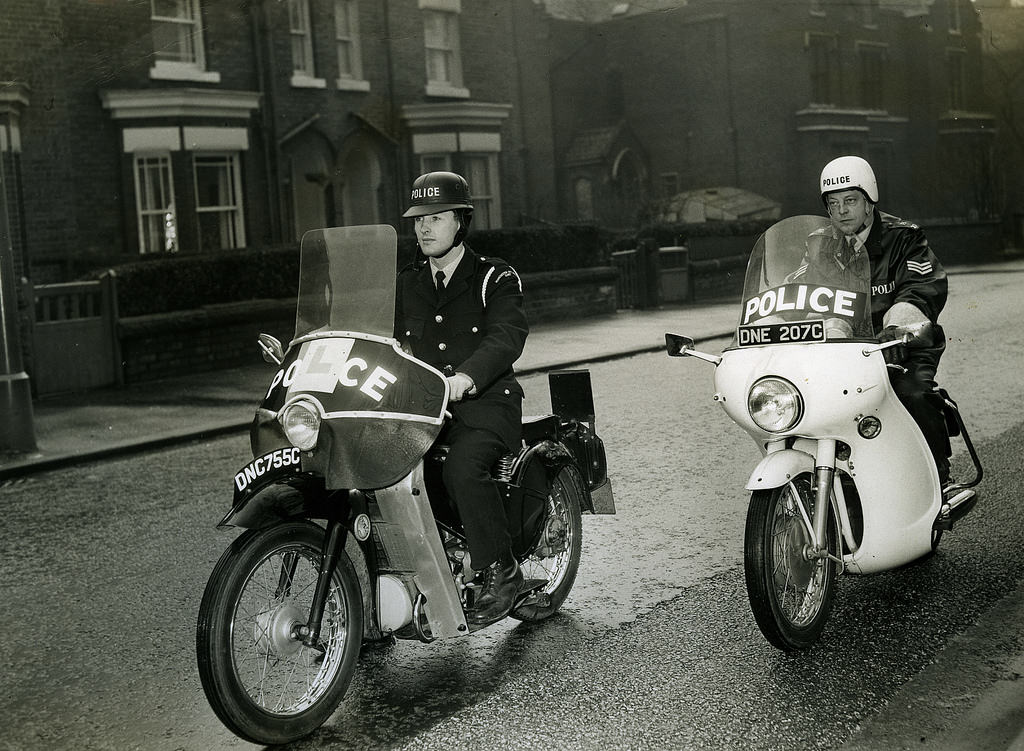
Motorcycles remained a constant presence through the 1950s. In 1956, two Manchester City Police officers pulled their BSA motorcycles out into rain-soaked city centre traffic — a routine moment that captured the unglamorous reality of daily patrol work.
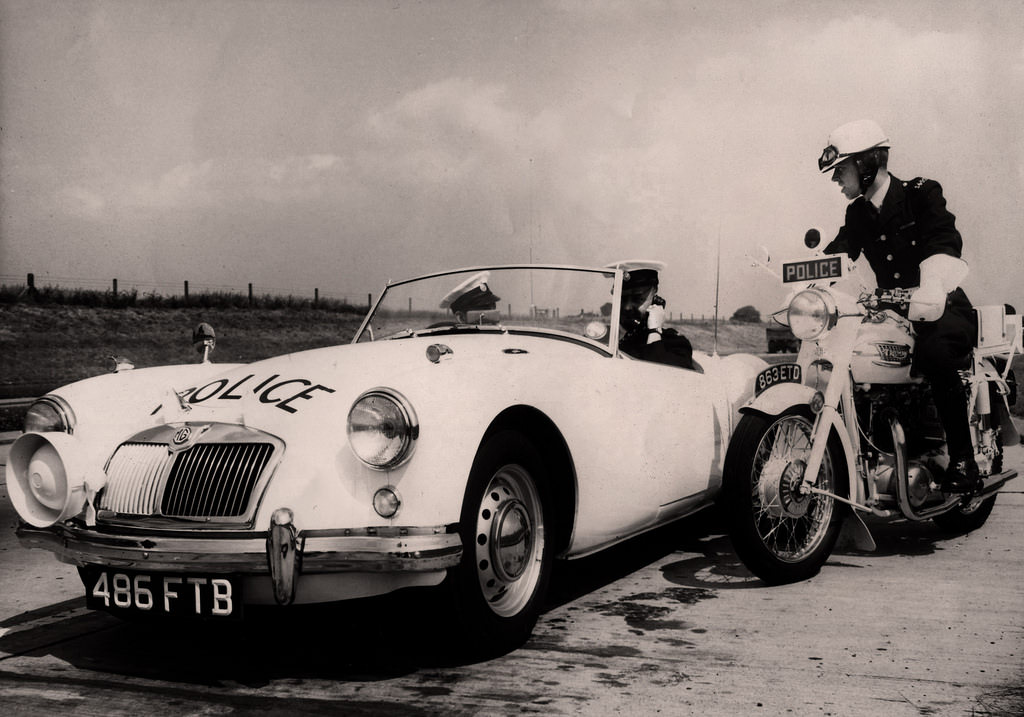
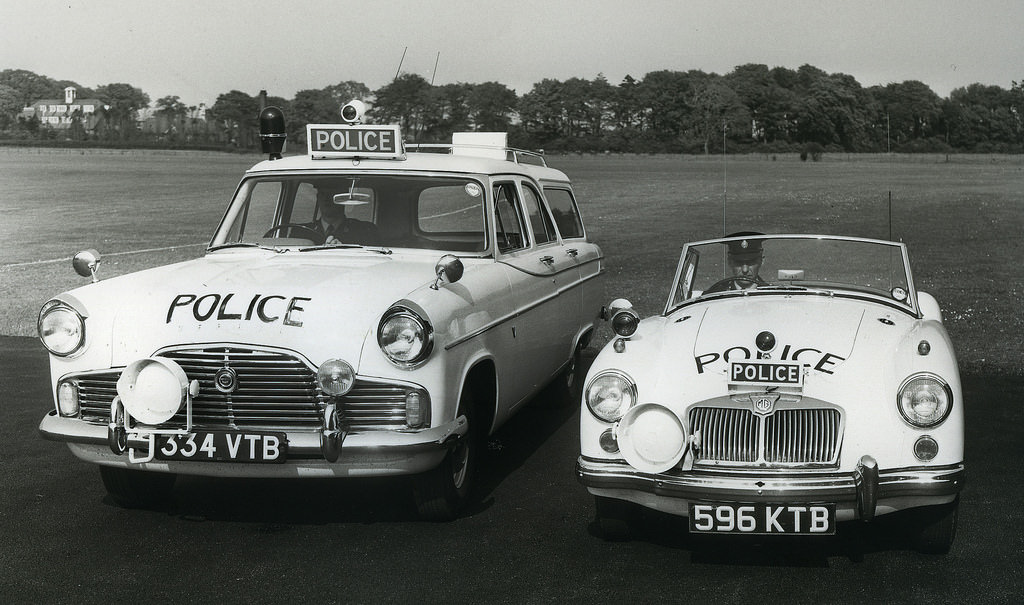
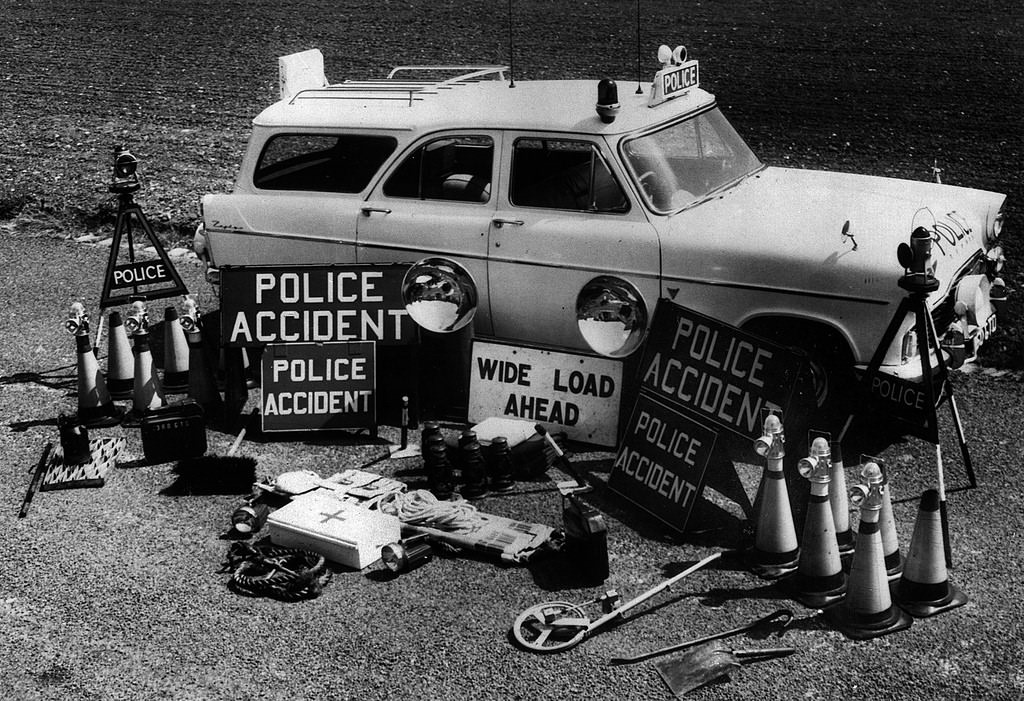
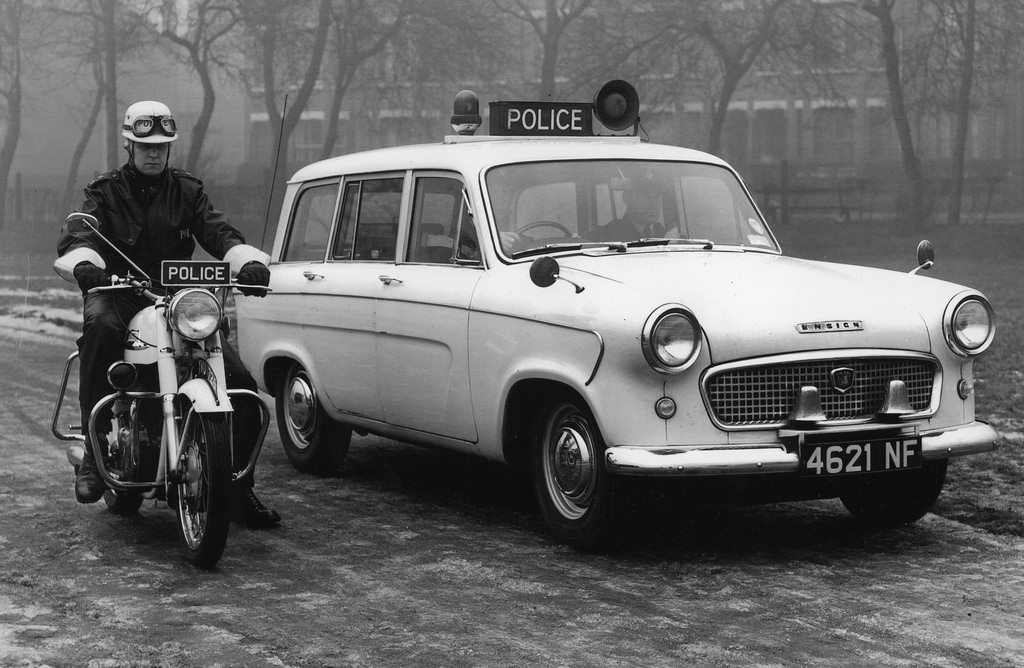
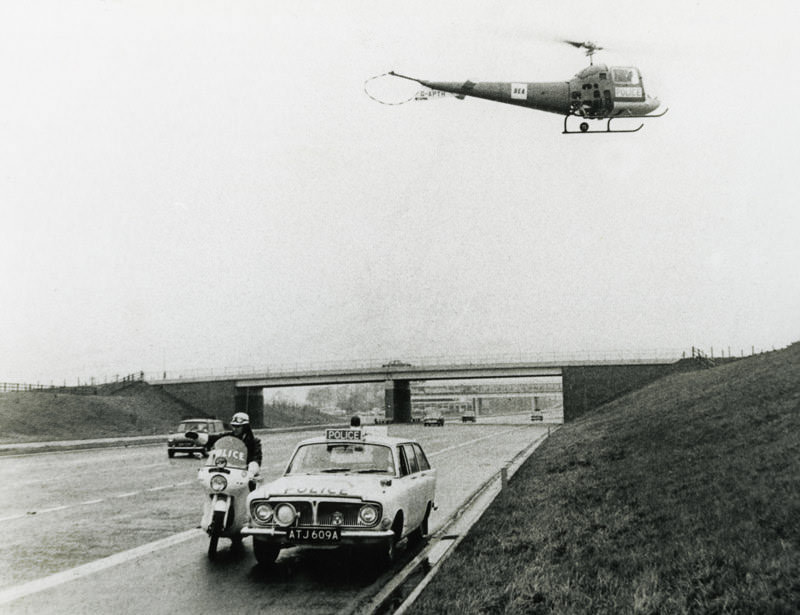
The 1960s are widely regarded as the golden age of British police motoring. Forces across the Greater Manchester area deployed an impressive range of vehicles. Lancashire Constabulary ran a Ford Zephyr Farnham estate and an MGA sports car among their early-decade patrol fleet. Motorway patrols also became a growing priority as the country’s road network expanded rapidly.
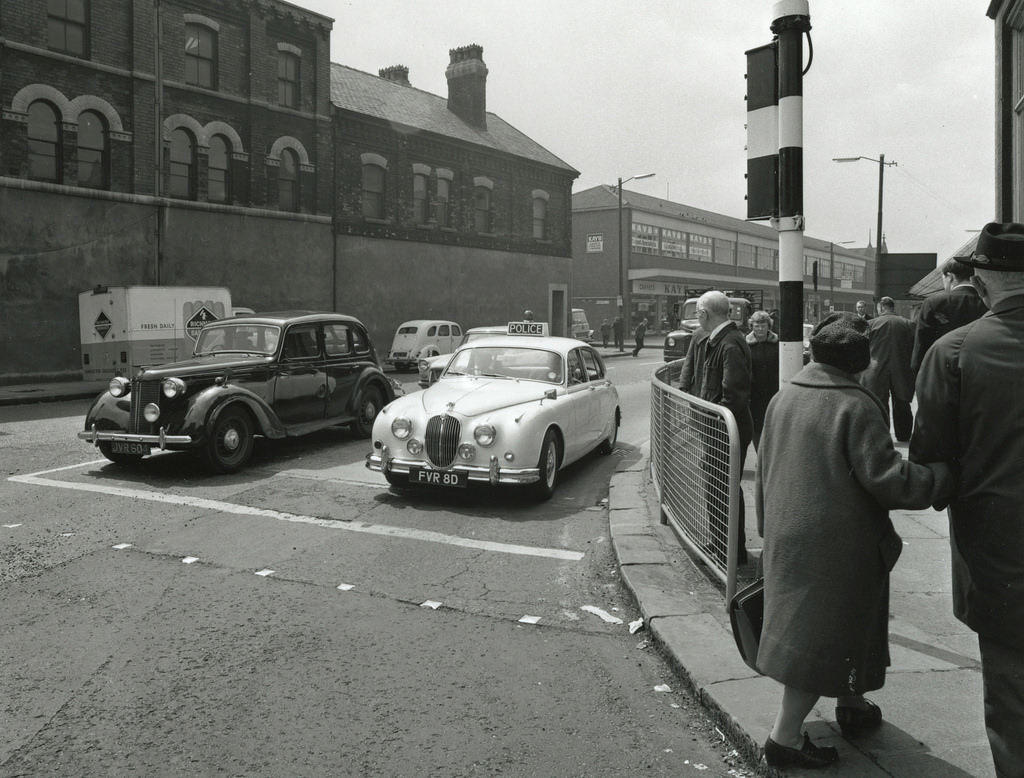
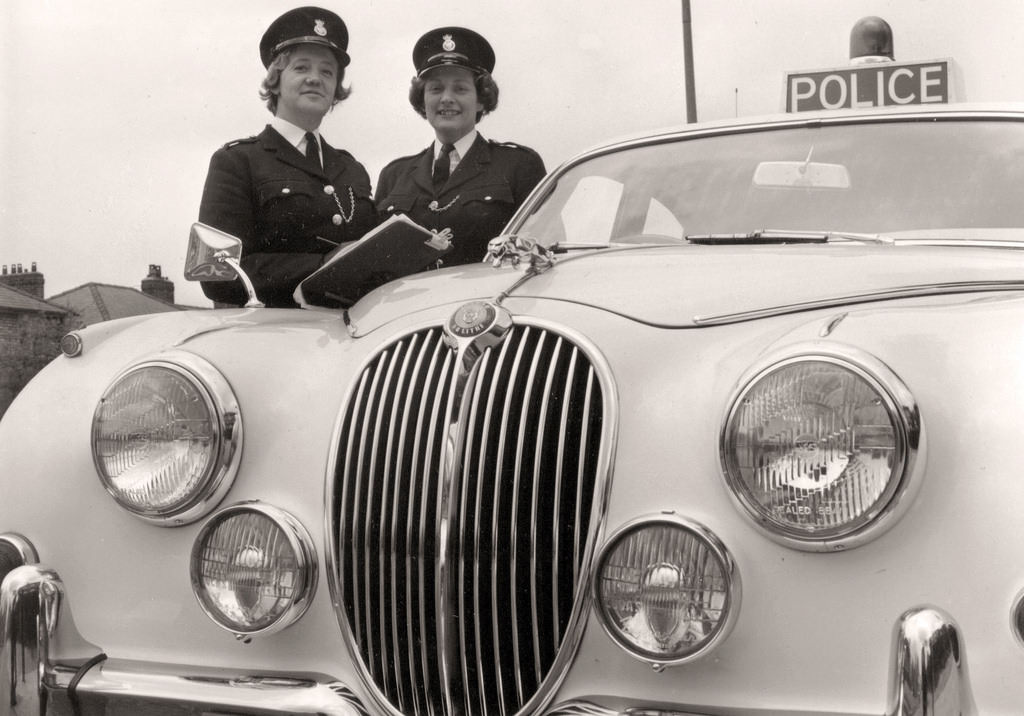
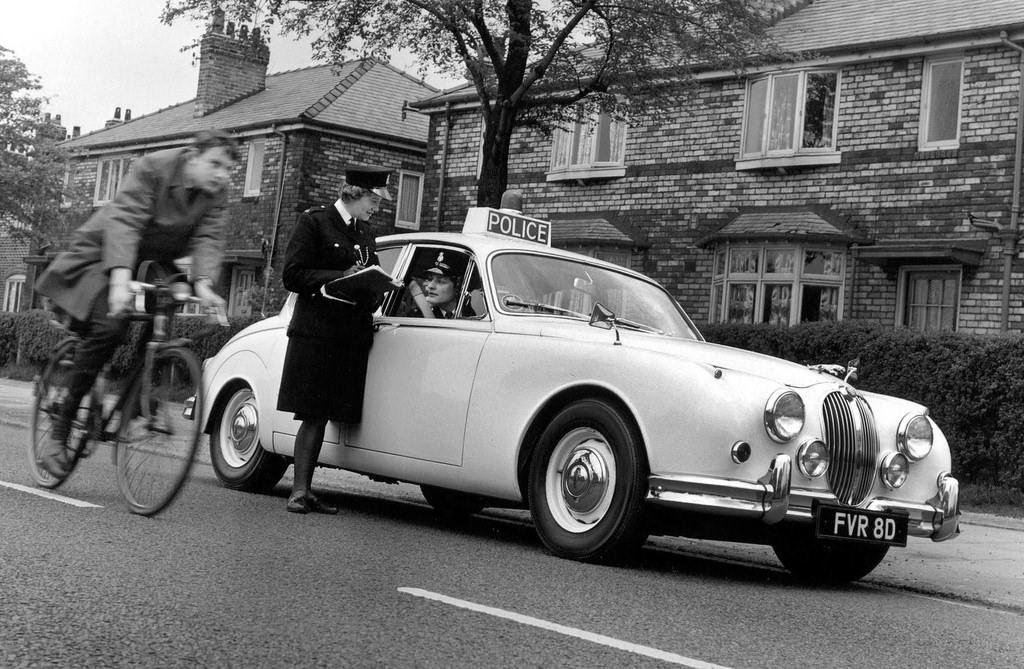
Not every officer patrolled by car or motorcycle. Manchester City Police still had bicycle patrol officers in the 1960s, covering beats in the city on two wheels. Meanwhile, faster vehicles like the Mark 2 Jaguar were turning heads on busier roads — one was photographed waiting at traffic lights in Longsight, a quiet moment for one of the most iconic police cars in British history.
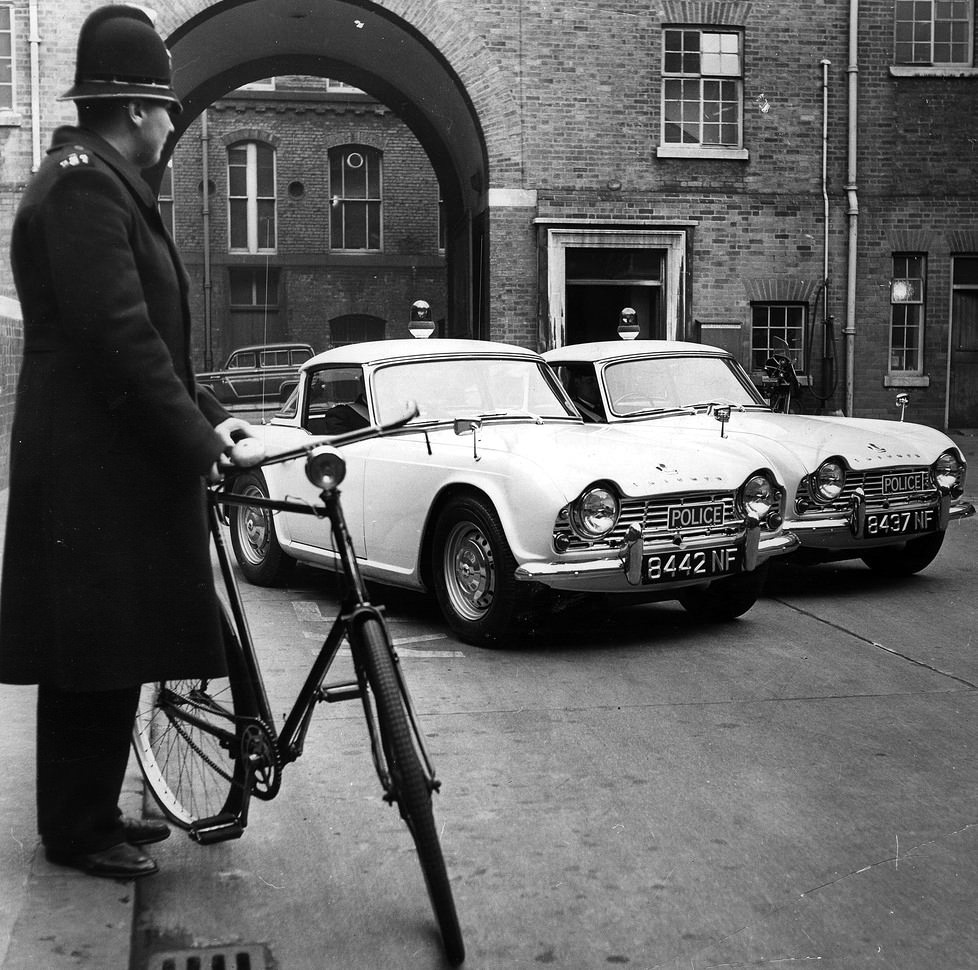
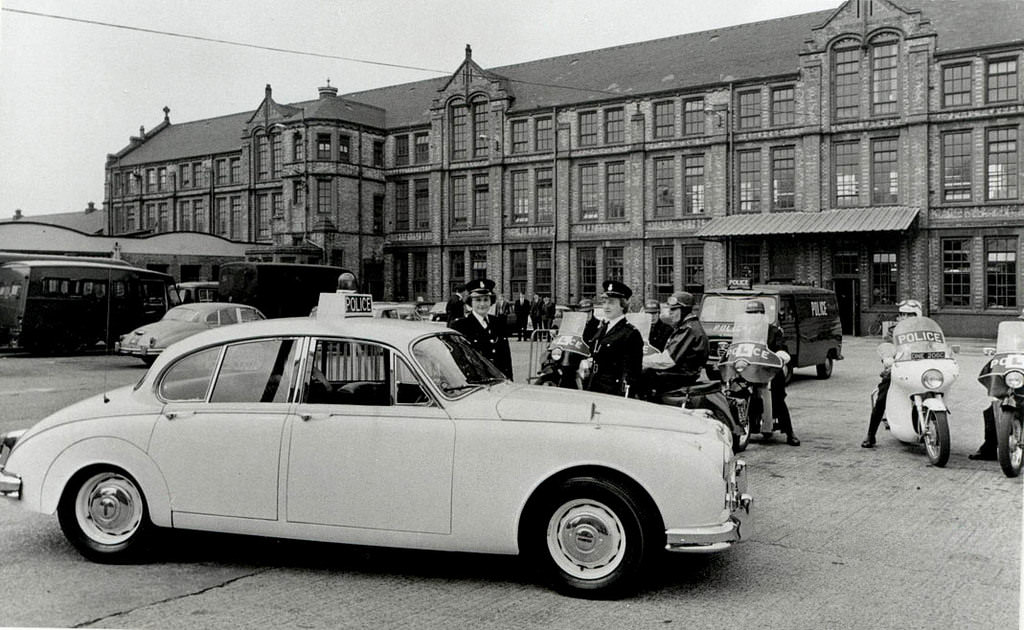
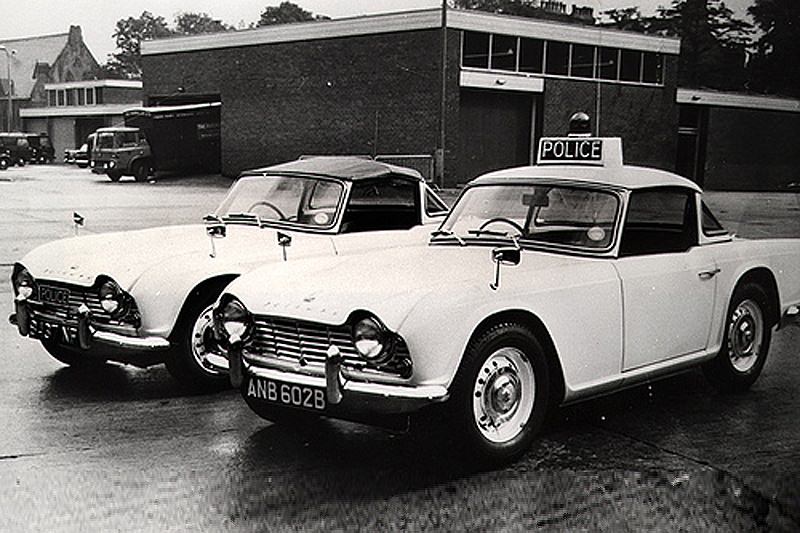
Longsight Police Station served as a hub of activity for Manchester City Police traffic officers. Triumph TR4 patrol cars were stationed there, and sergeants posed proudly beside them in the station yard. The Triumph was a sports car built for speed — exactly the kind of vehicle needed to pursue faster civilian cars on open roads.
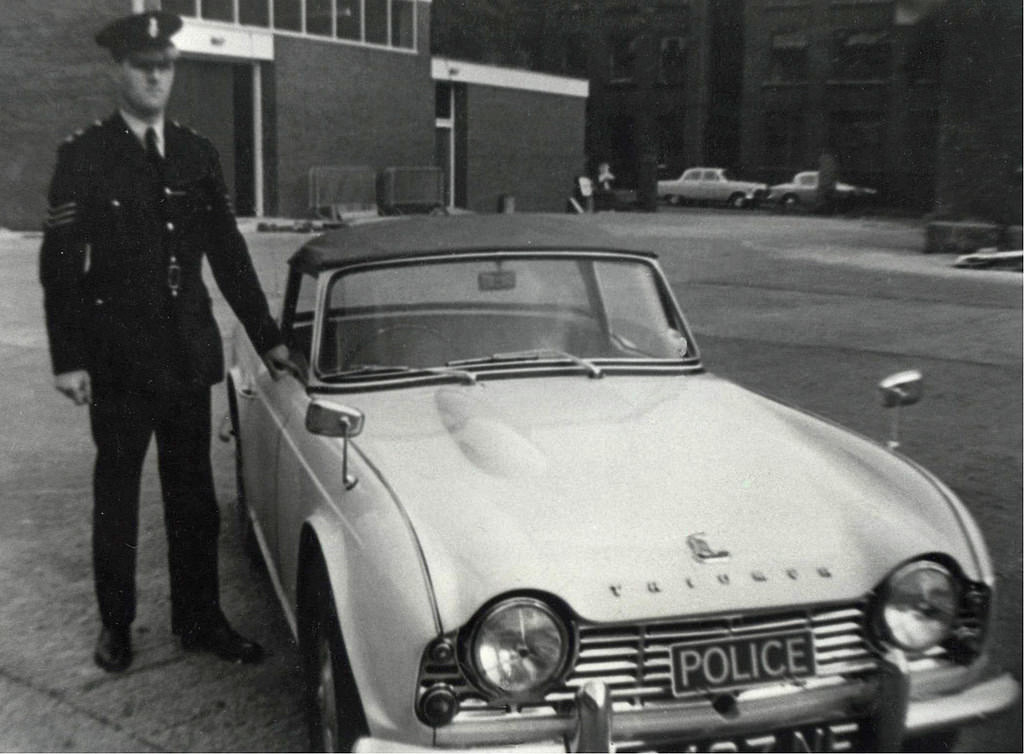
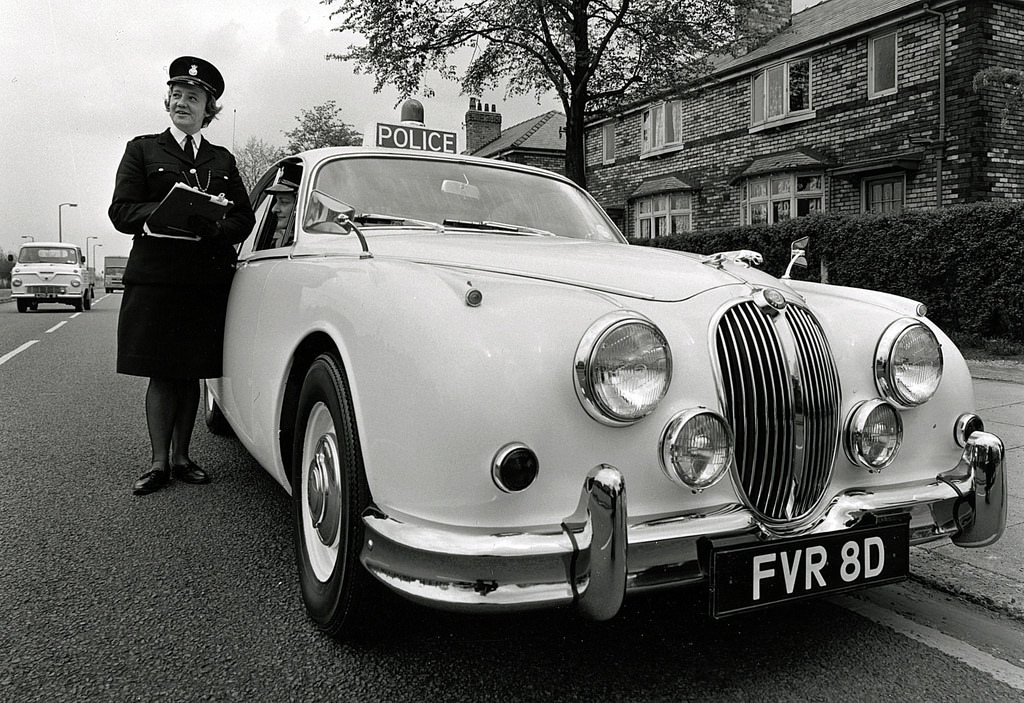
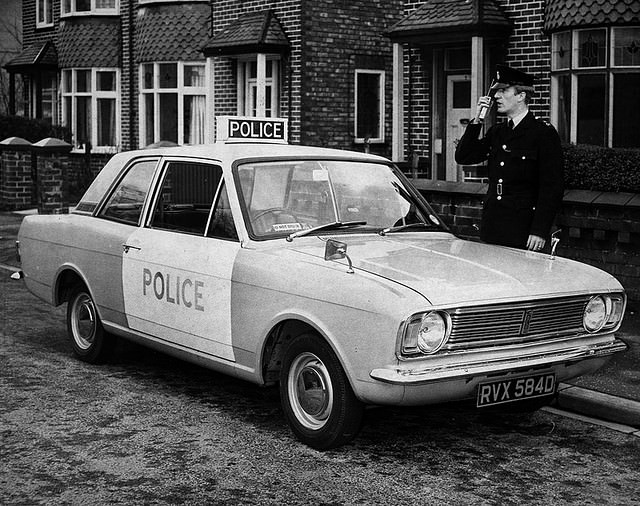
Ford Cortinas joined the fleet alongside the sportier models, offering a more practical and economical option for general patrol duties. Officers at Longsight gathered in the yard with the full range of the force’s vehicles on display, showcasing just how varied the fleet had become by mid-decade.
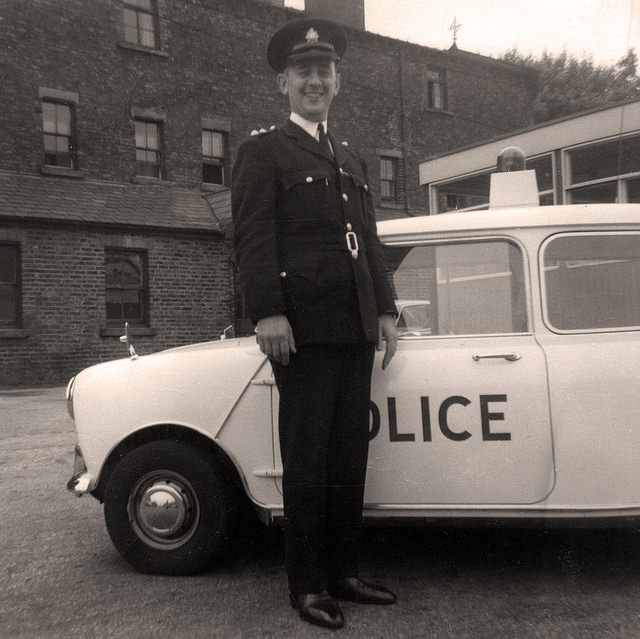
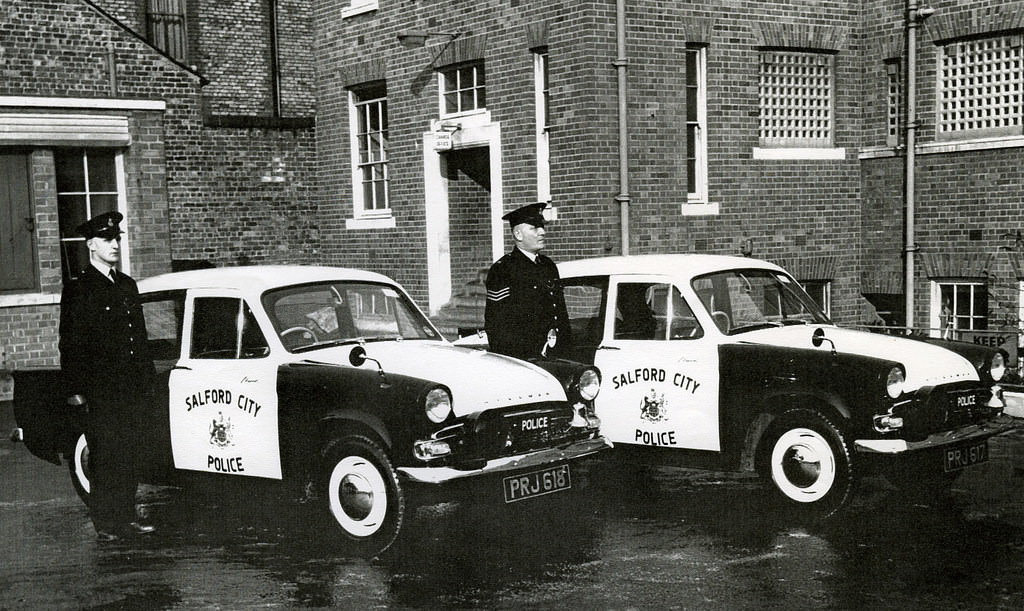
Inspector Albert Leach of Manchester City Police was photographed beside a Mini Cooper S patrol car in the mid-1960s — a nimble, fast machine that proved surprisingly well-suited to policing urban streets. Salford City Police had also been building their fleet, with Hillman Minx patrol cars lined up in the rear yard of their Salford headquarters around 1960.
Traffic policing was a distinct discipline during this era, with dedicated officers and specialist vehicles. South Manchester roads saw two-officer traffic patrol teams operating out of marked cars, managing everything from speeding offences to accident response.
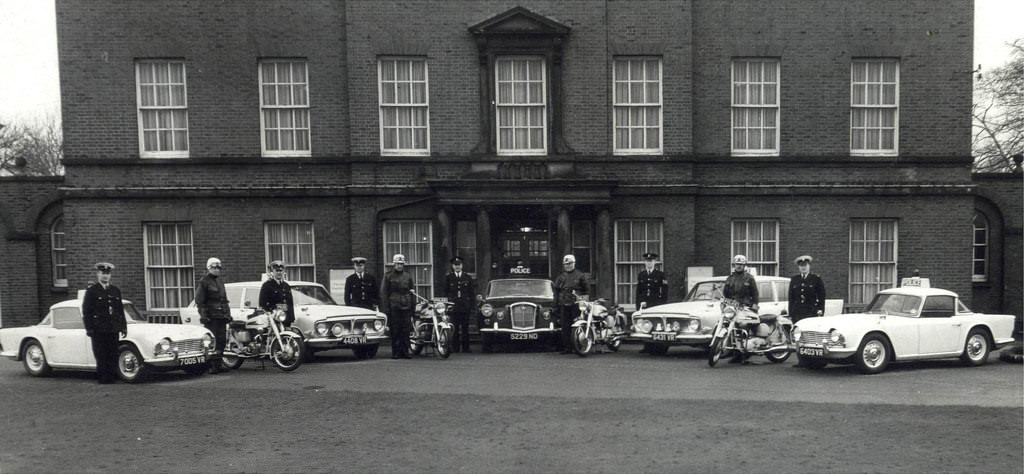
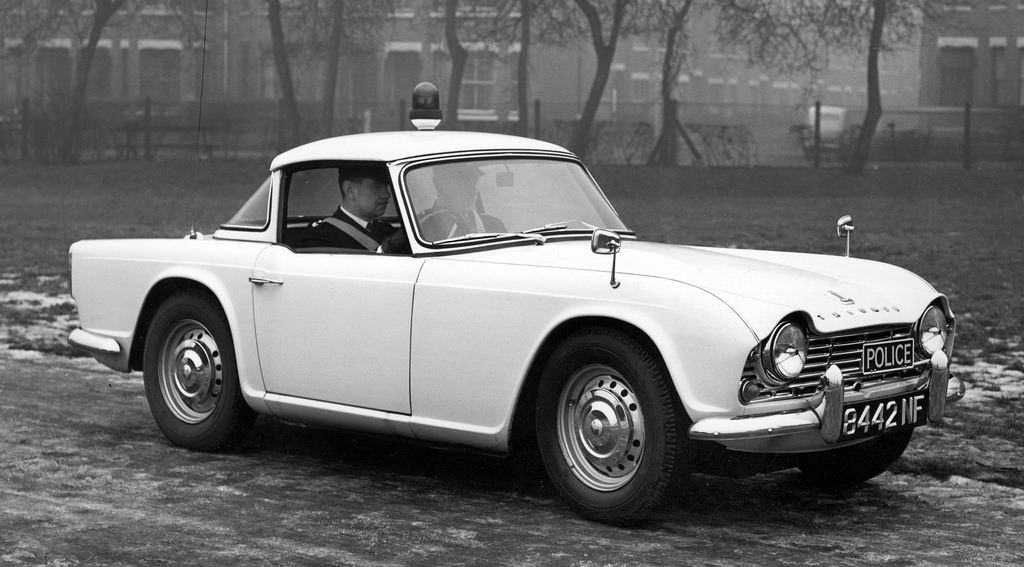
In 1961, Manchester City Police officers assembled outside Platt Hall in Platt Fields Park with a selection of the force’s vehicles — a formal display that captured the breadth of the fleet at the time. The following year, a Triumph patrol car was photographed in a Manchester park on an icy day, a reminder that officers worked year-round in all conditions.
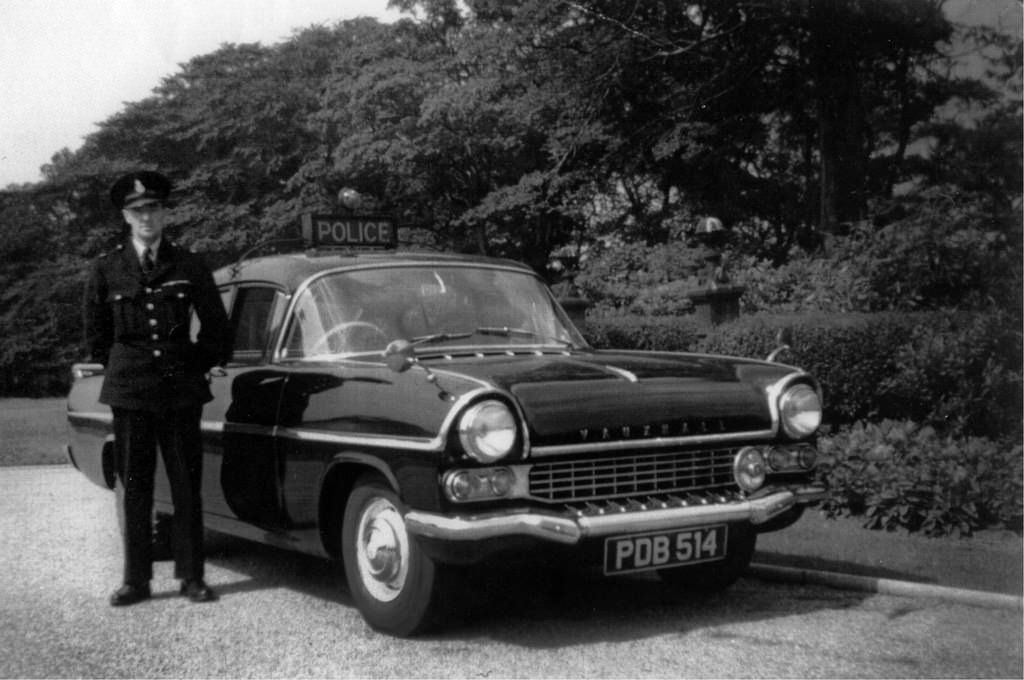
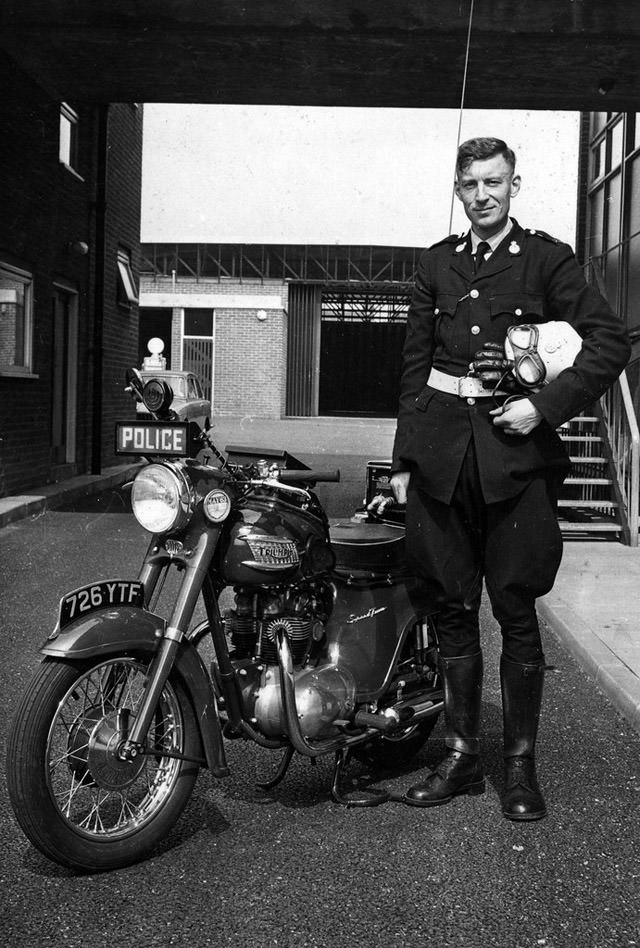
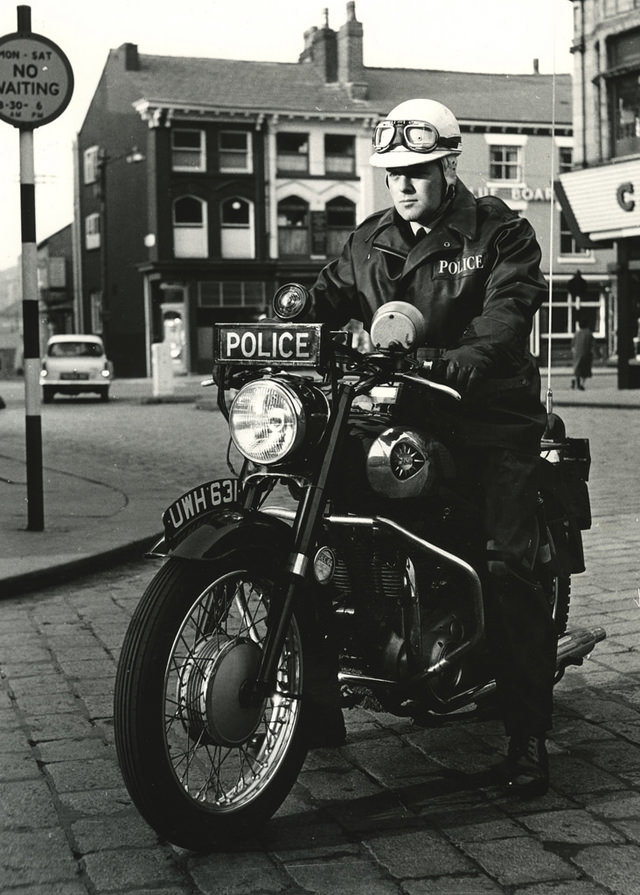
Stockport Borough Police added a Vauxhall Velox to their fleet by 1962, with an officer photographed beside it in Woodbank Memorial Park. That same year, Lancashire Constabulary’s motorcycle officers were also active — one was pictured in the rear yard of Ashton-under-Lyne Police Station in 1963, standing beside his Triumph machine.
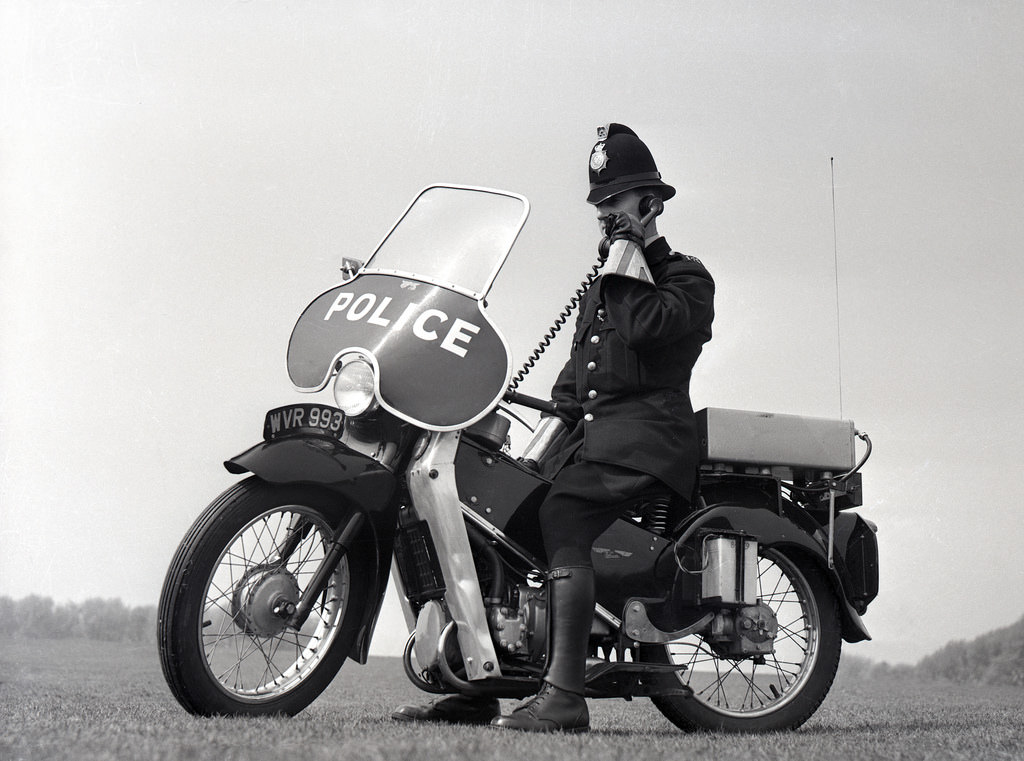
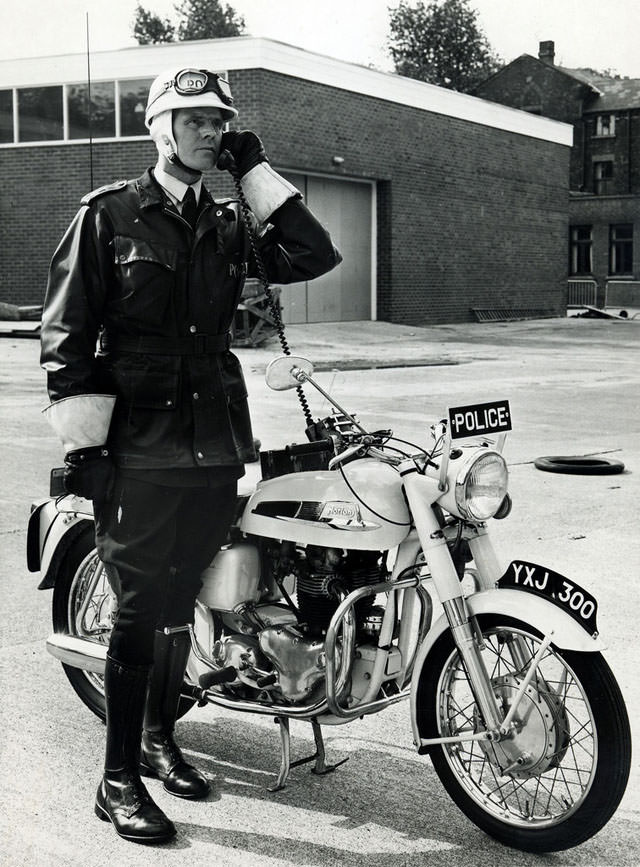
Radio testing before patrol was a routine part of an officer’s duties by 1963. A Manchester City Police officer is seen checking the radio on his Norton Atlas motorcycle in the Longsight yard before heading out. The following year, forces from across the Manchester area took part in an experimental joint motorway patrol — an early sign of the regional cooperation that would eventually lead to the creation of GMP itself.
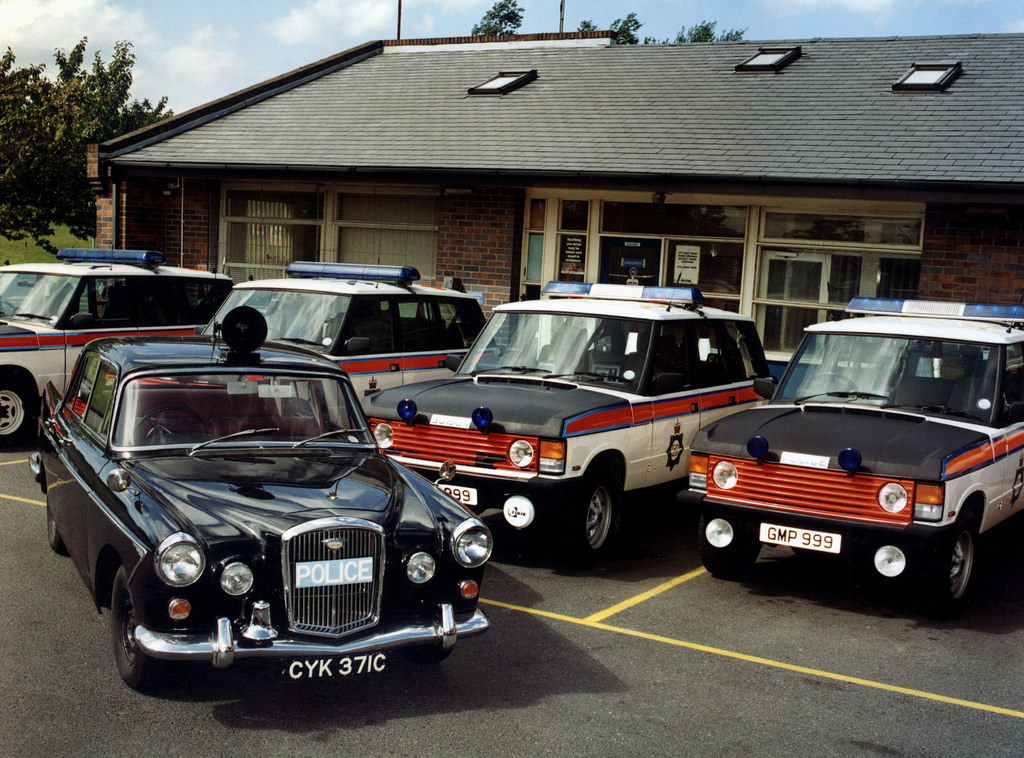
By 1965, Range Rovers were beginning to appear in motorway patrol roles, based at Birch on the M62. They were photographed alongside a classic 1965 Wolseley 15/60 — a pairing that showed how different vehicle types were being used for different tasks within the same fleet. A cadet was seen receiving motorcycle riding instruction on Manchester roads in 1966, showing that training the next generation of patrol officers was already well-organised.
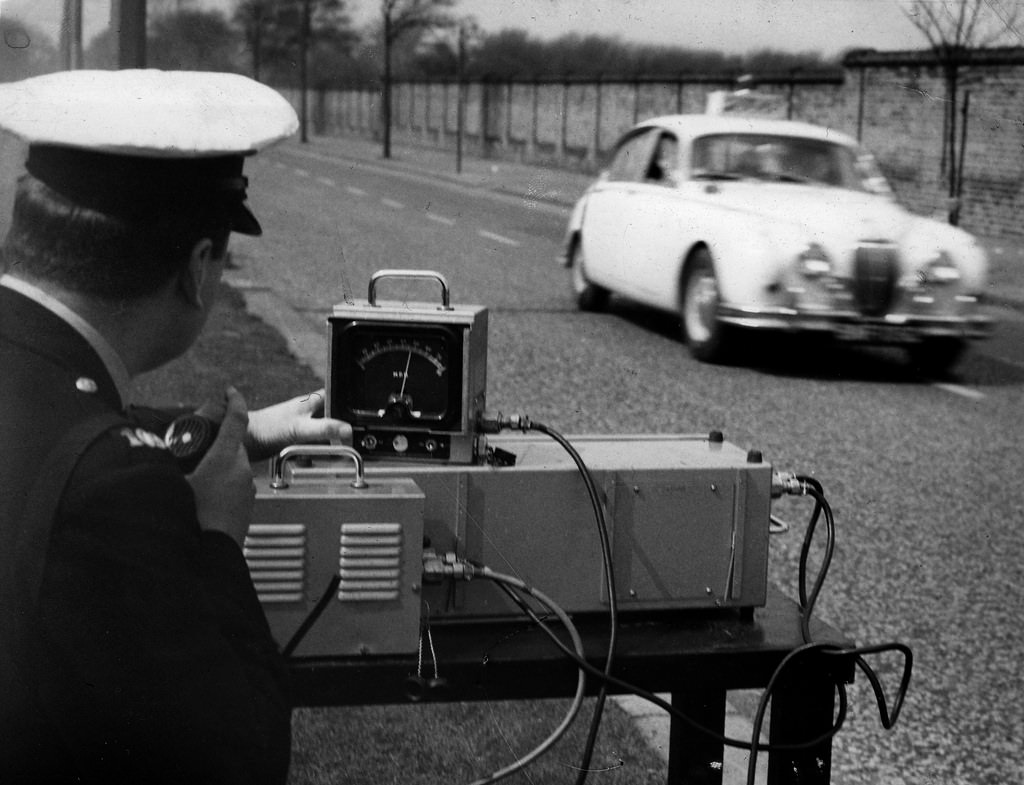
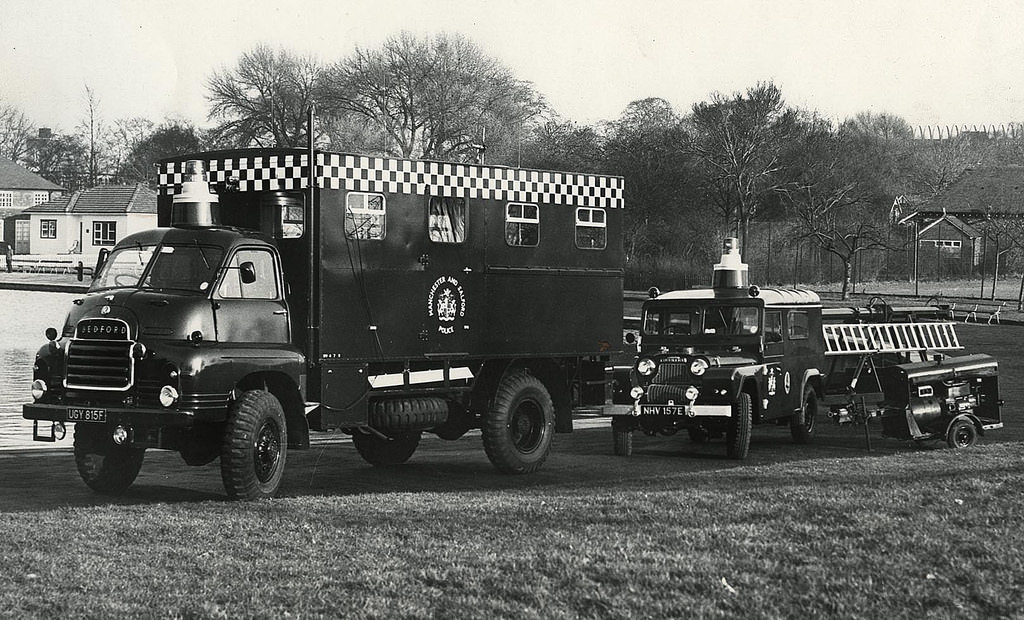
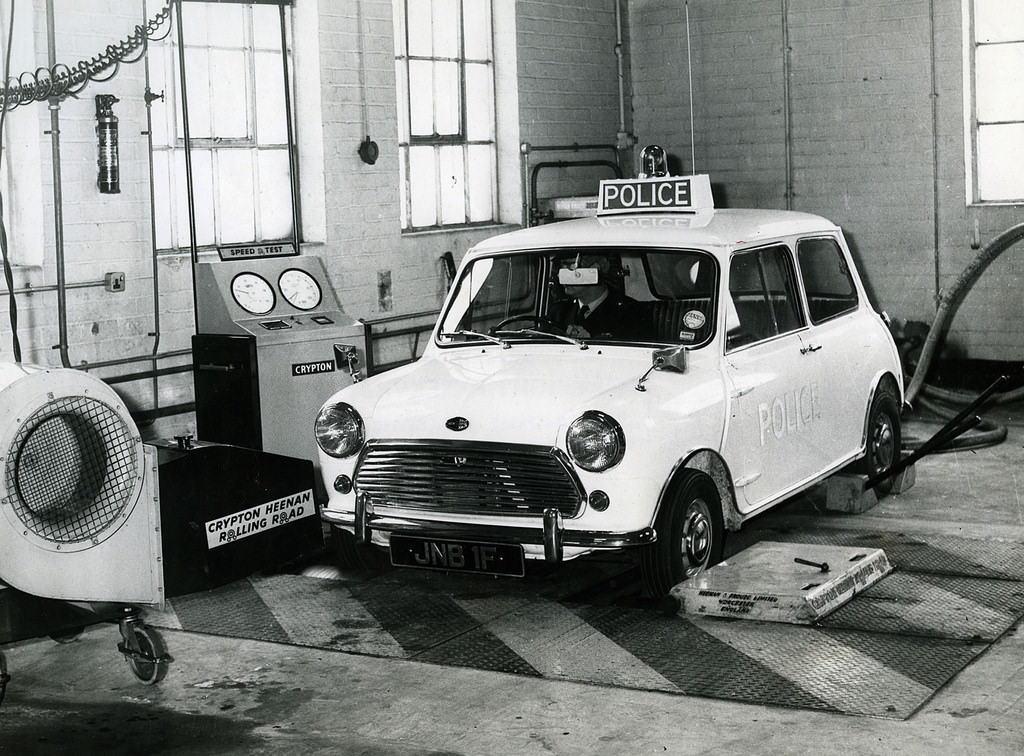
In 1968, Manchester and Salford Police jointly operated a mobile incident unit — a specialist vehicle designed to serve as a command and communications hub at major scenes. That same year, a Mini Cooper was put through a certified speedometer check on the Force’s rolling road at Longsight, reflecting the rigorous standards applied to police vehicles before they were cleared for patrol.
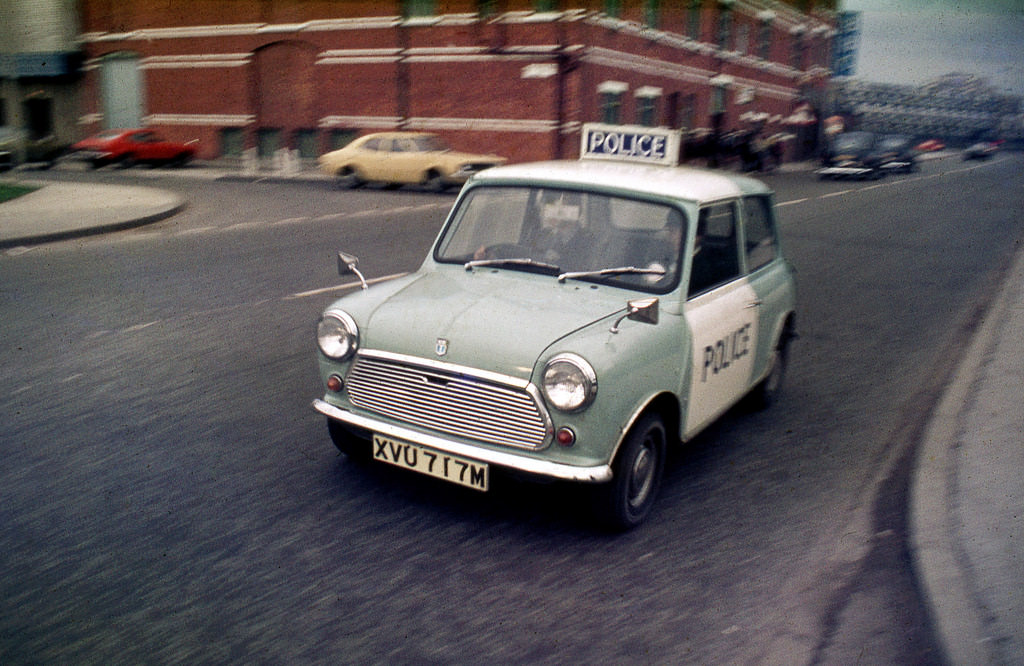
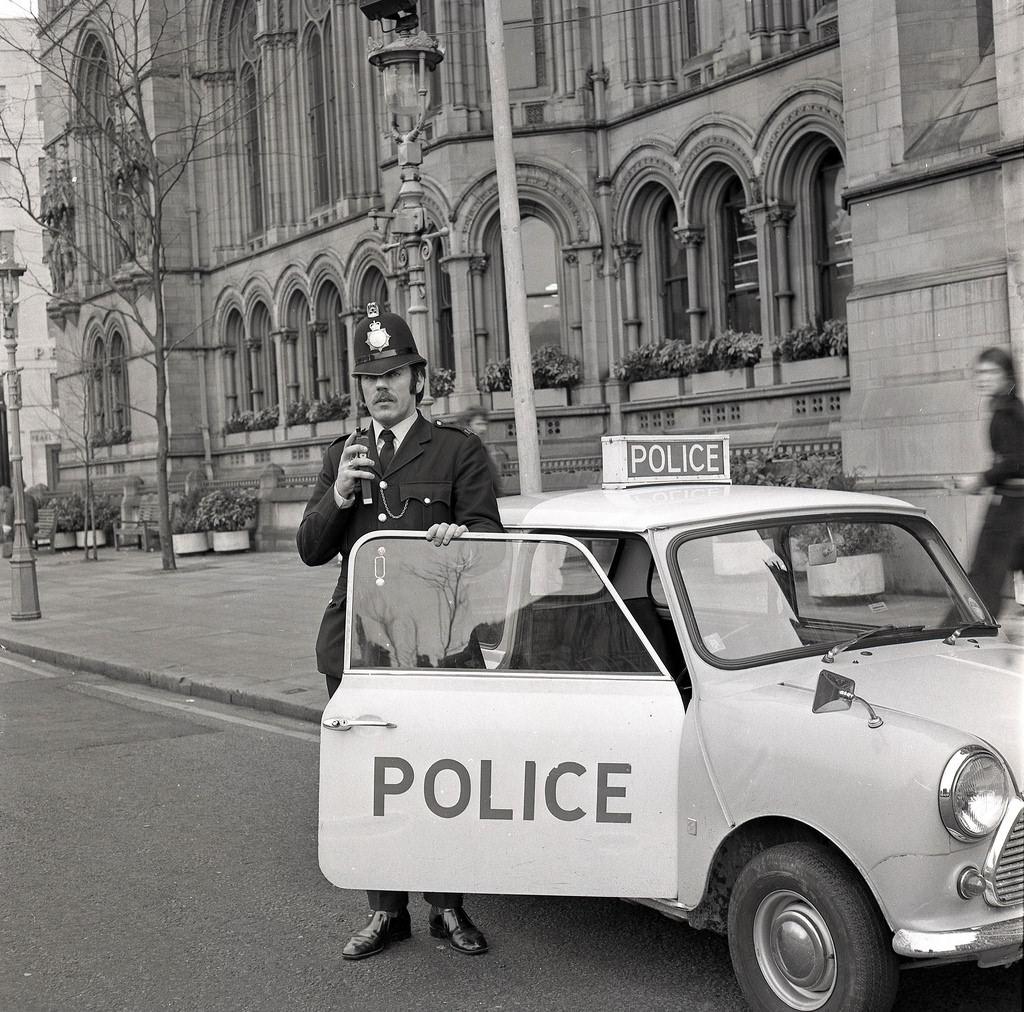
When Greater Manchester Police came into being in April 1974, the fleet it inherited was a patchwork of vehicles from multiple former forces. A GMP officer was photographed parking his Mini outside Manchester Town Hall in that first year — a simple image that marked the beginning of a new chapter. Alongside the everyday patrol cars, a vehicle converted for public order surveillance was already in use at Longsight by 1974, pointing toward the more complex policing demands that lay ahead.
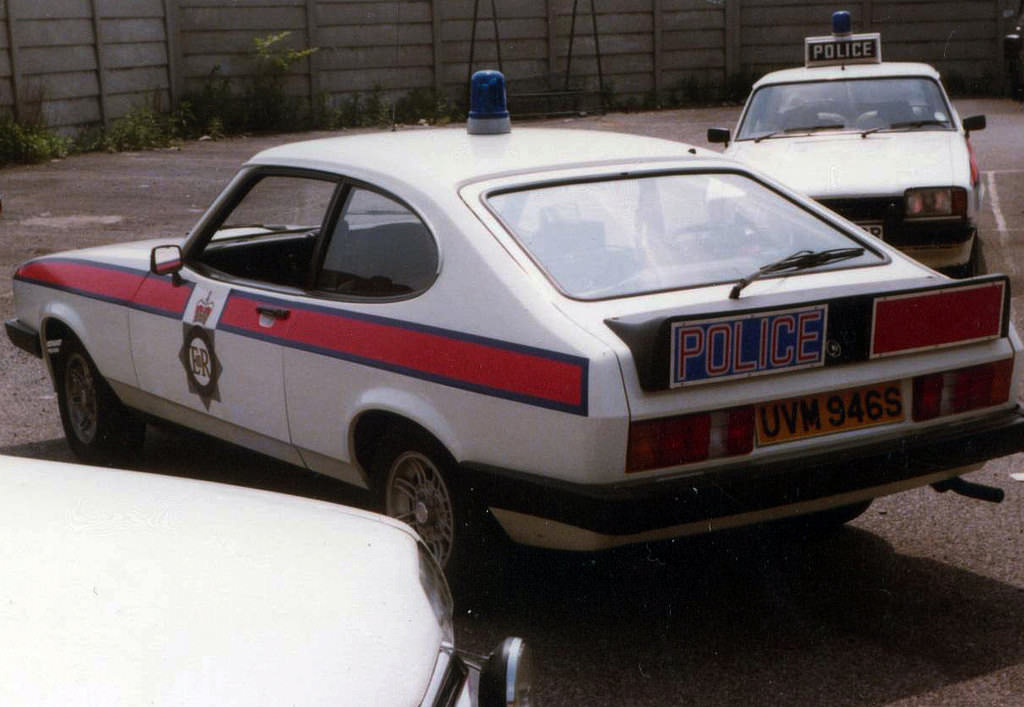
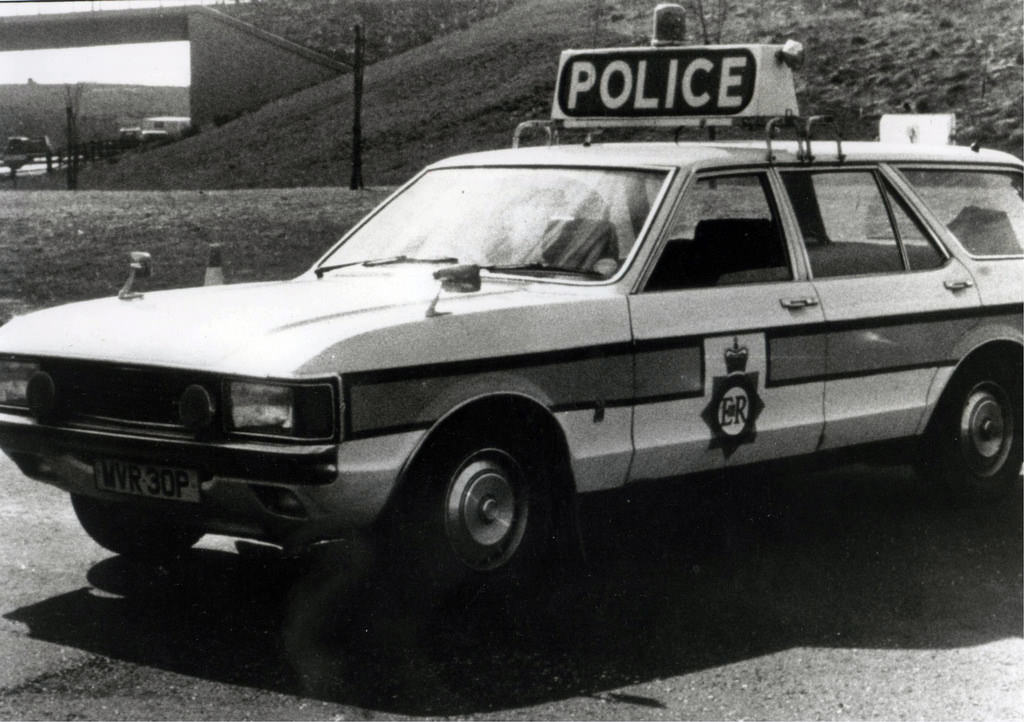
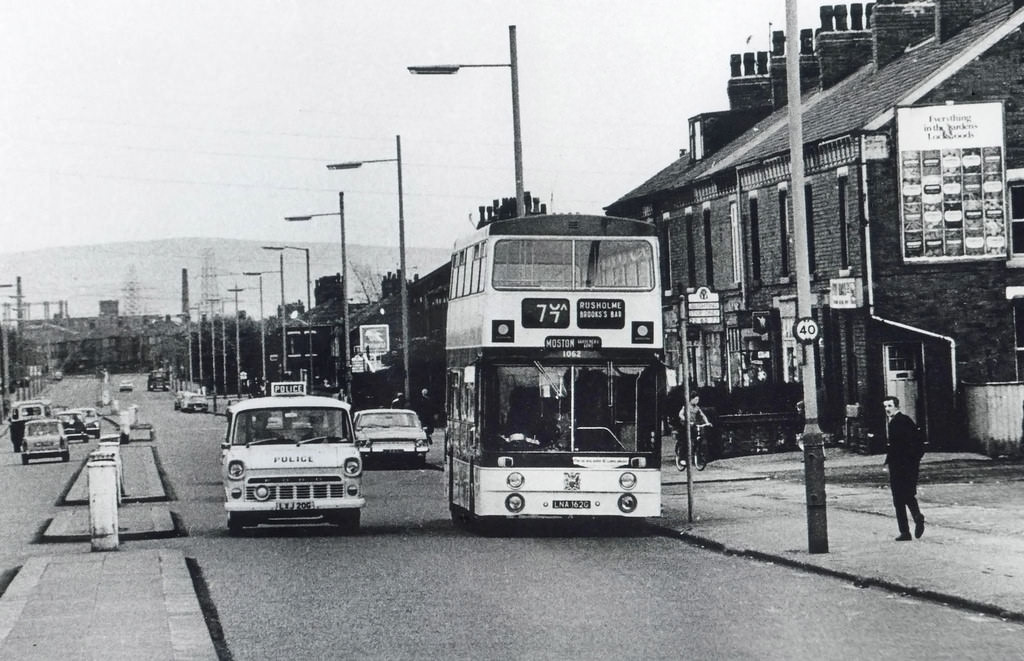
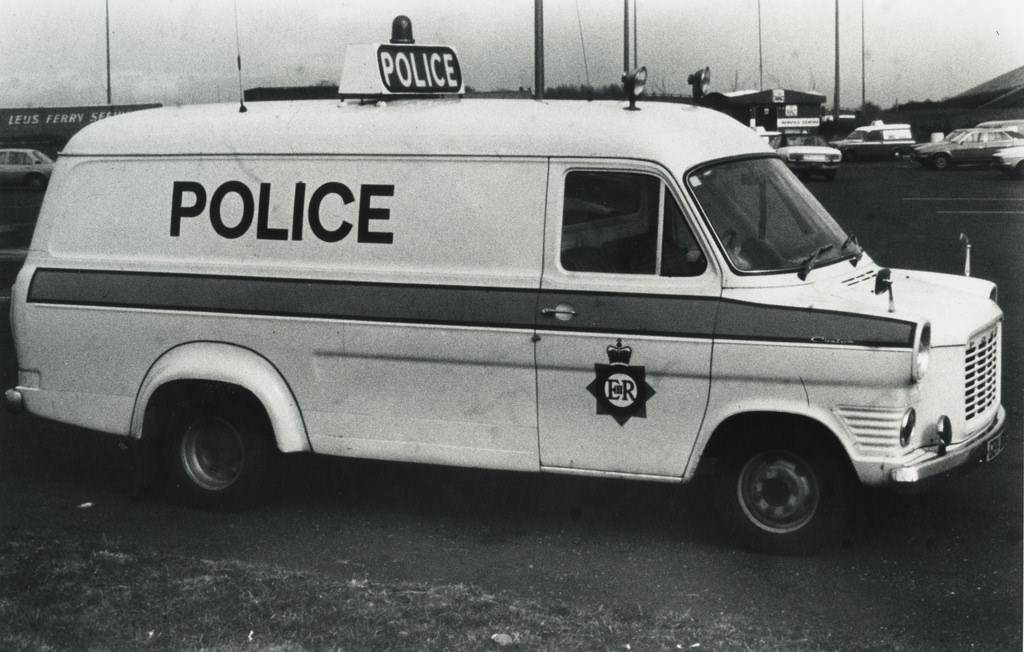
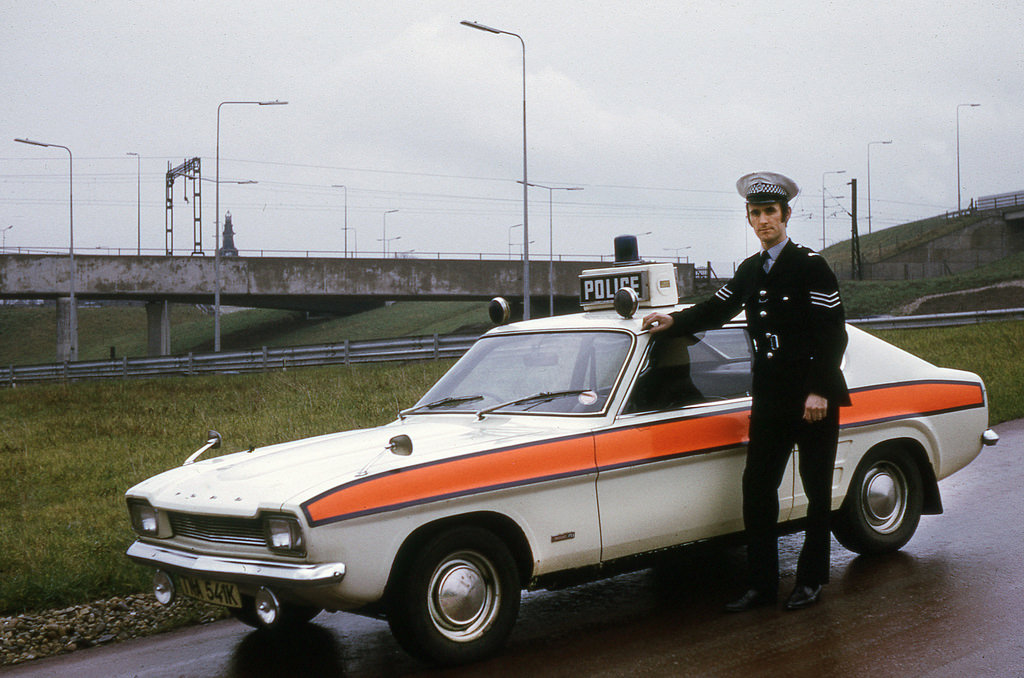
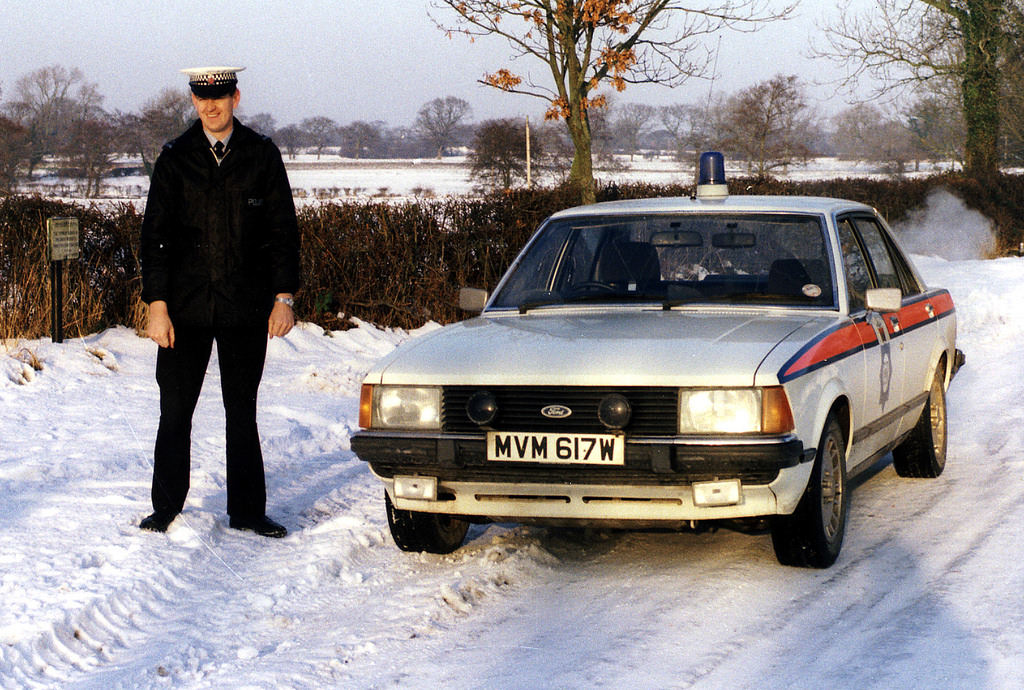
Ford vehicles dominated GMP’s fleet through the 1970s and into the 1980s. Ford Transits handled prisoner transport and public order duties, while Ford Granadas took on motorway patrol roles. The Ford Capri, with its sporty profile, became one of the most recognisable GMP traffic cars of the era.
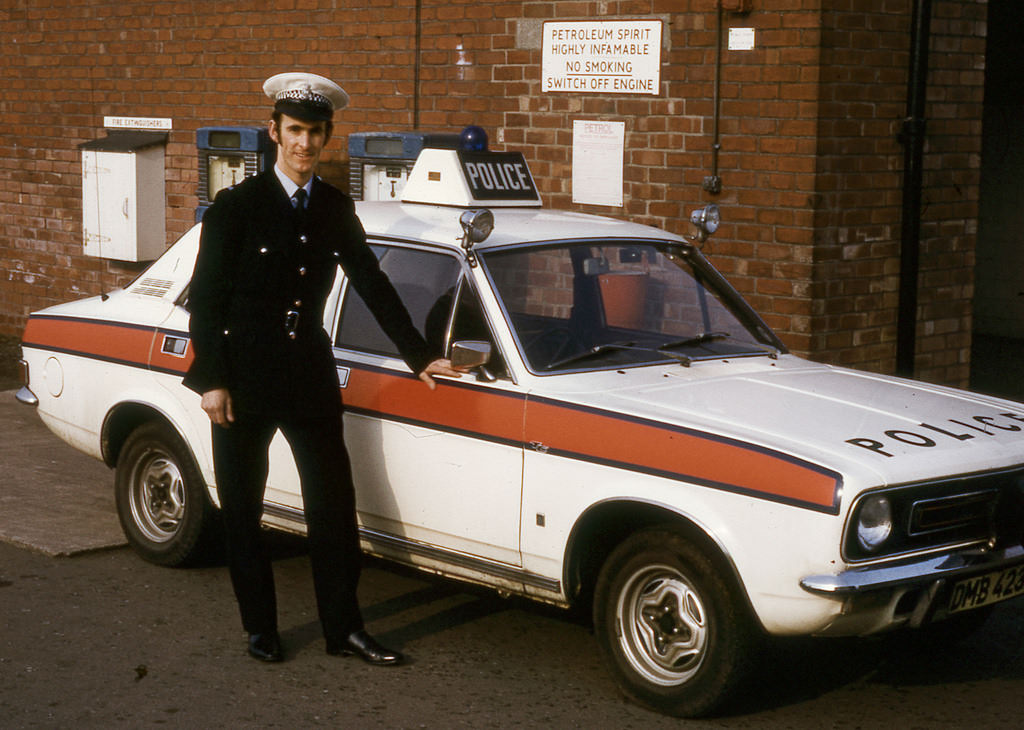
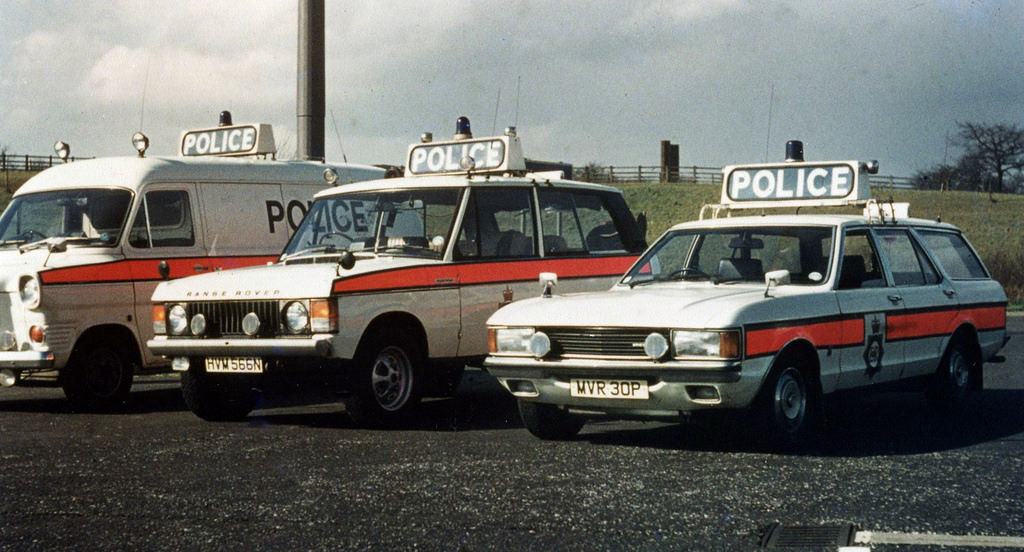
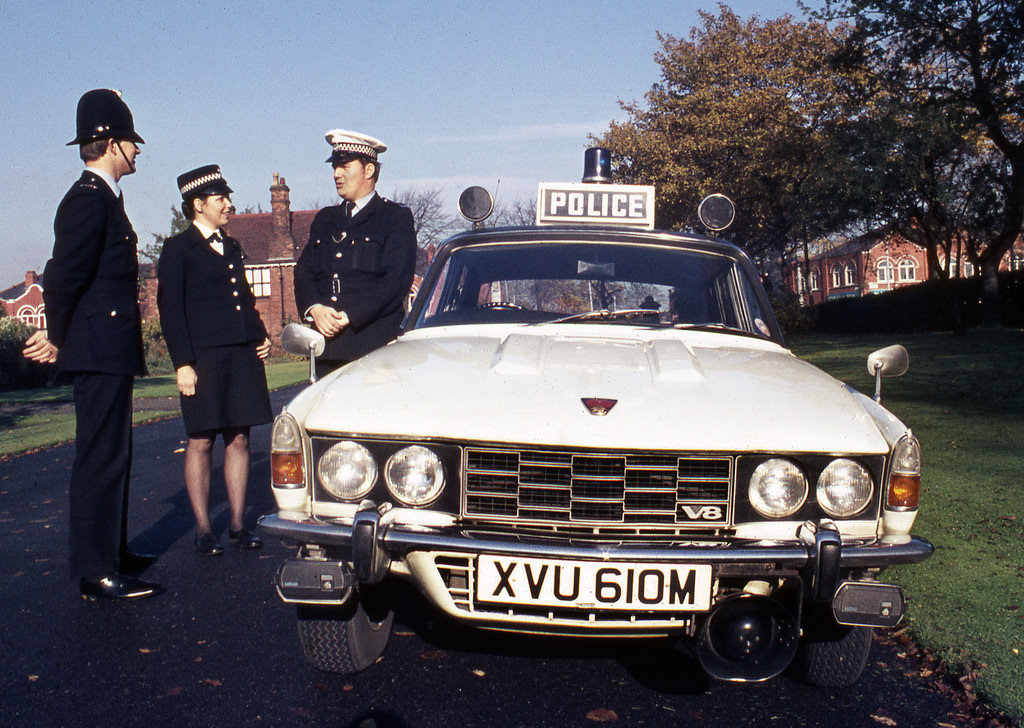
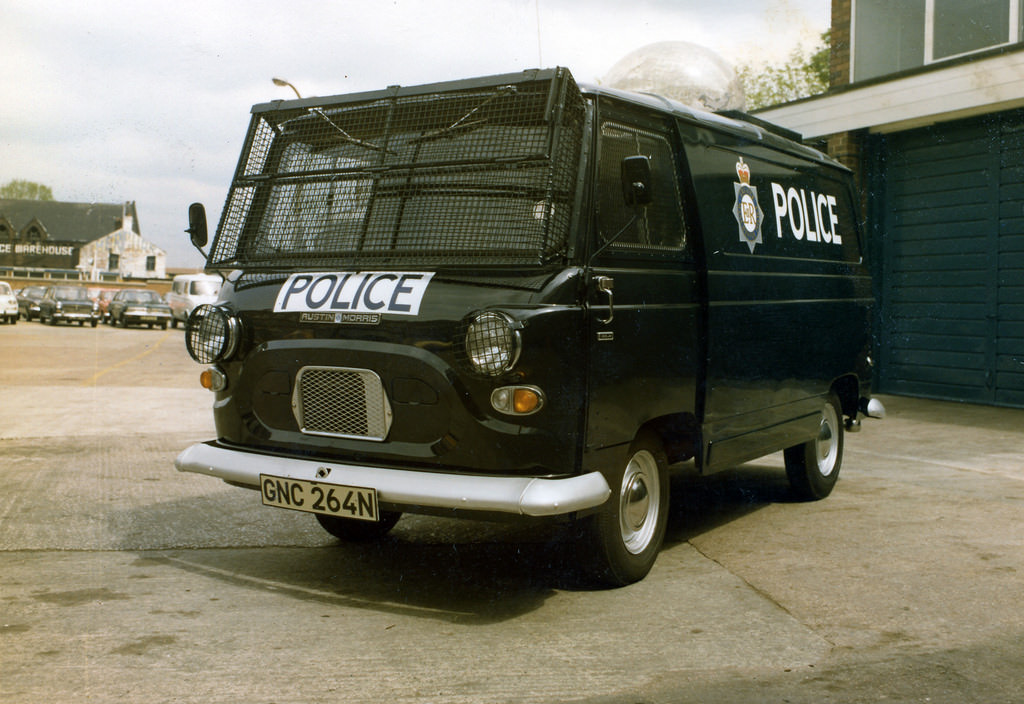
The Ford Mk 1 Transit van became a staple of GMP’s support fleet in 1975, used for everything from transporting officers to major incidents to general logistics. That same year, while Bay City Rollers, Mud, and Showaddywaddy dominated the pop charts, GMP officers were getting on with the ordinary business of patrol — a contrast captured in one memorable photograph from 1975.
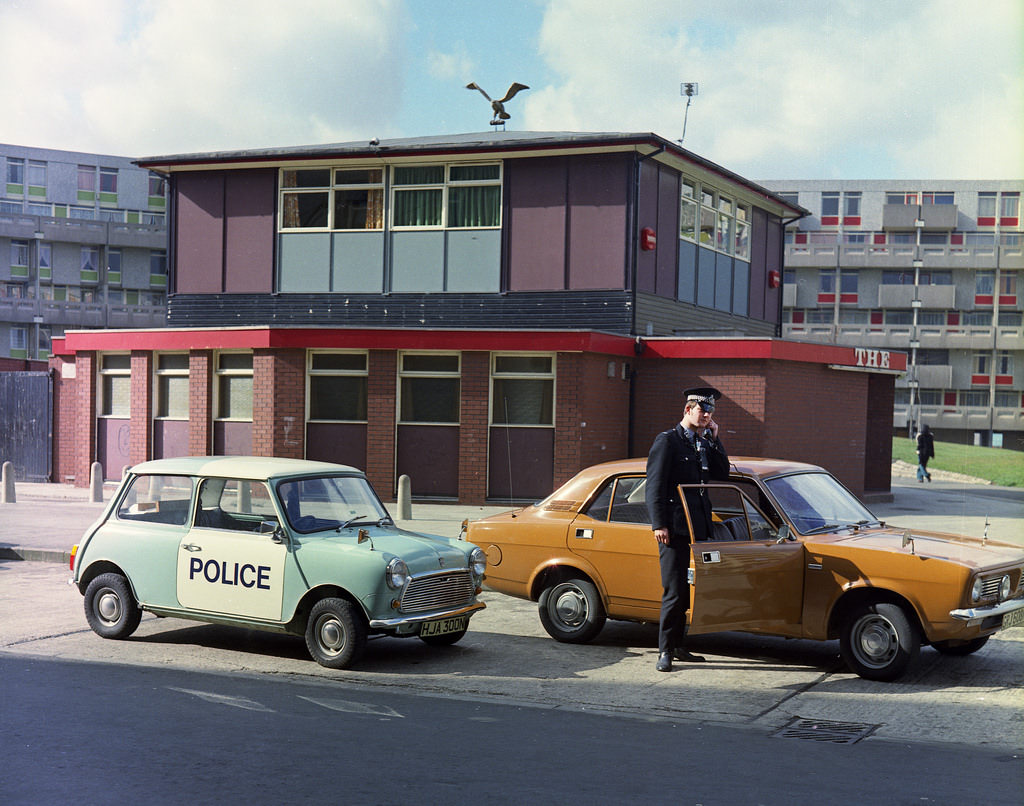
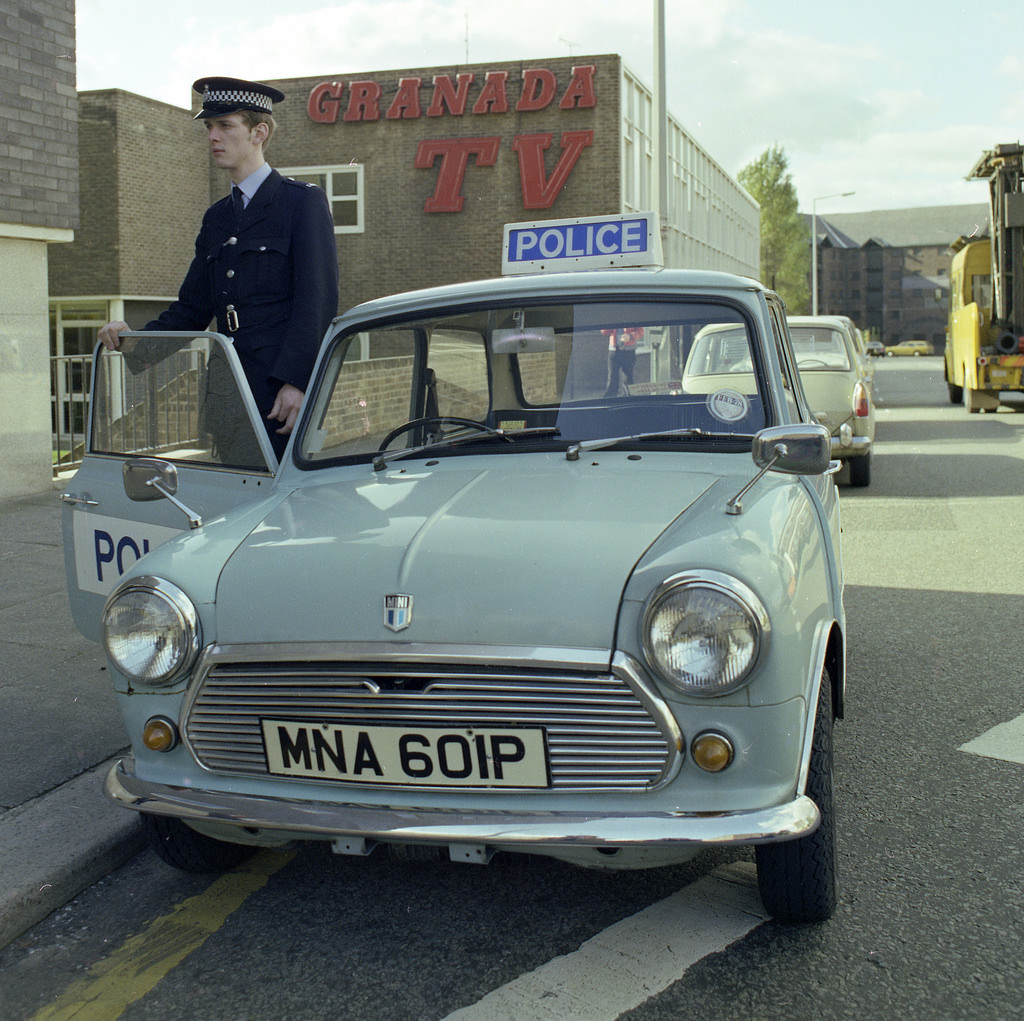
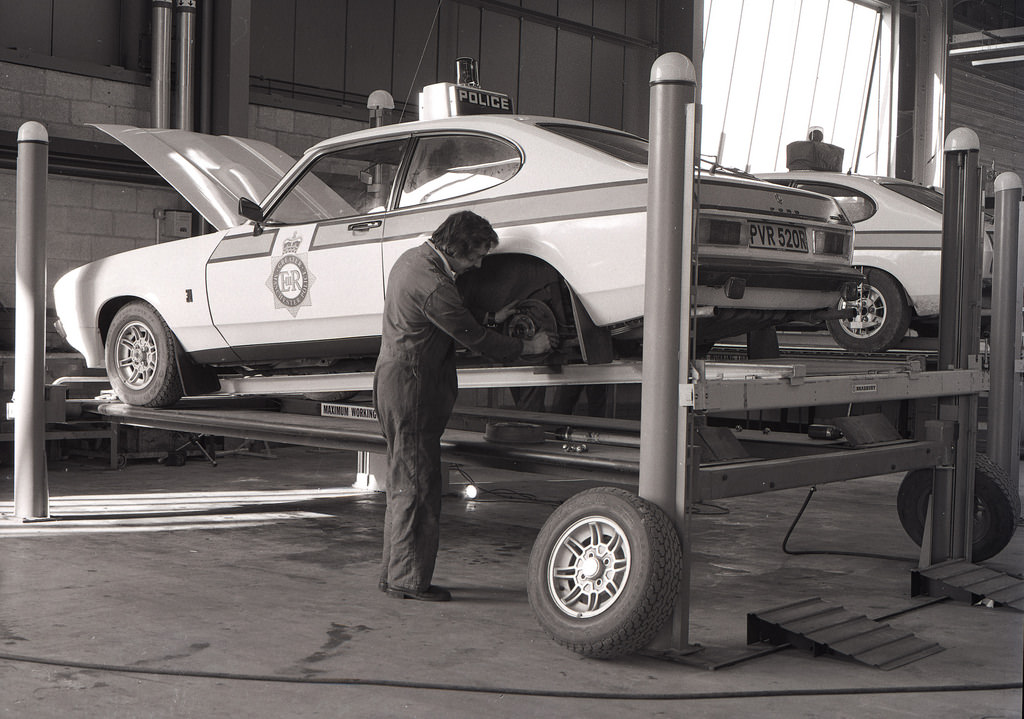
By 1977, GMP officers on Mini patrol cars were a familiar sight on Manchester streets. One officer was photographed outside the Granada Television complex on Quay Street — routine patrol in one of the city’s best-known locations. Behind the scenes, mechanics at the Force’s vehicle workshop in Openshaw kept the fleet running. A Ford Capri being worked on there in 1978 illustrated the skilled maintenance operation that supported frontline policing.
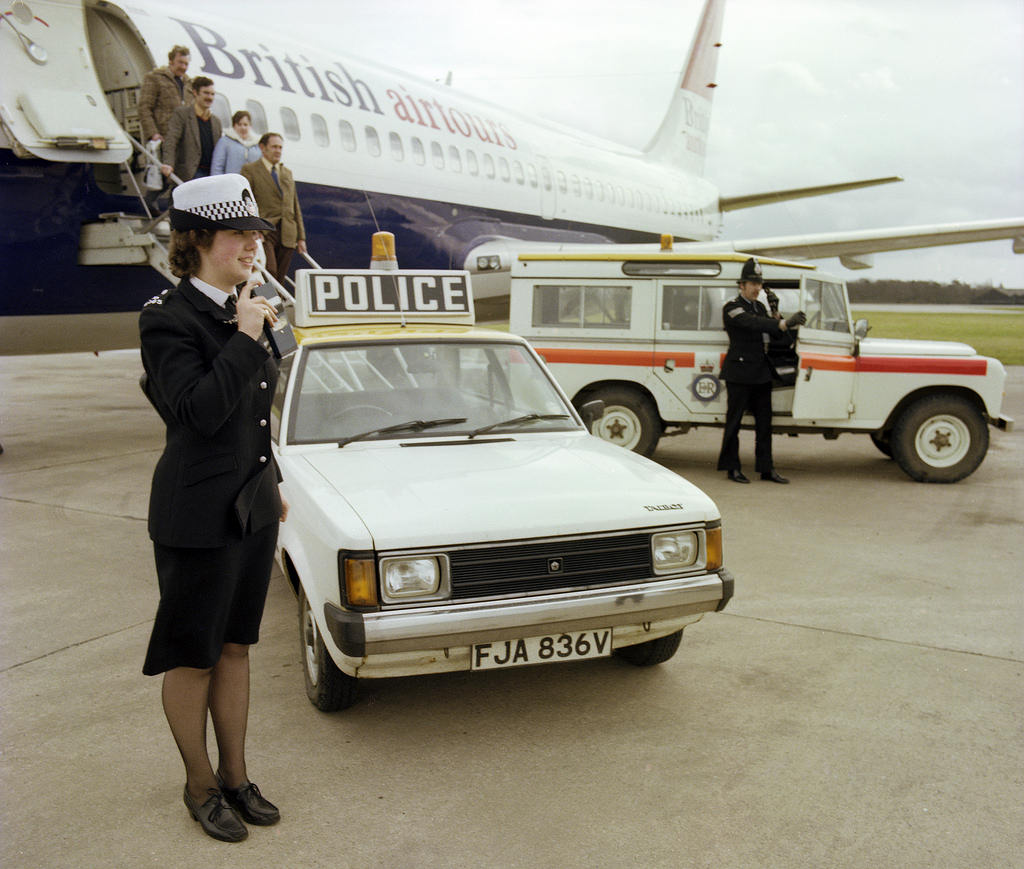
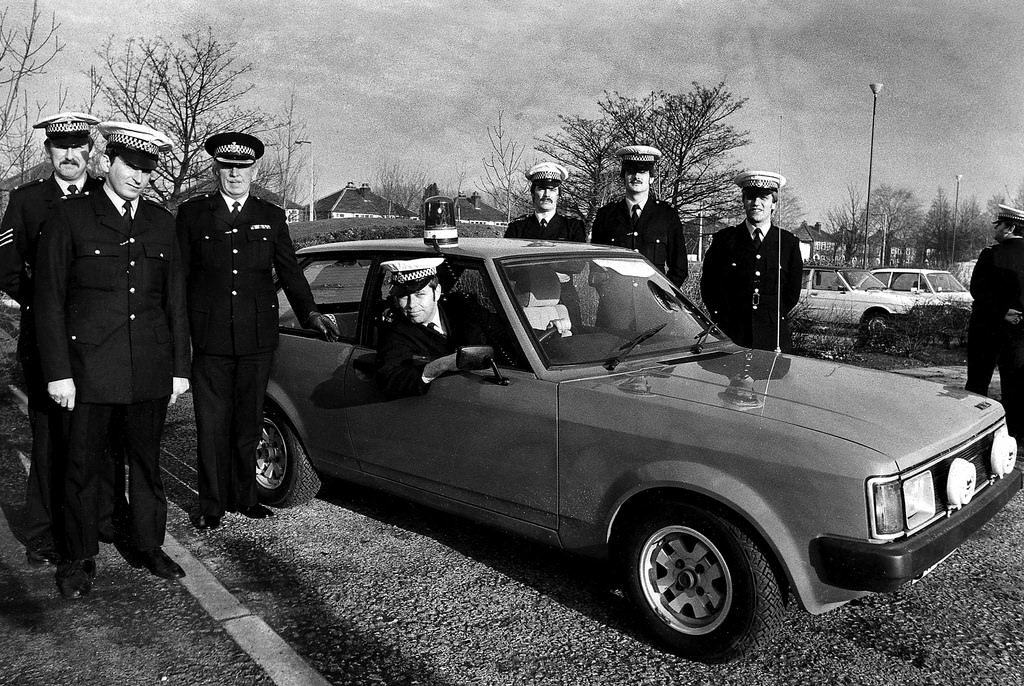
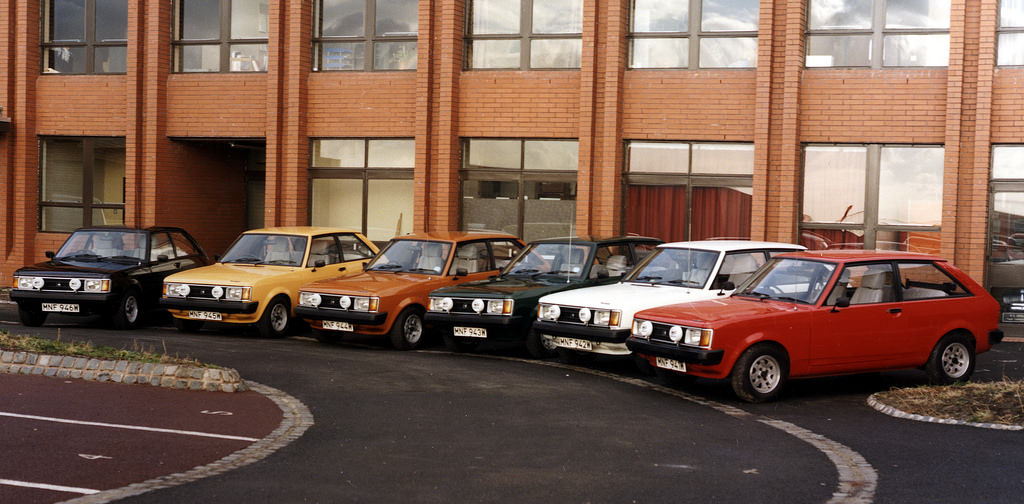
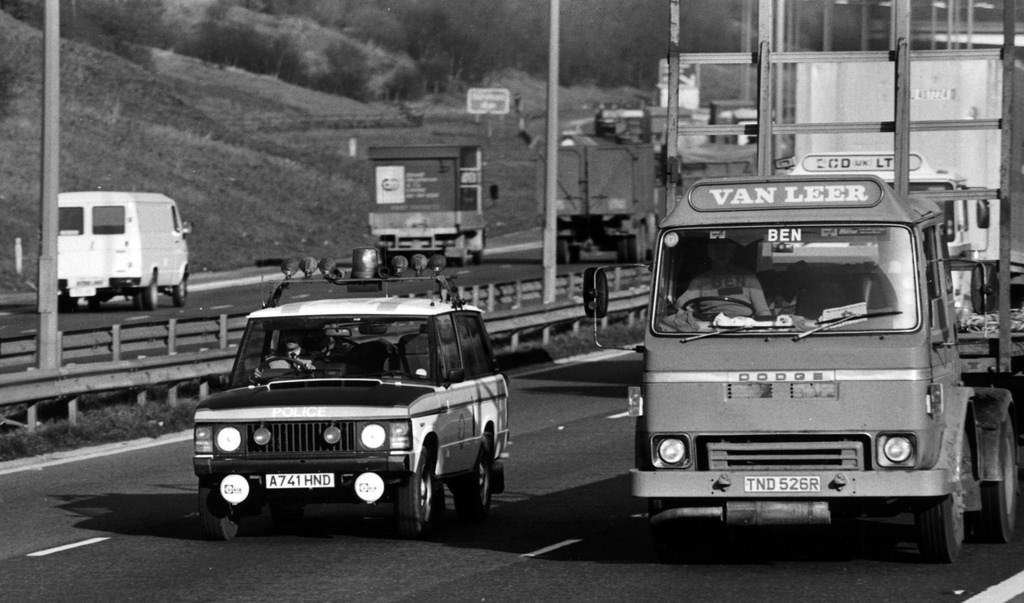
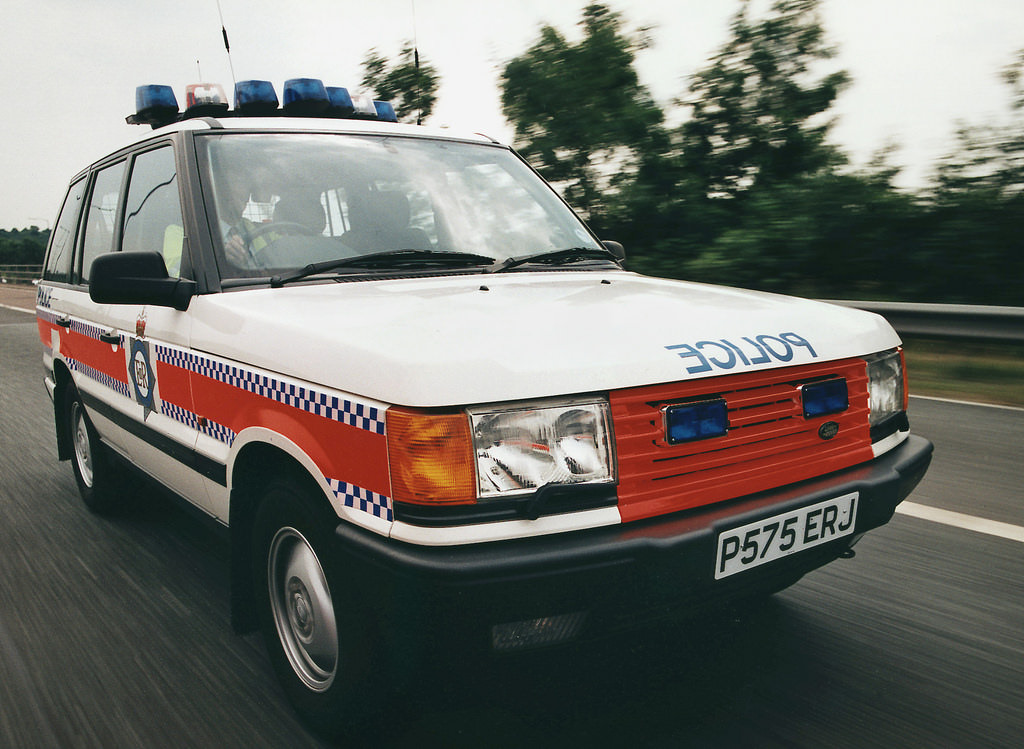
The 1980s brought new models and new challenges. GMP’s motorway unit continued to rely on Range Rovers for high-speed pursuits and incident response, and in 1984, one was photographed overtaking a Dodge lorry on patrol. The Lotus Sunbeam and Sunbeam-Talbot also appeared in GMP’s traffic fleet around this time, chosen for their performance capabilities.
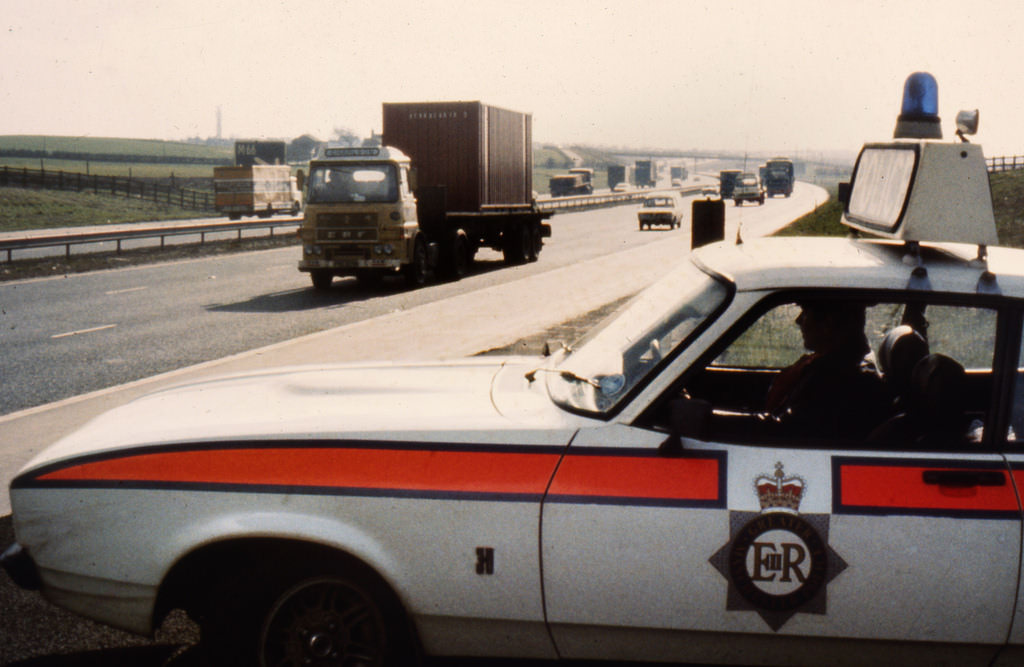
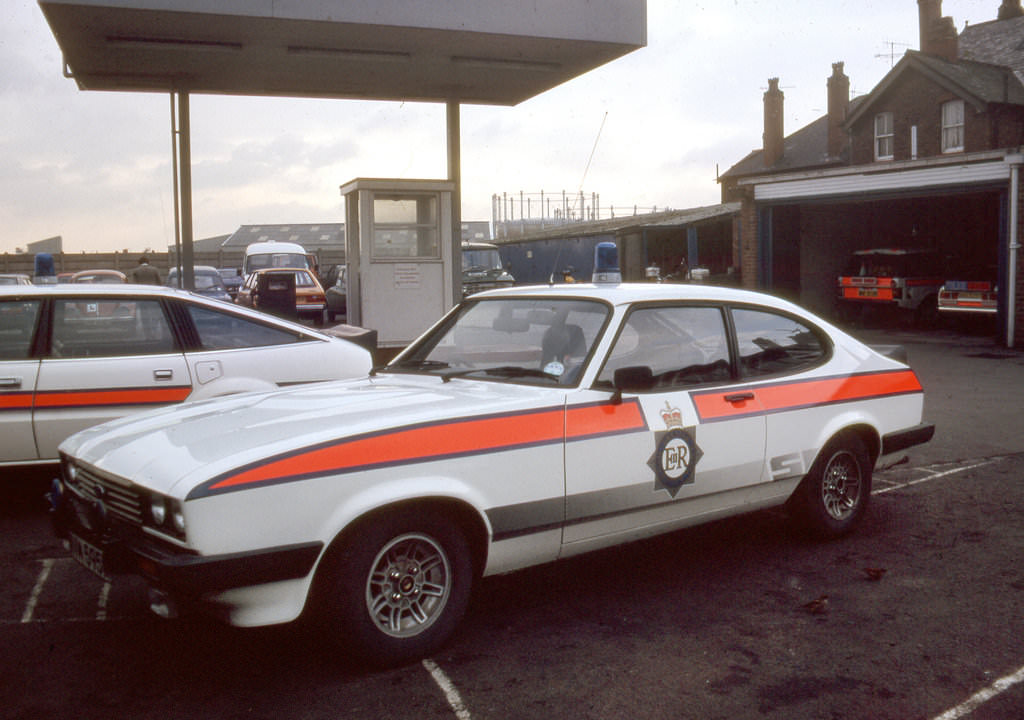
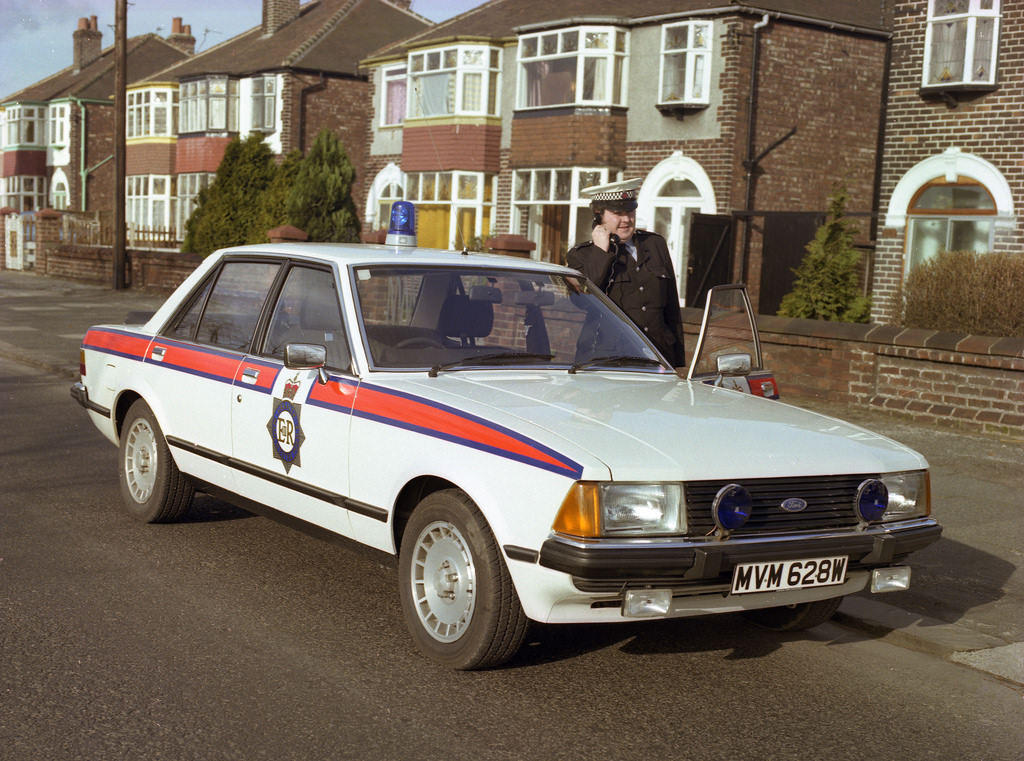
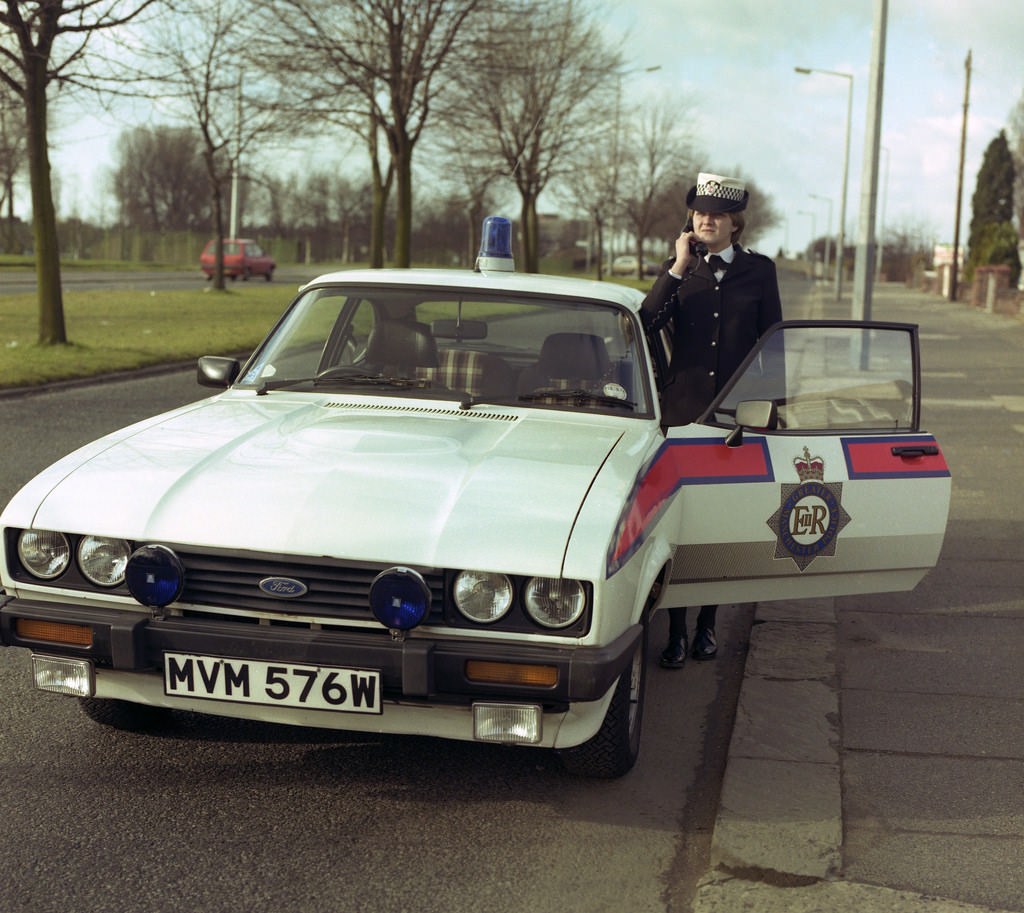
Female officers had become a visible part of GMP’s frontline by the early 1980s. A woman officer and her Ford Capri were photographed in Chorlton-cum-Hardy in 1982 — a straightforward image that reflected the changing composition of the force. Range Rovers remained the vehicle of choice for motorway work throughout the decade, and in 1988, one attended an incident near Barton Bridge.
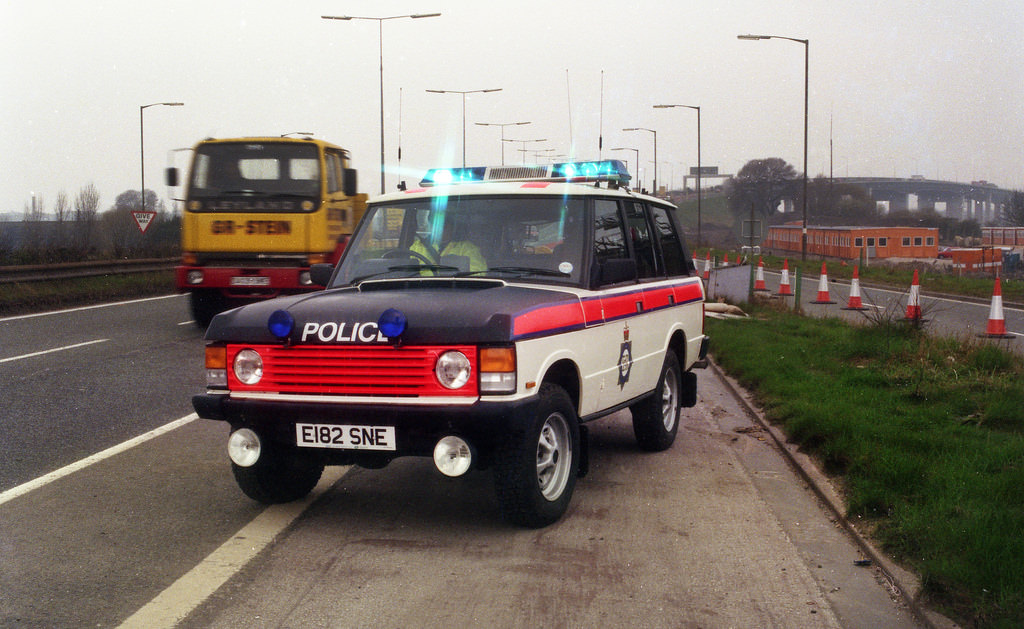
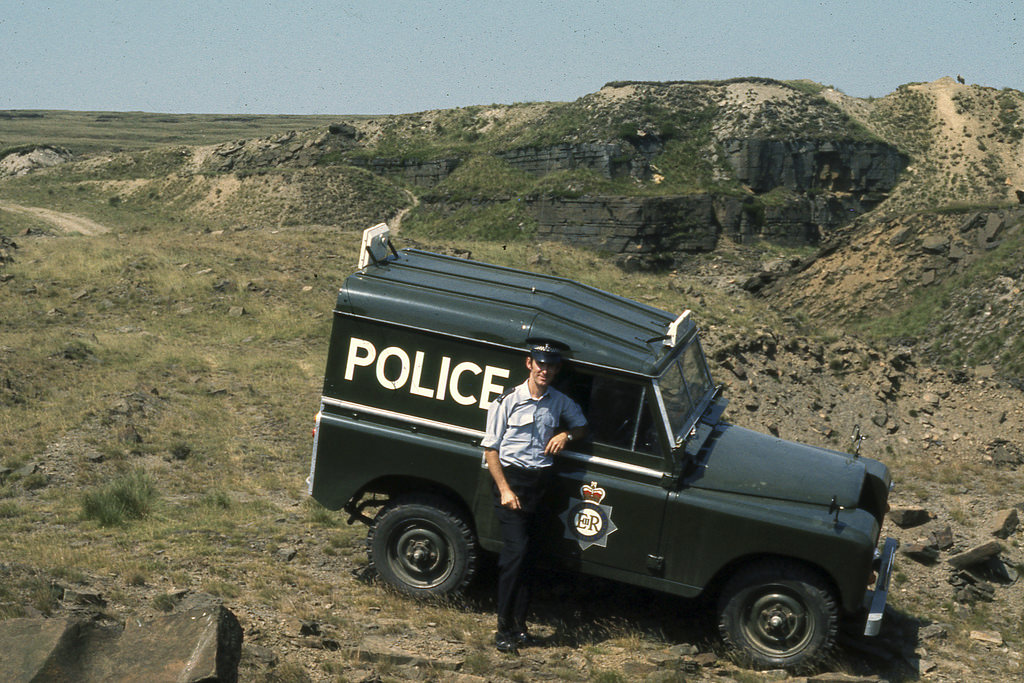
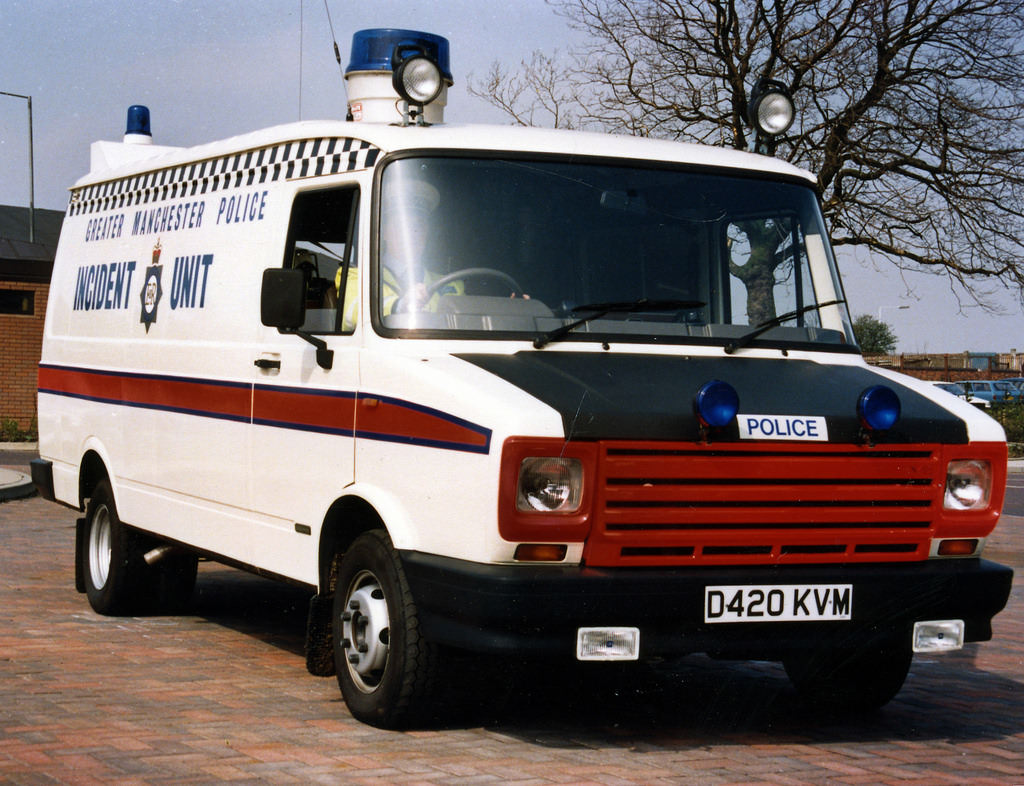
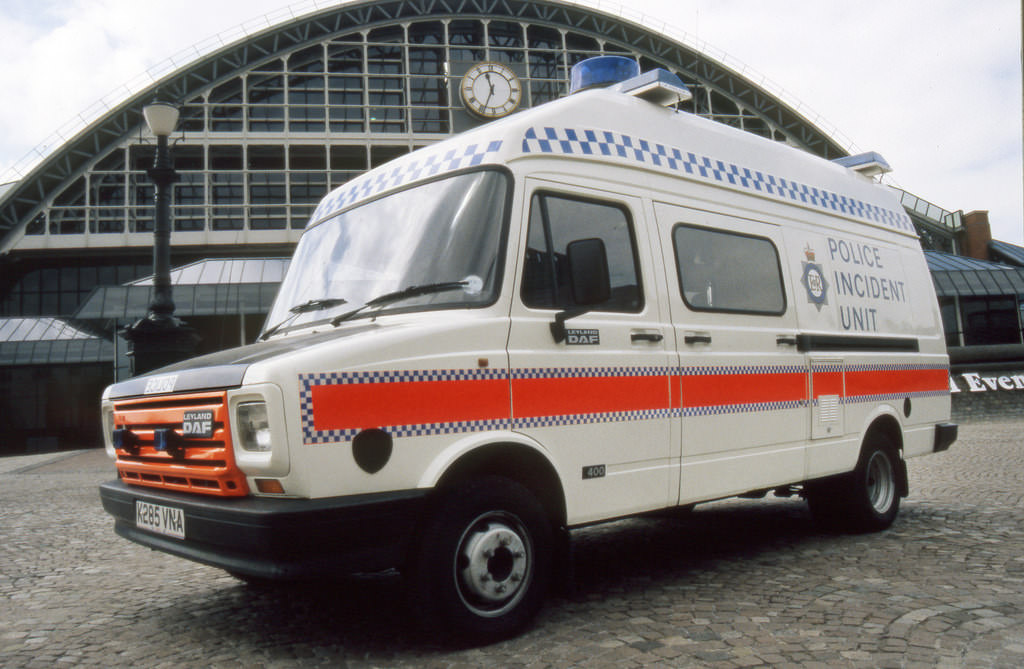
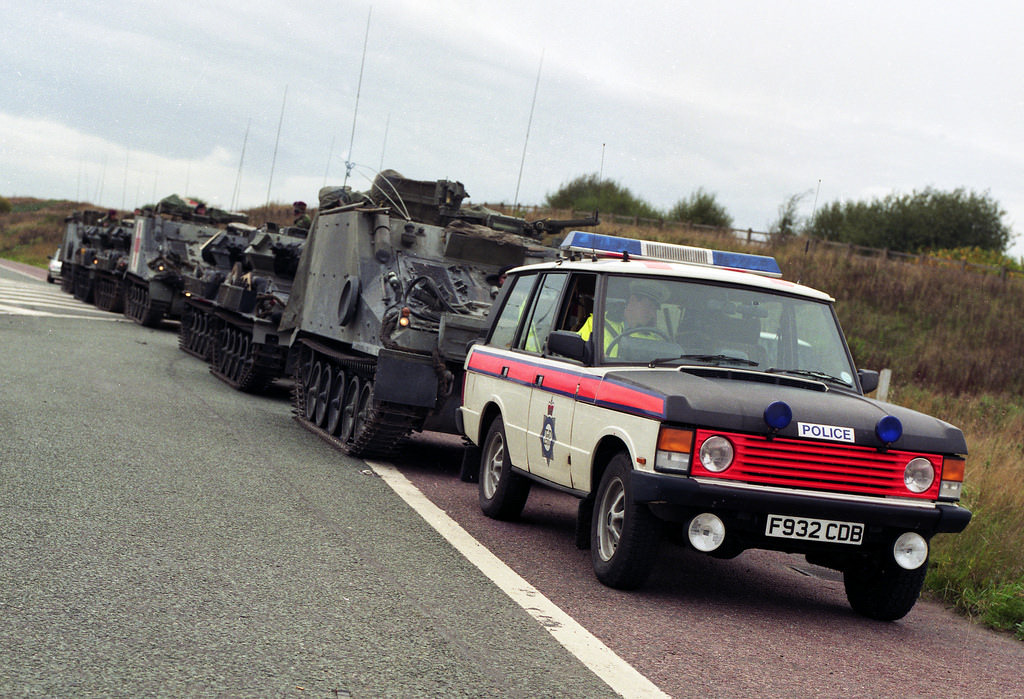
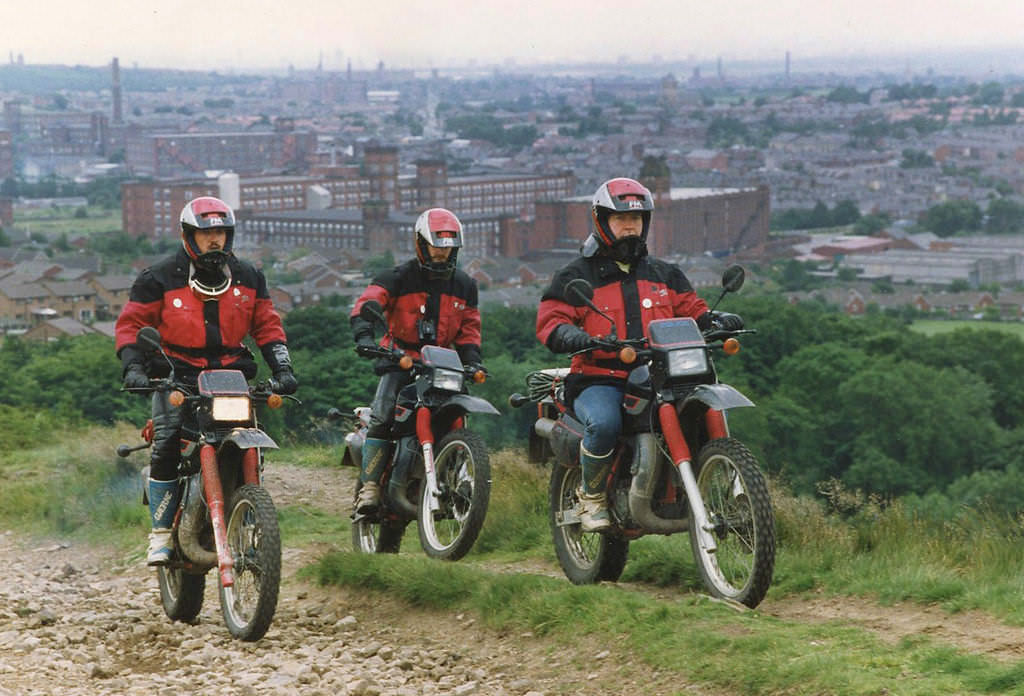
Into the 1990s, GMP’s fleet continued to grow in size and sophistication. Range Rovers escorted army convoys through the region’s motorway network, and off-road bikes were deployed for patrol in areas inaccessible to standard vehicles. A GMP Incident Unit was stationed at the Greater Manchester Exhibition and Event Centre — GMEX — in the early 1990s, ready to respond to large public gatherings in the city.
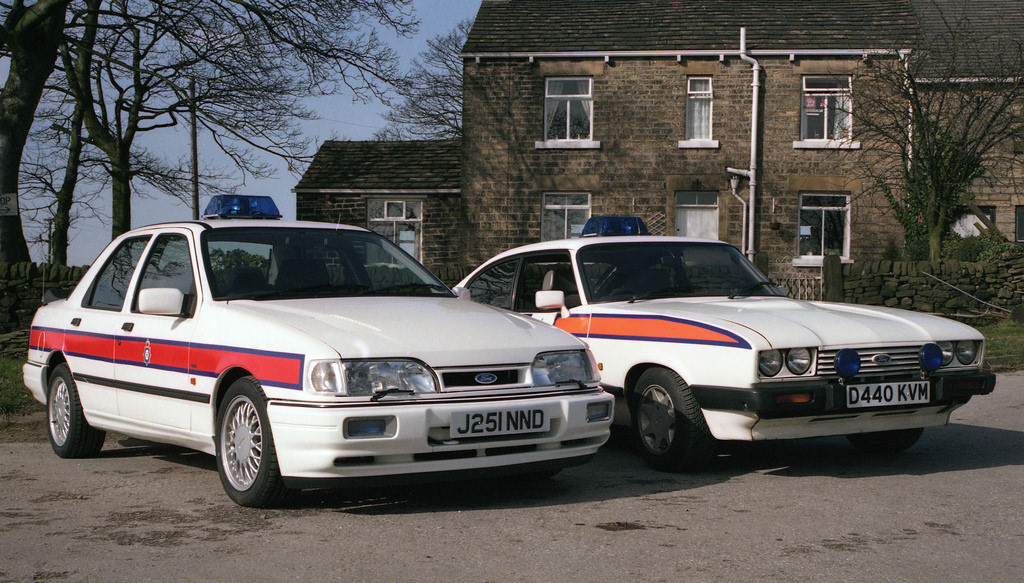
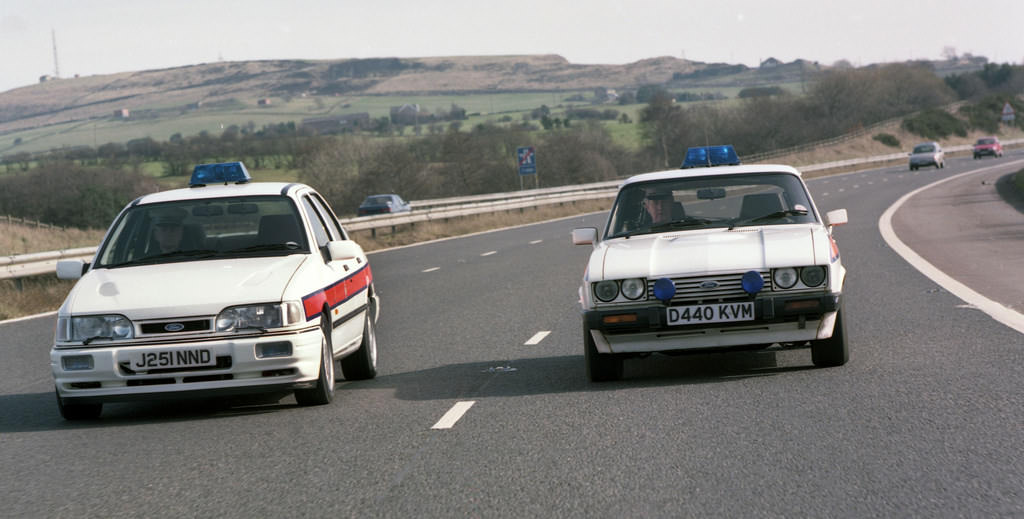
On Monday, 13 April 1992, the last Ford Capri to serve with Greater Manchester Police was retired. It was photographed beside the Ford Sierra Cosworth that took its place — a moment that marked the end of an era for one of the most popular police cars in GMP history. The Capri had served the force well across more than a decade, and its retirement drew genuine attention from officers who had worked with the car.
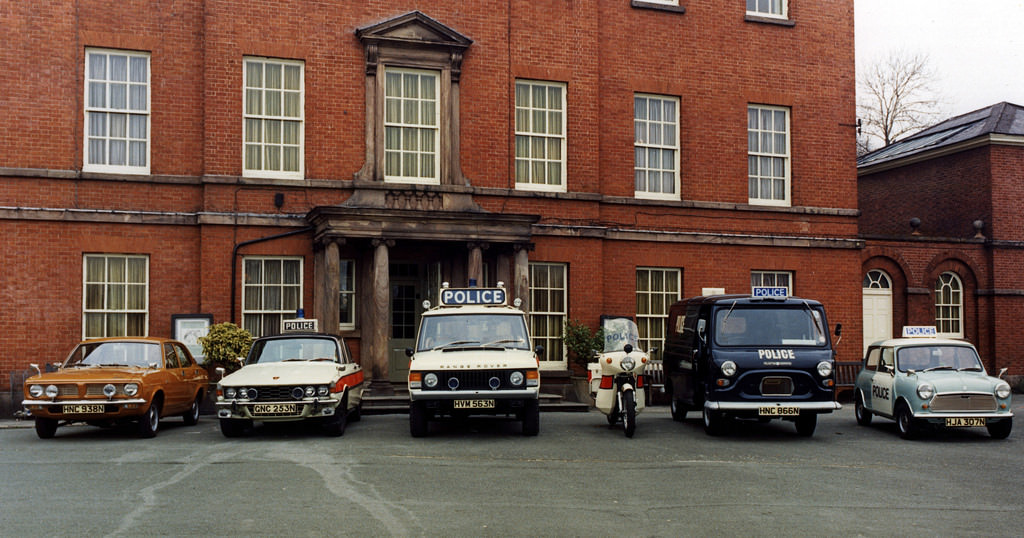
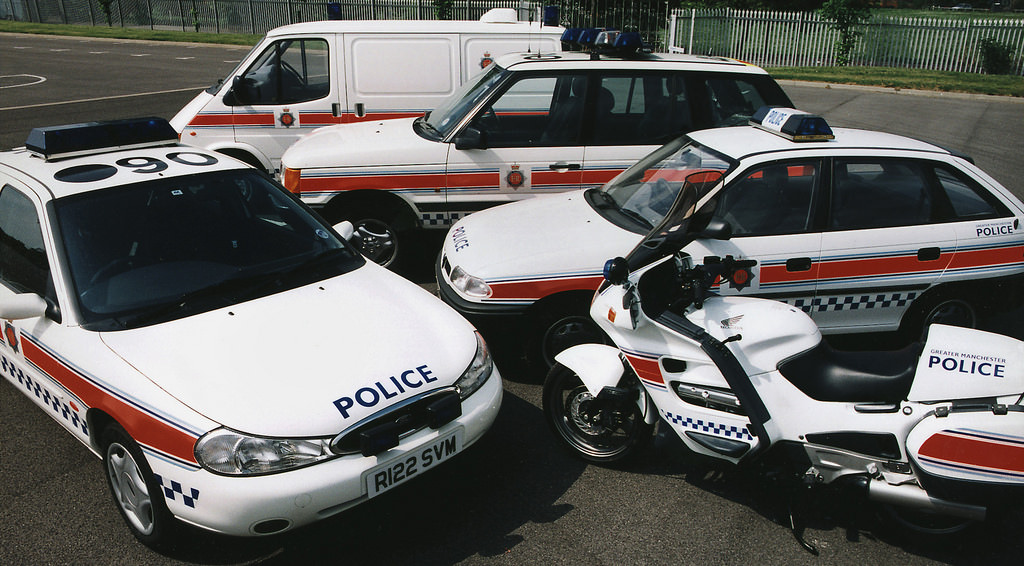
By 1998, the Greater Manchester Police fleet had grown into a diverse and well-equipped operation, covering everything from routine neighbourhood patrols to high-speed motorway work and specialist public order roles. A display of GMP vehicles that year showed just how far the force’s transport had come since those early motorcycles first took to the cobbled streets of Manchester, Bolton, and Salford.





Does anyone else think the ‘jam sandwich’ car livery was ace? Can we petition Priti to bring it back?
Agree.
Black coats make the dogs look bollox. They may not be operationally practical today, but a modern version would be pretty cool…
The CC uniform looks absolutely ace
Crafters with 500,000 miles and holes in the floor are the best
The Range Rover (which came out in 1969) taken in 1965 is my favorite. Someone needs to fire the continuity director.
That Capri and Sierra Cosworth, though
Nothing scarier than the pursuit impreza flying up behind you circa 2012ish. I’d audibly express “I’ve not done nothing!!”. It was usually on the inner ring road, they had two, blue one stickered up and a grey unmarked one. Rumour had it the unmarked one would try and get people to race often.