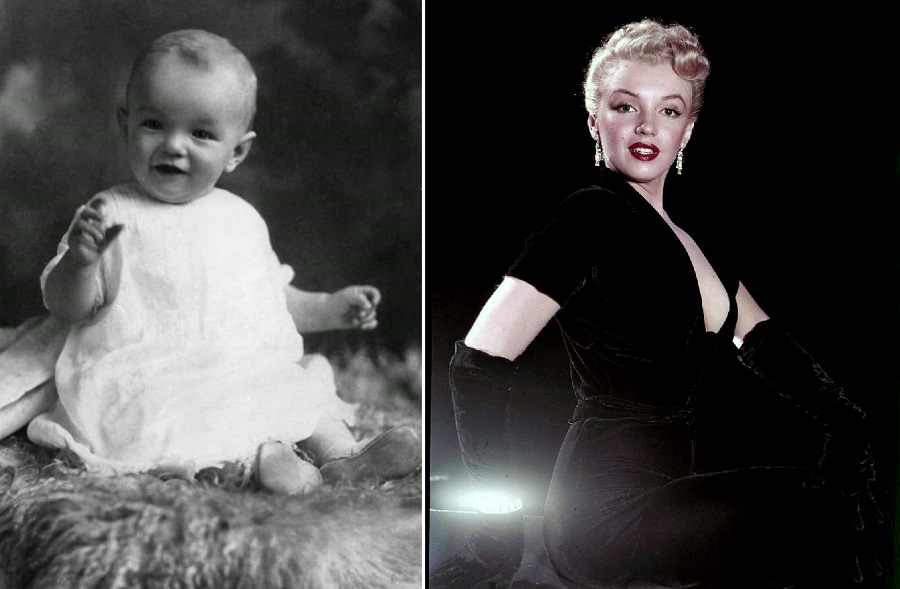
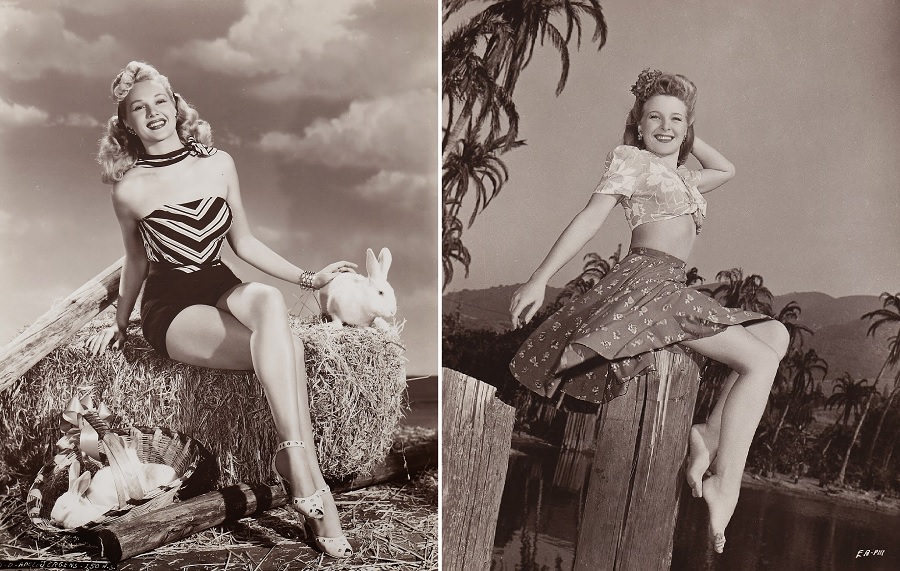
Philippe Halsman picked up a camera at age fifteen and never really put it down. What started as a role as the family photographer grew into one of the most celebrated careers in 20th-century photography. Over the decades, Halsman built a body of work that placed him face-to-face with some of the most recognized names in science, politics, film, art, and literature. His photographs appeared regularly on the cover of Life magazine, and his images of celebrities became defining portraits of their era.
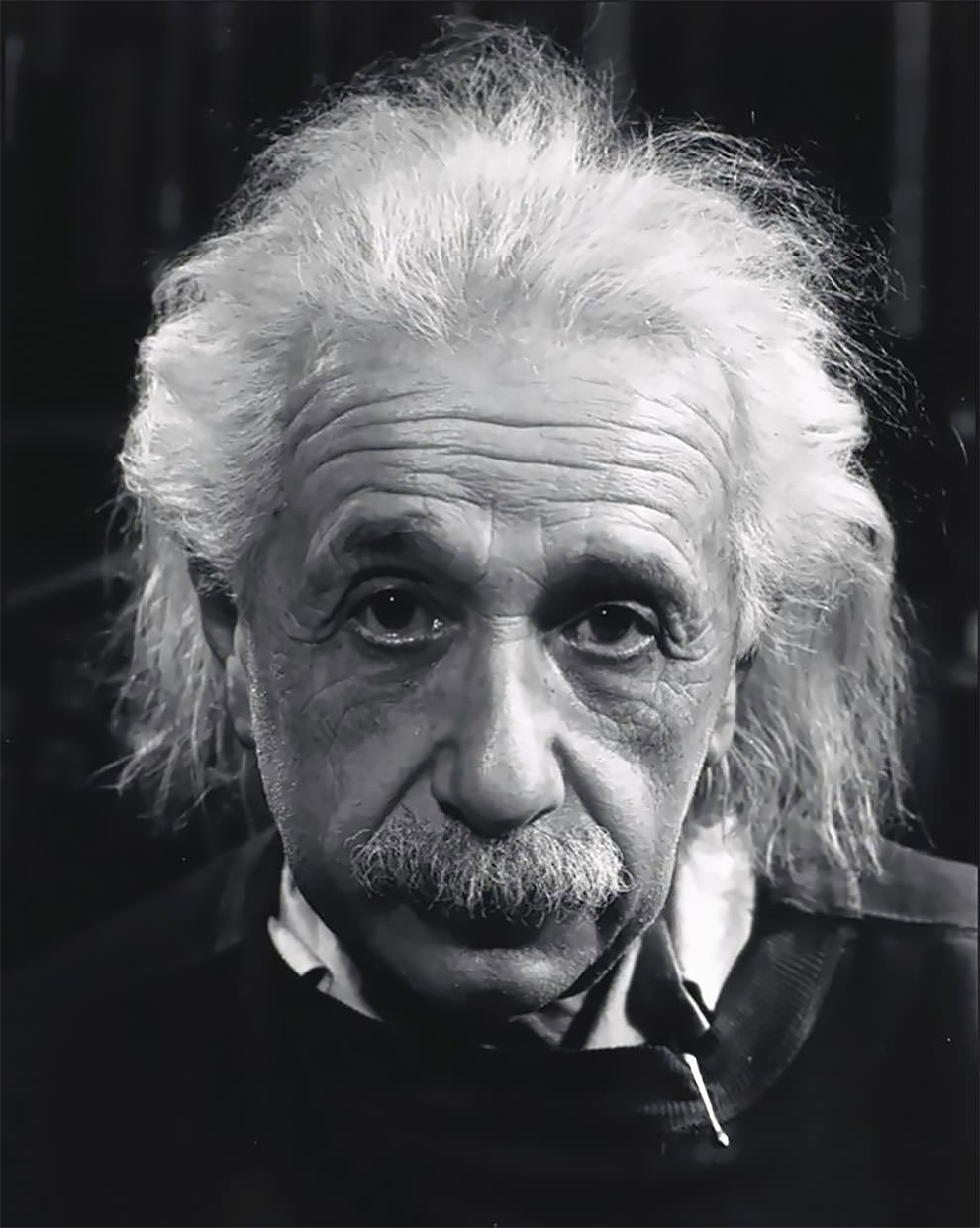
Halsman had a rare ability to draw out something genuine from his subjects. Whether he was working with a Hollywood actress or a world leader, his portraits carried an intimacy that set them apart from standard celebrity photography. One of his most famous and enduring subjects was Albert Einstein, whom he photographed at the physicist’s home in Princeton, New Jersey.
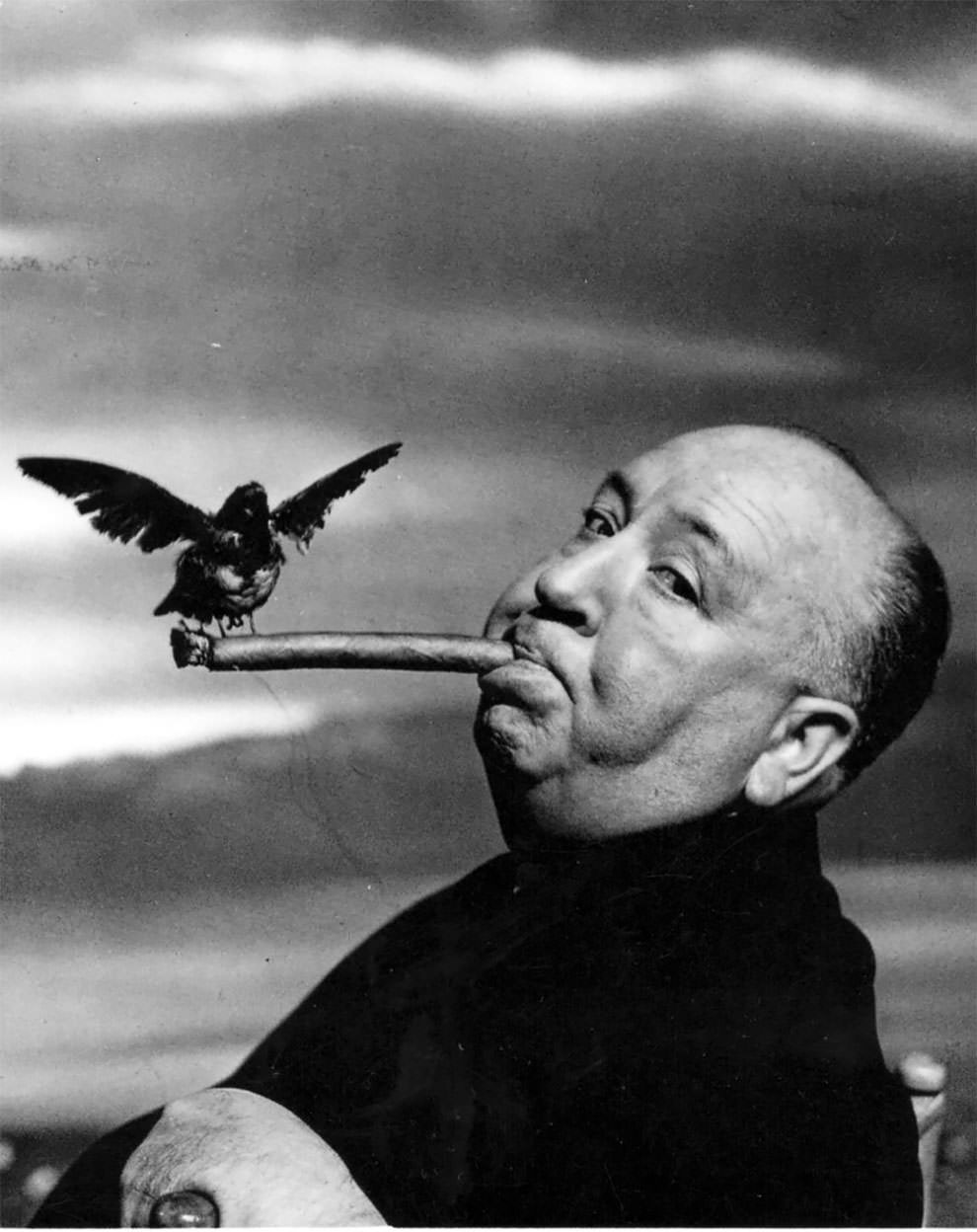
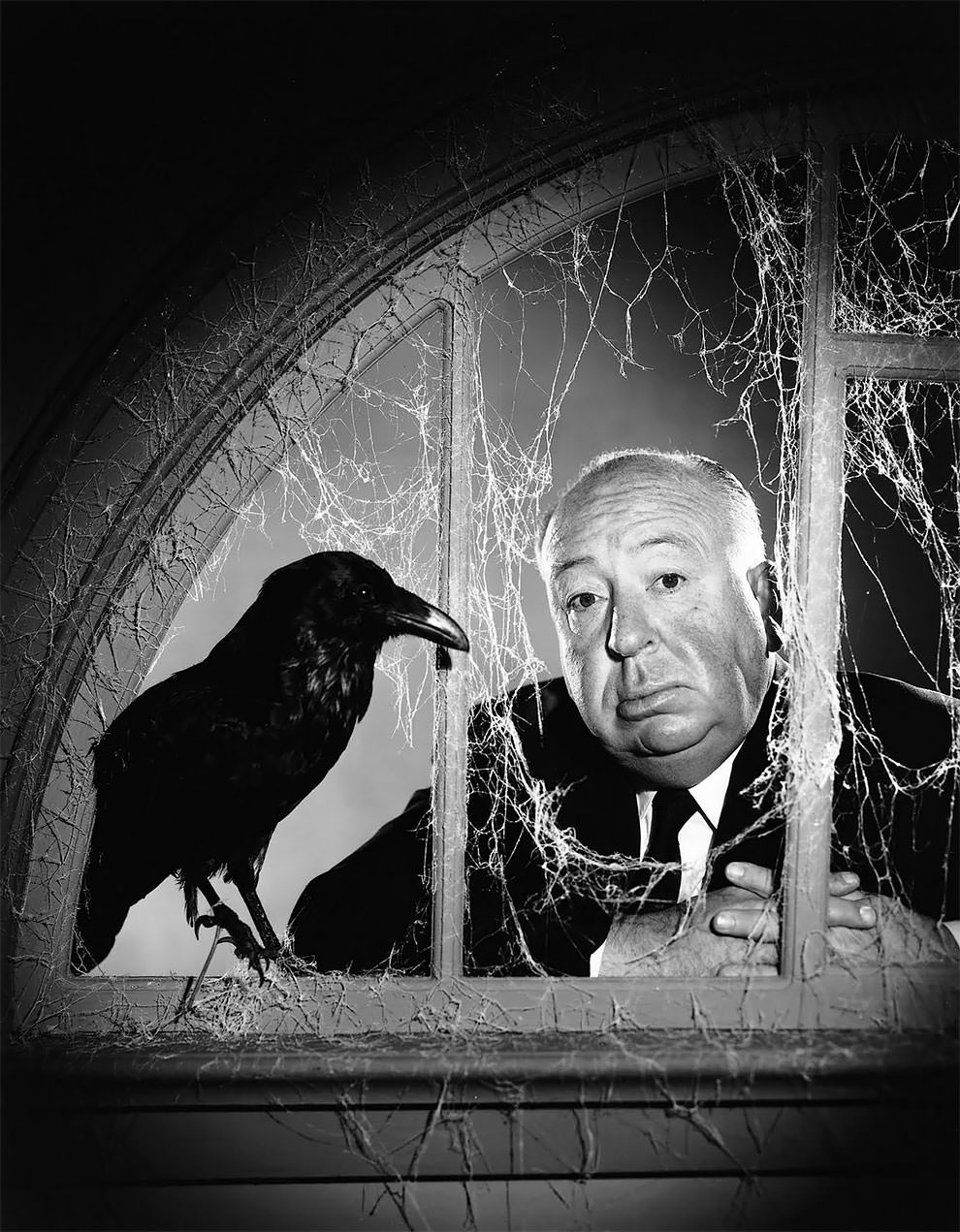
Alfred Hitchcock was another subject Halsman returned to more than once. The director’s deadpan presence translated perfectly through Halsman’s lens, producing images that matched the dark, theatrical tone Hitchcock brought to his films. Halsman photographed him in 1962, the same year Hitchcock was at work on The Birds at Universal Studios in Hollywood.
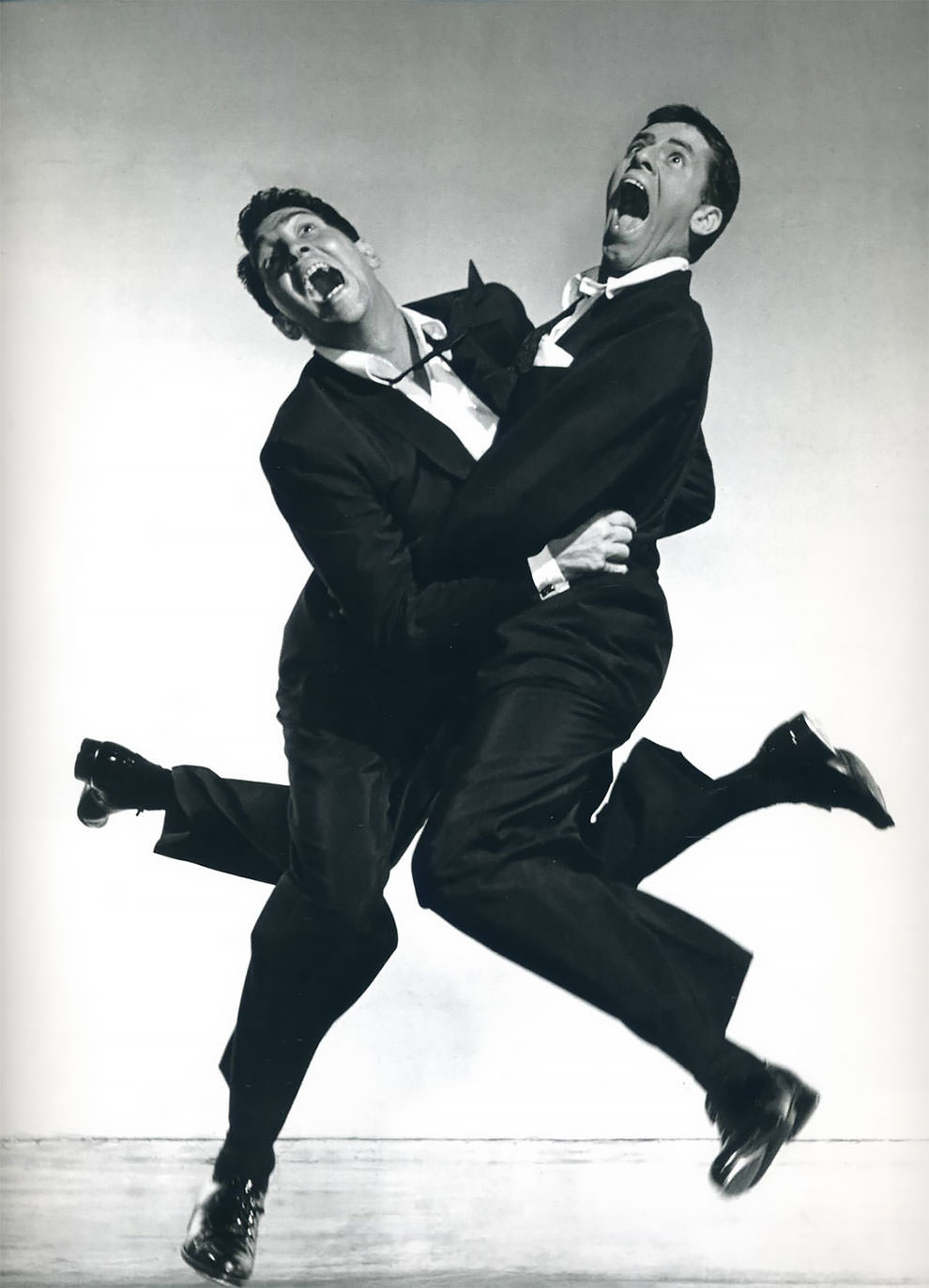
Halsman frequently photographed comedic duos and performers whose energy was difficult to contain in a single frame. In 1951, he captured Dean Martin and Jerry Lewis together, managing to hold their charisma in one shot. His studio in New York City became a regular destination for entertainers, musicians, and artists throughout the 1940s, 1950s, and 1960s.
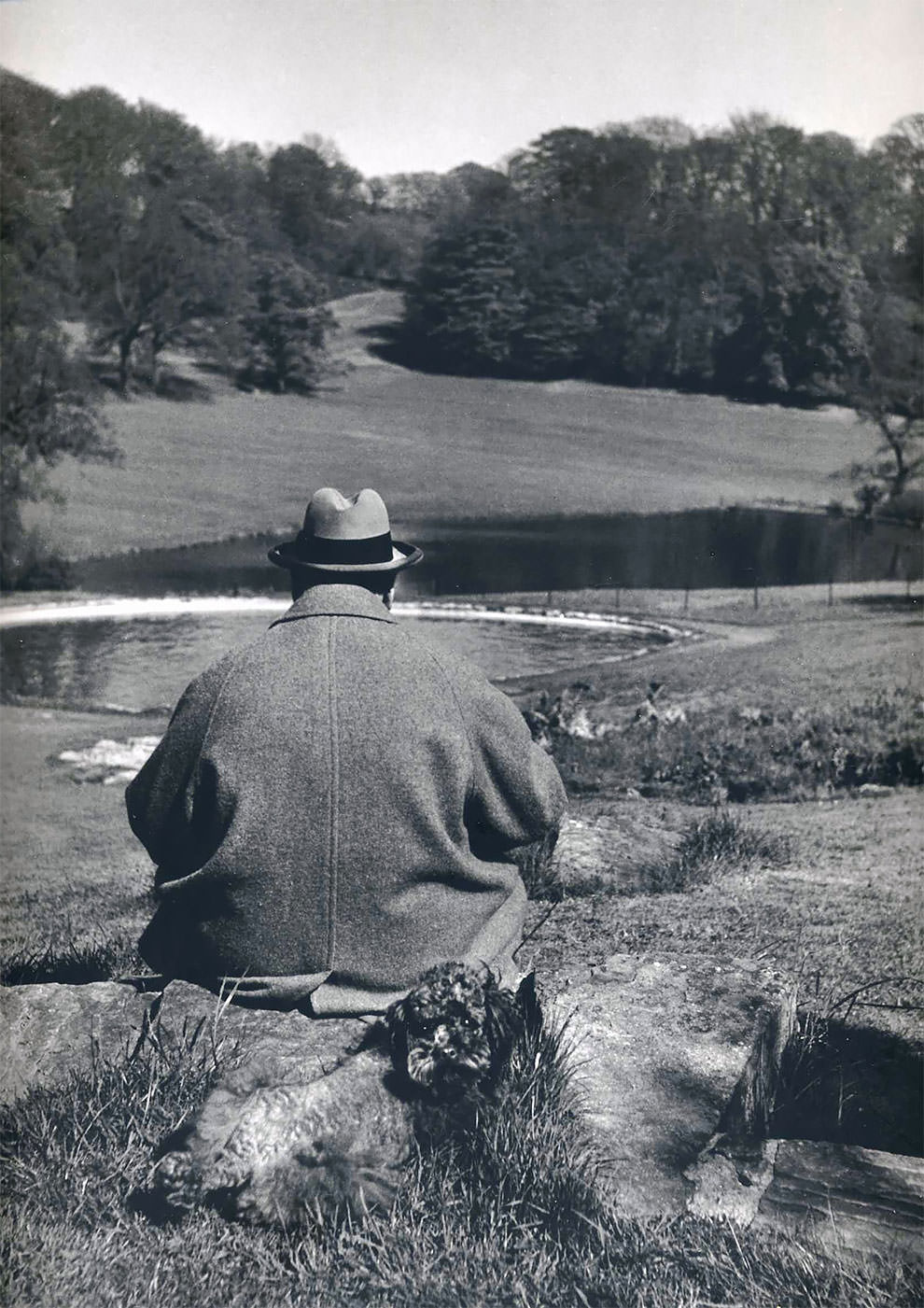
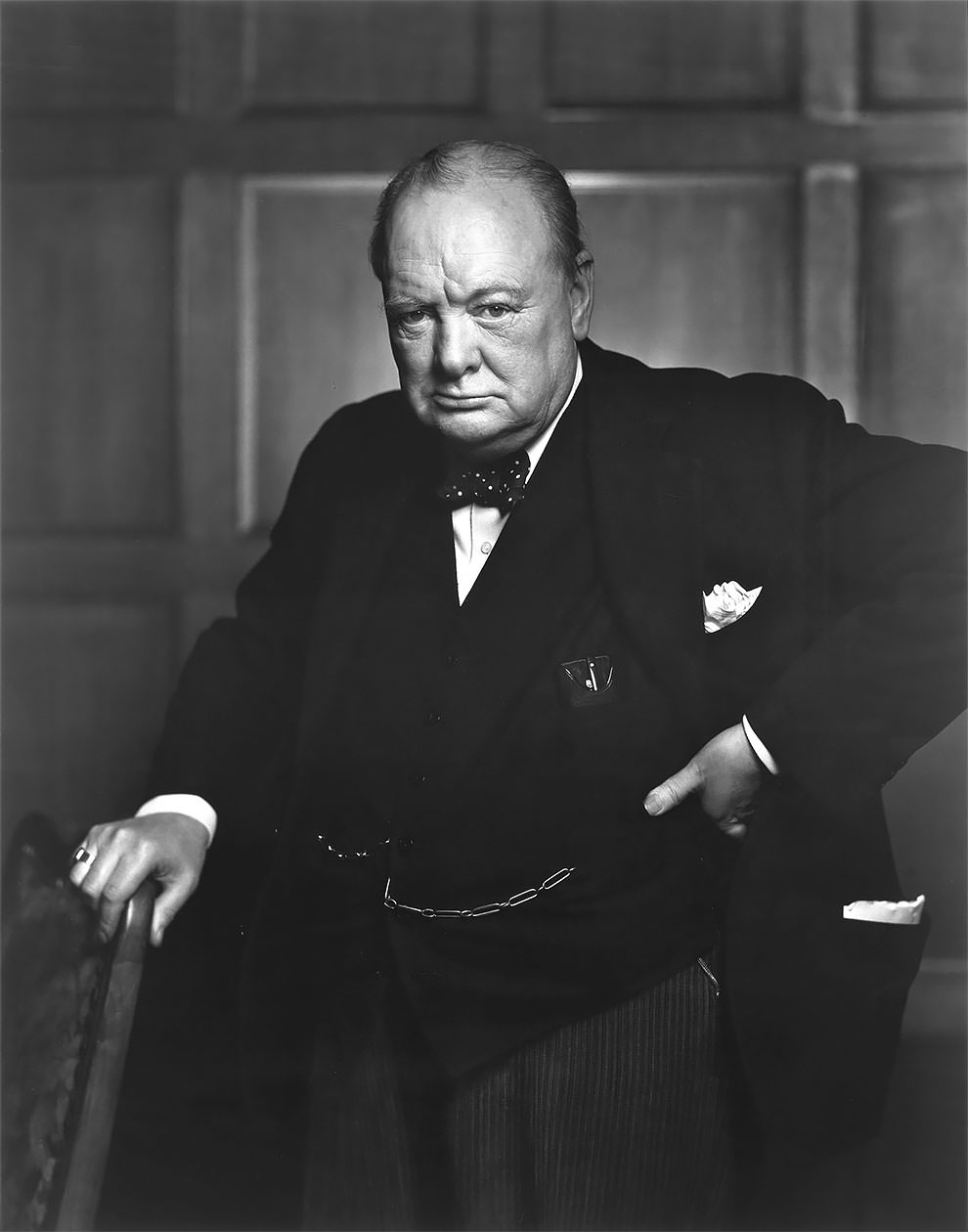
Not all of Halsman’s subjects were actors or artists. In 1951, he photographed British Prime Minister Winston Churchill at the Chartwell estate, capturing the wartime leader relaxed in his garden alongside his poodle, Rufus. It was the kind of candid, human moment that Halsman excelled at finding in even the most powerful figures of the century.
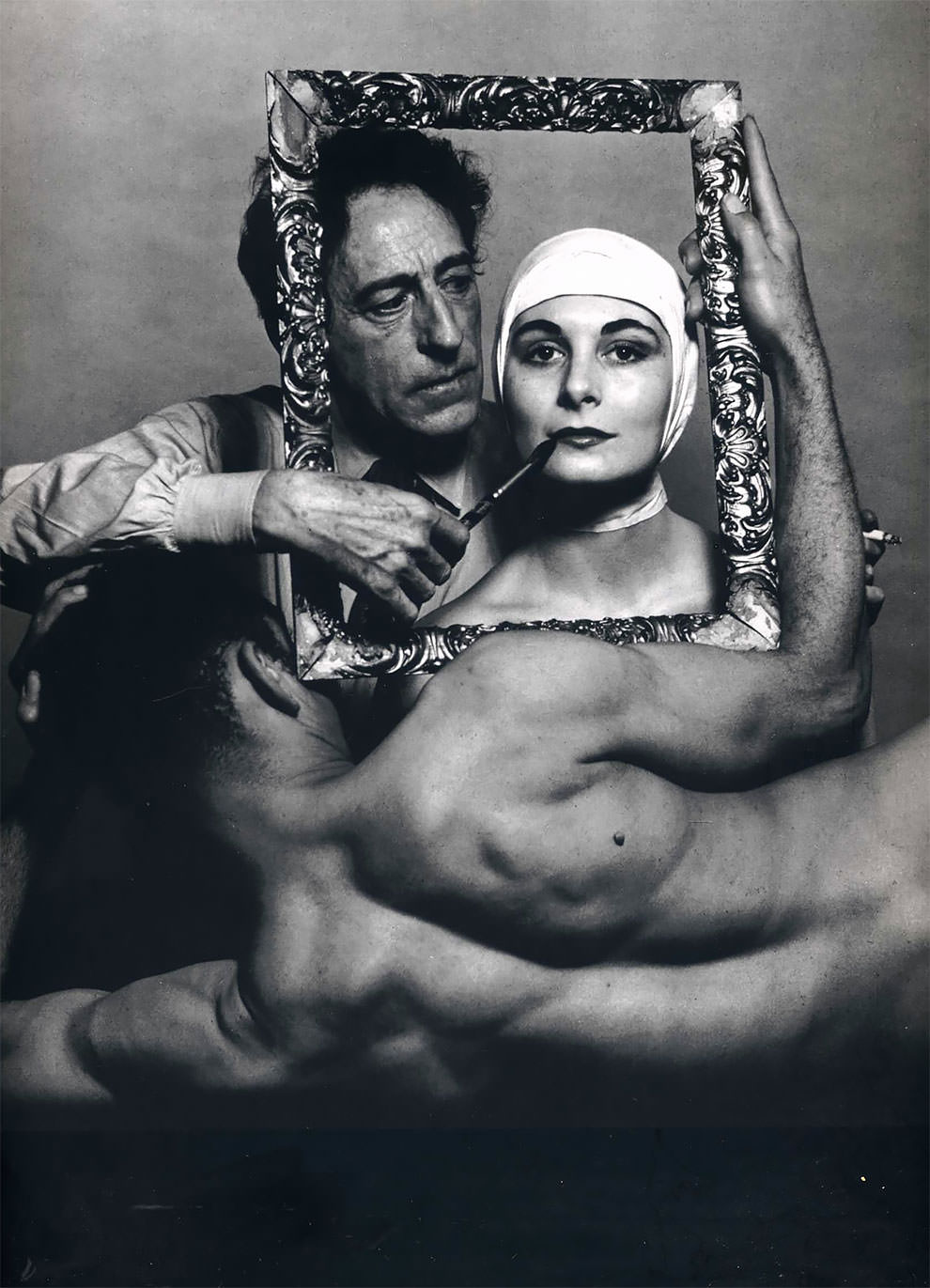
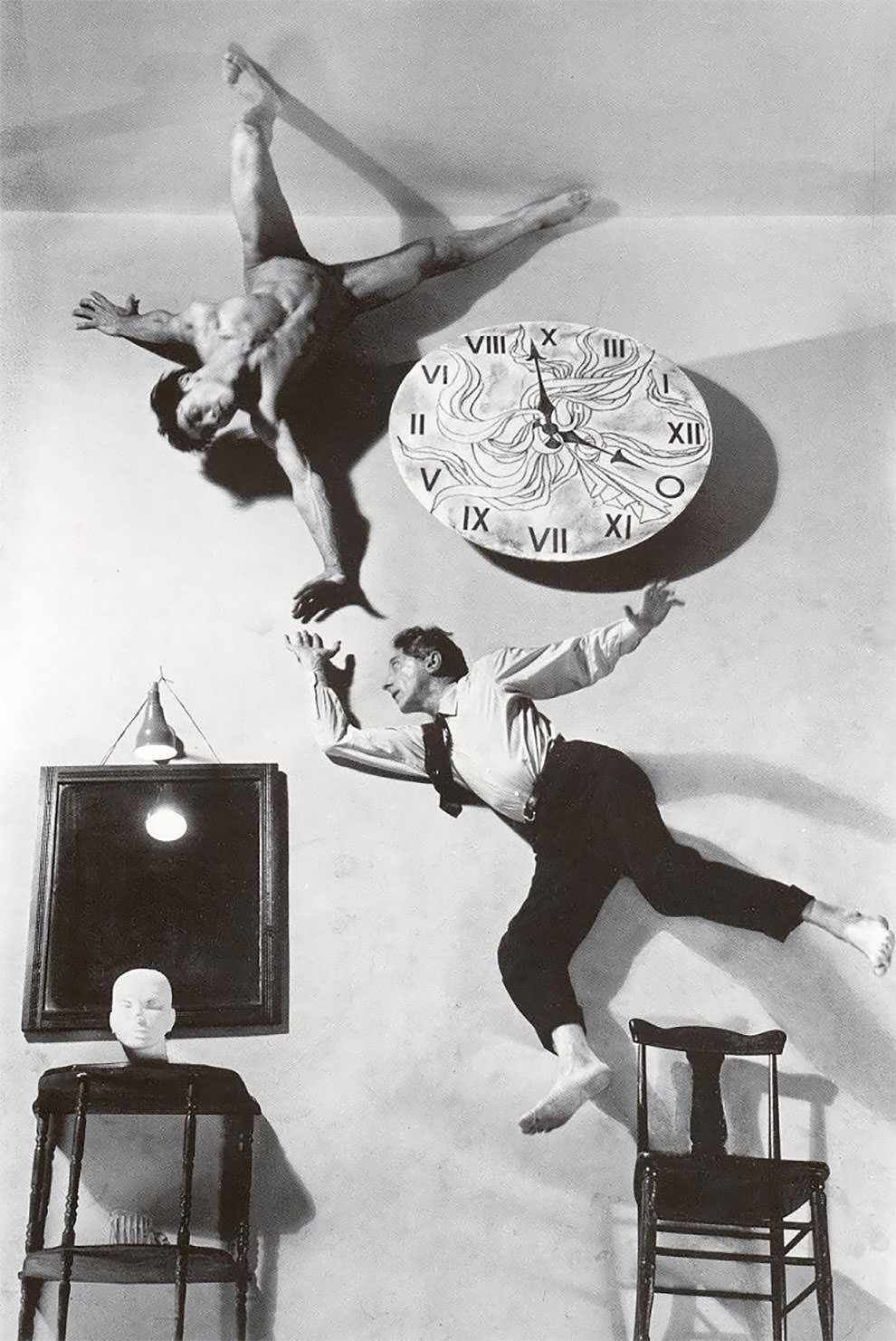
Halsman’s circle extended into the arts world as well. In 1949, he photographed French poet, artist, and filmmaker Jean Cocteau alongside actress Ricki Soma and dancer Leo Coleman in New York City. These collaborative, multi-subject portraits showed Halsman’s comfort in orchestrating complex scenes while keeping each individual’s personality visible.
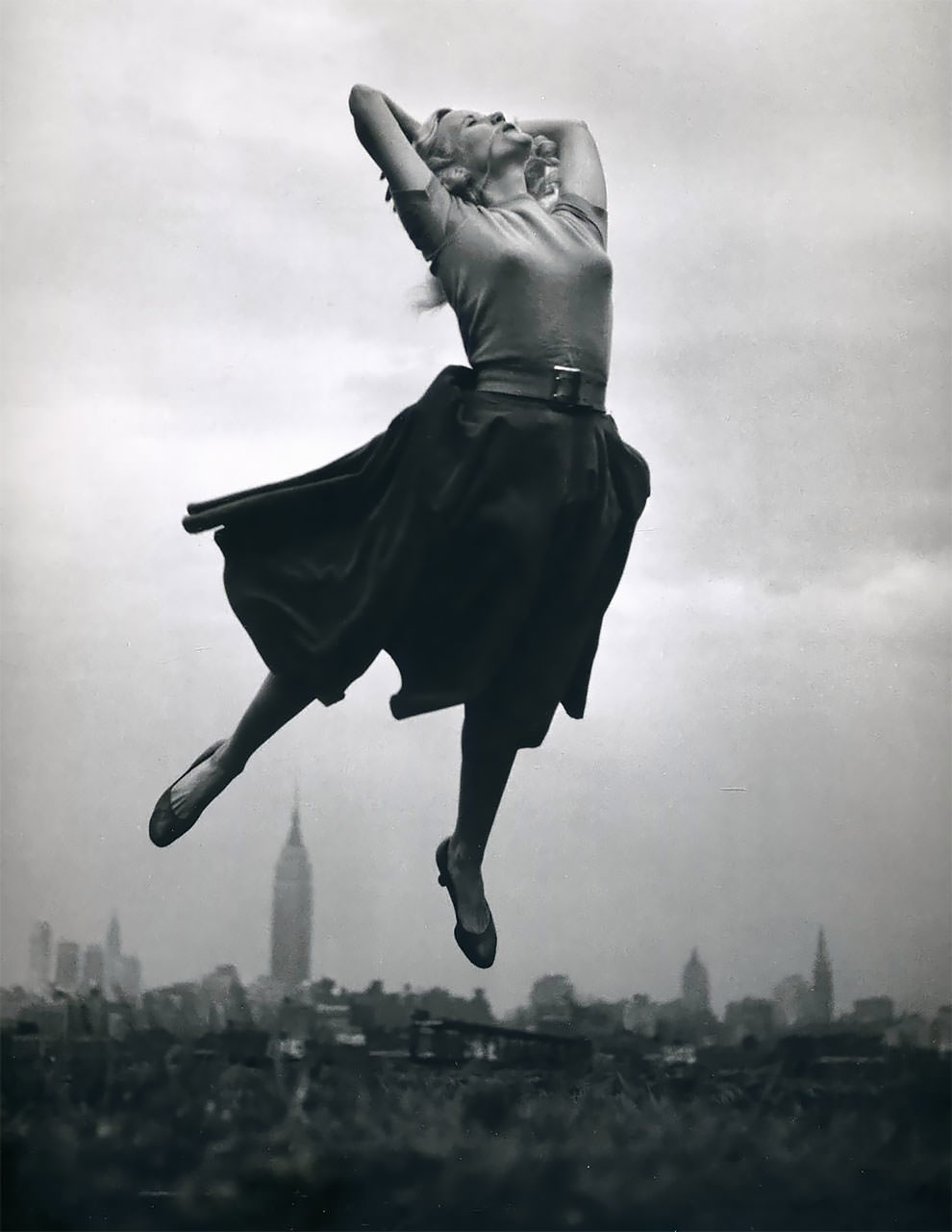
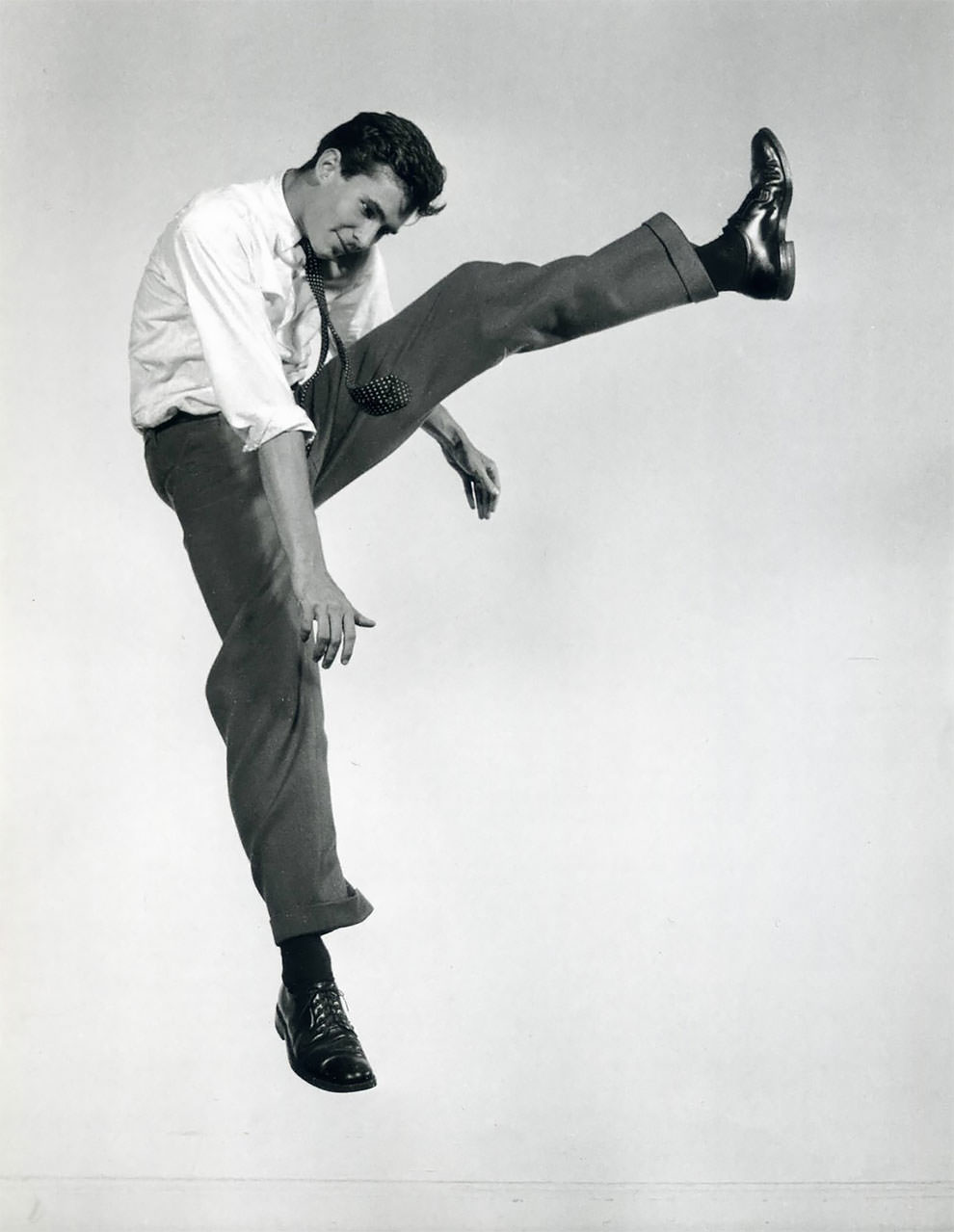
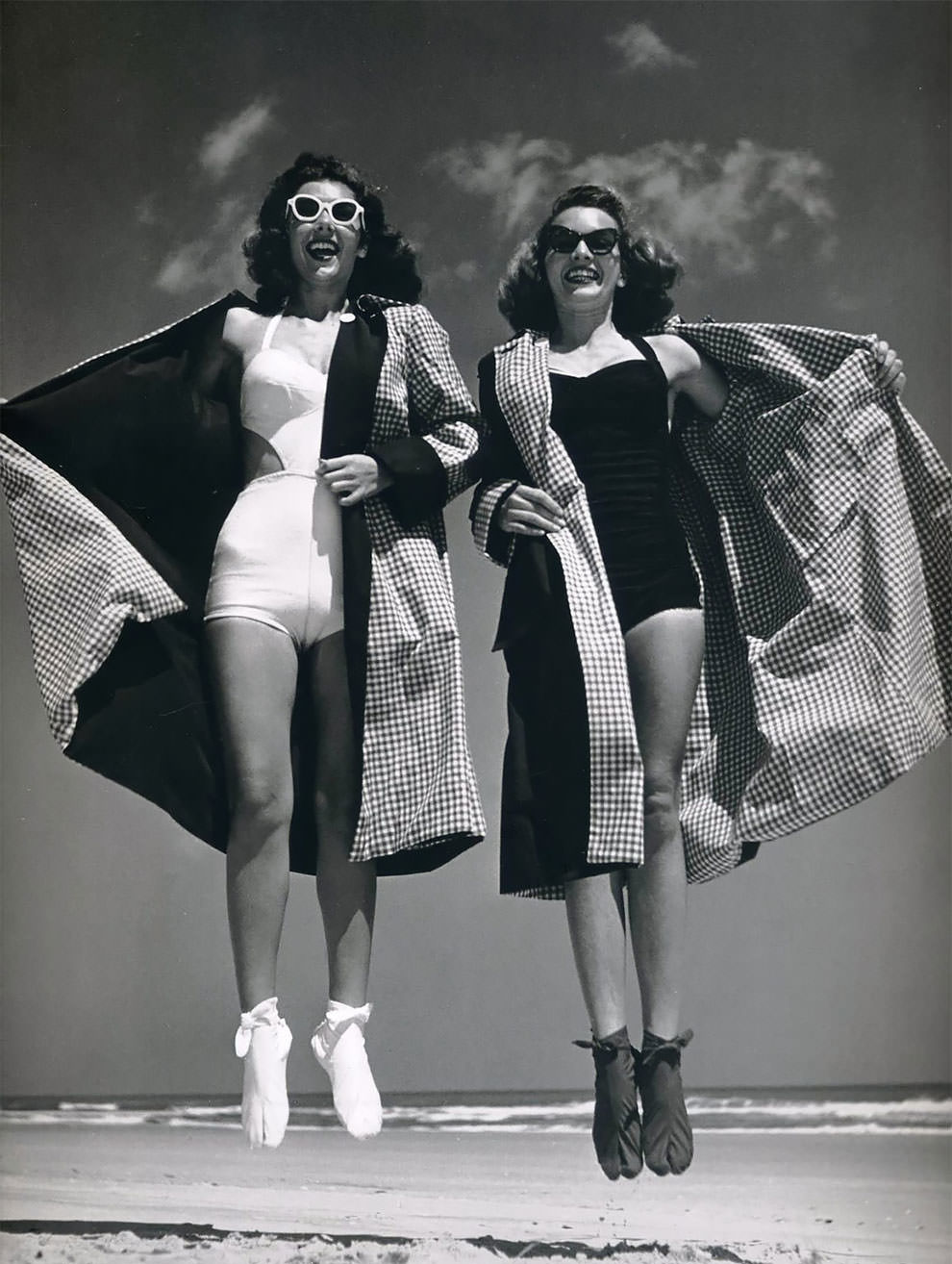
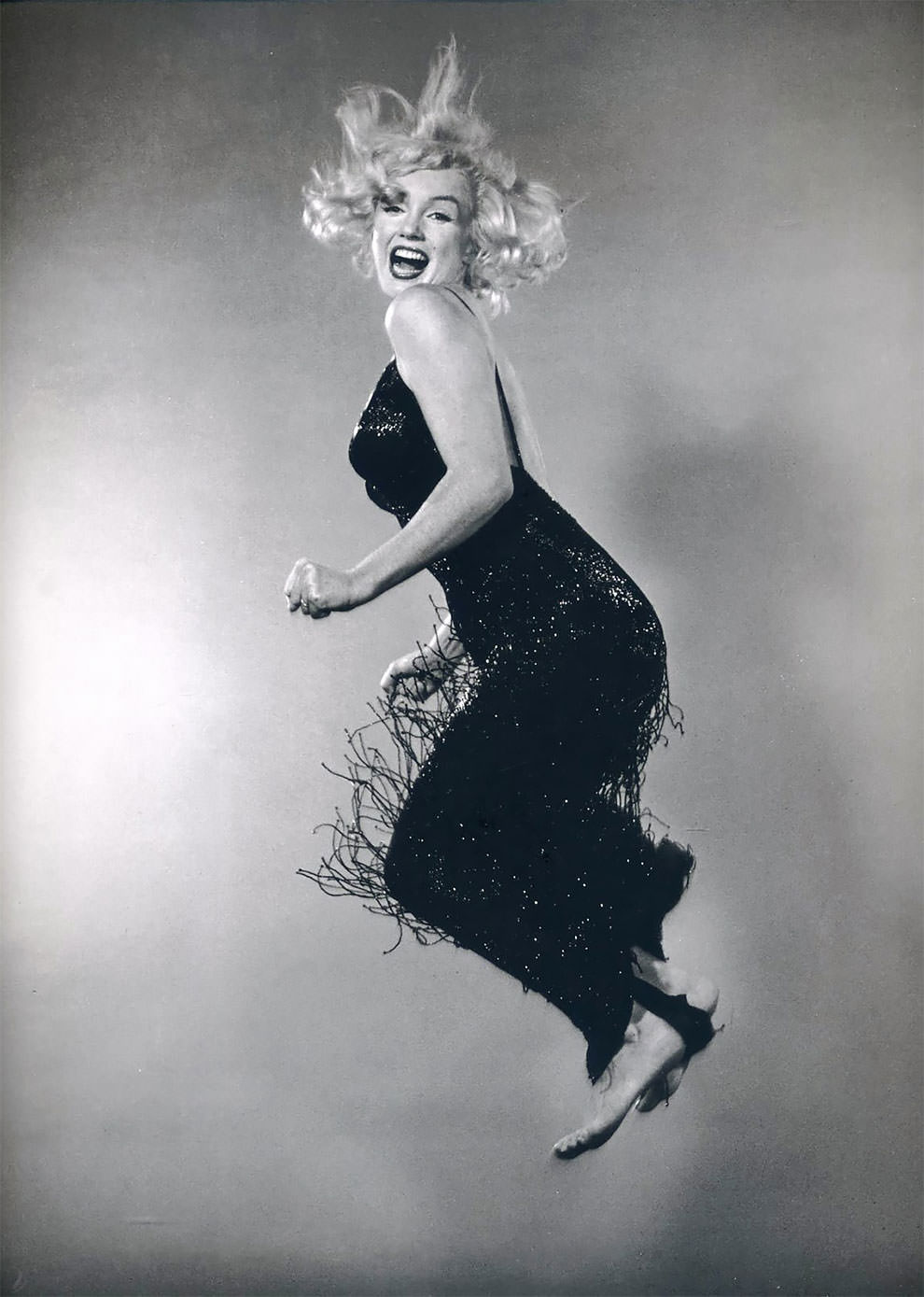
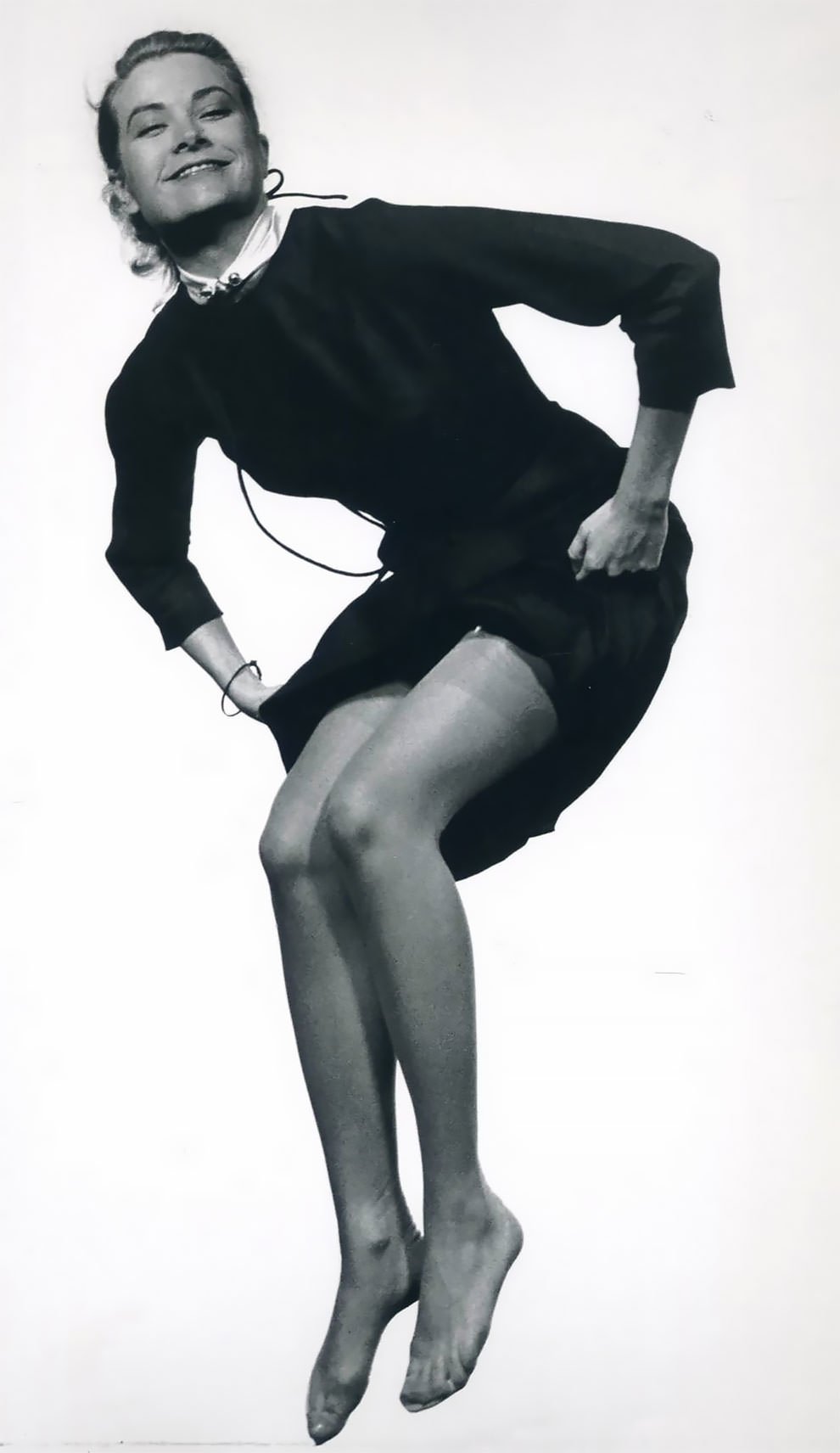
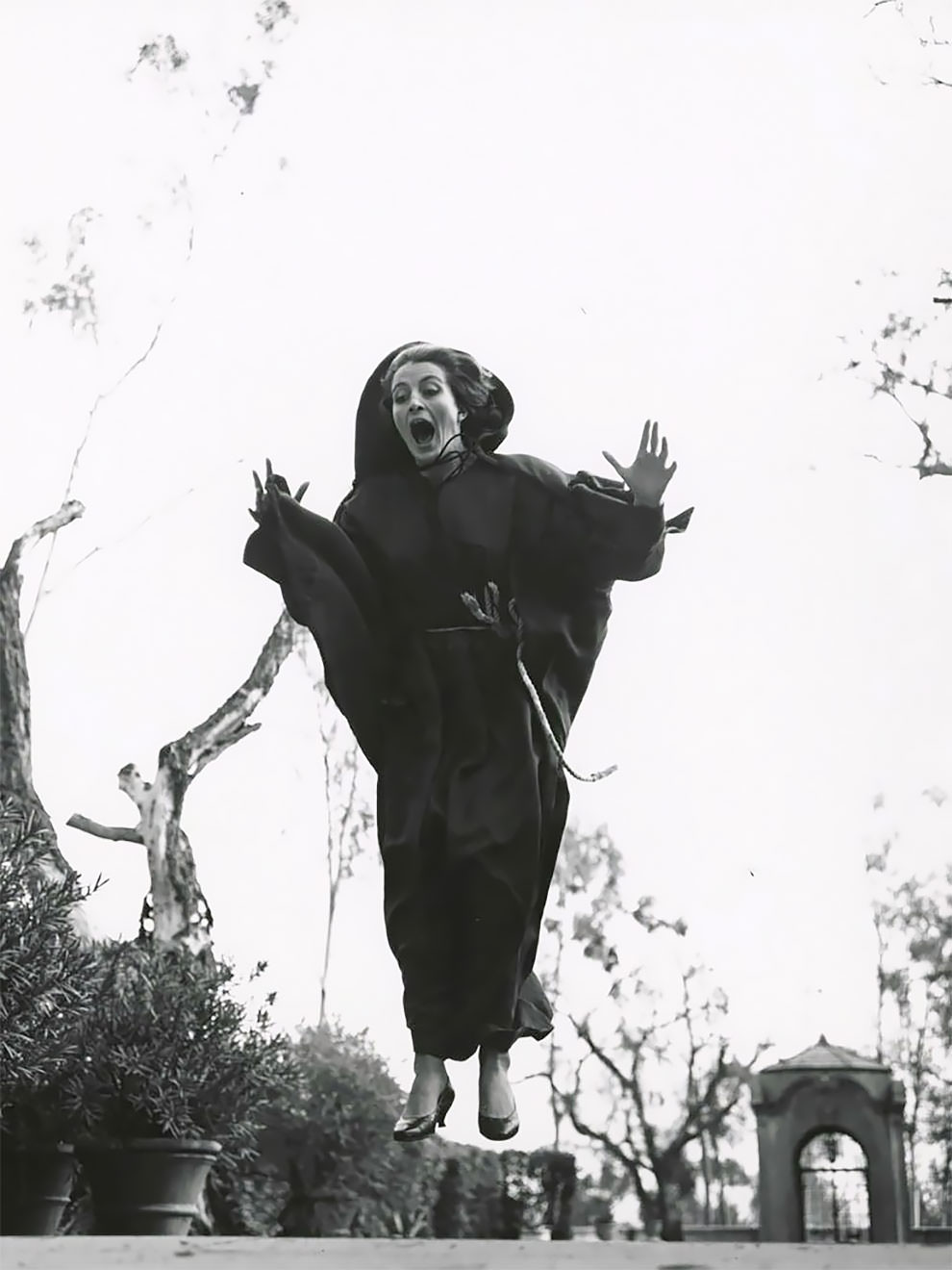
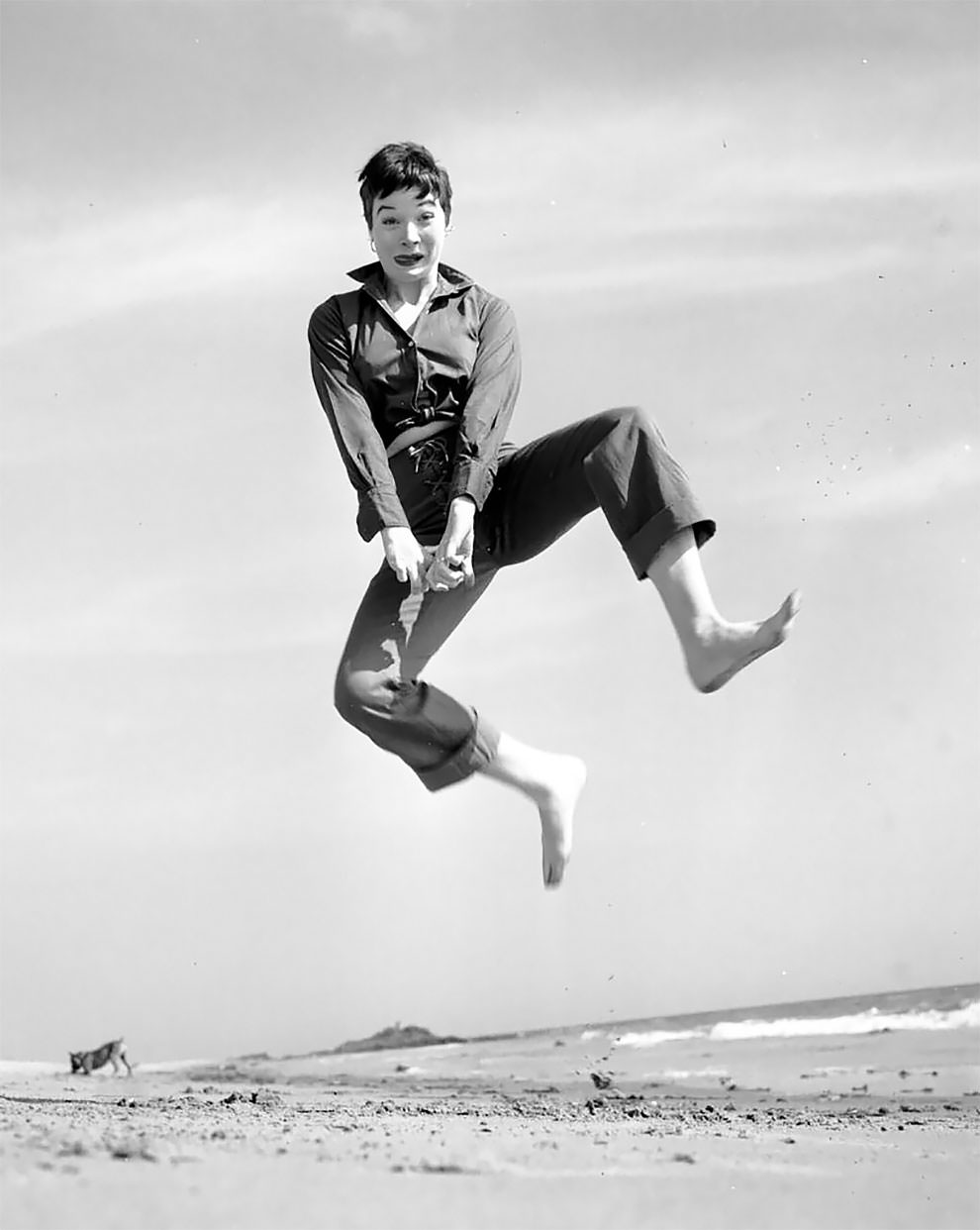
One of Halsman’s most distinctive contributions to photography was a concept he called “Jumpology.” The idea was straightforward: ask the subject to jump. In that unguarded moment of flight, Halsman believed, people dropped their posed expressions and revealed something truer about themselves. Marilyn Monroe participated in one of the most famous of these sessions in 1959.
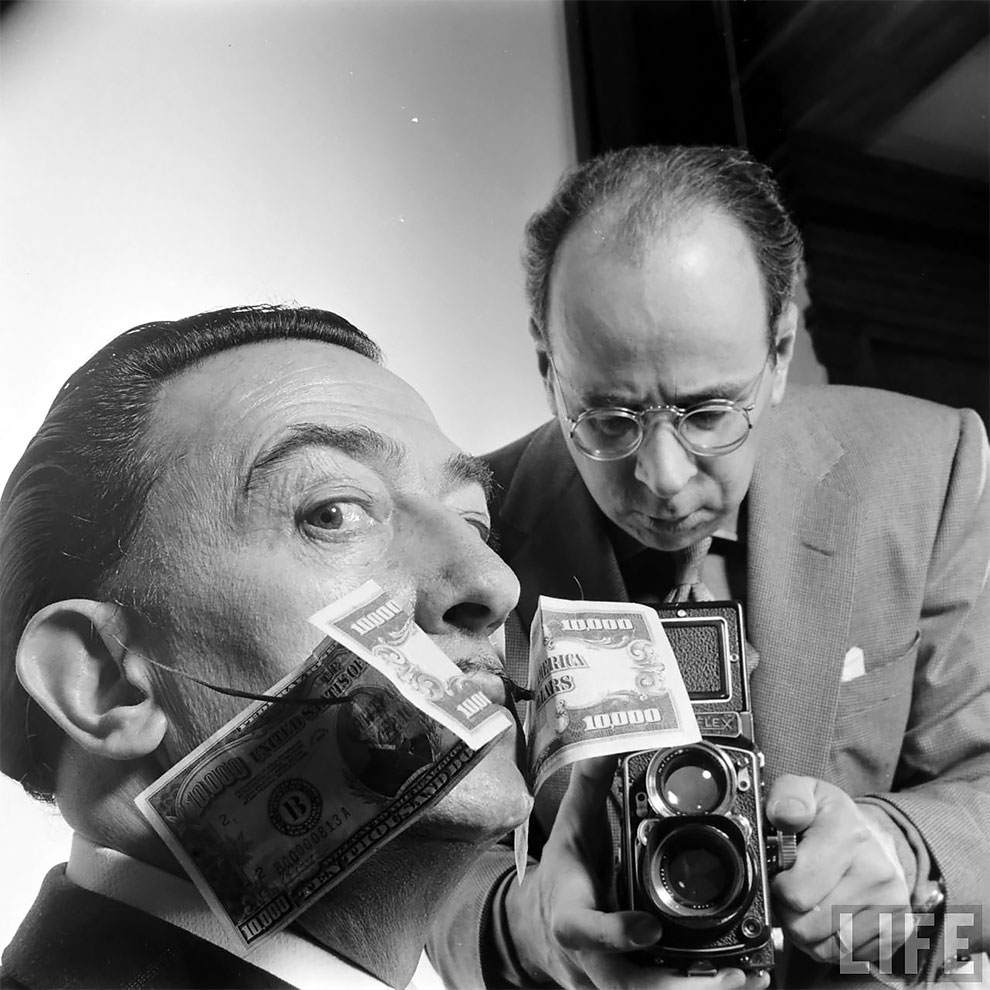
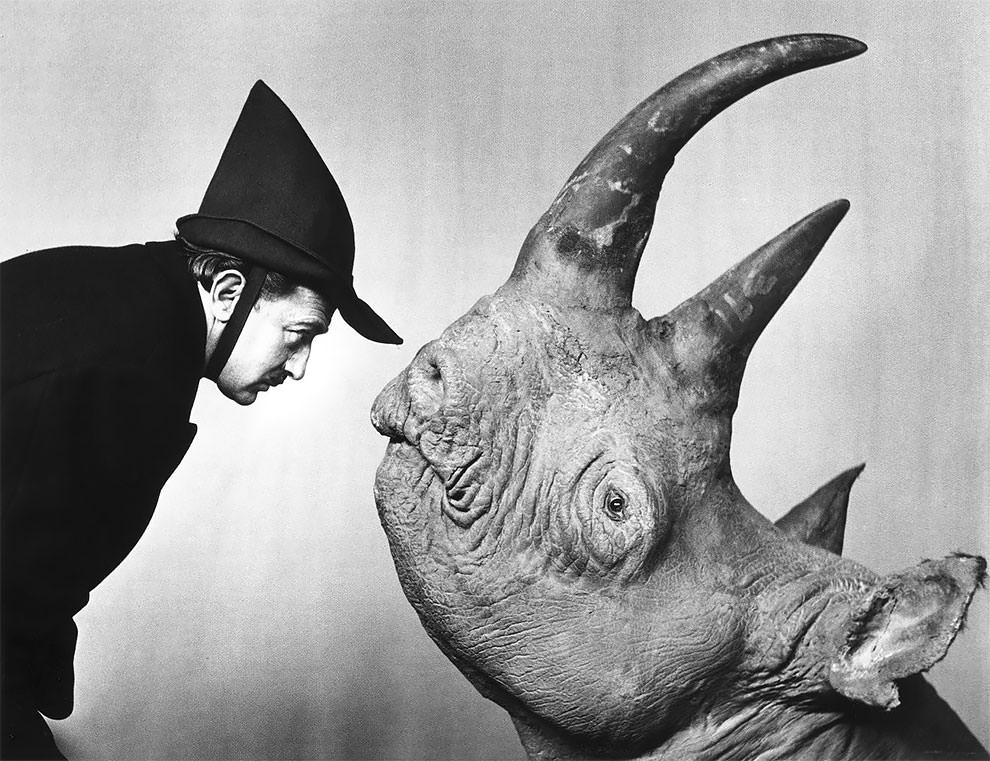
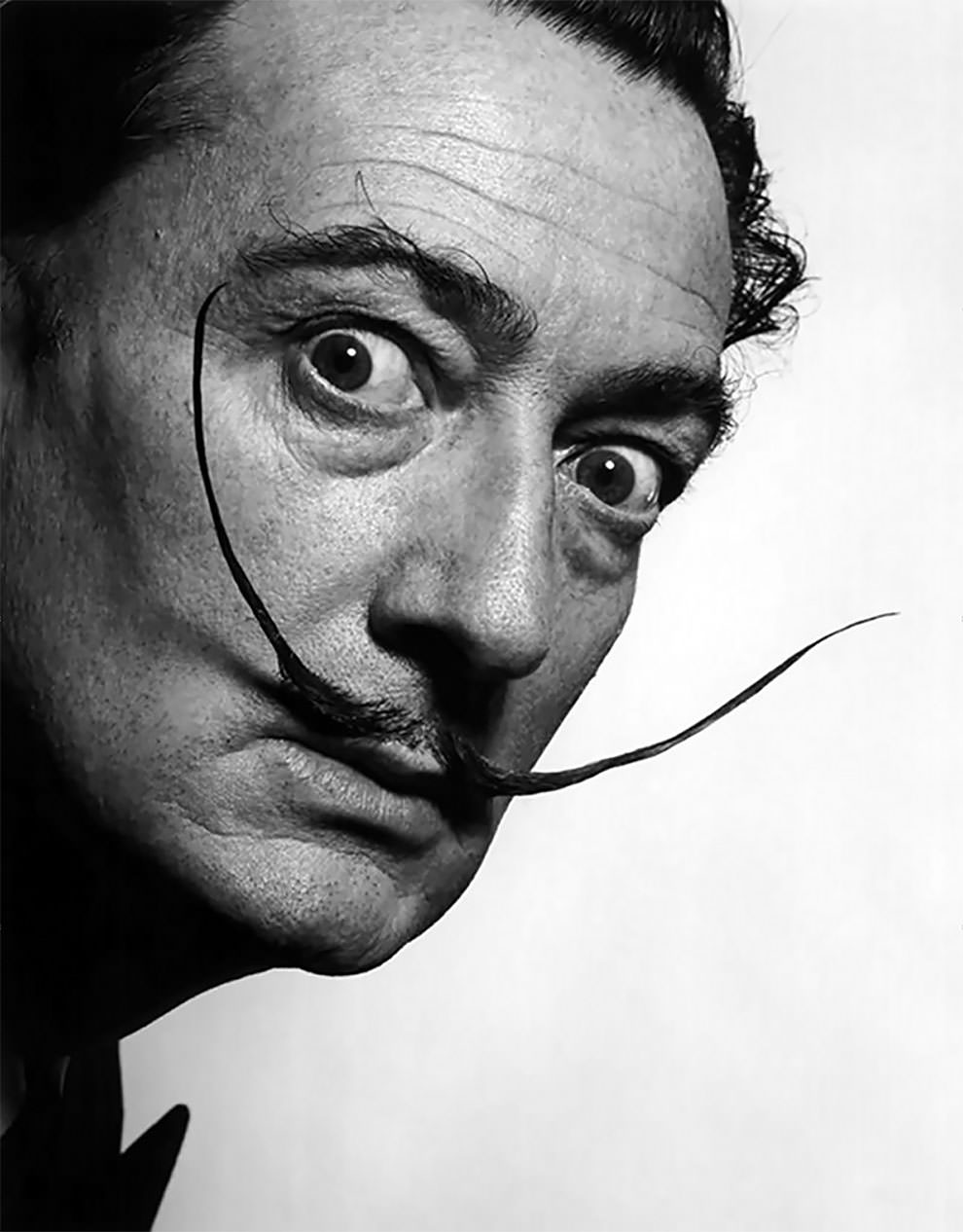
Perhaps no collaboration in Halsman’s career was as visually explosive as his long partnership with Salvador Dalí. The two men shared a surrealist sensibility, and their joint photographs pushed the limits of what a portrait could be. Halsman looked at Dalí not just as a subject but as a creative partner, and in 1954 he documented that relationship directly.
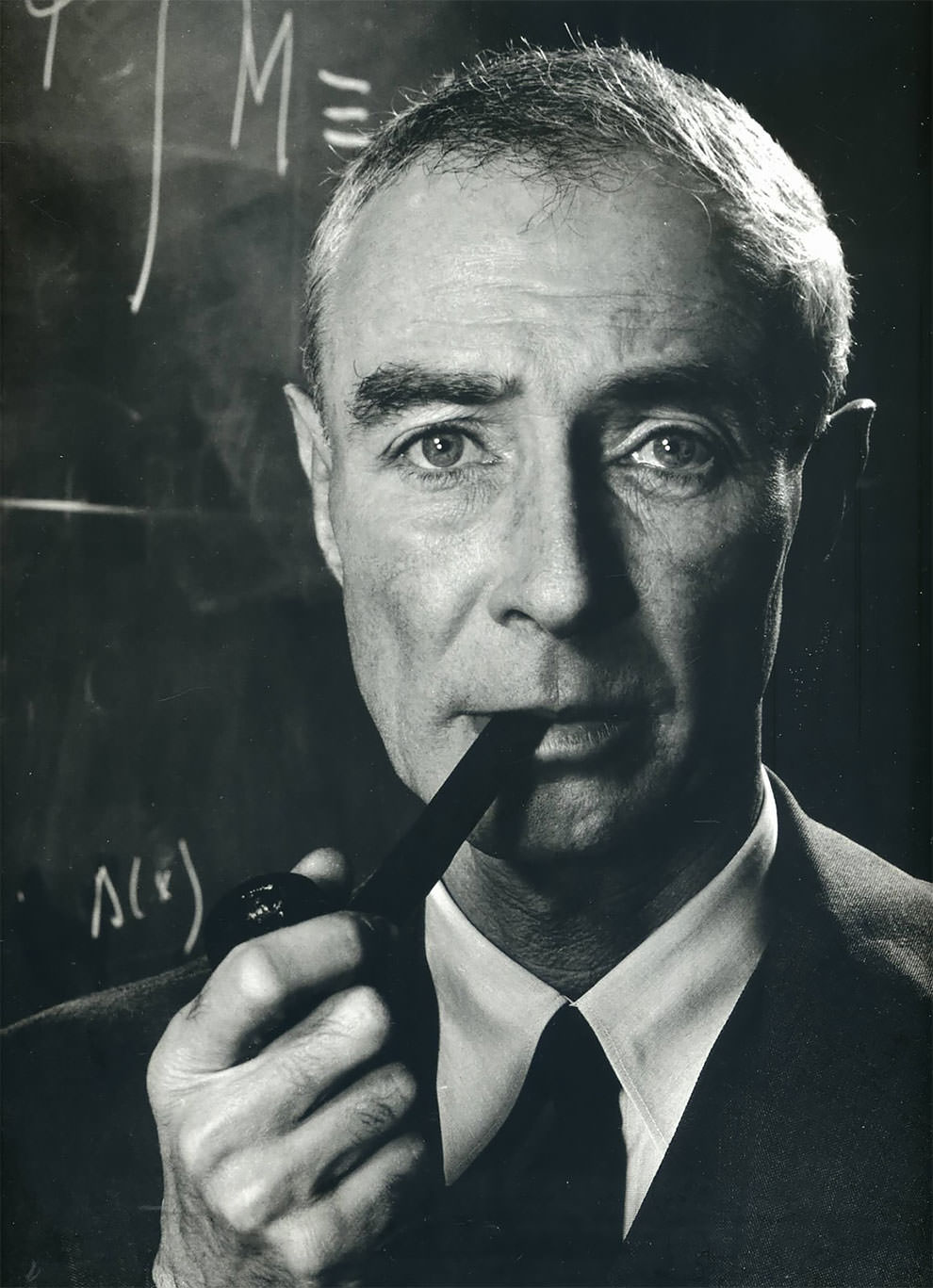
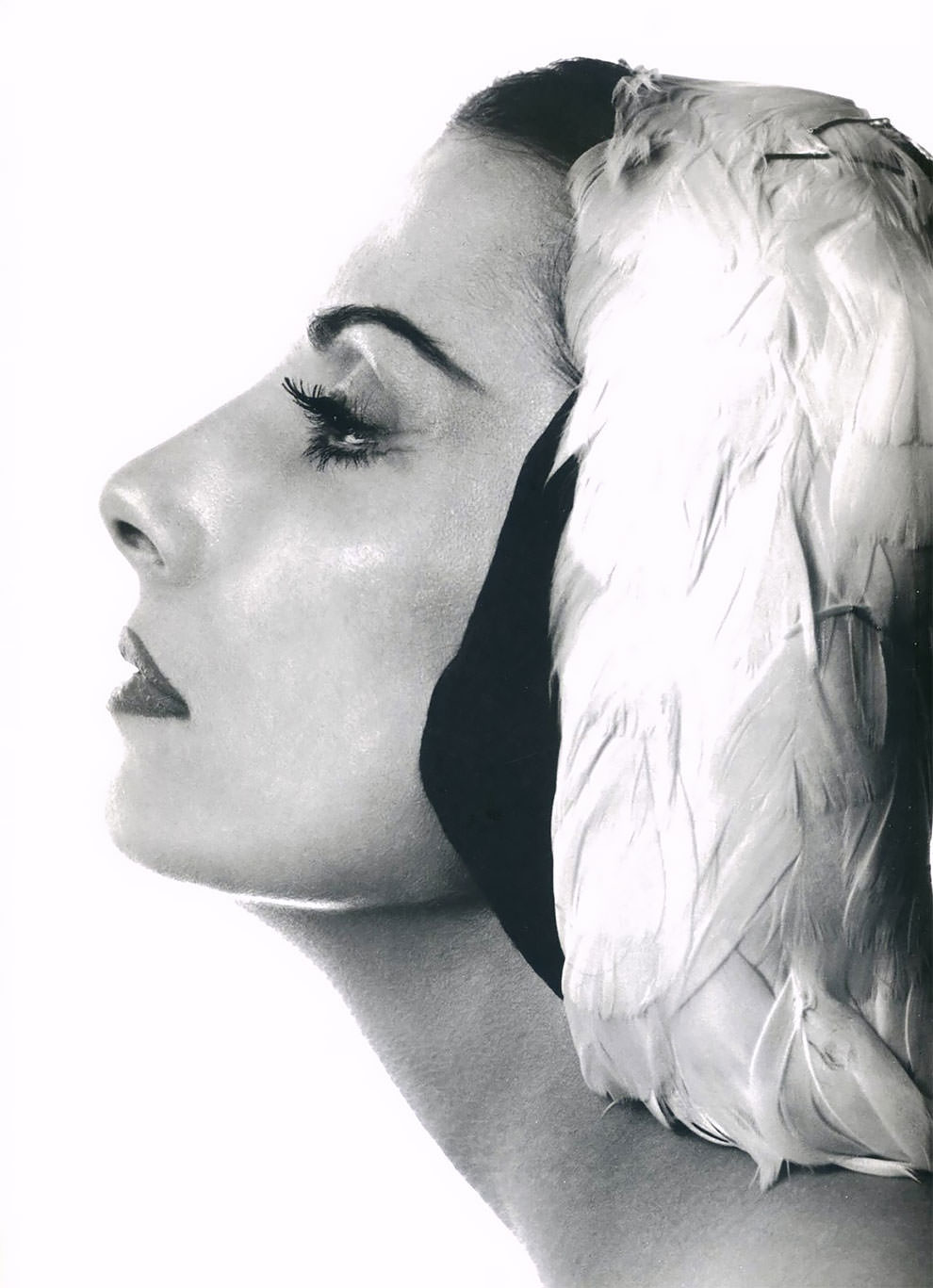
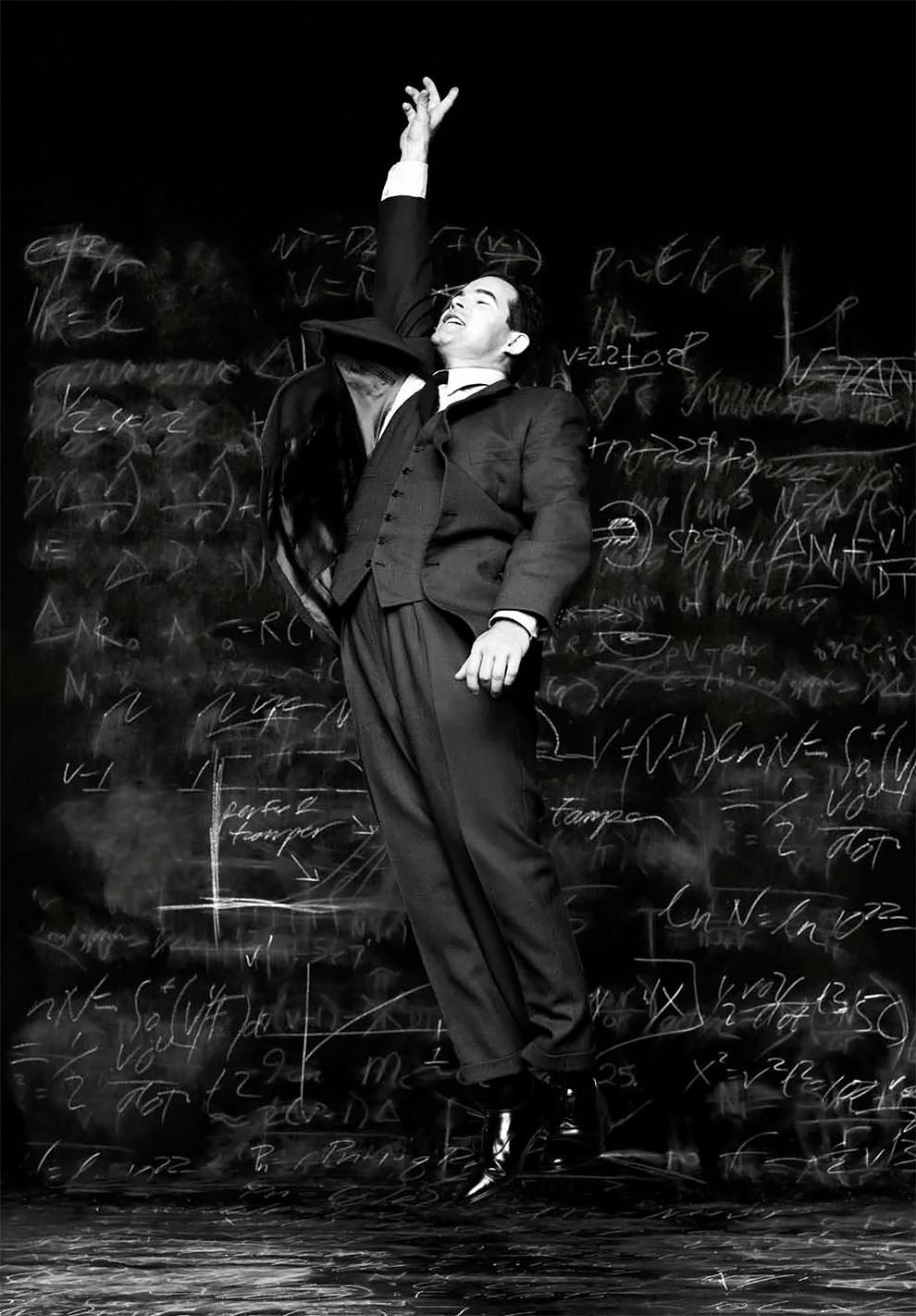
Scientists were as welcome in Halsman’s studio as movie stars. He photographed J. Robert Oppenheimer in 1958, a decade after the physicist had directed the Manhattan Project. Halsman also turned his lens on cultural figures from the world of dance, including Russian ballerina Tamara Toumanova in 1956.
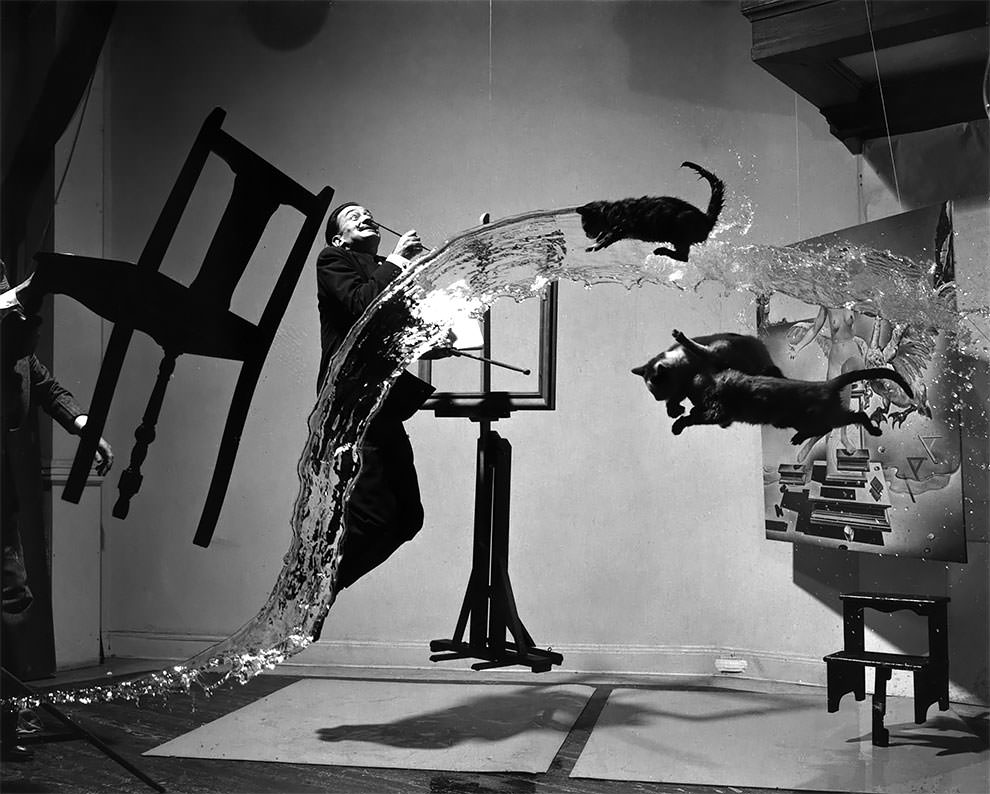
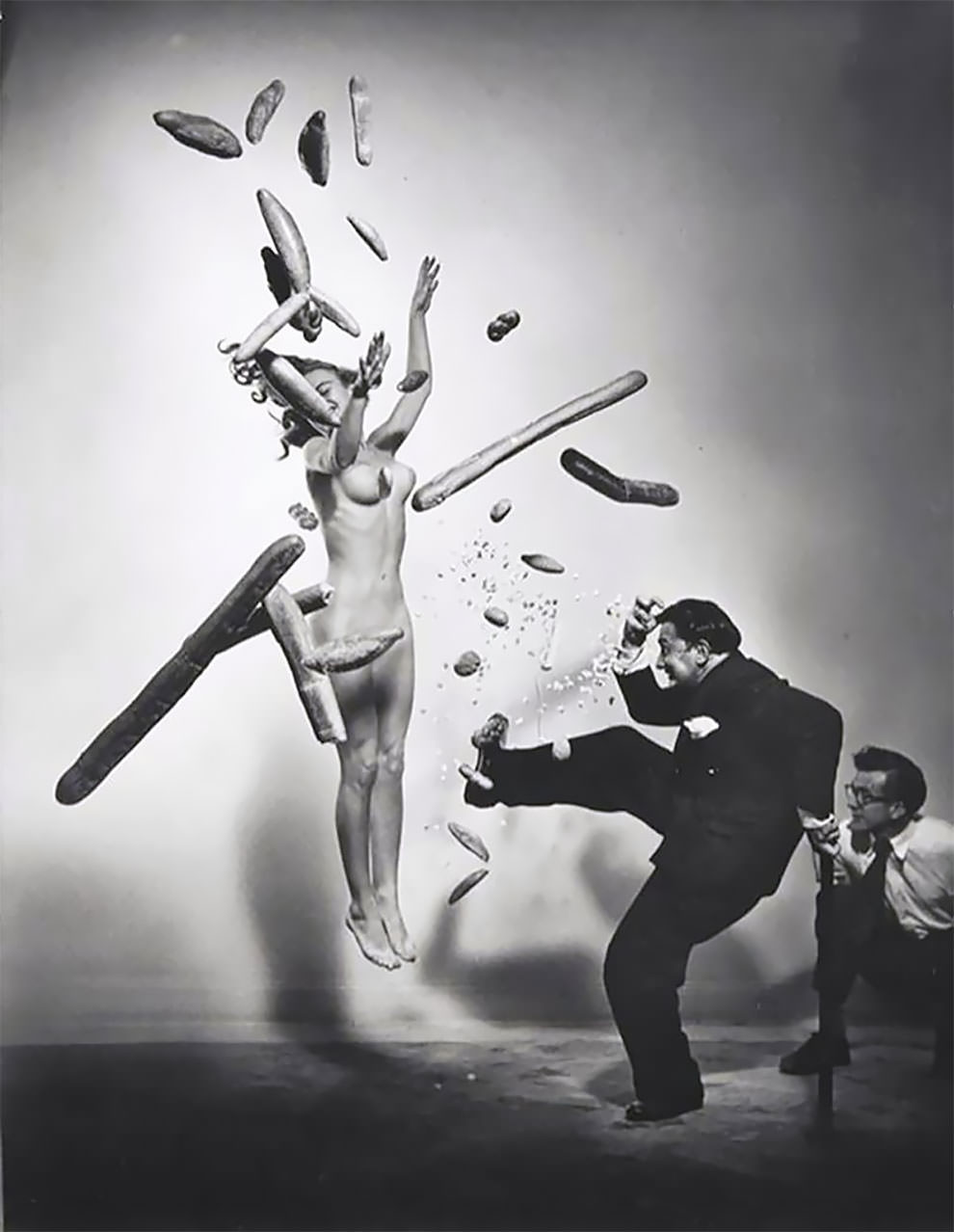
The Halsman-Dalí photographs remain among the most ambitious portraits ever made. “Dalí Atomicus,” shot in 1948, required dozens of takes and involved cats, water, and a flying easel all suspended mid-air simultaneously. The image was taken before the era of digital editing — every element in the frame was physically thrown into the air at the same moment the shutter fired.
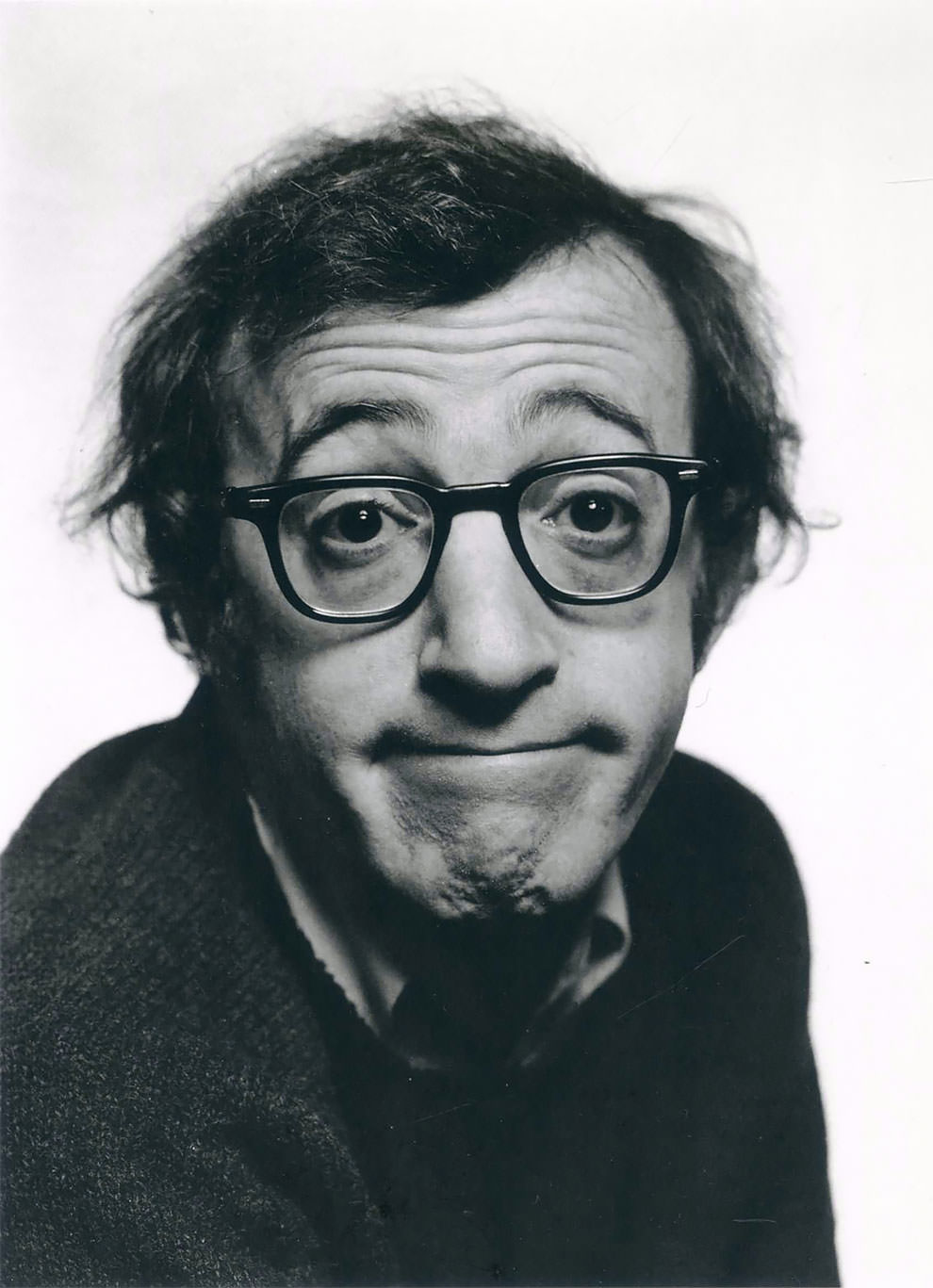
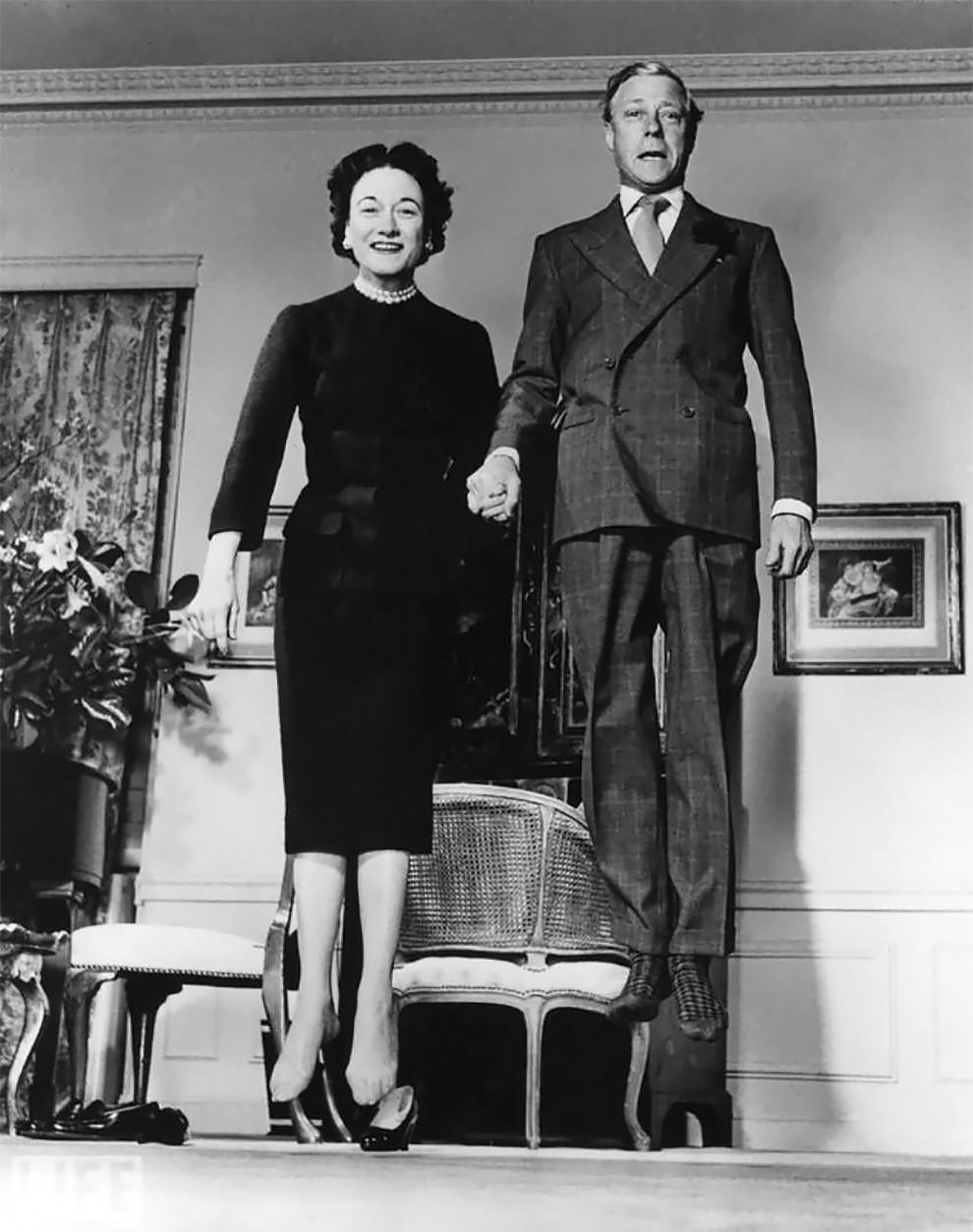
Halsman photographed Woody Allen in 1969, capturing the comedian and filmmaker early in his rise to cultural prominence. That same Jumpology series also included surprising subjects — the Duke and Duchess of Windsor, Prince Edward (the former King Edward VIII) and Wallis Simpson, were photographed jumping in 1958, an image that stripped away all royal formality.
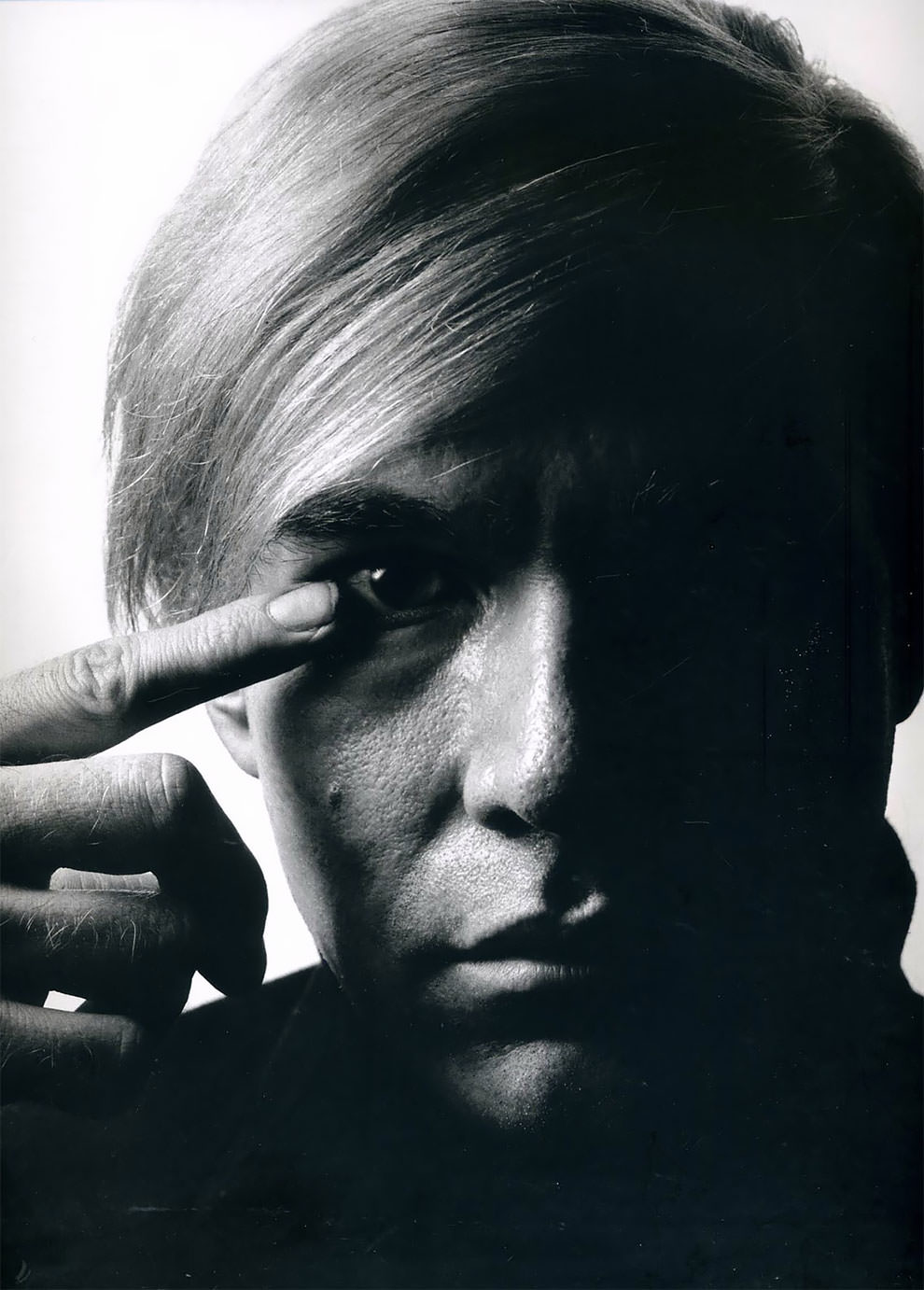
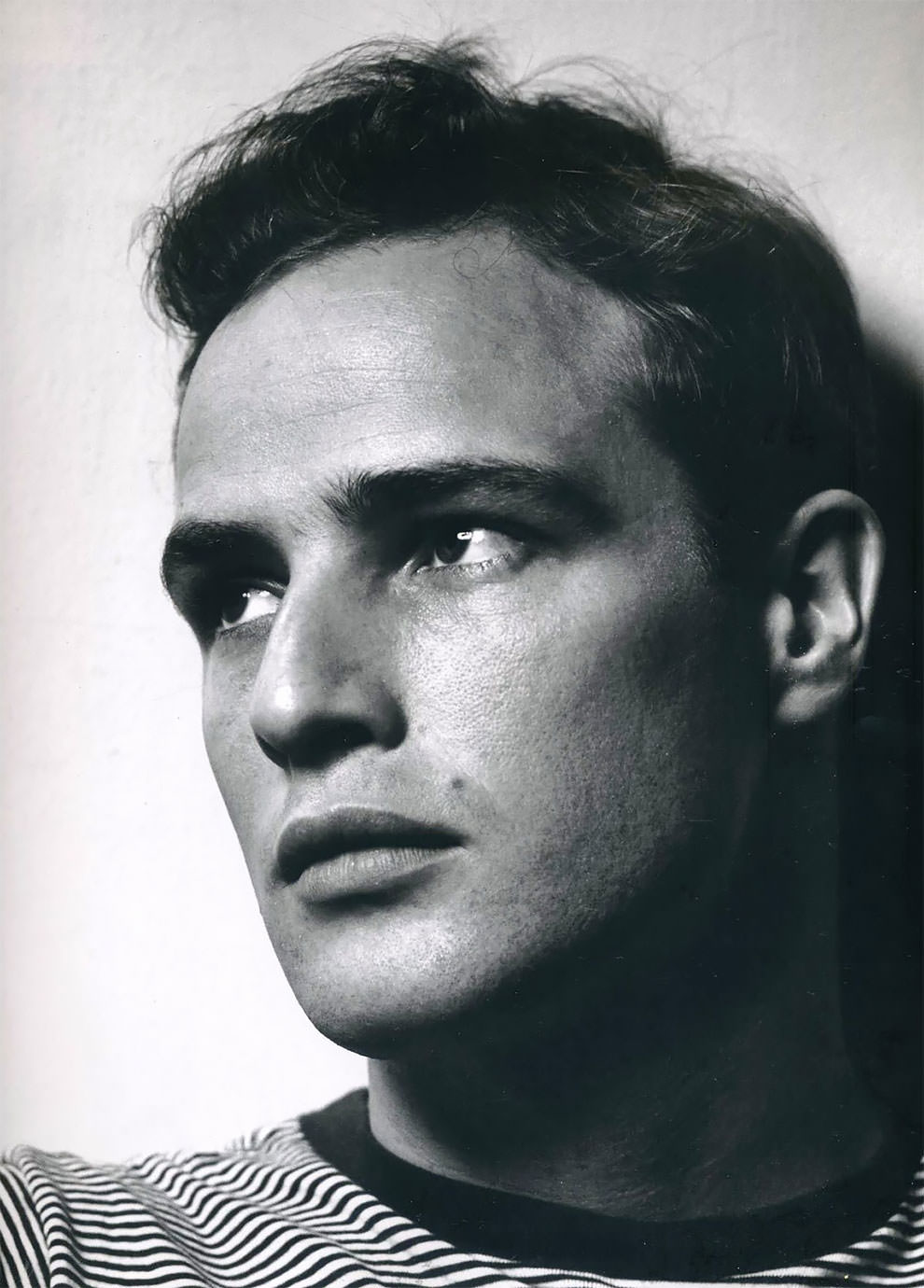
Andy Warhol sat for Halsman in 1968, and Marlon Brando was photographed in Halsman’s New York studio in 1950. Both sessions produced images that captured their subjects at critical moments in their careers — Brando just before his meteoric rise and Warhol at the height of his pop art fame.
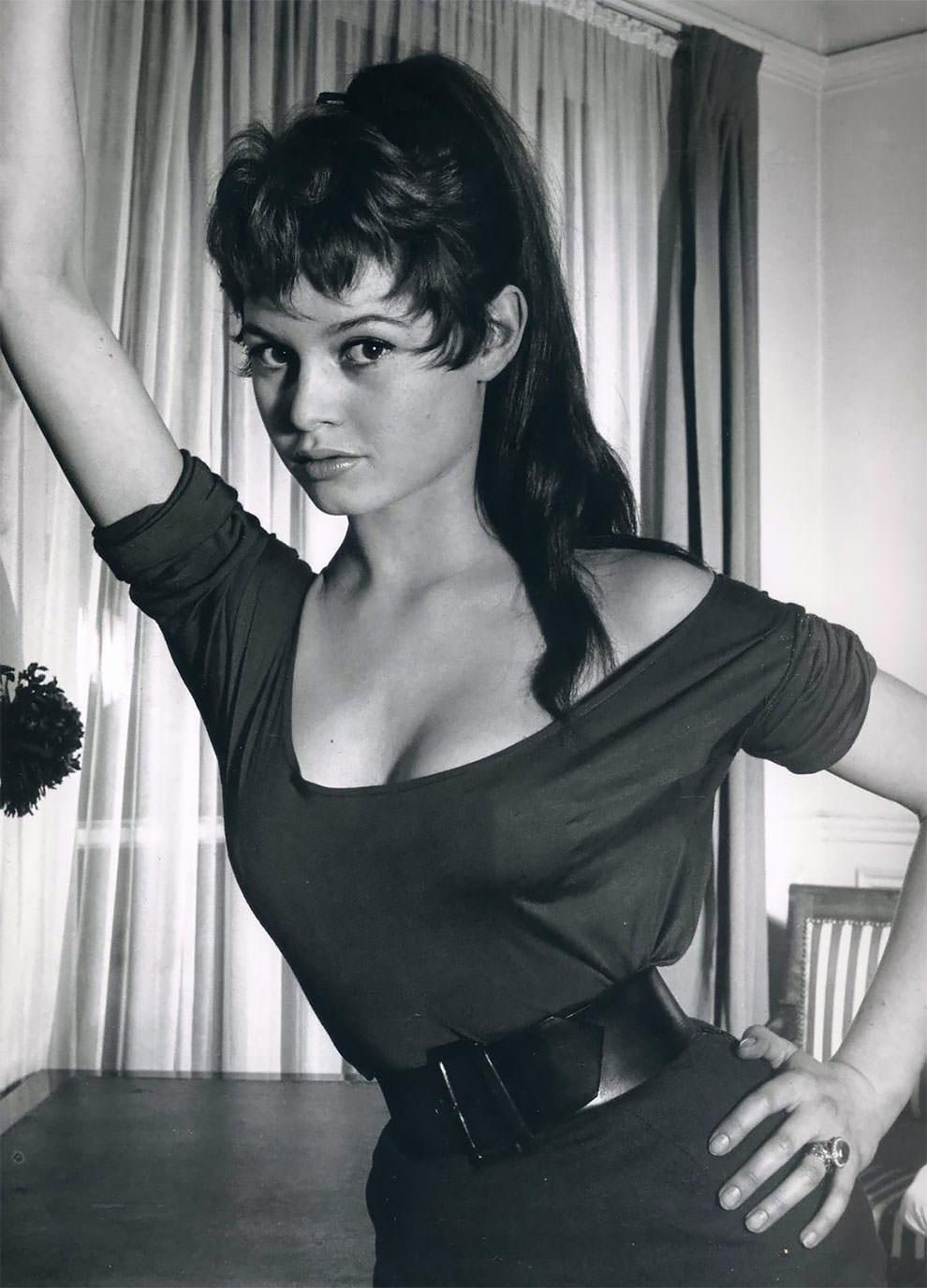
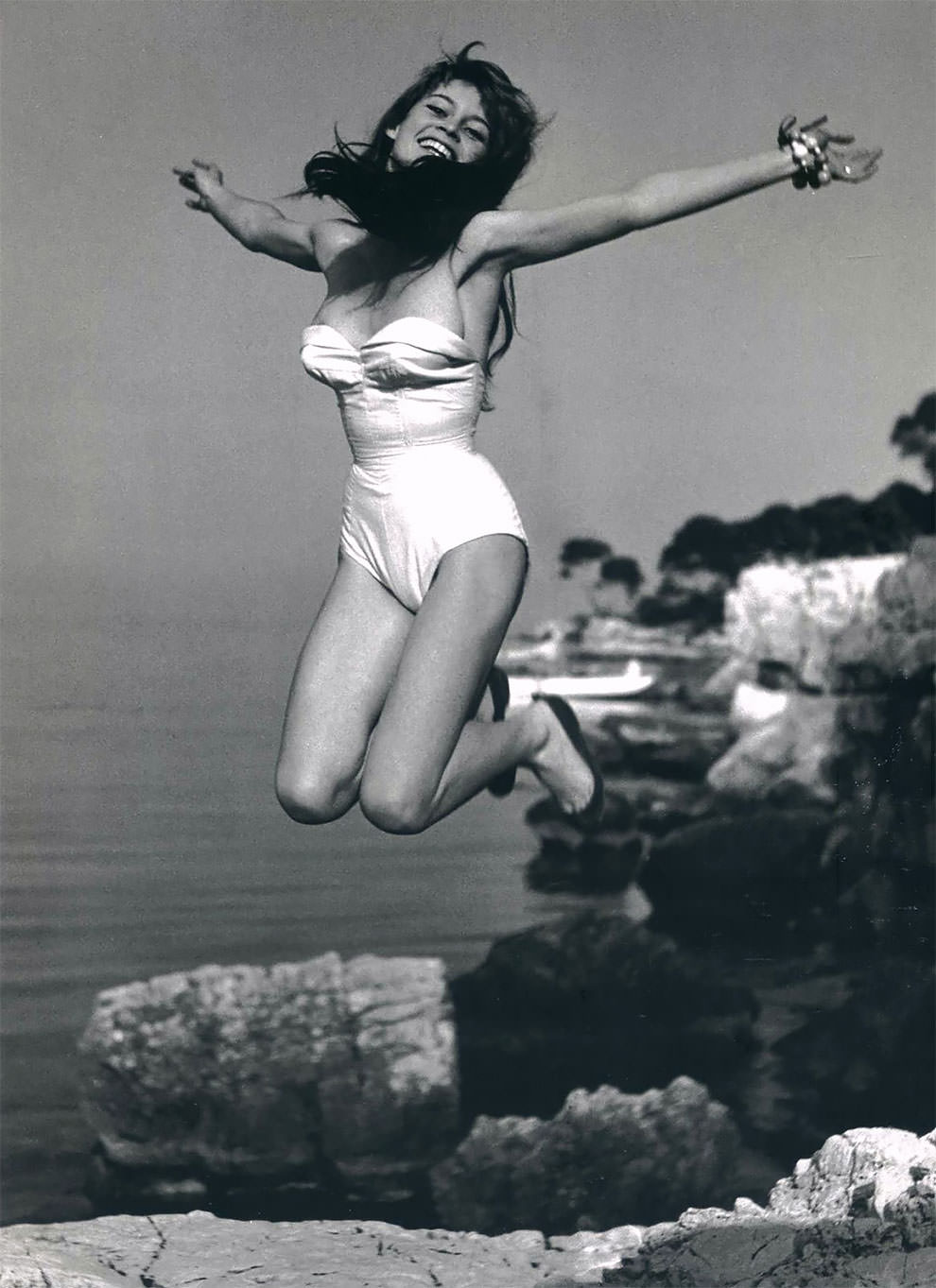
In 1951, Halsman photographed a seventeen-year-old Brigitte Bardot in her Paris flat. It was a quietly intimate portrait, made years before she became an international star. By 1955, he photographed her again — this time jumping in front of her villa, “La Madrague,” in France, fully embracing the Jumpology concept.
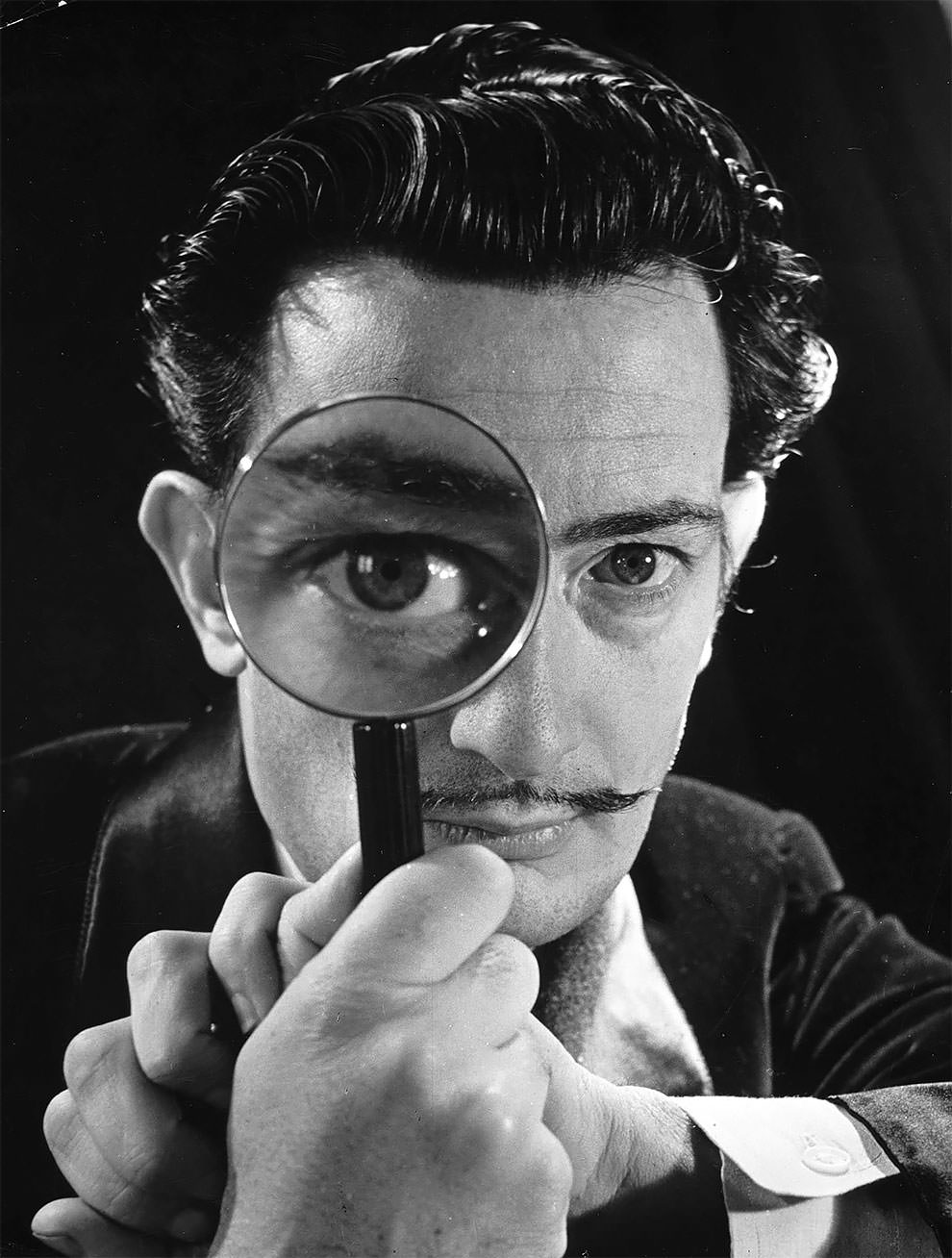
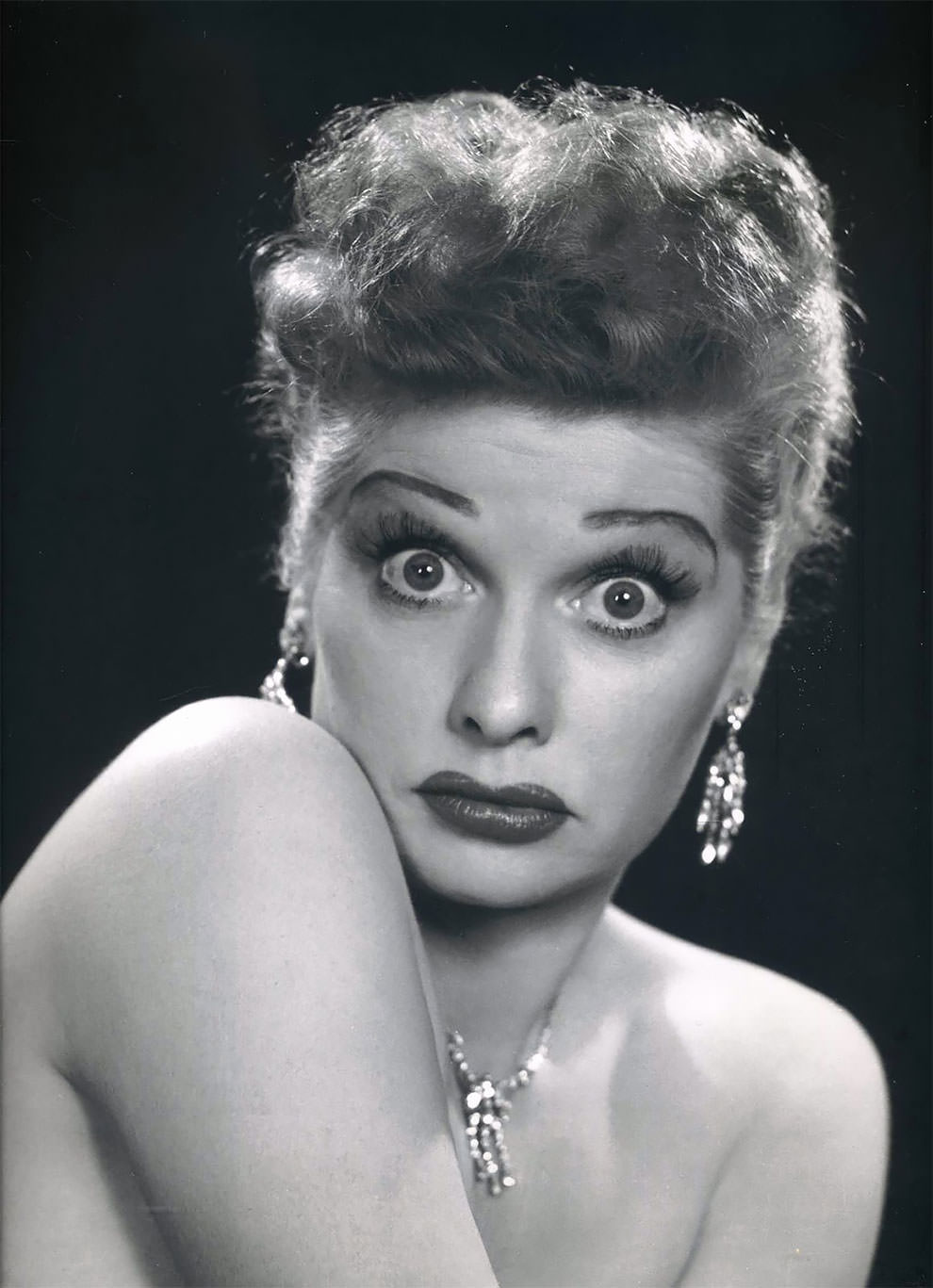
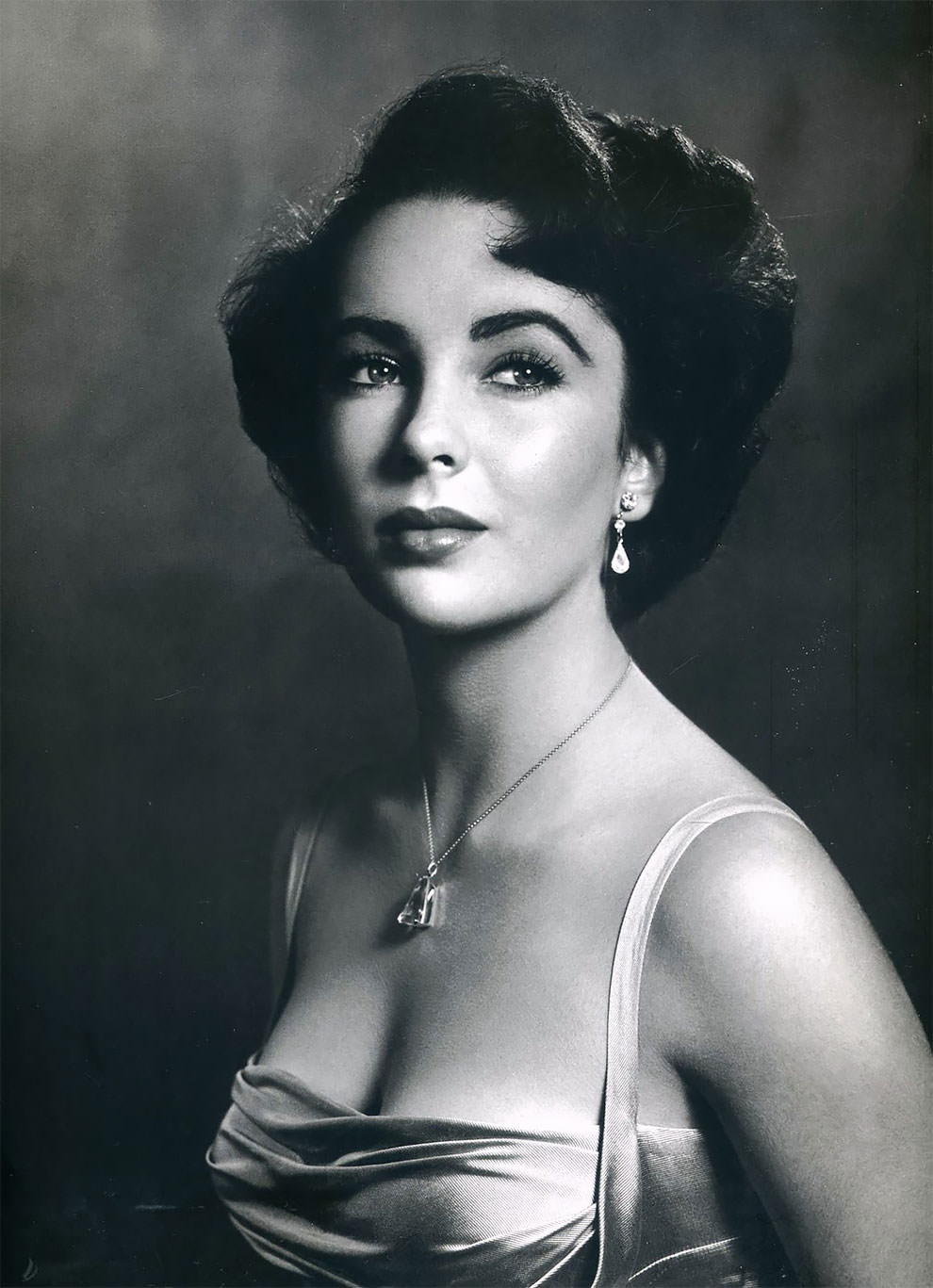
Lucille Ball, one of the most recognizable faces on American television, sat for Halsman in 1950. That same year, he photographed Elizabeth Taylor for Life magazine. Both women were at early stages of careers that would define their respective mediums, and Halsman’s images preserve them at those turning points.
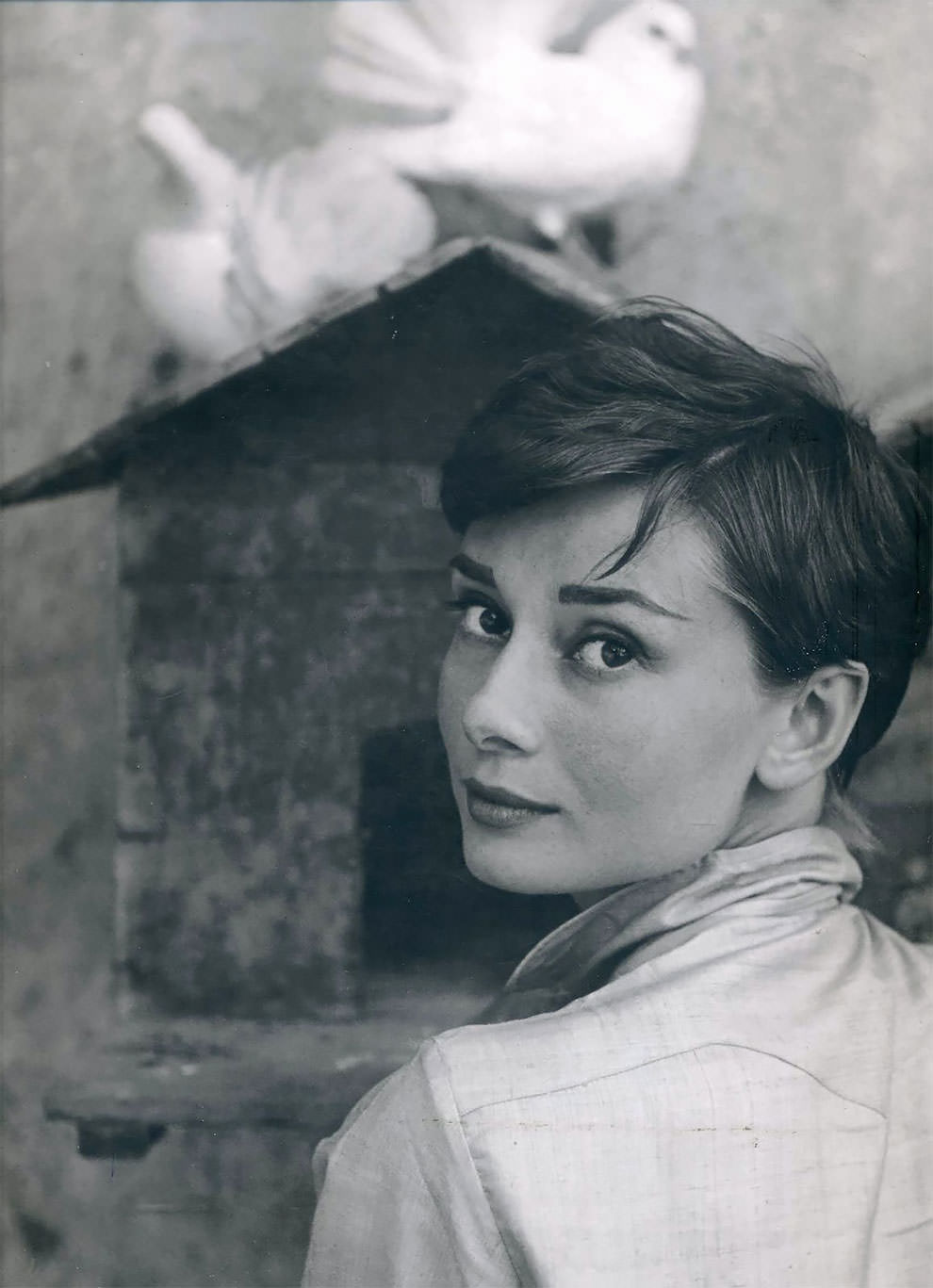
Audrey Hepburn was photographed by Halsman in 1955, both in a standard portrait and as a Jumpology subject. Grace Kelly, by 1959 already Princess consort of Monaco, appeared in front of his camera that same year. These two portraits, taken four years apart, show two very different kinds of poise — Hepburn’s playful energy against Kelly’s composed elegance.
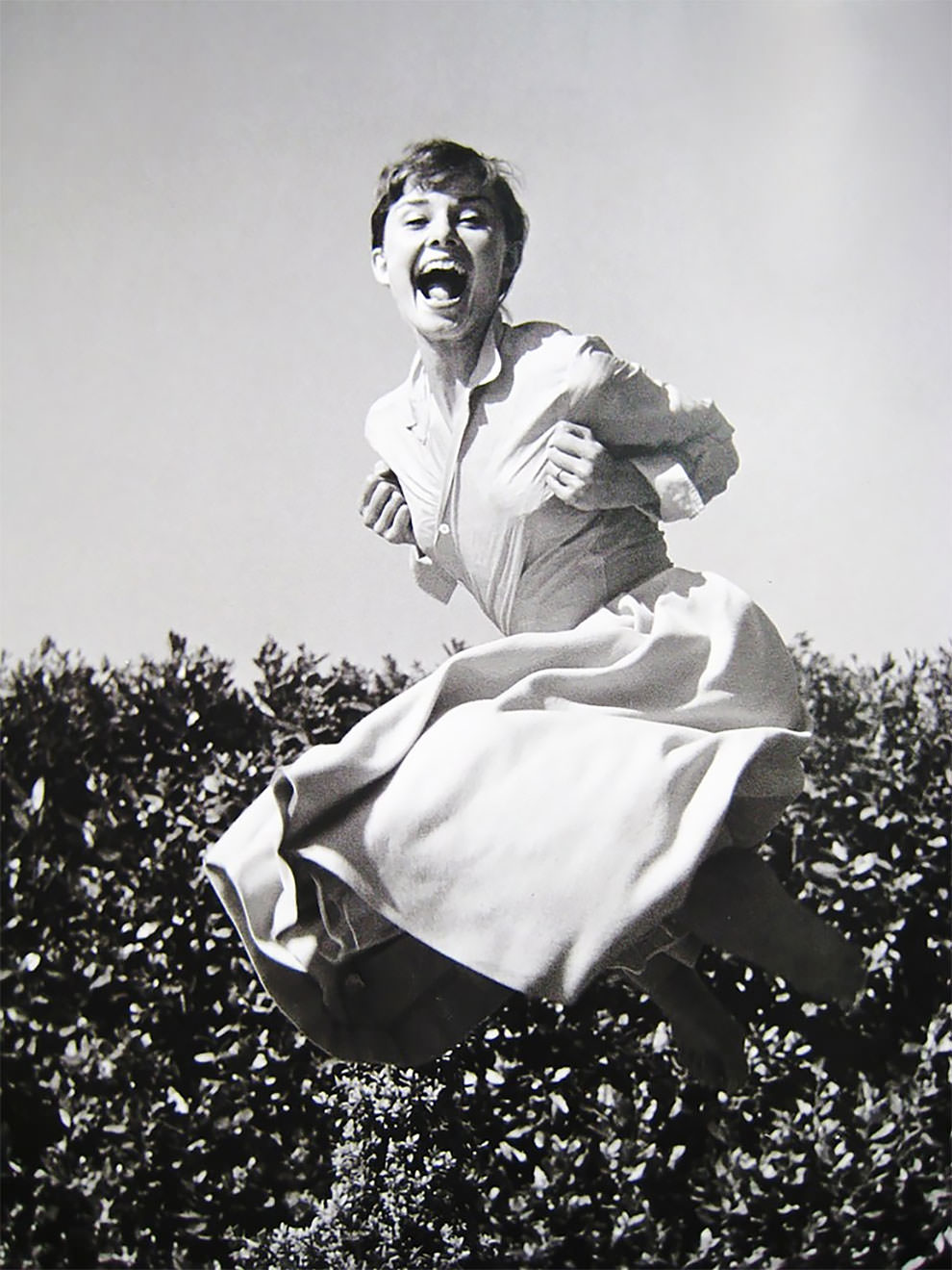
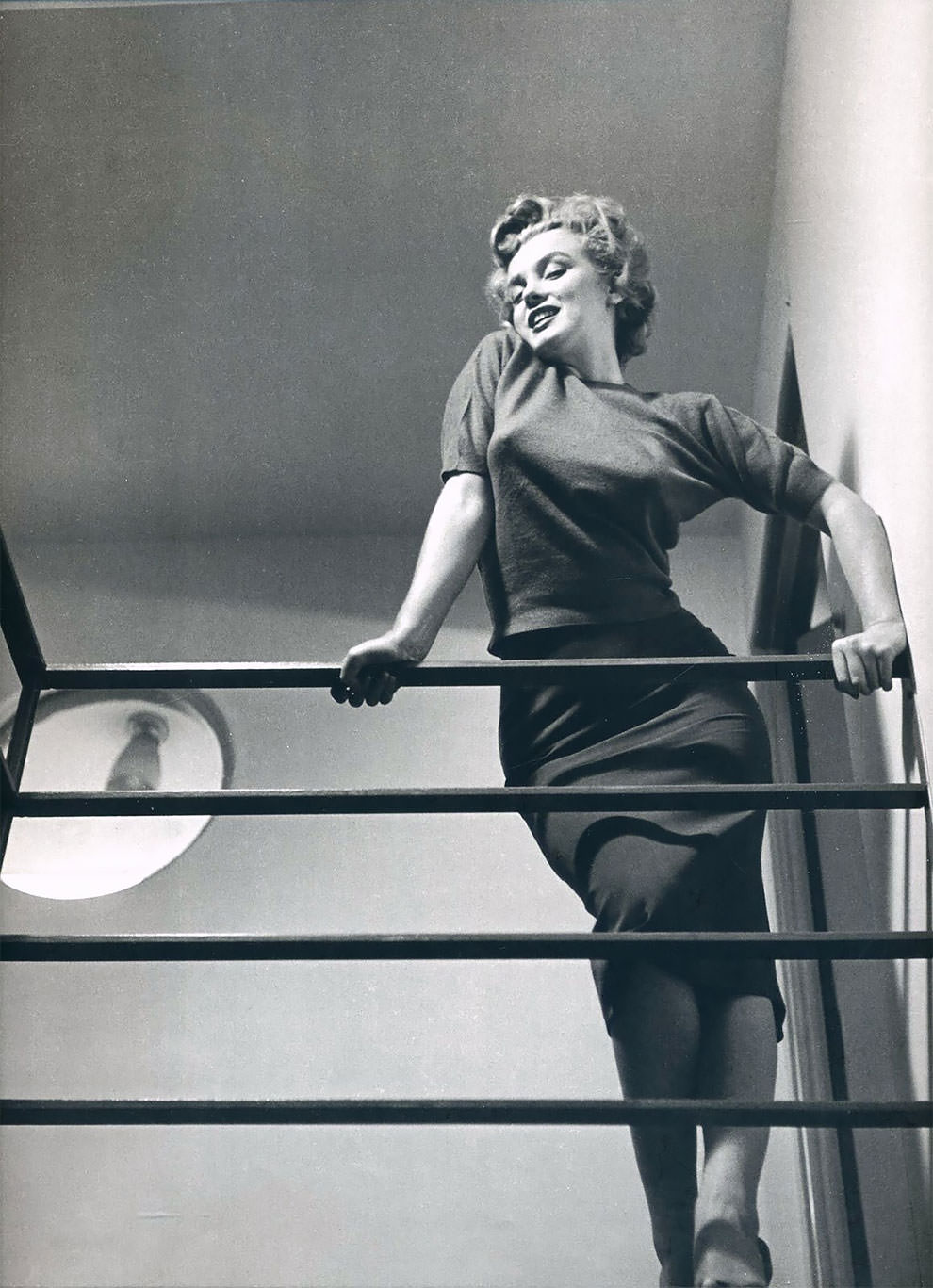
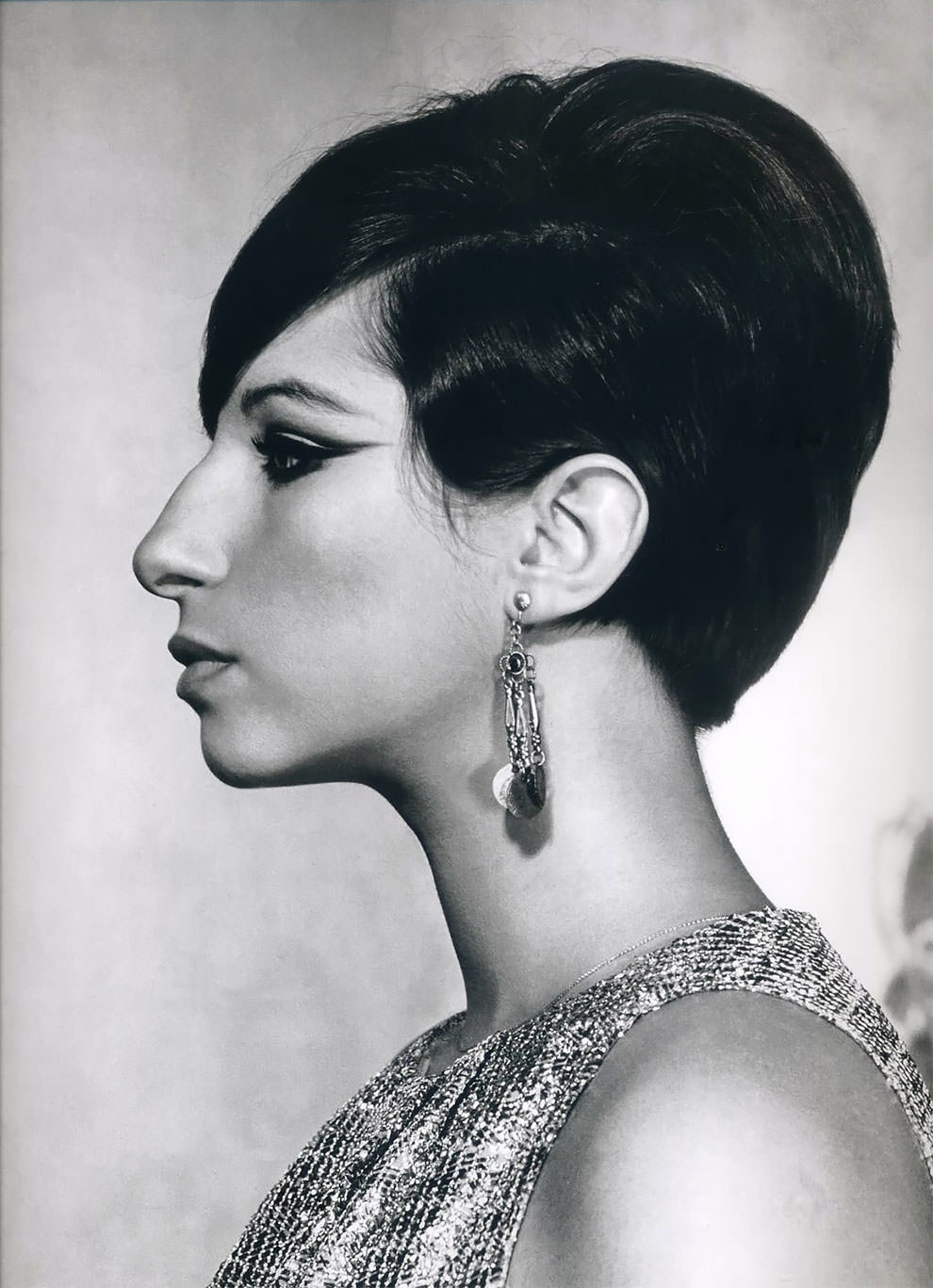
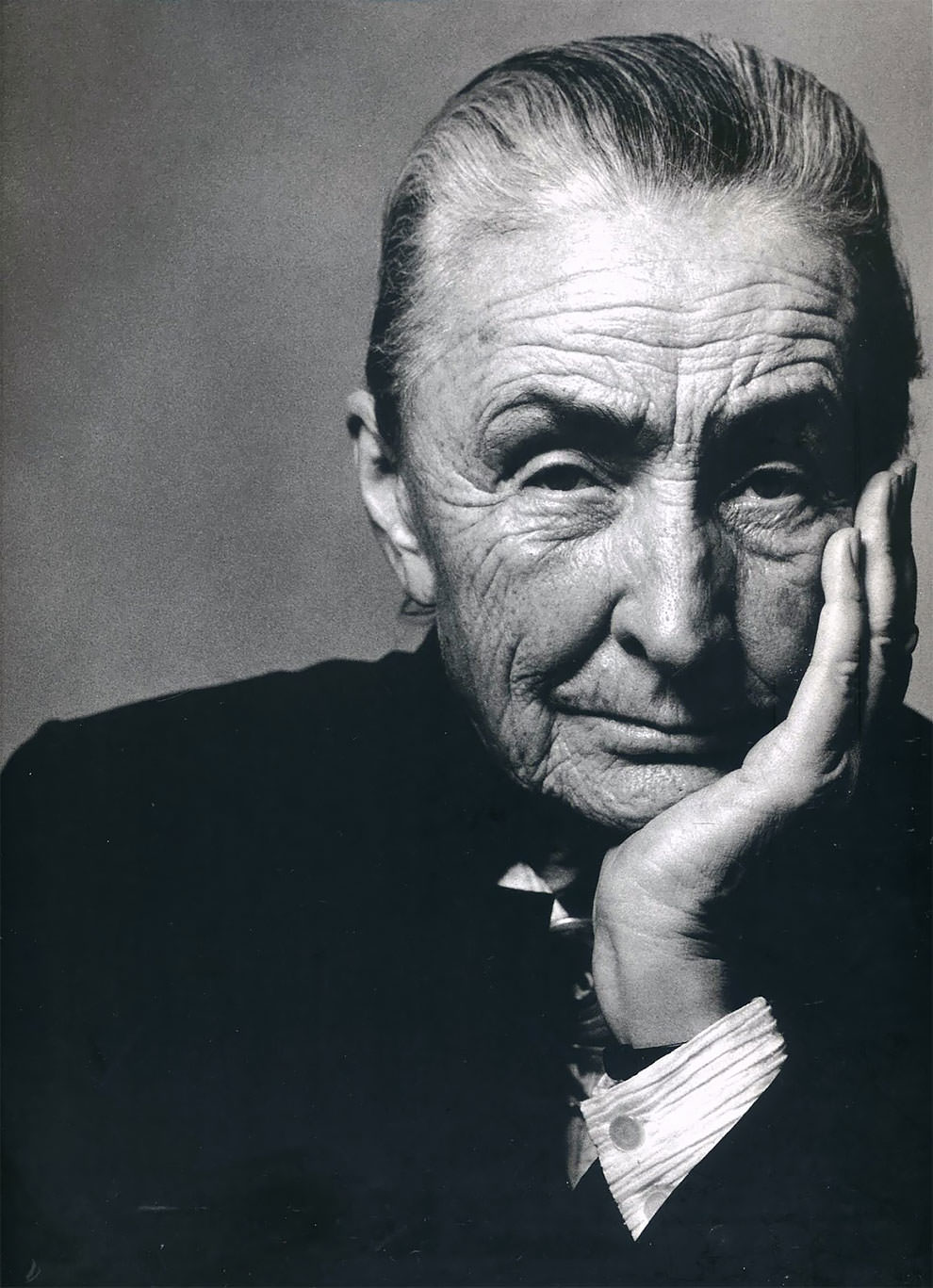
Barbra Streisand posed for Halsman in her New York City apartment in 1965 for a Cosmopolitan magazine cover shoot. That same decade, Halsman photographed Georgia O’Keeffe, the American painter, in 1967. His range across disciplines — pop music, fine art, literature, film — made his archive one of the broadest portrait collections of the 20th century.
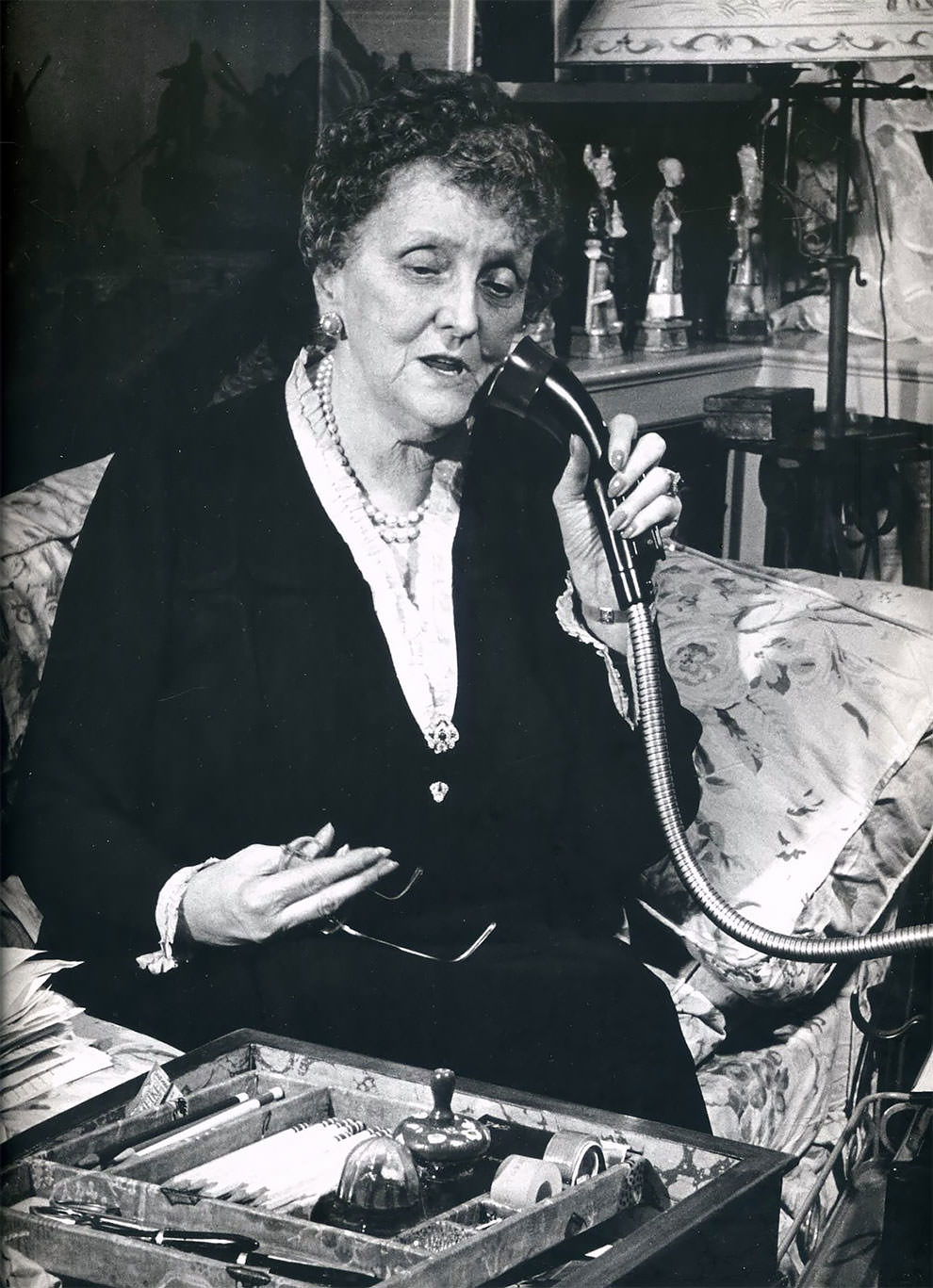
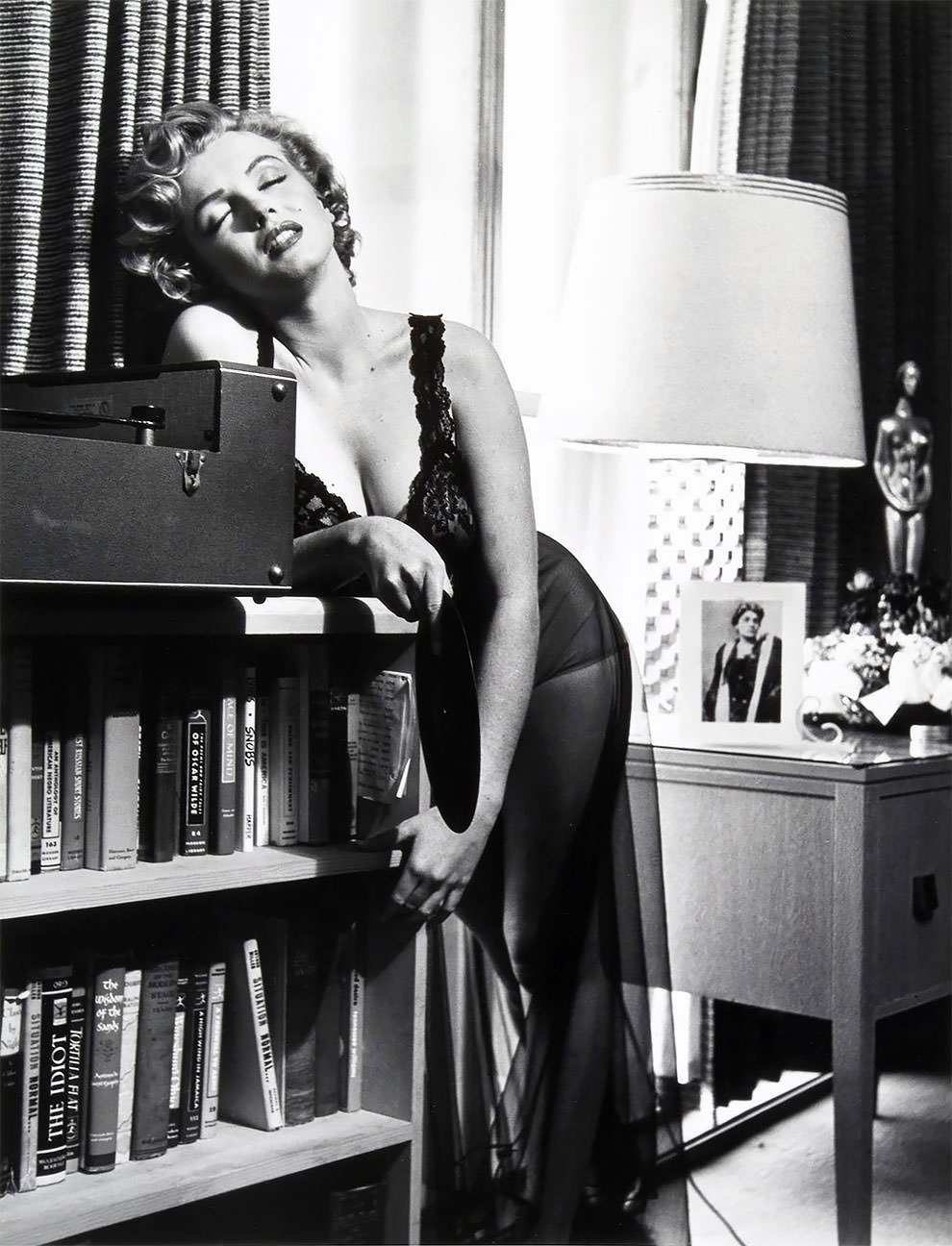
Halsman’s first cover for Life magazine featured model Connie Ford in 1942. That single image launched what became a decades-long relationship with the publication — he went on to shoot over 100 Life covers, a record that stood for years. His portrait of Marilyn Monroe in her Hollywood apartment in 1952, which included a picture of Italian actress Eleonora Duse hanging beneath a lamp, showed the layered, detail-rich quality he brought even to seemingly simple setups.
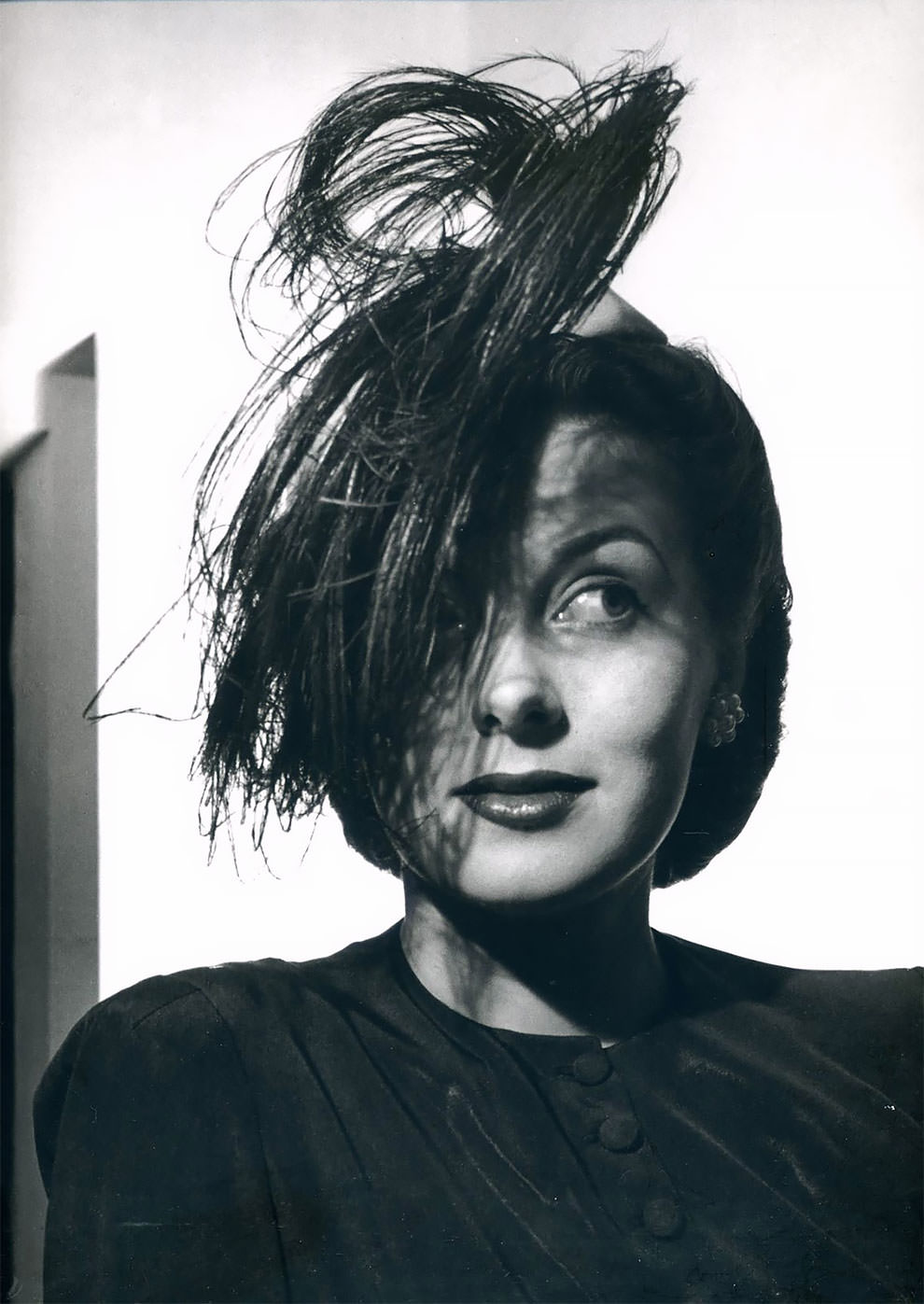
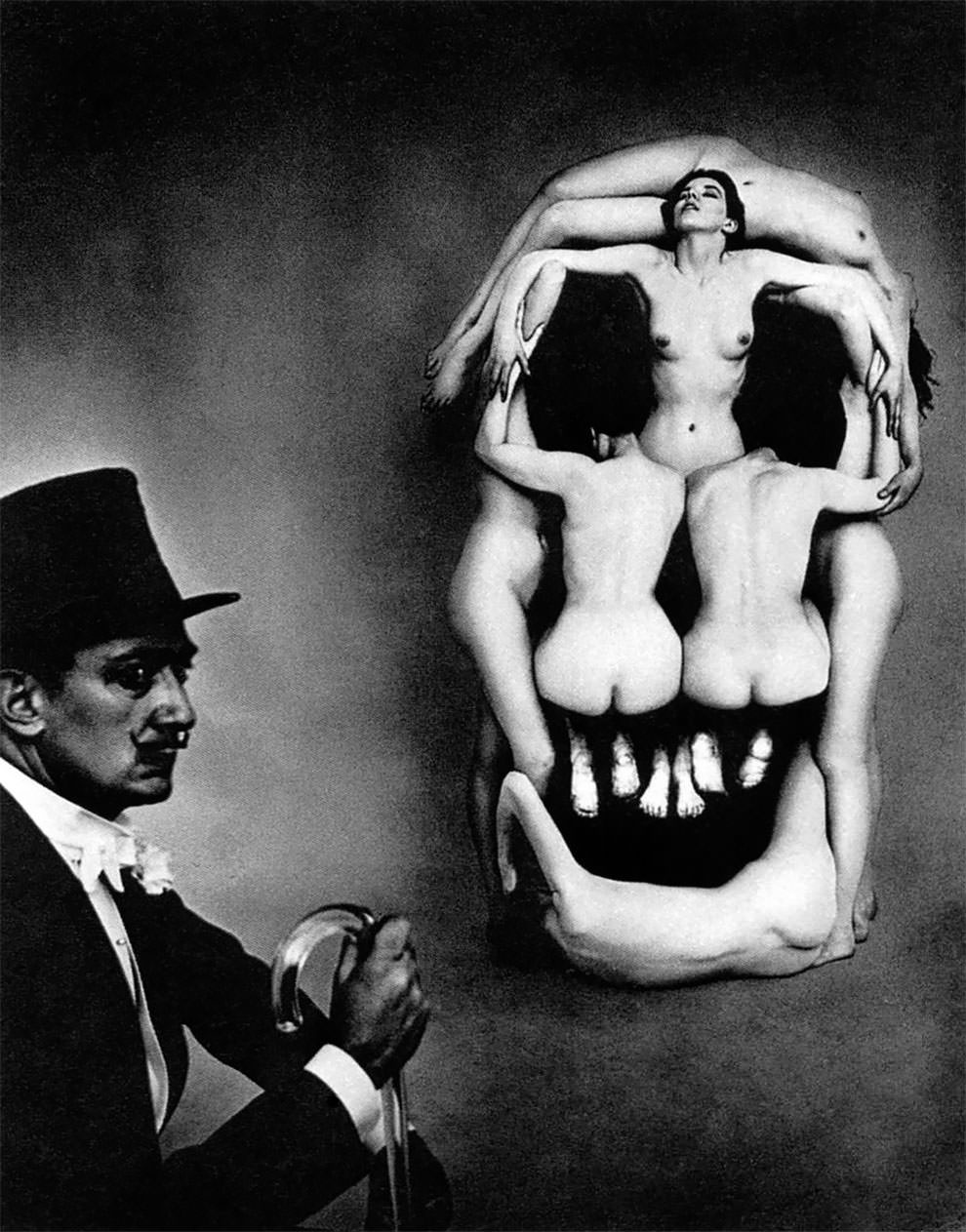
Salvador Dalí appeared in front of Halsman’s camera more times than almost any other subject. From a 1946 solo portrait to the elaborate 1951 “In Voluptate Mors” — a composition in which seven nude women arranged themselves to form a skull — the two men consistently challenged what photography and surrealism could produce together.
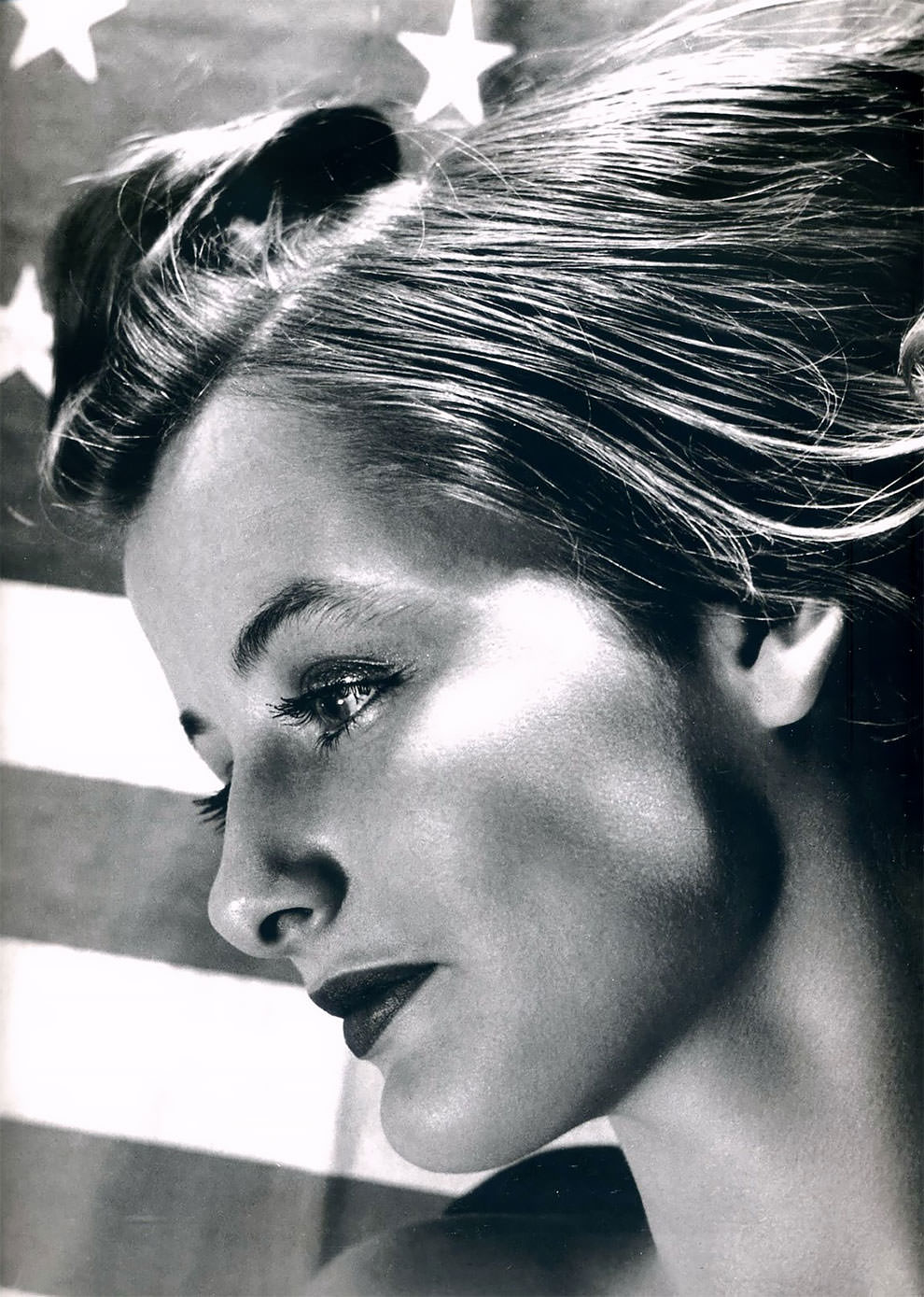
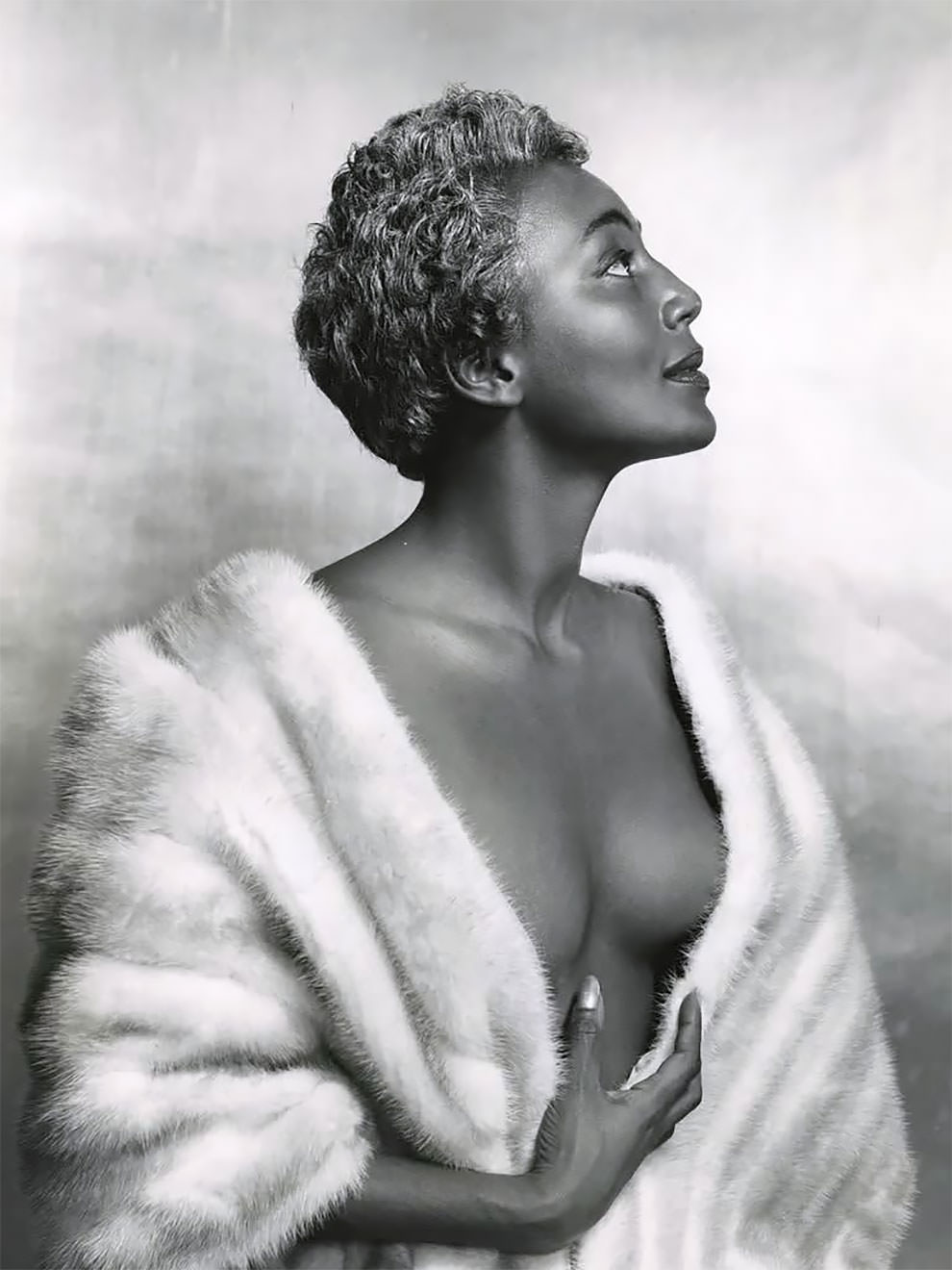
Classical contralto Marian Anderson was photographed by Halsman in 1945, singing spirituals. Actress Mary Martin posed for Life in 1950 in her role from South Pacific. Singer Joyce Bryant sat for him at his New York studio in 1954. Across the decades, Halsman documented performers from nearly every corner of American entertainment and culture.
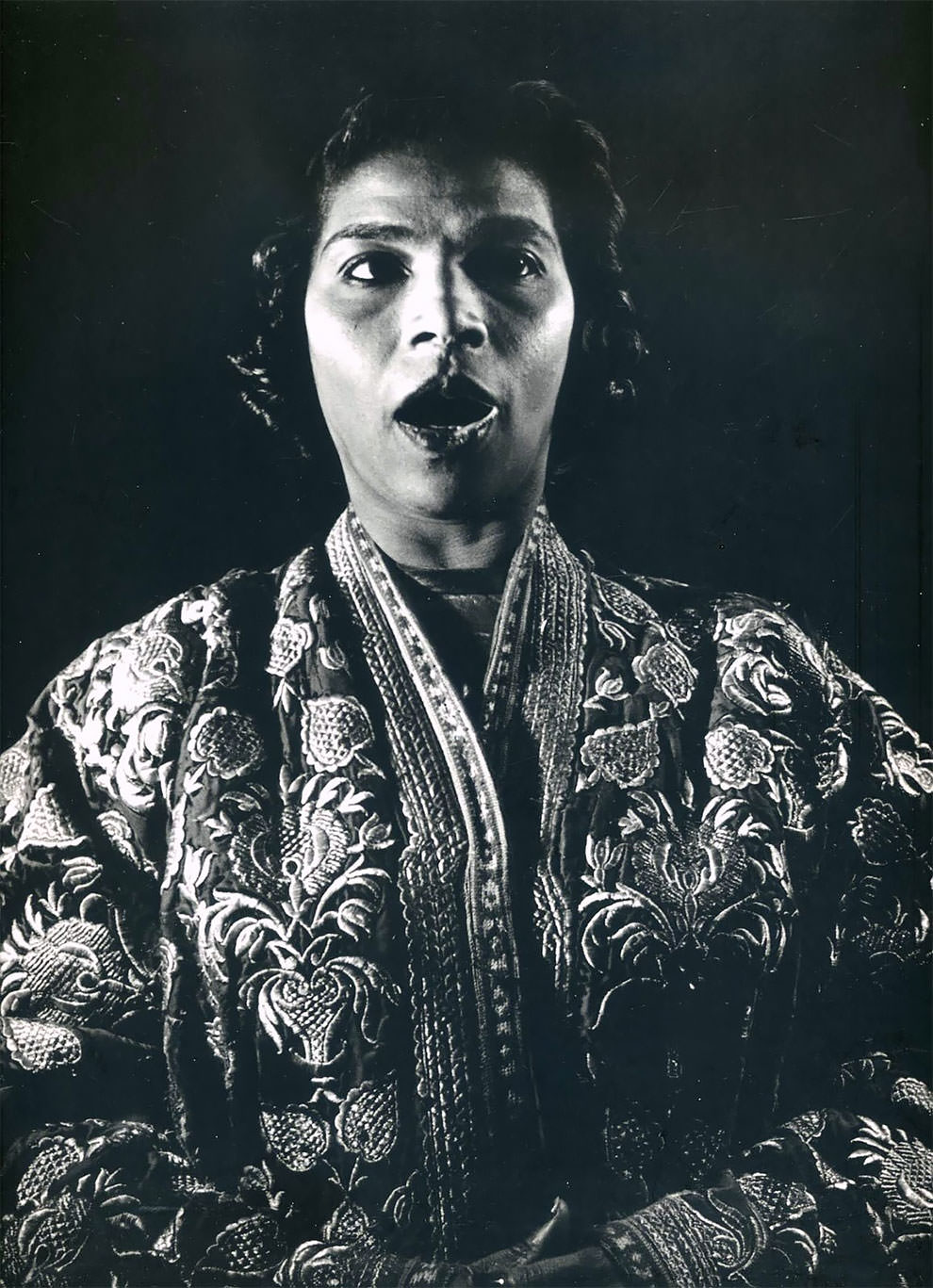
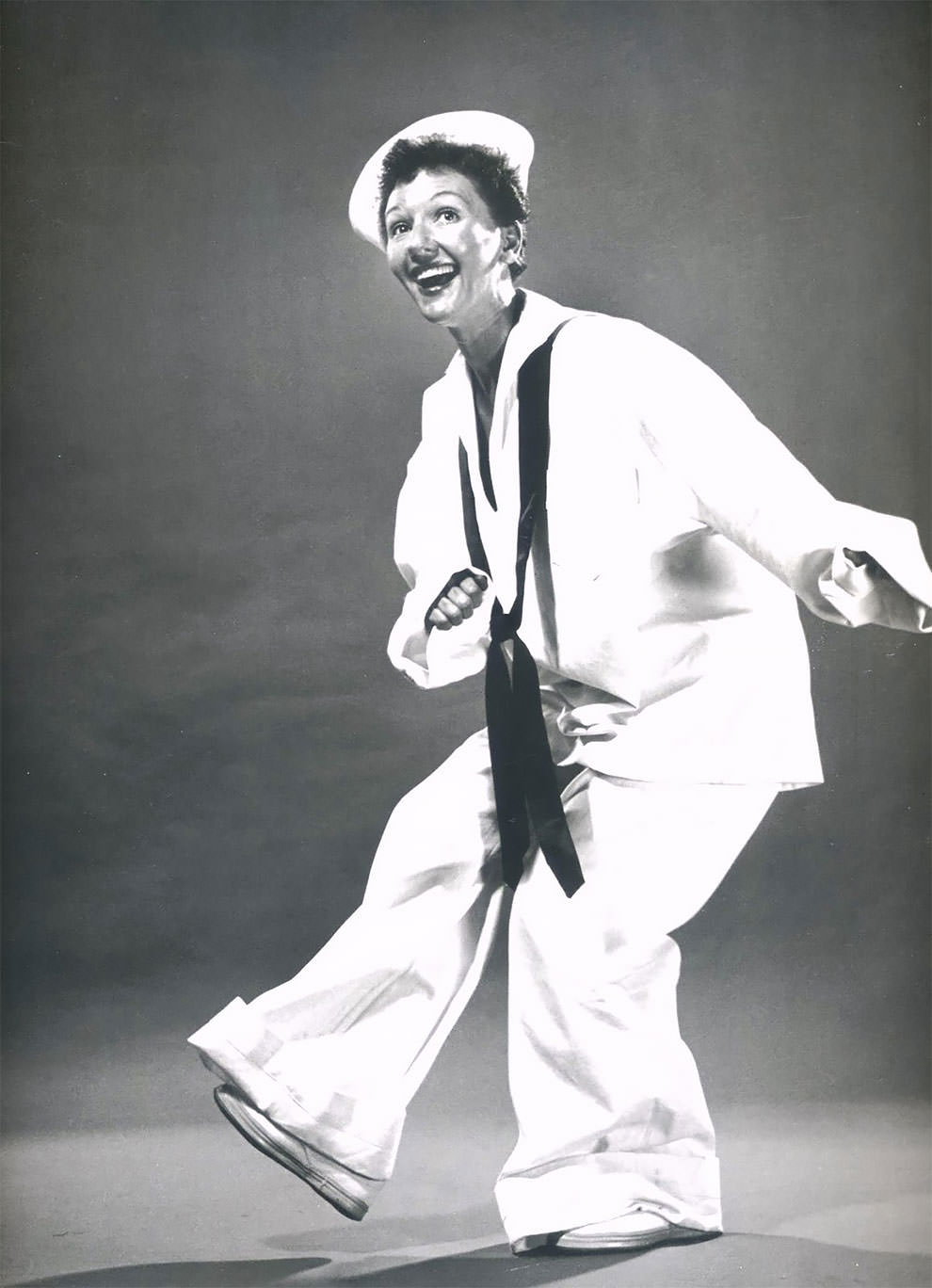
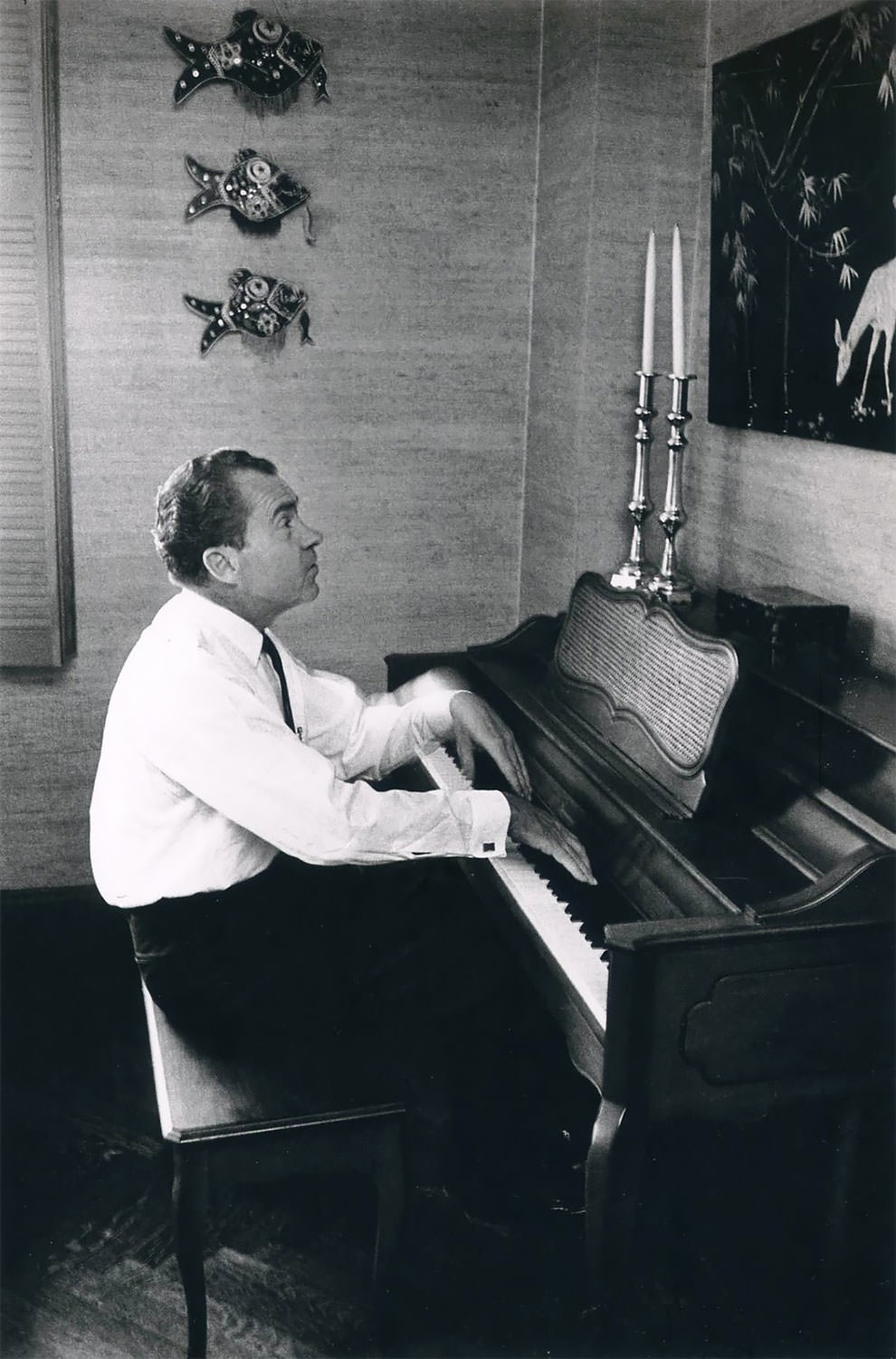
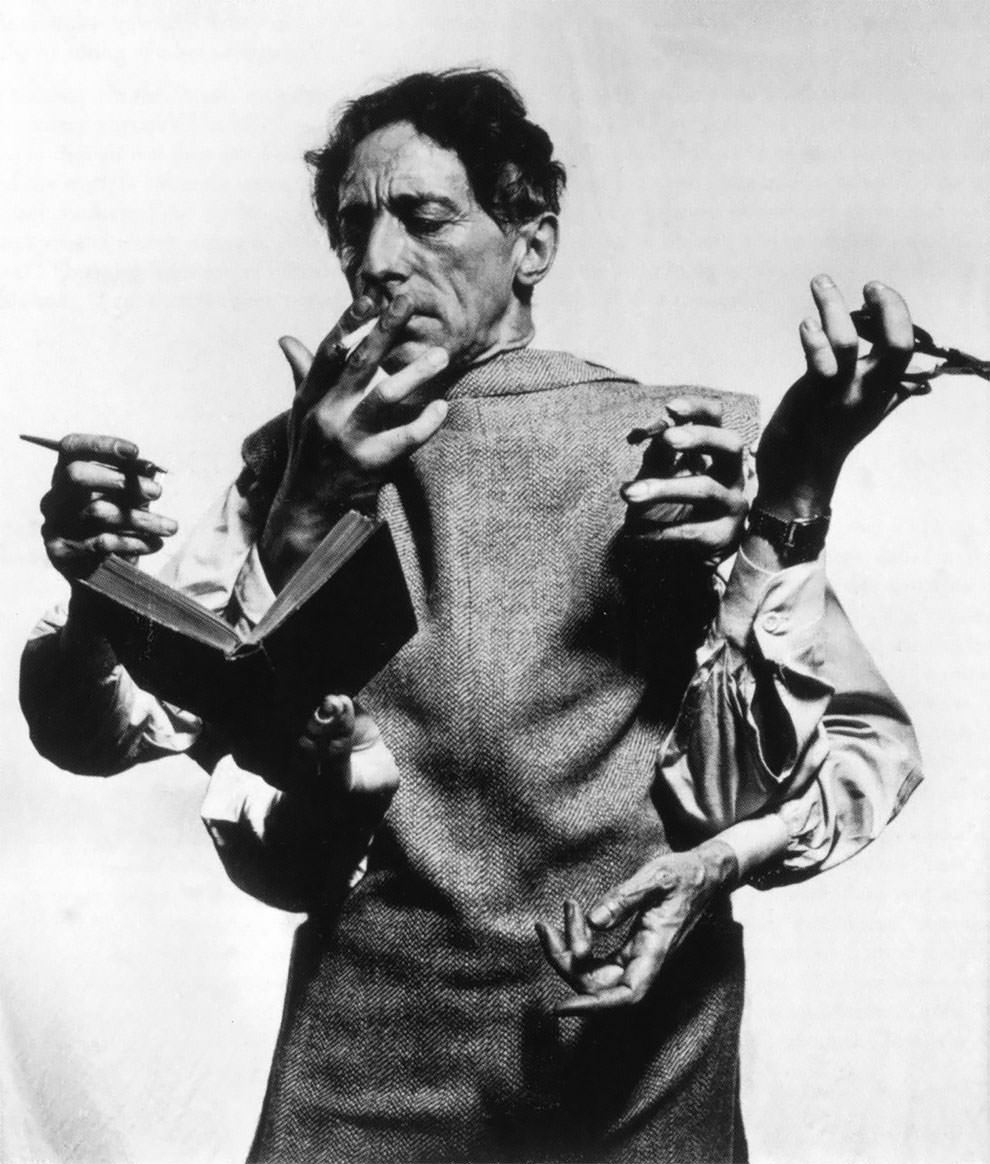
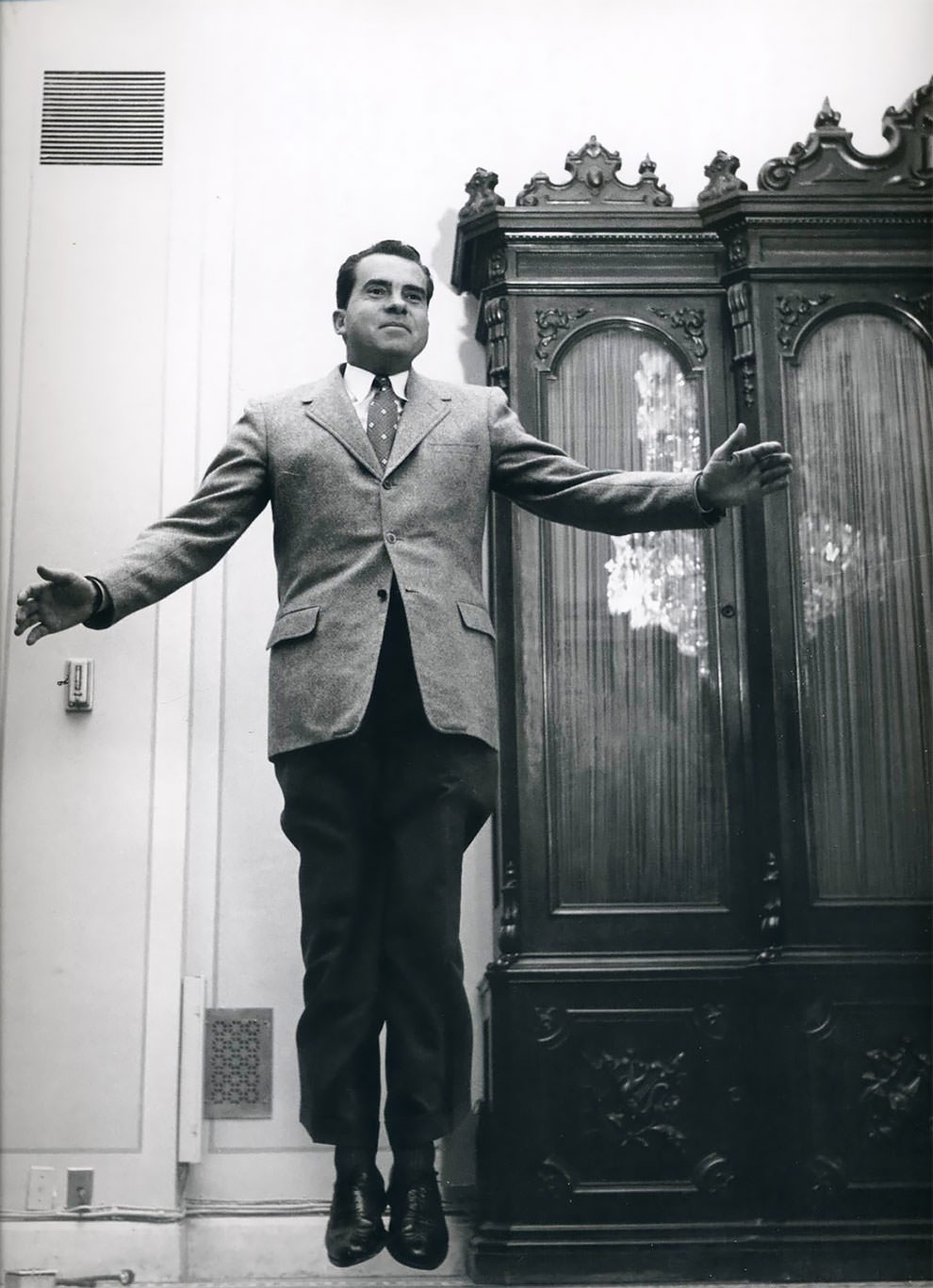
Jean Cocteau appeared in several distinct Halsman sessions in 1949, including a striking composition titled “Dream of a Poet.” Richard Nixon was photographed twice — once jumping in 1959 while still Vice President, and again in 1966 as a private citizen, sitting at a piano in New York City. The contrast between the two images reflects the political whiplash of Nixon’s career during those years.
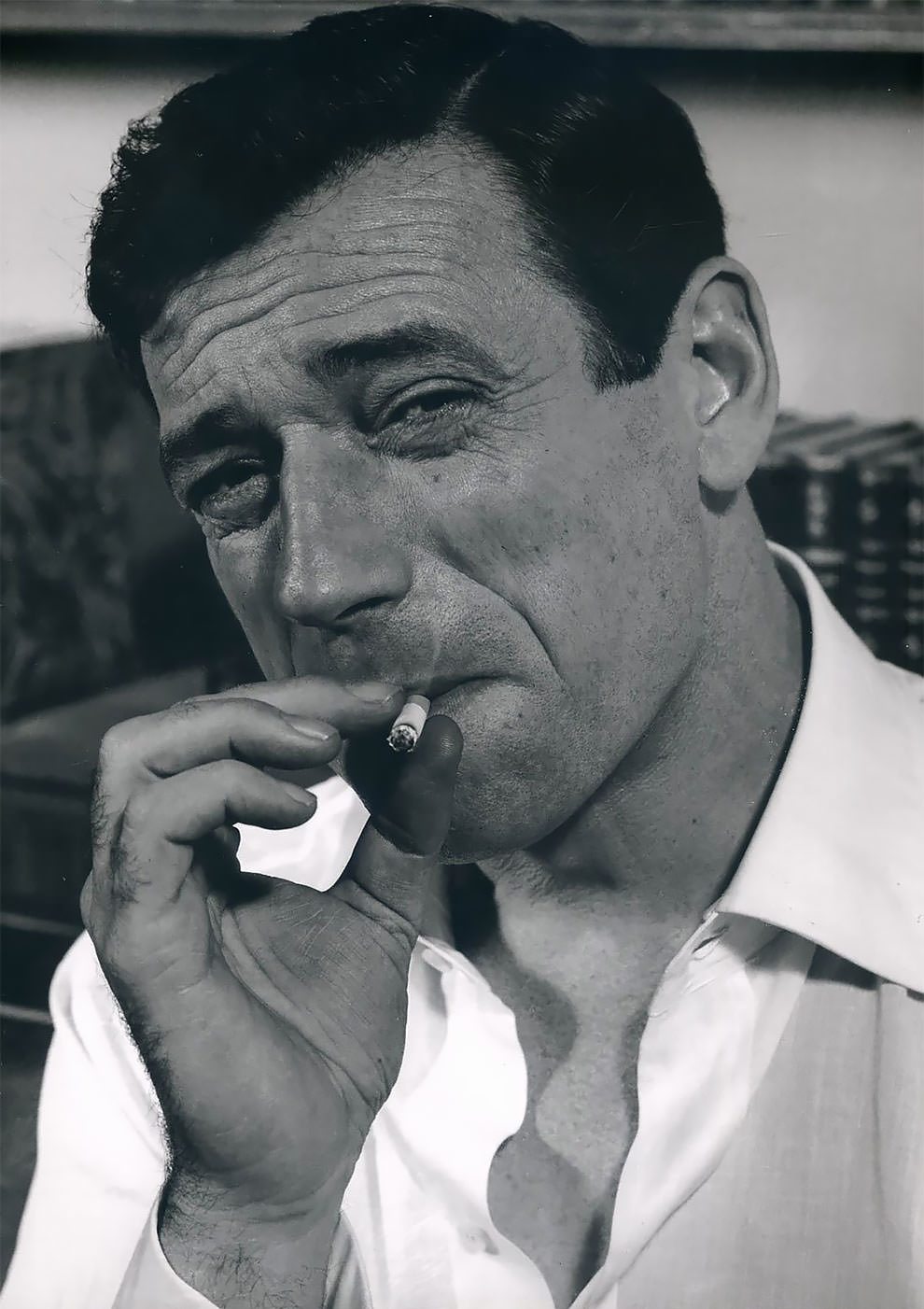
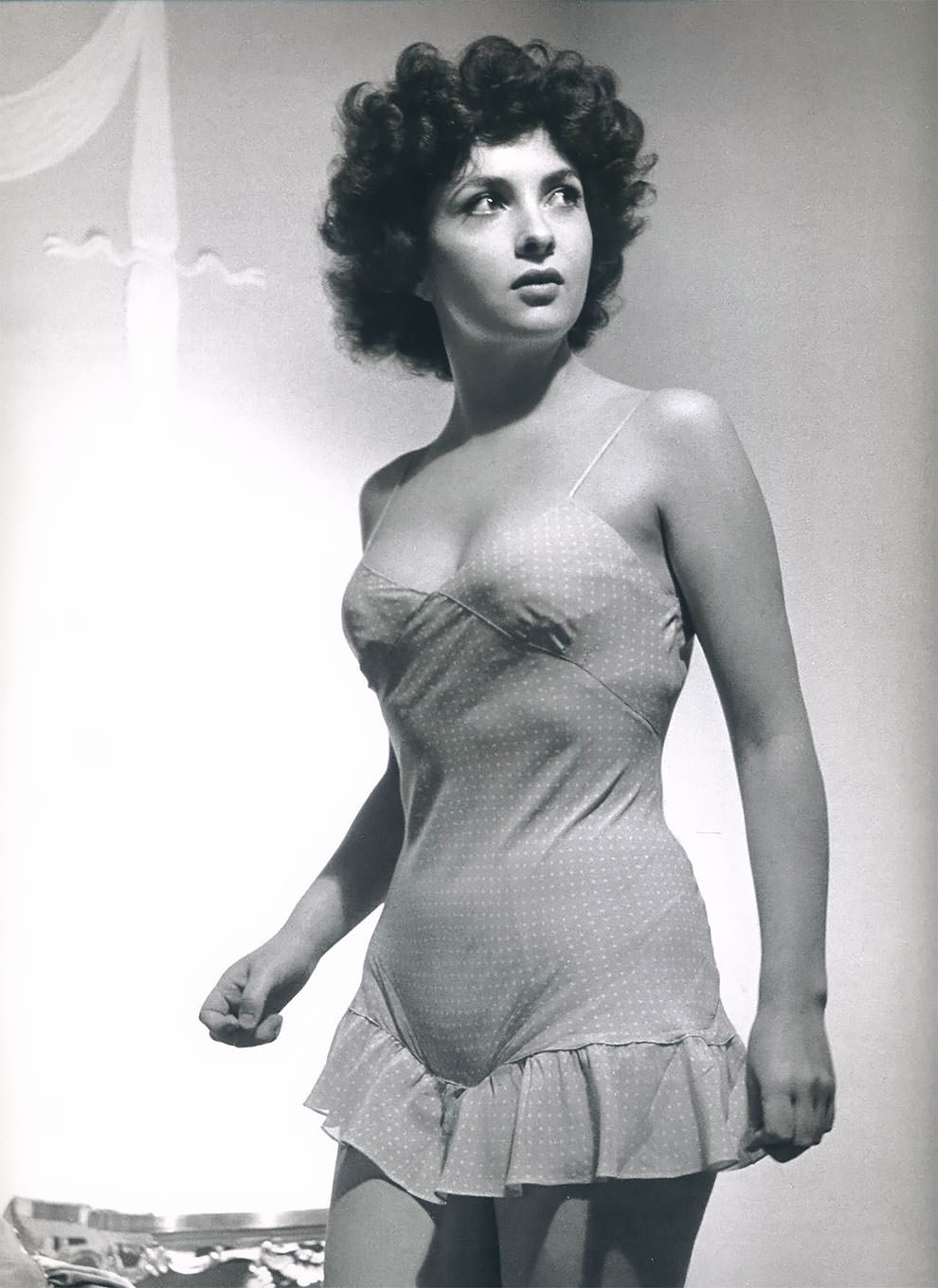
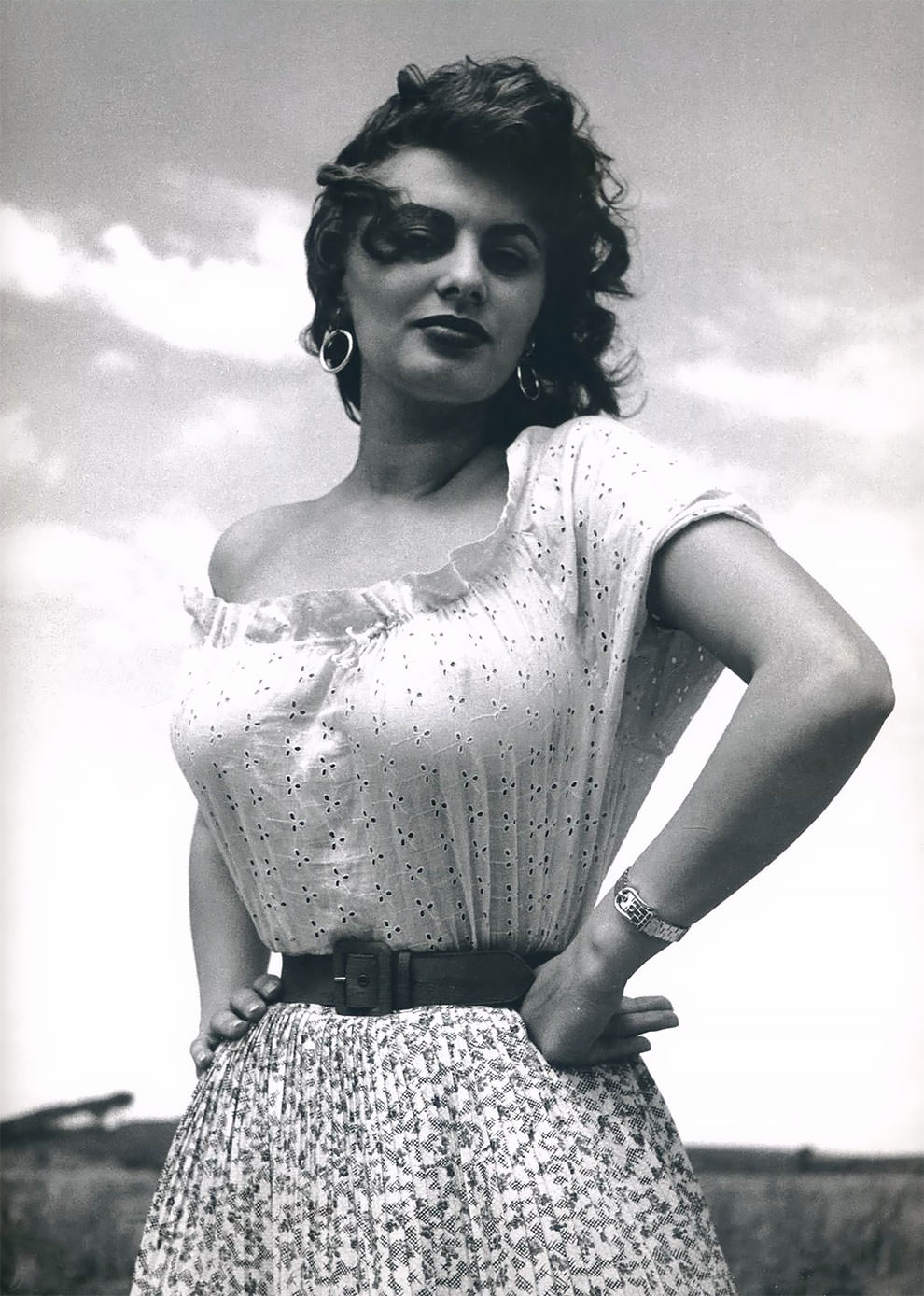
Sophia Loren was photographed in 1959, the same year she was cementing her status as one of Italian cinema’s biggest international stars. Sharon Tate sat for Halsman in 1966, two years before her murder. Anjelica Huston, photographed in 1968 at the start of her career, was seventeen at the time. These portraits carry an added weight when viewed through the lens of what came after.
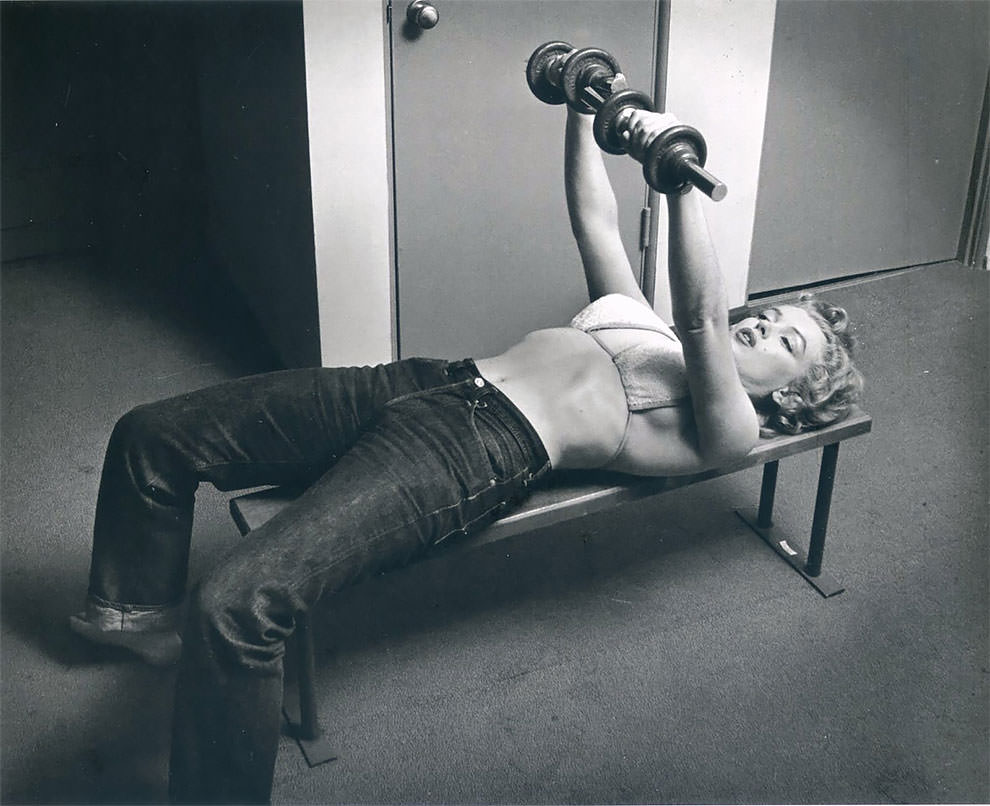
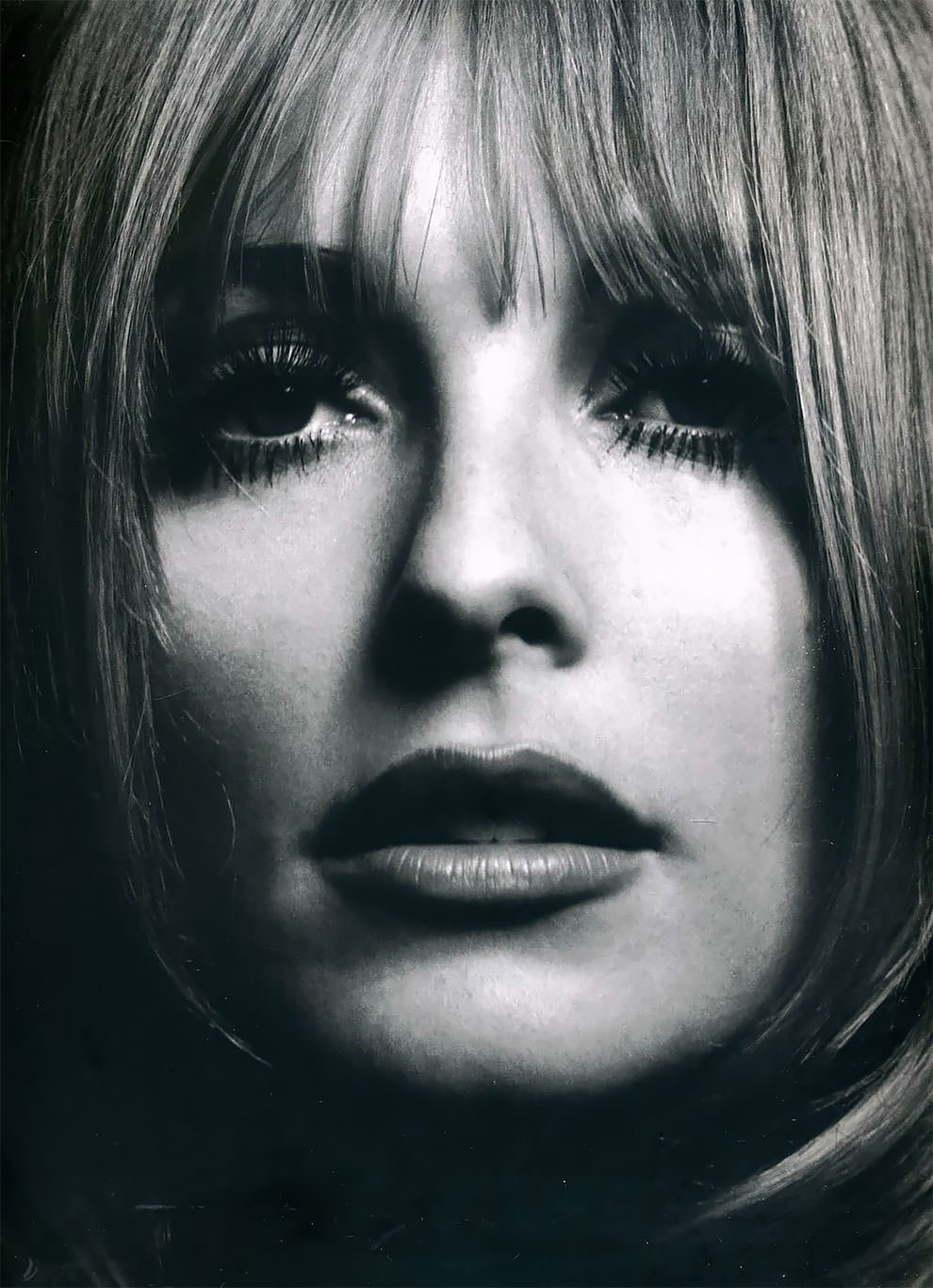
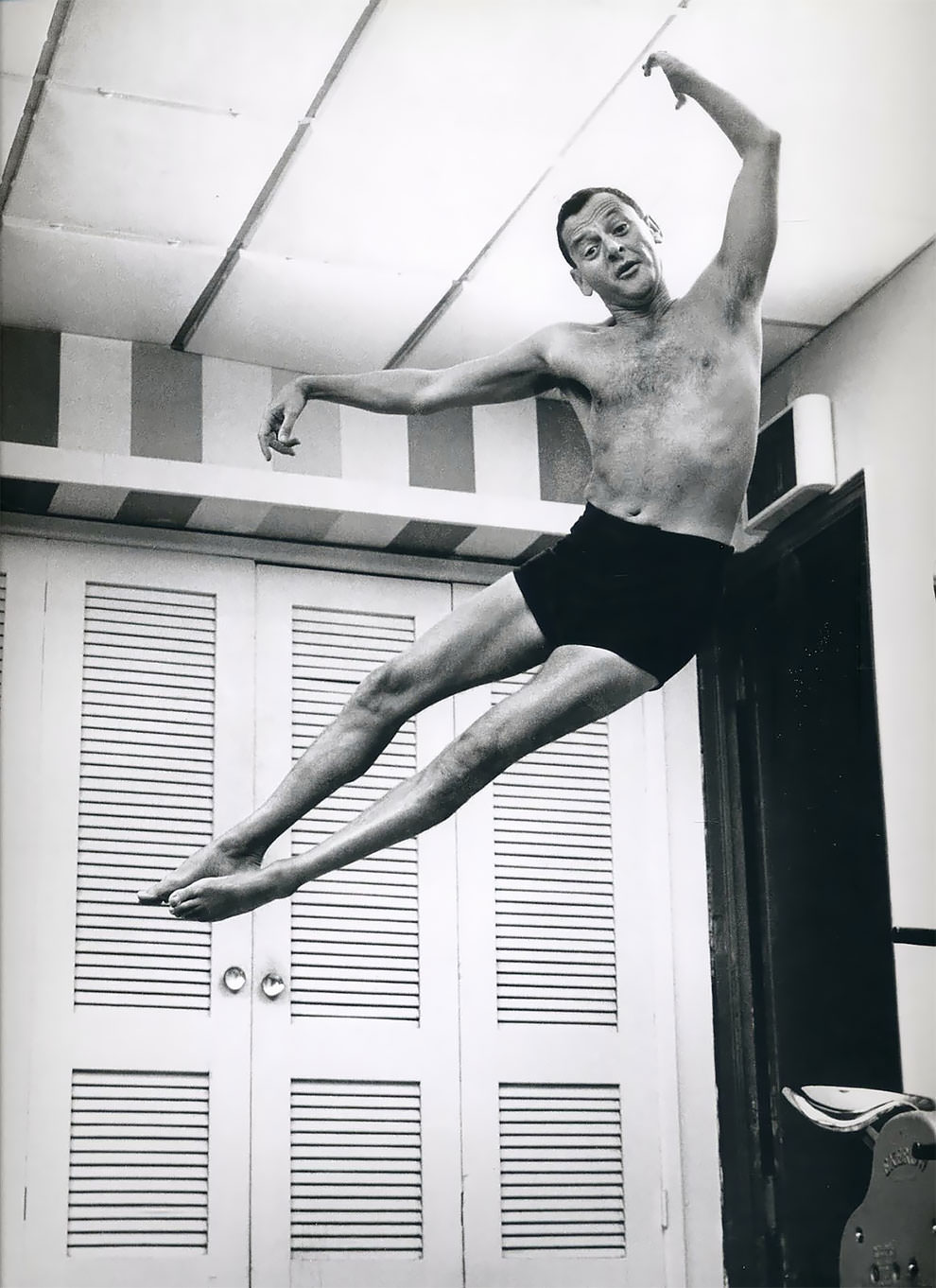
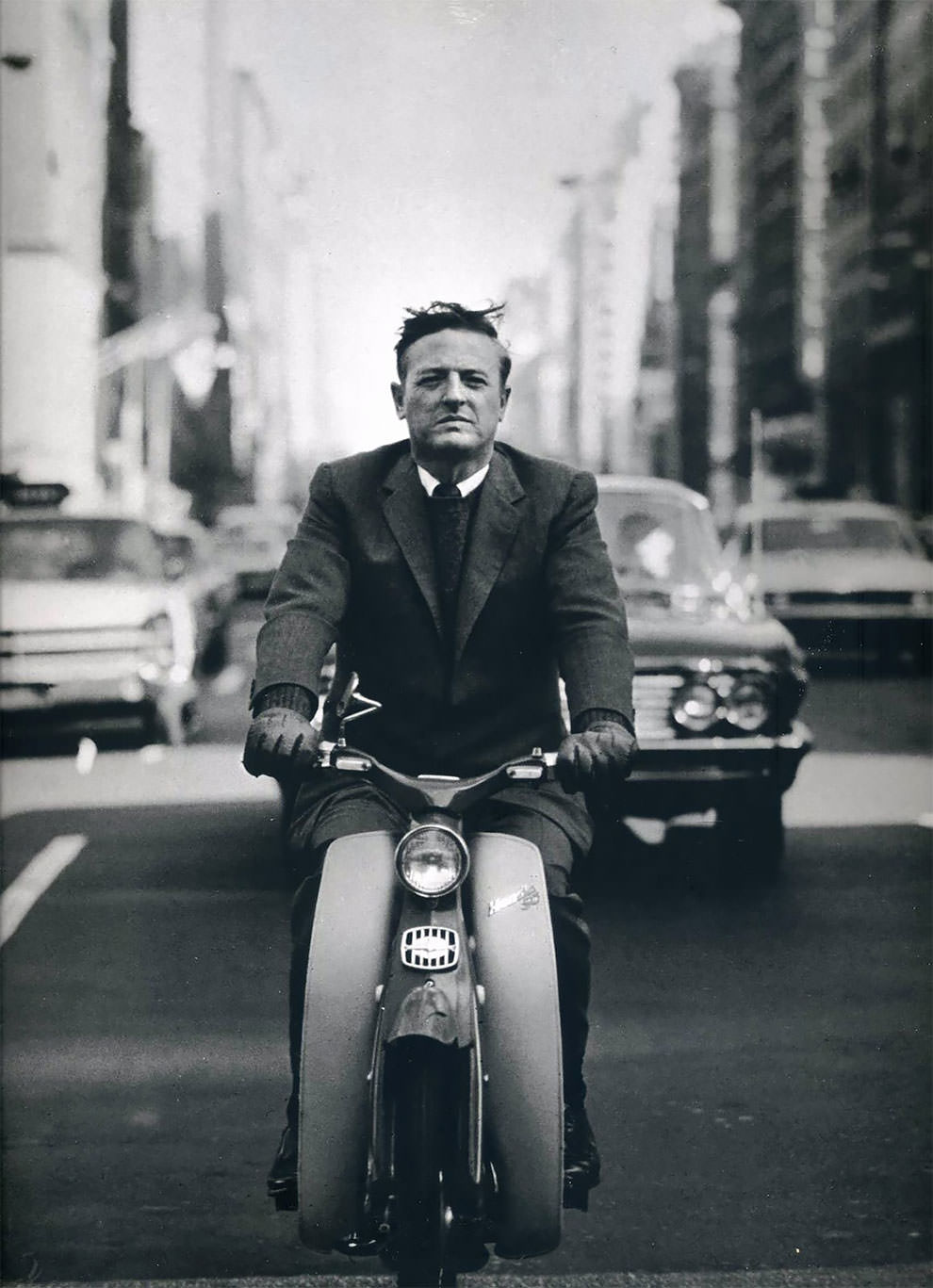
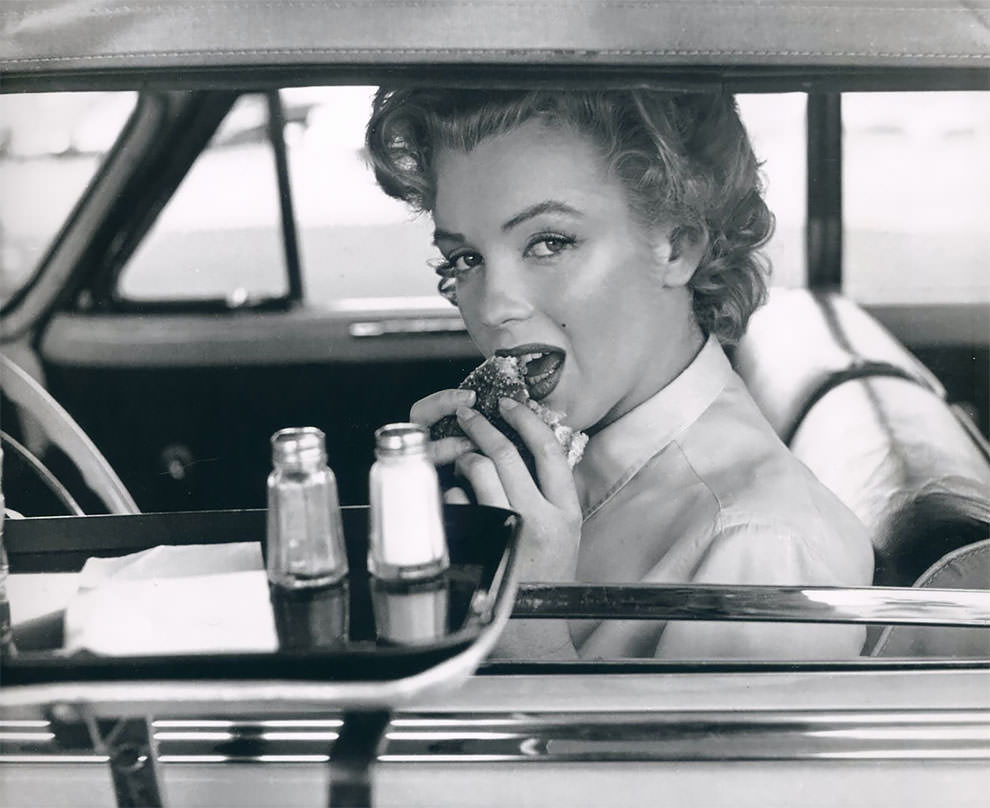
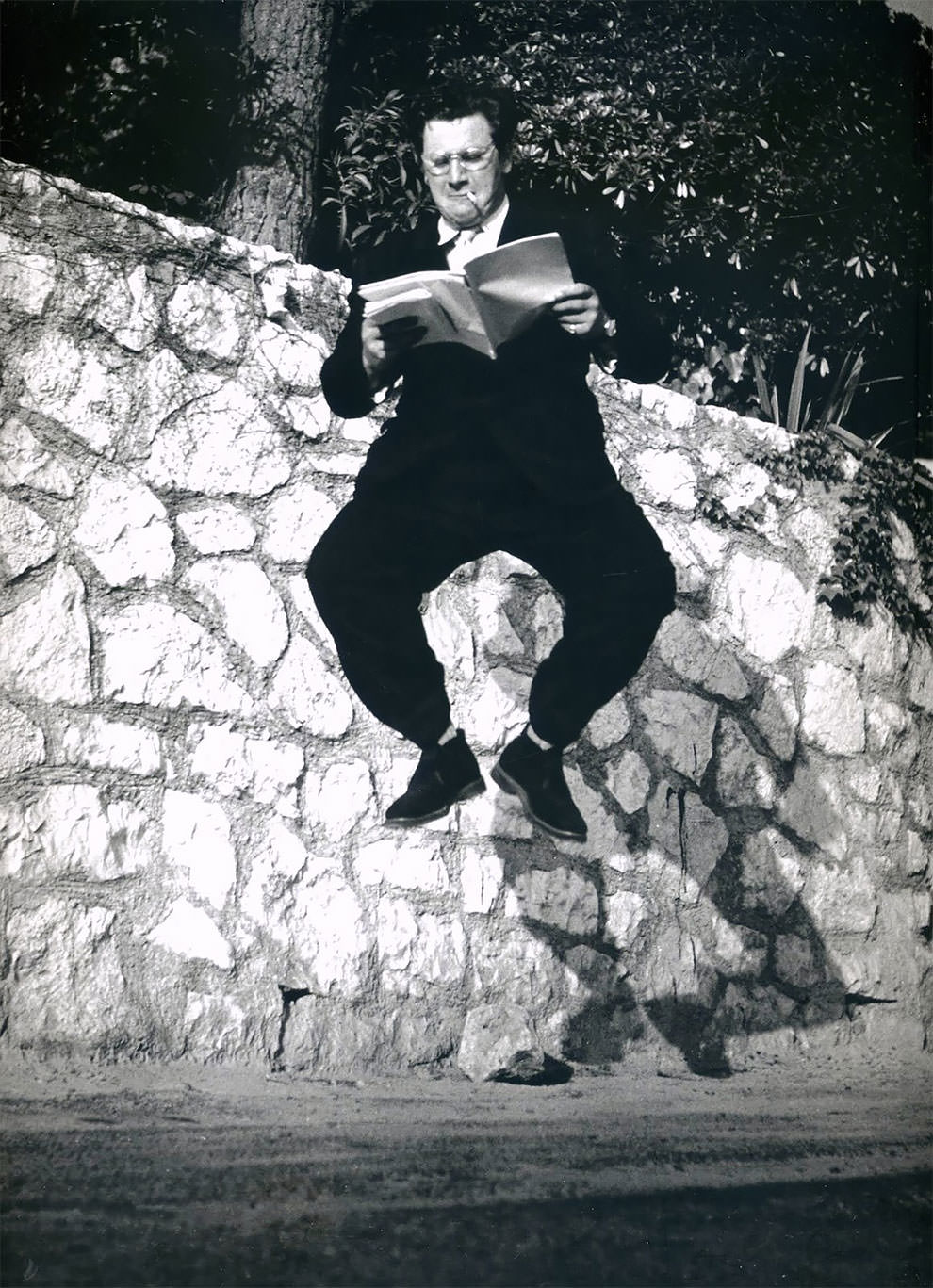
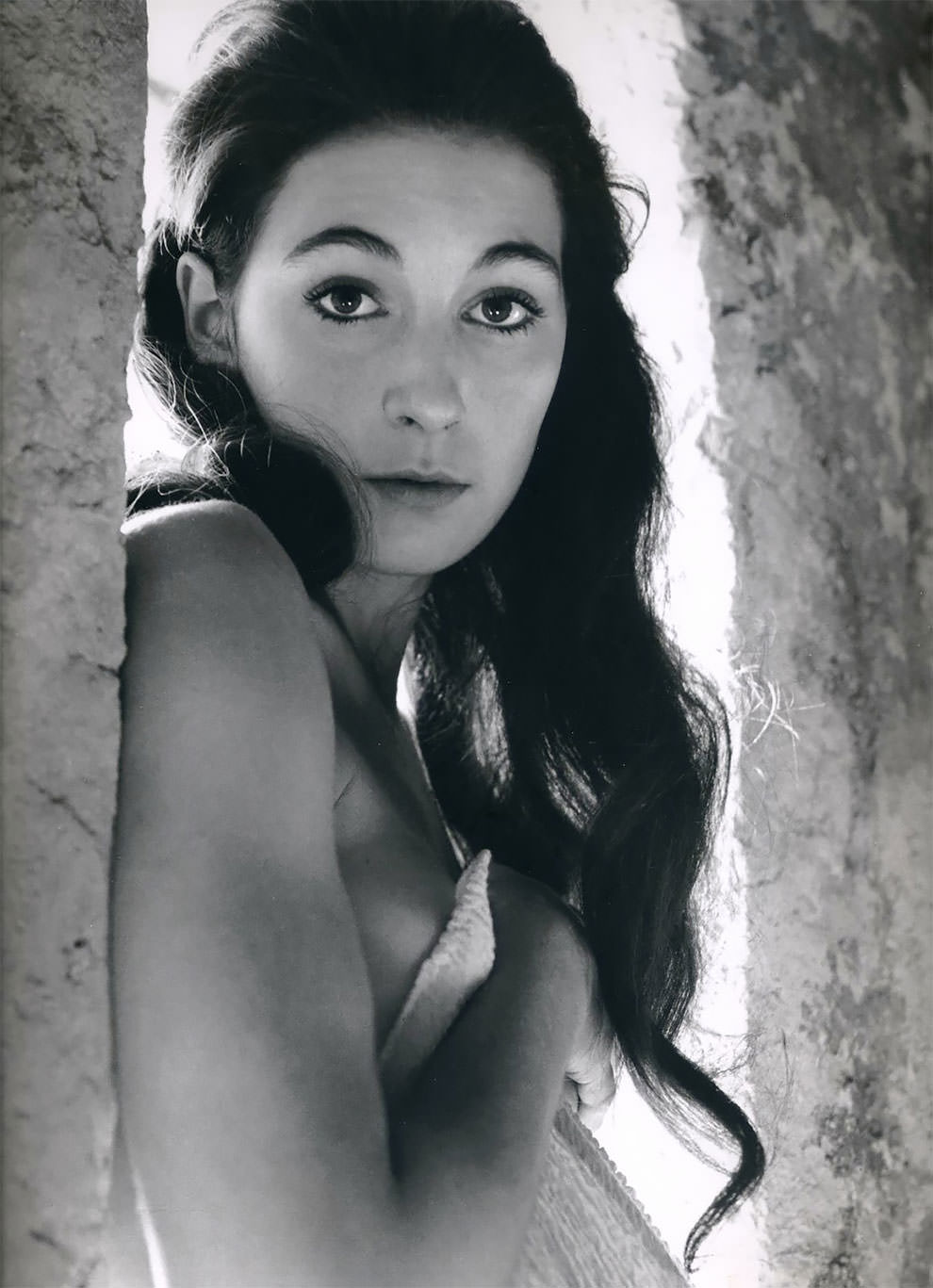
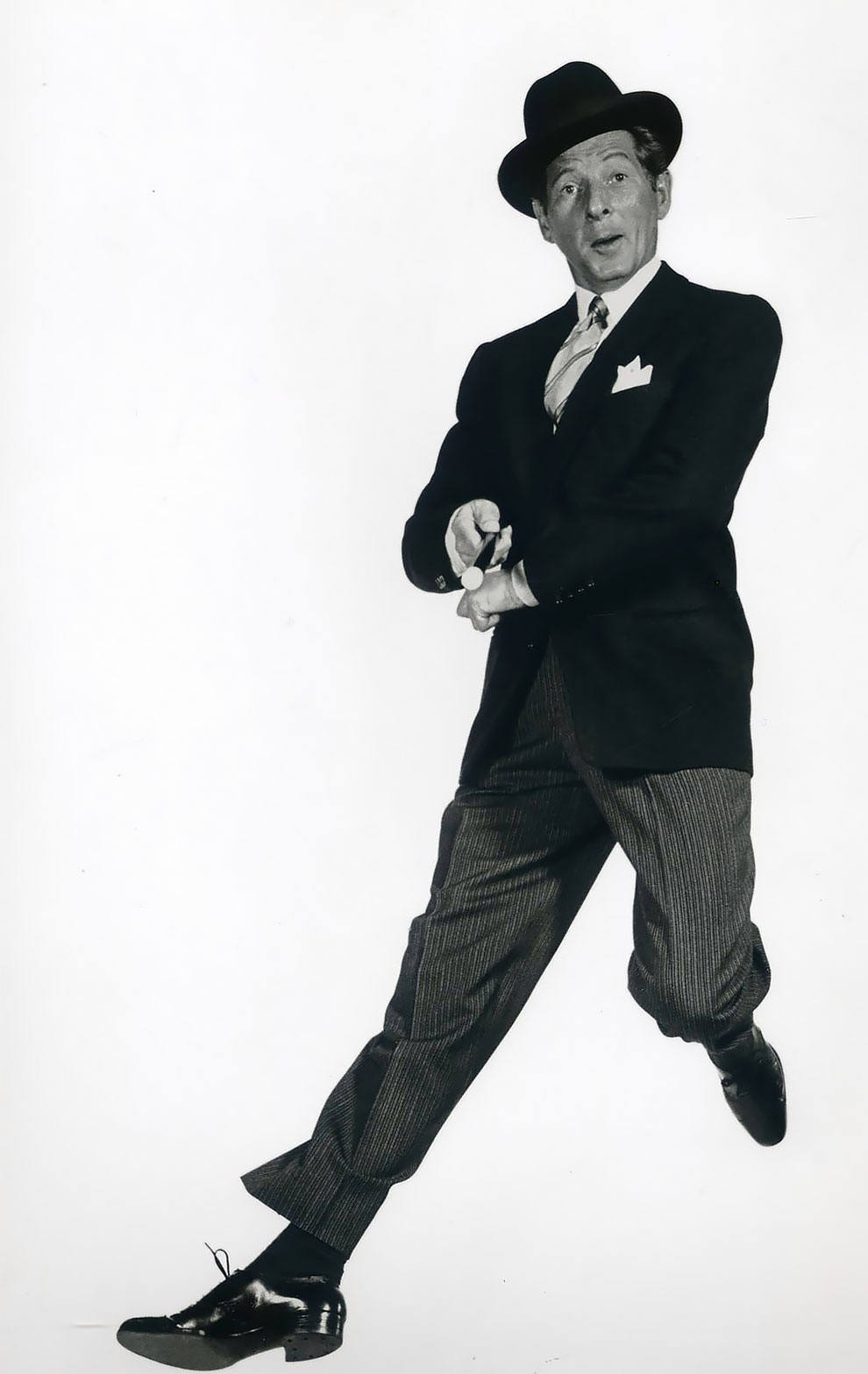
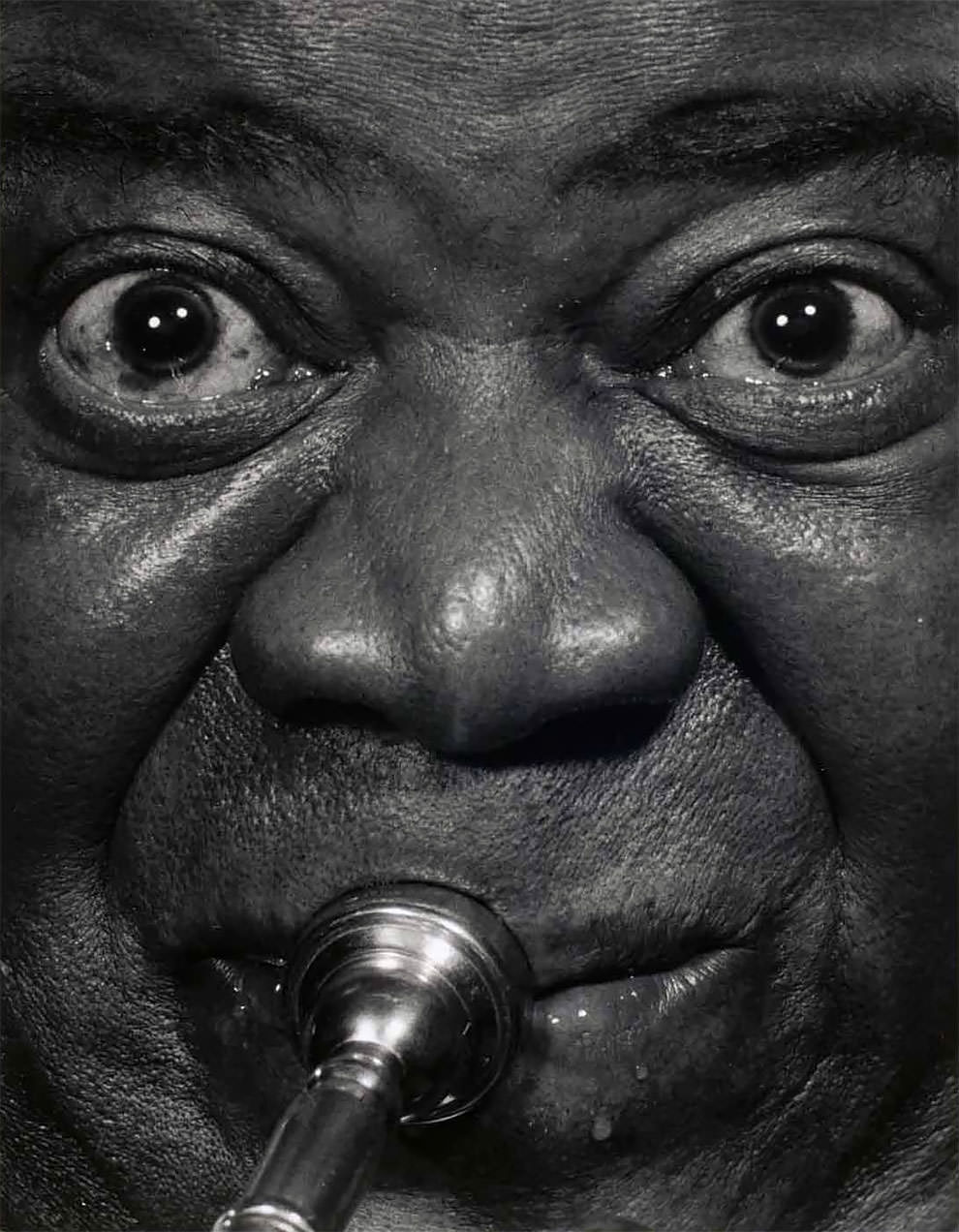
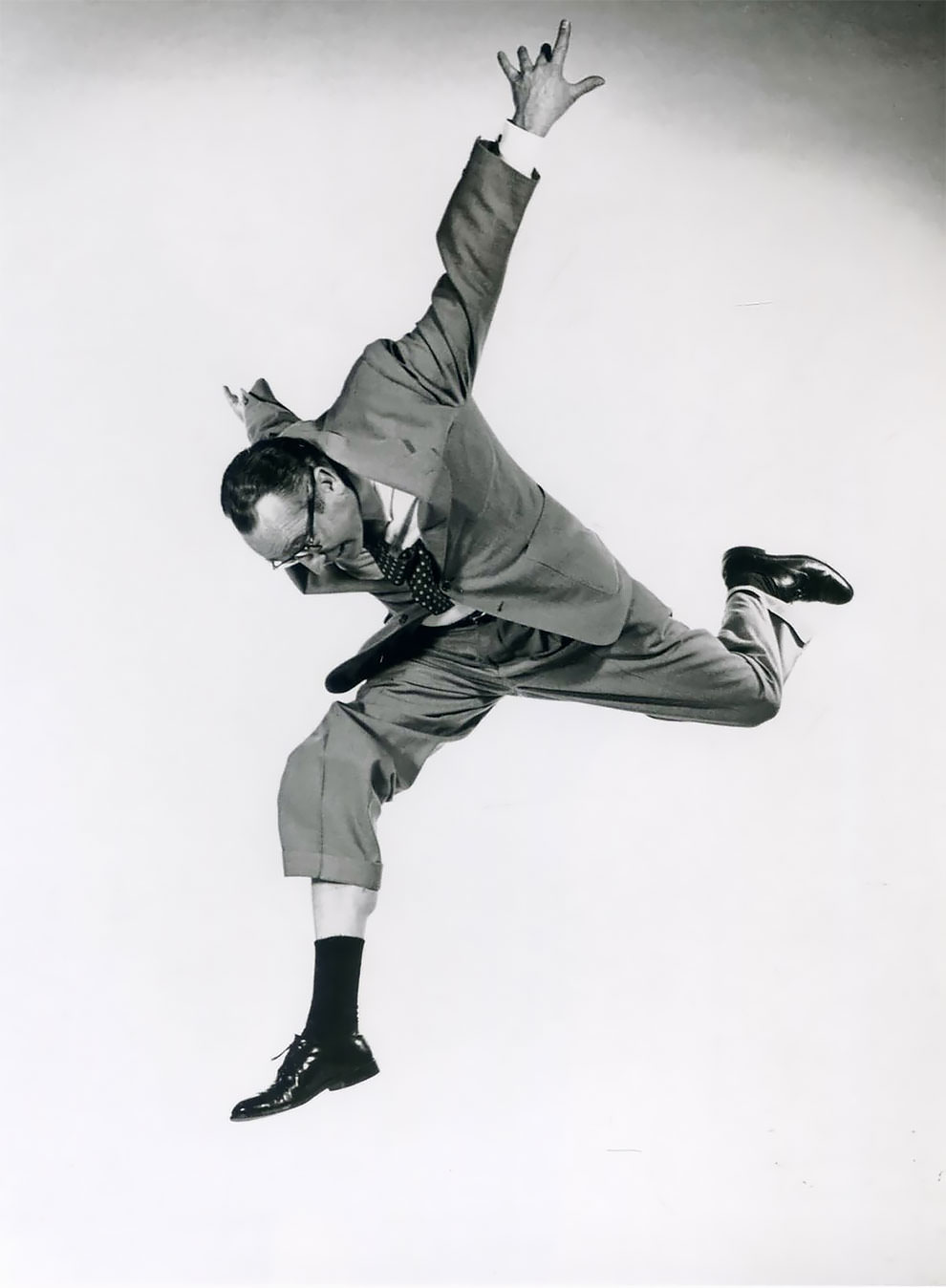
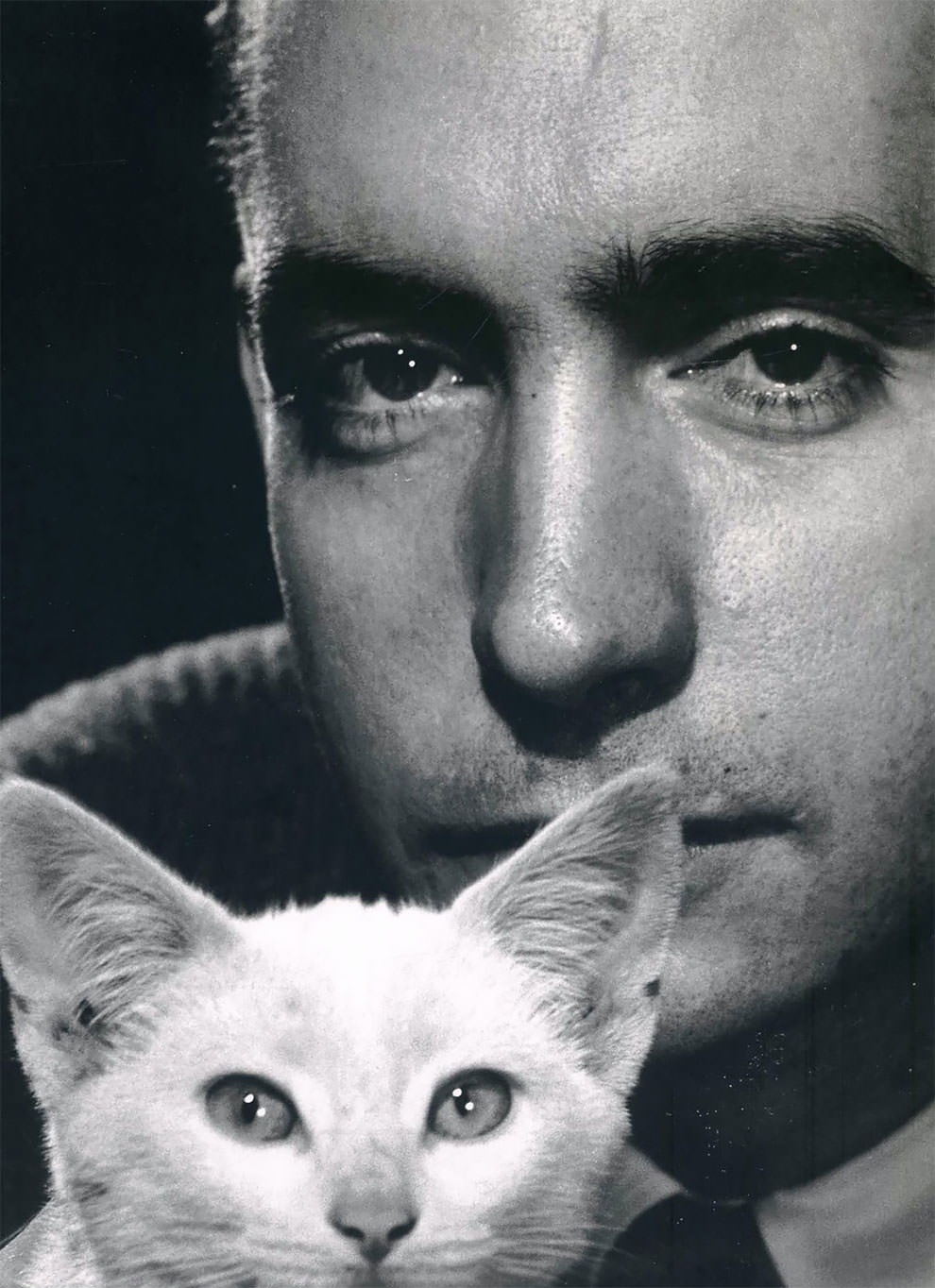
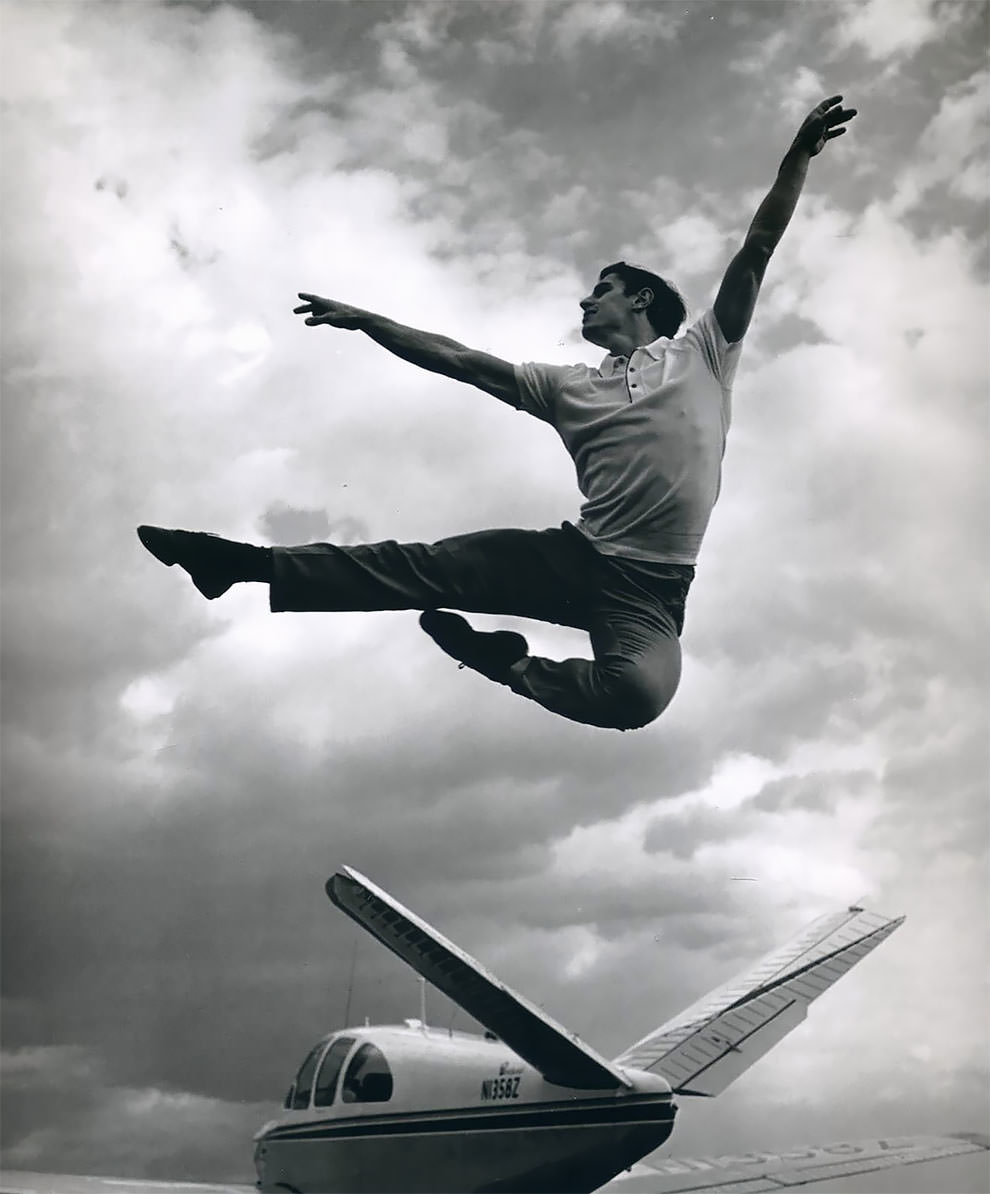
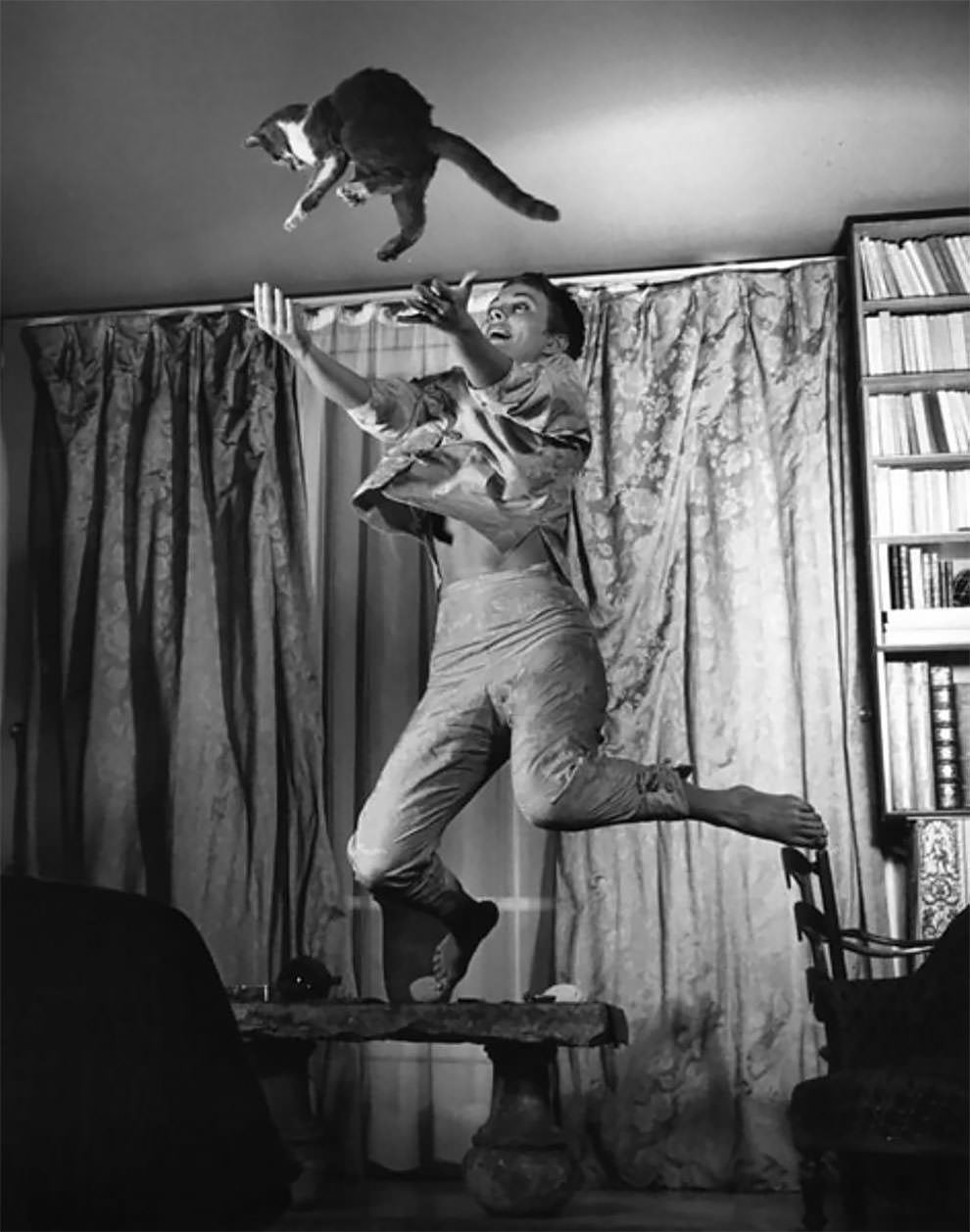
Halsman’s subjects spanned every discipline imaginable. Edward Villella, cited at the time as America’s most celebrated male dancer, was photographed in 1961. French actress and model Capucine was captured in Hollywood in 1960. Jean Seberg was photographed with her cat in 1959. Louis Armstrong sat in Halsman’s studio on April 15, 1966. Danny Kaye appeared in front of his camera in 1954. Each session added another name to a roster that reads like a roll call of 20th-century greatness.
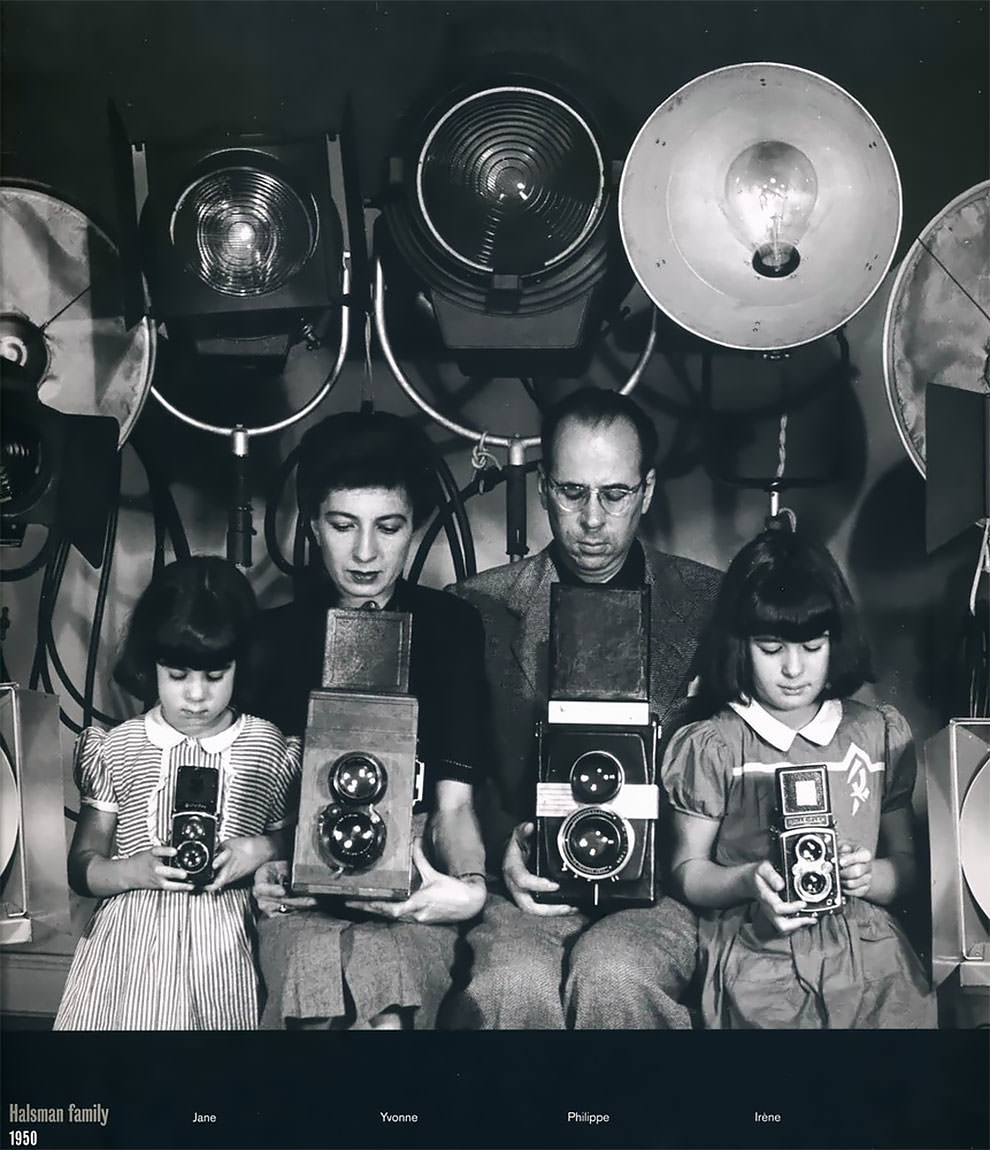
Halsman also left behind a personal portrait — a 1950 photograph of his own family: his wife Yvonne, daughters Jane and Irène, and himself. It is a rare glimpse of the man behind the camera, surrounded by the people closest to him. Together with thousands of portraits spanning three decades, it forms part of an archive that documents the faces of the 20th century with precision and life.