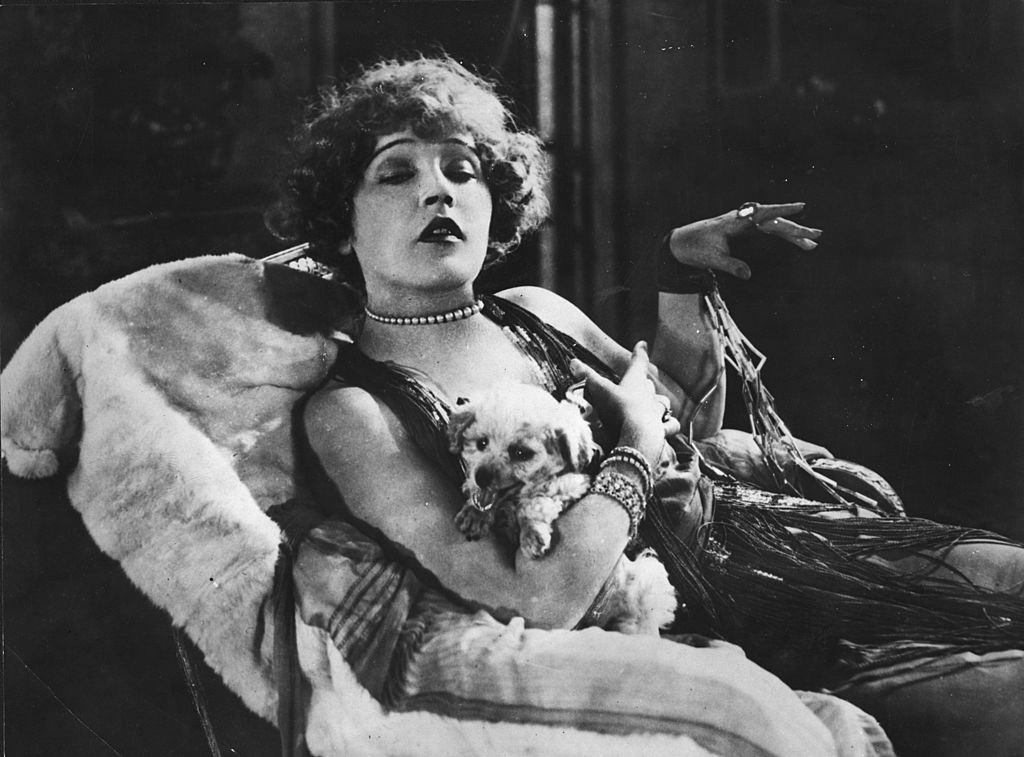
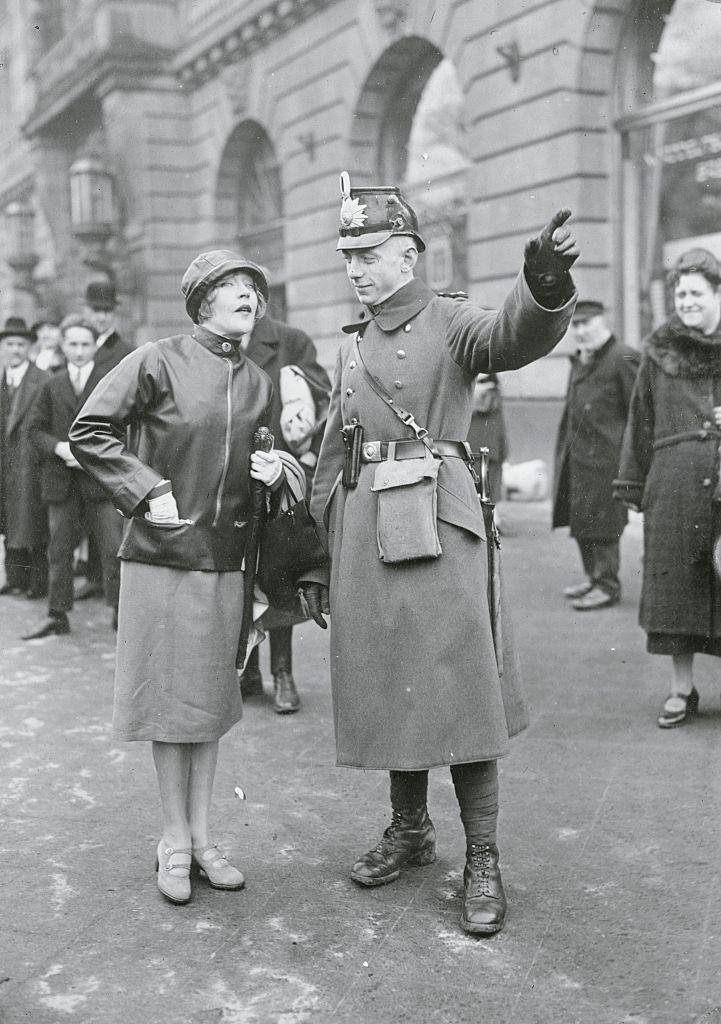
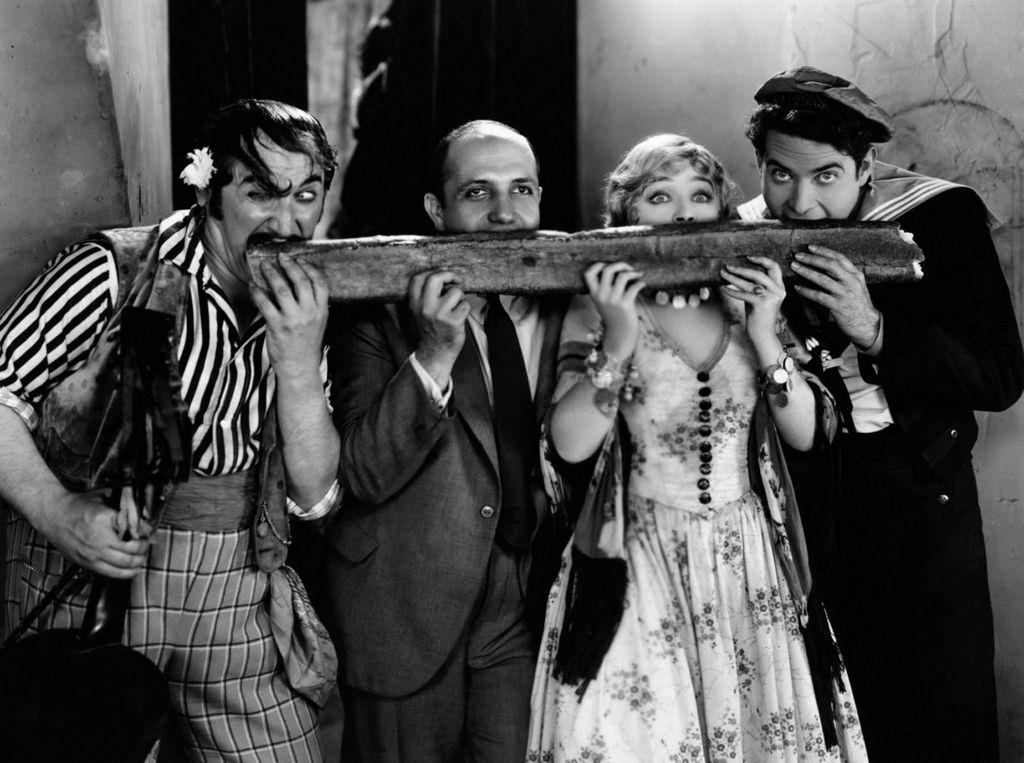
Mae Murray was an actress, dancer, film producer, and screenwriter who became one of the most recognizable faces of the silent film era. She earned two nicknames that followed her throughout her career: ‘The Girl with the Bee-Stung Lips’ and ‘The Gardenia of the Screen.’ Even her name was a creation of her own making — she combined ‘May’ with ‘Murray’s Restaurant,’ a popular 42nd Street spot she frequented as a girl, to form the stage name she would carry to the top of Hollywood.
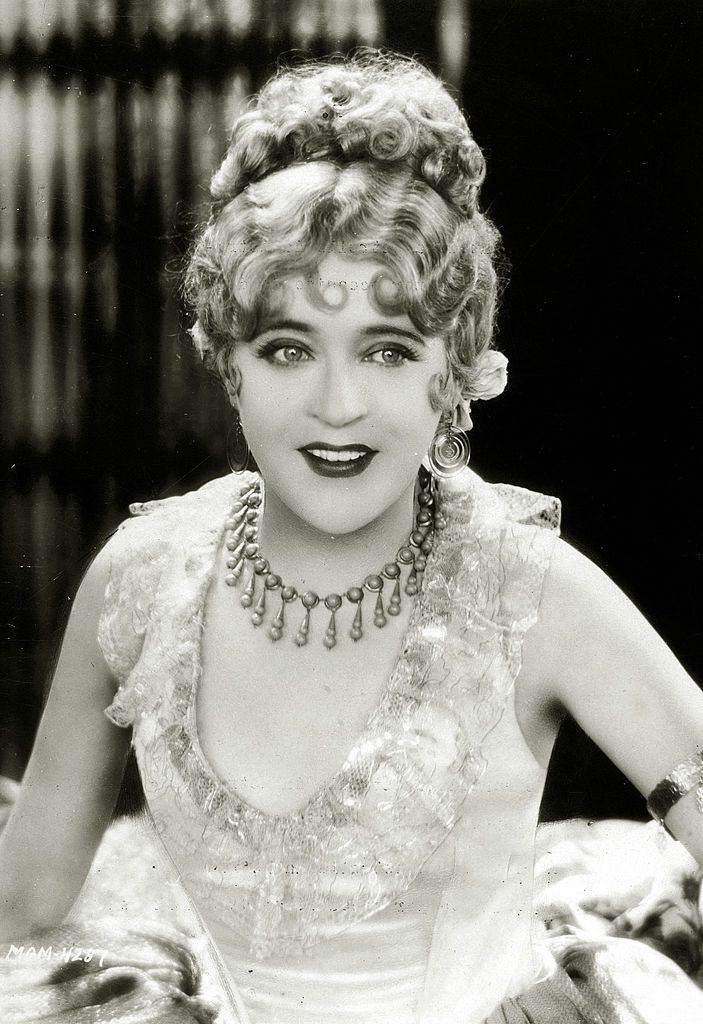
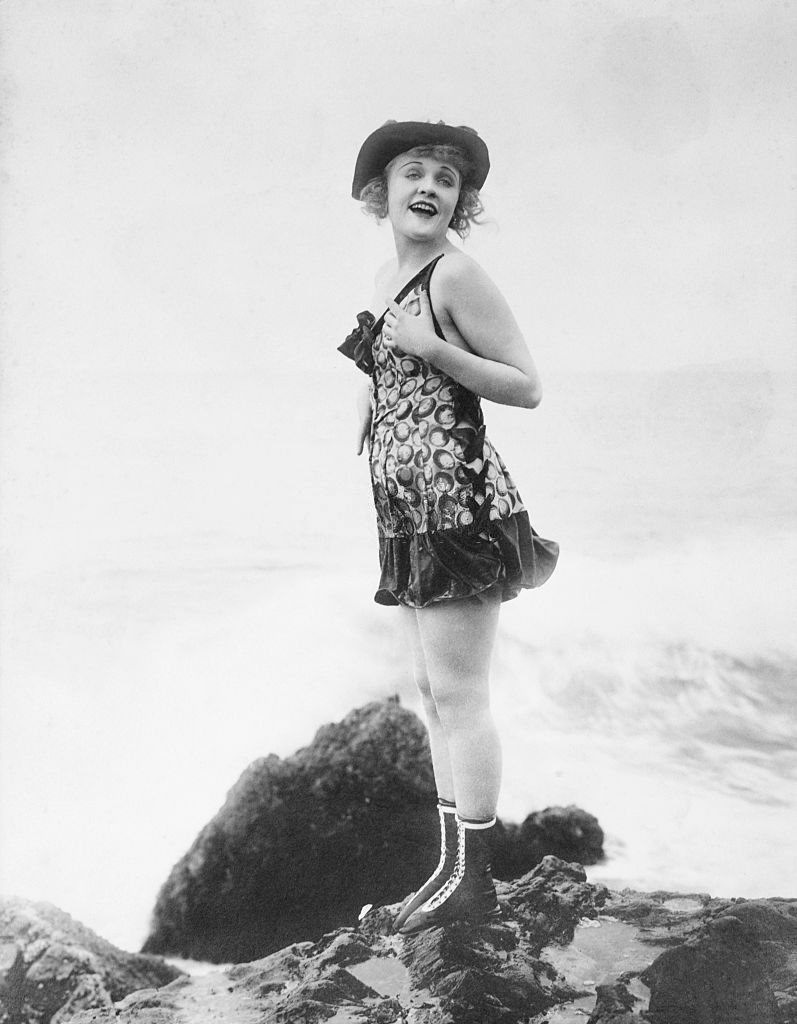
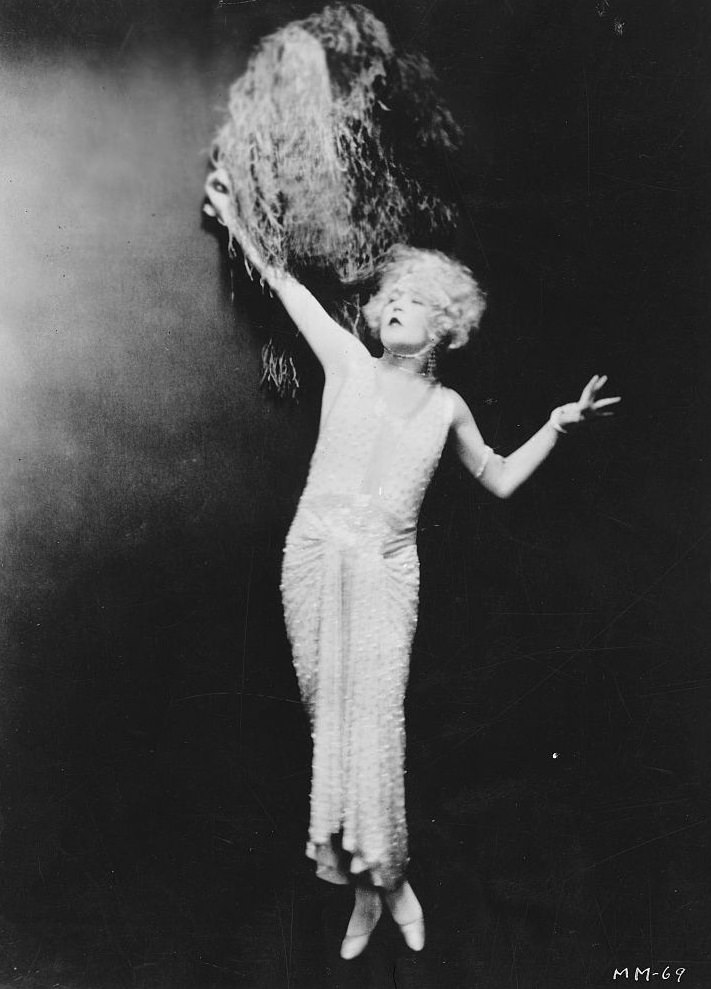
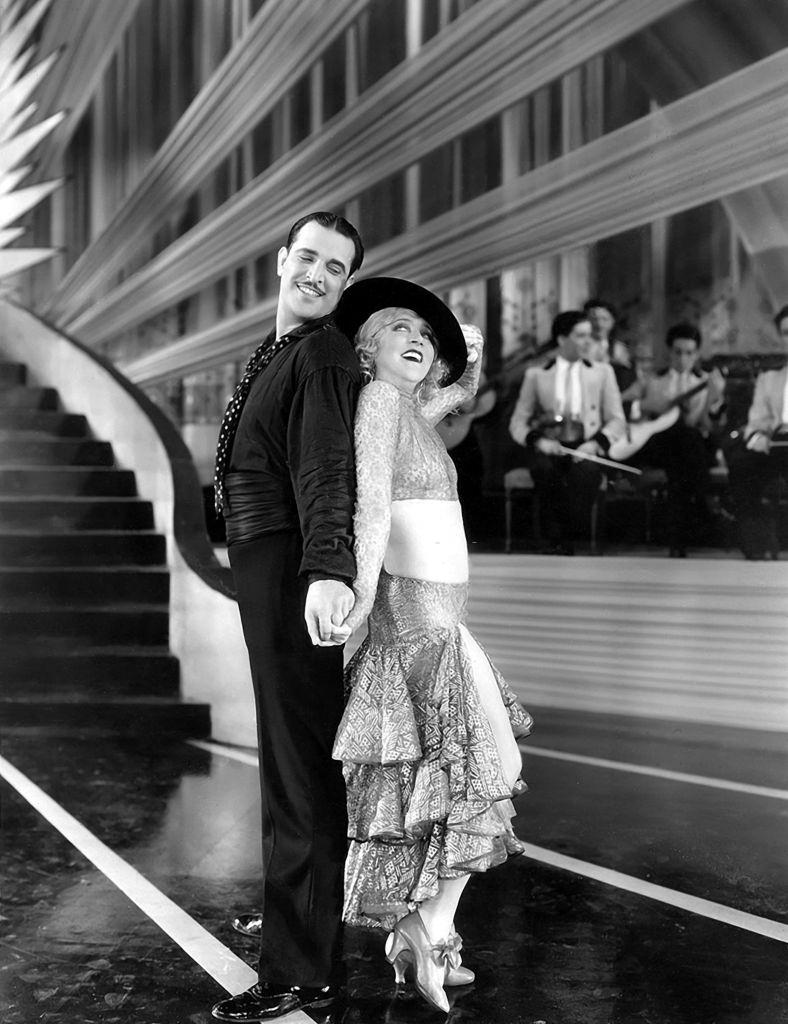
Murray’s first step into performance came on the Broadway stage in 1906. She joined the Ziegfeld Follies as a chorus member before rising to headliner status in 1915. Her dancing set her apart from other performers of the time. She shared the stage — and the dance floor — with partners including Clifton Webb, Rudolph Valentino, and John Gilbert, performing across American and European clubs to enthusiastic audiences.
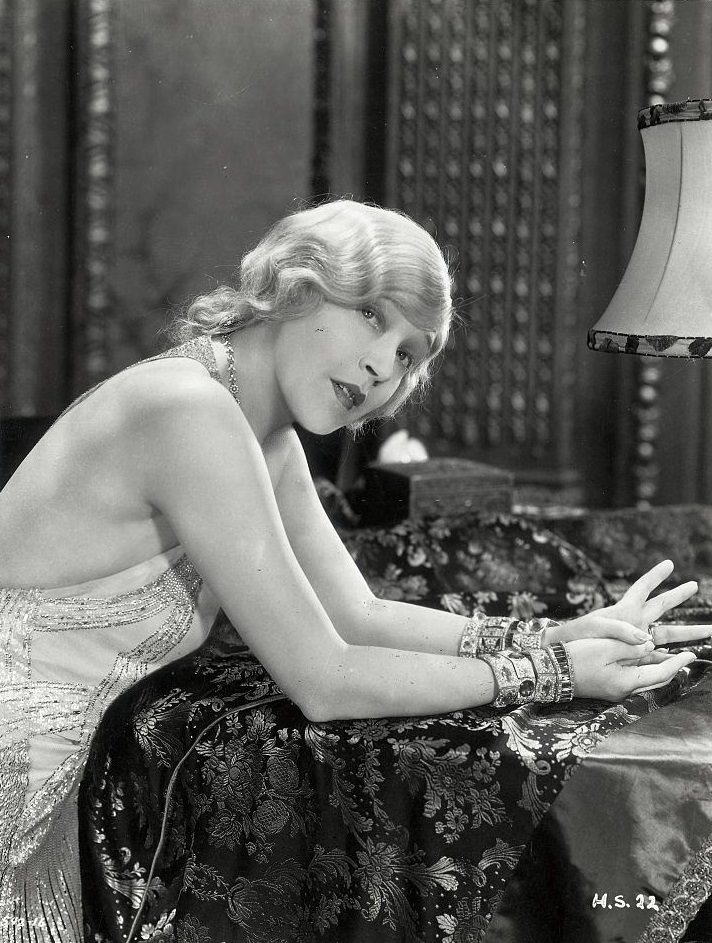
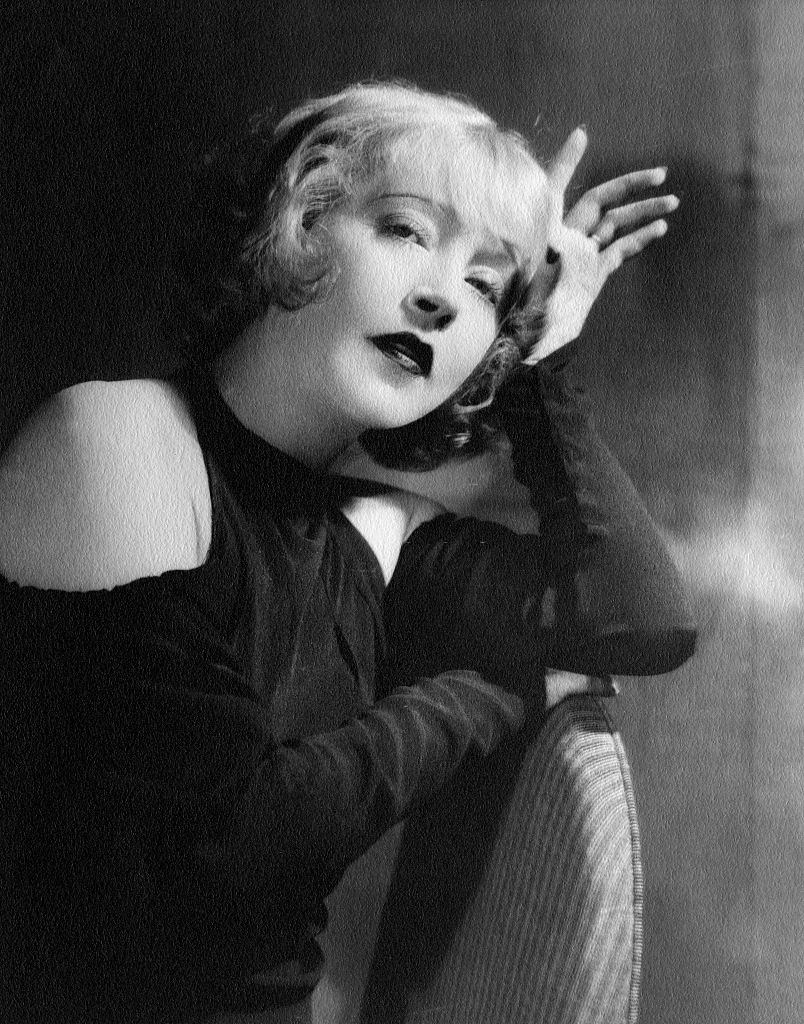
In 1916, Murray made her Hollywood debut in ‘To Have and to Hold.’ She quickly established herself as a major draw, starring in a string of romantic comedies and dramas for Lasky, including ‘Sweet Kitty Bellairs’ (1916), ‘Dream Girl’ (1916), ‘The Plow Girl’ (1916), ‘A Mormon Maid’ (1917), and ‘The Primrose Ring’ (1917). Many of these films featured dance sequences choreographed specifically for her by director Robert Z. Leonard, whom she married in 1918.
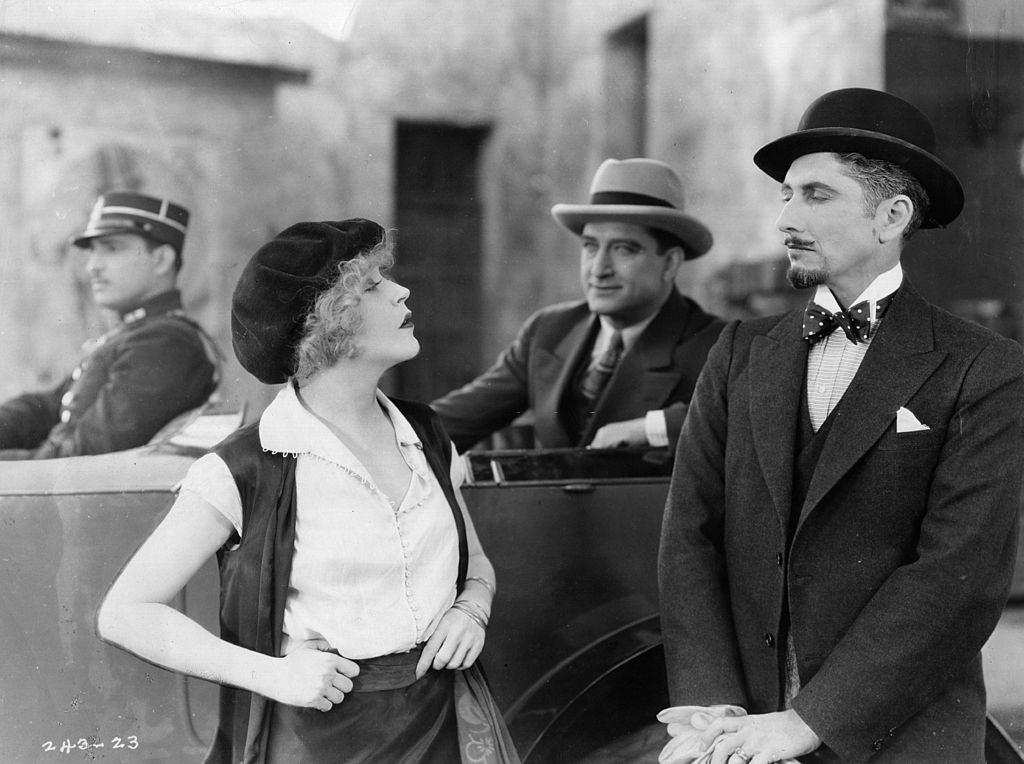
Her partnership with Rudolph Valentino on screen proved particularly fruitful. The two starred together in ‘The Delicious Little Devil’ and ‘Big Little Person,’ both released in 1919 under Universal Pictures. The success of those films pushed Murray firmly into the top tier of Hollywood stars. She also appeared in several additional Universal Pictures productions throughout the 1920s, maintaining a steady presence at the box office.
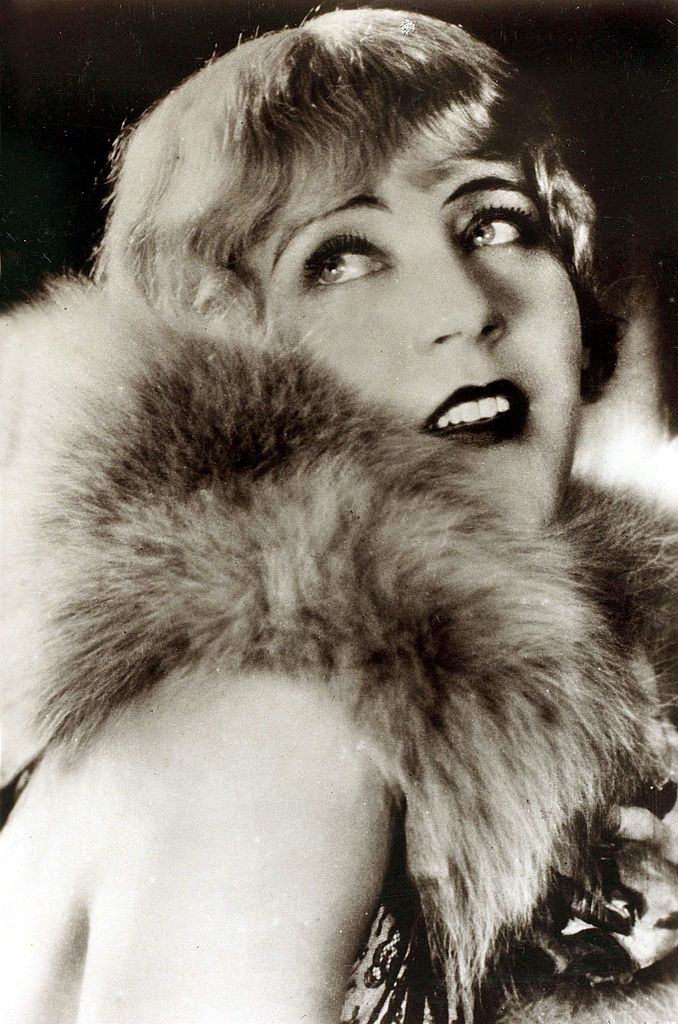
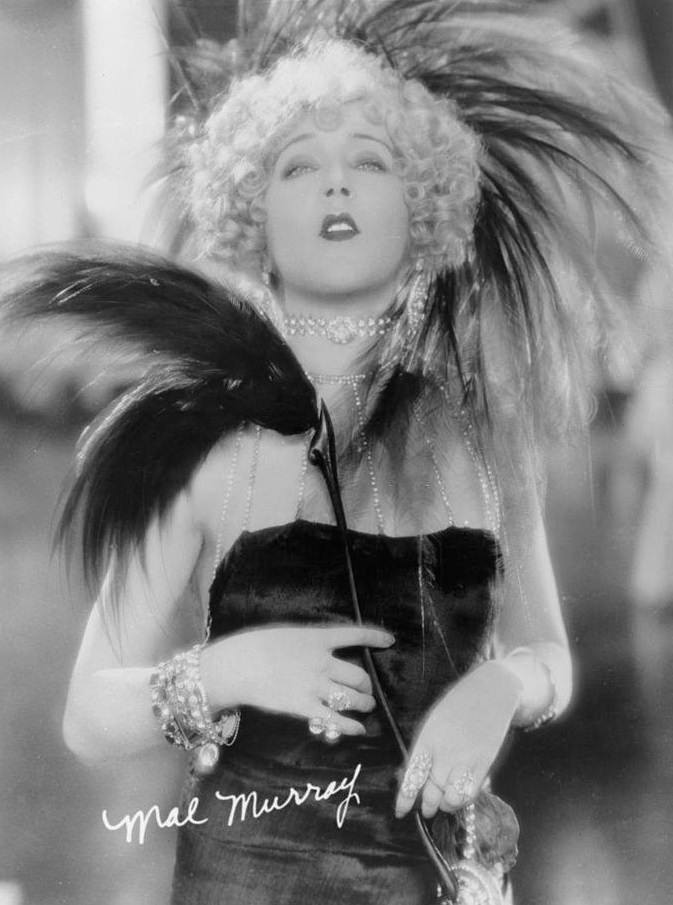
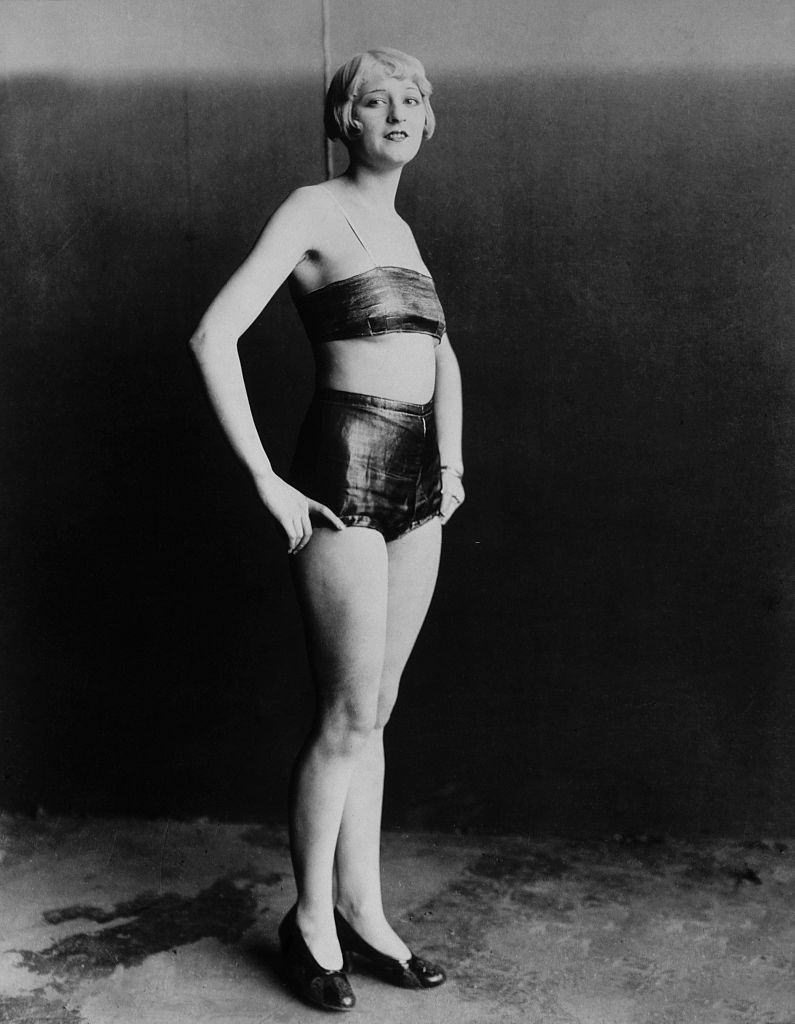
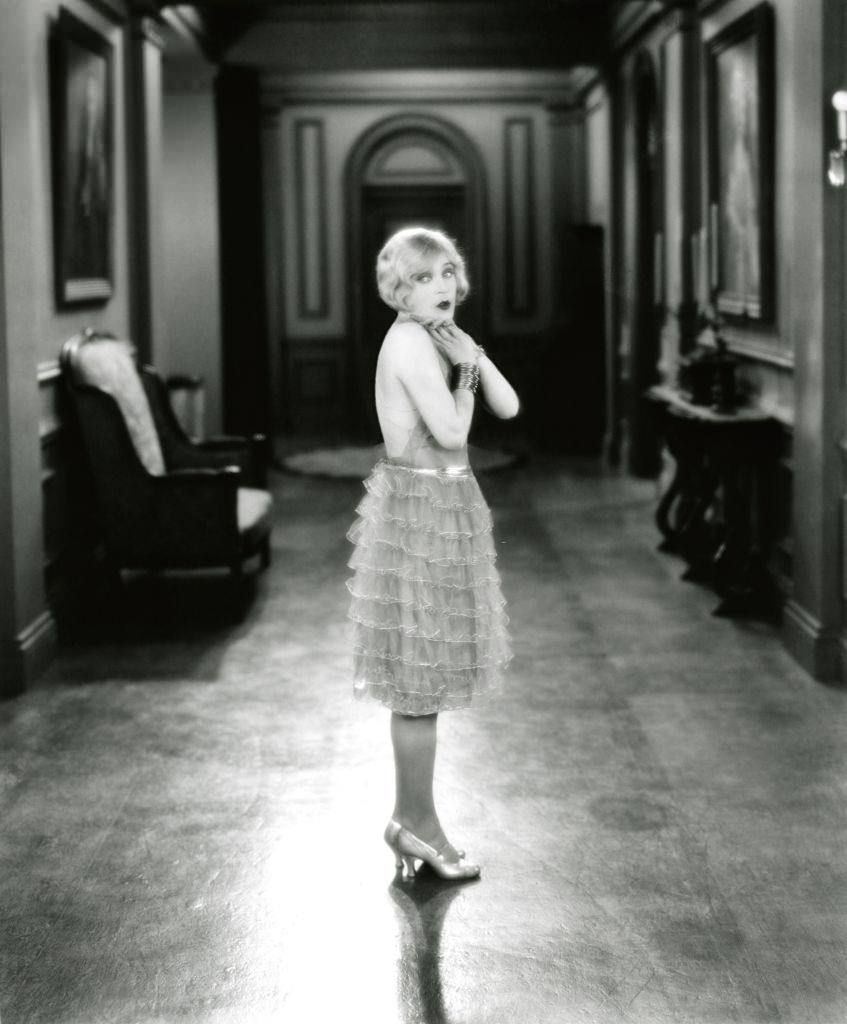
By the early 1920s, Murray had become one of Hollywood’s most glamorous stars. She formed her own production company with director John M. Stahl during her peak years. In 1925, Murray, Stahl, and Leonard also helped launch Tiffany Pictures, with ‘Souls for Sables’ (1925) — starring Claire Windsor and Eugene O’Brien — as the studio’s first release. Murray’s films were known primarily for their popularity with audiences and strong financial returns, not simply for her elaborate costumes or dramatic on-screen style.
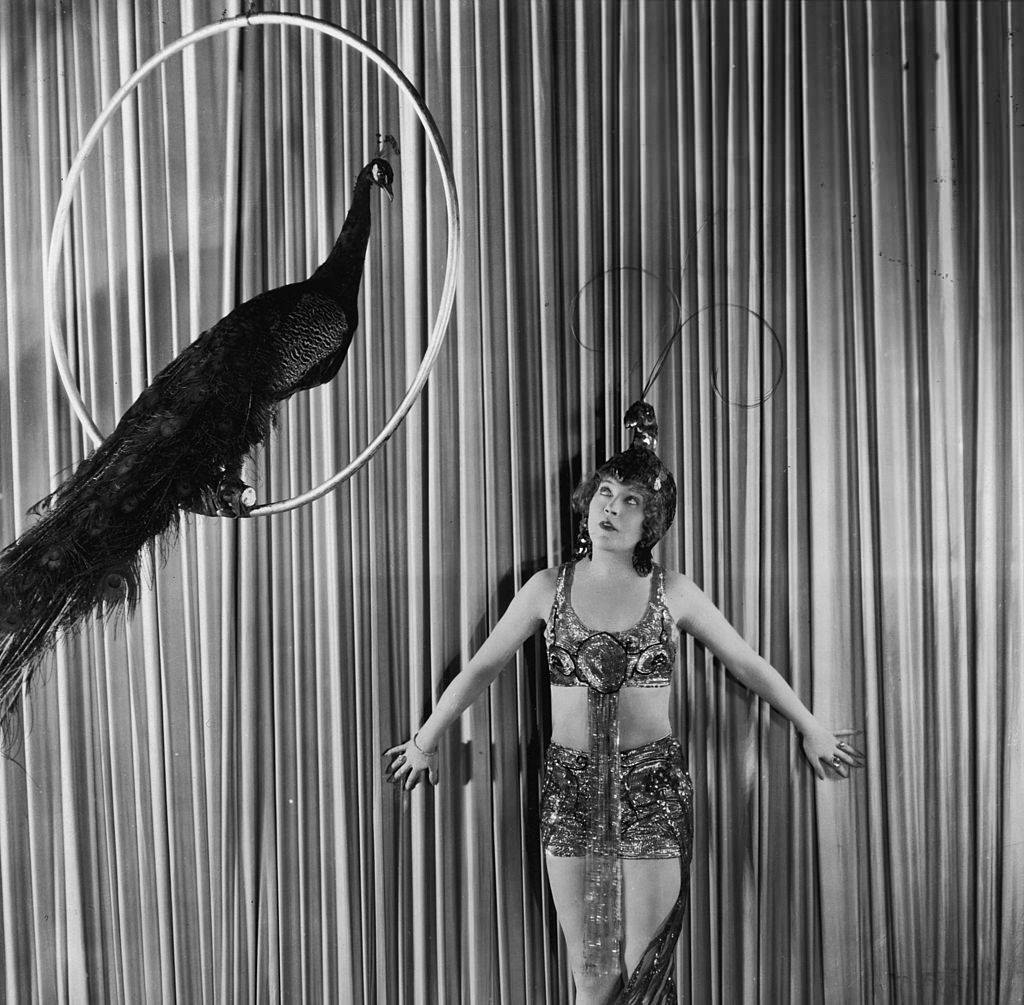
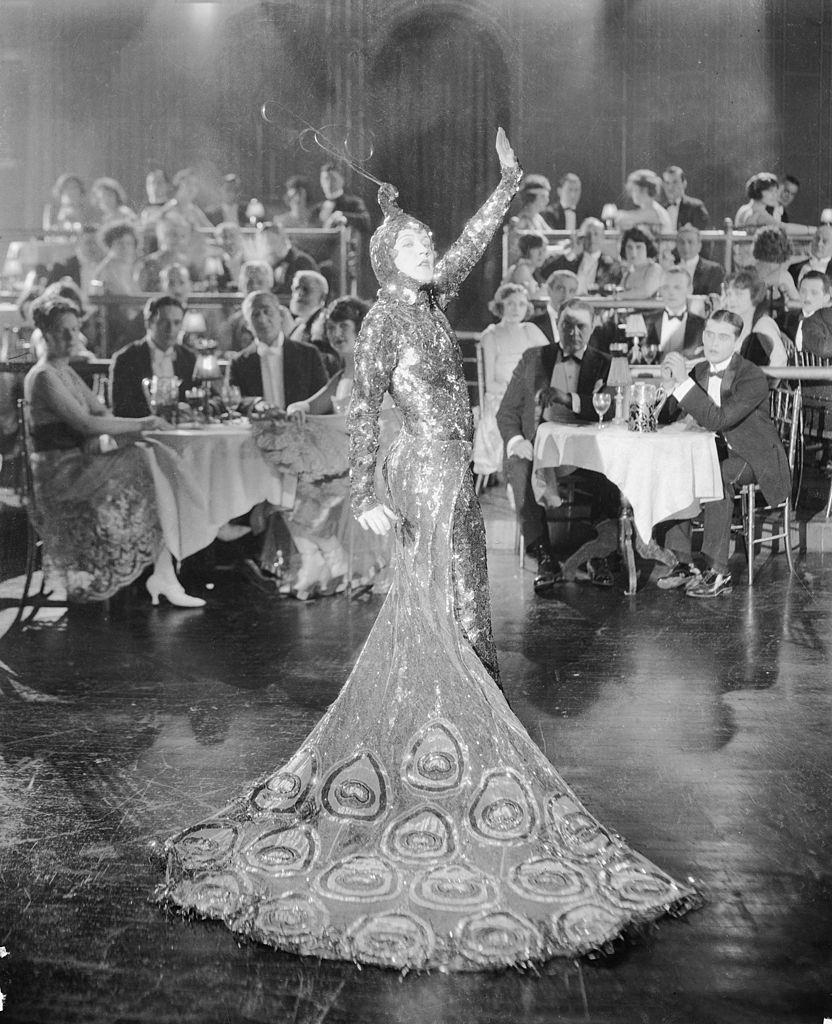
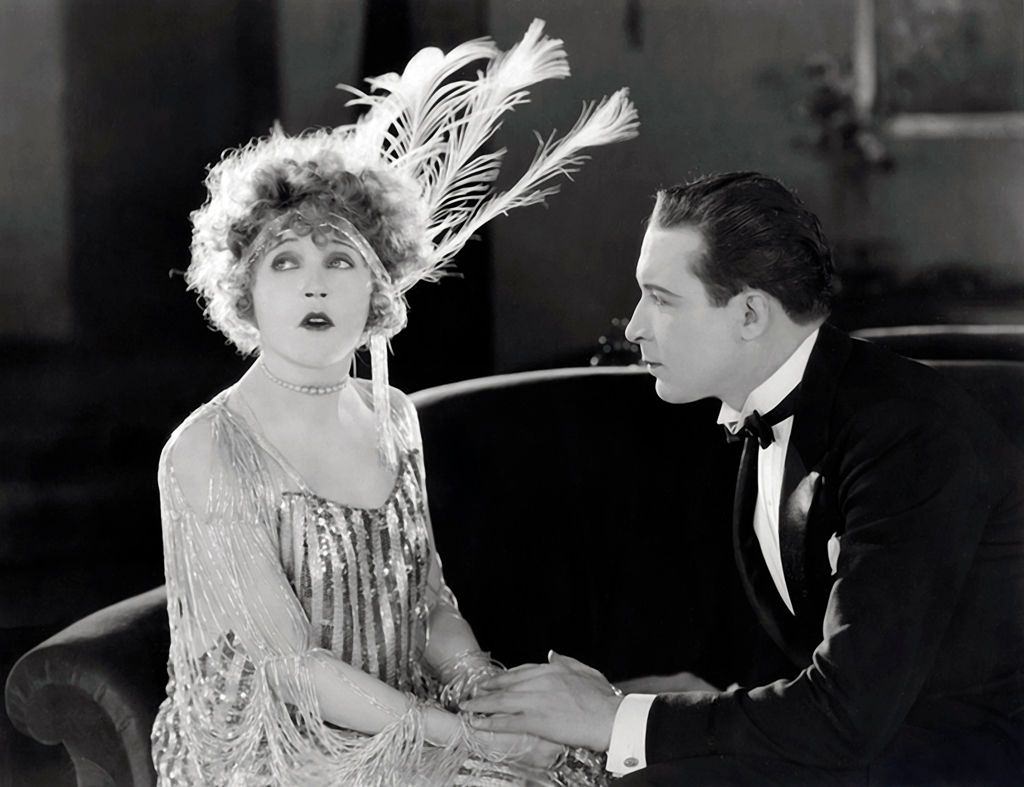
The year 1922 was a productive one. Murray appeared in ‘Peacock Alley,’ ‘Broadway Rose,’ and ‘Fascination,’ showcasing her range across different dramatic roles. Her on-screen presence drew large audiences, and her image — carefully crafted both on and off the set — made her a fixture in fan magazines and newspapers. For a time, she even wrote a weekly column for newspaper publisher William Randolph Hearst.
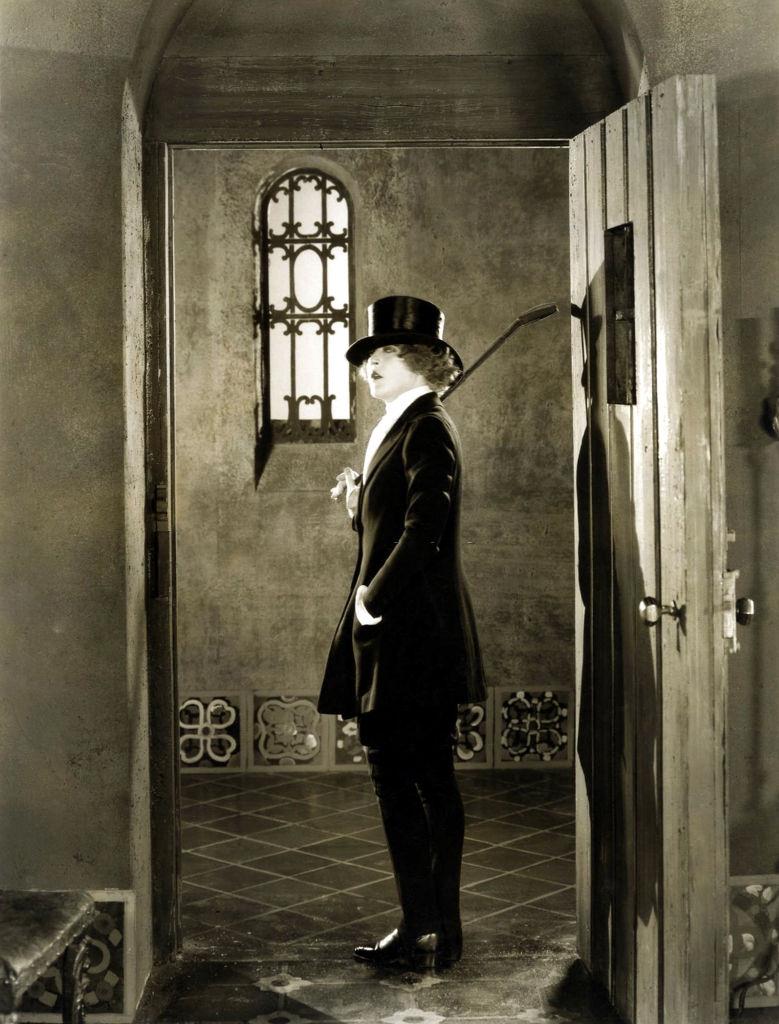
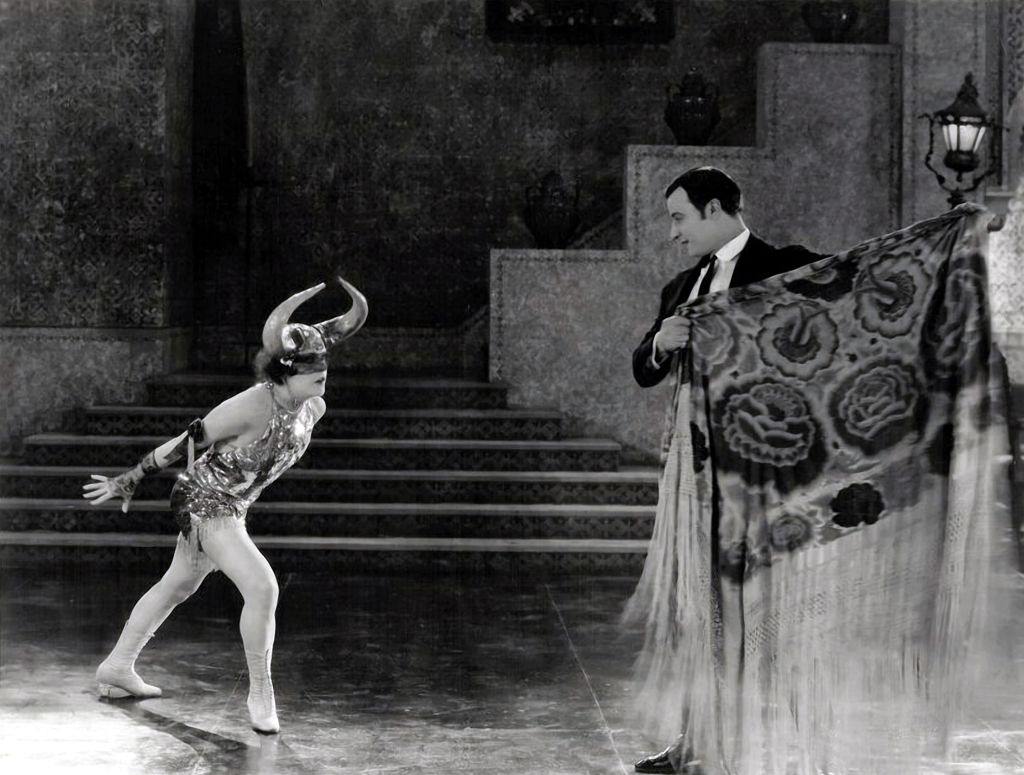
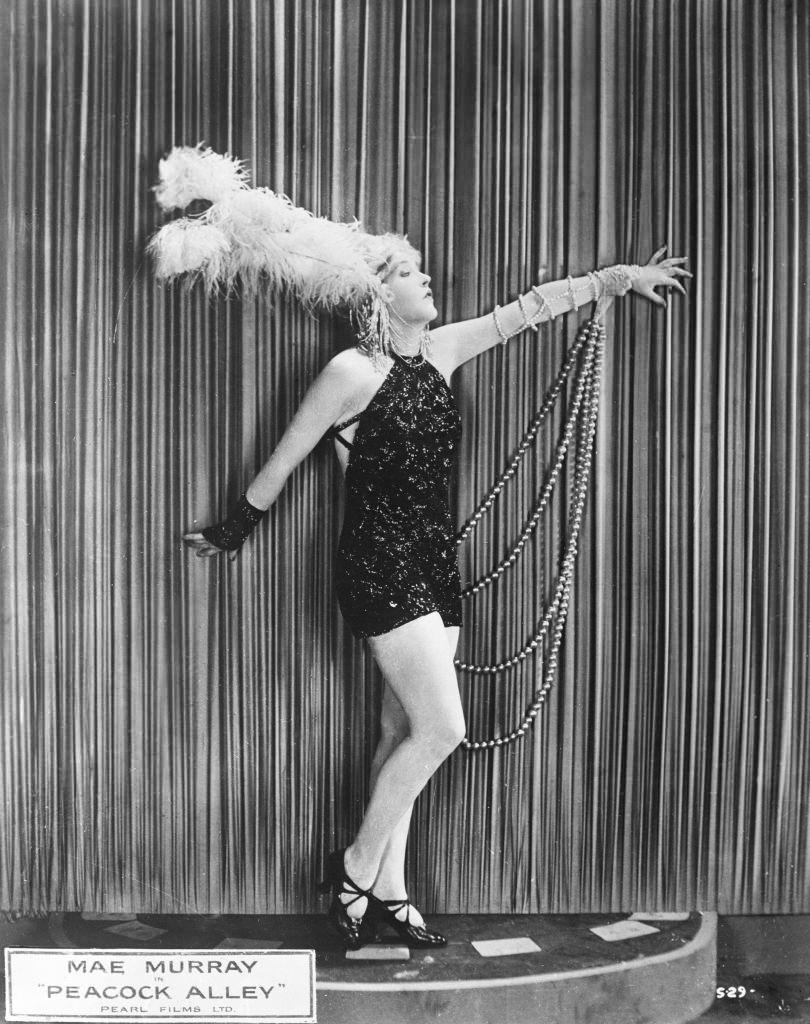
Murray continued working steadily through 1923, appearing in ‘Fashion Row’ and ‘Jazzmania.’ In ‘Fashion Row,’ she played Olga Farinova, a role that gave full scope to her theatrical style. These years represented the height of her creative and commercial power, with each new film generating significant audience interest.
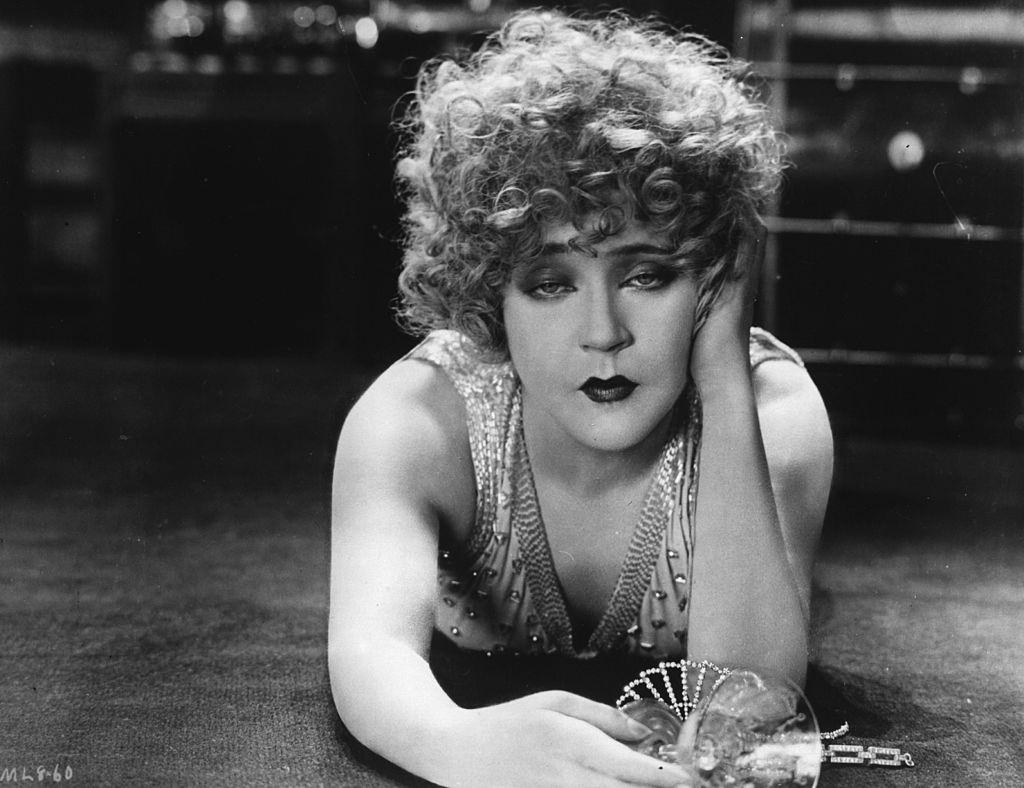
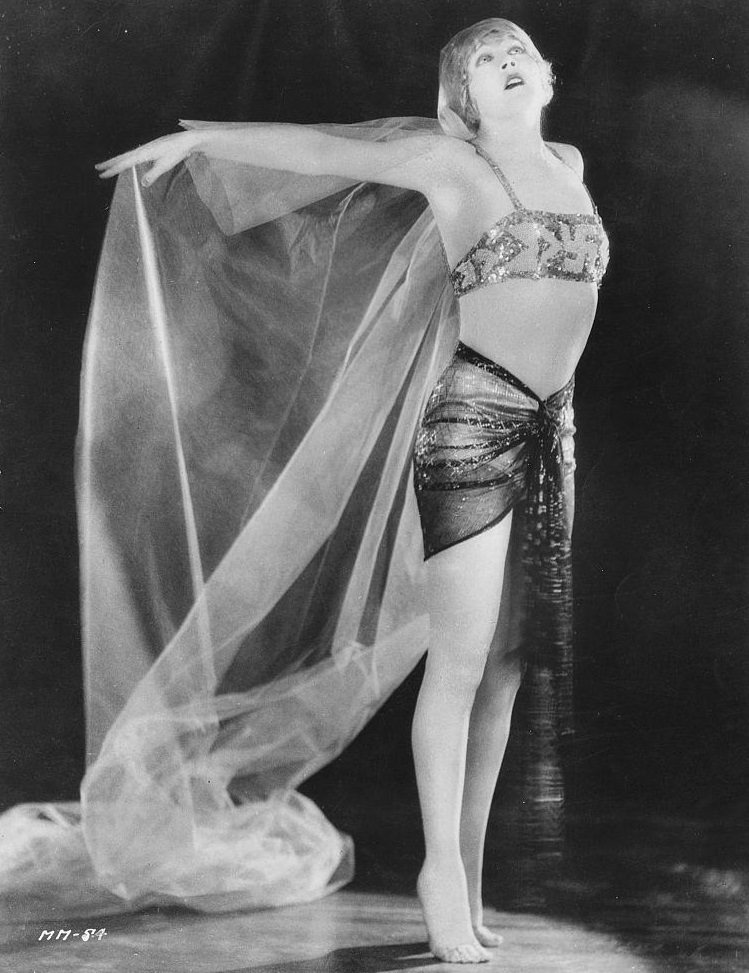
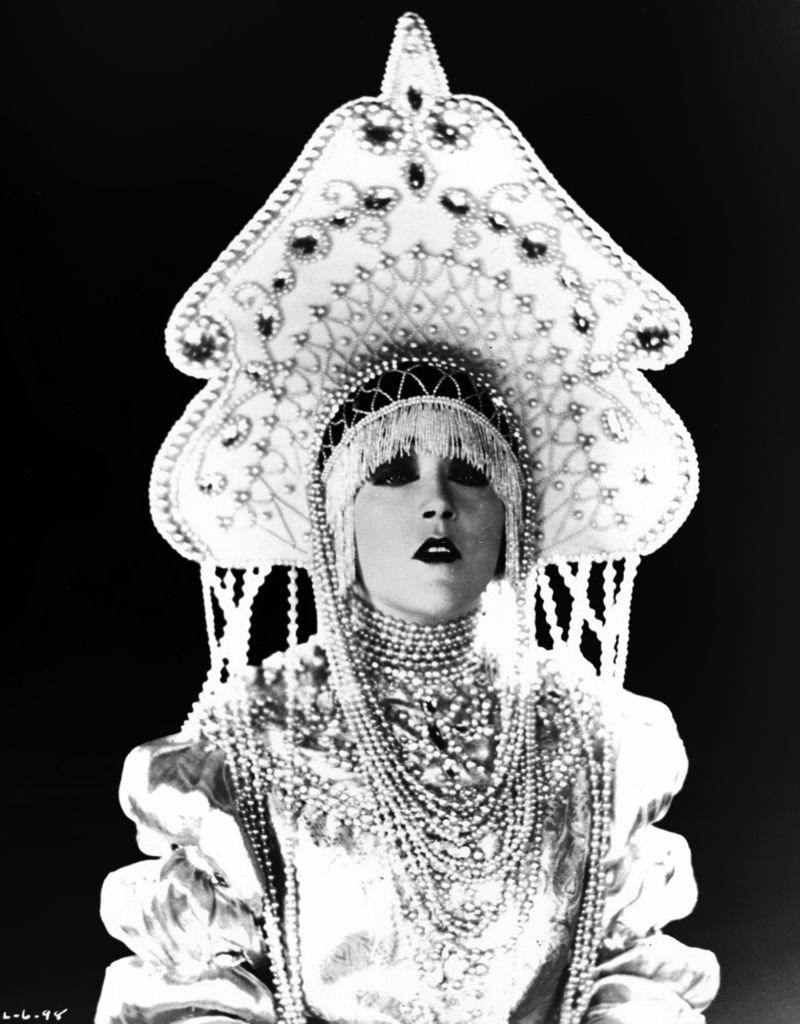
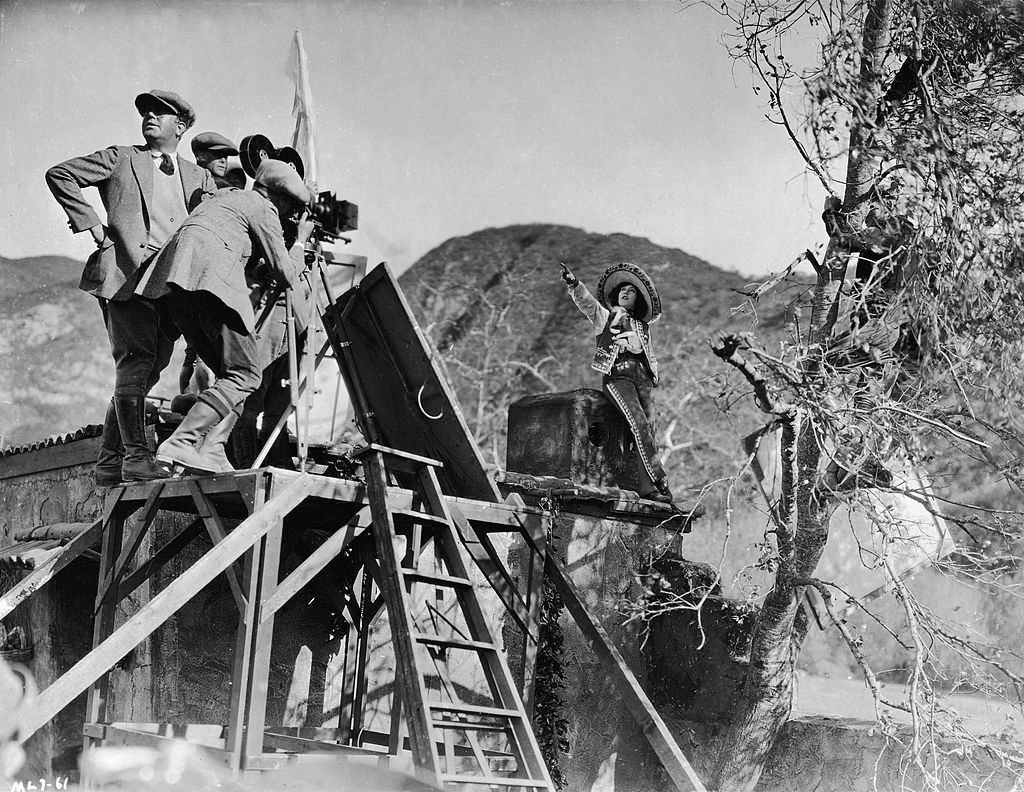
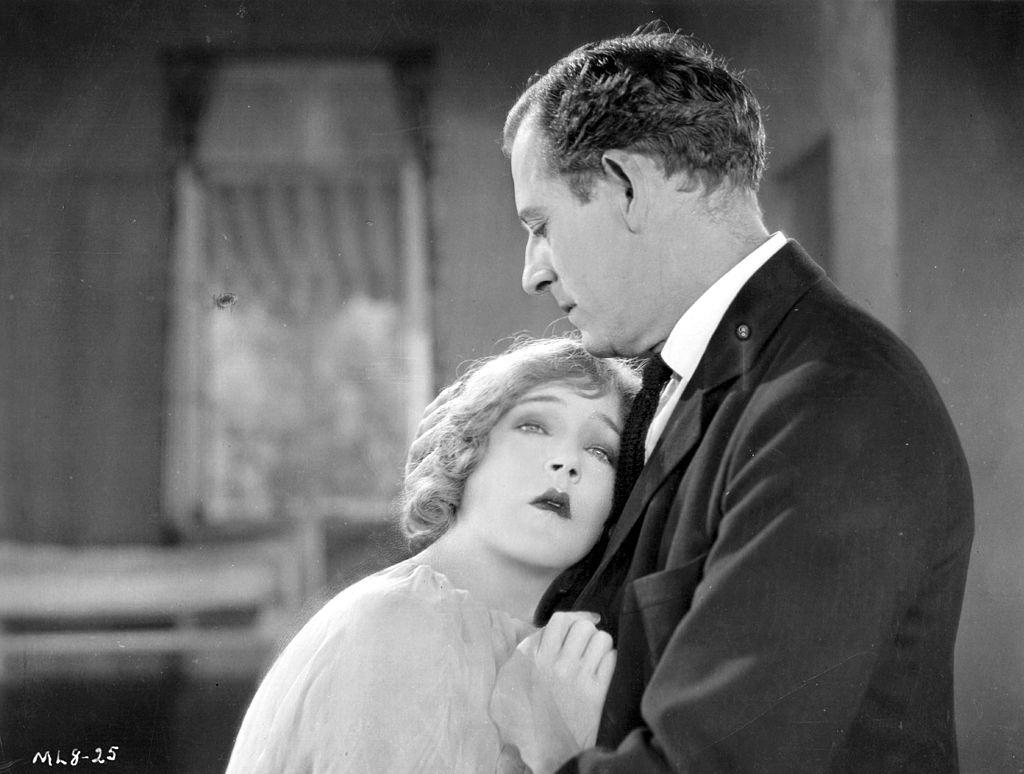
In 1924, Murray took her production work on location for ‘Mademoiselle Midnight’ and also starred in ‘Circe the Enchantress.’ These films allowed her to take on more varied characters, including a Mexican woman in ‘Mlle Midnight.’ By this point in her career, her on-screen dance sequences remained a key element of her appeal, drawing on the same skills that had made her a Broadway headliner a decade earlier.
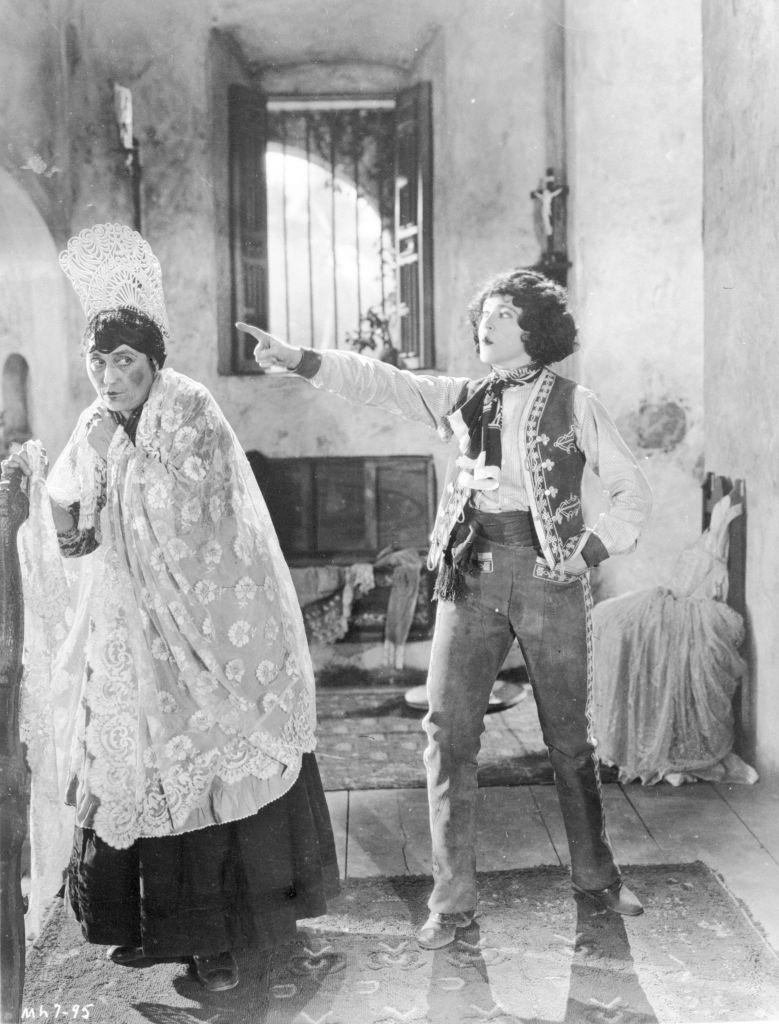
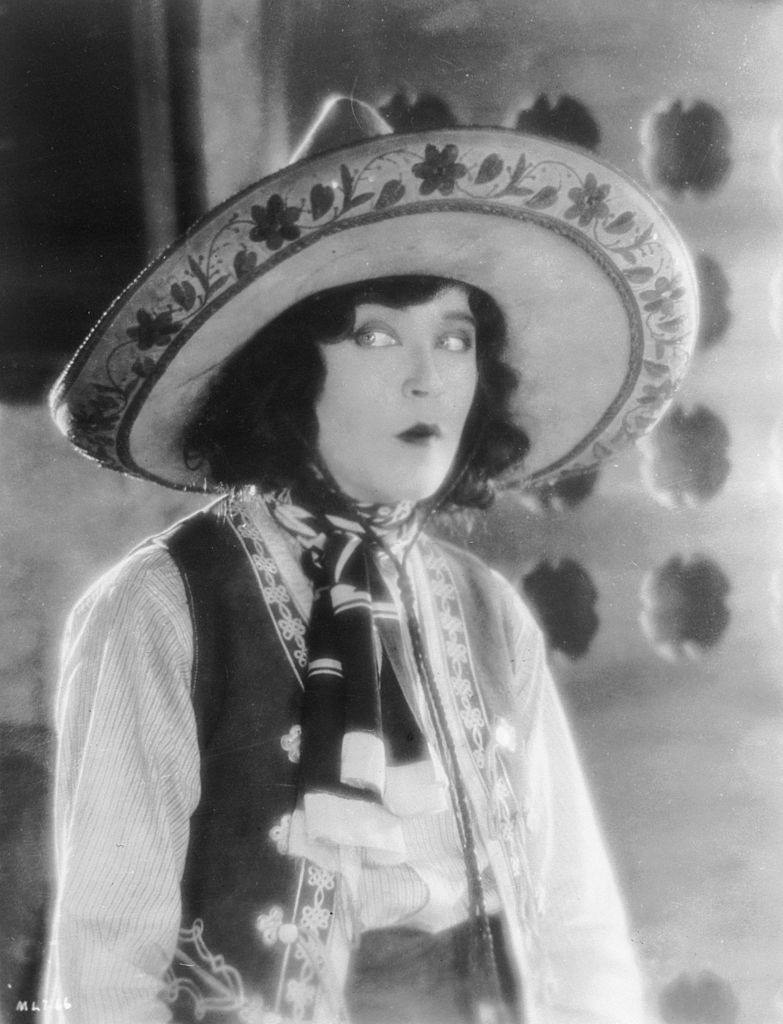
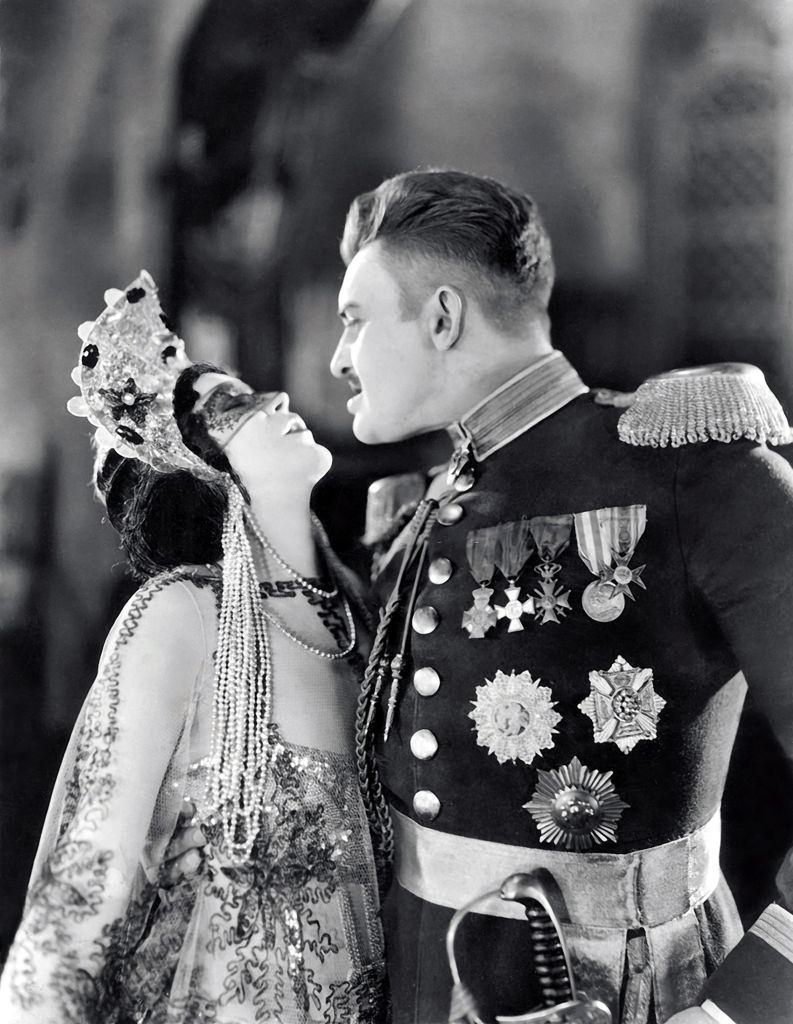
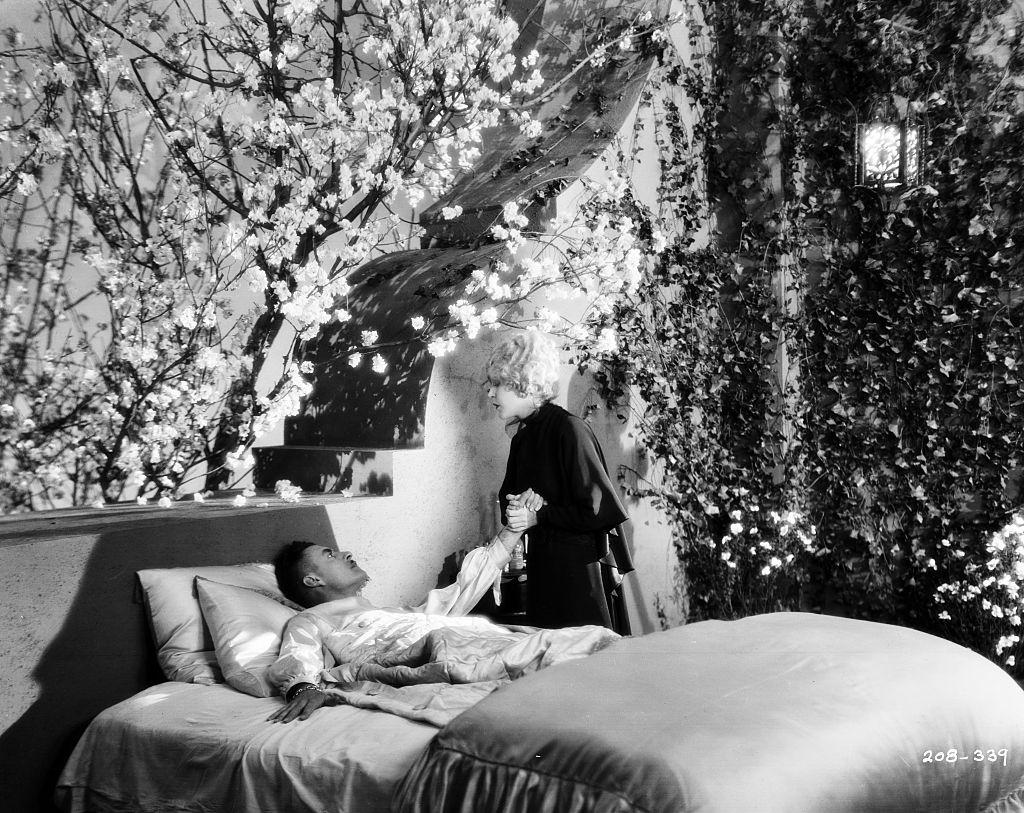
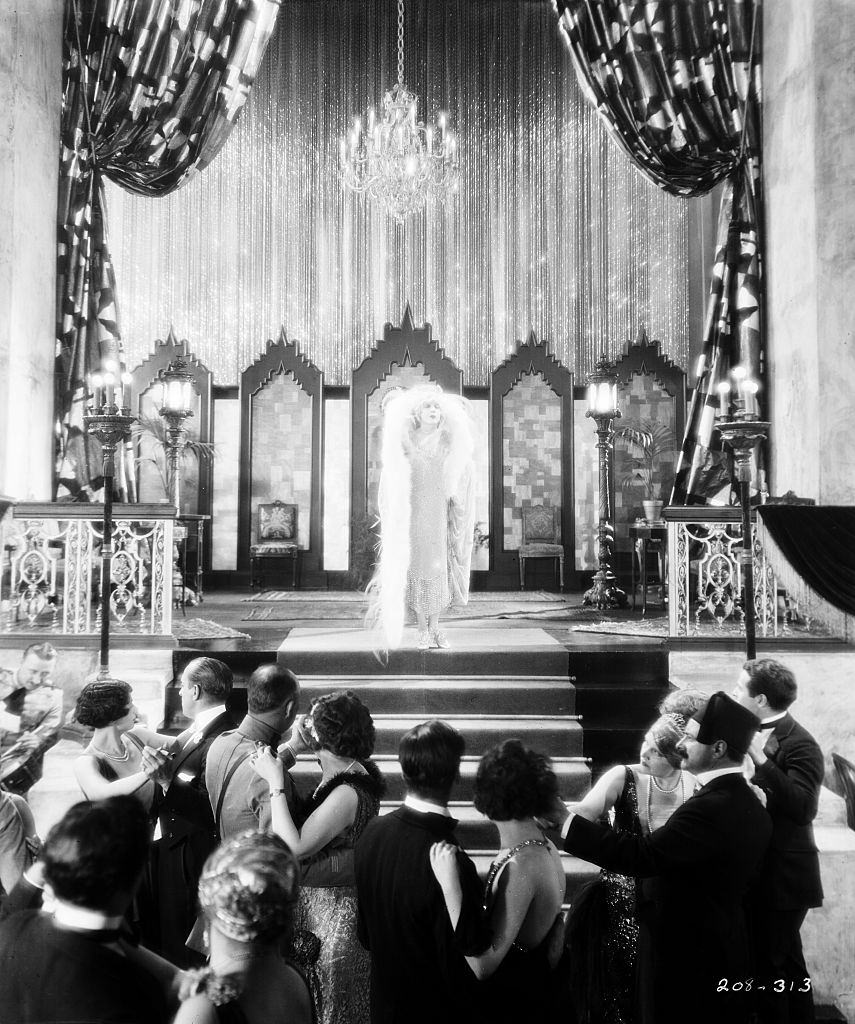
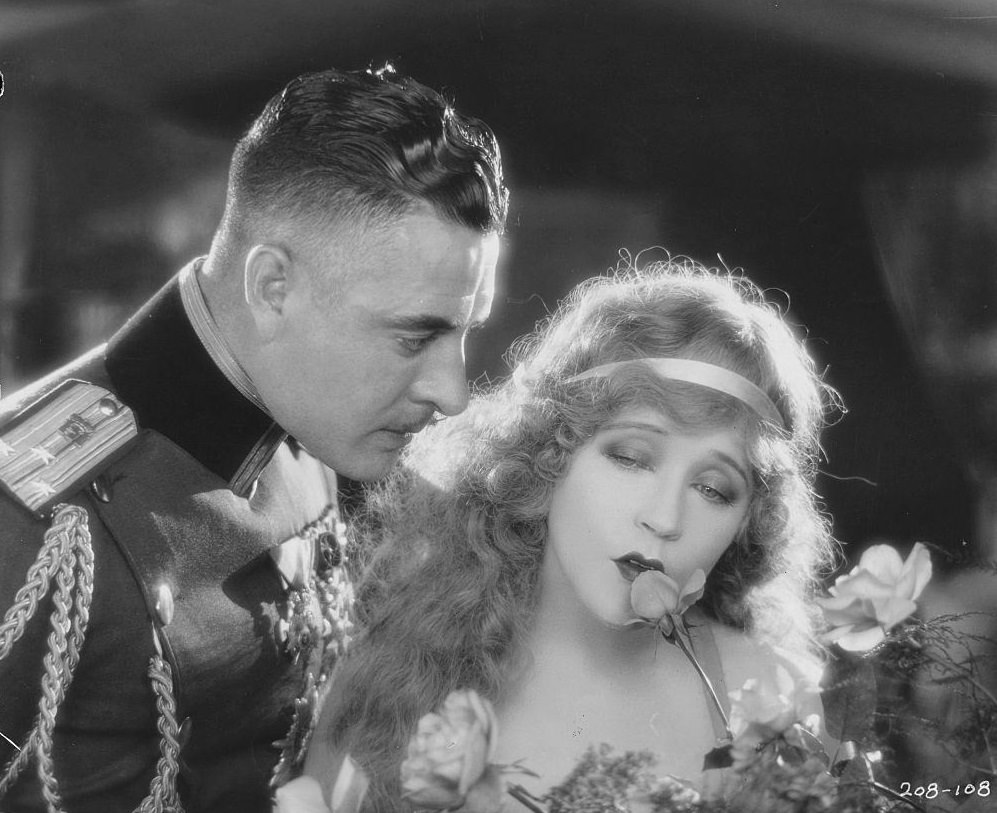
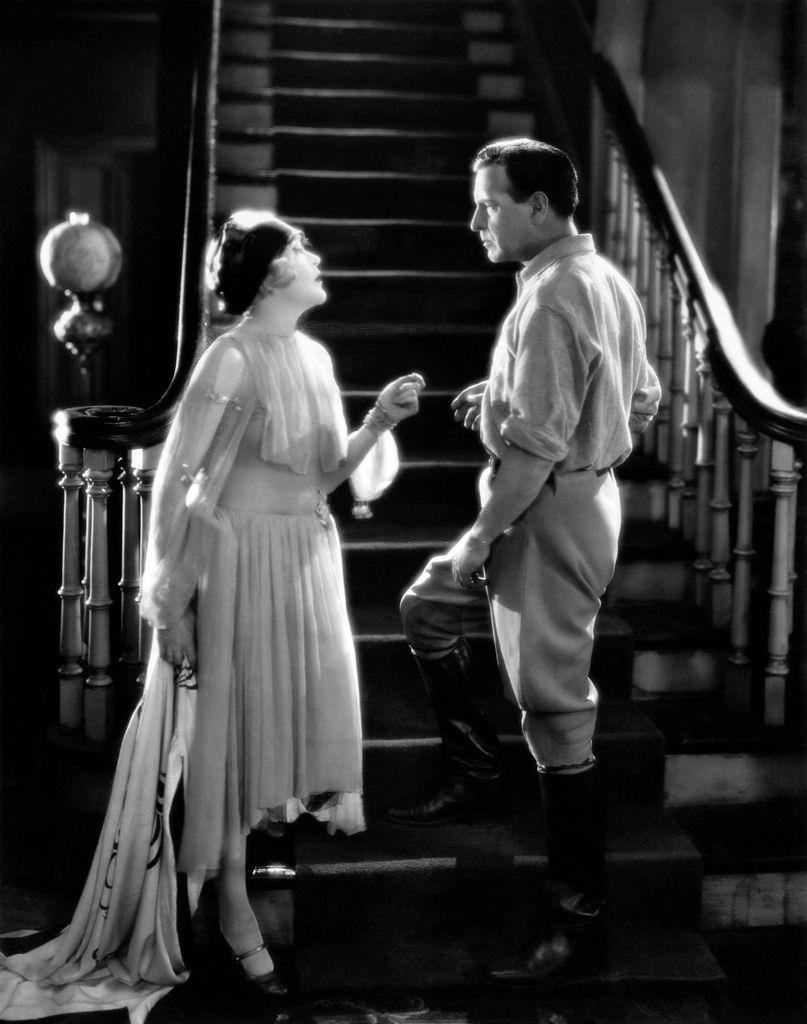
The year 1925 brought Murray’s most celebrated role. She starred as dancer Sally O’Hara in MGM’s ‘The Merry Widow,’ directed by Erich von Stroheim and co-starring John Gilbert. The film was a massive success and stood as the pinnacle of her Hollywood career. Her performance combined the dancing skill and screen magnetism that had defined her work from the very beginning.
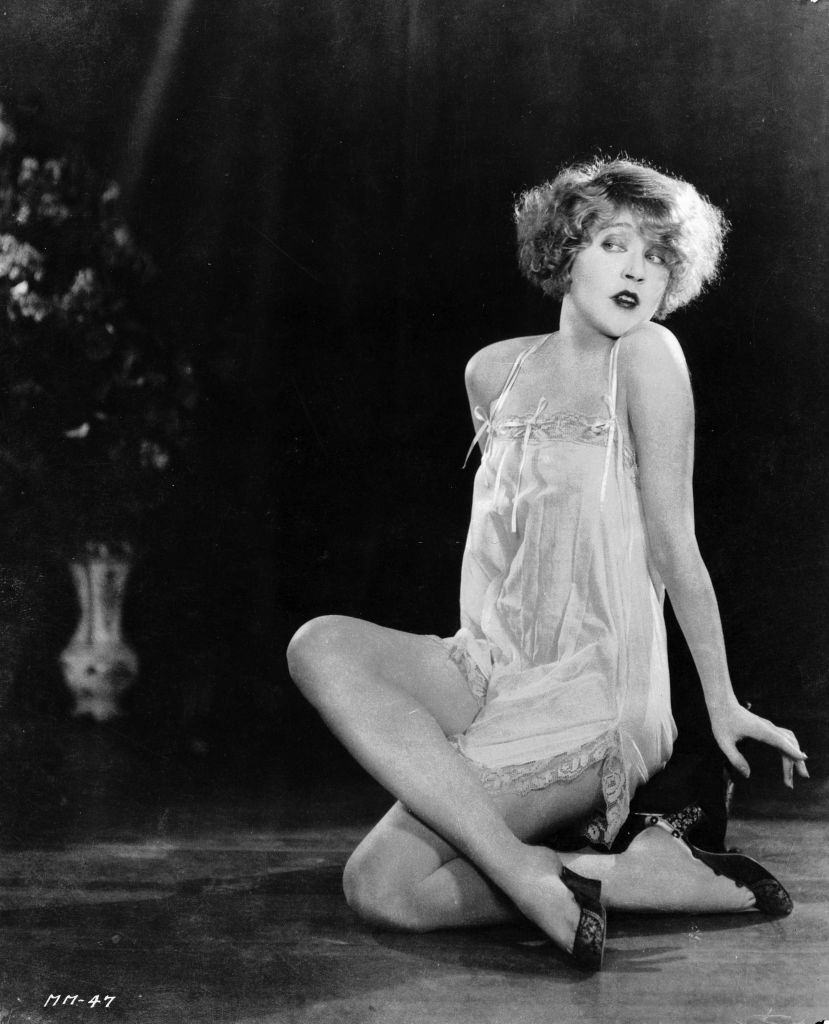
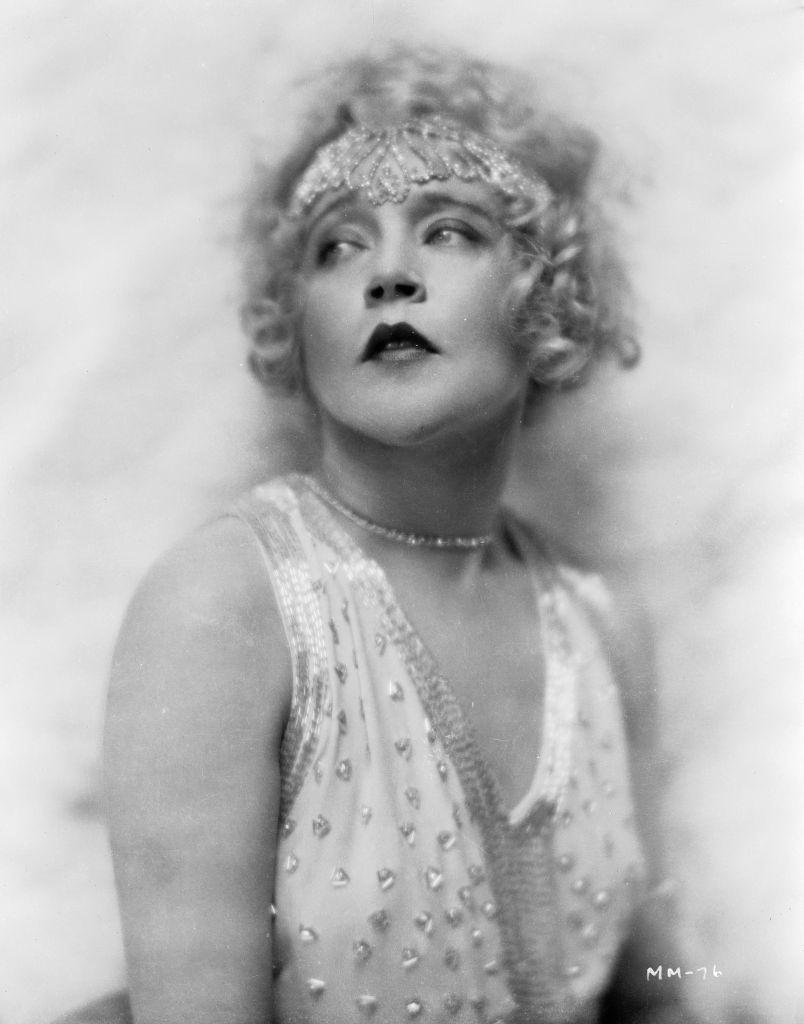
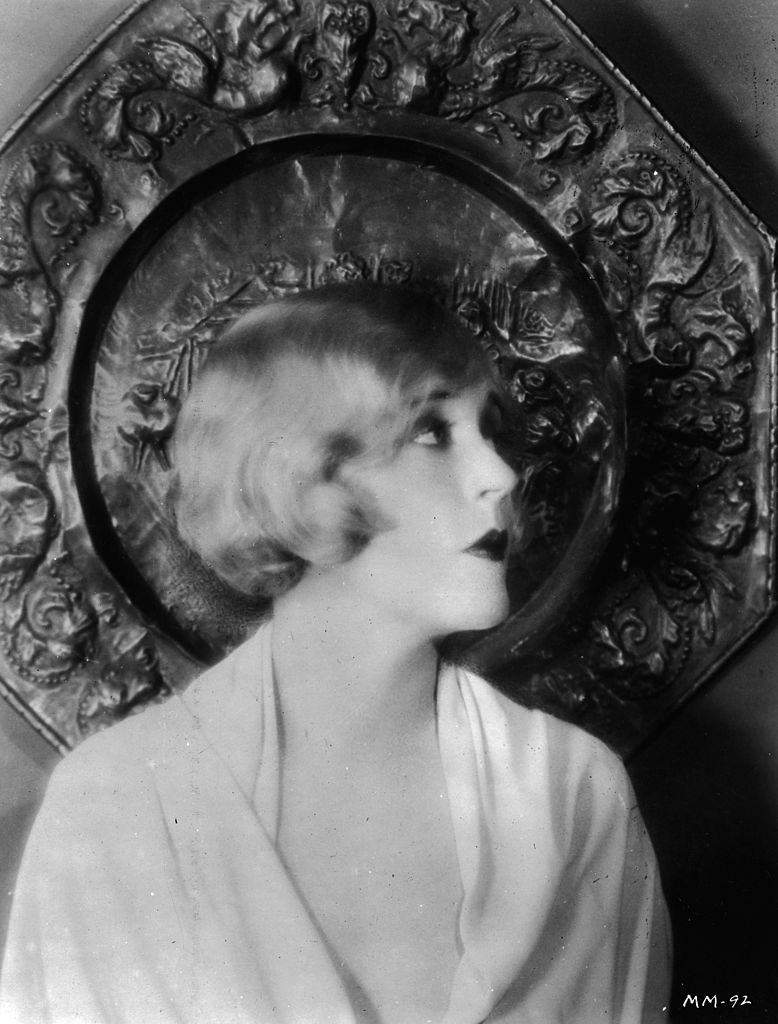
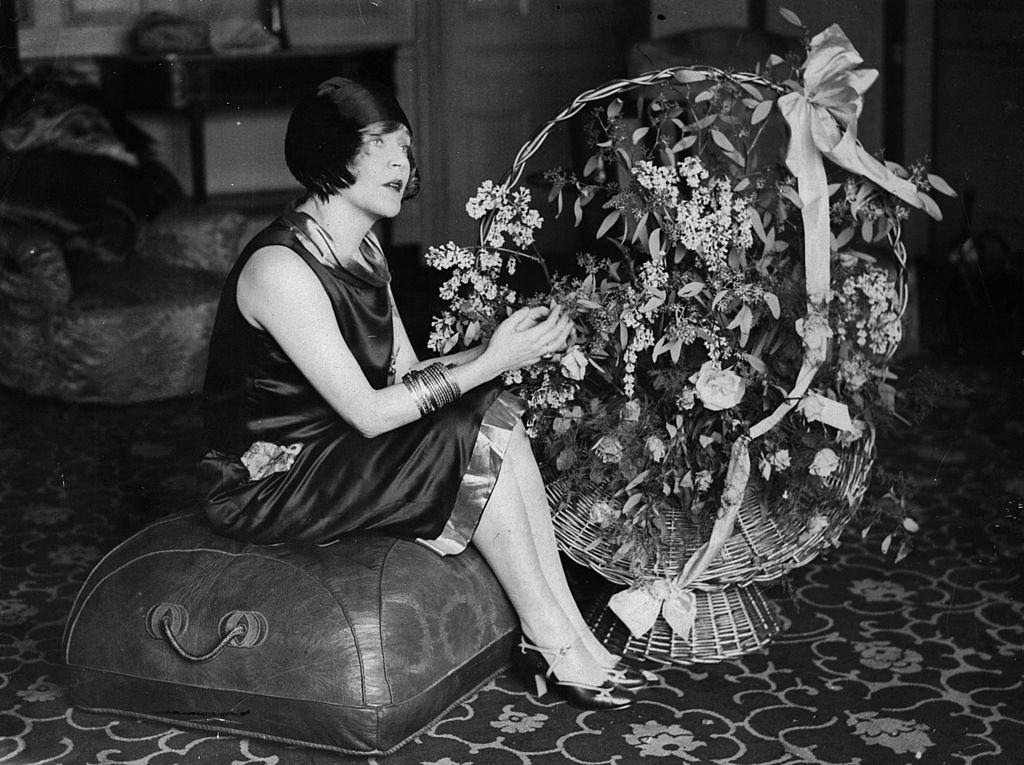
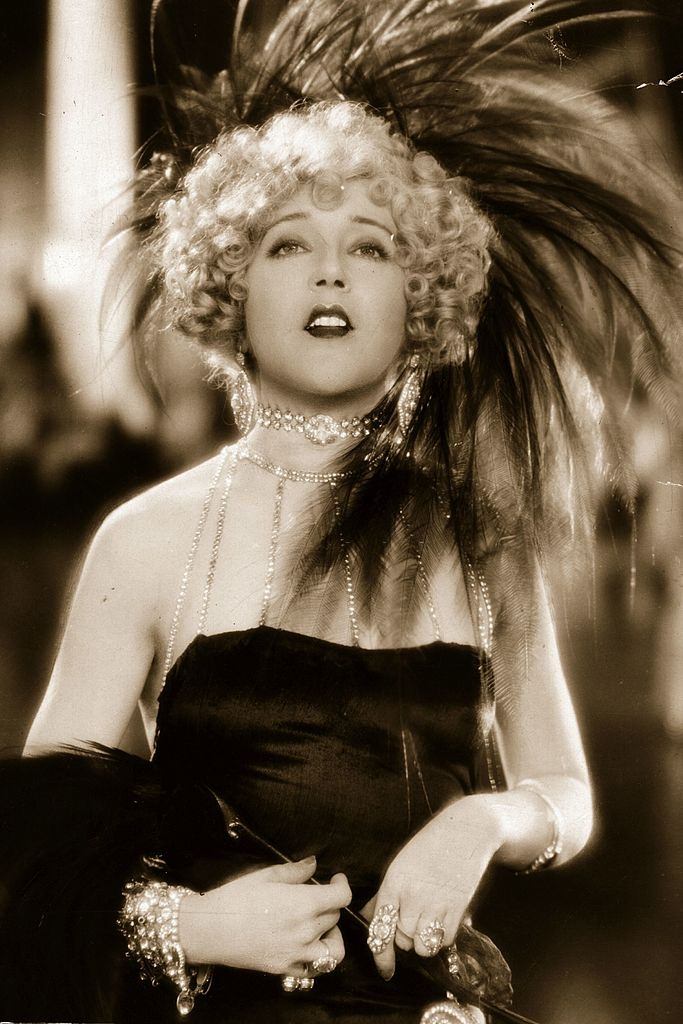
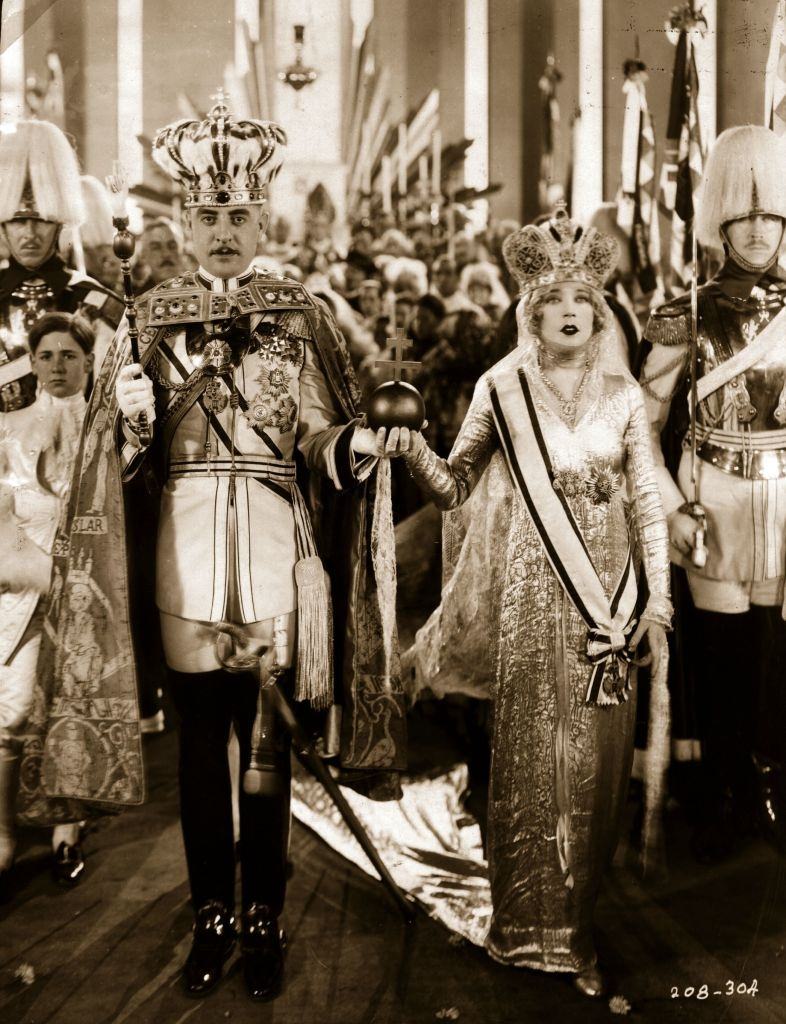
Murray’s personal life was marked by four marriages. Her first husband was an unemployed young man whose father cut off his allowance upon learning of the wedding; the marriage lasted only two years, ending in divorce in 1910. In 1916, she married Jay O’Brien, a former dancer who would later become an Olympic bobsled champion. That marriage ended in 1918. She then married director Robert Z. Leonard on August 18, 1918, and their divorce was finalized in 1925. Her fourth husband was Prince David Mdivani, whom she married in 1926.
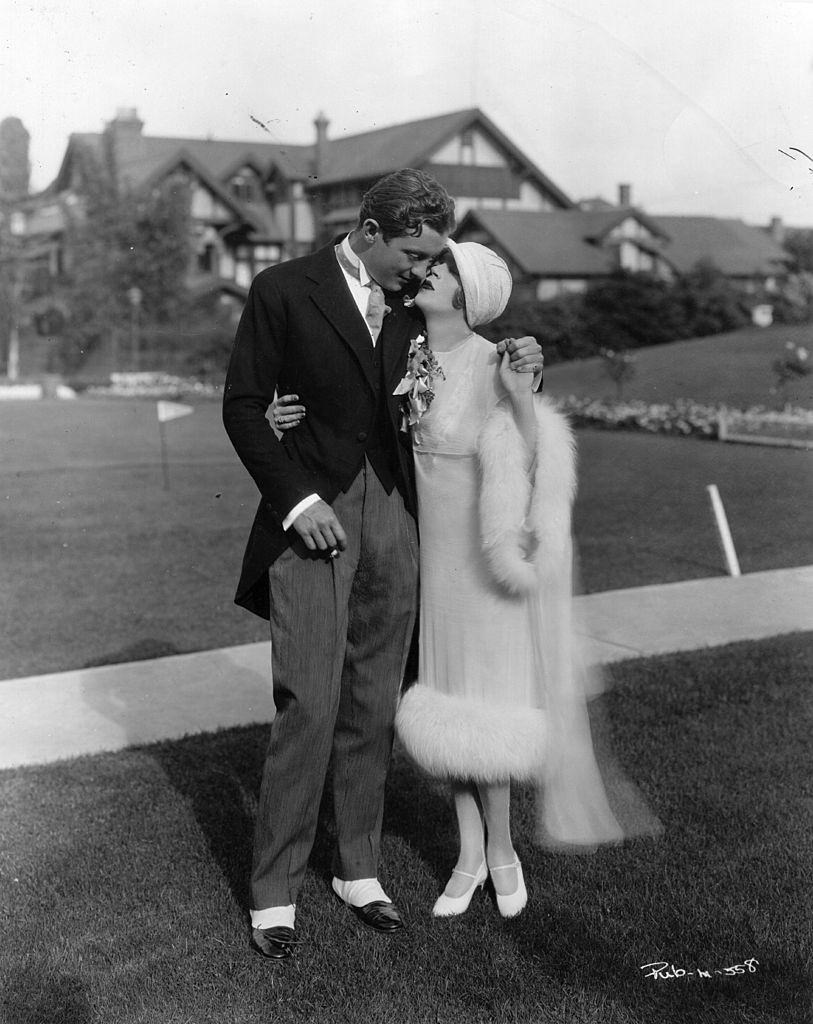
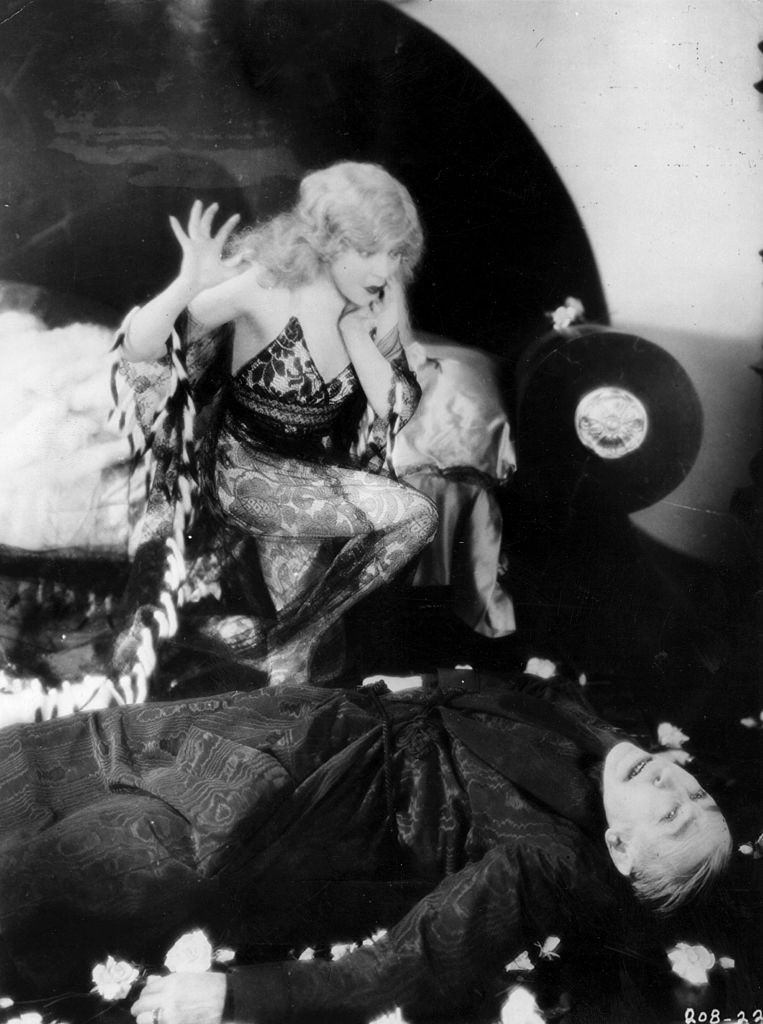
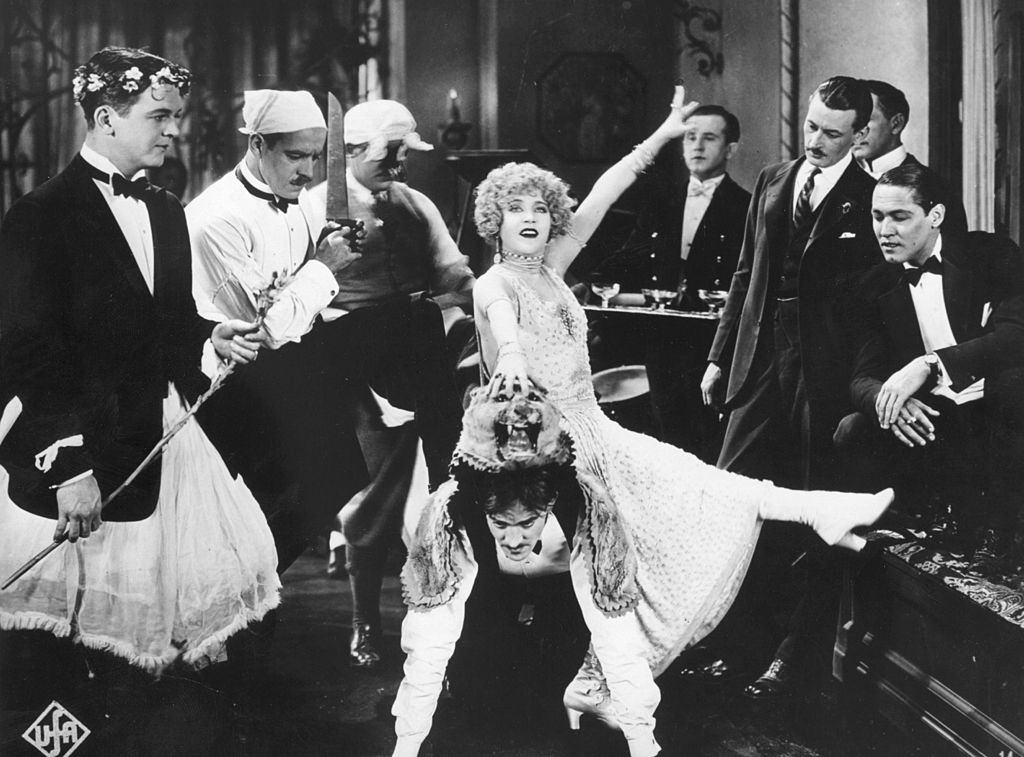
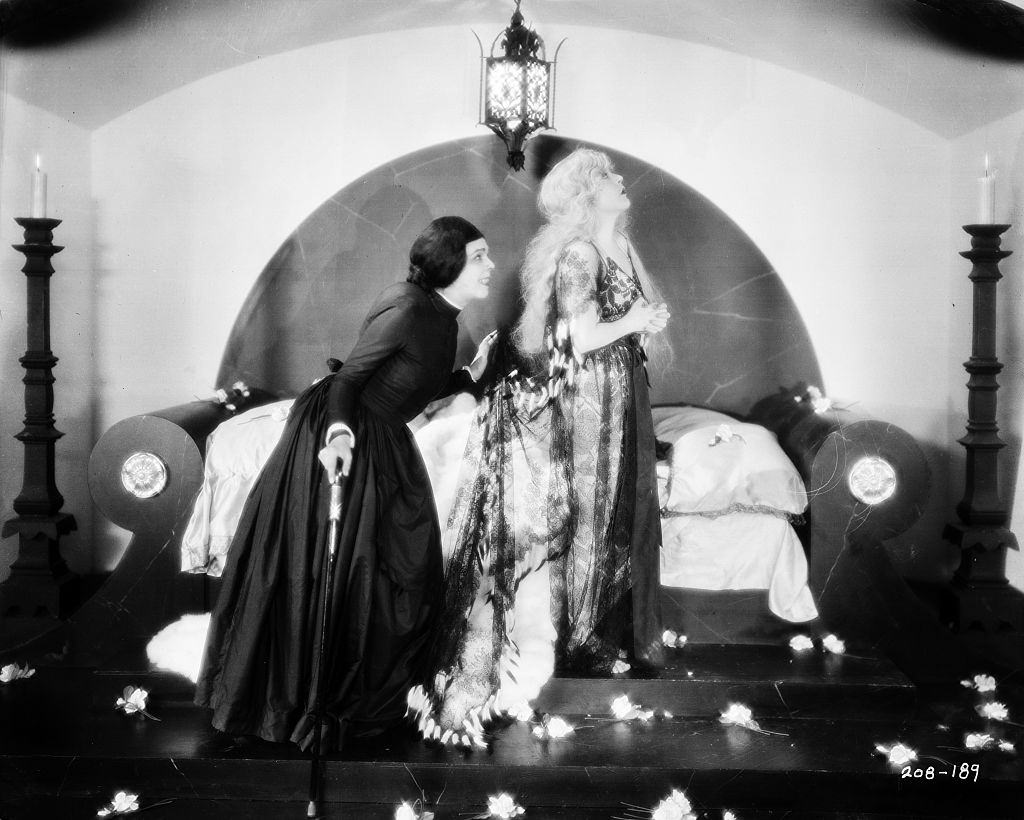
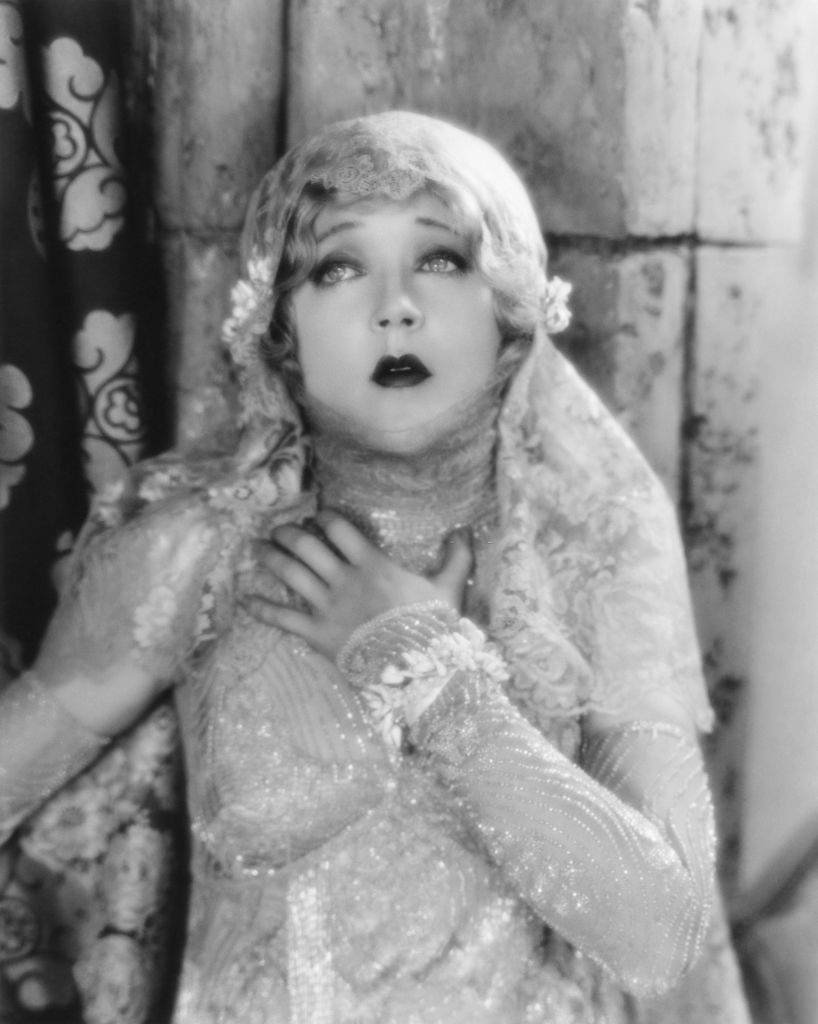
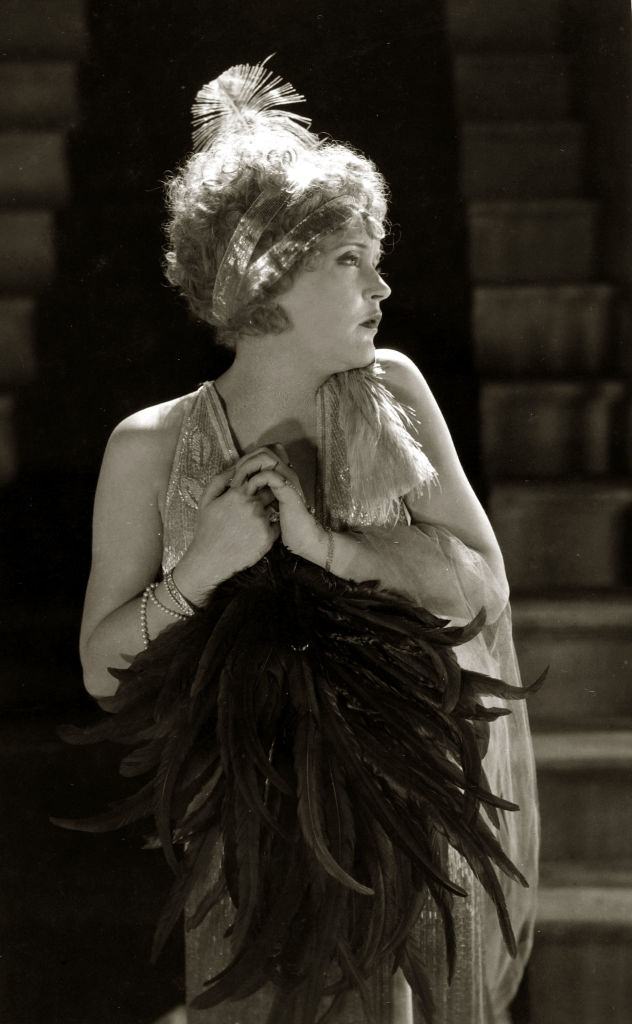
Murray and Mdivani had one son, Koran David Mdivani. They divorced in 1933, after which a bitter custody battle dragged on for seven years. The case was finally resolved in 1940, with Murray being granted legal custody and Mdivani ordered to pay $400 per month in maintenance. Mdivani’s control over Murray’s business affairs during their marriage proved disastrous for her career. He pressured her to leave MGM — a studio where she still had standing — and the result was a blacklisting from the major Hollywood studios.
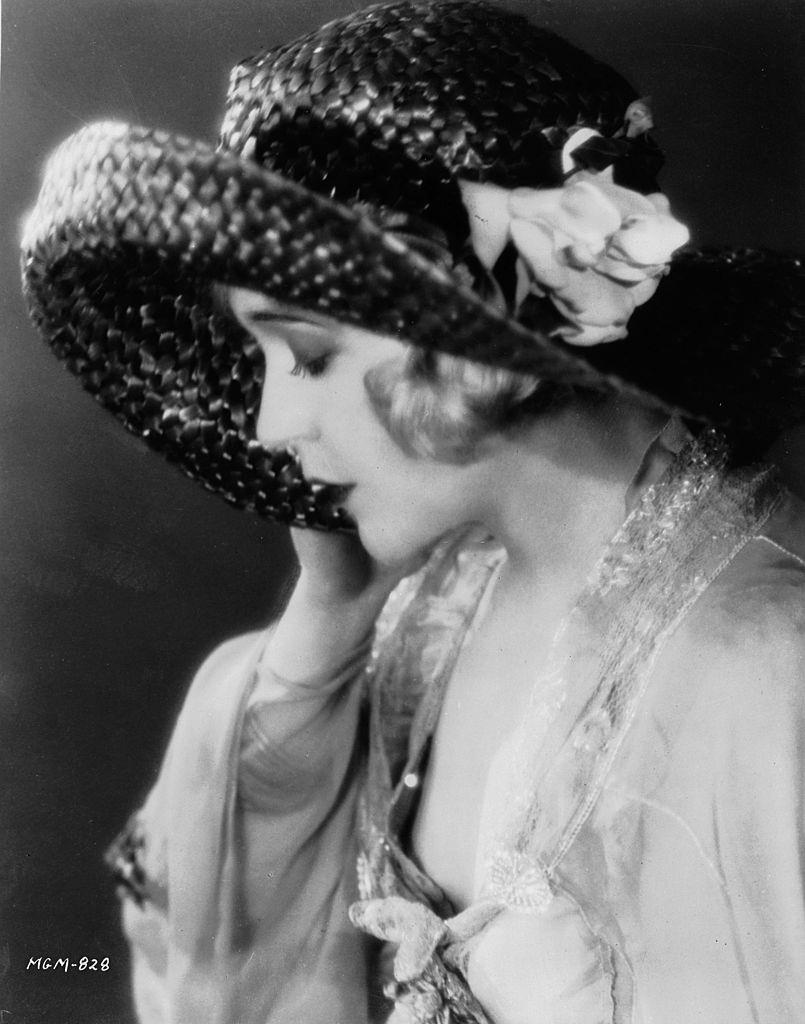
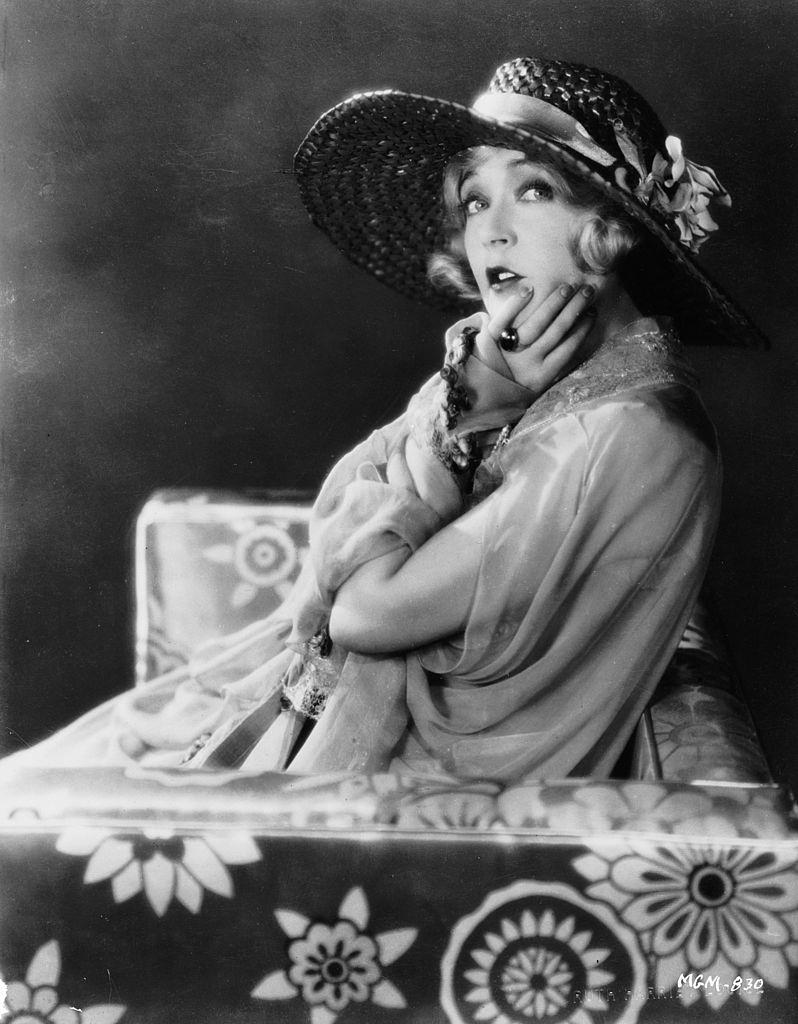
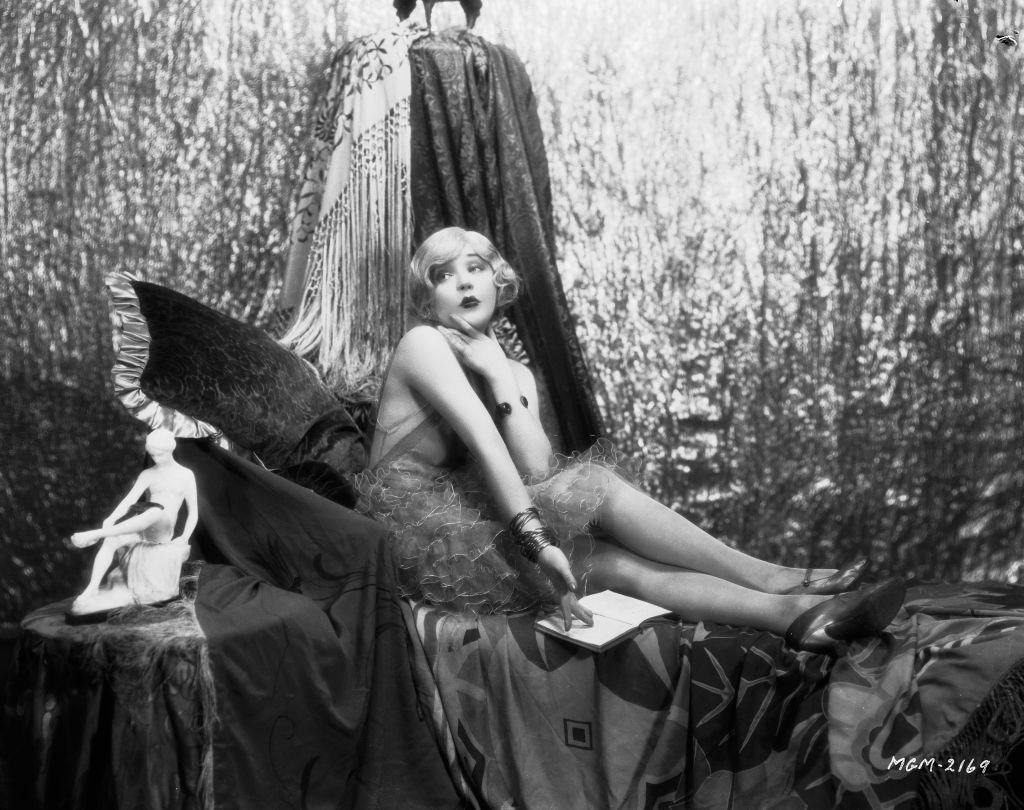
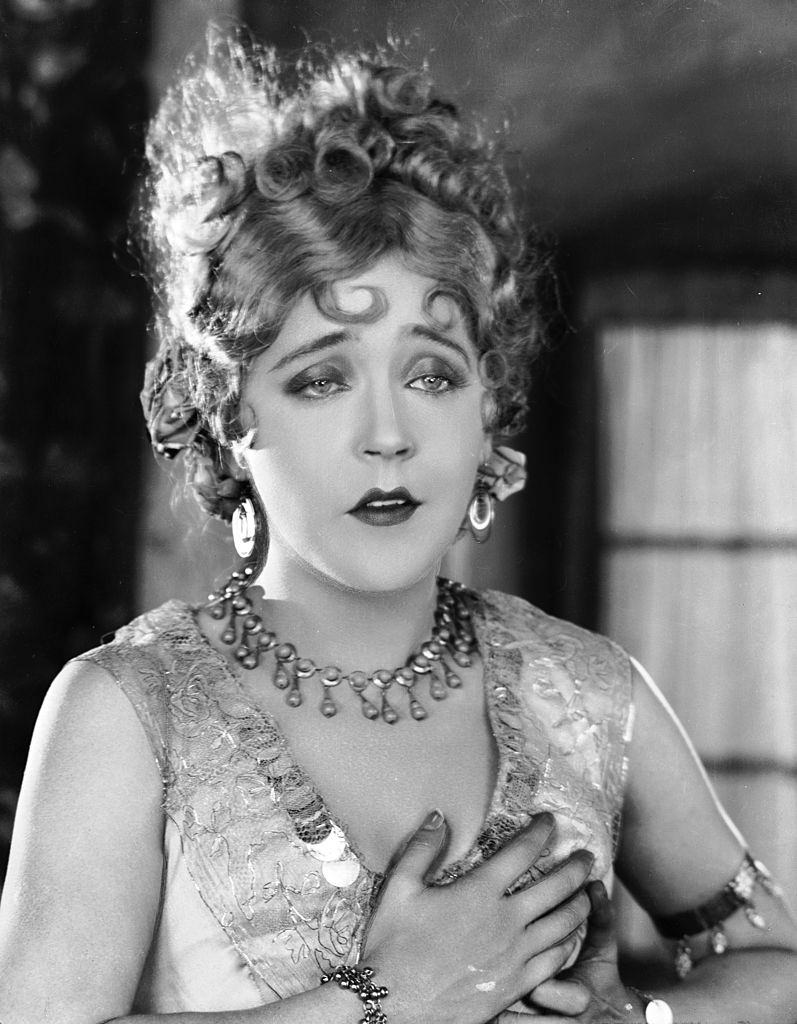
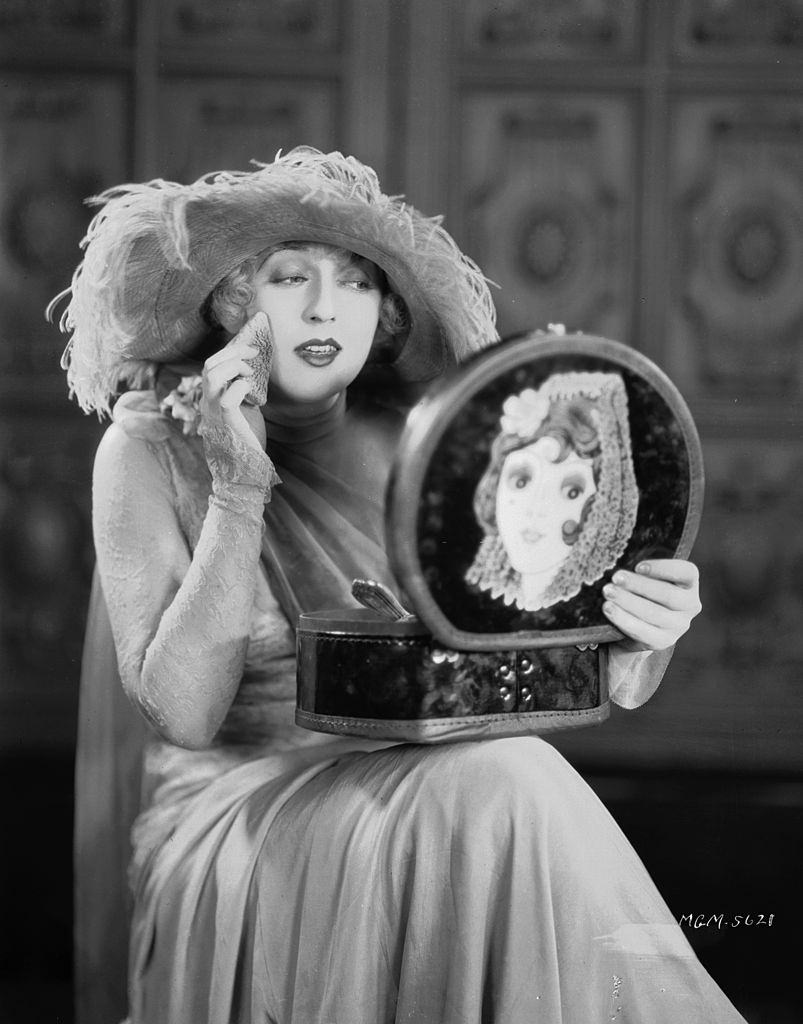
Murray’s final significant film work came with ‘Altars of Desire’ in 1927, followed by the sound film ‘Peacock Alley’ in 1930. The transition to talking pictures exposed limits in both her voice and her on-screen style that silent film had never revealed. The film failed at the box office, and her time as a leading Hollywood actress came to an end.
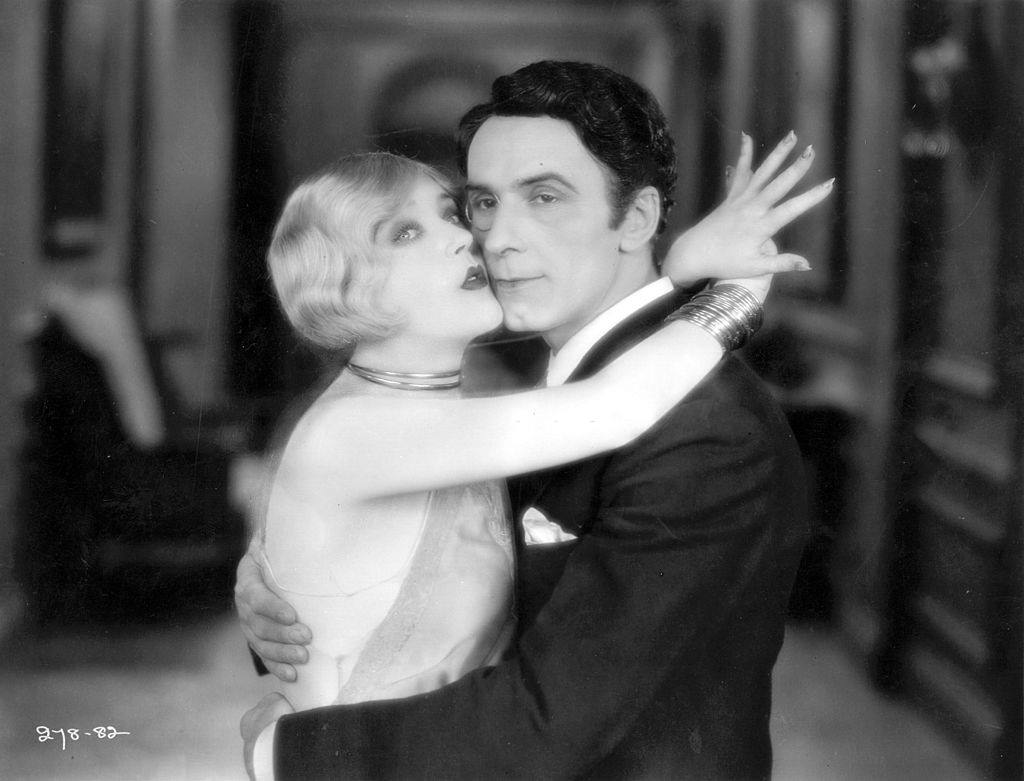
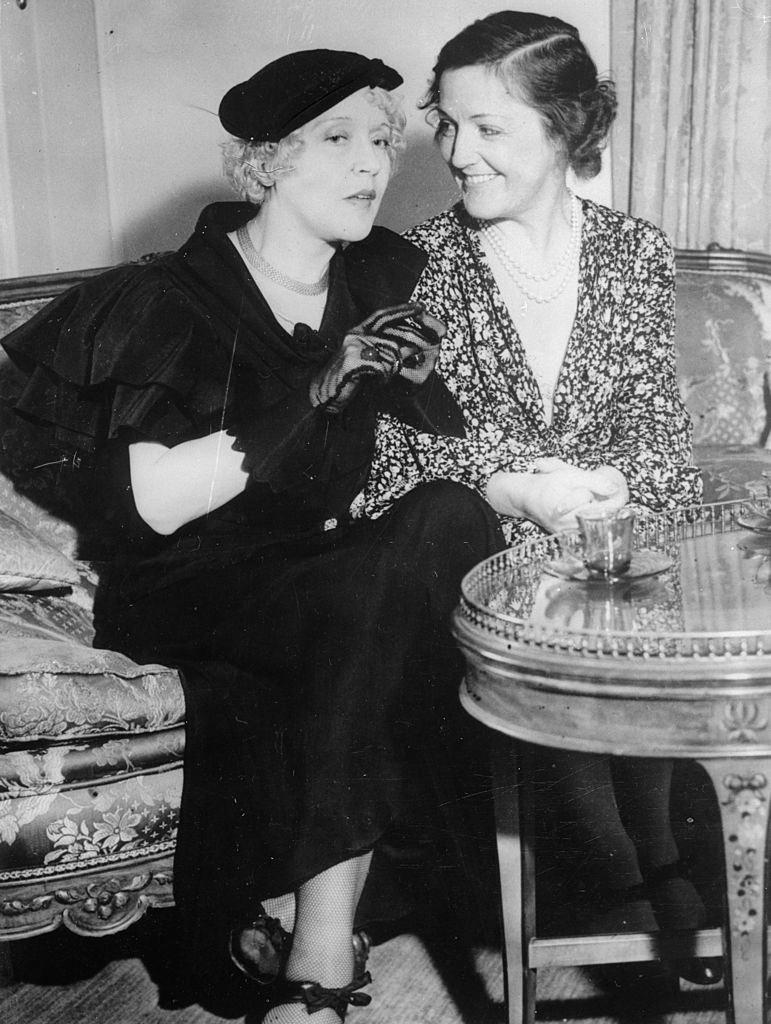
In the years that followed, Murray took whatever work she could find. In the 1940s, she performed regularly at Billy Rose’s Diamond Horseshoe nightclub. Critics noted her youthful clothing and heavy makeup as attempts to conceal her age. In 1946, a Los Angeles dance studio hired her to teach ballroom dancing to teenagers. Her finances continued to decline, and she spent much of her later life in poverty. She was sometimes found sitting on a Central Park bench, quietly humming the Merry Widow Waltz, as she traveled back and forth between coasts.
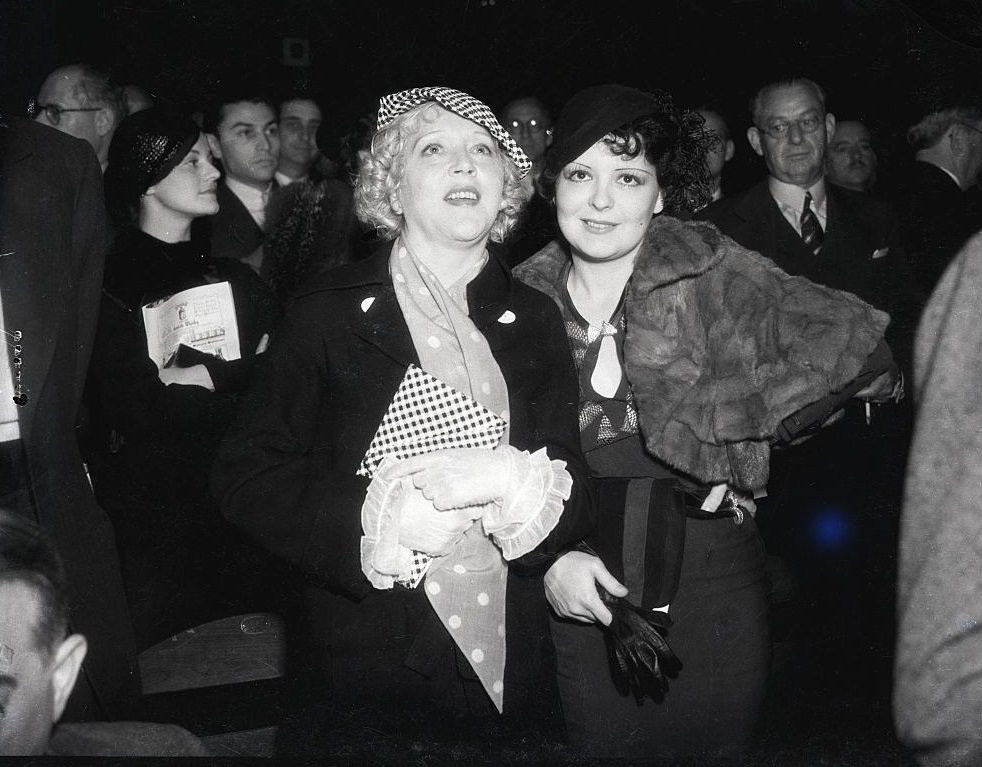
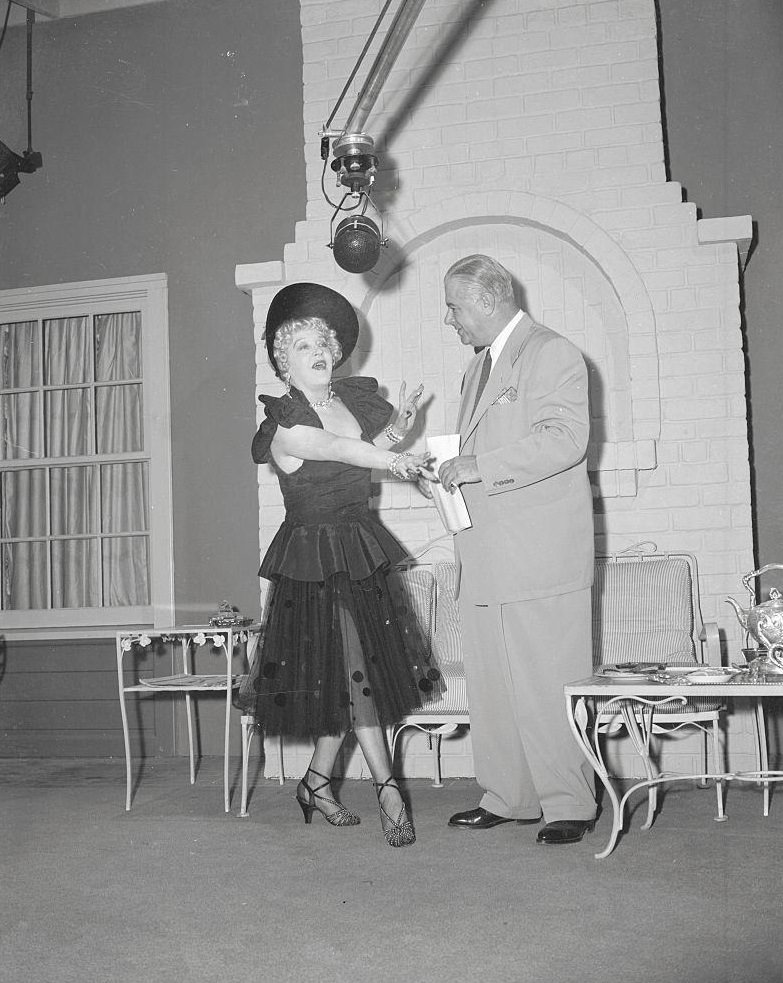
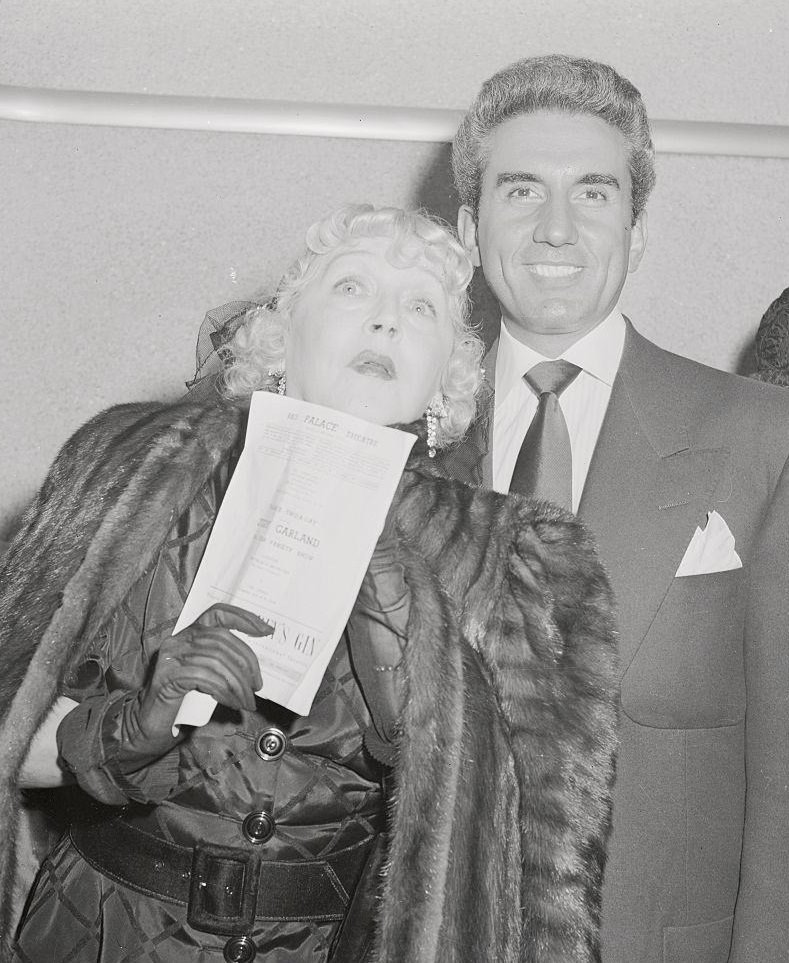
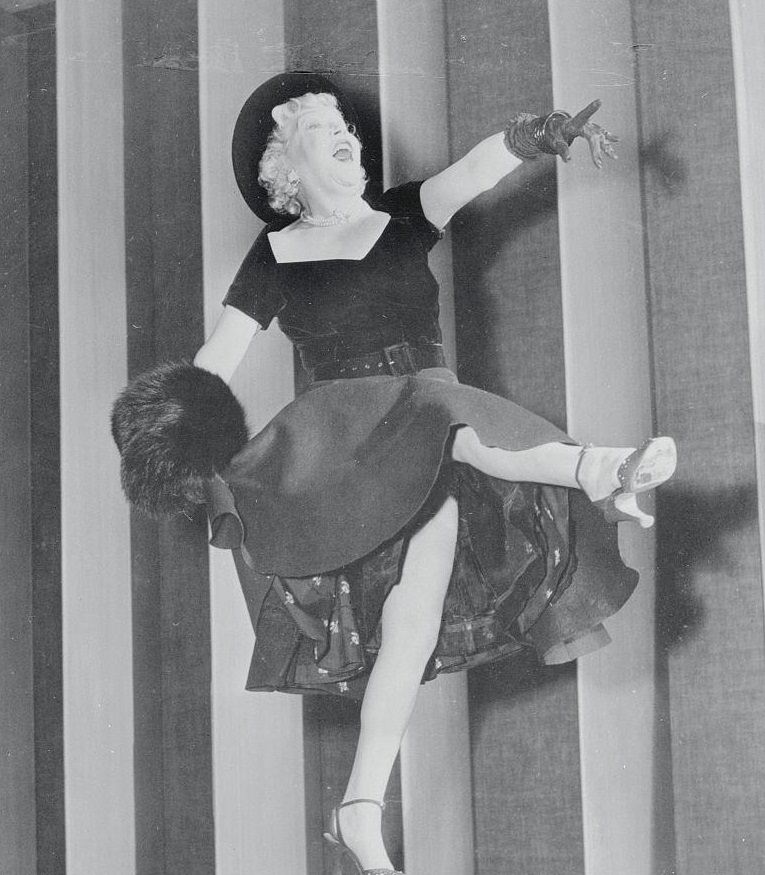
In 1959, author Jane Ardmore published an authorized biography of Murray titled ‘The Self-Enchanted.’ Beyond film, Murray is also credited with popularizing the practice of dunking donuts in coffee — an act that began accidentally when she dropped a donut into her cup during a visit to Lindy’s Restaurant on Broadway and found the result unexpectedly good. Mae Murray died of a heart ailment on March 23, 1965. She is buried at Valhalla Memorial Park Cemetery in North Hollywood, California. Among those who attended her funeral were Ramon Novarro, Claire Windsor, Vivian Duncan, Isabel Jewell, Wild Bill Tucker, Criswell, and Fay Holden.