Madrid is the capital and most populous city of Spain. Its name is wrapped in legend — according to old myth, the city was originally called Ursaria, a name tied to the large number of bears that once roamed the area. That wild past feels worlds away from the busy, modern capital it became.
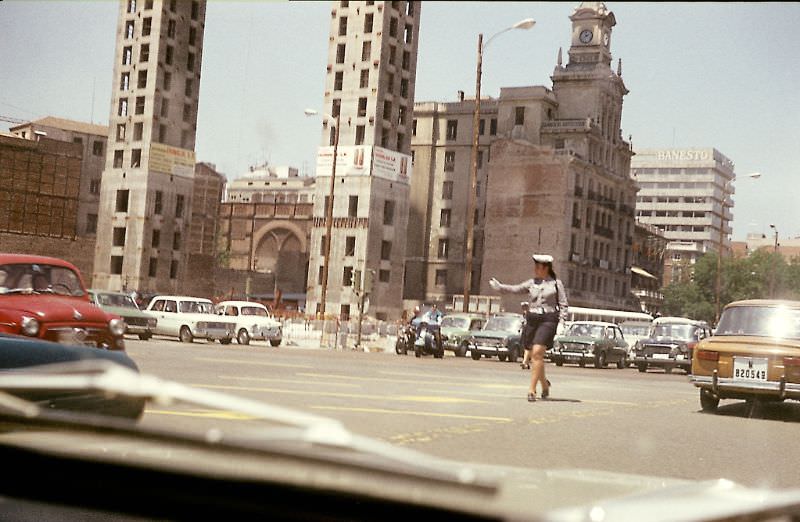
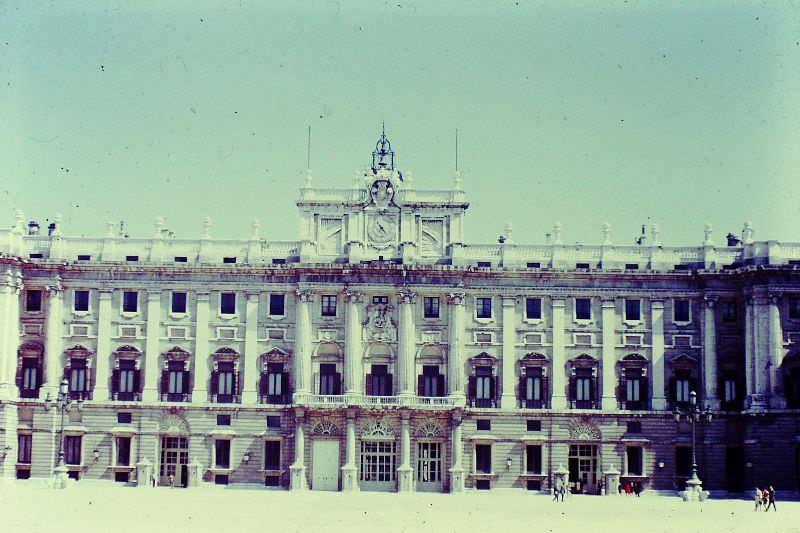
Madrid rose to real power in 1561, when King Philip II moved his royal court there, making it the center of Spanish rule. Before that, it had been a city of some importance during the Middle Ages, but Philip’s decision locked in its status for good.
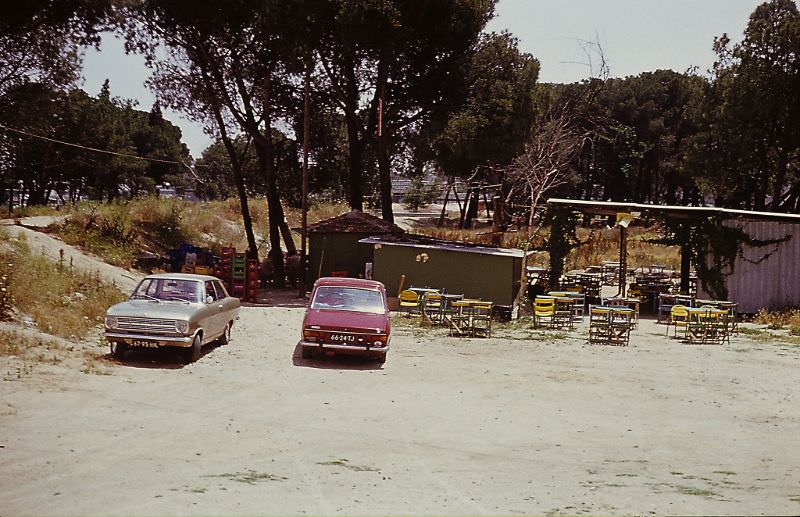
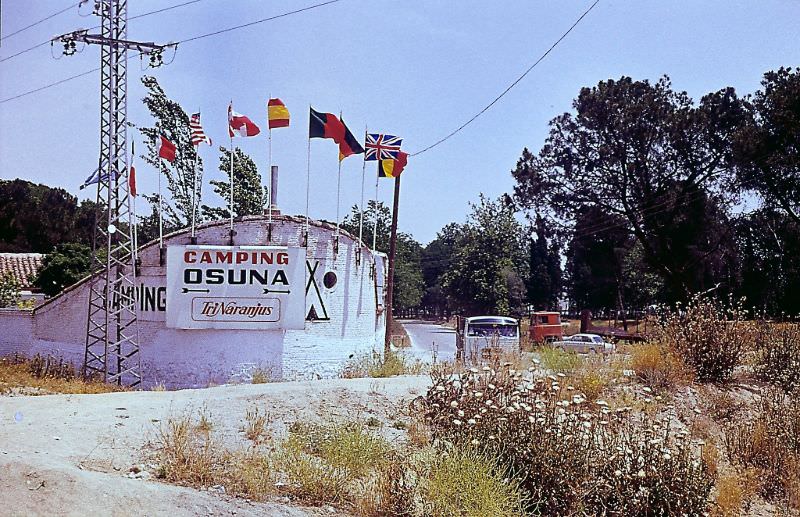
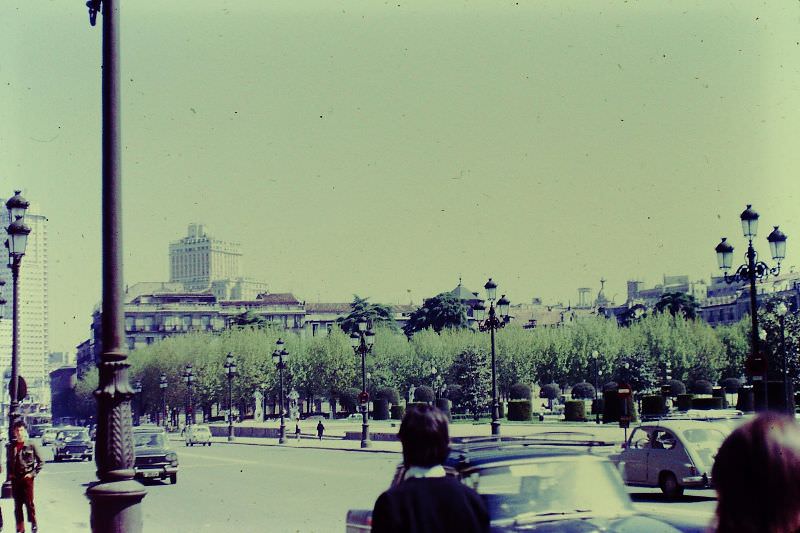
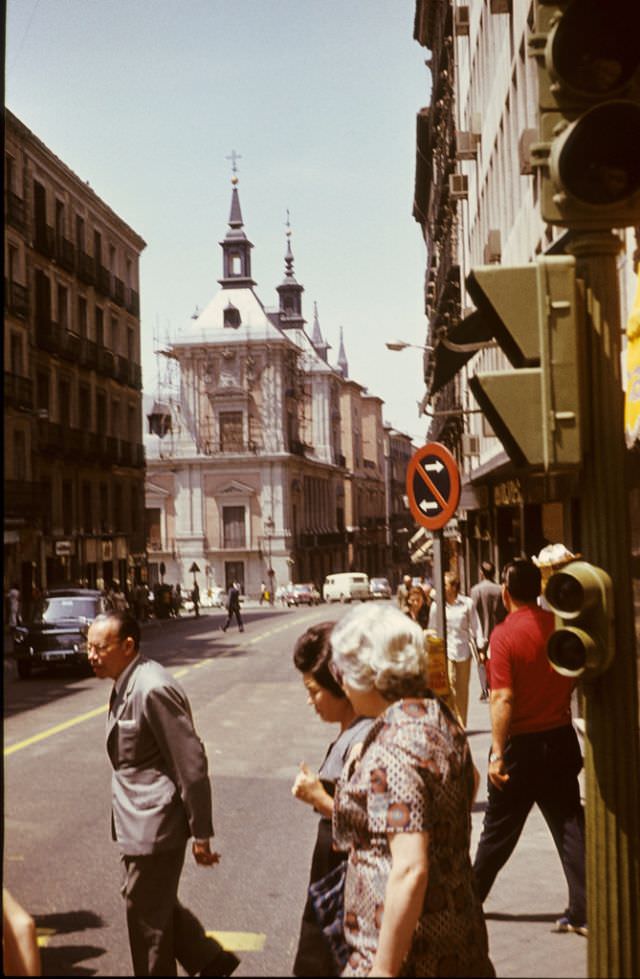
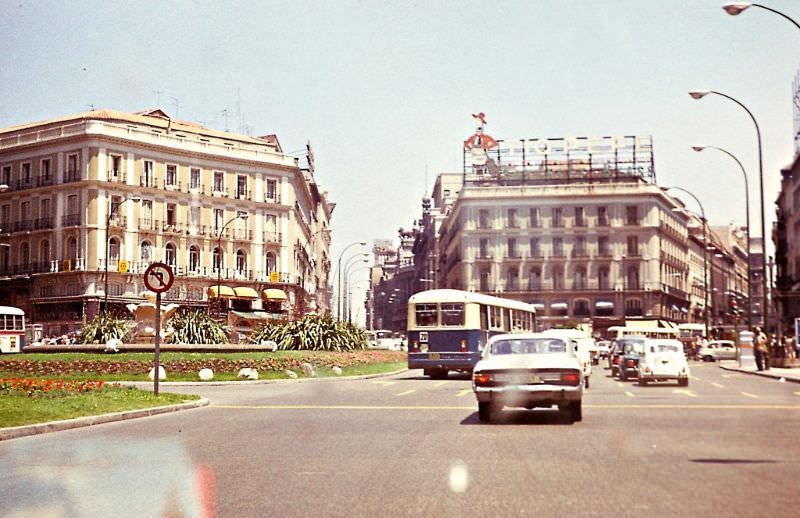
By the 1970s, Madrid was a city in motion. Franco’s long dictatorship was in its final years — he died in 1975 — and Spain was slowly opening up to the outside world. The streets reflected that tension between old traditions and new energy.
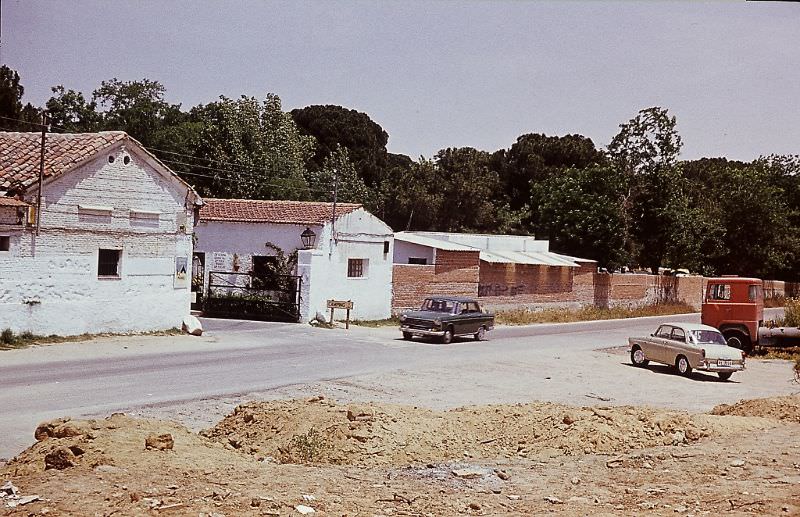
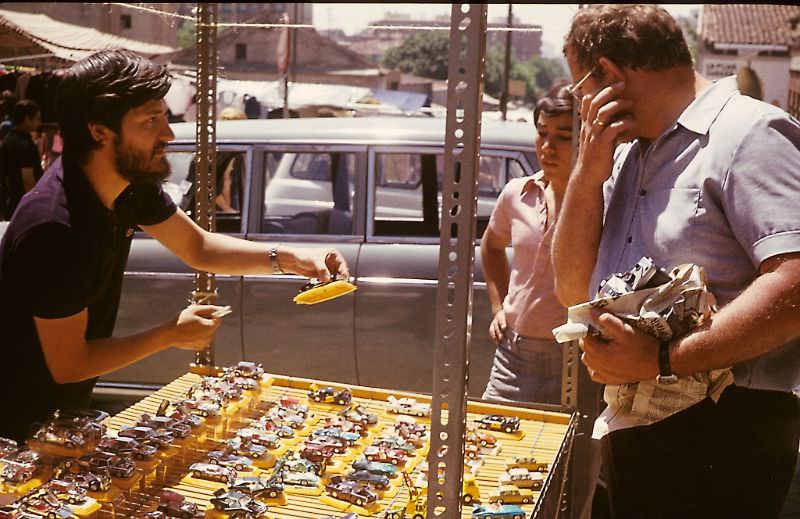
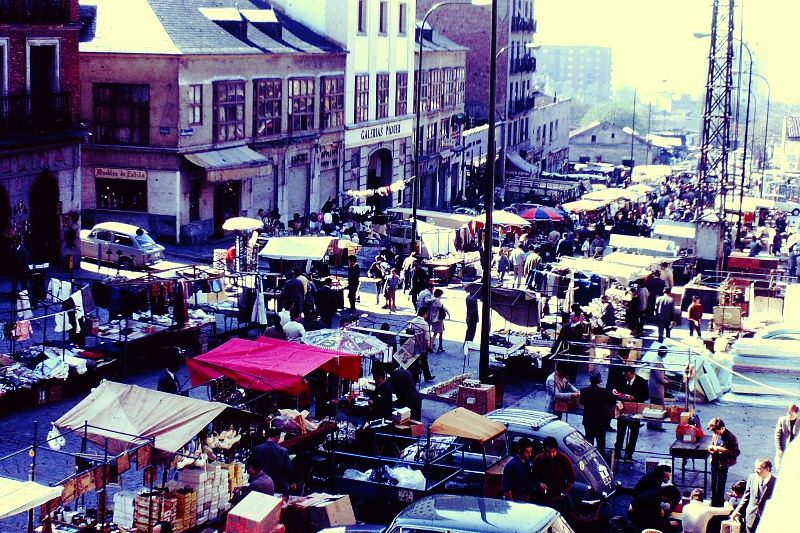
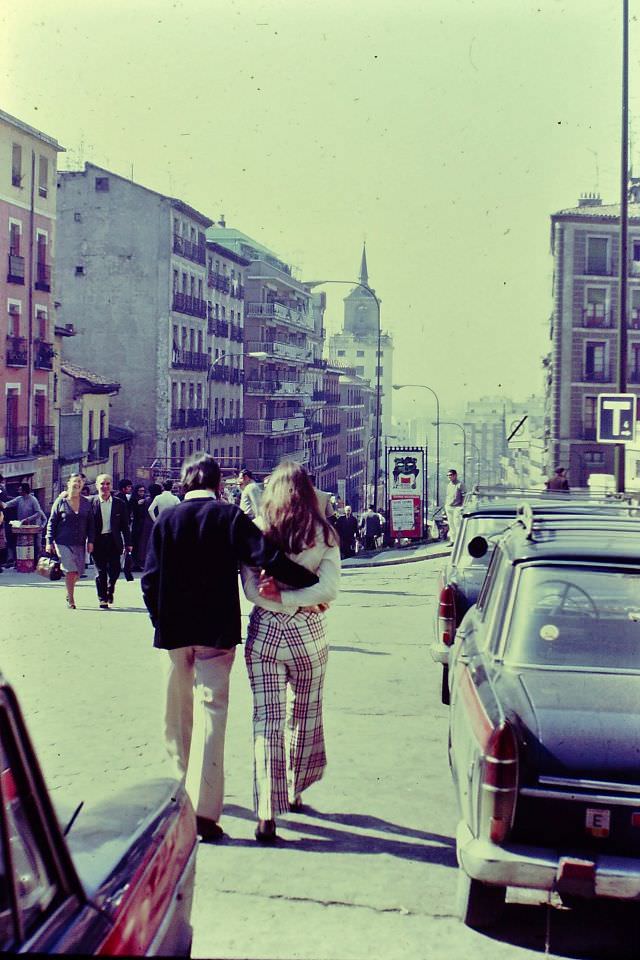
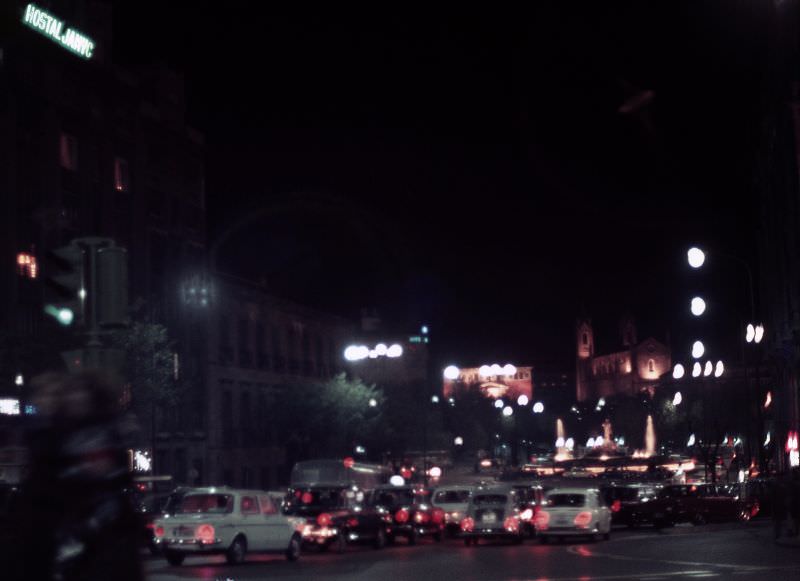
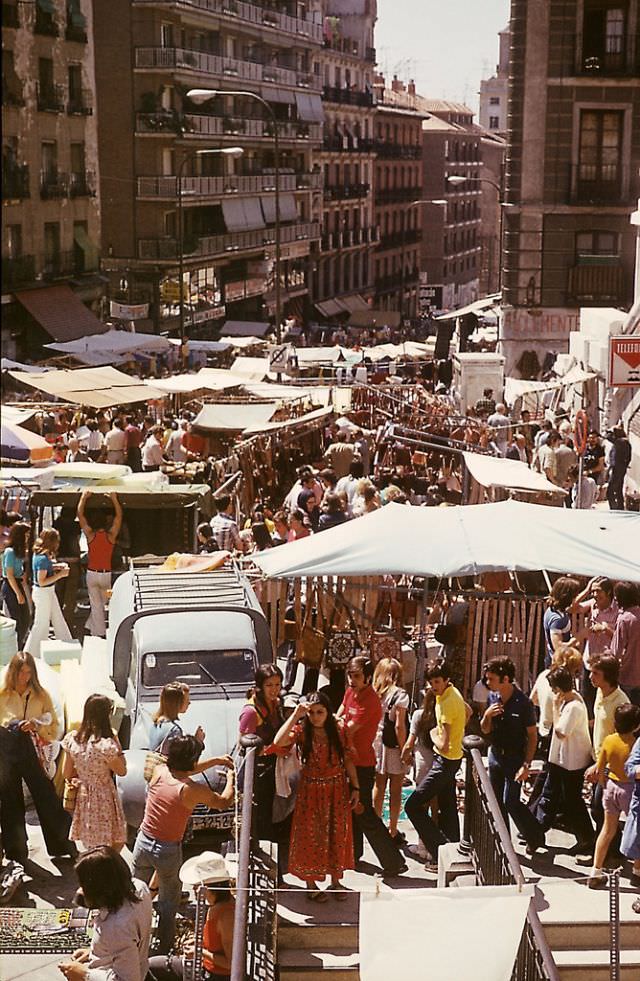
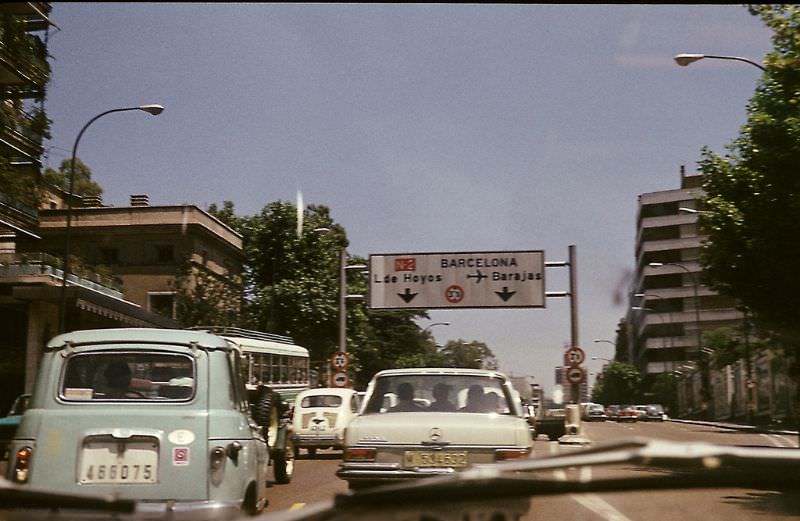
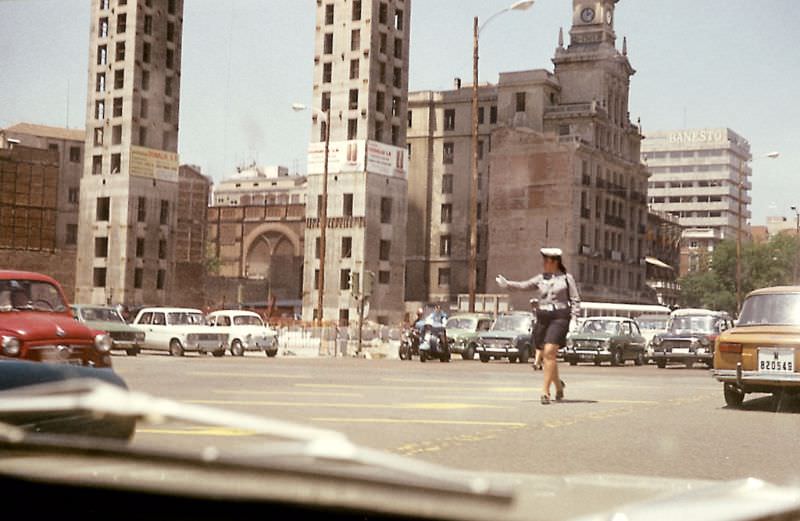
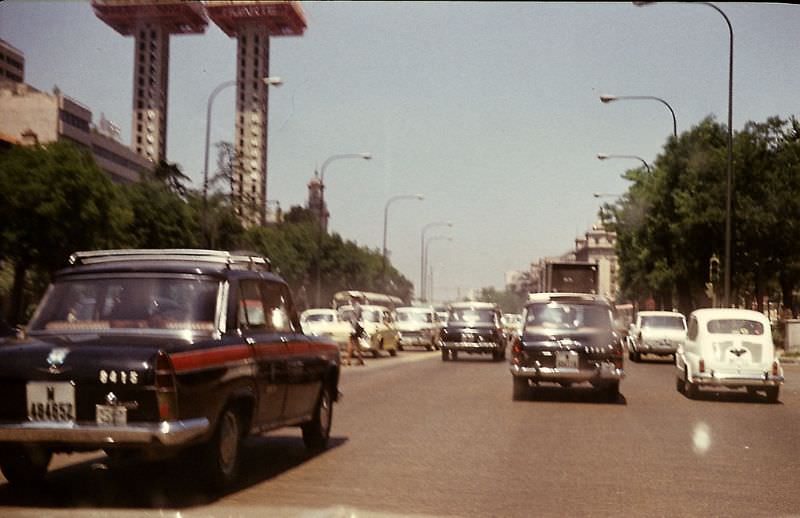
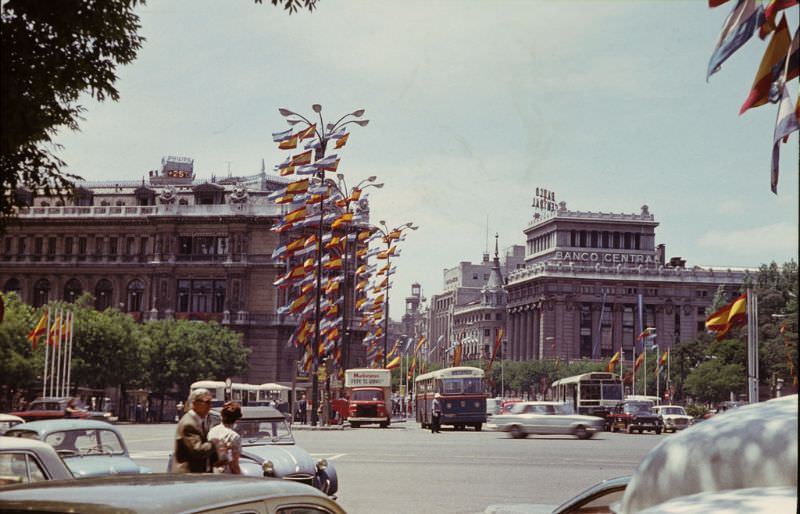
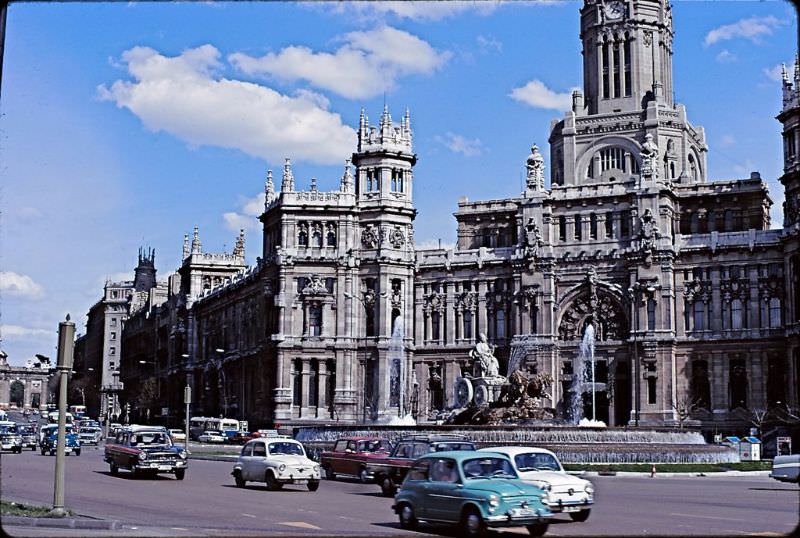
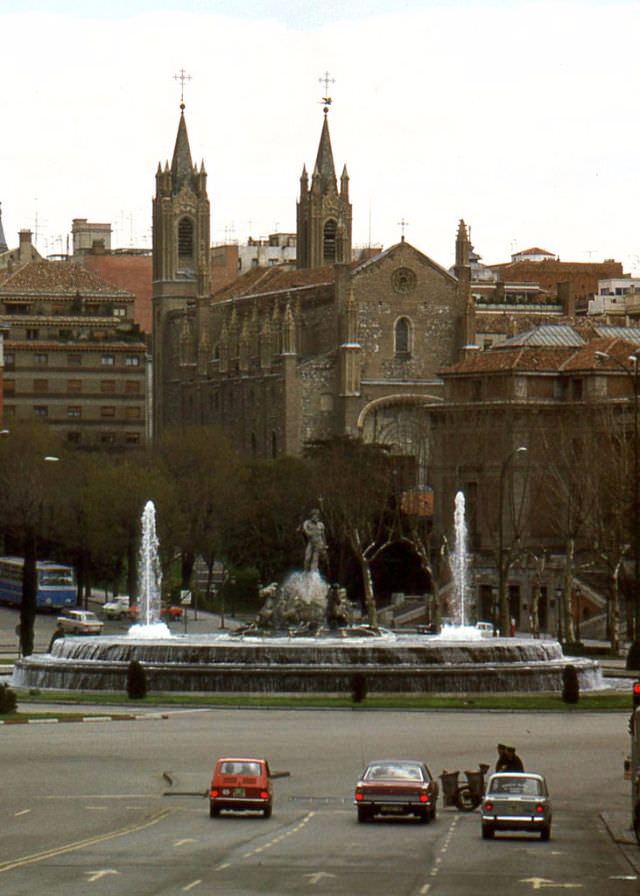
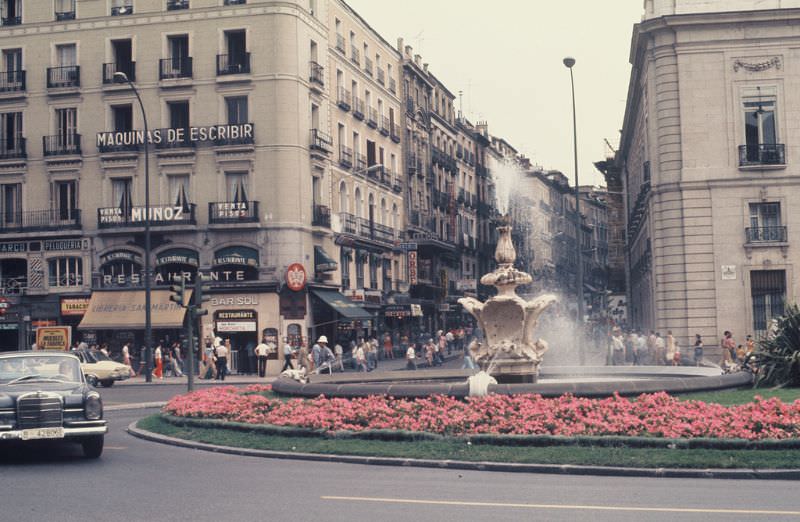
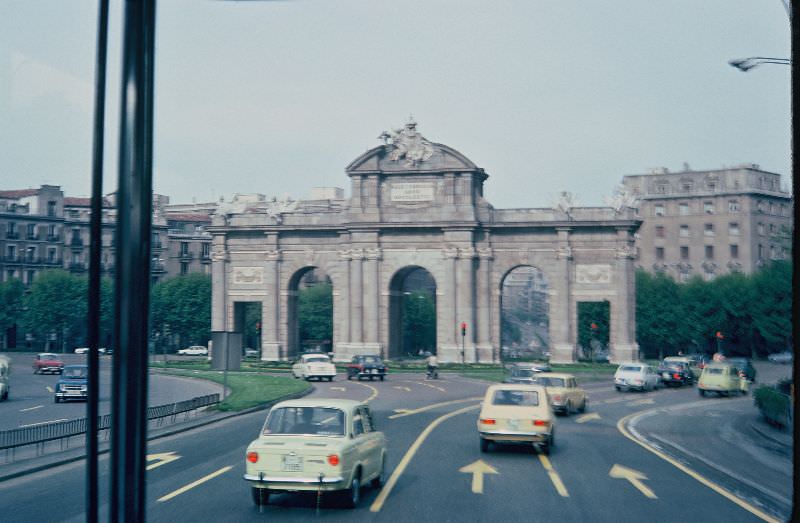
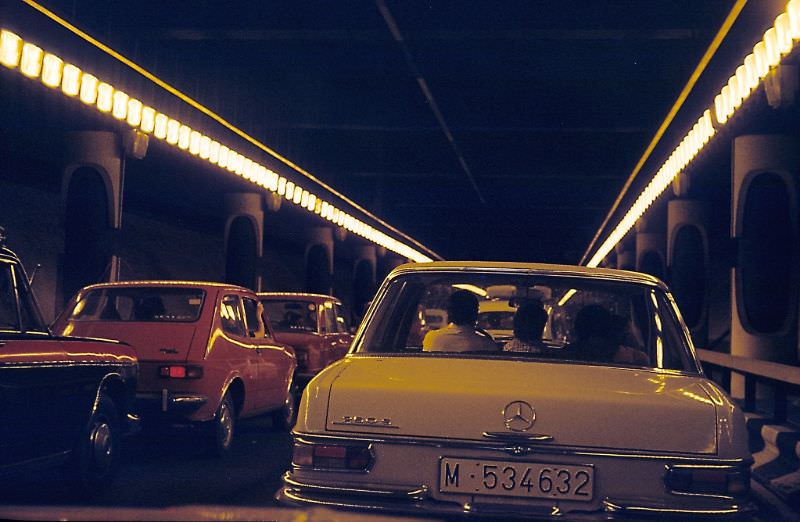
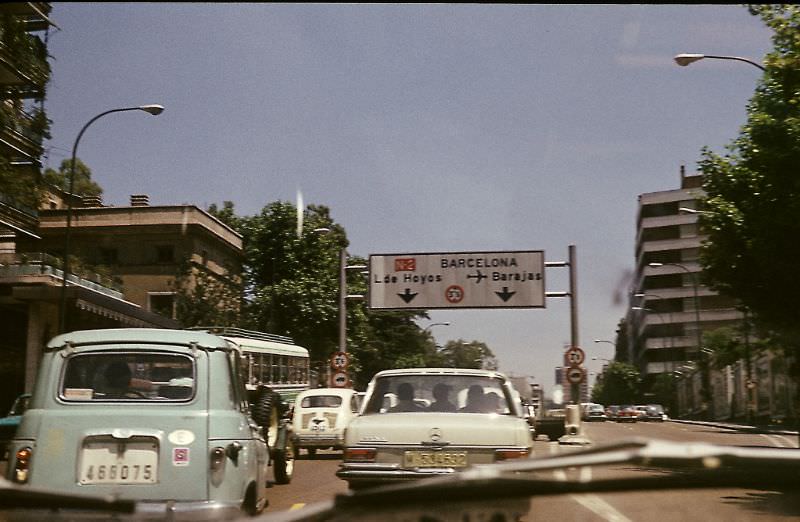
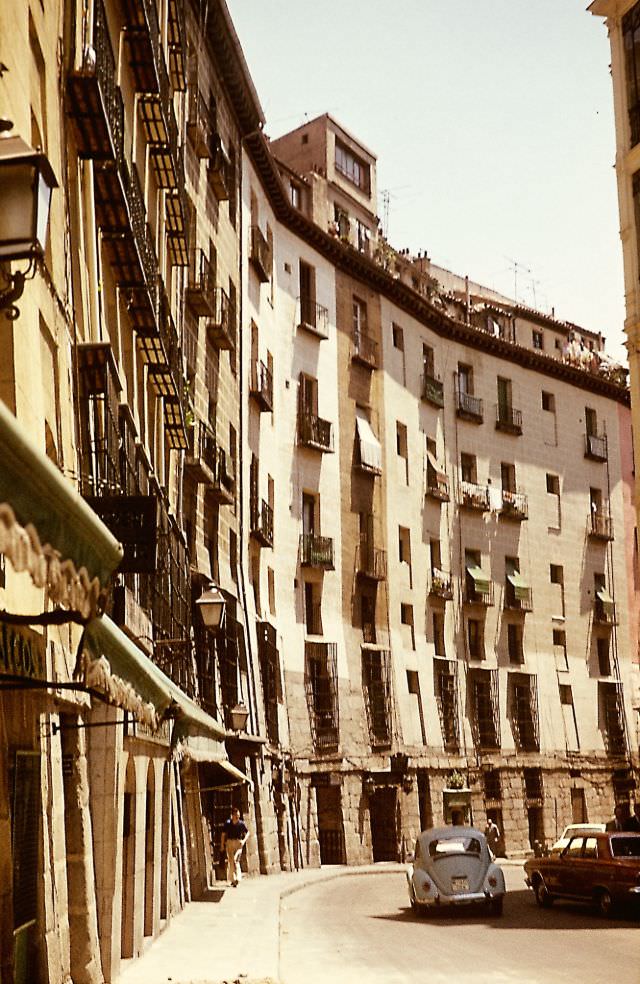
Vendors worked the sidewalks, cafés filled with locals at all hours, and traffic thickened as car ownership grew across the working and middle classes. The city moved at its own rhythm, shaped by decades of tight social control that was just beginning to loosen.
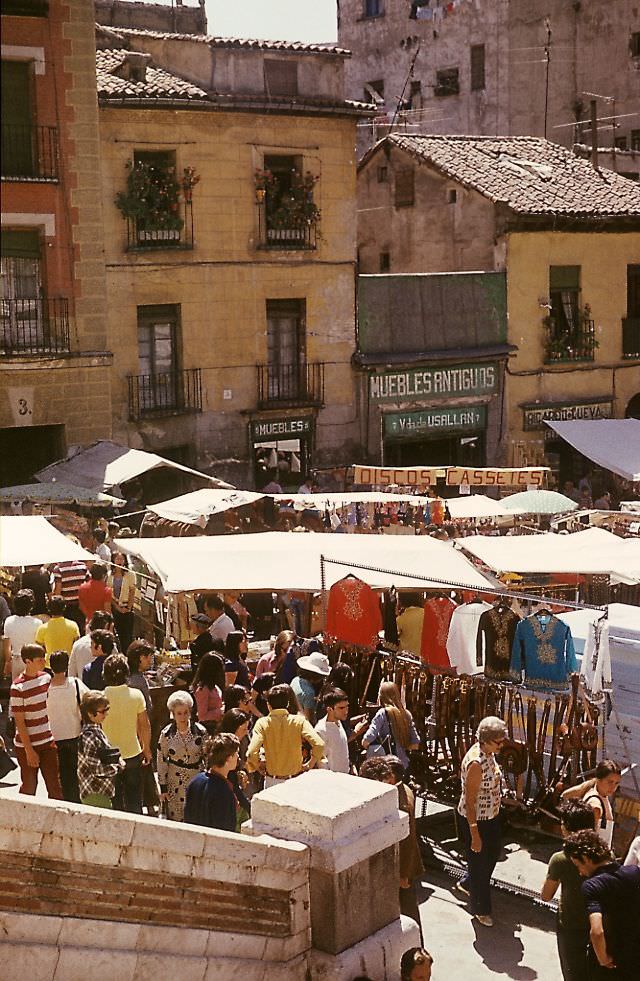
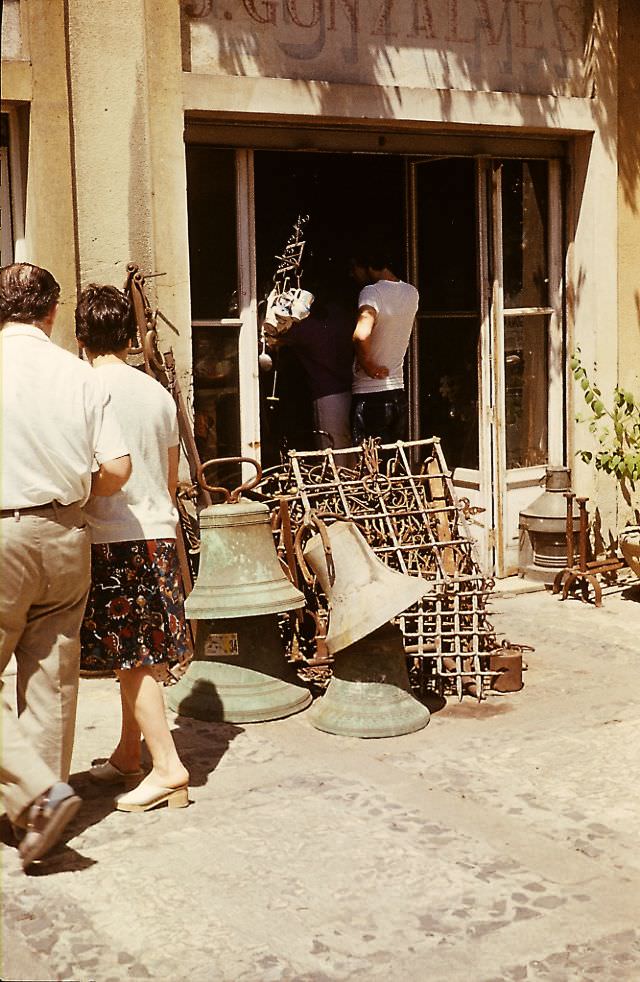
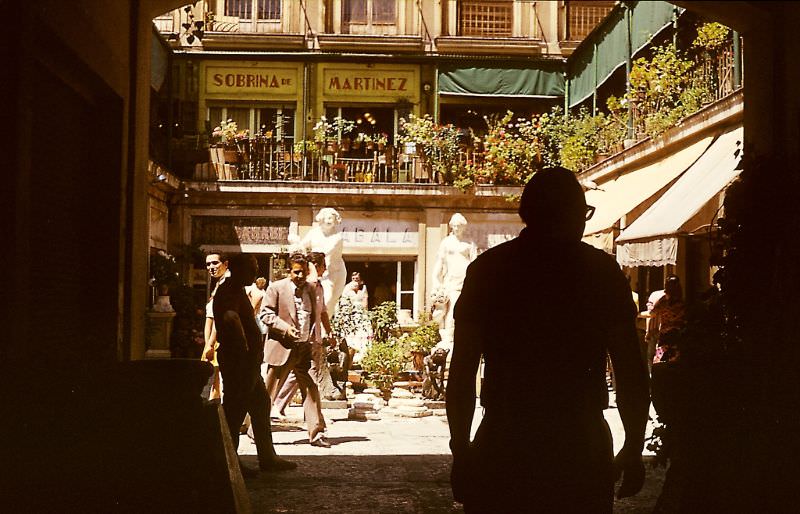
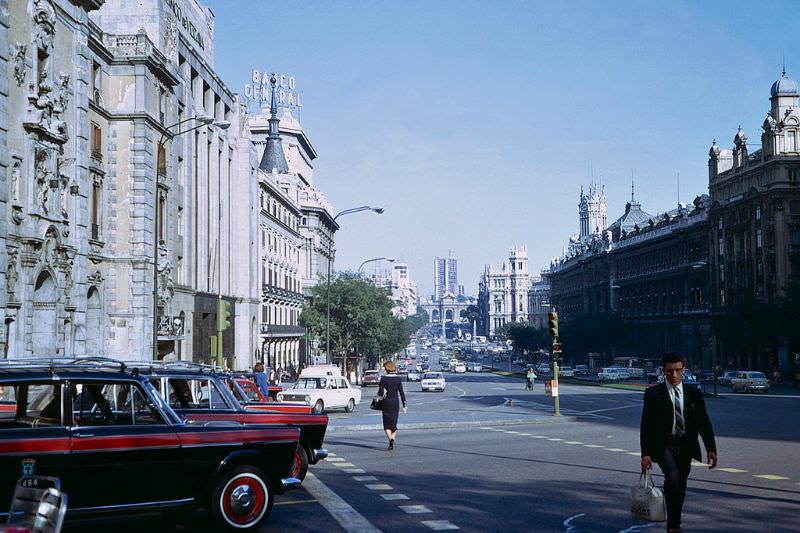
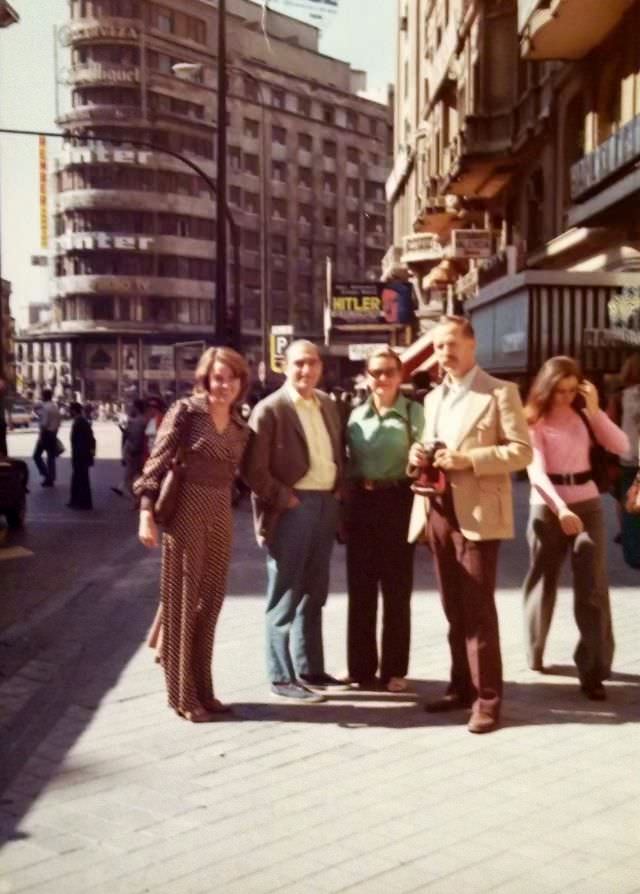
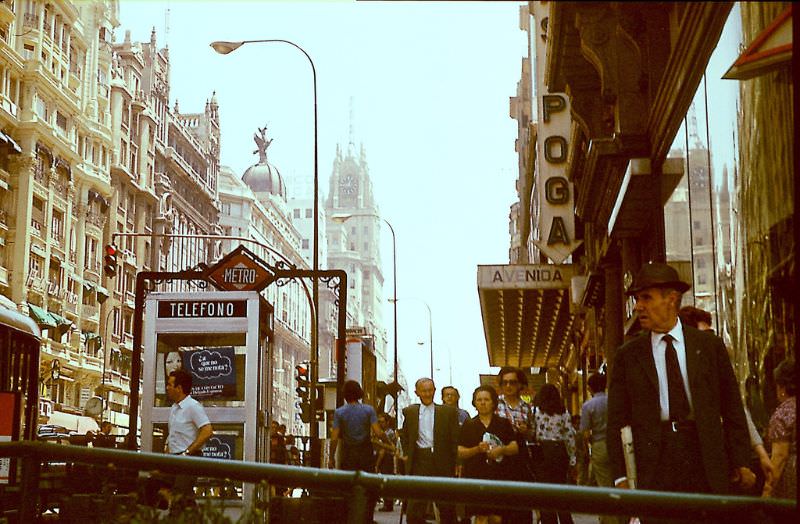
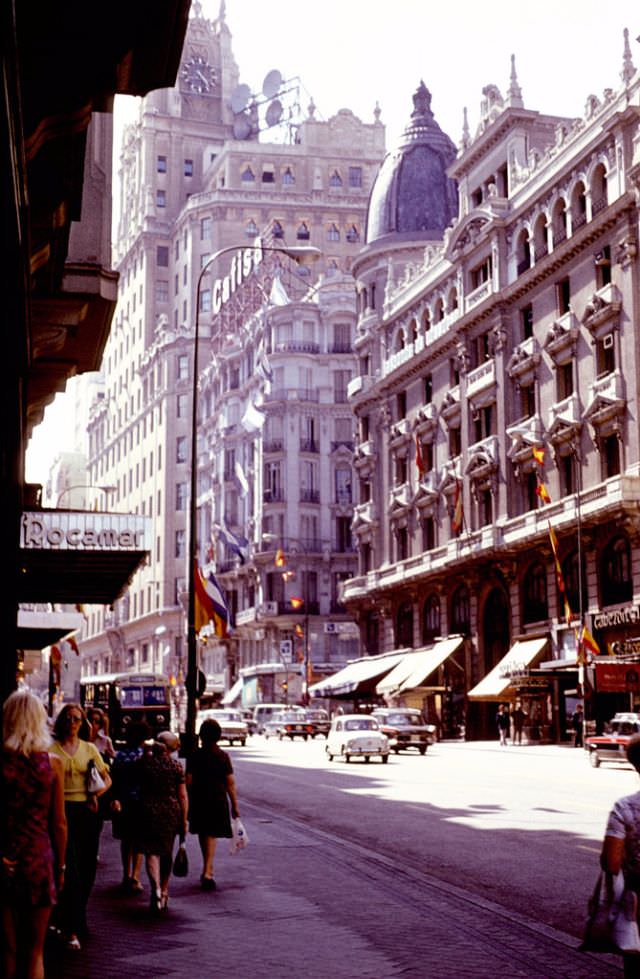
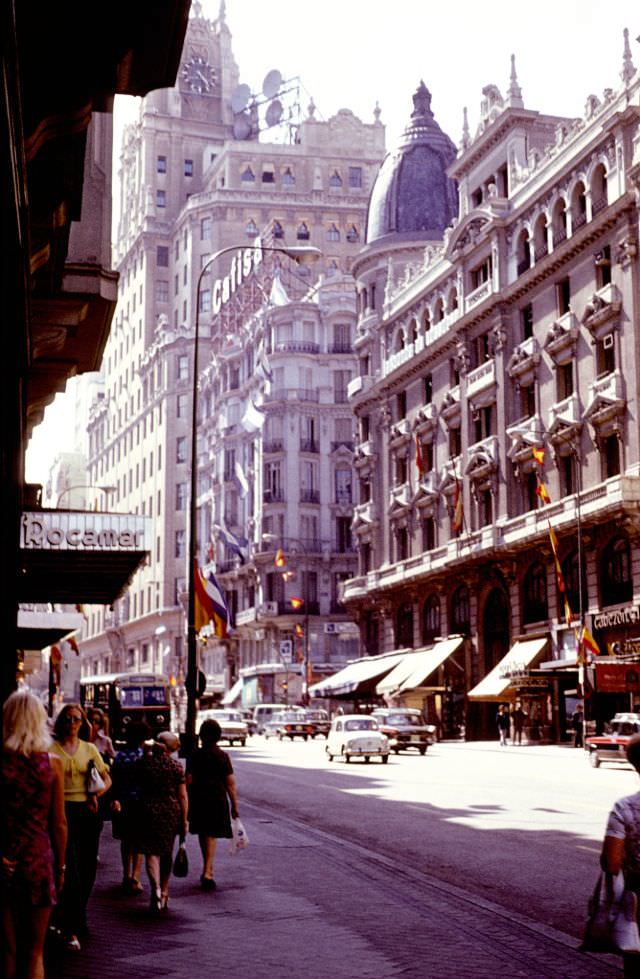
Gran Vía, Madrid’s main commercial boulevard, buzzed with shoppers, movie theaters, and neon signs. It was the city’s most visible symbol of urban life, drawing people from every neighborhood throughout the day and well into the night.
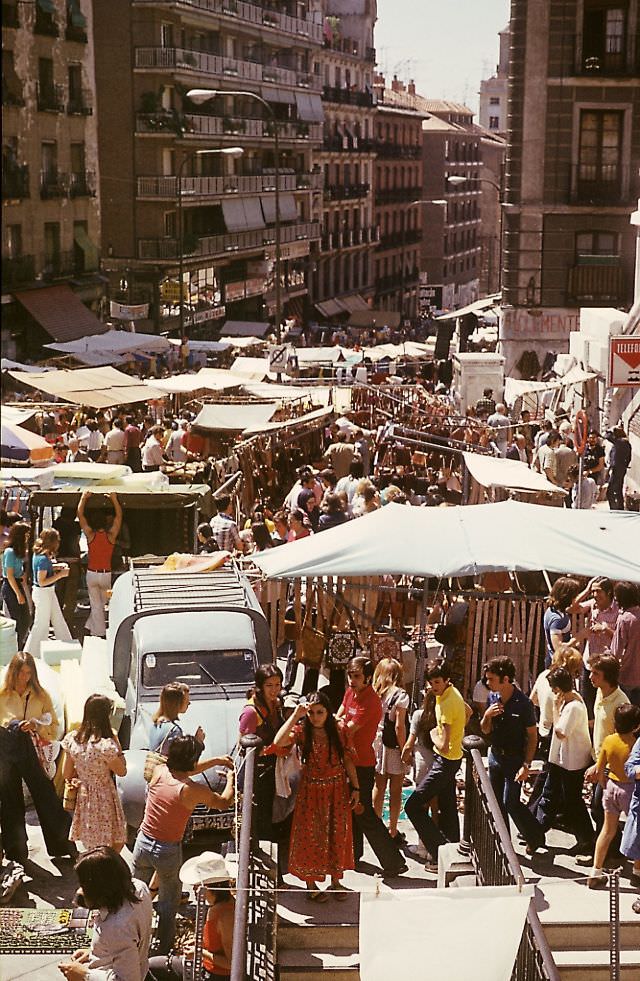
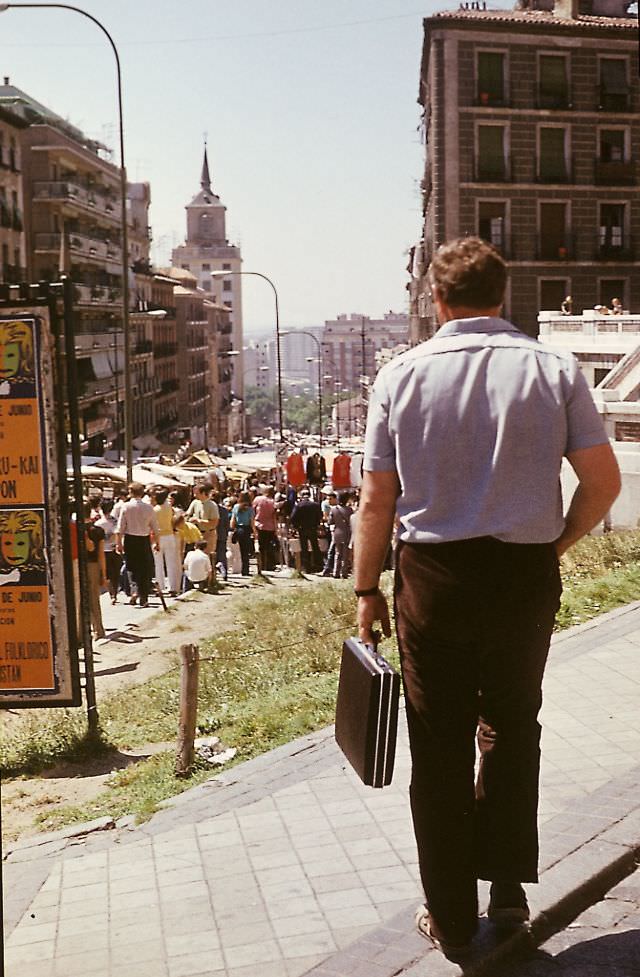
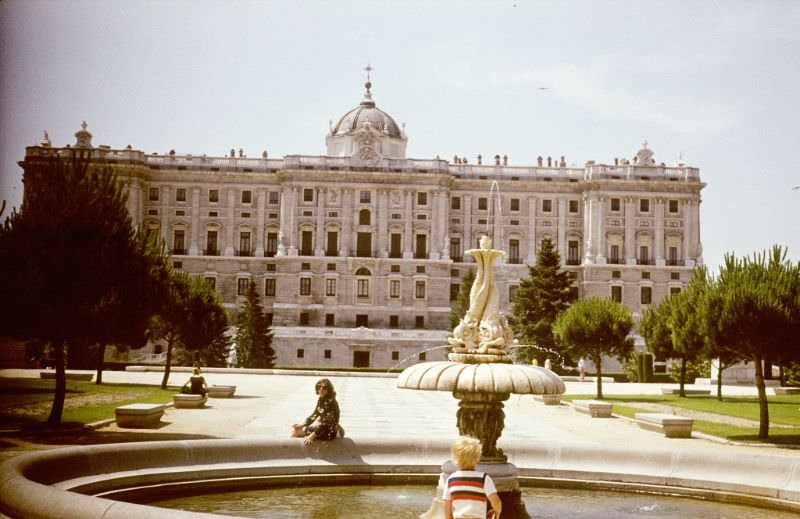
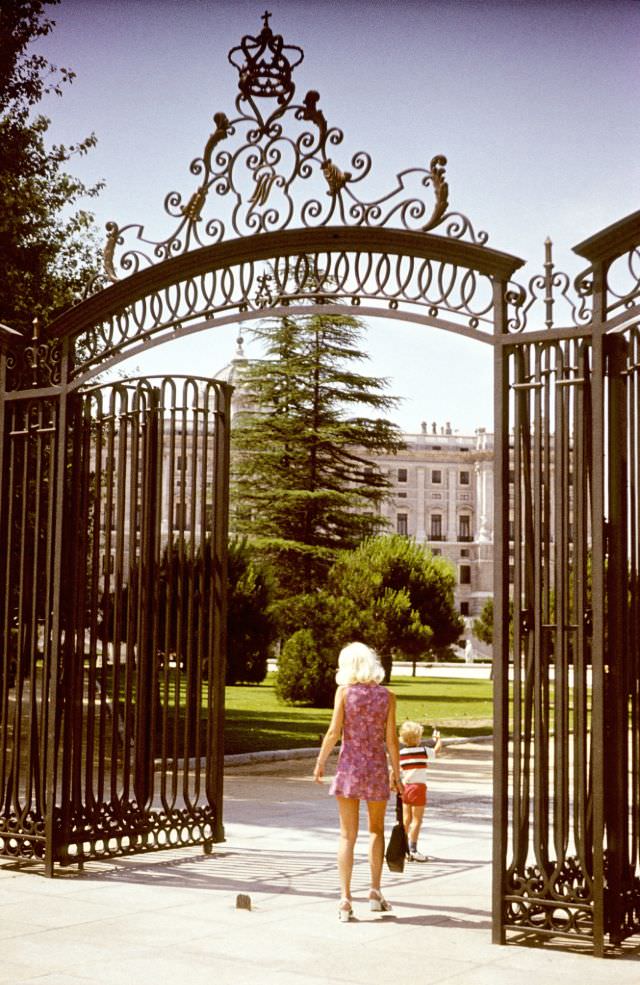
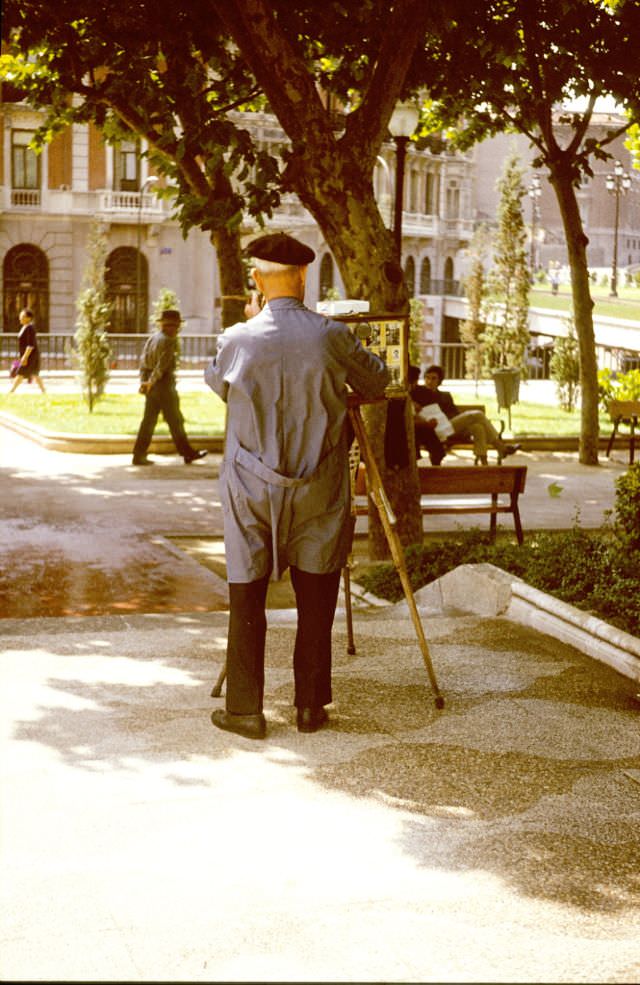
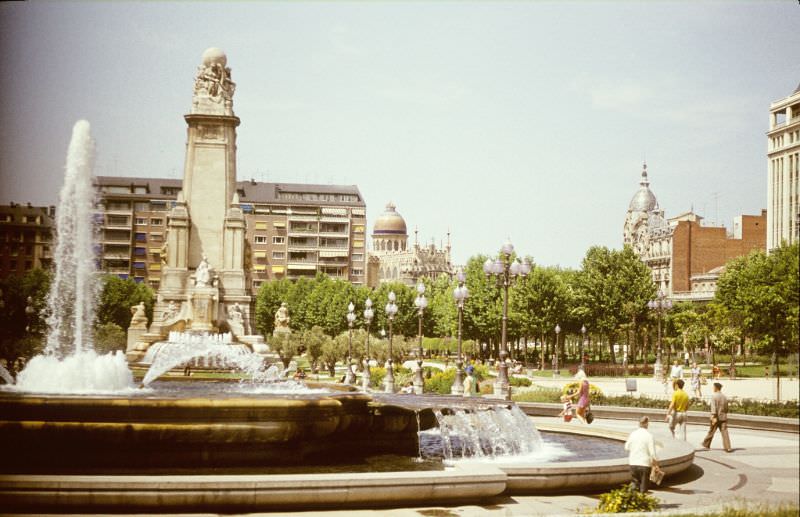
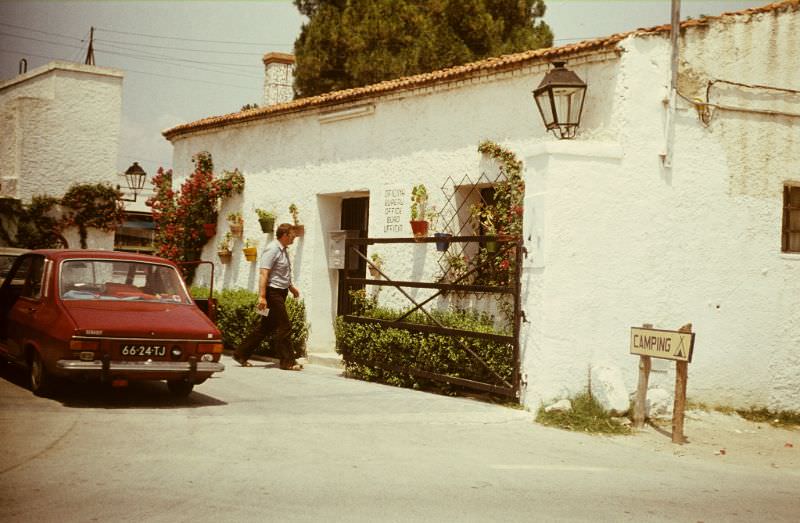
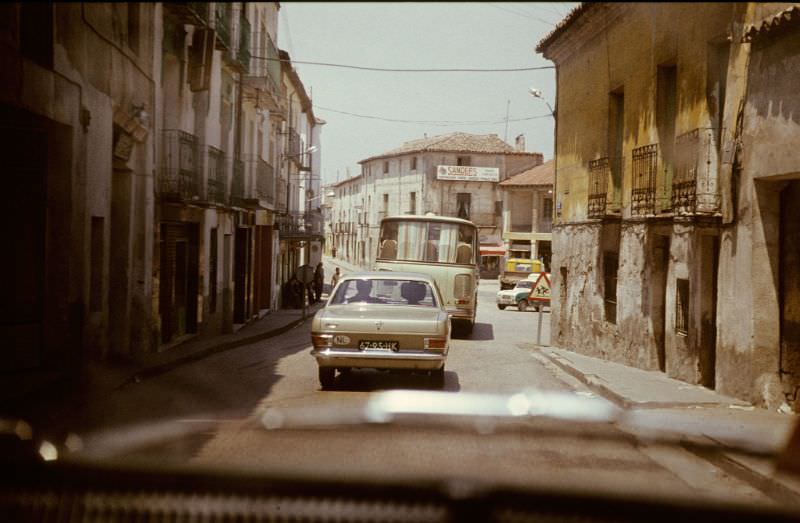
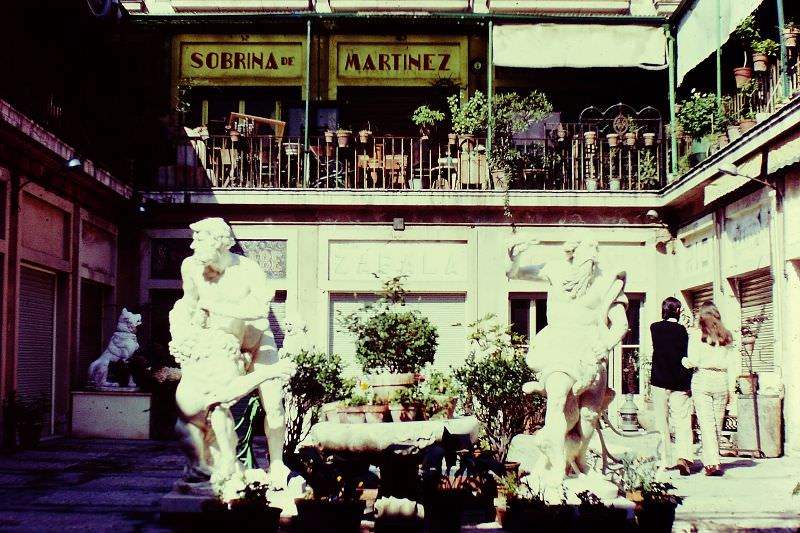
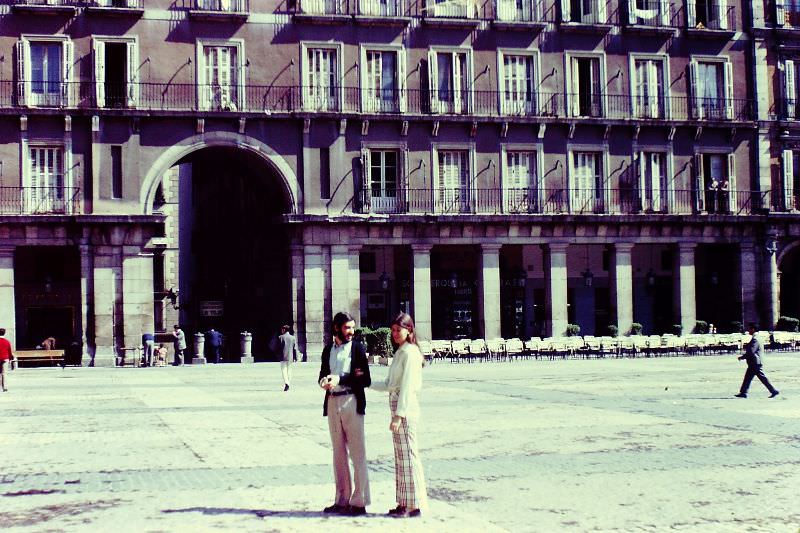
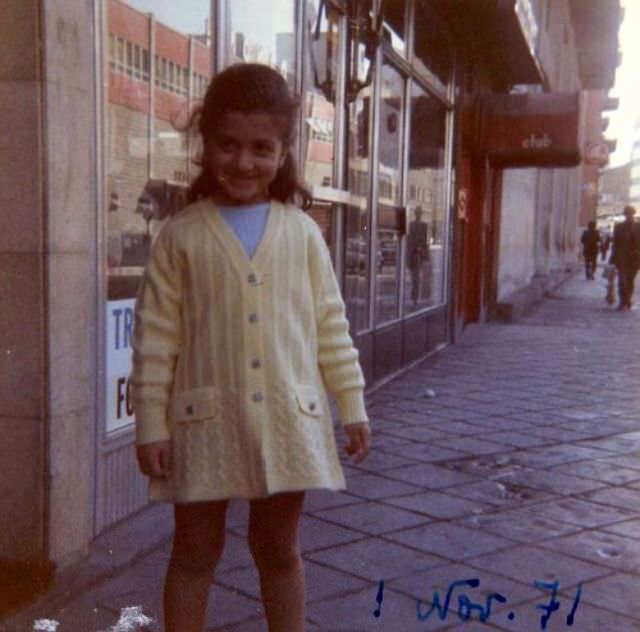
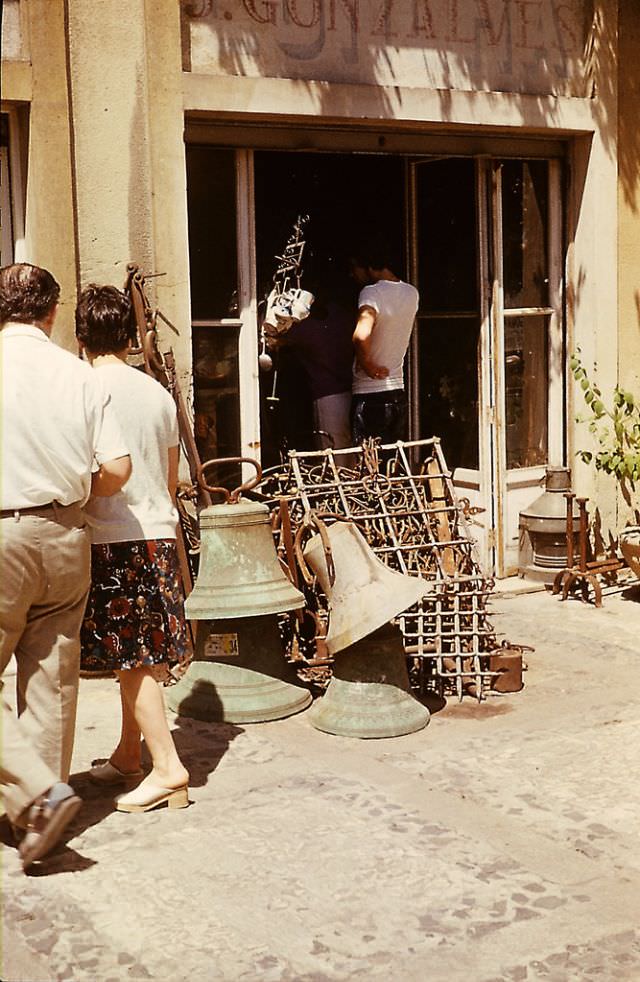
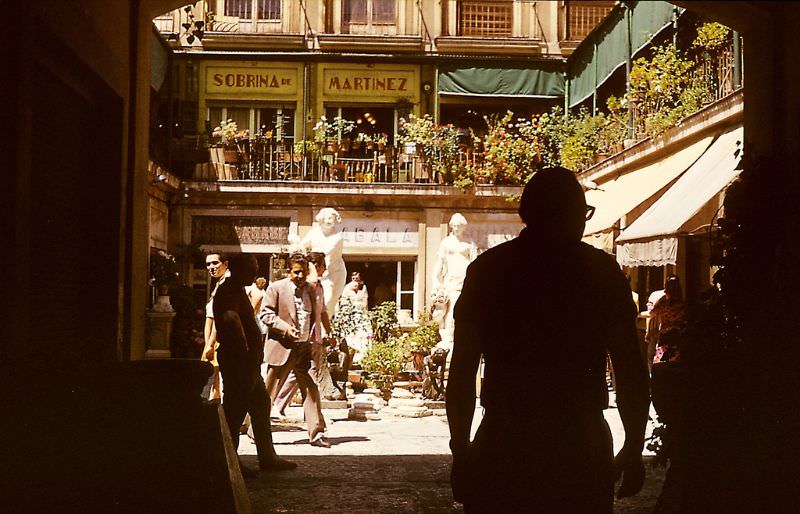
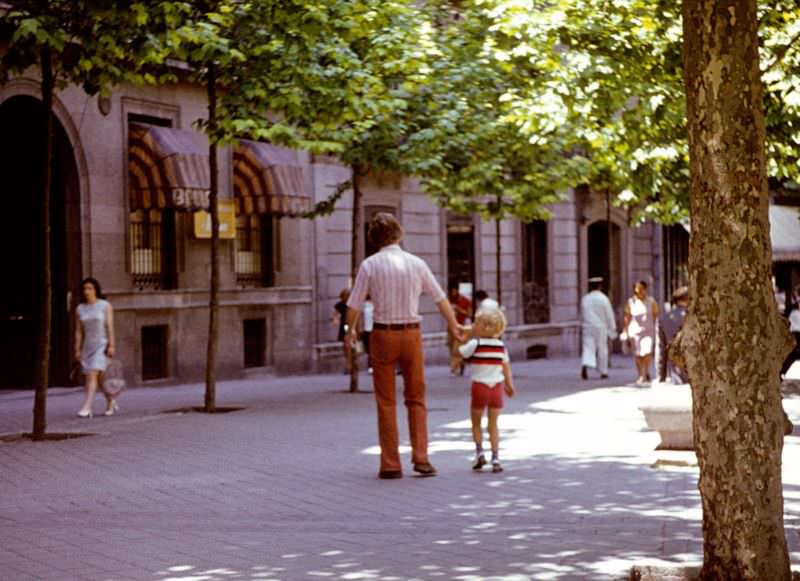
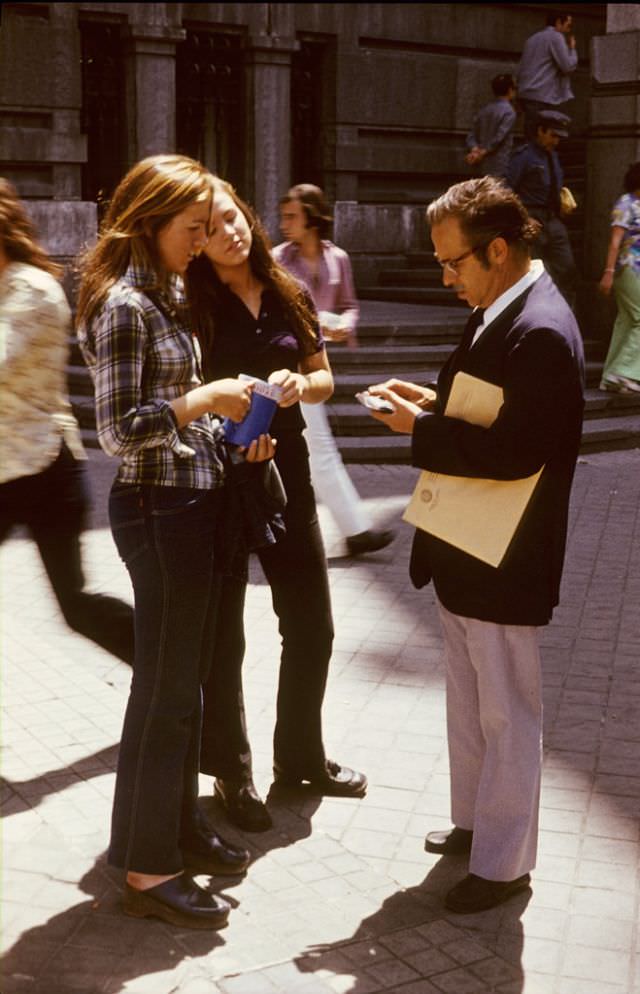
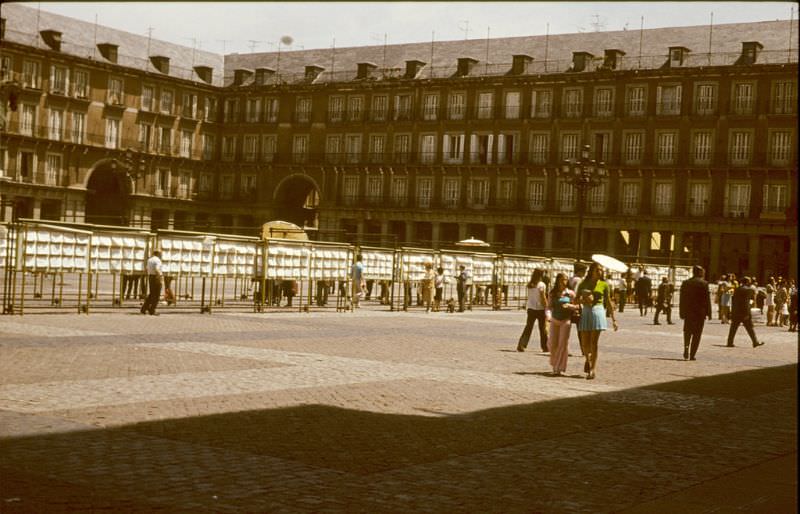
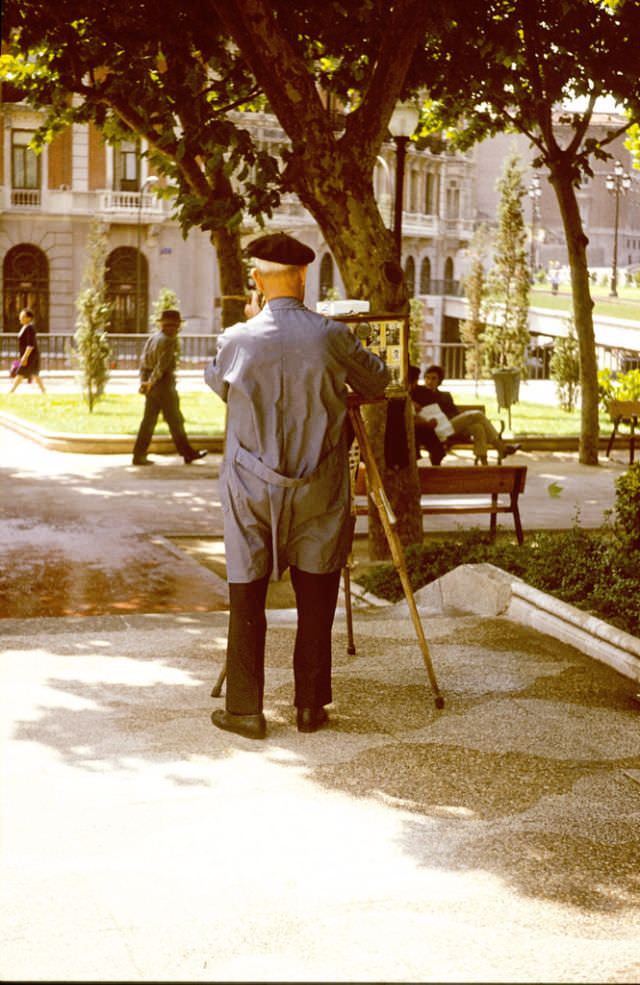
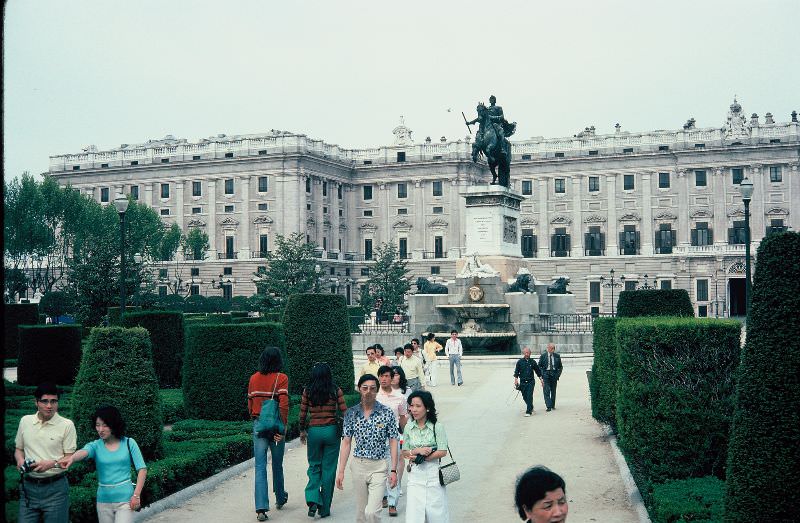
Street photography from this era captures moments that official records never would. Children played in plazas, workers took their lunch breaks on stone steps, and older residents watched the changing city from the same spots they had occupied for decades.
Markets were central to daily life. Neighborhood mercados offered fresh produce, meat, and fish every morning. Shopping there was not just practical — it was social, a daily ritual that kept communities tightly connected.
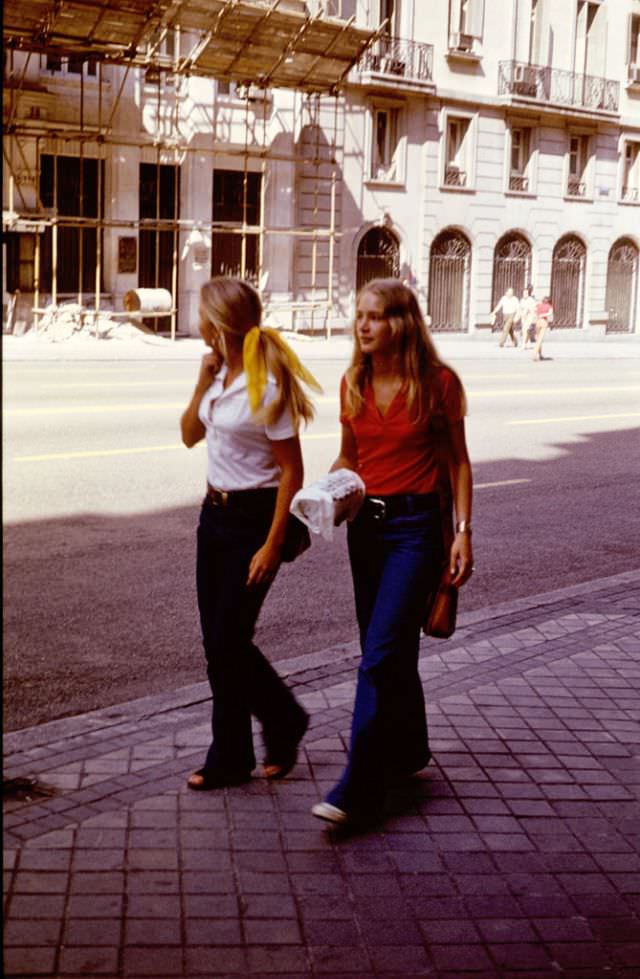
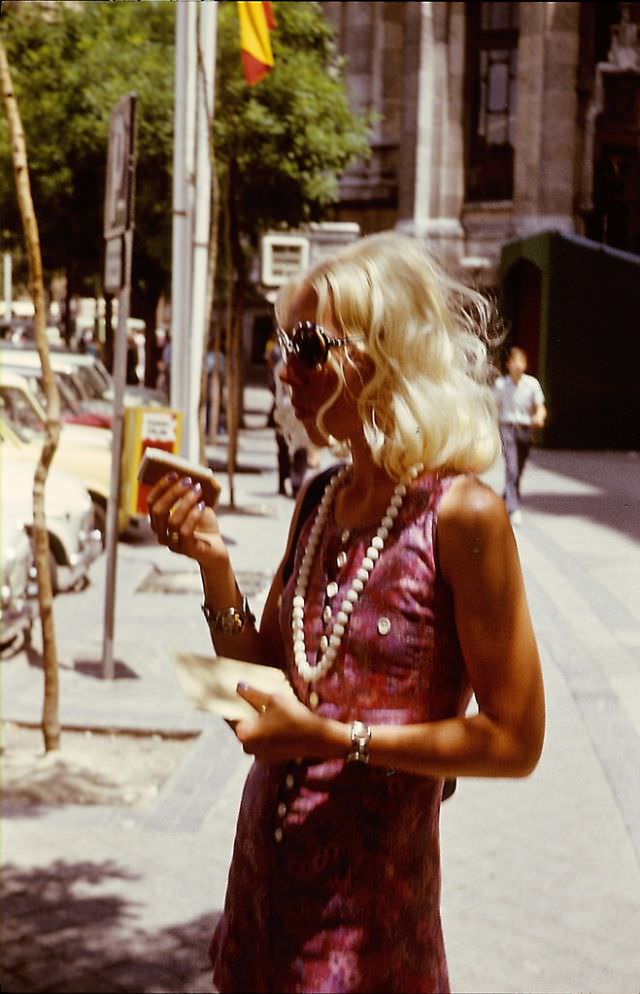
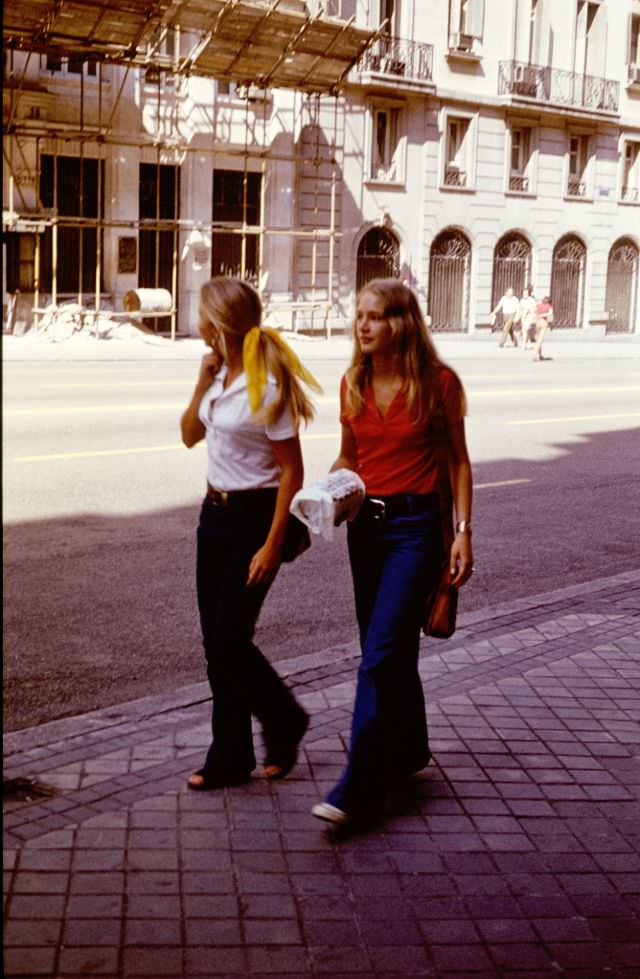
Fashion on Madrid’s streets in the 1970s mixed conservative styles carried over from the Franco years with the wider trends creeping in from across Europe. Younger residents especially embraced new styles, reflecting a generation eager to shed the restrictions of the past.
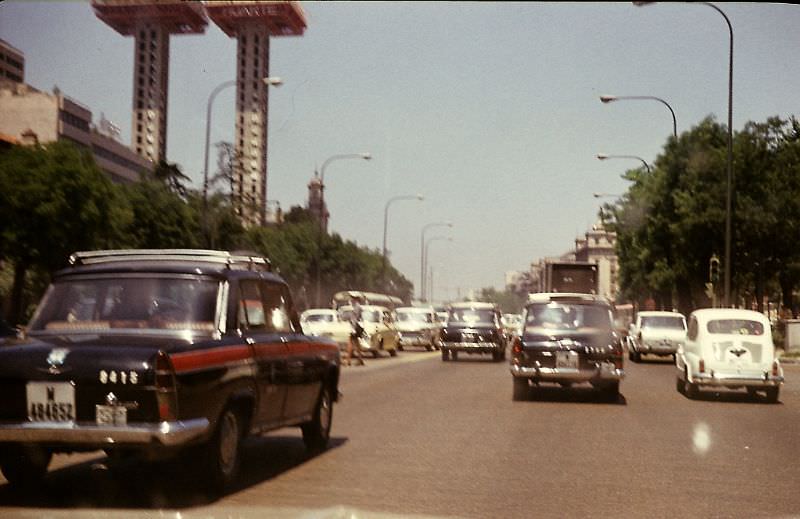
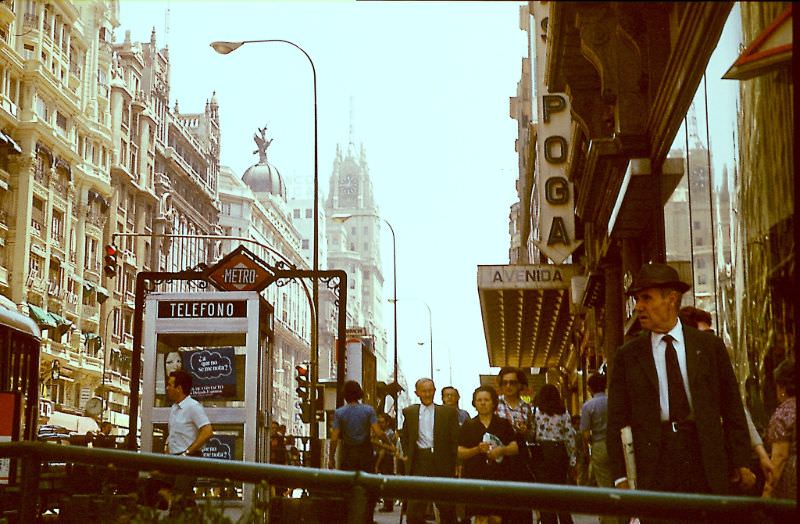
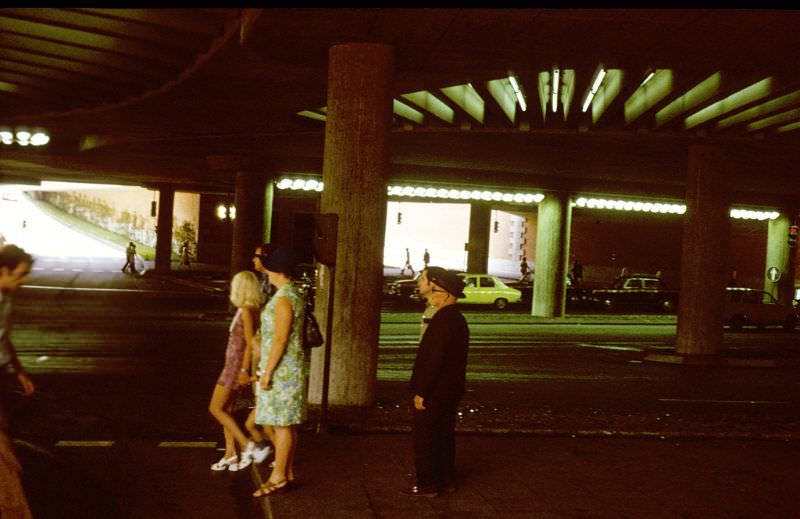
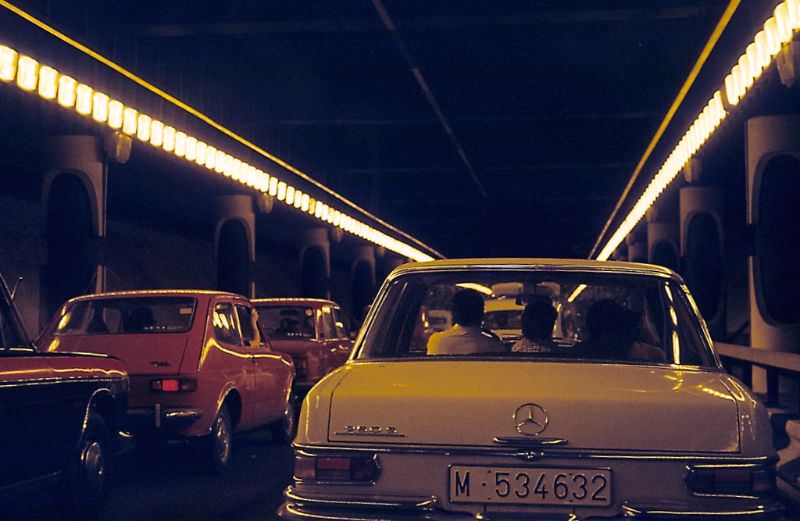
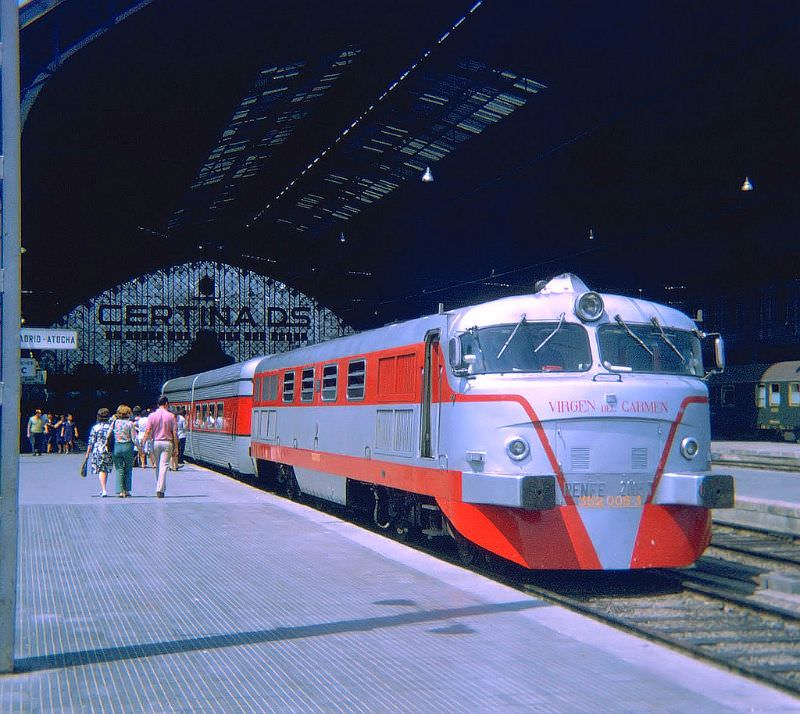
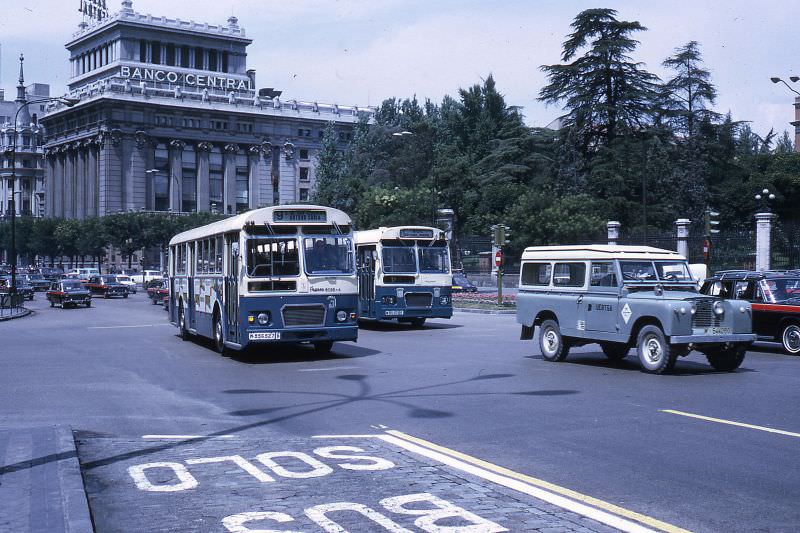
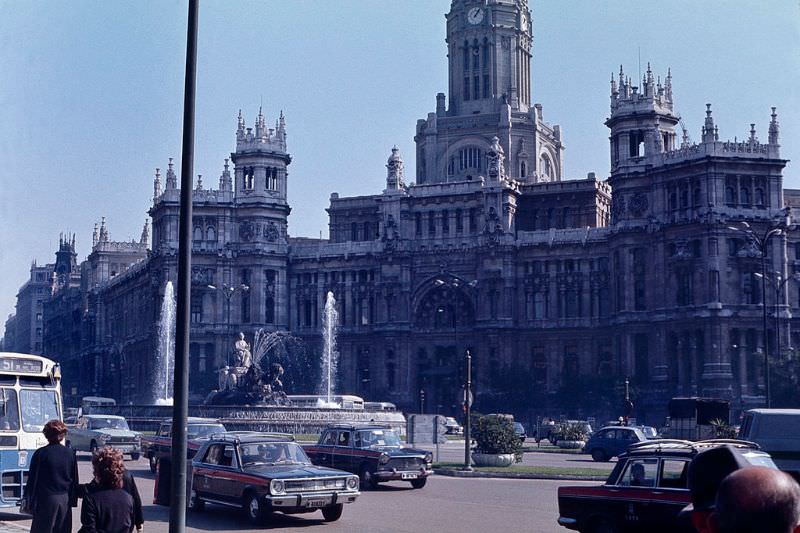
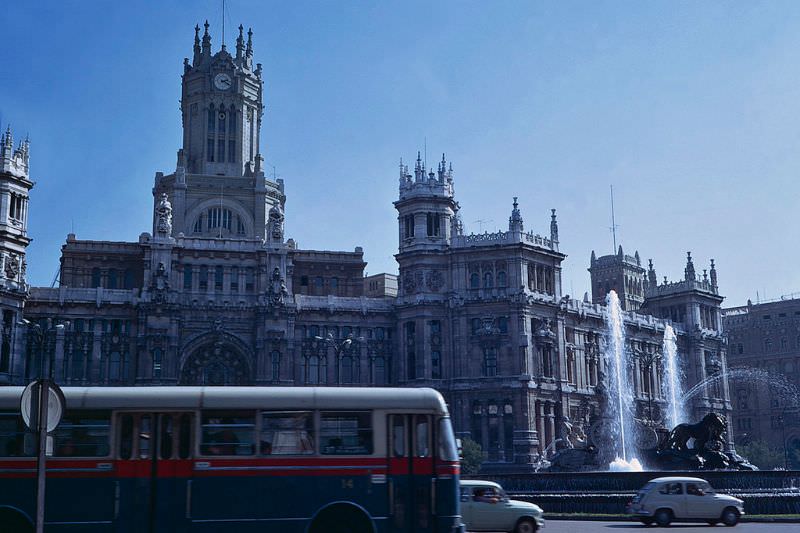
Public transport was heavily used. The Madrid Metro, which had been running since 1919, carried millions of passengers each year. Buses crowded the major roads, and taxis were a common sight weaving through the city’s older, narrower streets.
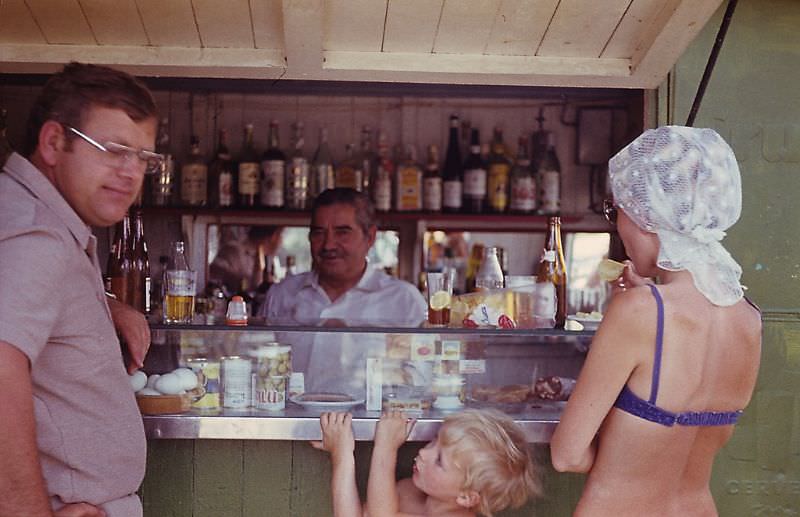
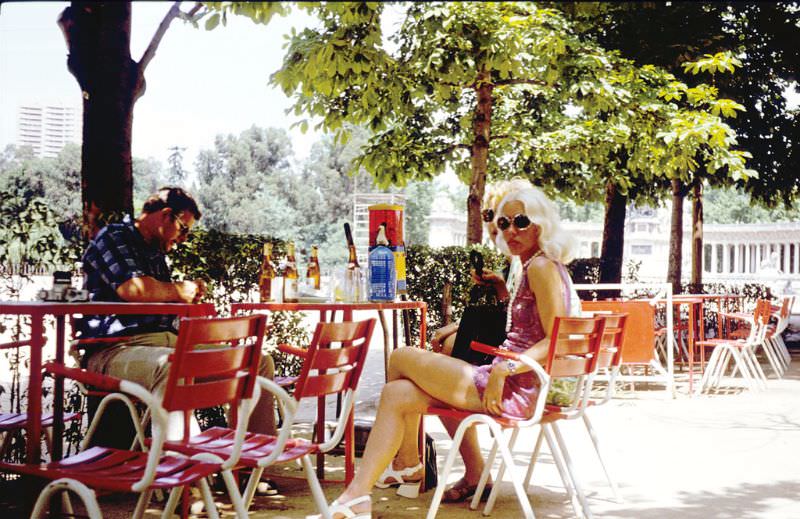
Bars and tabernas served as the true living rooms of Madrid. Locals gathered there for morning coffee, midday wine, and evening tapas. These spaces were where news spread, arguments happened, and friendships were maintained over small glasses of beer.
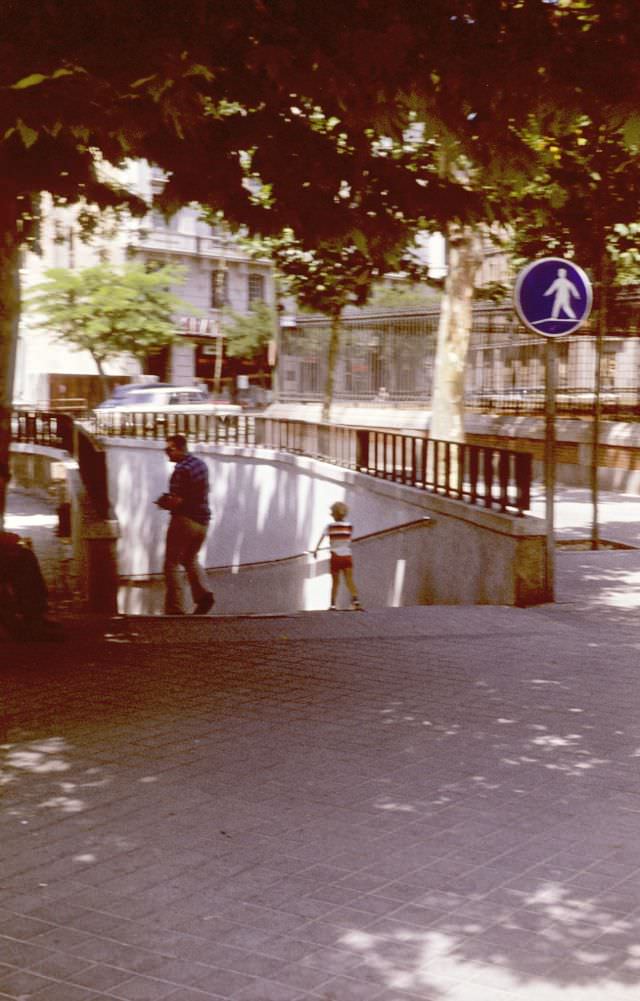
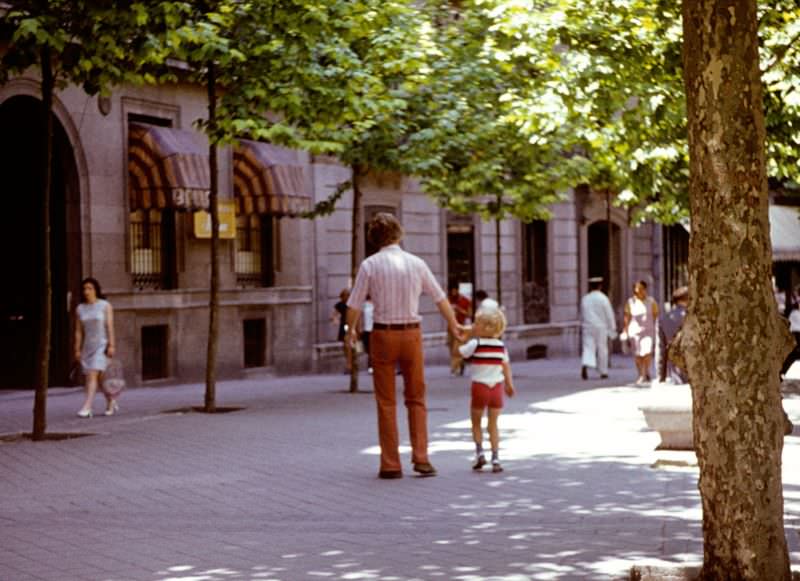
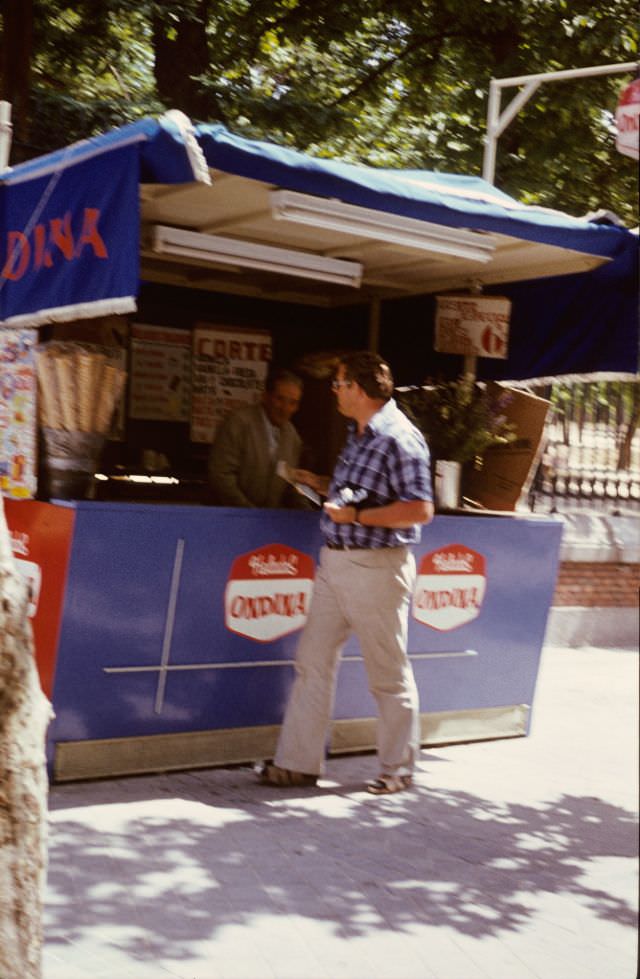
After Franco’s death in November 1975, the city’s atmosphere shifted noticeably. Political posters appeared on walls, public gatherings grew bolder, and a new sense of openness took hold in the streets almost immediately.
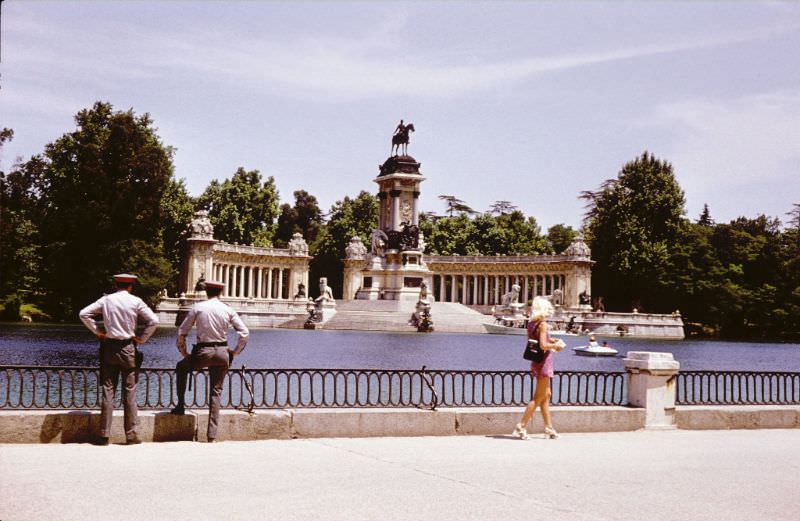
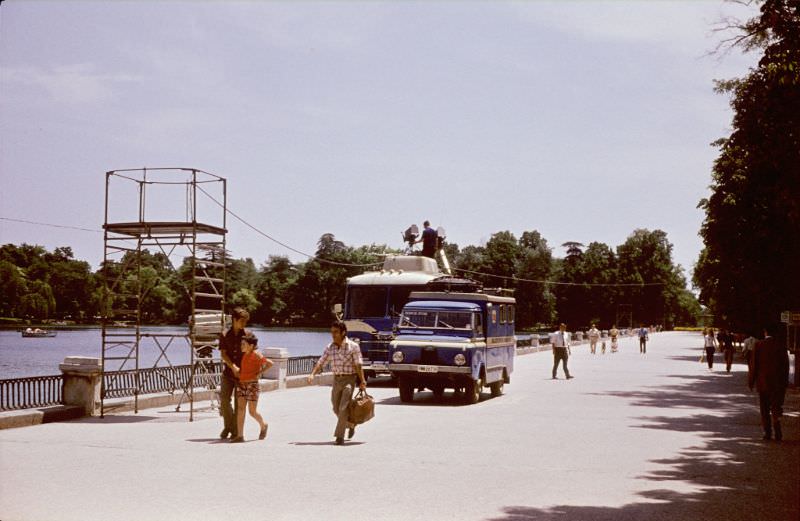
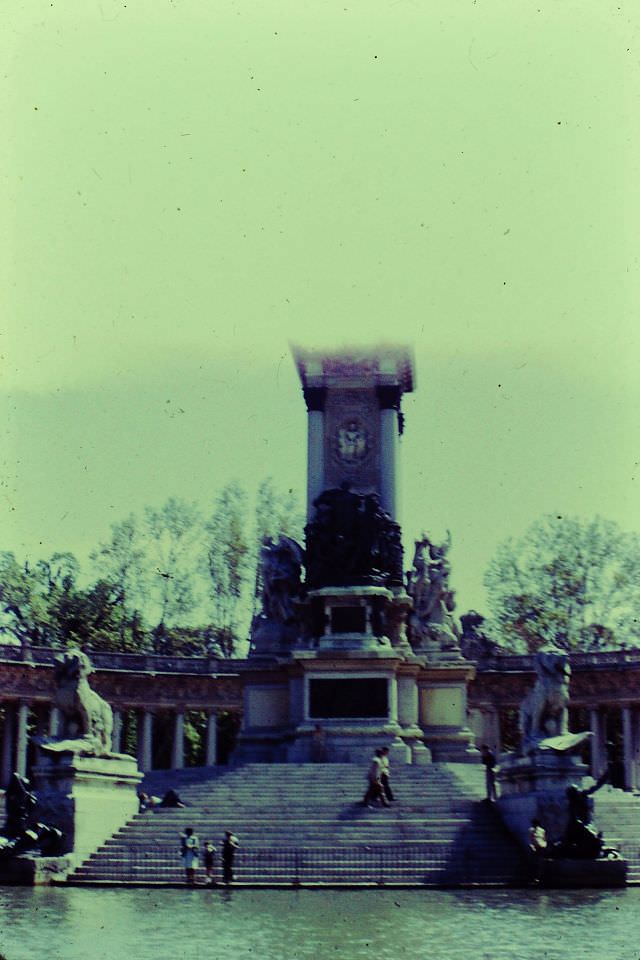
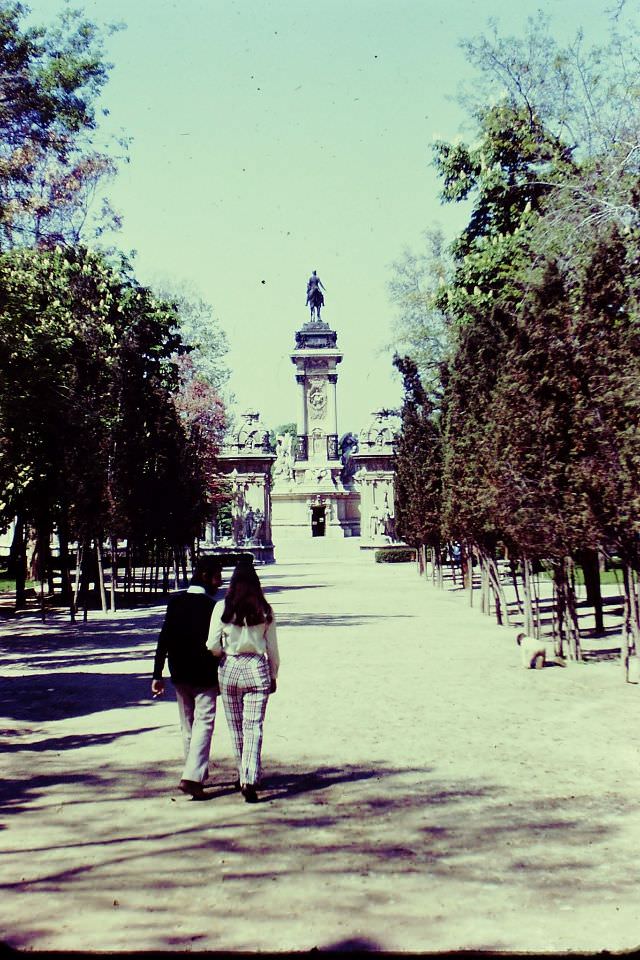
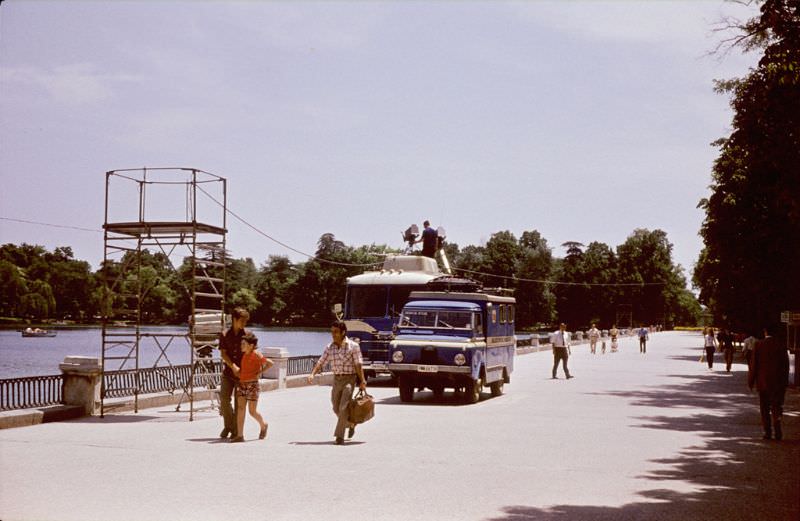
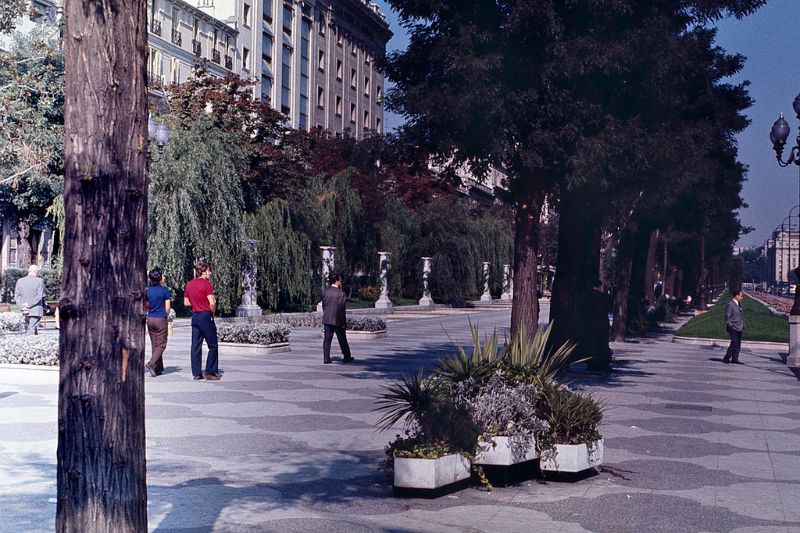
The Retiro Park remained one of Madrid’s most beloved public spaces throughout the decade. Families, couples, and solo visitors filled its paths and lakeside benches on weekends, offering a green escape from the dense urban surroundings.
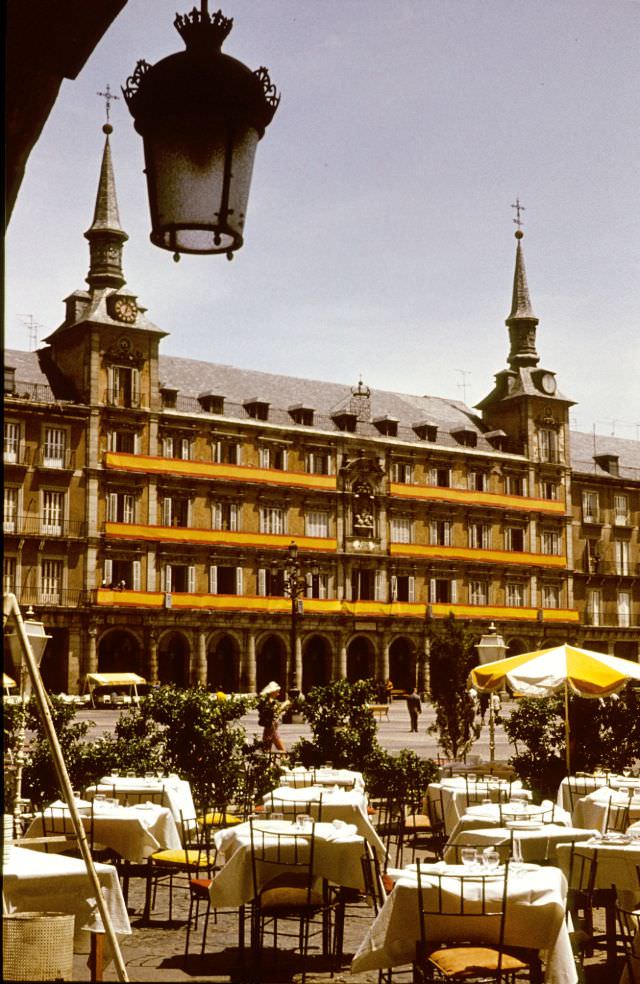
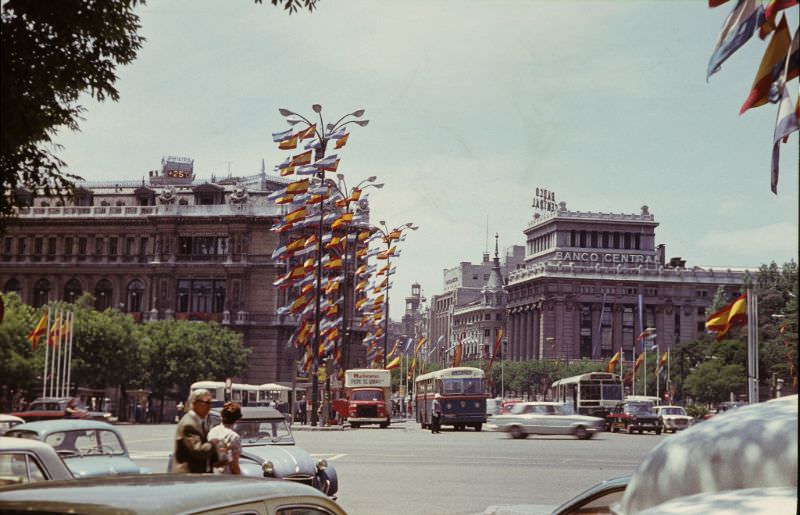
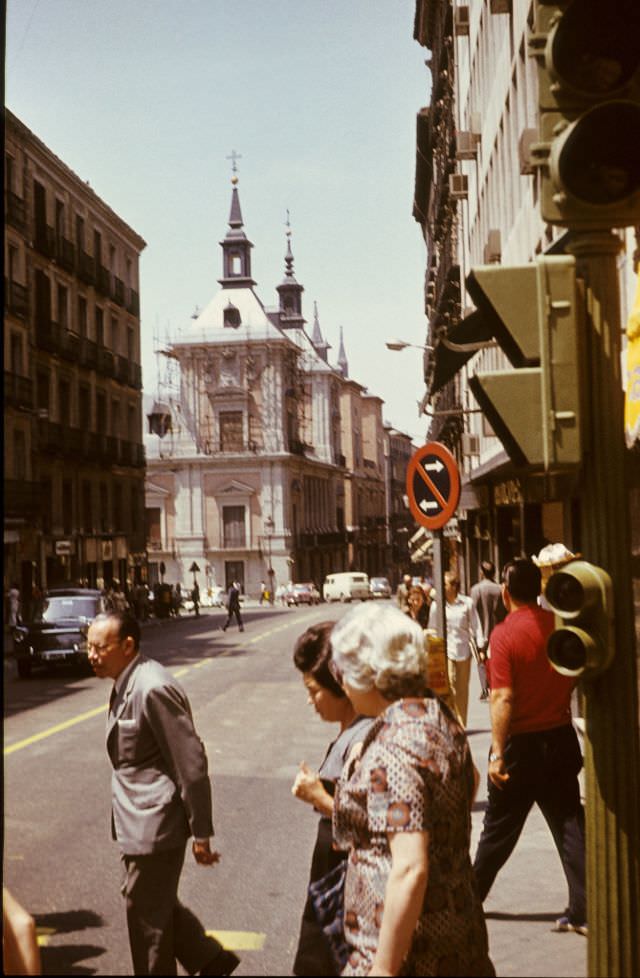
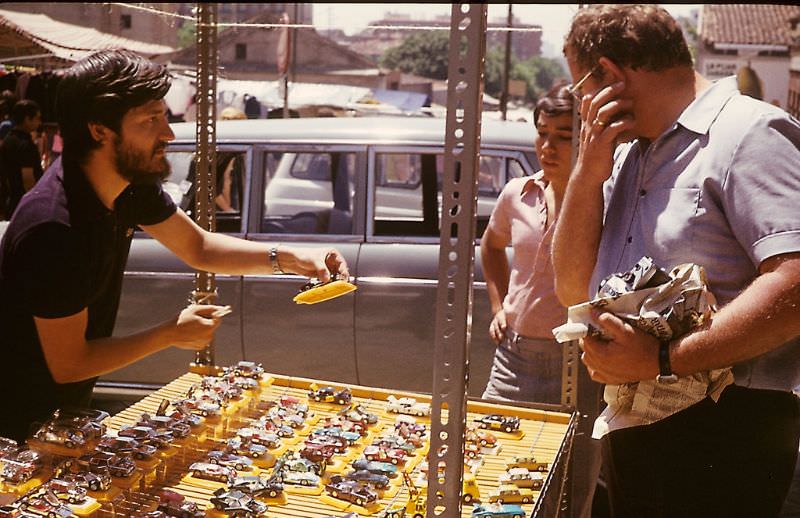
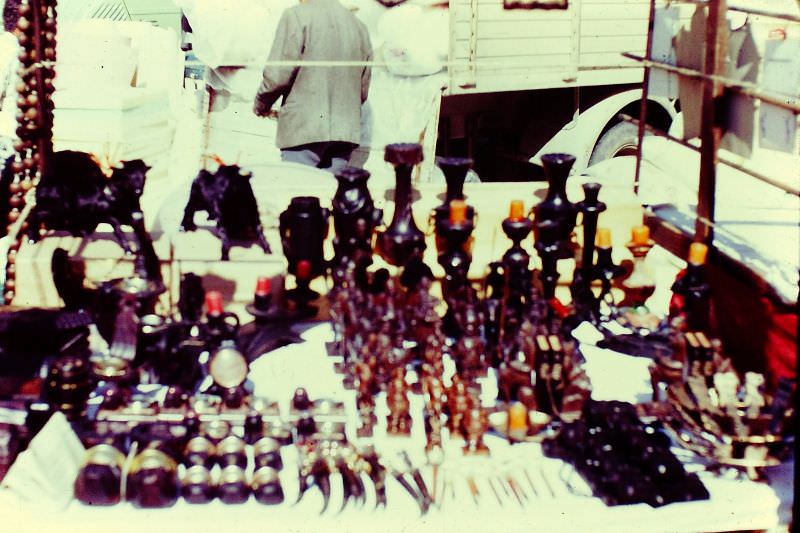
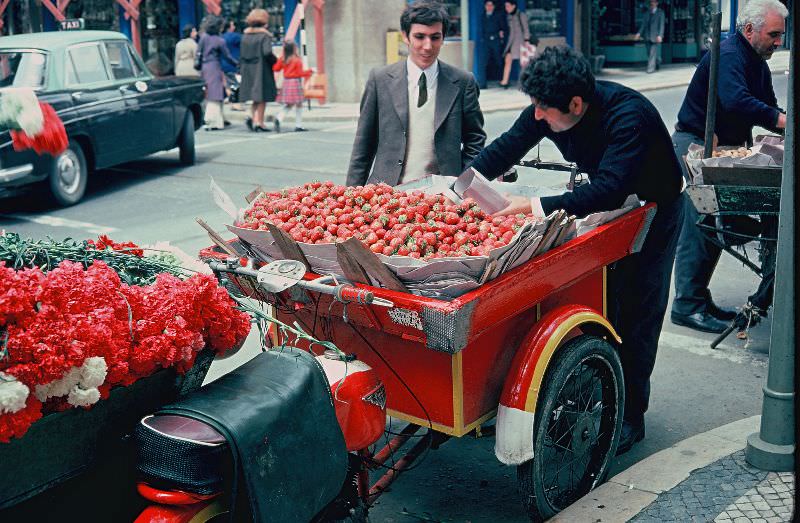
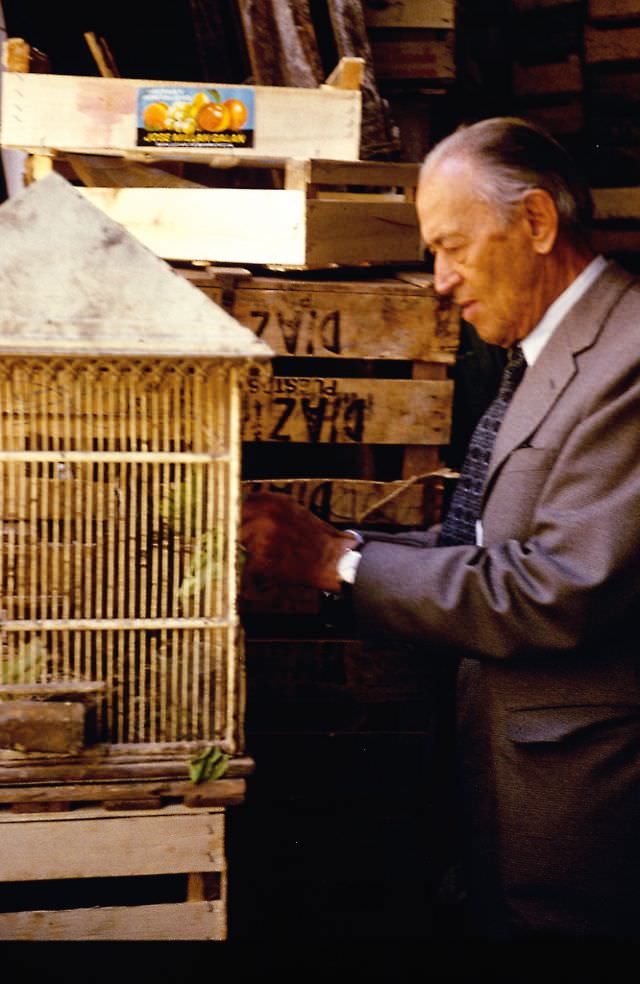
Street sellers were a fixture of the city. They sold lottery tickets, newspapers, chestnuts in winter, and cold drinks in summer. Many worked the same corner for years, becoming familiar faces in their neighborhoods.
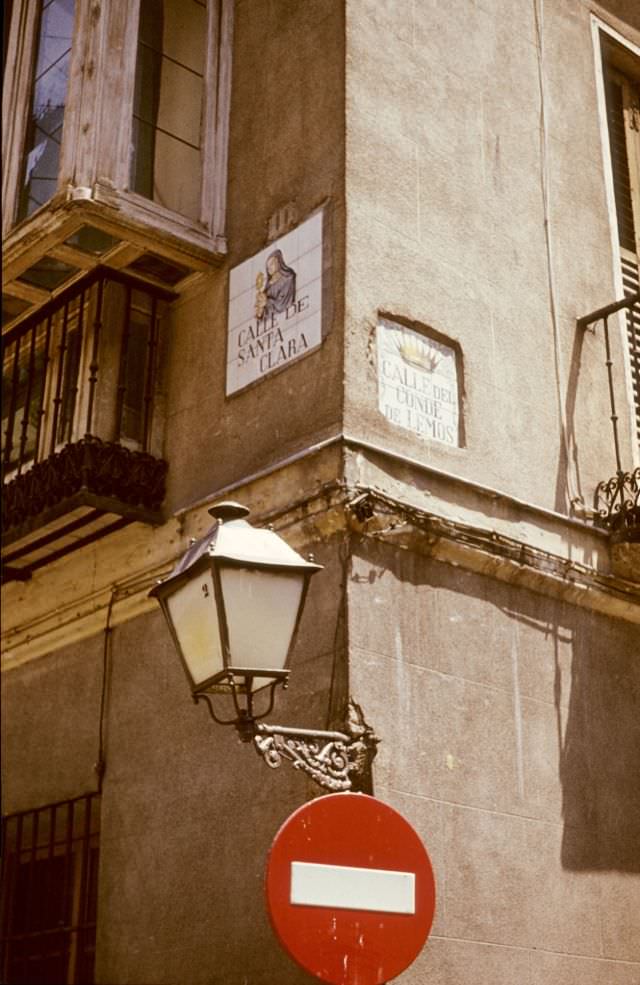
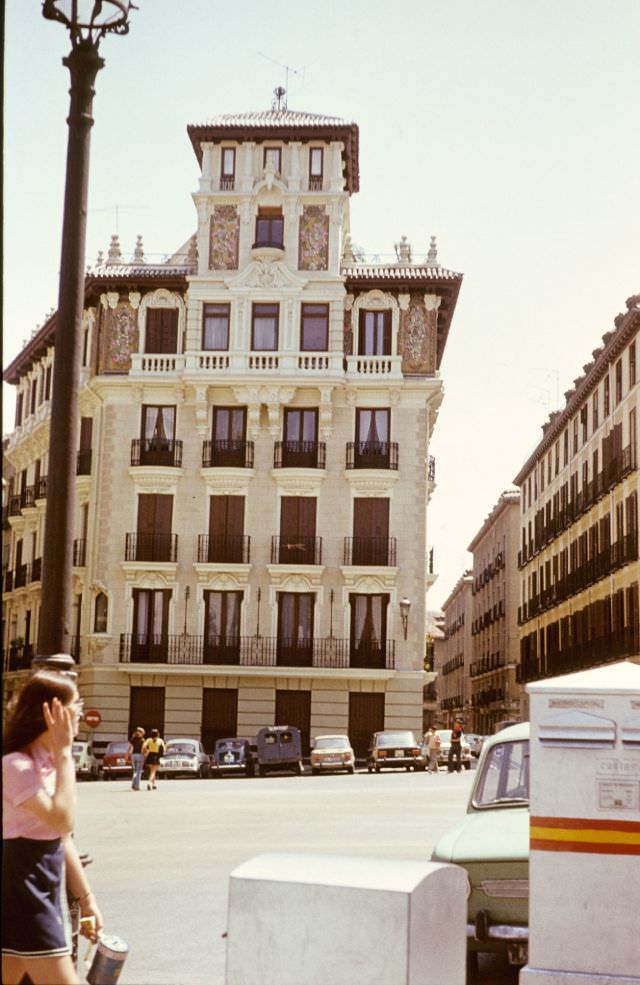
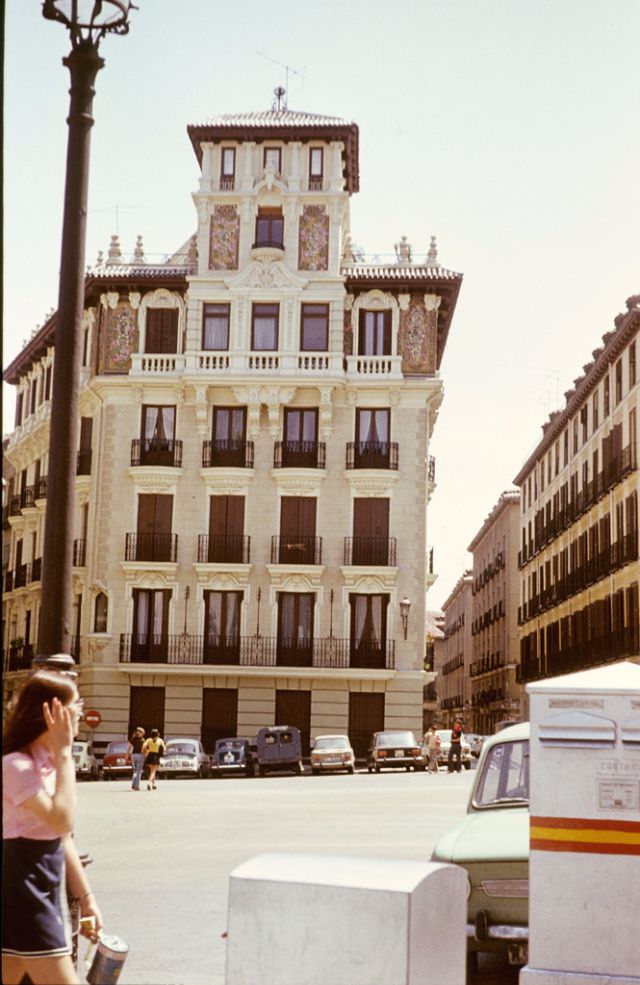
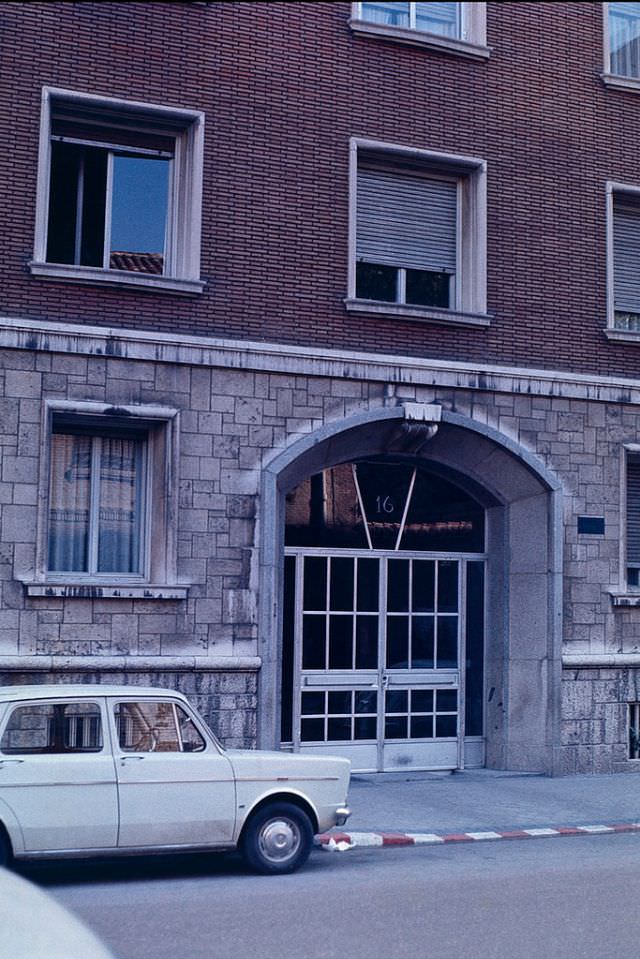
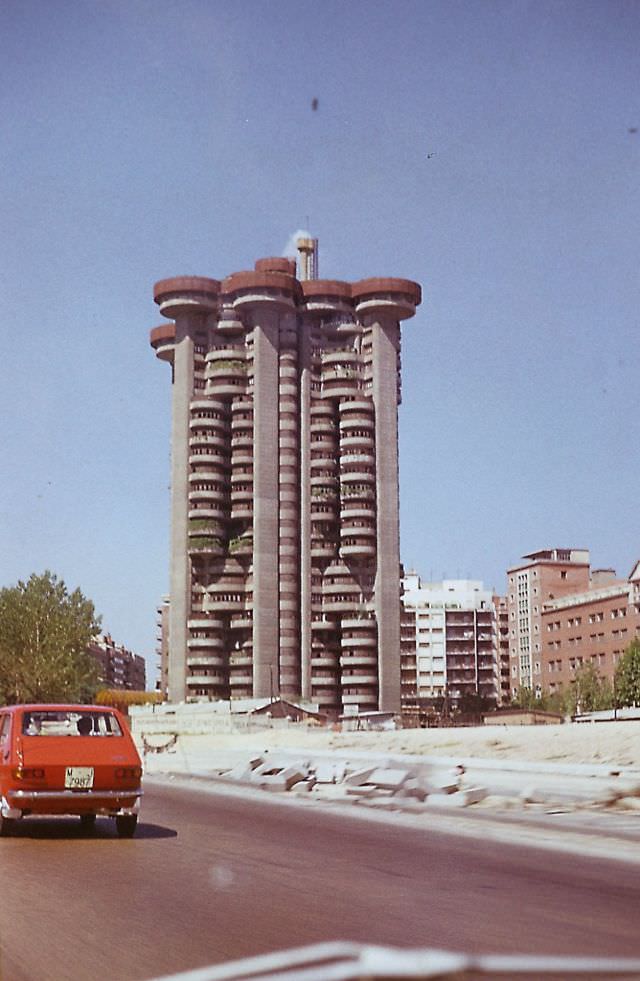
Construction cranes were visible across the skyline as Madrid expanded outward. New apartment blocks rose on the outskirts to house a growing population, while the historic center largely kept its older stone buildings and narrow lanes.
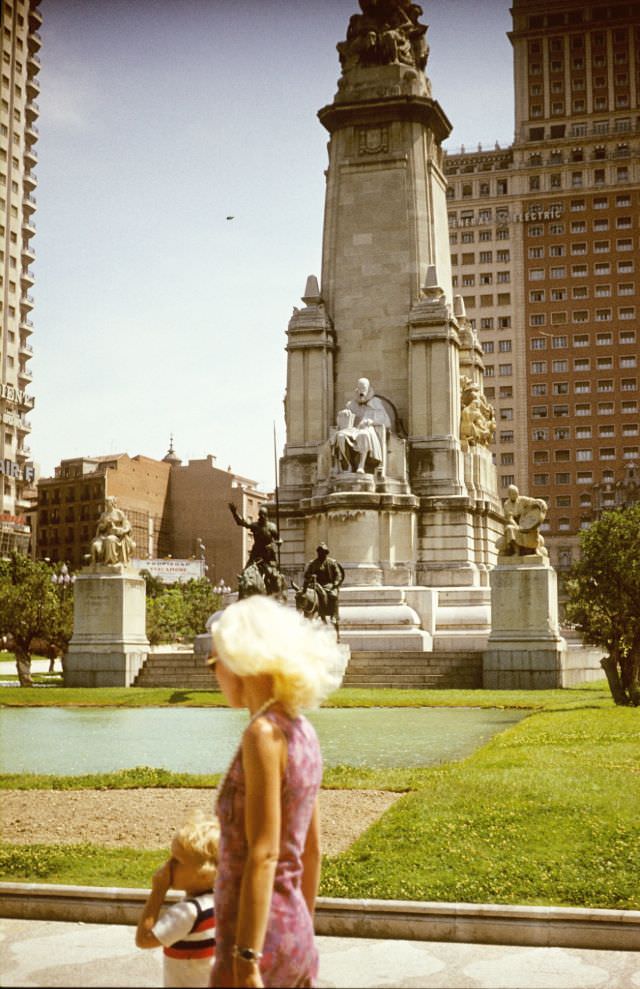
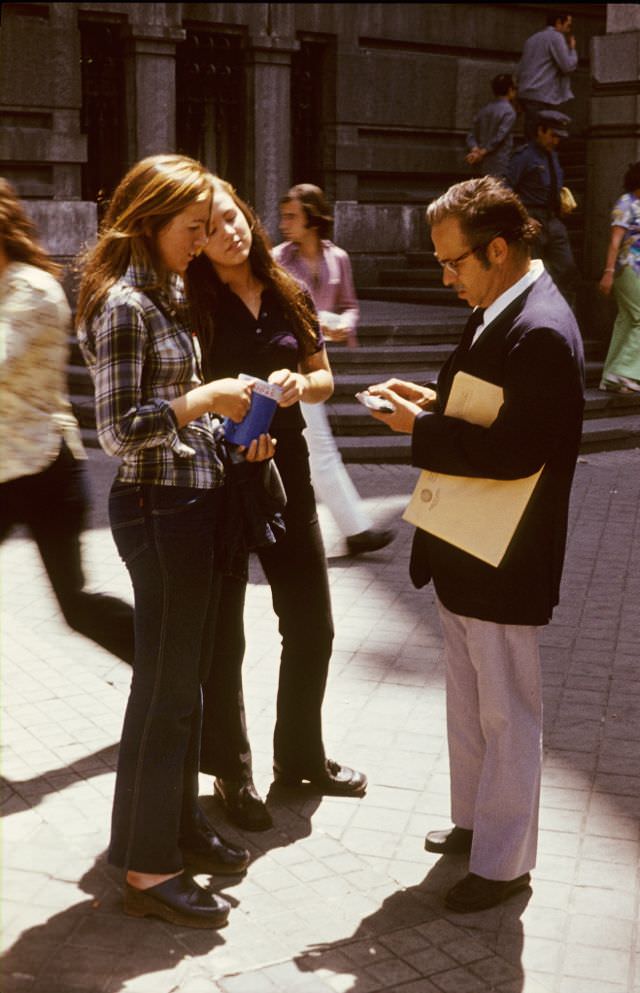
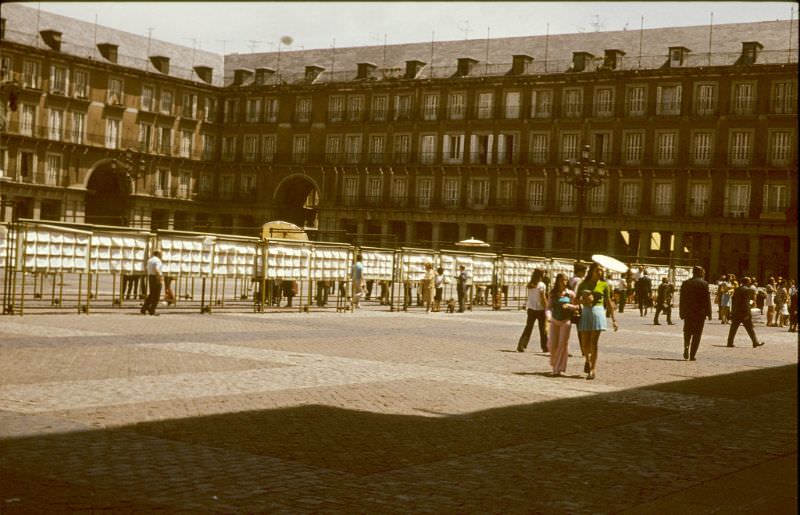
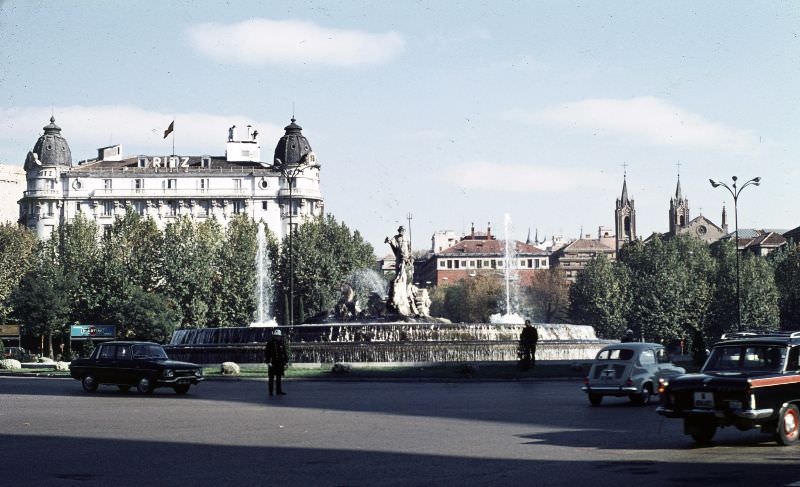
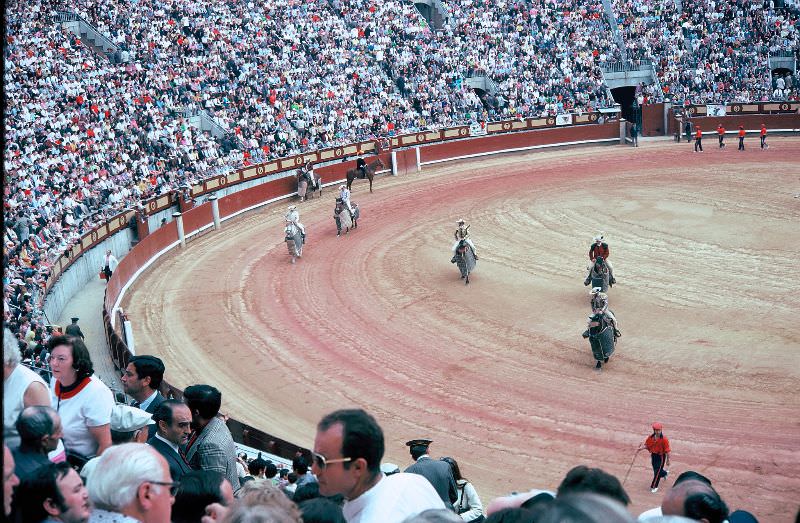
These photographs capture Madrid at a crossroads — a city still shaped by decades of isolation but already pressing forward into a new era. The faces, the streets, and the everyday scenes frozen in these images tell that story with striking clarity.