Billy Wilder’s 1957 romantic comedy Love in the Afternoon brought together three of Hollywood’s most distinctive talents: Gary Cooper, Audrey Hepburn, and Maurice Chevalier. Shot largely at the Ritz Hotel in Paris and on location in the French countryside, the film delivered a charming story of an unlikely romance between a carefree American playboy and a young Frenchwoman who refuses to make things easy for him.
Cooper plays Frank Flannagan, a wealthy, handsome American who treats every relationship as a brief stopover. His personal philosophy is simple: “Don’t get attached. Always act as if you are between planes.” He enjoys women, champagne, and luxury, and he never lets any of it get serious — until he meets Ariane.
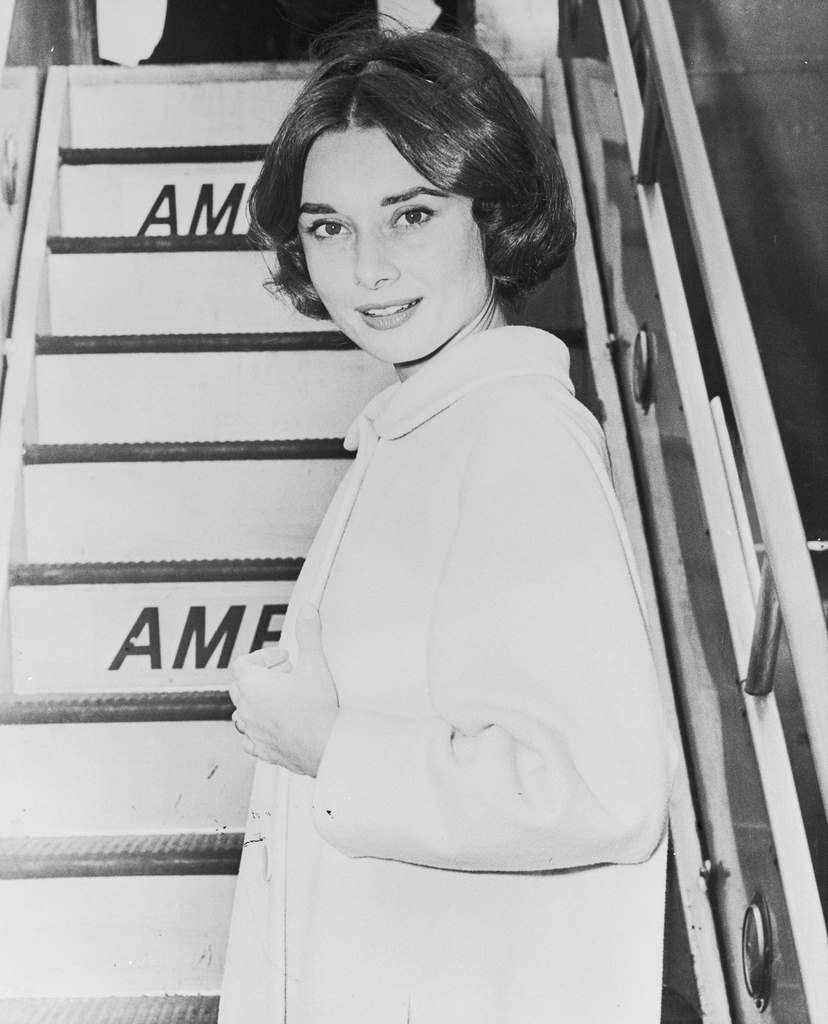
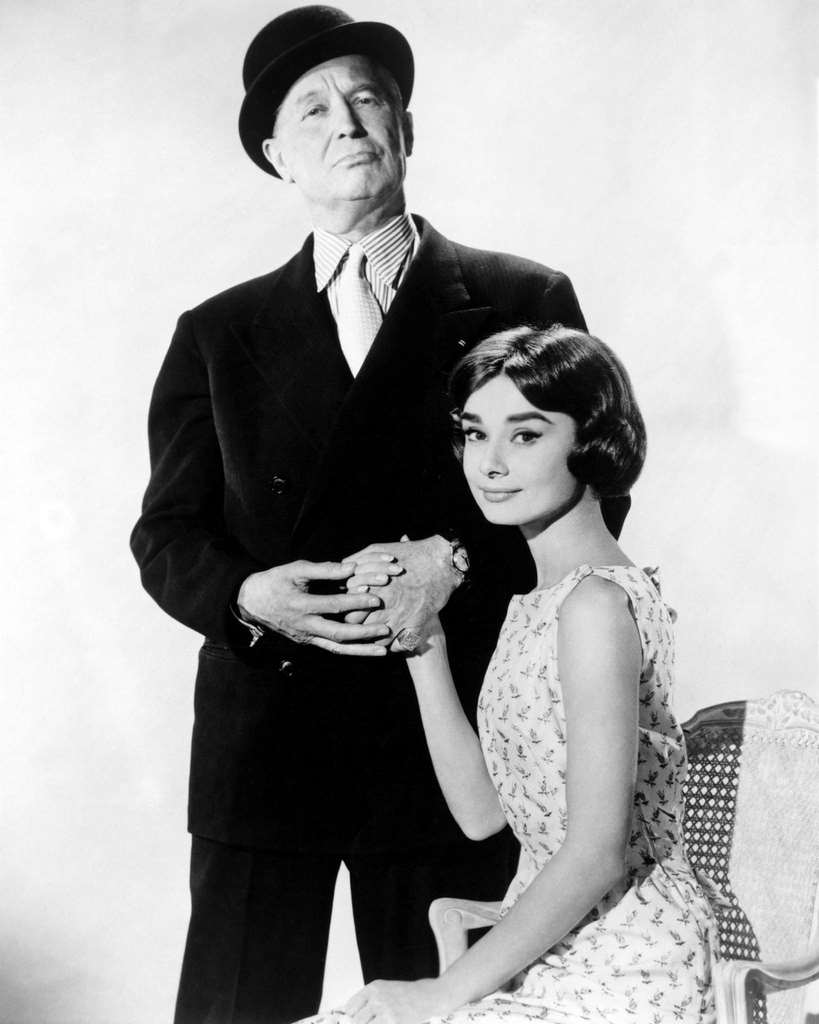
Audrey Hepburn plays Ariane Chavasse, the young daughter of a Parisian private detective played by Maurice Chevalier. During Flannagan’s final afternoon in Paris, Ariane saves his life and the two spend the afternoon together. He leaves for America without a second thought. She falls deeply in love with him and does not forget him.
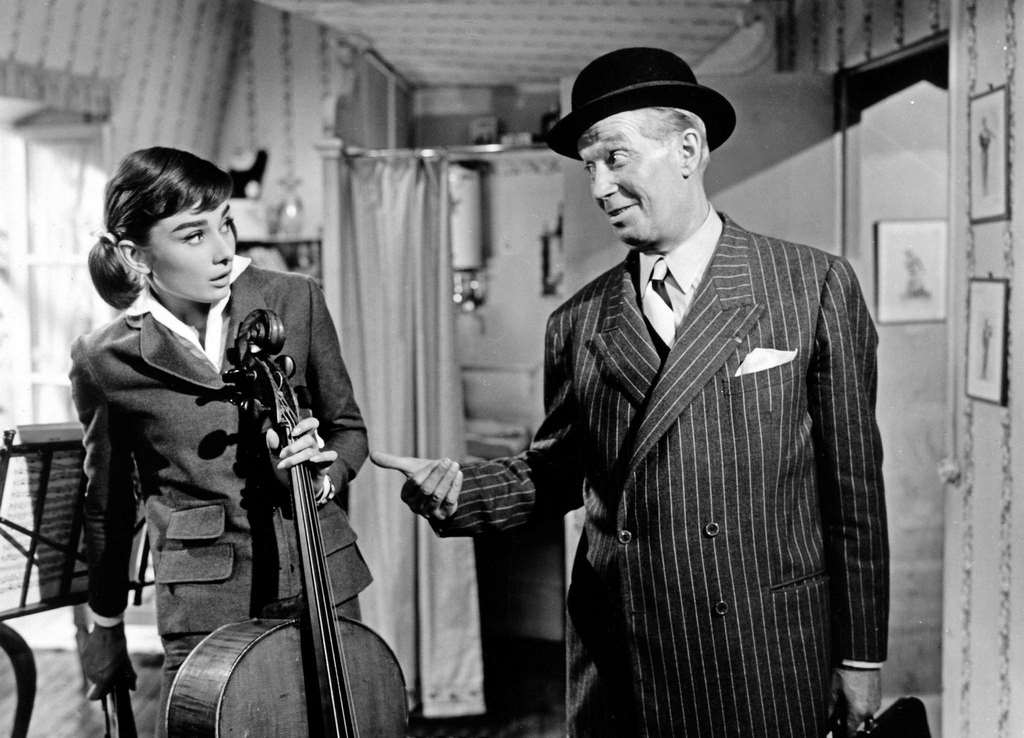
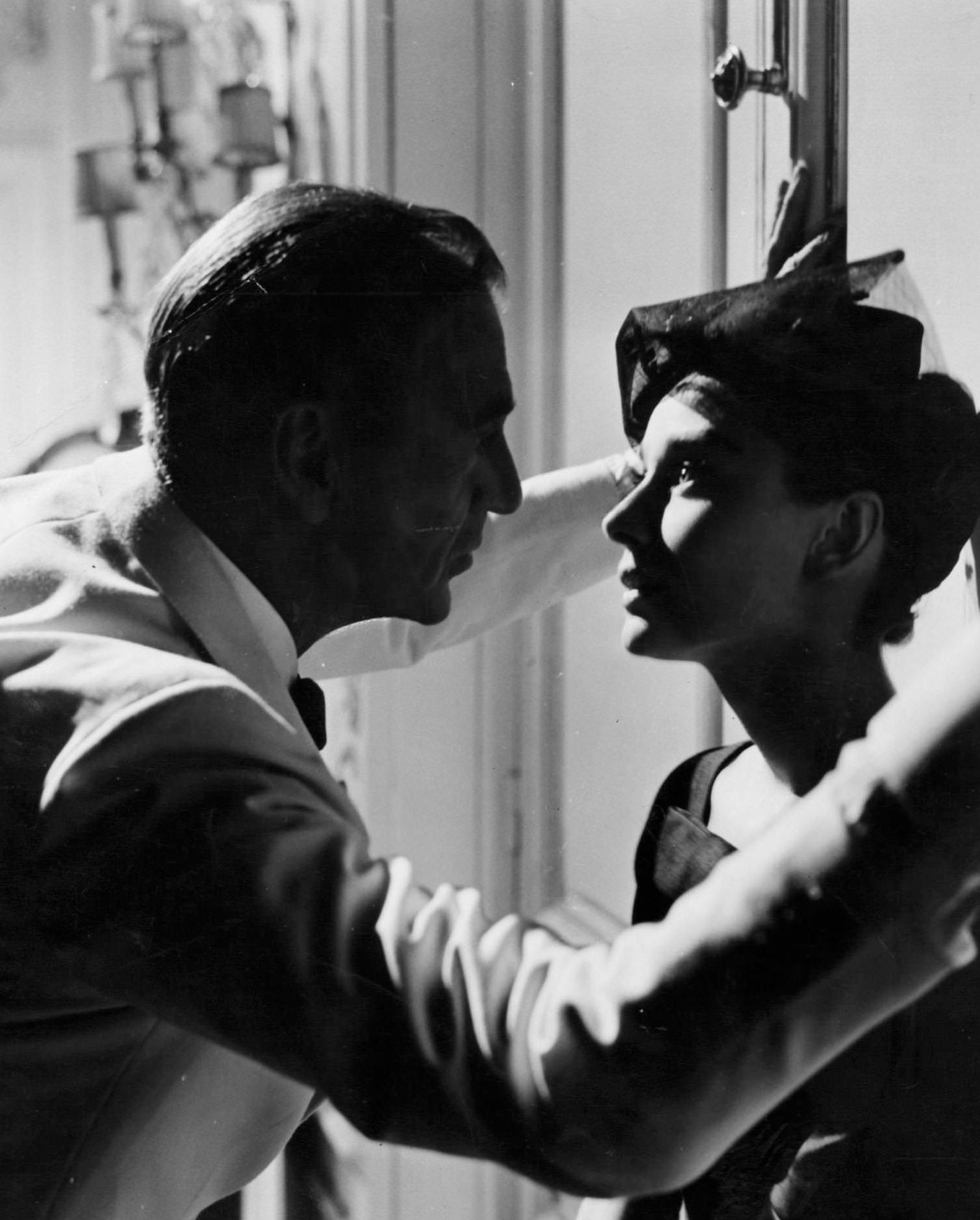
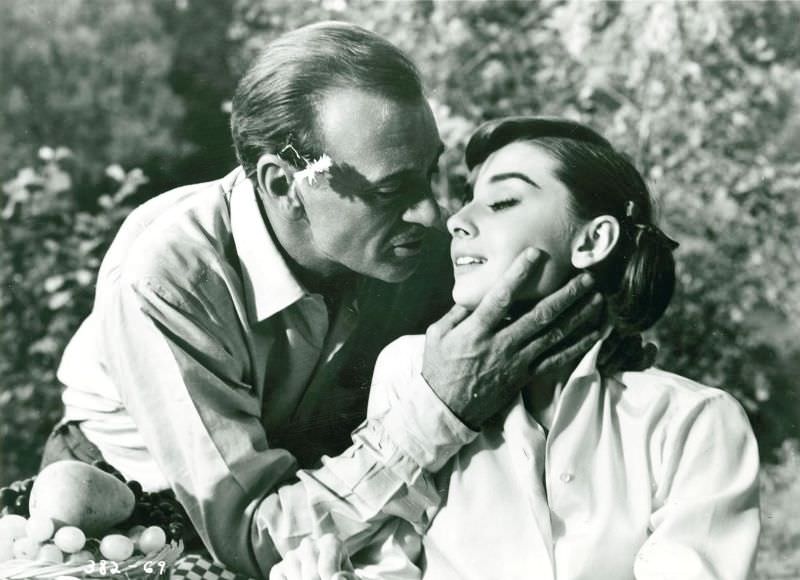
When they meet again a year later, the tables turn. Flannagan becomes captivated by Ariane, but she plays mysterious and elusive, giving him nothing to hold onto. It’s a deliberate role reversal, and Hepburn pulls it off with exactly the kind of effortless precision that made her one of the defining screen presences of the 1950s.
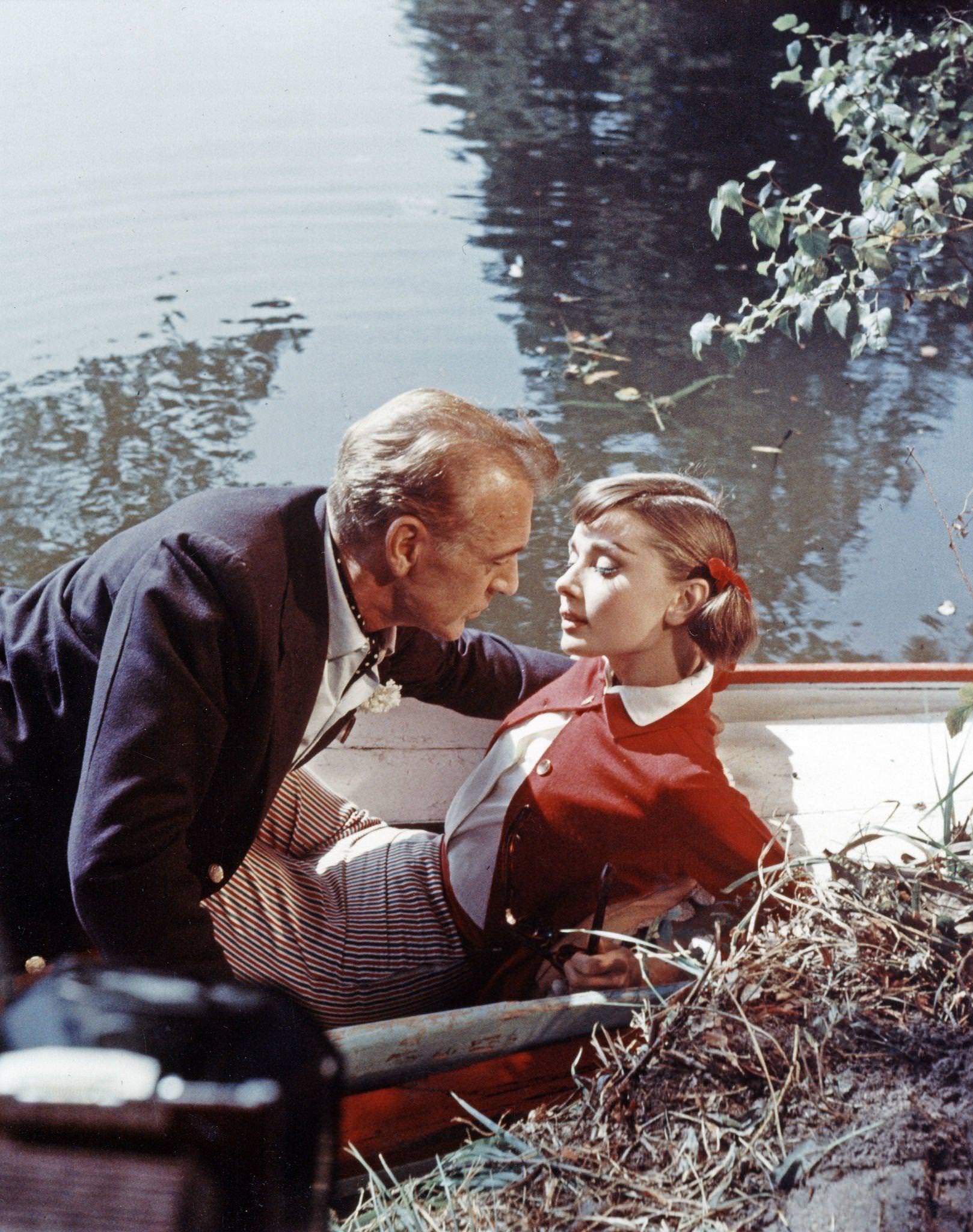
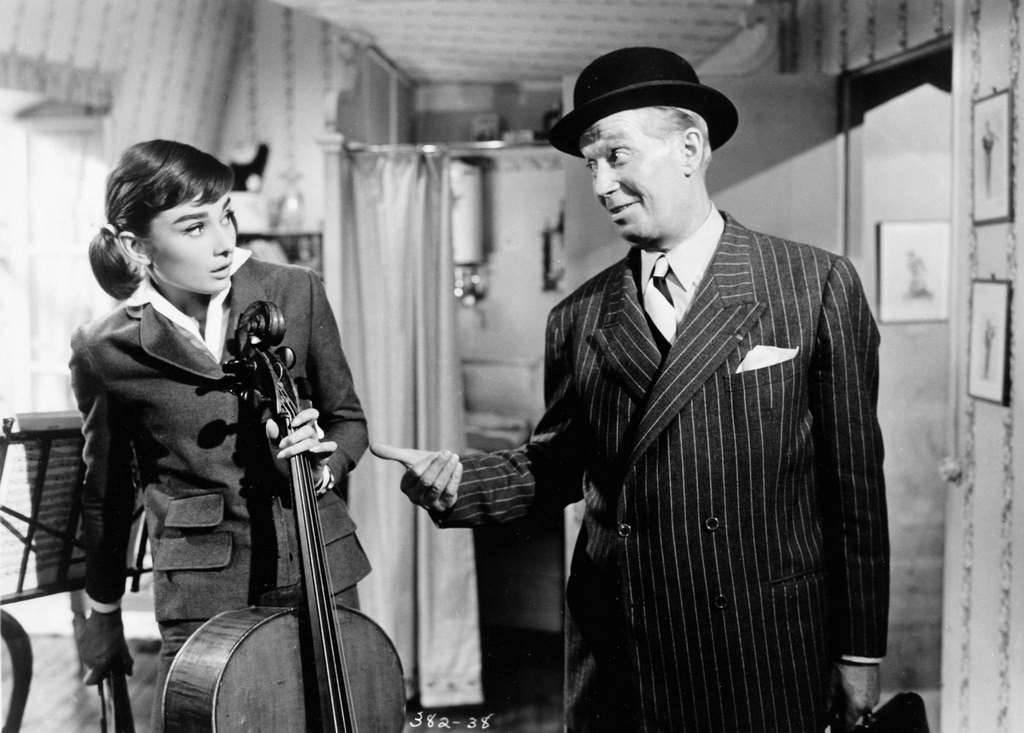
Wilder was so set on casting Hepburn that he refused to consider anyone else for the role — even while she was in the middle of a lengthy location shoot for War and Peace. He waited for her, and that decision shaped everything about the film’s tone and energy.
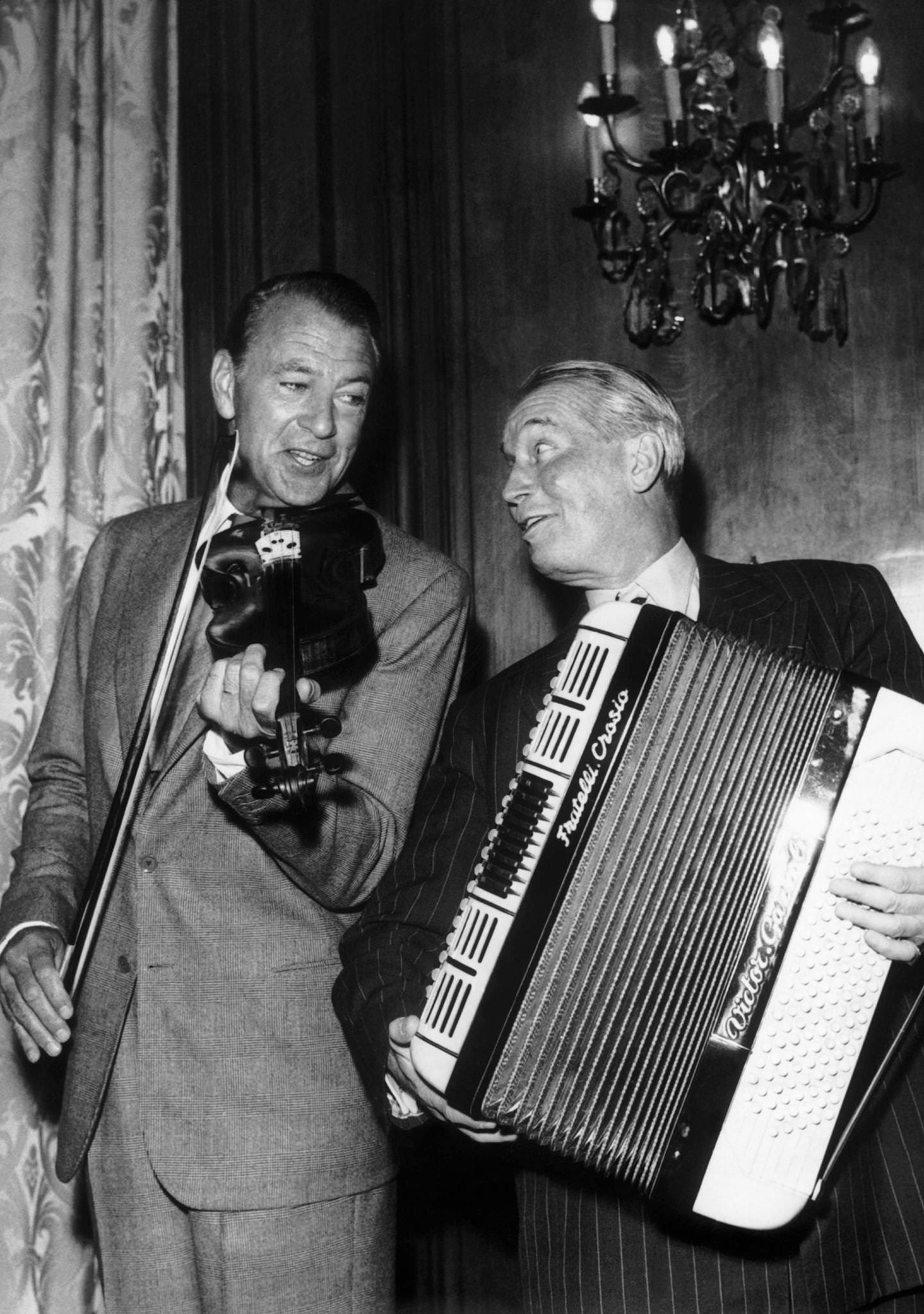
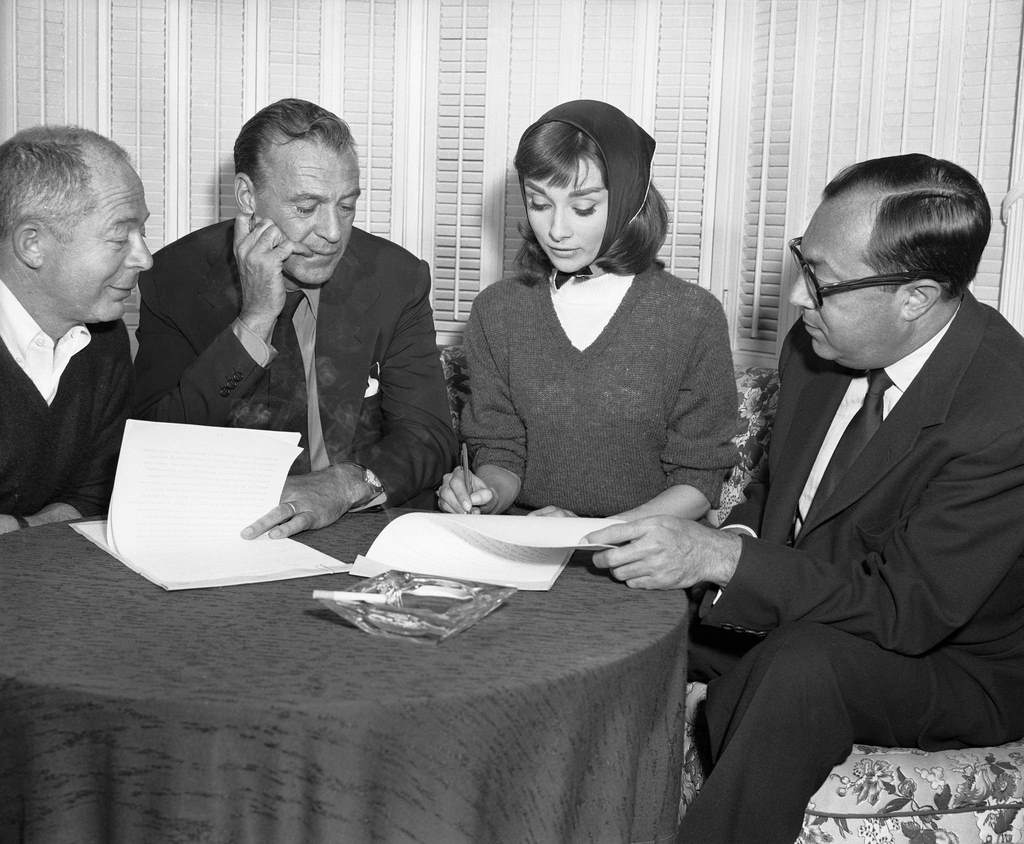
The contract signing brought together Wilder, Cooper, Hepburn, and Harold J. Mirusch, the vice president of Allied Artists Pictures, which distributed the film. It was a production that moved between the grandeur of Parisian hotel interiors and the open countryside near the Chateau de Vitry in Gambais.
Gary Cooper brought a rare quality to the role. He balanced the humor of a man who suddenly finds himself at the mercy of his own feelings with the drama of someone who has never let himself be vulnerable. Cooper’s tall, relaxed presence made Flannagan’s transformation feel earned rather than forced.
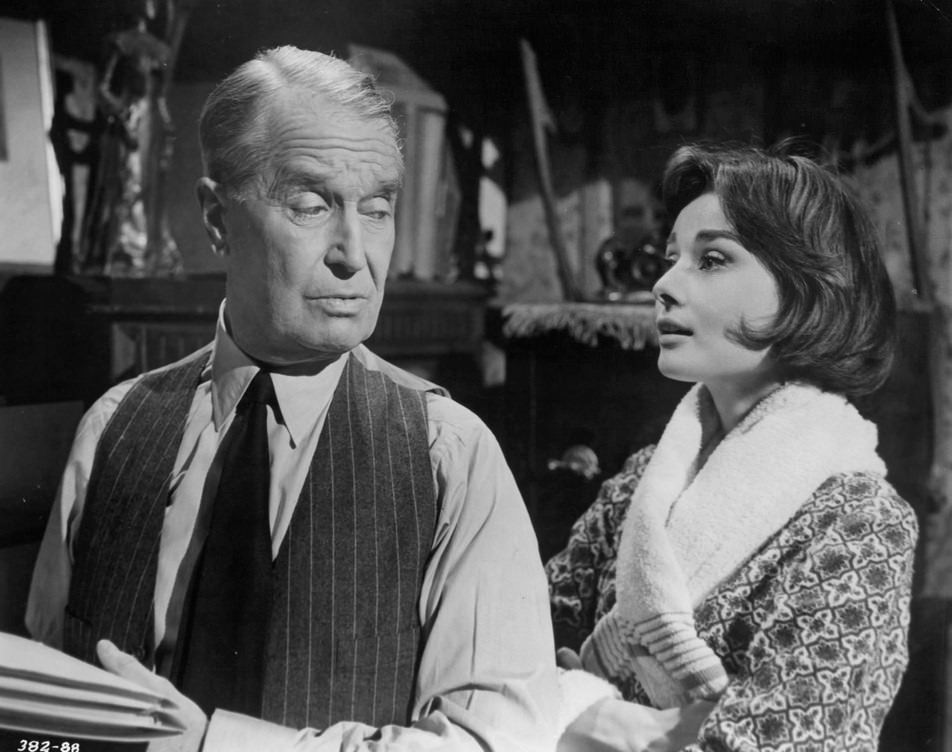
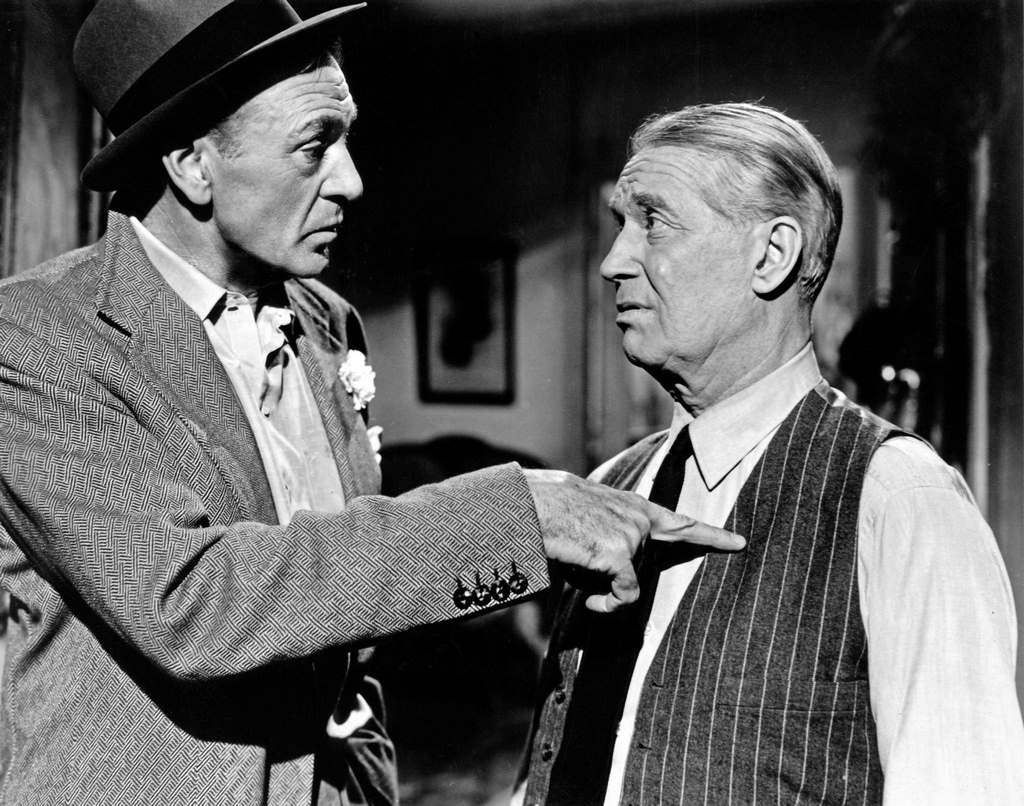
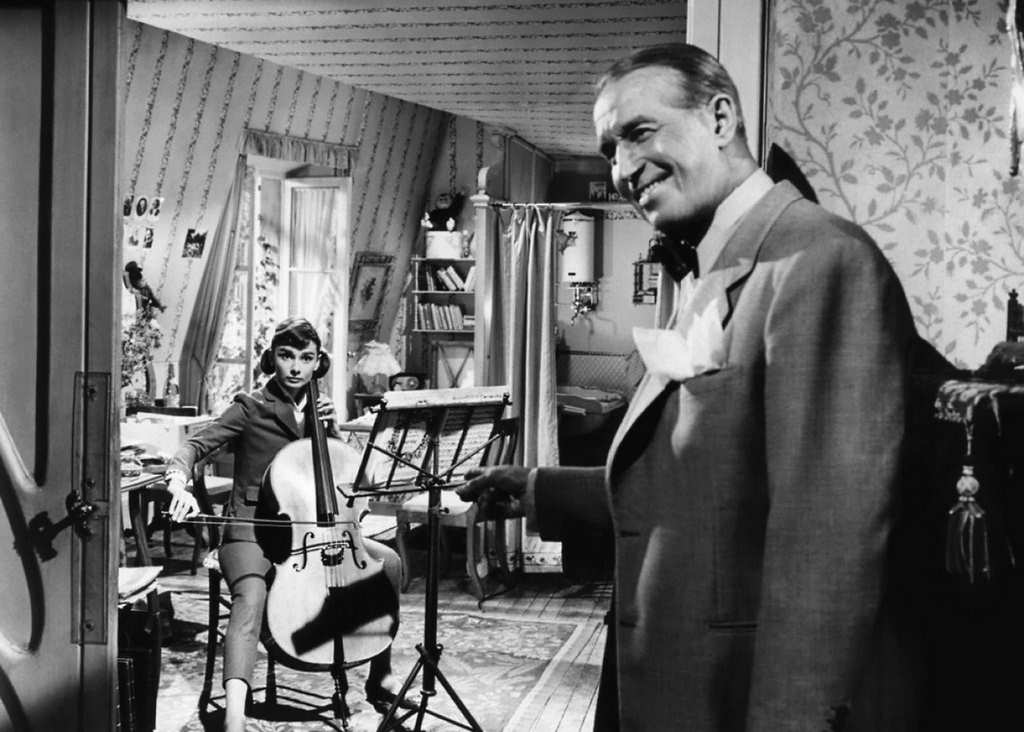
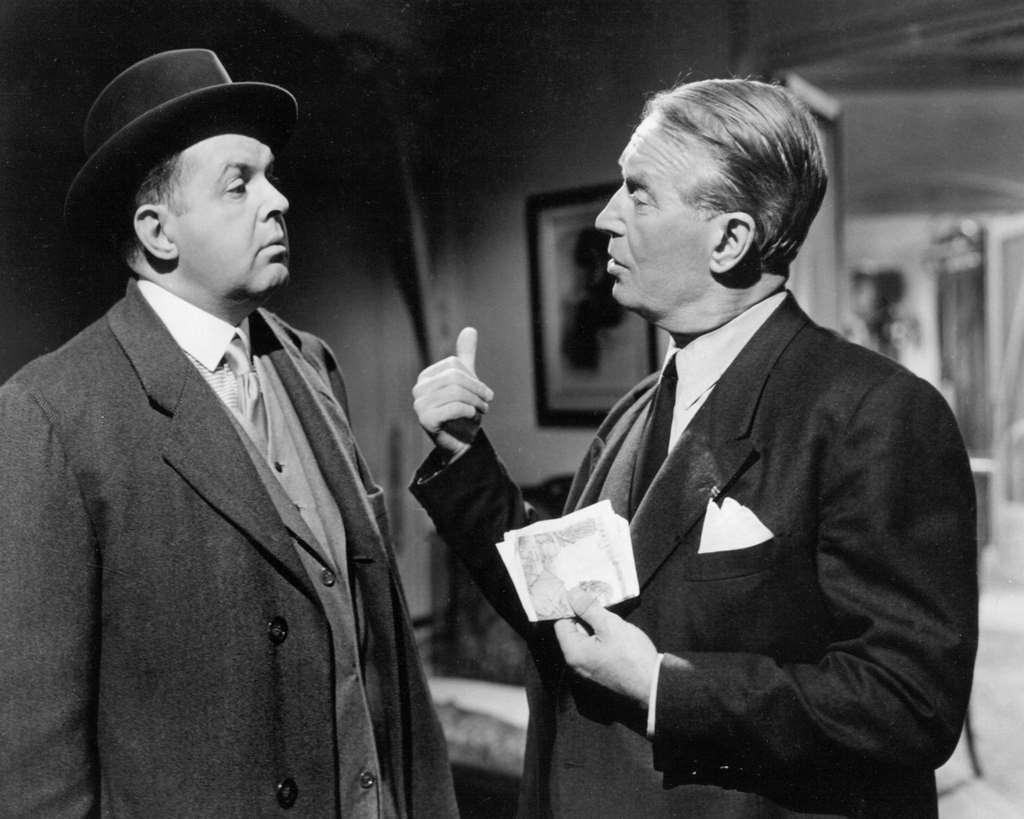
Chevalier’s role as Ariane’s father, Claude Chavasse, adds another layer to the story. As a private detective who investigates unfaithful spouses for a living, he knows exactly what kind of man Flannagan is — which makes his daughter’s involvement with the American all the more complicated.
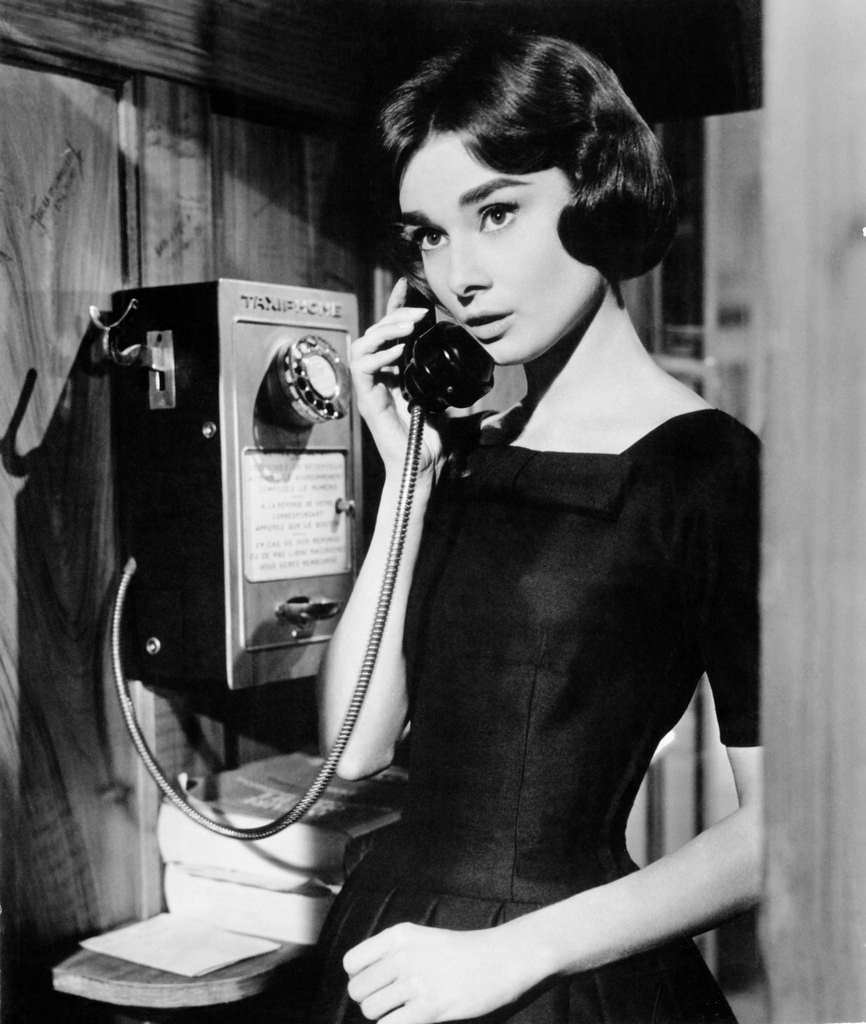
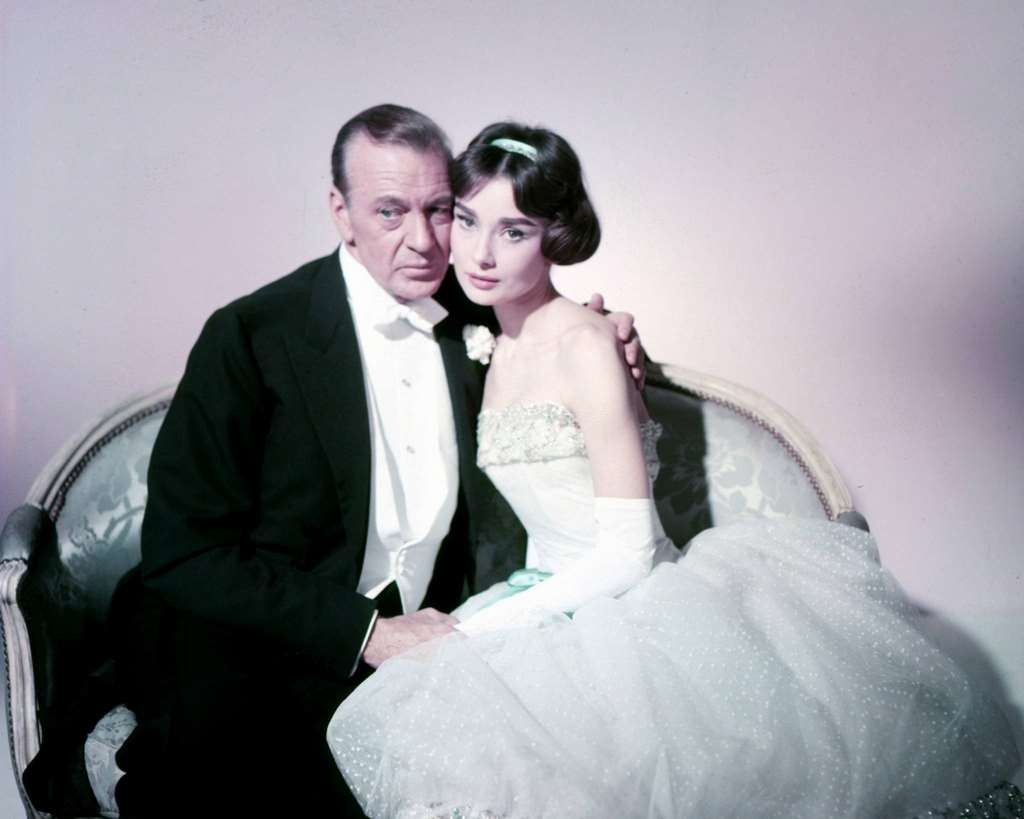
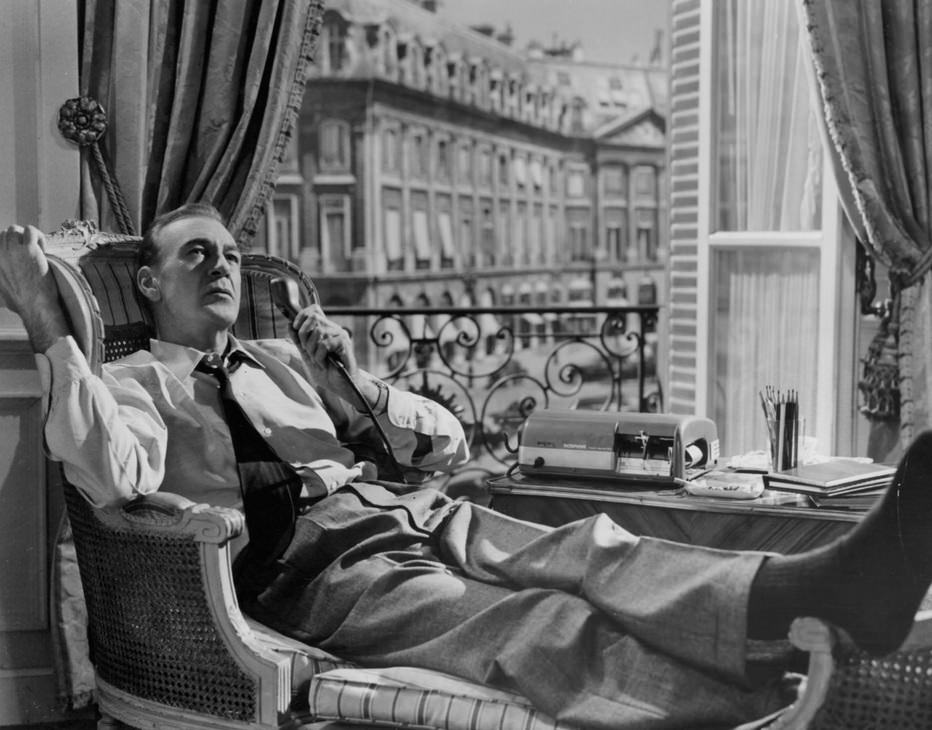
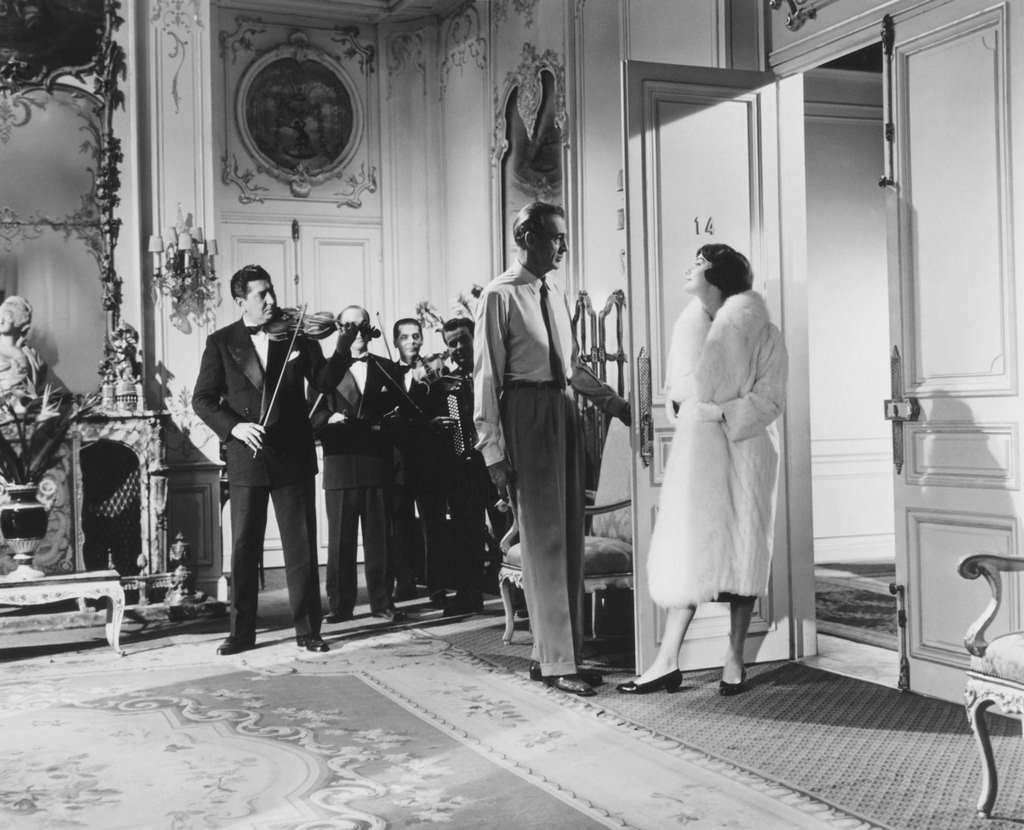
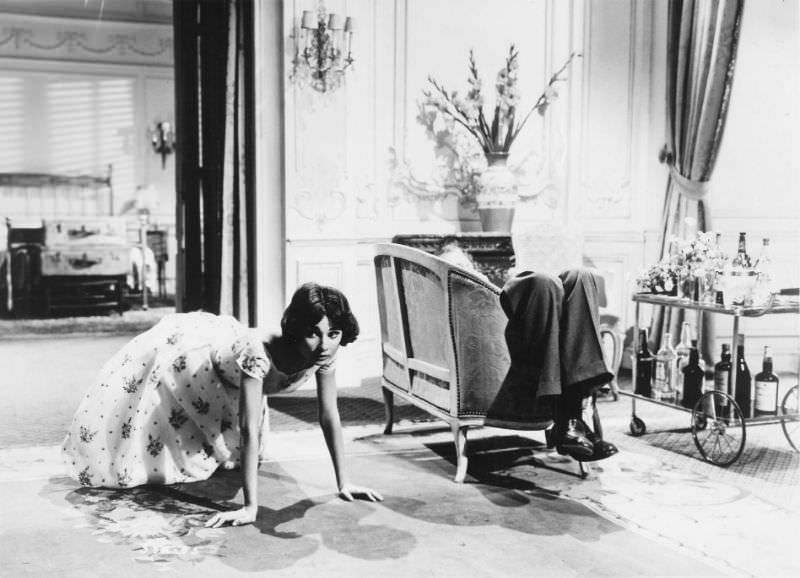
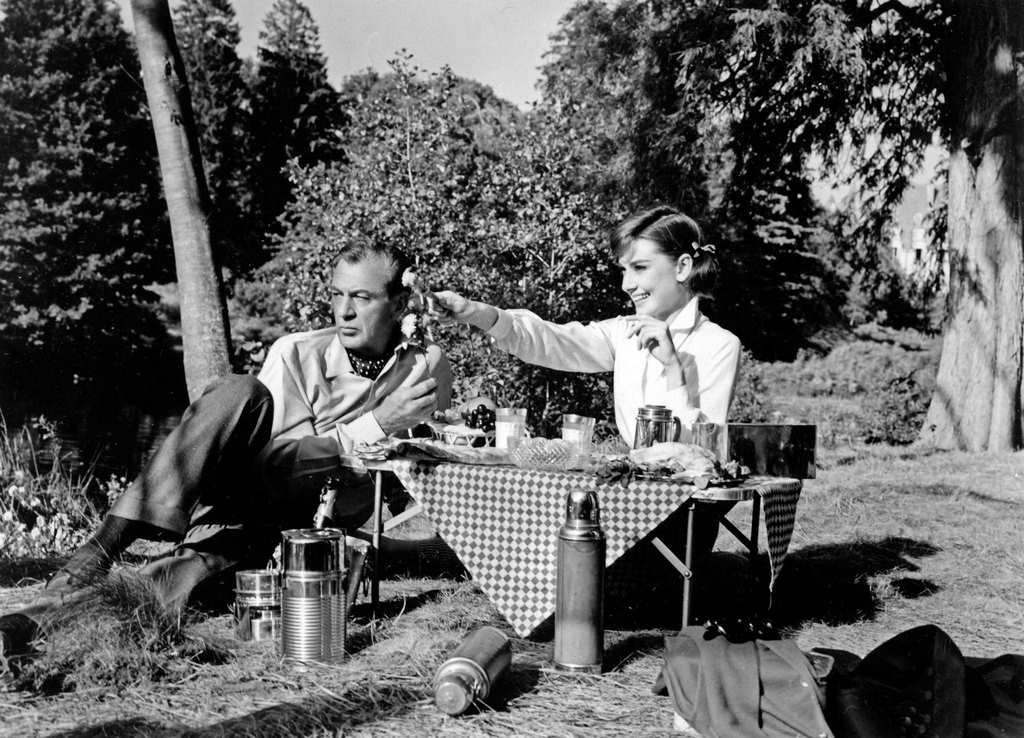
Much of the film’s visual identity comes from its Paris setting. The Ritz Hotel provided the backdrop for Flannagan’s world of indulgence, while the countryside scenes near Gambais gave the story room to breathe. Wilder made full use of both locations, letting the city’s elegance contrast with the quieter, more exposed moments between the two leads.
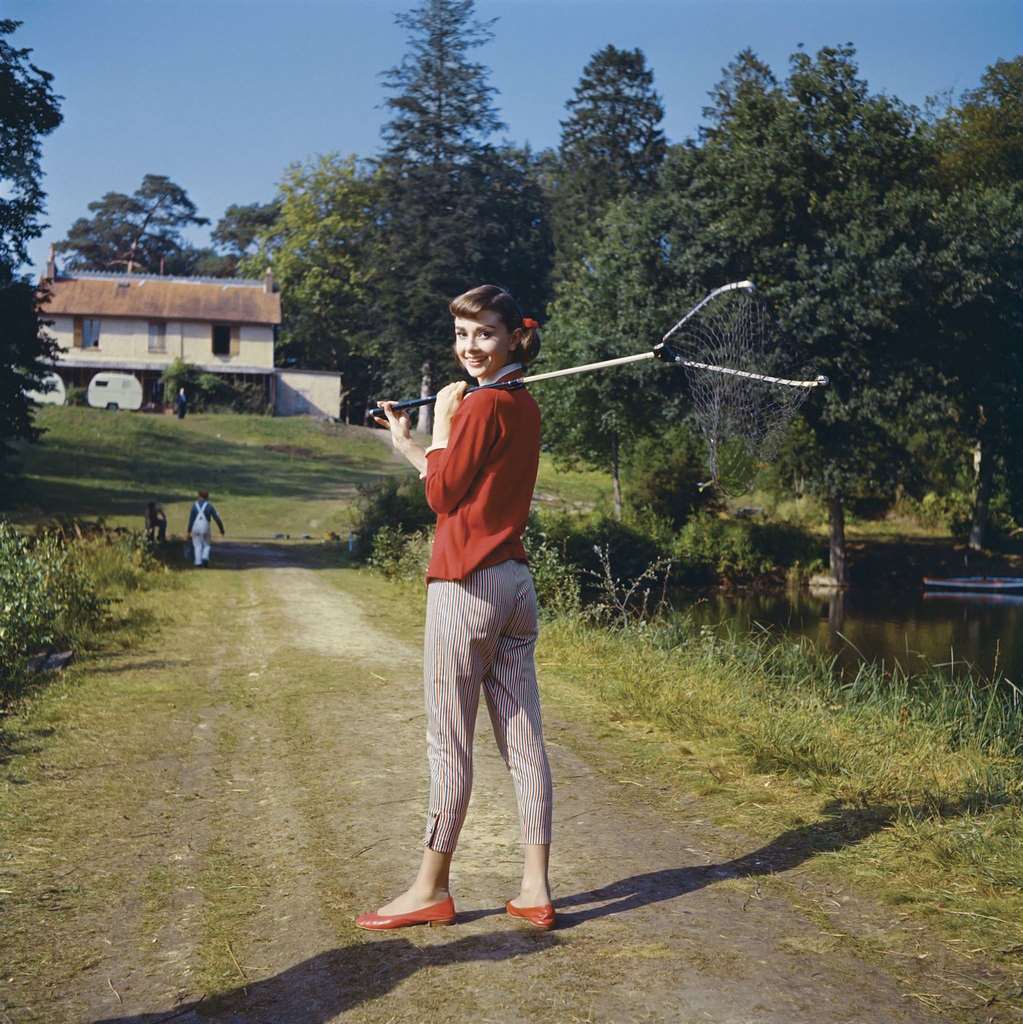
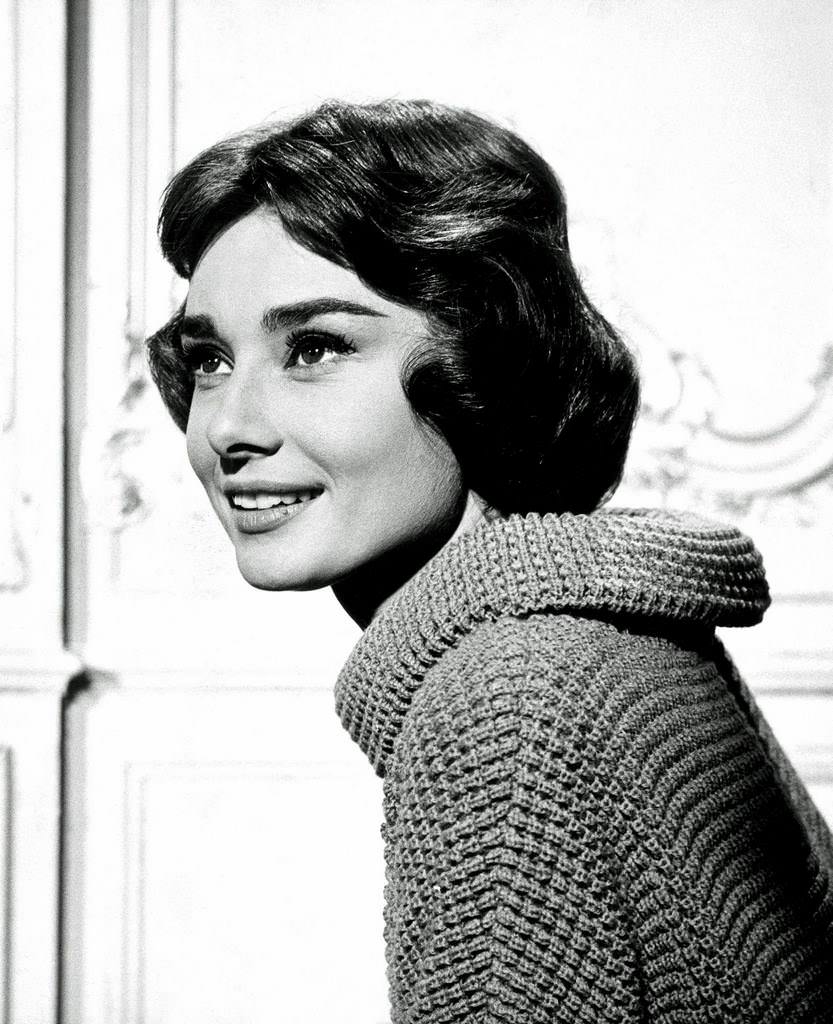
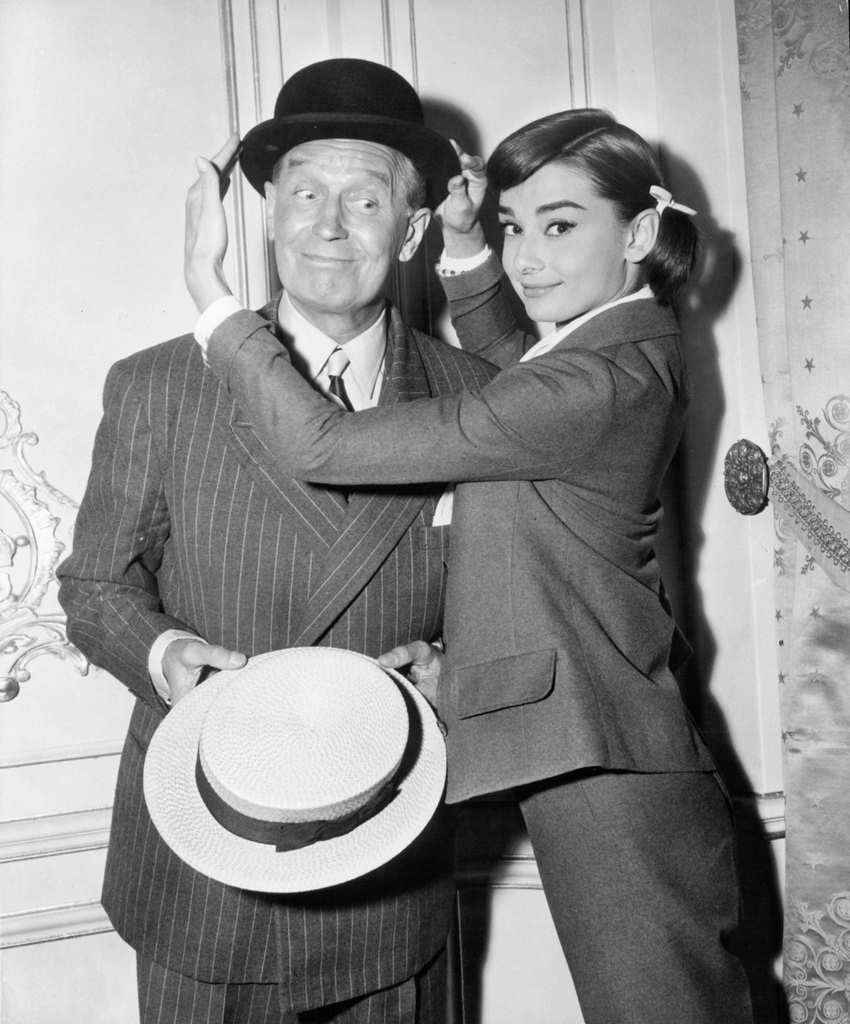
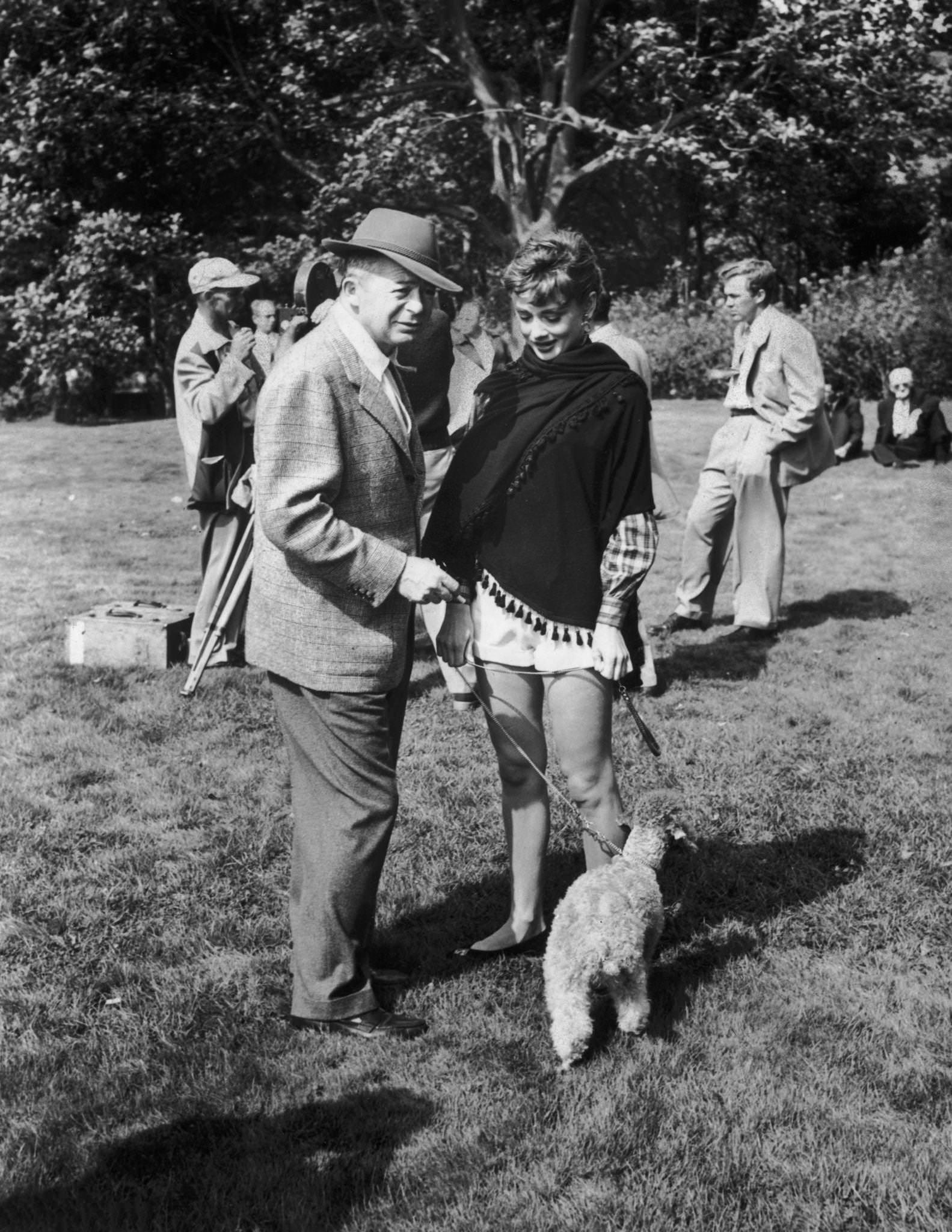
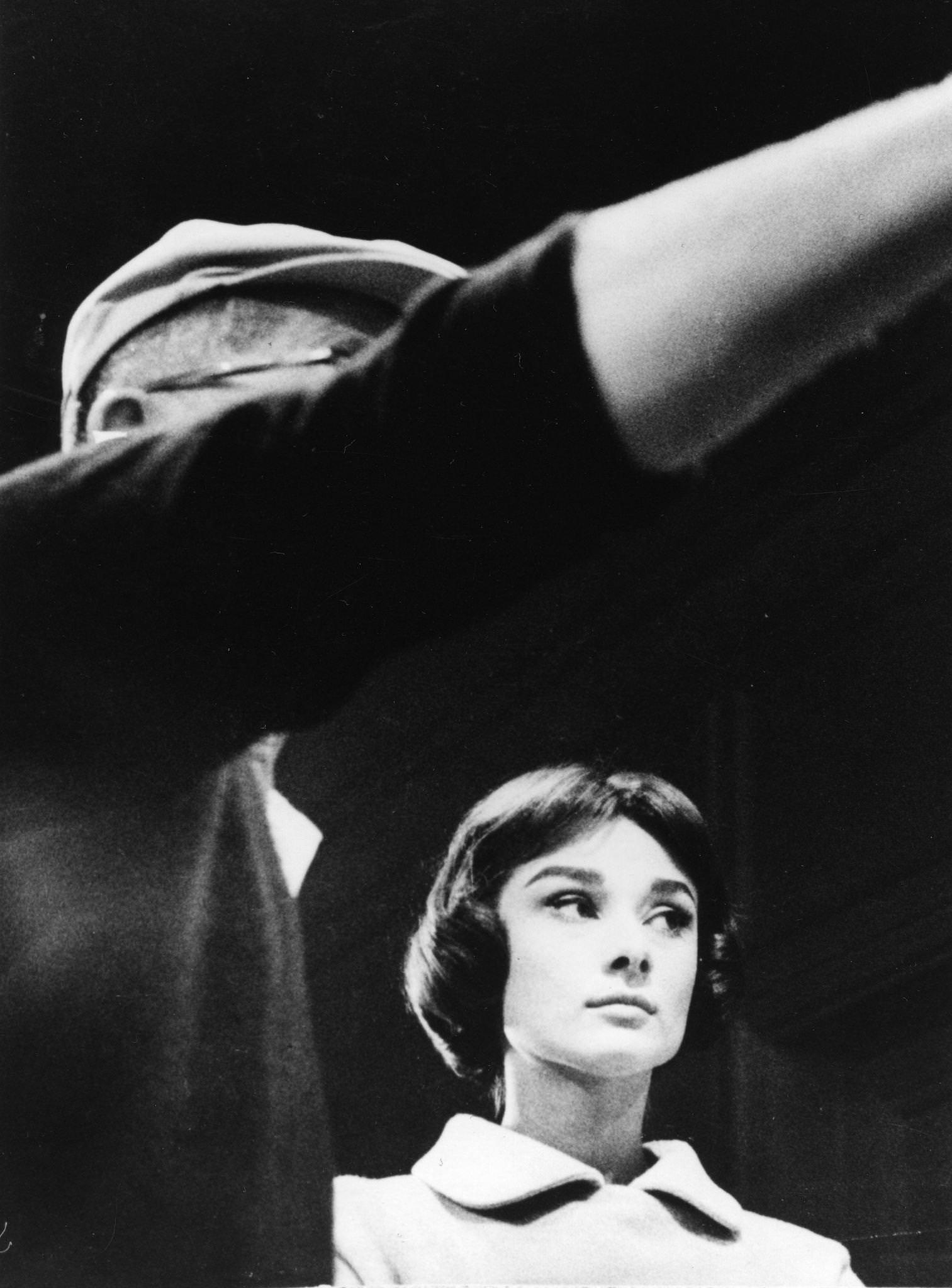
On set, Wilder maintained the close working relationship with Hepburn that would define the film’s most intimate scenes. Photos from the shoot show the two of them side by side during production, with Hepburn also photographed holding a poodle on a leash between takes — a thoroughly Parisian image.
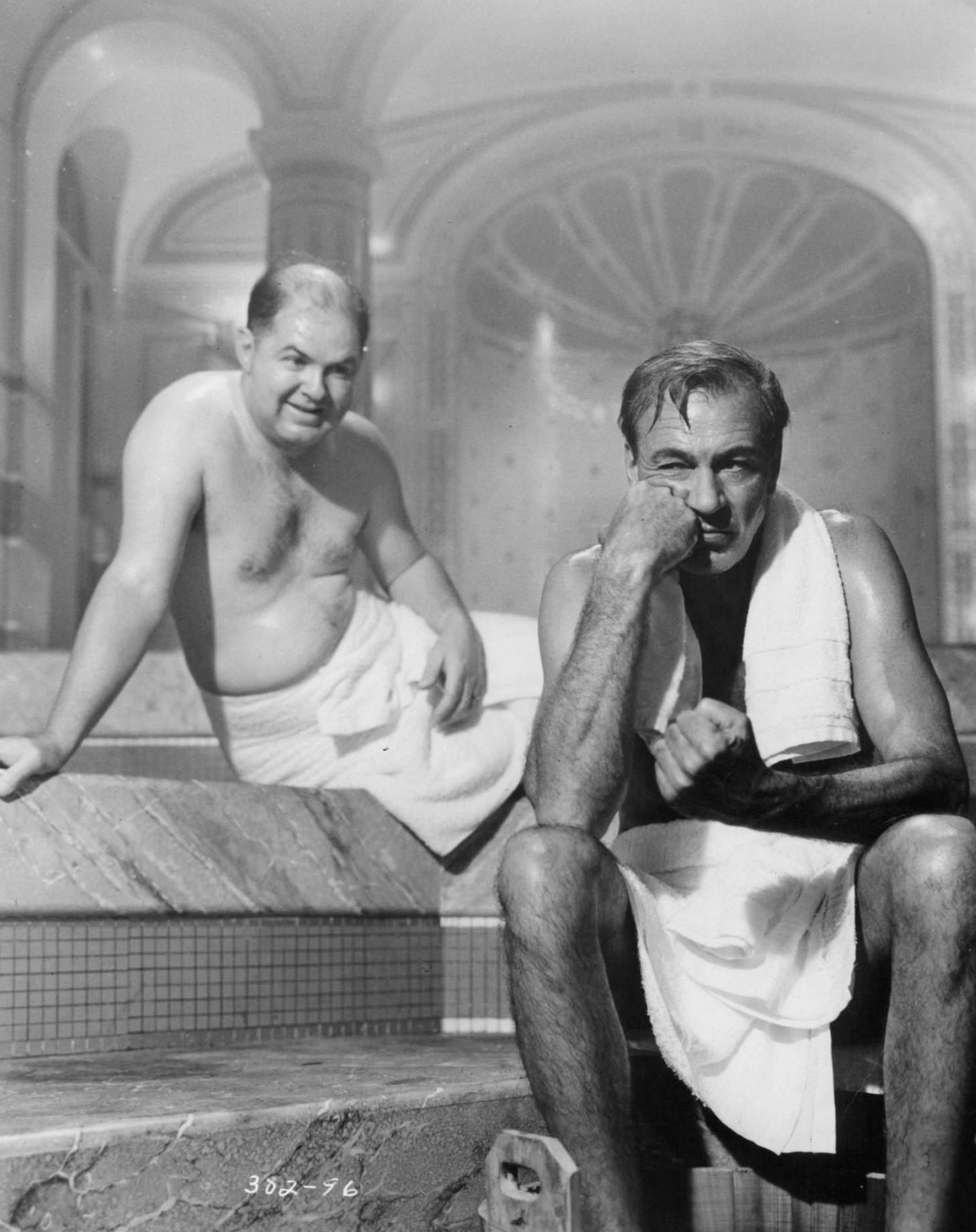
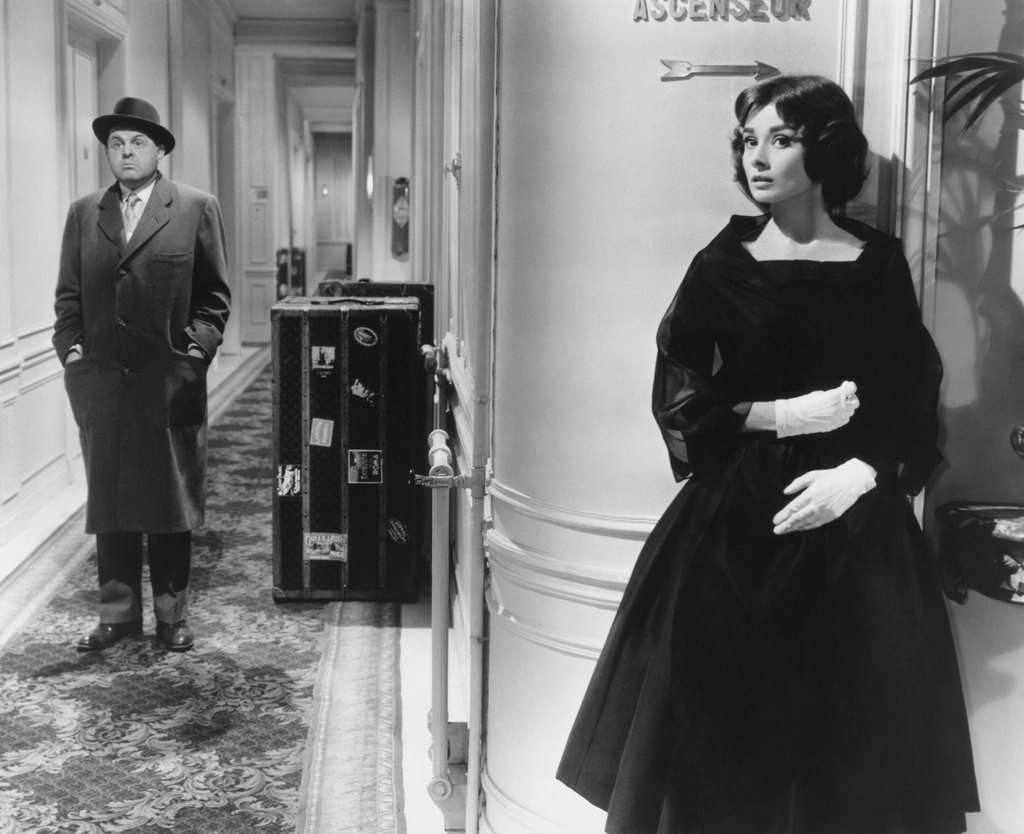
John McGiver also appears in the film as Monsieur X, one of Claude Chavasse’s clients. His scenes with both Cooper and Hepburn add a farcical edge to the story, particularly in the steam room sequence with Cooper that plays the film’s comedic tone to full effect.
The contract signing ceremony brought together the key figures behind the production before a single frame was shot. Wilder, Cooper, Hepburn, and Mirusch gathered to make the film official, a moment that marked the start of one of the more carefully assembled casts of that era.
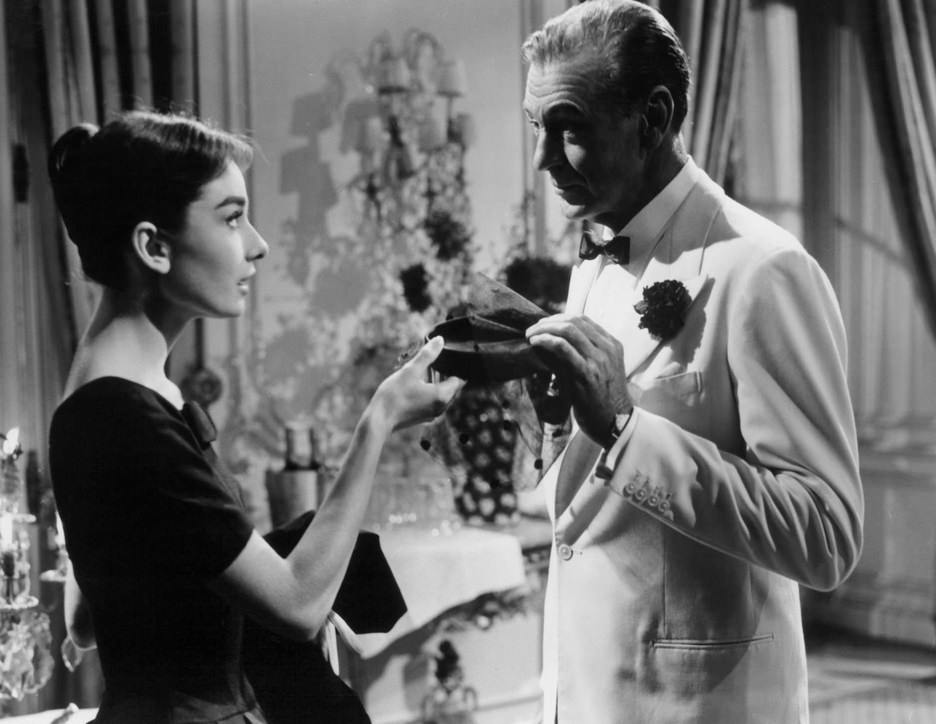
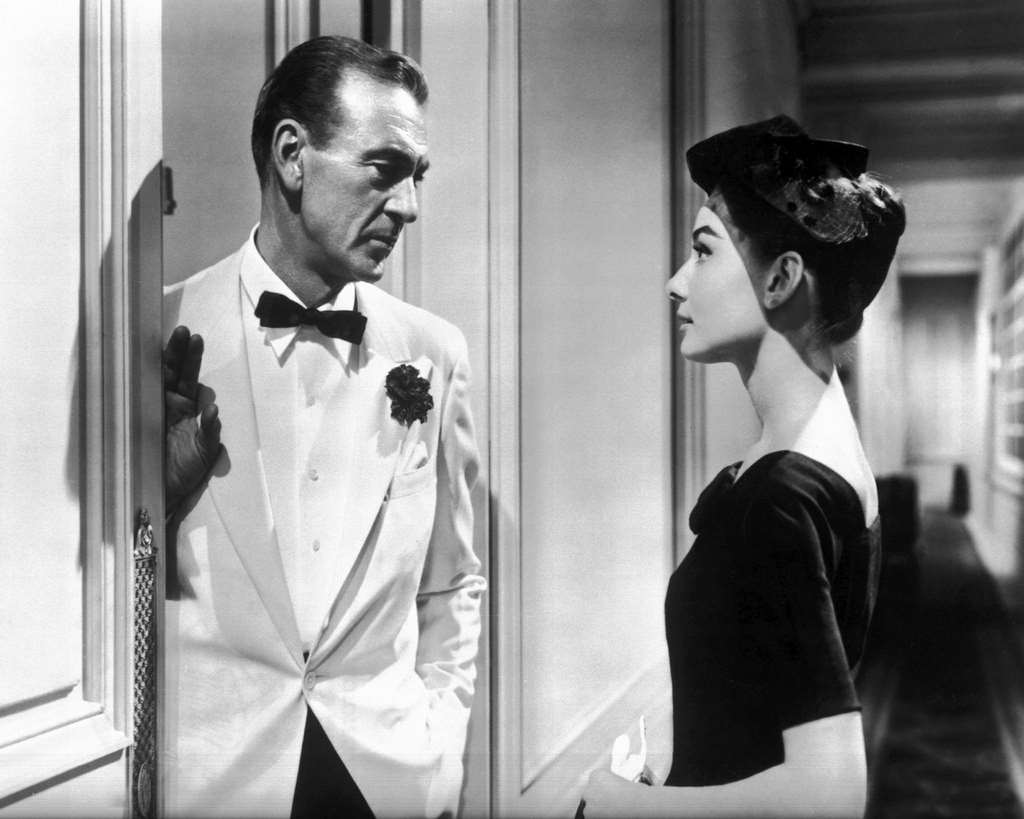
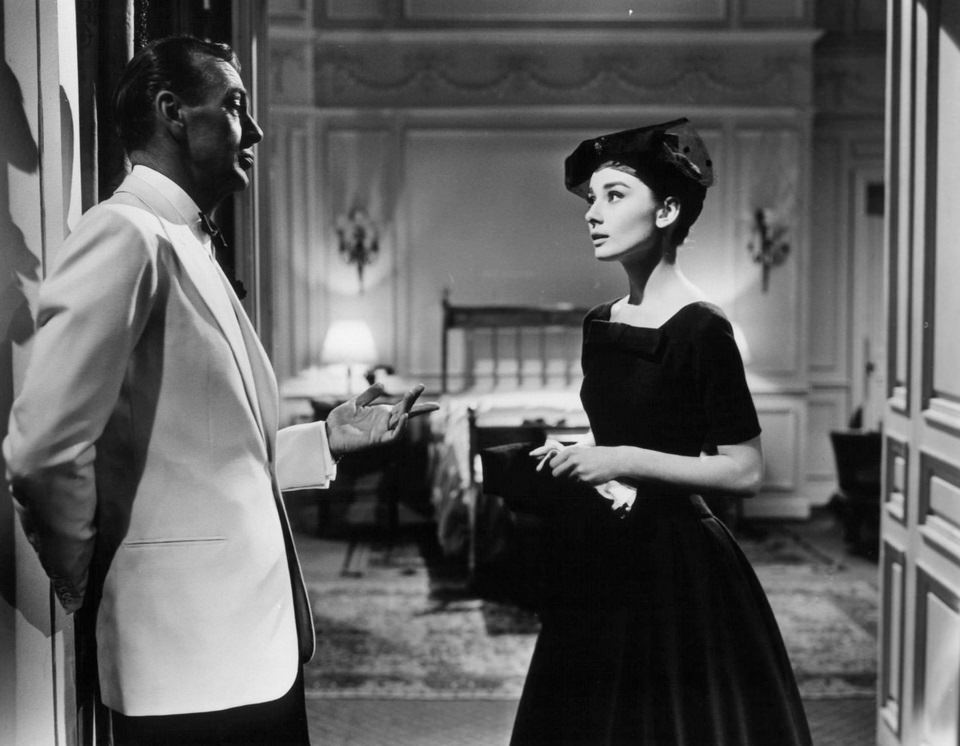
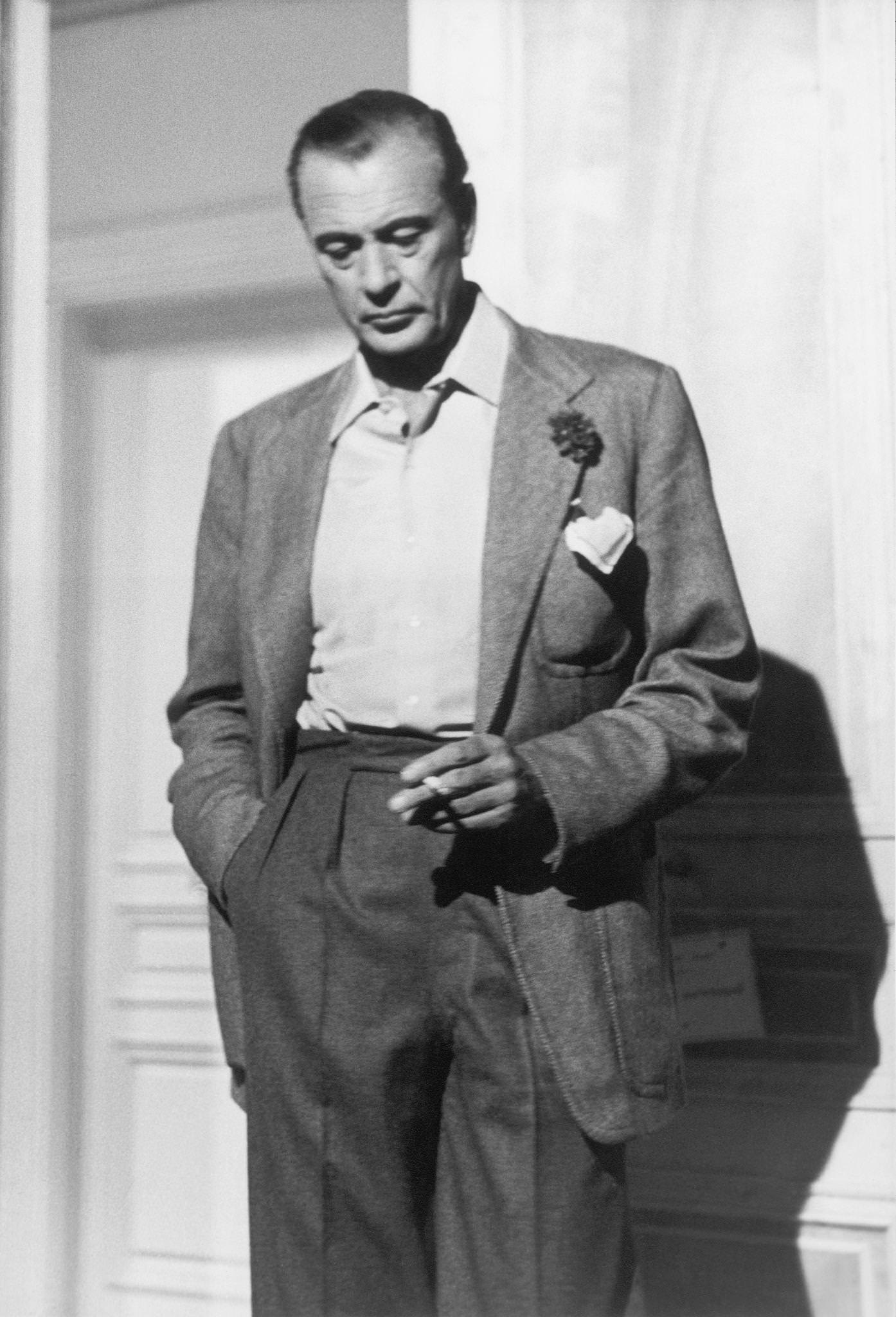
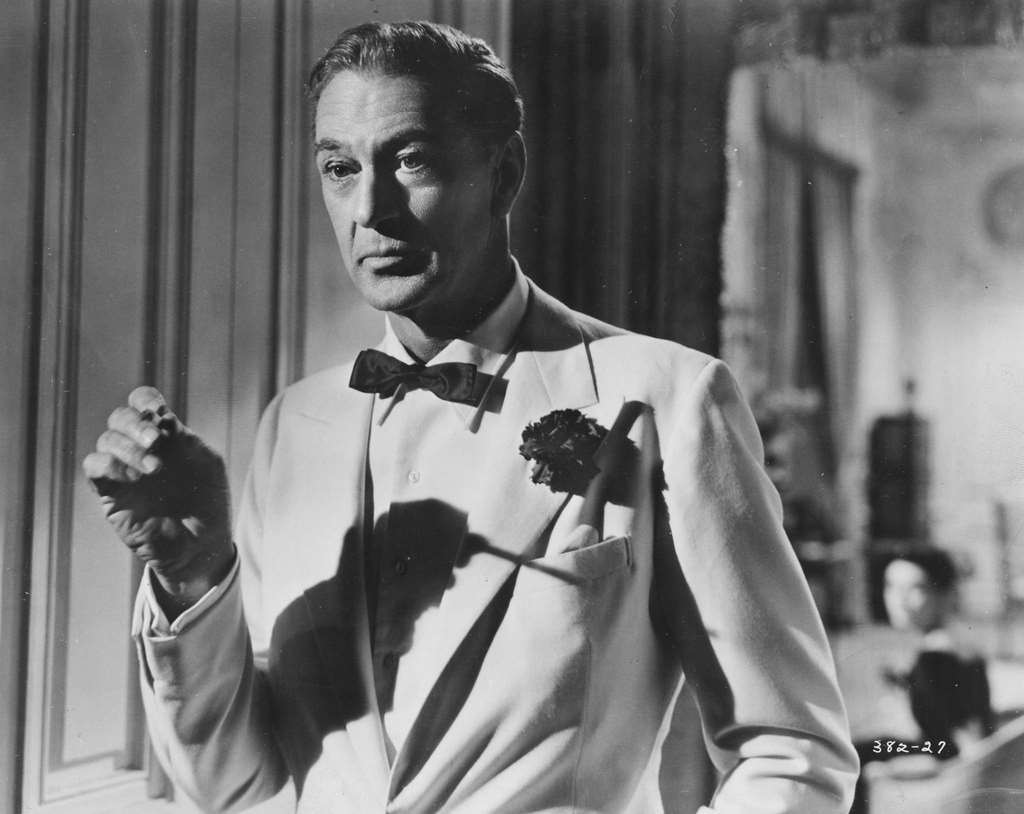
Cooper’s scenes in Paris captured a man completely at home in luxury. Whether dressed in a tuxedo with a cigarette in hand or leaning casually against a wall mid-conversation with Hepburn, he embodied the kind of effortless confidence that made Flannagan believable as a man who had never needed to try very hard.
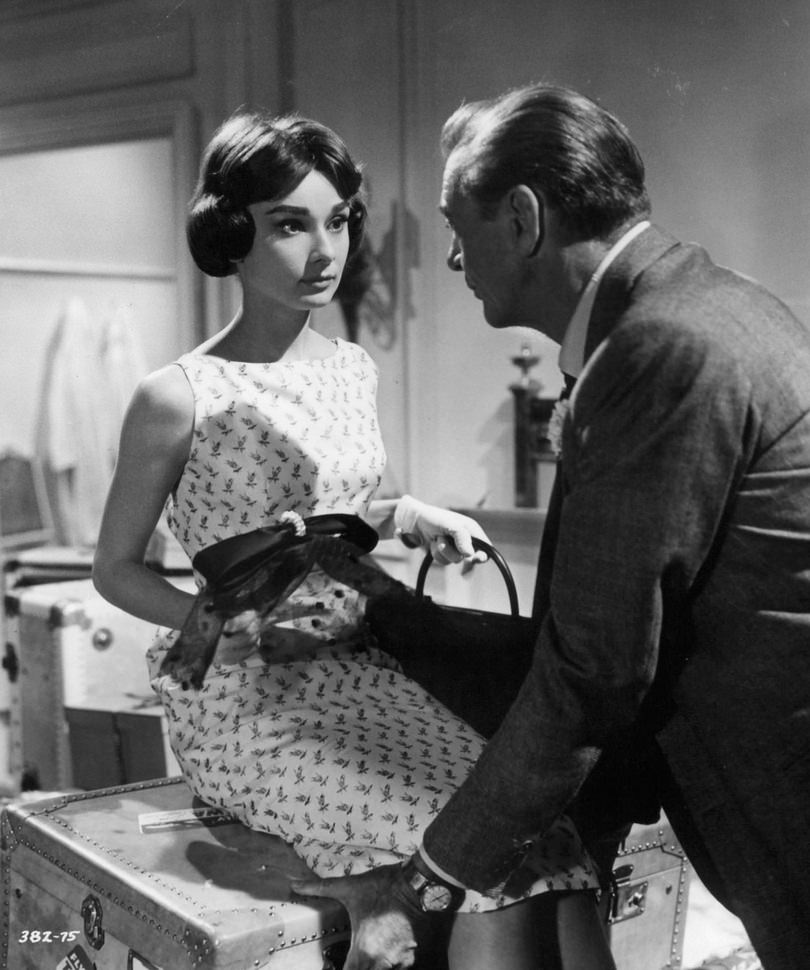
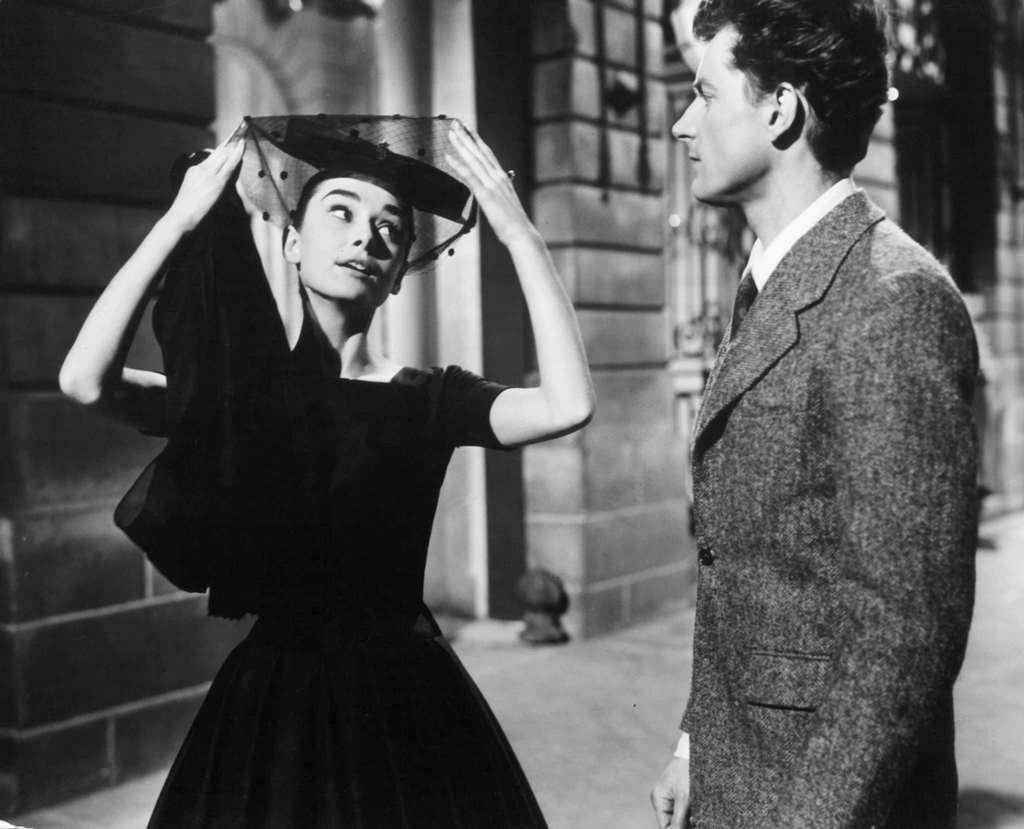
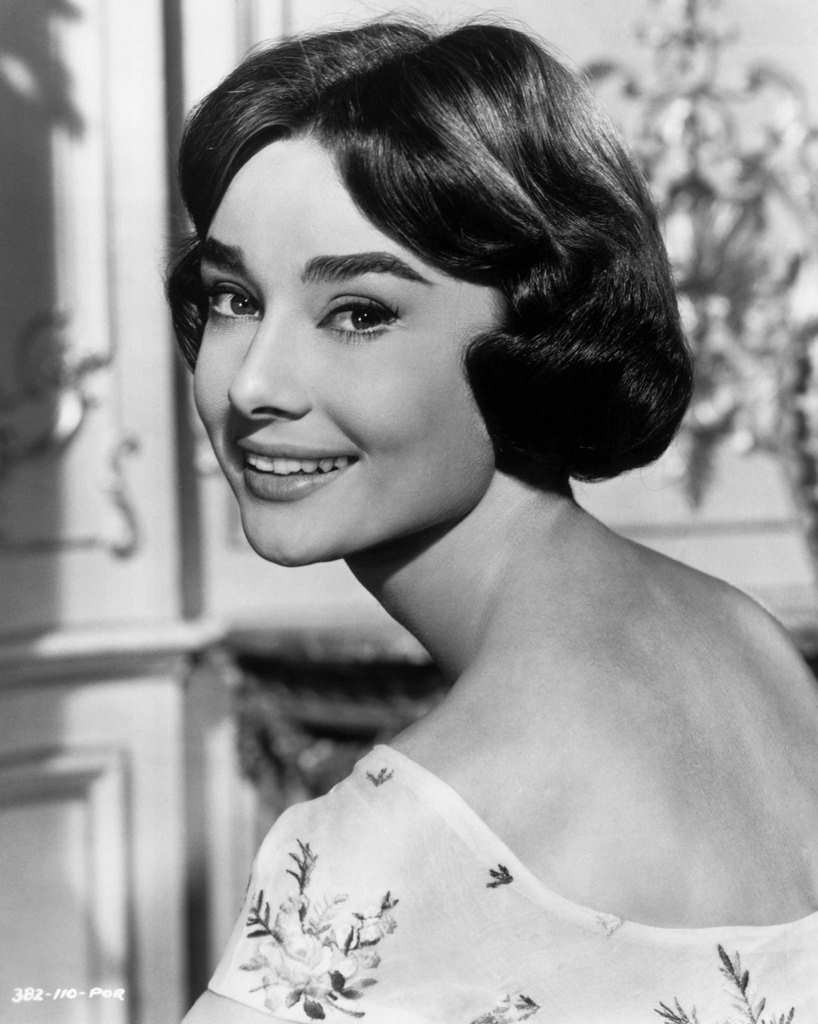
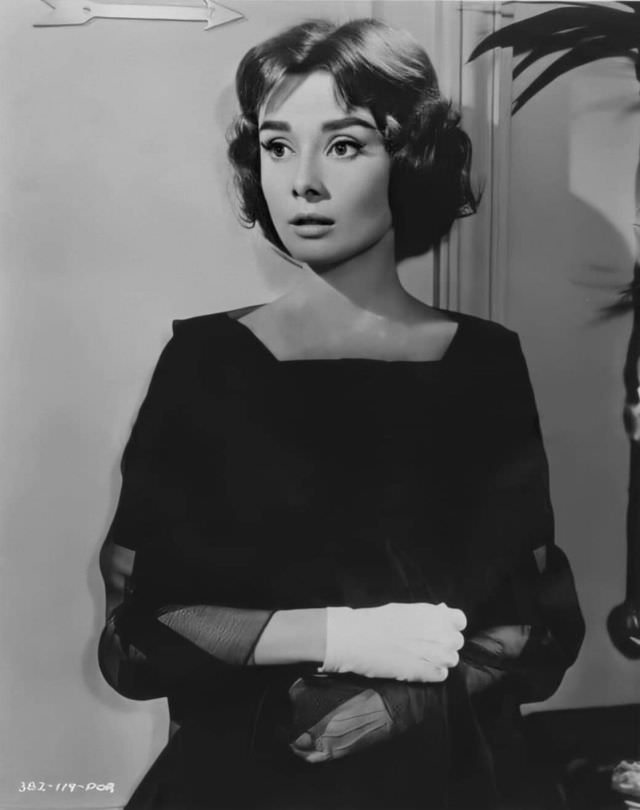
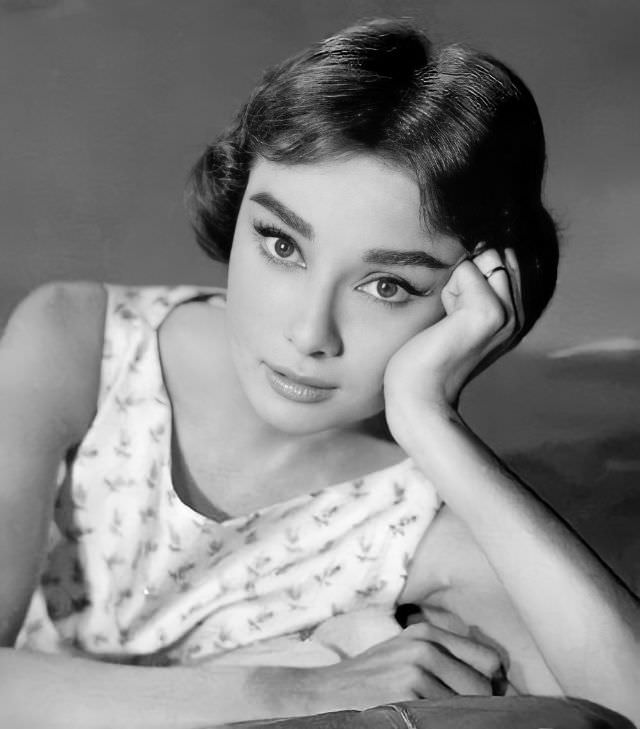
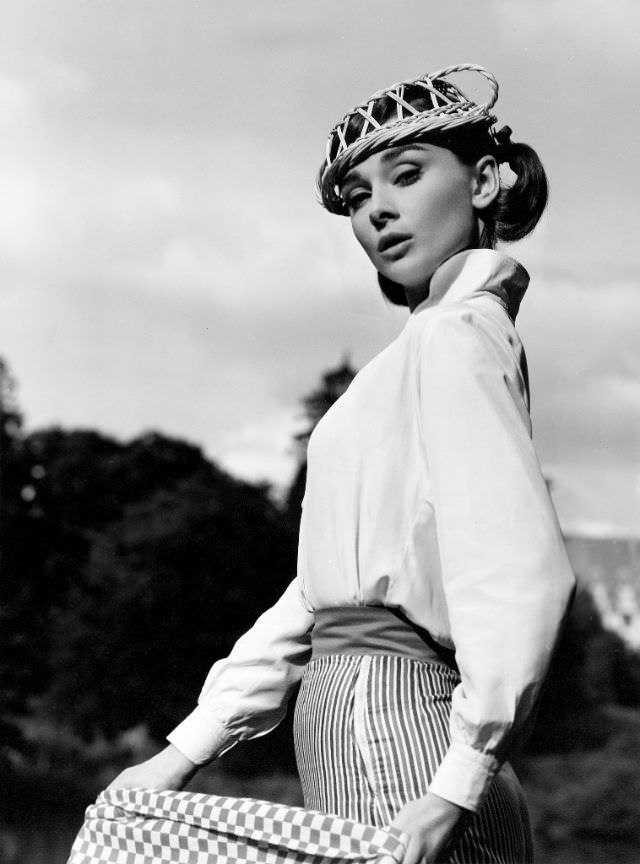
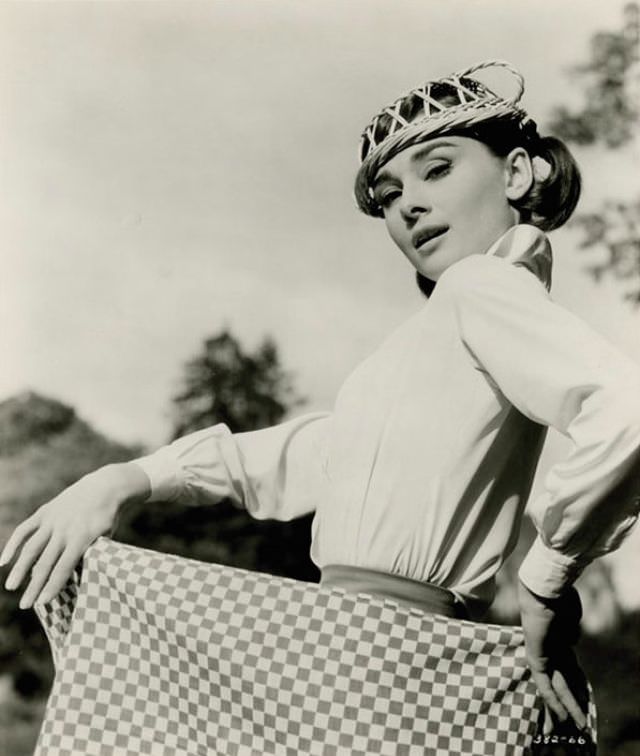
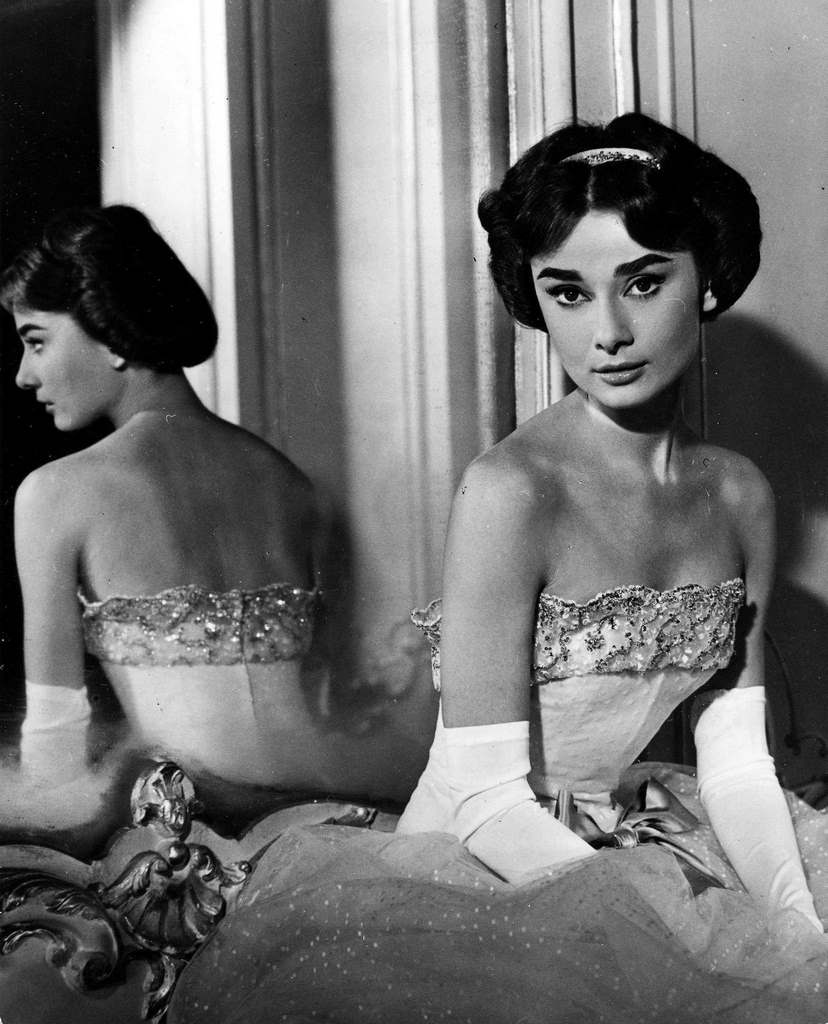
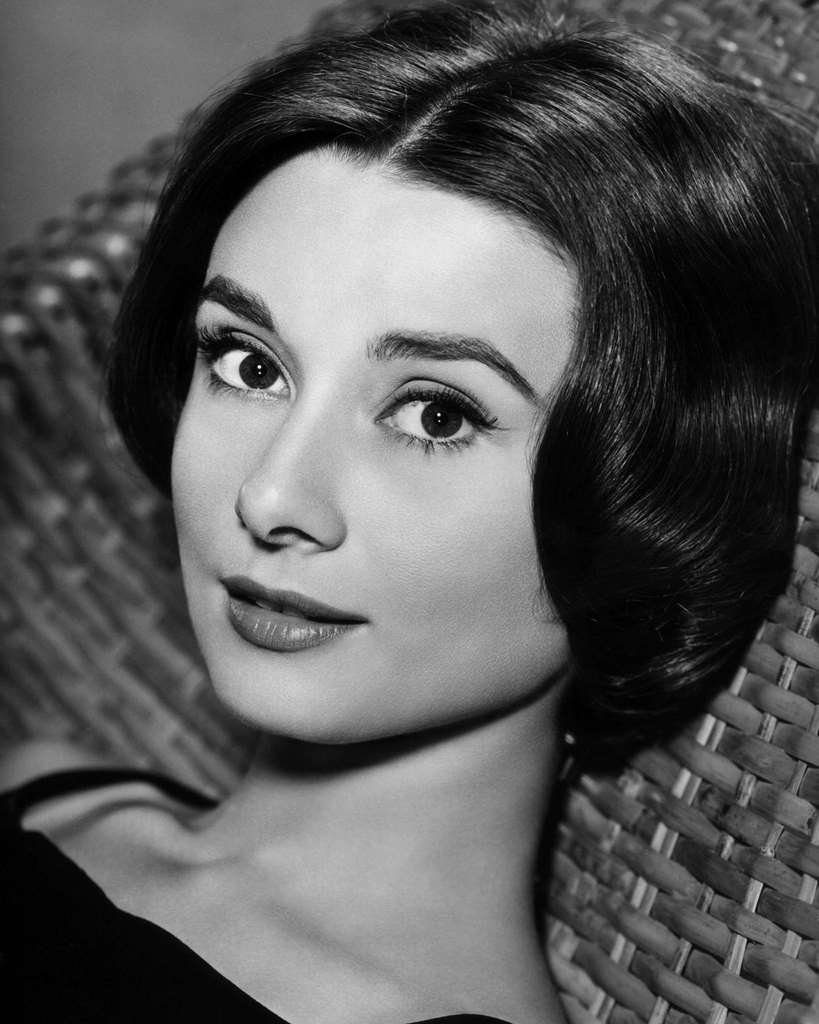
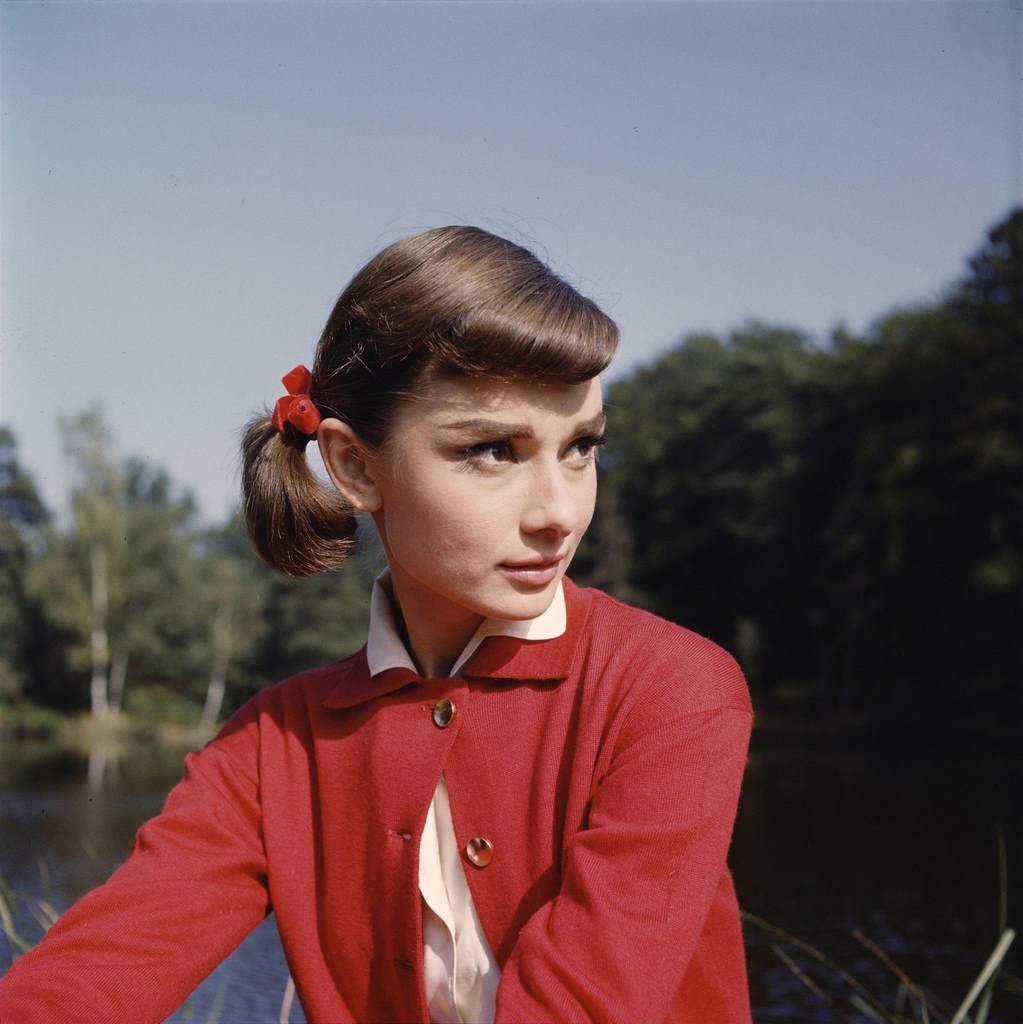
Hepburn’s publicity stills and on-set photographs from this period show a performer fully in command of her screen presence. Whether in formal gowns or casual between-takes settings, she brought the same focused quality to every frame — on camera or off.
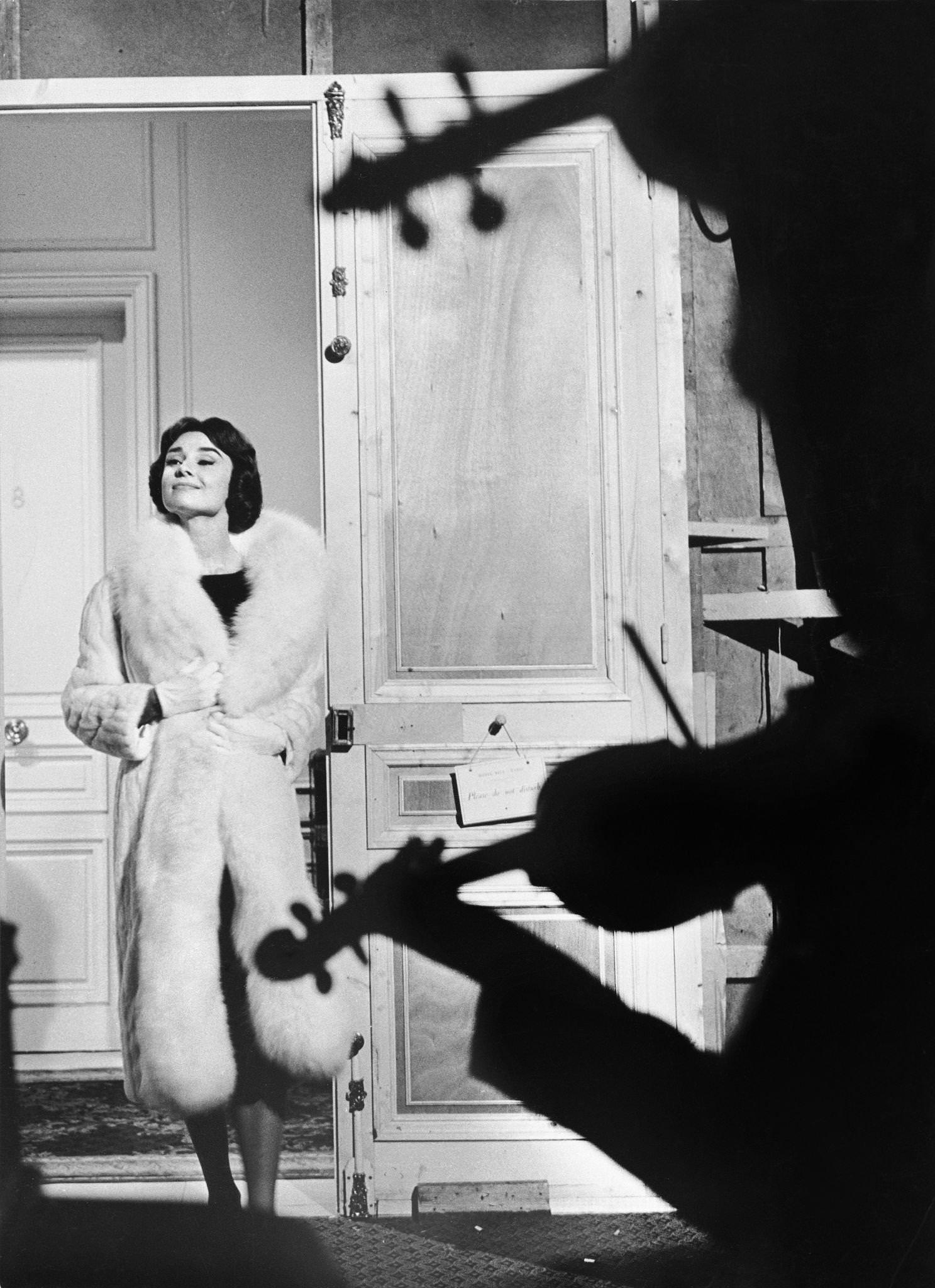
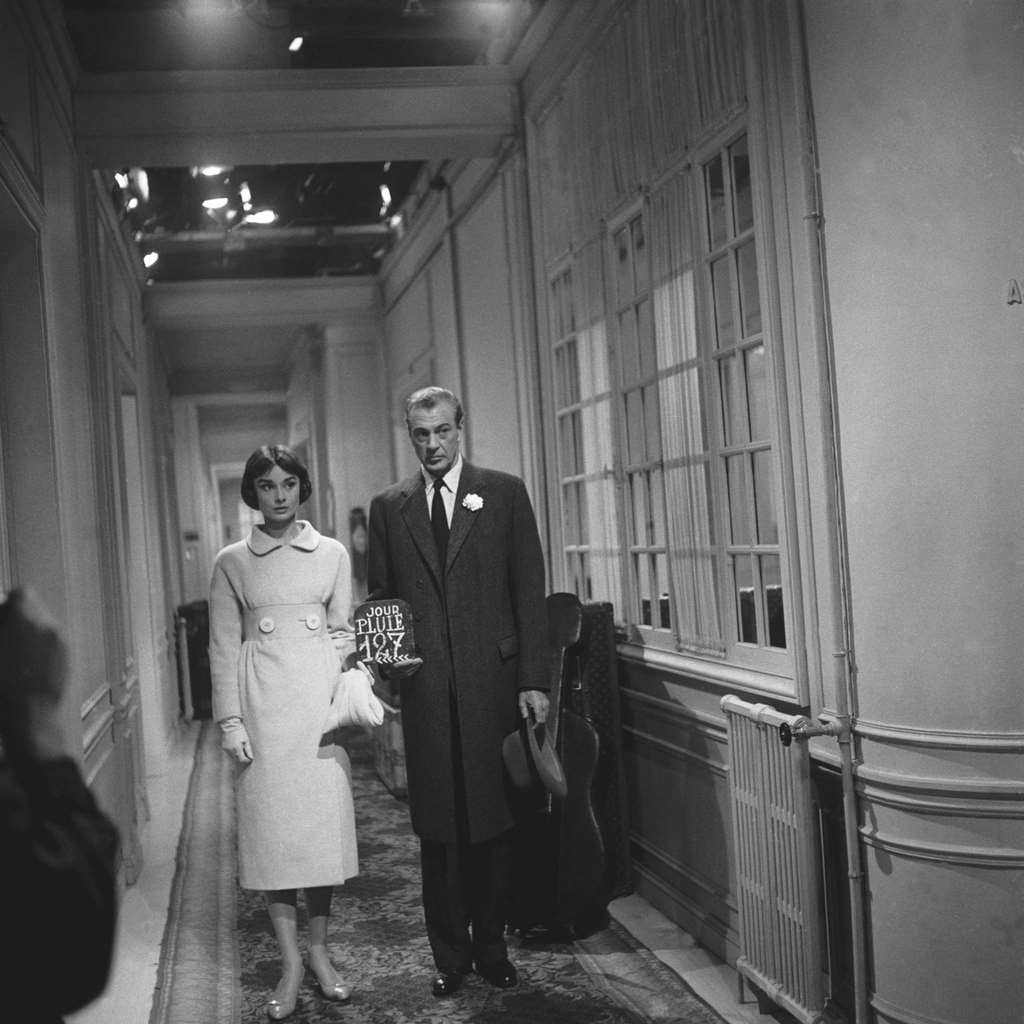
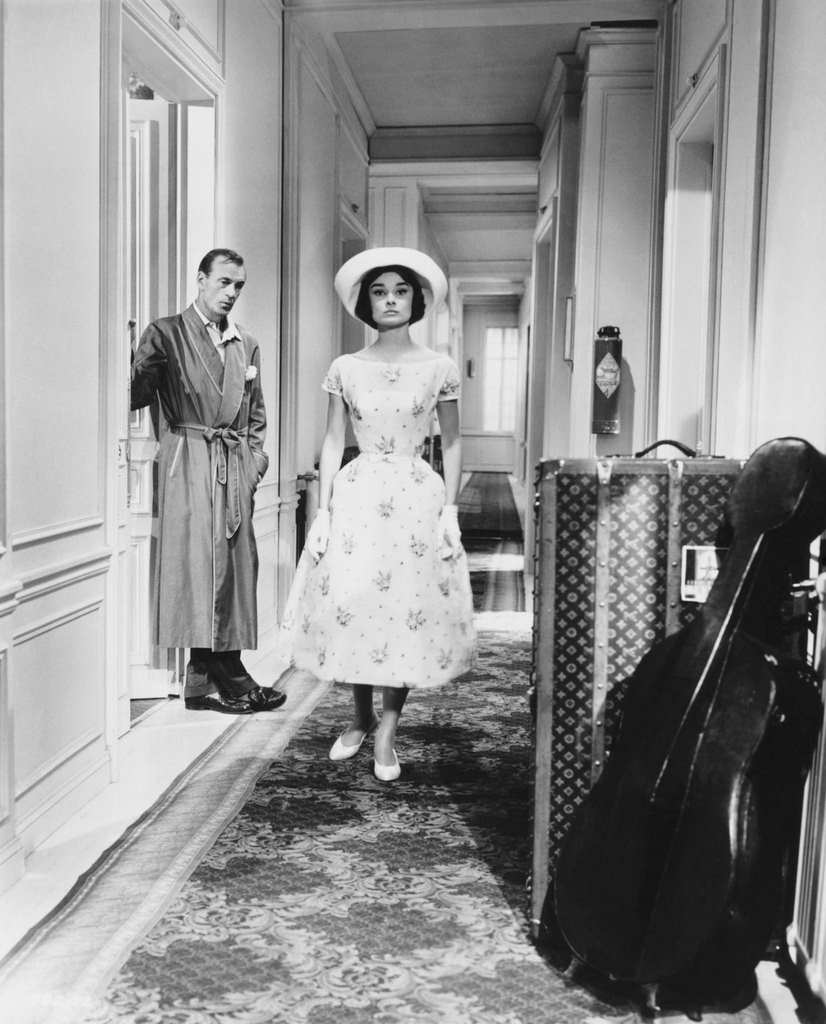
Wilder shot scenes both inside the Ritz’s opulent interiors and in the hotel’s hallways, where the film builds some of its best tension. The hallway sequence, where Flannagan watches Ariane walk away from him, is one of the more visually composed moments in the film — simple but loaded with meaning.
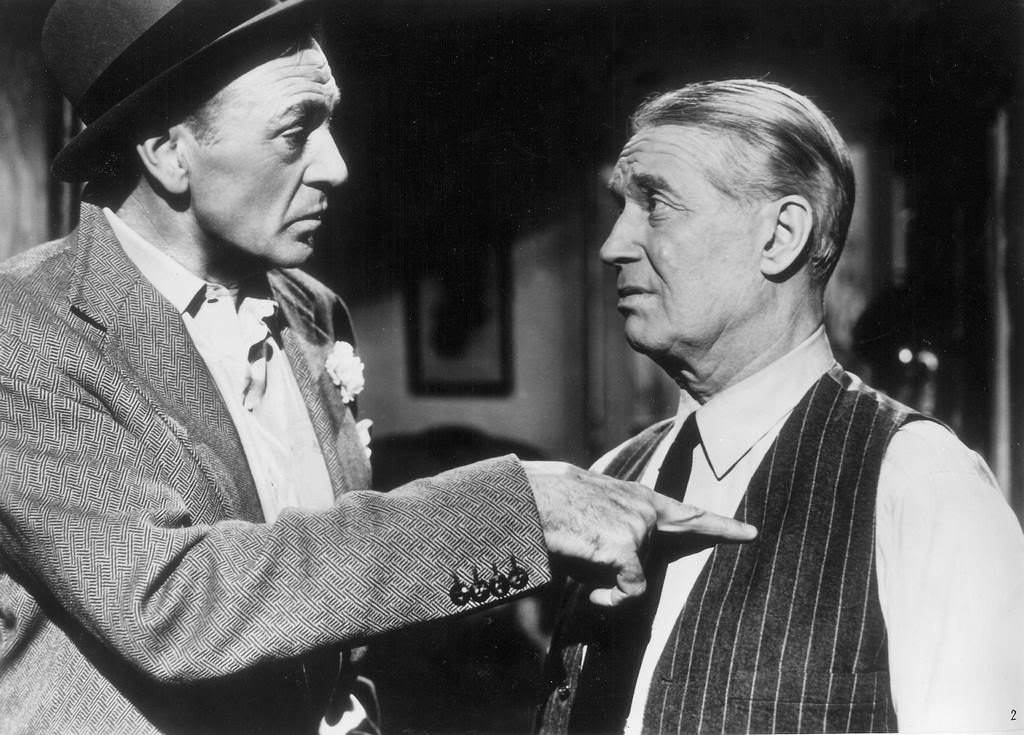
Chevalier and McGiver’s scenes together round out the supporting cast. McGiver’s Monsieur X is an anxious, jealous husband whose case sets the entire plot in motion, while Chevalier’s Claude is simultaneously a professional cynic about love and a protective father — a contradiction the film plays with throughout.
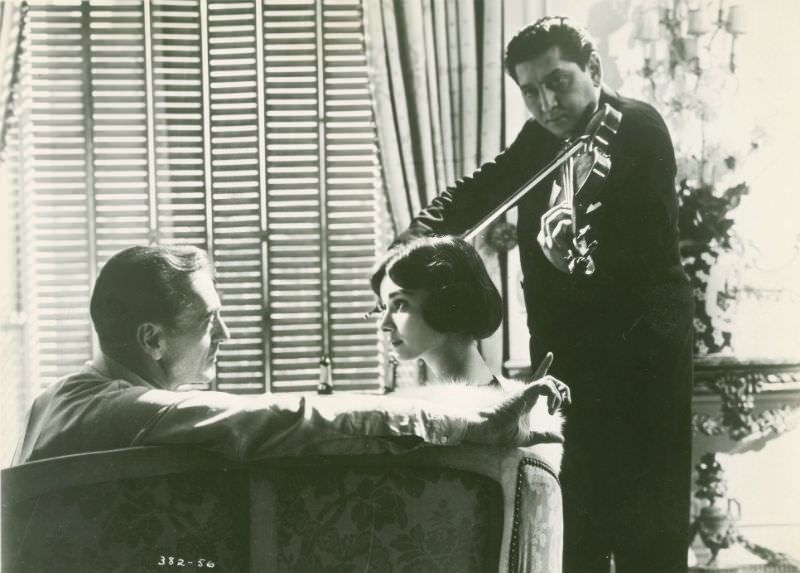
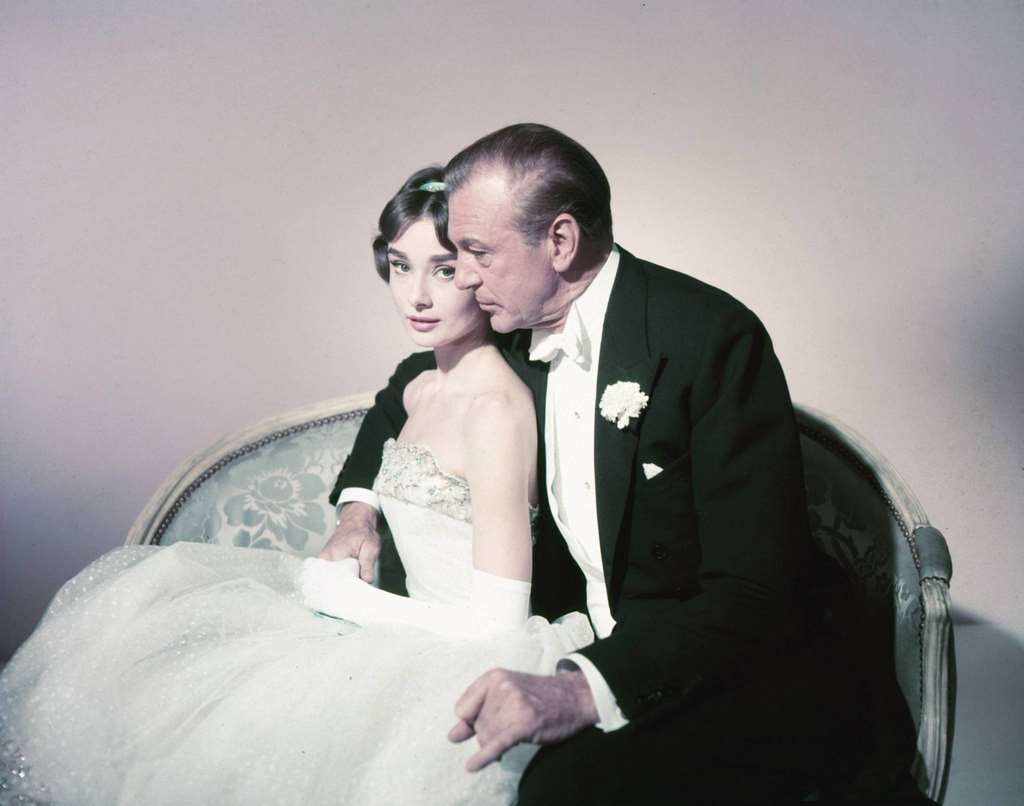
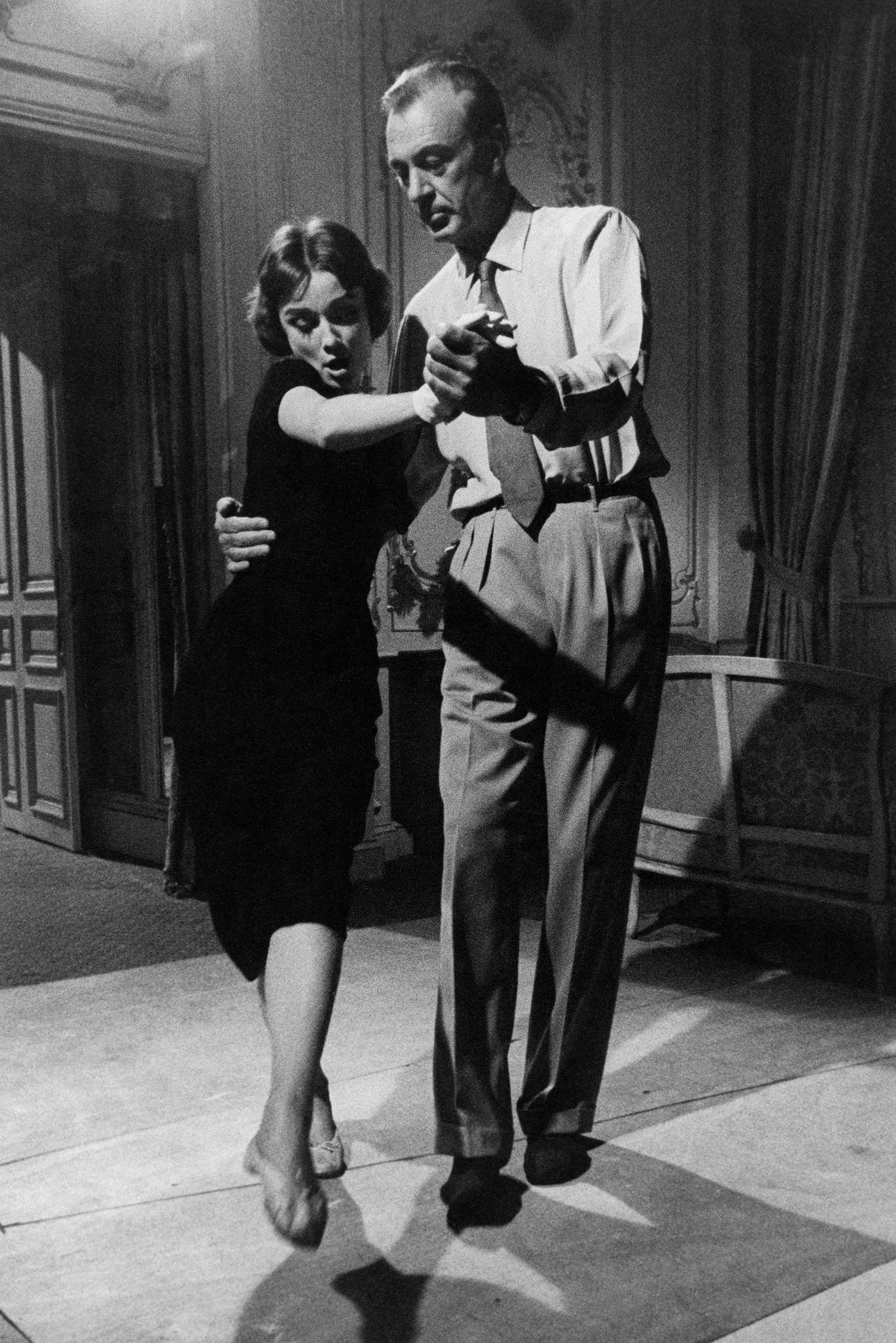
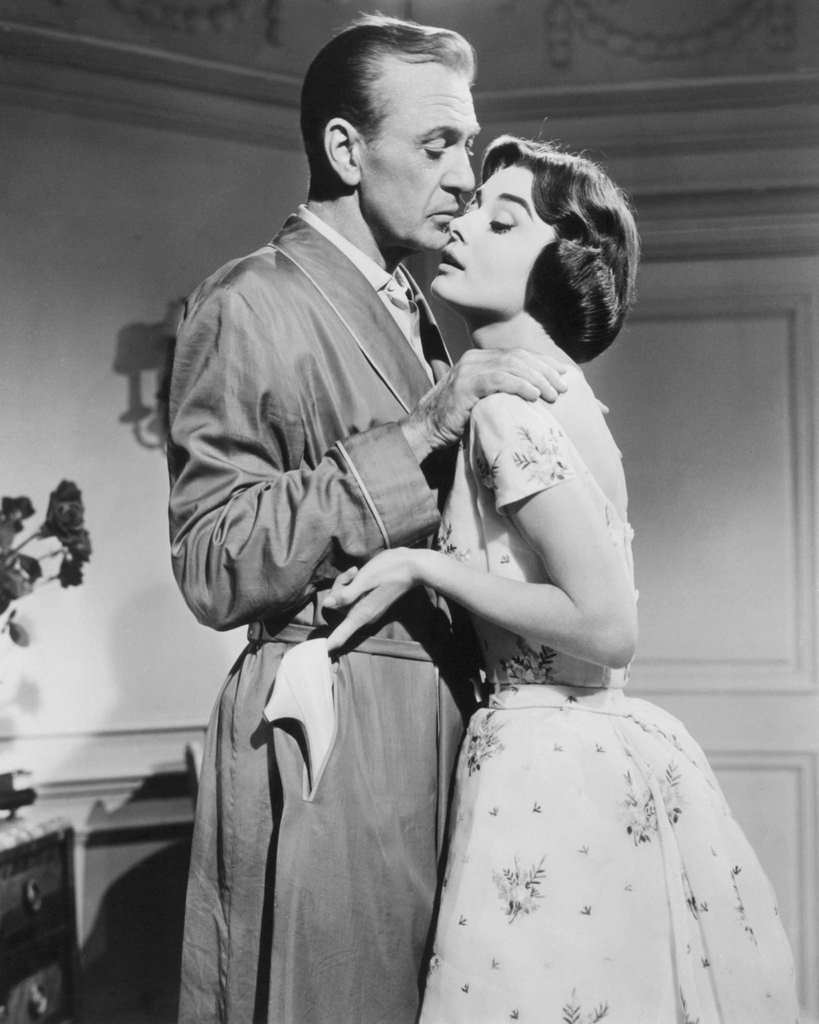
The scenes between Cooper and Hepburn carry the film’s emotional weight. From formal ballroom settings to quieter exchanges on a loveseat, every moment between them works because both performers stay grounded in who their characters are rather than leaning into the romance for its own sake.