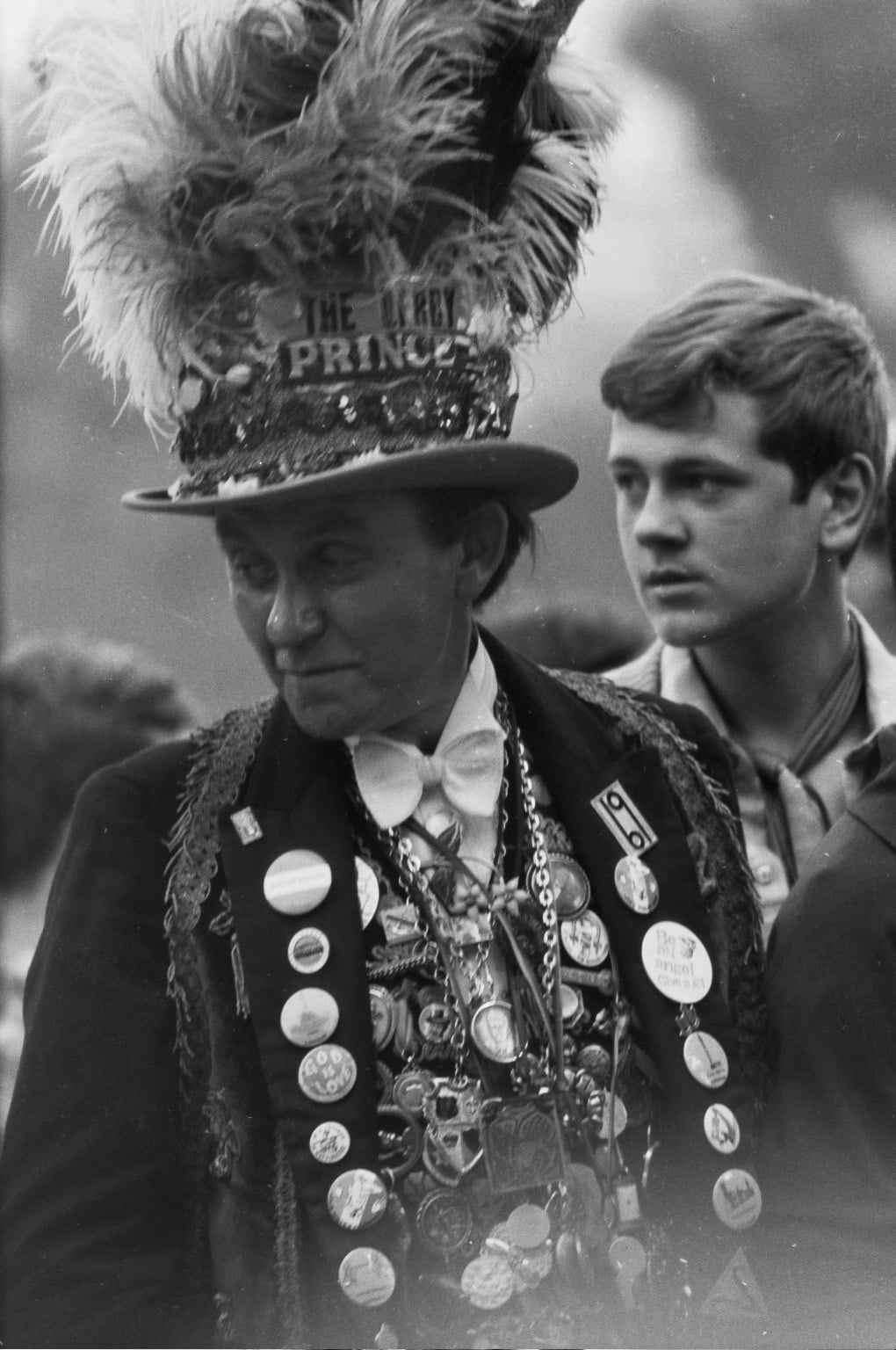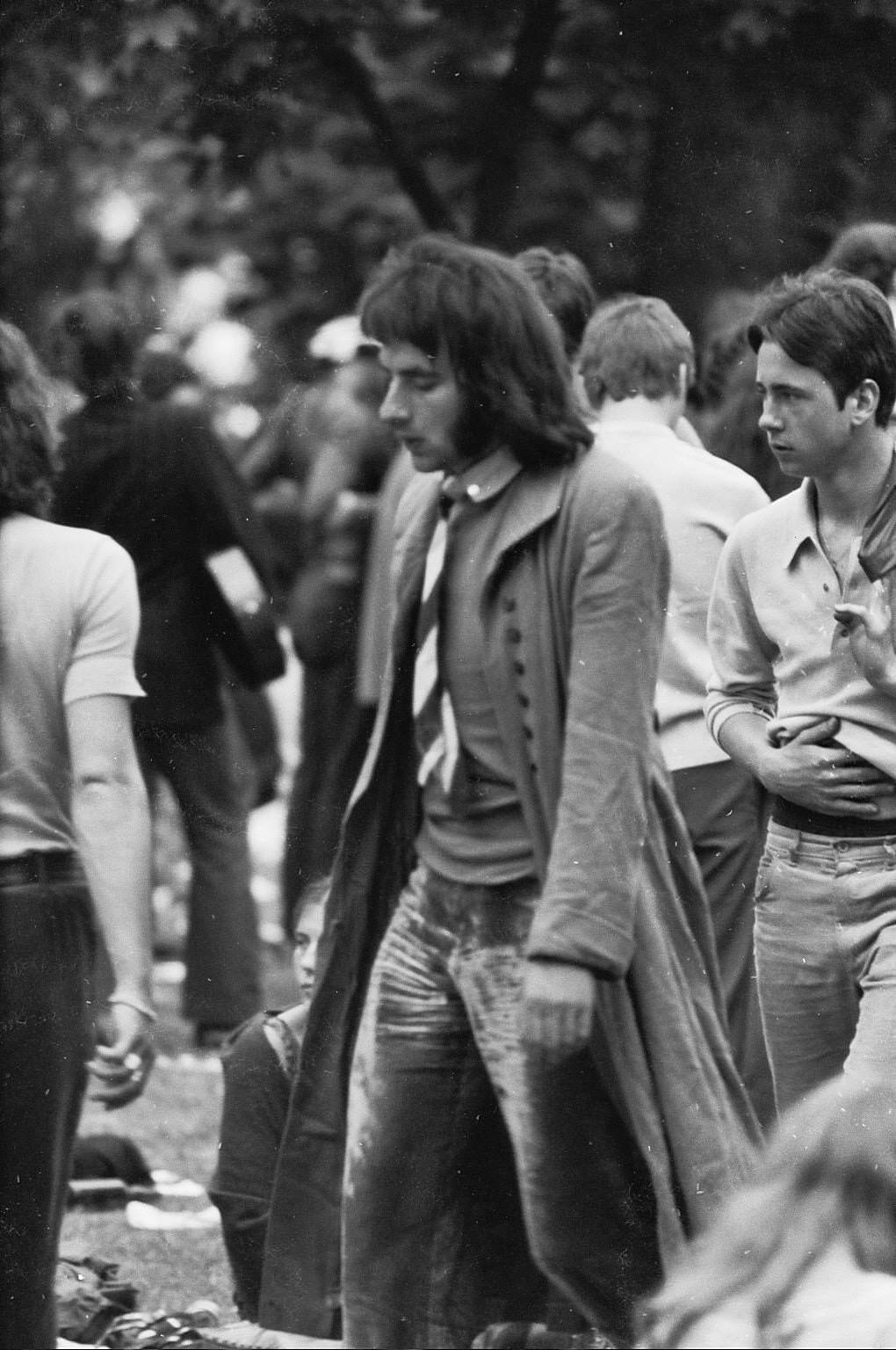
In 1968, a photographer armed with a Pentax SLR 35mm camera walked through two of London’s most distinctive public spaces — Portobello Road in Notting Hill and Speakers’ Corner in Hyde Park. The resulting photographs are a street-level snapshot of a city in transition, where old communities rubbed up against new ones, and where ordinary people exercised freedoms both economic and political.
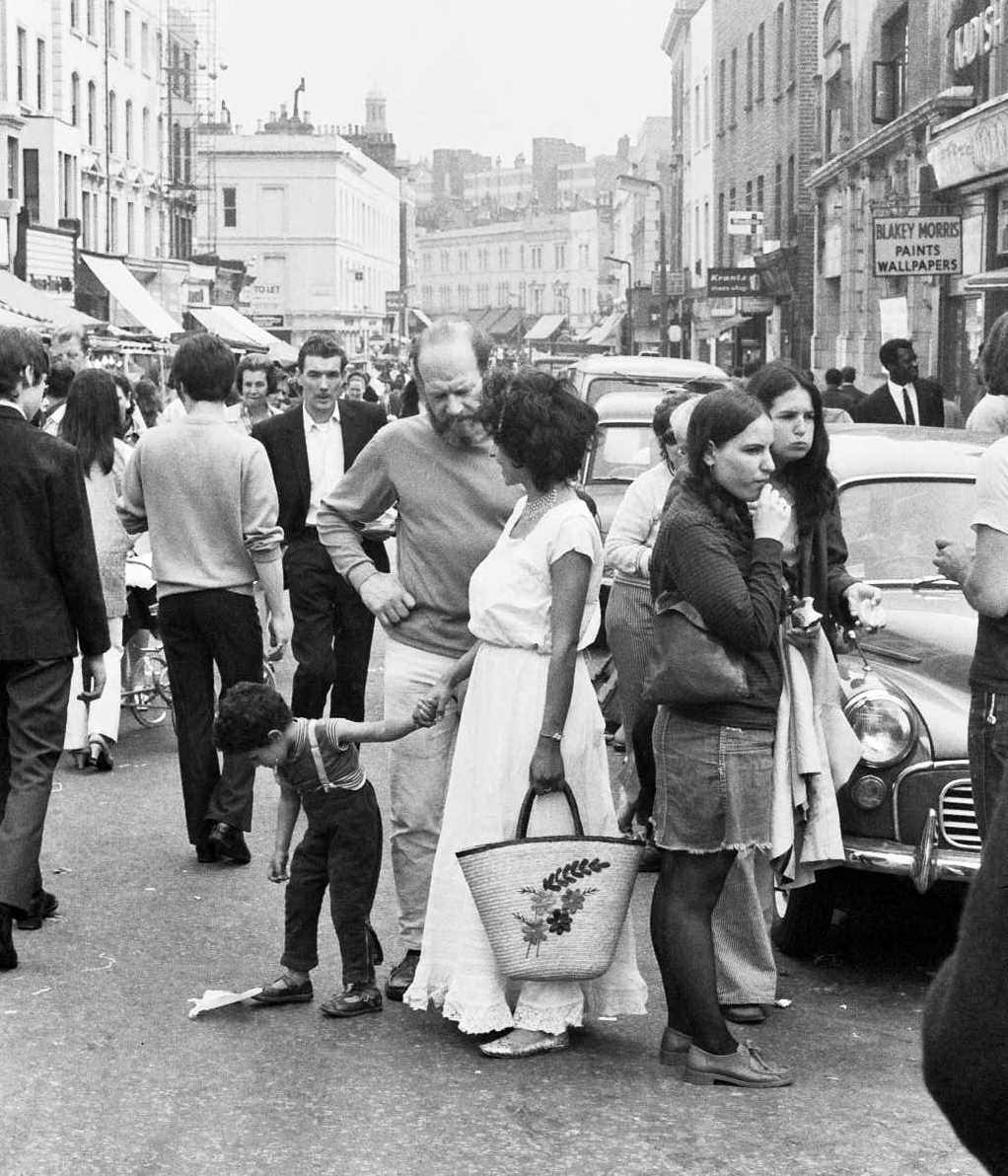
Portobello Road in 1968 was a street of sharp contrasts. Its long-established white working-class residents now shared the neighbourhood with a growing West Indian immigrant community. Many of those immigrants lived in overcrowded, poorly maintained housing rented out by Peter Rachman, a landlord widely regarded as one of Britain’s most disreputable property operators. Rachman became so notorious for exploiting vulnerable tenants — charging high rents for substandard accommodation — that his name entered the English language. The term “Rachmanism” came to describe the exploitation of tenants by unscrupulous landlords.
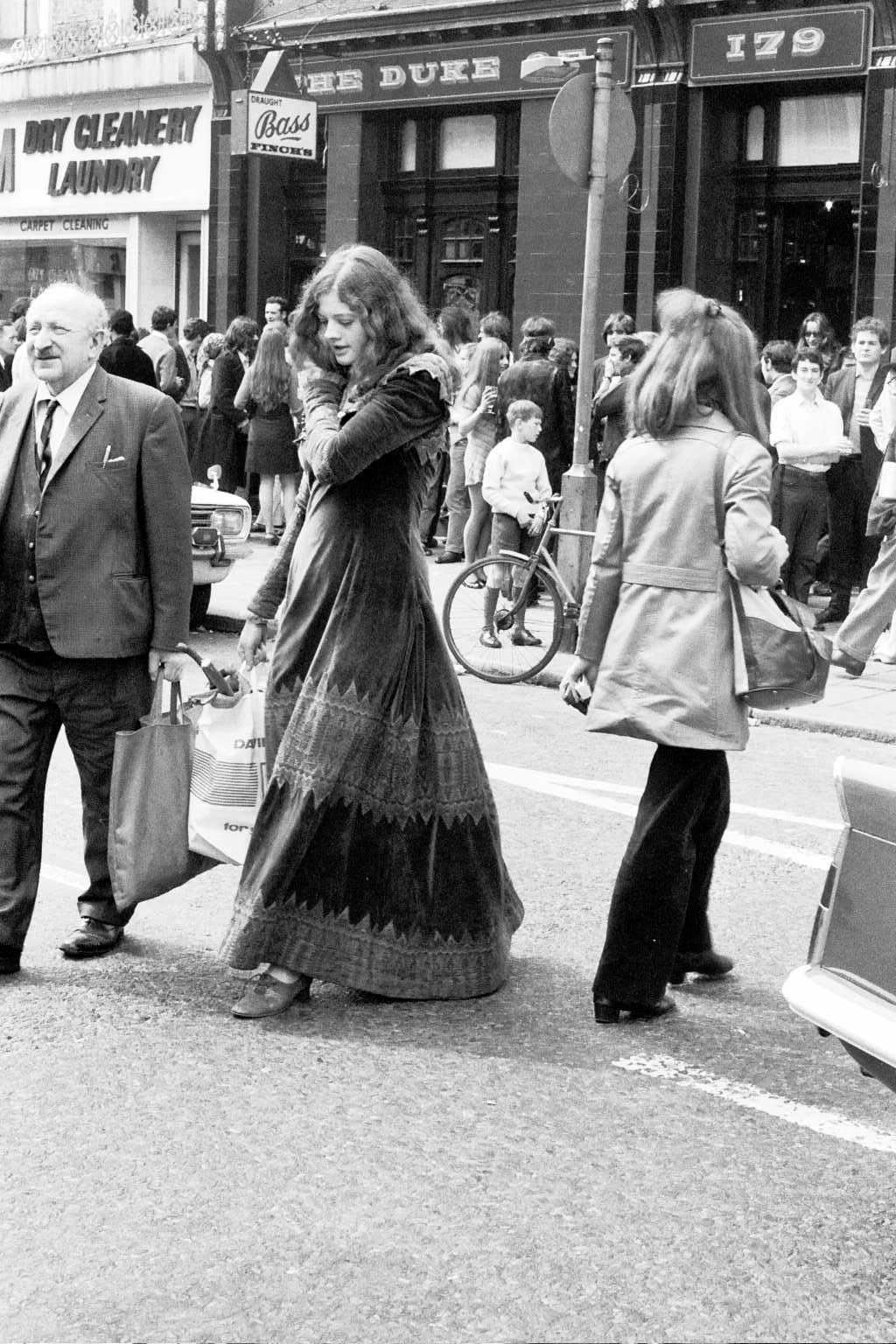
Alongside this tension, a third group had begun to make its presence felt on Portobello Road: hippies. By 1968, the counterculture was in full swing across Western cities, and Notting Hill was no exception. “Head shops” — stores selling counterculture goods, from incense to psychedelic posters — had taken root along the street, drawing young people who had little in common with either the older working-class locals or the West Indian families struggling to settle in a new country.
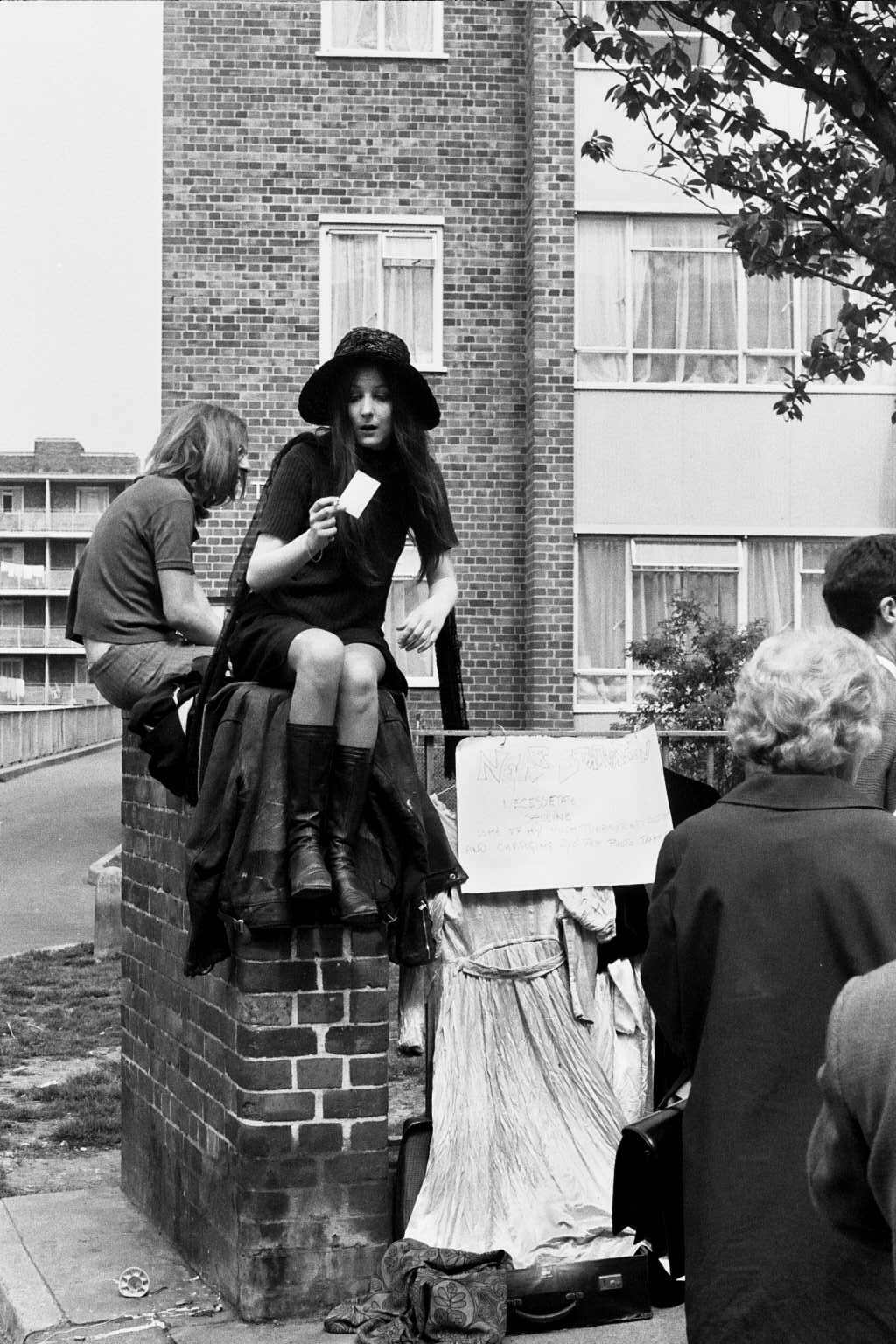
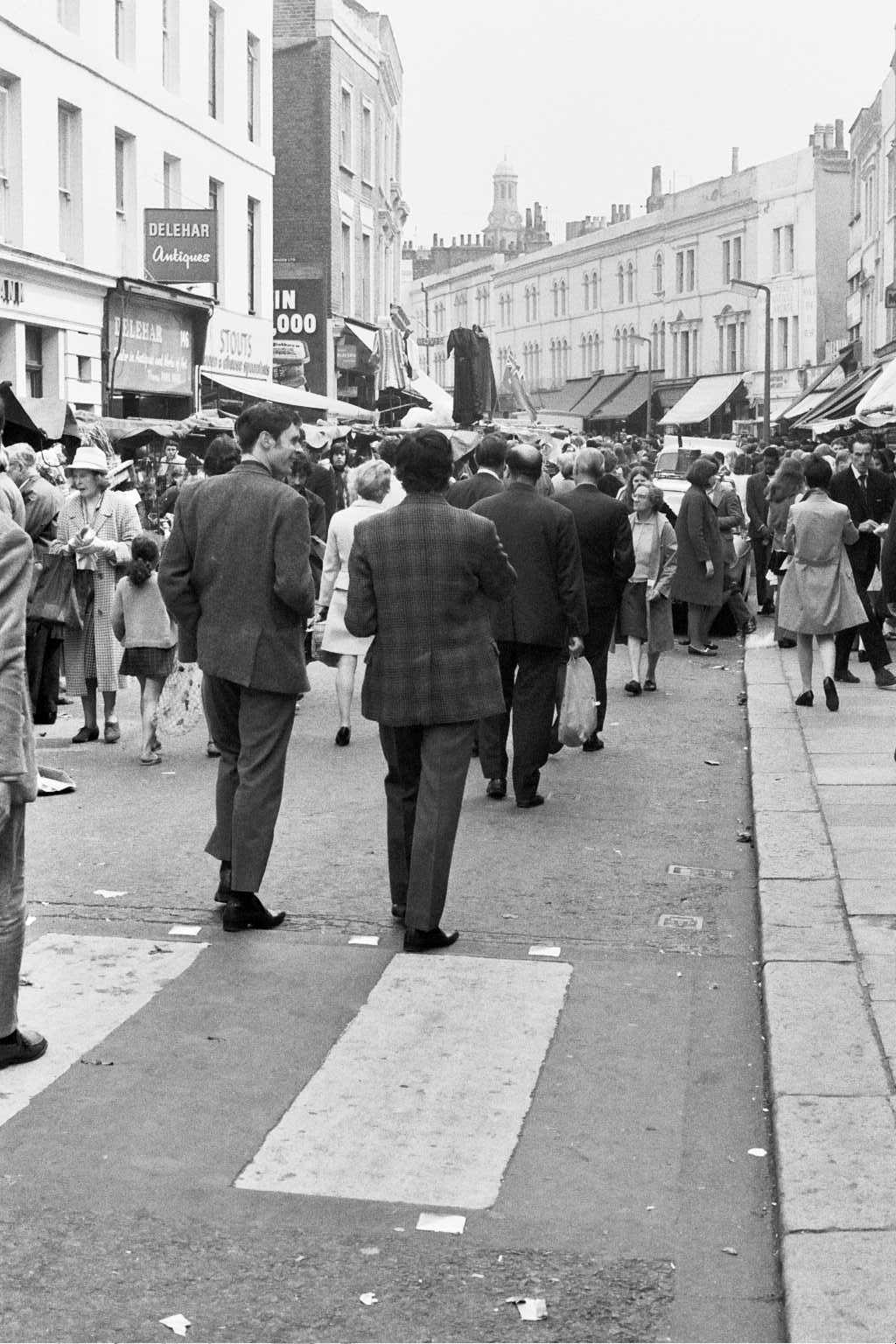
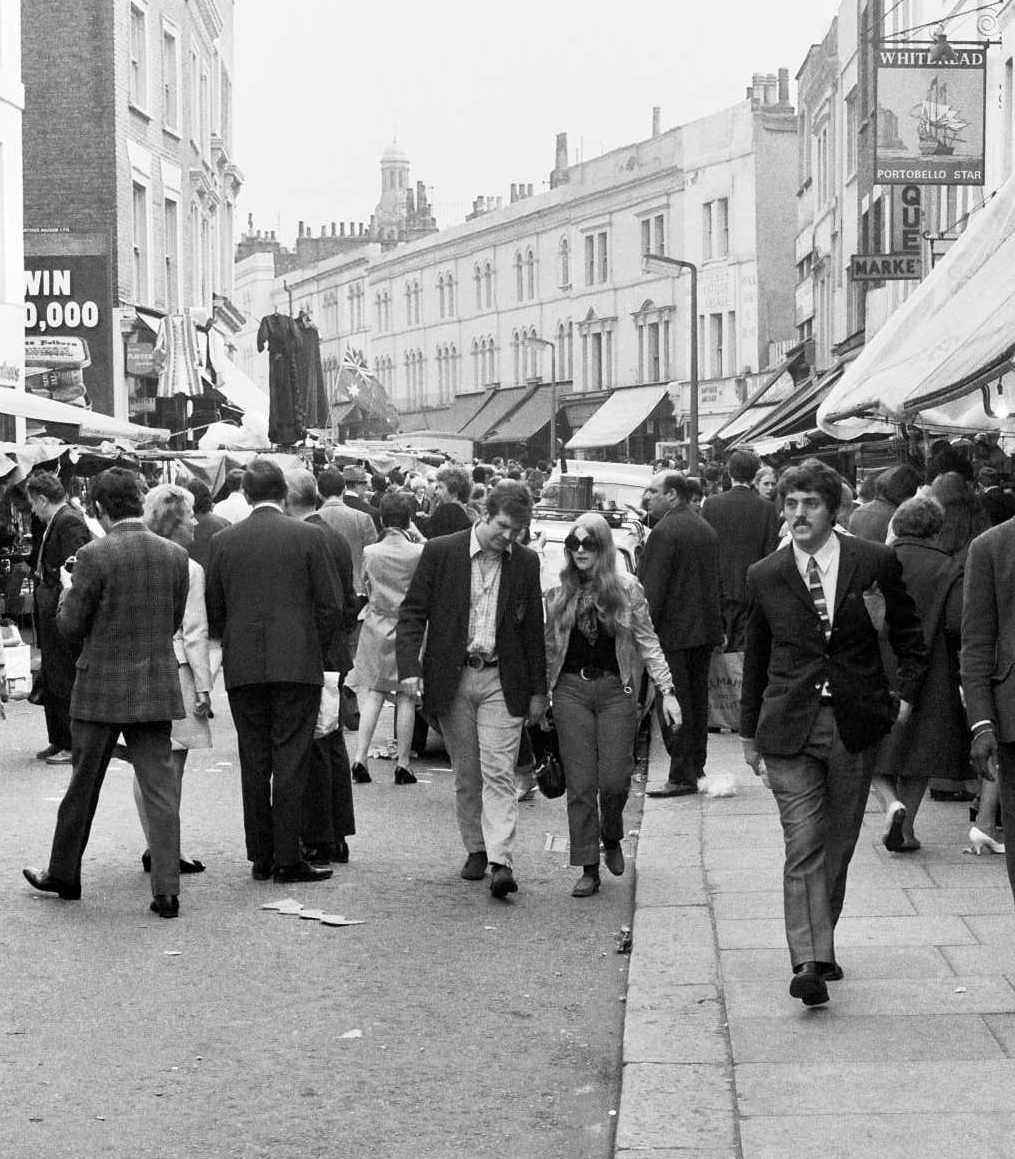
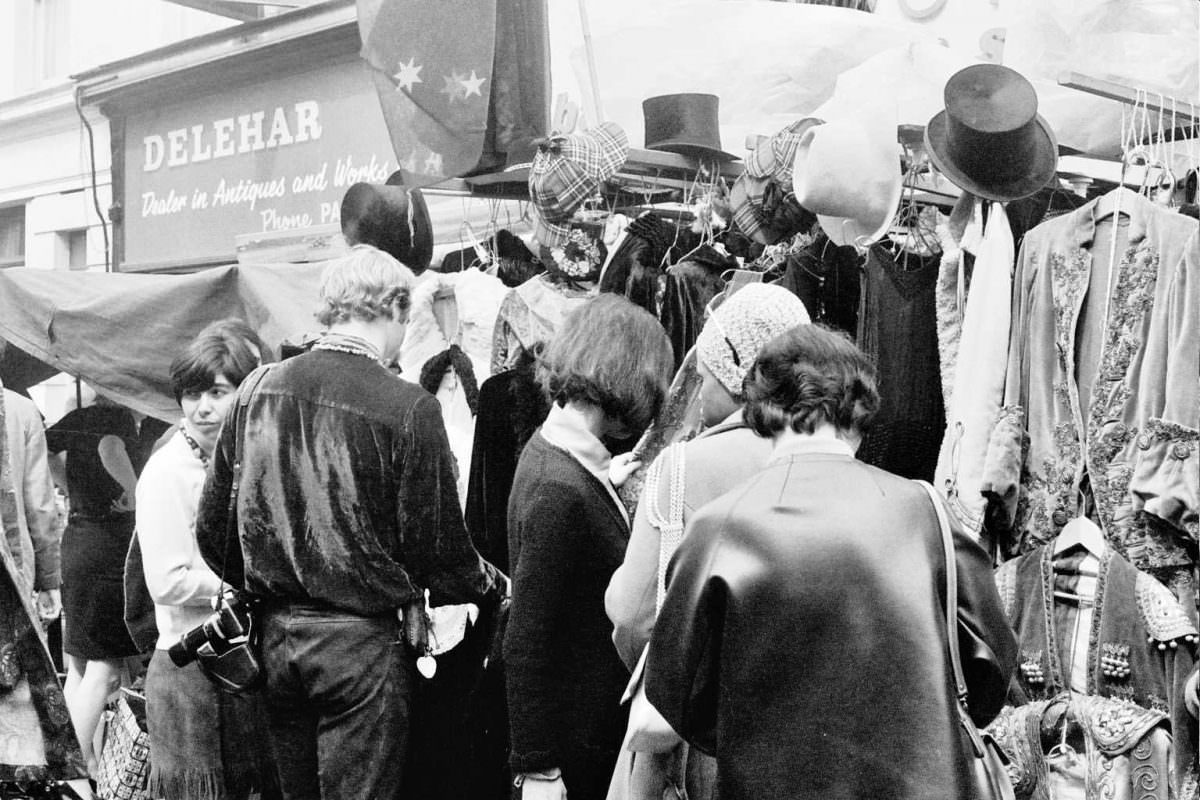
The street market itself was already well established, stretching along the road and spilling onto side streets. Stalls offered antiques, second-hand goods, fruit and vegetables, and all manner of everyday items. It was a place where you could buy almost anything, and where almost anyone might turn up. The mix of vendors and shoppers reflected the chaotic, layered character of the neighbourhood itself.
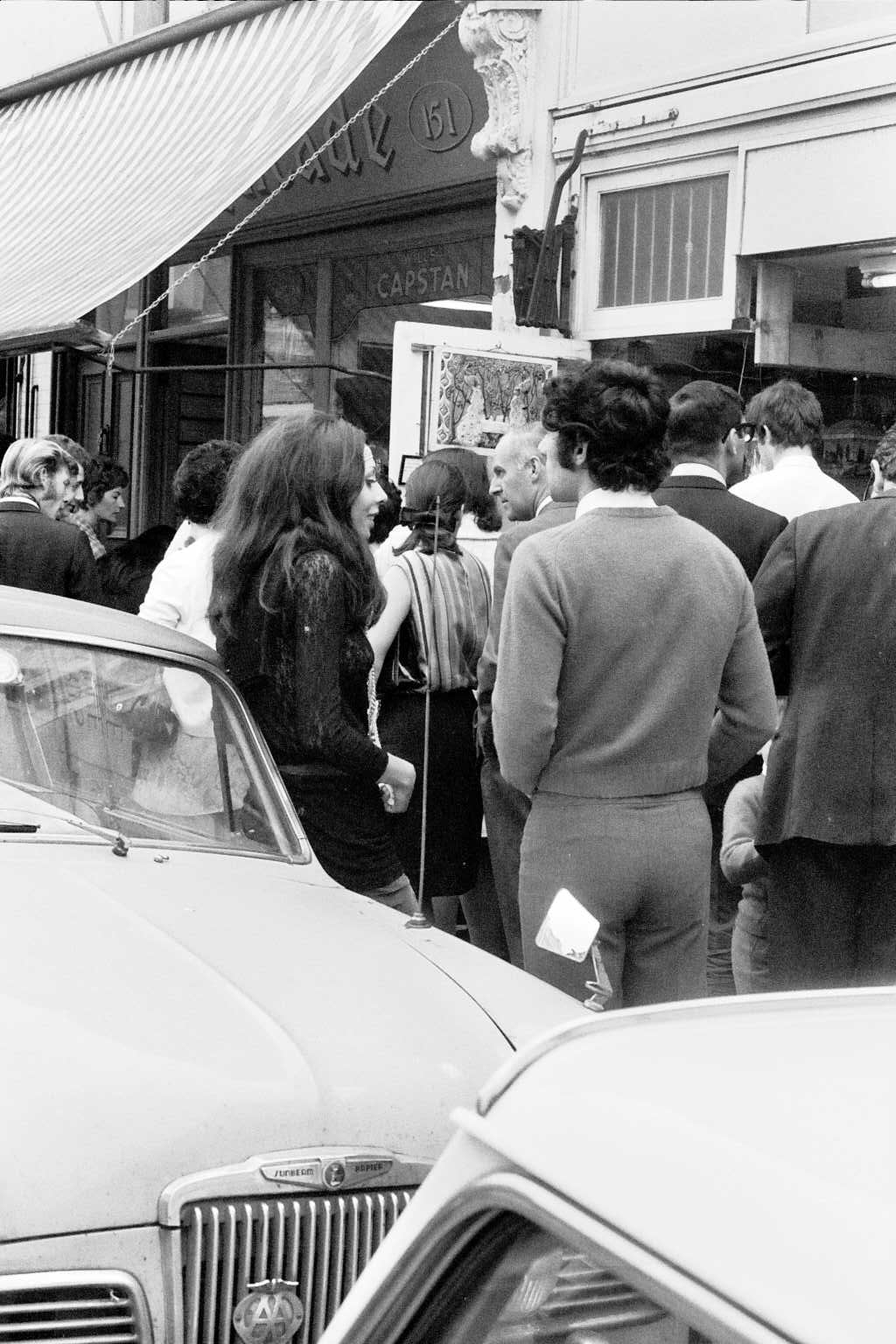
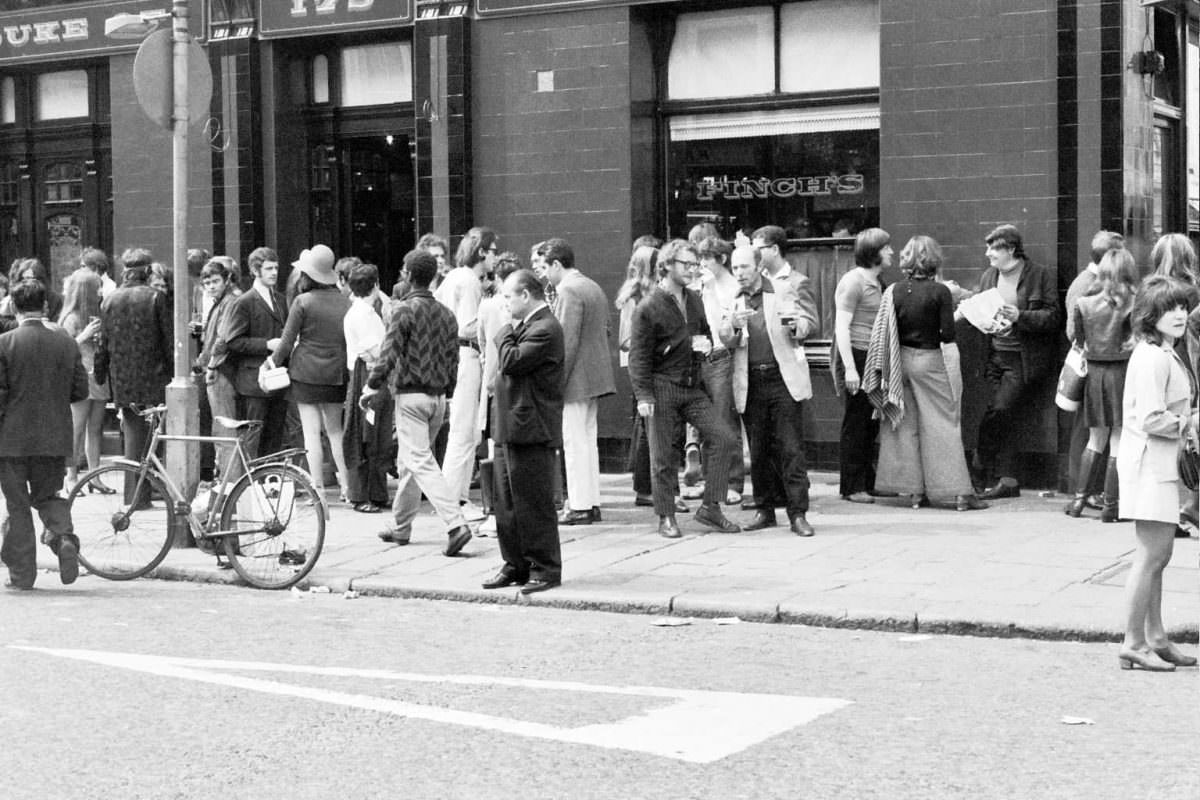
The faces on Portobello Road in these photographs tell the story of 1960s London more honestly than most official records do. Children dart between adults. Market traders call out to passing shoppers. The street has a raw, unpolished energy that no amount of urban planning had yet smoothed away.
From Notting Hill, the photographer’s lens then turned east toward Hyde Park and one of London’s most unusual institutions: Speakers’ Corner. Situated at the northeast corner of the park, nearest to Marble Arch, Speakers’ Corner was established by an Act of Parliament in 1872. That legislation set aside this section of Hyde Park specifically for public speaking, giving anyone the legal right to stand up and address the crowd on any subject they chose.
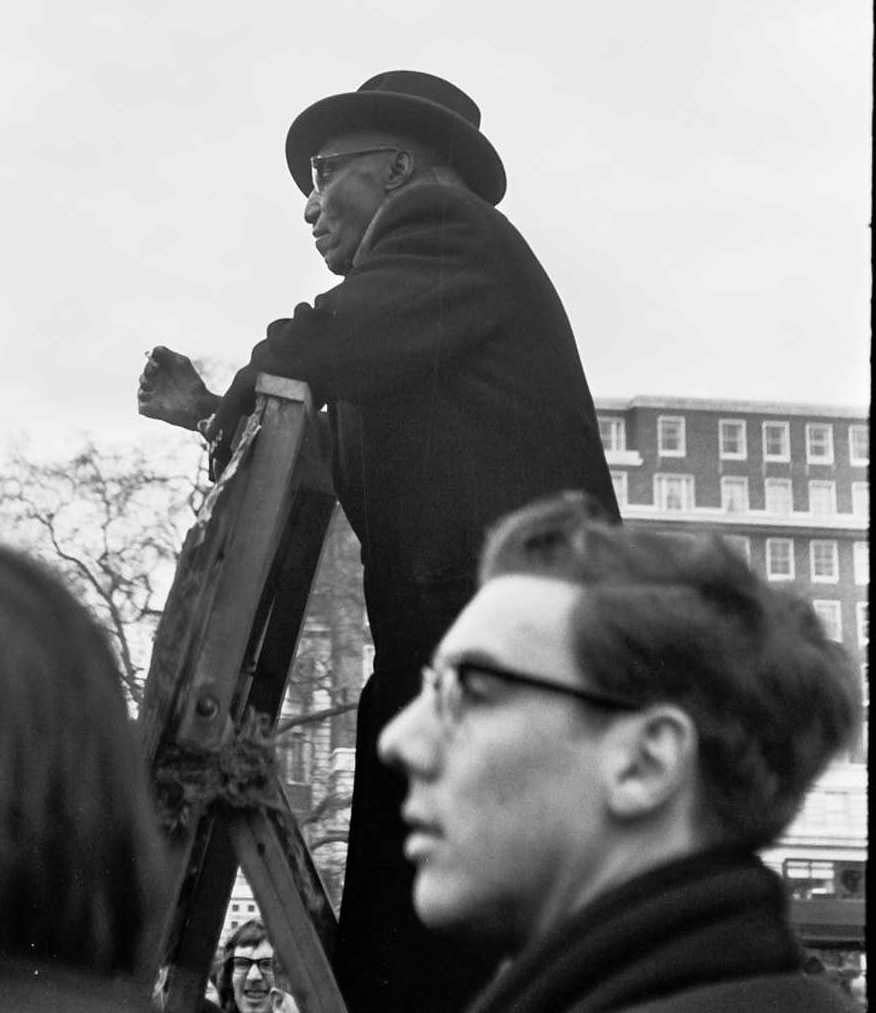
The legally designated speaking area is larger than most people assume. It extends well beyond the paved section closest to Marble Arch, reaching as far as the Reform Tree and covering stretches along the Serpentine and the Broad Walk, which runs from Hyde Park Corner all the way to Marble Arch. In practice, however, the crowds tended to cluster around the paved area where the speakers gathered on Sunday mornings.
The list of notable figures who have spoken or listened at Speakers’ Corner is long. Karl Marx, Vladimir Lenin, and George Orwell all attended at various points in their lives, drawn by the same principle that brings people there today — the freedom to speak without seeking permission, without scheduling in advance, and without restriction on topic. Anyone can turn up unannounced and speak.
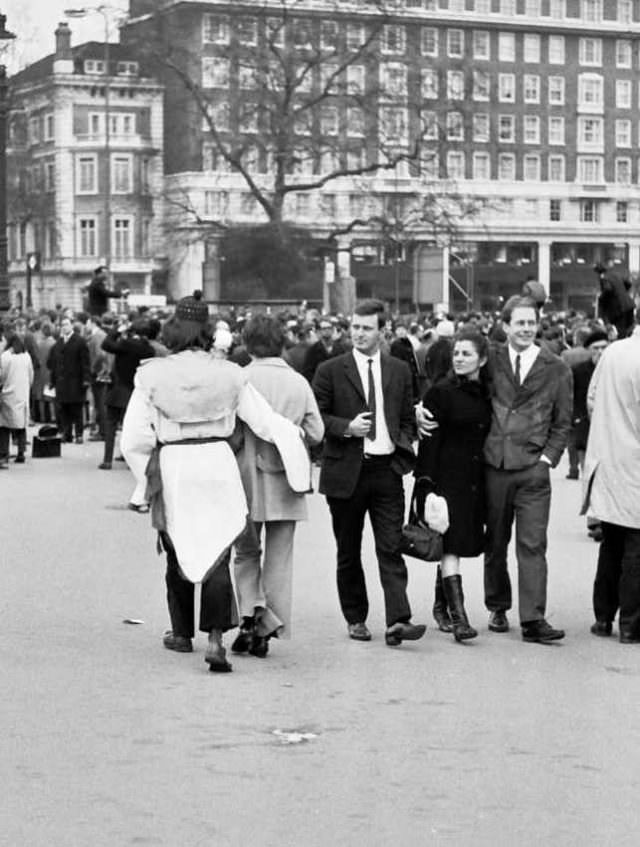
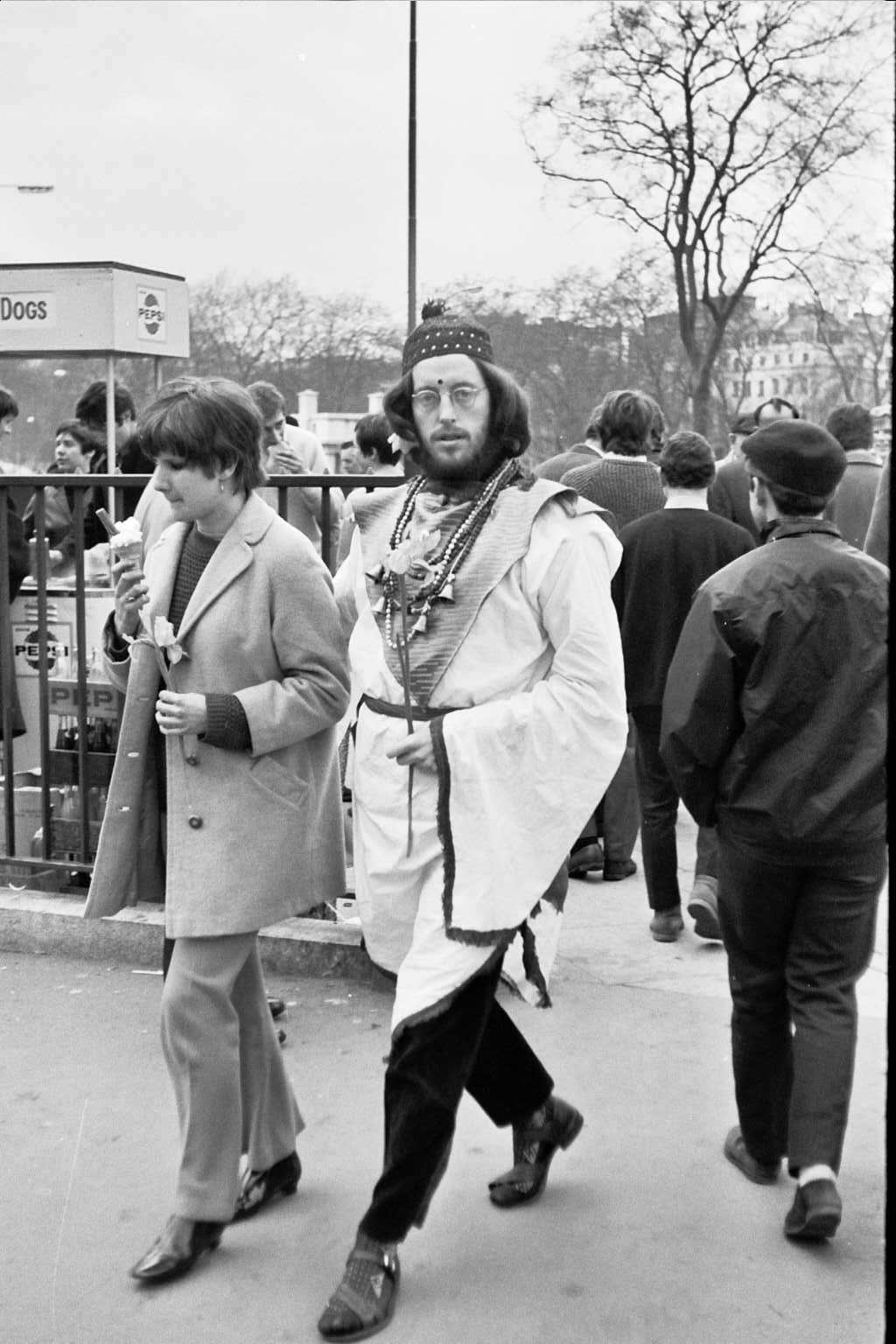
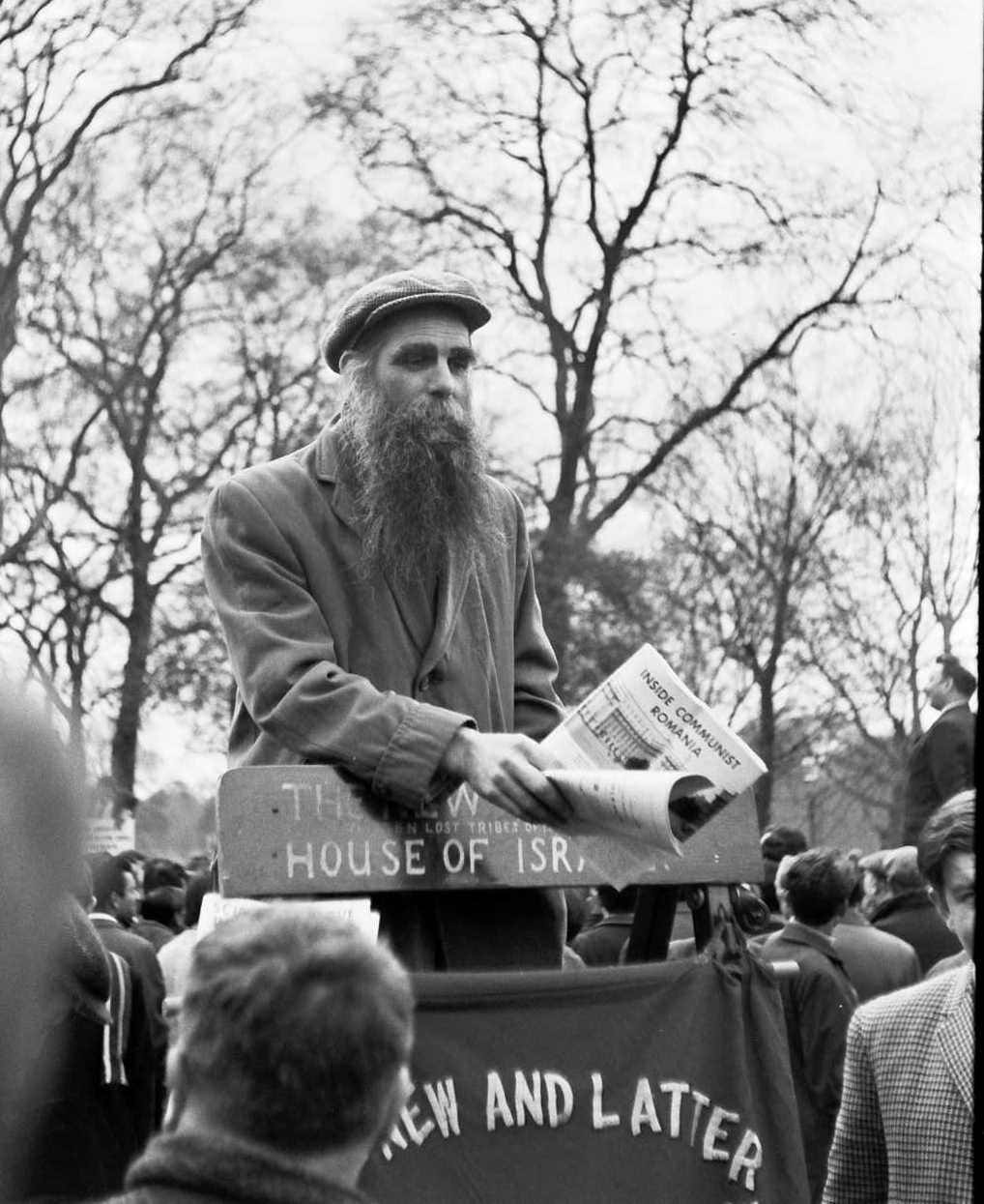
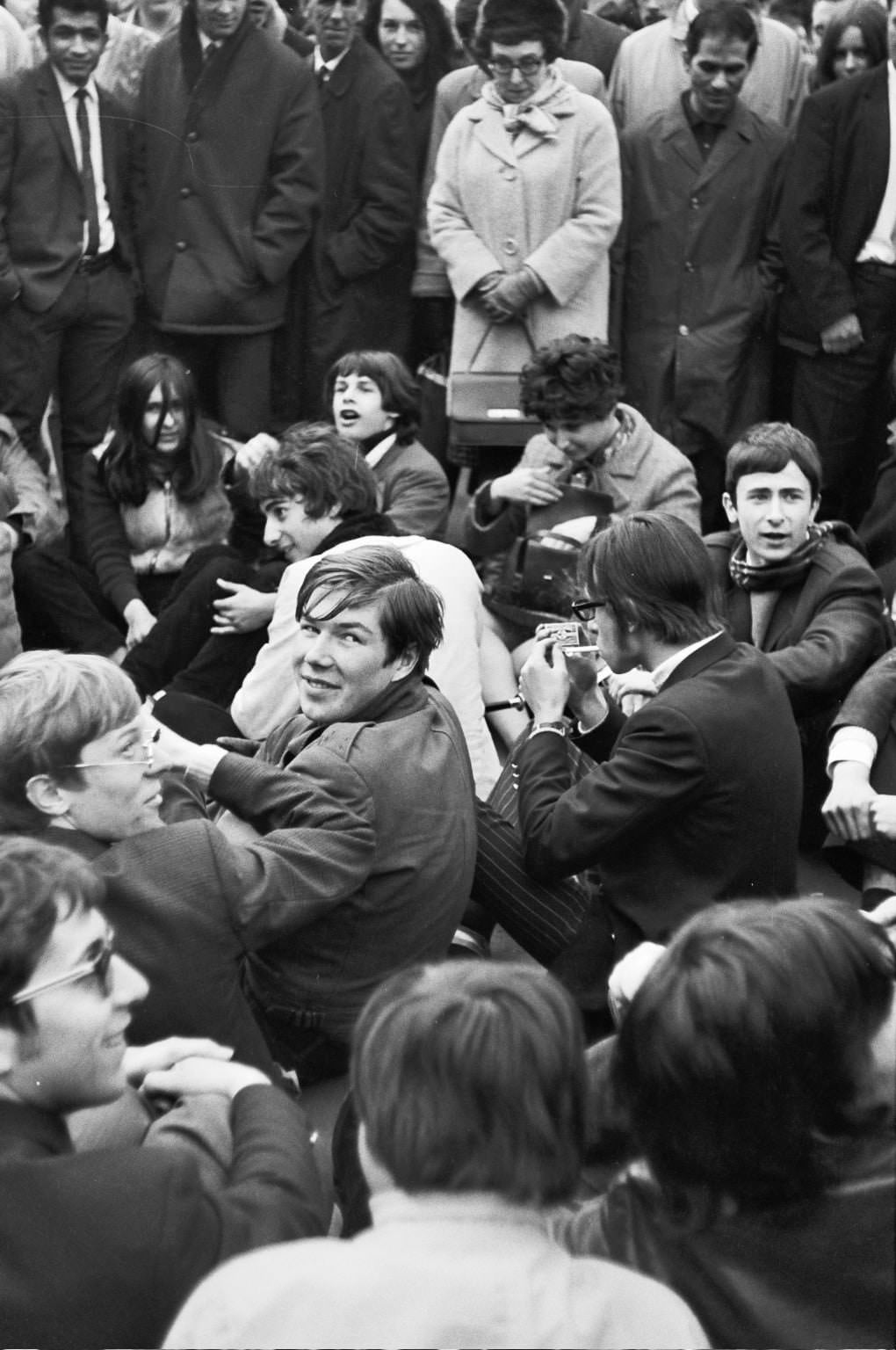
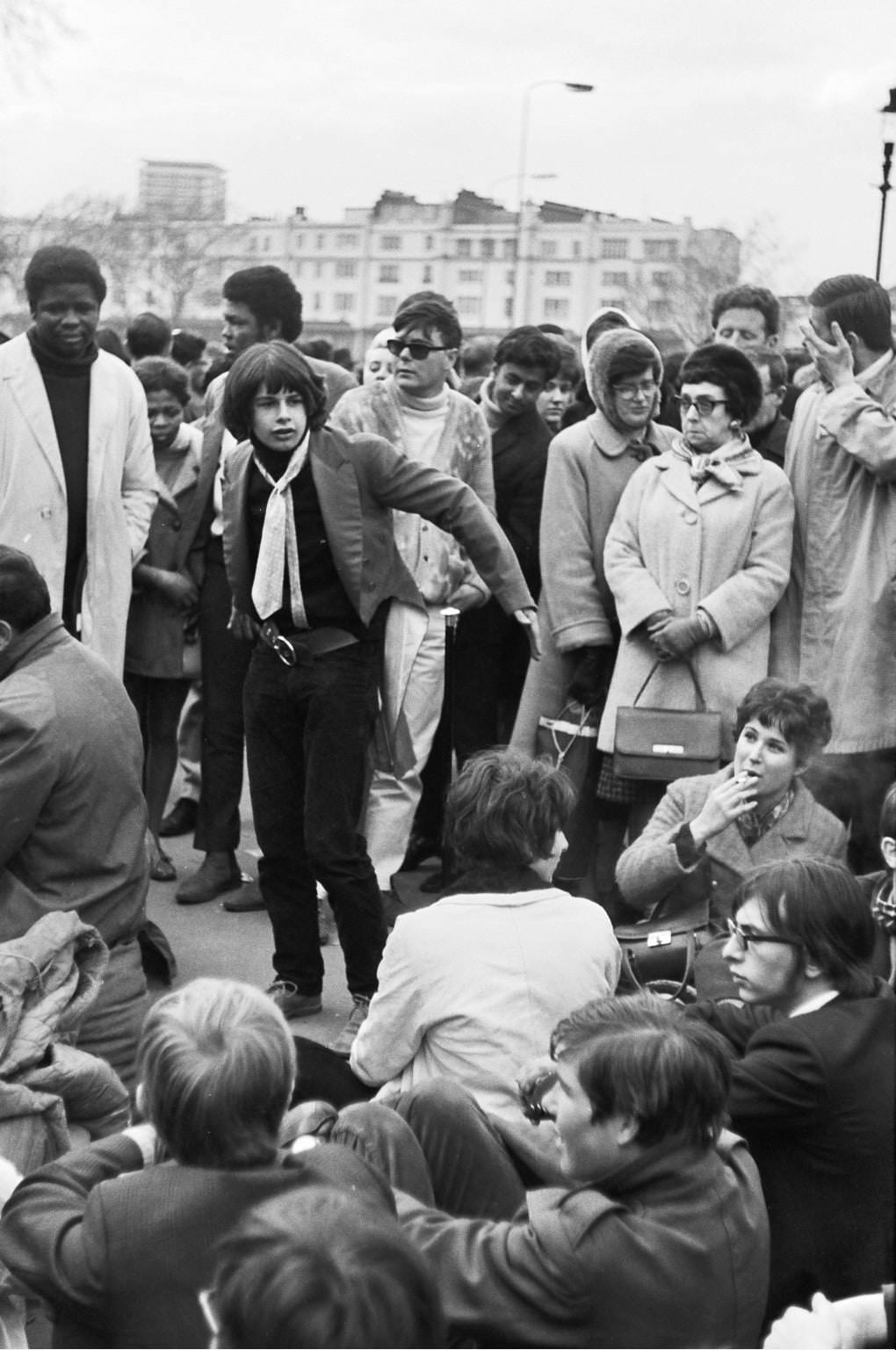
By 1968, Speakers’ Corner had been operating under that same mandate for nearly a century. The Sunday morning gatherings drew a reliable cast of regulars — passionate orators on soapboxes, religious preachers, political firebrands, and curious onlookers who came as much for the spectacle as for the arguments. Hecklers were part of the deal. A good speaker had to hold their ground against interruptions and challenges from the crowd.
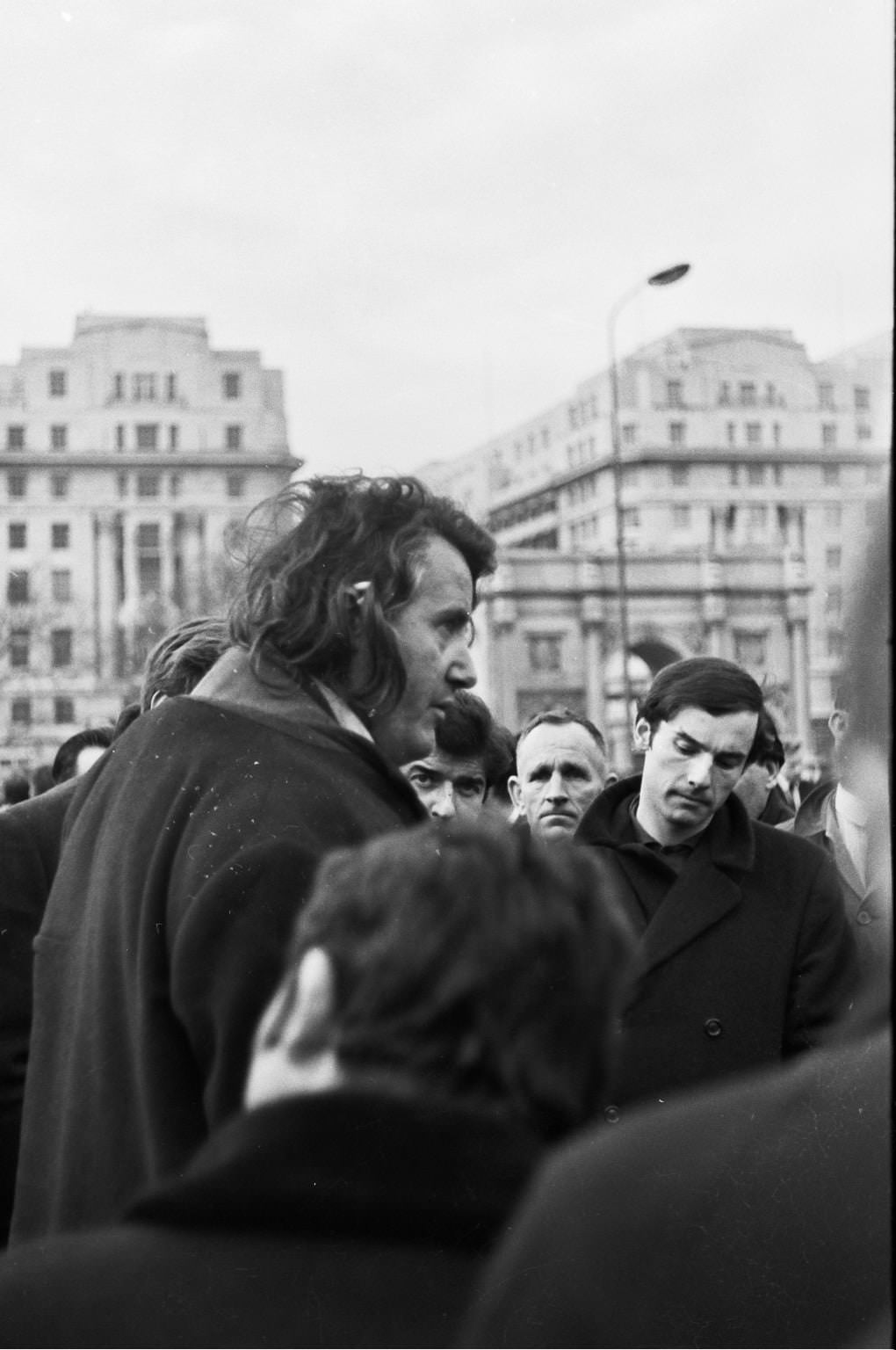
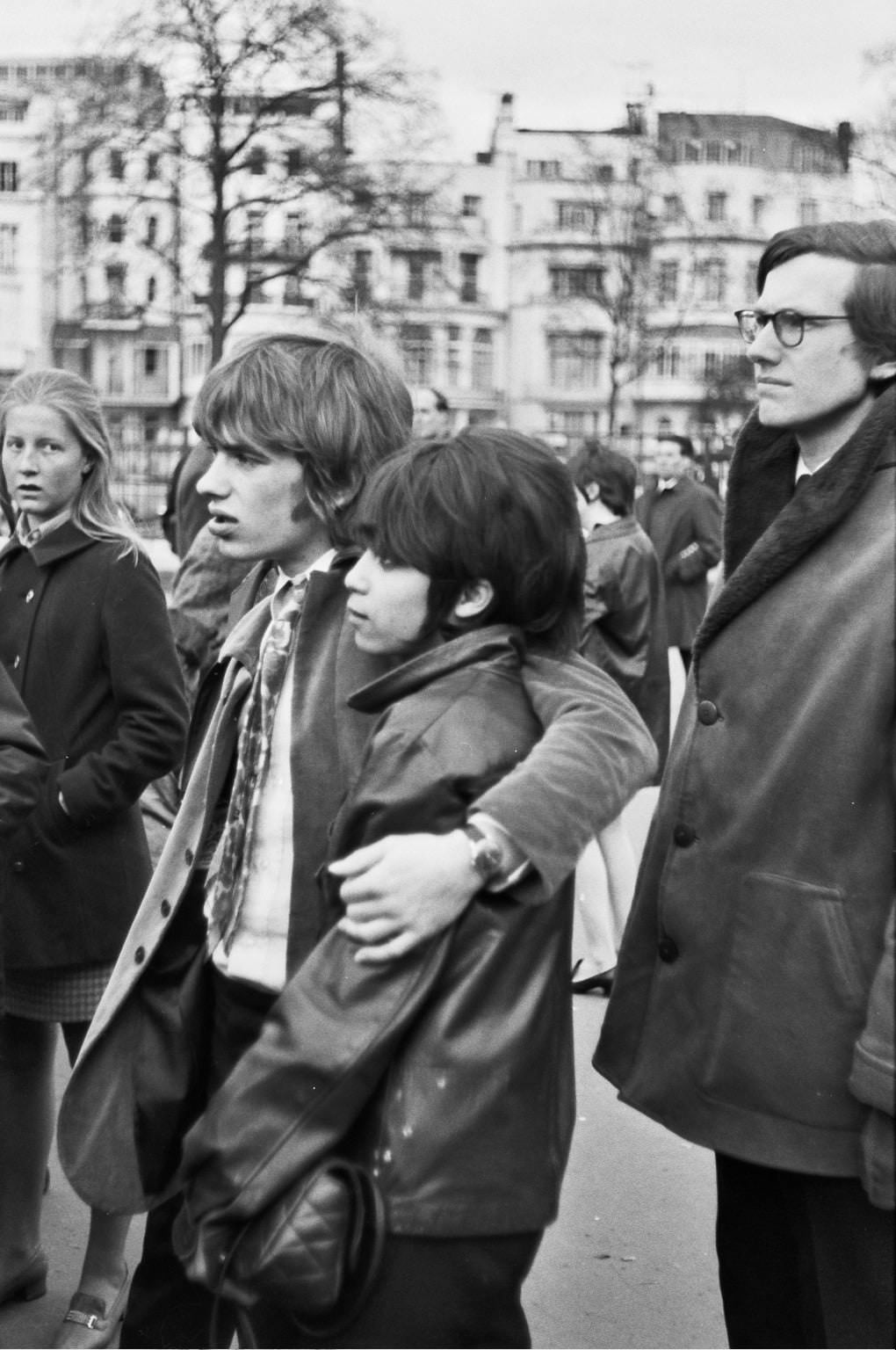
The year 1968 was a particularly charged moment to photograph public gatherings. Across Europe and the United States, protest movements were escalating. In France, student and worker uprisings had nearly toppled the government. In the United States, Martin Luther King Jr. and Robert F. Kennedy were assassinated within months of each other. In London, large anti-Vietnam War demonstrations had filled the streets. The people standing at Speakers’ Corner that year were not speaking in a vacuum.
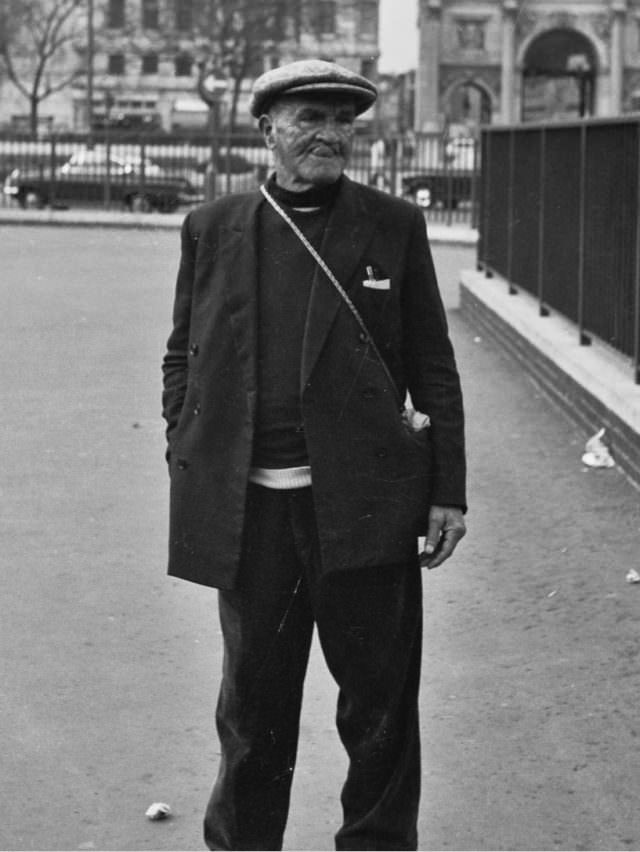
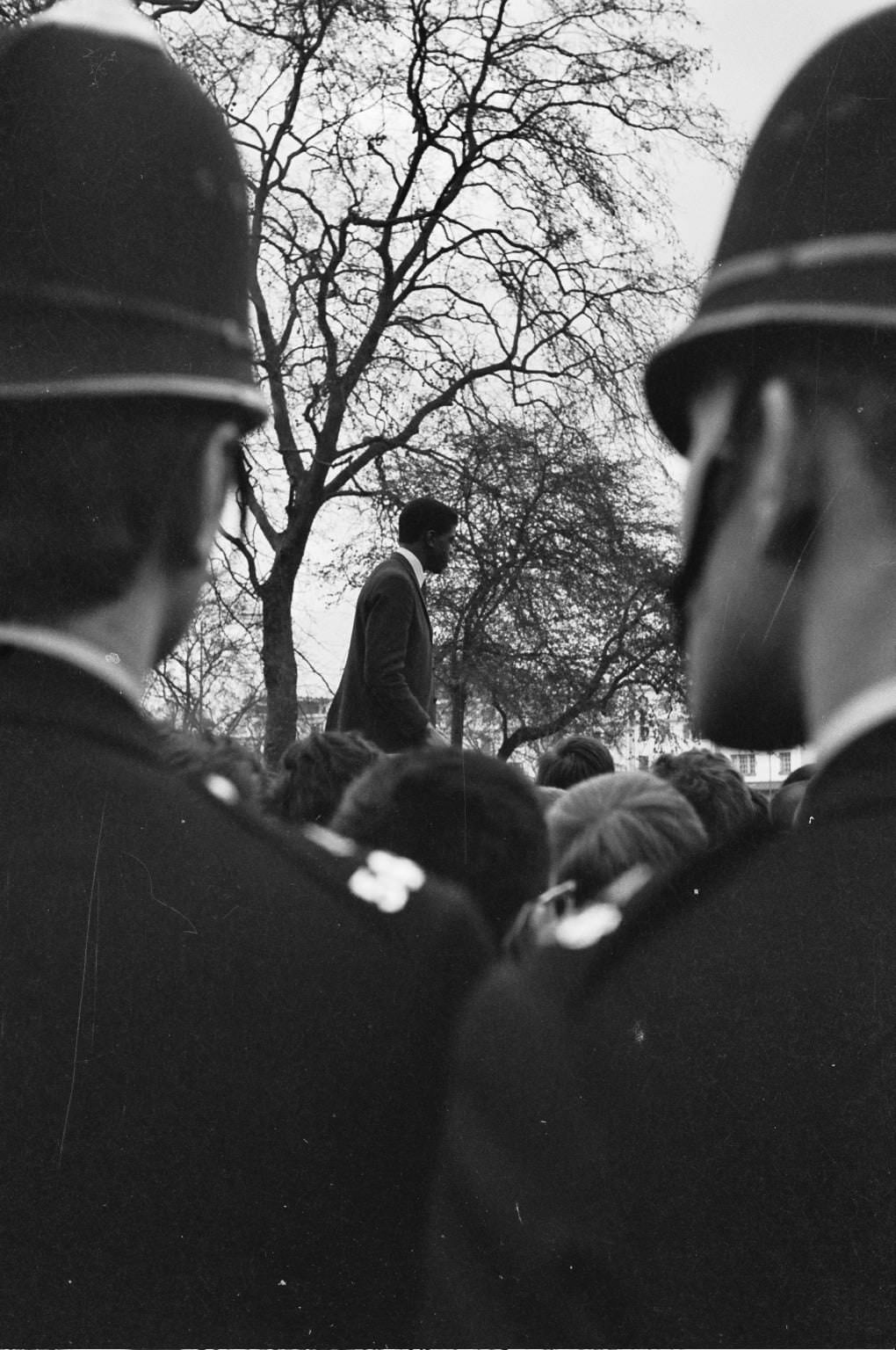
What the photographs capture is the texture of participation. Some speakers stand elevated on makeshift platforms, gesturing at attentive audiences. Others draw only a handful of listeners. A few appear to be engaged in heated back-and-forth with hecklers just feet away. The crowd is mixed in age, background, and apparent interest — some people leaning in, others watching from a comfortable distance with arms folded.
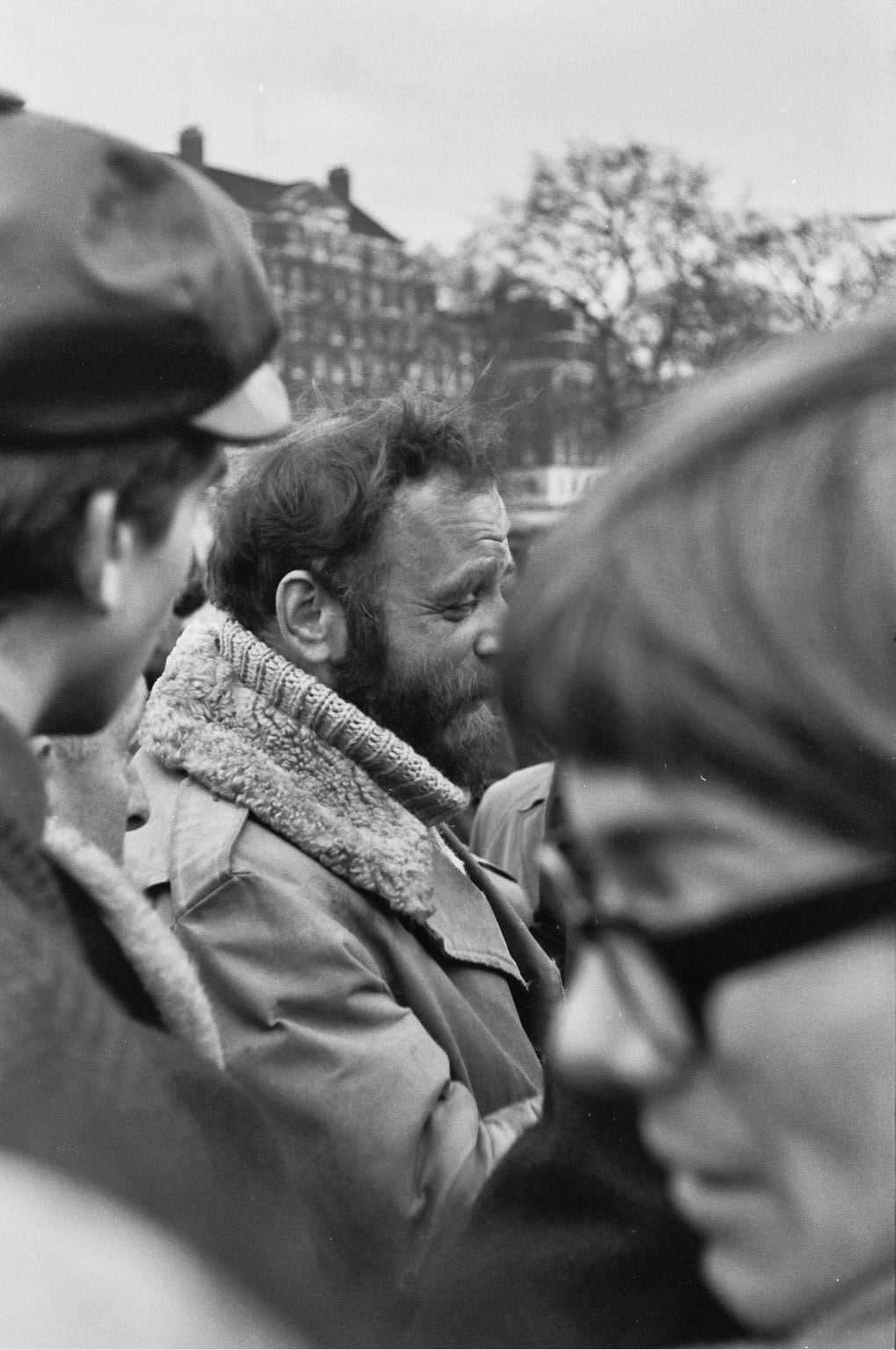
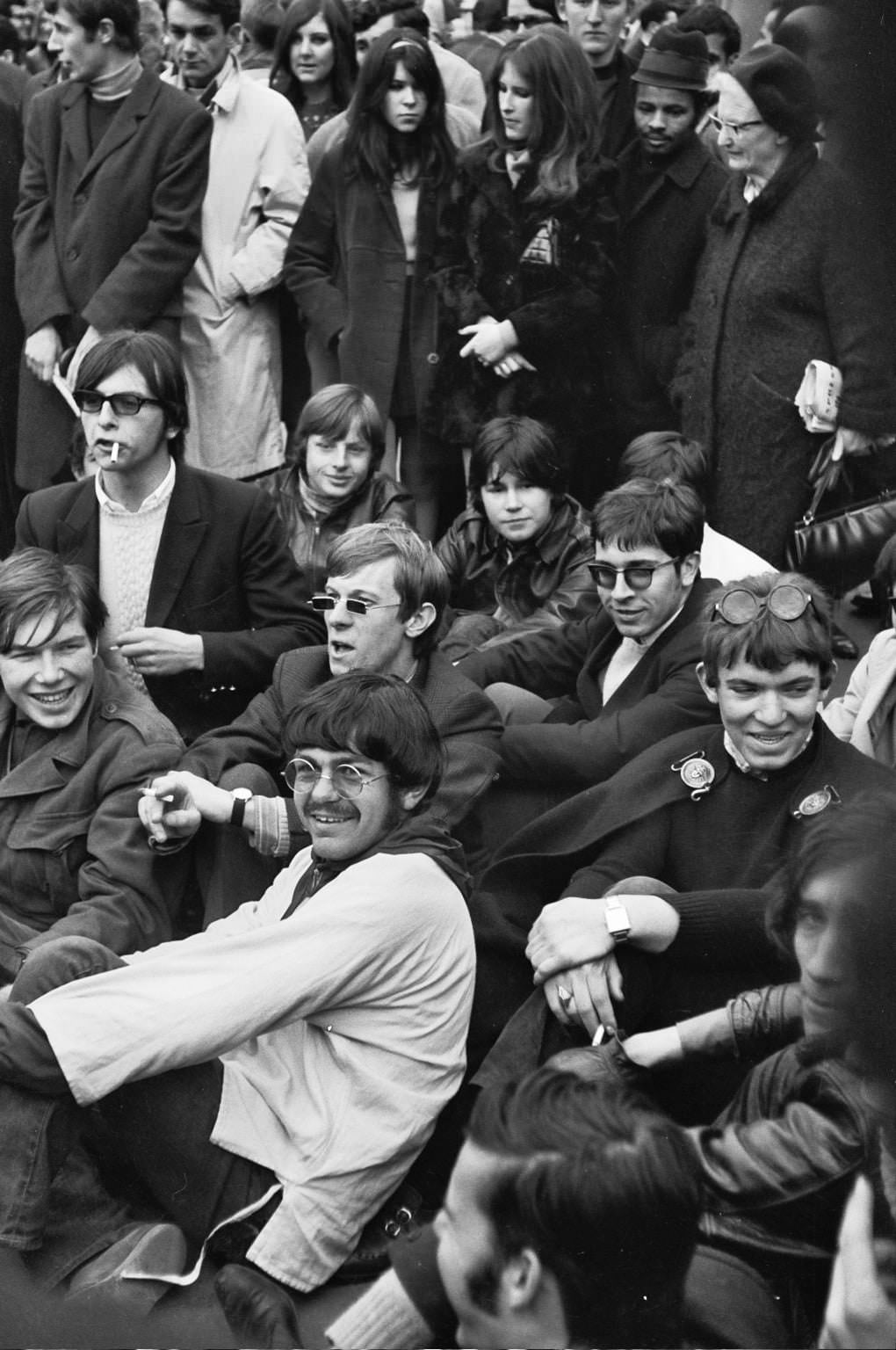
The clothing, the hairstyles, and the body language all anchor these images firmly in their era. Men in overcoats and flat caps stand alongside younger faces in the looser, more casual styles that the late 1960s brought in. The generational shift visible on Portobello Road shows up here too — older Londoners and younger ones occupying the same space but clearly shaped by very different experiences of the city.
Speakers’ Corner operated then, as it does now, on a simple and durable principle: show up, speak your mind, and accept that others have the same right to challenge you. No registration, no permit, no approved list of topics. The 1872 Act made it official, but the practice of gathering in open spaces to argue and persuade is far older than that legislation.