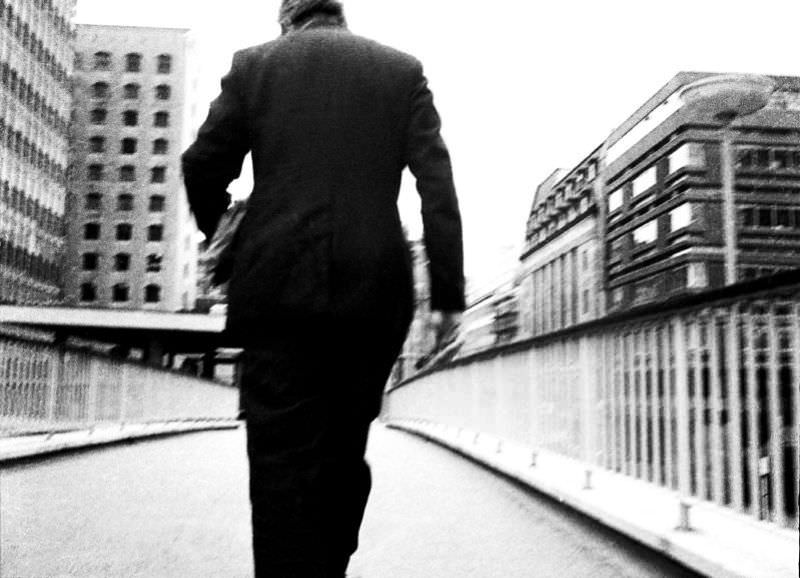
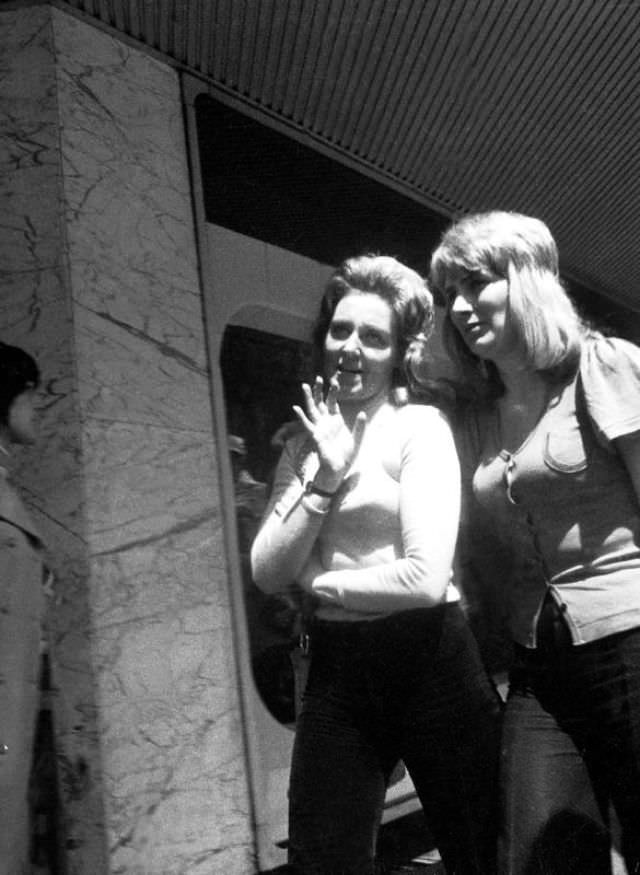
London in the early 1970s was a city under pressure and in motion at the same time. High inflation was squeezing household budgets, IRA bomb threats kept the city on edge, and widespread strikes disrupted daily life. Yet the streets were also alive with fashion, markets, pubs, and the ordinary rhythms of work. Photographer Norman Craig documented this London from the inside — not as a tourist, but as someone who worked in the City’s buildings for decades. His camera caught the tension and the texture of those years with quiet precision.
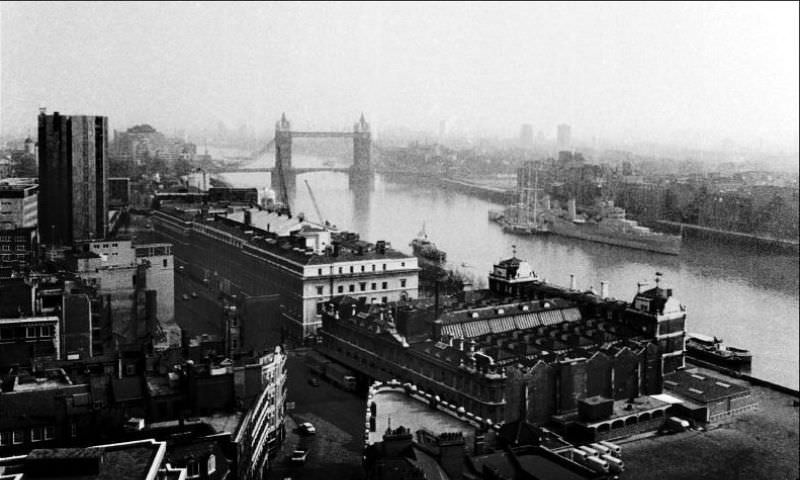
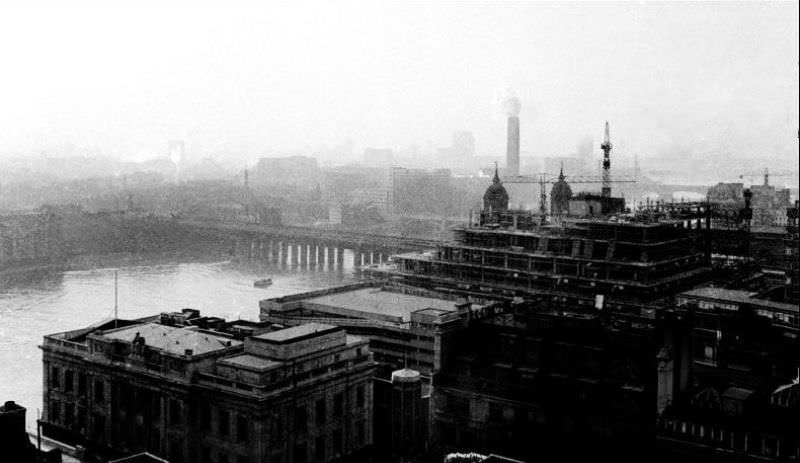
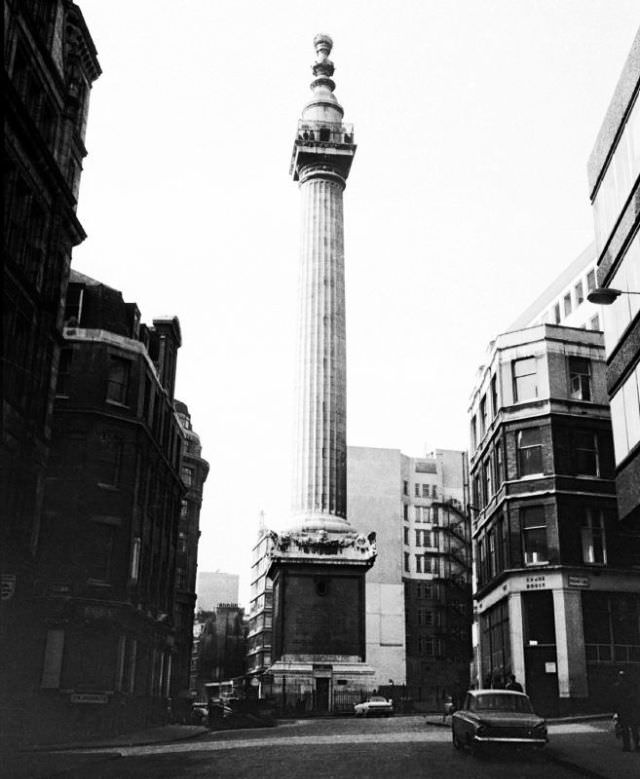
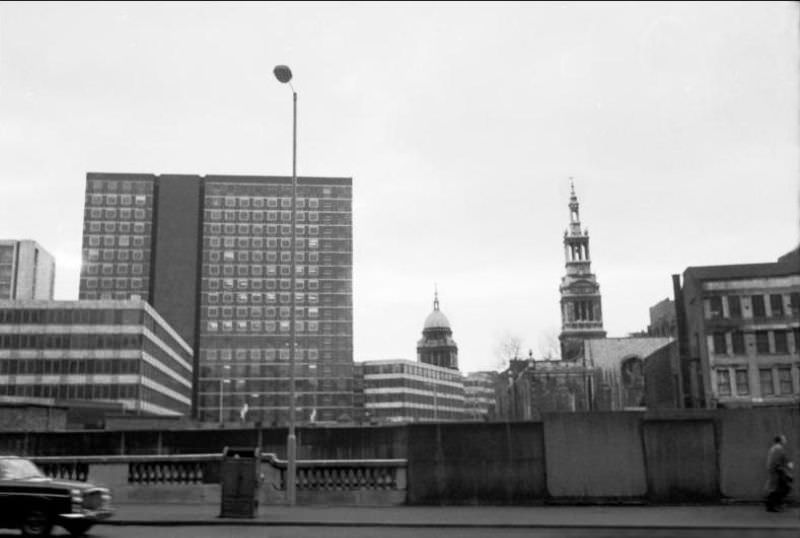
Craig’s earliest shots in this collection date to March 1972. From elevated vantage points across the City, he framed the Thames and its landmarks in ways that showed just how much of the old industrial riverscape was still intact. The Monument to the Great Fire of London stood nearby, a reminder that the city had rebuilt itself from ashes before.
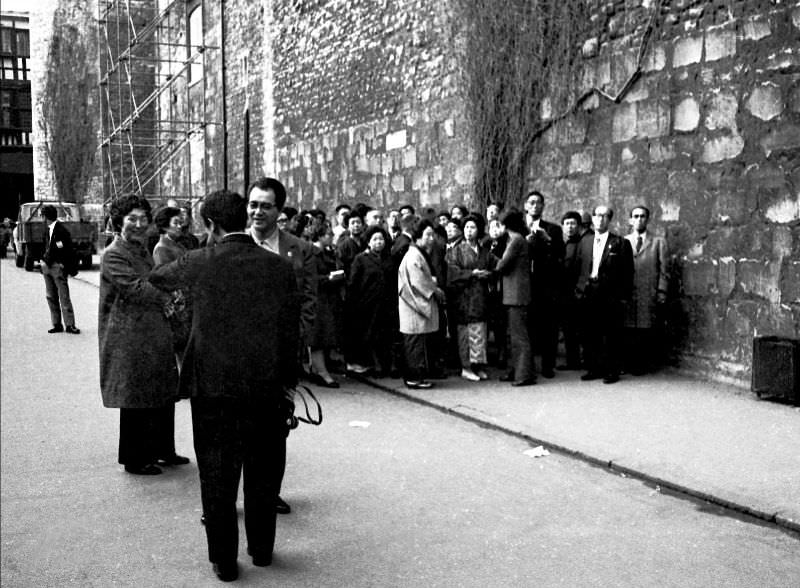
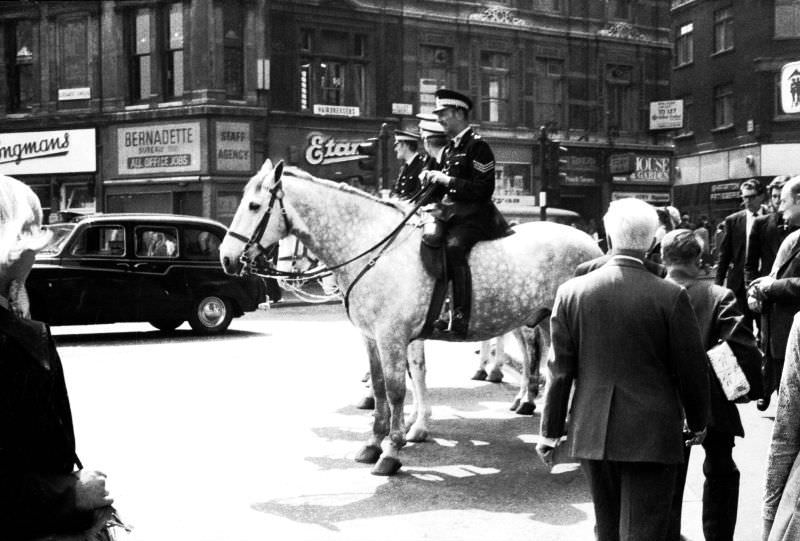
Tourism was already a visible part of City life. Groups of visitors arrived by coach to take in the same landmarks Craig was photographing. The contrast between sightseers waiting patiently on the pavement and the hard-working crowd rushing past them was a recurring sight in early 1970s London.
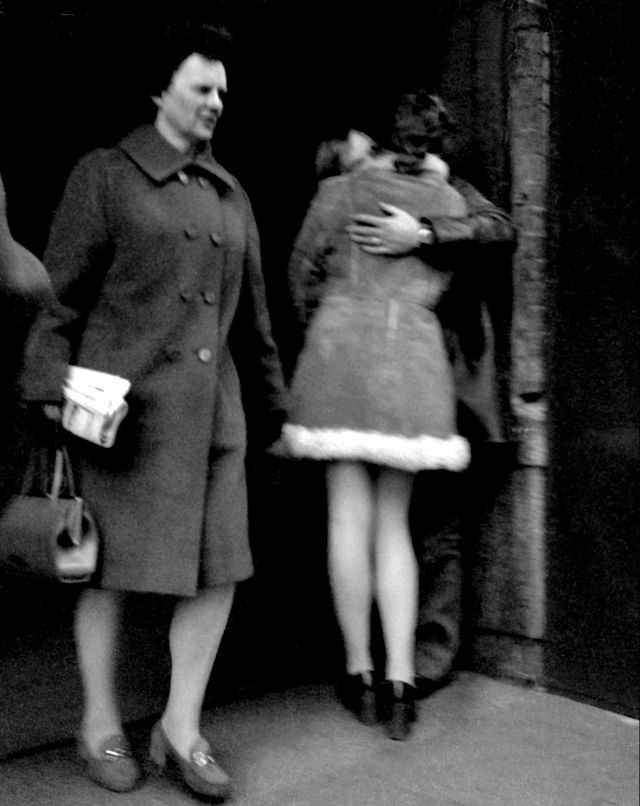
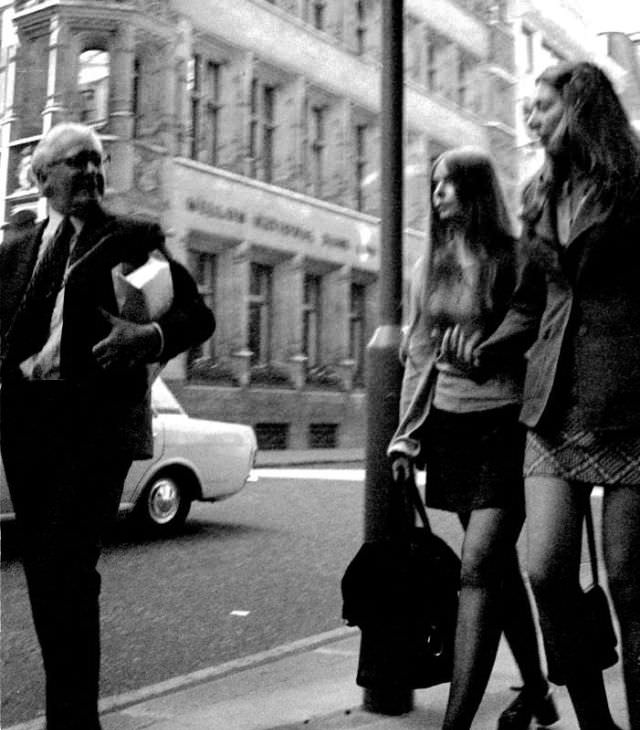
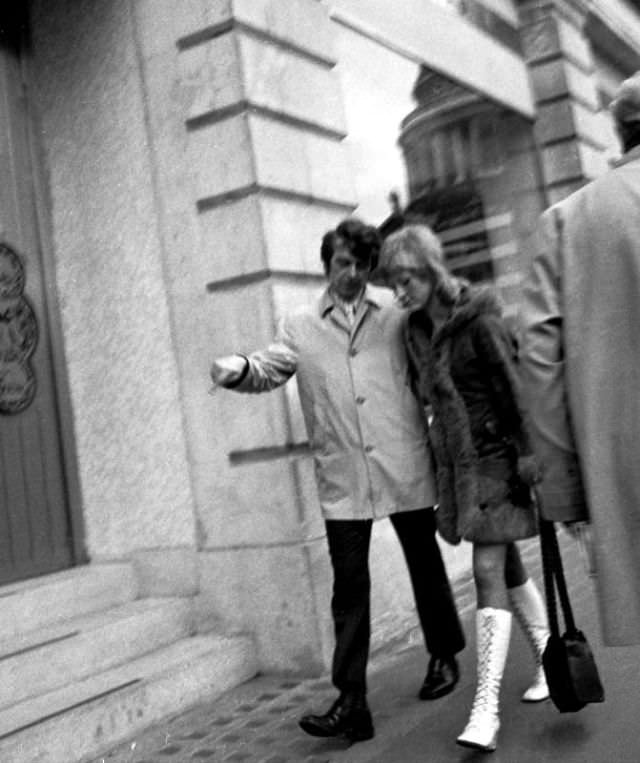
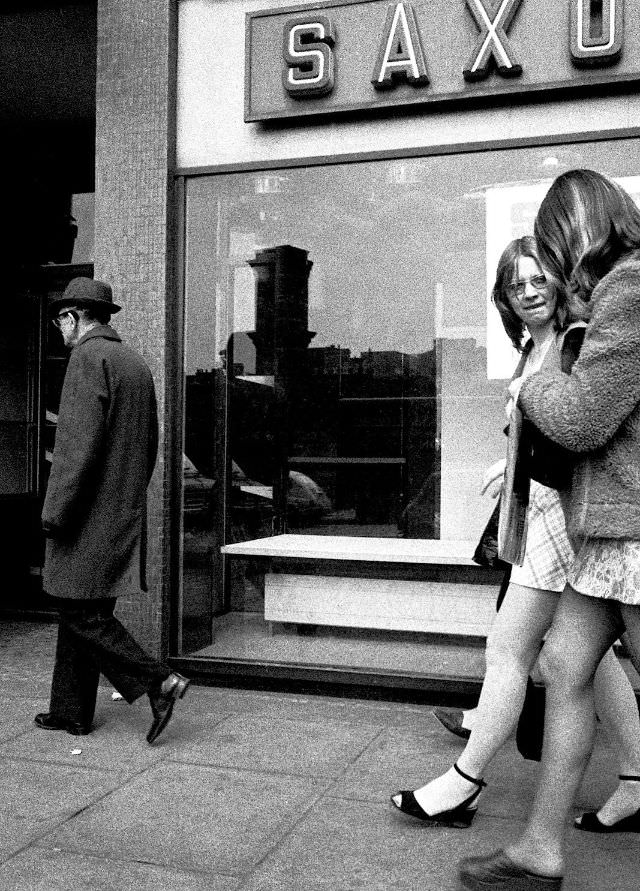
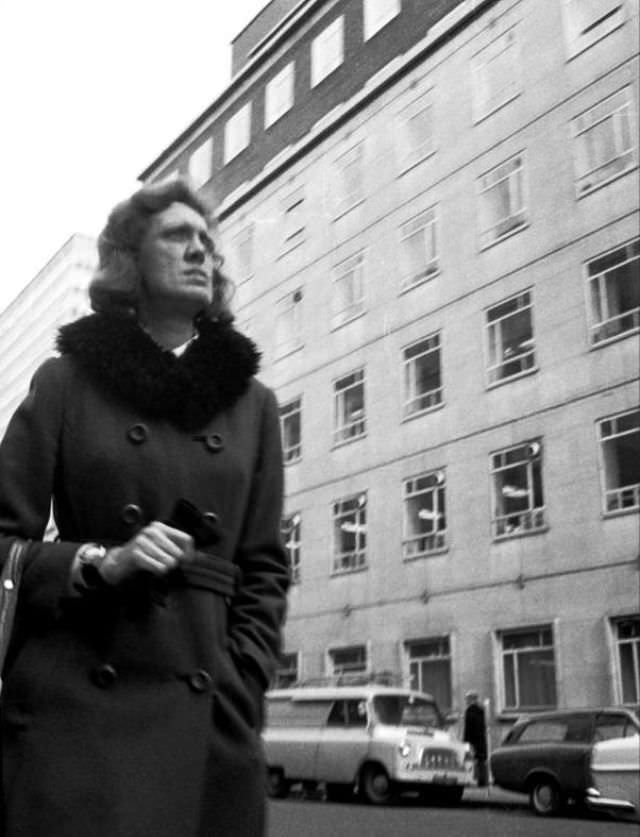
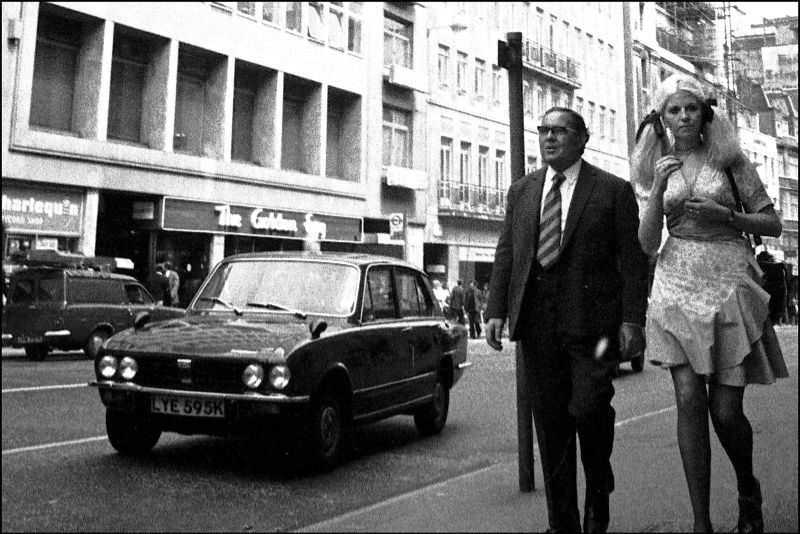
By 1973, Craig was pointing his camera at street-level moments. The rush hour produced its own small dramas — stolen moments of affection, workers striding past one another without a glance. Fashion was bold. Russian-style fur hats had become a trend, and well-dressed couples cut sharp figures on streets like High Holborn and near St Paul’s.
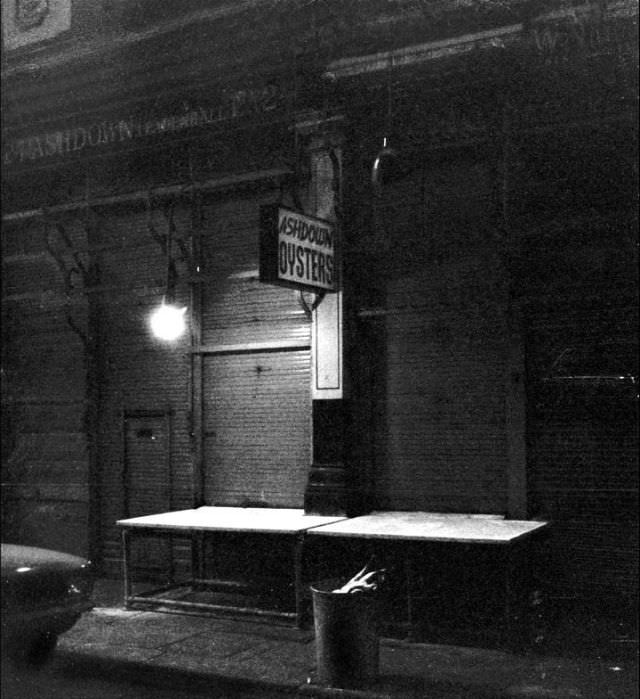
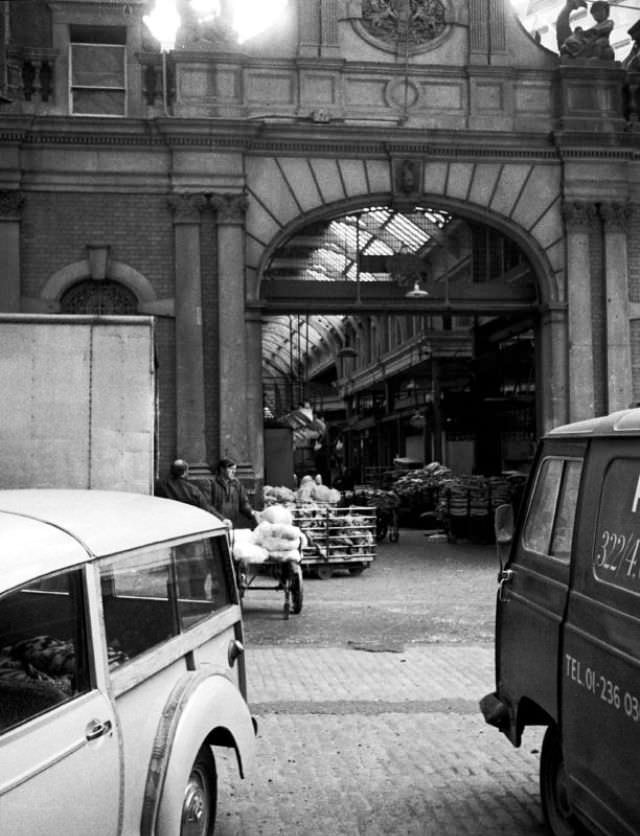
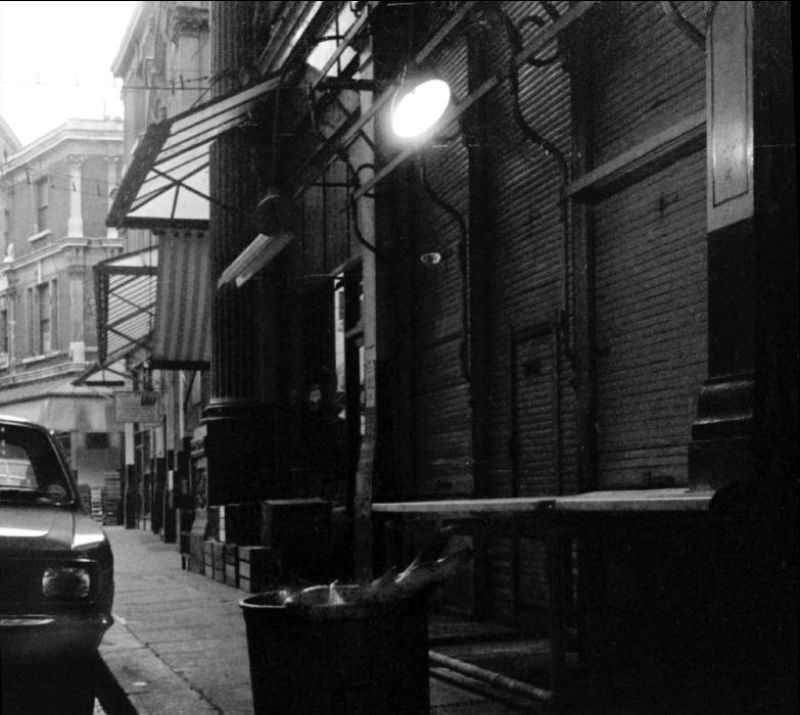
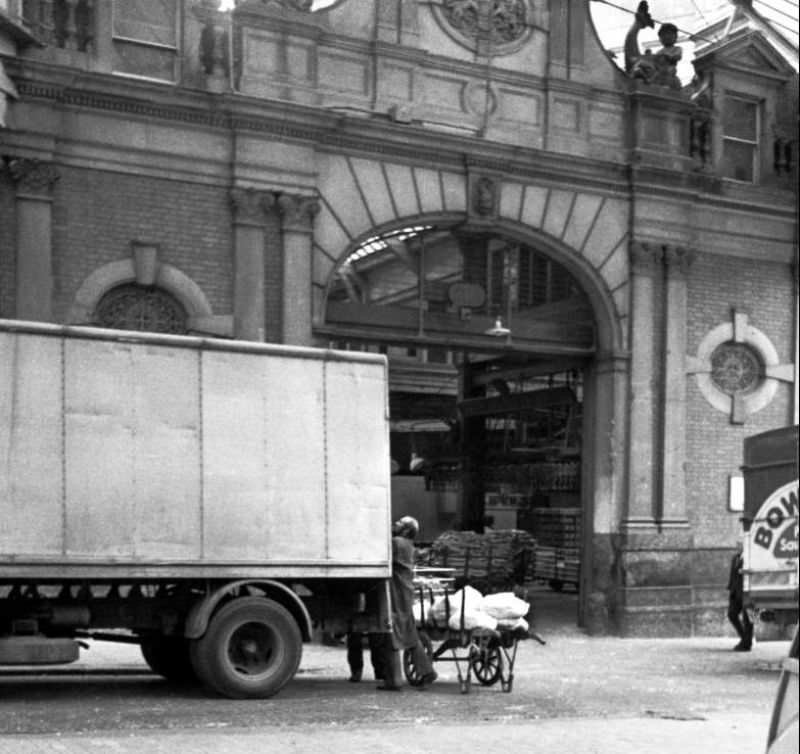
Leadenhall Market was a focal point in Craig’s 1973 work. Late in the evening, the Victorian covered market took on a different mood — quieter, dimly lit, the stalls winding down after a long day. The ornate ironwork arches framed oyster sellers and food traders who had worked those same passages for generations.
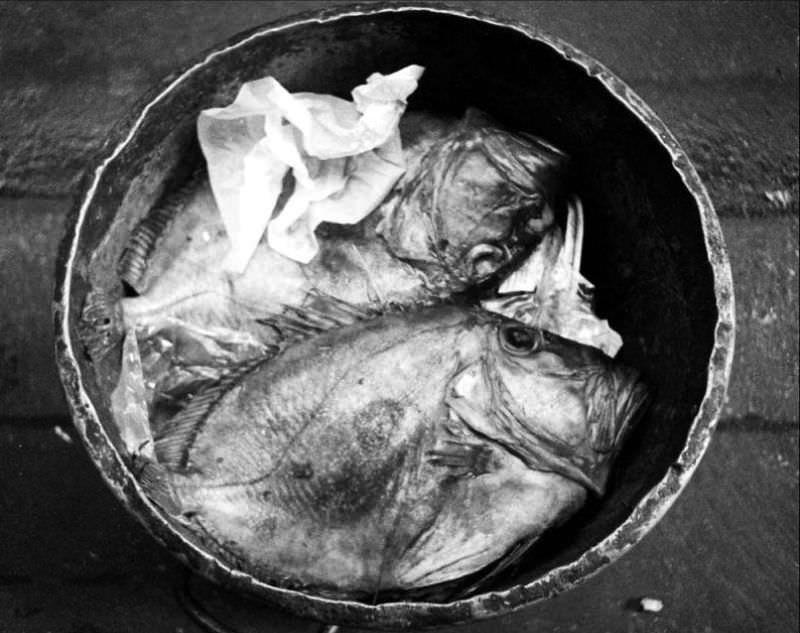
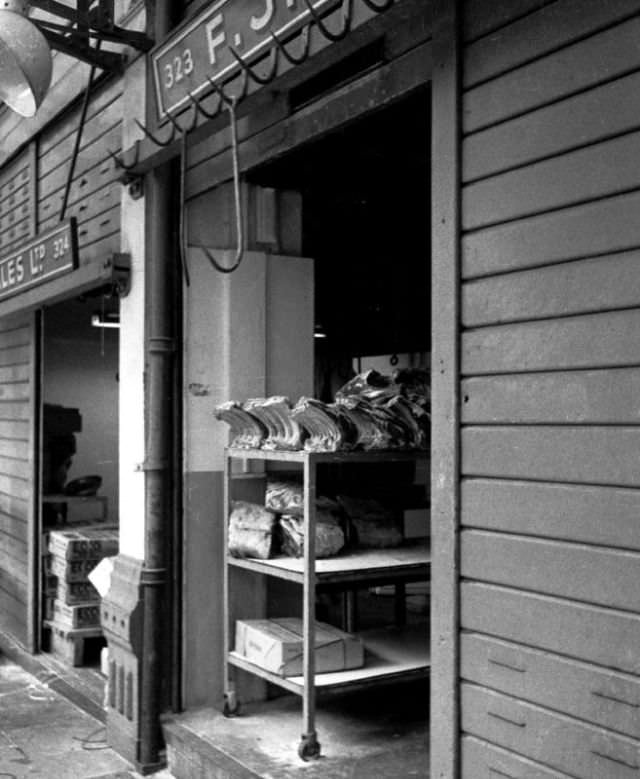
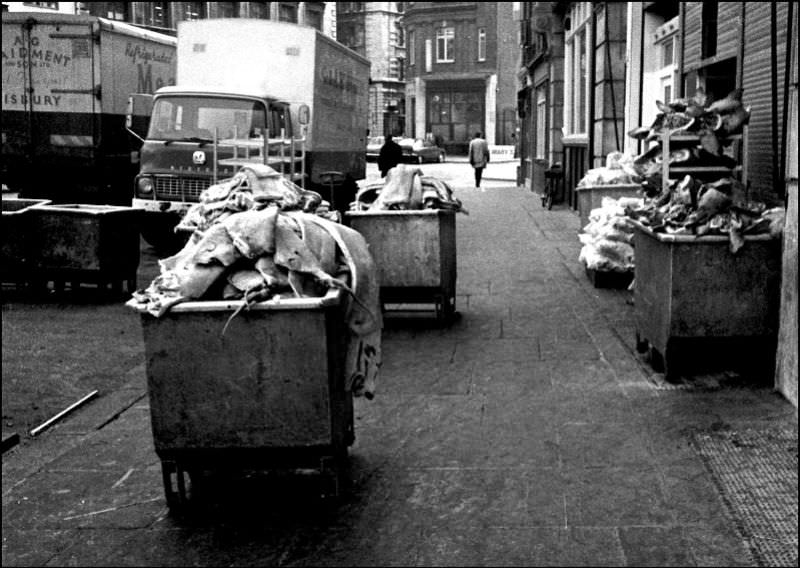
Smithfield Meat Market was another place Craig returned to repeatedly. Operating through the night and into the early morning hours, Smithfield was one of the largest wholesale meat markets in the world. Workers in bloodied aprons hauled carcasses from refrigerated vans and loaded them onto hooks. The scale of the operation was industrial — racks of rib roasts lined the stalls, and what couldn’t be sold was collected in skips, destined for processing elsewhere.
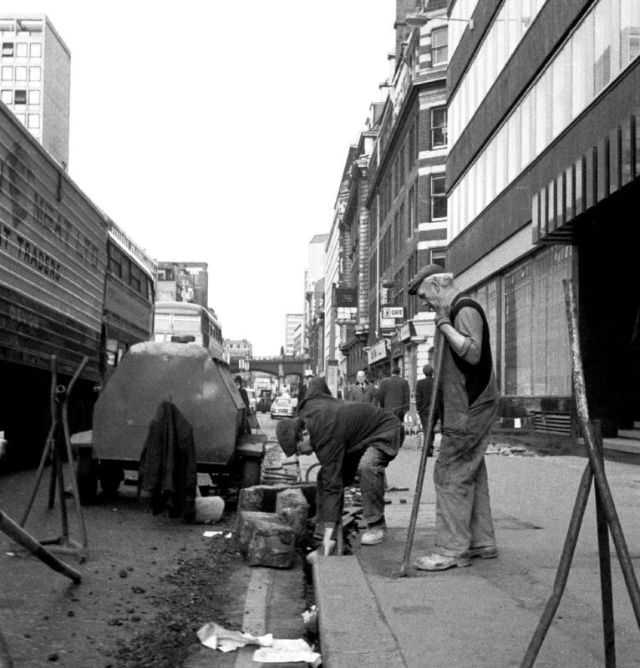
Fleet Street in 1973 was still the nerve center of the British press. National newspapers had their offices and printing presses running day and night along this stretch. The noise, the ink smell, and the constant movement of paper rolls were part of the street’s identity, long before the industry relocated in the 1980s.
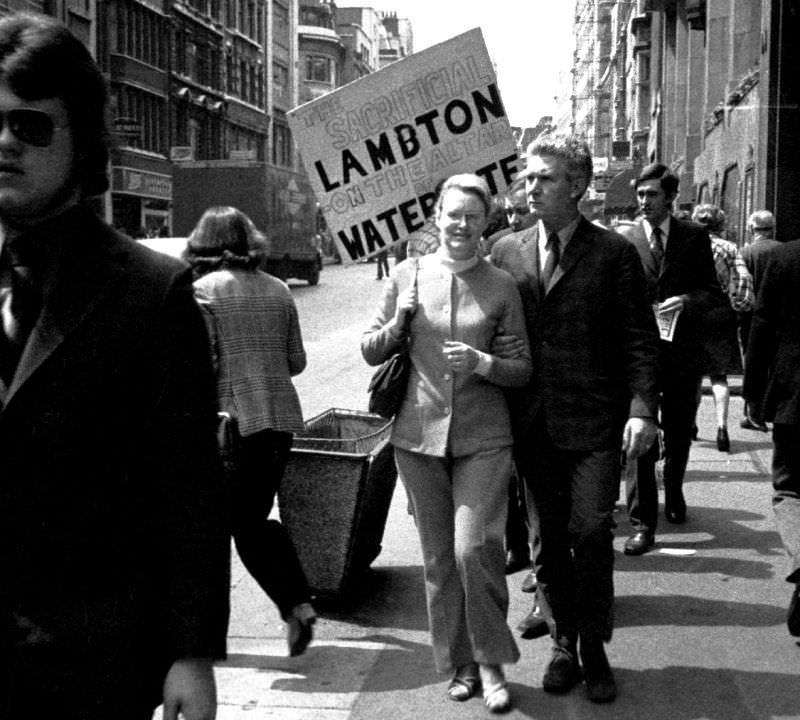
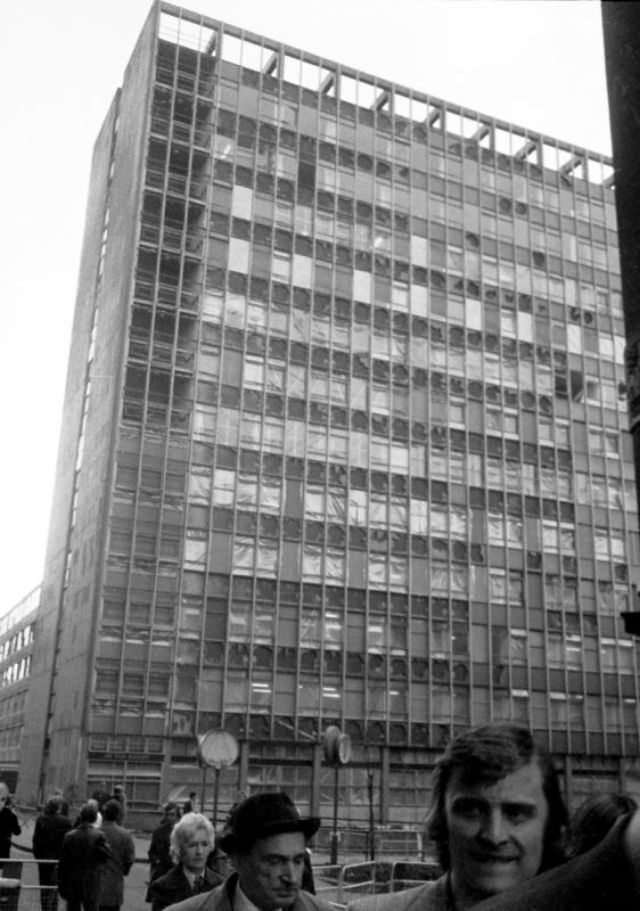
On March 8, 1973, the IRA detonated a car bomb outside the Old Bailey in the City of London. The attack injured nearly 200 people and killed one. Craig photographed the scene the following day. The image shows broken glass, debris, and the scarred face of a building that stood at the center of England’s legal system. It is a plain and direct record of what the bombing left behind.
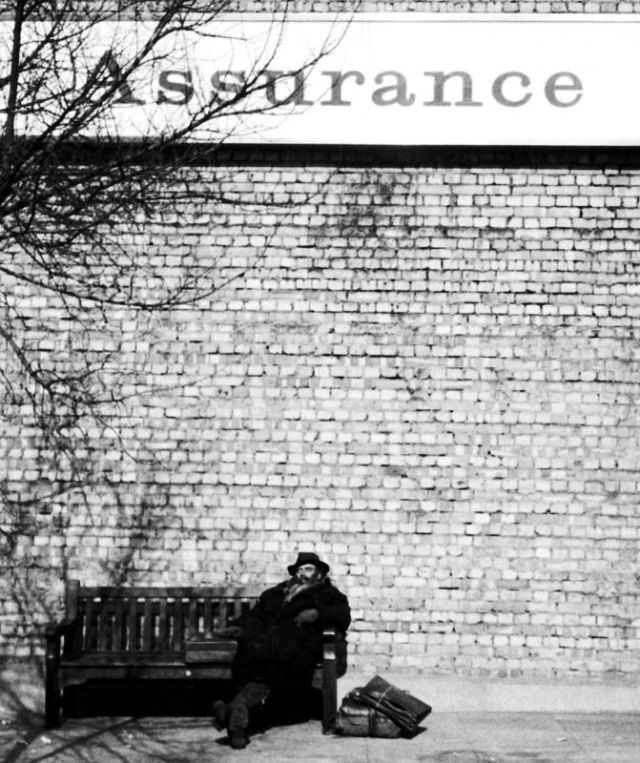
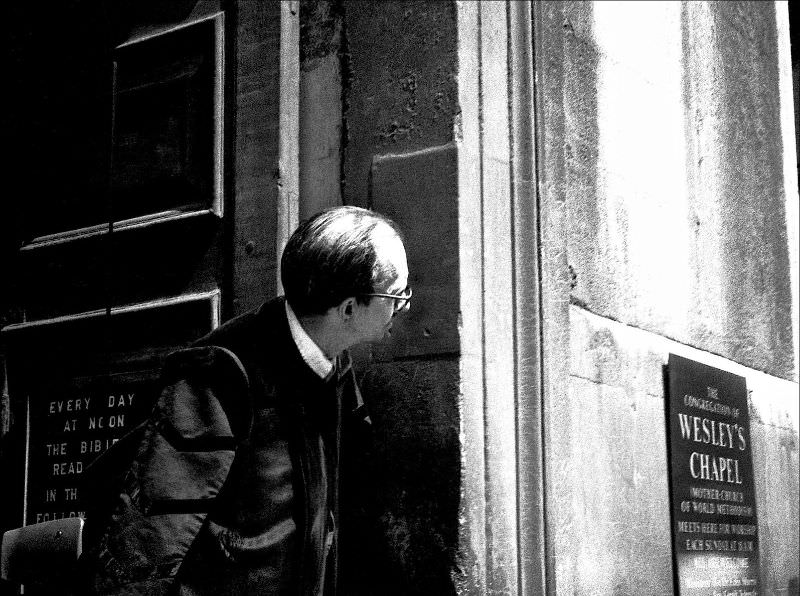
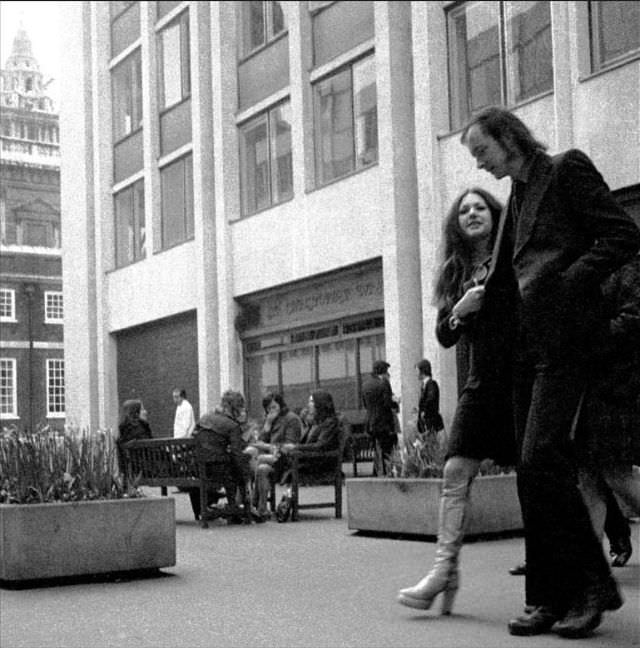
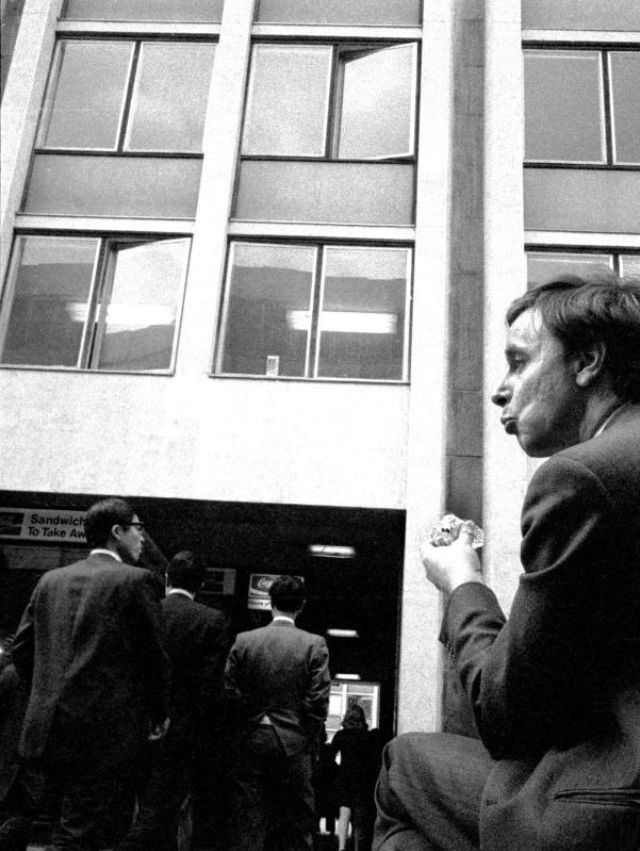
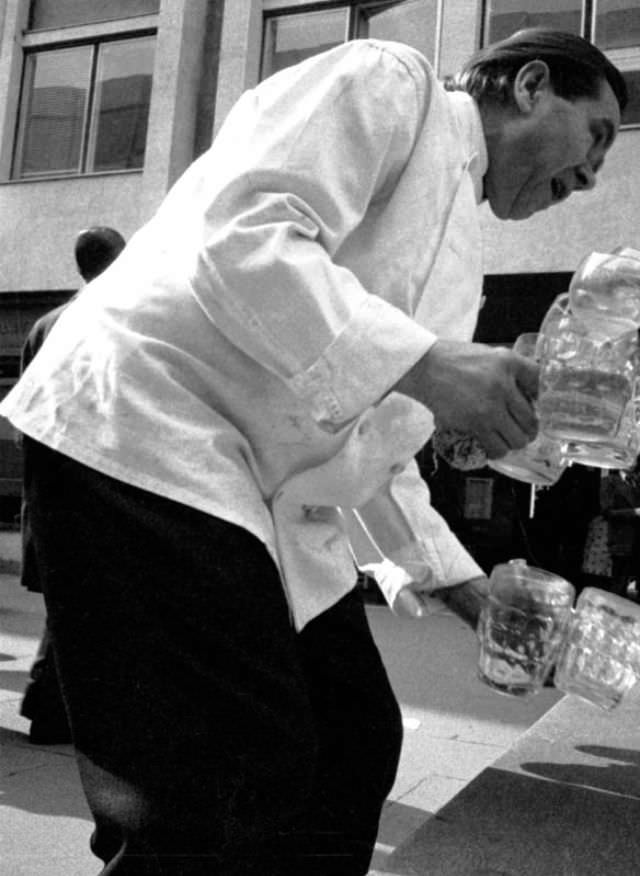
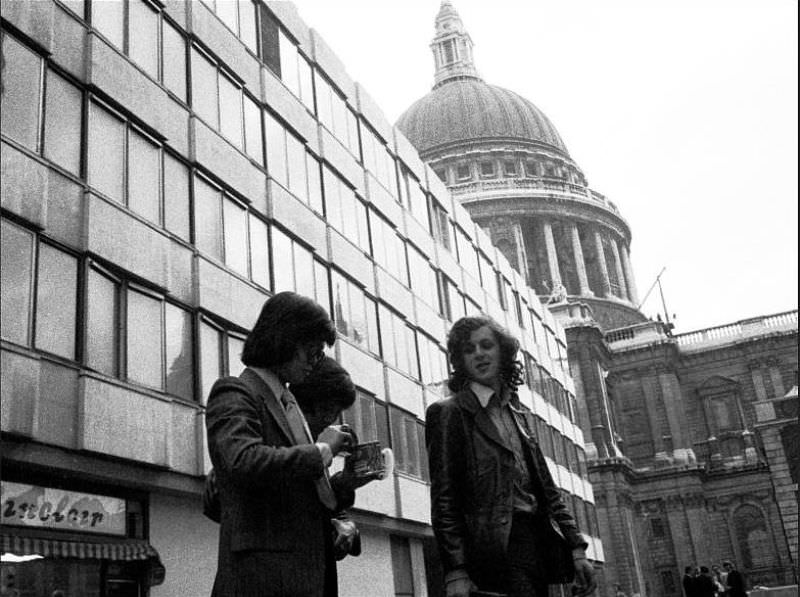
Lunchtime in the City had its own rituals. Office workers spilled out onto the pavements around St Paul’s and Paternoster Square, sandwiches in hand, checking shop windows, exchanging gossip. A potman from the Sir Christopher Wren pub worked his way through the outdoor seating, collecting used beer mugs while the lunchtime crowd milled around him.
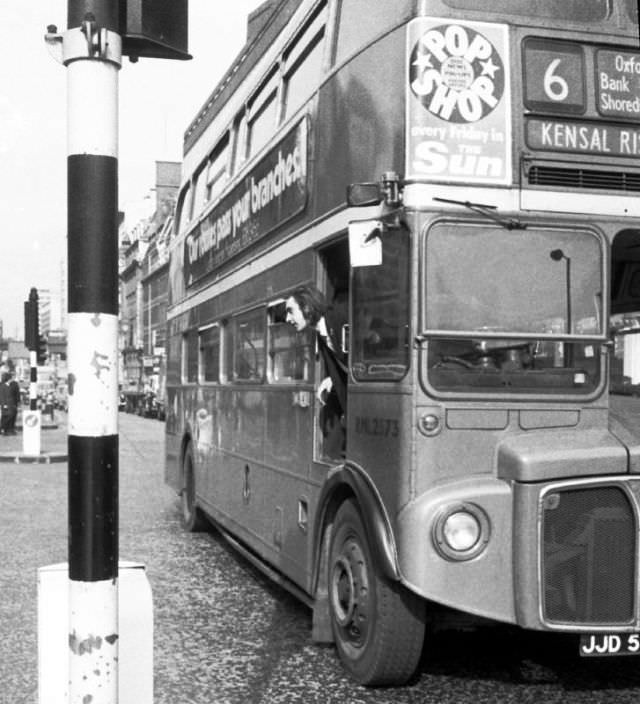
The red Routemaster double-decker bus was as much a part of the City streetscape as the churches and market buildings. Craig photographed the number 6 heading up Farringdon Road toward Kensal Rise, its familiar shape moving between Georgian terraces and Victorian warehouses. These buses ran on fixed routes without the driver needing to worry about traffic signals — conductors collected fares on board while passengers jumped on and off at will.
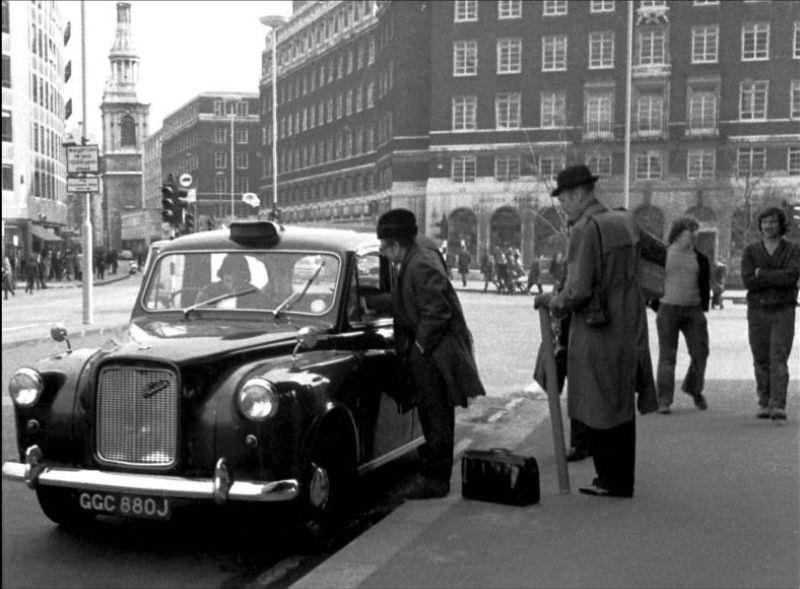
Craig’s photographs from 1974 shift slightly in focus. The Barbican development was still taking shape, and a city messenger crossing the high-level walkway from the Barbican to Wood Street captured the strange futuristic ambition of the project against the older City buildings around it. On the shopping streets, women paused to share news and gossip, unaware of the camera — or unconcerned by it.