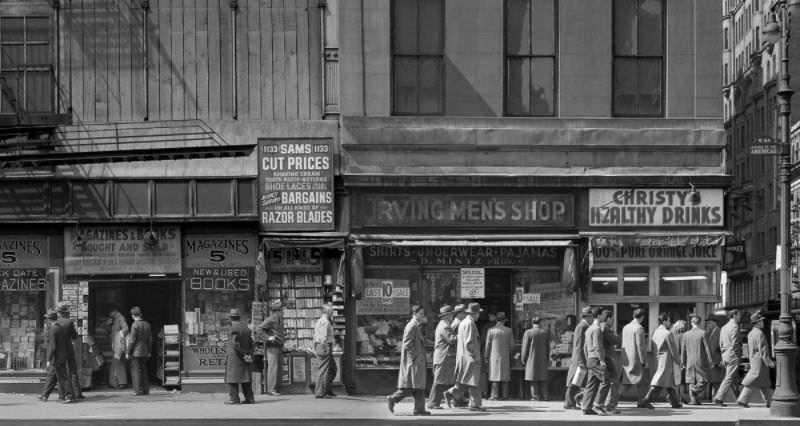
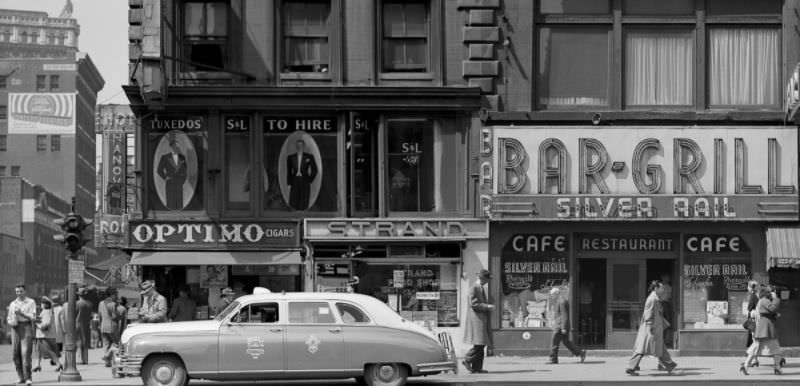
When Todd Webb arrived in New York City in 1945, he came with a heavy camera, a tripod, and a sharp eye for ordinary life. Webb was a trained photographer — in 1940, he had spent ten days studying under Ansel Adams, one of America’s most celebrated photographers. He later served as a photographer for the United States Navy during World War II. After his discharge, he headed straight for New York to build his career. The city became his subject, block by block.
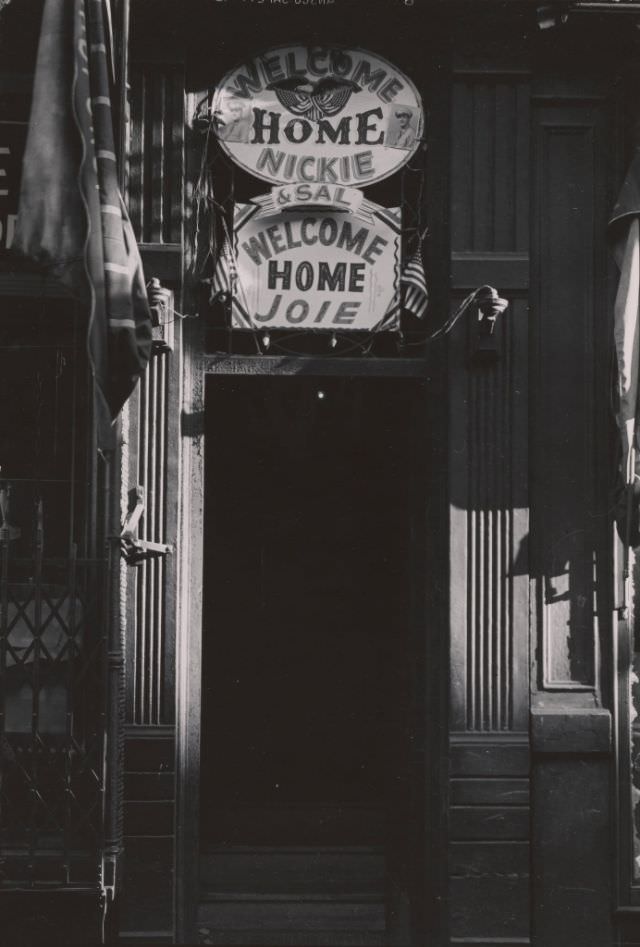
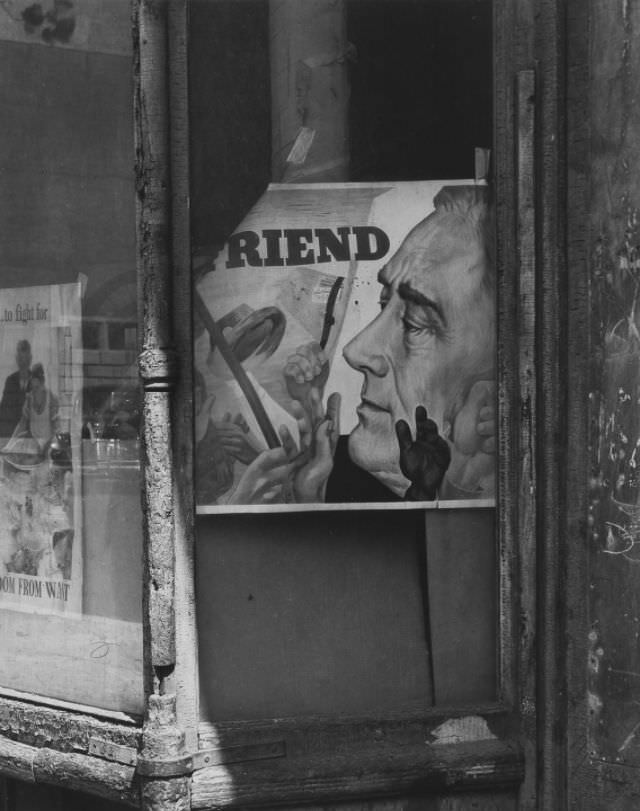
Webb’s early shots from 1945 capture a city still buzzing with the energy of the war’s end. Troops were coming home, and the streets showed it. Storefronts along 3rd Avenue displayed handmade “Welcome Home” signs for returning soldiers. It was a rare, unguarded moment in the city’s history, and Webb was there to photograph it.
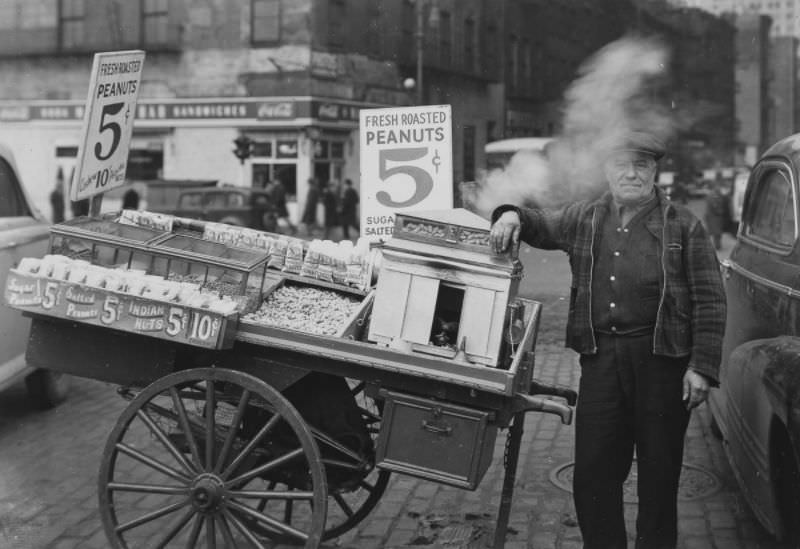
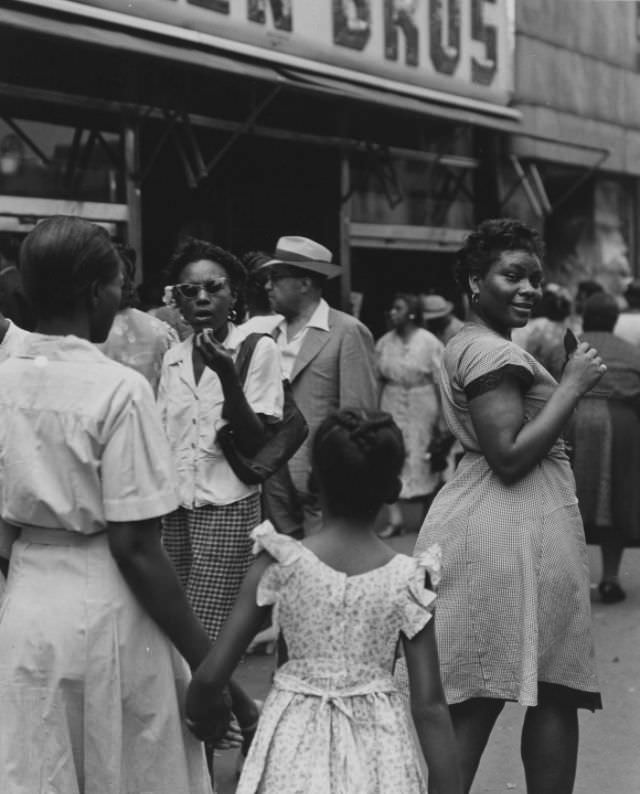
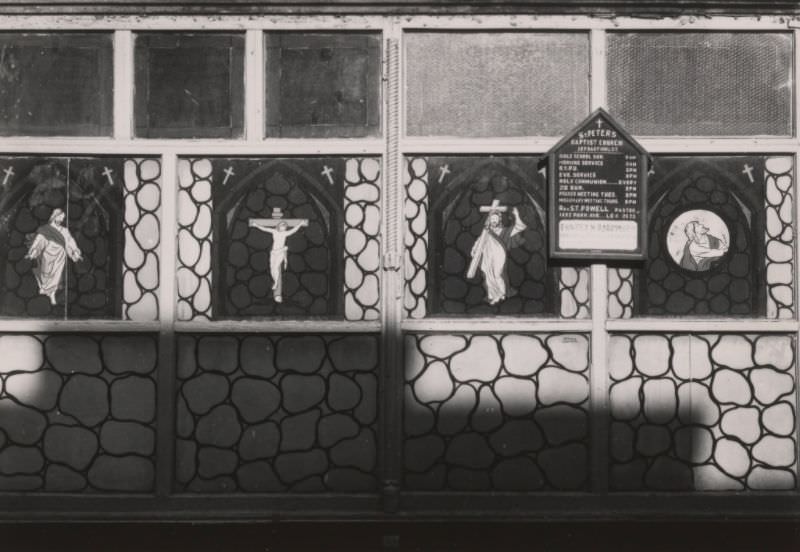
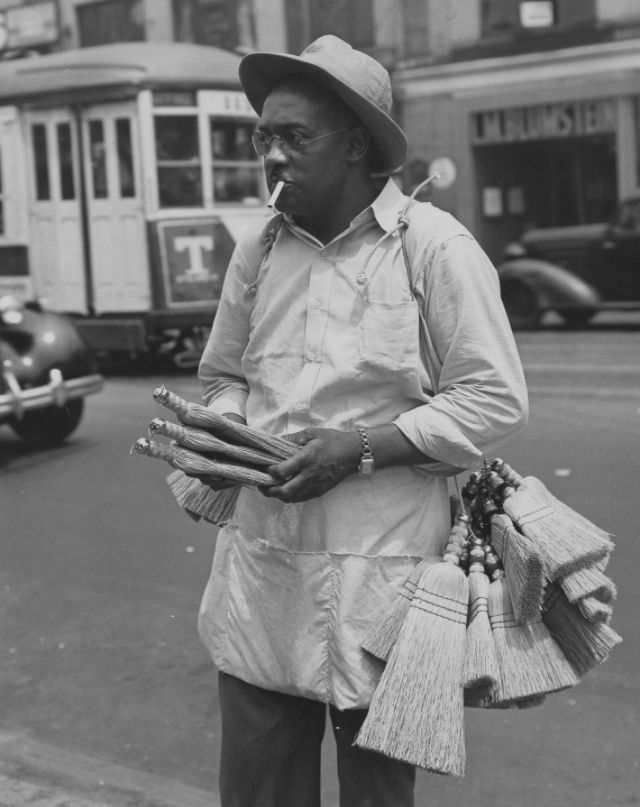
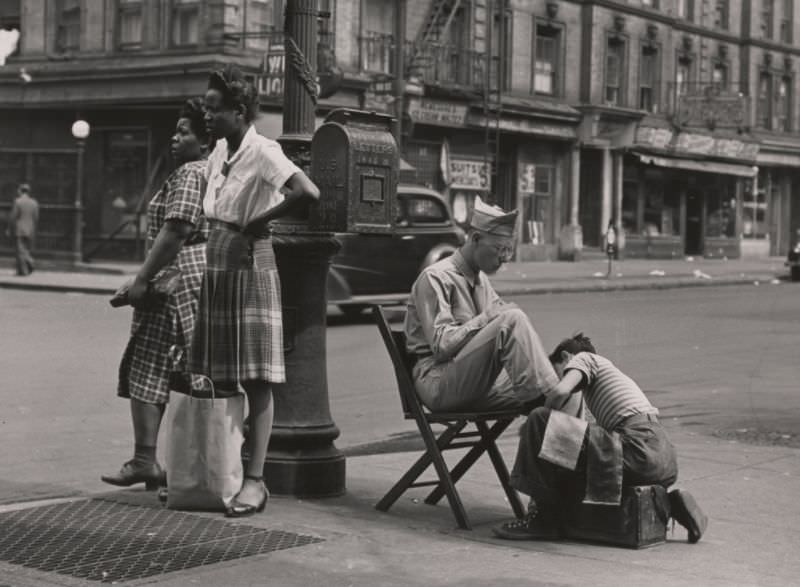
By 1946, Webb was covering the full spread of the city. He walked through Harlem extensively, photographing 125th Street — its shops, its crowds, and its corners. Harlem in the mid-1940s was a dense, active neighborhood. Street vendors sold whisk brooms. Soldiers fresh from the war got their shoes shined on the sidewalk. A storefront church sat quietly on Park Avenue. Webb photographed all of it without staging a single shot.
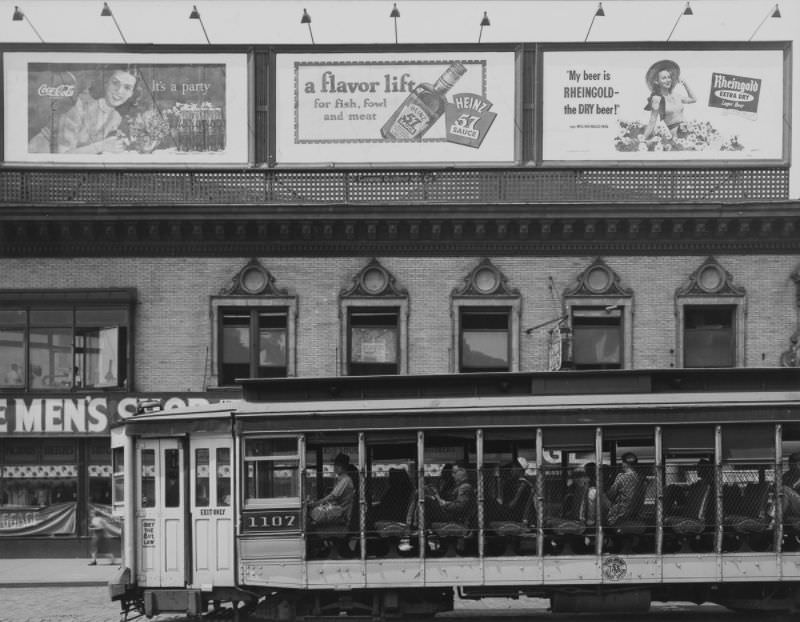
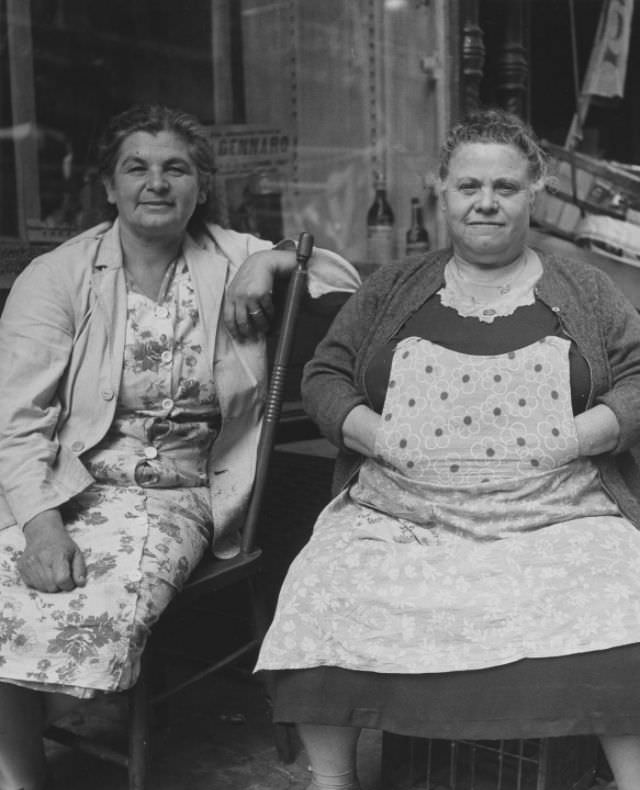
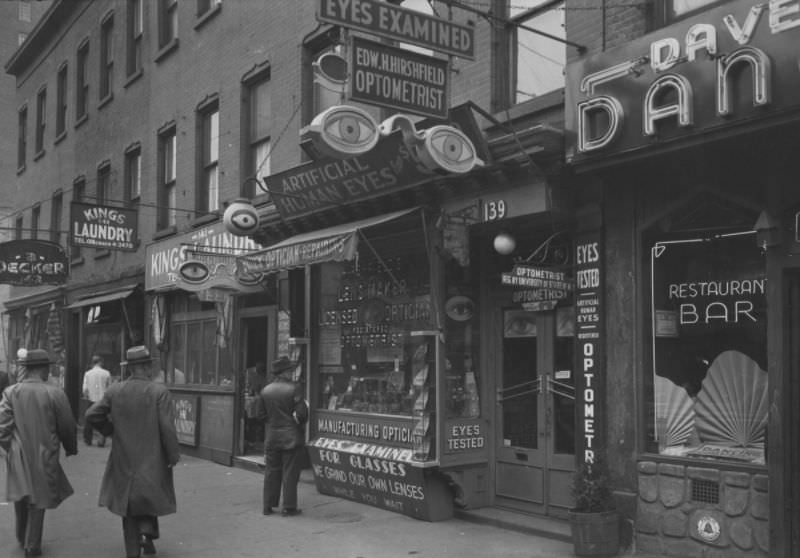
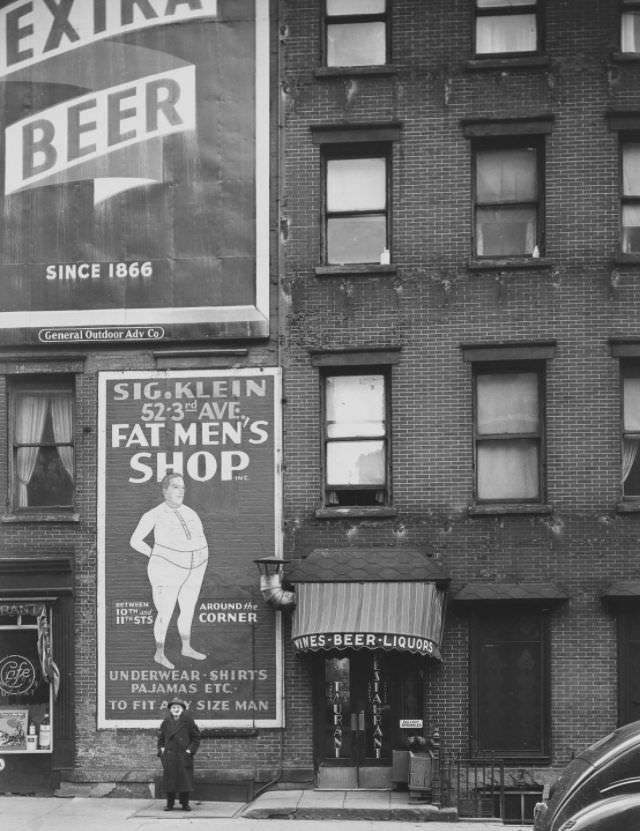
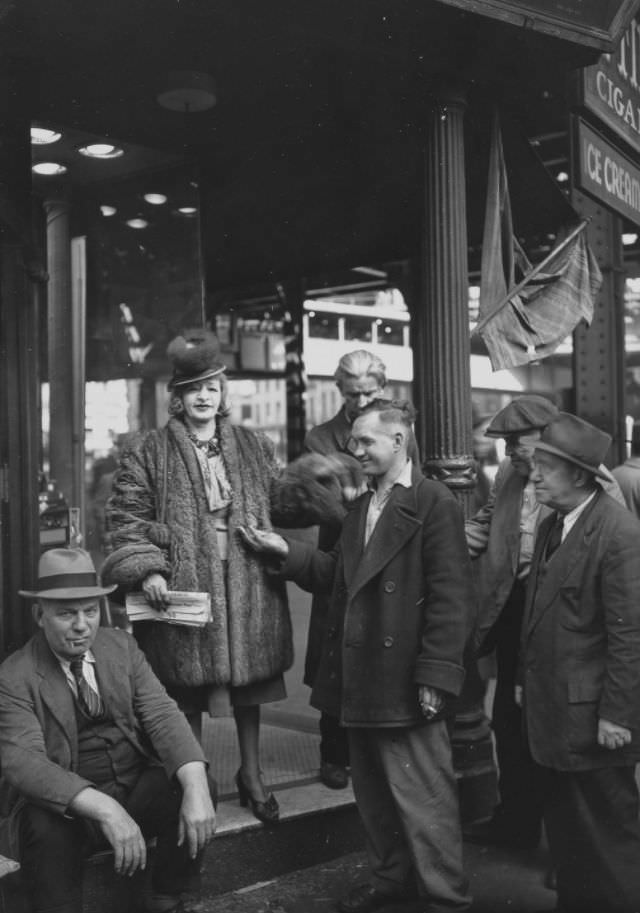
Webb also spent time along 3rd Avenue and the Bowery — two of the city’s grittier corridors. The Bowery, long known as a street of struggling workers and down-and-out residents, gave Webb some of his most direct portraits of New York life. One of his most striking subjects from this stretch was a woman known as Maise, Queen of the Bowery.
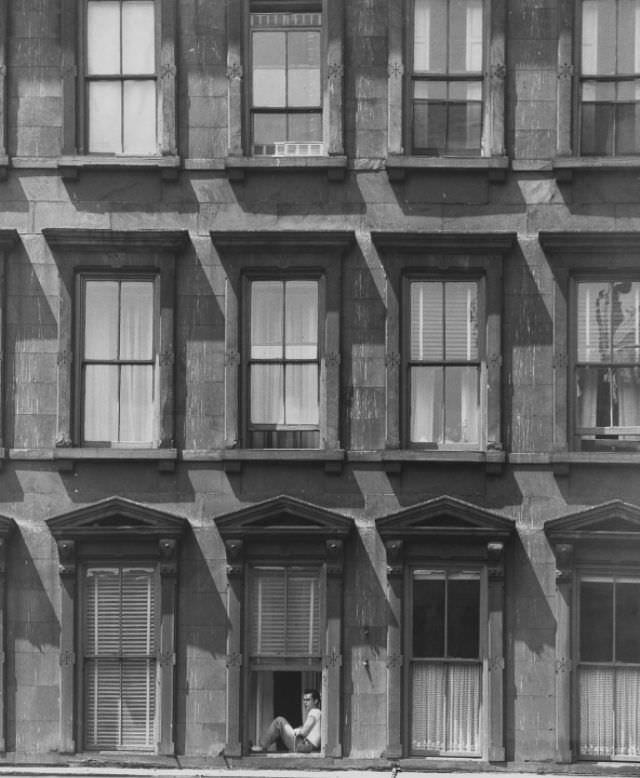
Harlem’s residential streets offered a different texture. Webb photographed the intersection of La Salle Street and Amsterdam Avenue, as well as the neighborhoods near 104th Street. These images show the built fabric of the area — its buildings, its sidewalks, and the people moving through them on an ordinary day.
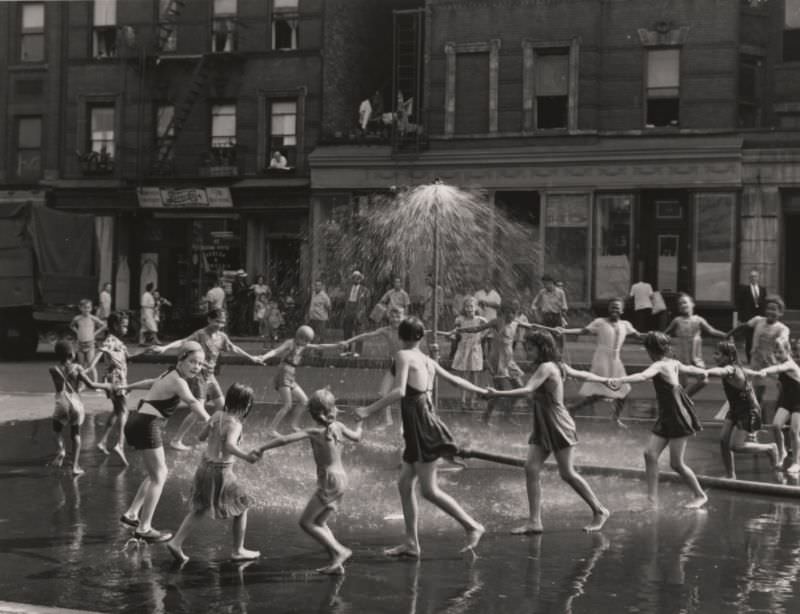
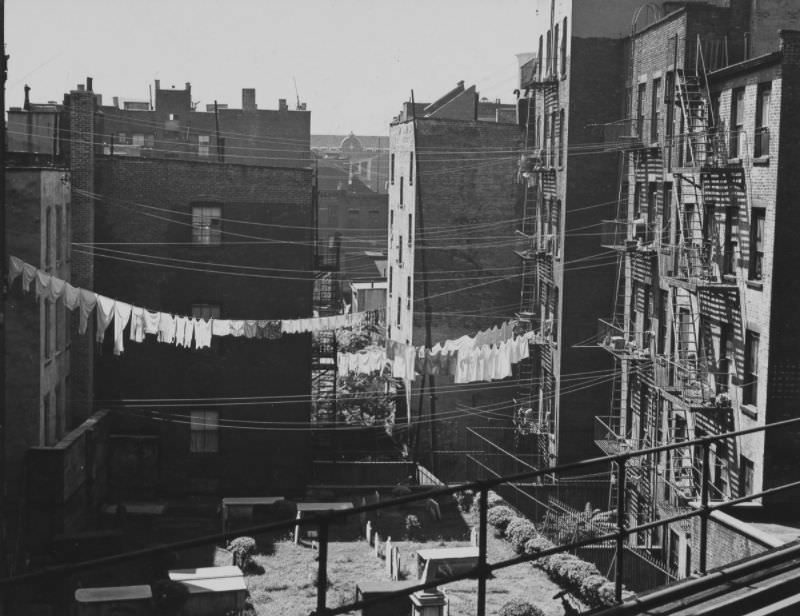
Webb’s range across the city was wide. He photographed the narrow streets of Greenwich Village, the busy wharves of the Fulton Fish Market, and the crowded tenement blocks of the Lower East Side on Suffolk, Hester, Orchard, and East 7th Streets. Each neighborhood had its own rhythm, and Webb’s camera caught it plainly.
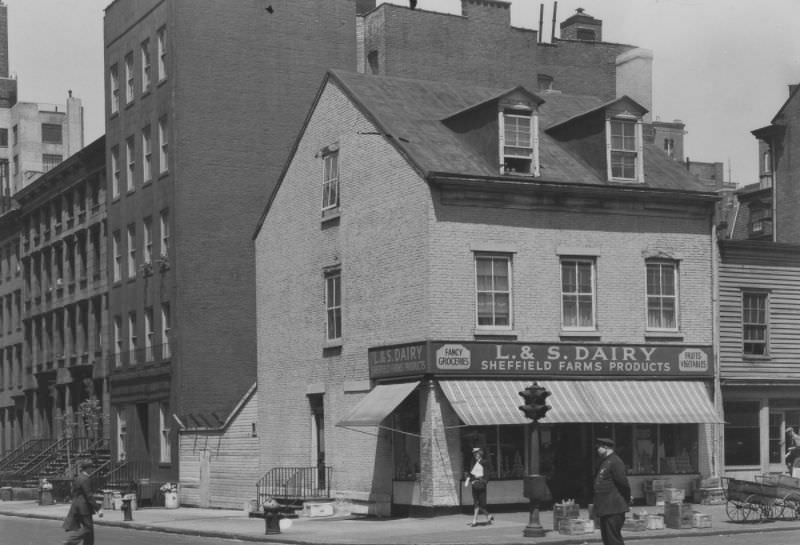
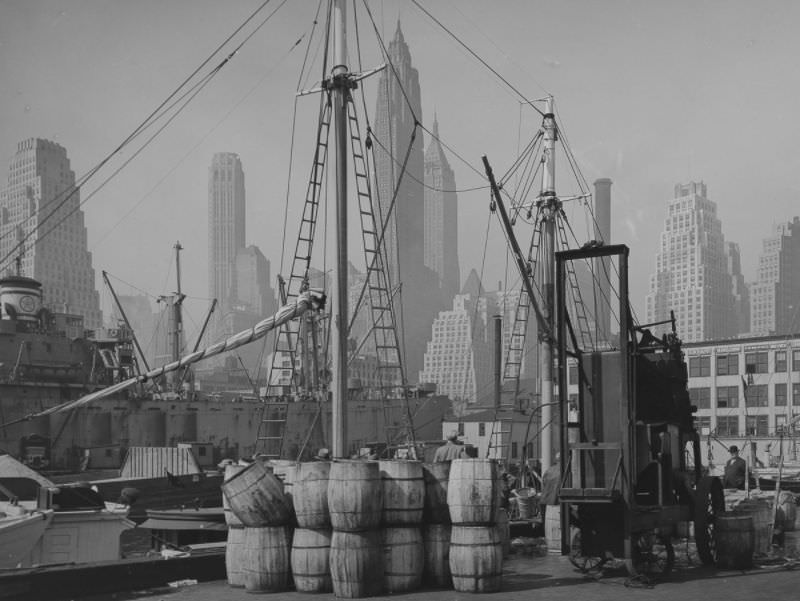
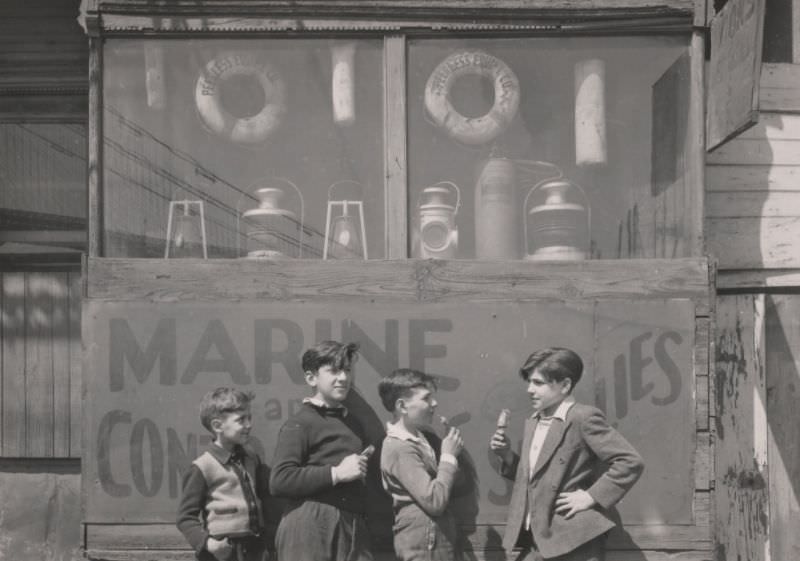
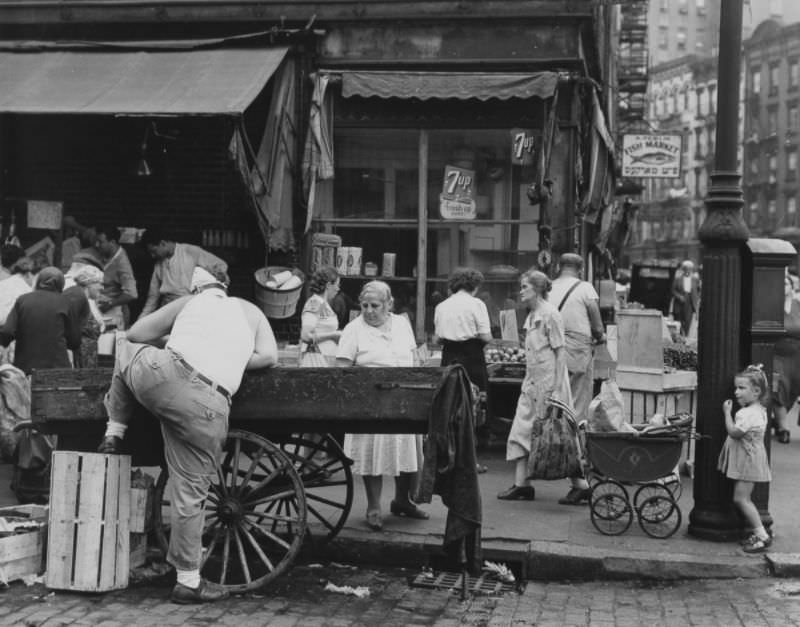
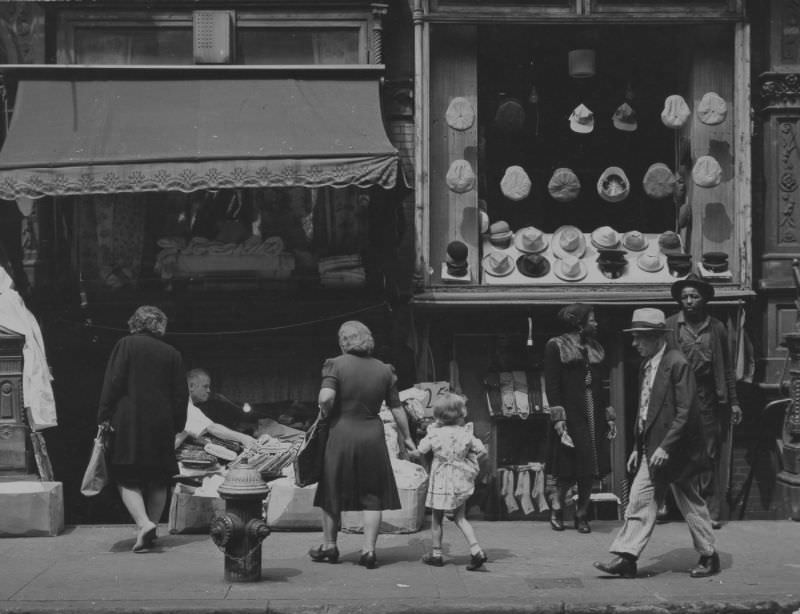
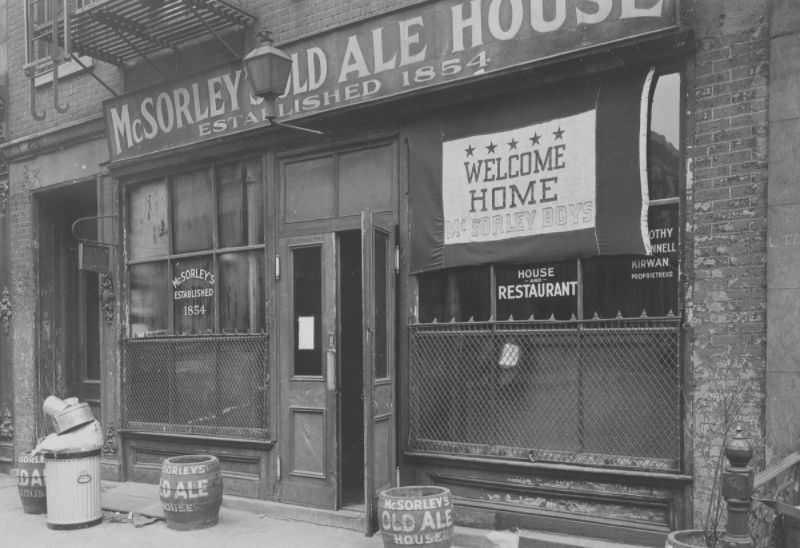
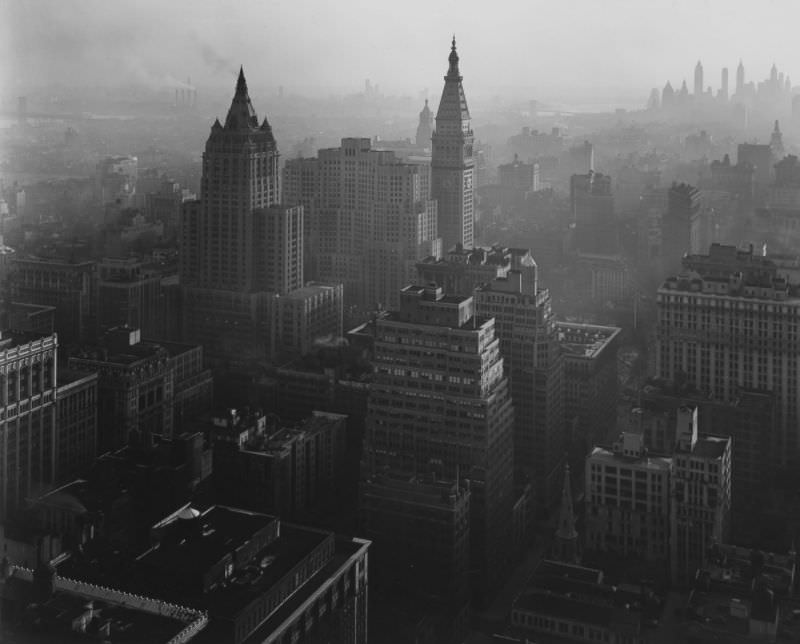
One photograph from the Chatham Square Elevated Station looks out over a cluster of tenement rooftops alongside a graveyard — a stark pairing that Webb’s camera recorded without comment. Elsewhere, he climbed to the top of the Empire State Building and looked southeast over the skyline, giving viewers a sweeping sense of the city’s scale.
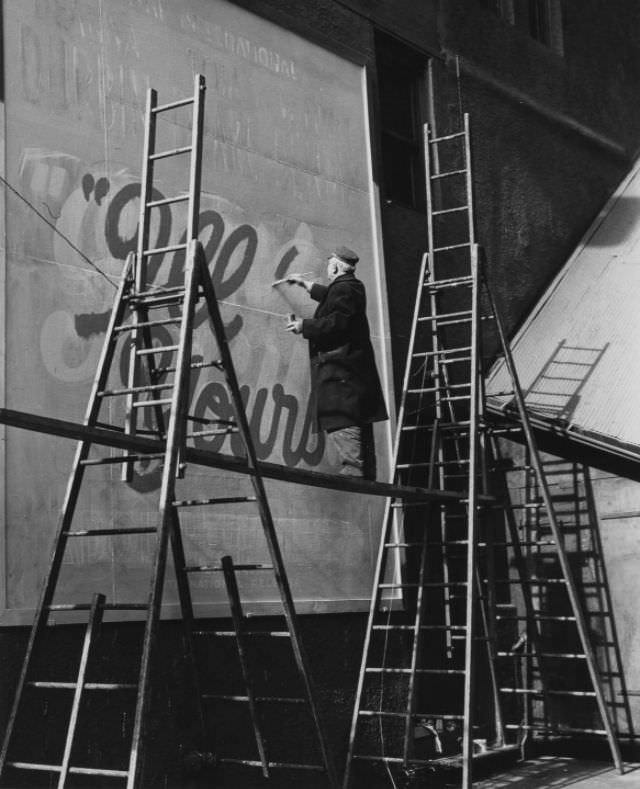
In November 1946, Webb was on the sidewalk as crowds gathered to watch the Macy’s Thanksgiving Day Parade. Back in Harlem, he photographed a gleaming Pierce Arrow automobile owned by a man named Mr. Perkins — a polished car parked against the backdrop of the neighborhood’s everyday streets. Webb also captured a sign painter at work high above Times Square, a craftsman doing an oversized job that most people never noticed.
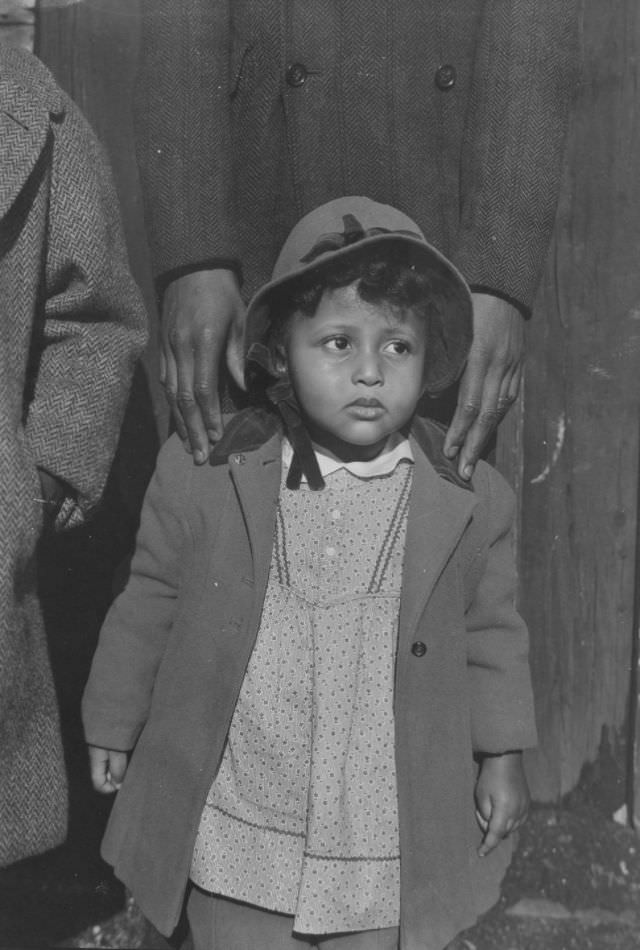
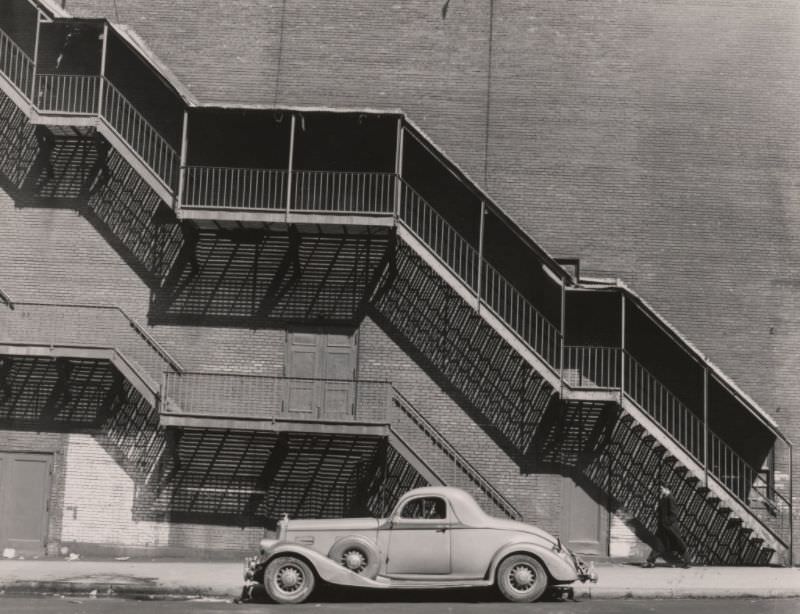
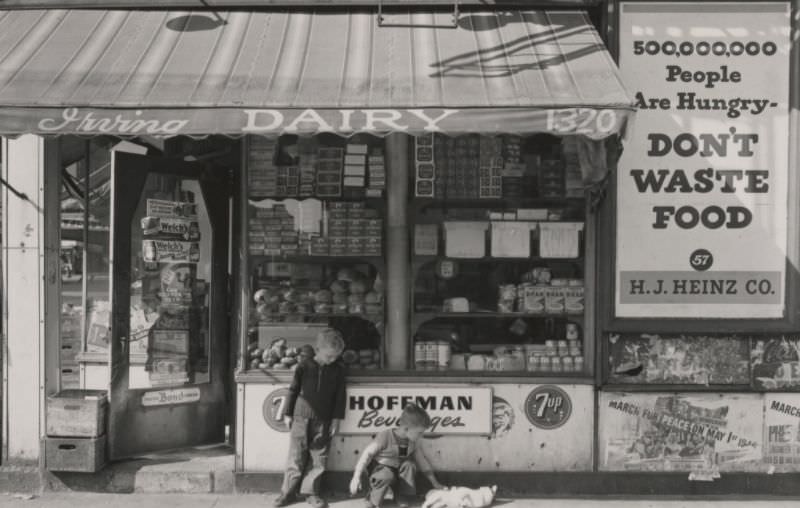
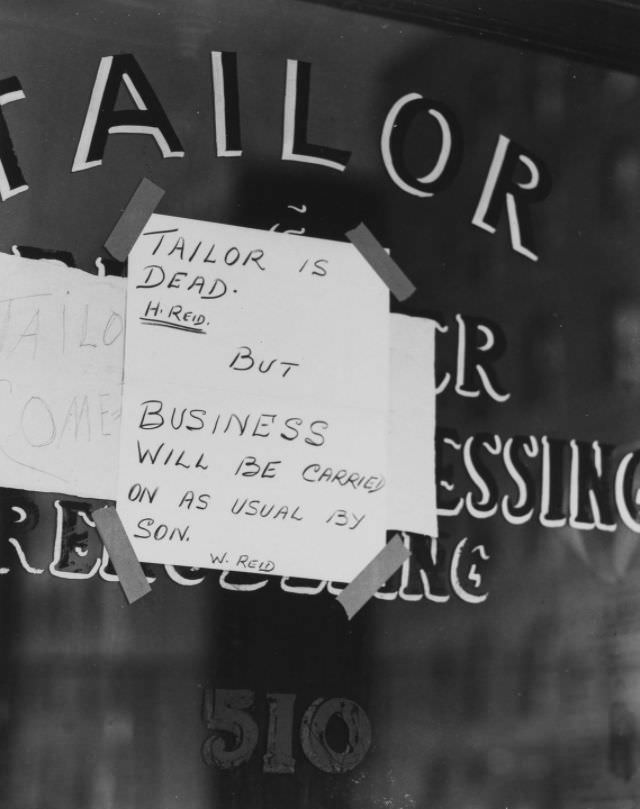
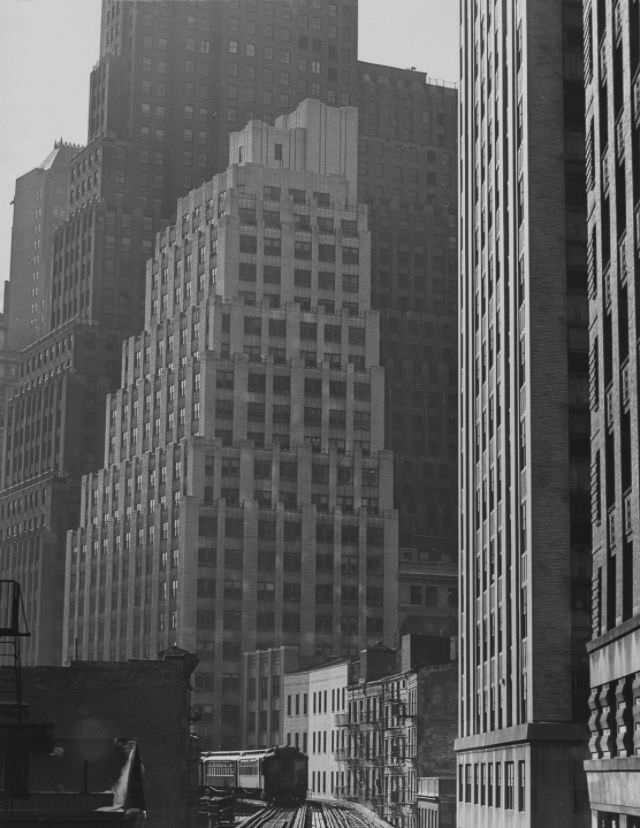
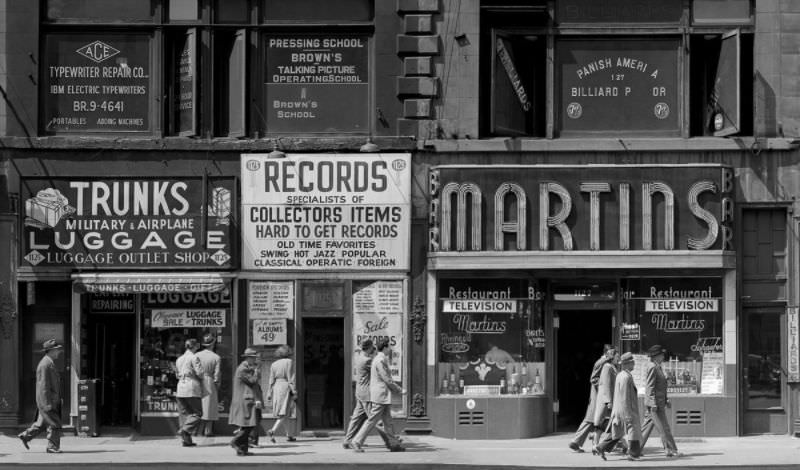
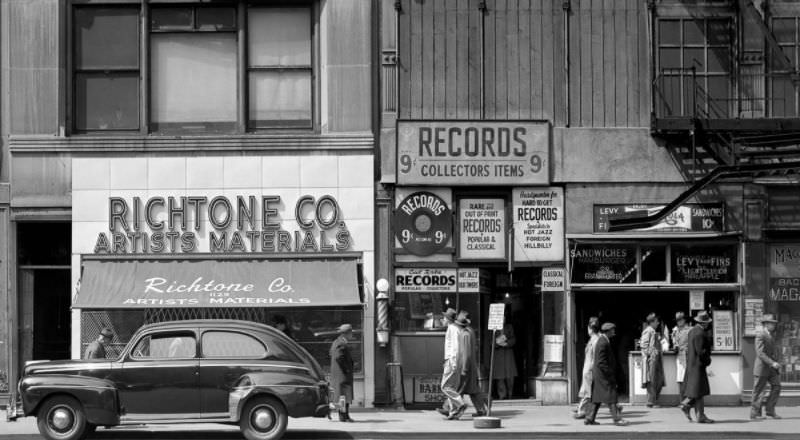
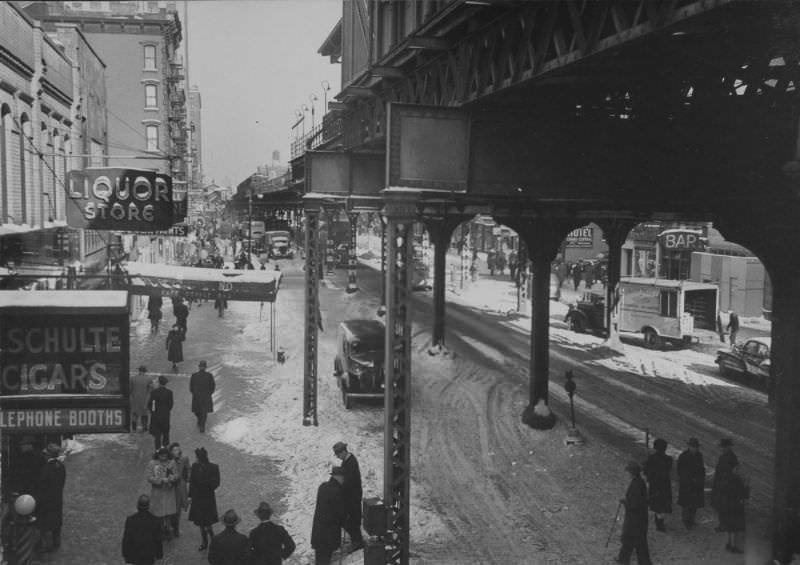
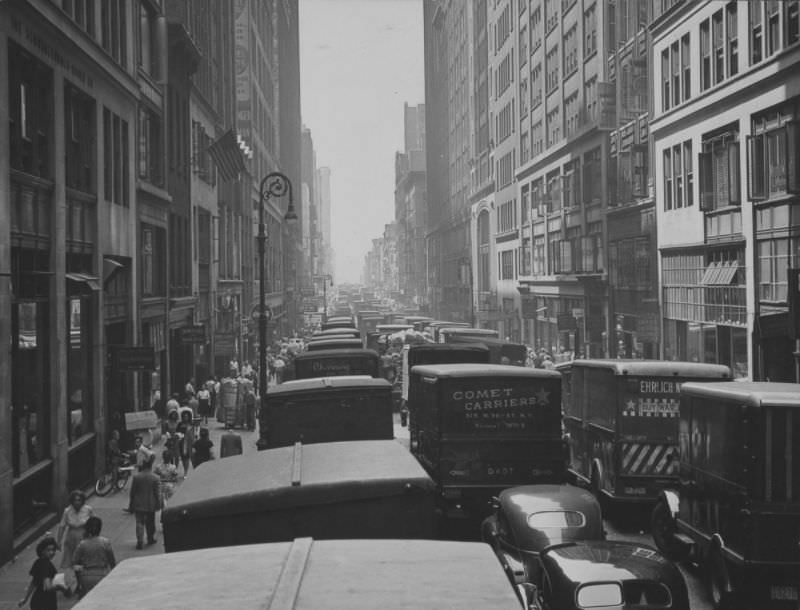
By 1948, Webb’s focus shifted toward specific corridors of the city. He returned to the 3rd Avenue Elevated line, this time shooting south from the Fulton Street Station. He photographed Mott Street in what is now Chinatown, and spent considerable time on 6th Avenue between 43rd and 44th Streets — capturing that single block from multiple angles and at different moments. His approach was consistent throughout: get close, stay clear, and let the street speak for itself.