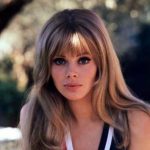
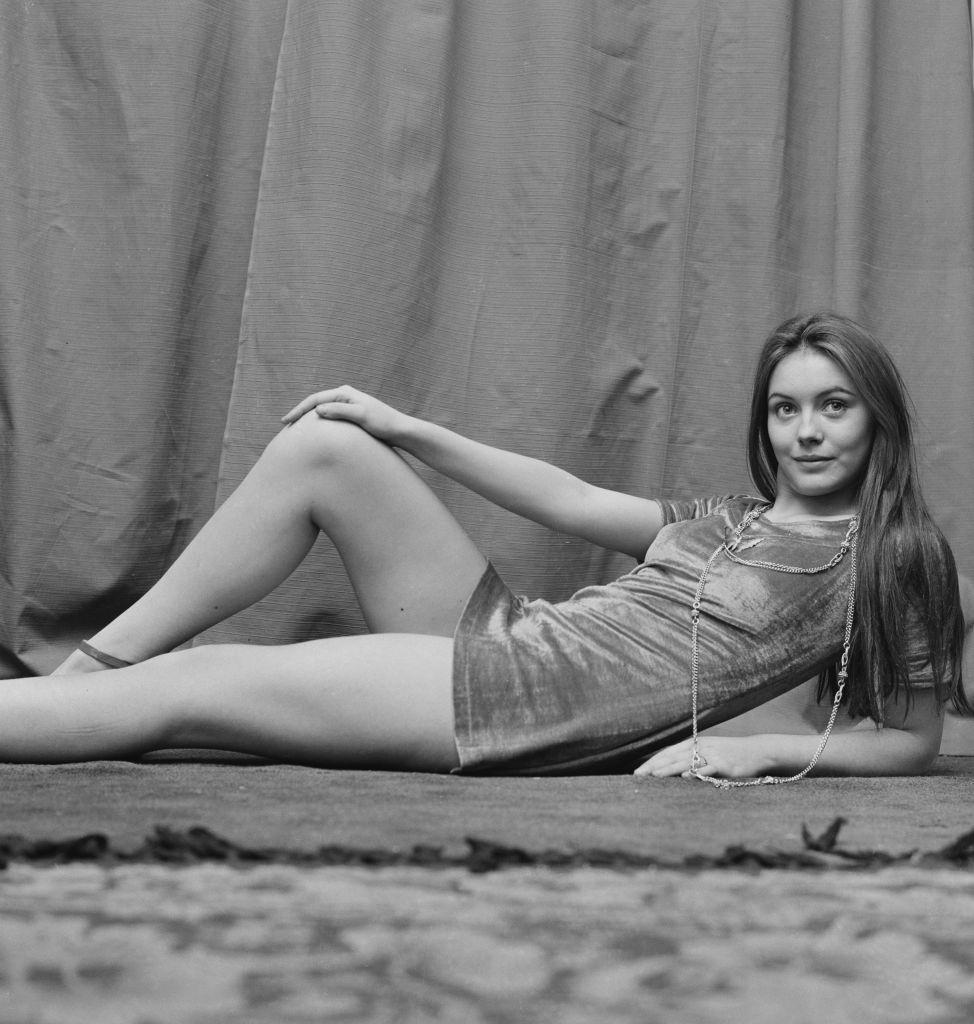
Lesley-Anne Down was born on March 17, 1954, in London, England. She started modeling at just 10 years old, appearing in commercials and entering beauty contests long before most children had any thought of a professional career. By the time she was 15, British voters had named her the most beautiful teenager in the country. That same year, she had already completed four films — a remarkable output for someone still in school.
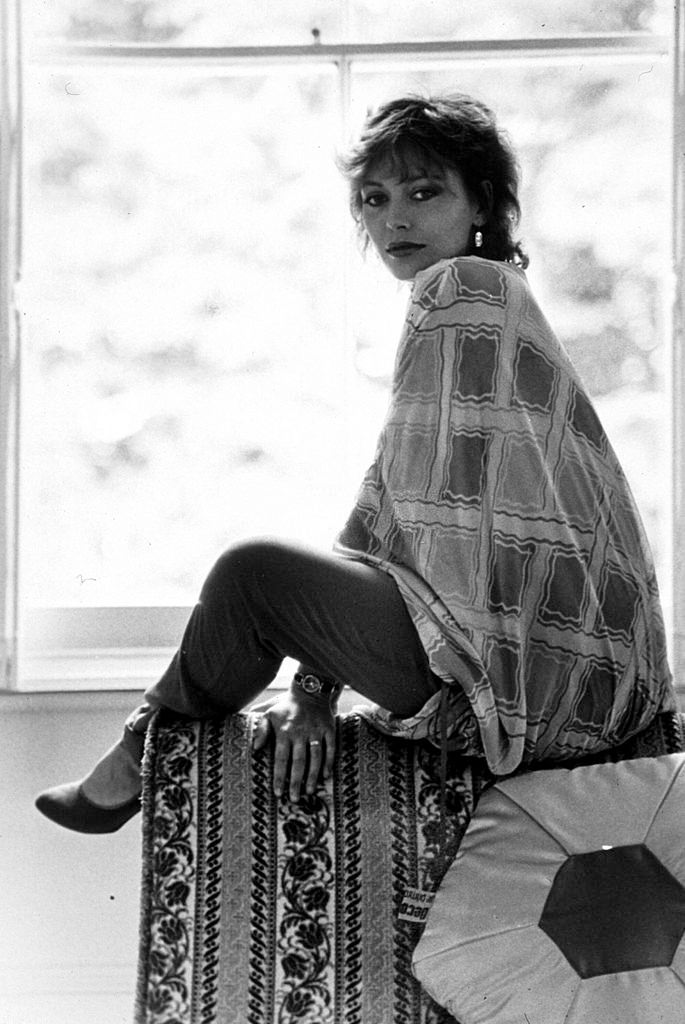
Her film debut came with the British drama The Smashing Bird I Used to Know, which set her on a fast track through the British entertainment industry. She was working consistently through the late 1960s, building a screen presence far beyond her years. At 17, she made the move to the United States, a decision that would eventually expand her career across both film and television on an international scale.
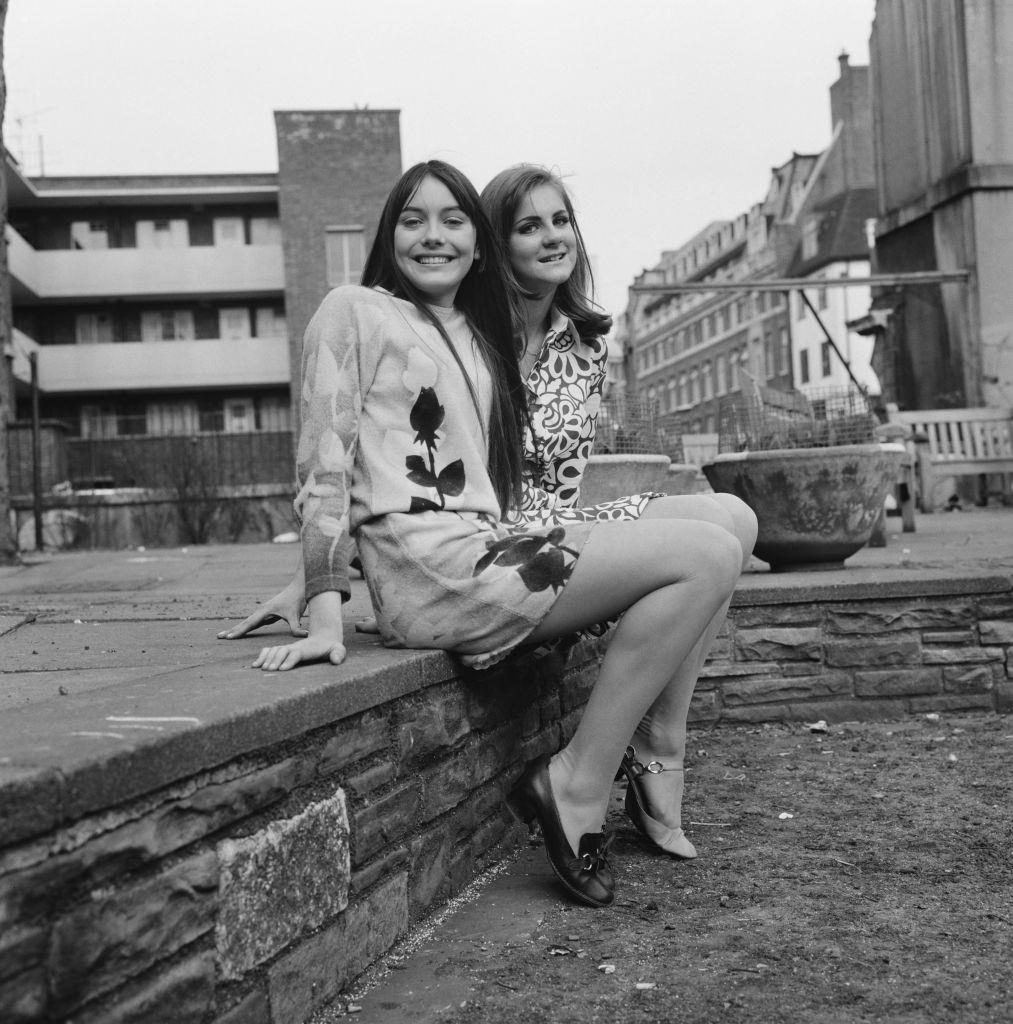
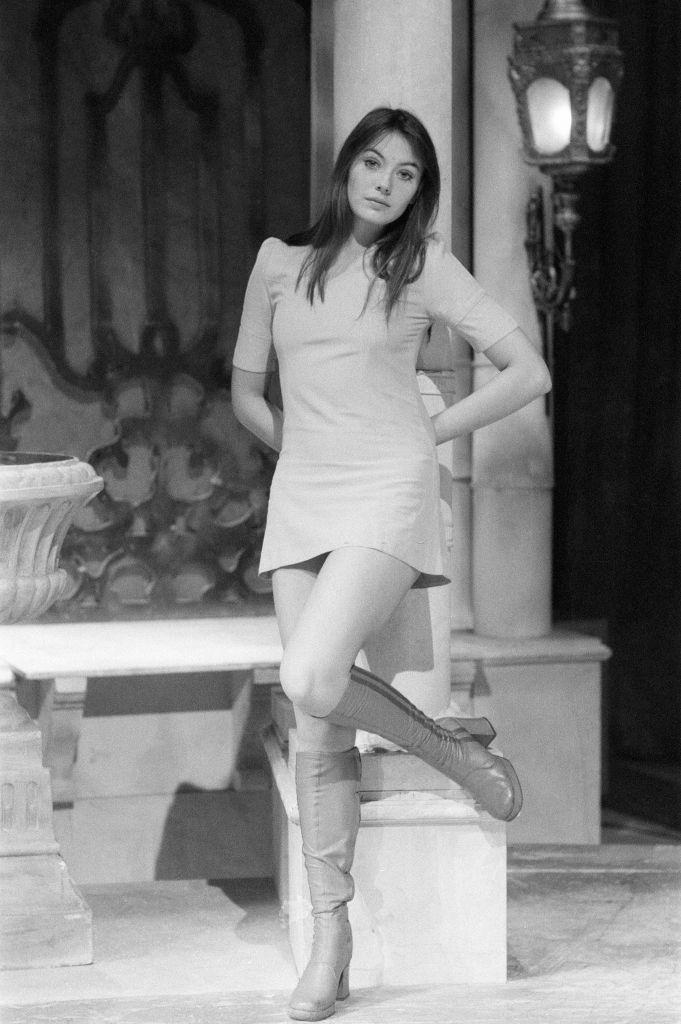
During her teenage years, Down also tested herself on the stage. She appeared in productions including Hamlet and a musical version of Great Expectations, proving she was not limited to film and television work. Her range as a performer was apparent early, and theater gave her a foundation that carried through her later dramatic roles.
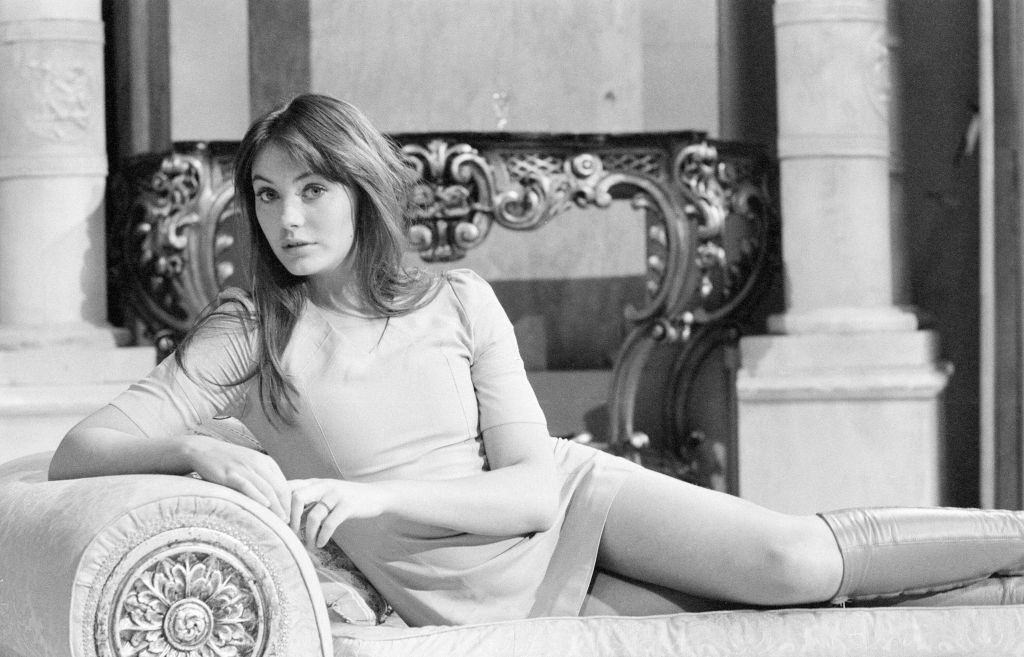
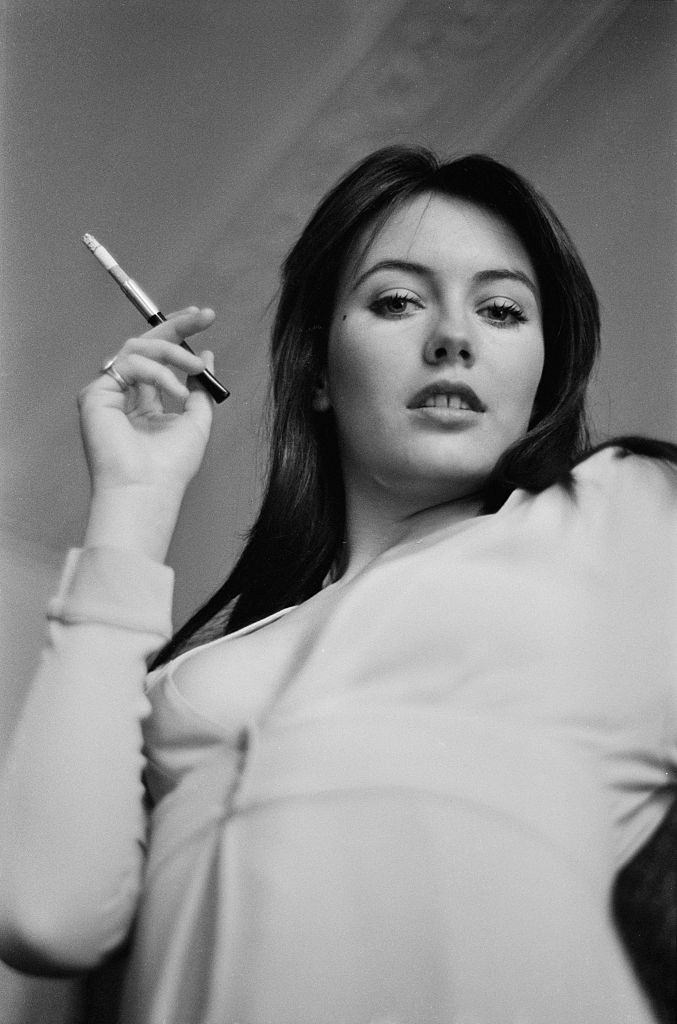
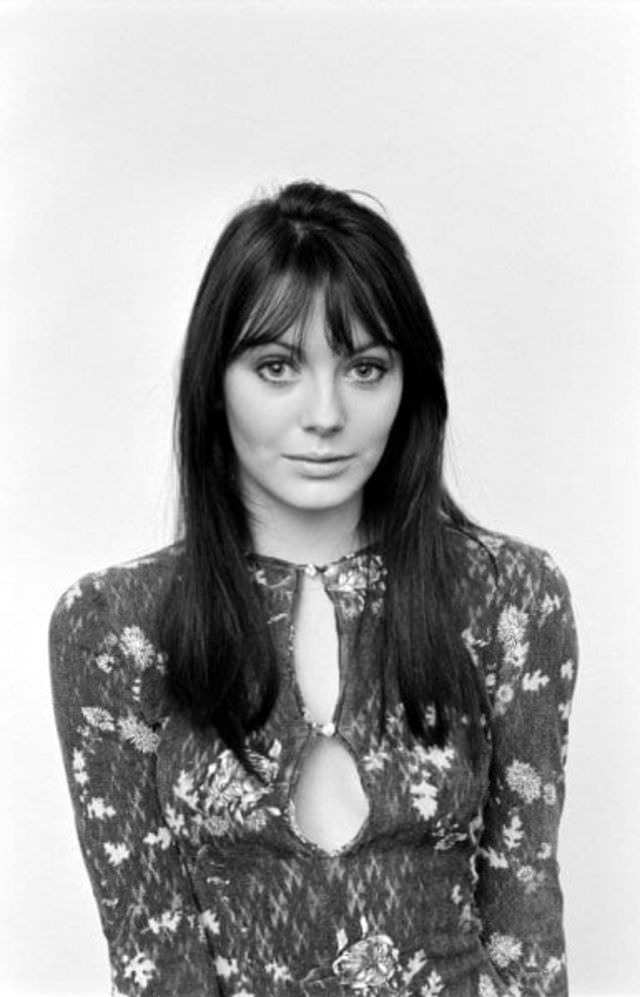
By the early 1970s, Down was a recognizable face in British entertainment circles. She appeared in films and began mixing in prominent social and industry settings. Her beauty had made her a sought-after subject for photographers and a regular presence at London events.
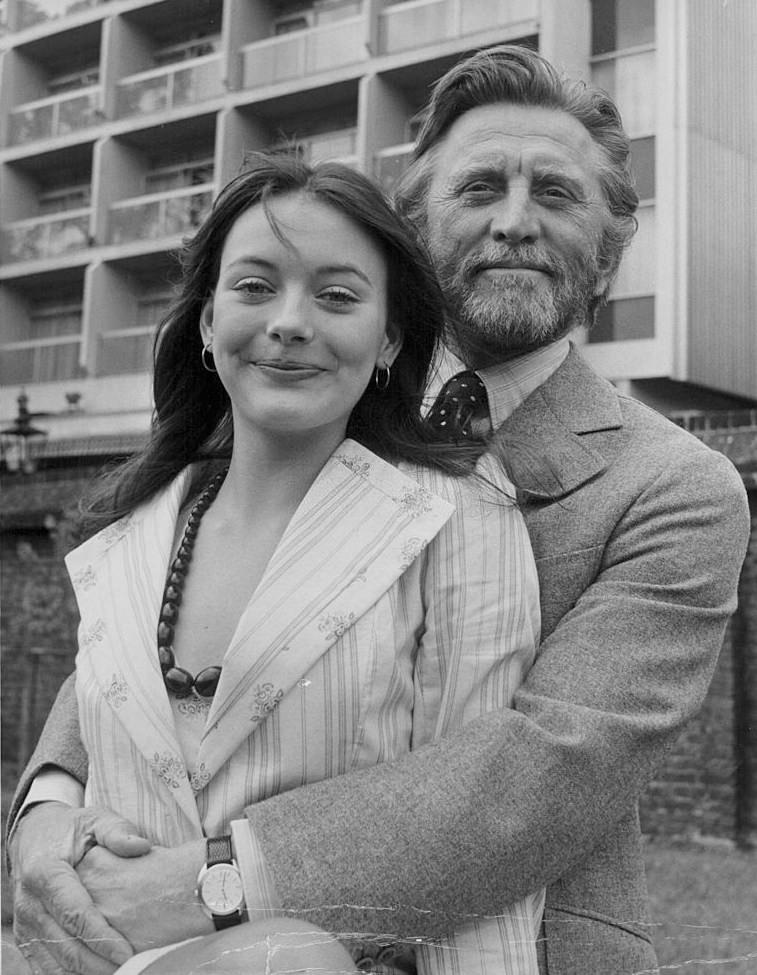
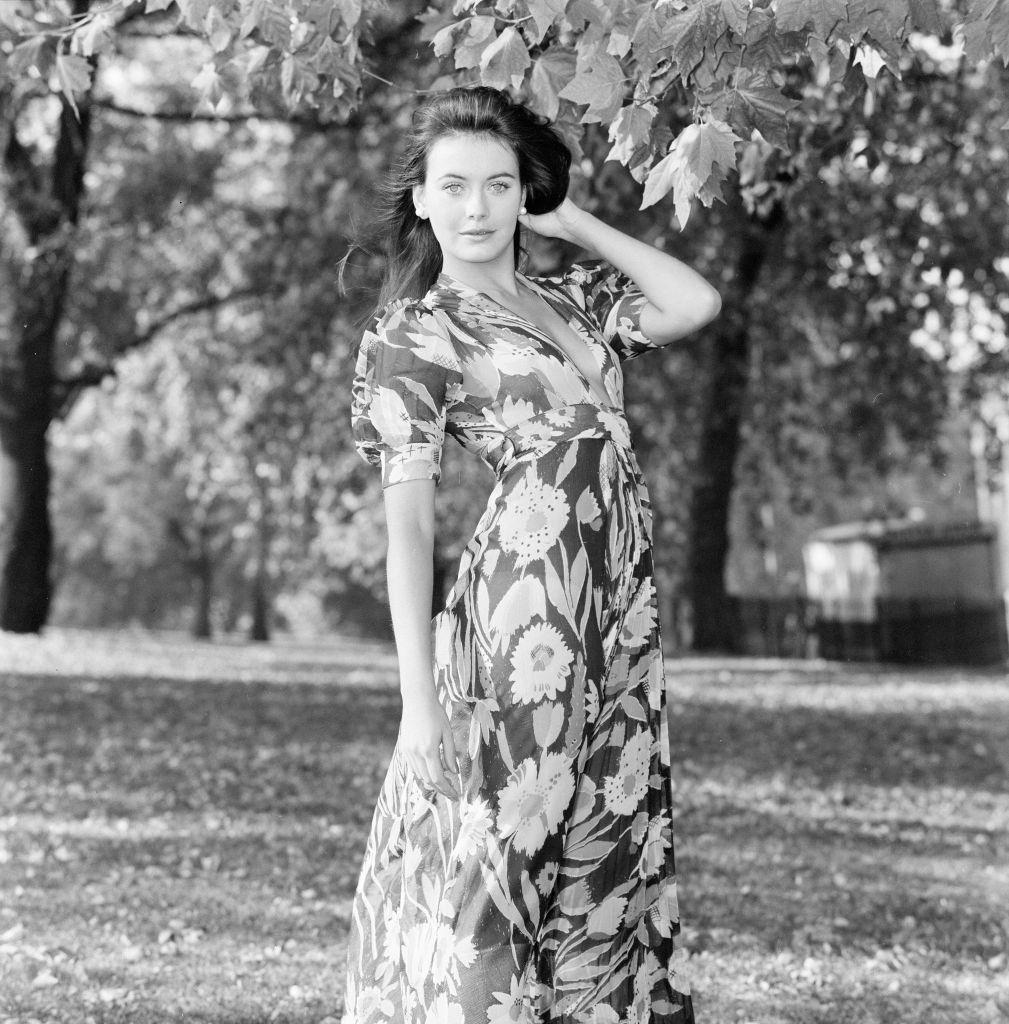
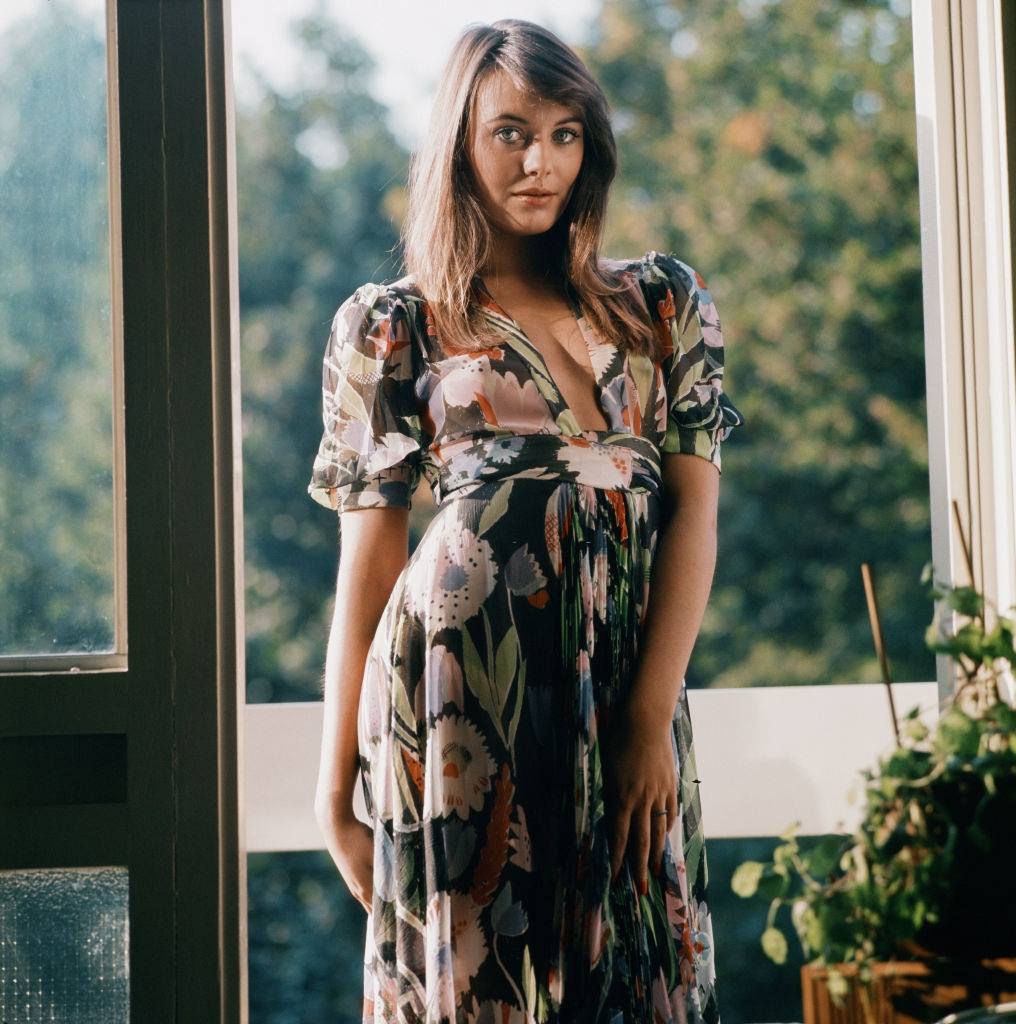
The year 1973 marked a turning point. Down was cast as Georgina Worsley in the British period drama series Upstairs, Downstairs. The show was set in an Edwardian London household and explored the lives of both the wealthy family upstairs and the servants below. It became a major hit when it aired on PBS in the United States, introducing Down to a massive American audience. Her portrayal of Georgina earned her widespread recognition and cemented her status as a serious dramatic actress.
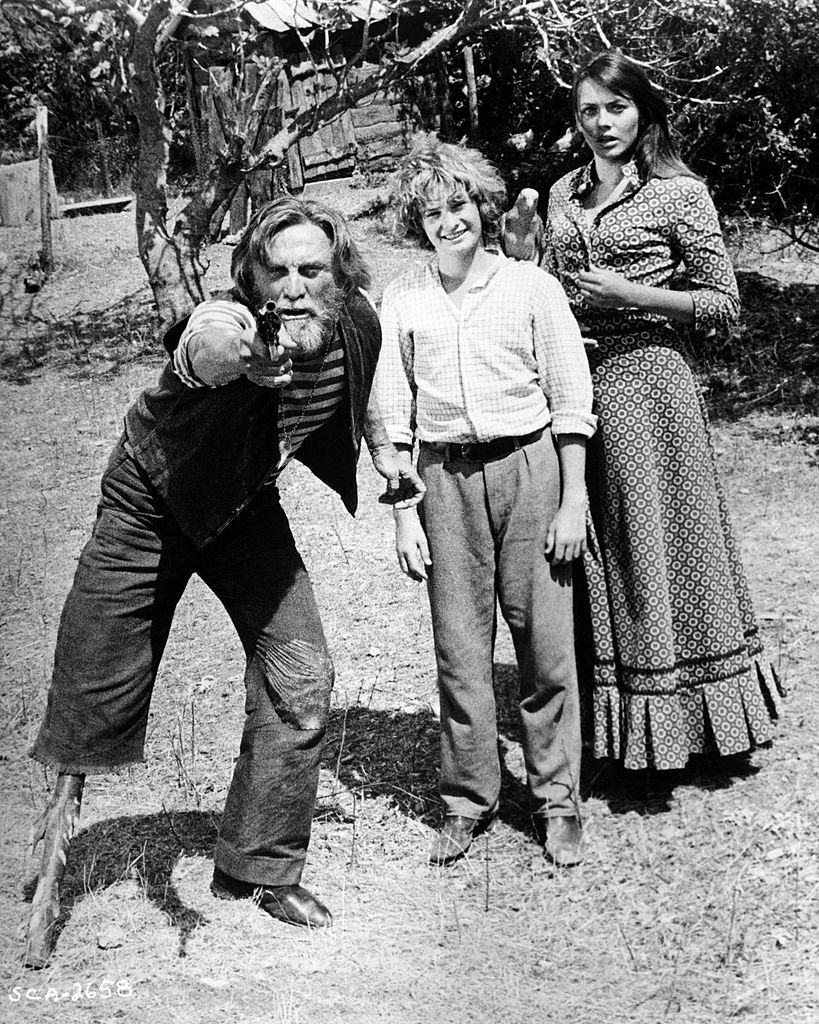
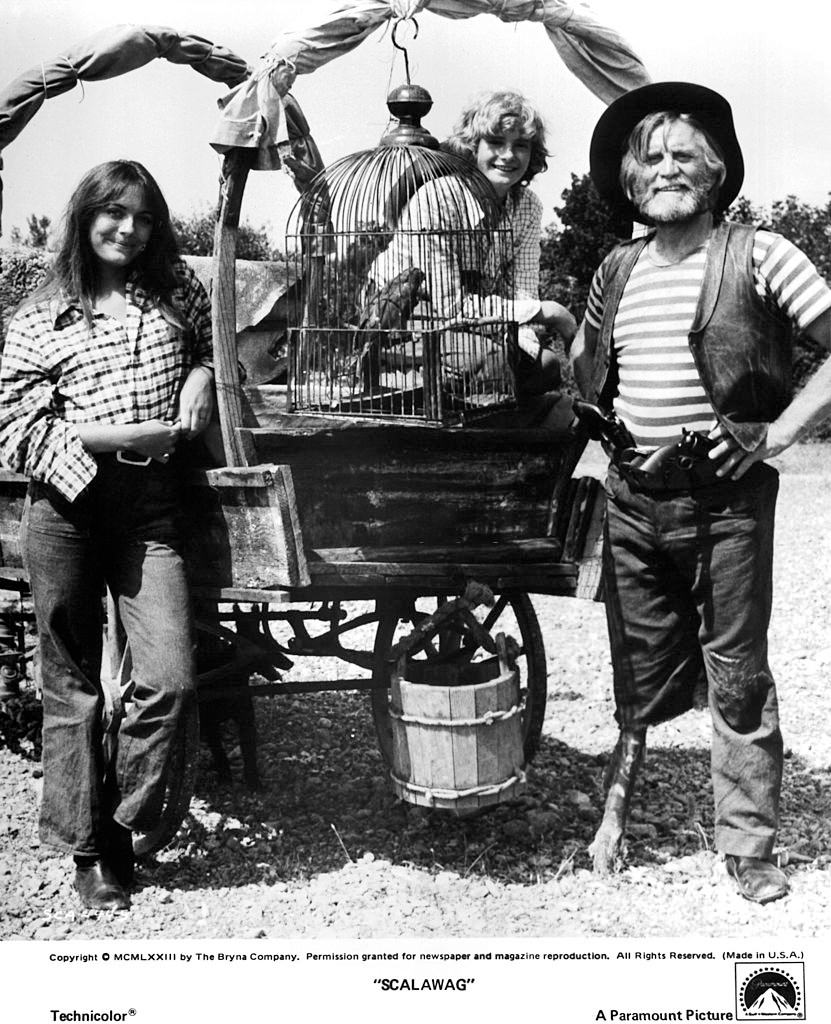
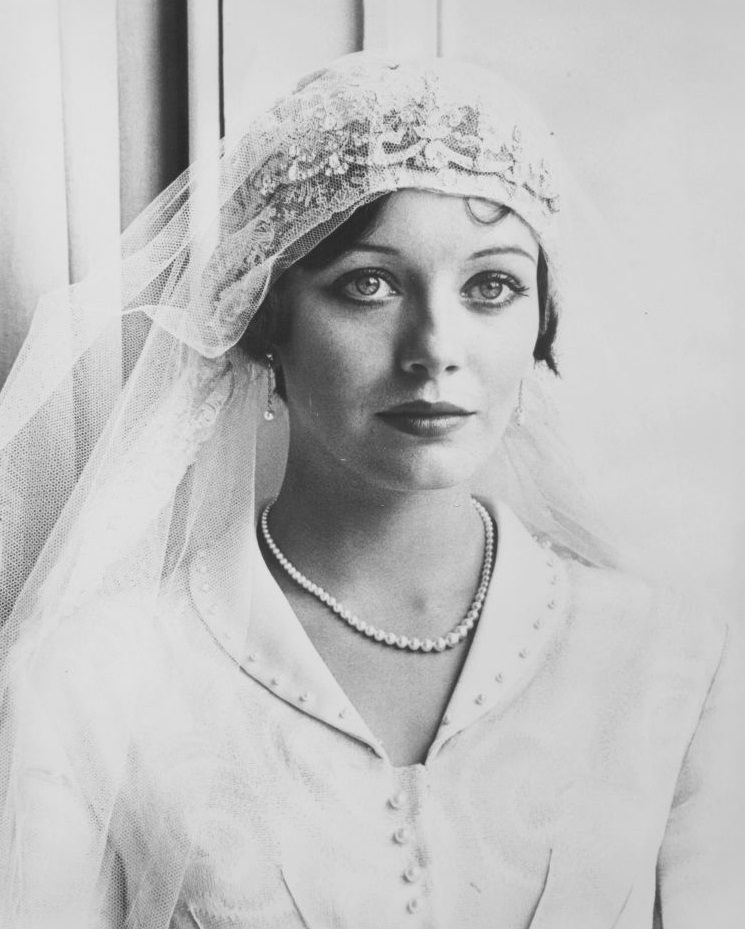
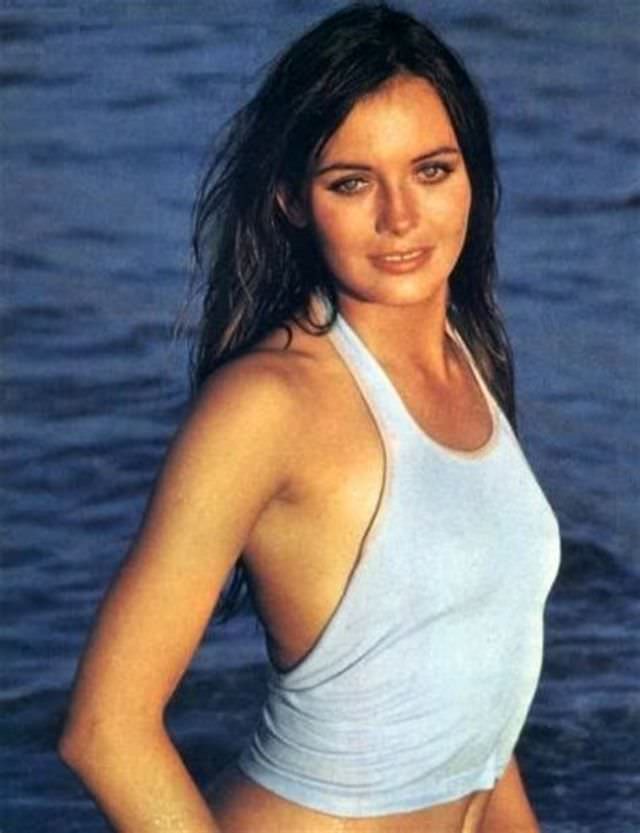
While Upstairs, Downstairs was still airing, Down was also making waves in film. In 1976, she appeared in The Pink Panther Strikes Again alongside Peter Sellers, one of the most commercially successful entries in that comedy franchise. The role showed she could hold her own in big-budget productions with established stars. Around this same period, she was also a prominent figure in fashion photography.
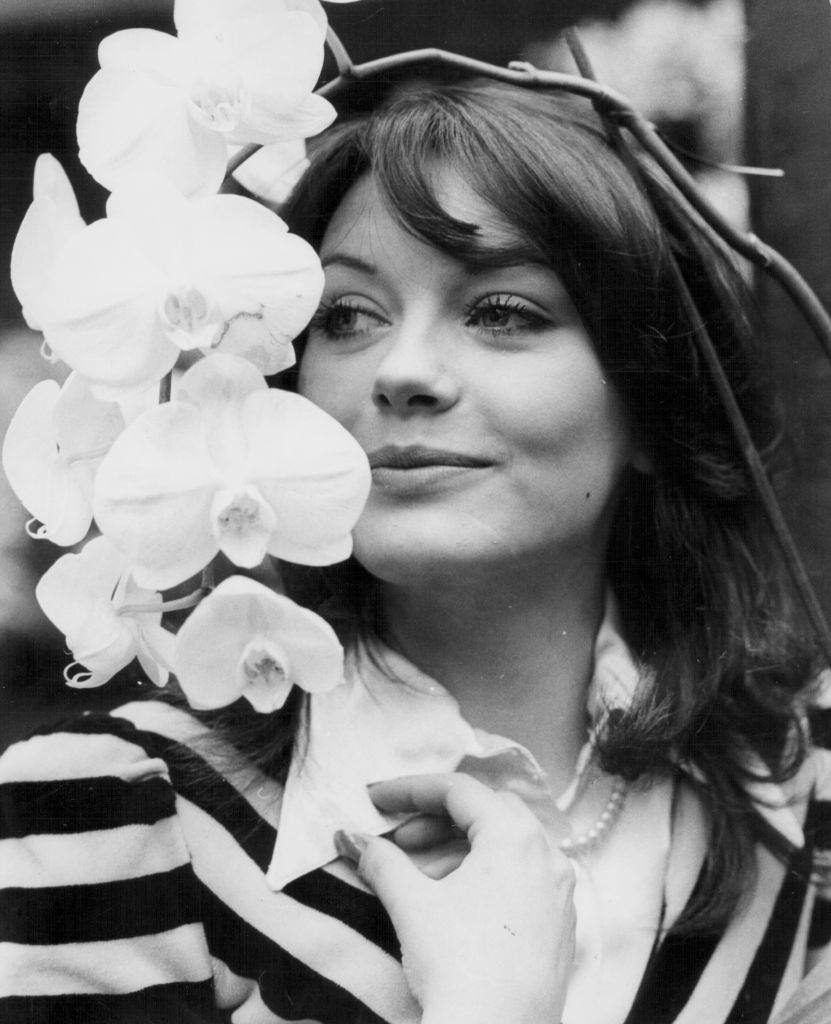
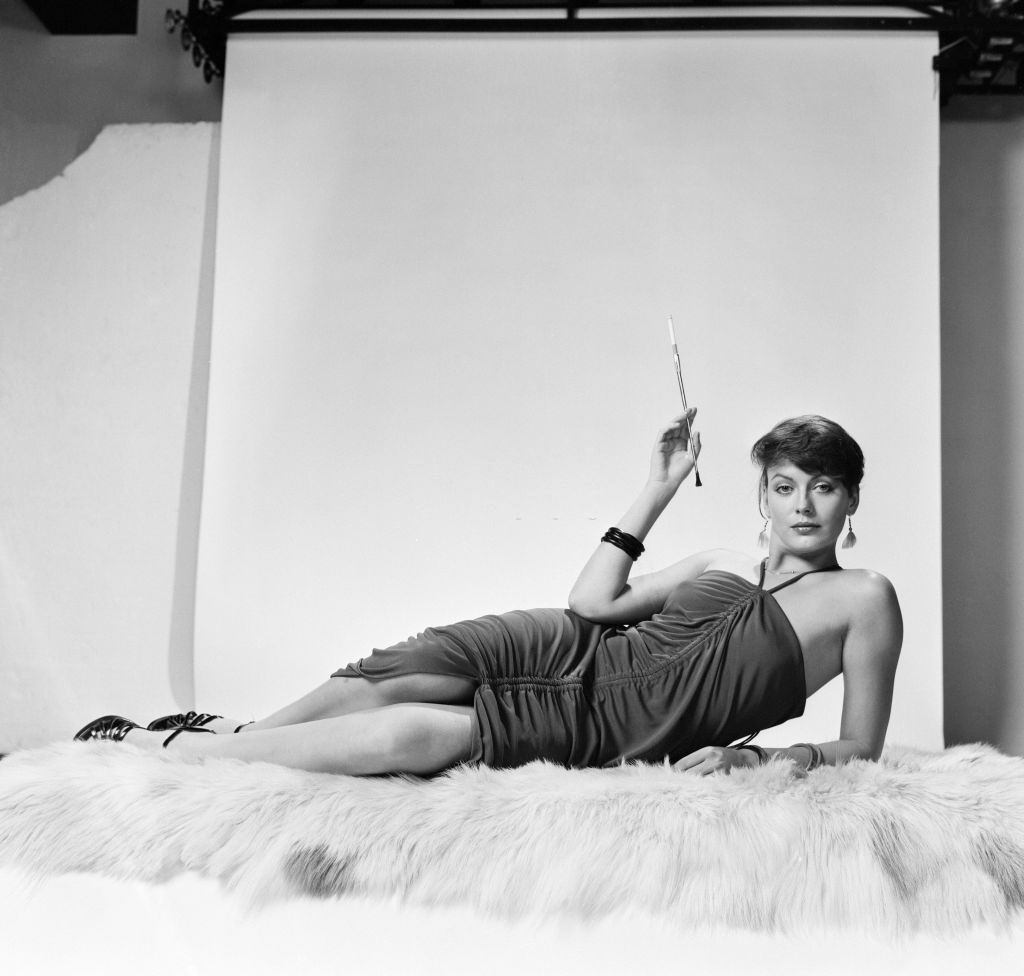
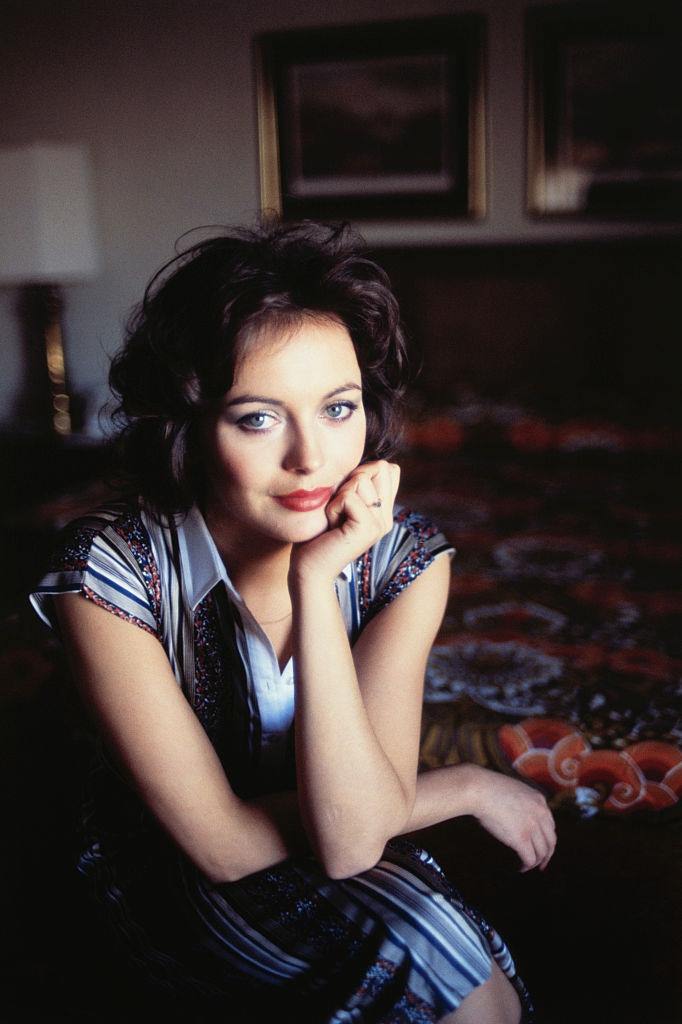
In 1977, Down starred alongside Harrison Ford in the wartime romantic drama Hanover Street. The film was set during World War II and followed an American bomber pilot who falls in love with a married English woman. It was a high-profile Hollywood production, and Down’s casting opposite Ford — at that point already famous from Star Wars — signaled just how far her career had traveled from its London origins.
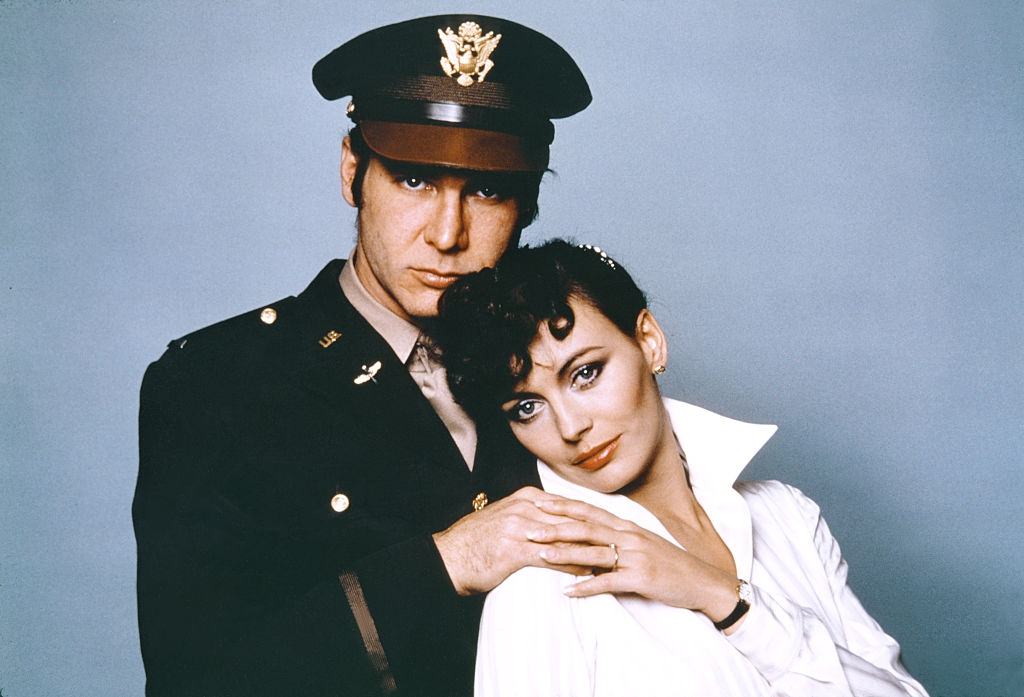
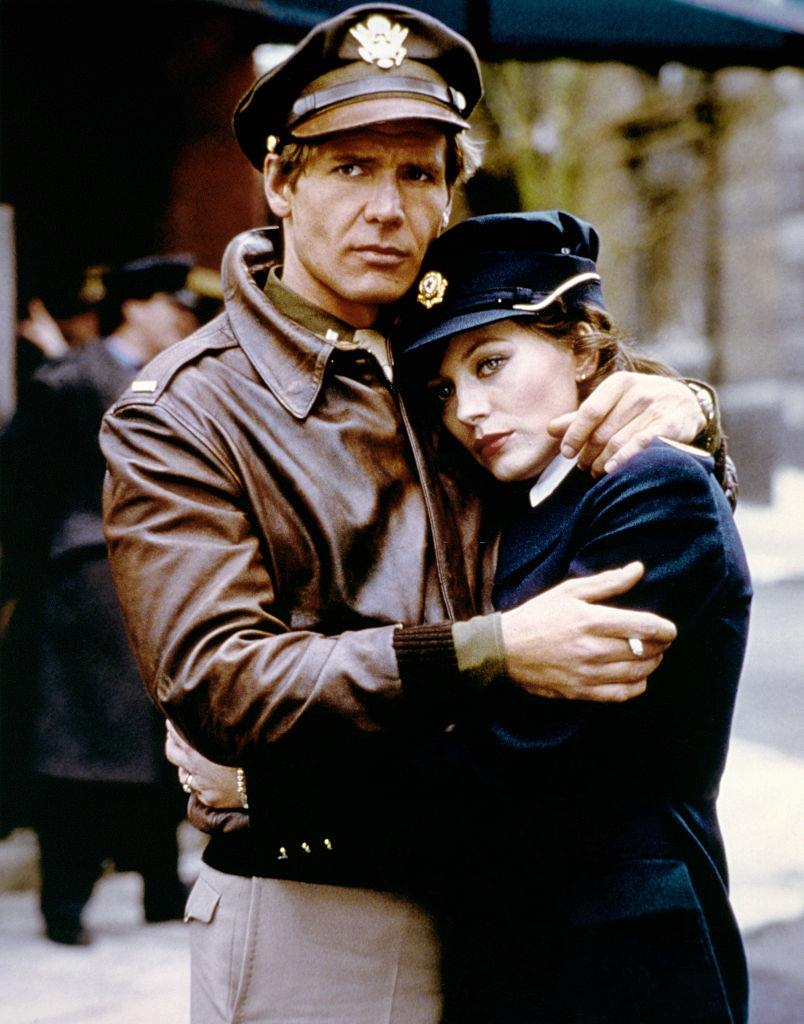
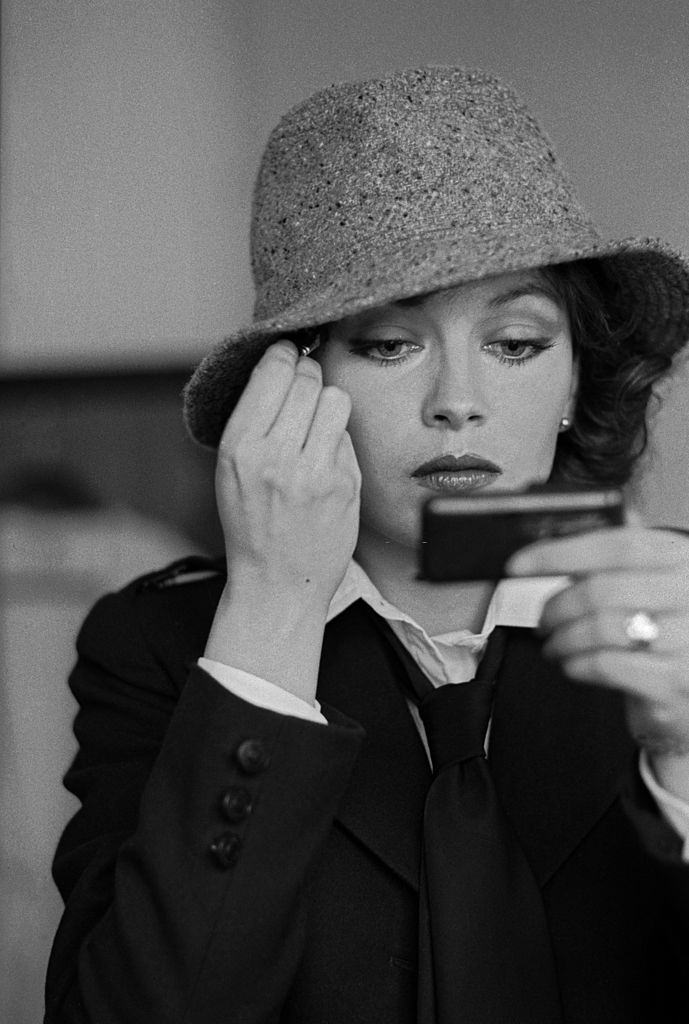
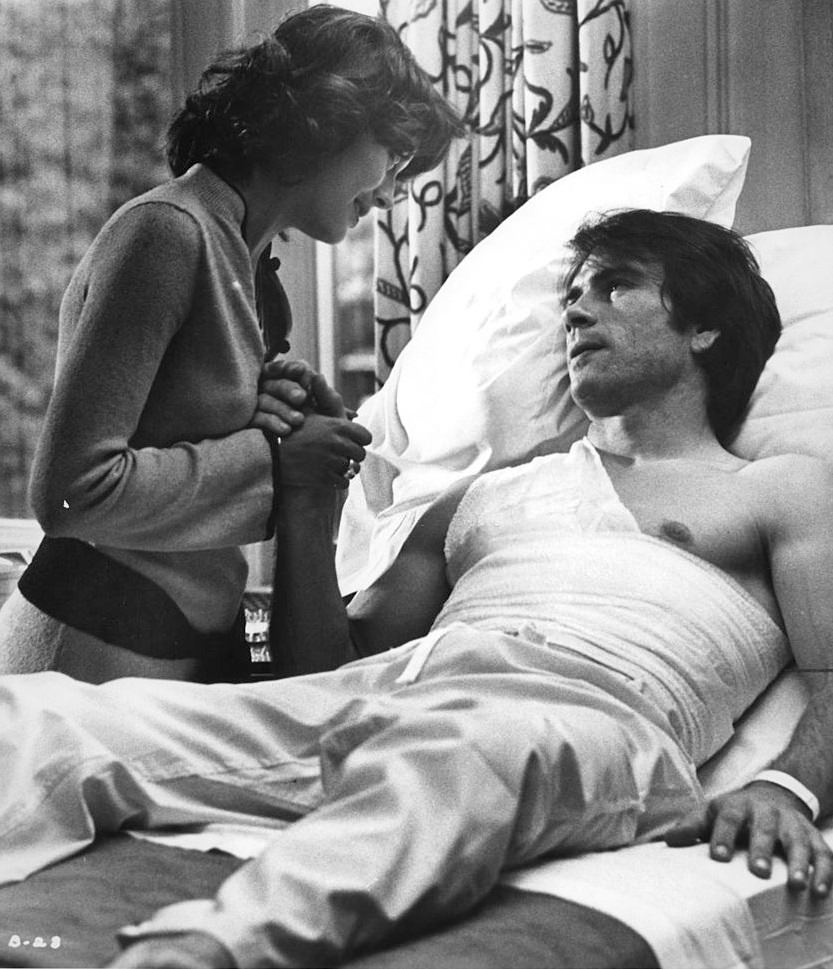
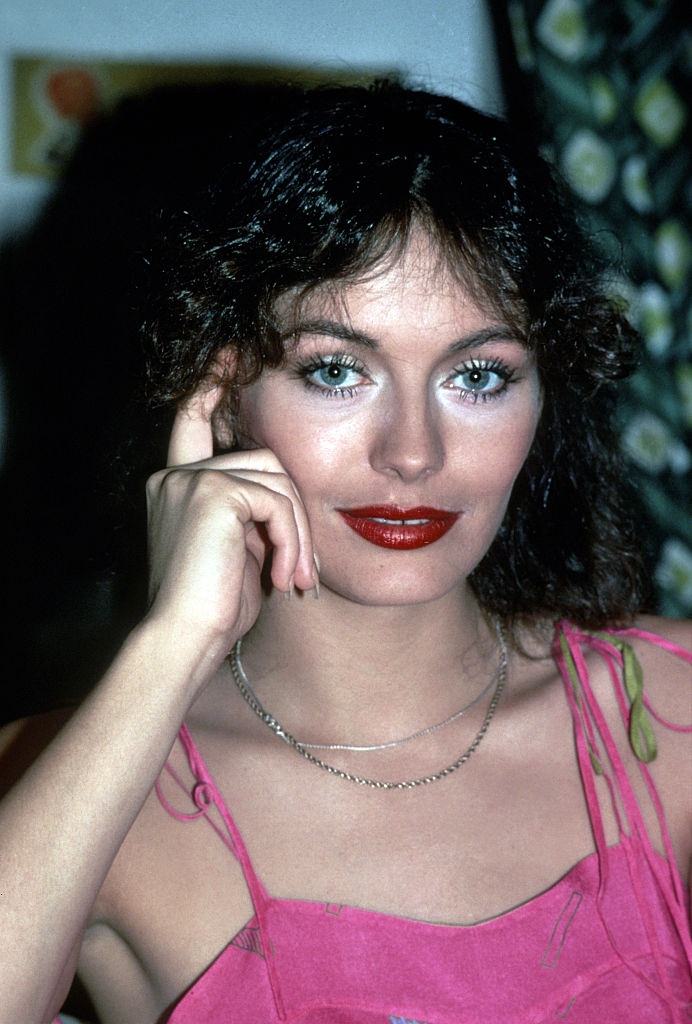
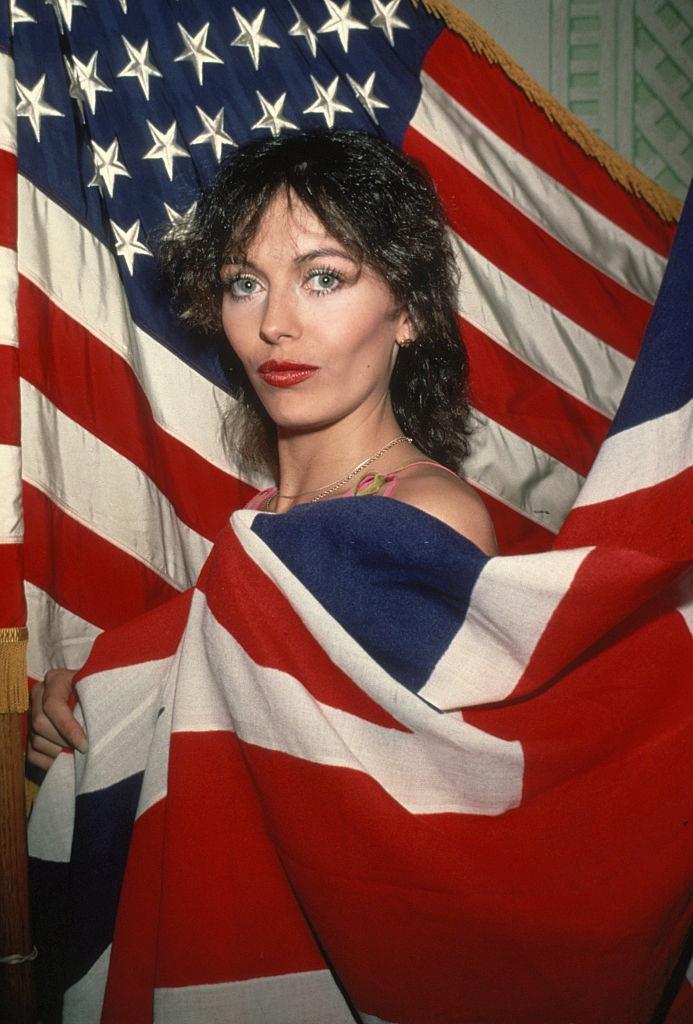
1978 was a busy year on screen. Down appeared in The Betsy, a drama based on Harold Robbins’ novel about power struggles in the American auto industry, starring alongside Tommy Lee Jones. She was also a frequent subject for photographers during this period, her image appearing in publications on both sides of the Atlantic.
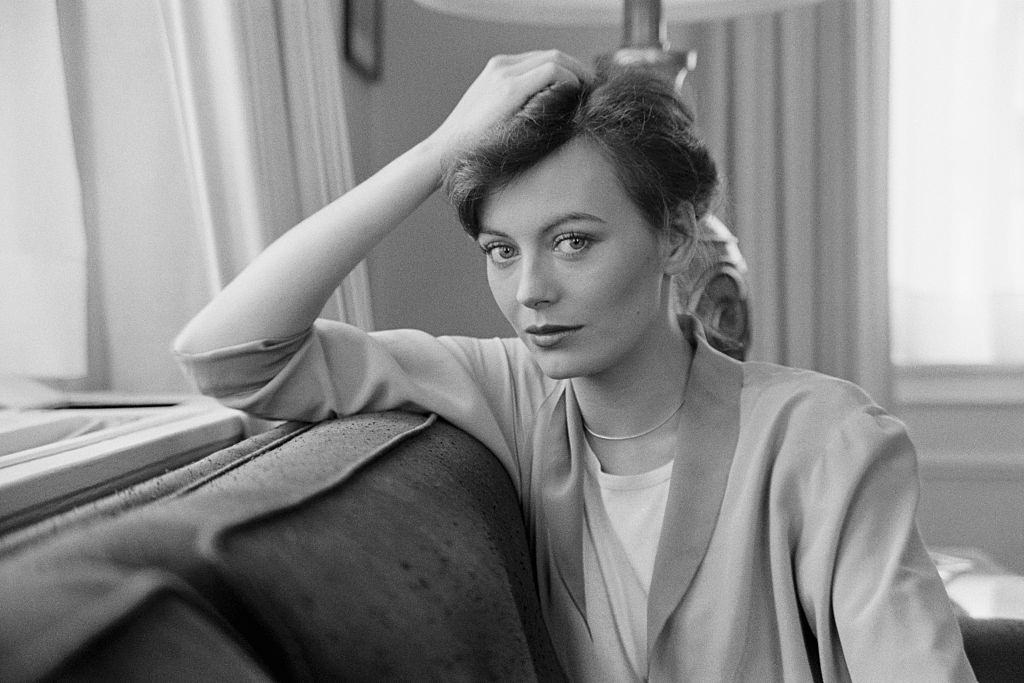
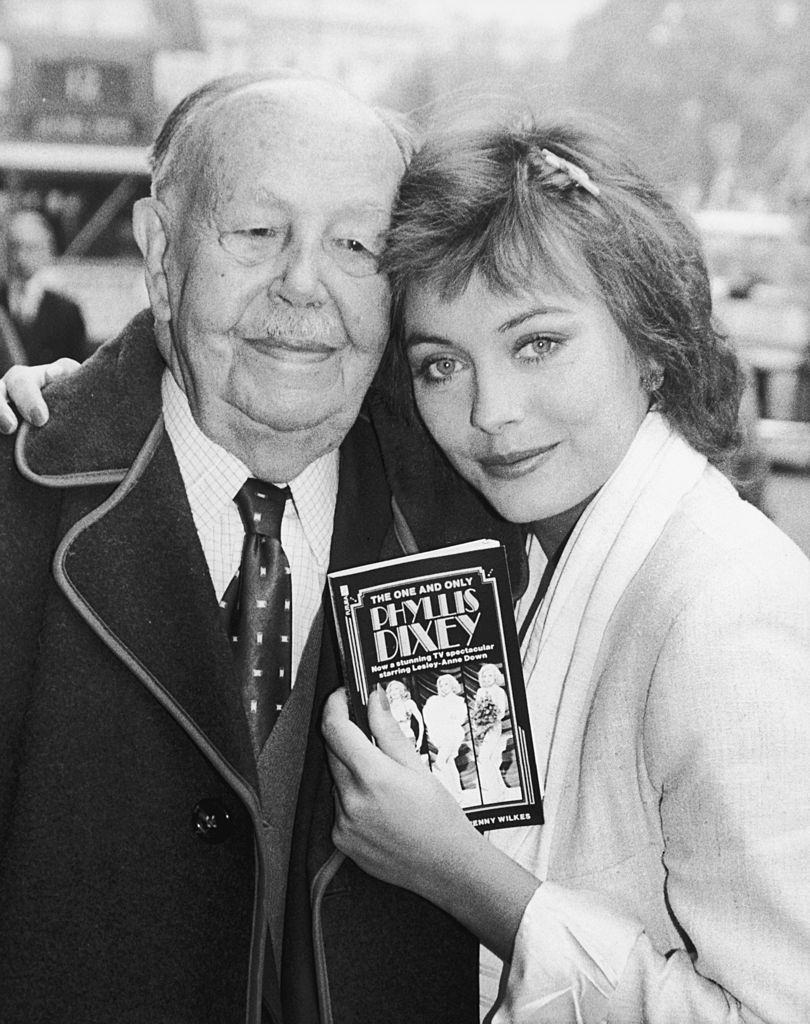
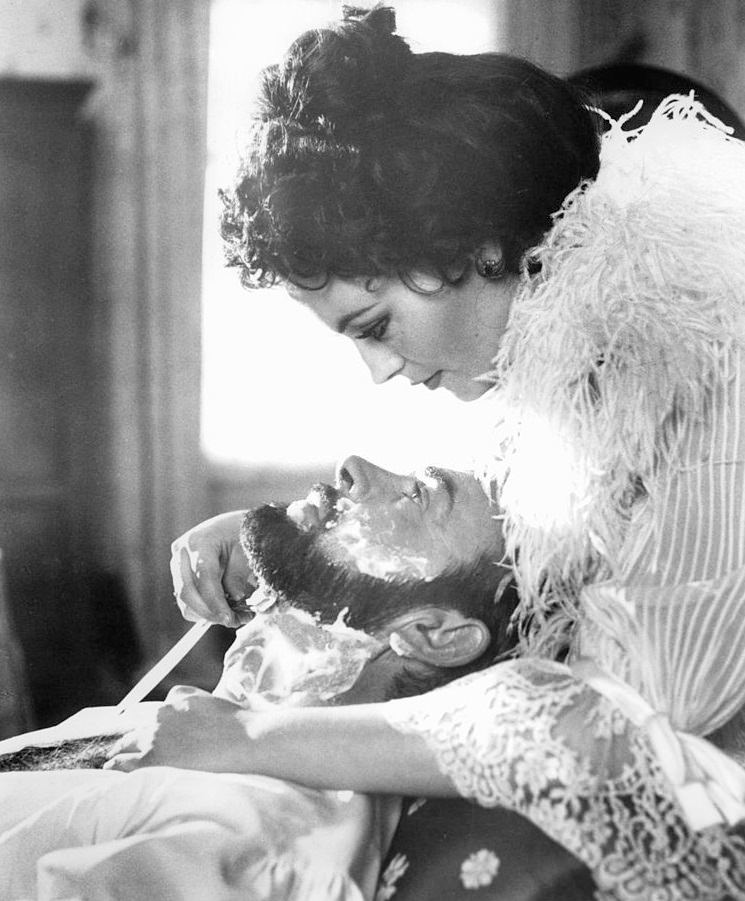
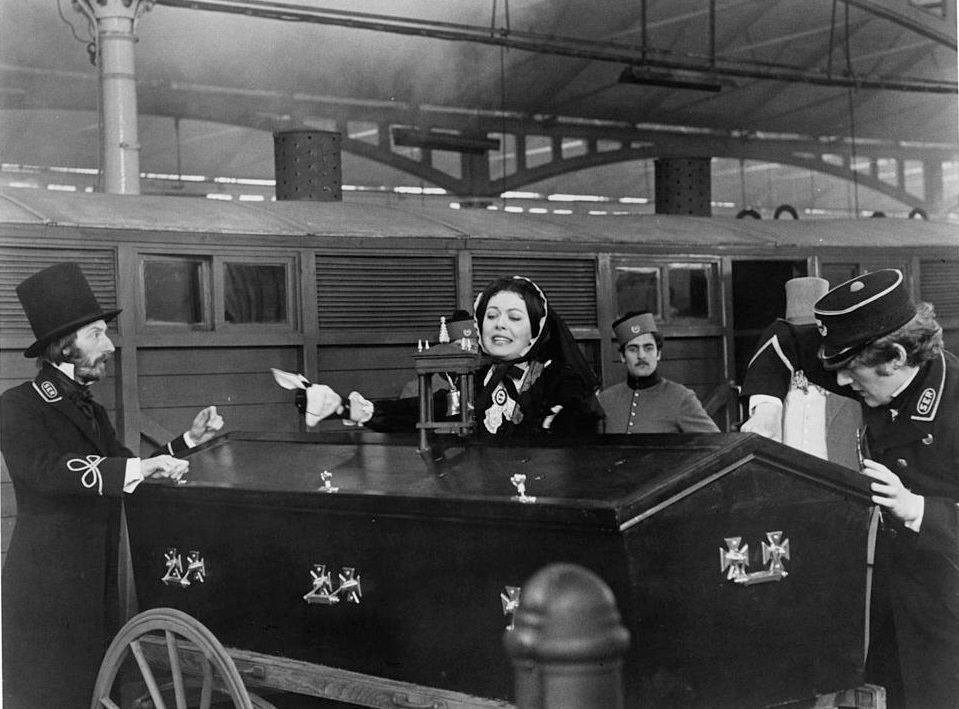
During much of the 1970s, Down was in a relationship with British actor and screenwriter Bruce Robinson. The two were together for roughly ten years. In 1979, she starred in The First Great Train Robbery — also known simply as The Great Train Robbery — alongside Sean Connery. In the film, she played Miriam, a key figure in a plot to steal gold from a moving train in Victorian England. The film was directed by Michael Crichton and remains one of her most memorable big-screen roles.
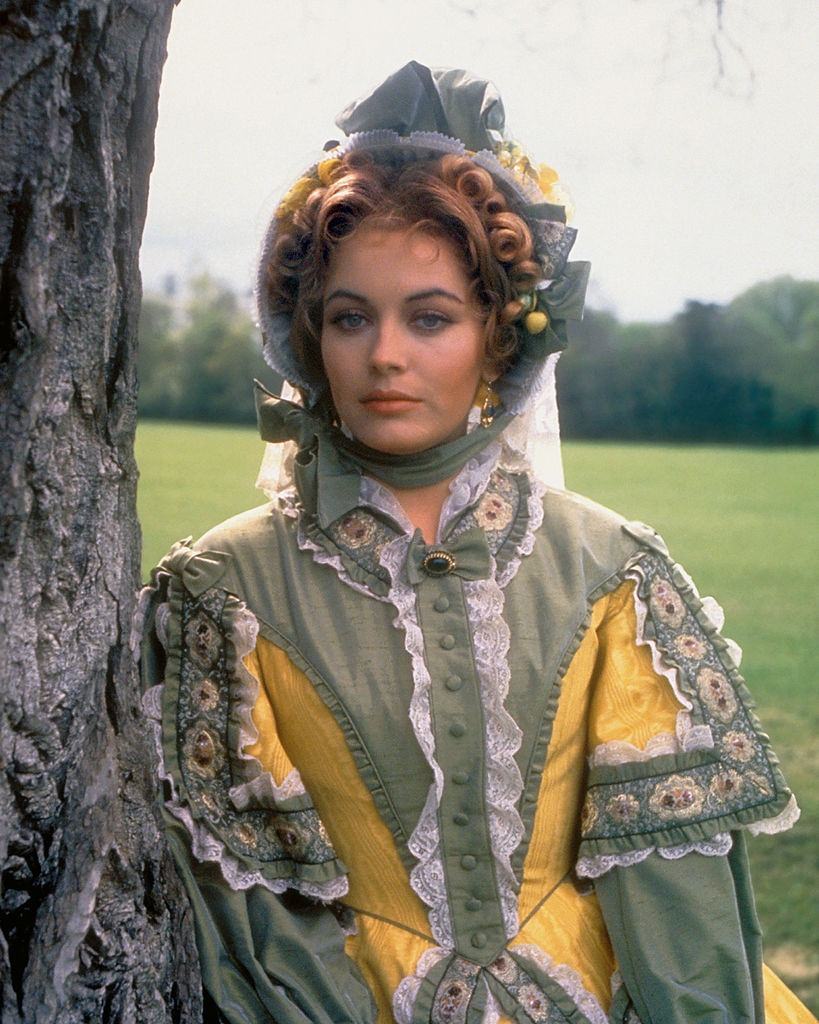
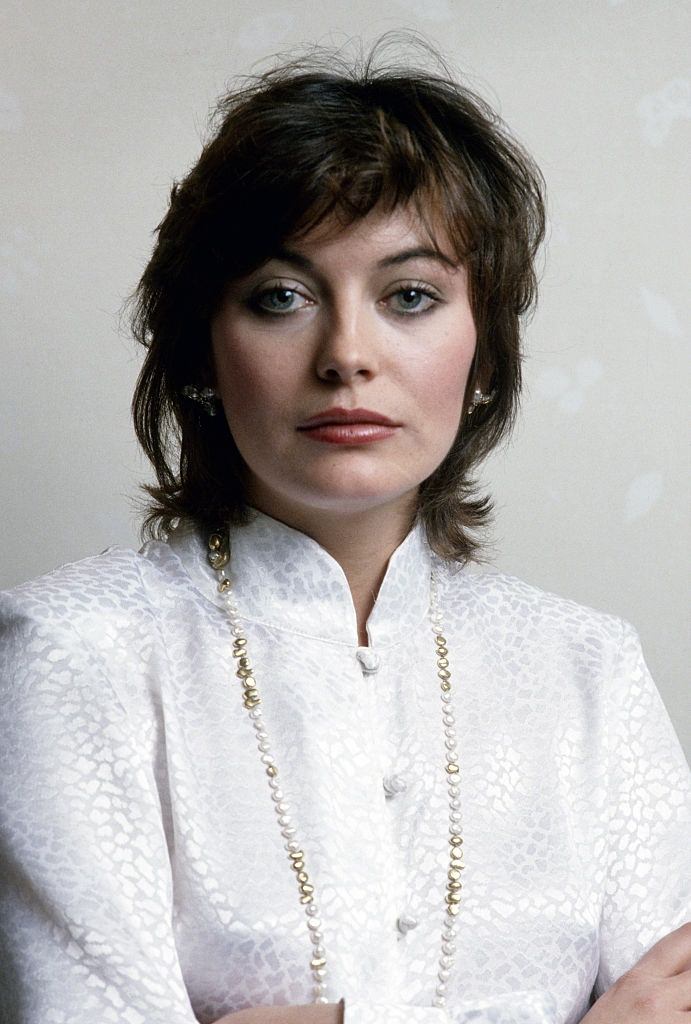
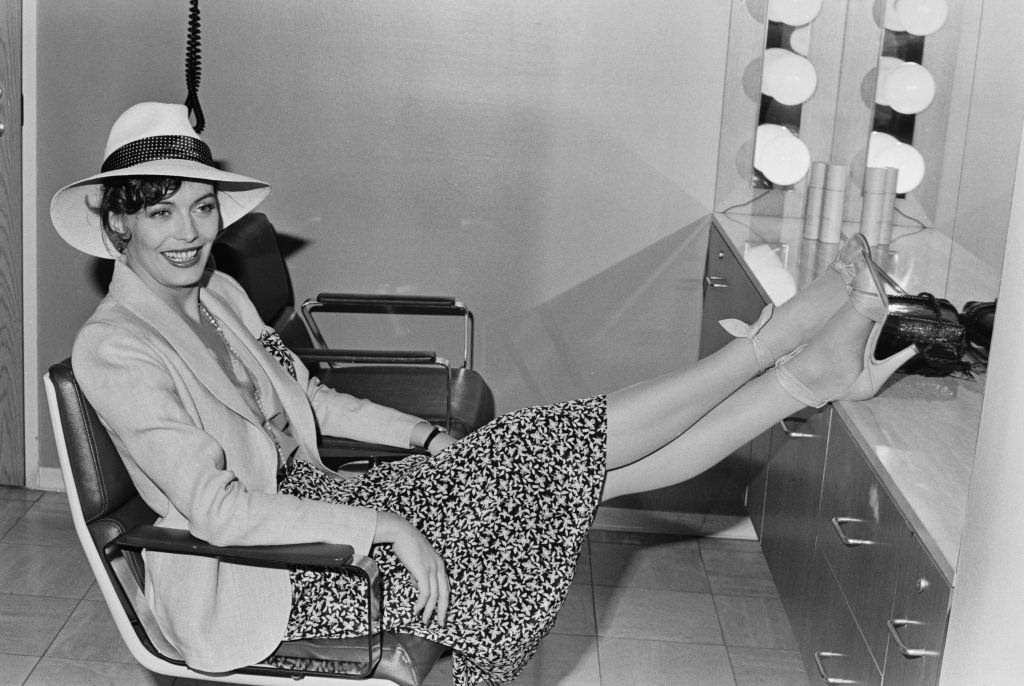
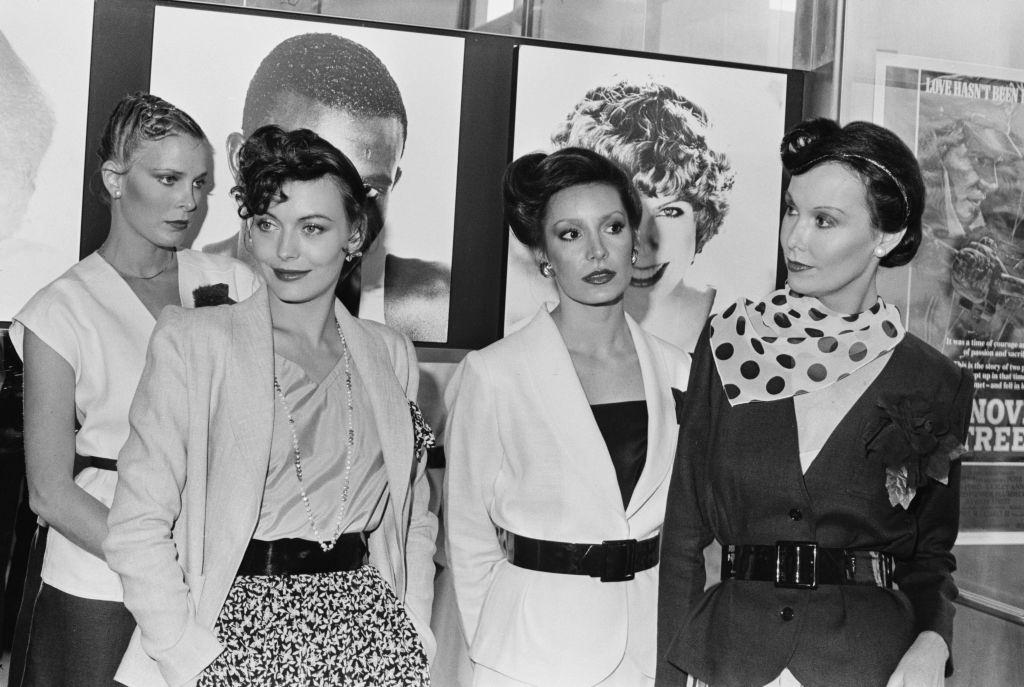
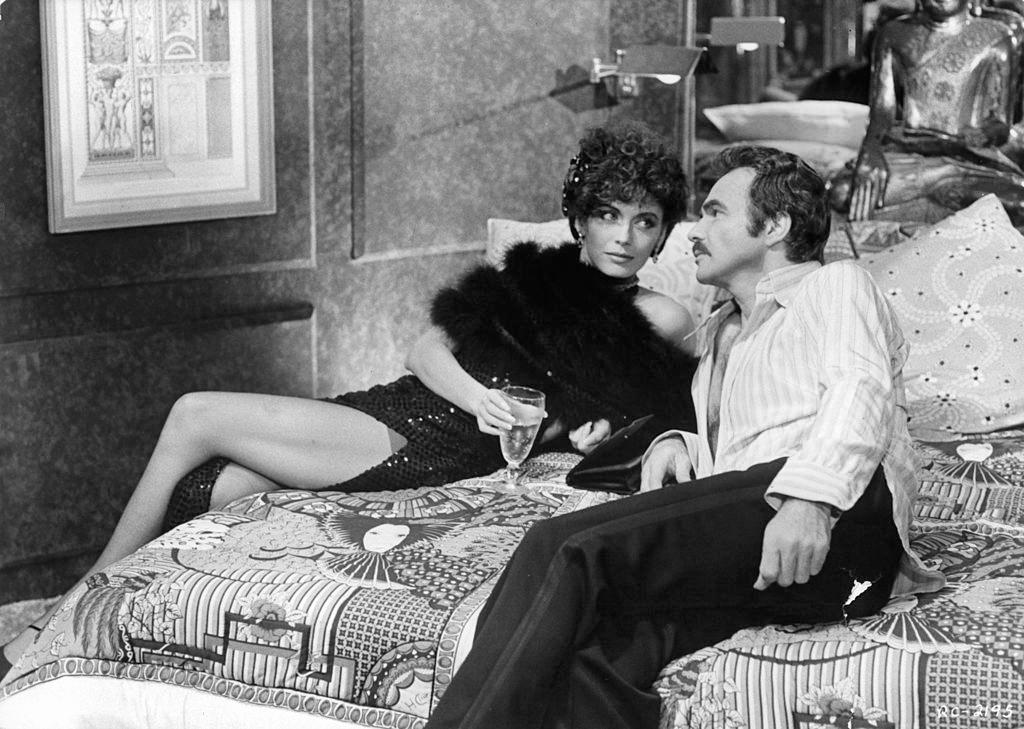
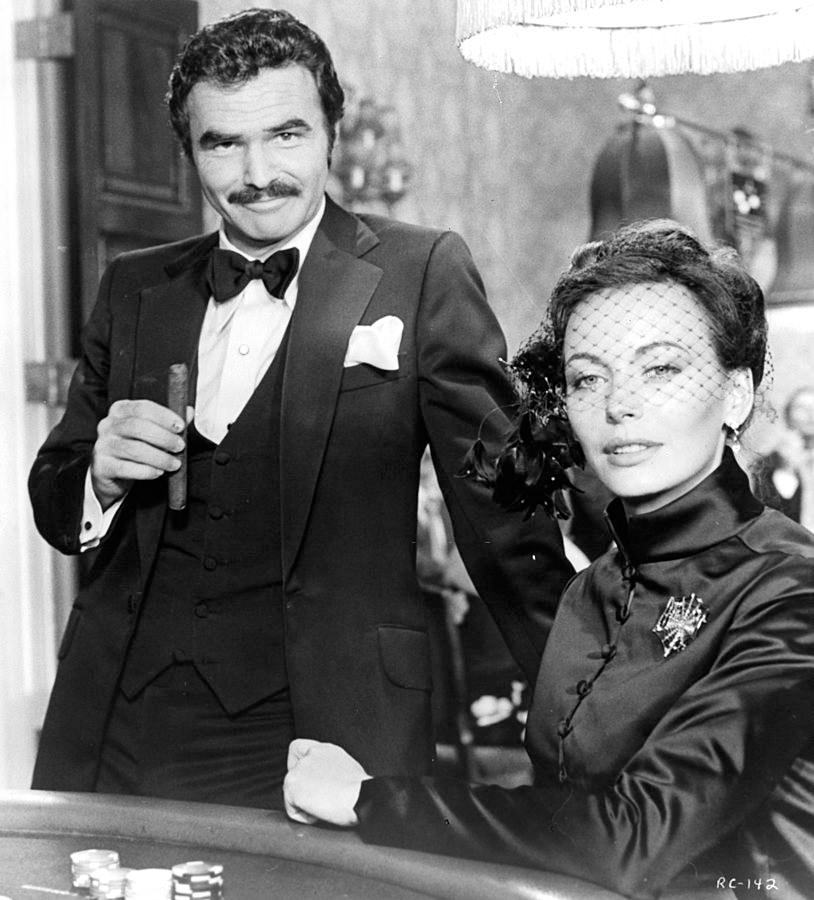
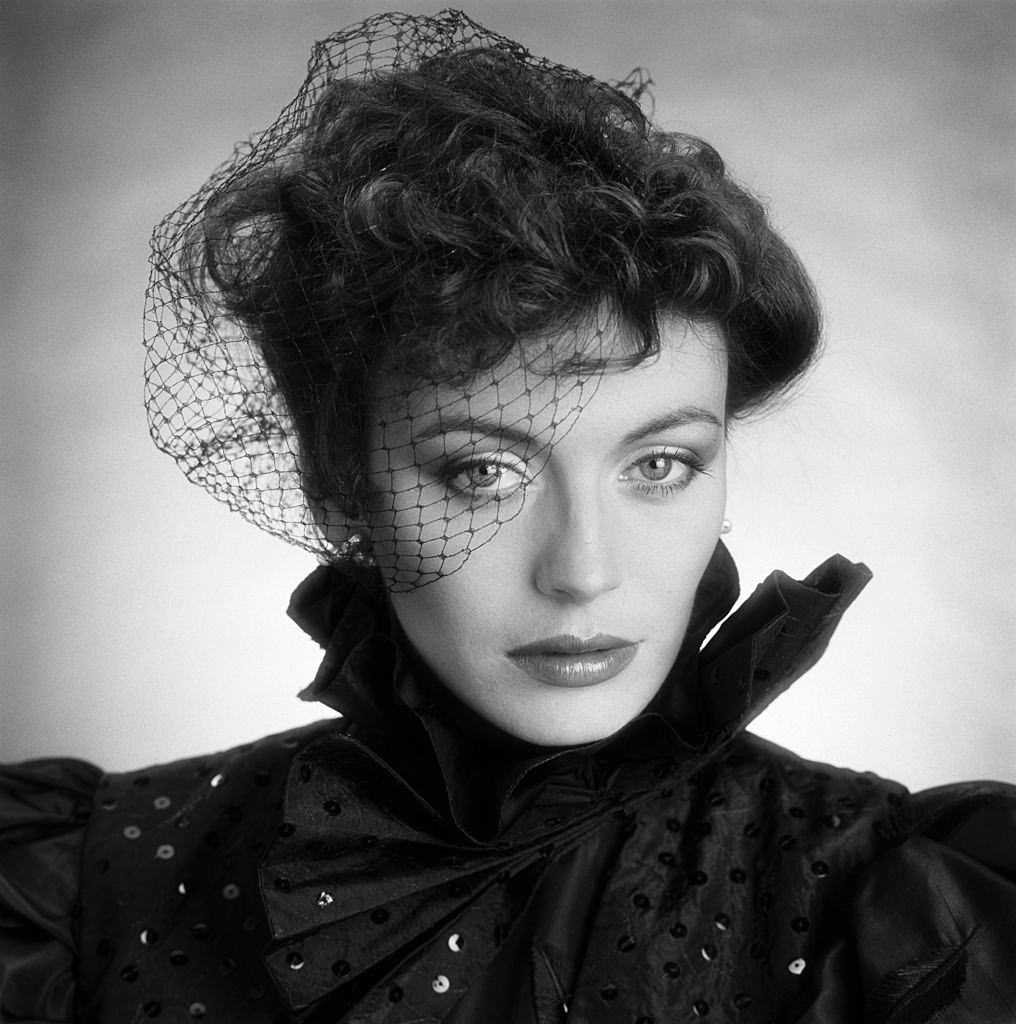
In 1980, Down starred opposite Burt Reynolds in the heist comedy Rough Cut. That same year, she was photographed for Patrick Lichfield’s book The Most Beautiful Women, a prestigious project that featured some of the most celebrated women of the era. She was married briefly in 1980 to Enrique Gabriel, but the marriage ended after just a year and a half.
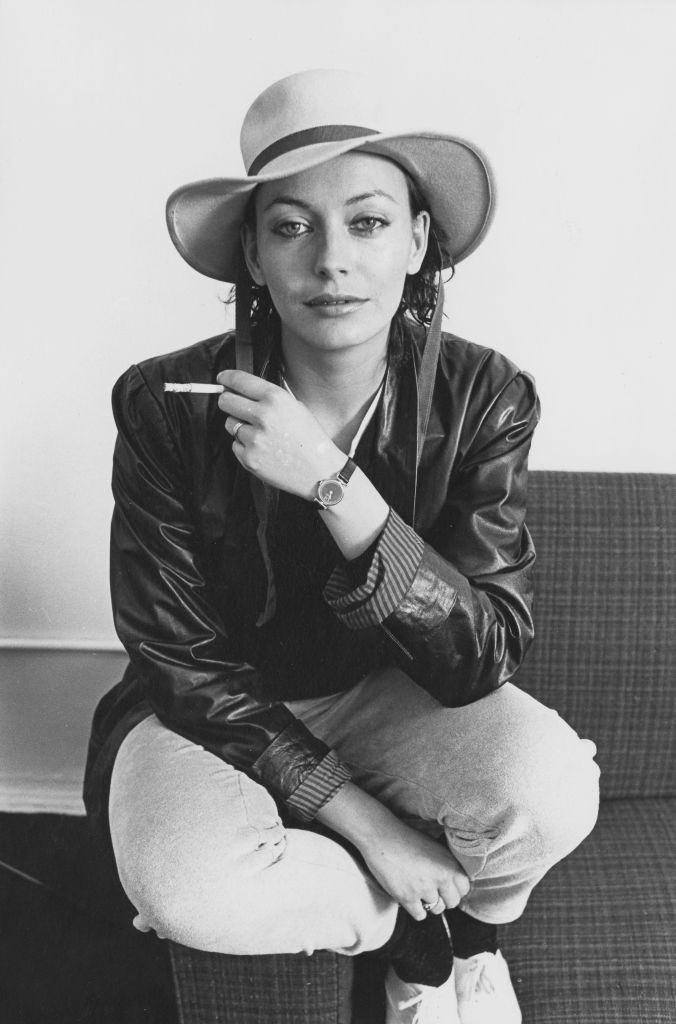
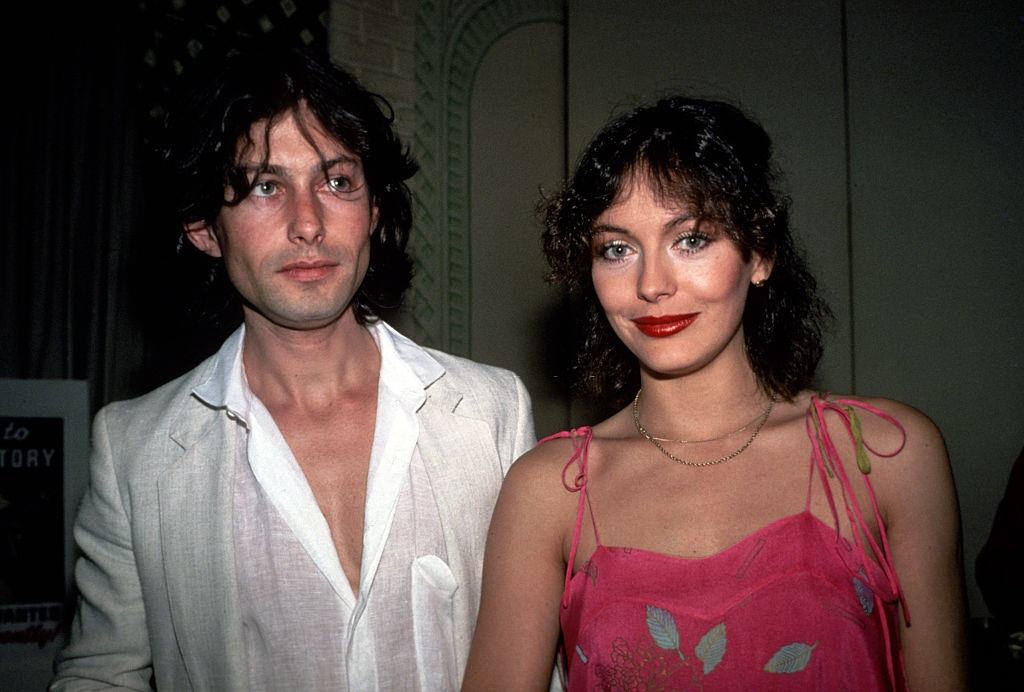
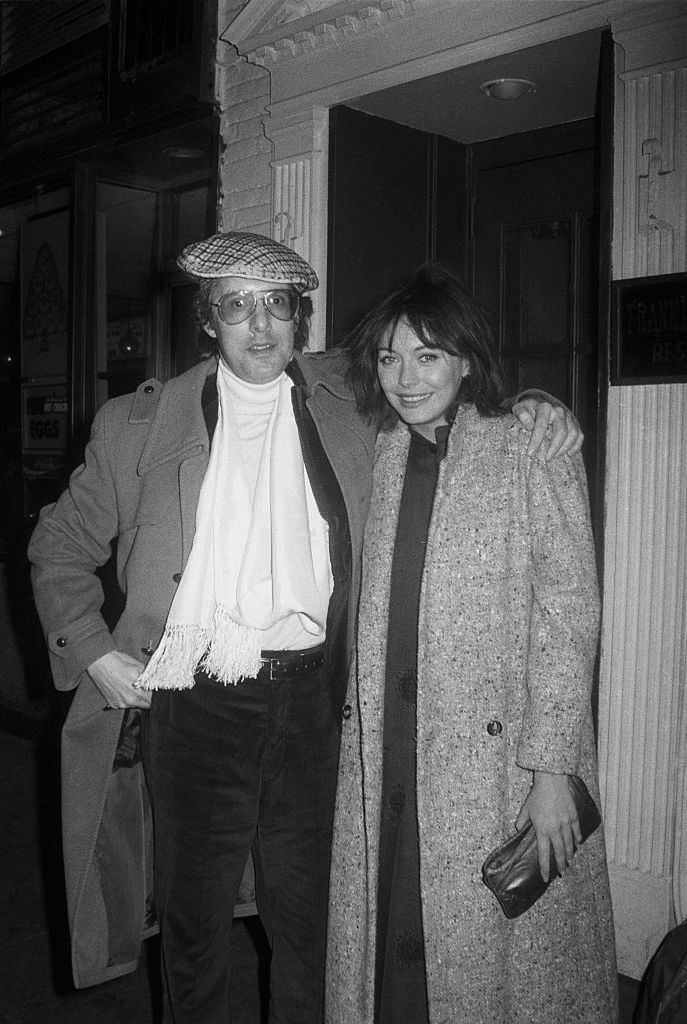
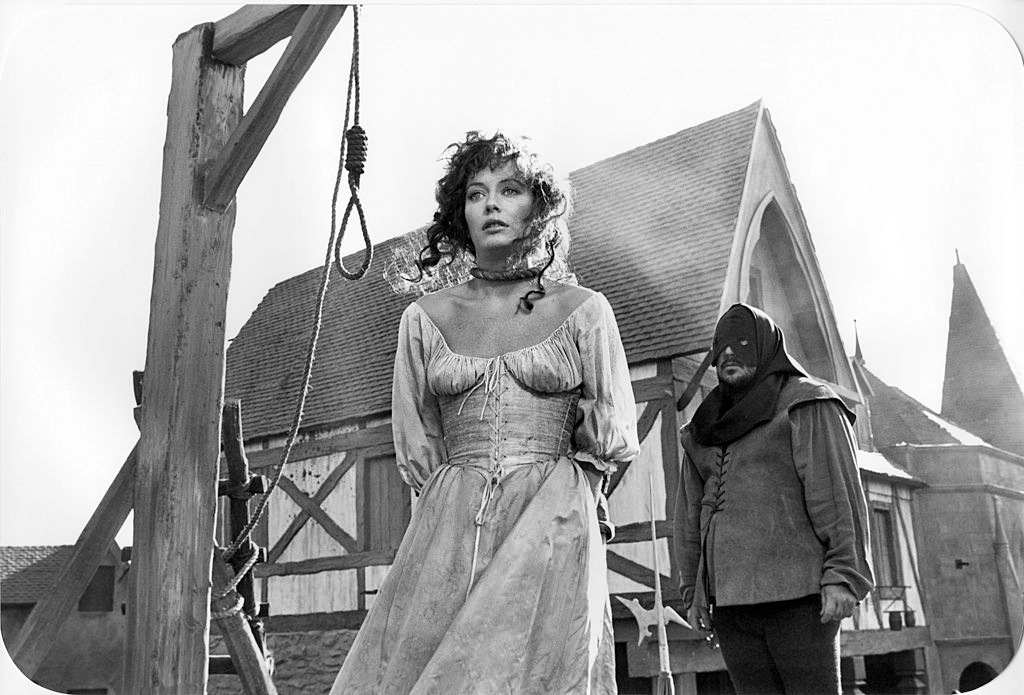
Her second marriage, to acclaimed film director William Friedkin — known for directing The Exorcist and The French Connection — lasted from 1982 to 1985. The two were photographed together frequently during the early 1980s. In 1982, Down took on the role of Esmeralda in a television film adaptation of The Hunchback of Notre Dame, a performance that drew on her ability to bring both vulnerability and strength to a character under extreme pressure.

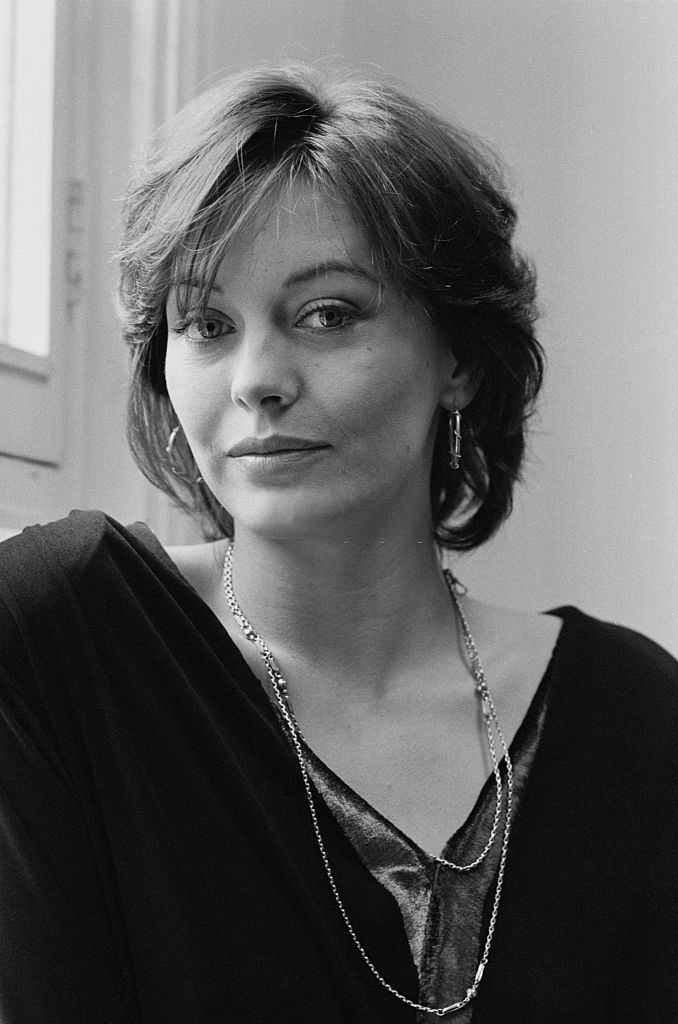
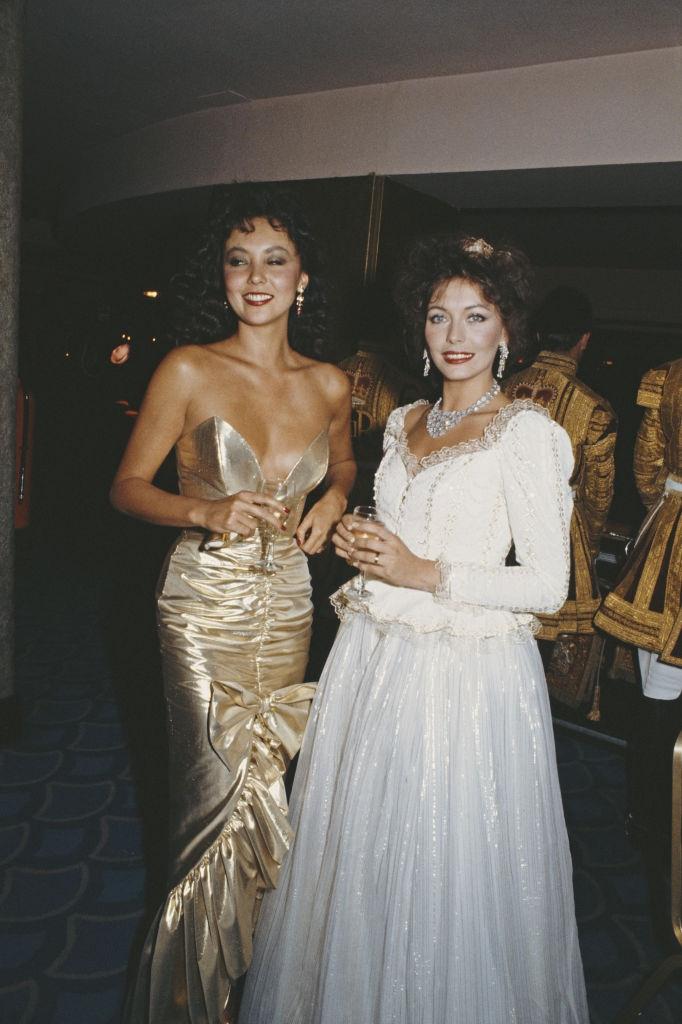
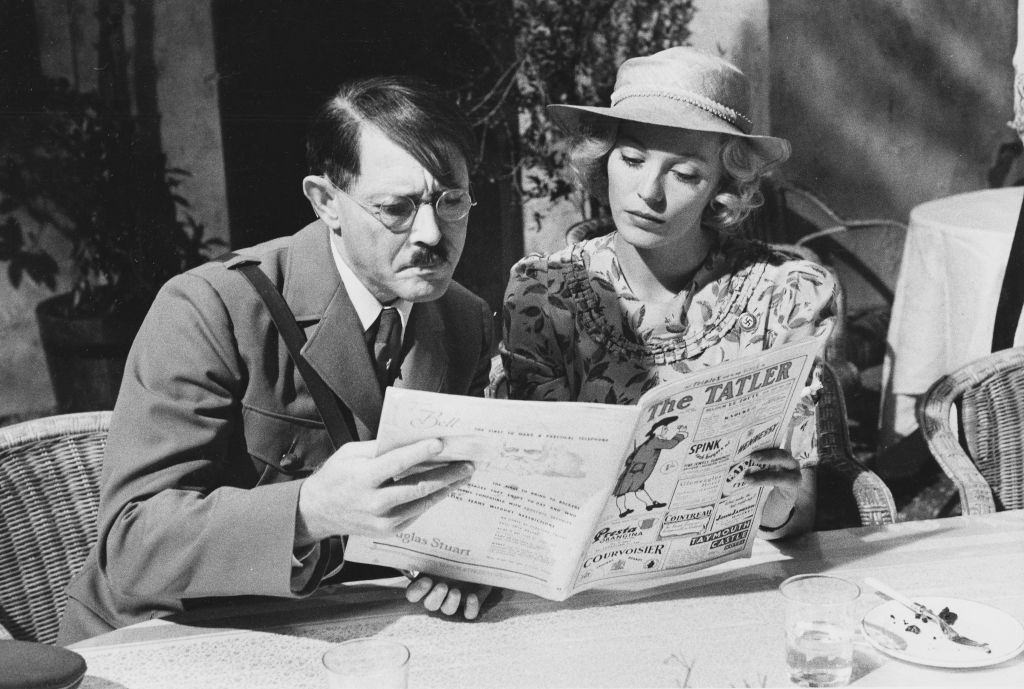
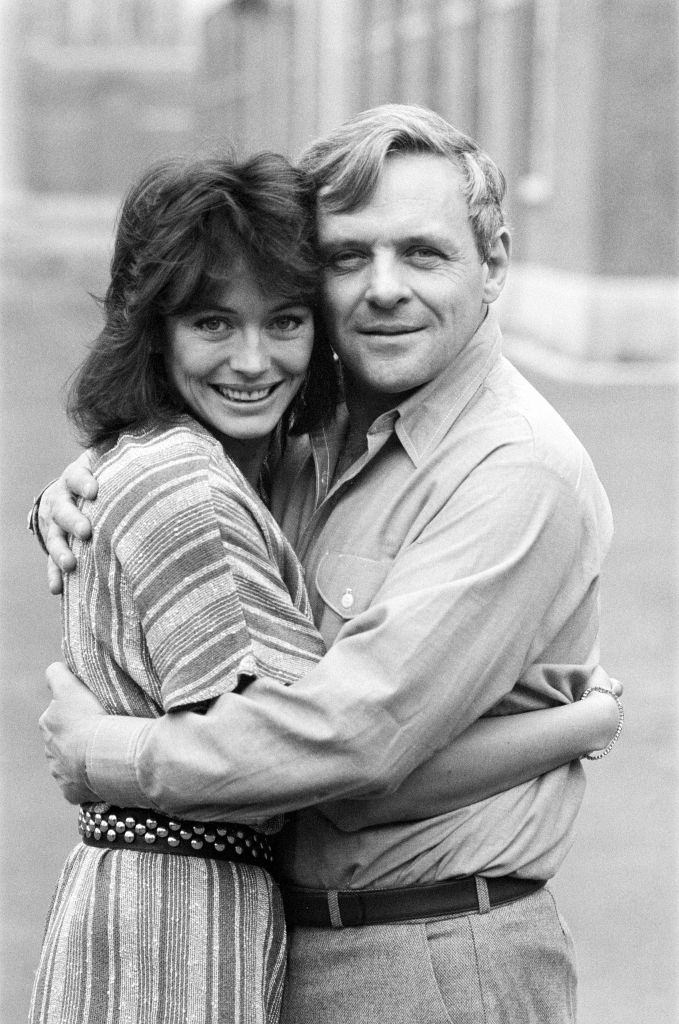
In 1985, Down starred in Arch of Triumph alongside Anthony Hopkins and Donald Pleasence. The film was based on Erich Maria Remarque’s novel set in pre-war Paris and gave Down a complex dramatic role alongside one of Britain’s most respected actors. That same year, she received a Golden Globe nomination for Best Actress in a Miniseries for her work in North and South, the sweeping American Civil War epic that aired on ABC. It was one of the highest-rated miniseries of its era.
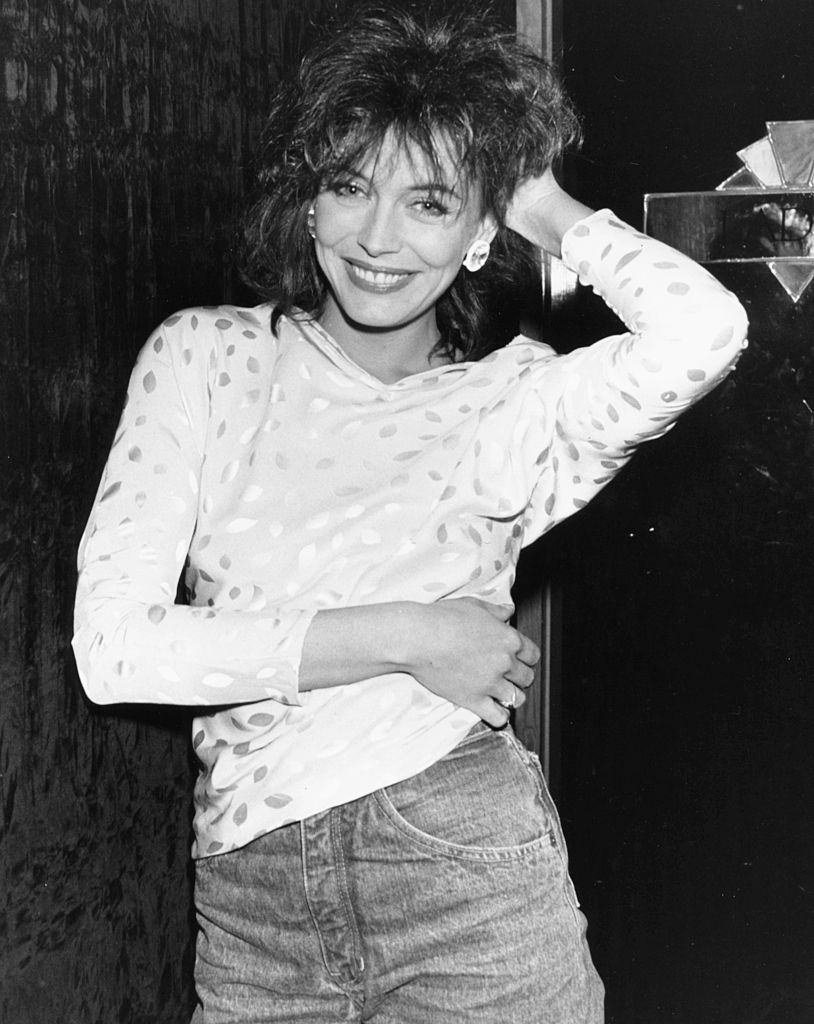
It was during the filming of North and South that Down met cinematographer Don Fauntleroy. At the time, she was still married to Friedkin, and Fauntleroy was also married. Their relationship led to lengthy legal and custody proceedings that took two years out of both their careers and cost Down and Friedkin $1 million each in legal fees and settlements. Down and Fauntleroy eventually married, and they have a son named George-Edward. Down also appeared in six episodes of the long-running primetime drama Dallas, playing Stephanie Rogers, and made guest appearances on shows like The Nanny and Diagnosis: Murder throughout the 1990s.
In 2014, Down announced her retirement from acting. The break was short-lived — she returned to work within a few months. Her career stretches across more than five decades, from child model in 1960s London to Golden Globe-nominated actress in Hollywood, with a body of work that spans drama, comedy, period television, and major studio films.