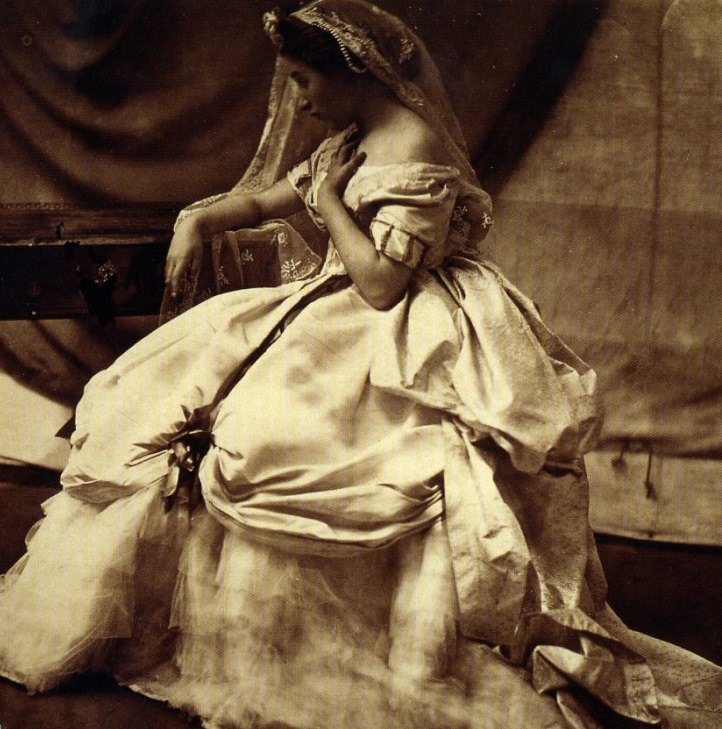
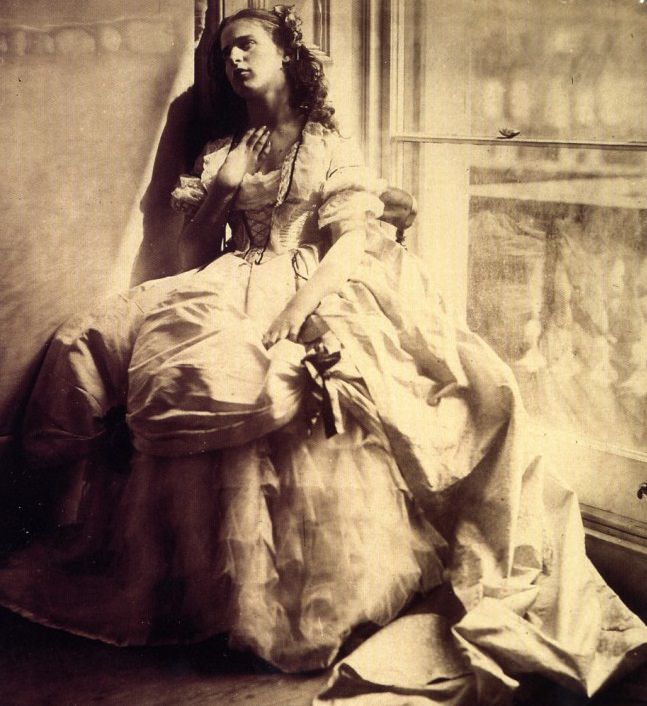
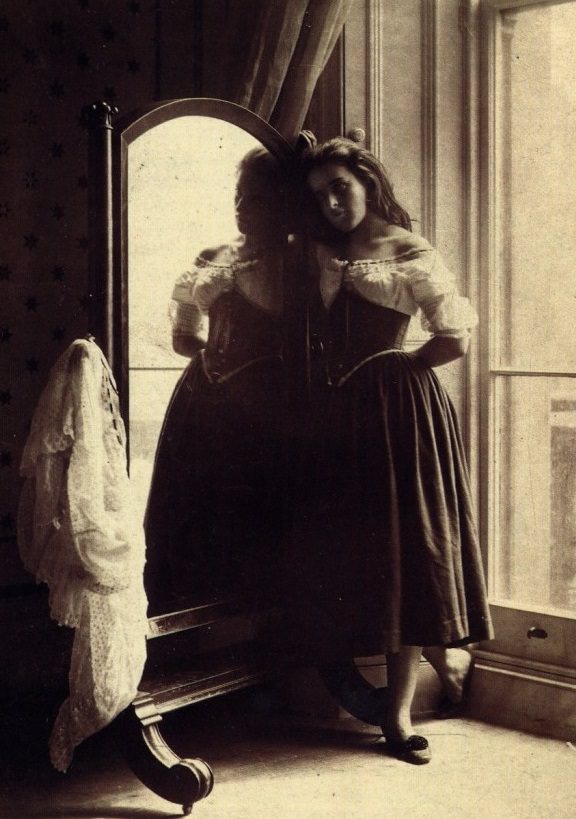
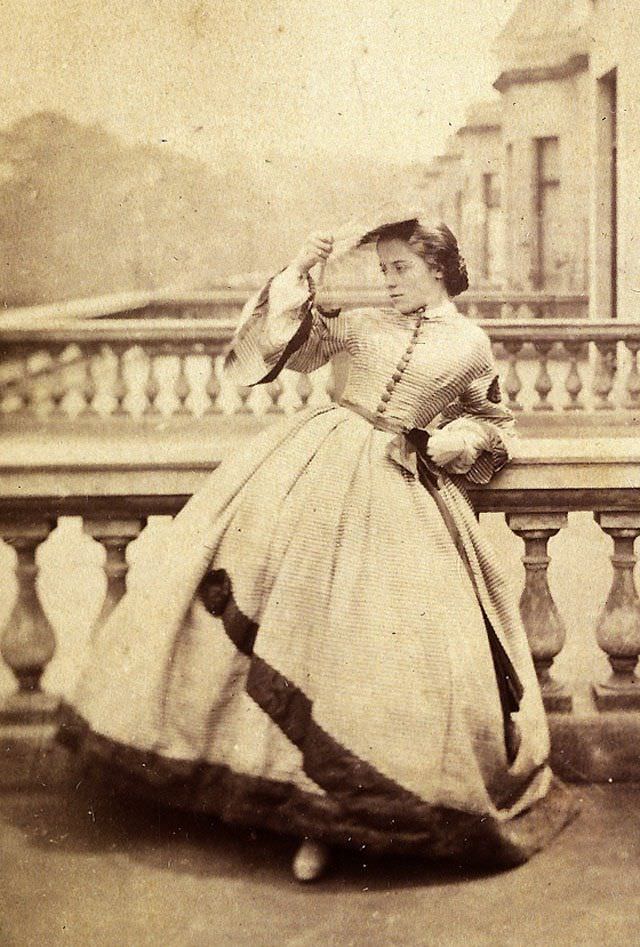
Clementina, Viscountess Hawarden (1822–1865) produced over 800 photographs during her short life. Most of them featured her own daughters. Taken in the 1860s, these images stand as some of the earliest and most artistically ambitious examples of fashion photography in the Victorian era.
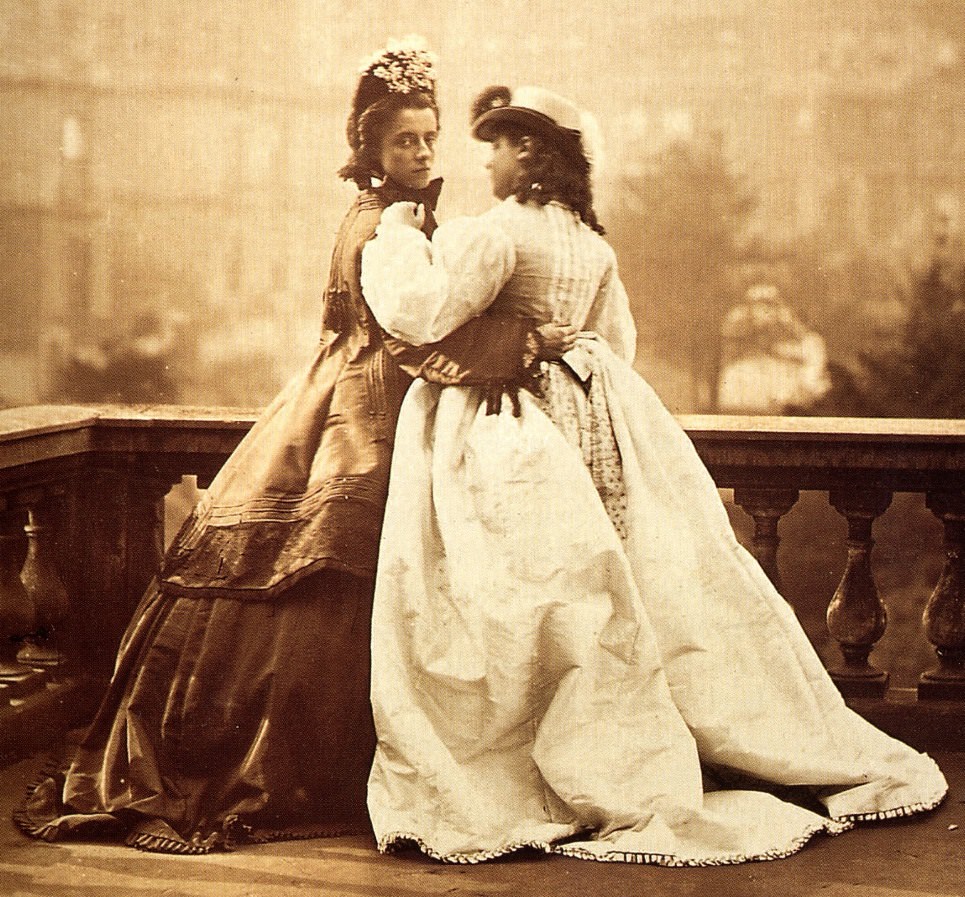
Lady Hawarden transformed the sitting room of her London home into a dedicated photography studio. She cleared out the heavy furniture, ornaments, and decorations typical of Victorian interiors. The result was a clean, almost minimalist space — a striking contrast to the cluttered rooms fashionable at the time. This blank backdrop put the focus entirely on her daughters and what they wore.
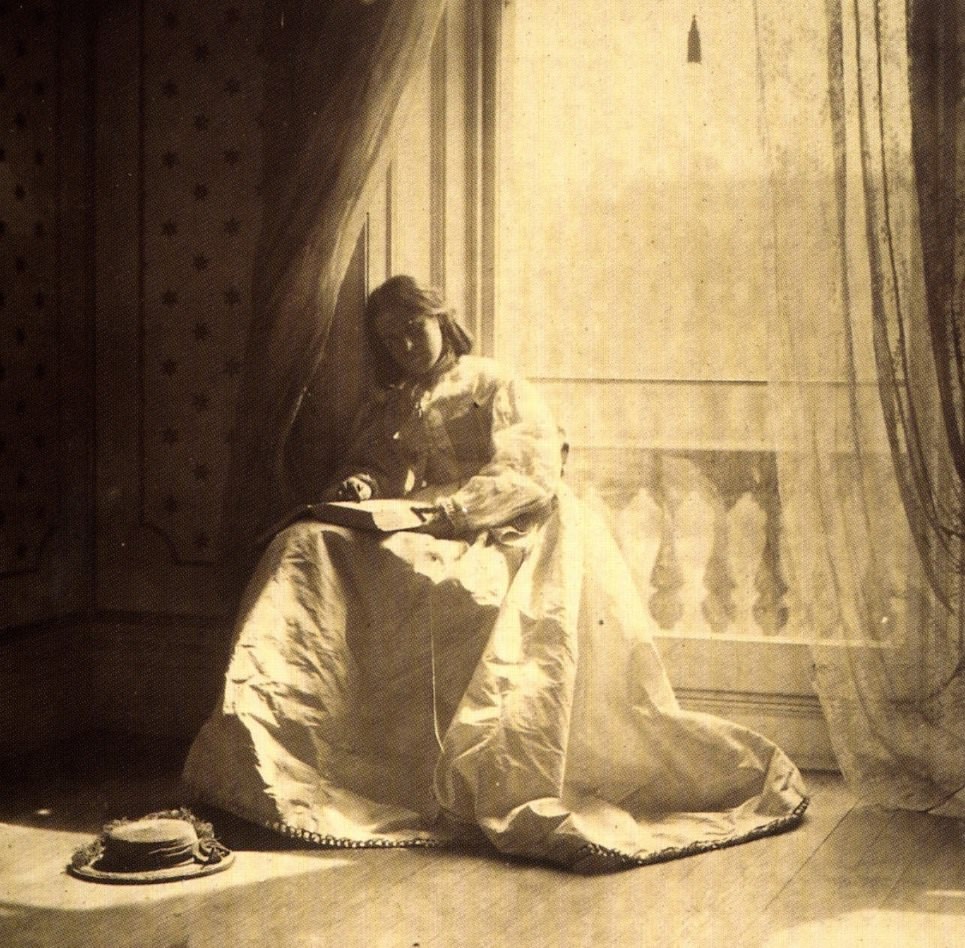
The dresses her daughters wore were not everyday clothing. They were formal outfits reserved for parties or special occasions, featuring lace, ribbons, ruffles, and fine fabric. Each garment captures the detailed craftsmanship of mid-1800s fashion in precise, photographic detail.
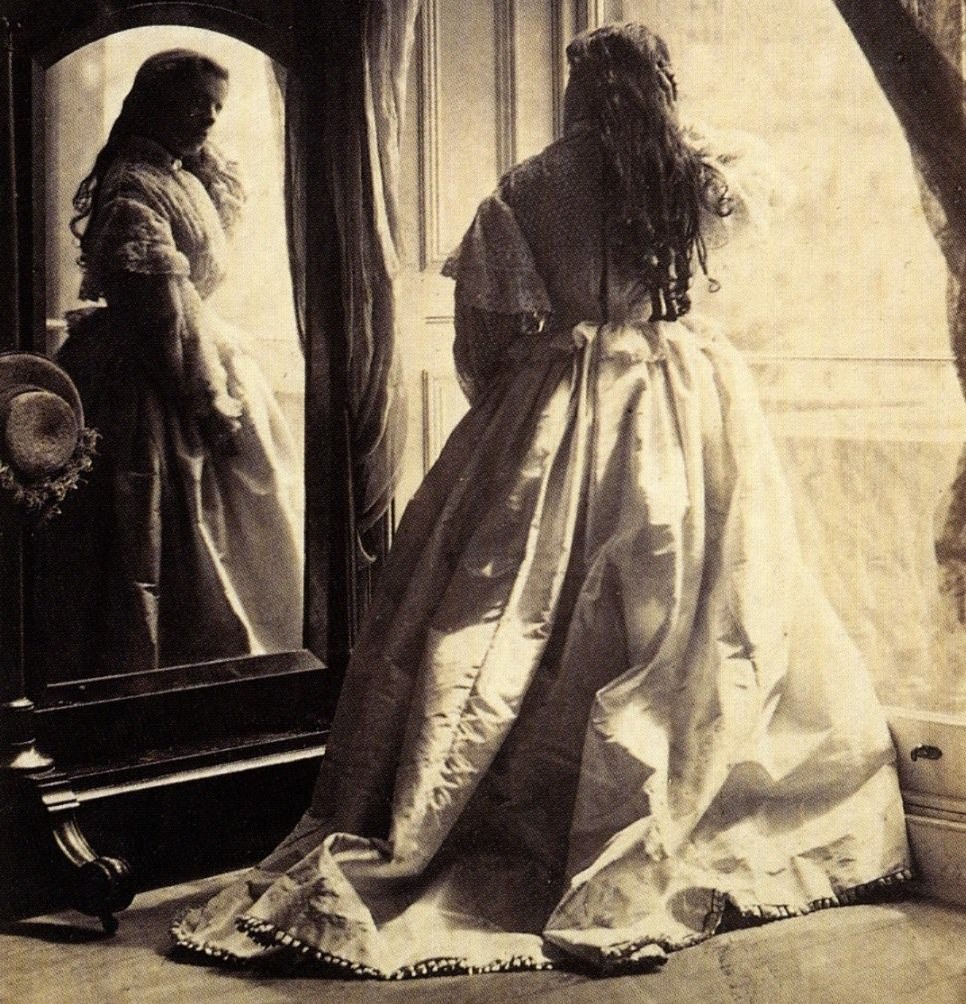
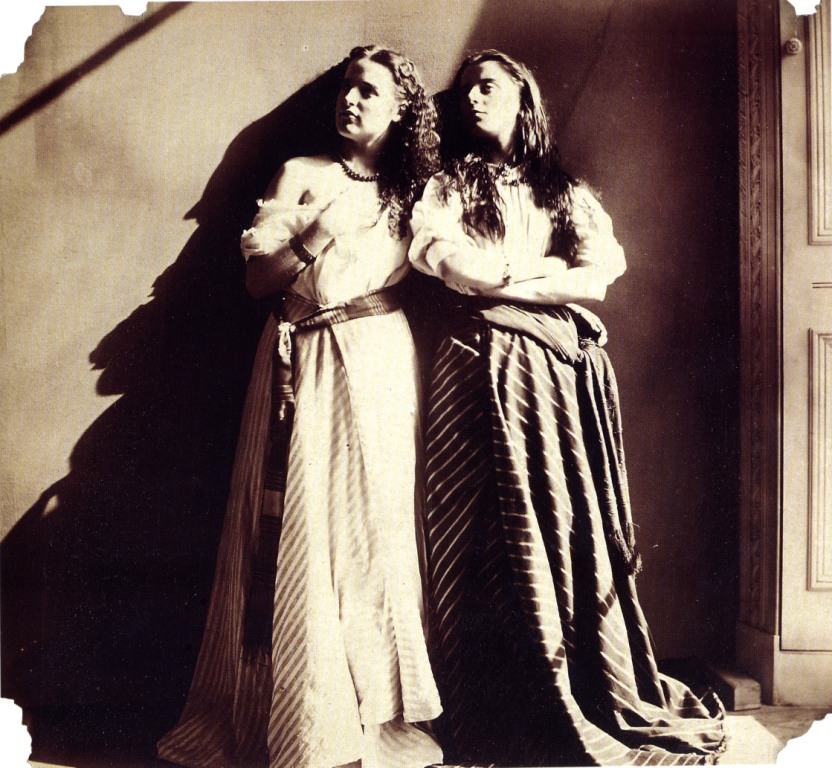
Mirrors appear throughout Lady Hawarden’s work as a recurring compositional tool. They doubled the figures in the frame, added depth, and introduced a sense of mystery to otherwise still scenes. Props like chairs and window light were also used with clear intention.
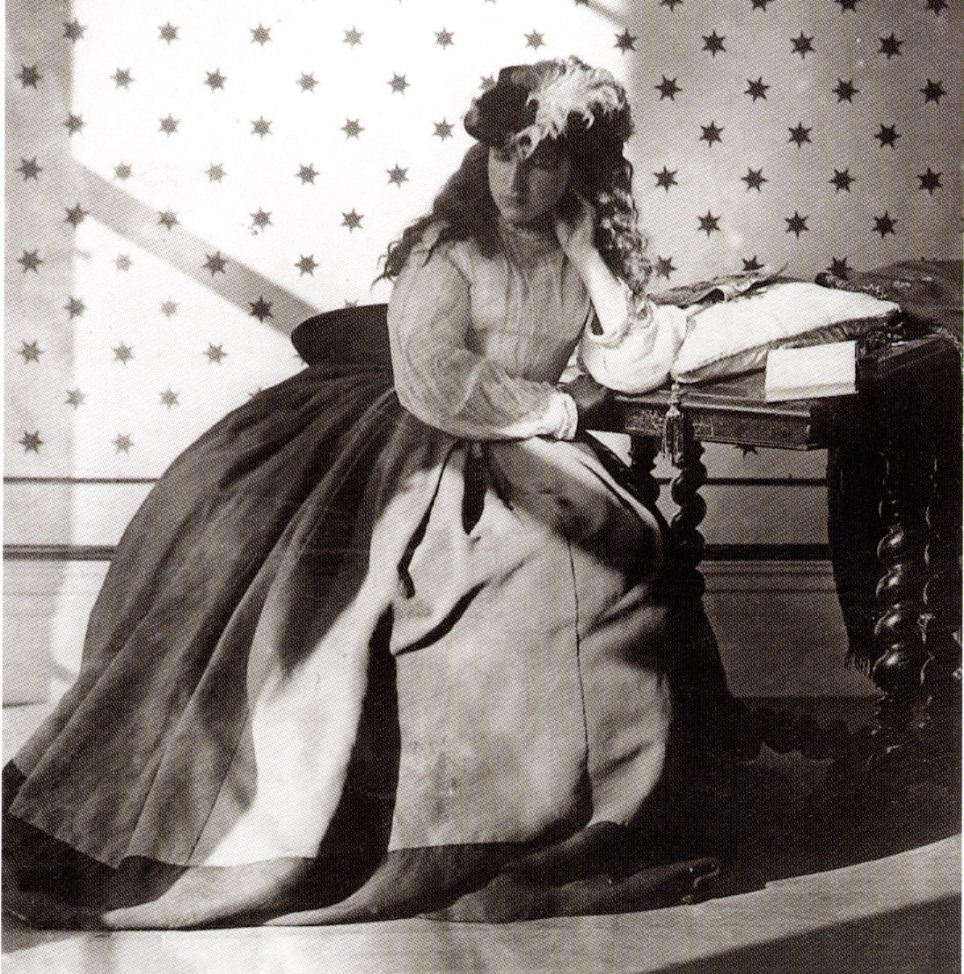
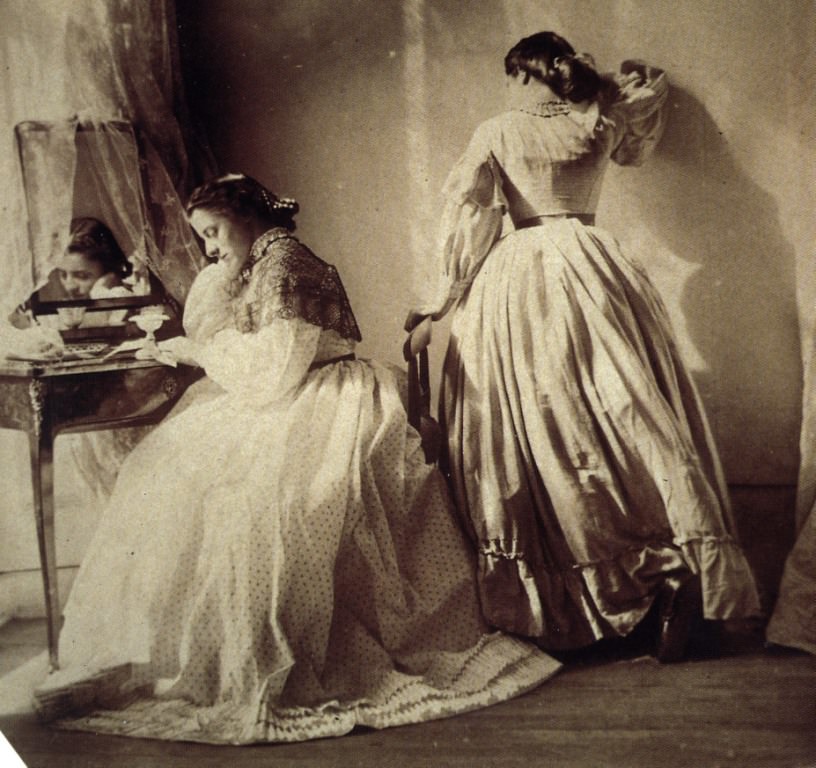
The daughters rarely posed in isolation. They leaned on one another, held hands, or locked eyes — physical closeness that gave the photographs a strong sense of intimacy. These carefully staged interactions have led some historians to read the images as having homoerotic undertones, adding another interpretive layer to her body of work.
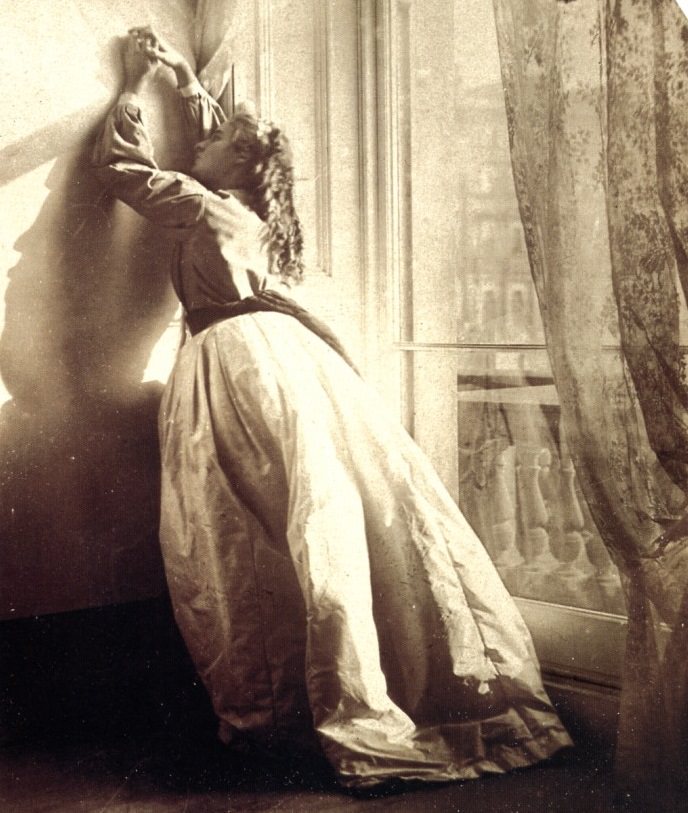
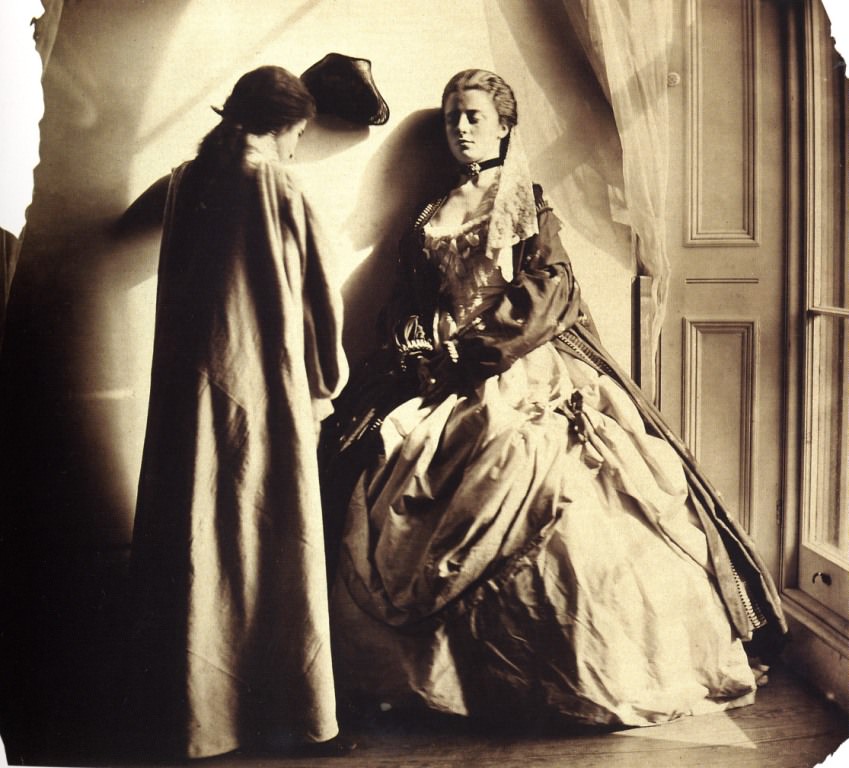
What set Lady Hawarden apart was her refusal to treat photography as mere documentation. Each image was a composed scene with deliberate lighting, staging, and emotional weight. She was working in a medium still in its infancy, yet her approach reads as far ahead of its time.