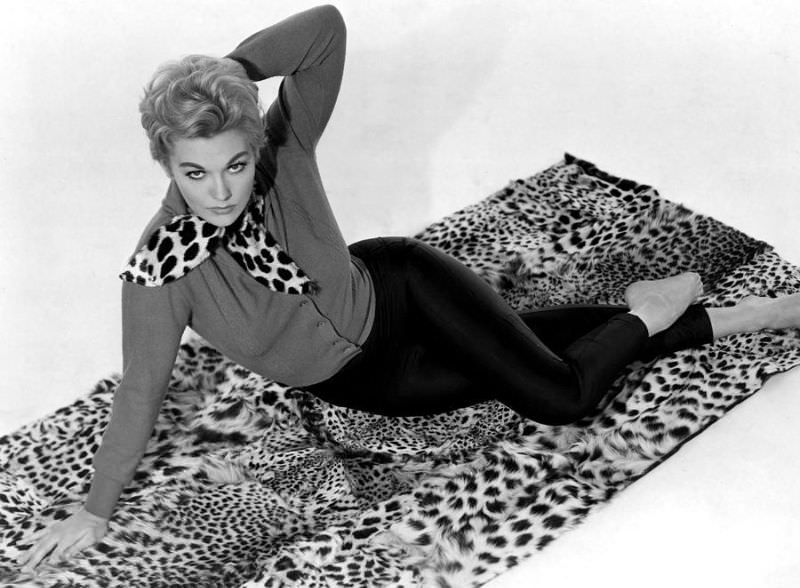
Alfred Hitchcock’s Vertigo (1958) is one of the most carefully crafted psychological thrillers ever put on film. Based on the 1954 French novel D’entre les morts (From Among the Dead) by Boileau-Narcejac, the screenplay was written by Alec Coppel and Samuel A. Taylor. Hitchcock both directed and produced the film, and his control over every visual detail shows in every frame.
The film follows a retired San Francisco detective named Scottie Ferguson, played by James Stewart, who suffers from acrophobia — a fear of heights — that triggers severe vertigo. He is hired to follow a woman named Madeleine, and what begins as a straightforward surveillance job slowly pulls him into obsession. The story is less about the mystery on the surface and more about a man who loses himself chasing something he cannot fully understand.
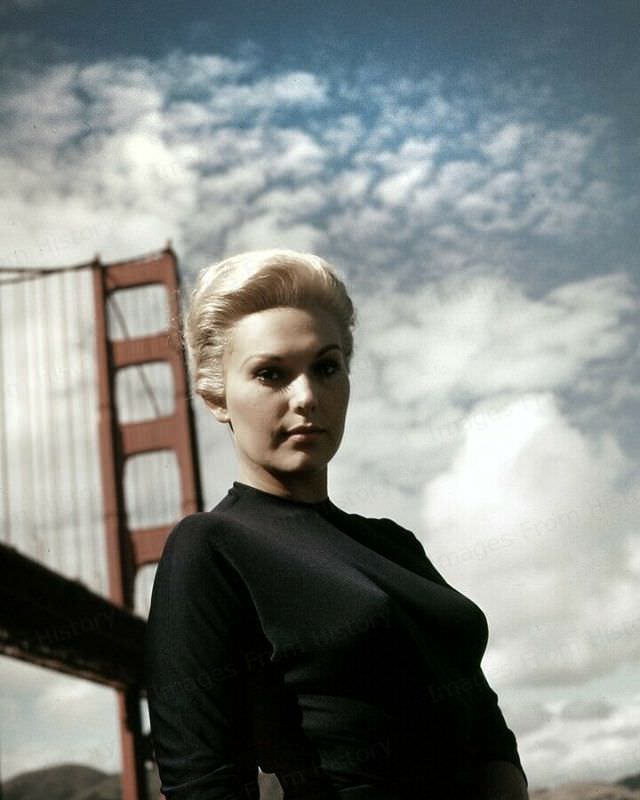
At the center of the film is Kim Novak, who plays the dual roles of Madeleine Elster and Judy Barton. Novak carries enormous weight in the film. She brings a quiet, magnetic presence to Madeleine — cool, distant, and hauntingly beautiful. As Judy, she delivers something rawer and more emotionally exposed. Together, the two performances form one of the most layered portrayals in Hollywood history.
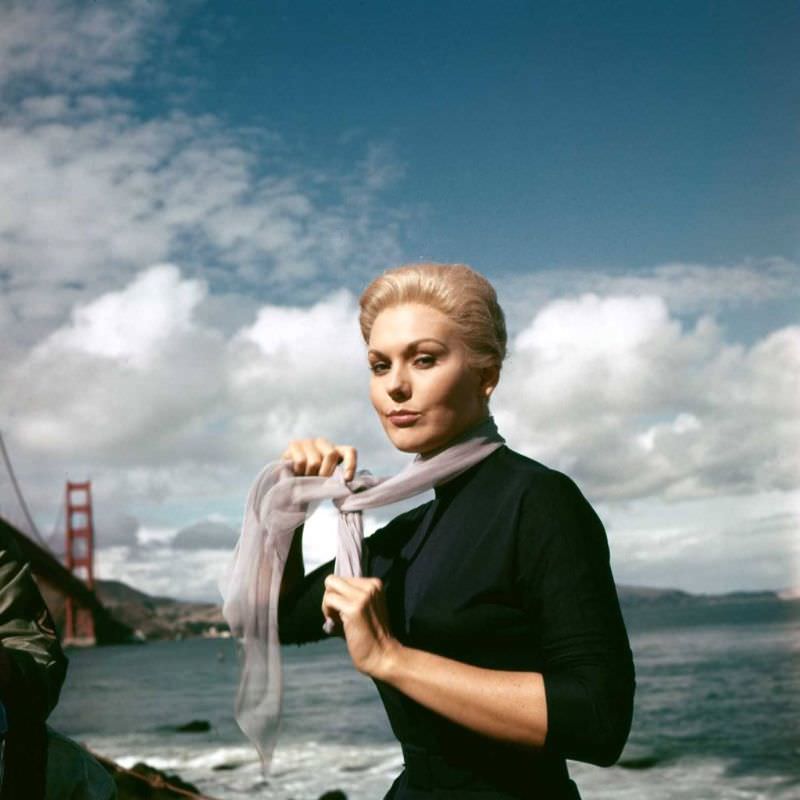
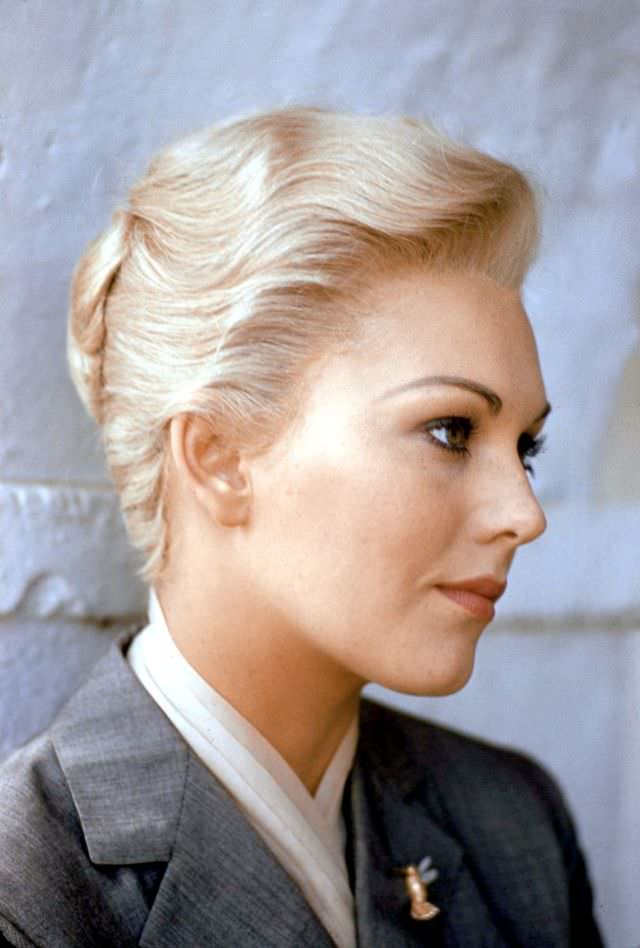
Hitchcock’s visual style in Vertigo is immediately recognizable. He used sharp contrasts between light and shadow, rich saturated colors, and long, slow camera movements that draw the audience into Scottie’s deteriorating state of mind. The famous “dolly zoom” shot — where the camera pulls back while the lens zooms in — was invented for this film to visually recreate the sensation of vertigo.
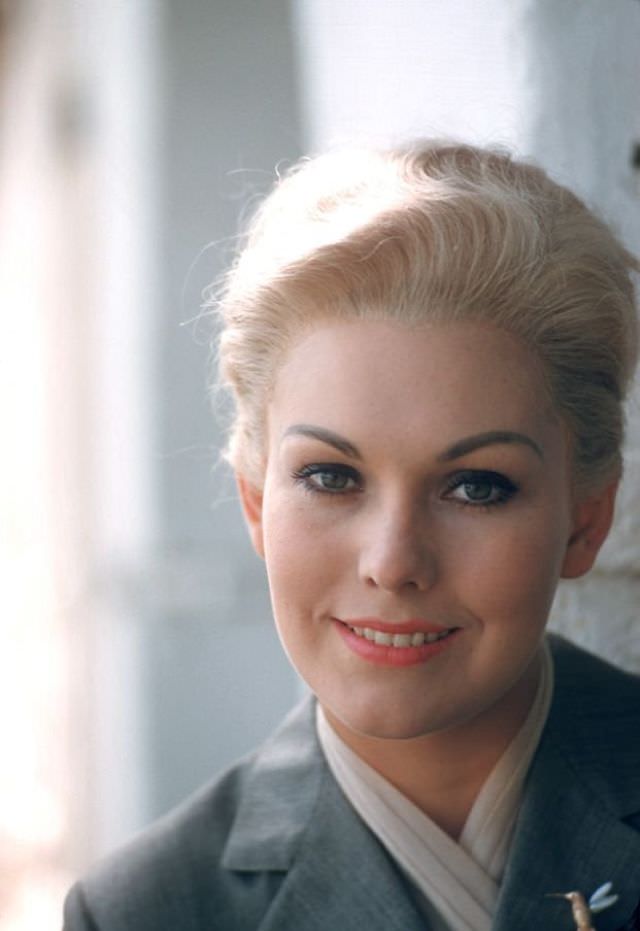
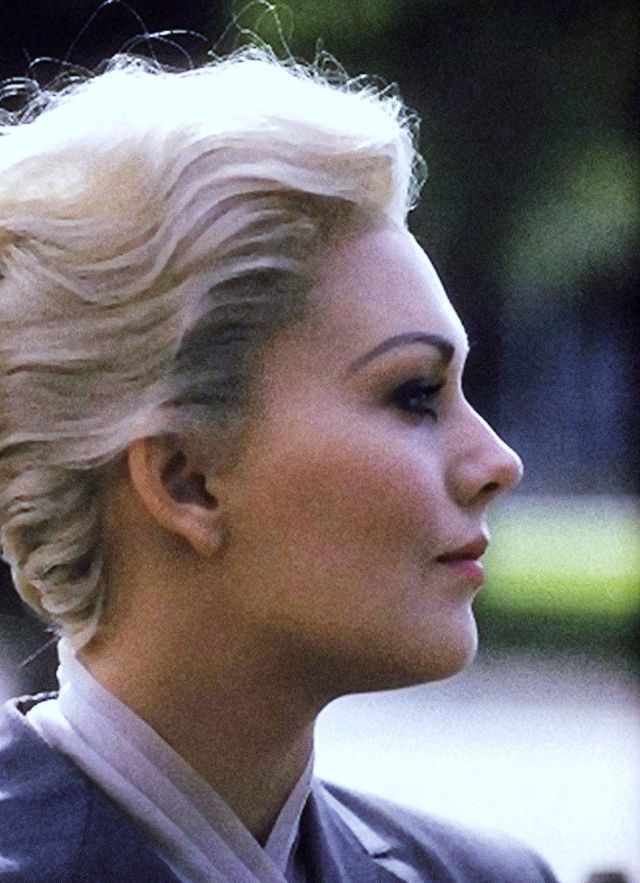
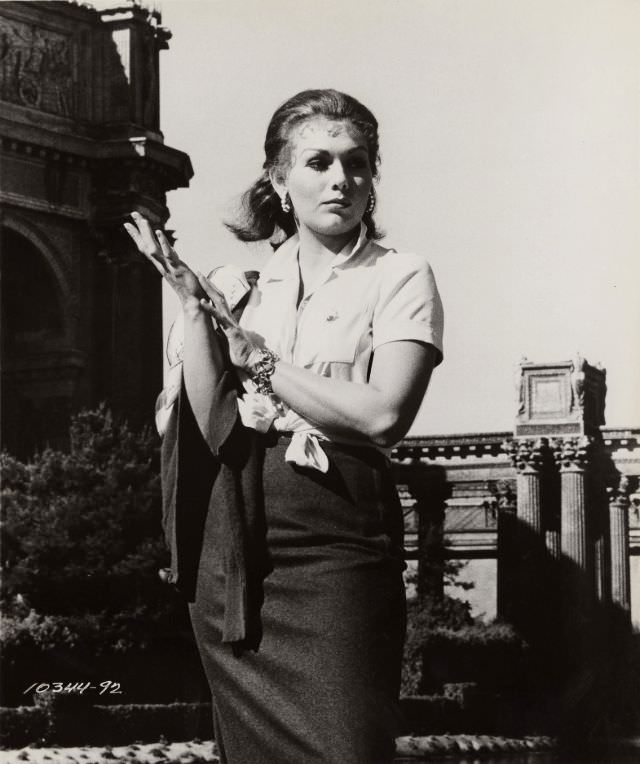
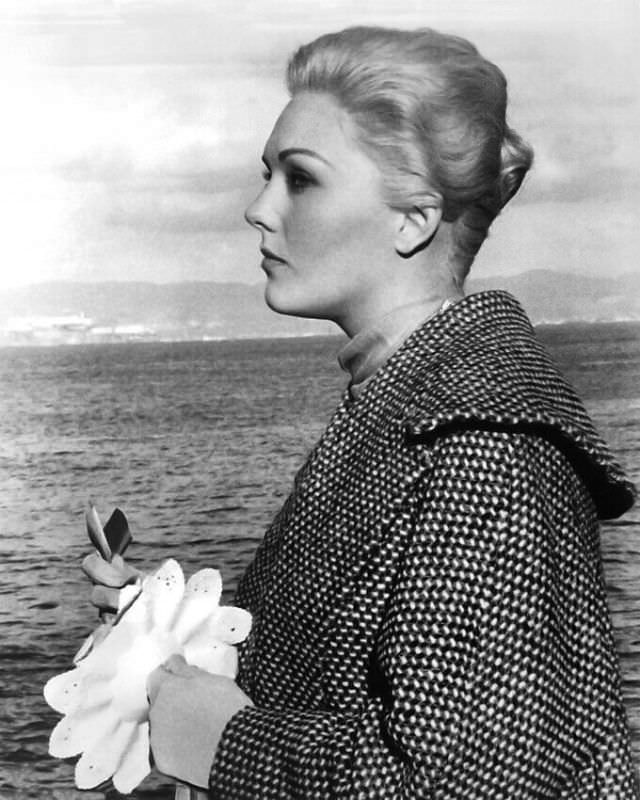
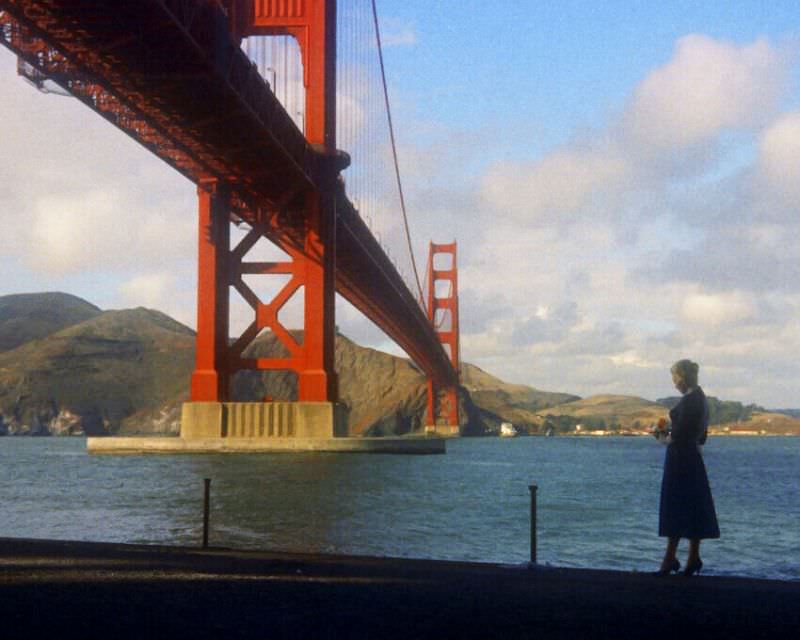
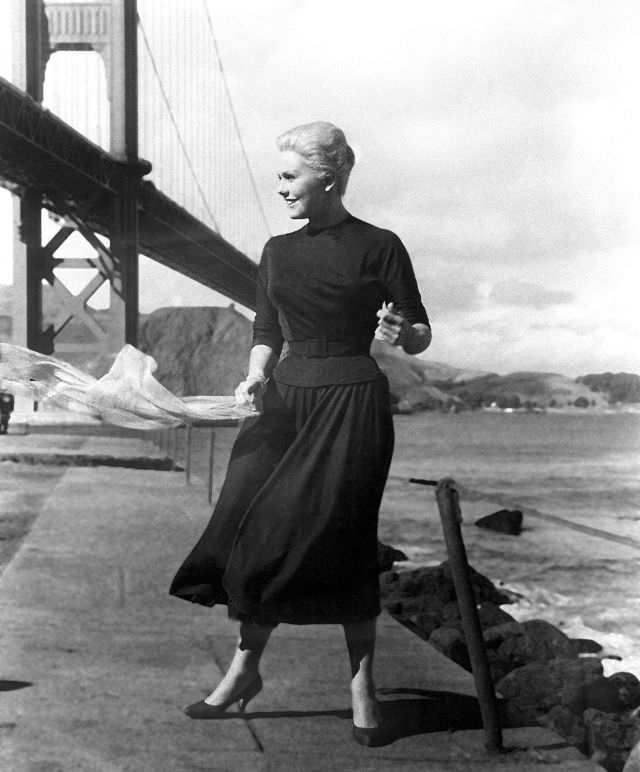
Filming took place across several real San Francisco locations, including the Palace of Fine Arts, Mission Dolores, and Fort Point beneath the Golden Gate Bridge. These settings gave the film a grounded, almost documentary quality that made the psychological elements feel even more unsettling. Novak moved through each of these locations with a poise that fit Madeleine’s mysterious character perfectly.
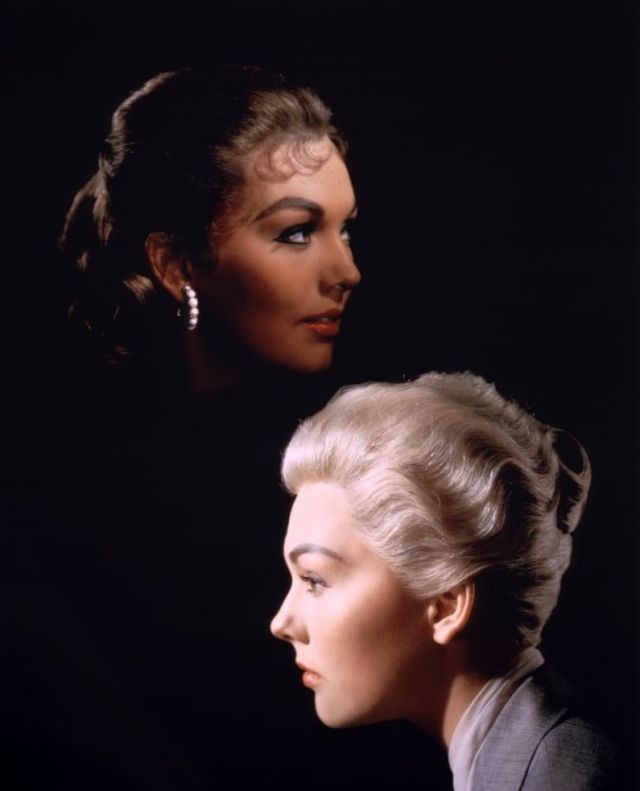
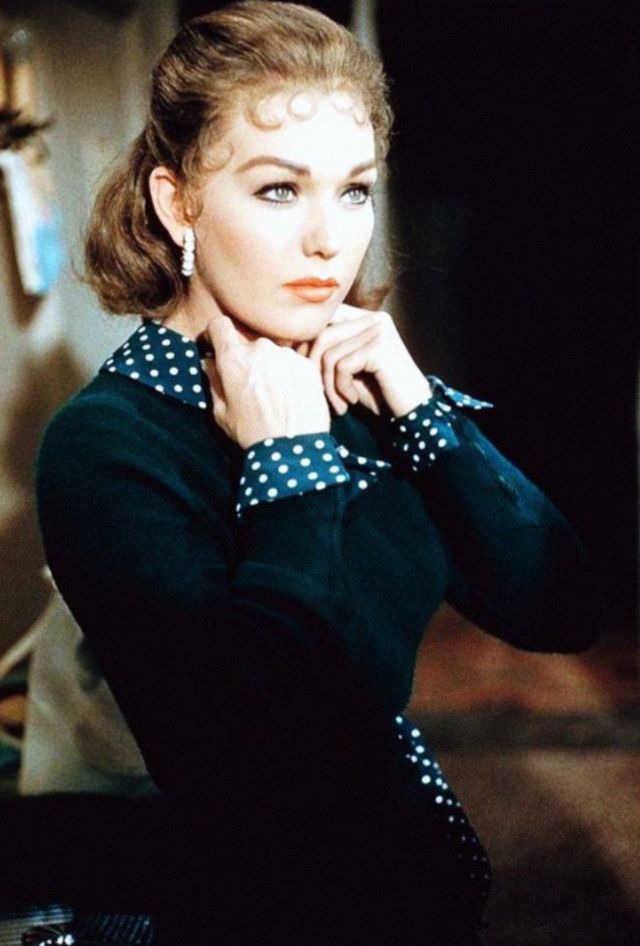
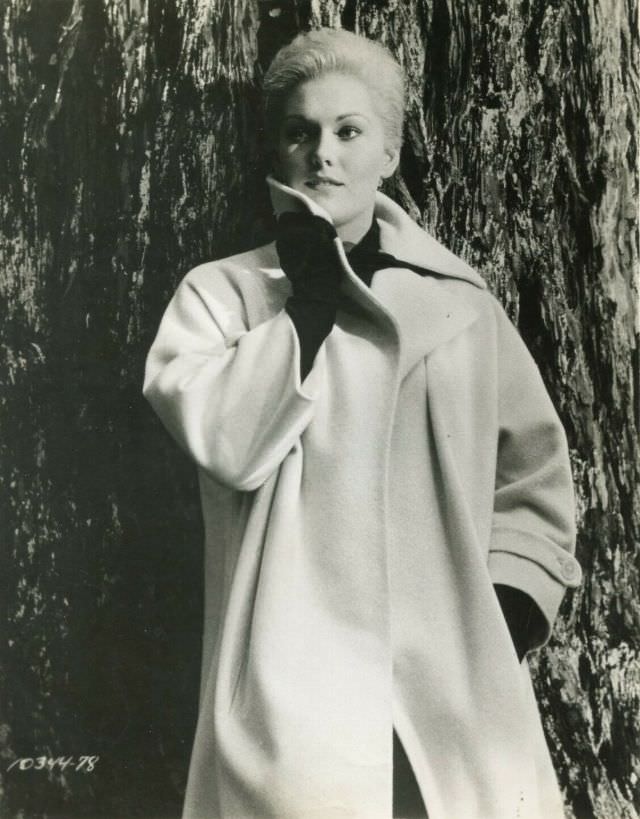
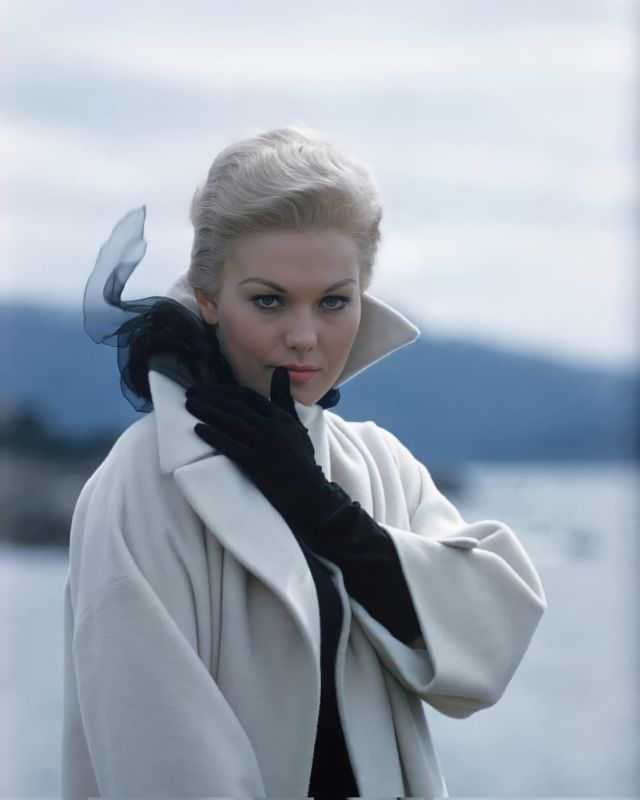
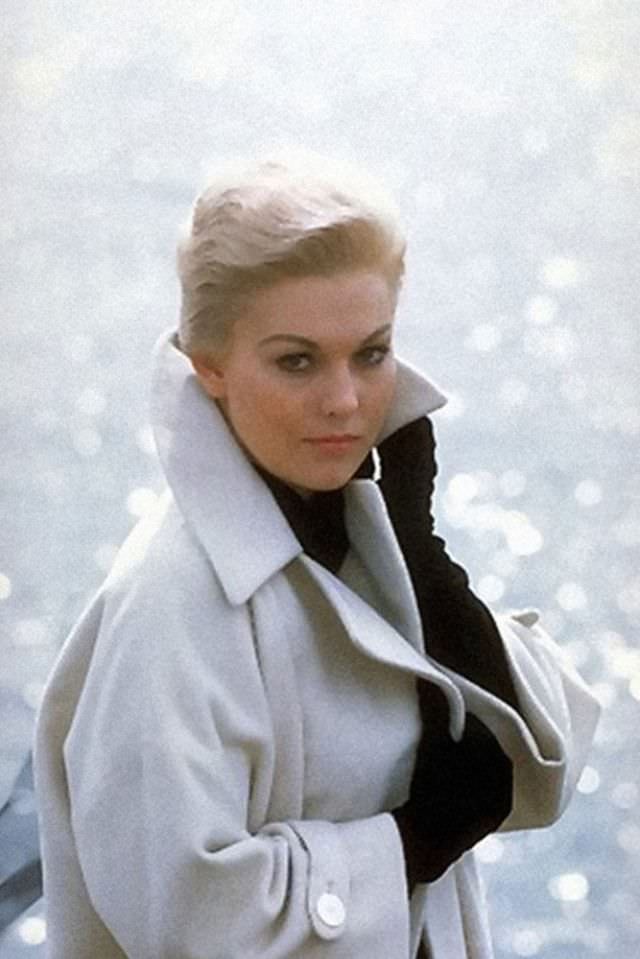
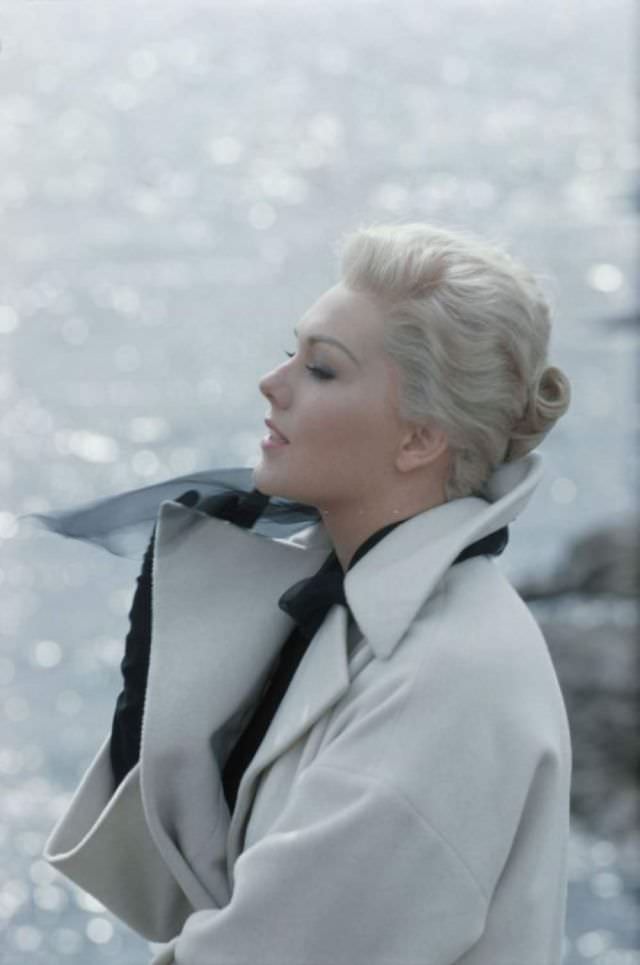
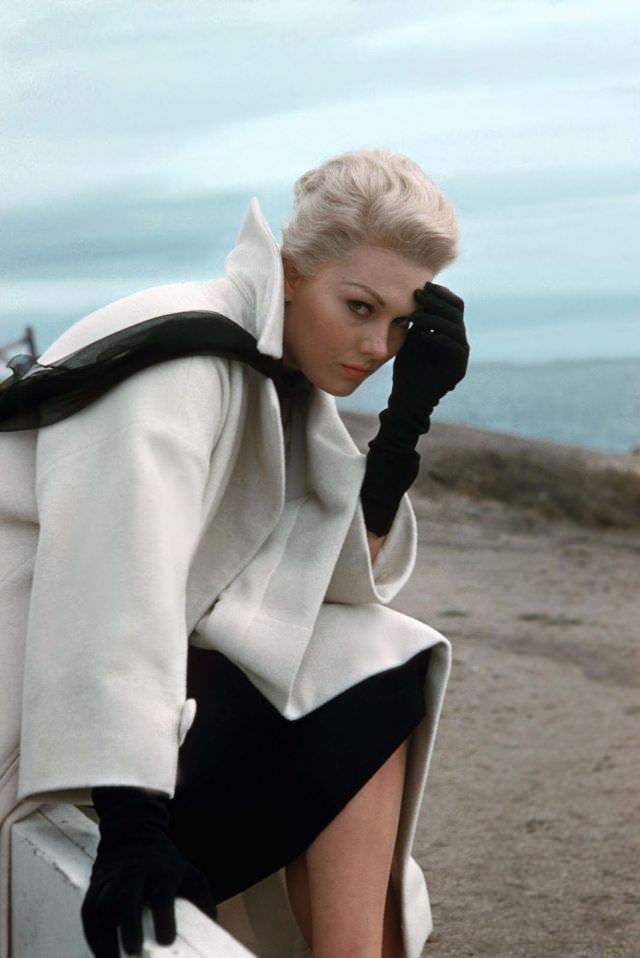
Behind the scenes, Novak was a striking figure. She had already established herself as a major star at Columbia Pictures, known for her cool blonde looks and understated screen presence. Hitchcock saw those qualities and built the entire visual grammar of Madeleine around them — the silver-grey suits, the pulled-back hair, the slow and deliberate way she moved through a scene.
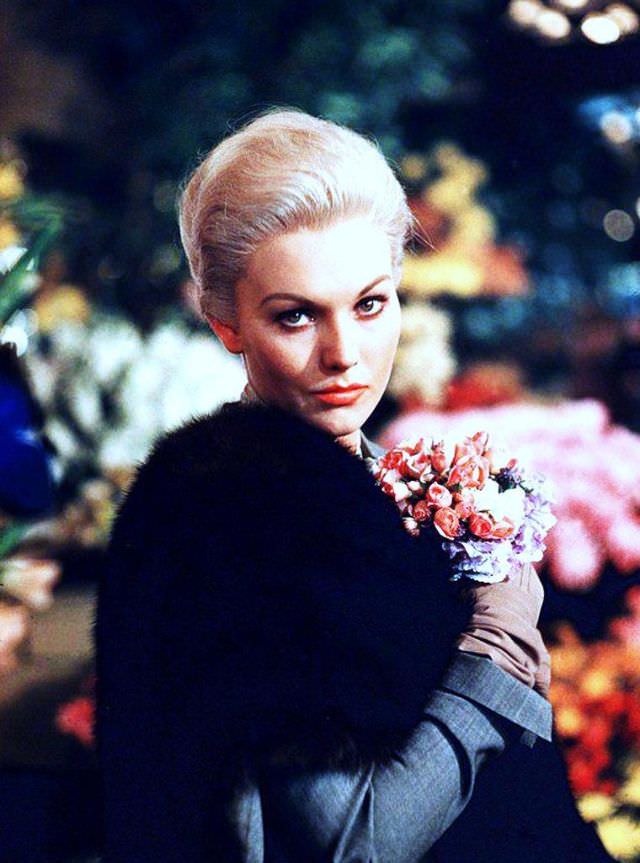
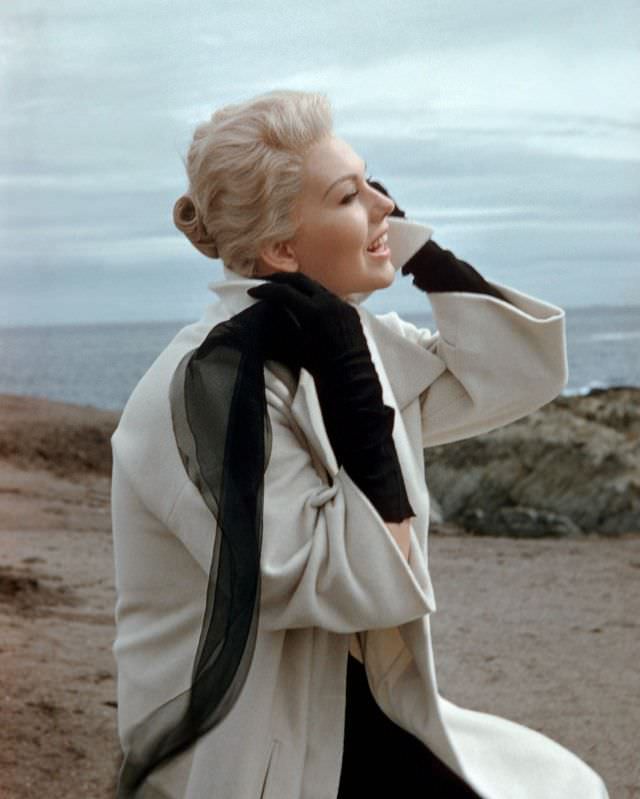
Novak handled the complexity of playing two distinct women convincingly. Madeleine is ethereal and untouchable. Judy is ordinary, emotionally vulnerable, and desperate. The audience feels the difference between the two immediately, even though Novak is playing both. That distinction is entirely her doing — Hitchcock’s direction and costume design supported her, but Novak had to make the audience believe in two separate people.
James Stewart, already one of the most trusted actors in Hollywood by 1958, brought an unusual darkness to his role as Scottie. He was 49 years old during filming — older than the typical romantic lead — and that age added a certain desperation to his obsession with Madeleine. His chemistry with Novak felt uneven by design, which made every scene between them feel off-balance in exactly the right way.
Bernard Herrmann composed the film’s score, which became one of the most iconic in cinema. The swirling, tension-filled orchestration matched Hitchcock’s visuals beat for beat. It amplified every moment of psychological pressure and made even quiet scenes feel like they were building toward something the audience couldn’t quite name.
The film was shot by cinematographer Robert Burks, who worked with Hitchcock on twelve films. Burks used color with unusual intention — the green lighting in the hotel scene where Judy transforms into Madeleine is one of the most discussed visual choices in film history. It gives the scene a dreamlike, almost ghostly quality that fits the moment exactly.
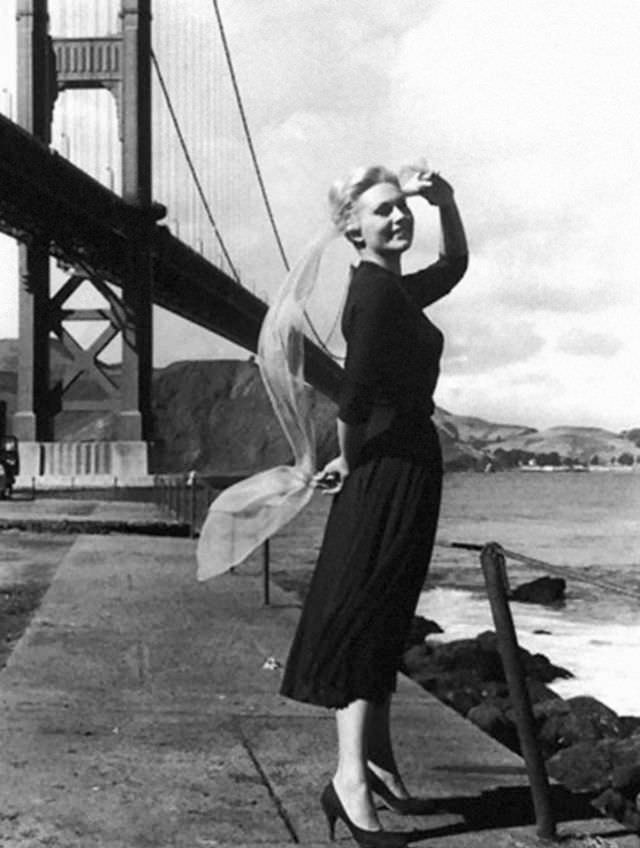
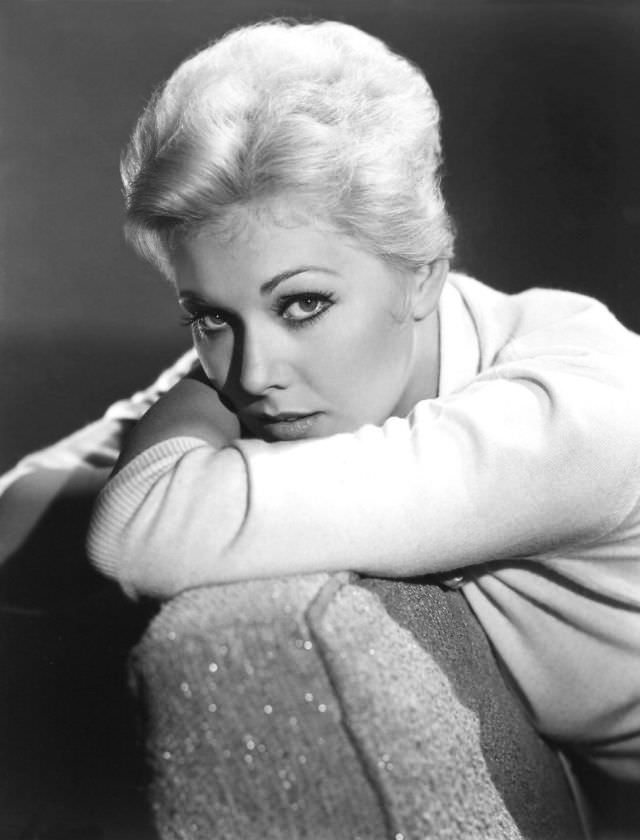
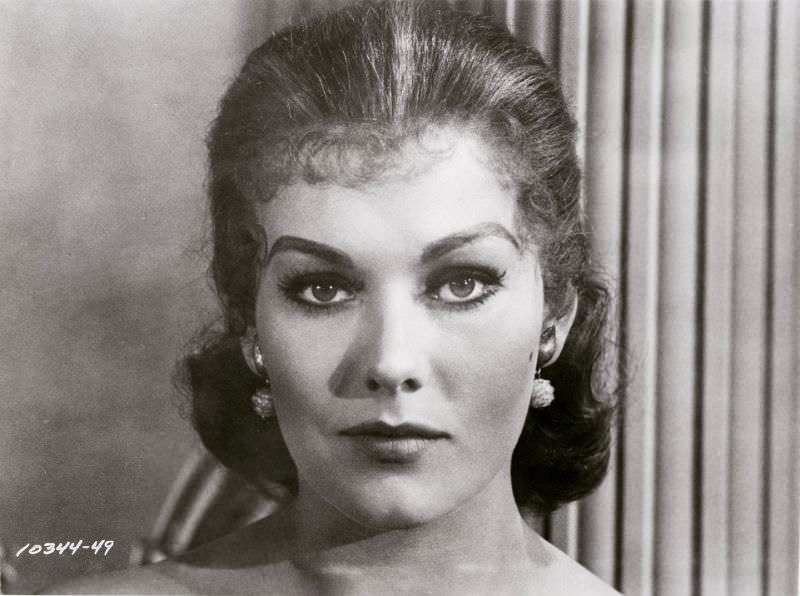
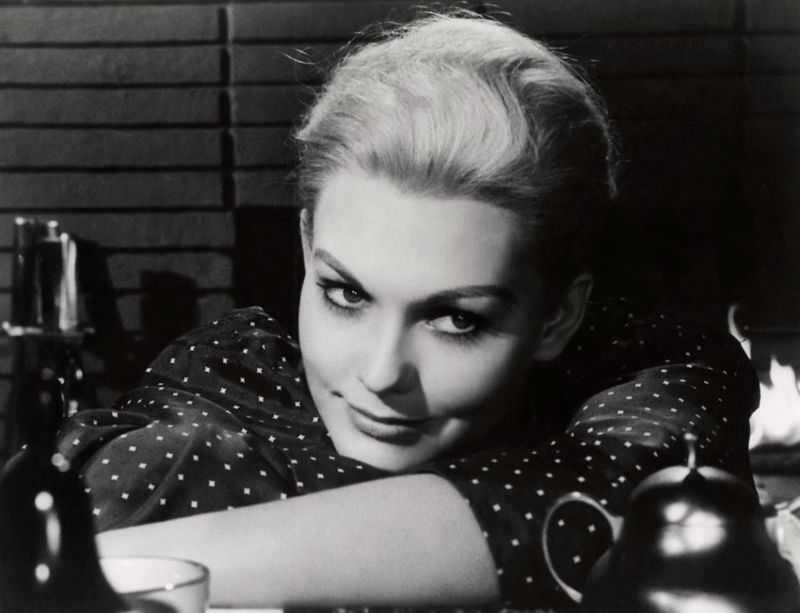
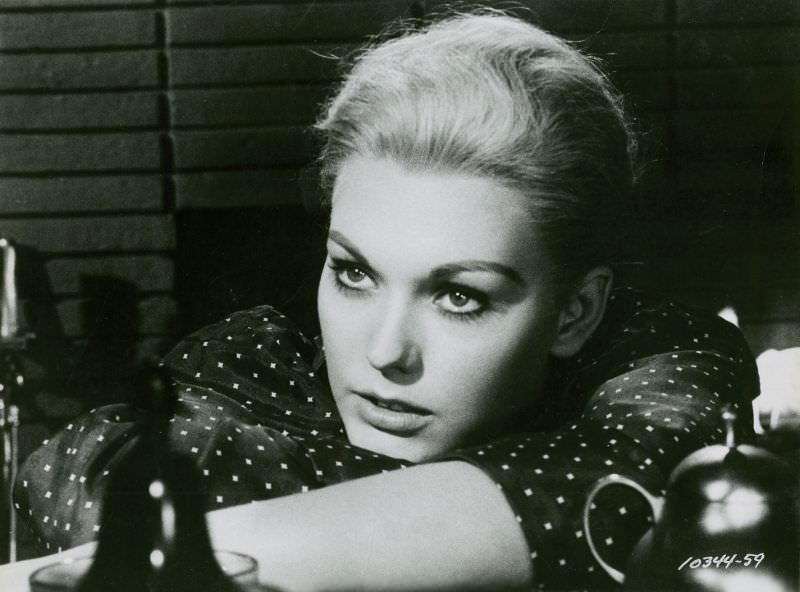
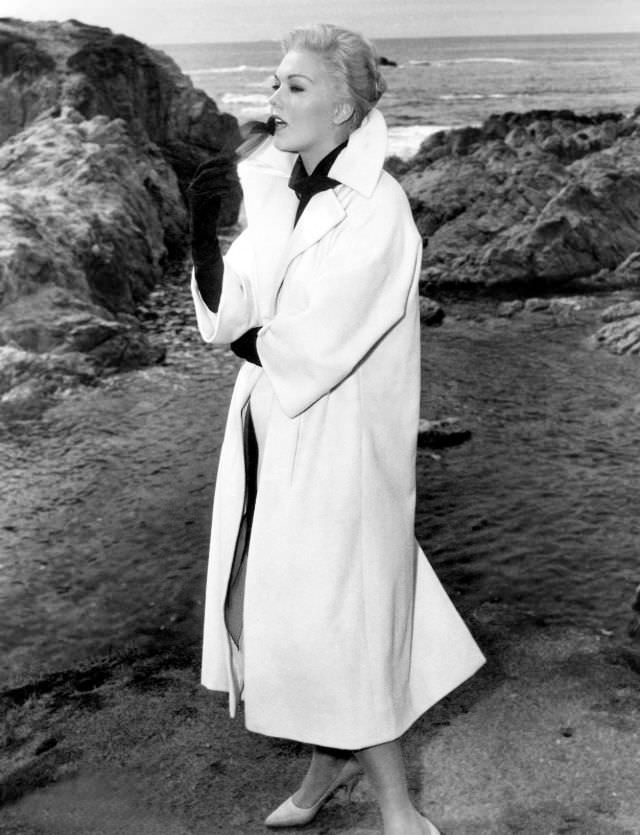
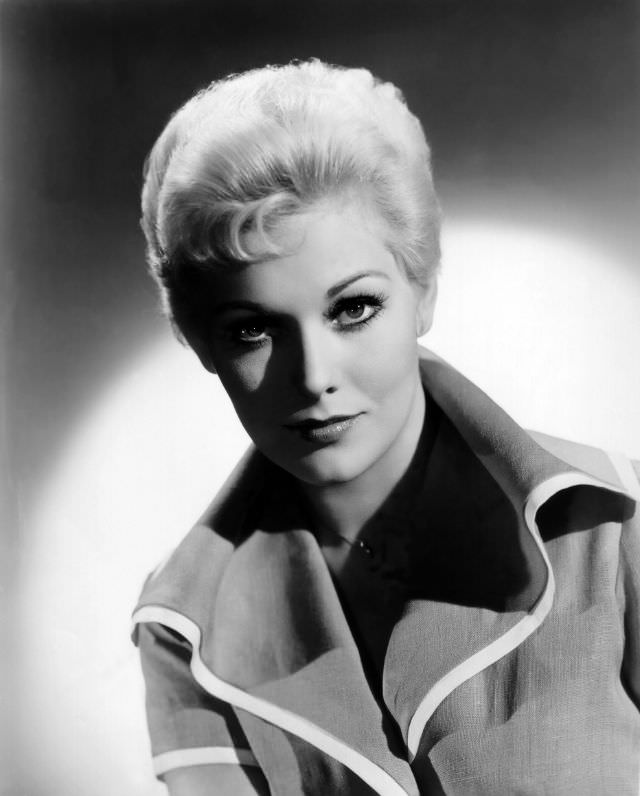
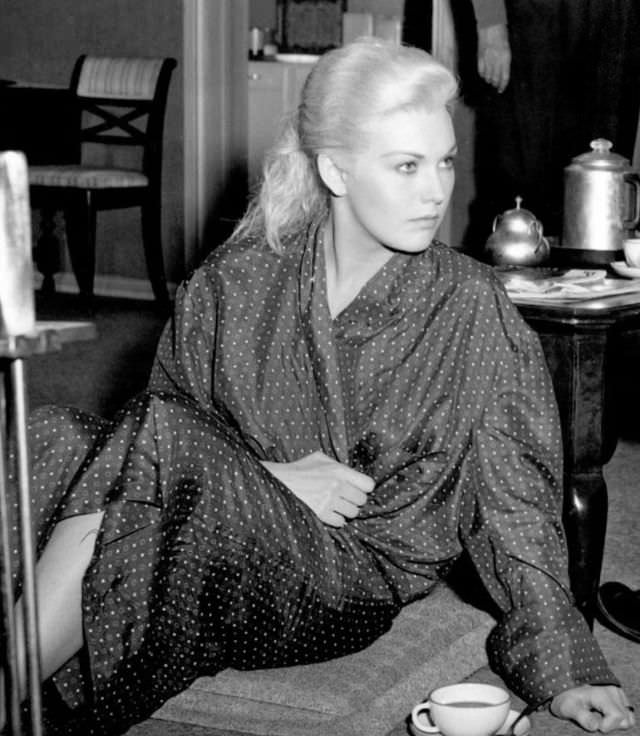
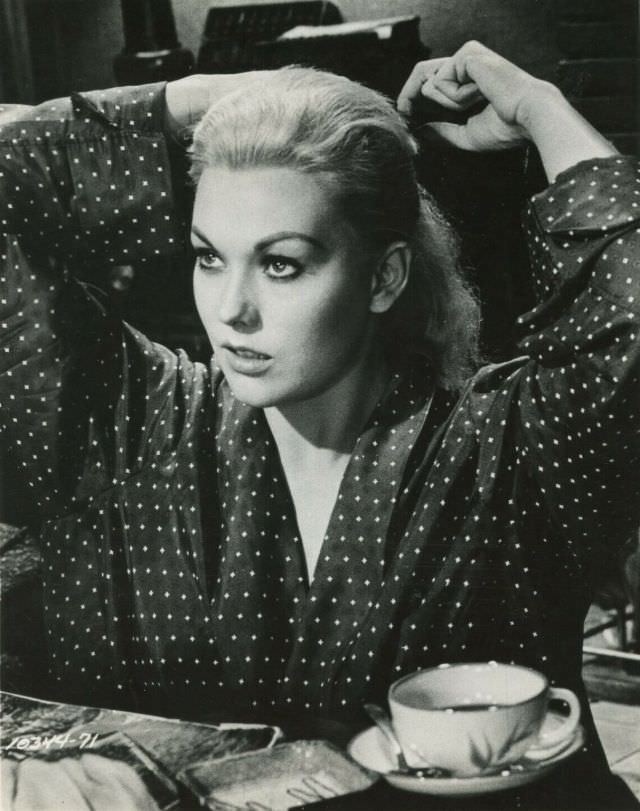
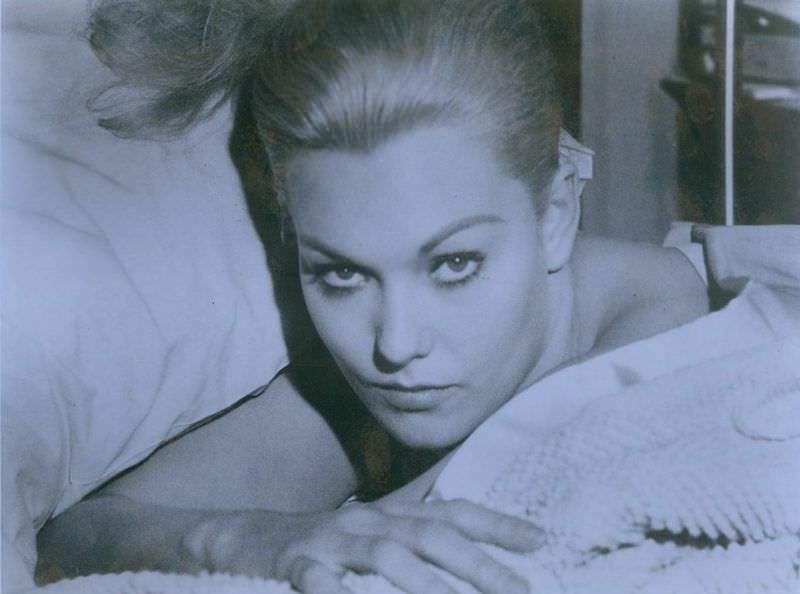
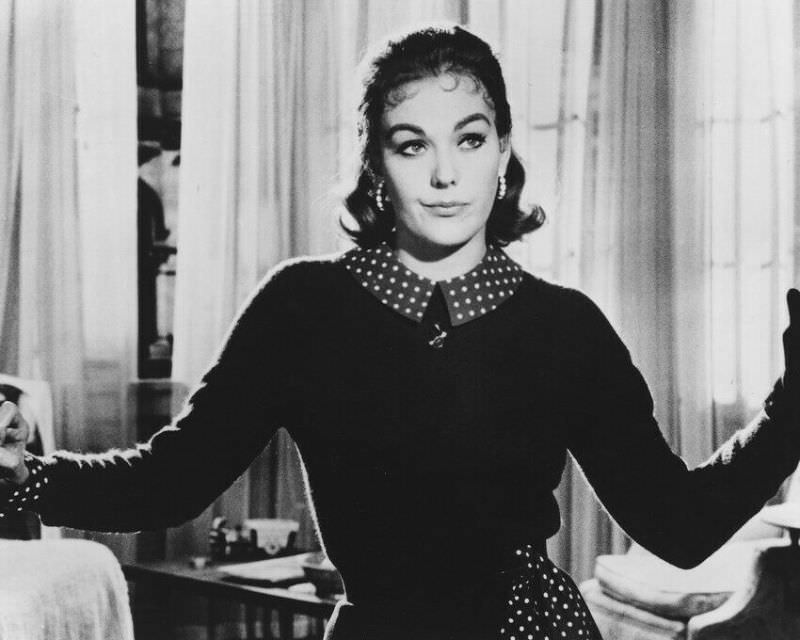
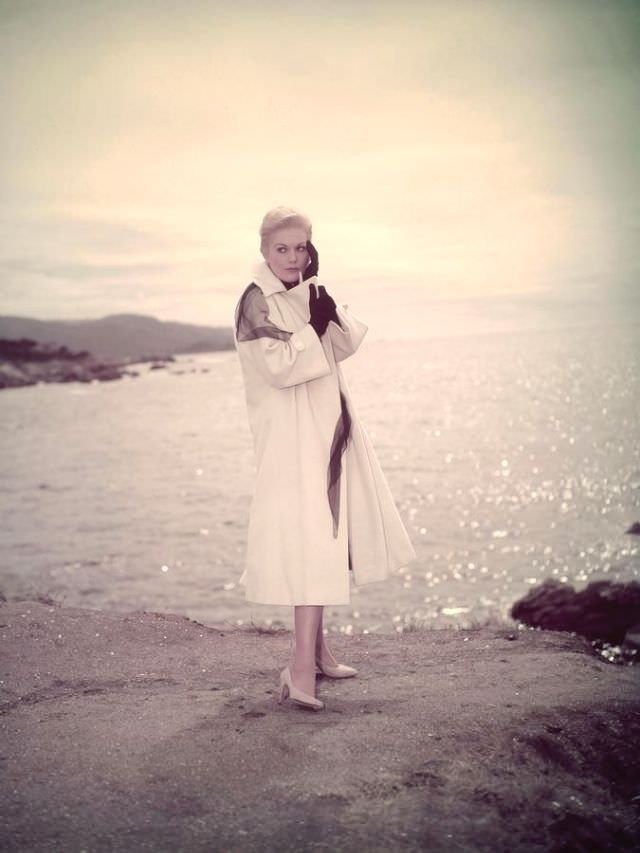
These behind-the-scenes photographs capture Novak during the production of the film. They show her between takes, on location, and in costume — giving a rare look at the person behind one of the most enigmatic performances in Hollywood’s golden era.