John Gerald Zimmerman’s path to photography started early. In junior high, he joined a photography club and spent afternoons developing film with friends in their mothers’ kitchens. He then enrolled in a three-year photography course at John C. Fremont High School in Los Angeles, building a technical foundation that would serve him for decades. By the time he graduated, the camera was already his tool of choice for making sense of the world around him.
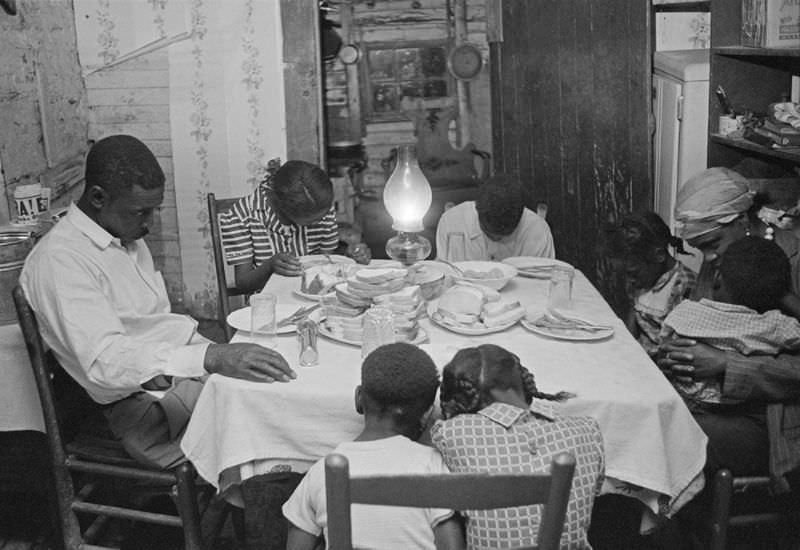
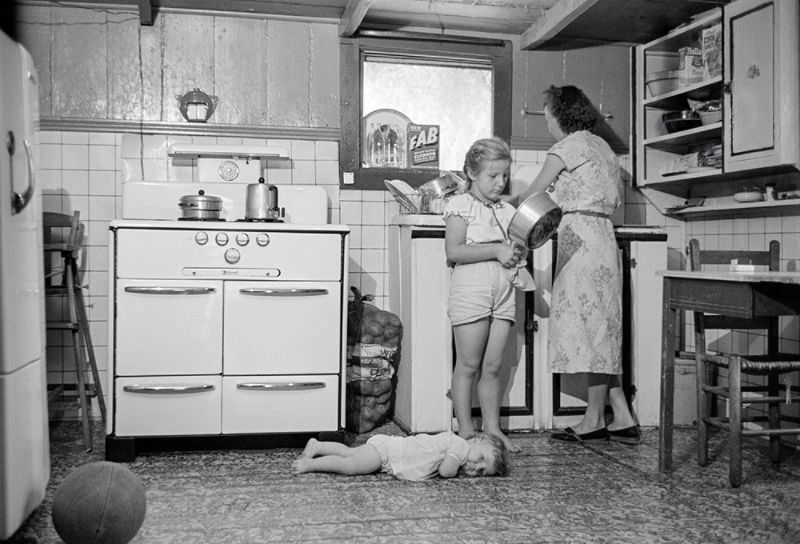
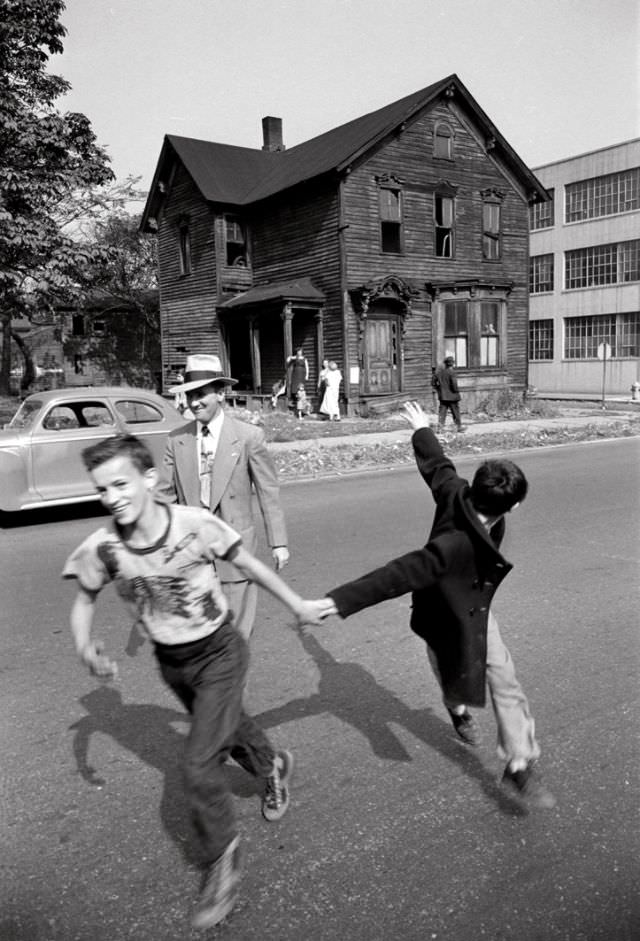
In 1952, Zimmerman moved to Atlanta and began shooting assignments for Ebony magazine. His early work took him across the Midwest and deep into the Jim Crow South, where he documented African American life with honesty and precision. He photographed everyday moments — children at play, families at dinner, people navigating a system designed to exclude them. These images weren’t staged to make a political point; they were straightforward records of real lives.
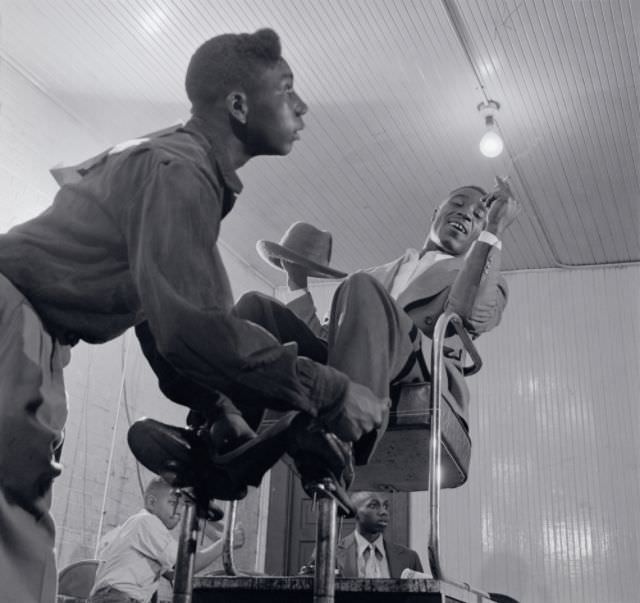
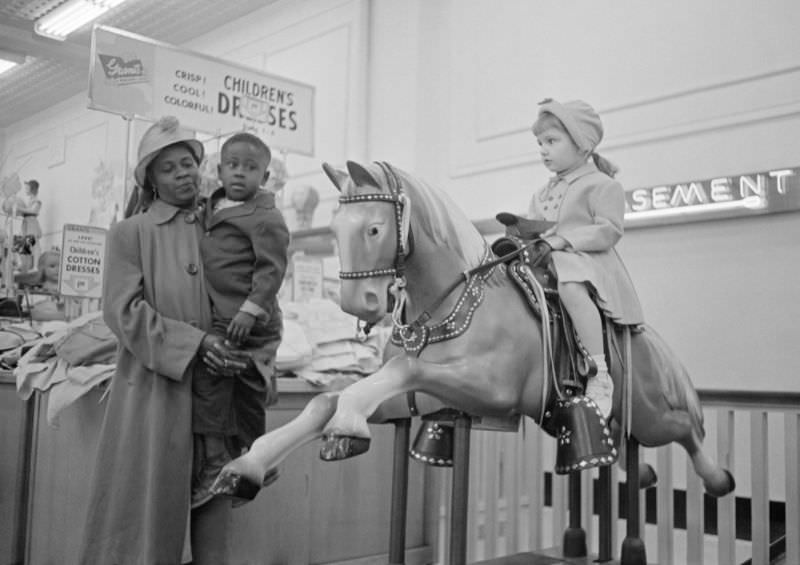
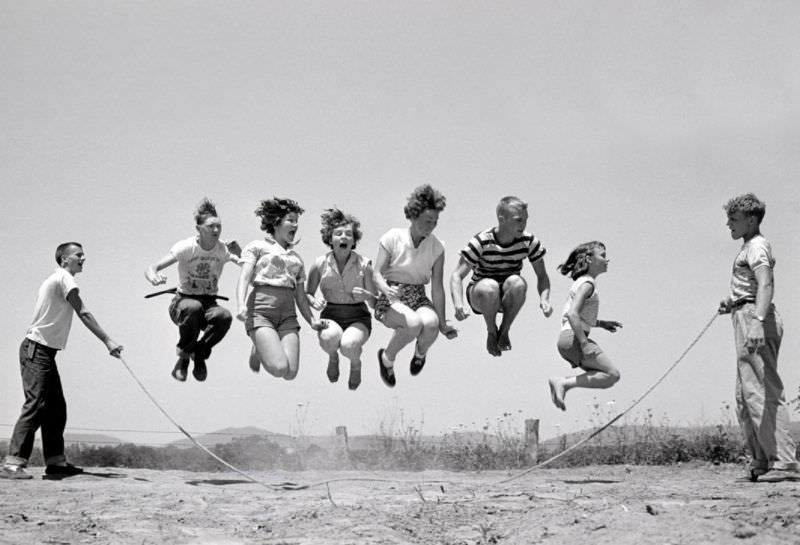
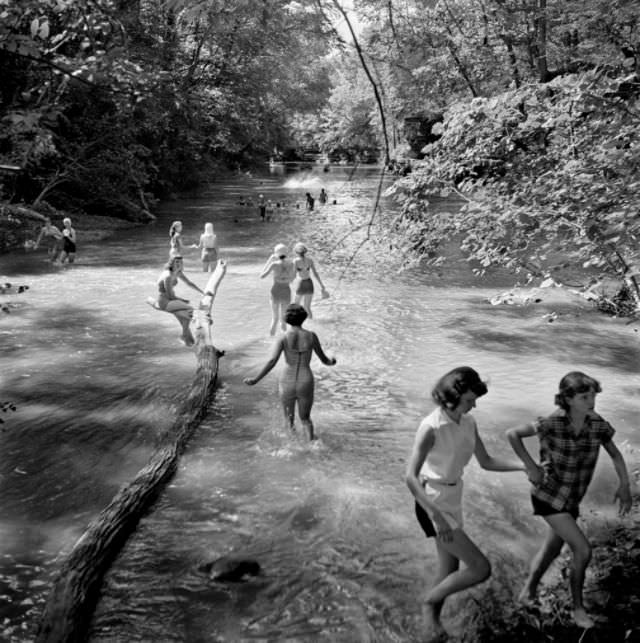
Zimmerman’s lens found both joy and hardship in equal measure. Children jumping rope in Tennessee appeared alongside scenes of poverty and families facing eviction. He didn’t flinch from difficult subjects. His photographs of the segregated South captured conditions that many Americans outside the region never saw — and in many cases, refused to believe existed.
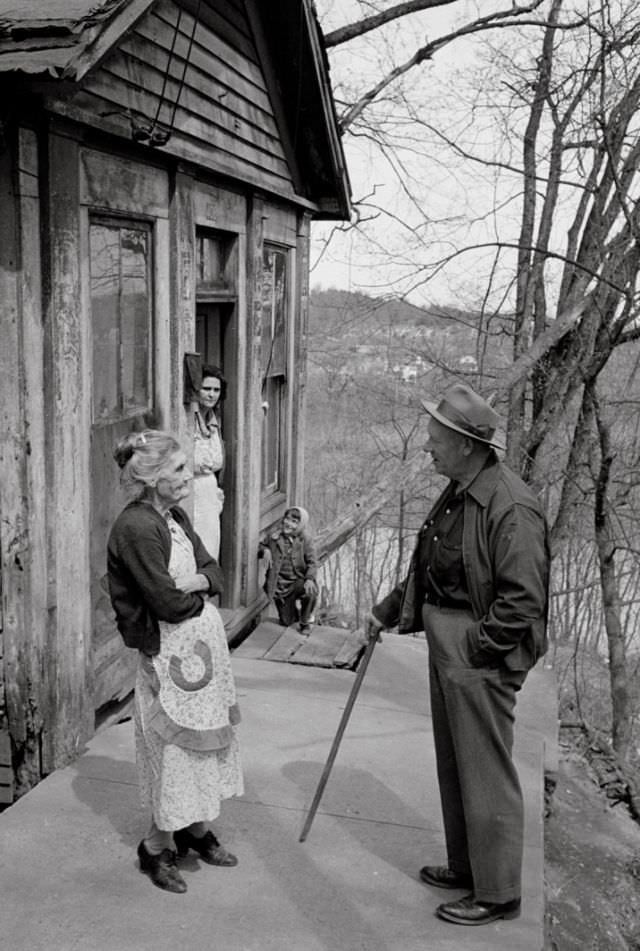
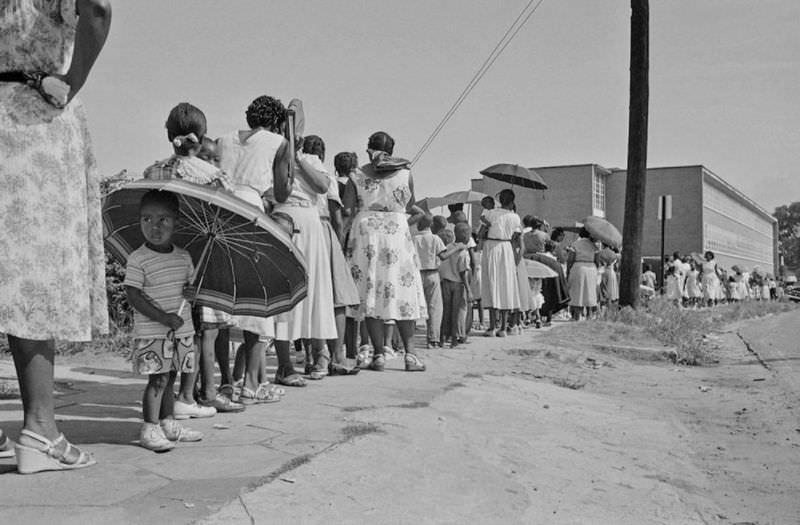
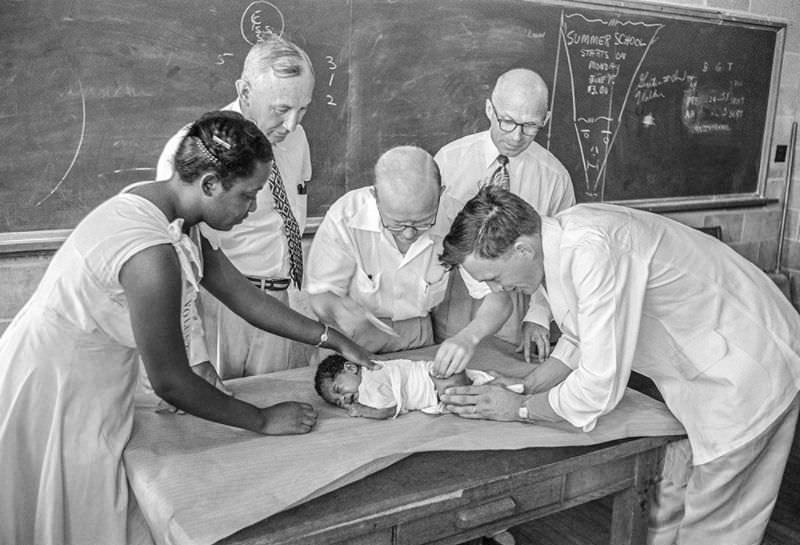
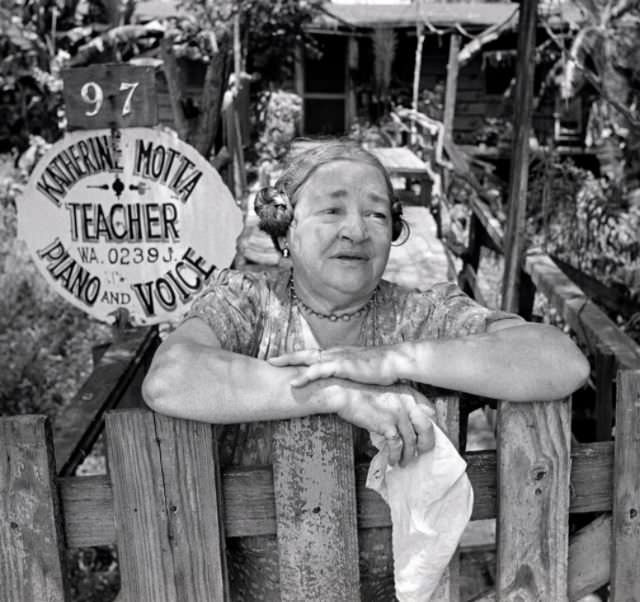
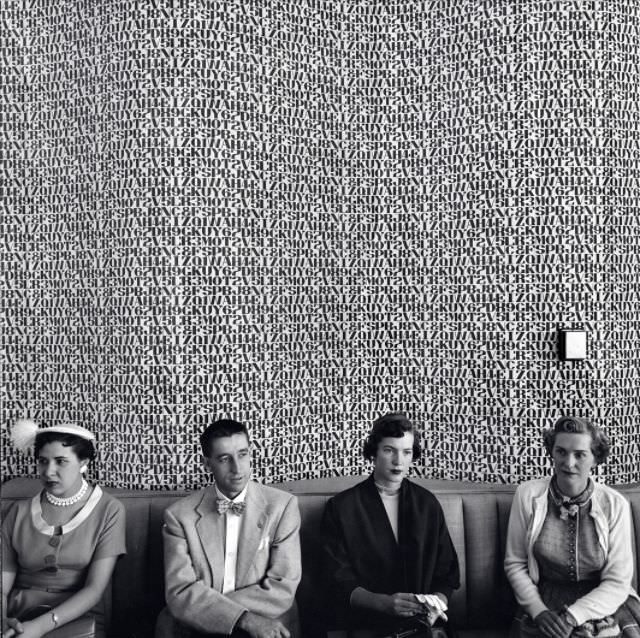
Public health was another subject Zimmerman documented closely. In Montgomery in 1953, he photographed people waiting for polio vaccines — a scene that reflected both the fear of the disease and the determination of communities to protect their children. Music teacher Katherine Motta posed outside her home that same year, one of many individuals Zimmerman framed as dignified figures rather than symbols of struggle.
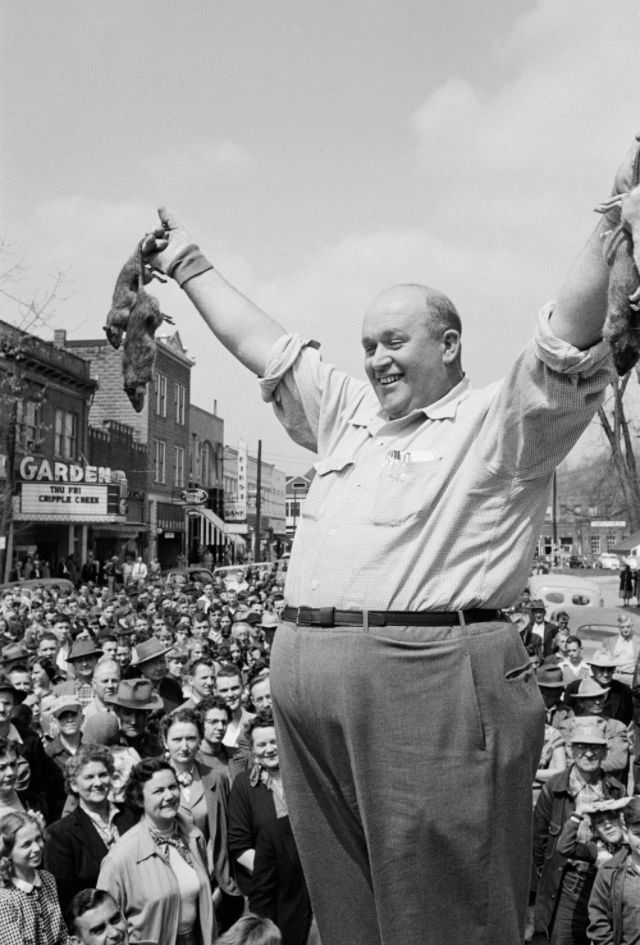
Not all of his early work carried heavy social weight. A rat catcher displaying his catch in the town square of Louisa, Kentucky, is the kind of peculiar local scene that only a sharp-eyed freelancer would think to photograph. These lighter assignments sat alongside the harder ones, giving Zimmerman’s body of work a texture that felt true to life rather than curated for effect.
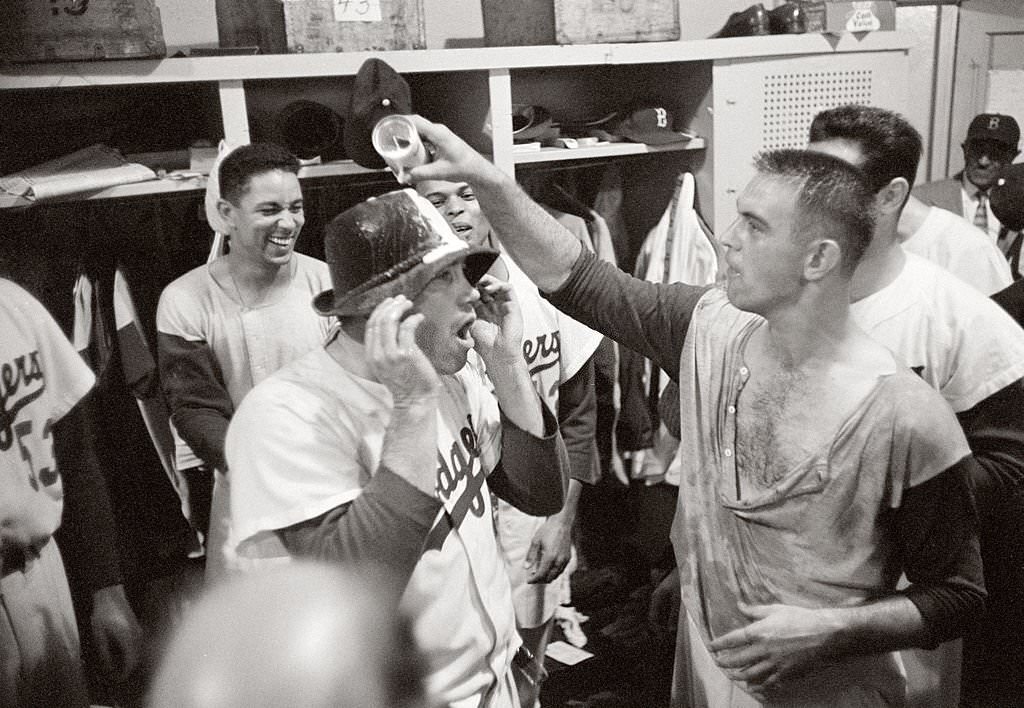
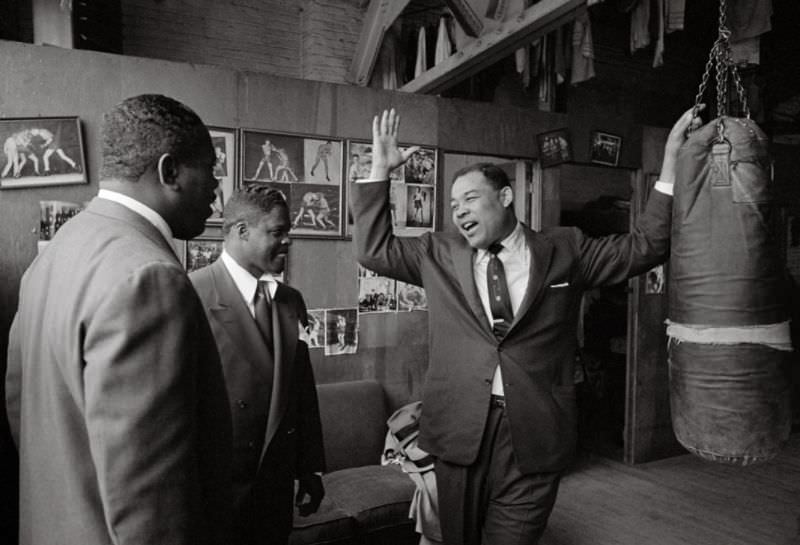
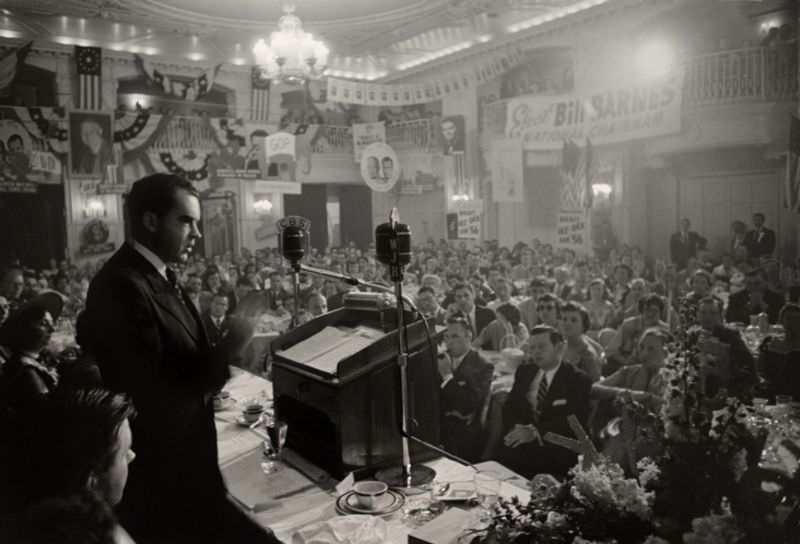
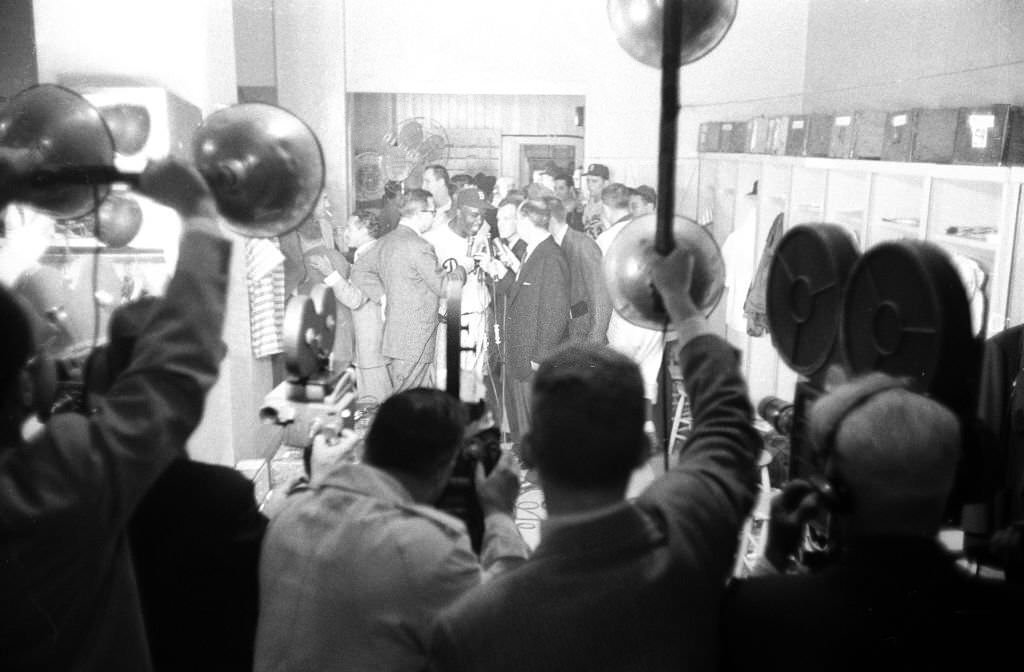
Zimmerman also photographed prominent figures. Boxing legend Joe Louis at the gym, Richard Nixon at the Young Republicans Biennial National Convention in Detroit in 1955, and Jackie Robinson speaking to the press after clinching a pennant for the Brooklyn Dodgers — these were the kinds of moments that defined the decade’s public life, and Zimmerman was there for all of them.
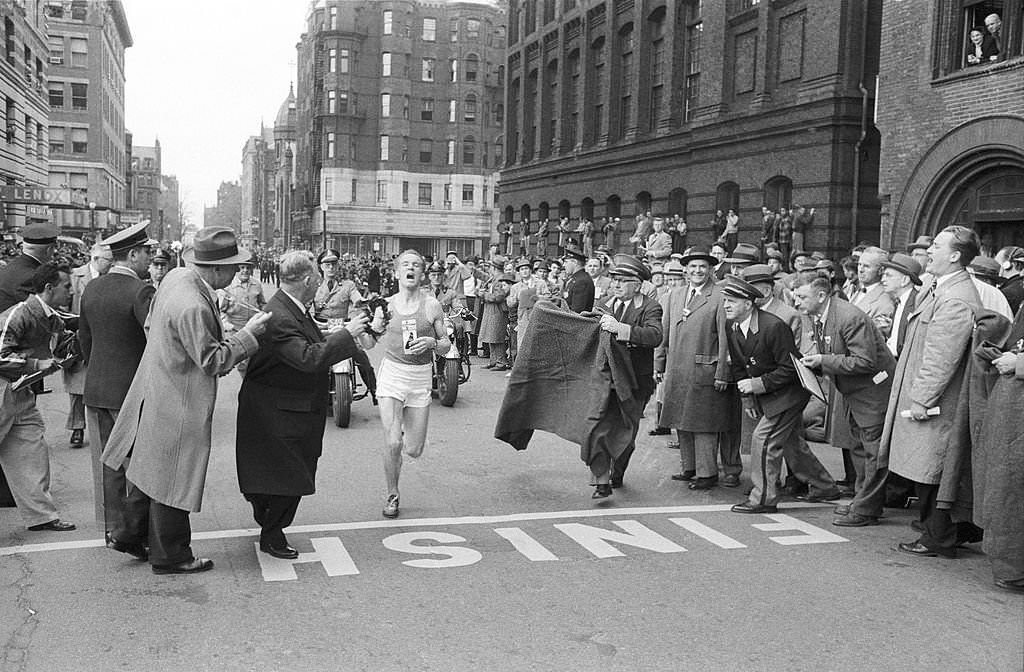
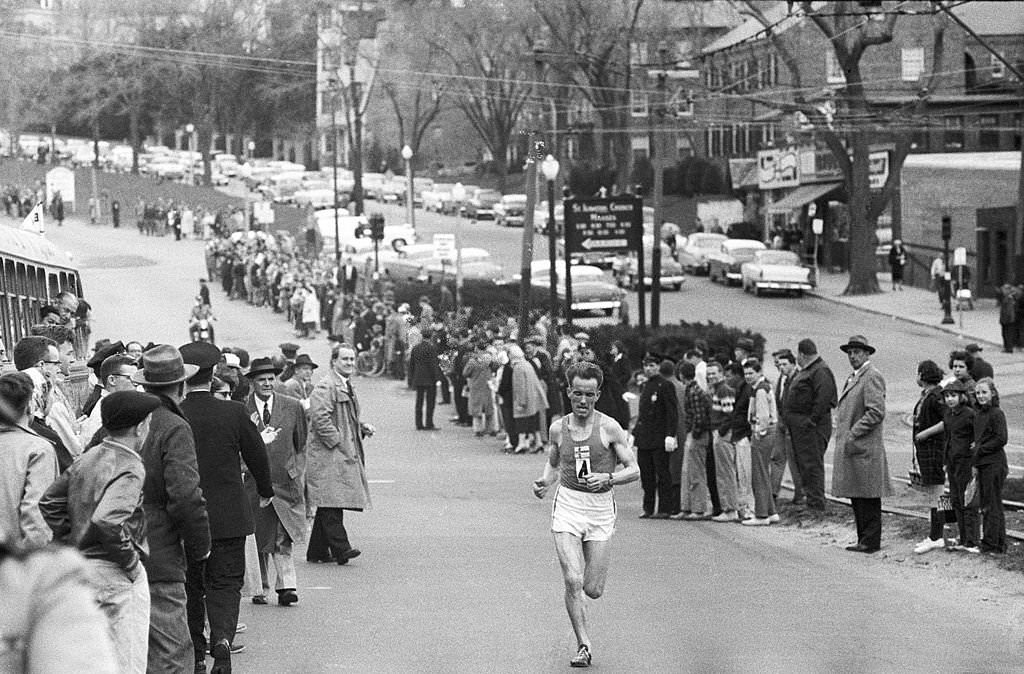
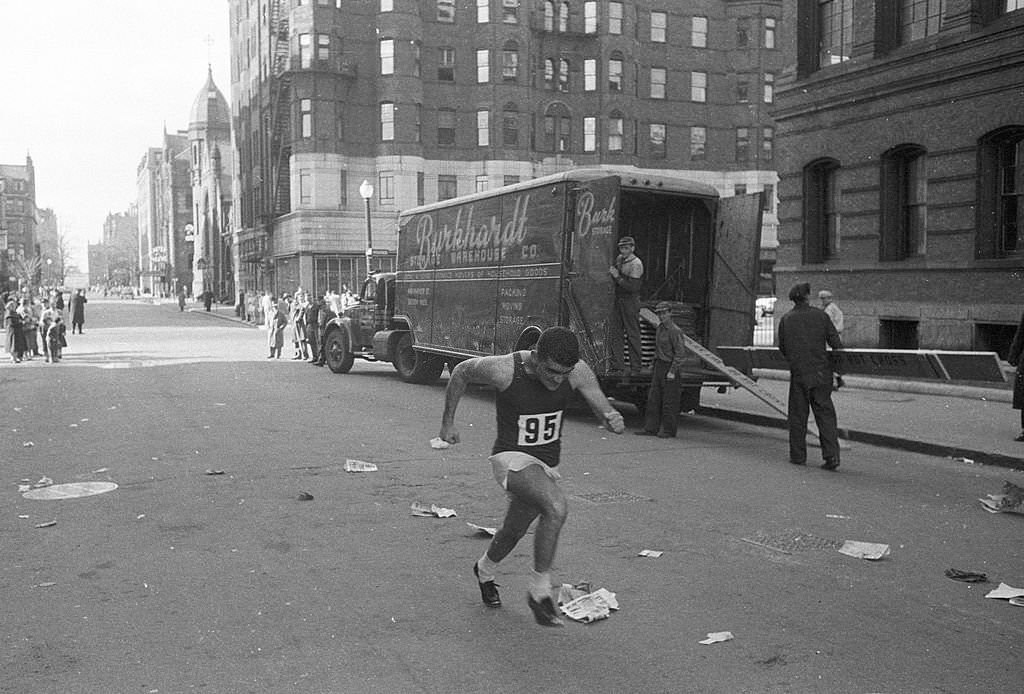
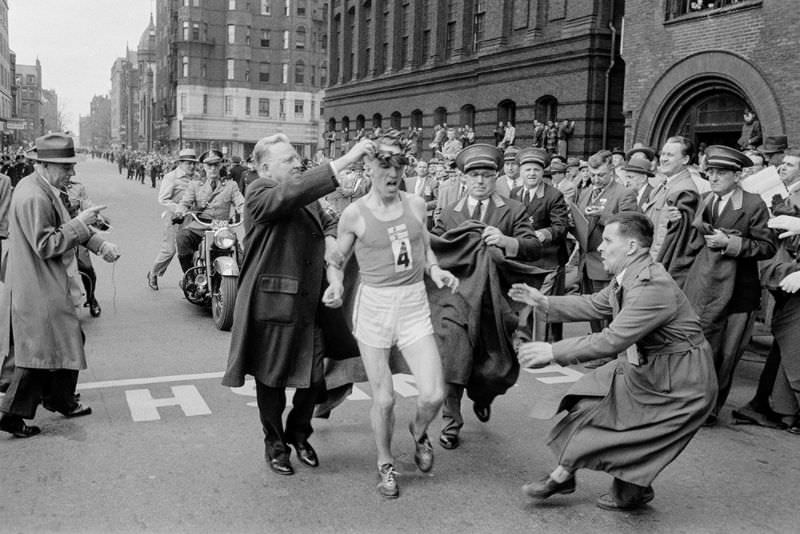
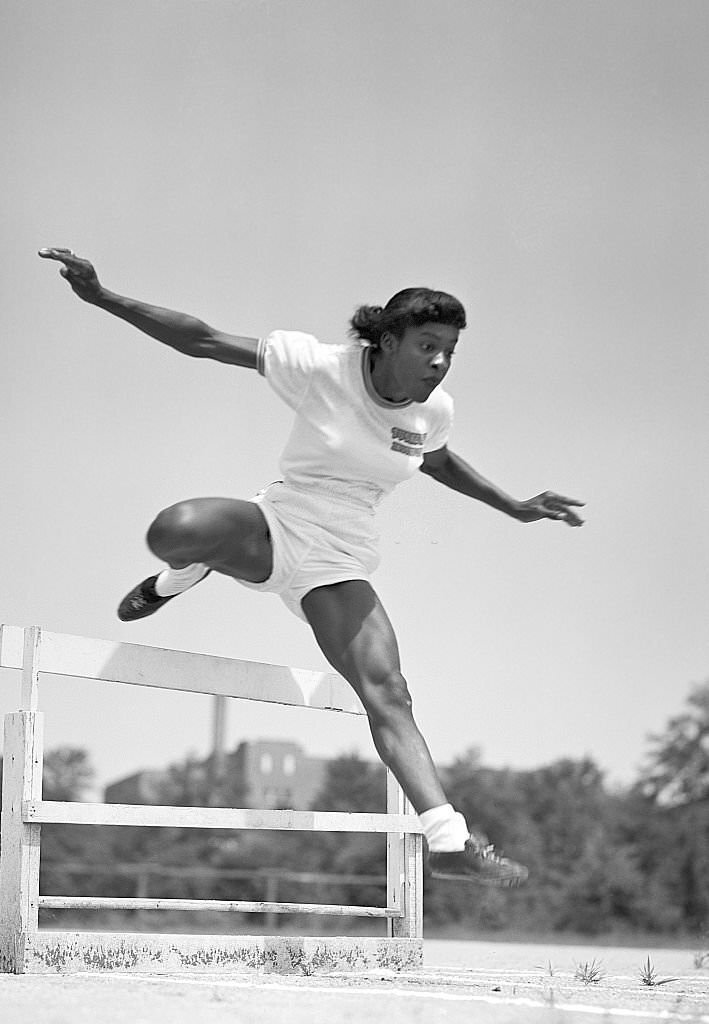
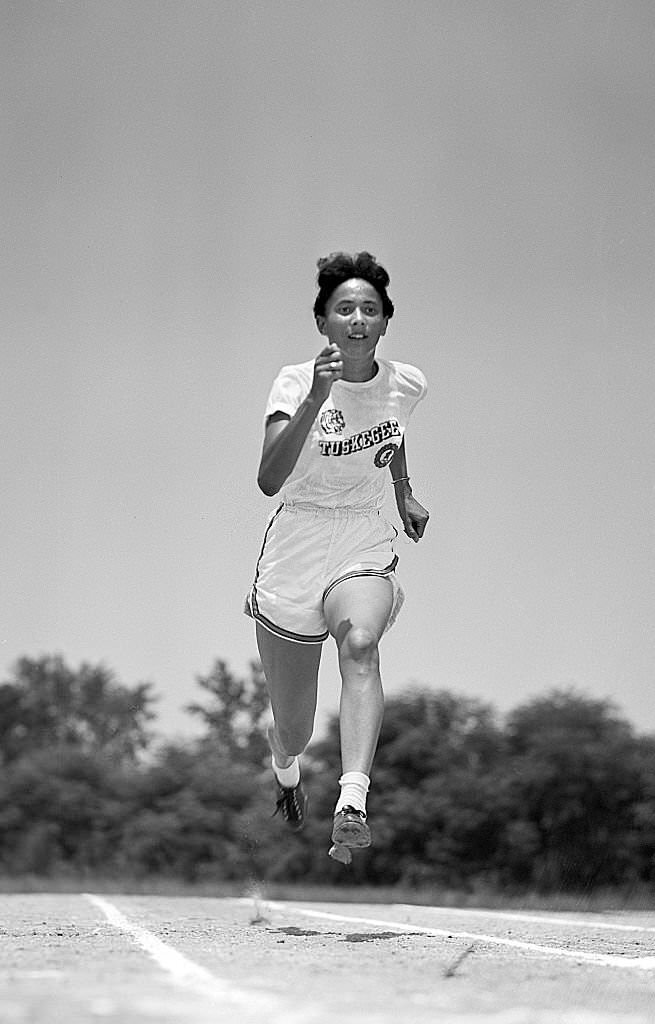
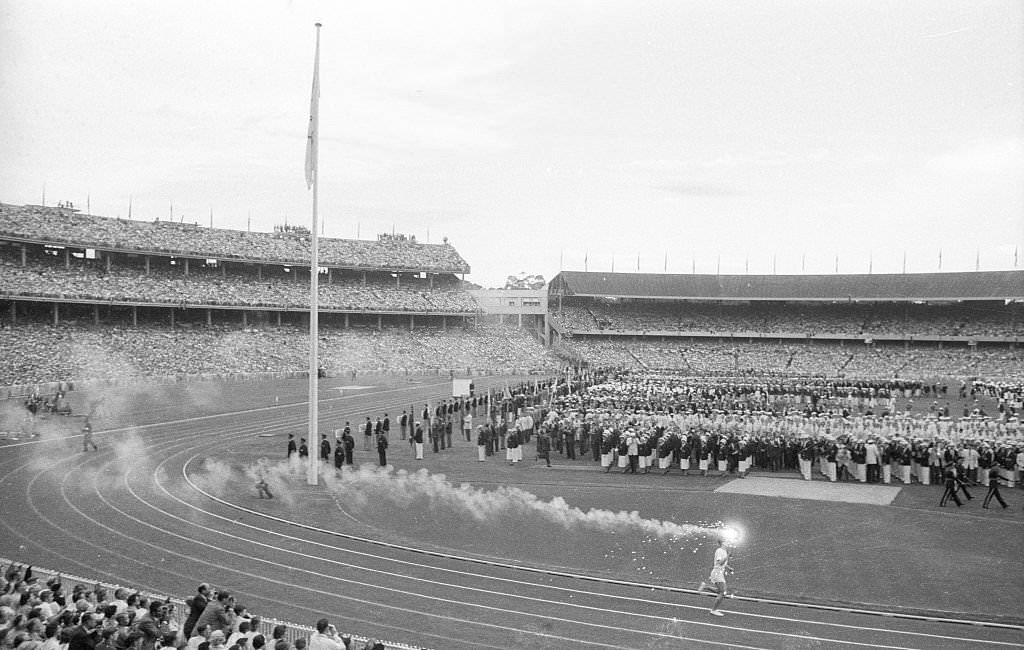
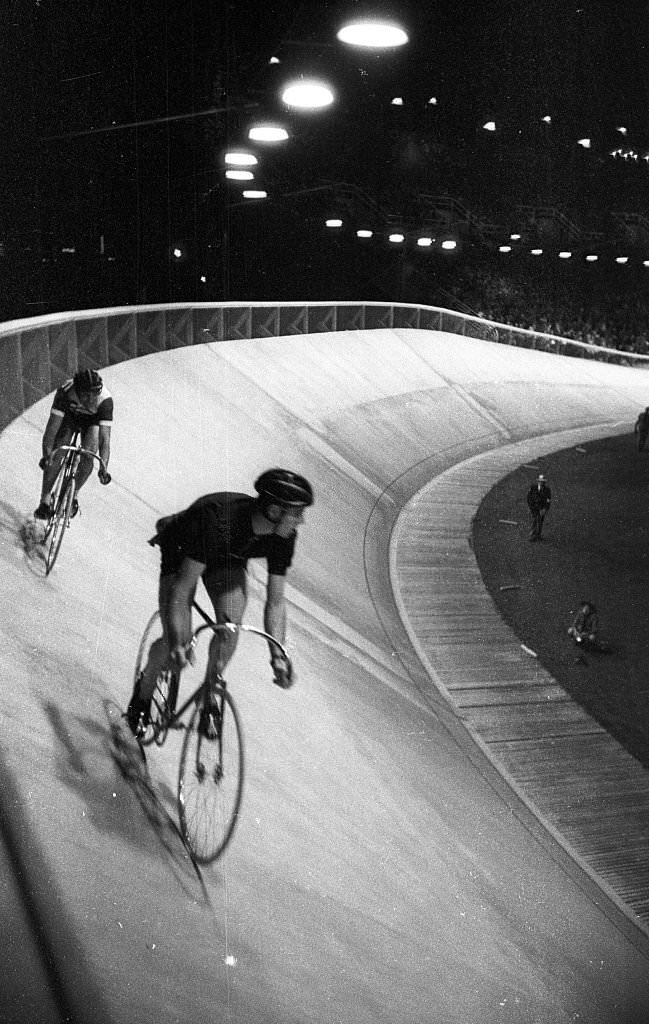
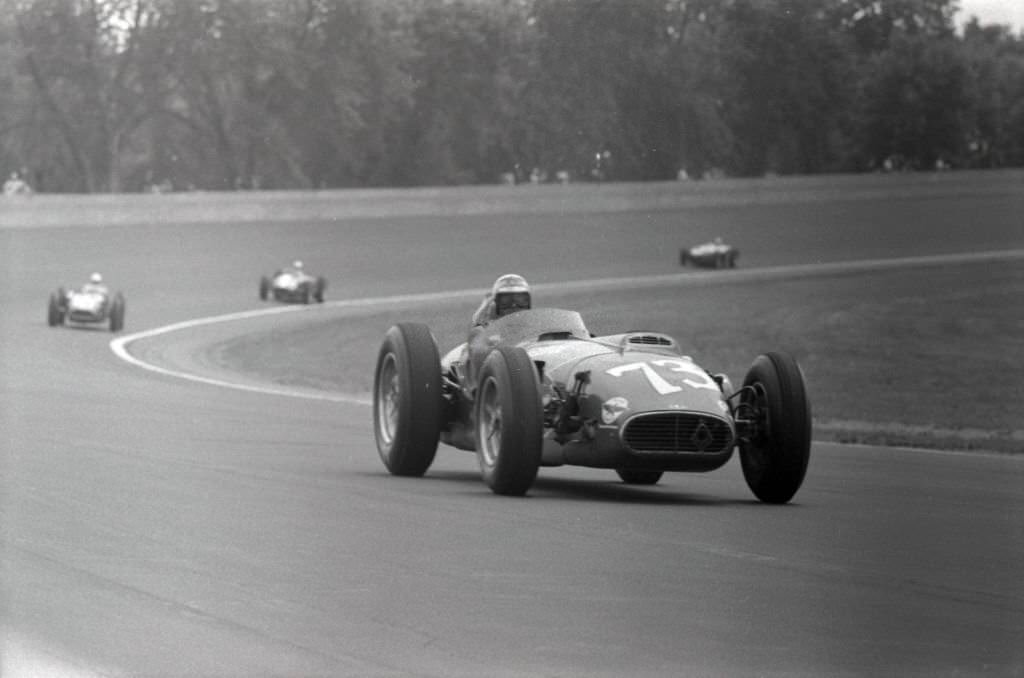
Sports gave Zimmerman some of his most dynamic material. He covered the 1956 Melbourne Olympics, shooting Ron Clarke carrying the Olympic torch into the Melbourne Cricket Ground and capturing the Italian cycling team at the velodrome. He photographed the Boston Marathon, the Indianapolis Motor Speedway, and track and field at Tuskegee University, where he caught sprinter Nell Jackson mid-stride during a campus photo shoot in 1952.
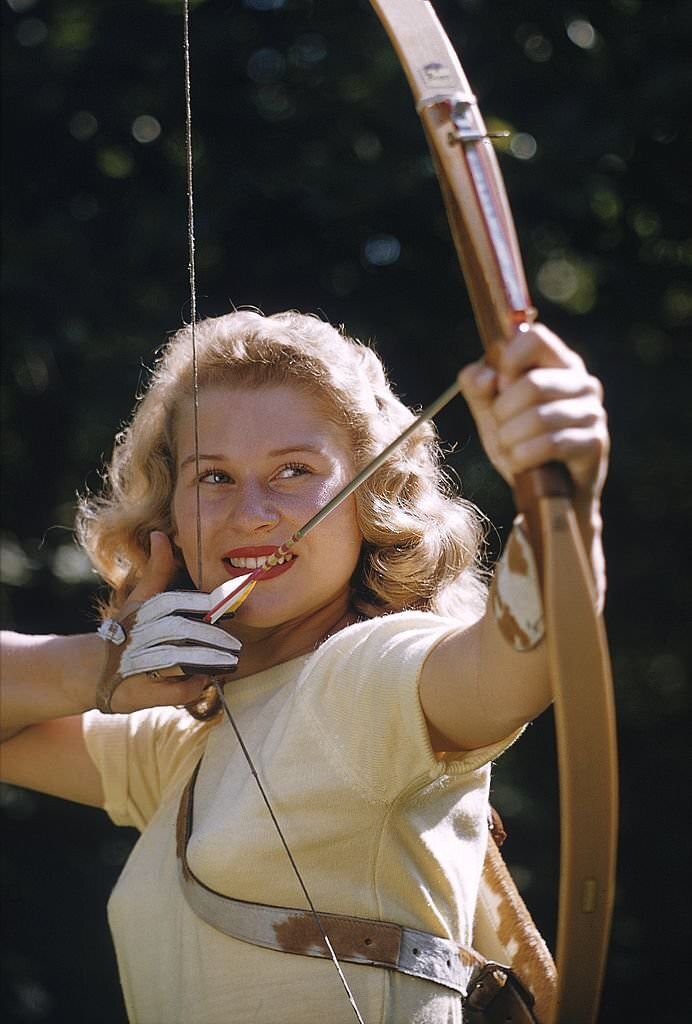
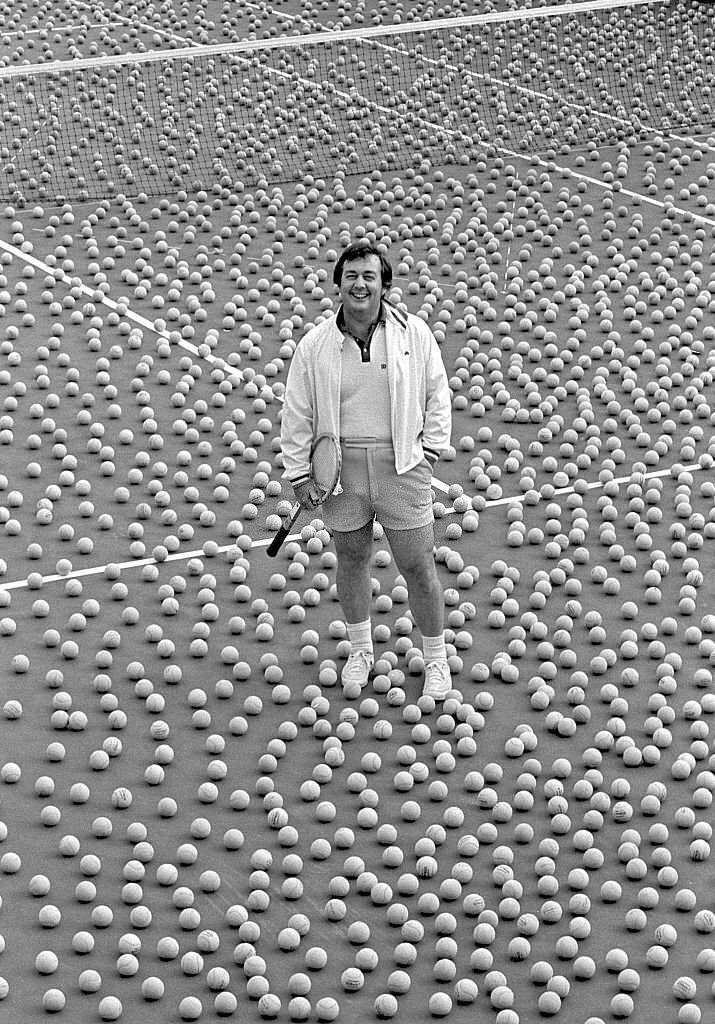
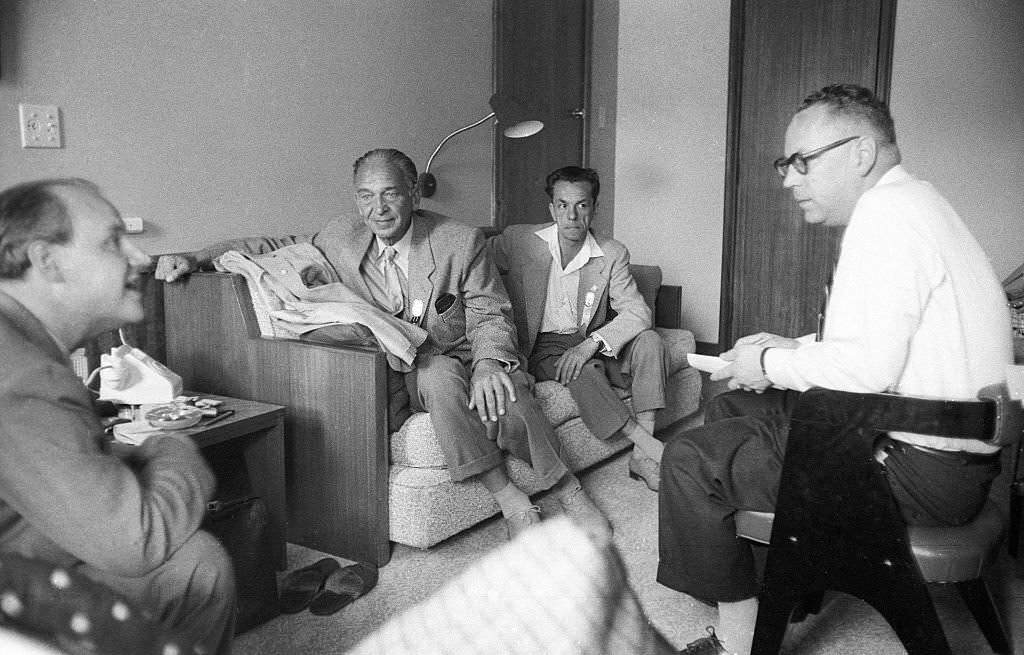
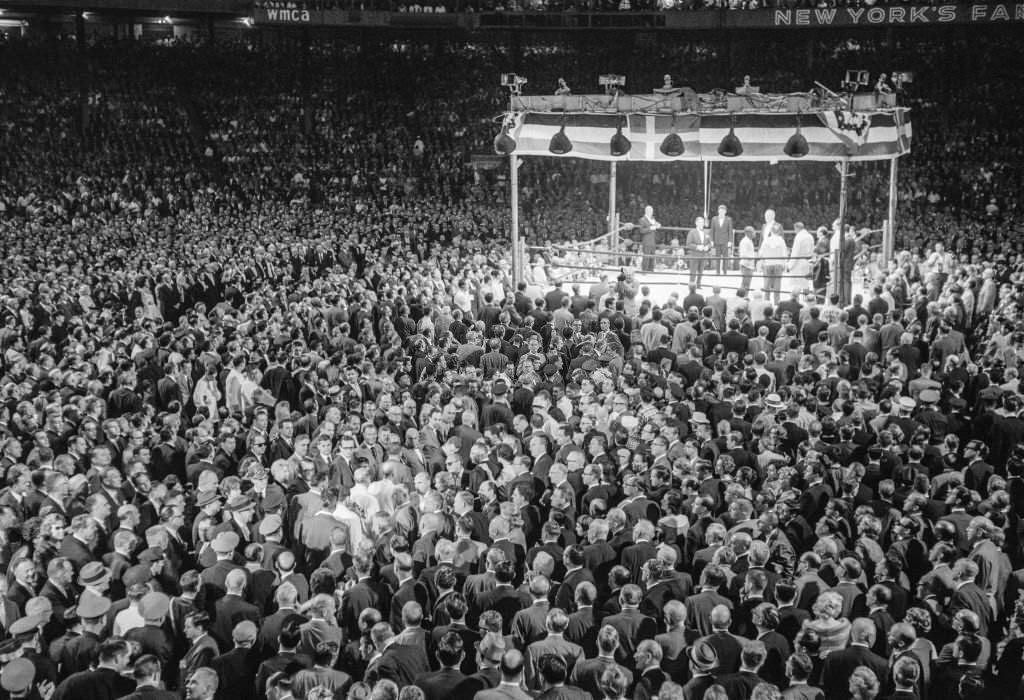
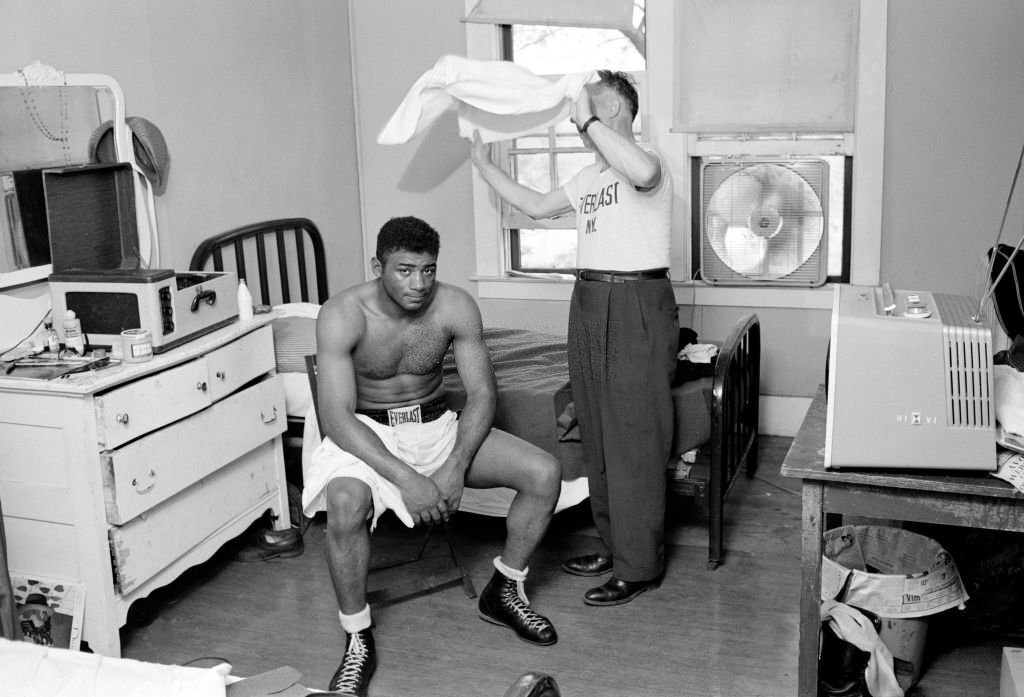
His boxing coverage was particularly striking. Floyd Patterson, victorious after knocking out Ingemar Johansson at the Polo Grounds in 1960, appeared in multiple frames — including a quieter shot of Patterson being fanned with a towel in his room at Ehsan’s training camp in 1959. These images showed the sport from both its electric public moments and its private, unglamorous preparation.
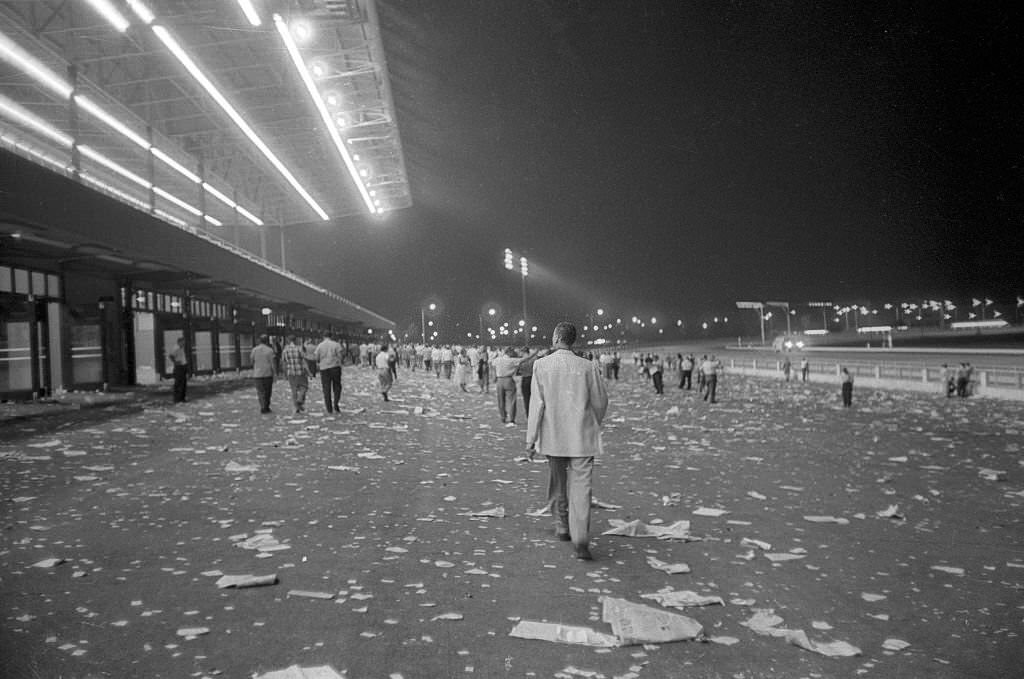
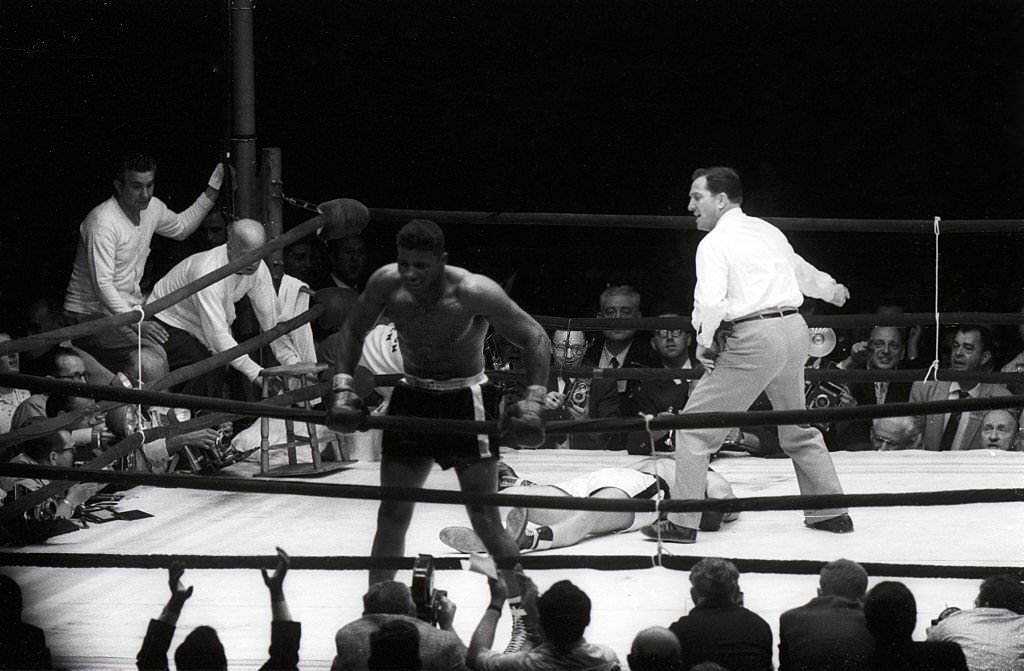
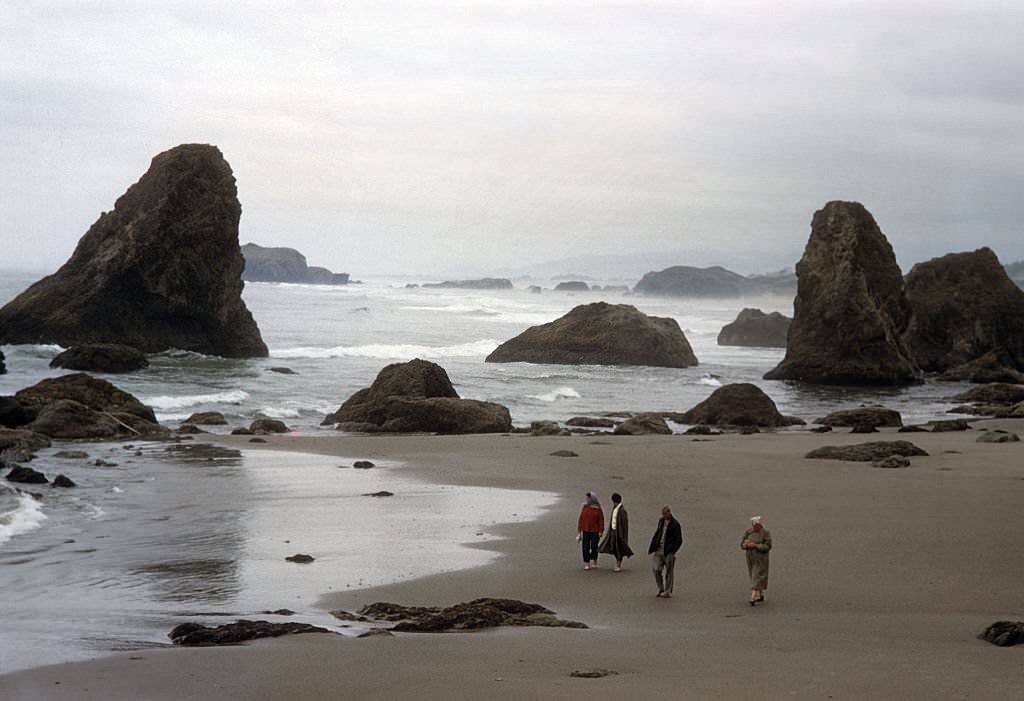
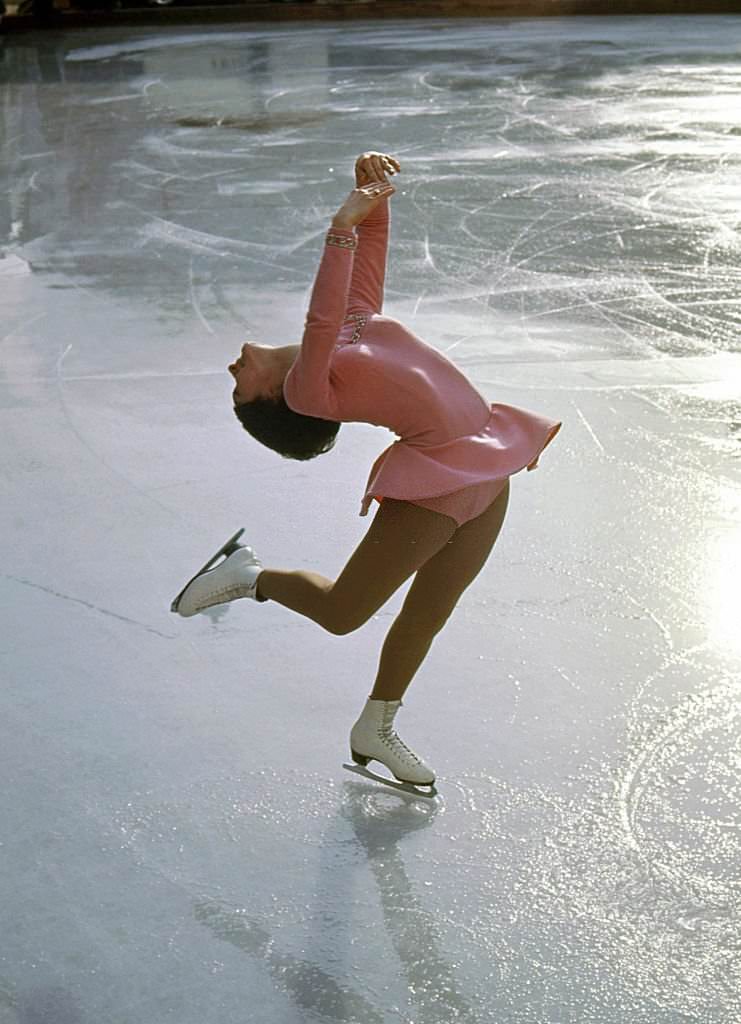
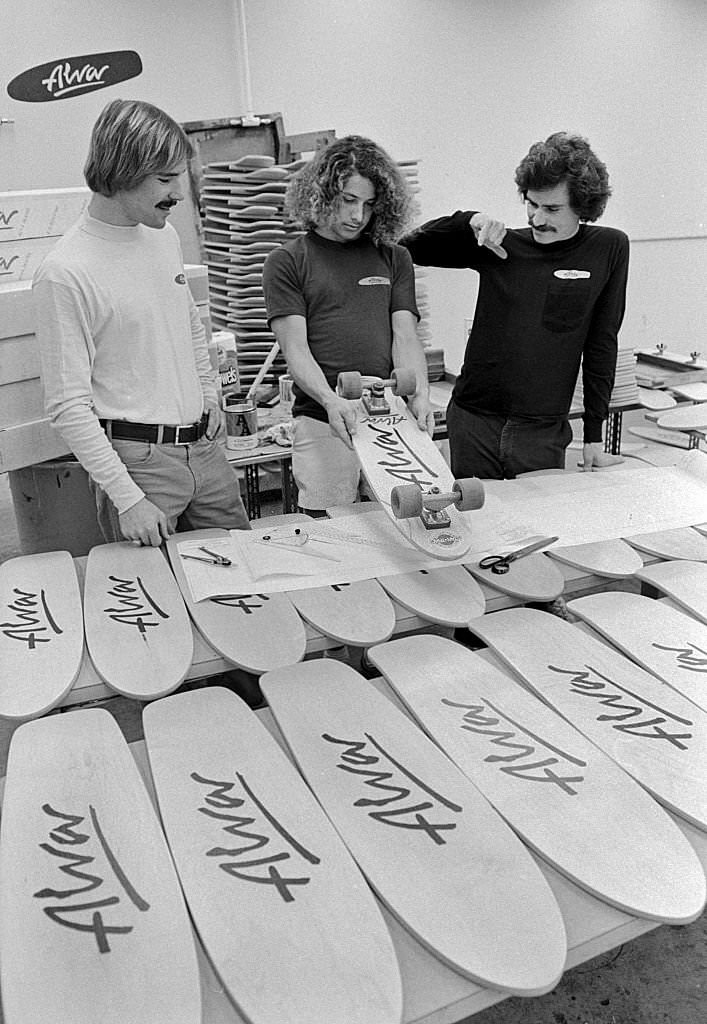
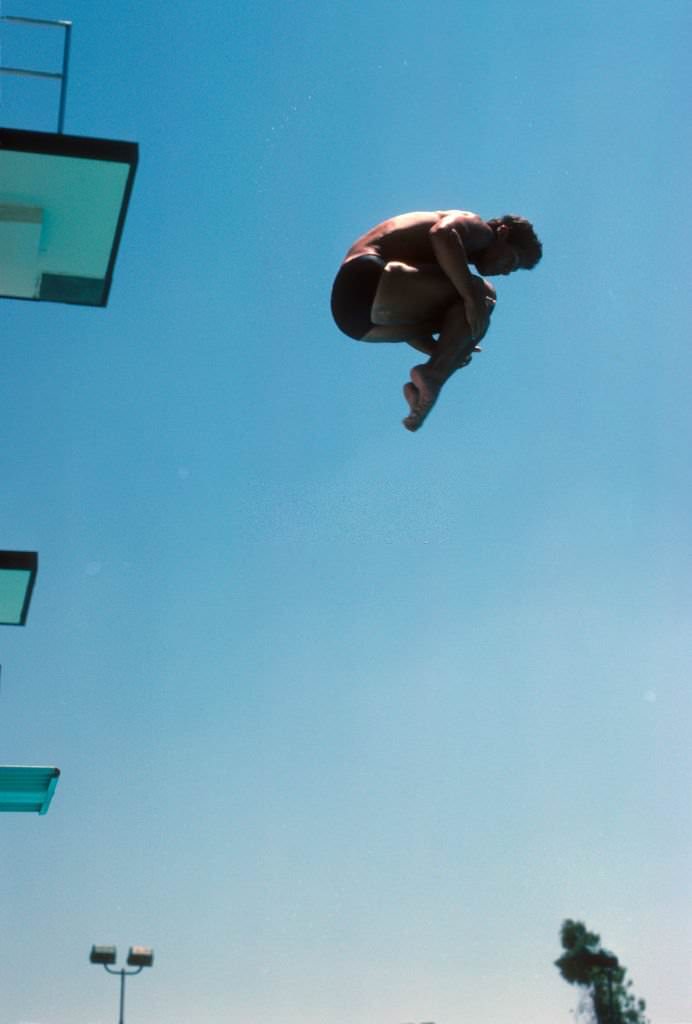
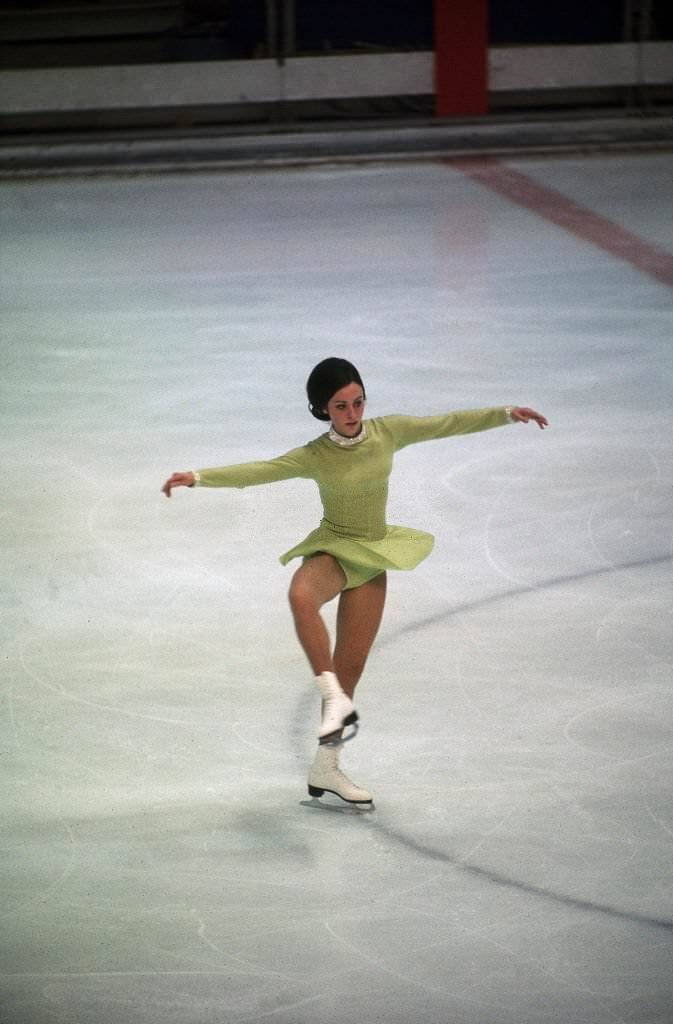
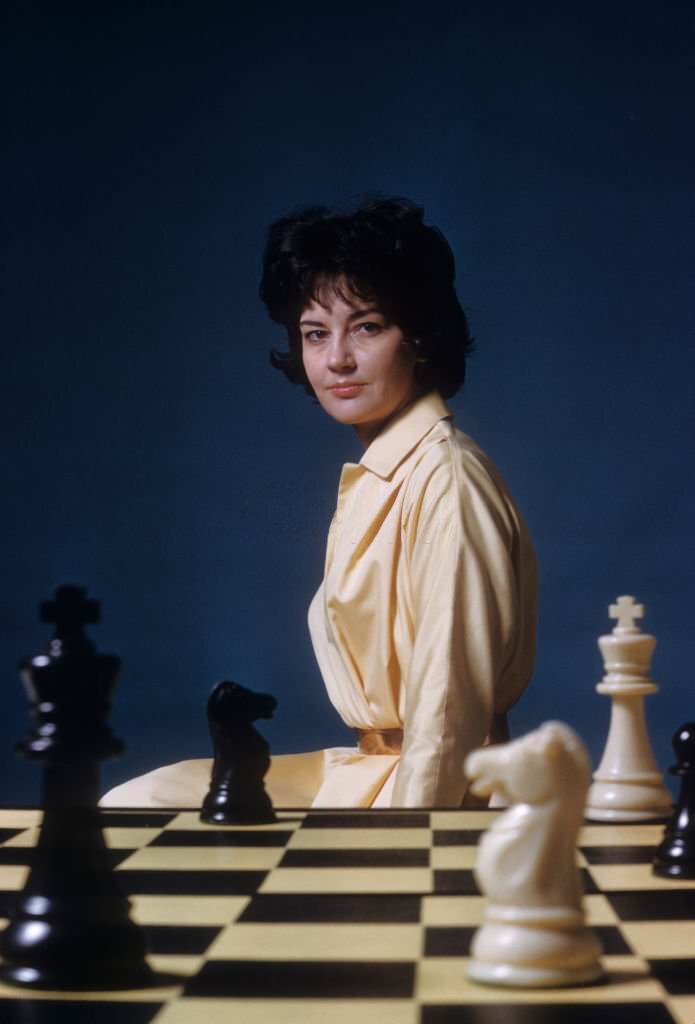
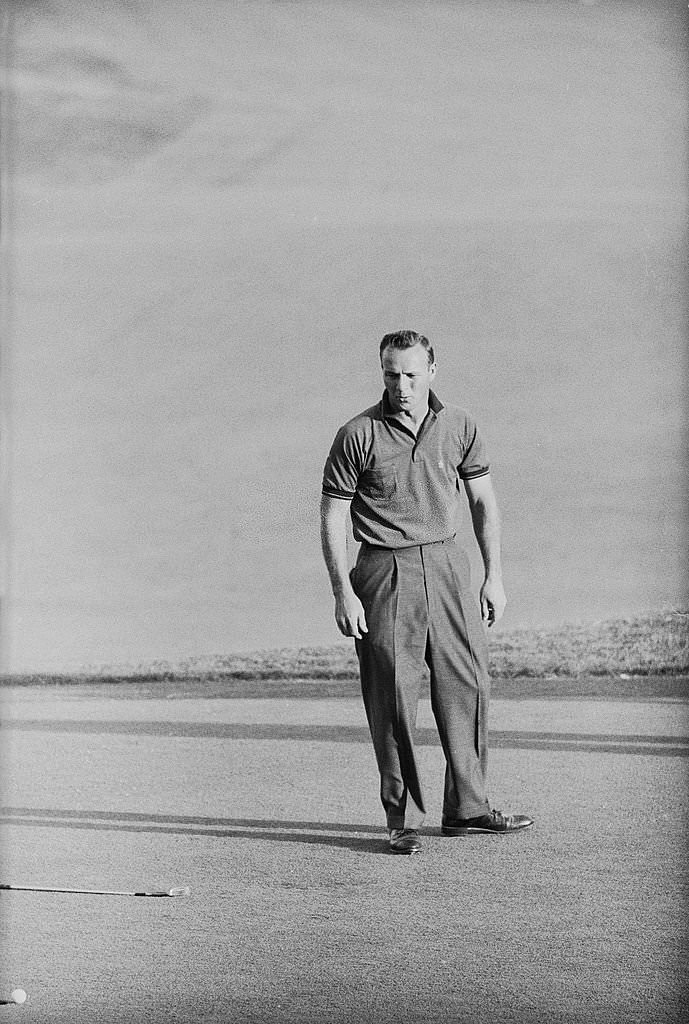
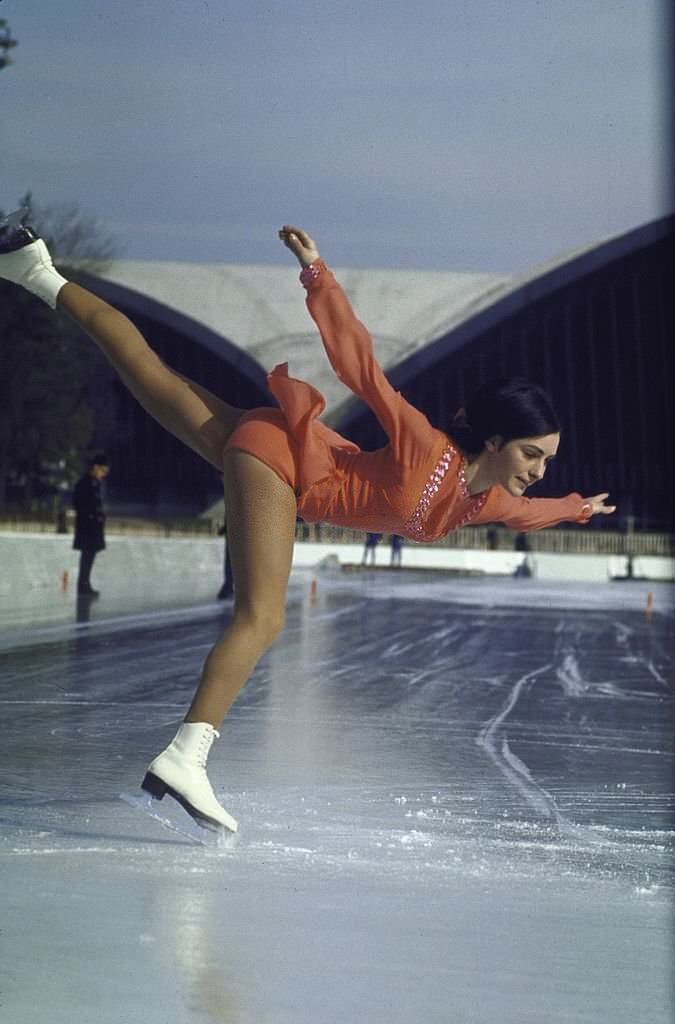
Figure skater Peggy Fleming appeared in Zimmerman’s portfolio more than once. He photographed her at the Ice Stadium at the Parc Paul Mistral in 1958 and again during her free skating routine at the Wiener Eislaufverein in 1967, and captured her in practice at the 1968 Winter Olympics. Diver Greg Louganis, skateboarder Tony Alva, golfer Arnold Palmer at the US Open, and chess champion Lisa Lane posing at Life Studios all passed through his frame as well.
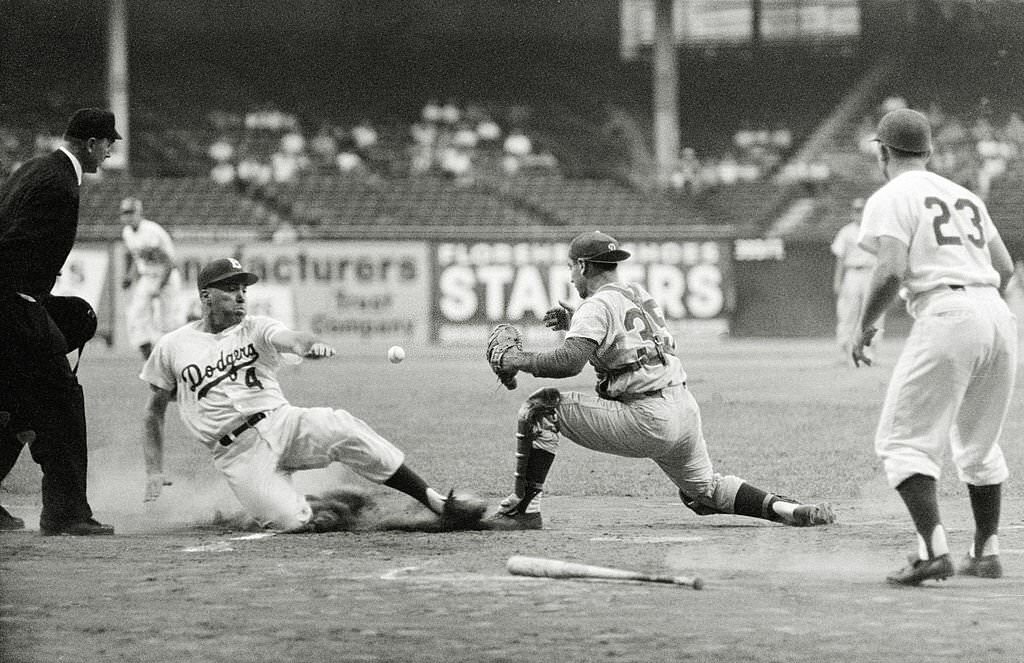
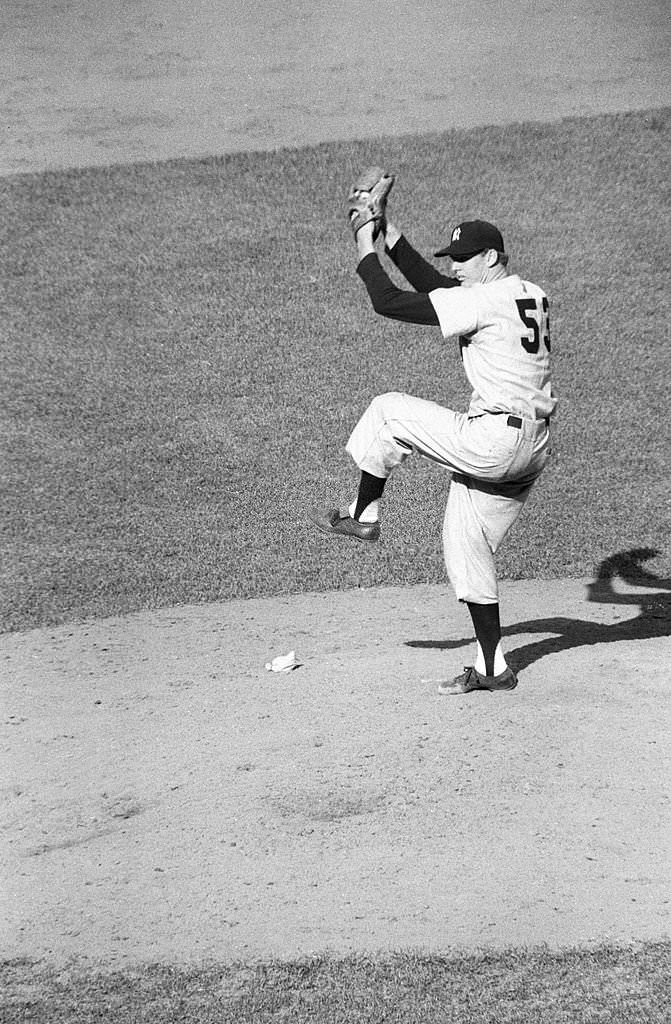
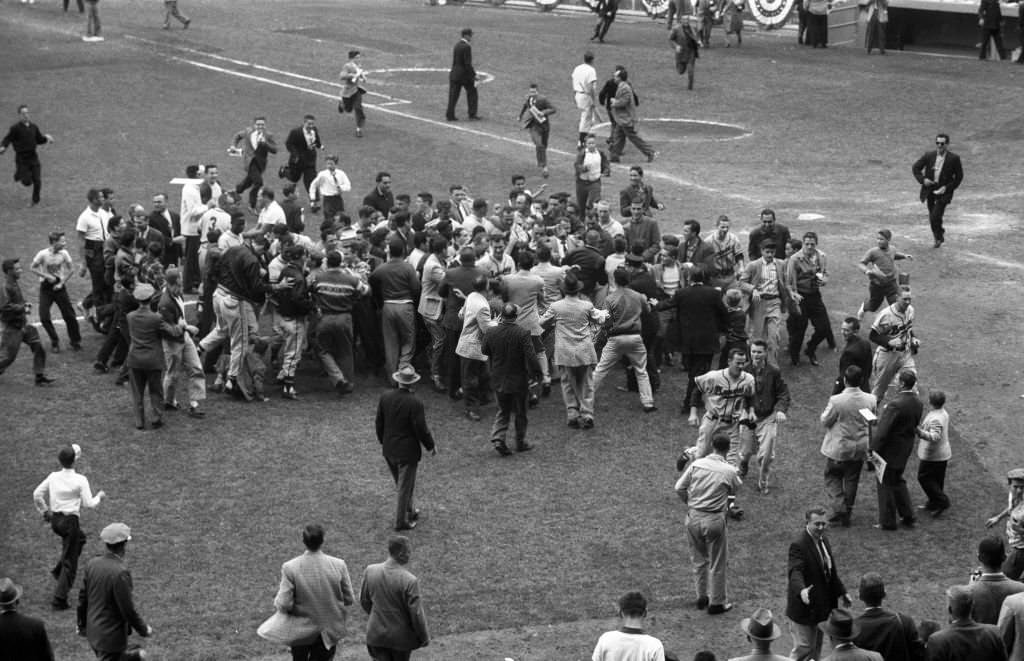
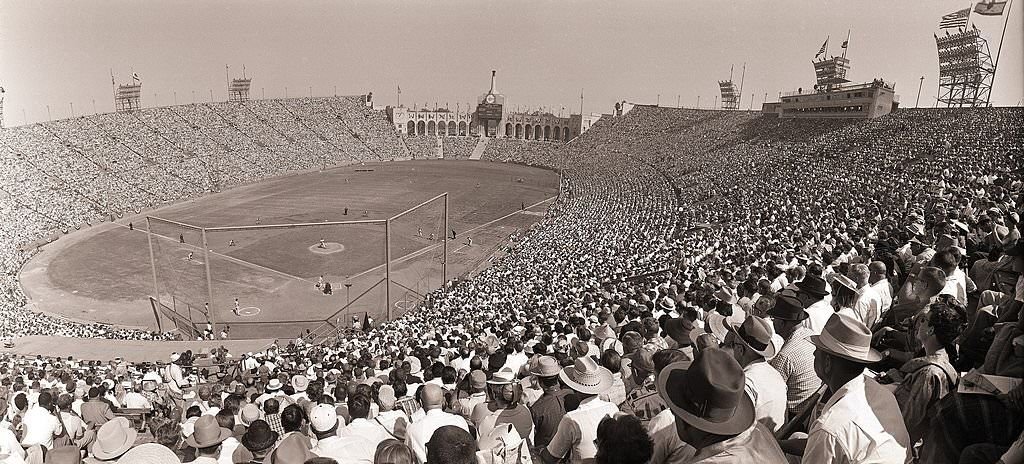
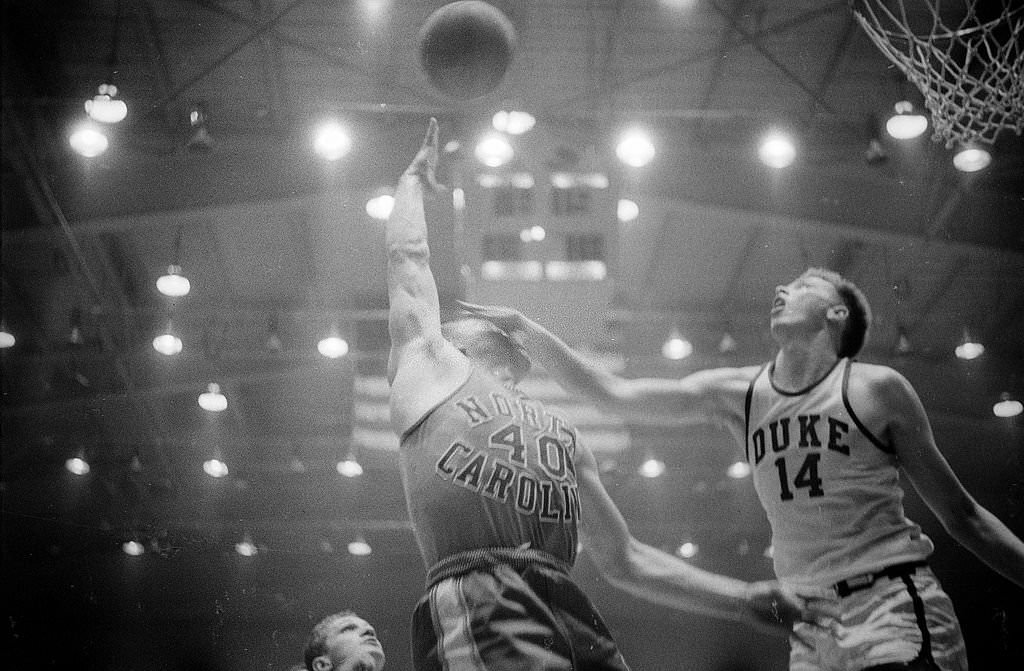
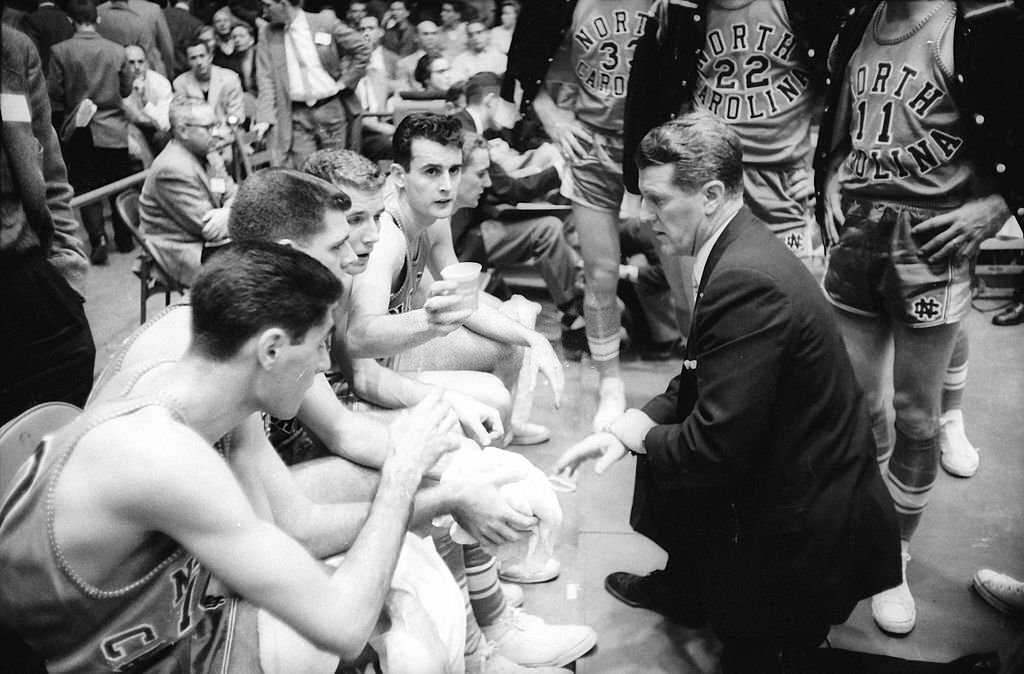
Baseball was a recurring subject throughout the 1950s. Zimmerman shot the 1956 World Series between the Brooklyn Dodgers and New York Yankees, the 1957 World Series between the Yankees and Milwaukee Braves, and crowd scenes at Memorial Coliseum during the Los Angeles Dodgers versus Chicago White Sox series. UNC’s 1957 championship run also made it into his portfolio, with shots of Tommy Kearns on the court and head coach Frank McGuire with his team in the locker room.
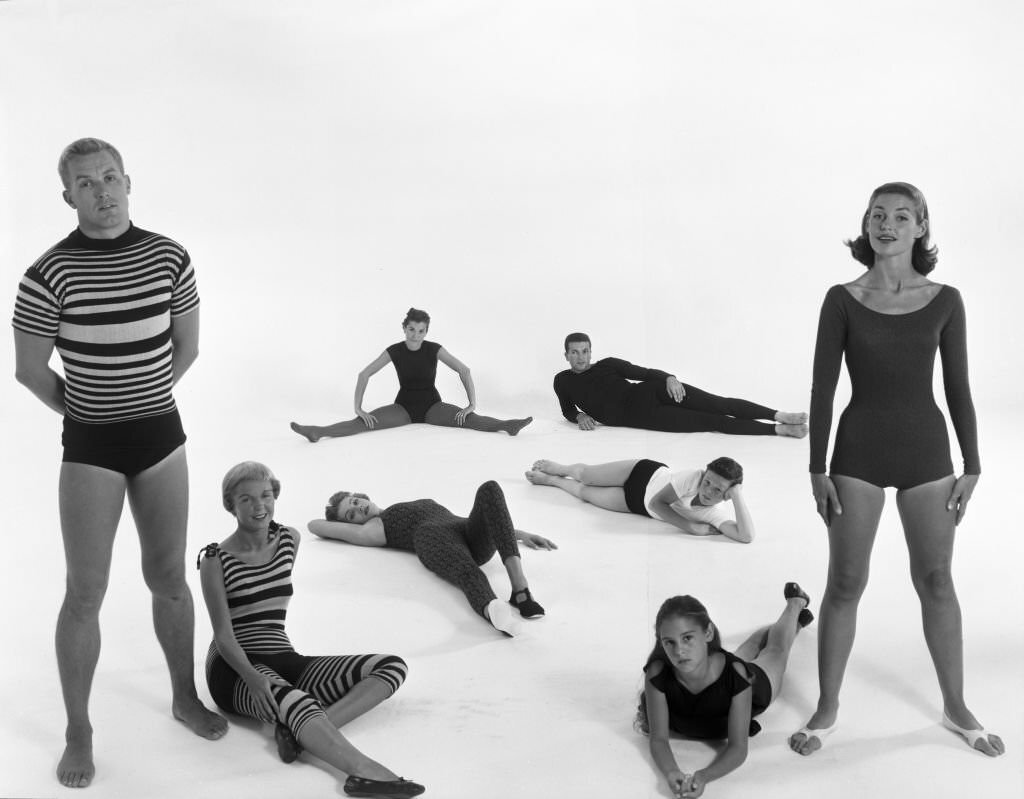
During the 1970s, Zimmerman shifted much of his attention to print advertising. Major corporations — Ford, Chrysler, AT&T, Exxon, G.E., Pepsi, and Coca-Cola — hired him to lead their campaigns. The technical skill he had built over two decades of editorial and documentary work translated directly into the precision that commercial photography demanded. The subjects changed, but the eye behind the camera remained the same.