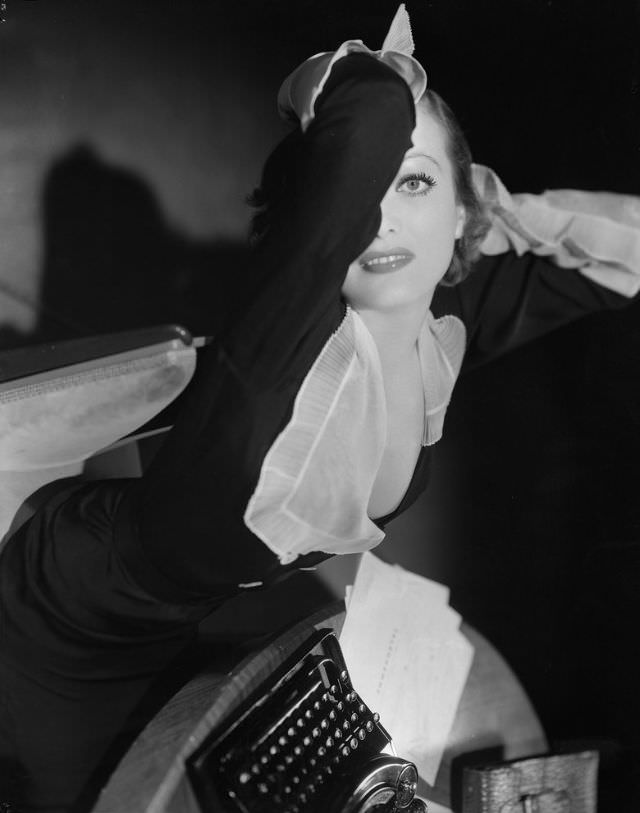
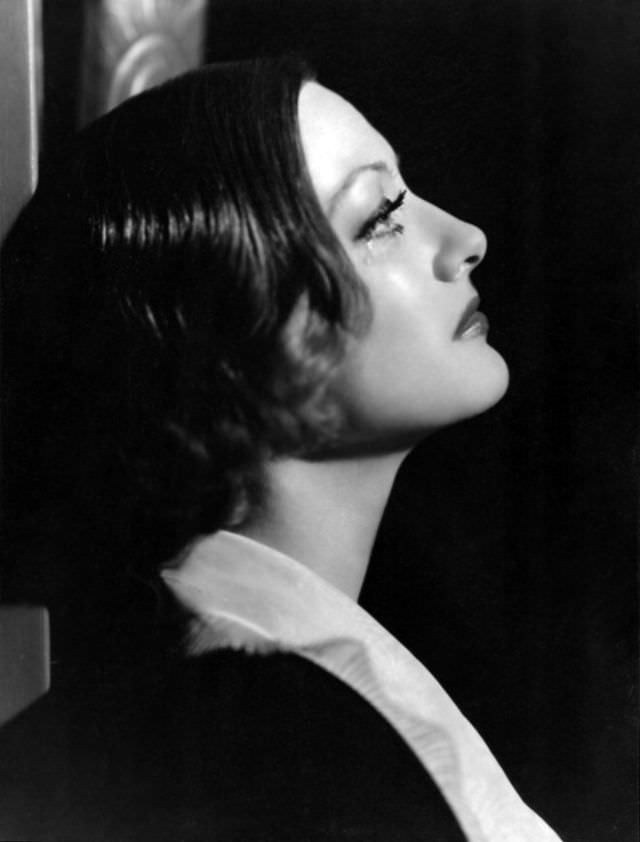
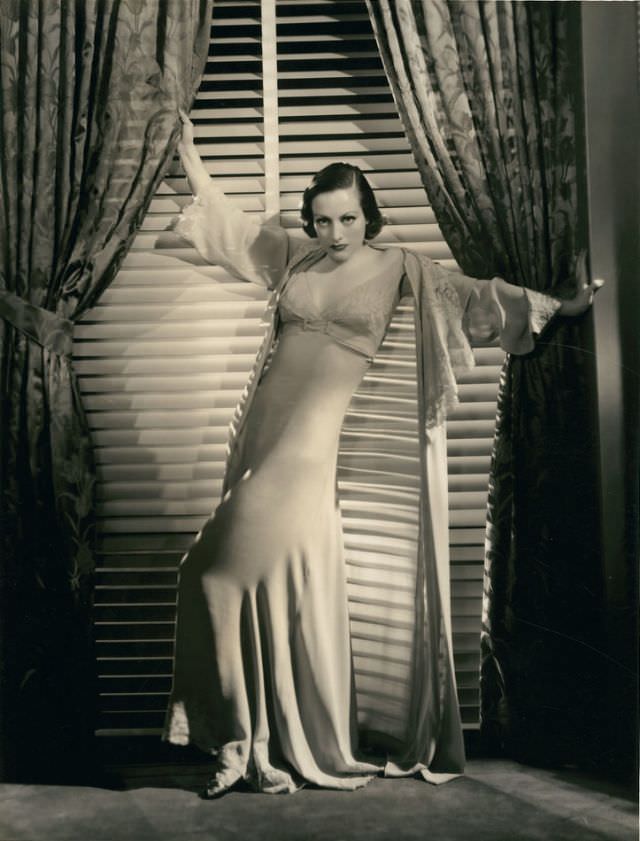
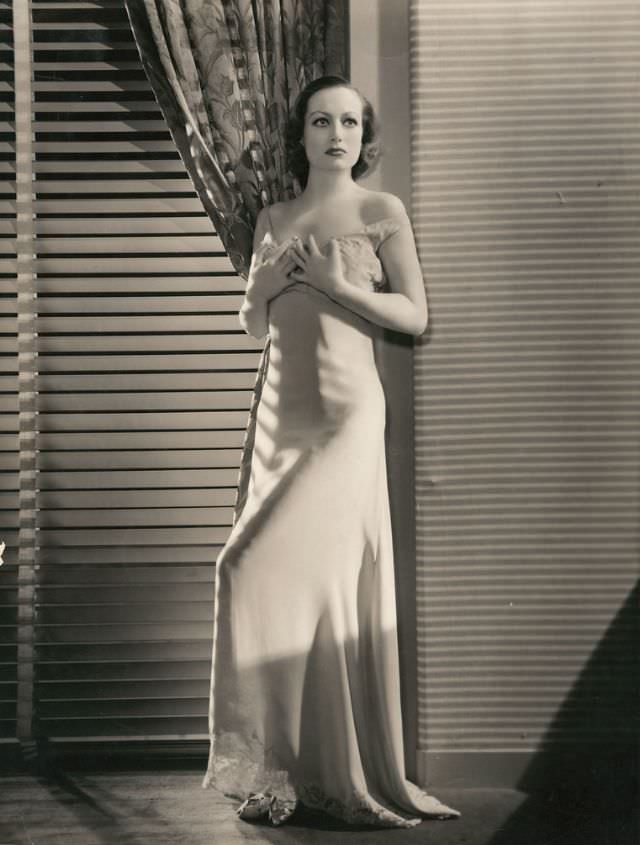
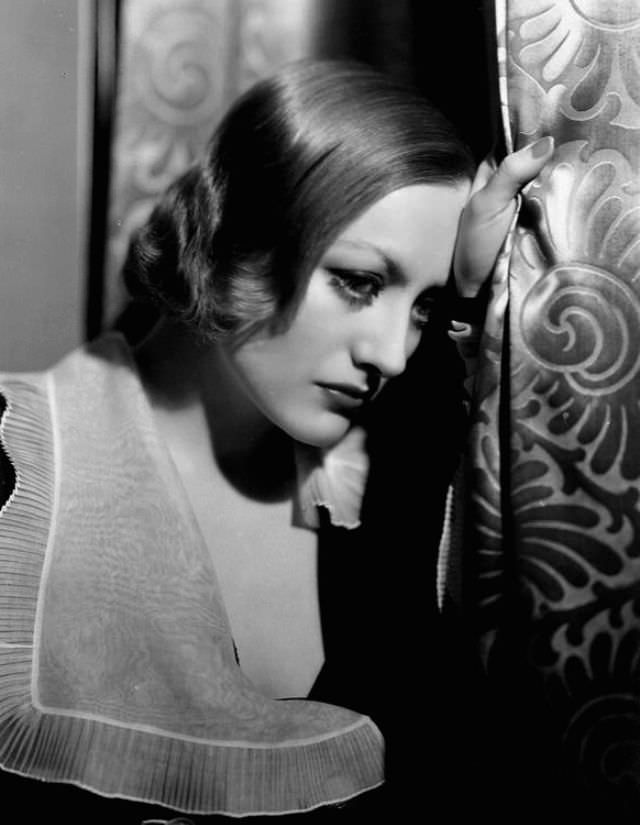
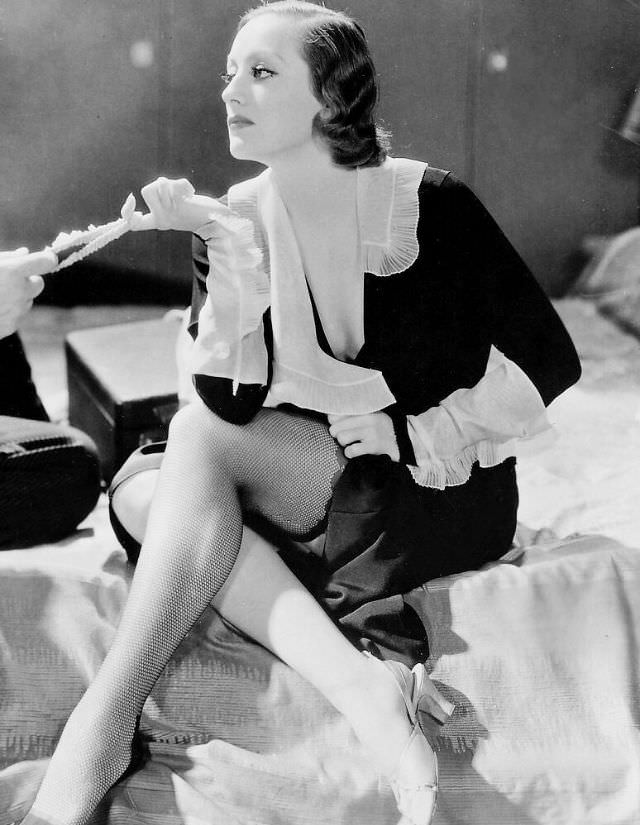
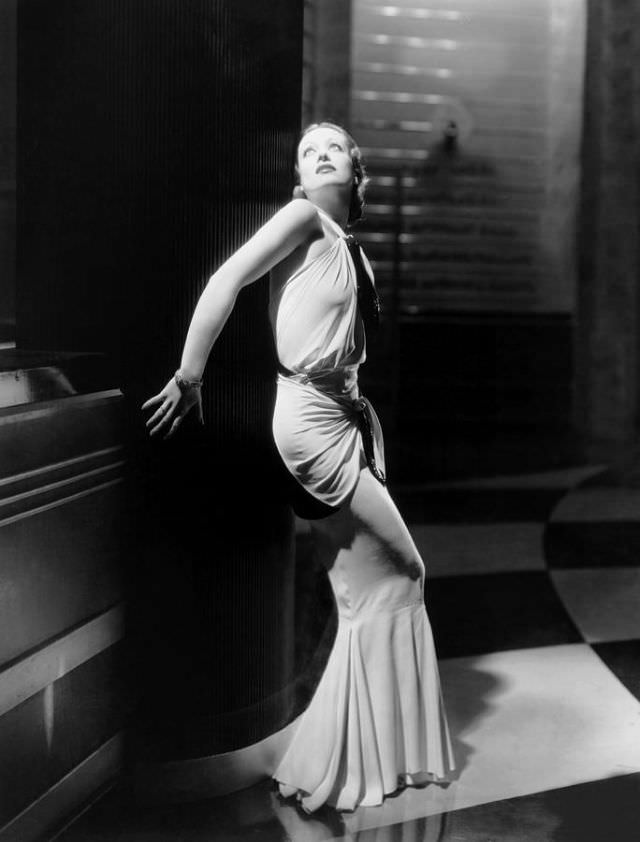
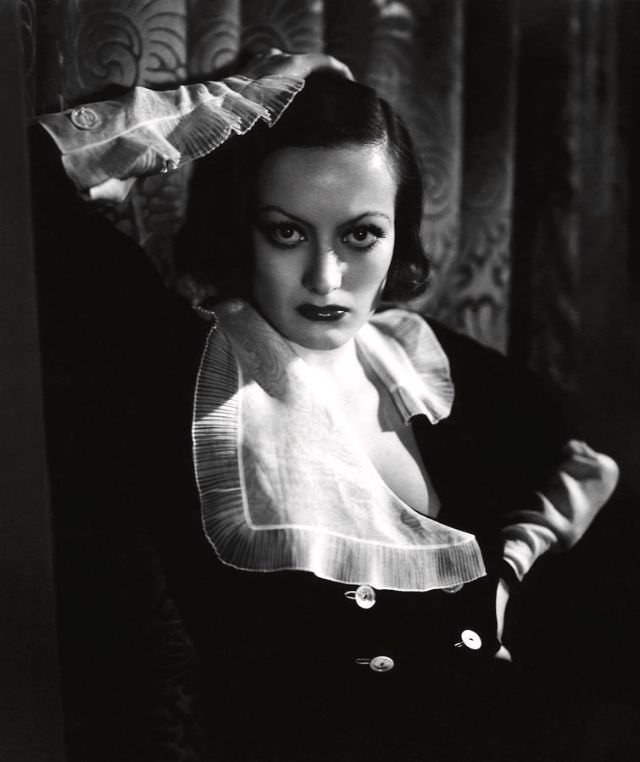
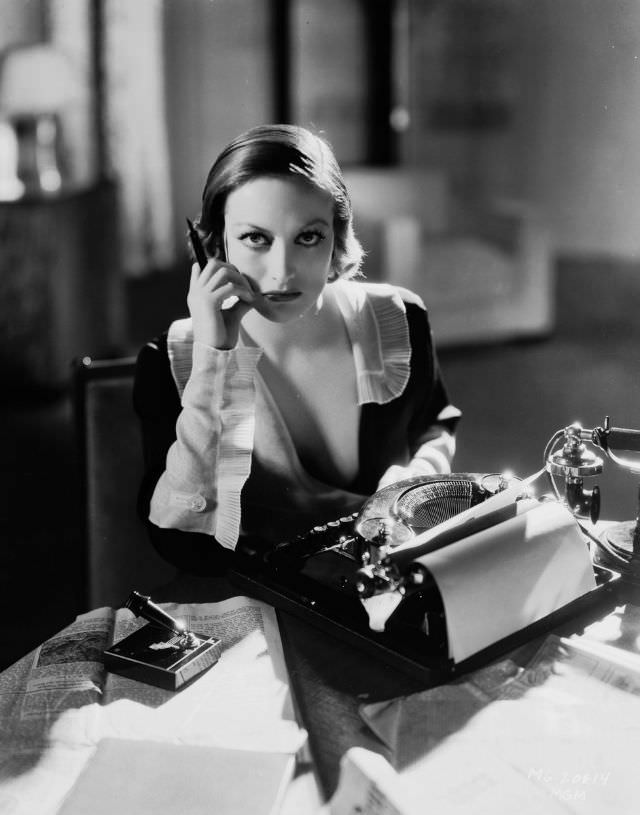
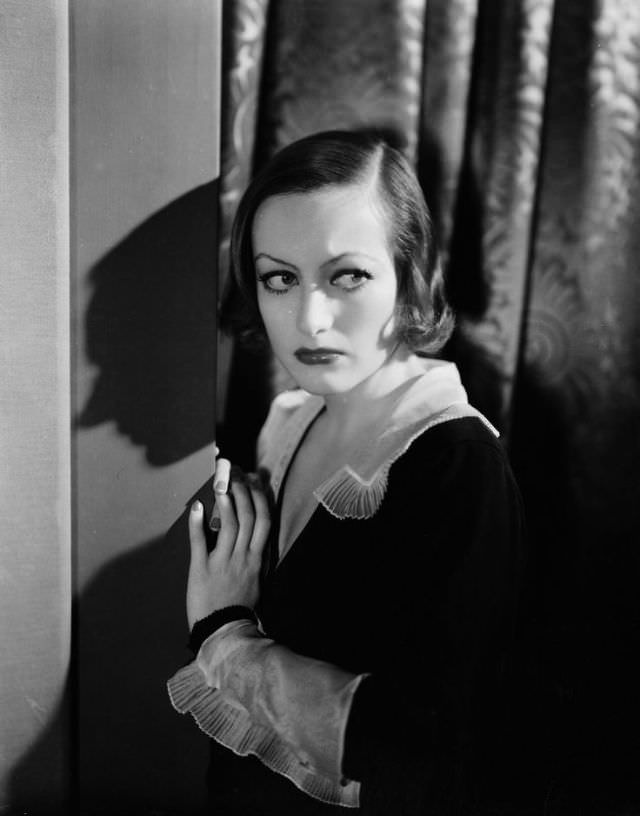
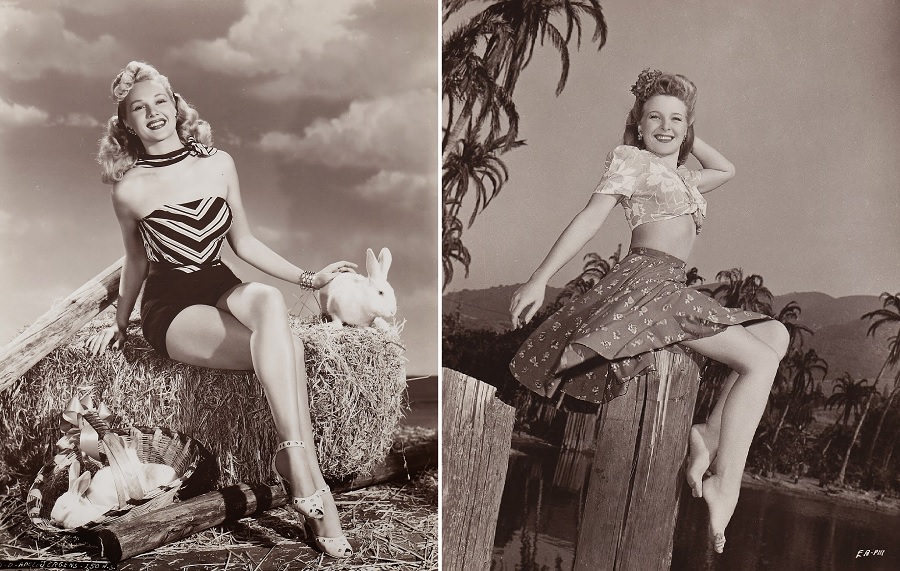
Joan Crawford was 27 years old when cameras rolled on Grand Hotel in 1932. By that point, she had already built a real name for herself in Hollywood. Fans recognized her face, studios valued her draw, and her career was firmly on the rise. But the biggest and most demanding roles of her life were still ahead of her.
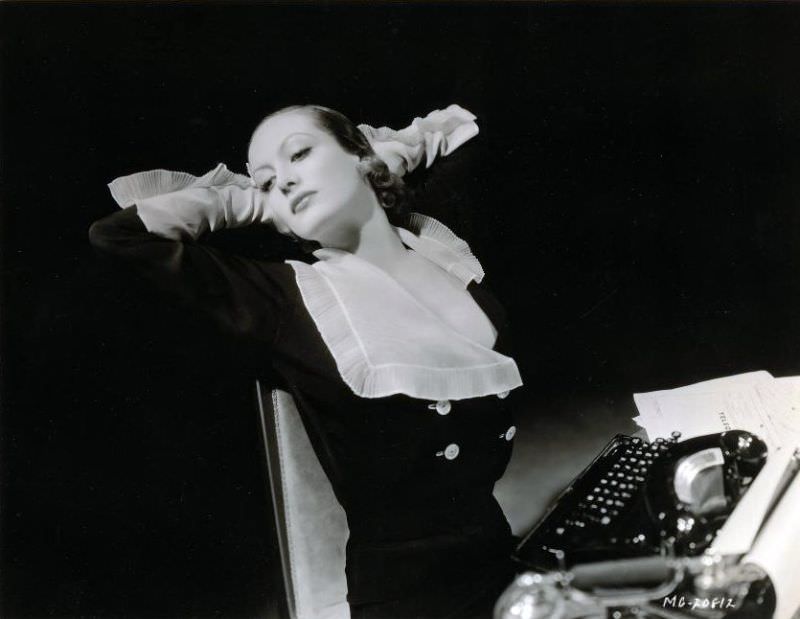
When the offer for Grand Hotel first came her way, Crawford said no. Her reason was simple and practical — she was afraid her scenes would end up on the cutting room floor. A film packed with major stars left little room to guarantee any single actor’s screen time, and Crawford had no interest in appearing in a film where her work might be trimmed down to almost nothing.
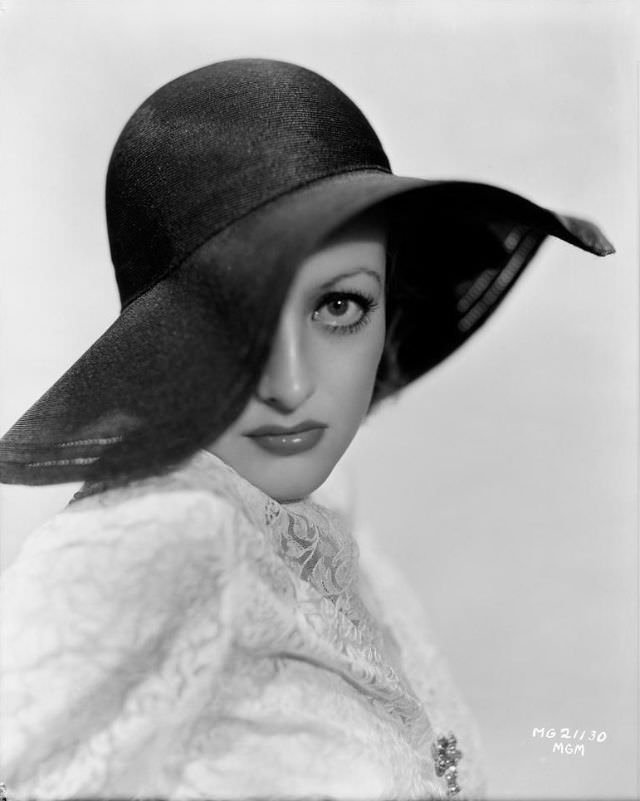
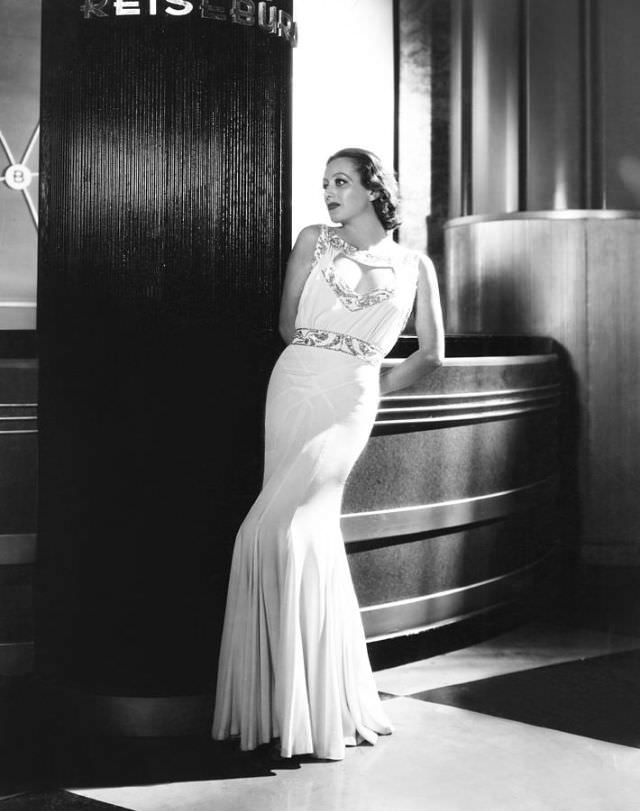
She eventually changed her mind. Director Edmund Goulding and producer Irving Thalberg stepped in with assurances that won her over. They told her the role would be filmed tastefully and that her character would be shown in a sympathetic light. That promise was enough to bring Crawford on board.
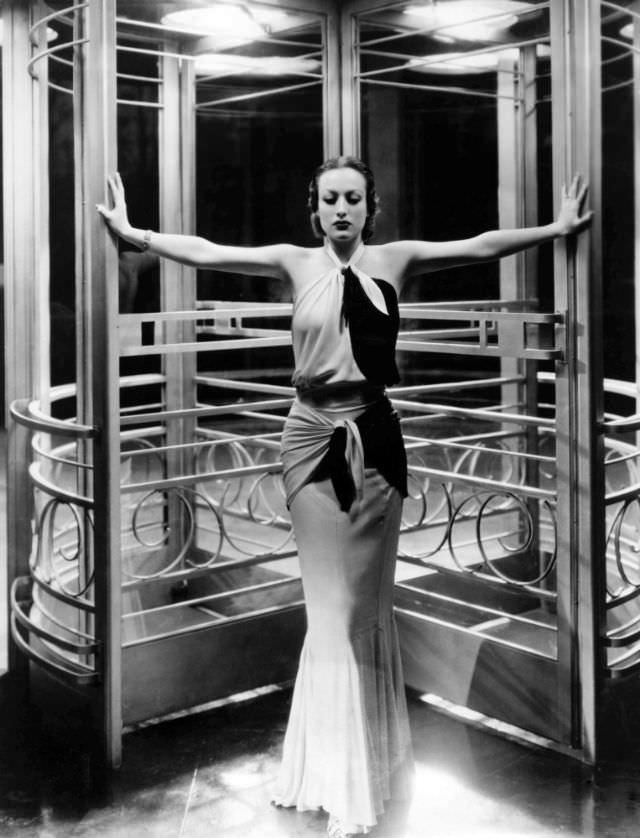
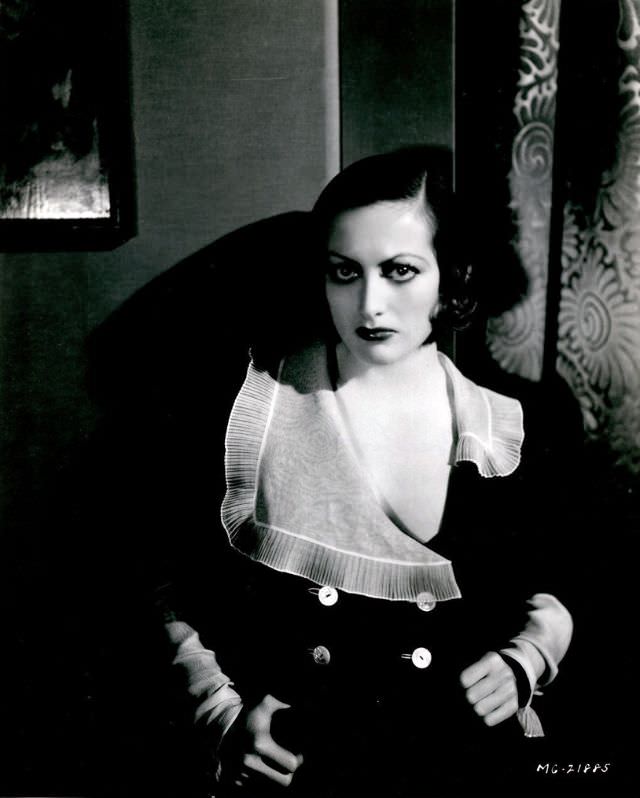
Crawford played Flaemmchen, a young stenographer looking for any opportunity to escape her circumstances. The role put her alongside an extraordinary cast that included Greta Garbo, John Barrymore, Lionel Barrymore, and Wallace Beery. Grand Hotel was one of the most star-heavy productions Hollywood had ever assembled, which made Crawford’s initial hesitation completely understandable.
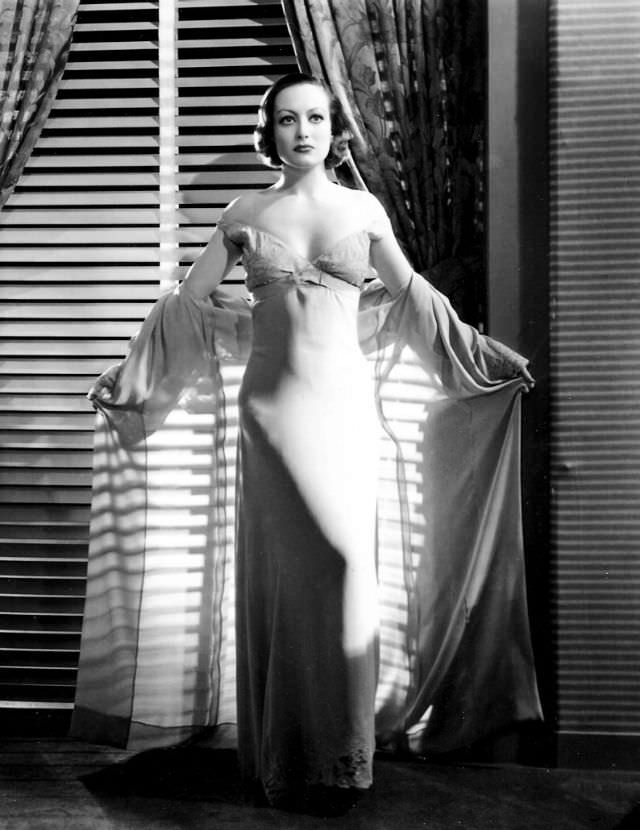
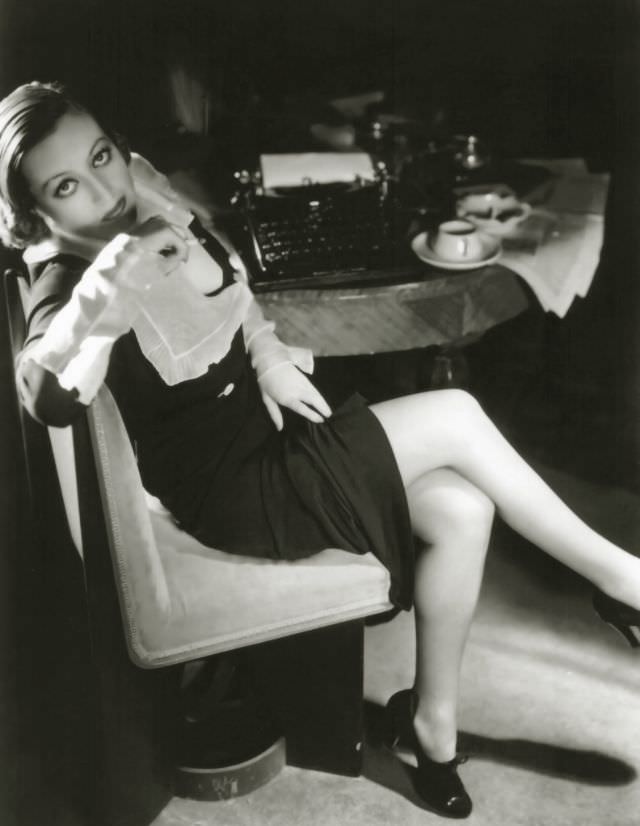
Her concerns about cuts turned out to be well-founded, though not for the reason she originally feared. Several censor boards in more conservative states cut her scenes outright — not because of poor performance or runtime issues, but on grounds of indecency. What Goulding and Thalberg considered tasteful, local censors in certain parts of the country did not.
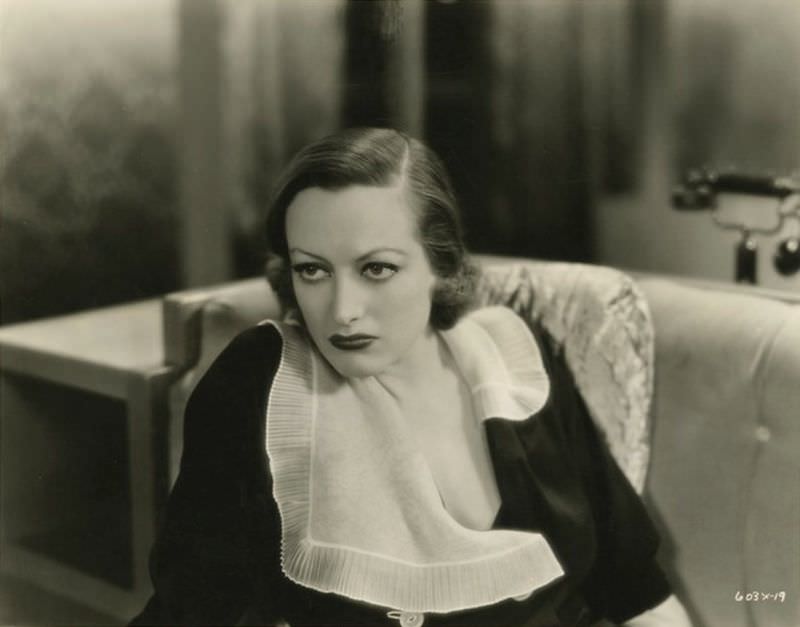
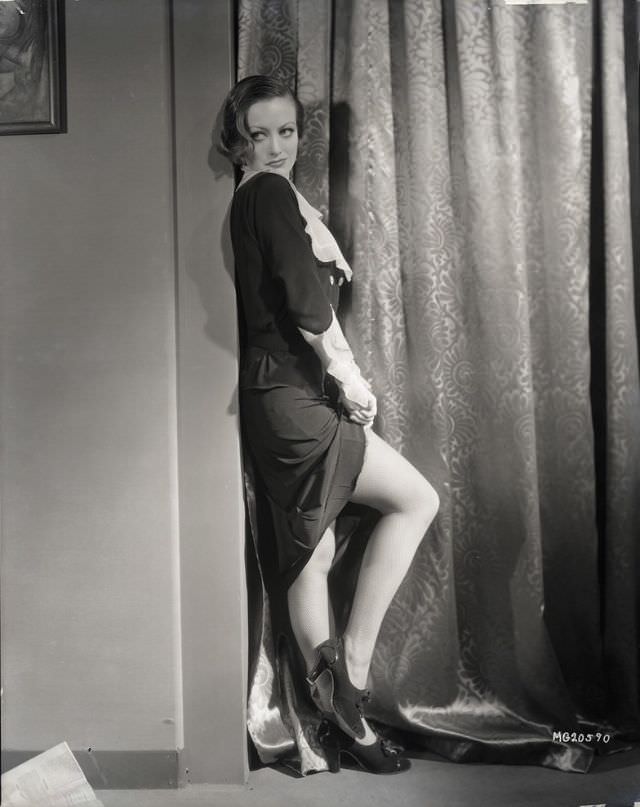
This was not an unusual situation in the early 1930s. Hollywood operated just before the strict enforcement of the Hays Code, which would tighten censorship across the entire industry starting in 1934. In that window, studios pushed boundaries, and state-level censor boards pushed back. Crawford’s scenes in Grand Hotel became one example of that ongoing tug-of-war between filmmakers and local authorities.
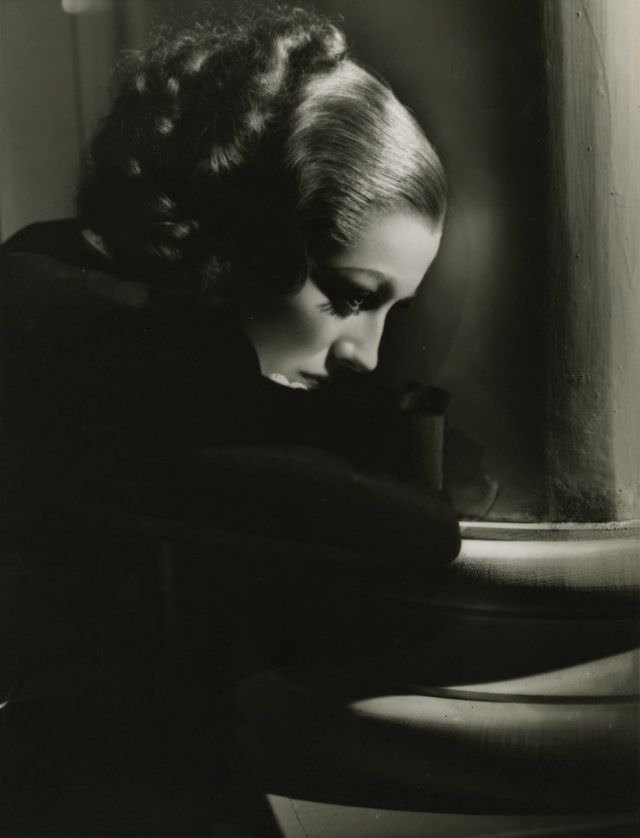
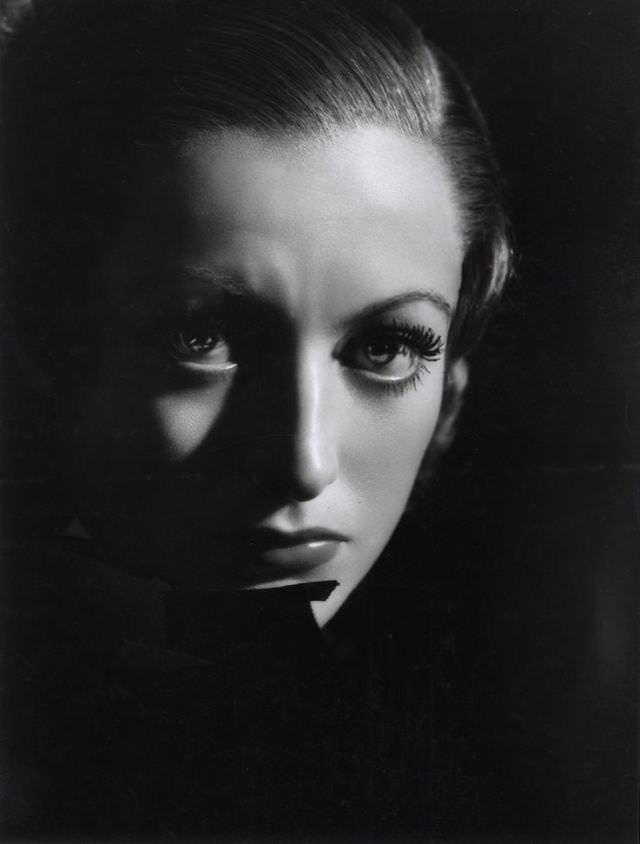
Despite the cuts in some markets, the film itself was a massive success. Grand Hotel won the Academy Award for Best Picture at the 5th Academy Awards in 1932. It remains the only Best Picture winner in Oscar history to receive no other nominations. Crawford’s performance was part of what made the film work, even if audiences in certain states never got to see the full version of her role.
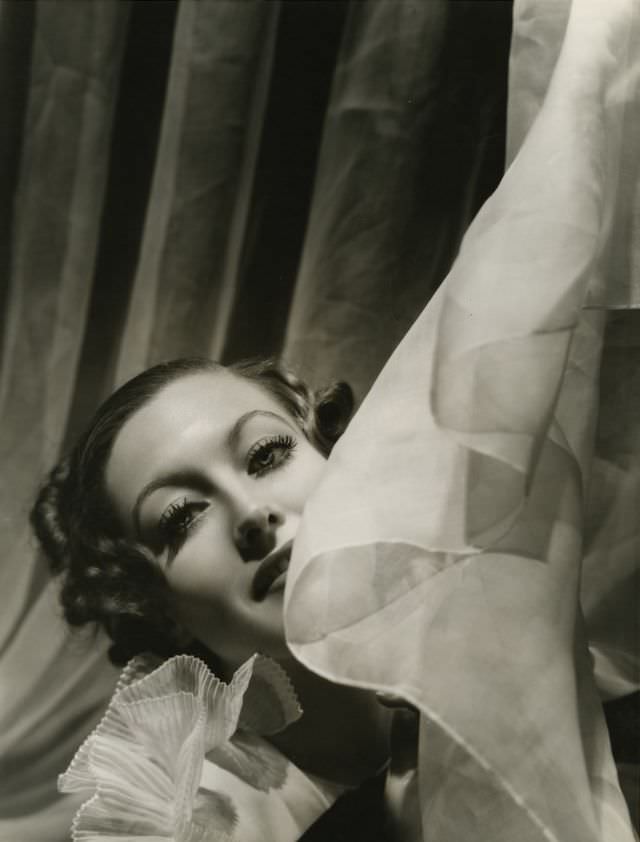
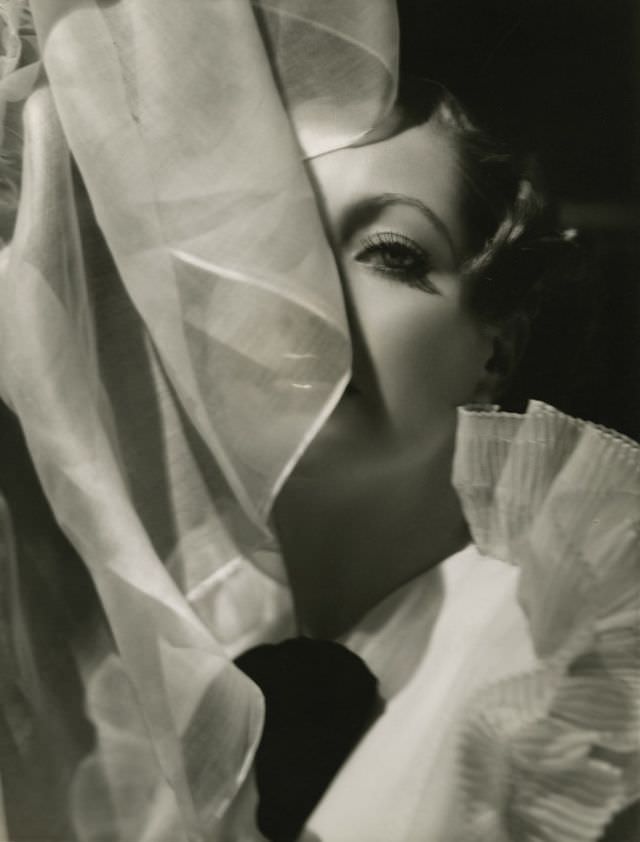
Crawford brought a grounded energy to Flaemmchen. The character was not glamorous by design — she was a working-class woman navigating a world that offered her very little protection. That contrast worked well against the film’s more flamboyant characters, and Crawford played it straight without overreaching.
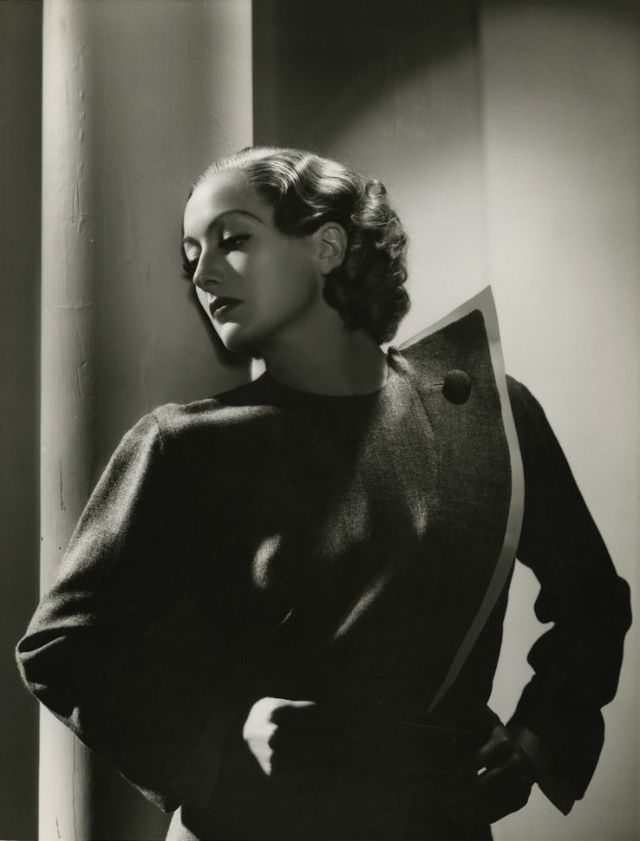
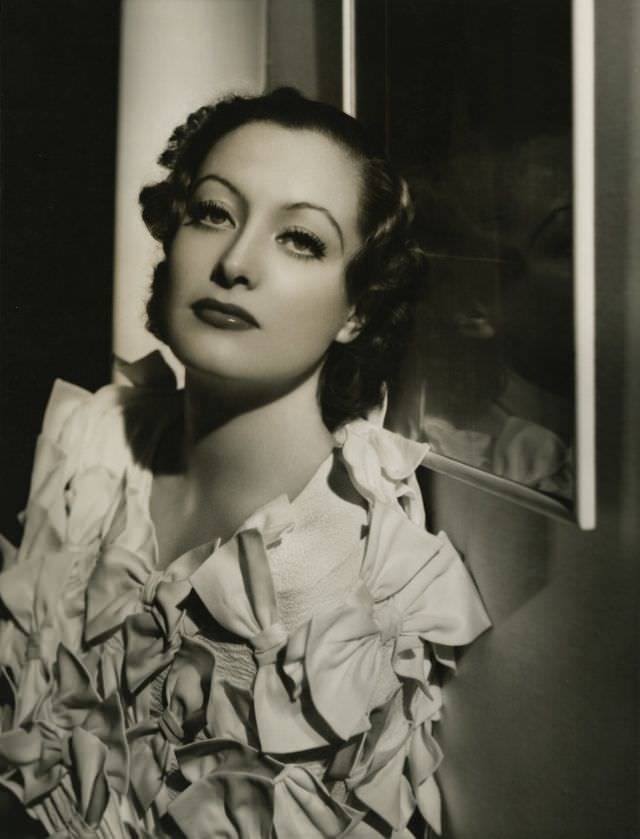
The production itself was handled under the MGM banner, and Thalberg’s involvement meant the film had strong creative backing from the start. Goulding, known for getting strong emotional performances from actors, kept the ensemble cast working together without the kind of ego clashes that could easily have derailed a project of this size.
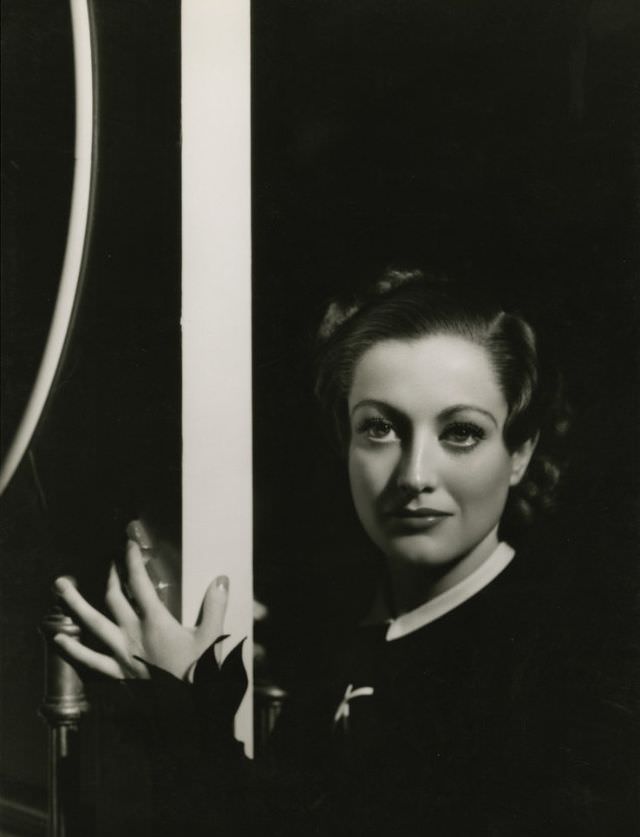
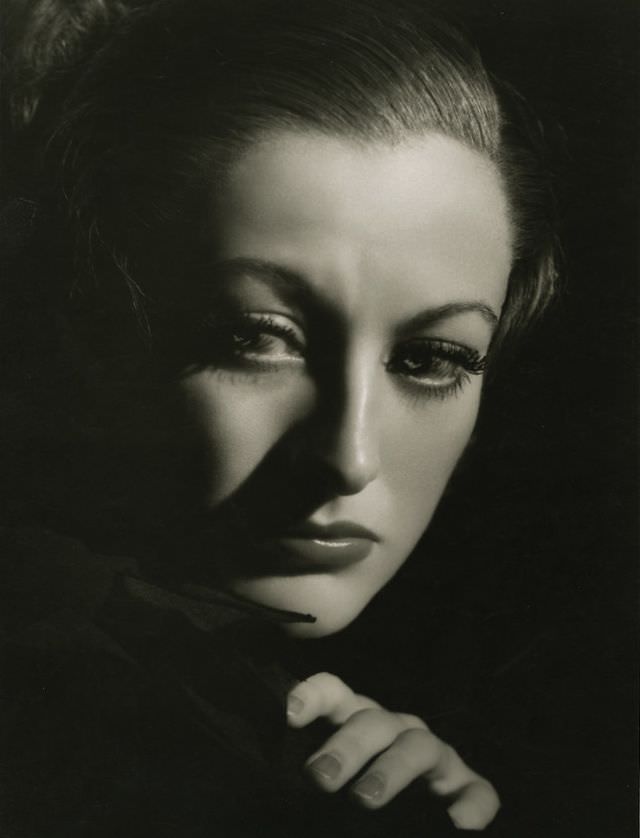
Crawford’s decision to accept the role after initially declining it reflects how carefully she managed her career, even at 27. She was not simply taking every part offered to her. She weighed the risks, asked questions, and made demands before agreeing to commit. The assurances from Goulding and Thalberg mattered to her because she understood what was at stake.
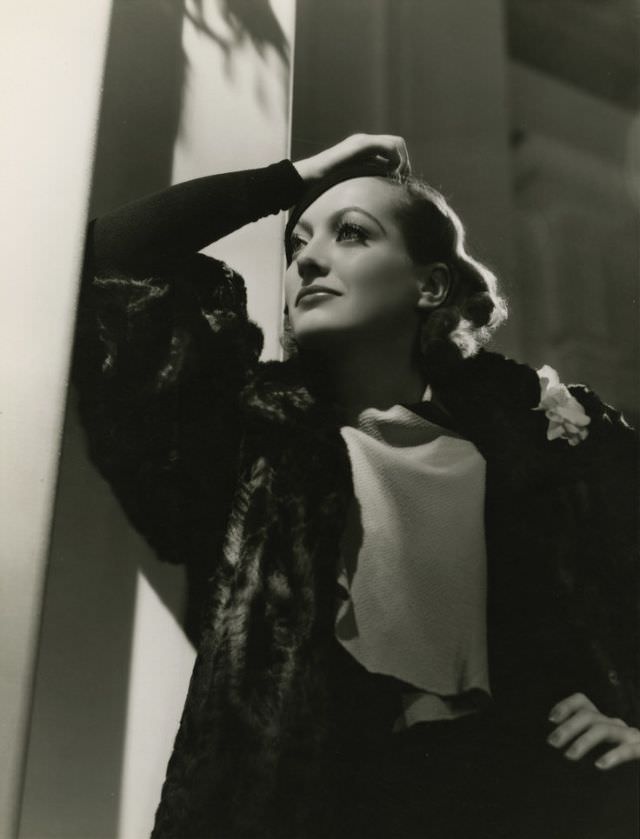
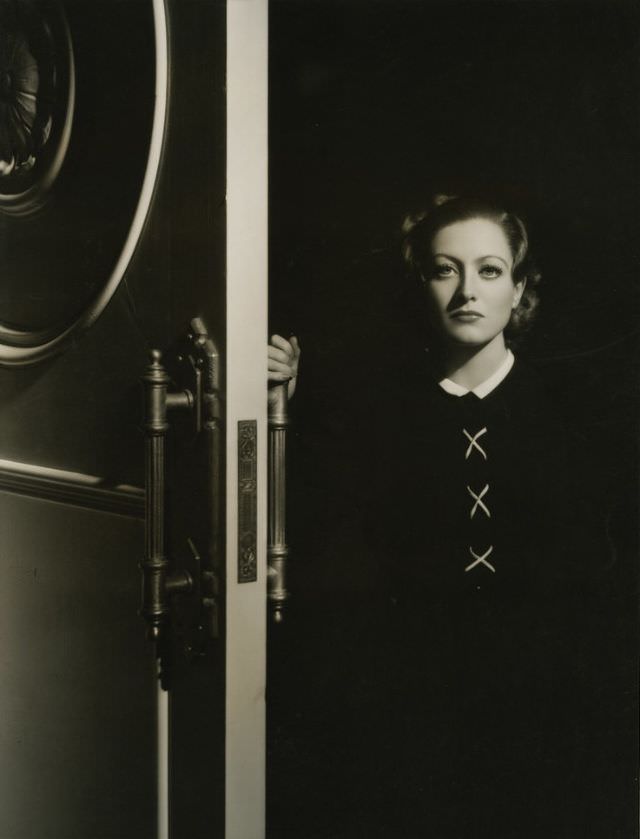
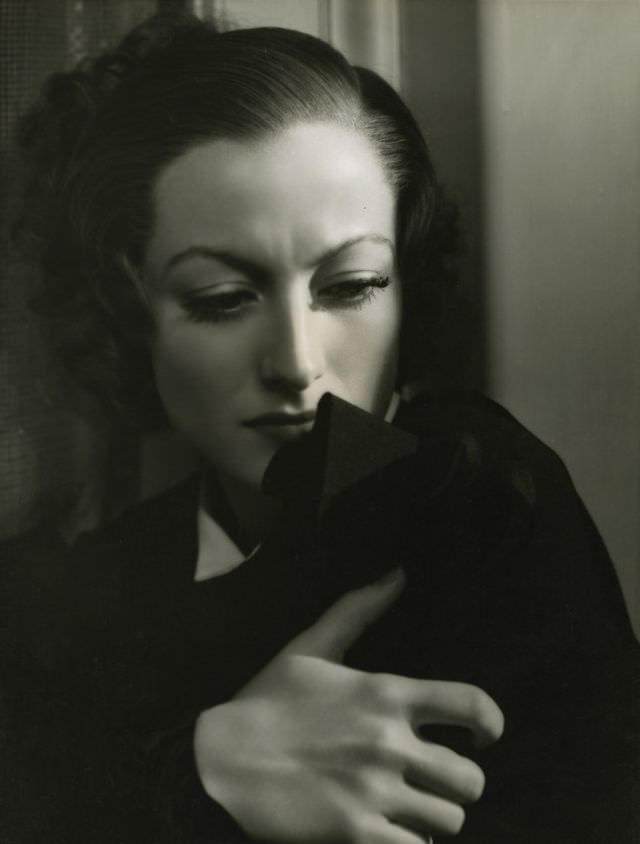
The irony is that the scenes censors flagged were not filmed recklessly. Goulding had followed through on his promise to handle her material with care. The issue was not how the scenes were made — it was that the content itself crossed lines that conservative boards in certain states had drawn for their audiences.
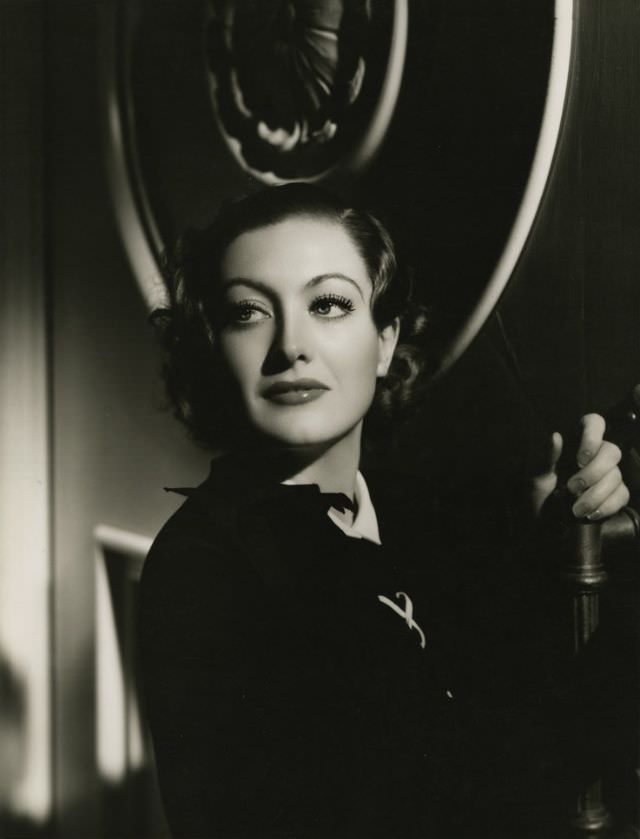
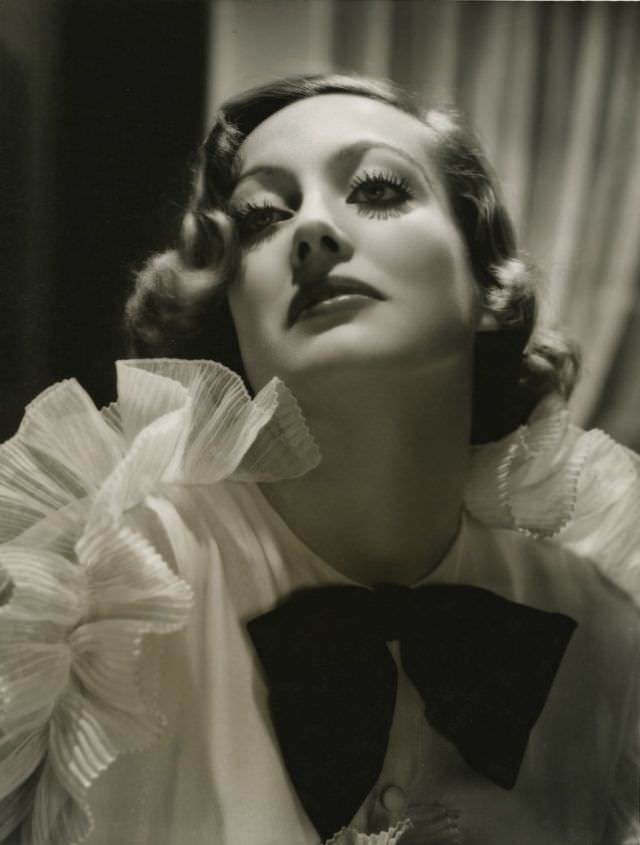
For Crawford, Grand Hotel stood as proof that her instincts about the industry were sharp. She had foreseen the risk of being cut and had tried to protect herself from it. When cuts came anyway — from an unexpected direction — it underscored just how little control any actor had over how their work was ultimately received by the public.