Jim Henson was born on September 24, 1936, in Greenville, Mississippi. He grew up in a household that encouraged creativity, and by the time he reached high school, he had already started making puppets. That early spark would grow into one of the most recognized creative careers in television history. His characters didn’t just entertain children — they became part of American culture.
As a freshman at the University of Maryland, College Park, Henson launched a short-form comedy television program called Sam and Friends, which ran from 1955 to 1961. He co-created the show with fellow student Jane Nebel. The two worked closely together, eventually married, and co-founded Muppets, Inc. in 1958 — the company that would later become The Jim Henson Company. Henson graduated with a degree in home economics, but it was puppetry that defined his professional life.
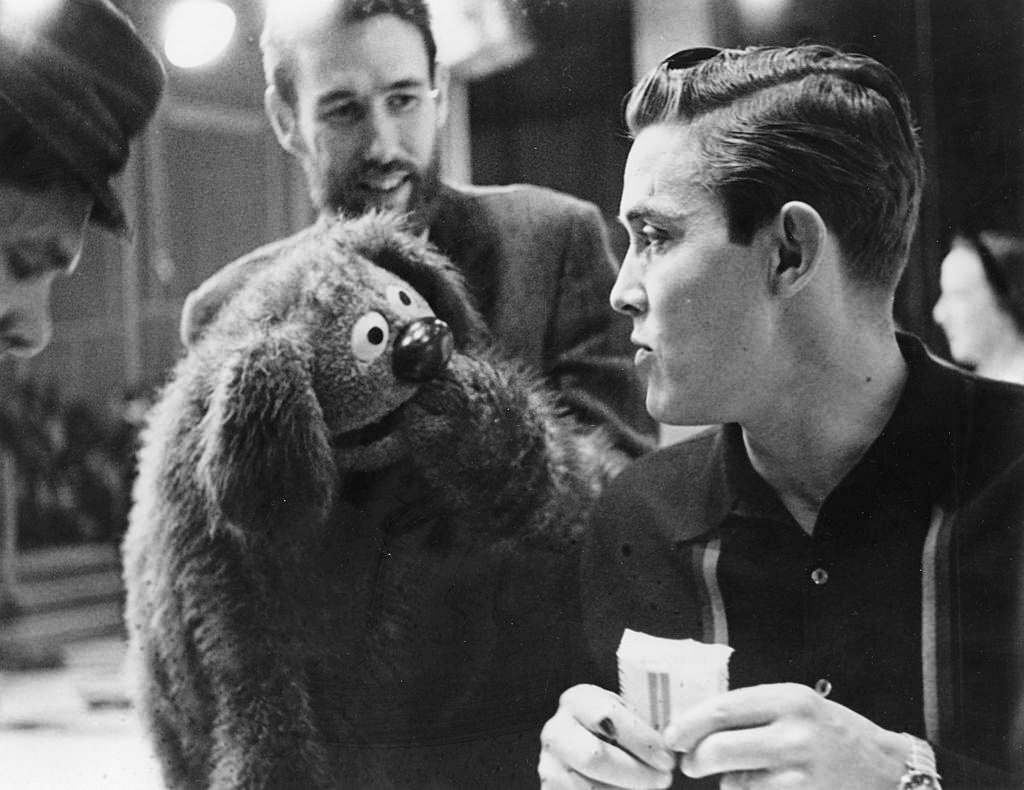
Through the late 1950s and early 1960s, Henson took on commercial work alongside his puppet projects. He produced coffee advertisements and continued developing experimental films, steadily building his technical skills. One early on-screen collaboration was with country singer Jimmy Dean, where Henson performed his puppet characters alongside real performers — a format he would master over the following decades.
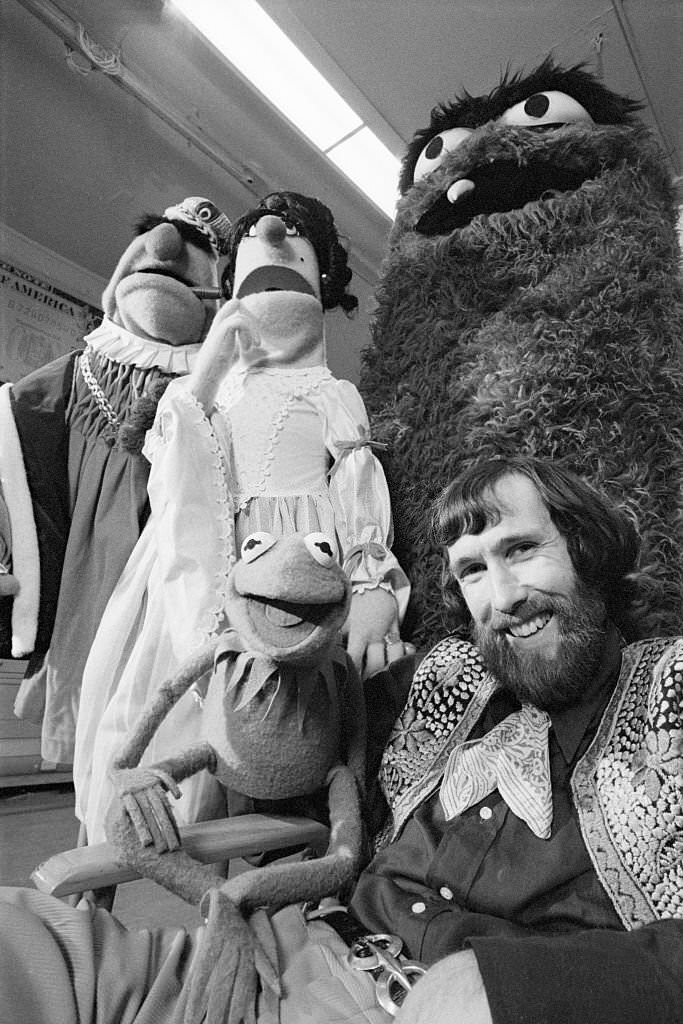
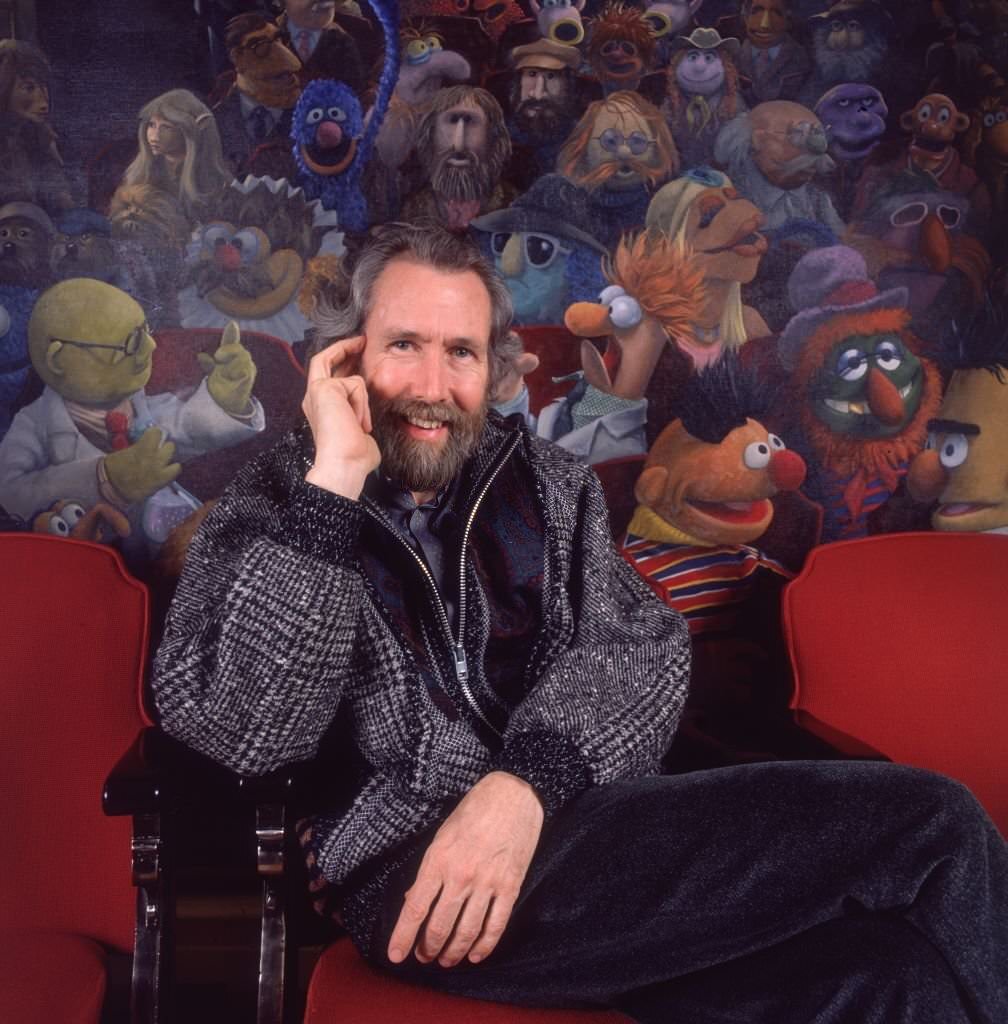
In 1969, Henson joined the production team of Sesame Street, the children’s educational television series that would reach millions of families across the United States. He helped develop and perform several core Muppet characters for the show, including Ernie. That same year marked the beginning of a long partnership between Henson’s creative vision and one of the most watched children’s programs in TV history.
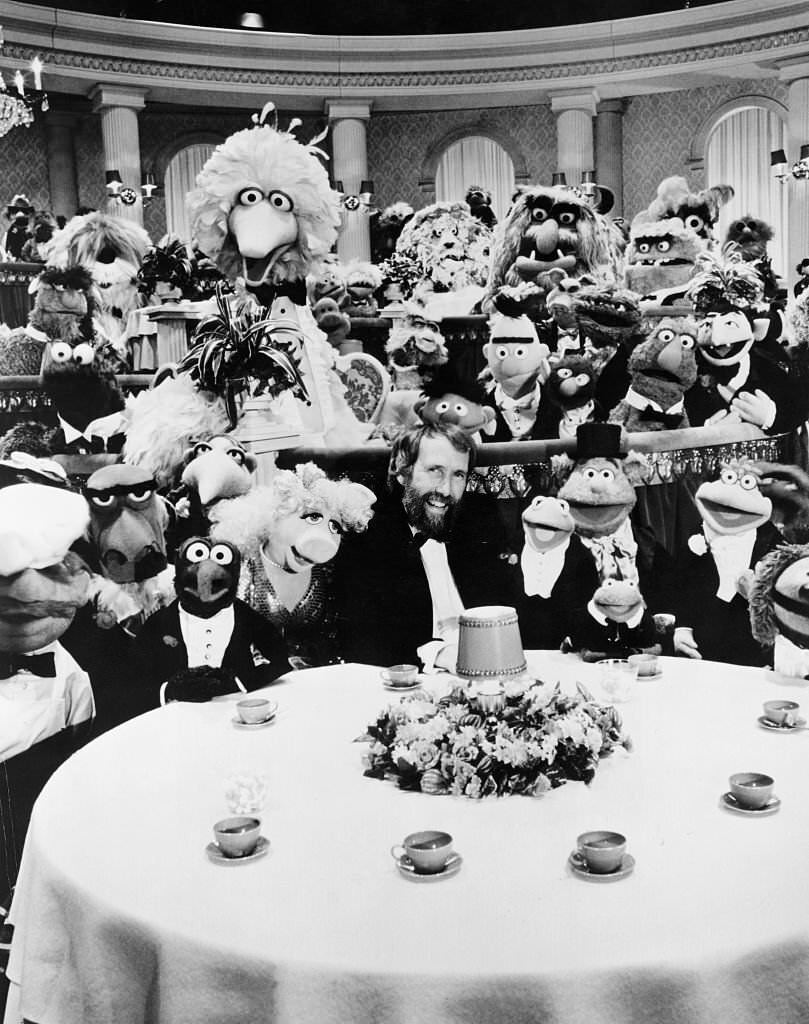
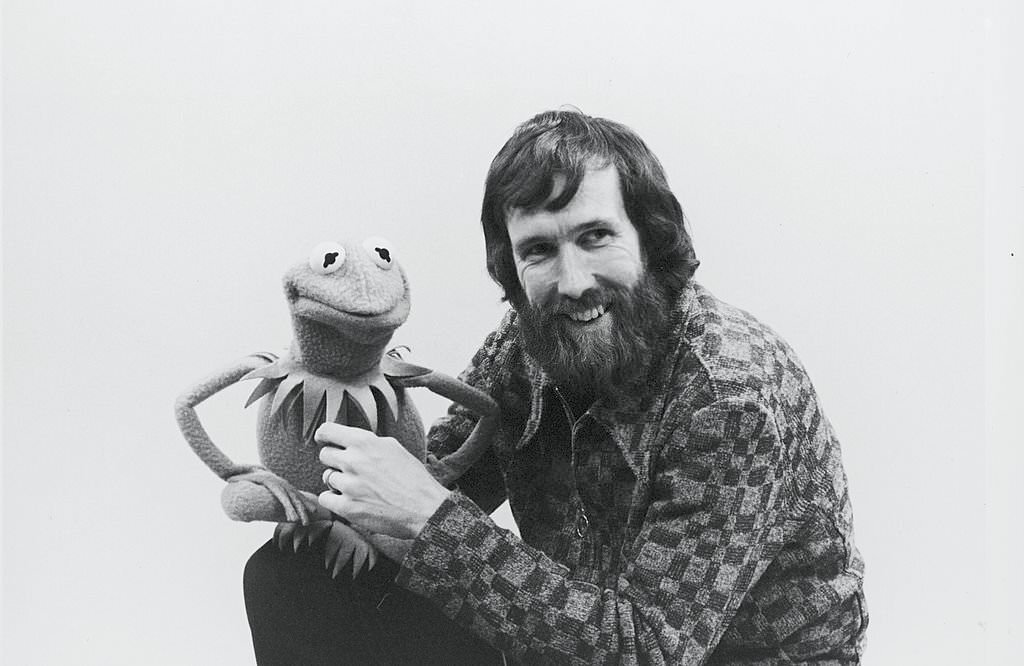
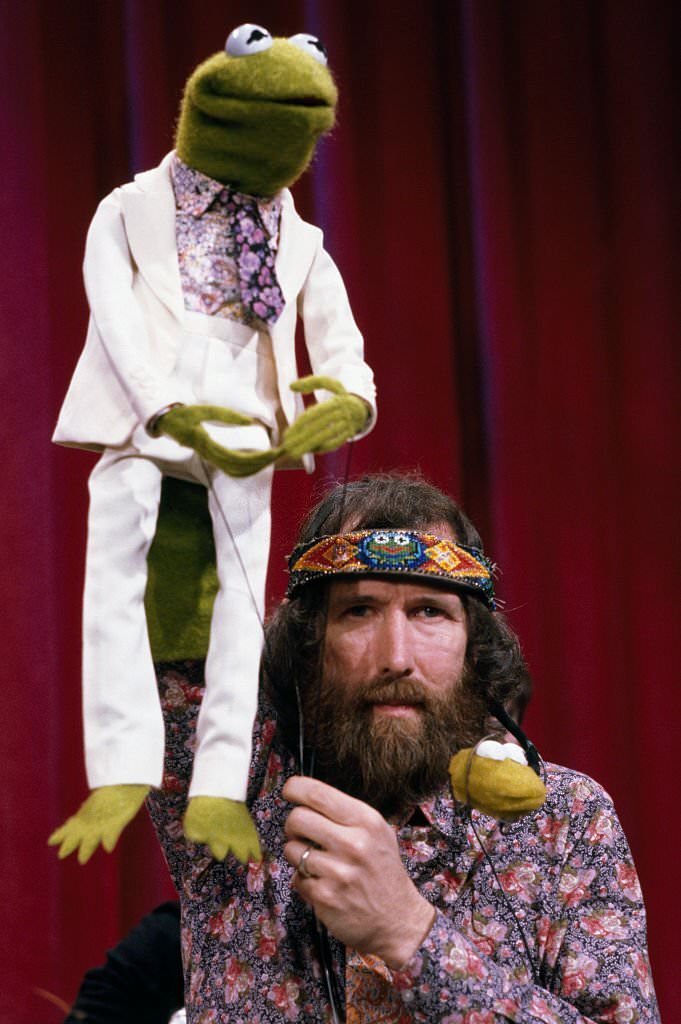
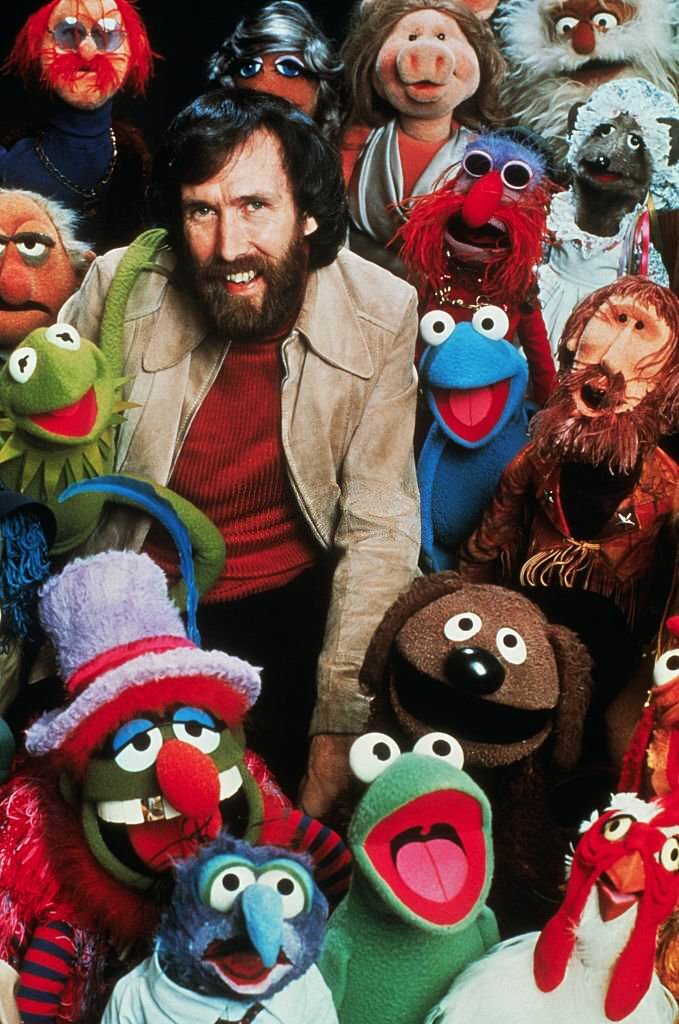
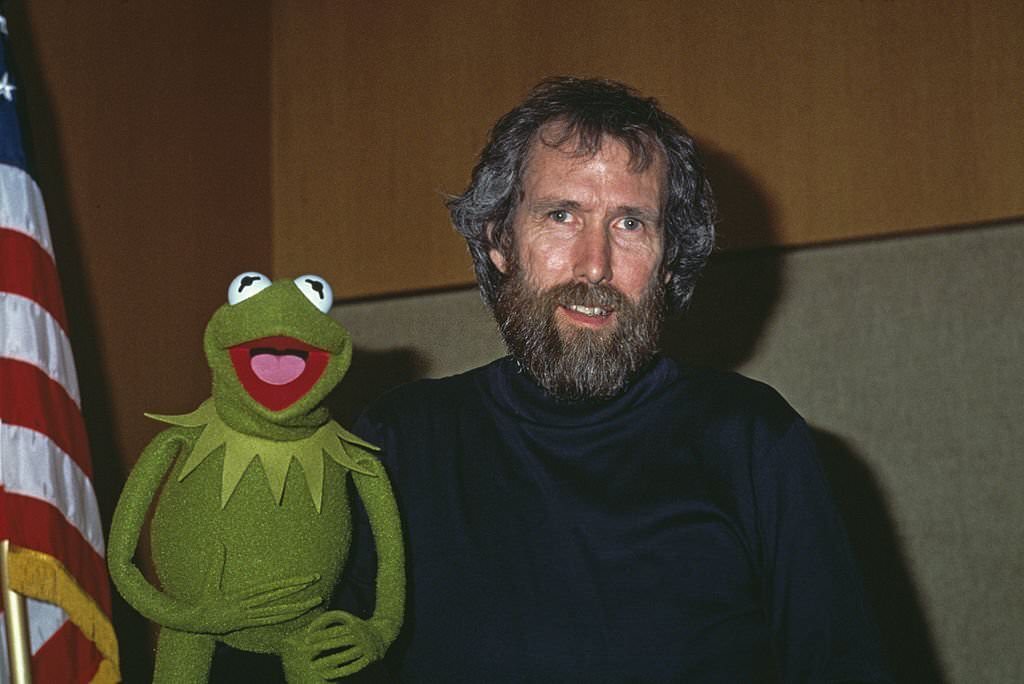
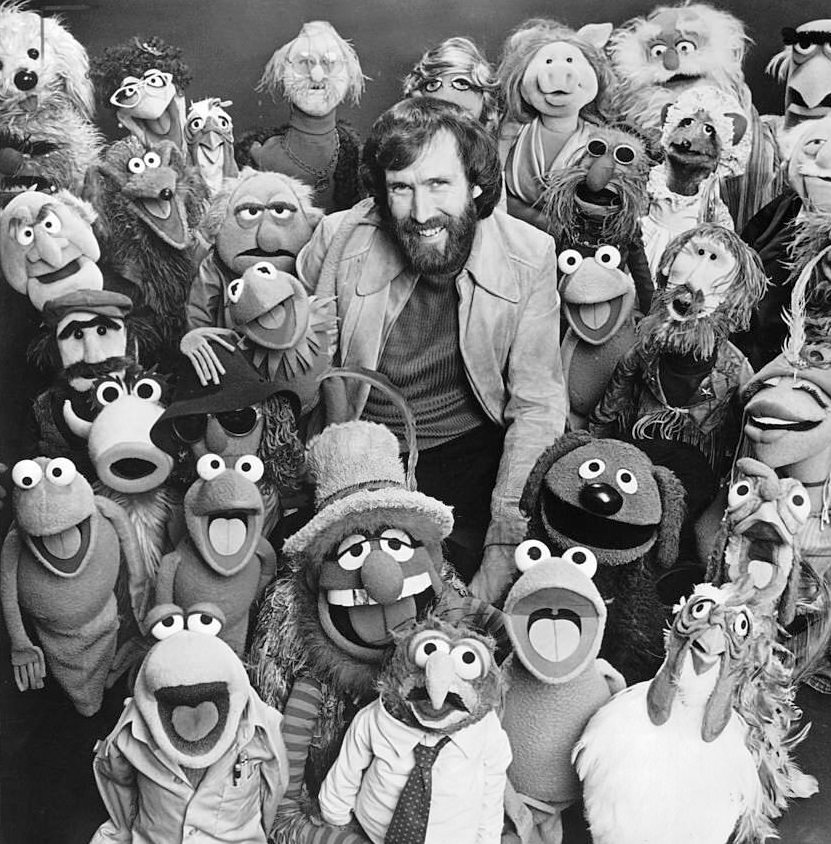
Henson and his team also appeared during the first season of Saturday Night Live in 1975, contributing a set of Muppet characters to the sketch comedy format. Then in 1976, he launched The Muppet Show, a weekly variety program that ran until 1981. The show brought in high-profile celebrity guests and gave Henson’s ensemble cast — Kermit the Frog, Miss Piggy, Rowlf the Dog, and dozens of others — a weekly platform in front of a worldwide audience.
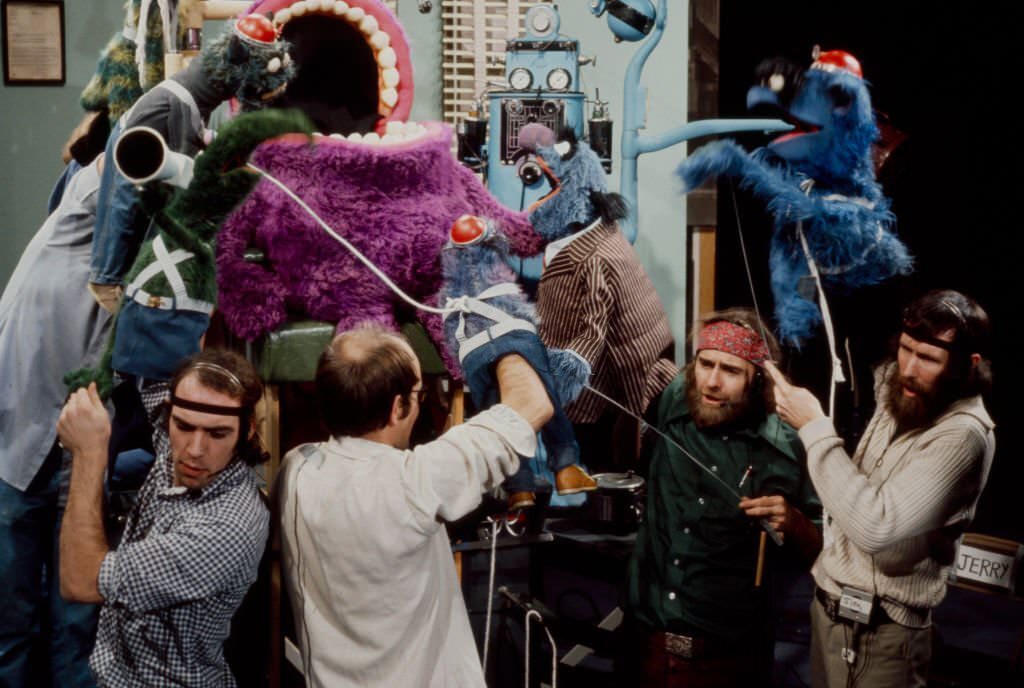
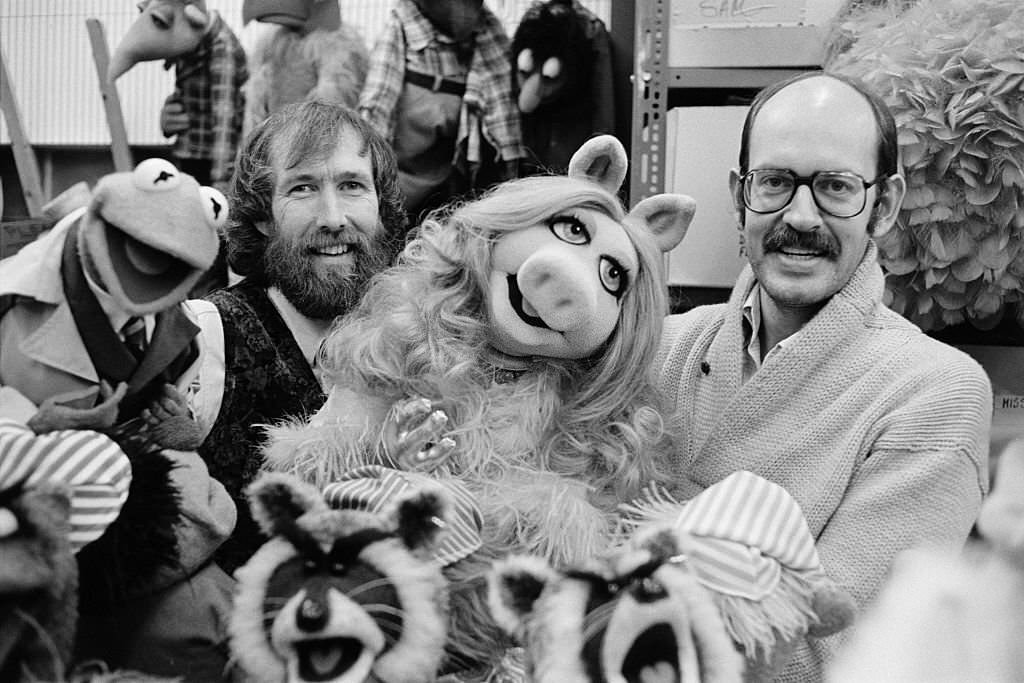
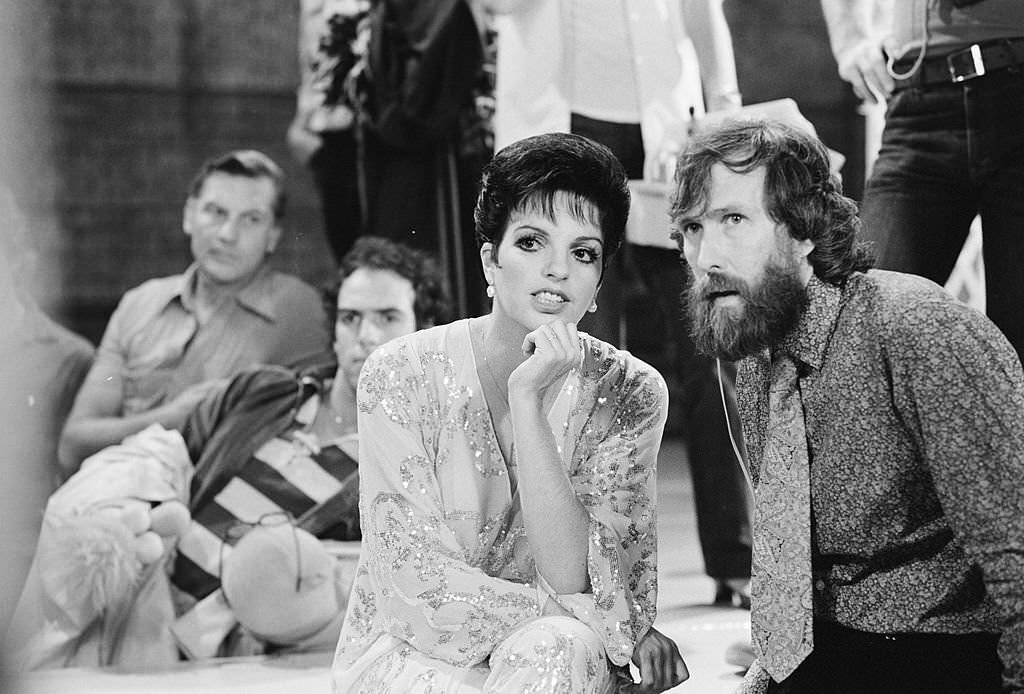
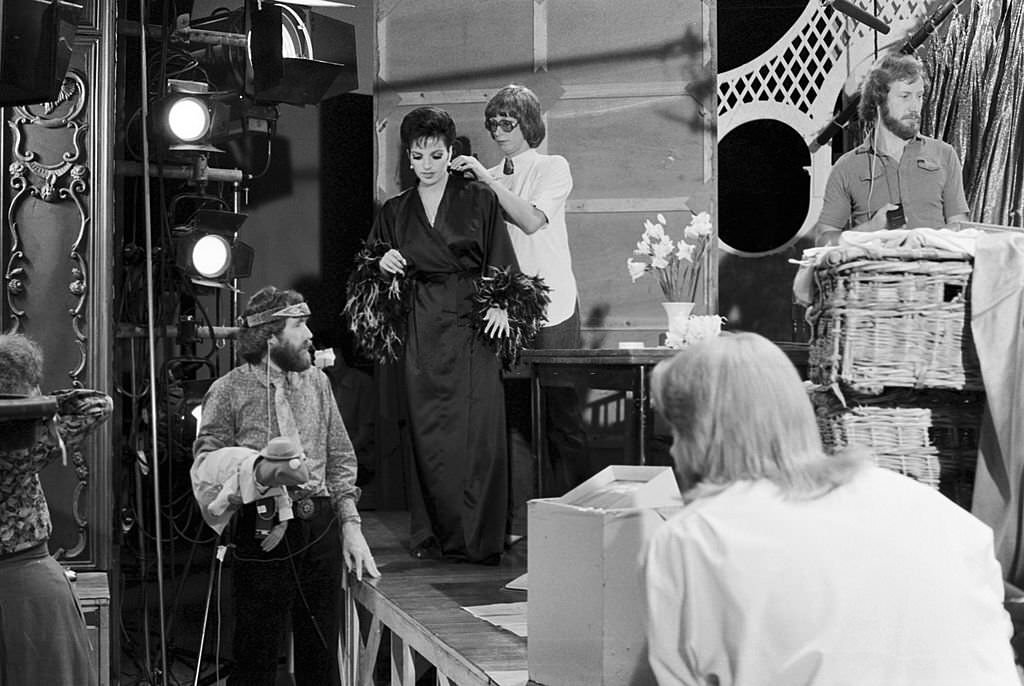
Frank Oz was one of Henson’s most important collaborators throughout The Muppet Show era. Oz performed Miss Piggy, Fozzie Bear, Animal, and other major characters, while Henson handled Kermit and many others. Their on-screen chemistry gave the show much of its energy. Celebrity guests like Liza Minnelli added to the program’s wide appeal, helping it attract viewers well beyond its core audience of children.
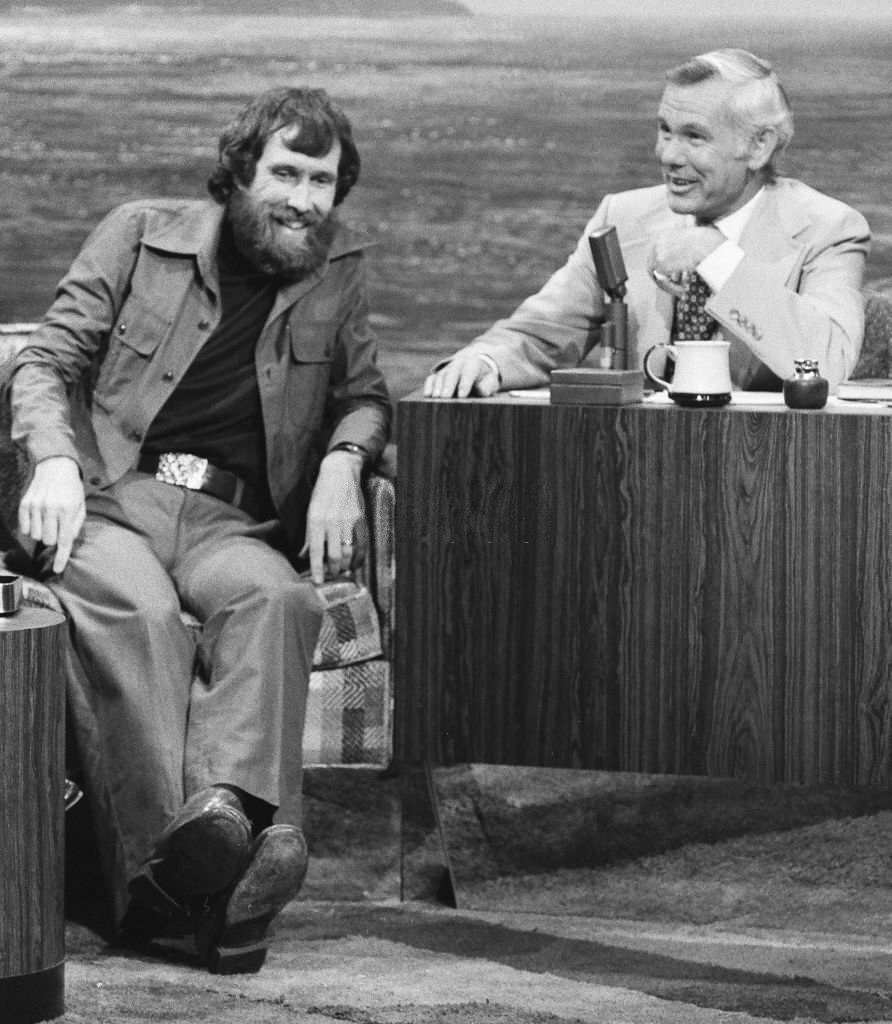
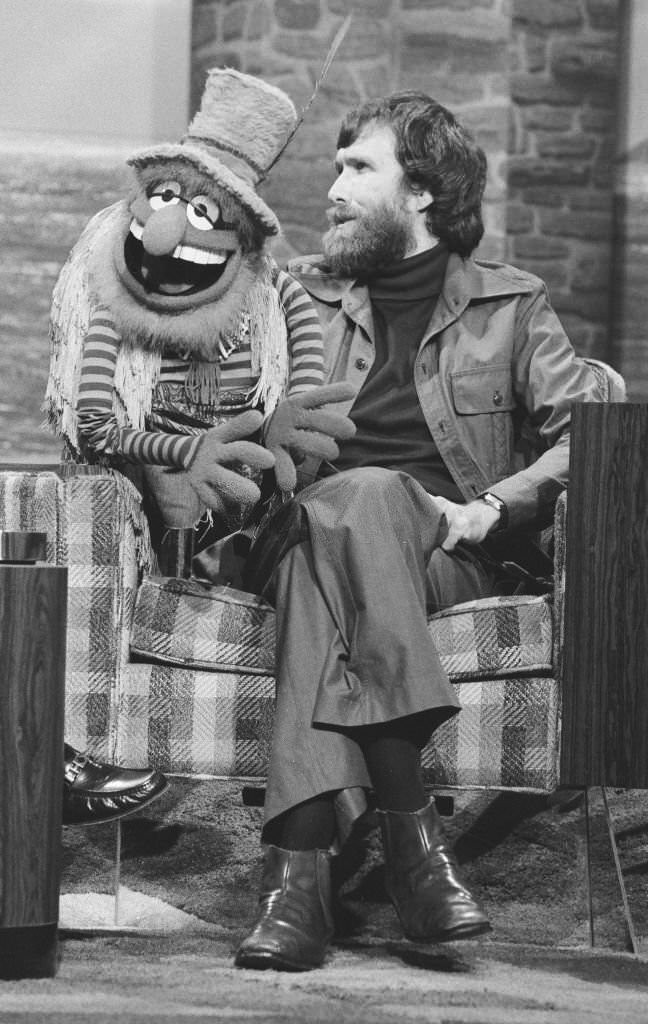
The Muppets also made their way onto The Tonight Show Starring Johnny Carson, one of the most-watched late-night programs in America. Appearances on that stage helped cement their status as mainstream entertainment figures, not just characters from a children’s show.
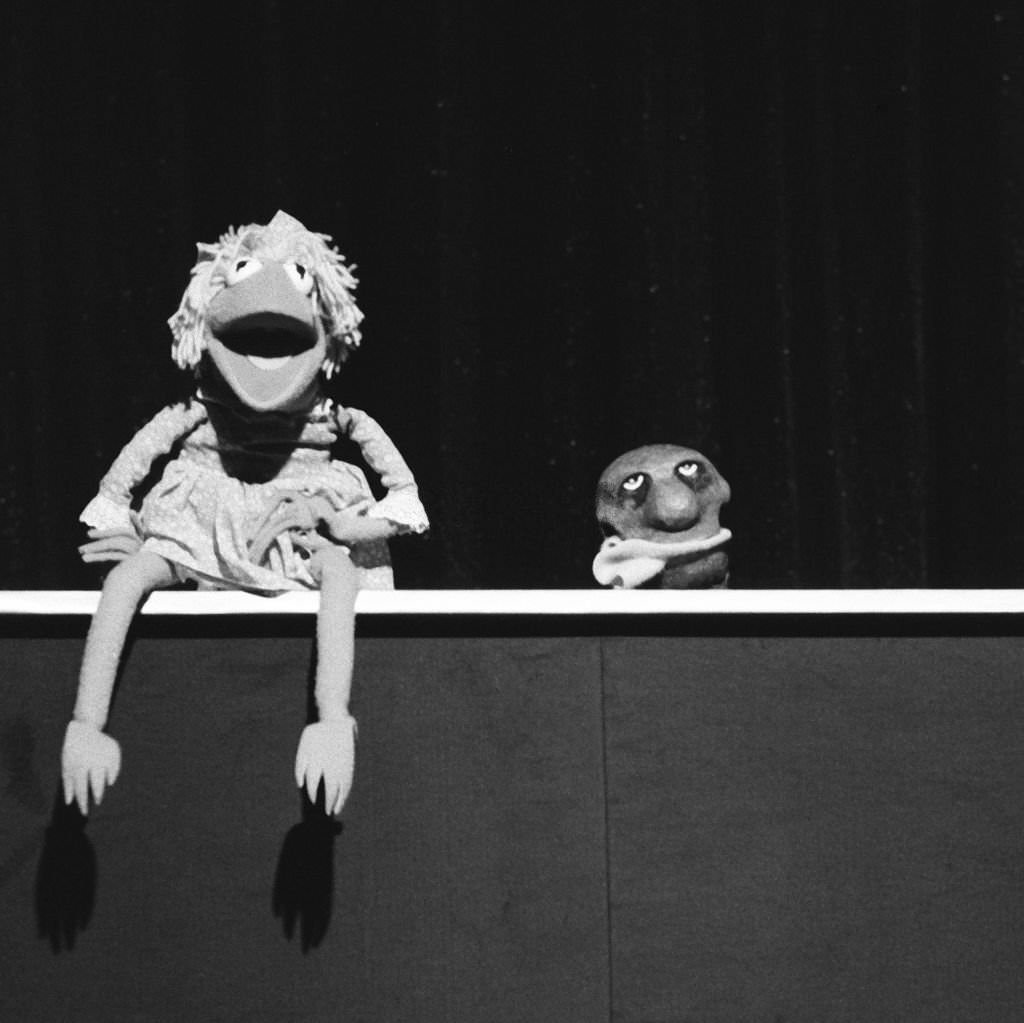
The Muppet Movie, released in 1979, was the first feature film to star Henson’s characters. It performed well at the box office and opened the door to a series of follow-up films. Henson’s work earned him Emmy Awards, Grammy Awards, and a Peabody Award — recognition that reflected both the quality and the cultural weight of what he had built.
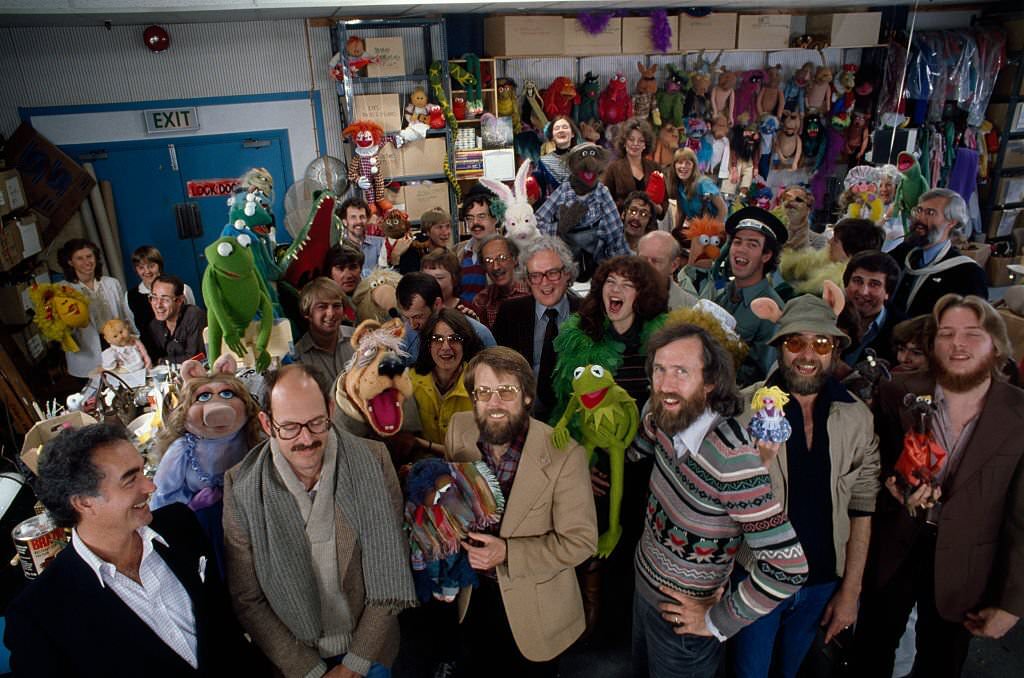
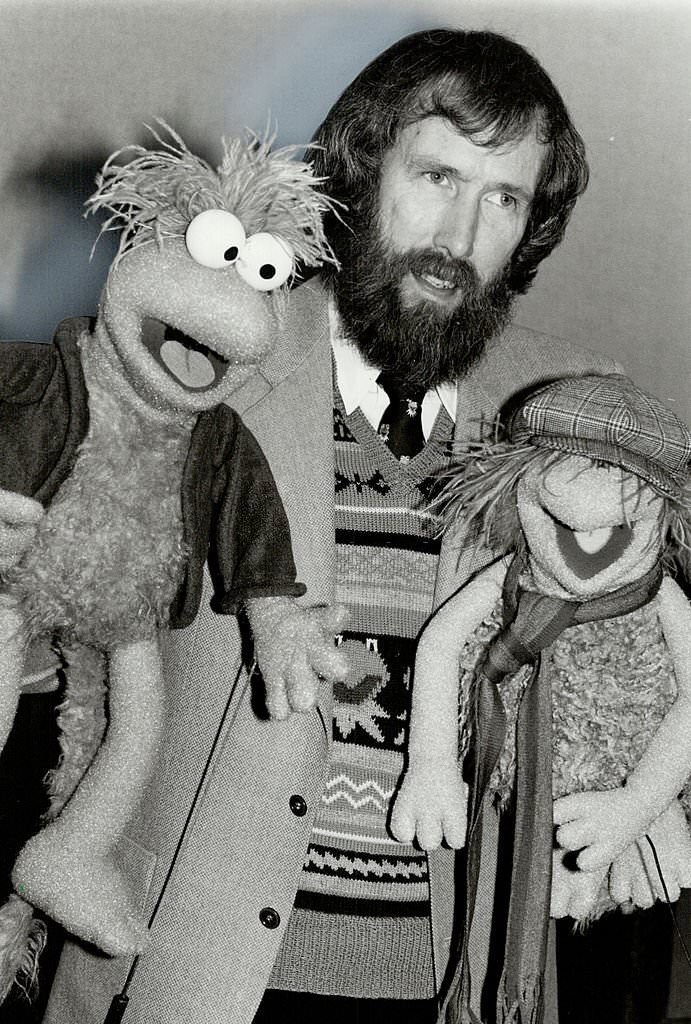
Beyond the Muppets, Henson pushed into new creative territory. In 1982, he introduced Fraggle Rock, a puppet-based series produced in partnership with CBC in Toronto, which premiered in January 1983. The show featured an entirely new cast of characters and tackled themes like cooperation and conflict. Henson introduced two central Fraggle characters — Gobo and Boober — during the press rollout for the series.
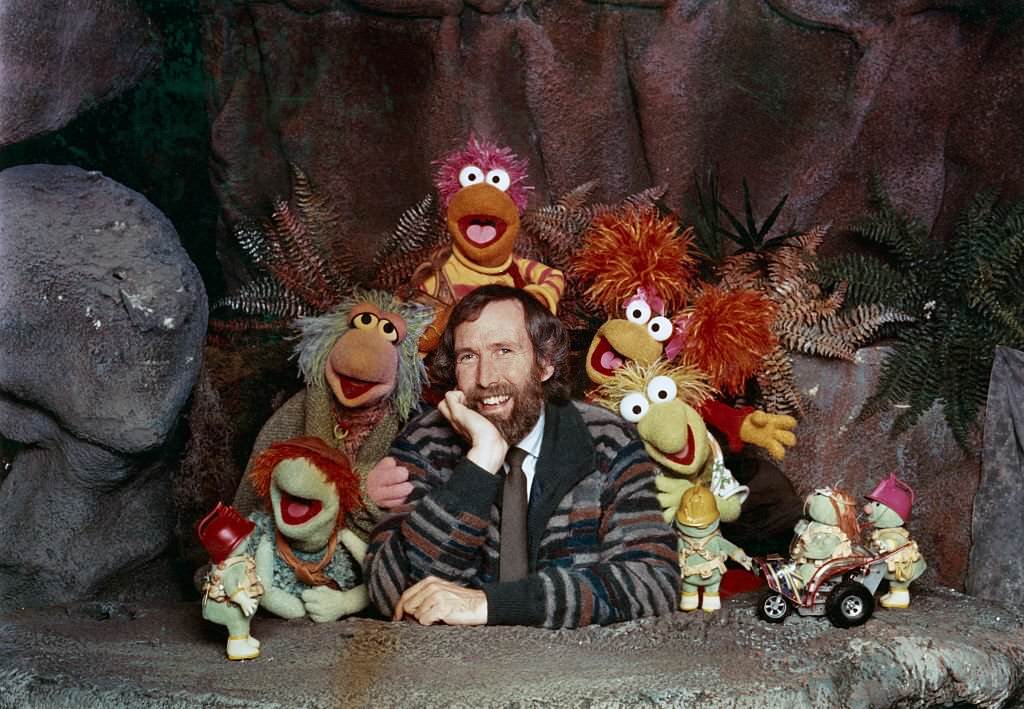
Henson also ventured into dark fantasy with the 1982 film The Dark Crystal, co-directed with Frank Oz. The film used no human actors — every character was a puppet or creature. A London press launch in February 1983 drew significant attention from the British media. Three years later, Henson directed Labyrinth, starring David Bowie. The film’s royal premiere in London was attended by Princess Diana, who met Henson alongside the towering Ludo character from the film.
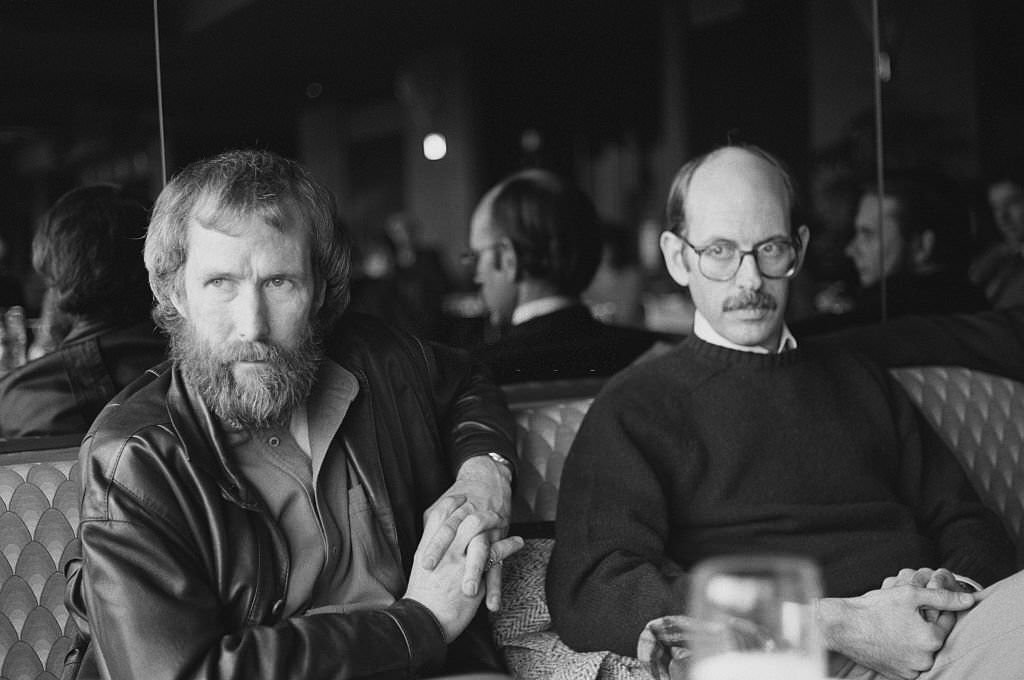
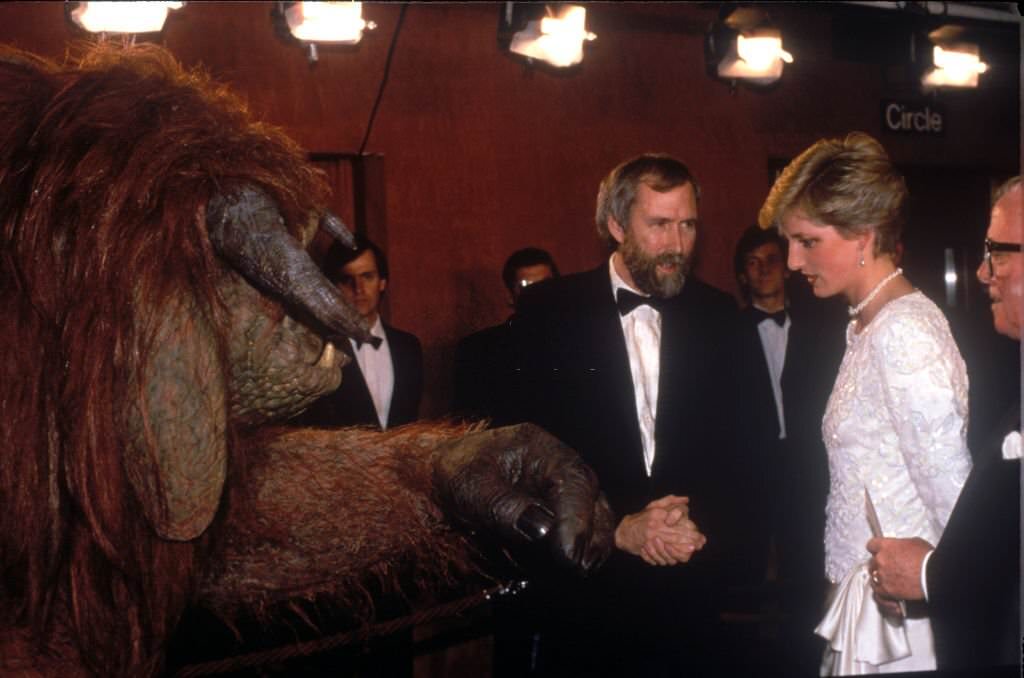
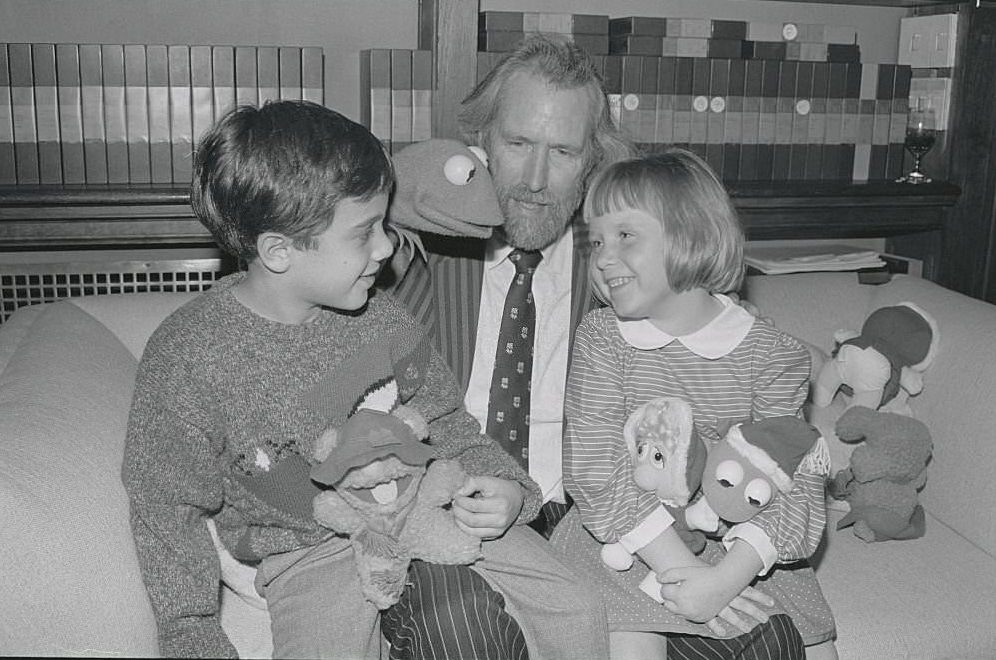
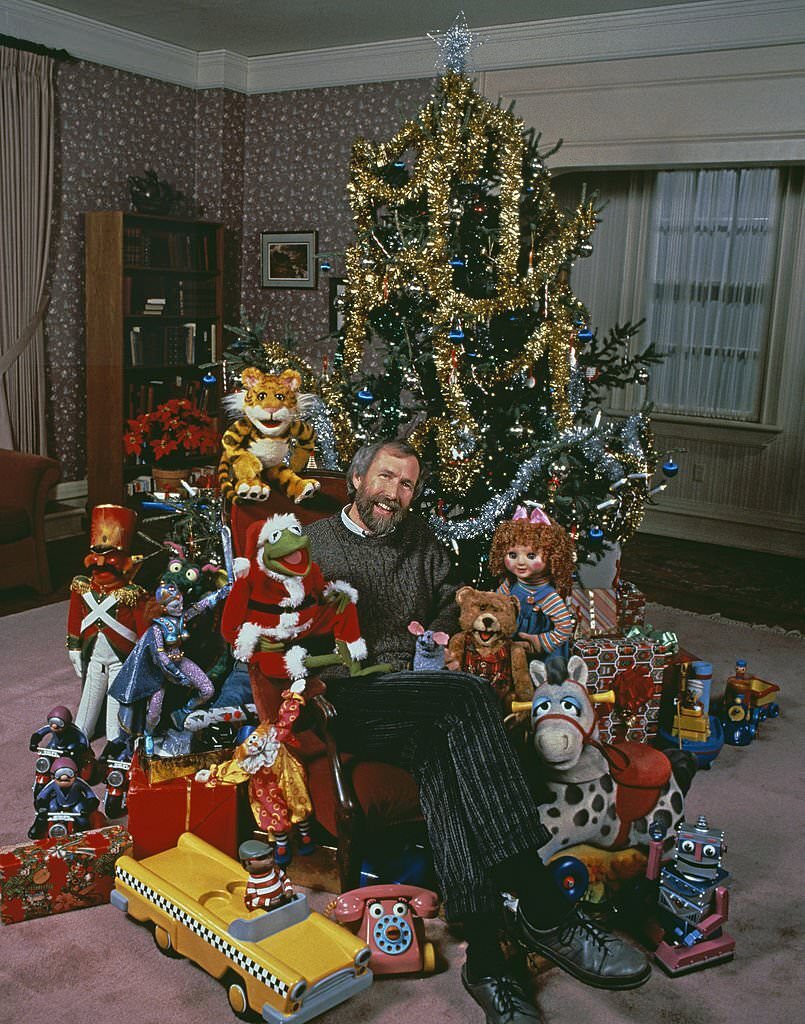
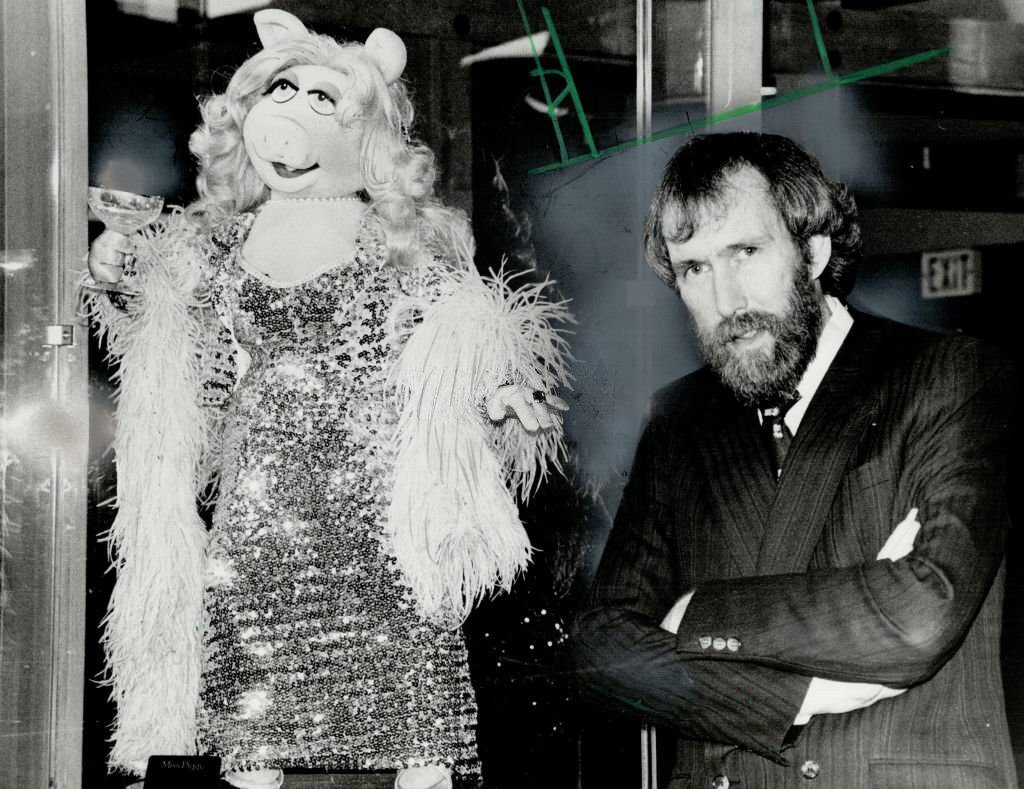
In 1986, Henson also worked on The Christmas Toy, an ABC television movie directed by Eric Till. The project featured a new set of Muppet characters and showed Henson’s continued interest in storytelling for younger audiences. That same year, he appeared at the Ontario Science Centre alongside Miss Piggy as part of a public event, demonstrating how naturally he moved between formal productions and public-facing appearances.
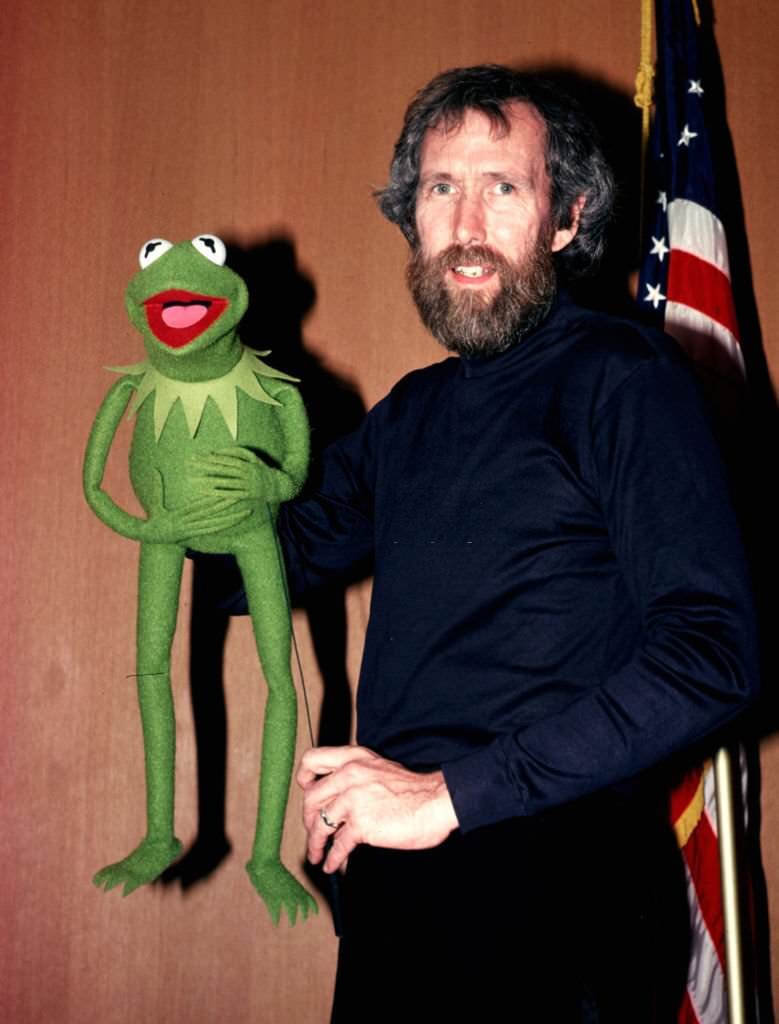
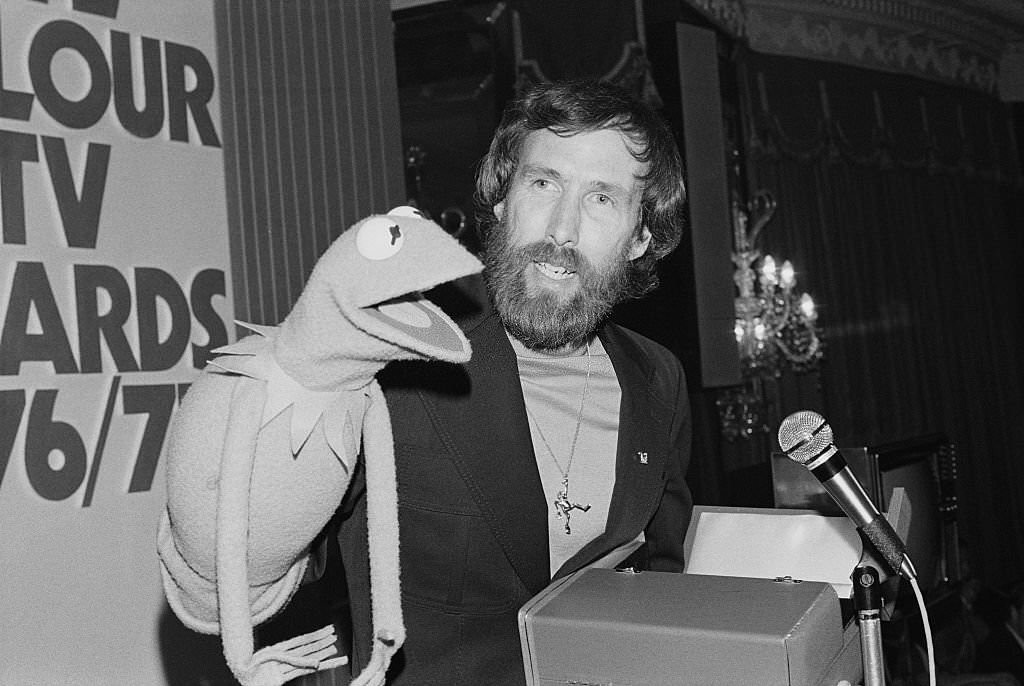
In his later years, Henson founded the Jim Henson Foundation, which supported the advancement of puppet theater as an art form, and Jim Henson’s Creature Shop, a special effects and character-building studio that worked on film and television productions worldwide. He also performed at the Pye TV Awards in London in May 1977 and appeared on programs like Solid Gold, always keeping Kermit front and center.
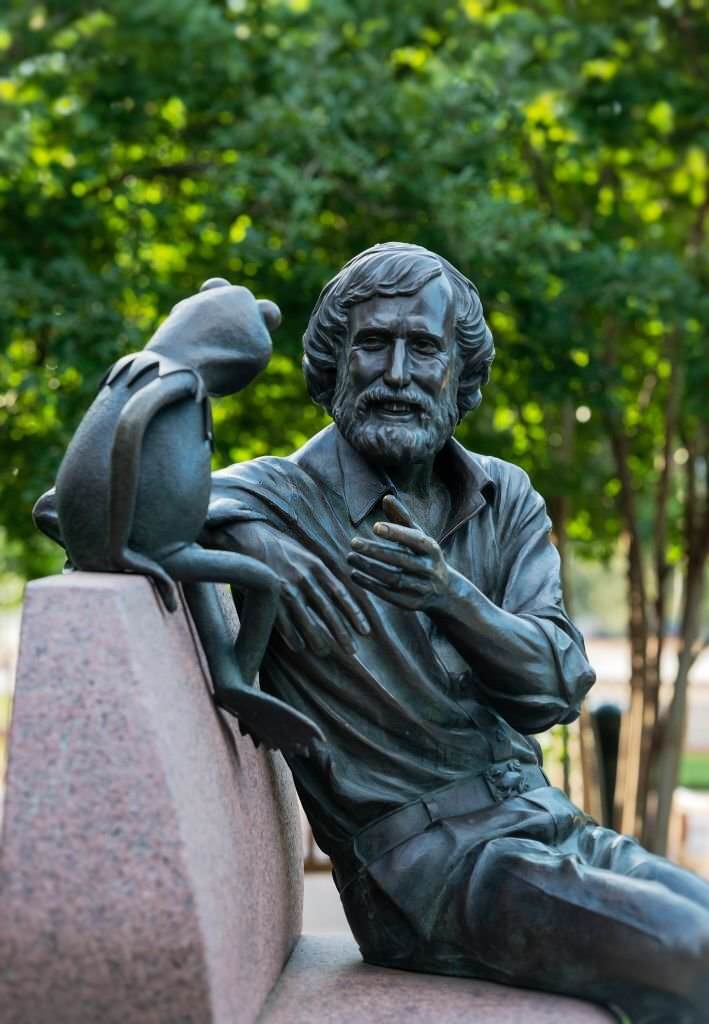
Jim Henson died on May 16, 1990, in New York City. The cause of death was streptococcal toxic shock syndrome caused by Streptococcus pyogenes, a rapidly progressing bacterial infection. He was 53 years old. In 1991, he was posthumously awarded a star on the Hollywood Walk of Fame. In 2011, he was named a Disney Legend — recognition granted after Disney’s acquisition of the Muppet franchise.