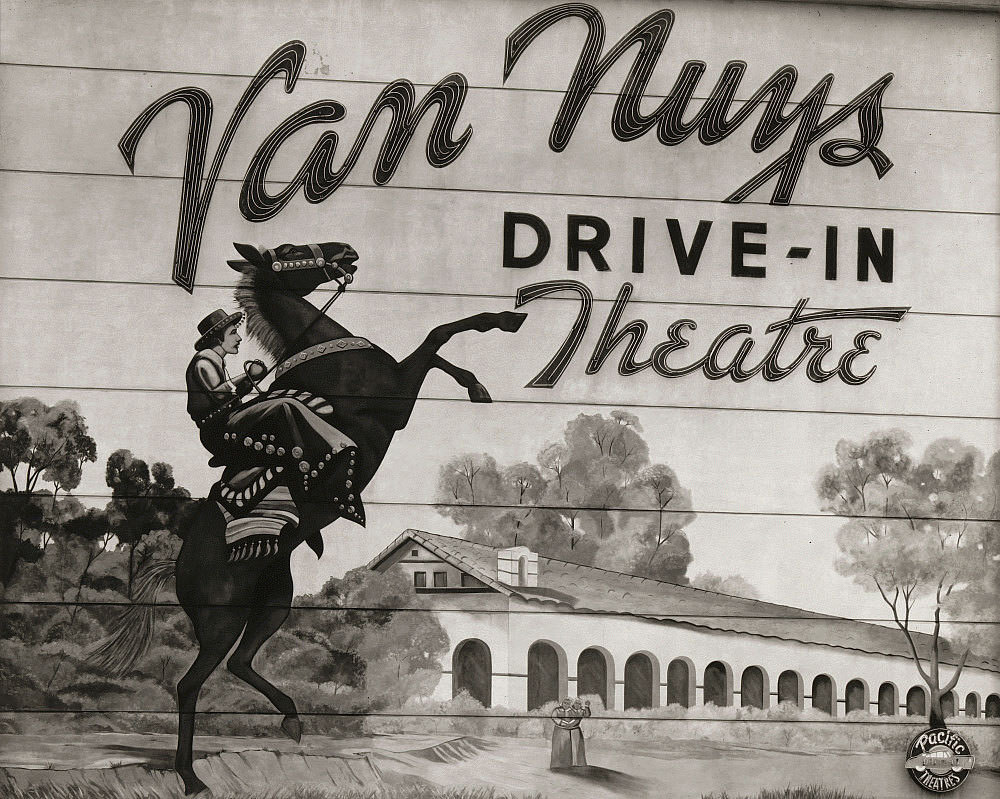
Between 1967 and 1977, photographer Jim Dow logged more than 150,000 miles on American roads. Trained under photography legends Harry Callahan and Walker Evans, Dow developed a sharp instinct for the overlooked. His series, “Photographs of Roadside America,” is the direct result of those years behind the wheel and behind the lens.
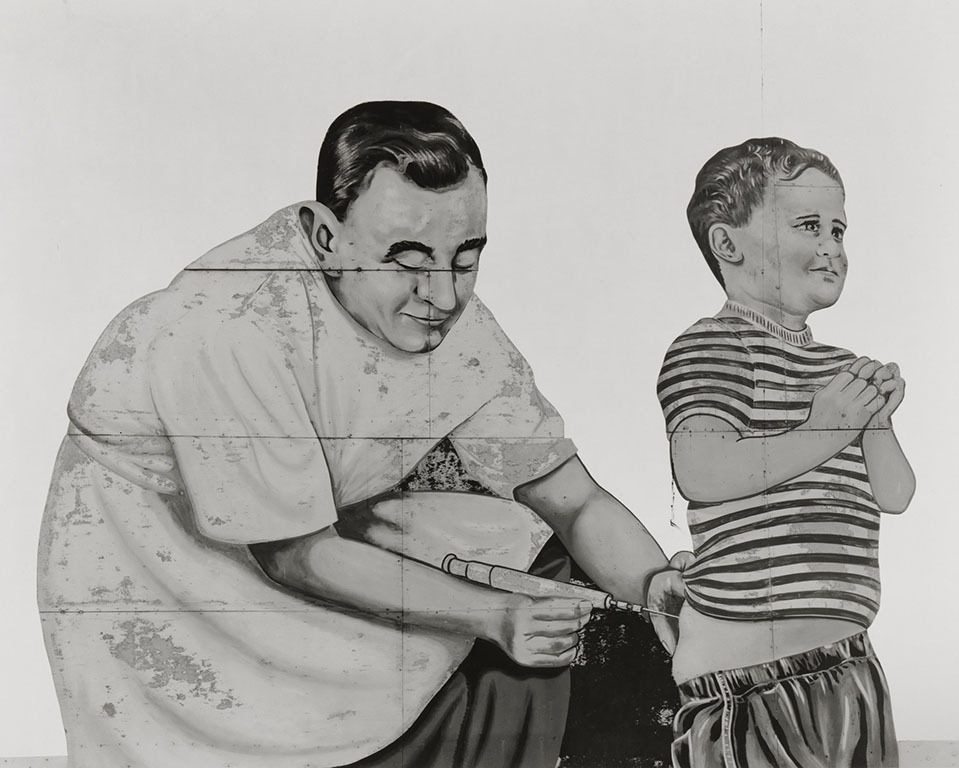
Dow’s subject matter was deliberately ordinary. He wasn’t chasing monuments or landmarks. He was after the hand-painted signs, weathered billboards, and small storefronts that most drivers passed without a second glance. These were the visual markers of everyday American commercial life — modest, specific, and deeply tied to place.
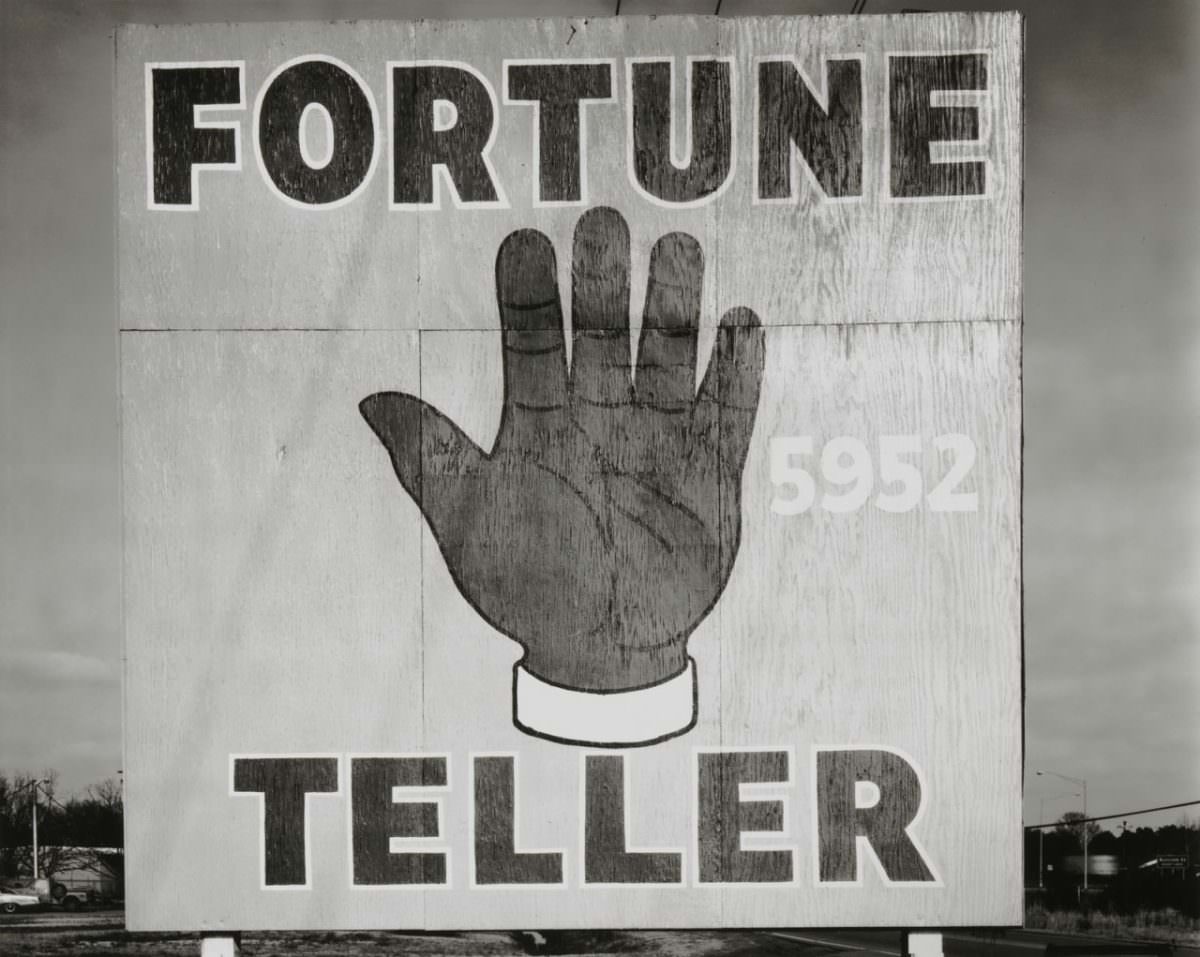
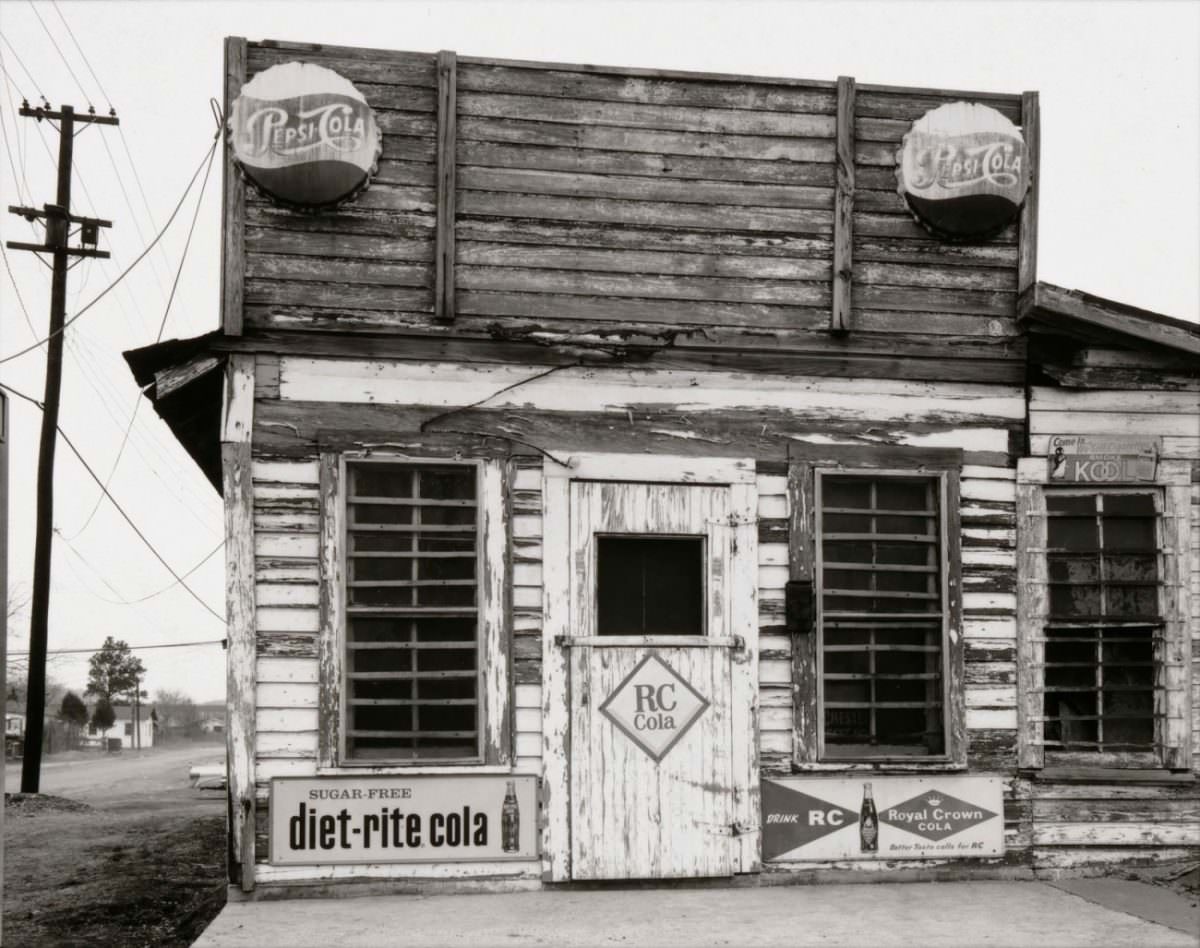
His travels took him across the full geographic range of the country — from Alabama grocery stores to Pennsylvania diners, from the rural South to the industrial Northeast. Each stop added another document to a growing archive of American vernacular design.
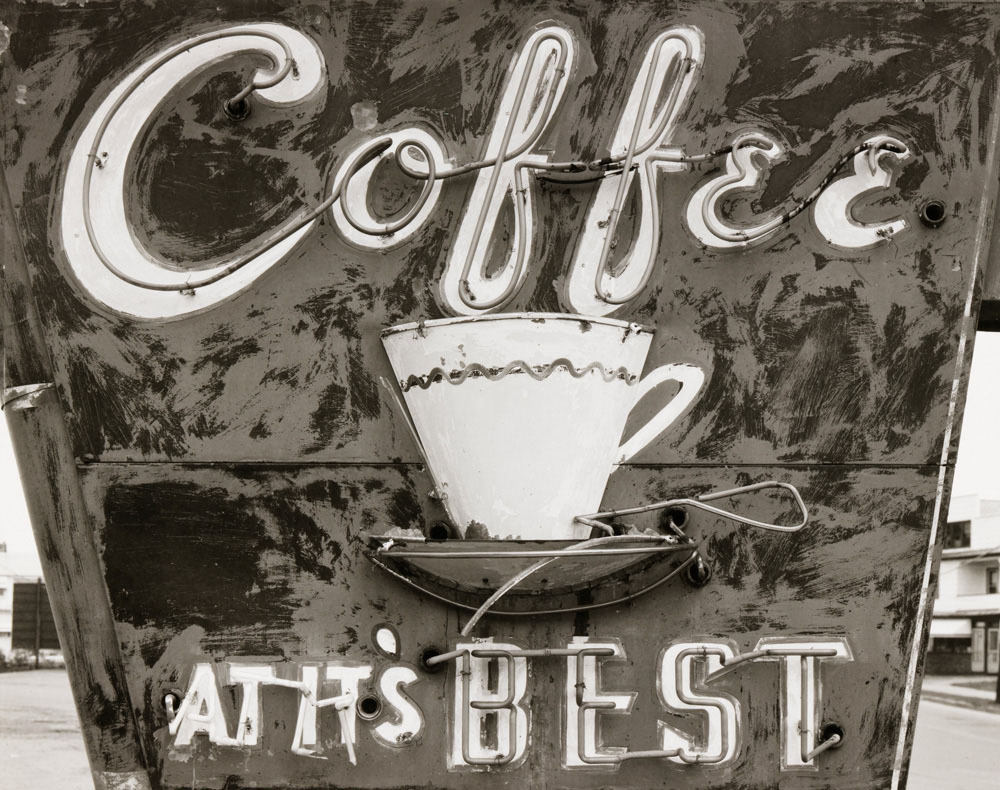
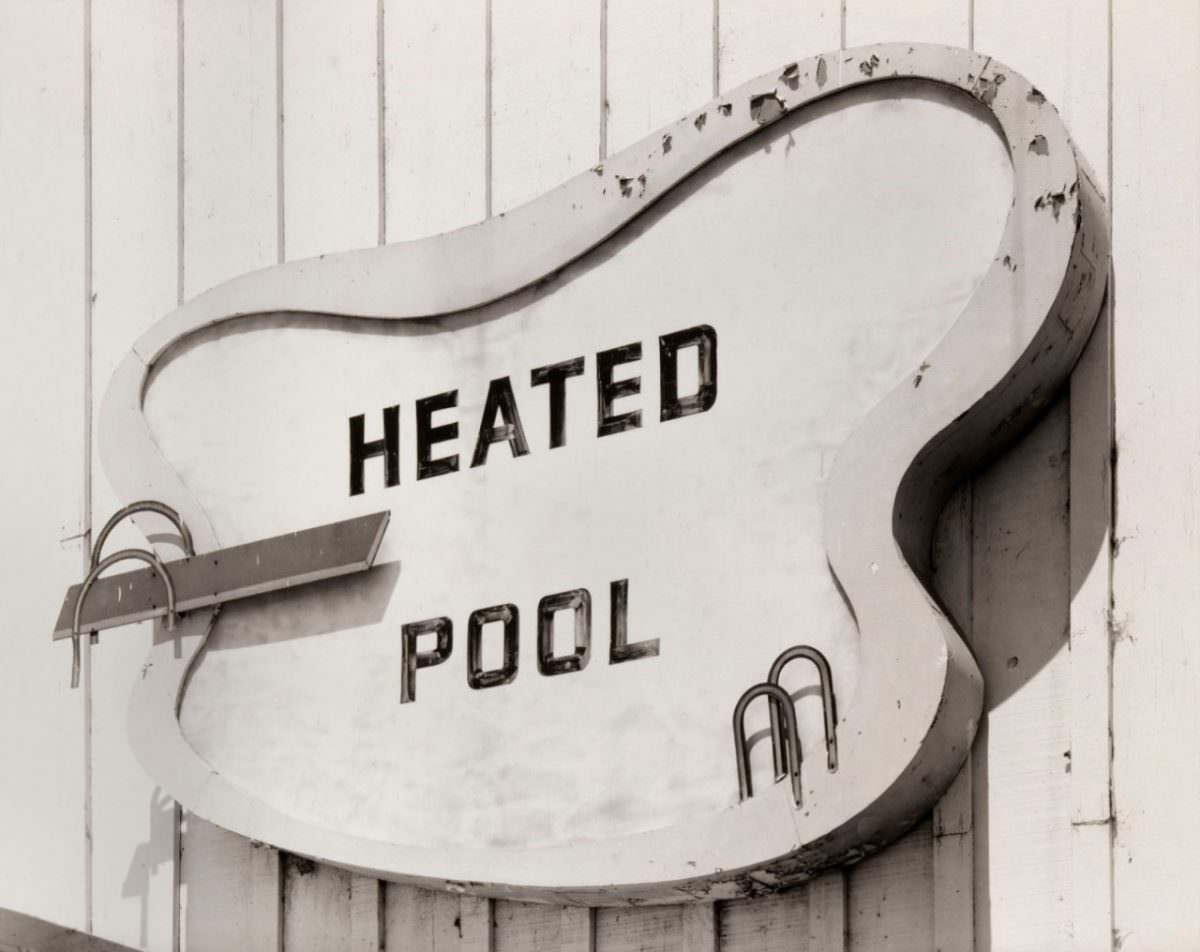
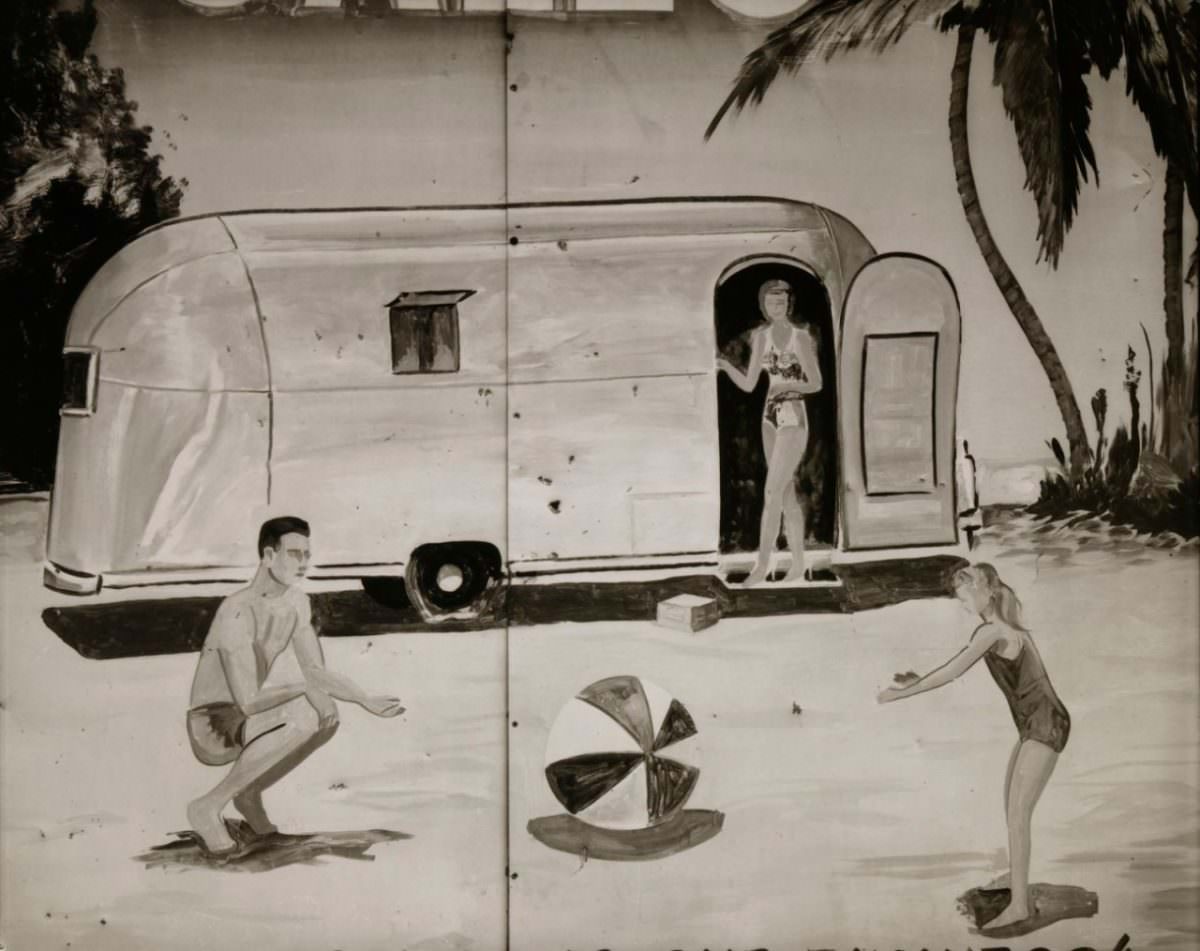
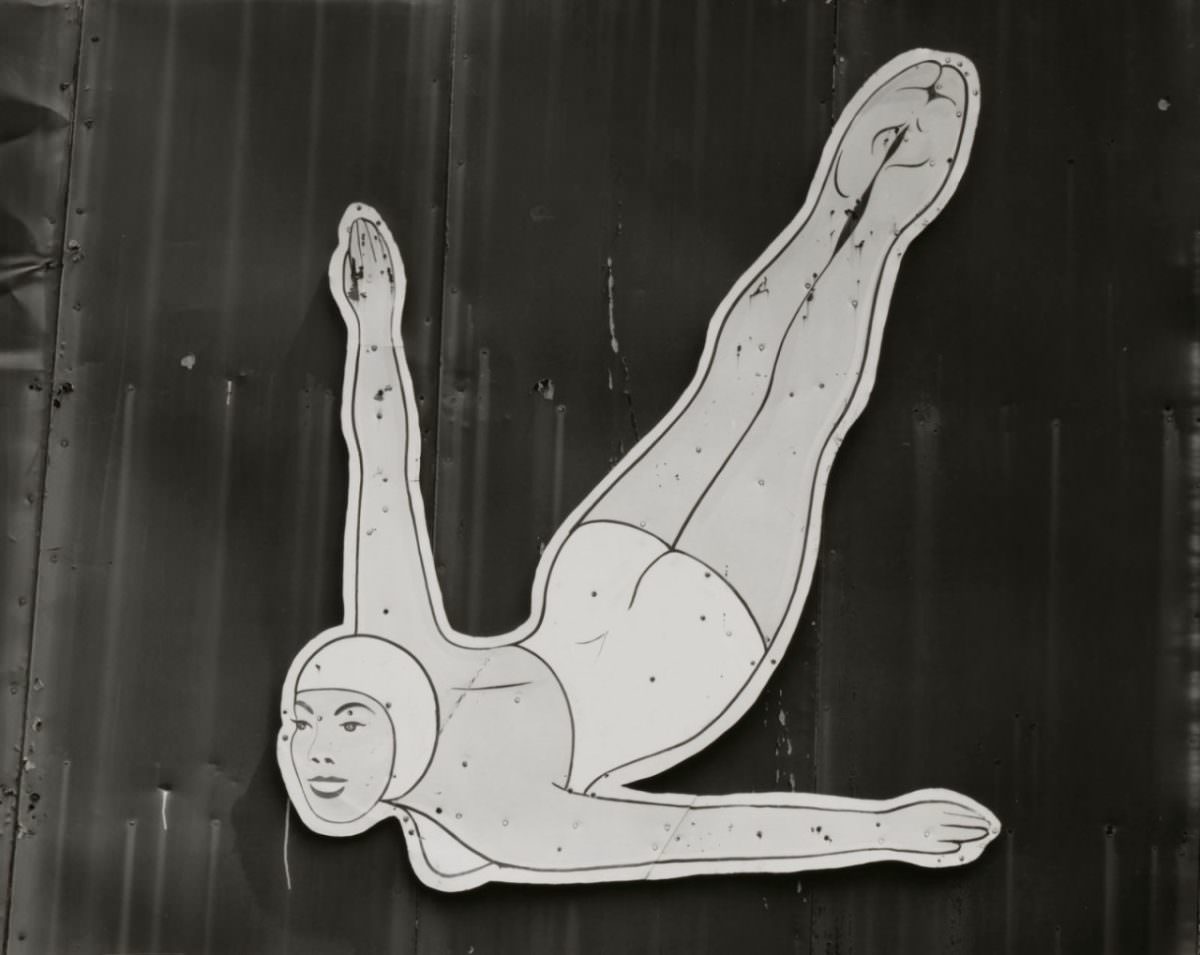
The signs Dow photographed ranged from motel advertisements in California to furniture store imagery in Pennsylvania. Many featured bold graphics — reclining figures, diving women, oversized objects — designed to grab attention at highway speeds.
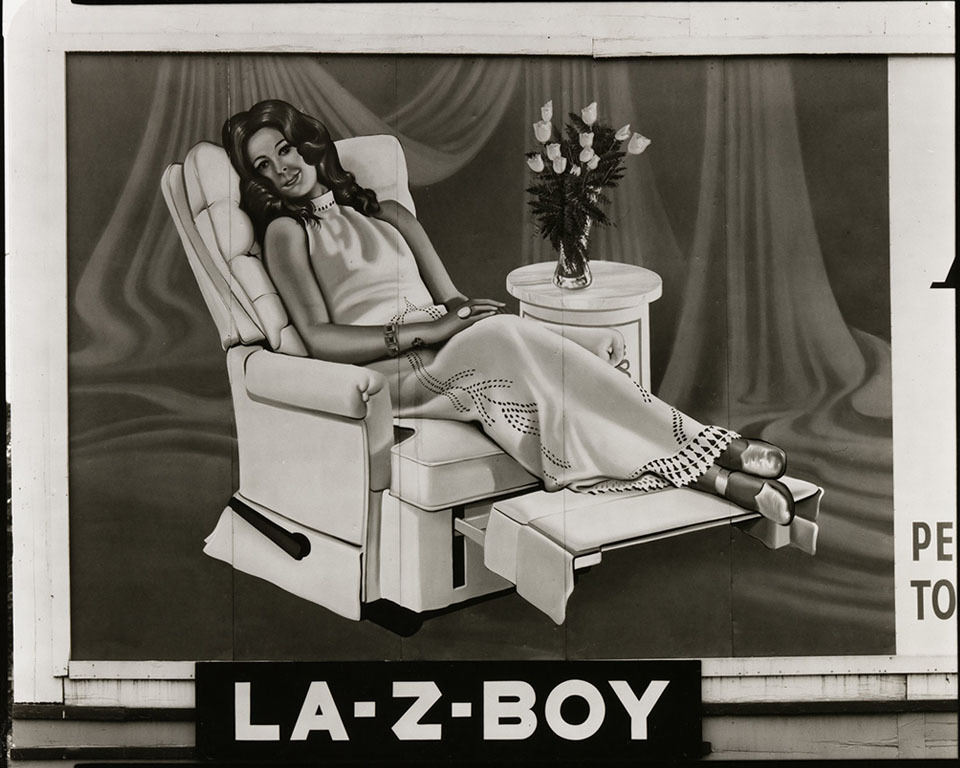
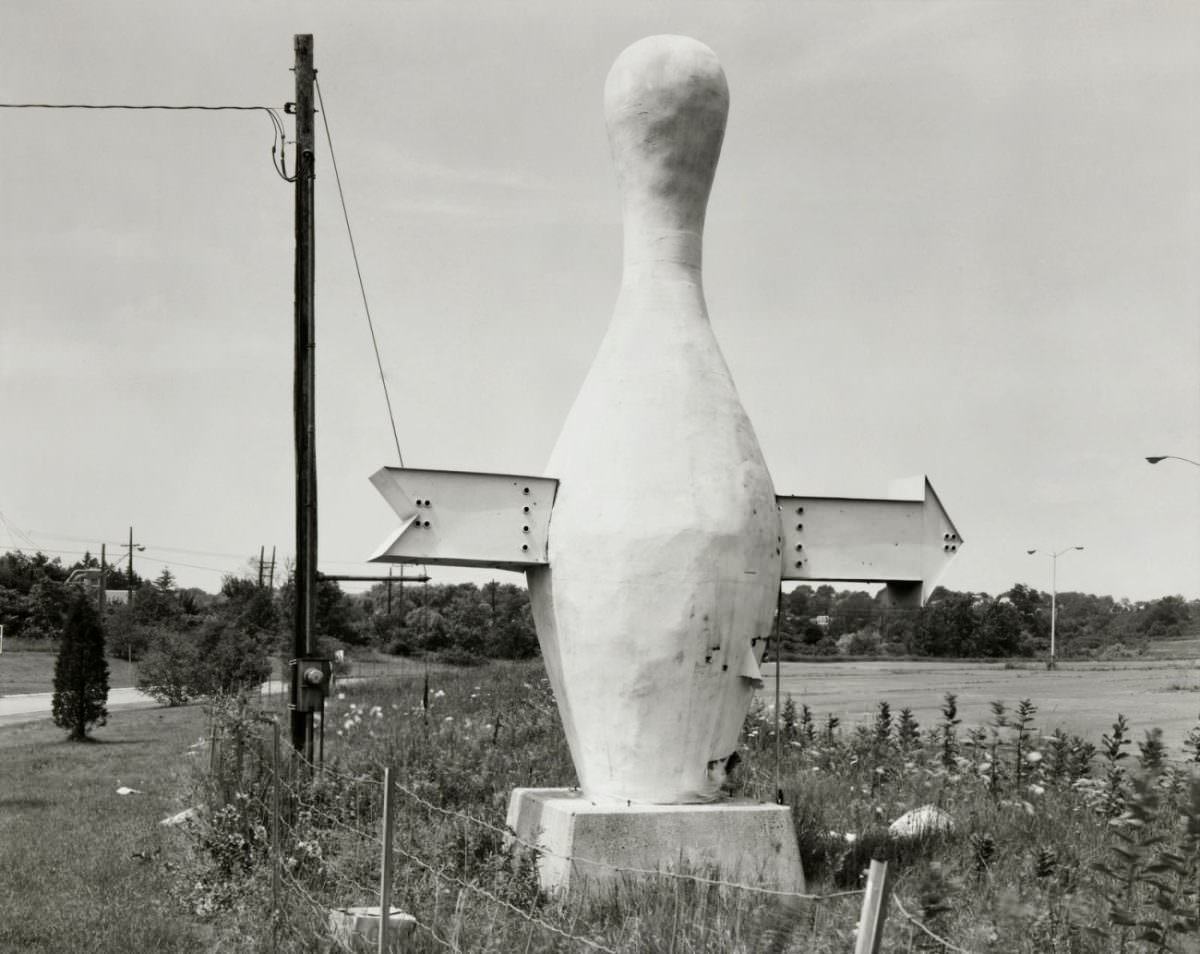
Trailer parks, ranch entrances, and drive-in theatres all appeared in his frame. These weren’t glamorous subjects, but that was exactly the point. Dow treated them with the same careful attention a fine art photographer would give a portrait or landscape.
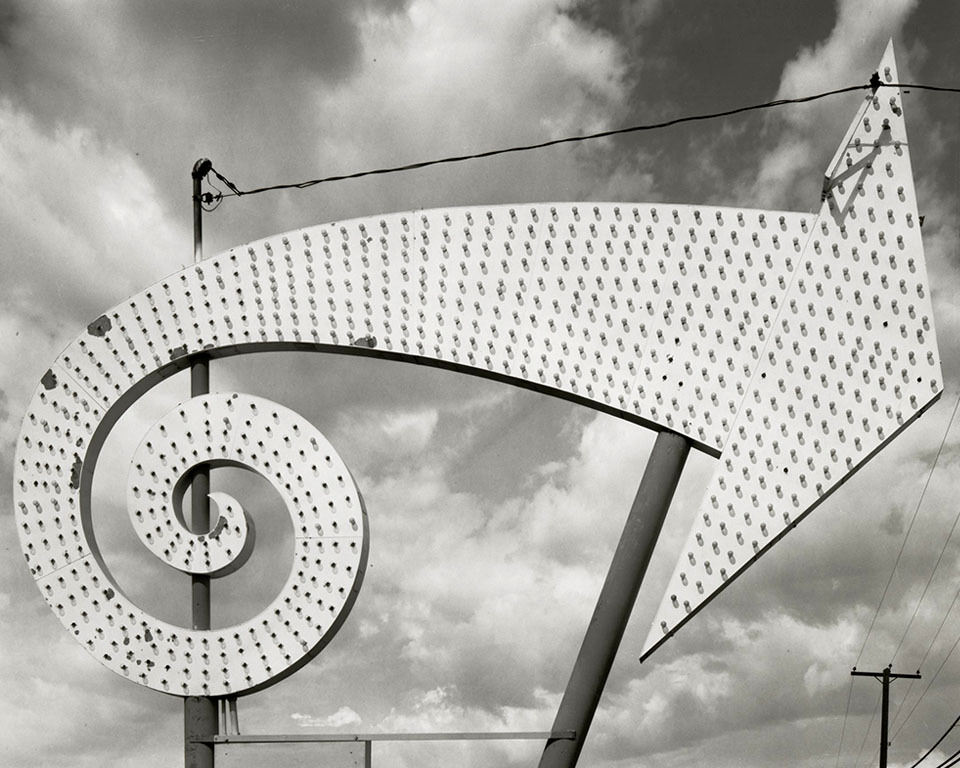
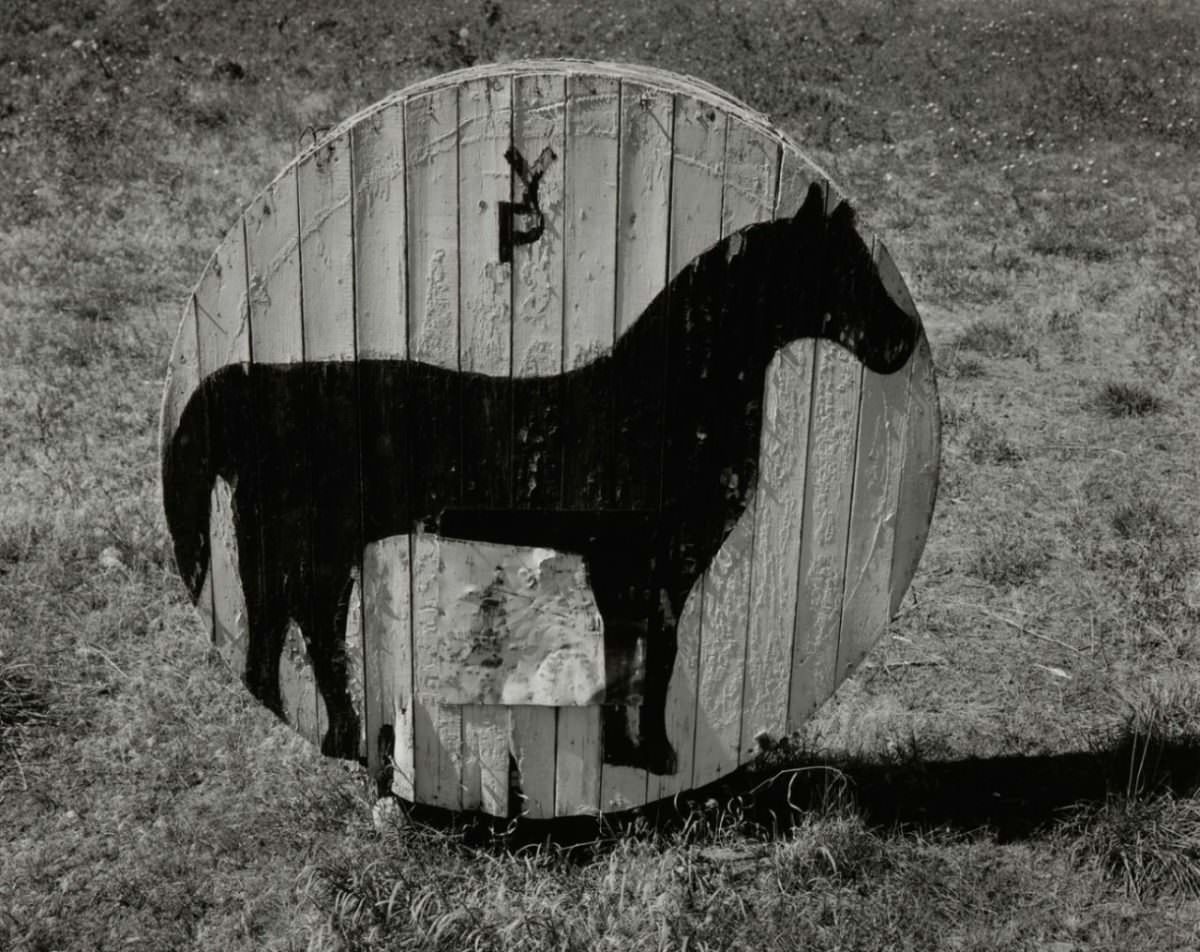
Working across states like Washington, Montana, and Connecticut, Dow captured regional differences in signage style and commercial culture. A curlicue arrow near Wenatchee, Washington carries a completely different visual language than a horse painting on a ranch gate in Billings, Montana.
By the time Dow photographed the back of a drive-in theatre screen in Van Nuys, California in 1973, his archive had become a detailed record of mid-century American roadside culture — one frame at a time, mile after mile.