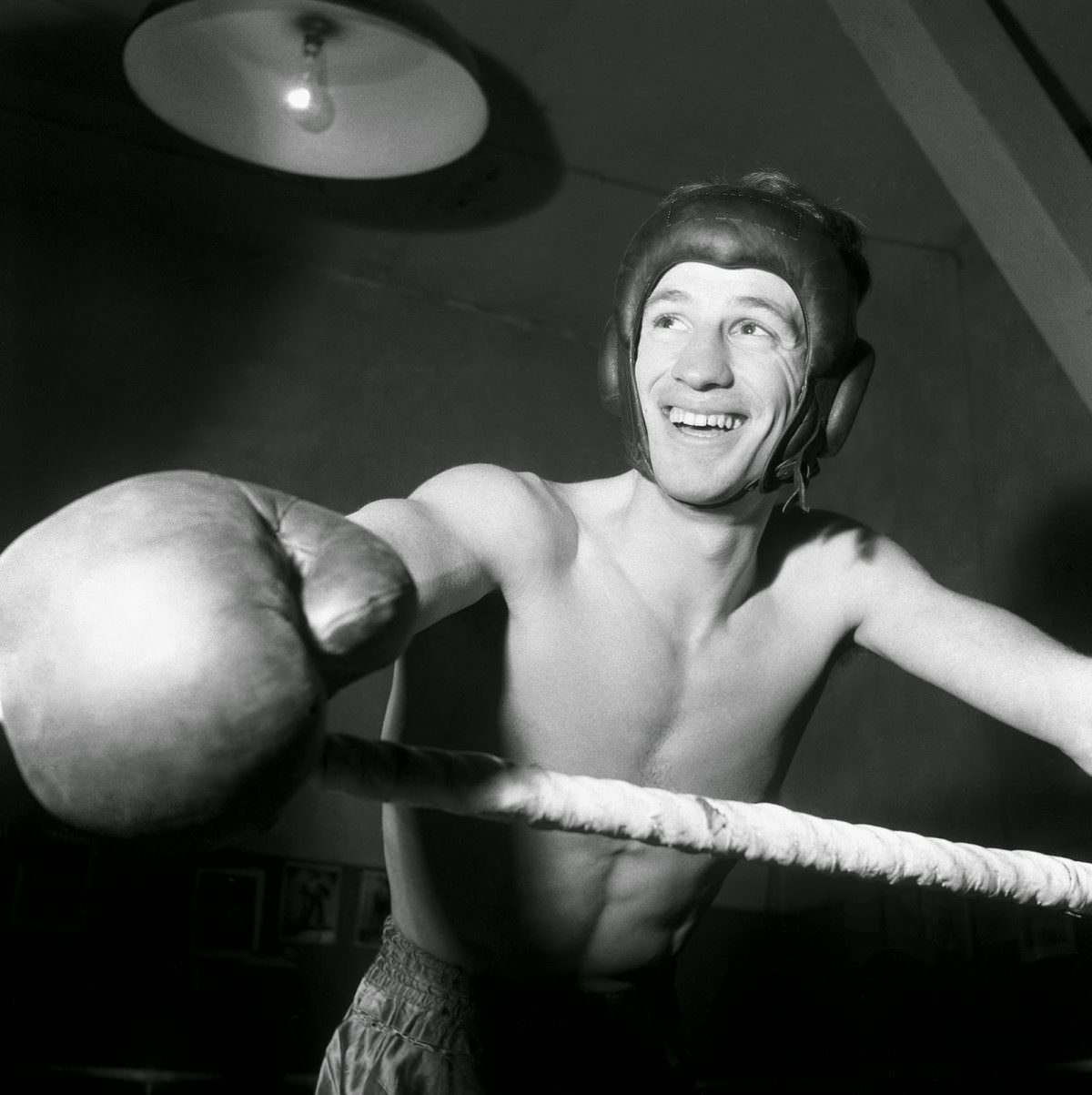
Jean-Paul Belmondo was born on April 9, 1933, in Neuilly-sur-Seine, France, into a household where art was part of everyday life. His father, Paul Belmondo, was a respected sculptor. Despite that creative environment, Jean-Paul showed little interest in academic studies. What drove him instead was sport — boxing above all else. He trained seriously and carried that physical discipline with him throughout his life and career.
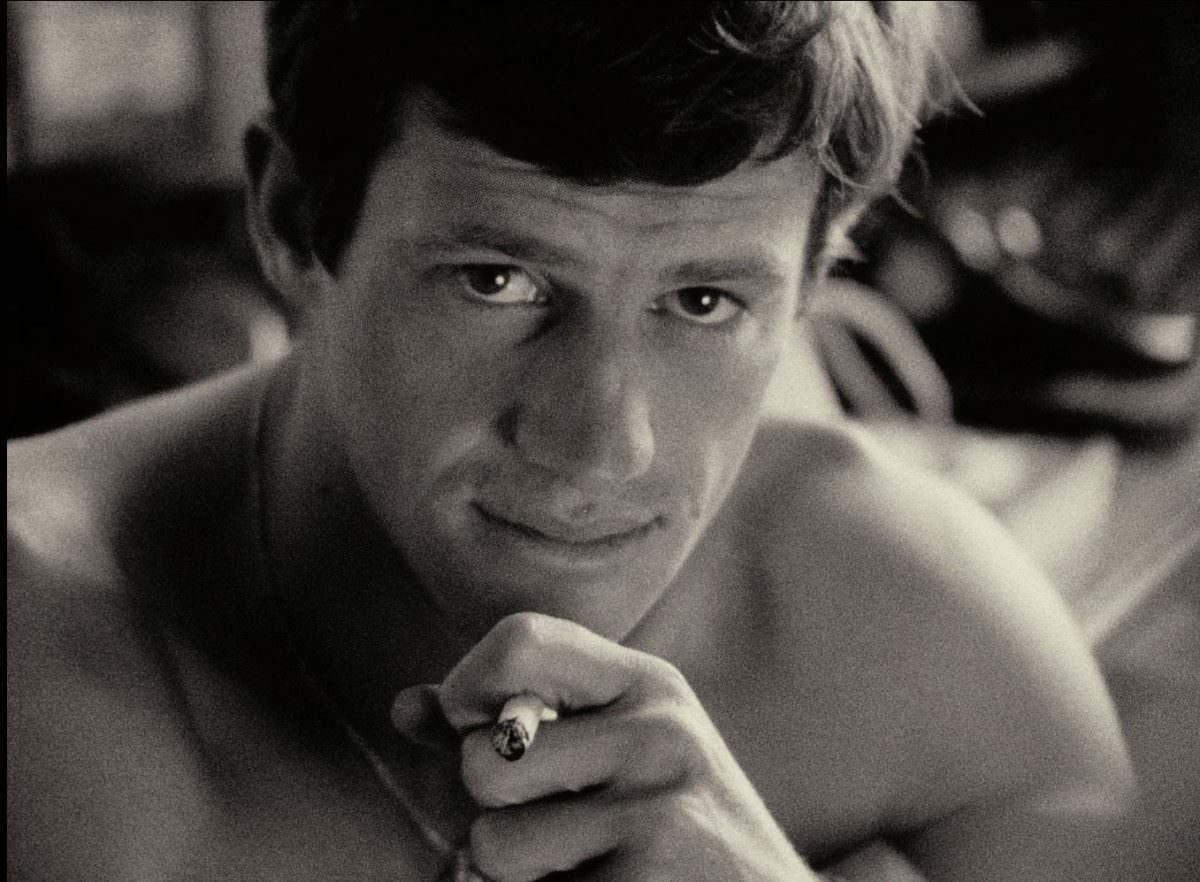
In his teens, Belmondo set his sights on acting. He enrolled at the Conservatoire of Dramatic Arts in Paris and graduated in 1956. The path forward was not straightforward. His face was unconventional — angular, worn-looking, far from the polished image studios typically favored. Casting agents passed on him repeatedly. But Belmondo refused to reshape himself to fit someone else’s mold, and that stubbornness turned out to be exactly what made him matter.
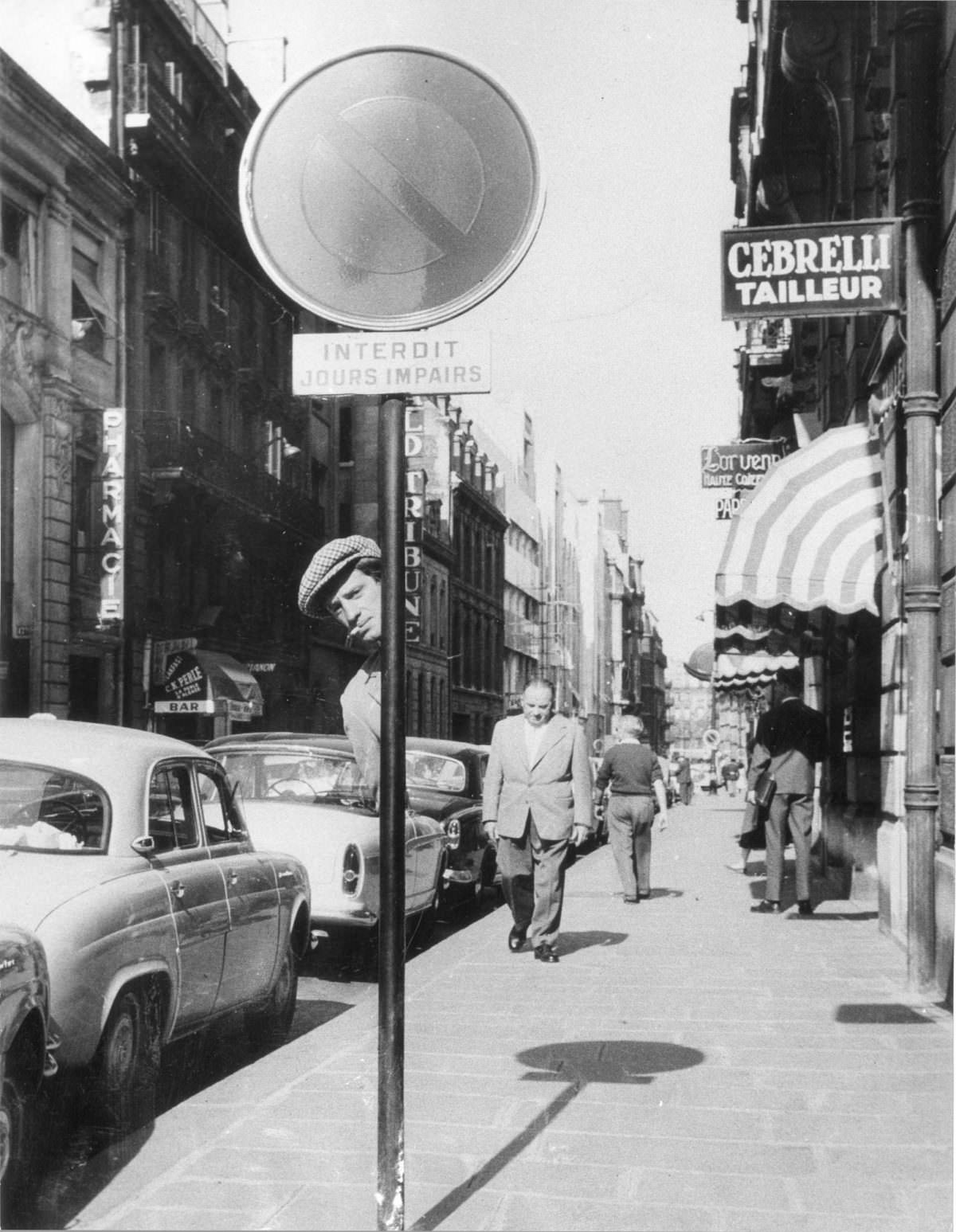
His breakthrough arrived in 1960 with Jean-Luc Godard’s Breathless (À bout de souffle). Belmondo played Michel Poiccard, a small-time criminal who drives stolen cars, idolizes Humphrey Bogart, and treats the world like a game he doesn’t expect to win. The performance felt spontaneous and raw — qualities that defined the French New Wave, a film movement that threw out the rule book on how movies were made and shot. Breathless was a sensation, and overnight, Belmondo was a star.
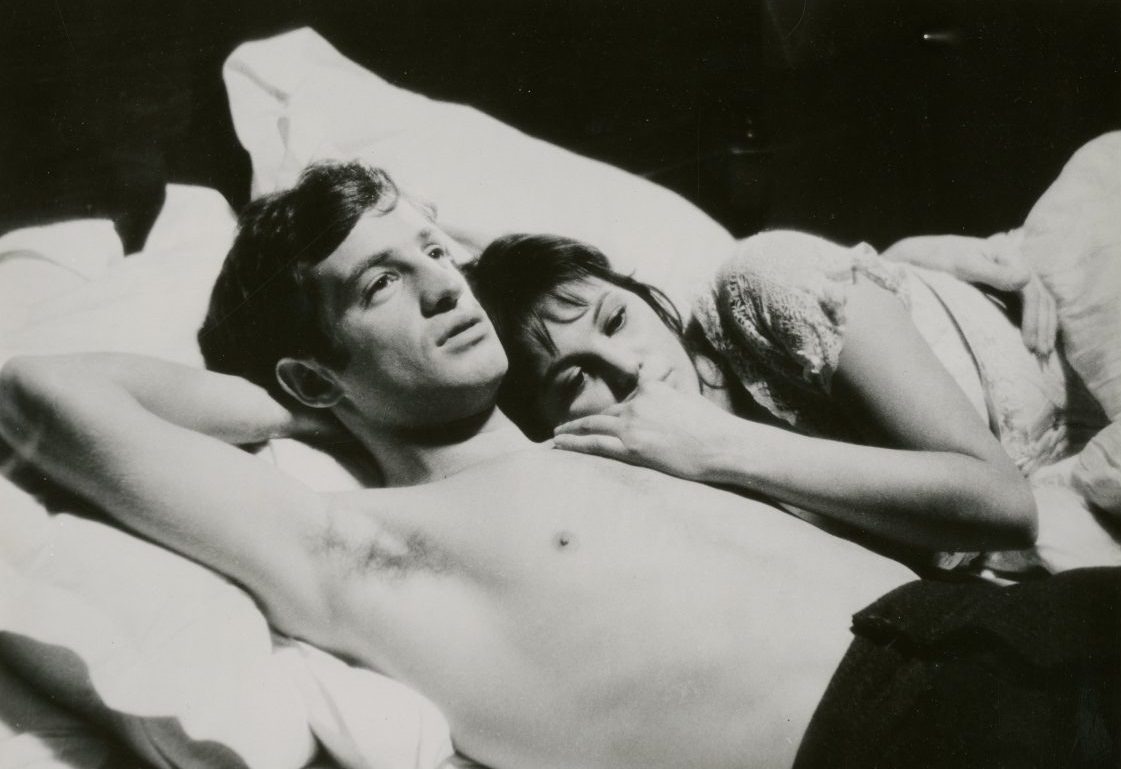
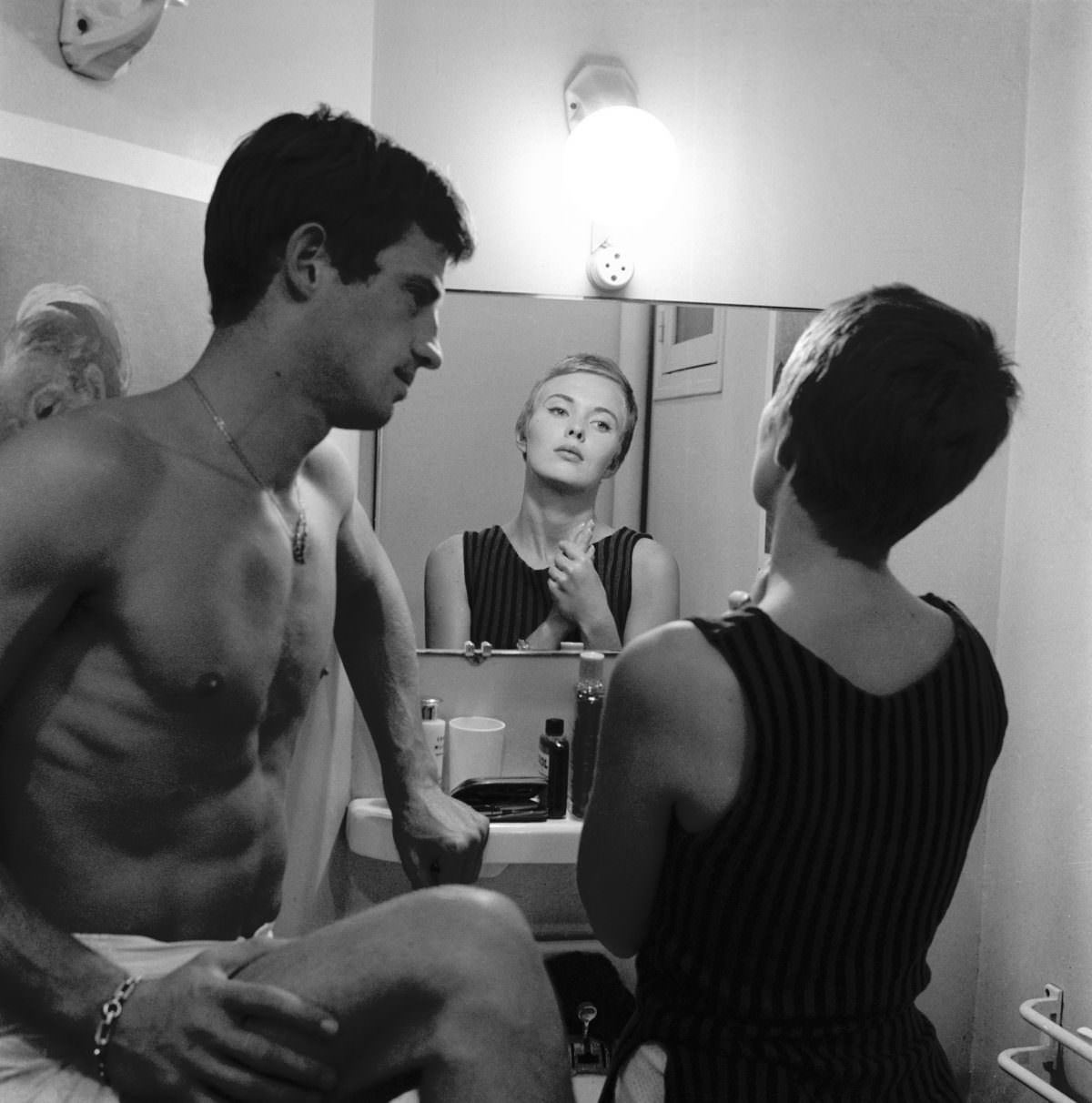
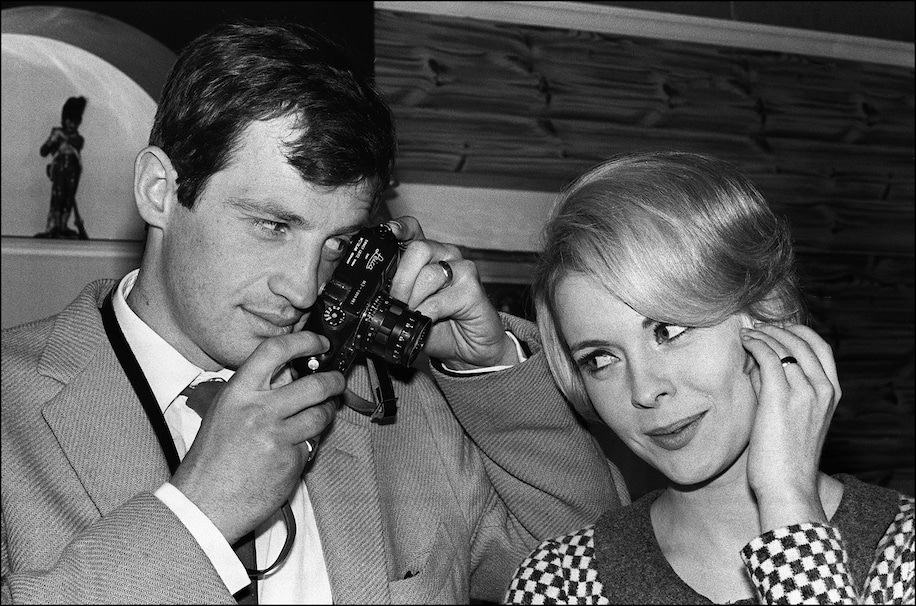
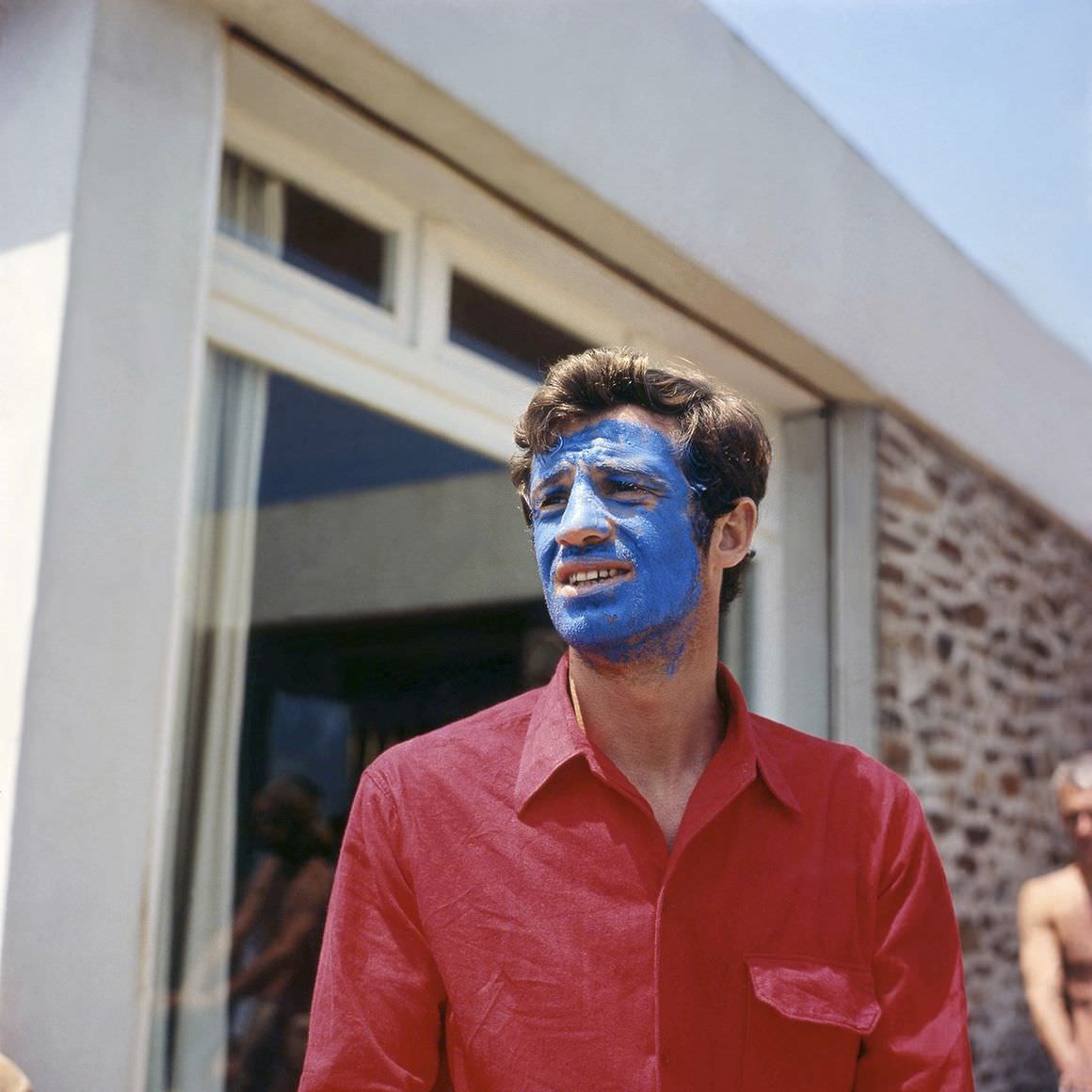
Behind the scenes, photographer Raymond Cauchetier documented the making of Breathless with an intimacy rarely seen on a film set. His images captured Belmondo between takes — loose, laughing, completely at ease in front of the lens. Those photographs became as iconic as the film itself.
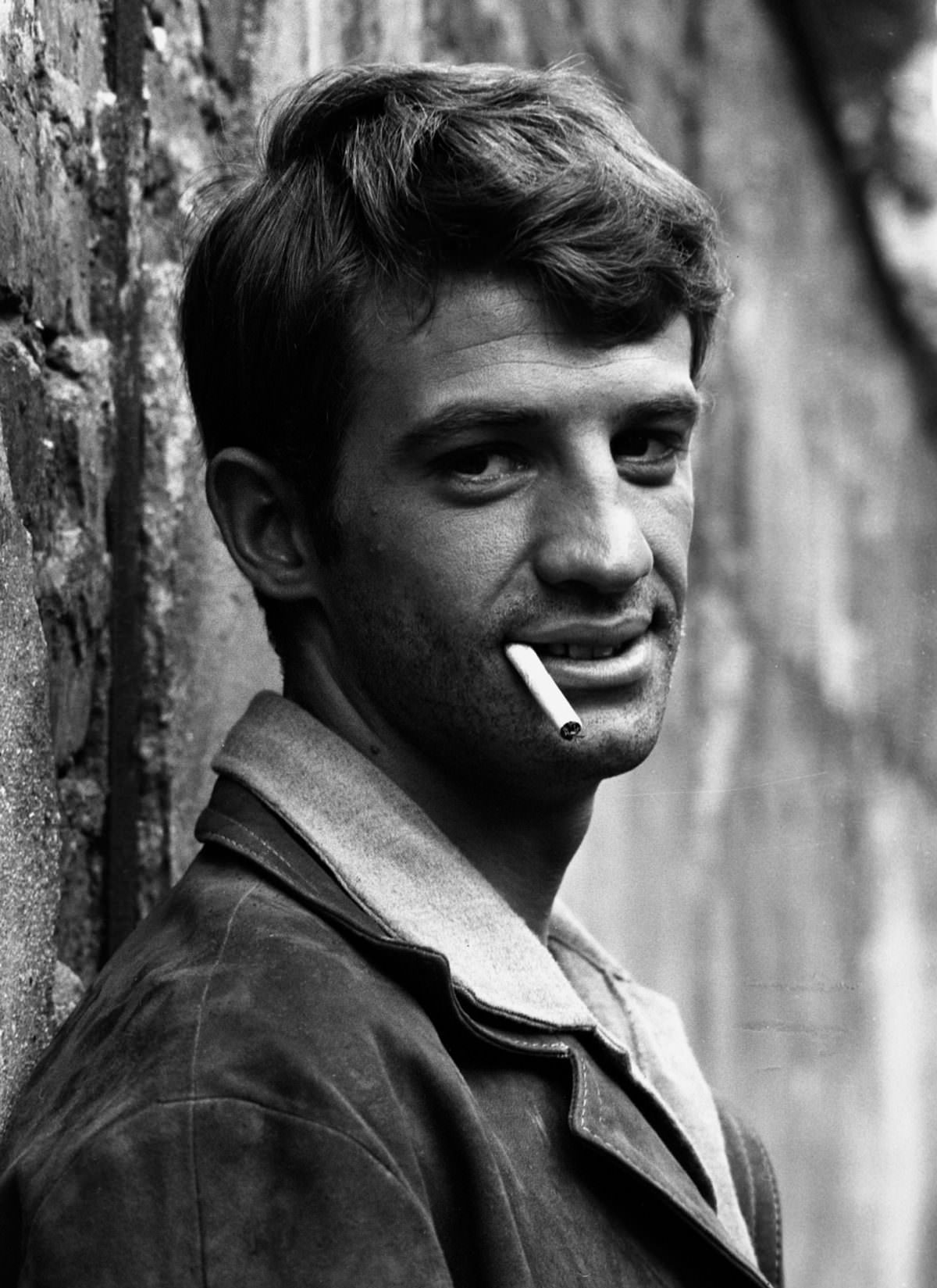
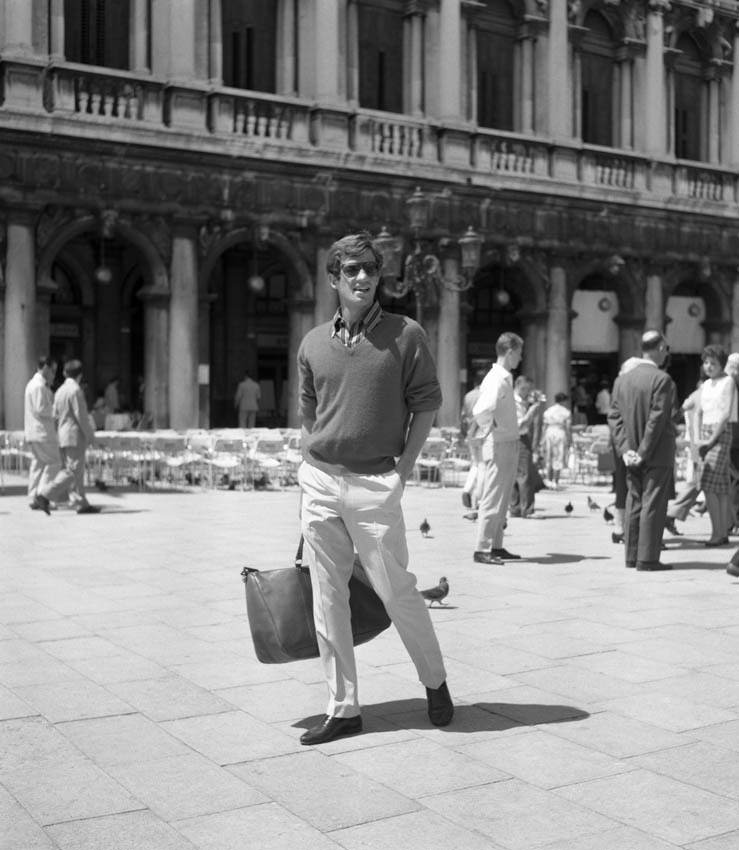
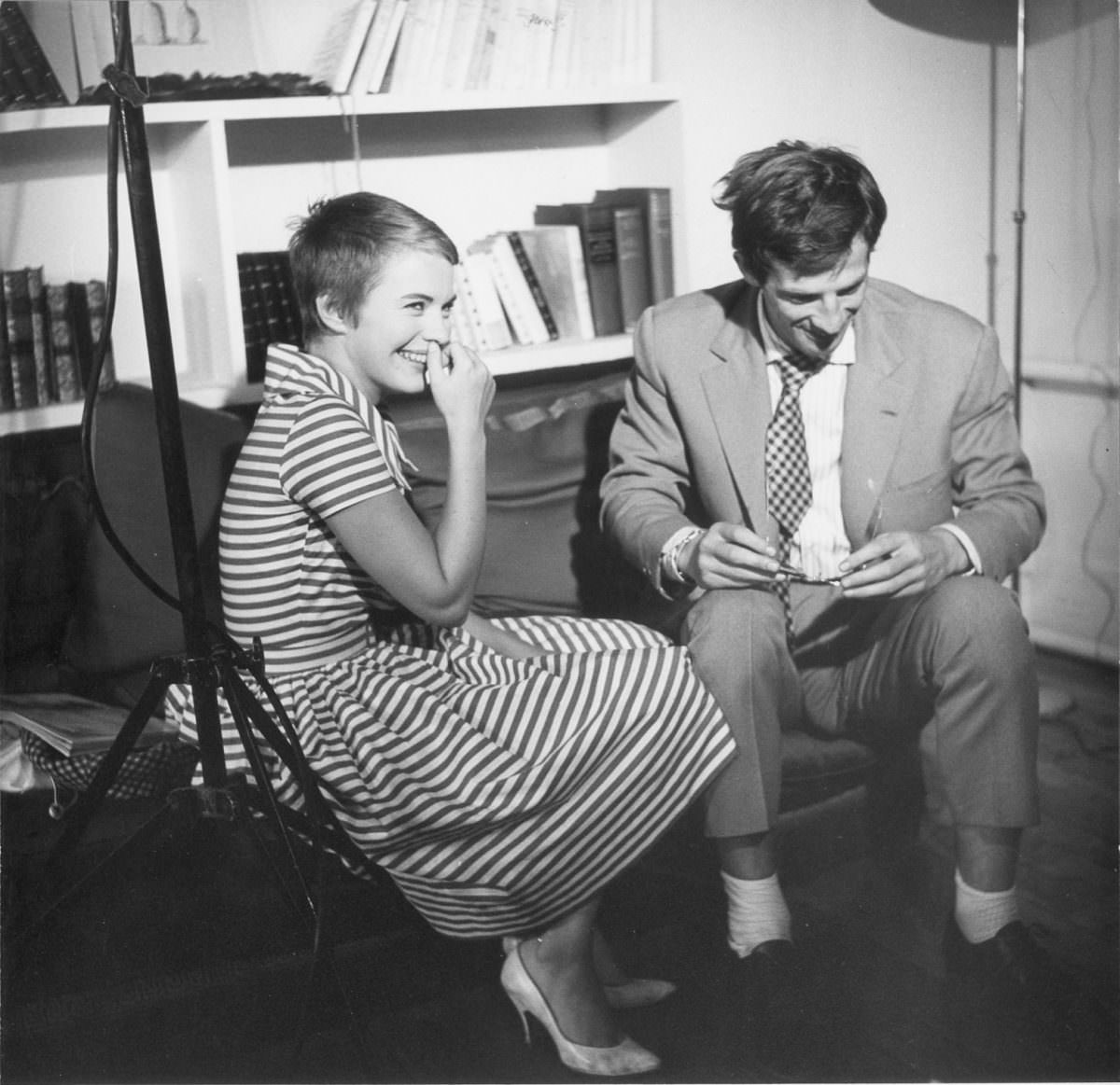
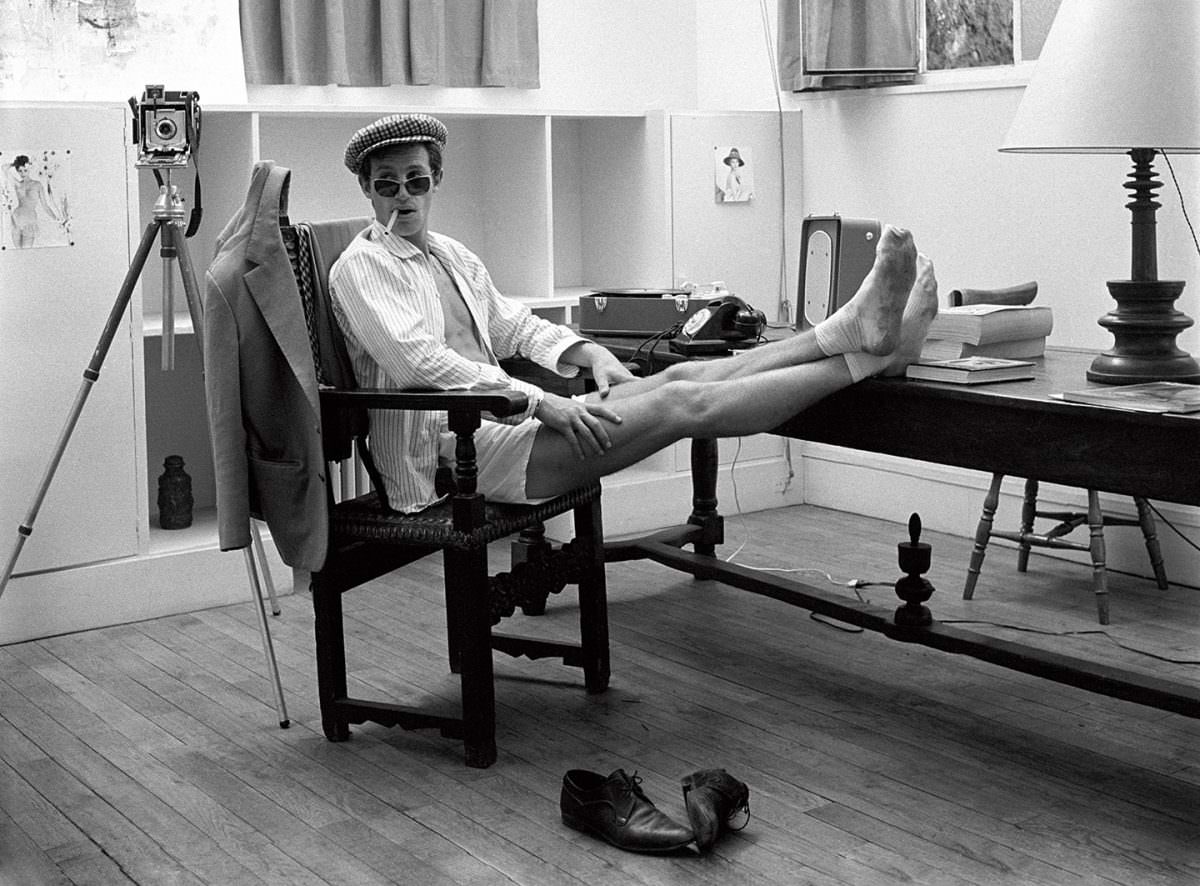
Belmondo quickly proved he was no one-film wonder. He formed a productive working relationship with director Jean-Pierre Melville. In Léon Morin, Priest (1961), he played a priest who develops a charged bond with a woman in a wartime village. In Le Doulos (1962), he inhabited the murky world of a gangster torn between loyalty and self-preservation. Each role revealed a different register of his talent.
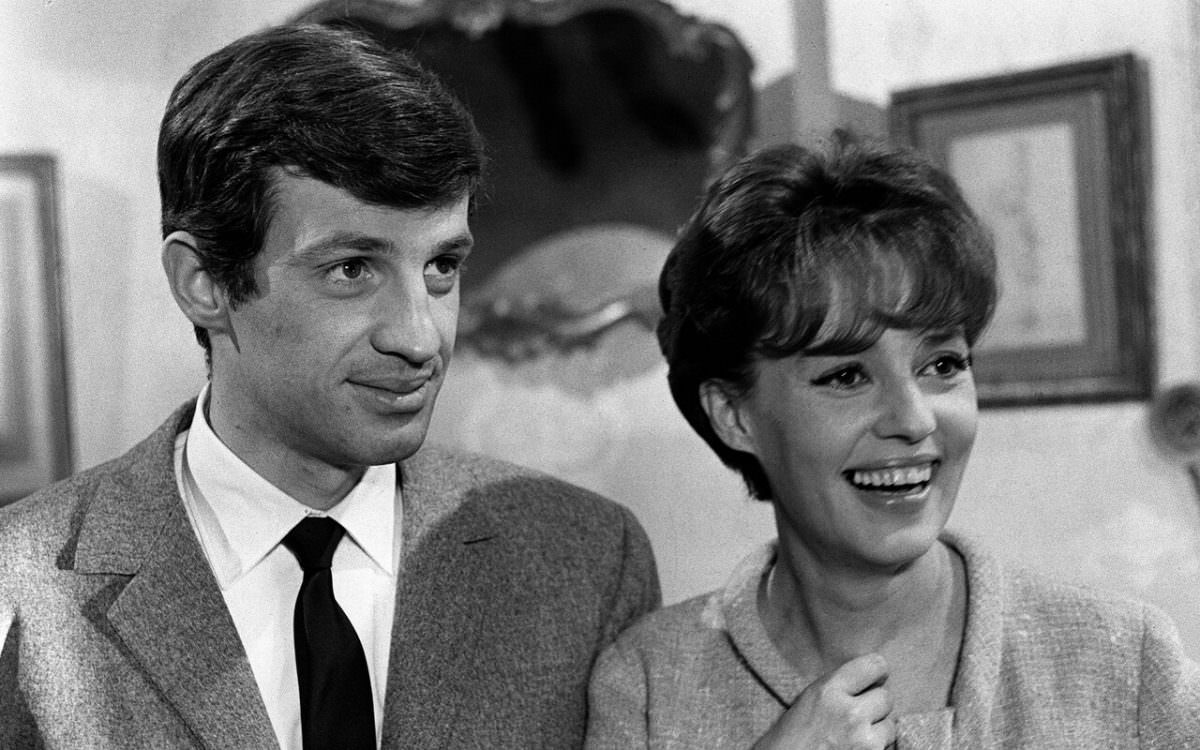
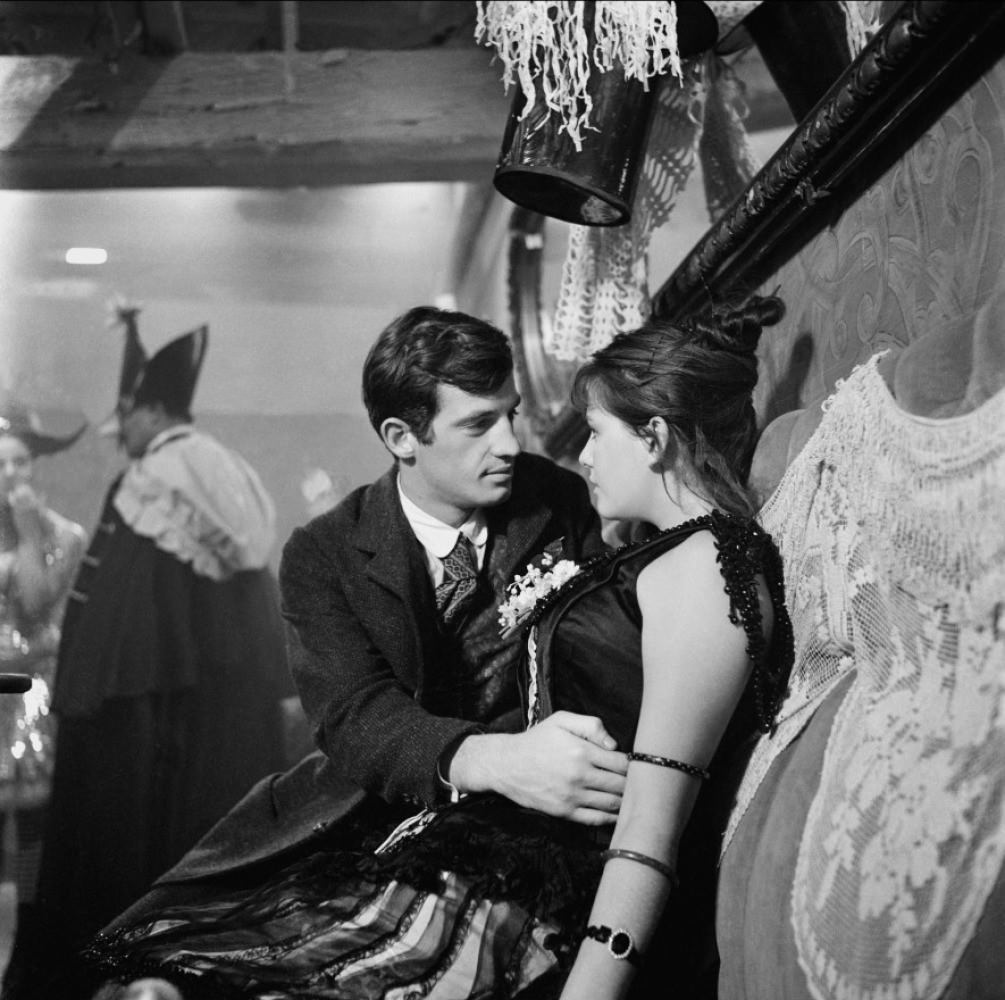
His collaboration with Godard continued beyond Breathless. In Pierrot le fou (1965), Belmondo played Ferdinand, a man who abandons his bourgeois life and embarks on a chaotic, violent road trip. The film was visually bold and emotionally unresolved — hallmarks of Godard’s style — and Belmondo matched its energy with a performance that swung between tenderness and recklessness.
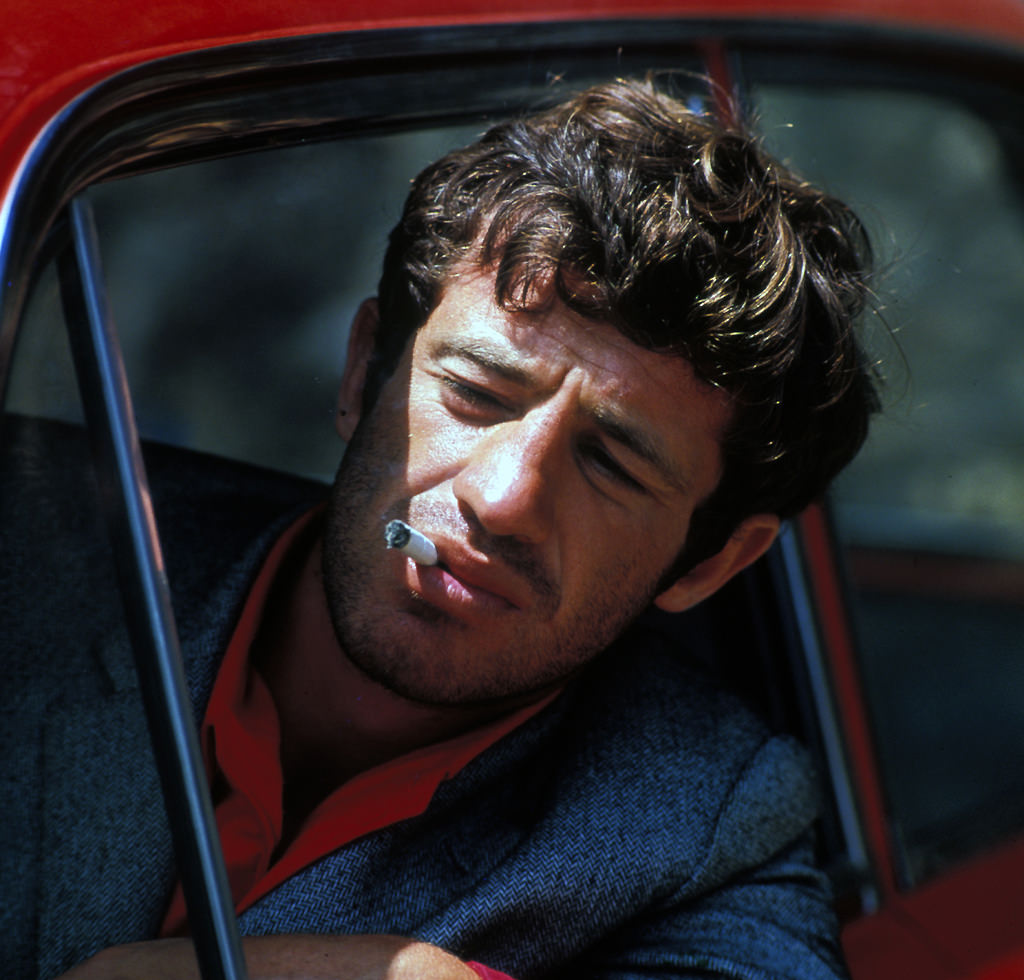
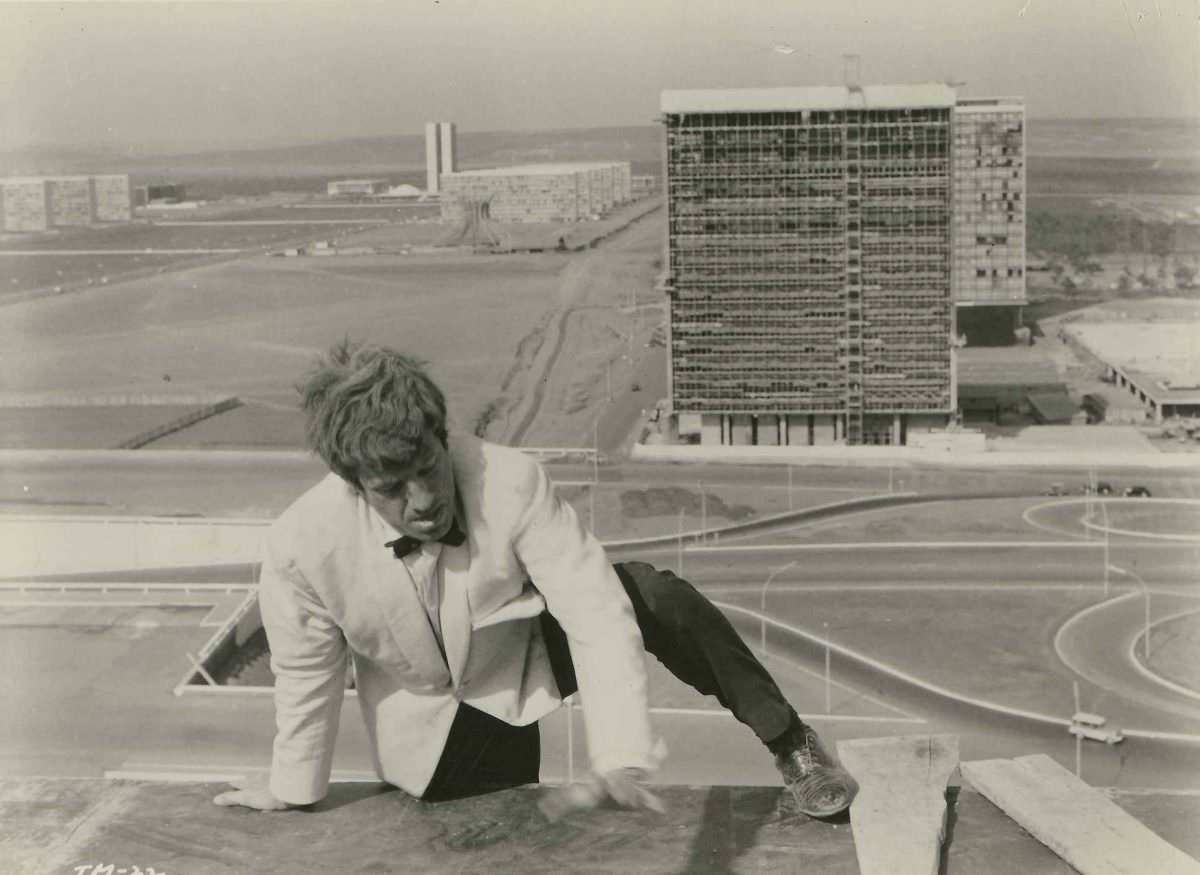
Adventure suited Belmondo just as well. In The Man from Rio (L’Homme de Rio, 1964), directed by Philippe de Broca, he played a soldier racing across Brazil on a frantic rescue mission. The film leaned hard into physical comedy and breathless set pieces — and Belmondo, an athlete at heart, handled every stunt himself. It became one of the biggest French box office hits of the decade.
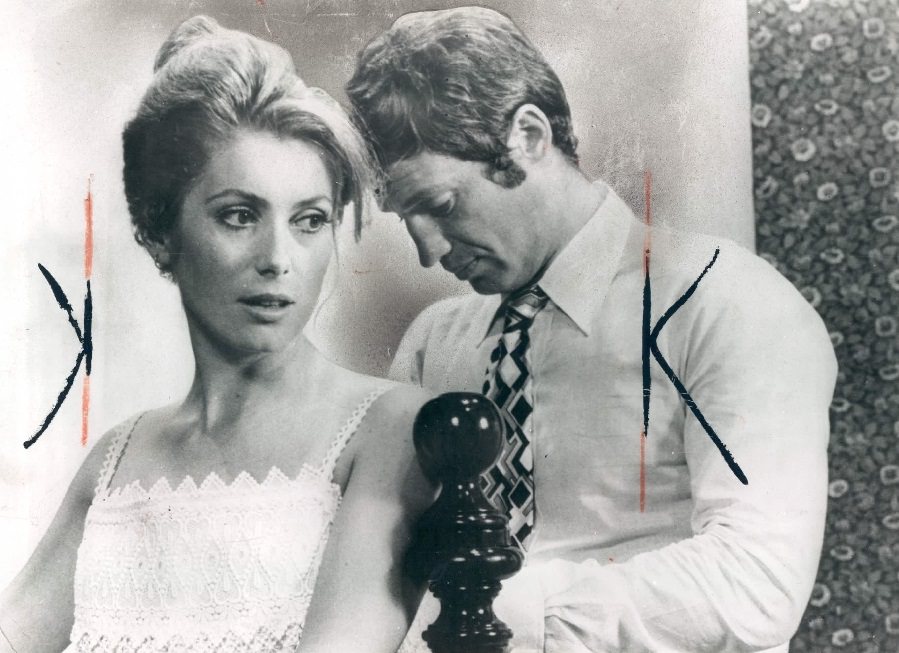
In 1969, François Truffaut cast Belmondo opposite Catherine Deneuve in Mississippi Mermaid (La Sirène du Mississippi). He played a wealthy plantation owner who marries a woman he has never met, only to discover she is not who she claims to be. The film added a romantic, almost melancholic dimension to his screen persona.
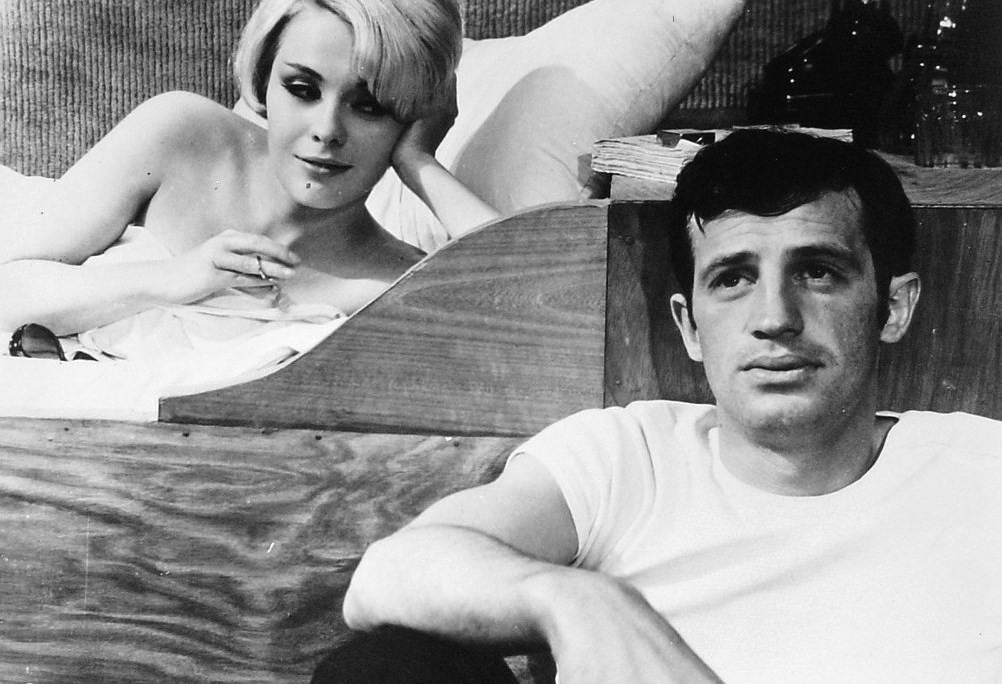
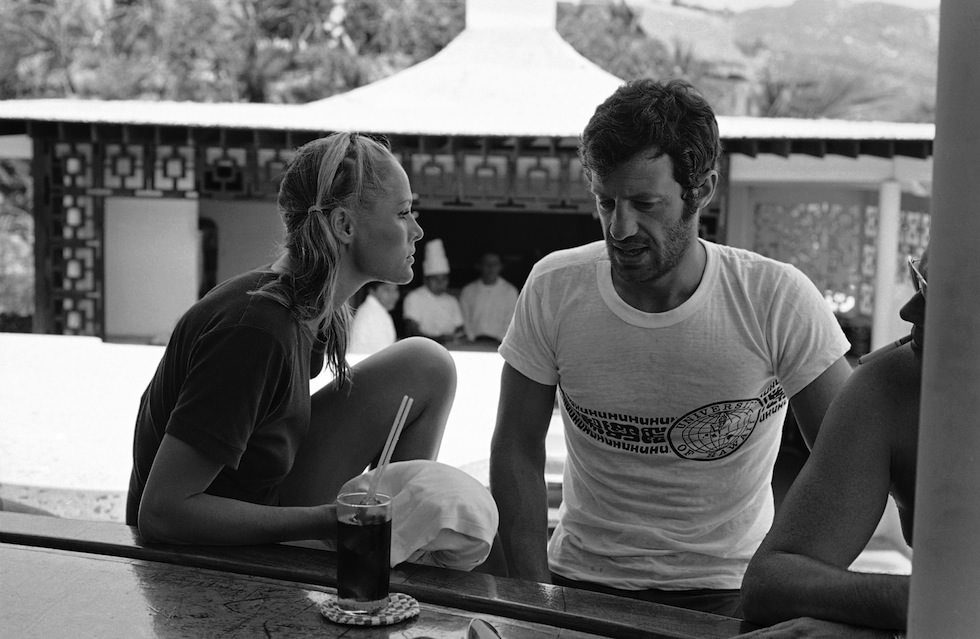
Belmondo’s off-screen life during the 1960s reflected his on-screen energy. He was photographed in Acapulco with actress Ursula Andress in 1967, and his name appeared regularly in the gossip columns alongside his film reviews. He was married twice and had four children. His son Paul became both an actor and a racing driver.
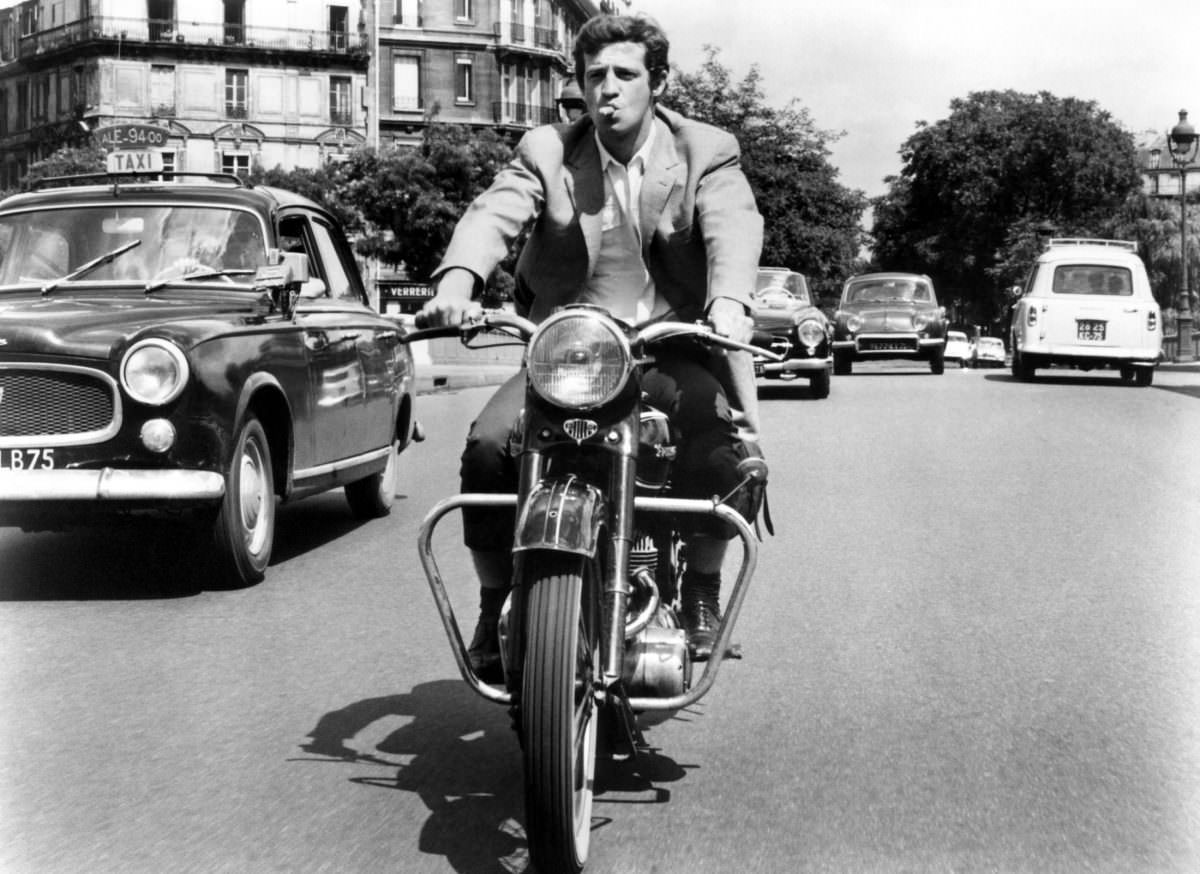
Through the 1970s, he shifted decisively toward action cinema. In The Burglars (1971), he played a jewel thief pursued by a relentless detective through car chases and fight sequences. In Fear Over the City (1975), he was a Paris police inspector hunting a serial killer across rooftops — many of those rooftop scenes performed by Belmondo himself, without a stunt double. His athleticism was not a gimmick. It was central to who he was as a performer.
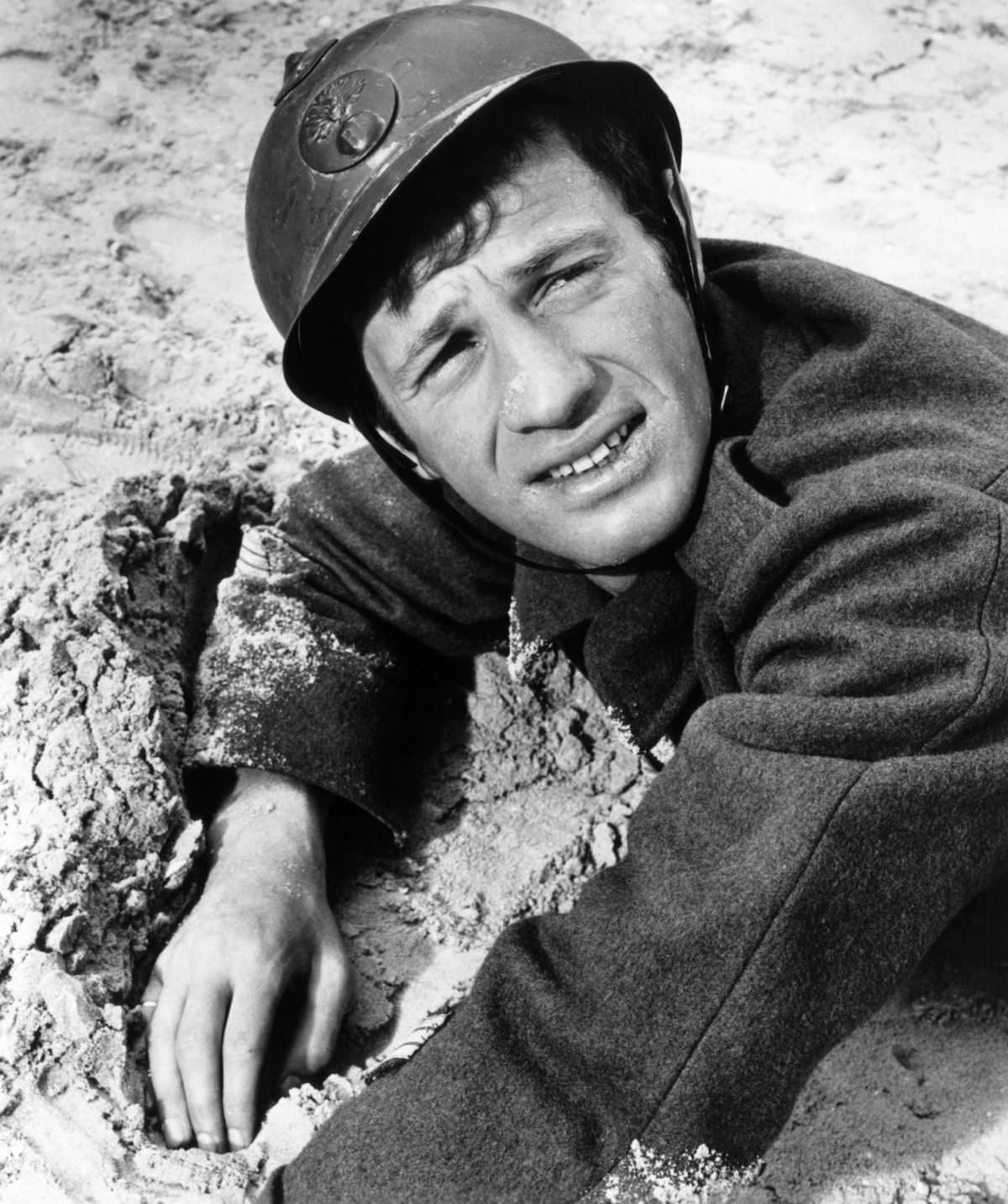
The Professional (1981) stands as one of his most remembered films. He played Joss Beaumont, a secret agent abandoned by the French government after a covert mission goes wrong. Ennio Morricone composed the score, and his theme Chi Mai became a worldwide hit on its own. Belmondo’s performance was controlled and magnetic, anchoring a film that resonated with audiences across Europe.
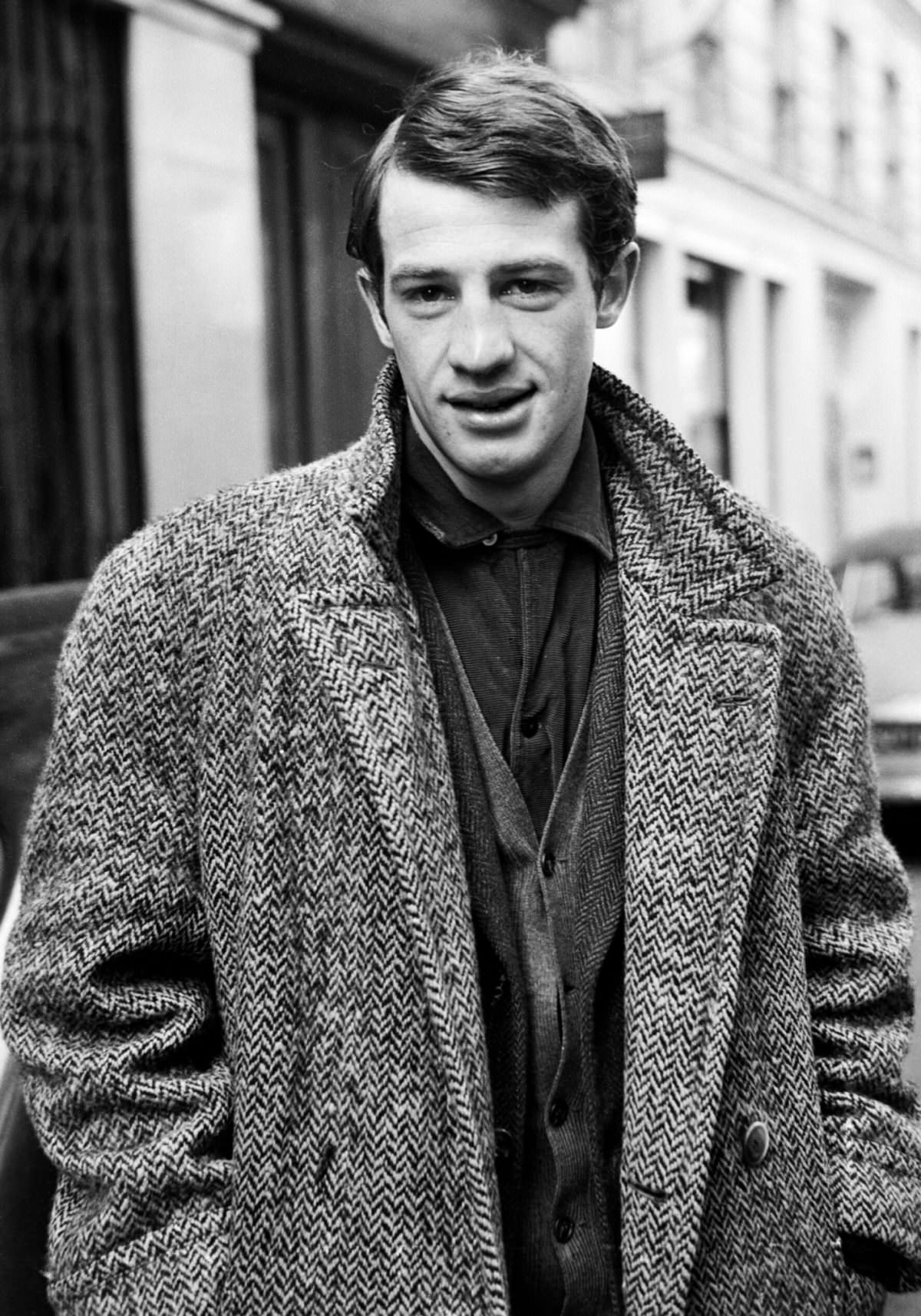
He never fully left dramatic territory. In Stavisky (1974), directed by Alain Resnais, he played Serge Stavisky, a real-life con man whose financial schemes destabilized the French government in the 1930s. The role demanded subtlety rather than speed, and Belmondo delivered. In 1987, he won the César Award — France’s equivalent of the Oscar — for Itinerary of a Spoiled Child (Itinéraire d’un enfant gâté), playing a man who fakes his own death to escape the weight of his past.
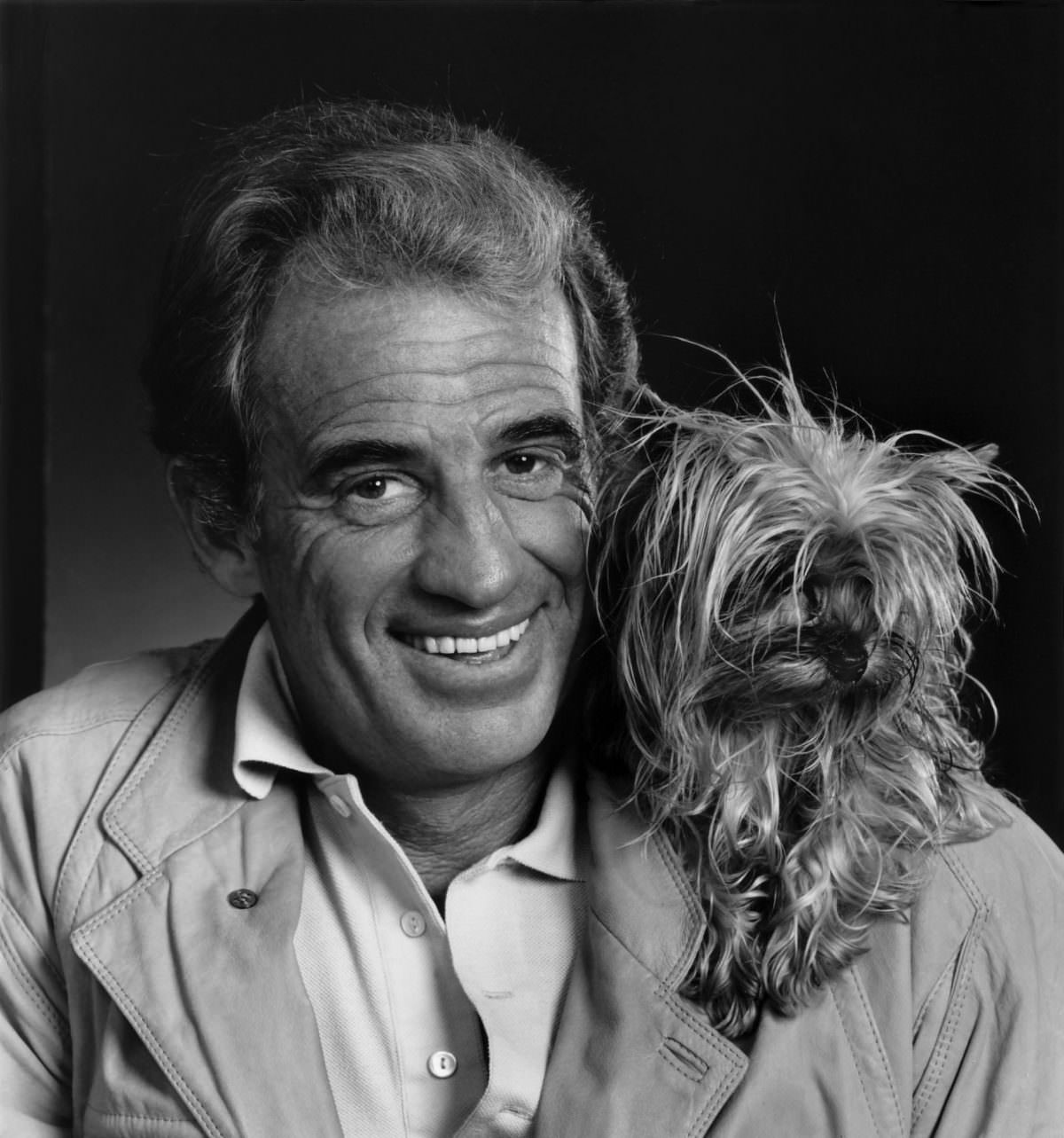
In the late 1990s, Belmondo suffered a stroke that temporarily robbed him of speech and mobility. He underwent years of intensive rehabilitation and returned to the screen in 2008 with A Man and His Dog (Un homme et son chien), playing an elderly man stripped of everything who refuses to disappear. The role was quiet and deeply felt — a long way from the stolen cars and rooftop chases, but no less compelling.