On December 7, 1941, the Imperial Japanese Navy Air Force attacked the U.S. naval base at Pearl Harbor, Hawaii. The United States formally entered World War II the very next day. Less than three months later, on February 19, 1942, President Franklin D. Roosevelt signed Executive Order 9066. The order authorized the forced removal and incarceration of all people of Japanese ancestry living in the United States, regardless of their citizenship status. At its peak, more than 120,000 people were confined to relocation centers scattered across the country.
The camps were stark, crowded, and isolating. Families were stripped of their homes, businesses, and daily routines. They lived in barracks, ate in mess halls, and had little control over their lives. For years, the War Relocation Authority (WRA) held authority over where they could go and what they could do. The U.S. Supreme Court eventually ruled that the WRA had no authority to detain loyal American citizens based solely on their race. The internment camps across the country officially closed in March 1946.
As the camps began releasing residents from 1943 onward, Japanese-Americans faced the daunting task of rebuilding their lives in cities and towns across the country. American photographer Charles Mace documented this process in a remarkable series of photographs taken between 1943 and 1945. His images capture ordinary moments — work, school, socializing, and homelife — that carried extraordinary weight for people who had been forcibly removed from society just years before. The photos below are drawn from that collection.
In the early years of resettlement, the Midwest became a primary destination for Japanese-Americans leaving the camps. Cities like Chicago, Indianapolis, and Peoria offered jobs and, in many cases, a warmer reception than the West Coast. Community organizations and local housing committees worked to find suitable homes and employment for arriving relocatees.
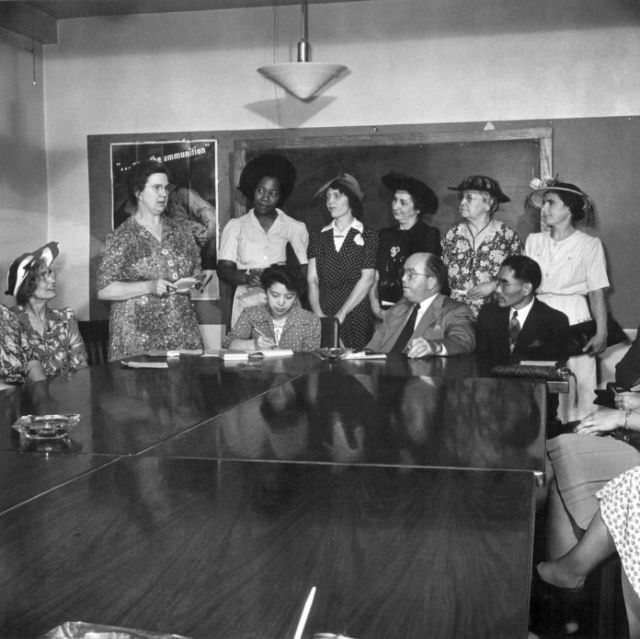
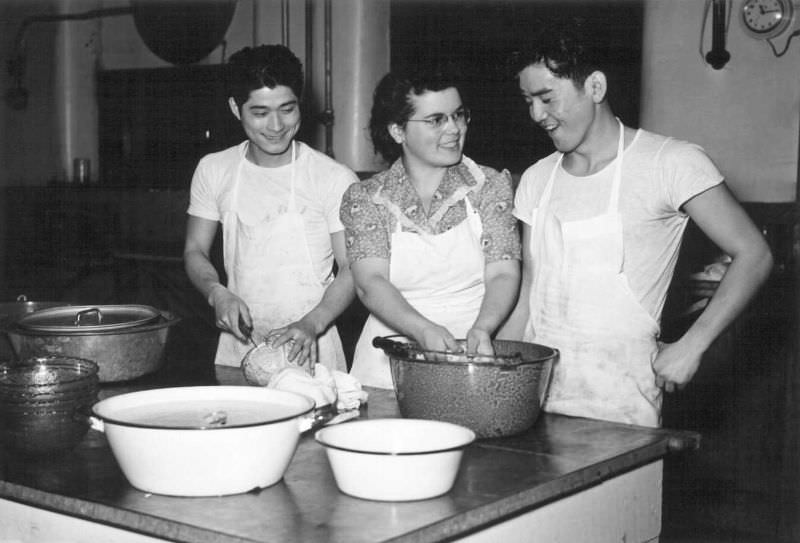
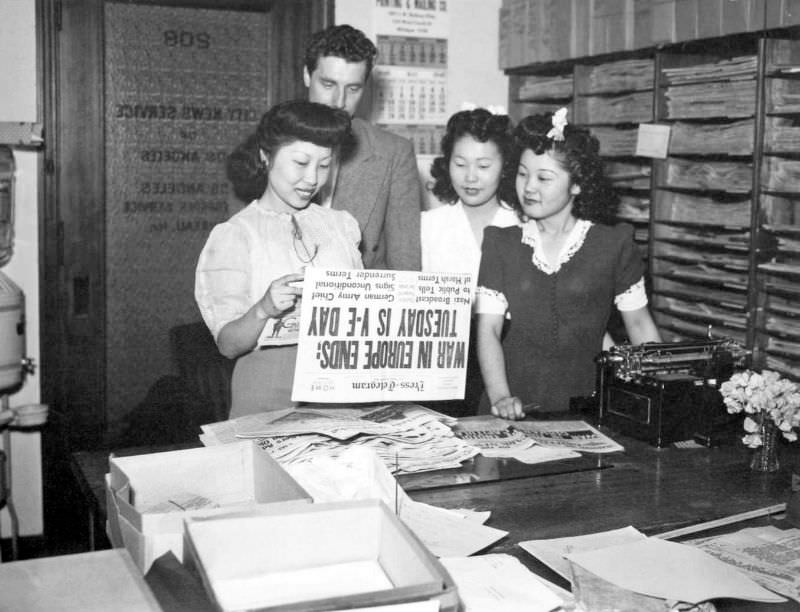
Finding steady work was one of the first and most important steps for Japanese-Americans rebuilding after the camps. Jobs ranged from factory floors to office desks to public institutions. Many young women entered the workforce in roles that matched their skills and education, determined to reclaim the professional lives the internment had interrupted.
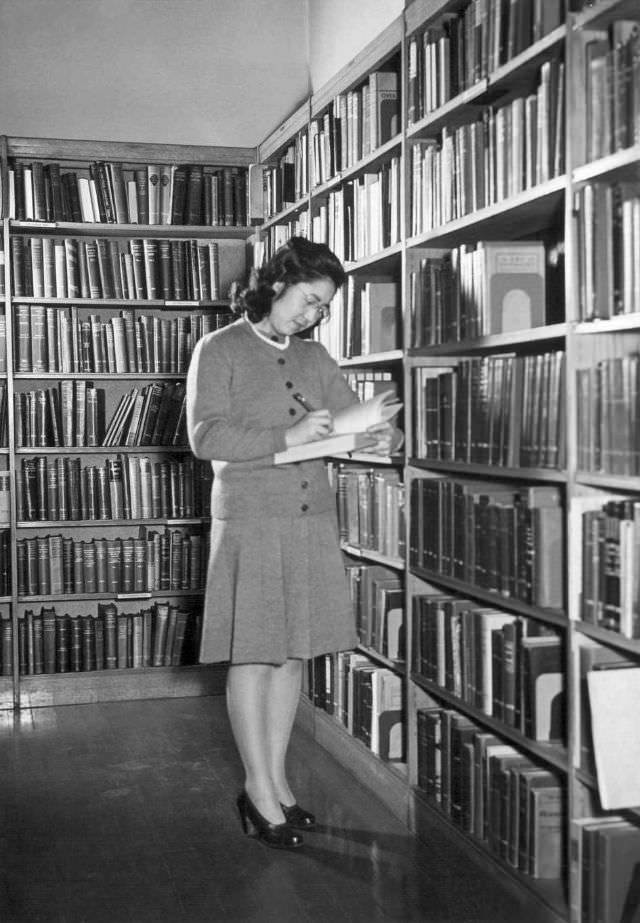
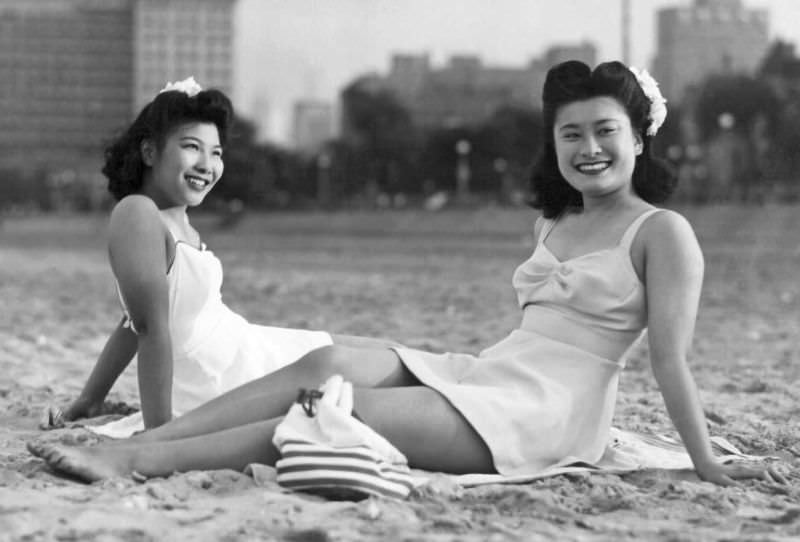
Life outside the camps also meant returning to everyday routines that had been taken away. Shopping, socializing, and simply moving through public spaces freely were experiences that many Japanese-Americans had been denied for years. For Nisei — American-born children of Japanese immigrants — reclaiming these routines was both practical and deeply personal.
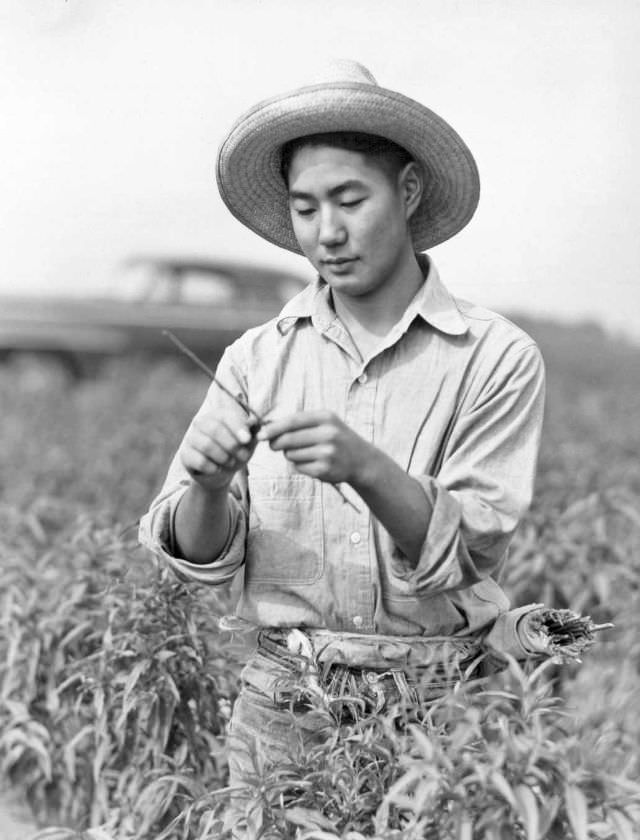
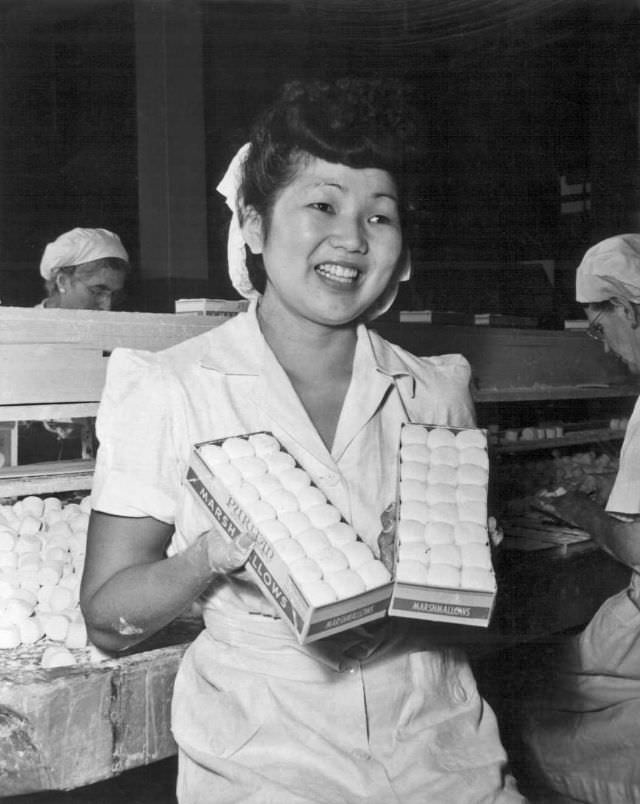
Employment opportunities spread across many industries. Some Japanese-Americans stepped into skilled office roles, while others took up agricultural or trade work. Each job represented more than income — it was a foothold back into mainstream American life.
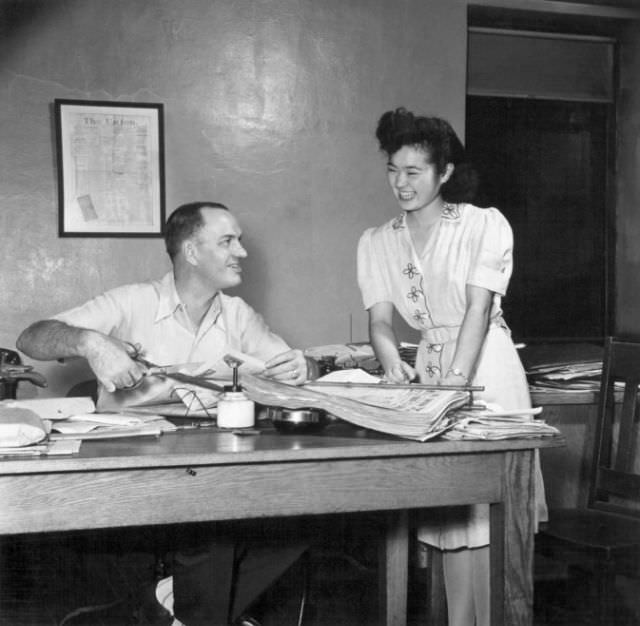
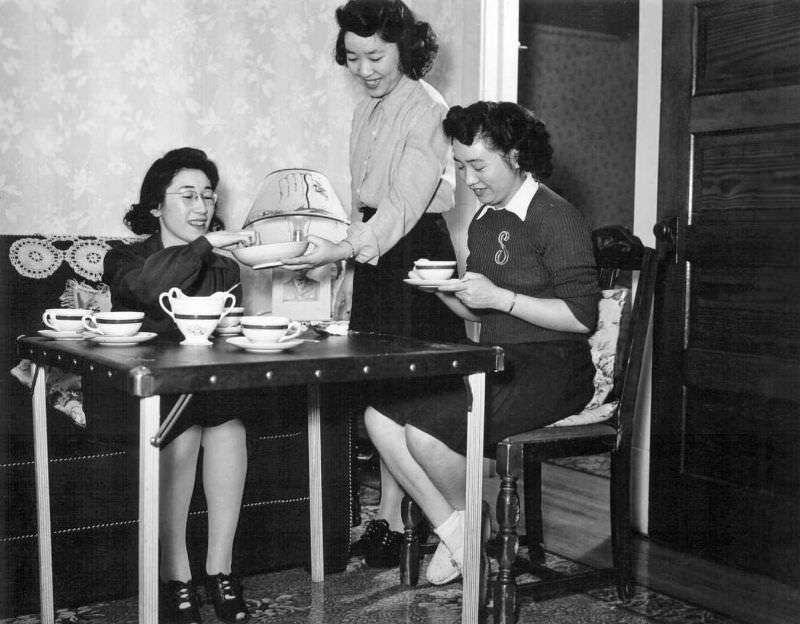
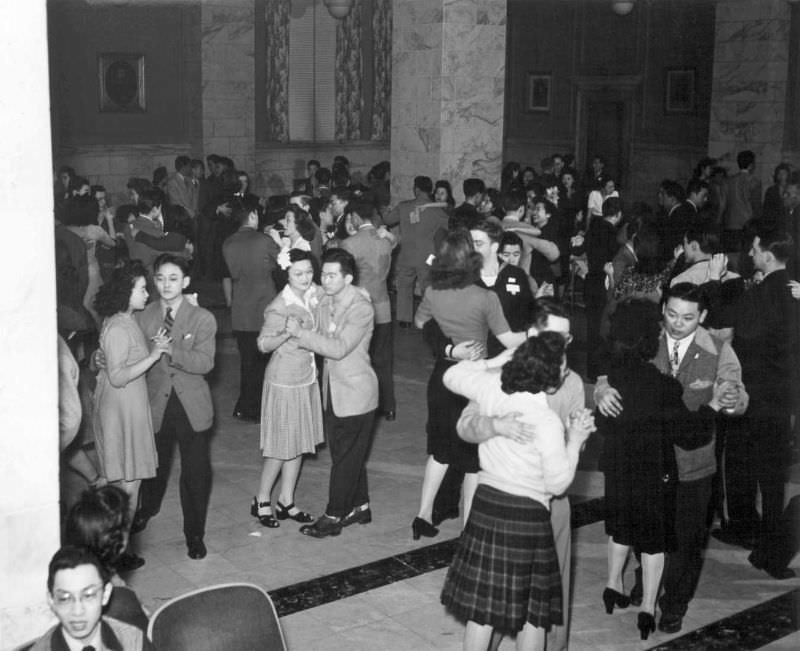
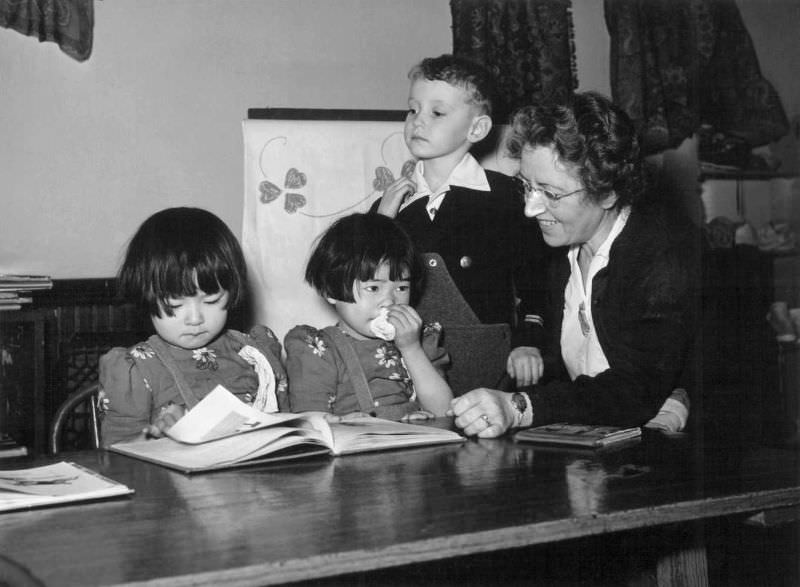
Social integration was visible in spaces like dance halls, hospitals, and schools. Nisei men and women attended community events alongside their Caucasian neighbors, and workplaces increasingly reflected that mix. These were not grand gestures — they were the quiet, daily interactions that defined what reintegration actually looked like on the ground.
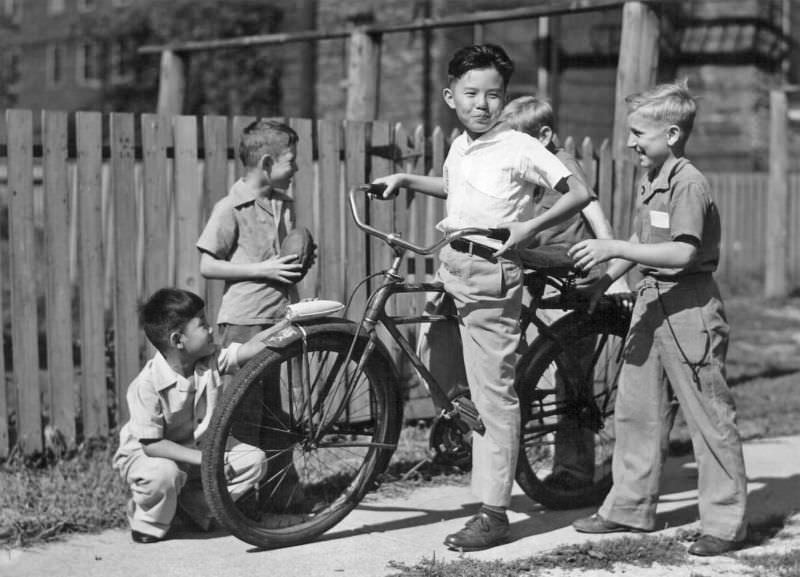
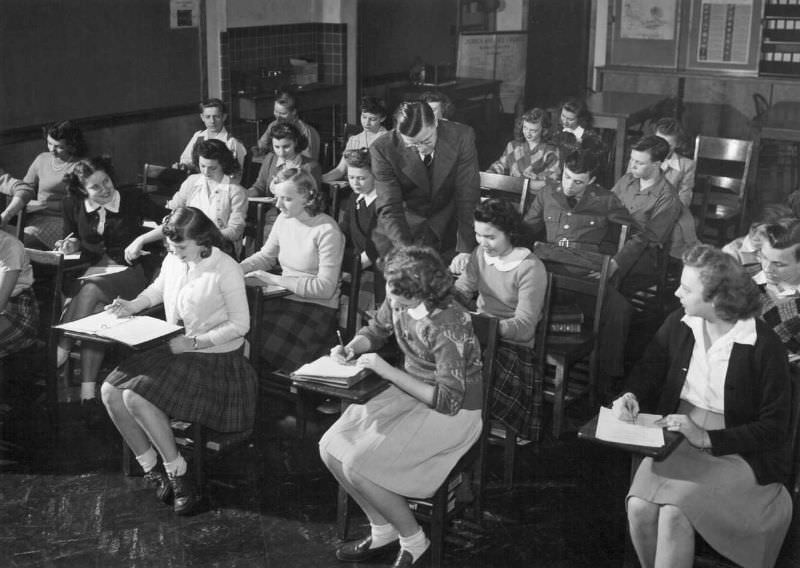
Japanese-American children re-entered public schools across the Midwest and West Coast. For many, it meant sitting in classrooms with peers who had never experienced displacement. Yet the children themselves often adapted quickly, finding common ground in schoolwork, play, and friendship in ways that transcended the political upheaval their families had endured.
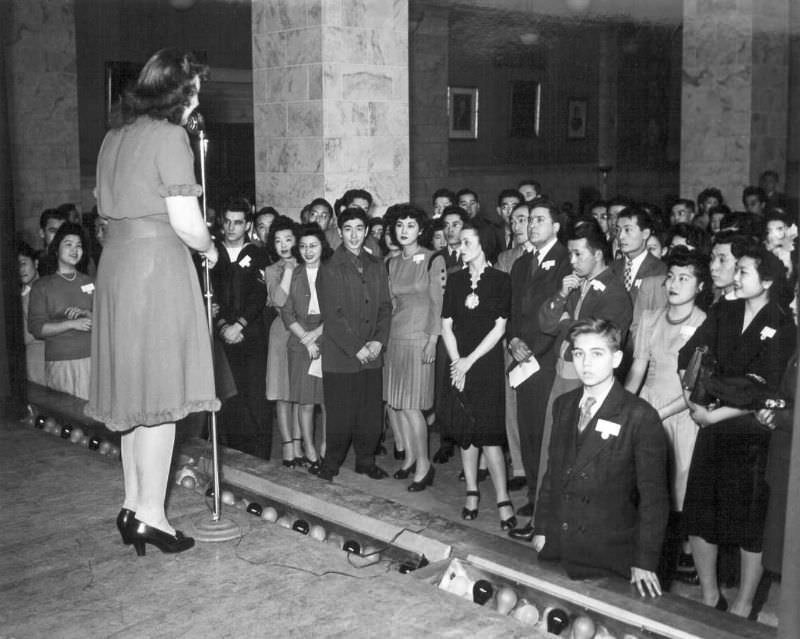
Community gatherings gave Nisei a space to reconnect with one another and with their broader American social circles. Music and entertainment played a central role in these events, and shared nights out helped ease the transition back into public life.
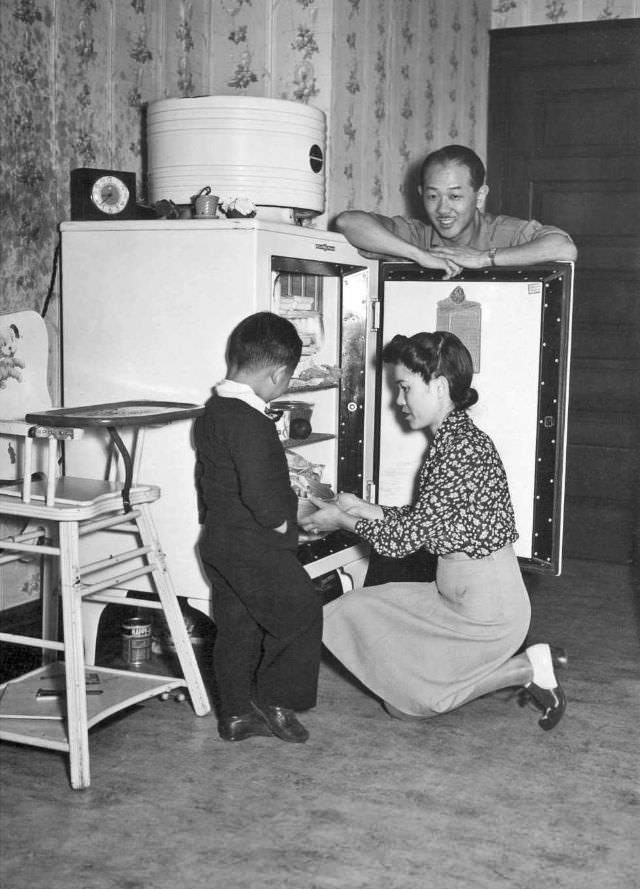
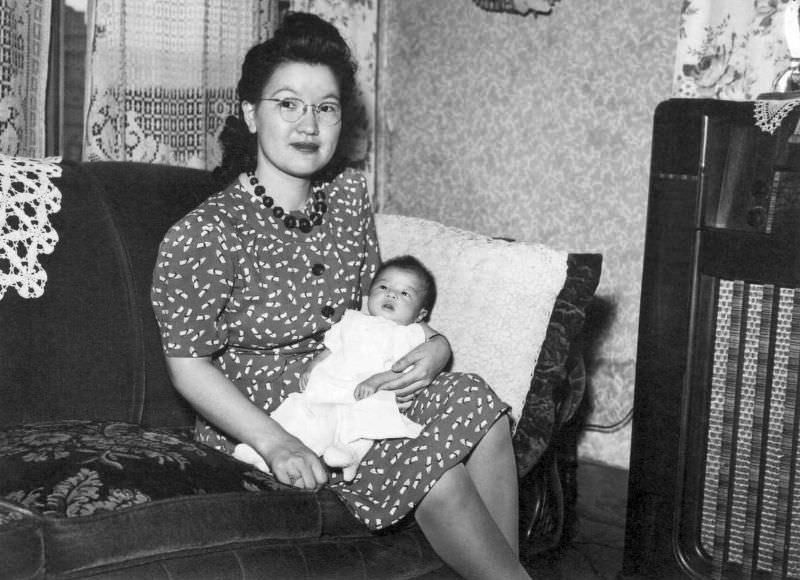
Home life, too, carried new meaning after years inside relocation centers. Simple domestic pleasures — cooking a meal, sharing space freely, hosting friends — were things the camps had stripped away. Families savored these moments with an awareness that others who had never been interned simply did not share.
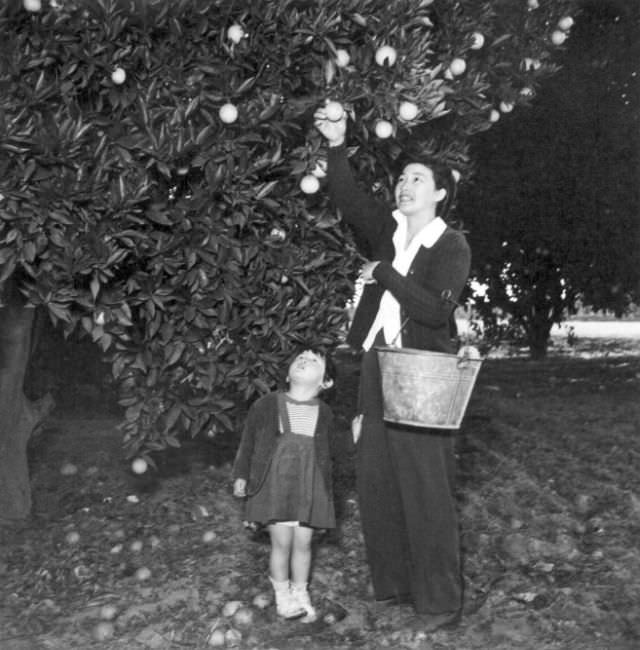
By 1945, as the war in the Pacific moved toward its end, more Japanese-Americans began returning to California — the state from which the majority had originally been removed. Some found their farms and orchards intact. Others returned to nothing. Homes had been sold, businesses shuttered, and belongings lost. Despite this, families worked to reconstruct what they had lost.
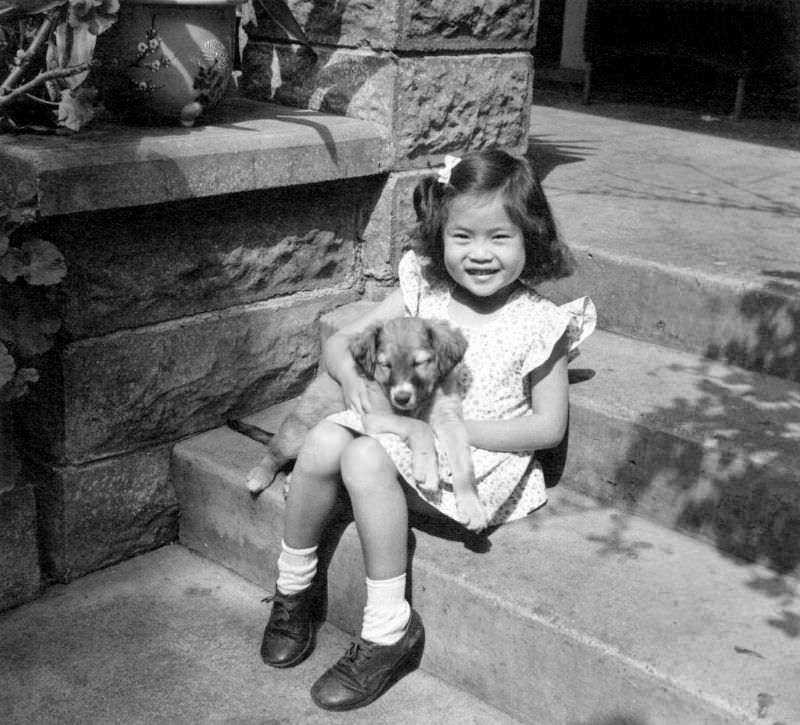
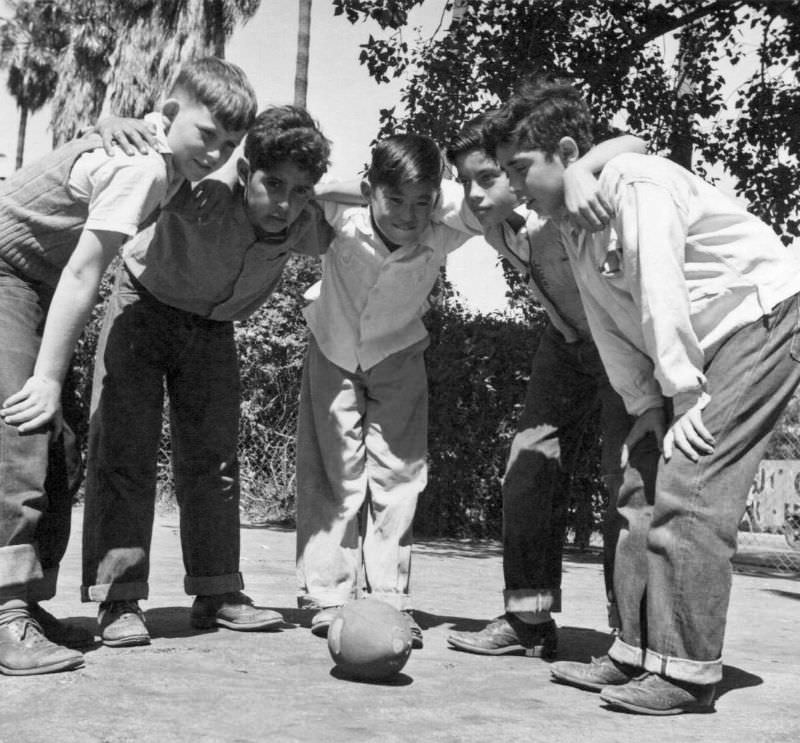
Children played in schoolyards and neighborhoods as if they had never been gone, while their parents navigated a far more complicated return. The contrast between generations was stark — for the young, reintegration often felt natural; for adults, it came loaded with loss and uncertainty.
Not all returnees were welcomed back peacefully. In several California communities, Japanese-American families faced violent resistance. Joe Takeda’s family was one documented case: night riders set fire to his home and fired five .32-caliber bullets through the house while his family slept inside. Acts of racial terror like this one were a documented feature of the postwar return, not isolated incidents.
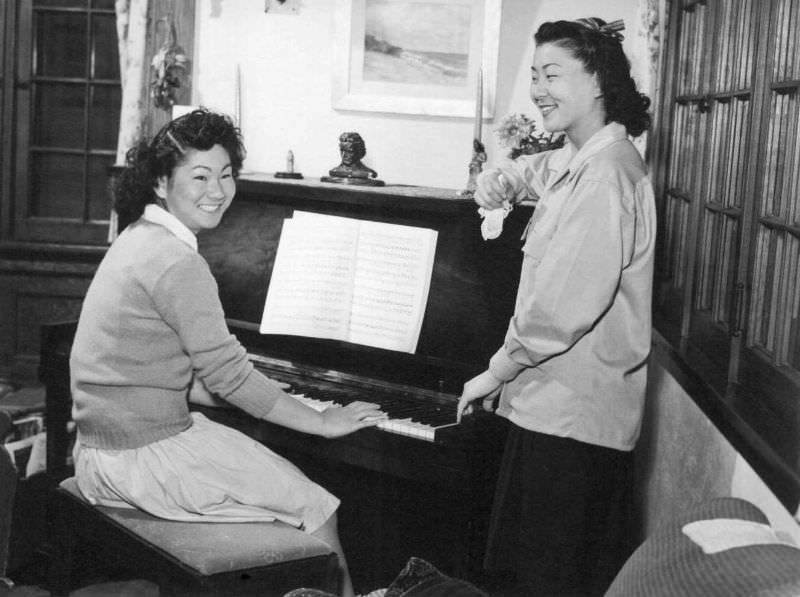
Music provided another thread of continuity. Mary Kageyama, known as the “Song Bird of Manzanar” for her performances inside the internment camp, resettled in Pasadena with her younger sister. She continued performing as a contralto, carrying a piece of the camp’s cultural life into her new chapter outside it.
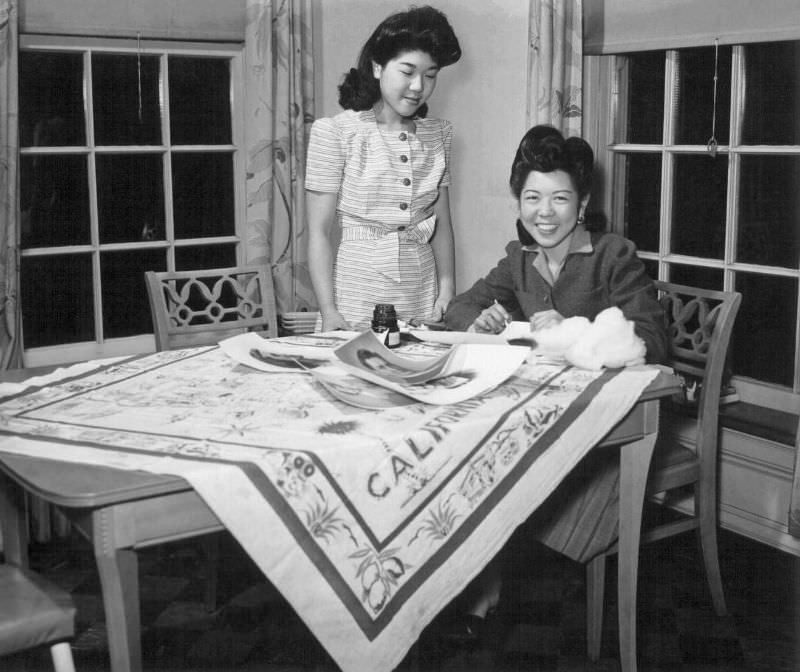
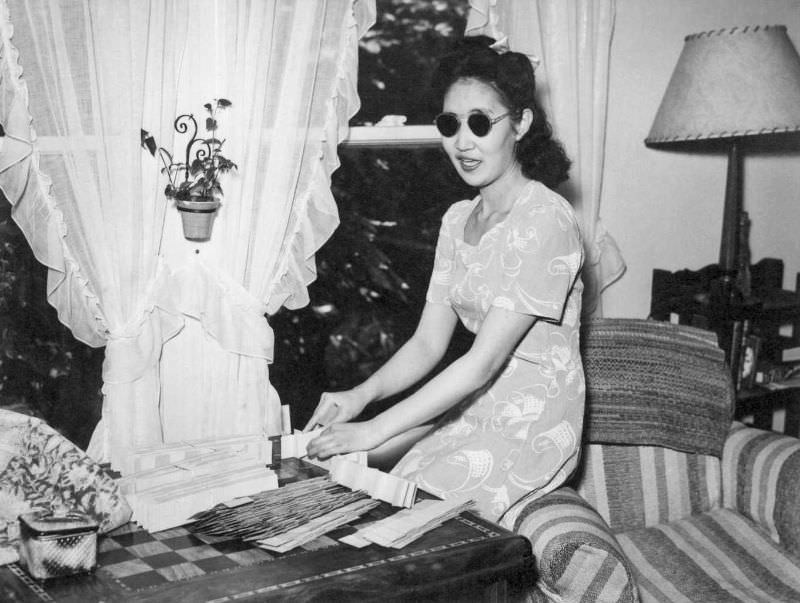
Across California, Japanese-Americans returned to homes, schools, and workplaces. Some faced discrimination; others found neighbors and employers who treated them fairly. Miss Aiko Kiroki, who was blind, returned to Berkeley from the Granada Relocation Center in April 1945 and found work she could perform from home — a testament to the determination that defined much of this community’s reintegration.
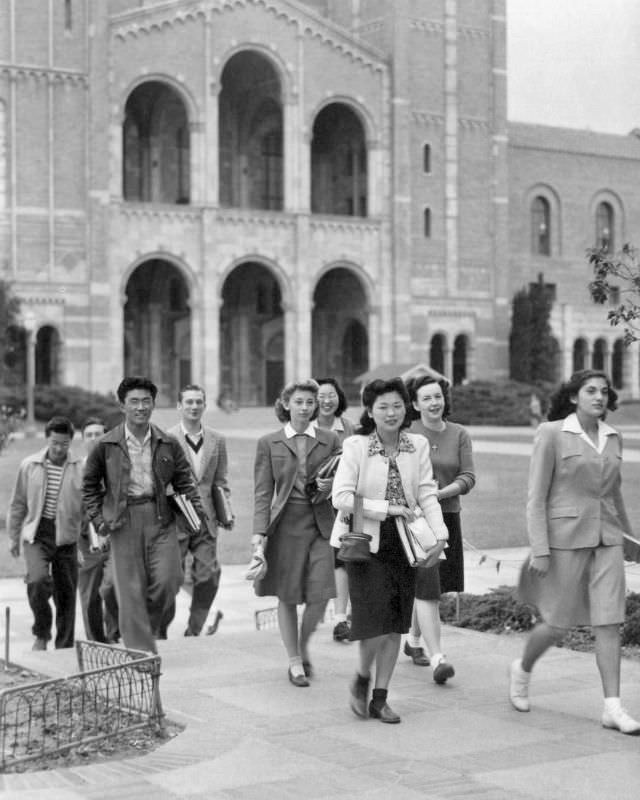
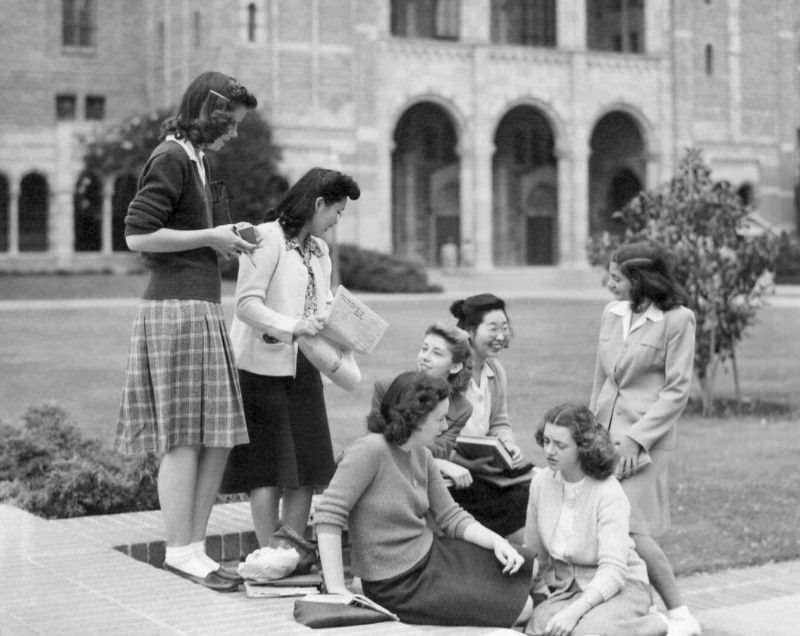
Higher education was another avenue back into mainstream American life. Nisei students enrolled at universities, including the University of California, Los Angeles, where they attended classes alongside fellow students who had spent the war years on campus without interruption. Their presence on these campuses was a direct reassertion of their rights as American citizens.
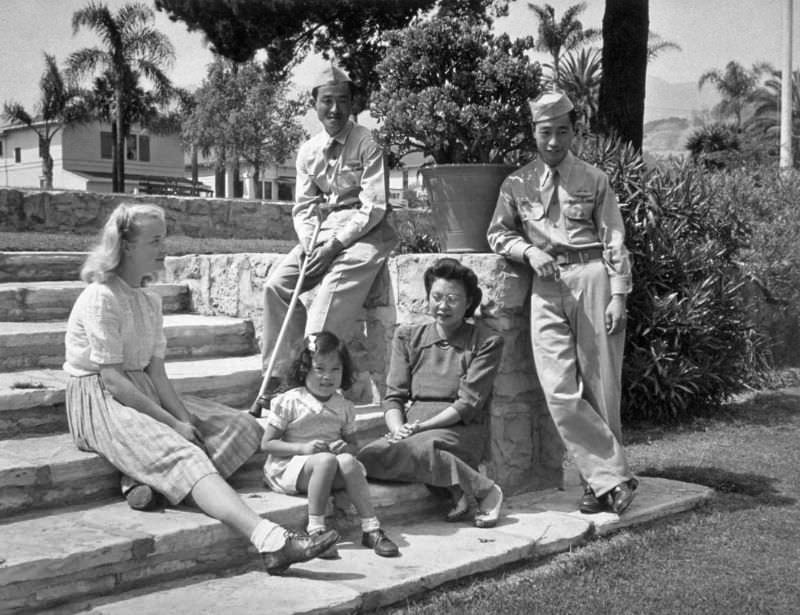
Housing remained a critical challenge throughout 1945. With many Japanese-Americans returning simultaneously to the same cities and towns, finding adequate living space was difficult. Some families opened their homes to others, taking in multiple households under one roof while everyone worked to secure permanent arrangements.
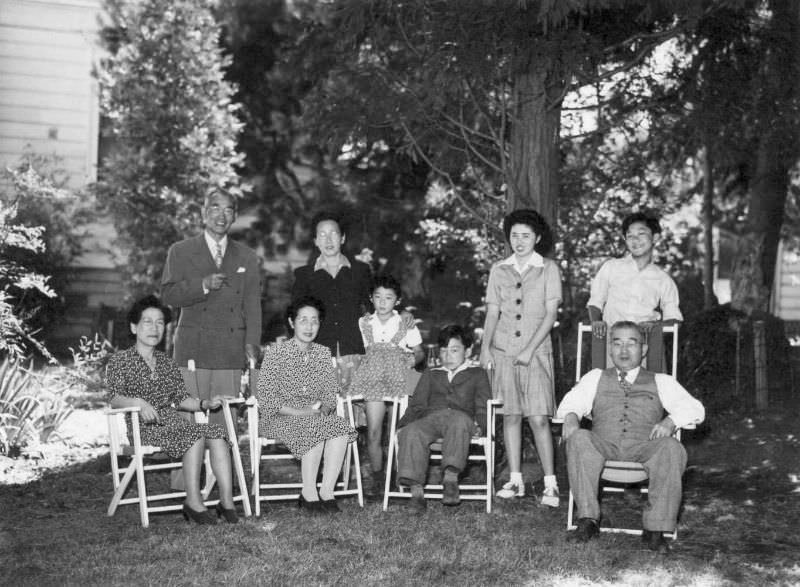
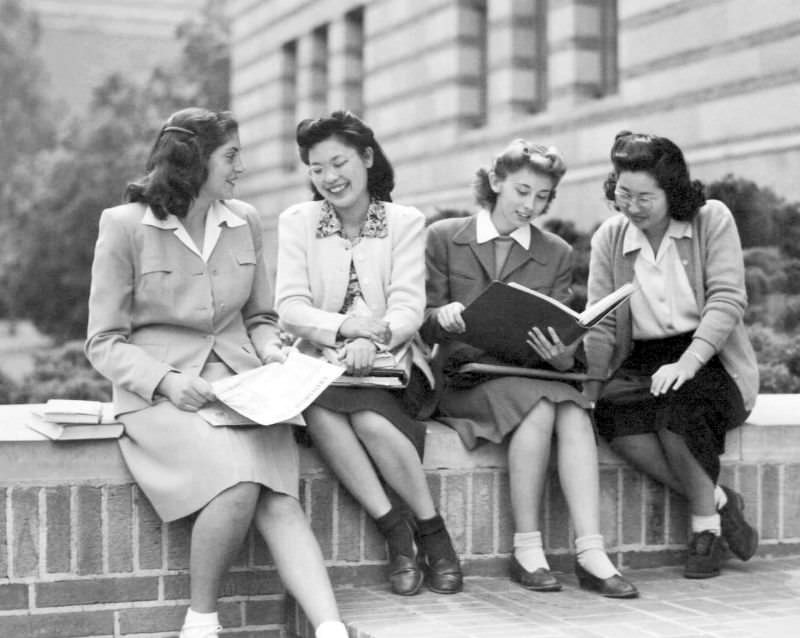
University campuses became particularly visible symbols of the return to normal life. Nisei students who had been forced out of schools during the internment now walked through campus gates as enrolled students, carrying textbooks rather than the identification tags they had worn in the camps.