
The Isle of Wight is the largest county in England, sitting just off the southern coast separated from the mainland by the Solent strait. Human settlement on the island stretches back to the early Bronze Age, making it one of Britain’s longest-inhabited places. It was annexed to the kingdom of Wessex in 661 and later passed to the king of Sussex, changing hands through centuries of English history before becoming something far more glamorous — a royal retreat.
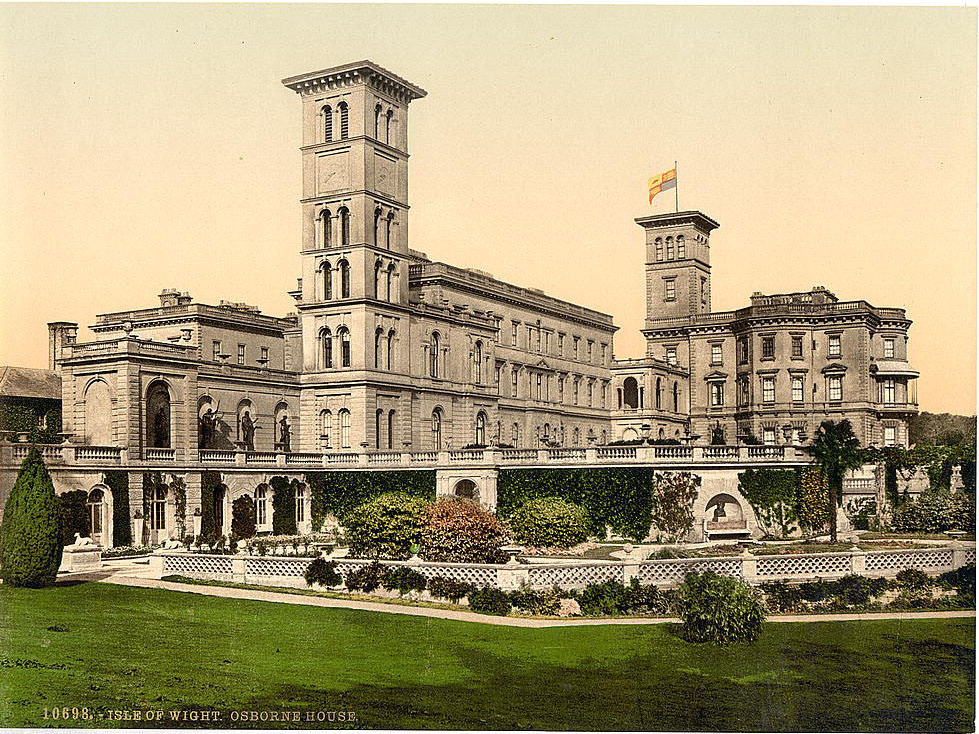
Queen Victoria transformed the island’s reputation entirely. She fell in love with it and made Osborne House her winter home, a grand Italianate mansion she had built with Prince Albert near East Cowes. With royalty in residence, the Isle of Wight became one of the most fashionable destinations in Victorian England. Wealthy visitors, seaside resorts, and grand hotels followed.
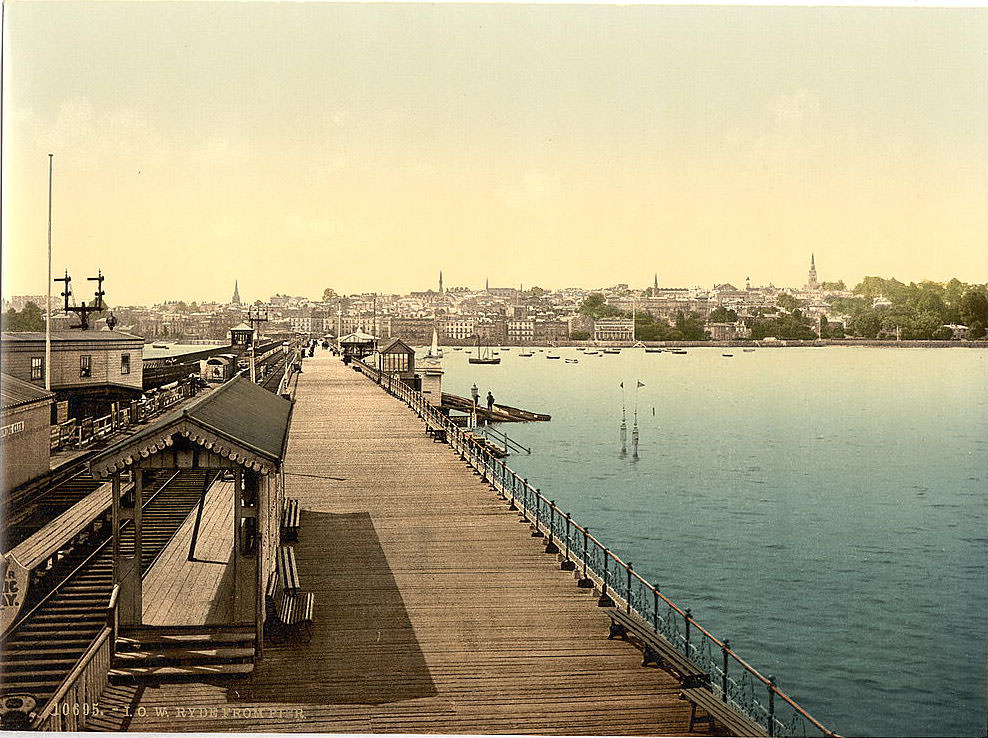
Ryde was the island’s main gateway for visitors arriving by ferry from the mainland. Its long pier stretched far into the shallow water to allow steamers to dock at low tide. From the pier, visitors got their first look at the town rising up the hillside — a busy, prosperous place full of hotels, shops, and tree-lined streets.
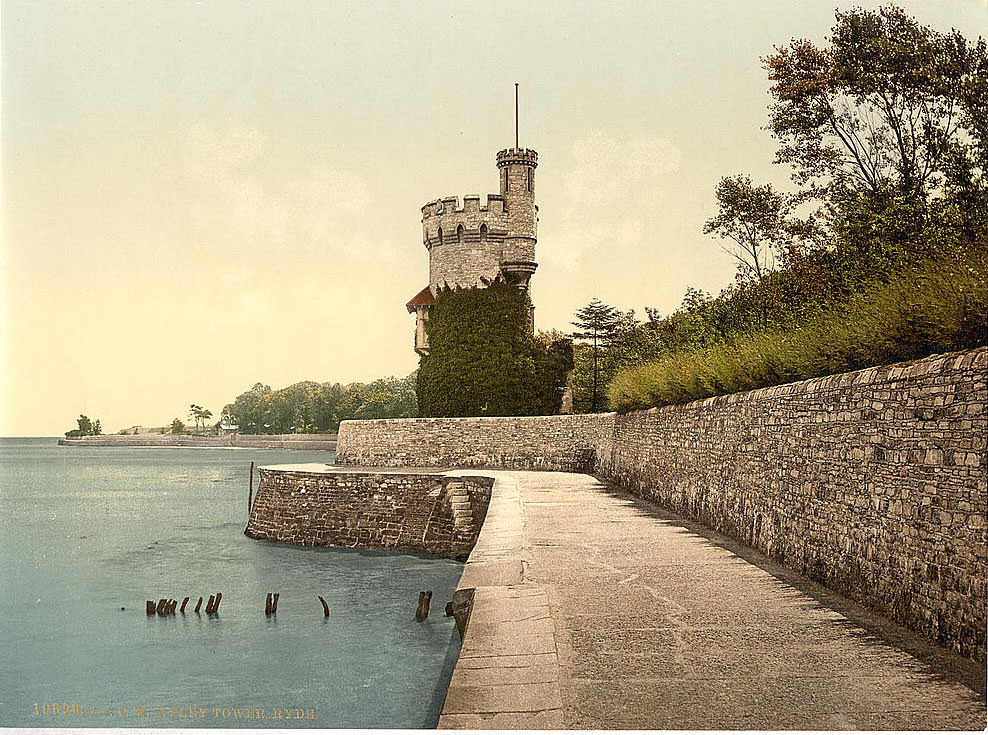
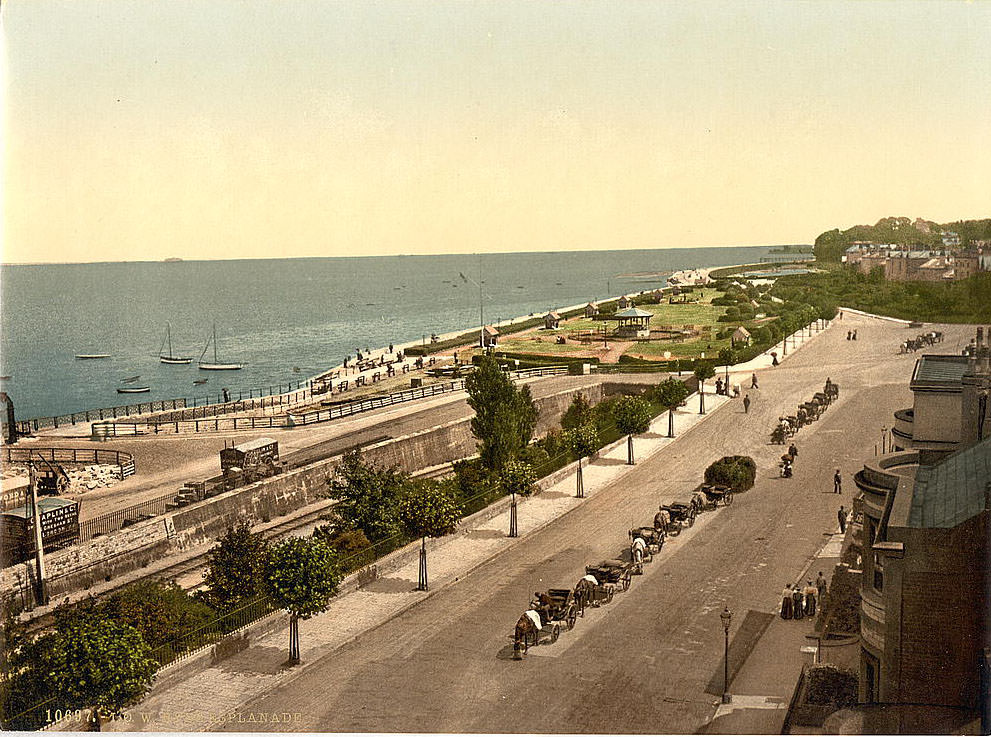
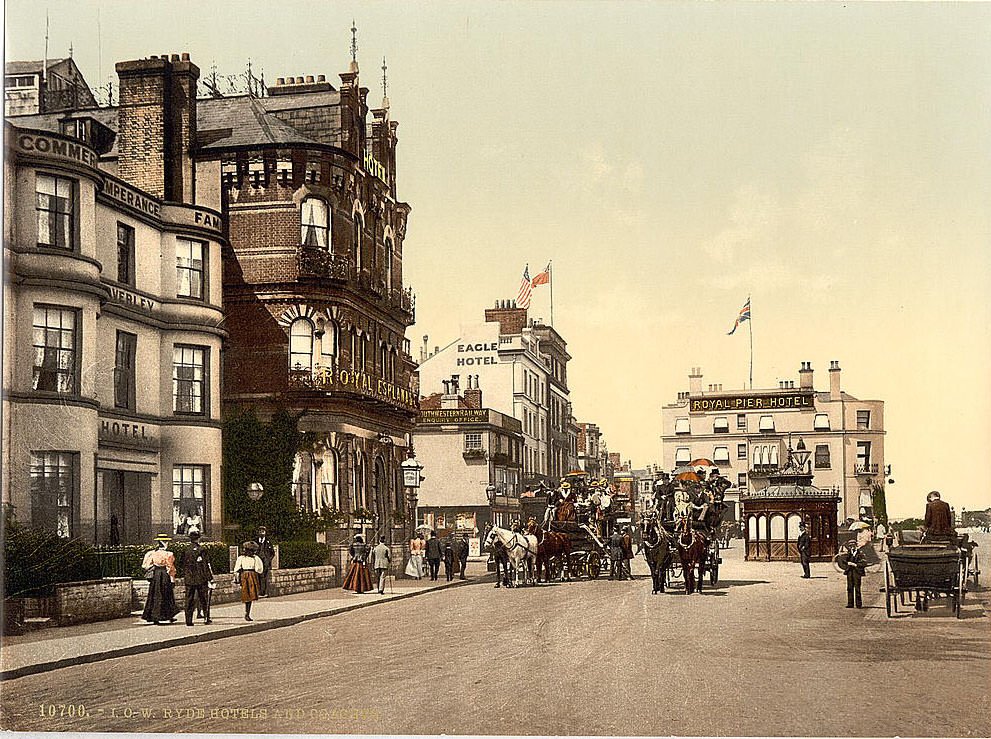
The Esplanade at Ryde was the social heart of the seafront. Coaches and carriages moved along its length carrying tourists between hotels and the pier. The town’s main hotels clustered close to the seafront, ready to receive the steady flow of Victorian holidaymakers who arrived throughout the summer months.
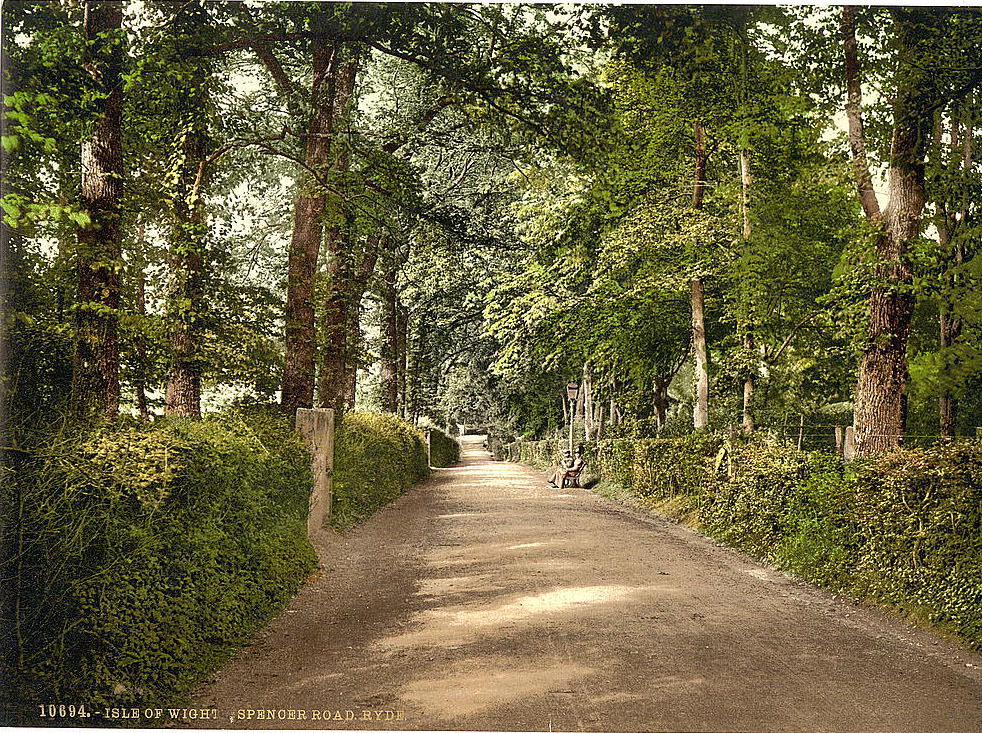
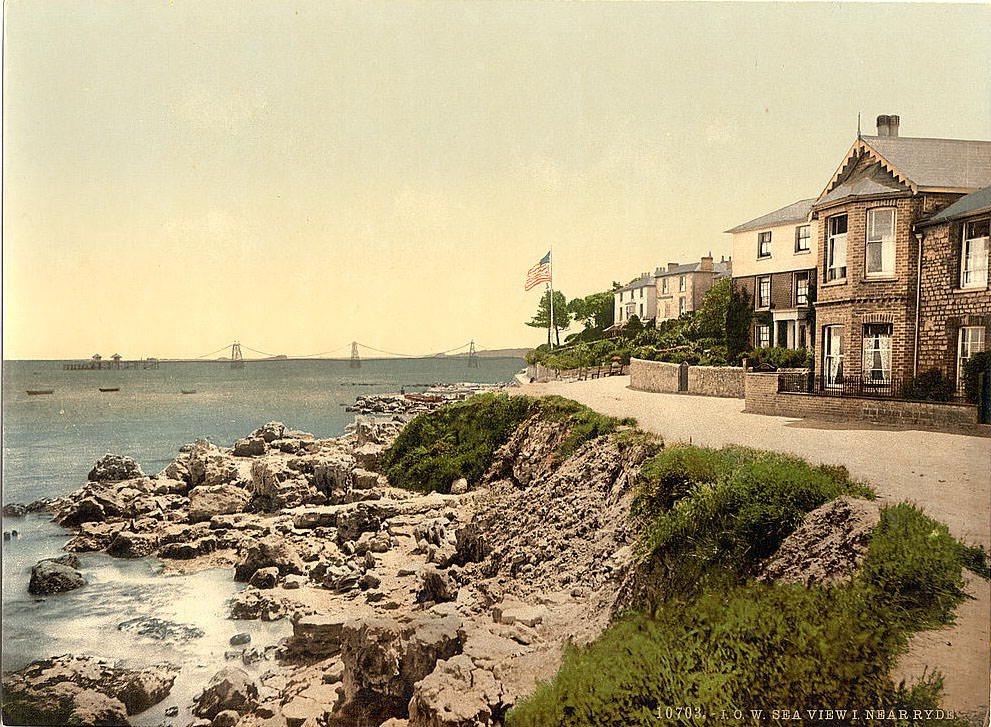
Just east of Ryde lay Seaview, a quieter coastal village popular with those seeking a calmer stay away from the bustle of the main resort towns. Its narrow lanes and sea views made it a favourite among Victorian visitors who preferred a more restful holiday.
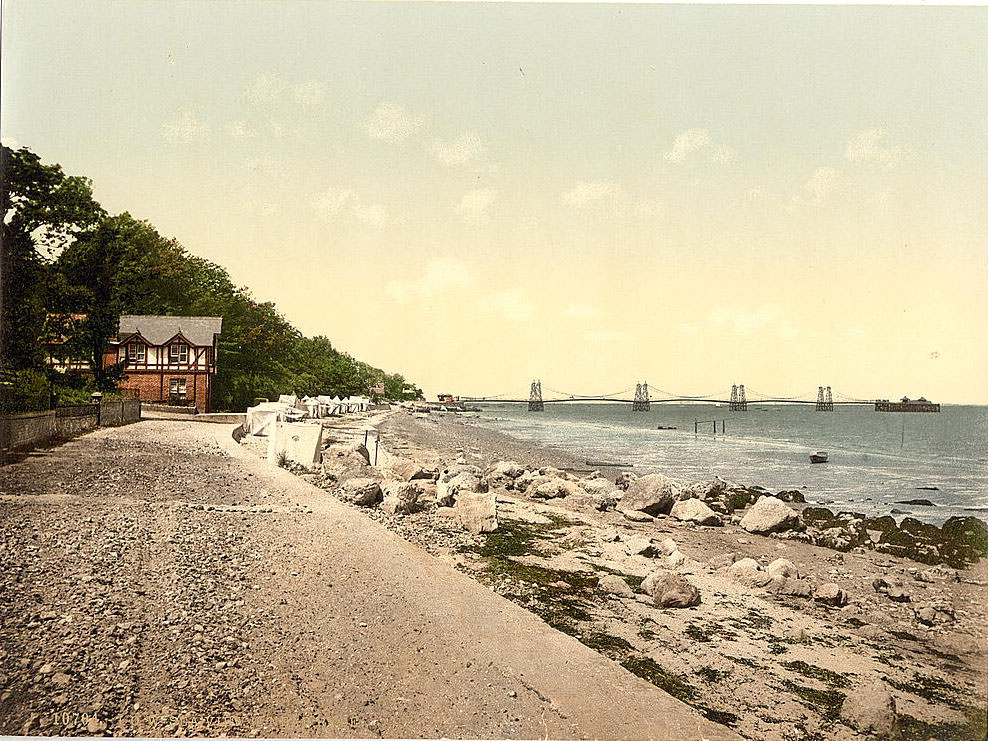
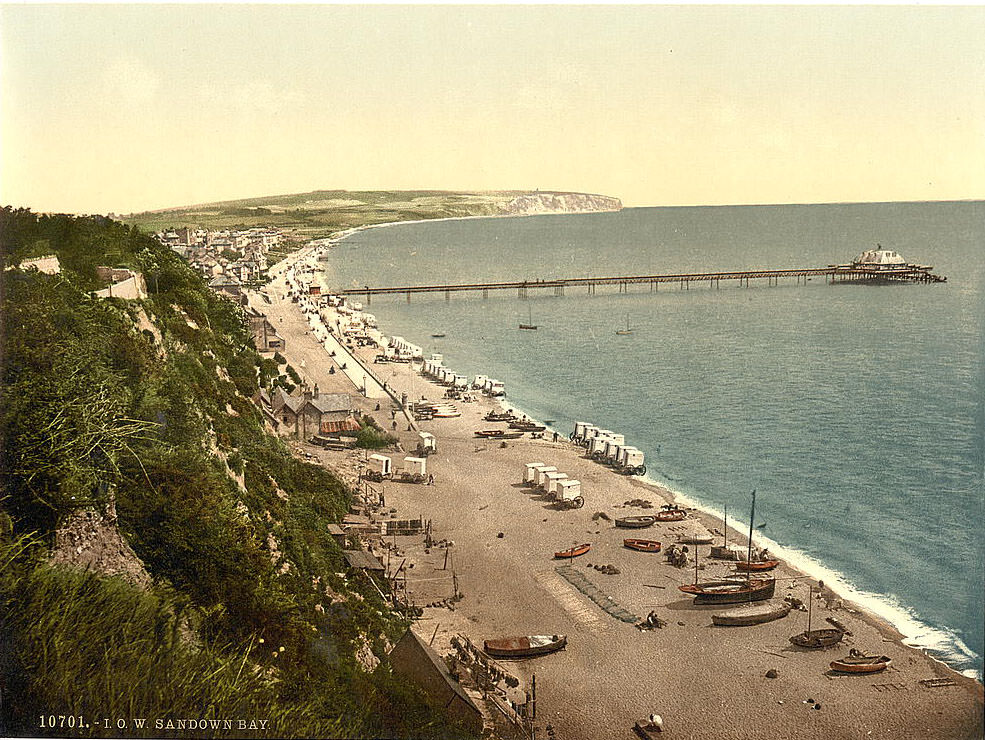
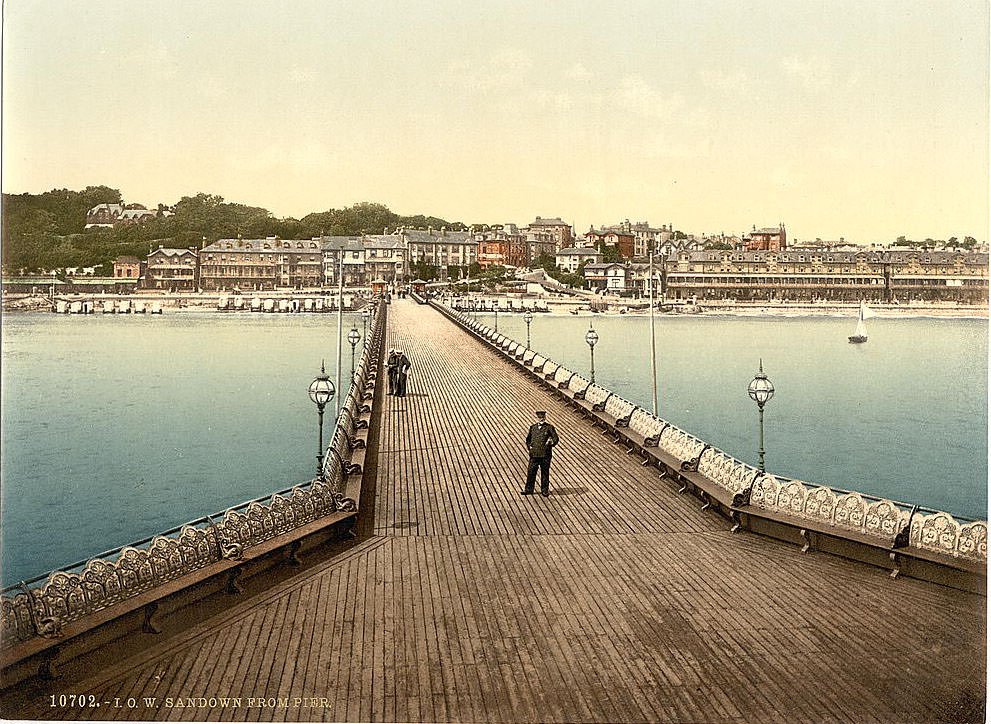
Sandown Bay offered one of the island’s finest stretches of sandy beach. The town of Sandown sat at its edge, with a pier extending into the bay and a seafront built to accommodate the crowds. The bay’s wide, sheltered curve made it especially popular with families during the Victorian summer season.
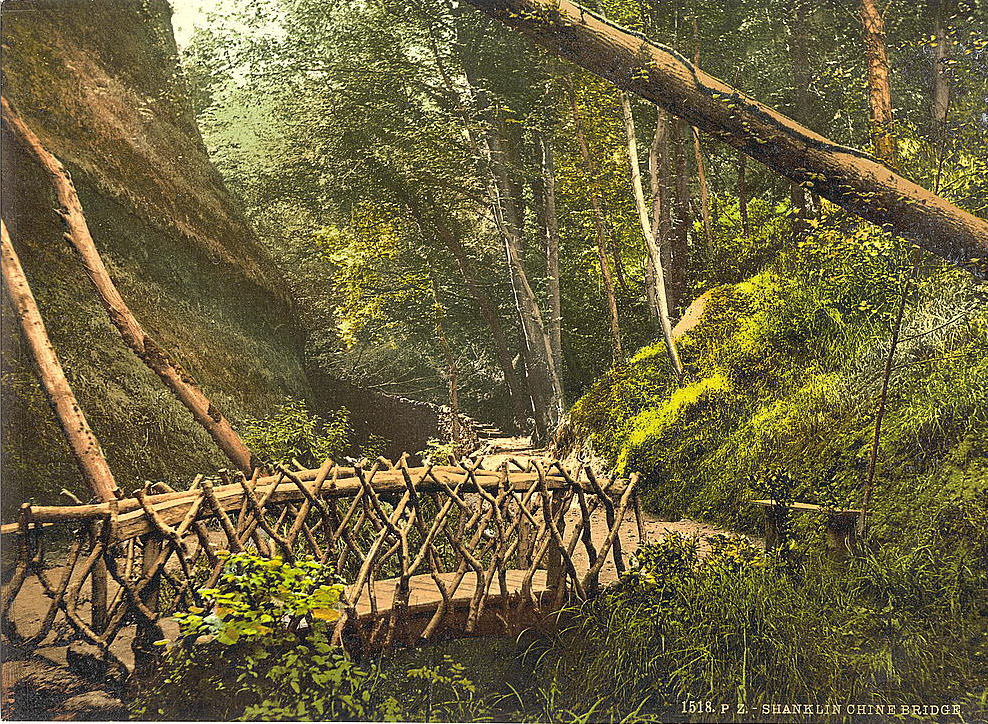
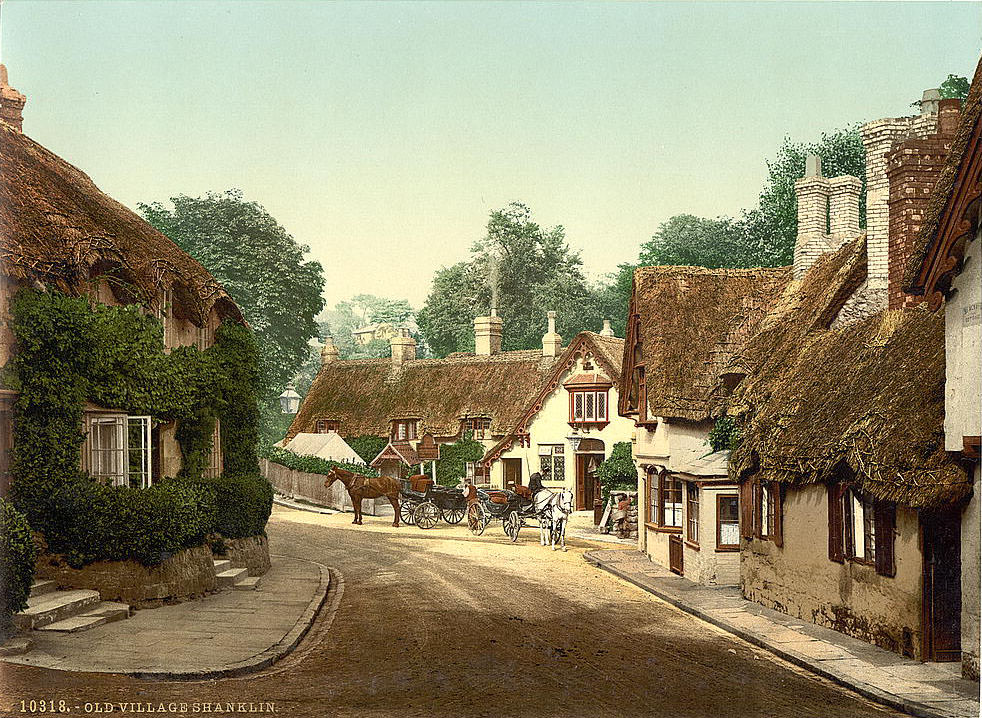
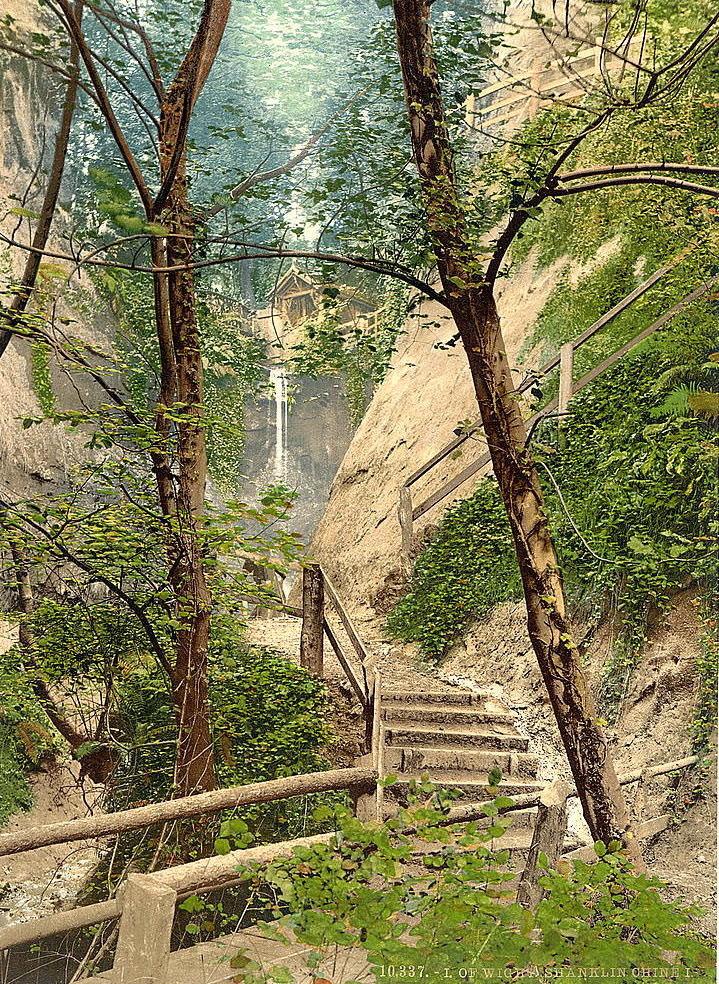
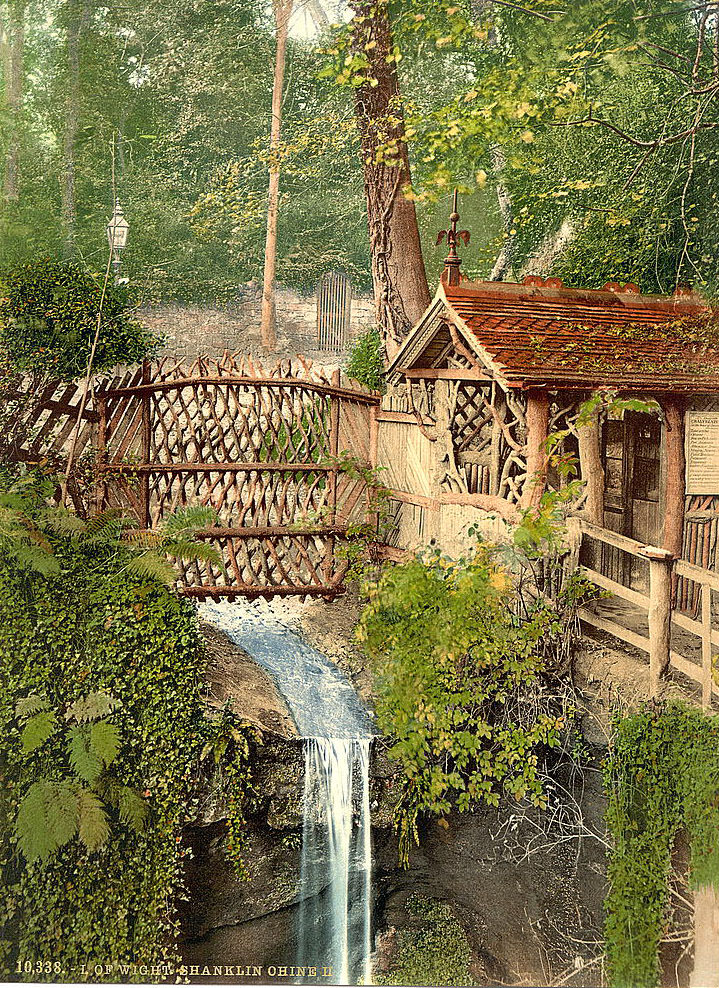
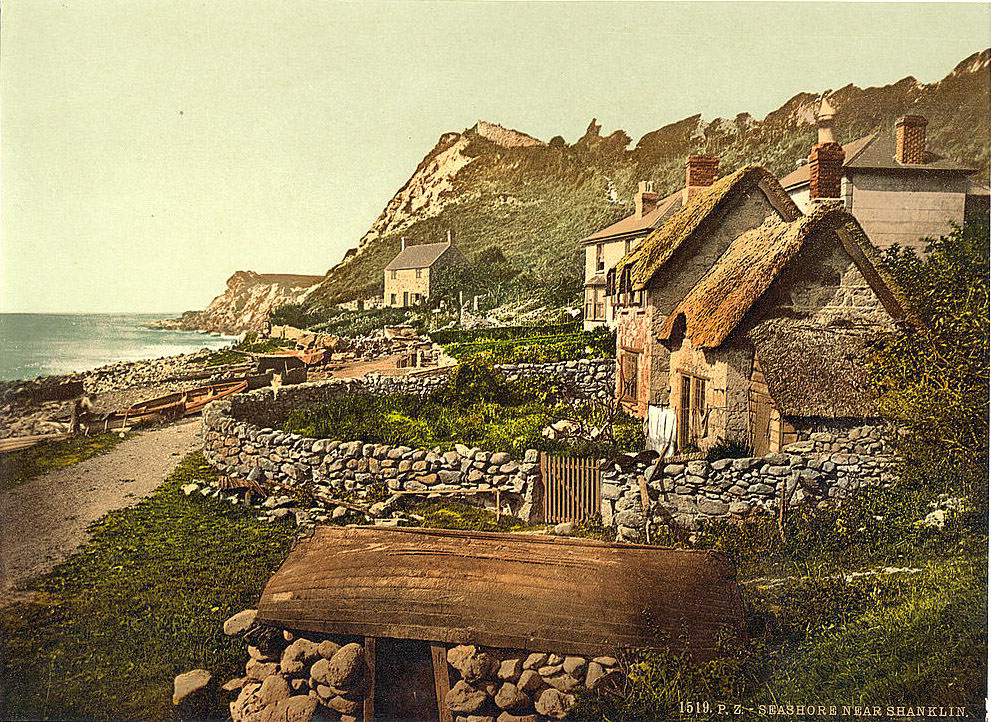
Shanklin, just south of Sandown, combined a working seaside resort with some of the island’s most dramatic natural scenery. Its old village retained a thatched, rural character while the lower town developed along the seafront. The most striking feature was Shanklin Chine — a deep, narrow gorge cut through the cliffs by a freshwater stream, thick with ferns and greenery.
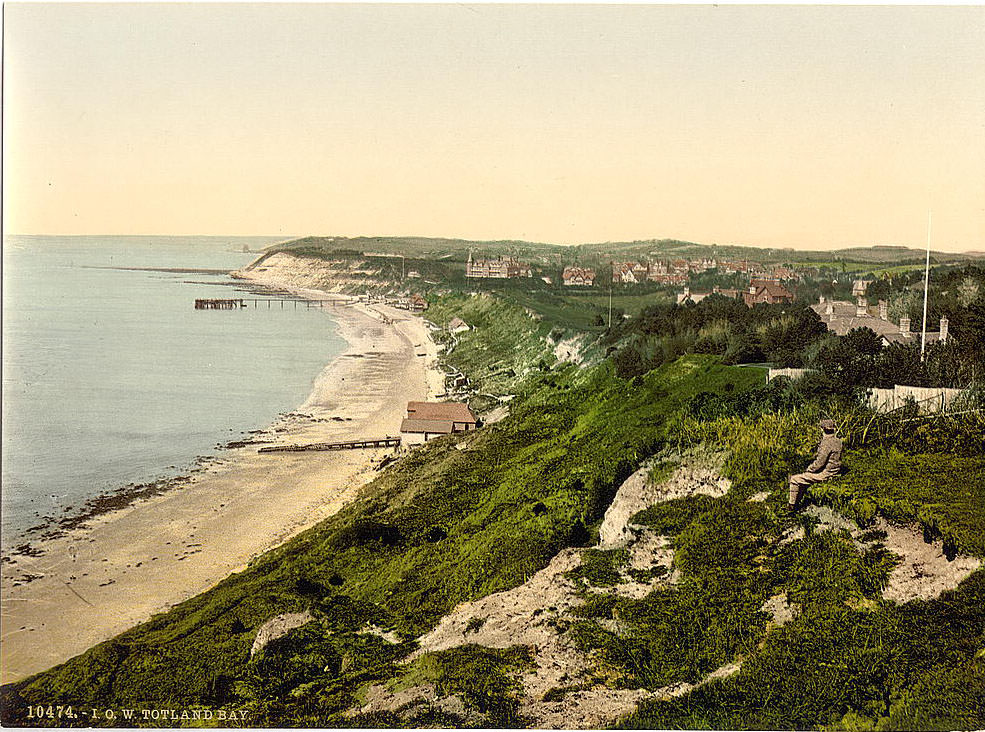
On the western side of the island, Totland Bay offered a quieter, more sheltered stretch of coastline. Further south, Ventnor was perhaps the most dramatically situated town on the island. Built on a series of steep terraces dropping down to the sea, it earned a reputation as a health resort due to its mild, sheltered climate. Doctors recommended it to patients with lung conditions, and the town built a Cottage Hospital to serve them.
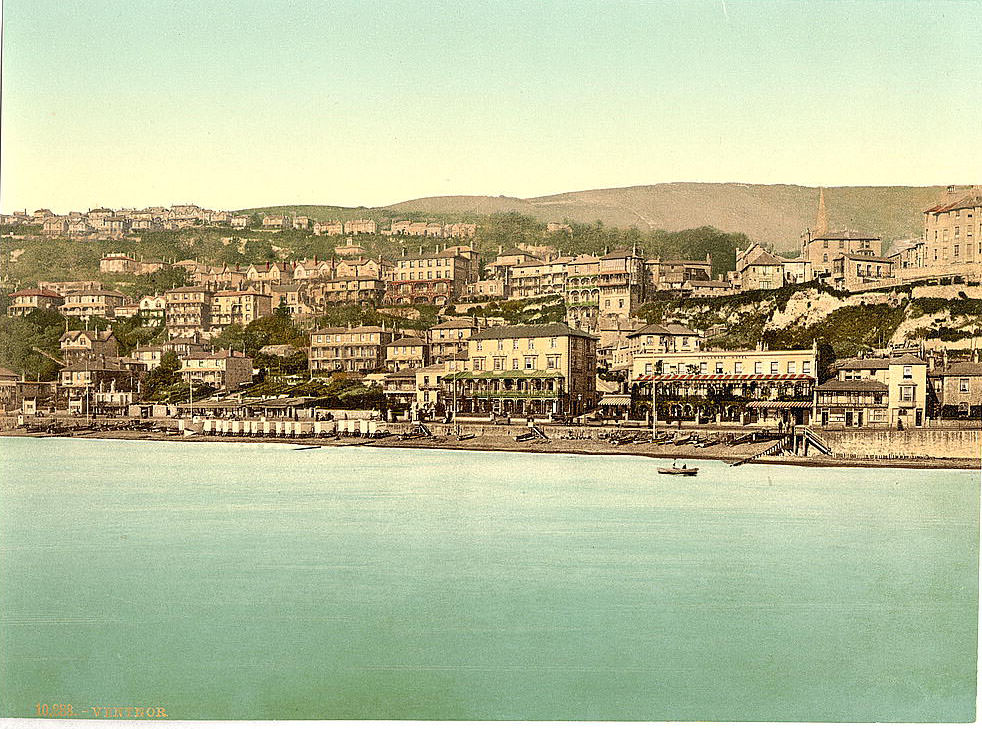
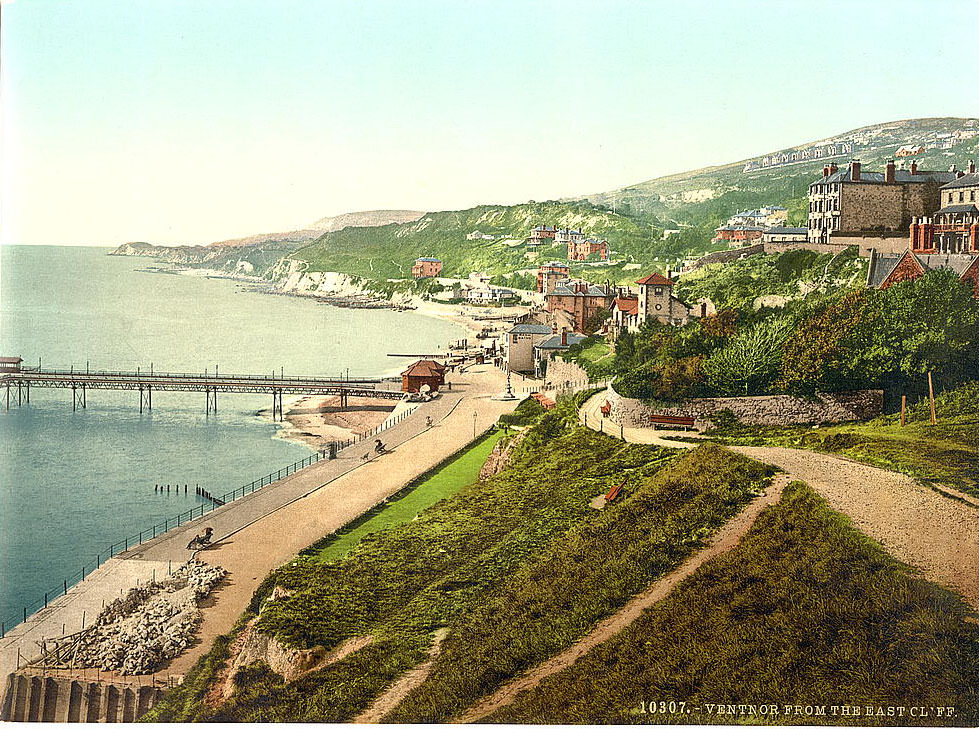
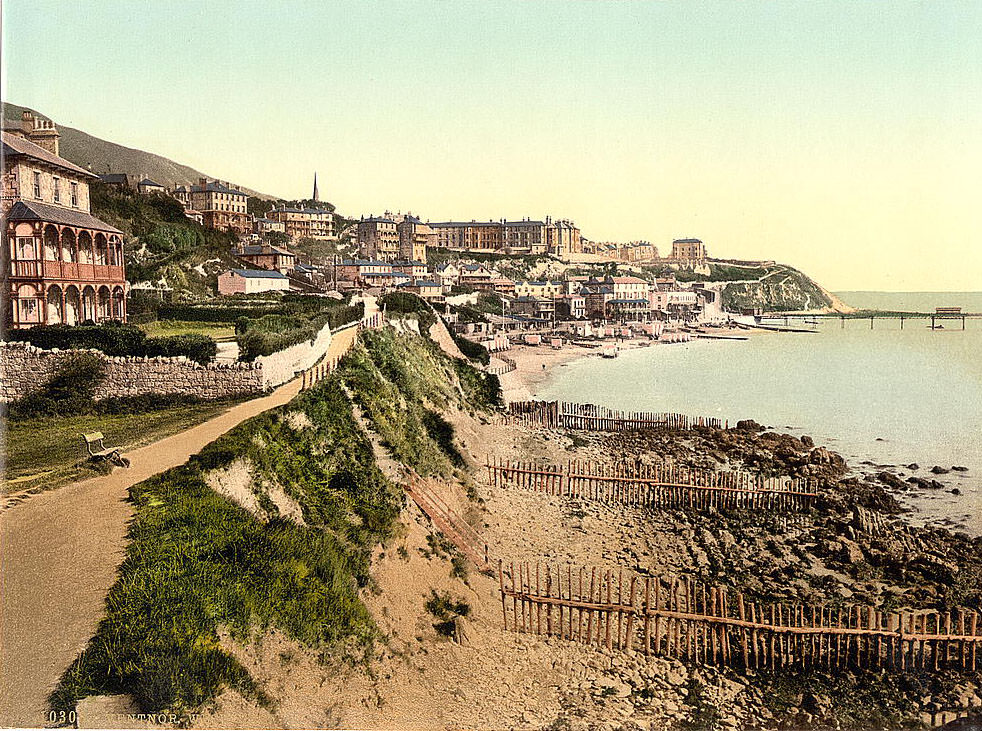
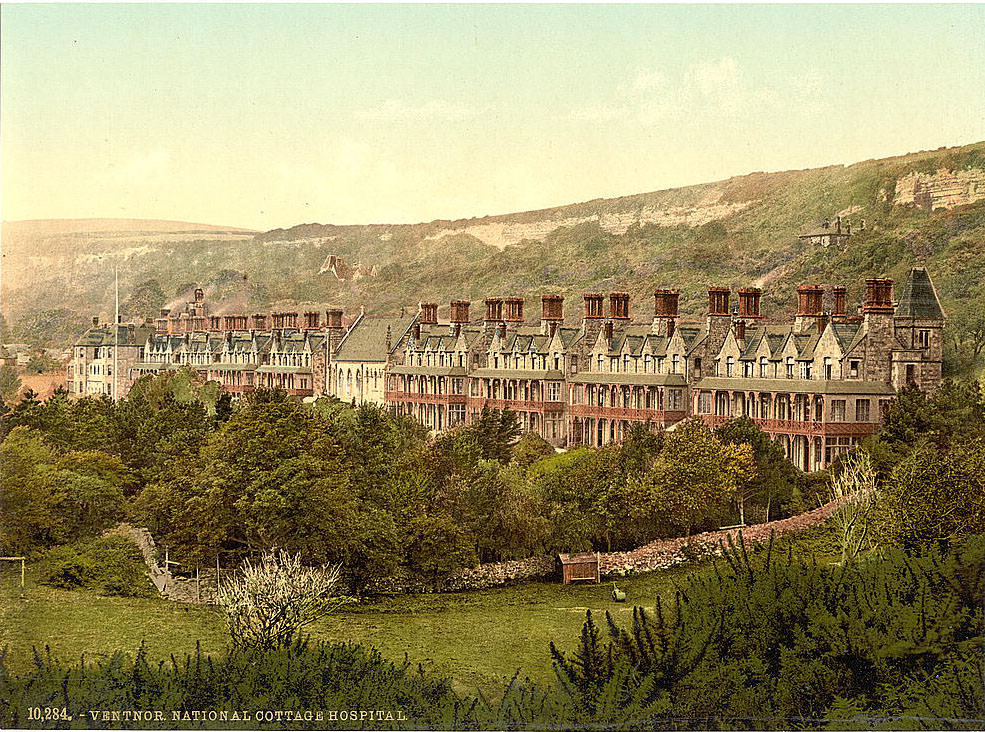
Below Ventnor’s main town, the Undercliff was a distinct geological zone — a long, slumped terrace of land that had slid toward the sea over thousands of years, creating a sheltered microclimate with unusually mild temperatures. Cliff walks, coves, and secluded retreats like Steephill Cove made the area a draw for walkers and artists alike.
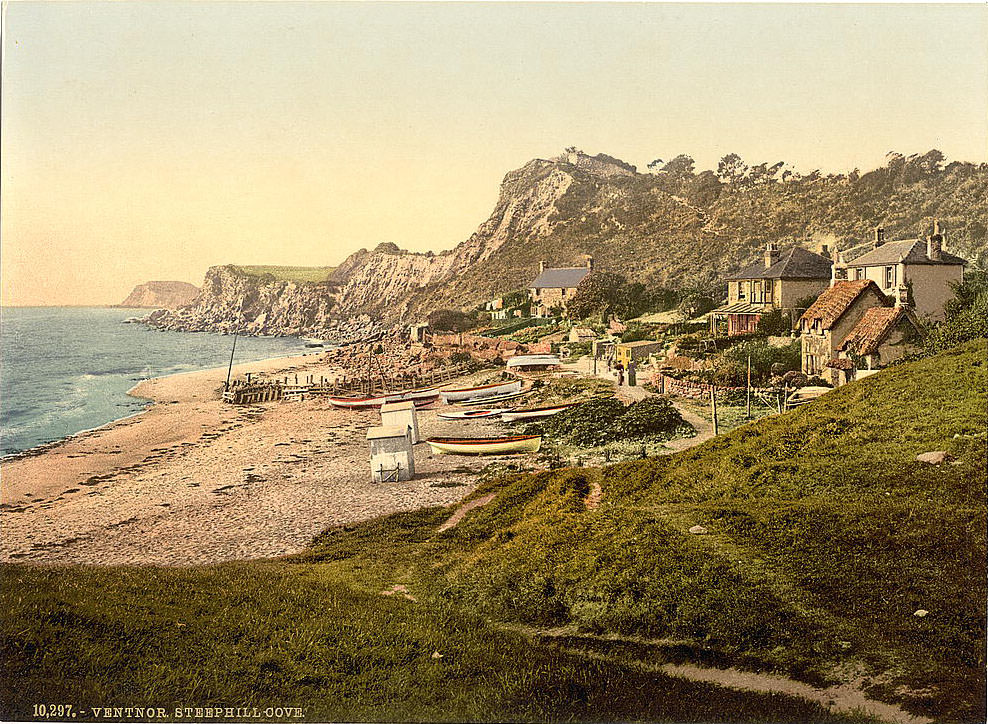
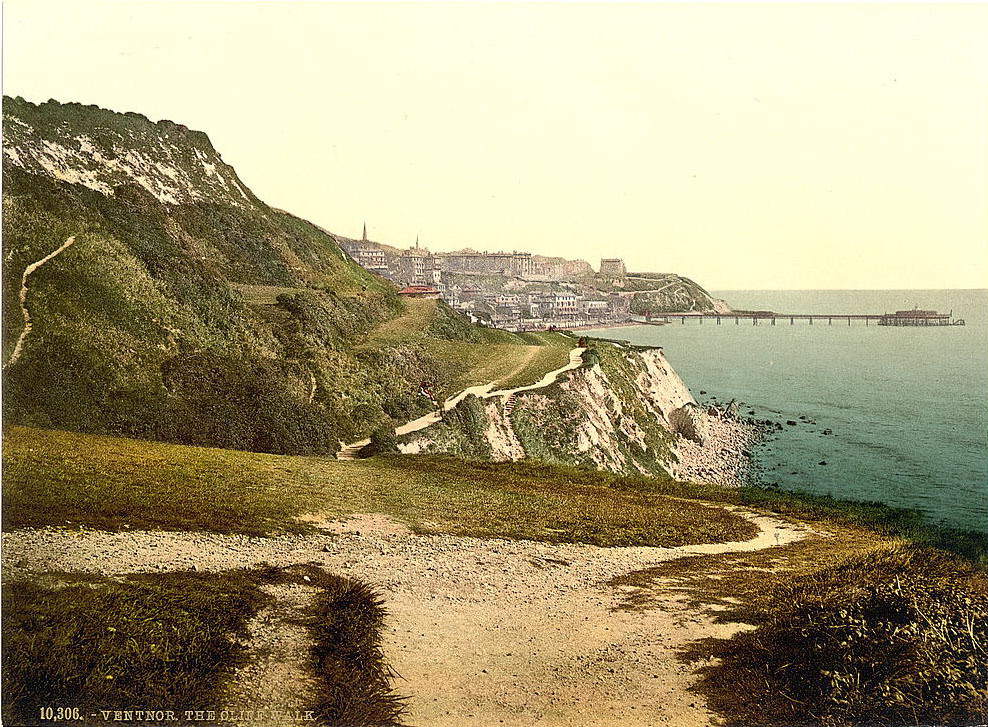
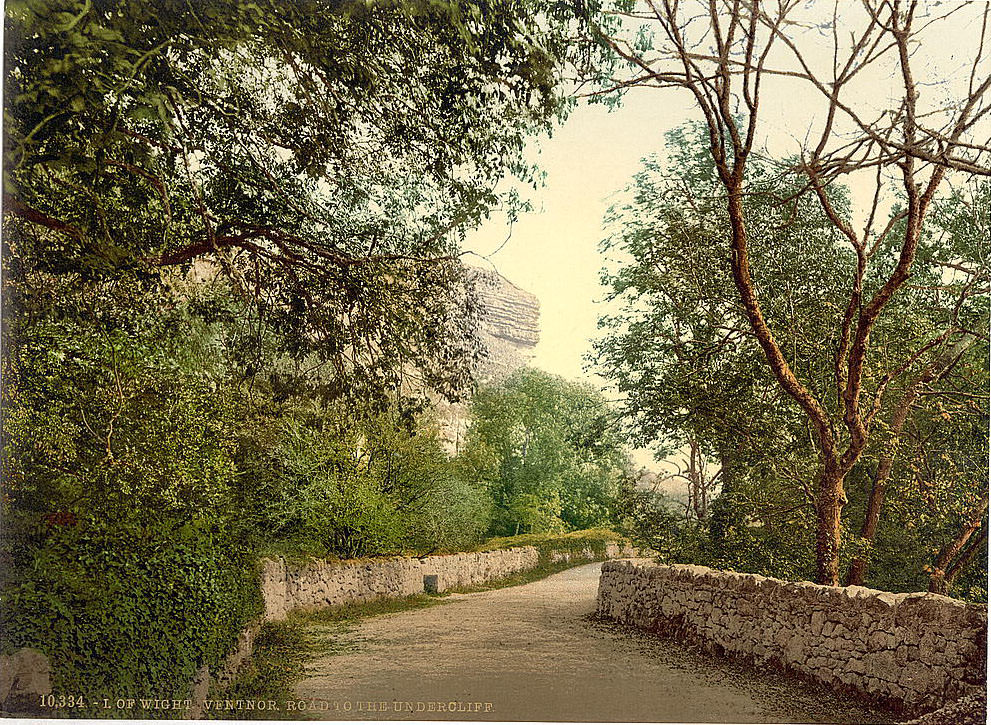
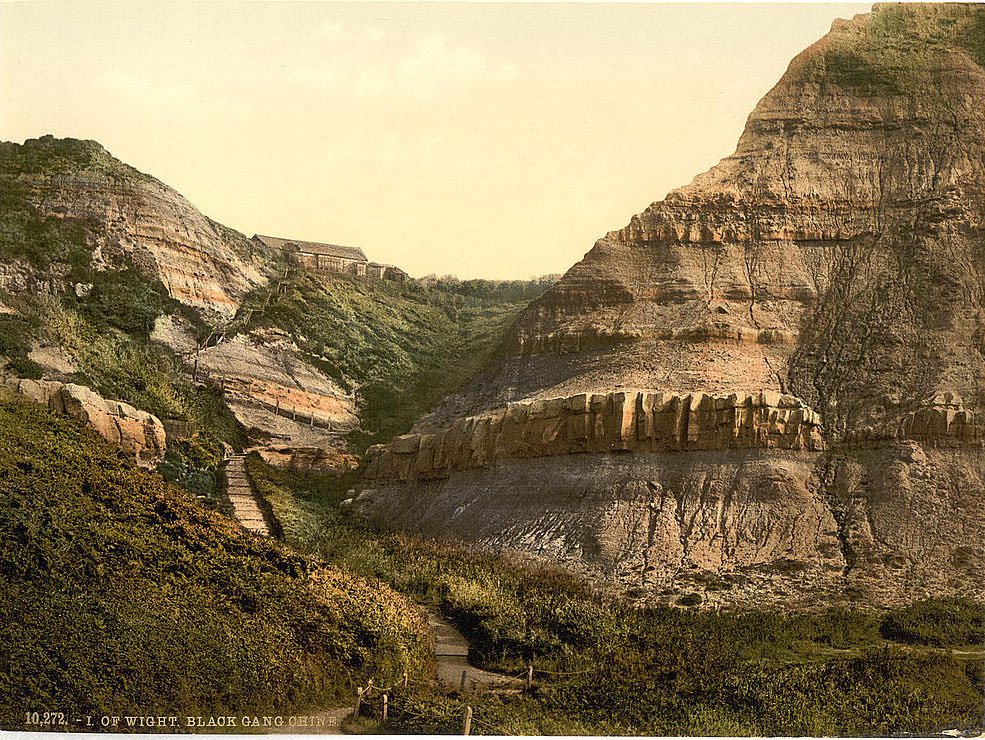
St Mildred’s Church stood as one of the island’s notable ecclesiastical landmarks, while nearby Blackgang Chine — another of the island’s dramatic cliff gorges — drew visitors to its wild, eroding coastline. The chines of the Isle of Wight were a defining feature of its landscape, carved by streams cutting through the soft sandstone cliffs over centuries.
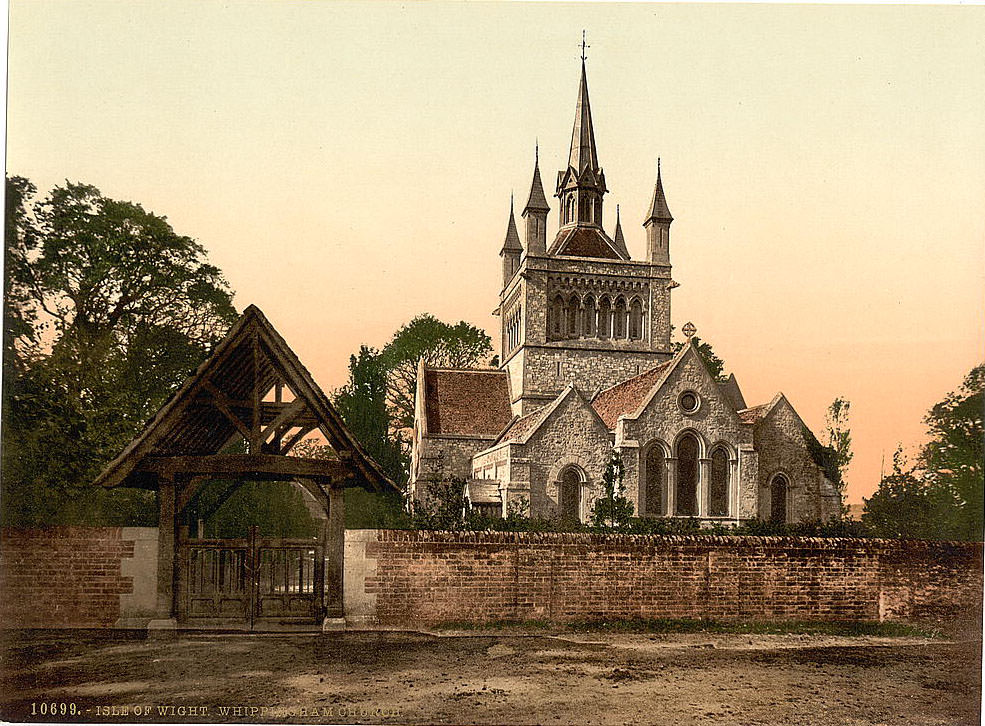
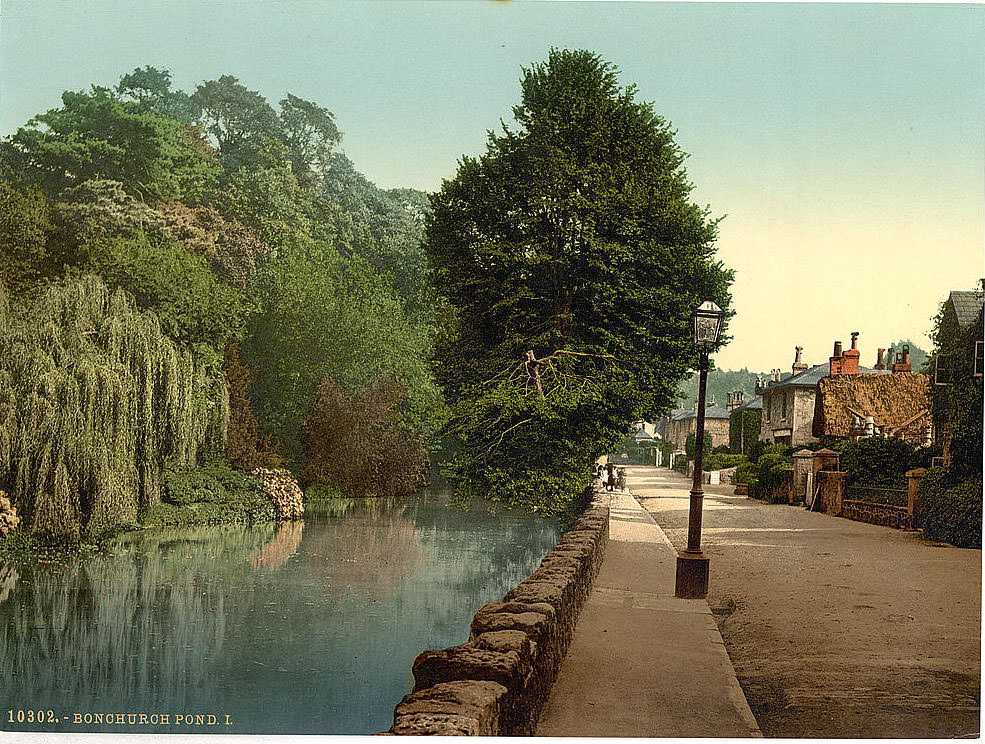
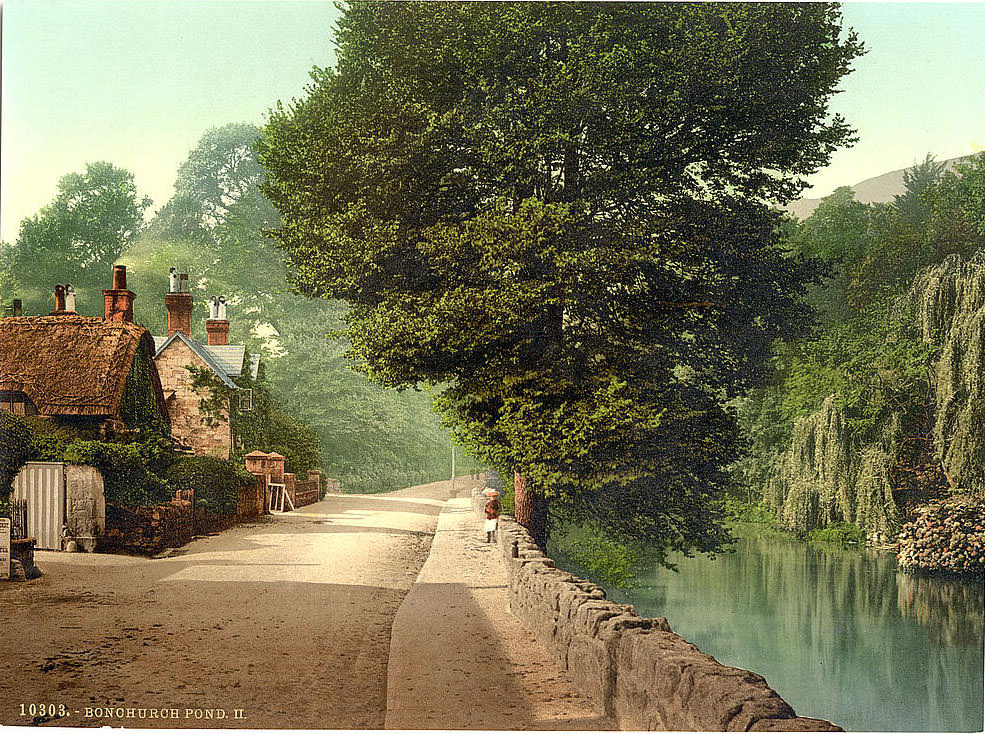
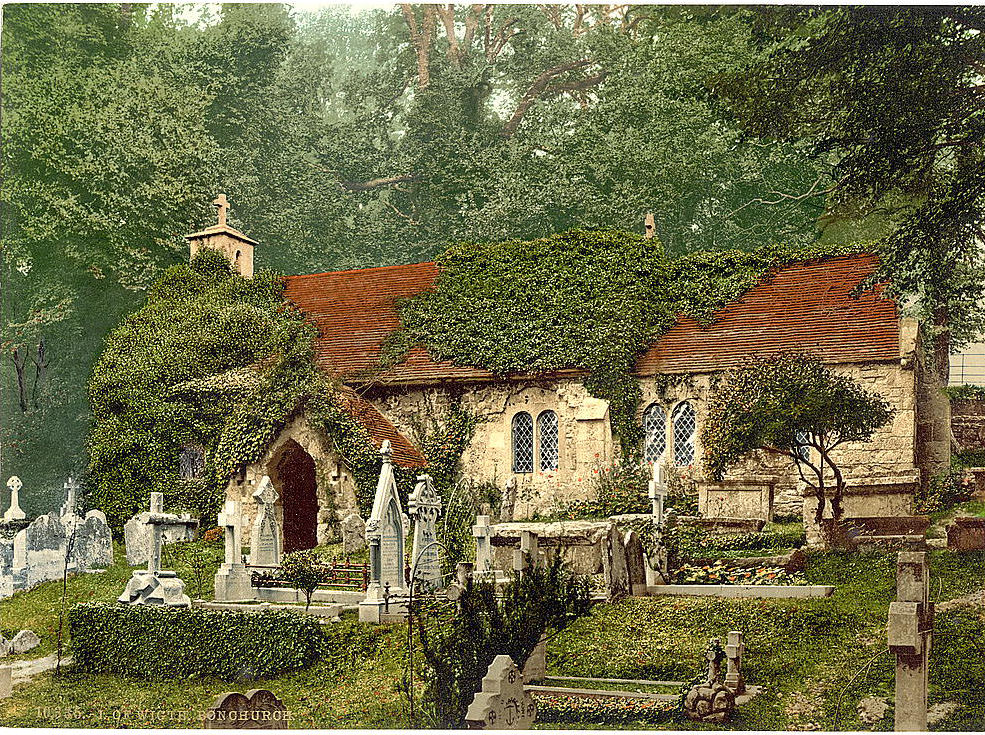
The village of Bonchurch, just east of Ventnor, was one of the island’s oldest and most picturesque settlements. Its pond, surrounded by trees and stone cottages, made it a favourite subject for Victorian painters and photographers. The village had a timeless quality that set it apart from the busier resort towns developing elsewhere on the island.
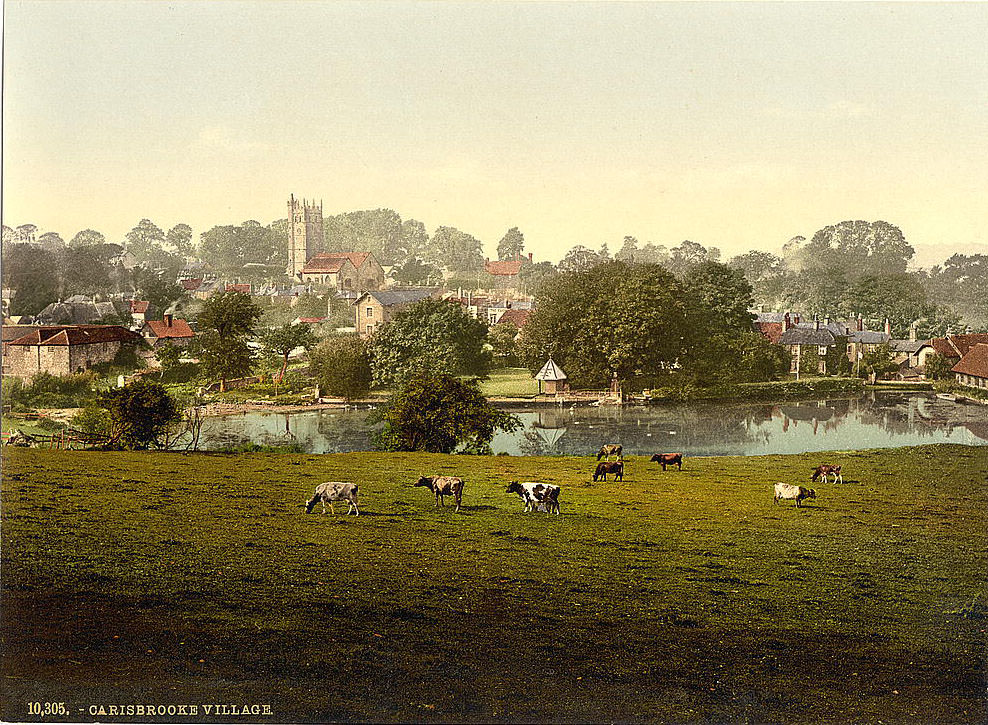
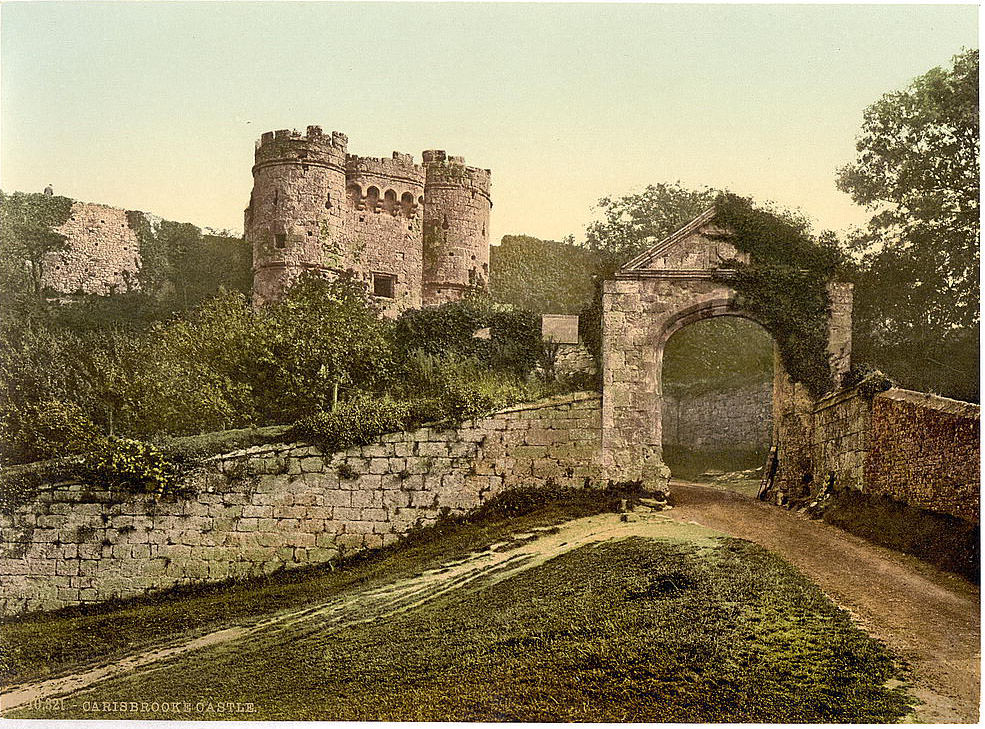
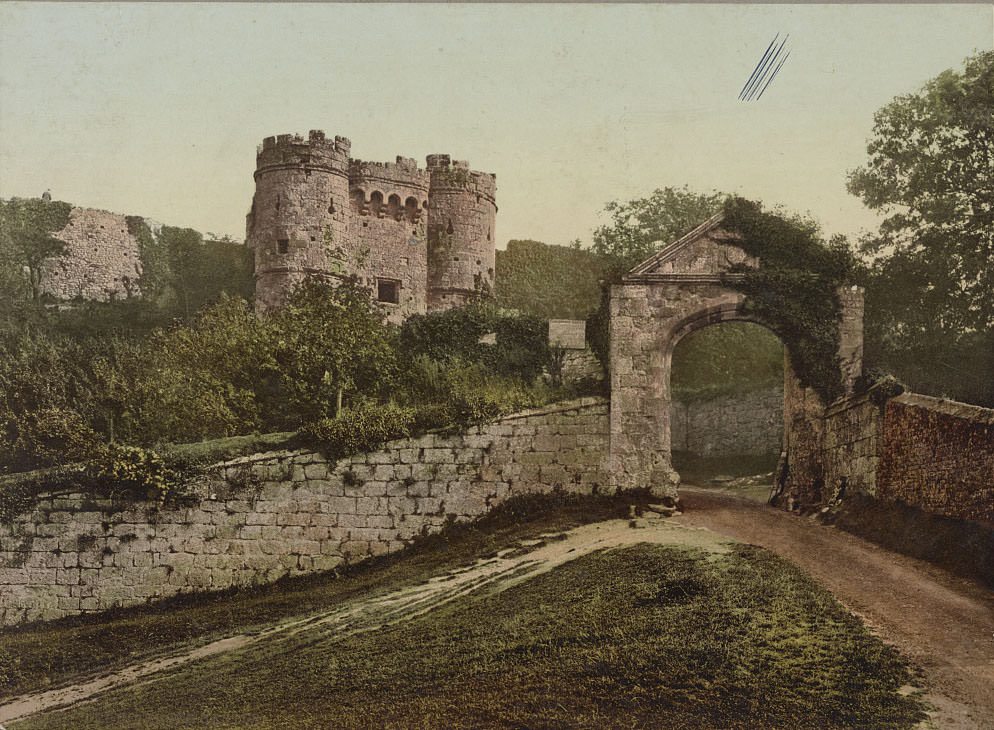
Inland, Carisbrooke was home to one of the island’s most important historical sites. Carisbrooke Castle, a Norman fortress built on earlier Saxon foundations, dominated the surrounding landscape. King Charles I was imprisoned there in 1647 before his execution. The village below the castle retained much of its traditional character through the Victorian period.
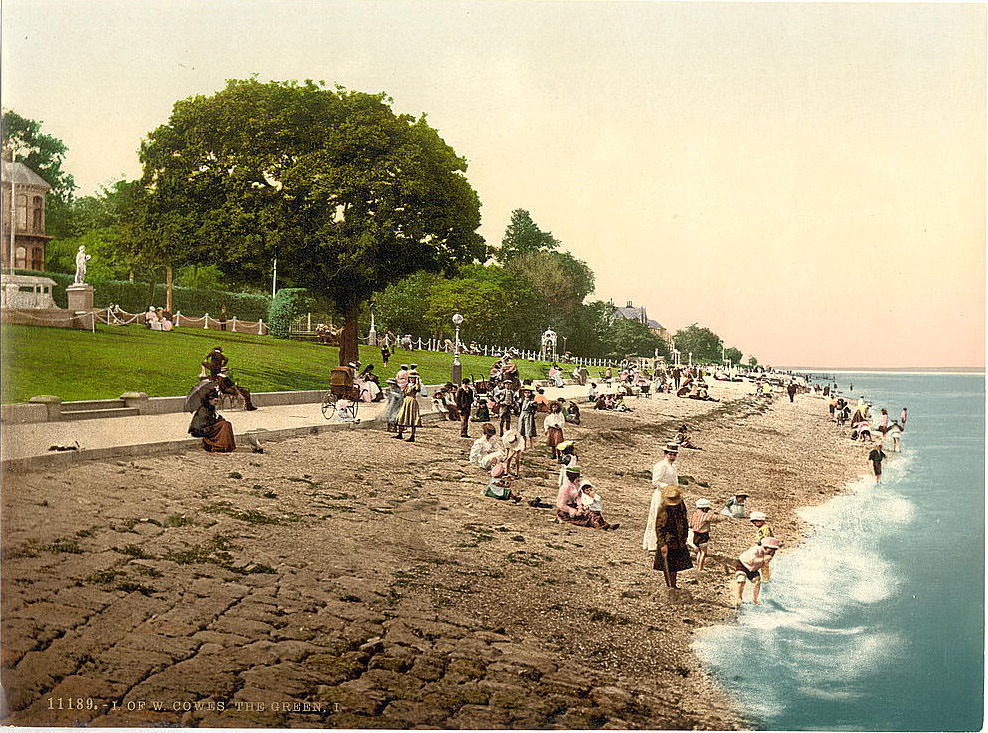
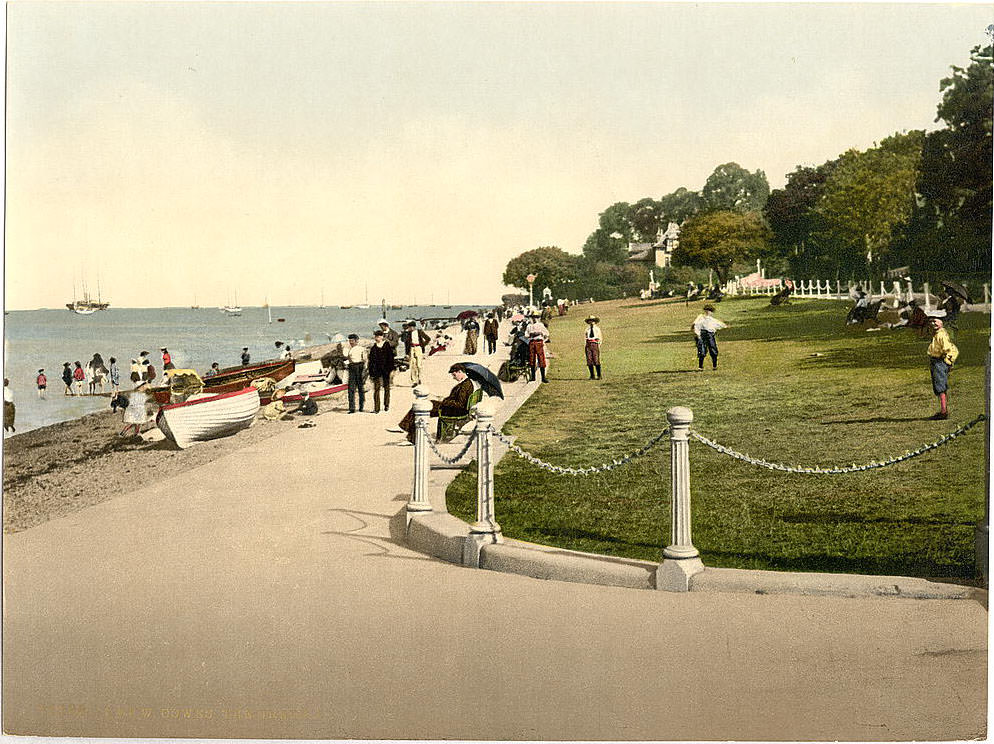
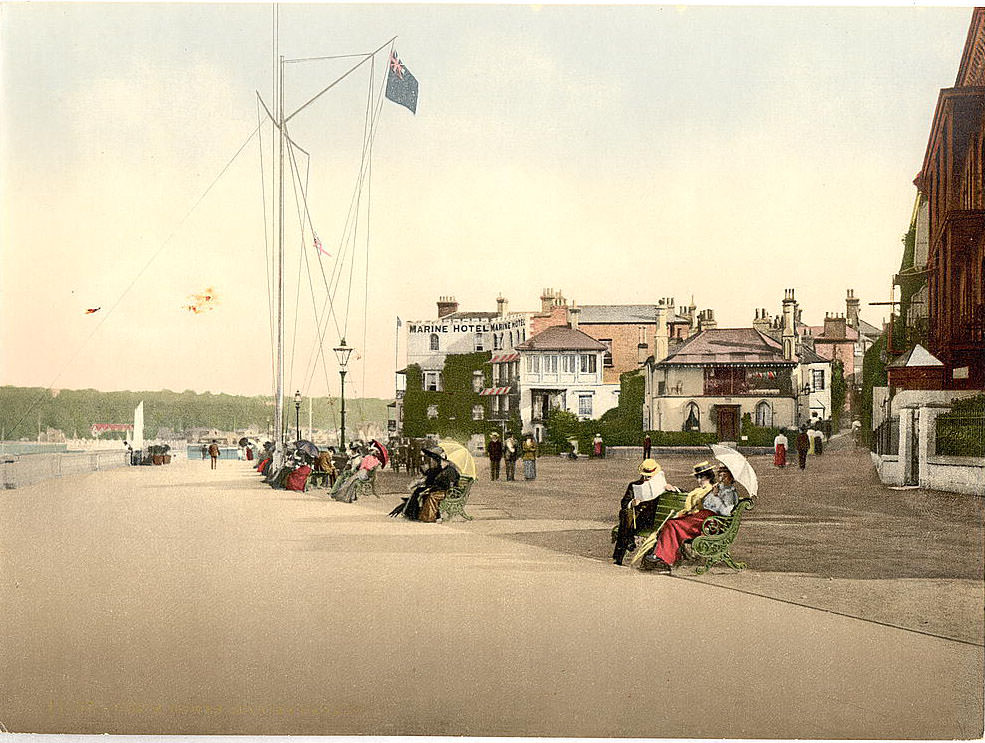
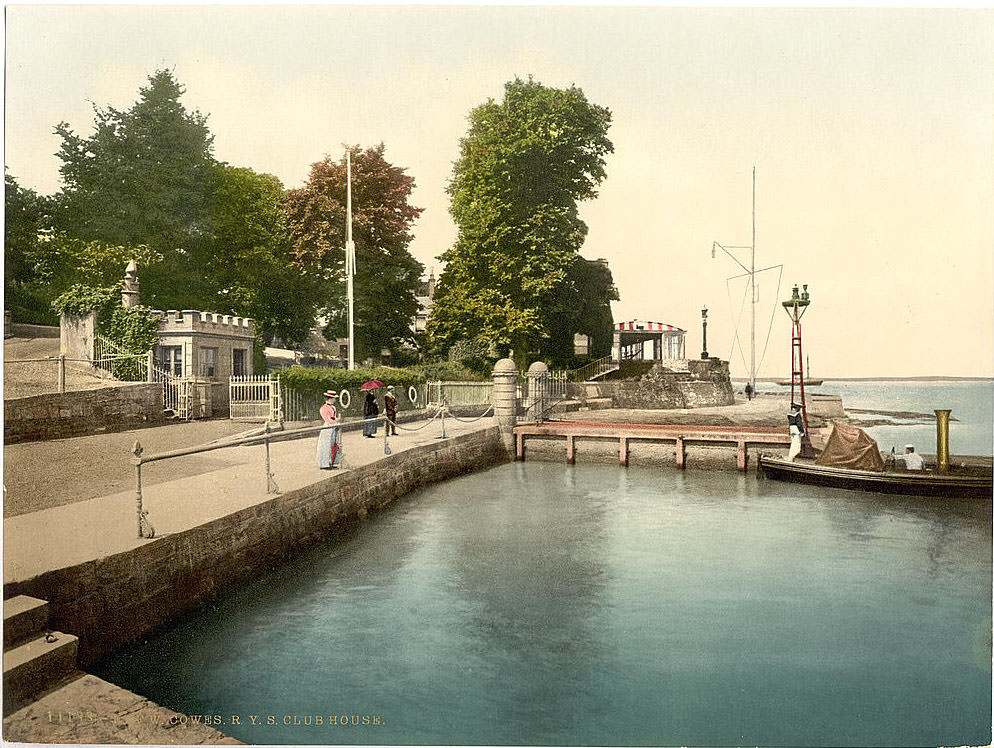
Cowes, on the northern tip of the island, was the centre of British yachting. The Royal Yacht Squadron, headquartered in a castle on the seafront, made Cowes Week one of the most prestigious sailing events in the world. The town’s Marine Parade faced the busy waters of the Solent, where racing yachts and steamers passed constantly.
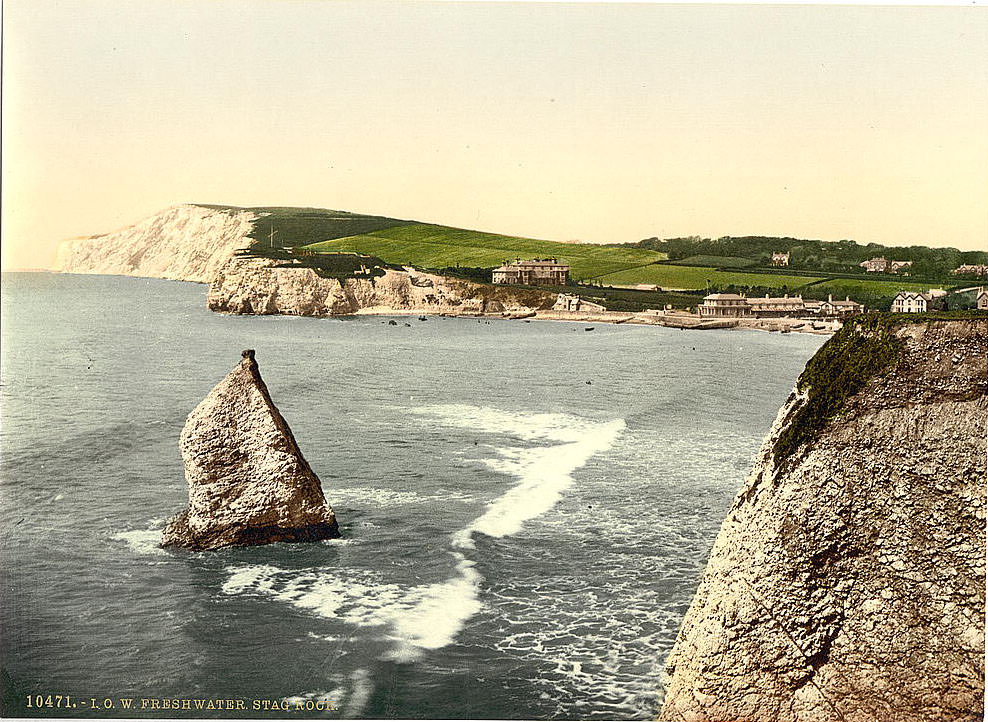
Freshwater Bay, on the western coast, was famous not only for its dramatic chalk arch and Stag Rocks but as the home of poet Alfred Lord Tennyson. He lived at Farringford House near Freshwater for much of his adult life, and the landscape of the western cliffs and downs fed directly into his poetry. The area drew literary visitors hoping to catch a glimpse of the Poet Laureate.
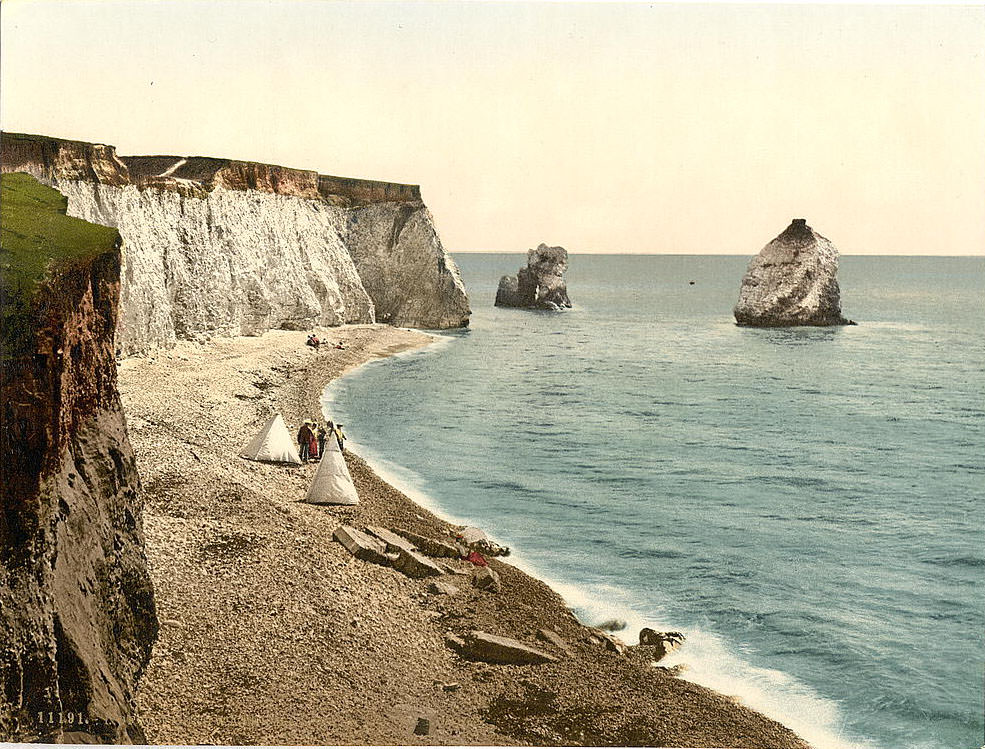
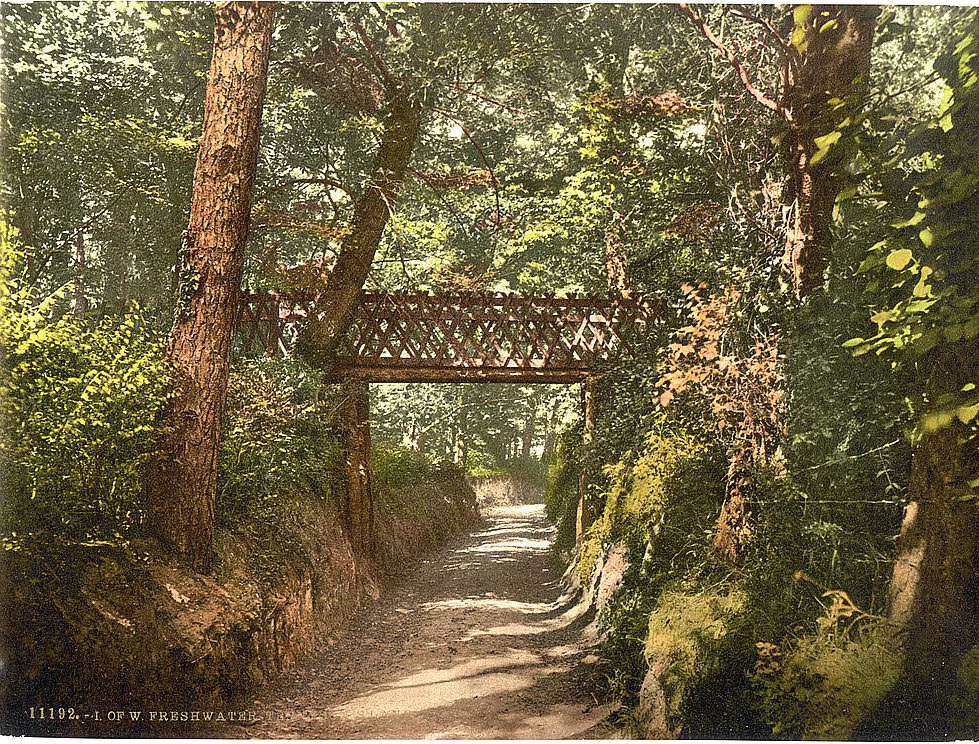
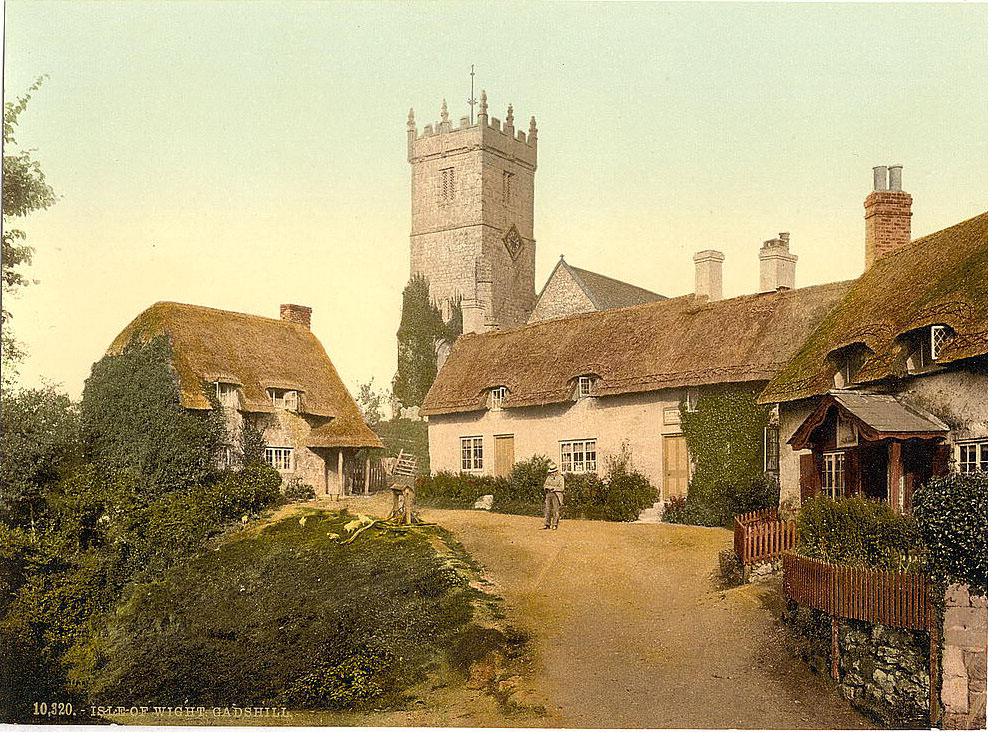
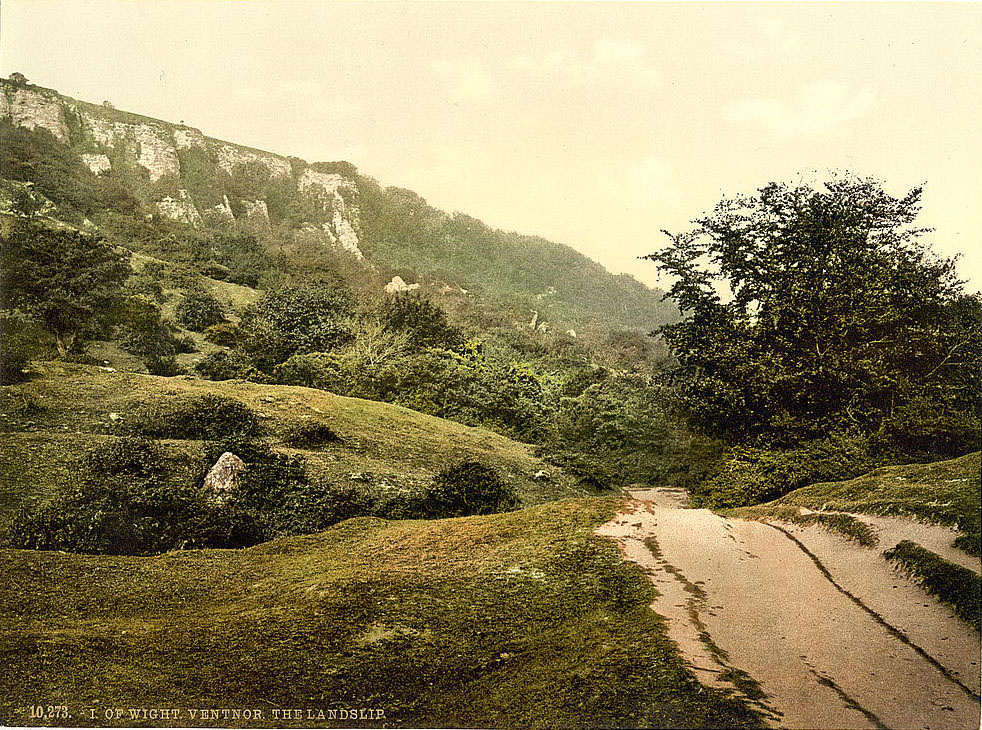
The village of Godshill, set inland near the centre of the island, was known for its hilltop church and clusters of thatched stone cottages. The Landslip, a long stretch of tumbled, wooded terrain along the southern coast between Shanklin and Ventnor, offered another of the island’s distinctive wild landscapes — the result of ongoing coastal erosion and ground movement.
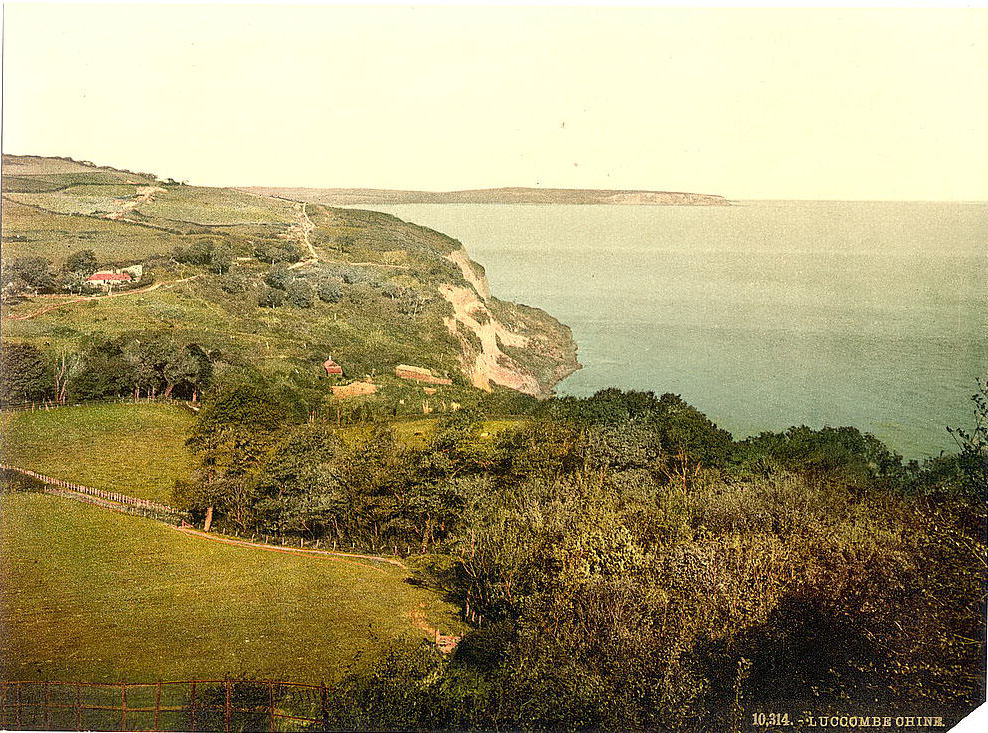
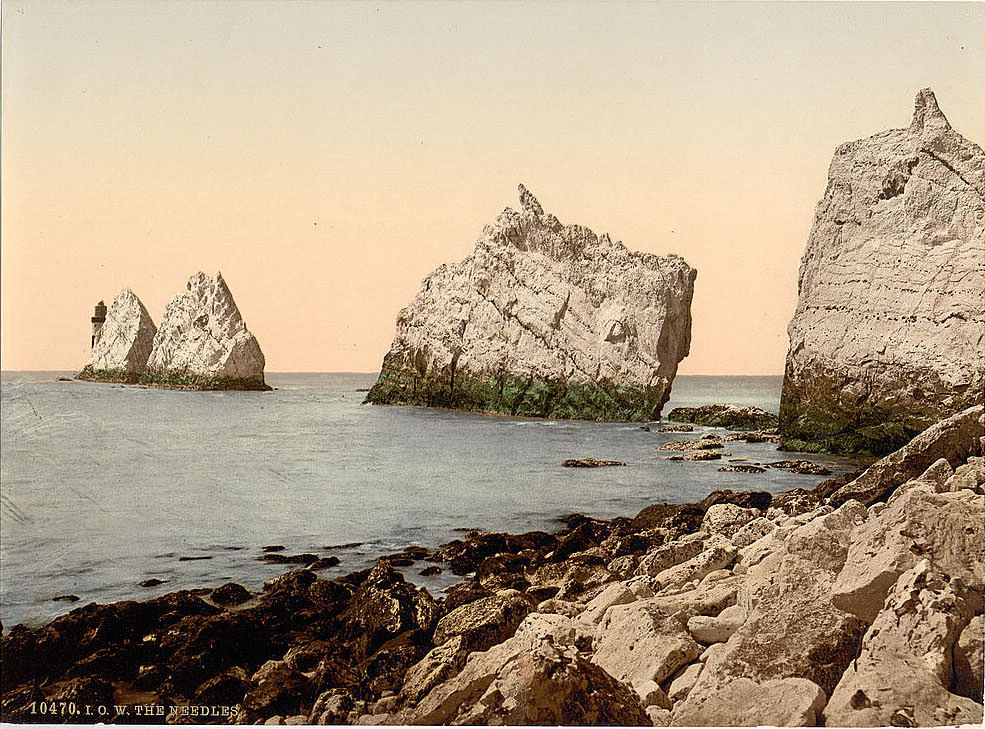
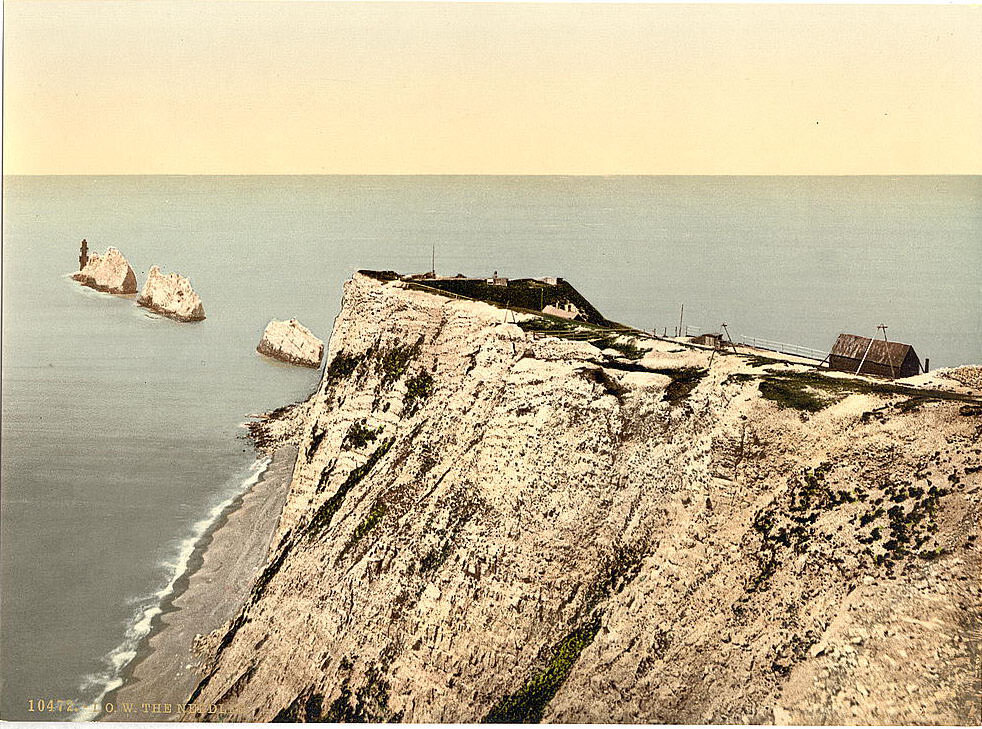
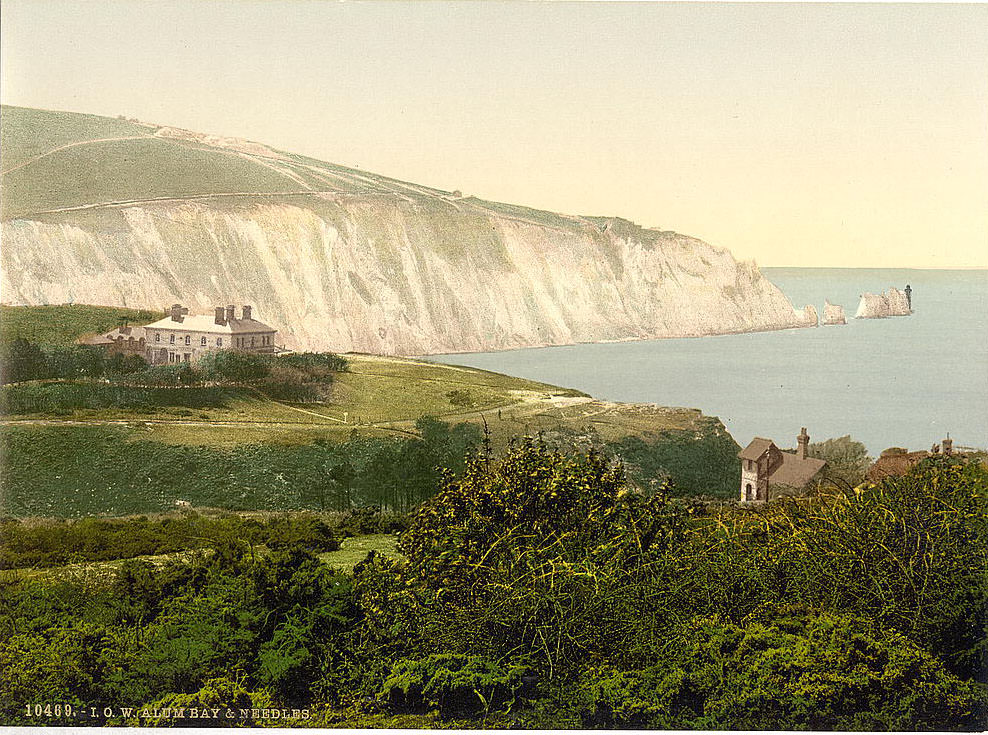
At the western tip of the island, the Needles — three towering chalk stacks rising from the sea — were the island’s most iconic landmark. The Victorians built defensive batteries there as part of the wider Palmerston Forts program, a network of fortifications constructed across southern England to defend against a feared French invasion. Alum Bay, just beside the Needles, was famous for its multicolored sand cliffs.





It looks pretty much the same from those shots except for the carriages, of course.
The Isle of Wight isn’t ‘the largest county in England’; it’s the second smallest county after Rutland.
It doesn’t look that different now.
Amazing. Those were the good old days!