Hey There! Before You Go. 😧
Get the best vintage content straight into your inbox!

Don't worry, we don't spam

What Houston looked like in the 1970s through these Fascinating Vintage Photos

Houston in the 1970s was a city in full motion. Oil money was pouring in, cranes were rising across the skyline, and people from across the country were arriving in search of work and opportunity. The decade reshaped Houston from a regional hub into one of the most important cities in the United States. These vintage photos capture the streets, buildings, businesses, and people that defined that era.

The oil crises of 1973 and 1979 sent energy prices soaring worldwide, but for Houston, the effect was the opposite of a crisis. As demand for American oil and natural gas surged, the city’s economy boomed. Major energy companies planted their headquarters downtown. Workers flooded in. Wealth accumulated fast, and it showed in the buildings going up across the city.
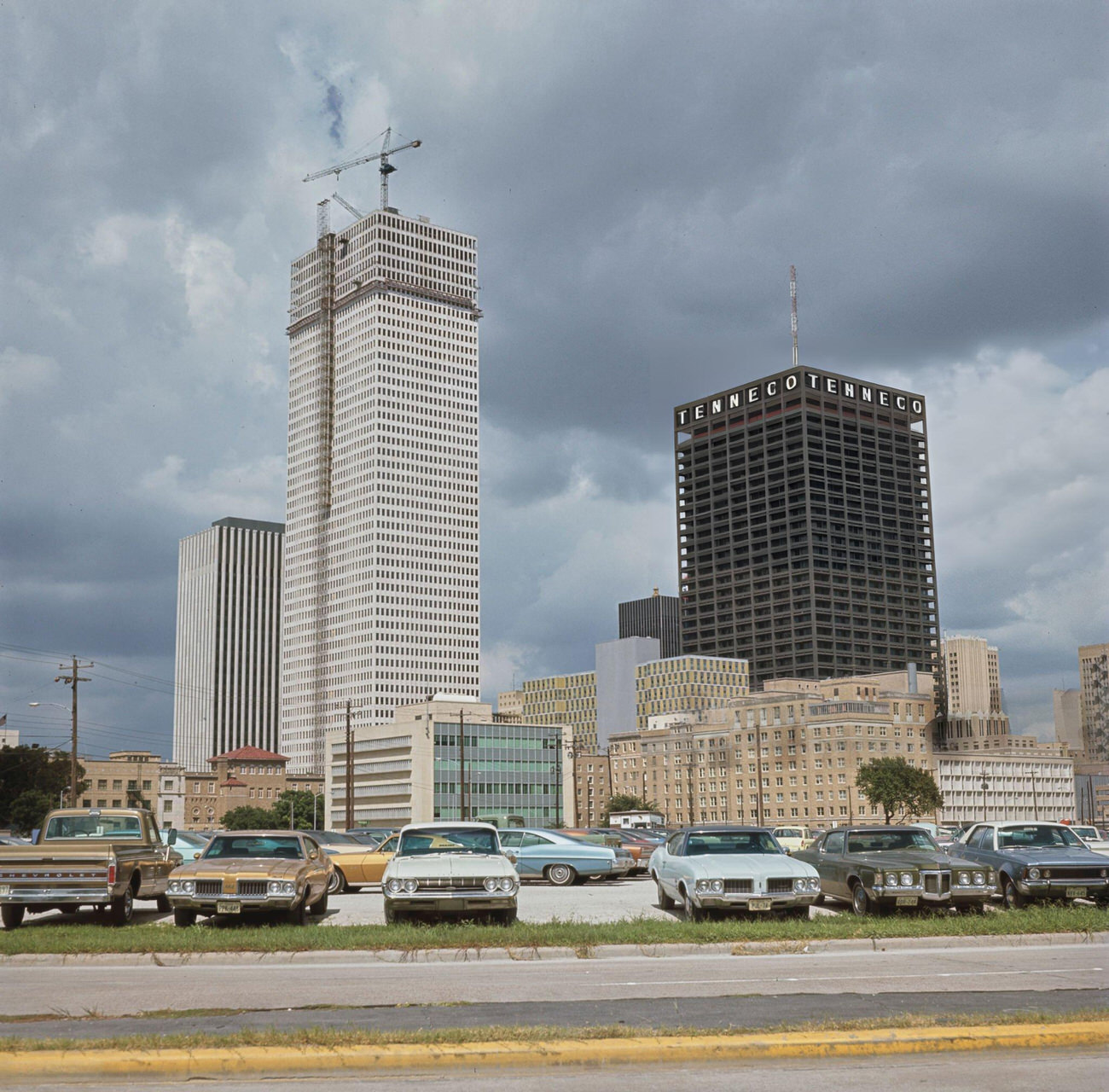
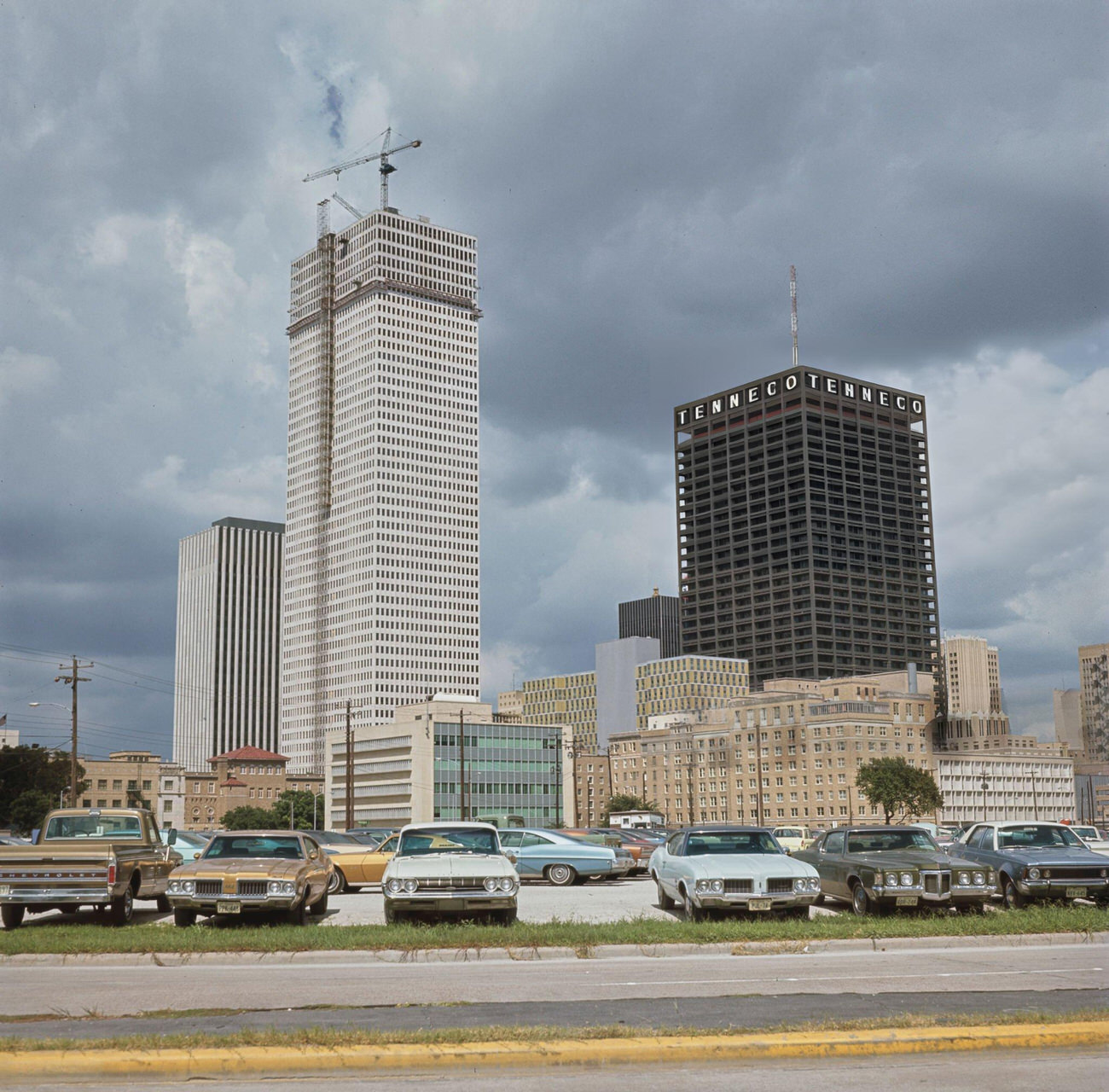
Skyscrapers including the Tenneco Building rise above a downtown Houston parking lot, Texas, circa 1970.

By the early 1970s, Houston’s downtown skyline was already punching above its weight. Glass towers competed for space above parking lots and older low-rise buildings. The contrast was striking — new money and old infrastructure sitting side by side. Main Street buzzed with cars, buses, and foot traffic as the commercial heart of the city kept pace with its rapid expansion.
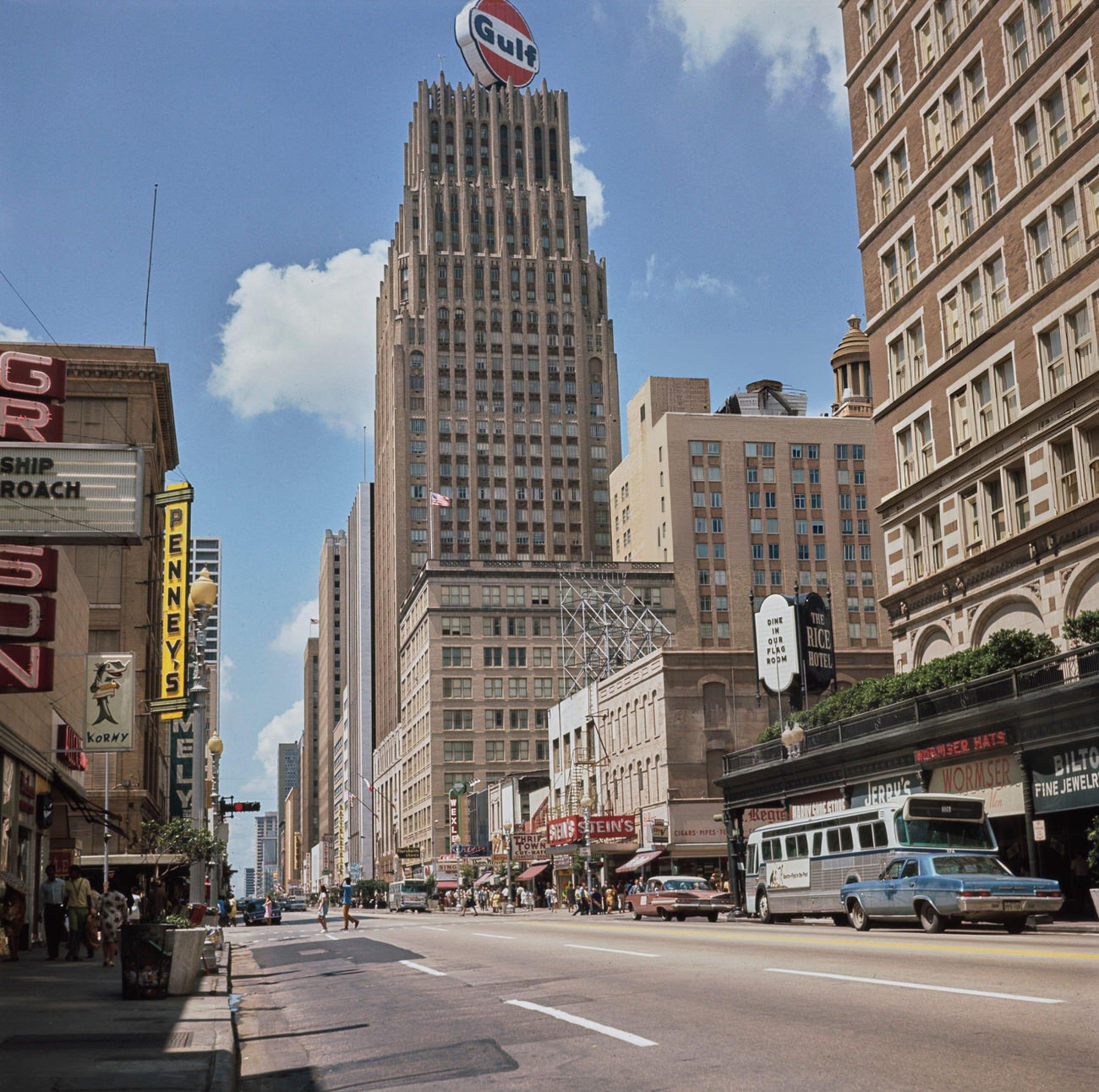
Main Street scene with cars and a bus in downtown Houston, featuring the Gulf Building, circa 1970.
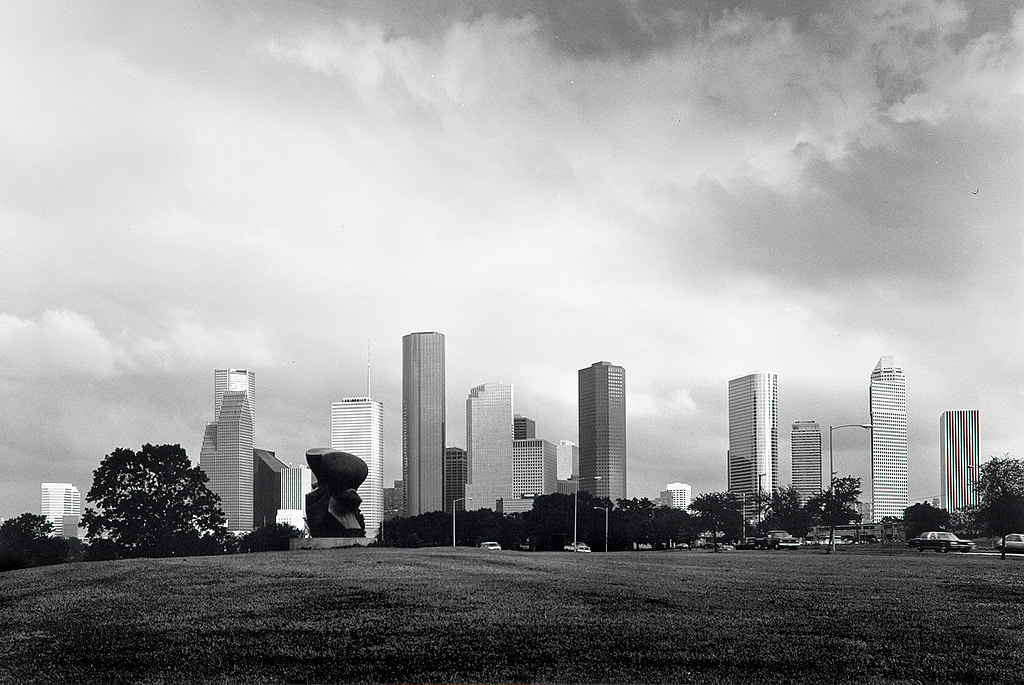
Skyline of Houston, Texas, 1978

By 1978, the skyline had grown dramatically. New construction was constant throughout the decade. One of the most distinctive additions was the Pennzoil Place complex, whose angular, solar-energy-inclined rooflines became an architectural landmark recognized far beyond Texas.
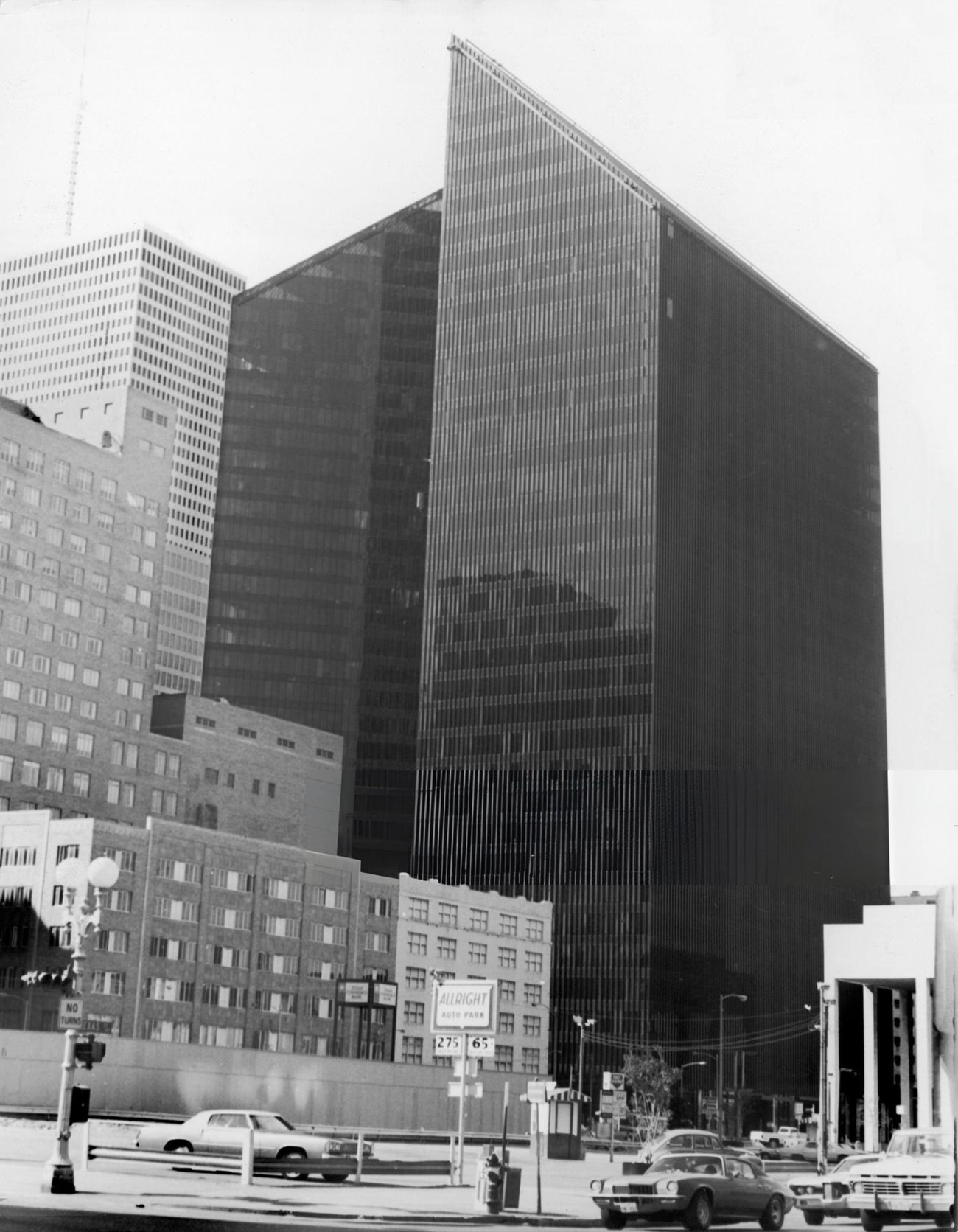
The Towers of the Penzoil Buildings in Houston, Texas, showcasing their solar-energy inclined roofs, 1970s.

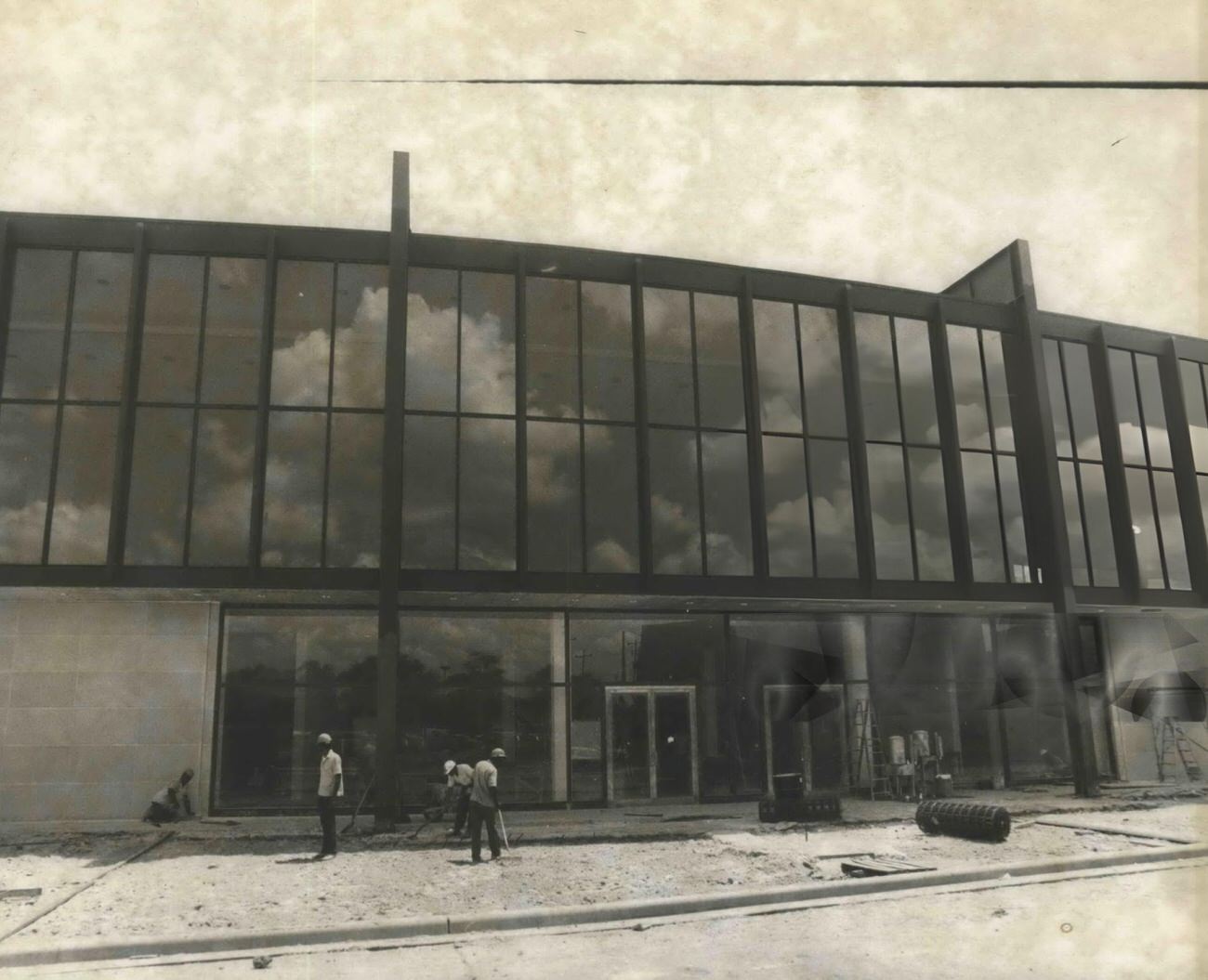
Houston’s growth wasn’t limited to office towers. Universities, hospitals, and public institutions were also expanding. The Texas Medical Center, already established in earlier decades, continued to grow into one of the largest medical complexes in the world. Construction crews were busy across the city, raising everything from academic buildings to public libraries.
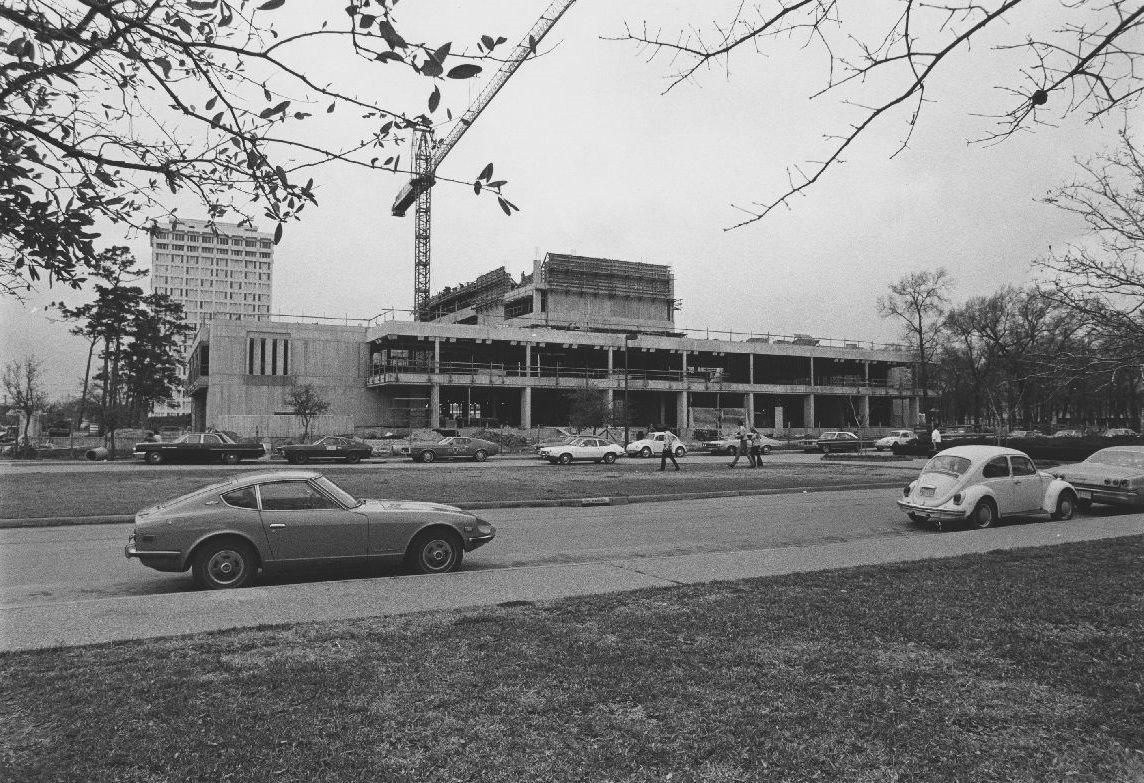
Conrad N. Hilton College building construction, 1974.
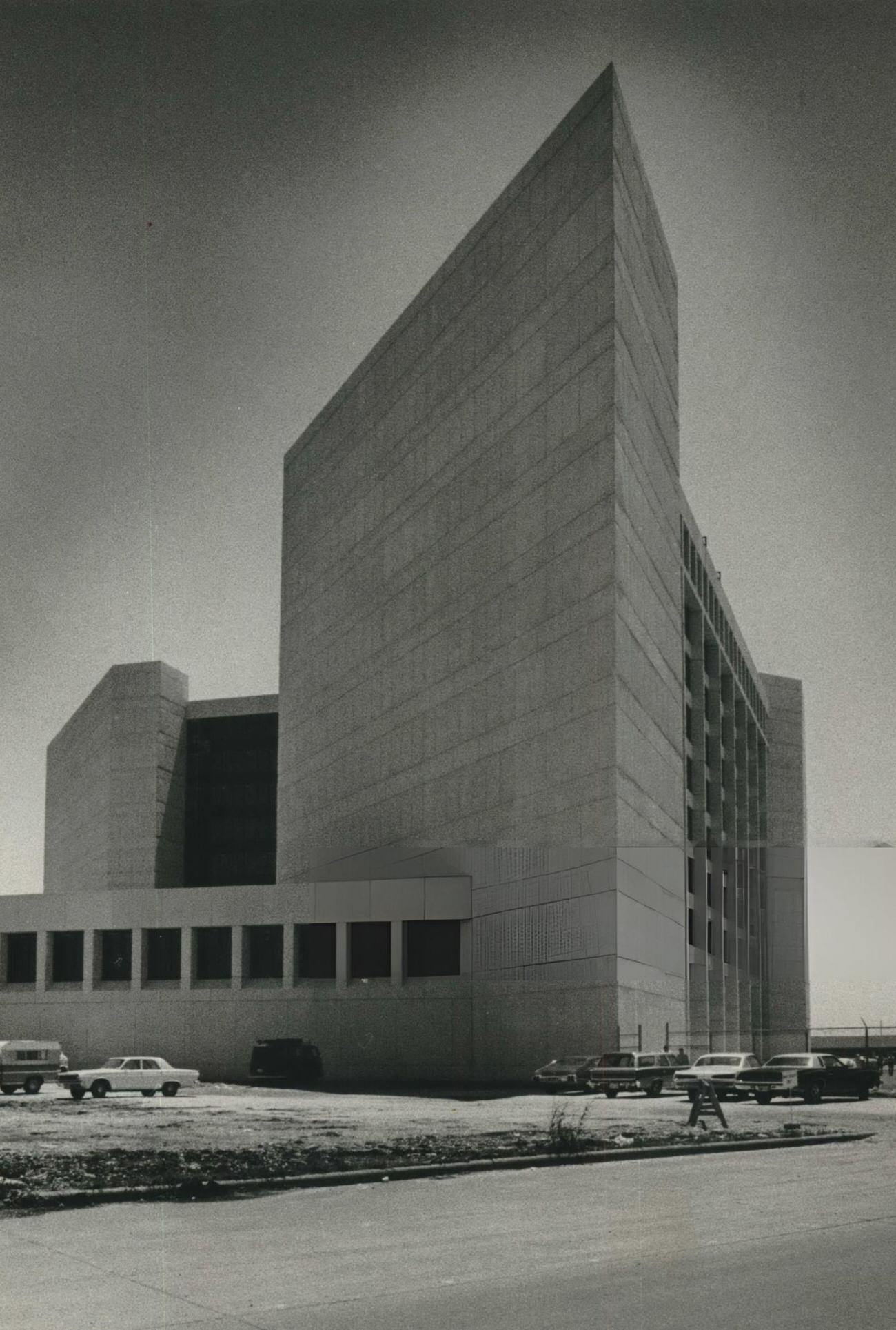
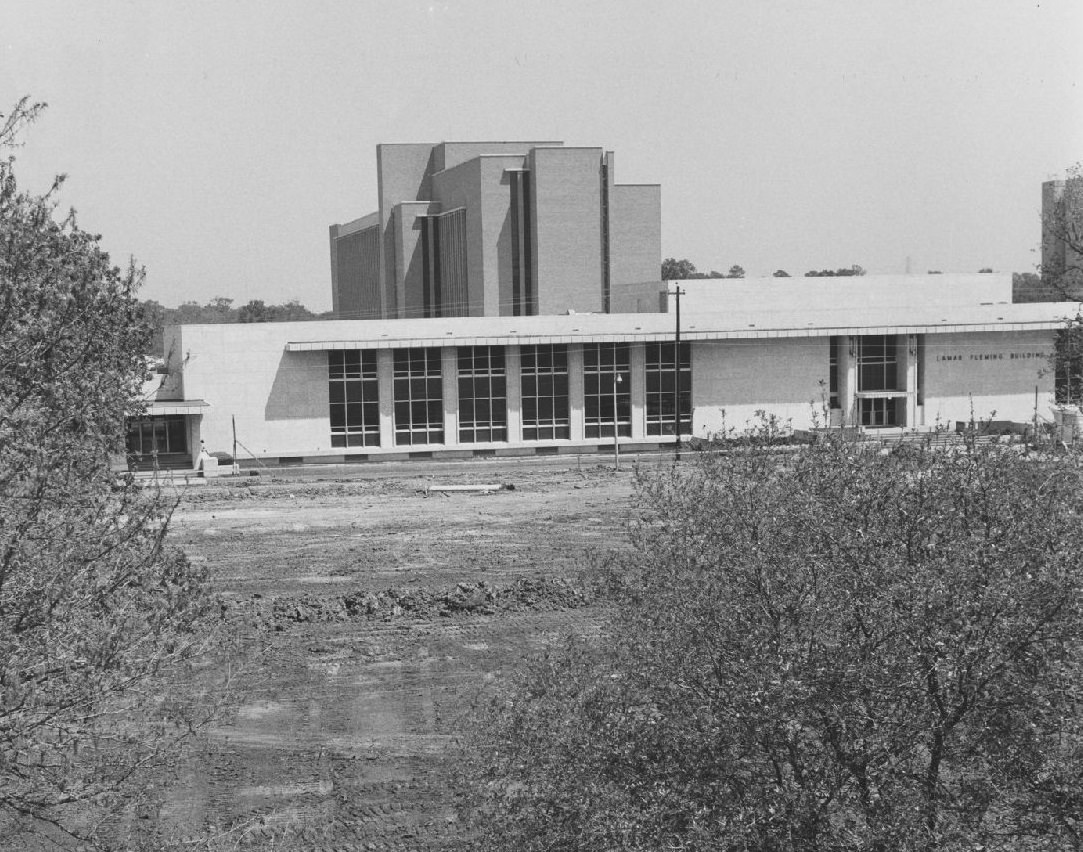
Lamar Fleming Building construction, Houston, 1970
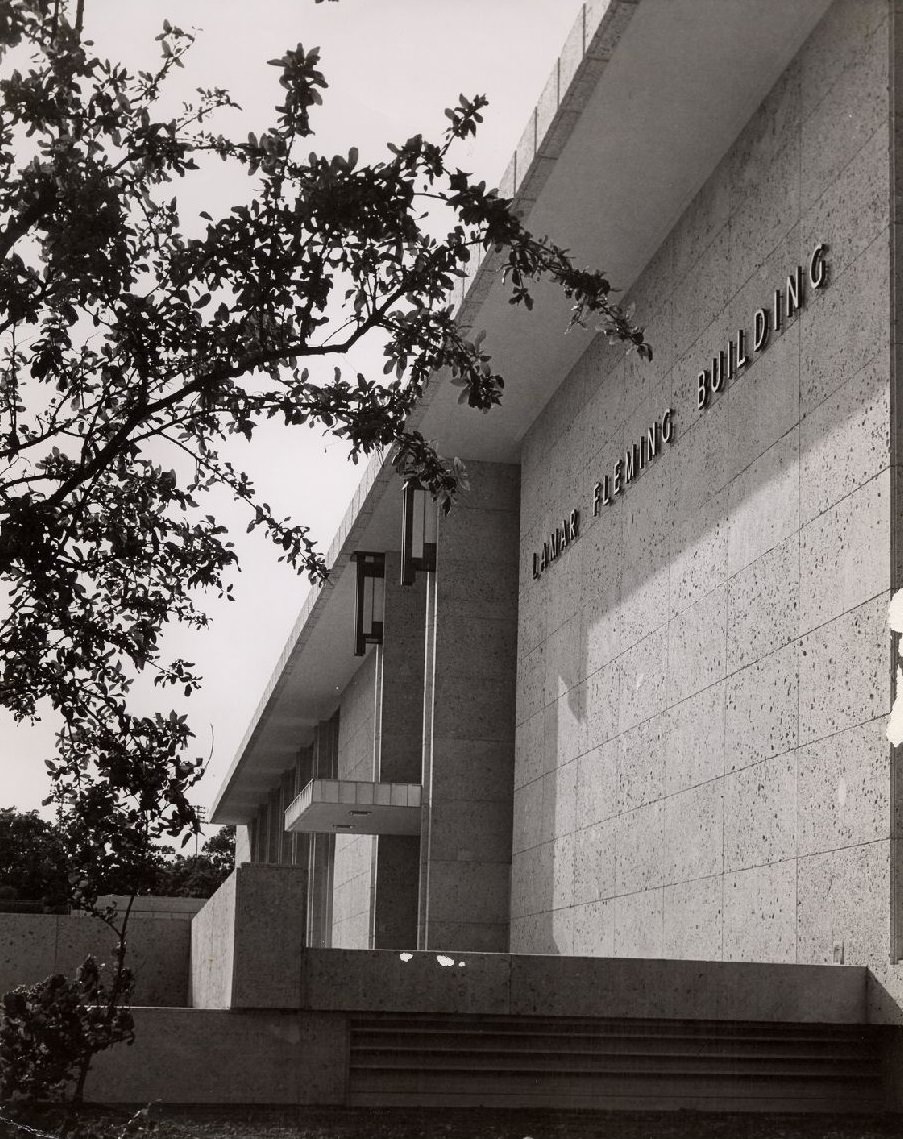
Lamar Fleming Building entrance, Houston, 1970s.
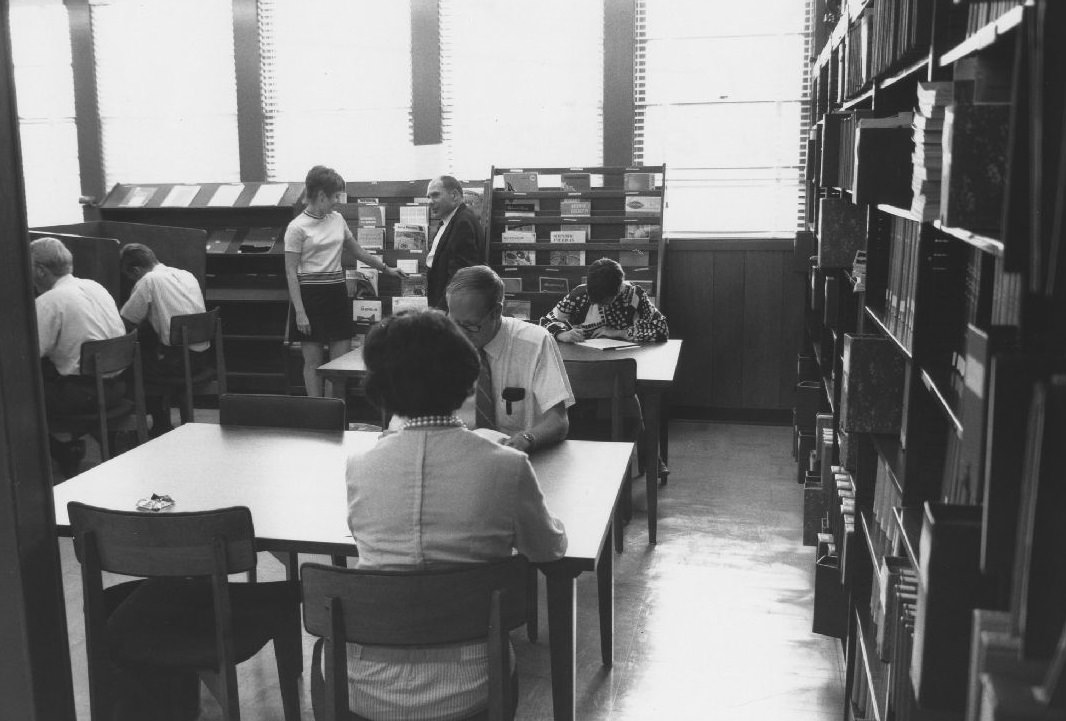
Weston A. Pettey Optometry Library interior, Houston, 1970.

One of the decade’s most significant public projects was the construction of Houston’s Central Library. The building took shape over several years and was formally dedicated on January 17, 1976, in a ceremony that marked a new chapter in the city’s cultural infrastructure.
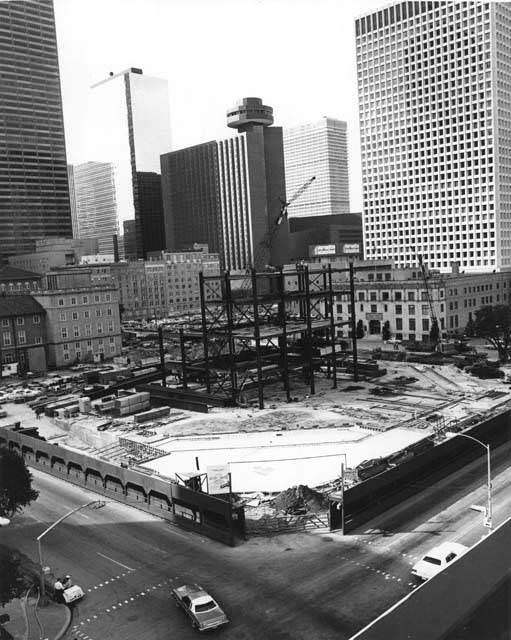
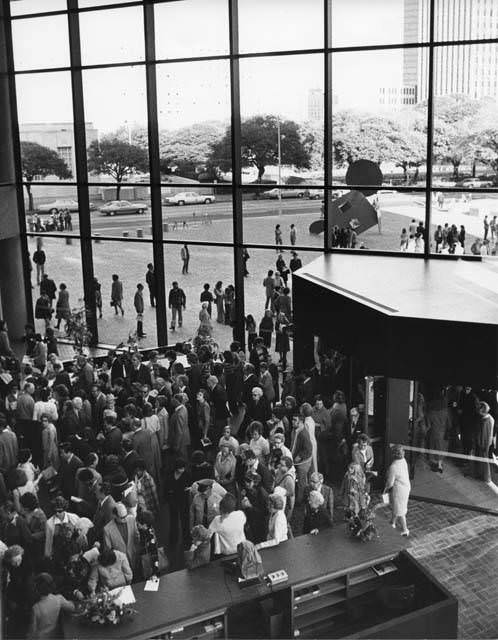
Central Library construction in Houston, 1970s
Dedication Ceremony of Central Library, Houston, January 17, 1976.

While towers went up downtown, Houston’s neighborhoods told a different story. The Fourth Ward, one of the city’s oldest historically Black communities, retained its character through the decade. Wooden houses lined residential streets, and local churches anchored the community’s social and spiritual life.
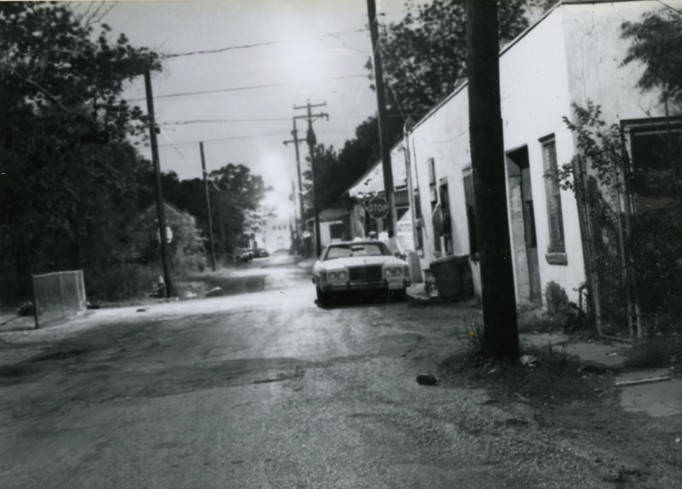
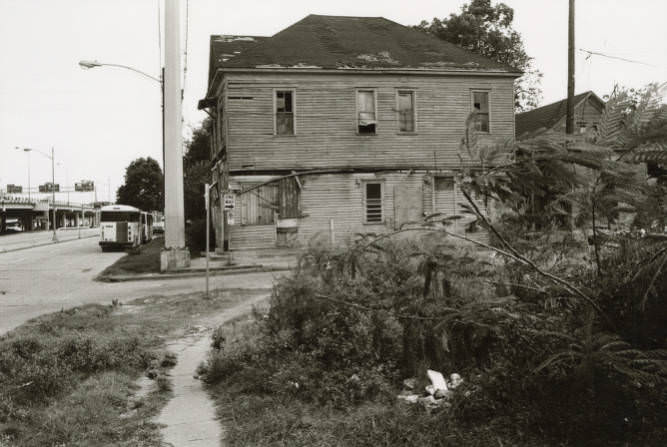
Houston Fourth Ward street view, 1970s.
Wood house on Andrews Street, Houston's Fourth Ward, 1970s
Wood house on Andrews Street, Houston’s Fourth Ward, 1970s
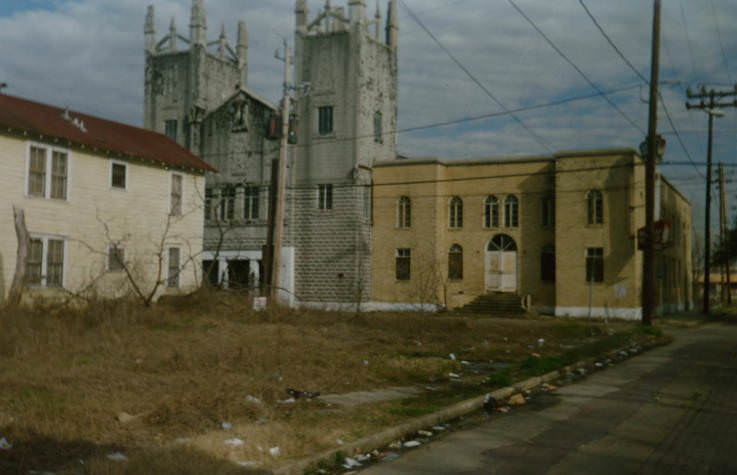
Good Hope Missionary Baptist Church, Houston, 1970s

Street life across Houston was vivid and varied. Sidewalks, storefronts, and local businesses gave each neighborhood its own identity. Small shops, gas stations, beauty salons, and diners lined the city’s commercial strips. These were the everyday places Houstonians relied on, far removed from the gleaming office towers downtown.
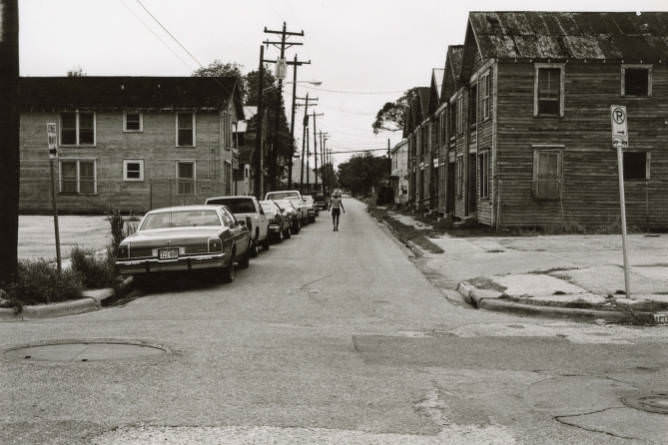
Person walking down street, 1970s
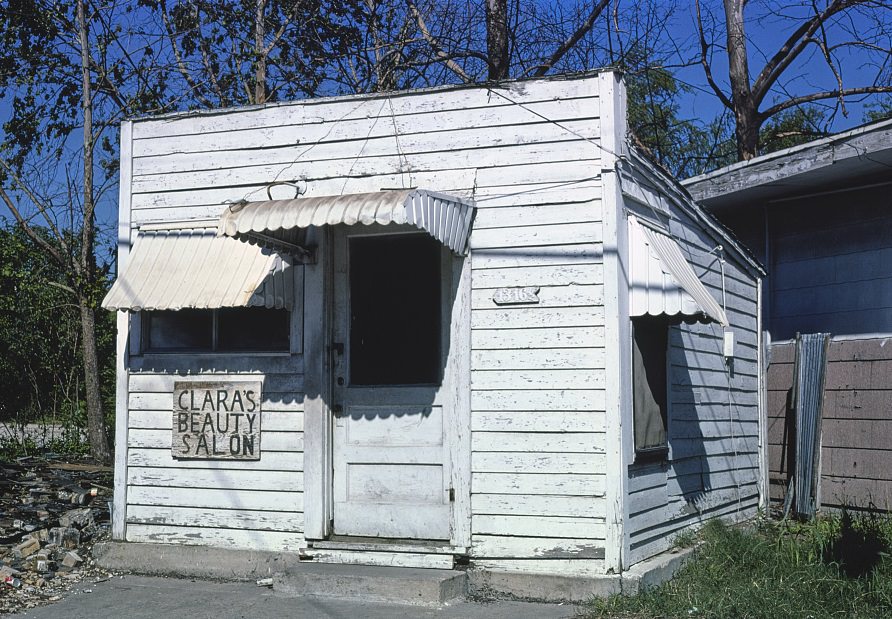
Clara's Beauty Salon on Jensen Drive in Houston, Texas, 1977
Clara’s Beauty Salon on Jensen Drive in Houston, Texas, 1977
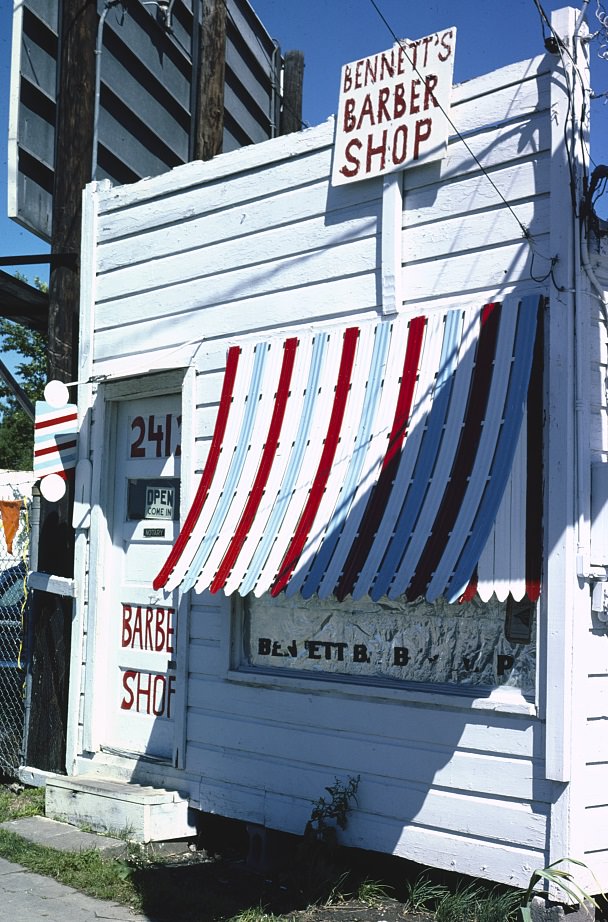
Bennett's Barber Shop in Houston, Texas, 1977
Bennett’s Barber Shop in Houston, Texas, 1977
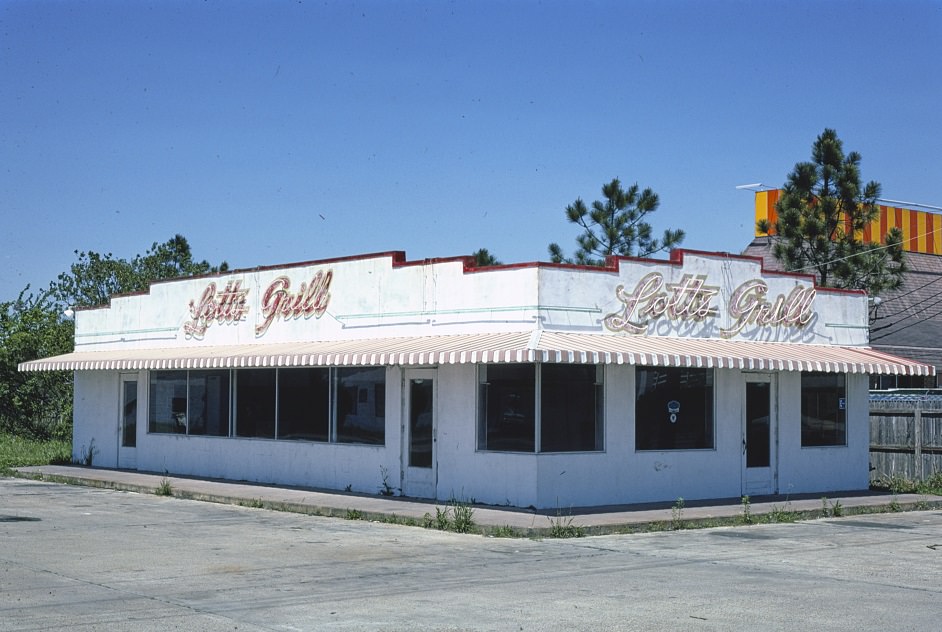
Lott's Grill on S. Main Street in Houston, Texas, 1977
Lott’s Grill on S. Main Street in Houston, Texas, 1977
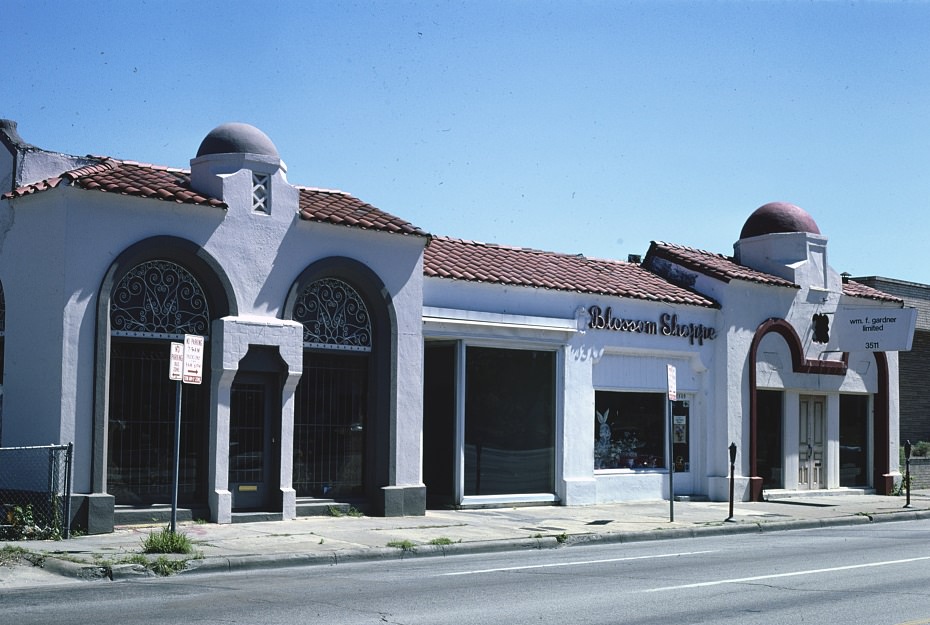
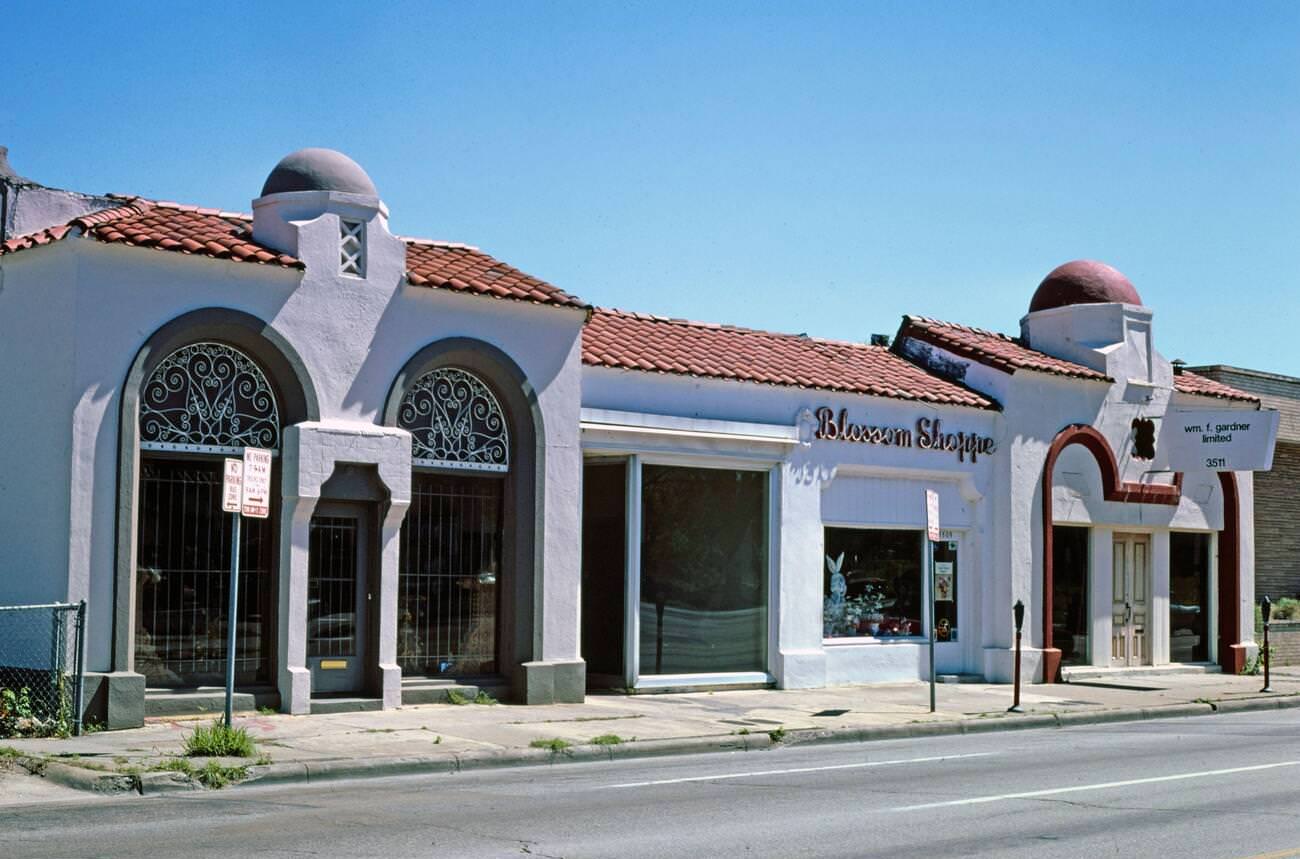
Blossom Shop in Houston, Texas, 1977
Blossom Shop in Houston, Texas, circa 1977.
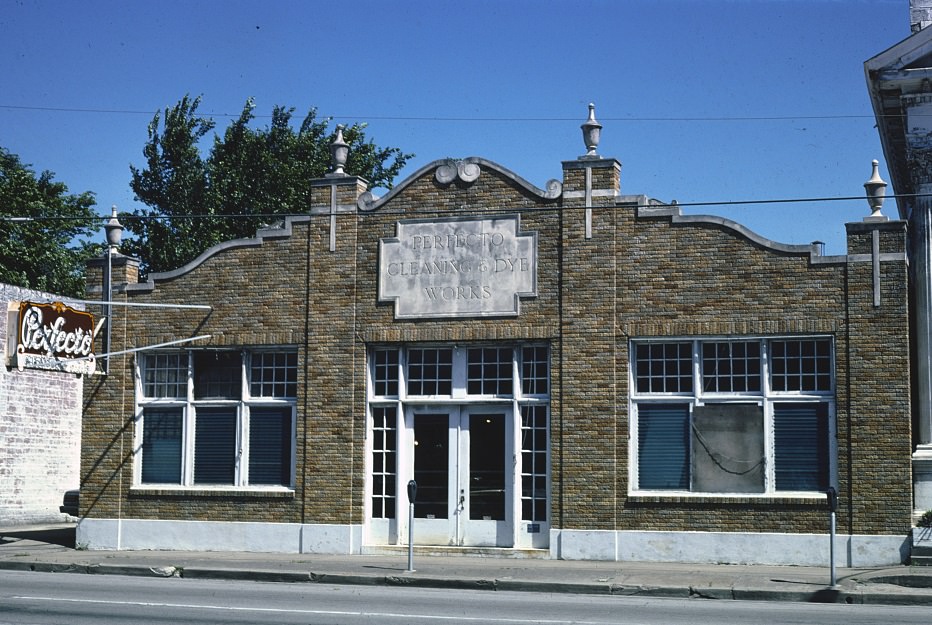
Perfecto Cleaning & Dye Works in Houston, Texas, 1977
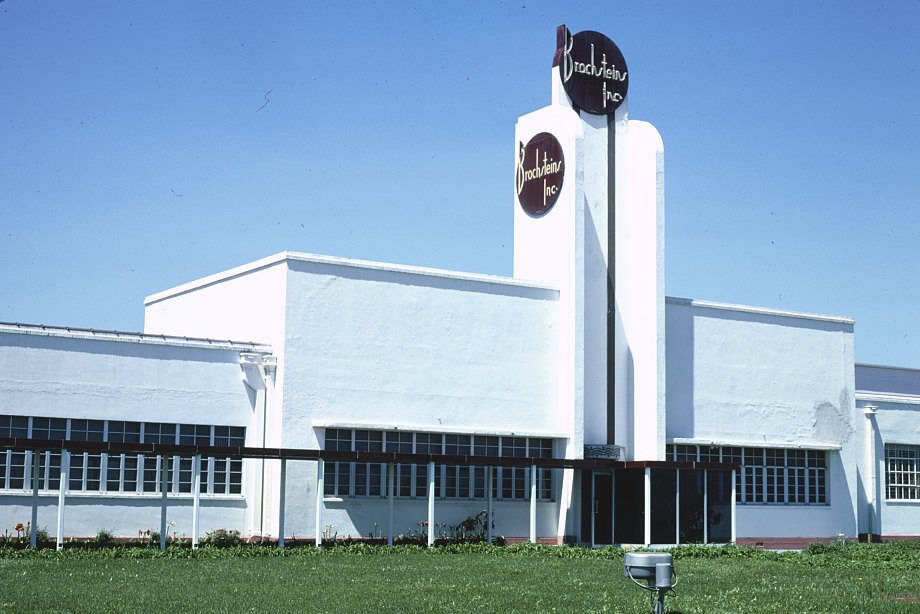
Bruchstein's Cabinet Factory in Houston, Texas, 1977
Bruchstein’s Cabinet Factory in Houston, Texas, 1977
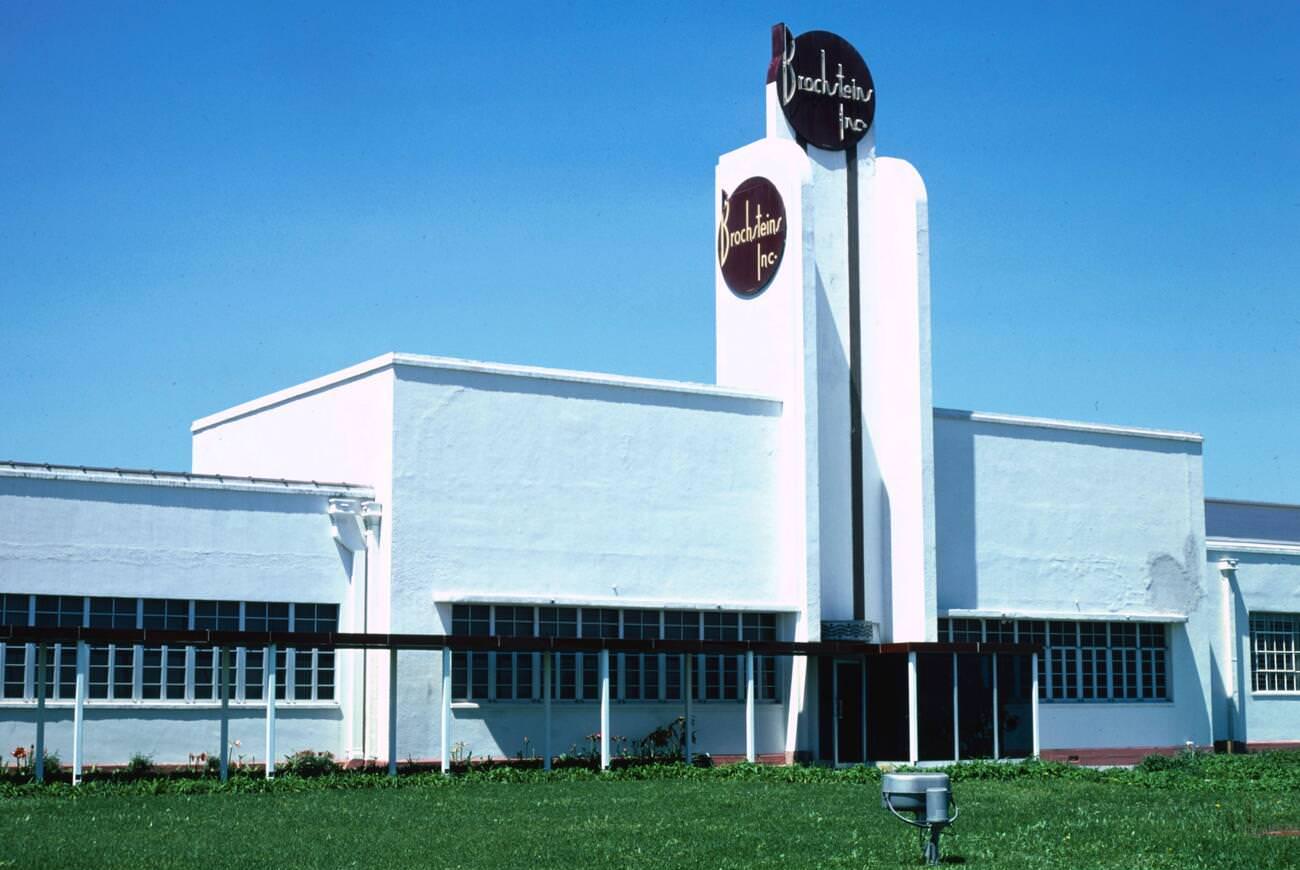
Bruchstein's Cabinet Factory in Houston, Texas, 1977.
Bruchstein’s Cabinet Factory in Houston, Texas, 1977.

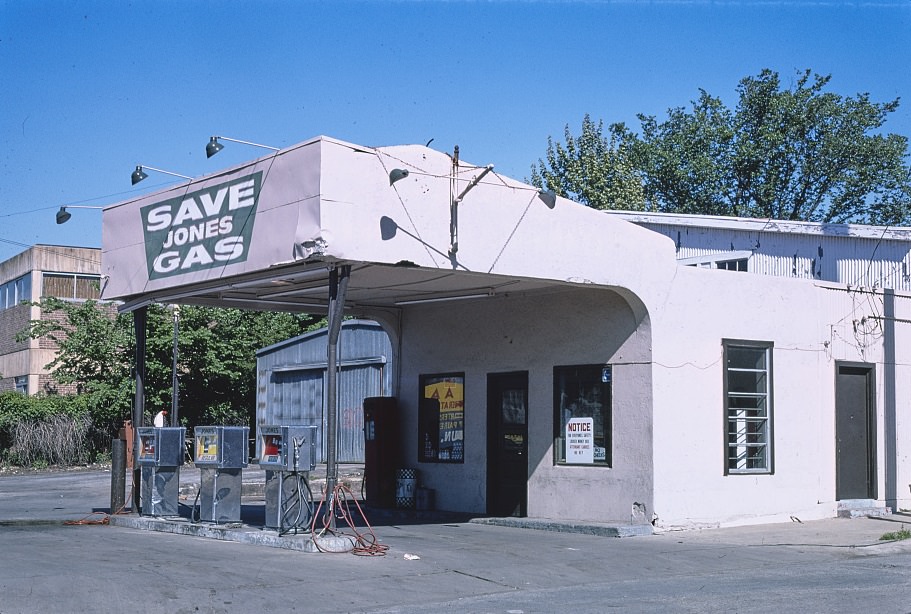
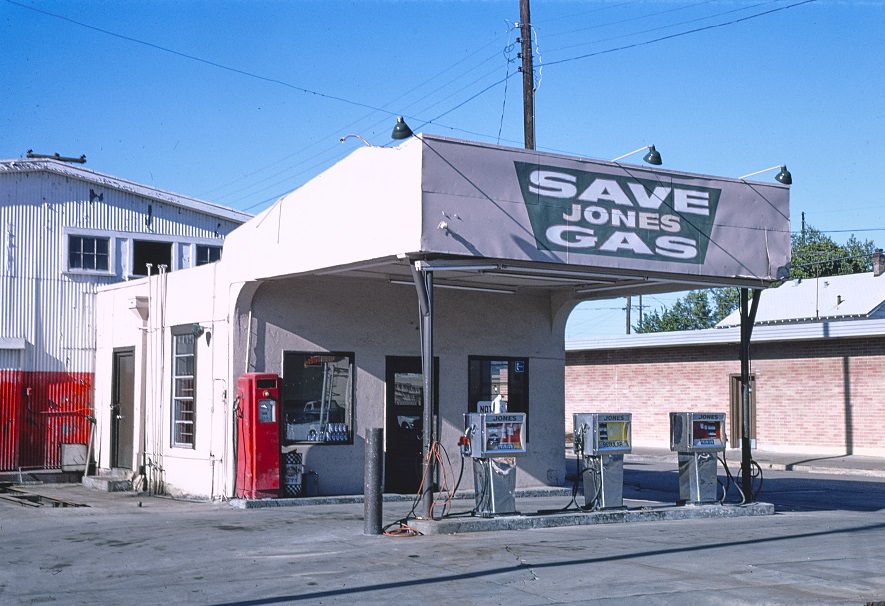
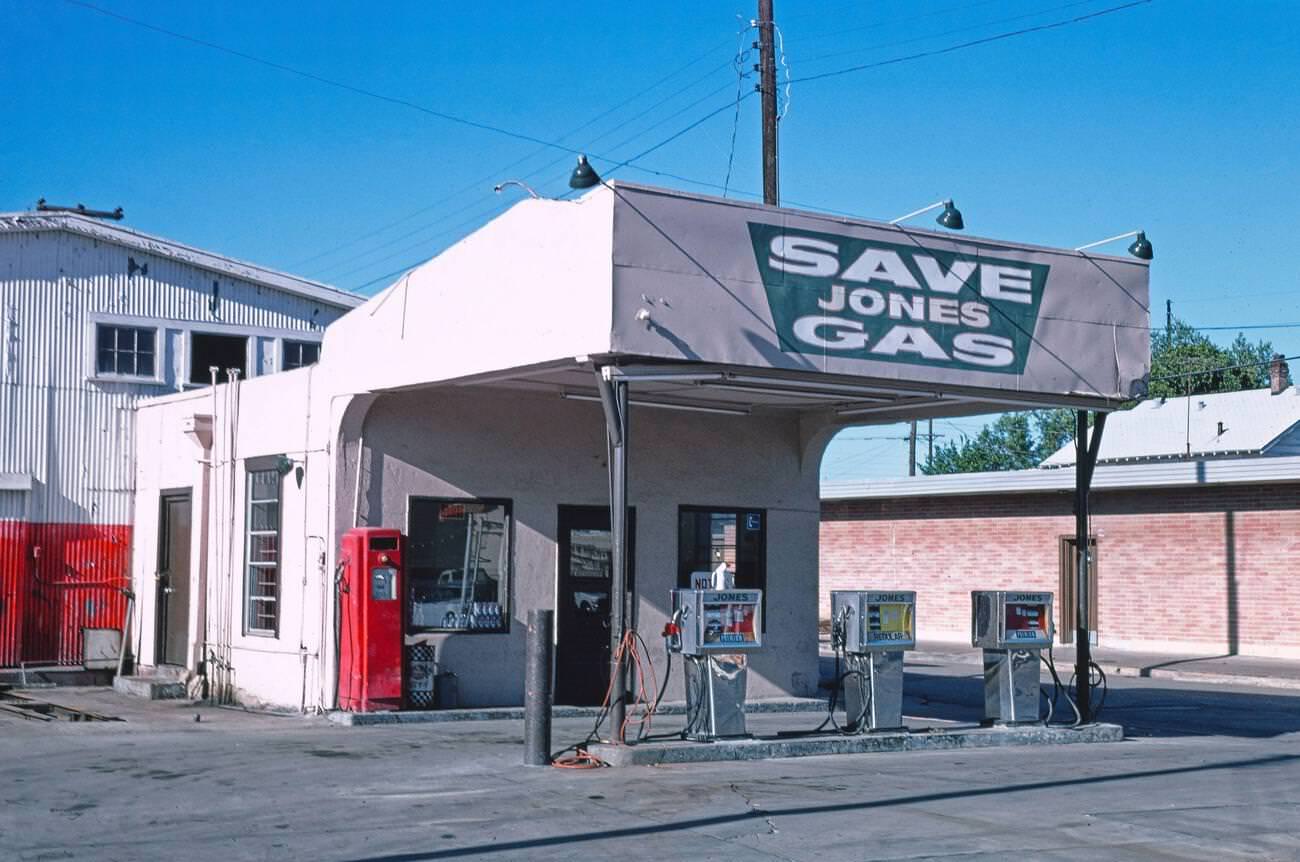
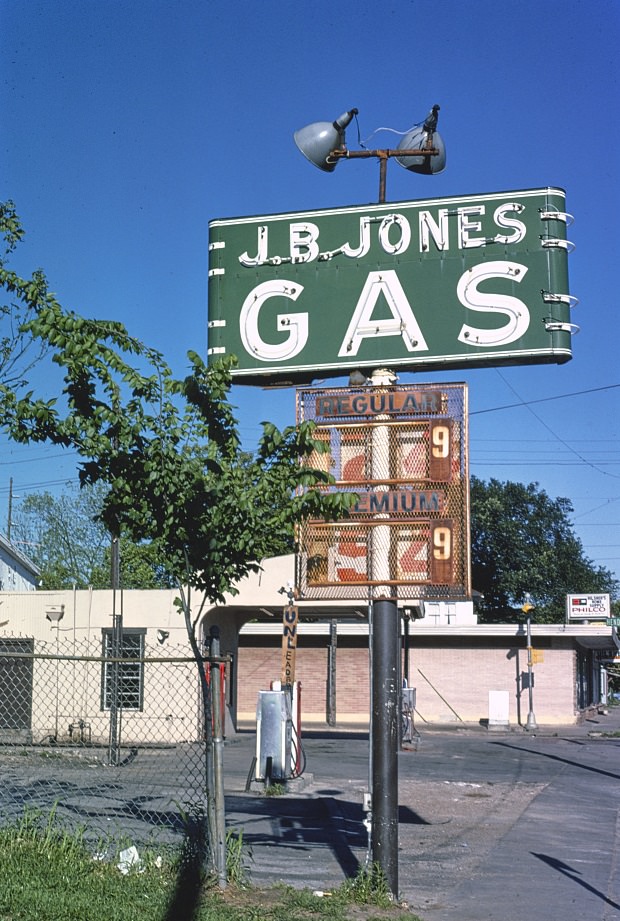
Gas stations were everywhere in 1970s Houston, which made sense for a city built on the oil industry. Local operators like Jones Gas and Sinclair competed alongside national brands. The gas crisis of 1973 brought long lines and rising prices, but Houston’s role as an energy producer softened the blow felt more sharply in other American cities.
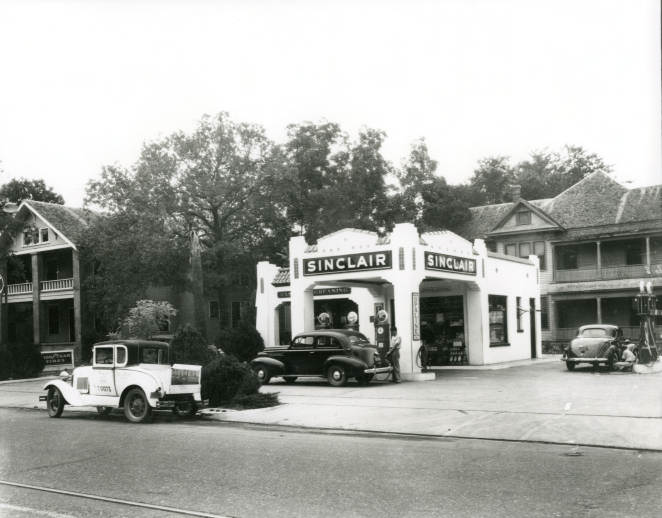
Sinclair station, 1970s
J.B. Jones Gas sign in Houston, Texas, 1977
Jones Gas in Houston, Texas, 1977
Jones Gas in Houston, Texas, circa 1977.

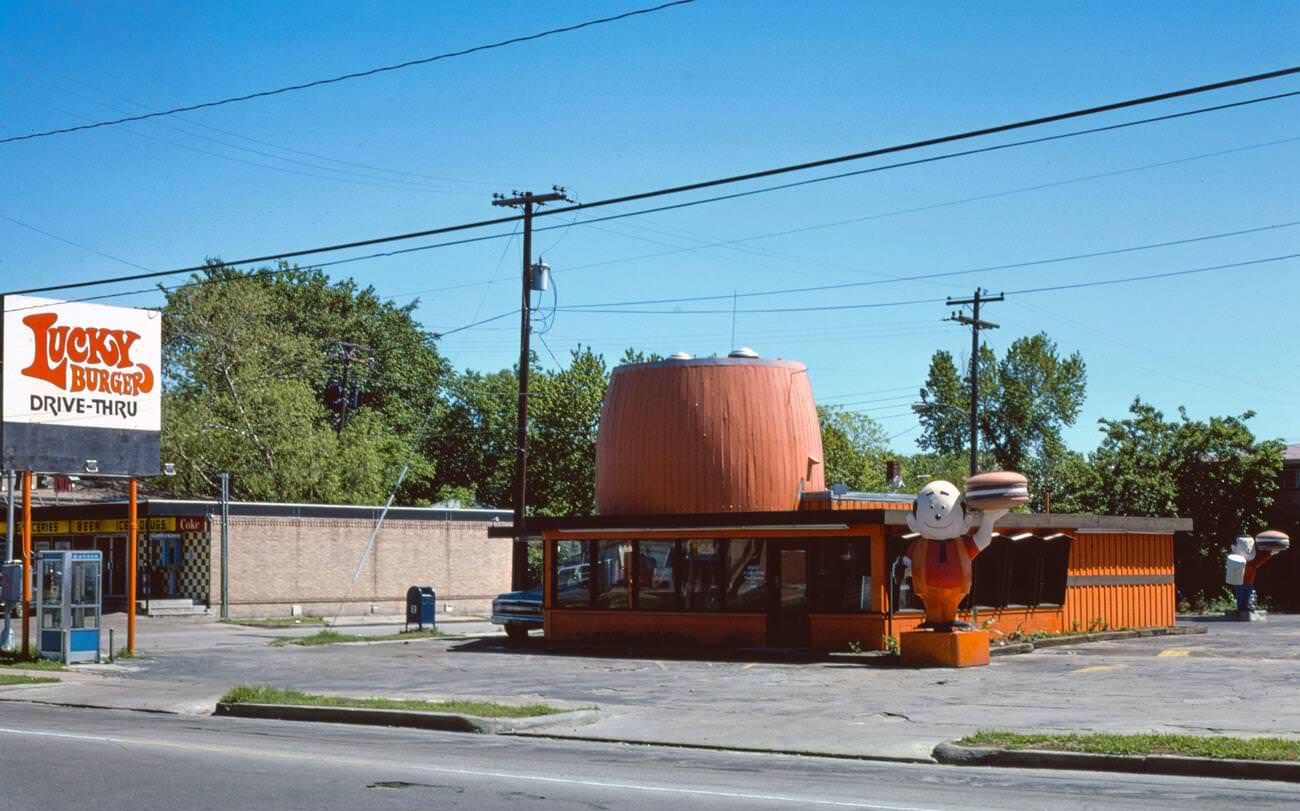
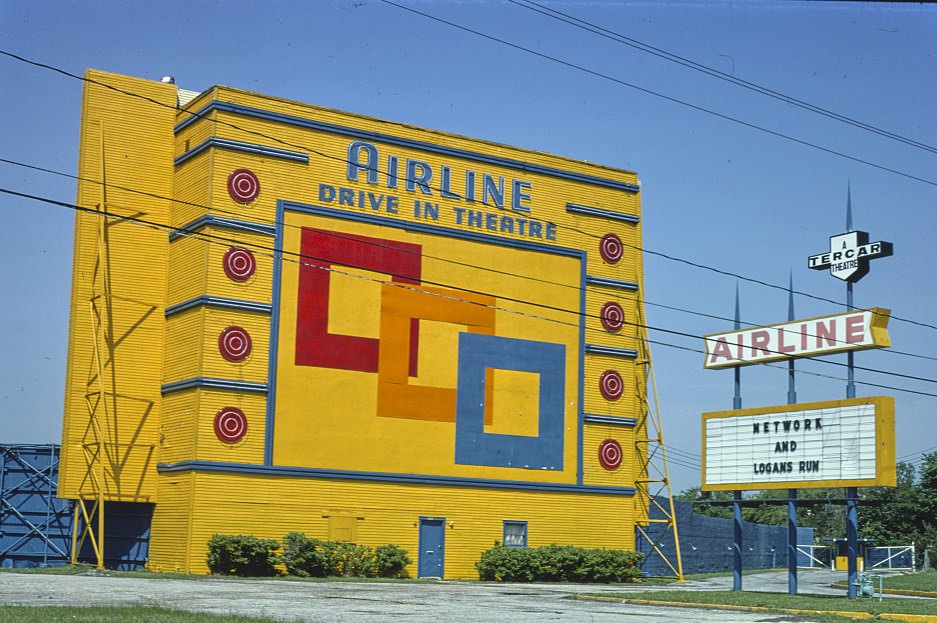
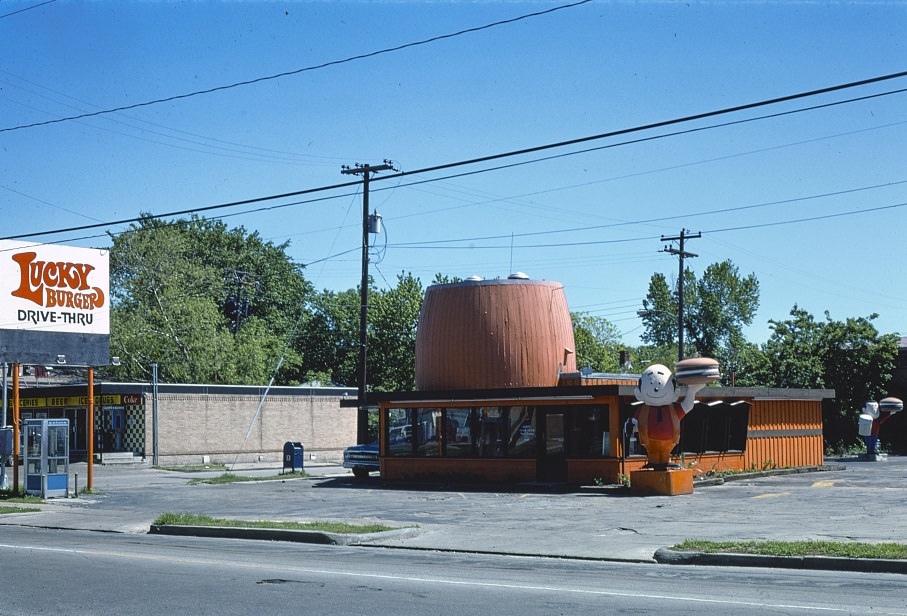
The fast-food and drive-in culture was booming across Houston. Burger King, Lucky Burger, and Airline Drive-In were all part of the city’s growing appetite for quick, affordable meals. Judson Robinson, Jr., a prominent Houston civil rights activist and politician, was photographed at a Burger King site in the 1970s — a sign of how civic leaders were engaged in the city’s commercial development.
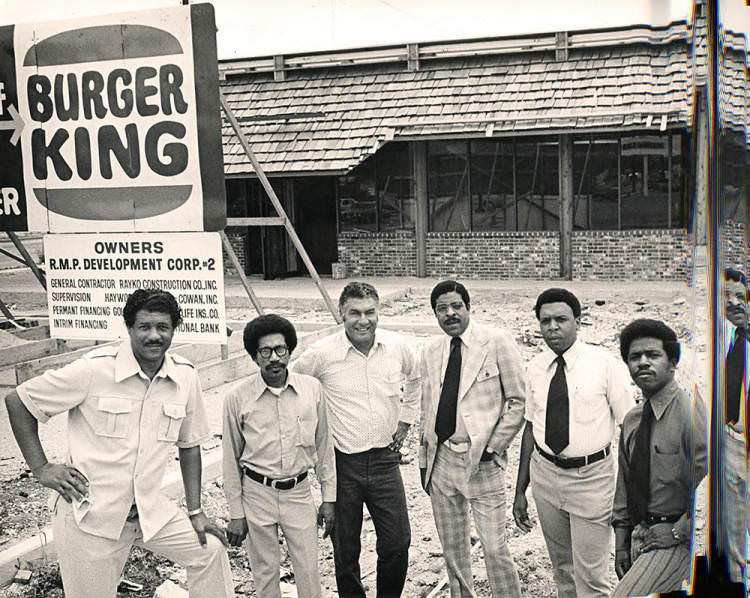
Judson Robinson, Jr. with men at Burger King site, 1970s
Lucky Burger Drive-Thru in Houston, Texas, 1977
Lucky Burger Drive-Thru in Houston, Texas, 1977.
Airline Drive-In in Houston, Texas, 1977
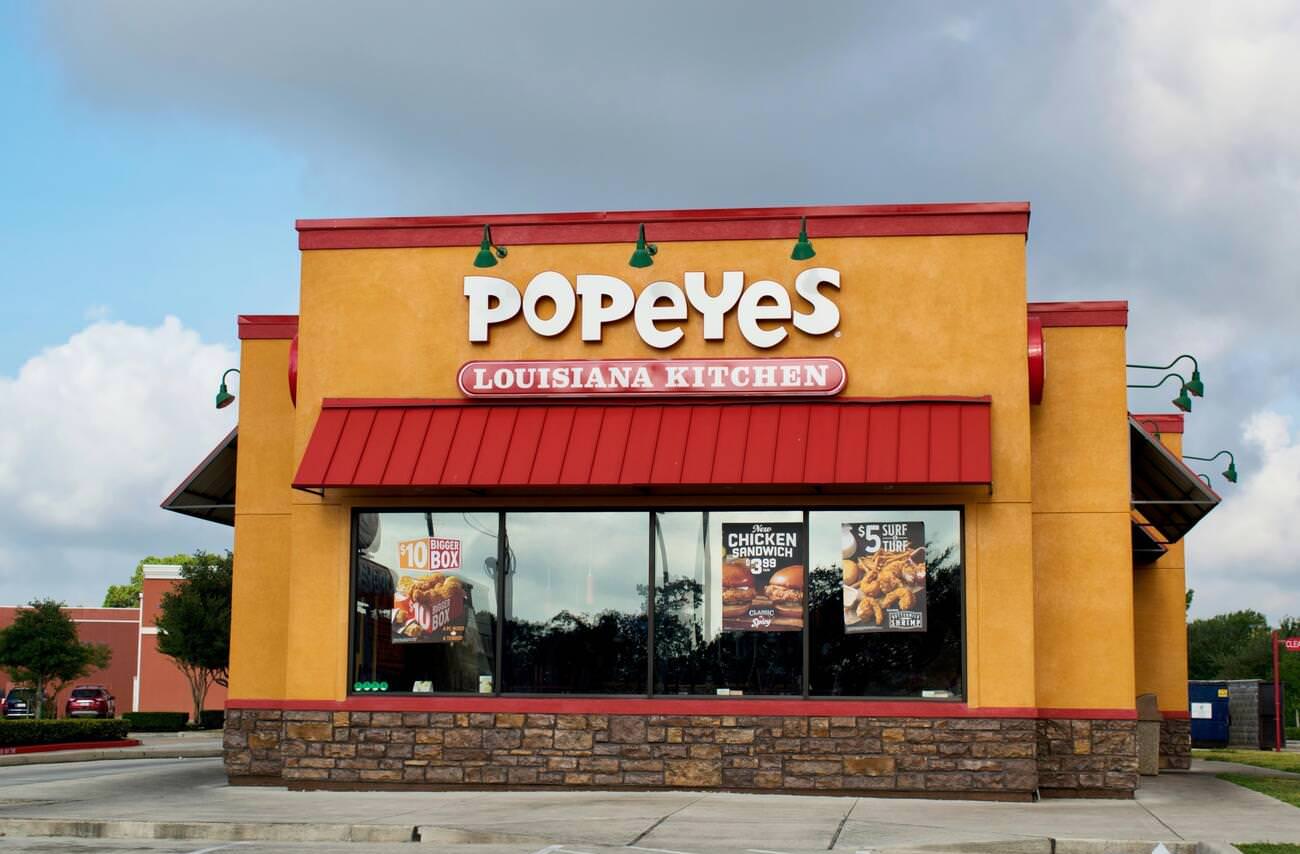
Popeye's fried chicken store in Atascocita, Texas.
Popeye’s fried chicken store in Atascocita, Texas.

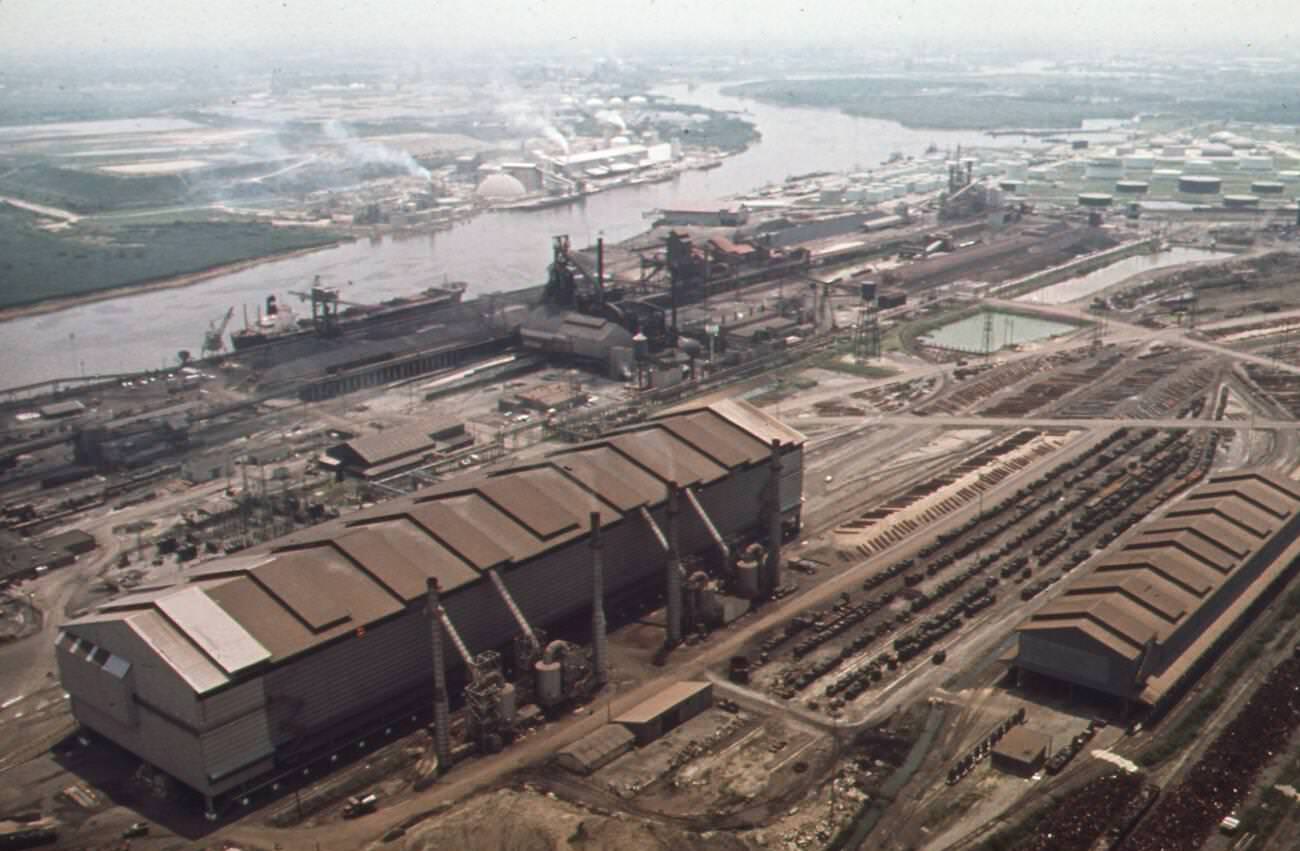
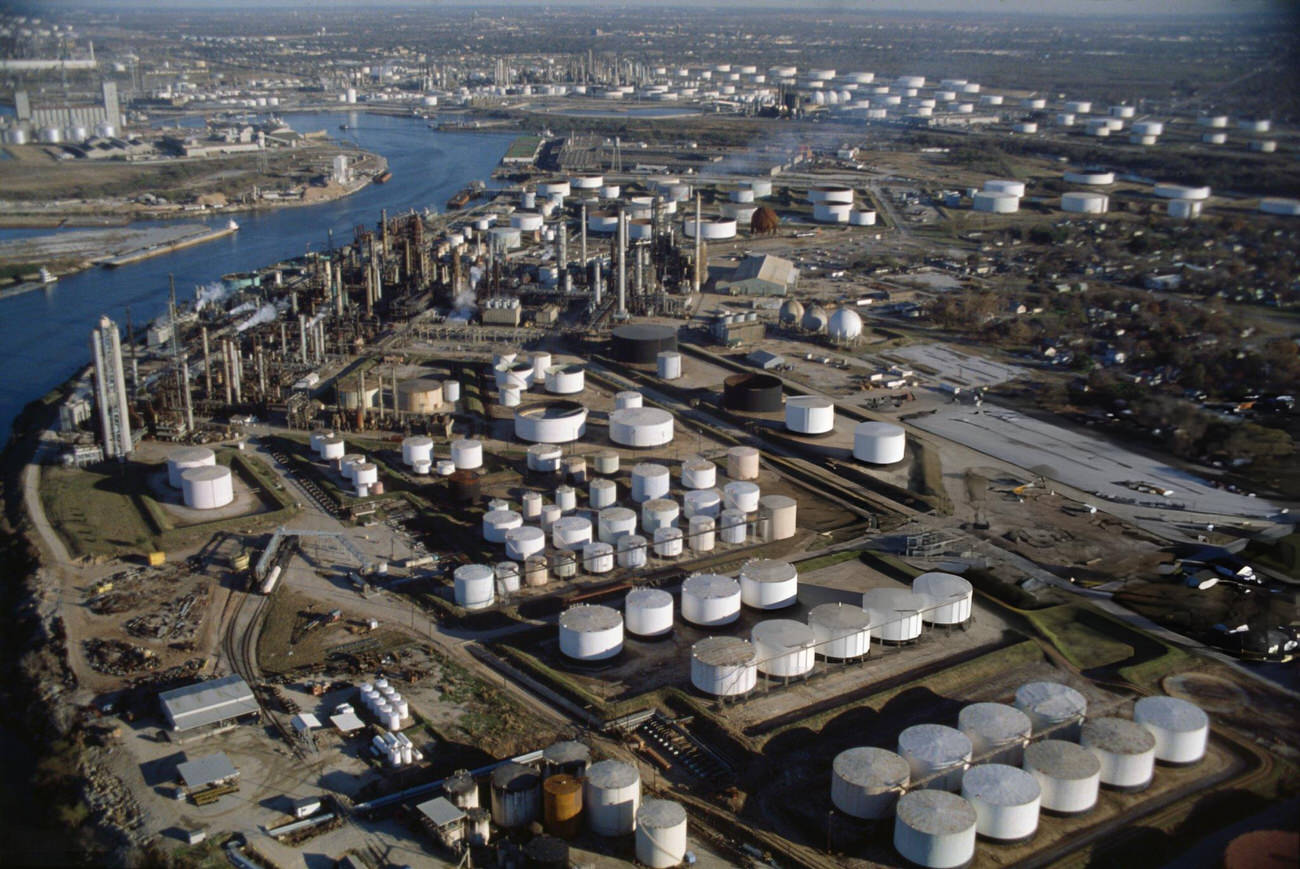
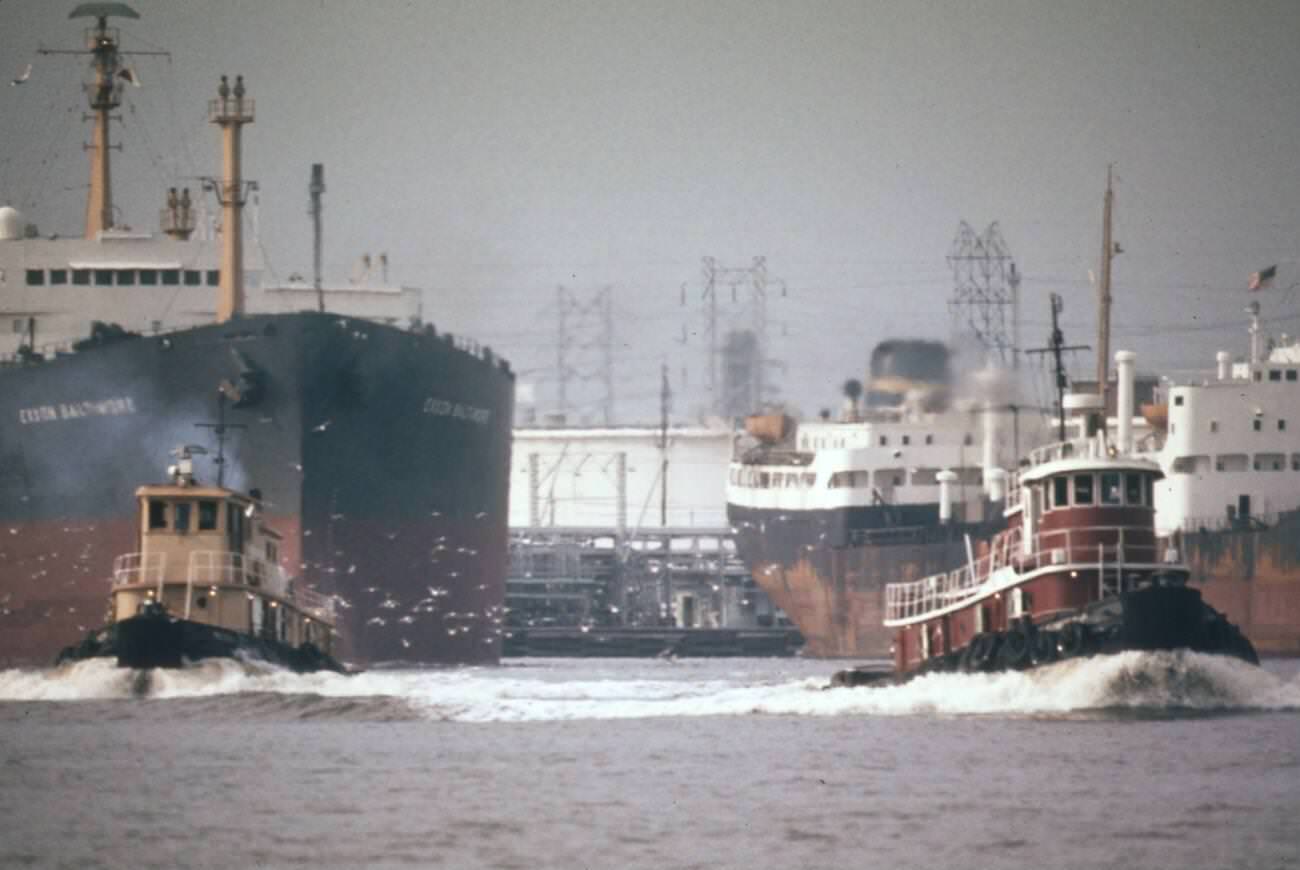
The Houston Ship Channel was the industrial backbone of the city. Oil tankers, steel plants, and chemical facilities lined its banks, making it one of the busiest ports in the country. The Exxon Baltimore tanker passing through the channel in 1973 was a familiar sight — a reminder that Houston’s prosperity was tied directly to the movement of energy resources by sea.
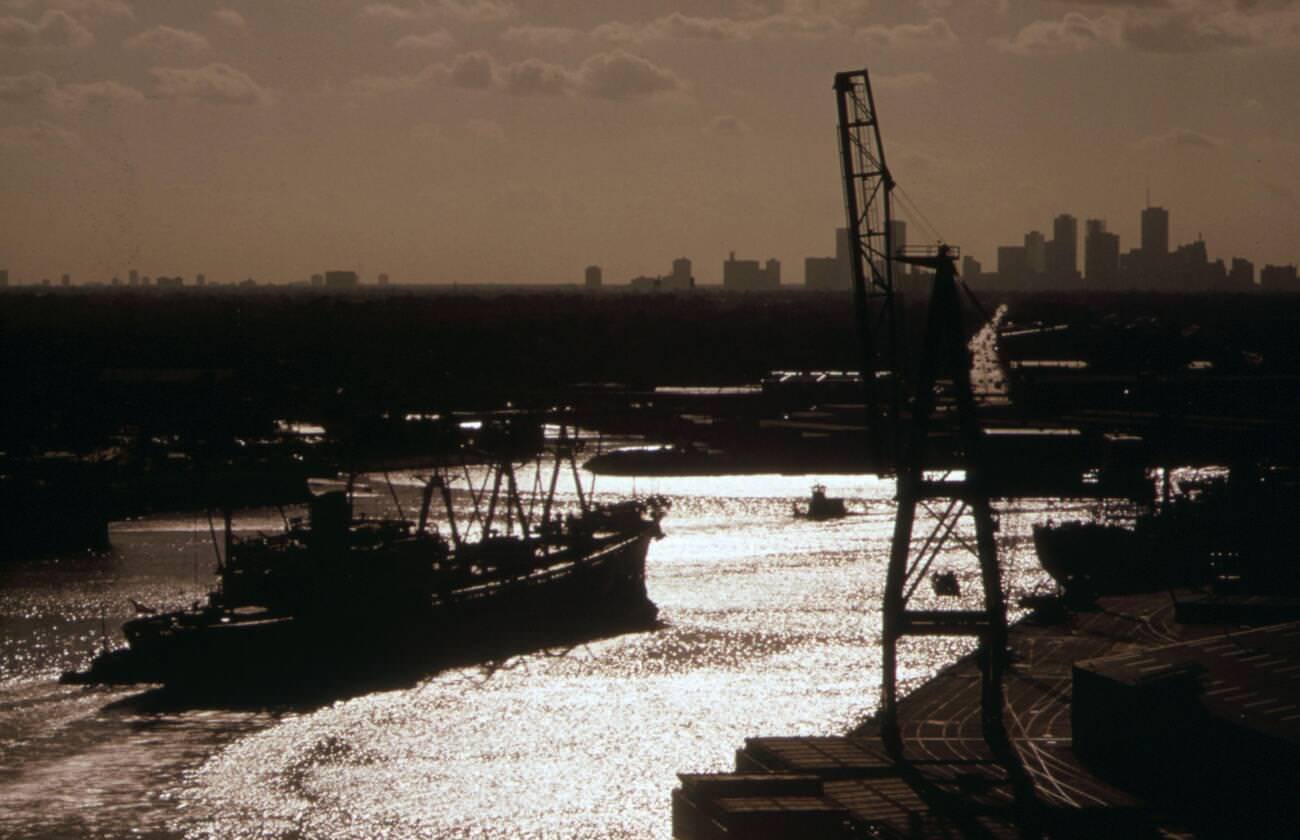
Houston Ship Channel at dusk with downtown skyline in the background, 1973.
Exxon Baltimore tanker in the Houston Ship Channel, highlighting Houston's status as a major seaport, 1973.
Exxon Baltimore tanker in the Houston Ship Channel, highlighting Houston’s status as a major seaport, 1973.
Armco Steel plant with the Houston Ship Channel in the background, 1973.
Aerial view of the Charter International Oil Company at the Port of Houston, Texas, 1978.

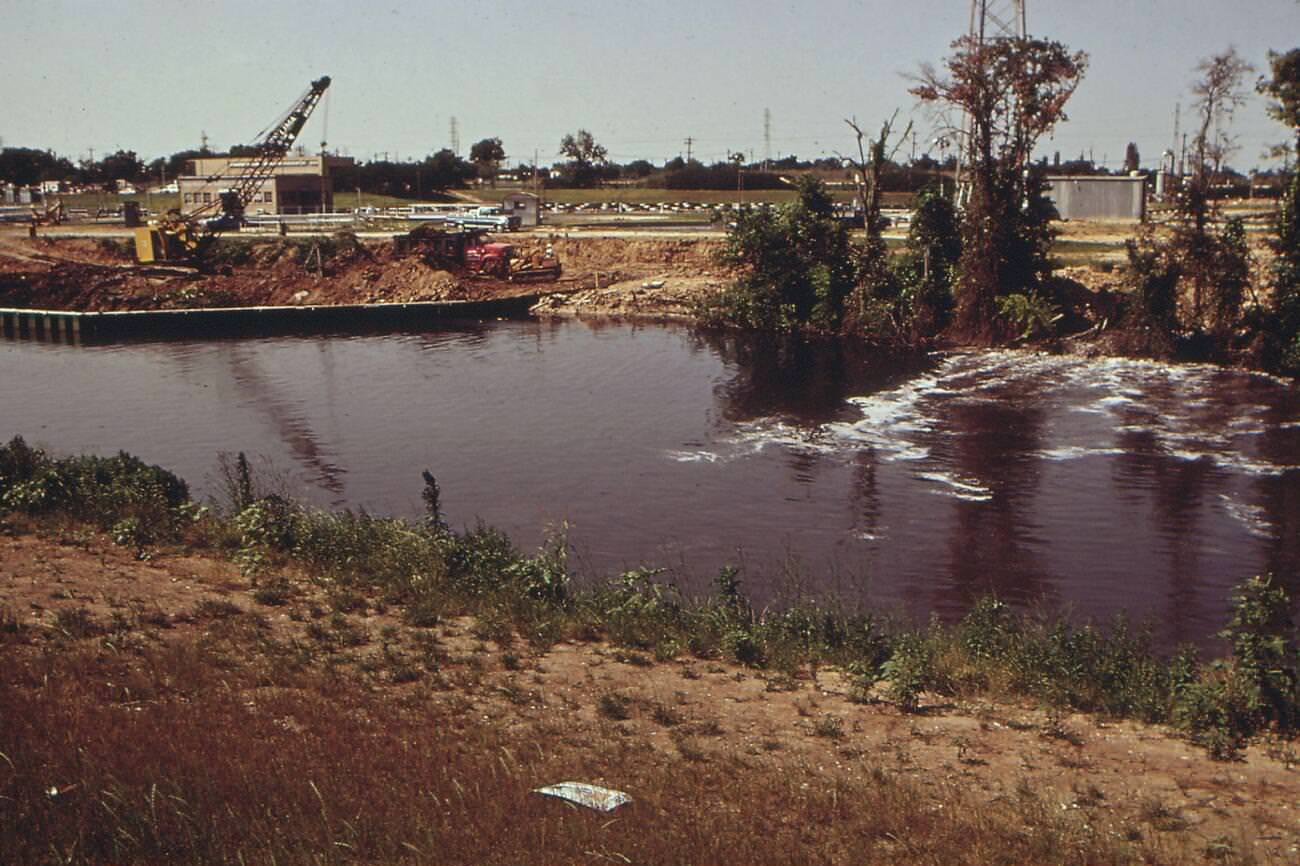
The industrial growth came with serious environmental consequences. Air and water pollution from chemical plants was a documented problem by the early 1970s. Hazardous industrial waste from the Houston-Beaumont area was trucked out and stored in open swampy fields in Louisiana, a practice that drew federal attention. The EPA helped fund the construction of a solid waste disposal settling tank on Simms Bayou in 1973 as part of the city’s effort to address the damage.
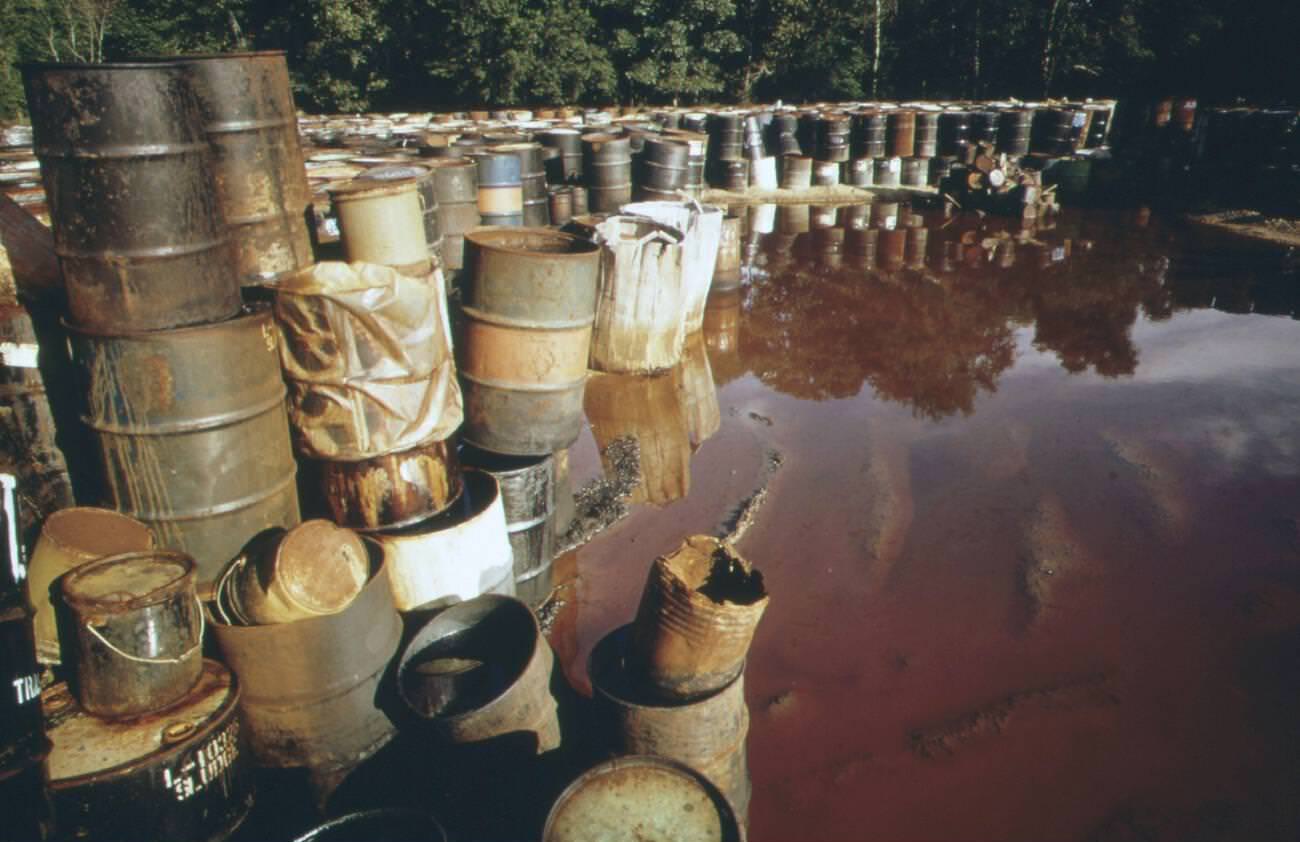
Hazardous industrial wastes stored in a swampy field near Ville Platte, Louisiana, trucked from the Houston-Beaumont area, June 1973.
Construction of a solid waste disposal settling tank on Simms Bayou in Houston, funded by federal EPA recommendation, 1973.
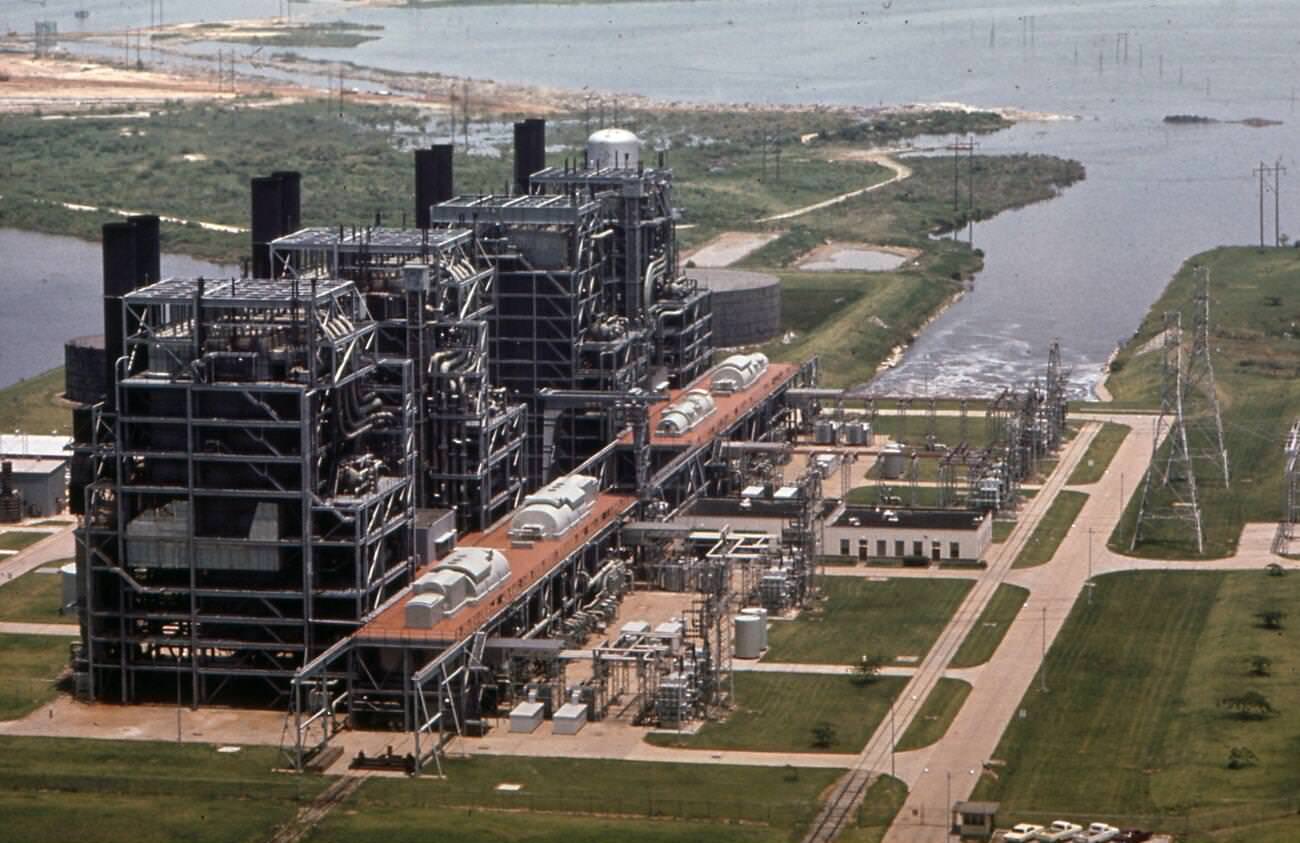
Houston Lighting and Power Company on Galveston Bay, 1973.

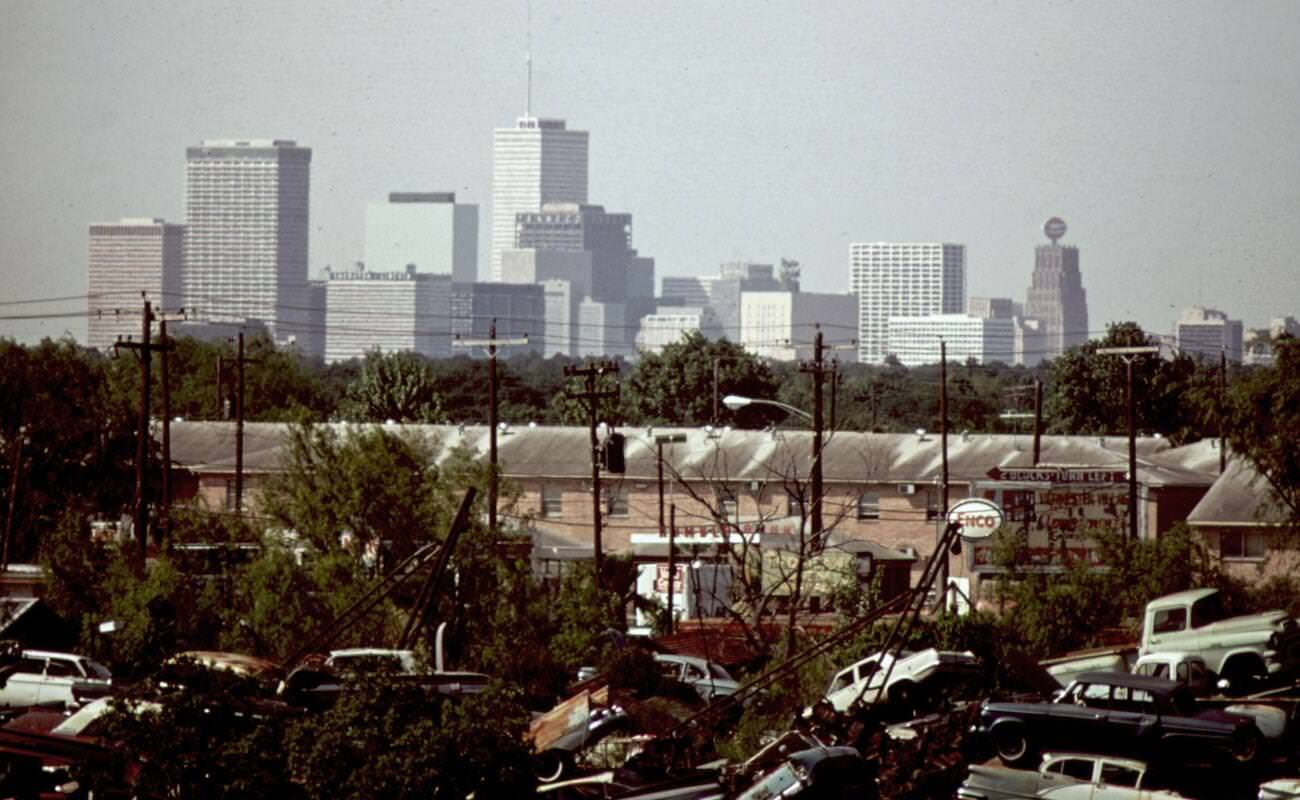
Traffic was another growing pain. Houston sprawled outward rapidly, and its road network struggled to keep up. The intersection of the Southwest Freeway and Loop 610 was already choked with congestion by 1973, a preview of the gridlock that would define Houston’s commutes for decades to come. The city’s automobile junkyard, visible against the downtown skyline, was a fitting symbol of both the car-centric culture and its costs.
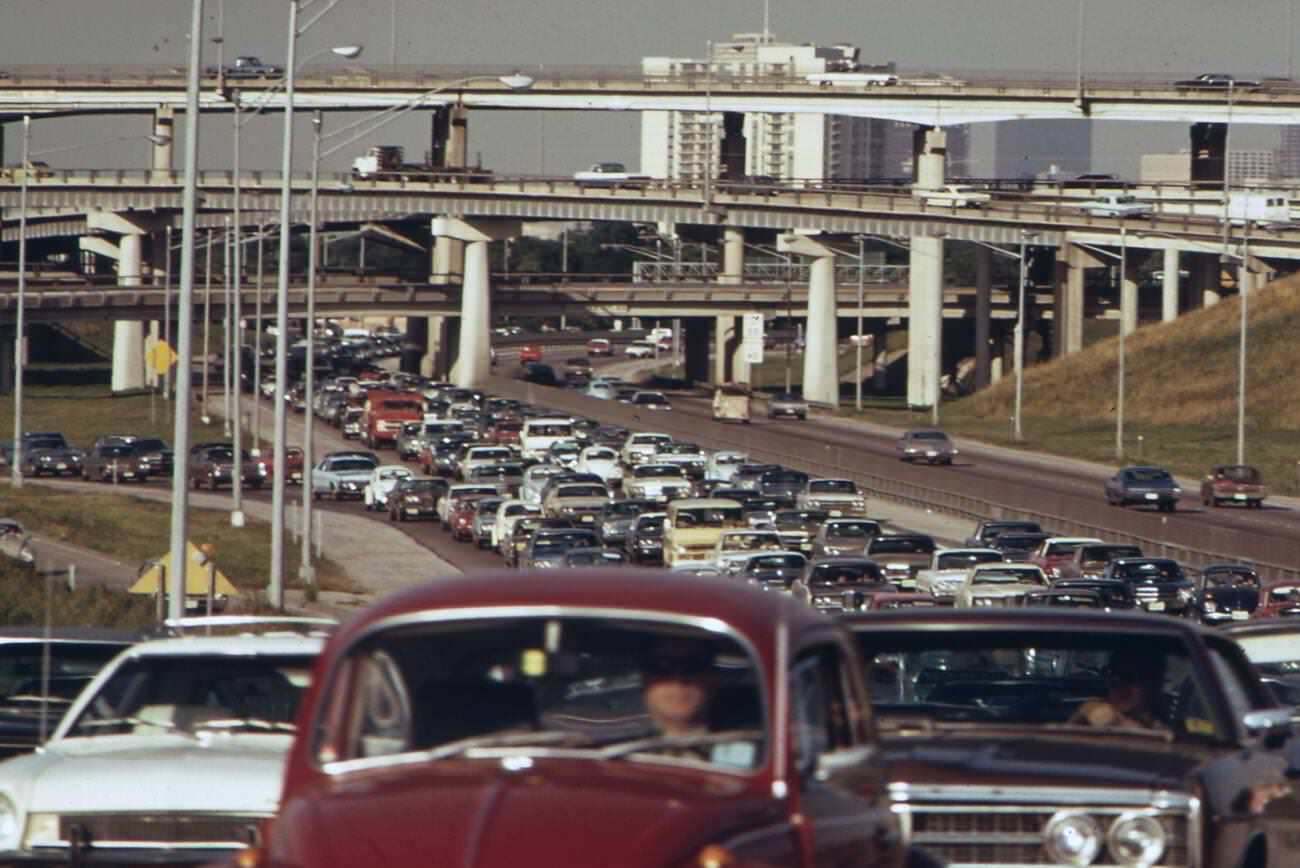
Traffic congestion at the intersection of Southwest Freeway and Loop 610 in Houston, 1973.
Automobile junkyard with the Houston skyline in the background, 1973.
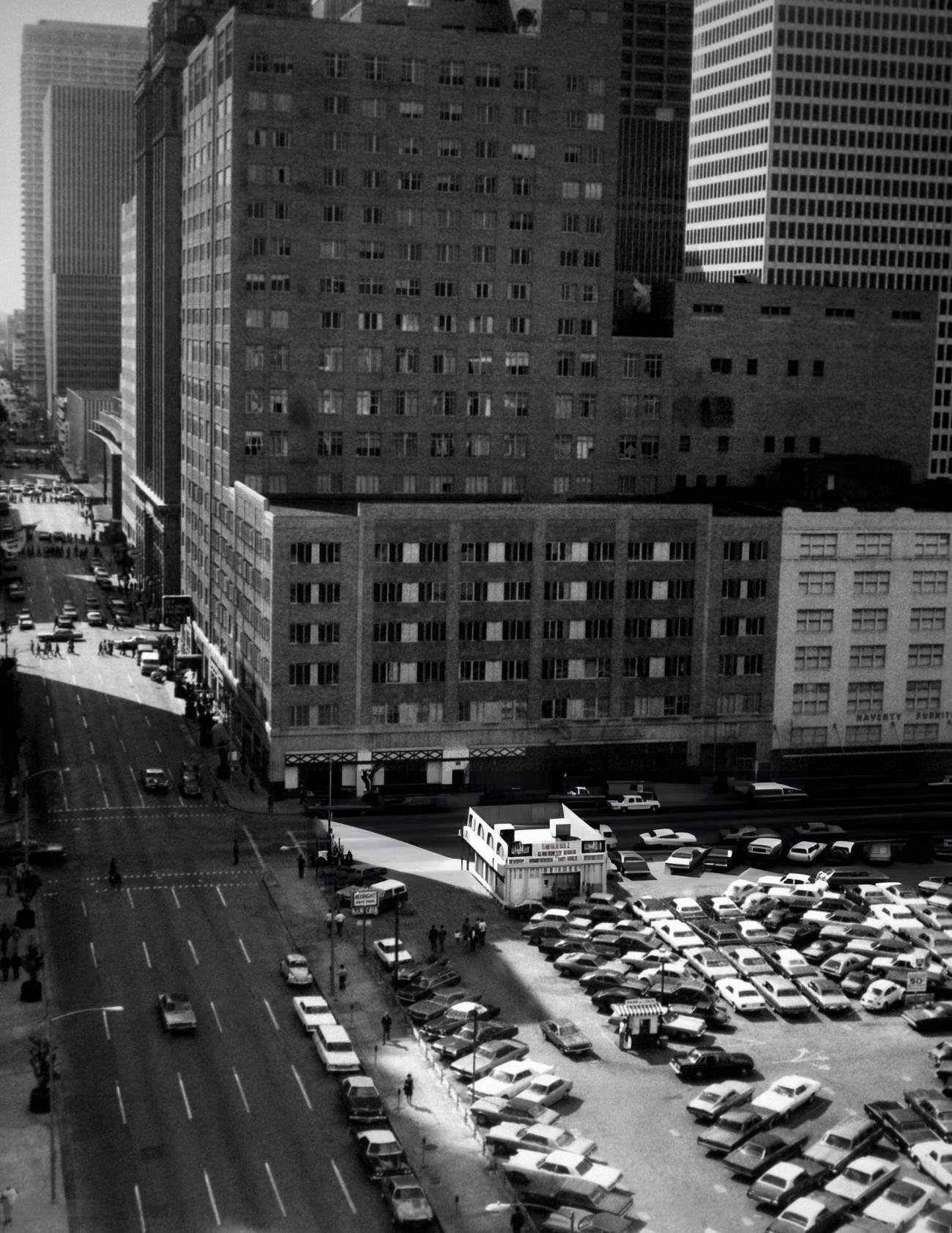
Parking lot in downtown Houston, Texas, 1973.

Flooding was a recurring problem too. In 1970, heavy rains submerged cars at the intersection of Weslayan and Bissonnet, and city residents navigated the rising water however they could — including one boy who made his way through the streets on a bicycle.
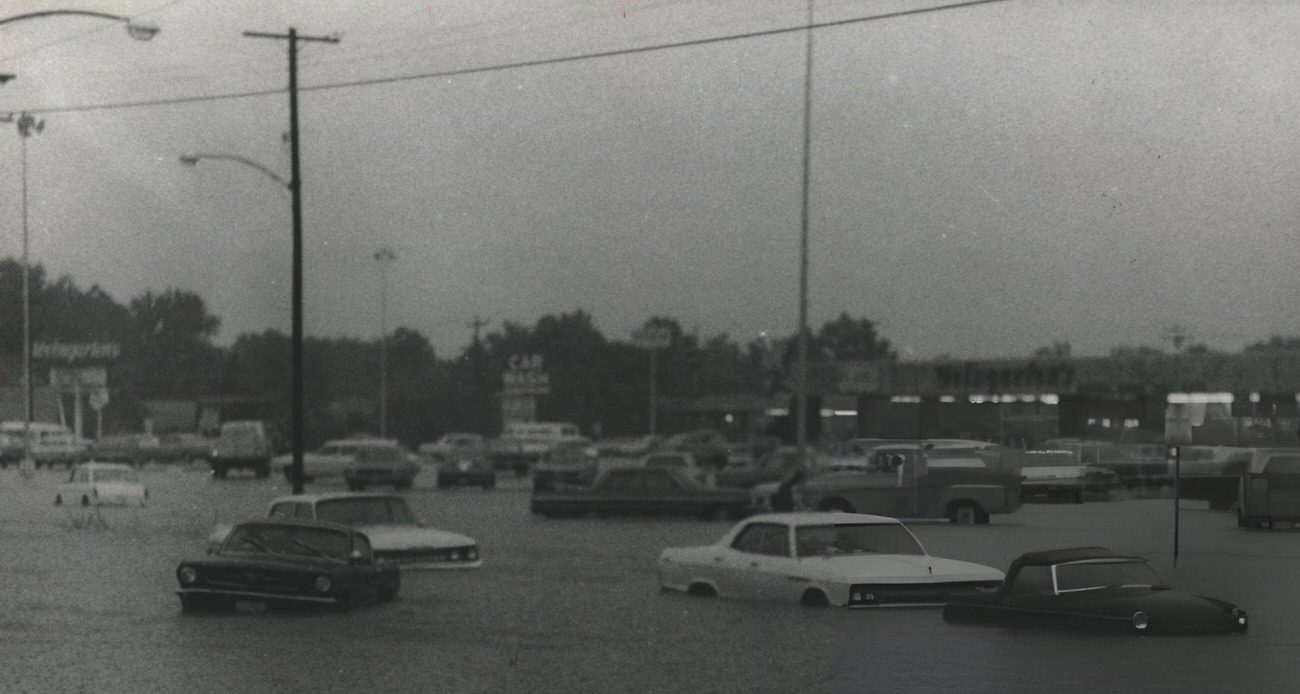

Cars caught in floodwaters at Weslayan & Bissonnet, Houston, Texas, 1970.
A boy navigates floodwaters on his bicycle in Houston, Texas, 1970.

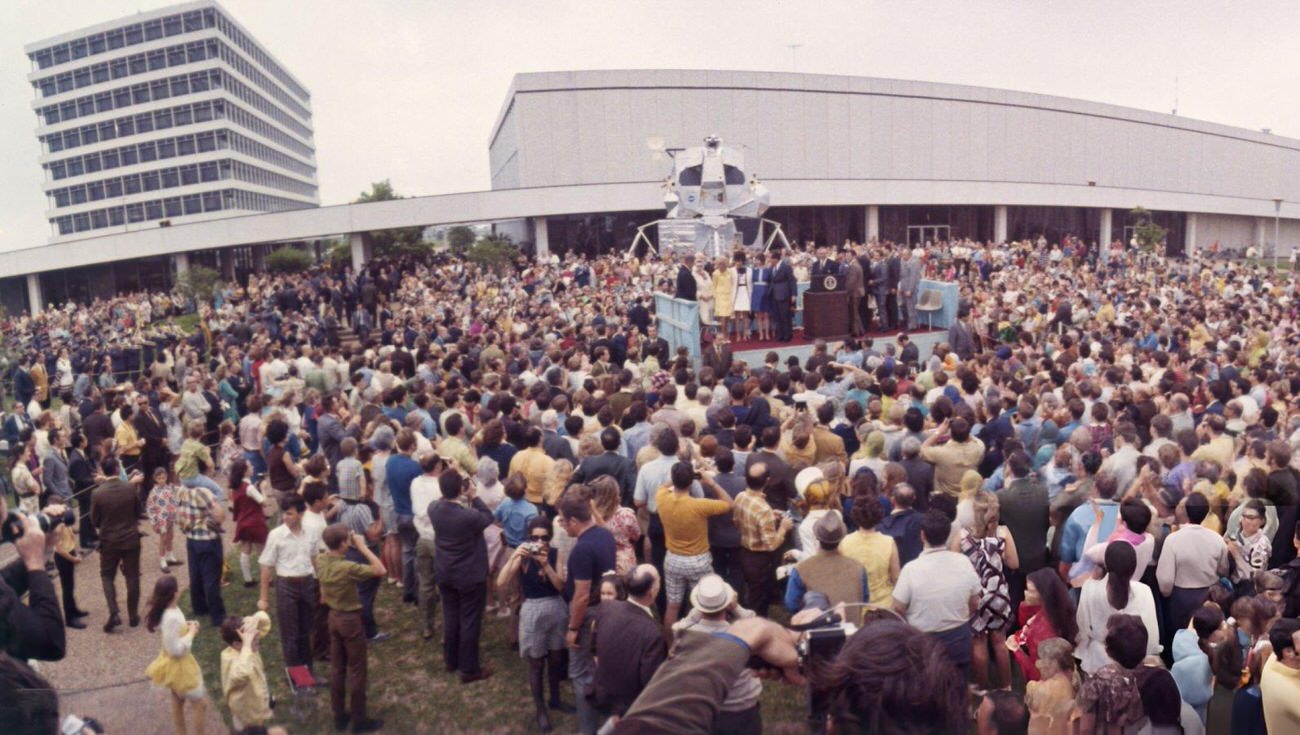
Houston’s connection to space exploration gave the city a unique identity in the 1970s. Johnson Space Center was home to NASA’s Mission Control, and Houstonians followed each mission closely. When Apollo 13 returned safely in April 1970 after its near-catastrophic journey, a crowd gathered at the Manned Spacecraft Center to welcome home the astronauts, with President Nixon honoring the flight controllers who brought them back.
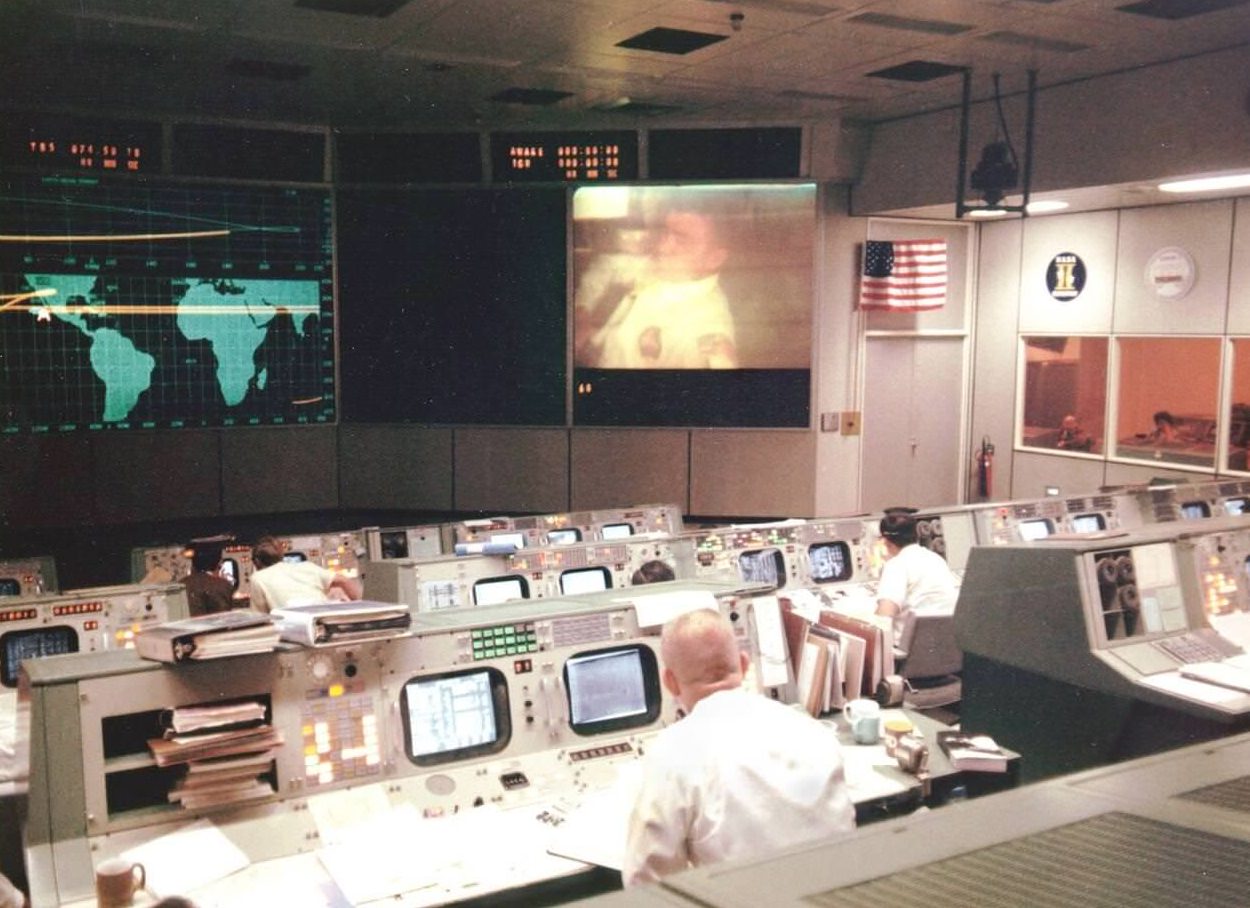
Mission Control Center in Houston during the Apollo 13 mission, April 1970.
Crowd gathers at Manned Spacecraft Center to welcome home Apollo 13 astronauts with President Nixon honoring flight controllers.
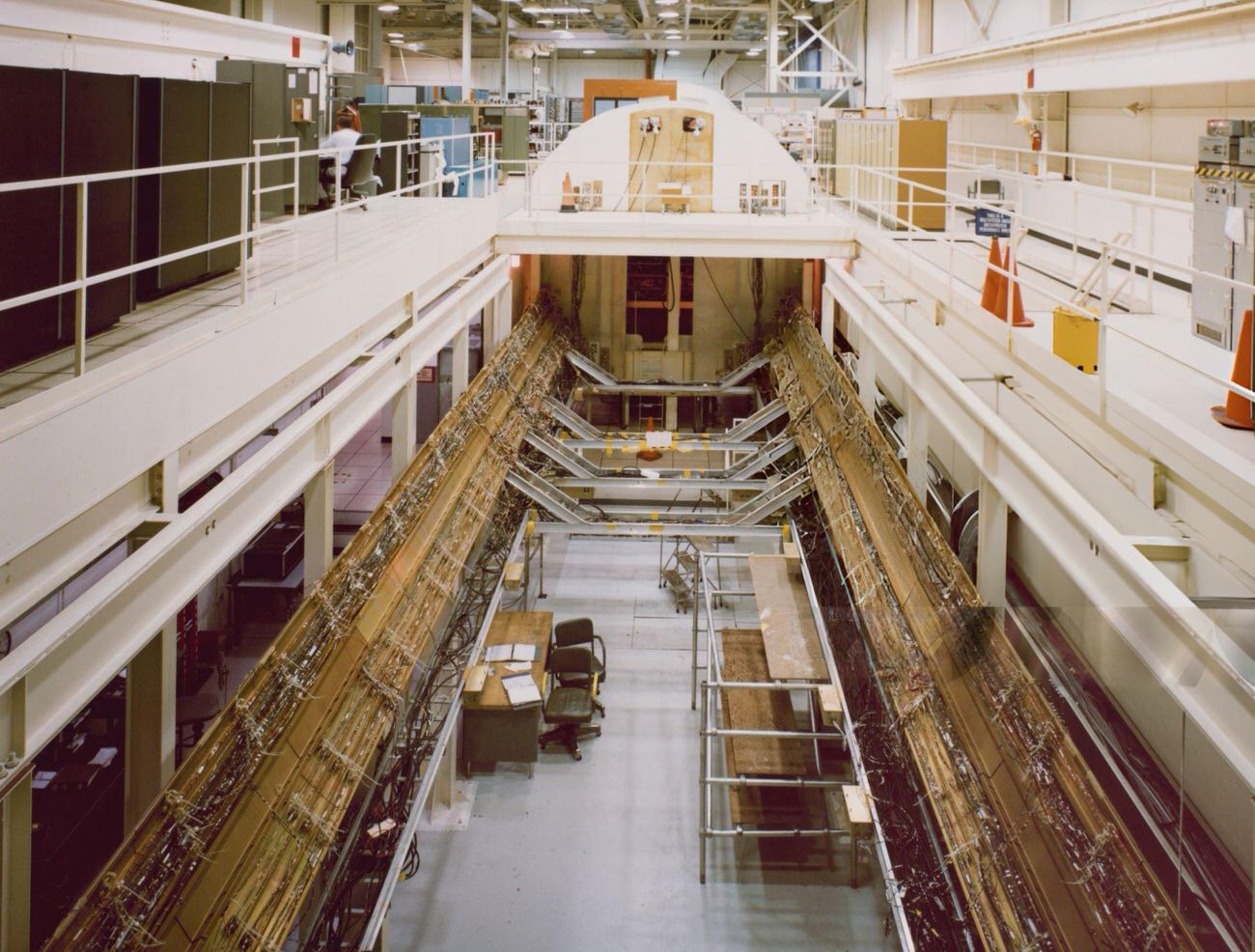
View of the Space Shuttle Avionics Integration Laboratory at Johnson Space Center, Houston, Texas, 1979.

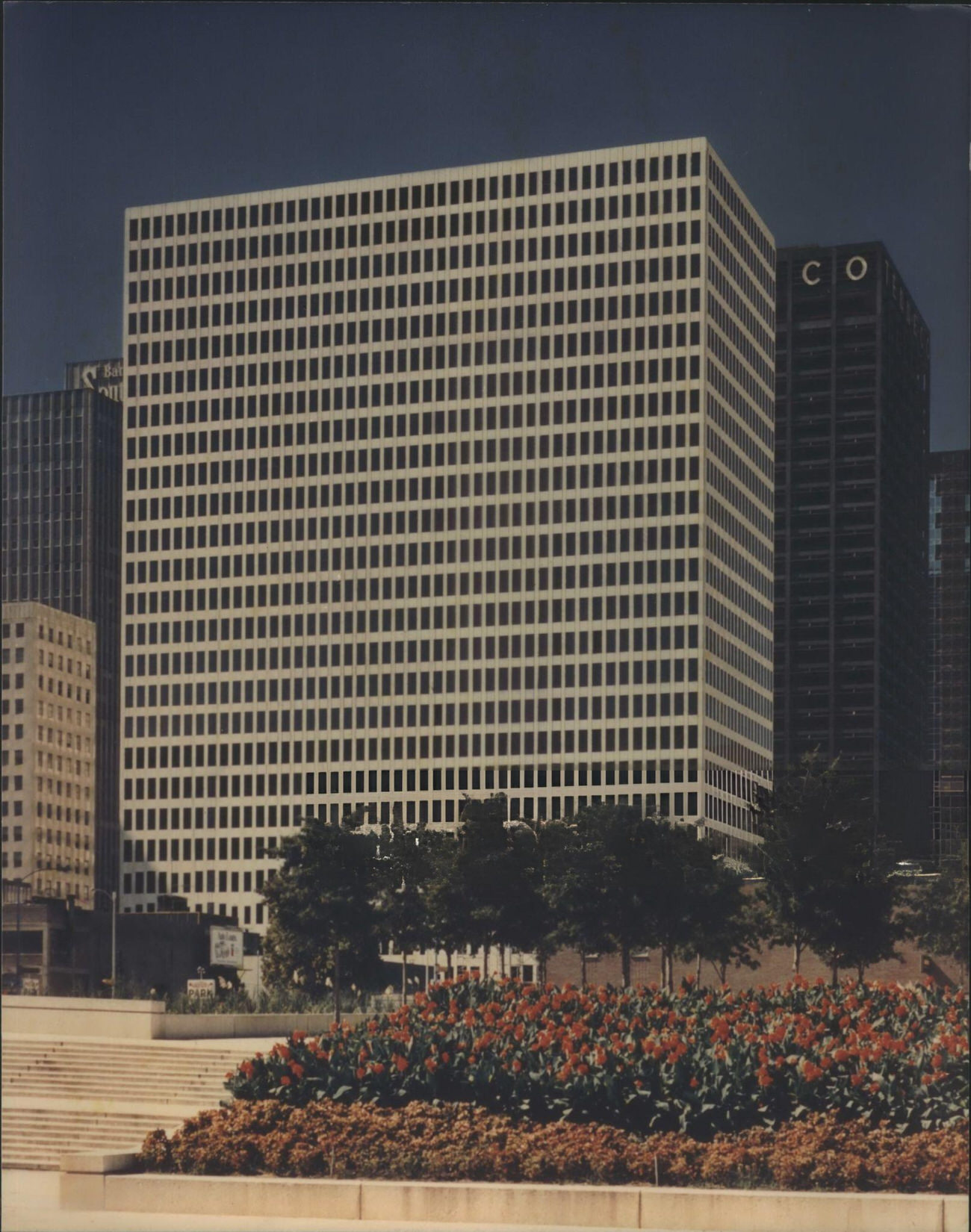
NASA also pushed boundaries in medicine. In 1973, emergency medical technicians in Houston demonstrated NASA’s Telecare medical kit — a system developed from space program technology that had real-world applications for emergency care. Meanwhile, Shell Oil was establishing its corporate footprint in One Shell Plaza, and new commercial developments like Greenway Plaza and Westbury Square added mixed-use spaces to the city’s landscape.
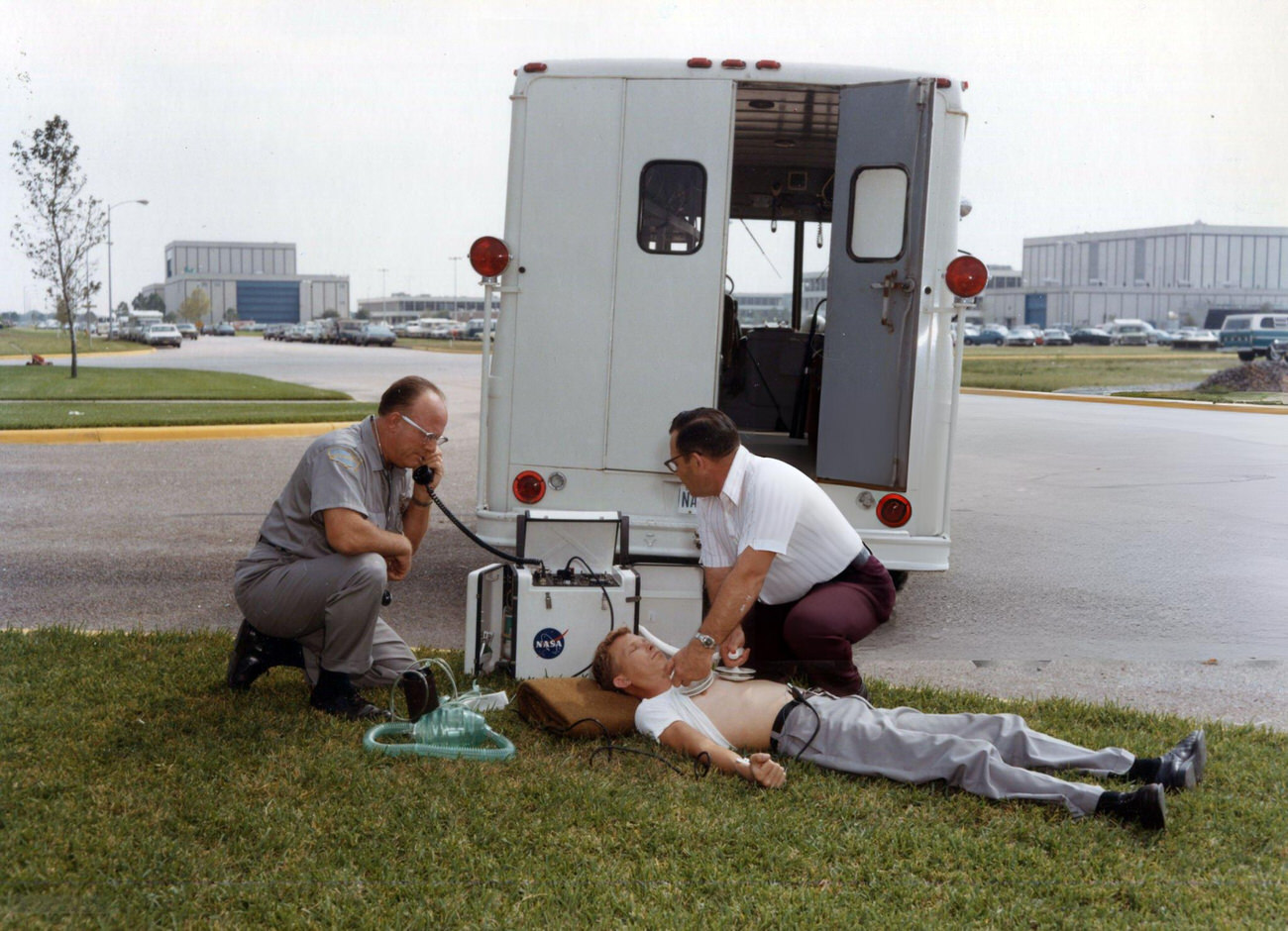
Emergency medical technicians demonstrate NASA's Telecare medical kit in Houston, Texas, 1973.
Emergency medical technicians demonstrate NASA’s Telecare medical kit in Houston, Texas, 1973.
Shell Oil Company renews its lease in One Shell Plaza, Houston, Texas, 1970s.
Construction of the Shell Information Center nears completion in Houston's Plaza del Oro, 1976.
Construction of the Shell Information Center nears completion in Houston’s Plaza del Oro, 1976.
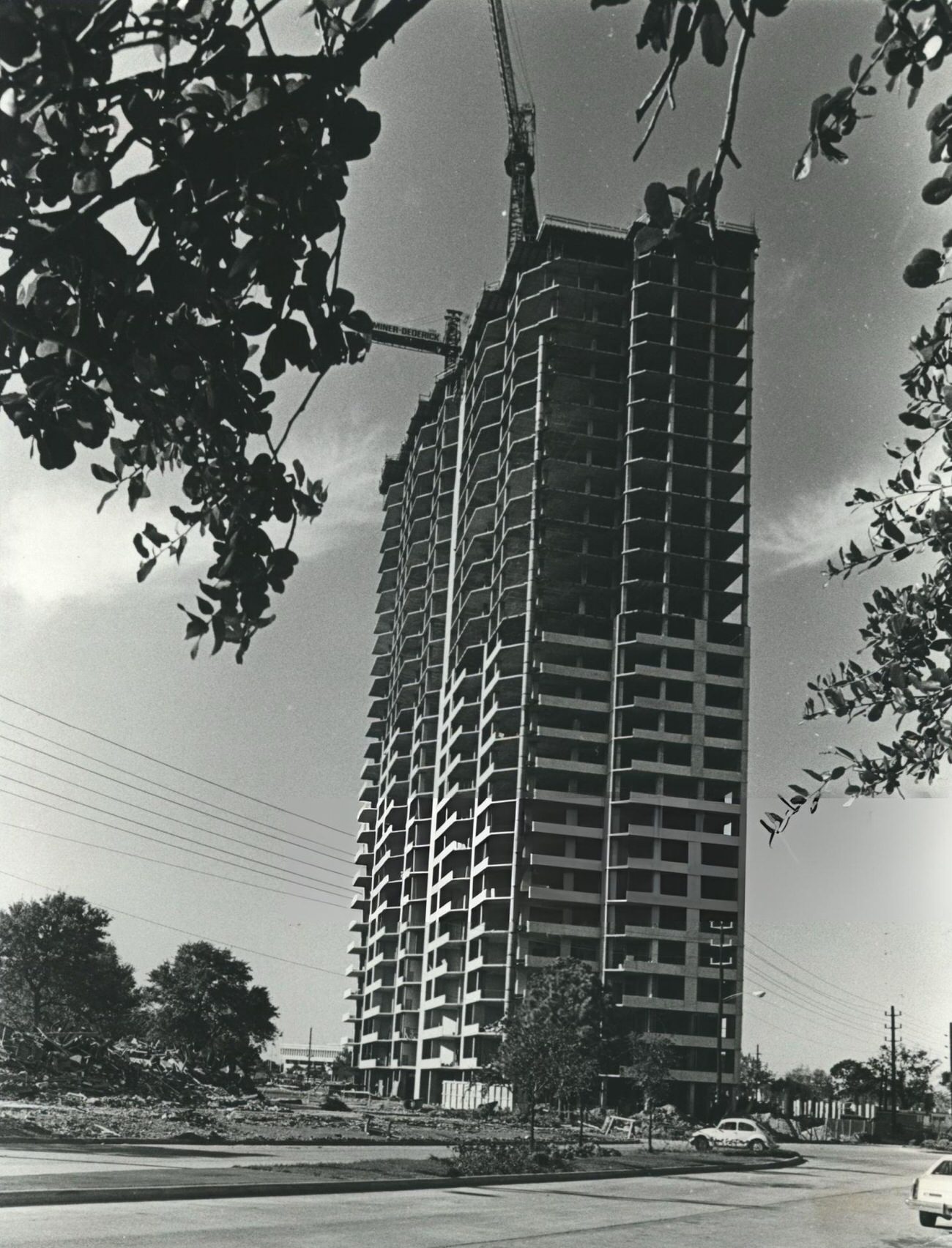
Greenway Plaza framed by tree limbs in Houston, Texas, detailing the Greenway condominium development.
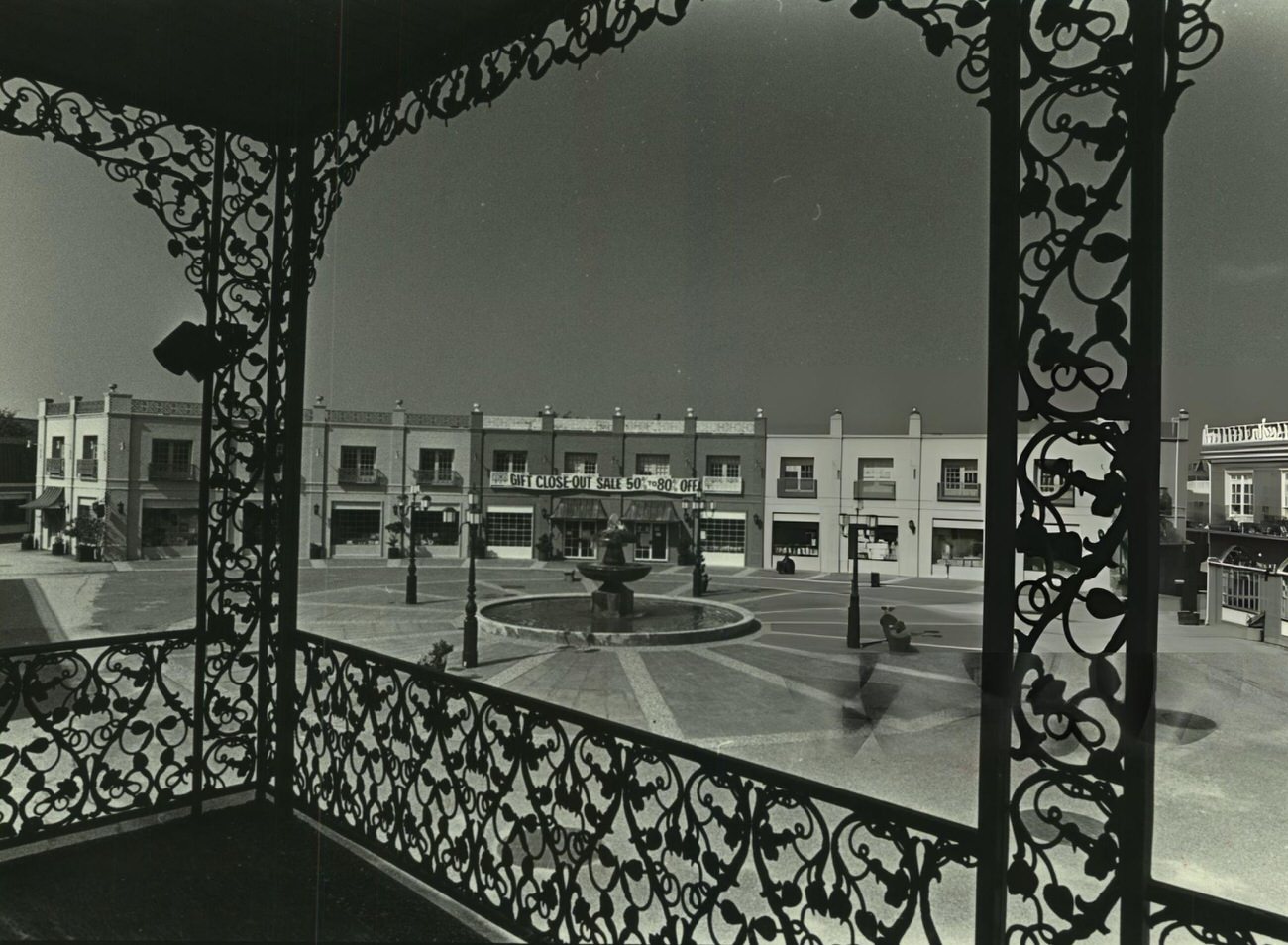
Westbury Square piazza viewed in Houston, Texas.
Houston's Westbury Square, 1970s
Houston’s Westbury Square, 1970s

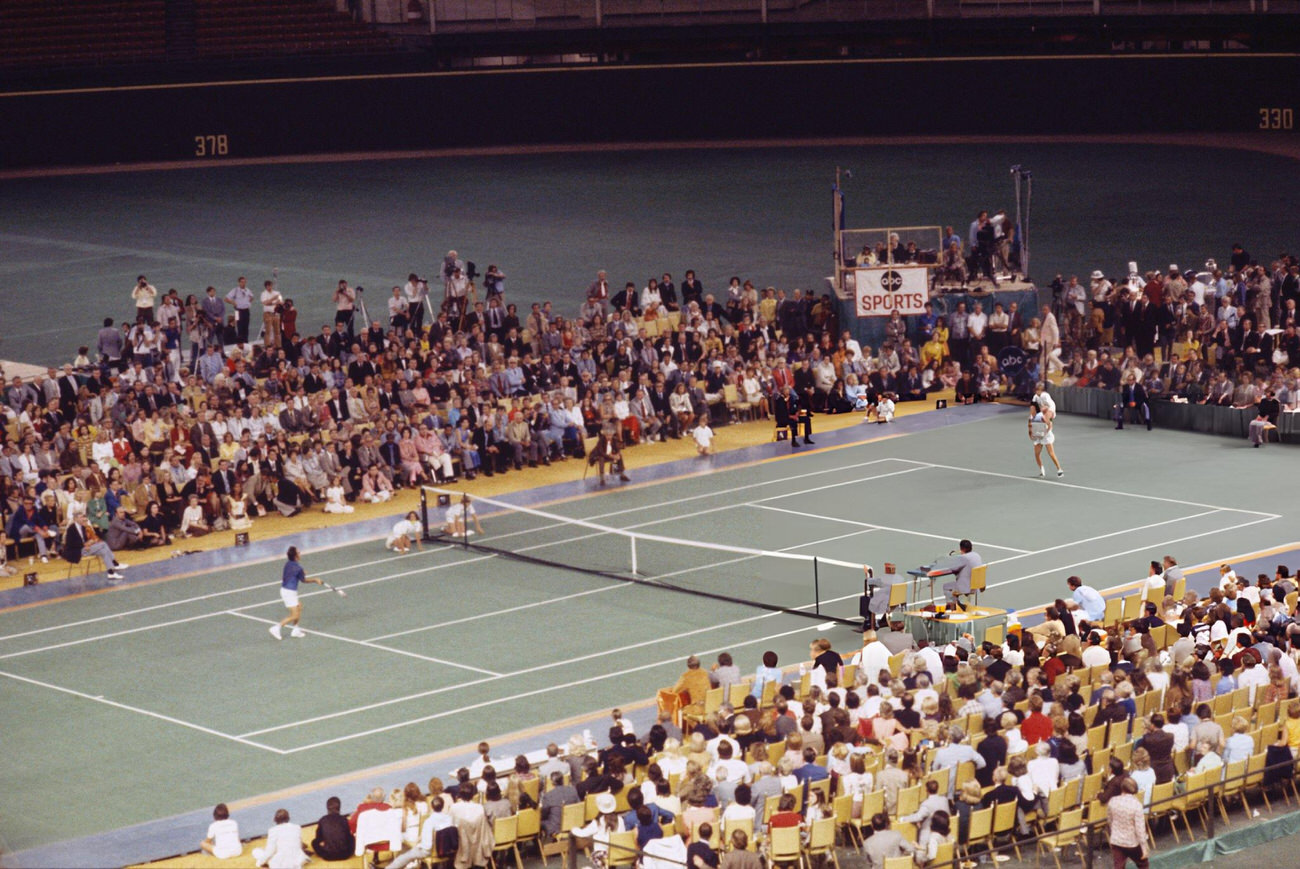
Entertainment was a big part of Houston life in the 1970s. The Astrodome, already famous as the world’s first domed stadium, hosted some of the decade’s most memorable events. In 1973, it was the site of the Battle of the Sexes tennis match between Billie Jean King and Bobby Riggs — one of the most-watched sporting events in television history. King won in straight sets. The Houston Astros and Houston Oilers also called the Astrodome home, drawing massive crowds throughout the decade.
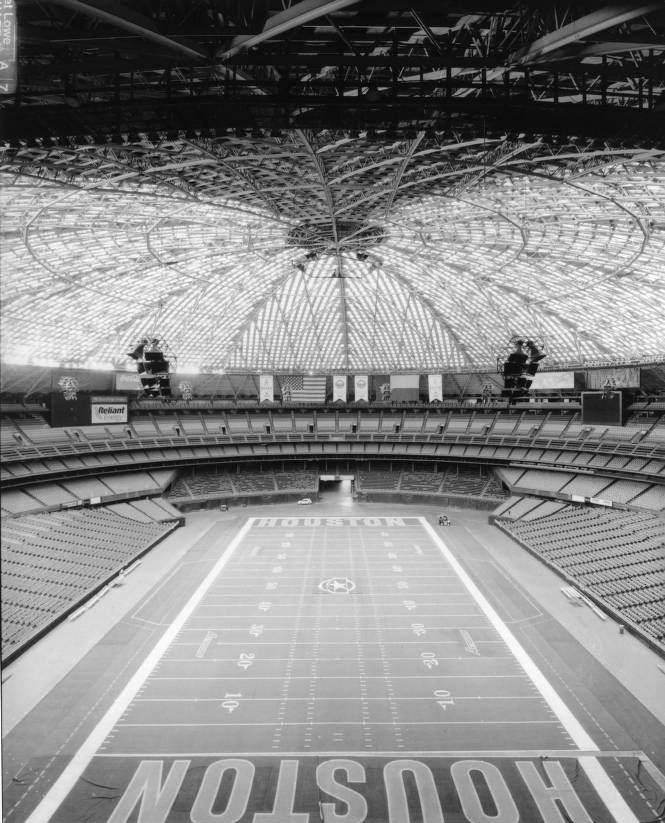
Houston Astrodome, 1970s
Billie Jean King and Bobby Riggs at the Battle of the Sexes Challenge Match at the Astrodome, Houston, 1973.

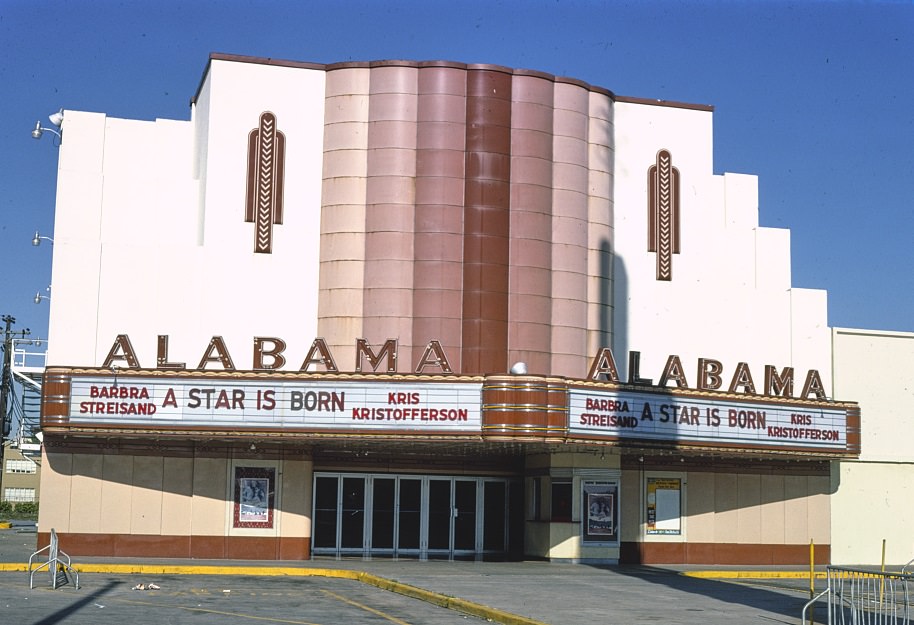
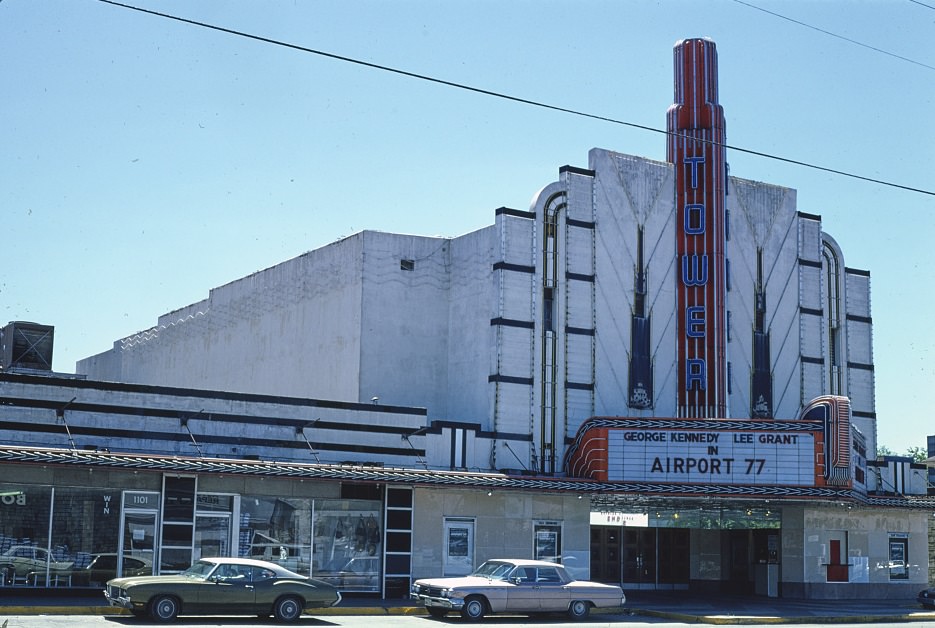
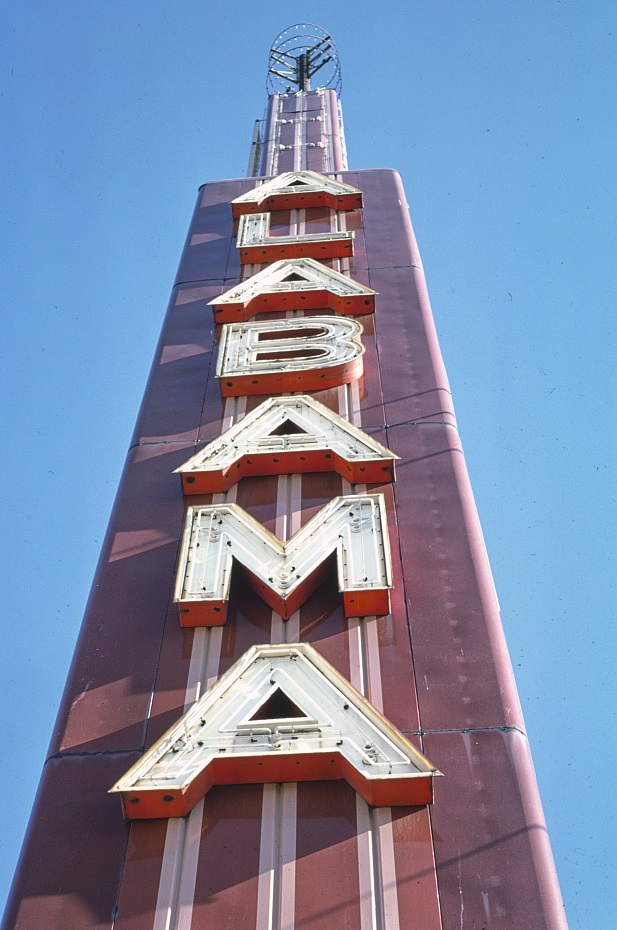
Live music also thrived. Creedence Clearwater Revival performed at the Sam Houston Coliseum in 1970, and touring acts continued to make Houston a regular stop throughout the decade. The Alabama Theater and Tower Theater were cultural fixtures, offering films and performances to Houston audiences.
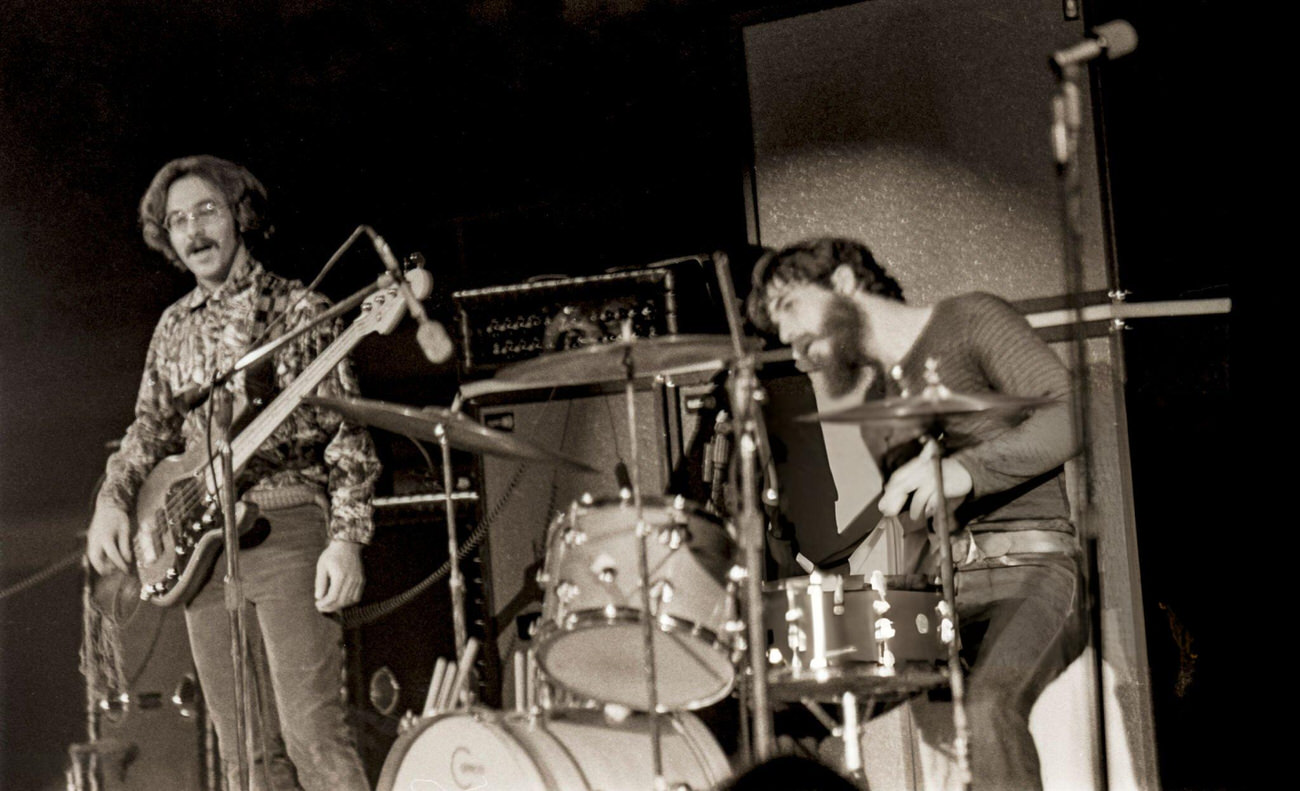
Creedence Clearwater Revival performs at the Sam Houston Coliseum, Houston, Texas, 1970.
Alabama Theater in Houston, Texas, 1977
Tower Theater in Houston, Texas, 1977
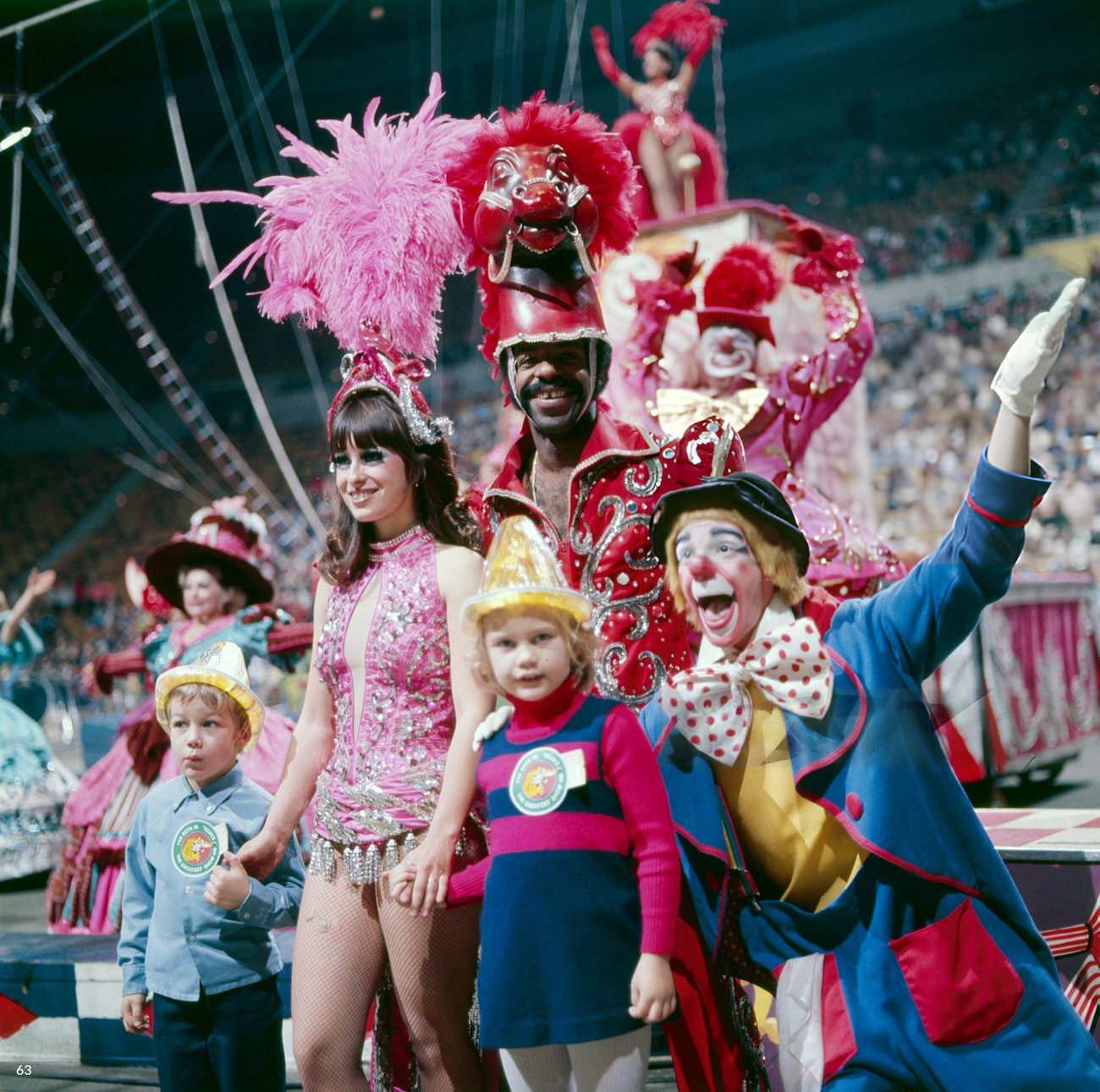
Performers including unicyclist King Charles at Ringling Brothers & Barnum and Bailey's Circus, Houston, 1975.
Performers including unicyclist King Charles at Ringling Brothers & Barnum and Bailey’s Circus, Houston, 1975.

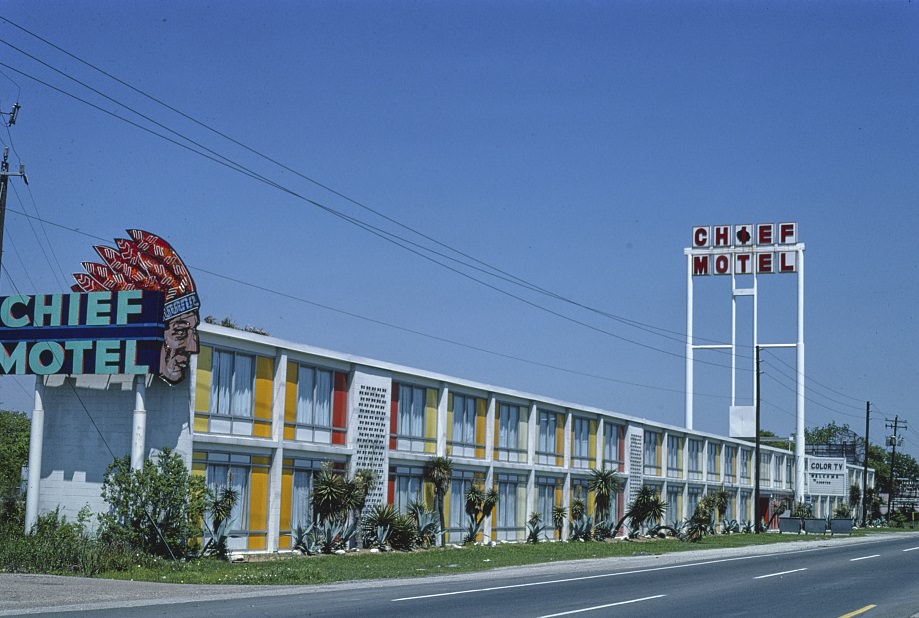
Houston’s hotels reflected the city’s mix of old charm and new money. The iconic Shamrock Hotel on Holcombe Boulevard remained one of the city’s most recognizable landmarks. Motor hotels like the Alamo Plaza and the Chief Motel offered more modest accommodations for travelers passing through.
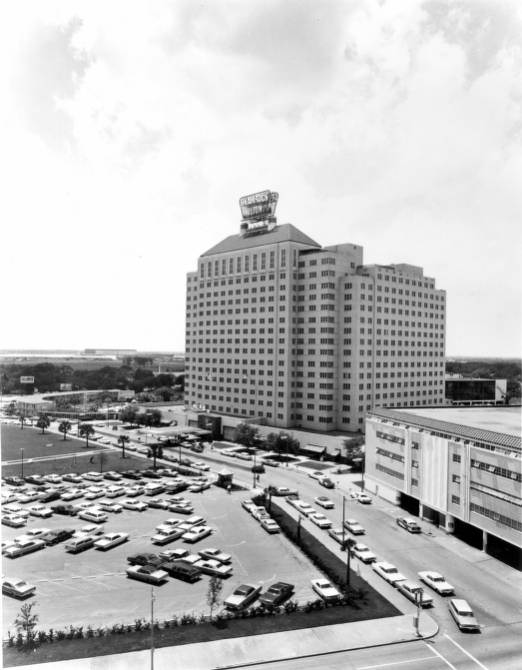
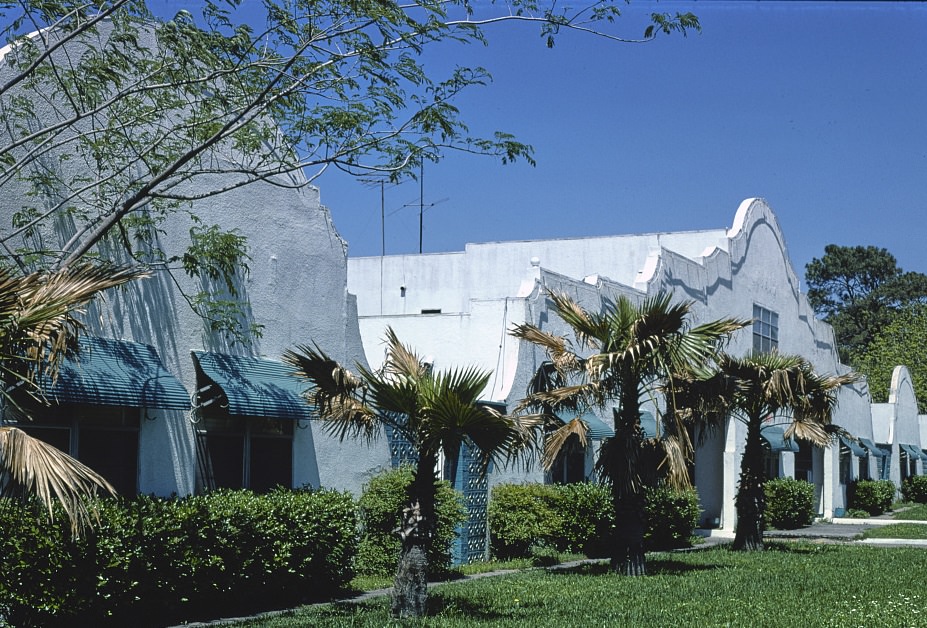
Shamrock Hotel along Holcombe Blvd., Houston, 1970s
Alamo Plaza Motor Hotel in Houston, Texas, 1977
Chief Motel in Houston, Texas, 1977

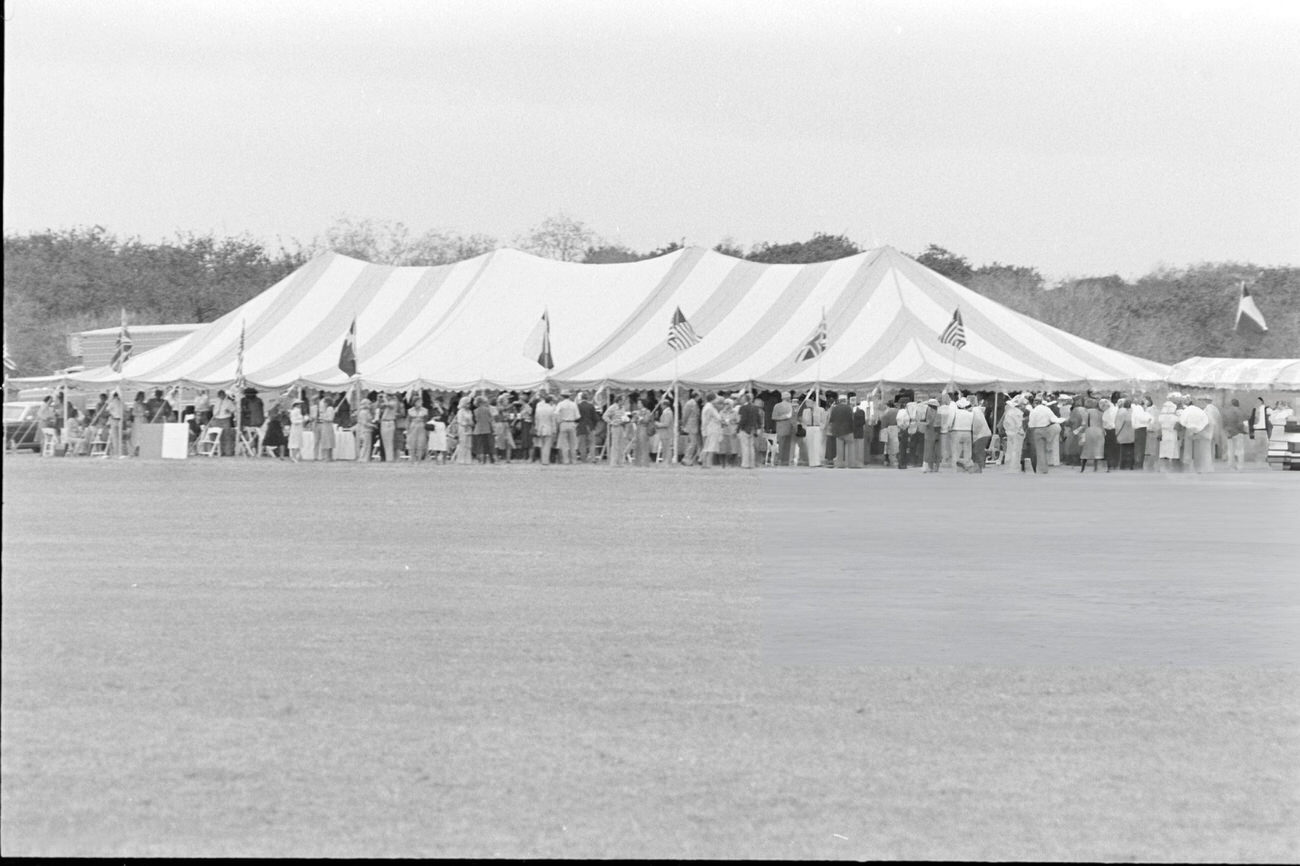
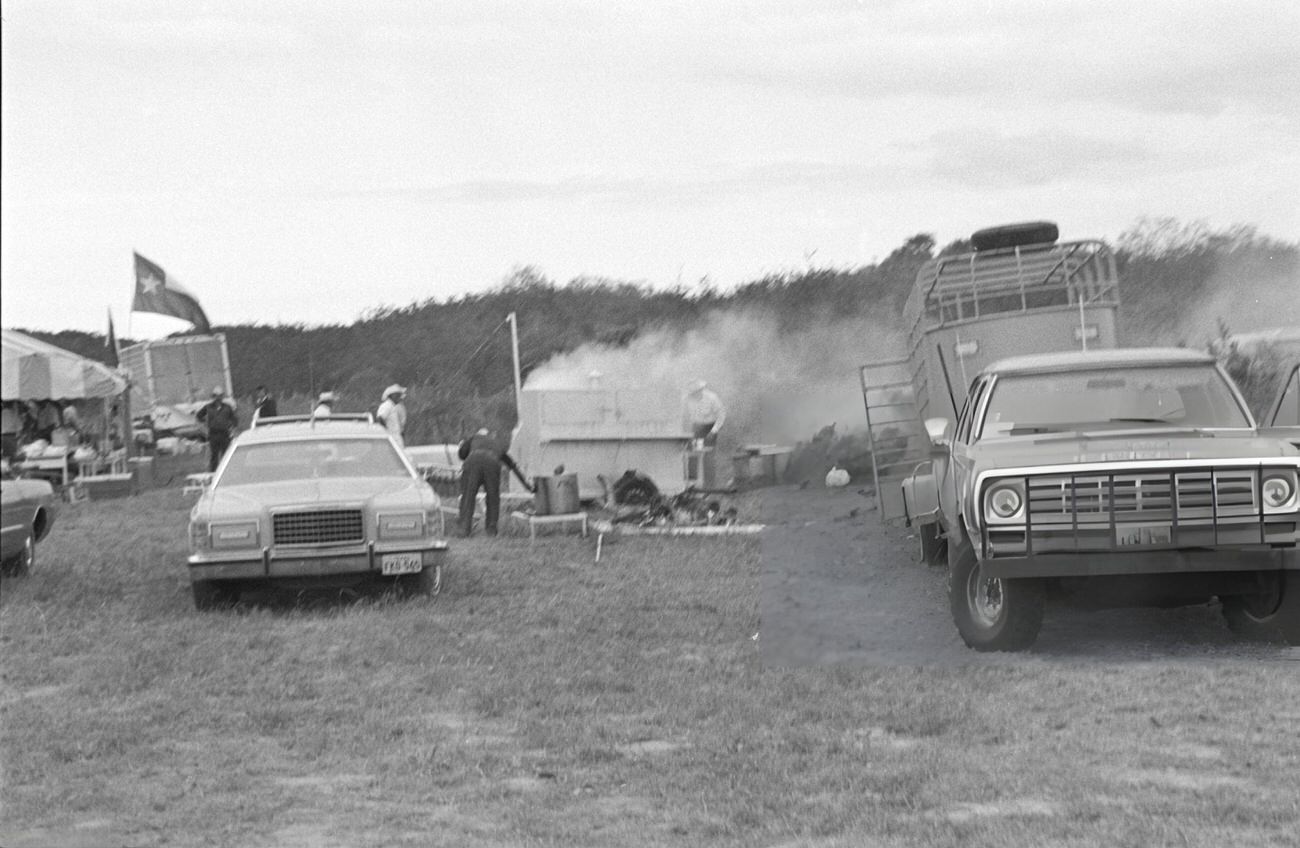
Politically, Houston attracted national attention throughout the decade. President Gerald Ford campaigned in the city in 1976. Prince Charles visited a cattle ranch outside Houston in 1977, where a traditional Texas barbeque was prepared in his honor. The ranch belonged to Tobin and Anne Armstrong, prominent figures in Texas society and Republican politics.
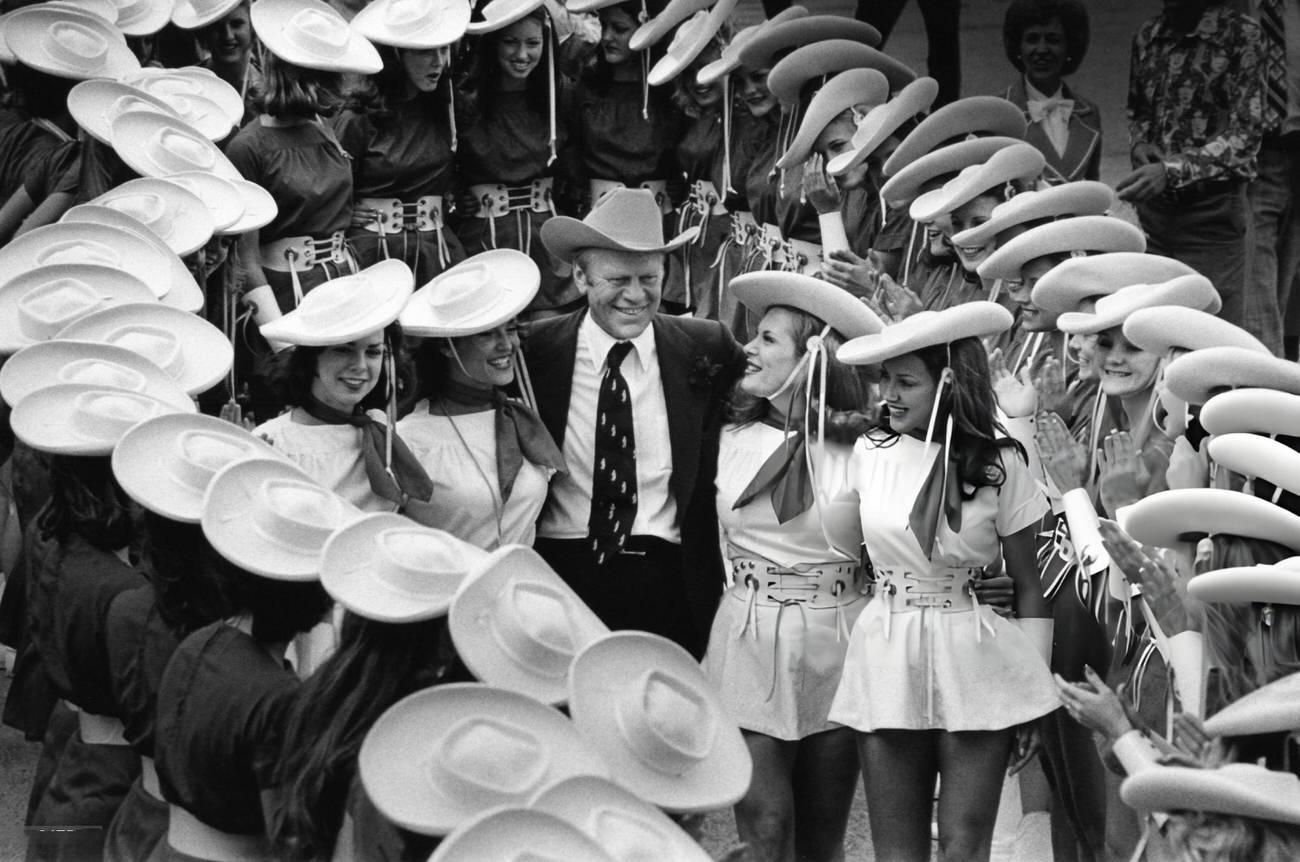
President Gerald R. Ford's campaign appearance in Houston, Texas, 1976.
President Gerald R. Ford’s campaign appearance in Houston, Texas, 1976.
Preparation for a barbeque at a cattle ranch visited by Prince Charles in Houston, Texas, 1977.
Guests visit a cattle ranch in Houston, Texas, 1977, owned by Tobin and Anne Armstrong.

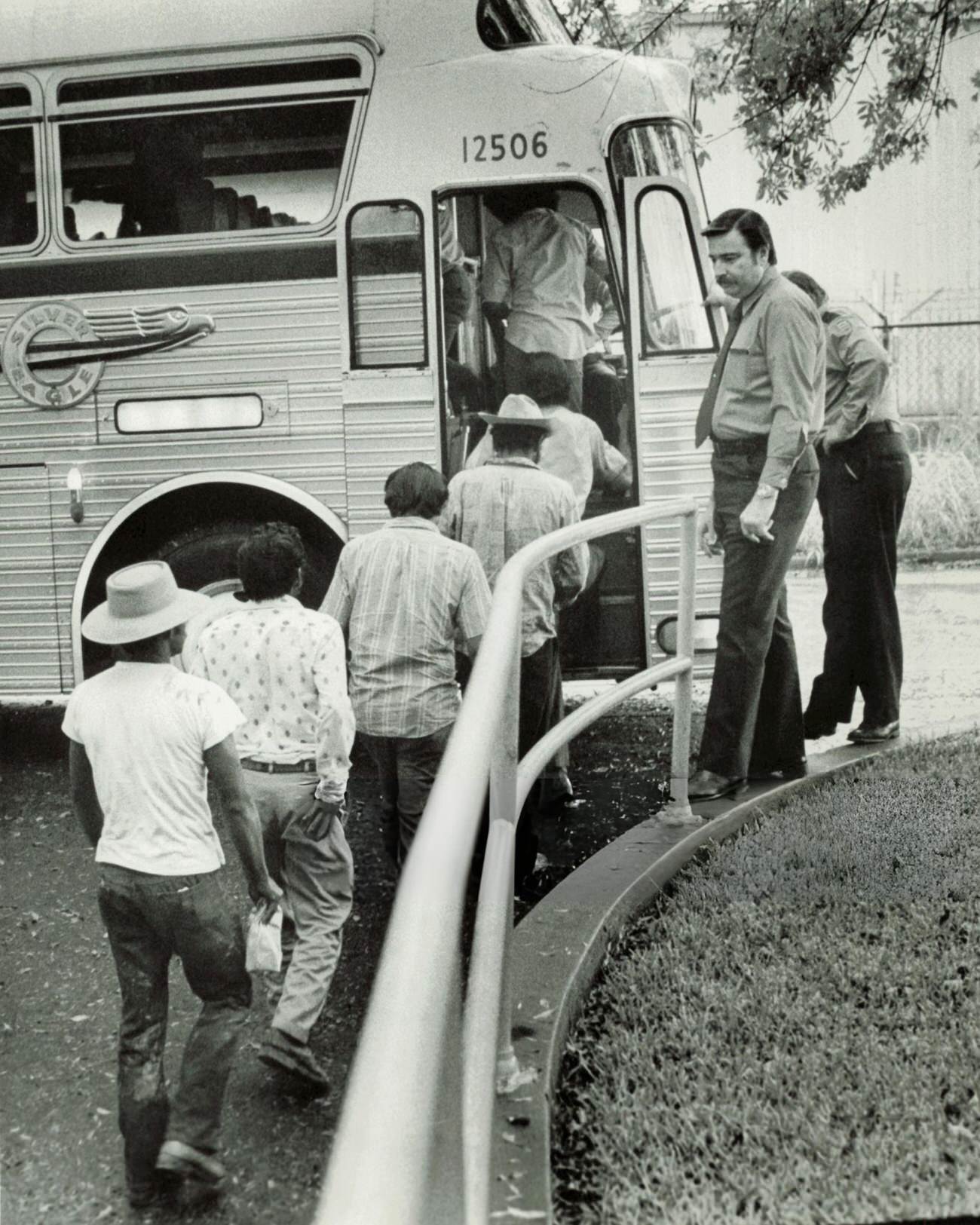
The decade also brought social change to Houston’s streets. On July 1, 1979, Houston held its first Gay Pride Parade along Westheimer, a historic moment for the city’s LGBTQ community and a sign of shifting cultural boundaries. Immigration was another visible issue. In 1977, federal immigration officials supervised the return of undocumented immigrants to Mexico from Houston, reflecting the city’s increasingly complex relationship with its growing migrant population.
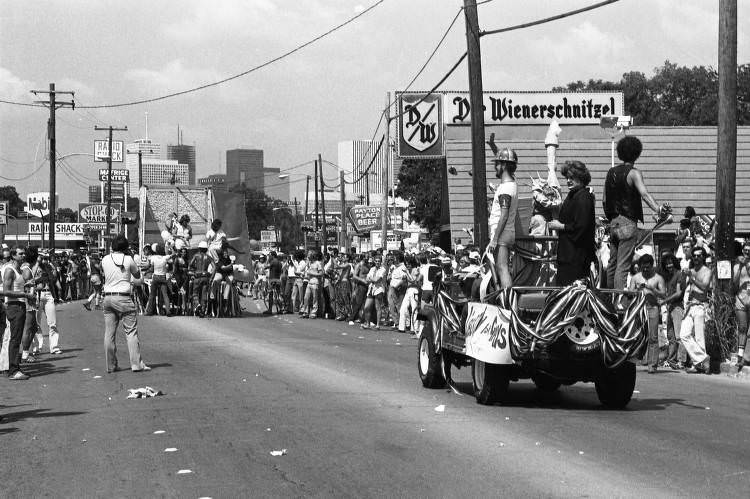
First Gay Pride Parade on Westheimer, Houston, July 1, 1979.
Immigration officials supervise the return of illegal immigrants to Mexico from Houston, Texas, 1977.

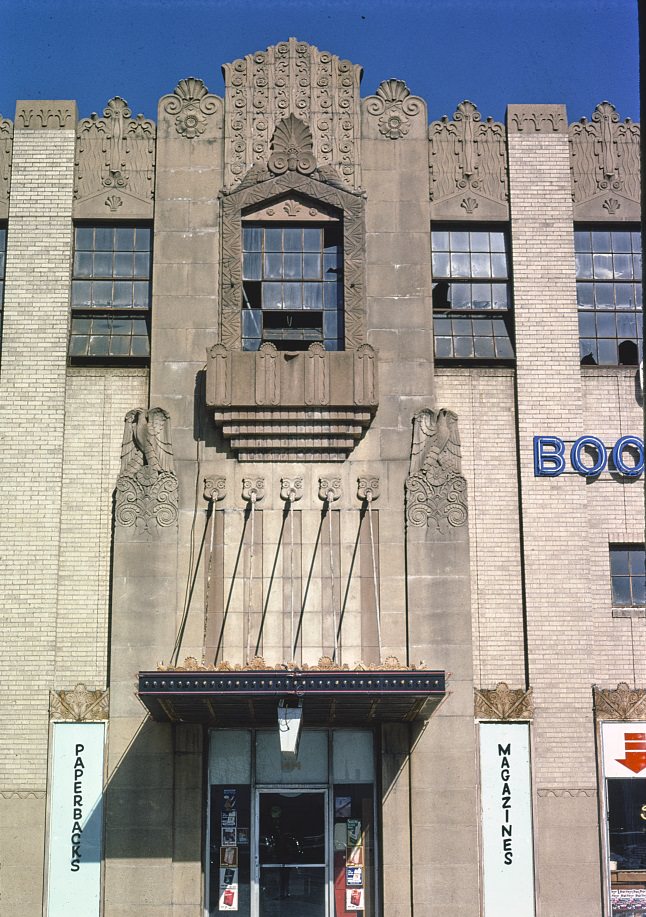
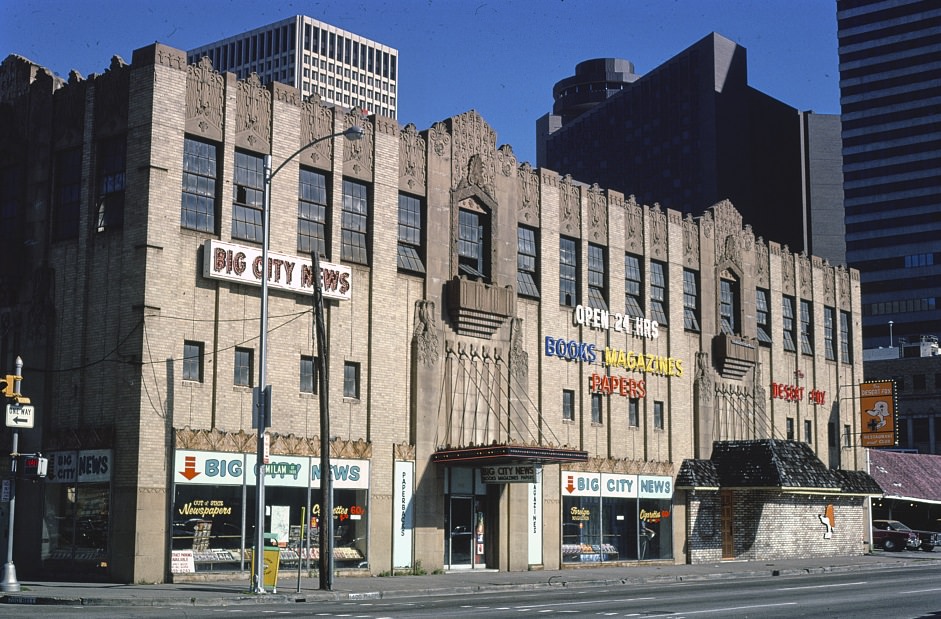
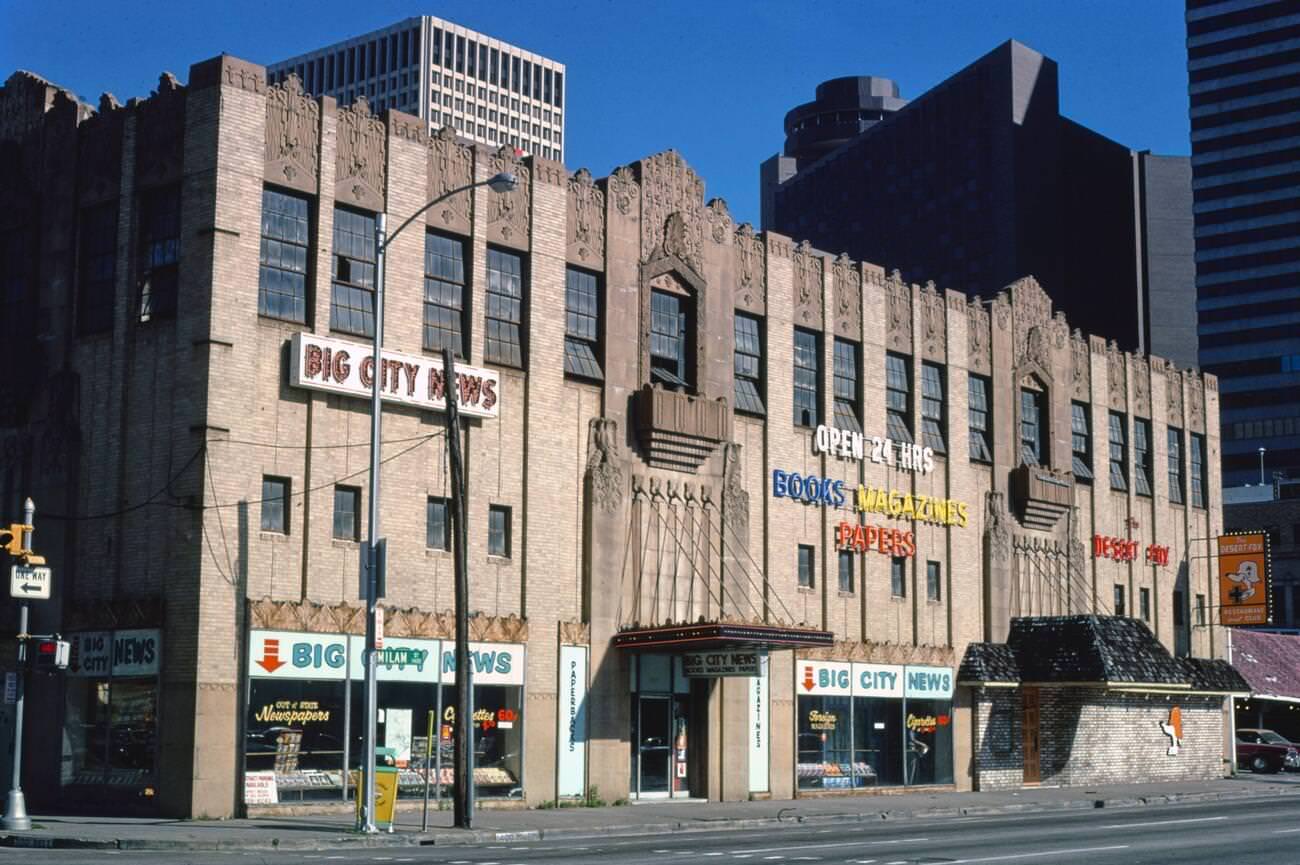
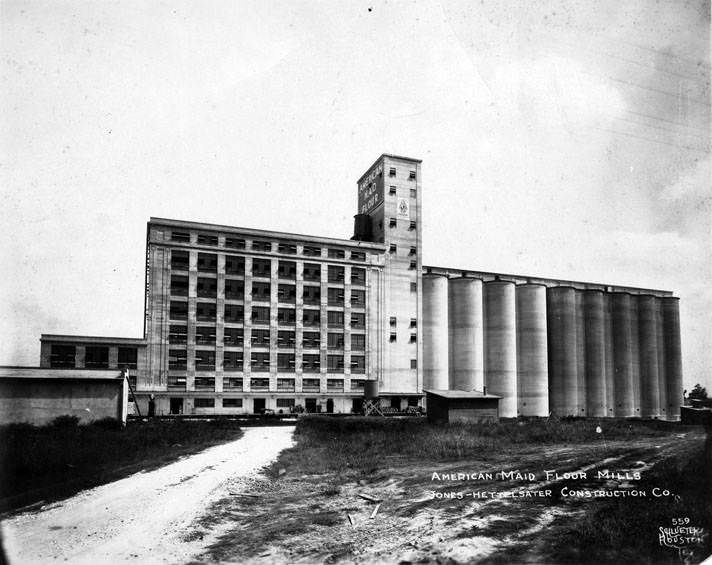
Across Houston’s commercial blocks, the signage and storefronts of 1977 told the story of a working city. News stands, tire stores, and neighborhood shops filled the gaps between the big developments. The Firestone store at Milam and Webster, Big City News at Milam and Bell, and the American Maid Flour Mill all served a city whose population kept climbing year after year.
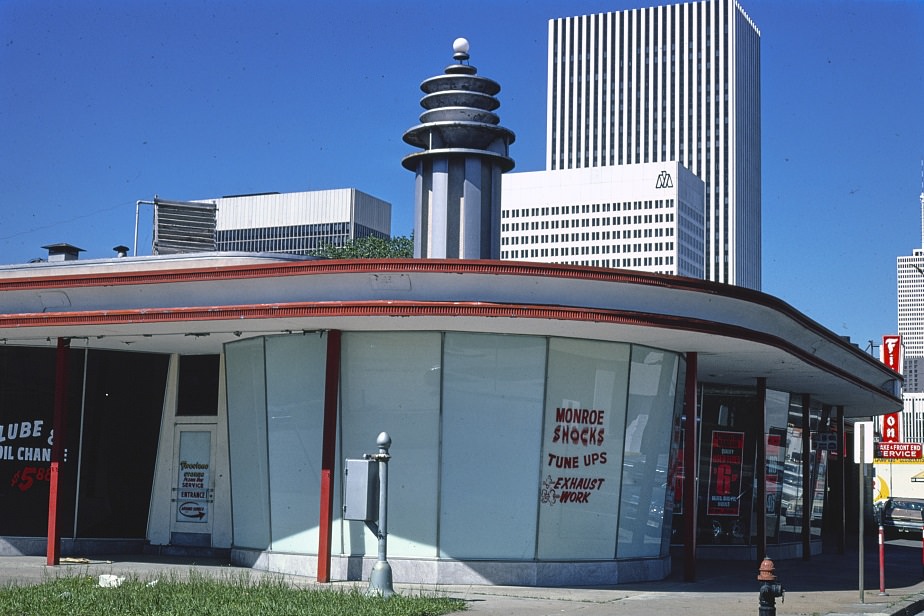
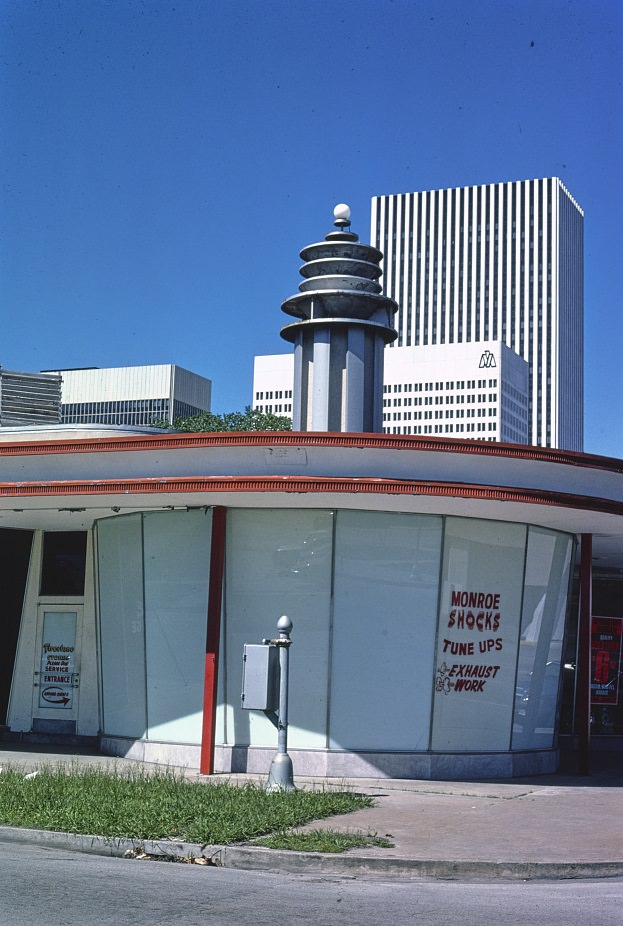
Firestone Store at Milam & Webster Streets in Houston, Texas, 1977
Big City News at Milam & Bell Streets in Houston, Texas, 1977
Big City News at Milam & Bell Streets in Houston, Texas, 1977.
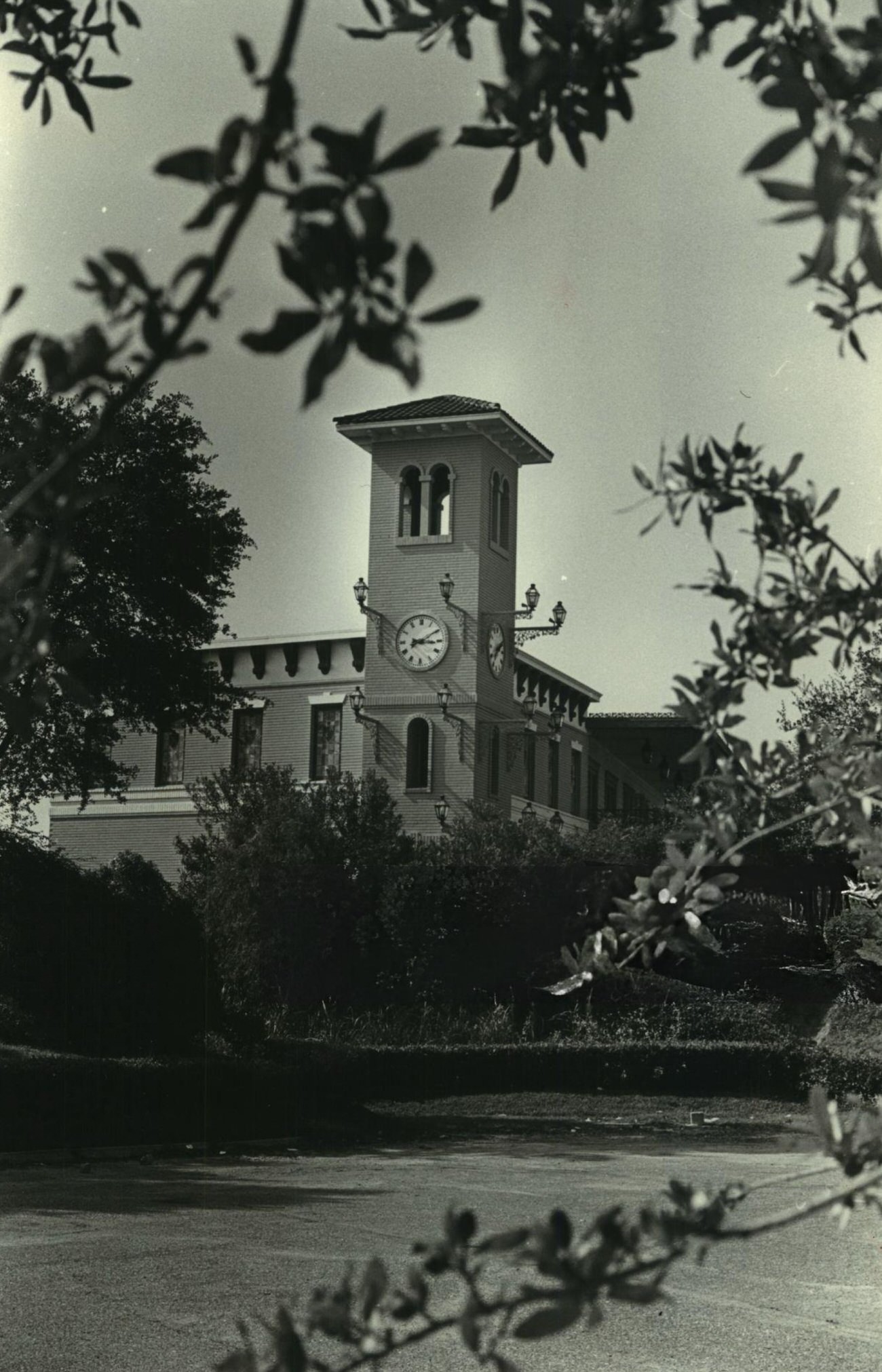
American Maid Flour Mill, Houston, 1970s
Blockfront in Houston, Texas, 1977
Urban scene in Houston, Texas, circa 1977.
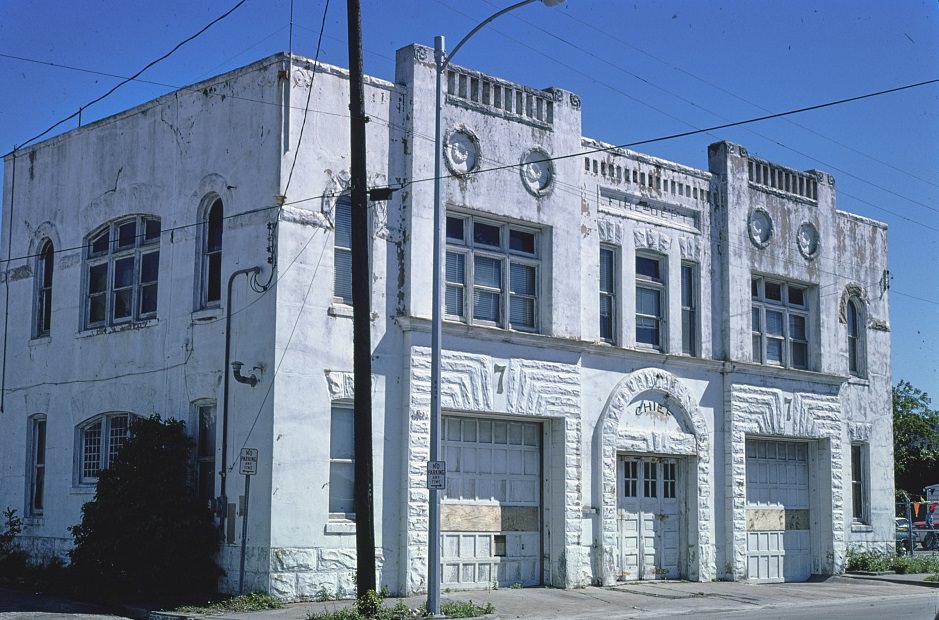
Fire Department at Milam & McIhenny Streets in Houston, Texas, 1977

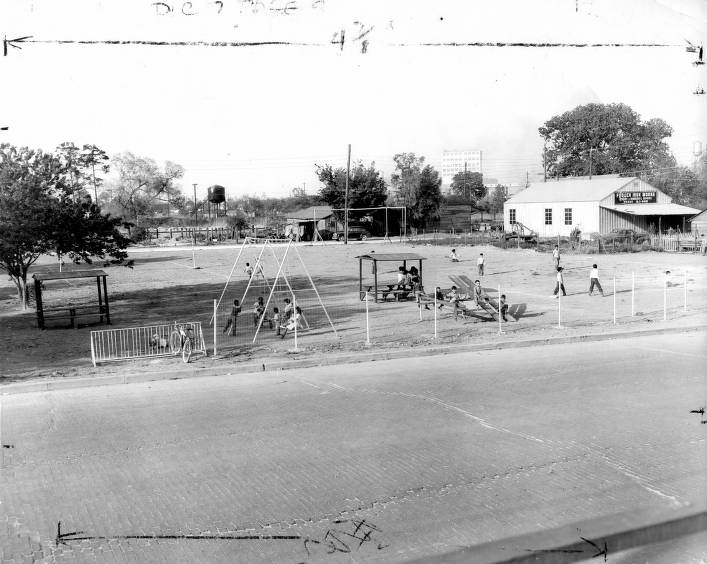
Community spaces and institutions mattered just as much as the commercial strip. The YWCA’s downtown cafeteria served as a gathering place for women across the city. Playgrounds beside industrial buildings, like the one next to the Iron Works, showed how residential and working life overlapped in Houston’s denser neighborhoods. The Houston Museum of Fine Arts stood as a cultural anchor on the city’s south side.
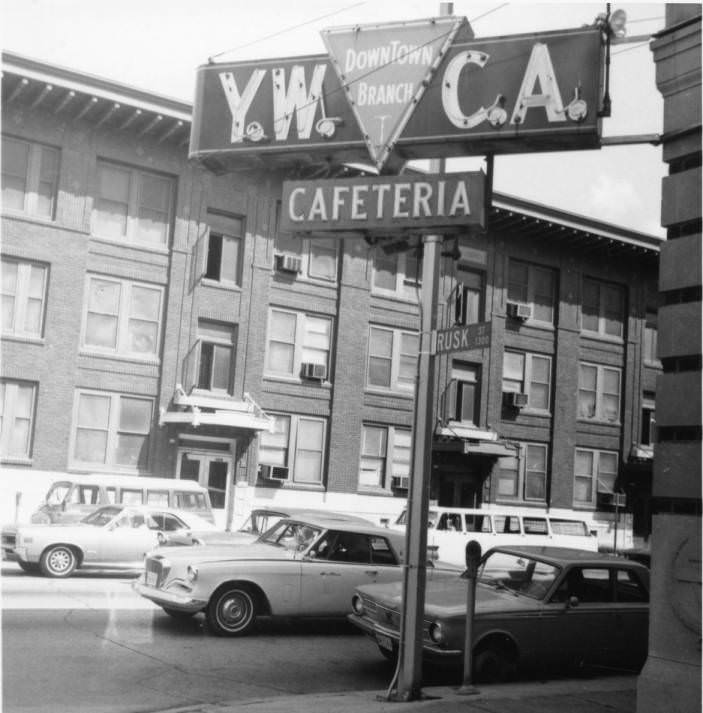
YWCA Cafeteria Downtown Branch, Houston, 1970s
Playground next to Iron Works building, 1970s
Exterior of the Houston Museum of Fine Arts.
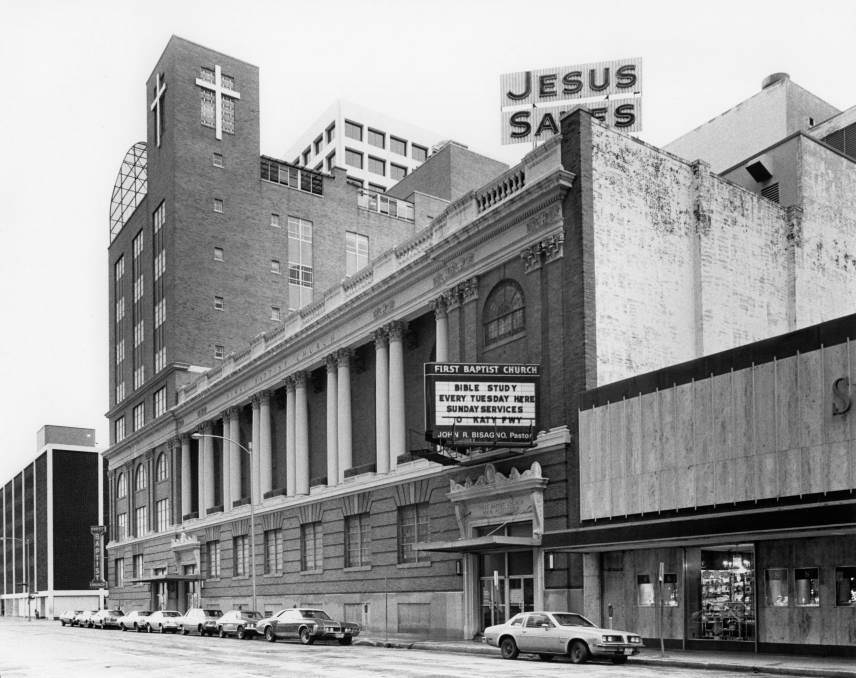
First Baptist Church, Houston, Texas, with sign mentioning Bible Study and Pastor John R. Bisagno, 1970s

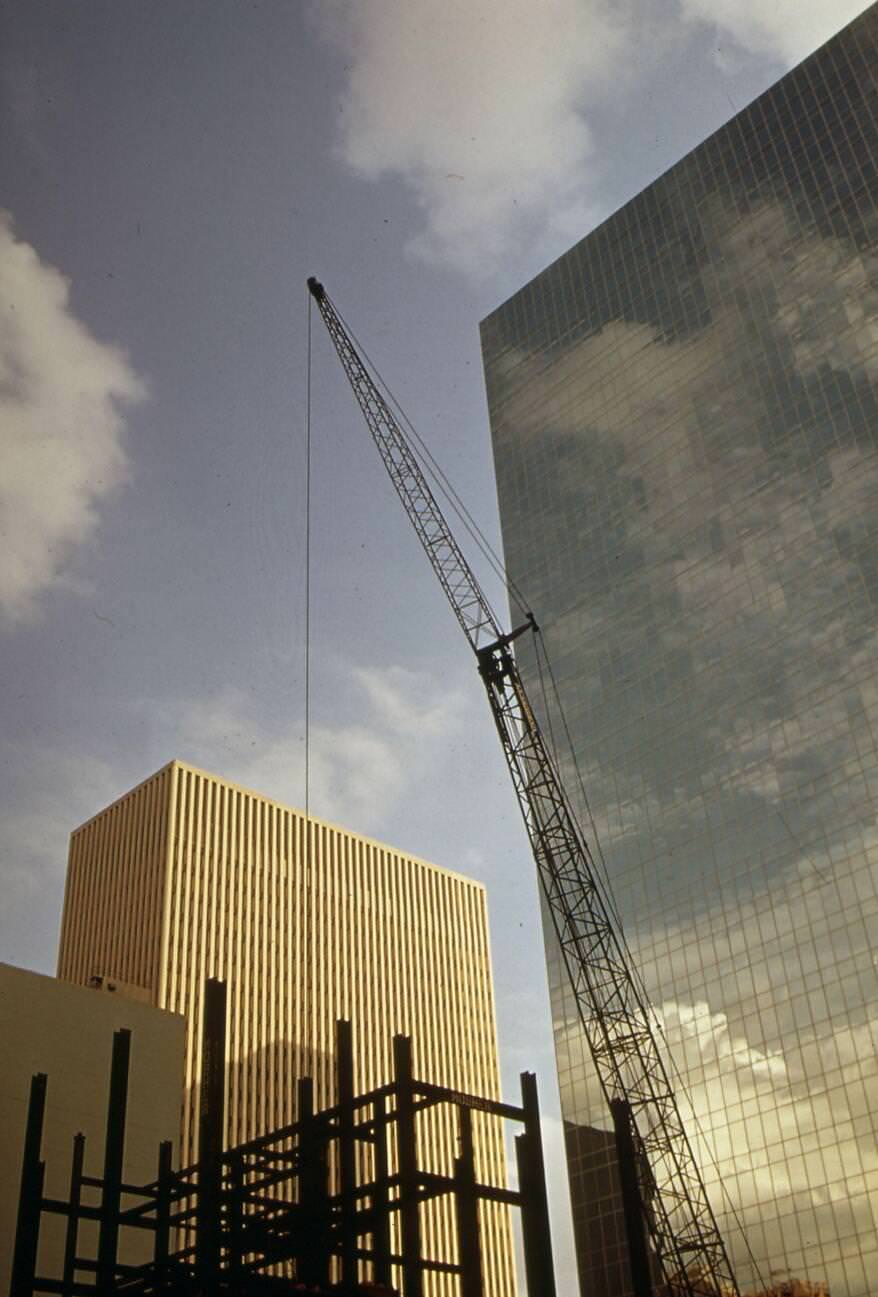
Houston’s skyline from outside the city in 1973 captured the raw ambition of the decade. Skyscrapers were still going up, cranes dotted the horizon, and a city that had once been a regional oil town was well on its way to becoming a global energy capital. These photos show Houston not as a finished product, but as a place actively becoming something larger than it had ever been.
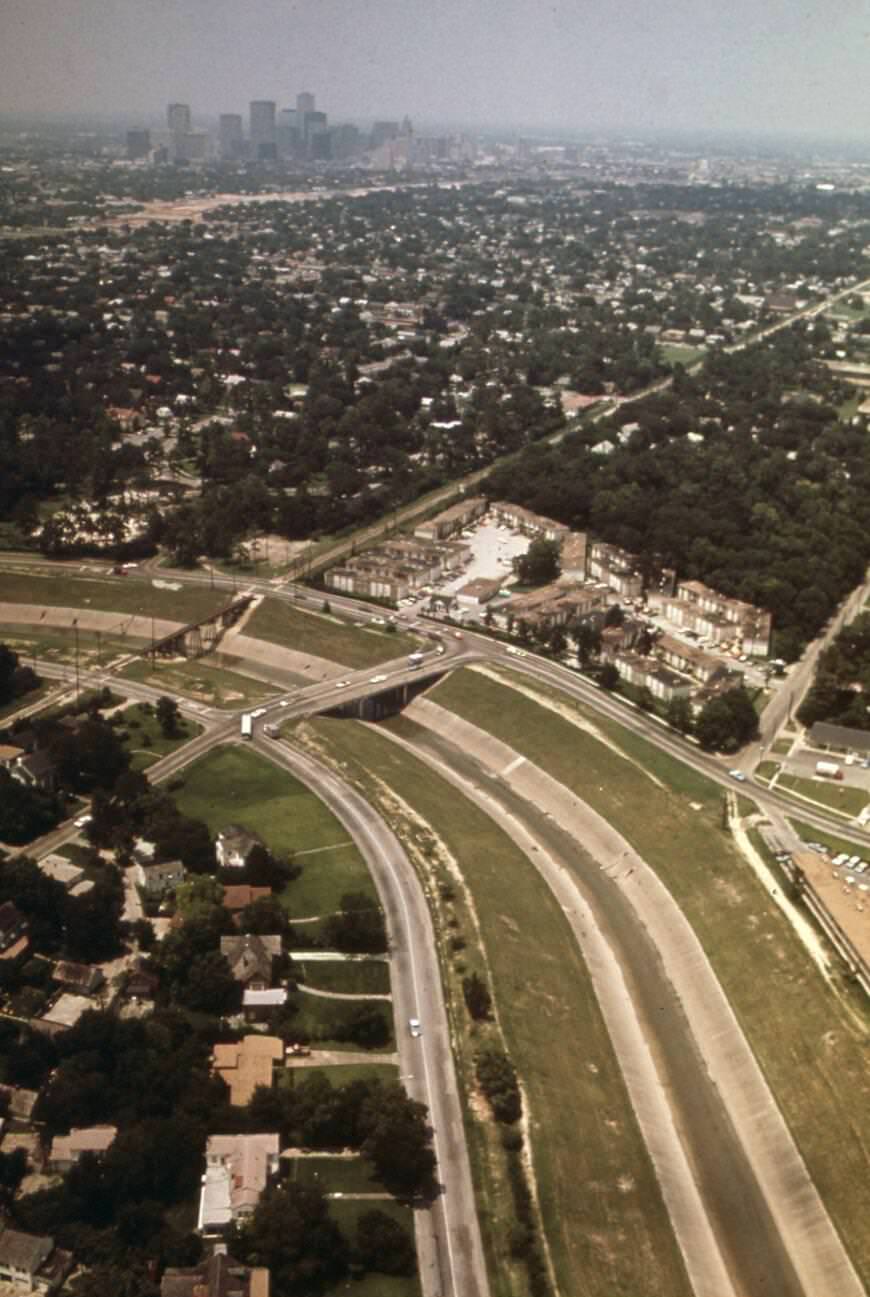
Houston skyline viewed from outside the city, 1973.
Skyscrapers and construction in Houston, 1973.
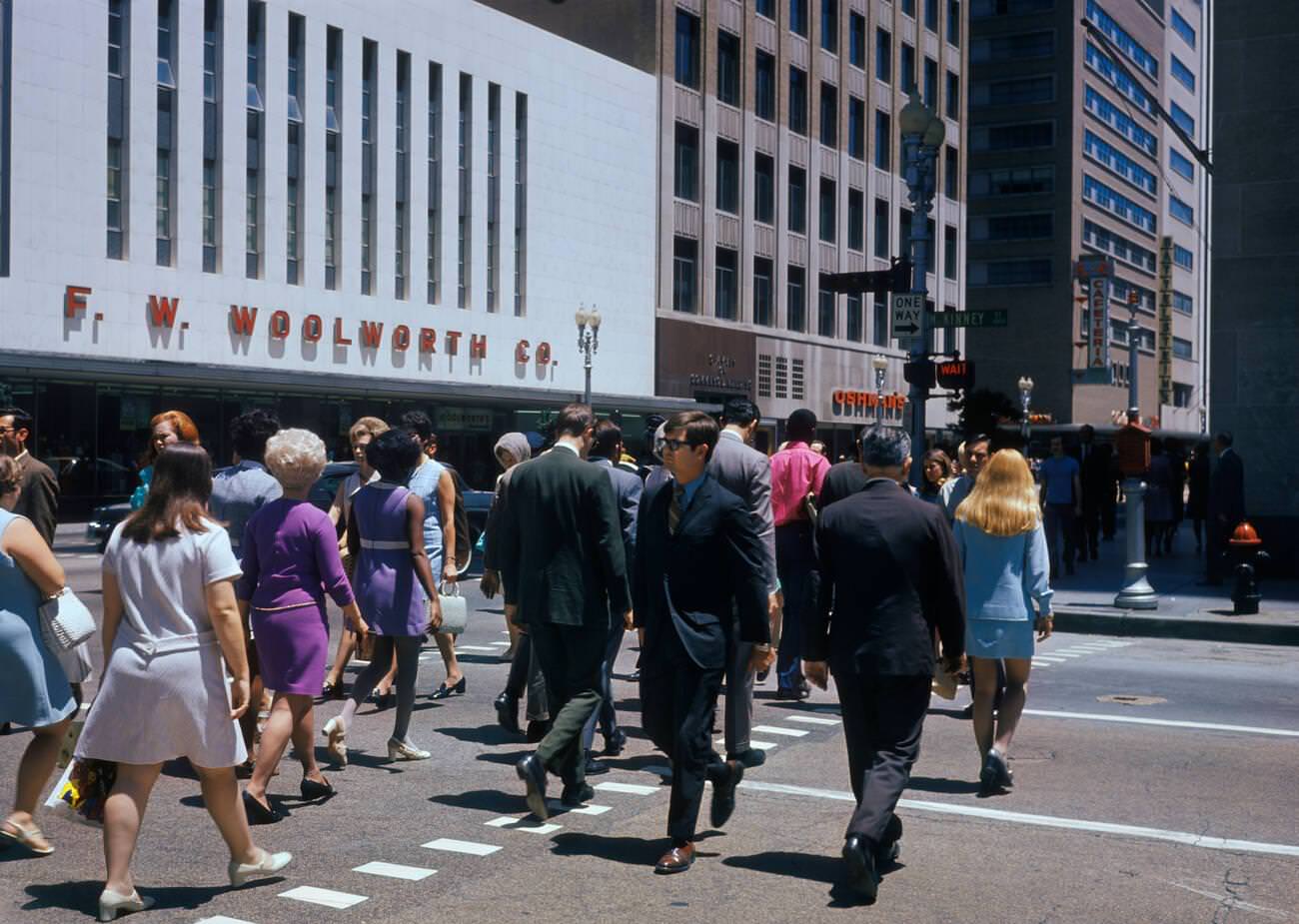
Crowd crossing McKinney Street at Main Street in Houston, Texas, 1970s.
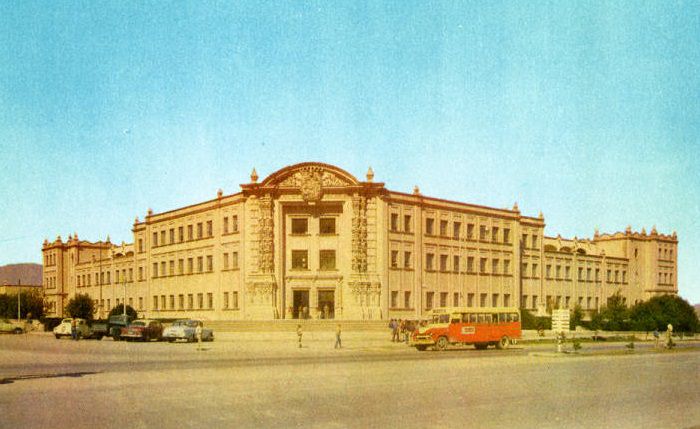
Technological Institute of Saltillo, Mexico, 1970s
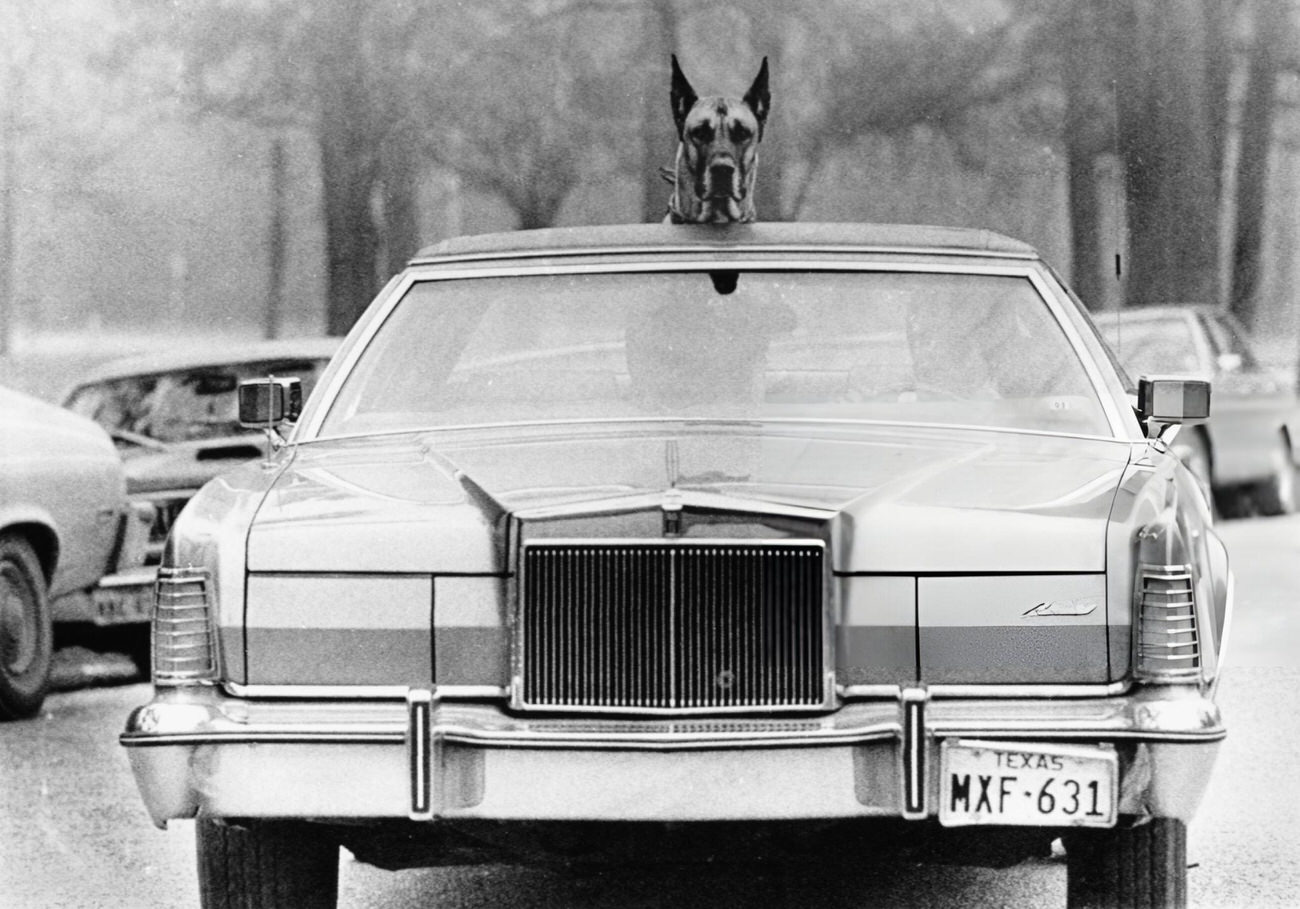
A Great Dane peers out from a car roof next to its owner in Houston, Texas, 1977.
What Houston looked like in the 1970s through these Fascinating Vintage Photos
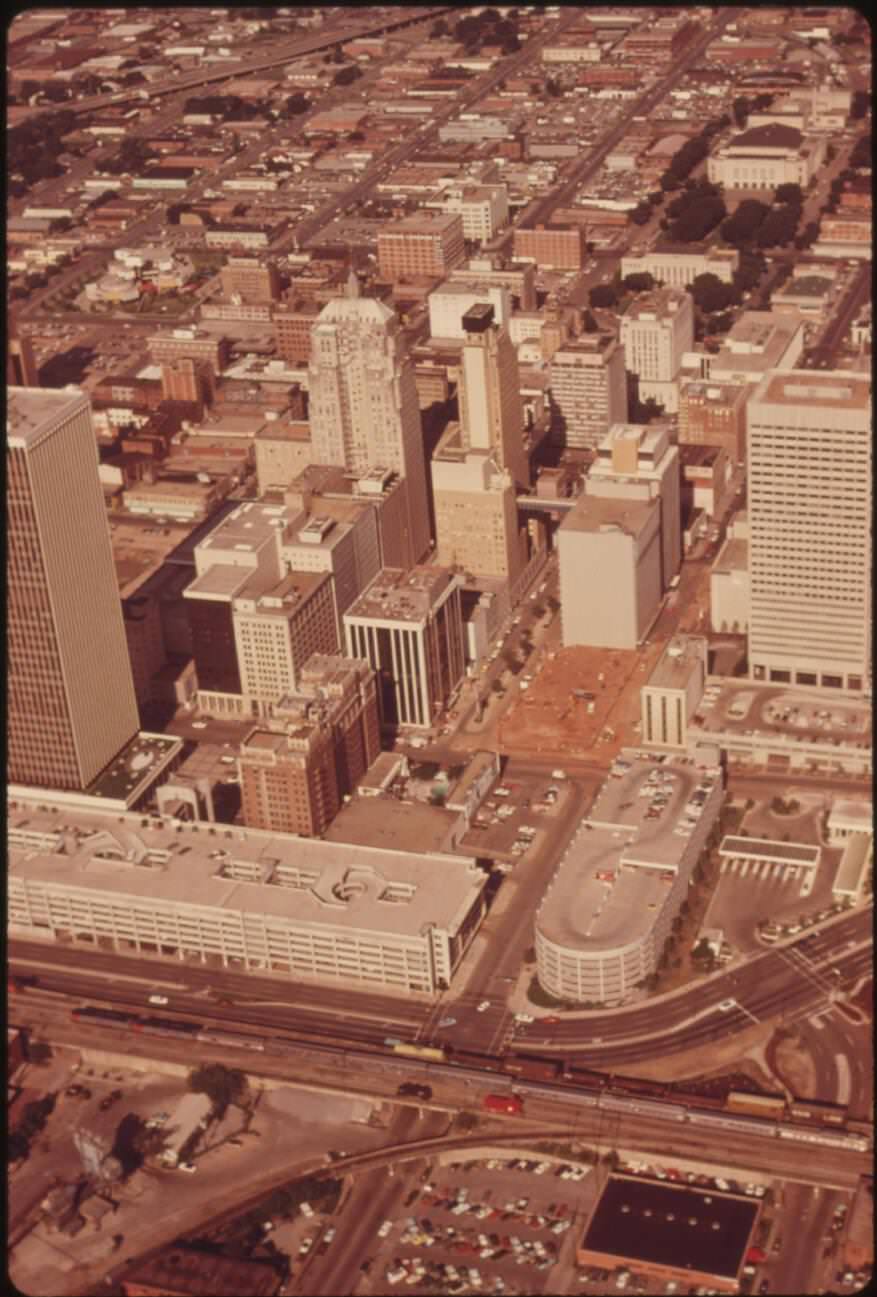
Amtrak's Lone Star en route from Chicago to Houston through downtown Oklahoma City, highlighting rail travel innovations, 1970s.
Amtrak’s Lone Star en route from Chicago to Houston through downtown Oklahoma City, highlighting rail travel innovations, 1970s.
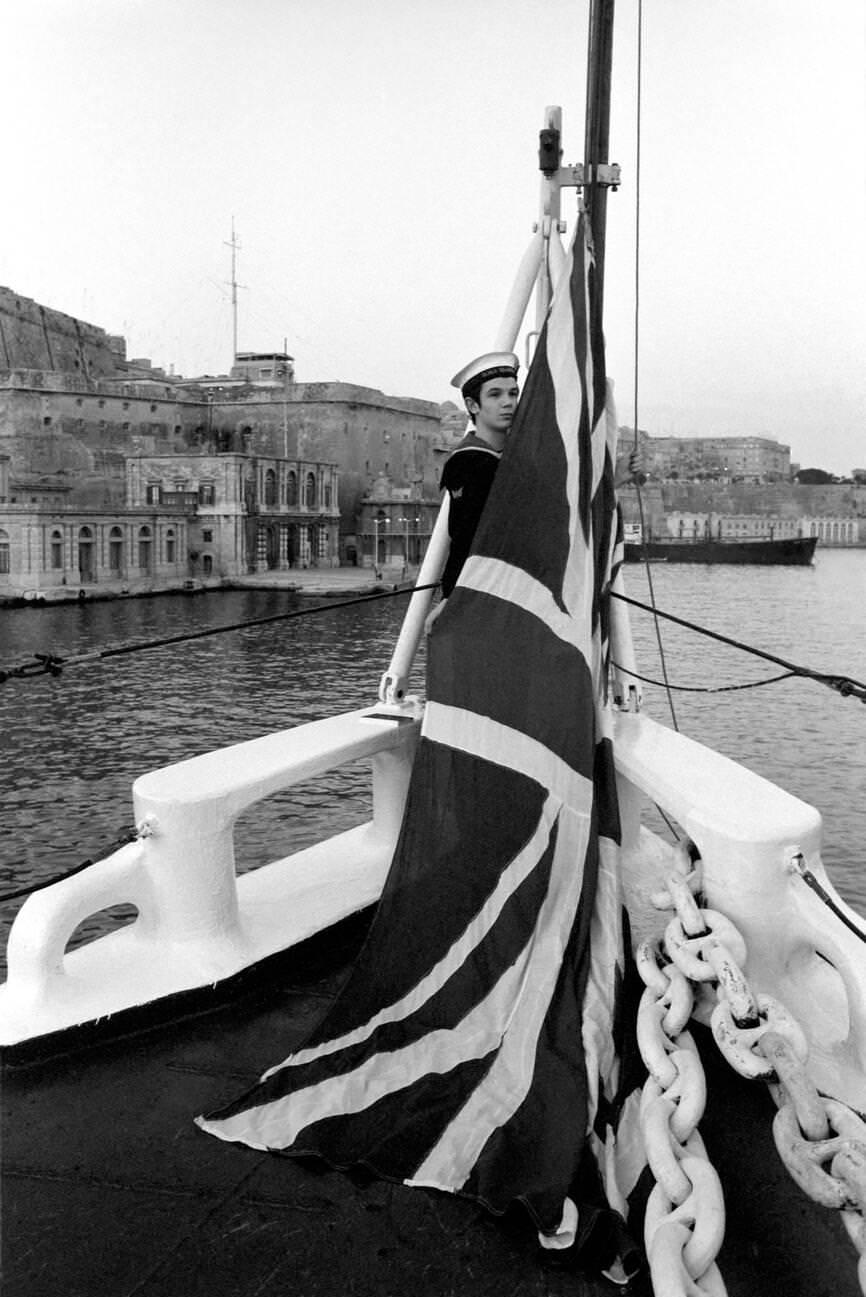
Radio operator Brian Houston covers the Union Jack at sunset in H.M.S. Blake in Valletta, Malta, 1972.
Enjoyed this post? Get new ones in your inbox.

Leave a Comment

Your email address will not be published. Required fields are marked *

Share this Post 🥺

Please take a moment to share this content. Your support is greatly appreciated! 🙌🙏

Share this Post 🥺

Please take a moment to share this content. Your support is greatly appreciated! 🙌🙏
Scroll to Top
 
Hey Friend, Before You Go.. Please like & follow for more interesting content